Movement
Precisionism
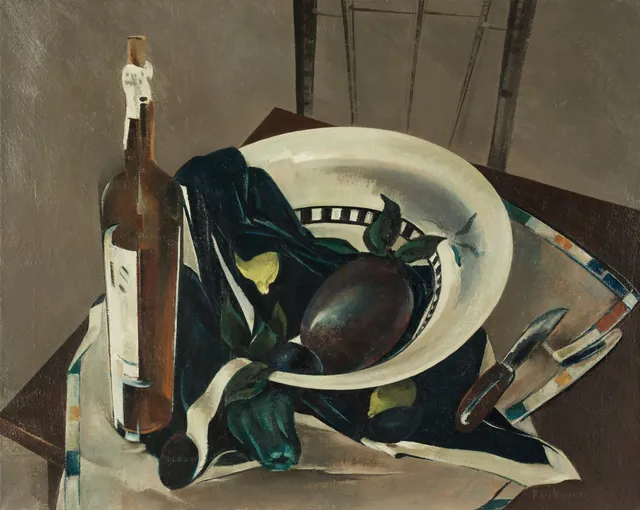
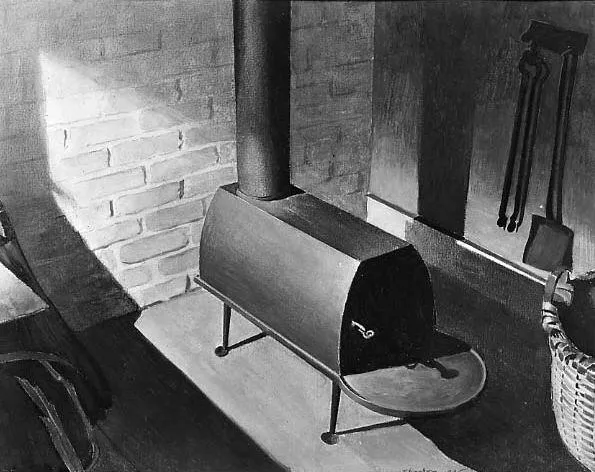
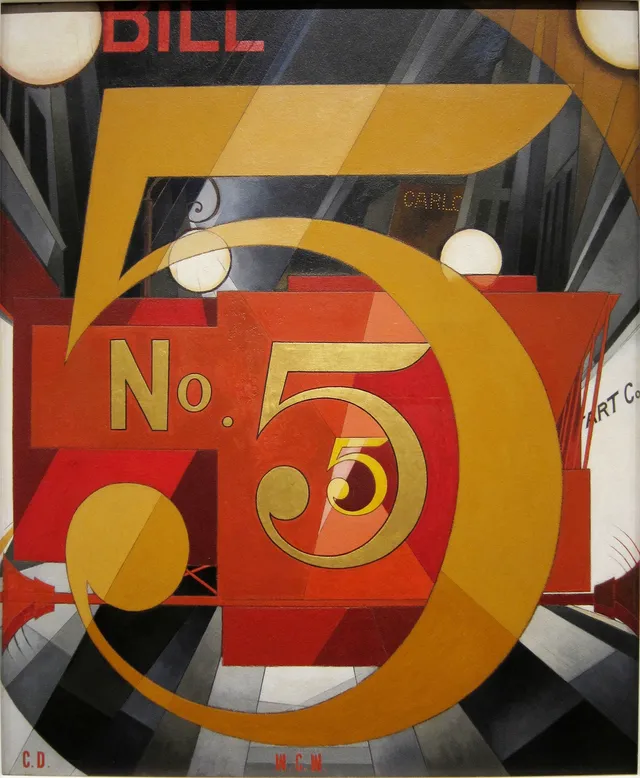
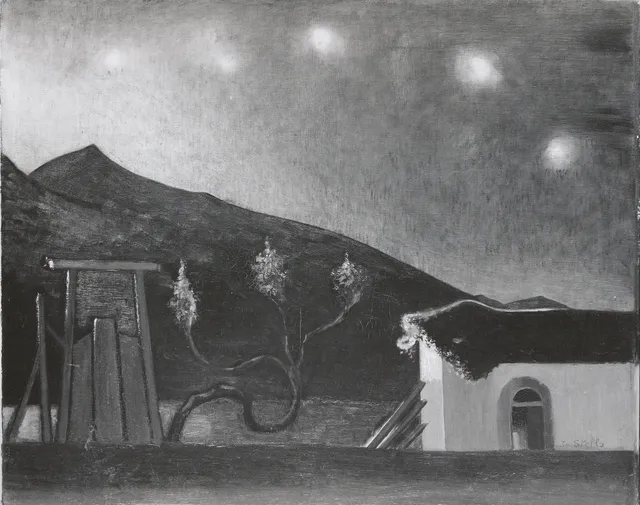
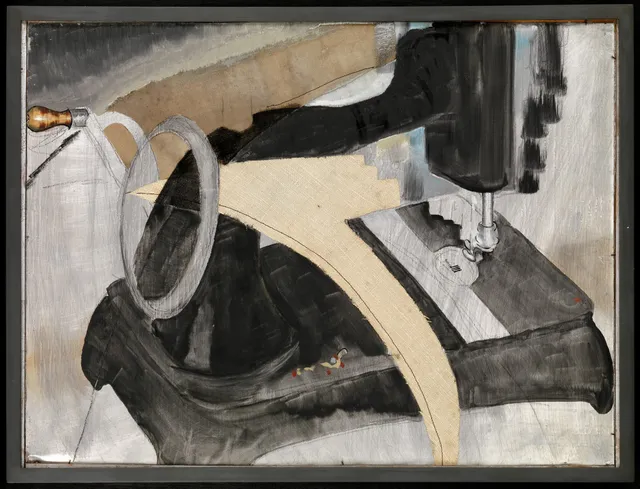
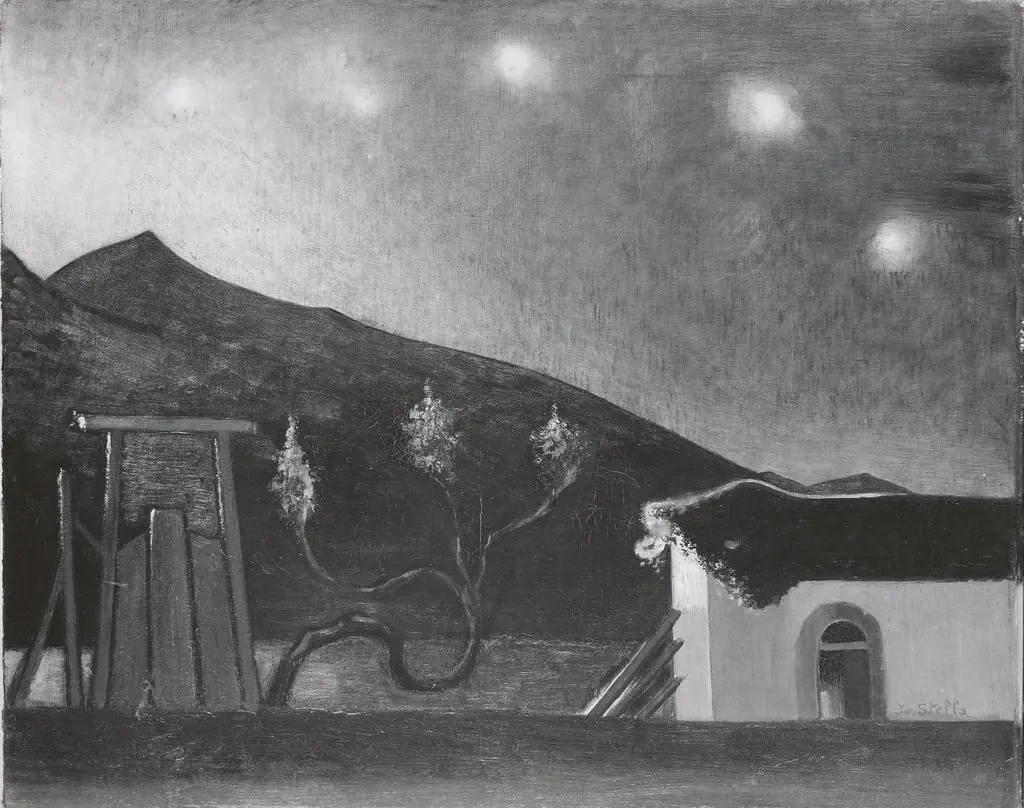
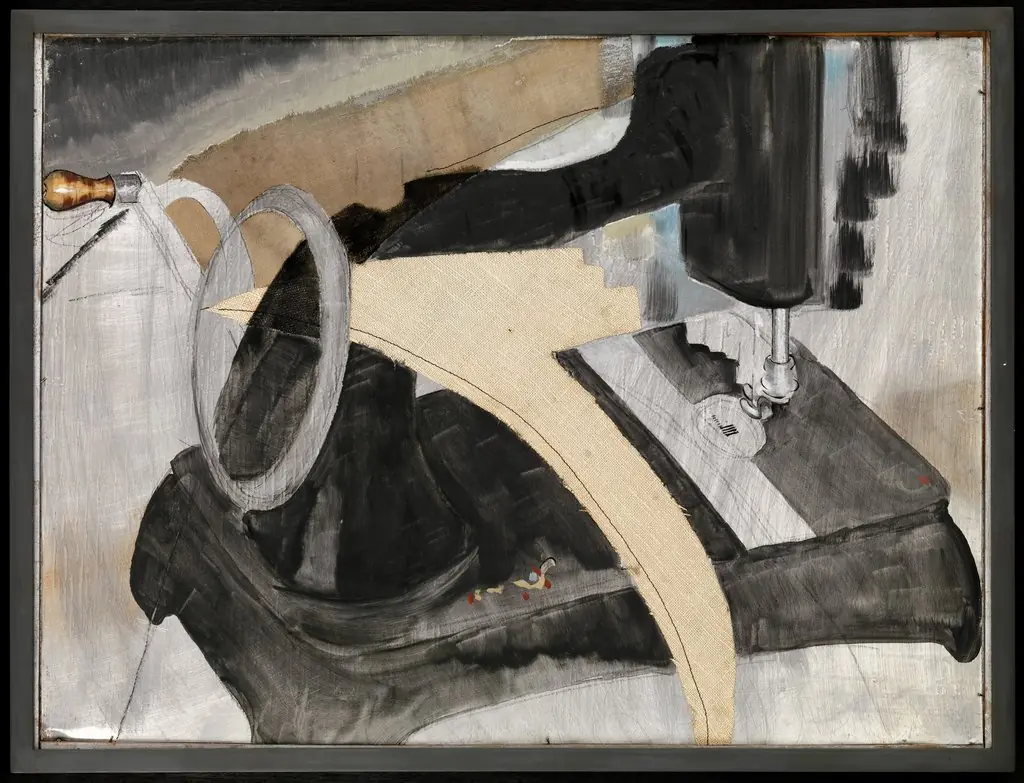
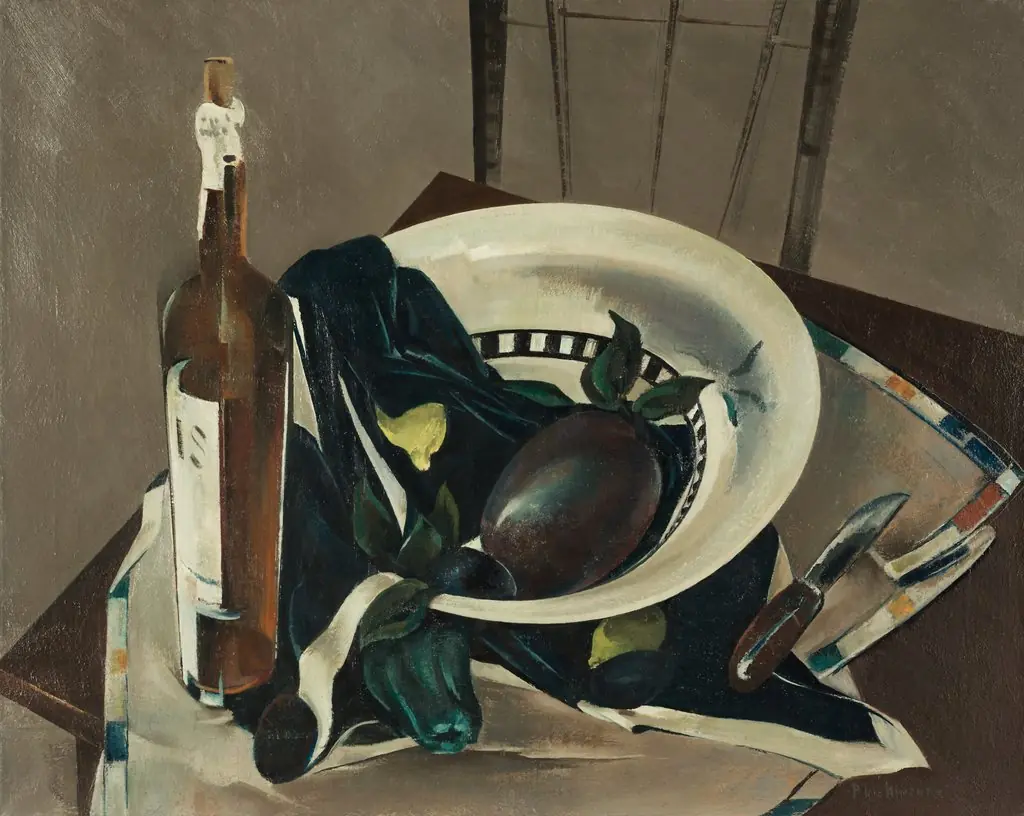
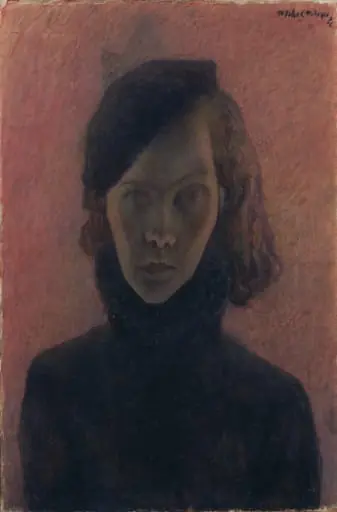
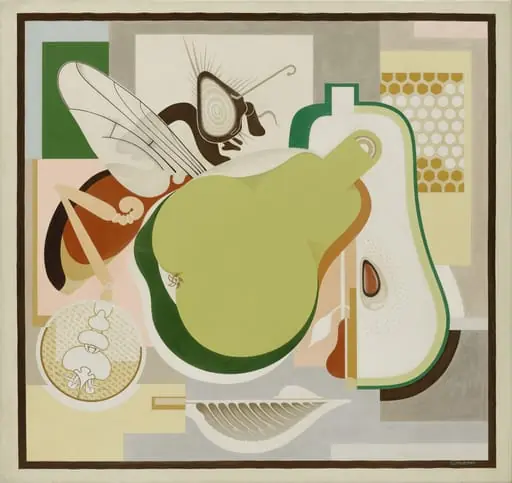
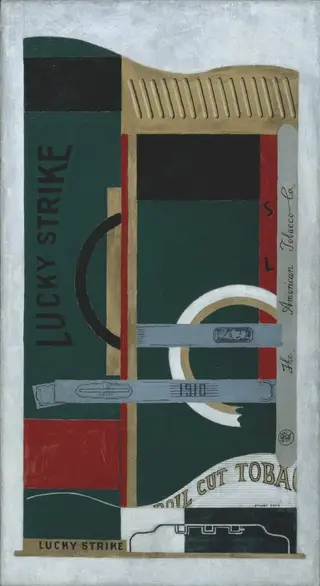
Precisionism is an art movement of the 1920–1940 period. The gallery holds 13 works in this movement, including works by Charles Demuth, Joseph Stella and Osvaldo Louis Guglielmi. Browse Precisionism paintings, portraits, pictures and artworks from the world's public-domain museum collections.
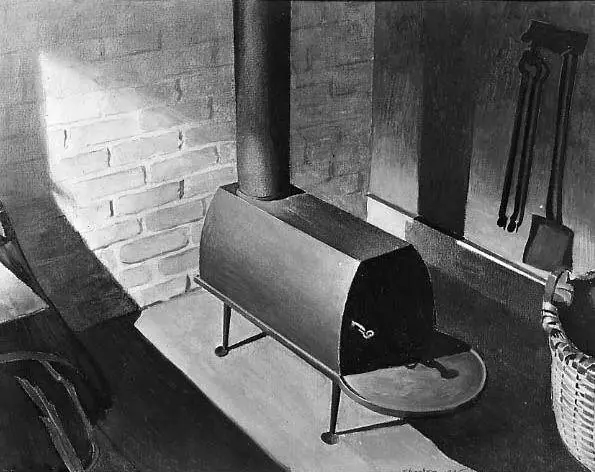
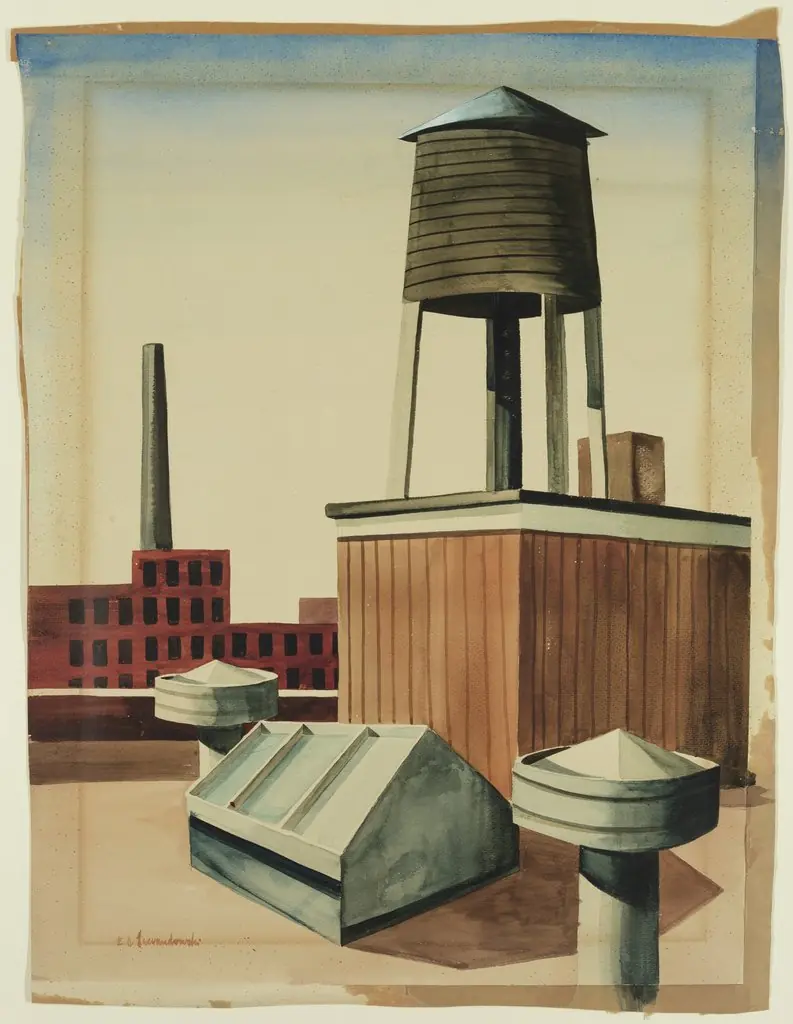
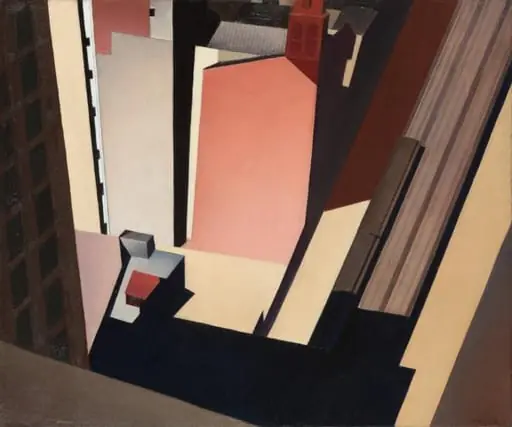
Precisionism was the first indigenous modern movement in American art, emerging in the United States in the years following World War I and reaching its peak in the 1920s and early 1930s. It was never a formal school: its practitioners issued no manifestos and were bound less by organization than by a shared sensibility. Critics struggled to name them, and the loose group acquired several labels — "Cubist Realism" for the way it fused European abstraction with native subject matter, and "the Immaculates" for the spotless clarity of its surfaces. The term "Precisionism" itself was coined in the mid-1920s, often attributed to Museum of Modern Art director Alfred H. Barr. The movement arose as America industrialized, and it took the new landscape of factories, grain elevators, skyscrapers, and bridges as a fitting modern subject, treating the machine age with a cool, almost reverent detachment.
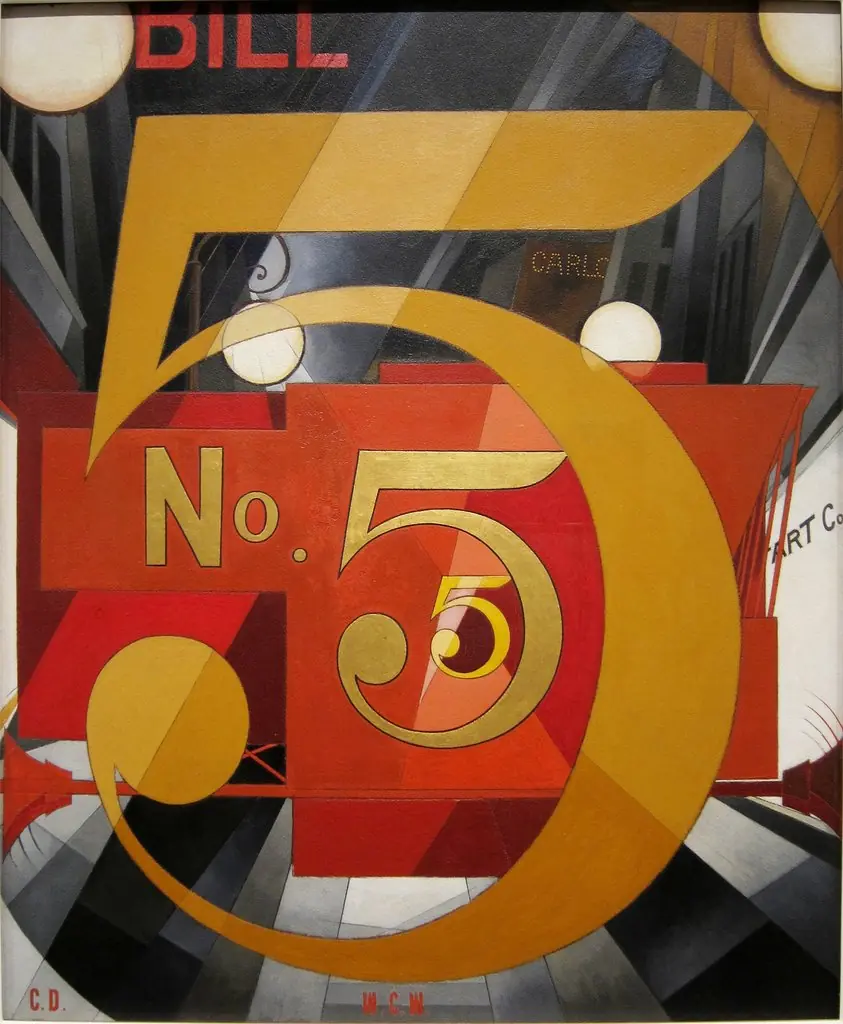
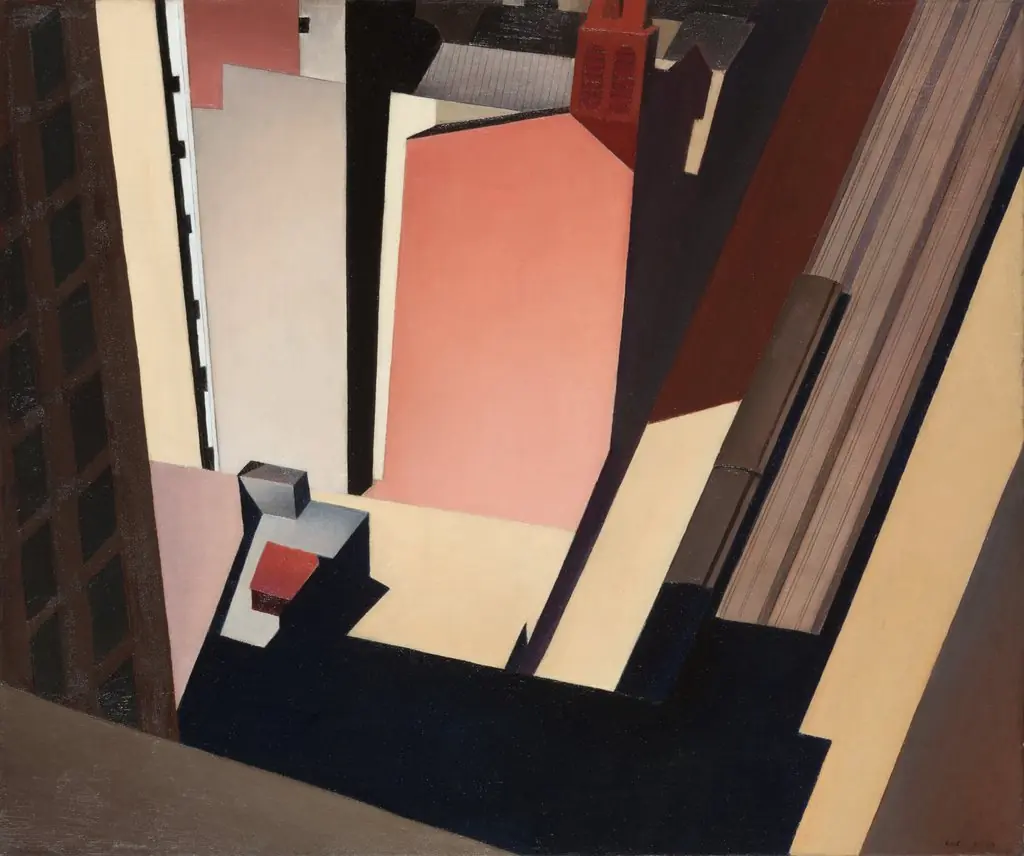
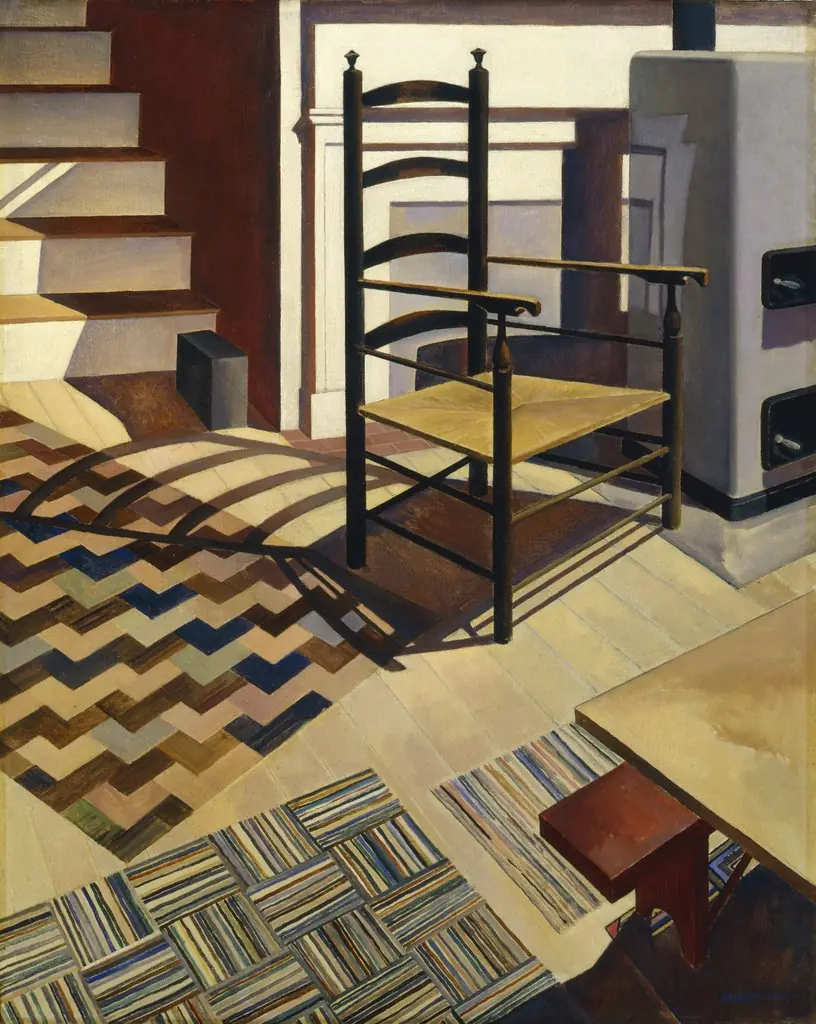
Visually, Precisionism adapted the faceted, overlapping planes of Cubism and something of the dynamism of Futurism, but stripped them of European agitation. Forms are reduced to essential geometry, rendered with sharp focus, clean contours, smooth surfaces, and a restrained palette. Artists deployed crisp planes of light to suggest the sleekness and sheen of industrial form, frequently choosing unexpected angles and steep viewpoints. Detail is suppressed; the result is an austere, depopulated order that can read as both celebration and quiet unease.
Charles Sheeler and Charles Demuth were the two most famous practitioners. Sheeler, also a gifted photographer, was commissioned by Ford to document its River Rouge plant, producing canvases such as *American Landscape* alongside the earlier urban abstraction *Church Street El* (1920). Demuth's *I Saw the Figure 5 in Gold* (1928), a portrait of his friend the poet William Carlos Williams inspired by Williams's poem "The Great Figure," remains the movement's signature image. The wider circle included Joseph Stella, Elsie Driggs (whose *Pittsburgh* dates to 1926), Niles Spencer, Preston Dickinson, George Ault, Louis Lozowick, Ralston Crawford, and Georgia O'Keeffe.
Though largely regarded as a dated "period style" by the 1950s, Precisionism proved durable in its afterlife. Its clean geometry and American iconography fed magic realism, photorealism, and especially Pop art — Demuth's numeral painting directly shaped Jasper Johns and Robert Indiana — securing its place as a bridge between European Cubism and a distinctly American modernism.
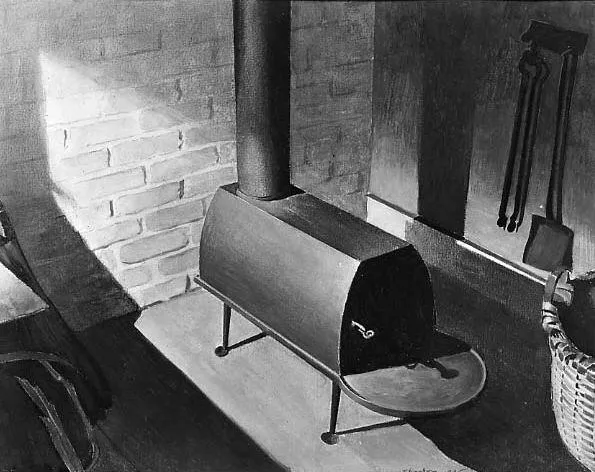
Key artists

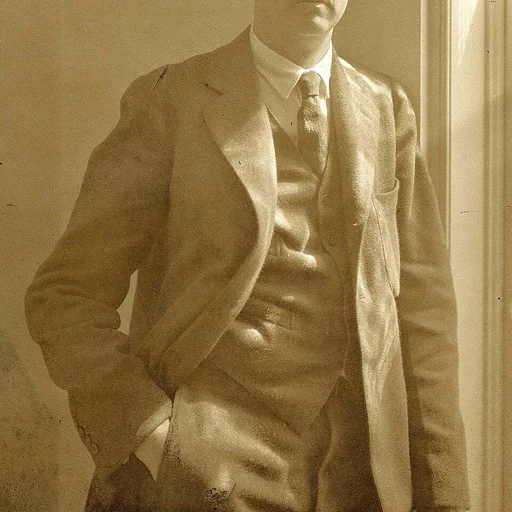
Works

Frequently asked questions
What is Precisionism?
Precisionism is an art movement. An American movement of the 1920s–1930s that depicted industrial and architectural subjects — grain elevators, factories, bridges — in sharp, clean-edged forms that echo Cubism's geometry.
How many Precisionism works does Artifact World Gallery have?
Artifact World Gallery holds 13 public-domain Precisionism works, all free to view and download.
Who are the key Precisionism artists?
Key Precisionism artists in the collection include Charles Demuth, Joseph Stella and Osvaldo Louis Guglielmi.
When did Precisionism take place?
Precisionism dates from 1920–1940.
Where can I see Precisionism works?
Precisionism works in the collection are held by Museum of Modern Art, Metropolitan Museum of Art and Cleveland Museum of Art.