Artwork
Farmyard Fowls
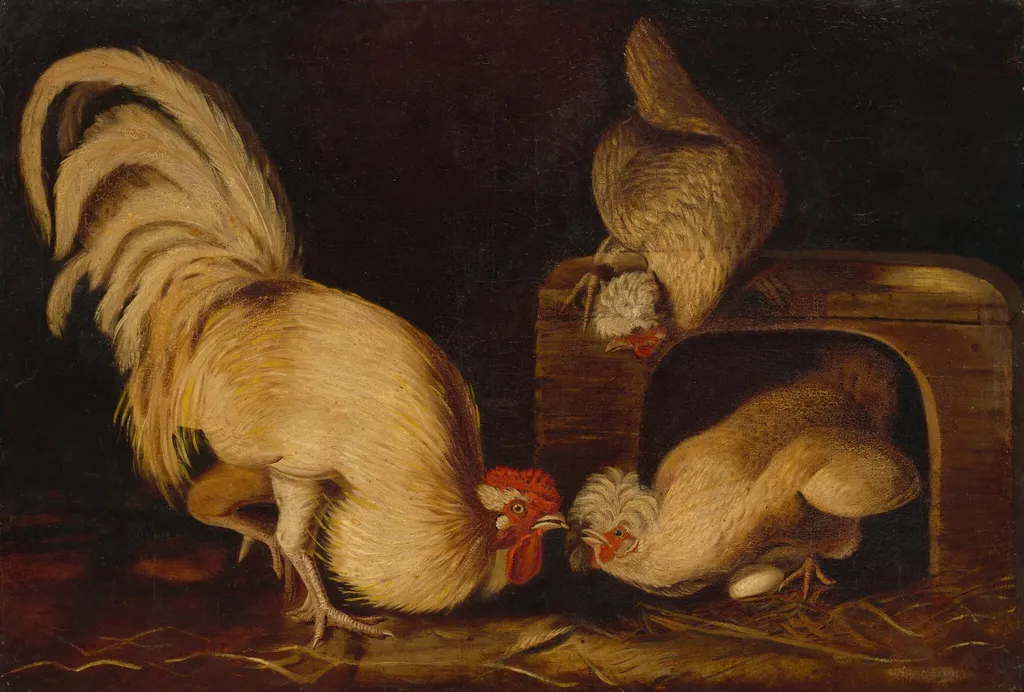
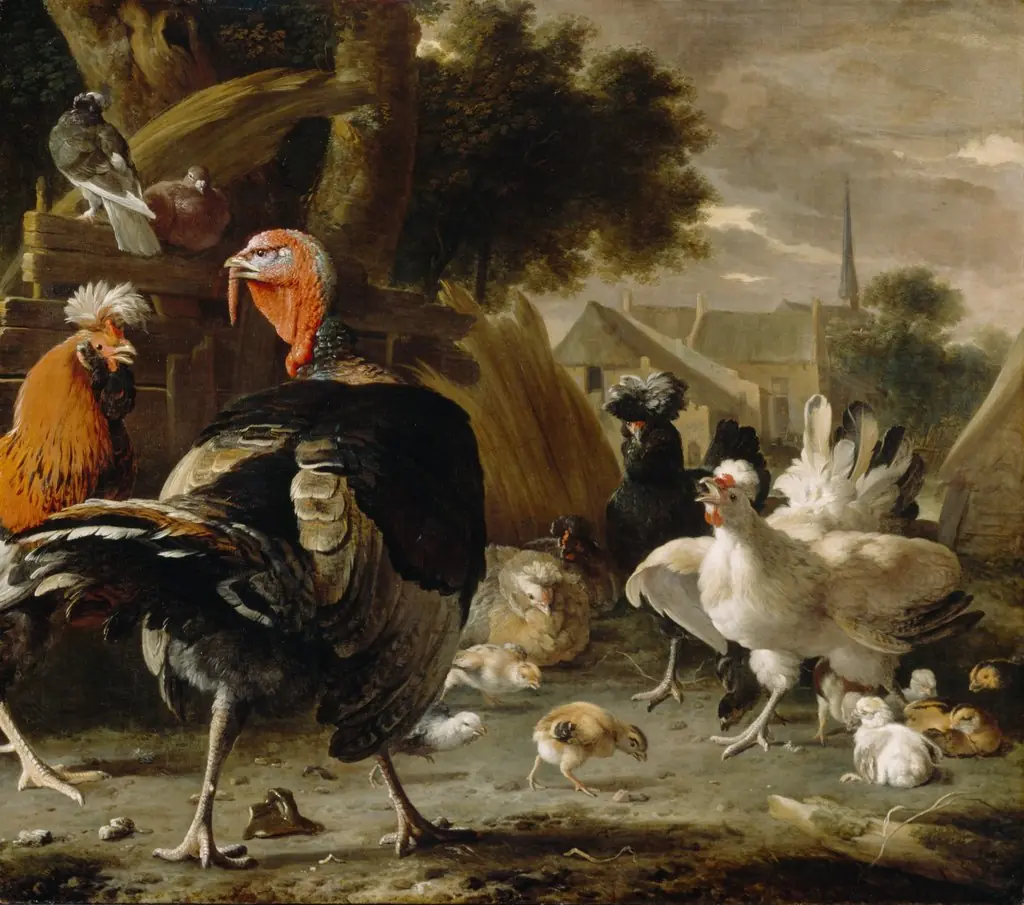
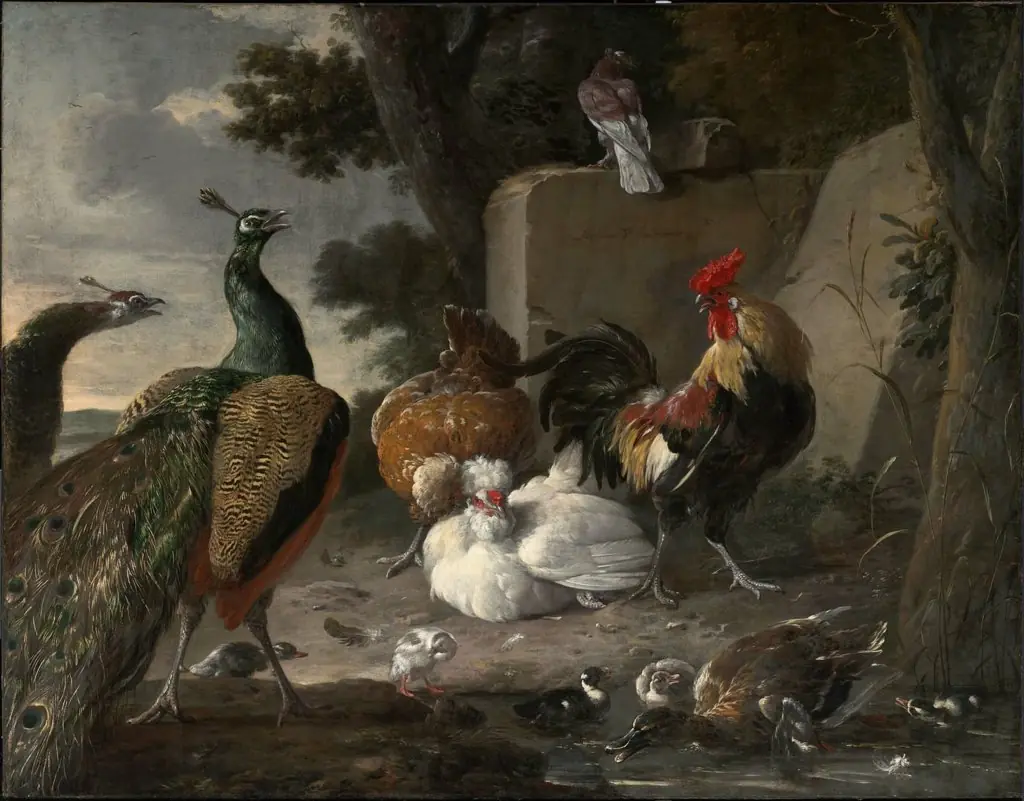
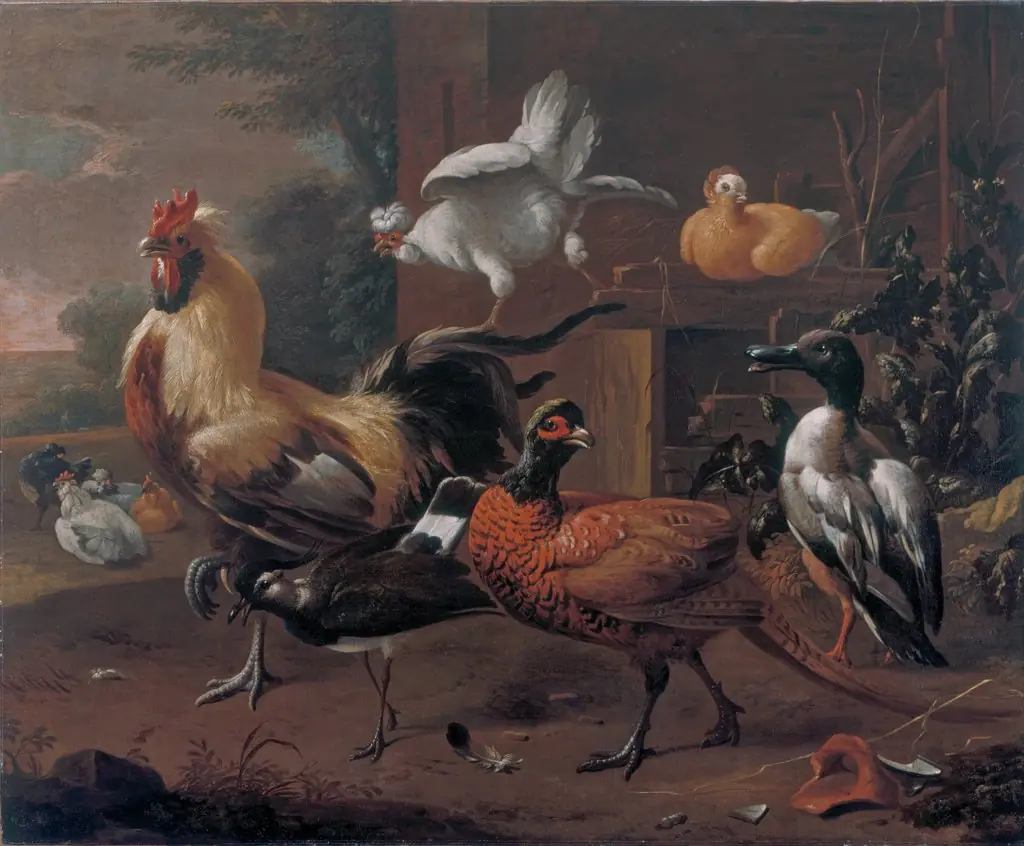
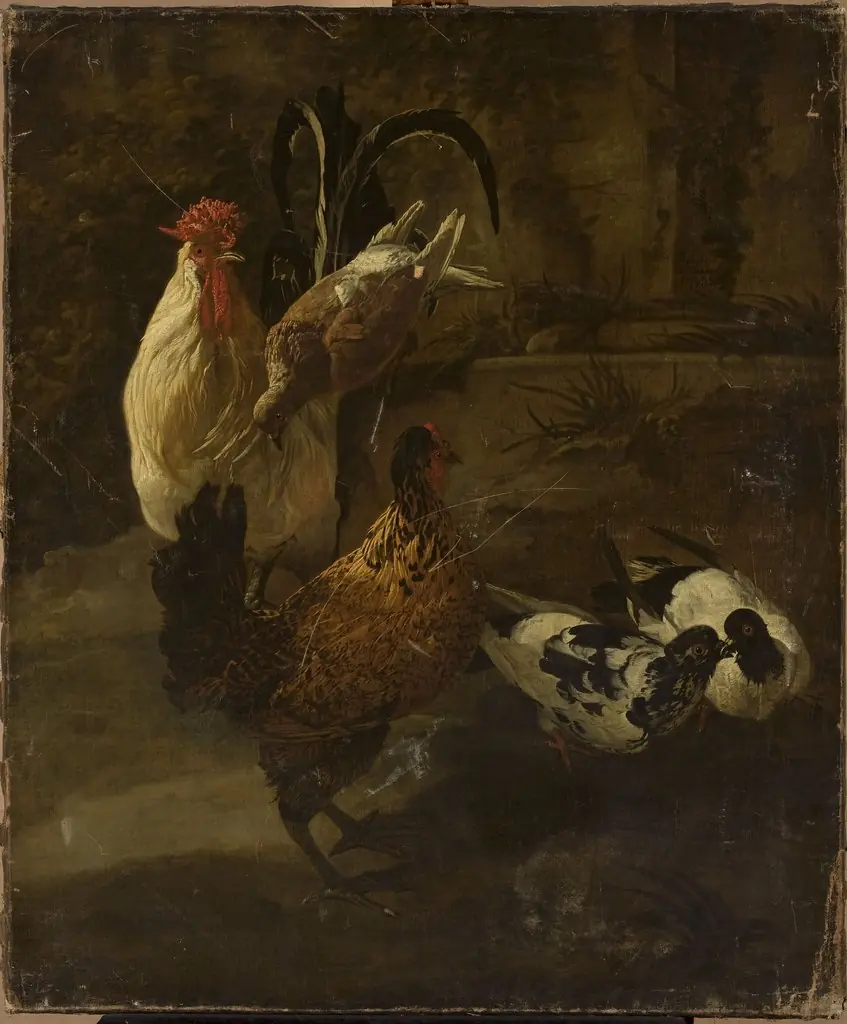
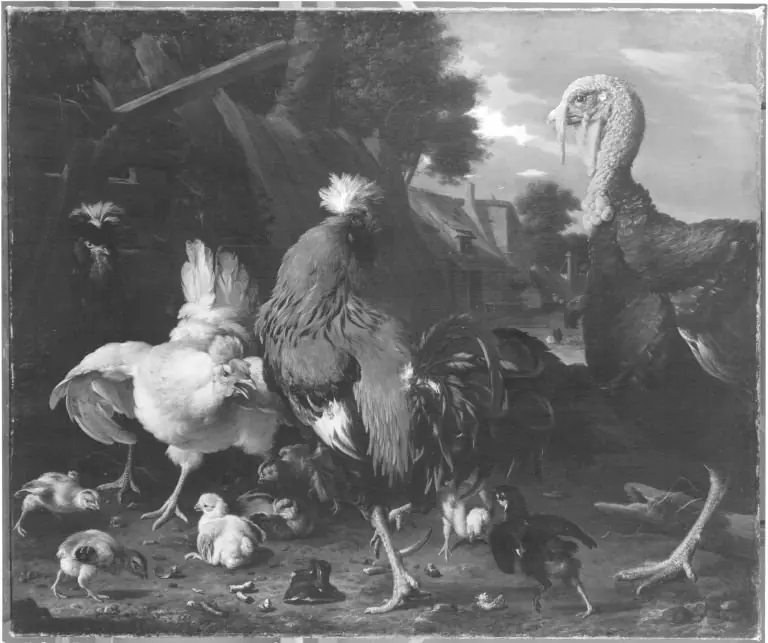
Farmyard Fowls is an oil painting by the American Folk Art artist John James Audubon. It dates from 1827 and is held in the collection of the National Gallery of Art.
- Inscription
- Inscribed:lower right, first five letters added during 1951 conservation treatment: Audubon
About this work
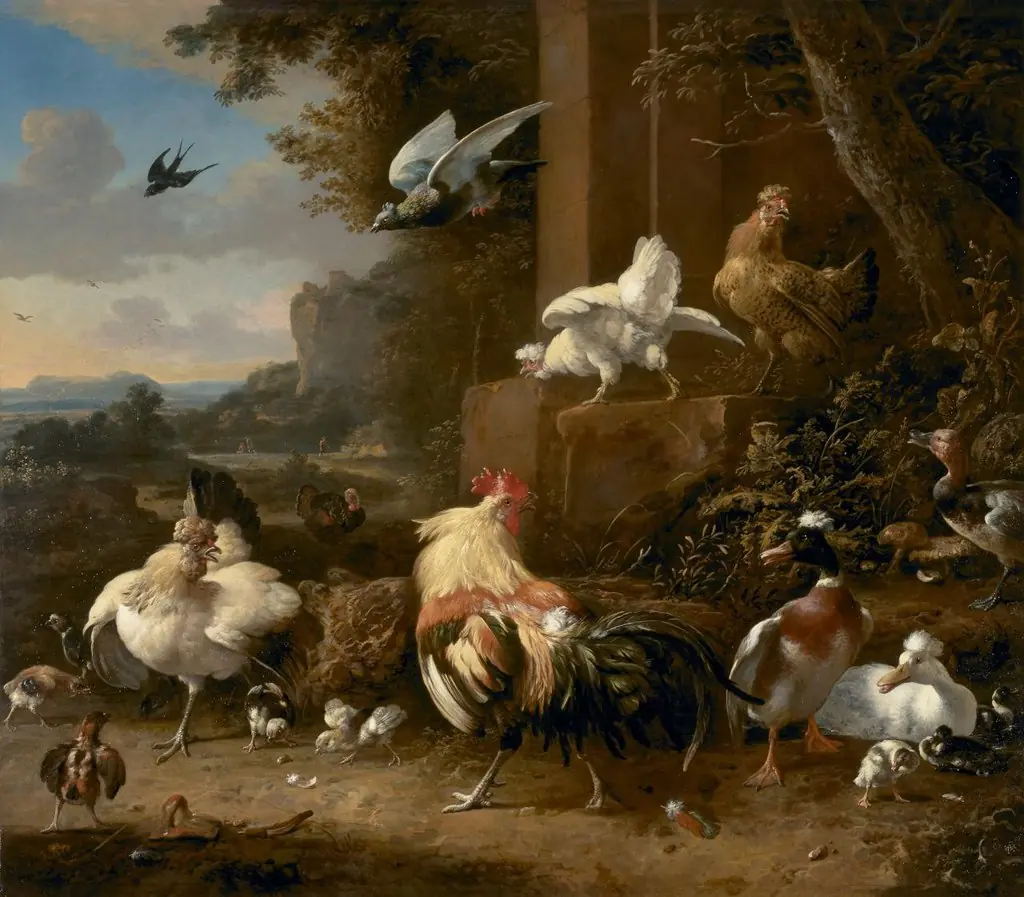
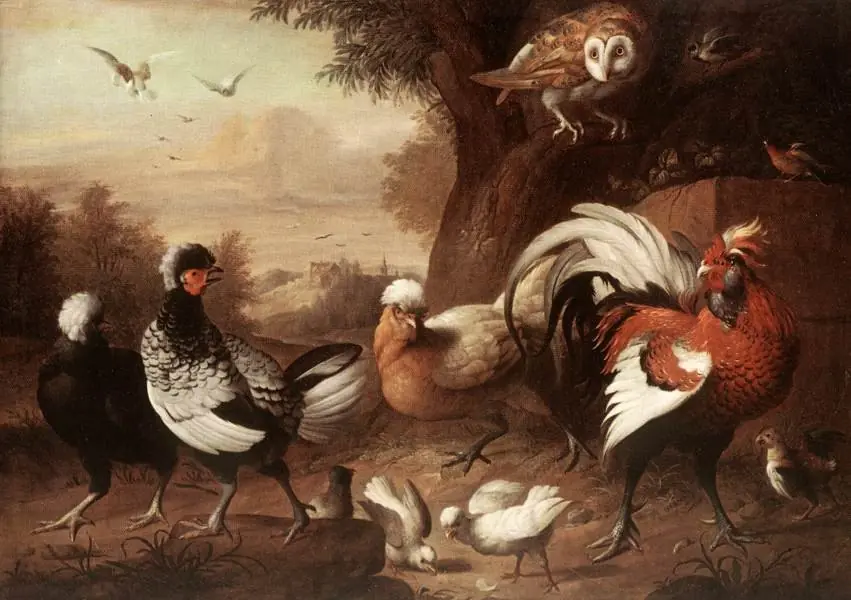
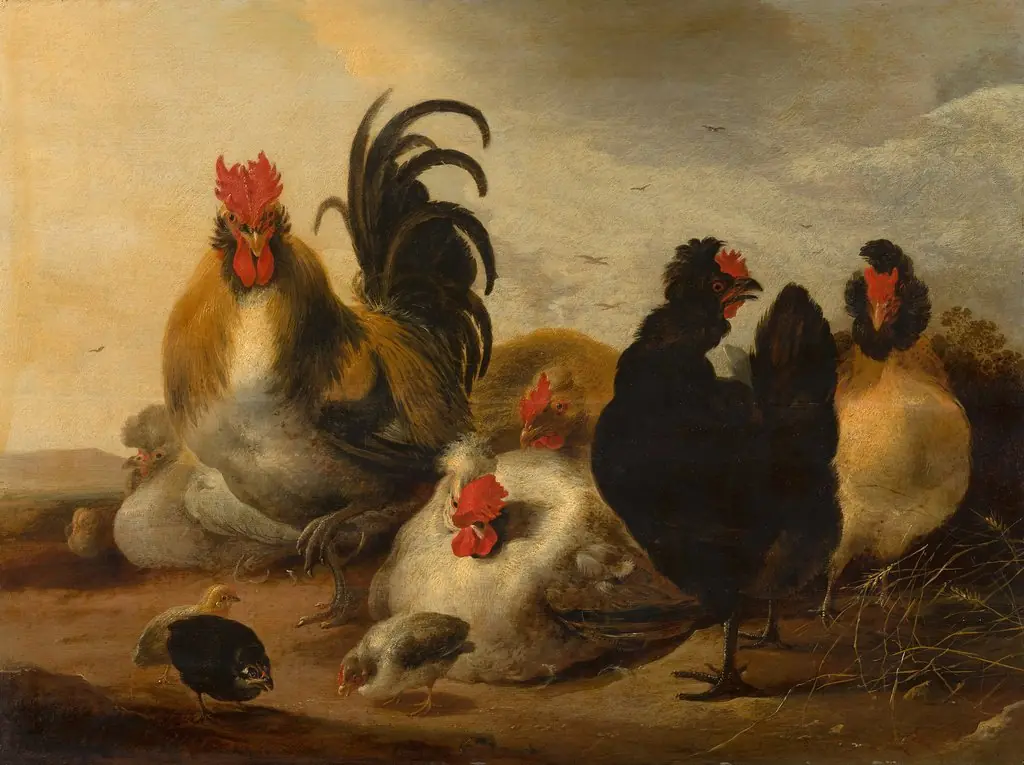
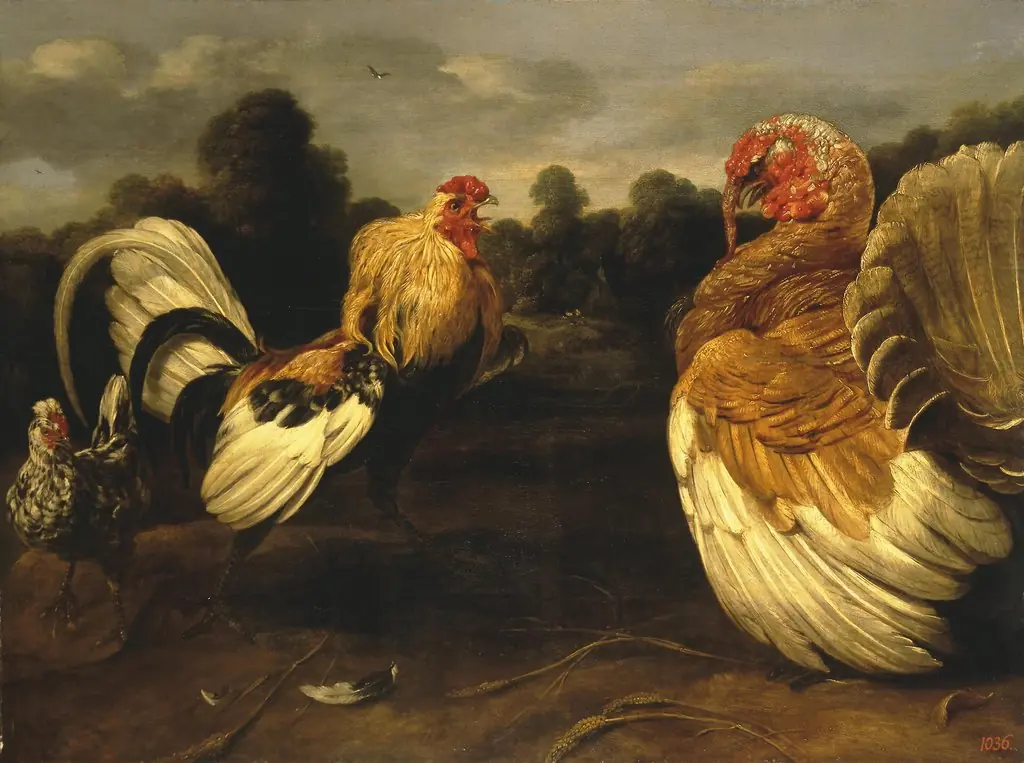
Audubon painted Farmyard Fowls in 1827. It shows a hen and her chicks pecking near a wooden fence. A rooster stands alert in the background.
This oil painting looks almost like a detailed study, not a fancy scene. The brushwork is smooth but leaves some texture. The colors feel soft, like early morning light.
If you like this, check Audubon, John James next.
Technique & Style
The composition uses oil pigments applied to a woven fabric support to depict its avian subjects.
Executed in 1827, Farmyard Fowls is an oil painting on canvas. The work measures 71.5 cm in height and 104 cm in width. The composition uses oil pigments applied to a woven fabric support to depict its avian subjects.
The physical object has survived from the artist's lifetime through family inheritance before entering a major institutional collection, retaining its original material constitution of paint and canvas.
History & Provenance
Farmyard Fowls was painted by John James Audubon in 1827 in oil on canvas. The work descended within the artist's family for more than a century. It is thought to have passed by inheritance to his son John Woodhouse Audubon in Salem, New York, and then to John Woodhouse's second wife, Caroline Hall Audubon, also in Salem.
From her it went to her son William Bakewell Audubon, who had relocated to Australia, and then to his son Leonard Benjamin Audubon in Sydney. In 1950 the painting was sold to E.J.L. Hallstrom of Sydney, who gave it to the National Gallery of Art in 1951.
A note on the verso, signed "M.R. Audubon," purports to explain the circumstances of the painting's creation and is associated with Maria Rebecca Audubon, a daughter of John Woodhouse Audubon. The painting was recorded in 1895 at the home of Mrs. John Woodhouse Audubon by R.W. Shufeldt, who later published an account of it in The Wilson Bulletin in 1910.
Farmyard Fowls is held in the collection of the National Gallery of Art in Washington, D.C. The work entered the institution in 1951 as a gift from E.J.L. Hallstrom of Sydney, Australia, who had purchased it the previous year. No other specific public exhibitions are documented in the available sources.
Context
Farmyard Fowls (1827) occupies a place in John James Audubon's painted oeuvre between his celebrated Birds of America engravings and his later oil work. The painting's naturalism and compositional balance reflect Audubon's training in anatomical accuracy and his ambition to elevate ornithological illustration into the realm of fine art.
Within Audubon's career, the work is discussed alongside the painted panels he produced for private patrons in the 1820s and early 1830s, which expanded his reputation beyond printmaking. Its current home at the National Gallery of Art, Washington, D.C., anchors the painting in a major American collection, though its provenance through family inheritance and trans-hemispheric transfer delayed sustained scholarly attention until its mid-20th-century acquisition.
Overview
John James Audubon executed the oil painting Farmyard Fowls in 1827. The work presents a domestic hen with her brood of chicks feeding near a wooden fence, while a vigilant rooster occupies the background. Rendered in a modest scale, the composition functions as a close observation of everyday poultry rather than an elaborate narrative scene.
Subject & Meaning
The image captures a moment of ordinary farm life, emphasizing the natural behavior of the birds. By focusing on the hen’s nurturing activity and the rooster’s watchful posture, Audubon underscores themes of care, vigilance, and the simple rhythms of rural existence.
Own this work as a print
Artist & collection
Artist
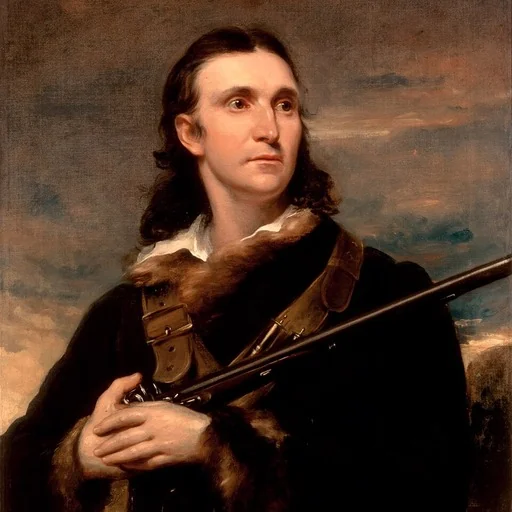
John James Audubon (born Jean-Jacques Rabin, April 26, 1785 – January 27, 1851) was a French-American artist, entrepreneur, naturalist, explorer, and ornithologist.