Artwork
Anguish
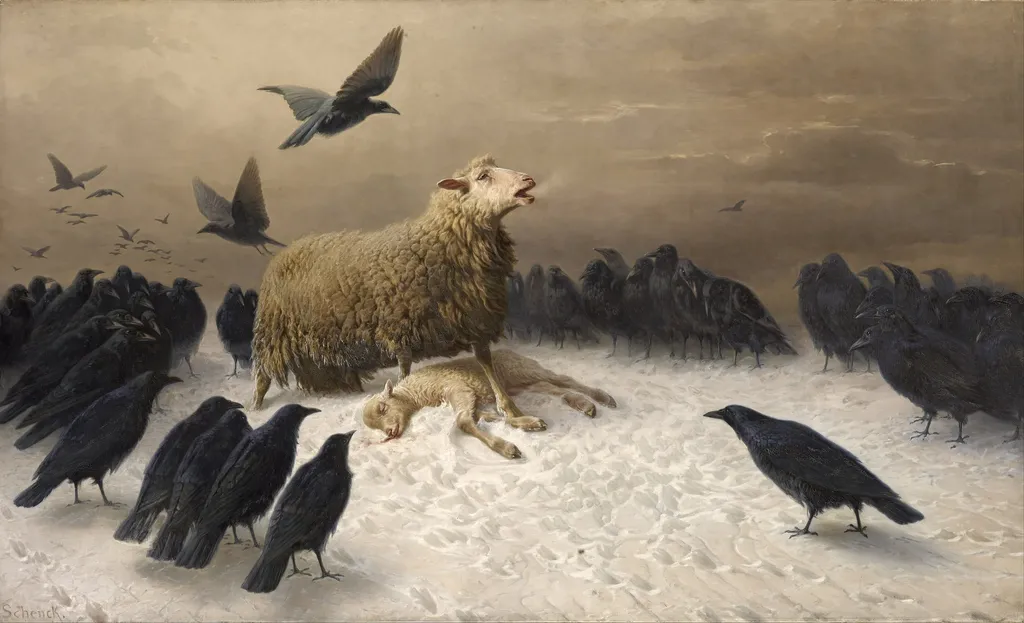
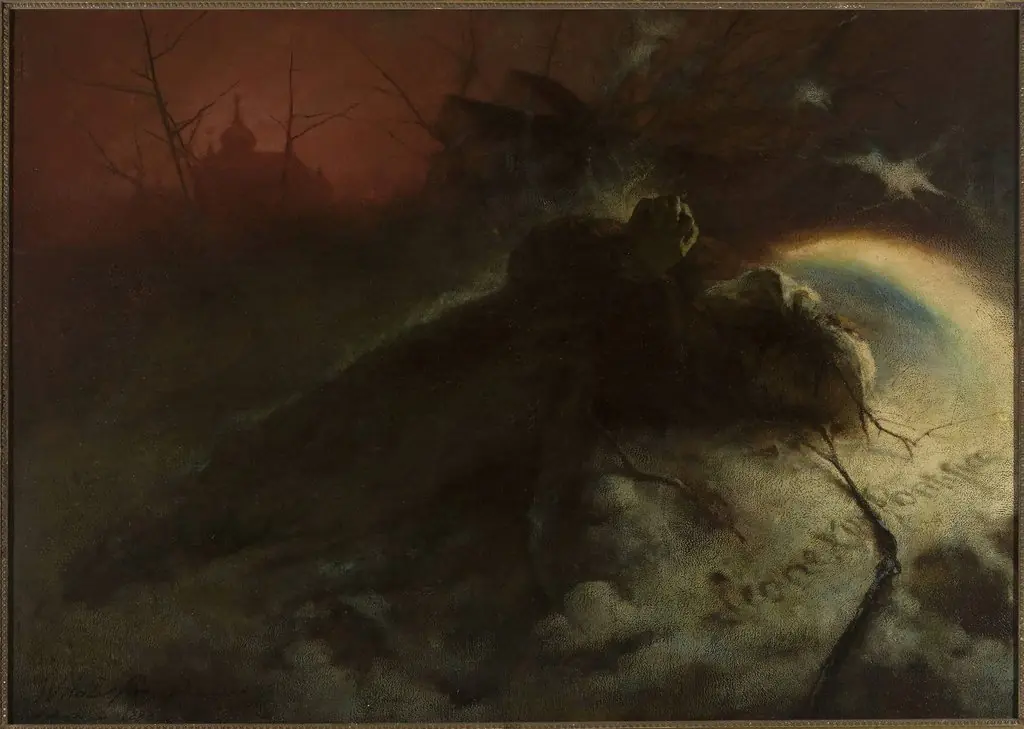
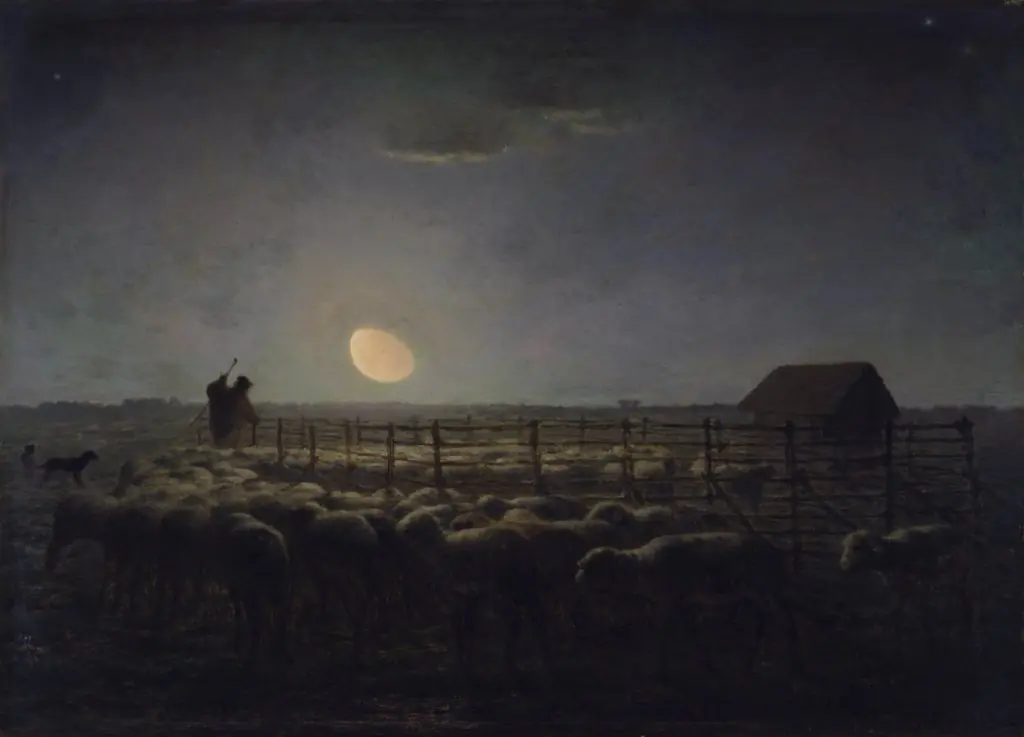
Anguish is an oil painting by the Post-Impressionist artist August Friedrich Schenk. It dates from 1890 and is held in the collection of the National Gallery of Victoria.
About this work
Overview
Anguish is an 1878 oil painting by August Friedrich Schenck, depicting a poignant scene of maternal grief and mortality. The work is part of the National Gallery of Victoria's collection in Melbourne, Australia, since 1880.
Subject & Meaning
The painting portrays a distraught mother sheep standing over her deceased lamb on a snowy landscape, surrounded by a gathering of crows. The scene conveys a powerful sense of sorrow, loss, and anticipation, with the sheep's anguish expressed through its posture and open-mouthed cry.
Technique & Style
Schenck employs chiaroscuro, leveraging strong light and dark contrasts to heighten the dramatic intensity of the mournful scene, emphasizing the emotional depth of the subject matter.
History & Provenance
Acquired by the National Gallery of Victoria early in its establishment, Anguish has been exceptionally well-received, twice voted the gallery's most popular work out of 75,000 pieces, in 1906 and 2011.
Context
Created in 1878, the painting's themes of mortality and maternal sorrow would have resonated with the Victorian era's sensibilities, potentially contributing to its enduring popularity.
Legacy
Despite its specific emotional theme, Anguish has achieved broad recognition and affection, enduring as a notable piece in the National Gallery of Victoria's collection for over a century.
Own this work as a print
Artist & collection
Artist
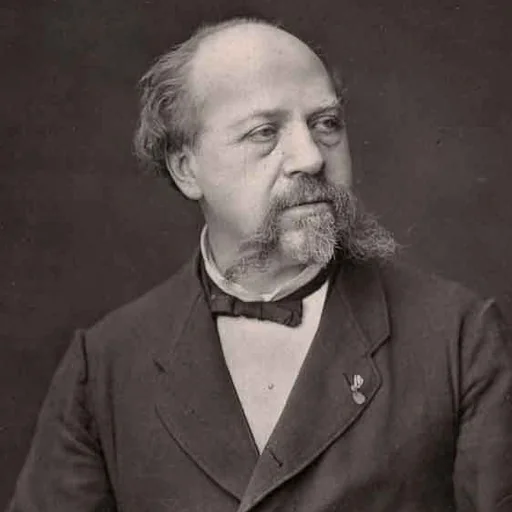
August Friedrich Albrecht Schenck (23 April 1828 – 1 January 1901) was a painter who was born in Glückstadt in the Duchy of Holstein, which at the time was under Danish control but part of the German Confederation.