Artwork
Peisaj de la schit
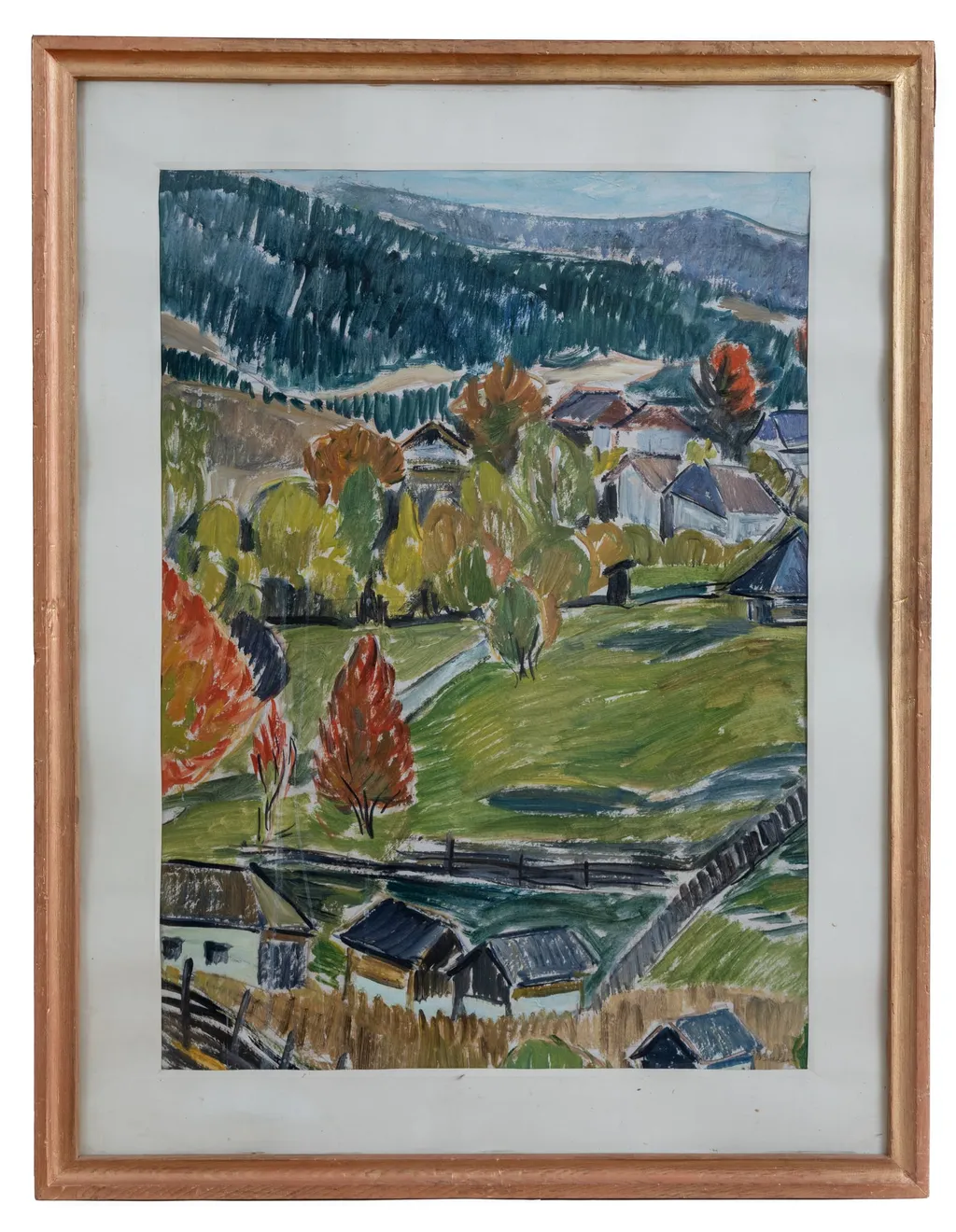
Peisaj de la schit is an unspecified painting by Bălan Viorica. It dates from 1965 and is held in the collection of the Moldova National Museum Complex.
About this work
Overview
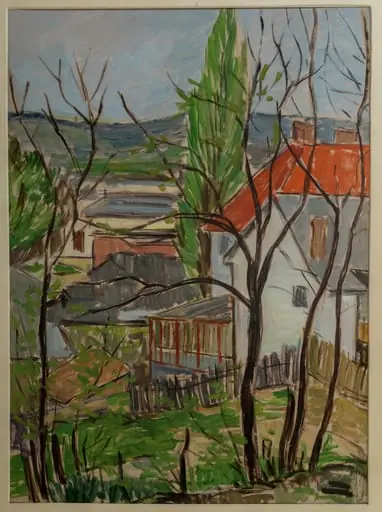
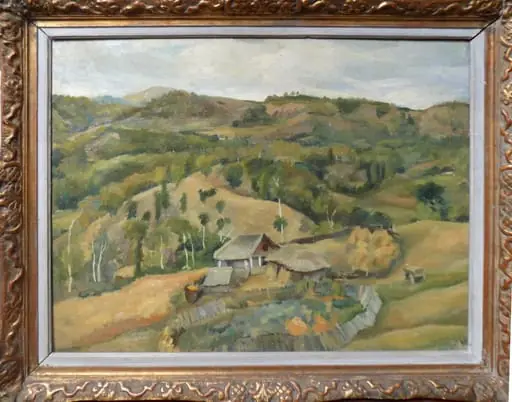
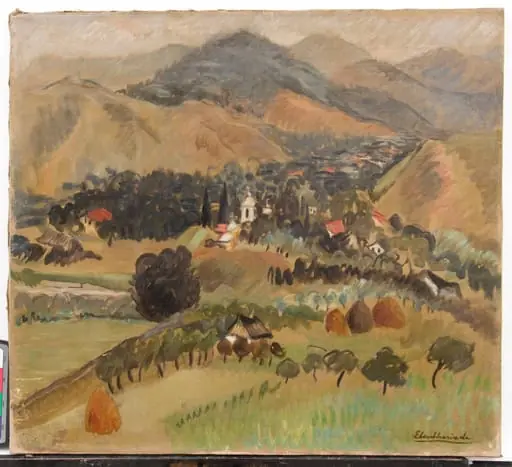
Created in 1965 by Bălan Viorica, this landscape painting captures a quiet rural scene in Romania. The composition unfolds across horizontal bands, meadow, trees, and distant hills, anchored by modest dwellings. The work avoids dramatic focal points, instead favoring a calm, immersive atmosphere that reflects the rhythms of everyday country life.
Subject & Meaning
The painting presents a modest, unidealized countryside: scattered homes, a lone larger structure, and undulating terrain suggest a lived-in environment rather than a romanticized vision. There is no human presence, yet the arrangement of buildings and paths implies quiet habitation. The scene evokes stillness not as escape, but as an inherent quality of rural existence.
Technique & Style
Loose, fluid brushwork conveys texture without detail, grass, foliage, and rooftops are suggested through layered washes of color. The palette is restrained: olive greens, earthy browns, and soft blues dominate, reinforcing the subdued tone. The paint is applied with deliberate spontaneity, giving motion to still elements and avoiding rigid definition.
History & Provenance
The work originates from Bălan Viorica’s mid-1960s output, a period when Romanian artists navigated state expectations while retaining personal expression. Though not widely exhibited internationally, it remains part of private and institutional collections within Romania, reflecting its regional significance rather than public fame.
Context
Painted during Romania’s communist era, the work avoids political symbolism, focusing instead on the natural and architectural rhythms of rural life. This quiet subject matter may have offered a subtle refuge from ideological pressures, allowing artists to explore personal observation over state-sanctioned themes.
Legacy
Bălan Viorica’s landscape works, including this one, contribute to a quieter strand of Romanian modernism that prioritized atmosphere over narrative. While not central to international art histories, they remain valued within national collections for their sensitivity to place and their restrained, contemplative aesthetic.
Artist & collection
Artist
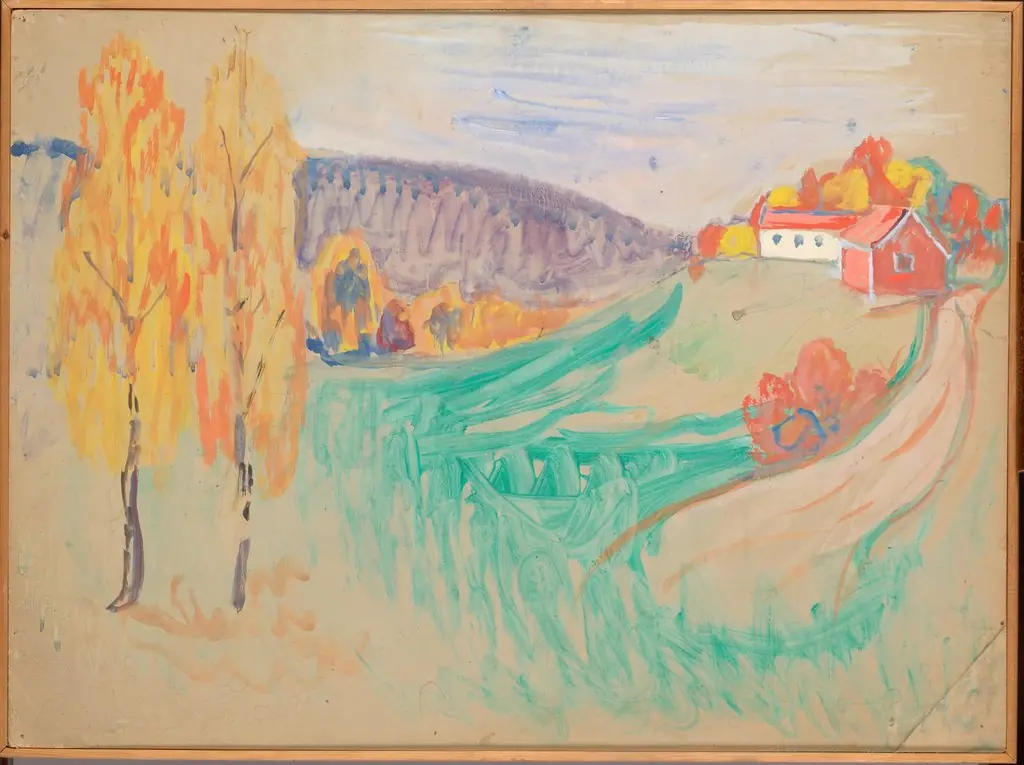
Bălan Viorica painted intimate scenes and quiet landscapes, often focusing on figures and seasonal moods in and around Iași.