Genre
Landscape
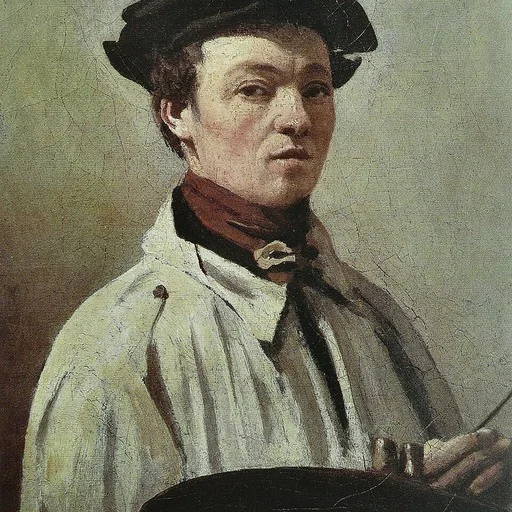
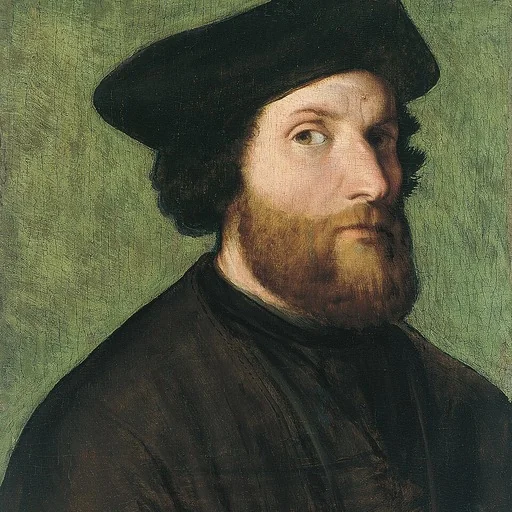
Landscape is an art genre. The gallery holds 21,493 works in this genre, including works by Titian, Thomas Eakins and Jean Baptiste Camille Corot.
Landscape painting—the depiction of natural scenery such as mountains, valleys, rivers, forests and skies as the primary subject—matured into an independent genre in two distinct traditions. In China it came first: artists were producing shan shui ("mountain-water") ink paintings by the sixth century, and the form rose to prominence during the Song dynasty (960–1279), when masters sought not a topographical likeness but the felt essence of nature, shaped by Daoist and Buddhist ideas of harmony between humanity and the cosmos. In Europe, landscape long served only as a backdrop for religious or historical scenes. It gained autonomy in the seventeenth century, propelled by Dutch Golden Age painters such as Jacob van Ruisdael, who rendered windmills, rivers and towering cloudscapes with unsentimental realism, and by the French-born, Rome-based Claude Lorrain (1604/05–1682), whose luminous, idealized vistas fused classical order with close observation of light.
The genre's visual language ranges from topographical precision to atmospheric idealization. Recurring concerns include the handling of natural light, deep recession into space, expansive skies, and the relationship between tiny human figures and the vastness around them. Techniques evolved with the genre: studio composition gave way increasingly to outdoor study, culminating in the en plein air practice that would define nineteenth-century painting.
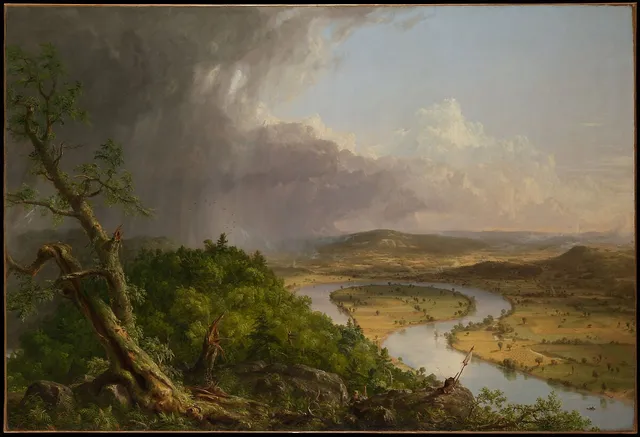
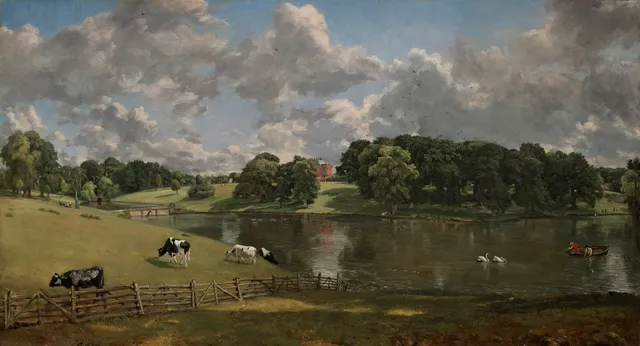
Landscape reached new ambitions in the nineteenth century. In Britain, John Constable grounded his work in the specific English countryside—his Wivenhoe Park, Essex (1816) catalogues a real estate with almost surveying fidelity—while J.M.W. Turner pushed light and weather toward abstraction. In America, the Hudson River School, founded by Thomas Cole after his 1825 Catskills sketching trips, treated wilderness as a vehicle for the sublime. Cole's The Oxbow (1836), Albert Bierstadt's panoramic The Rocky Mountains, Lander's Peak (1863) and Lake Lucerne, and Jasper Francis Cropsey's blazing Autumn—On the Hudson River and The Valley of Wyoming exemplify the school's monumental scale and luminous, often nationalistic grandeur.
Landscape's legacy is foundational to modern art. The French Barbizon School rejected idealization for the real countryside, paving the way for the Impressionists—Monet, Pissarro, Sisley—who made fleeting light and outdoor color their central subject. Through them the genre fed directly into Post-Impressionism and abstraction, securing landscape as one of the most enduring and inventive themes in the history of painting.
Key artists
Works
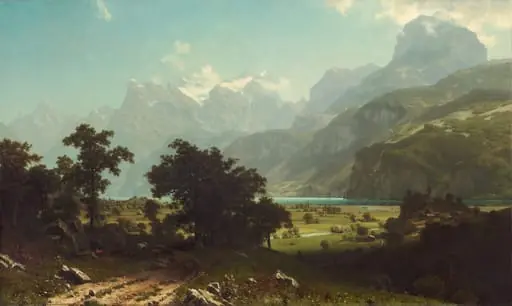 Lake Lucerne
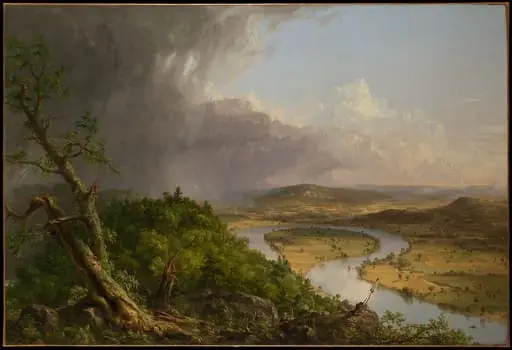 View from Mount Holyoke, Northampton, Massachusetts, after a Thunderstorm—The Oxbow
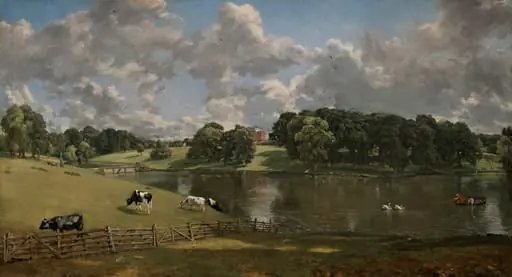 Wivenhoe Park, Essex
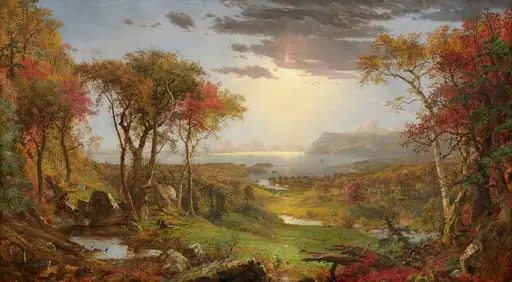 Autumn - On the Hudson River
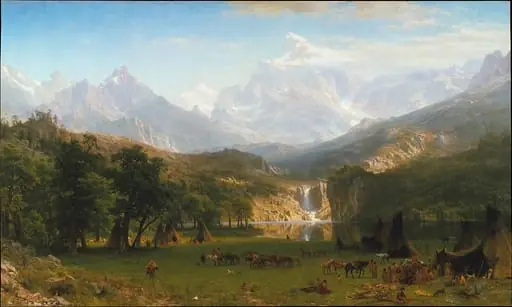 The Rocky Mountains, Lander's Peak
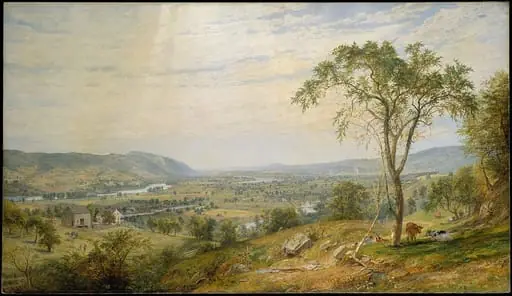 The Valley of Wyoming
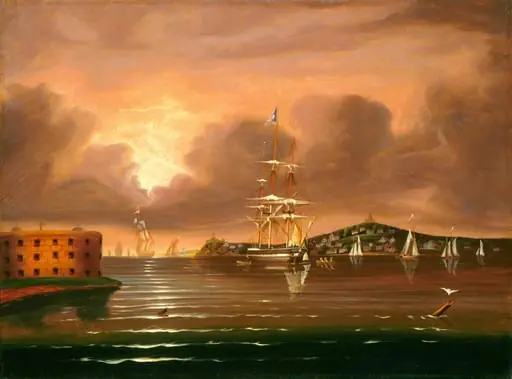 Threatening Sky, Bay of New York
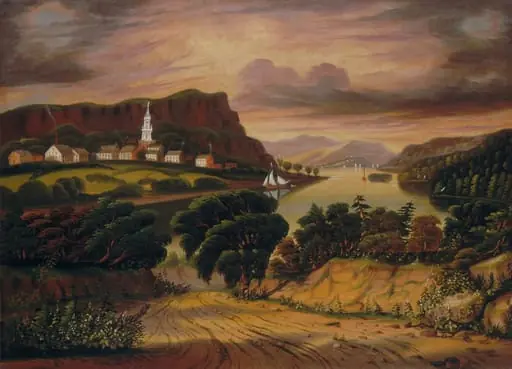 Lake George and the Village of Caldwell
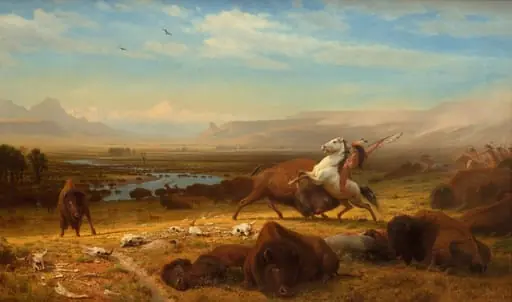 The Last of the Buffalo
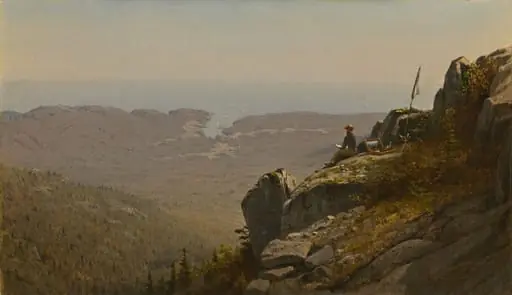 The Artist Sketching at Mount Desert, Maine
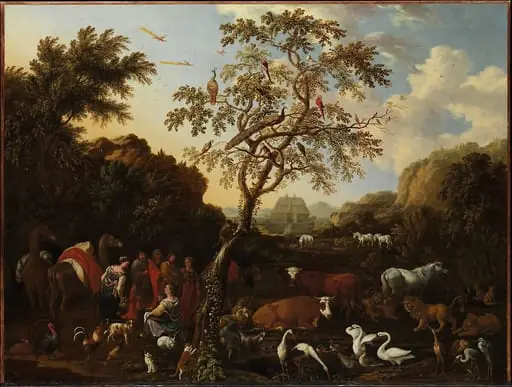 The Ark
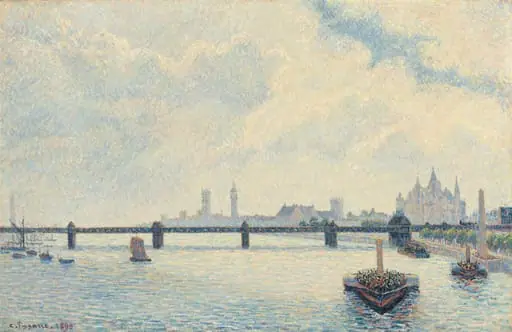 Charing Cross Bridge, London
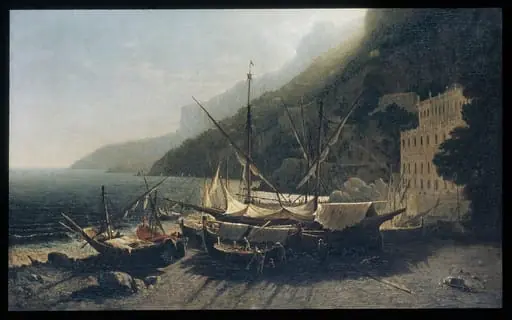 View at Amalfi, Bay of Salerno
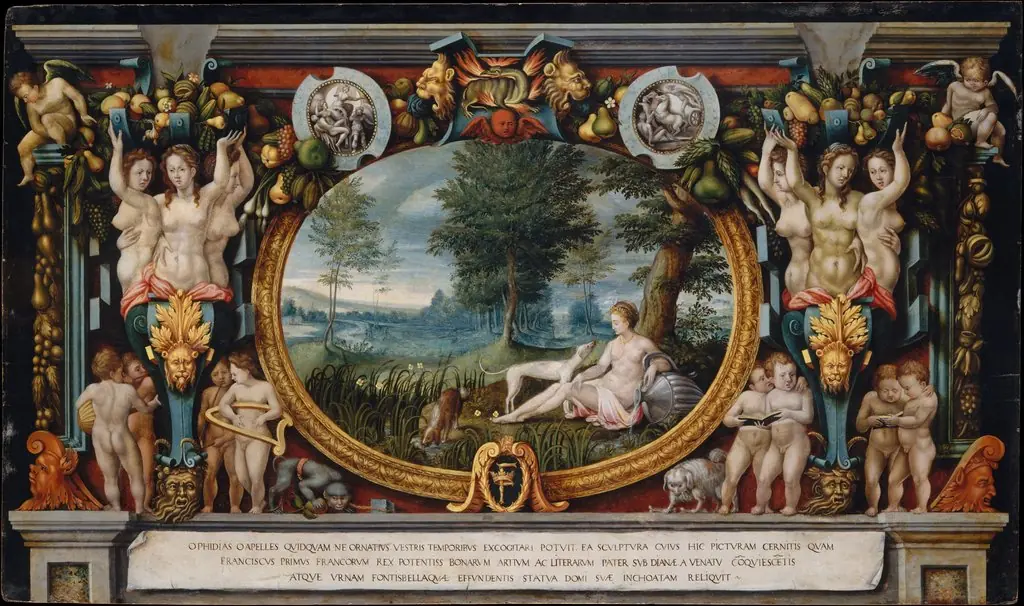 The Nymph of Fontainebleau
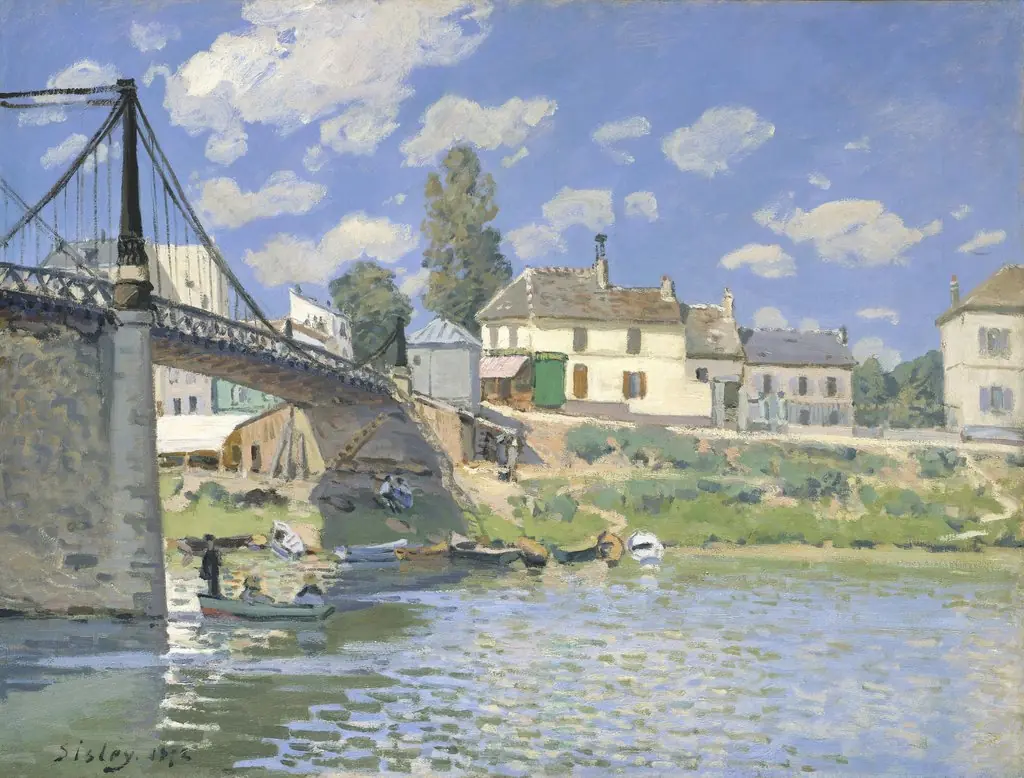 The Bridge at Villeneuve-la-Garenne
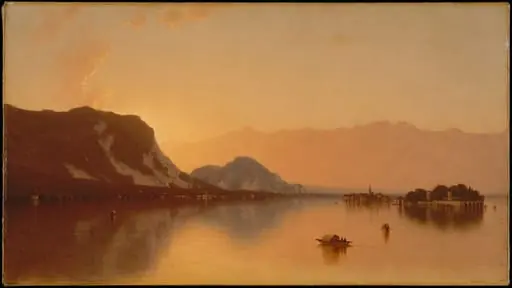 Isola Bella in Lago Maggiore
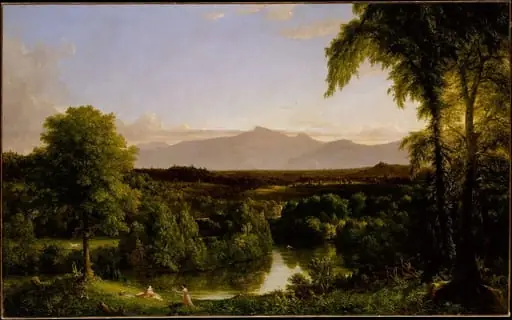 View on the Catskill—Early Autumn
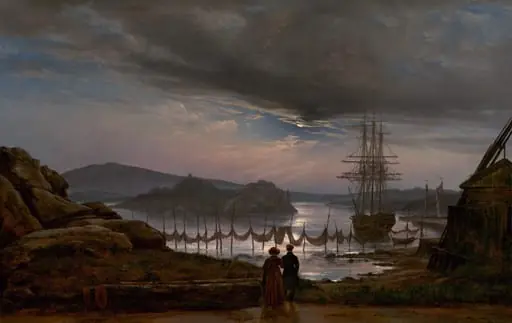 View from Vaekero near Christiania
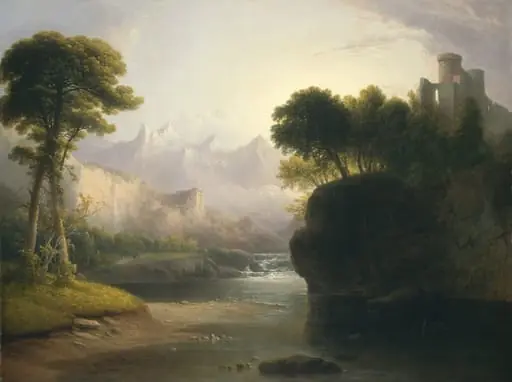 Fanciful Landscape
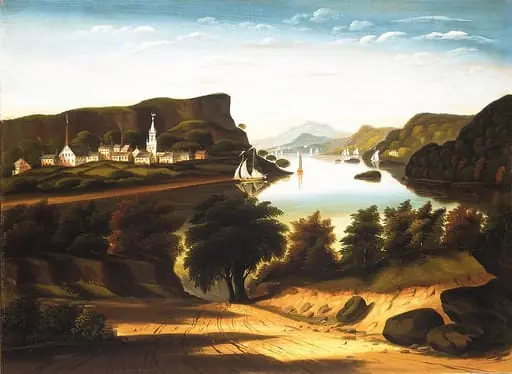 Lake George and the Village of Caldwell
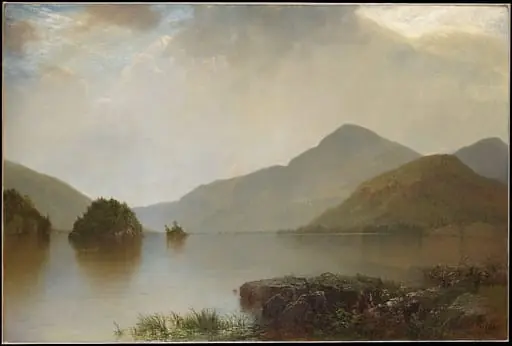 Lake George
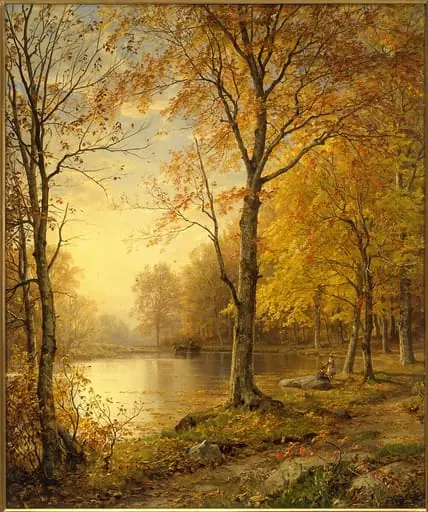 Indian Summer
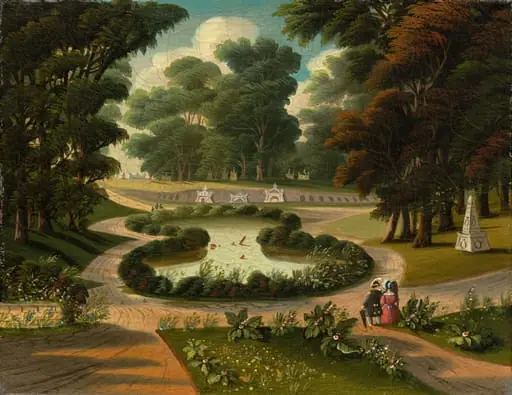 Mount Auburn Cemetery
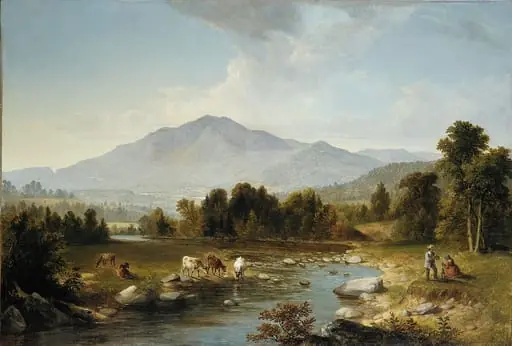 High Point: Shandaken Mountains
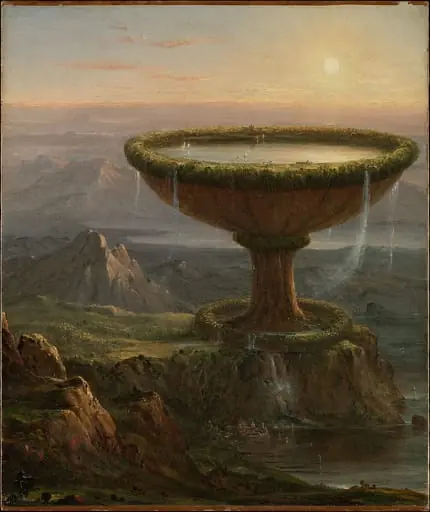 The Titan's Goblet
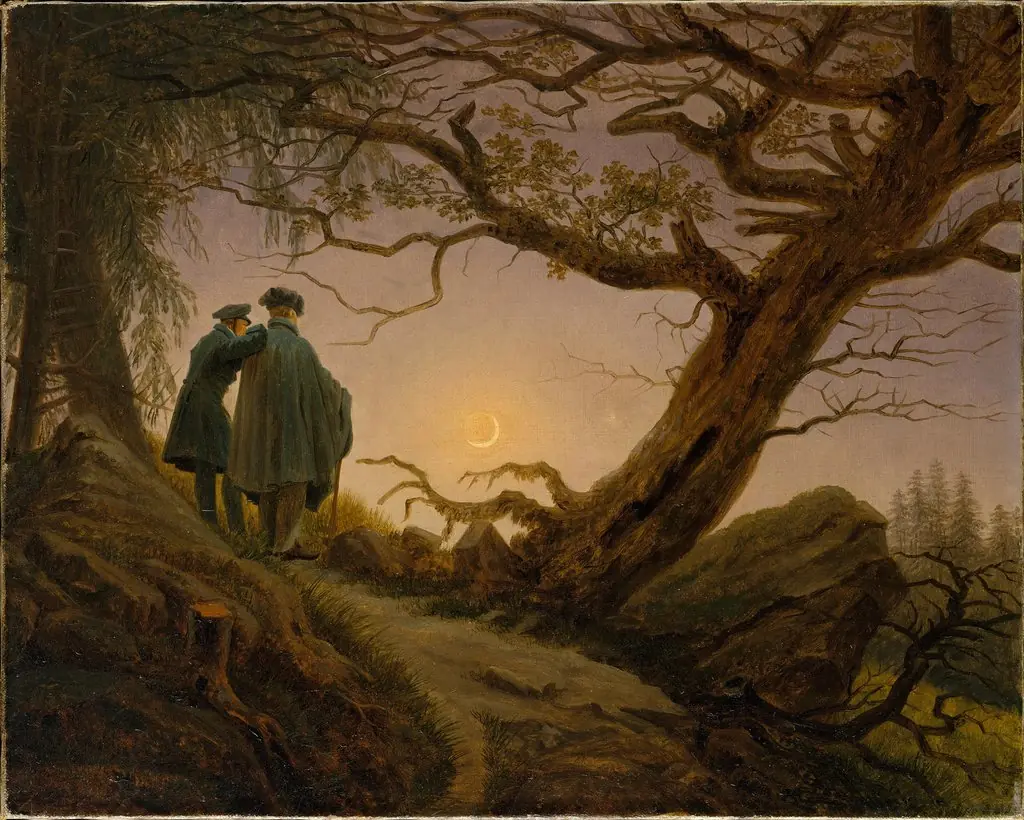 Two men contemplating the Moon
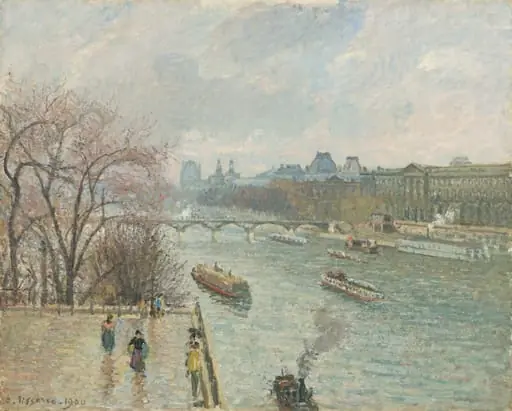 The Louvre, Afternoon, Rainy Weather
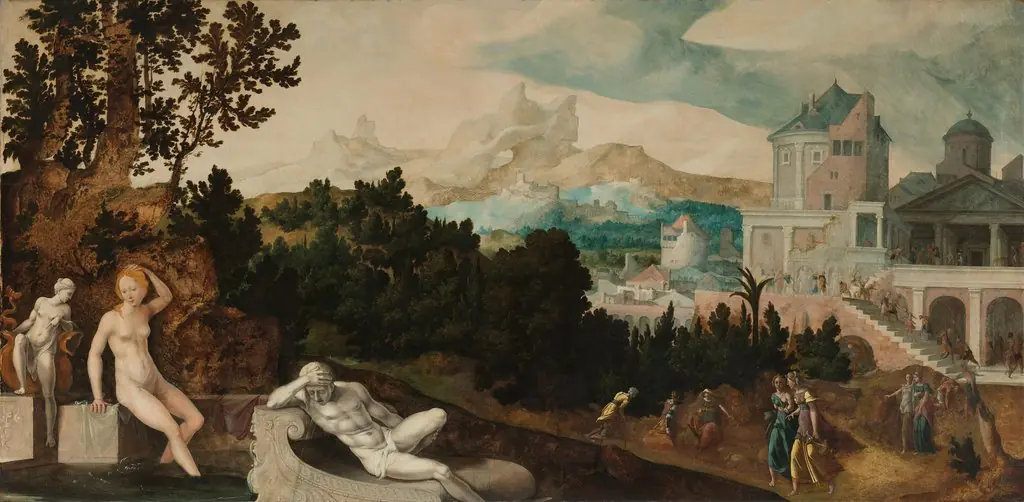 Landscape with Bathsheba
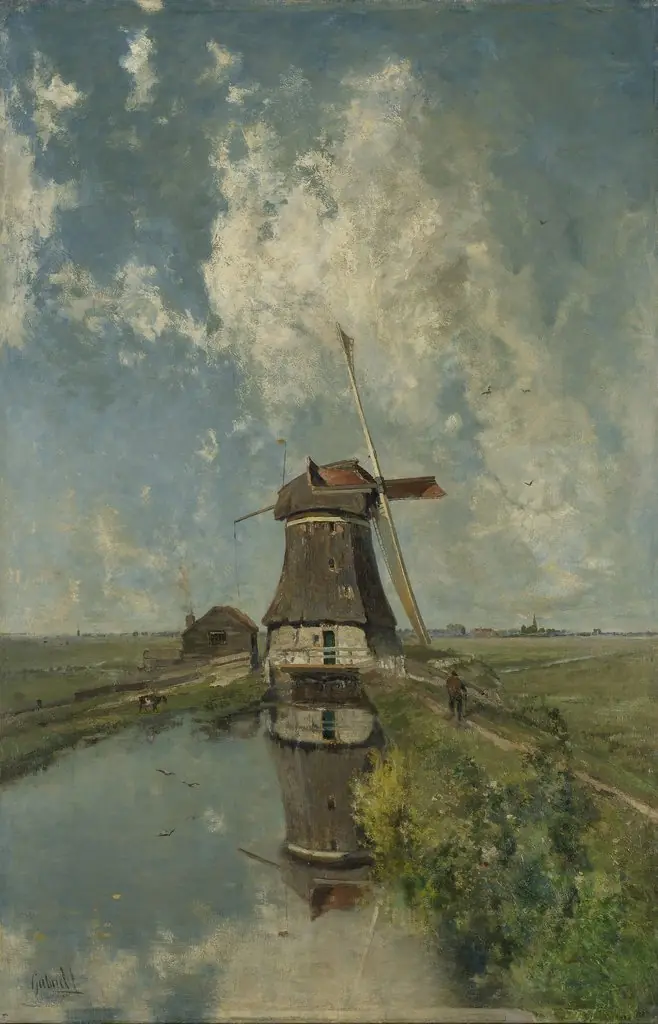 A Windmill on a Polder Waterway, Known as ‘In the Month of July’
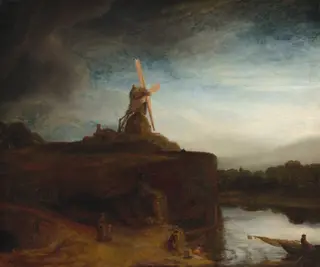 The Mill
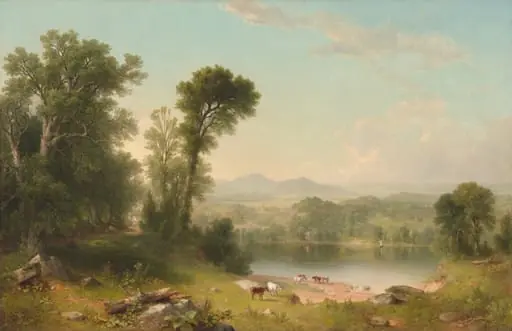 Pastoral Landscape
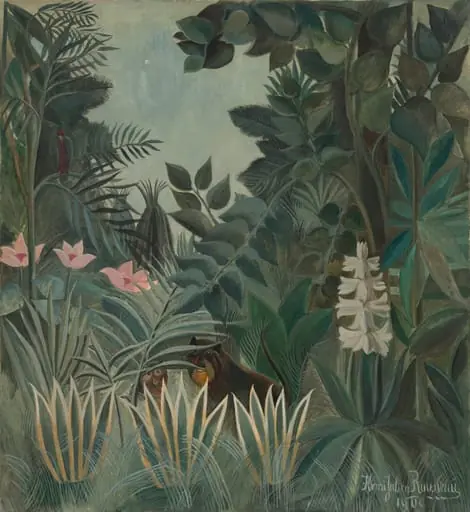 The Equatorial Jungle
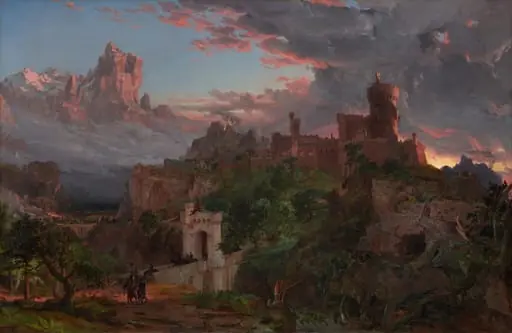 The Spirit of War
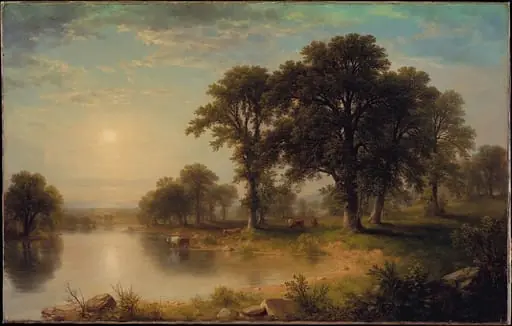 Summer Afternoon
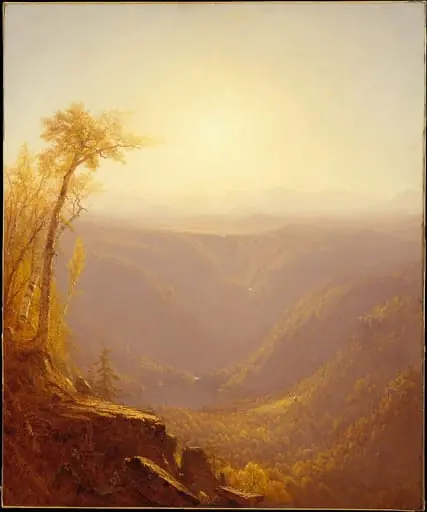 A Gorge in the Mountains (Kauterskill Clove)
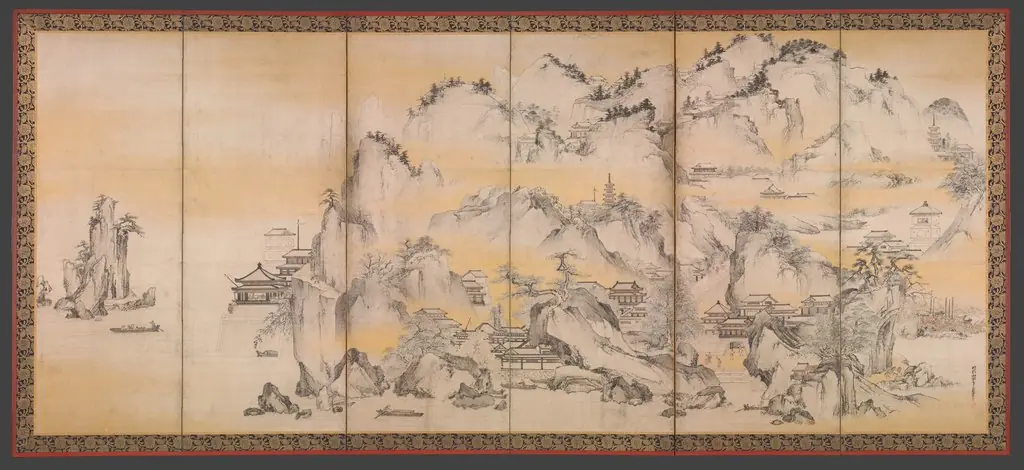 Jinshan Island and West Lake
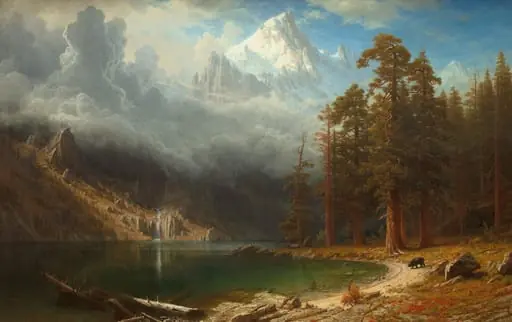 Mount Corcoran
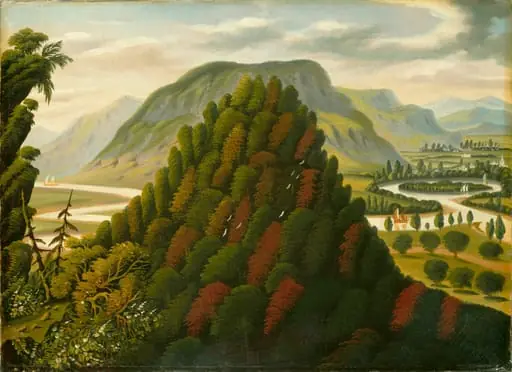 The Connecticut Valley
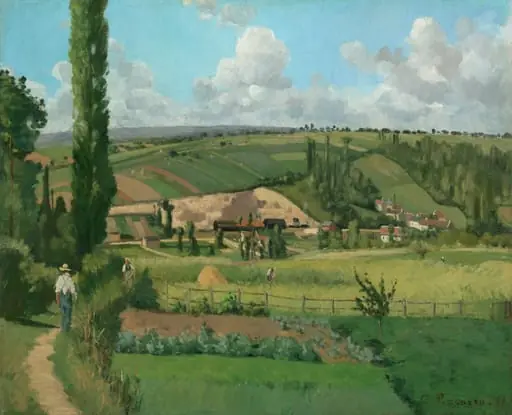 Landscape at Les Pâtis, Pontoise
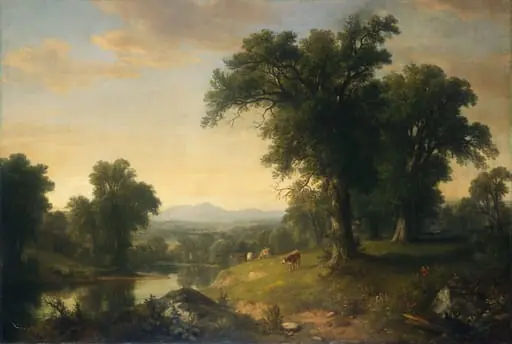 A Pastoral Scene
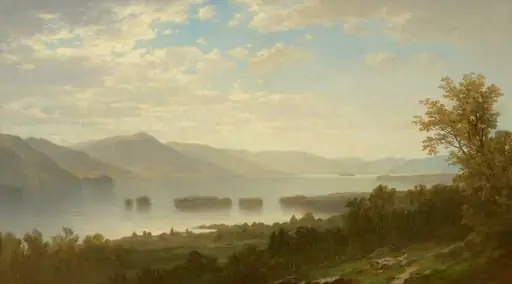 Lake George
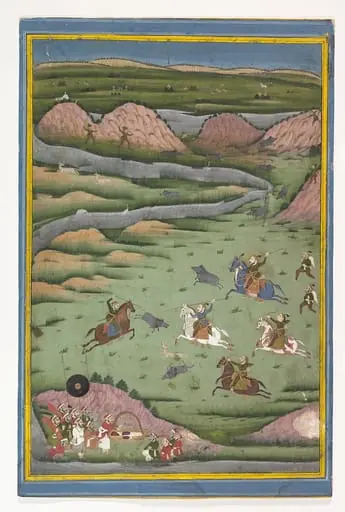 Untitled
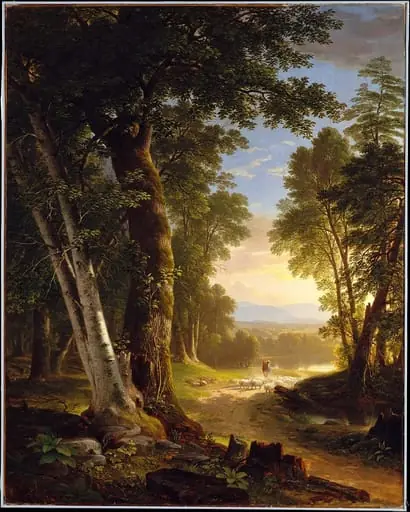 The Beeches
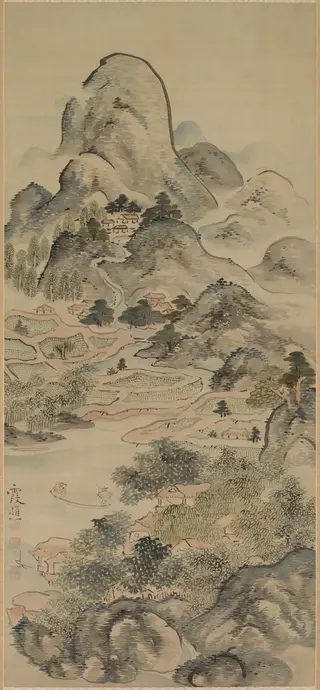 Fishing in Springtime
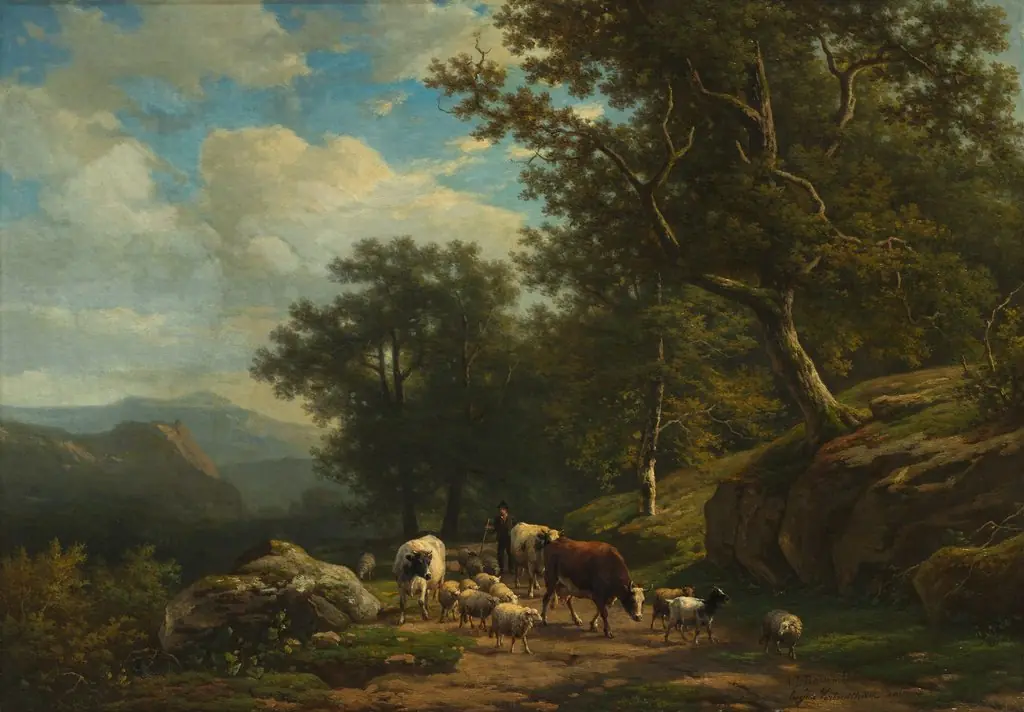 Landscape with a Peasant and His Flock
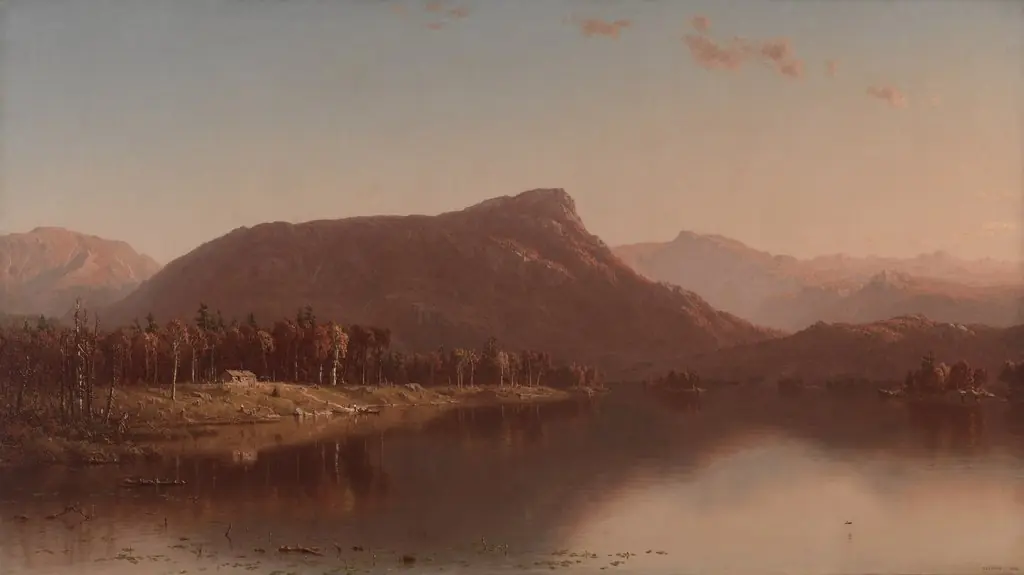 A Home in the Wilderness
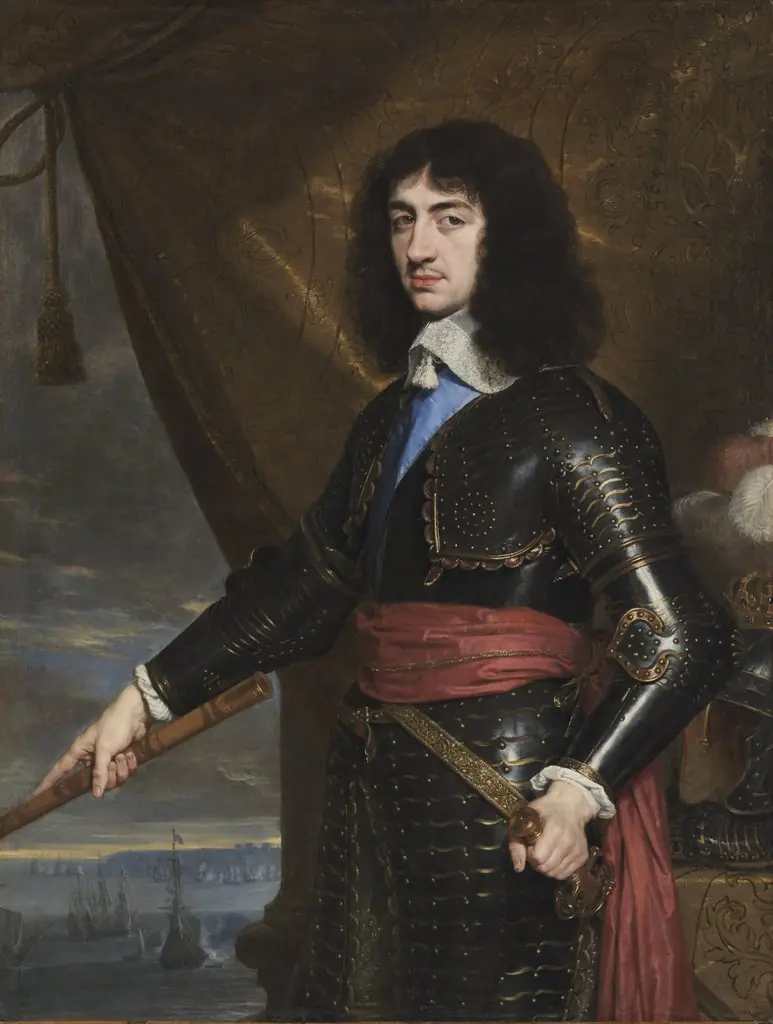 Portrait of King Charles II of England
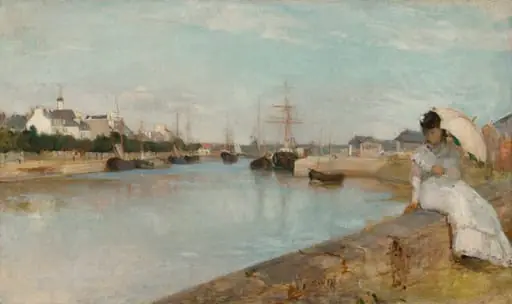 The Harbor at Lorient
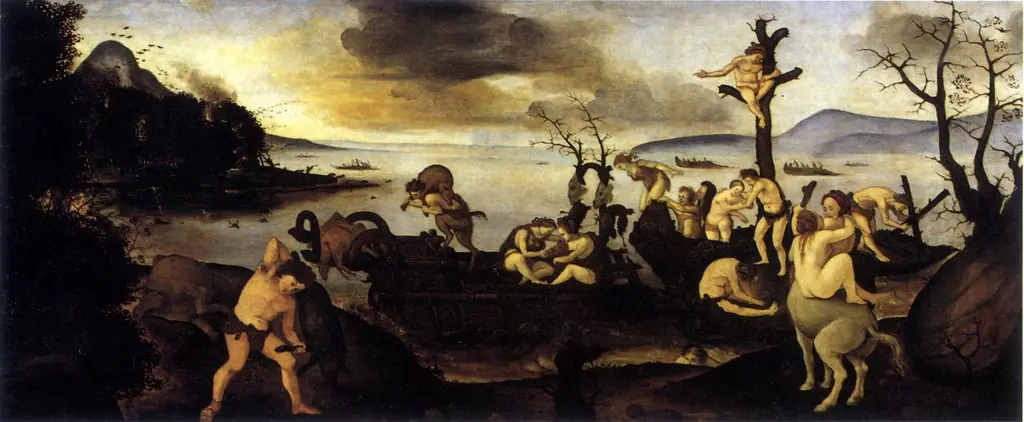 Return from the Hunt by Piero di Cosimo
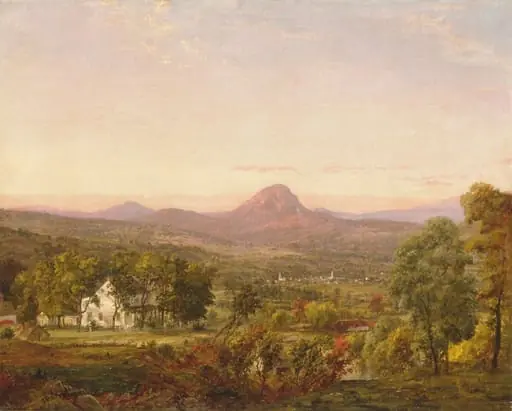 Autumn Landscape, Sugar Loaf Mountain, Orange County, New York
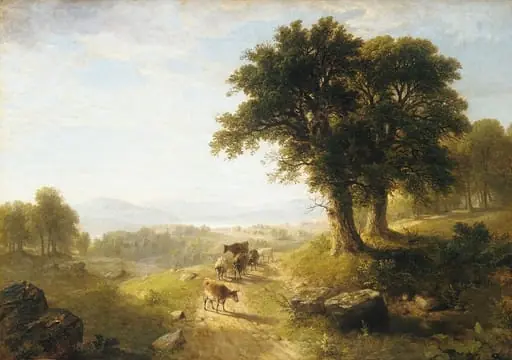 River Scene
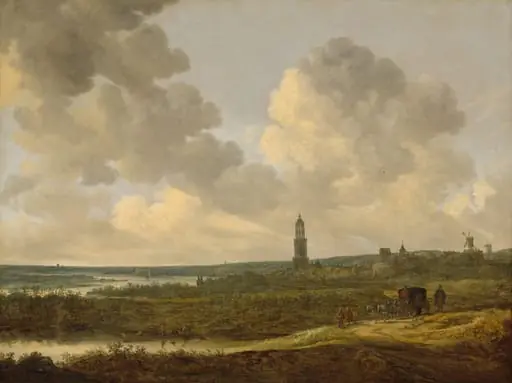 View of Rhenen
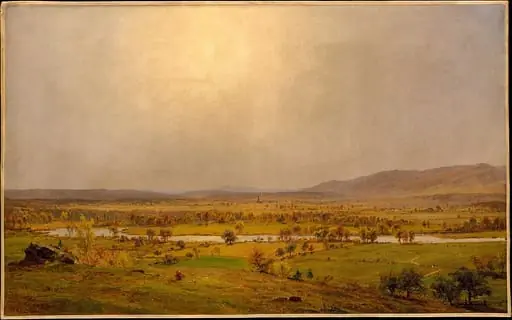 Pompton Plains, New Jersey
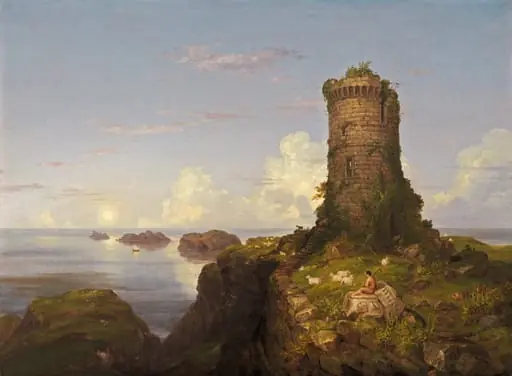 Italian Coast Scene with Ruined Tower
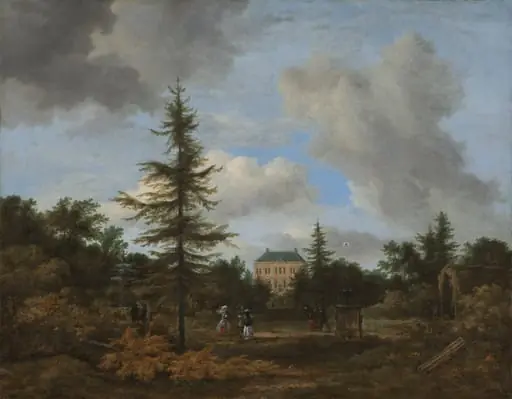 Country House in a Park
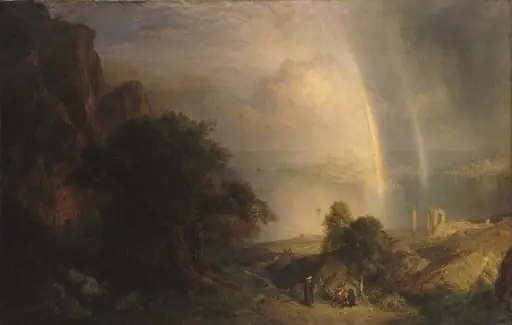 The Aegean Sea
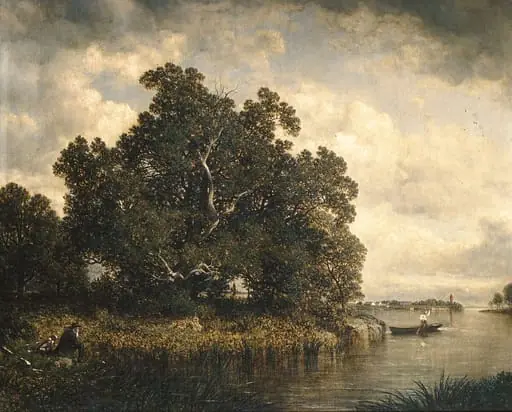 Bayside, New Rochelle, New York
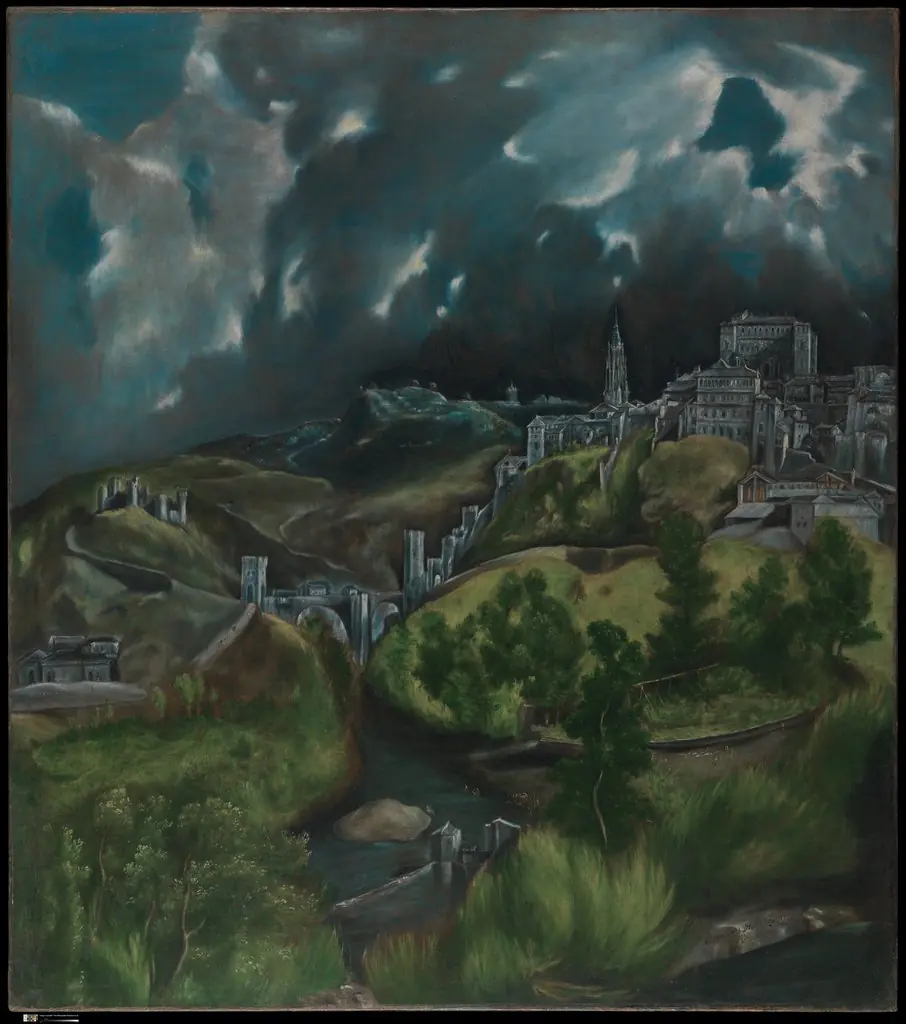 View of Toledo
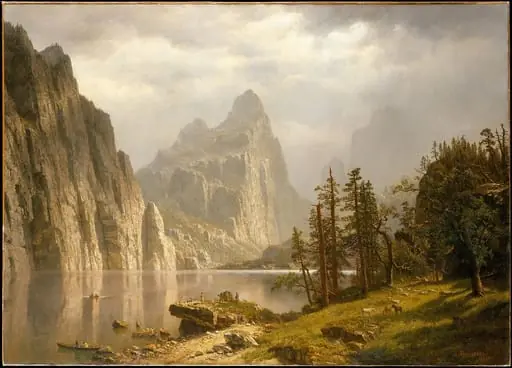 Merced River, Yosemite Valley
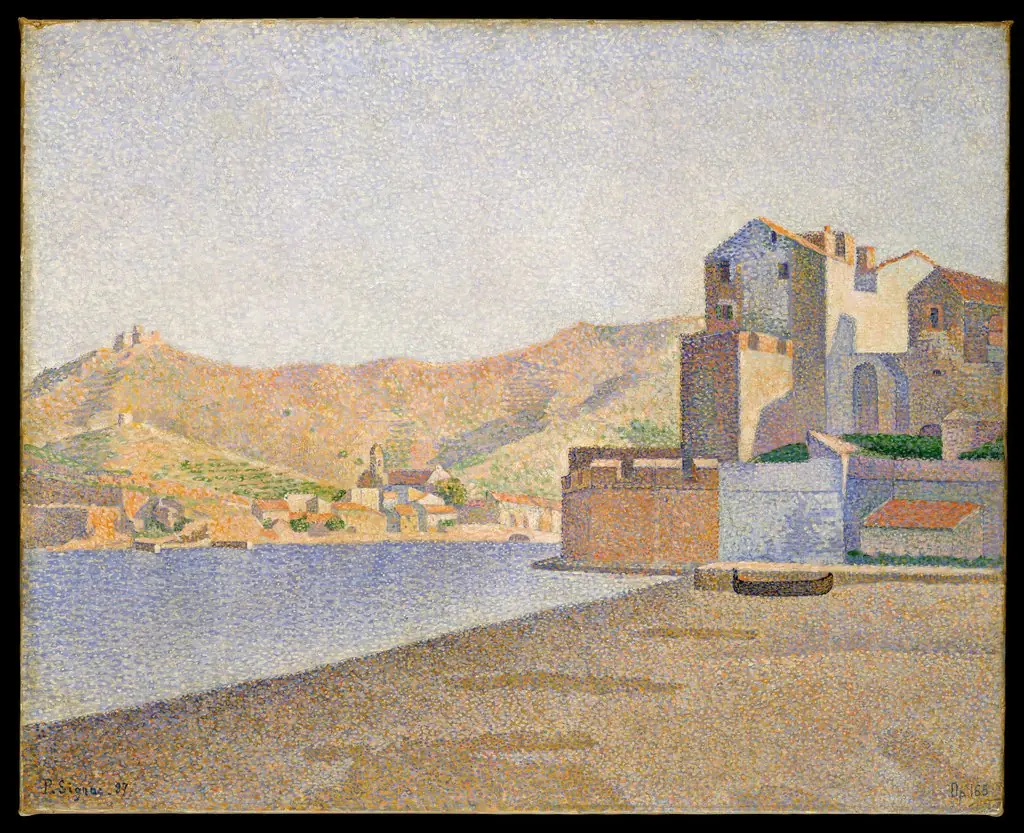 The Town Beach, Collioure, Opus 165
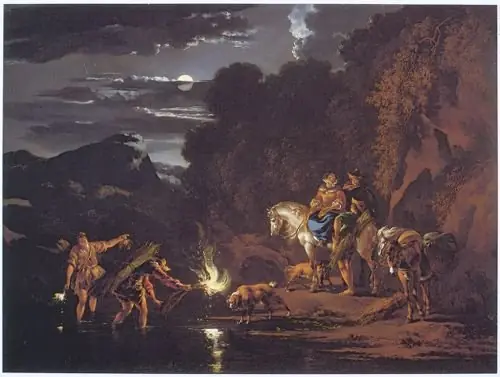 Moonlight Landscape with Crab Fishermen
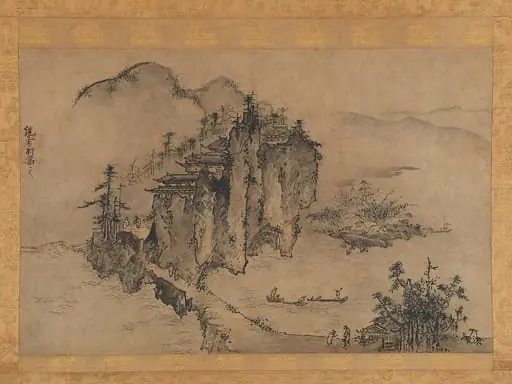 雪村周継筆 山水図|Landscape with Rocky Precipice
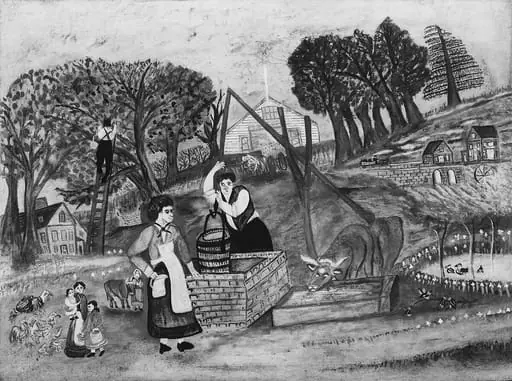 The Old Oaken Bucket which Hung in the Well
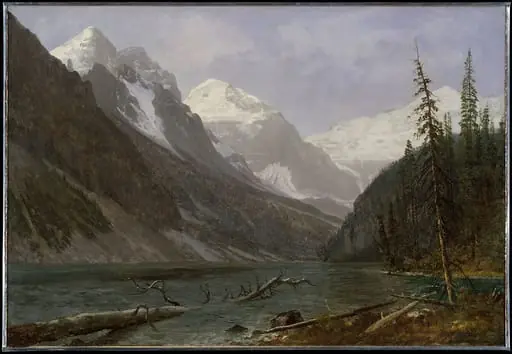 Canadian Rockies (Lake Louise)
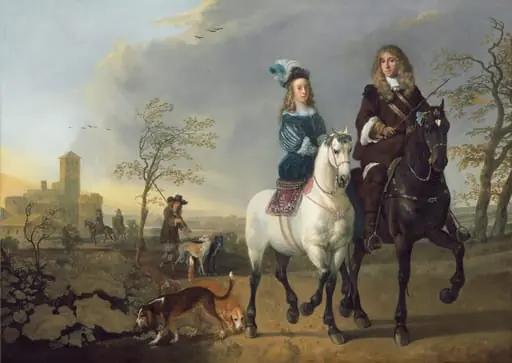 Lady and Gentleman on Horseback
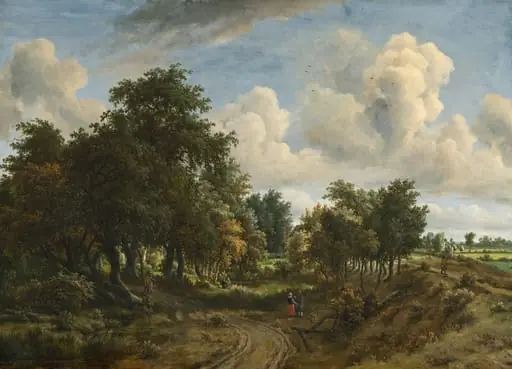 A Wooded Landscape
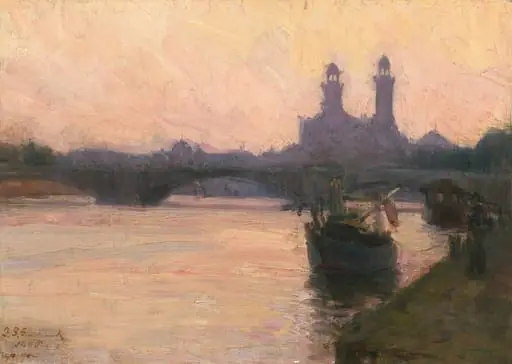 The Seine
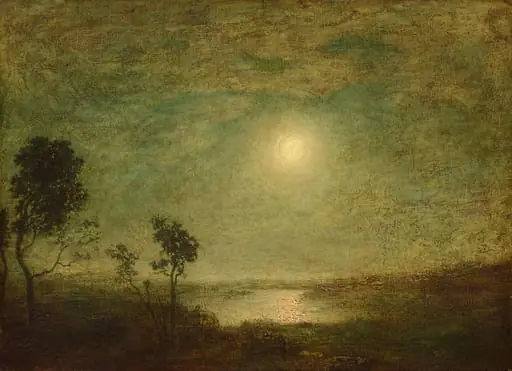 Moonlight
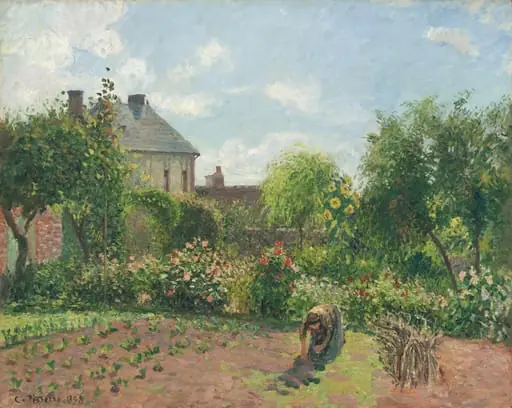 The Artist's Garden at Eragny
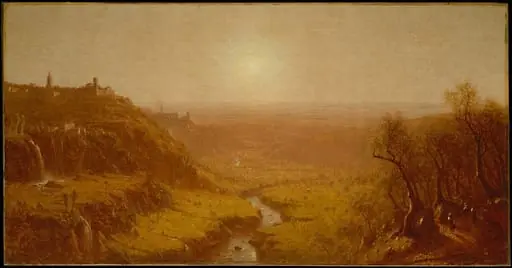 Tivoli
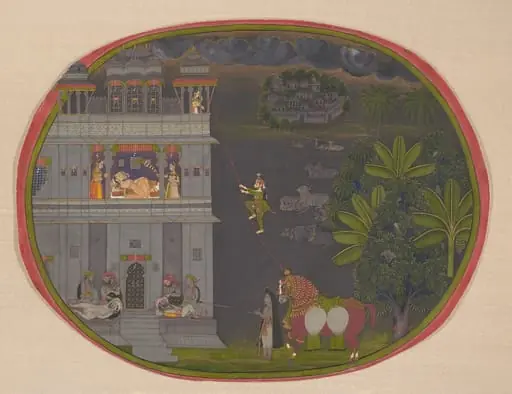 Untitled
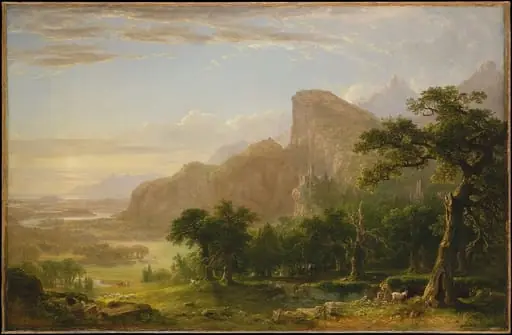 Landscape—Scene from "Thanatopsis"
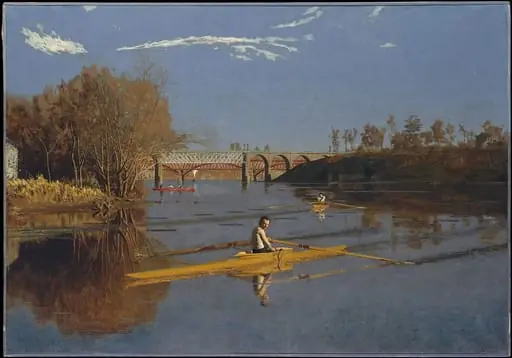 The Champion Single Sculls (Max Schmitt in a Single Scull)
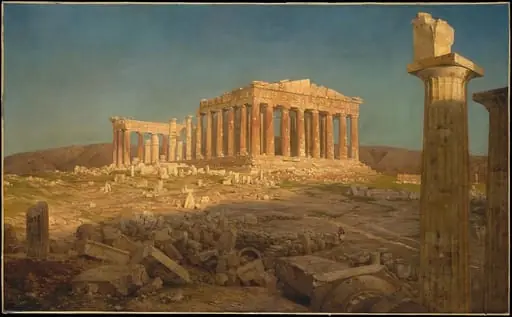 The Parthenon
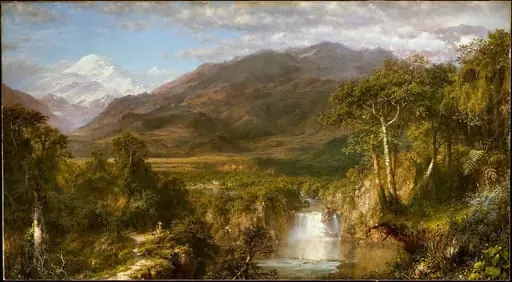 Heart of the Andes
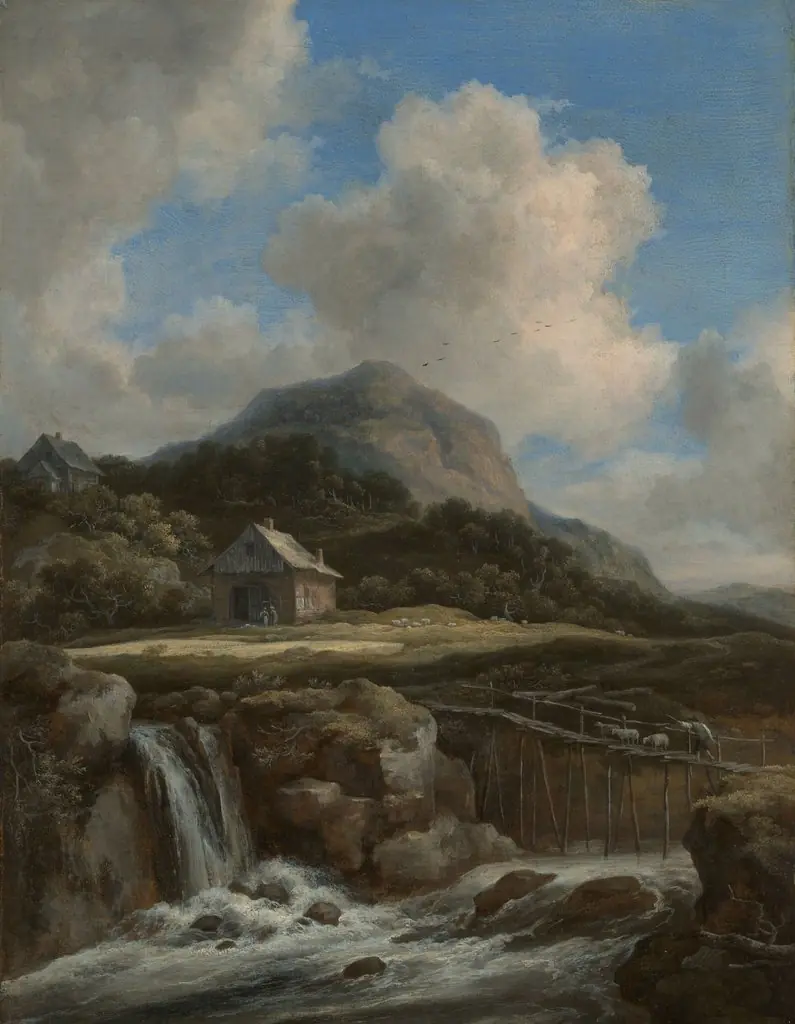 Mountain Torrent
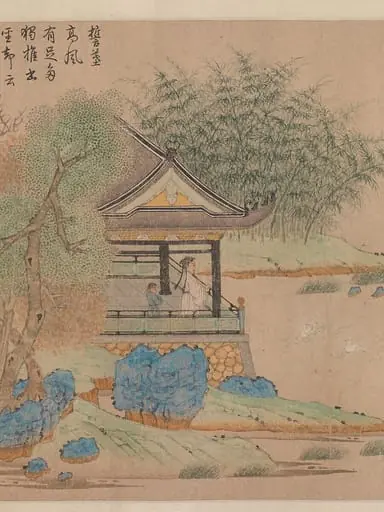 元 錢選 王羲之觀鵝圖 卷|Wang Xizhi watching geese
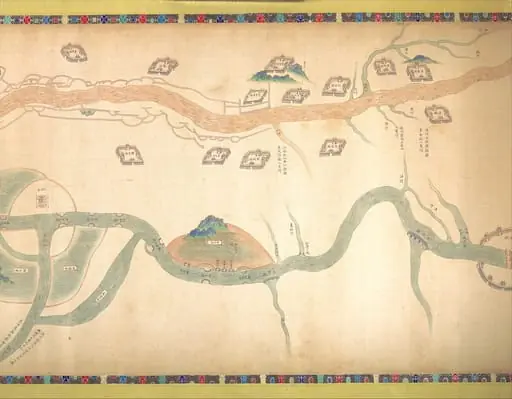 清 佚名 大運河地圖 (從北京至長江) 卷|Map of the Grand Canal from Beijing to the Yangzi River
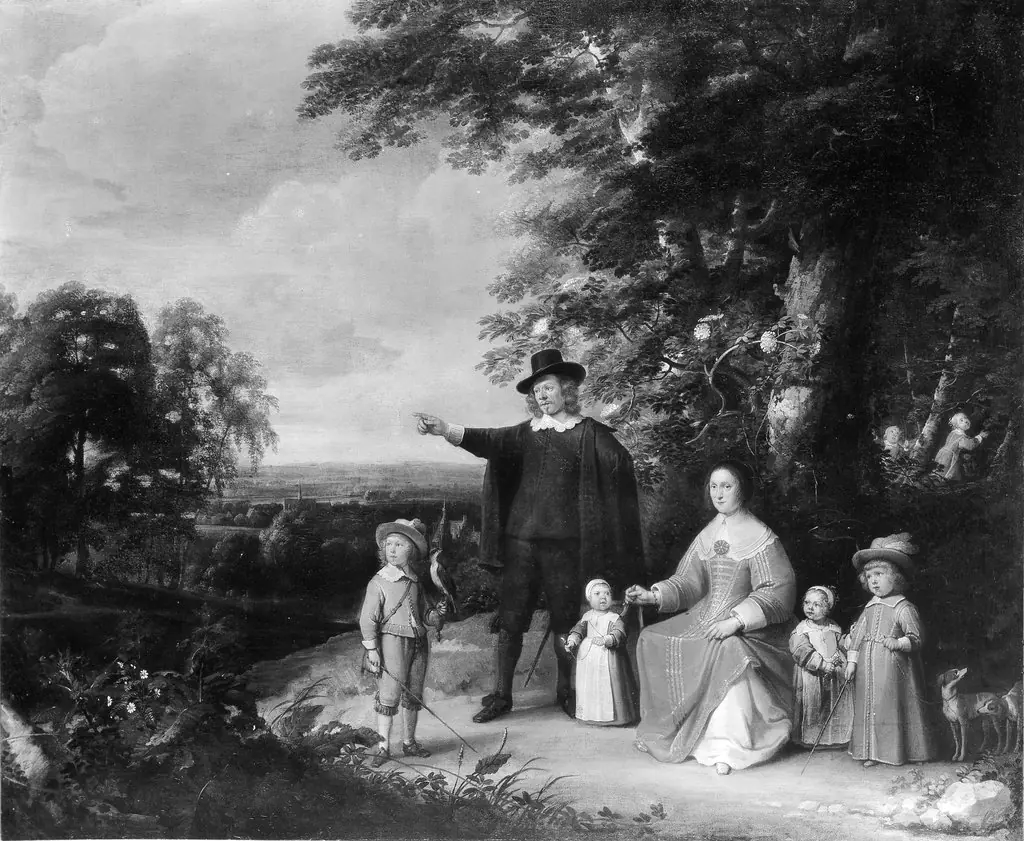 Family Group in a Landscape
 The Hunters in the Snow
 From Shifting Shade
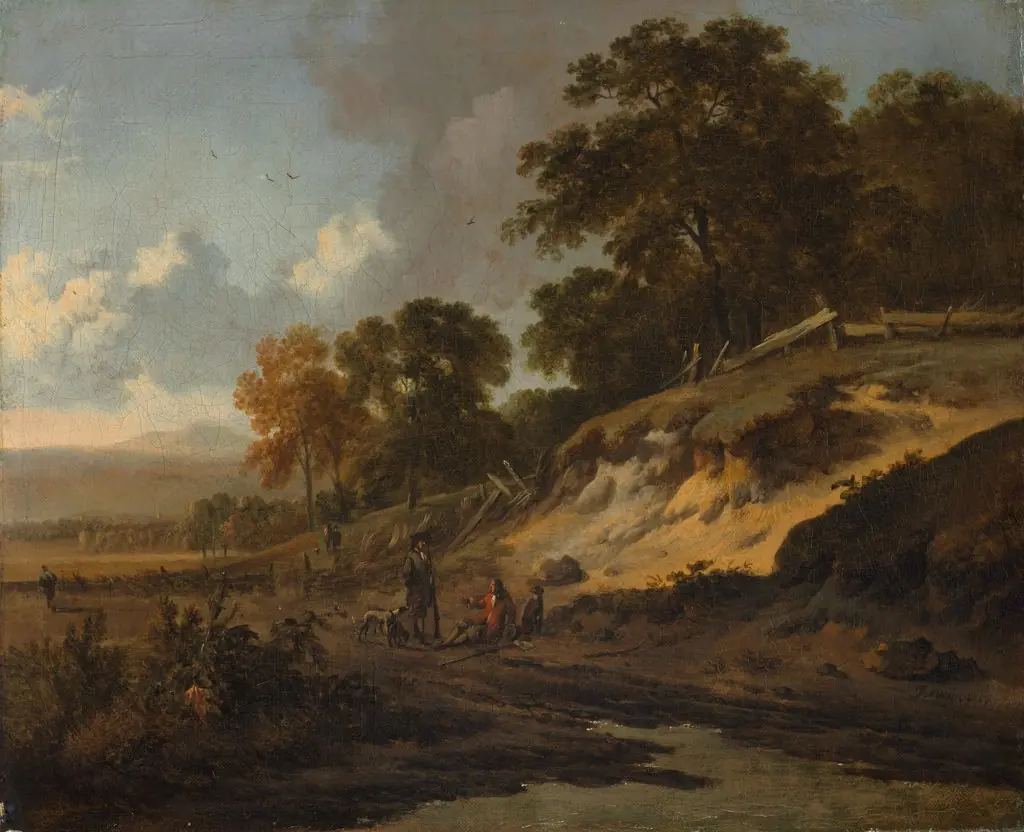 Landscape with Hunters
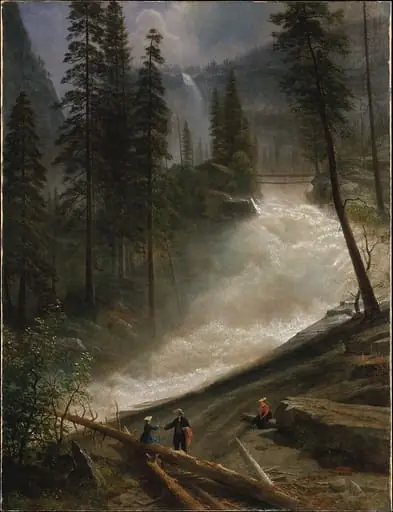 Nevada Falls, Yosemite
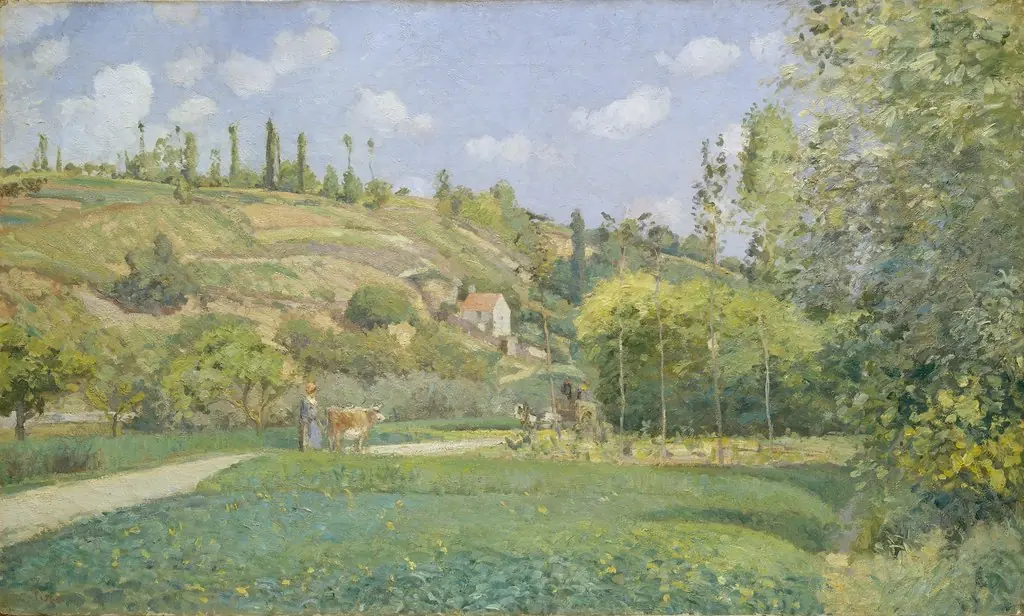 A Cowherd at Valhermeil, Auvers-sur-Oise
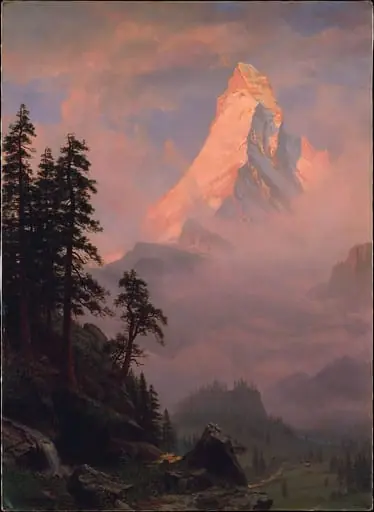 Sunrise on the Matterhorn
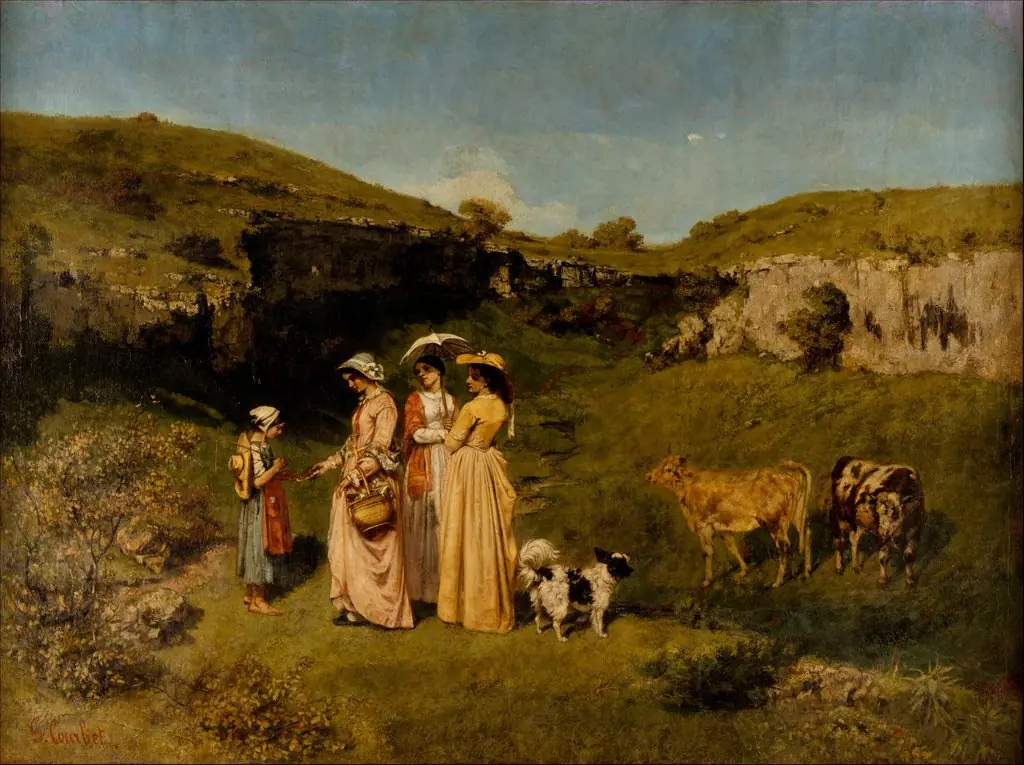 Young Ladies of the Village
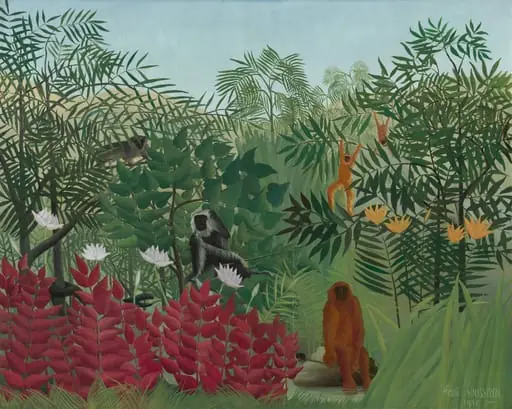 Tropical Forest with Monkeys
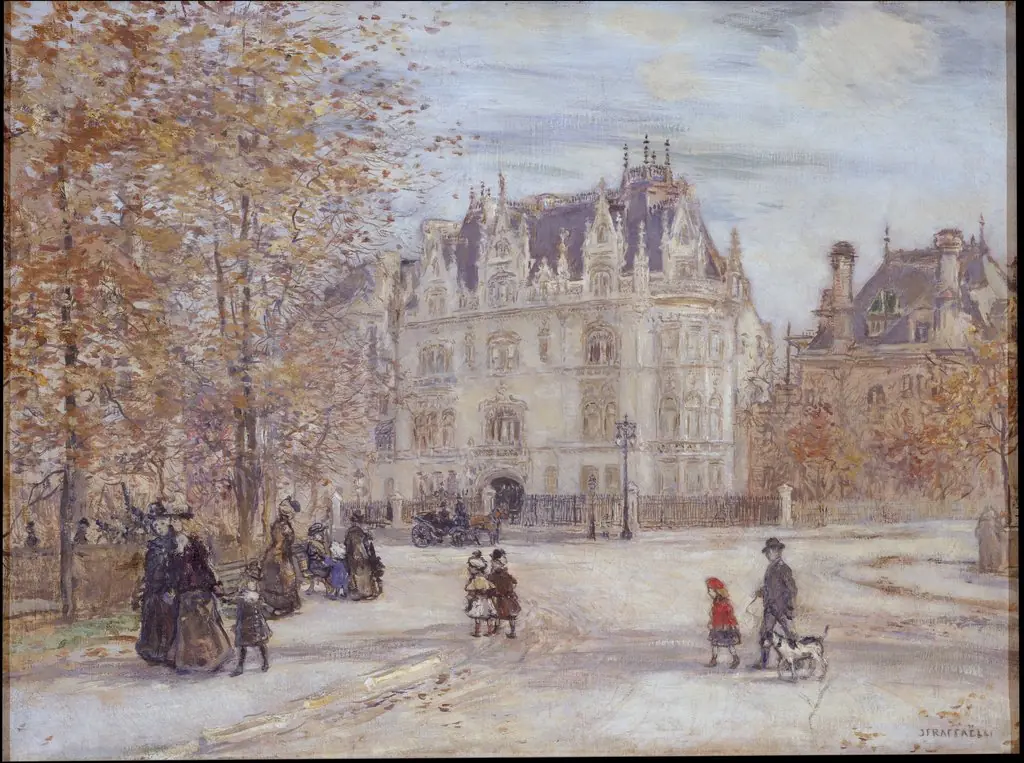 The Fletcher Mansion, New York City
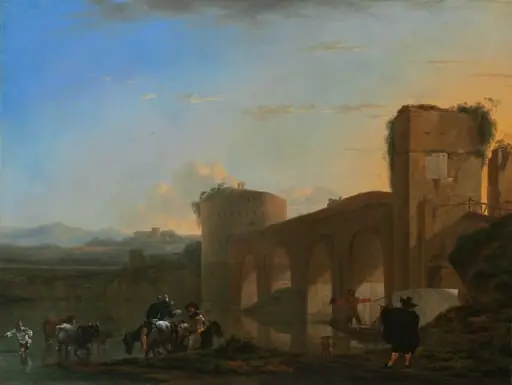 The Tiber River with the Ponte Molle at Sunset
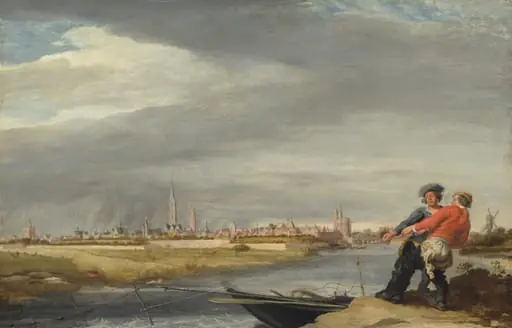 Hauling the Net
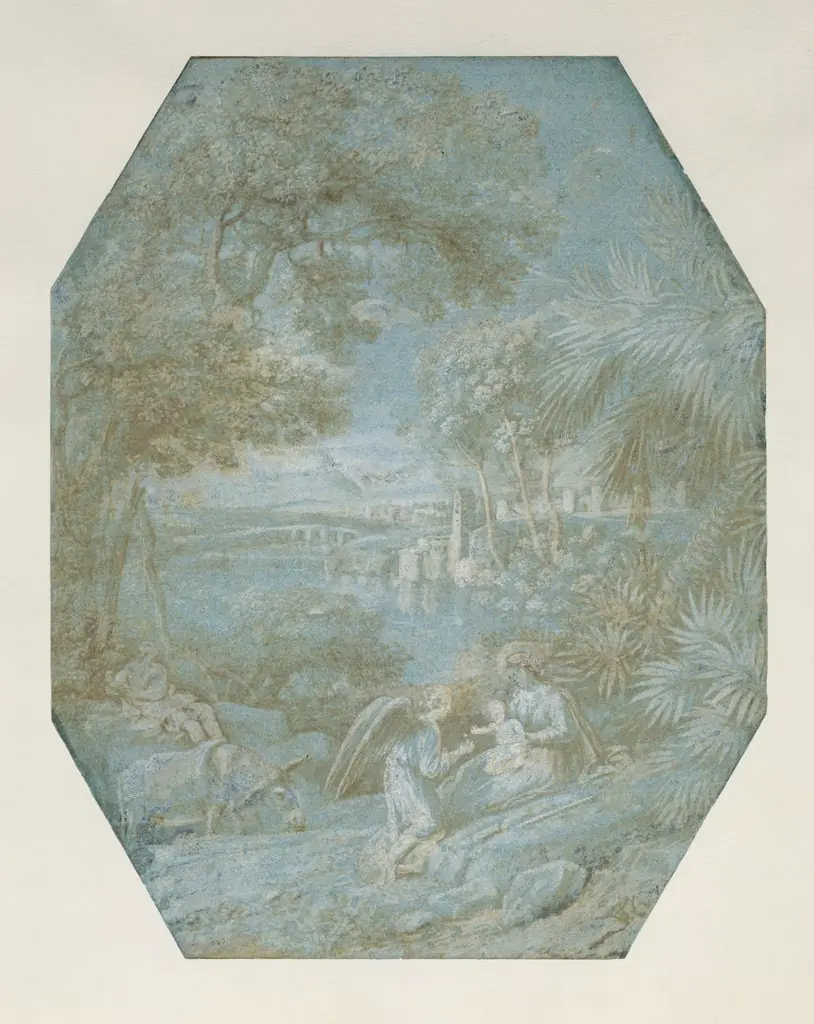 Landscape with the Rest on the Flight into Egypt
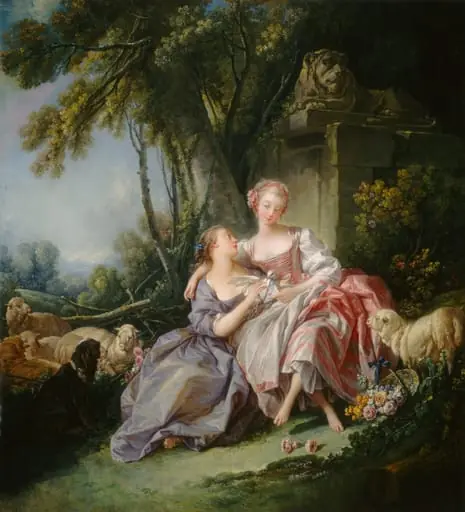 The Love Letter
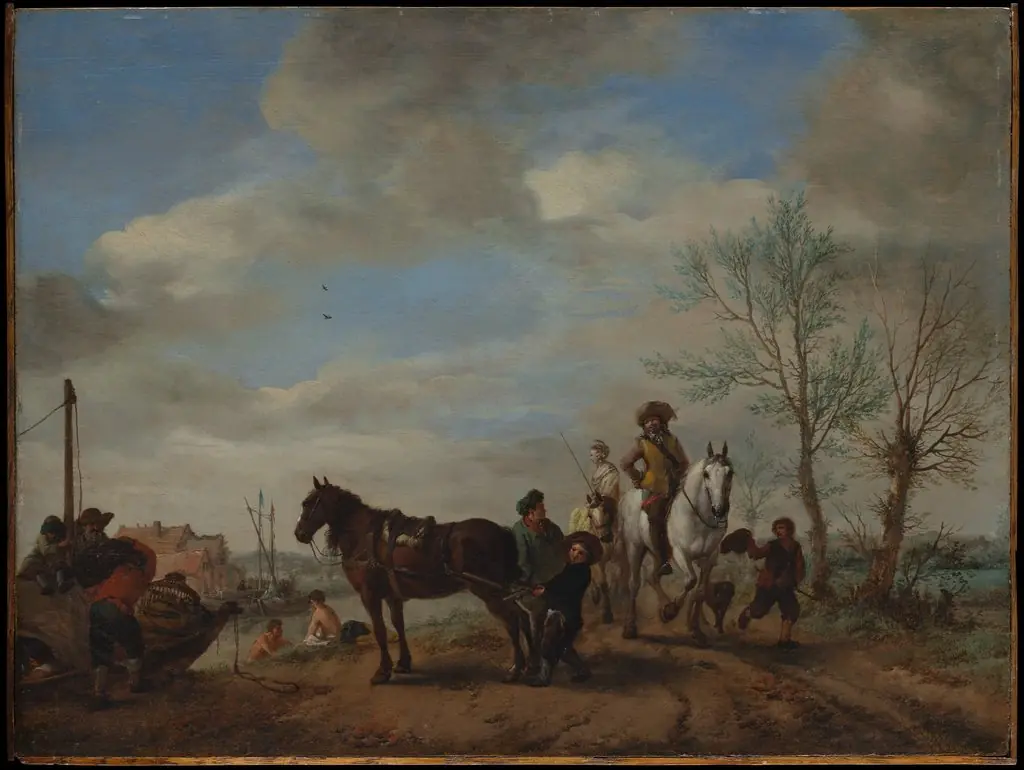 A Man and a Woman on Horseback
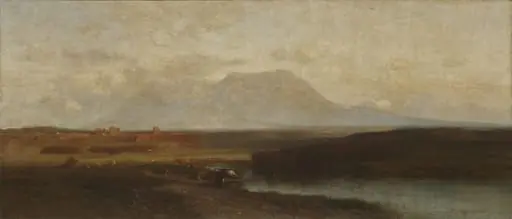 Spanish Peaks, Southern Colorado, Late Afternoon
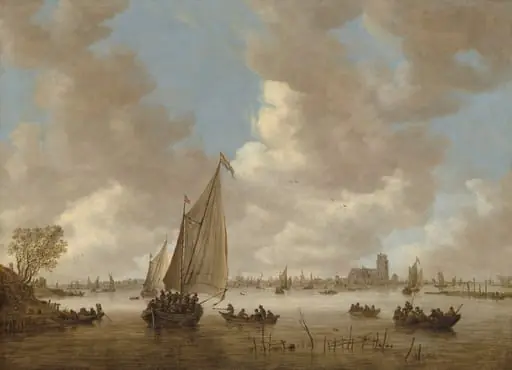 View of Dordrecht from the North
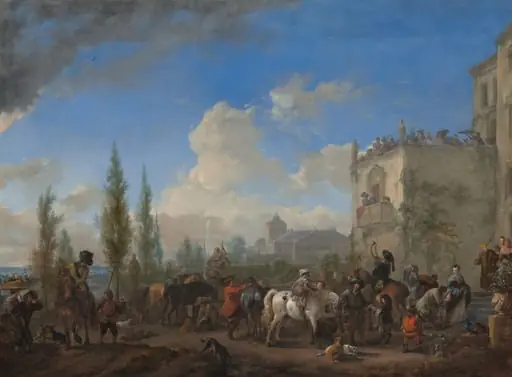 The Departure for the Hunt
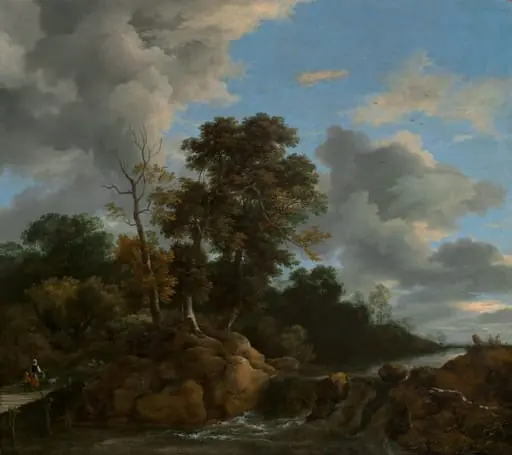 Landscape
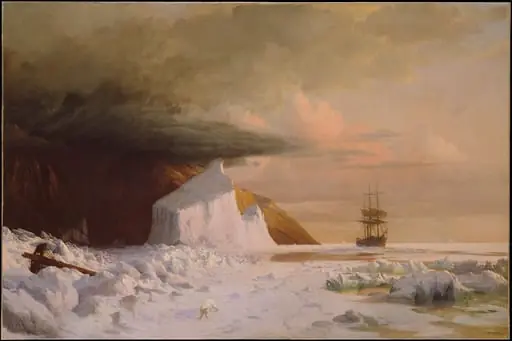 An Arctic Summer: Boring Through the Pack in Melville Bay
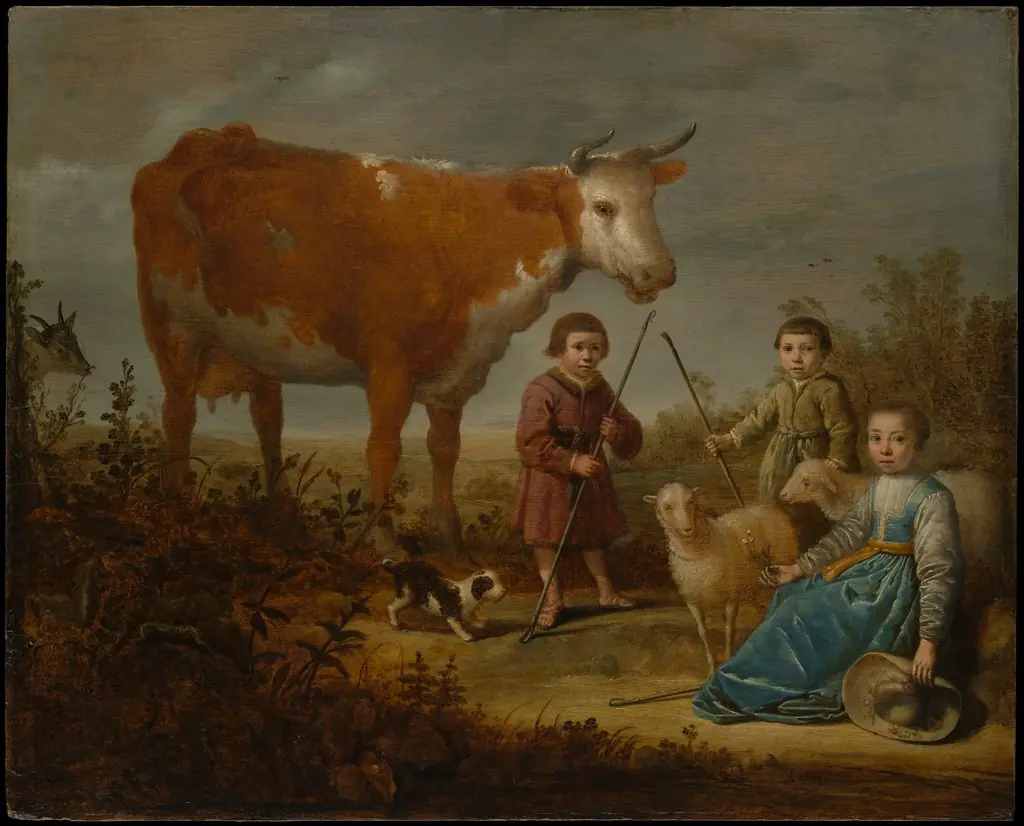 Children and a Cow
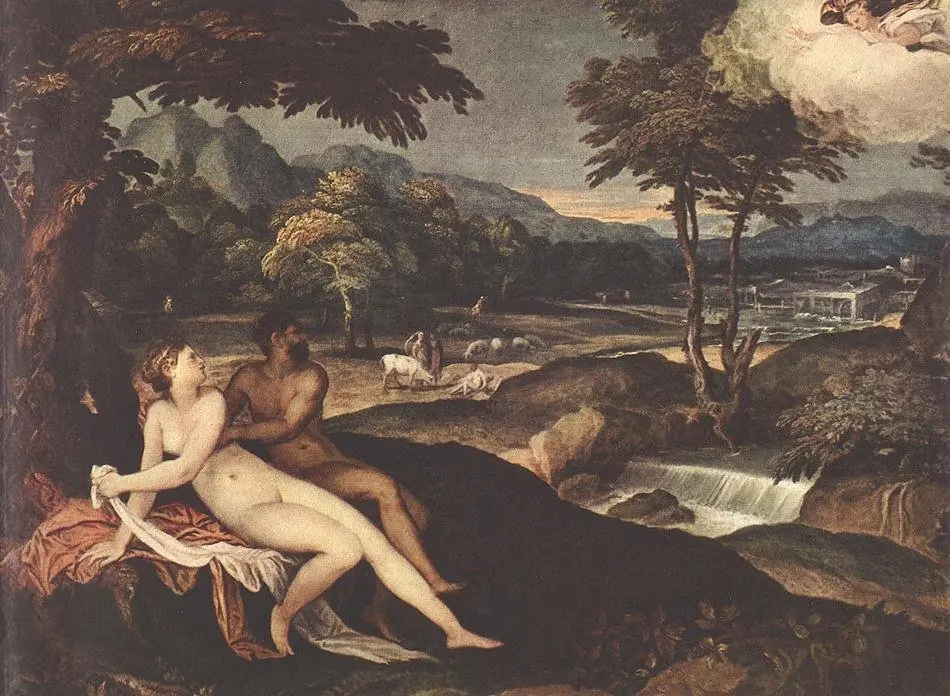 Landscape with Jupiter and Io
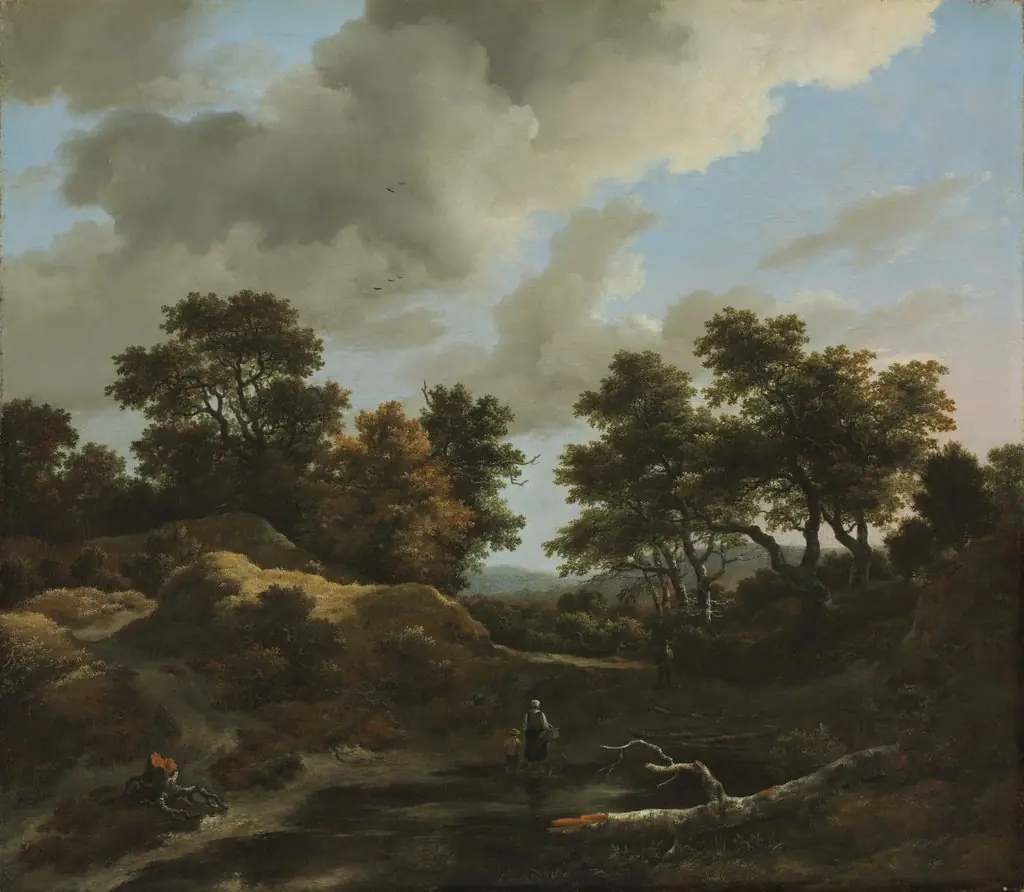 Wooded and Hilly Landscape
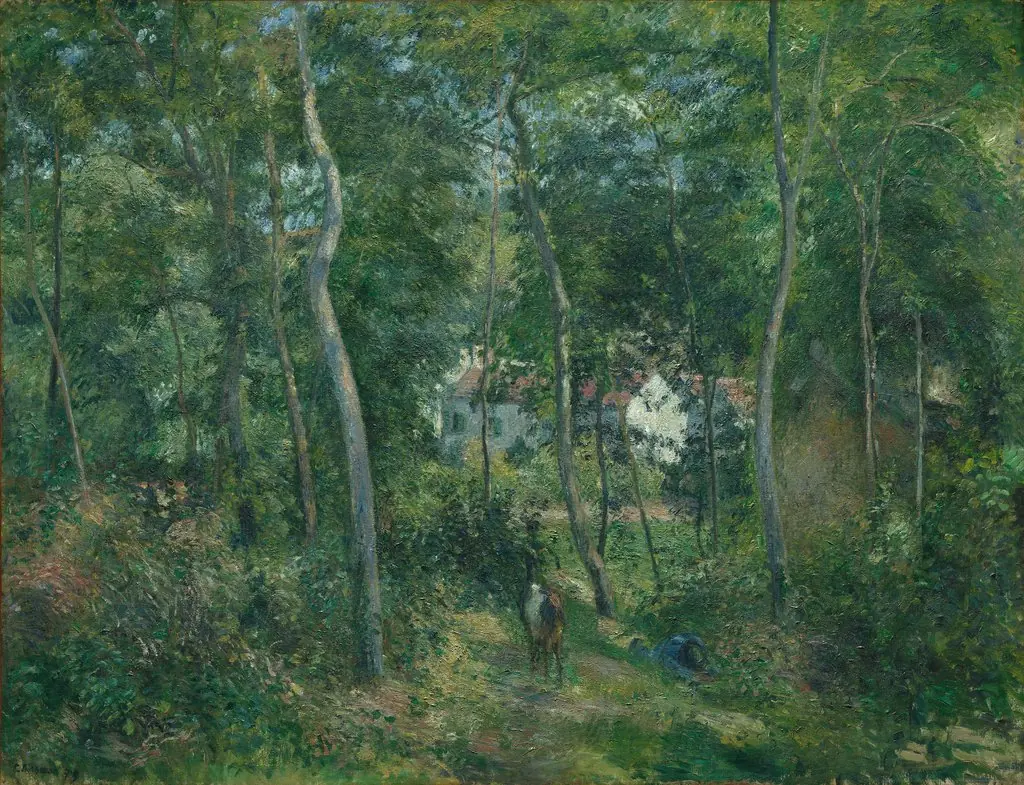 Edge of the Woods Near L'Hermitage, Pontoise
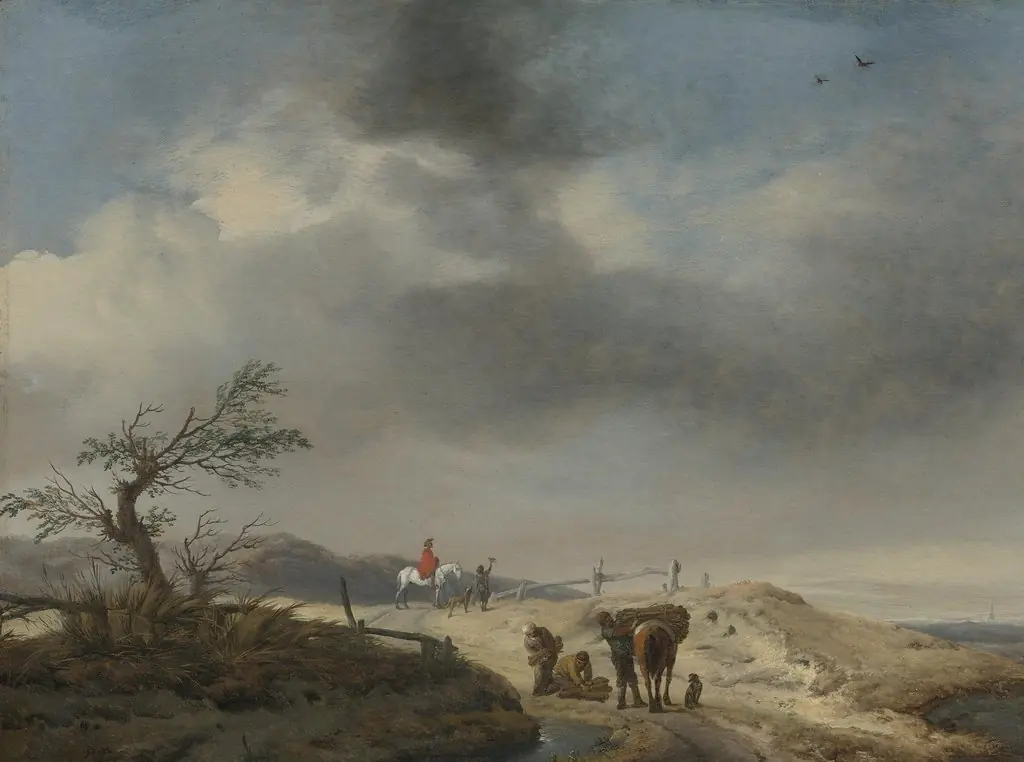 Dune Landscape with Figures
 Summer Flowers
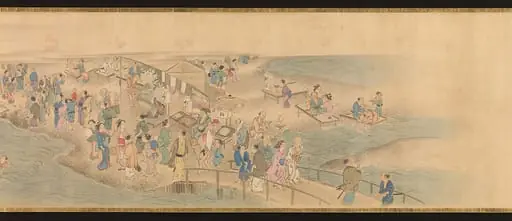 源琦筆 華洛四季遊楽図巻|Scenes of the Four Seasons in Kyoto
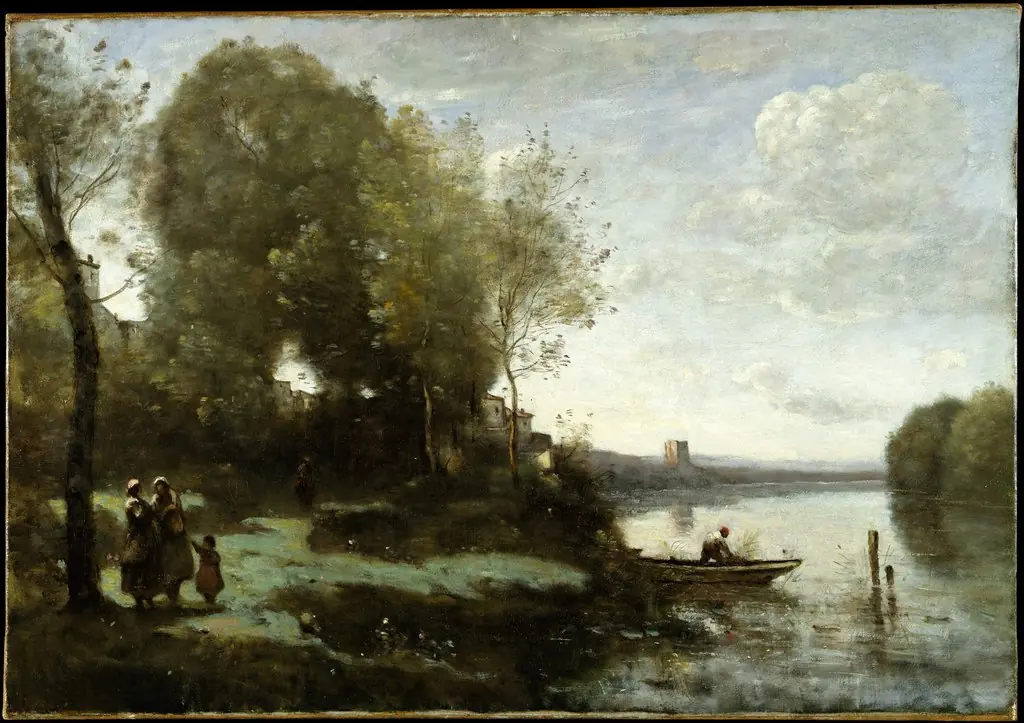 River with a Distant Tower
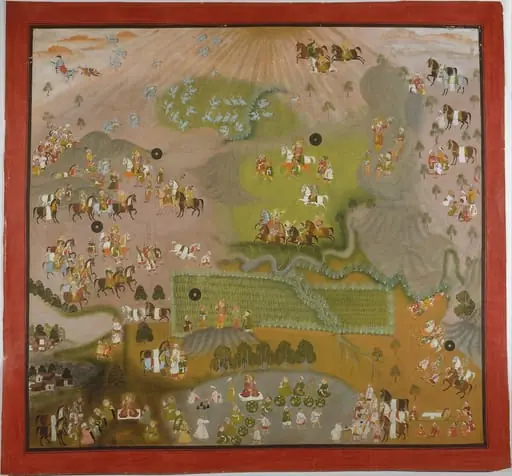 Untitled
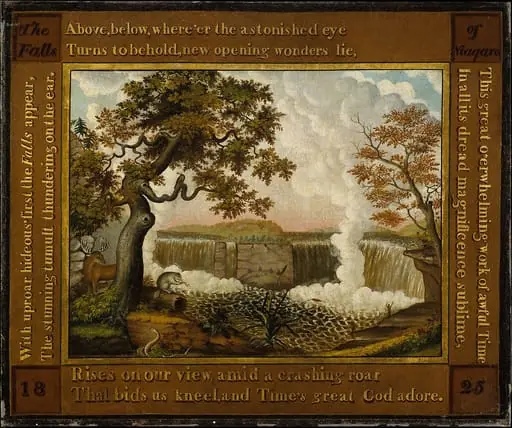 The Falls of Niagara
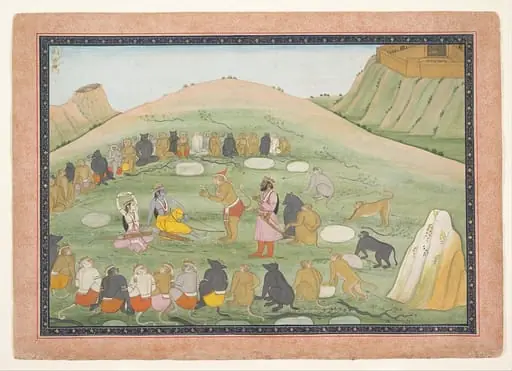 Untitled
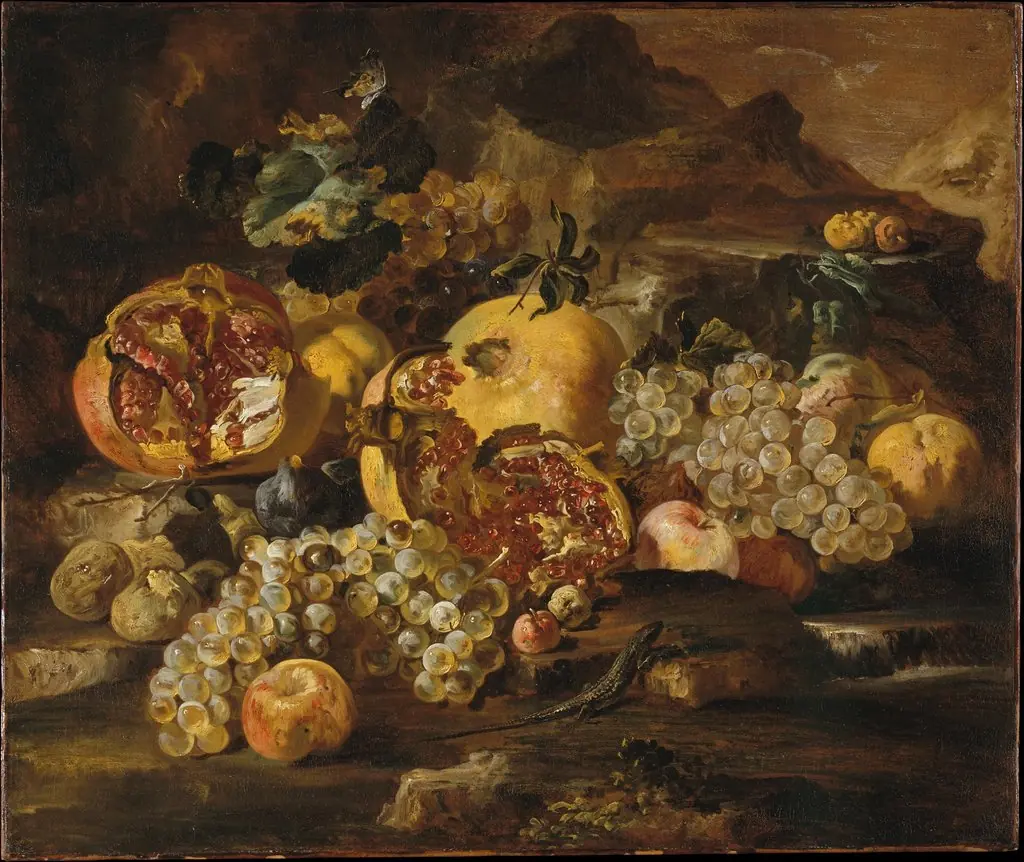 Pomegranates and Other Fruit in a Landscape
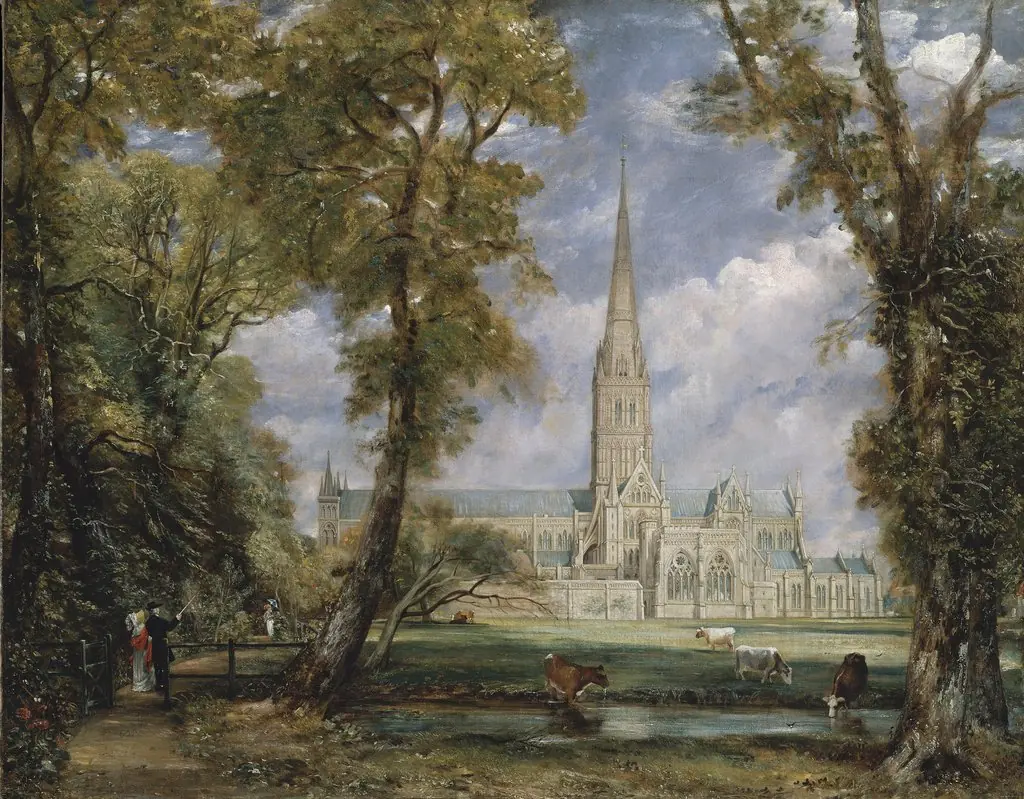 Salisbury Cathedral from the Bishop's Garden
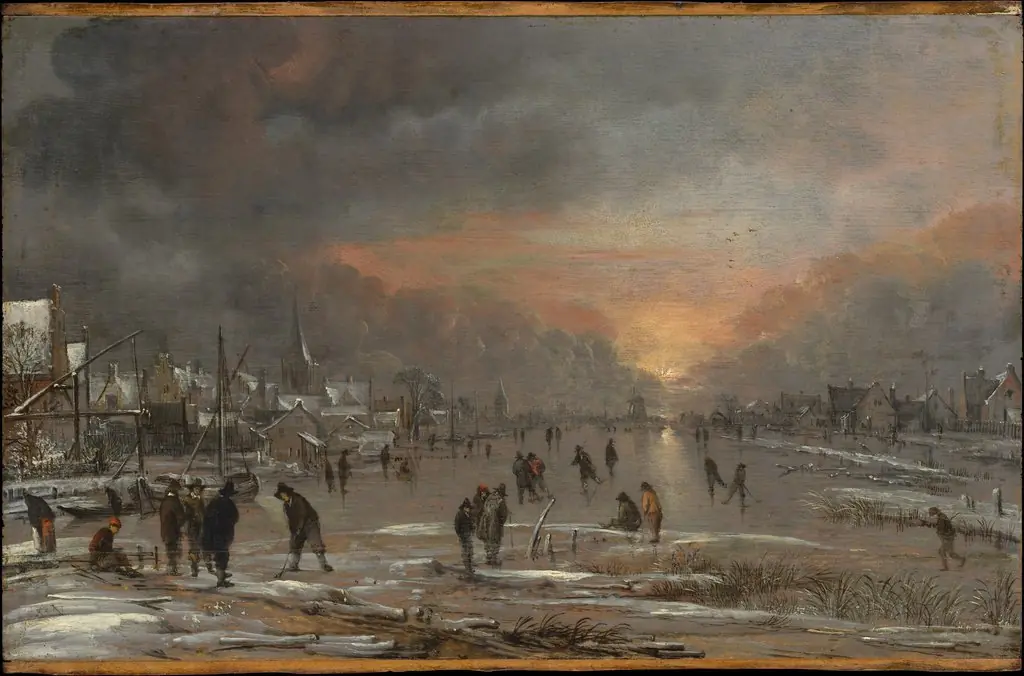 Sports on a Frozen River
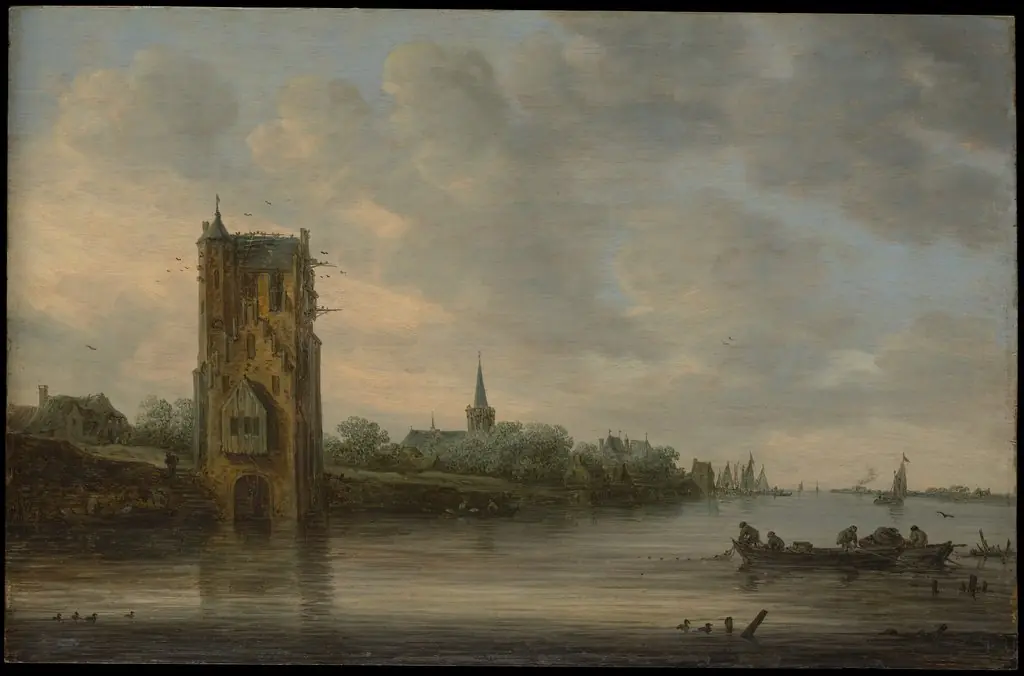 The Pelkus Gate near Utrecht
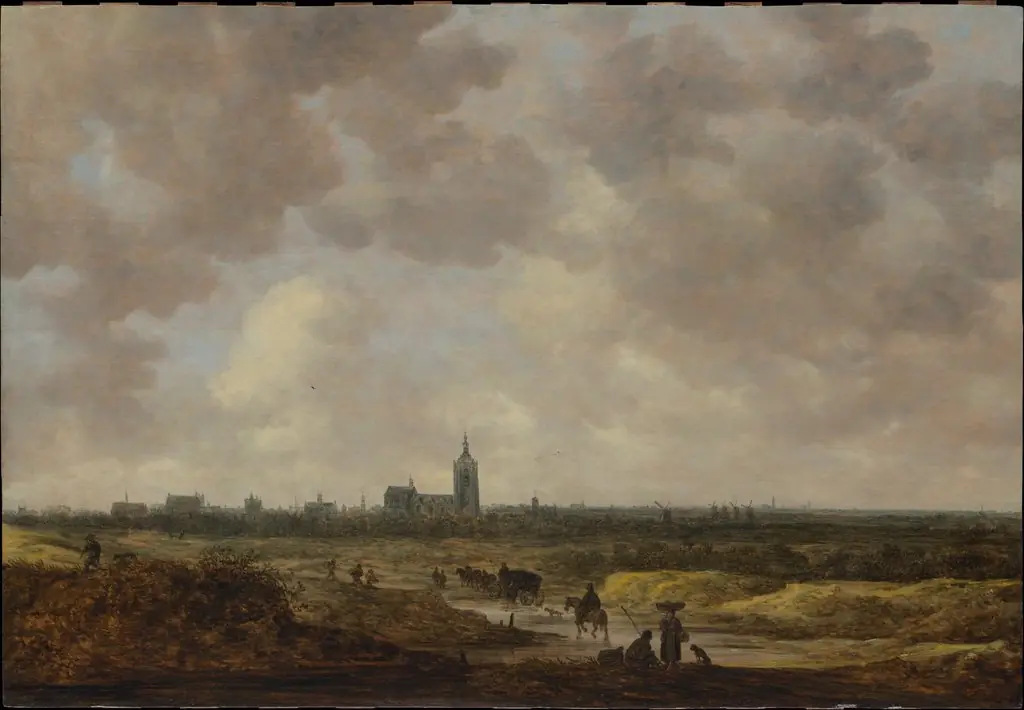 A View of The Hague from the Northwest
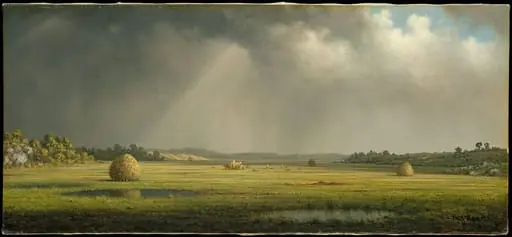 Newburyport Meadows
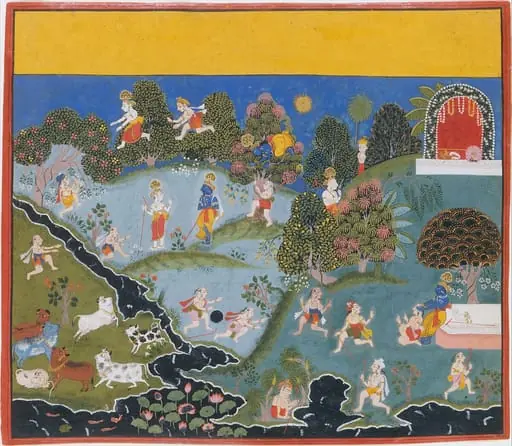 Untitled
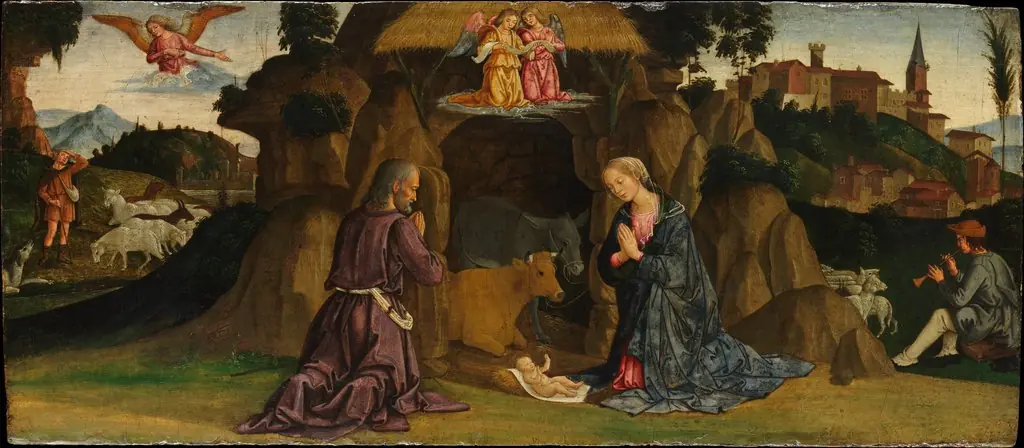 The Nativity
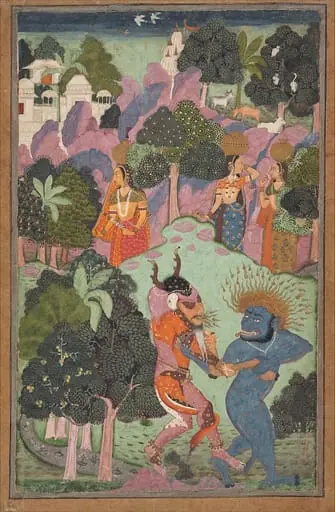 Untitled
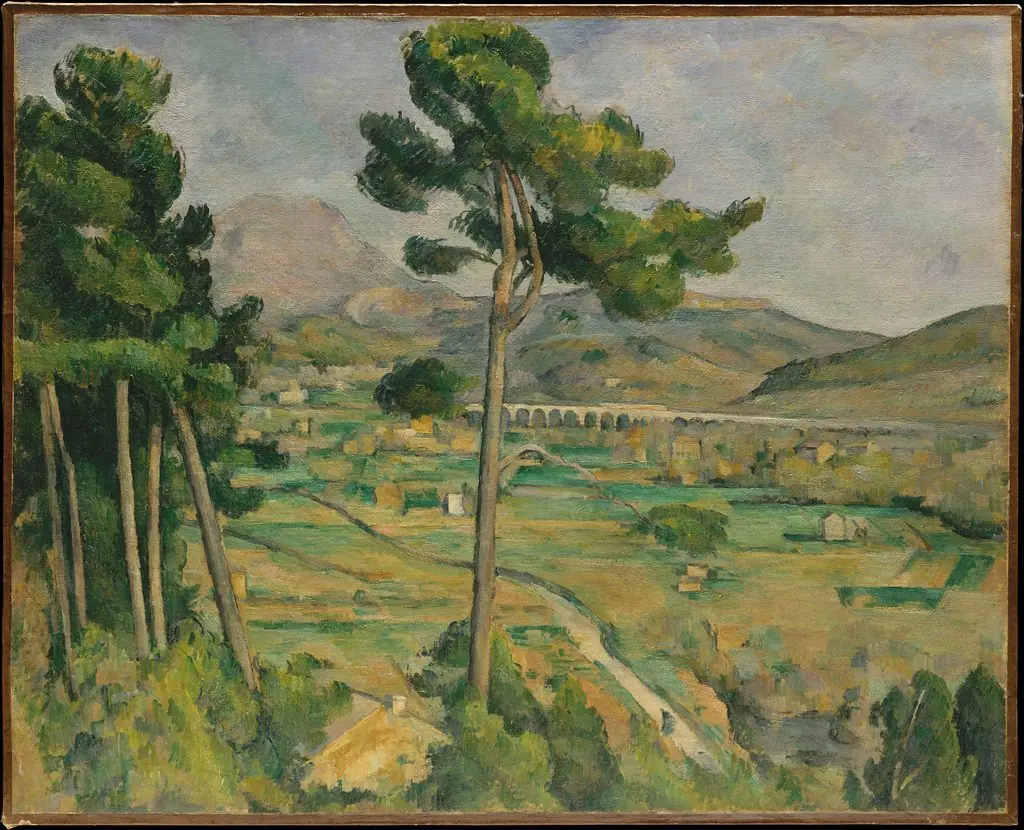 Mont Sainte-Victoire and the Viaduct of the Arc River Valley
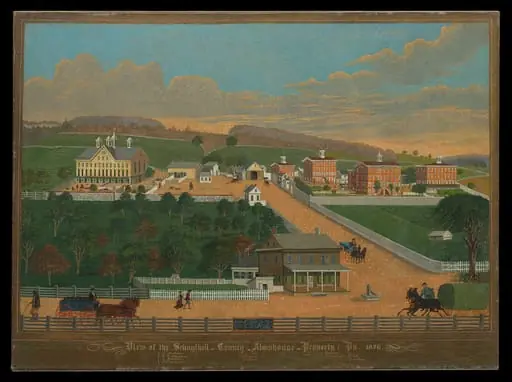 View of the Schuylkill County Almshouse Property
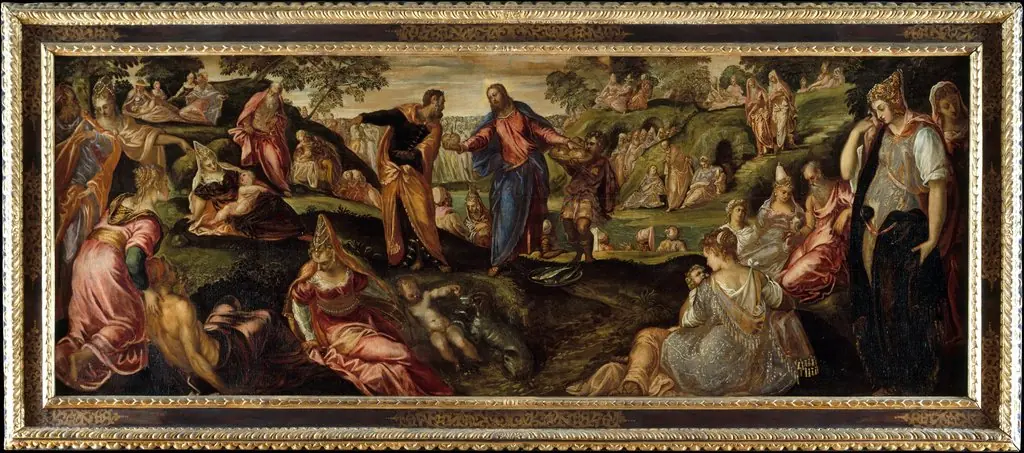 The Miracle of the Loaves and Fishes
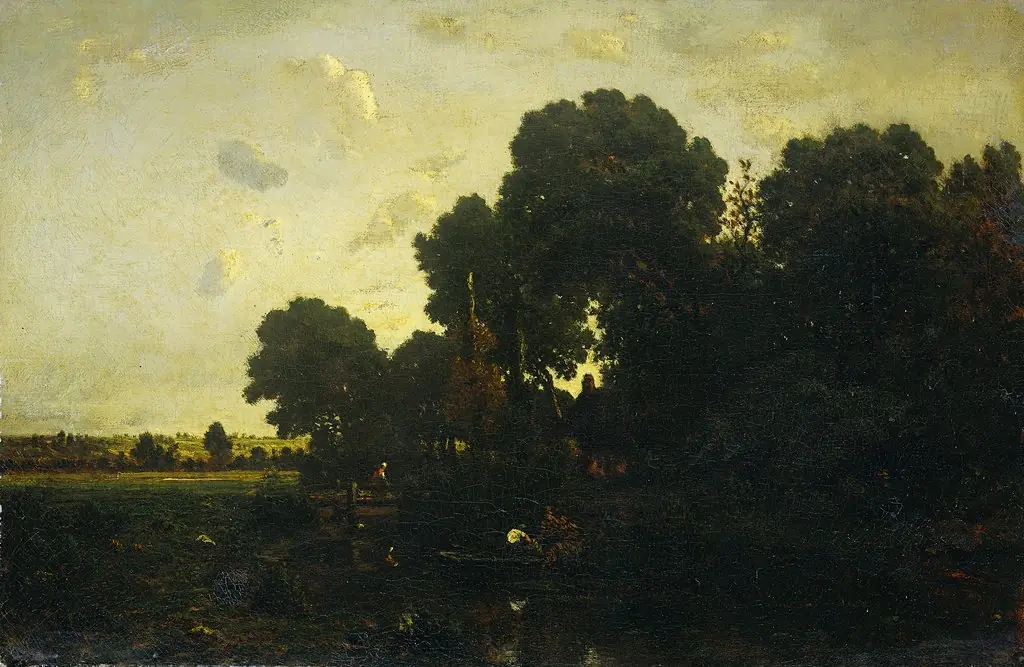 Twilight
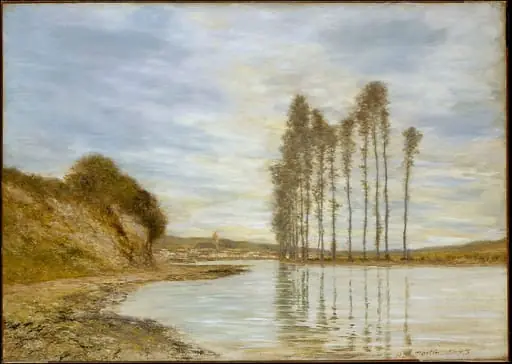 View on the Seine: Harp of the Winds
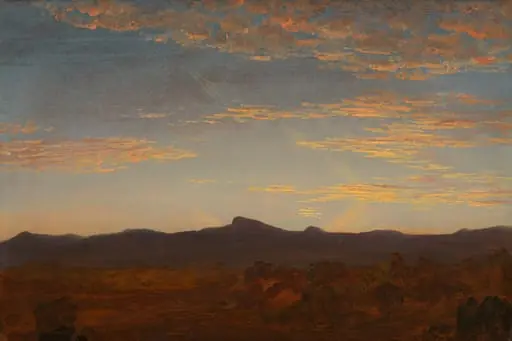 Study for "Catskill Creek"
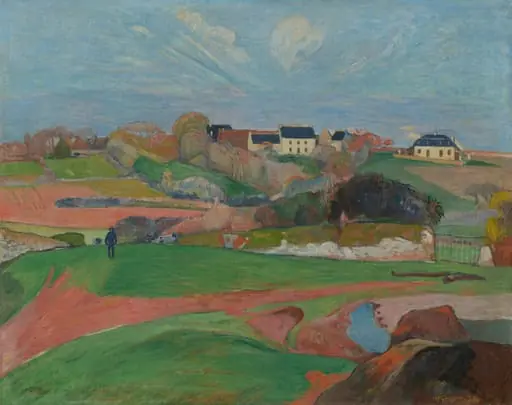 Landscape at Le Pouldu
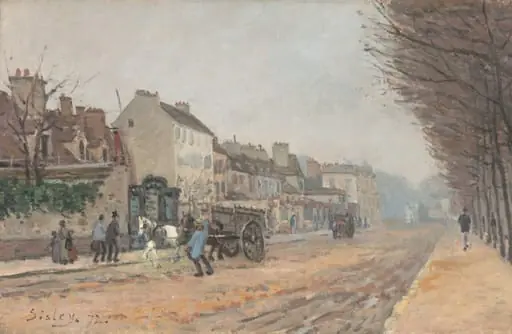 Boulevard Héloïse, Argenteuil
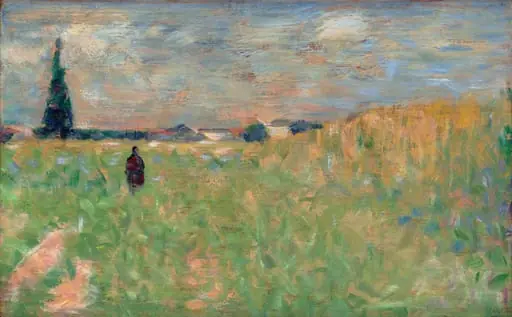 A Summer Landscape
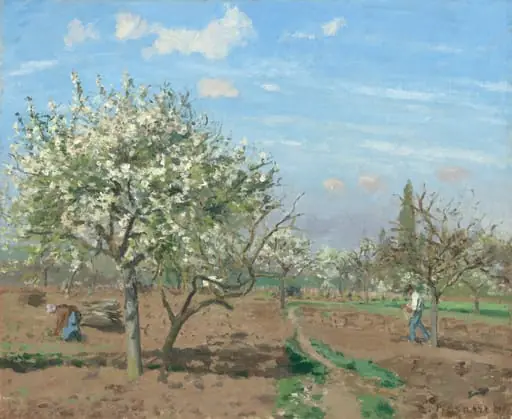 Orchard in Bloom, Louveciennes
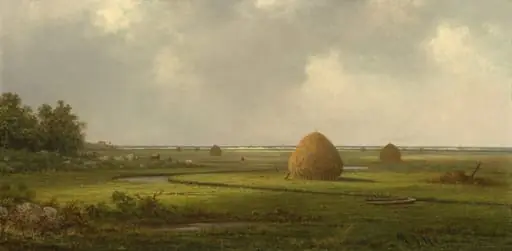 View of Marshfield
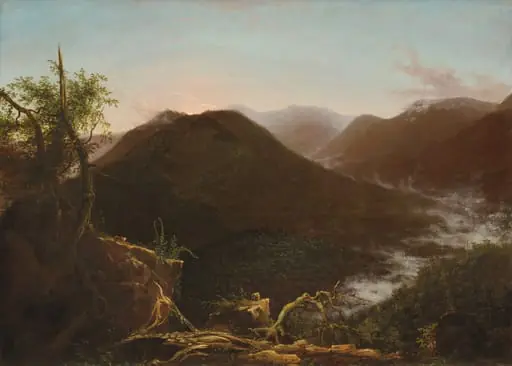 Sunrise in the Catskills
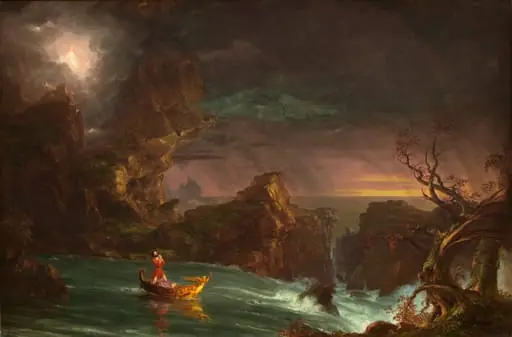 The Voyage of Life: Manhood
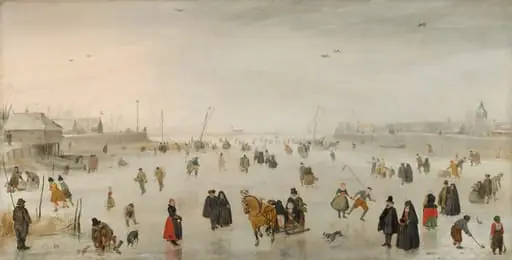 A Scene on the Ice
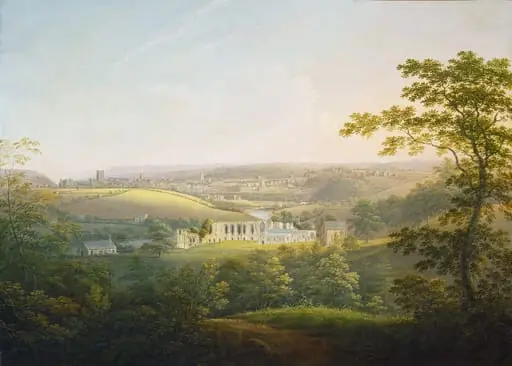 Easby Abbey, near Richmond
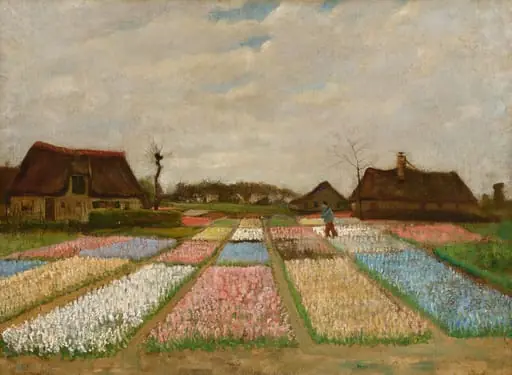 Flower Beds in Holland
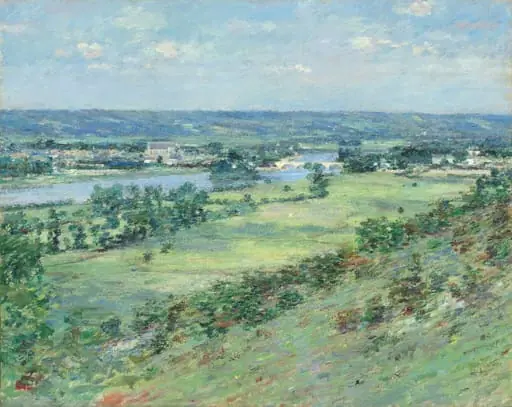 The Valley of the Seine, from the Hills of Giverny
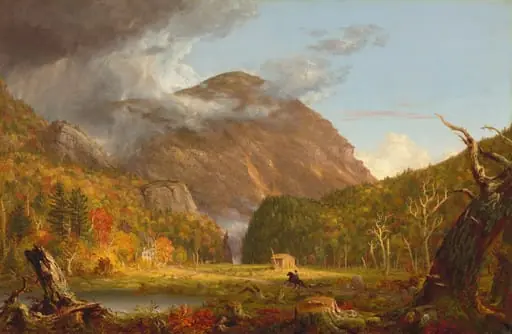 A View of the Mountain Pass Called the Notch of the White Mountains (Crawford Notch)
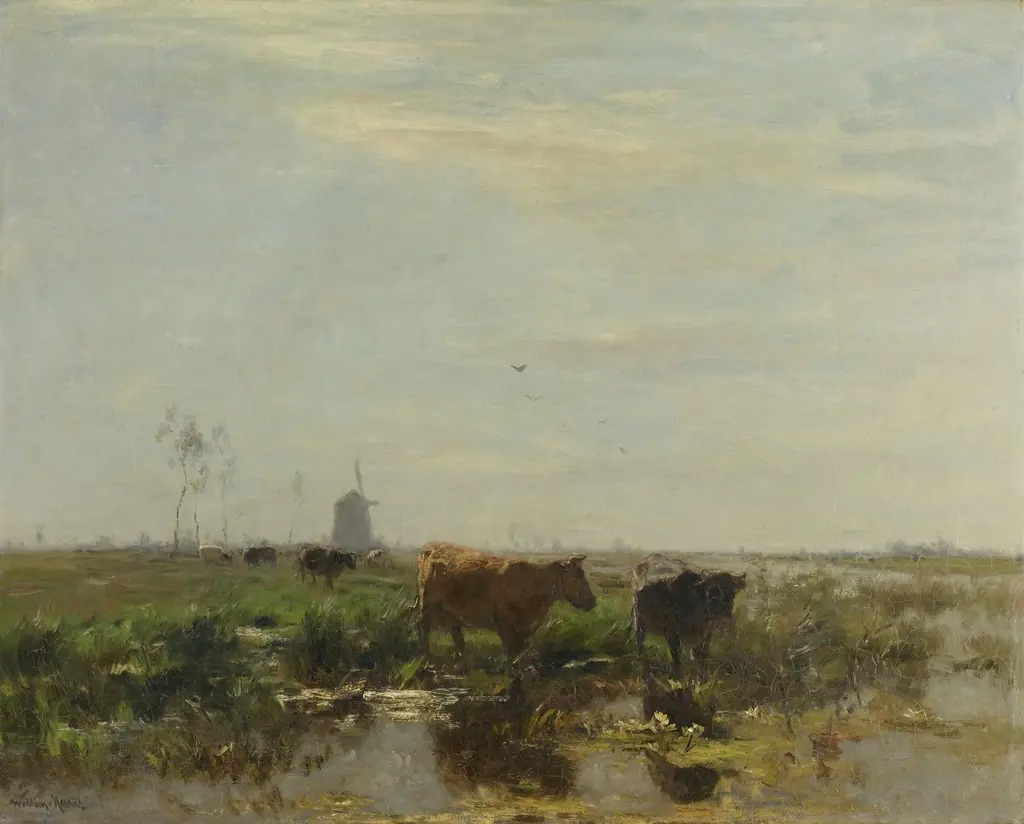 Meadow with Cows by the Water
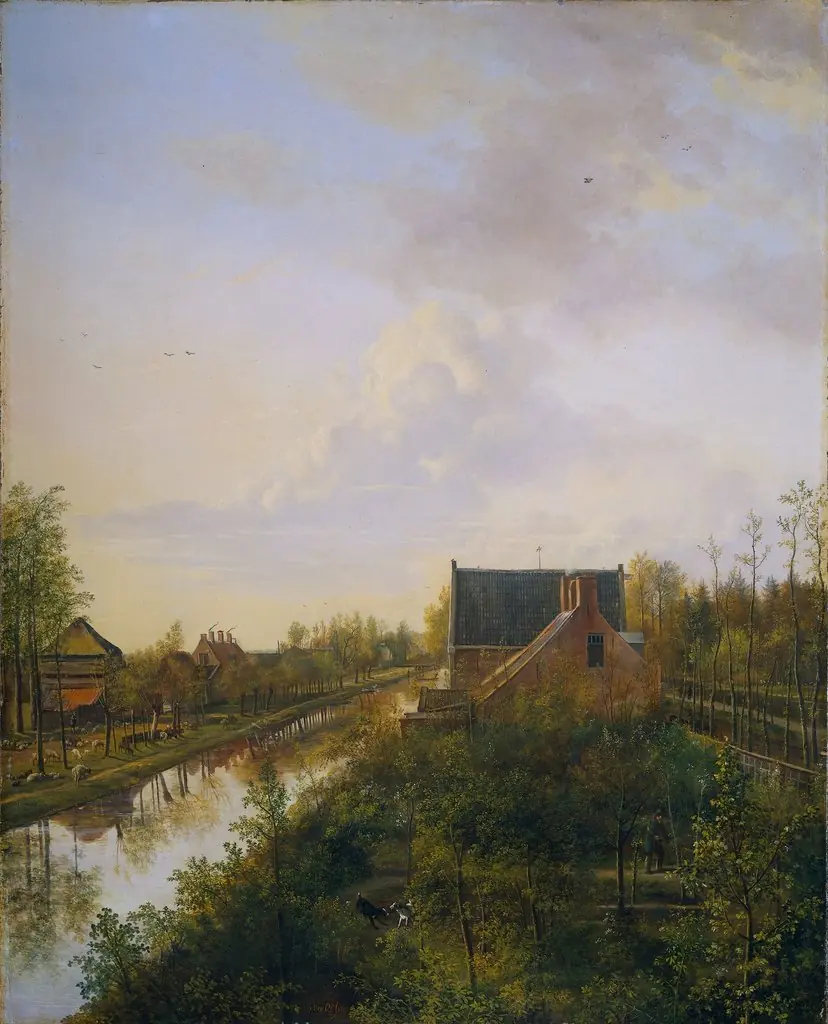 The canal at 's-Graveland
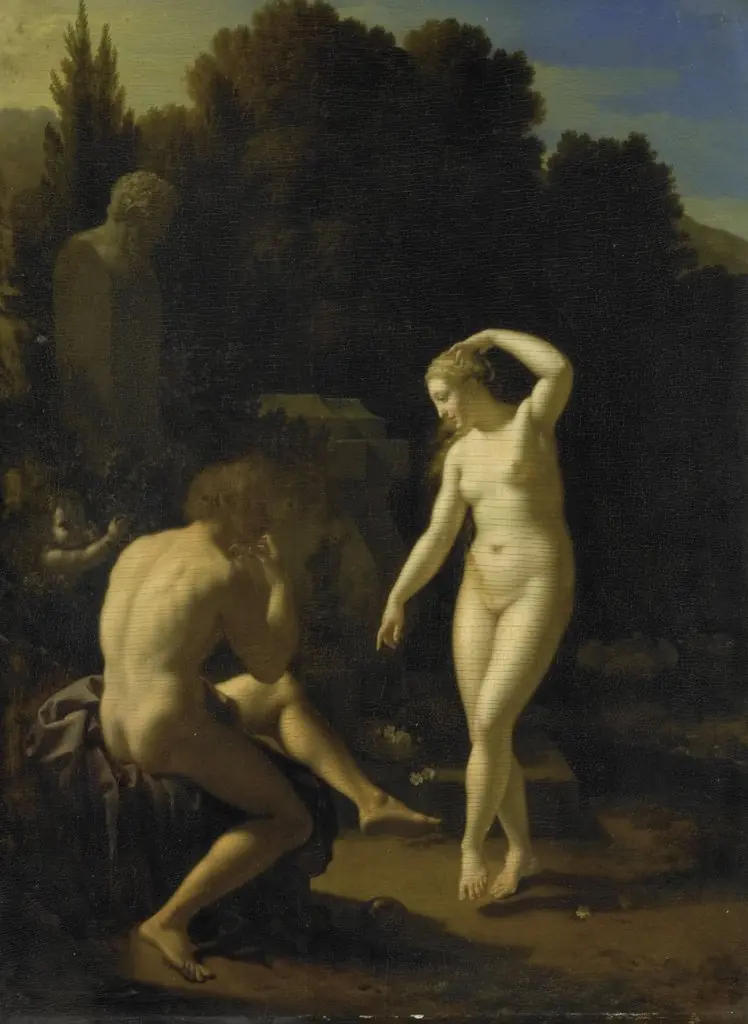 A Nymph Dancing to a Shepherd's Flute-Playing
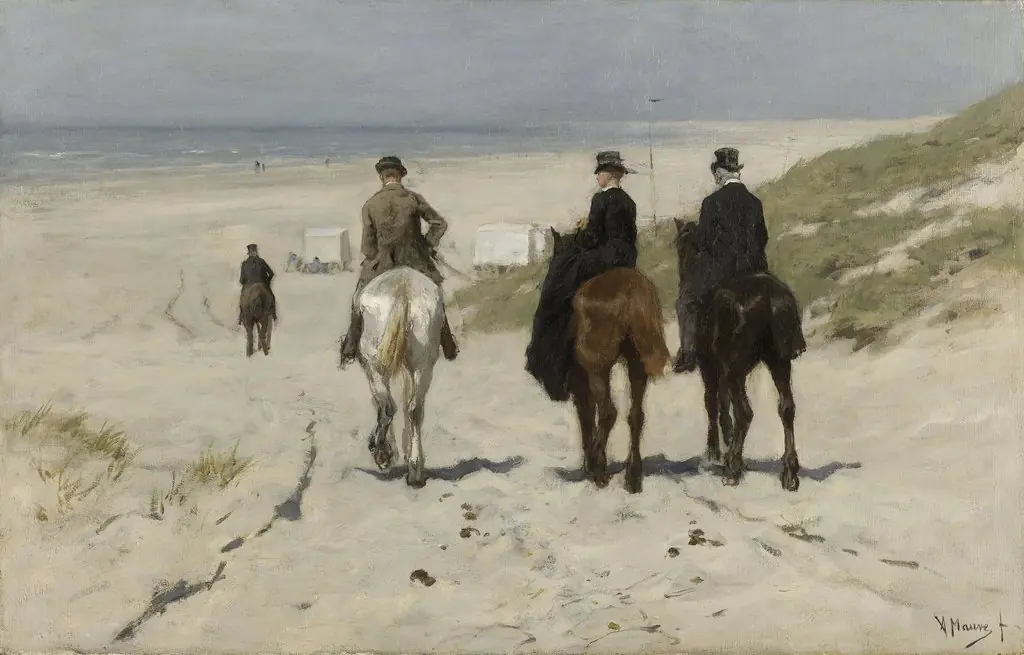 Morning Ride on the Beach
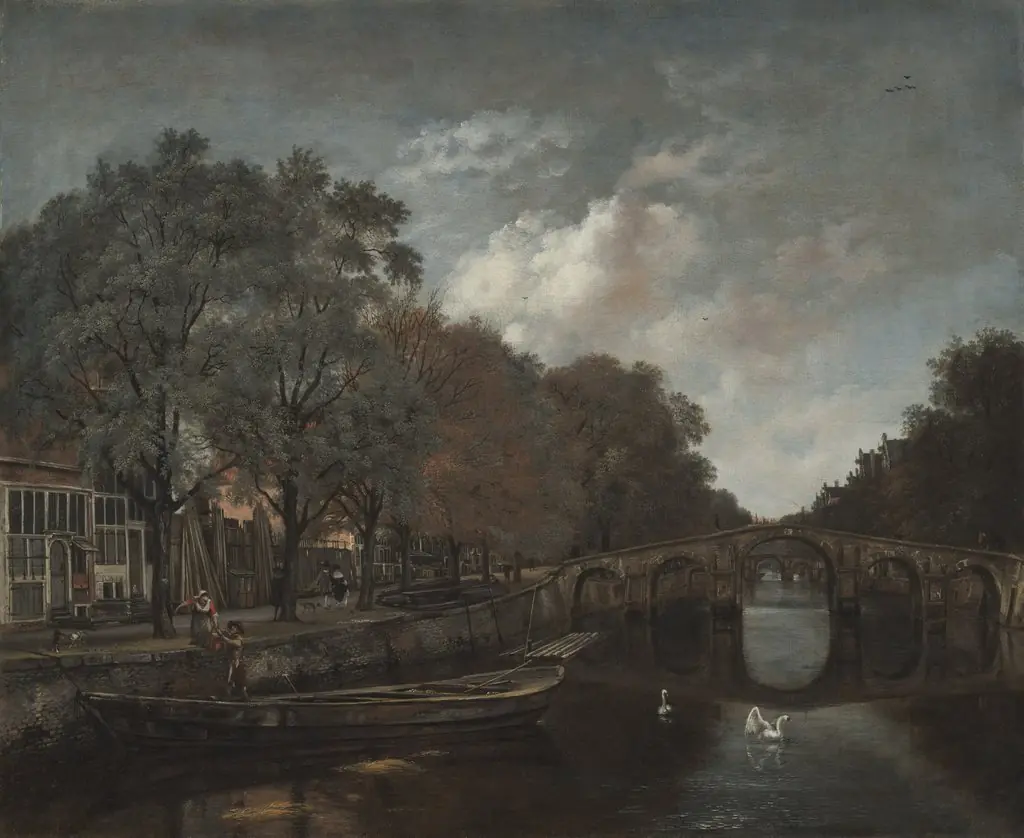 Herengracht, Amsterdam
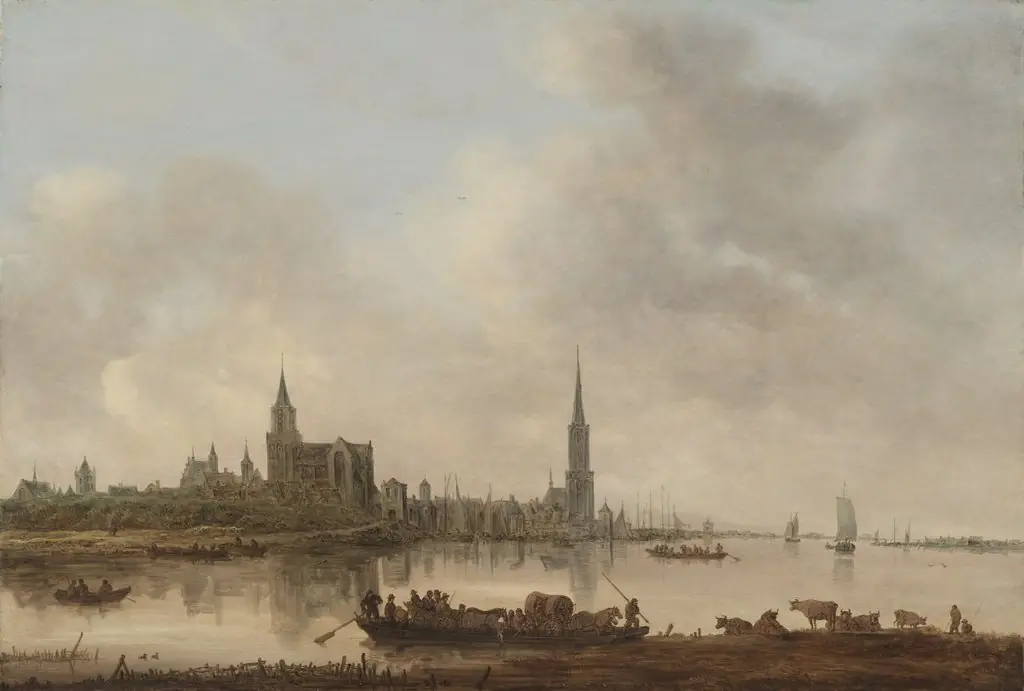 View of Emmerich
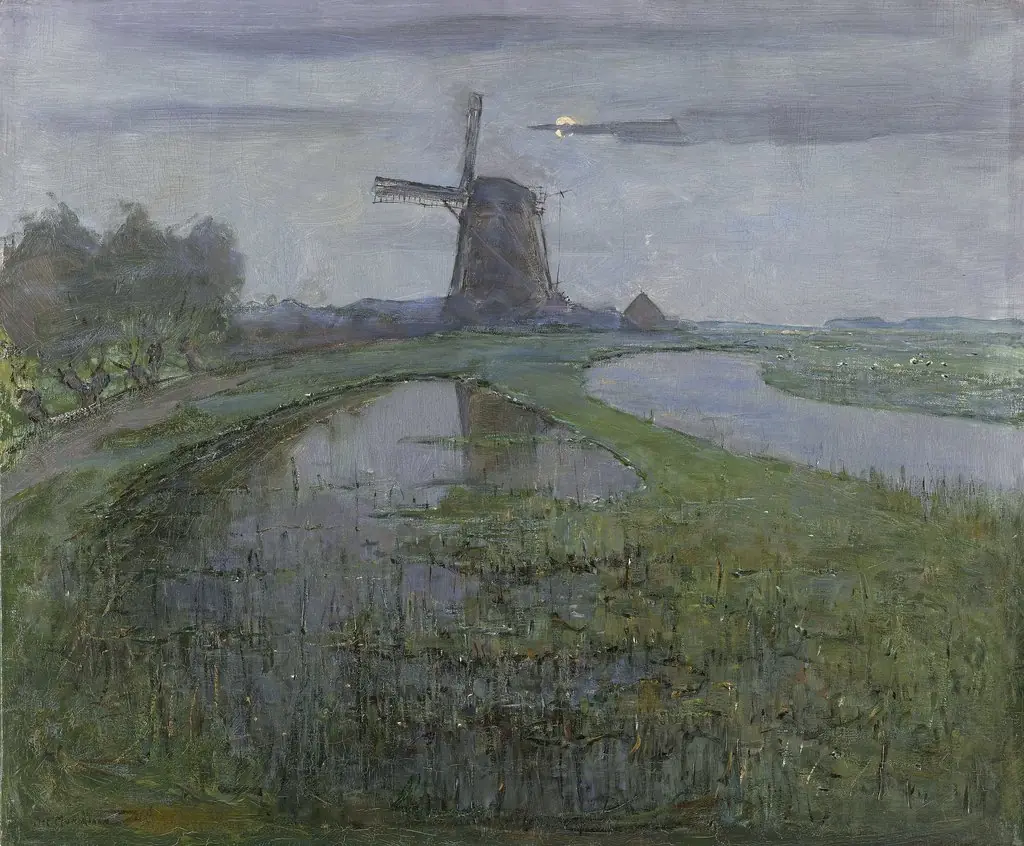 Oostzijdse Mill along the River Gein by Moonlight
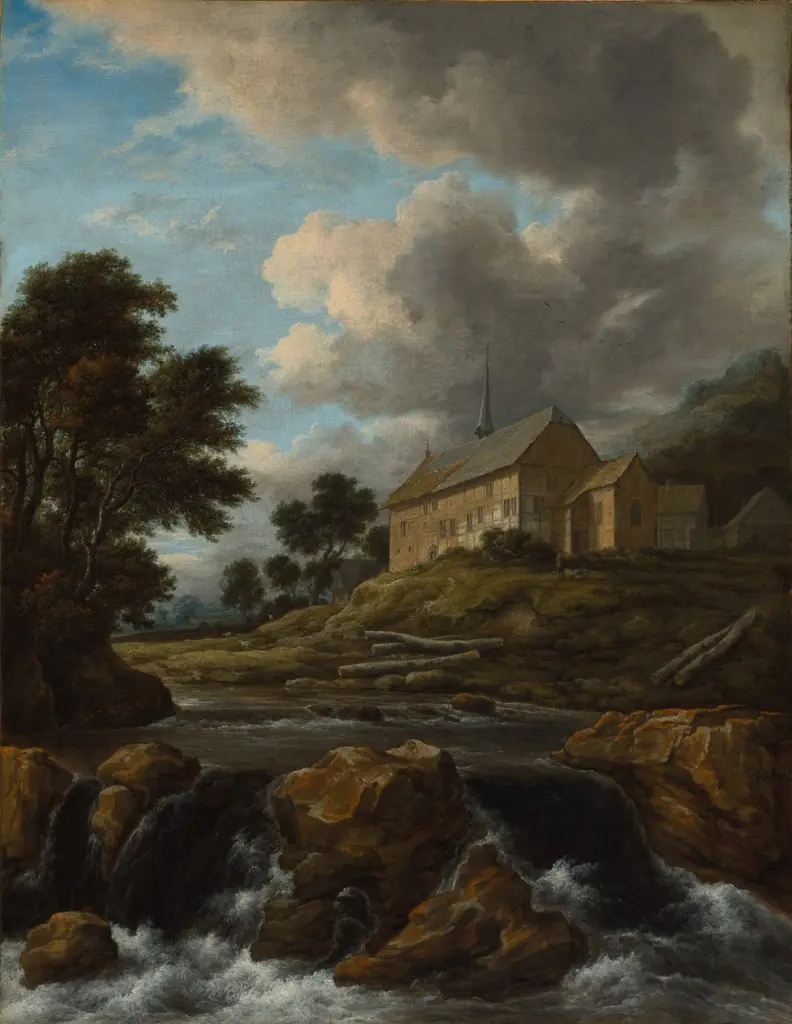 Landscape with a Church by a Torrent
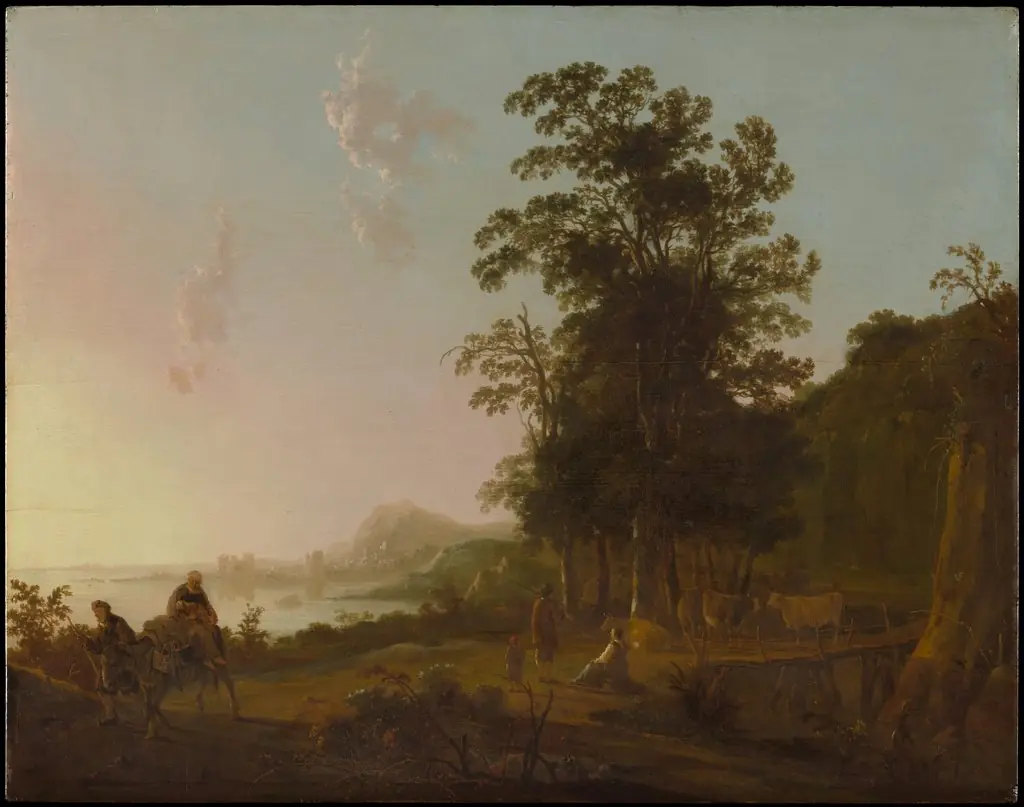 Landscape with the Flight into Egypt
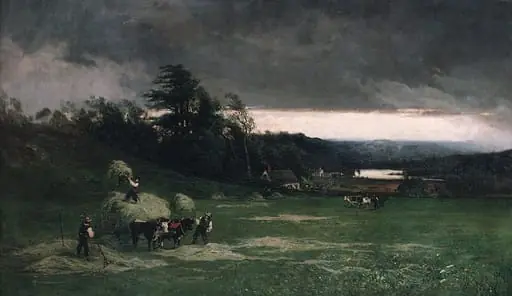 Approaching Storm
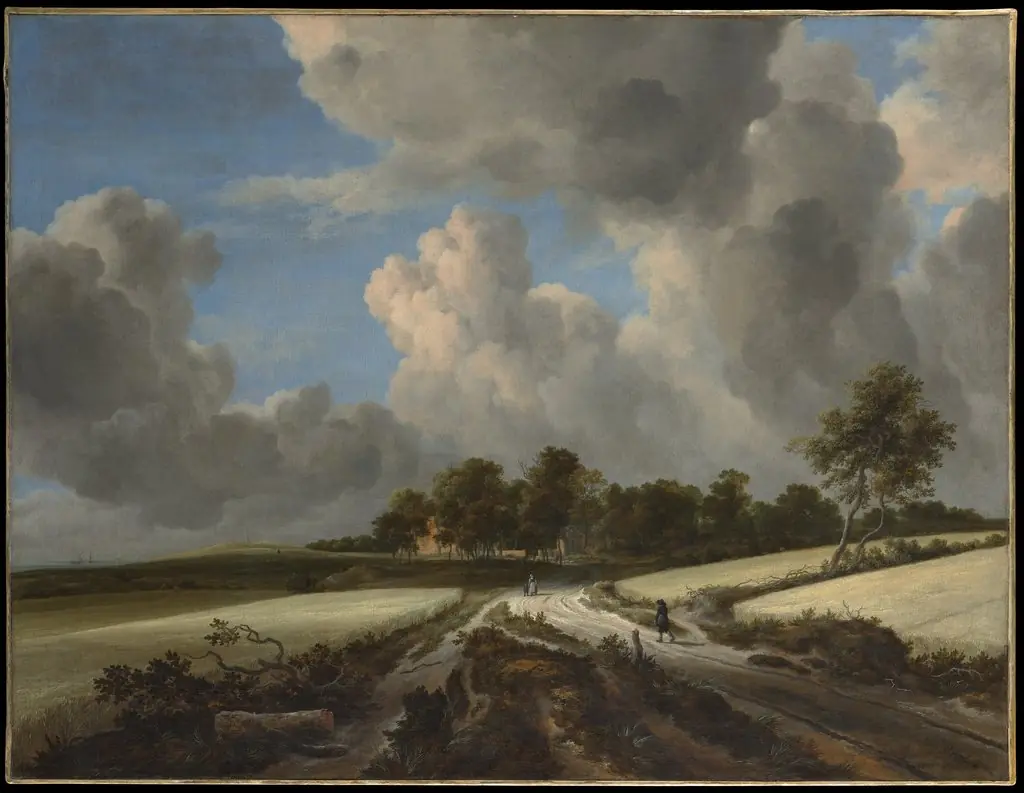 Wheat Fields
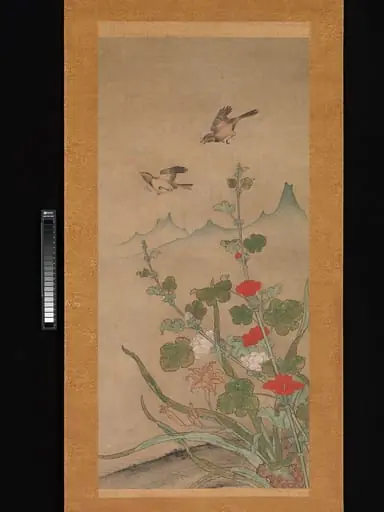 式部輝忠筆 夏秋花鳥図|Birds and Flowers of Summer and Autumn
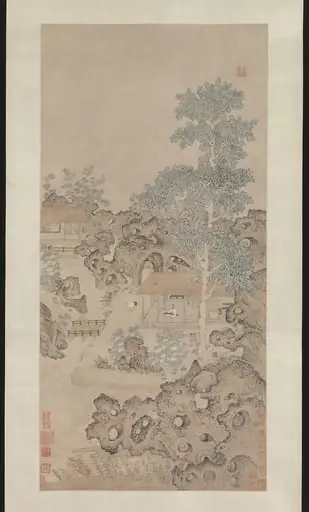 明 佚名 琴鶴圖 軸|Playing the zither for a crane
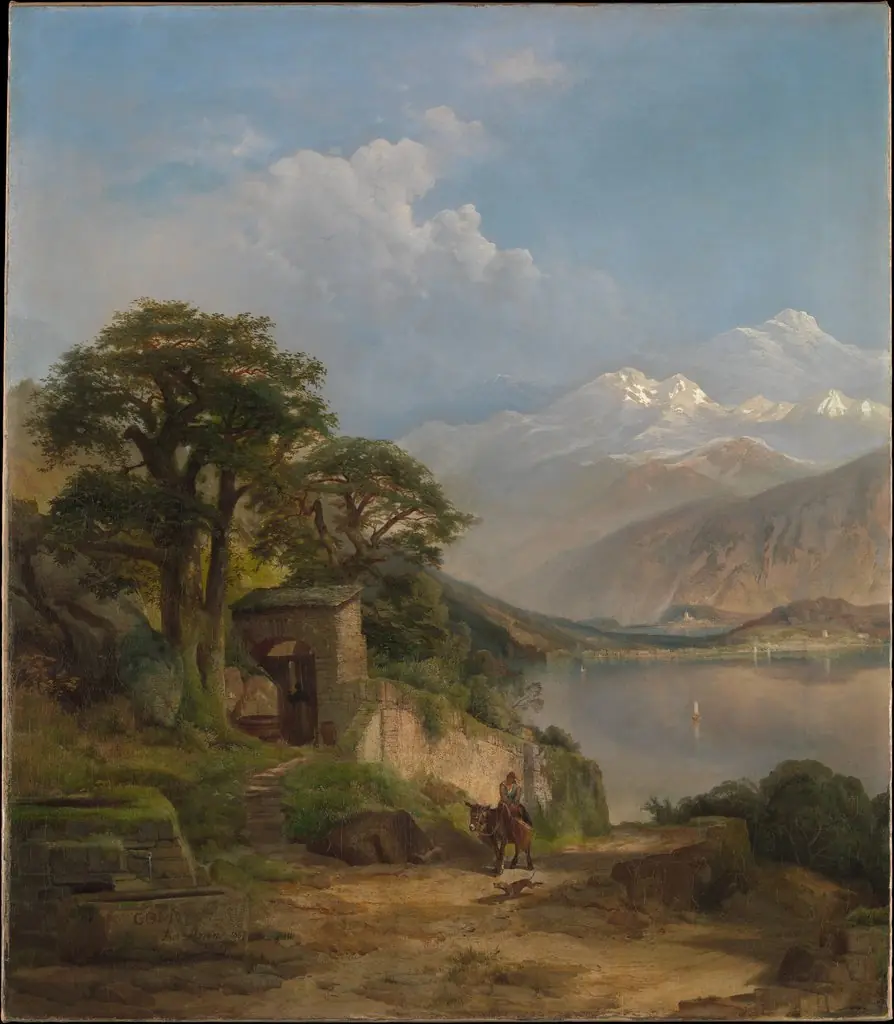 Lierna
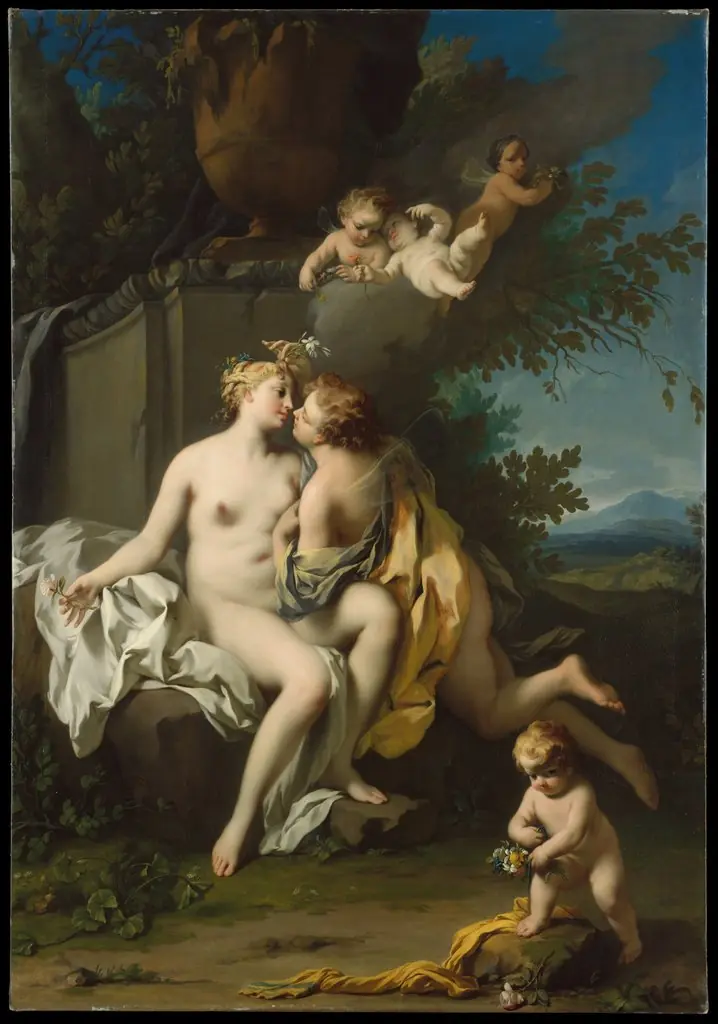 Flora and Zephyr
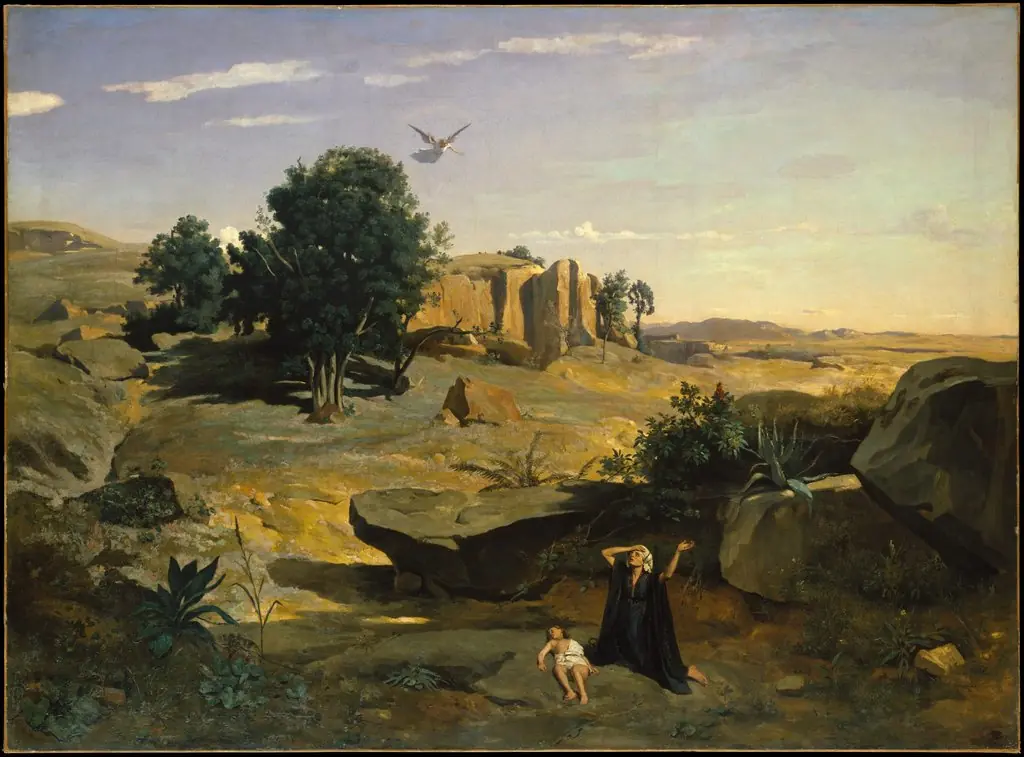 Hagar in the Wilderness
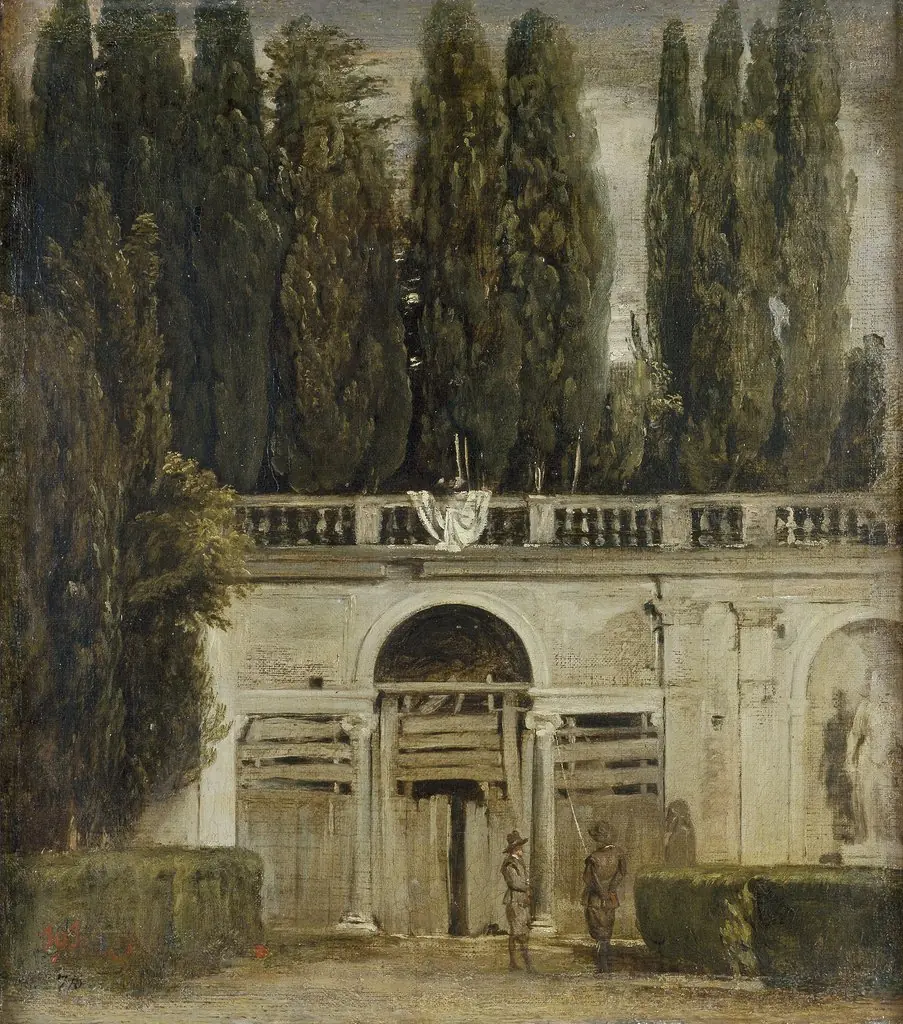 View of the Garden of the Villa Medici
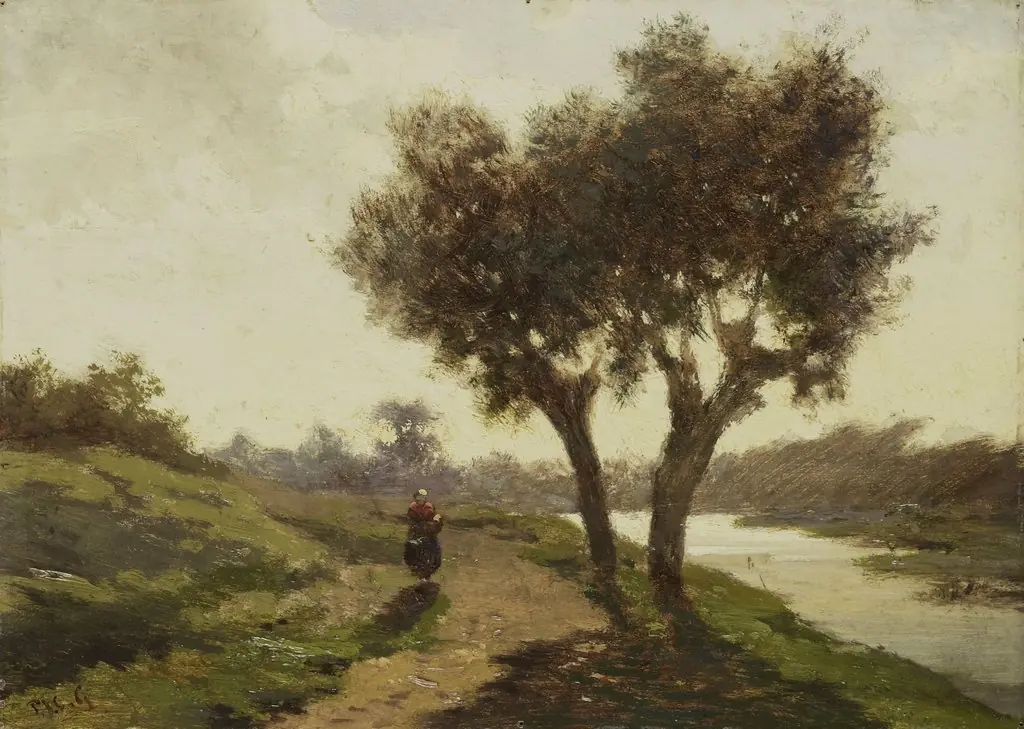 Landscape with two Trees
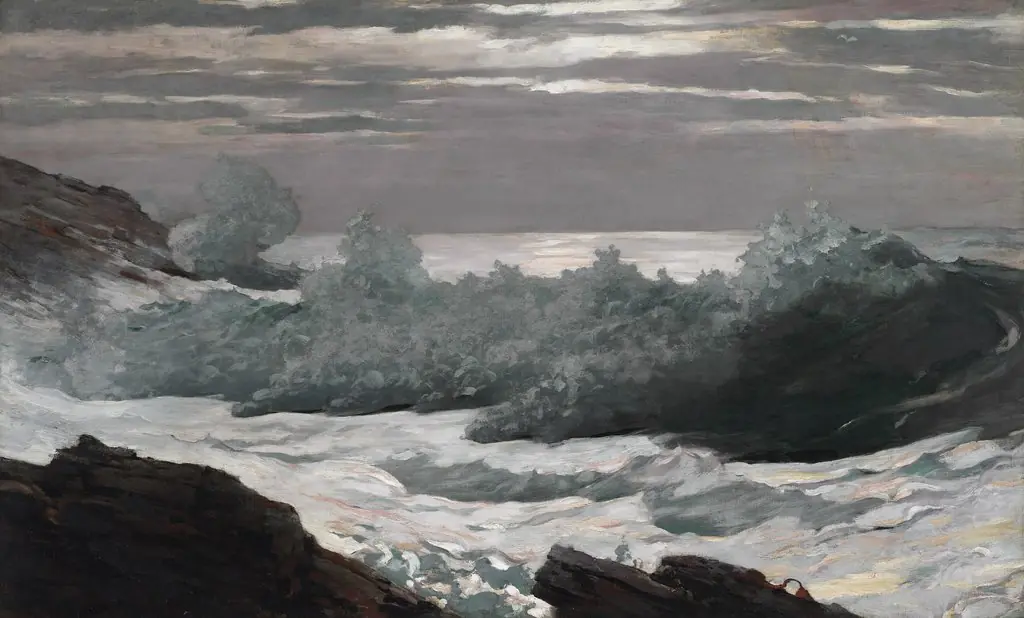 Early Morning After a Storm at Sea
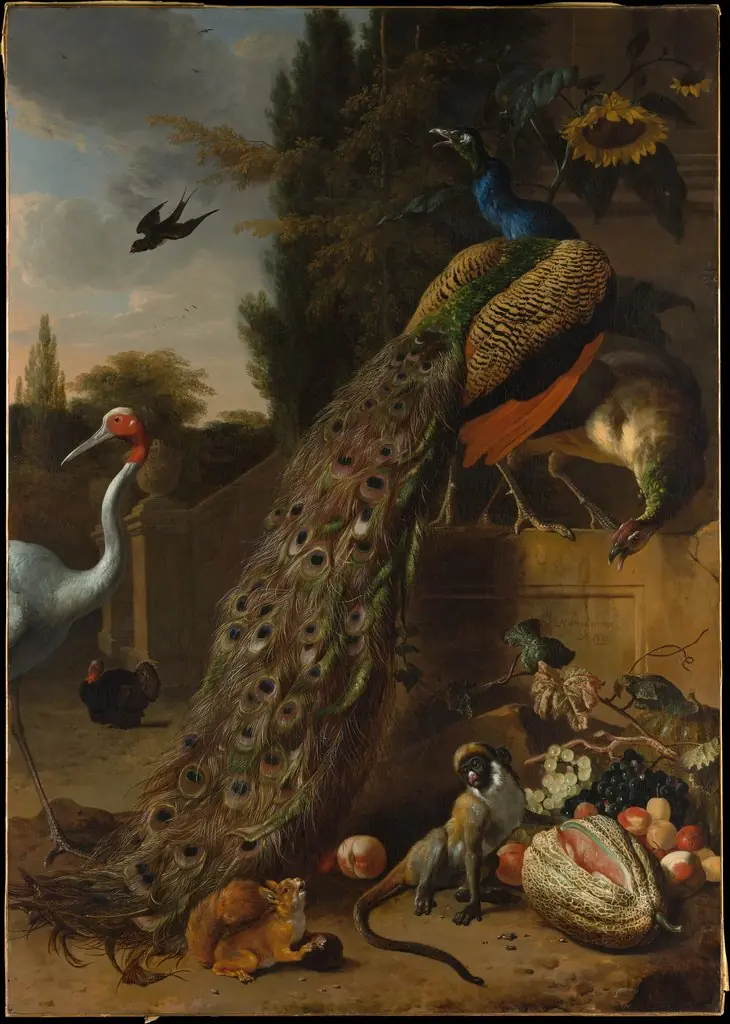 Peacocks
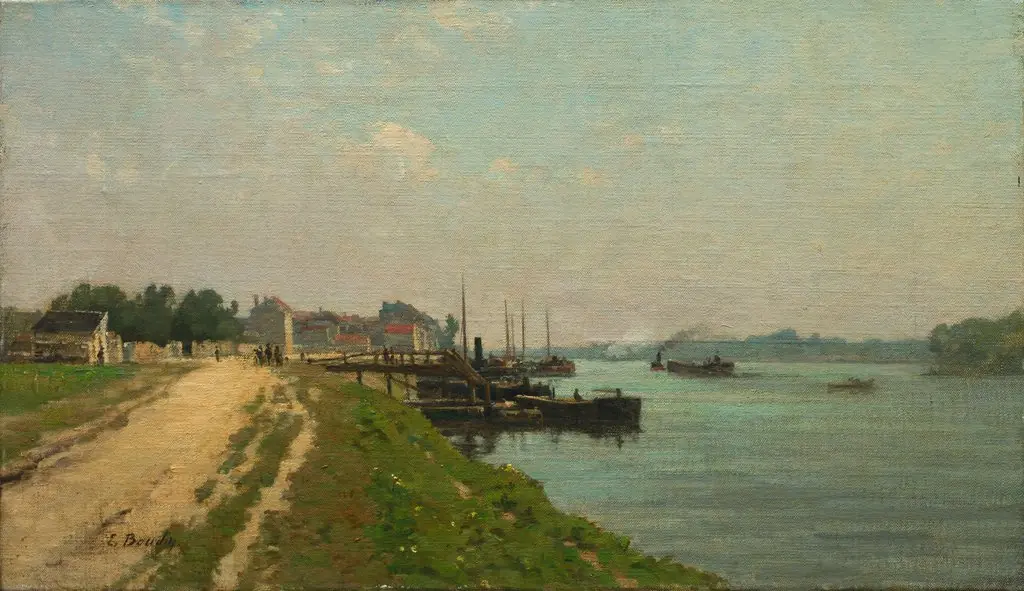 Banks of the Seine
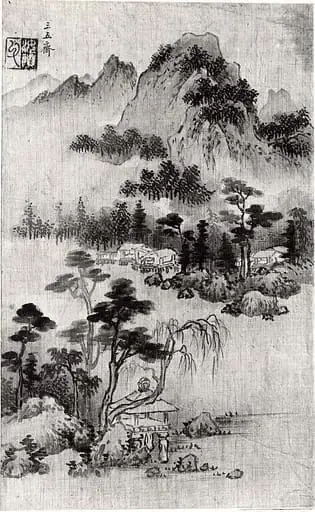 Untitled
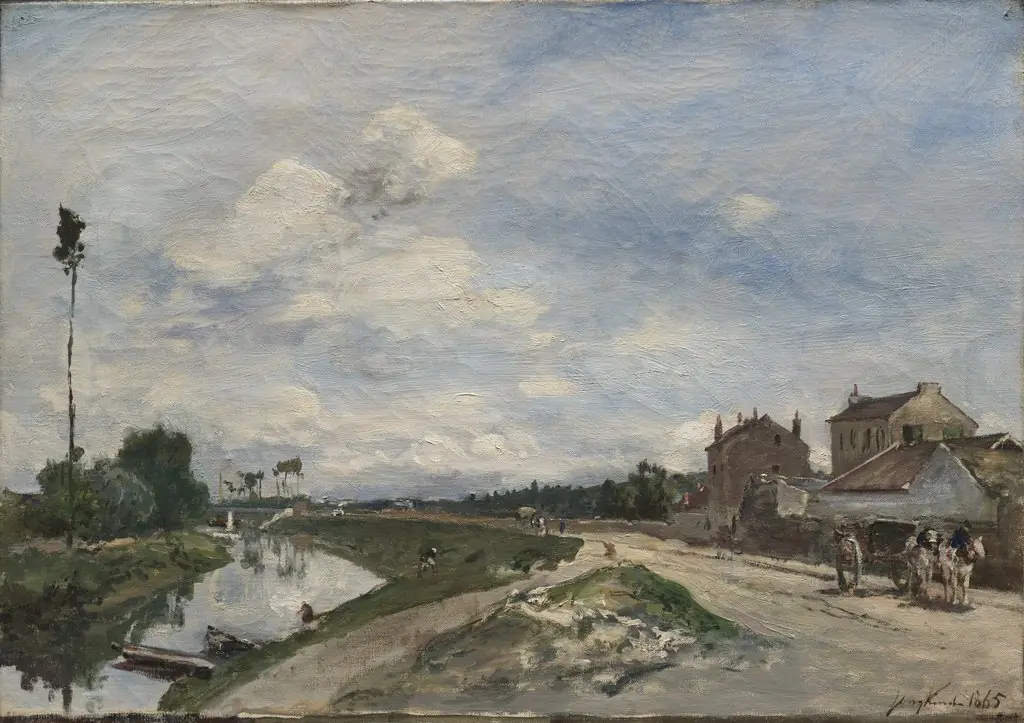 The Seine at Bas-Meudon
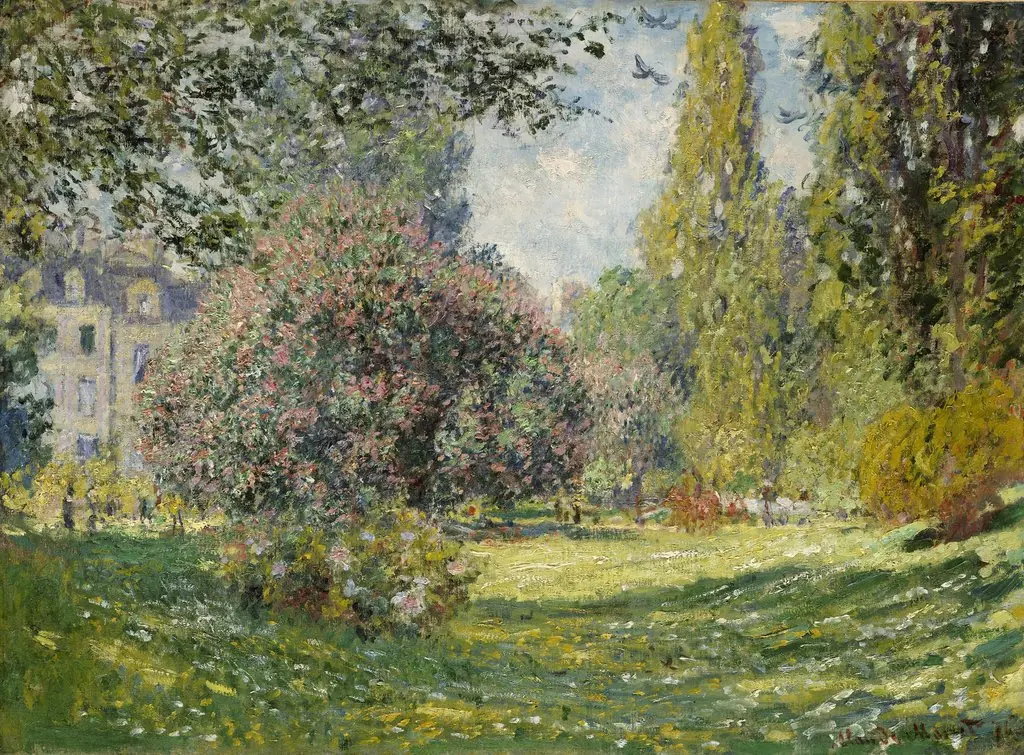 Landscape: The Parc Monceau
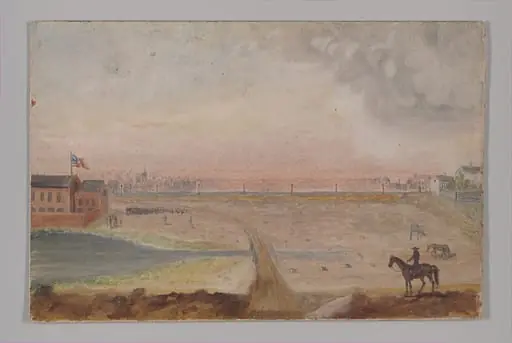 Militia Drilling
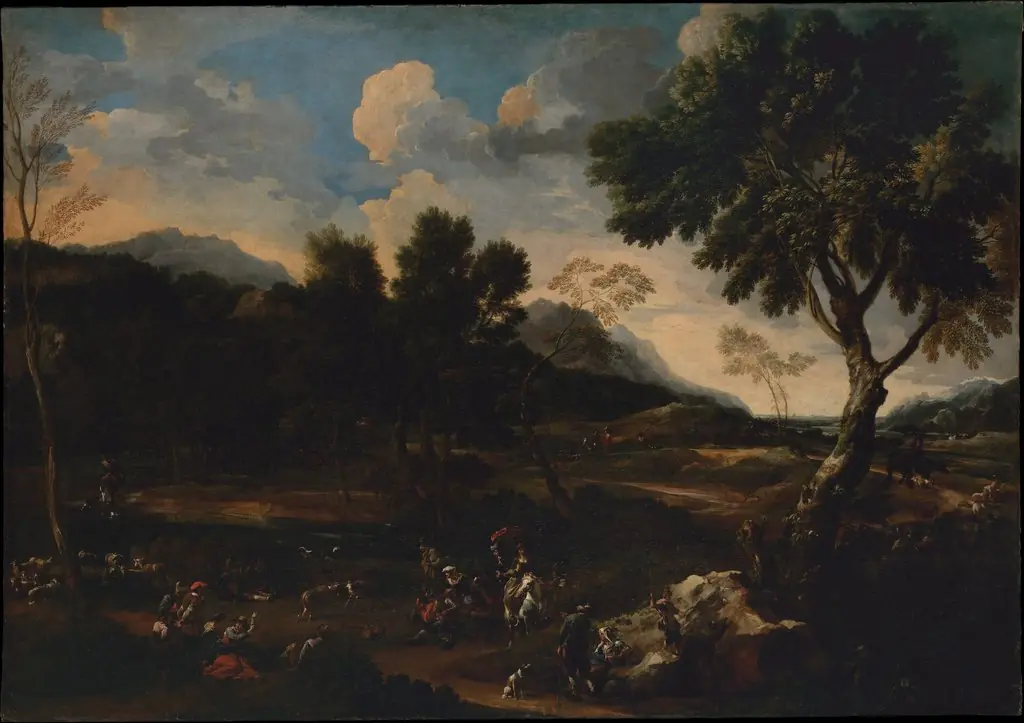 Landscape with a Battle between Two Rams
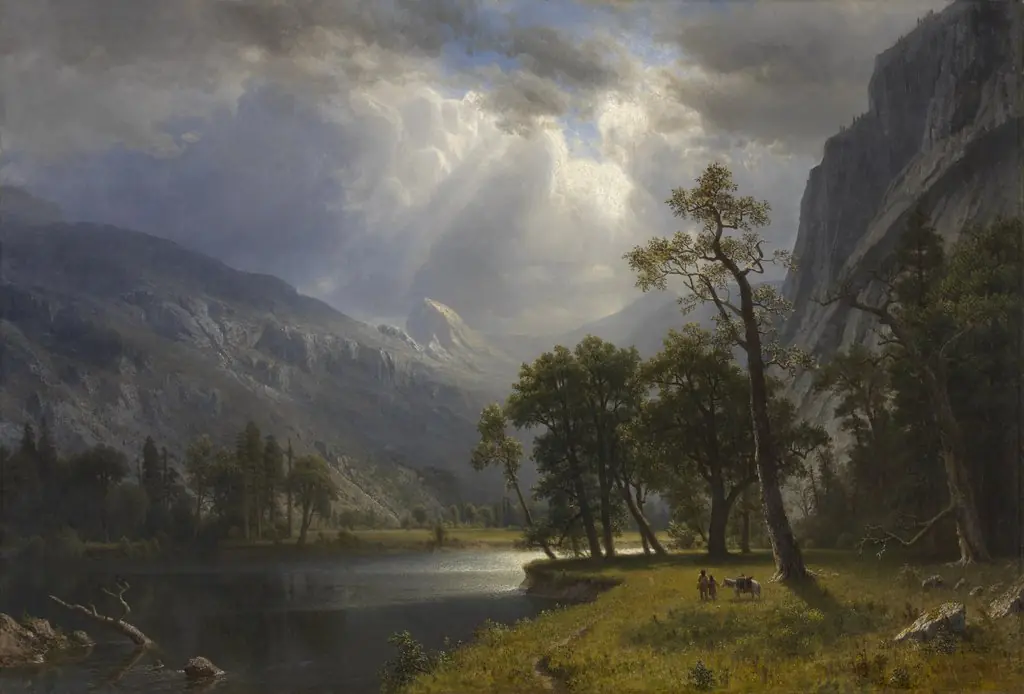 Mount Starr King, Yosemite
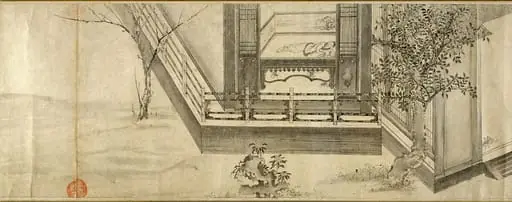 南宋 佚名 傳李公麟 豳風七月圖 卷|Odes of the State of Bin
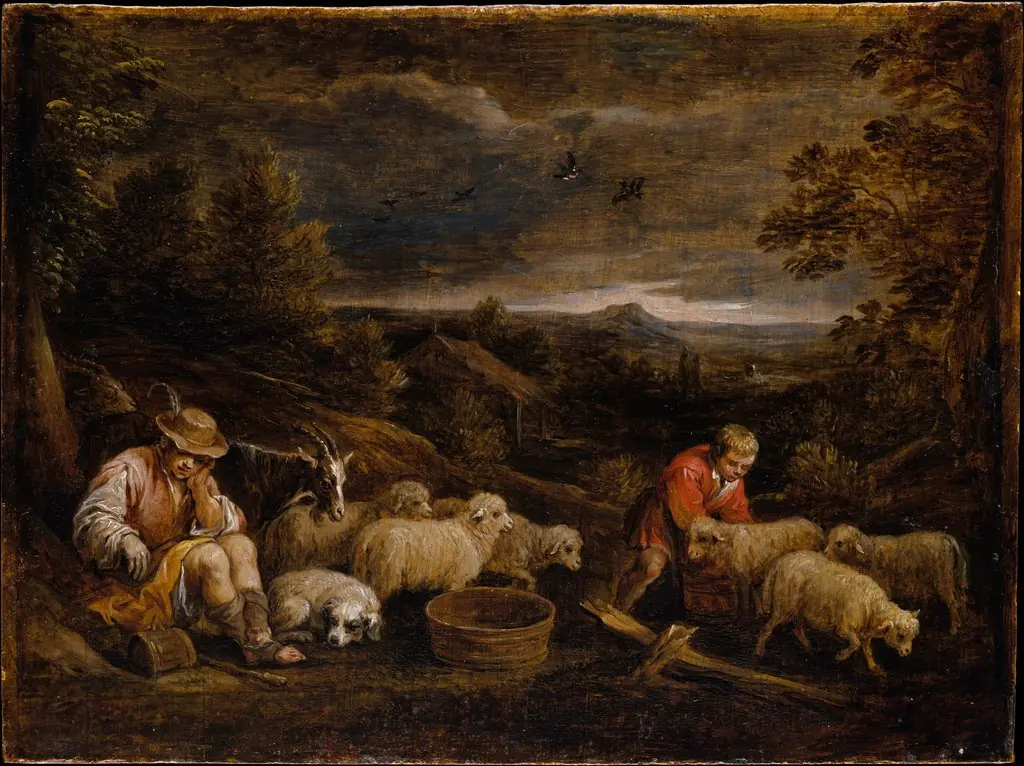 Shepherds and Sheep
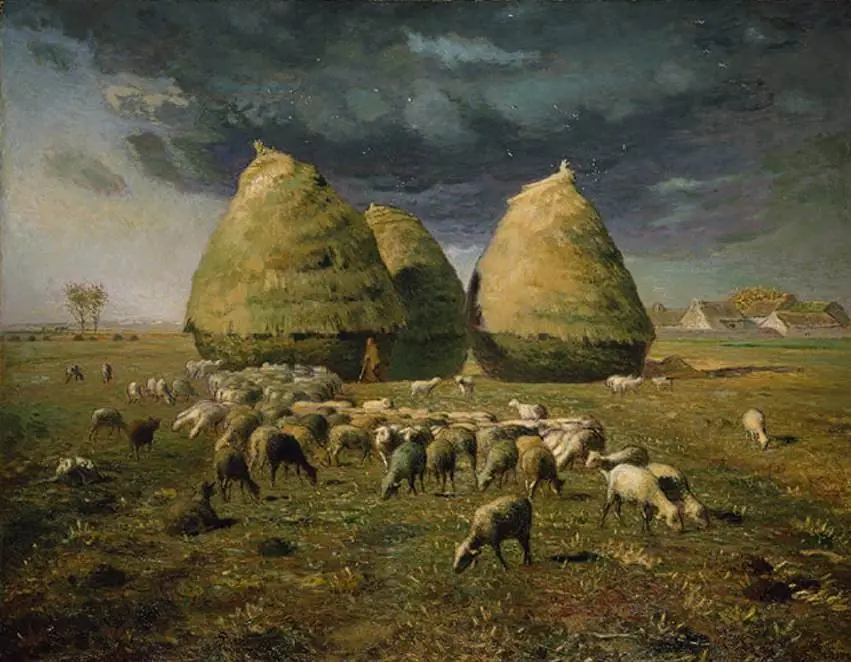 Haystacks: Autumn
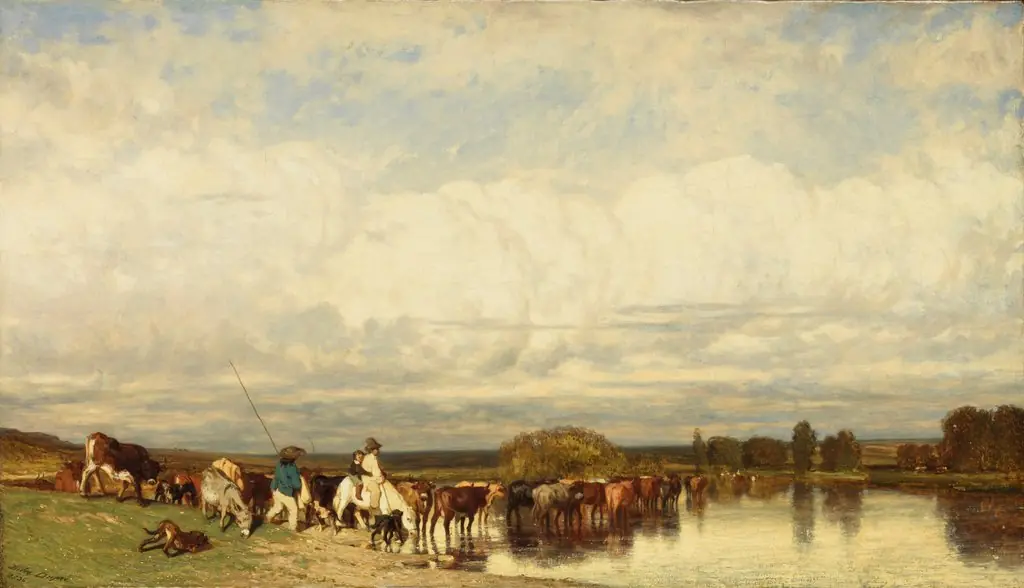 Cows Crossing a Ford
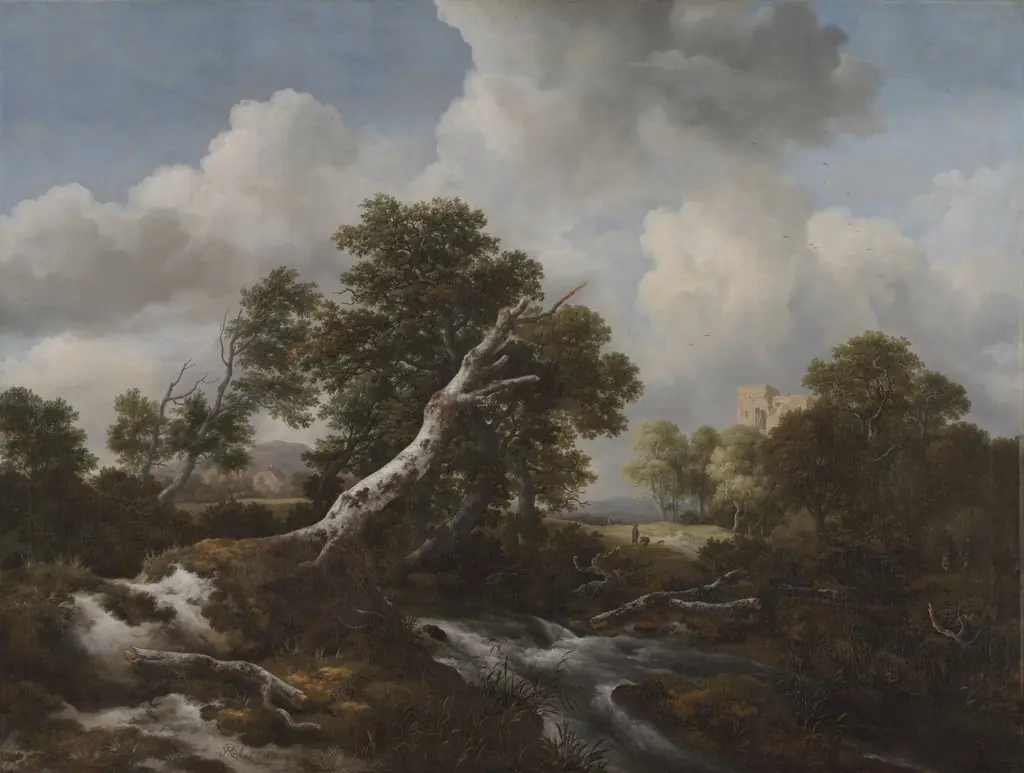 Low Waterfall in a Wooded Landscape with a Dead Beech Tree
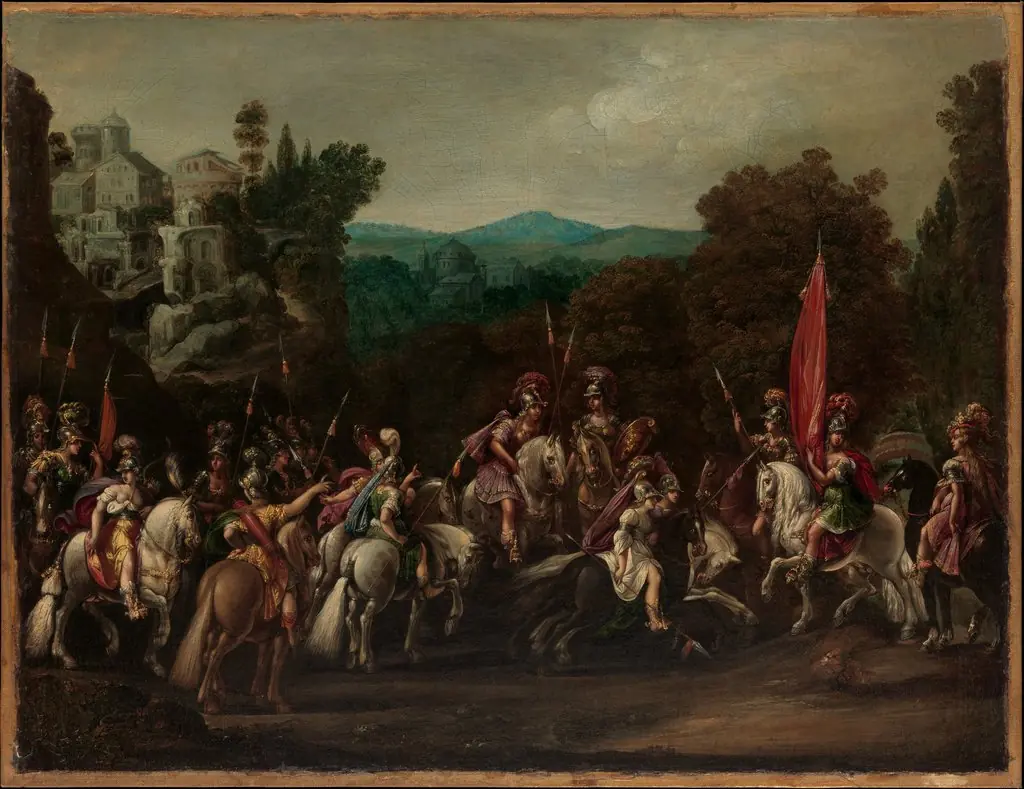 Departure of the Amazons
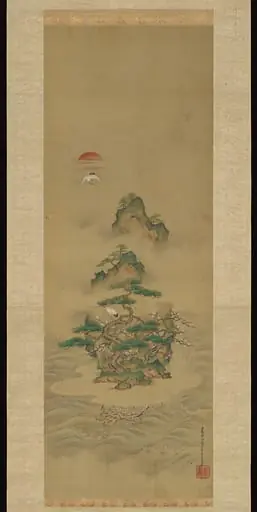 狩野探水守常筆 蓬莱山・瀟湘八景図|Mount Penglai with Eight Views of Xiao and Xiang
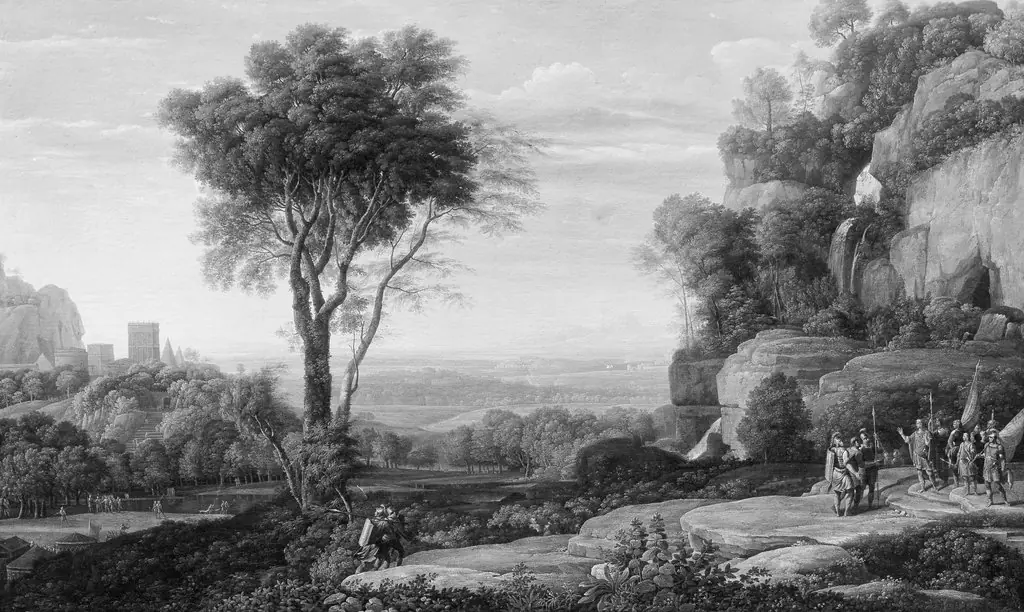 David at the Cave of Adullam
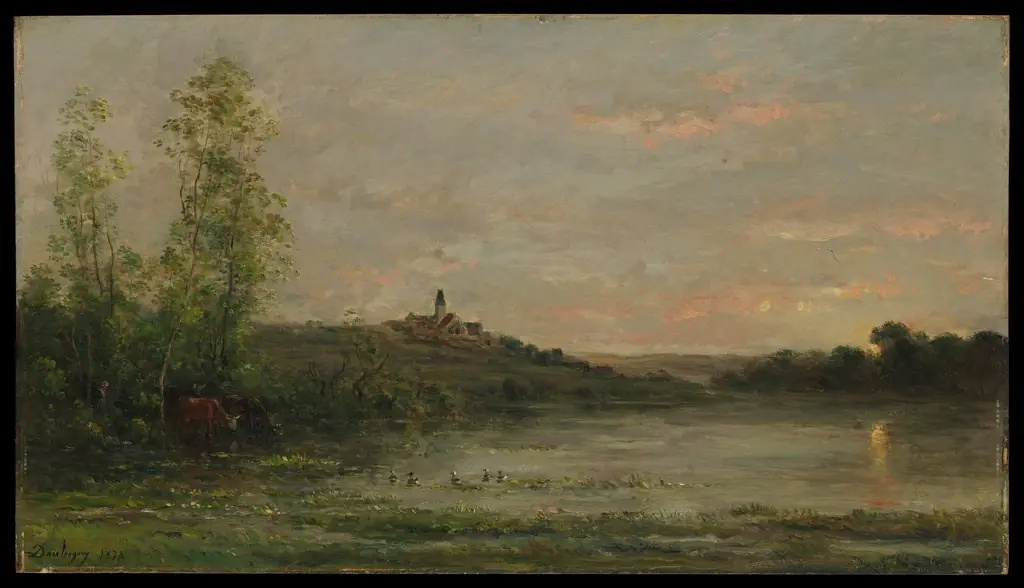 The Seine: Morning
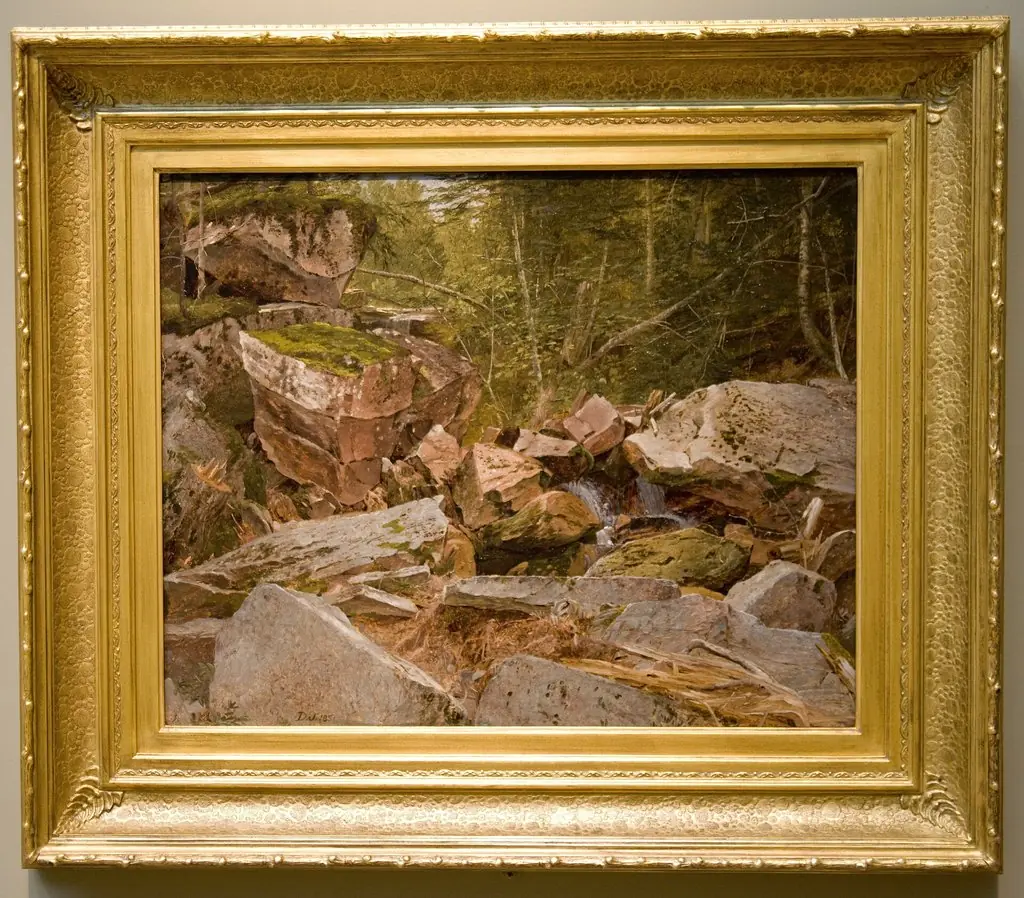 Study, North Conway, New Hampshire
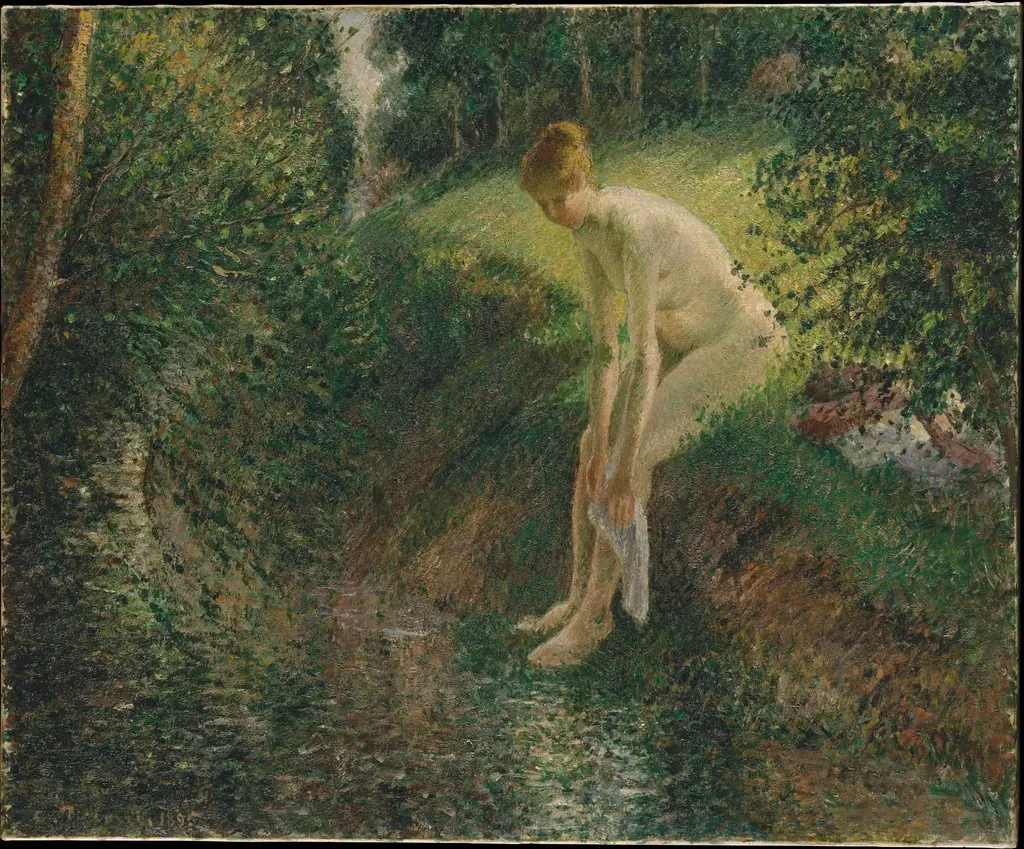 Bather in the Woods
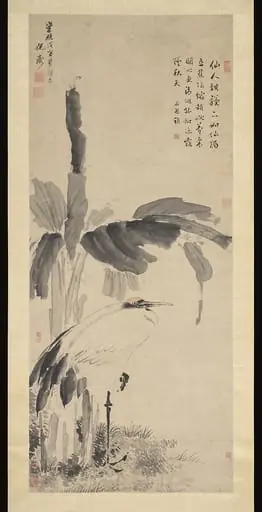 明 倪元璐 蕉鶴圖 軸|Crane Beneath a Banana Tree
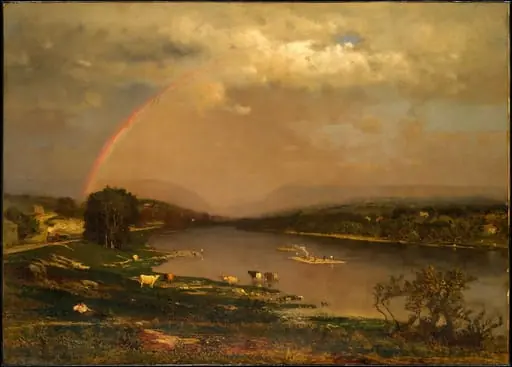 Delaware Water Gap
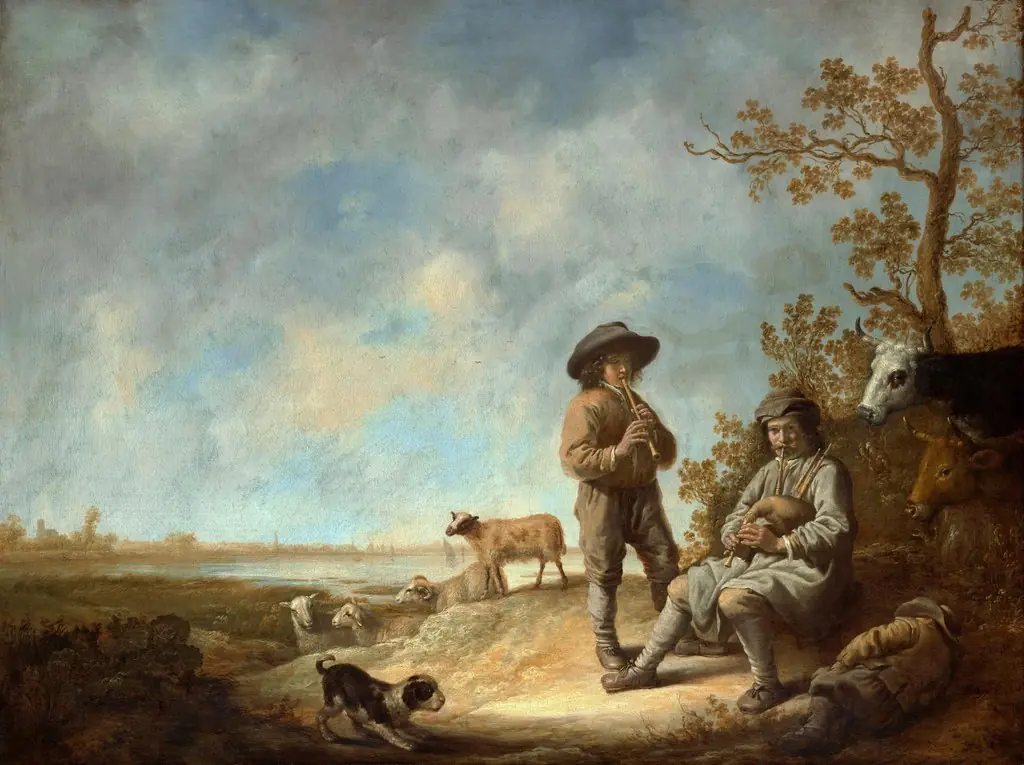 Piping Shepherds
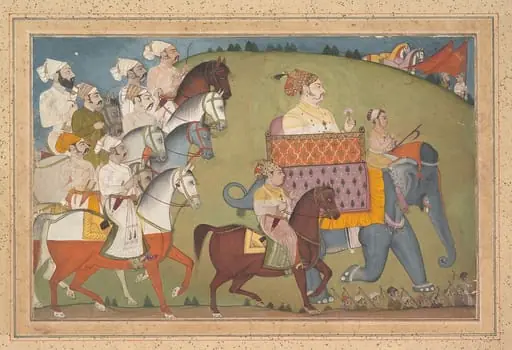 Untitled
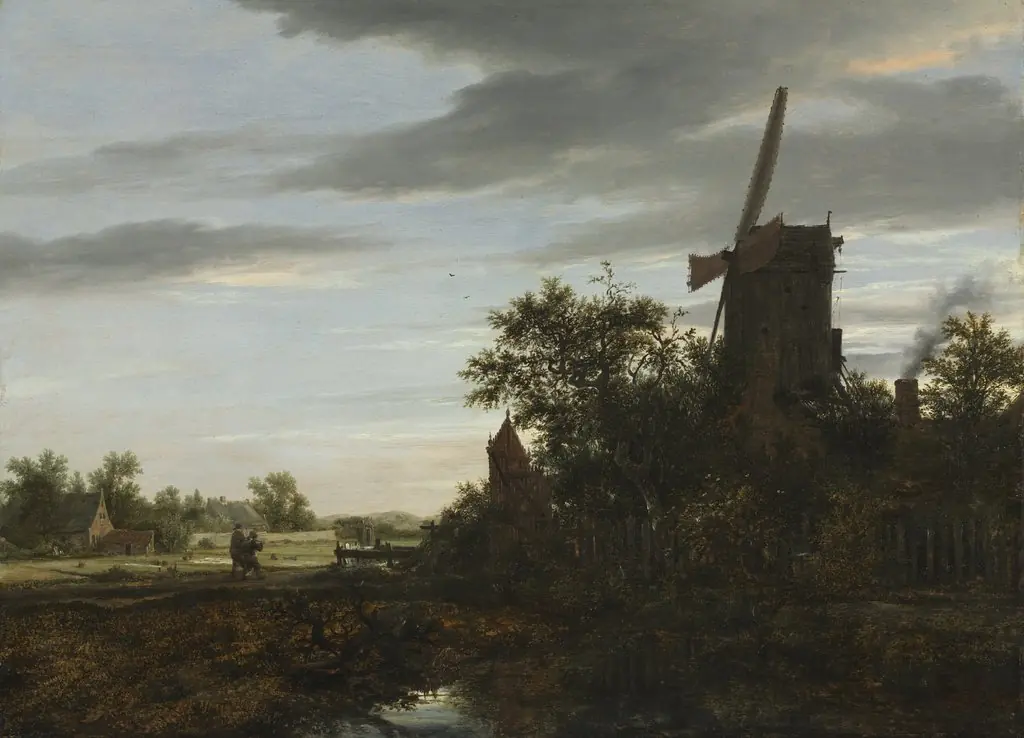 Landscape with a Windmill
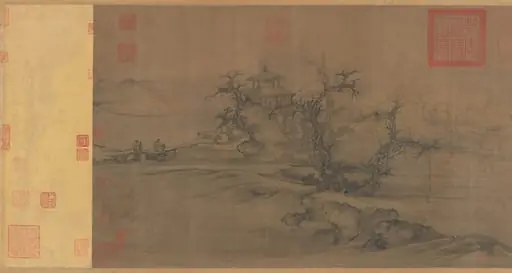 北宋 郭熙 樹色平遠圖 卷 |Old Trees, Level Distance
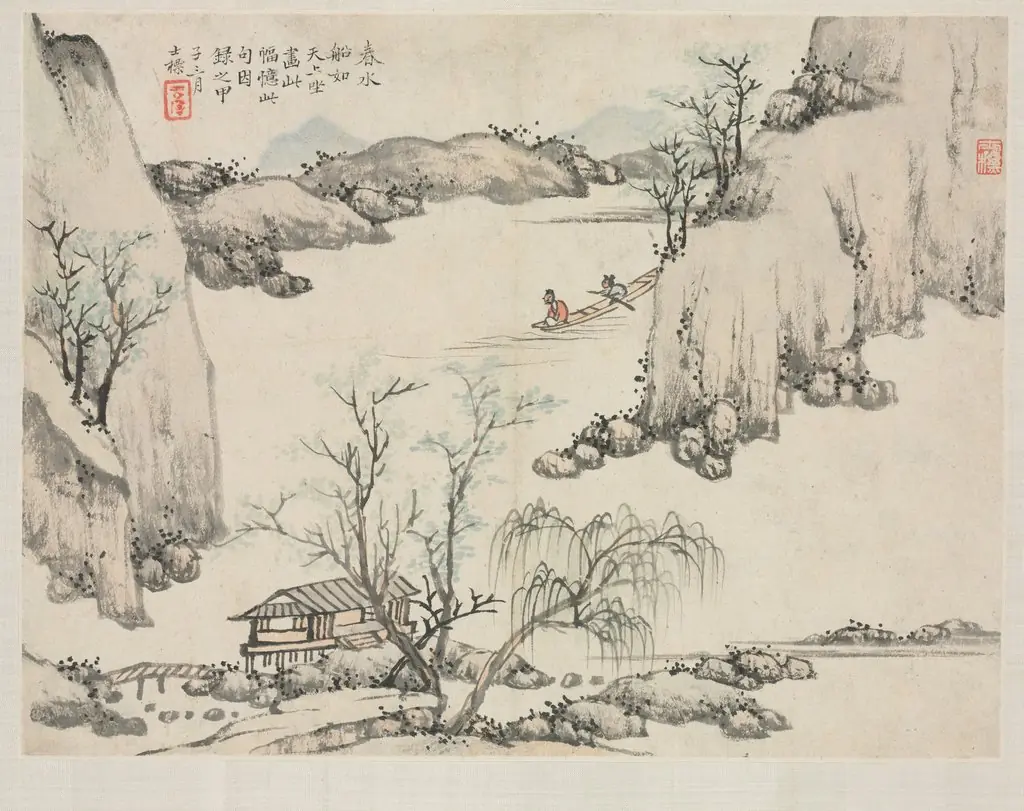 Landscape Album in Various Styles: Boating in Spring Water
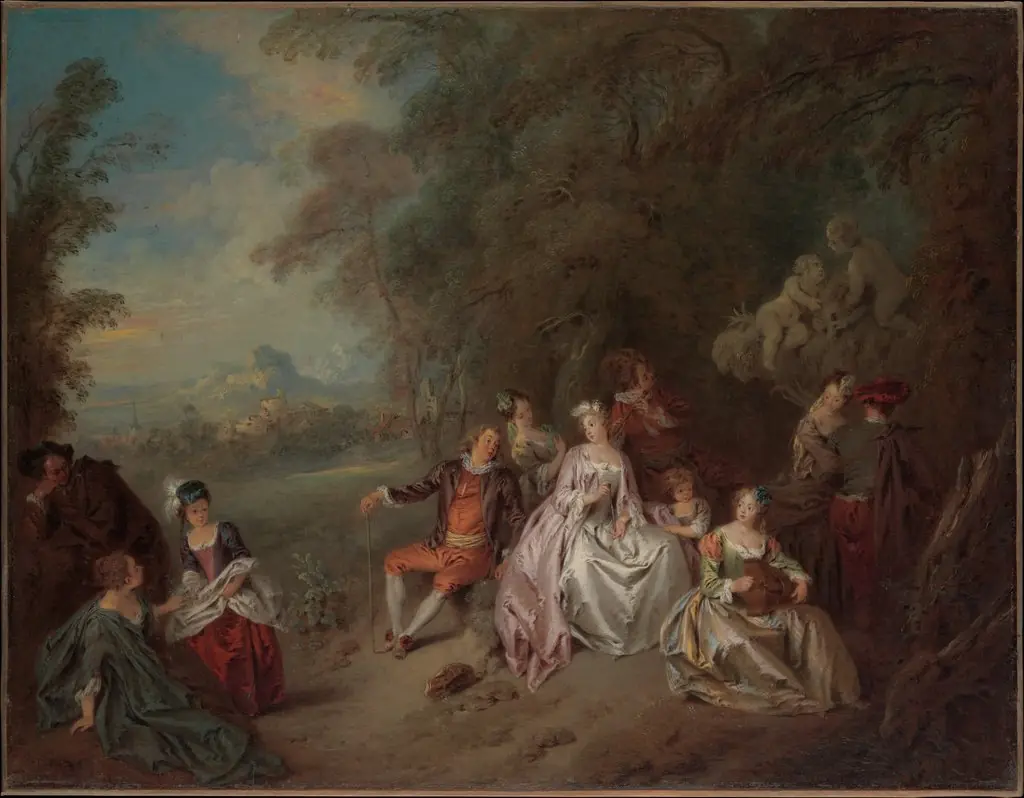 Concert Champêtre
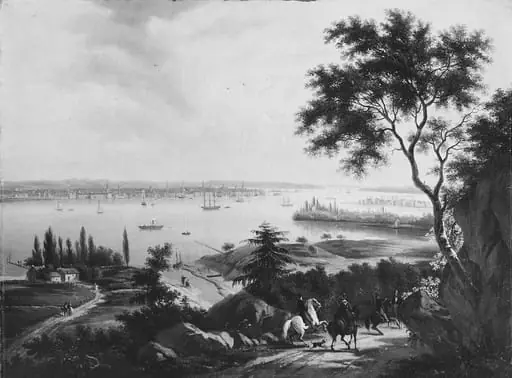 View of New York from New Jersey
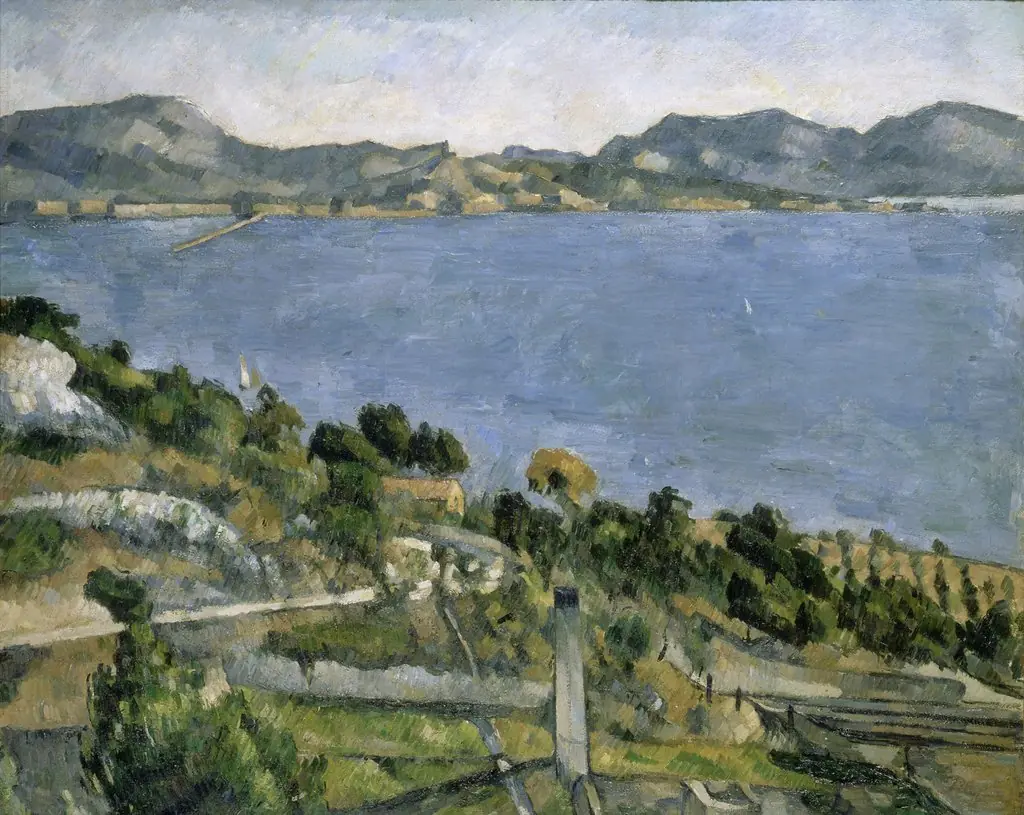 Le Golfe de Marseille vu de l'Estaque (The Gulf of Marseille Seen from L'Estaque)
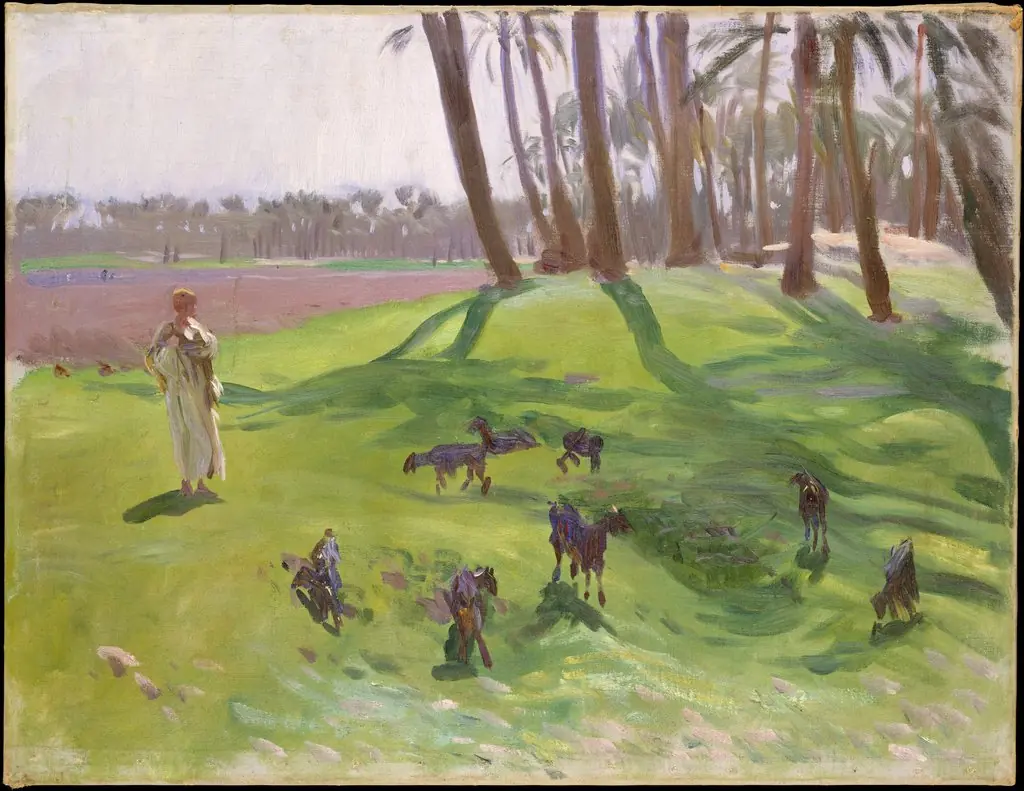 Landscape with Goatherd
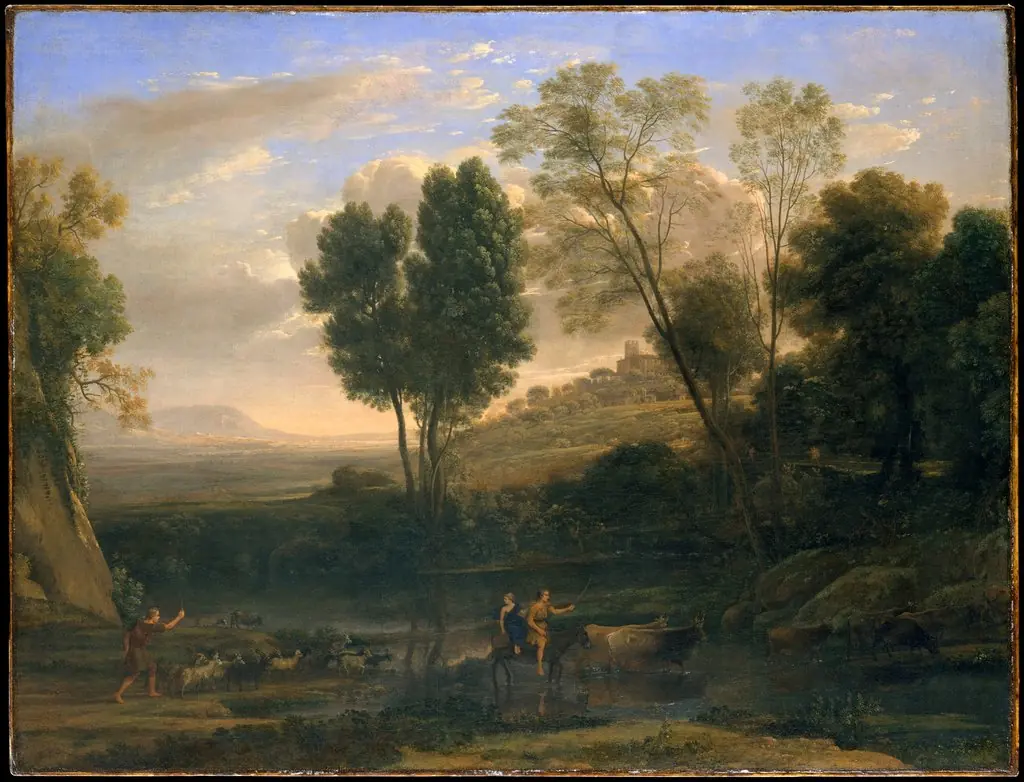 Sunrise
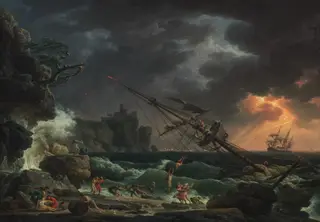 The Shipwreck
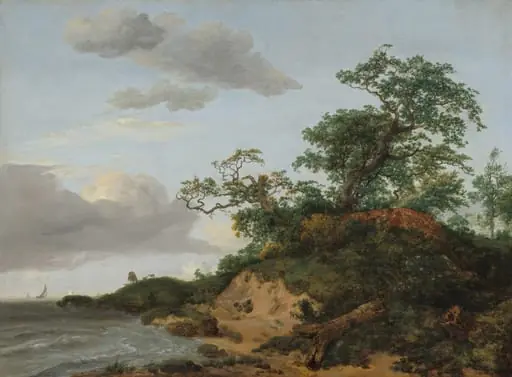 Dunes by the Sea
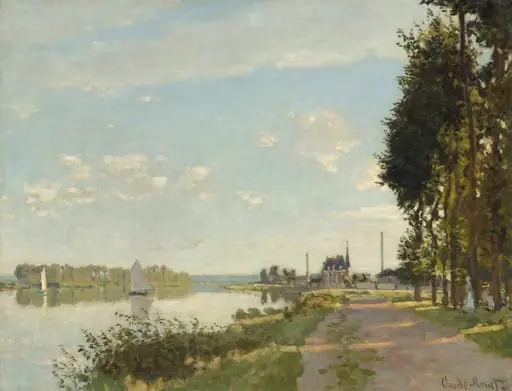 Argenteuil
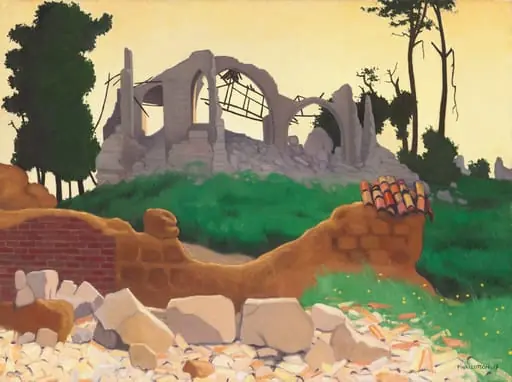 The Church of Souain
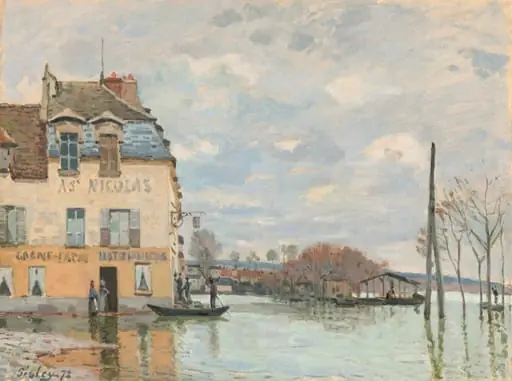 Flood at Port-Marly
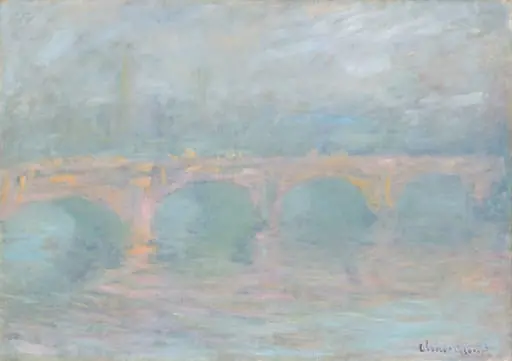 Waterloo Bridge, London, at Sunset
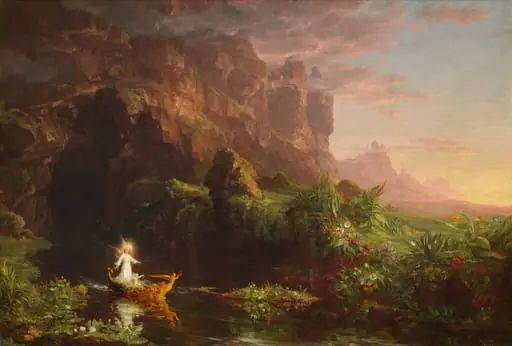 The Voyage of Life: Childhood
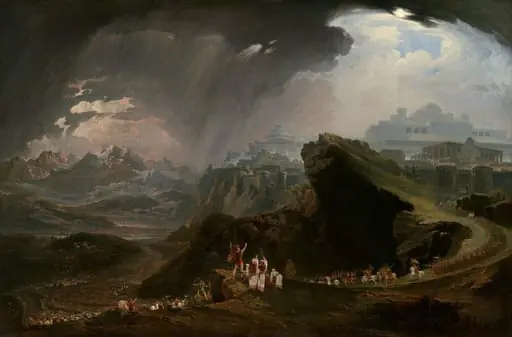 Joshua Commanding the Sun to Stand Still upon Gibeon
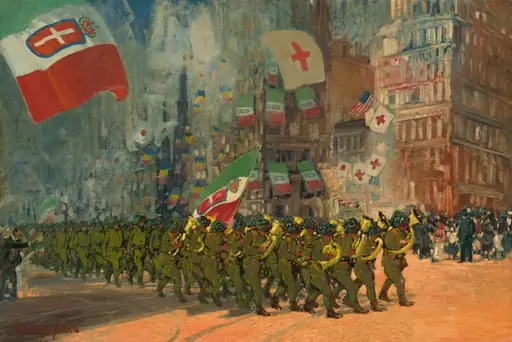 The Bersaglieri
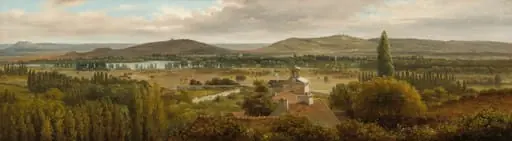 Panoramic Landscape near the River Moselle
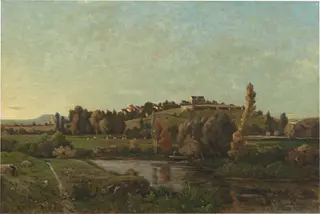 Landscape in Auvergne
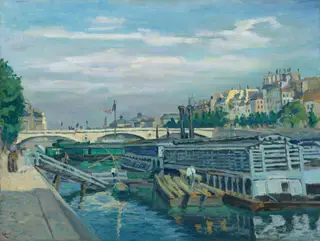 The Bridge of Louis Philippe
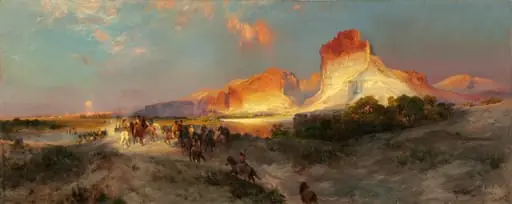 Green River Cliffs, Wyoming
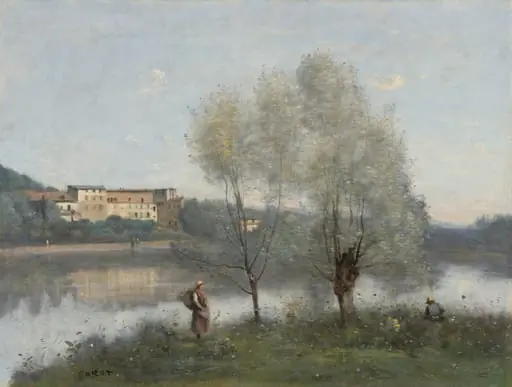 Ville-d'Avray
Frequently asked questions
What is Landscape?
Landscape is an art genre. The genre devoted to depicting outdoor scenery — countryside, mountains, coasts, and forests.
How many Landscape works does Artifact World Gallery have?
Artifact World Gallery holds 21,493 public-domain Landscape works, all free to view and download.
Who are the key Landscape artists?
Key Landscape artists in the collection include Titian, Thomas Eakins and Jean Baptiste Camille Corot.
Where can I see Landscape works?
Landscape works in the collection are held by National Gallery of Art, Victoria and Albert Museum and Cleveland Museum of Art.