Artwork
Ghicitoarea
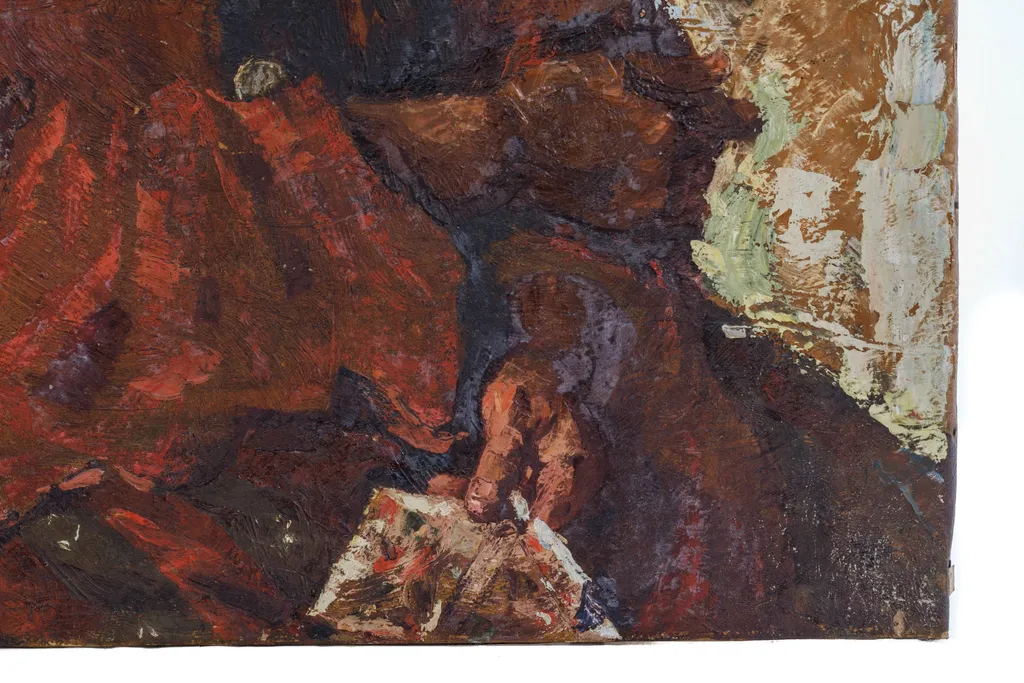
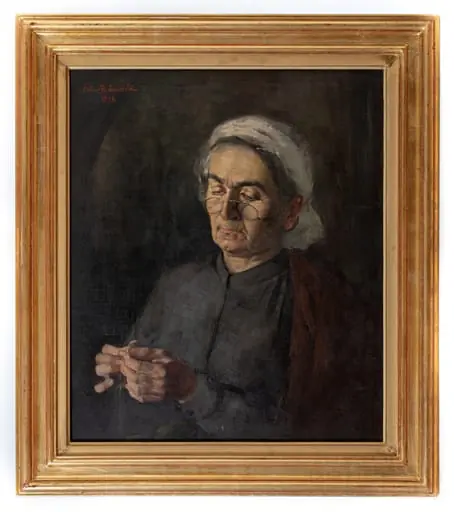
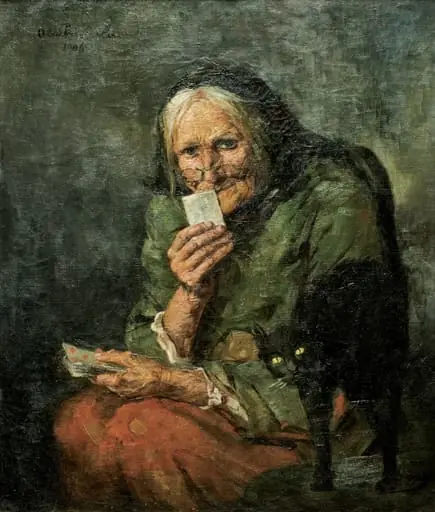
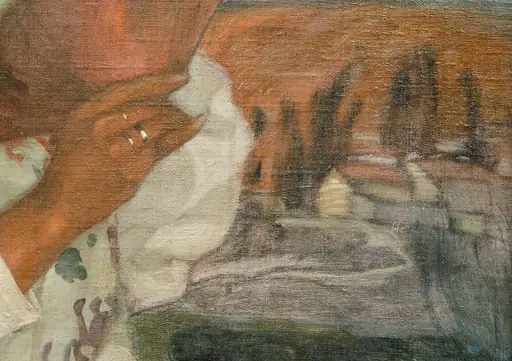
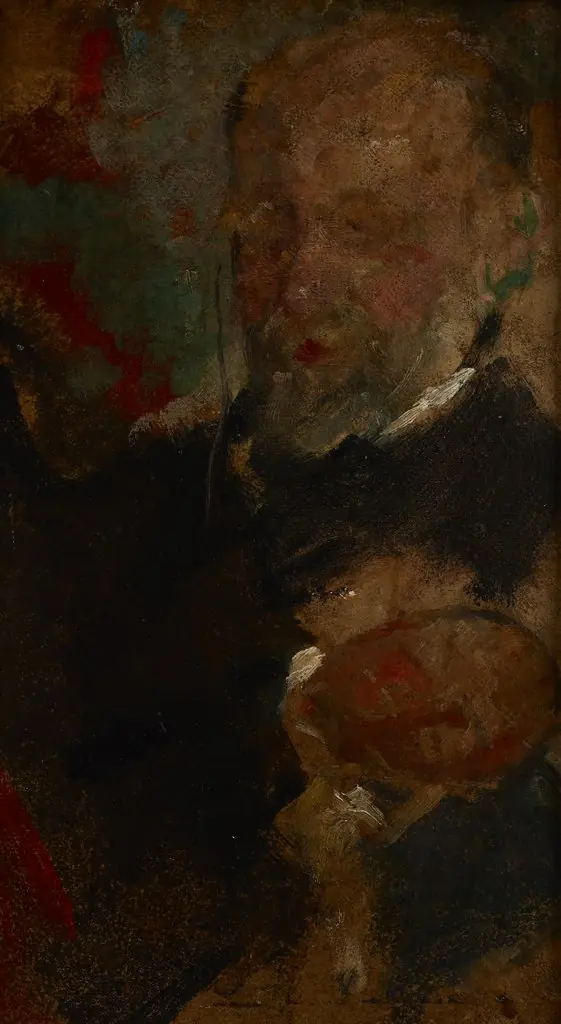
Ghicitoarea is an unspecified painting by the Romanesque artist Octav Băncilă. It dates from 1850 and is held in the collection of the Moldova National Museum Complex.
About this work
Overview
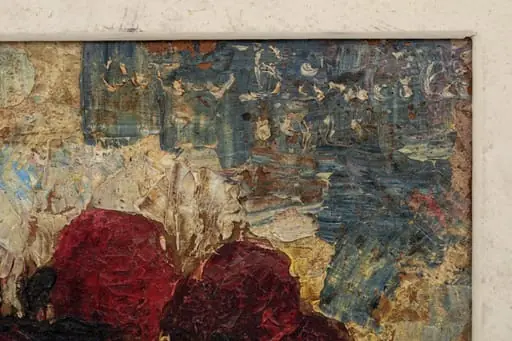
Unlike conventional portraits of the period, it eschews clarity in favor of dense, tactile surface treatment.
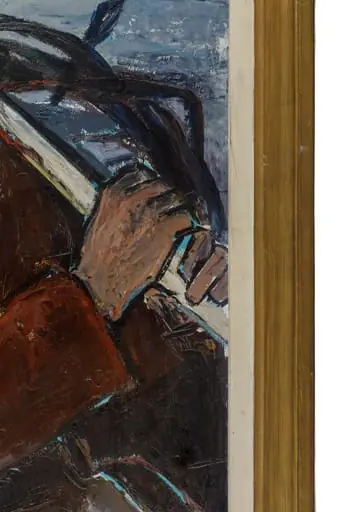
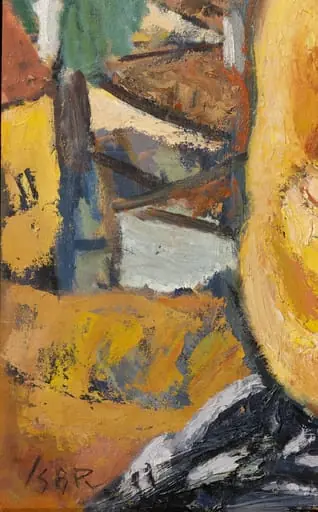
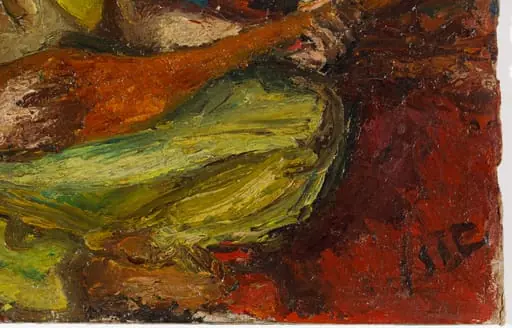
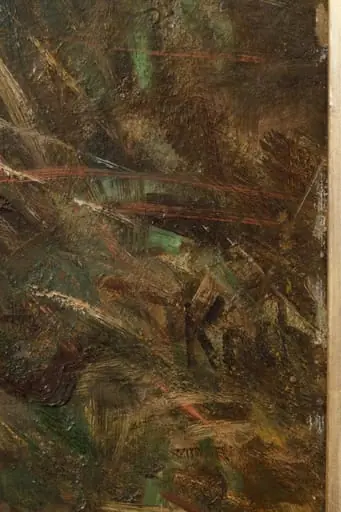
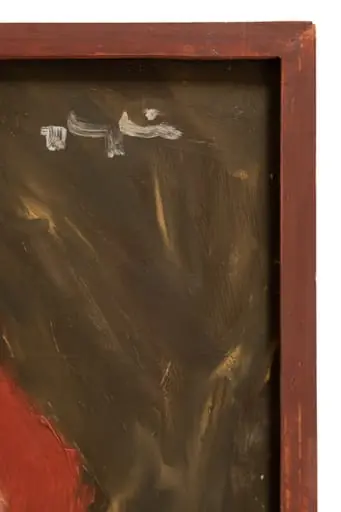
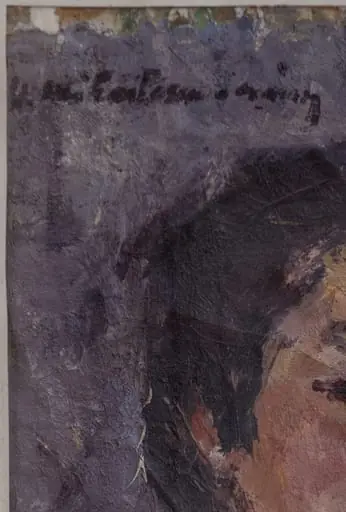
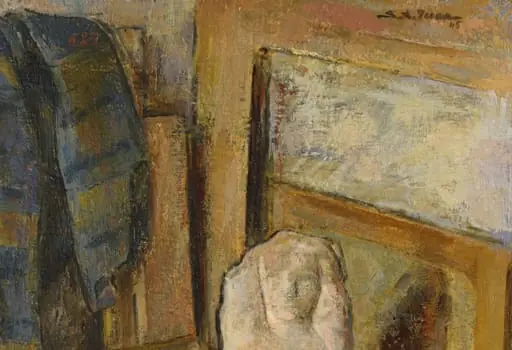
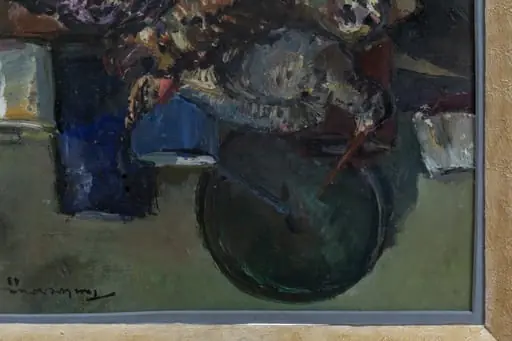
Ghicitoarea is a portrait attributed to Octav Băncilă, dated around 1850. Unlike conventional portraits of the period, it eschews clarity in favor of dense, tactile surface treatment. The image resists easy interpretation, with forms emerging only faintly from a buildup of pigment.
Its title, meaning 'the riddle' in Romanian, suggests an intentional ambiguity, inviting viewers to engage with its obscured subject rather than simply observe it.
Subject & Meaning
The subject remains deliberately indistinct, perhaps a female figure, possibly a fortune-teller or seer, hinted at through fragmented contours. The ambiguity aligns with the title, framing the portrait not as a likeness but as an enigma. The obscured features may reflect themes of mystery, intuition, or the unknowable, common in folk traditions. The painting resists narrative resolution, emphasizing mystery over identification.
Technique & Style
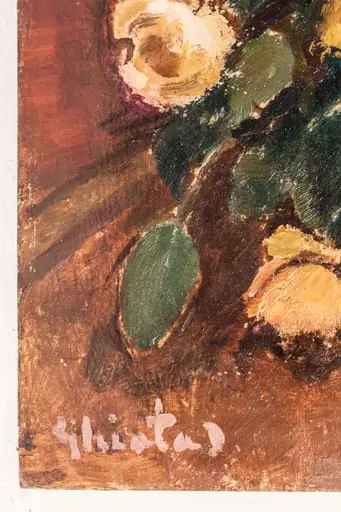
Băncilă applied paint in thick, heavy layers using a robust impasto technique, creating a sculptural surface that resembles dried clay. Reds, browns, and blacks dominate, with occasional pale areas suggesting light or skin beneath. Brushwork is forceful and unrefined, prioritizing texture over detail. This approach diverges from academic norms of the time, favoring material presence over polished realism.
History & Provenance
The painting’s early history is poorly documented, with no clear record of its commission or first exhibition. It entered institutional collections in the 20th century, likely through Romanian national art archives. Its survival suggests it was preserved as an unusual example of early modern experimentation, though it was not widely recognized during Băncilă’s lifetime.
Context
Created during a period when Romanian art was beginning to develop a distinct national identity, Ghicitoarea stands apart from contemporaneous academic portraiture. While many artists sought idealized forms, Băncilă pursued emotional and material intensity. The work may reflect influences from folk art or early expressive tendencies that later informed modernist movements in Eastern Europe.
Legacy
Ghicitoarea is now regarded as an early example of expressive abstraction in Romanian painting. Its disregard for conventional representation anticipated 20th-century explorations of materiality and psychological depth. Though overlooked in its time, it has gained scholarly attention as a precursor to non-traditional approaches in regional modern art.
Own this work as a print
Artist & collection

Artist
Octav Băncilă was a Romanian realist painter and left-wing activist. He was the brother of Sofia Nădejde, a feminist journalist, and the brother-in-law of Ioan Nădejde.