Period
Early Modern
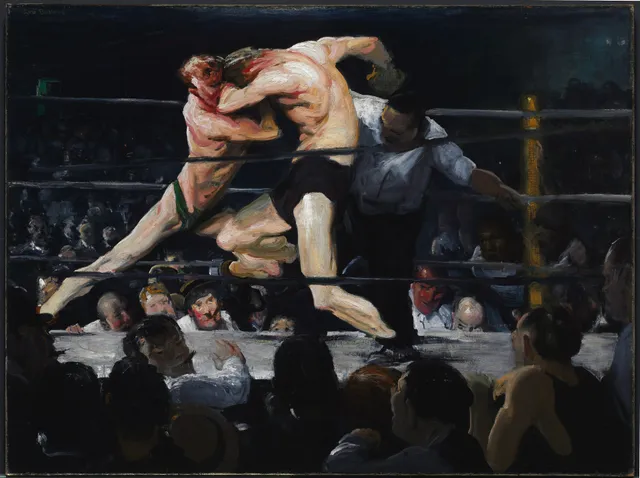
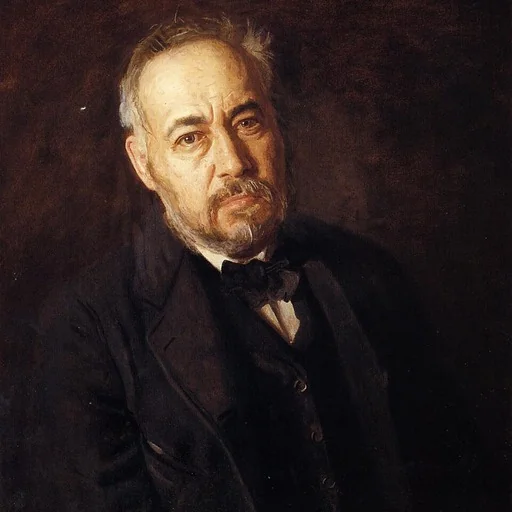
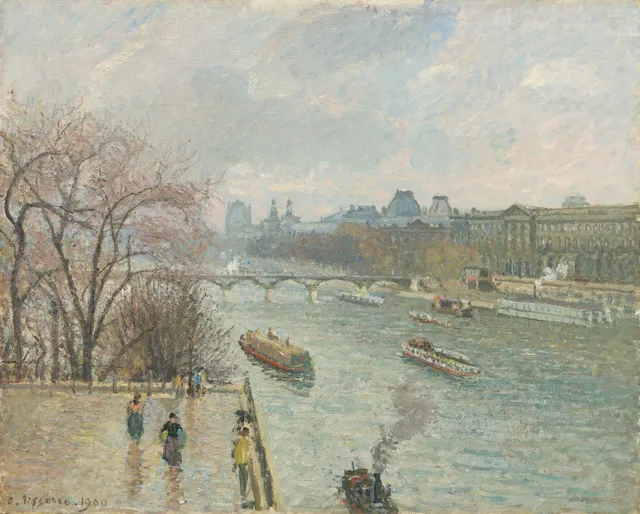
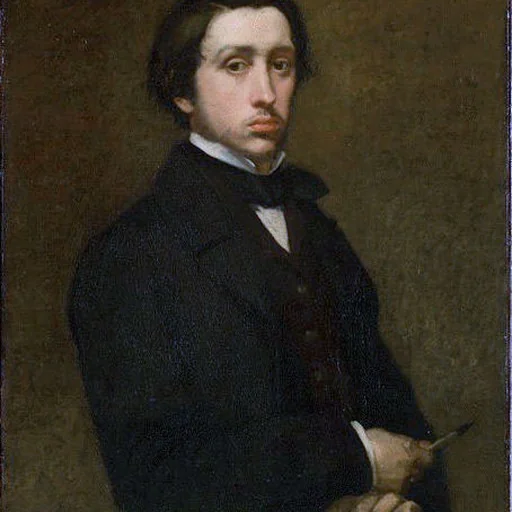
Early Modern is an art period of the 1400–1800 period. The gallery holds 18,423 works in this period, including works by Thomas Eakins, Edgar Degas and Camille Pissarro.
The Early Modern period in European art, conventionally bracketed from about 1500 to about 1800, is less a single style than a three-century arc spanning the High Renaissance, the Baroque, and the Rococo. It coincided with the consolidation of modernity itself: the spread of printing, the Protestant Reformation and the Catholic Counter-Reformation, the rise of centralized courts, and the wealth flowing through Atlantic and Mediterranean trade. Patronage broadened from the Church and princely courts to merchant elites, while the perfection of oil paint and the codification of linear perspective gave artists unprecedented command over illusionistic space.
The period opened with the Italian High Renaissance, a roughly thirty-five-year flowering from the 1490s to the 1527 Sack of Rome dominated by Leonardo da Vinci (1452–1519), Michelangelo, and Raphael. Their work fused classical ideals of proportion with new techniques — Leonardo's sfumato, the strong light-and-dark modeling of chiaroscuro, and the deep recession of Raphael's School of Athens (c. 1508–11). In the north, Jan van Eyck and Albrecht Dürer pursued a different realism, prizing minute observation and the jewel-like surfaces that oil glazes made possible.
After about 1600 the Baroque emerged in Rome as an art of drama, movement, and direct emotional appeal, well suited to the Counter-Reformation Church. Caravaggio pioneered tenebrism — fierce contrasts of illumination against deep shadow — a device taken up across Europe. Peter Paul Rubens supplied muscular allegory and altarpieces, Diego Velázquez served the Spanish court, and the Dutch Golden Age produced Rembrandt van Rijn, whose Night Watch (1642) exemplifies Baroque chiaroscuro, alongside Johannes Vermeer's luminous domestic interiors.
In the early eighteenth century the gravity of the Baroque softened into the Rococo, centered in France during the reign of Louis XV. Jean-Antoine Watteau (1684–1721) is credited with its invention; François Boucher, Jean-Honoré Fragonard, and the Venetian decorator Giovanni Battista Tiepolo extended its repertoire of pastel palettes, asymmetrical "shellwork" ornament, and themes of pleasure and flirtation.
By around 1800 the Rococo's frivolity provoked a corrective in Neoclassicism, closing the era. The Early Modern centuries established the academic foundations of perspective, anatomy, and oil technique that the nineteenth-century modernists would in turn challenge.
Key artists

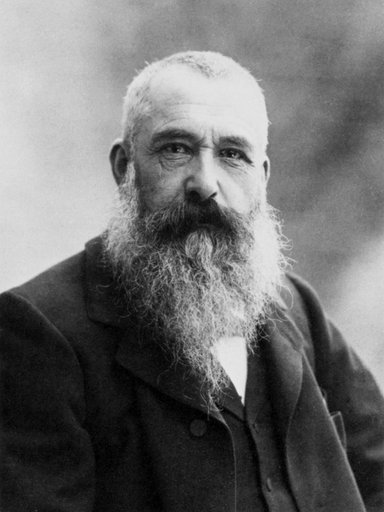
Works
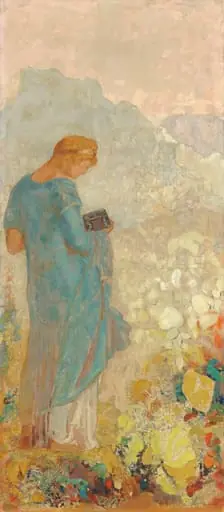 Pandora
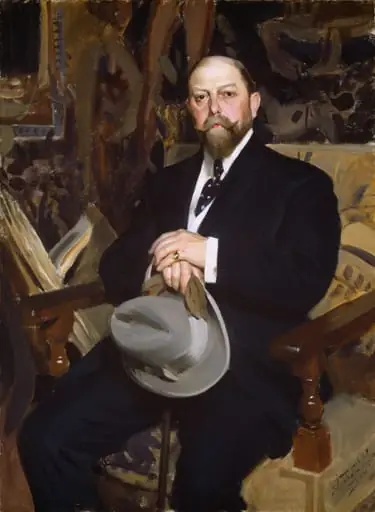 Hugo Reisinger
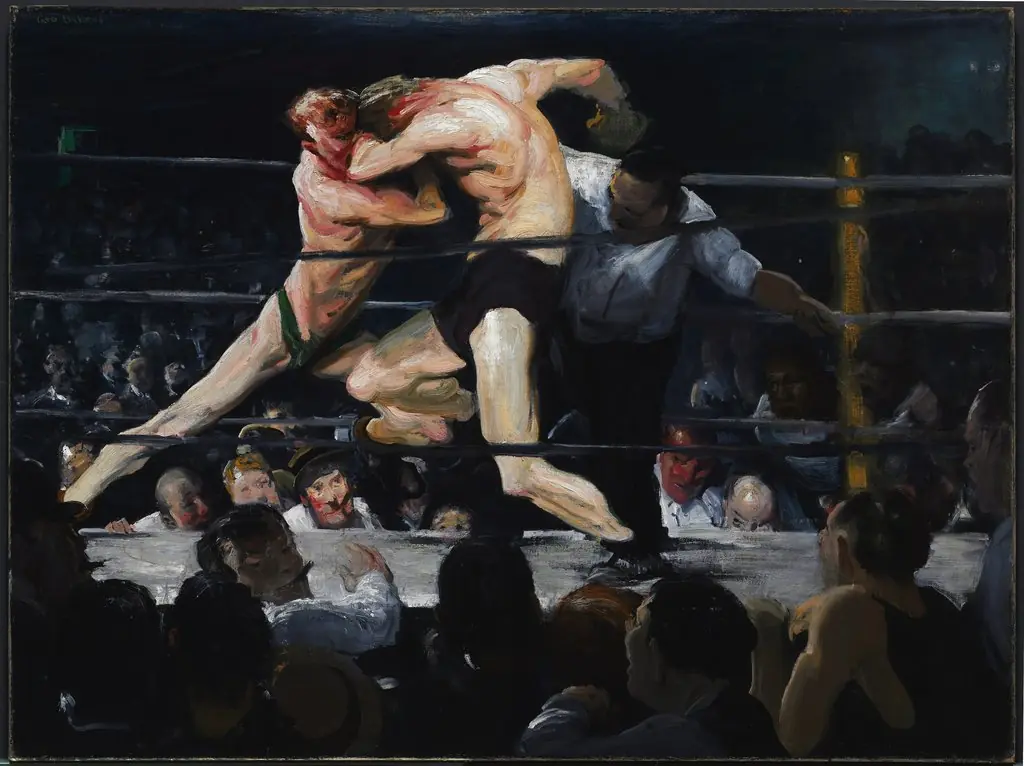 Stag at Sharkey's
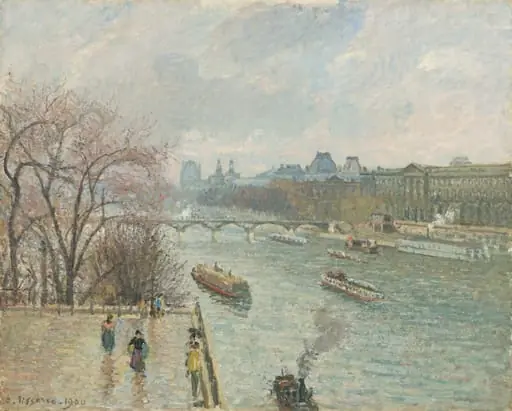 The Louvre, Afternoon, Rainy Weather
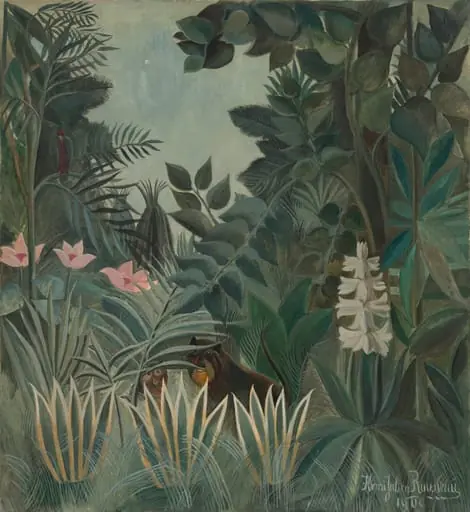 The Equatorial Jungle
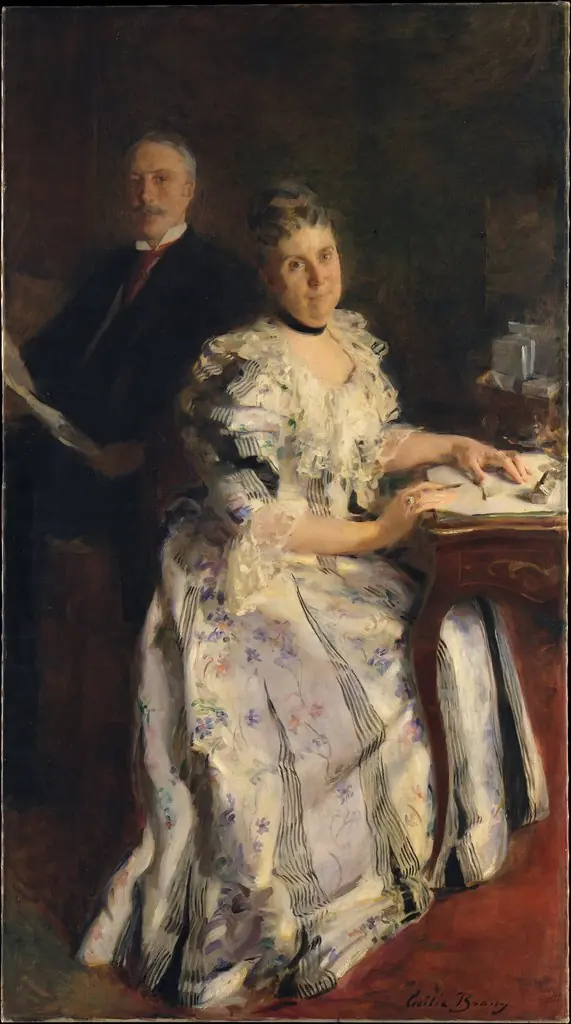 Mr. and Mrs. Anson Phelps Stokes
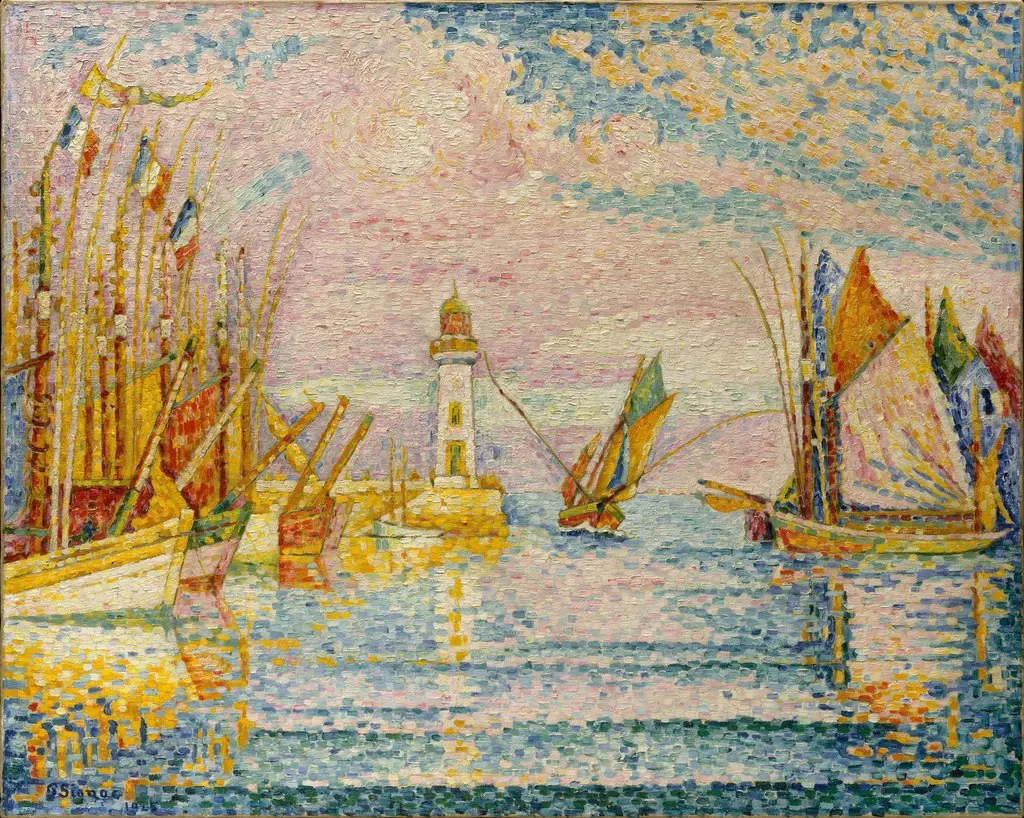 Lighthouse at Groix
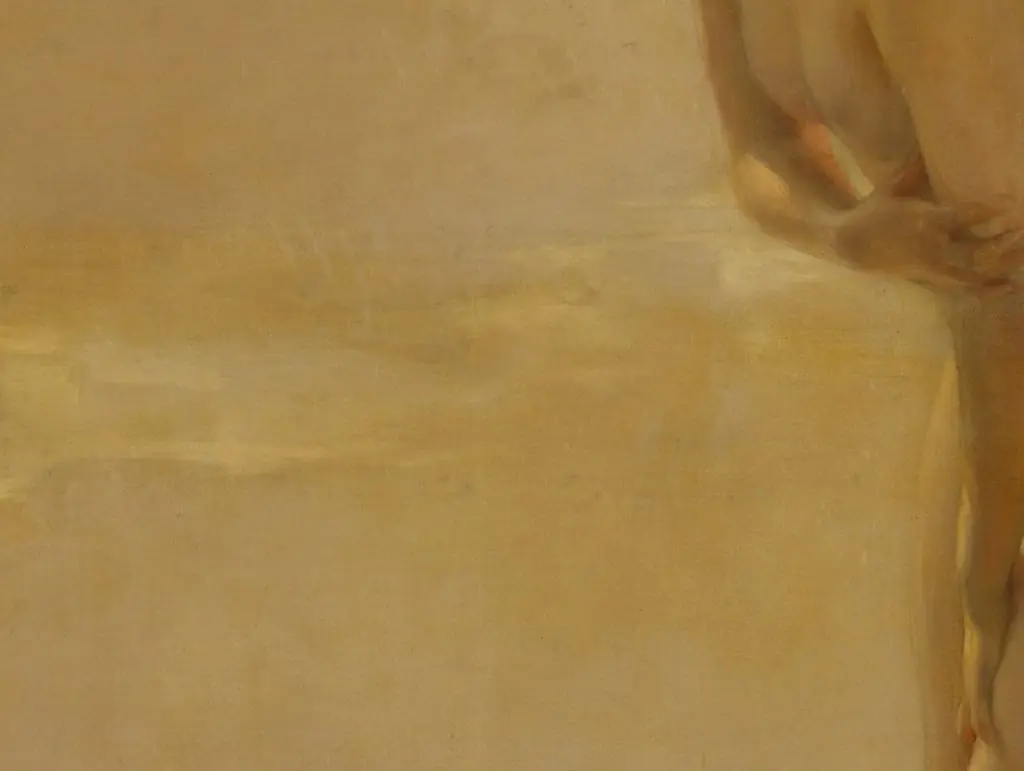 September Morn
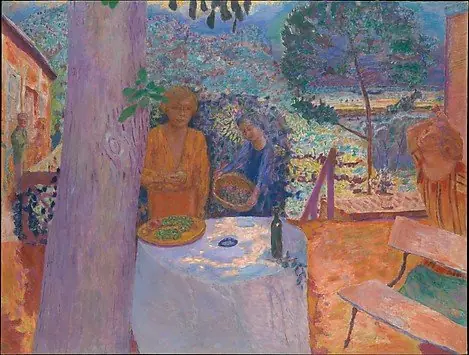 The Terrace at Vernonnet
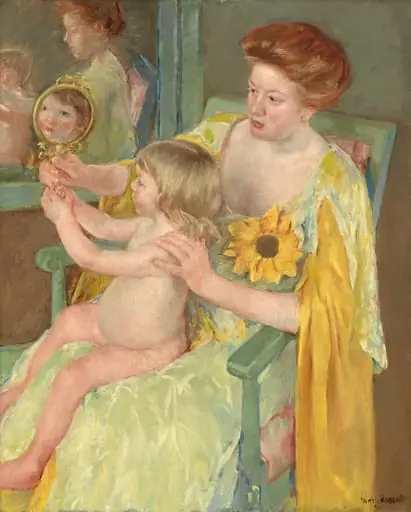 Woman with a Sunflower
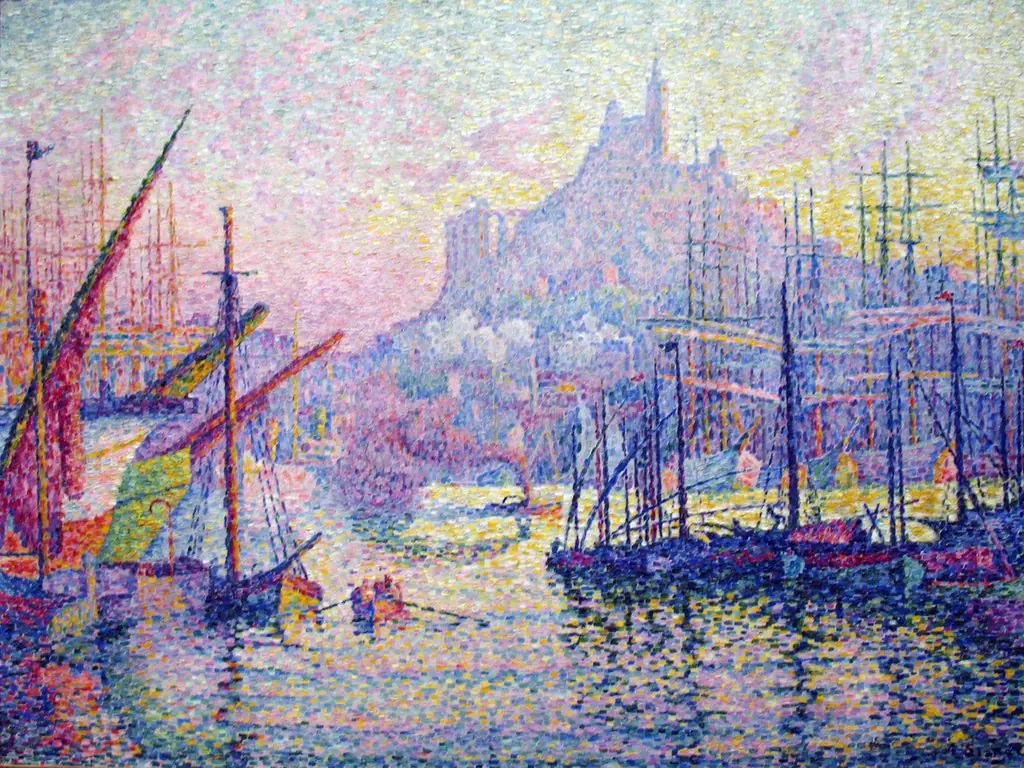 Notre-Dame-de-la-Garde (La Bonne-Mère), Marseilles
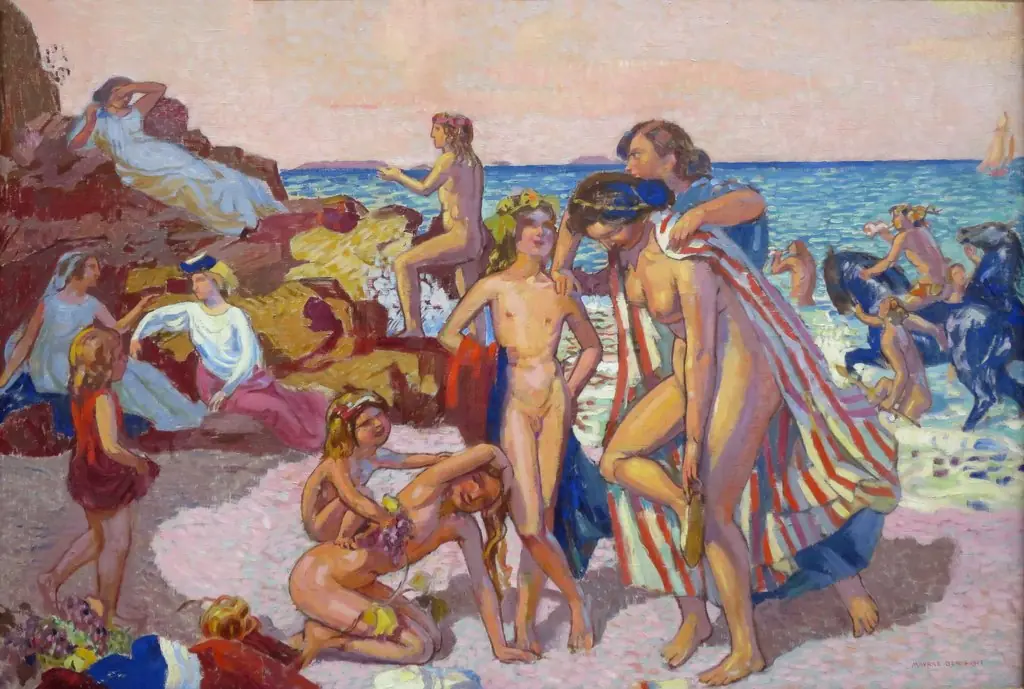 Bacchus and Ariadne
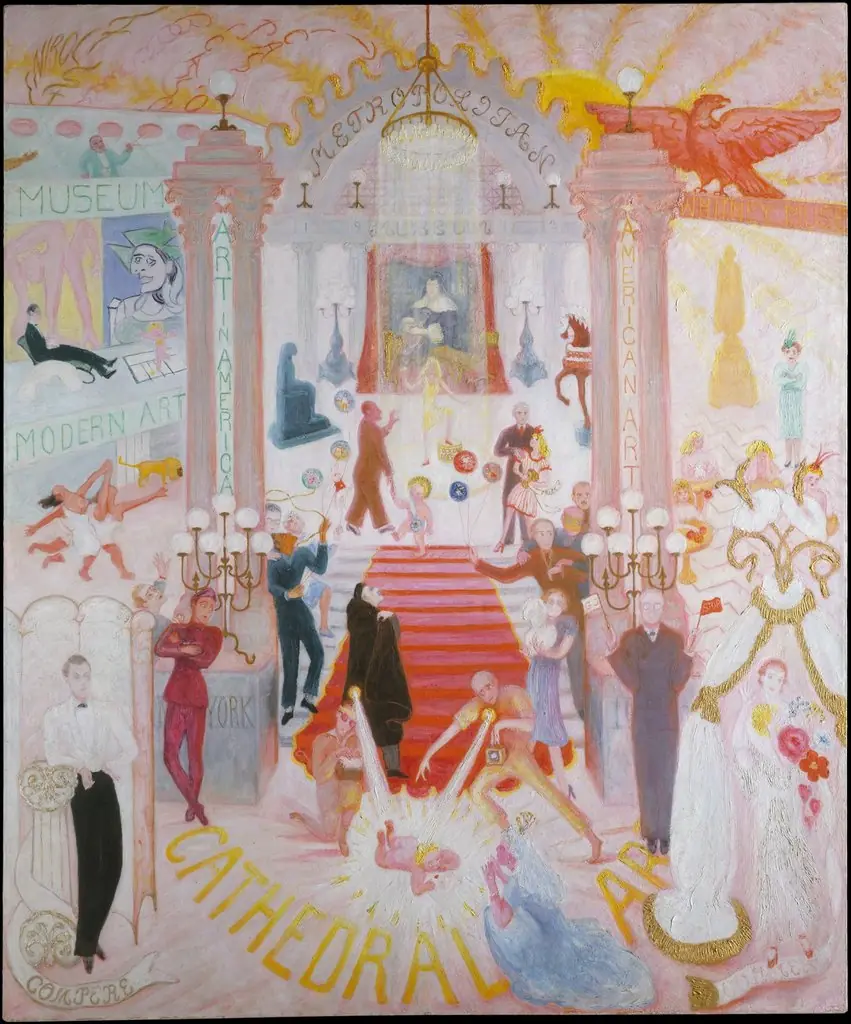 The Cathedrals of Art
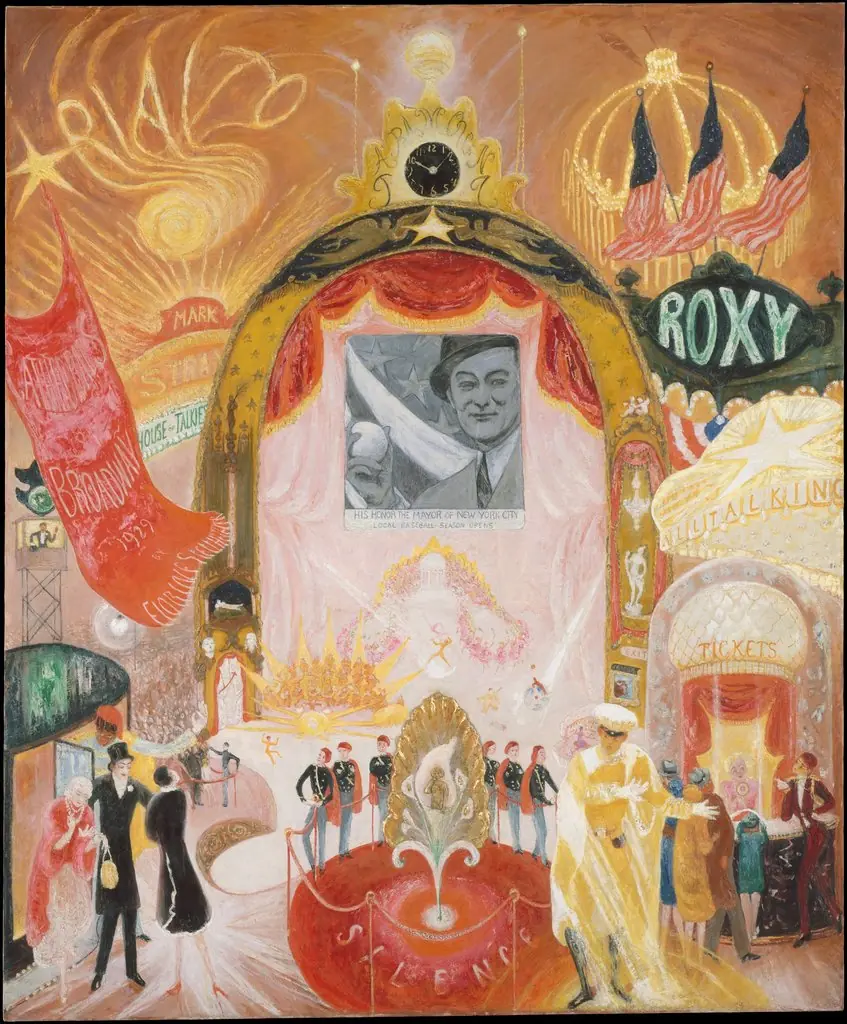 The Cathedrals of Broadway
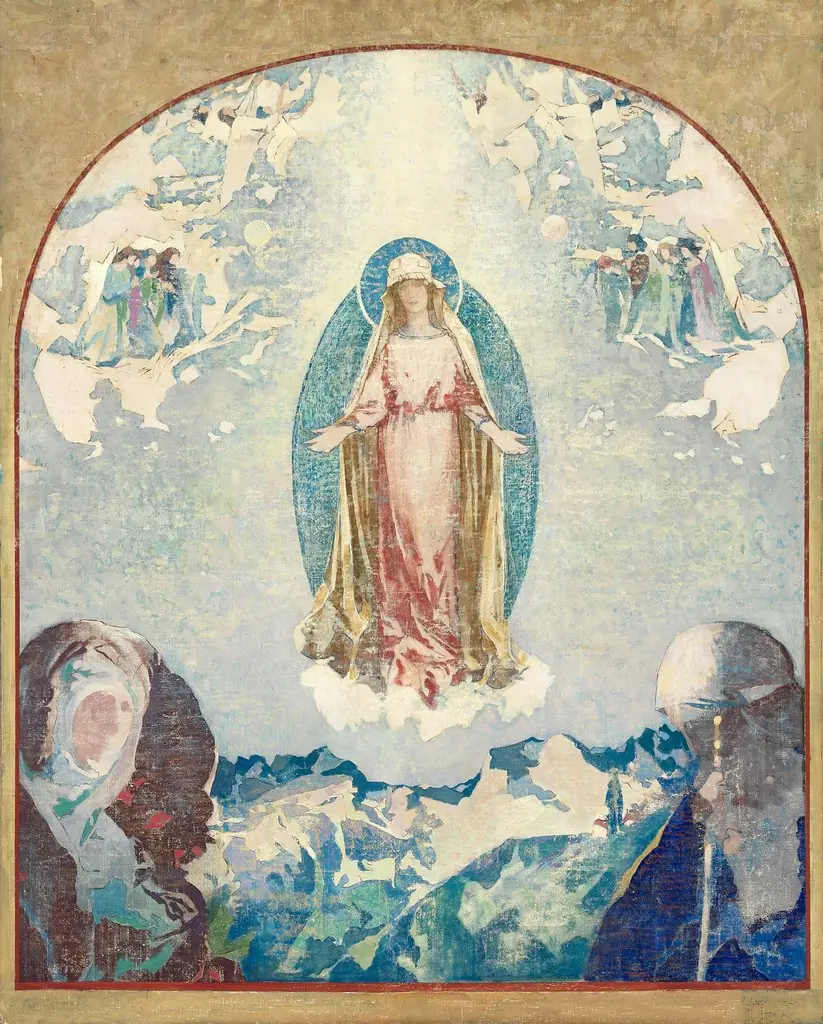 Rosa Mystica
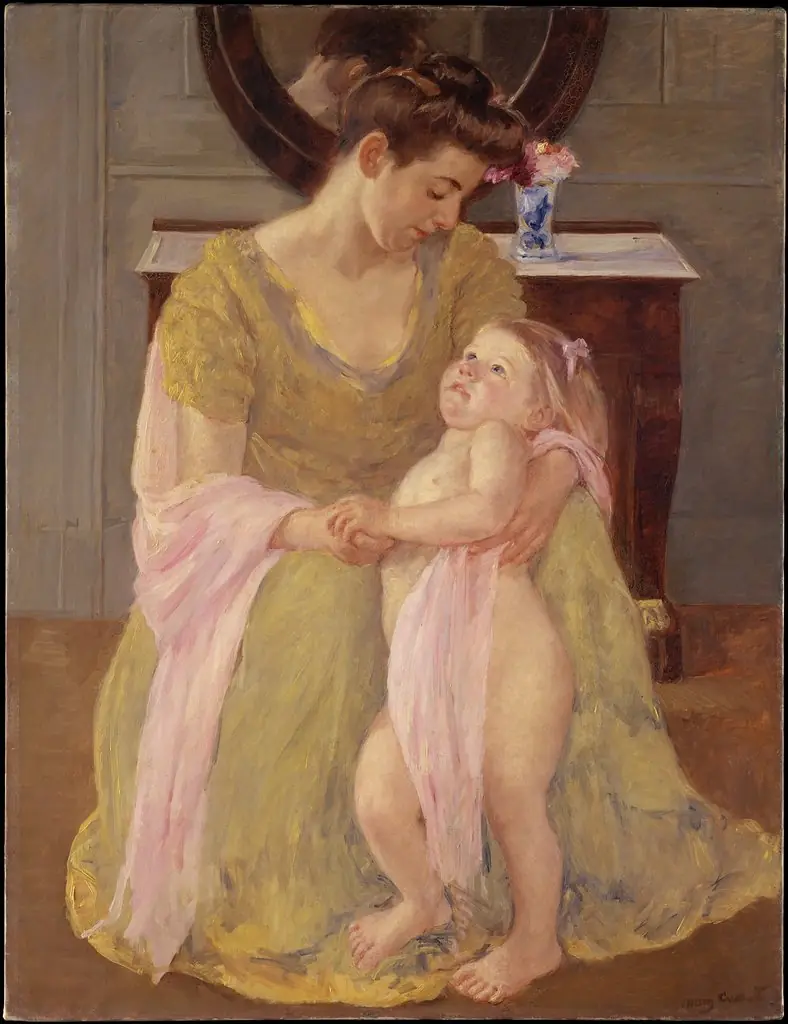 Mother and Child with a Rose Scarf
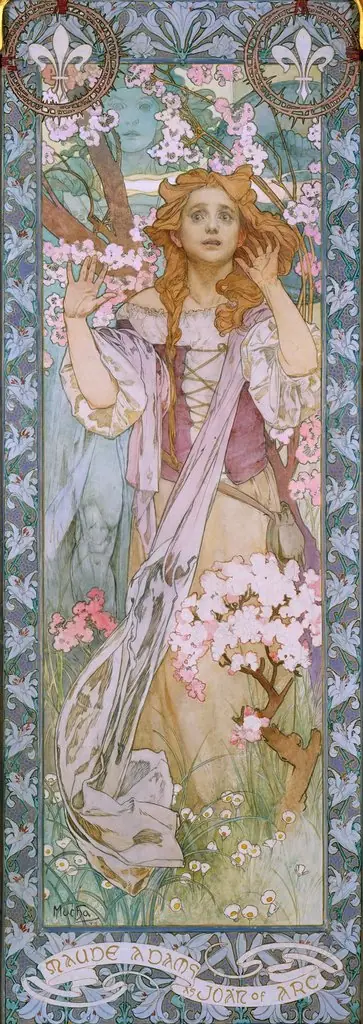 Maude Adams (1872–1953) as Joan of Arc
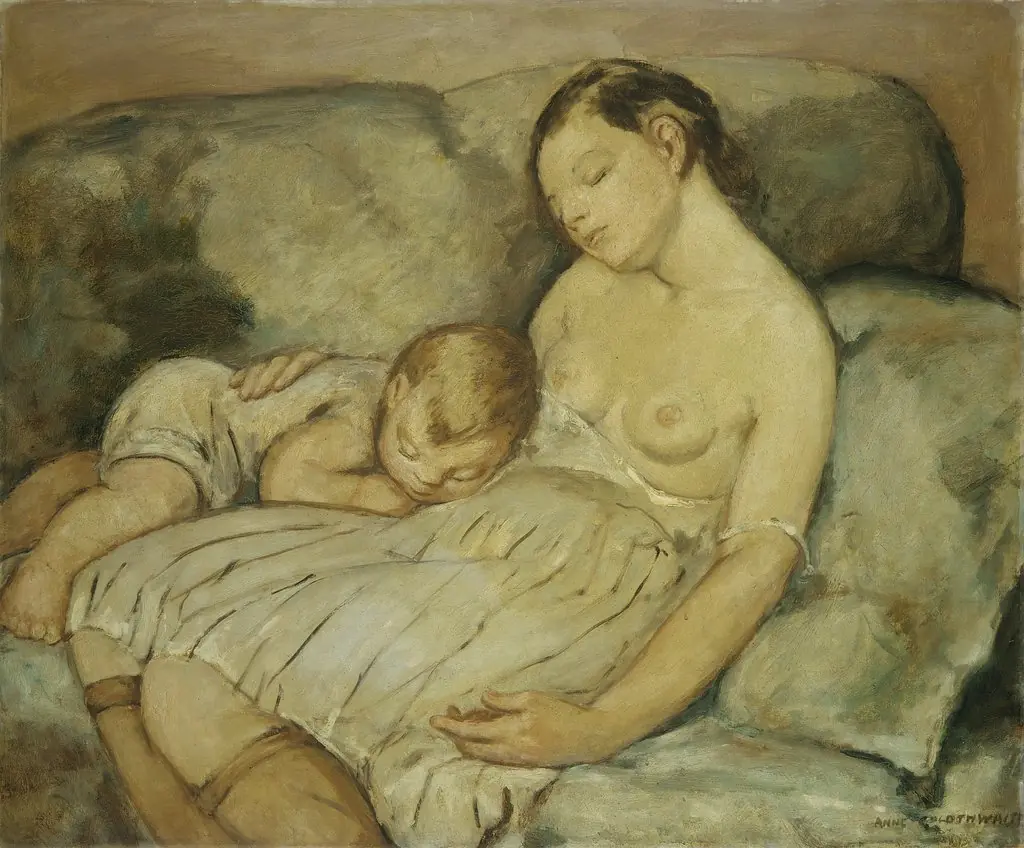 The Green Sofa
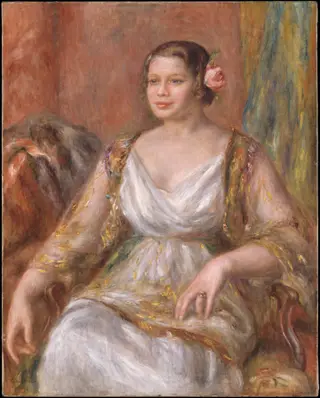 Tilla Durieux
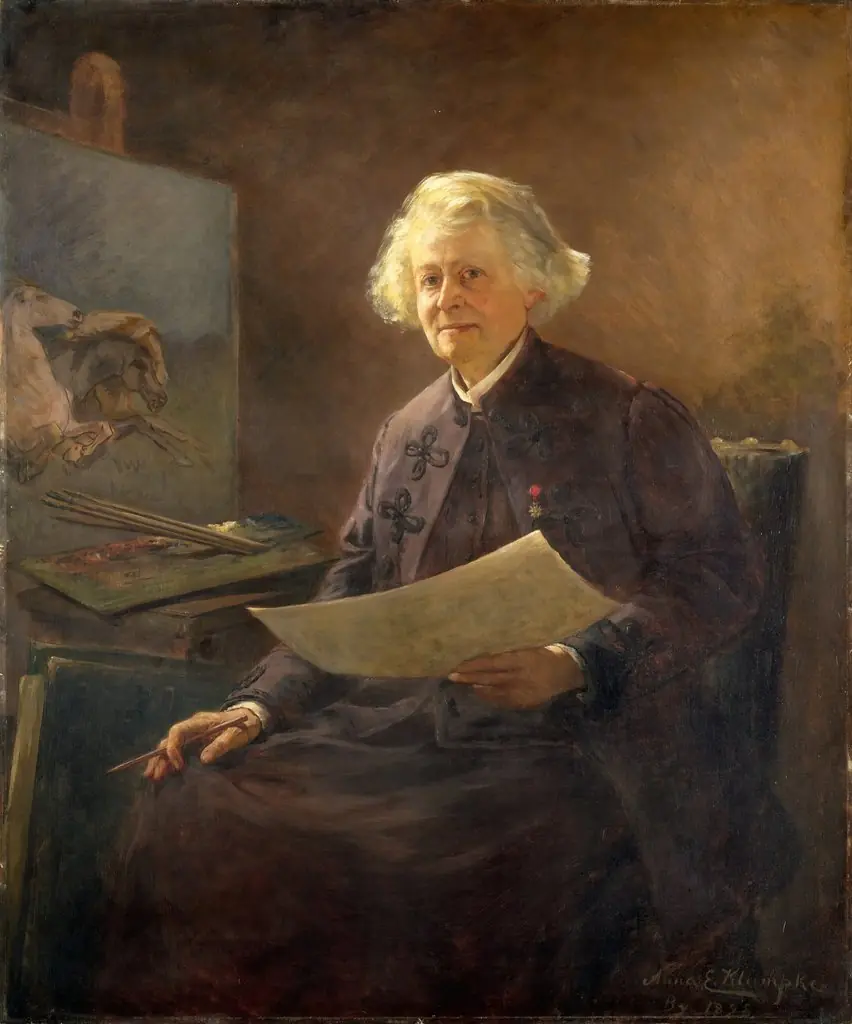 Rosa Bonheur
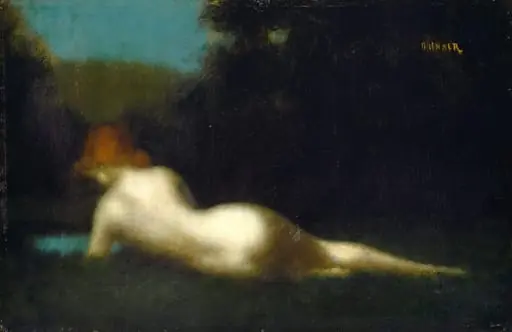 Reclining Nude
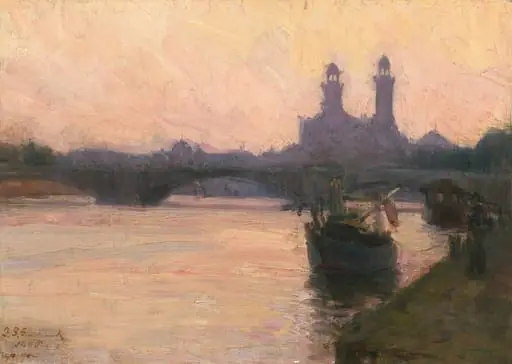 The Seine
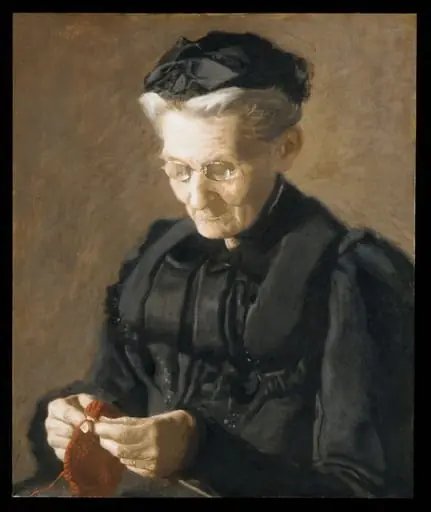 Mrs. Mary Arthur
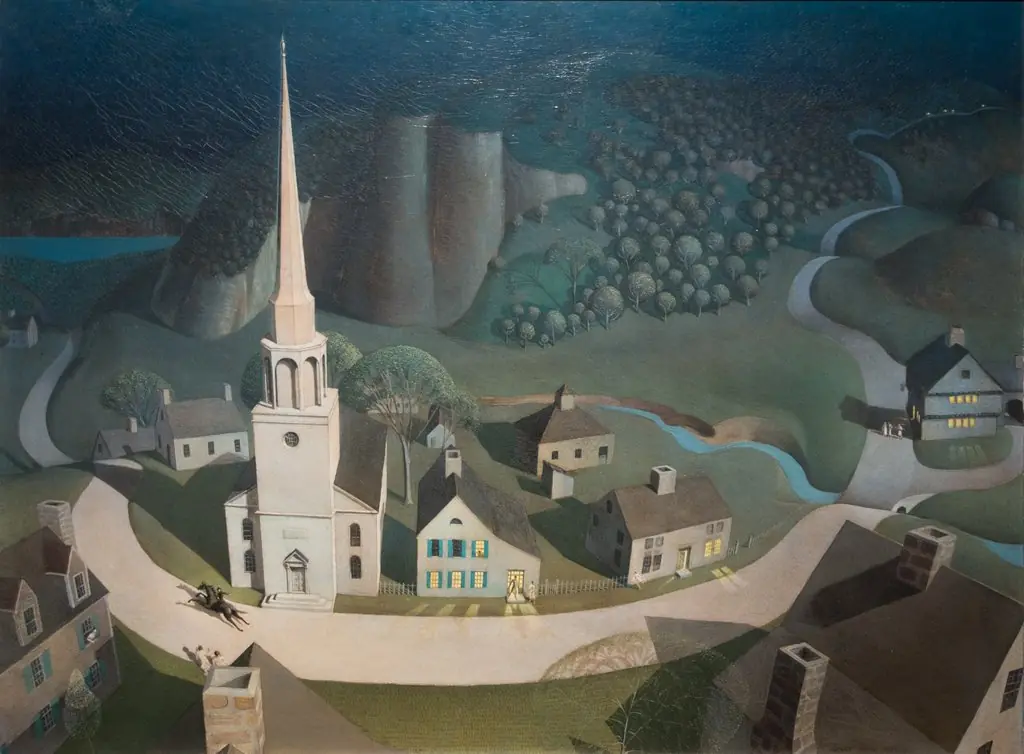 The Midnight Ride of Paul Revere
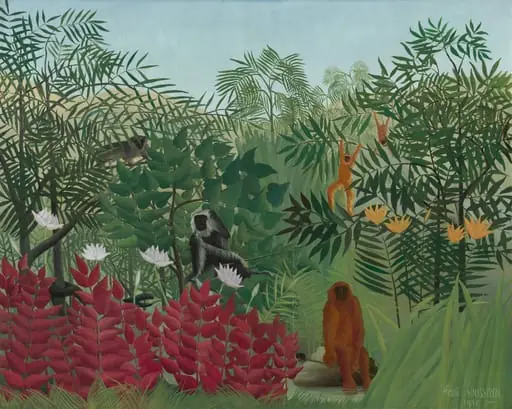 Tropical Forest with Monkeys
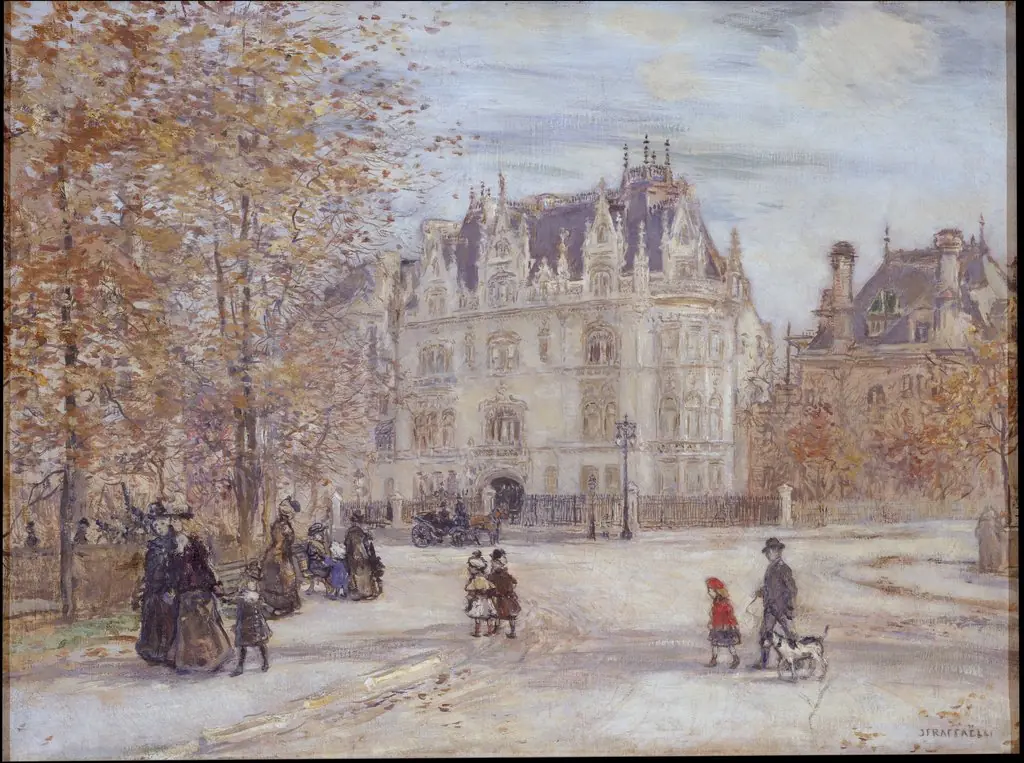 The Fletcher Mansion, New York City
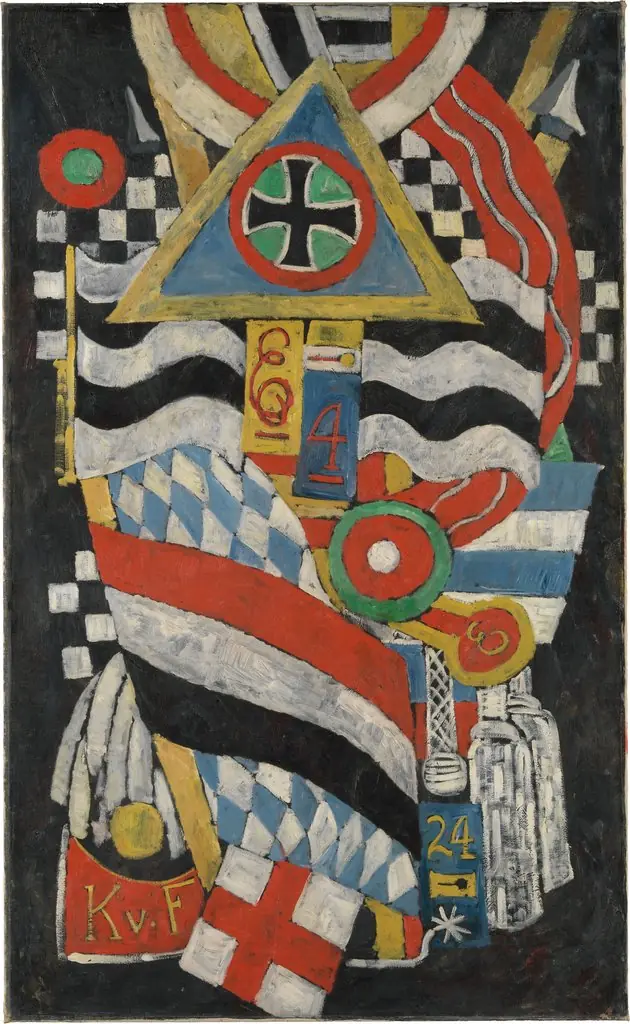 Portrait of a German Officer
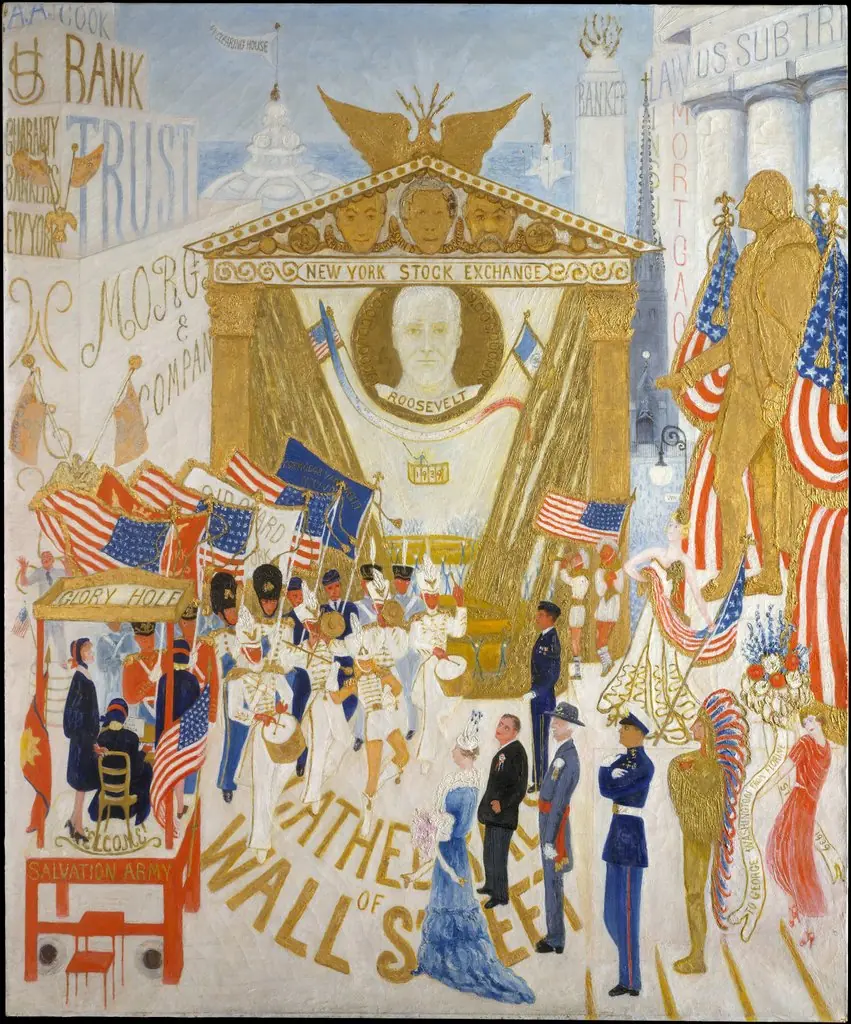 The Cathedrals of Wall Street
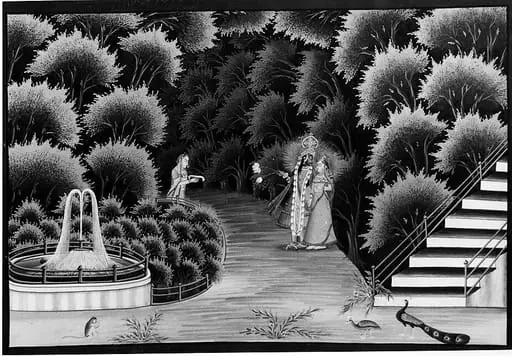 Untitled
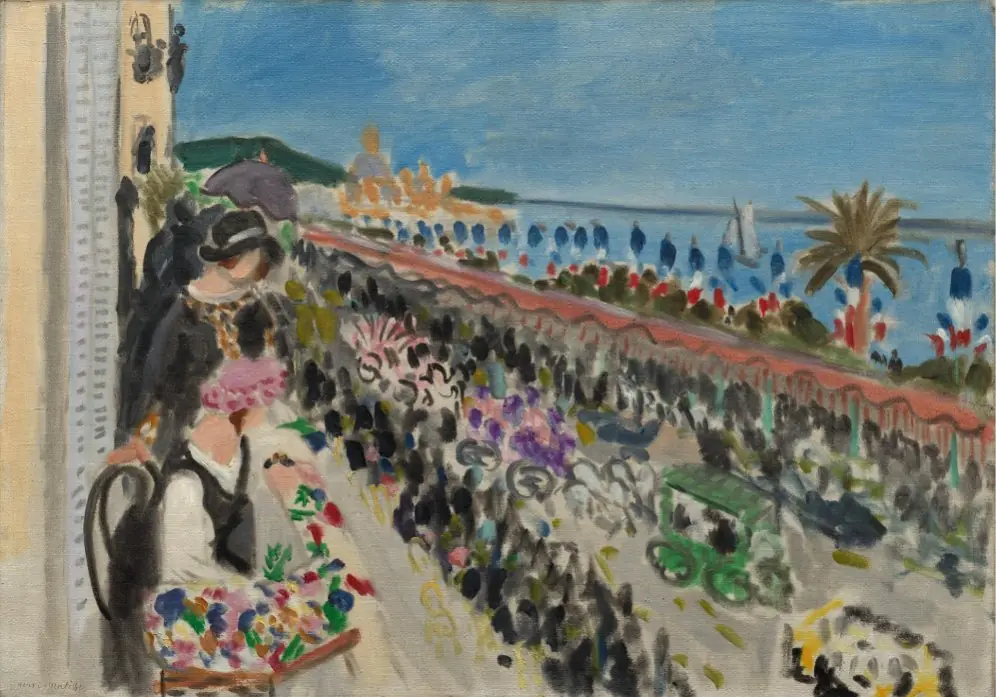 Festival of Flowers, Nice (Fête des fleurs)
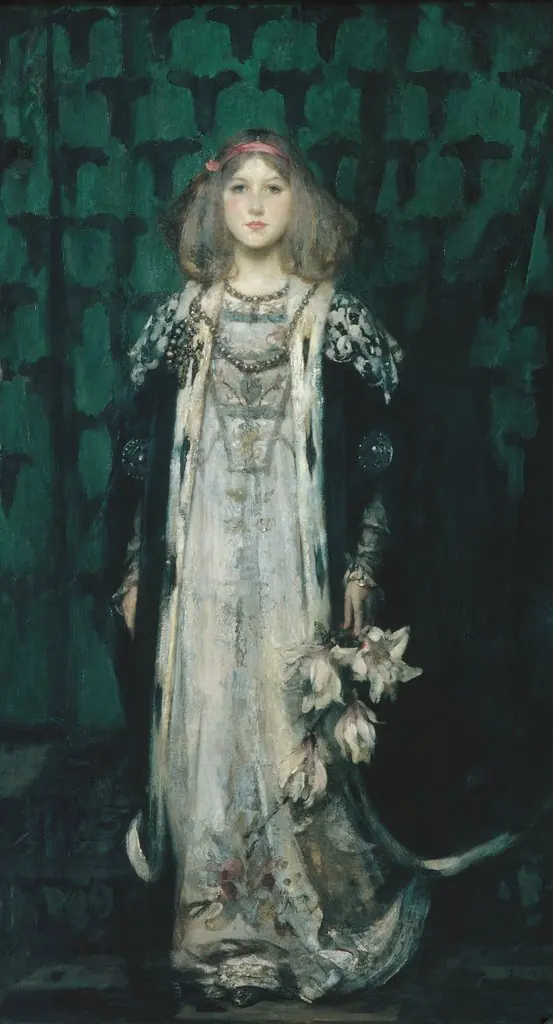 Magnolia
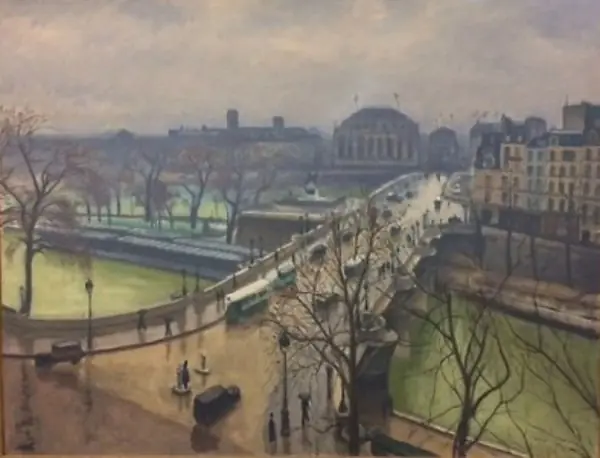 The Pont Neuf, Paris
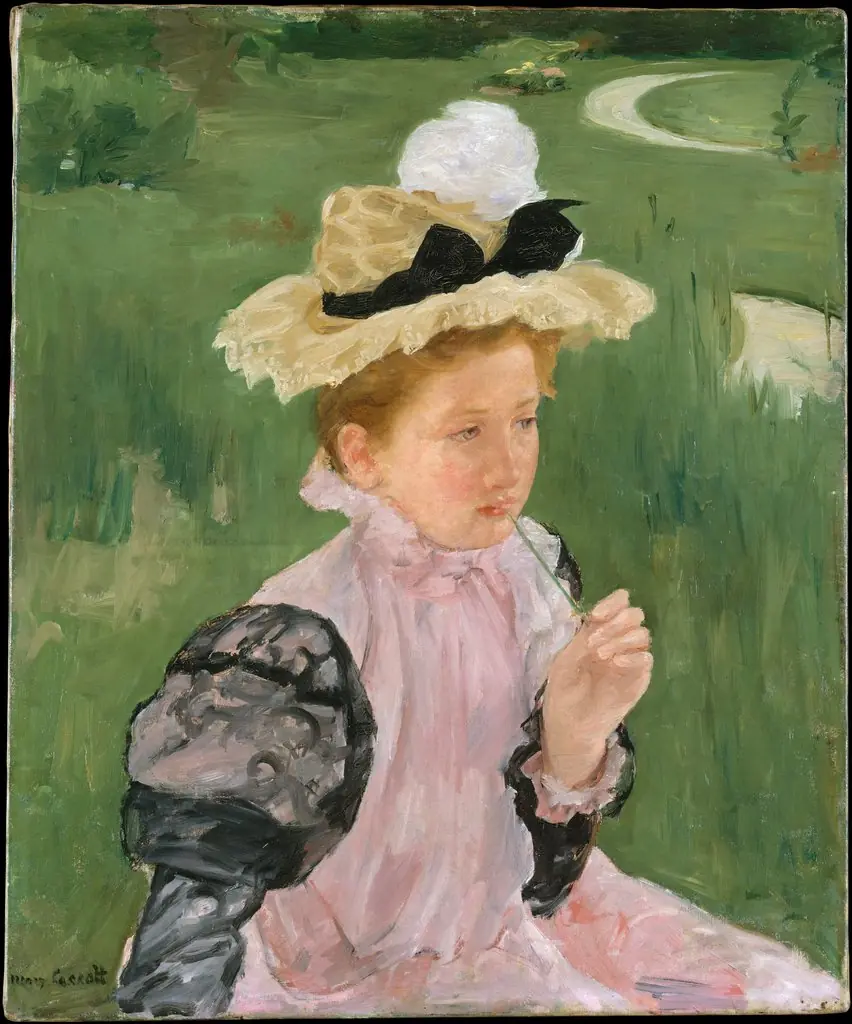 Portrait of a Young Girl
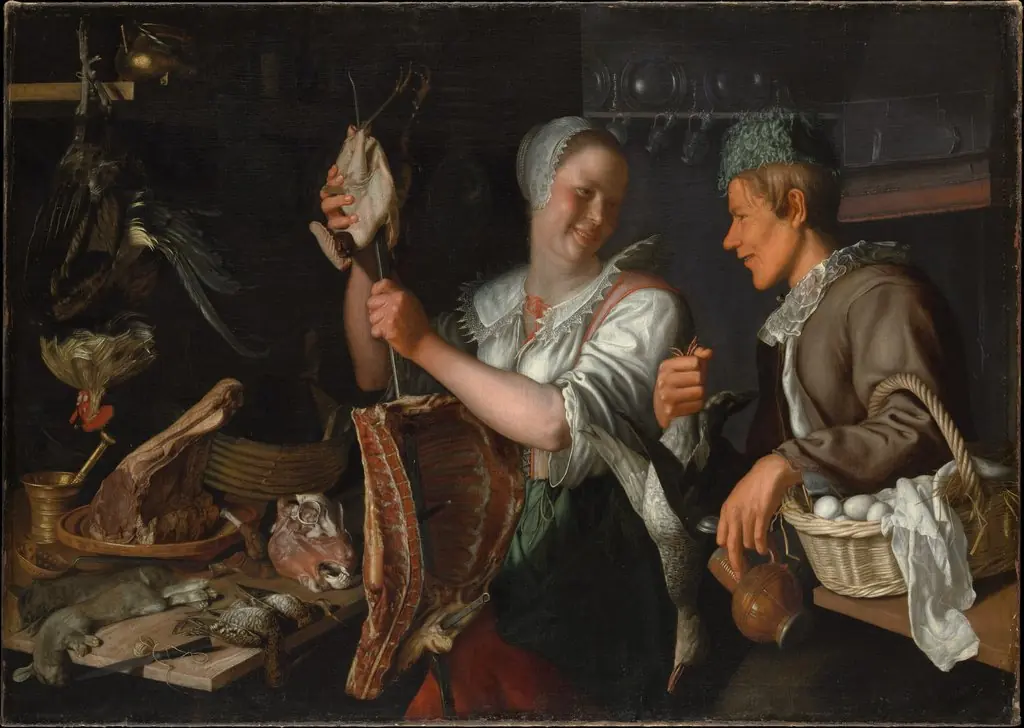 Kitchen Scene
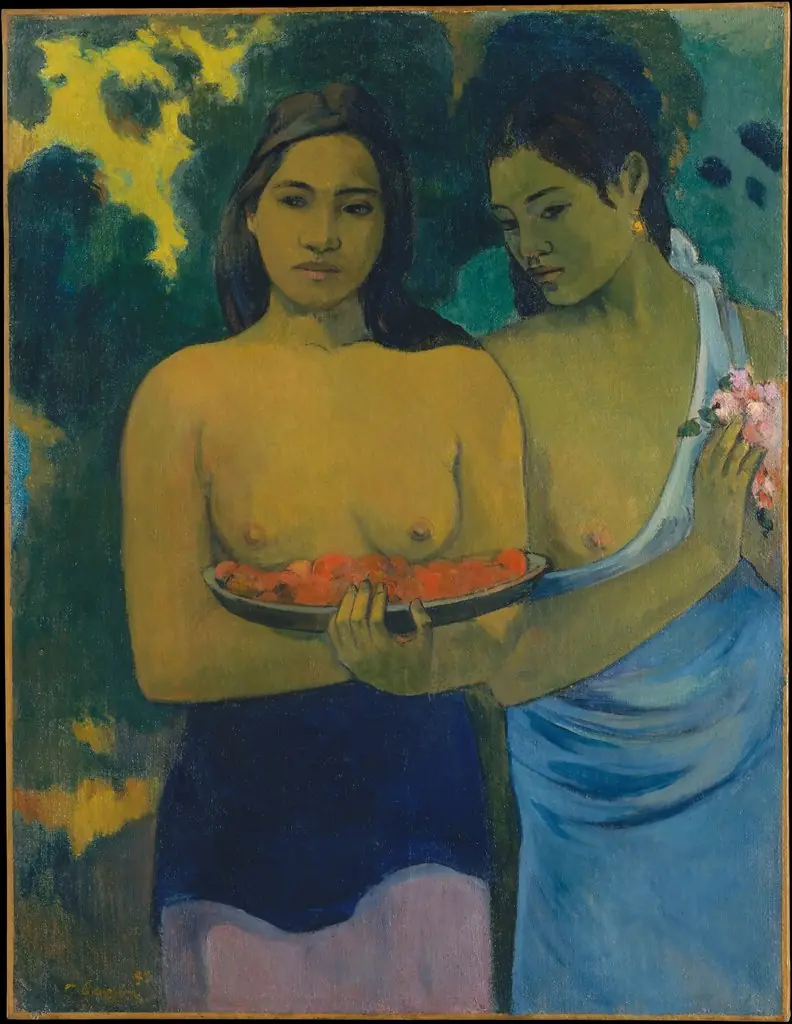 Two Tahitian Women
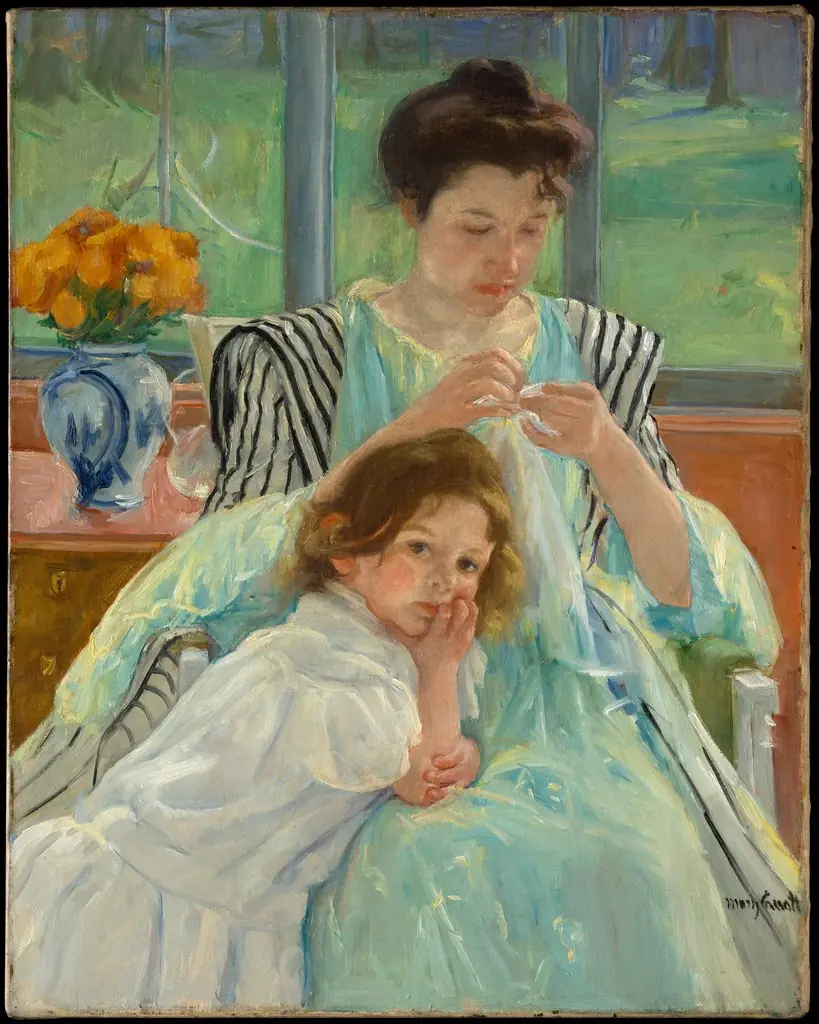 Young Mother Sewing
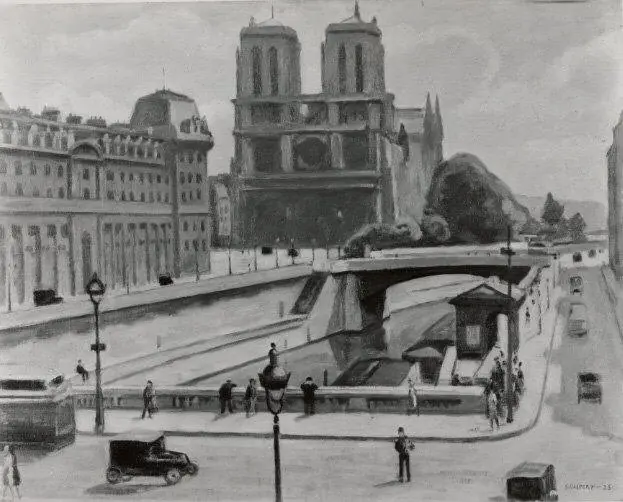 Notre Dame, Paris
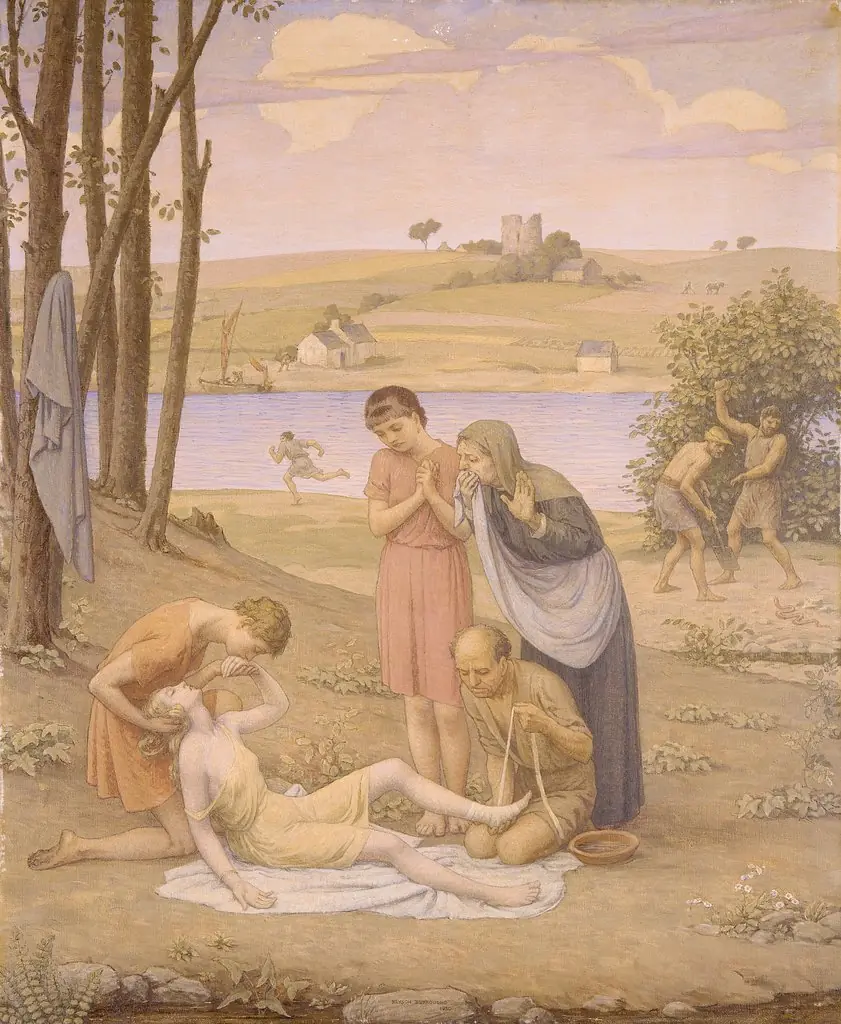 Eurydice Bitten by the Snake
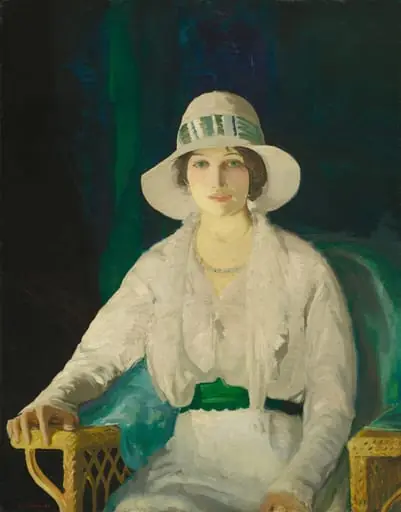 Florence Sittenham Davey (Mrs. Randall Davey)
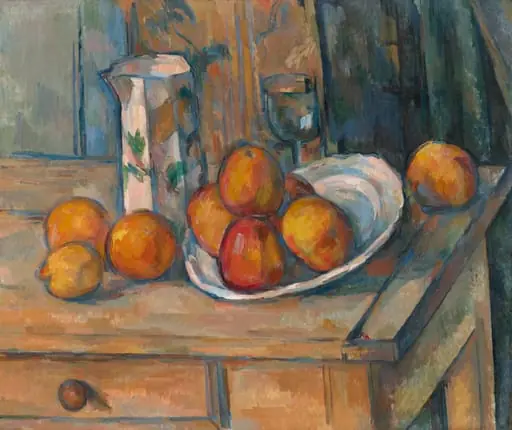 Still Life with Milk Jug and Fruit
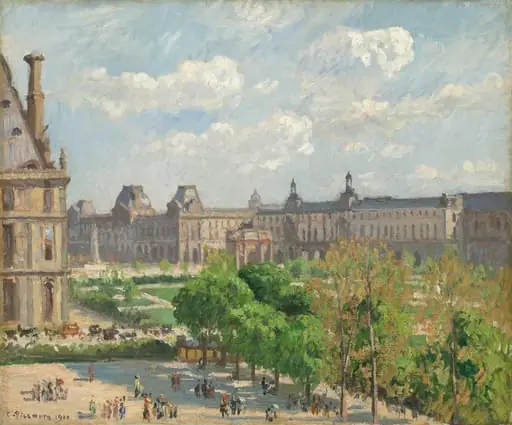 Place du Carrousel, Paris
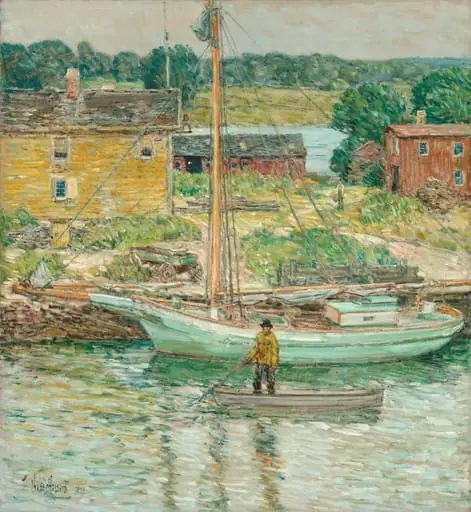 Oyster Sloop, Cos Cob
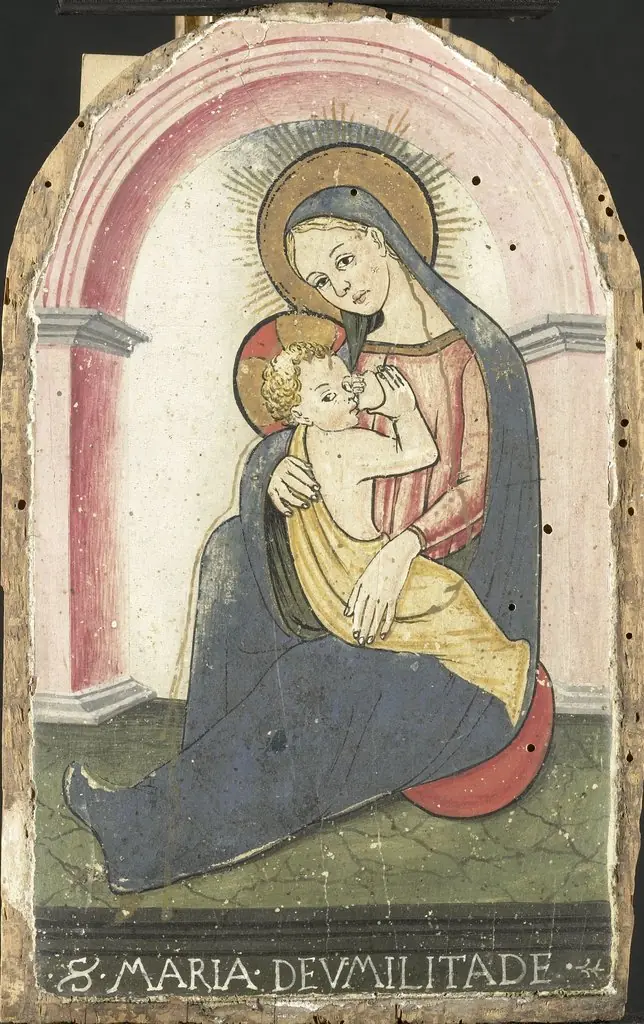 Madonna of Humility
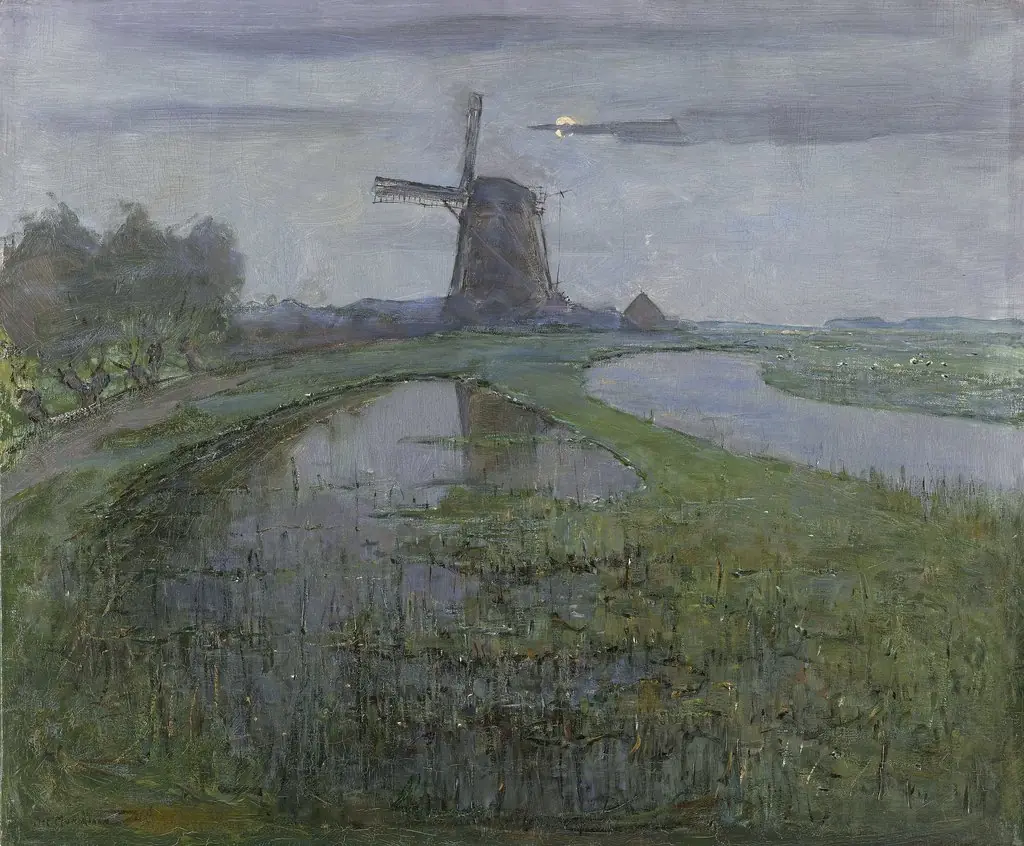 Oostzijdse Mill along the River Gein by Moonlight
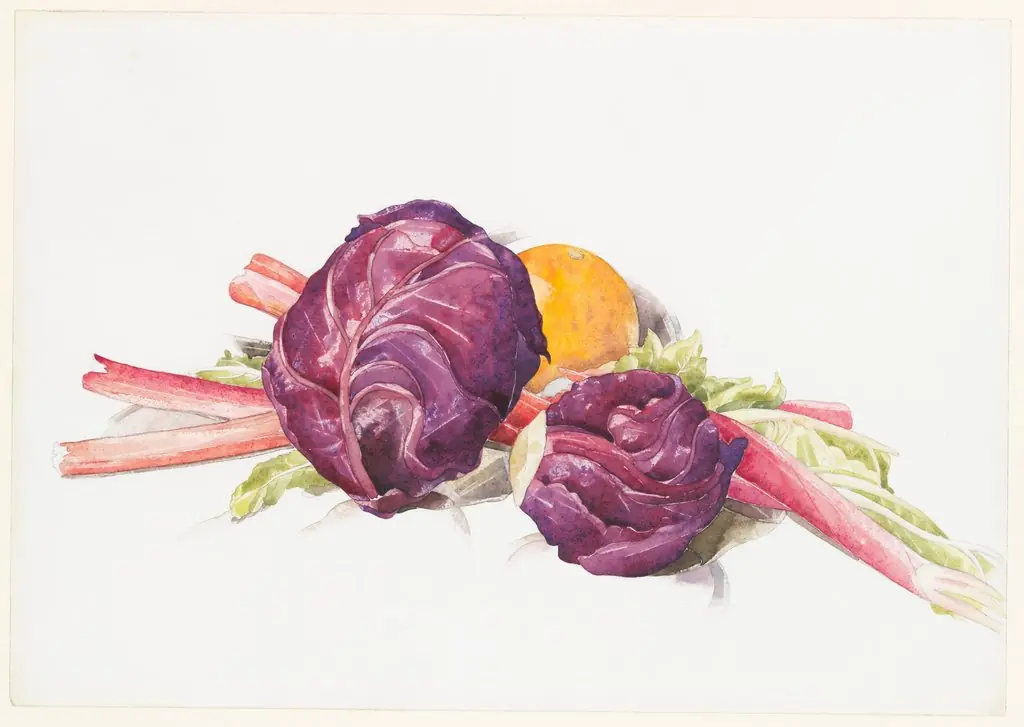 Red Cabbages, Rhubarb and Orange
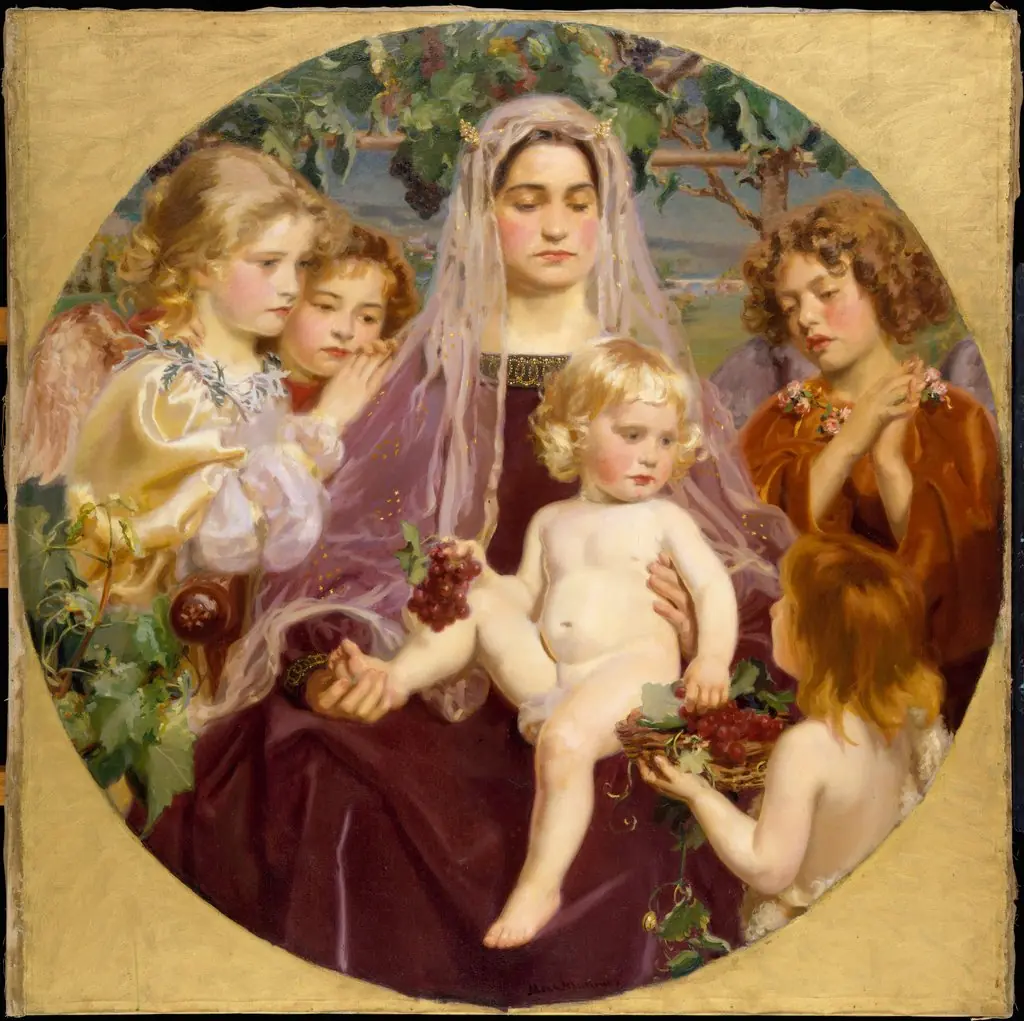 Madonna of Giverny
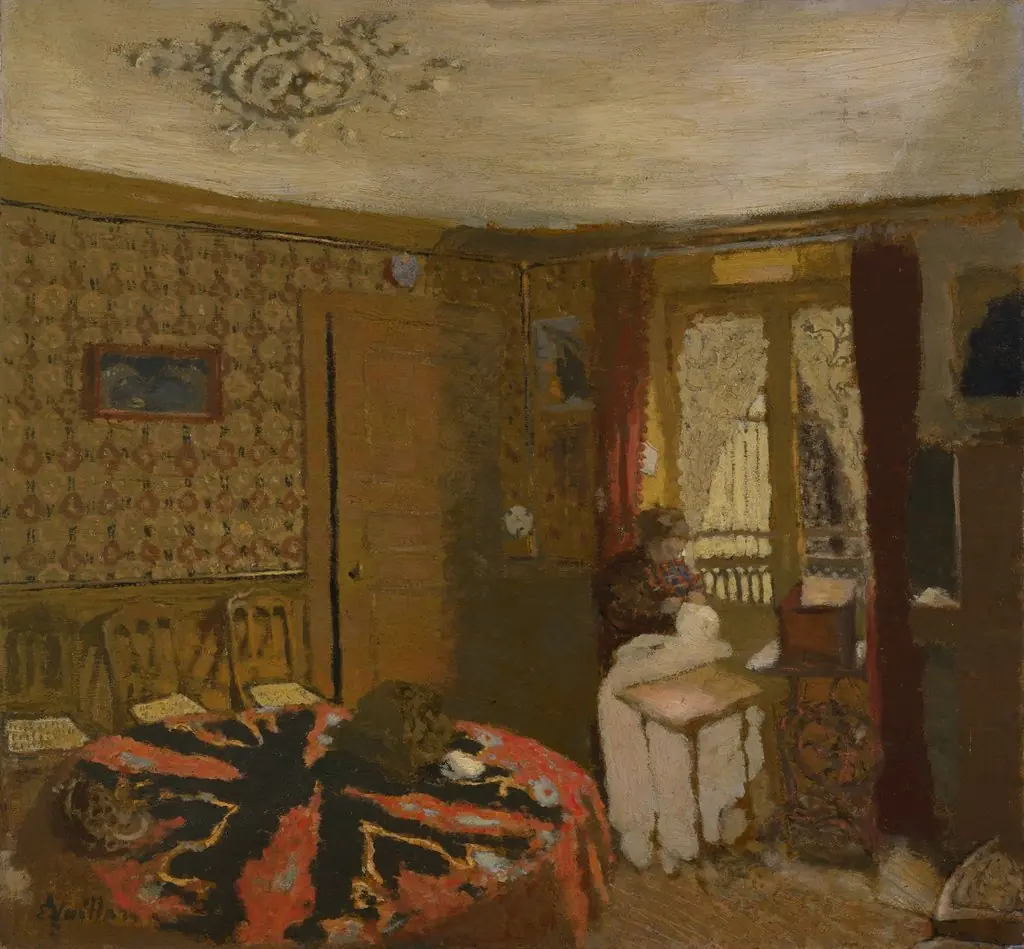 Mme Vuillard Sewing by the Window, rue Truffaut
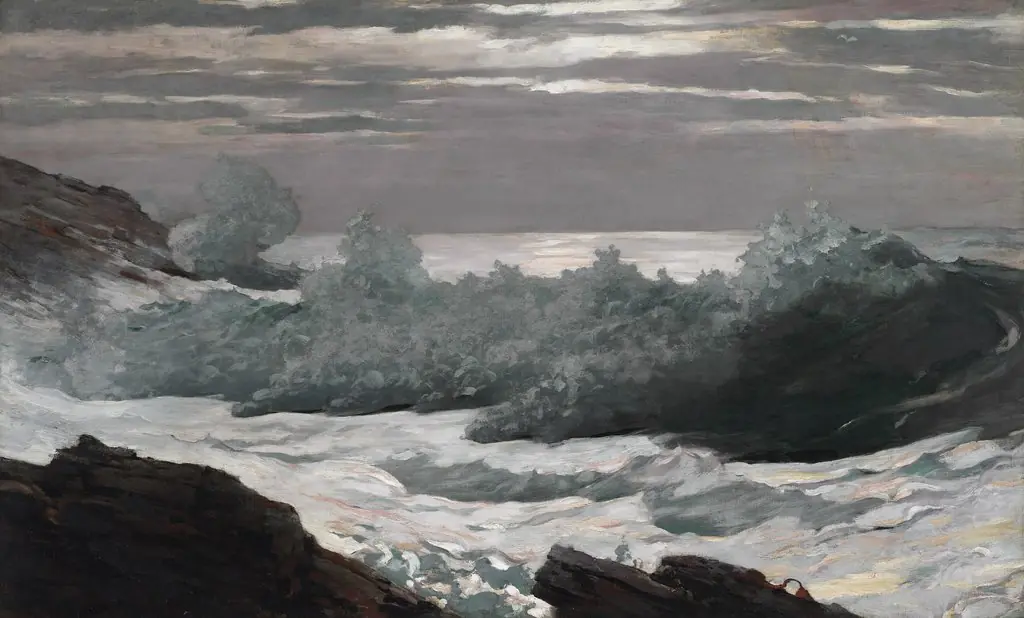 Early Morning After a Storm at Sea
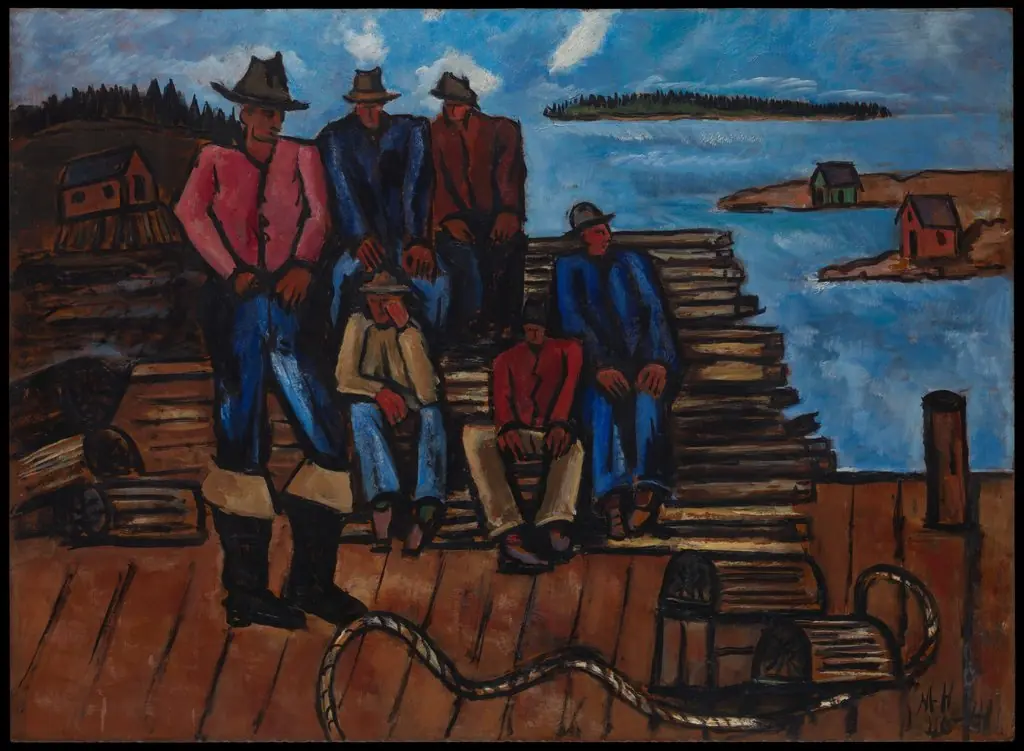 Lobster Fishermen
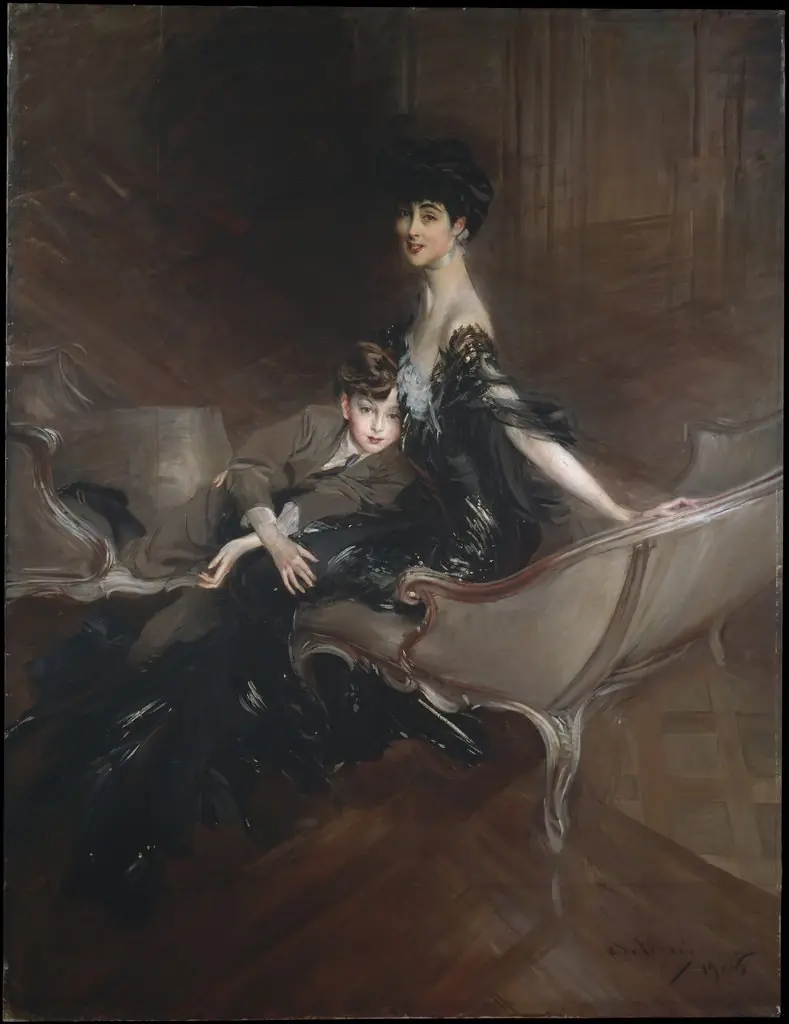 Consuelo Vanderbilt (1876–1964), Duchess of Marlborough, and Her Son, Lord Ivor Spencer-Churchill (1898–1956)
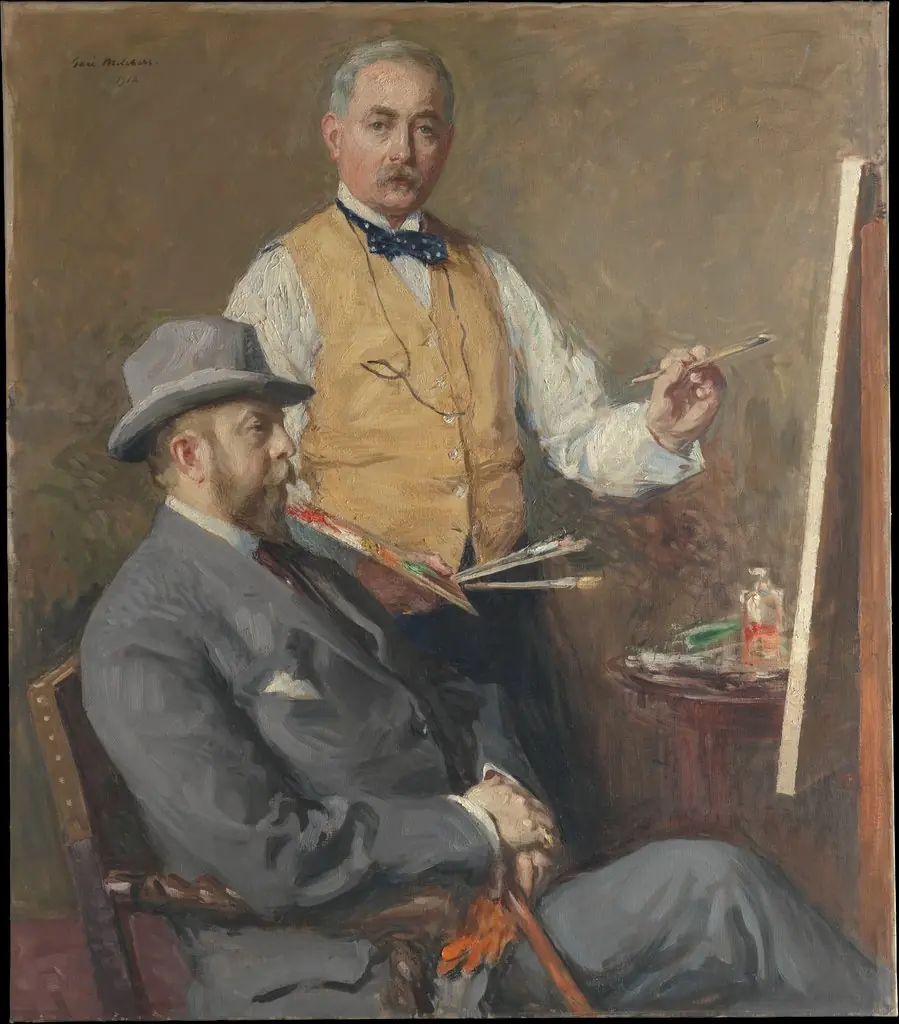 In the Studio (Gari Melchers and Hugo Reisinger)
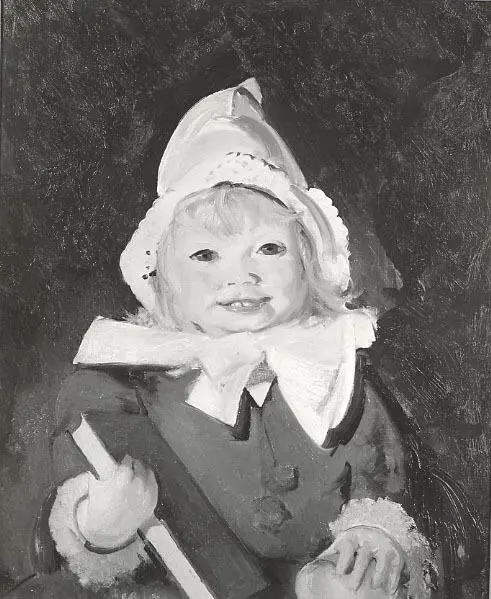 Jean with Blue Book and Apple
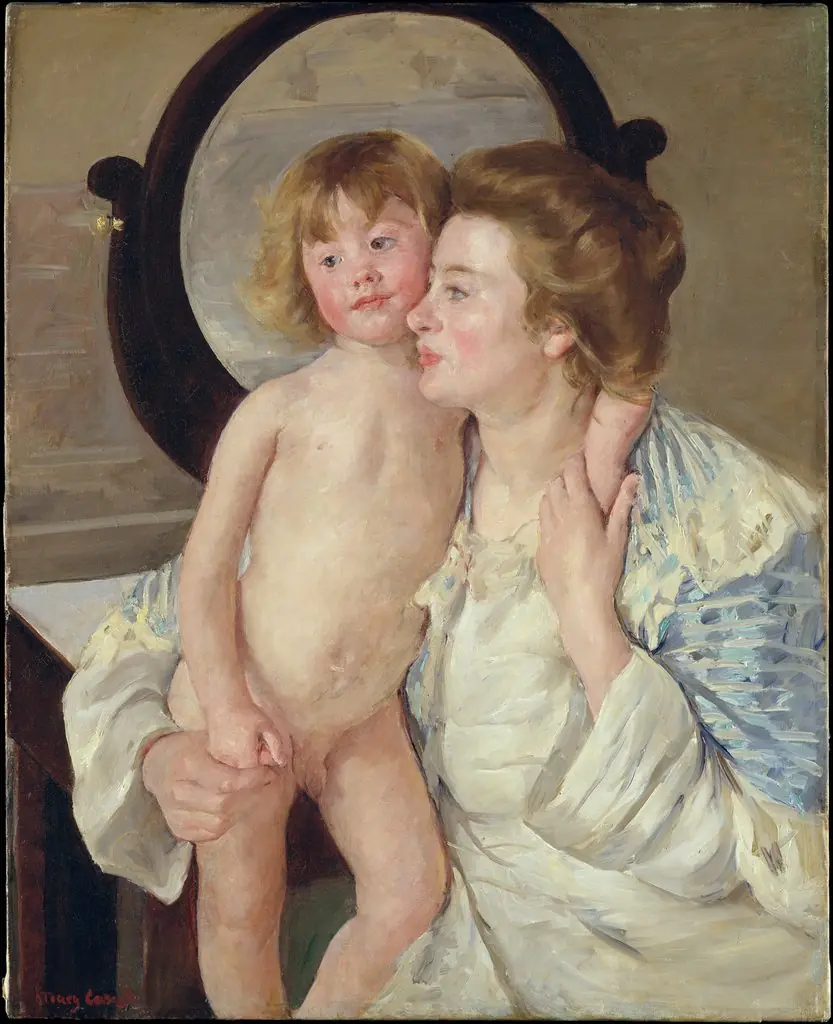 Mother and Child (The Oval Mirror)
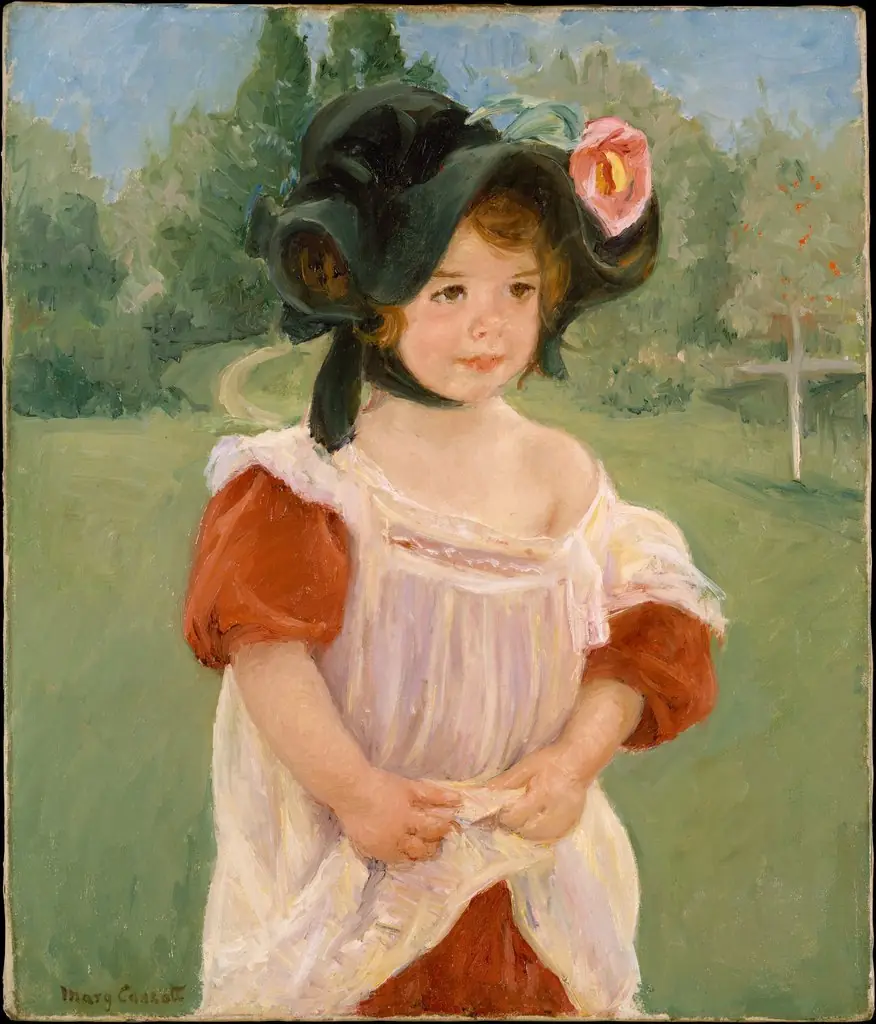 Spring: Margot Standing in a Garden (Fillette dans un jardin)
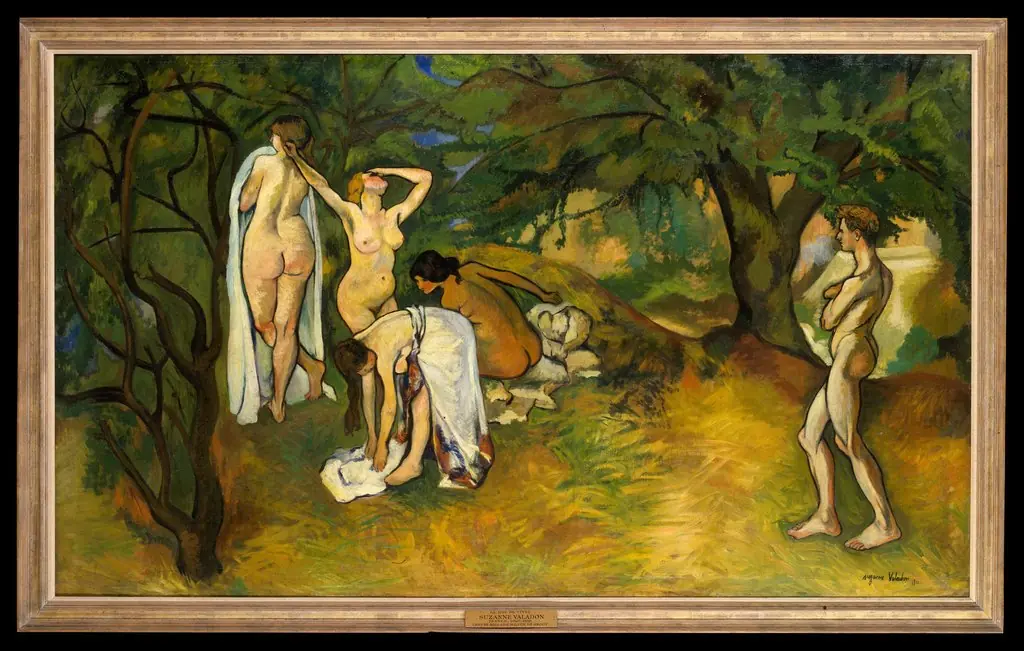 Joy of Life
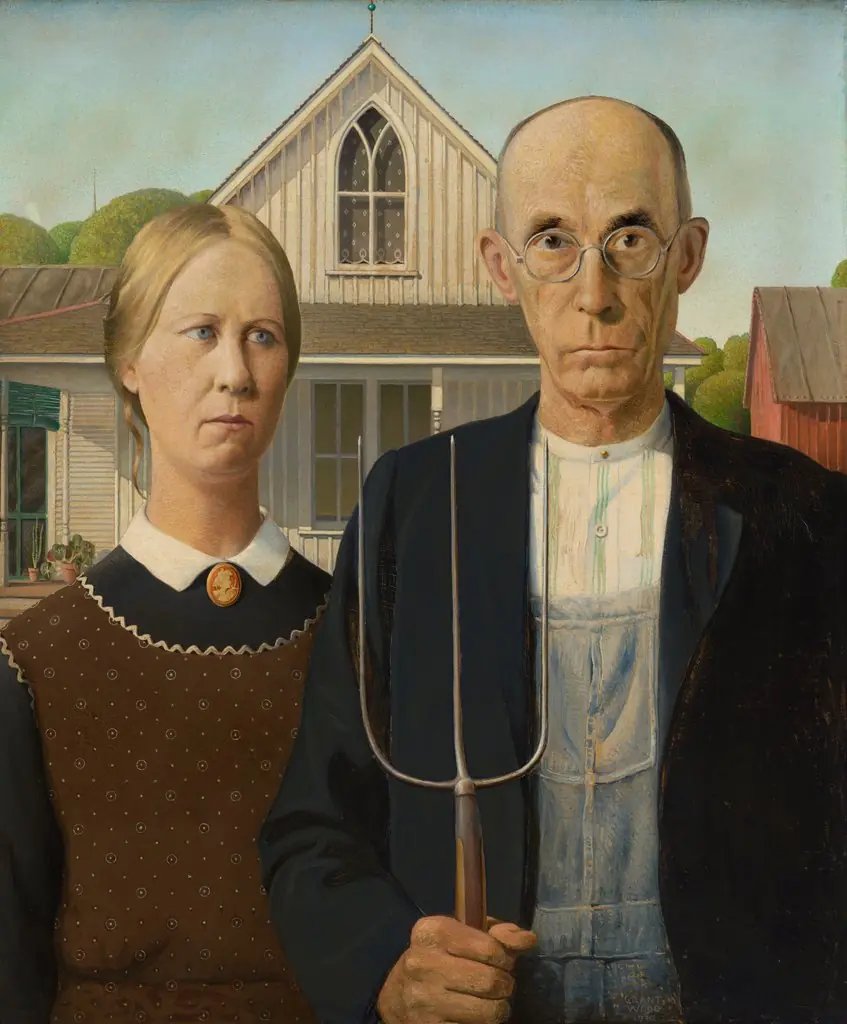 American Gothic
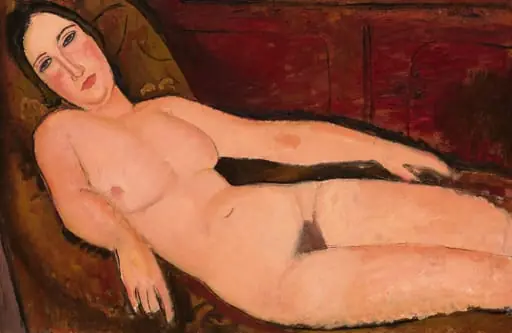 Nude on a Divan
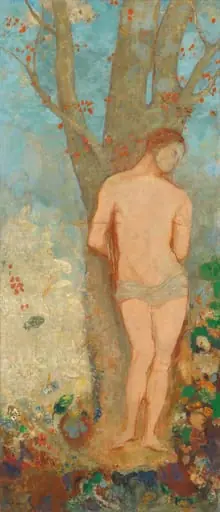 Saint Sebastian
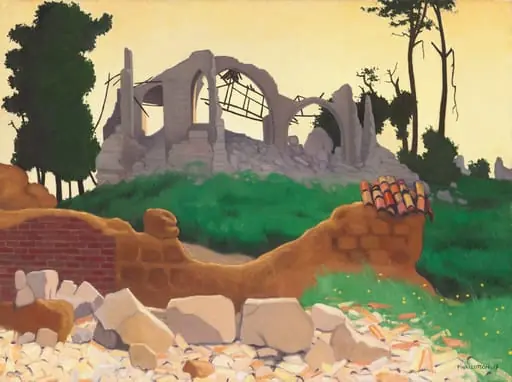 The Church of Souain
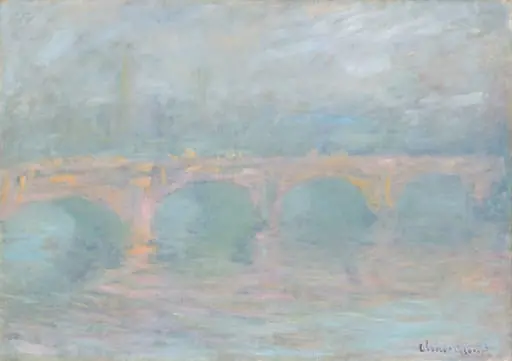 Waterloo Bridge, London, at Sunset
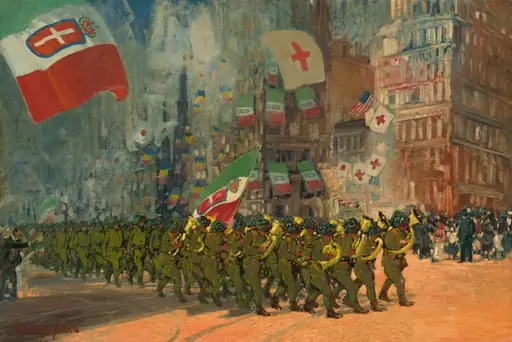 The Bersaglieri
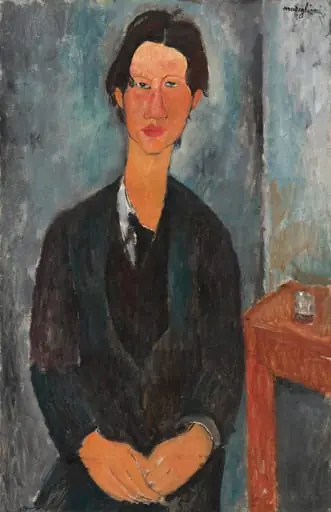 Chaim Soutine
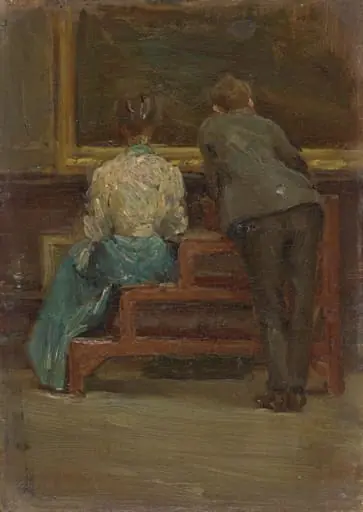 Charles Sheeler and Nina Allender
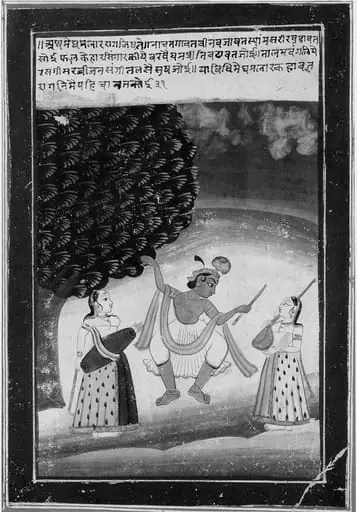 Untitled
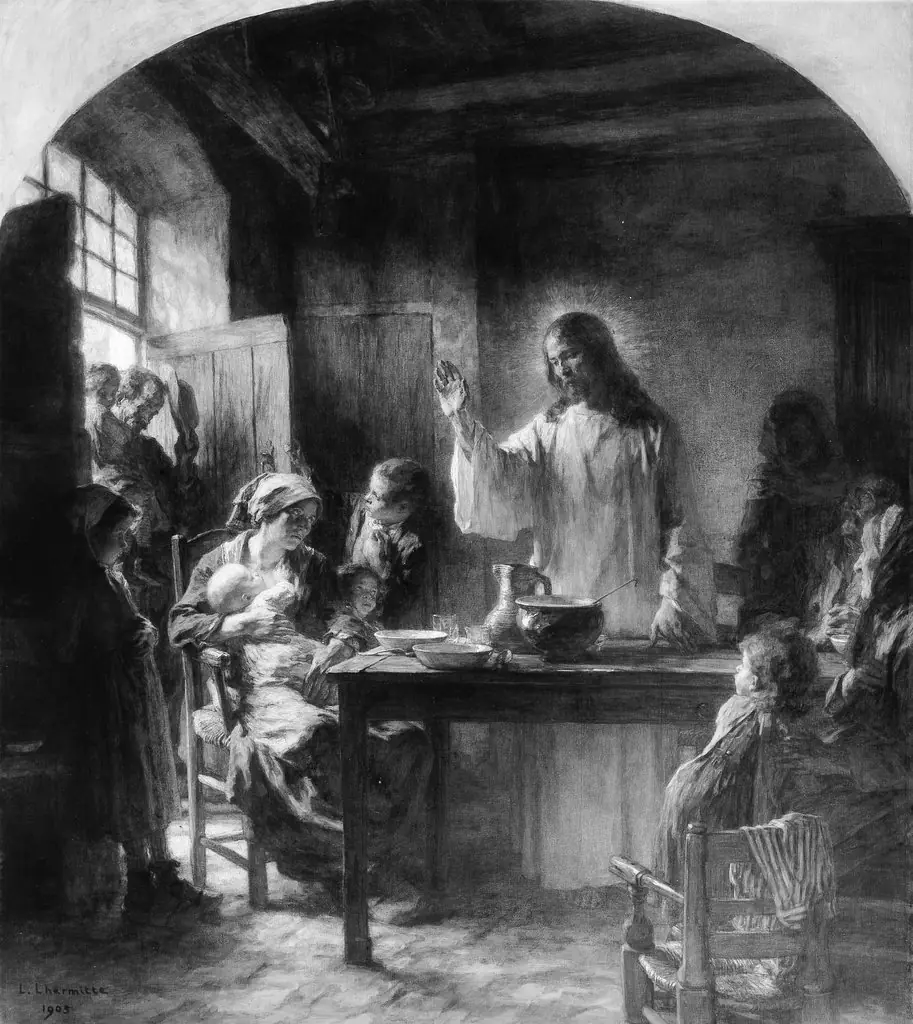 Among the Humble
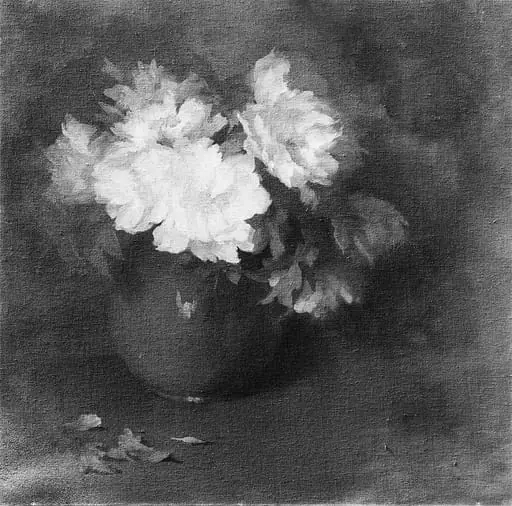 Peonies
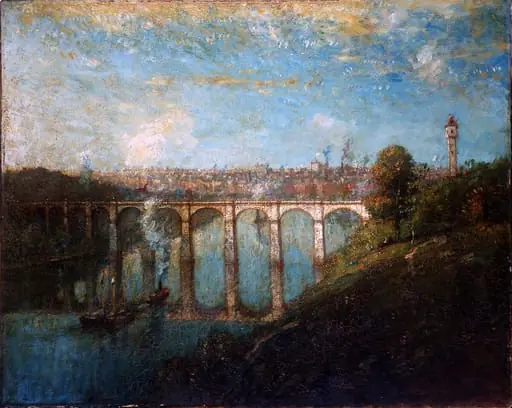 High Bridge, New York
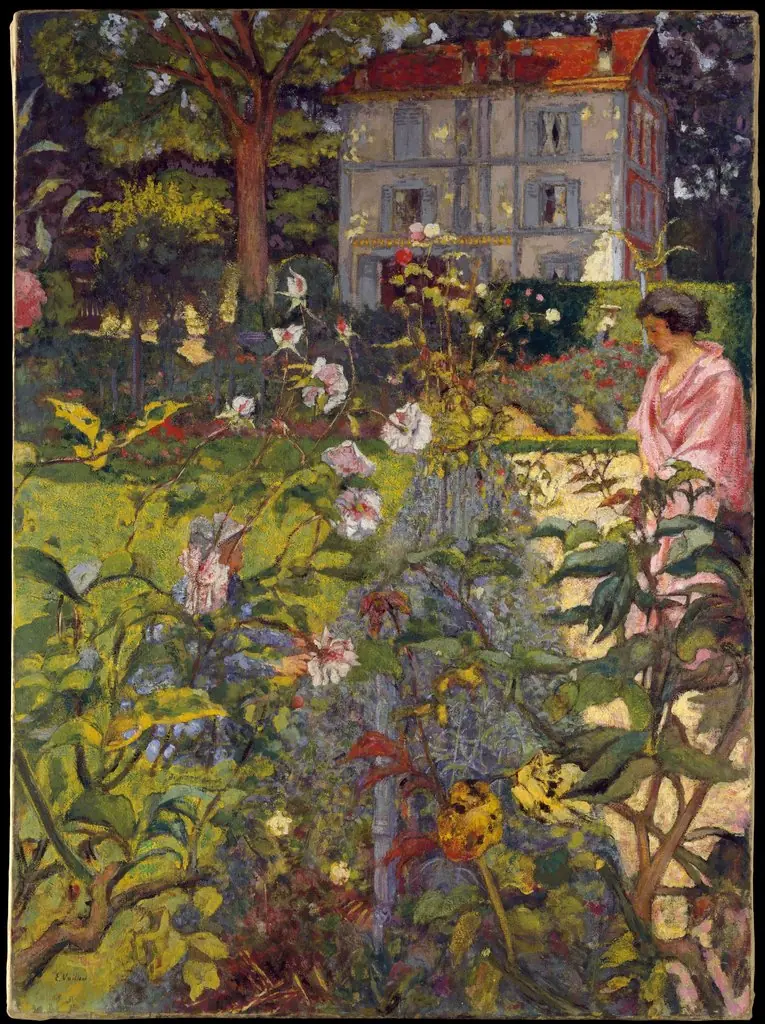 Garden at Vaucresson
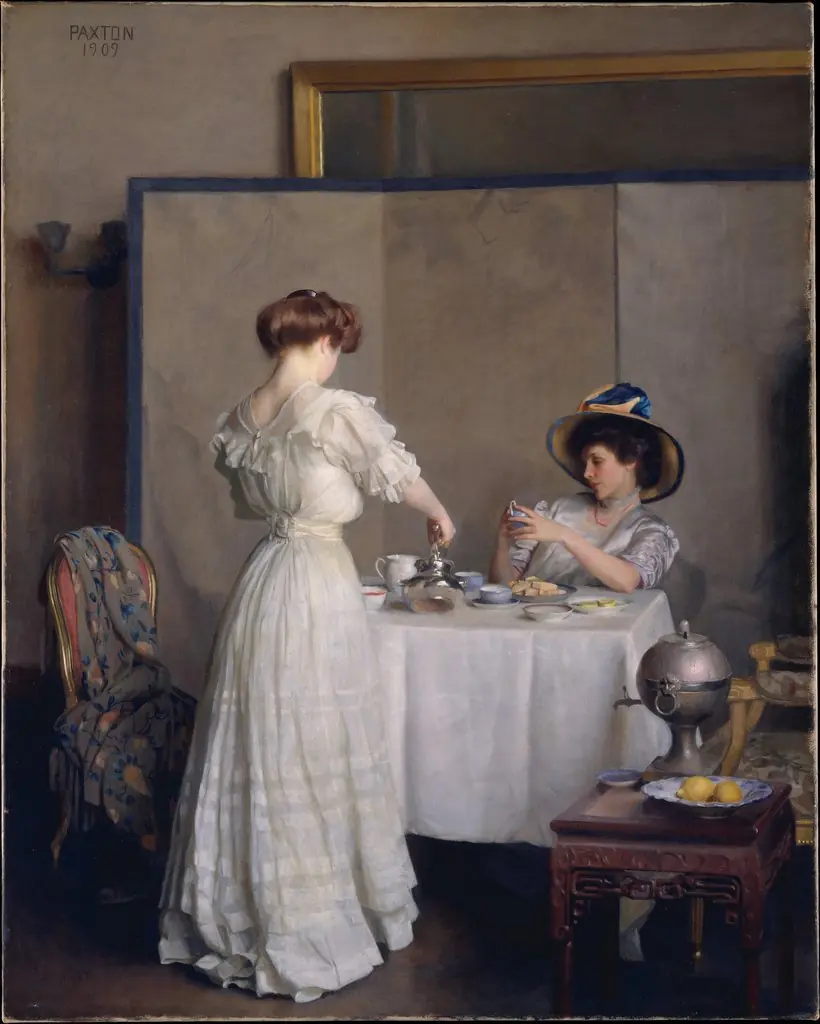 Tea Leaves
 작자미상 화조도 조선|作者未詳 花鳥圖 朝鮮|Golden Rooster and Hen
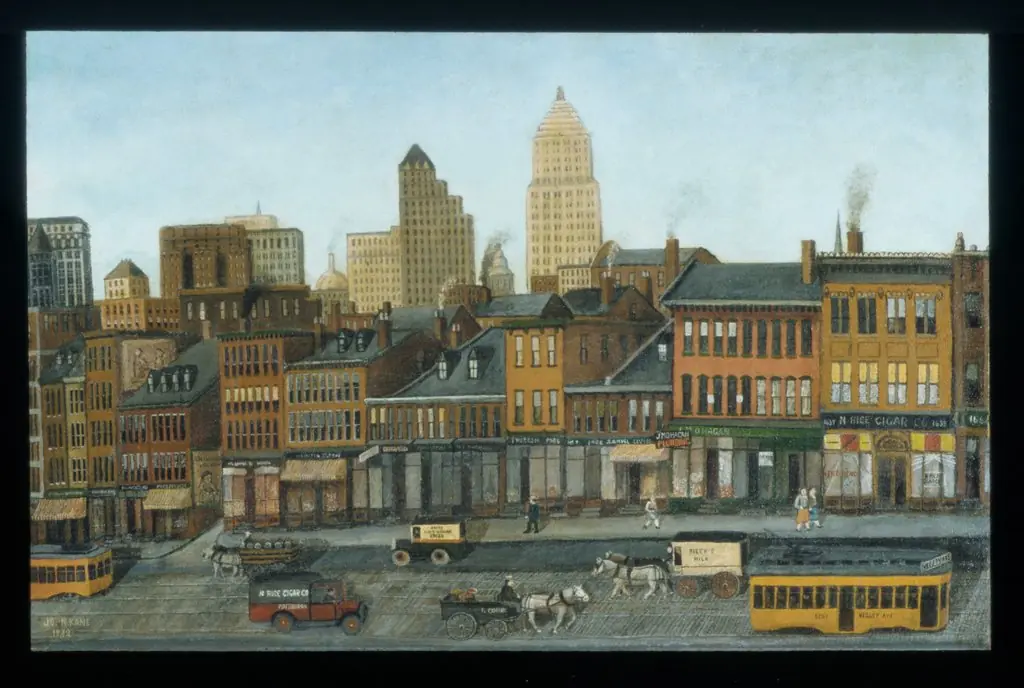 From My Studio Window
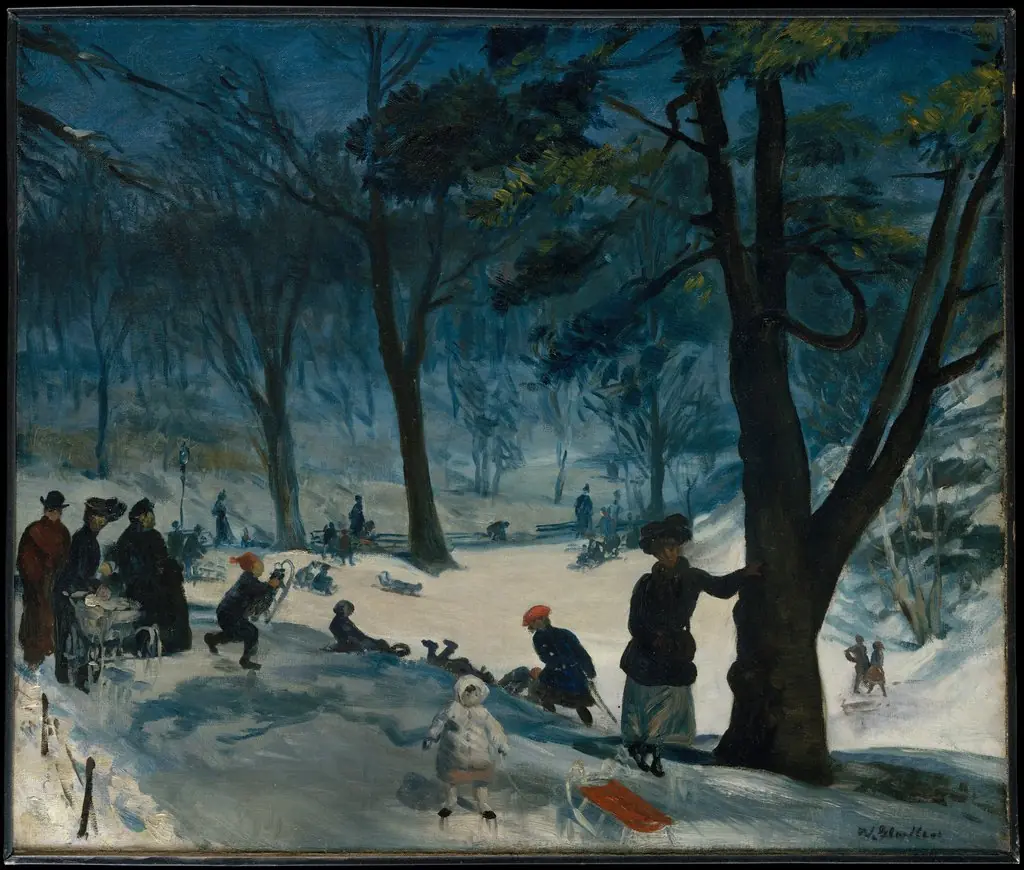 Central Park, Winter
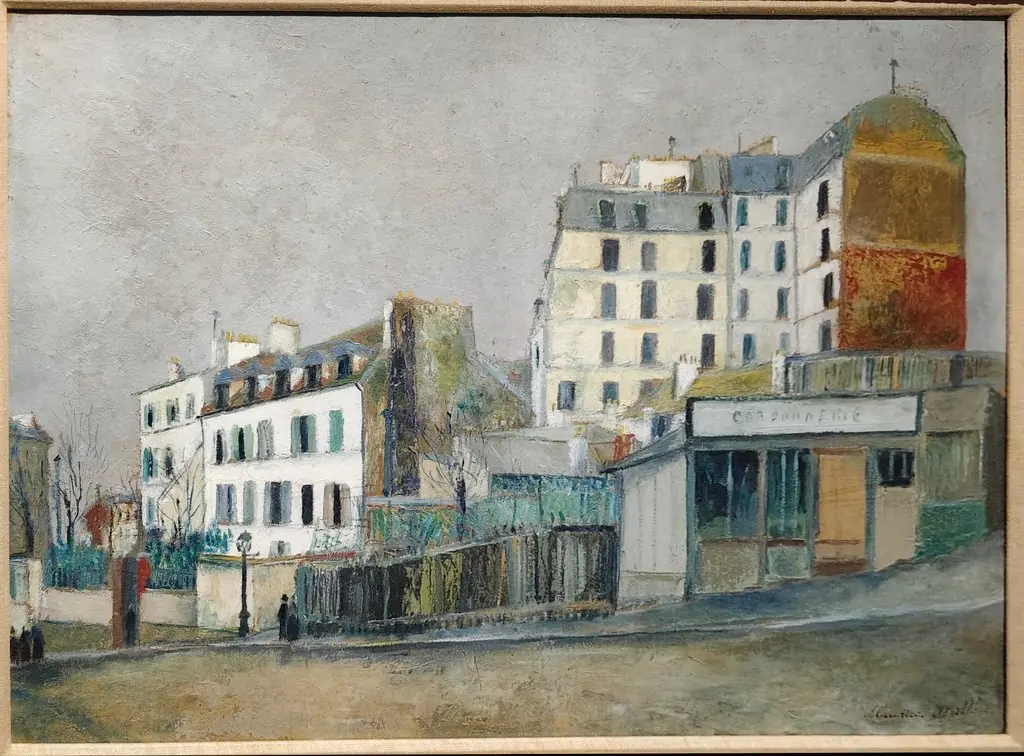 40, Rue Ravignan
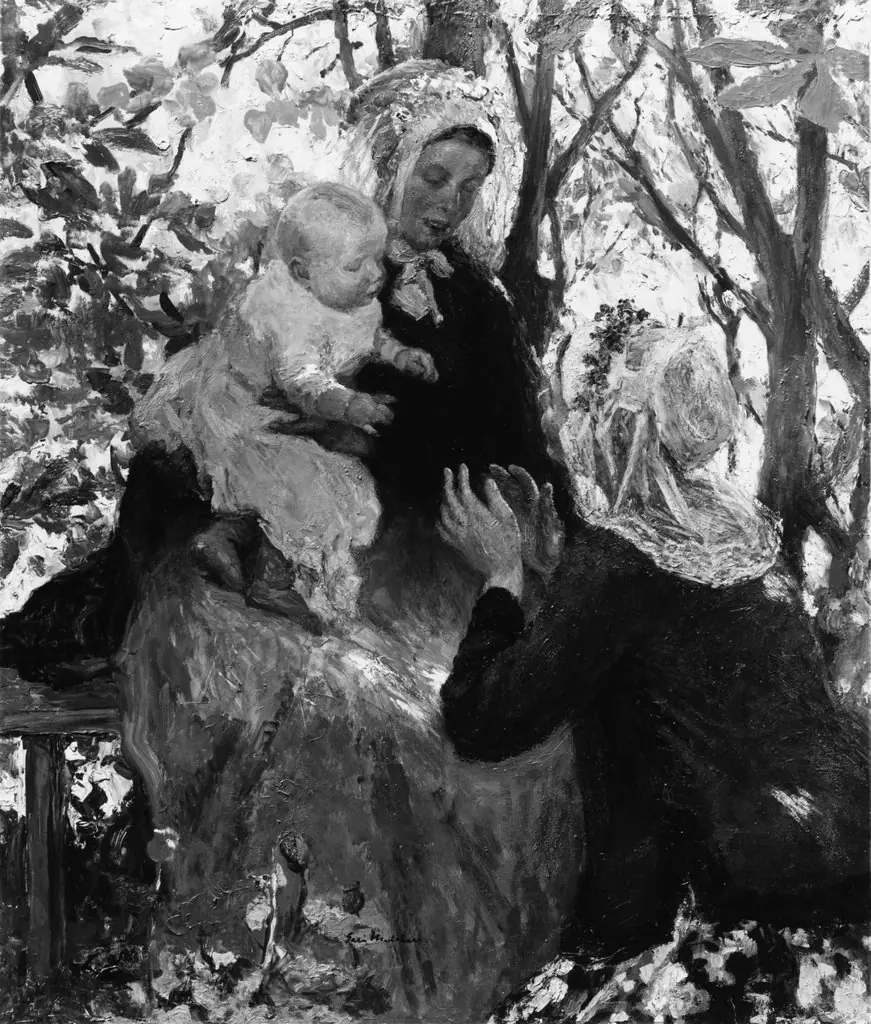 Madonna
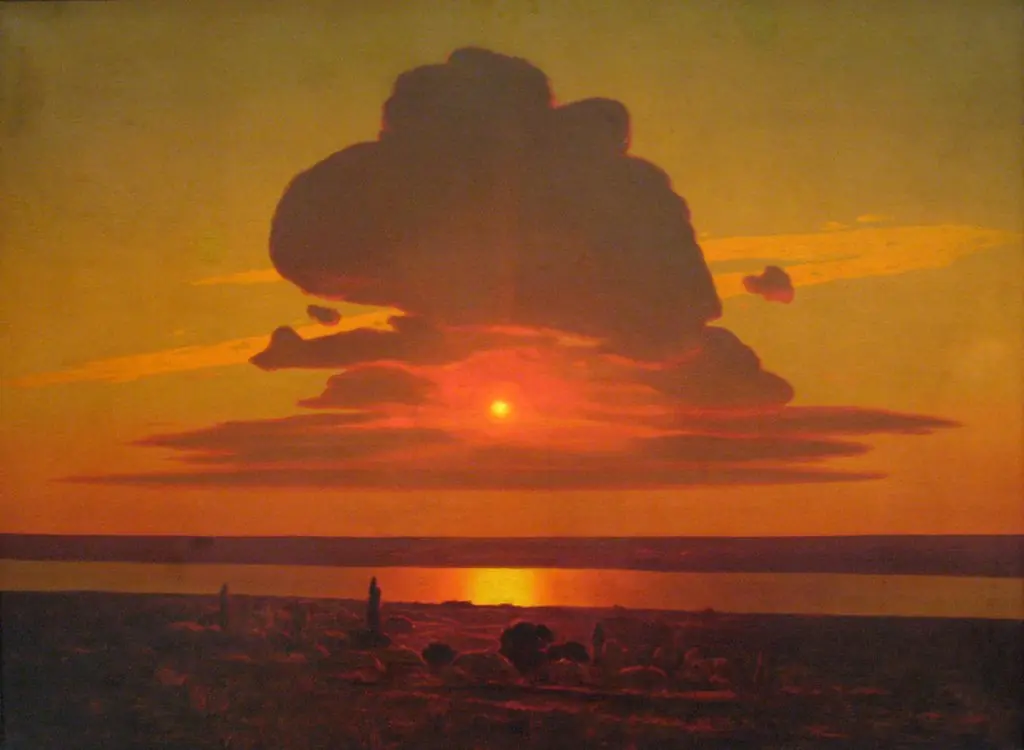 Red Sunset on the Dnieper
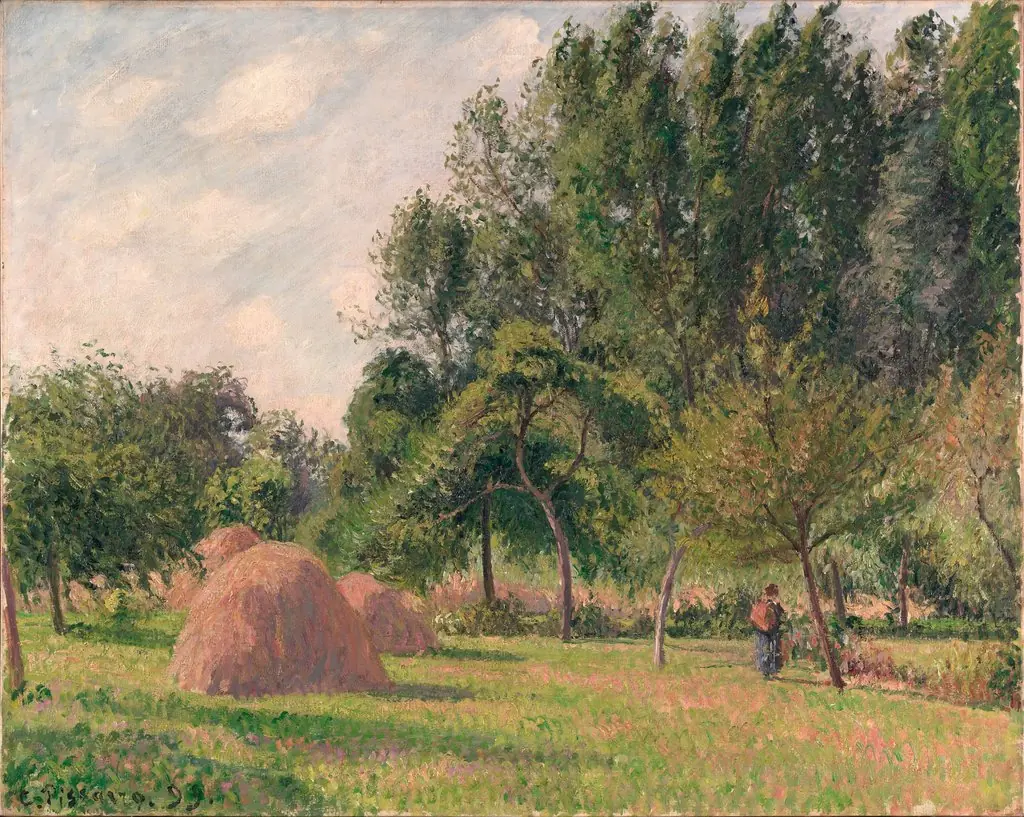 Haystacks, Morning, Éragny
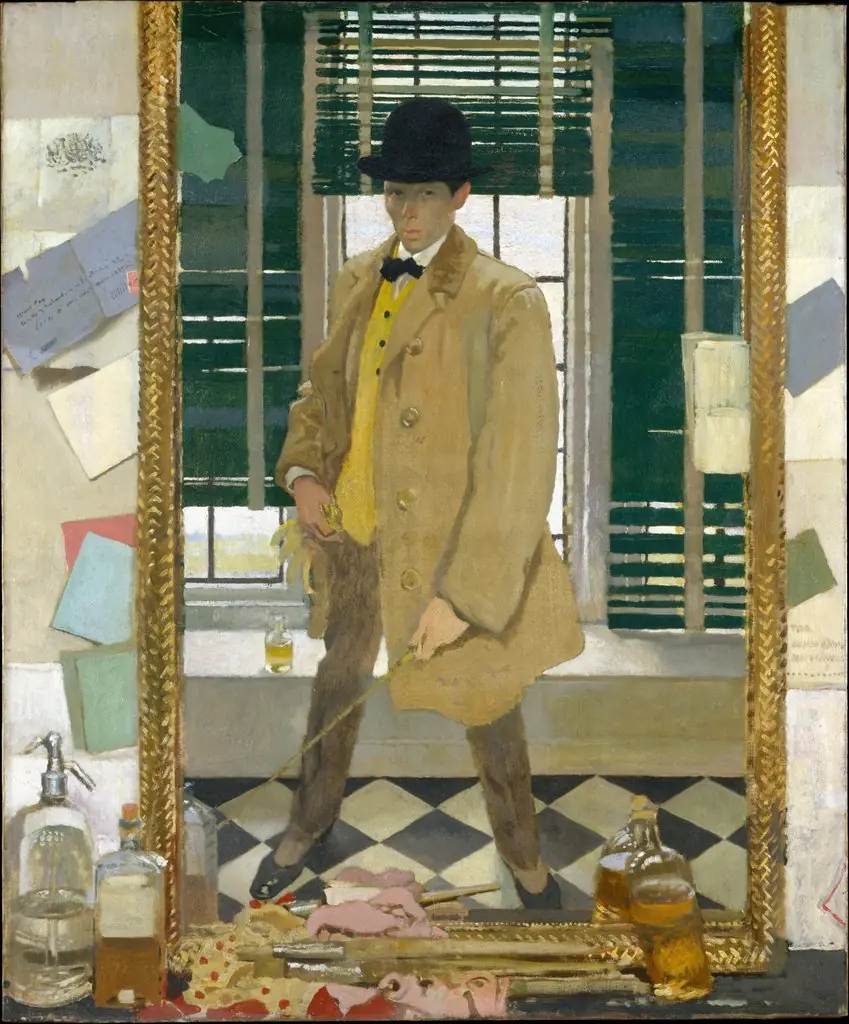 Self-Portrait
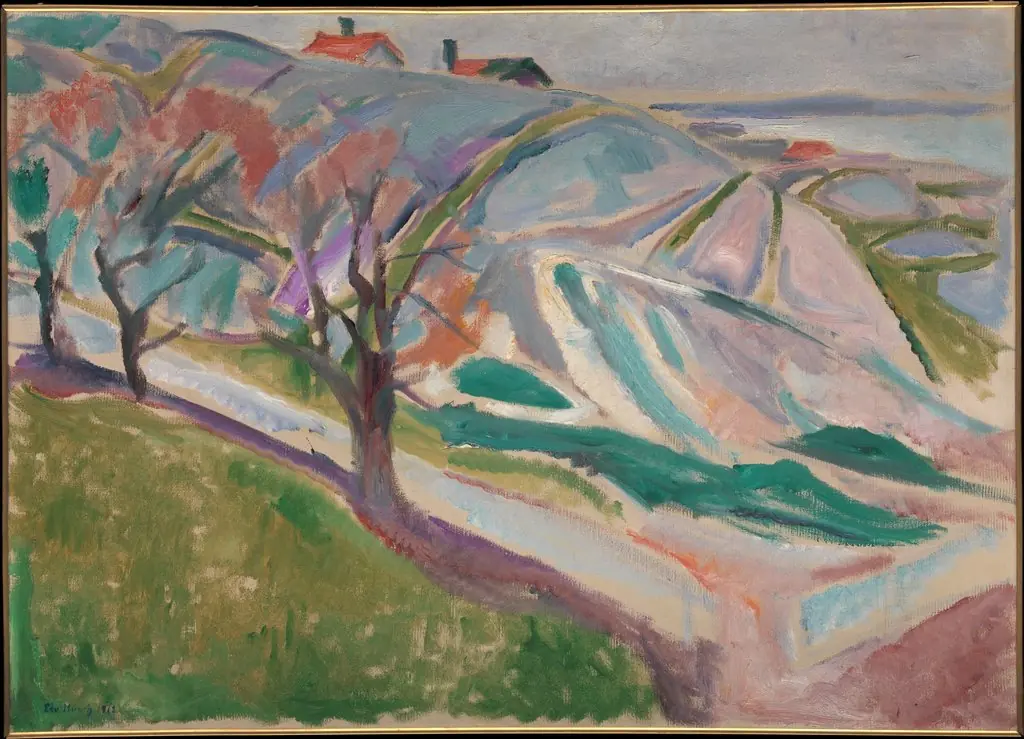 Landscape from Kragerø
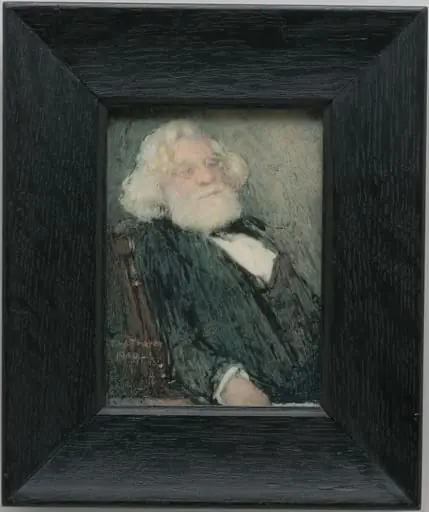 Parke Godwin
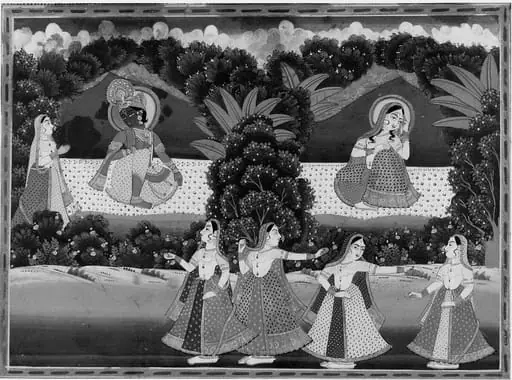 Untitled
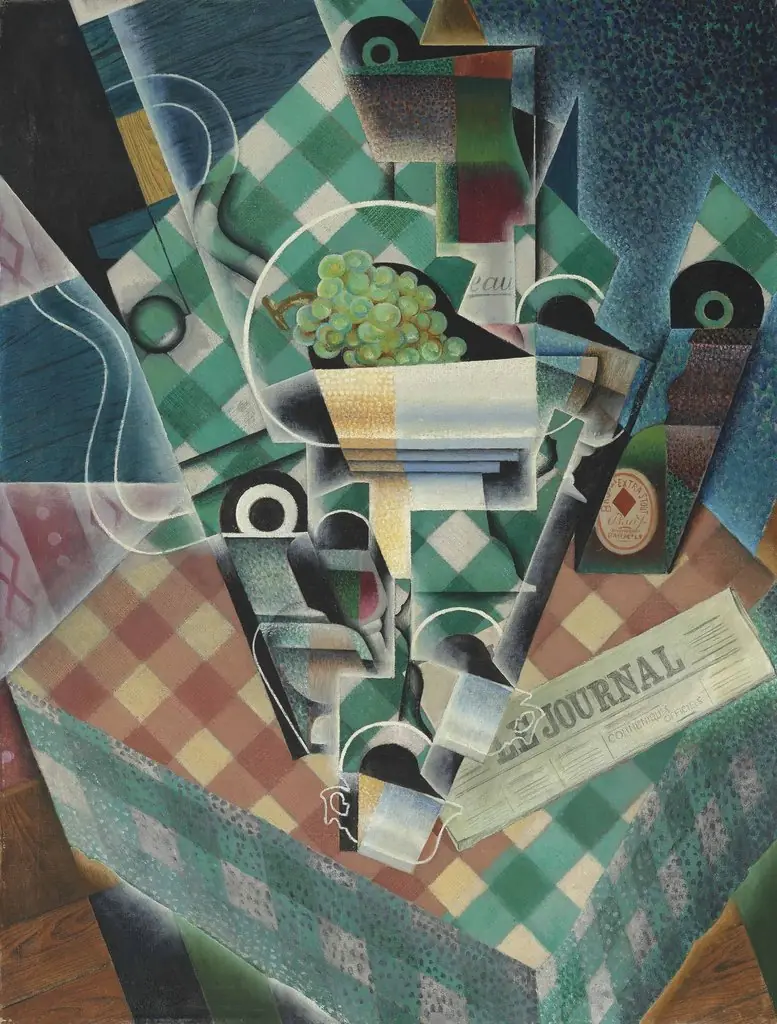 Still Life with Checked Tablecloth
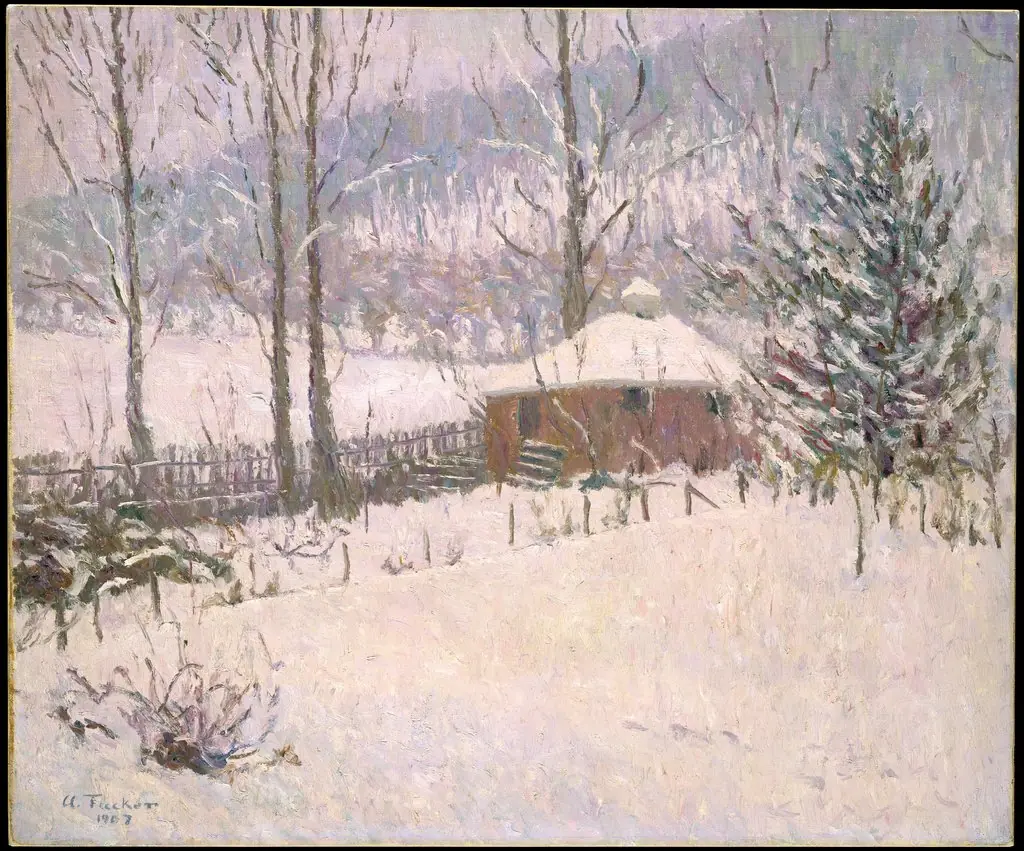 Winter at Portland
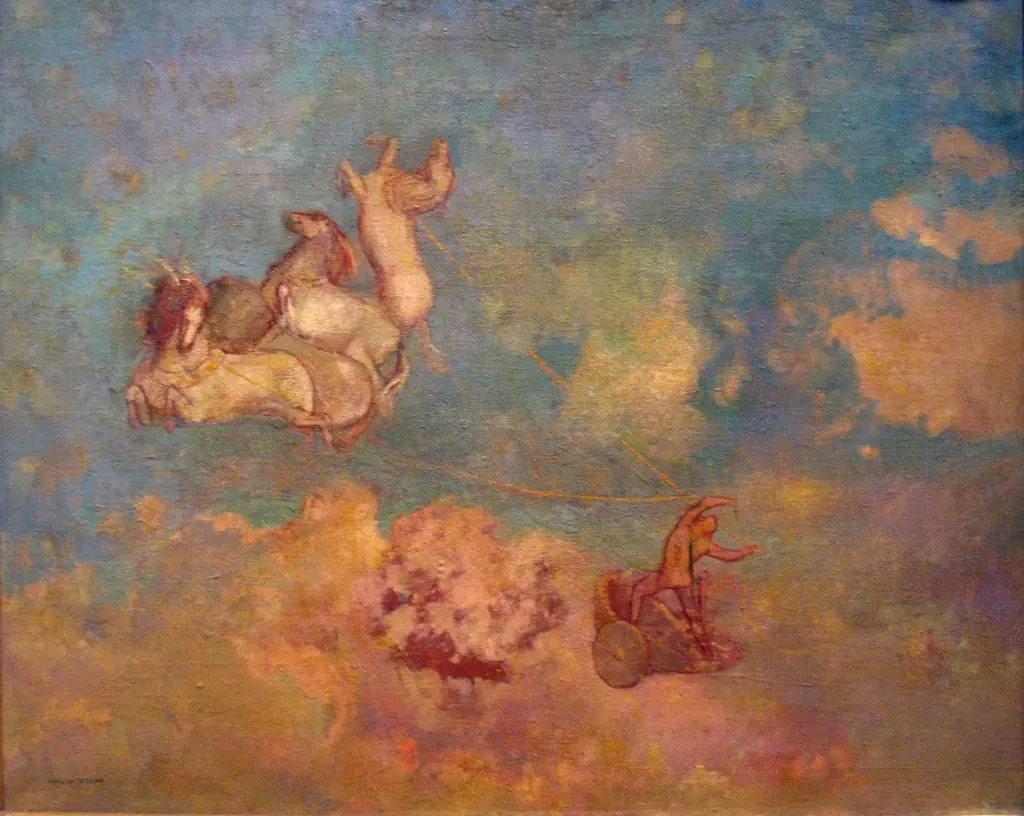 The Chariot of Apollo
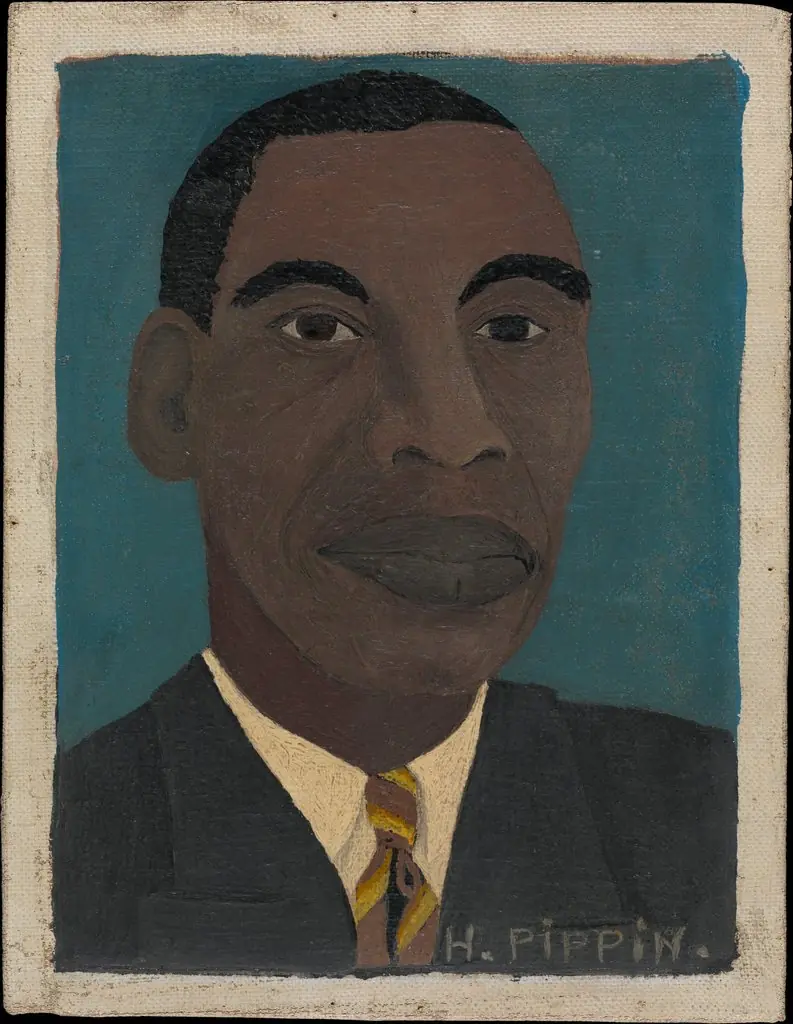 Self-Portrait
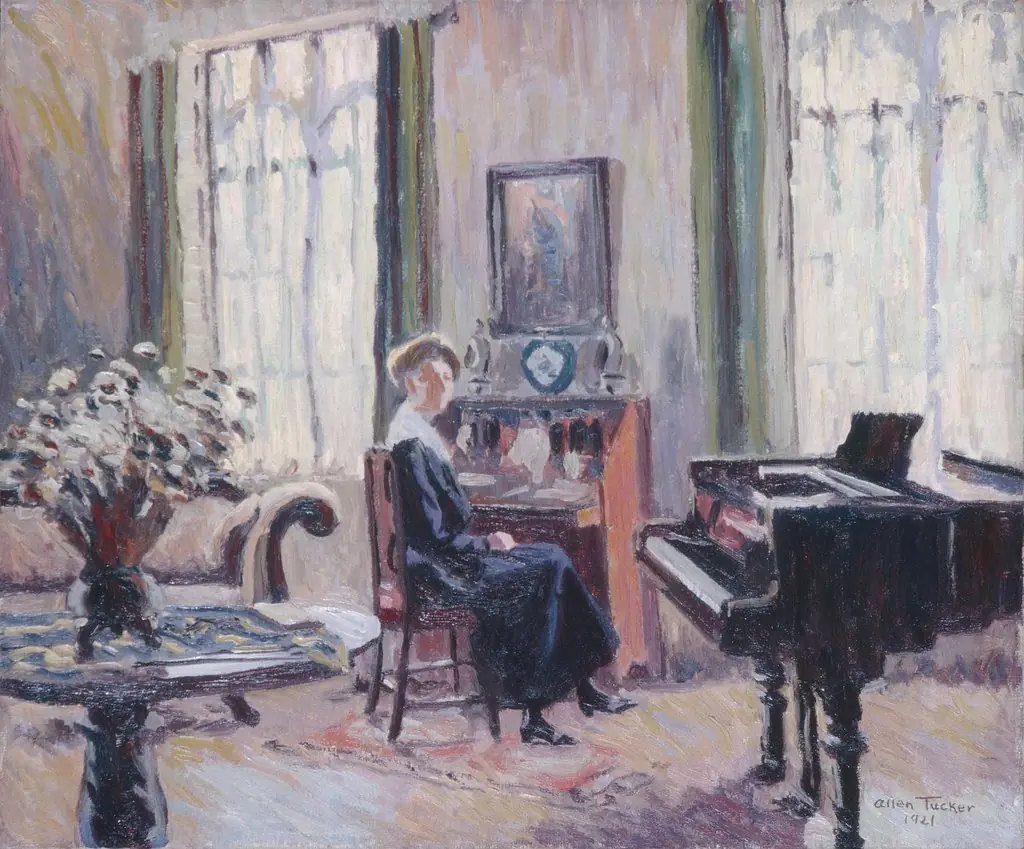 Interior
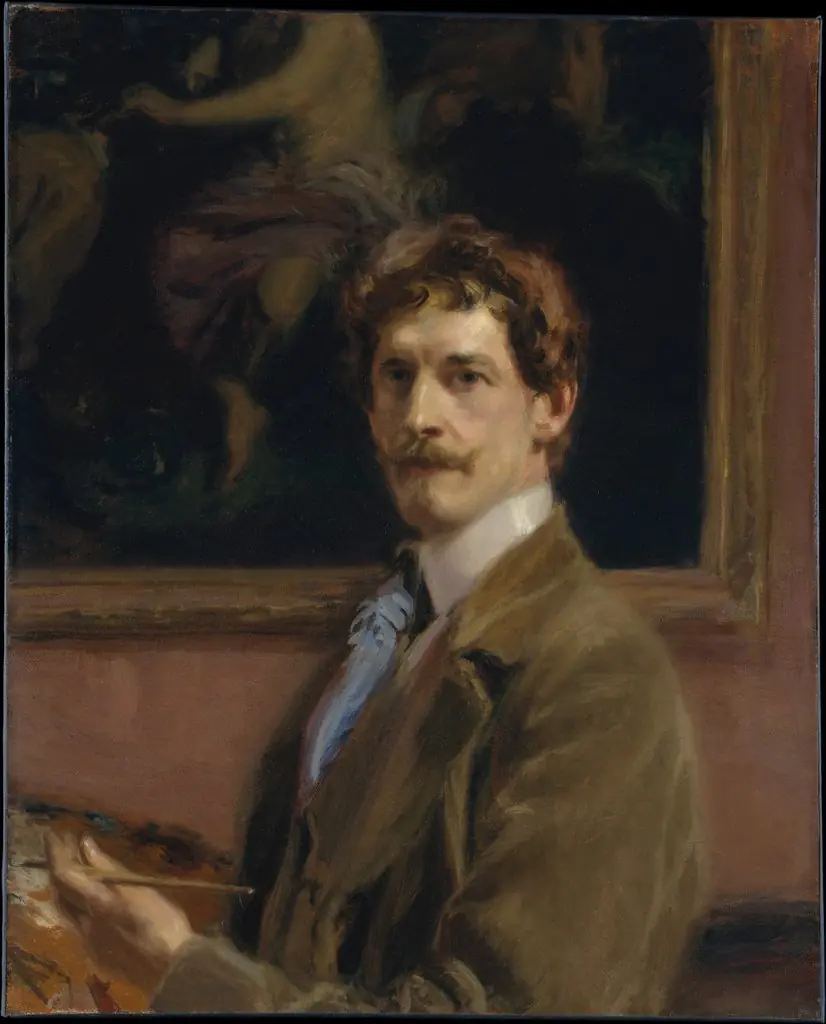 Self-portrait
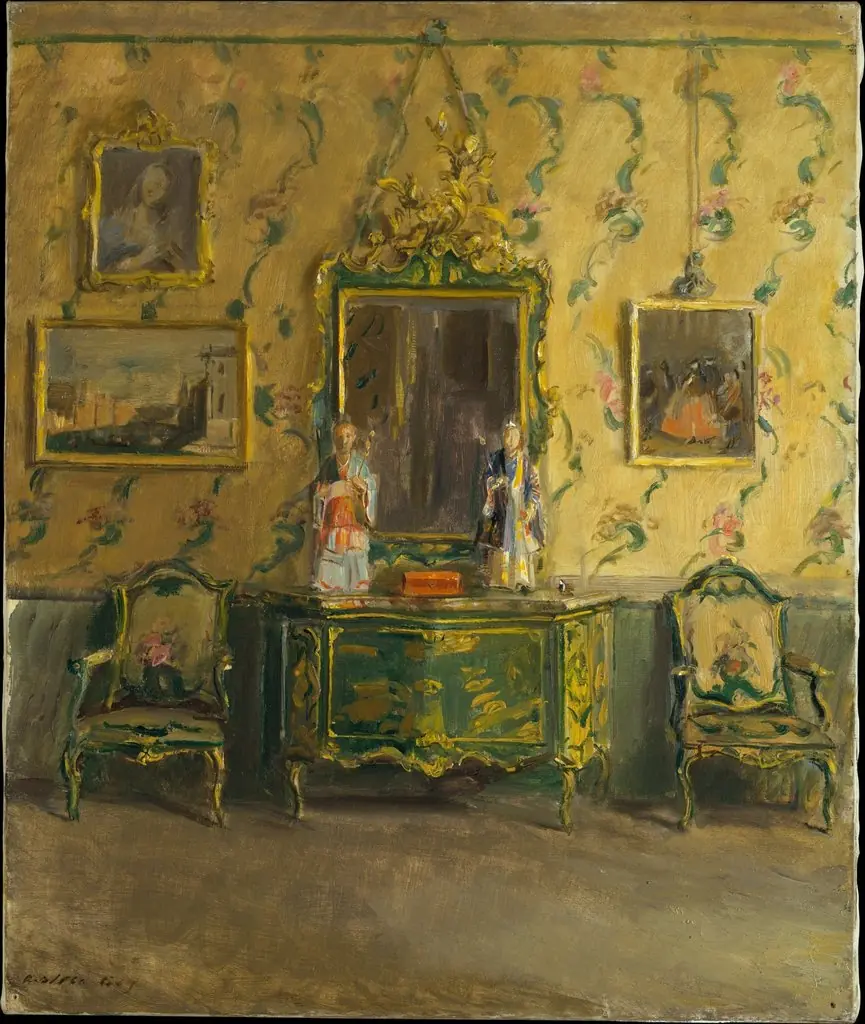 The Green Lacquer Room, Museo Correr, Venice
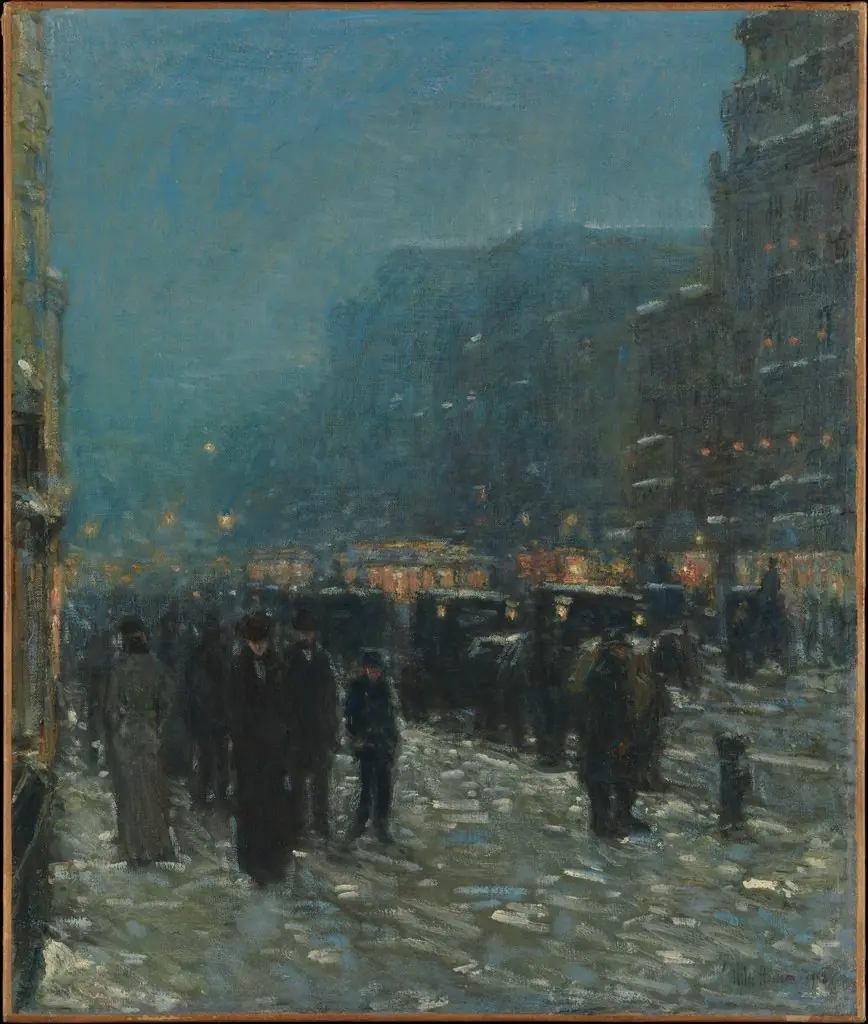 Broadway and 42nd Street
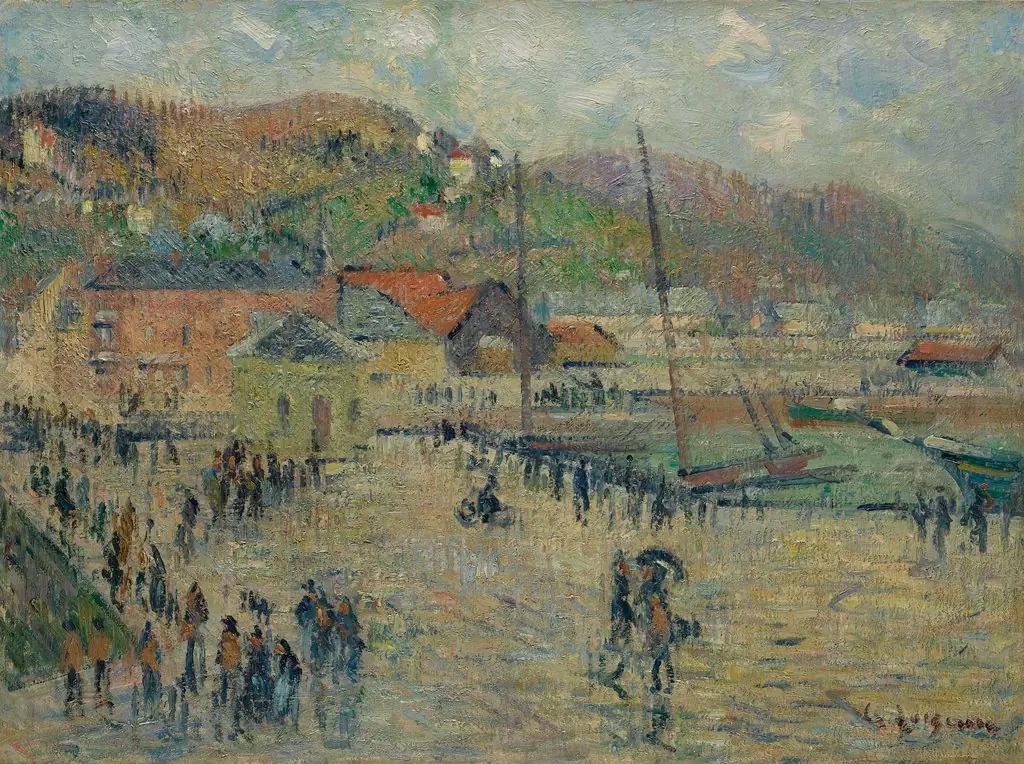 Le Grand Quai, Fécamp
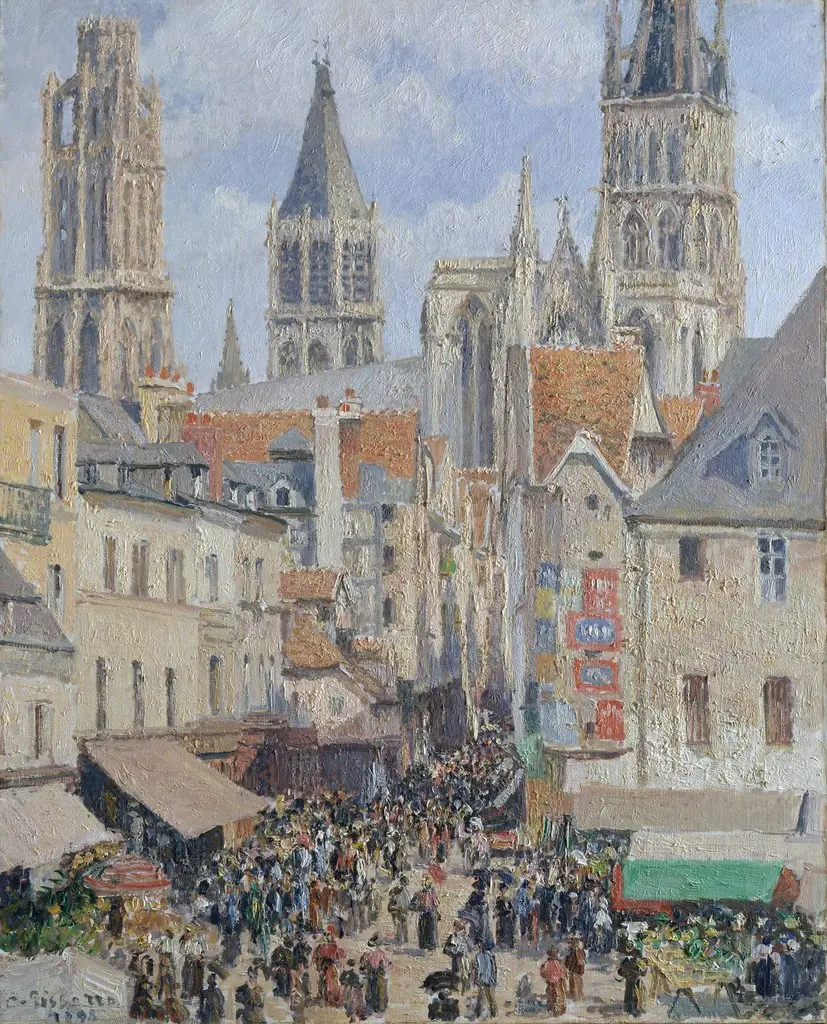 Rue de l'Épicerie, Rouen (Effect of Sunlight)
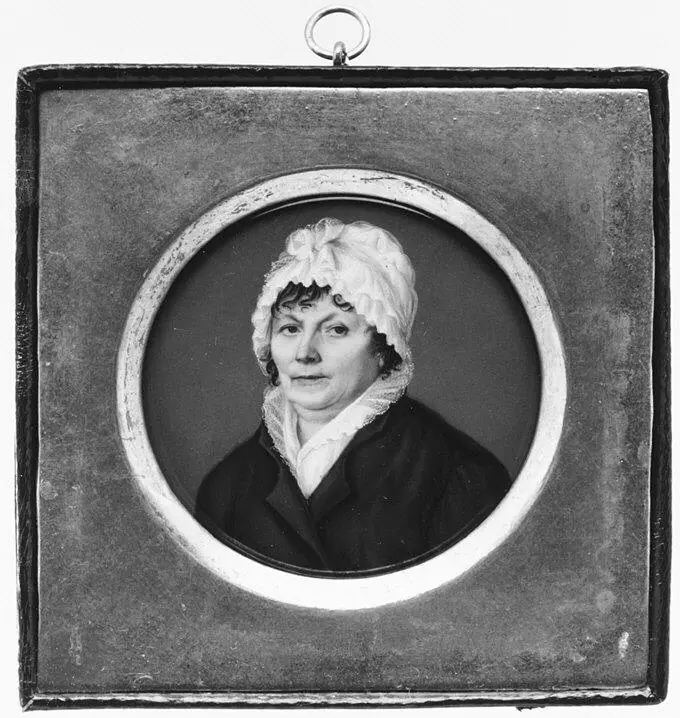 Margaret Rieche Richard
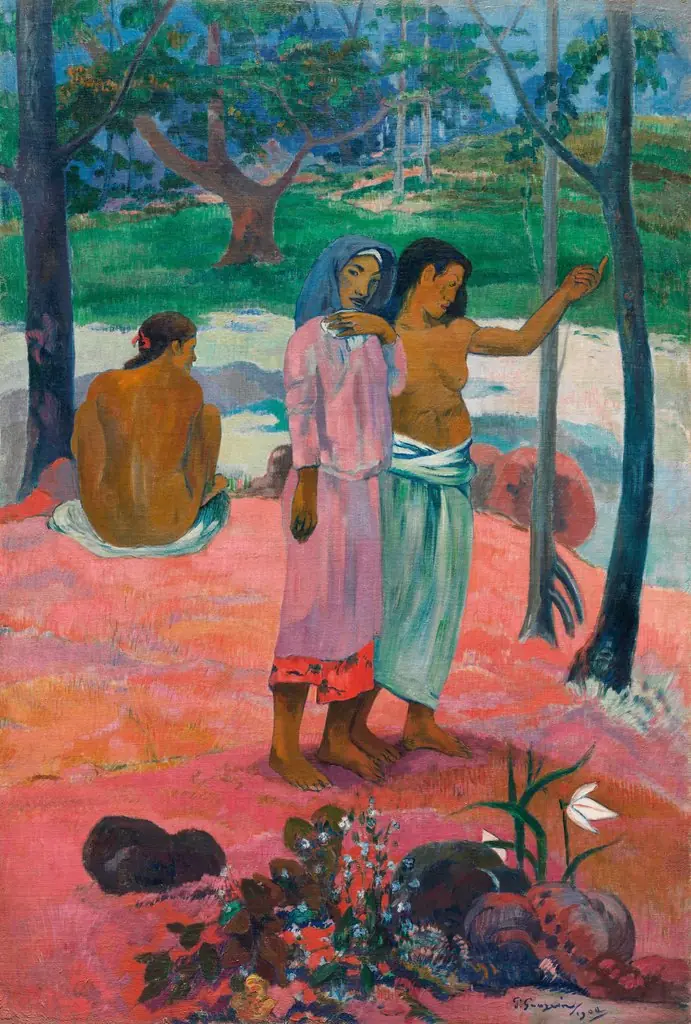 The Call
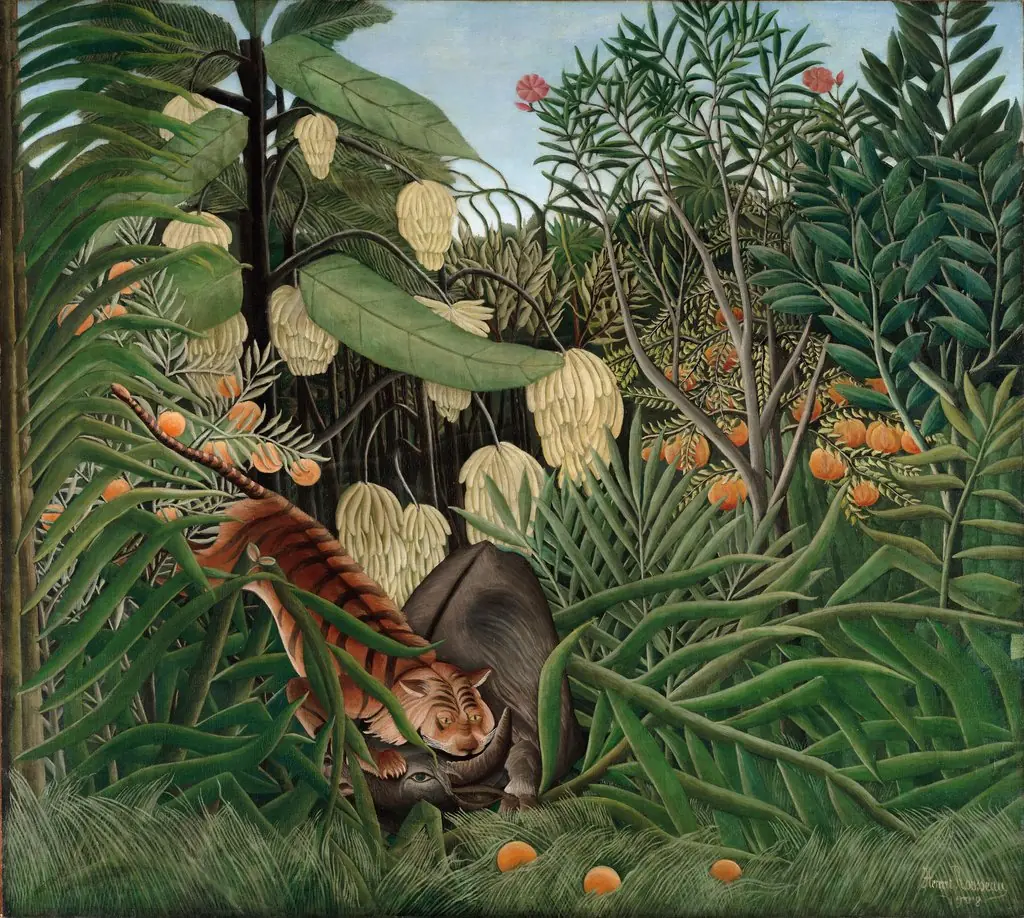 Fight between a Tiger and a Buffalo
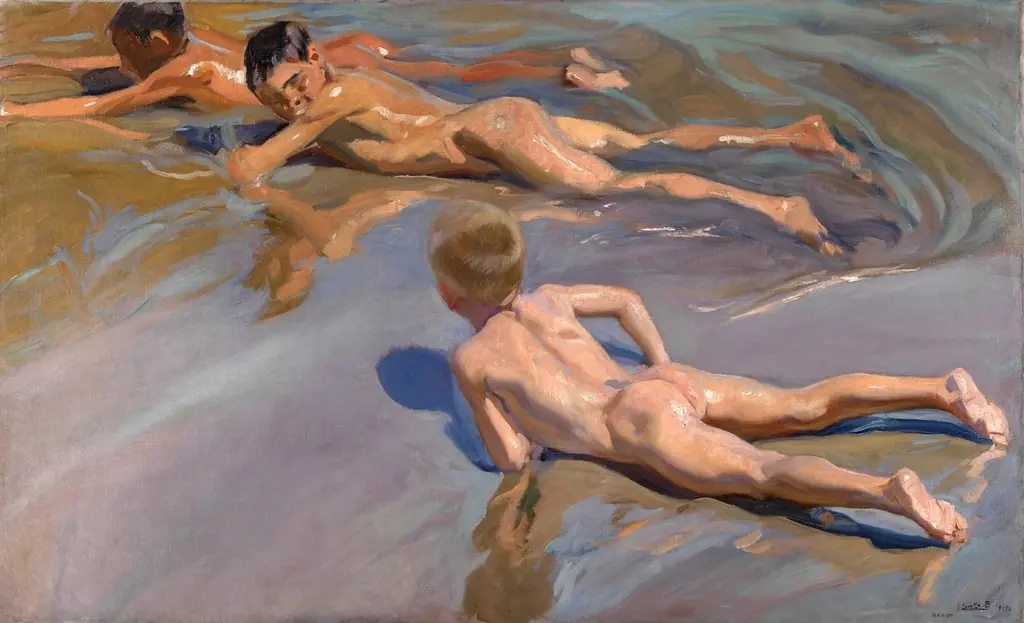 Chicos en la playa
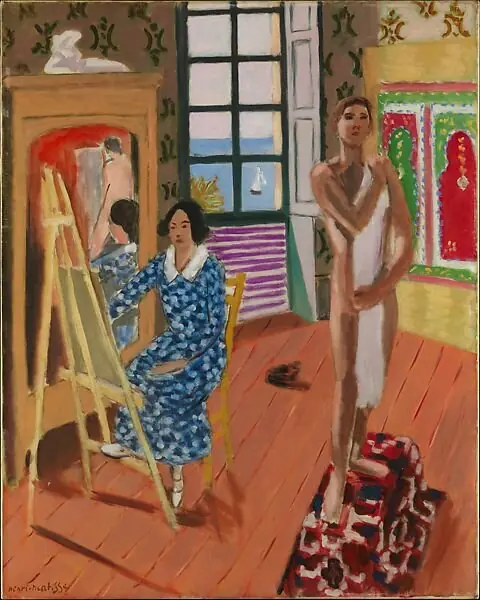 The Three O'Clock Sitting
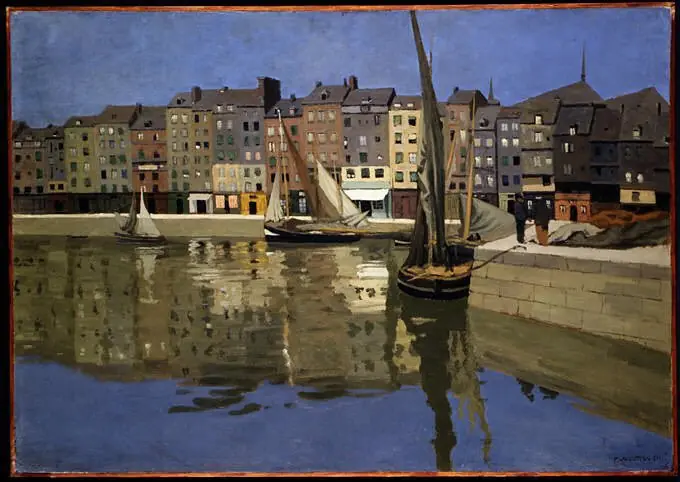 Le port de Honfleur la nuit
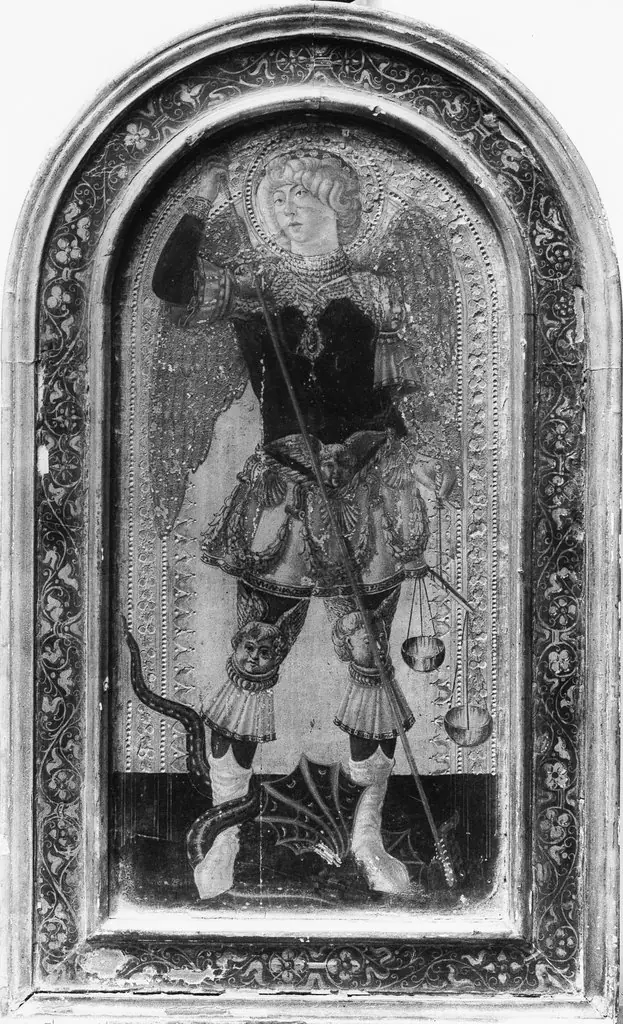 Saint Michael
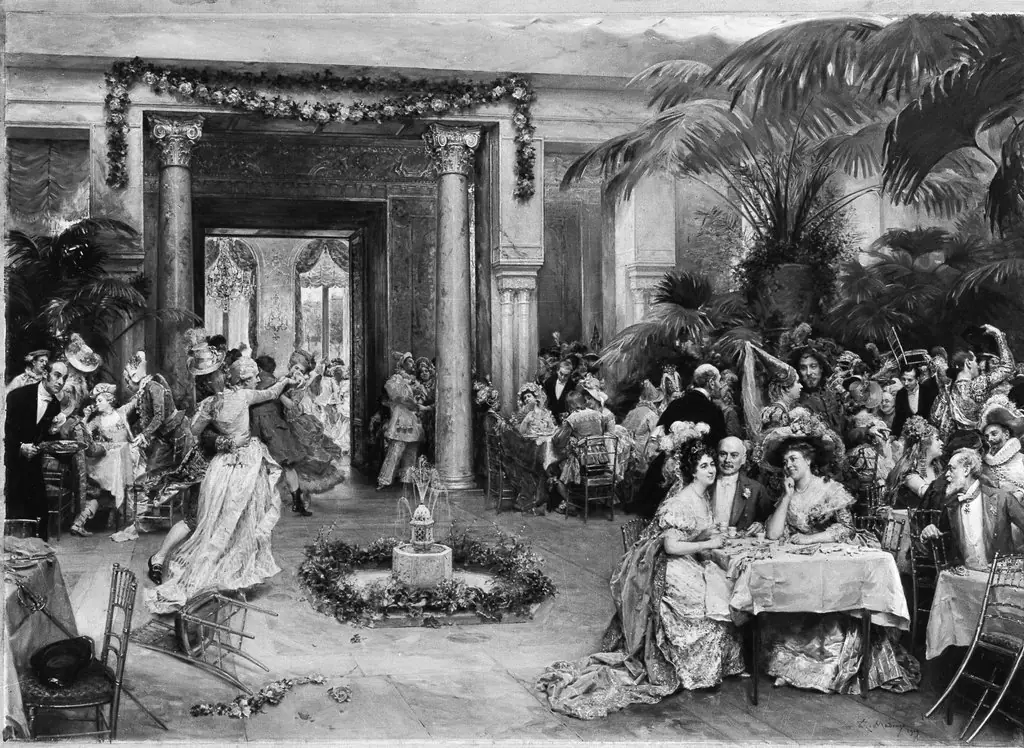 Masquerade Ball at the Ritz Hotel, Paris
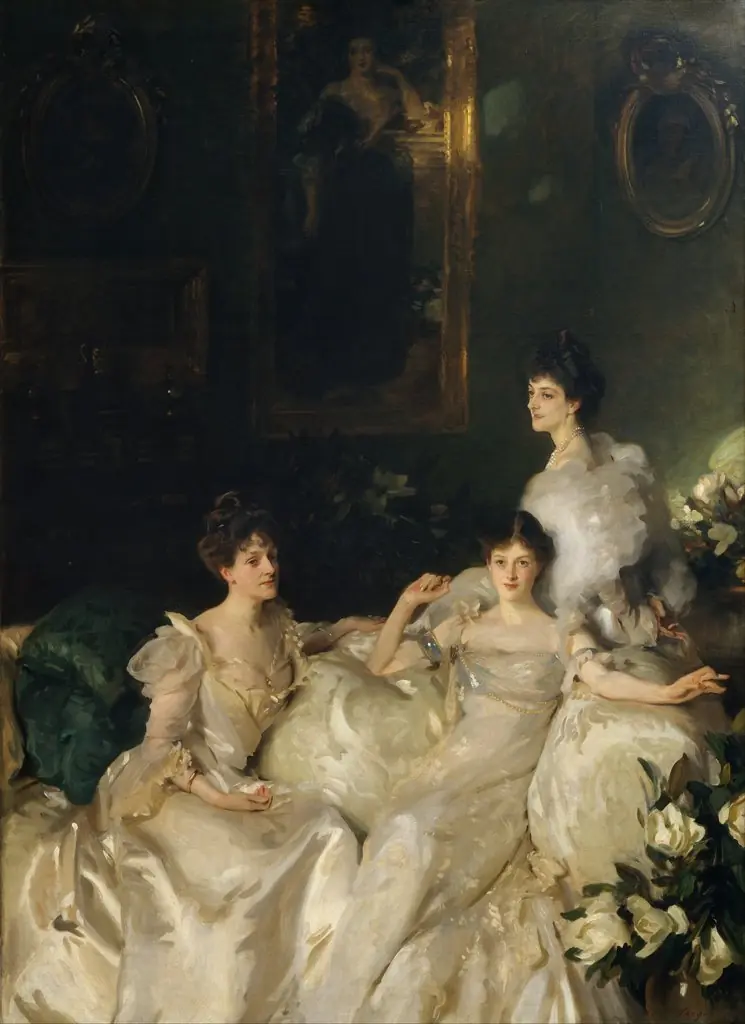 The Wyndham Sisters: Lady Elcho, Mrs. Adeane, and Mrs. Tennant
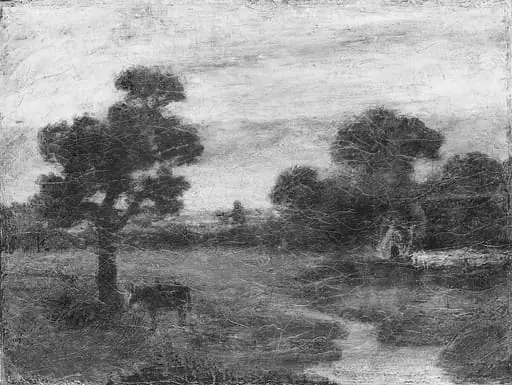 Pasture at Evening
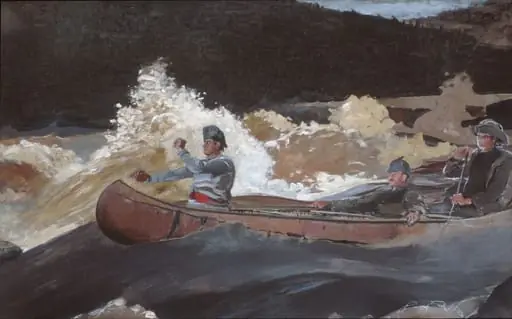 Shooting the Rapids, Saguenay River
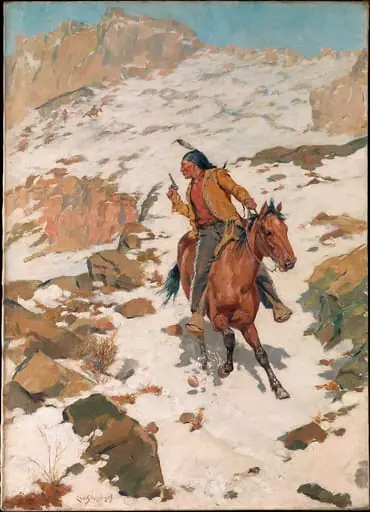 In Hot Pursuit
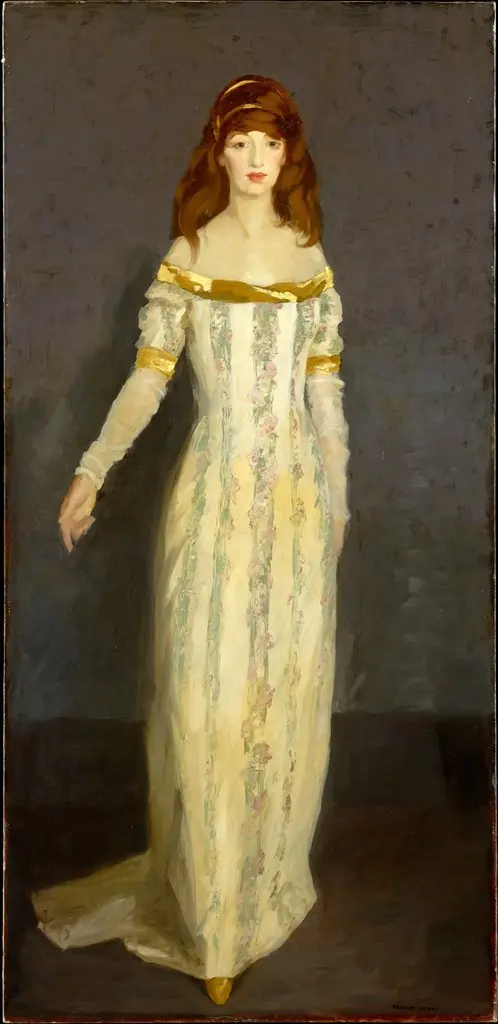 The Masquerade Dress
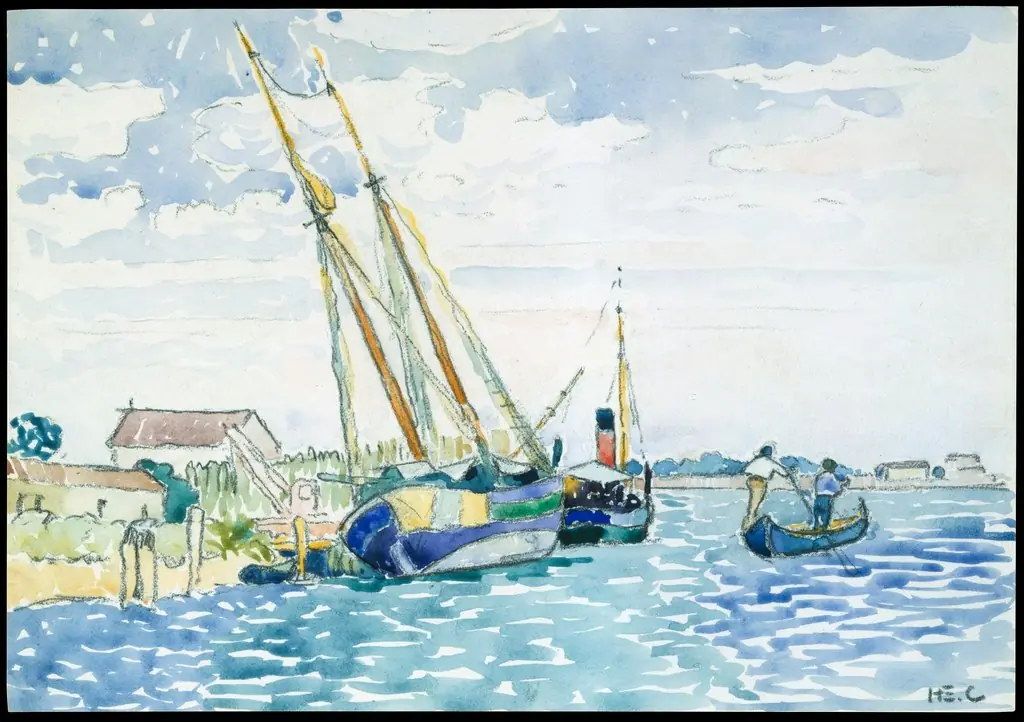 Marine Scene (Boats near Venice)
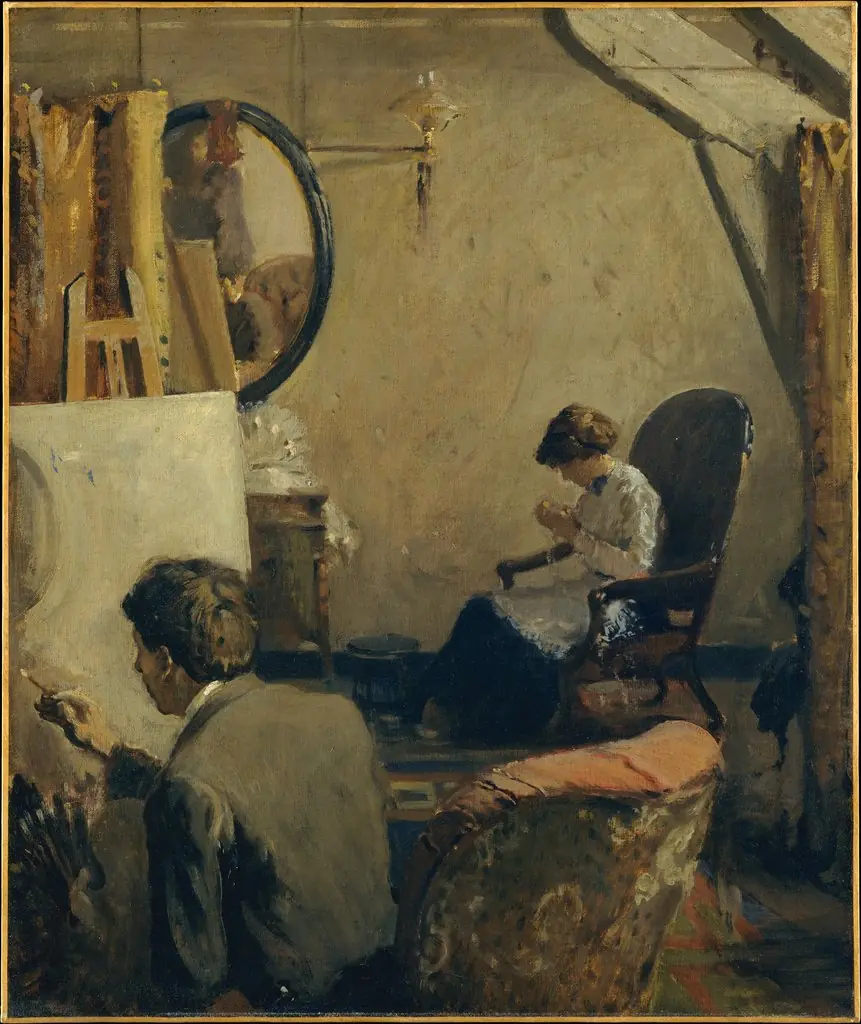 Louis Kronberg in His Studio in Copley Hall
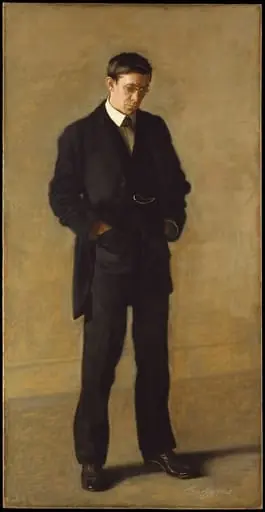 The Thinker: Portrait of Louis N. Kenton
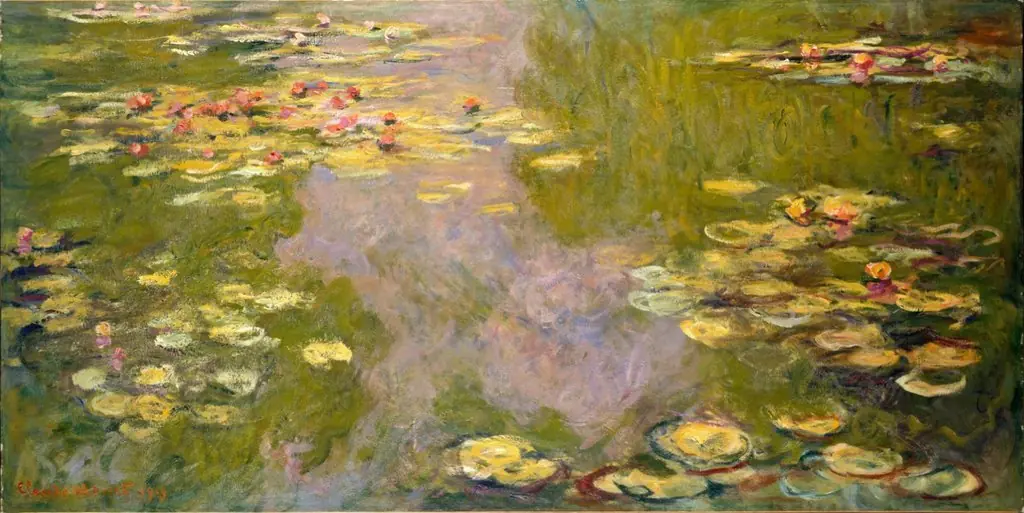 Water Lilies
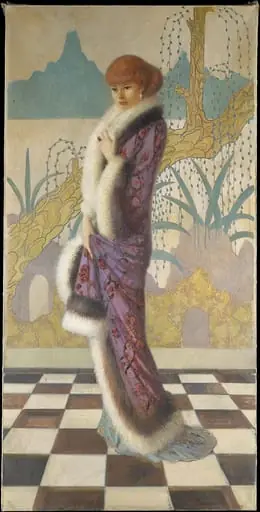 Mrs. Ethel Cushing
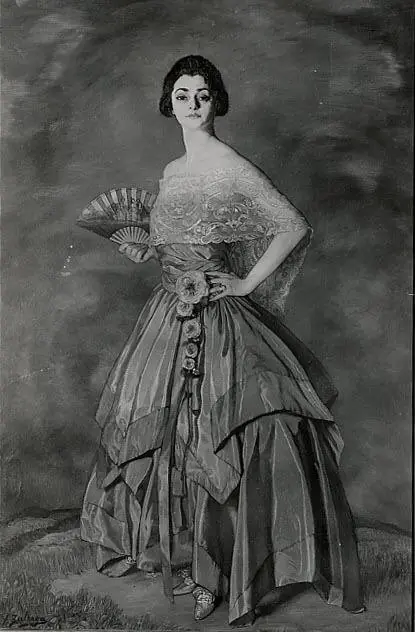 Julia Wainwright Robbins
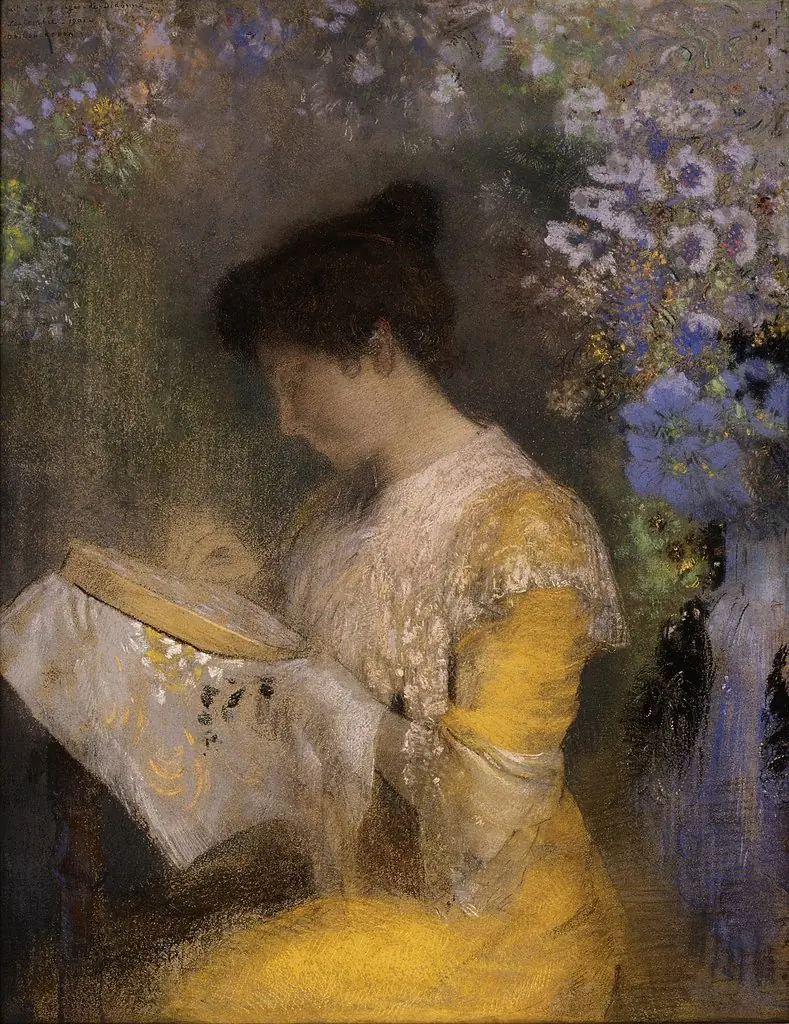 Madame Arthur Fontaine (Marie Escudier, born 1865)
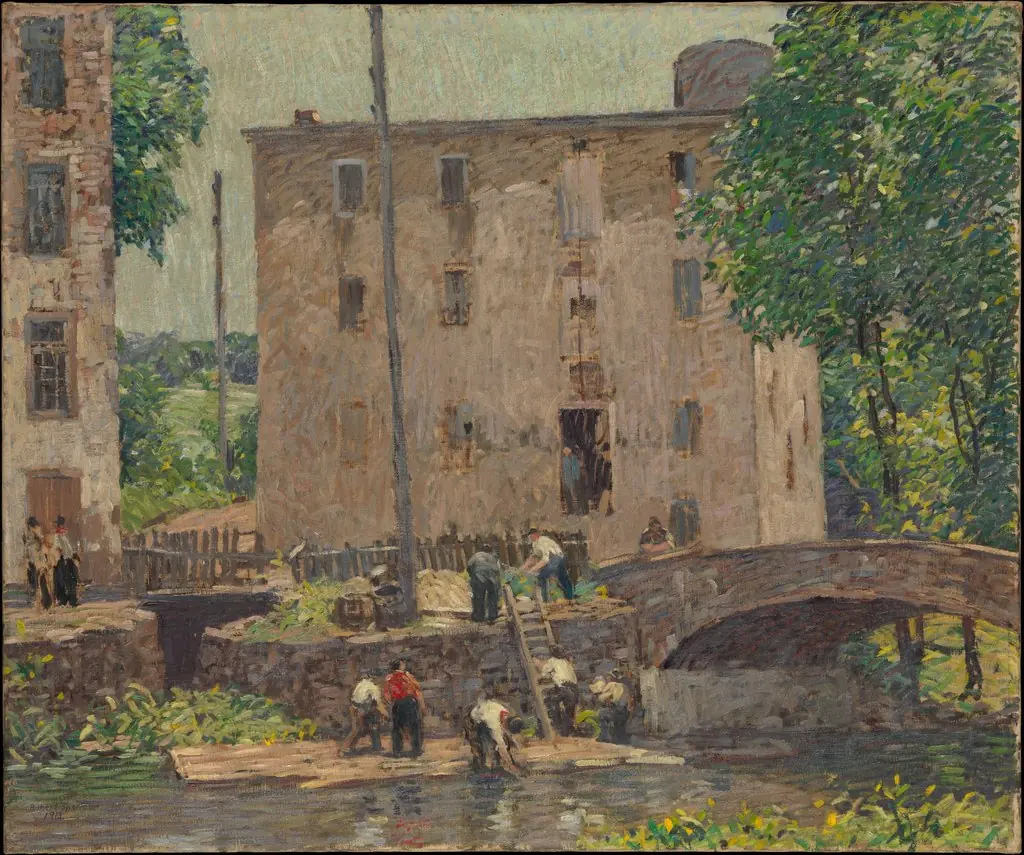 Repairing the Bridge
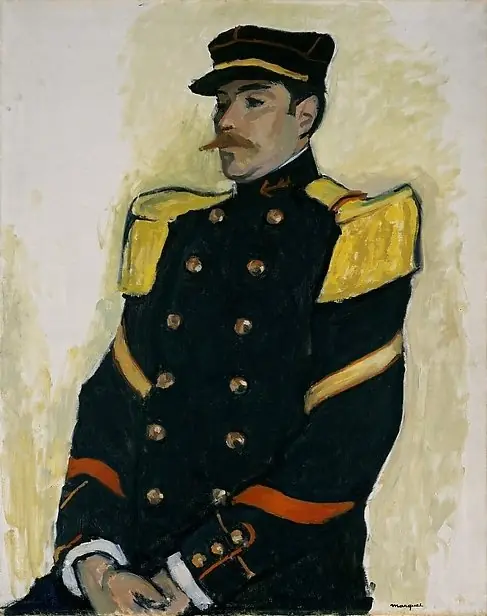 Sergeant of the Colonial Regiment
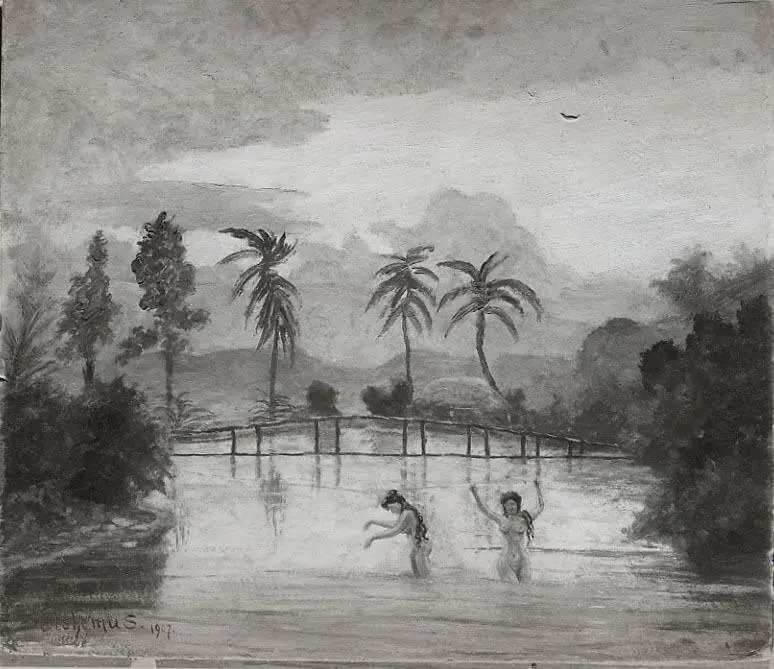 Samoa
Samoa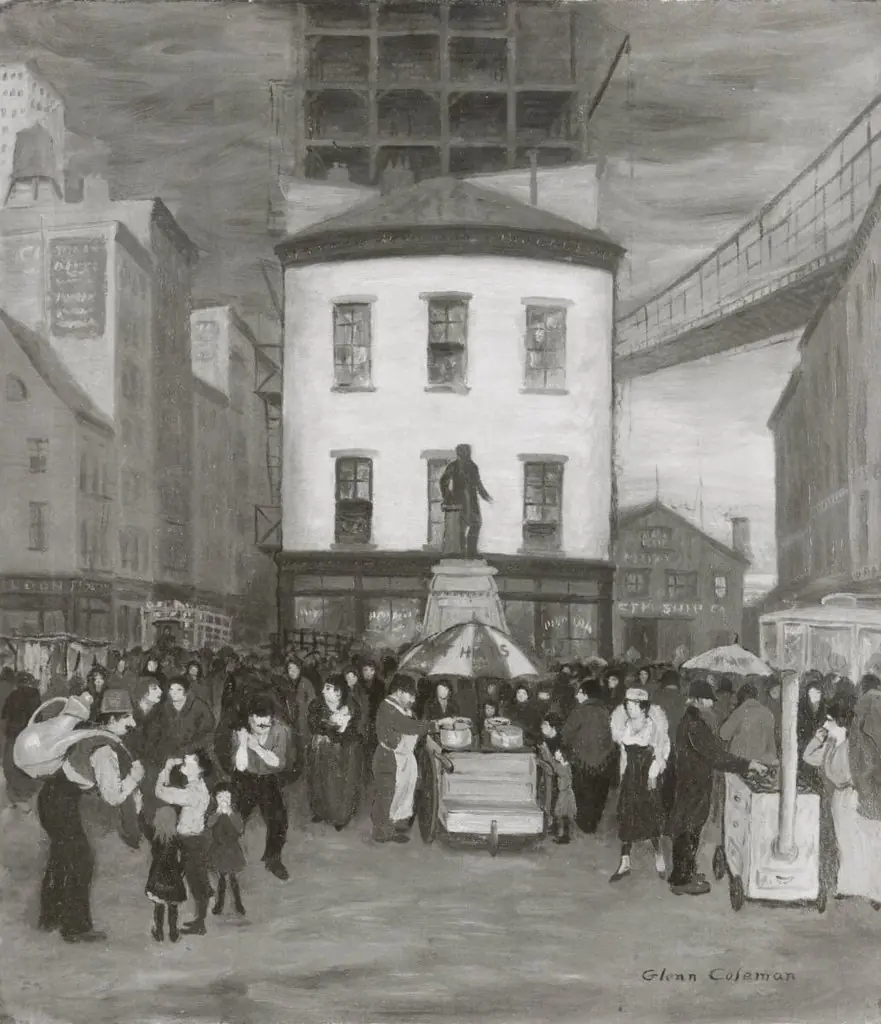 New York Street Scene
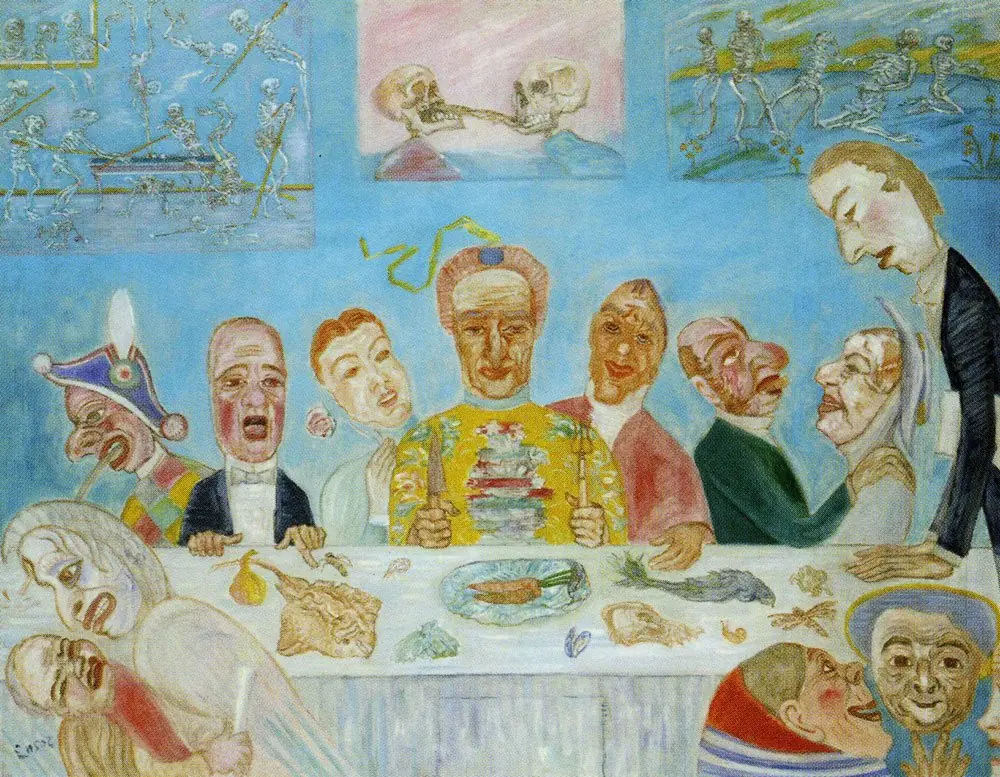 Comical Repast (Banquet of the Starved)
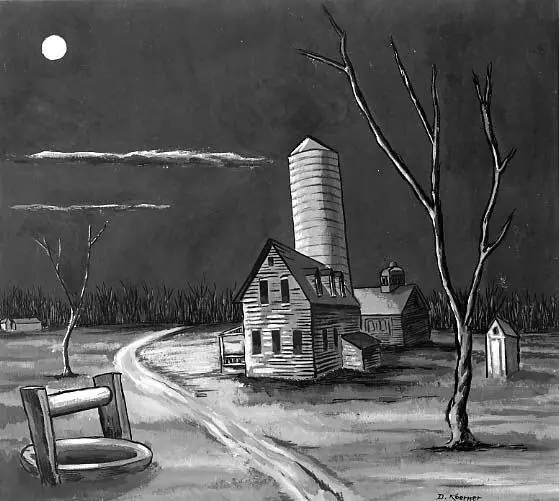 Farm in Moonlight
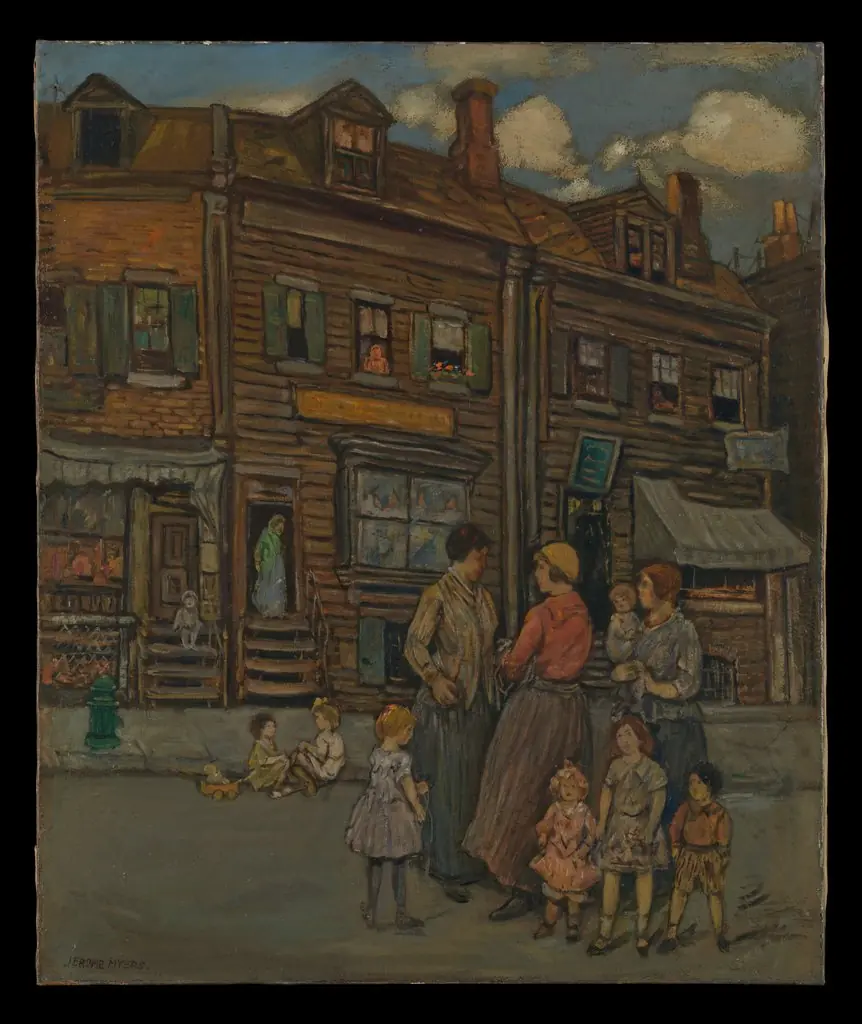 Street Group
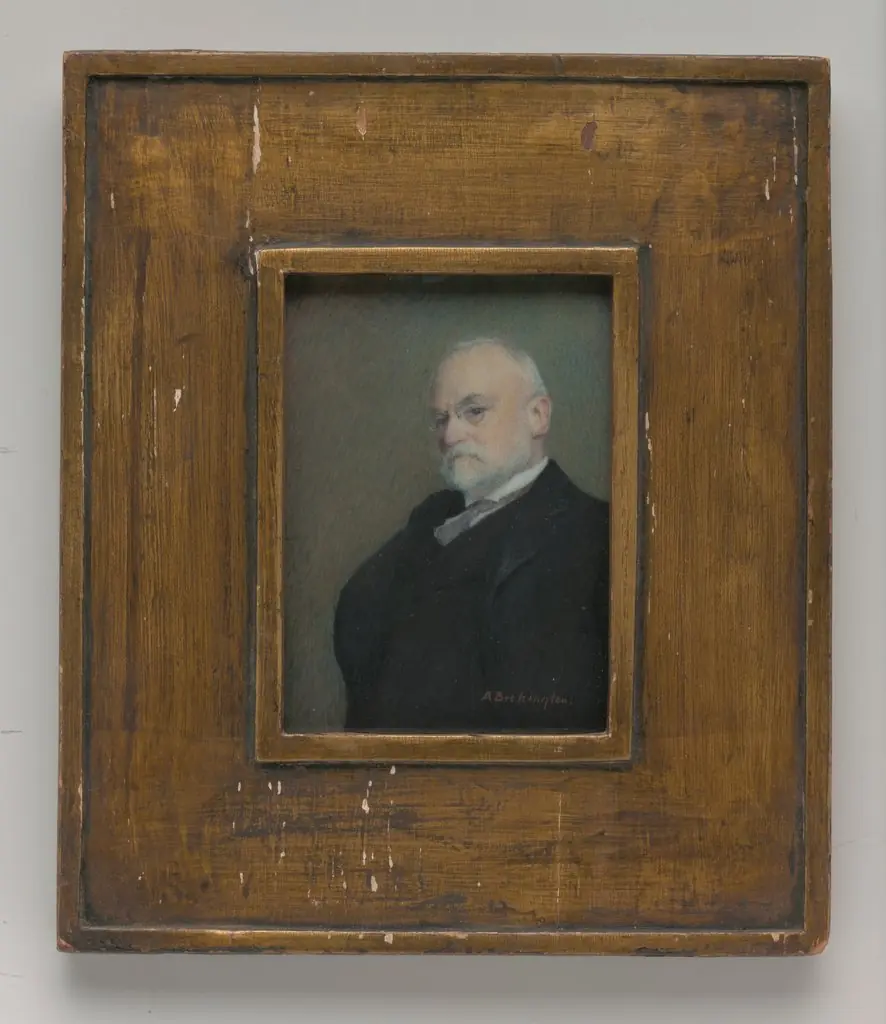 Richard Vaughn Lewis
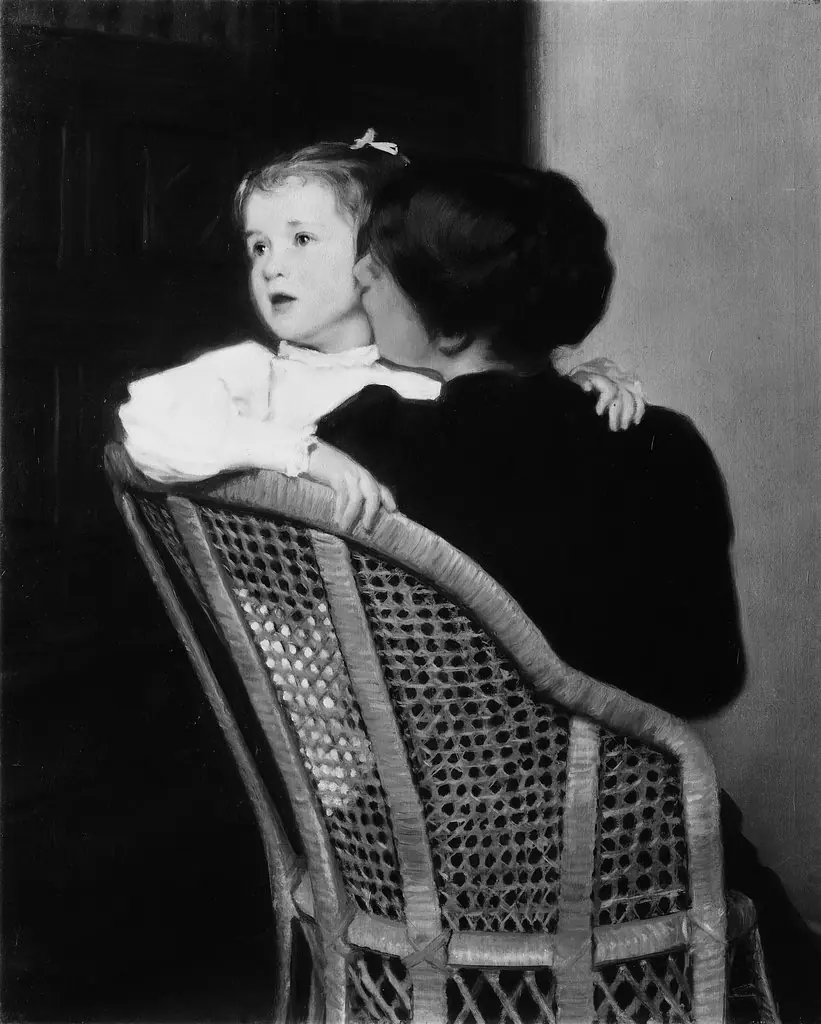 The Seer
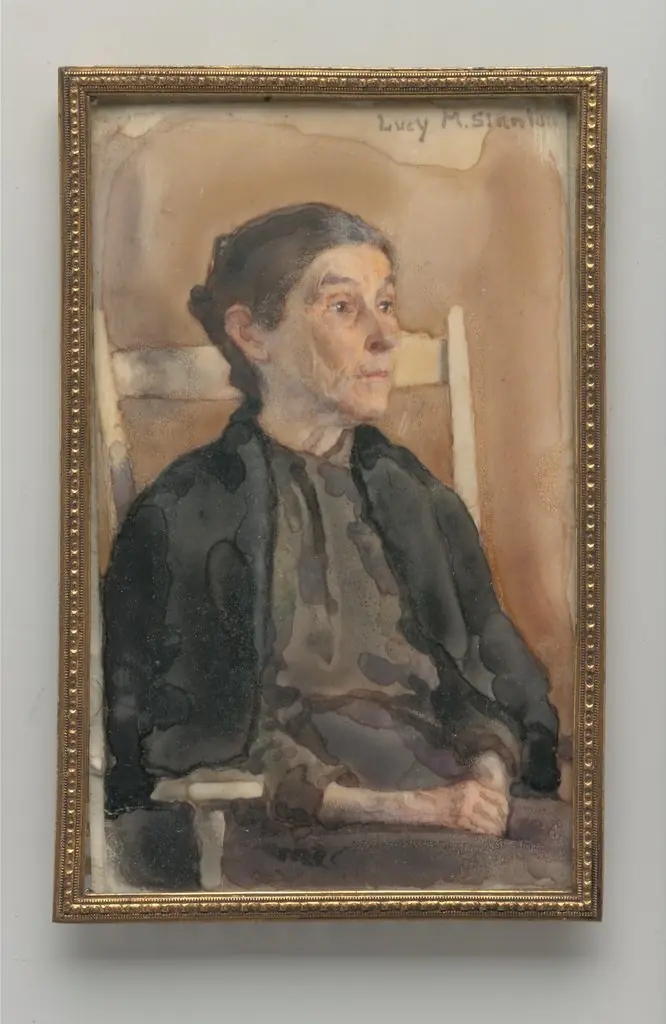 A North Carolina Mountain Woman
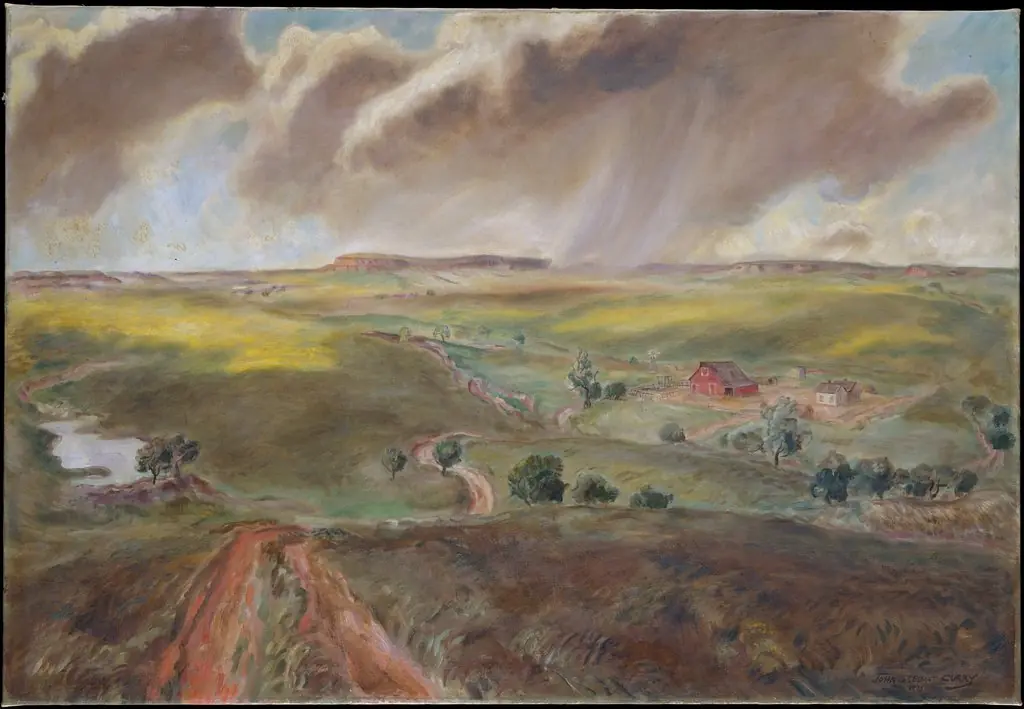 Spring Shower (Western Kansas Landscape)
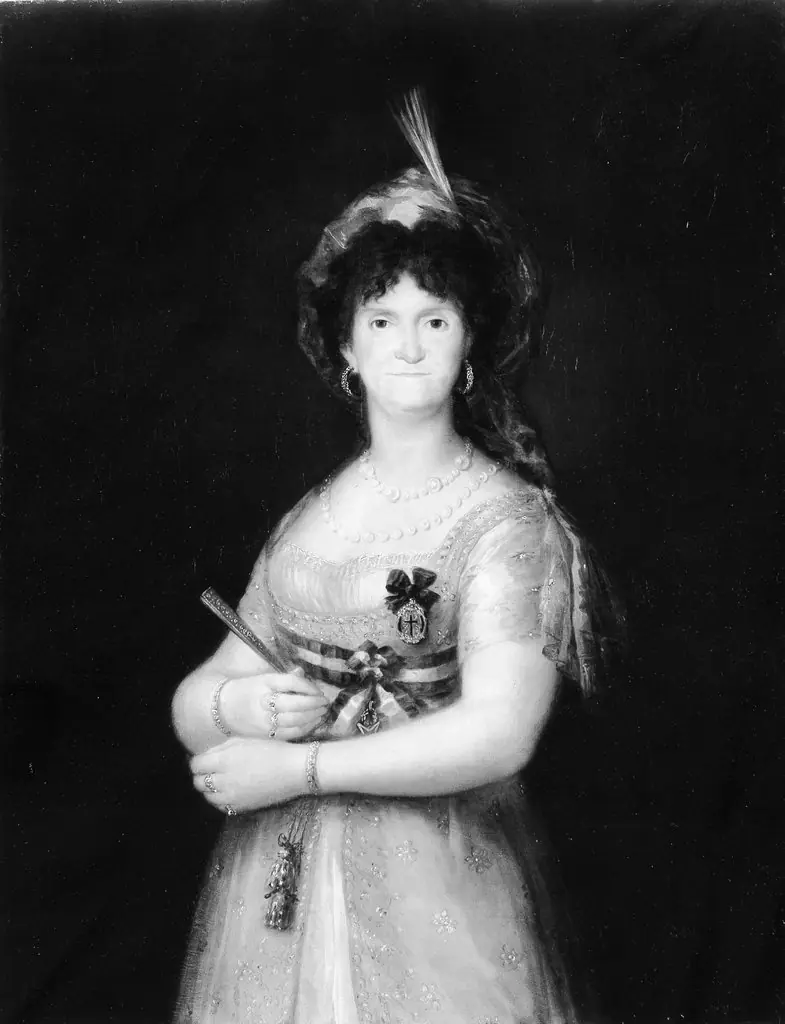 María Luisa of Parma (1751–1819), Queen of Spain
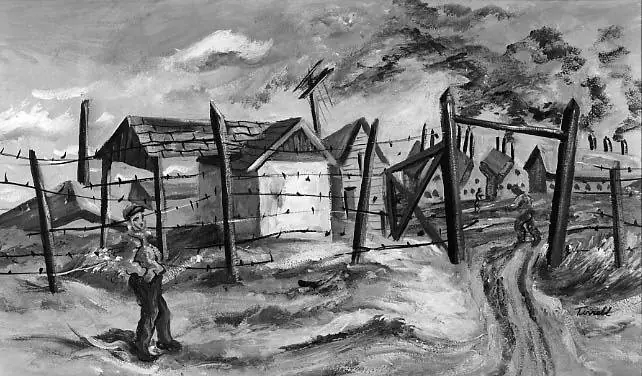 Industrial Landscape
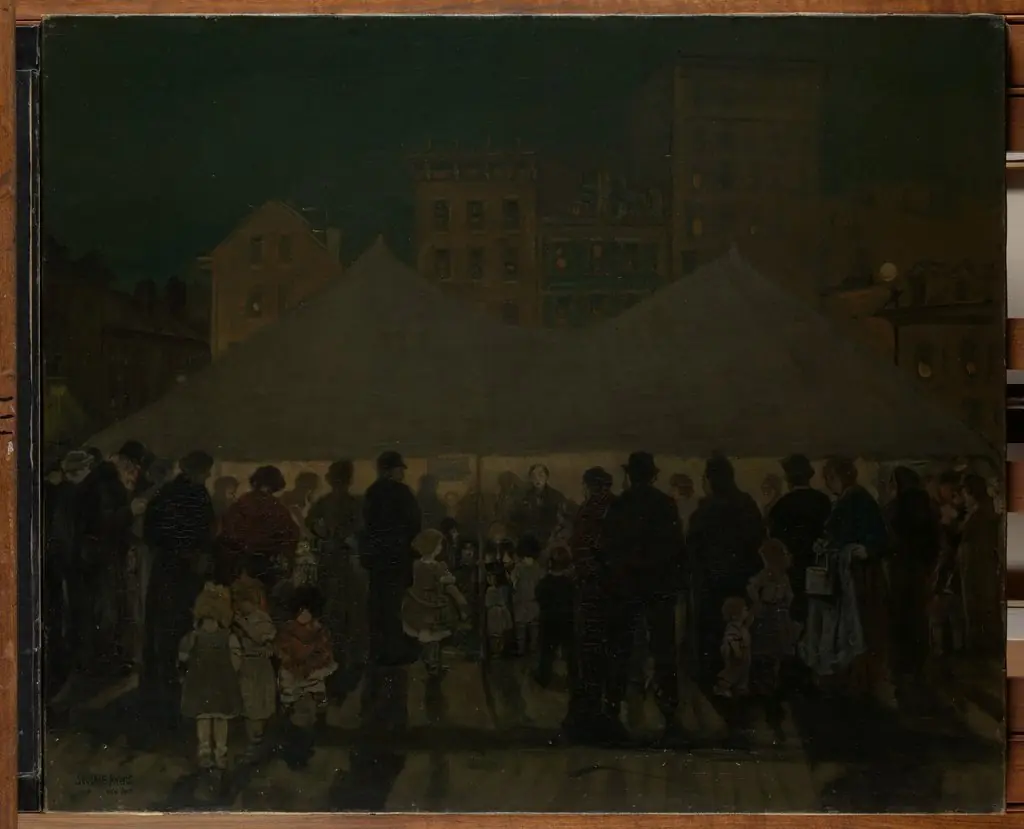 The Mission Tent
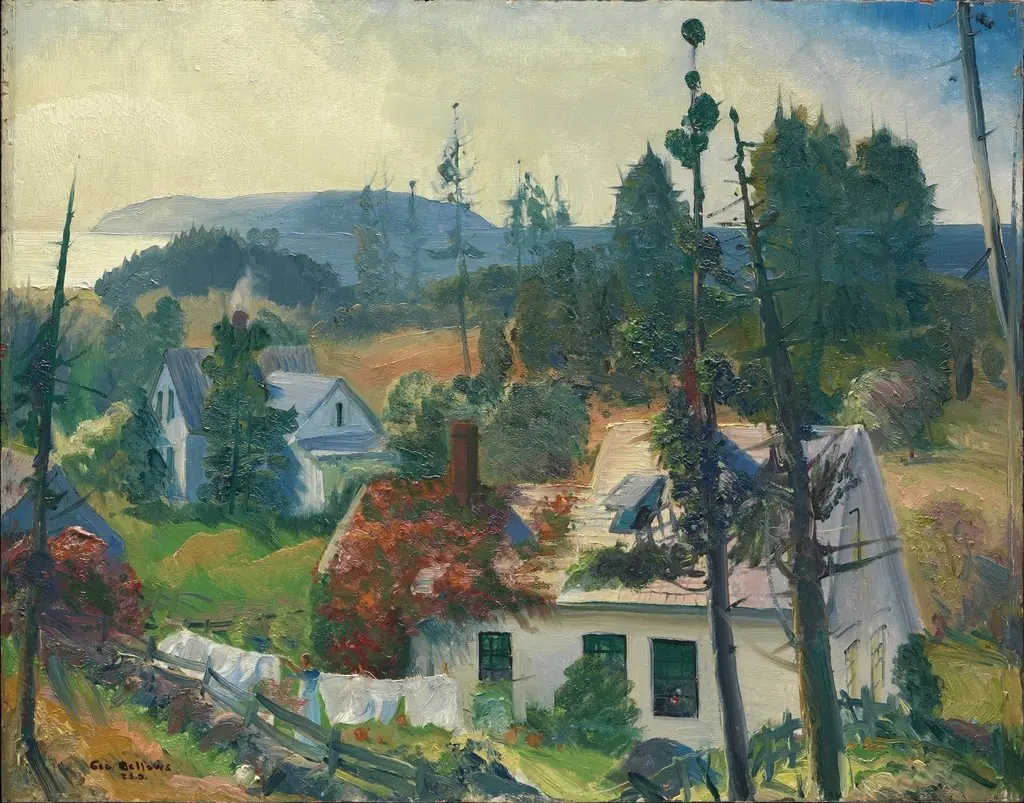 The Red Vine, Matinicus Island, Maine
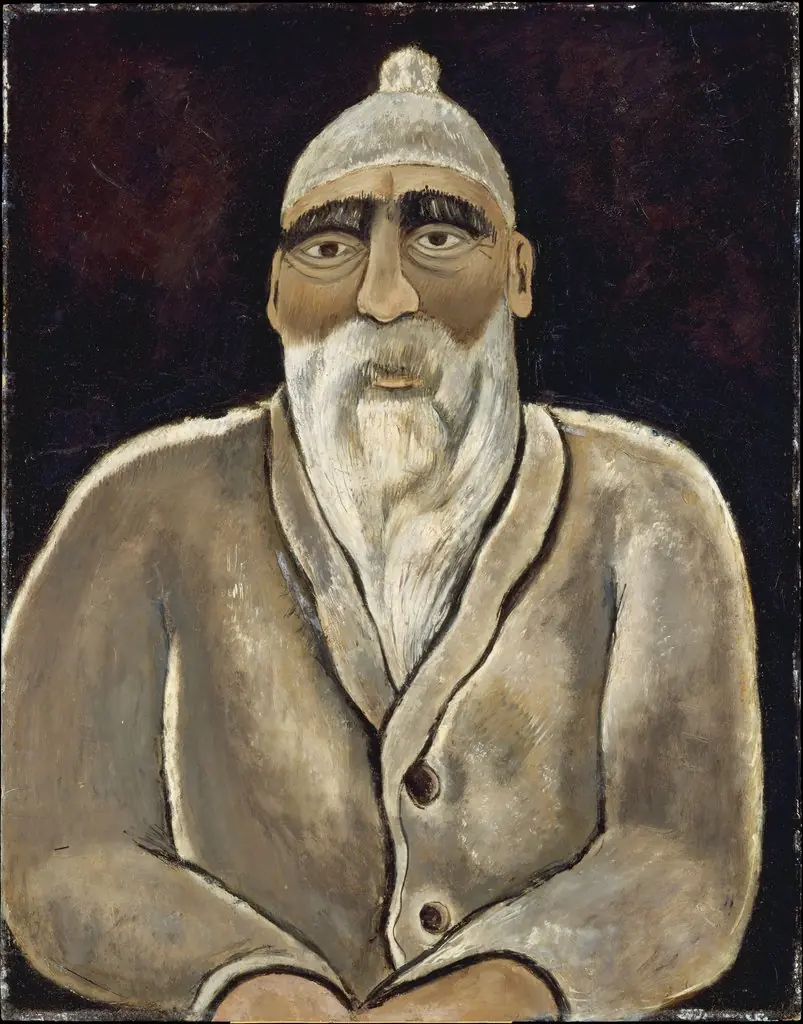 Albert Pinkham Ryder
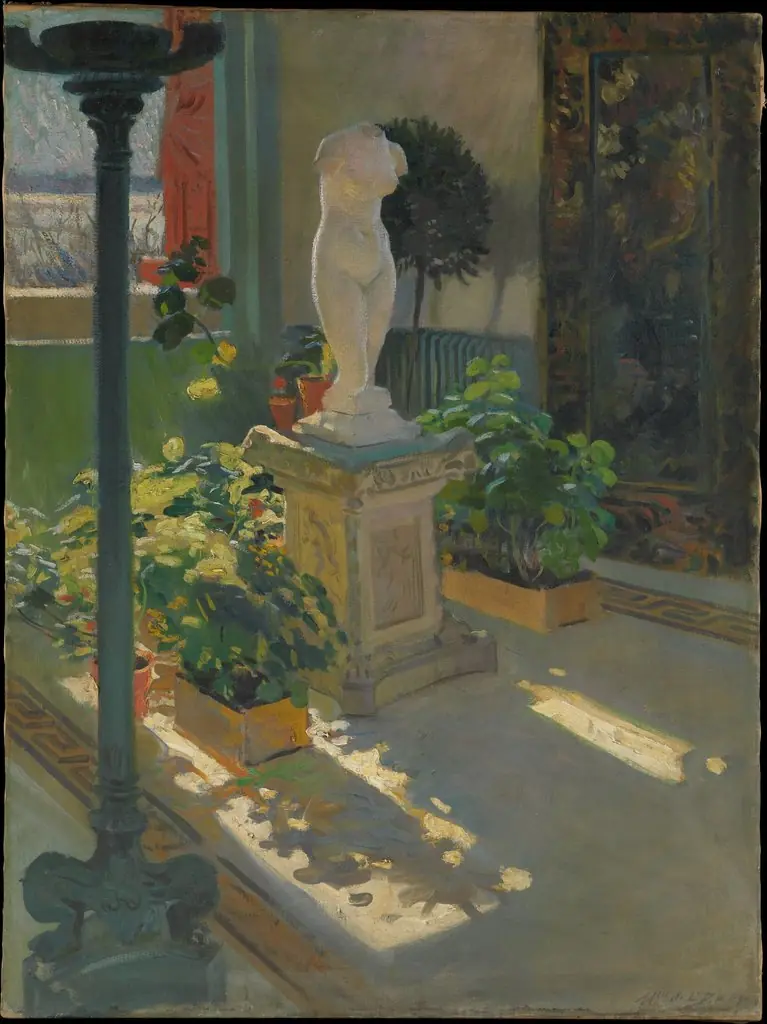 Venus in Atrium
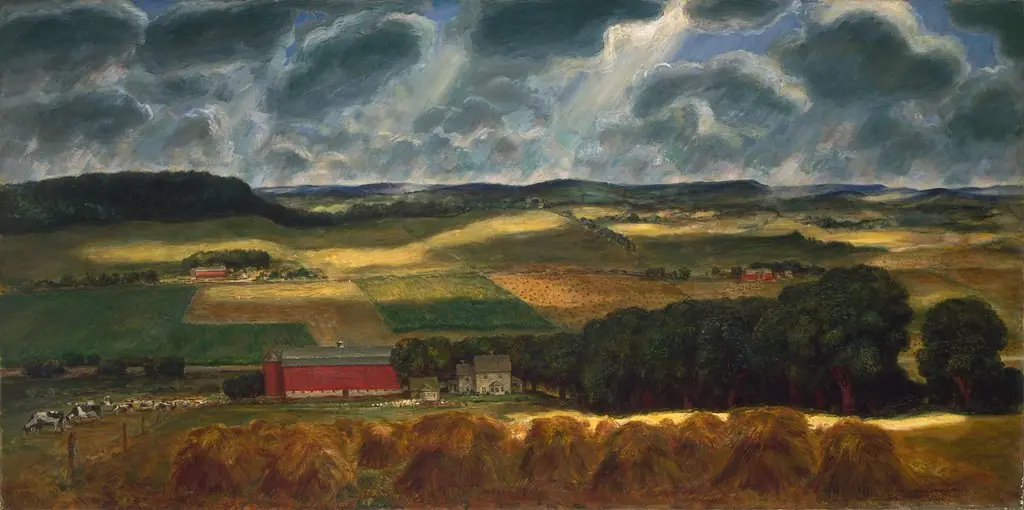 Wisconsin Landscape
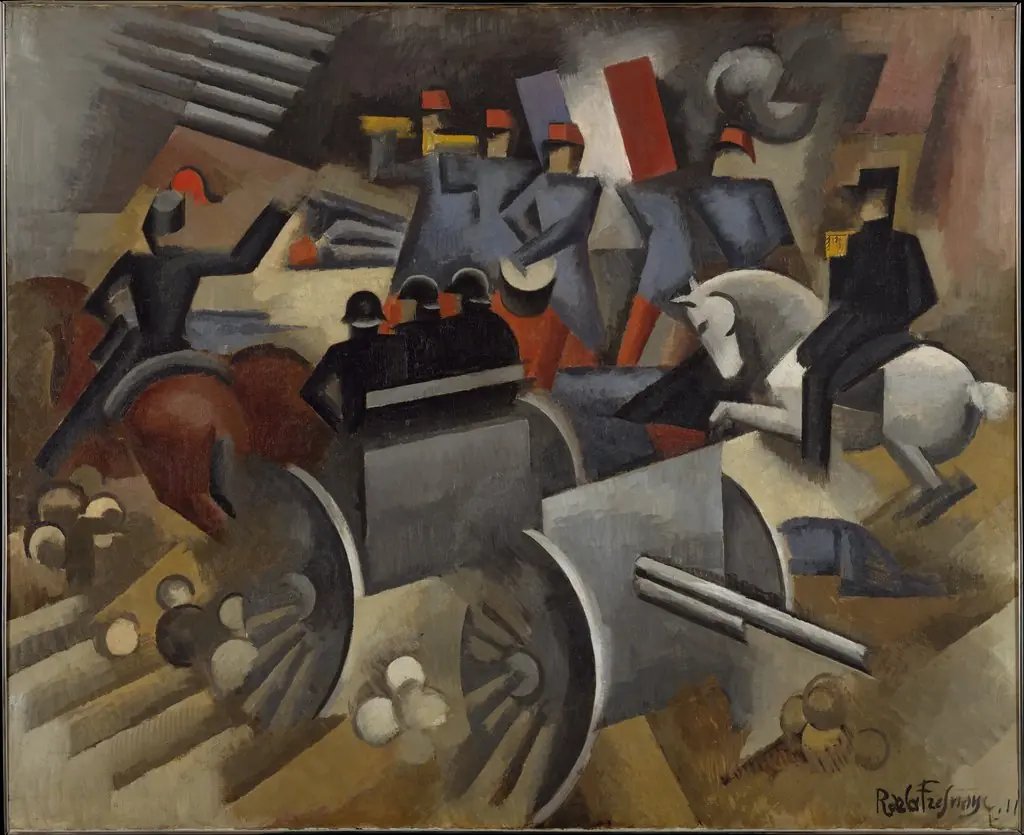 Artillery
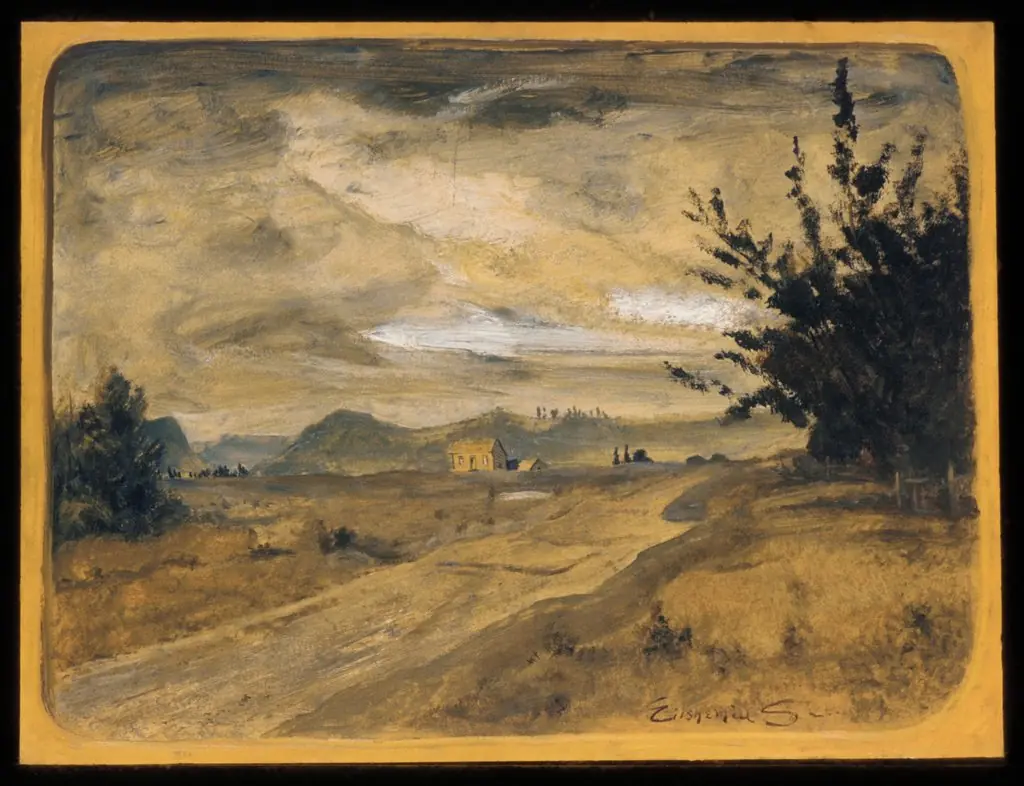 The Haunted House
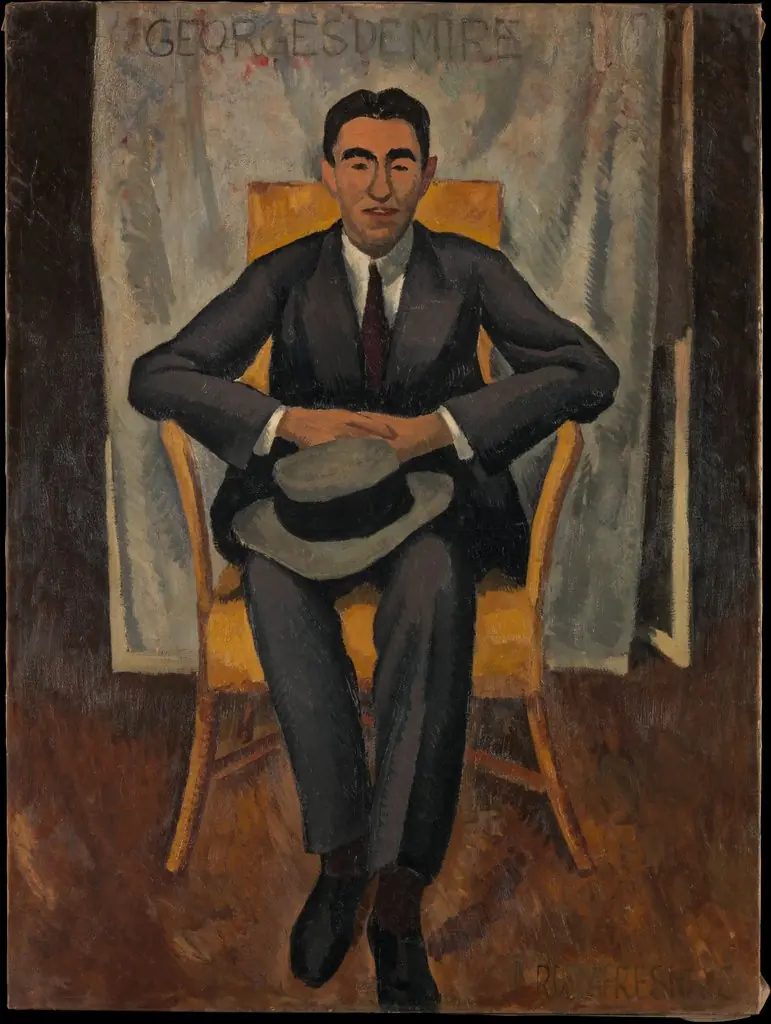 Georges de Miré
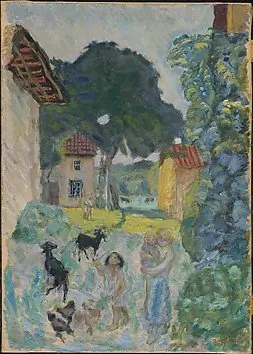 Village Scene, Grasse
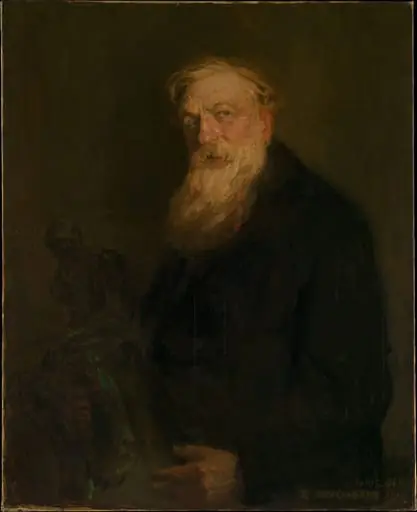 Auguste Rodin
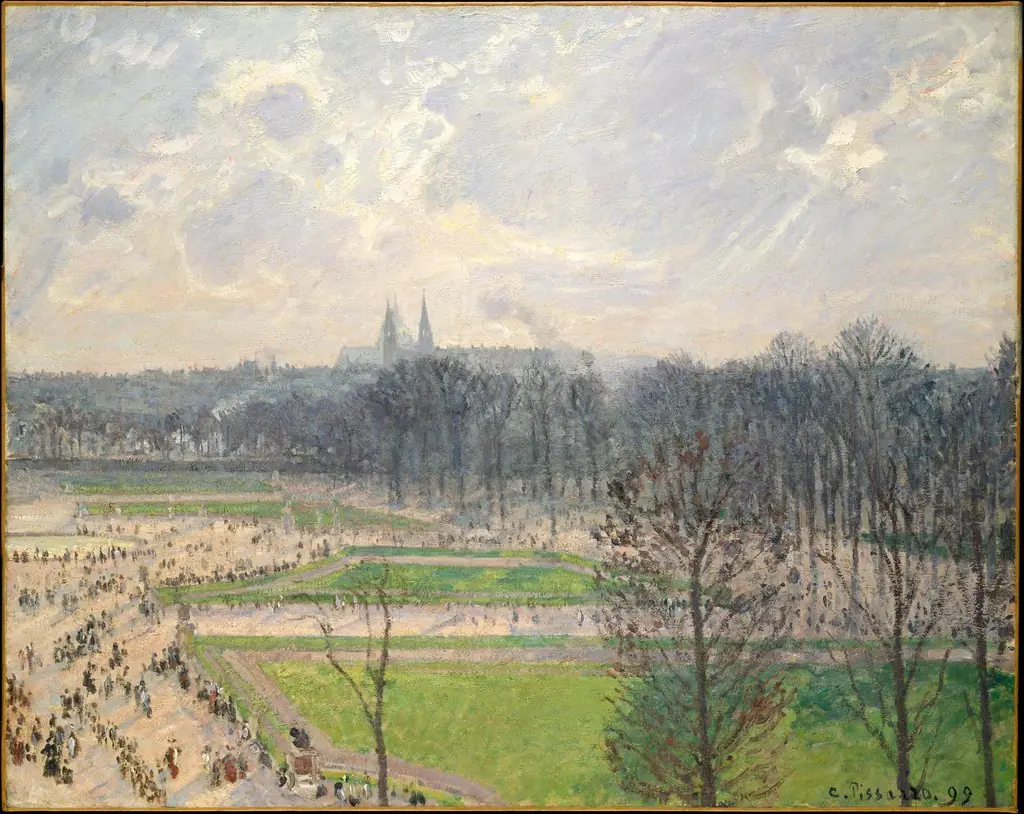 The Garden of the Tuileries on a Winter Afternoon
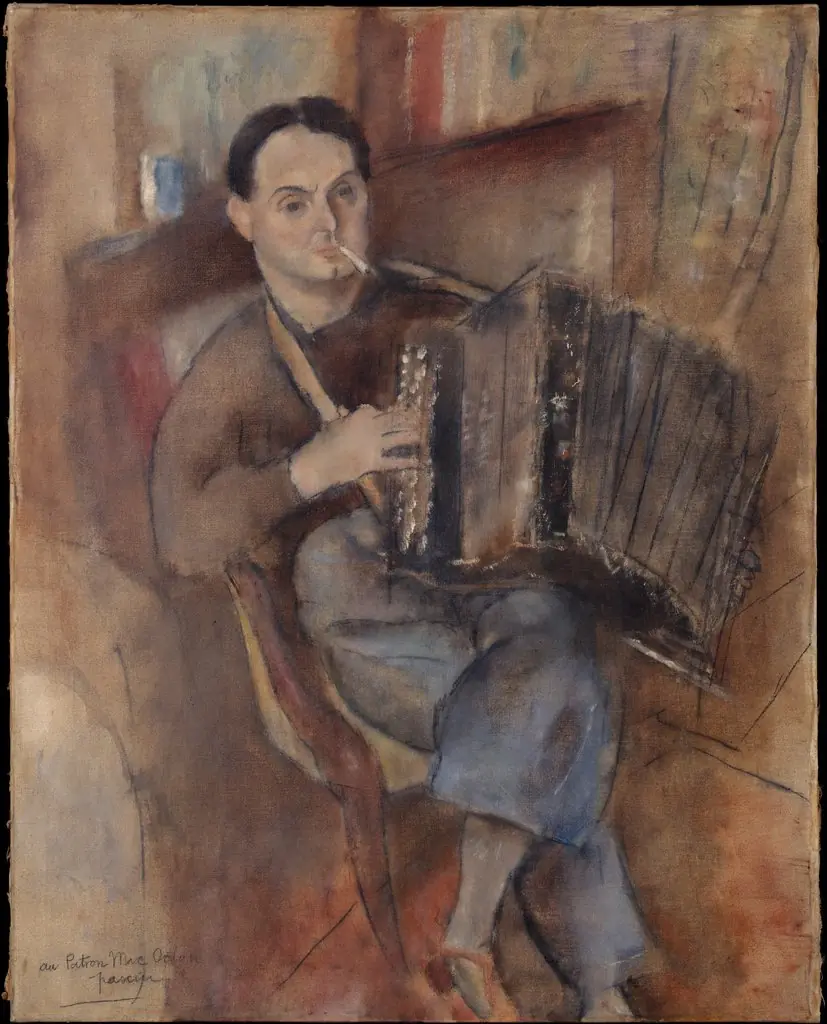 Pierre Mac Orlan
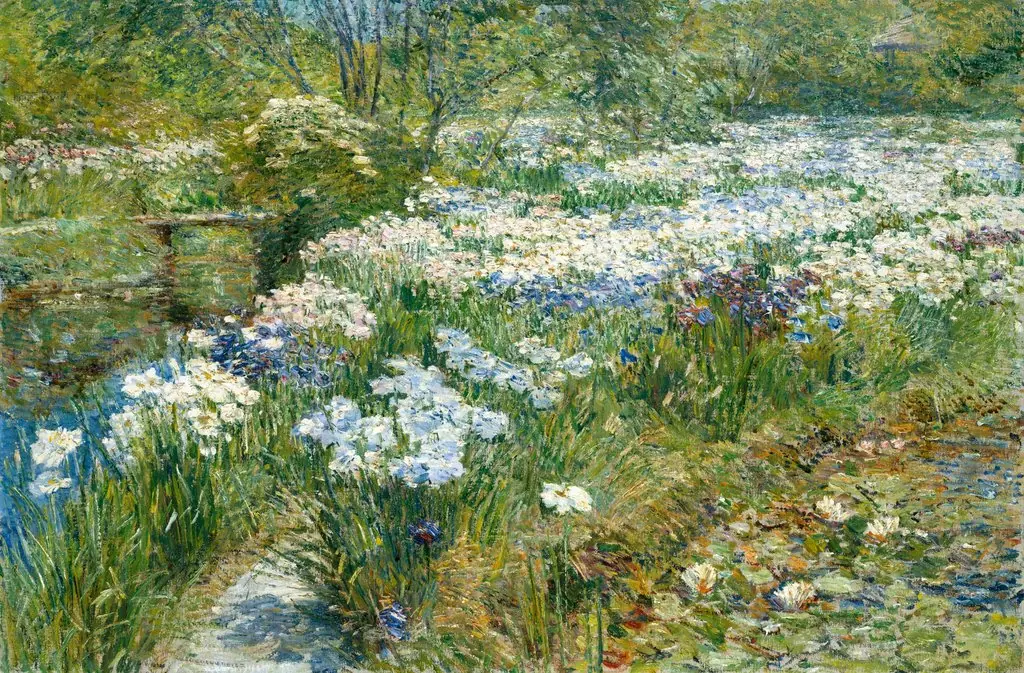 The Water Garden
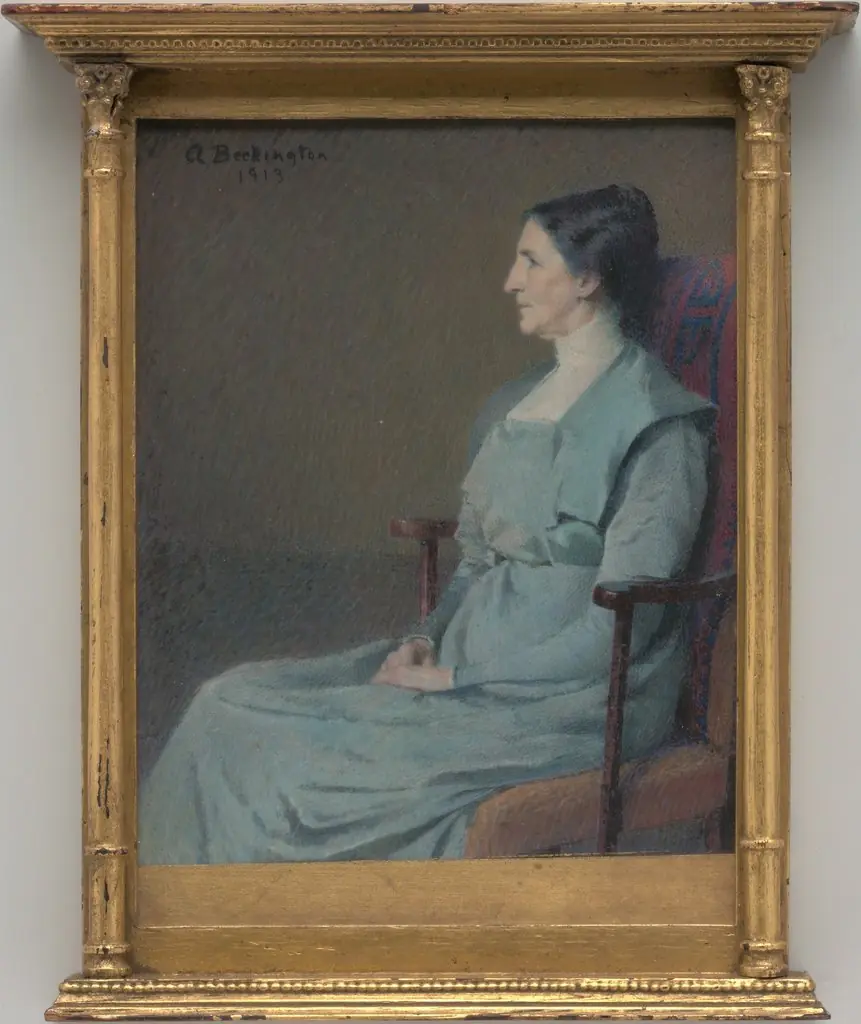 Mrs. Beckington
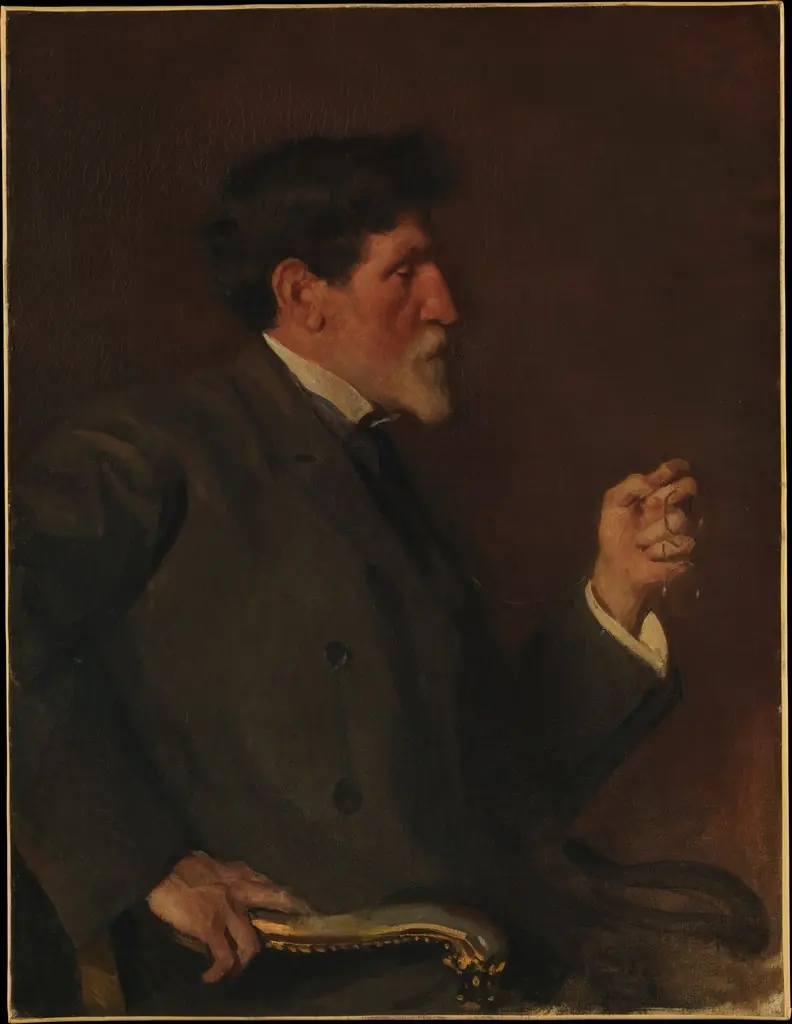 Portrait of Augustus Saint-Gaudens
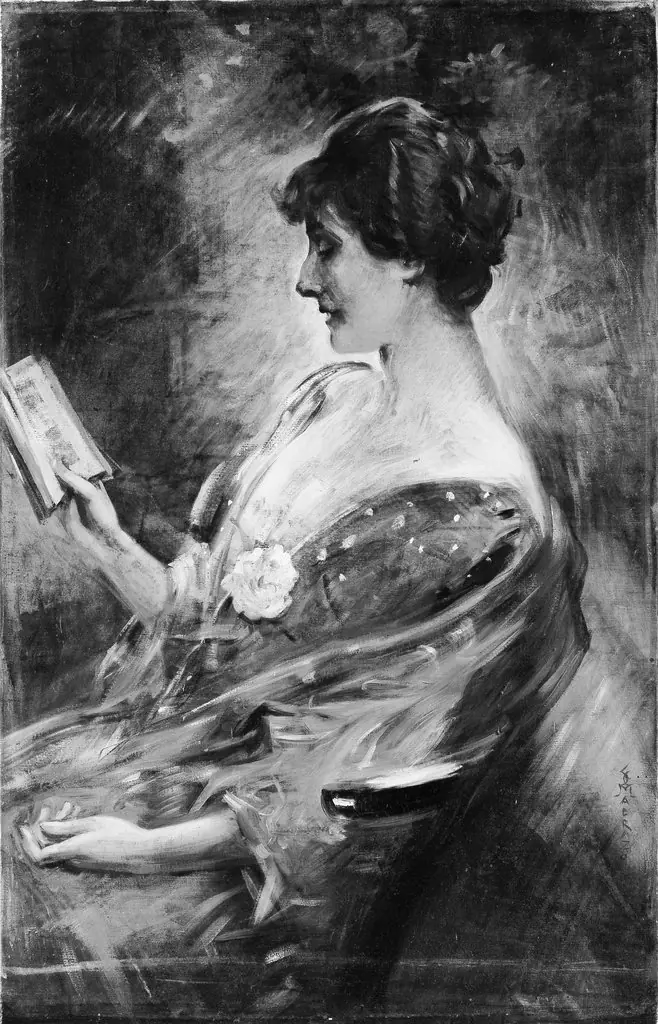 Laure de Sade, Comtesse Adhéaume de Chevigné
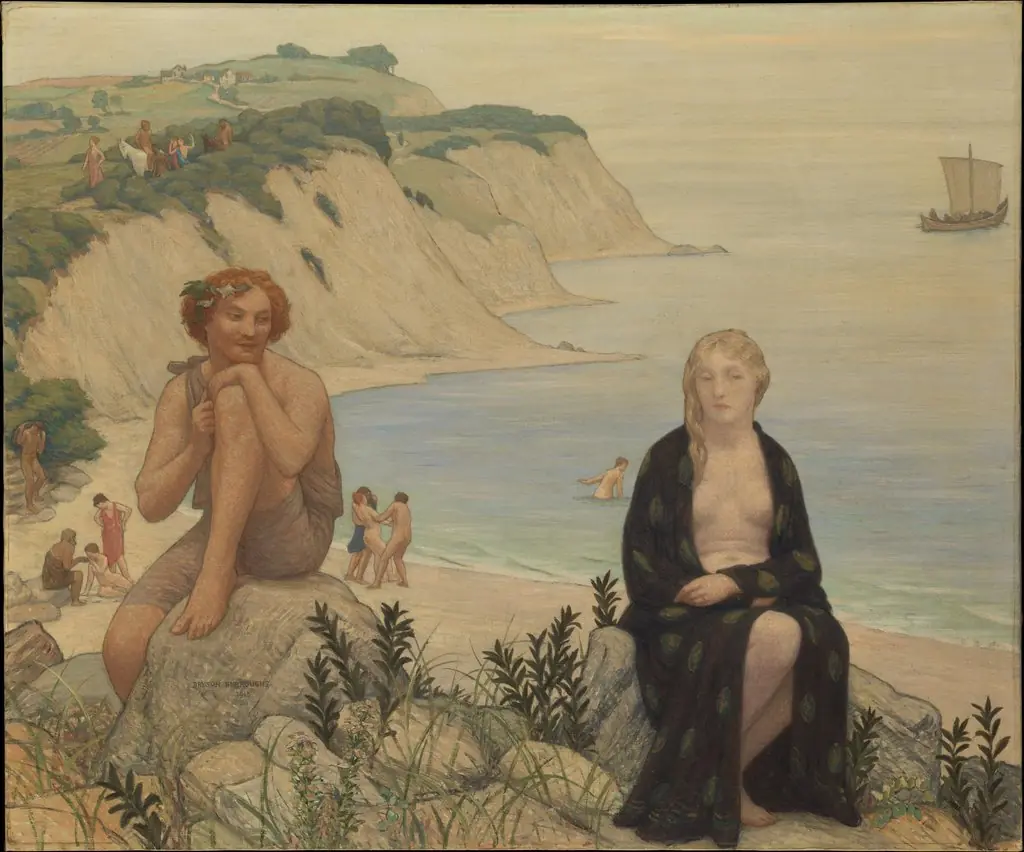 Consolation of Ariadne
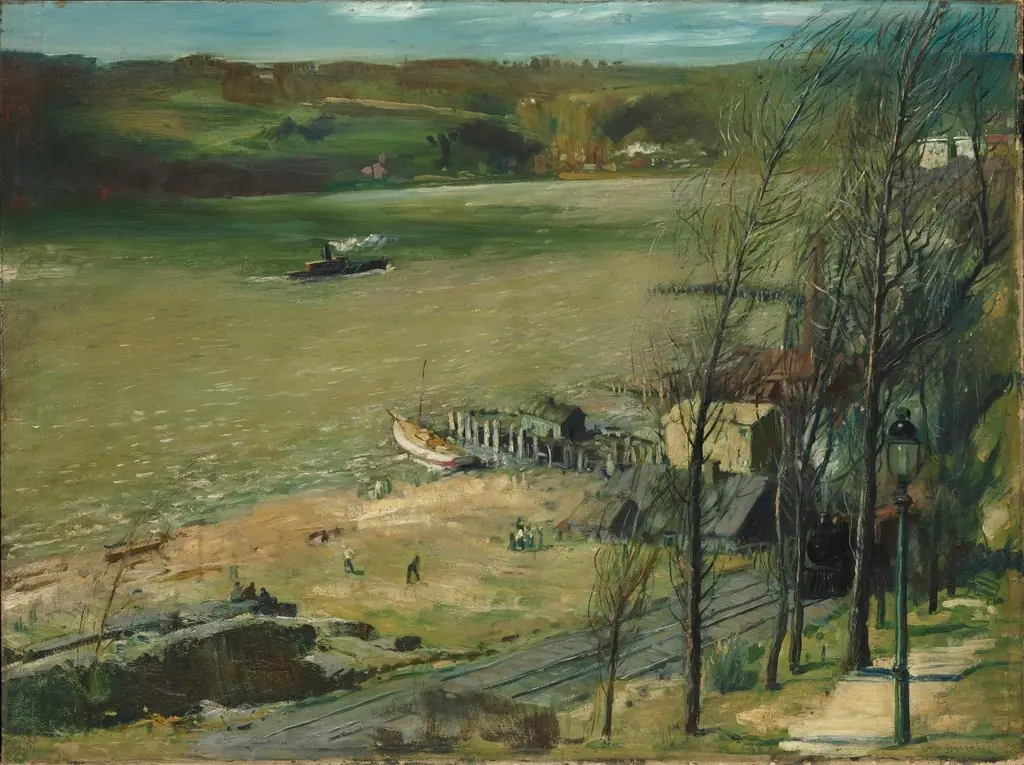 Up the Hudson
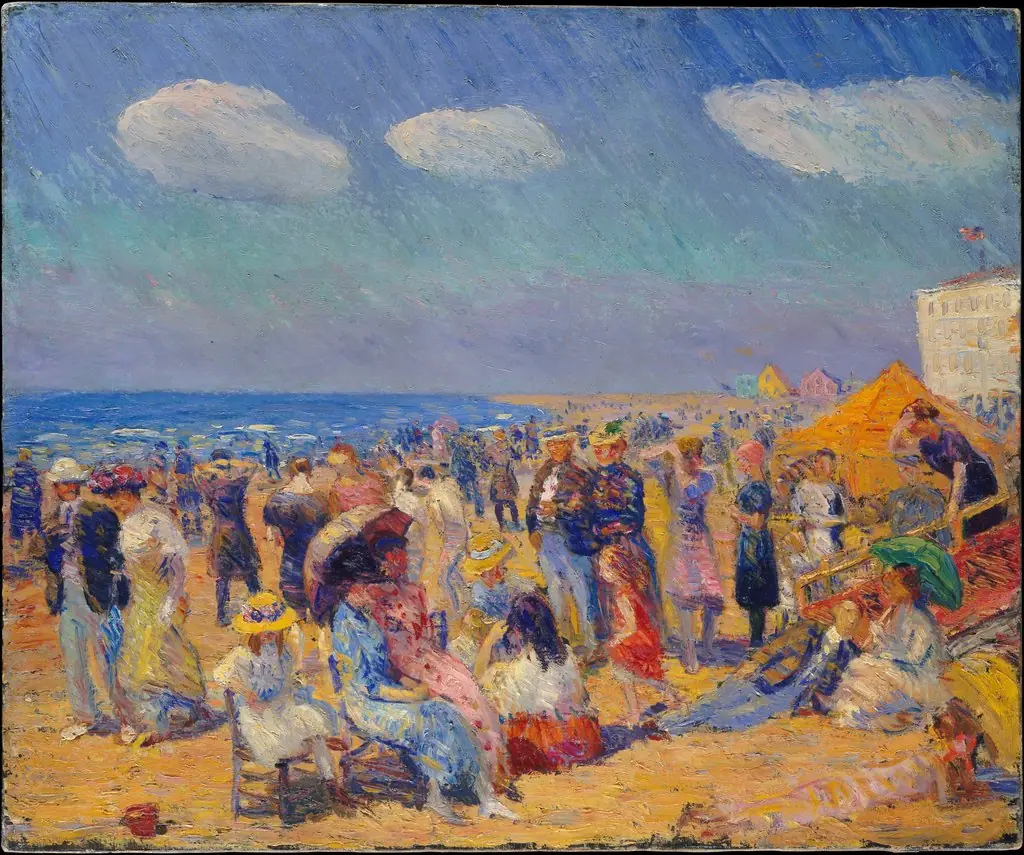 Crowd at the Seashore
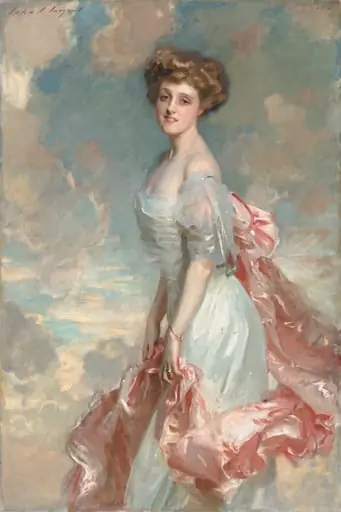 Miss Mathilde Townsend
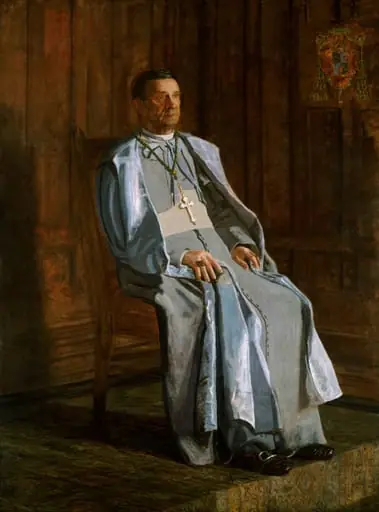 Archbishop Diomede Falconio
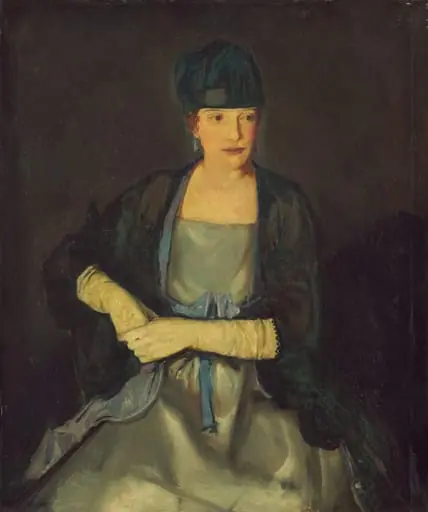 Maud Murray Dale (Mrs. Chester Dale)
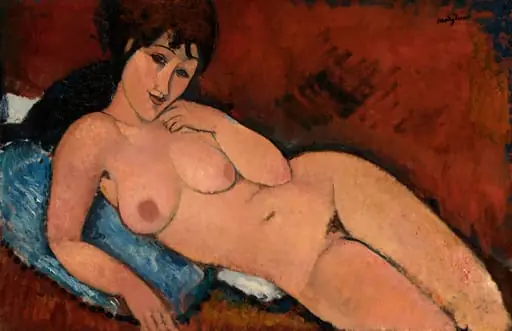 Nude on a Blue Cushion
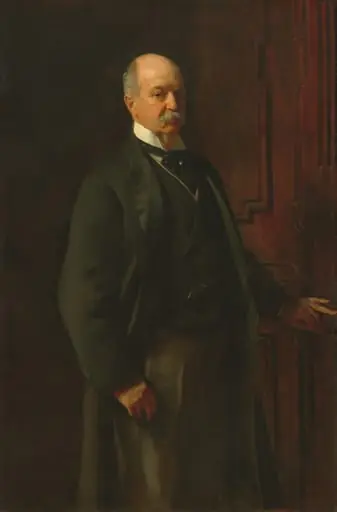 Peter A. B. Widener
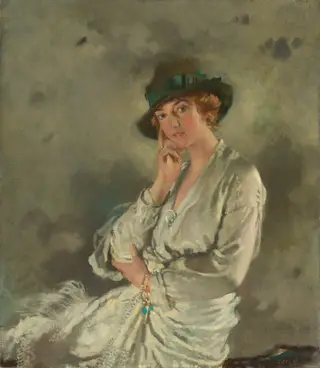 Mrs. Charles S. Carstairs
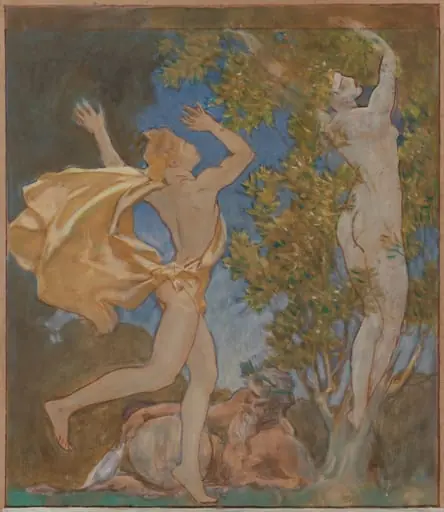 Apollo and Daphne
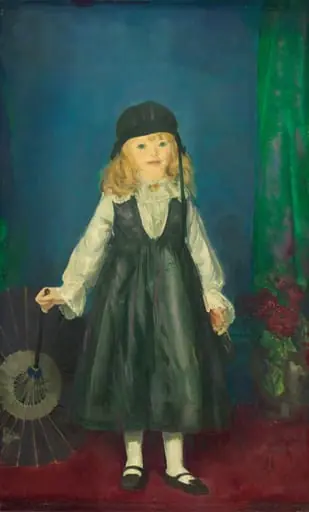 Anne with a Japanese Parasol
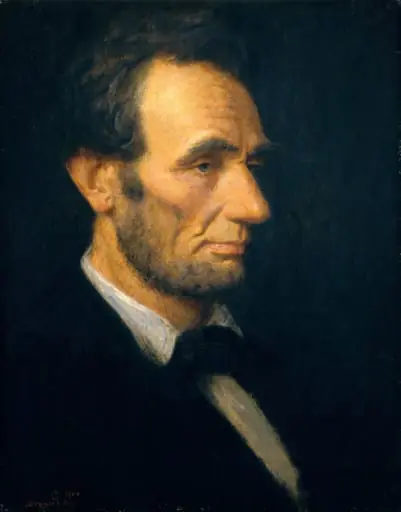 Abraham Lincoln
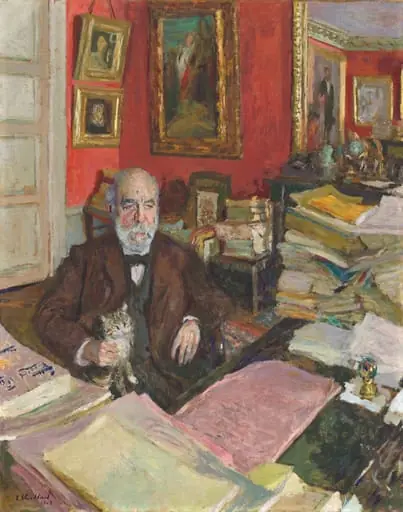 Théodore Duret
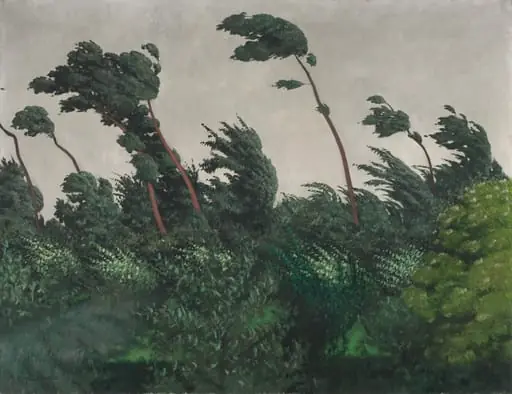 The Wind
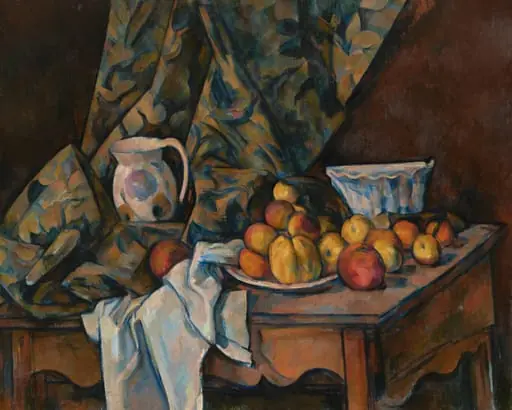 Still Life with Apples and Peaches
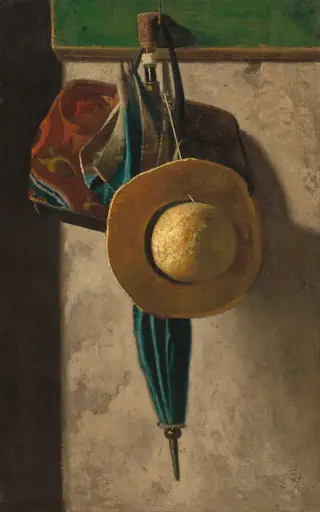 Straw Hat, Bag, and Umbrella
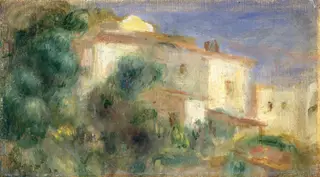 Maison de la Poste, Cagnes
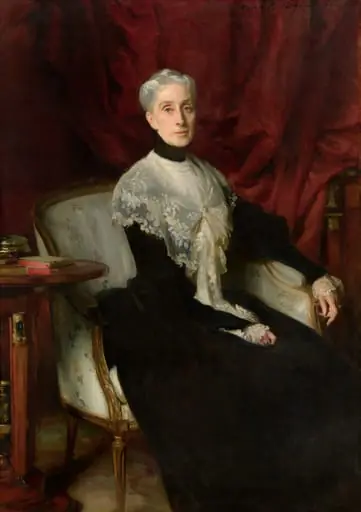 Ellen Peabody Endicott (Mrs. William Crowninshield Endicott)
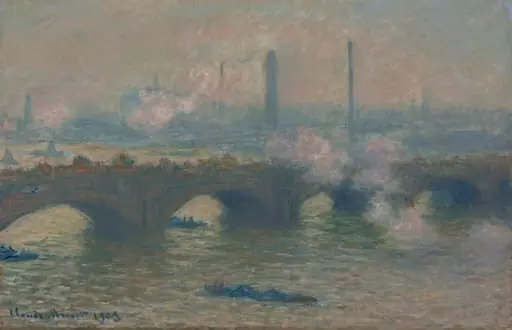 Waterloo Bridge, Gray Day
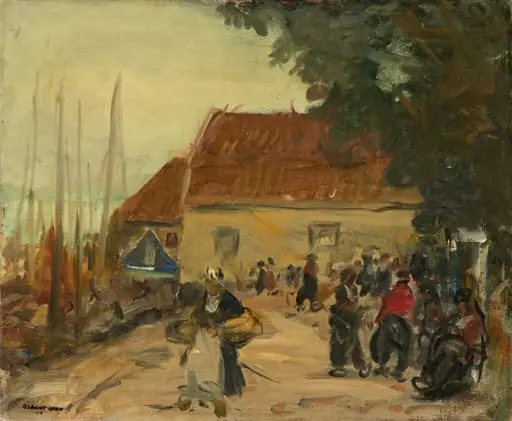 Volendam Street Scene
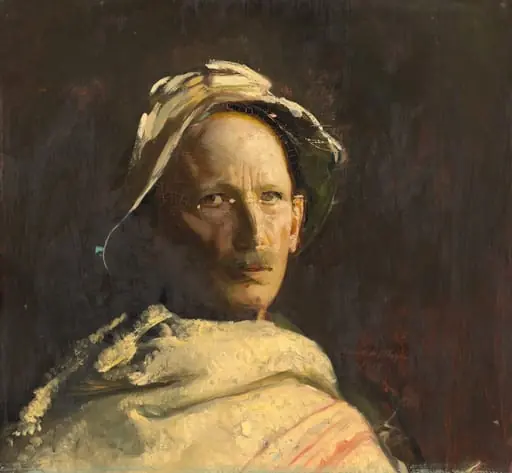 Self-Portrait
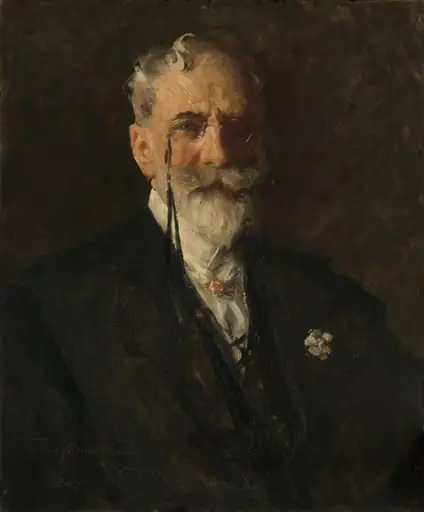 Self-Portrait
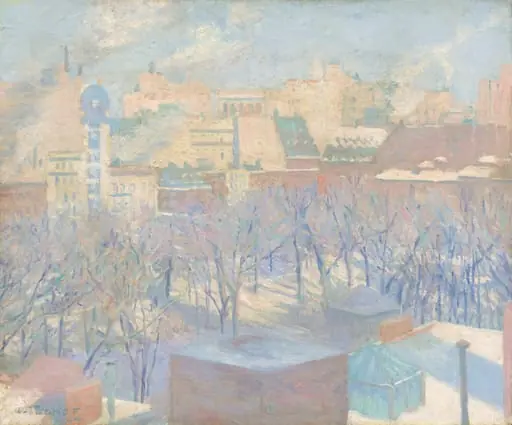 Madison Square, Snow
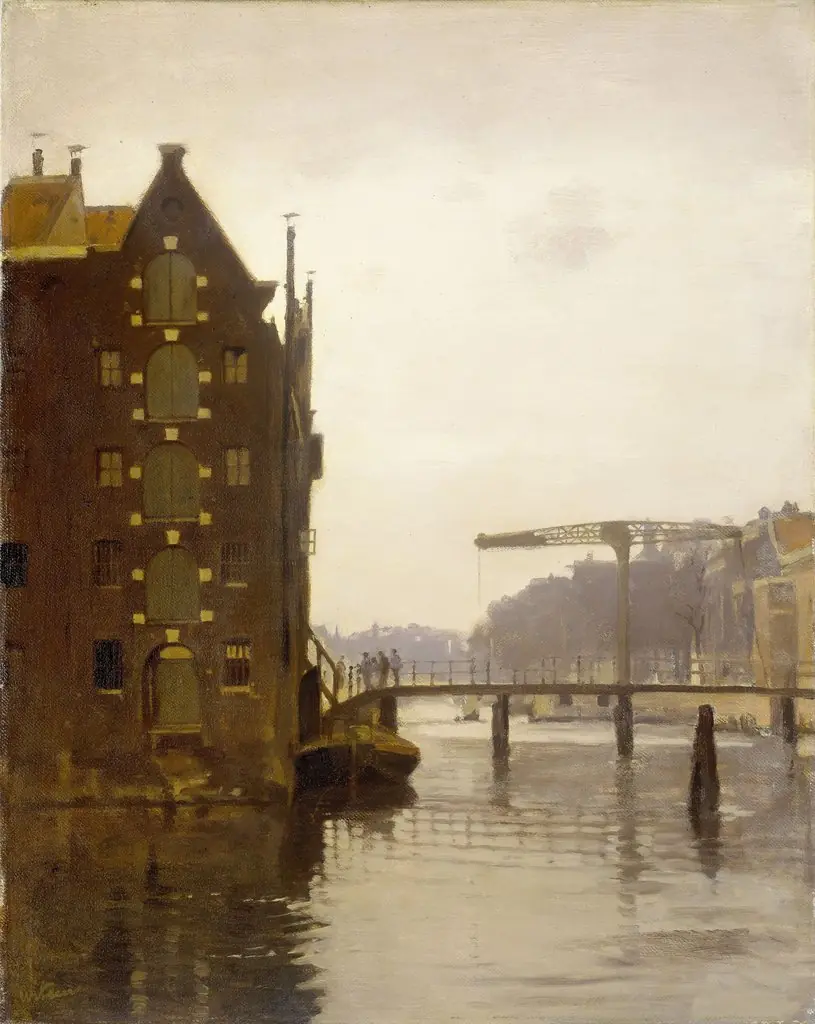 Pakhuizen aan een Amsterdamse gracht op Uilenburg
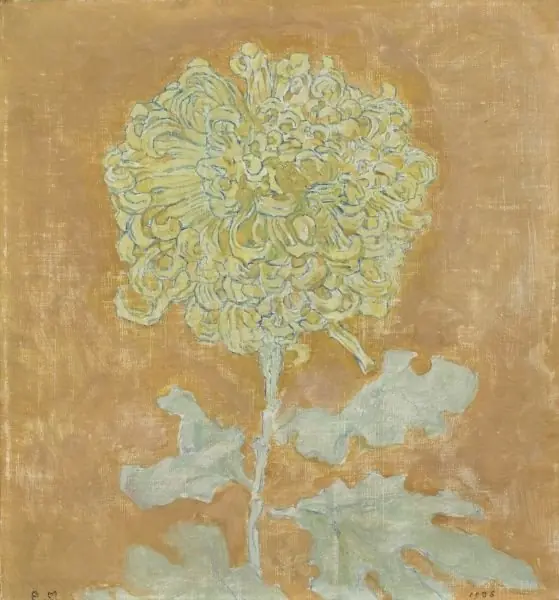 Chrysanthemum
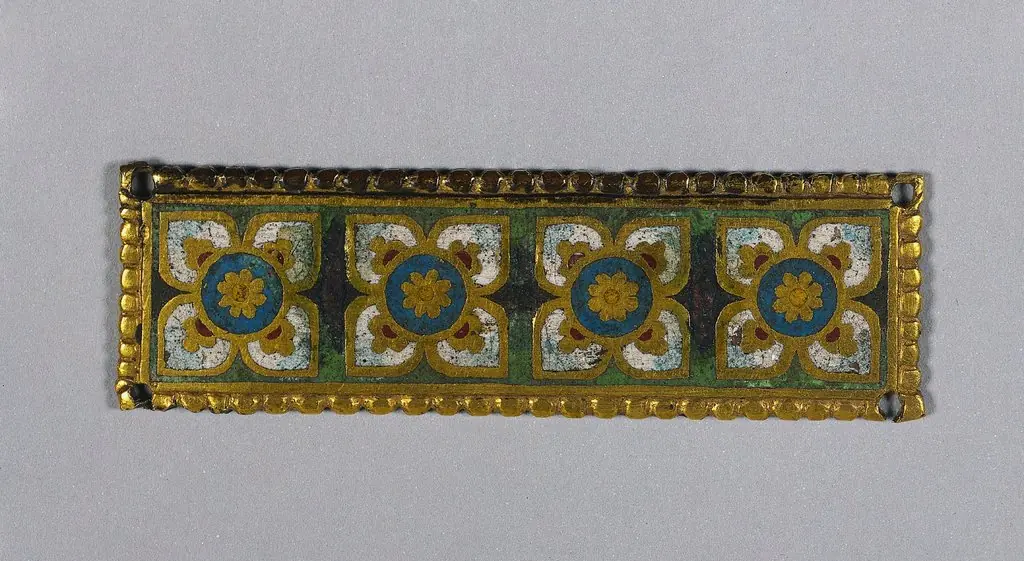 Christ
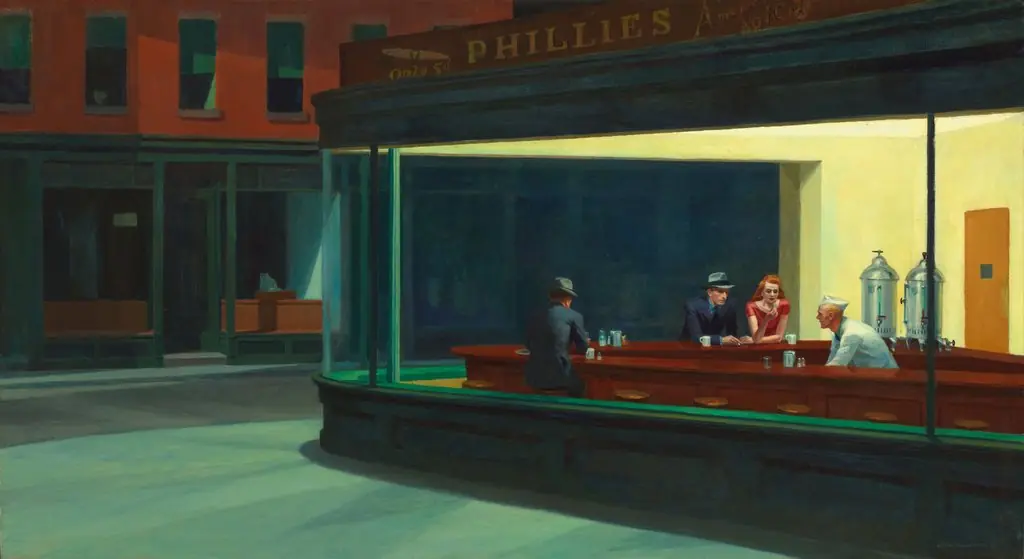 Nighthawks
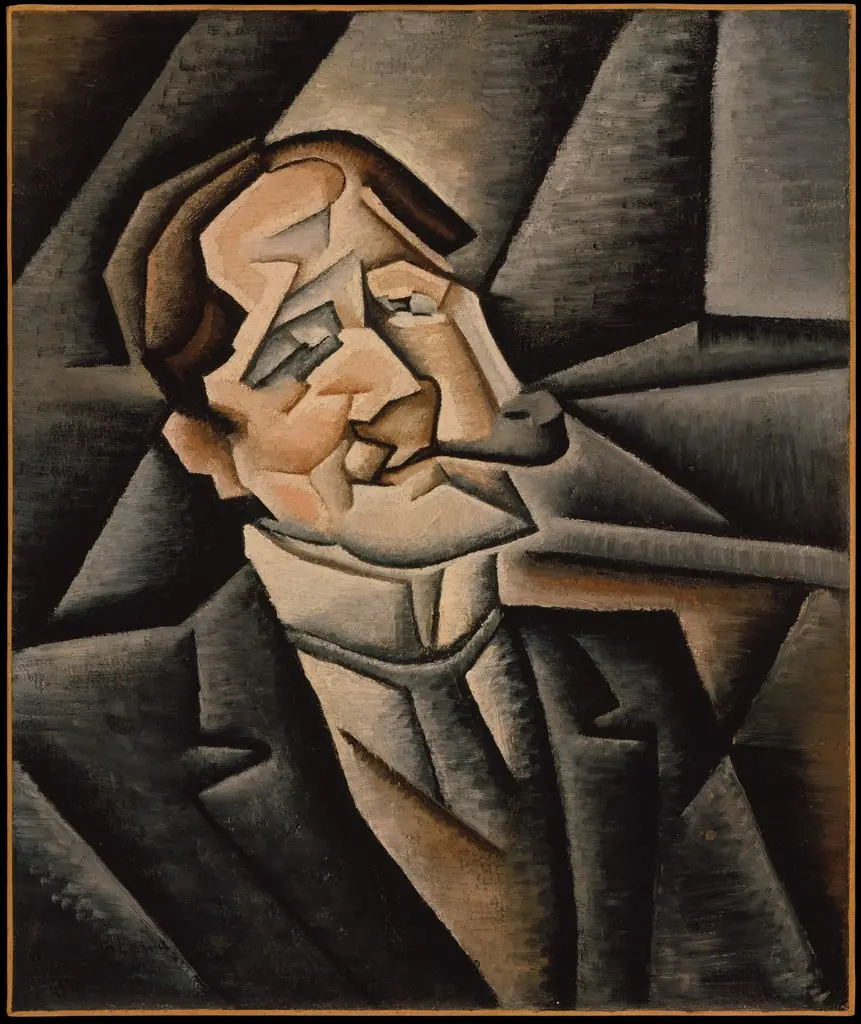 Juan Legua
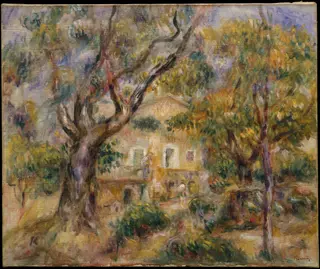 The Farm at Les Collettes, Cagnes
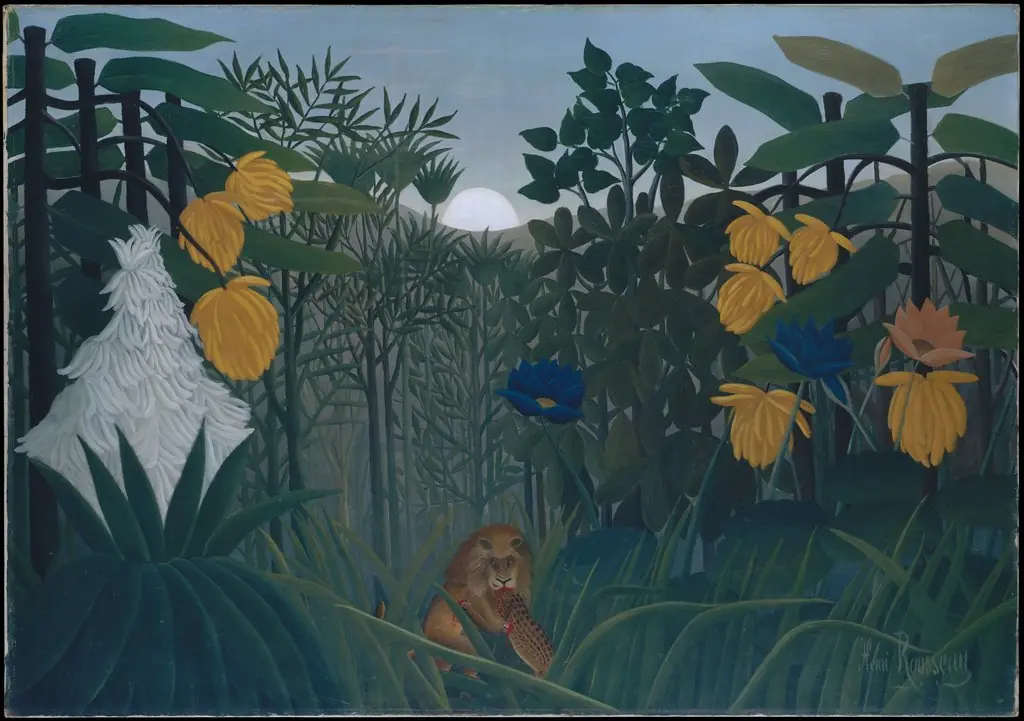 The Repast of the Lion
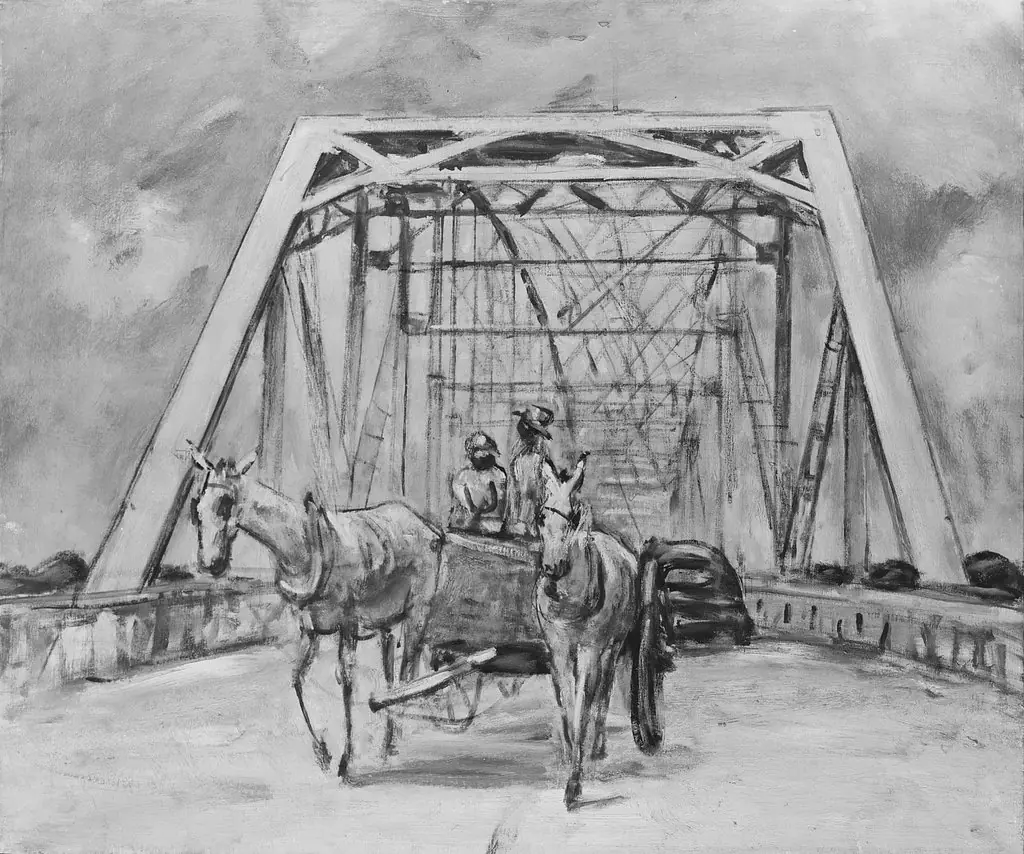 White Mules on a Bridge
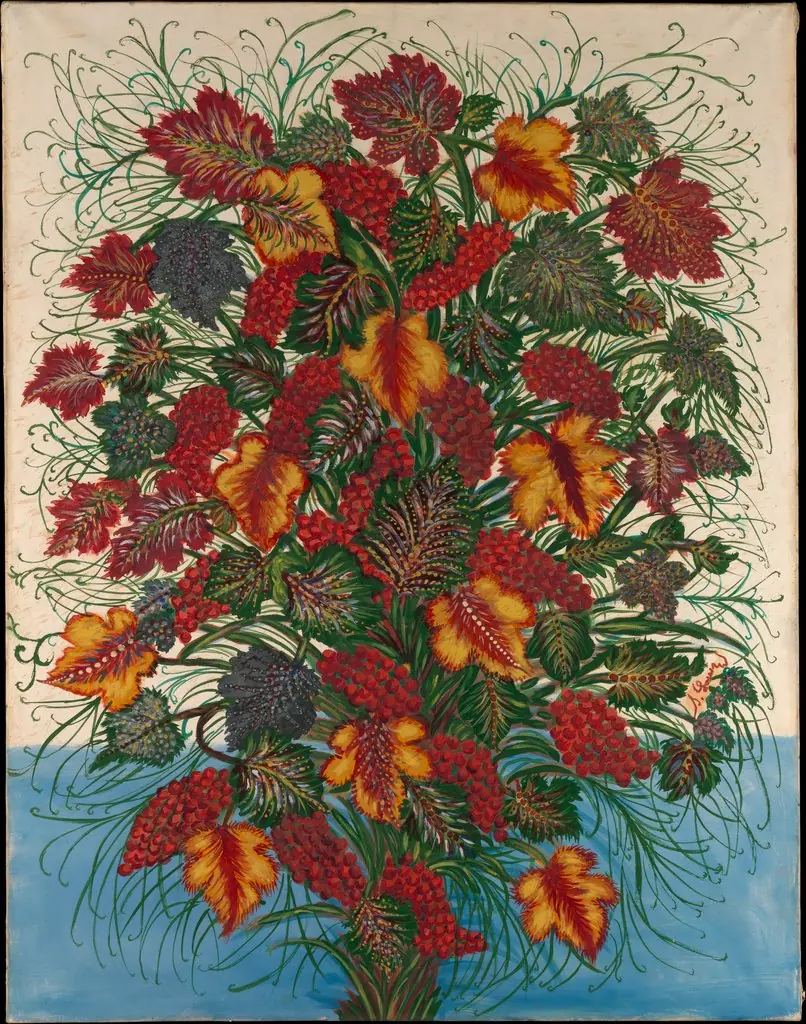 The Large Bouquet
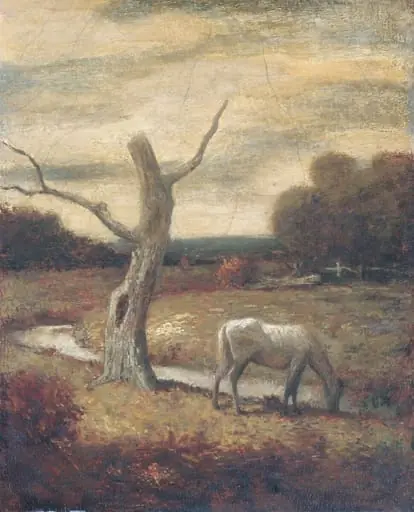 Autumn Meadows
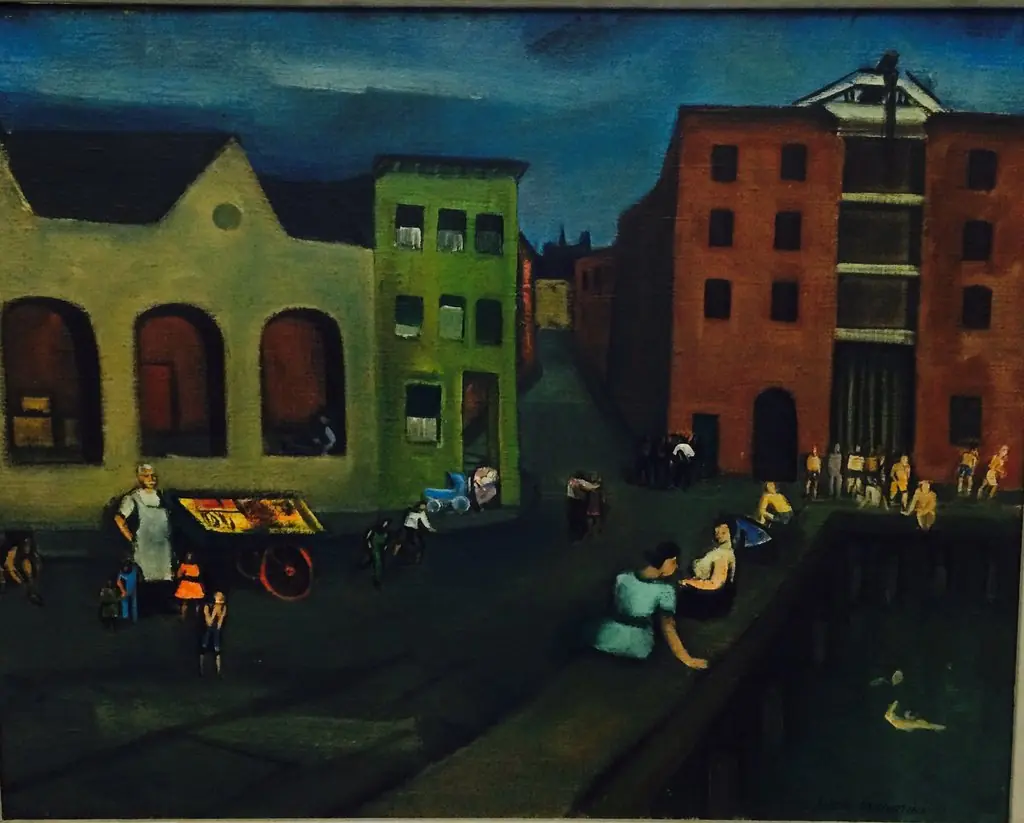 Docks on Sunday
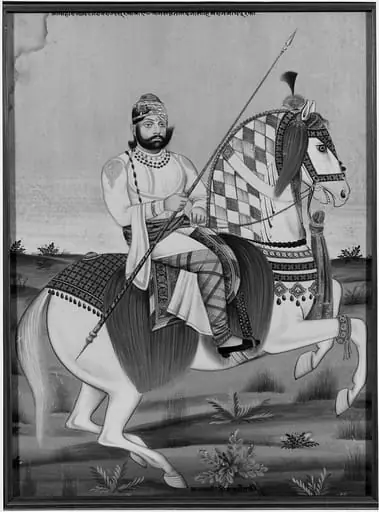 Untitled
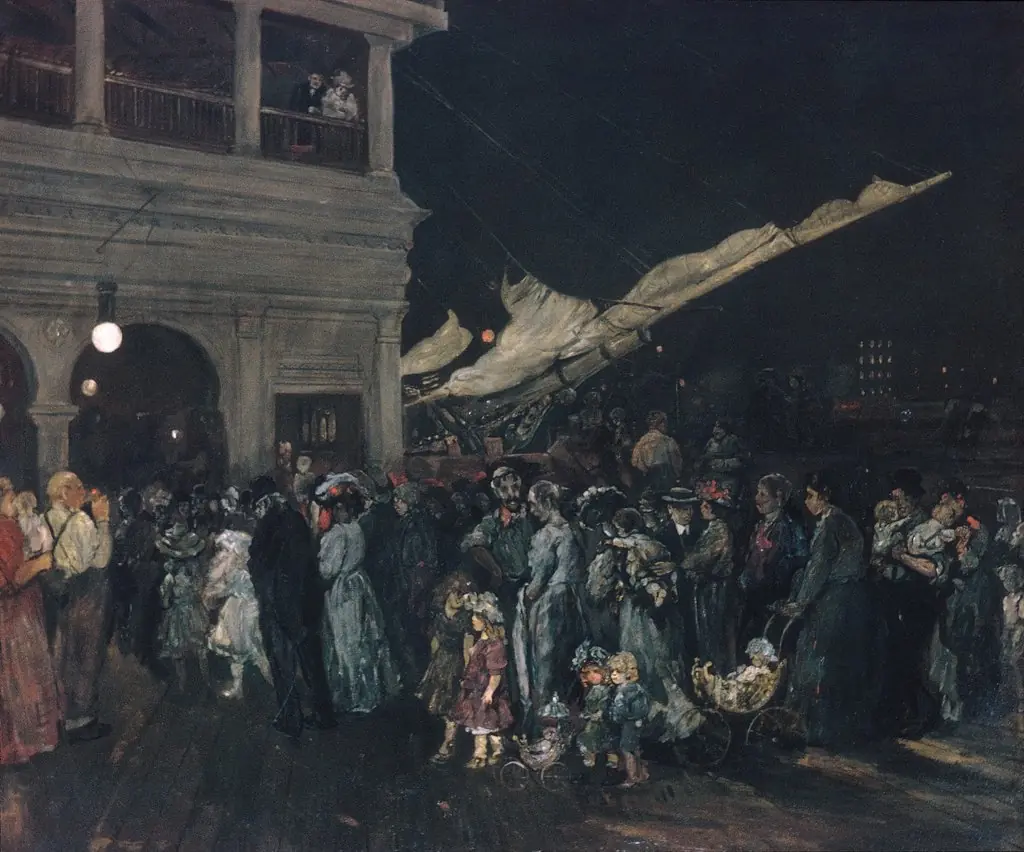 A North River Recreation Pier
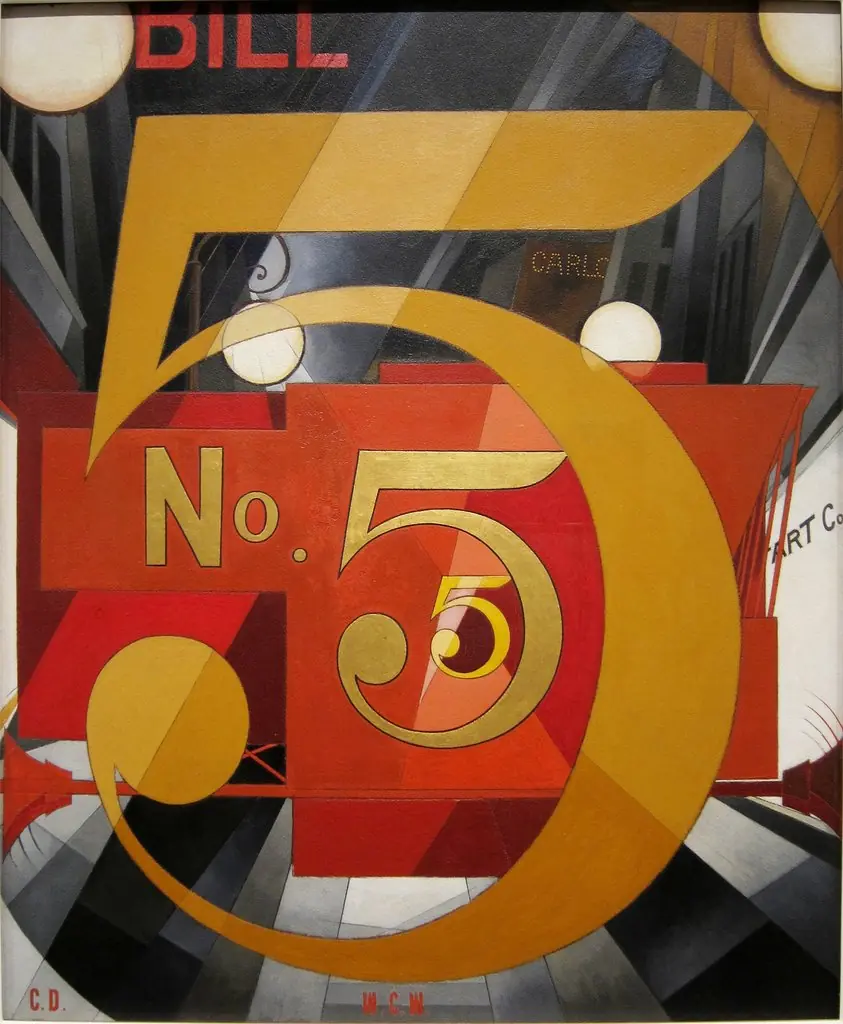 I Saw the Figure 5 in Gold
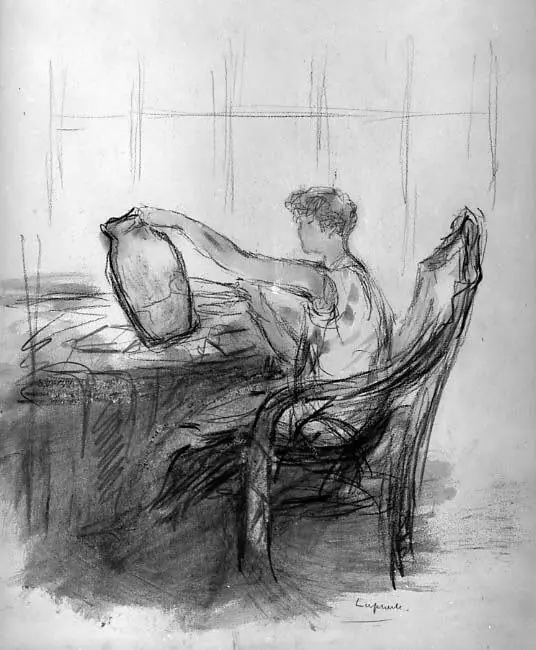 Woman Painting a Vase
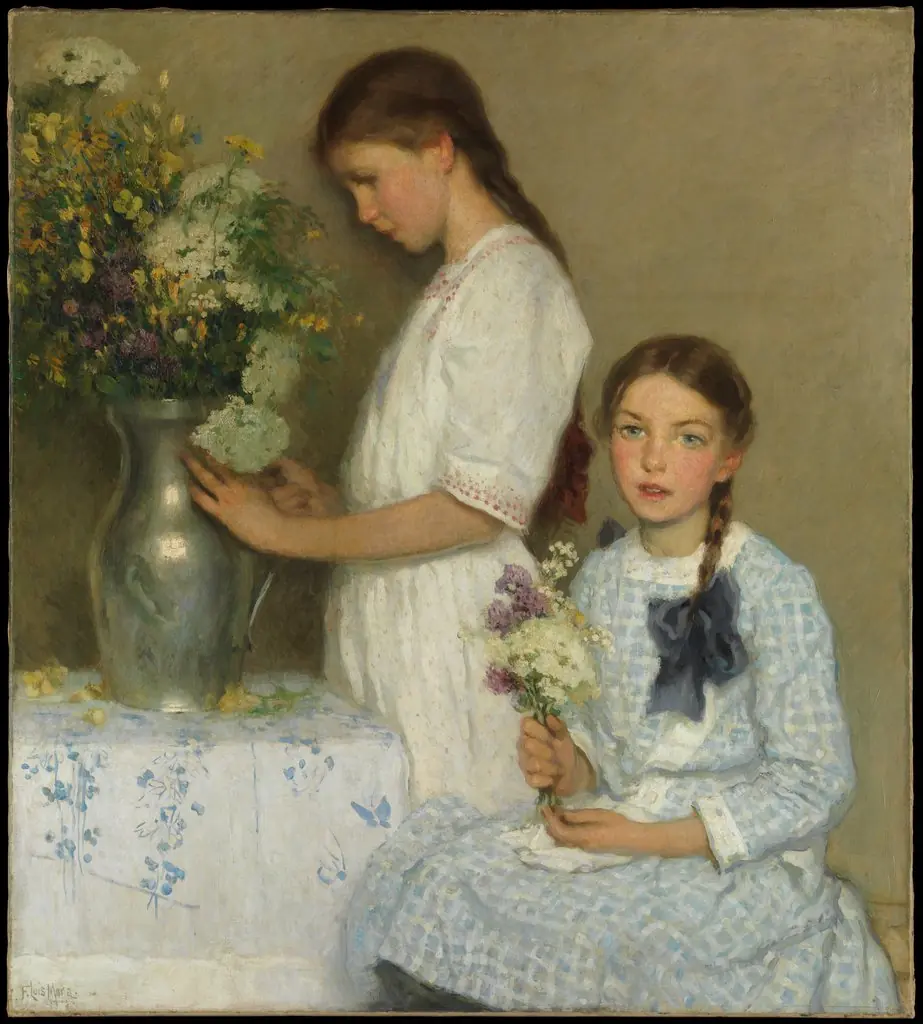 Flowers of the Field
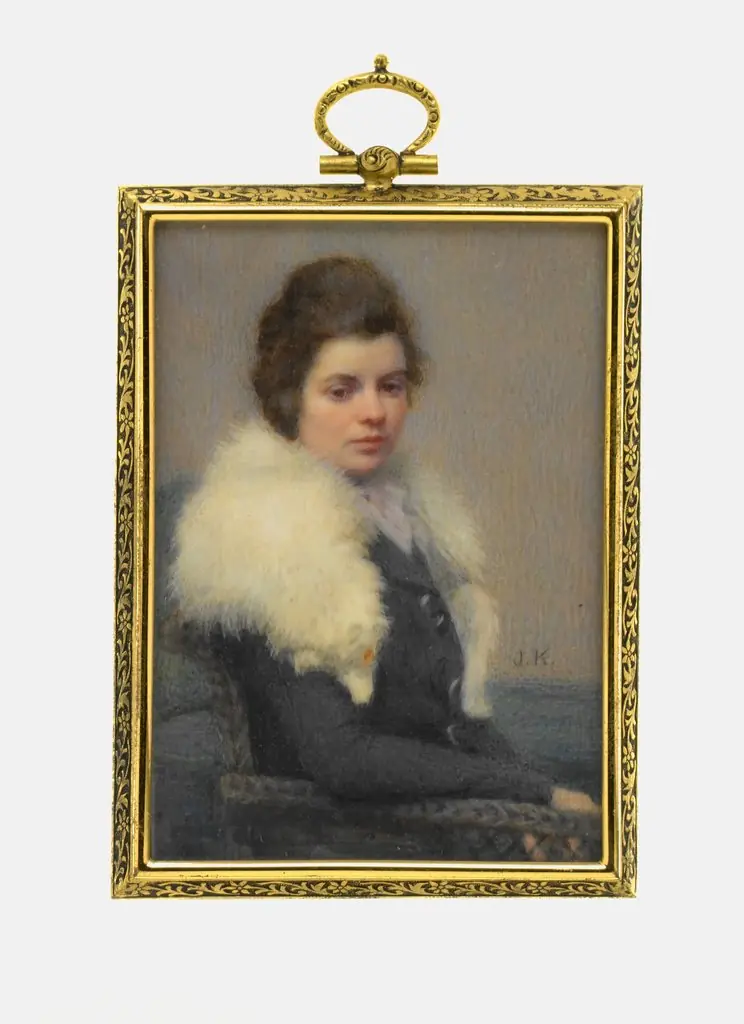 The Girl with White Fur
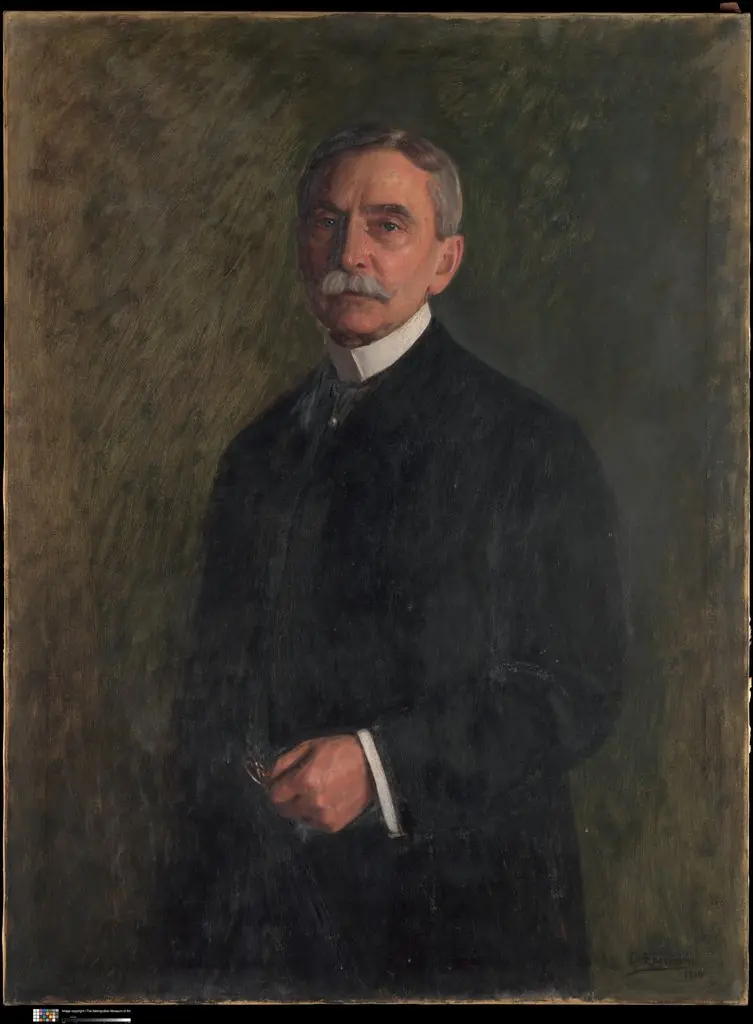 Portrait of Isaac D. Fletcher
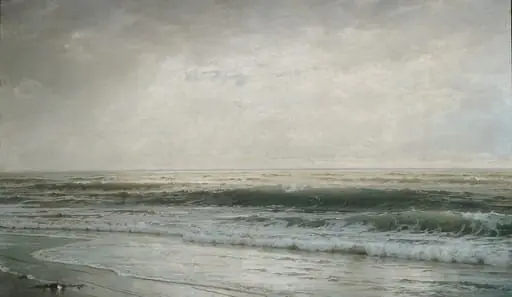 New Jersey Beach
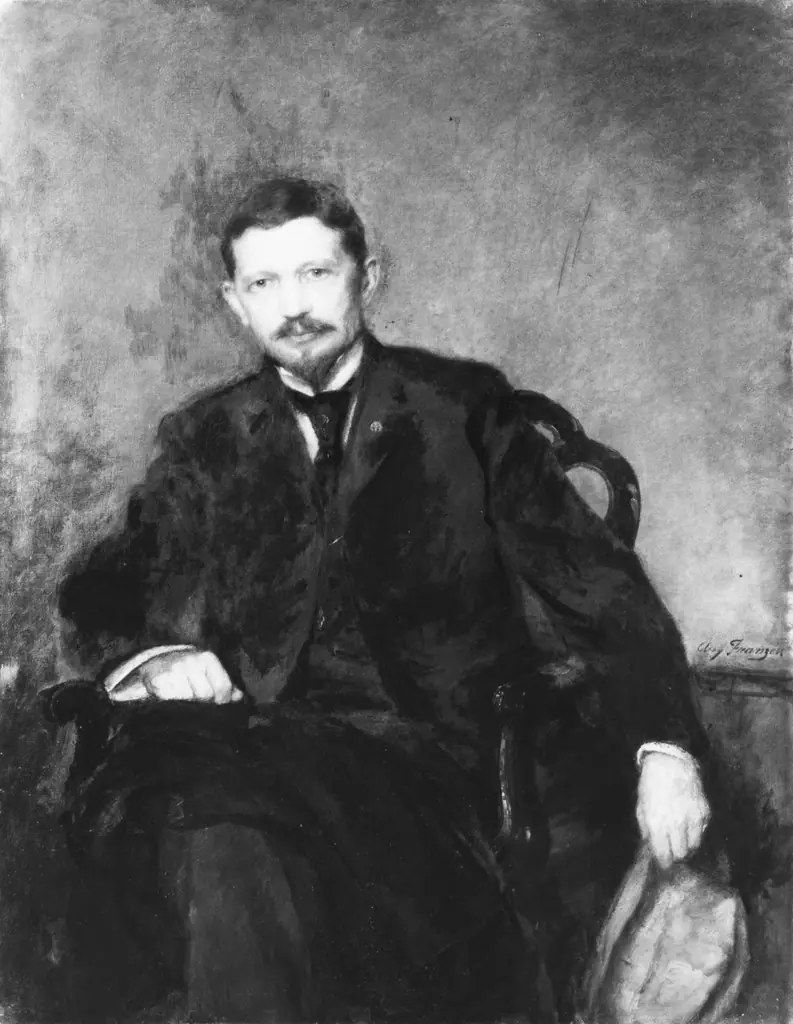 Alphonso T. Clearwater
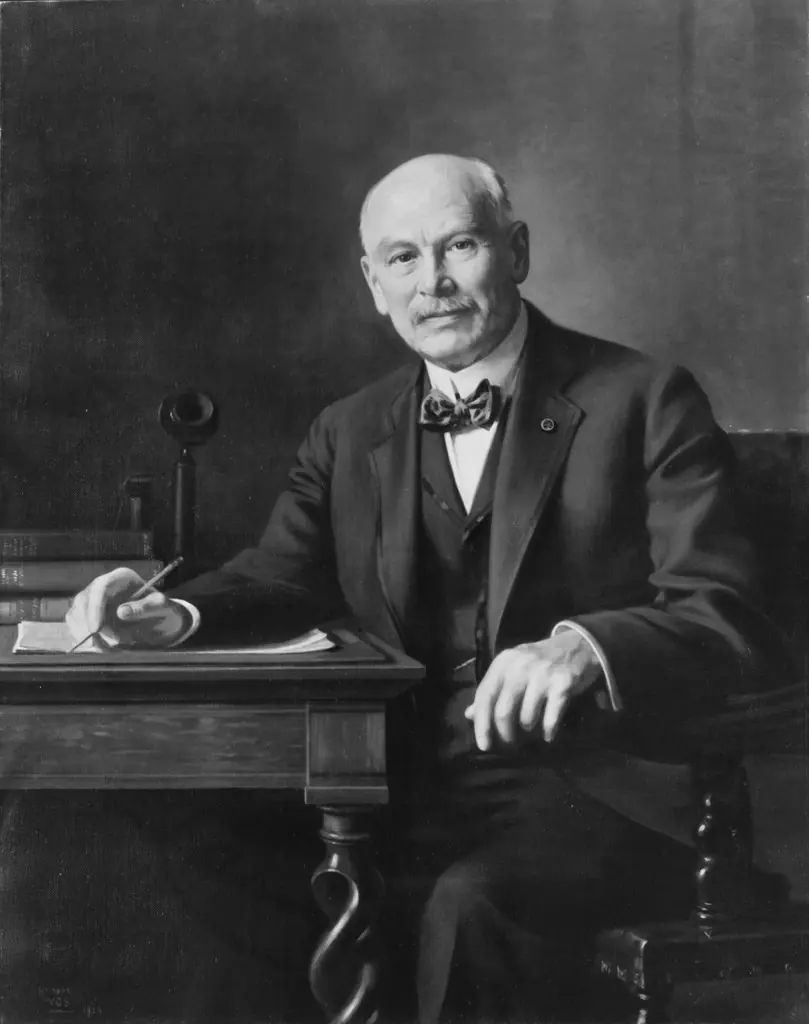 Elbert Henry Gary
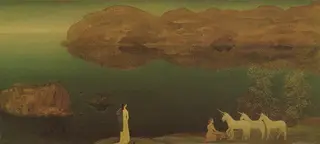 Unicorns (Legend—Sea Calm)
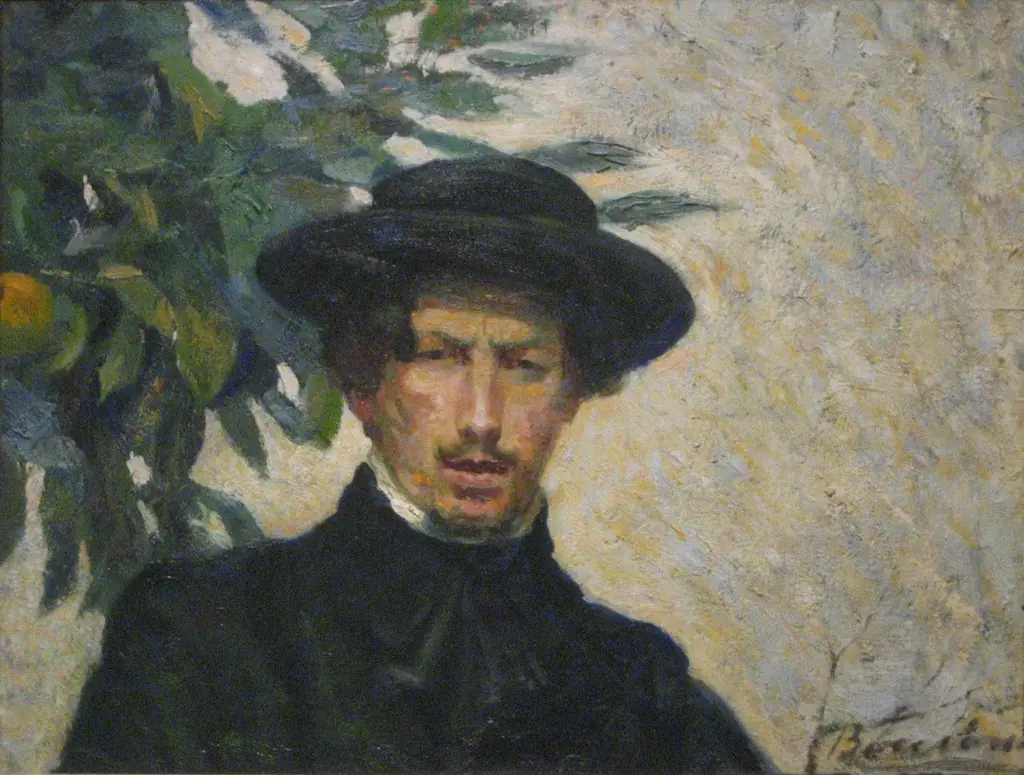 Self-Portrait
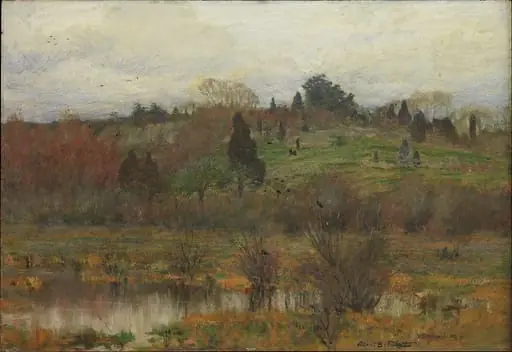 Return of the Redwing
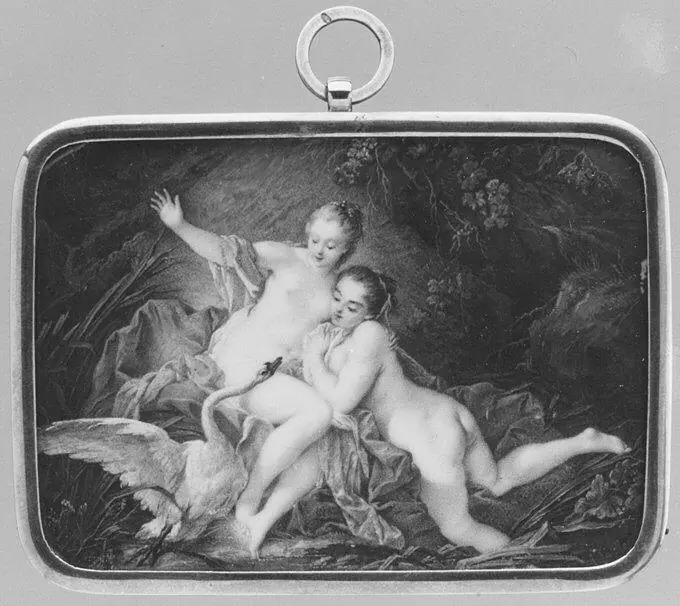 Leda and the Swan, after Boucher
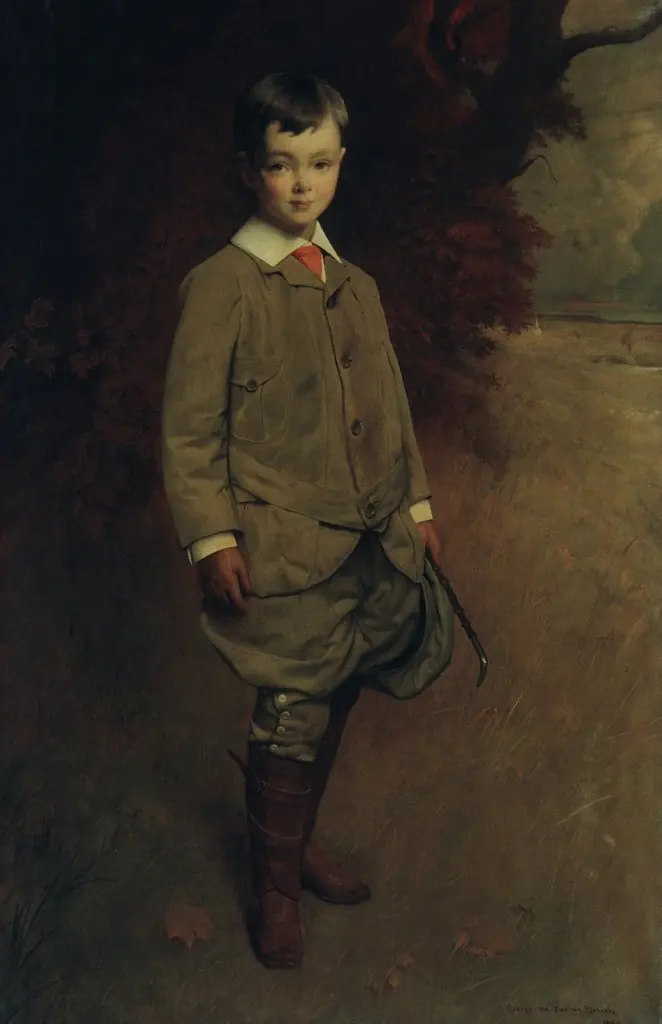 Alan Harriman
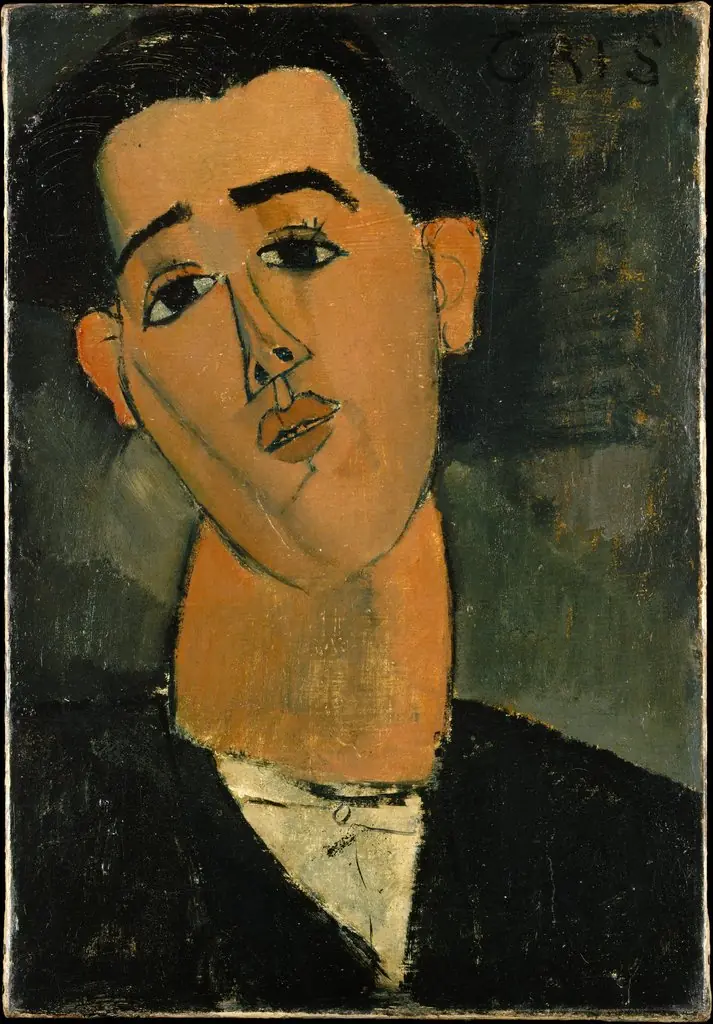 Juan Gris (1887–1927)
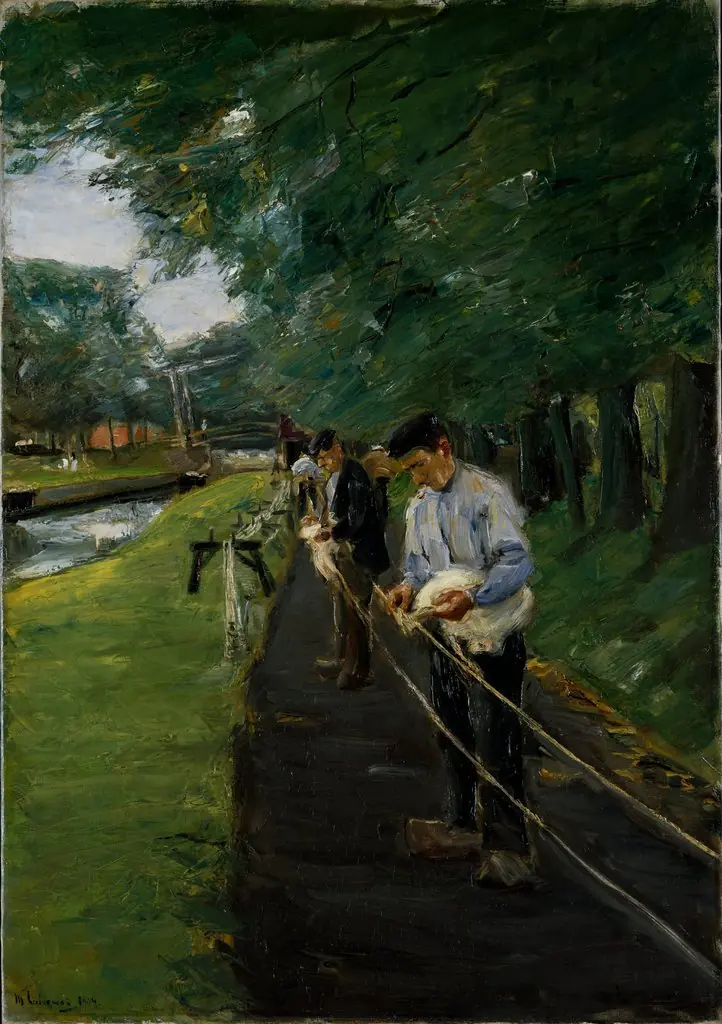 The Ropewalk in Edam
 Seated Nude
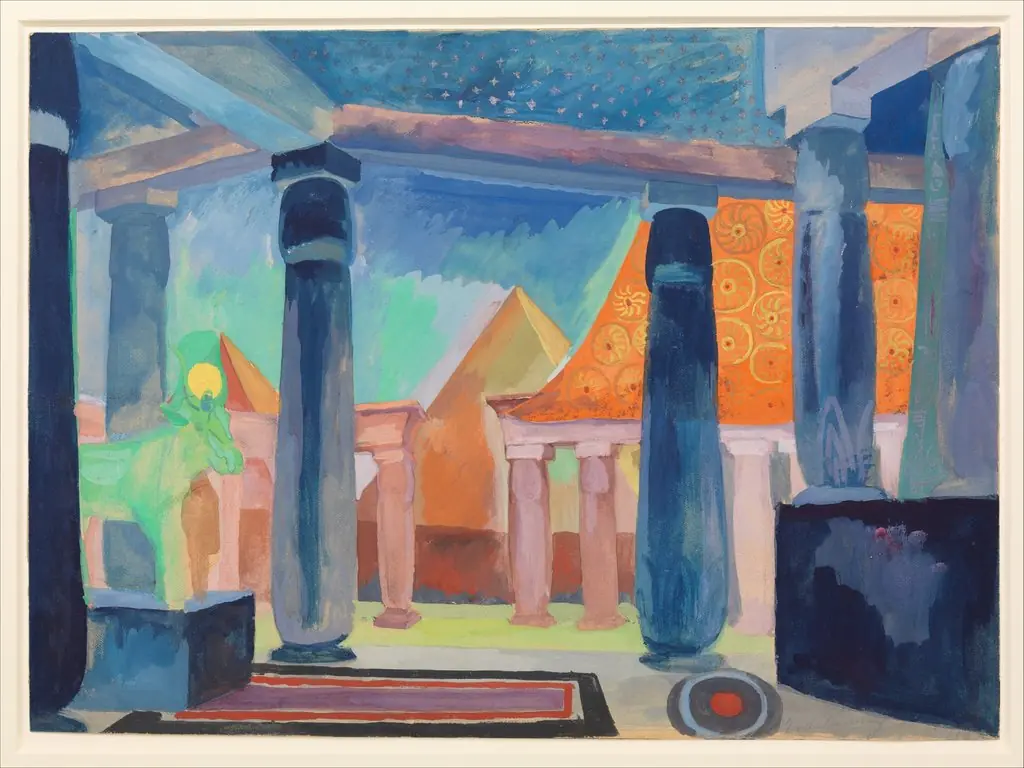 Stage Design for Cleopatra
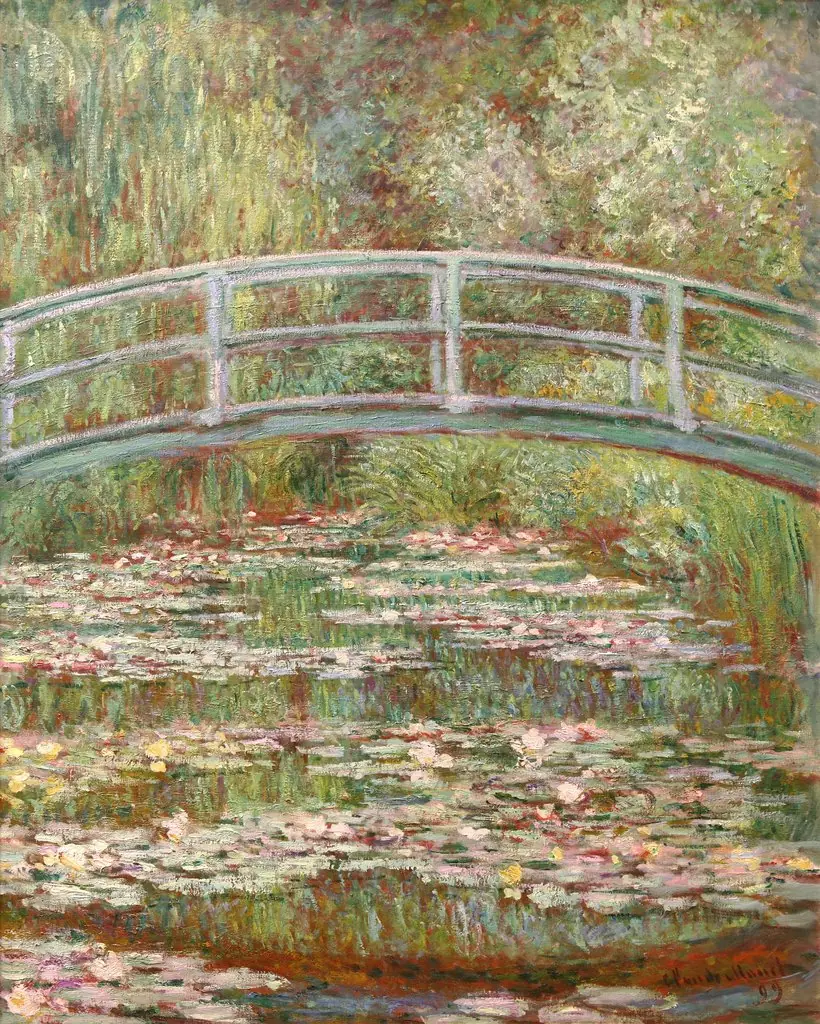 Bridge over a Pond of Water Lilies
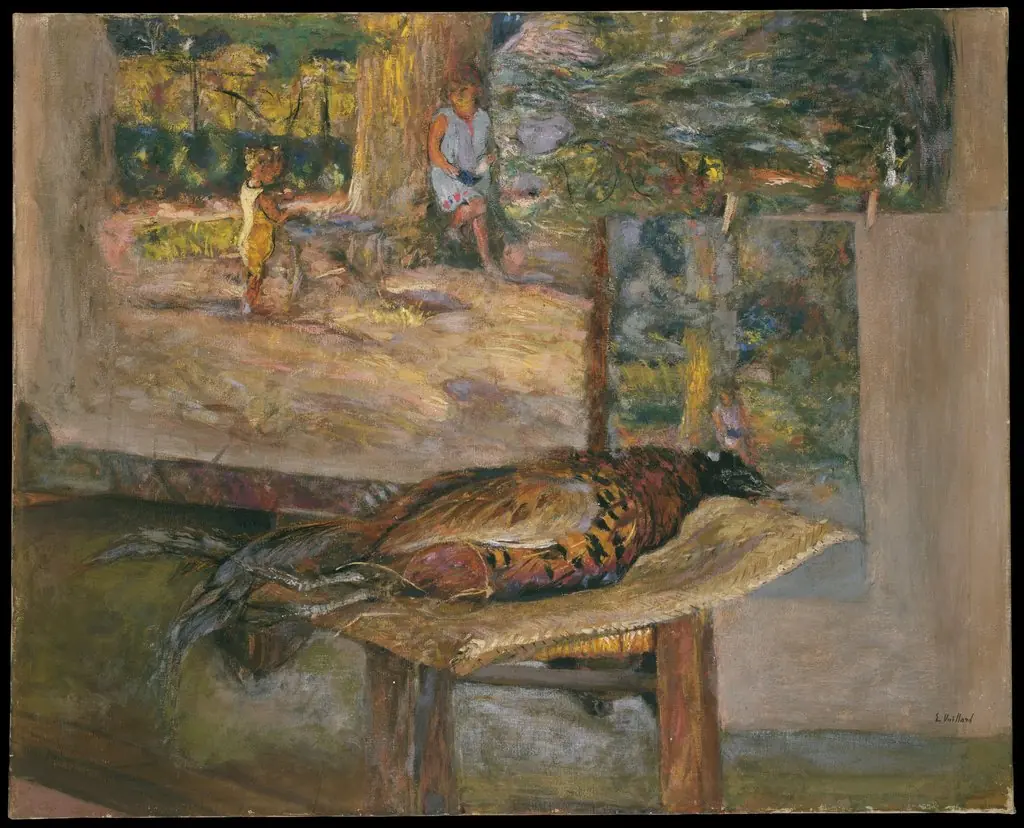 Interior with Paintings and a Pheasant
 Swan Pond, Bellport, Long Island
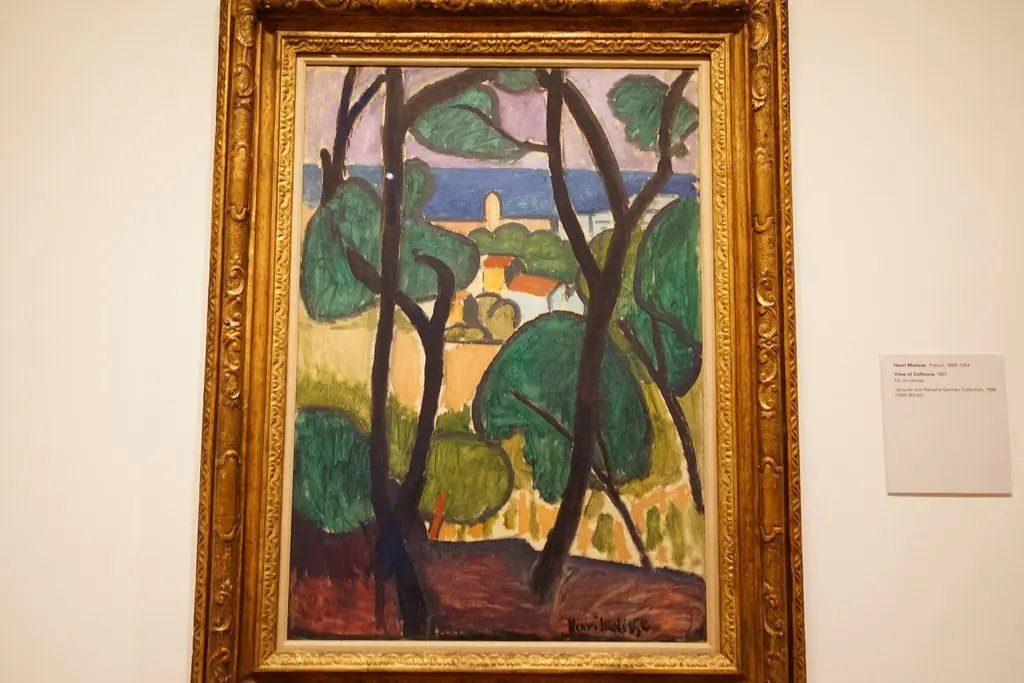 View of Collioure
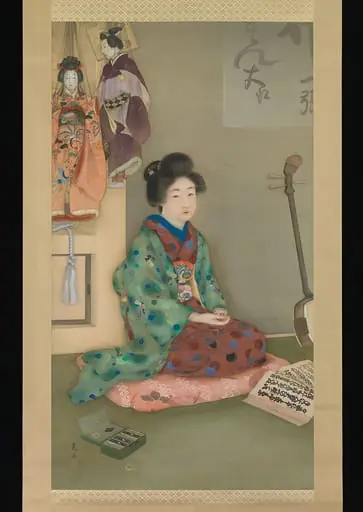 娘義太夫|Female Chanter for Jōruri Puppet Theater
 Italian Hill Town
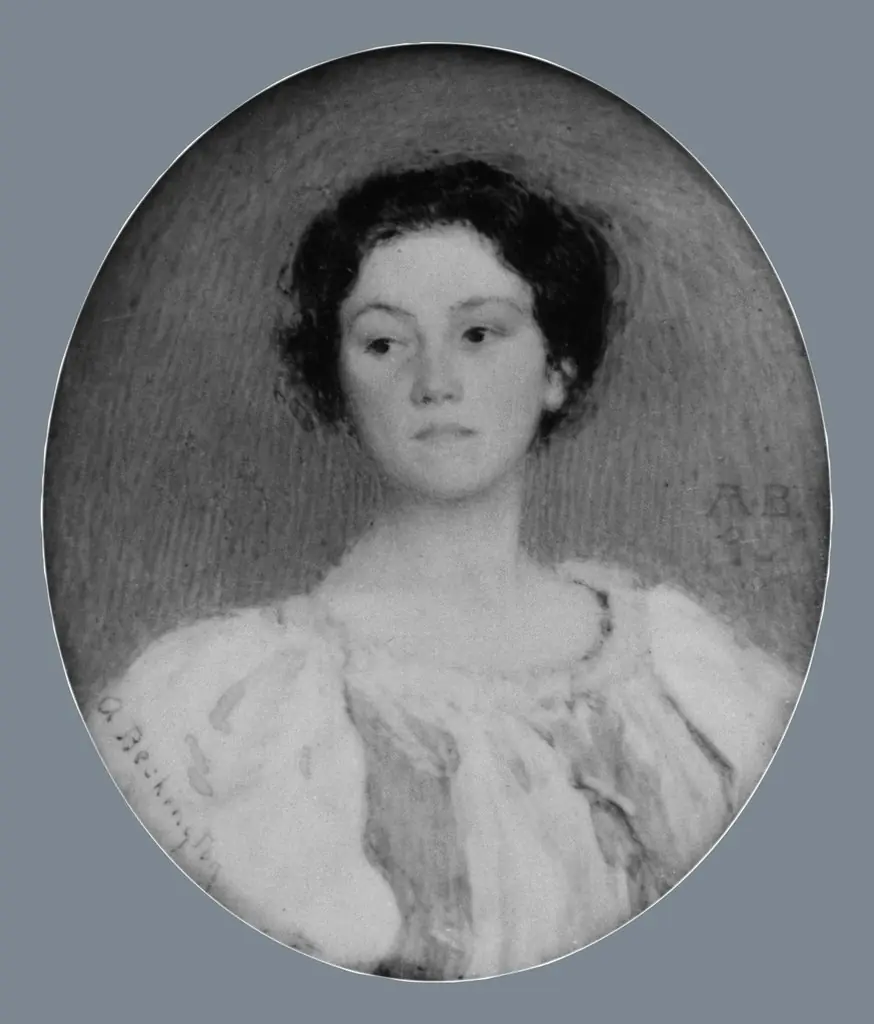 Miss T.
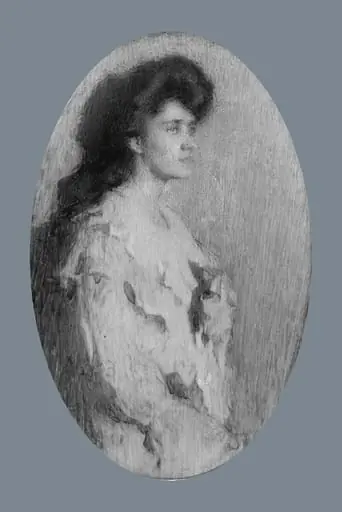 Annabel Gray
Frequently asked questions
What is Early Modern?
Early Modern is an art period. The broadly defined era from around 1500 to 1800, spanning the later Renaissance, the Baroque, and the Rococo — a period in which the European nation-states, colonial economies, and print culture shaped art's production and dissemination as never before.
How many Early Modern works does Artifact World Gallery have?
Artifact World Gallery holds 18,423 public-domain Early Modern works, all free to view and download.
Who are the key Early Modern artists?
Key Early Modern artists in the collection include Thomas Eakins, Edgar Degas and Camille Pissarro.
When did Early Modern take place?
Early Modern dates from 1400–1800.
Where can I see Early Modern works?
Early Modern works in the collection are held by Museum of Modern Art, National Gallery of Art and Victoria and Albert Museum.