Artwork
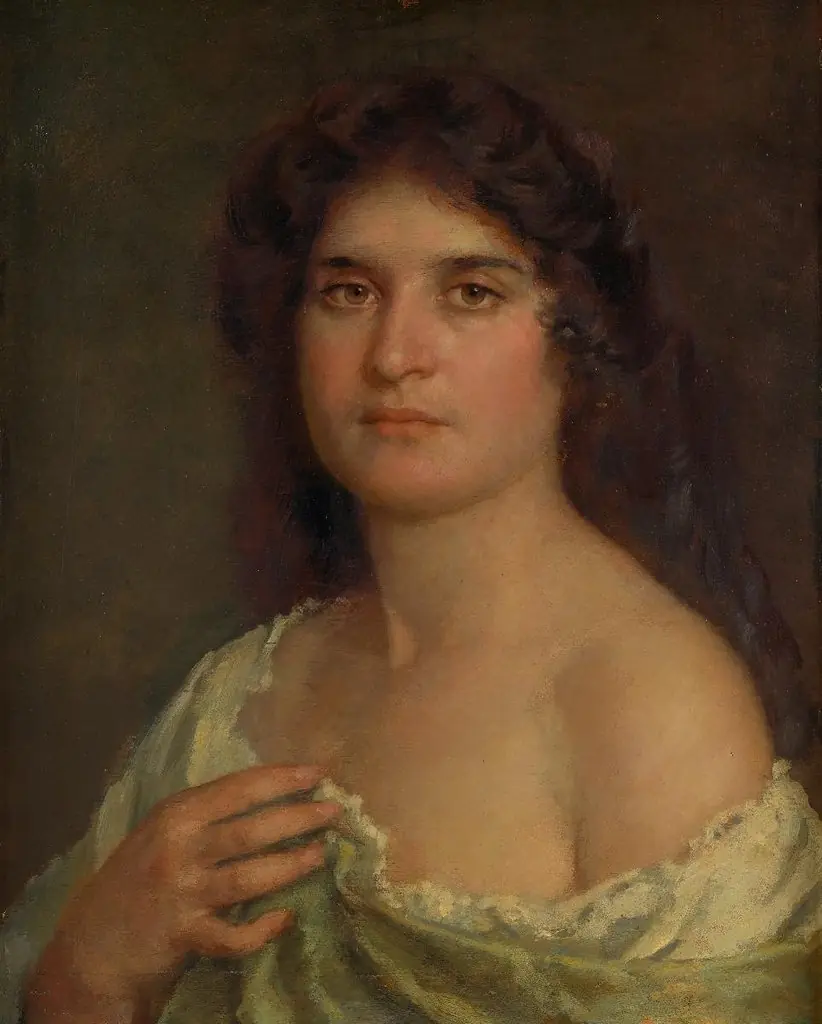
Portret de fată
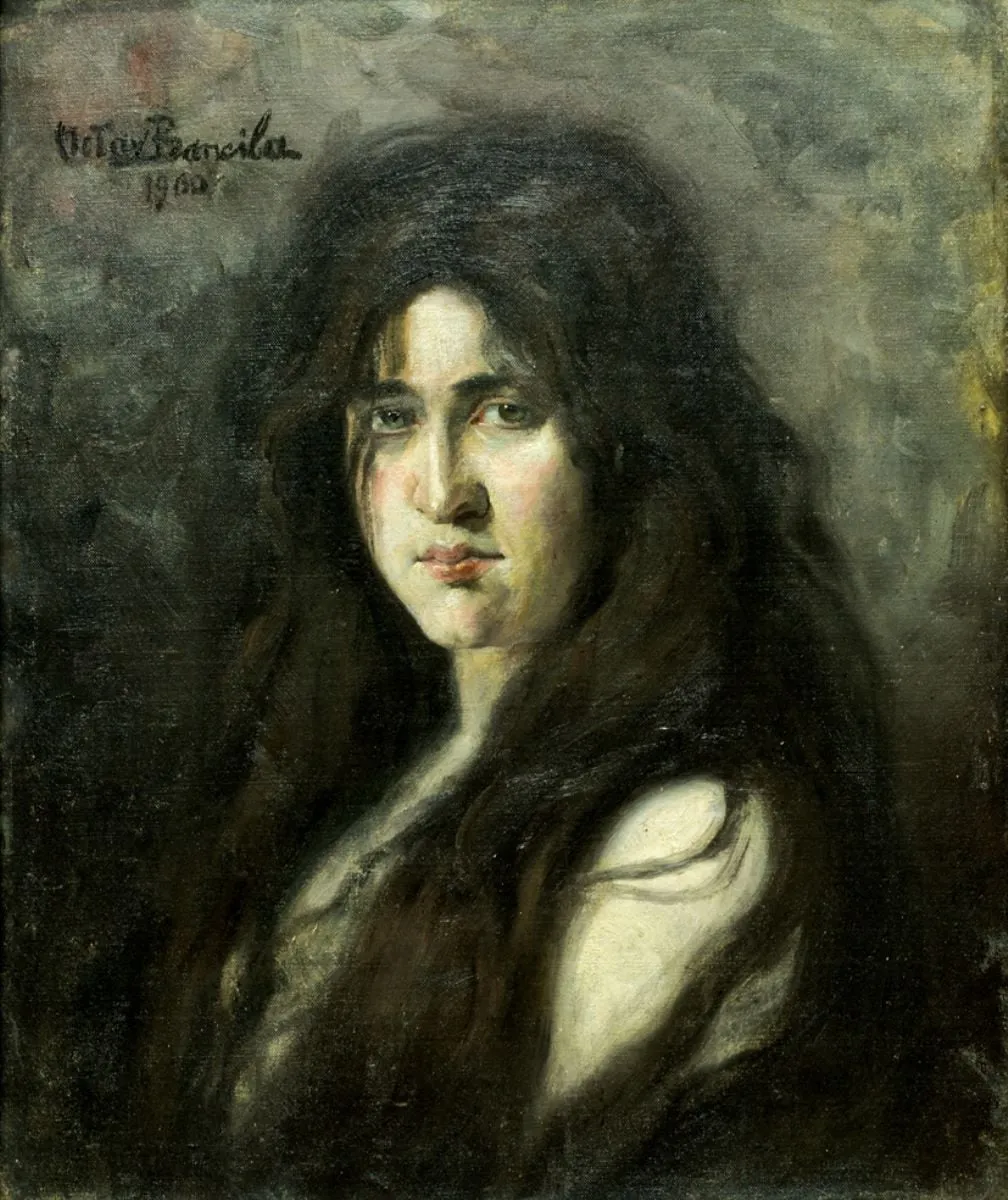
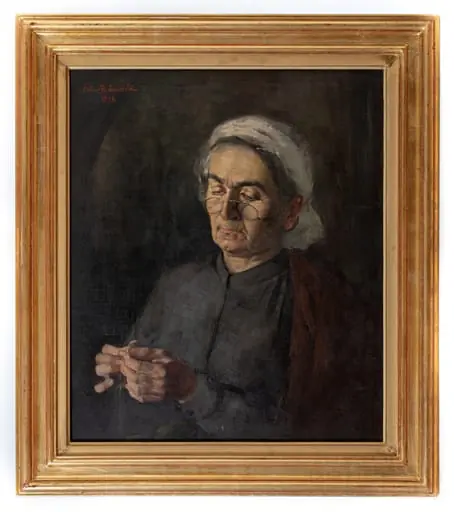
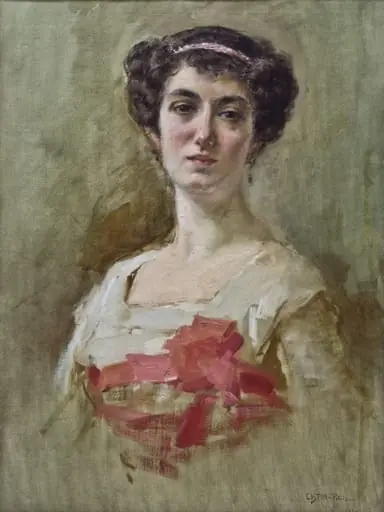
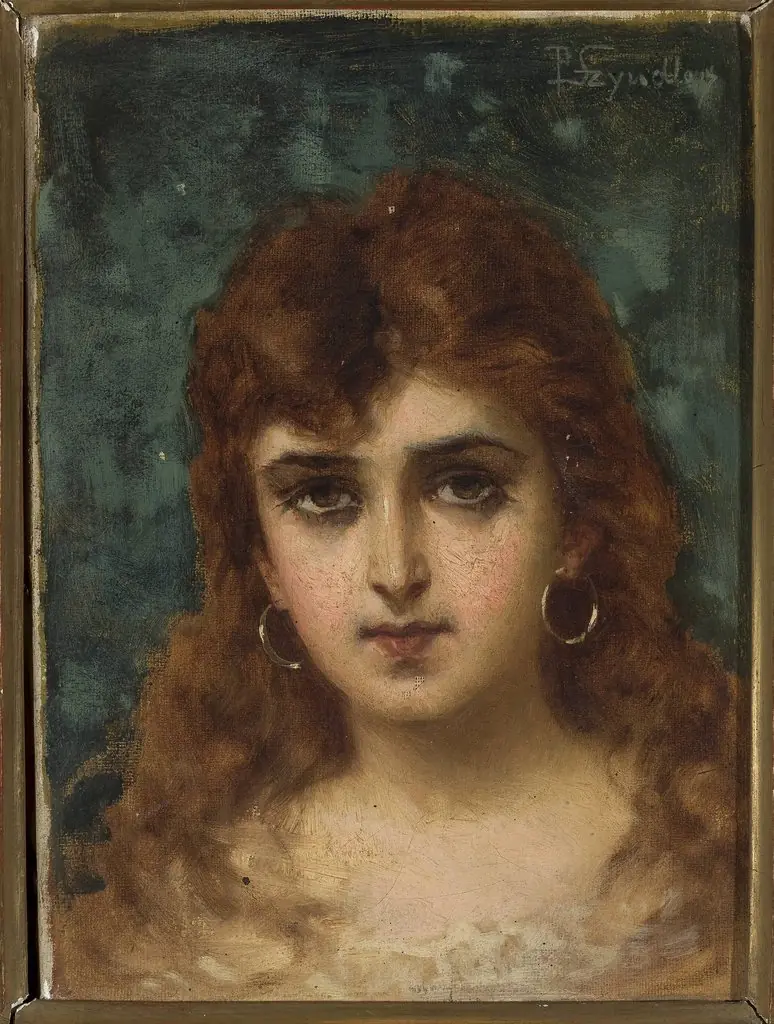
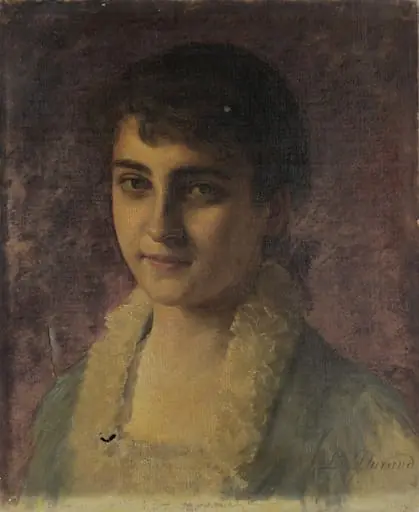
Portret de fată is a print by Octav Băncilă. It dates from 1850 and is held in the collection of the Bucharest Municipality Museum.
About this work
Overview
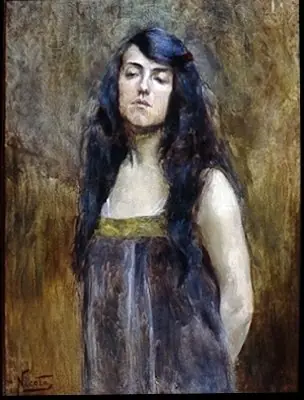
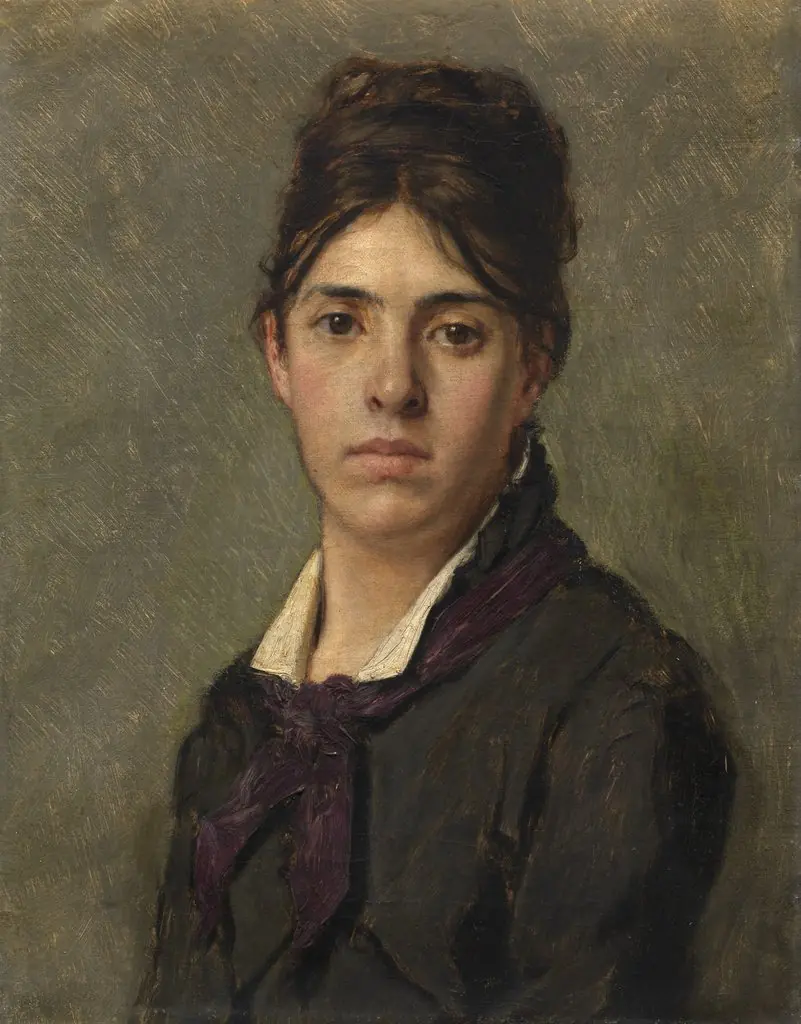
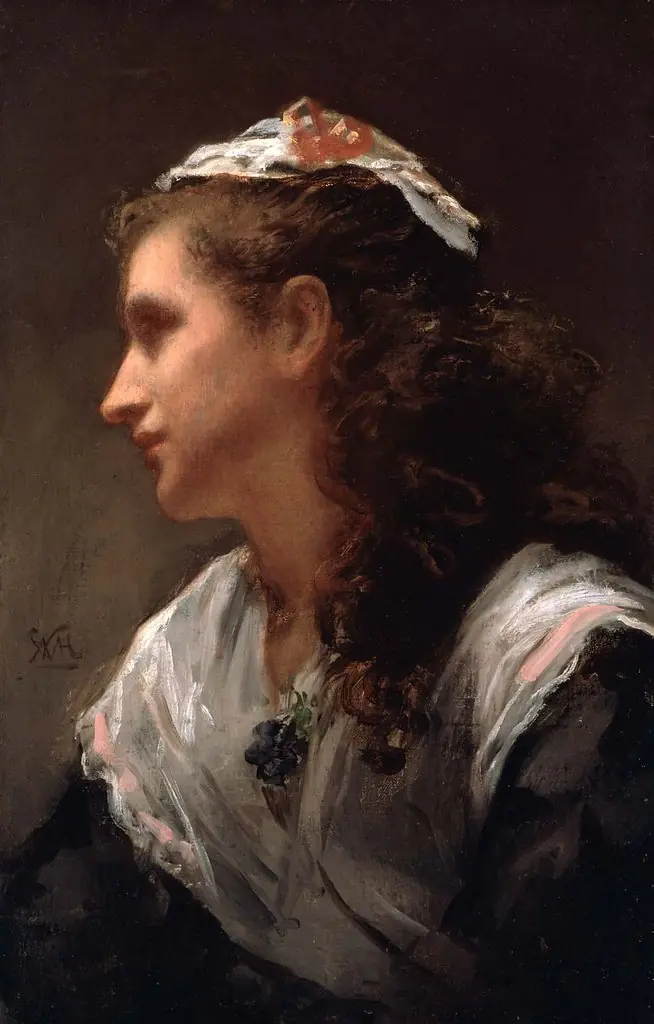
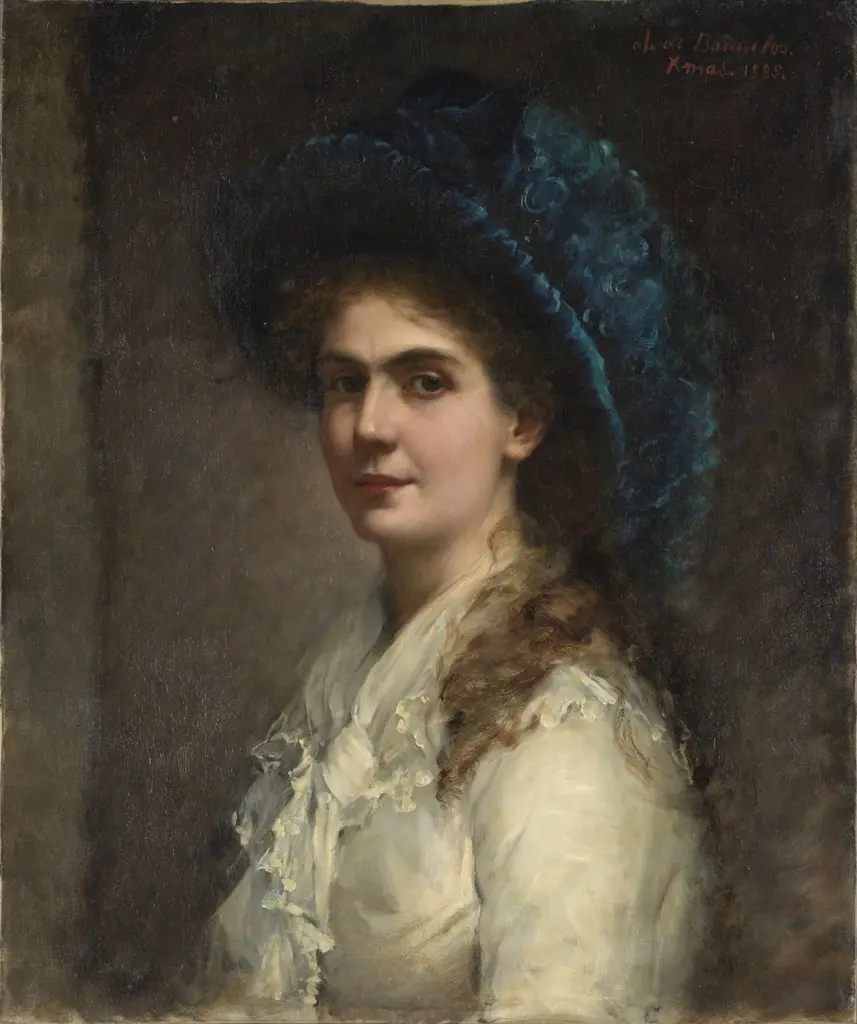
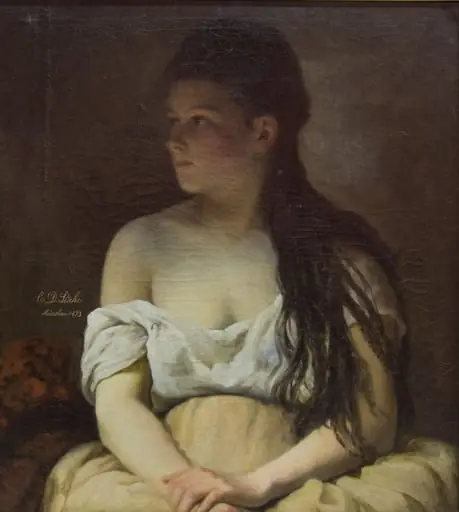
Portret de fată, created circa 1850 by Octav Băncilă, is a portrait held in the collection of the Museum of Ethnography. The work depicts a young woman with notable somberness in both expression and surroundings.
Subject & Meaning
The subject, a young woman with long dark hair dressed in white, is rendered in contemplative introspection. Her face is the central focus, inviting viewer engagement with her serene yet melancholic demeanor.
Technique & Style
Băncilă employed chiaroscuro to achieve depth and dimensionality, contrasting the subject's illuminated face with a muted, darker background, enhancing the overall sense of solemnity.
History & Provenance
Created in the mid-19th century, the painting's history is tied to its current location, with no detailed provenance provided beyond its presence at the Museum of Ethnography.
Context
While specific contextual details about the subject's identity or the artist's inspiration are not provided, the work reflects 19th-century portraiture tendencies with its emphasis on emotional depth.
Legacy
The legacy of 'Portret de fată' is not extensively detailed in available information, suggesting its significance may lie more within the museum's collection as a representative of Băncilă's work rather than broader, widely recognized artistic impact.
Artist & collection

Artist
Octav Băncilă was a Romanian realist painter and left-wing activist. He was the brother of Sofia Nădejde, a feminist journalist, and the brother-in-law of Ioan Nădejde.