Artwork
Bildnis eines Mannes
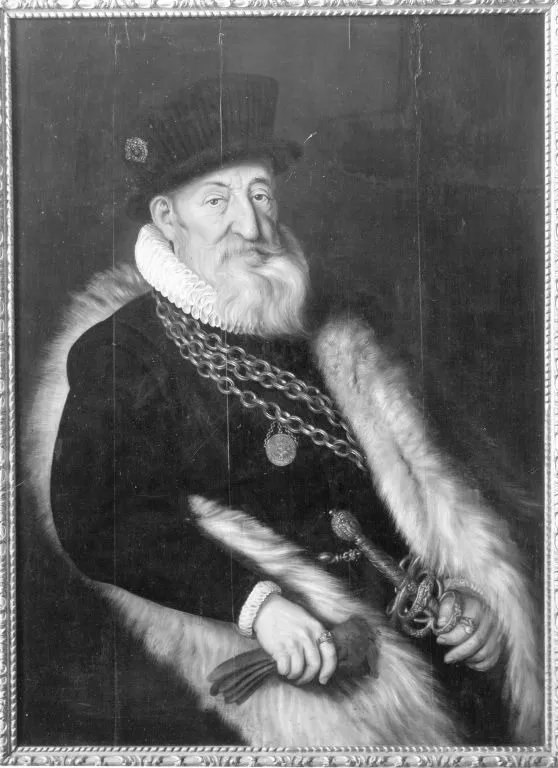
Bildnis eines Mannes is an unspecified painting by the Dutch Golden Age artist Bartholomeaus Sarburgh. It dates from 1620 and is held in the collection of the Bavarian State Painting Collections.
About this work
Subject & Meaning
The portrait depicts an unidentified man presented in three-quarter view against a neutral background, a conventional format for elite male portraiture in early seventeenth-century Central Europe. The sitter’s sober attire, dark clothing with a white collar, conveys status and restraint rather than overt display, aligning with contemporary ideals of dignified representation. As a single-figure portrait by Bartholomeus Sarburgh from 1620, the work exemplifies the period’s emphasis on individual likeness and social identity within a restrained visual language.
History & Provenance
The provided sources do not contain specific inventory or accession numbers for this work, nor do they record any exhibition history.
The portrait is dated 1620 by the artist Bartholomeus Sarburgh, as recorded in the corpus entry for the work.
The painting entered the Bavarian State Painting Collections and is today housed in the Alte Pinakothek, Munich. Its dimensions are 109.2 cm in height by 79.6 cm in width.
The portrait Bildnis eines Mannes by Bartholomeaus Sarburgh is held within the Bavarian State Painting Collections. Specifically, the work resides in the Alte Pinakothek in Munich. Created in 1620, the painting measures 109.2 cm in height and 79.6 cm in width.
The provided sources do not contain specific inventory or accession numbers for this work, nor do they record any exhibition history.
Overview
Bartholomeaus Sarburgh’s portrait, dated 1620, presents an elderly gentleman rendered in oil on canvas. The work is part of the collection of the Alte Pinakothek in Munich, where it is displayed among other early‑seventeenth‑century German paintings.
Technique & Style
Sarburgh employs a pronounced chiaroscuro, contrasting illuminated facial planes and the sheen of the gold chain with deep shadows in the robe’s folds. The handling of fur and fabric conveys texture through subtle gradations of light, while the crisp rendering of the jewelry highlights material weight.
Artist & collection

- Kaiser Ferdinand II.
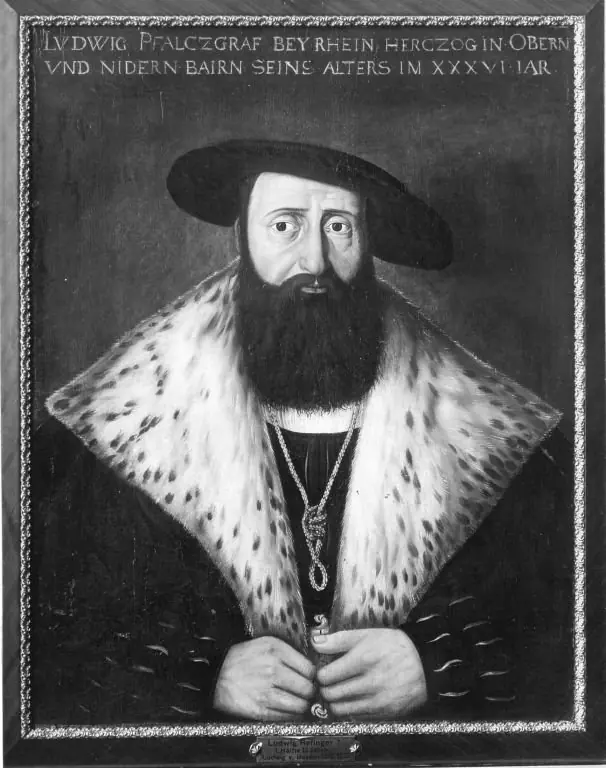 Portrait of Louis X of Bavaria
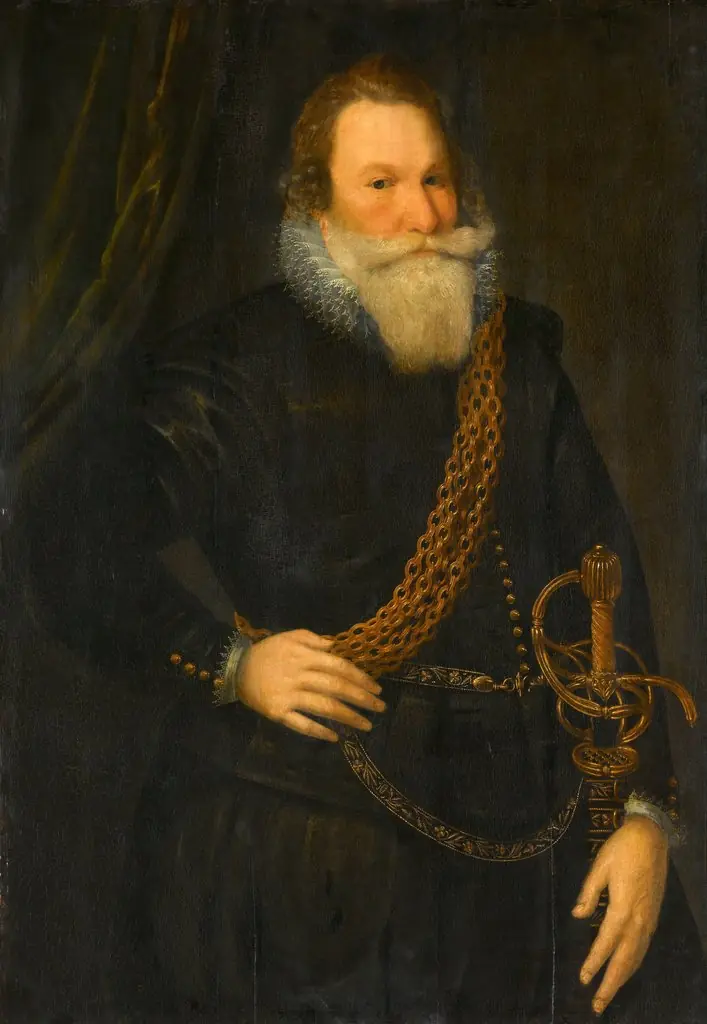 Portrait of a man
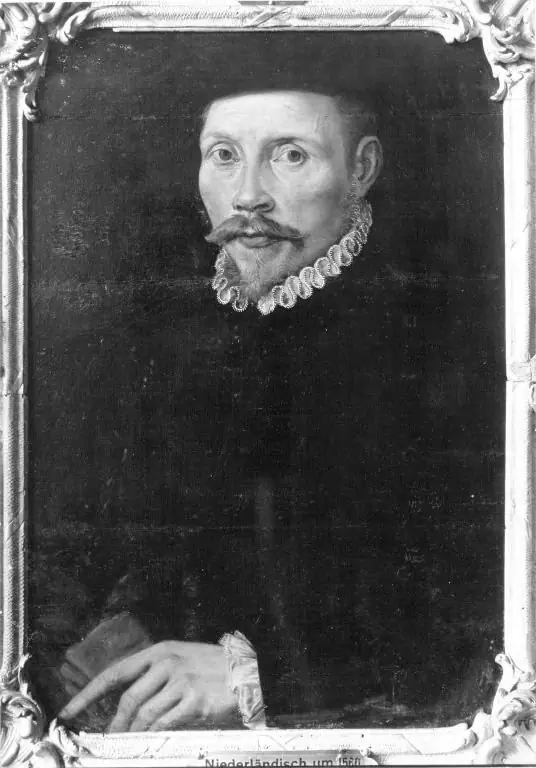 Bildnis eines Mannes
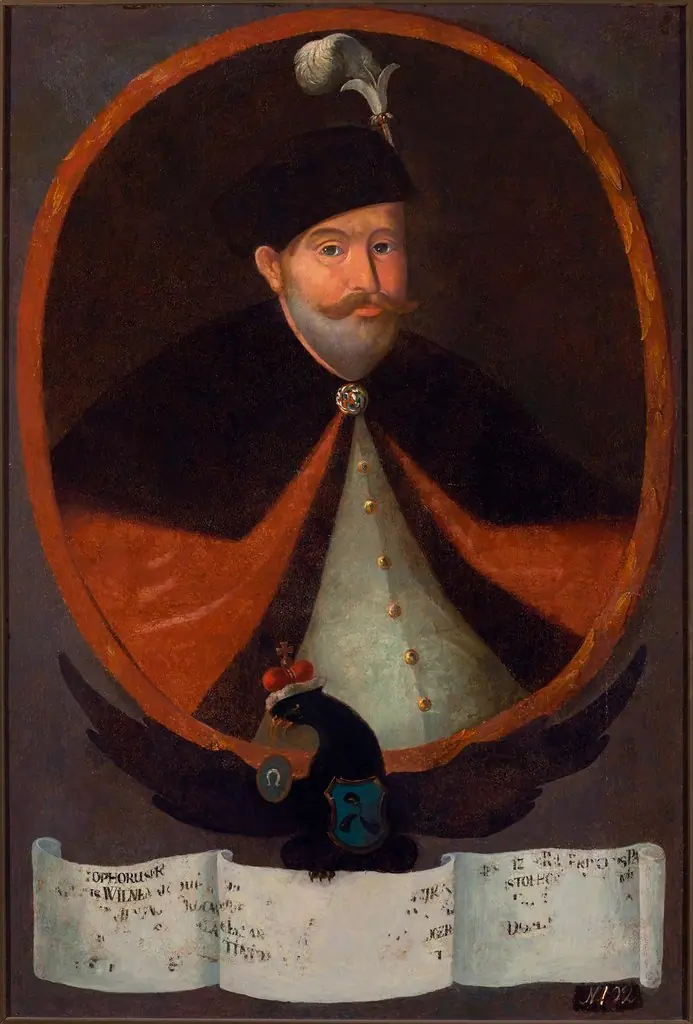 Portrait of Krzysztof II Radziwiłł (1585–1640), Great Hetman of Lithuania
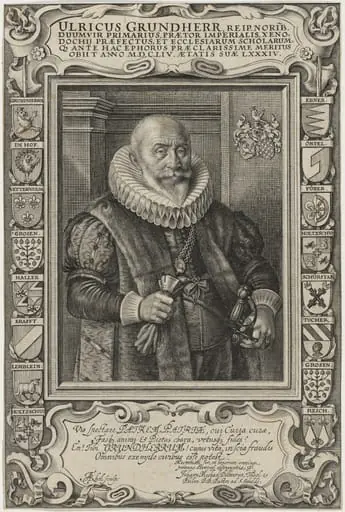 Ulrich Grundherr
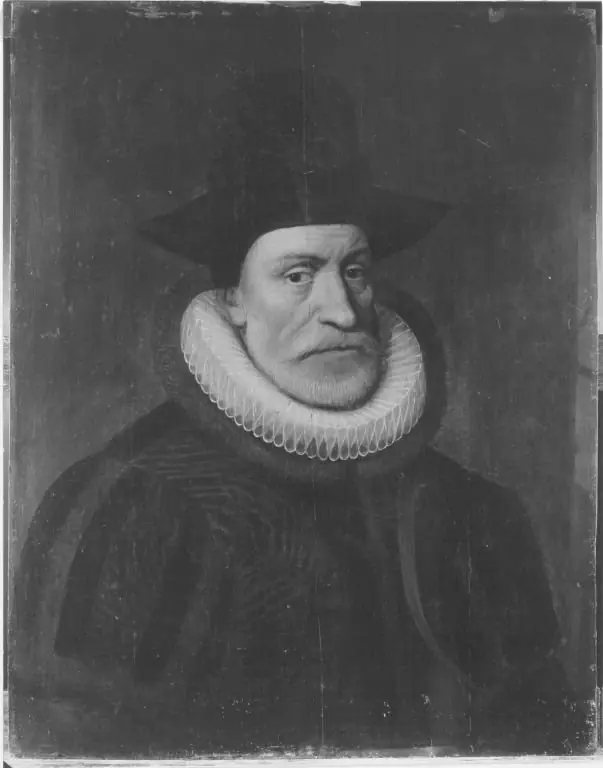 Bildnis eines Mannes (Wilhelm von Oranien?)
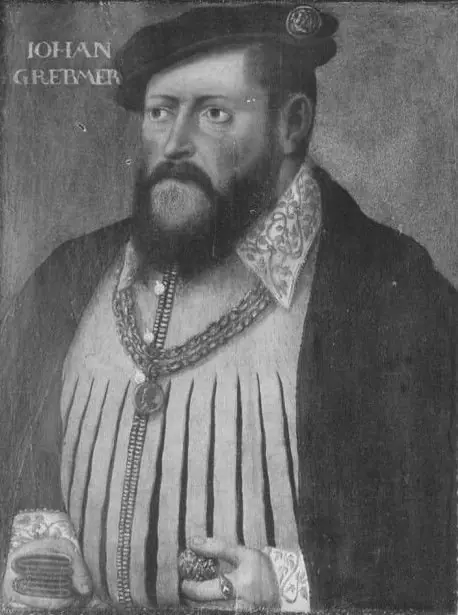 Bildnis des herzoglichen Kammerdieners Johann Grebmer zu Neuenhaus
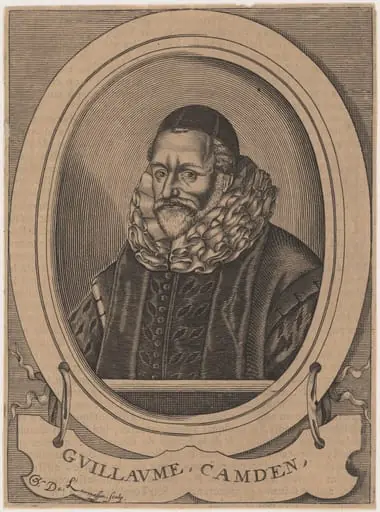 William Camden, Herald, Antiquary and Historian
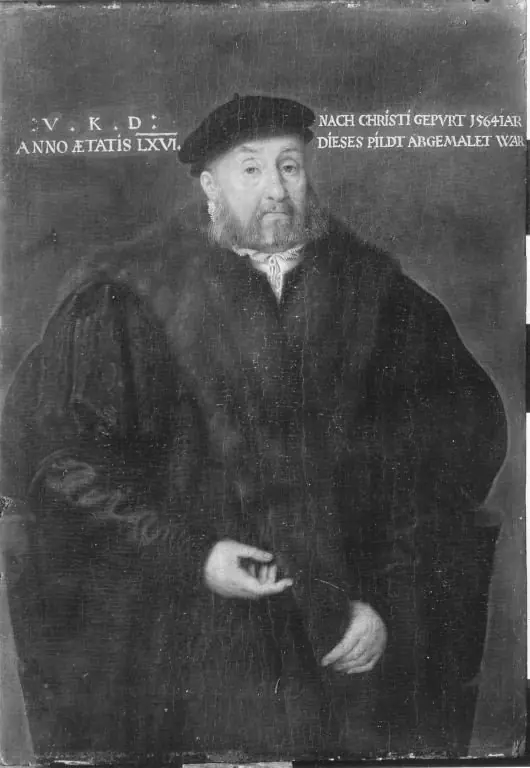 Bildnis eines Mannes im Alter von 66 Jahren
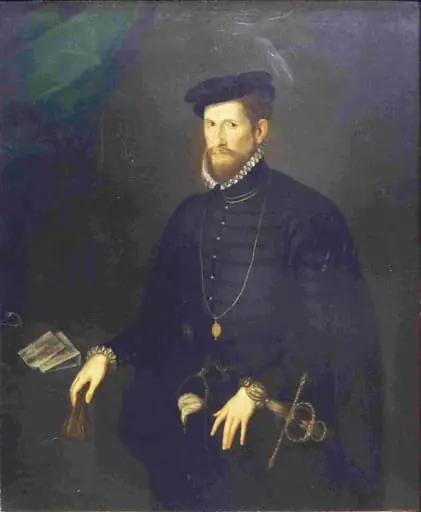 Portretul lui Nicholas Throckmorton
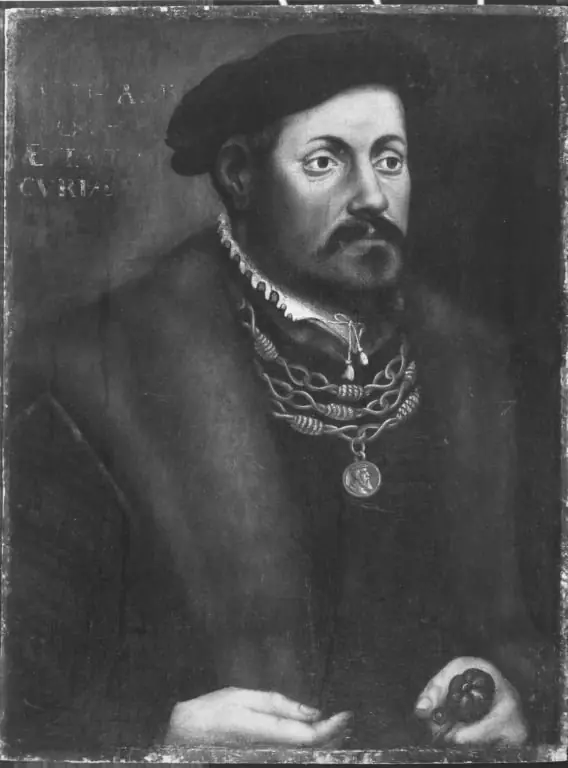 Portret of the councillor Wilhelm Lösch of Bavaria