Artwork
Plan of the Spelunche Regee
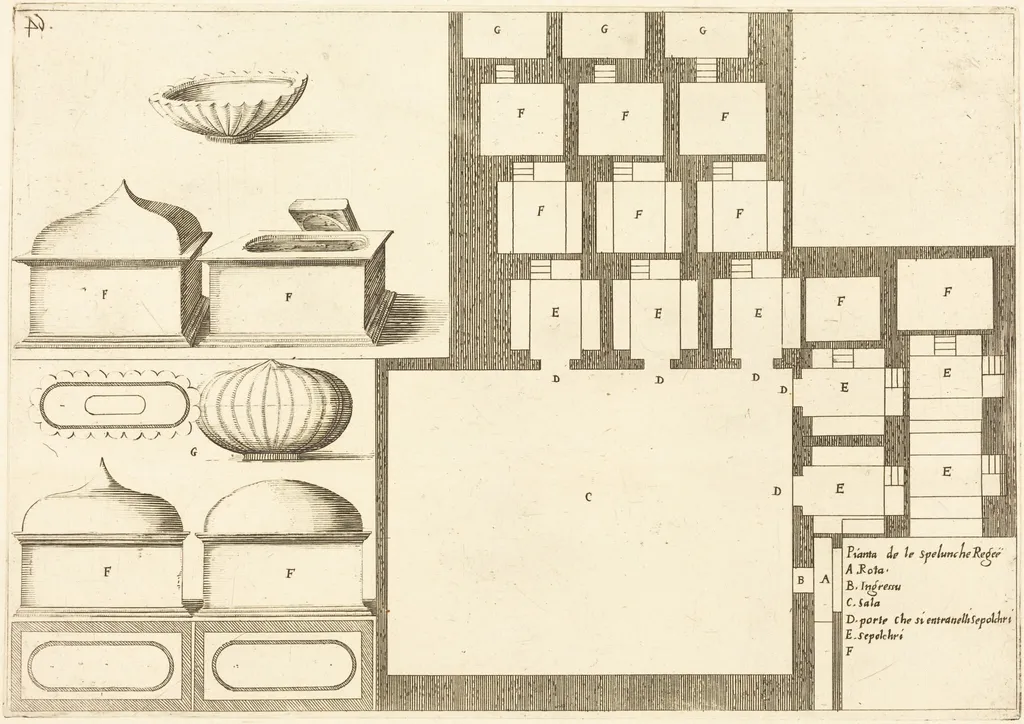
Plan of the Spelunche Regee is an ink print by the Baroque artist Jacques Callot. It dates from 1619 and is held in the collection of the National Gallery of Art.
About this work
Overview
Jacques Callot’s 1619 print, titled Plan of the Spelunche Regee, is an etching and engraving executed on laid paper. The work presents a schematic view of an underground space, rendered with a network of labeled compartments and a central chamber. Its composition combines architectural imagination with precise line work, offering a visual plan rather than a narrative scene.
Subject & Meaning
The image functions as a diagram of a cavernous complex, featuring domed and inverted‑boat‑shaped structures arranged in a grid. Small rooms are marked with letters, A for “Rota” (wheel), B for “Ingressu” (entrance), E for “sepolchro” (tomb), and a larger area is identified as “C. sala.” The labeling suggests a coded map, perhaps intended for a private or allegorical purpose.
Technique & Style
Callot employed both etching and engraving, allowing him to achieve fine, controlled lines alongside deeper, richer tones.
Callot employed both etching and engraving, allowing him to achieve fine, controlled lines alongside deeper, richer tones. The laid‑paper substrate contributes a subtle texture that enhances the delicate shading in shaded zones. The restrained palette of black and white, coupled with the artist’s characteristic precision, underscores the baroque interest in detailed observation and technical virtuosity.
History & Provenance
Created during Callot’s prolific period in which he produced more than 1,400 prints, the Plan of the Spelunche Regee reflects his fascination with architectural and topographical subjects. The surviving impression is a restrike, indicating that the plate was re‑used after its initial printing, a common practice that extended the life of Callot’s designs for collectors and patrons.
Own this work as a print
Artist & collection
Artist
Jacques Callot (French: ; c. 1592 – 1635) was a baroque printmaker and draftsman from the Duchy of Lorraine. He is an important person in the development of the old master print. He made more than 1,400 etchings that…

 Holy Family at supper
 Restoration of the Aqueduct at Pisa
 Restoration of the Aqueduct at Pisa
 Square in Paris with Many Figures
 Square in Paris with Many Figures
 Horsemen Attacked by Robbers
 HOW WILL A COVERED PART BE CORRECTED?HOW WIKA A COVERED HEART DEED CORRECTED?
![Christ Walking on the Water [second plate], by Jacques Callot](https://artifactworldgallery.com/img/jacques-callot--christ-walking-on-the-water-second-plate--2069f3bfe4cb2126-w320.webp) Christ Walking on the Water [second plate]
Christ Walking on the Water [second plate]
- Plan of the Church of the Holy Sepulchre
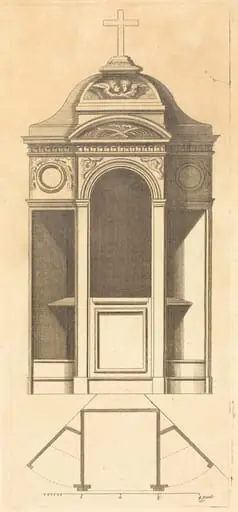 Plan et elevation des plus beaux confessionnaux de Paris, tres fidelemant mesure
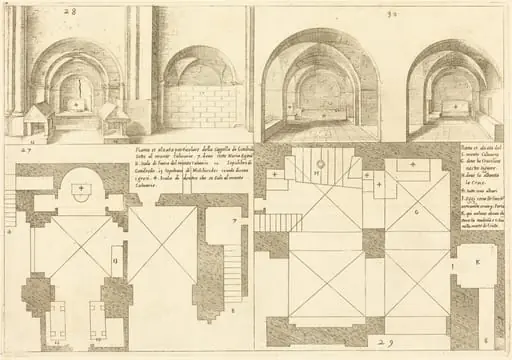 Plan and Elevation of the Chapel of Godefroy de Bouillon
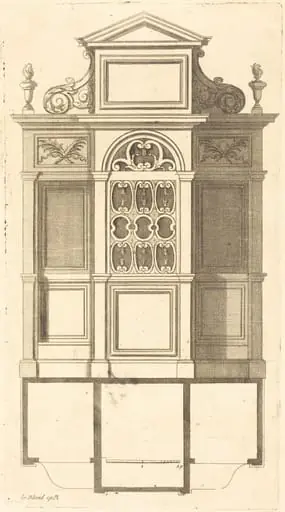 Plan et elevation des plus beaux confessionnaux de Paris, tres fidelemant mesure
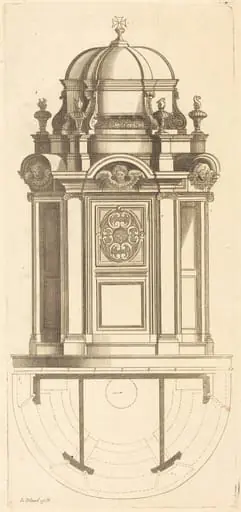 Plan et elevation des plus beaux confessionnaux de Paris, tres fidelemant mesure
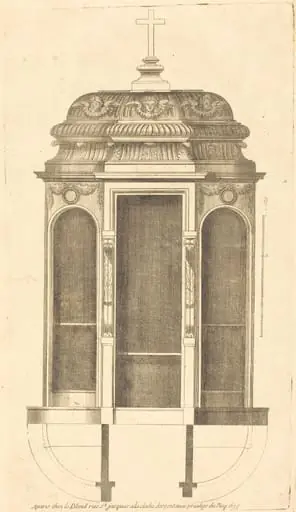 Plan et elevation des plus beaux confessionnaux de Paris, tres fidelemant mesure