Artwork
Cricket
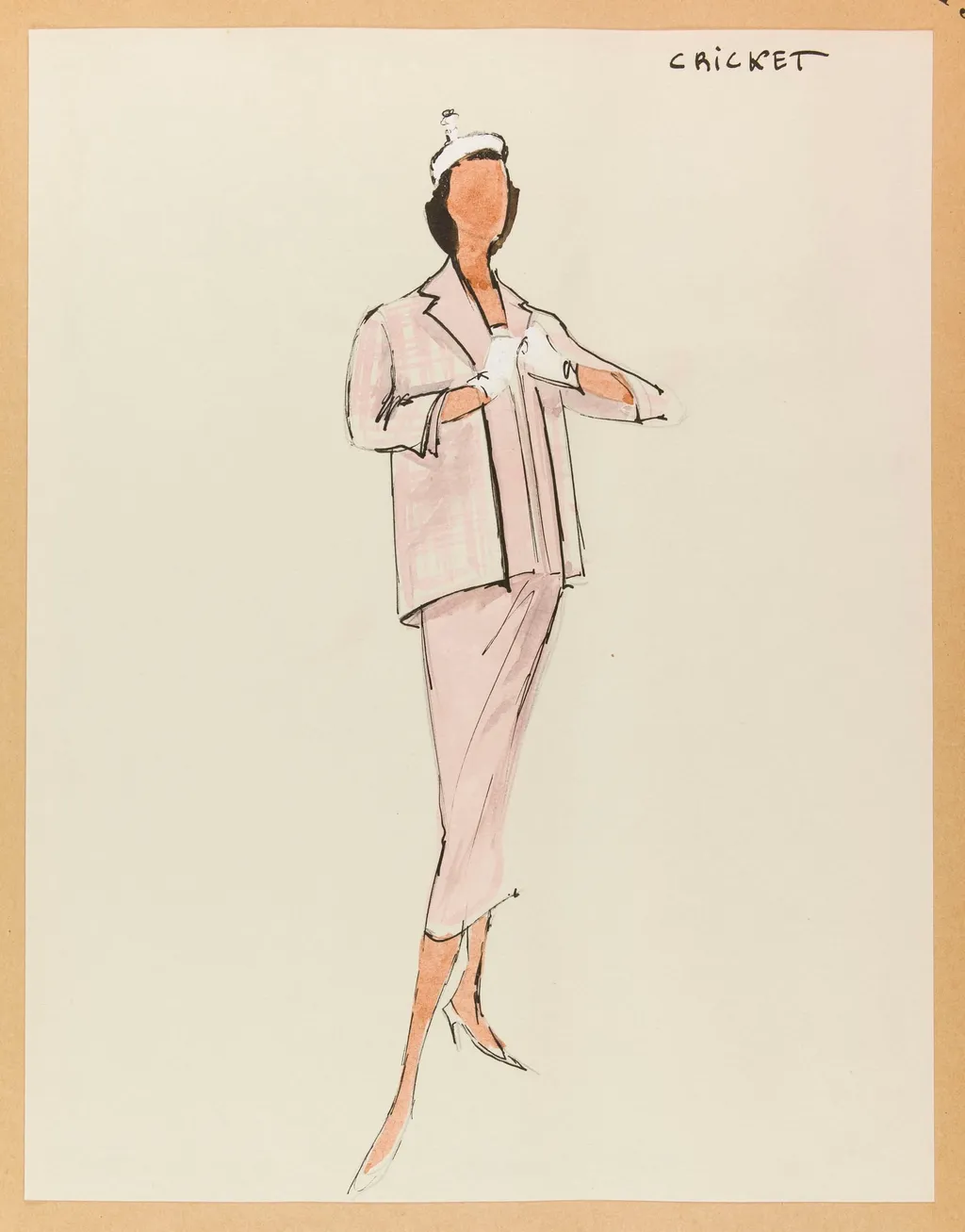
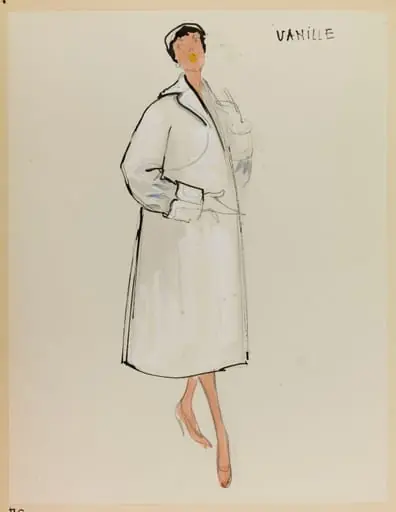
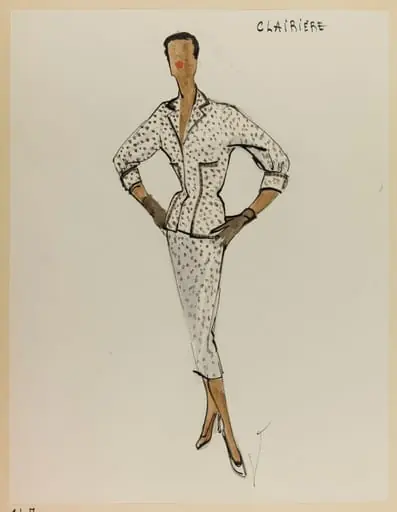
Cricket is a drawing by Carven. It dates from 1955 and is held in the collection of the Palais Galliera - Musée de la Mode de la Ville de Paris.
About this work
Overview
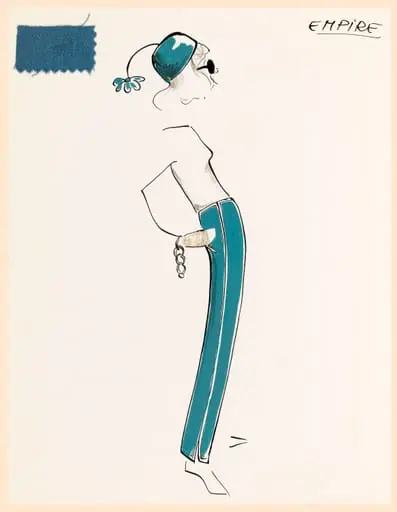
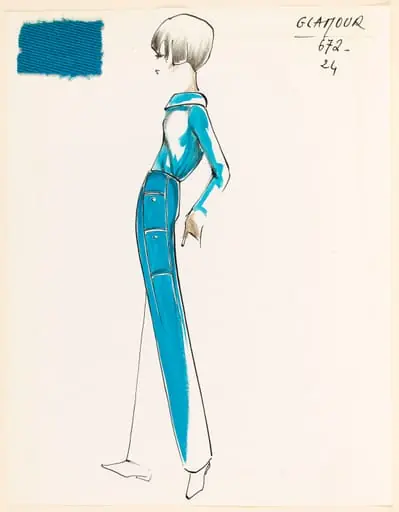
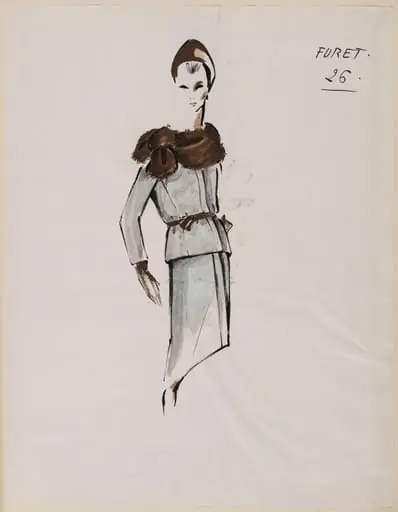
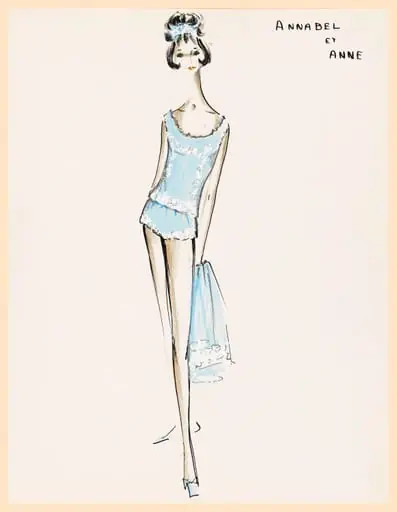
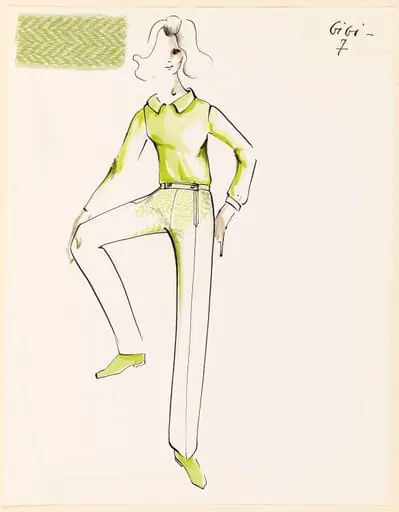
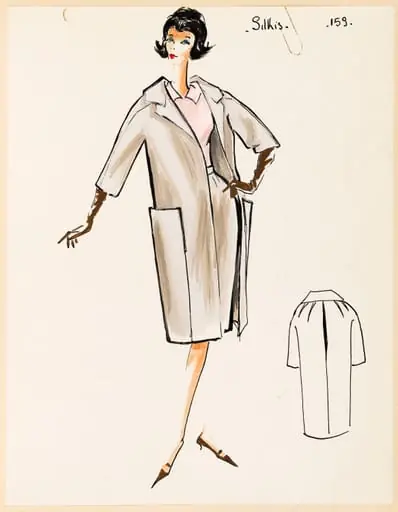
Created around 1955 by the French designer Carven, this ink sketch depicts a woman in casual, flowing attire. Executed with swift, economical lines, the drawing captures posture and fabric rather than detailed anatomy. It resides in the collection of the Museum of Ethnography, where it is valued as a study in mid-century fashion aesthetics rather than as fine art.
Subject & Meaning
The figure, identified only by the title 'Cricket,' wears a loose, light-colored ensemble with wide legs and a draped upper garment. Her stance, hand in pocket, other on hip, suggests ease and informality. The title may allude to leisure or sport, yet the focus remains on the clothing’s silhouette and movement, reflecting Carven’s interest in wearable, dynamic design over narrative content.
Technique & Style
The drawing employs minimal, fluid linework characteristic of fashion illustration. Shadows and volume are implied through contour and suggestion, not shading. The style is modernist in its restraint, avoiding ornamentation or period-specific details. It resembles a quick design study, prioritizing the interplay of fabric and form over realism or emotional expression.
History & Provenance
The sketch entered the Museum of Ethnography’s collection as part of a broader acquisition of Carven’s design materials. Its origin as a personal or professional study is undocumented, but its preservation suggests recognition of its value in illustrating mid-century French fashion practices. No earlier ownership records are publicly available.
Context
In the 1950s, fashion designers like Carven increasingly used sketching to explore wearable silhouettes that balanced elegance with ease. This drawing aligns with postwar trends favoring relaxed, feminine forms over rigid tailoring. While not tied to a specific collection, it reflects the era’s shift toward casual luxury in everyday dress.
Legacy
The sketch endures as a quiet example of fashion design as observational art. It illustrates how designers translated movement and fabric into visual language without reliance on photography or finished garments. Its presence in an ethnographic museum underscores its role in documenting cultural attitudes toward dress in mid-century France.
Artist & collection
Artist
These delicate ink-on-paper drawings capture the quiet poetry of everyday things: pinecones, reeds, apples.
Museum
Palais Galliera - Musée de la Mode de la Ville de Paris
Continue through works from the same source collection.