Museum
ethnographic museum
ethnographic museum is a museum. 54 works from its collection are in this catalog, including Pinta Pinta, aboriginer, pintupi Tjapanangka and Polly, warlpiri, Aborigines Napangardi Watson.
About ethnographic museum
institution that preserves, collects, and displays ethnographic objects
What to see at ethnographic museum
Start with board, painting, by 1850.
See all highlights at ethnographic museum →Works from ethnographic museum
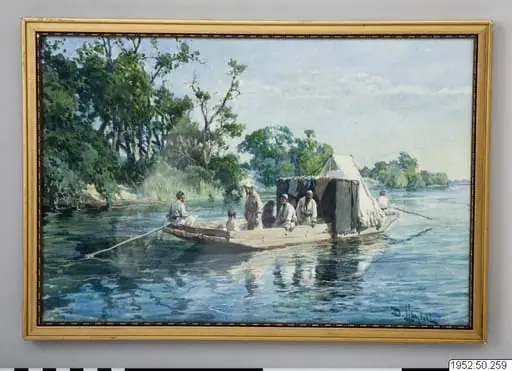 board, painting,
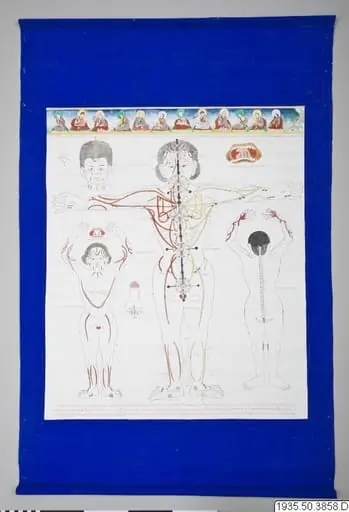 picture roll, roll painting, painting,
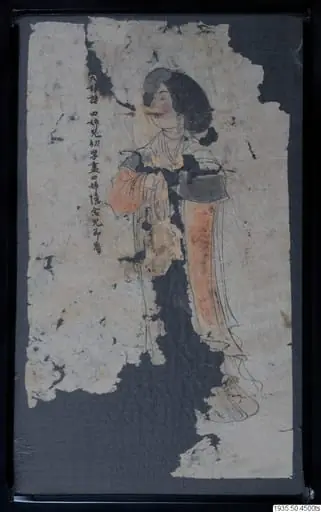 painting, drawing,
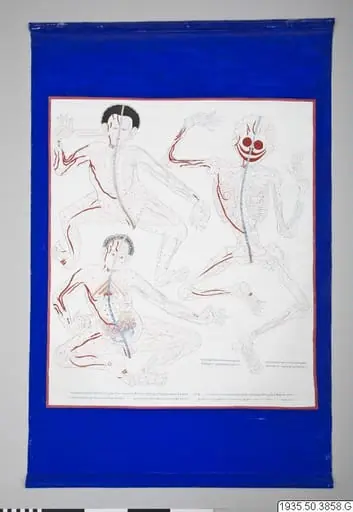 Painting, Rolling Painting
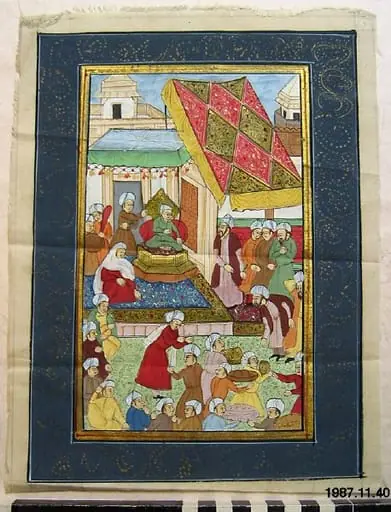 painting, painting, painting, painting,
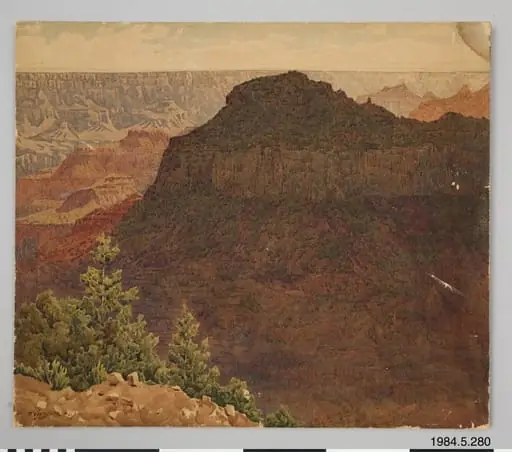 tavla, painting
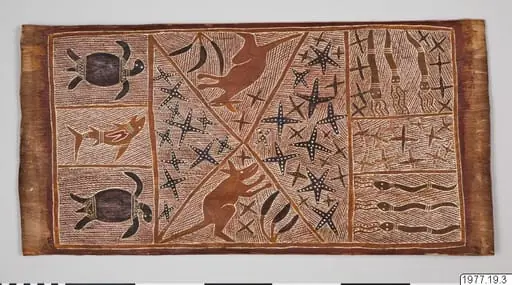 painting, painting, painting, painting, painting, painting, painting, painting, painting, painting, painting, painting, painting, painting, painting, painting, painting, painting, painting, painting, painting, painting, painting, painting, painting, painting, painting, painting, painting, painting, painting, painting, painting, painting, painting, painting, painting, painting, painting, painting, painting, painting, painting, painting, painting, painting, painting, painting, painting, painting, painting, painting, painting, painting, painting, painting and painting, painting, painting, painting, painting, painting, painting, painting, painting, painting, painting, painting, painting, painting, painting, painting, painting, painting, painting, painting, painting, painting, painting, painting, painting, painting, painting, painting, painting, painting, painting, painting, painting, painting, painting, painting, painting, painting, painting and painting, painting, painting, painting, painting, painting, painting, painting, painting, painting, painting and painting, painting, painting, painting, painting, painting, painting, painting, painting, painting, painting, painting, painting, painting, painting and painting, painting, painting, painting, painting, painting, painting, painting, painting, painting, painting, painting, painting, painting, painting, painting, painting, painting, painting, painting, painting, painting, painting, painting, painting, painting, painting, painting, painting,
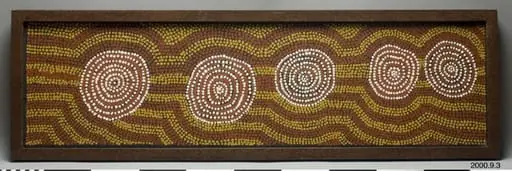 painting
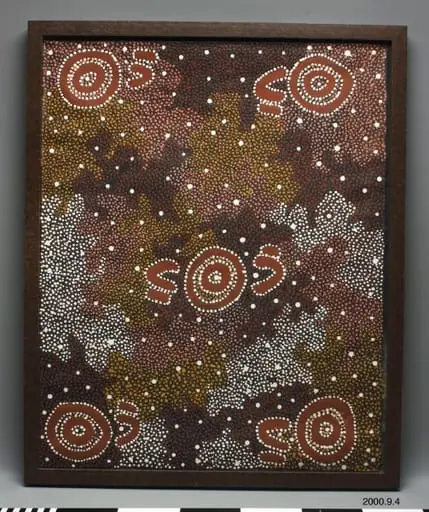 painting
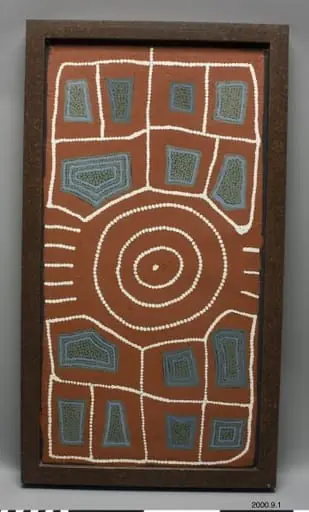 painting
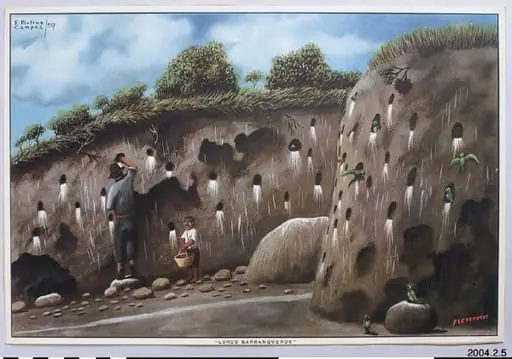 painting
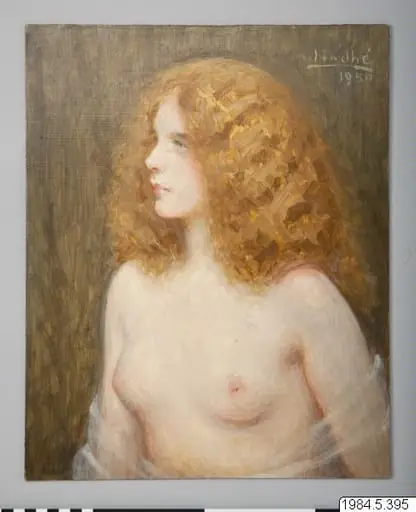 board, painting,
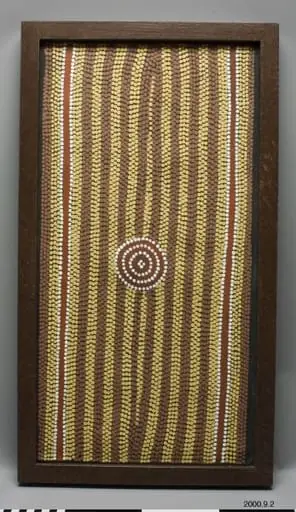 painting
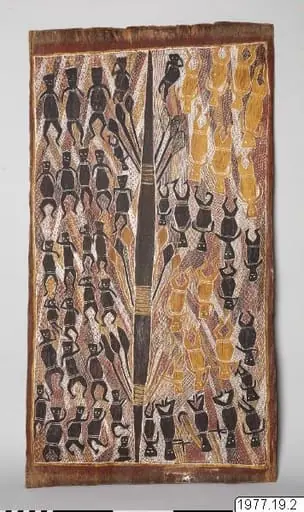 painting
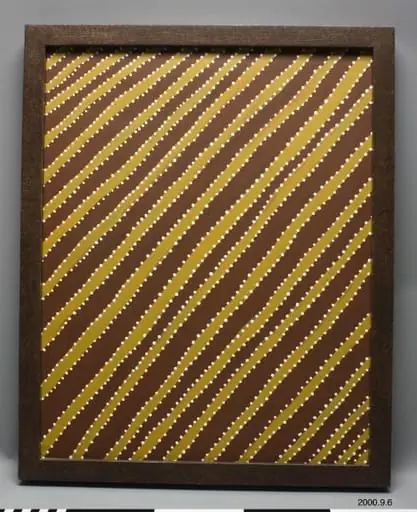 painting
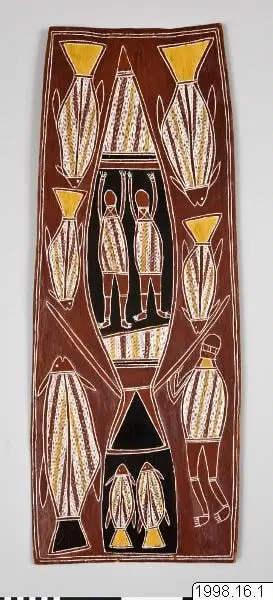 bark painting, painting, working
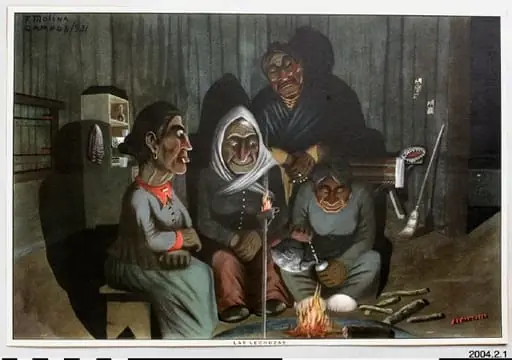 blade, print, painting,
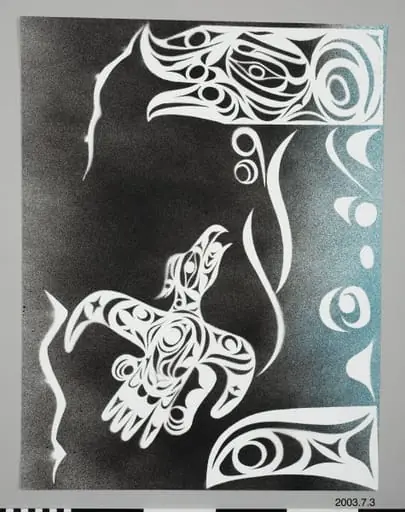 painting, spray painting, graphics,
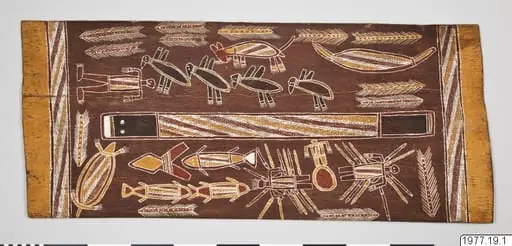 painting
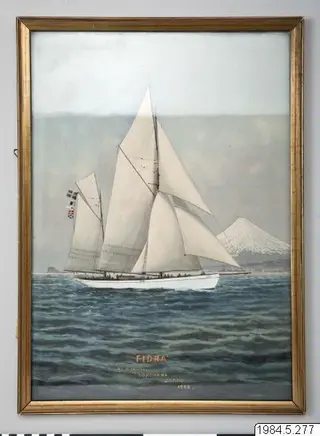 painting, drawing board,
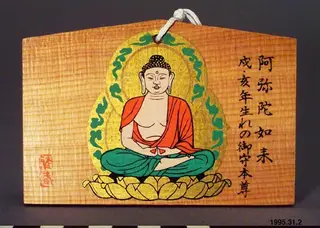 painting, theme, gaku
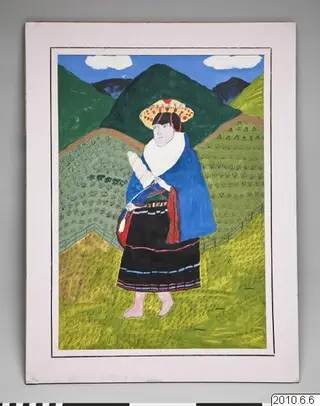 painting, image,
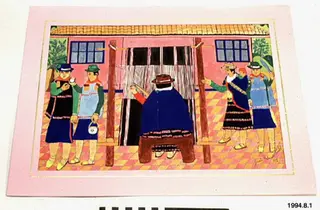 painting
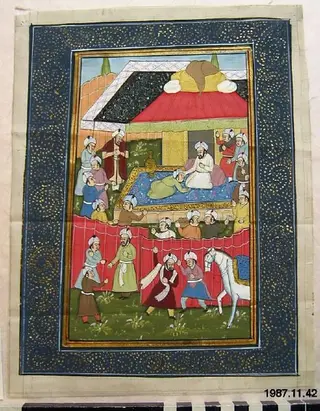 Side-painting, painting,
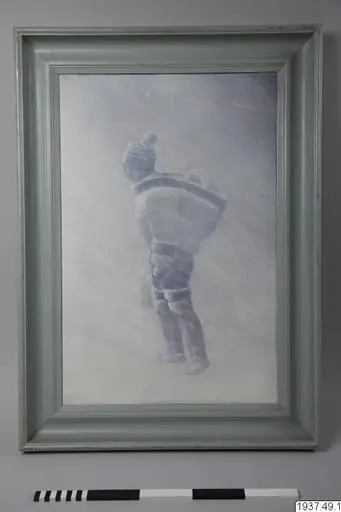 board, painting, graphics,
 board, painting, painting, painting,
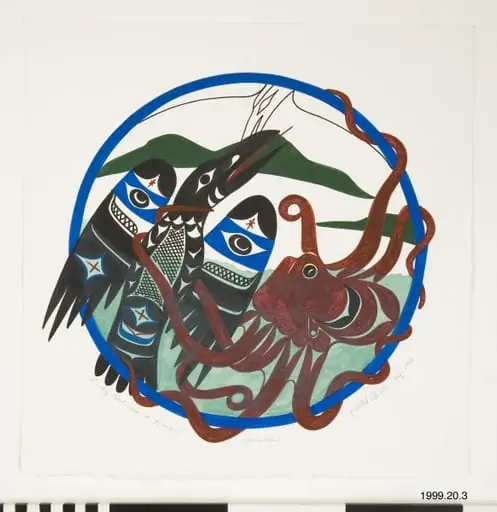 painting, graphics,
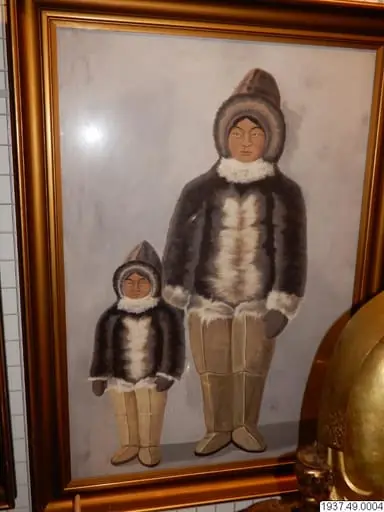 graphics, board, painting,
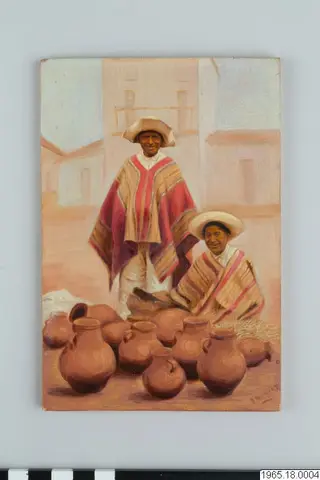 painting, drawing board,
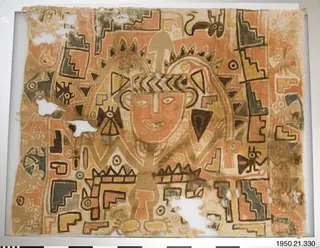 Painting, Archaeological Fruit,
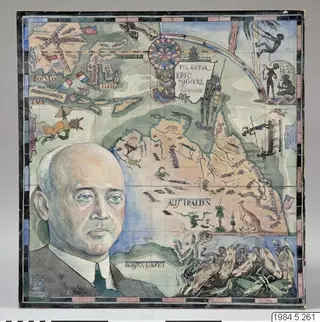 tavla, painting
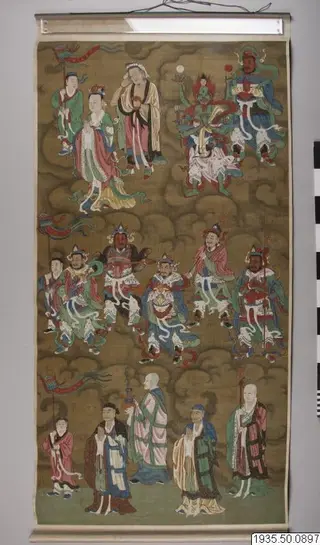 picture roller, duck, painting, painting,
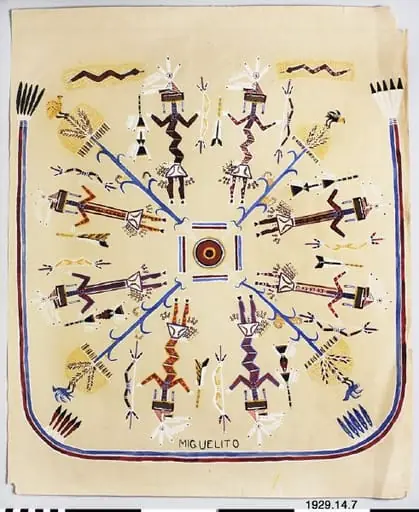 painting, graphics,
![painting, by Ras [[Etno]] Siyabonga](https://artifactworldgallery.com/img/ras-etno-siyabonga--painting--657f89a093dbb38a-w320.webp) painting
painting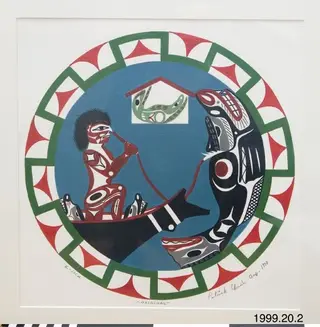 painting, graphics,
 Hanka, temple painting, thangka, painting,