Artwork
Tomkin's Degree Supper and How it Ended
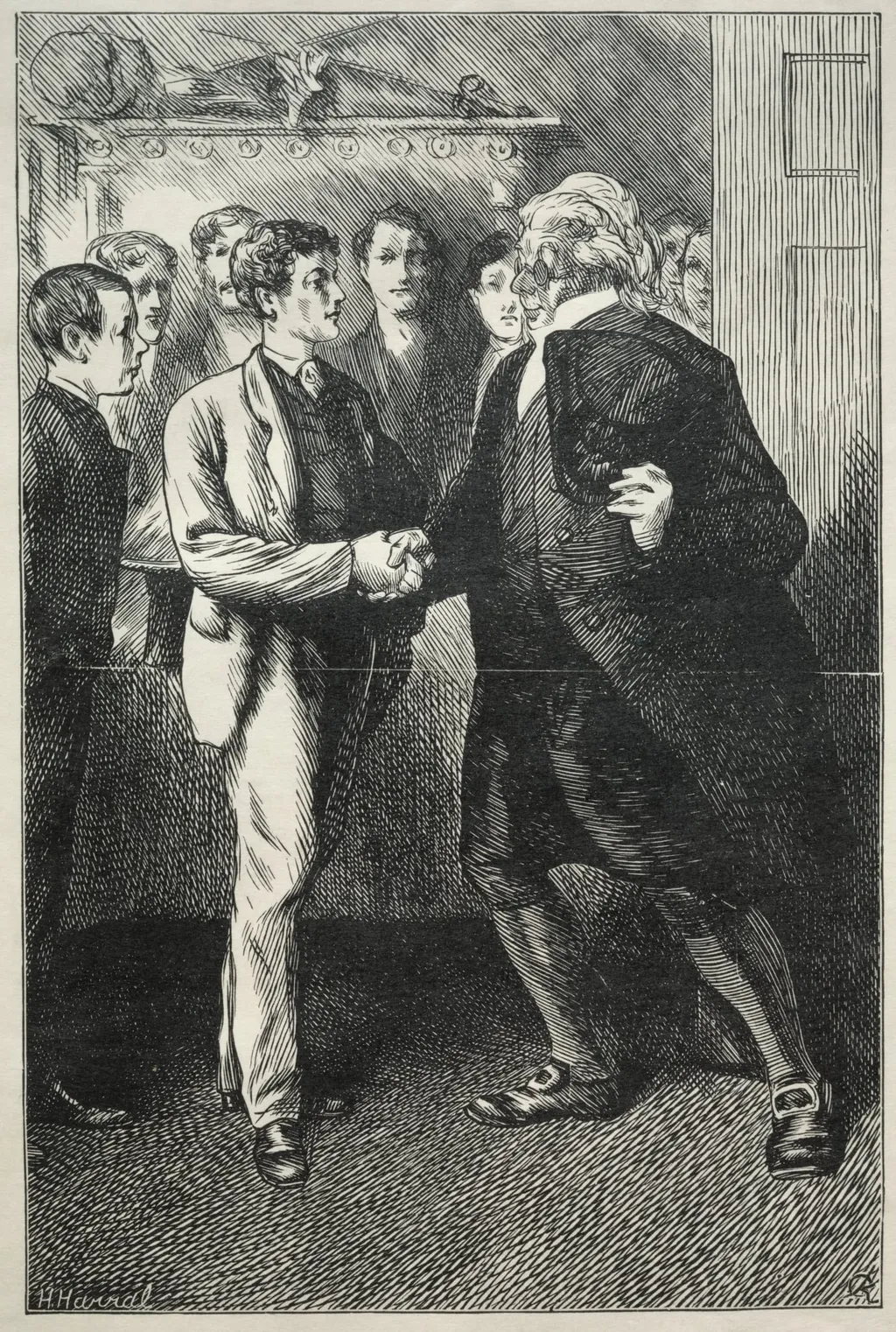
Tomkin's Degree Supper and How it Ended is a print by the Impressionist artist Charles Samuel Keene. It dates from 1868 and is held in the collection of the Cleveland Museum of Art.
- Accession no.
- 1924.410
- Credit line
- Dudley P. Allen Fund
About this work
Overview
The composition conveys spontaneity through loose, energetic linework, suggesting a scene caught mid-motion rather than staged.
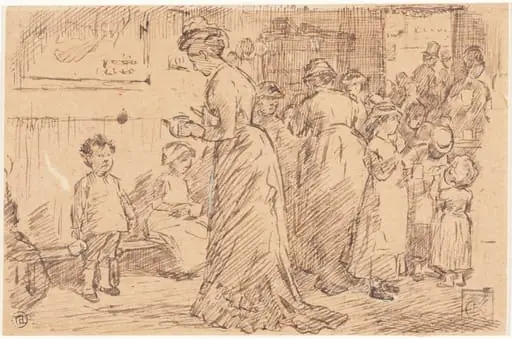
Created in 1868 by Charles Samuel Keene, this print captures a moment of social tension at a university degree celebration. Rendered in ink and wash, it depicts a crowded interior with figures gathered around a central interaction. The composition conveys spontaneity through loose, energetic linework, suggesting a scene caught mid-motion rather than staged. The work belongs to The Cleveland Museum of Art’s collection of 19th-century British graphic art.
Subject & Meaning
The scene centers on a man in a long coat and boots, likely an outsider, engaging with a formally dressed companion while others observe with varied expressions. The moment suggests an awkward or provocative exchange, possibly a breach of social norms. Keene avoids narrative clarity, instead inviting viewers to infer the nature of the disruption, perhaps a drunken remark, a scandalous gesture, or a class-based friction beneath the veneer of academic celebration.
Technique & Style
Keene employed rapid, expressive pen strokes and diluted ink washes to suggest movement and atmosphere. Figures are loosely defined, with minimal detail on faces and clothing, yet their postures and gestures convey emotion and social dynamics. The dark walls and overhead chandelier frame the action, enhancing the sense of intimacy and enclosure.
The sketchlike quality reflects the influence of journalistic illustration and the growing interest in capturing fleeting moments of modern life.
History & Provenance
The print was produced during Keene’s active years as a contributor to Punch magazine, where his observational wit gained prominence. It was likely published as a standalone plate or in a periodical, common for his genre scenes. The Cleveland Museum of Art acquired it as part of a broader collection of British prints from the 19th century, reflecting institutional interest in social commentary through graphic art.
Context
In mid-Victorian England, university degree suppers were formal events where social hierarchies were both reinforced and tested. Keene’s depiction aligns with a broader trend in graphic art that turned away from idealized scenes toward unvarnished portrayals of everyday gatherings. His work resonated with audiences familiar with the tensions between tradition and emerging social fluidity in academic and professional circles.
Legacy
Keene’s approach influenced later illustrators who prioritized immediacy and psychological nuance over polished finish. While not widely exhibited today, this print remains a representative example of how British graphic artists used modest media to explore social behavior. It contributes to the historical record of how visual culture documented the quiet dramas of middle-class life in the 19th century.
Own this work as a print
Artist & collection
Artist
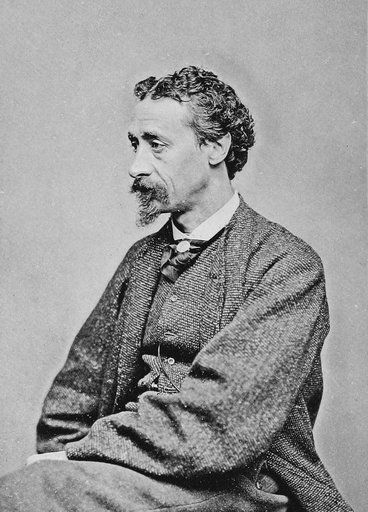
Charles Samuel Keene was an English artist and illustrator, who worked in black and white.

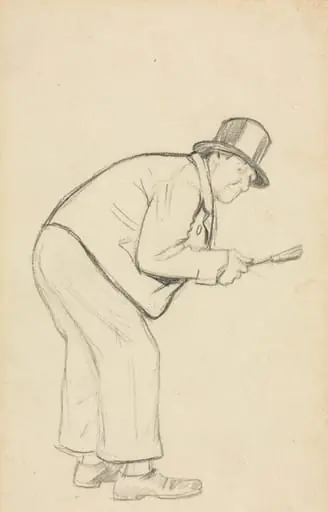
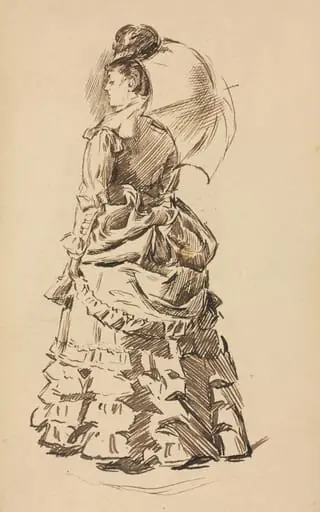
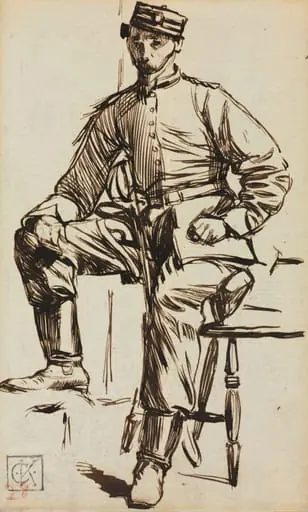
- Messieurs les juré ... l'accusé a tué Jean Maclou ...
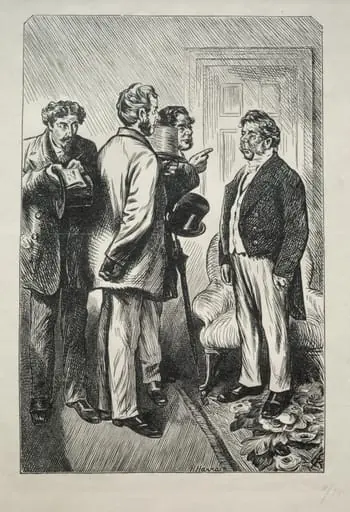 Our Christmas Turkey, Mr. Bobsby Concerned
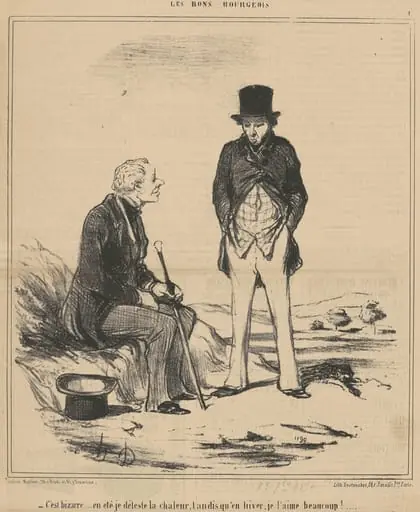 C'est bizarre ... été
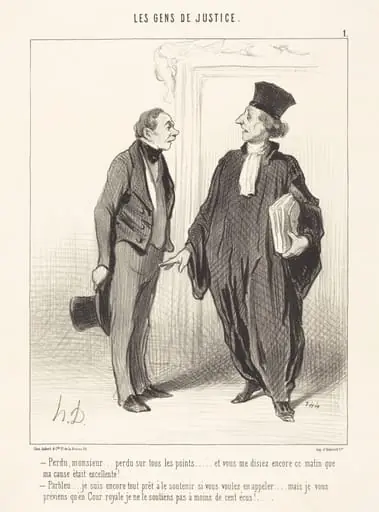 Perdu, monsieur... perdu sur tous les points...
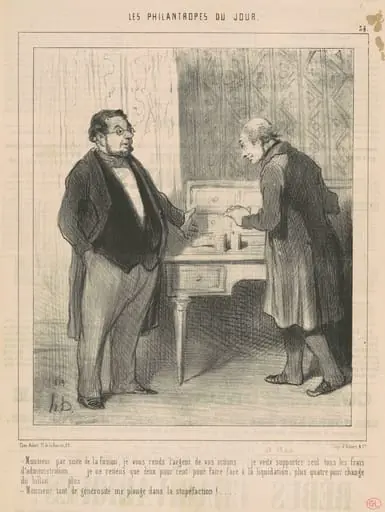 Monsieur par suite de la fusion
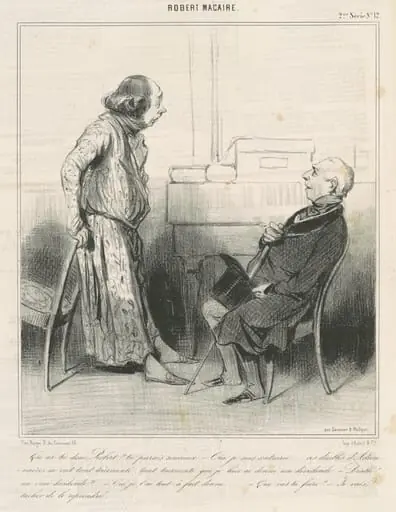 Qu'as-tu donc, Robert? ...
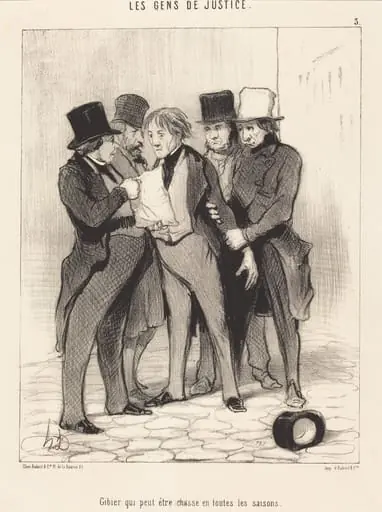 Gibier qui peut être chassé en toutes les saisons
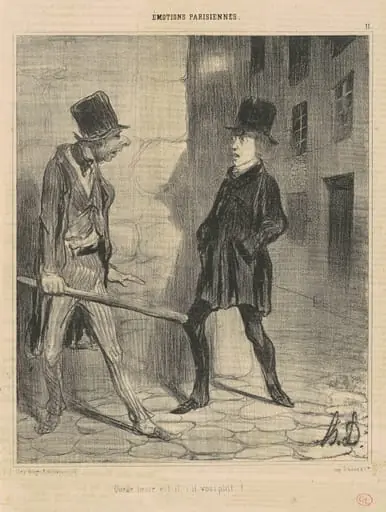 Quelle heure est'il, s'il vous plait?...
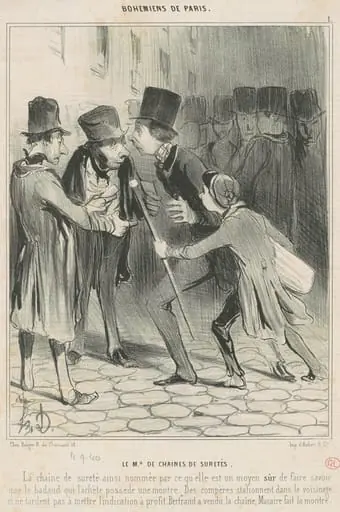 Le Md de Chaines de suretés
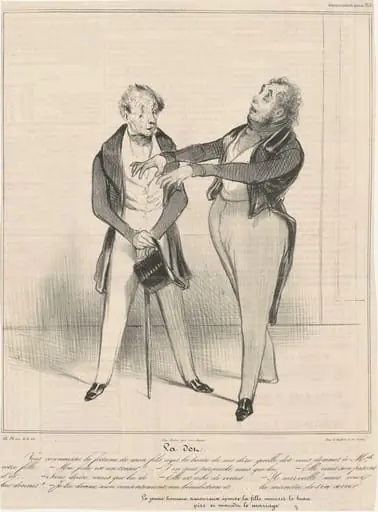 La Dot...vous connaissez la fortune...
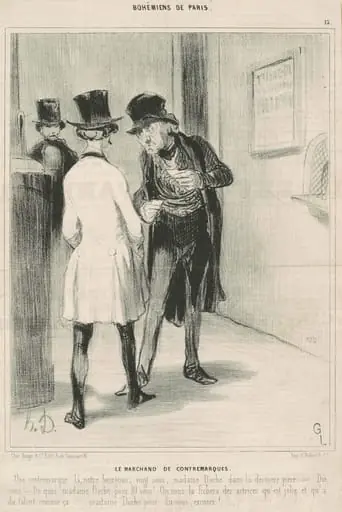 Le marchand de contremarques
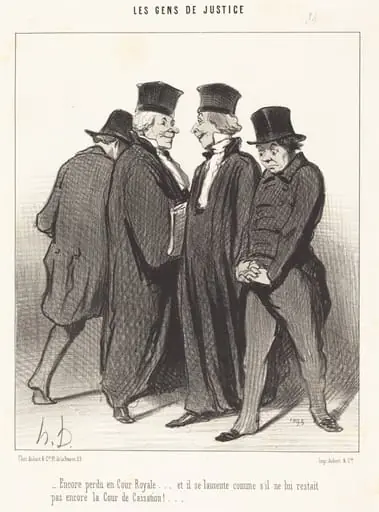 Encore perdu en Cour Royale... et il se lamente...