Subject
Interior
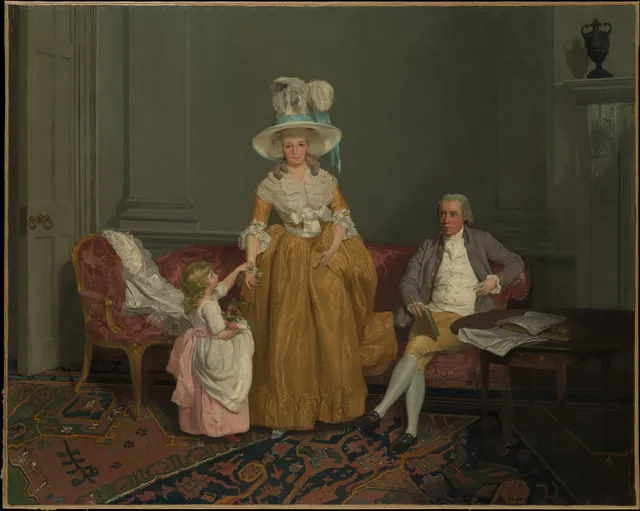
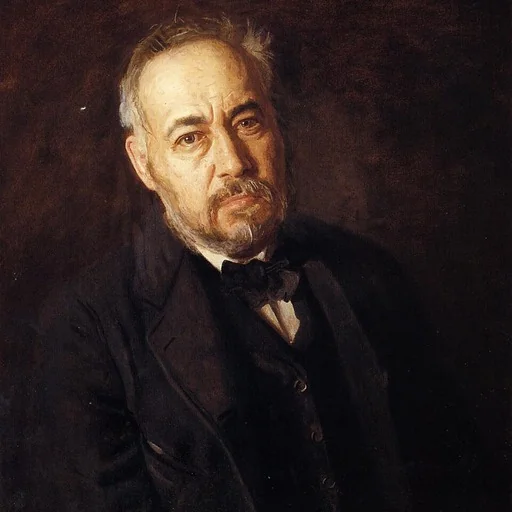
Interior is a subject in art. The gallery holds 182 works in this subject in art, including works by Thomas Eakins, Edgar Degas and Jean Honoré Fragonard.
The interior—the depiction of a room as the principal subject rather than mere backdrop—emerged as an independent pictorial theme in the seventeenth-century Dutch Republic. Genre painting had grown out of the densely observed settings of Early Netherlandish art, but in the prosperous, largely Protestant Dutch towns of the 1650s–1670s it flowered into a category of its own. With overtly religious imagery diminished after the Reformation, painters turned to the well-ordered burgher household as a stage for representing daily life and, often, for quiet moral instruction. The genre reached its highest point in the Netherlands between roughly 1650 and 1675.
Dutch interiors share a recognisable vocabulary: small works, frequently of vertical format, containing few figures—most often women—within neat, light-filled, richly furnished rooms. The defining technical achievement was the rendering of space, atmosphere and natural light falling through a window or open door. Johannes Vermeer (1632–1675) raised the everyday to contemplative stillness in works such as the *Woman Holding a Balance* and the *Girl with a Pearl Earring*, while Pieter de Hooch pioneered the *doorkijkje*, the "view-through" of receding doorways that deepened the picture's space and narrative. Gerard ter Borch, Gerard Dou, Nicolaes Maes, Gabriël Metsu and Jan Steen each shaped the type, balancing virtue, courtship and domestic comedy.
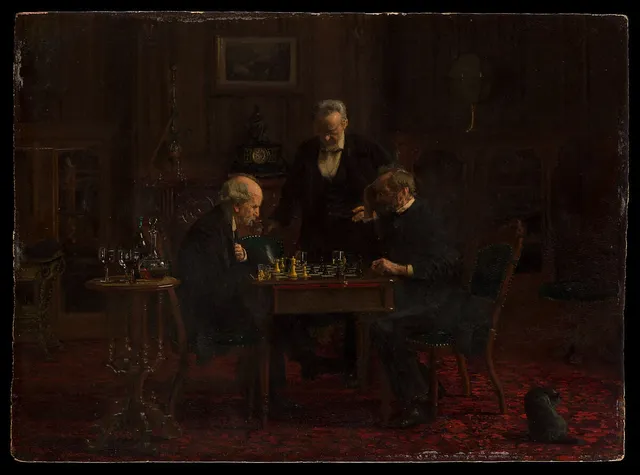
The theme proved durable and portable. In nineteenth-century America it underpinned a flourishing tradition of domestic genre, in which figures—again predominantly women—occupy parlours and farmhouse rooms. Eastman Johnson, a leader of American genre painting, and Thomas Eakins, whose unsparing realism placed relatives and friends in lamplit interiors such as *The Chess Players*, exemplify this lineage, alongside Francis William Edmonds and Seymour Joseph Guy, whose *The Contest for the Bouquet* records a specific New York dining room.
The interior's most concentrated later expression was Intimisme, practised after the dissolution of Les Nabis in 1899 by Édouard Vuillard and Pierre Bonnard. Adopting Impressionist broken colour but heightening and distorting hue to convey mood, they made cramped, patterned bourgeois rooms—Vuillard's seamstress mother's apartment among them—into vehicles of psychological warmth and isolation. From Vermeer to Vuillard, the interior has remained art's enduring instrument for examining private life, light and the meaning of domestic space.
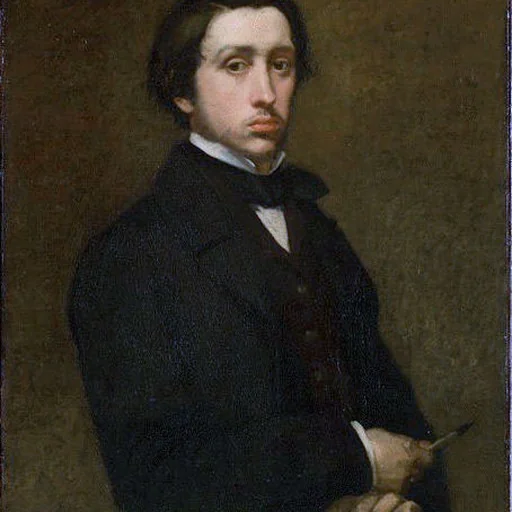
Key artists


Works
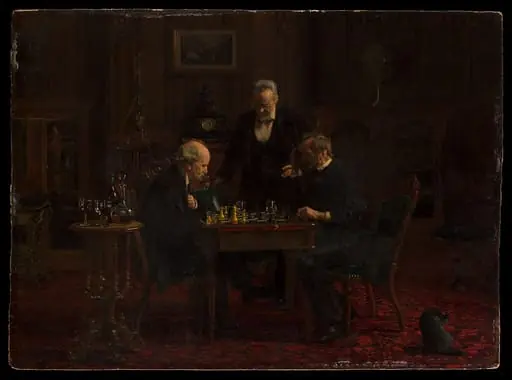 The Chess Players
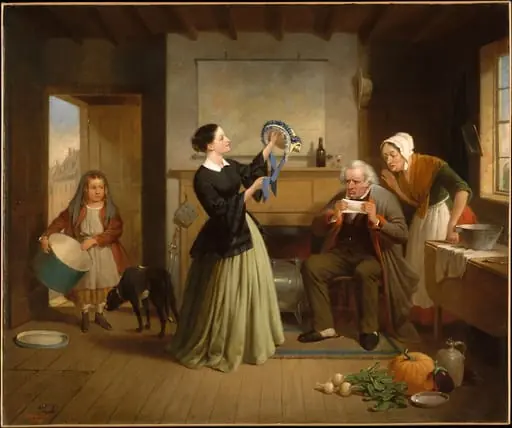 The New Bonnet
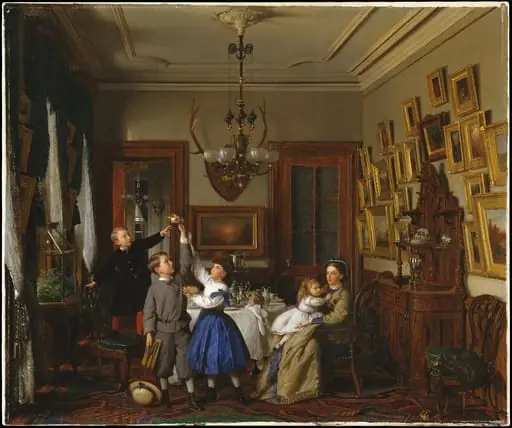 The Contest for the Bouquet: The Family of Robert Gordon in Their New York Dining-Room
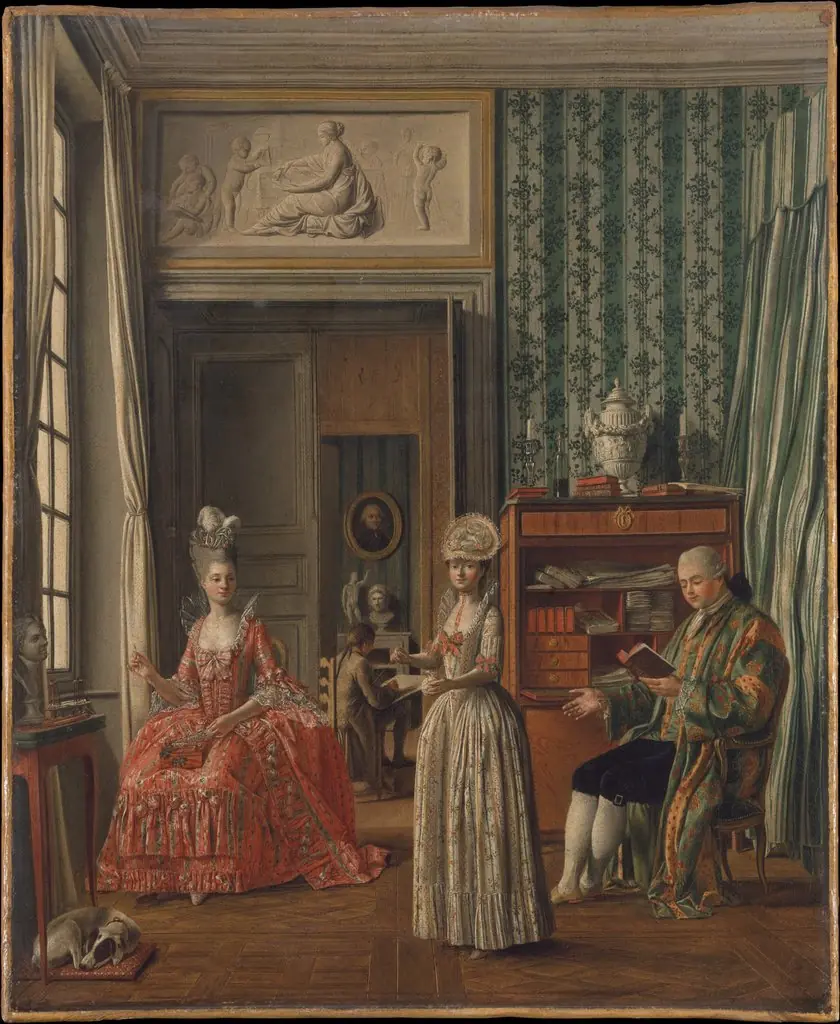 Domestic Scene
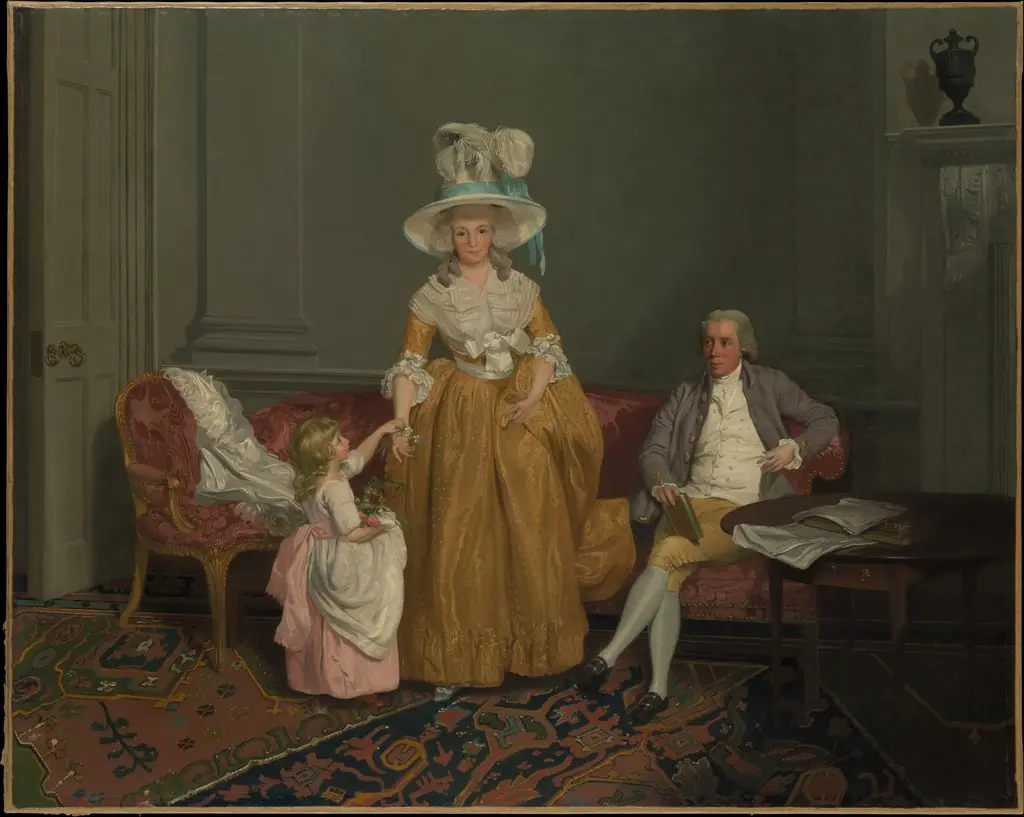 The Saithwaite Family
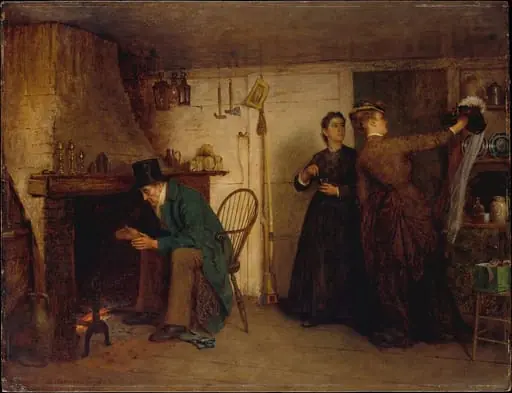 The New Bonnet
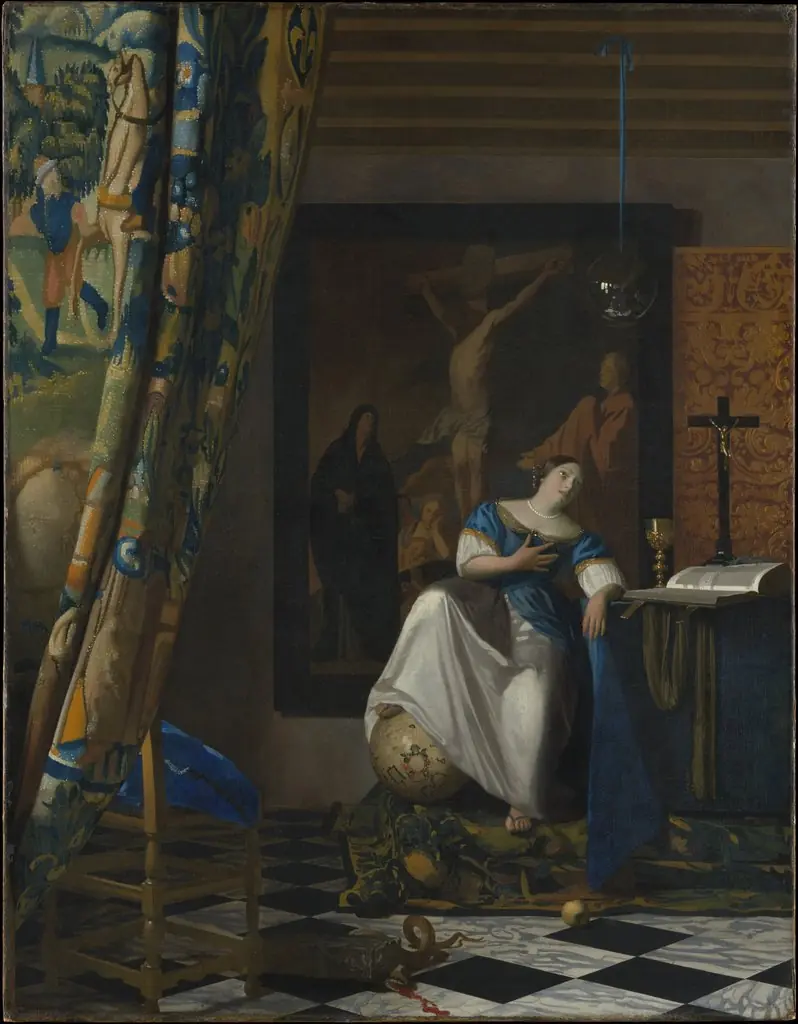 Allegory of the Catholic Faith
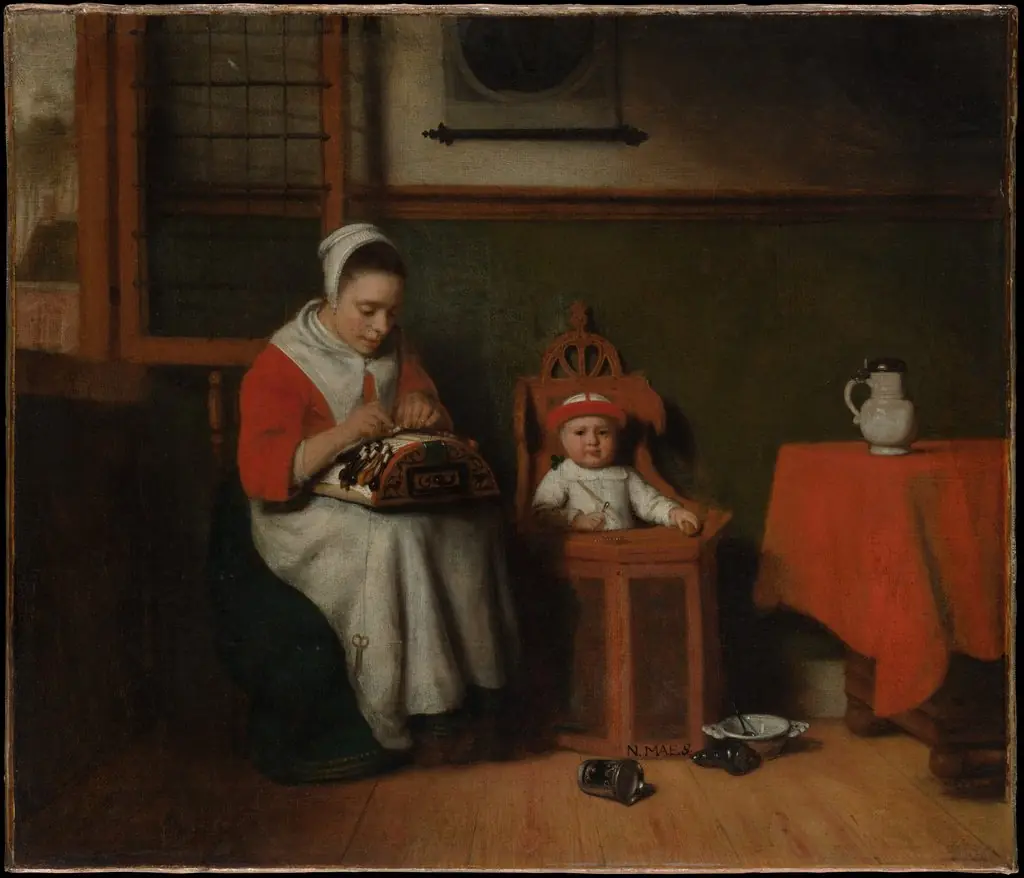 The Lacemaker
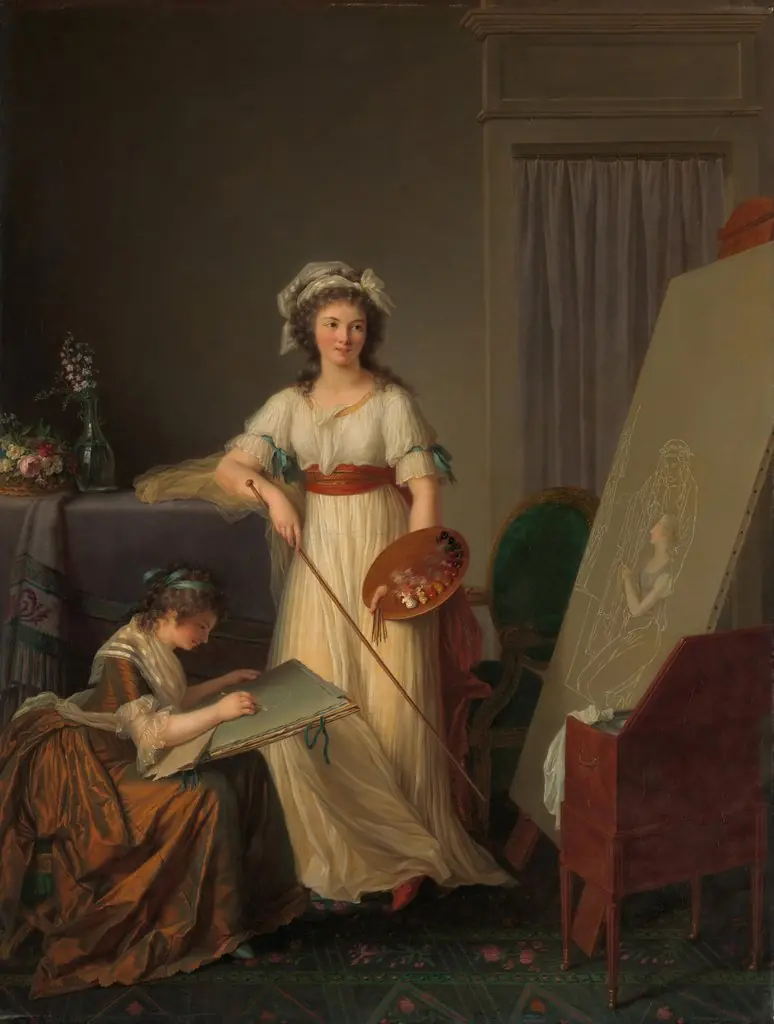 The Interior of an Atelier of a Woman Painter
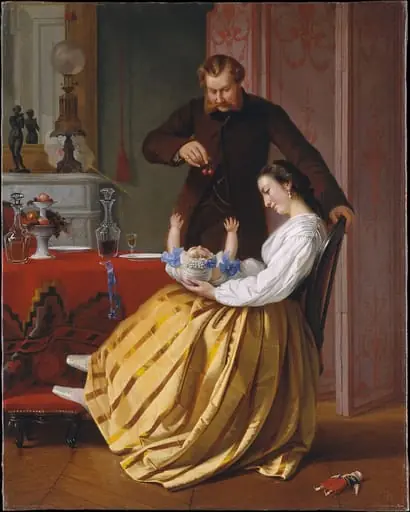 Conversation Piece
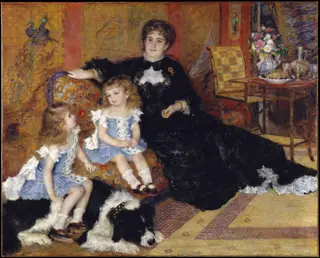 Madame Georges Charpentier and her Children
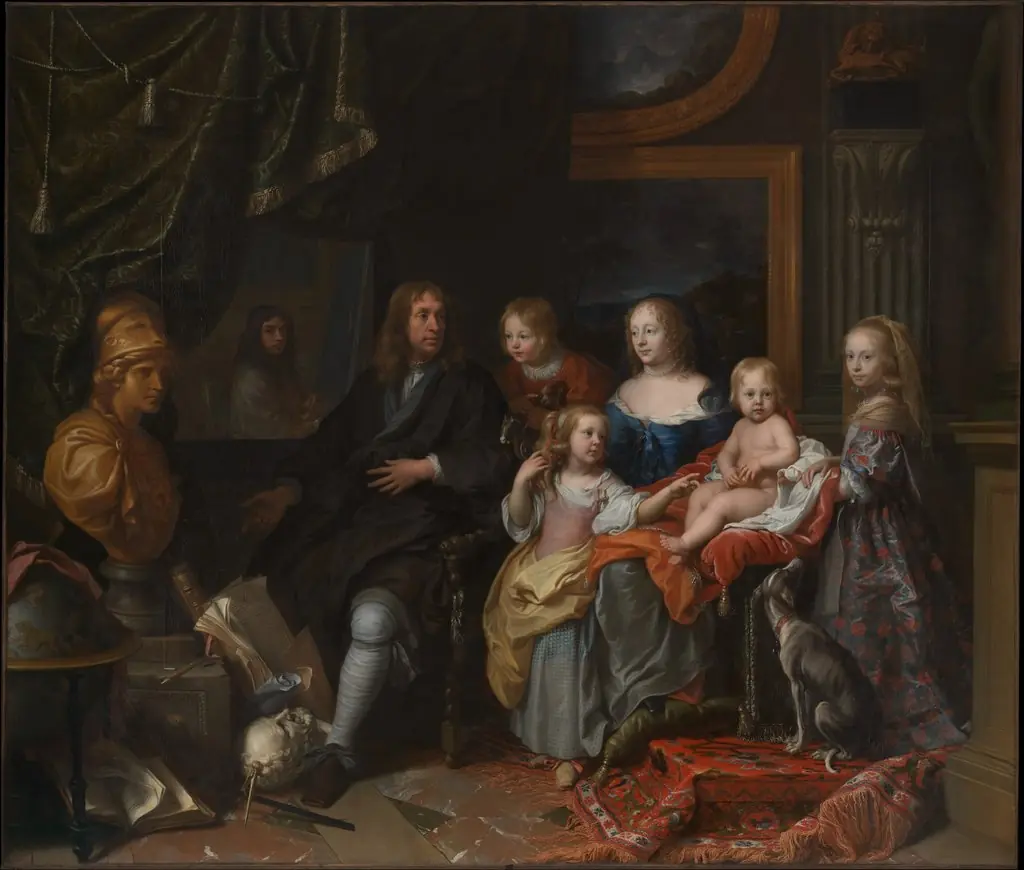 Everhard Jabach (1618–1695) and His Family
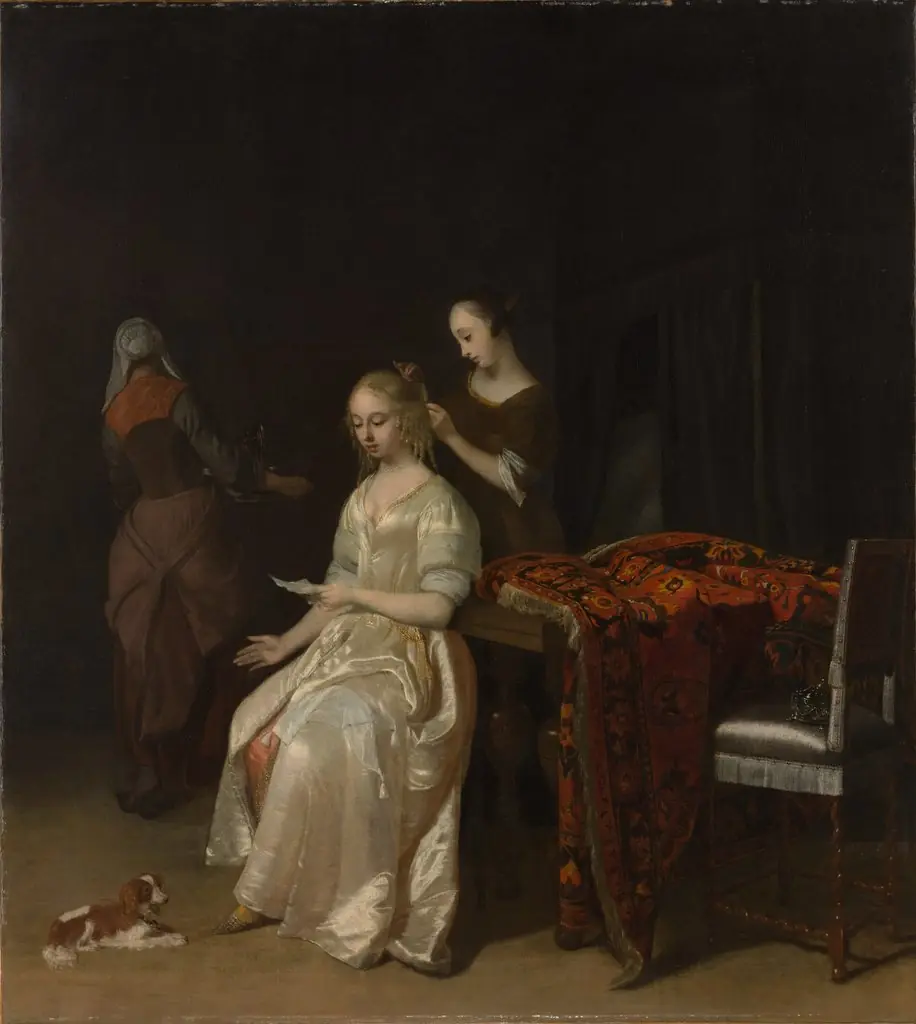 The Love Letter
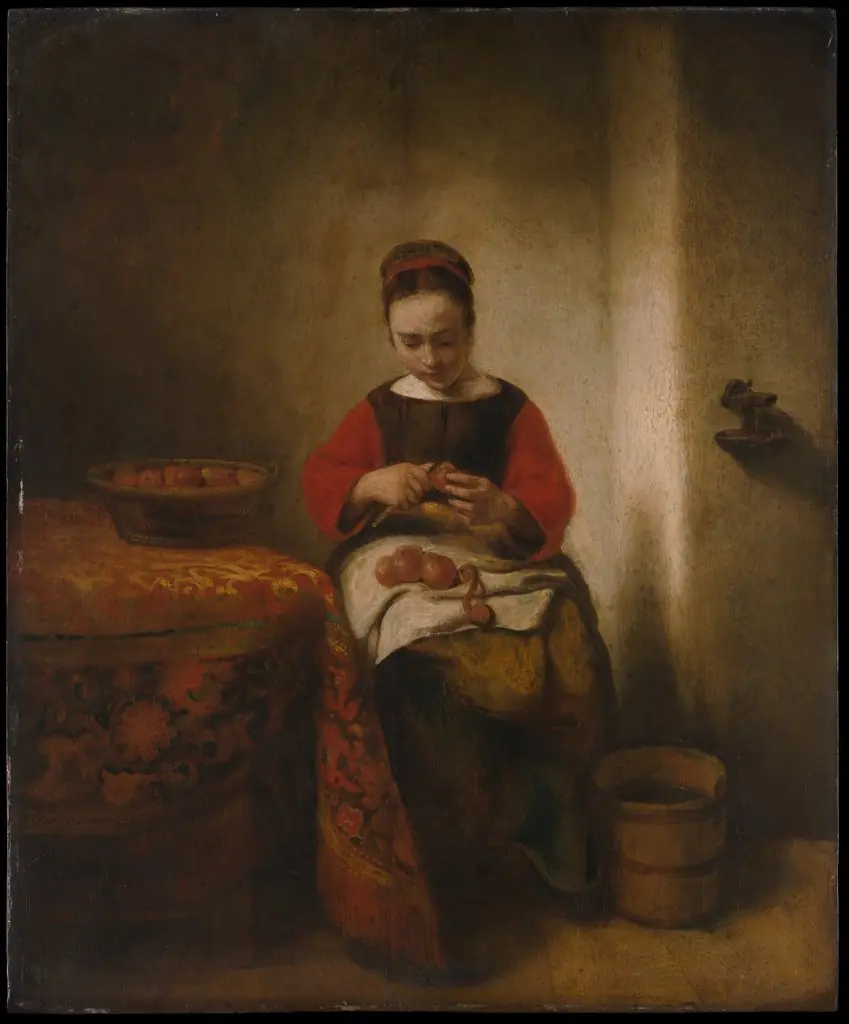 Young Woman Peeling Apples
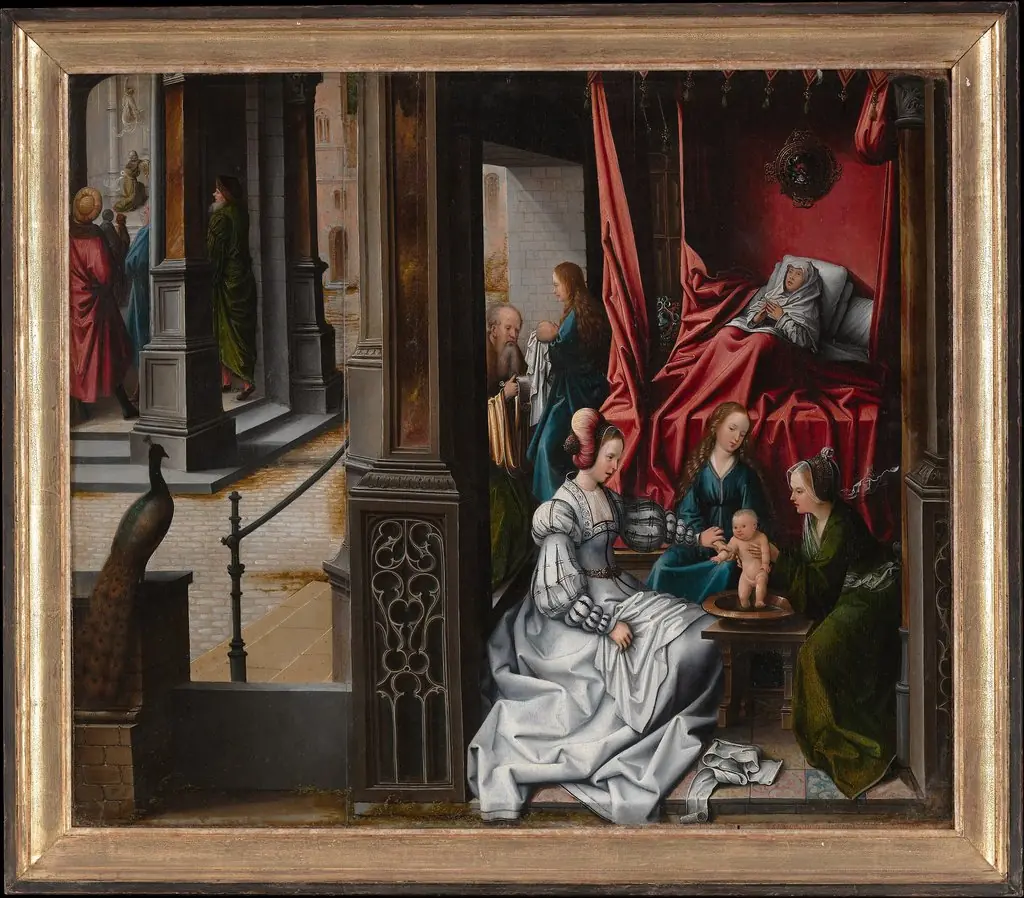 The Birth and Naming of Saint John the Baptist; (reverse) Trompe-l'oeil with Painting of The Man of Sorrows
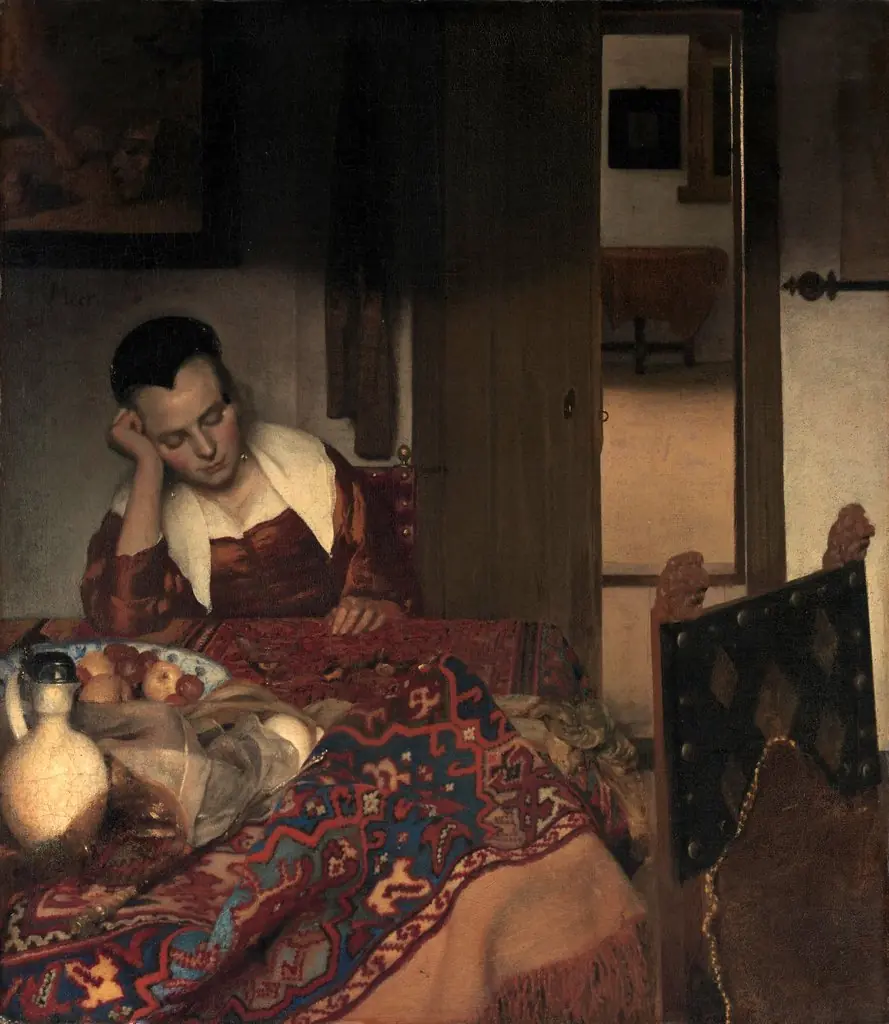 A Girl Asleep
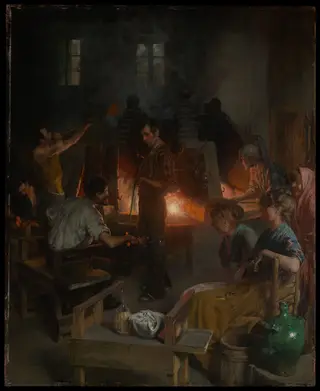 Glass Blowers of Murano
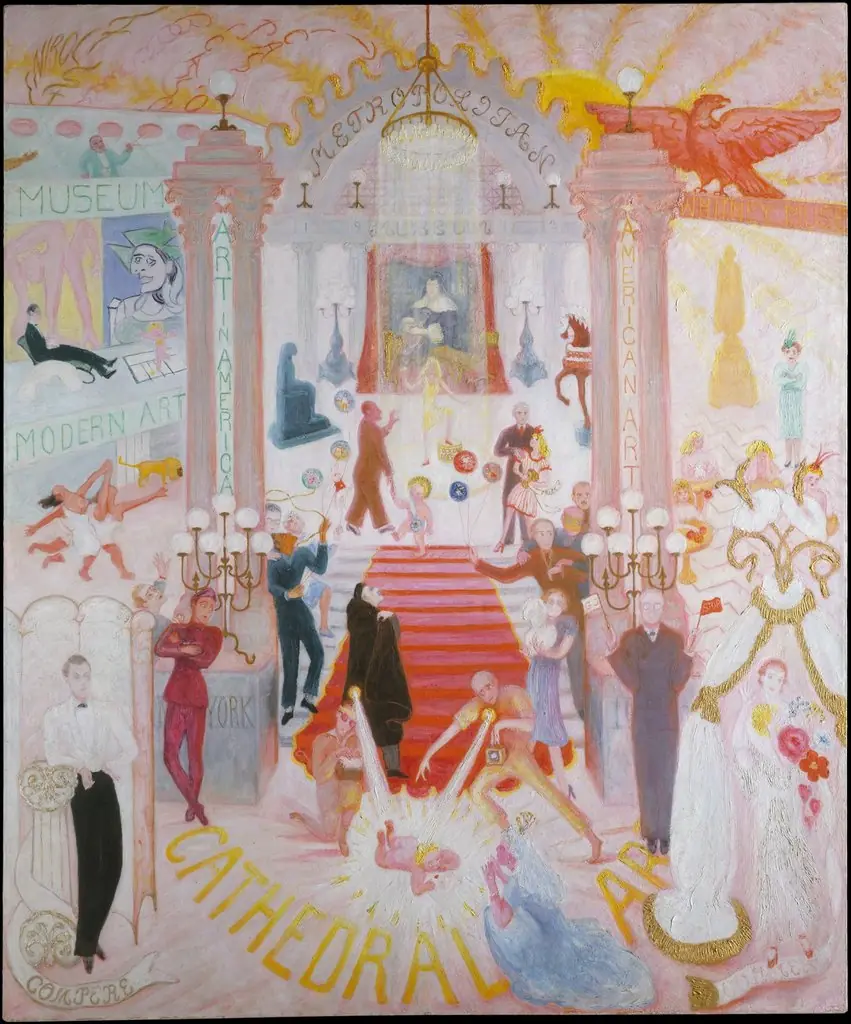 The Cathedrals of Art
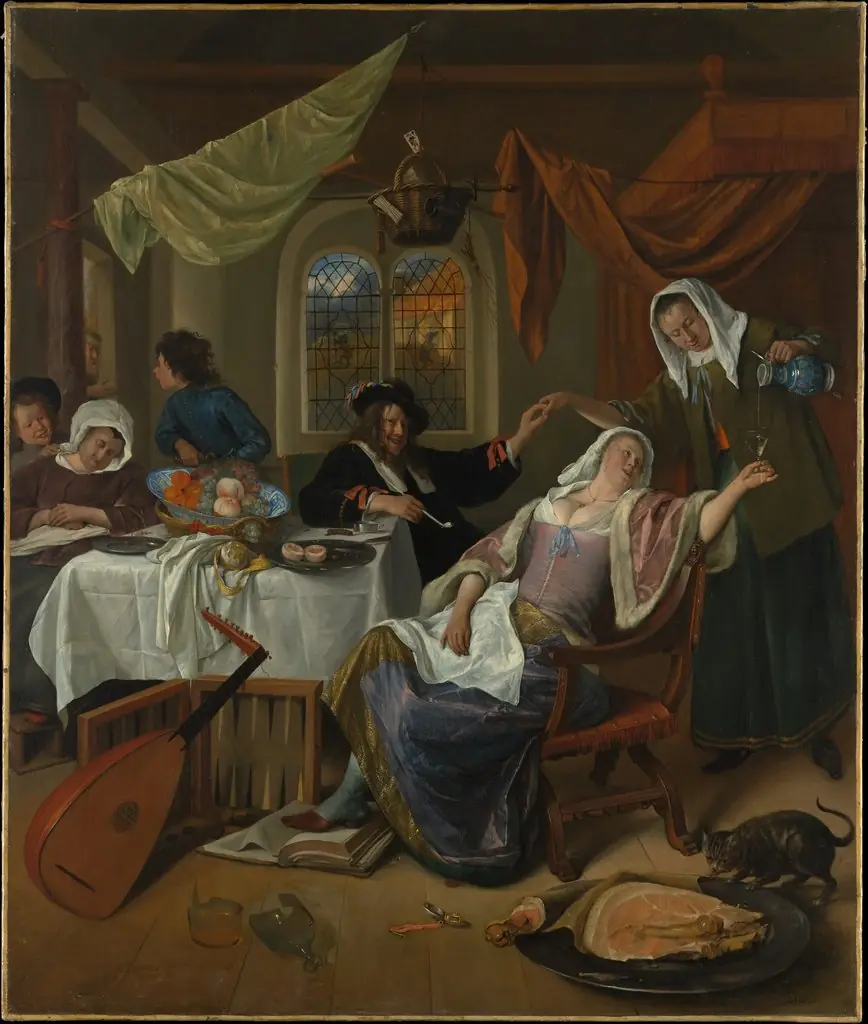 The Dissolute Household
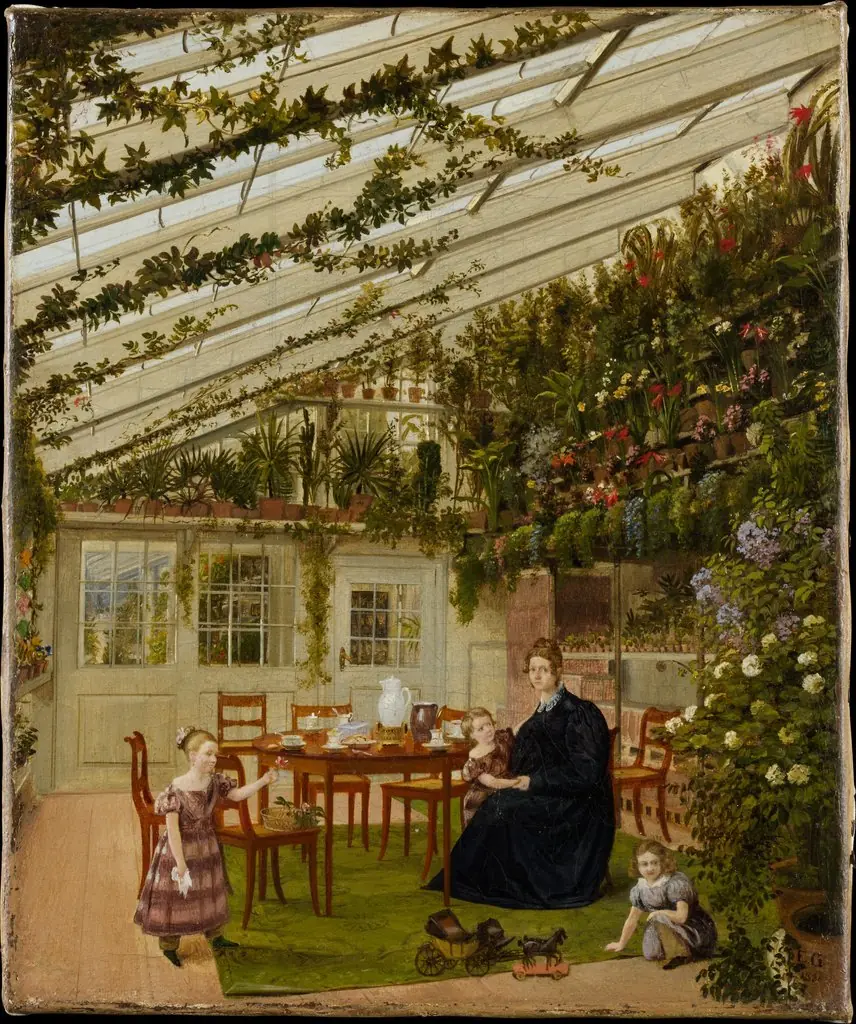 The Family of Mr. Westfal in the Conservatory
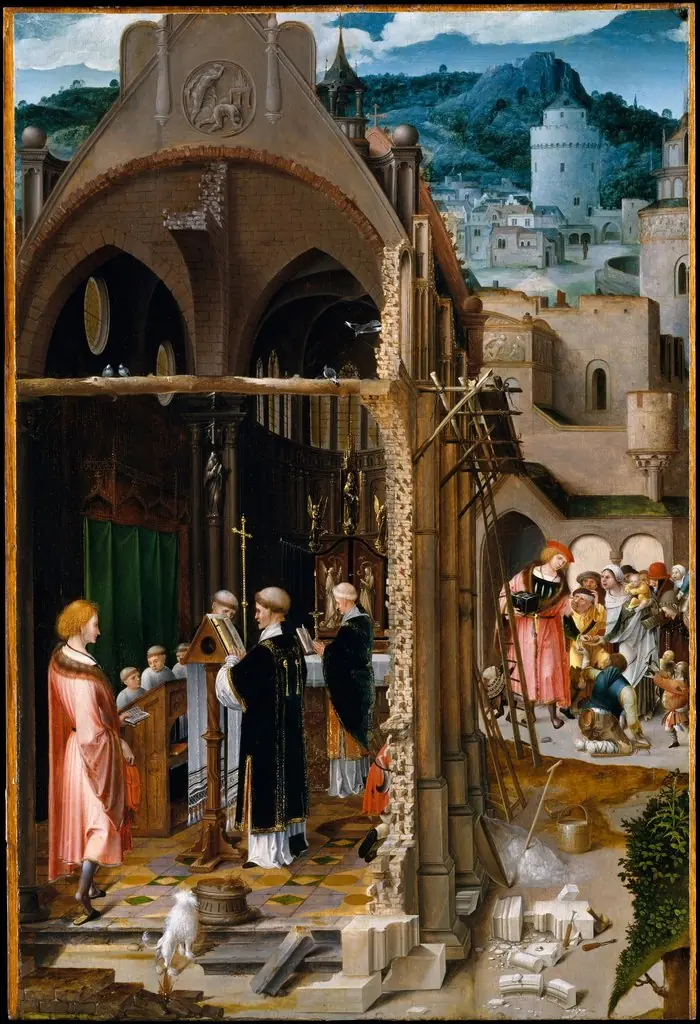 A Sermon on Charity (possibly the Conversion of Saint Anthony)
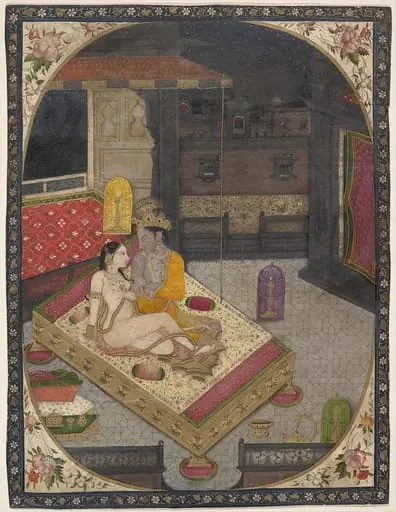 Untitled
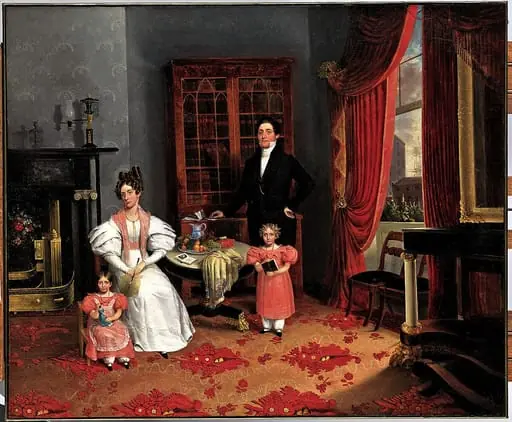 The Family of John Q. Aymar
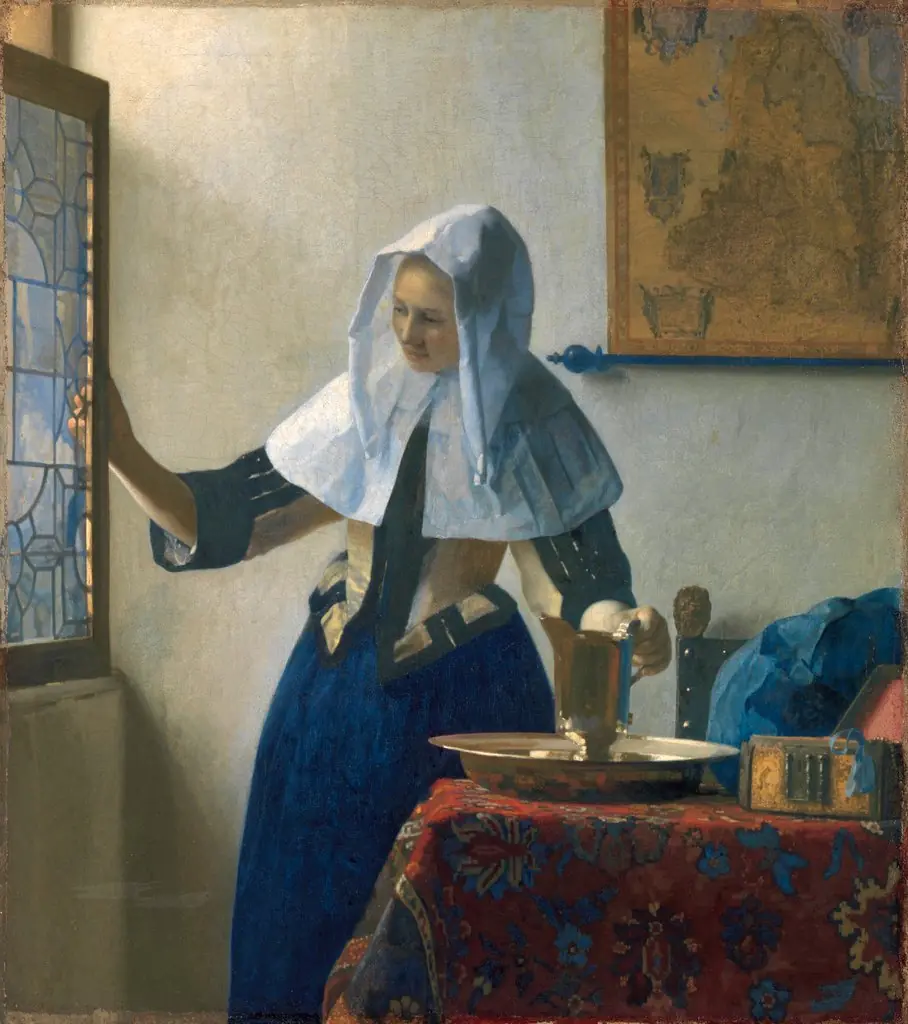 Woman with a Water Jug
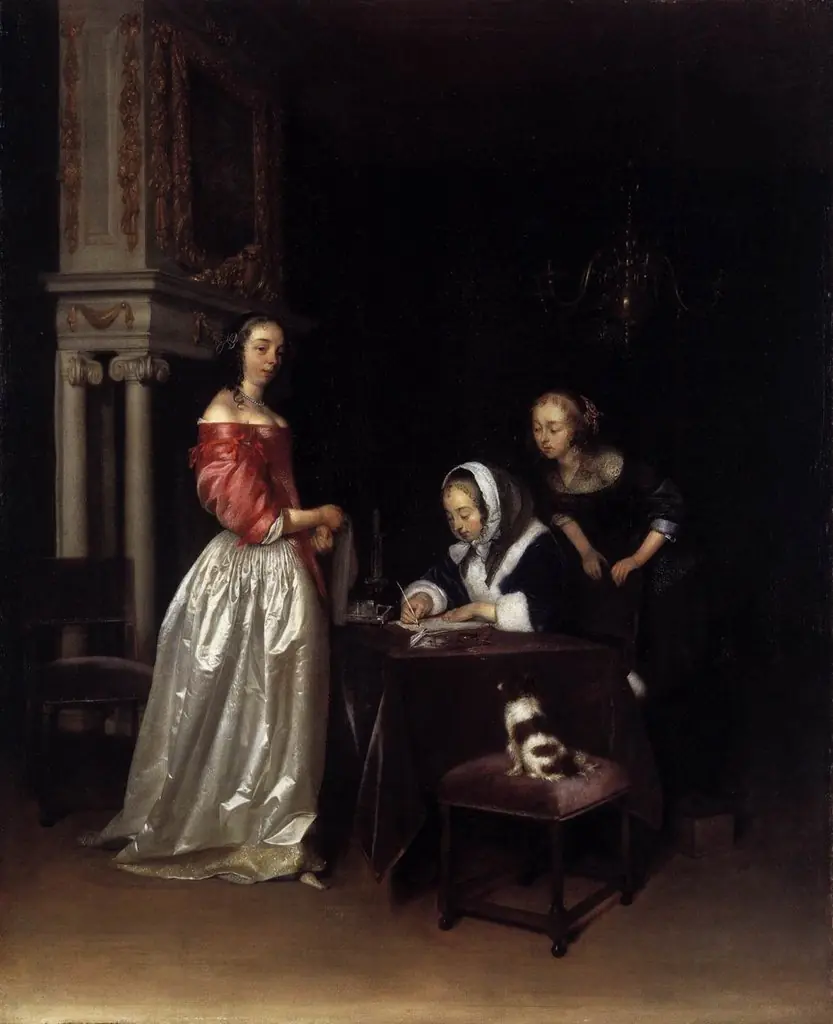 The Curious
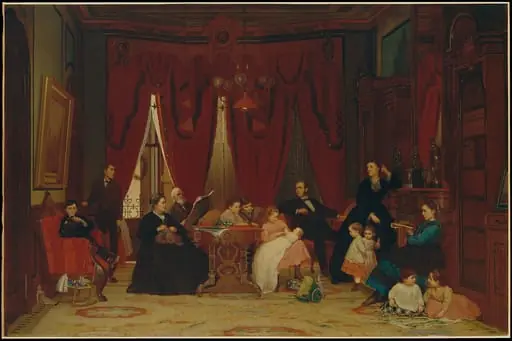 The Hatch Family
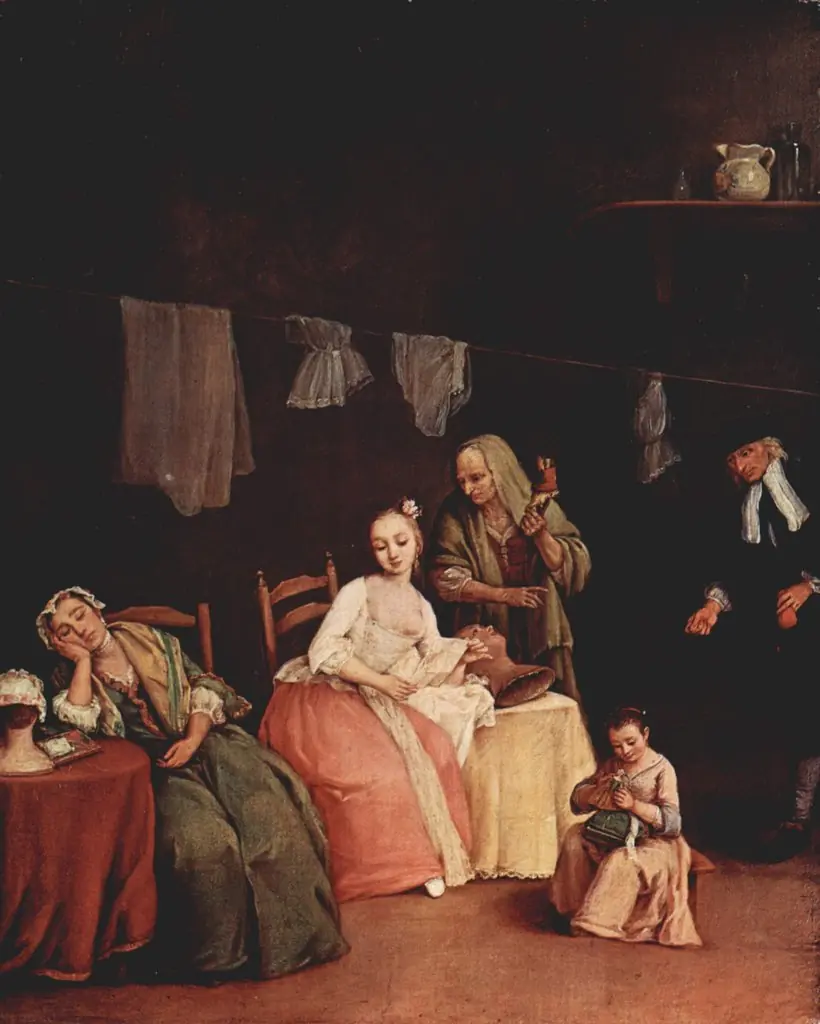 The Letter
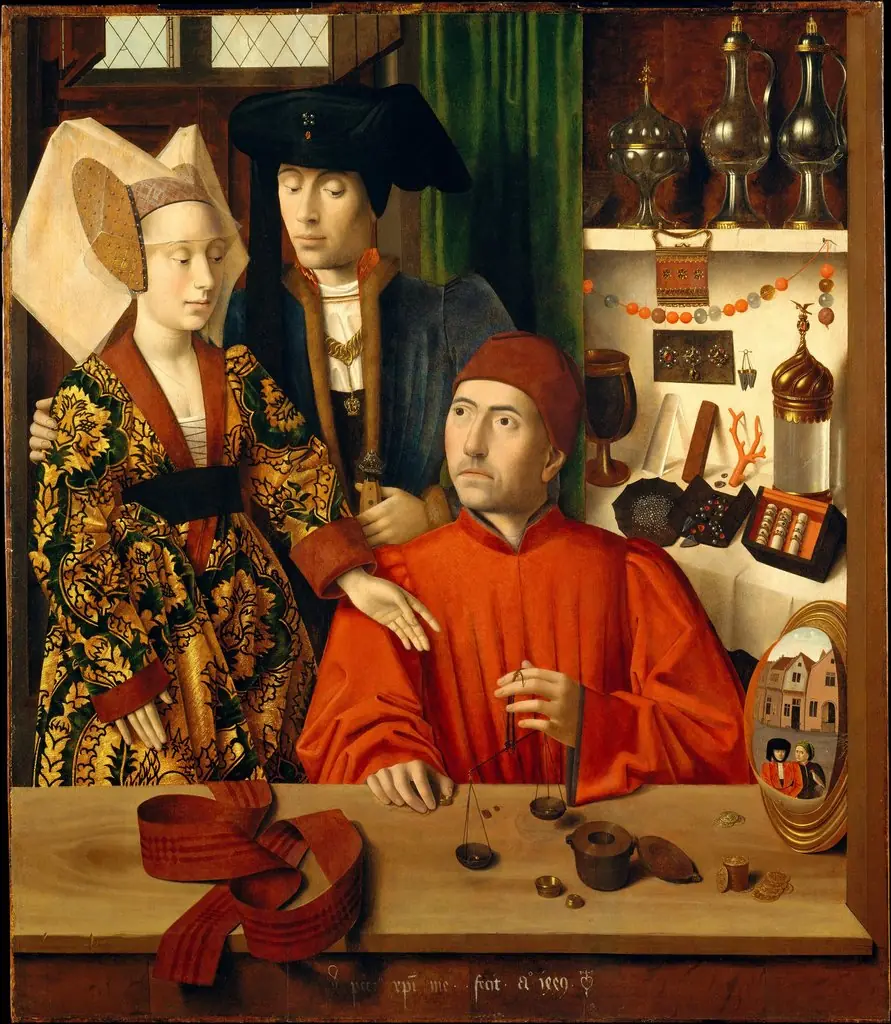 A Goldsmith in His Shop
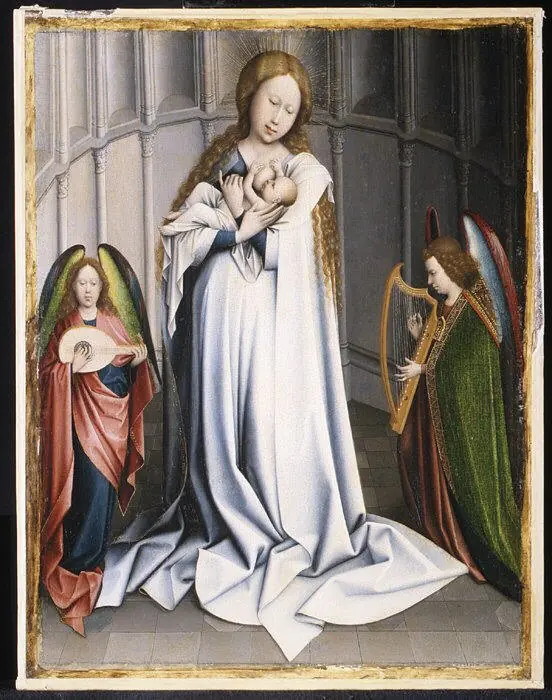 Virgin and Child in an Apse
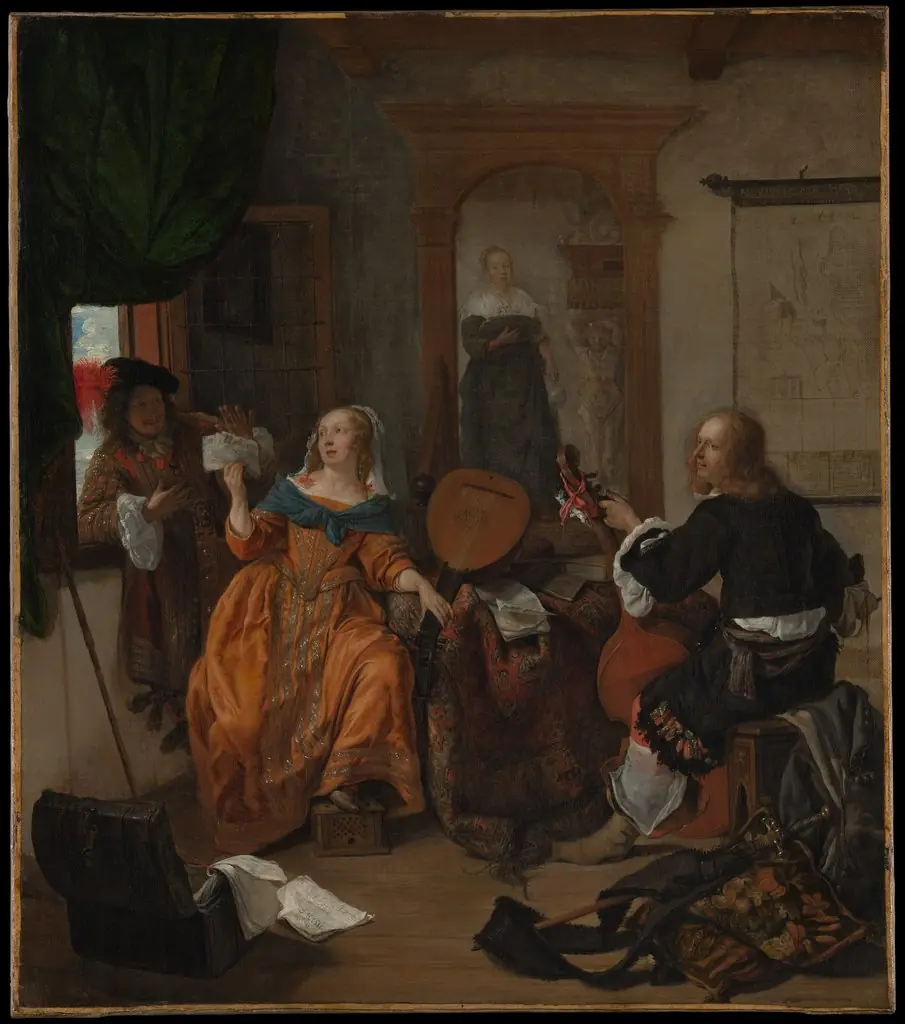 A Musical Party
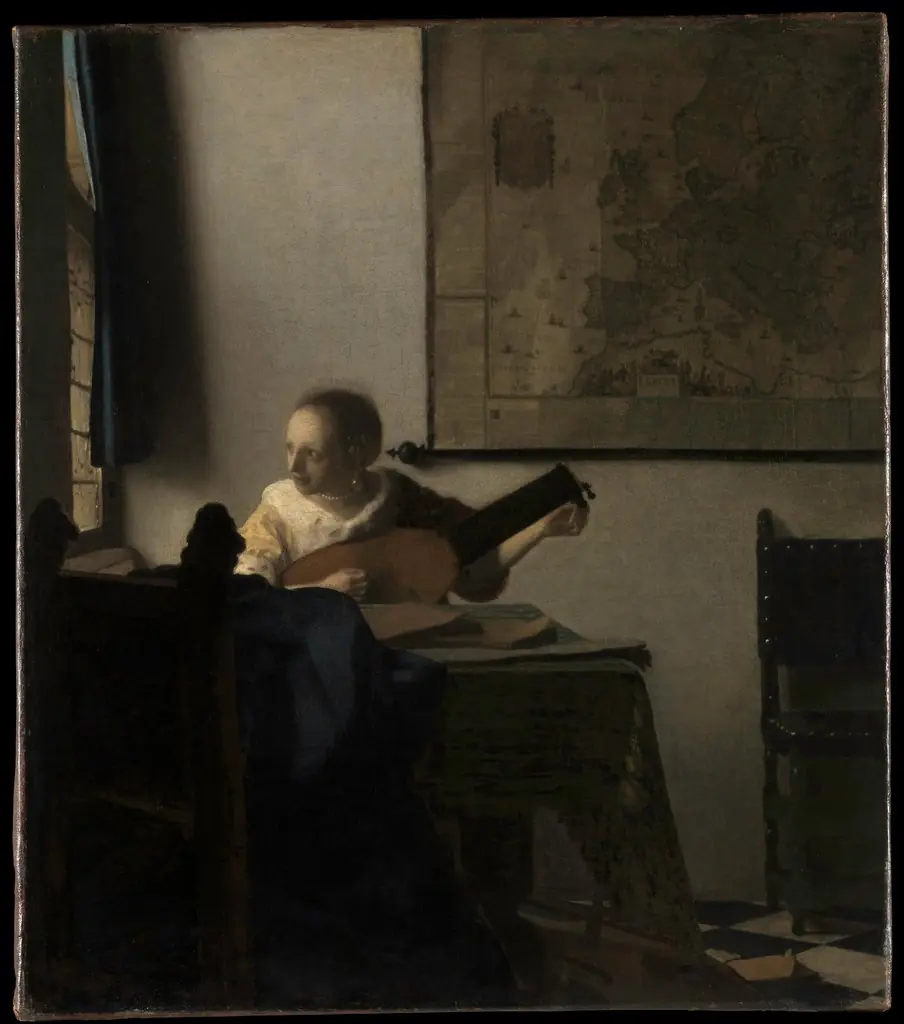 Woman with a Lute
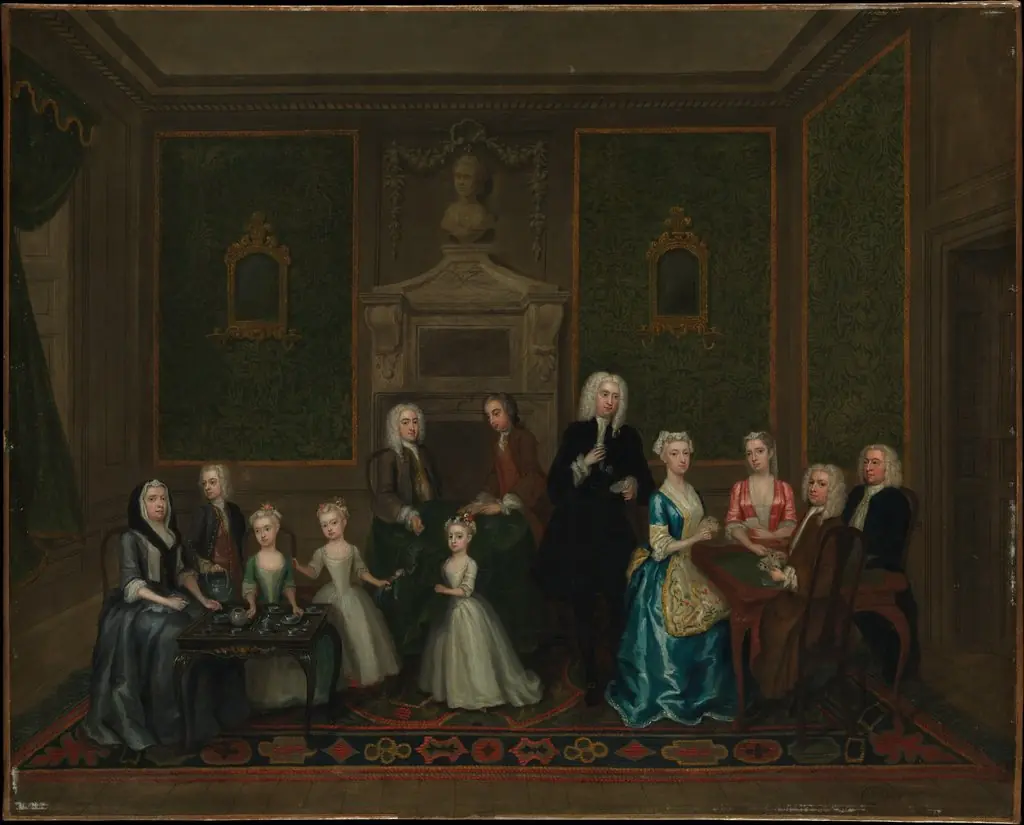 The Strong Family
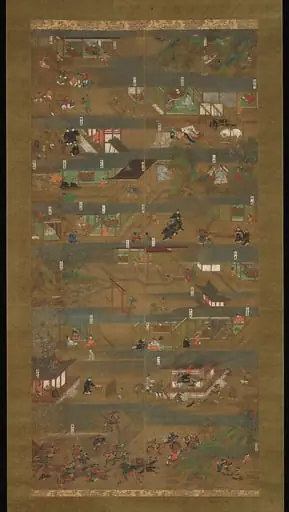 聖徳太子絵伝図|Illustrated Biography of Prince Shōtoku (Shōtoku Taishi e-den)
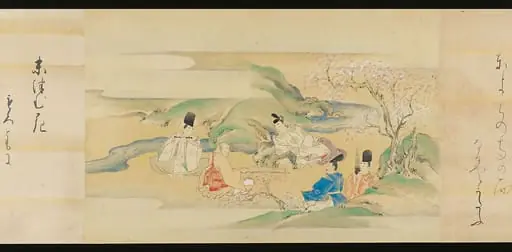 伝海北友雪筆 『源氏物語』 絵巻|The Tale of Genji
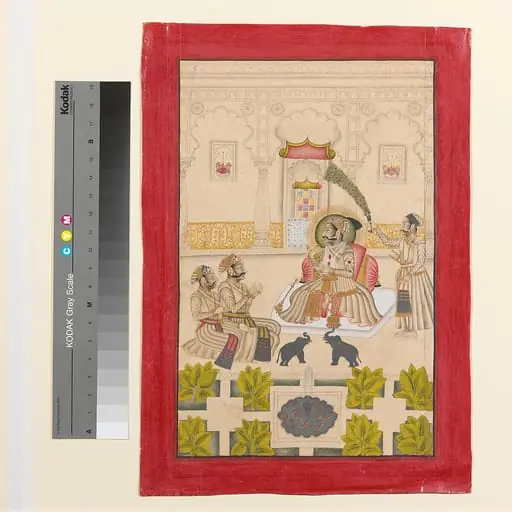 Untitled
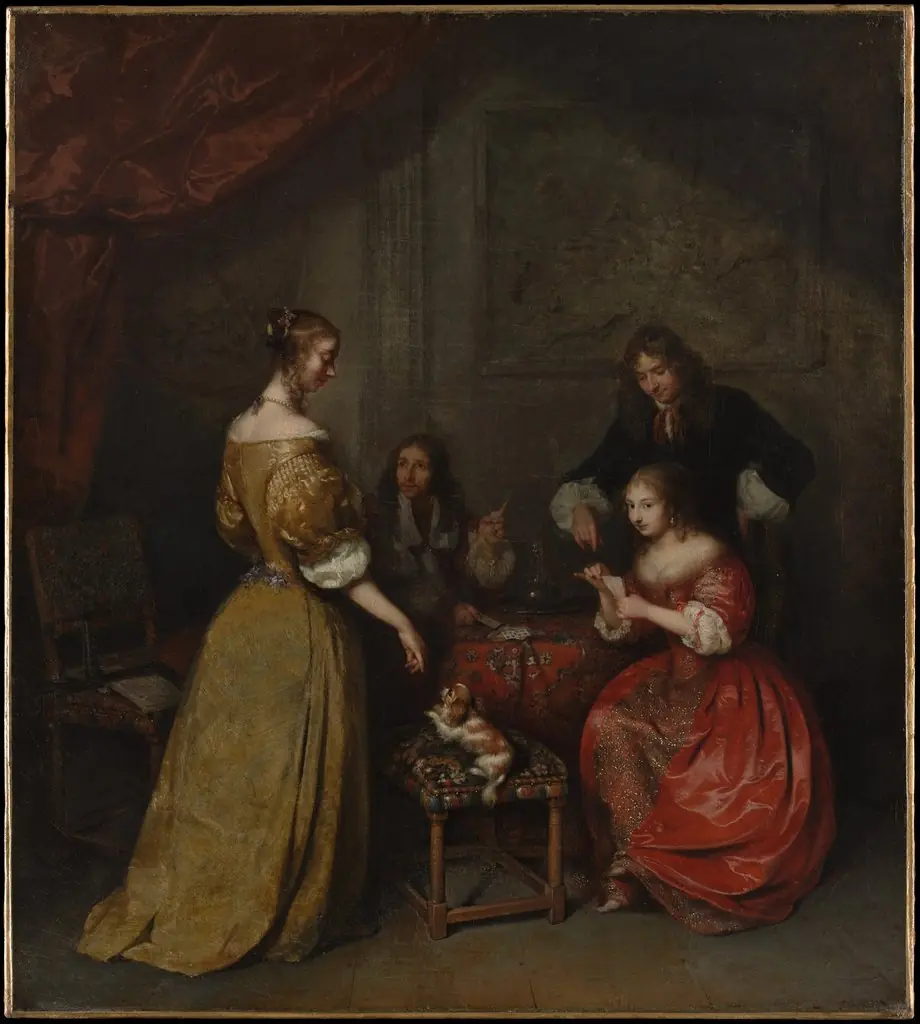 The Card Party
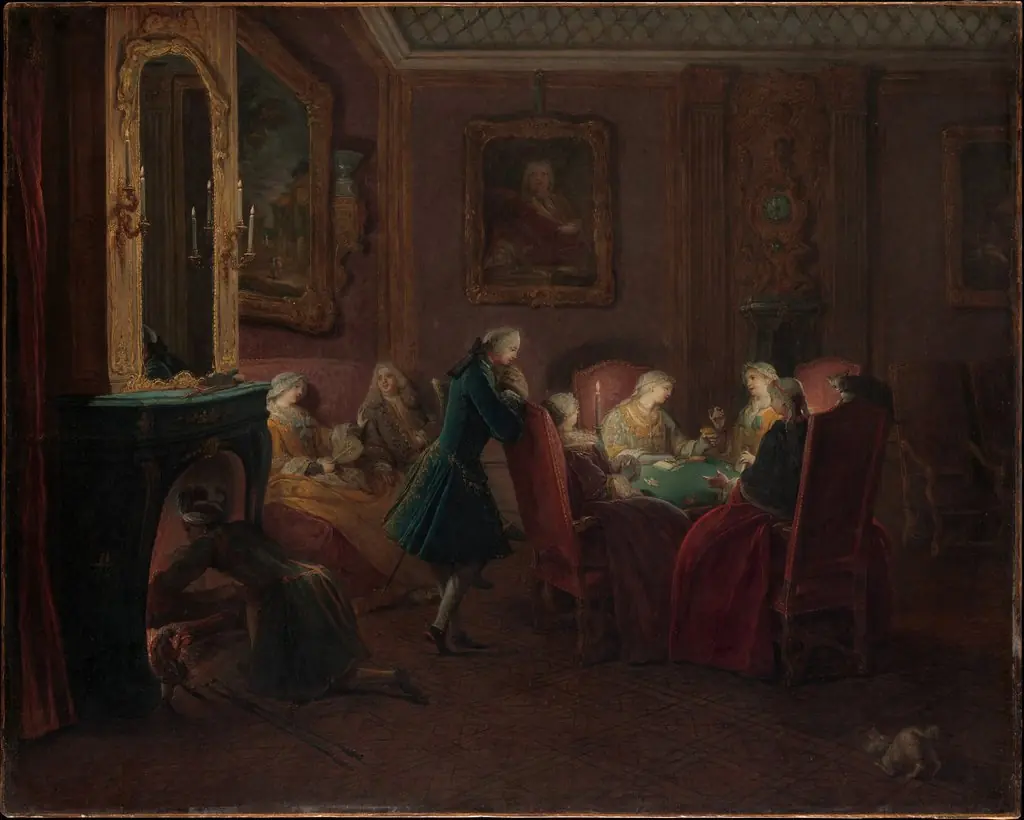 Card Players in a Drawing Room
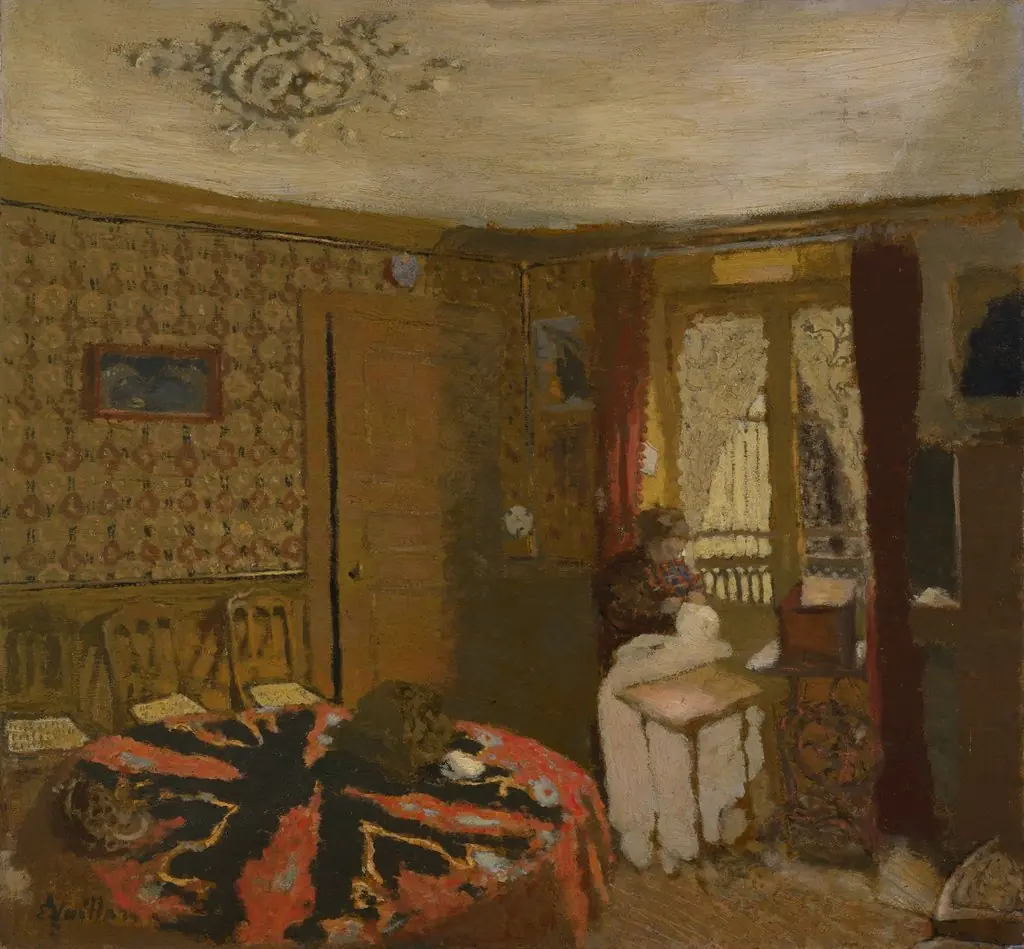 Mme Vuillard Sewing by the Window, rue Truffaut
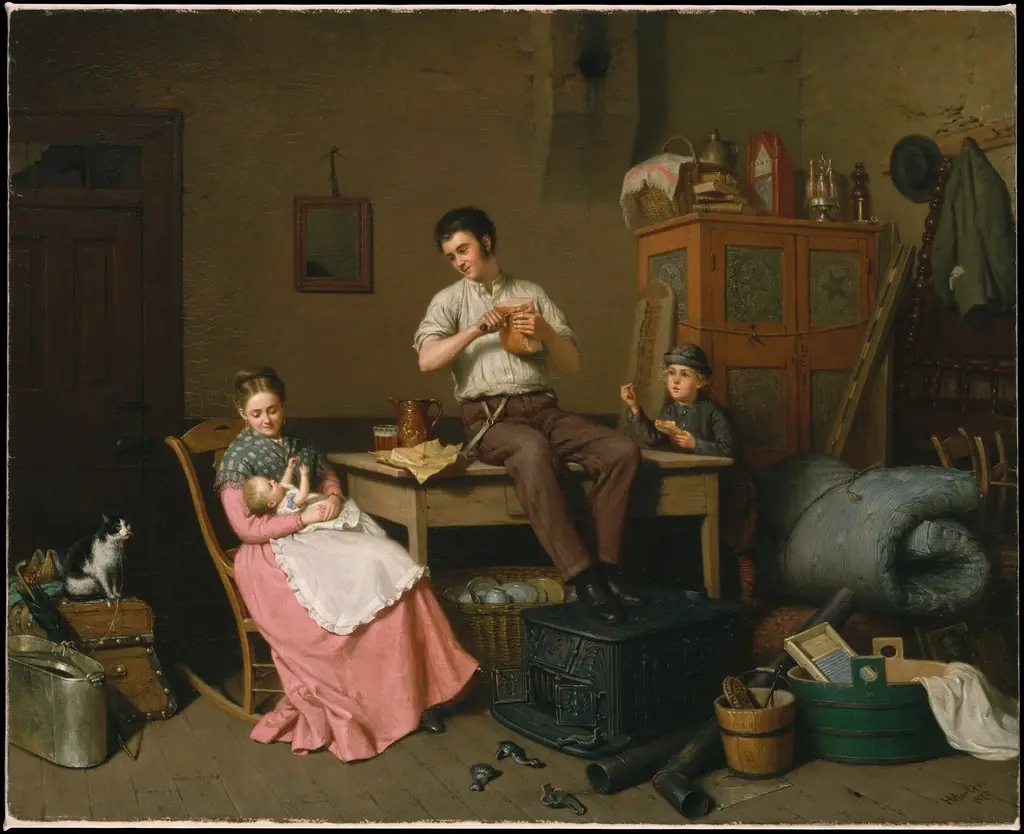 Just Moved
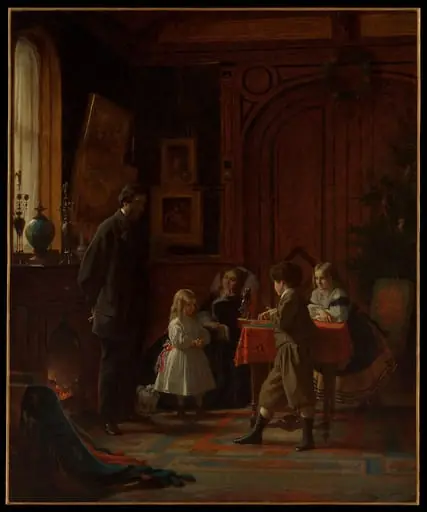 Christmas-Time, The Blodgett Family
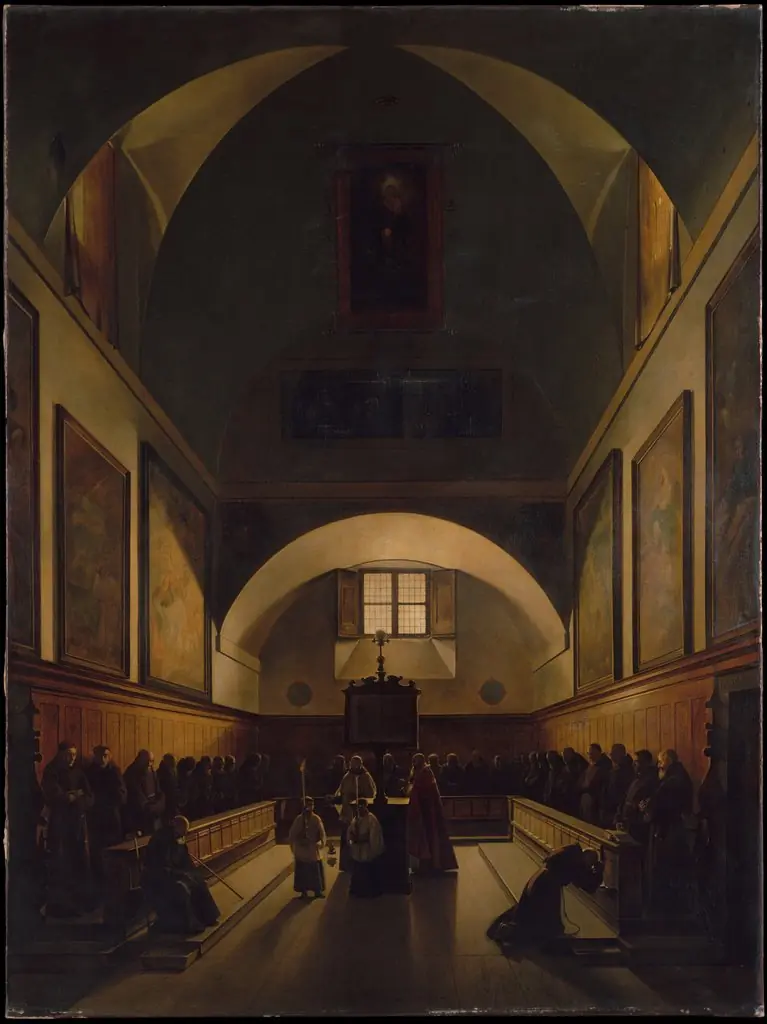 The Choir of the Capuchin Church in Rome
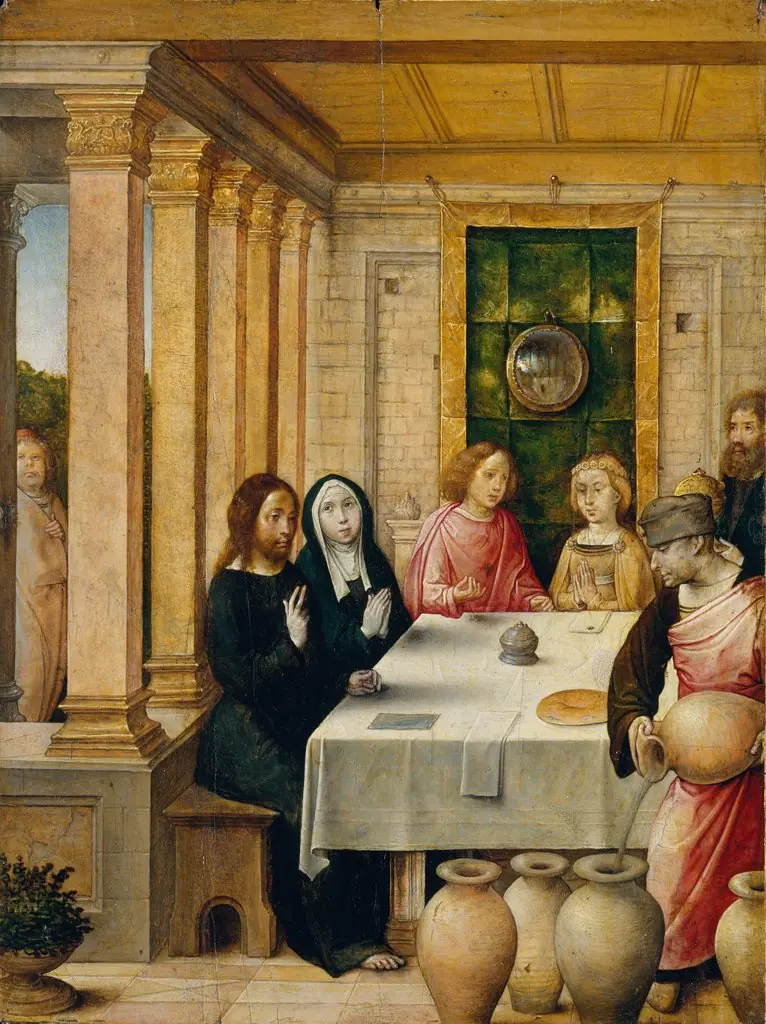 The Marriage Feast at Cana
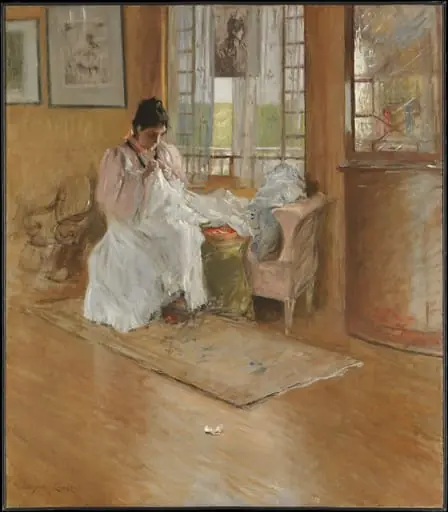 For the Little One
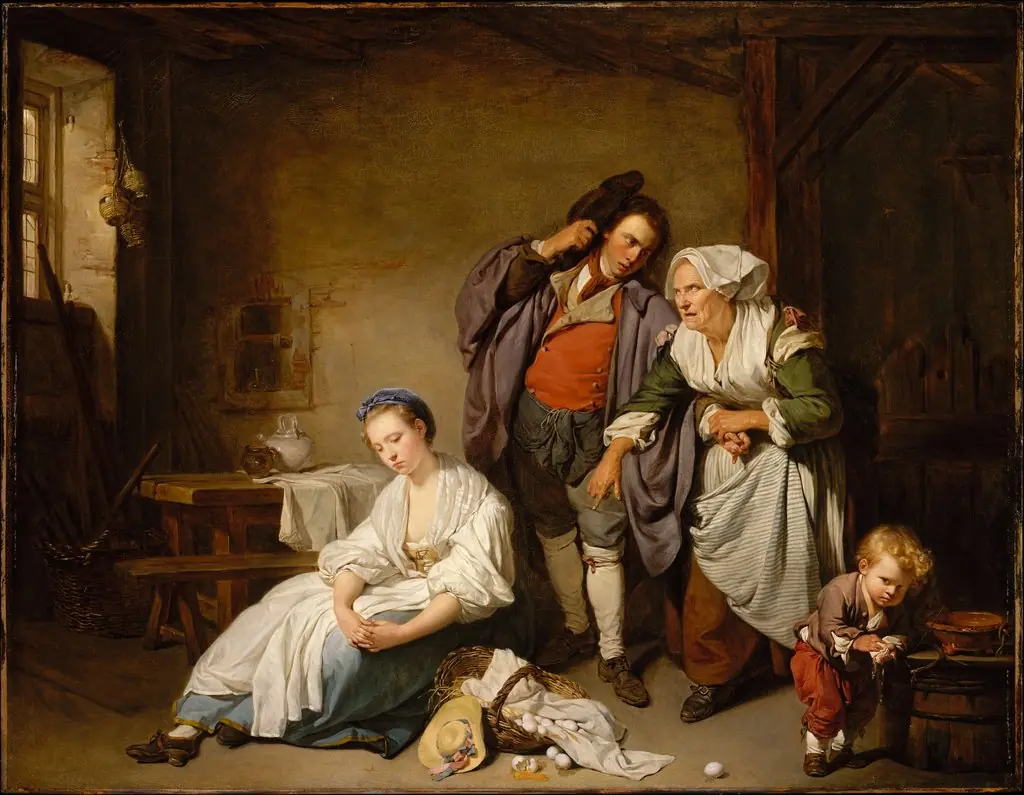 Broken Eggs
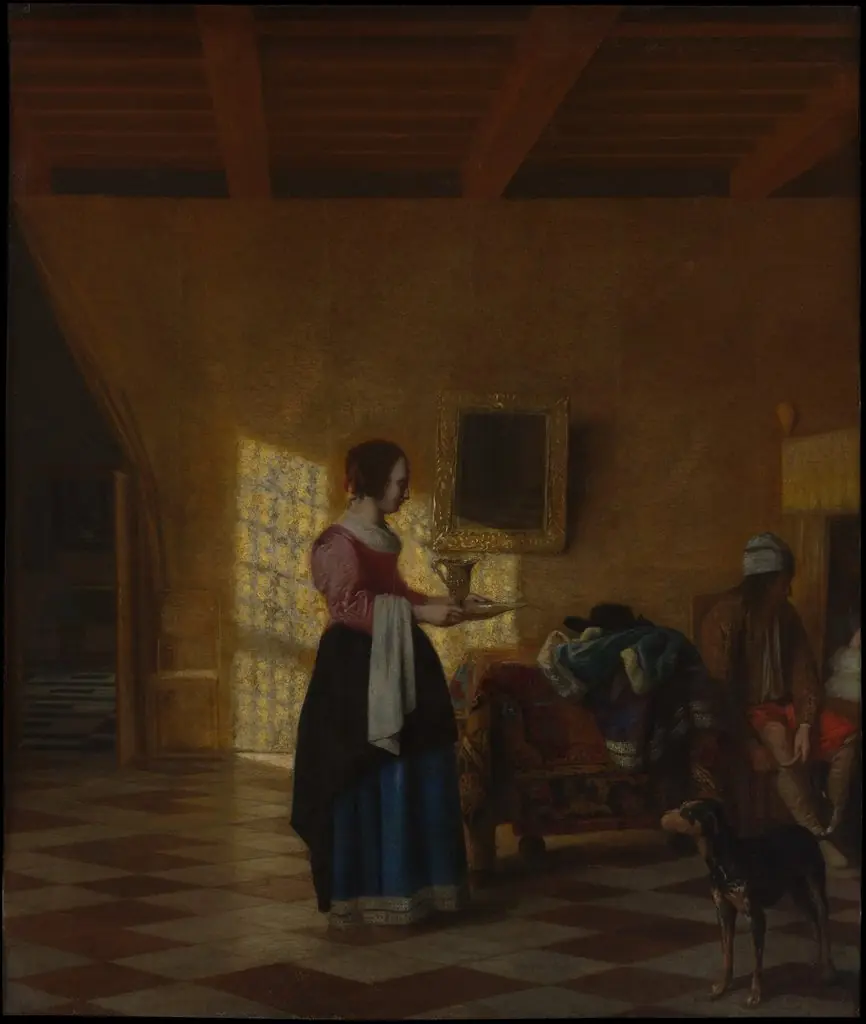 Woman with a Water Pitcher, and a Man by a Bed ("The Maidservant")
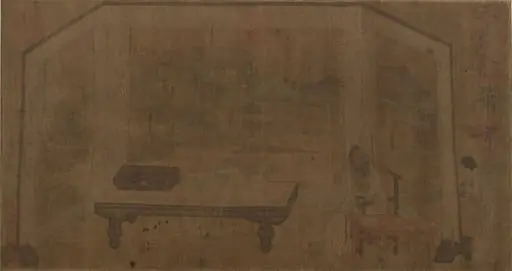 宋/明? 佚名 仿王齊翰 挑耳圖 卷|Library Scene
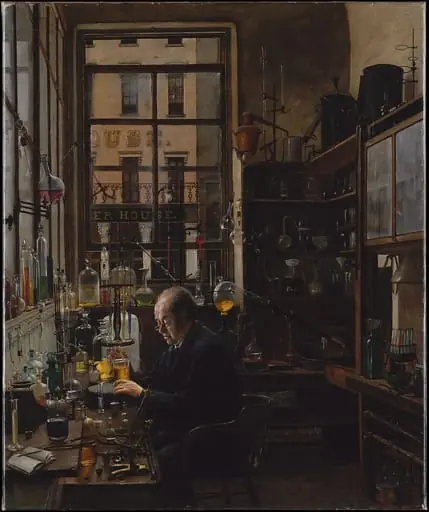 In the Laboratory
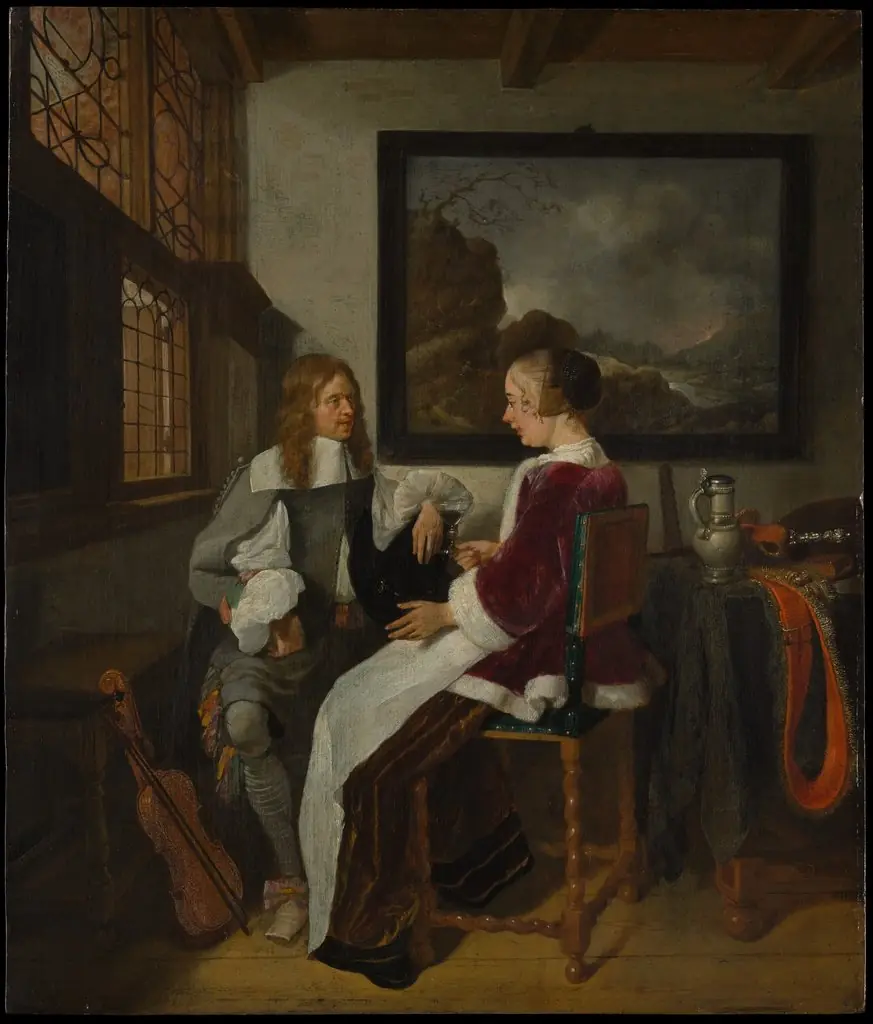 Sentimental Conversation
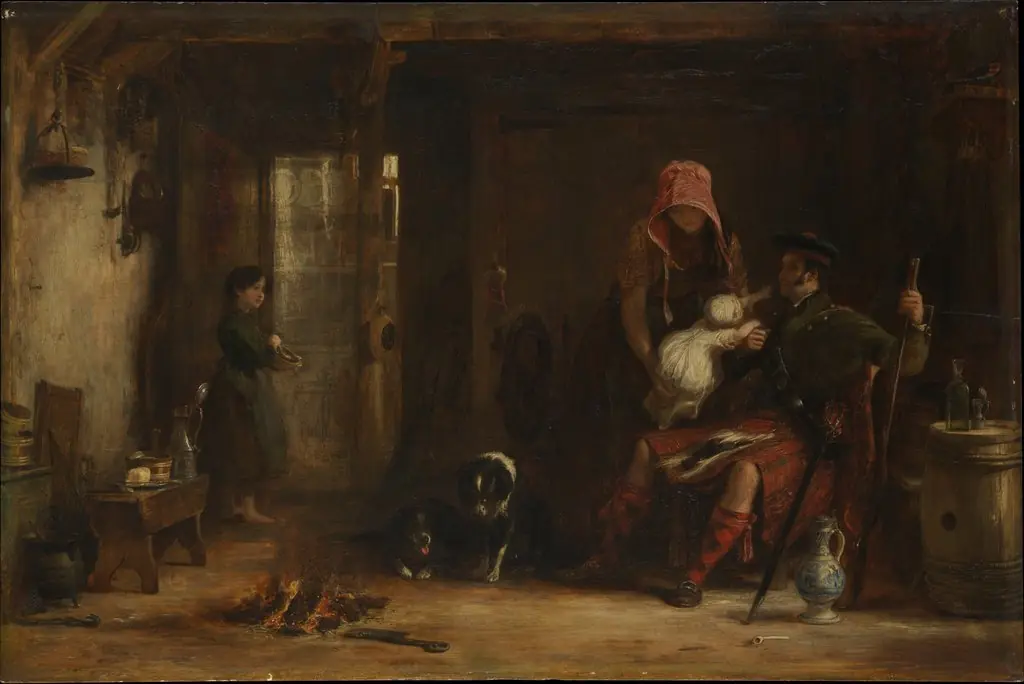 The Highland Family
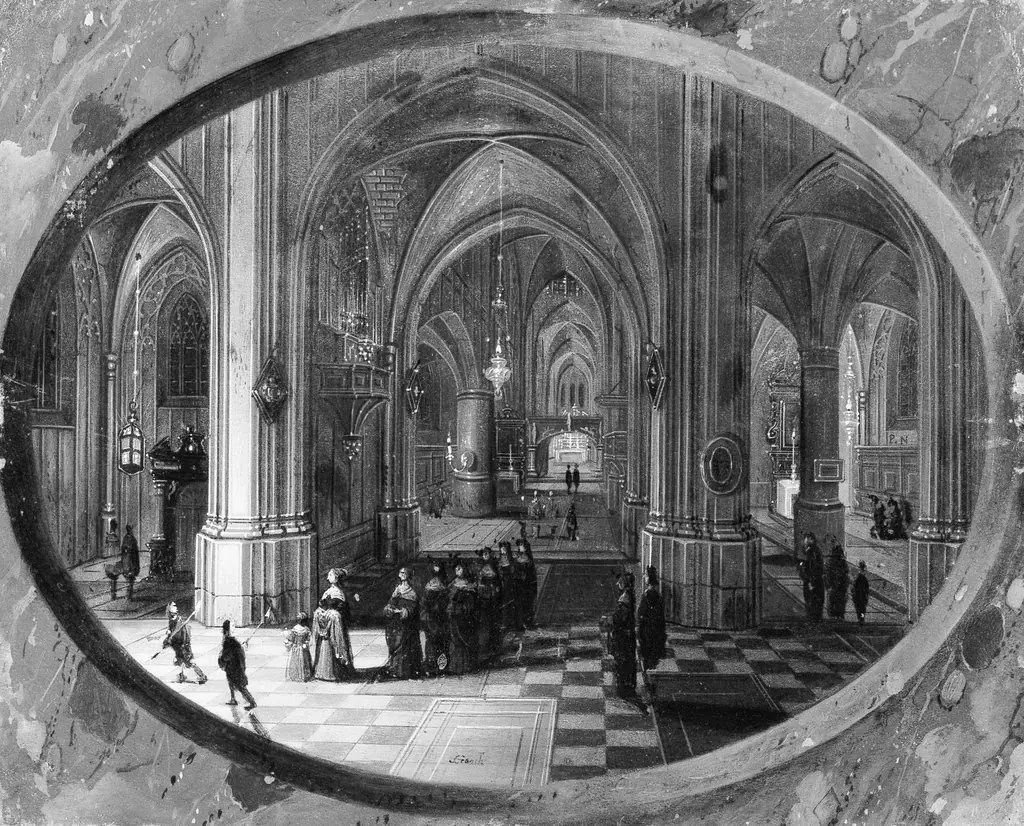 Interior of a Gothic Church at Night
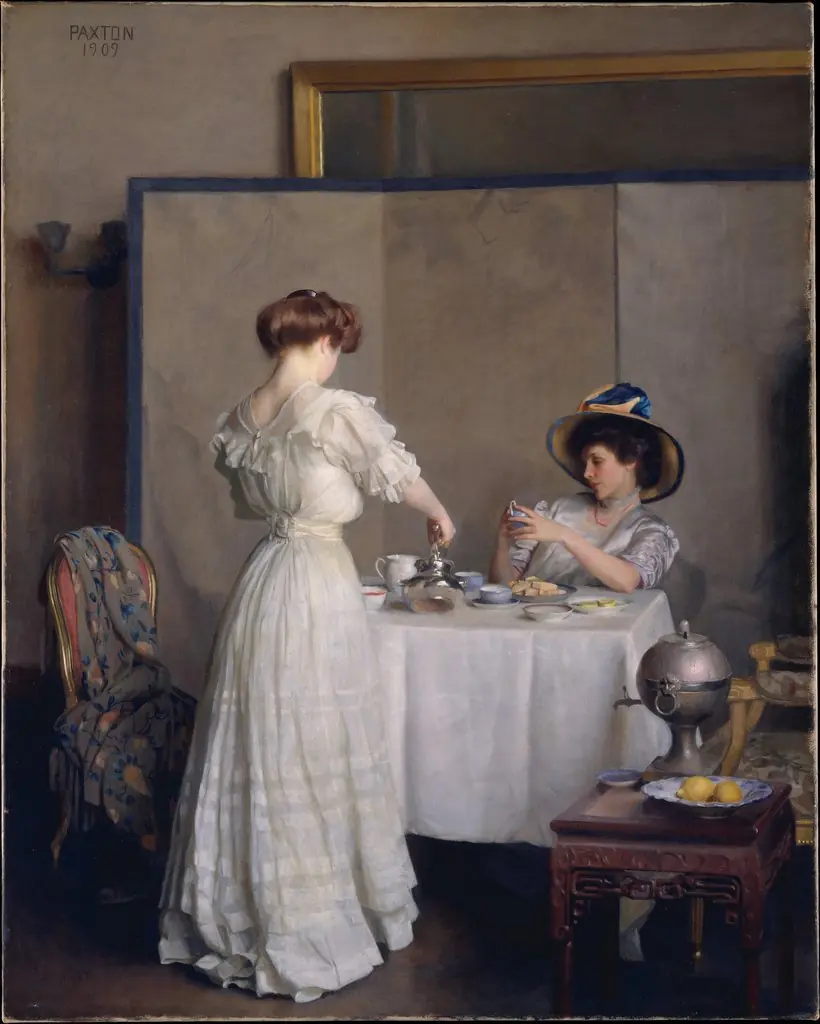 Tea Leaves
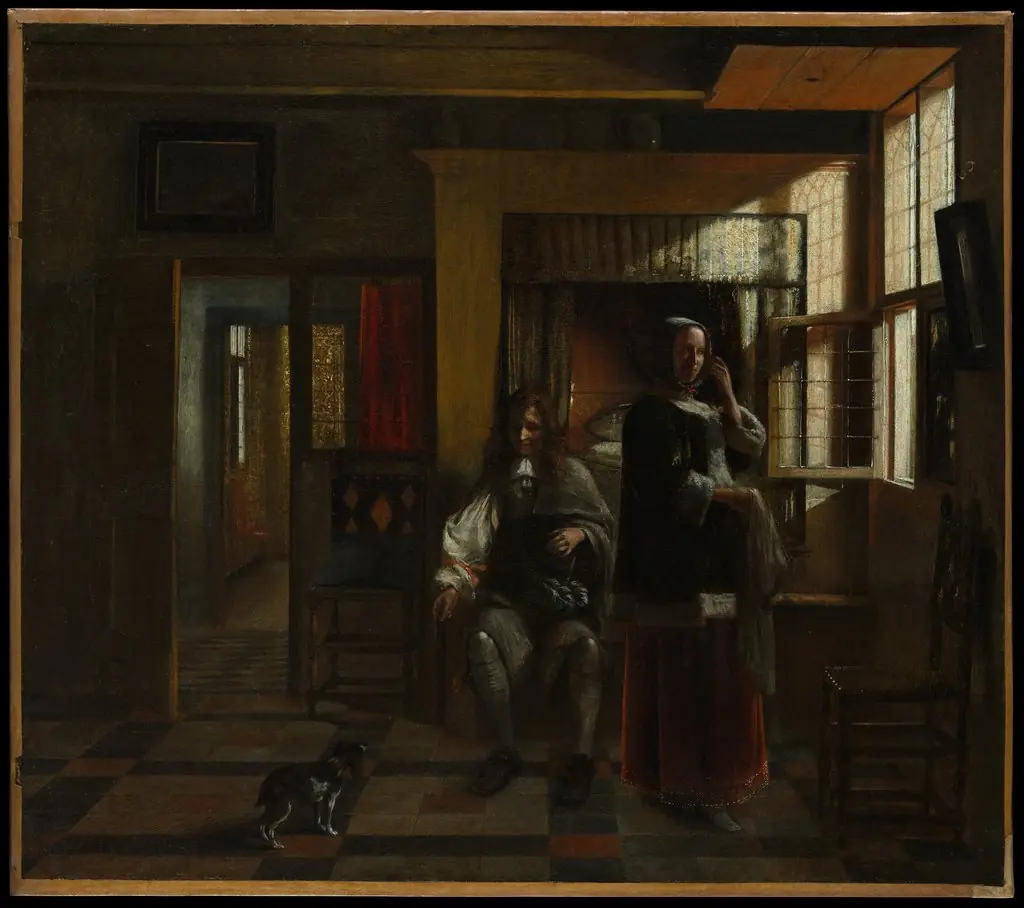 Interior with a Young Couple
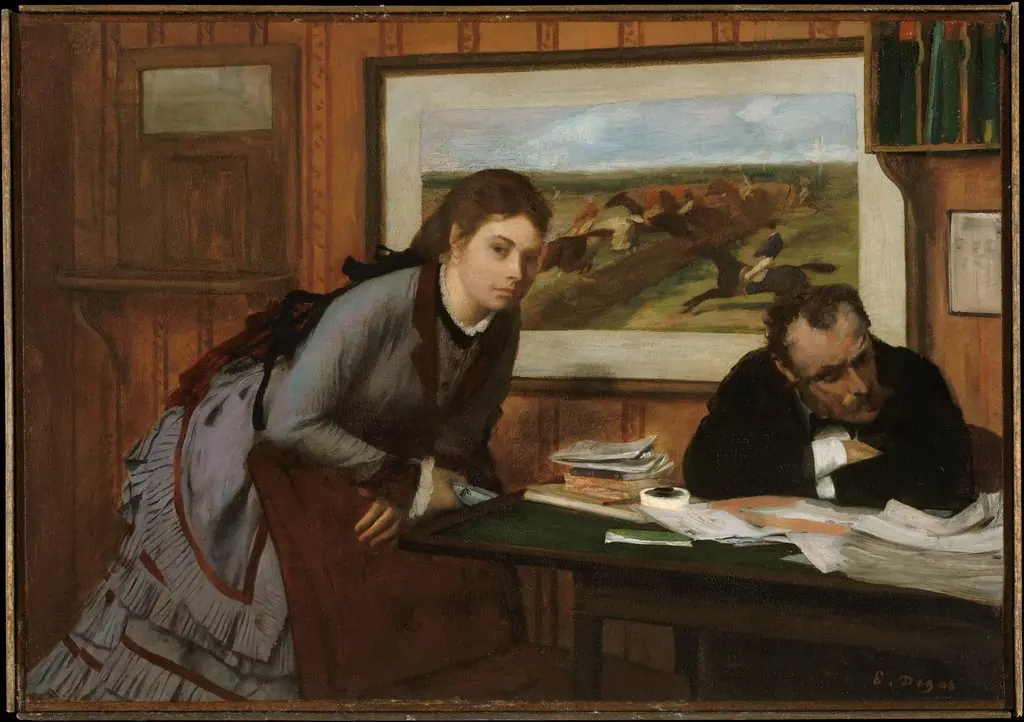 Sulking
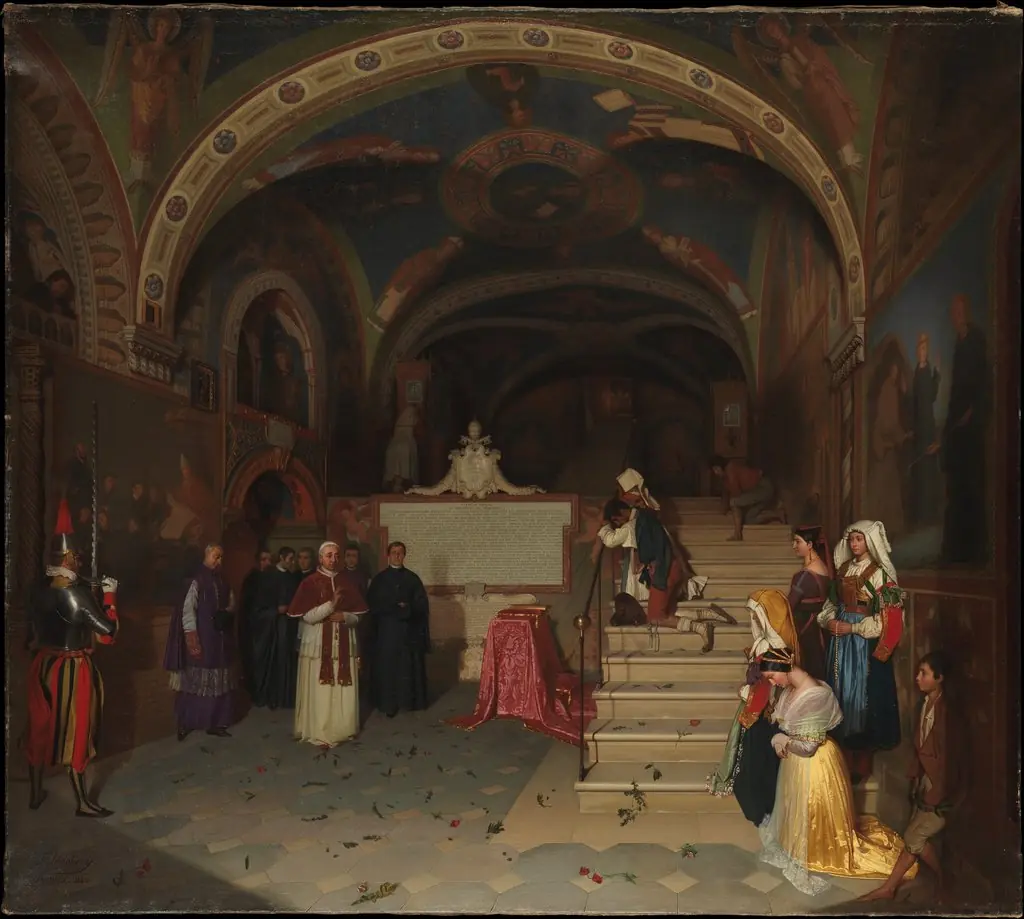 Pope Gregory XVI Visiting the Church of San Benedetto at Subiaco
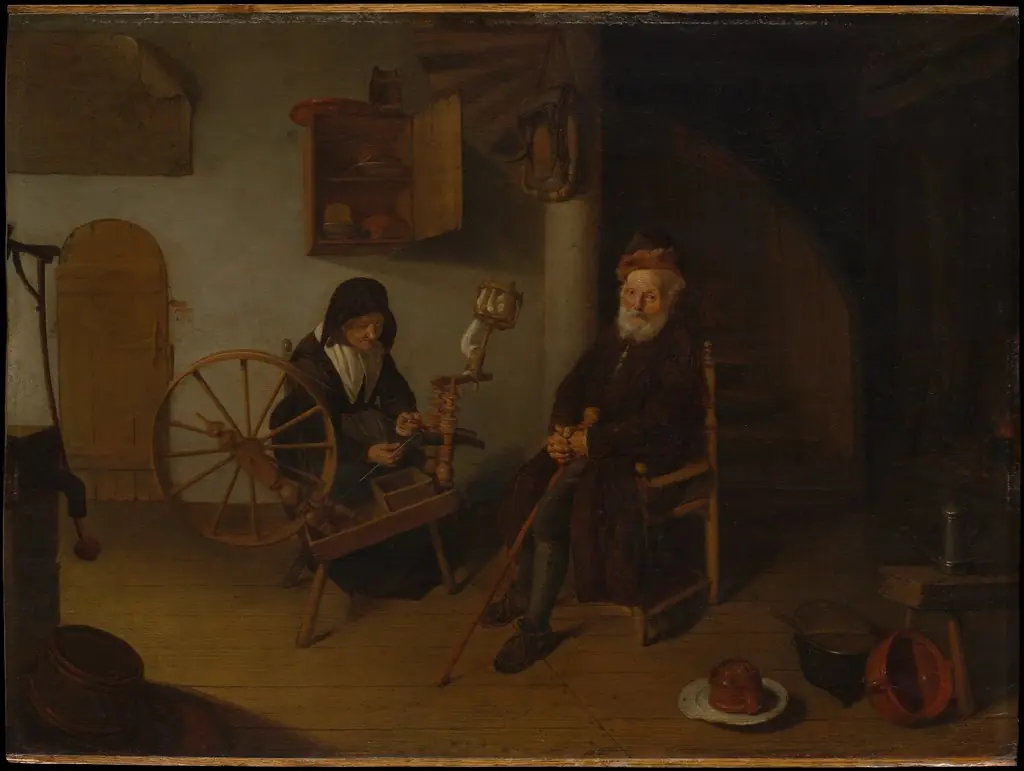 The Spinner
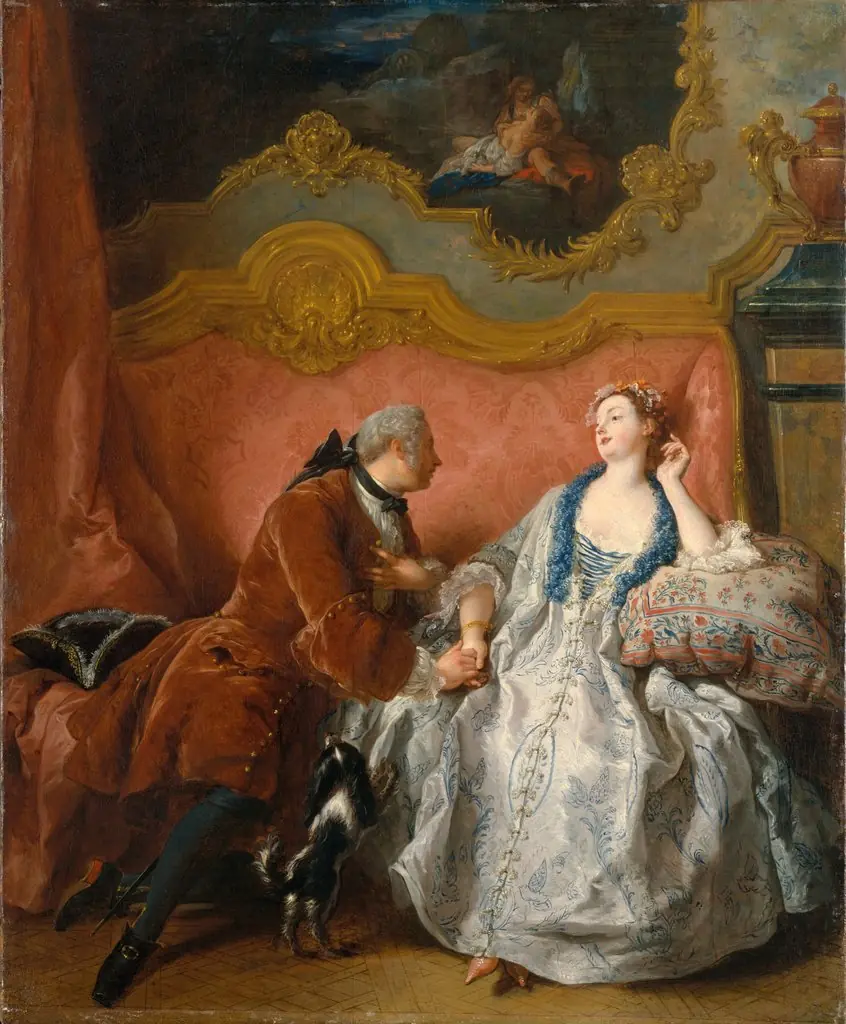 The Declaration of Love
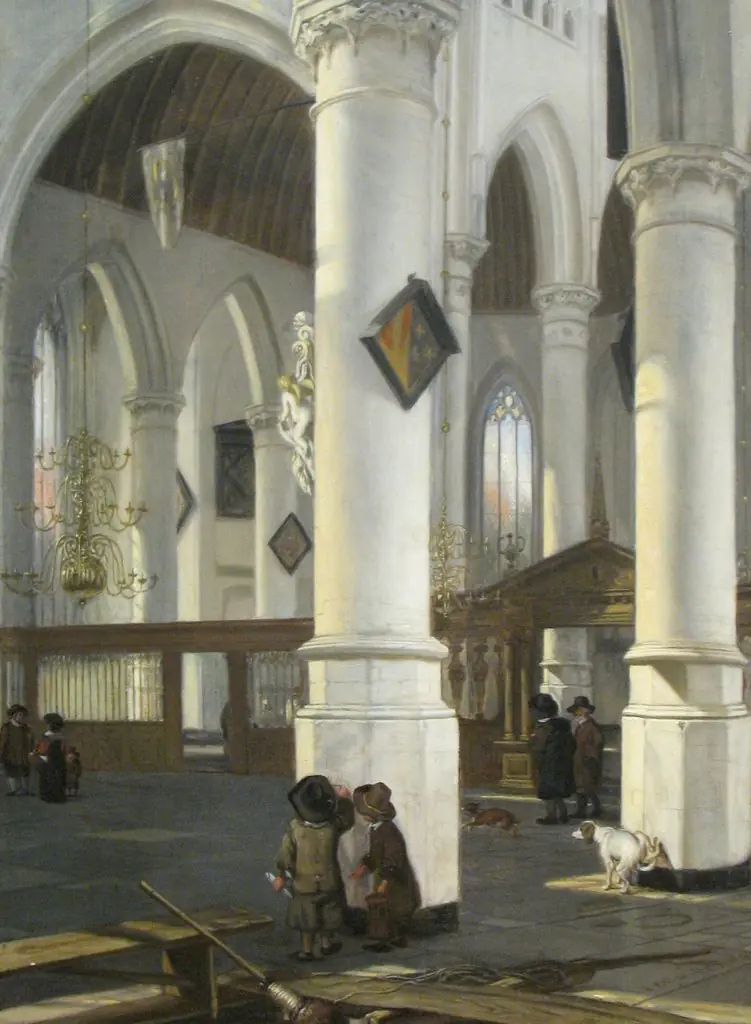 Interior of the Oude Kerk, Delft
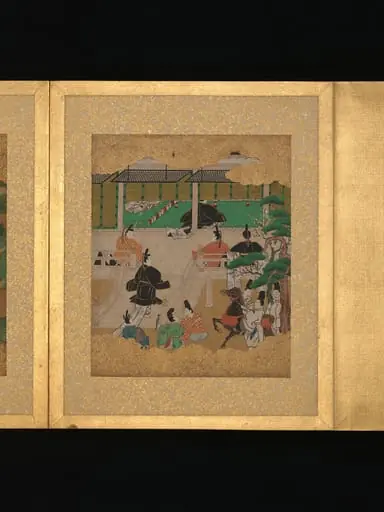 Untitled
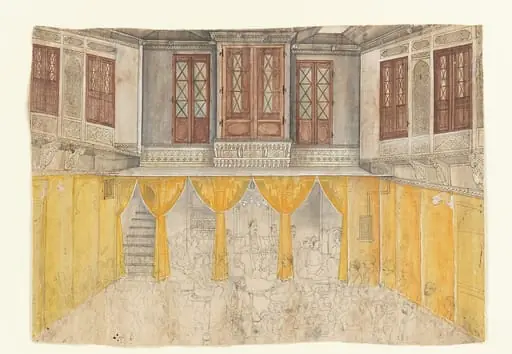 Untitled
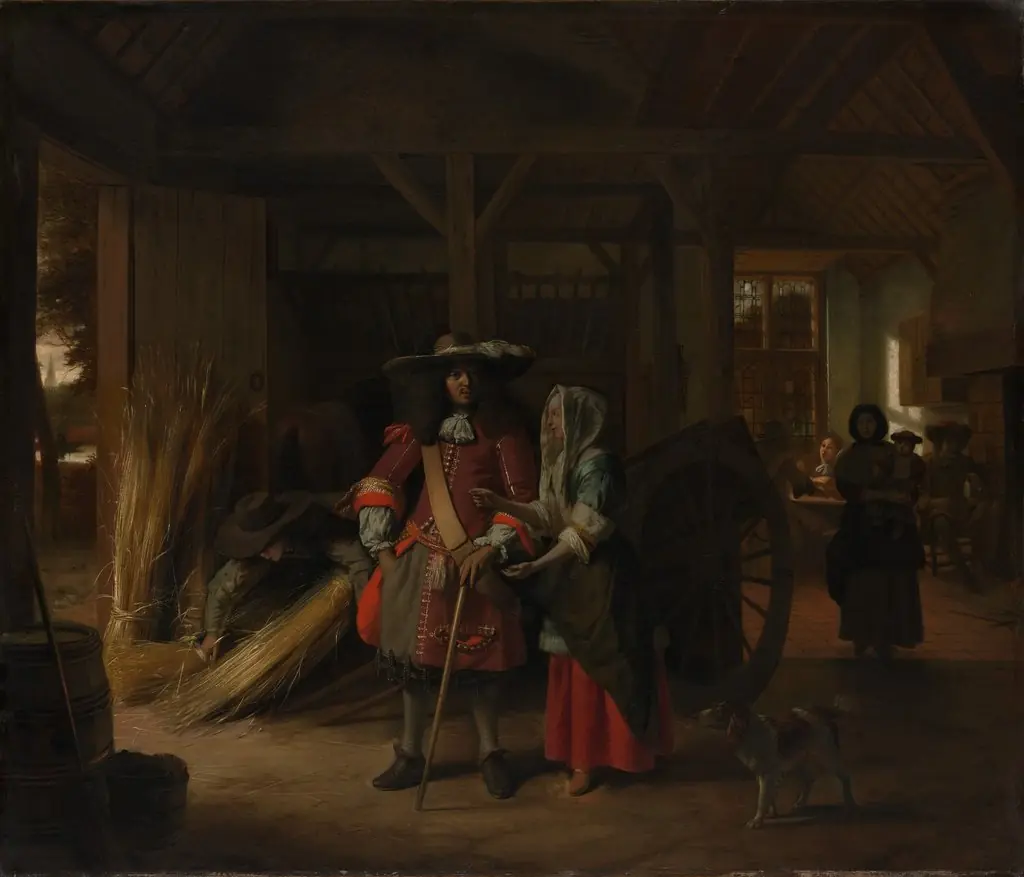 Officer paying a woman in a stable
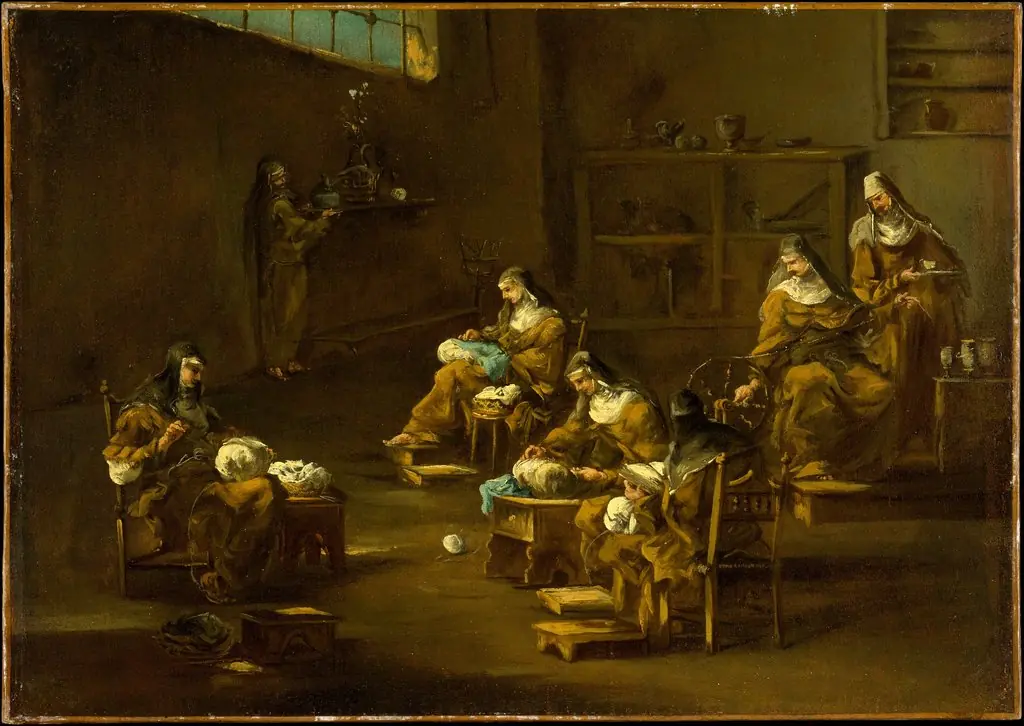 Nuns at Work
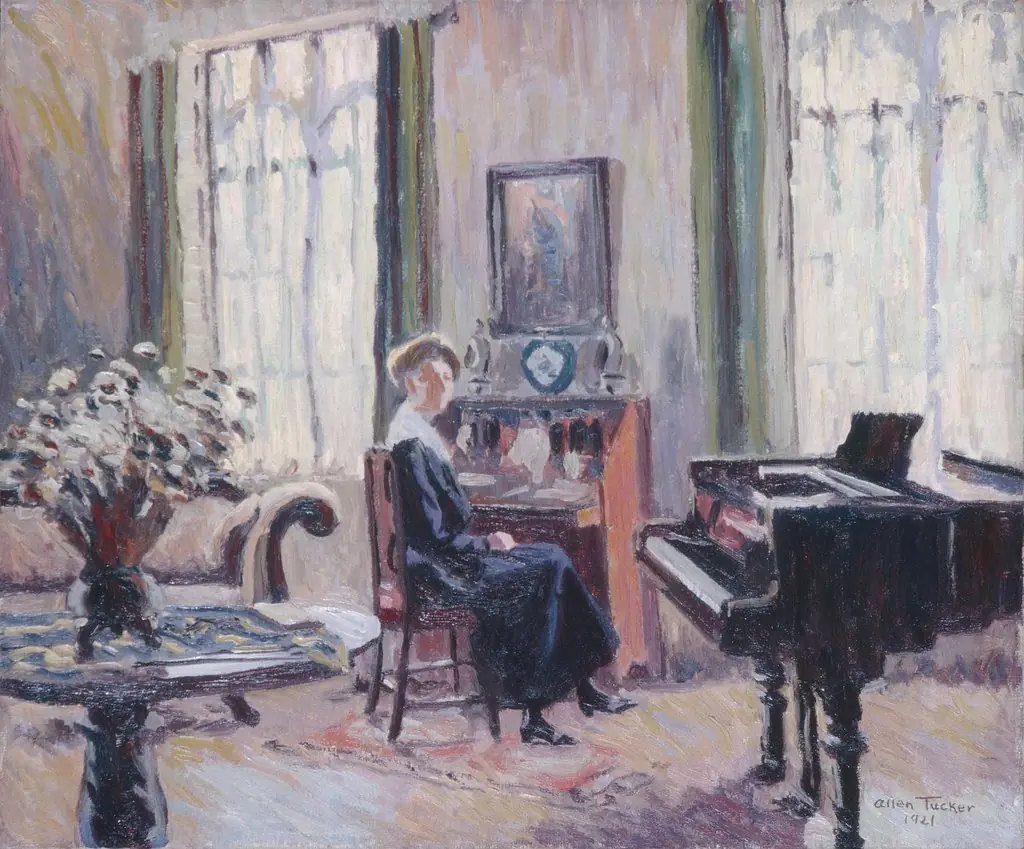 Interior
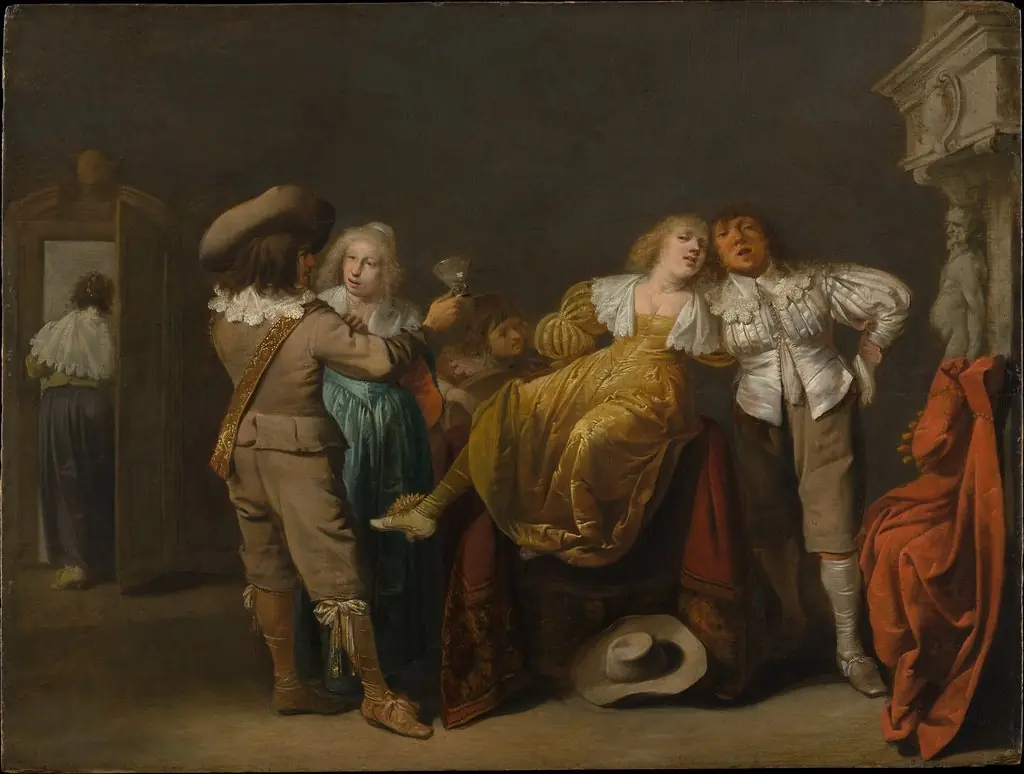 A Party of Merrymakers
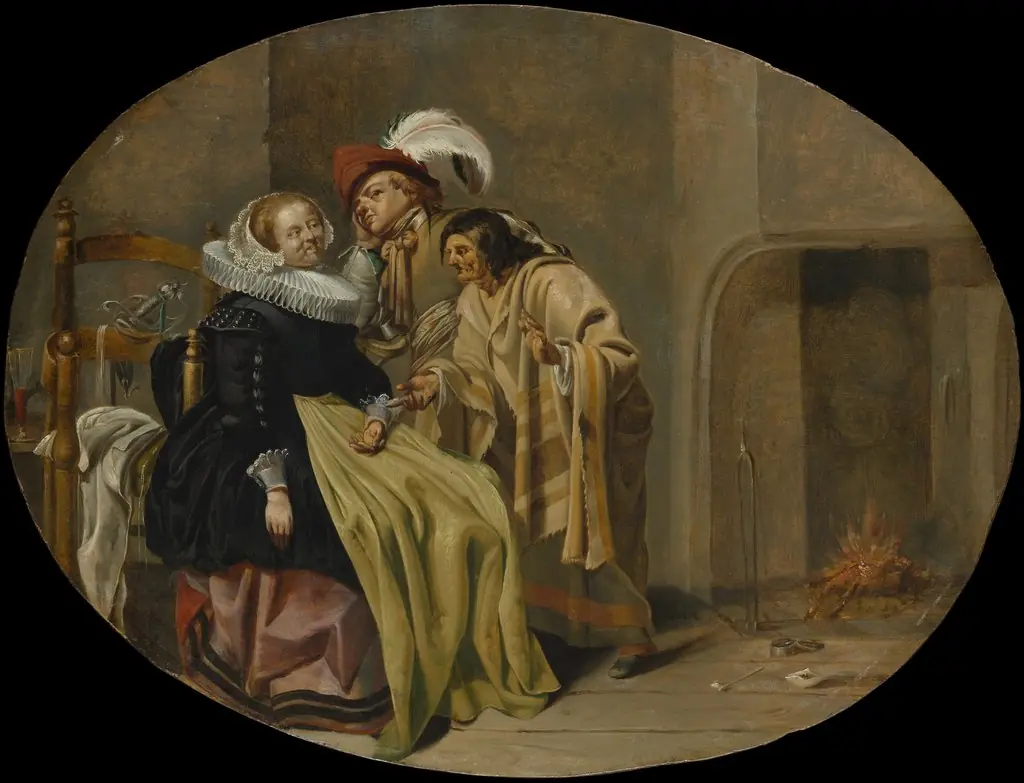 A Couple in an Interior with a Gypsy Fortune-Teller
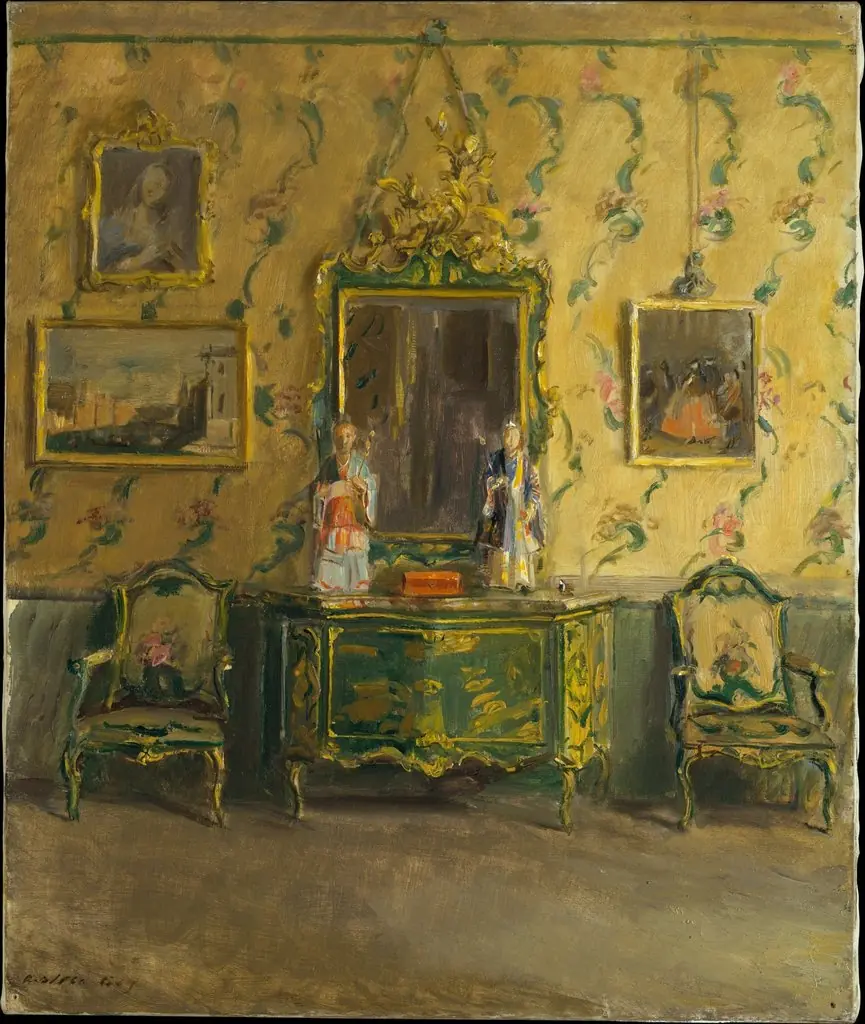 The Green Lacquer Room, Museo Correr, Venice
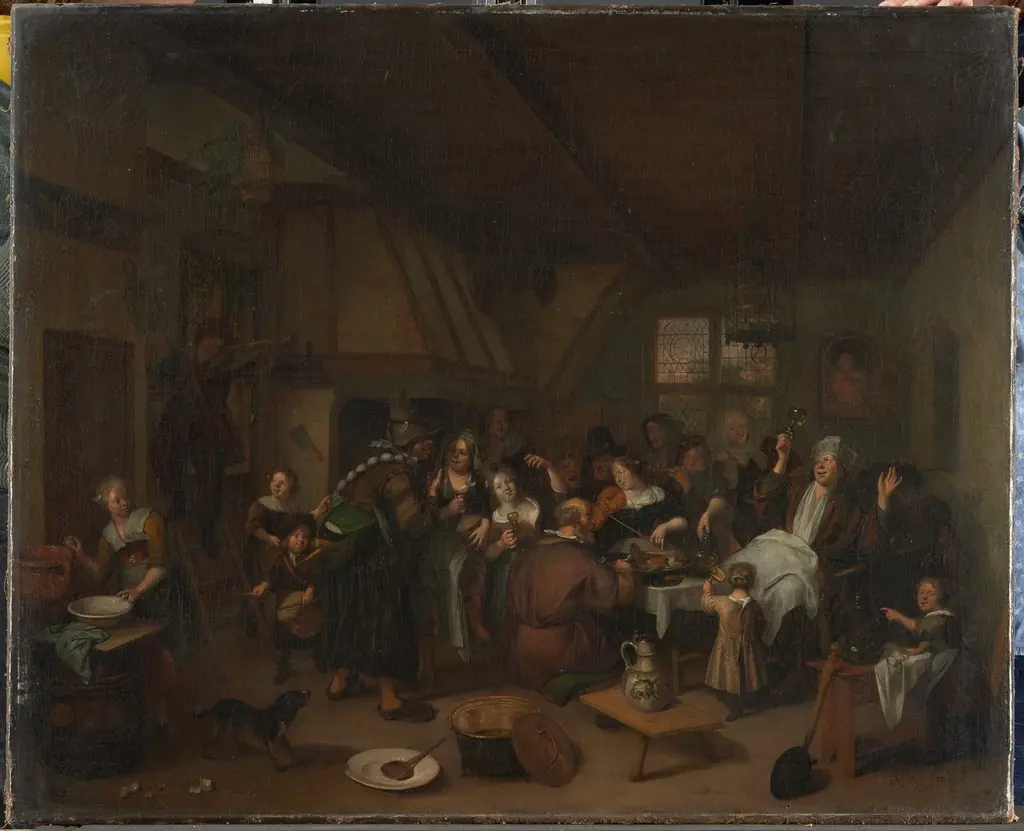 Interior with a company celebrating Twelfth Night, the Feast of Epiphany
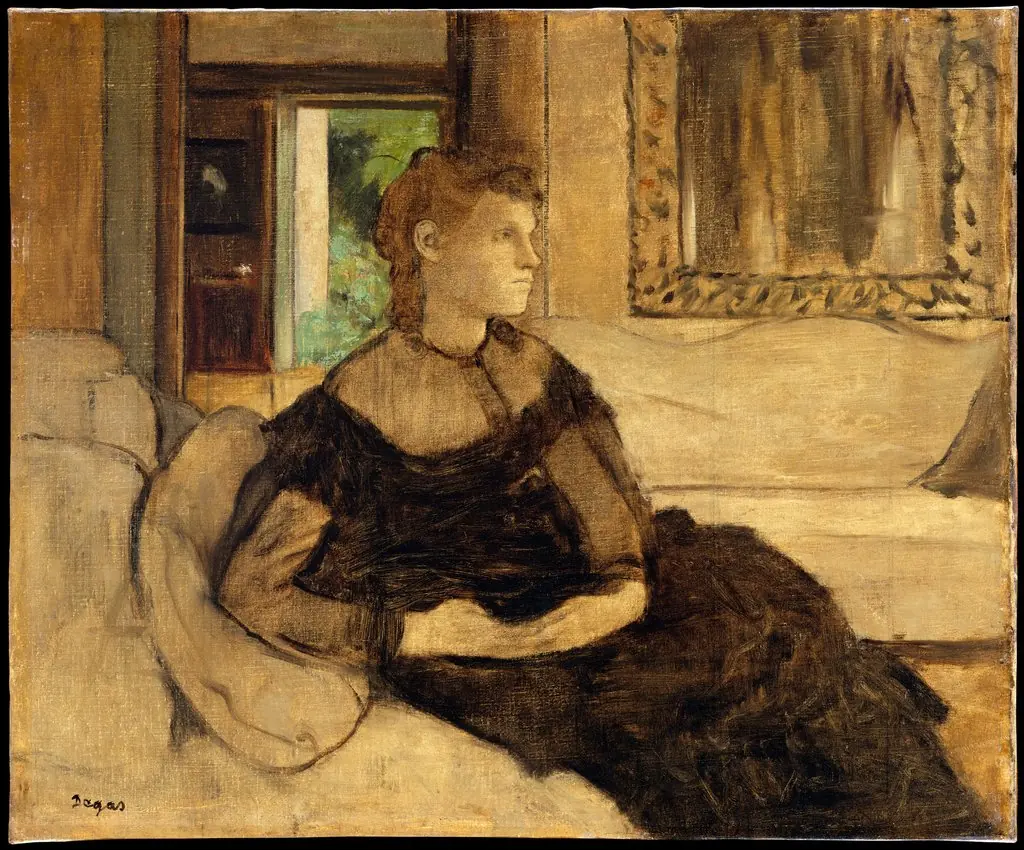 Madame Théodore Gobillard (Yves Morisot, 1838–1893)
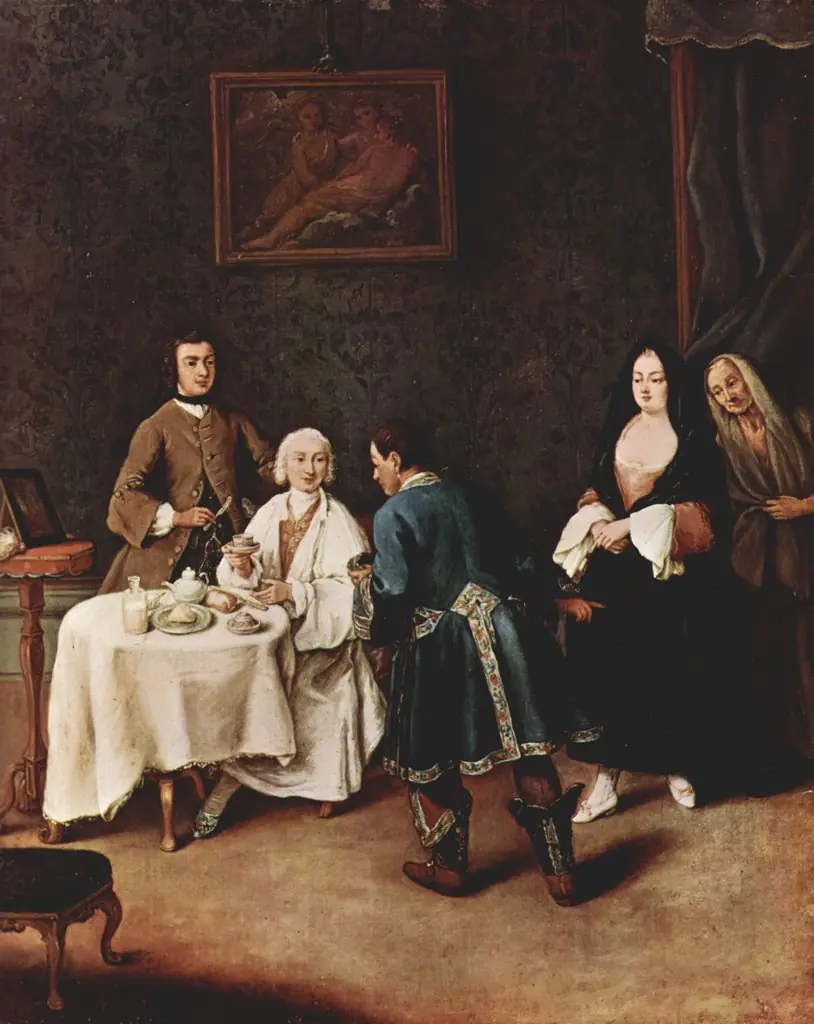 The Temptation
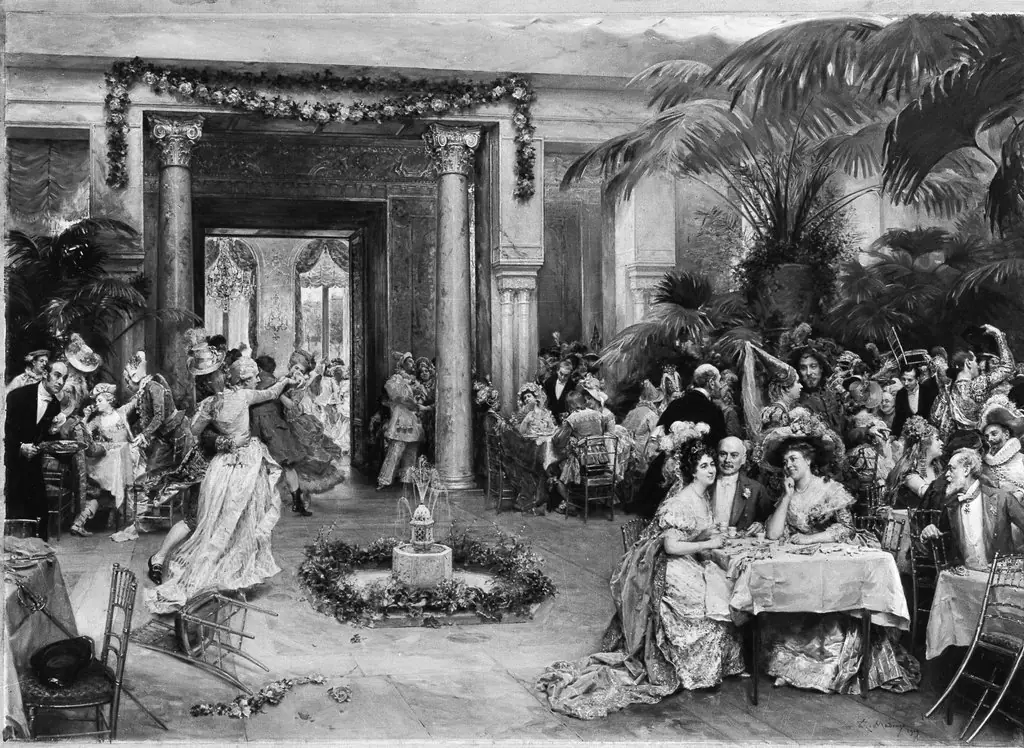 Masquerade Ball at the Ritz Hotel, Paris
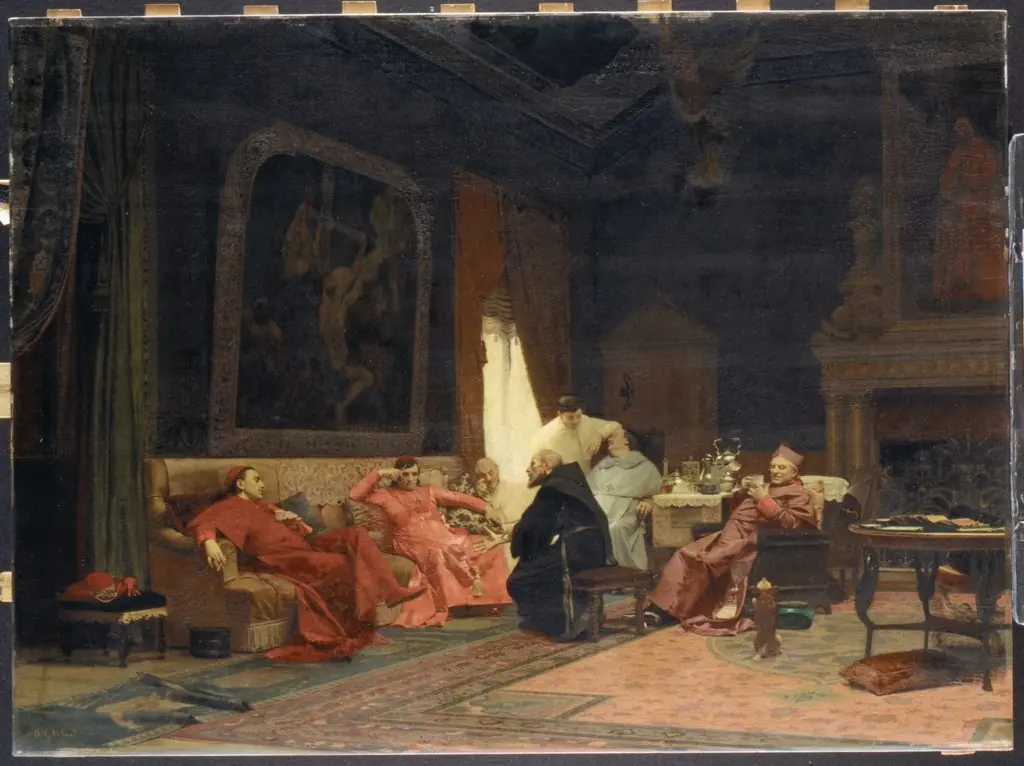 The Missionary's Adventures
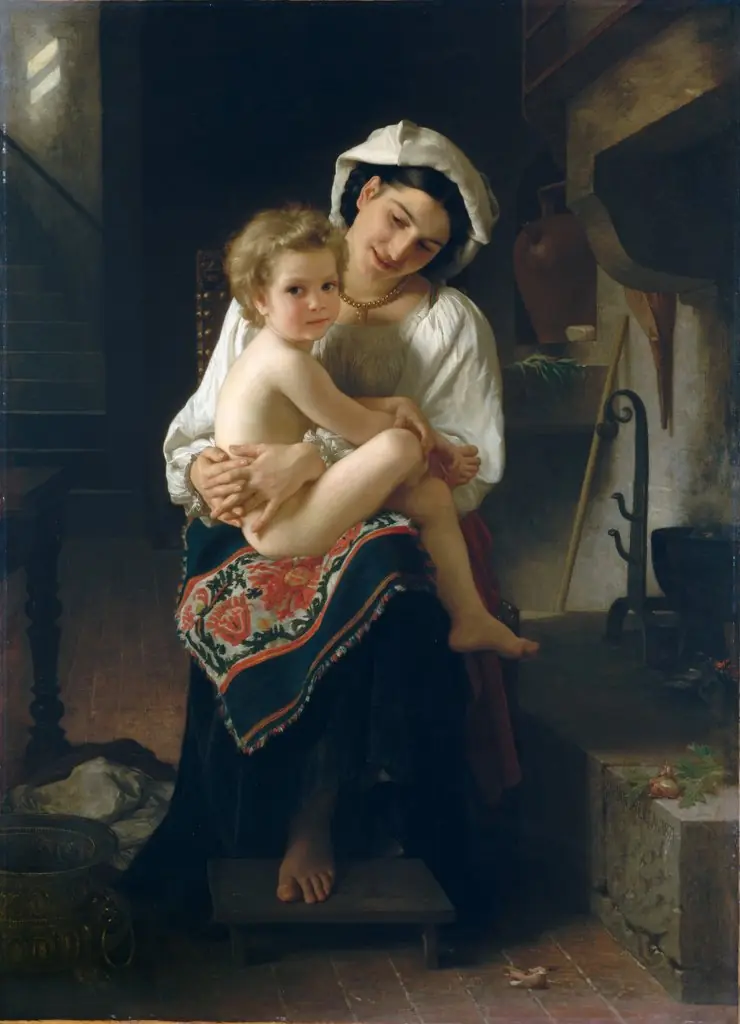 Young Mother Gazing at Her Child
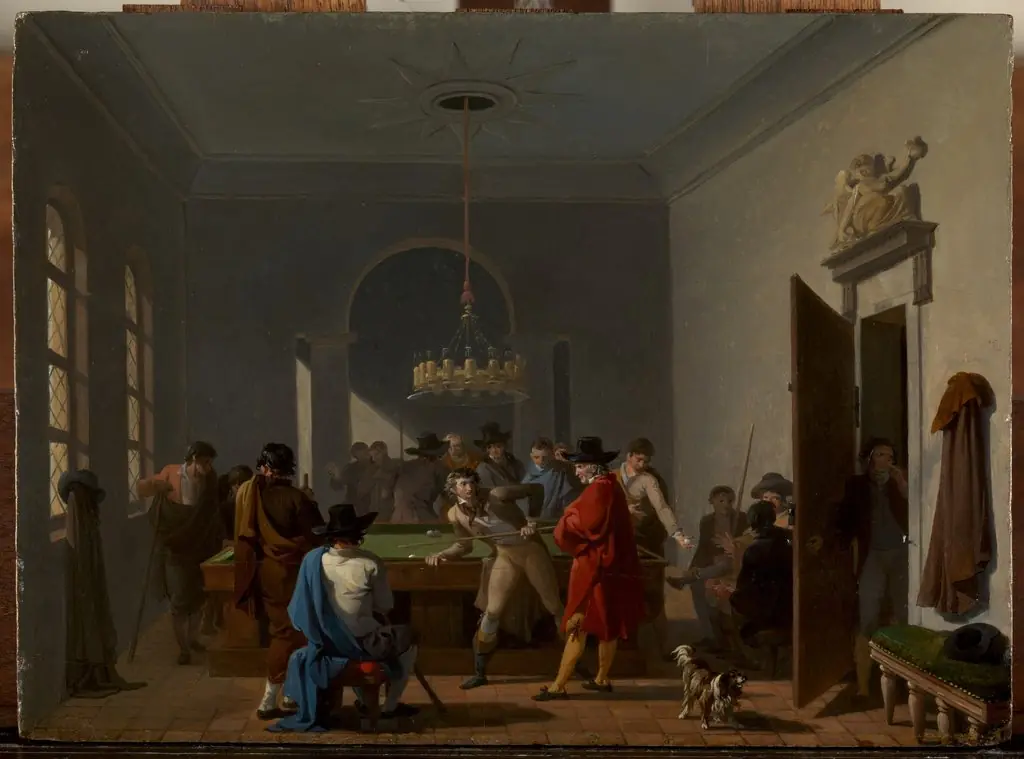 The Billiard Room
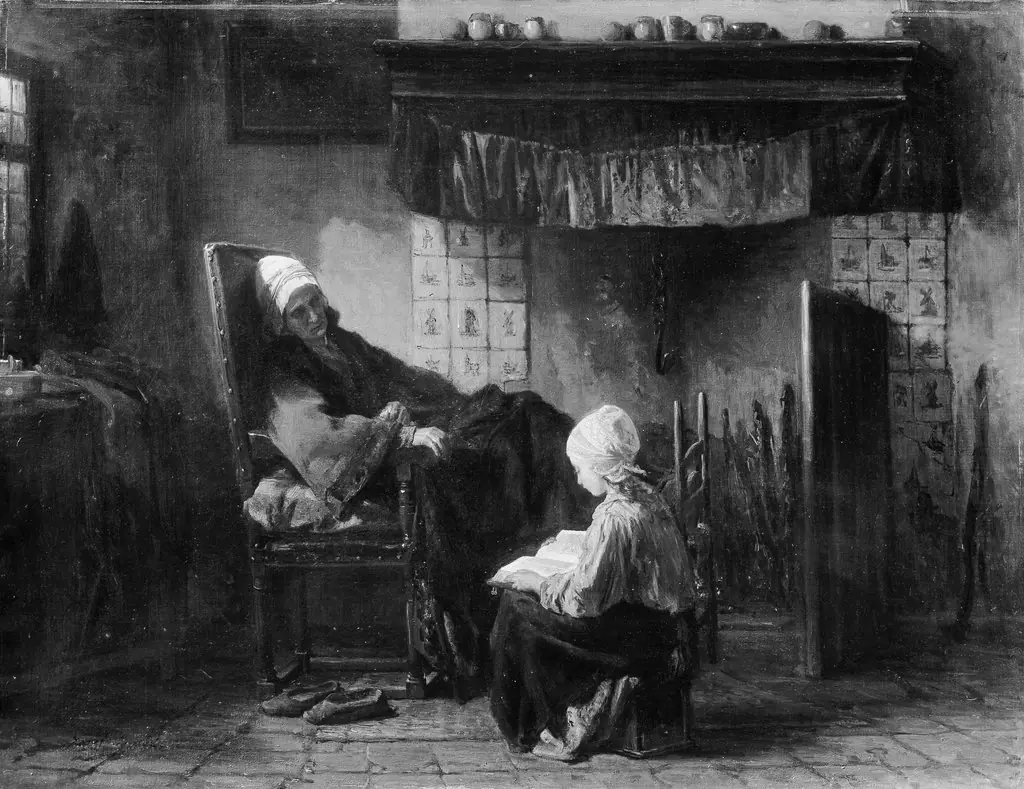 Grandmother's Treasure
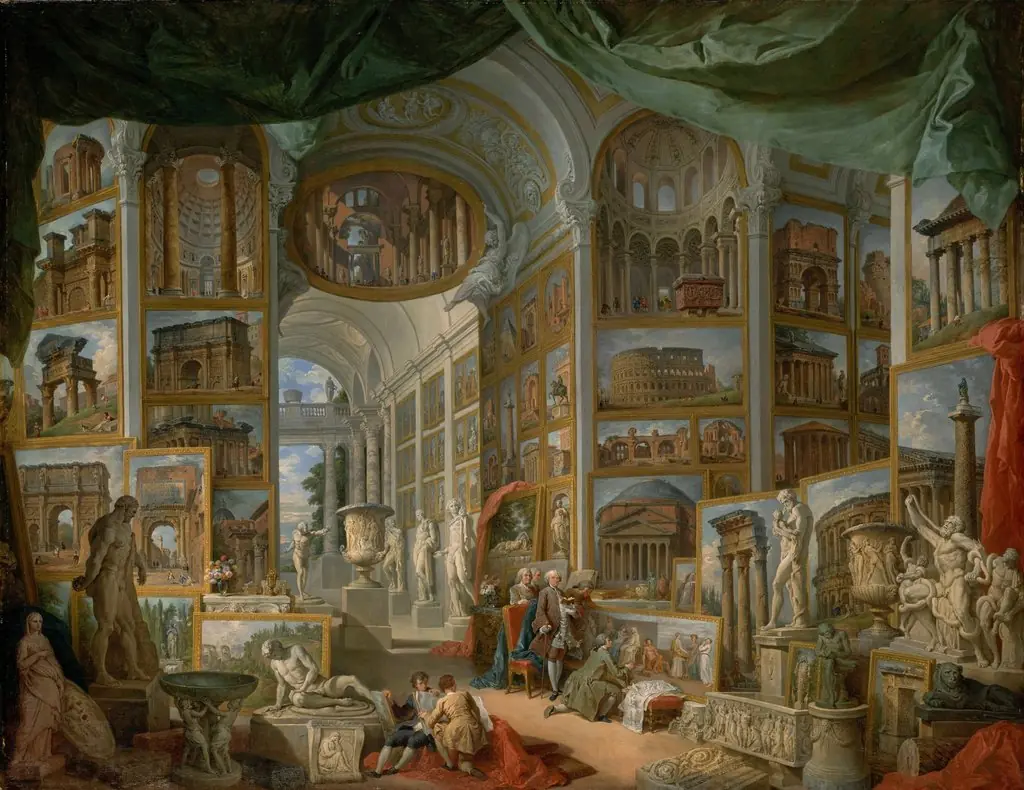 Ancient Rome
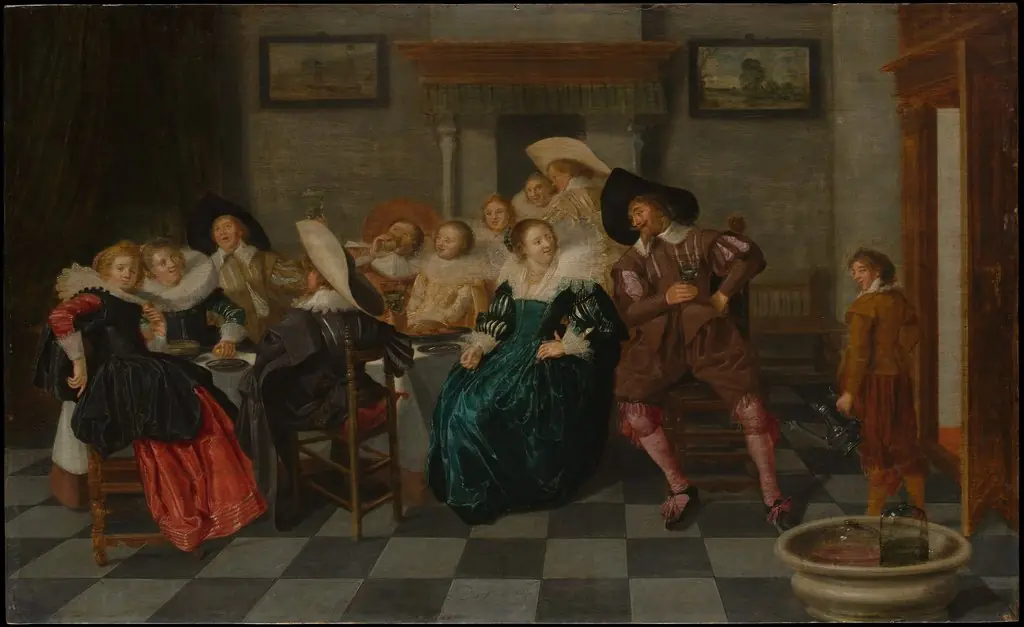 A Banquet
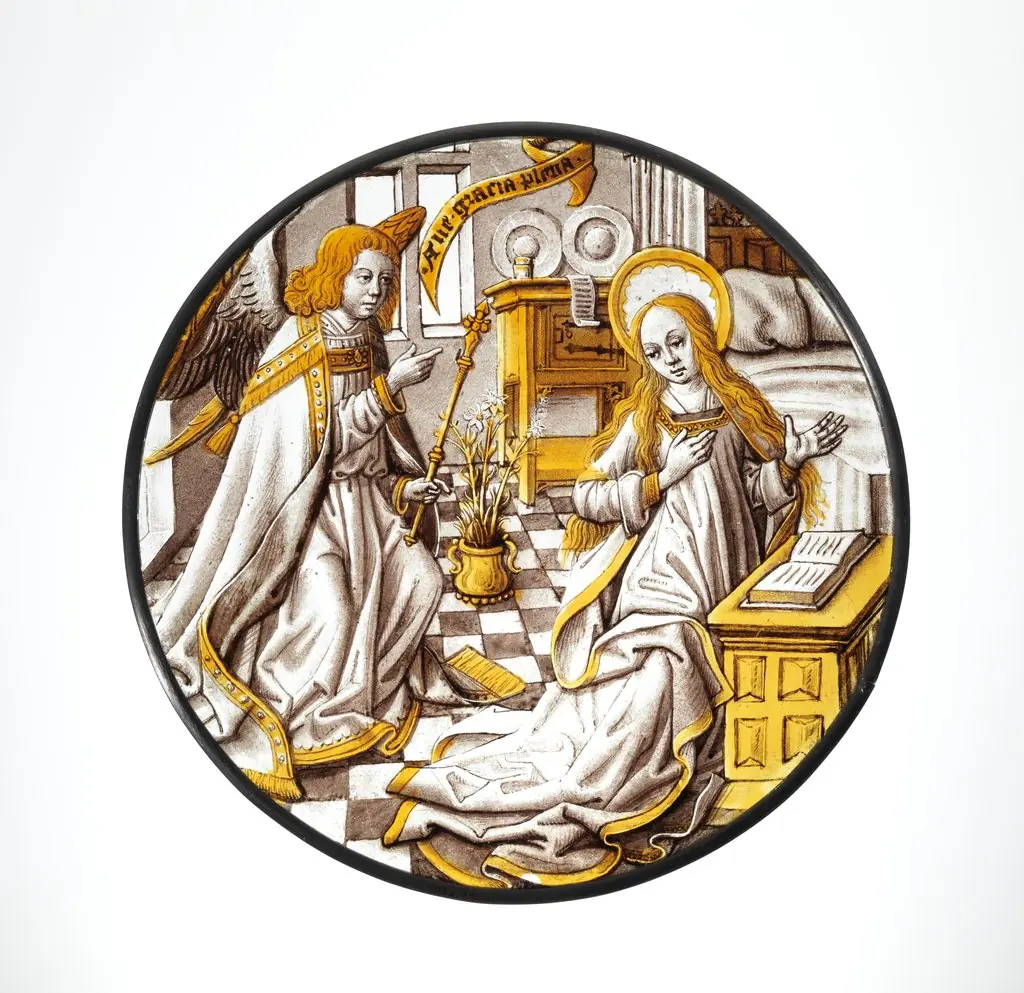 Roundel with Annunciation to the Virgin
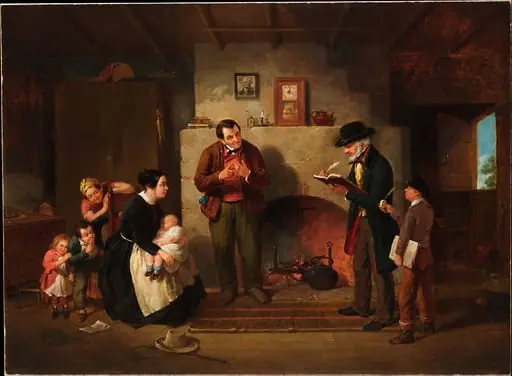 Taking the Census
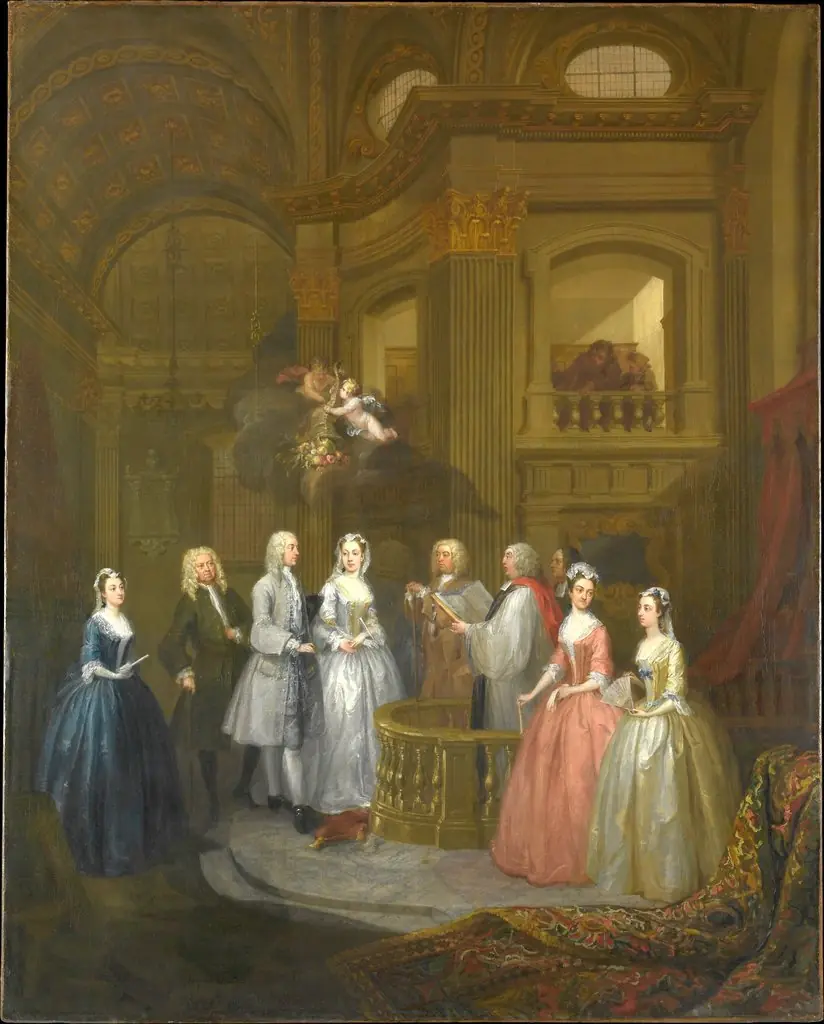 The Wedding of Stephen Beckingham and Mary Cox
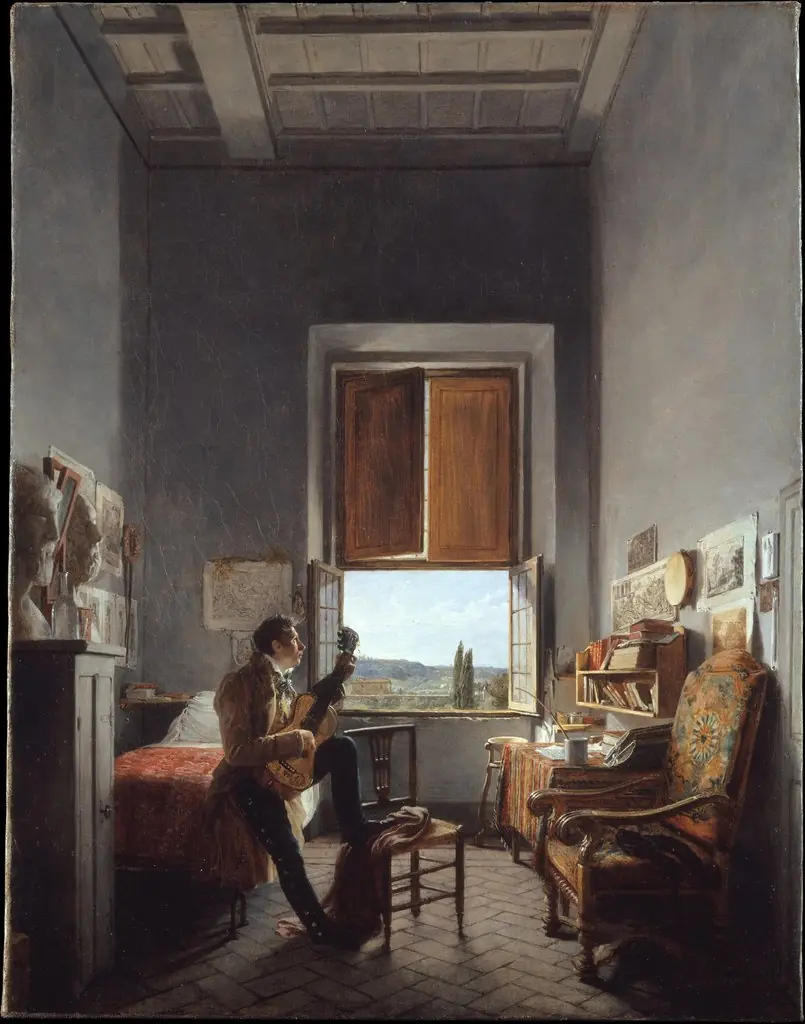 Léon Pallière (1787–1820) in His Room at the Villa Medici, Rome
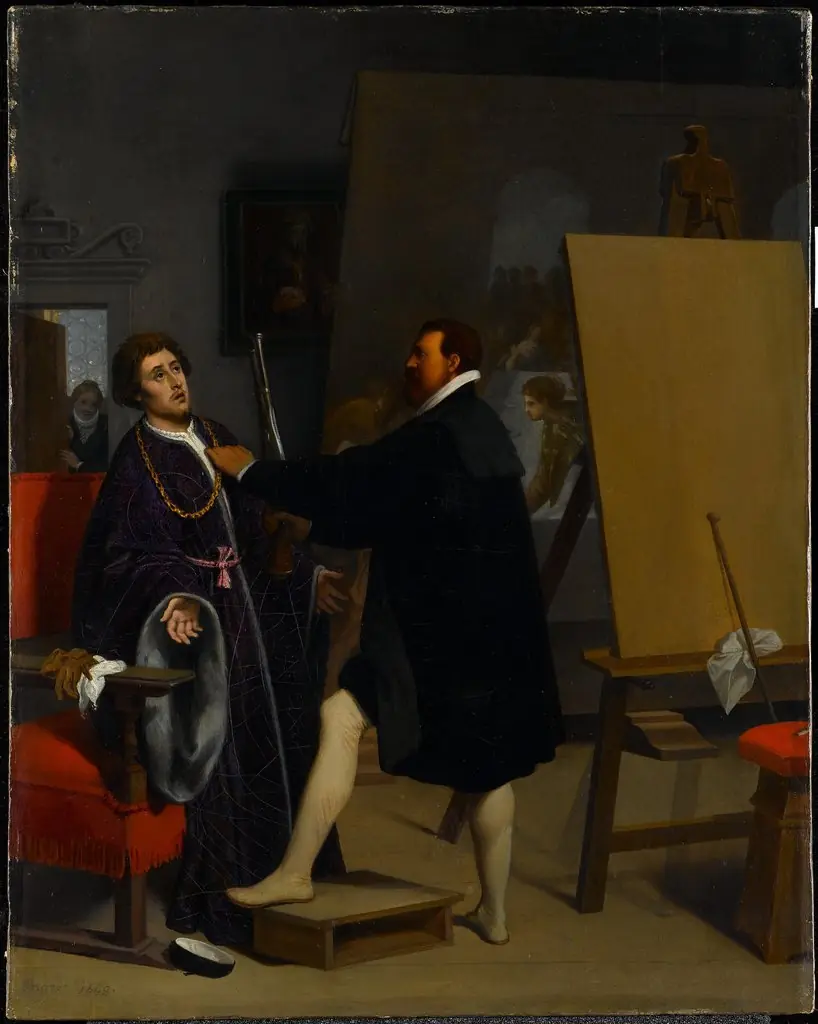 Aretino in the Studio of Tintoretto
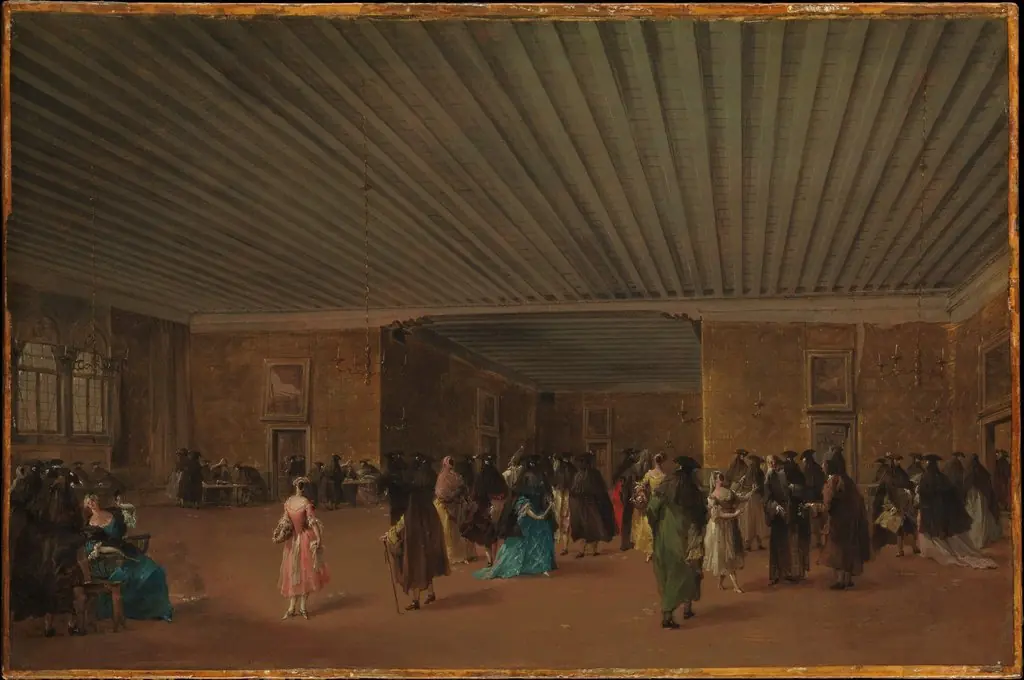 The Ridotto Pubblico at Palazzo Dandolo
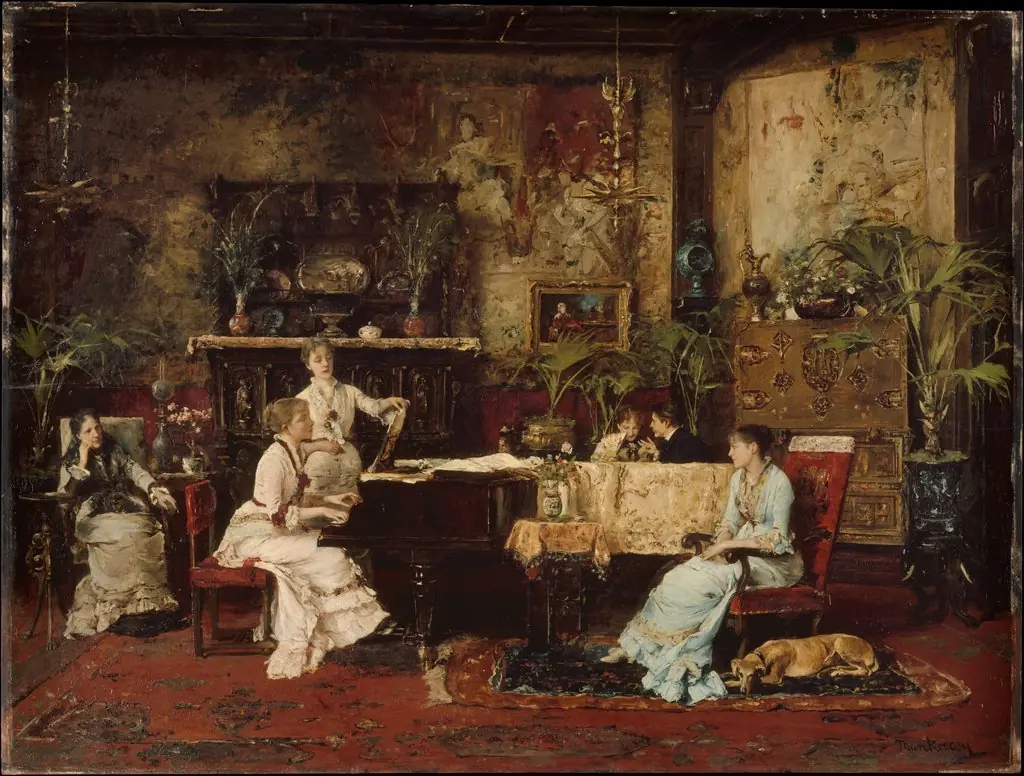 The Music Room
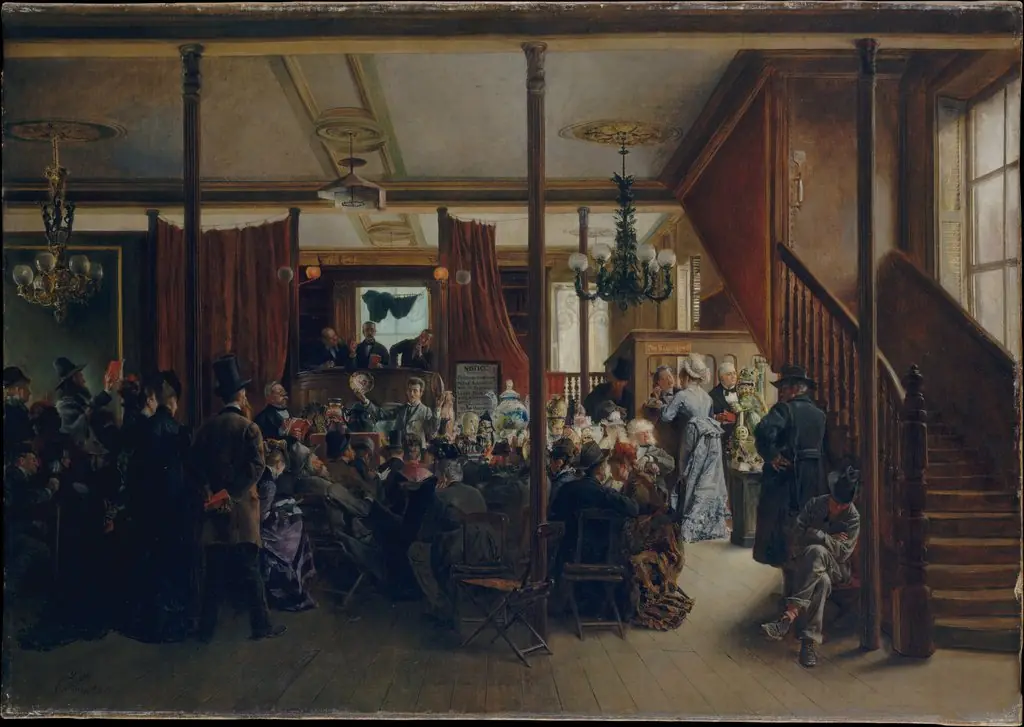 Auction Sale in Clinton Hall, New York, 1876
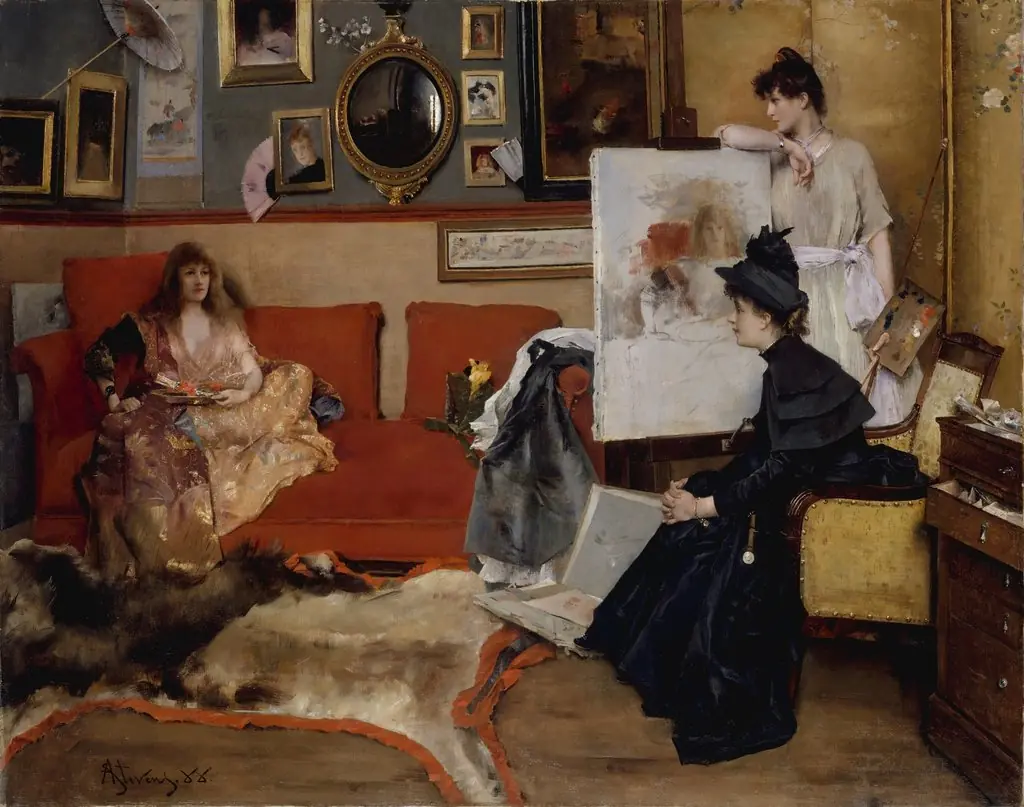 In the Studio
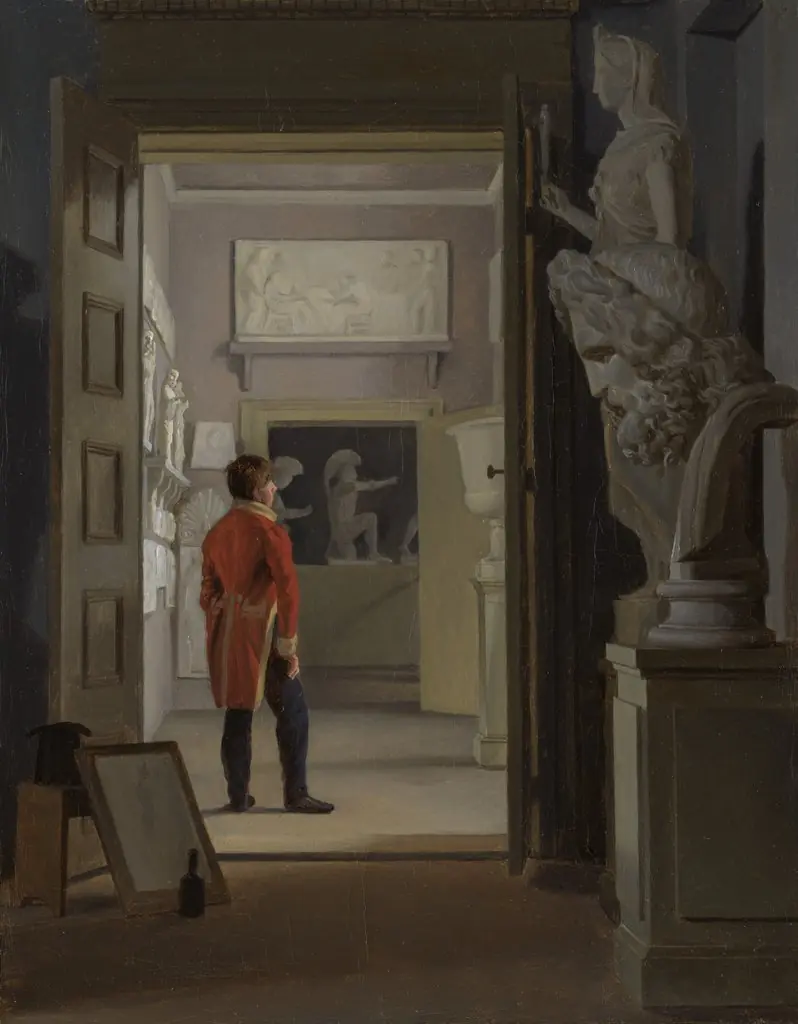 The Hall of Antiquities at Charlottenborg Palace, Copenhagen
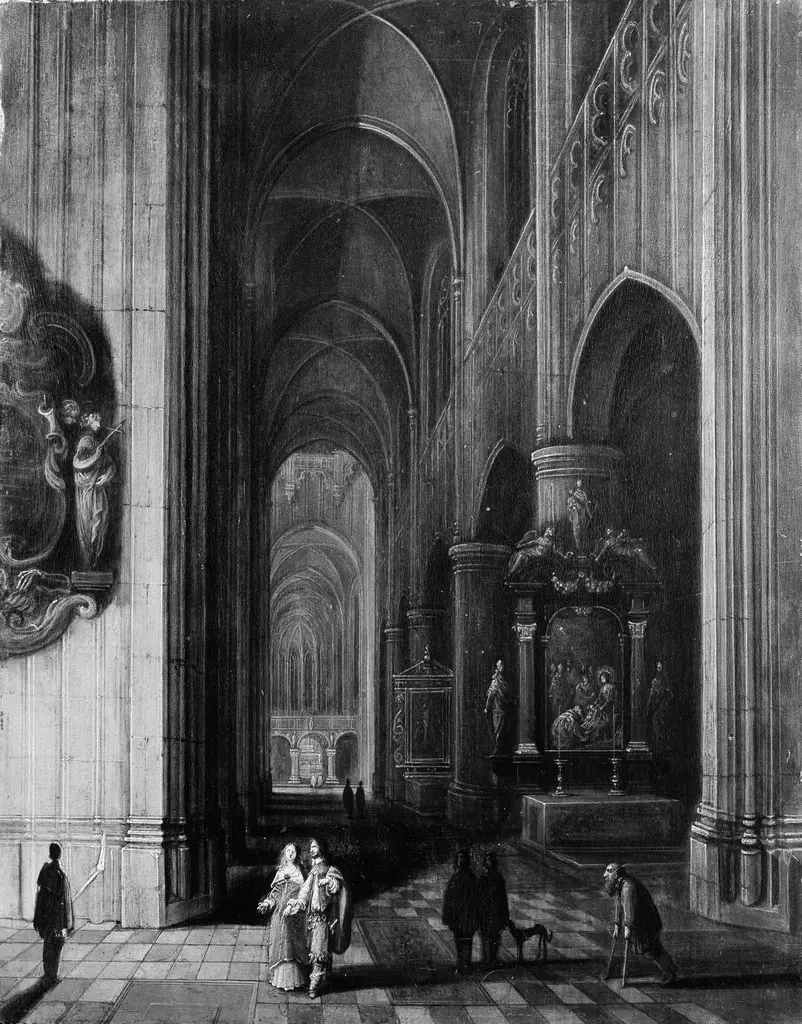 Interior of a Gothic Church at Night
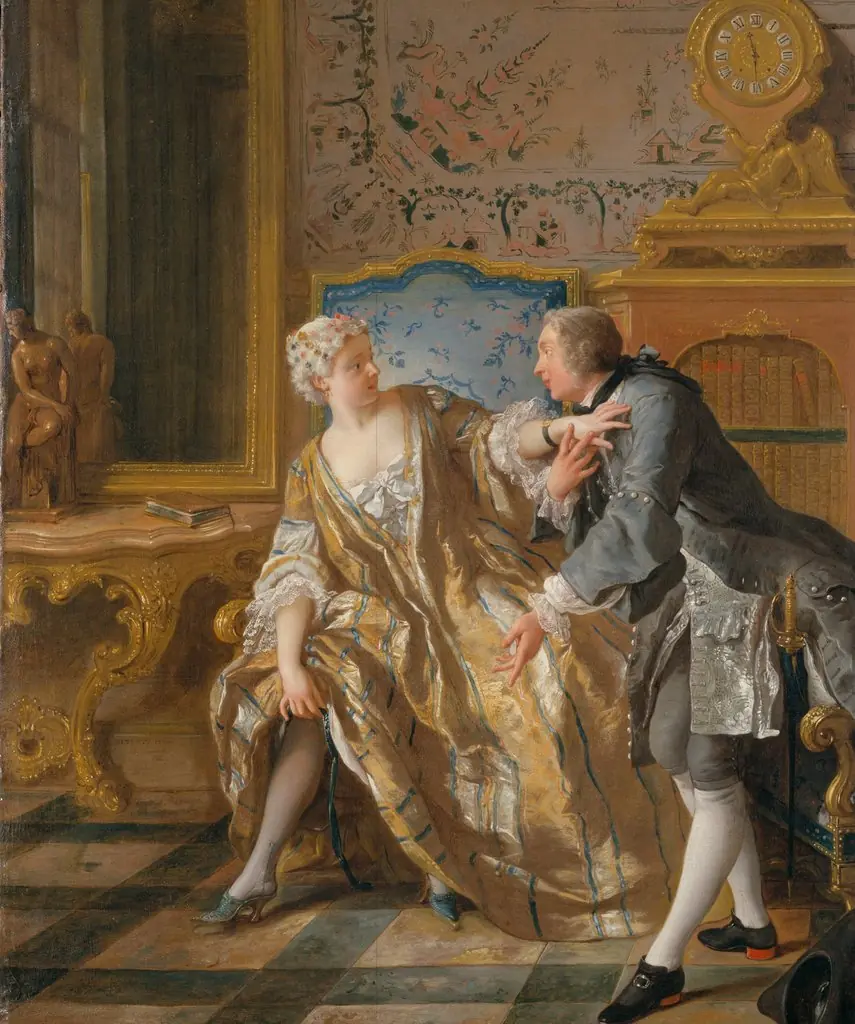 The Garter
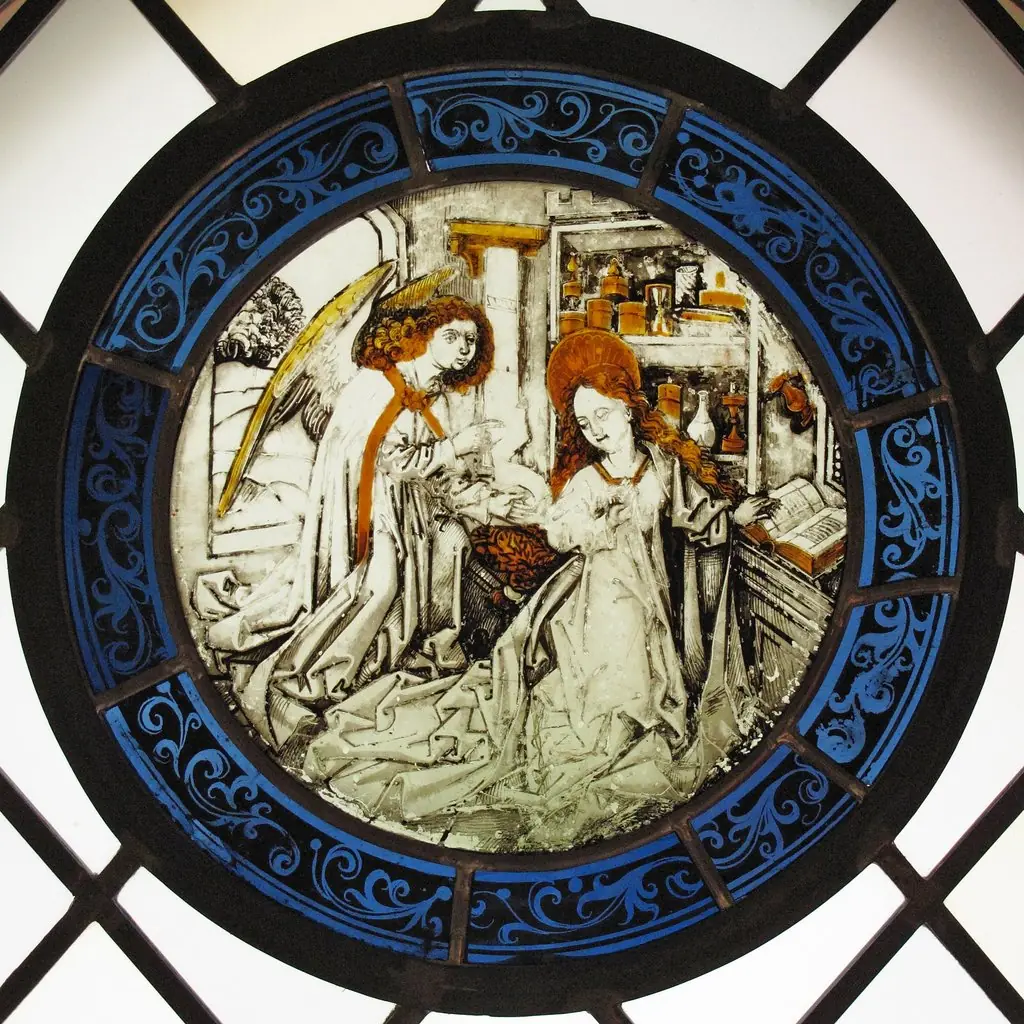 Roundel with the Annunciation
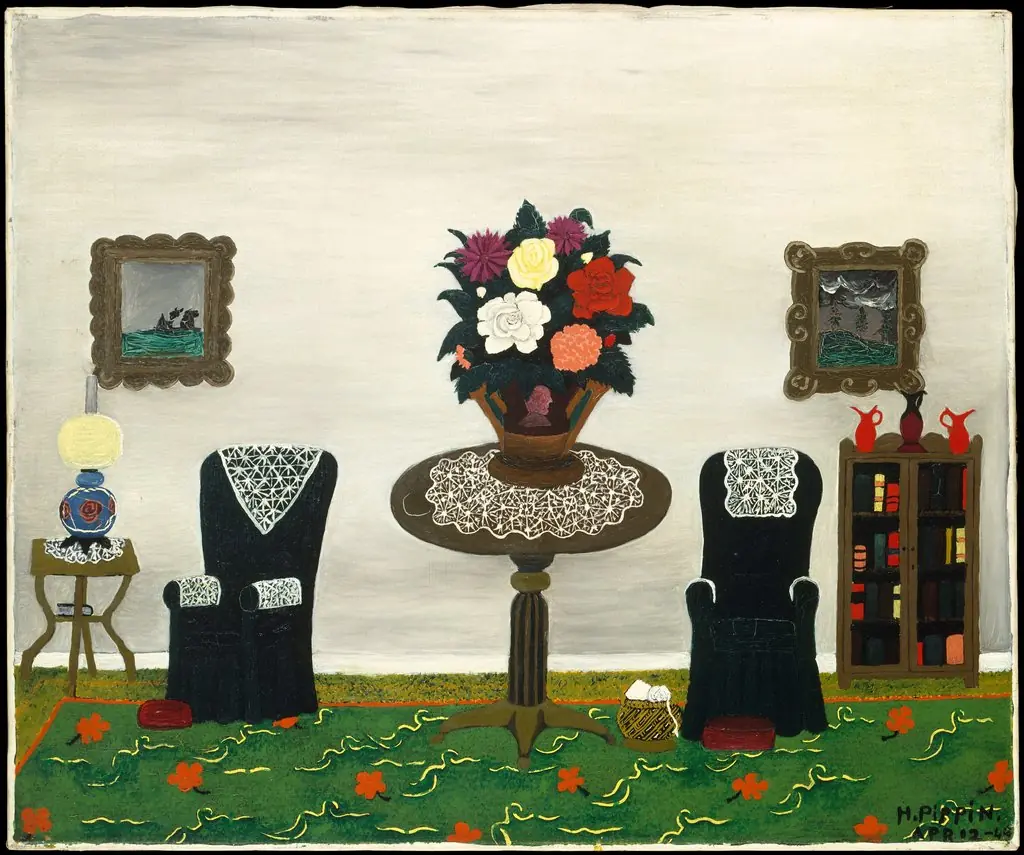 Victorian Interior II
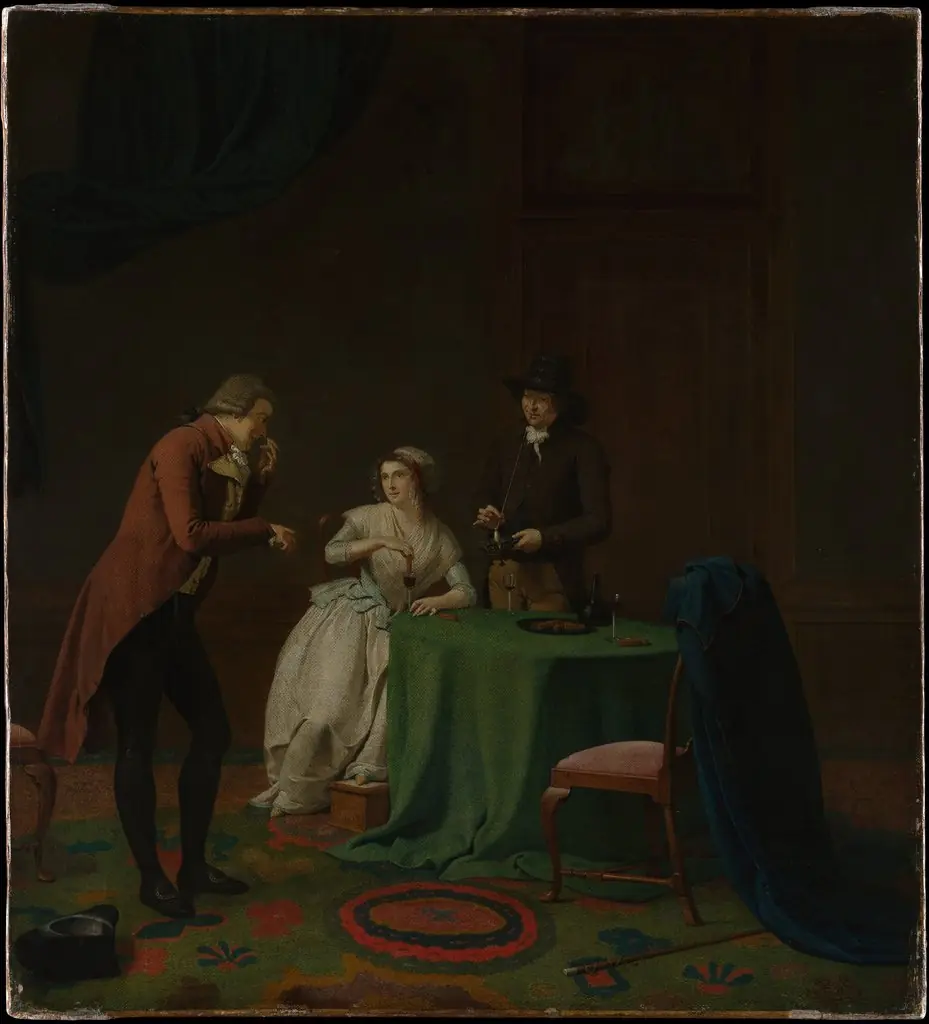 Conversation Piece (The Sense of Smell)
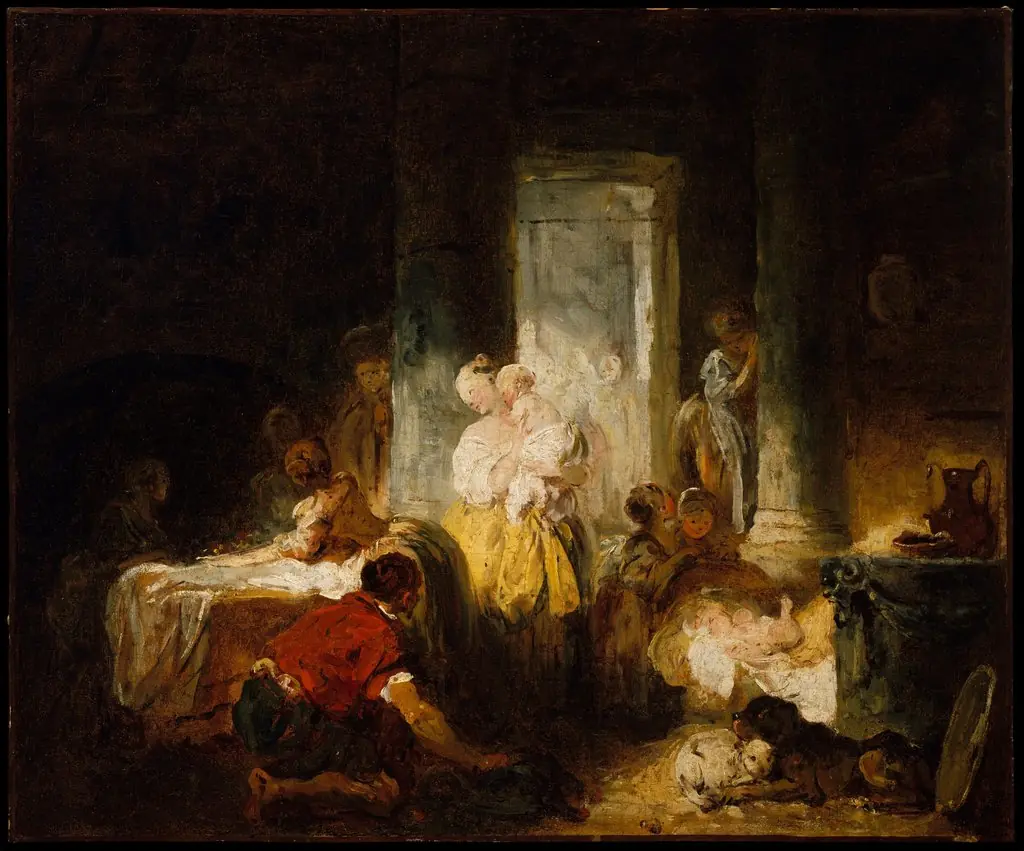 The Happy Mother
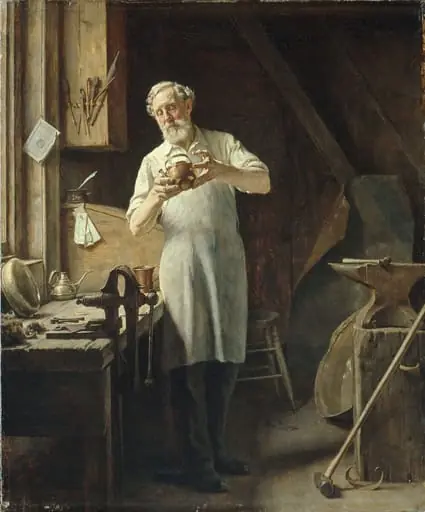 The Coppersmith
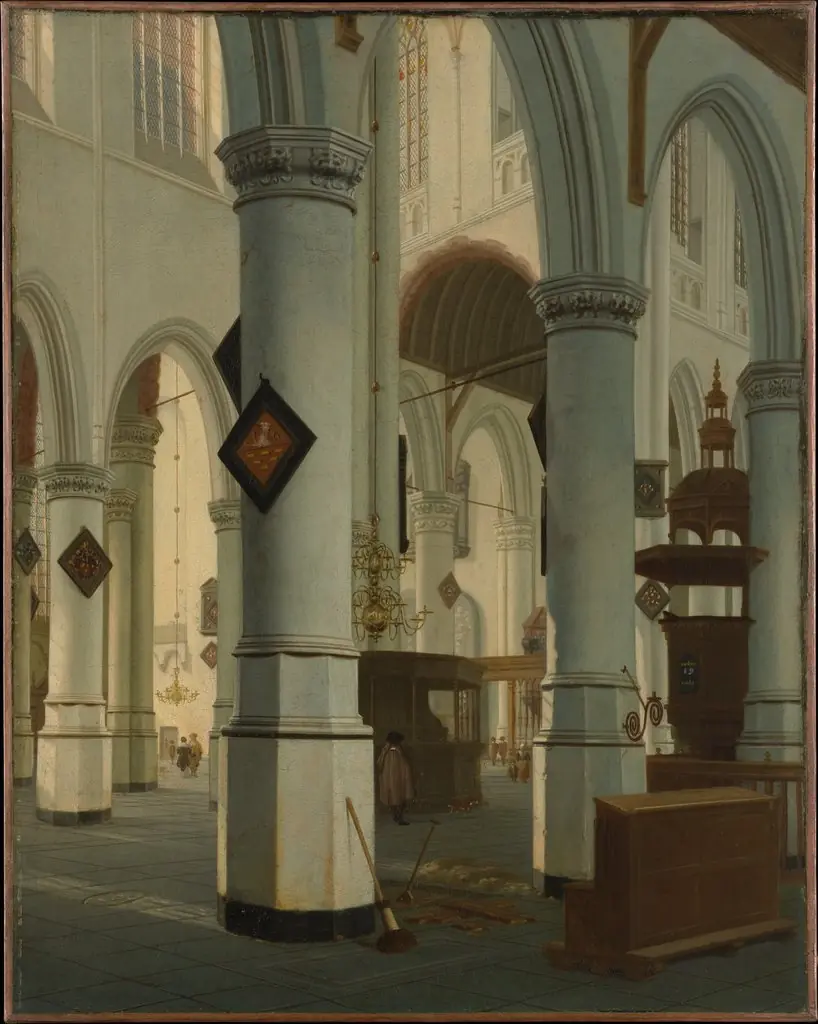 Interior of the Oude Kerk, Delft
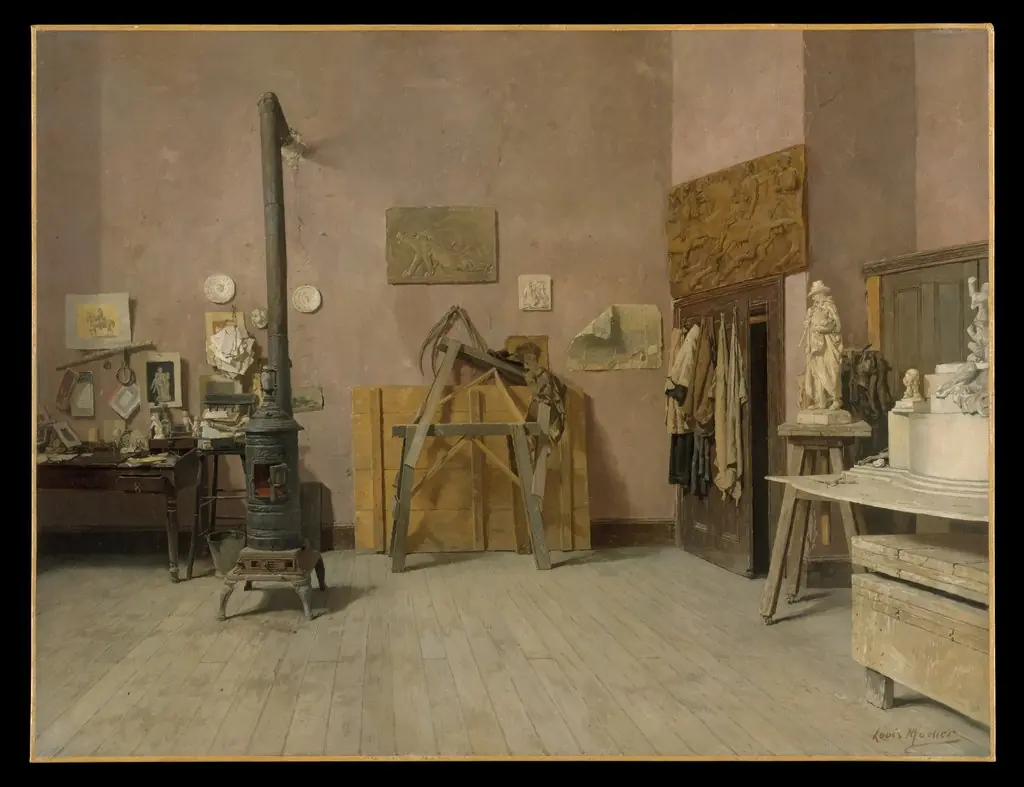 Sculptor's Studio
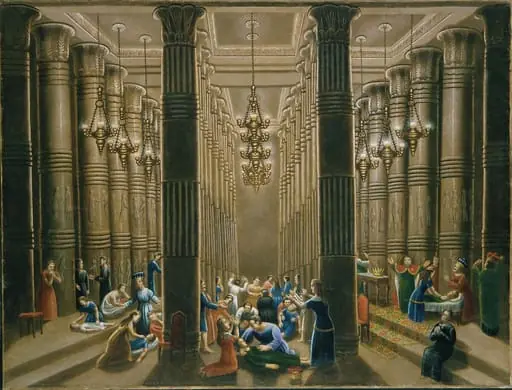 The Death of the First Born
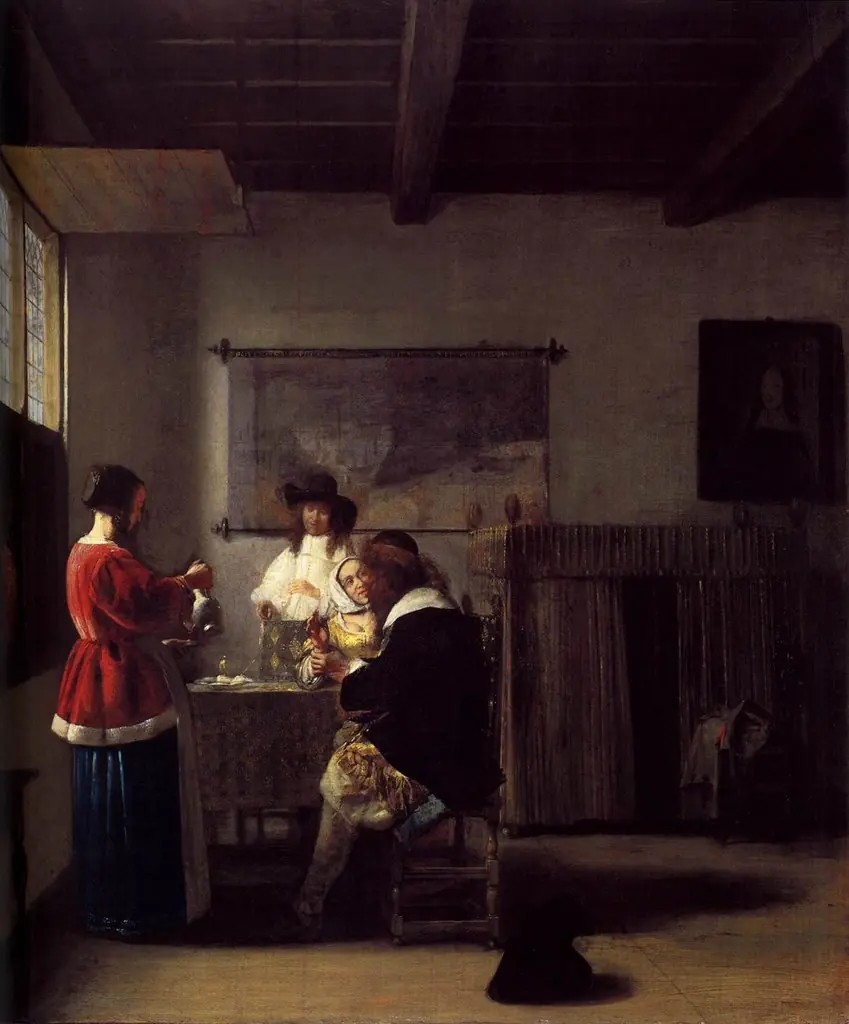 The Visit
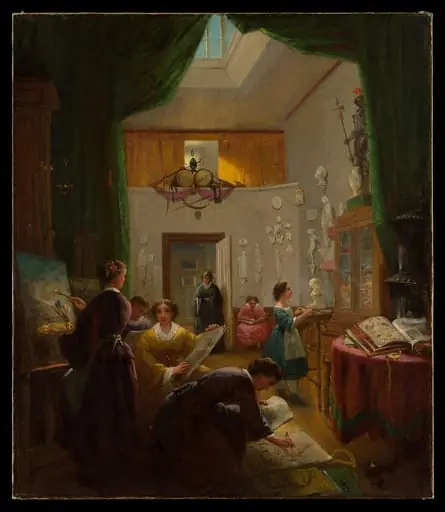 Women's Art Class
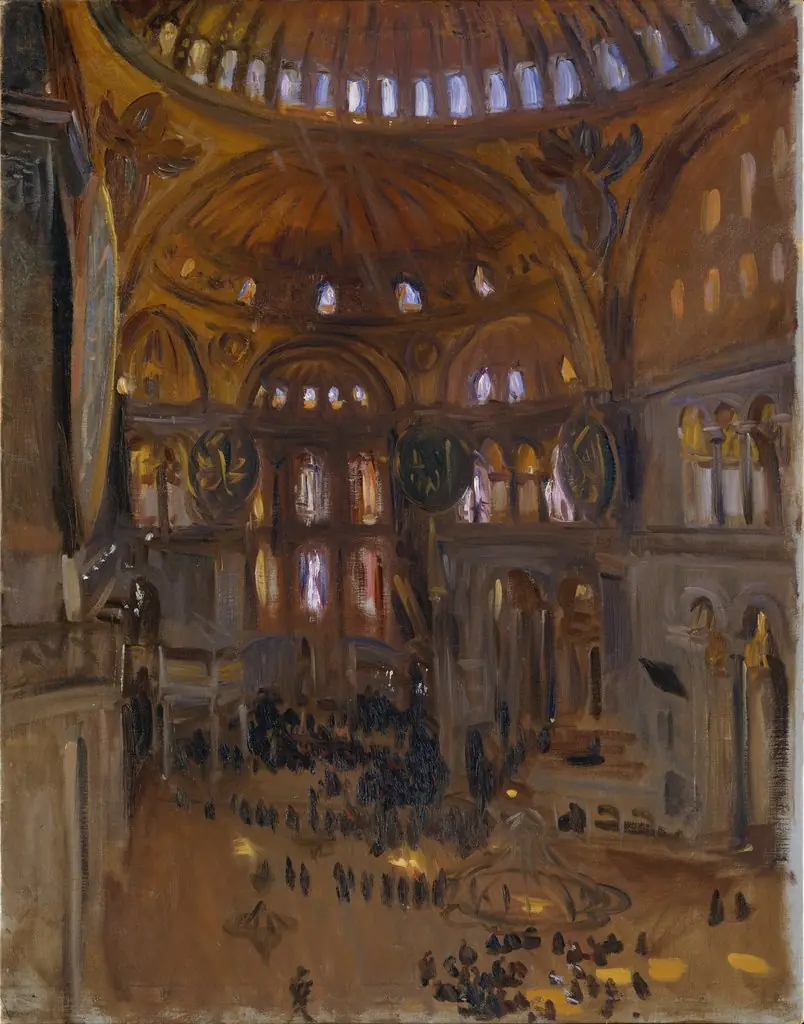 Santa Sofia
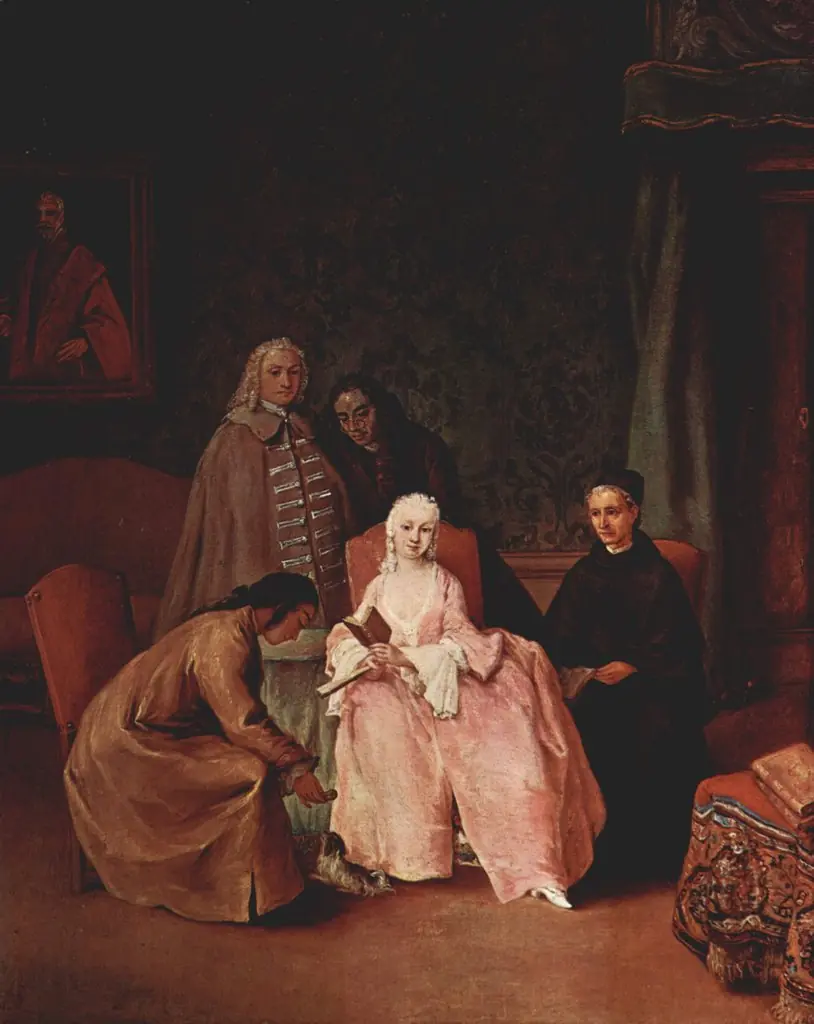 The Visit
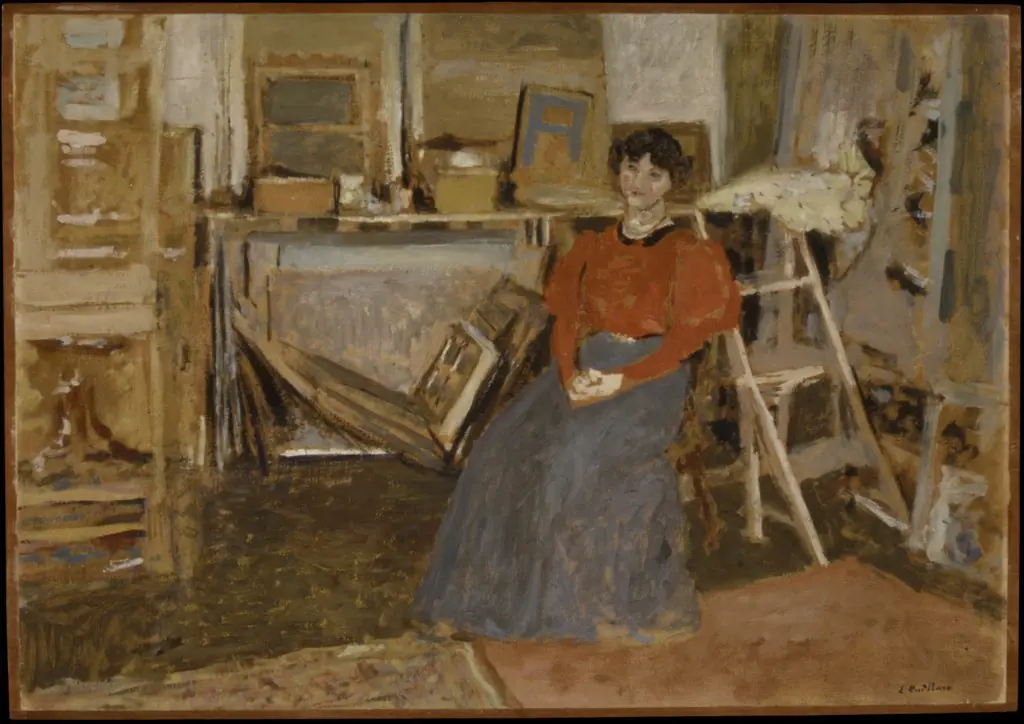 Interior
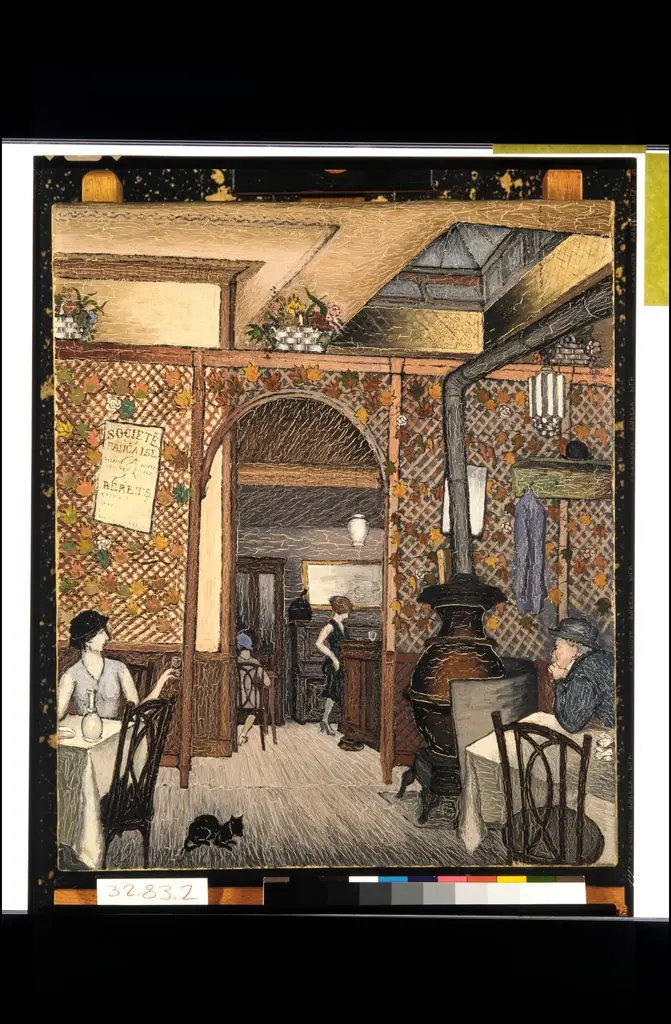 Speakeasy
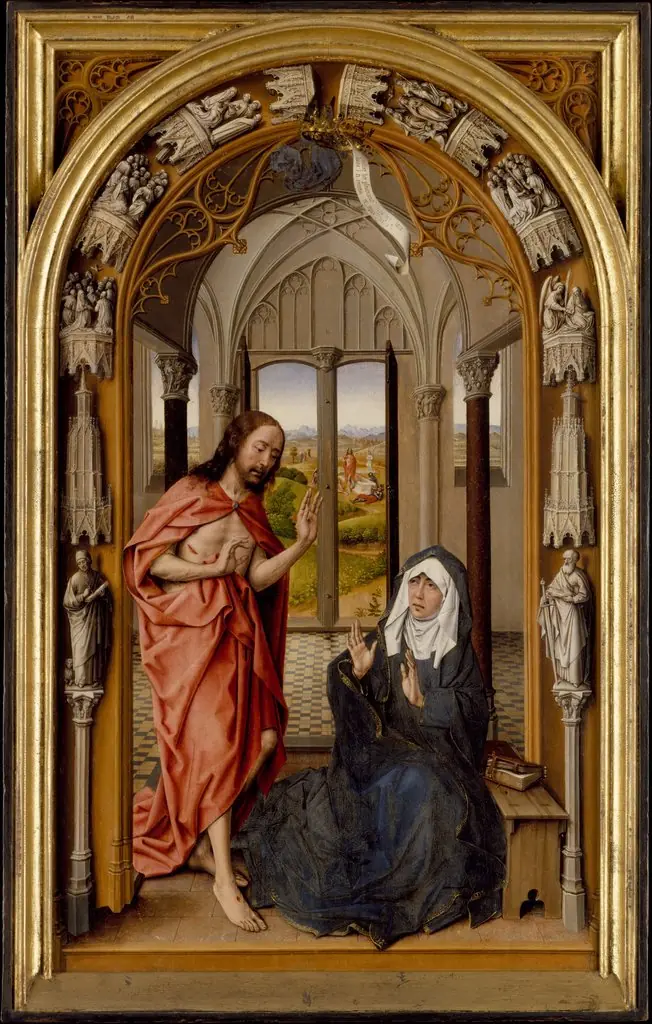 Christ Appearing to His Mother
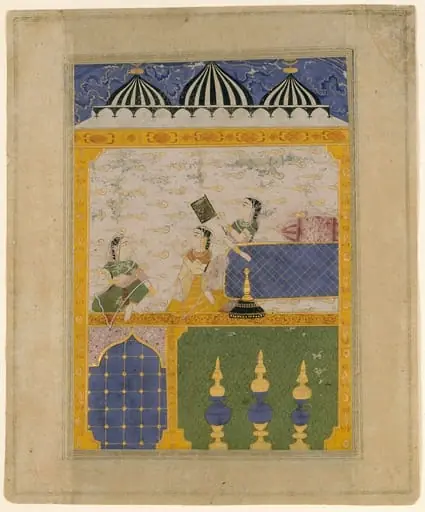 Untitled
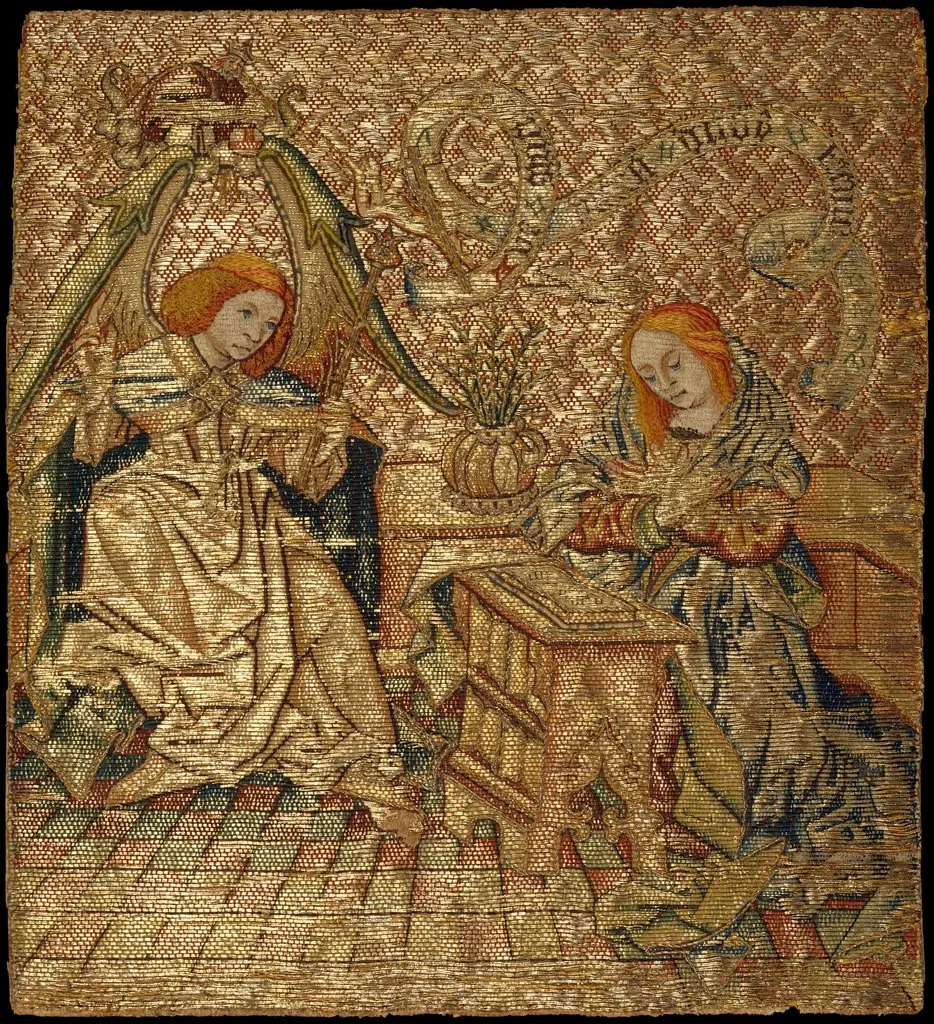 Embroidery with the Annunciation
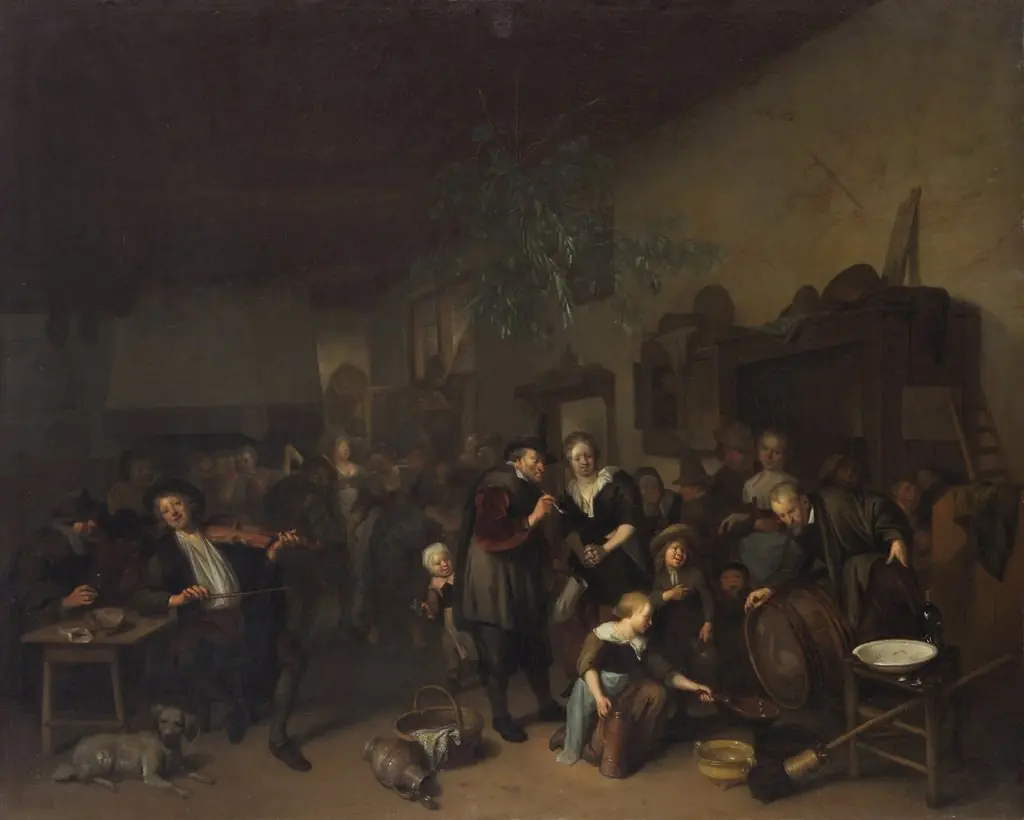 Tavern interior with dancing peasants,
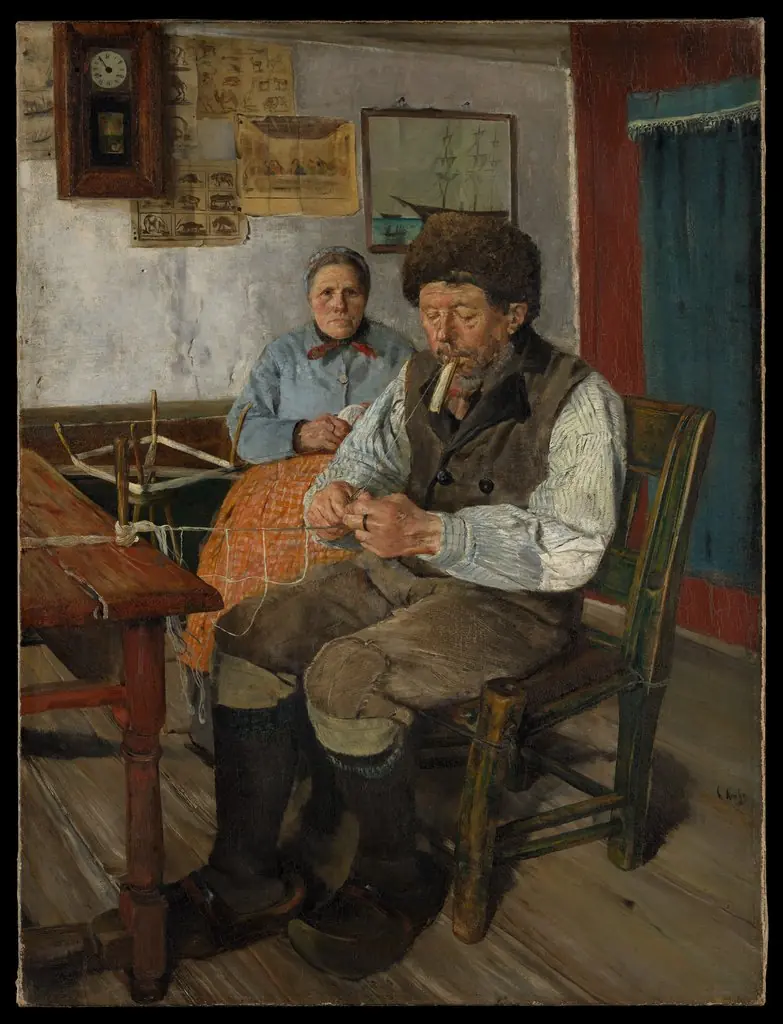 The Net Mender (Garnbinderen)
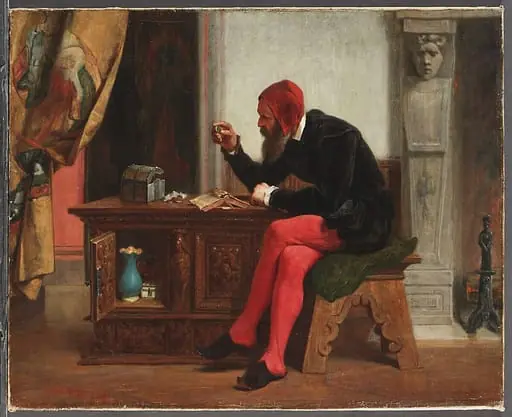 The Antiquary
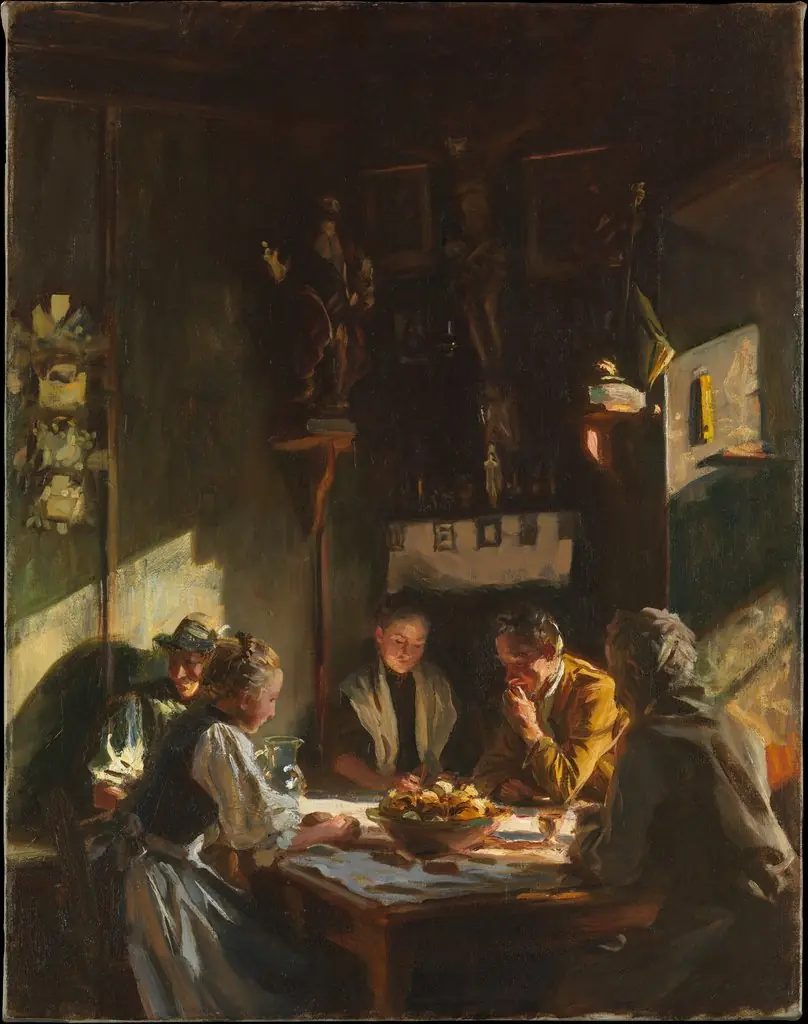 Tyrolese Interior
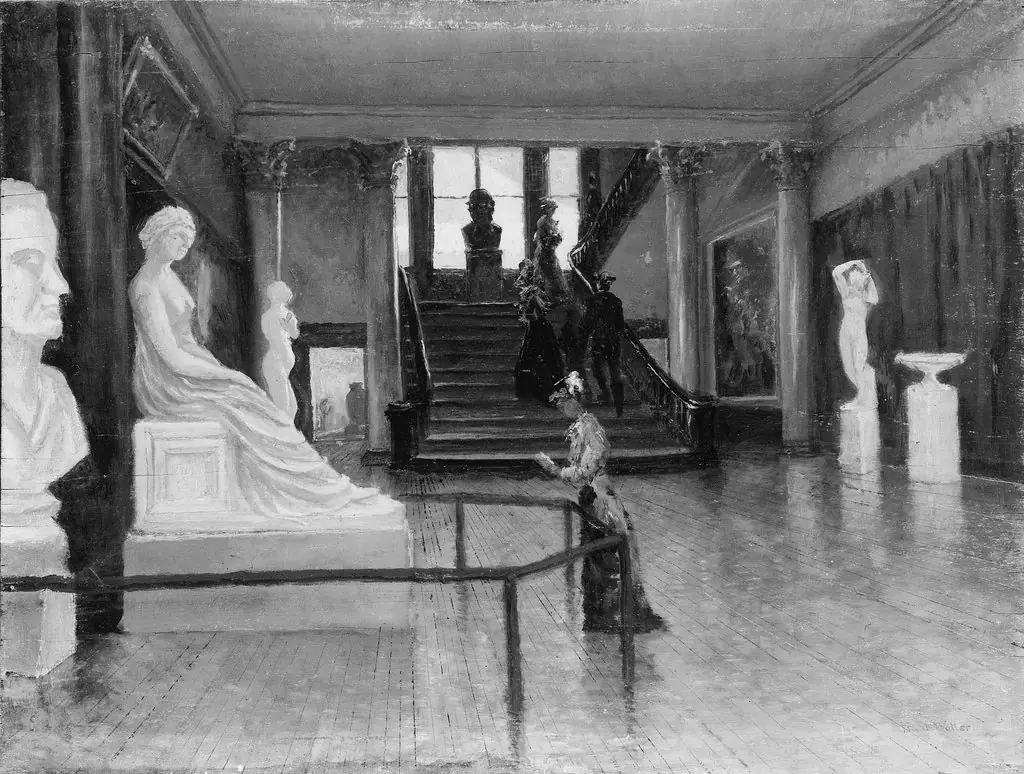 Entrance Hall of the Metropolitan Museum of Art when in Fourteenth Street
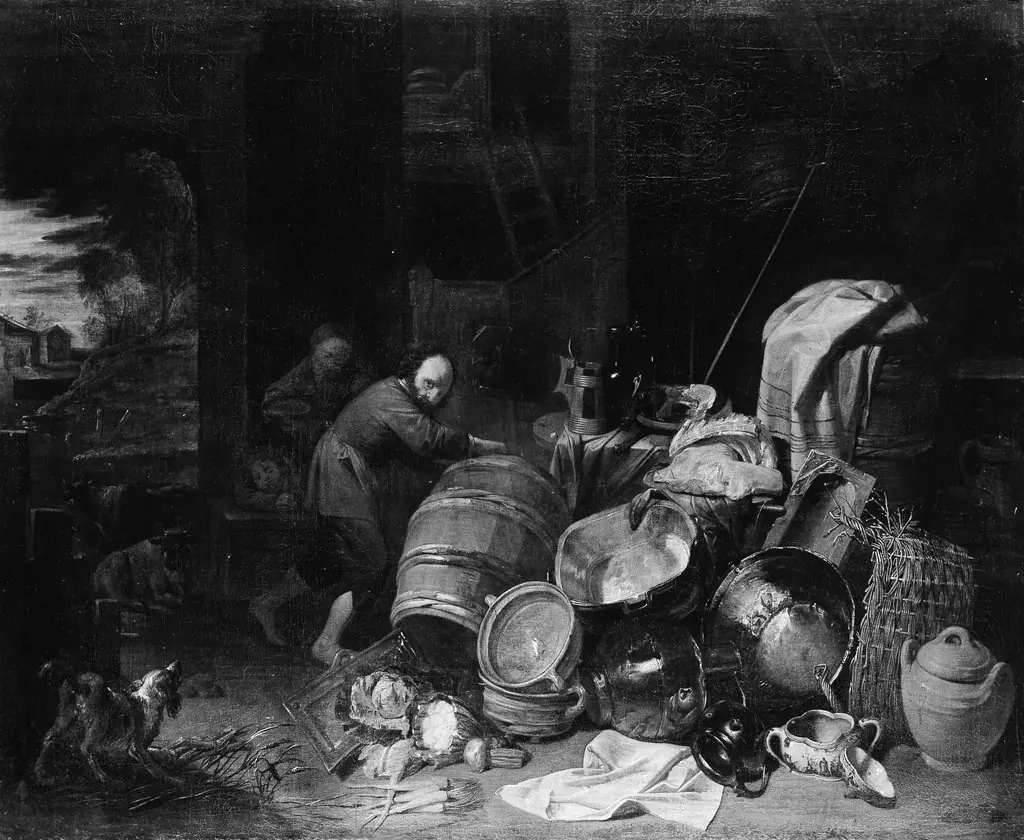 Rustic Interior
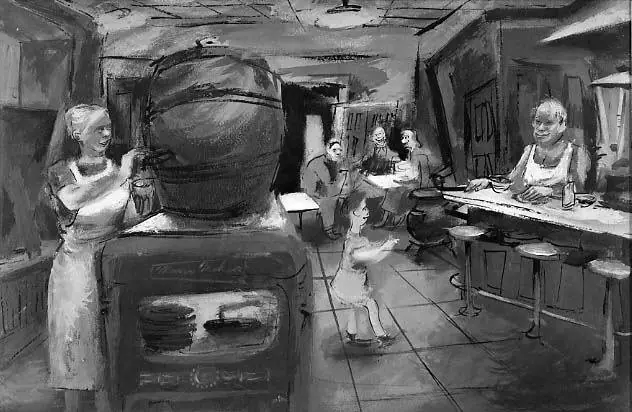 Saturday Night
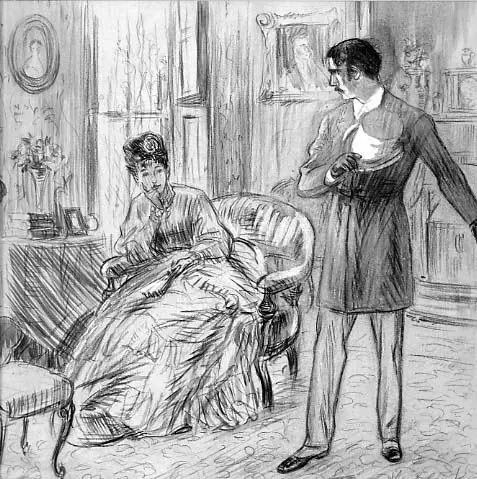 The Visit
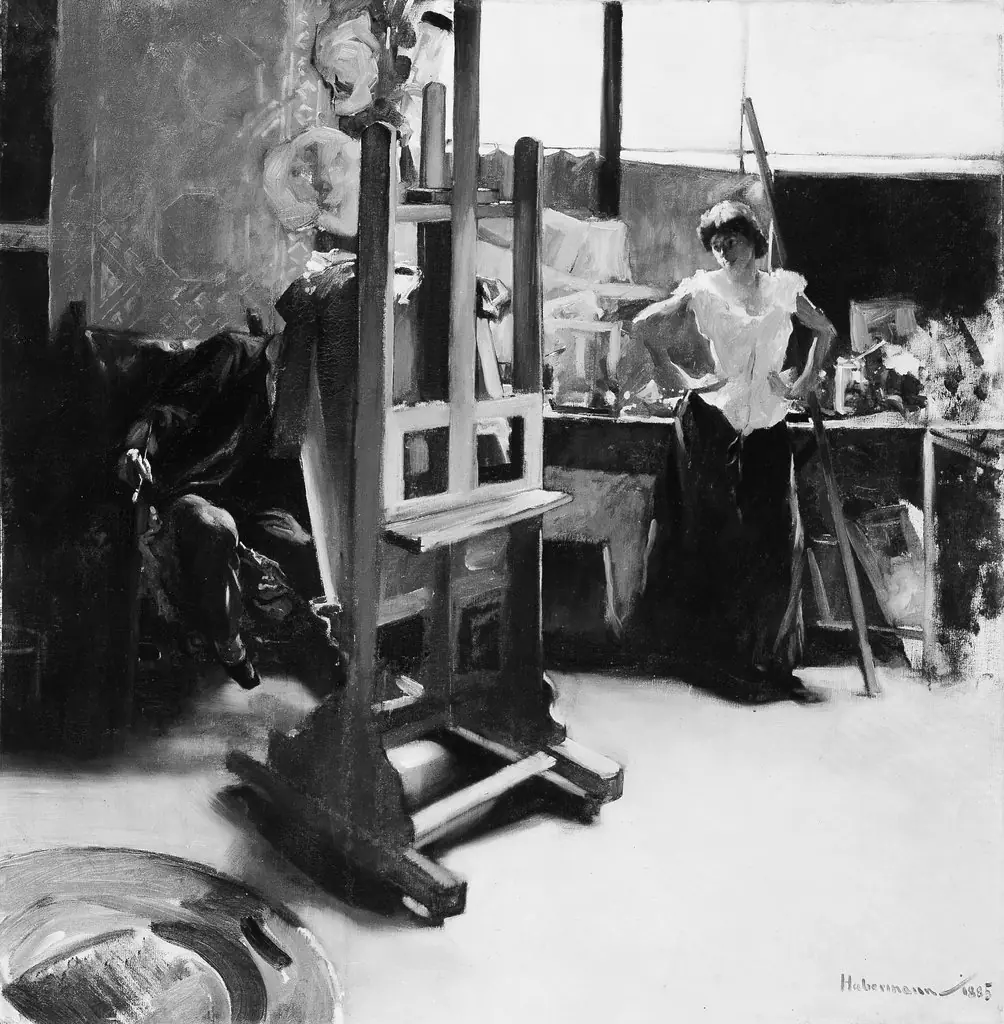 In the Studio
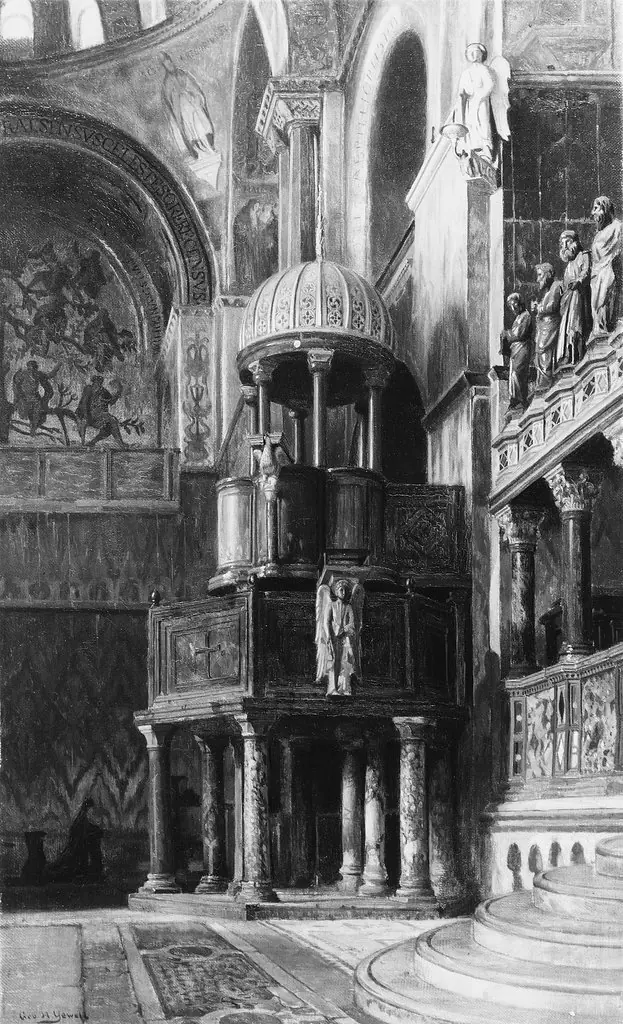 Pulpit in Saint Mark's, Venice
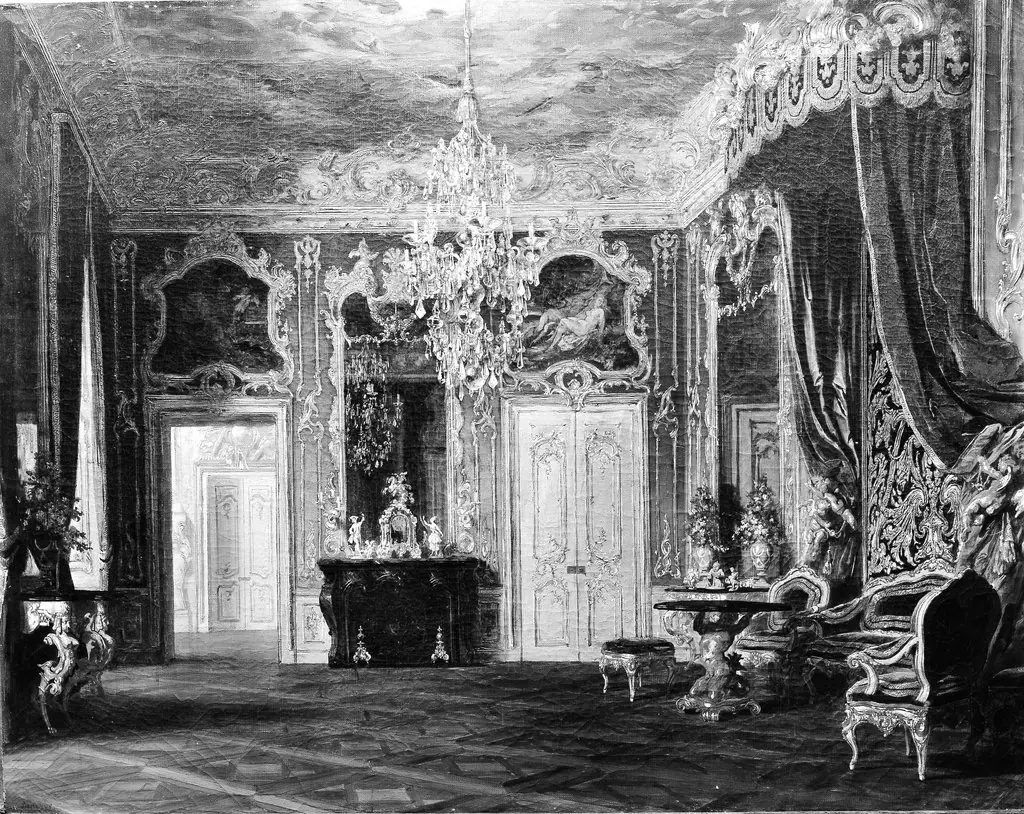 Project for a Room for King Ludwig II (1854–1886) of Bavaria
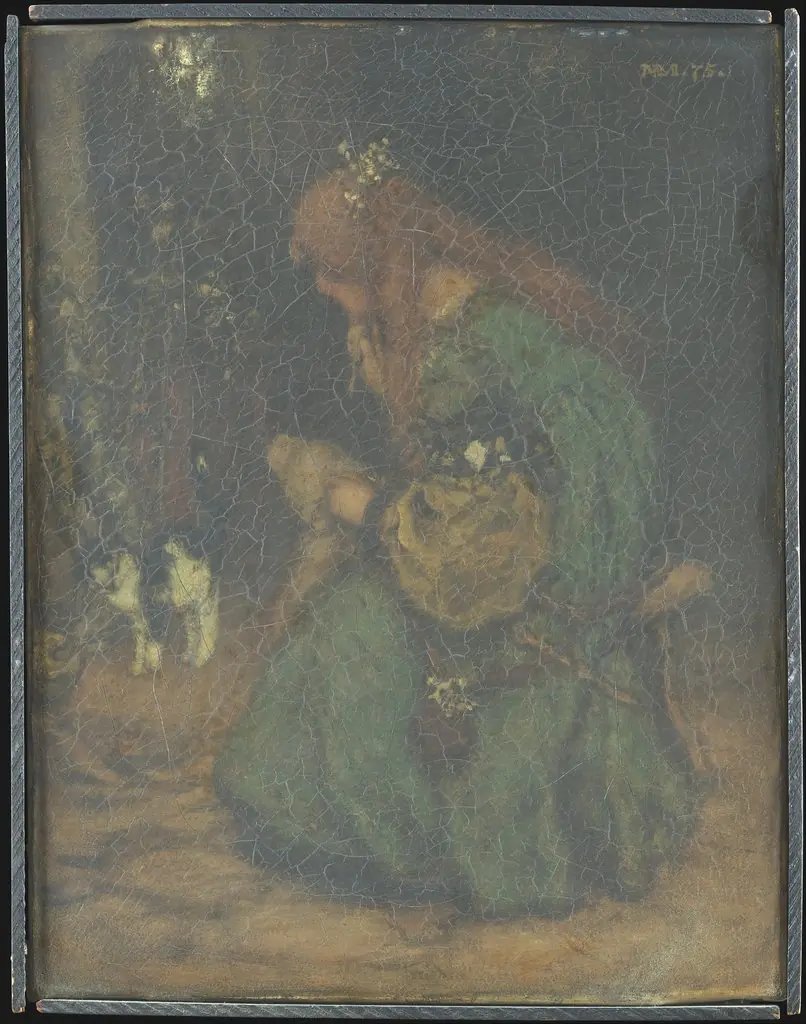 Reverie
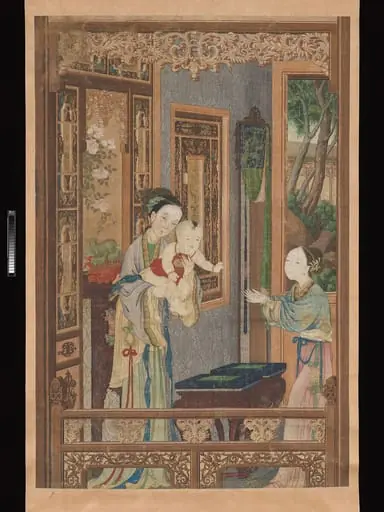 Untitled
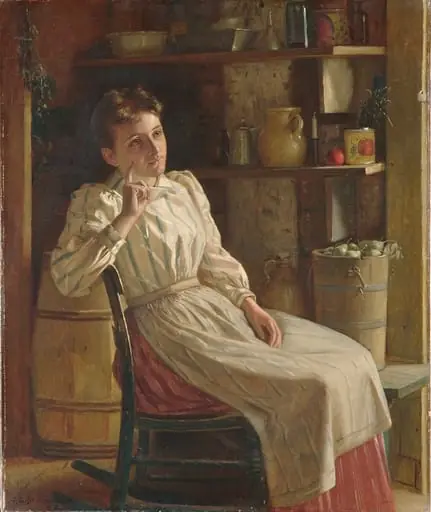 Meditation
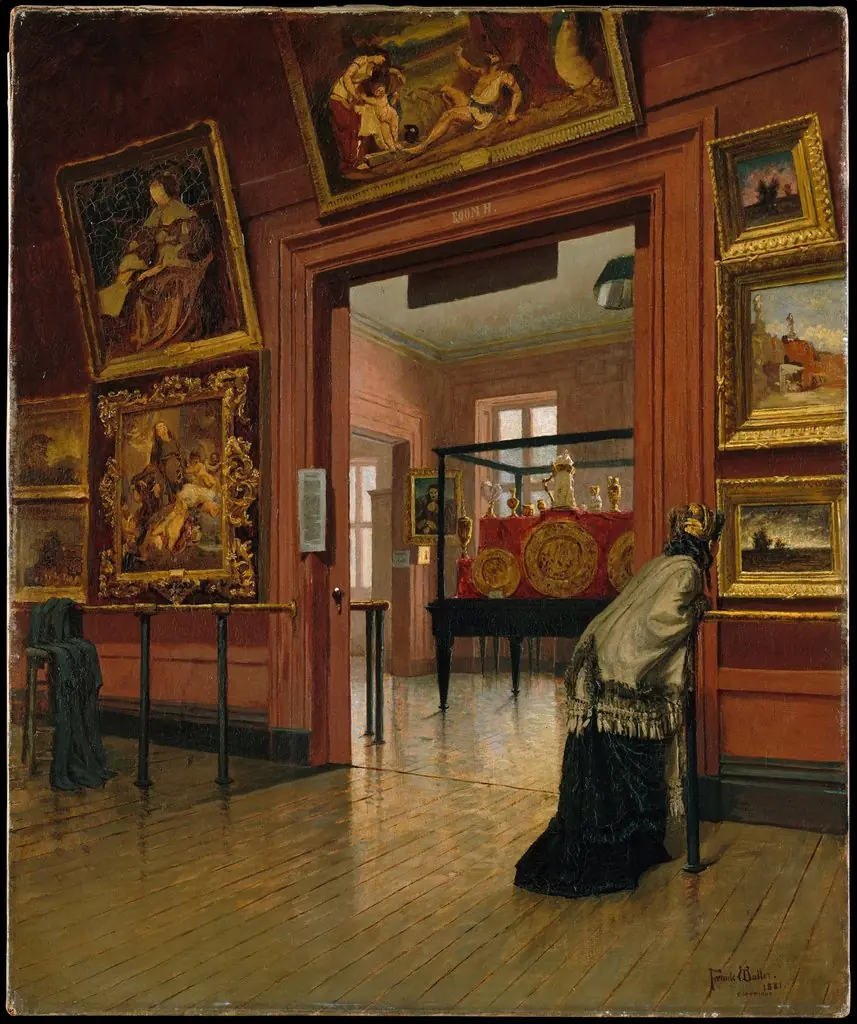 Interior View of the Metropolitan Museum of Art when in Fourteenth Street
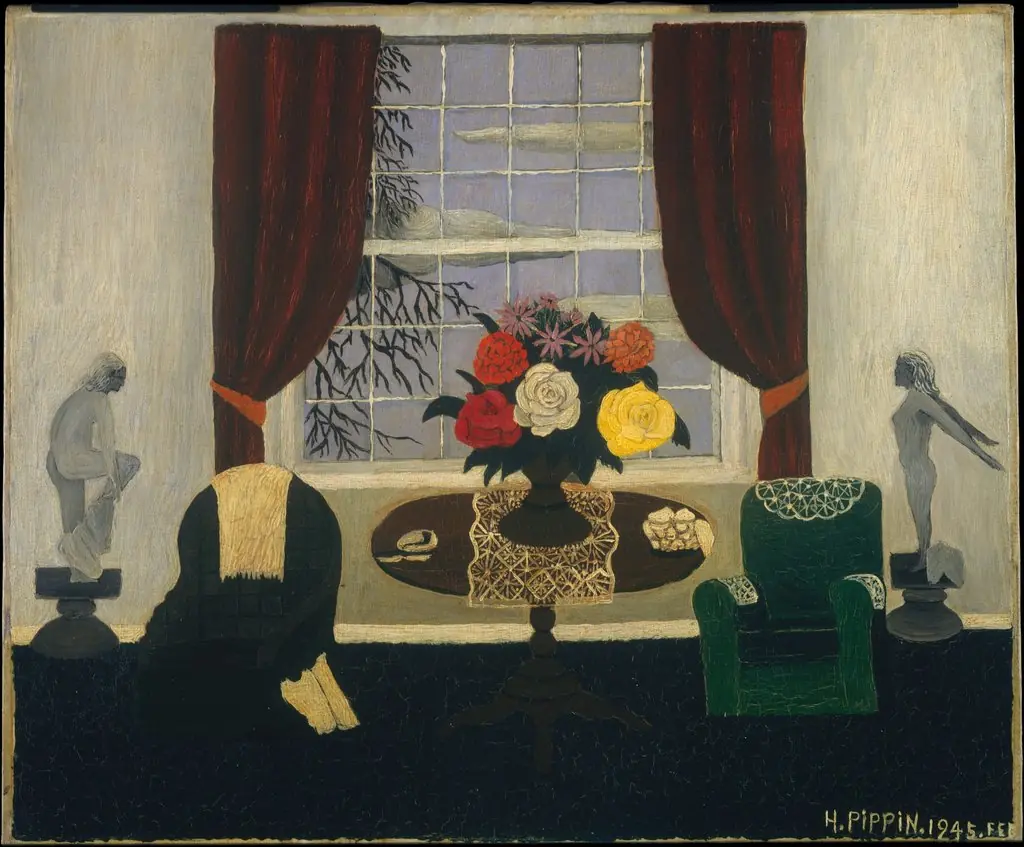 Victorian Interior I
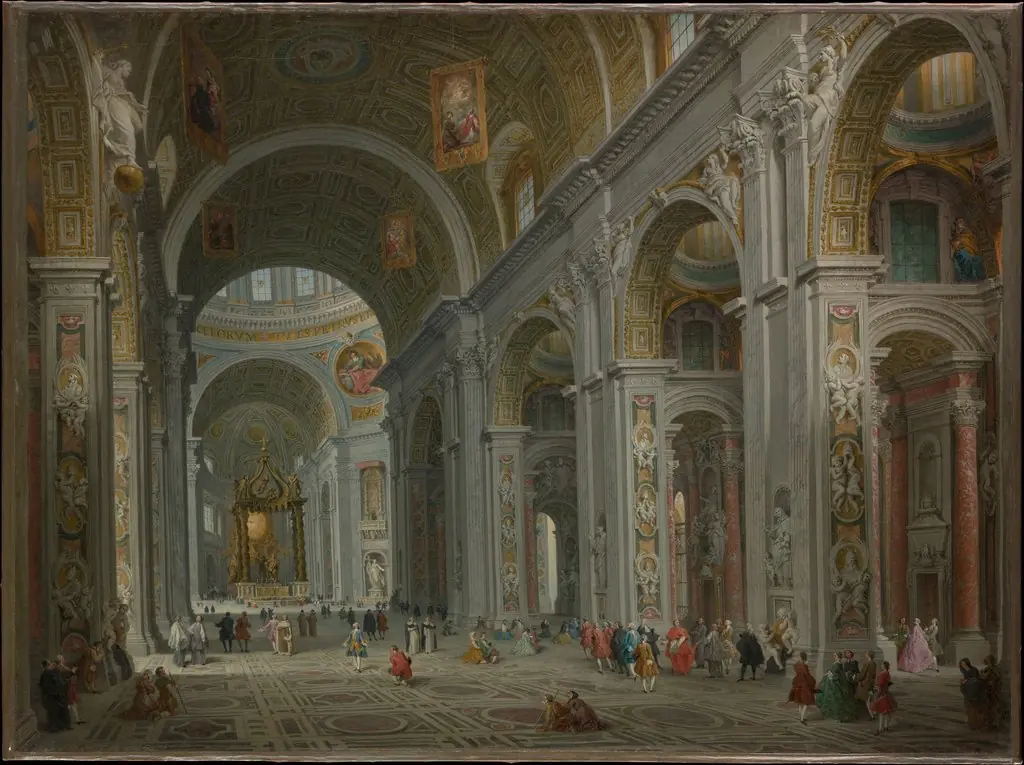 Interior of Saint Peter's, Rome
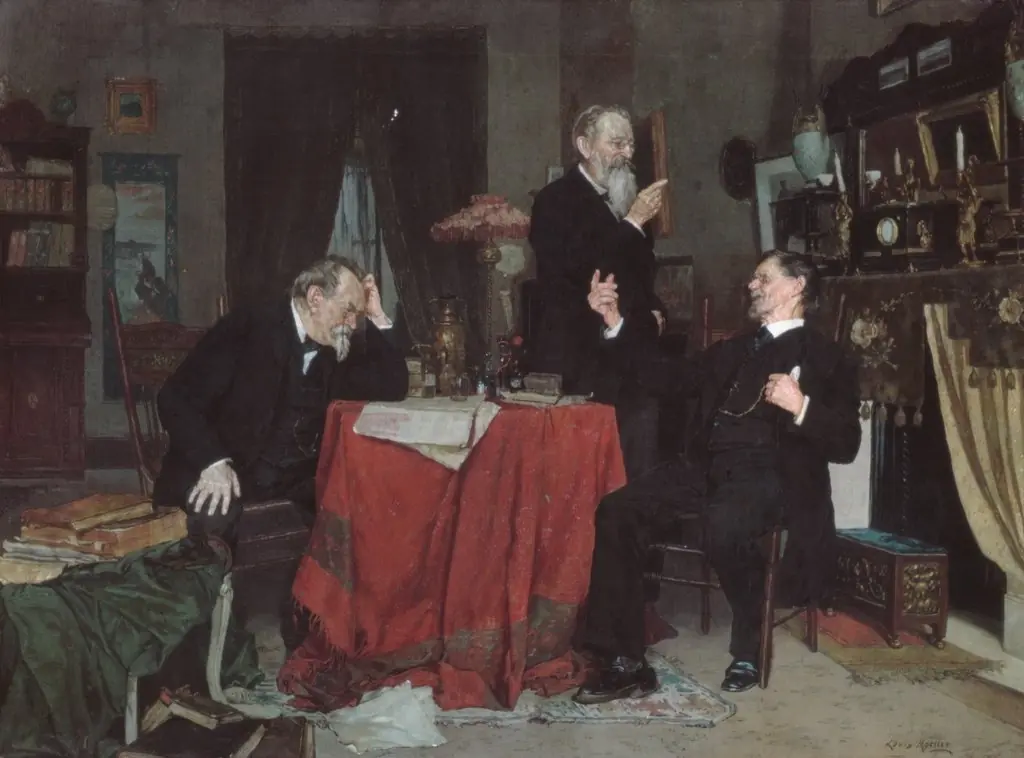 A Discussion
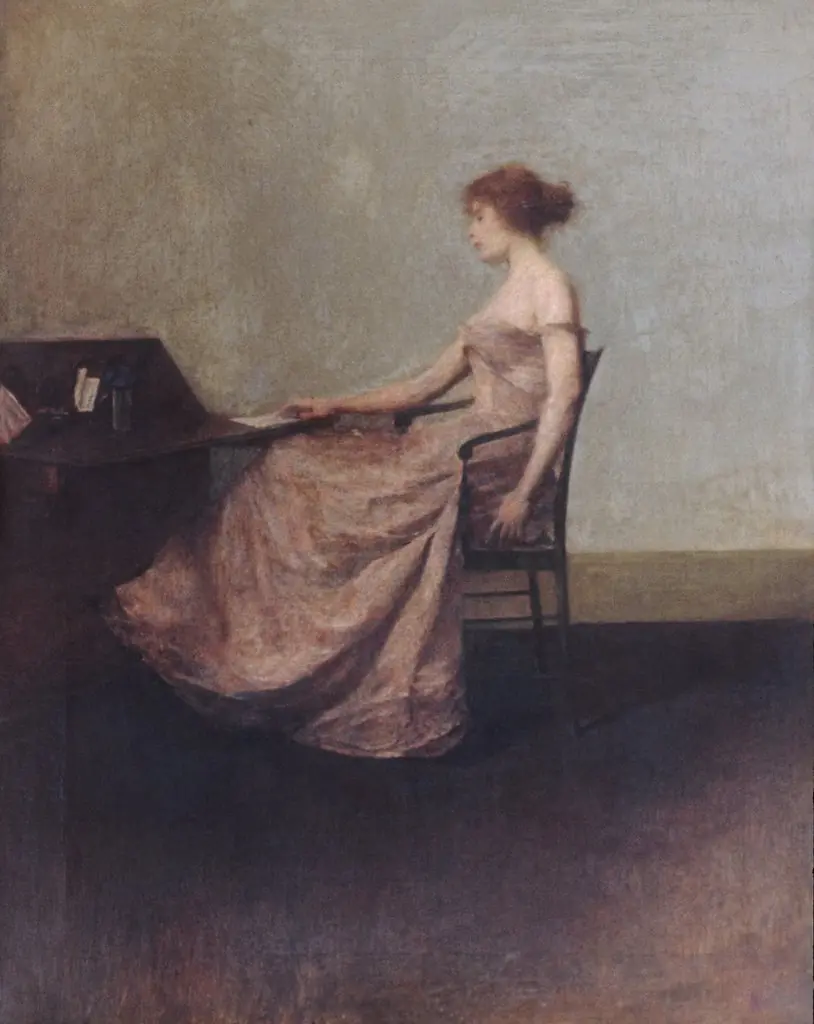 The Letter
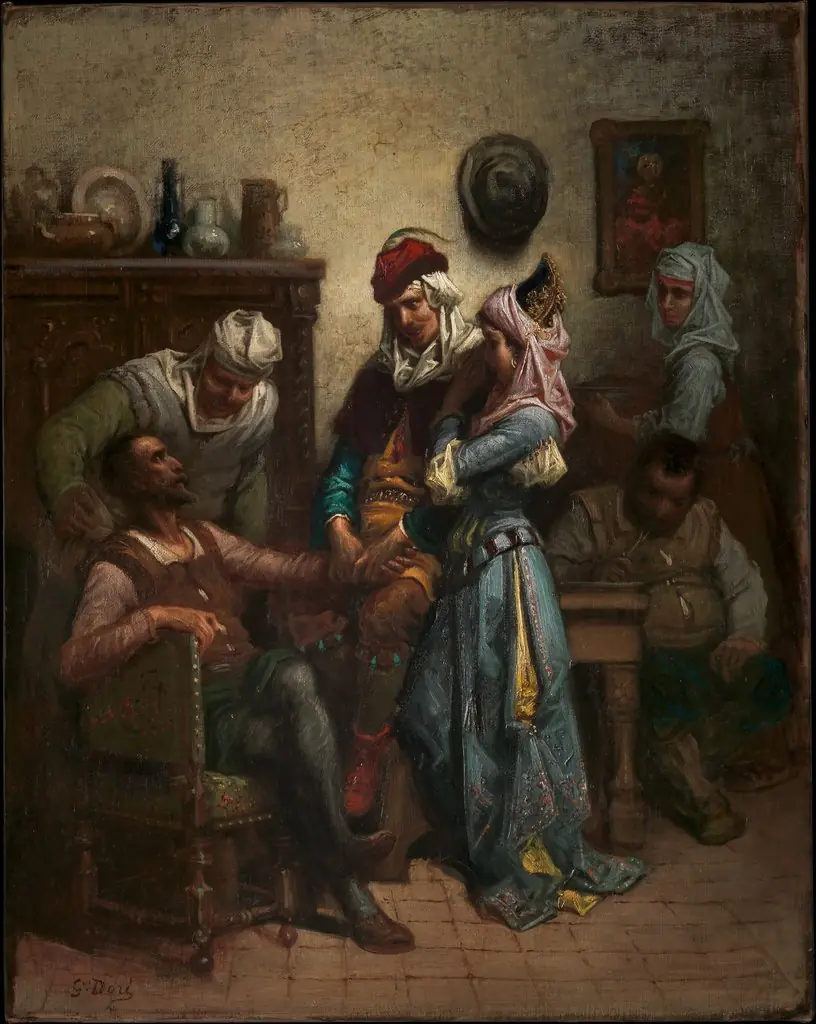 Don Quixote and Sancho Panza Entertained by Basil and Quiteria
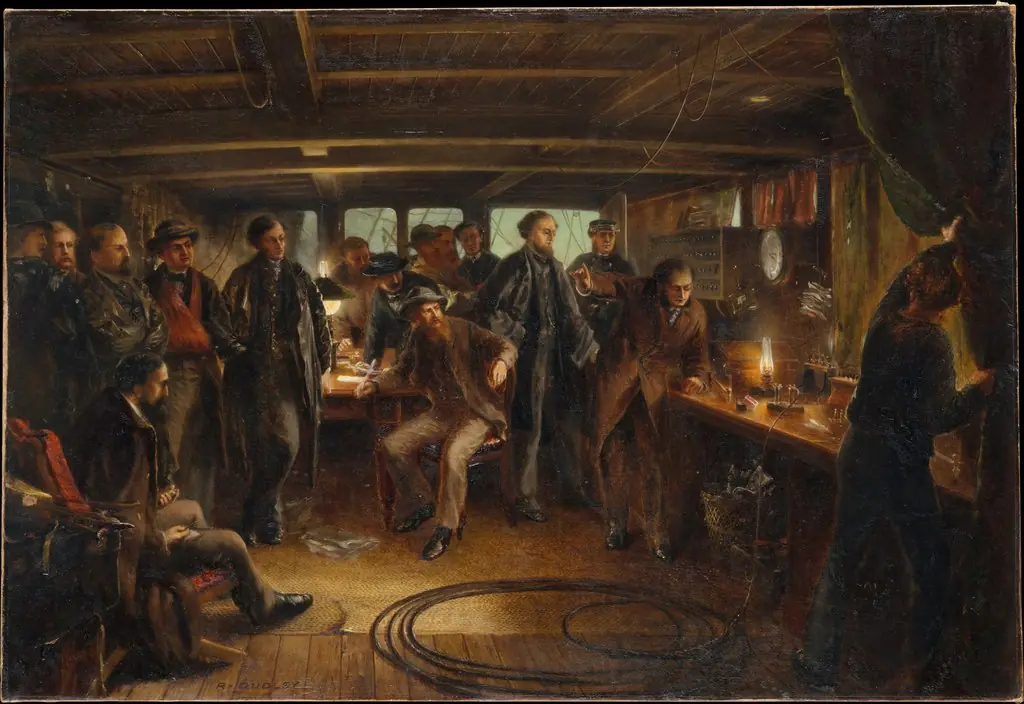 Awaiting the Reply
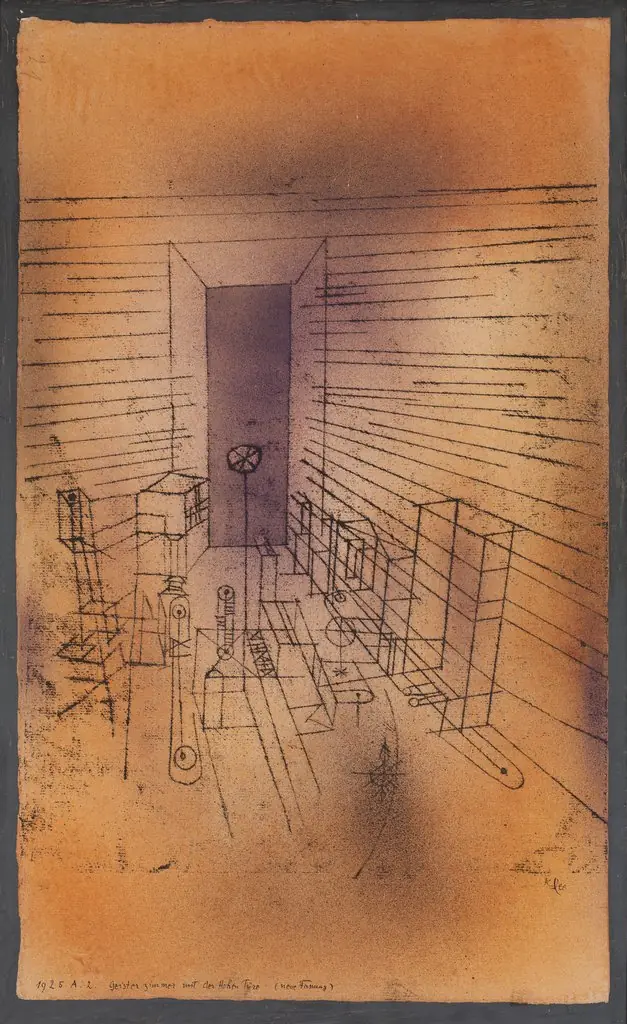 Ghost Chamber with the Tall Door (New Version)
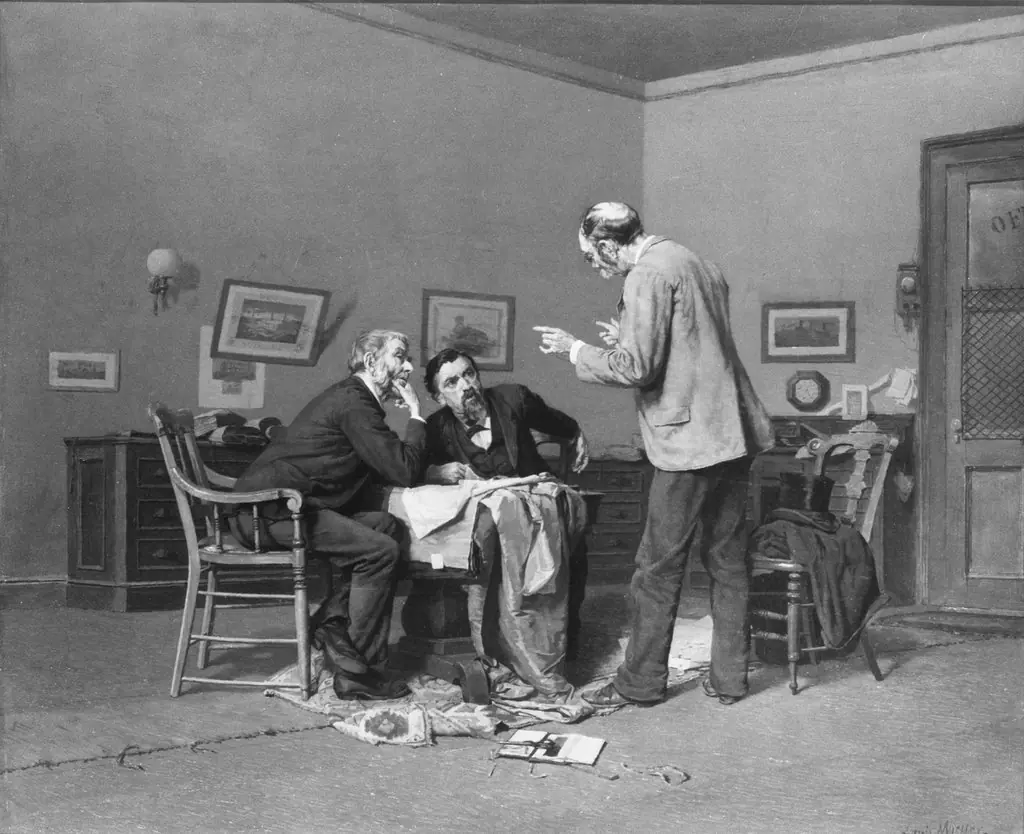 Appraisement
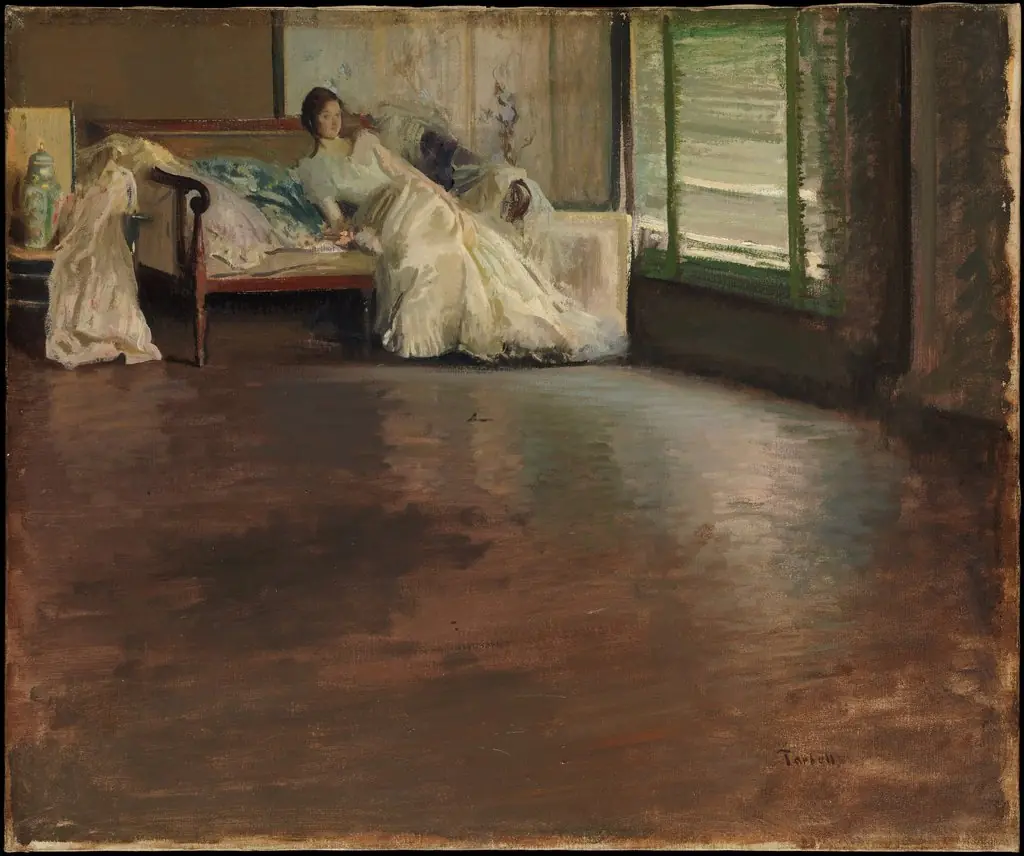 Across the Room
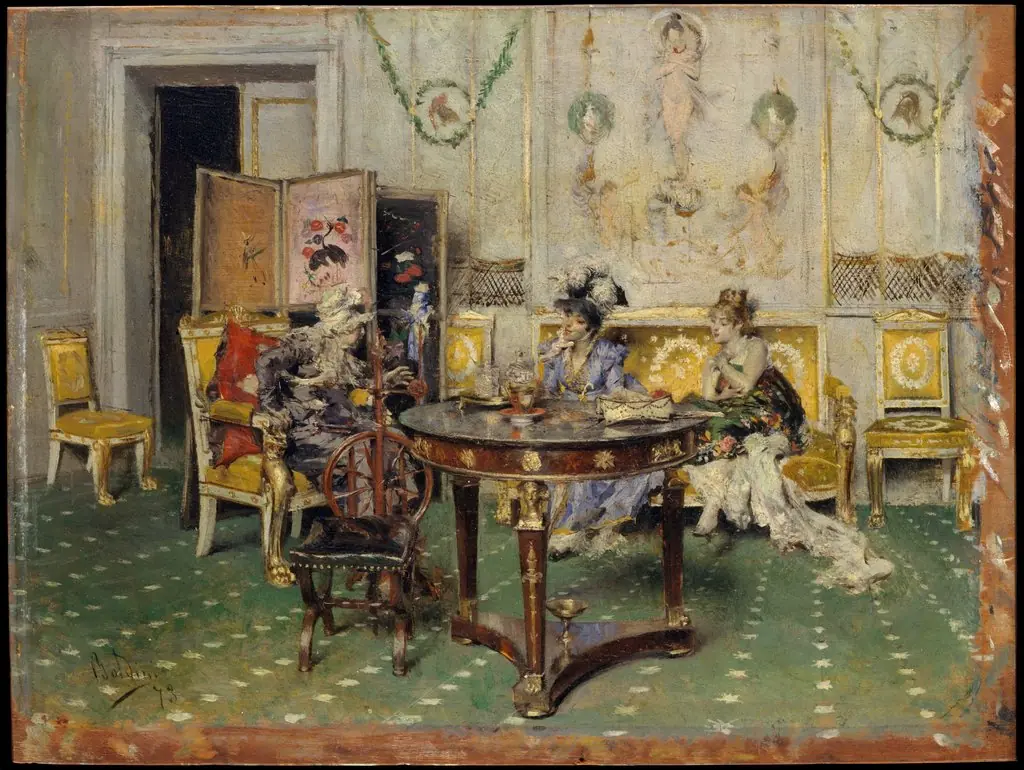 Gossip
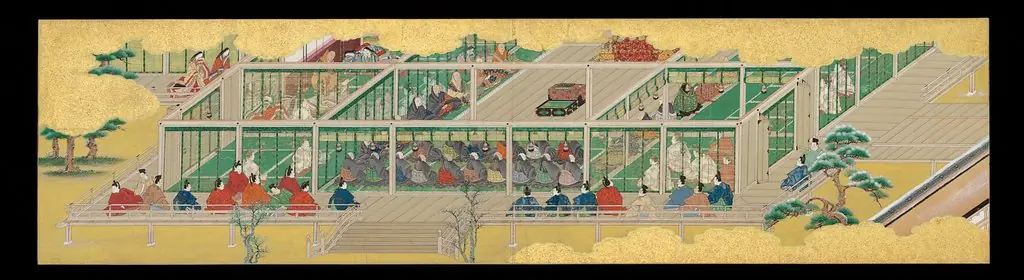 “A Branch of Sacred Evergreen” (Sakaki), from the Phantom Genji Scrolls (Maboroshi no Genji monogatari emaki)
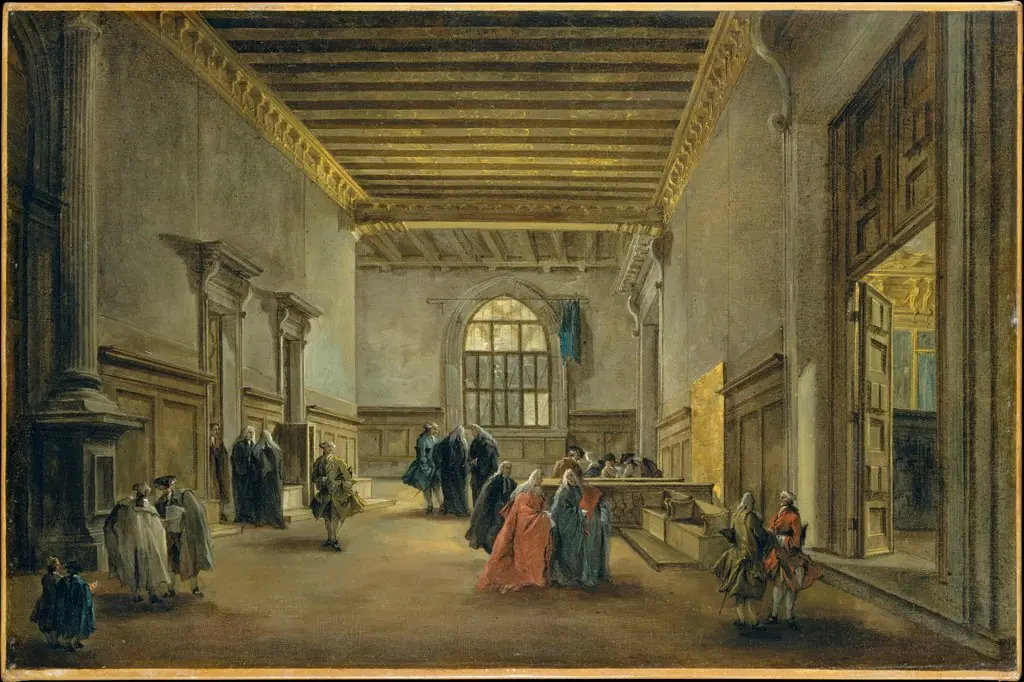 The Antechamber of the Sala del Maggior Consiglio
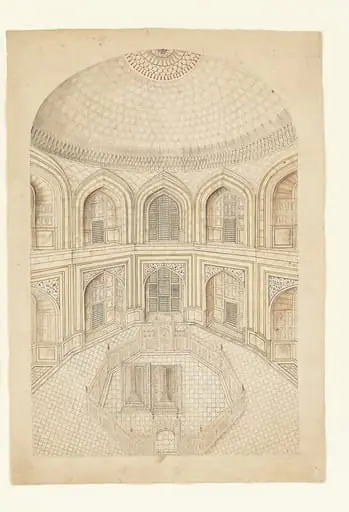 Untitled
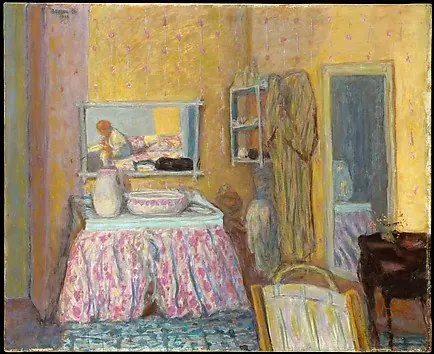 The Dressing Room
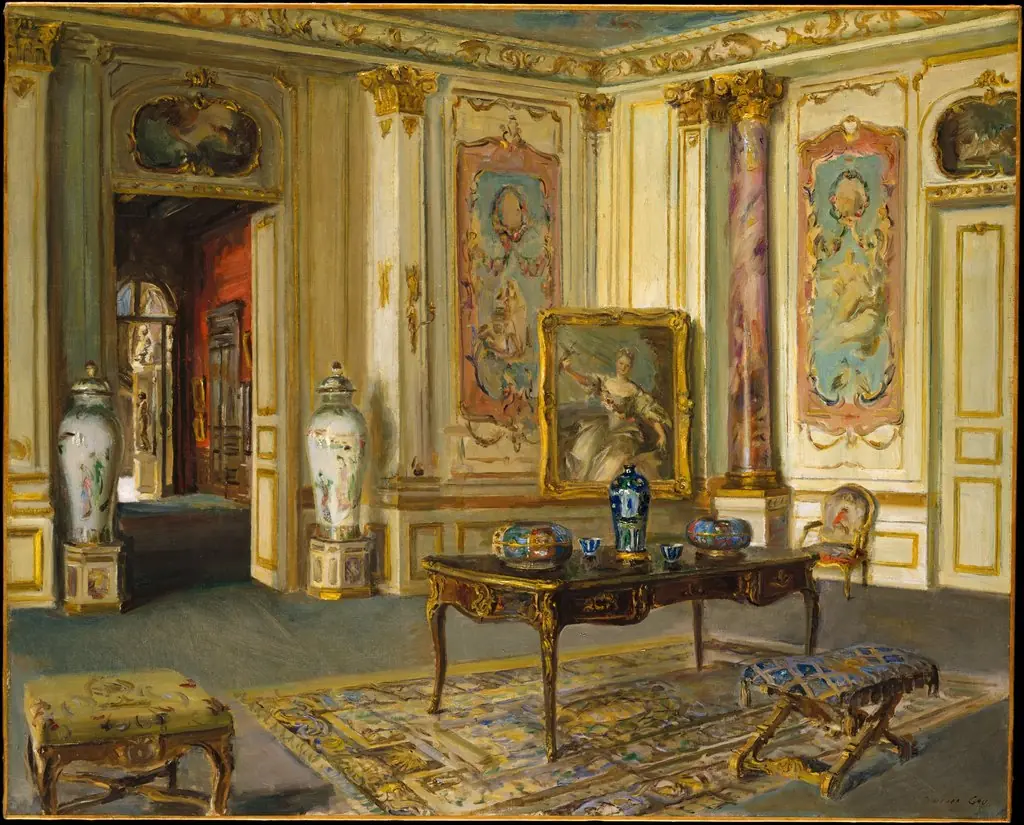 Le Grand Salon, Musée Jacquemart-André
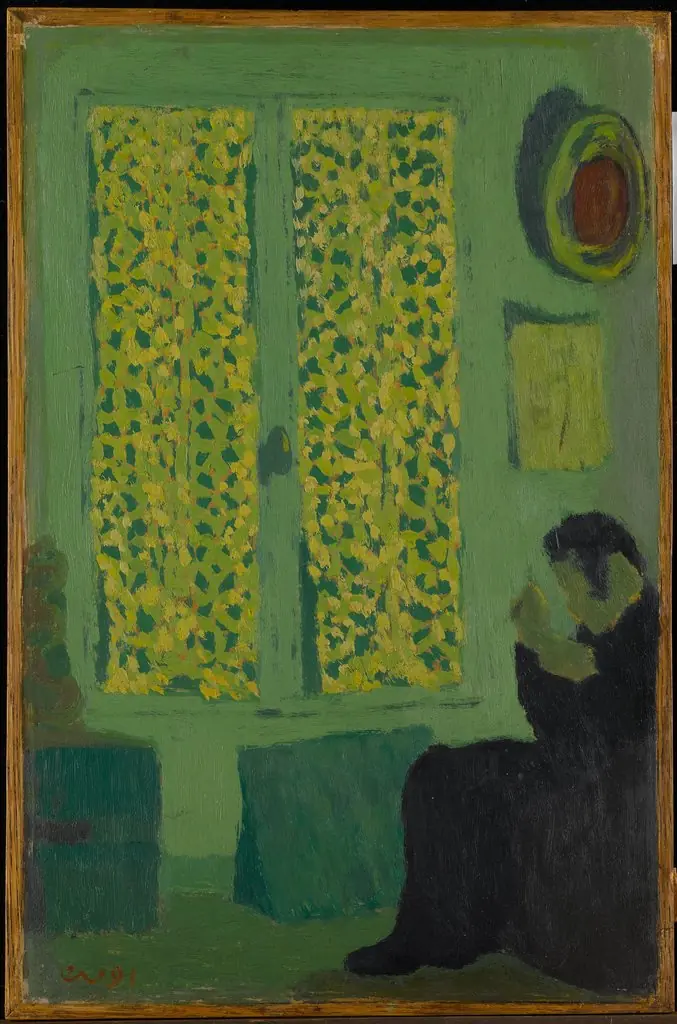 The Green Interior (Figure Seated by a Curtained Window)
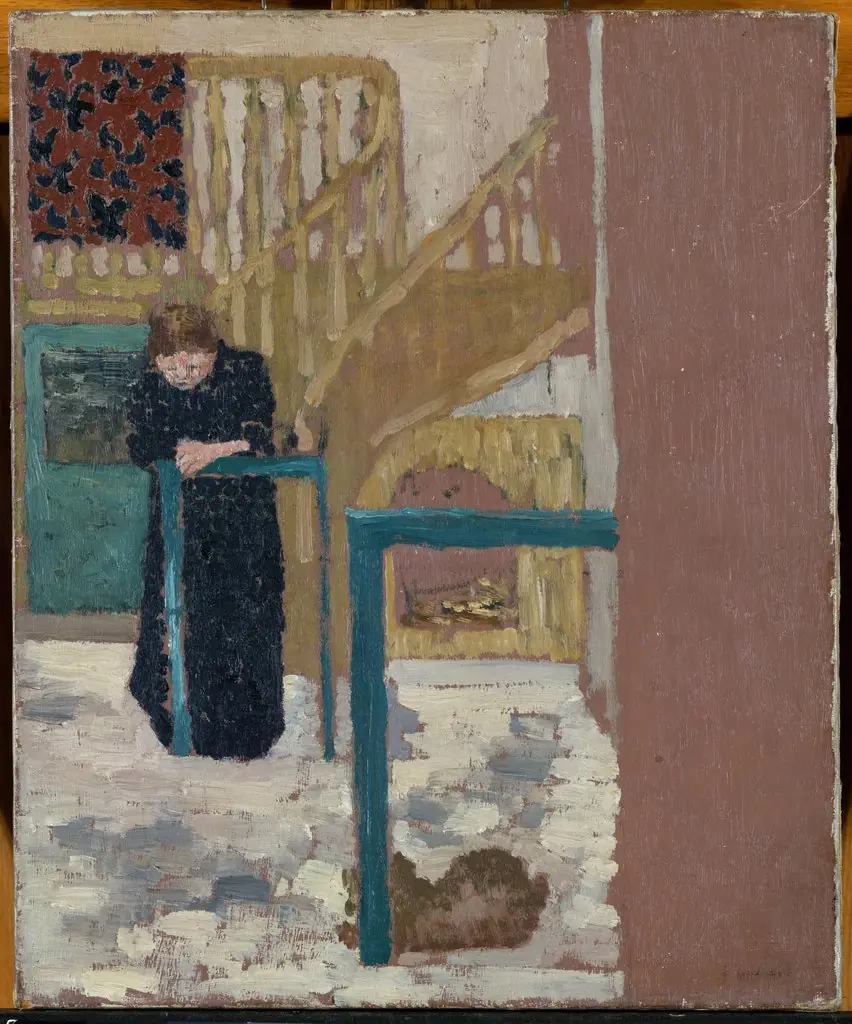 Mme Vuillard in a Set Designer's Studio
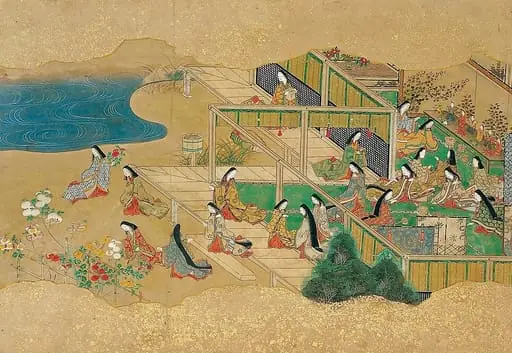 Untitled
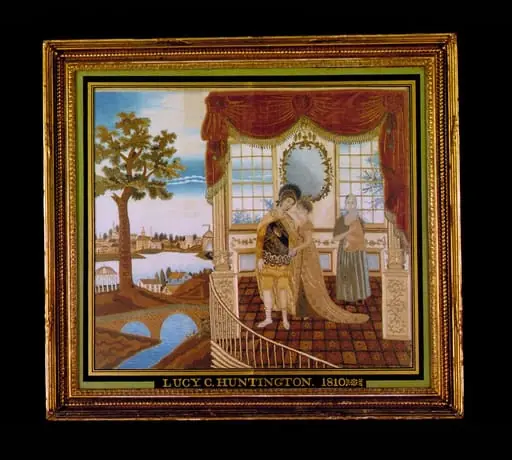 Hector Taking Leave of His Family
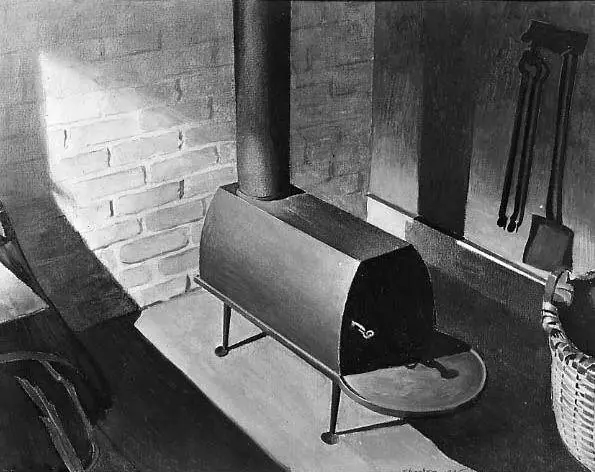 American Interior
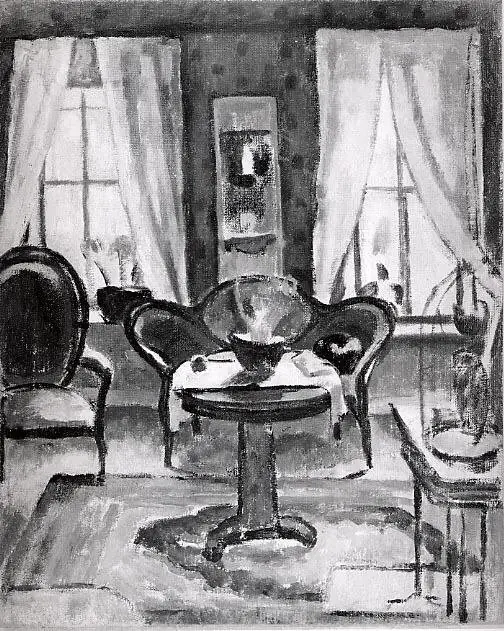 Interior
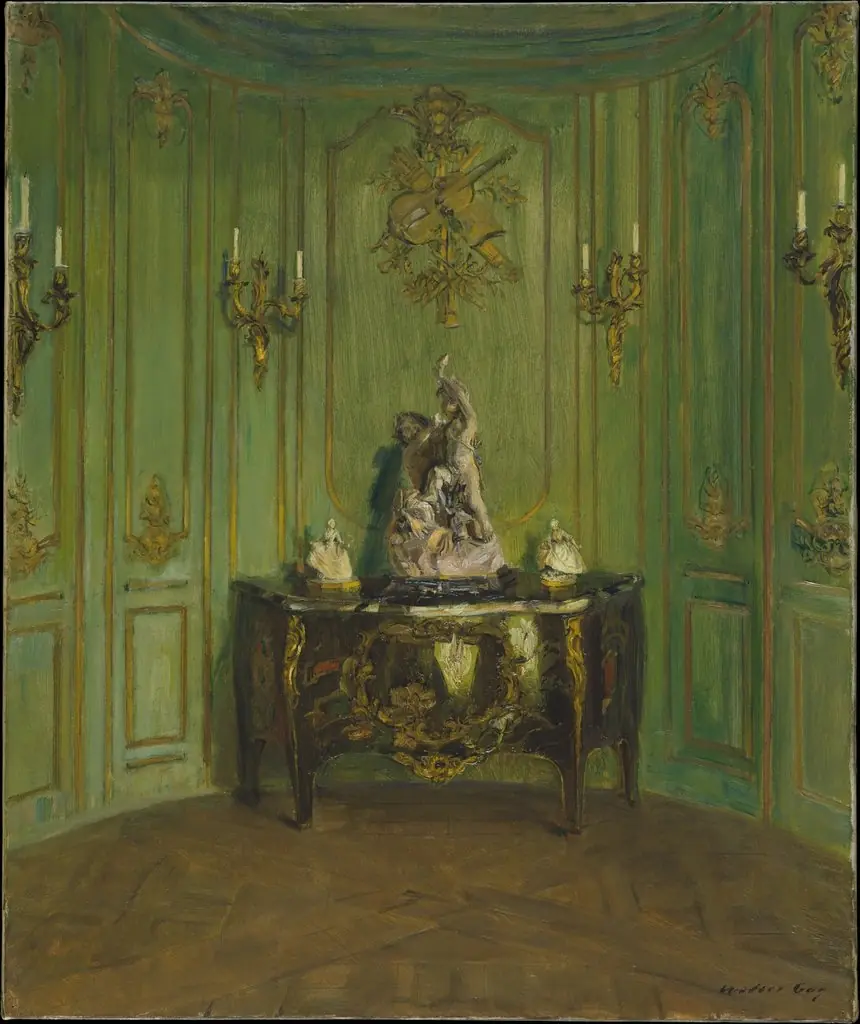 The Green Salon
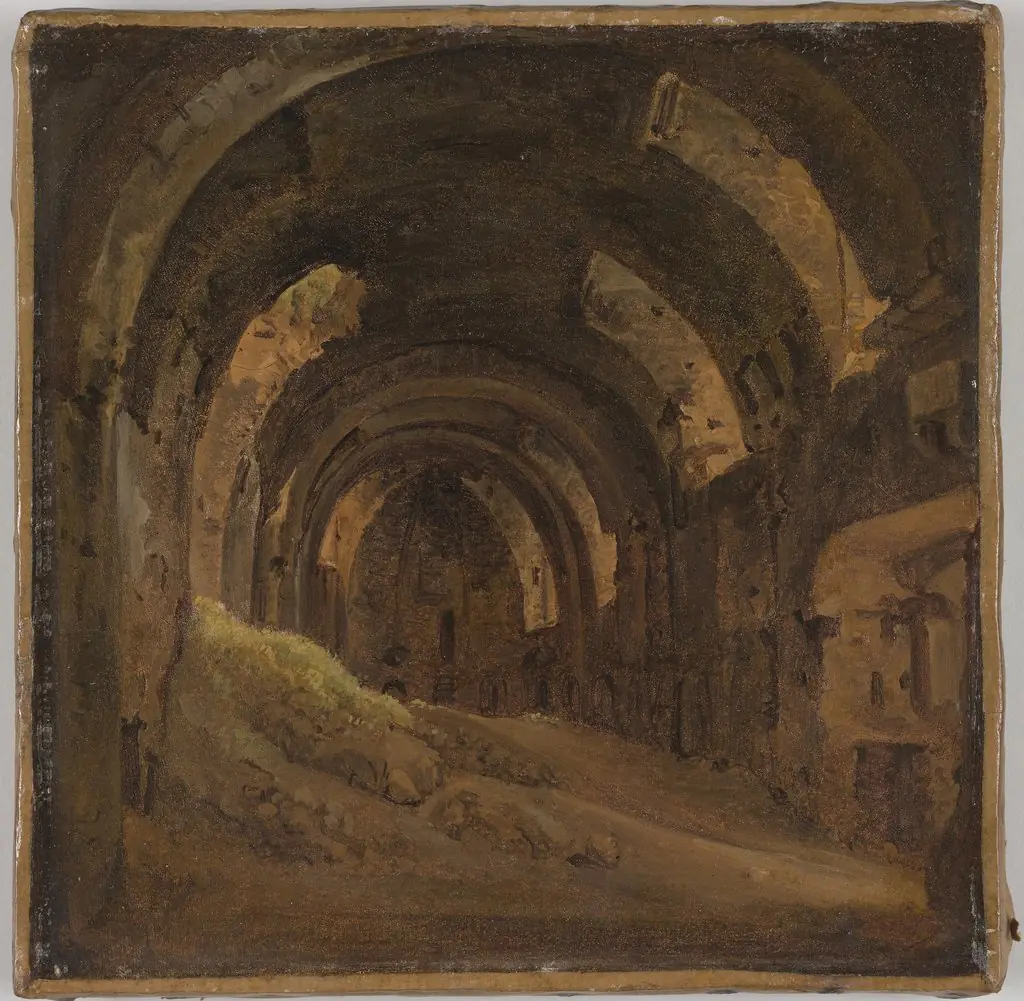 Vaulted Interior
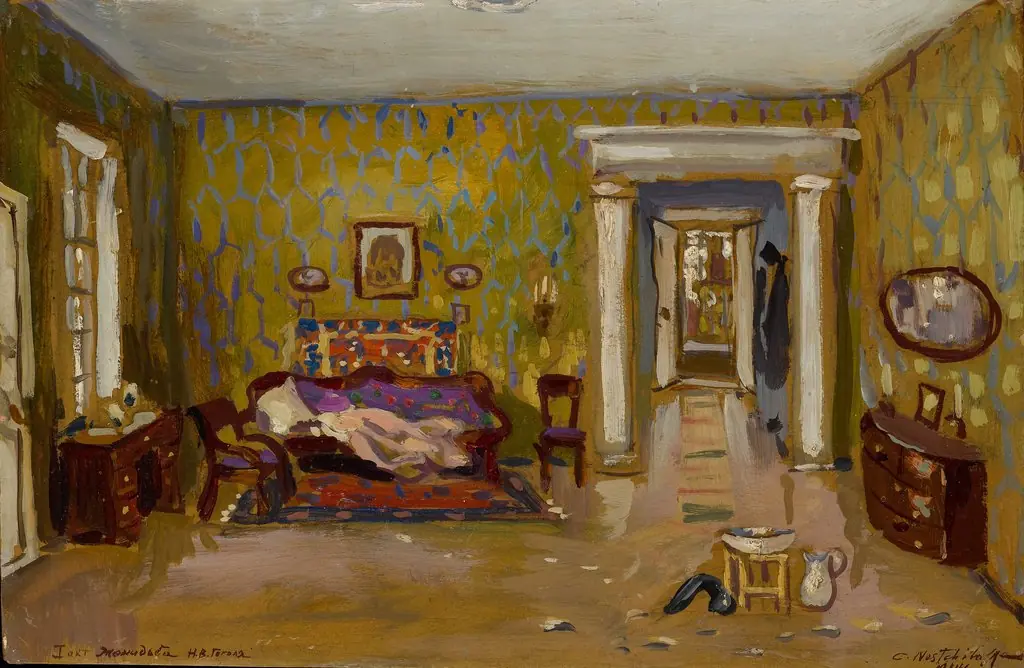 Interior for Nikolai Gogol's Play Marriage
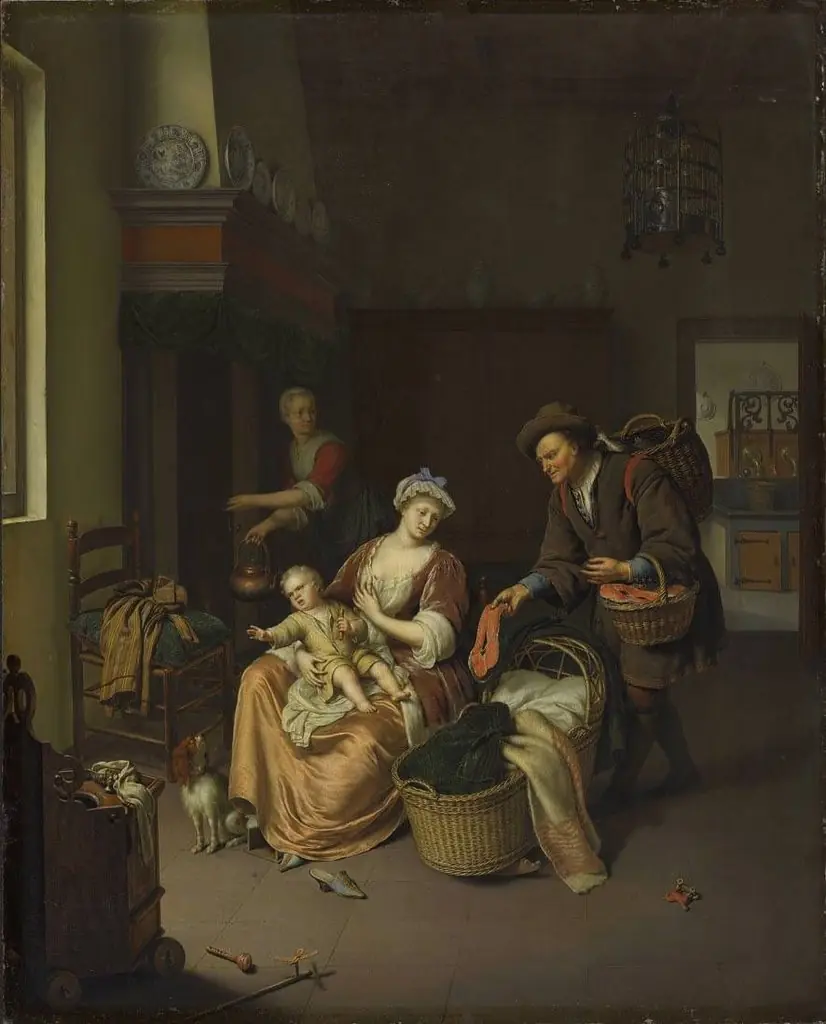 The Fish Seller
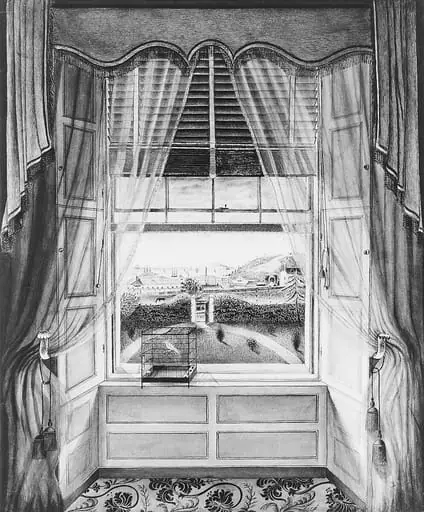 View from the House of Henry Briscoe Thomas, Baltimore
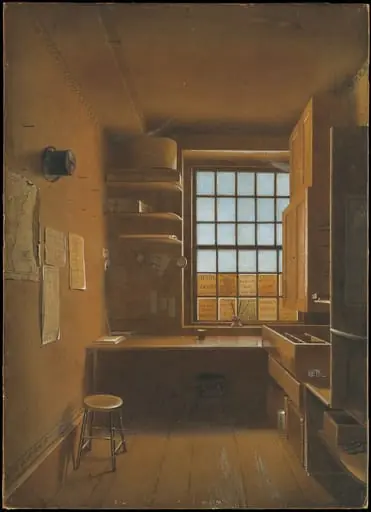 Interior of a Lottery
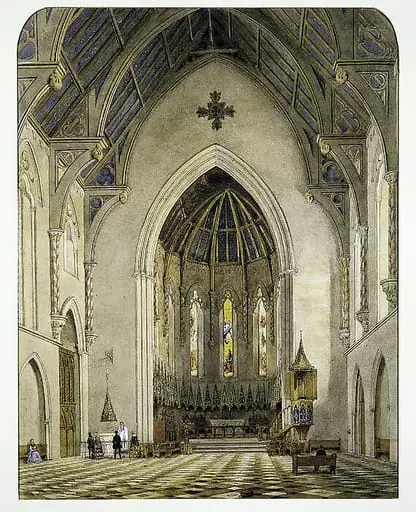 Chancel of Trinity Chapel, New York
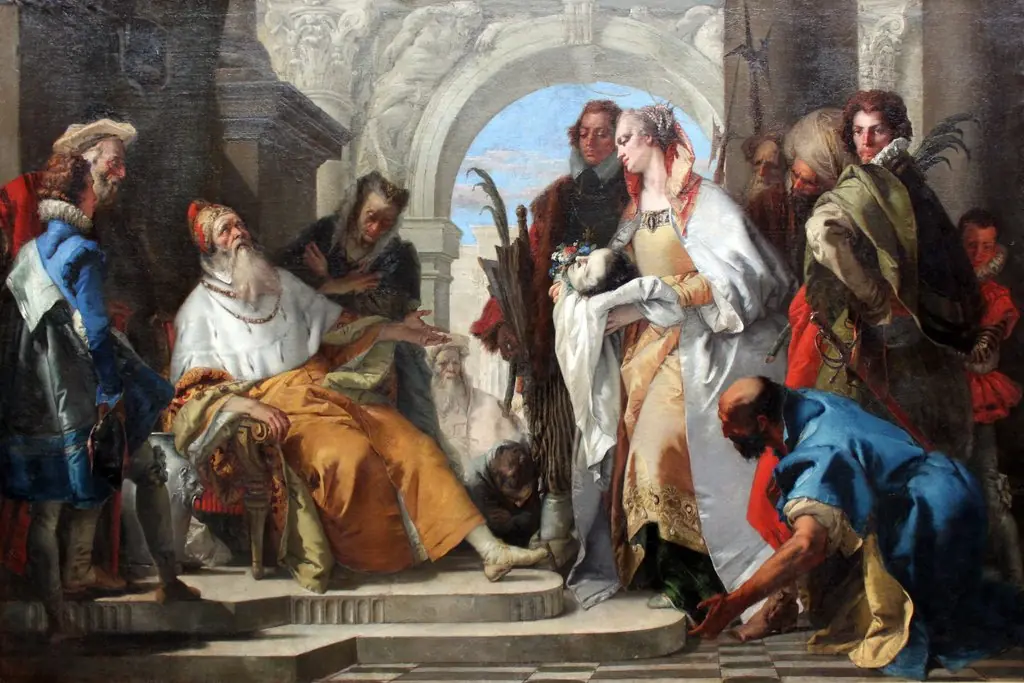 The Patron Saints of the Crotta Family
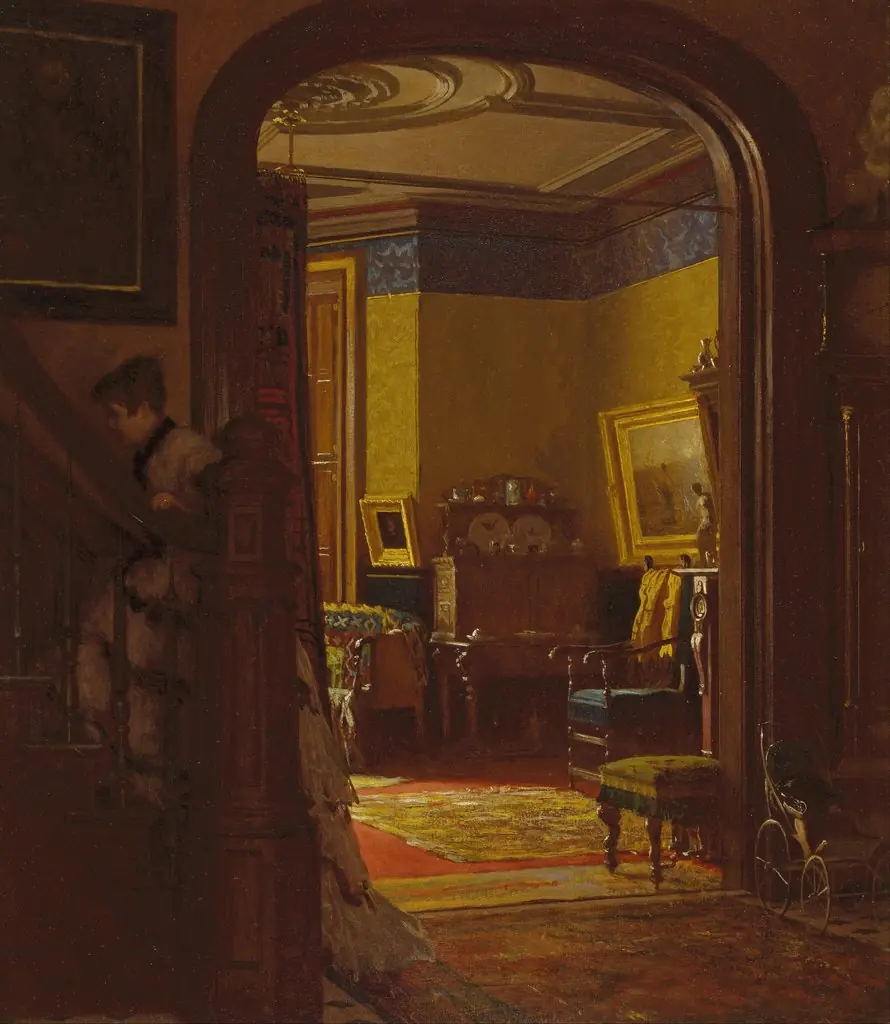 Not at Home
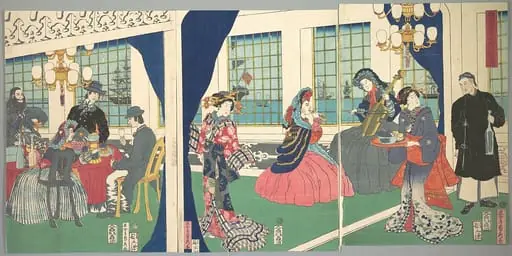 Untitled
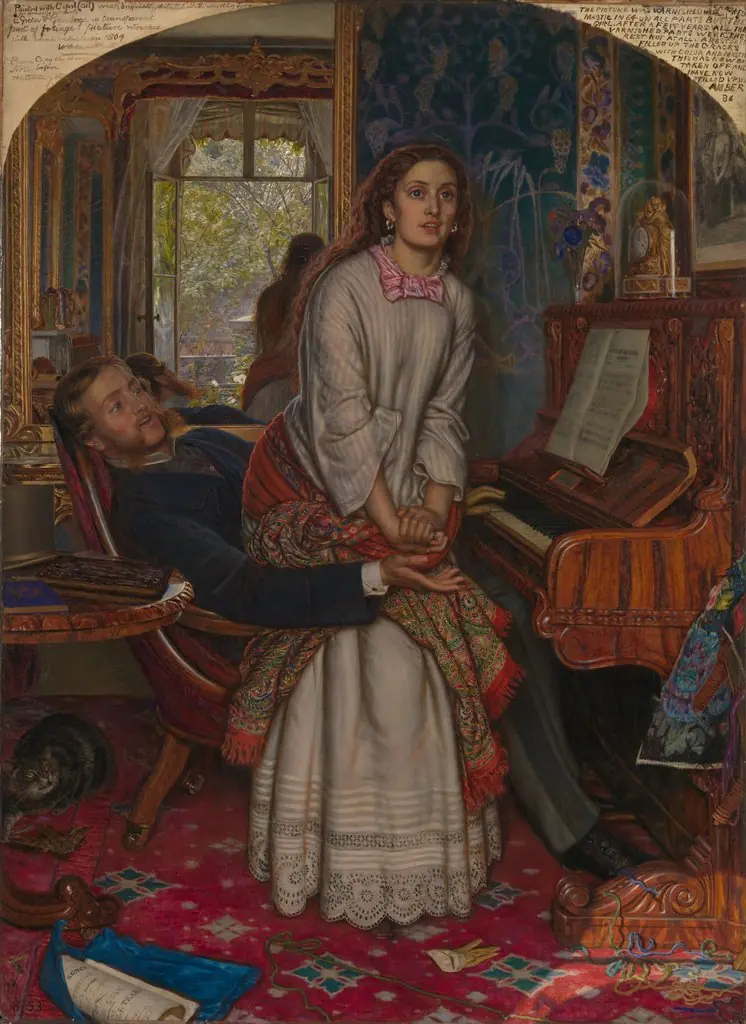 The Awakening Conscience
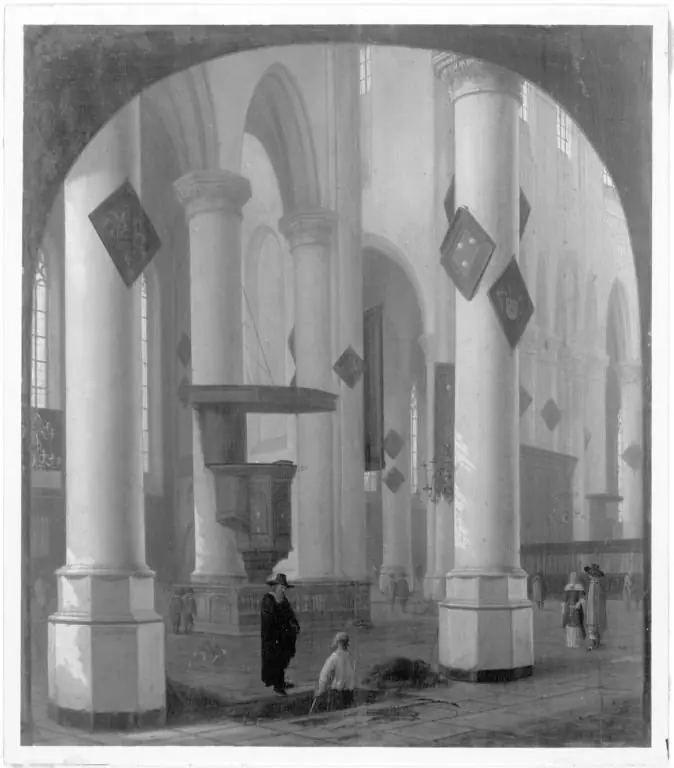 Inneres der Nieuwe Kerk in Delft
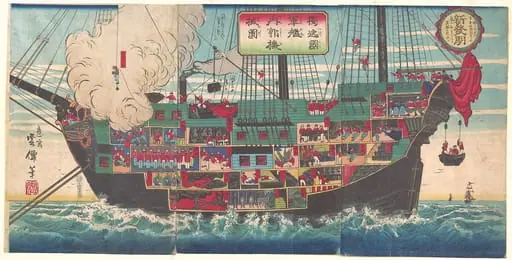 Doitsukokukan naibu kikai|The Interior Works of an Armed Japanese Battleship
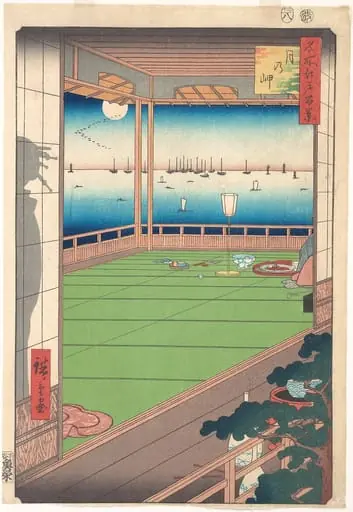 名所江戸百景 月の岬|Moon Viewing Point
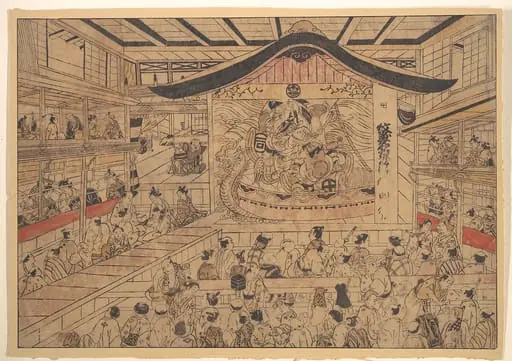 浮絵 「紋尽名古屋曽我」|Perpsective View (uki-e) of a Kabuki Theatre, with a Performance of The Crest Patterns of the Soga Brothers and Nagoya Sanza (Mon-zukushi Nagoya Soga)
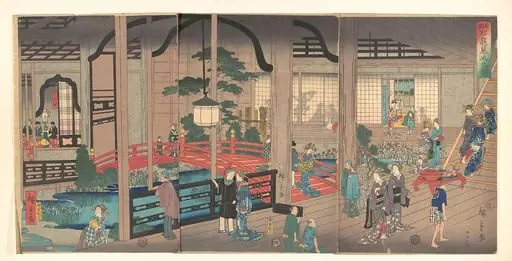 Yokohama Gankirō no zu|View of the Interior of the Gankirō Tea House in Yokohama
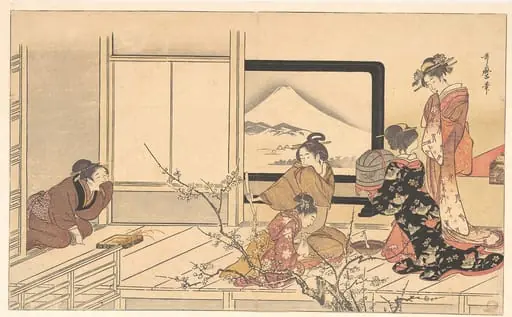 喜多川歌麿画 『男踏歌』 鶯の餌すり|“Preparing Food for the Warbler,” from the album Men’s Stamping Dance (Otoko dōka, uguisu no esa suri)
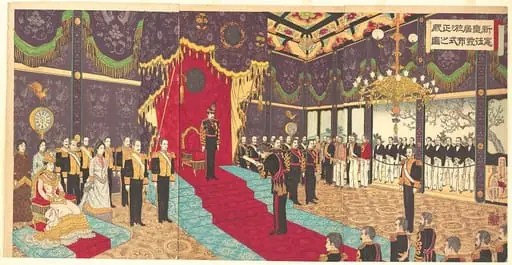 新皇居於テ正殿憲法発布式之図|Illustration of the Issuing of the State Constitution in the State Chamber of the New Imperial Palace (Shin kōkyo ni oite seiden kenpō happushiki no zu)
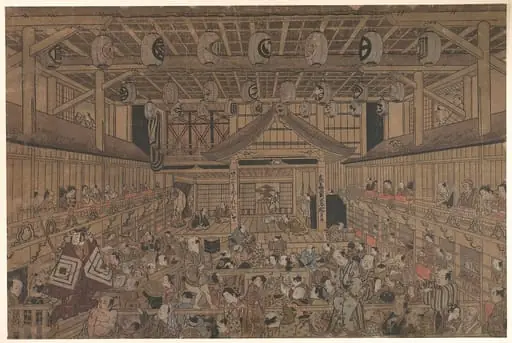 Untitled
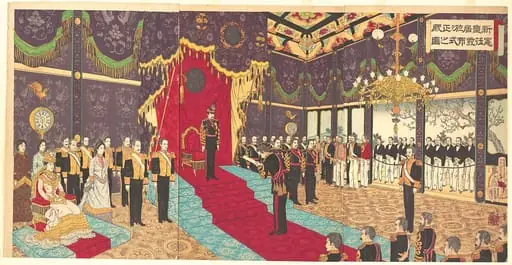 Shinkokyo Oite Seiden Kempo Happu no zu|View of the Issuance of the State Constitution in the State Chamber of the New Imperial Palace
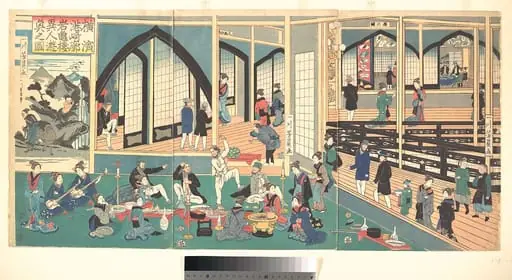 Untitled
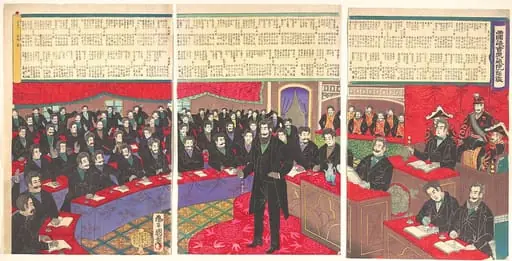 Untitled
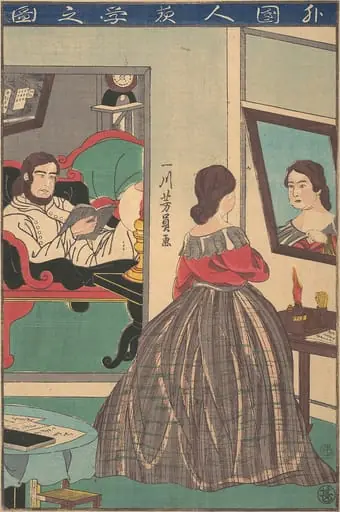 Gaikokujin yoru benkyo no zu|Foreigners Studying at Night
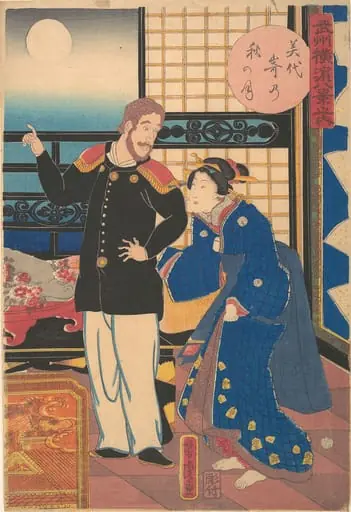 Miyozaki no shūgetsu|Autumn Moon at Miyozaki
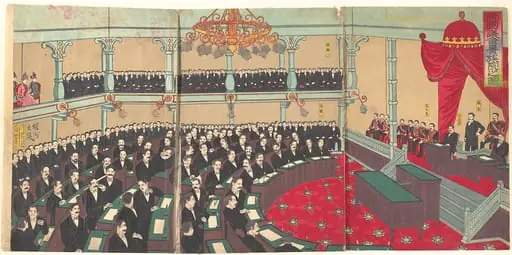 帝国議会貴族院之図|Illustration of The Imperial Assembly of the House of Peers (Teikoku gikai kizokuin no zu)
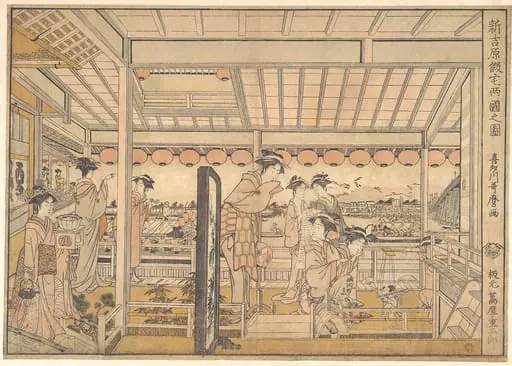 新吉原仮宅両国之図|Picture of the Temporary Lodgings of the New Yoshiwara Pleasure Quarter at Ryōgoku (Shin Yoshiwara Karitaku Ryogoku no zu)
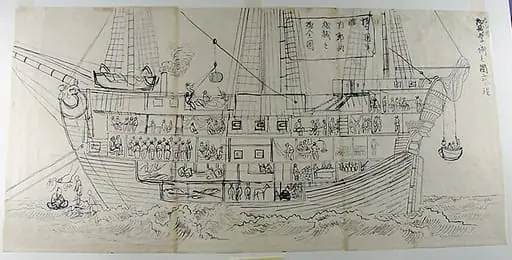 Untitled
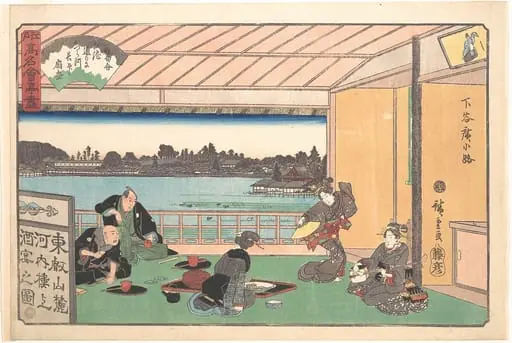 Shitaya Hirokōji (Oike)|江戸高名会亭尽 下谷広小路 河内楼|Teahouse at Hirokōji
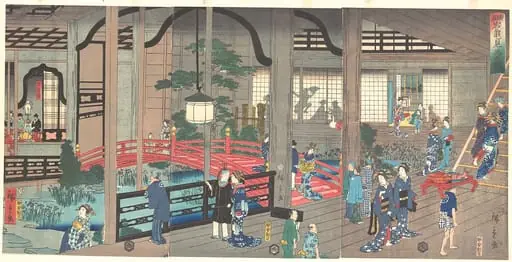 横浜 岩亀見込の図|The Interior of the Gankiro Tea House in Yokohama
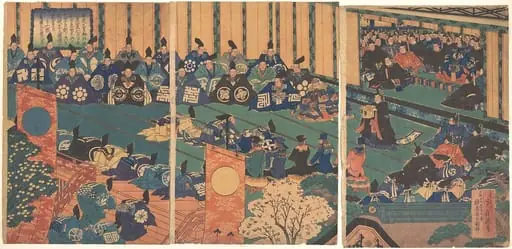 Untitled
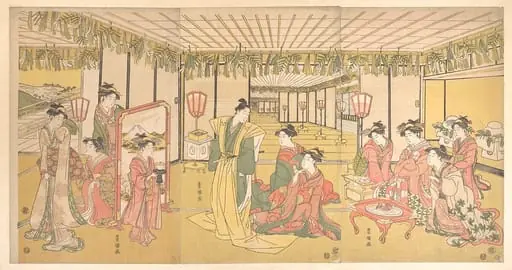 Untitled
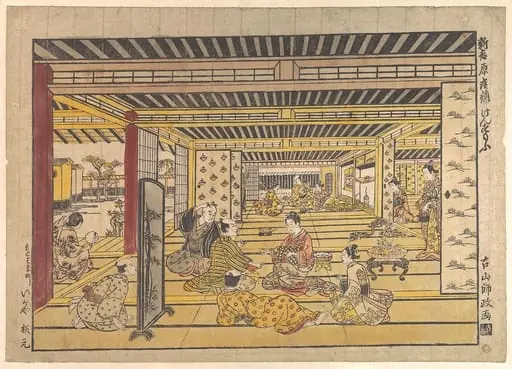 Untitled
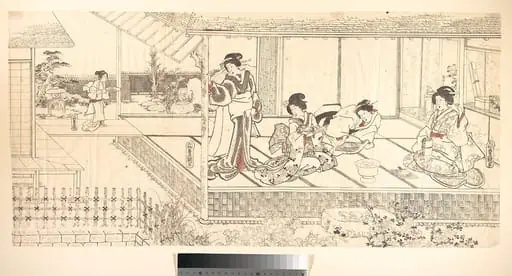 Untitled
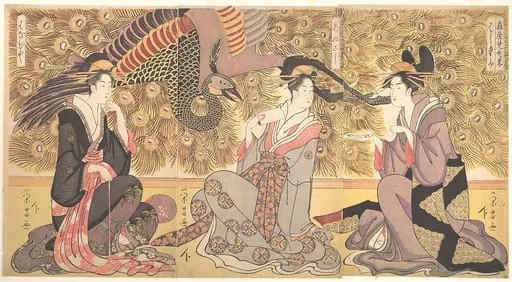 「扇屋昼見世畧」|Interior of the House called Ōgiya
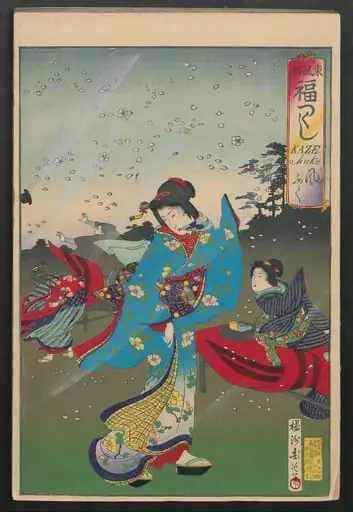 Untitled
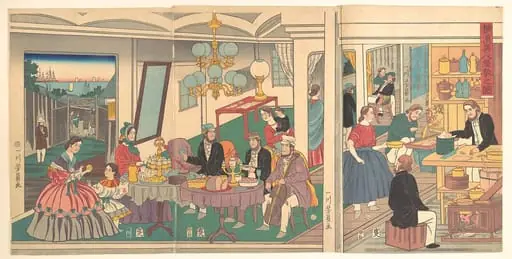 歌川芳員画 「横浜異人屋敷之圖」|A Foreign Residence in Yokohama
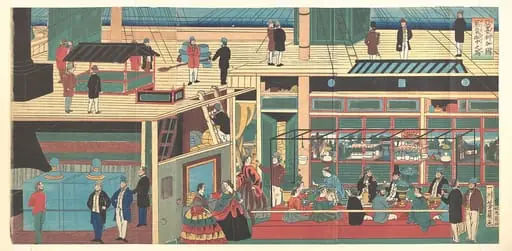 Amerika koku jōkisen naka no zu|Interior of an American Steamship
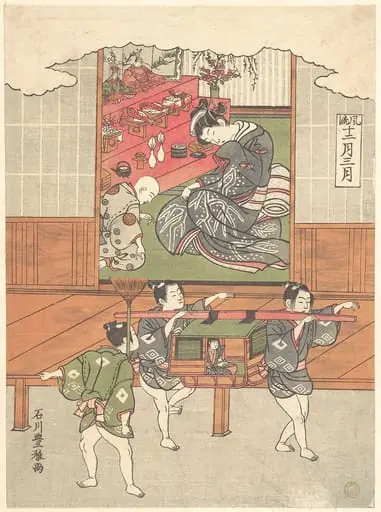 Hina no Sekku|The Festival of Dolls (Third Month)
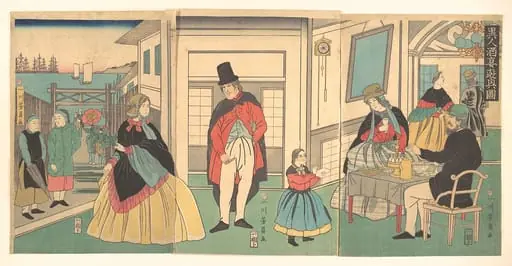 Untitled
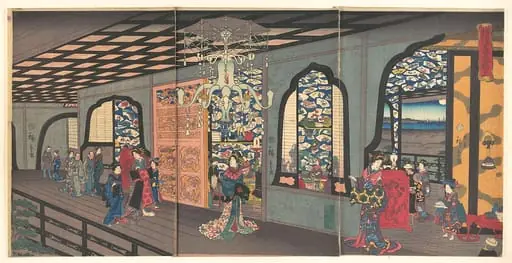 Yokohama Gankirō age|横浜岩亀楼上|Upper Floor of the Gankirō Tea House in Yokohama
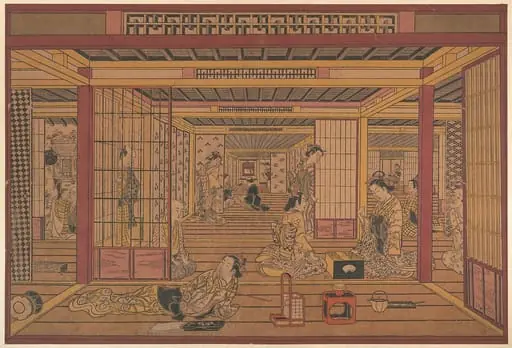 Untitled
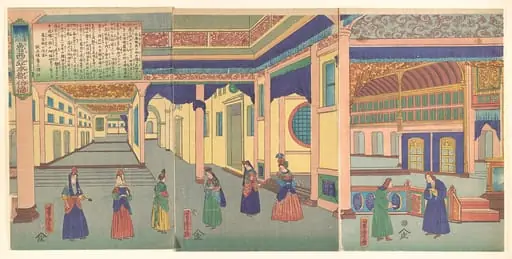 万国名勝尽競之内魯西亜本都伯徳|Heidoru (St. Petersberg), Capital of Russia, from the series Famous Places from All Nations (Bankoku meisho zukushi - Oroshiya miyako heidoru)
Frequently asked questions
What is Interior?
Interior is a subject in art. inside part of a three-dimensional object
How many Interior works does Artifact World Gallery have?
Artifact World Gallery holds 182 public-domain Interior works, all free to view and download.
Who are the key Interior artists?
Key Interior artists in the collection include Thomas Eakins, Edgar Degas and Jean Honoré Fragonard.
Where can I see Interior works?
Interior works in the collection are held by Metropolitan Museum of Art, Kunsthistorisches Museum and Bavarian State Painting Collections.