Artwork
Actualitès: Ha hé Felix! arrive donc vite!
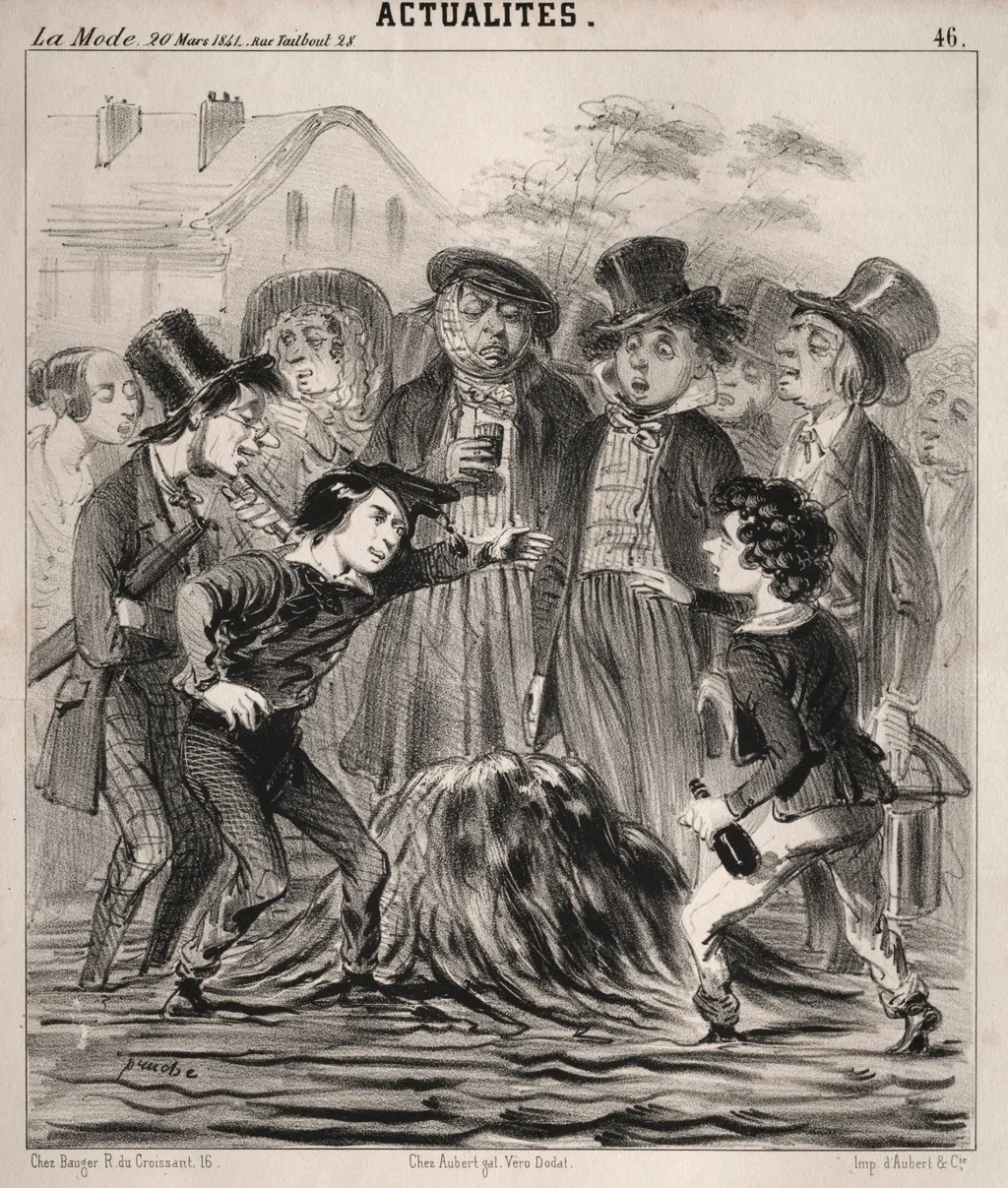
Actualitès: Ha hé Felix! arrive donc vite! is a print by the Romanticist artist Clémente Pruche. It dates from 1841 and is held in the collection of the Cleveland Museum of Art.
- Accession no.
- 1943.505
- Credit line
- Gift of Milton S. Fox
About this work
Overview
Created in 1841 by Clémente Pruche, this print captures a fleeting urban moment in Parisian life. Rendered in ink with rapid, expressive lines, it depicts a public disturbance centered on a fallen dog. The work belongs to the collection of The Cleveland Museum of Art and reflects the era’s interest in everyday scenes, rendered with theatrical energy rather than formal precision.
Subject & Meaning
The title, a colloquial exclamation, suggests humor or melodrama, implying the incident is being exaggerated for effect.
The scene portrays a crowd reacting to a dog lying motionless on the street, with one man gesturing urgently toward it. The title, a colloquial exclamation, suggests humor or melodrama, implying the incident is being exaggerated for effect. The focus on spontaneous human reactions, rather than narrative clarity, points to a satirical or journalistic intent, common in illustrated periodicals of the time.
Technique & Style
Pruche employed loose, gestural ink lines to convey motion and emotional intensity. Facial expressions and body postures are simplified but sharply defined, emphasizing immediacy over detail. The background is minimally suggested, with faint outlines of buildings and a bridge, allowing the crowd’s dynamics to dominate. This sketch-like approach aligns with journalistic illustration practices of the 1840s.
History & Provenance
The print was produced during a period of growing illustrated press in France, where such scenes were reproduced for broad audiences. It entered the Cleveland Museum of Art’s collection through documented acquisitions in the 20th century. No earlier provenance is publicly recorded, but its style suggests it may have originally appeared in a periodical or broadsheet.
Context
Emerging in the wake of the July Monarchy, this work reflects a cultural shift toward documenting public life with wit and immediacy. Similar imagery appeared in satirical journals like La Caricature, where artists blended observation with humor. The emphasis on crowd psychology and urban chaos aligns with broader Romantic-era interests in emotion and the transient nature of modern experience.
Legacy
Though not widely known today, the print exemplifies a genre of 19th-century graphic reporting that influenced later cartooning and photojournalism. Its informal style and focus on fleeting human behavior prefigure modern visual storytelling. It remains a modest but telling artifact of how ordinary events were interpreted and circulated in pre-photographic media.
Own this work as a print
Artist & collection

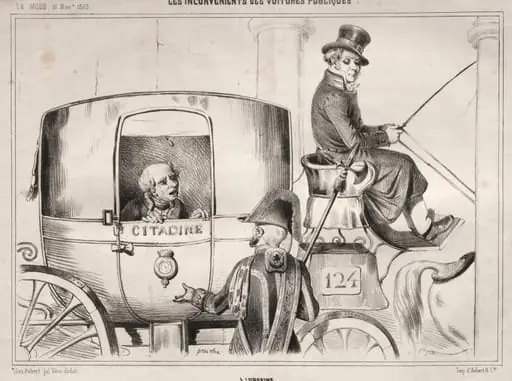 Actualités: Les Inconvénients des voitures publique: L'Urbaine
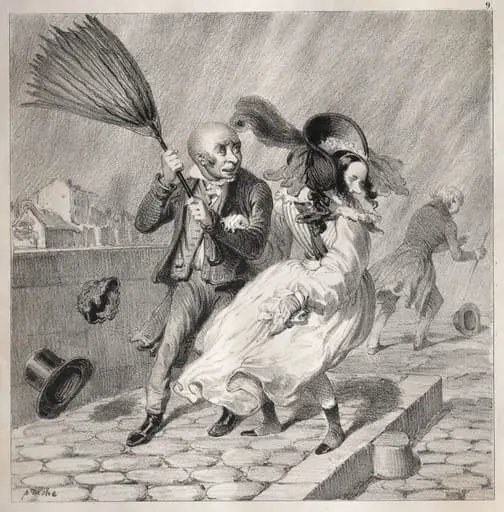 Bambochades: Vois-tu que mon baromêtre est au beau!...c'est un riche temps pour les biens de la terre!!!
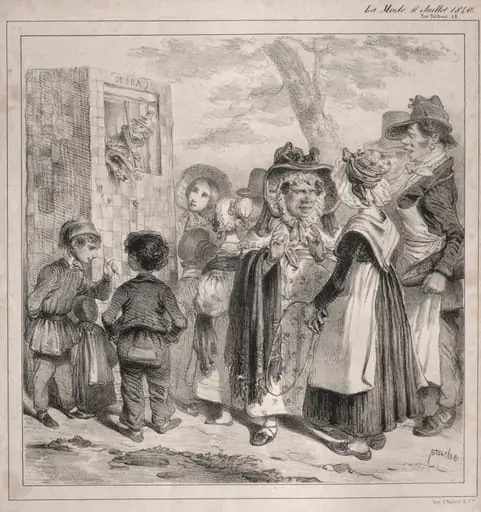 Voyez-vous ma Chère! c'est la police qui fait jouer ces polichinels là, pour détourner l'attention...
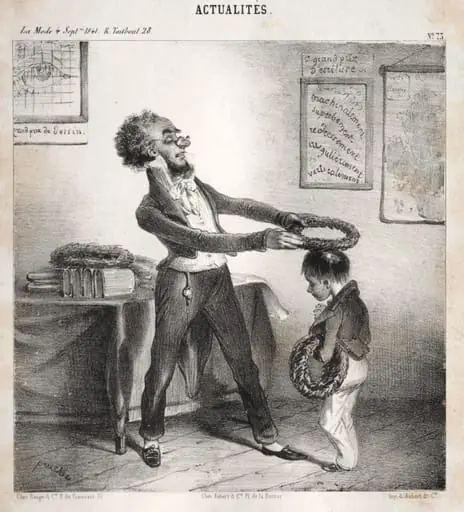 Actualités: Les distributions de Prix
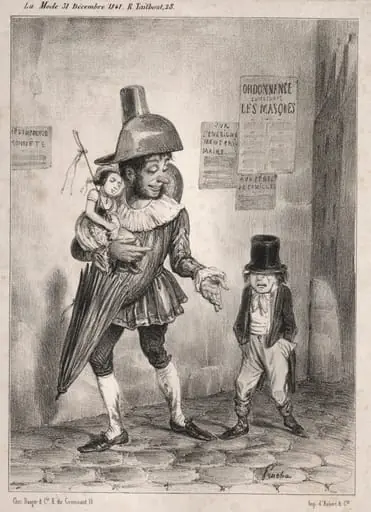 Pochades de carnaval: Vois-tu, si ton maître est bien content de toi et si tu as le prix de sagesse cette année! je te laisserai deguiser en paillasse! ...l'année prochaine!!
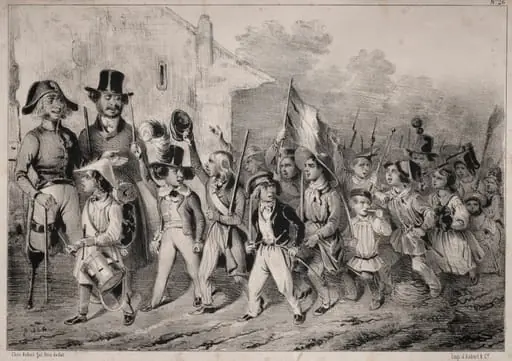 Actualités: Bon! Les moutards en veulent sussi! quand on parle de guerre! comme toute ca prend feu! ... On voit que c'est de la plante indigène!... ca promet!!
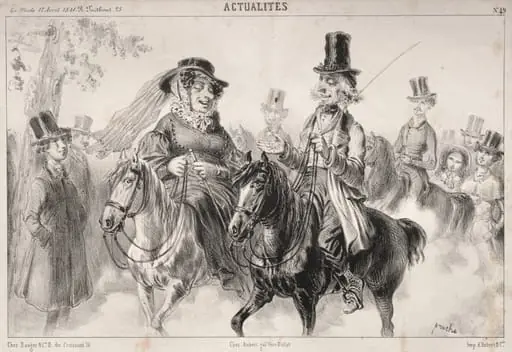 Actualités: Dis donc Madame Miroton il paraitrait que c'est nous qui donnons le ton à Longchamps cette année....
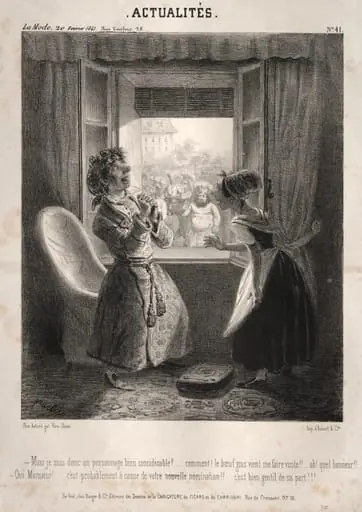 Actualités: ---Mais je suis donc un personnage bien considerable?
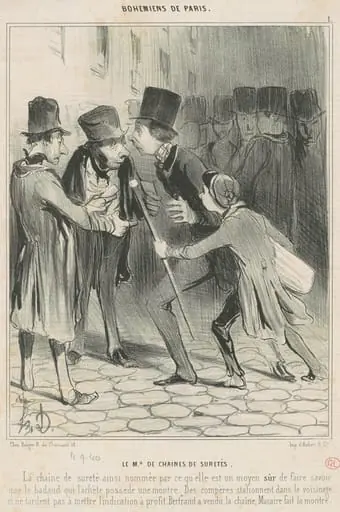 Le Md de Chaines de suretés
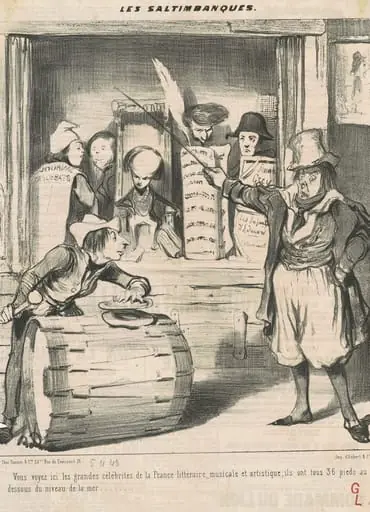 Vous yoyez ici les grandes célébrités...
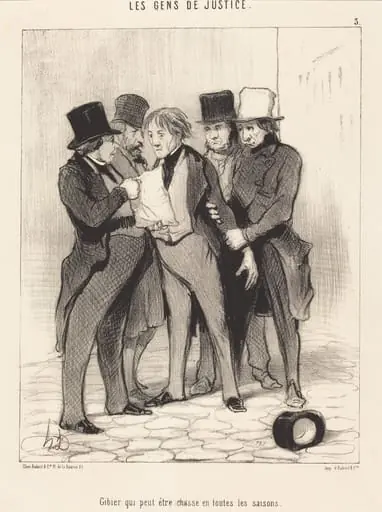 Gibier qui peut être chassé en toutes les saisons
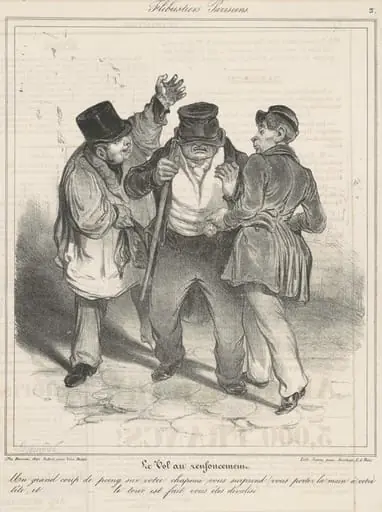 Le vol au renfoncement
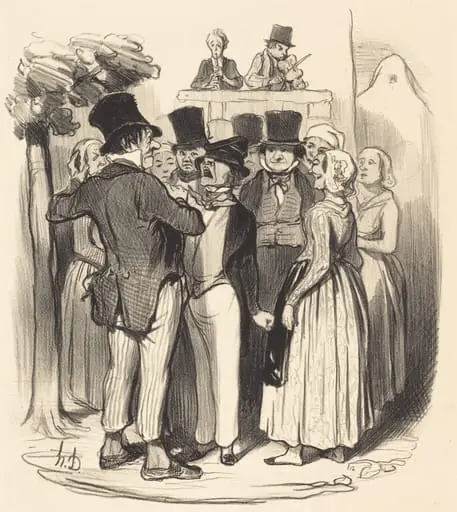 Ah! Gringalet d'Paris... tu viendras faire danser...
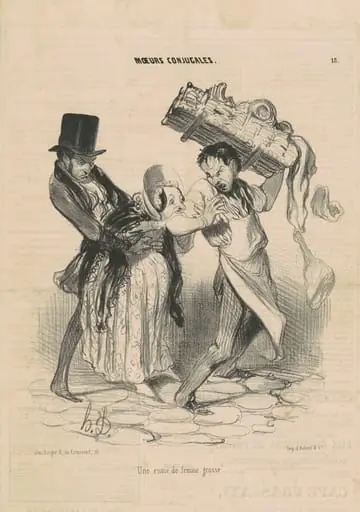 Une envie de femme grosse
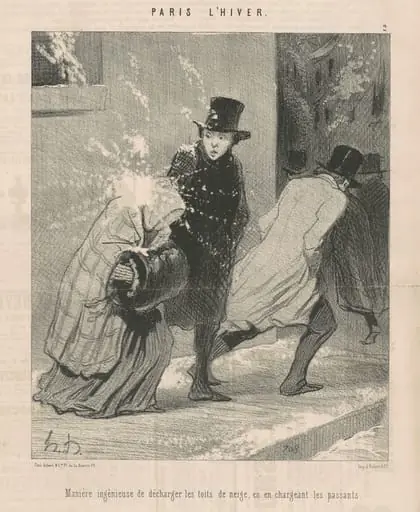 Manière ingénieuse de décharger les toites ...
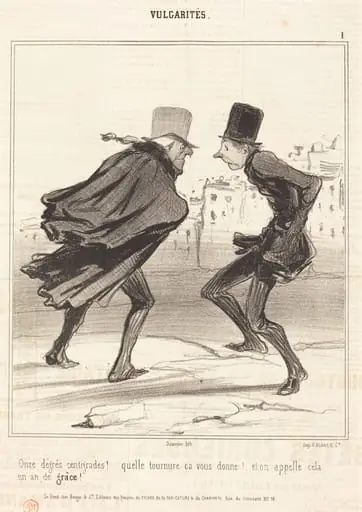 Onze degrés centigrades!
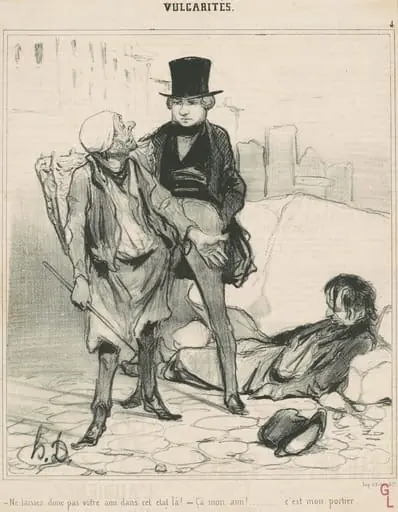 Ne laissez donc pas votre ami dans cet état la!
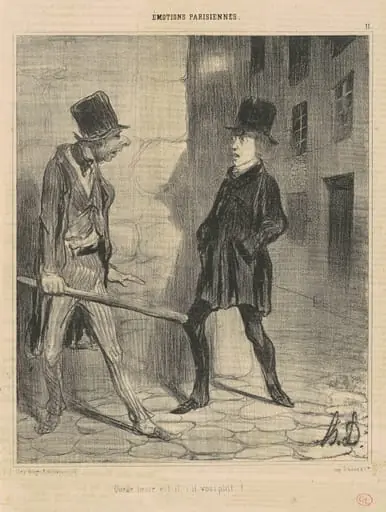 Quelle heure est'il, s'il vous plait?...
- Eh!... Eh!... mais il parait que...