Movement
Romanticism
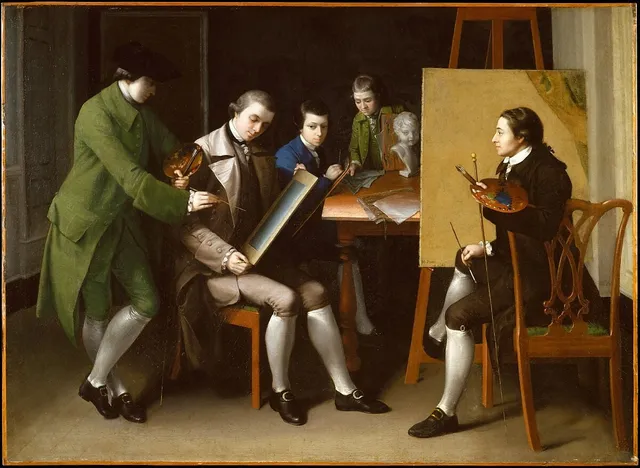
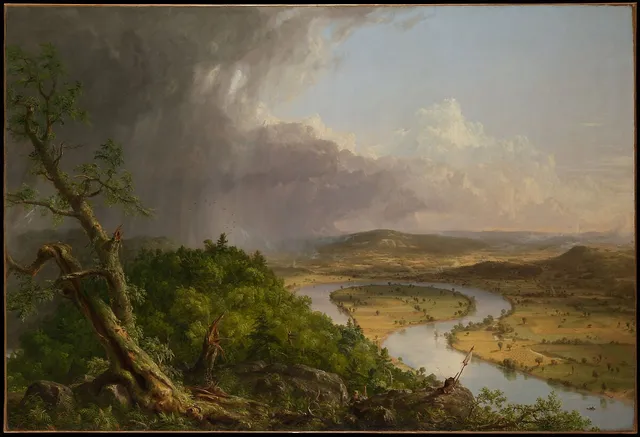
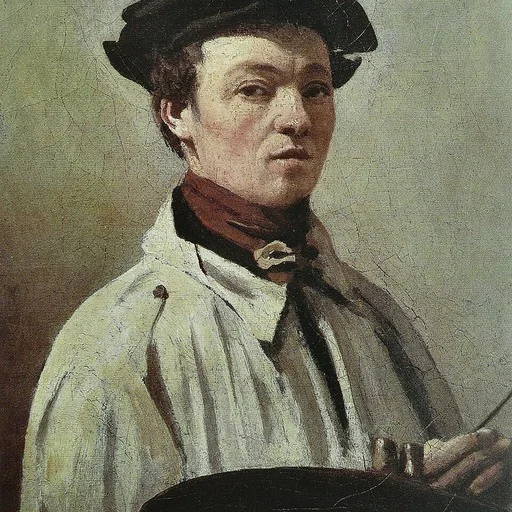
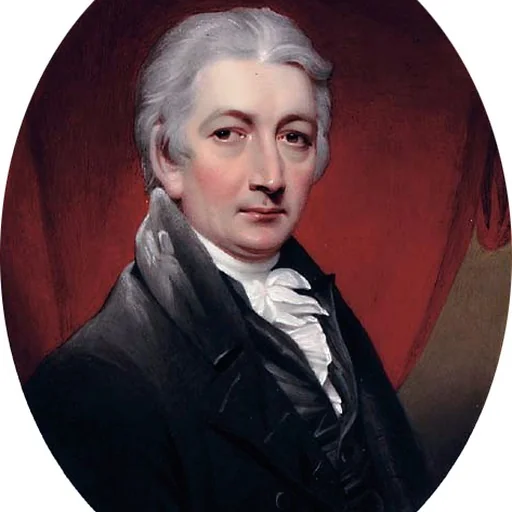
Romanticism is an art movement of the 1800–1900 period. The gallery holds 25,594 works in this movement, including works by Jean Baptiste Camille Corot, Thomas Cole and Henry Bone. Browse Romanticism paintings, portraits, pictures and artworks from the world's public-domain museum collections.
Romanticism was an artistic, literary, musical, and intellectual movement that swept across Europe from the late eighteenth century, reaching its height between roughly 1800 and 1850. It emerged in Germany, Britain, and France as a reaction against the rationalism of the Enlightenment and the cool, disciplined ideals of Neoclassicism, then dominant under painters such as Jacques-Louis David. Shaped by the upheavals of the French Revolution and the Napoleonic Wars, Romantic artists prized emotion, imagination, and individual experience over order and reason, seeking deeper truths in nature, the past, and the inner life.
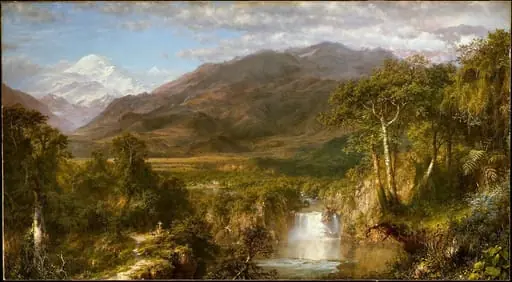
Visually, Romanticism is defined by emotional intensity and the pursuit of the sublime—nature in its most awe-inspiring, untamed, and overwhelming forms. Painters favoured dramatic compositions, turbulent skies, vivid colour, and loose, expressive brushwork over the polished line and contained spaces of their Neoclassical predecessors. Storms, ruins, shipwrecks, and solitary figures dwarfed by vast landscapes recur throughout, as do exotic subjects drawn from North Africa and the so-called Orient. Light and atmosphere became expressive ends in themselves rather than mere description.
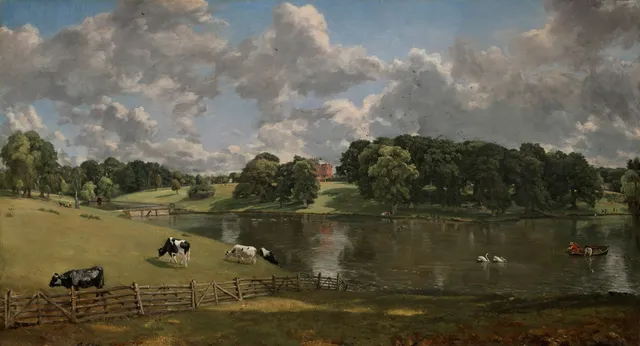
The movement's canonical figures span several national schools. In France, Théodore Géricault's monumental *Raft of the Medusa* (1818–19) and Eugène Delacroix's *Liberty Leading the People* (1830) fused contemporary tragedy and political fervour with surging drama. In Germany, Caspar David Friedrich painted contemplative, spiritually charged landscapes such as *Wanderer above the Sea of Fog* (1818). In Britain, J. M. W. Turner—"the painter of light"—and John Constable transformed landscape through direct observation, the latter represented in our collection by *Wivenhoe Park, Essex* (1816), painted on the spot. In America, Thomas Cole founded the Hudson River School; his *View from Mount Holyoke … The Oxbow* (1836) contrasts wilderness and cultivated land in a meditation on a changing continent. Spain's Francisco Goya stands as a darker, prophetic forerunner.
Romanticism reshaped Western art's sense of what painting could express. It grew out of an earlier Pre-Romantic sensibility, defined itself against Neoclassicism, and in turn gave way to Realism, whose attention to ordinary life it helped prepare, while its emphasis on subjective vision fed later Symbolism and even Impressionism. Its elevation of feeling, nature, and the imagination remains among the most enduring legacies in modern art.
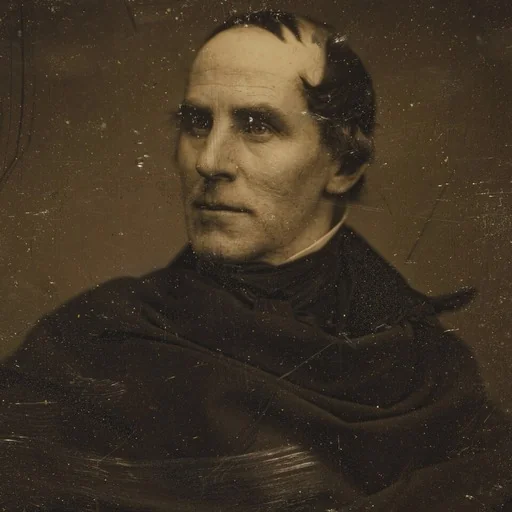
Key artists
Works
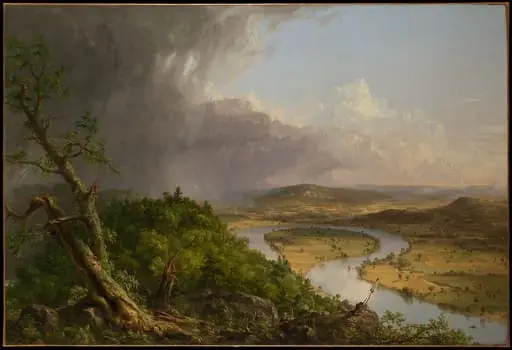 View from Mount Holyoke, Northampton, Massachusetts, after a Thunderstorm—The Oxbow
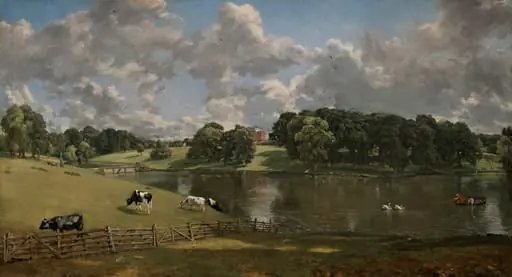 Wivenhoe Park, Essex
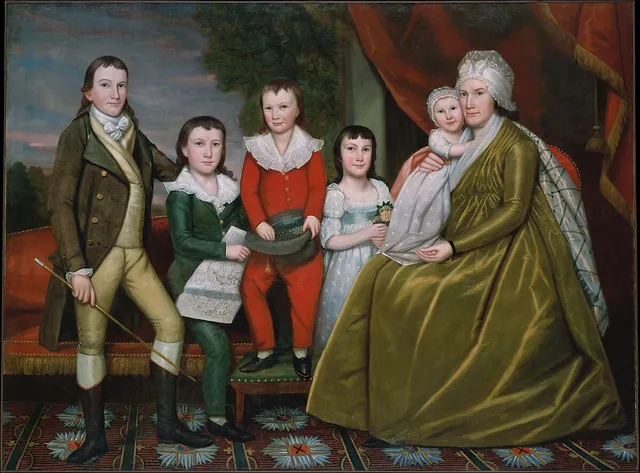
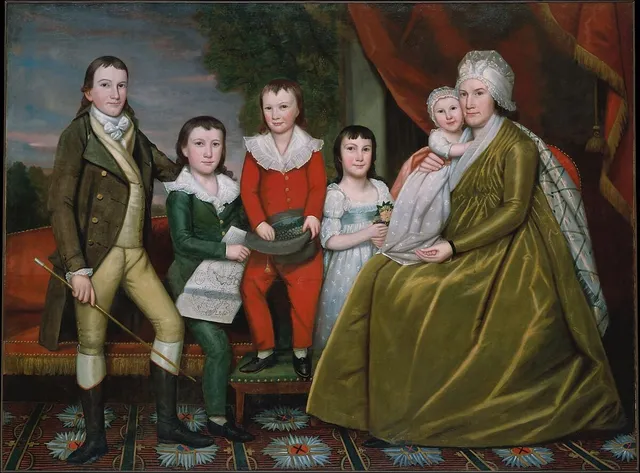
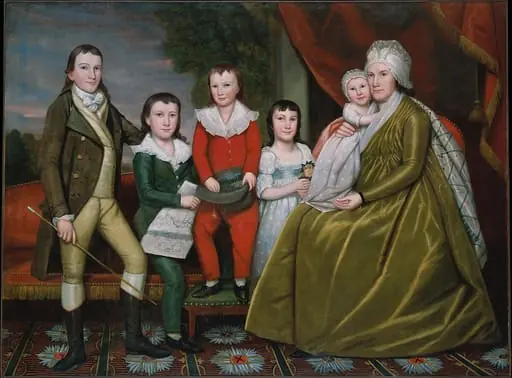 Mrs. Noah Smith and Her Children
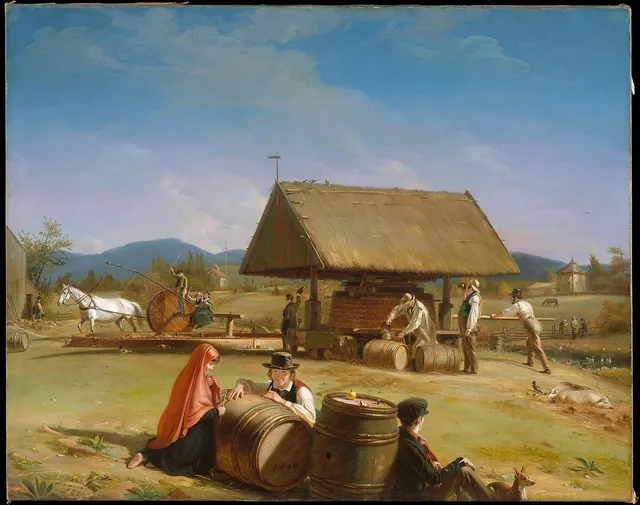
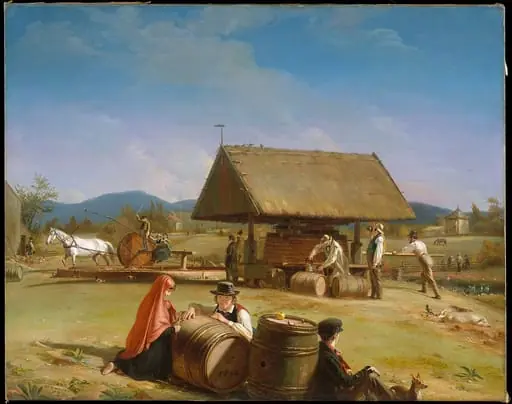 Cider Making
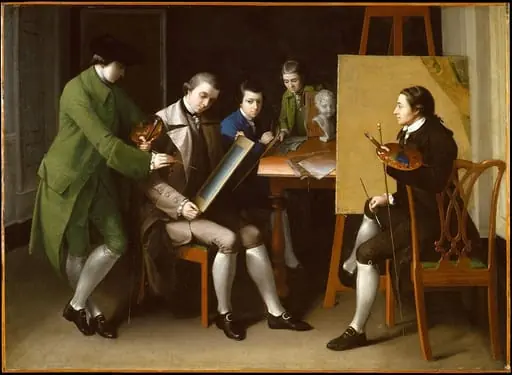 The American School
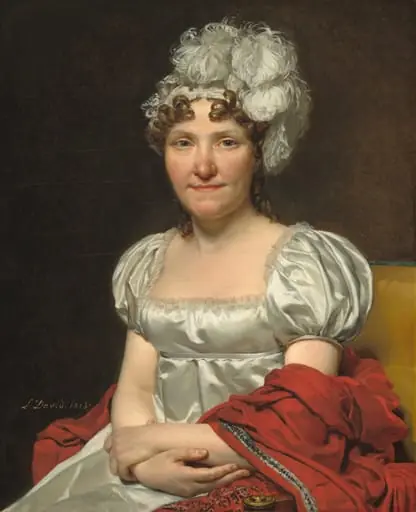 Madame David
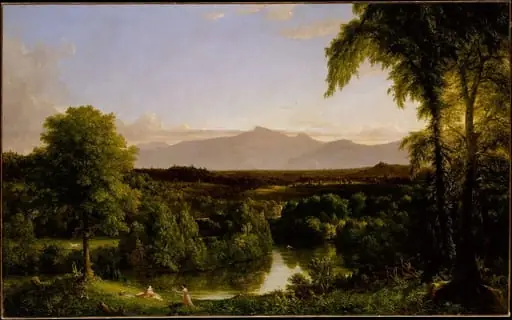 View on the Catskill—Early Autumn
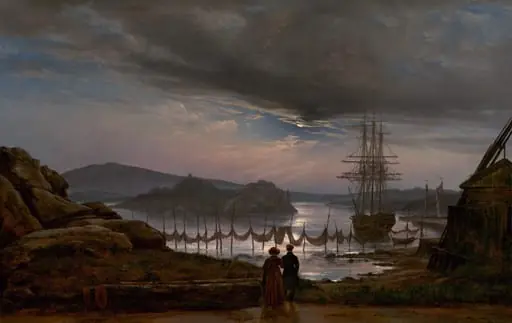 View from Vaekero near Christiania
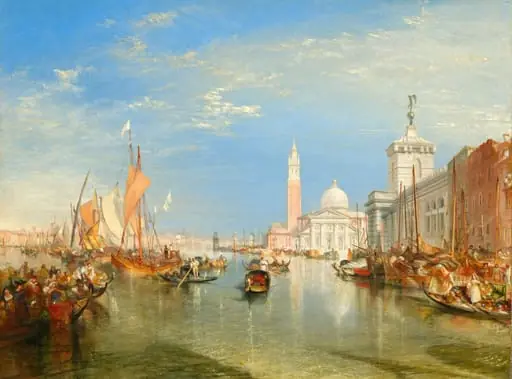 Venice: The Dogana and San Giorgio Maggiore
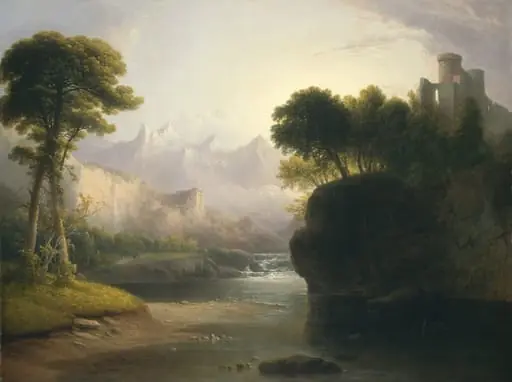 Fanciful Landscape
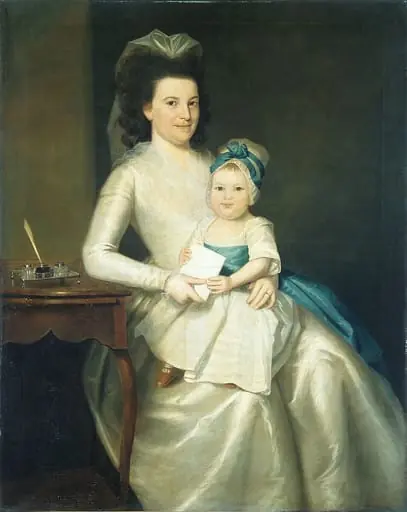 Lady Williams and Child
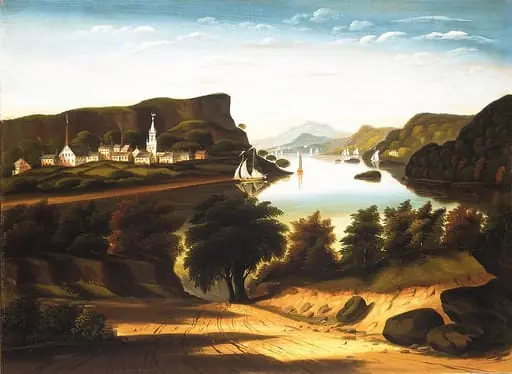 Lake George and the Village of Caldwell
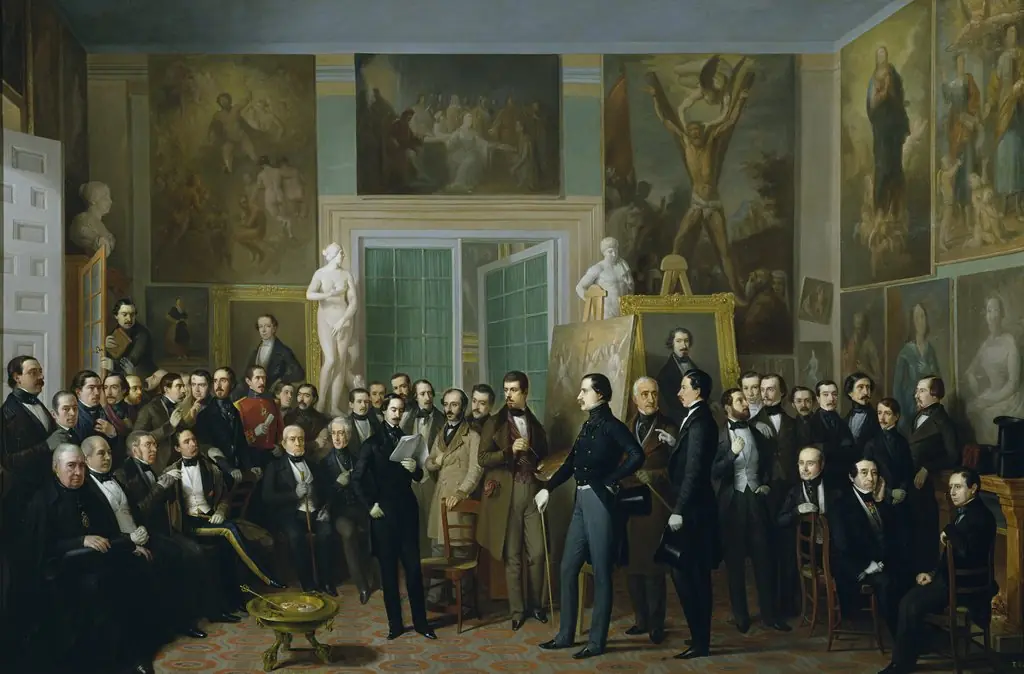 The Contemporary Poets. A Reading of Zorrilla in the Artist's Studio
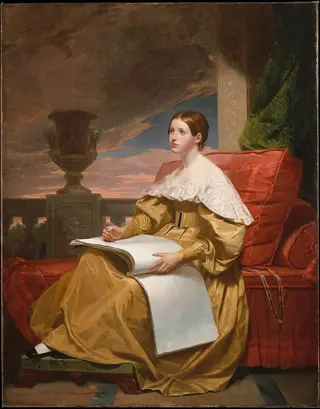 Susan Walker Morse (The Muse)
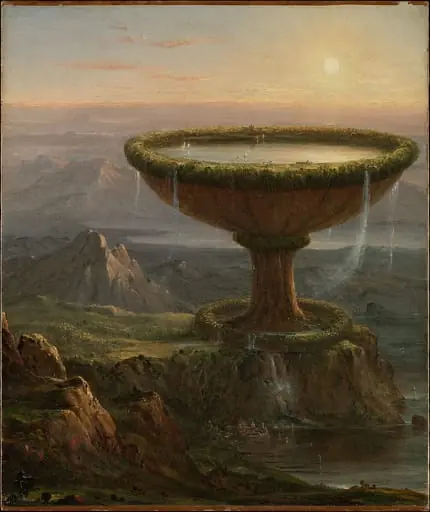 The Titan's Goblet
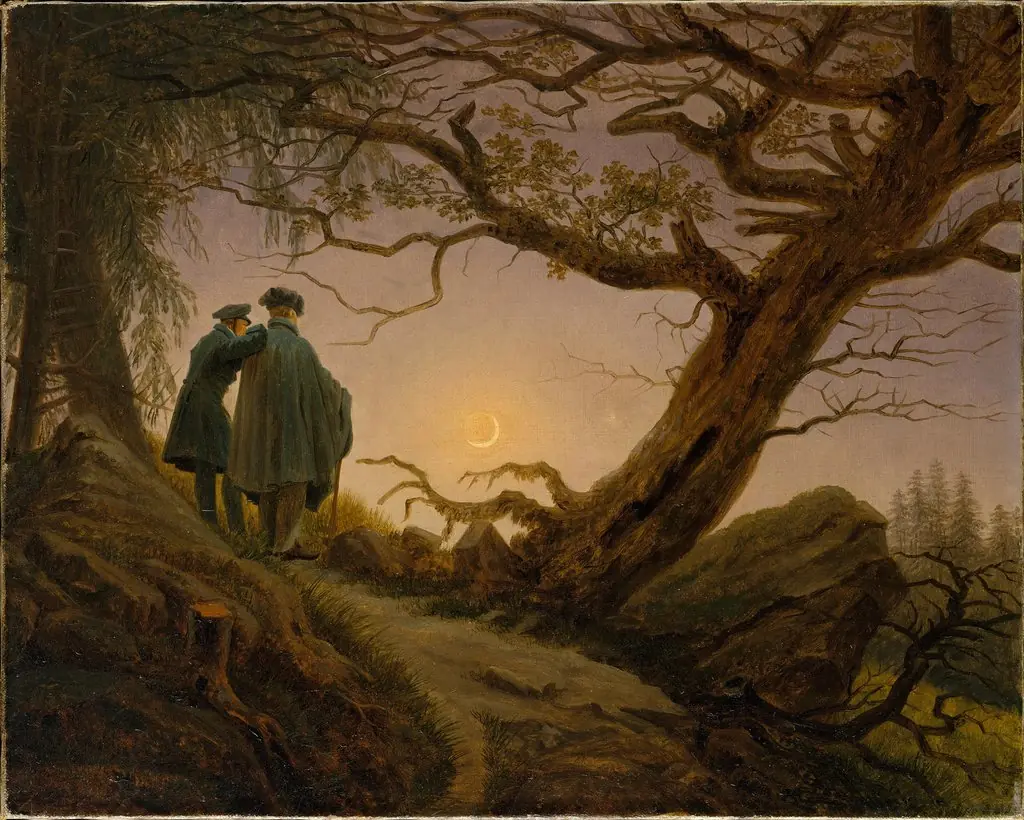 Two men contemplating the Moon
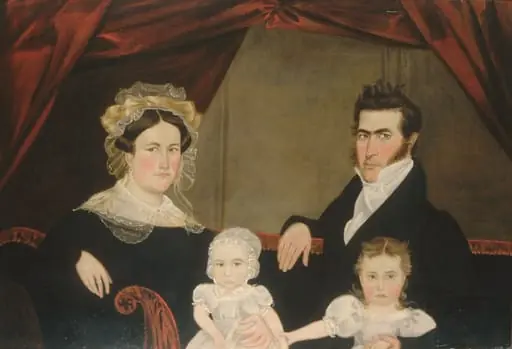 Family Group of Four on Sofa
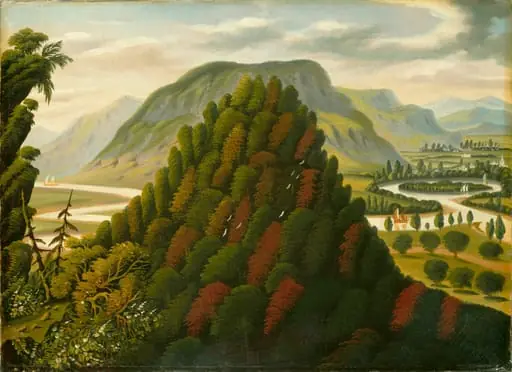 The Connecticut Valley
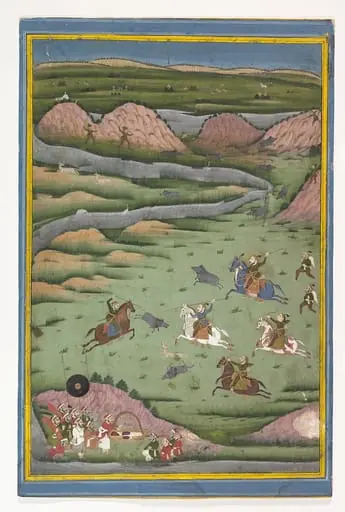 Untitled
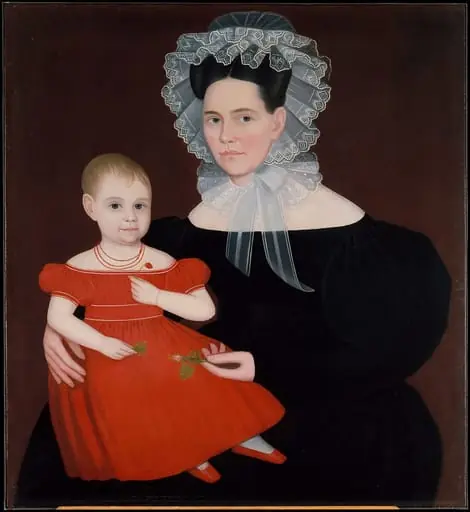 Mrs. Mayer and Daughter
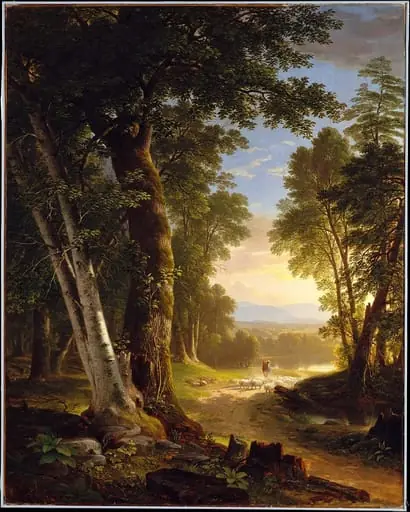 The Beeches
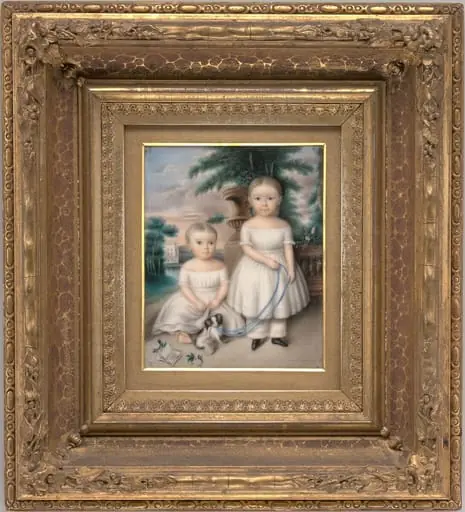 Watson Van Benthuysen II and Thomas Van Benthuysen
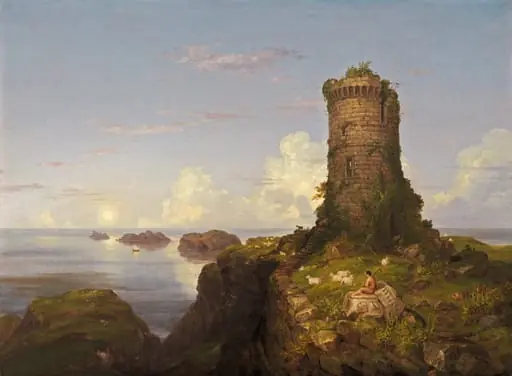 Italian Coast Scene with Ruined Tower
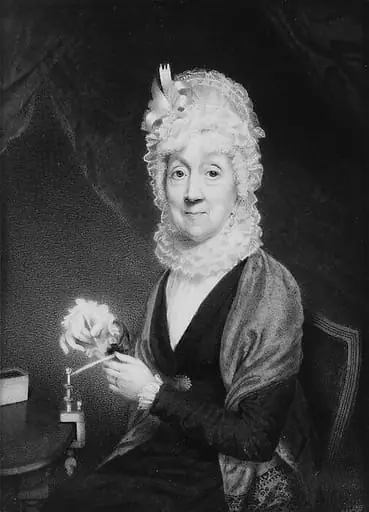 Portrait of a Lady
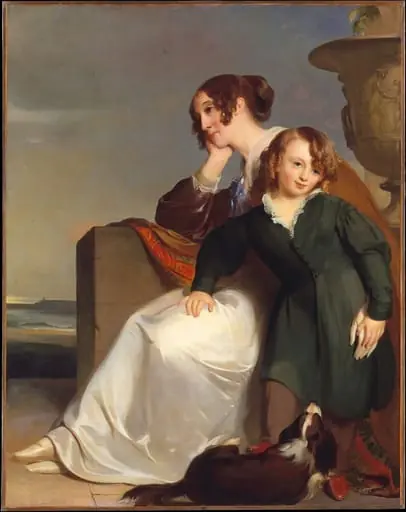 Mother and Son
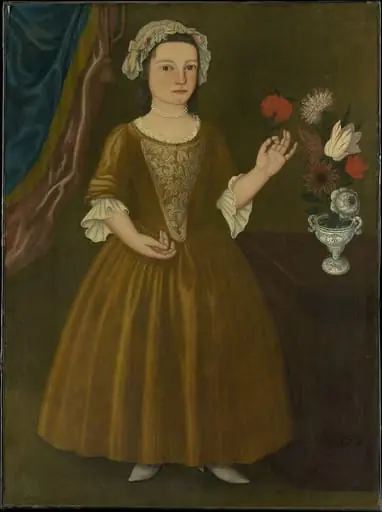 Catherina Elmendorf
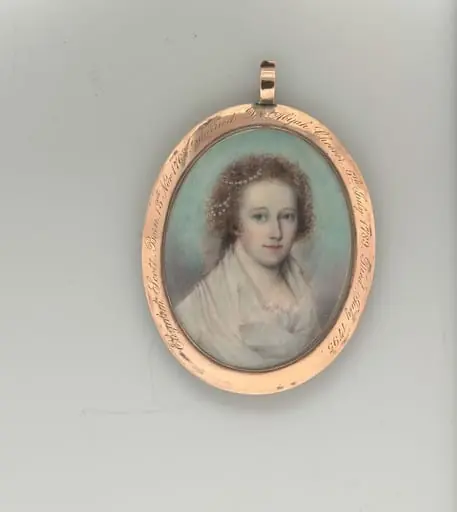 Mrs. Abijah Cheever (Elizabeth Scott)
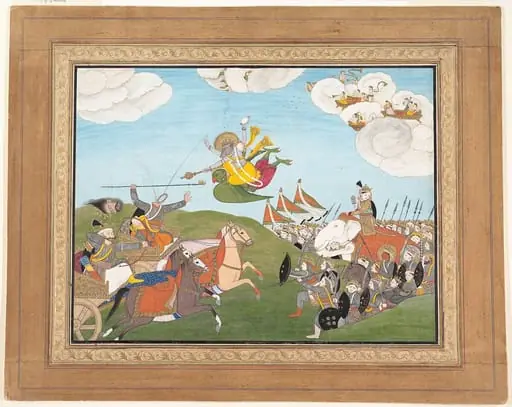 Untitled
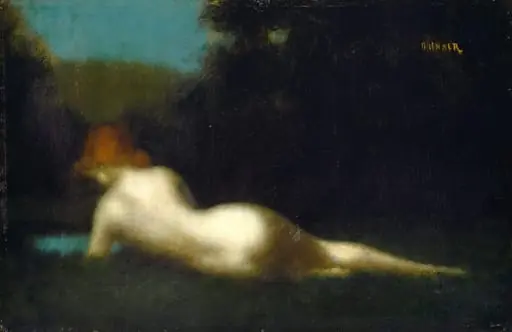 Reclining Nude
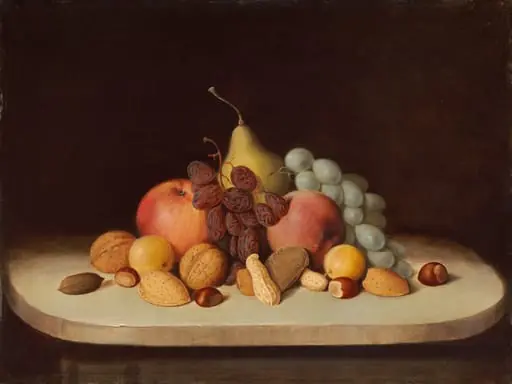 Still Life with Fruit and Nuts
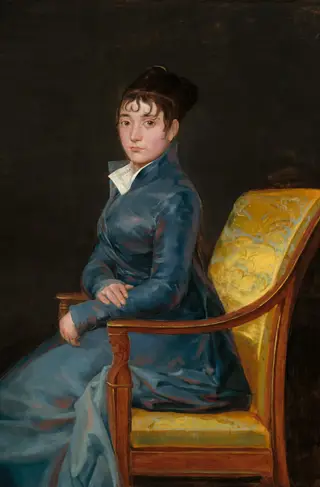 Thérèse Louise de Sureda
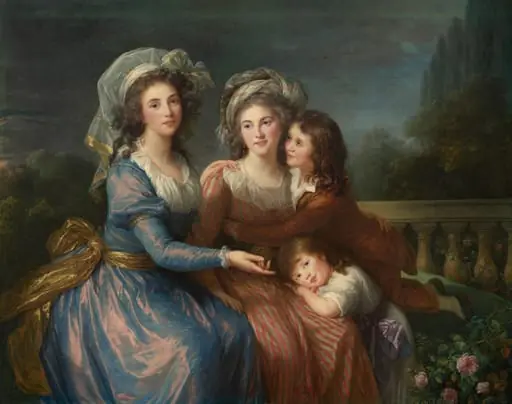 The Marquise de Pezay, and the Marquise de Rougé with Her Sons Alexis and Adrien
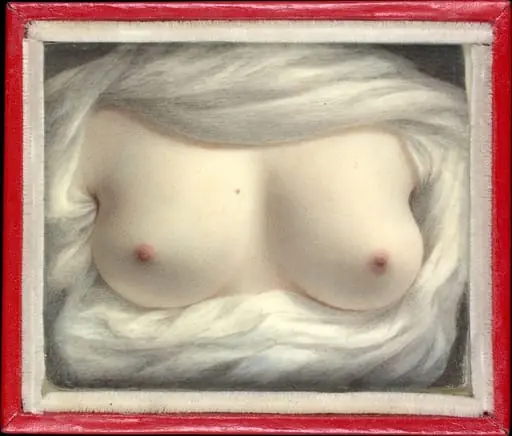 Beauty Revealed
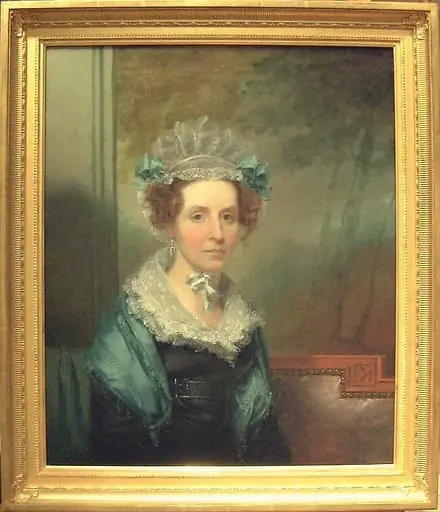 Mrs. Charles Cummings (Rebecca Pittard)
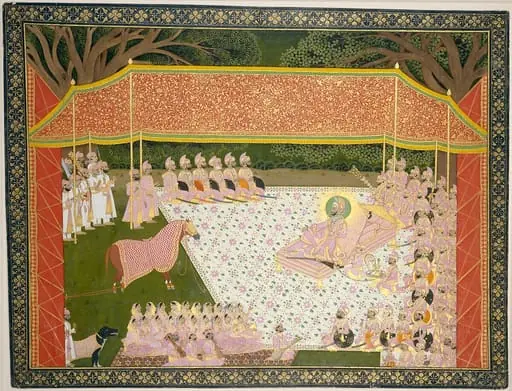 Untitled
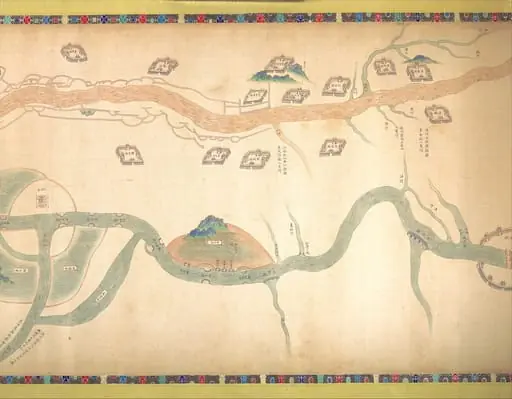 清 佚名 大運河地圖 (從北京至長江) 卷|Map of the Grand Canal from Beijing to the Yangzi River
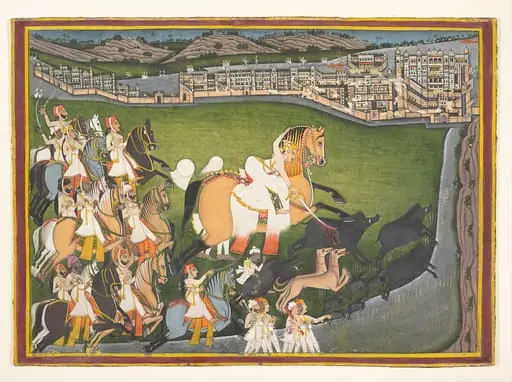 Untitled
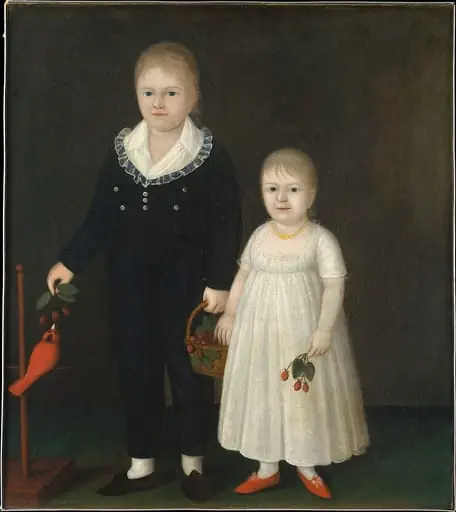 Edward and Sarah Rutter
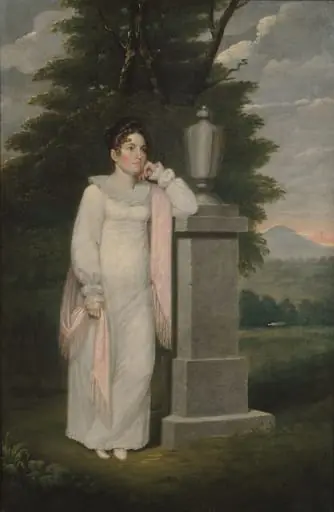 Mrs. Cephas Thompson (Olivia Leonard)
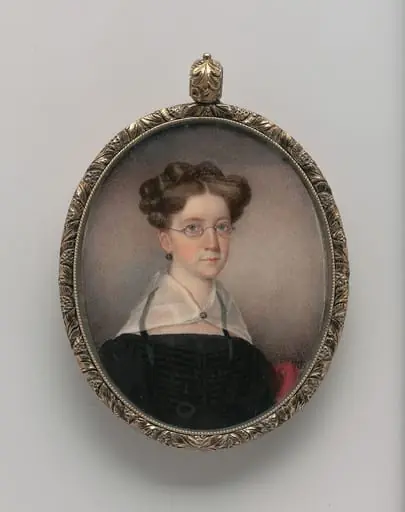 Portrait of a Lady
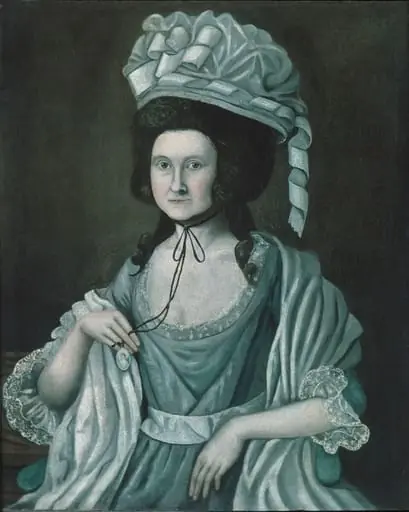 Sally Sanford Perit
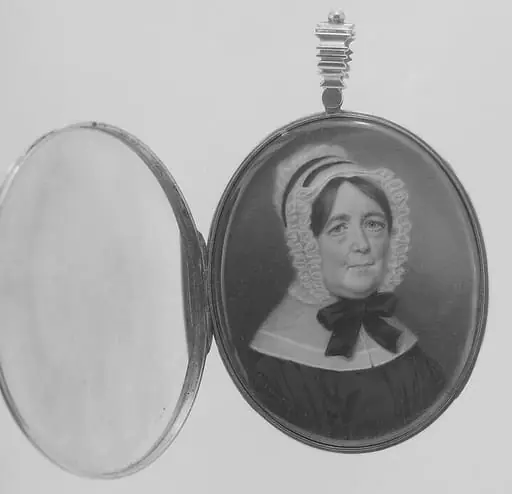 Mrs. A. Otis
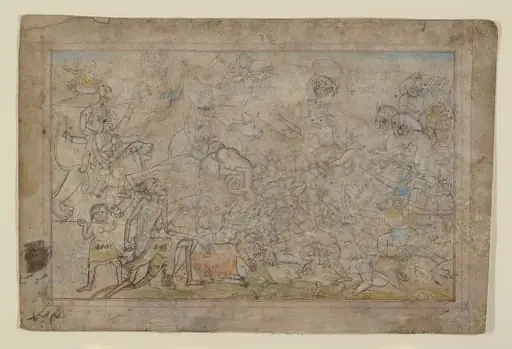 Untitled
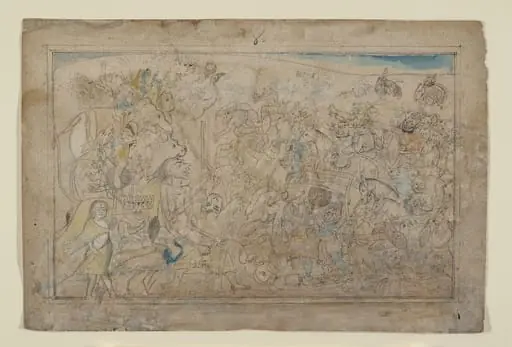 Untitled
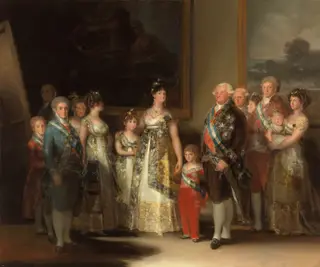 Charles IV of Spain and His Family
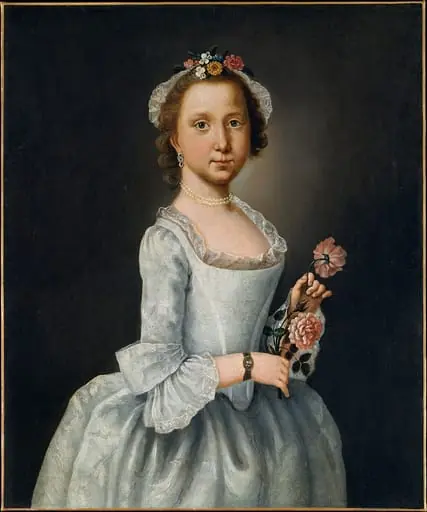 Portrait of a Lady
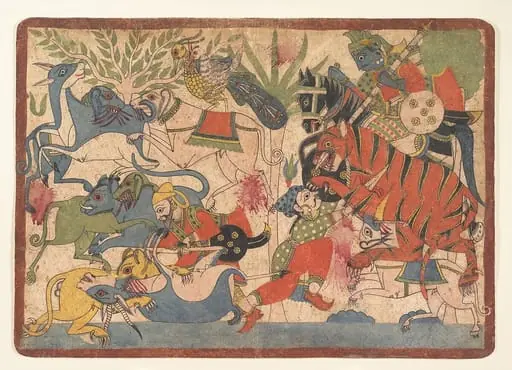 Untitled
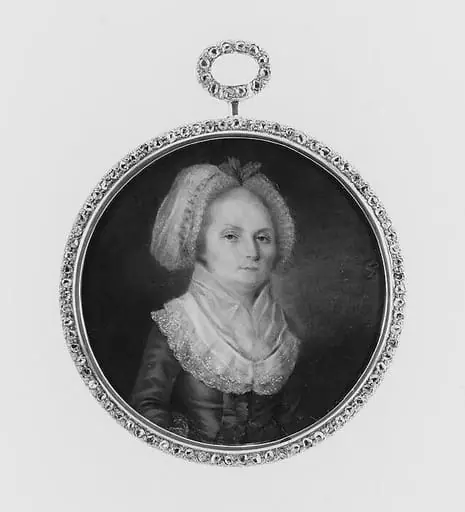 Portrait of a Lady
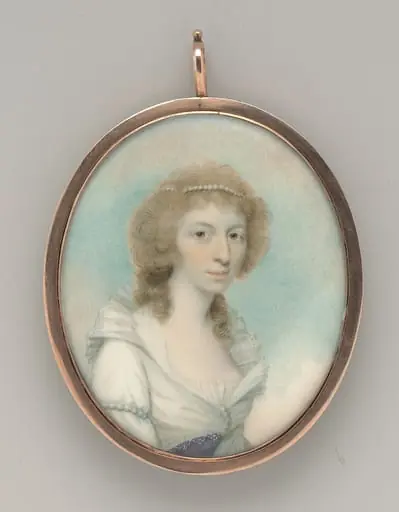 Mrs. Gabriel Manigault (Margaret Izard)
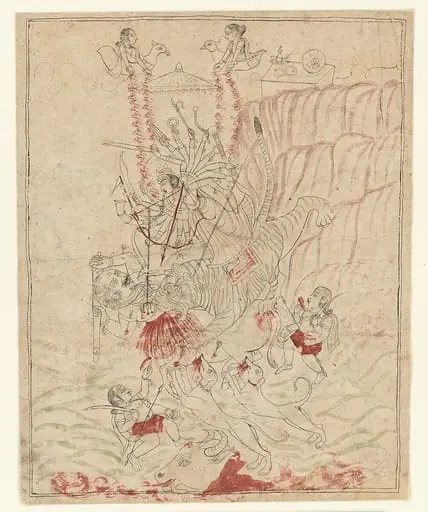 Untitled
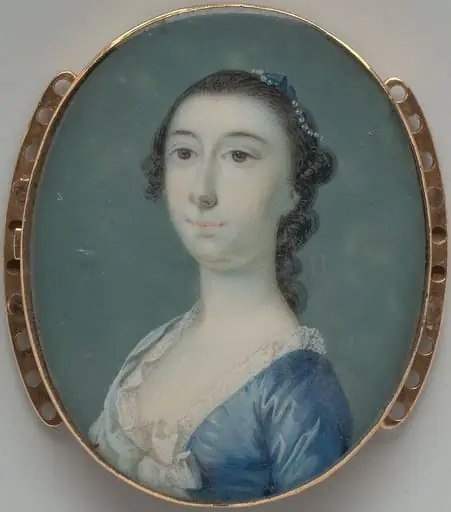 Mrs. Jacob Motte (Rebecca Brewton)
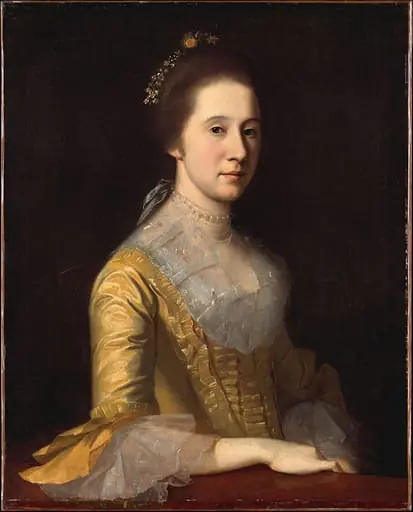 Margaret Strachan (Mrs. Thomas Harwood)
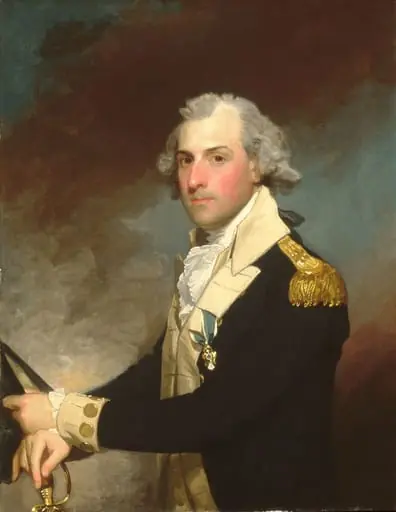 Matthew Clarkson
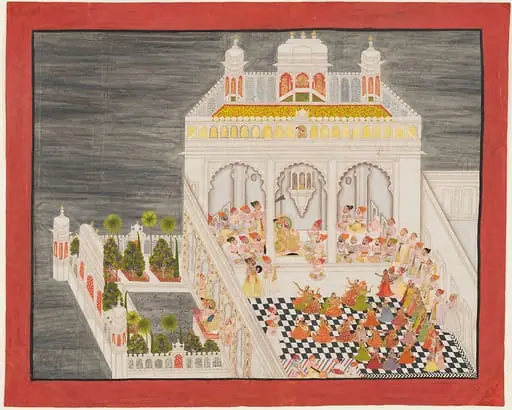 Untitled
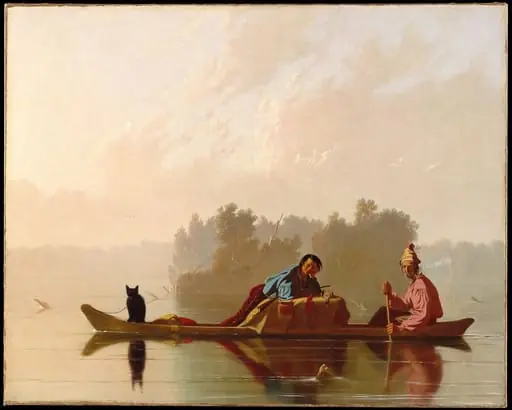 Fur Traders Descending the Missouri
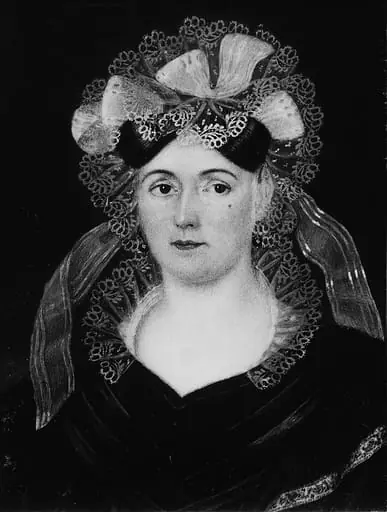 Self portrait
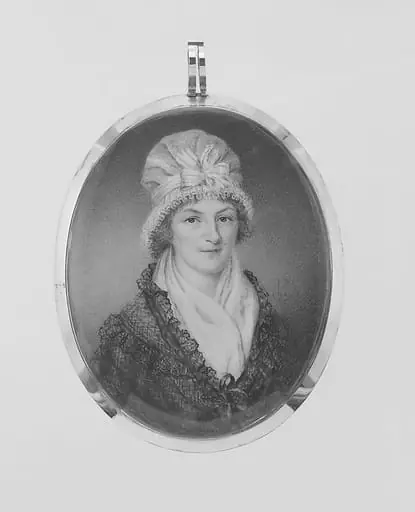 Mrs. Joseph Cooper (Mary Justice)
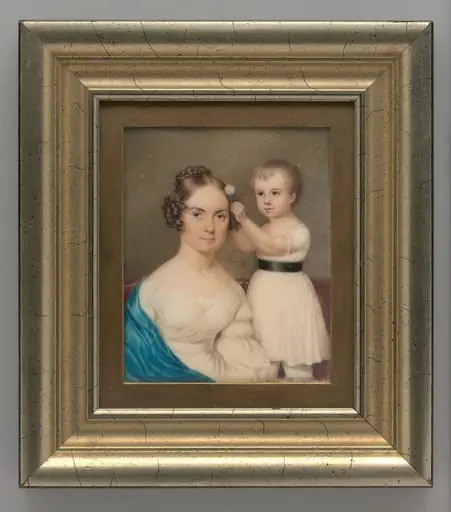 Mrs. William Gordon Ver Planck and Her Son Samuel Hopkins Ver Planck
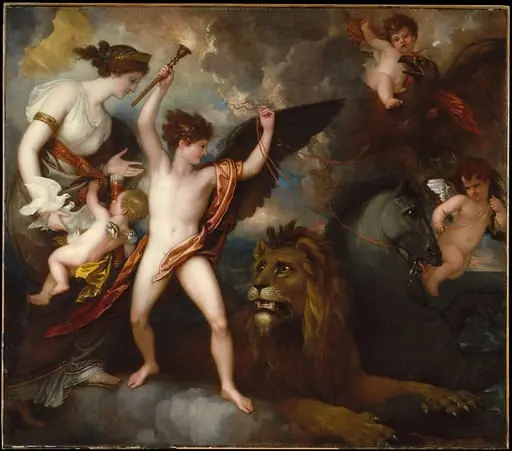 Omnia Vincit Amor, or The Power of Love in the Three Elements
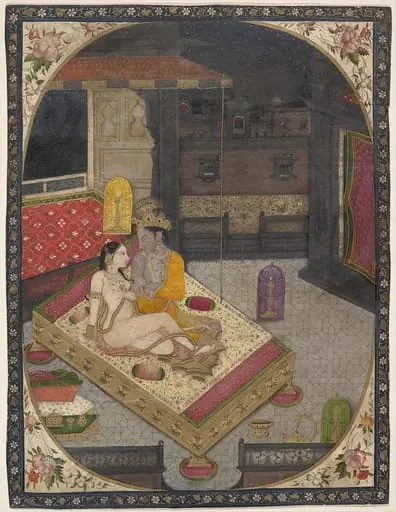 Untitled
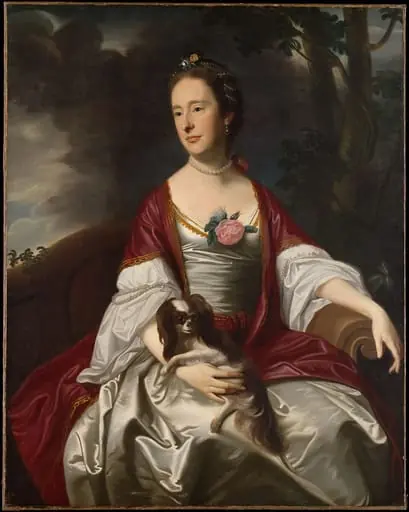 Mrs. Jerathmael Bowers
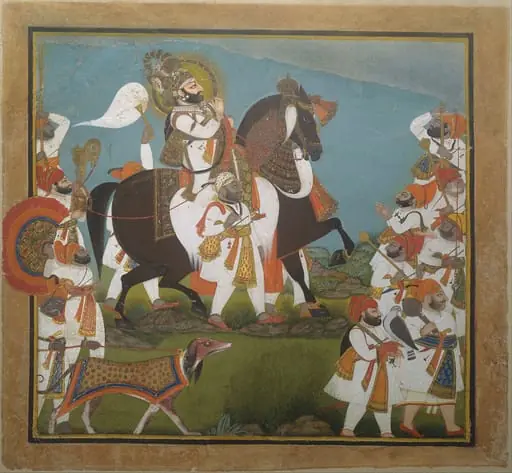 Untitled
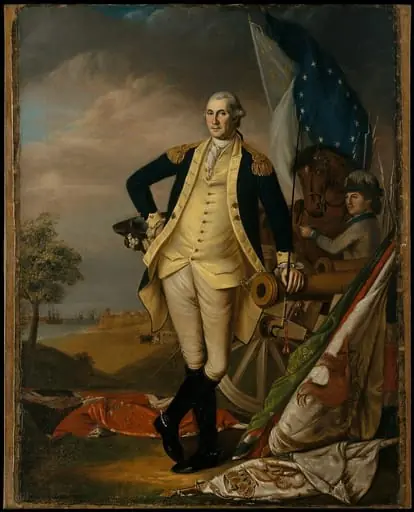 George Washington
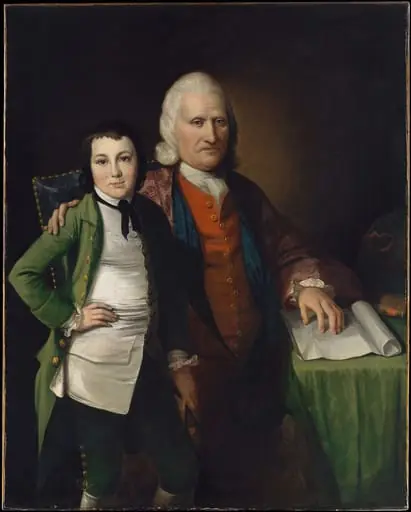 Cadwallader Colden and His Grandson Warren De Lancey
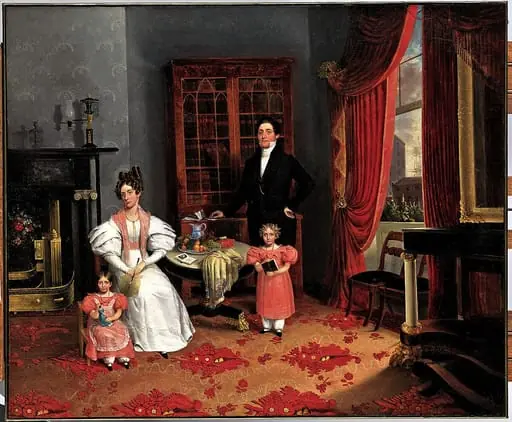 The Family of John Q. Aymar
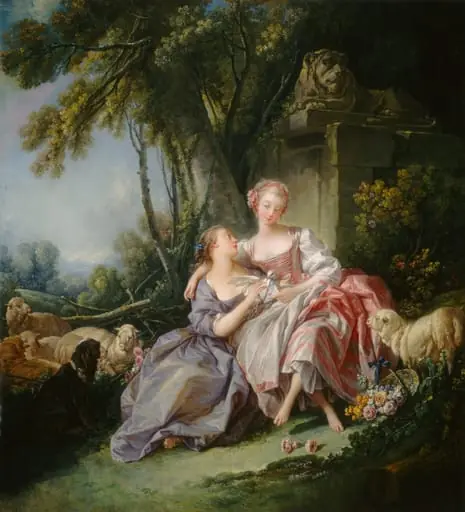 The Love Letter
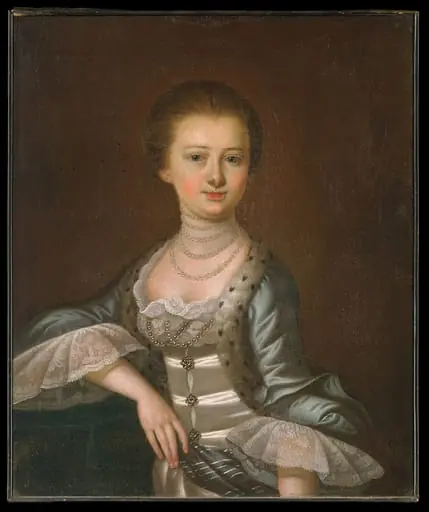 Mrs. John Dart
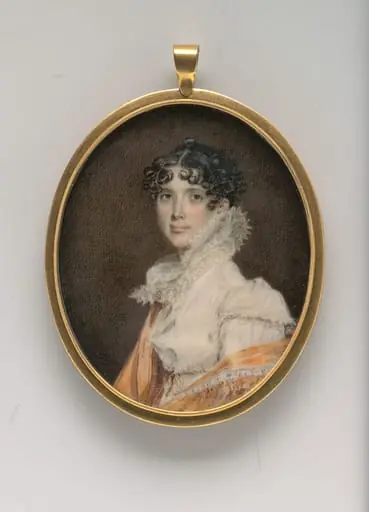 Mrs. Nathaniel Chapman (Rebekah Biddle)
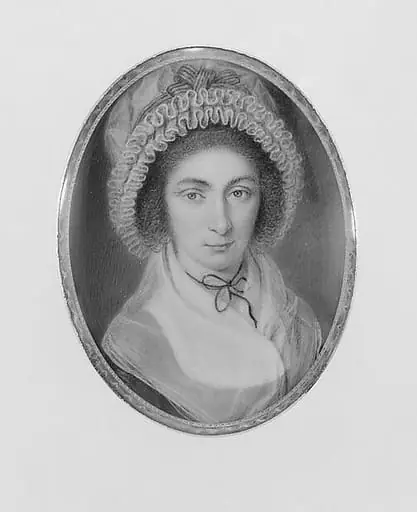 Mrs. John McAllister (Frances Wardale)
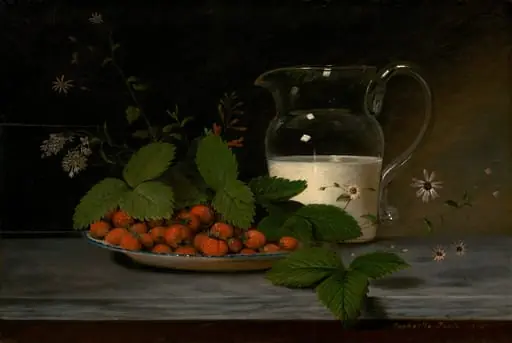 Strawberries and Cream
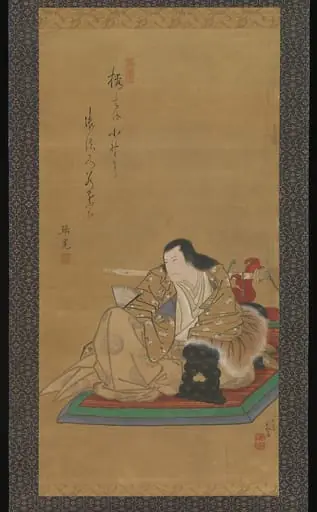 初代嵐橘三郎 (二代目嵐吉三郎) の惟高親王|The Actor Arashi Kitsusaburō I (Kichisaburō II) as Prince Koretaka
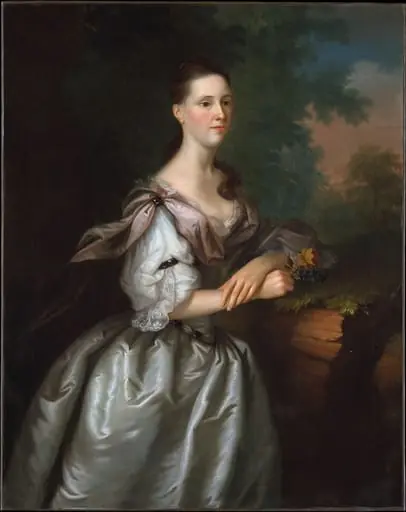 Mrs. Samuel Cutts
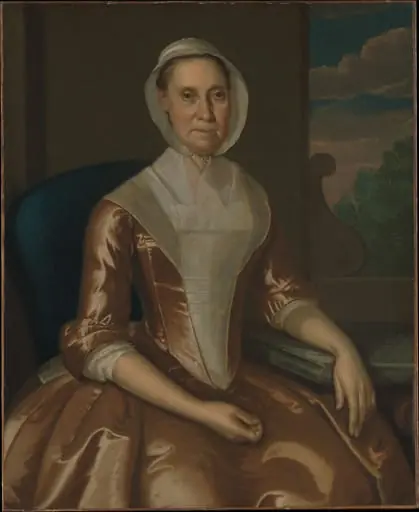 Mrs. Richard Galloway
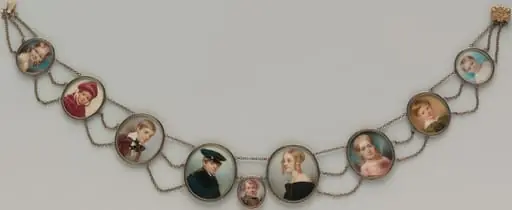 A Mother's Pearls
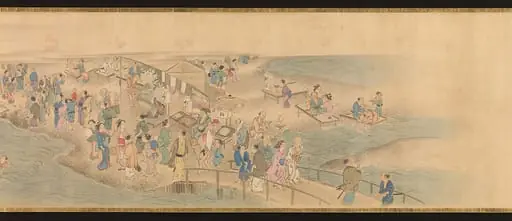 源琦筆 華洛四季遊楽図巻|Scenes of the Four Seasons in Kyoto
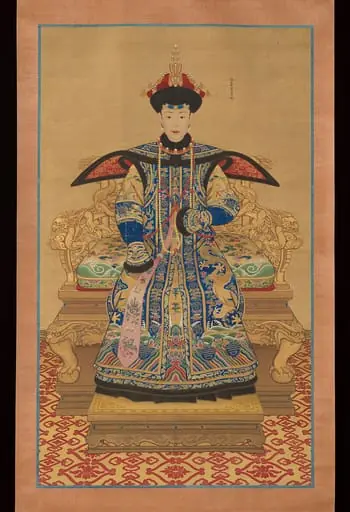 Untitled
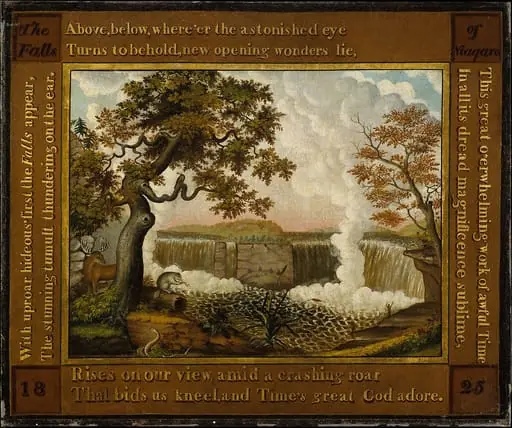 The Falls of Niagara
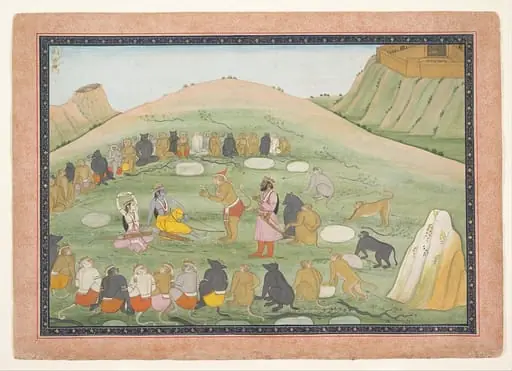 Untitled
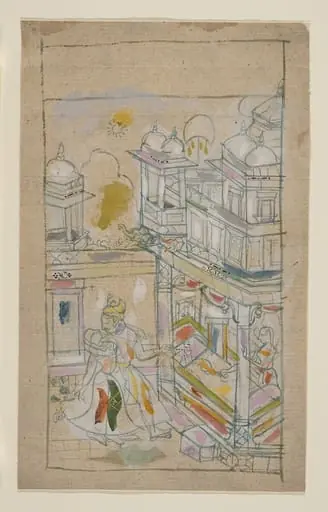 Untitled
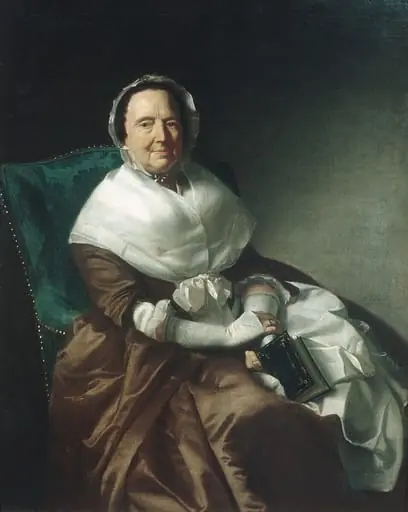 Mrs. Sylvanus Bourne
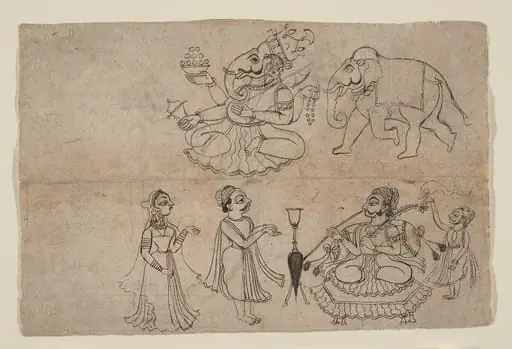 Untitled
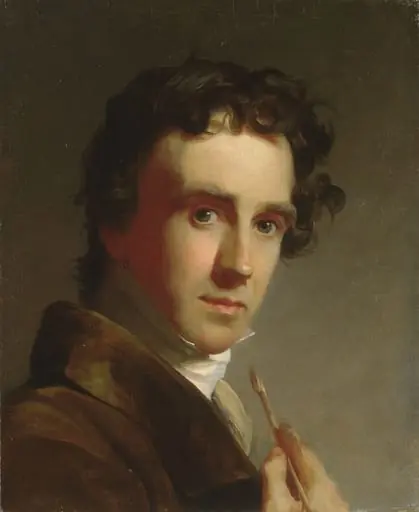 Portrait of the Artist
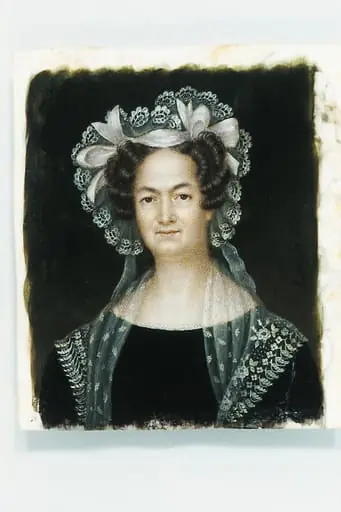 Mrs. Jacob Gerard Koch (Jane Griffith)
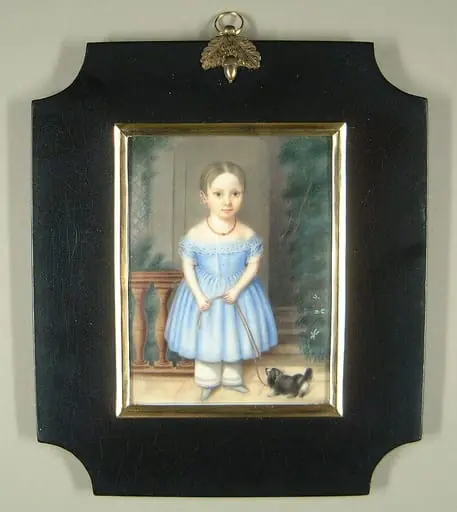 Mary R. Whitlock
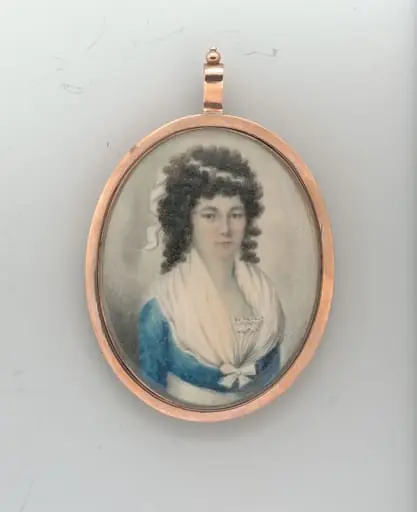 Portrait of a Lady
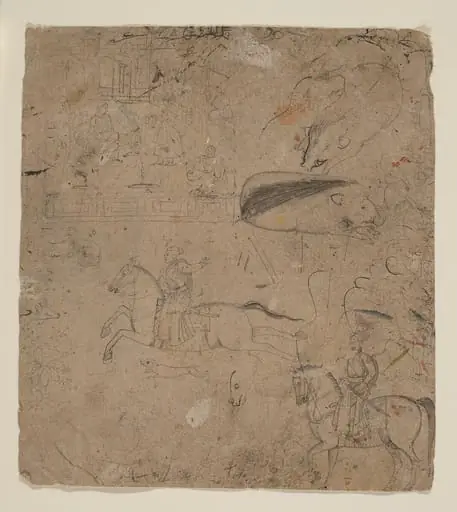 Untitled
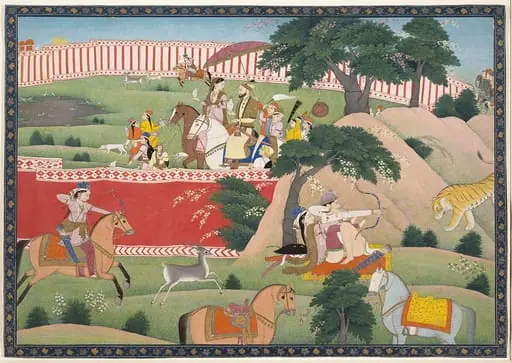 Untitled
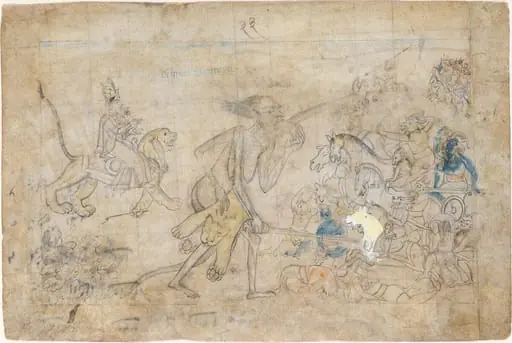 Untitled
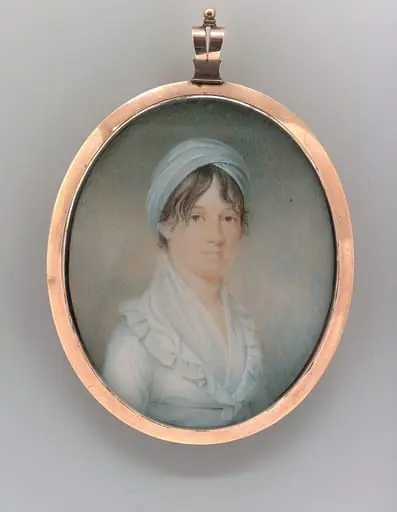 Mrs. Jonathan Pinkney, Jr. (Elizabeth Munroe)
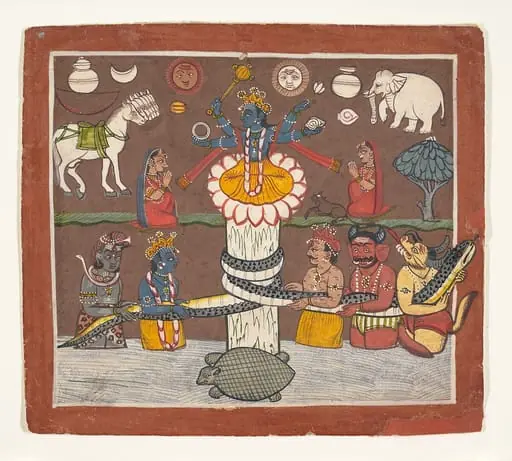 Untitled
 Untitled
 Portrait of a Lady
 Lady with a Dog
 Untitled
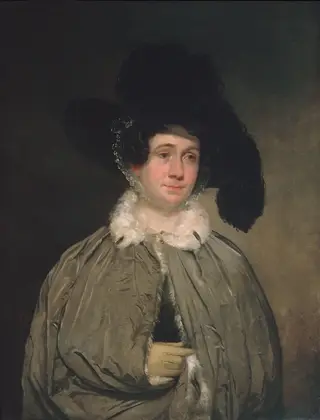 Mrs. Thomas Brewster Coolidge
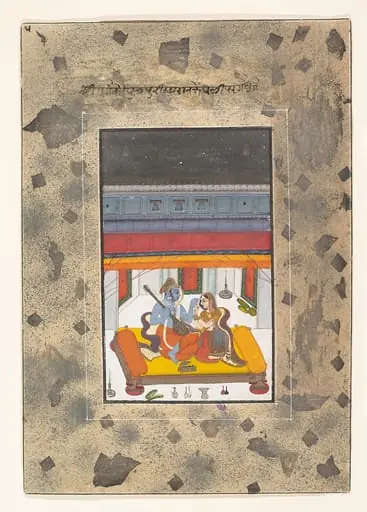 Untitled
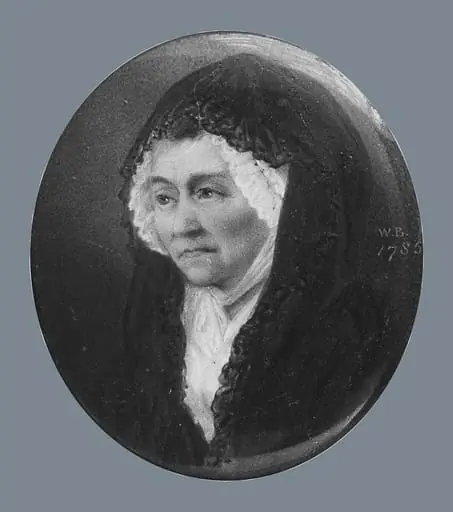 Mary Birch
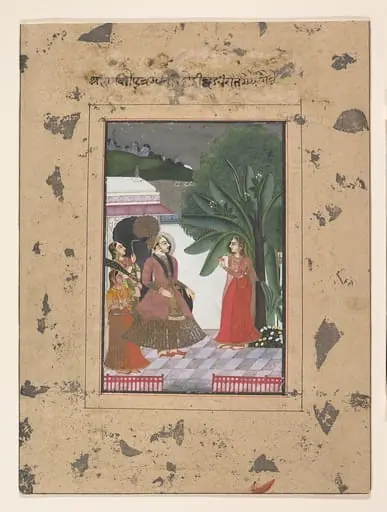 Untitled
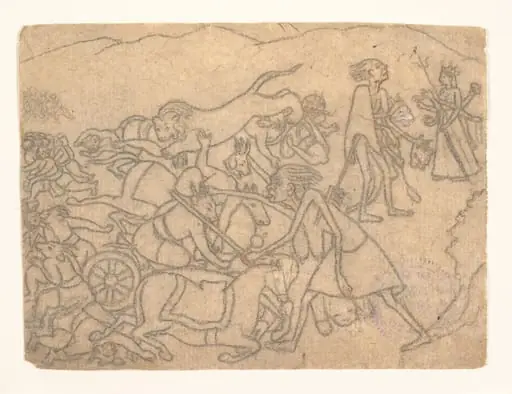 Untitled
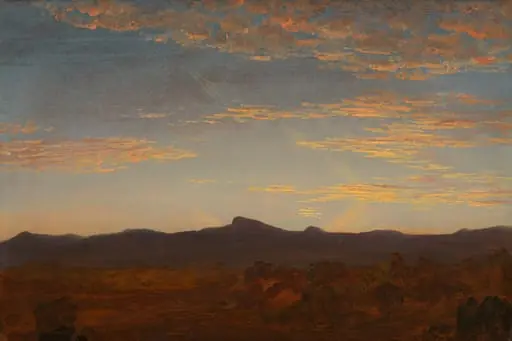 Study for "Catskill Creek"
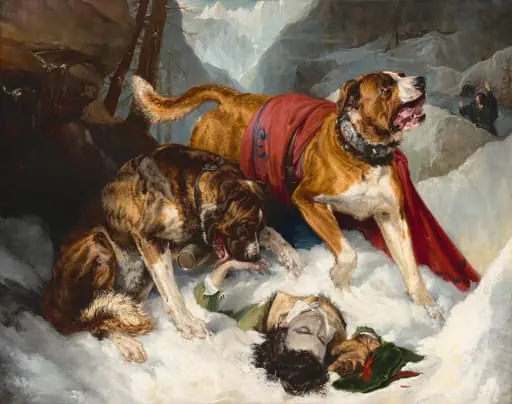 Alpine Mastiffs Reanimating a Distressed Traveler
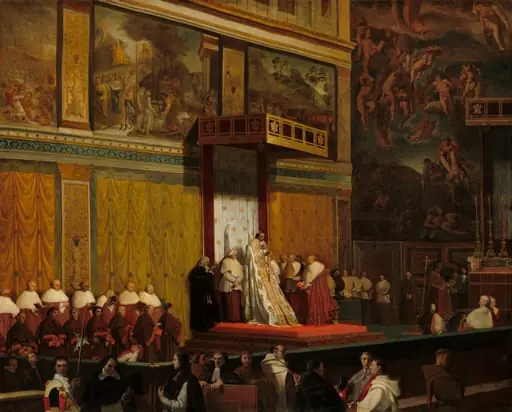 Pope Pius VII in the Sistine Chapel
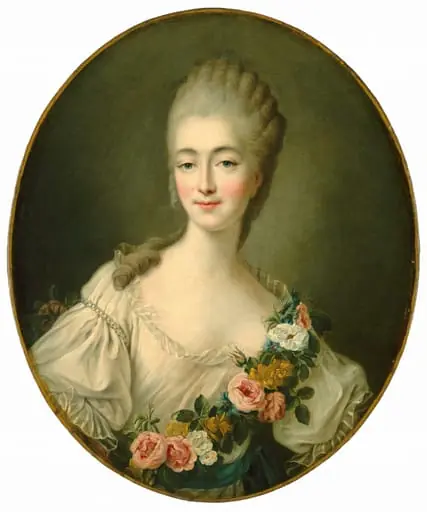 Jeanne Bécu, Comtesse du Barry
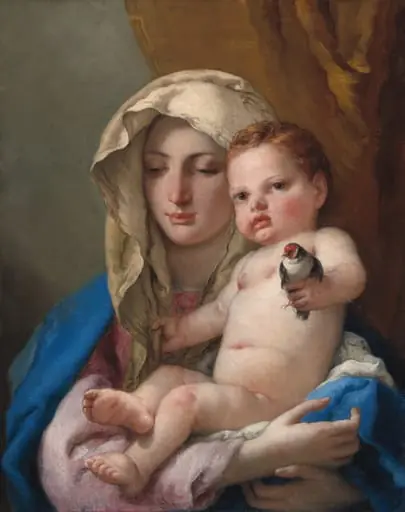 Madonna of the Goldfinch
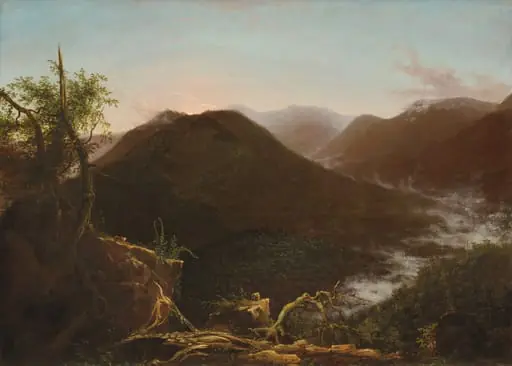 Sunrise in the Catskills
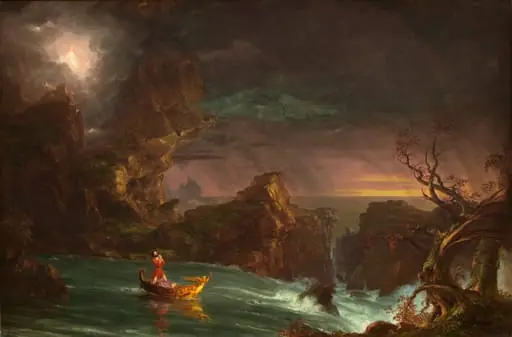 The Voyage of Life: Manhood
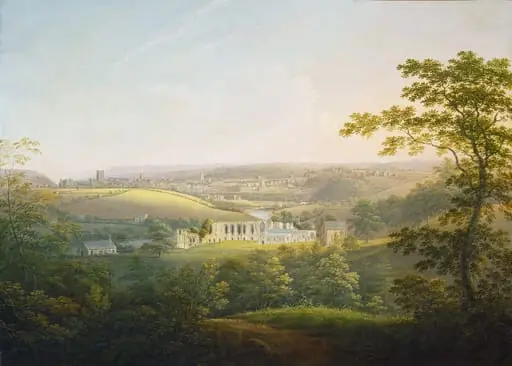 Easby Abbey, near Richmond
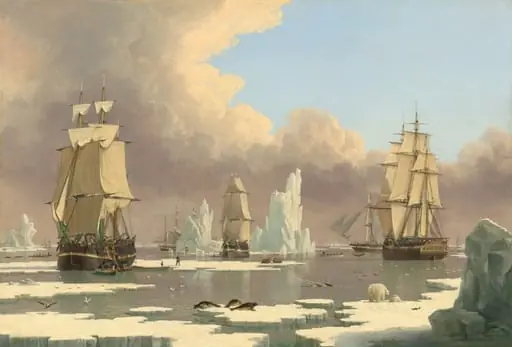 The Northern Whale Fishery: The "Swan" and "Isabella"
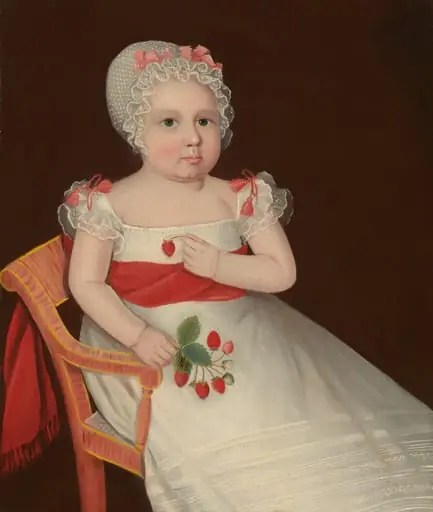 The Strawberry Girl
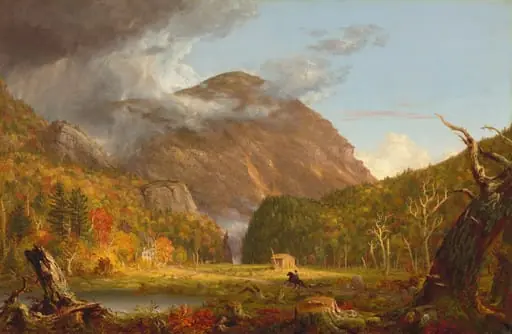 A View of the Mountain Pass Called the Notch of the White Mountains (Crawford Notch)
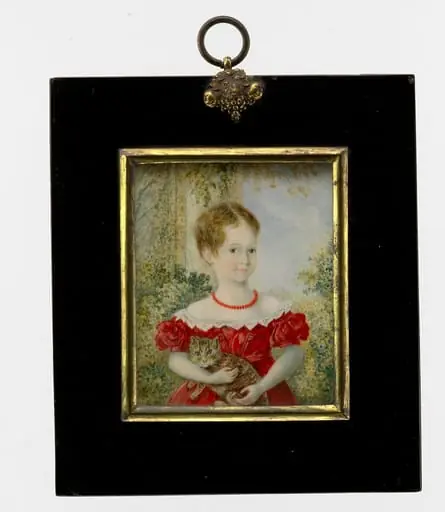 Mrs. Edward Loyd (C. Louisa Foster)
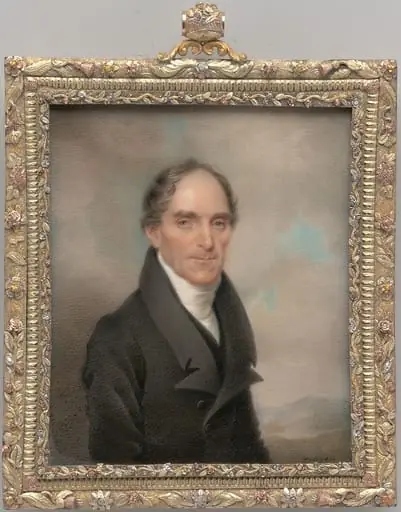 Dr. Francis Kinloch Huger
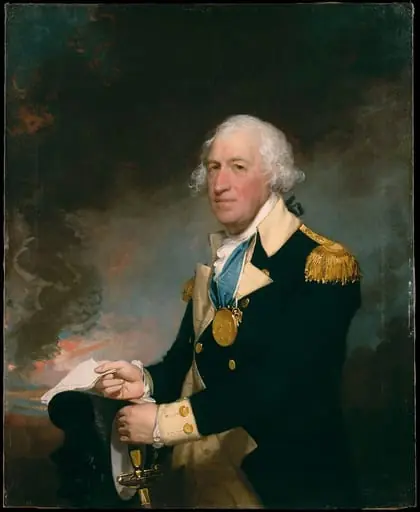 Horatio Gates
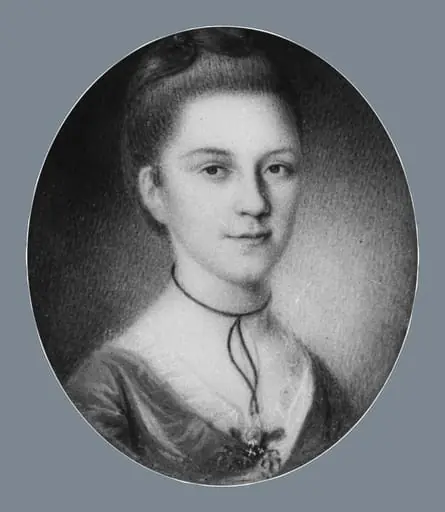 Mrs. Michael Taney (Monica Brooke)
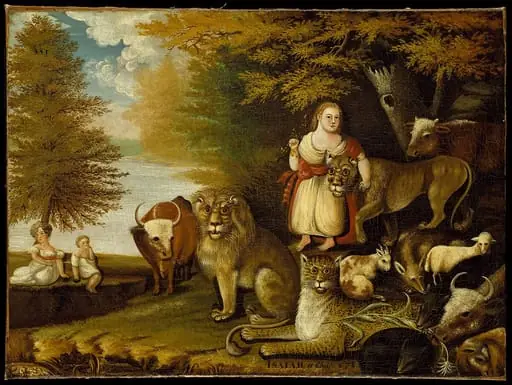 Peaceable Kingdom
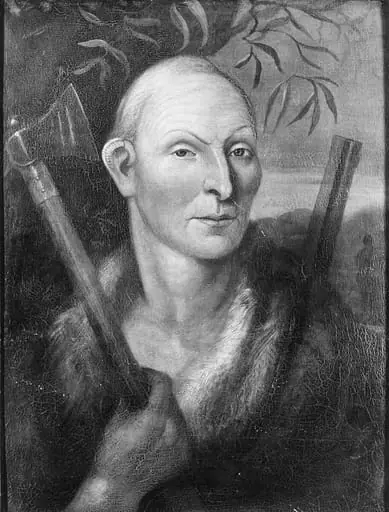 Black Hawk
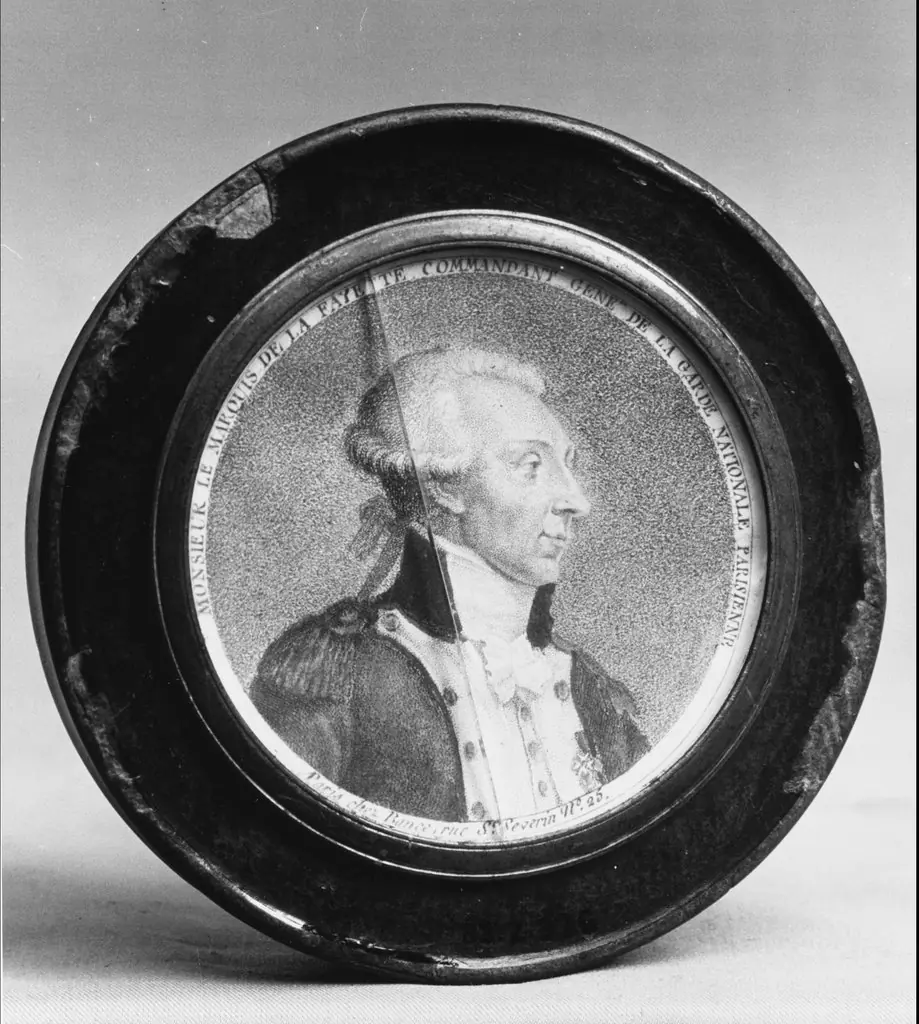 Portrait Miniature of the Marquis de Lafayette
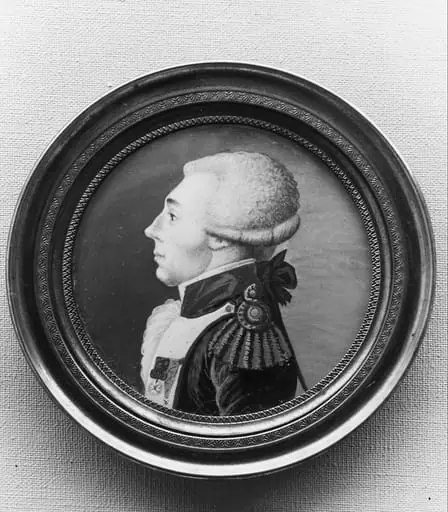 Portrait Miniature of the Marquis de Lafayette
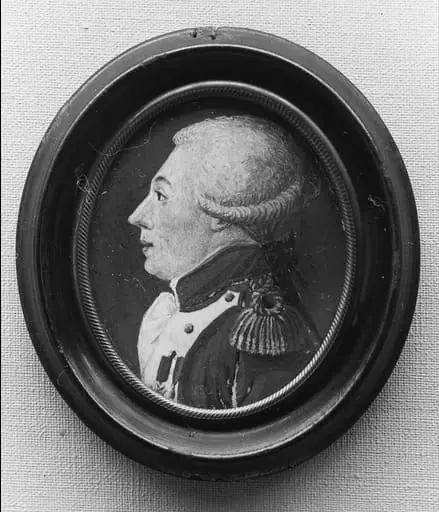 Portrait Miniature of the Marquis de Lafayette
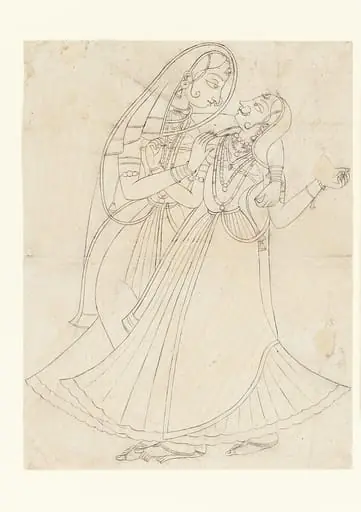 Untitled
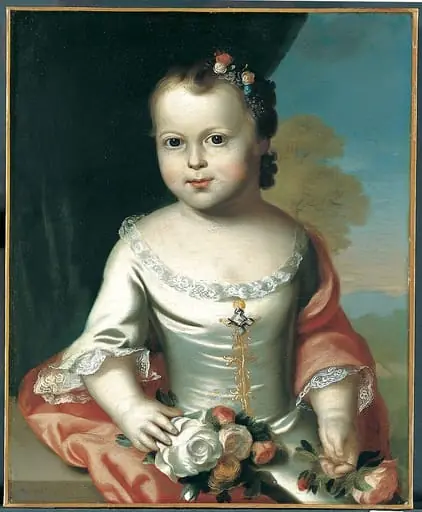 Elizabeth Greenleaf
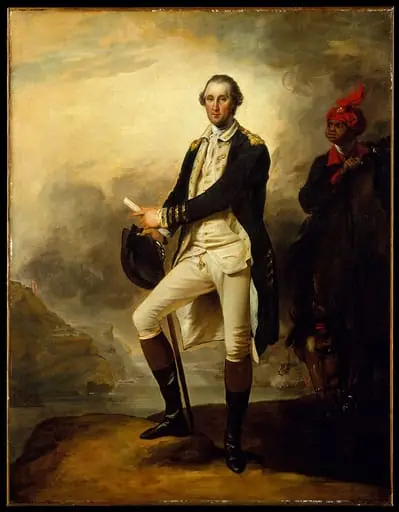 George Washington and William Lee
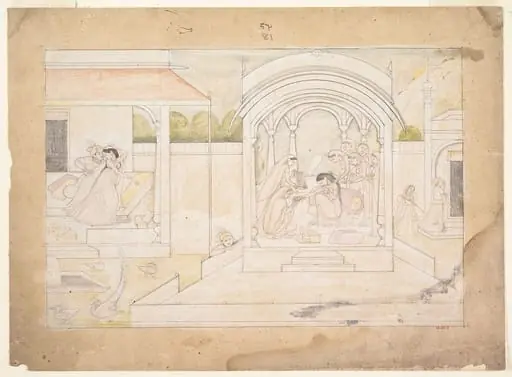 Untitled
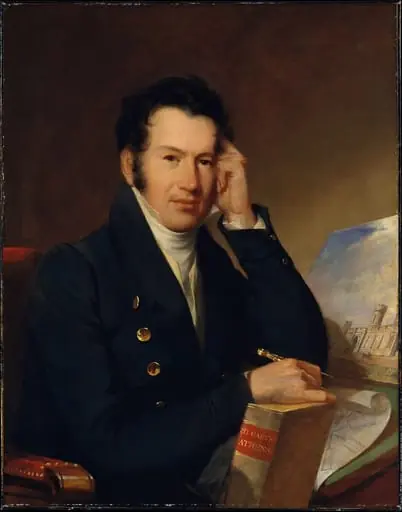 John Haviland
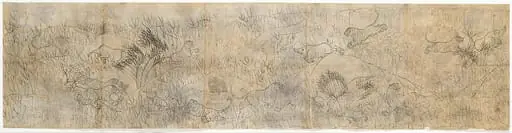 Untitled
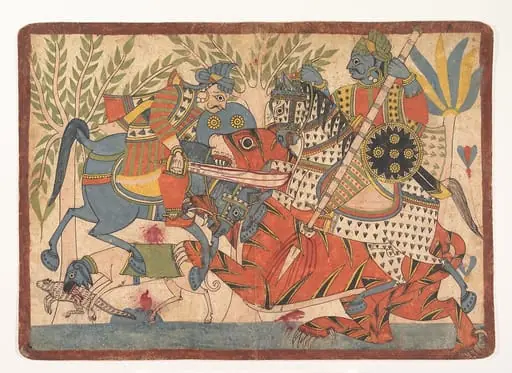 Untitled
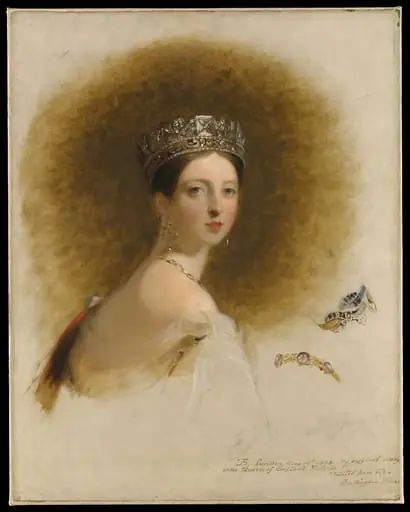 Queen Victoria
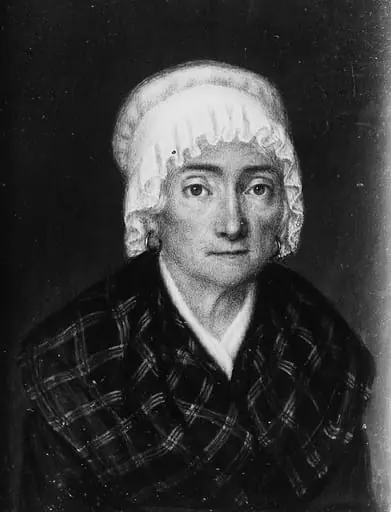 Mrs. Daniel Strobel Jr. (Anna Church)
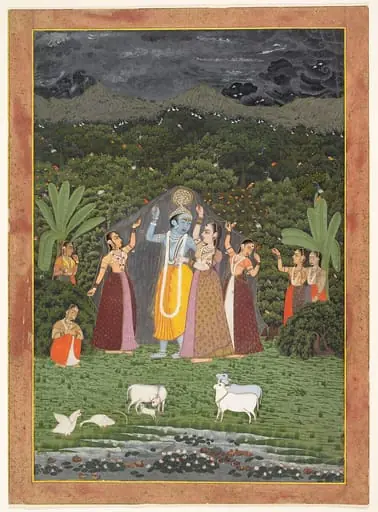 Untitled
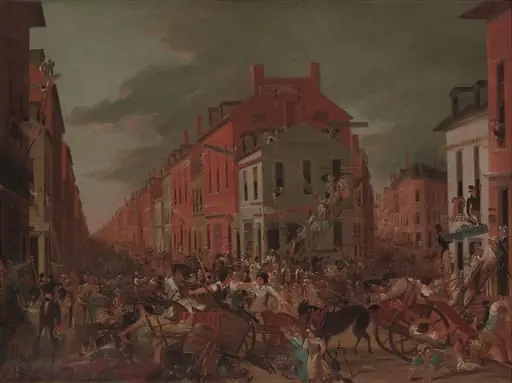 Moving Day (in Little Old New York)
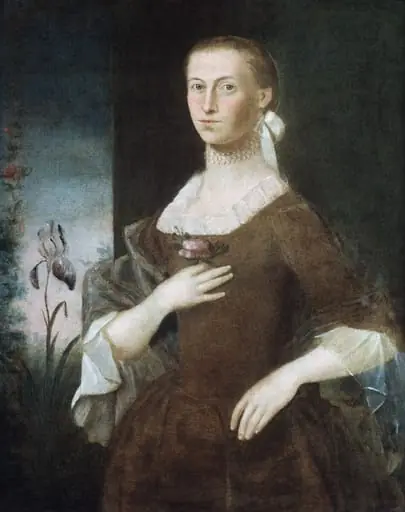 Mrs. Samuel Gardiner
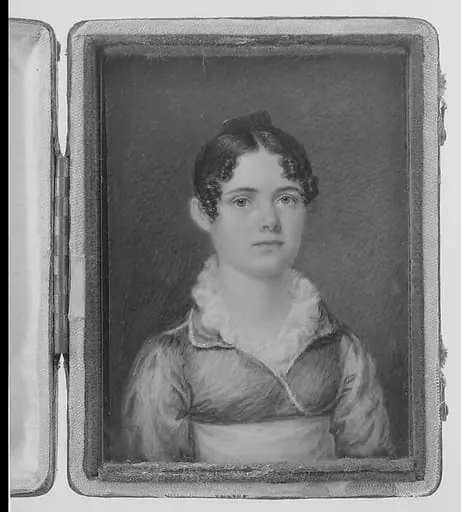 Portrait of a Lady
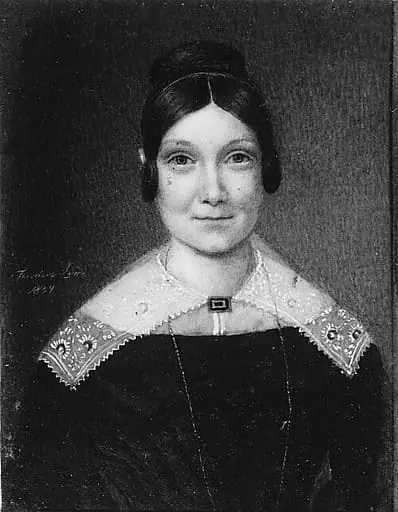 Mrs. Warren Rogers (Julie Francoise Gabrielle d'Anterroches)
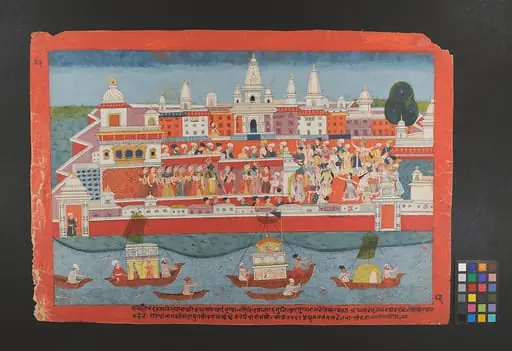 Untitled
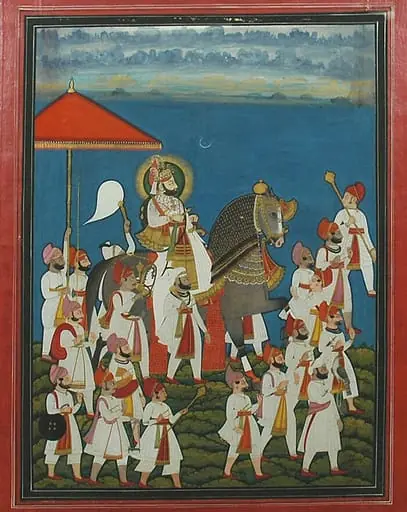 Untitled
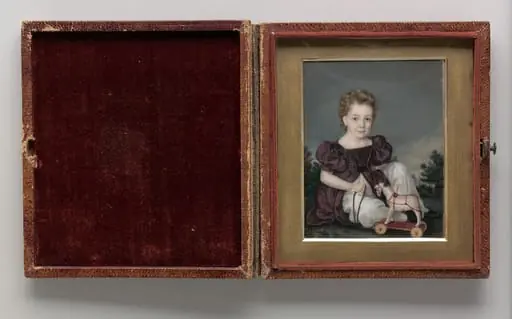 Portrait of a Boy
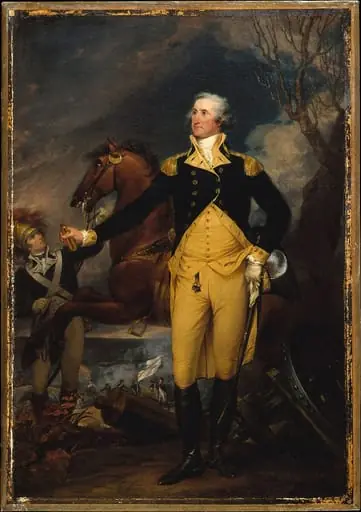 George Washington before the Battle of Trenton
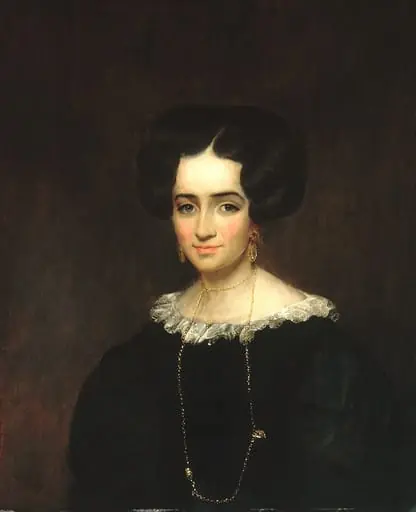 Mrs. John Adams Conant
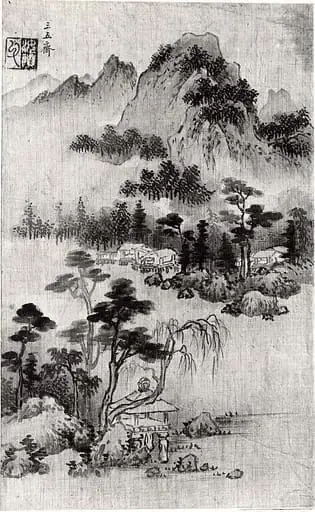 Untitled
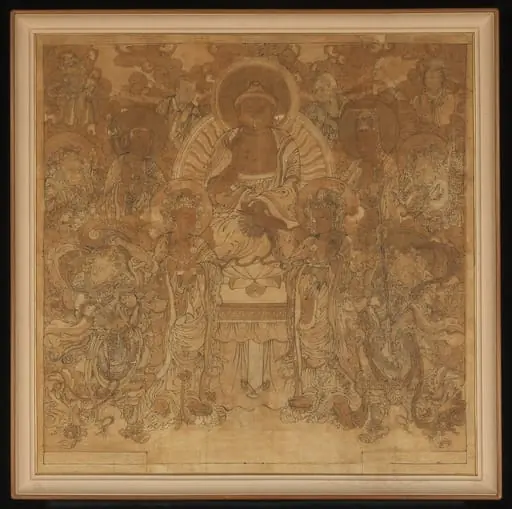 극락에서 설법하는 아미타불 조선|阿彌陀極樂會圖 朝鮮|Amitabha Buddha’s assembly in the Western Paradise
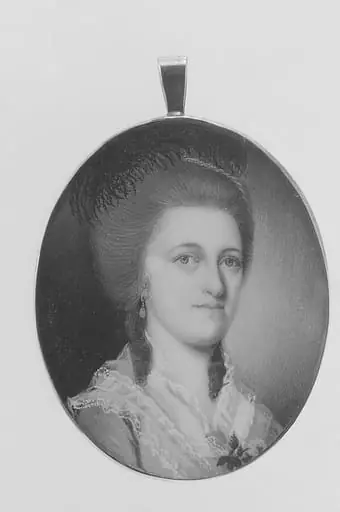 Portrait of a Lady
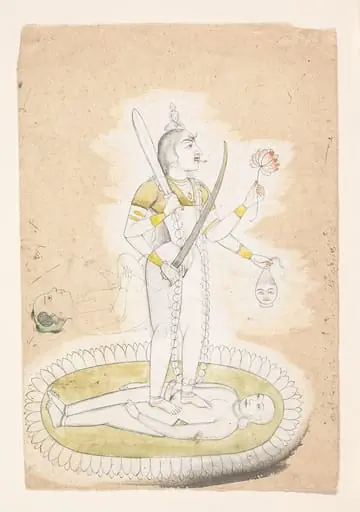 Untitled
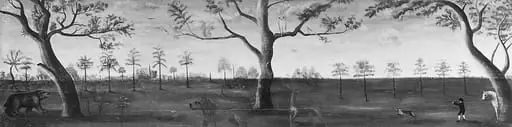 Hunting Scene
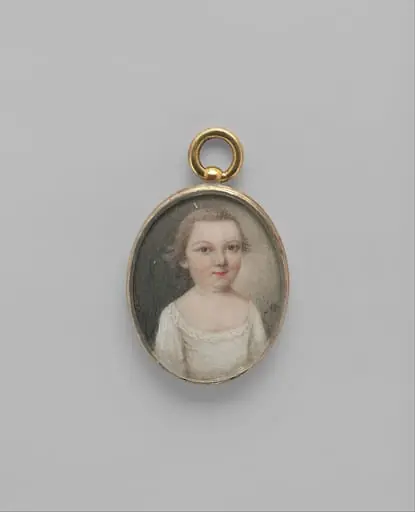 Thomas Middleton
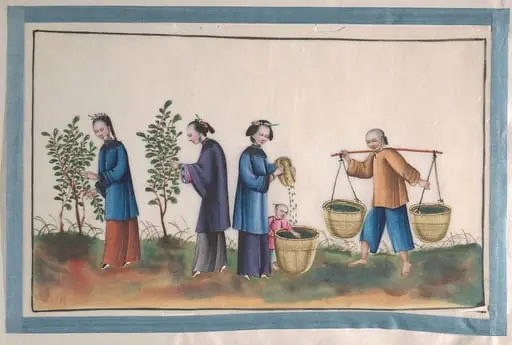 Untitled
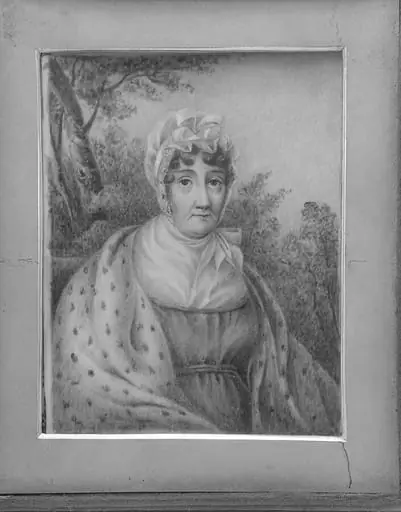 Mrs. Teakes
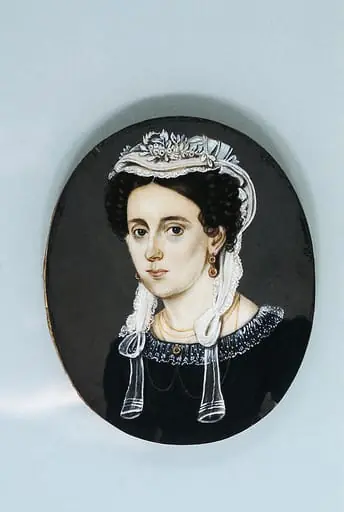 Portrait of a Lady
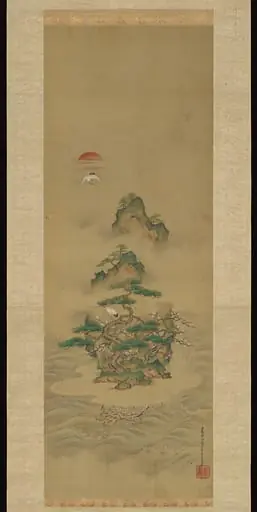 狩野探水守常筆 蓬莱山・瀟湘八景図|Mount Penglai with Eight Views of Xiao and Xiang
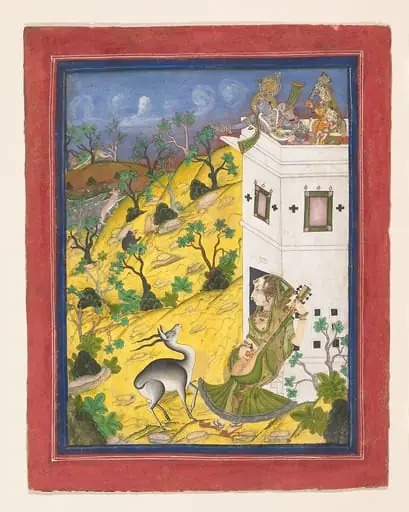 Untitled
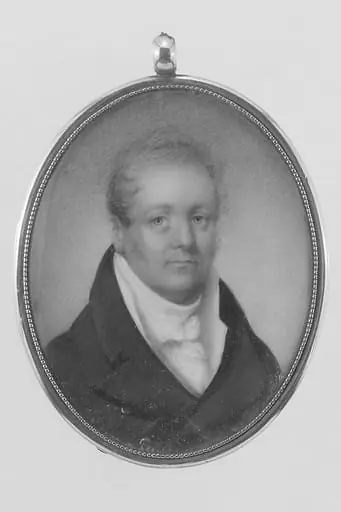 Charles Henry Hall
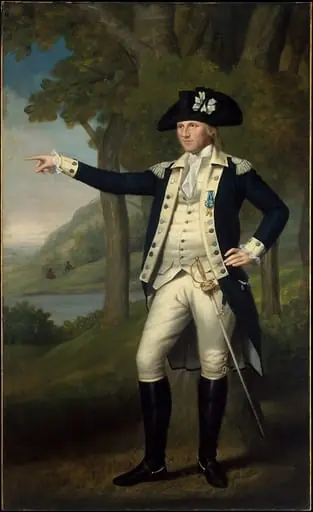 Marinus Willett
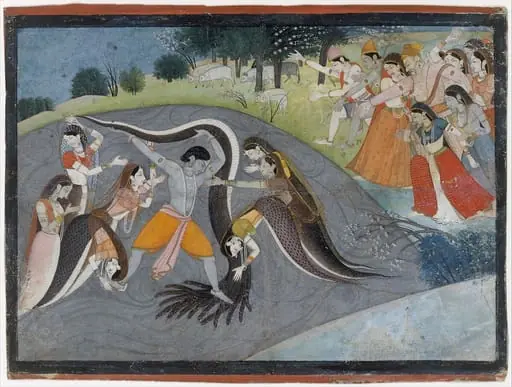 Untitled
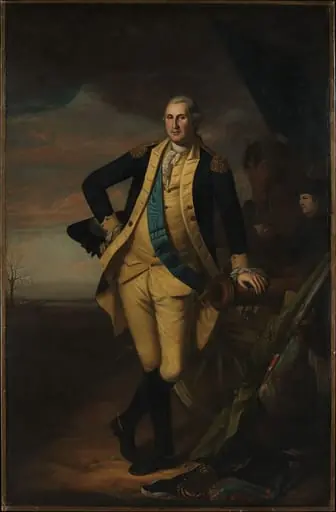 George Washington
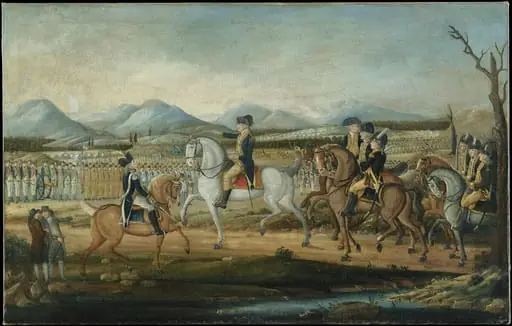 Washington Reviewing the Western Army at Fort Cumberland, Maryland
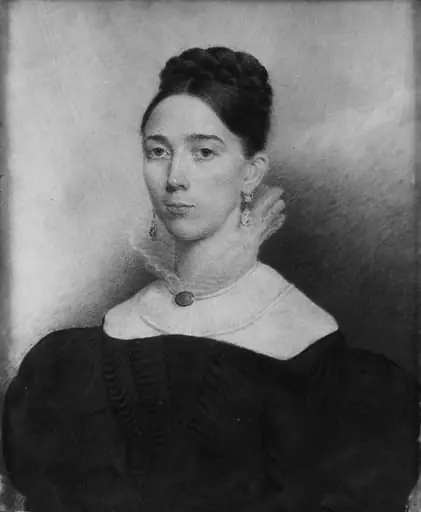 Alice Goudry
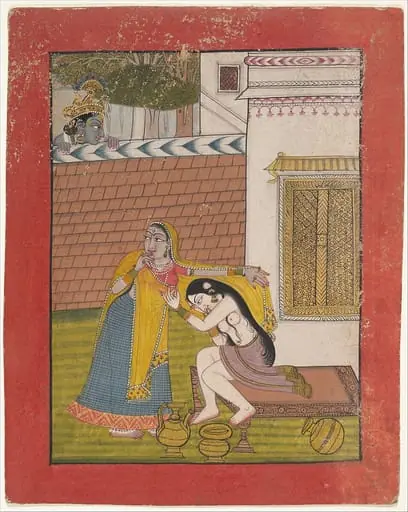 Untitled
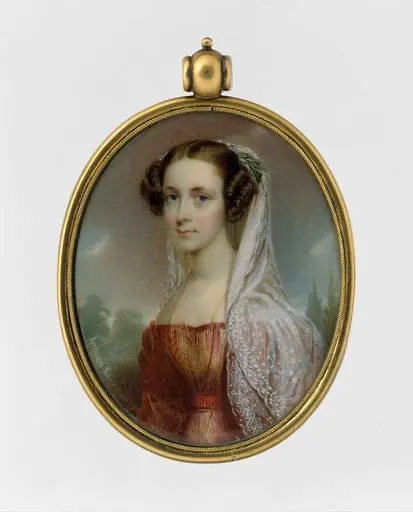 Portrait of a Lady
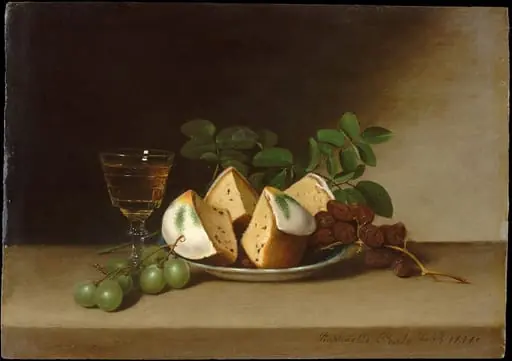 Still Life with Cake
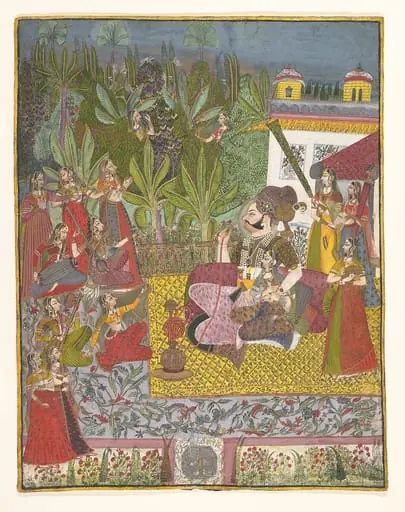 Untitled
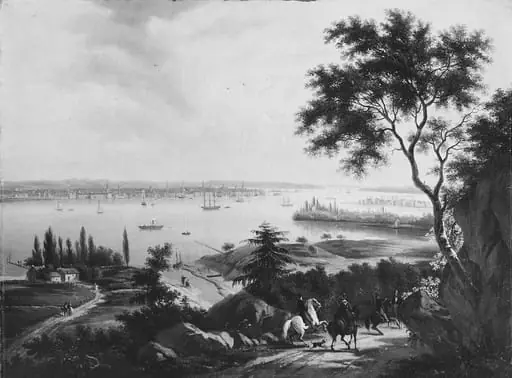 View of New York from New Jersey
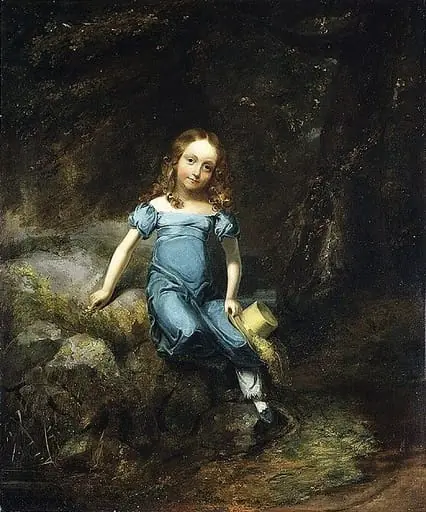 Janet Halleck Drake
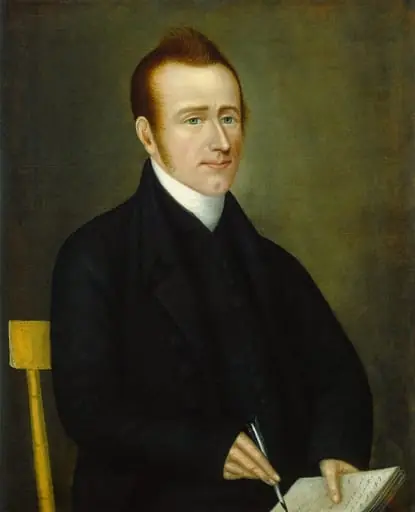 Mr. Baylor
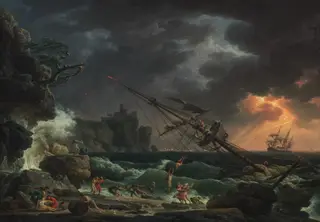 The Shipwreck
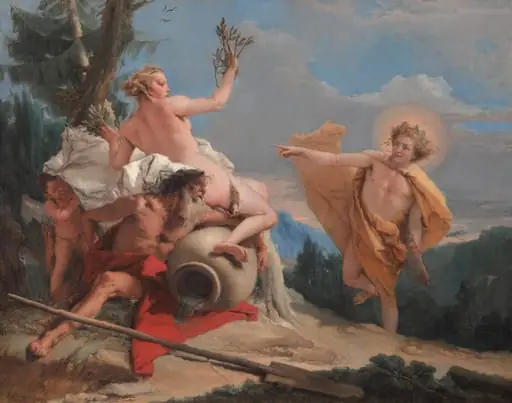 Apollo Pursuing Daphne
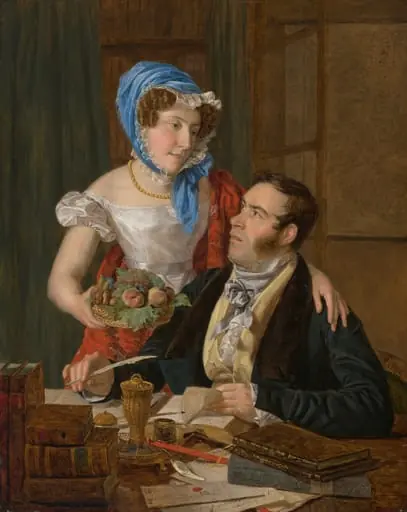 The Cartographer Professor Josef Jüttner and His Wife
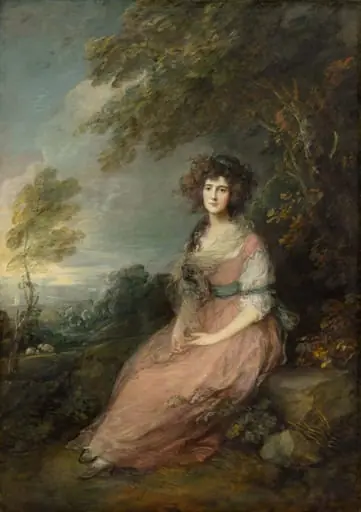 Mrs. Richard Brinsley Sheridan
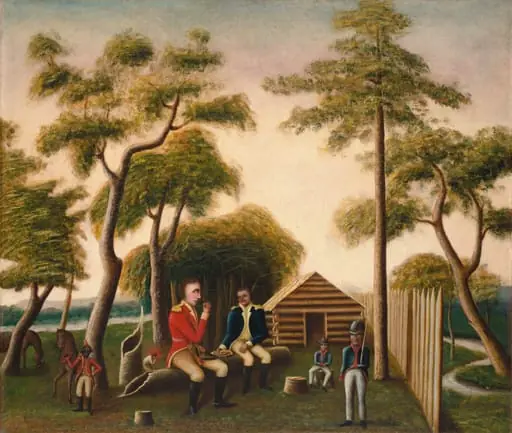 Marion Feasting the British Officer on Sweet Potatoes
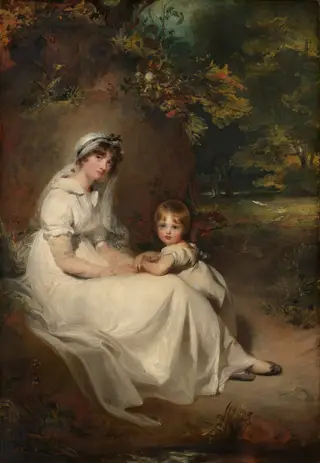 Lady Mary Templetown and Her Eldest Son
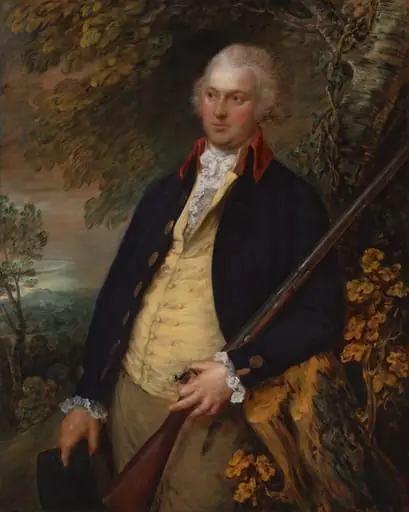 William Yelverton Davenport
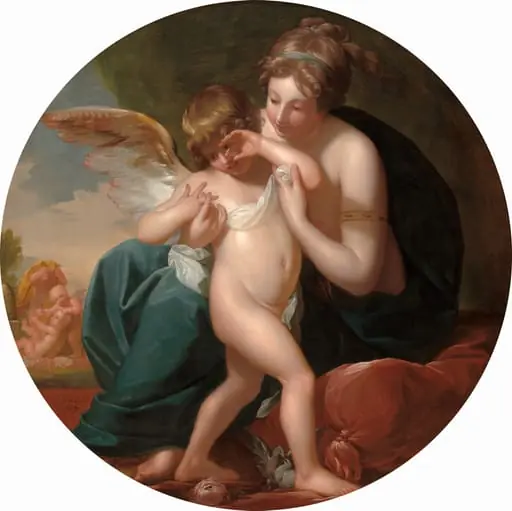 Cupid, Stung by a Bee, Is Cherished by his Mother
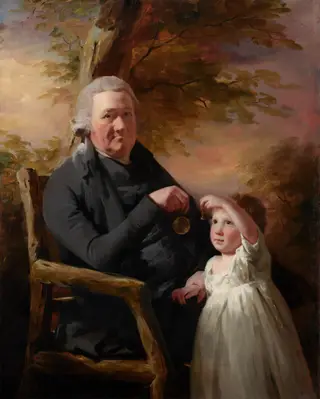 John Tait and His Grandson
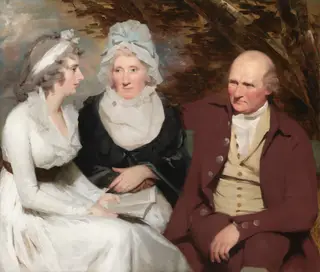 John Johnstone, Betty Johnstone, and Miss Wedderburn
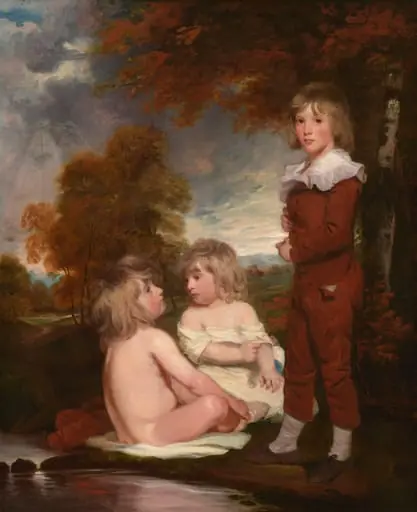 The Hoppner Children
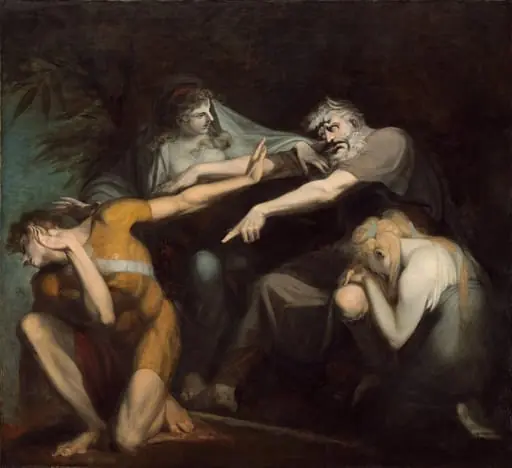 Oedipus Cursing His Son Polynices
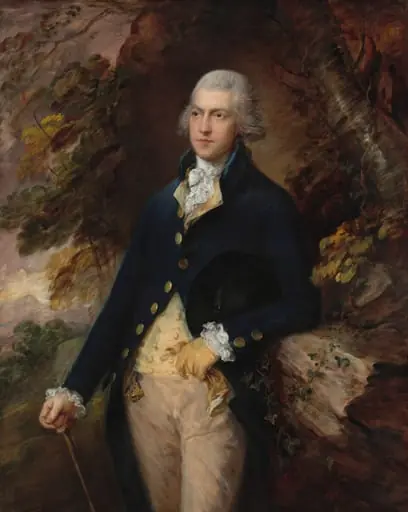 Francis Basset, Lord de Dunstanville
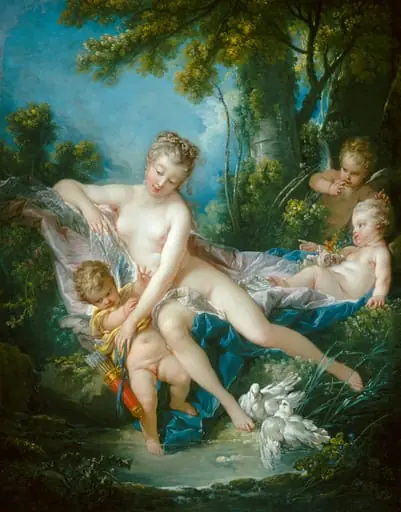 The Bath of Venus
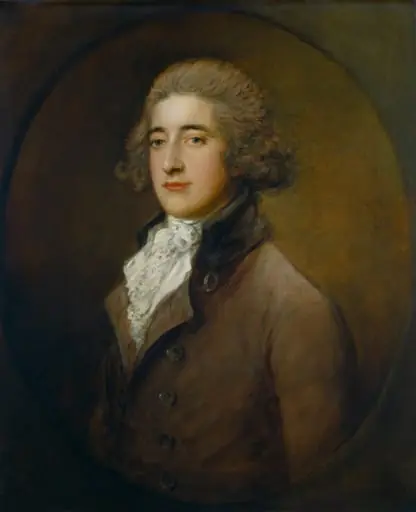 John, 4th Earl of Darnley
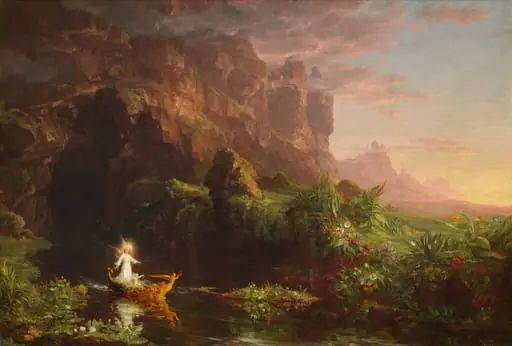 The Voyage of Life: Childhood
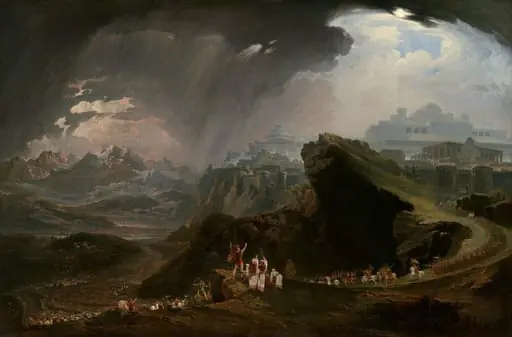 Joshua Commanding the Sun to Stand Still upon Gibeon
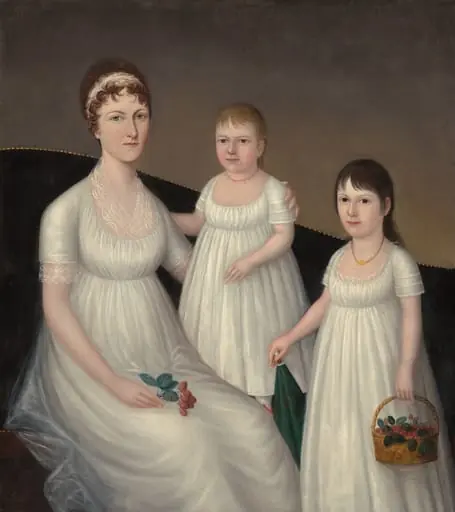 Grace Allison McCurdy (Mrs. Hugh McCurdy) and Her Daughters, Mary Jane and Letitia Grace
 Panoramic Landscape near the River Moselle
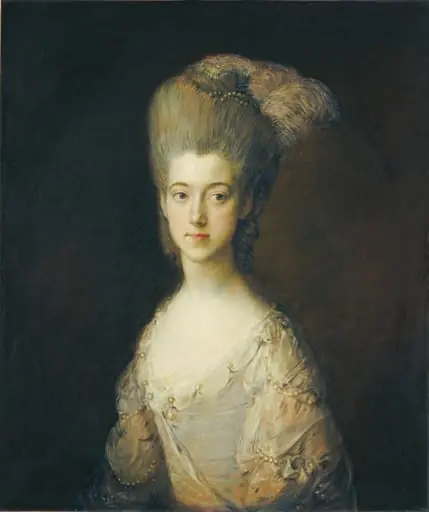 Mrs. Paul Cobb Methuen
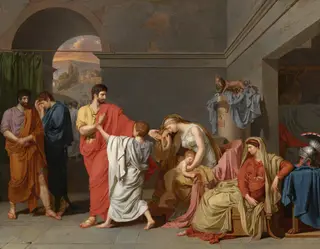 Coriolanus Taking Leave of his Family
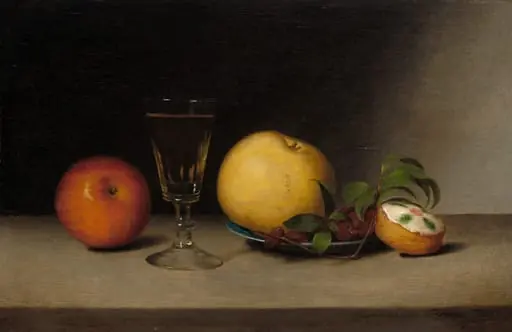 Still Life with Apples, Sherry, and Tea Cake
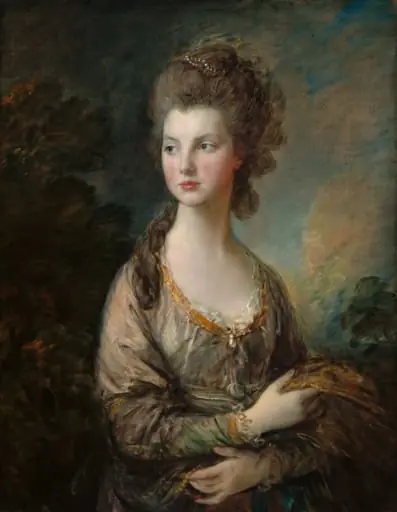 The Hon. Mrs. Thomas Graham
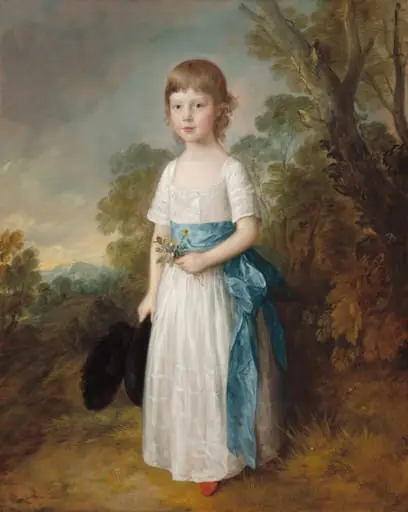 Master John Heathcote
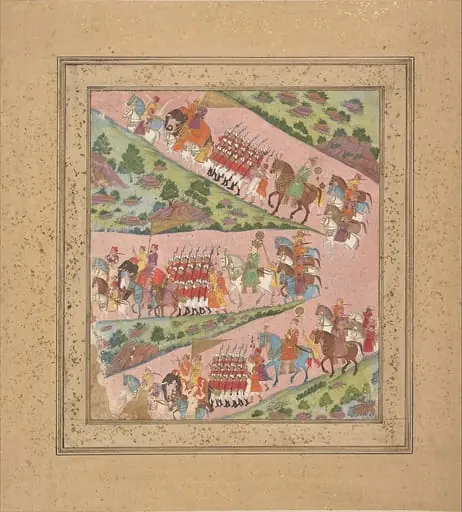 Untitled
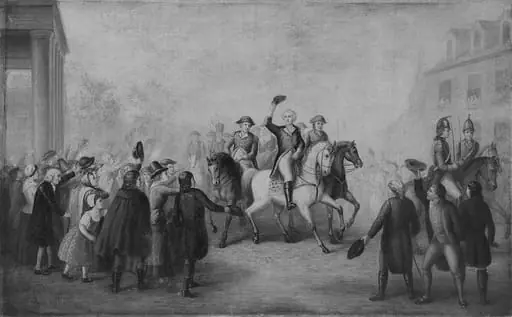 Washington's Triumphal Entry into New York
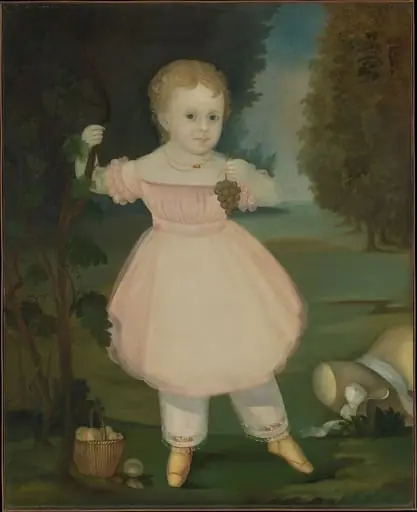 Portrait of a Little Girl Picking Grapes
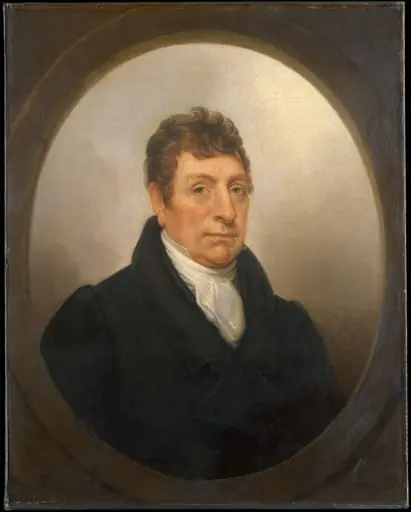 The Marquis de Lafayette
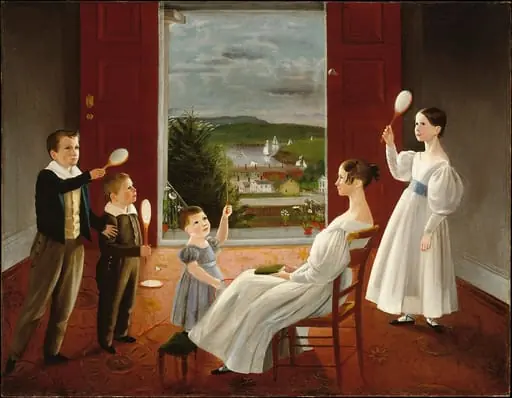 The Children of Nathan Starr
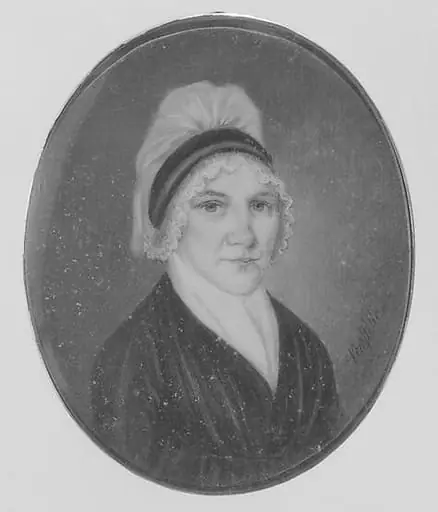 Mrs. Anstis Stone
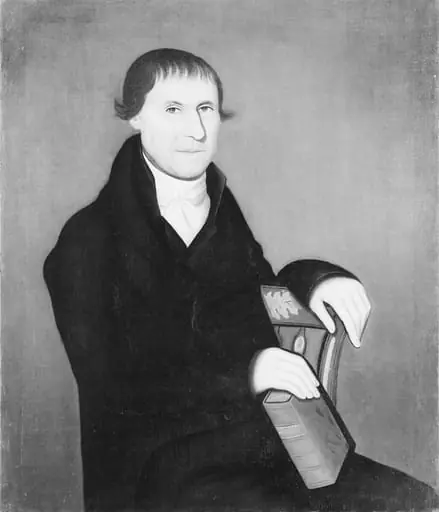 Philip Slade
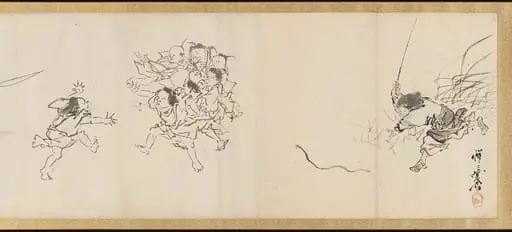 Untitled
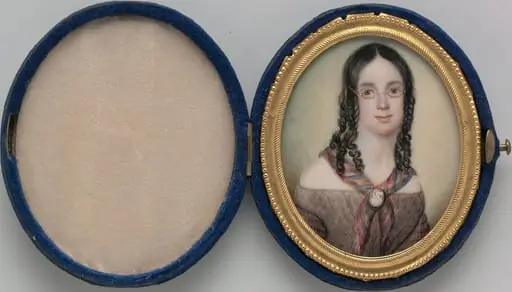 Portrait of a Lady
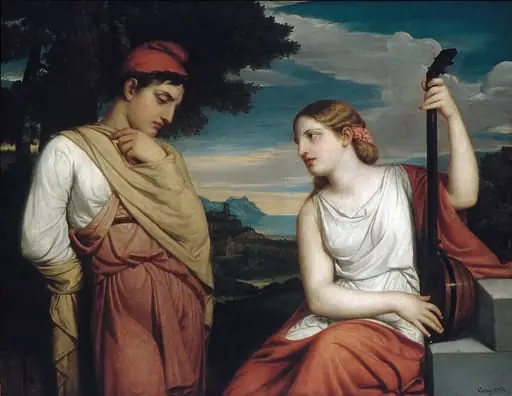 The Greek Lovers
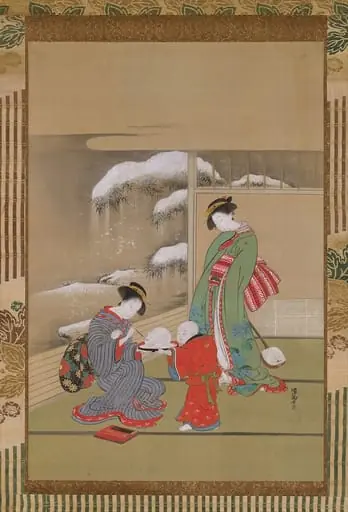 雪兎図|Painting the Eyes on a Snow Rabbit
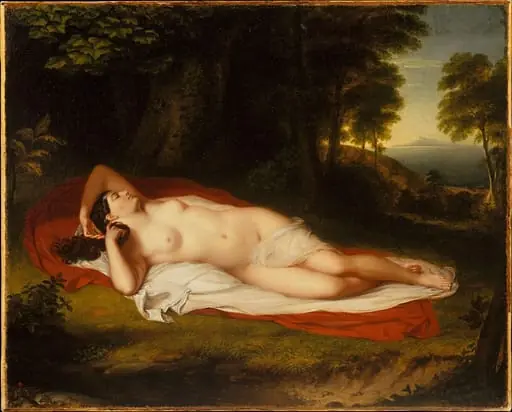 Ariadne
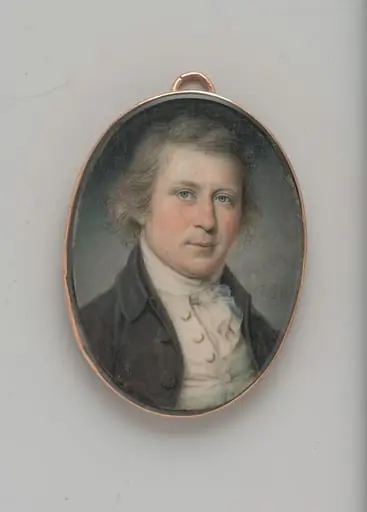 Self-portrait
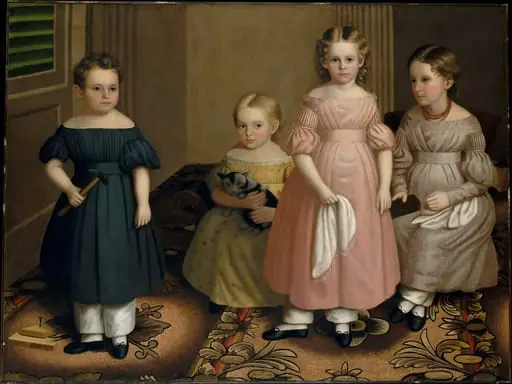 The Alling Children
Groups & collectives
Learn this movement
Frequently asked questions
What is Romanticism?
Romanticism is an art movement. The great European artistic and intellectual movement of the late 18th and early 19th centuries that celebrated emotion, imagination, nature, and the individual against Enlightenment rationalism.
How many Romanticism works does Artifact World Gallery have?
Artifact World Gallery holds 25,594 public-domain Romanticism works, all free to view and download.
Who are the key Romanticism artists?
Key Romanticism artists in the collection include Jean Baptiste Camille Corot, Thomas Cole and Henry Bone.
When did Romanticism take place?
Romanticism dates from 1800–1900.
Where can I see Romanticism works?
Romanticism works in the collection are held by National Gallery of Art, Victoria and Albert Museum and Cleveland Museum of Art.