Artwork
Charles IX, King of France
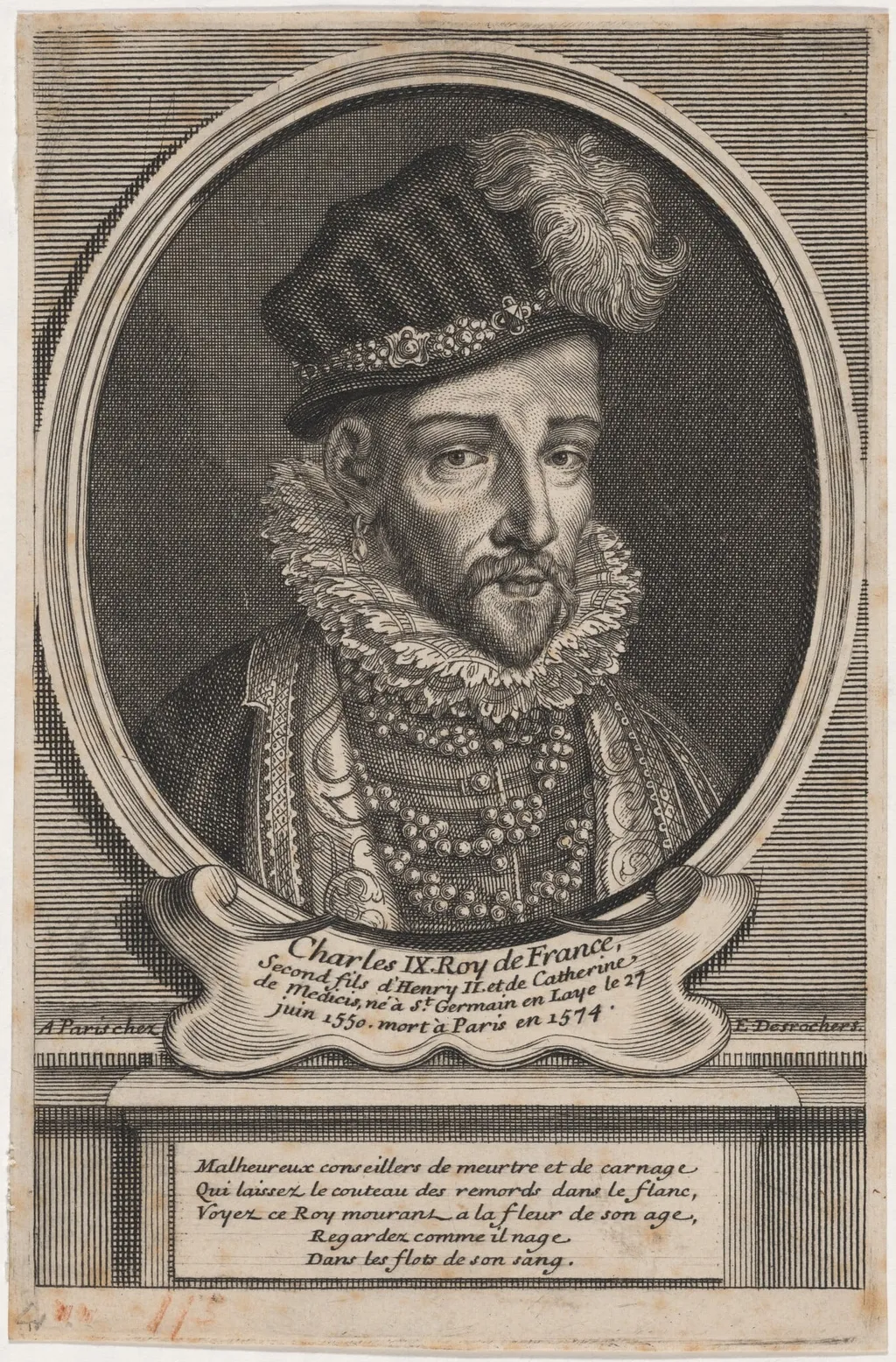
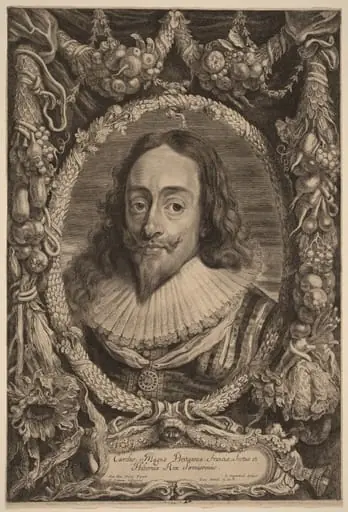
Charles IX, King of France is an ink print by the Baroque artist Etienne Desrochers. It dates from 1704 and is held in the collection of the National Gallery of Art. This engraving, produced by Étienne Desrochers in 1704, depicts Charles IX of France, who reigned in the 16th century.
About this work
Overview
The work belongs to the printmaking category, using engraved lines on metal to produce a detailed monochrome image intended for reproduction and dissemination.
This engraving, produced by Étienne Desrochers in 1704, depicts Charles IX of France, who reigned in the 16th century. Though created over a century after his death, the portrait reflects a tradition of royal imagery rooted in historical memory. The work belongs to the printmaking category, using engraved lines on metal to produce a detailed monochrome image intended for reproduction and dissemination.
Subject & Meaning
The figure portrayed is Charles IX, identified by conventional royal attributes: a broad-brimmed hat, richly textured garments, and a composed, solemn expression. The image does not depict a specific moment but rather conveys authority and dignity through standardized iconography. Its purpose was likely to reinforce the legitimacy and continuity of the French monarchy in the early 18th century, long after his reign ended.
Technique & Style
Desrochers employed fine-line engraving to render textures and contours with precision. The fabric folds, lace collars, and facial features are defined by carefully incised lines, showcasing the engraver’s control over tone and detail. The style adheres to 18th-century academic portraiture, prioritizing clarity and formal structure over emotional expression, typical of historical figures rendered in print.
History & Provenance
Created in 1704, the engraving emerged during a period when French royalty sought to visually anchor their lineage through historical portraits. Though no specific early ownership records are documented, such prints were commonly circulated among aristocratic and scholarly circles. It likely served as a reference or decorative piece in private collections focused on royal genealogy.
Context
In the early 1700s, France was under the rule of Louis XIV, whose court emphasized visual culture as a tool of state power. Engravings of past monarchs like Charles IX were part of a broader effort to construct a continuous narrative of royal authority. This print reflects the enduring interest in dynastic imagery, even for rulers whose reigns were marked by political turmoil.
Legacy
Desrochers’s engraving contributes to the archive of French royal portraiture, preserving a standardized visual representation of Charles IX for later generations. While not widely known today, such works played a role in shaping historical perception through accessible imagery. They remain valuable as artifacts of how monarchy was visually sustained in print culture beyond the lifetime of the subjects depicted.
Own this work as a print
Artist & collection