
Period
18th Century
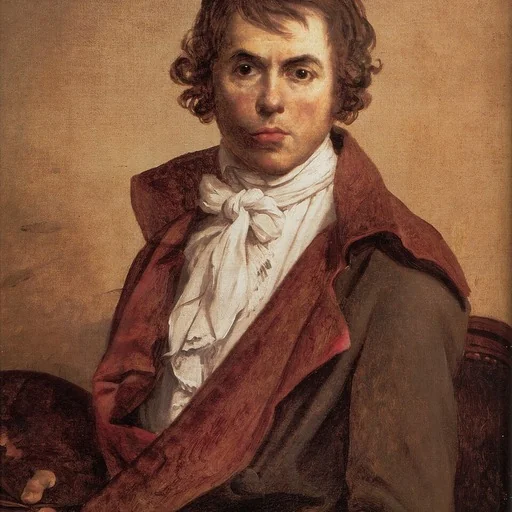
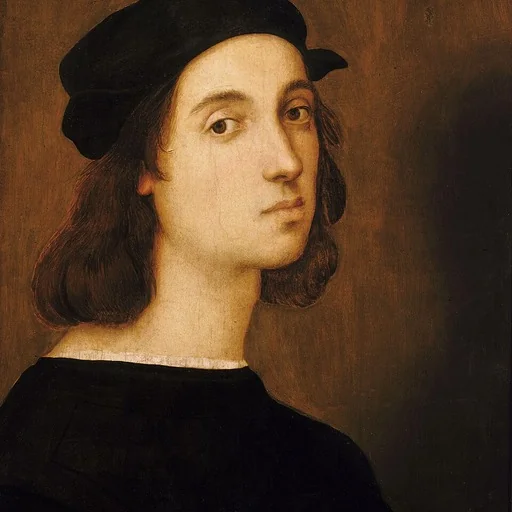
18th Century is an art period of the 1701–1800 period. The gallery holds 21,618 works in this period, including works by Jean Honoré Fragonard, Jacques-Louis David and Raphael.
The eighteenth century—the years between 1701 and 1800—was an age of transition in which European art moved from aristocratic spectacle toward Enlightenment reason. Its first decades belonged to the Rococo, a style born in the salons of Regency France around 1715 as the grand Baroque of Louis XIV gave way to a lighter, more private taste. Antoine Watteau invented the fête galante—dreamlike gatherings of elegant figures in parkland—while François Boucher and Jean-Honoré Fragonard pushed the manner toward its sensuous, decorative extreme. Fragonard's intimate Young Girl Reading (c. 1769, National Gallery of Art) epitomizes the mode: a single absorbed figure rendered in lemon-yellow and lavender with swift, almost improvisational brushwork.
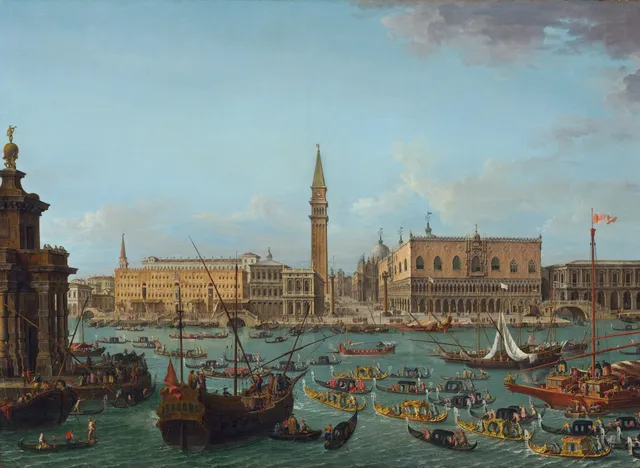
Rococo's hallmarks were asymmetry, serpentine line, pastel color, and ornament drawn from shells, foliage, and arabesque. Yet the same century prized observation and sentiment. Jean-Baptiste-Siméon Chardin gave still life and domestic life a sober dignity, and across Europe the period produced superb specialists: in Venice, the vedutisti Canaletto and Antonio Joli sold luminous, topographically exact city views to Grand Tourists—Joli's Procession of Gondolas in the Bacino di San Marco is one such souvenir of the lagoon—while Giovanni Battista Tiepolo crowned palaces and churches with the era's last great illusionistic ceilings.
In Britain a confident national school emerged around the founding of the Royal Academy in 1768. Joshua Reynolds and Thomas Gainsborough elevated portraiture, and a younger generation, including Francis Wheatley, painted conversation pieces and rural scenes such as The Saithwaite Family. In the American colonies the largely self-taught itinerant Ralph Earl recorded the plain-spoken gentry of the new republic in works like Mrs. Noah Smith and Her Children.
By mid-century, Enlightenment ideals and the rediscovery of Pompeii and Herculaneum bred a reaction. Neoclassicism, crystallizing in the 1760s, rejected Rococo frivolity for clarity, restraint, and moral seriousness drawn from Greece and Rome. Jacques-Louis David's Oath of the Horatii (1784) became its manifesto—stark, sculptural, and charged with civic virtue—while Francisco Goya carried portraiture toward the psychological unease of the coming Romantic age. Thus the century that opened with courtly pleasure closed with revolutionary gravity, bridging the Baroque and the modern era.
Key artists
Works
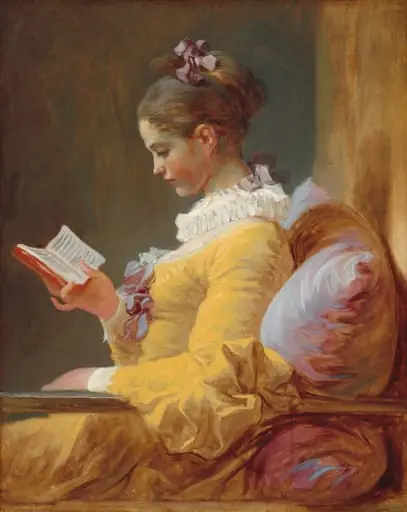 Young Girl Reading
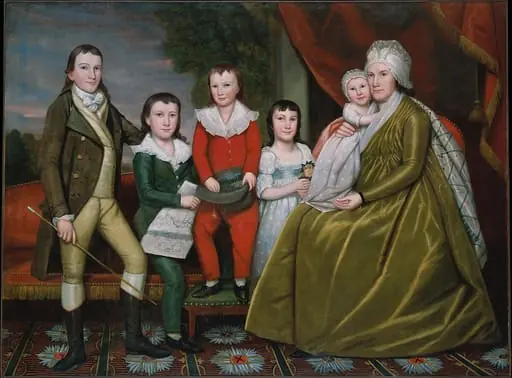 Mrs. Noah Smith and Her Children
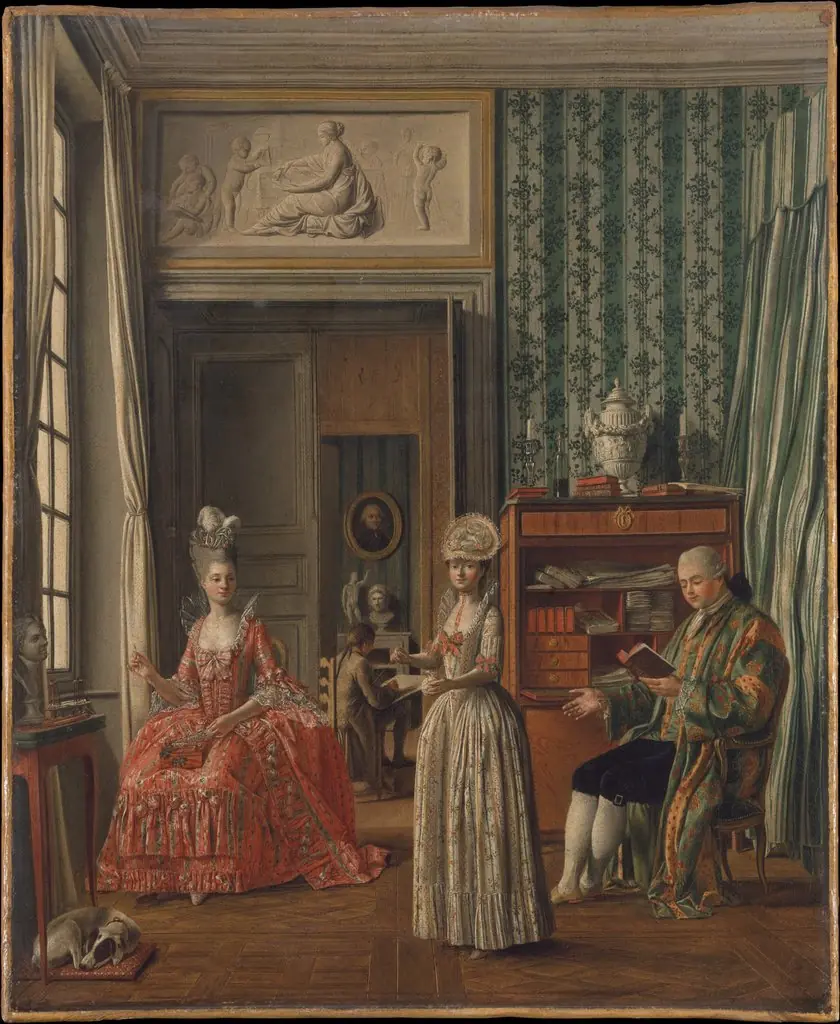 Domestic Scene
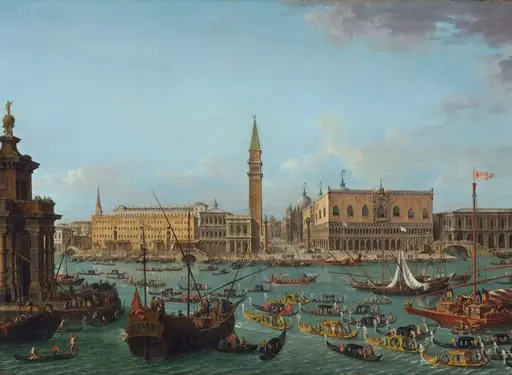 Procession of Gondolas in the Bacino di San Marco, Venice
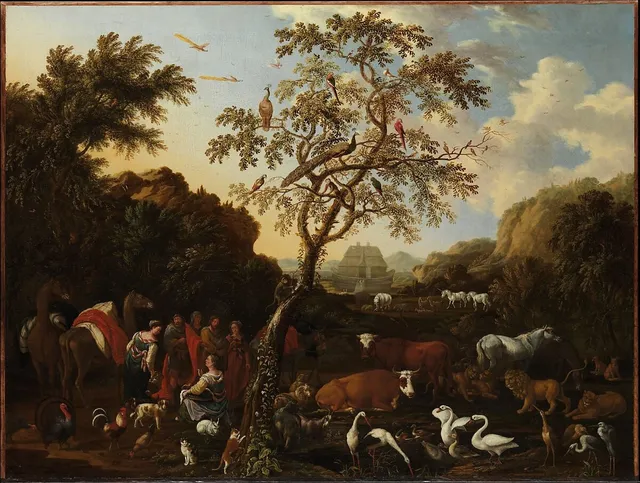
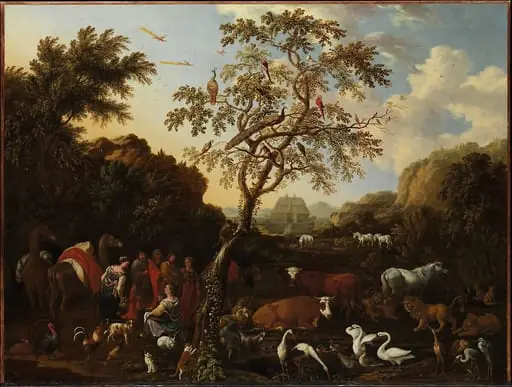 The Ark
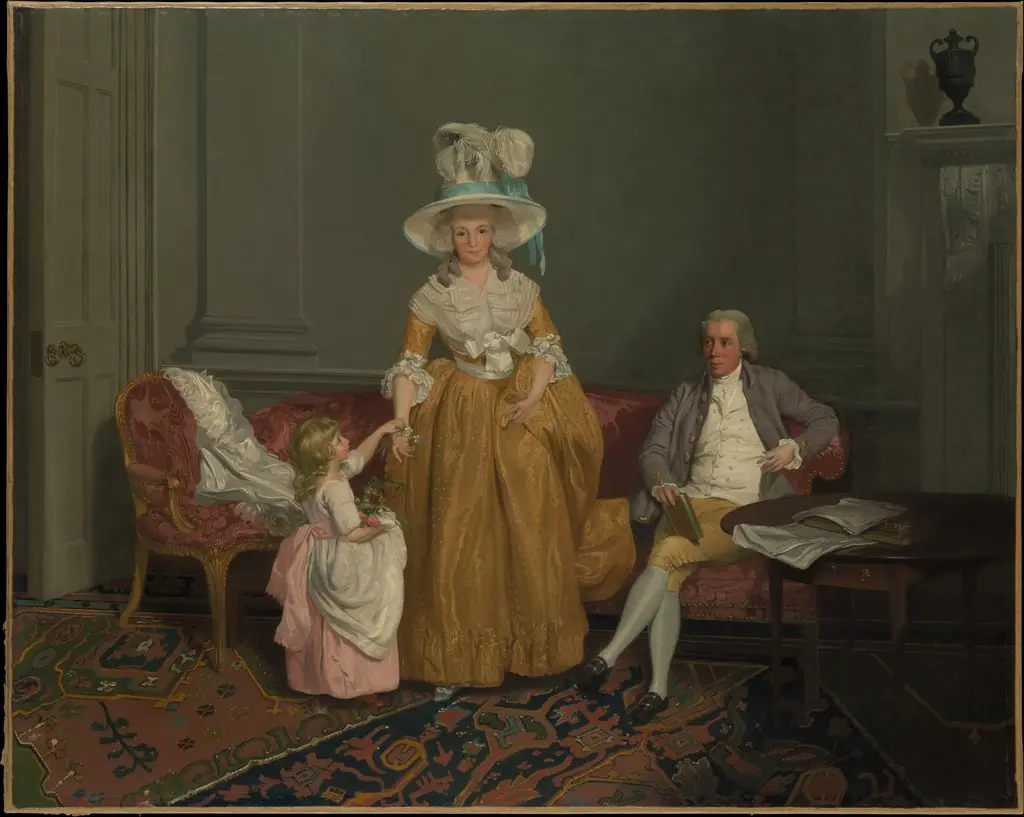 The Saithwaite Family
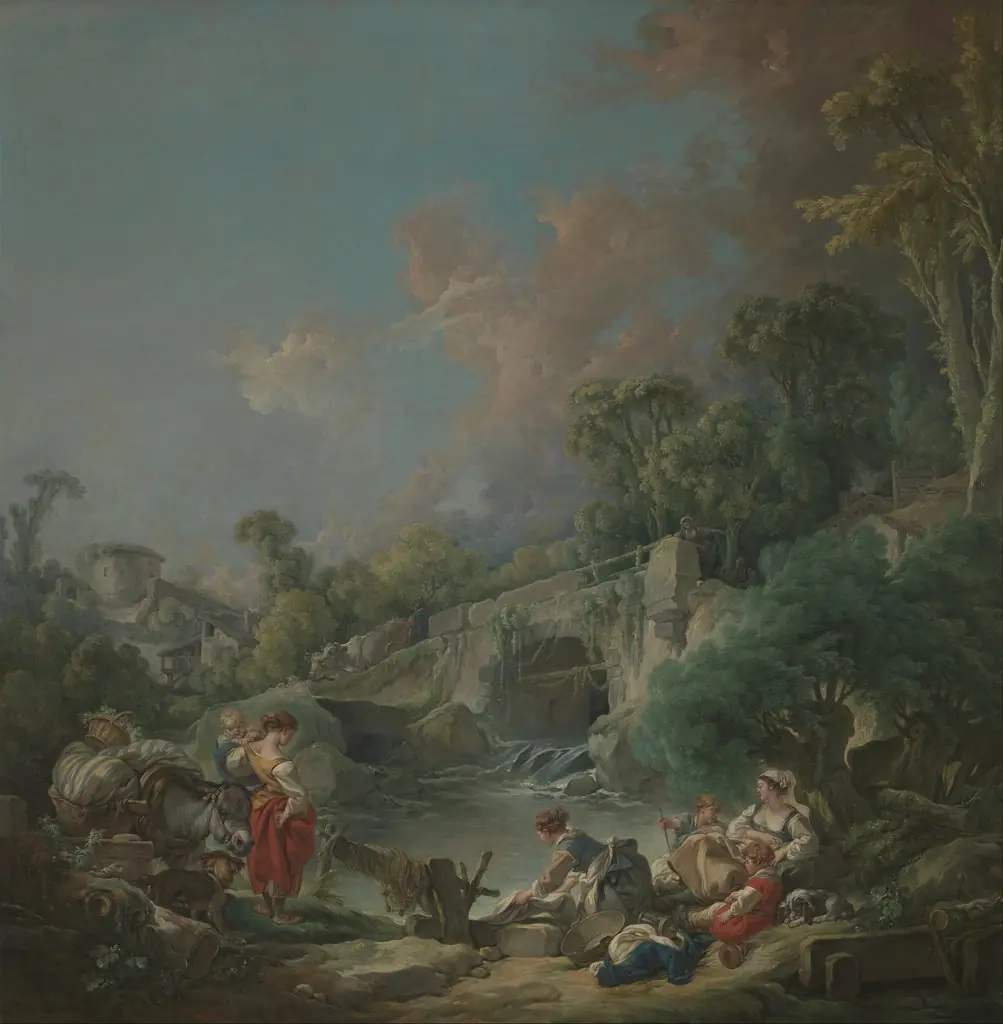 Washerwomen
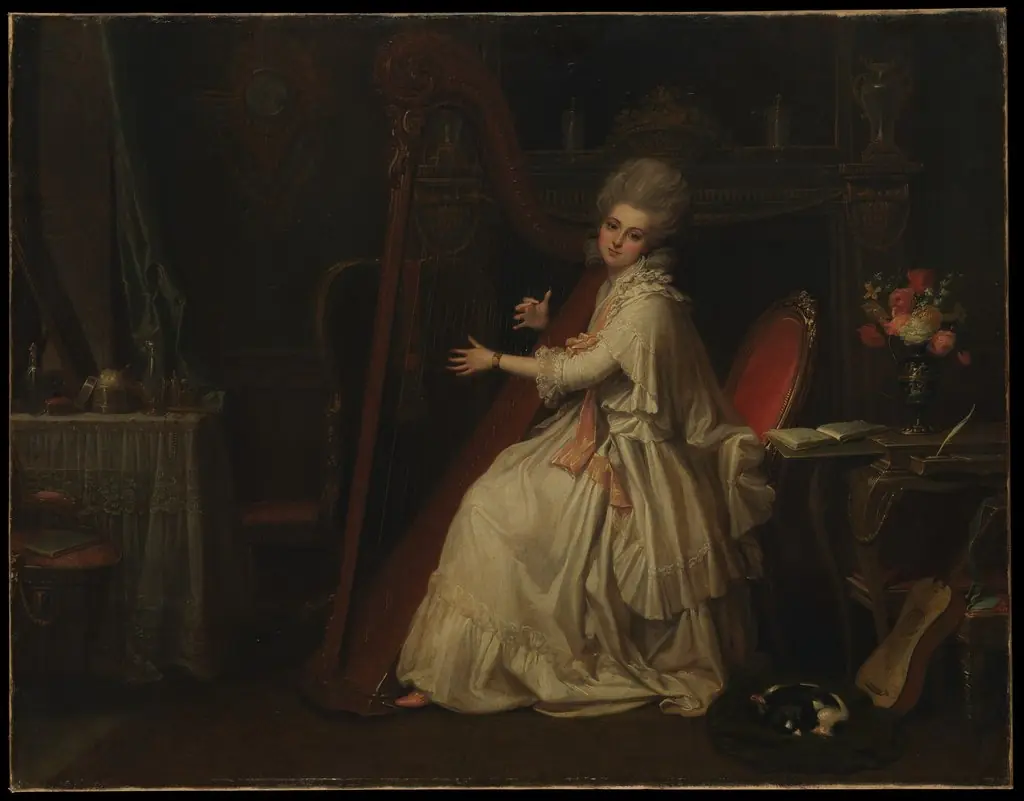 Portrait of Marianne Dorothy Harland (1759–1785), Later Mrs. William Dalrymple
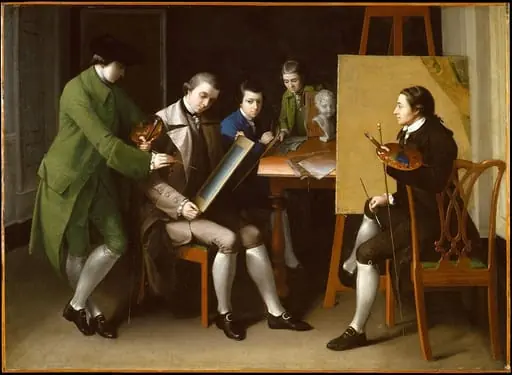 The American School
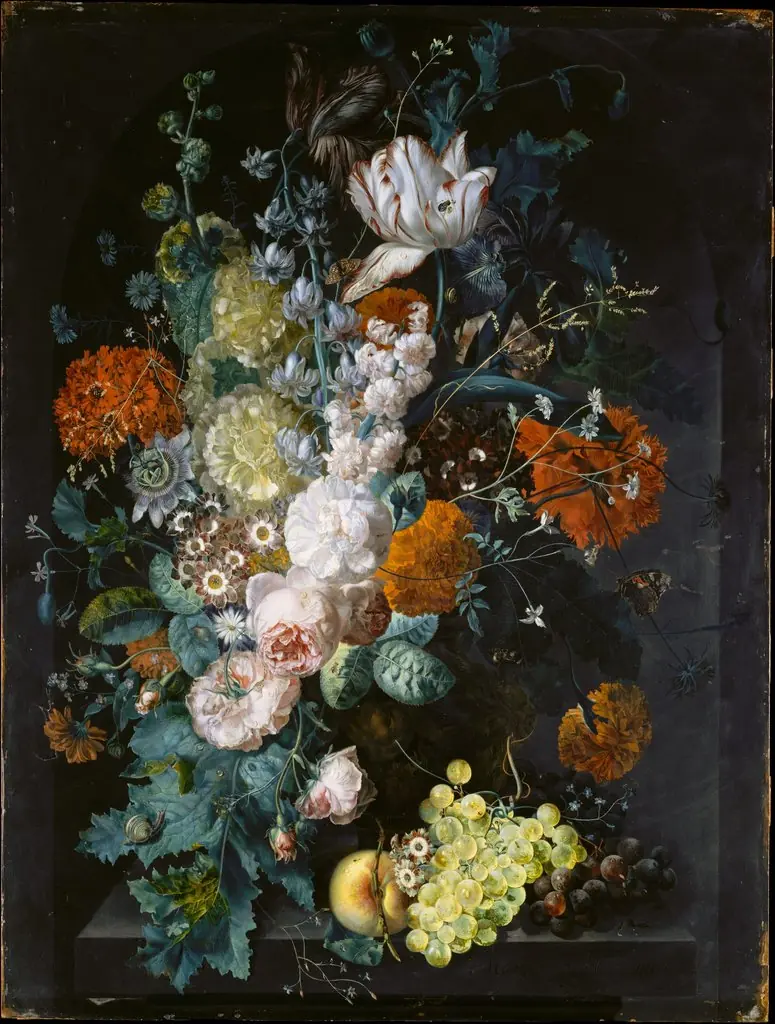 A Vase of Flowers
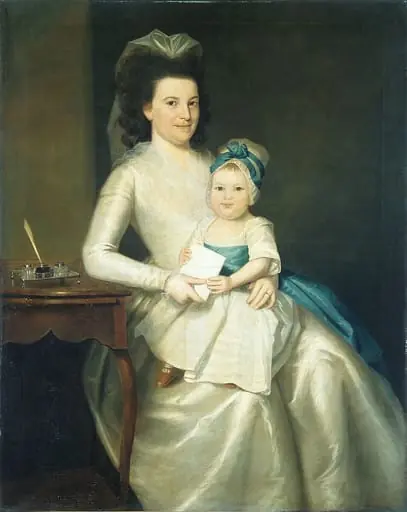 Lady Williams and Child
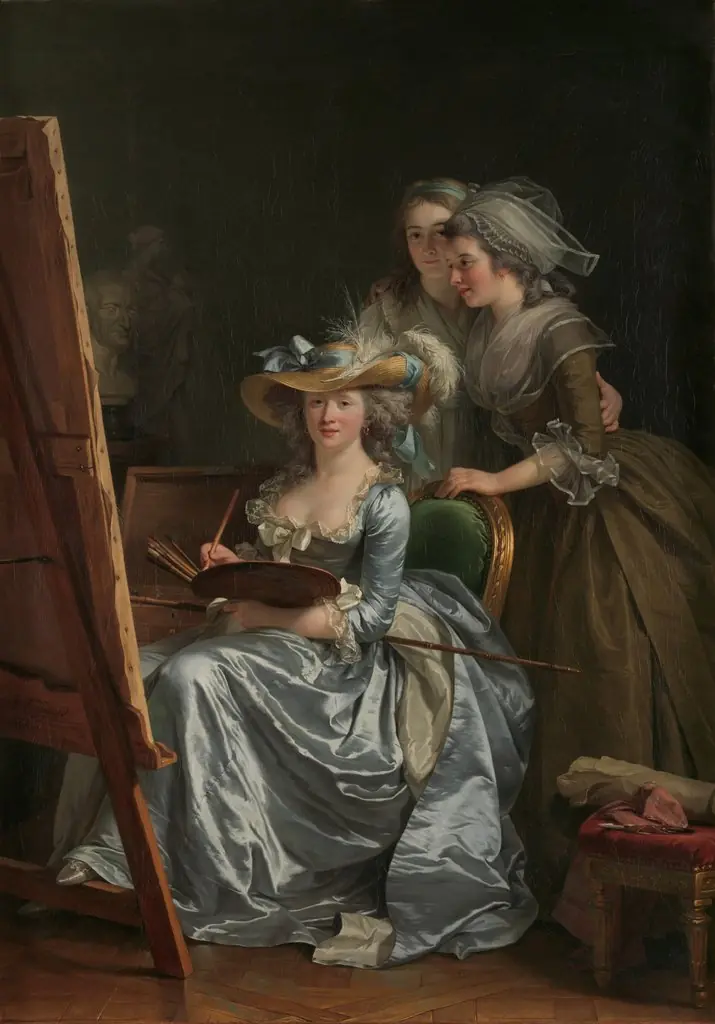 Self-Portrait with Two Pupils
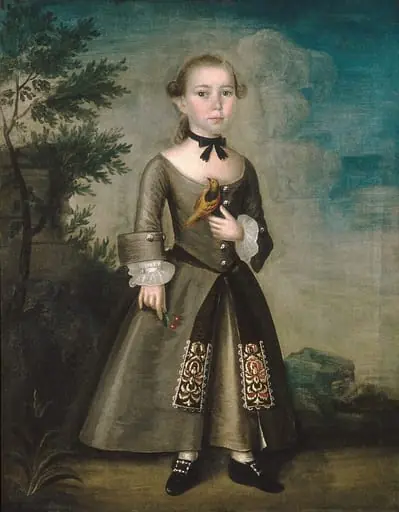 James Badger
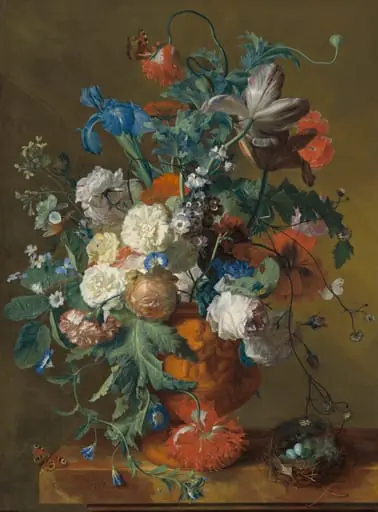 Flowers in an Urn
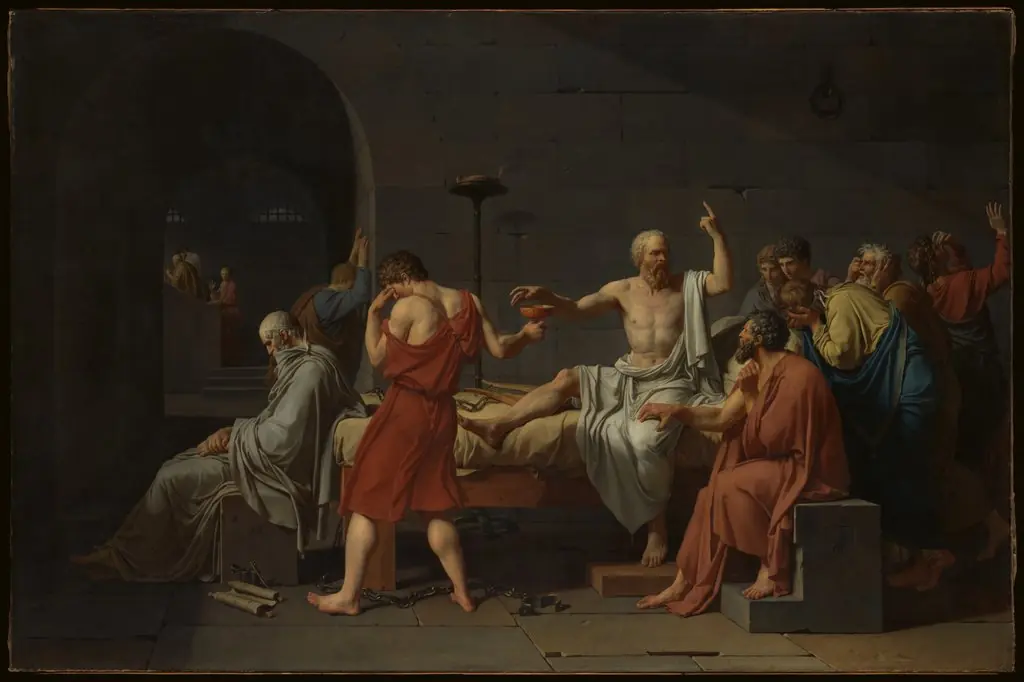 The Death of Socrates
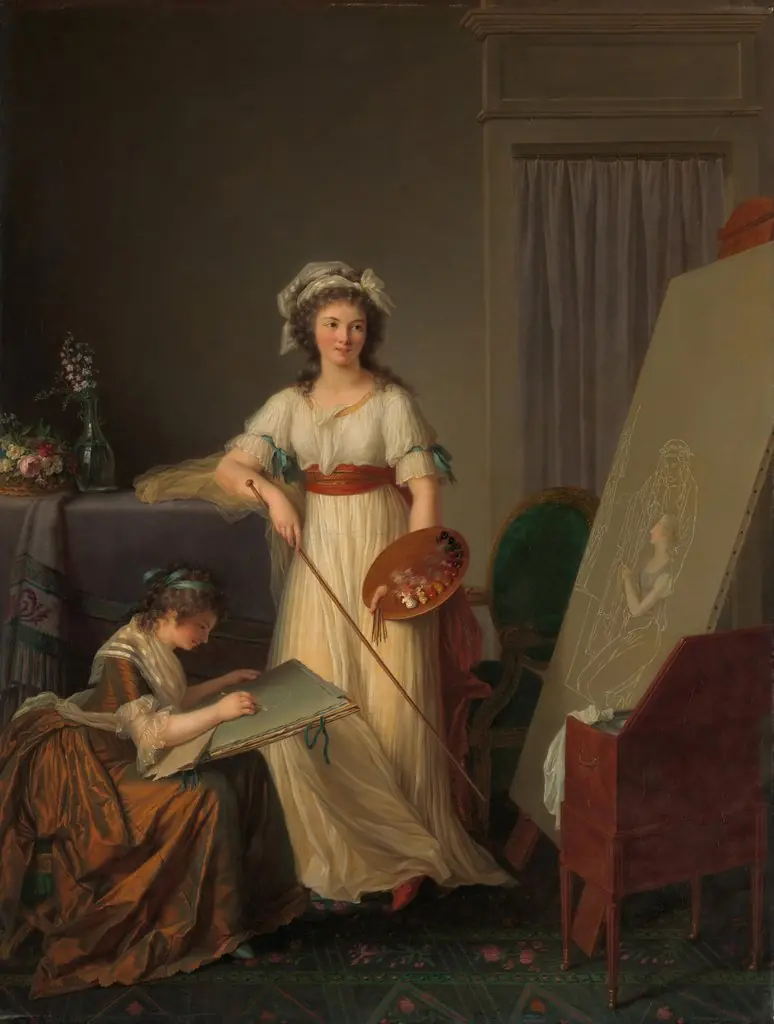 The Interior of an Atelier of a Woman Painter
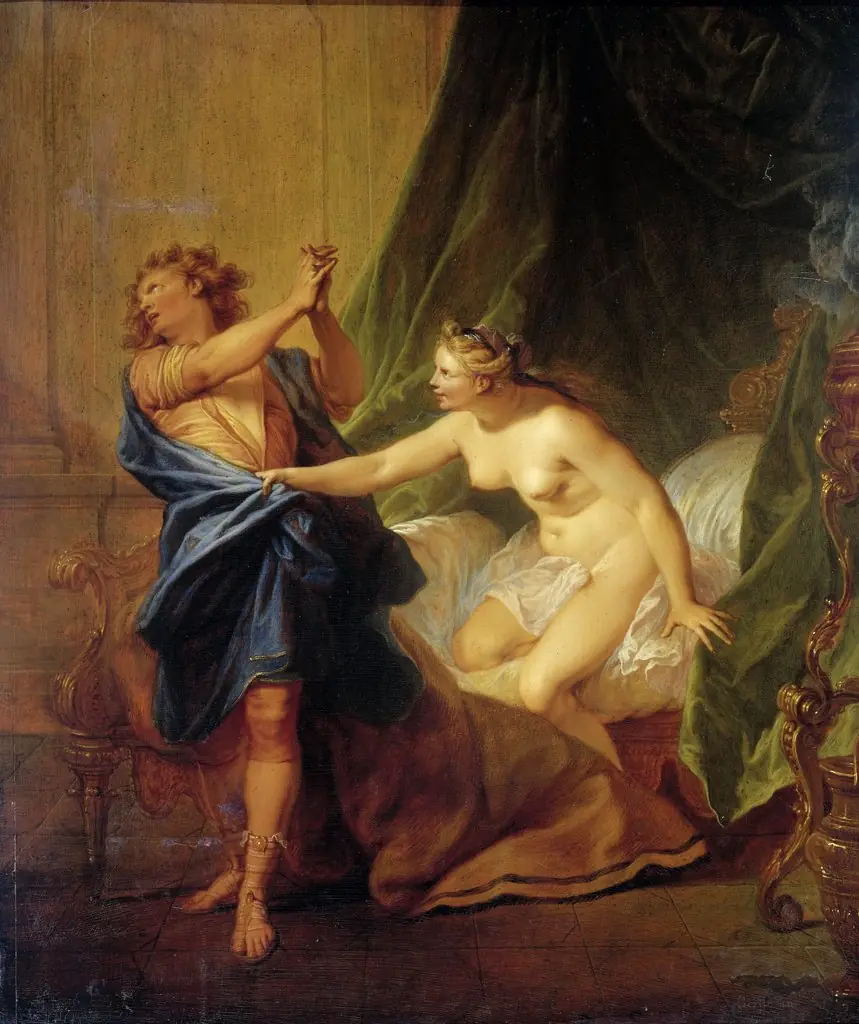 Joseph and Potiphar's Wife
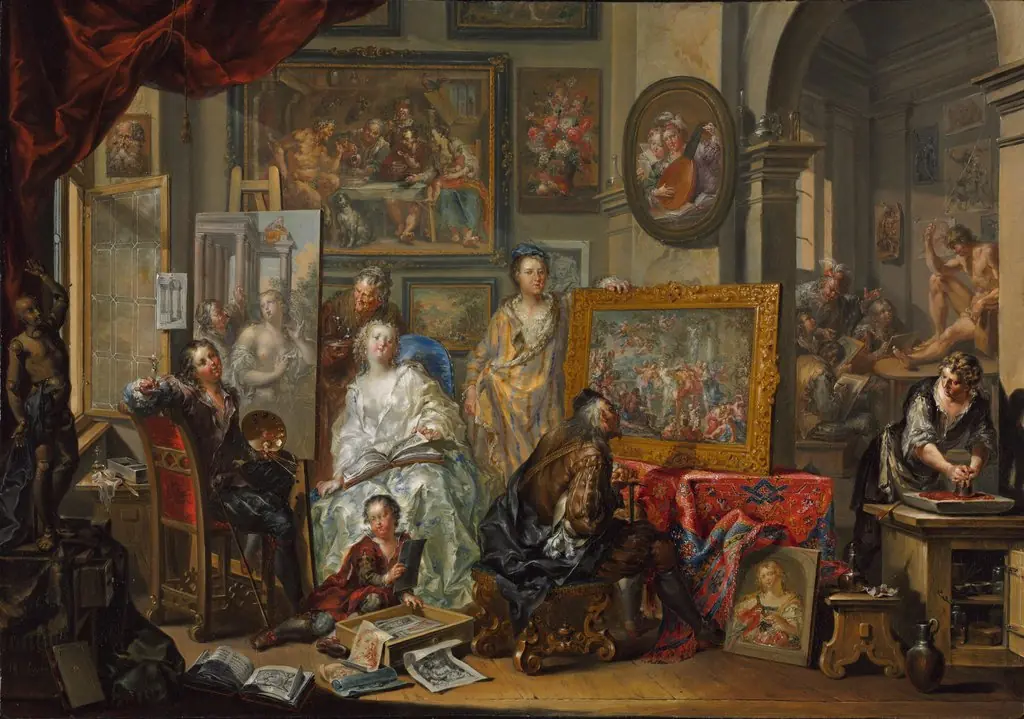 The Artist's Studio
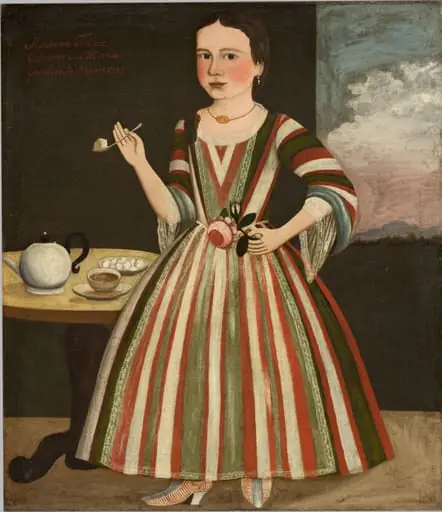 Susanna Truax
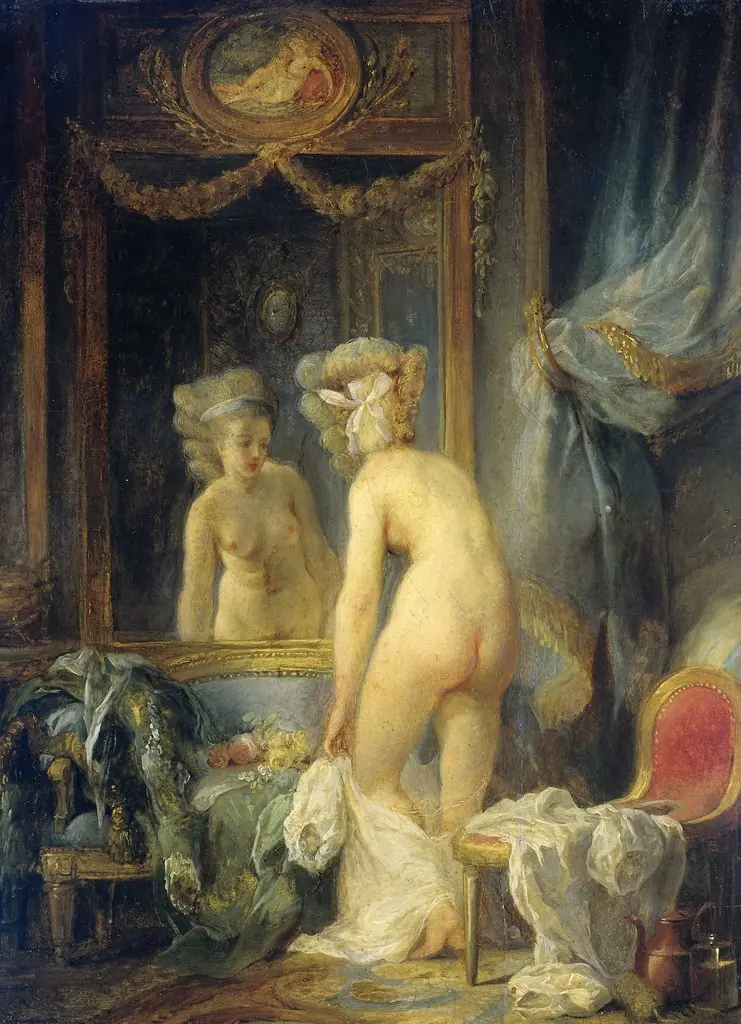 Morning Toilet
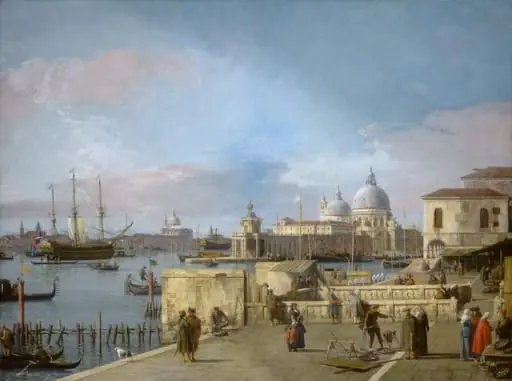 Entrance to the Grand Canal from the Molo, Venice
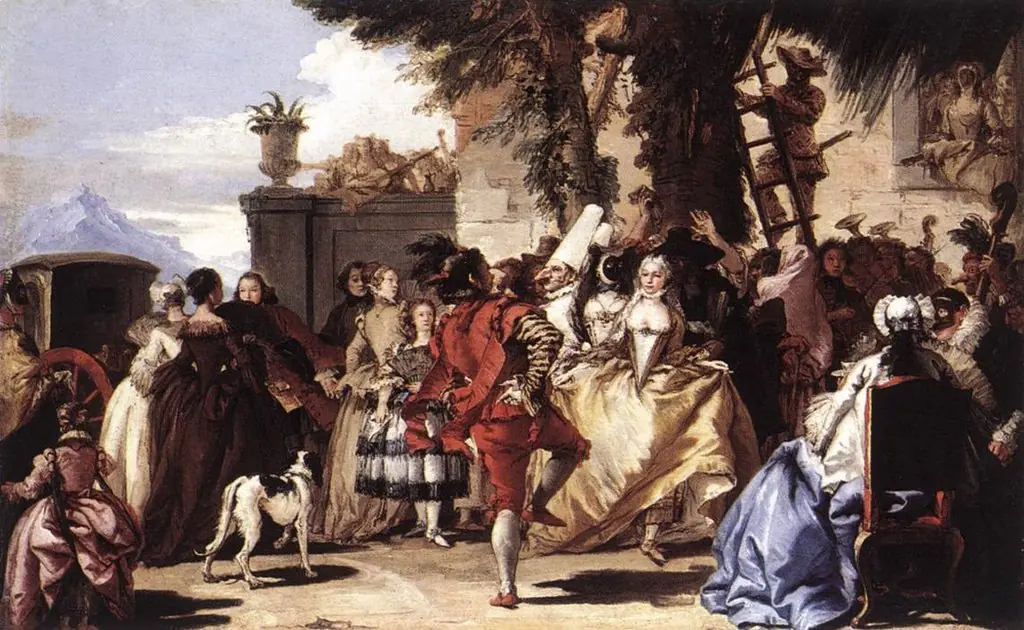 A Dance in the Country
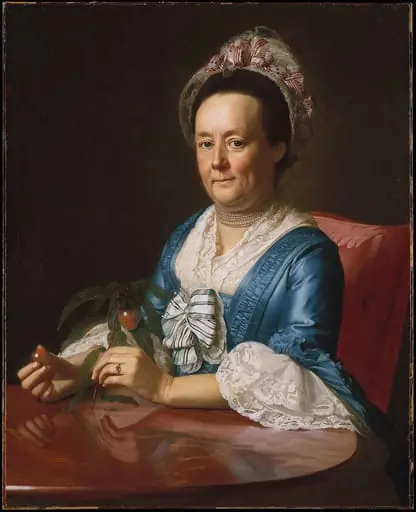 Mrs. John Winthrop
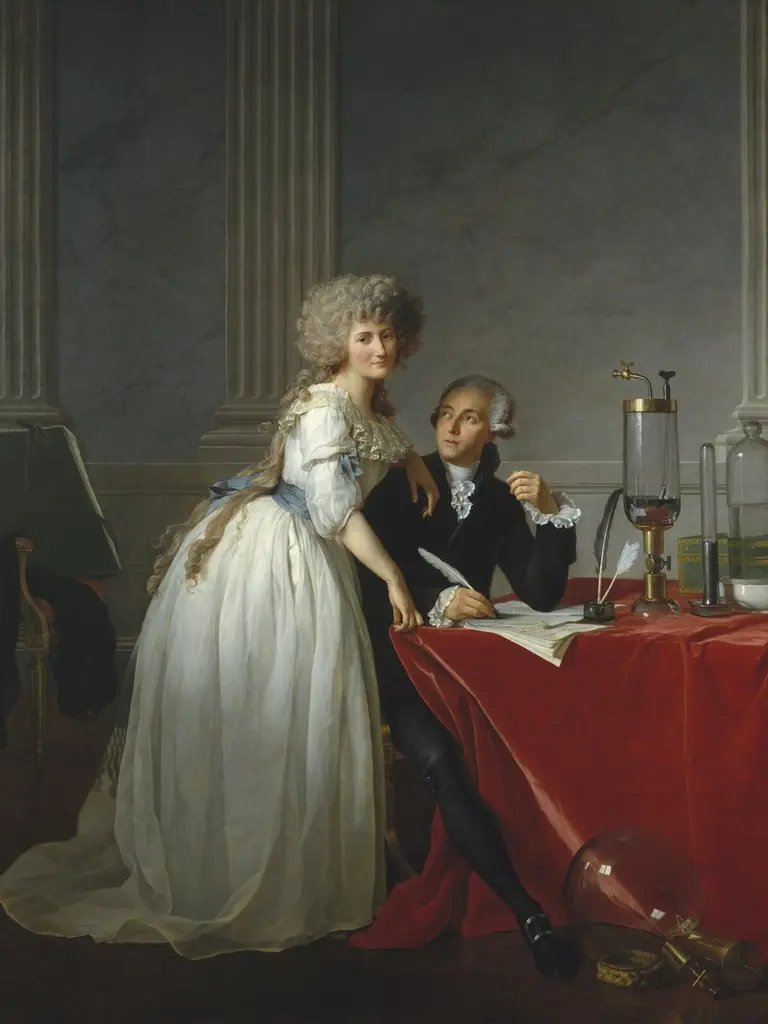 Portrait of Antoine-Laurent Lavoisier and his wife
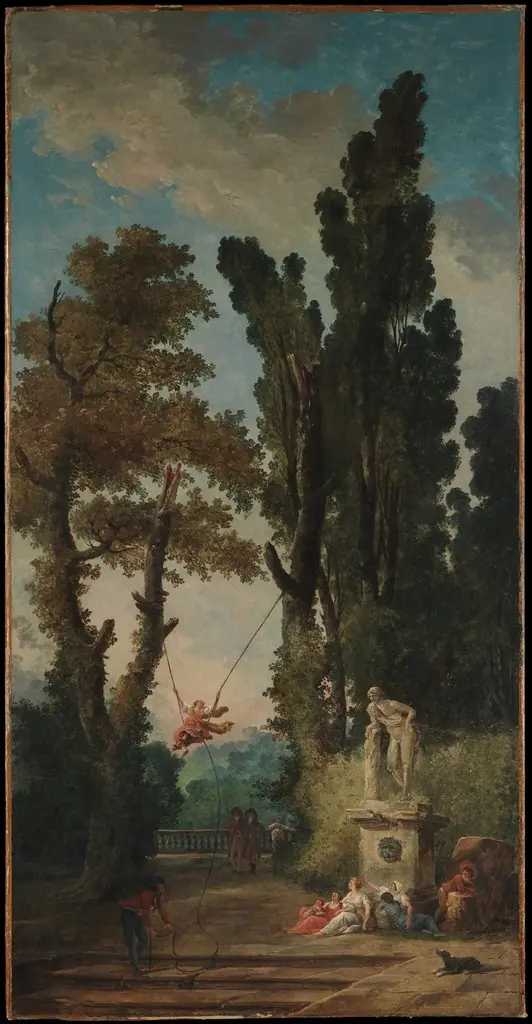 The Swing
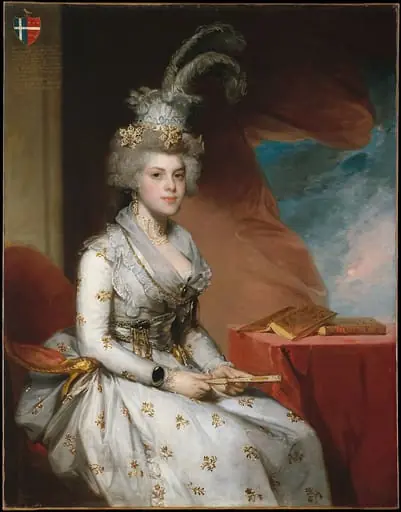 Matilda Stoughton de Jaudenes
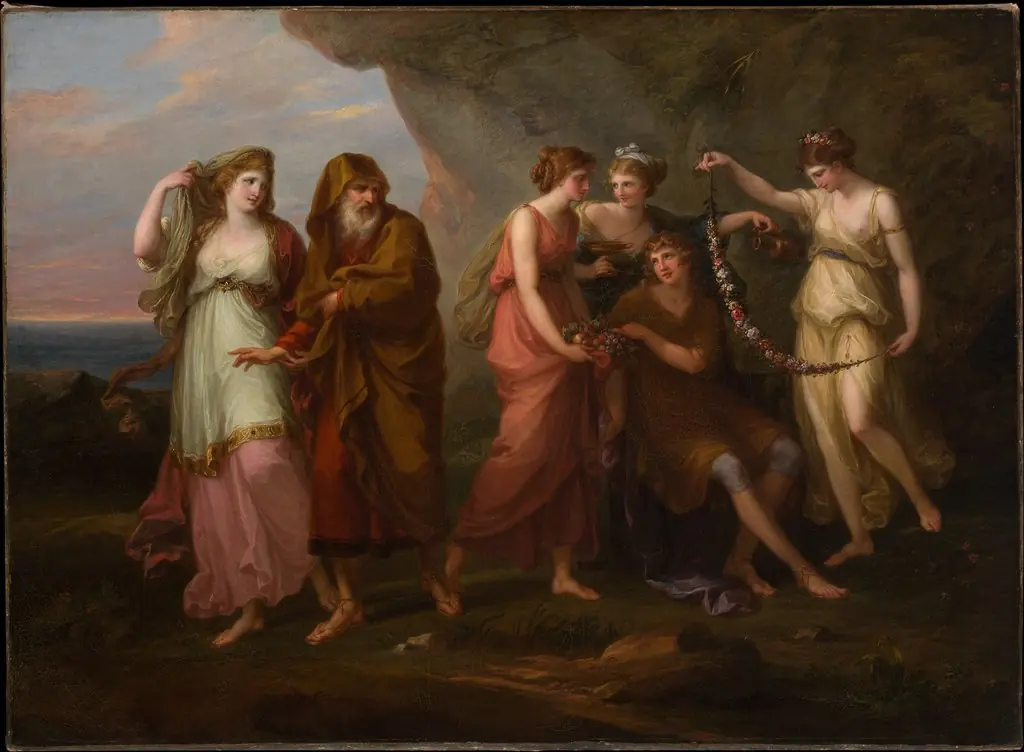 Telemachus and the Nymphs of Calypso
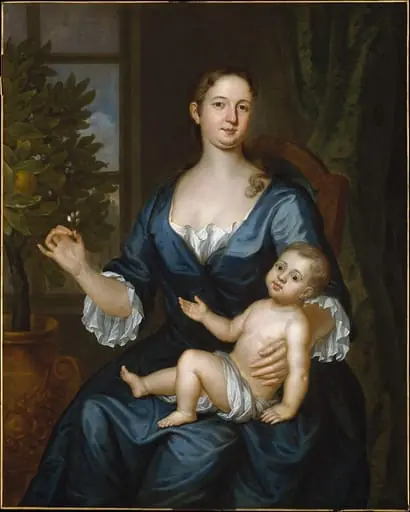 Mrs. Francis Brinley and Her Son Francis
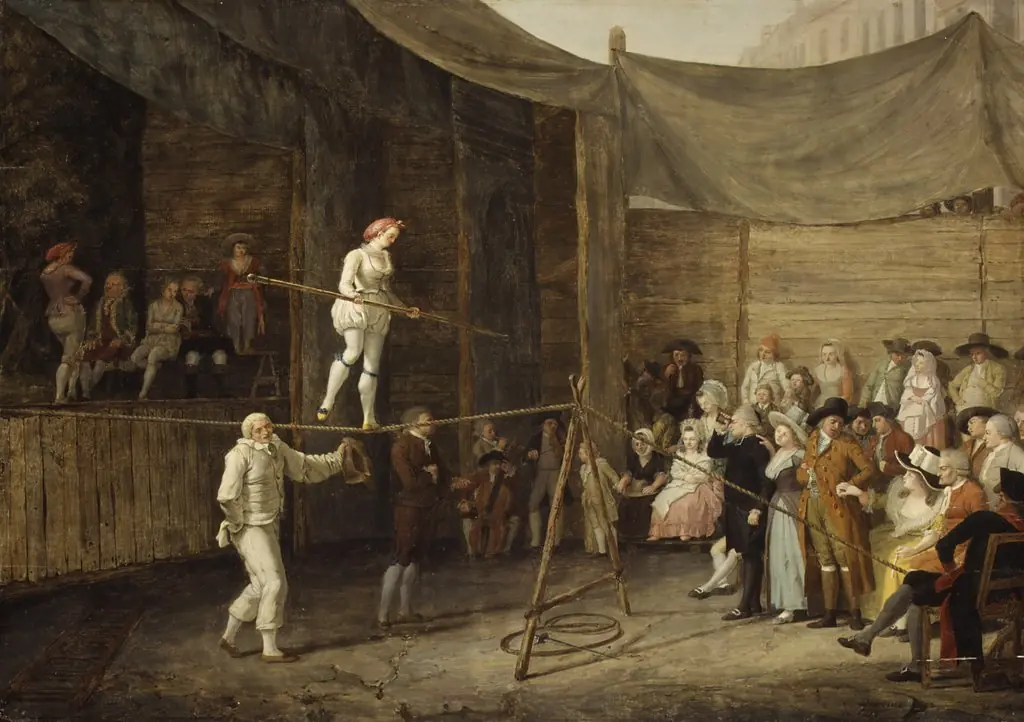 The Rope Dance
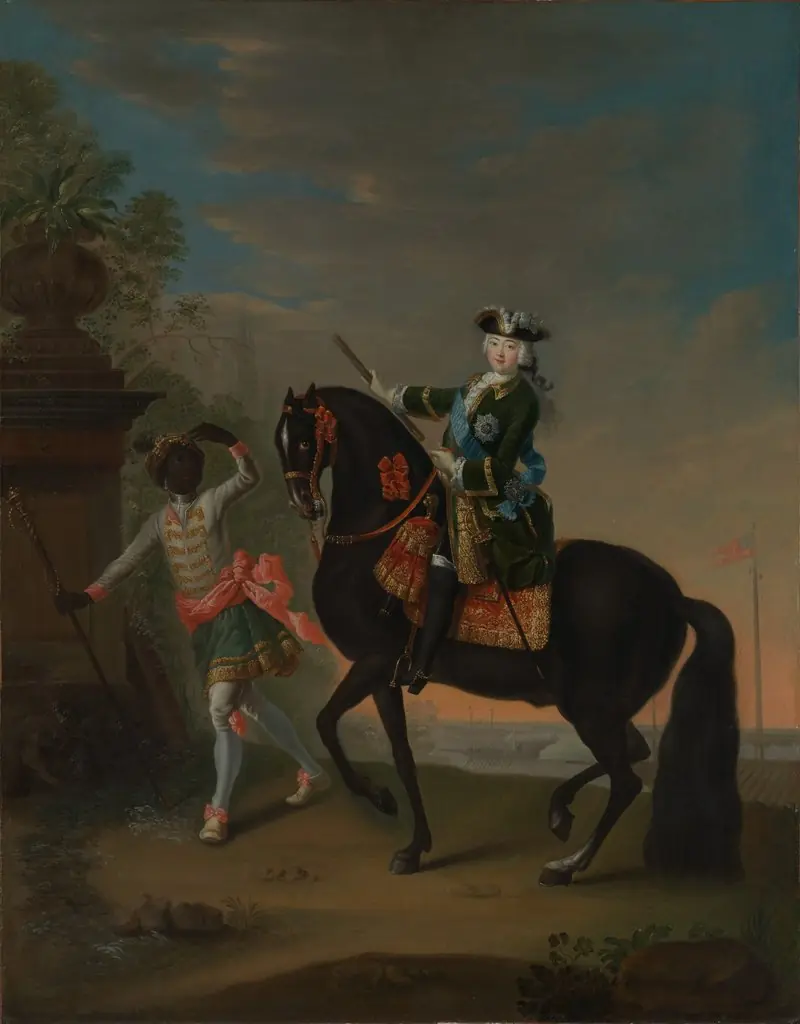 The Empress Elizabeth of Russia (1709–1762) on Horseback, Attended by a Page
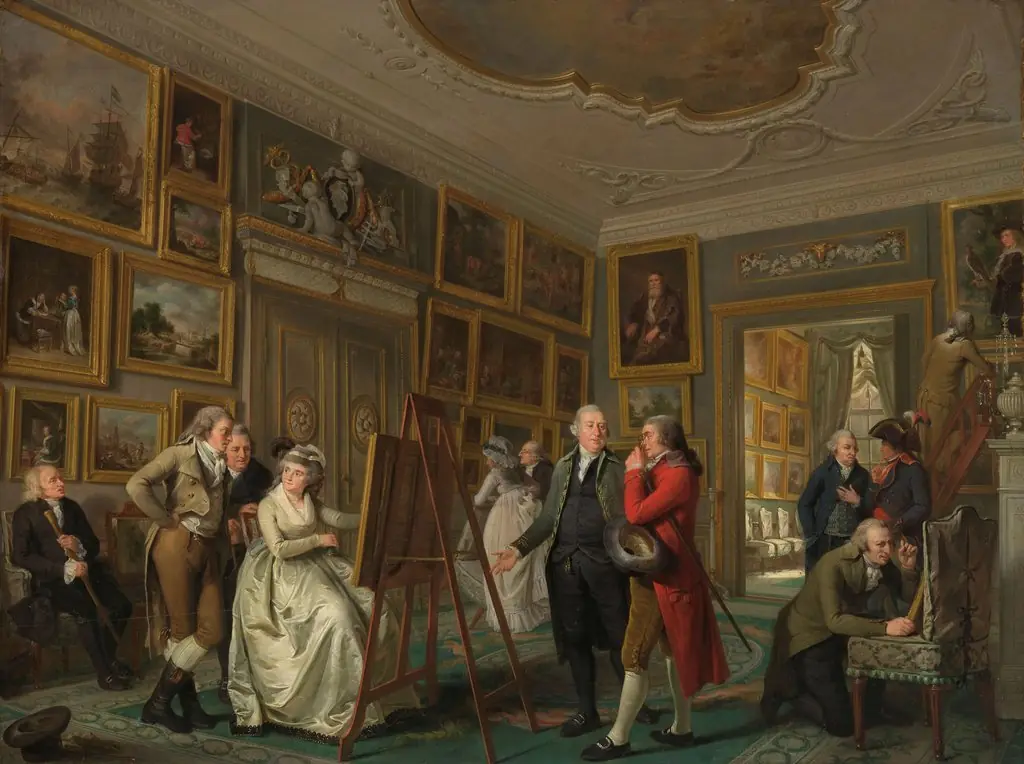 The Art Gallery of Jan Gildemeester Jansz
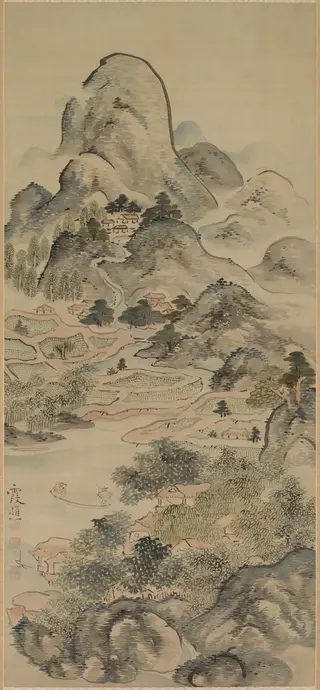 Fishing in Springtime
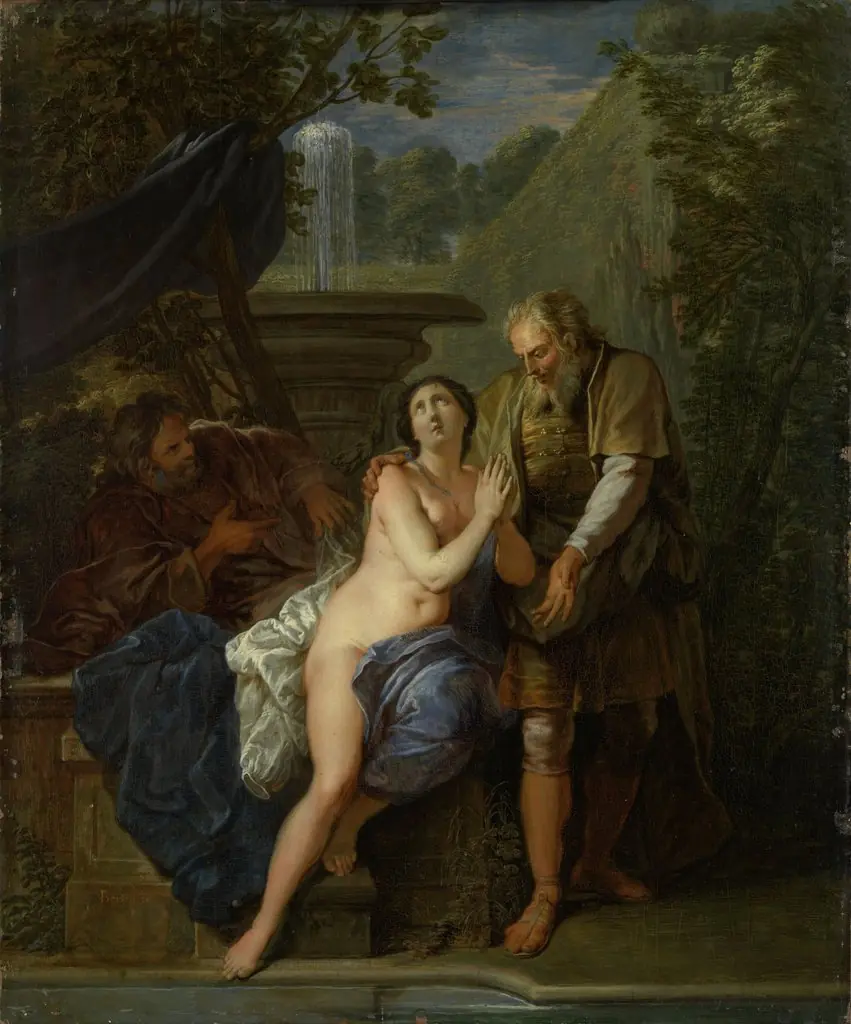 Susanna and the Elders
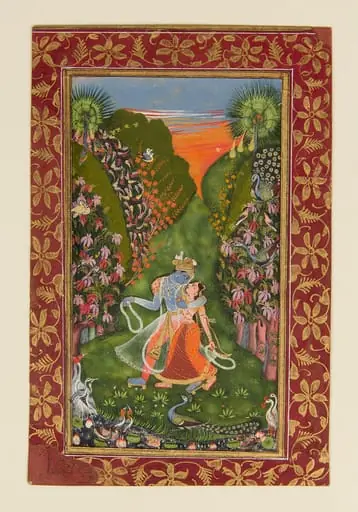 Untitled
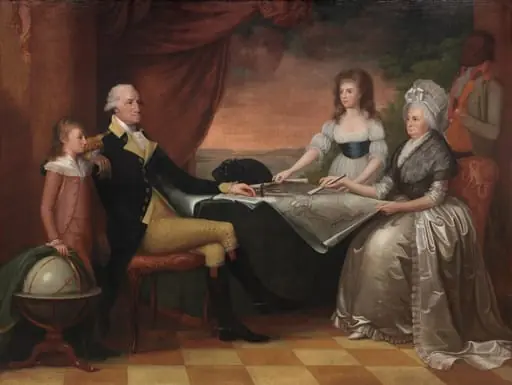 The Washington Family
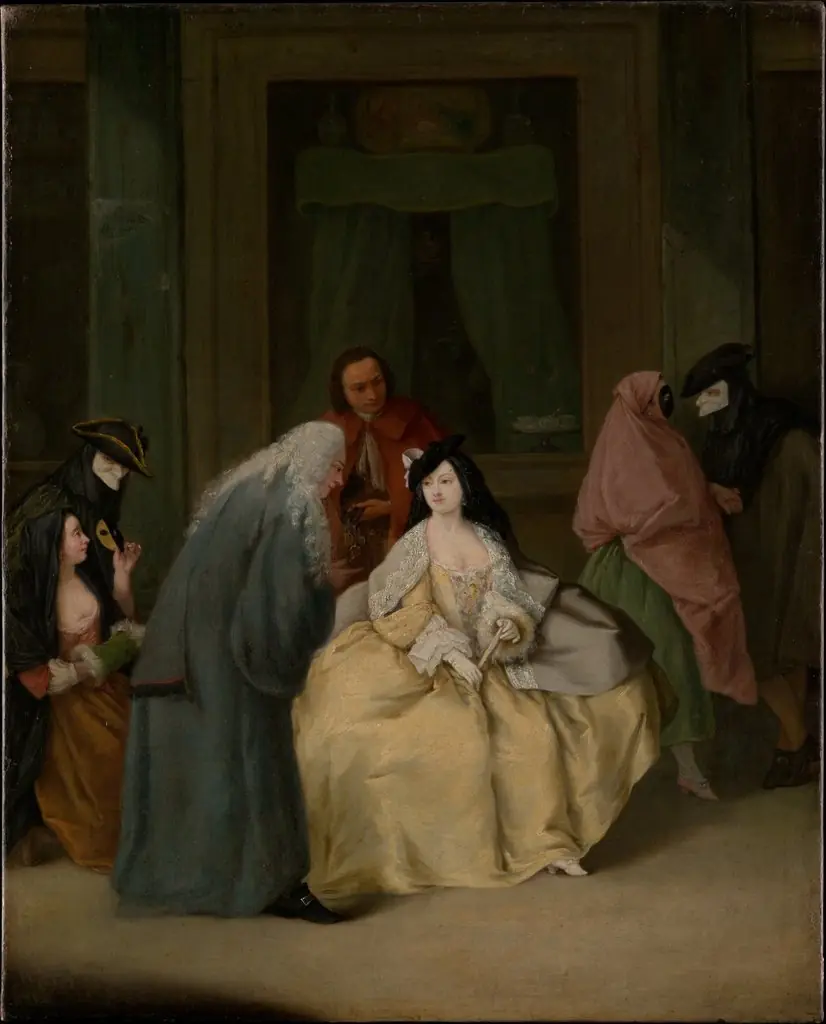 The Meeting
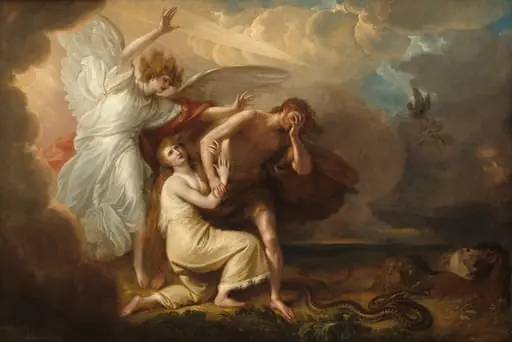 The Expulsion of Adam and Eve from Paradise
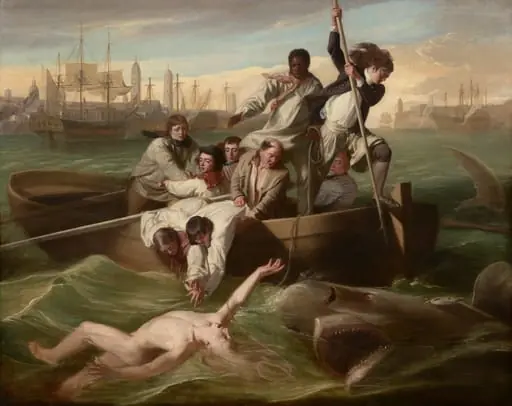 Watson and the Shark
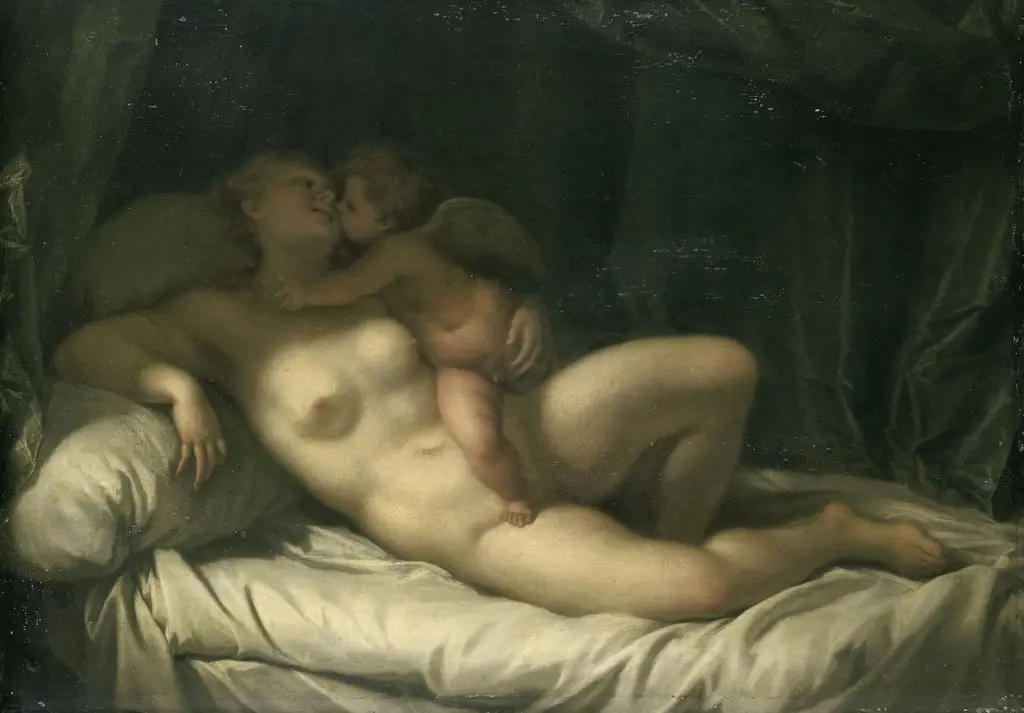 Cupid Kissing Venus (Venus Kissed by Amor)
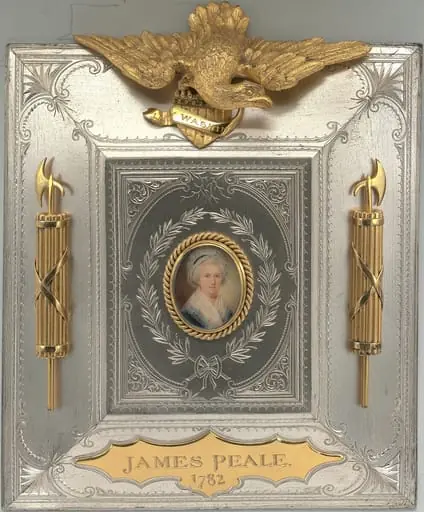 Martha Washington
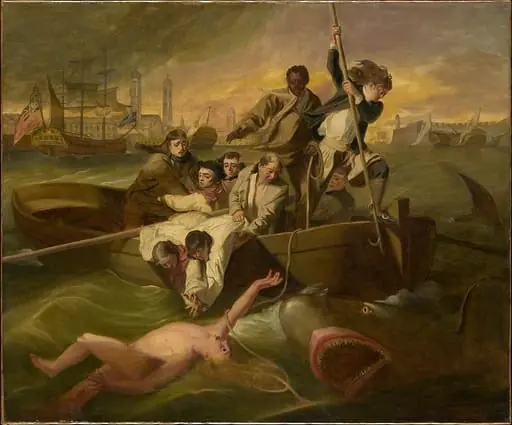 Watson and the Shark
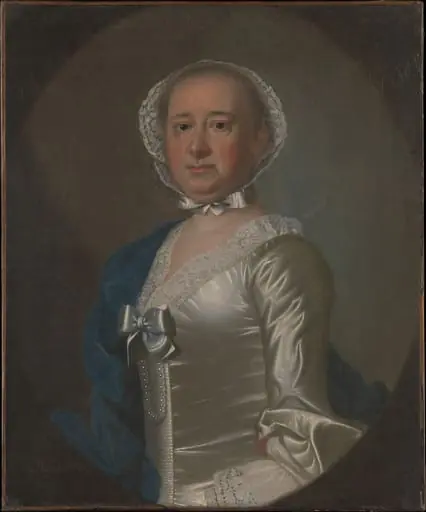 Mrs. Gabriel Manigault
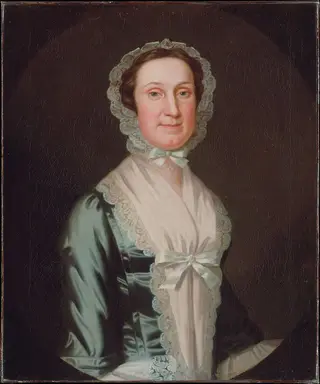 Mrs. Joseph Reade
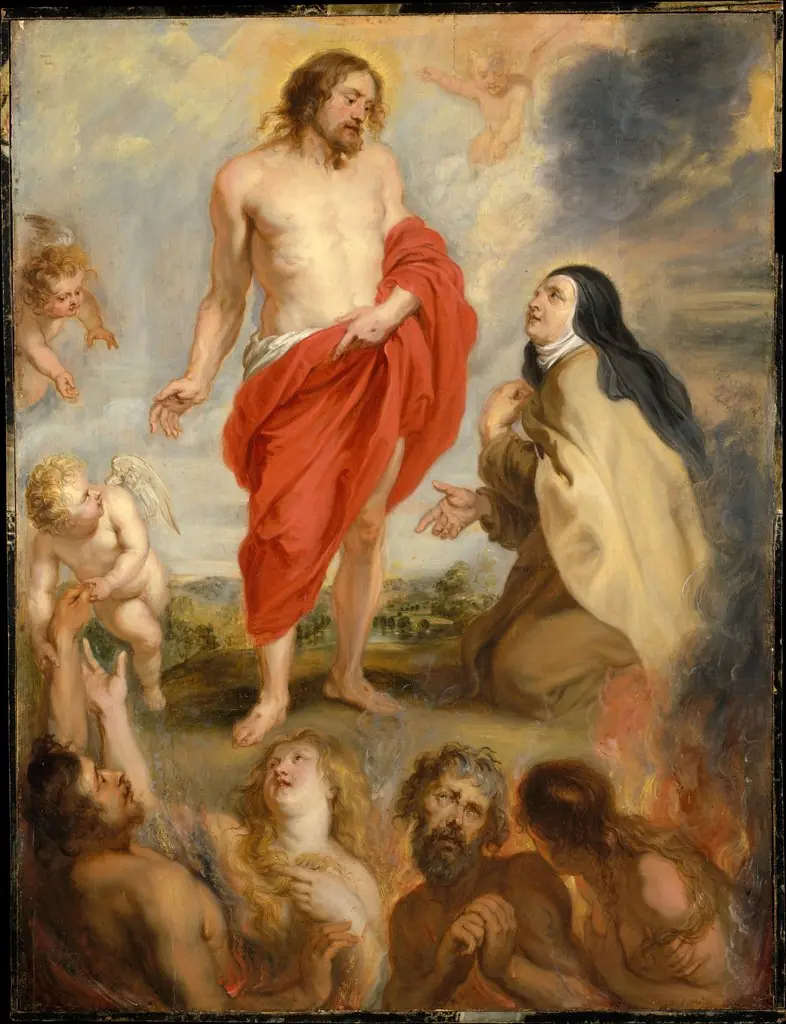 Saint Teresa of Ávila Interceding for Souls in Purgatory
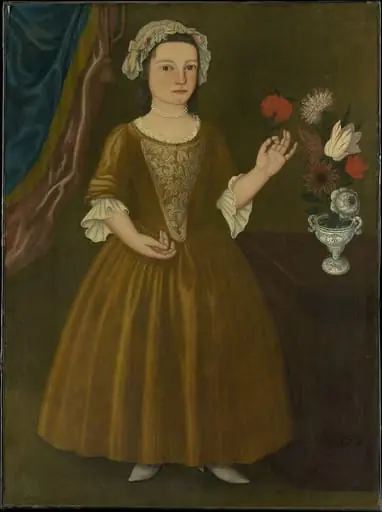 Catherina Elmendorf
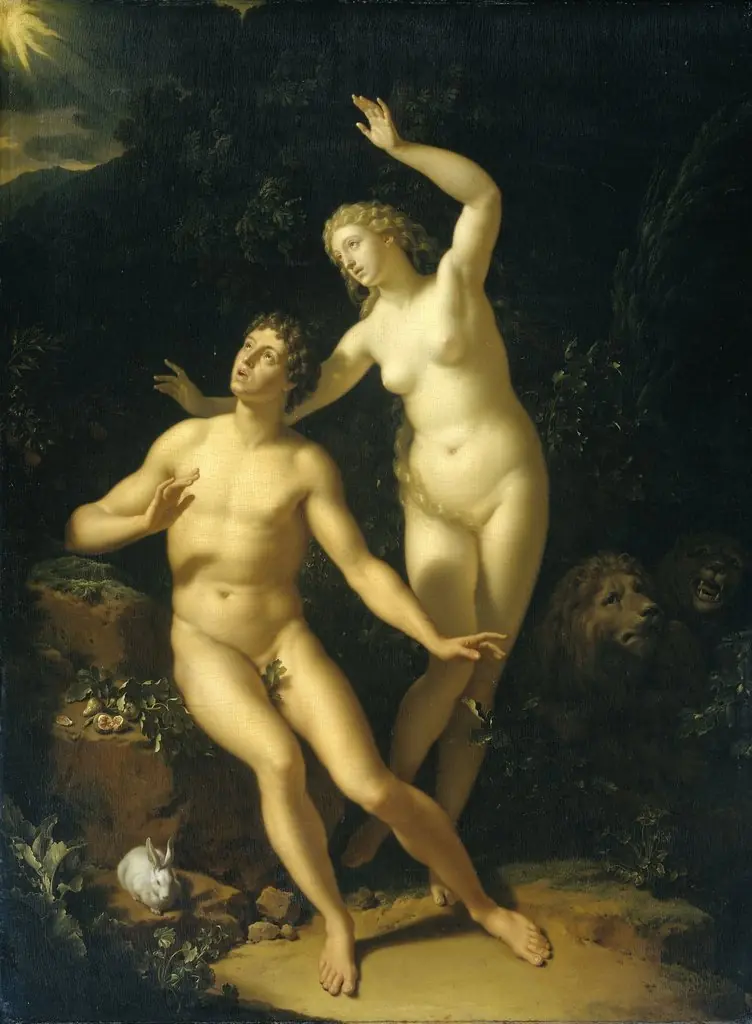 God Holds Adam and Eve Responsible
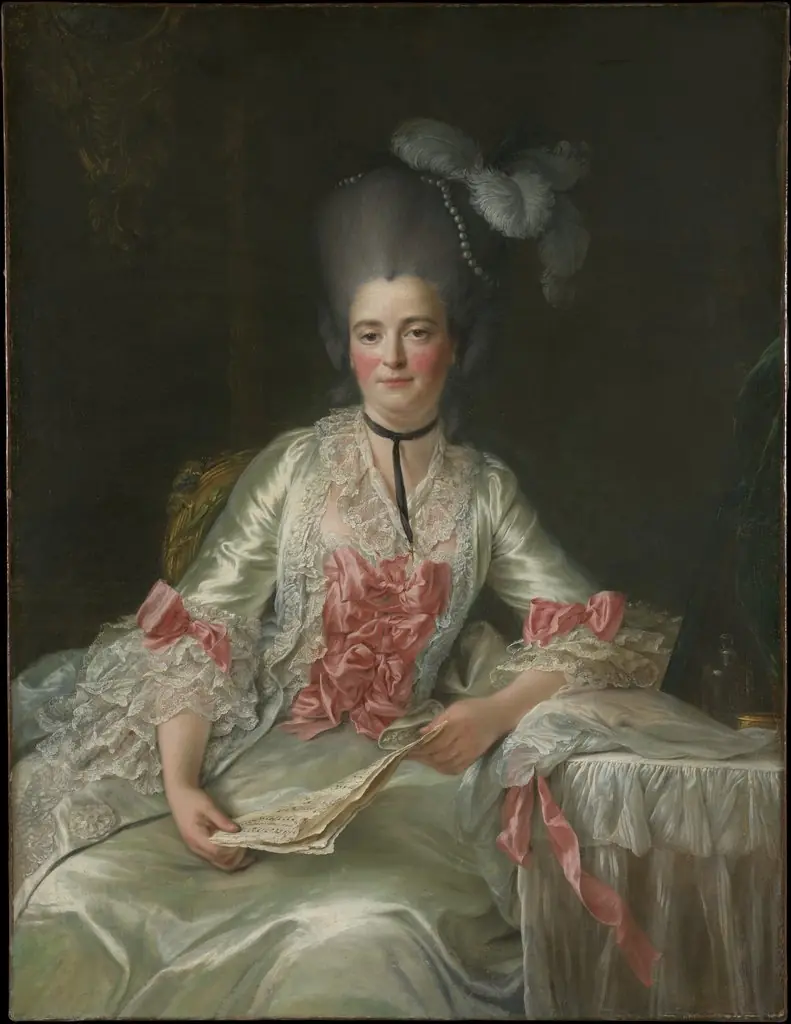 Marie Rinteau, called Mademoiselle de Verrières
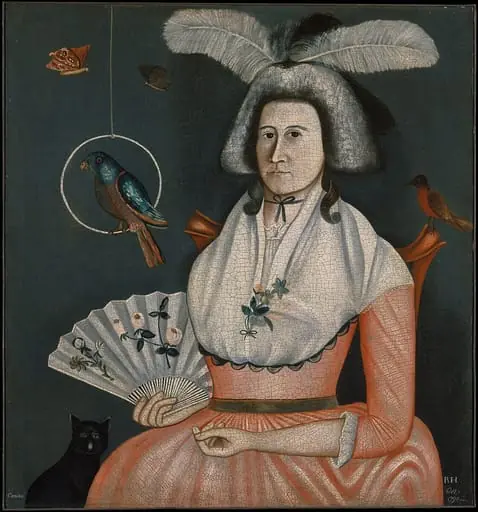 Molly Wales Fobes
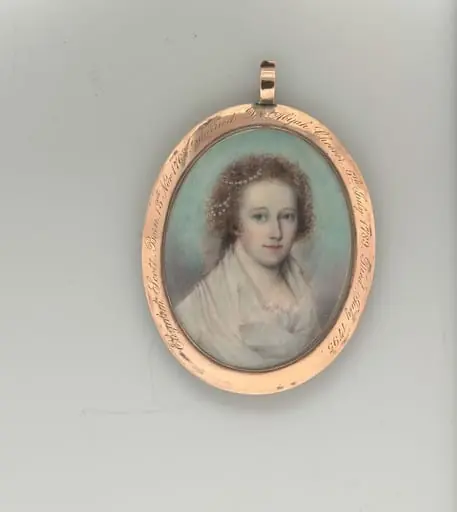 Mrs. Abijah Cheever (Elizabeth Scott)
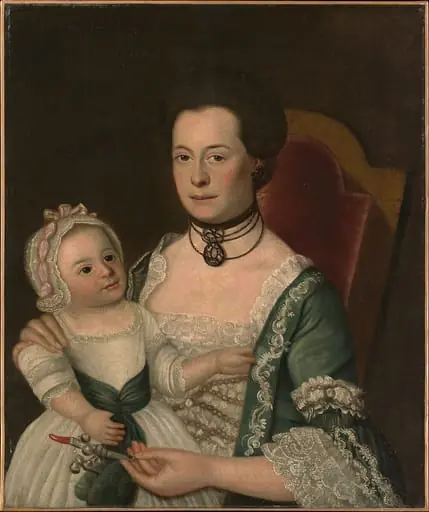 Mrs. Jacob Hurd and Child
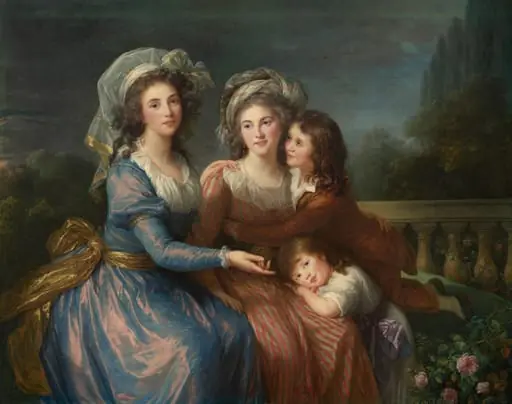 The Marquise de Pezay, and the Marquise de Rougé with Her Sons Alexis and Adrien
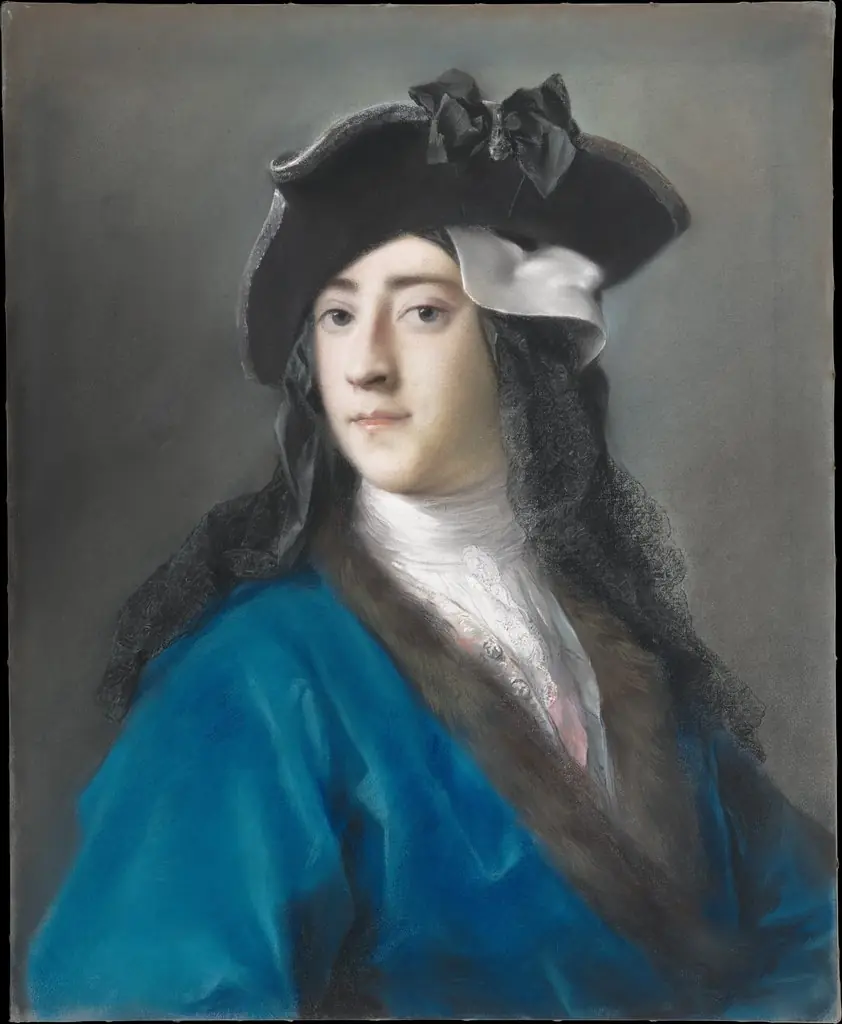 Gustavus Hamilton (1710–1746), Second Viscount Boyne, in Masquerade Costume
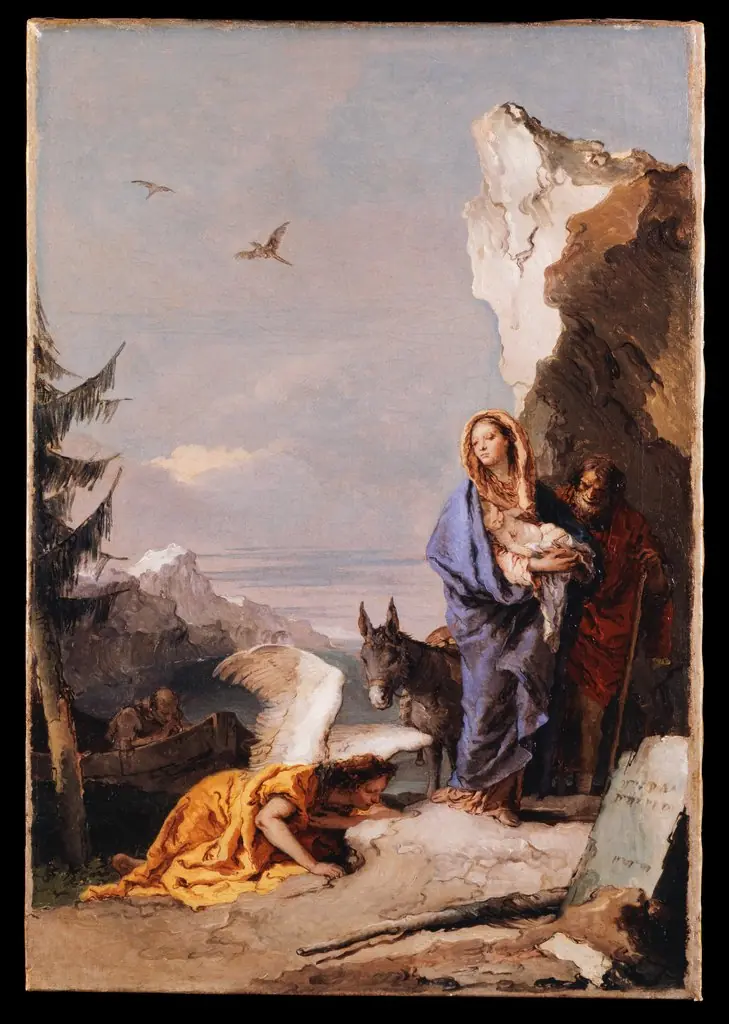 The Flight into Egypt
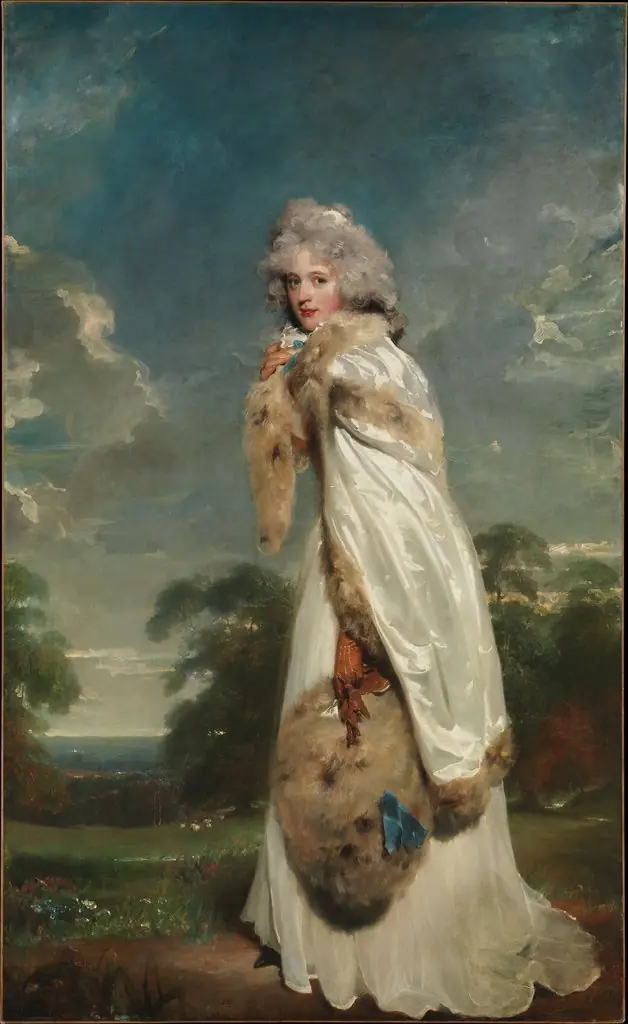 Elizabeth Farren (born about 1759, died 1829), Later Countess of Derby
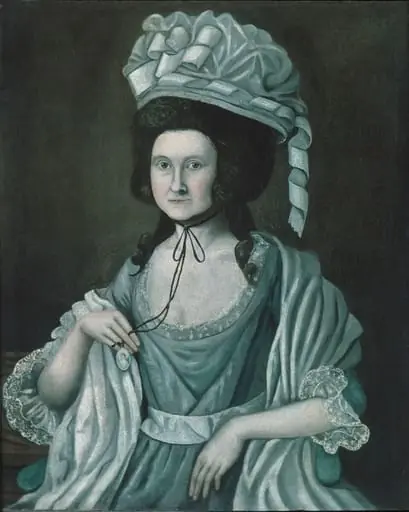 Sally Sanford Perit
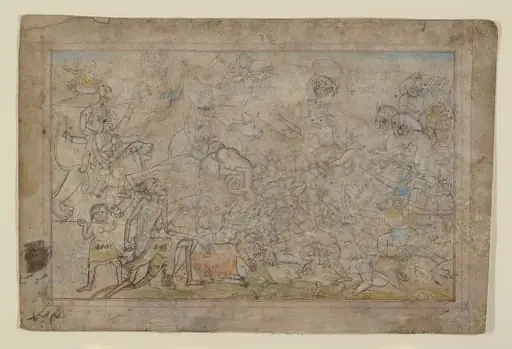 Untitled
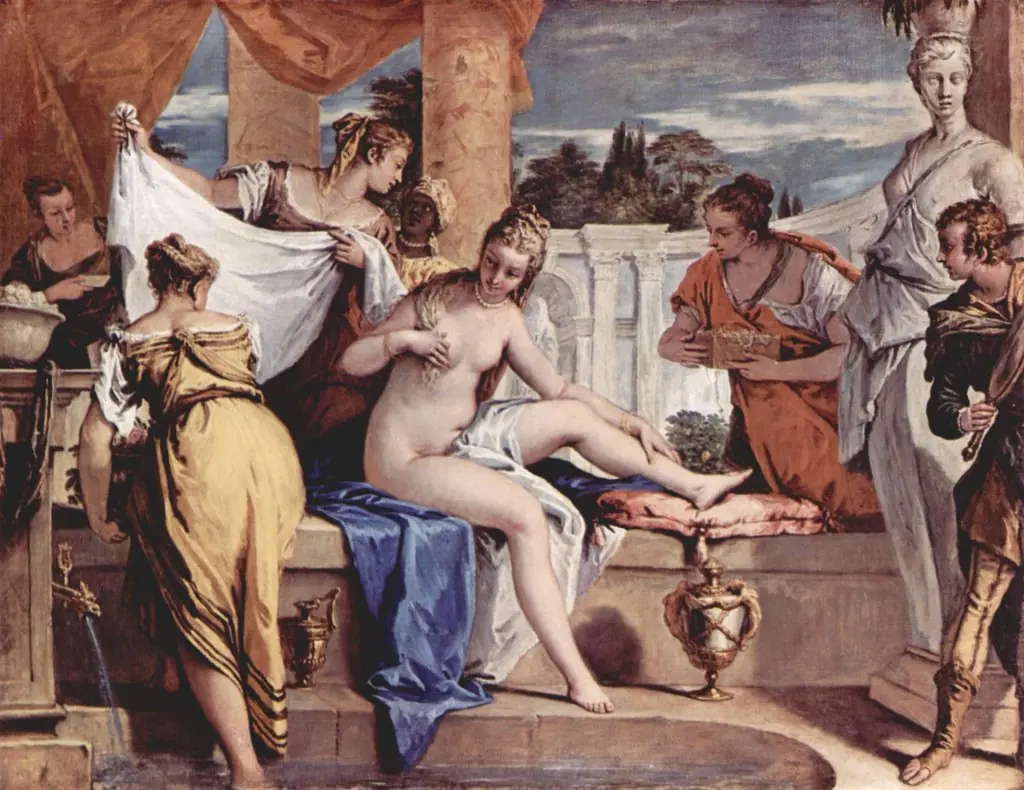 Bathsheba at her bath
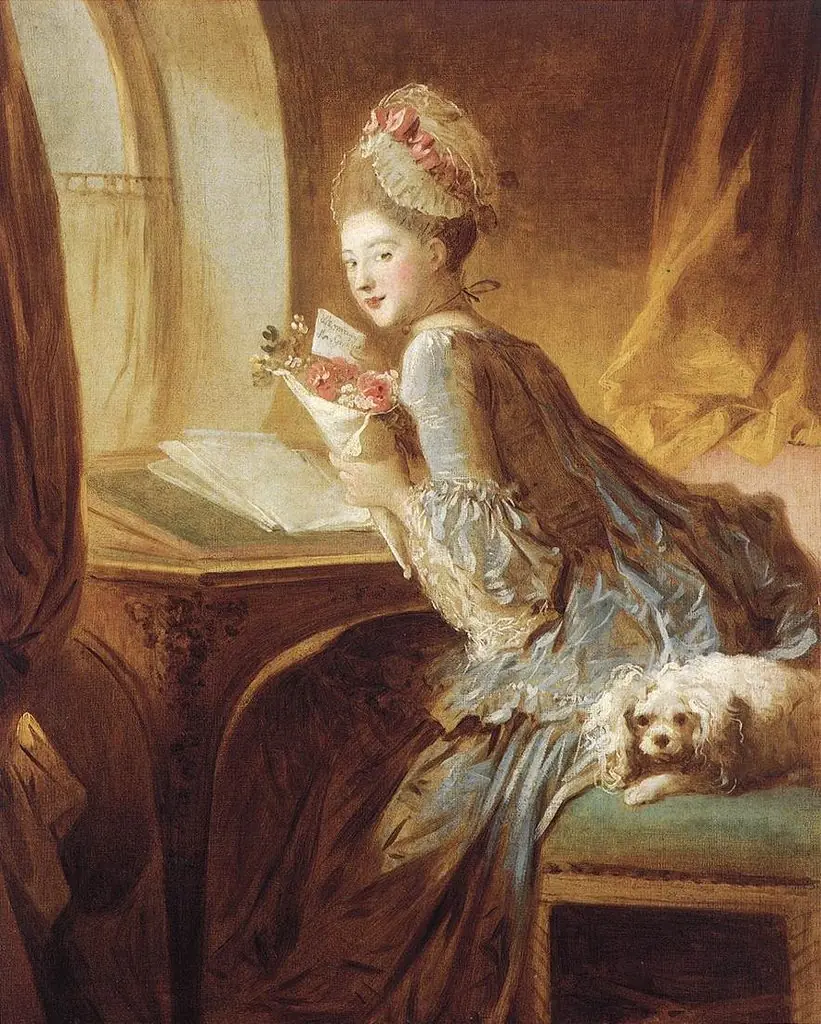 The Love Letter
 Untitled
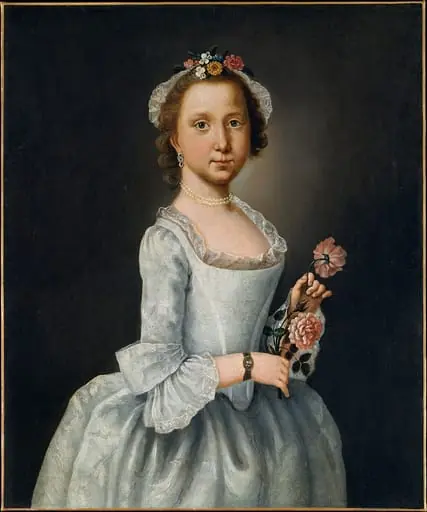 Portrait of a Lady
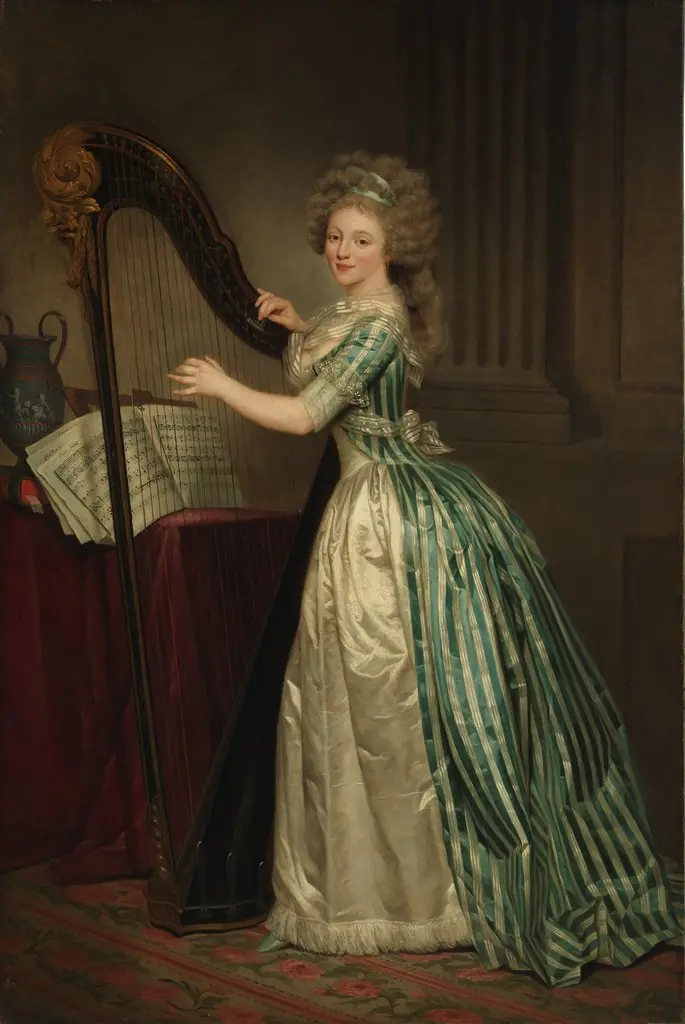 Self-Portrait with a Harp
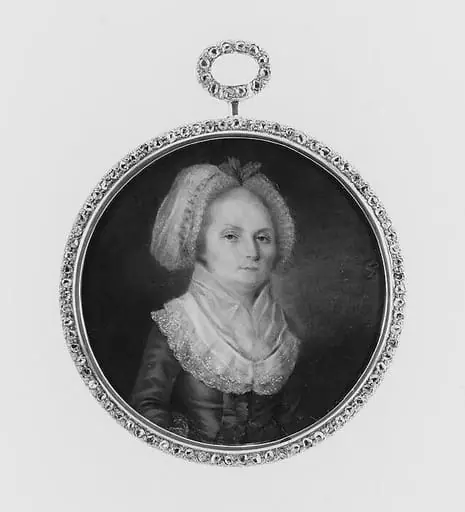 Portrait of a Lady
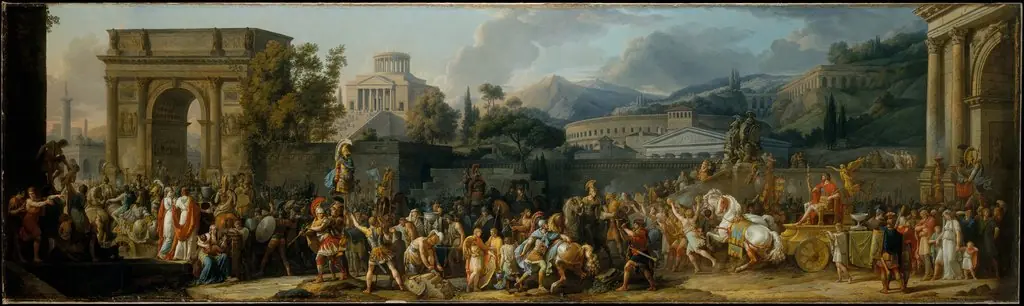 The Triumph of Aemilius Paulus
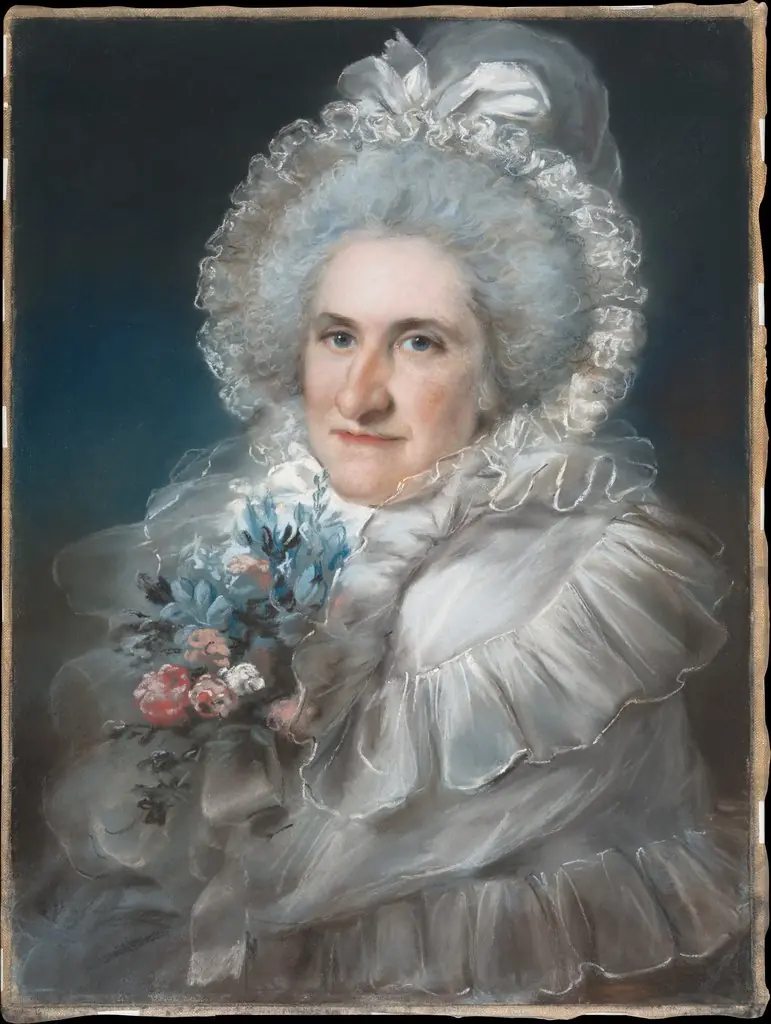 Mrs. William Man Godschall (Sarah Godschall, 1730–1795)
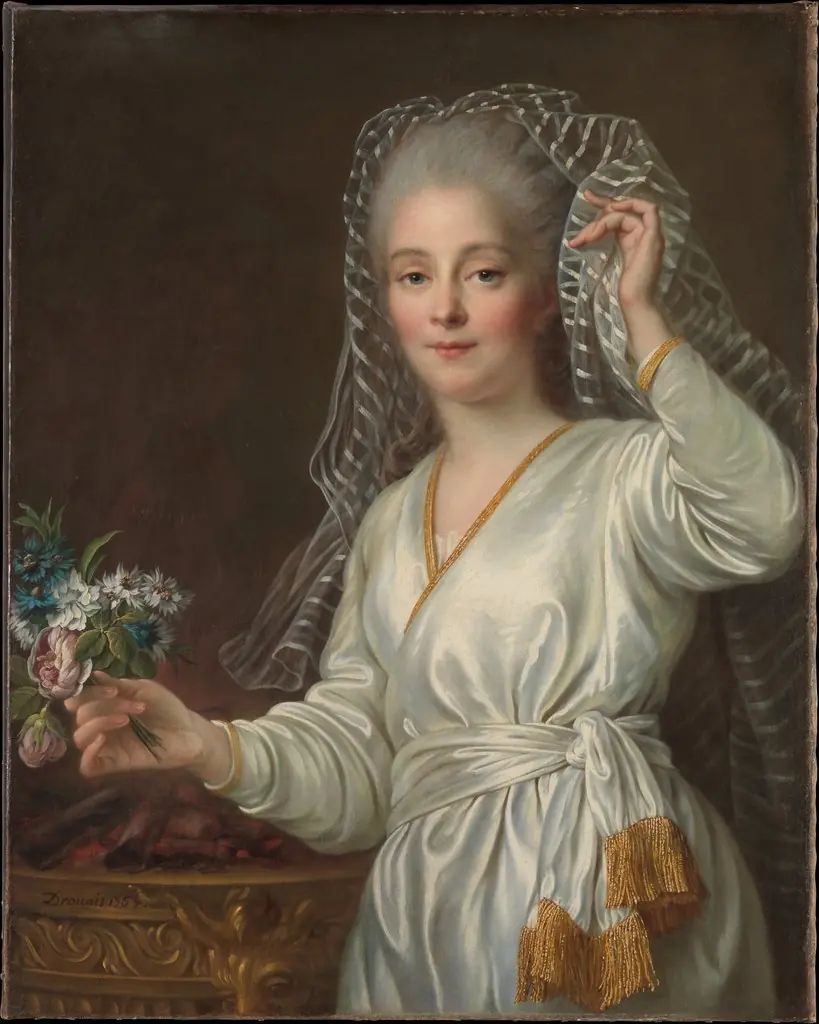 Portrait of a Young Woman as a Vestal Virgin
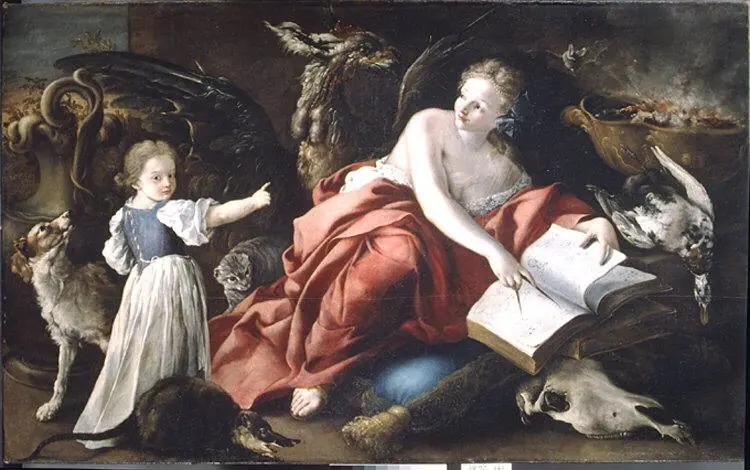 An Allegory
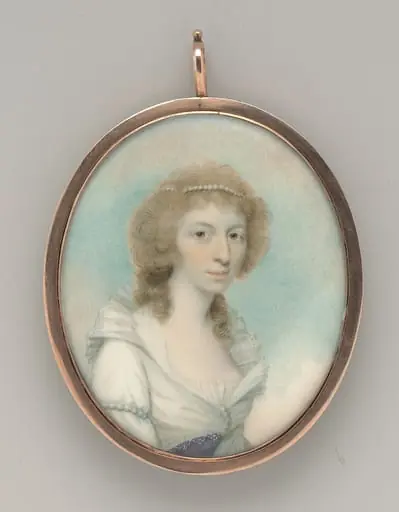 Mrs. Gabriel Manigault (Margaret Izard)
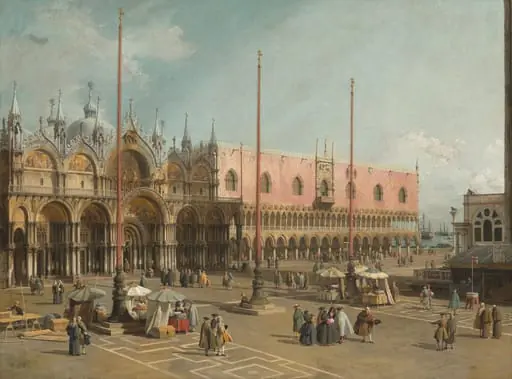 The Square of Saint Mark's, Venice
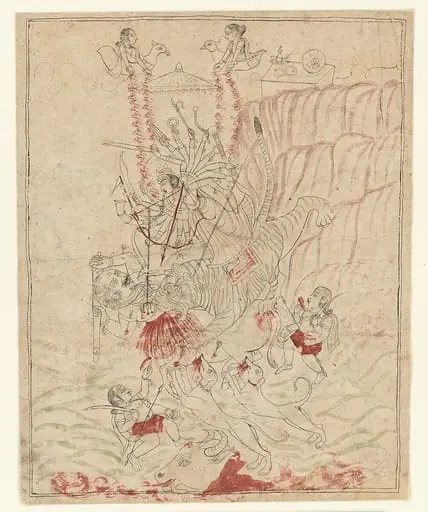 Untitled
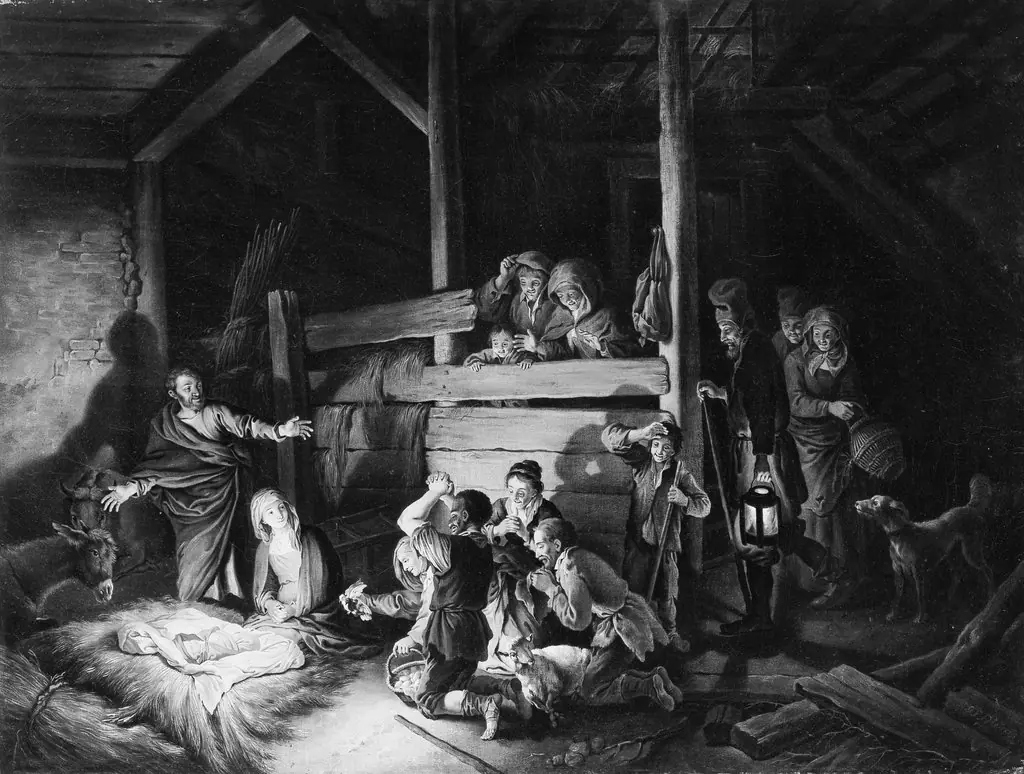 The Adoration of the Shepherds
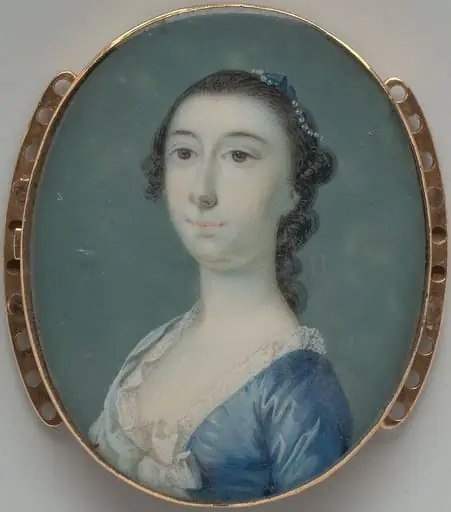 Mrs. Jacob Motte (Rebecca Brewton)
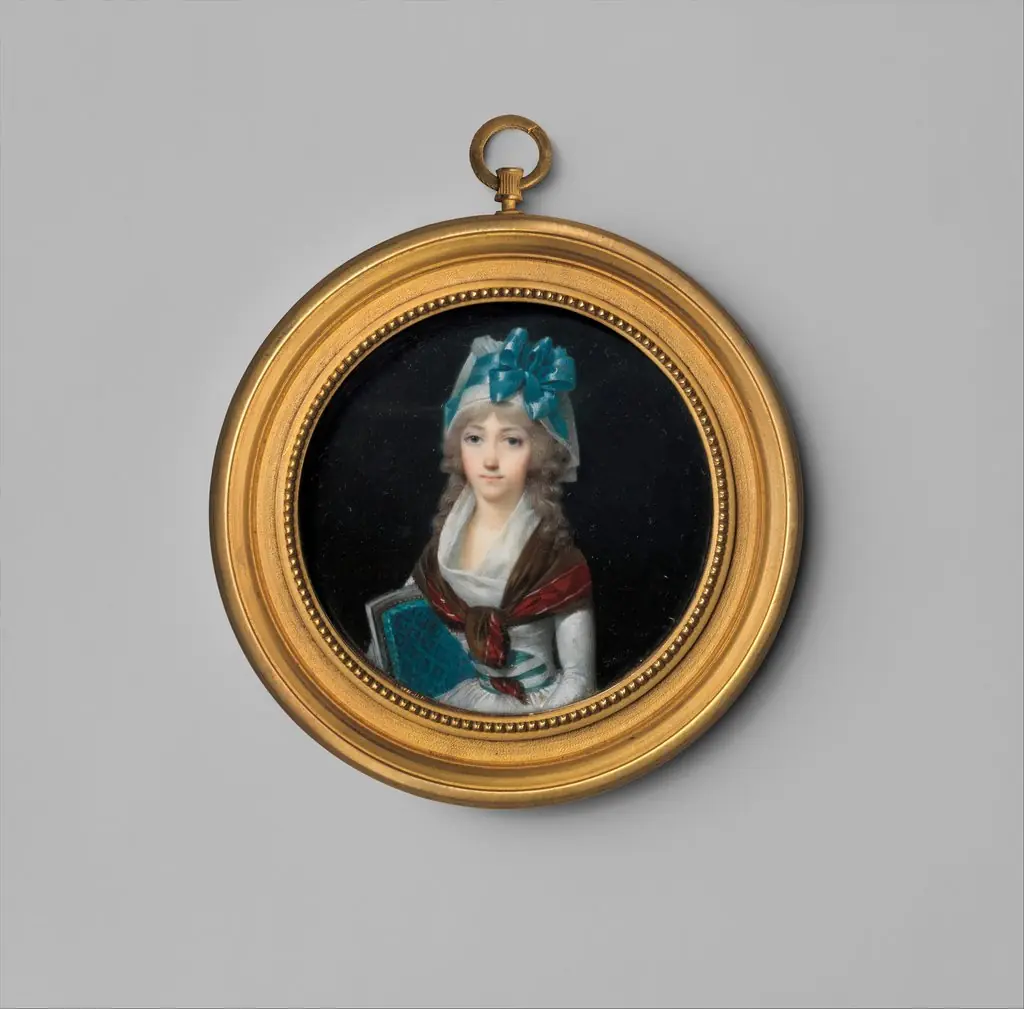 Portrait of a Woman
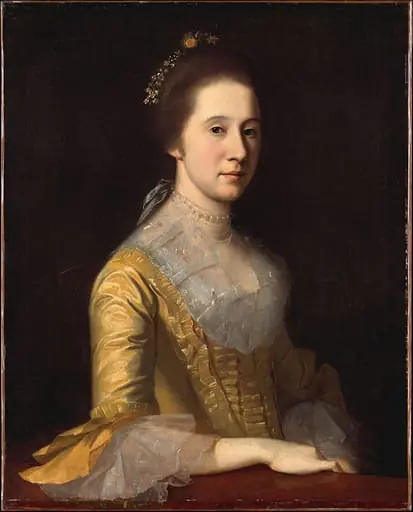 Margaret Strachan (Mrs. Thomas Harwood)
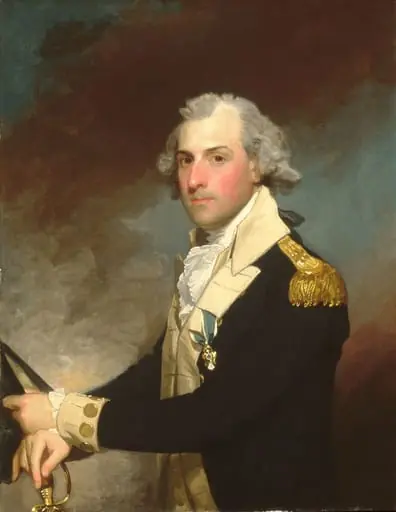 Matthew Clarkson
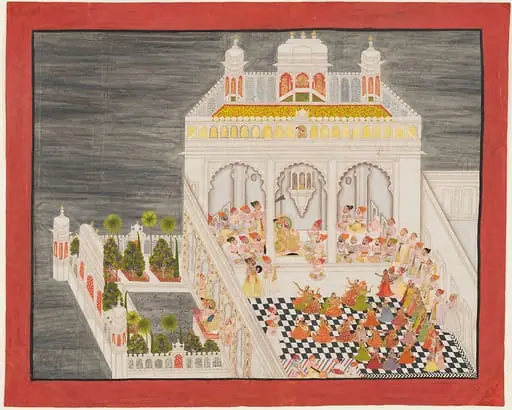 Untitled
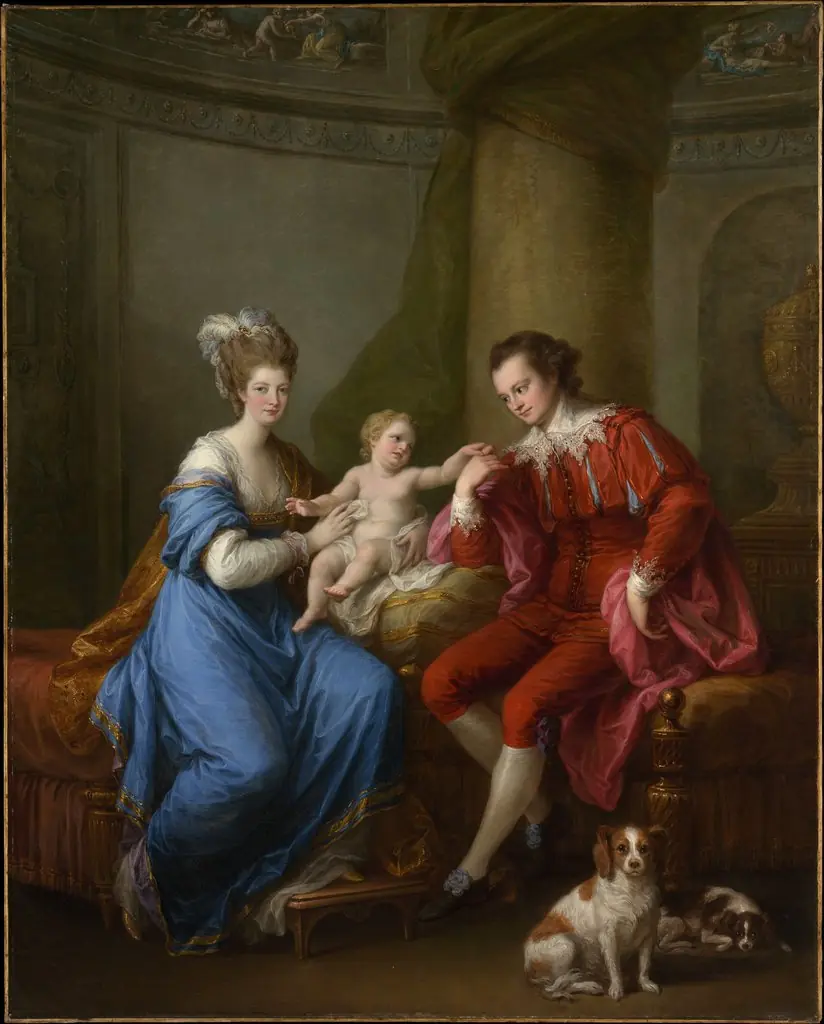 Edward Smith Stanley (1752–1834), Twelfth Earl of Derby, with His First Wife (Lady Elizabeth Hamilton, 1753–1797) and Their Son (Edward Smith Stanley, 1775–1851)
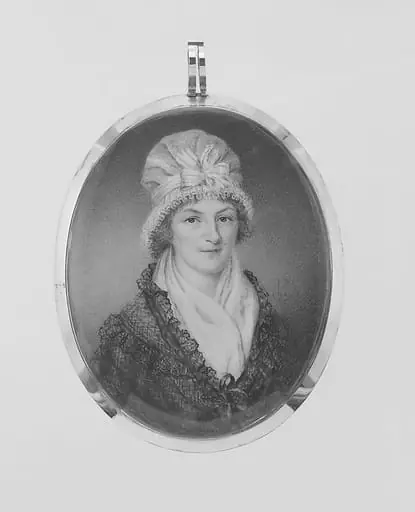 Mrs. Joseph Cooper (Mary Justice)
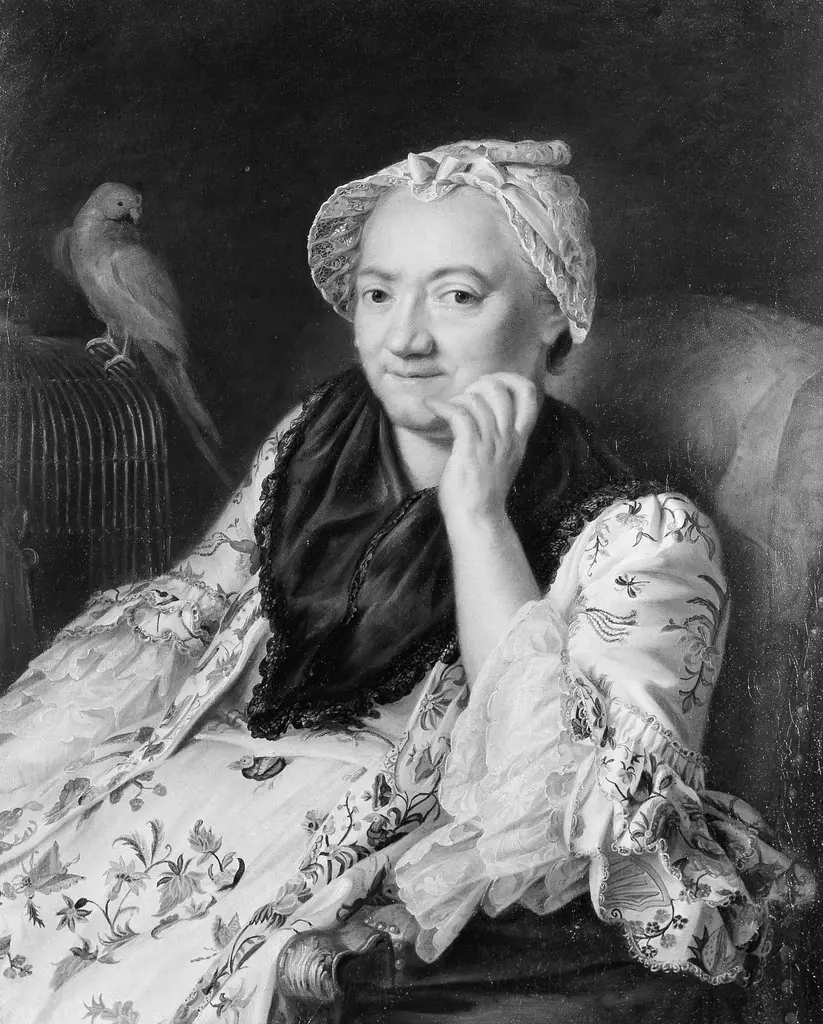 Portrait of a Woman
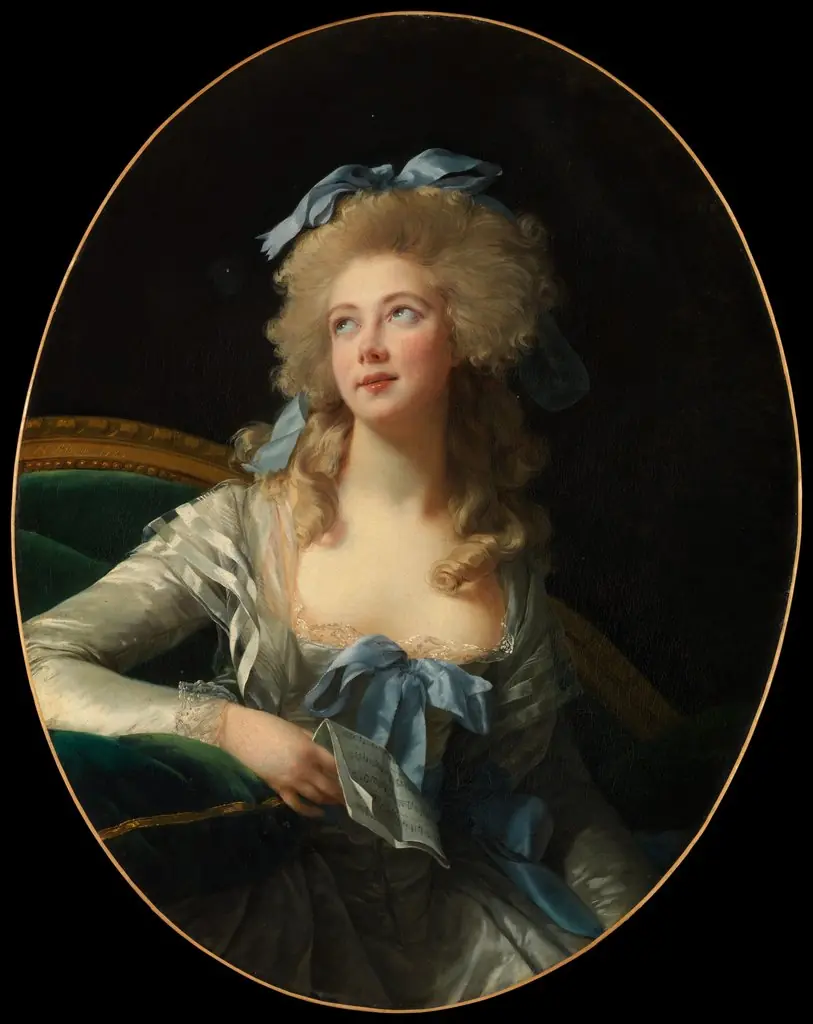 Madame Grand (Noël Catherine Verlée, 1761–1835)
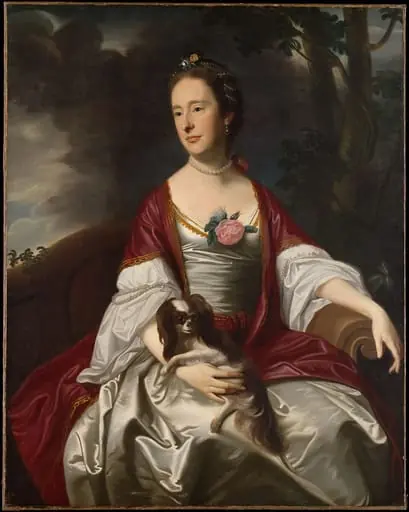 Mrs. Jerathmael Bowers
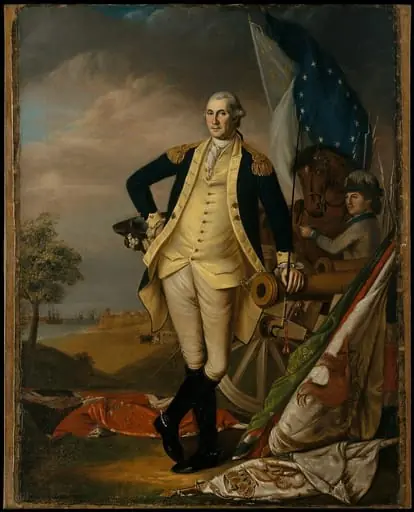 George Washington
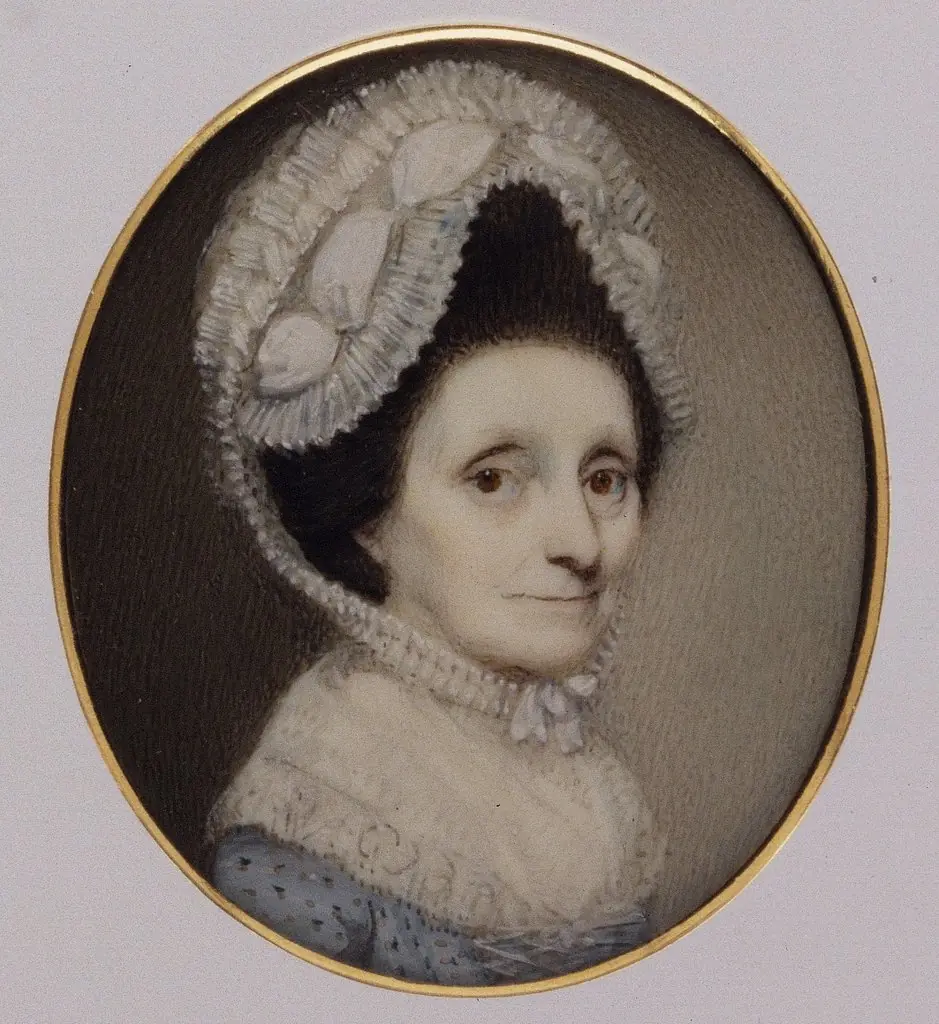 Mrs. Peter De Lancey (Elizabeth Colden, 1720–1784)
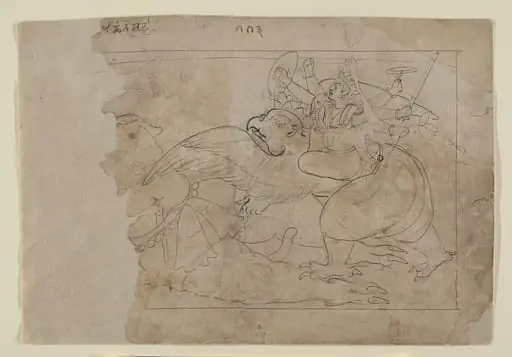 Untitled
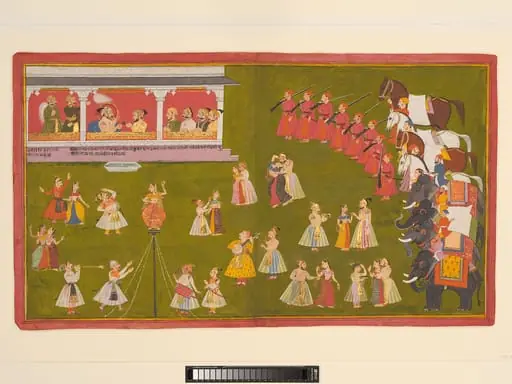 Untitled
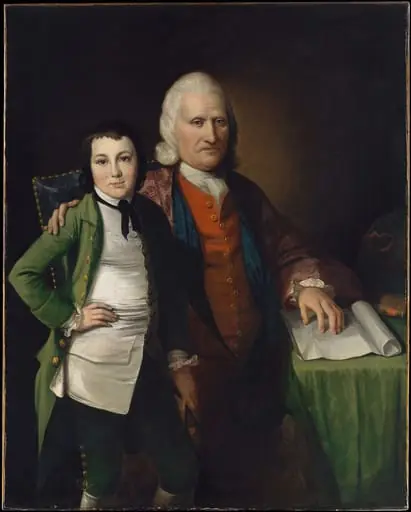 Cadwallader Colden and His Grandson Warren De Lancey
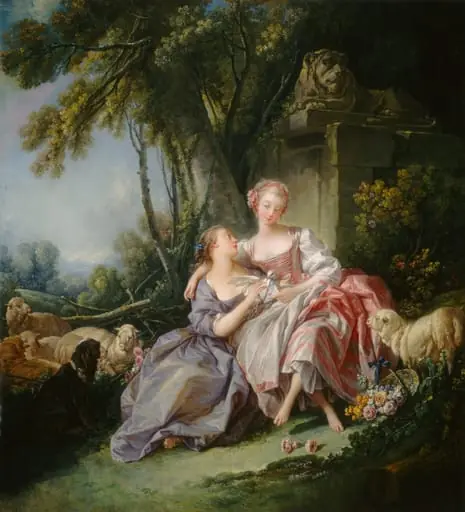 The Love Letter
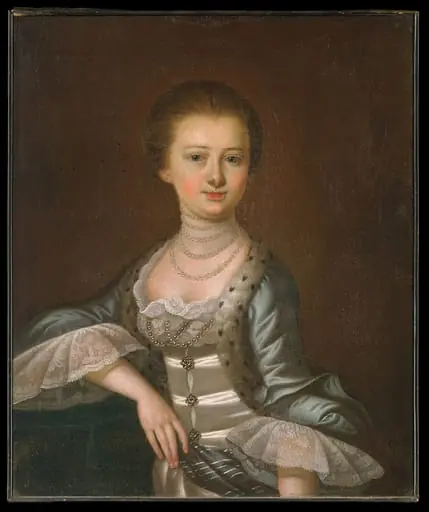 Mrs. John Dart
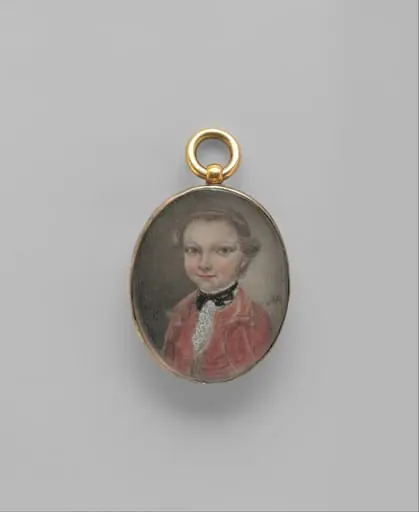 William Middleton
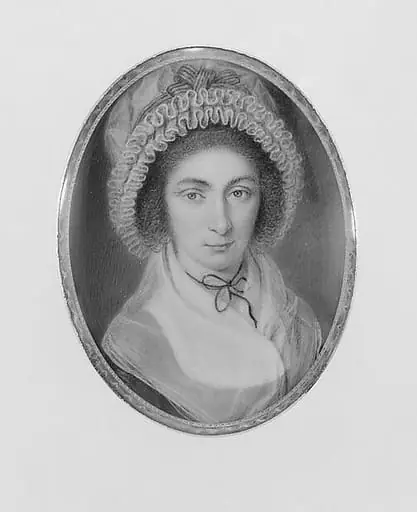 Mrs. John McAllister (Frances Wardale)
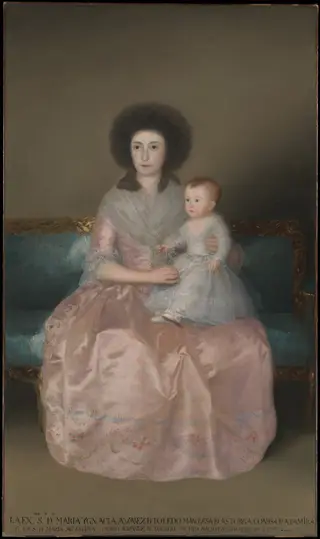 Condesa de Altamira and Her Daughter, María Agustina
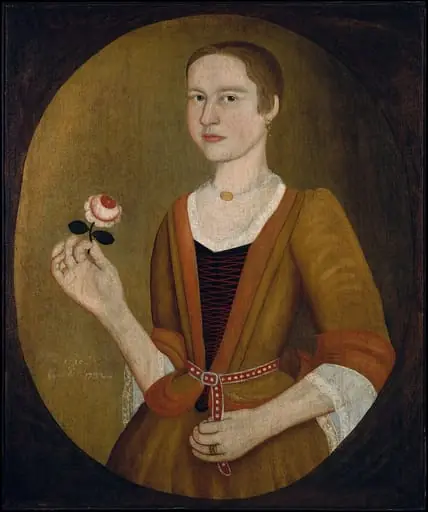 Young Lady with a Rose
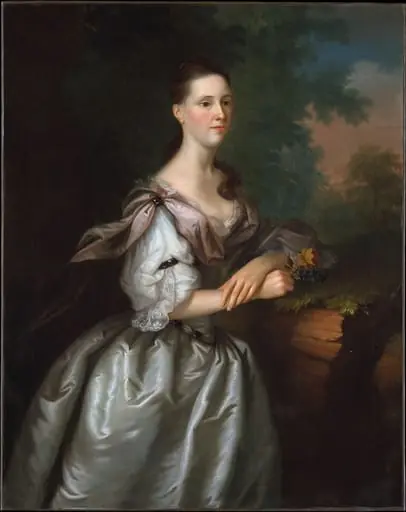 Mrs. Samuel Cutts
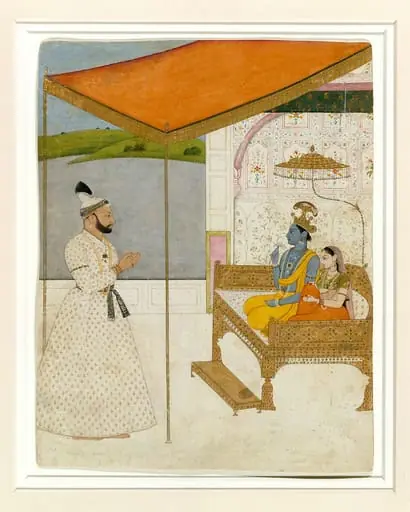 Untitled
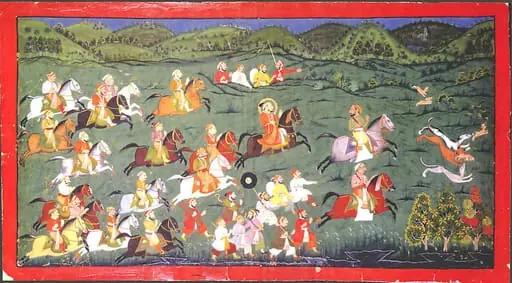 Untitled
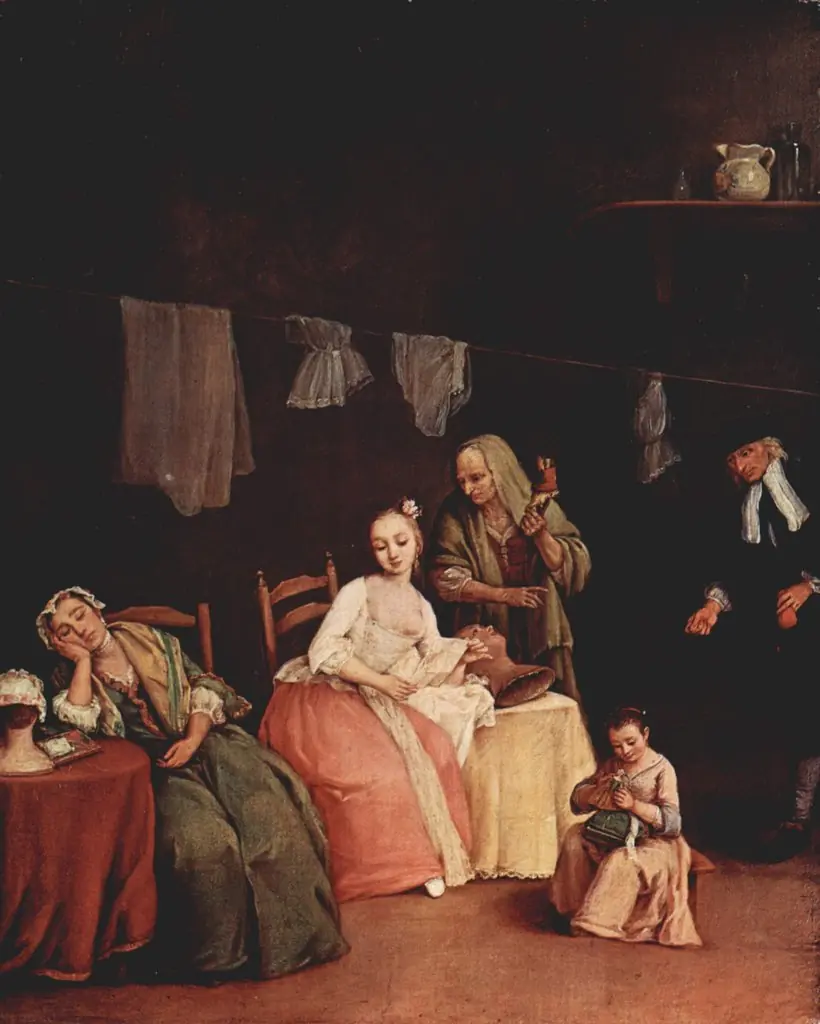 The Letter
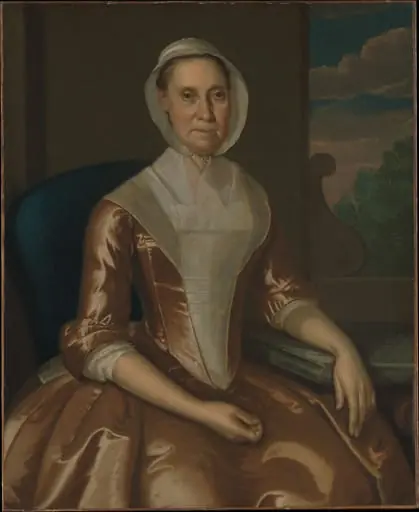 Mrs. Richard Galloway
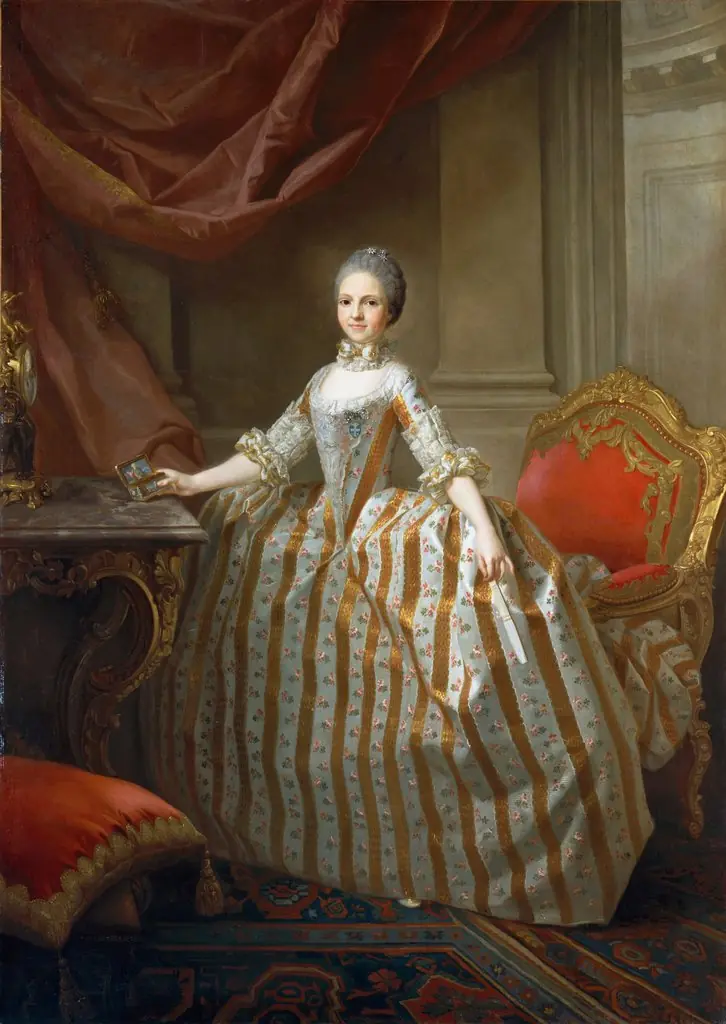 Maria Luisa of Parma (1751–1819), Later Queen of Spain
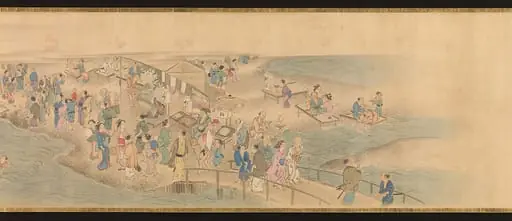 源琦筆 華洛四季遊楽図巻|Scenes of the Four Seasons in Kyoto
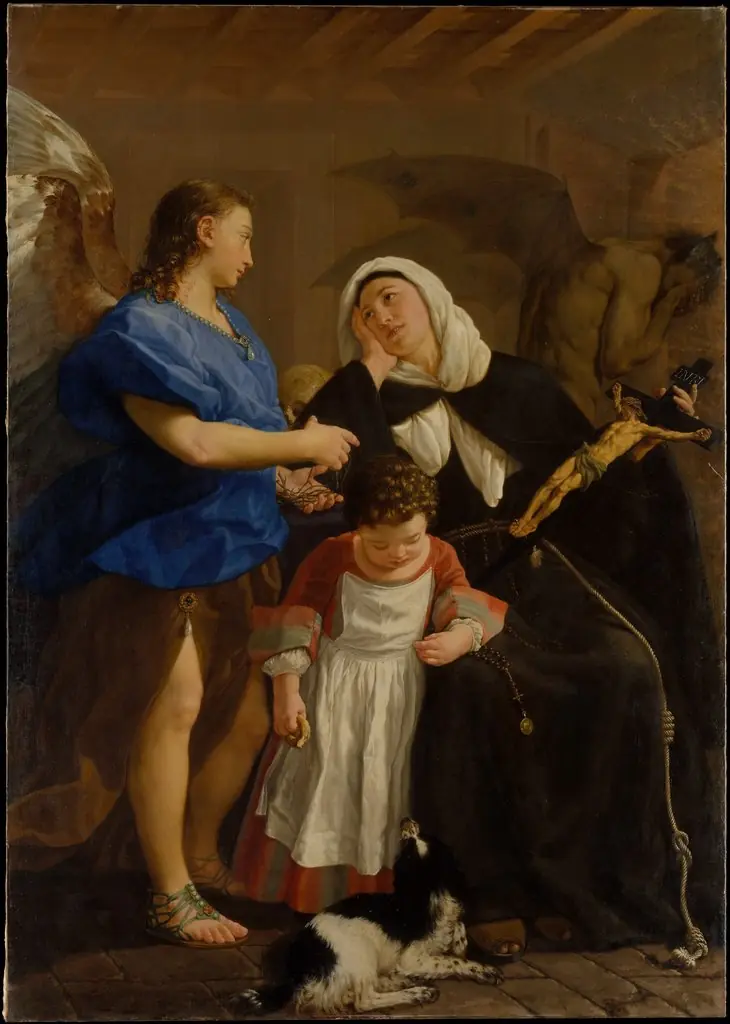 Saint Margaret of Cortona
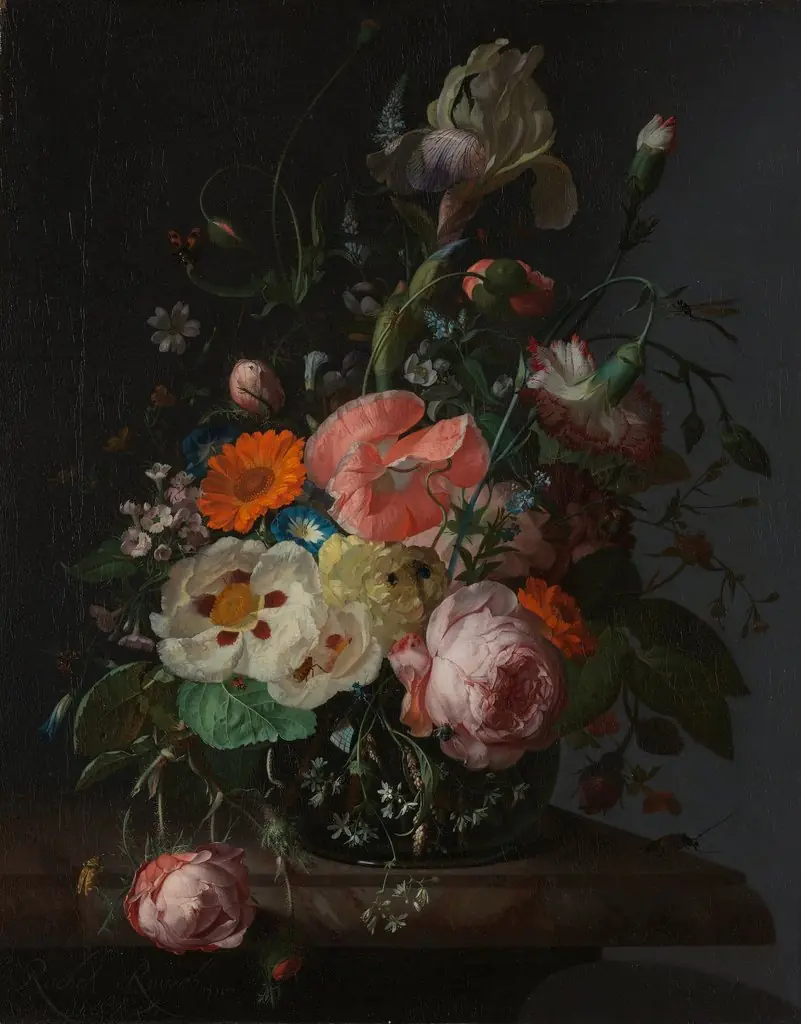 Still Life with Flowers on a Marble Slab
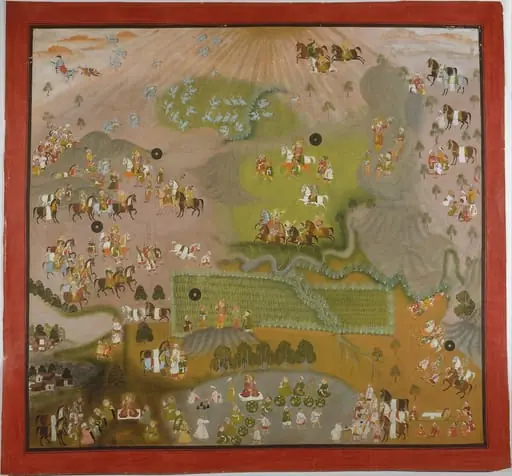 Untitled
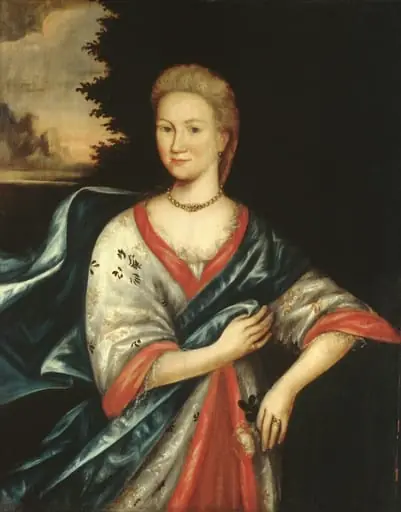 Portrait of a Lady
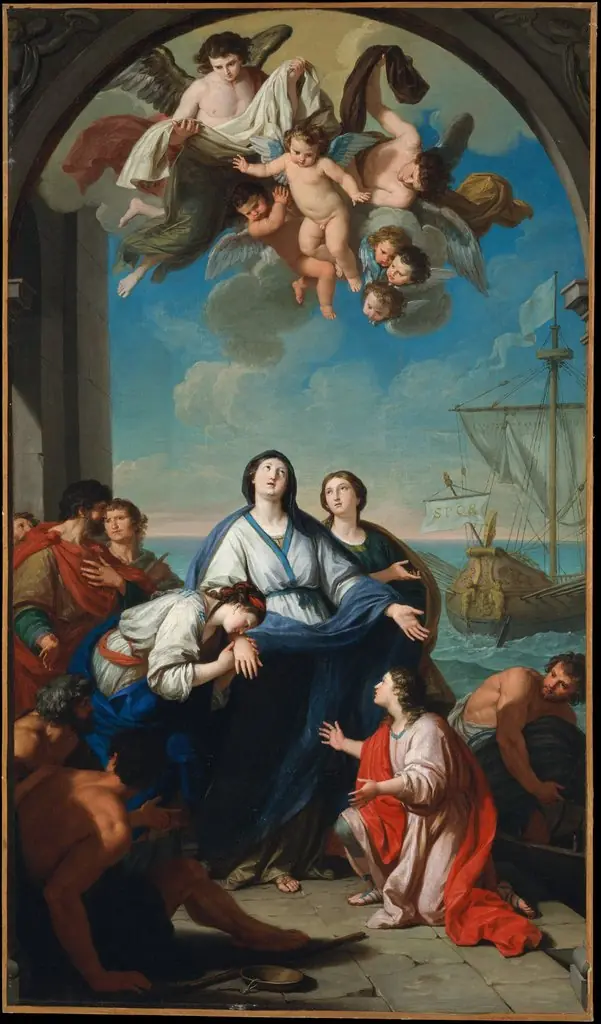 The Departure of Saints Paula and Eustochium for the Holy Land
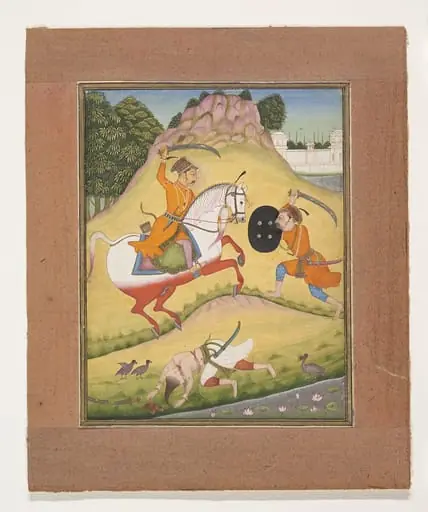 Untitled
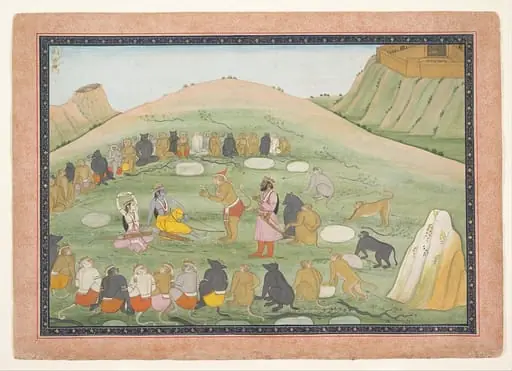 Untitled
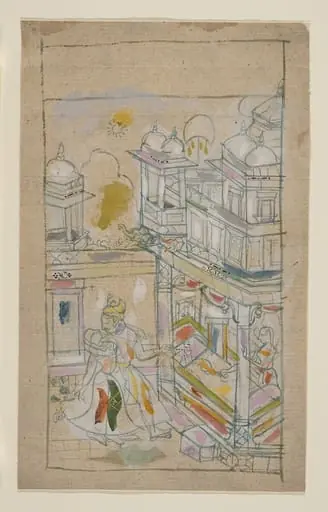 Untitled
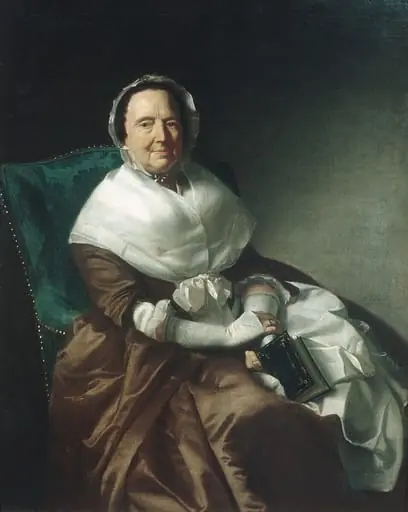 Mrs. Sylvanus Bourne
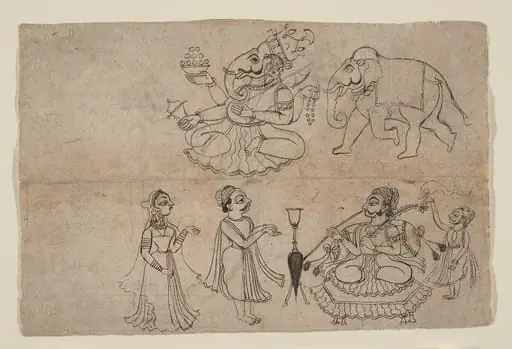 Untitled
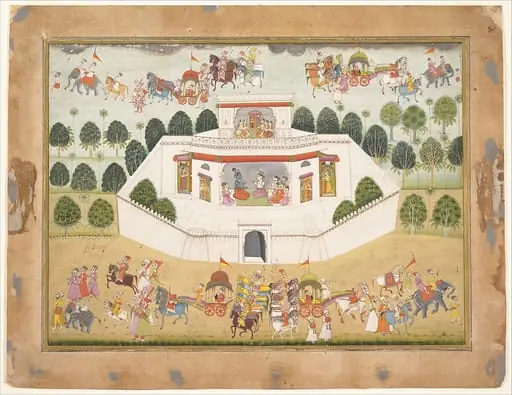 Untitled
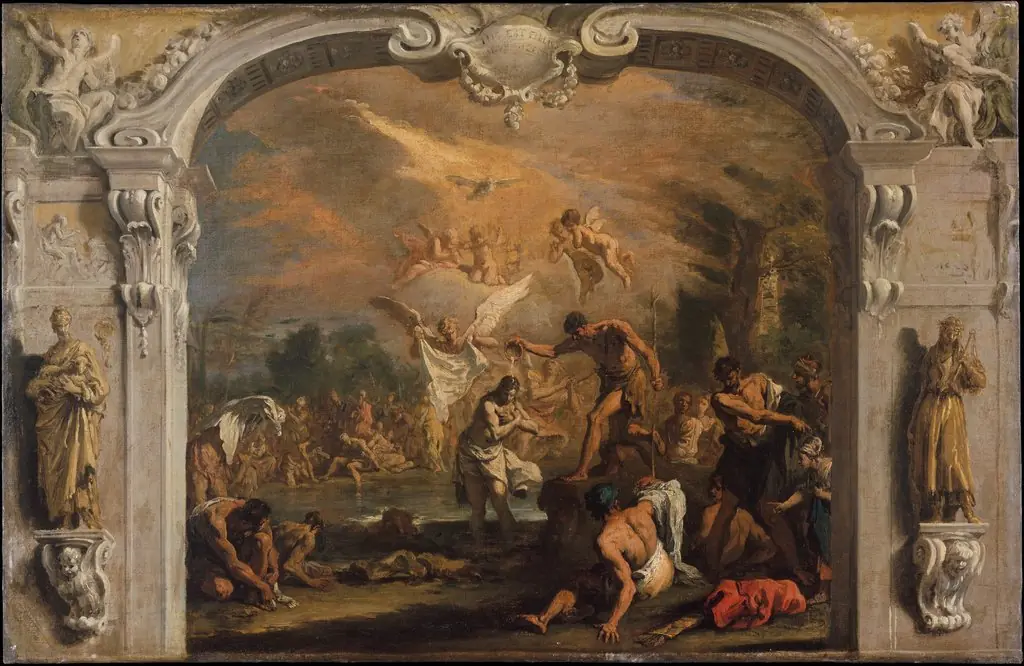 The Baptism of Christ
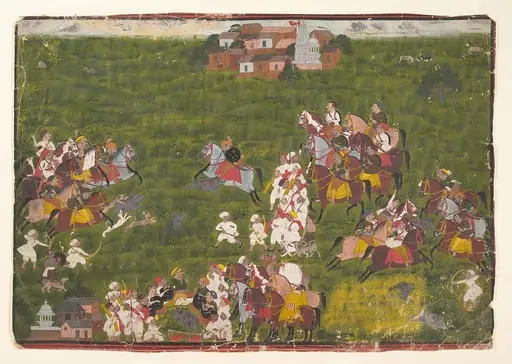 Untitled
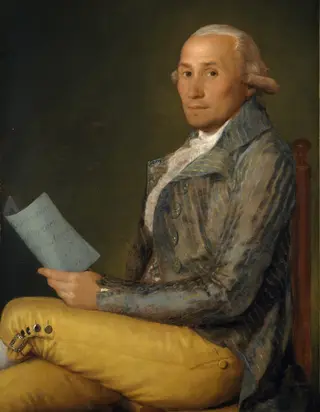 Portrait of Sebastián Martínez y Pérez
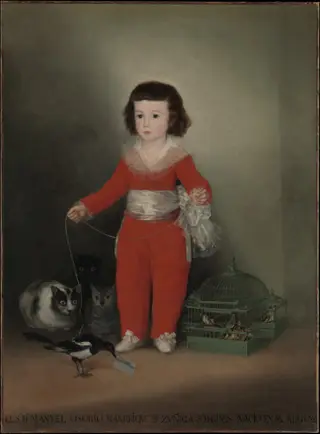 Don Manuel Osorio de Zuniga
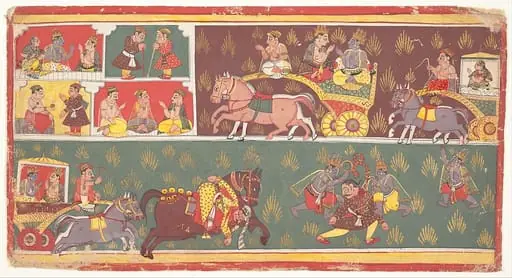 Untitled
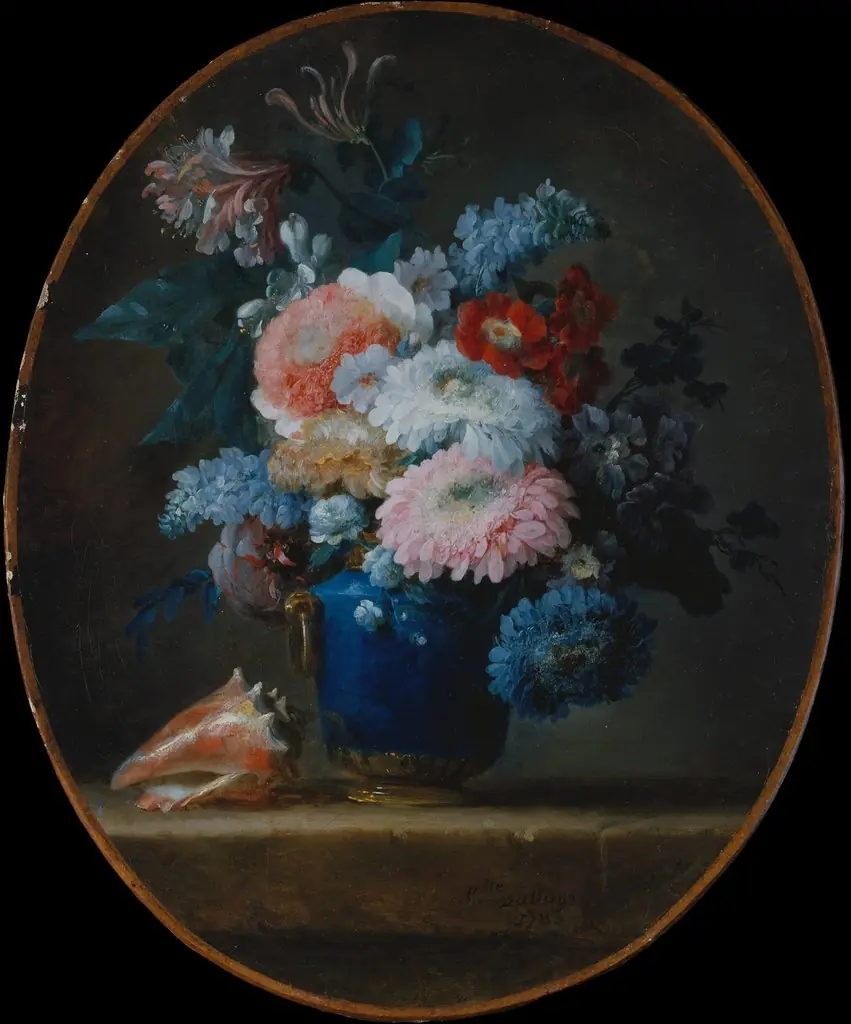 Vase of Flowers and Conch Shell
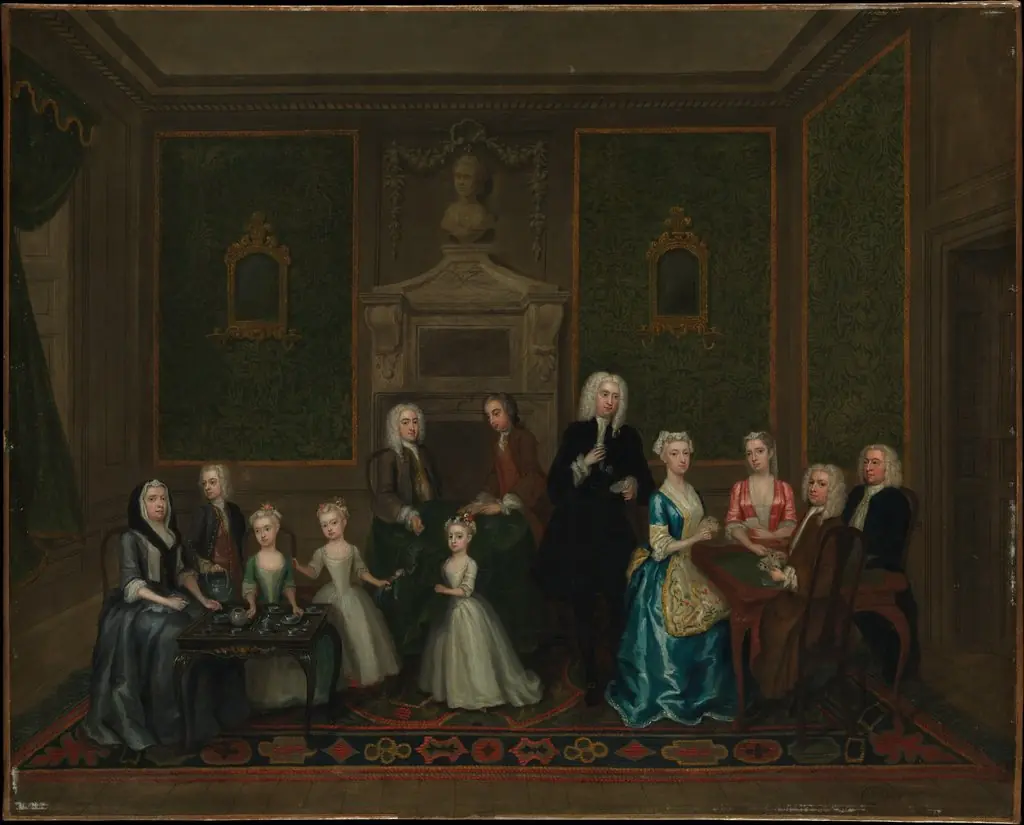 The Strong Family
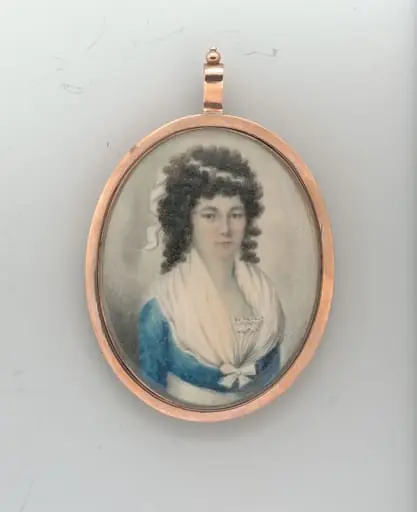 Portrait of a Lady
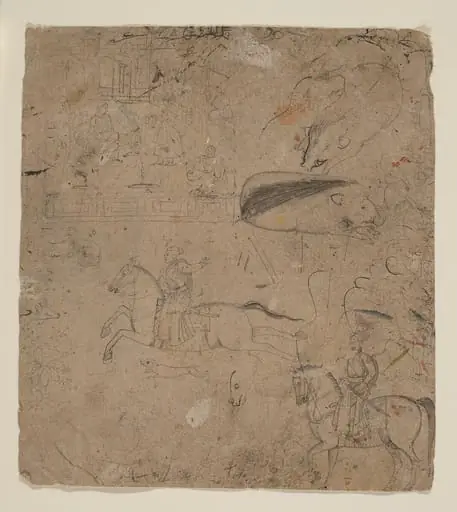 Untitled
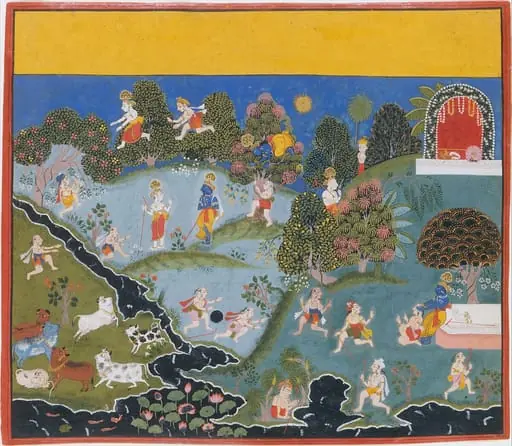 Untitled
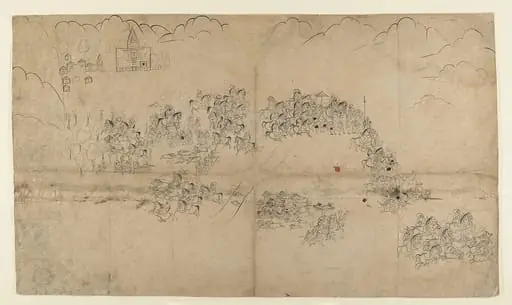 Untitled
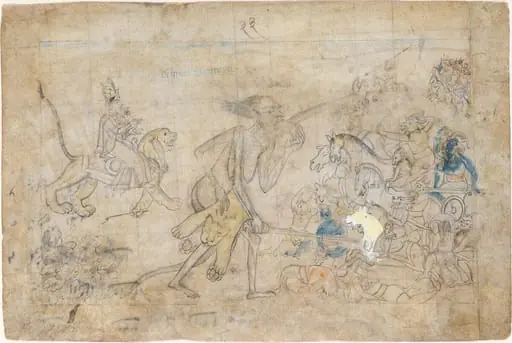 Untitled
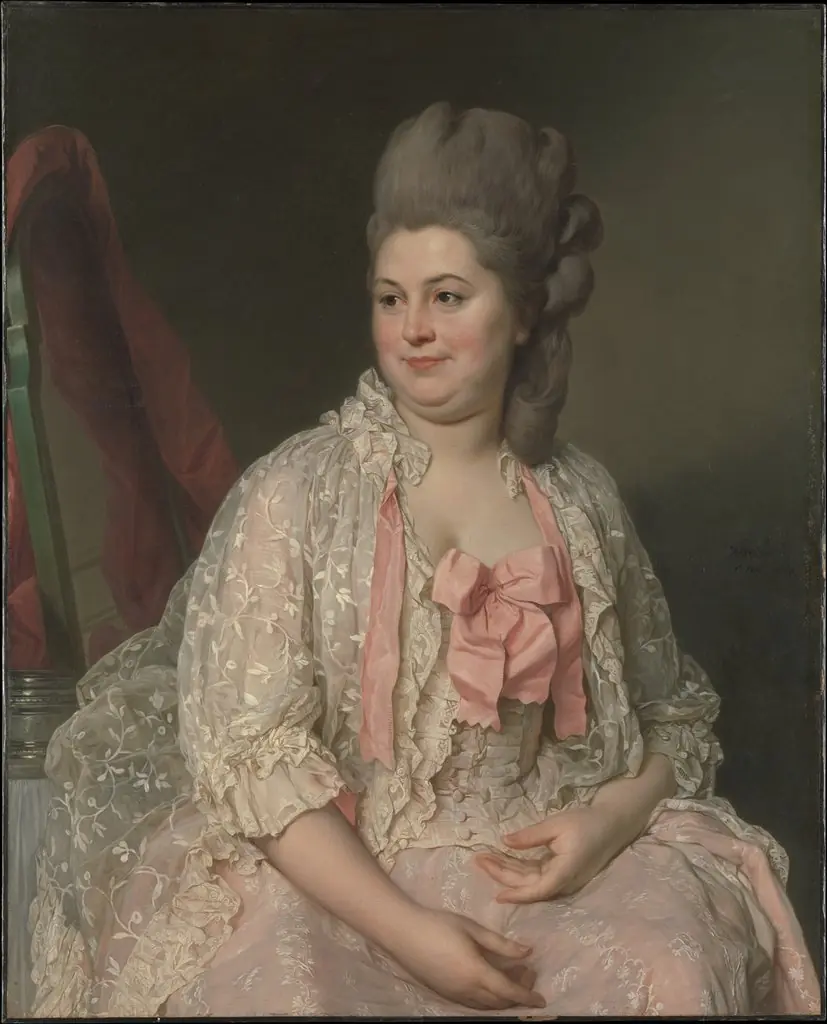 Madame de Saint-Maurice
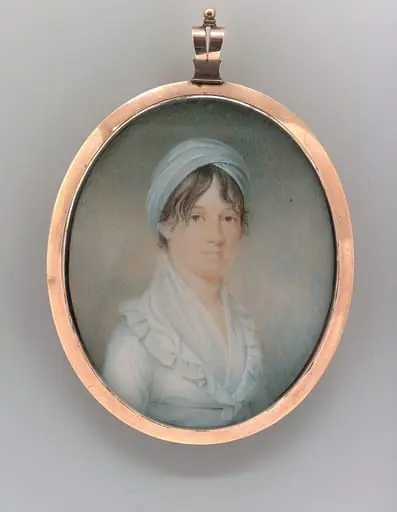 Mrs. Jonathan Pinkney, Jr. (Elizabeth Munroe)
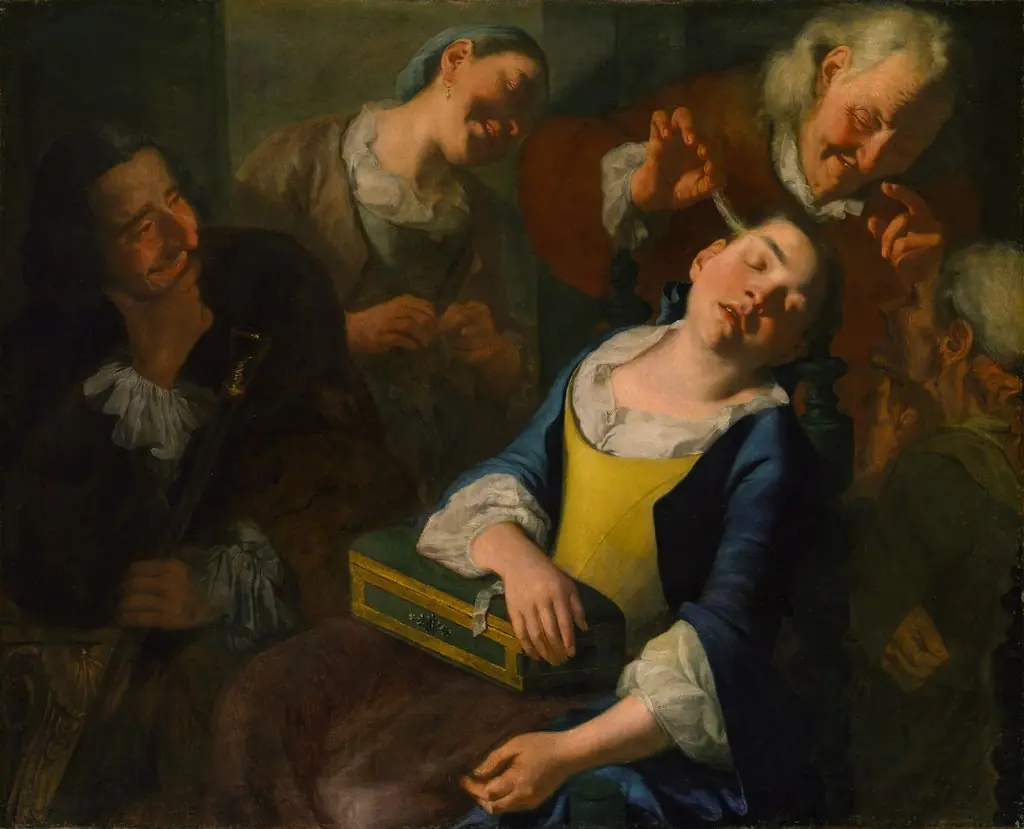 Teasing a Sleeping Girl
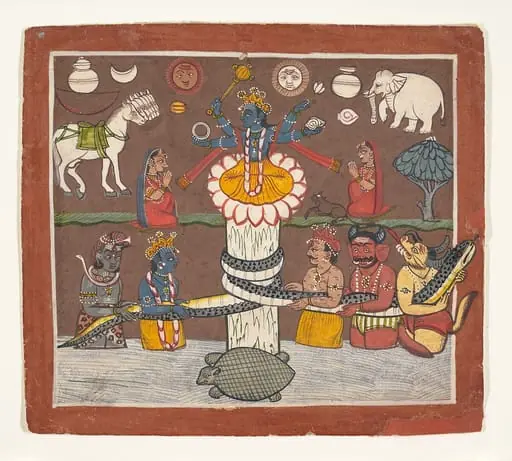 Untitled
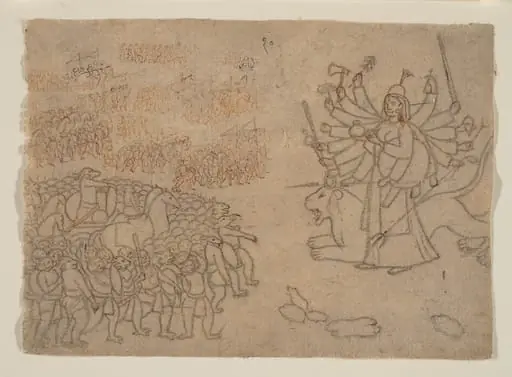 Untitled
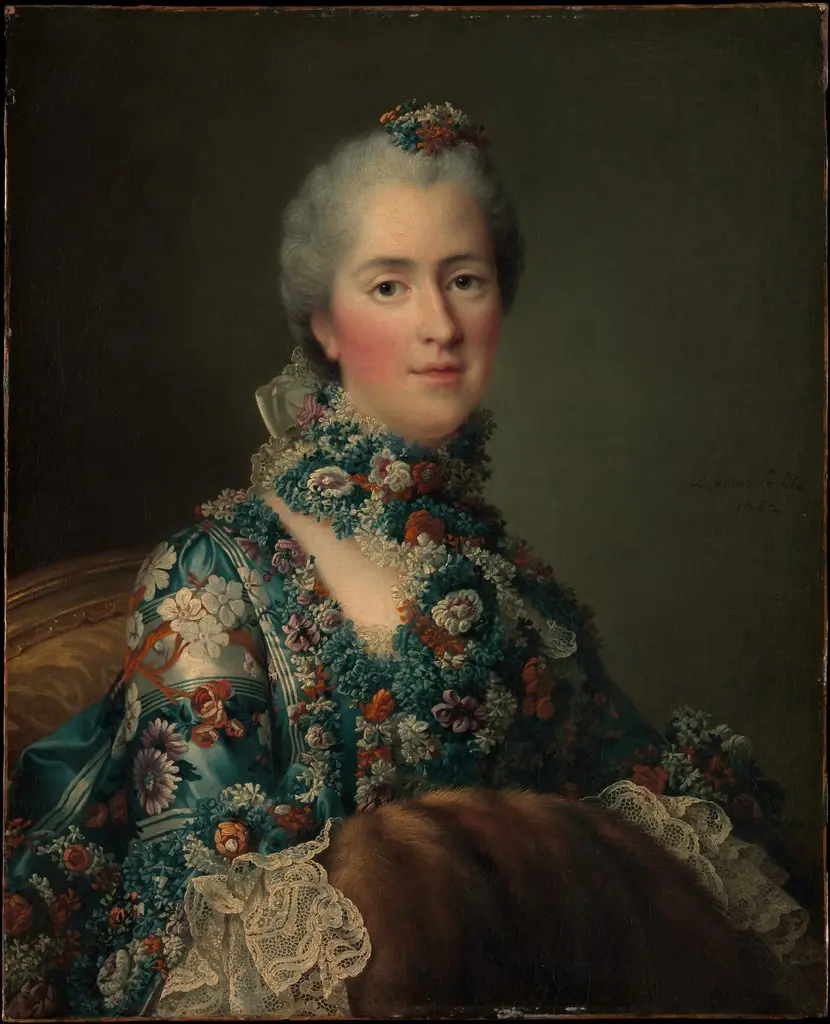 Madame Sophie de France (1734–1782)
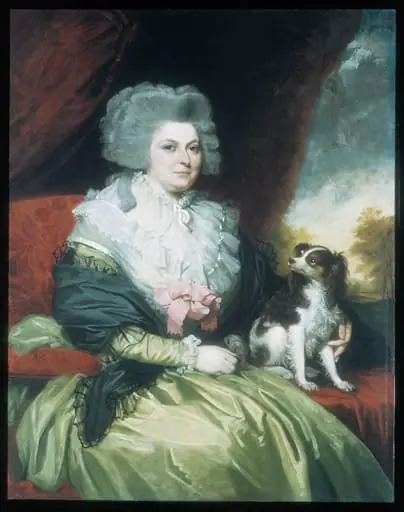 Lady with a Dog
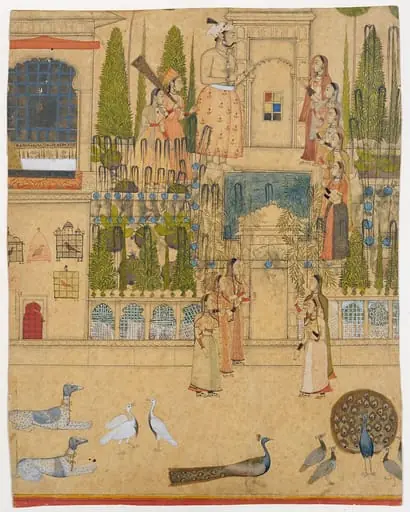 Untitled
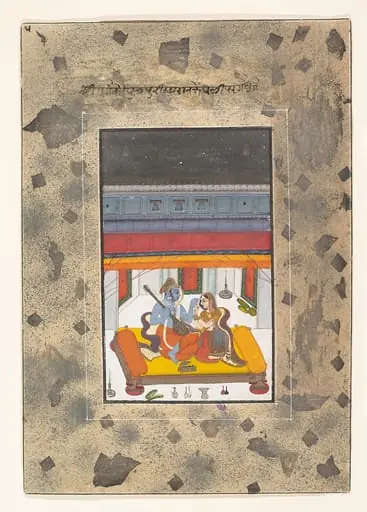 Untitled
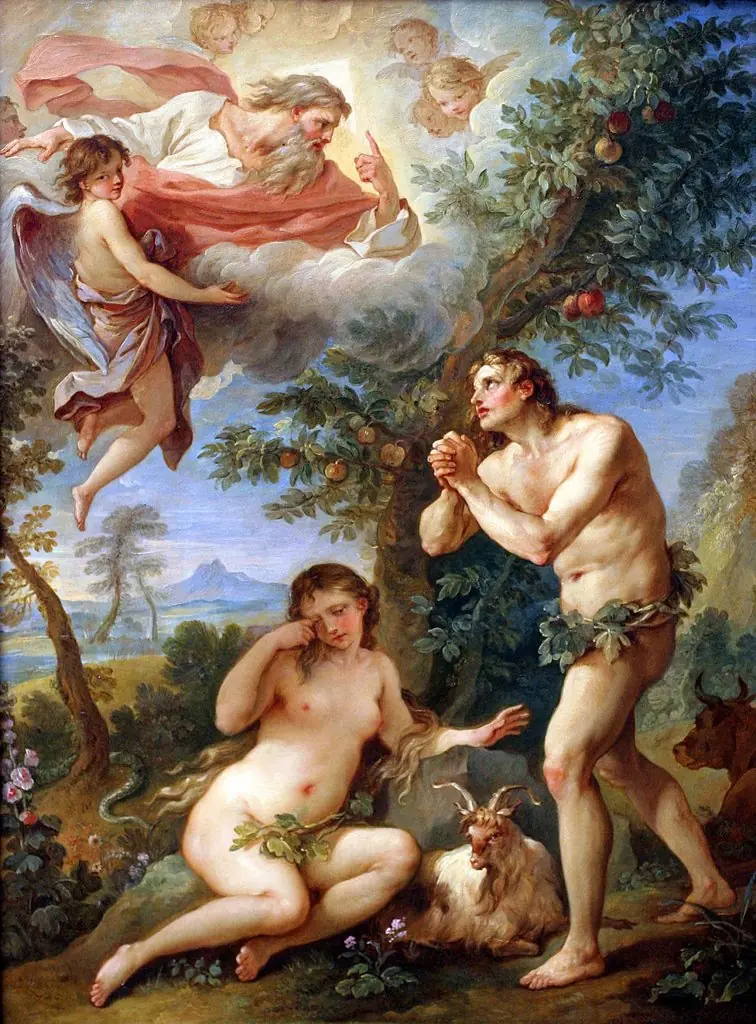 The Rebuke of Adam and Eve
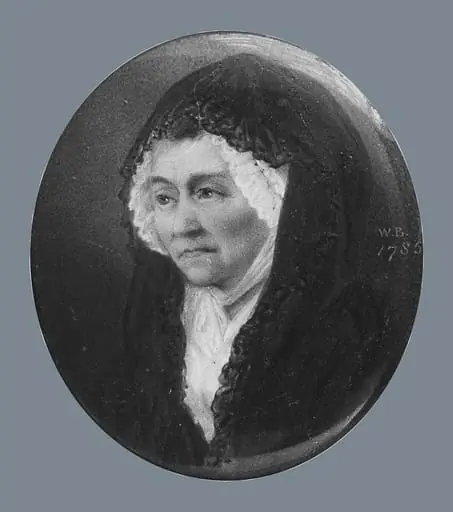 Mary Birch
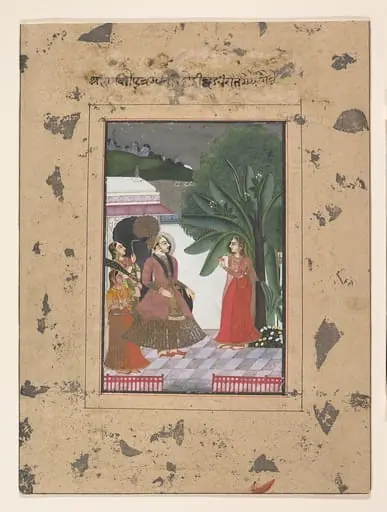 Untitled
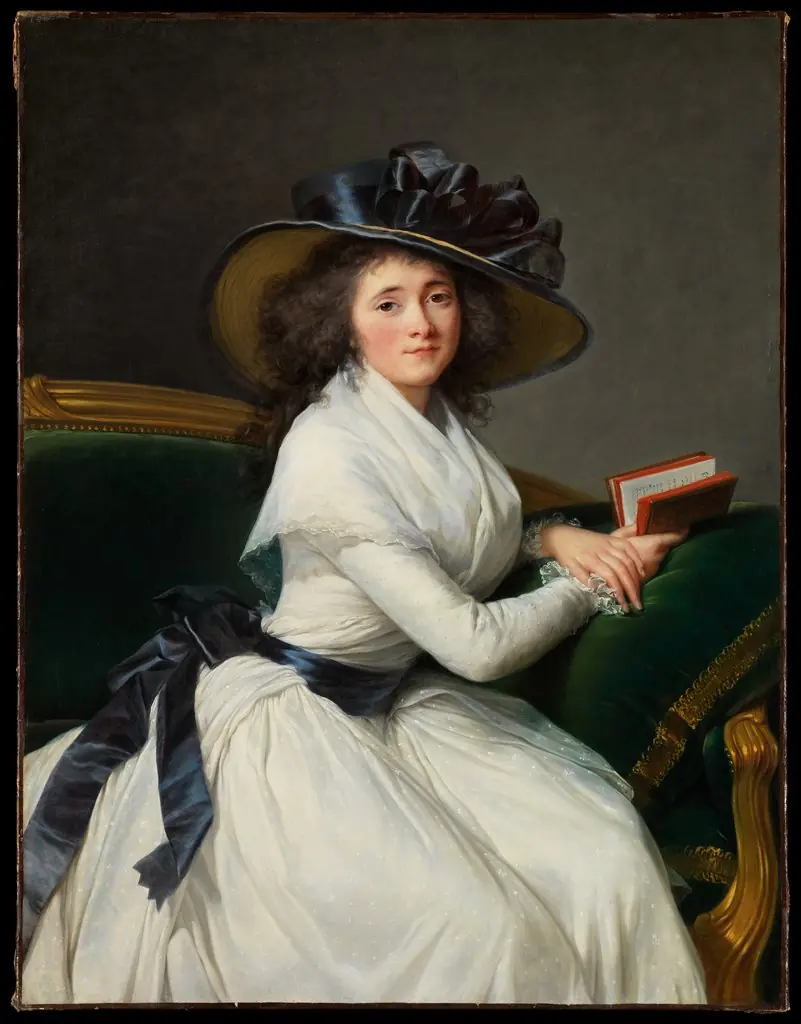 Comtesse de la Châtre (Marie Charlotte Louise Perrette Aglaé Bontemps, 1762–1848)
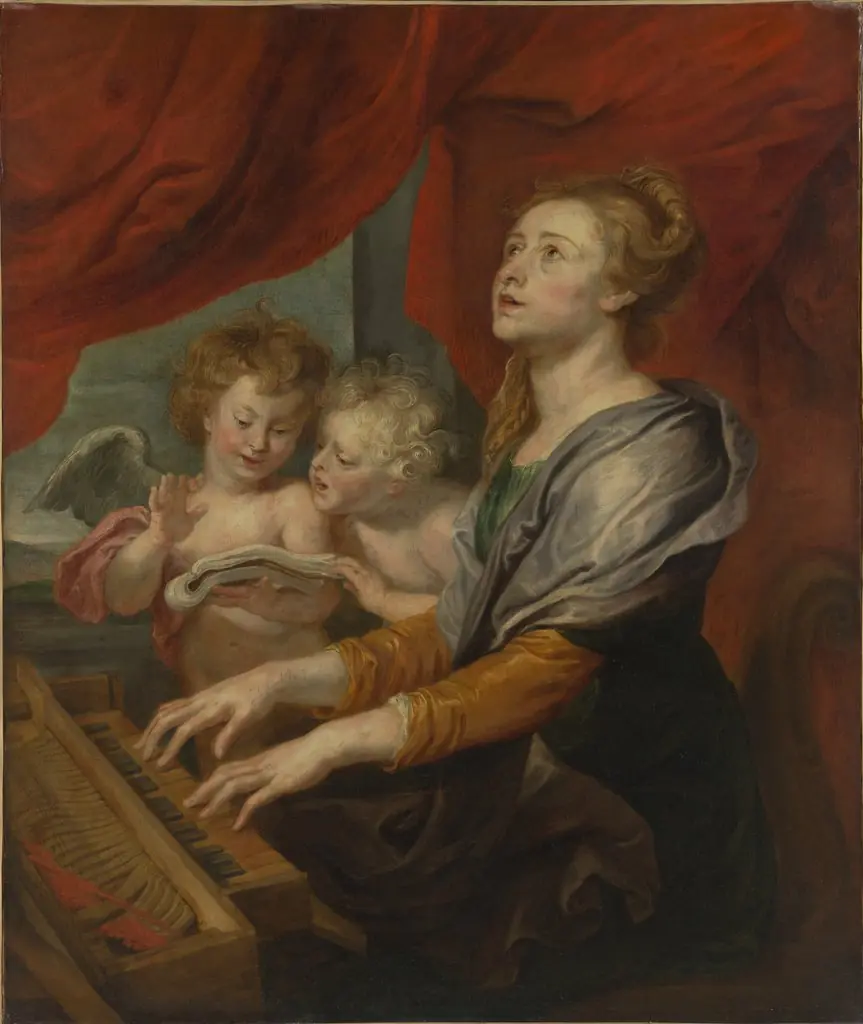 Saint Cecilia
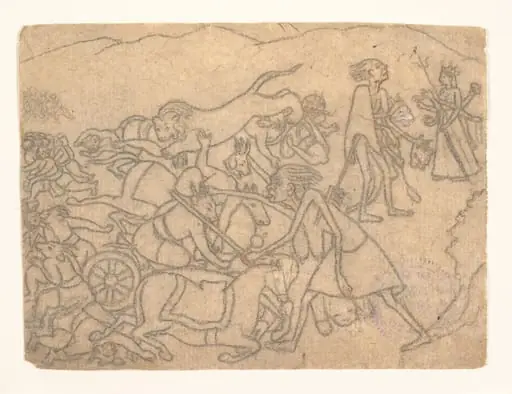 Untitled
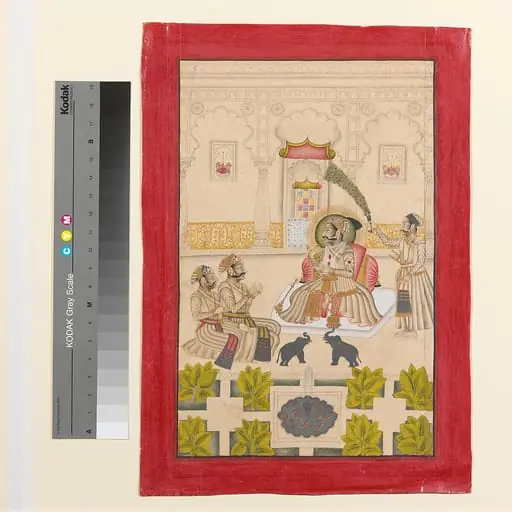 Untitled
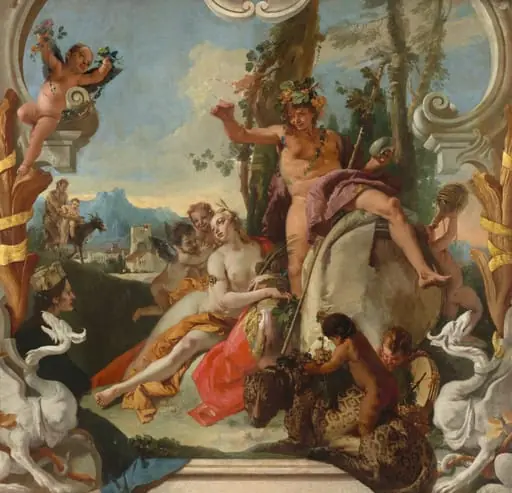 Bacchus and Ariadne
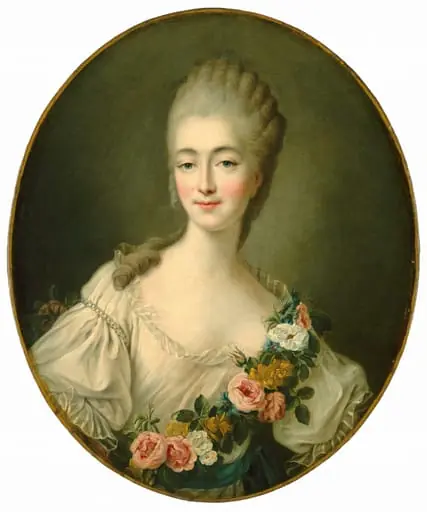 Jeanne Bécu, Comtesse du Barry
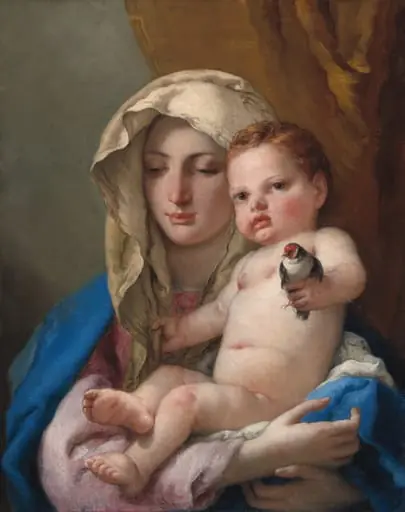 Madonna of the Goldfinch
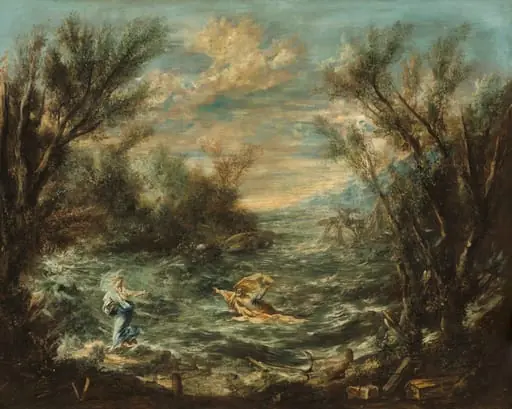 Christ at the Sea of Galilee
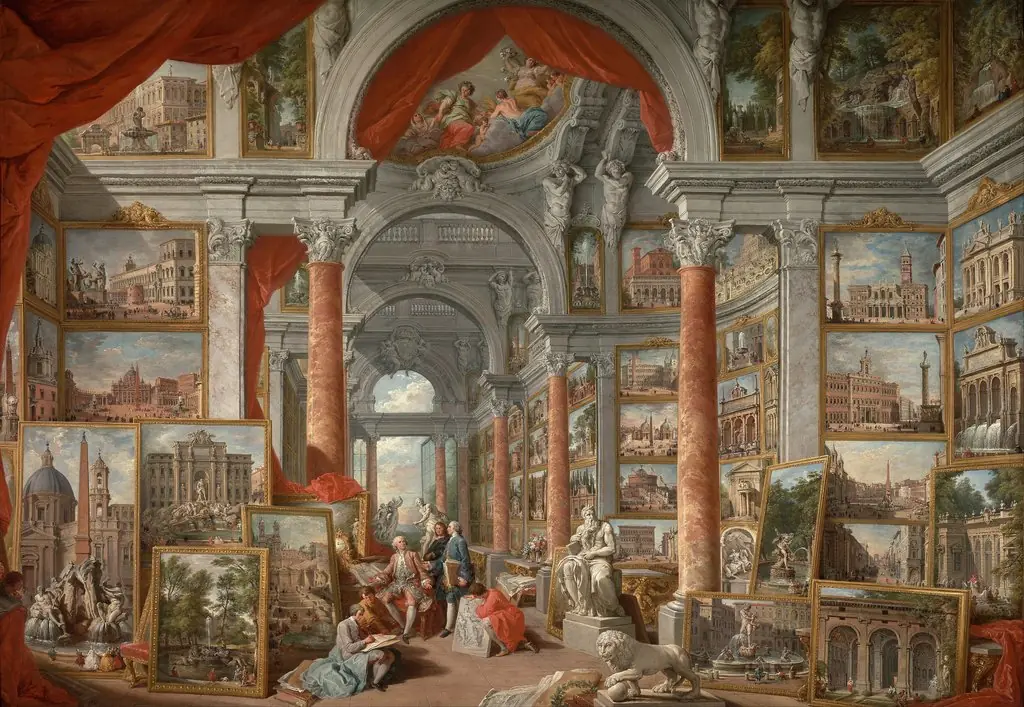 Picture Gallery with Views of Modern Rome
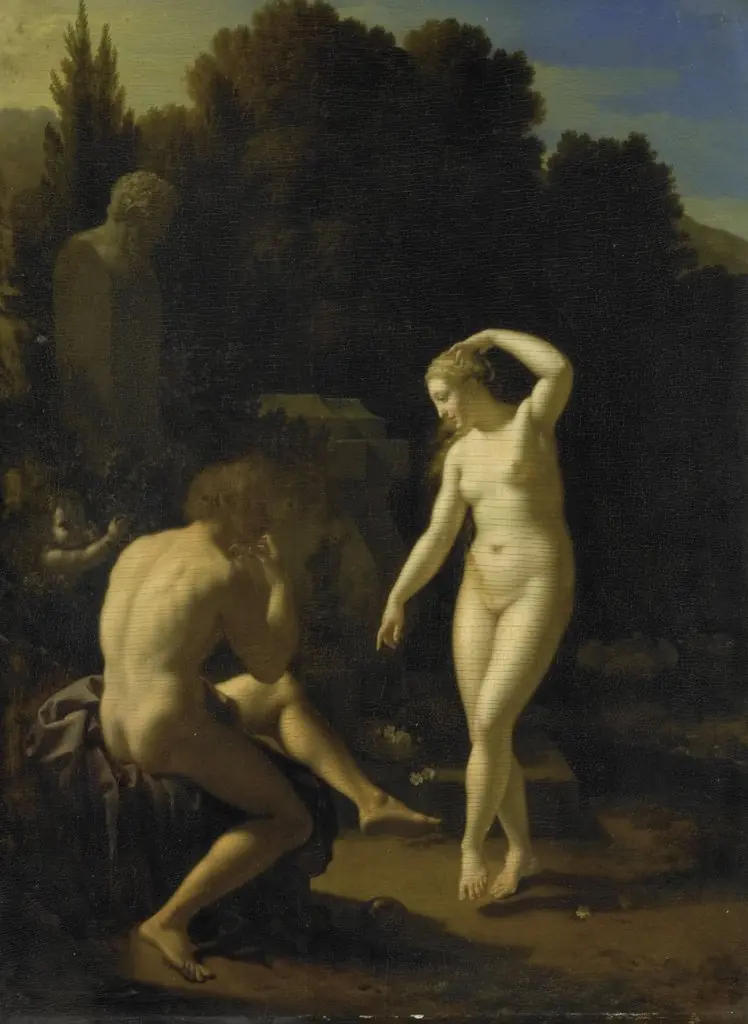 A Nymph Dancing to a Shepherd's Flute-Playing
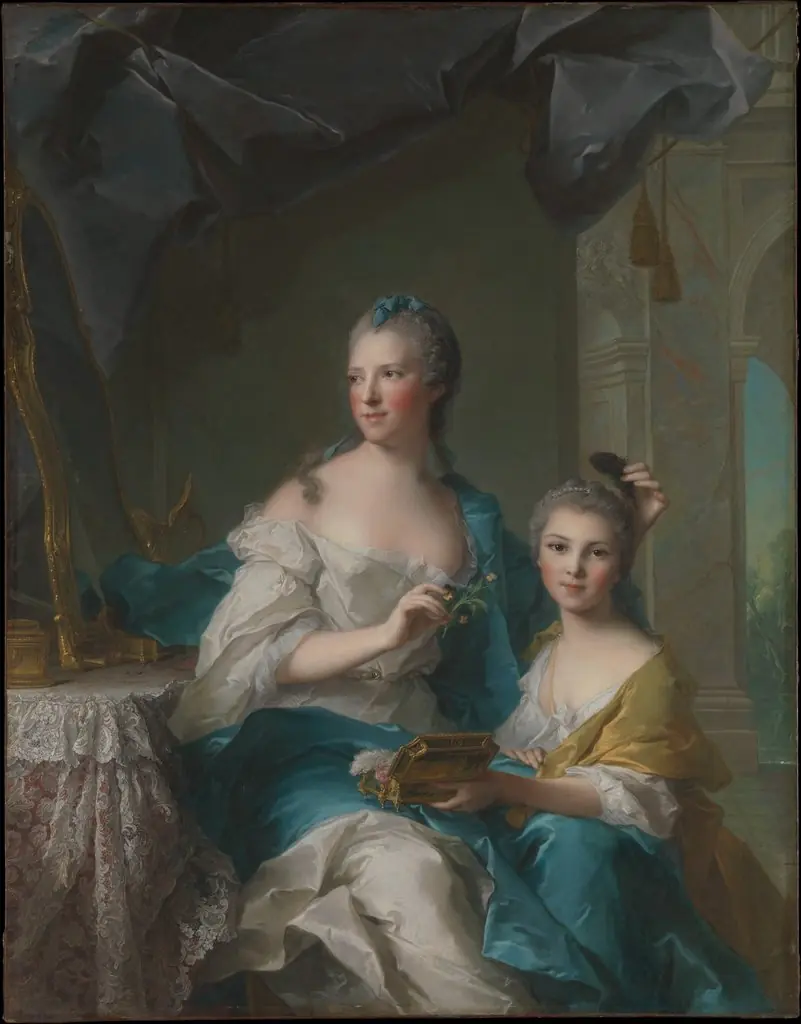 Madame Marsollier and Her Daughter
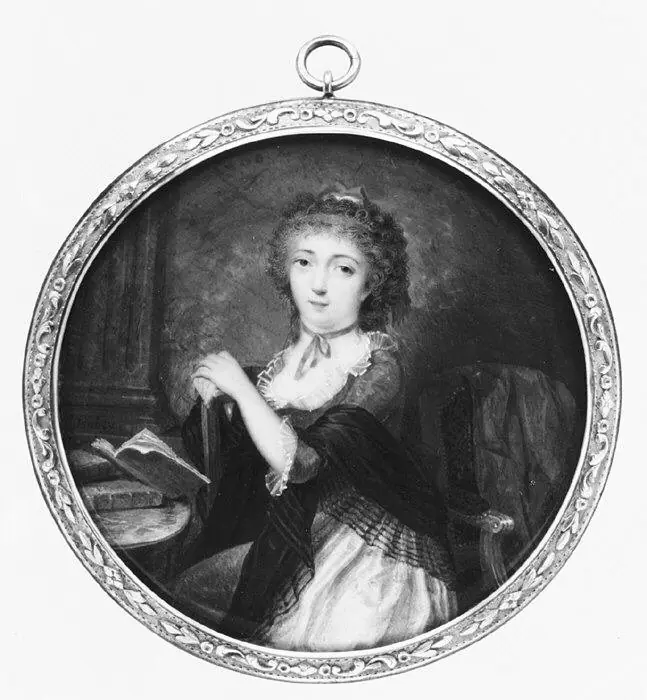 The Reader
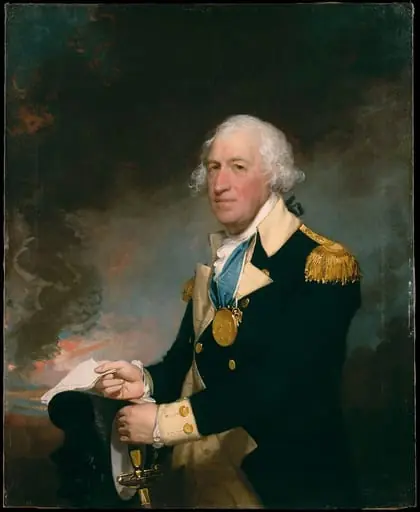 Horatio Gates
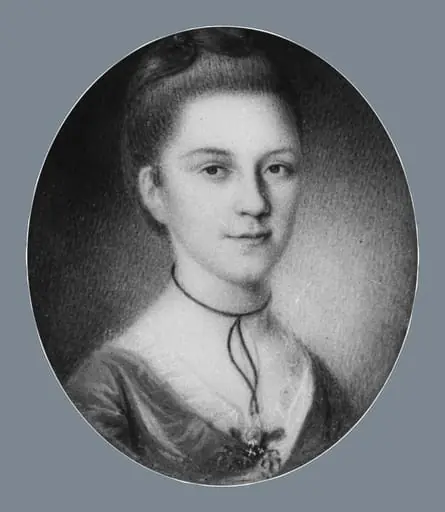 Mrs. Michael Taney (Monica Brooke)
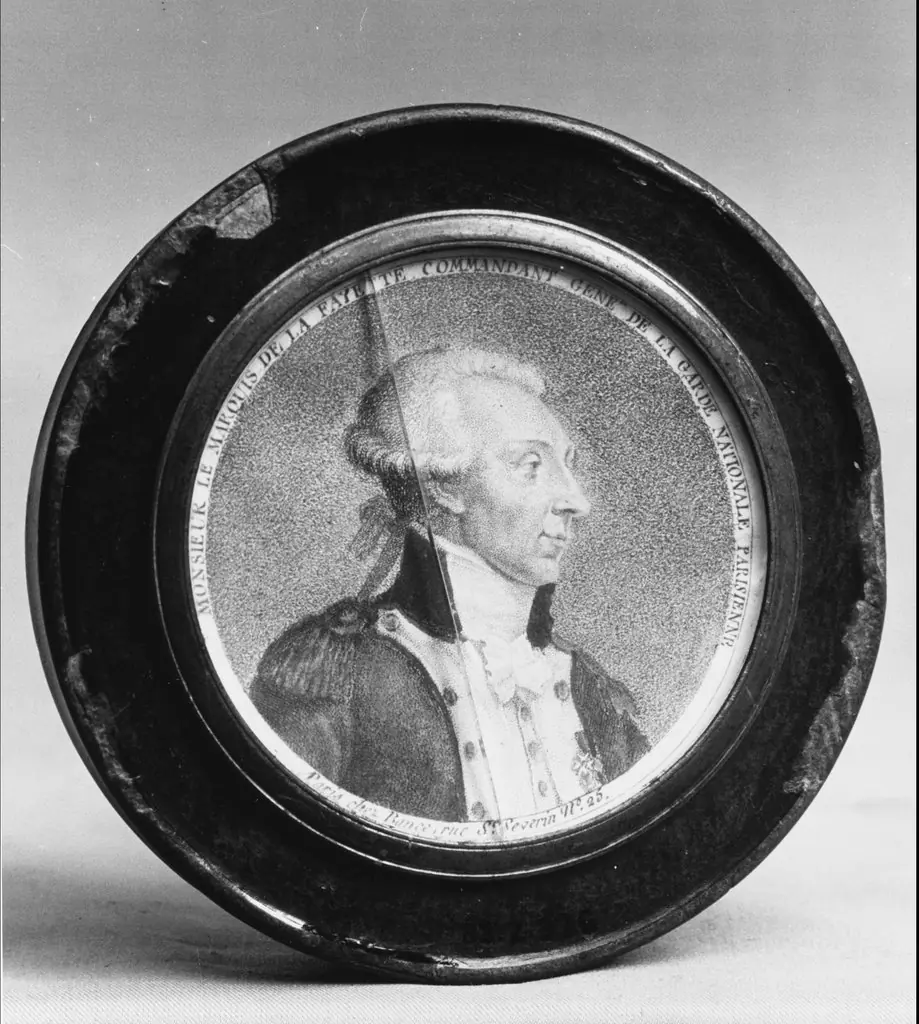 Portrait Miniature of the Marquis de Lafayette
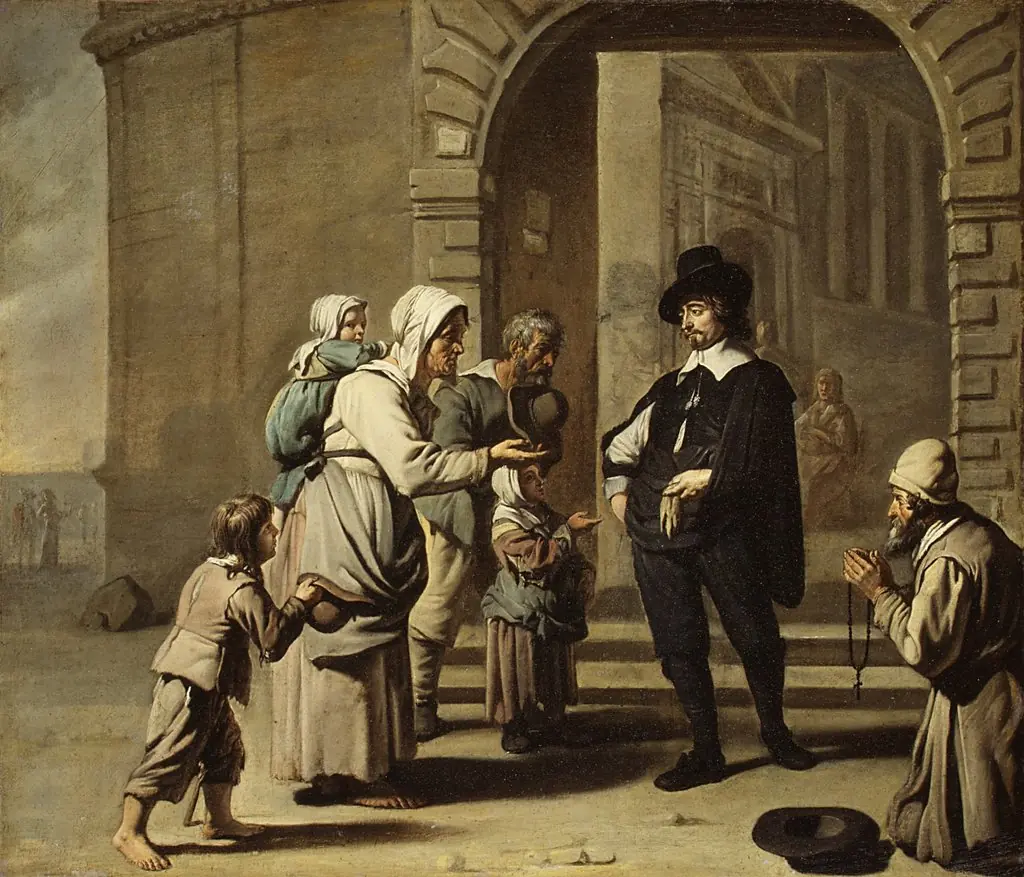 Beggars at a Doorway
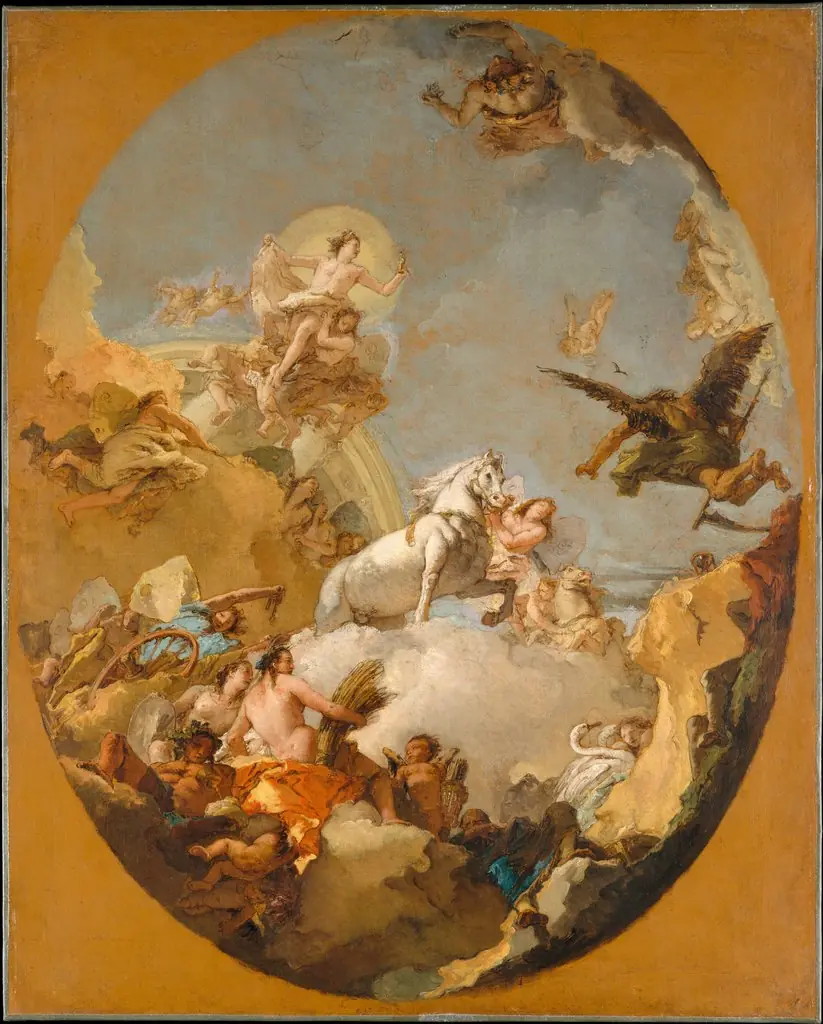 The Chariot of Aurora
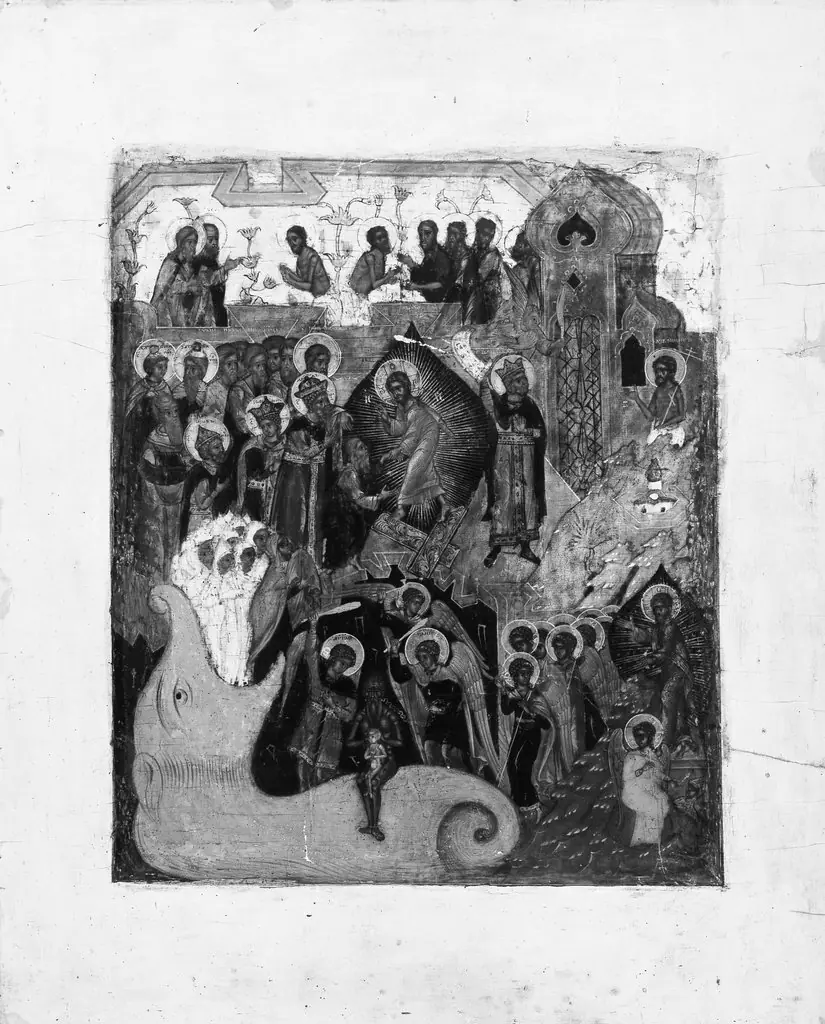 The Resurrection of Christ and the Harrowing of Hell
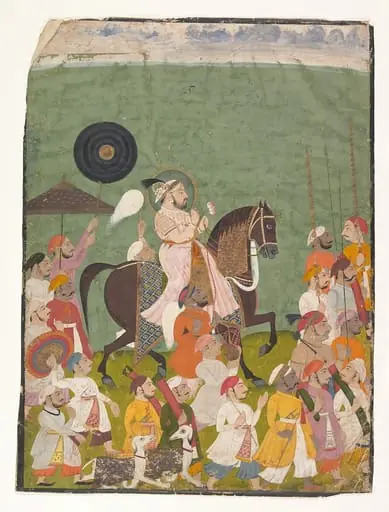 Untitled
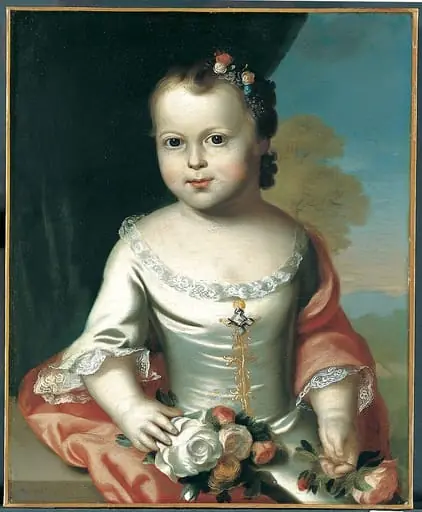 Elizabeth Greenleaf
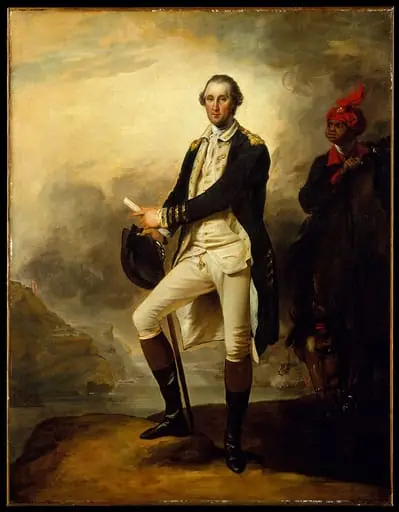 George Washington and William Lee
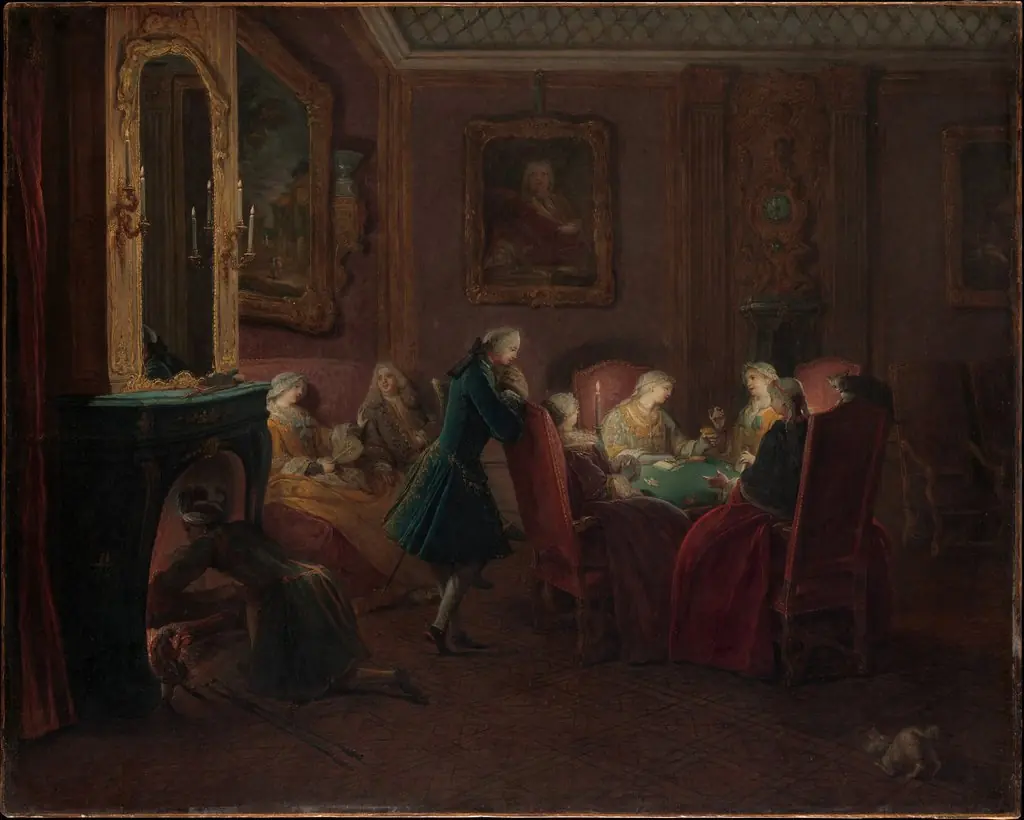 Card Players in a Drawing Room
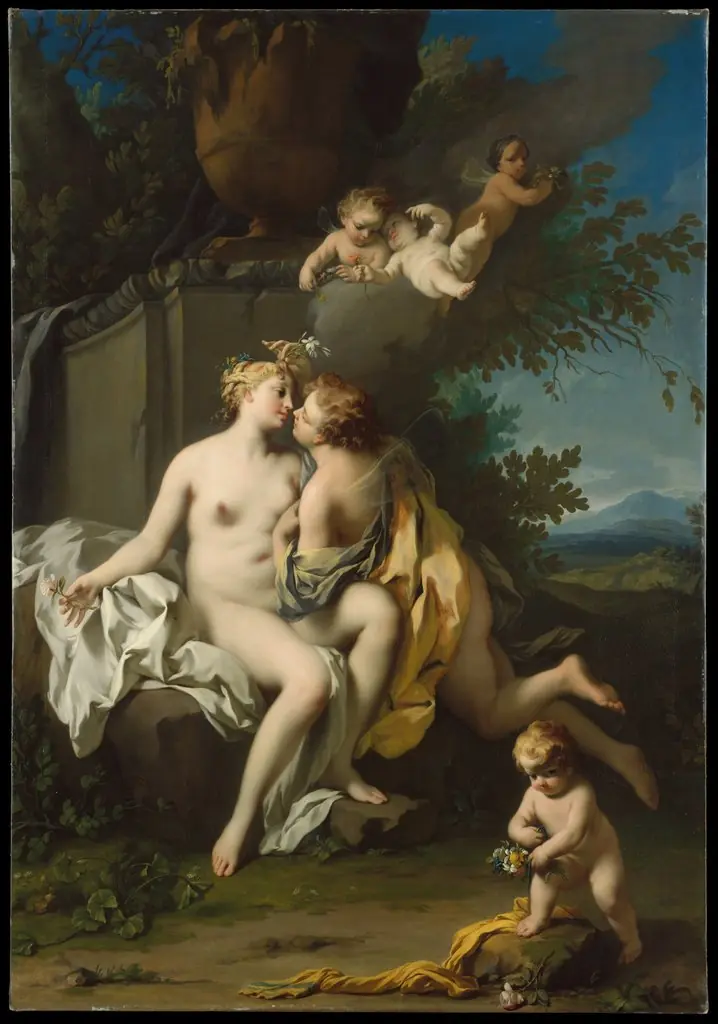 Flora and Zephyr
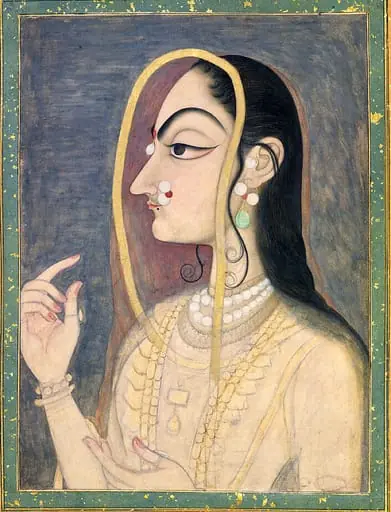 Untitled
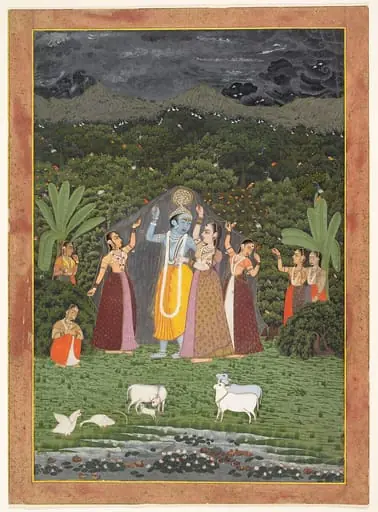 Untitled
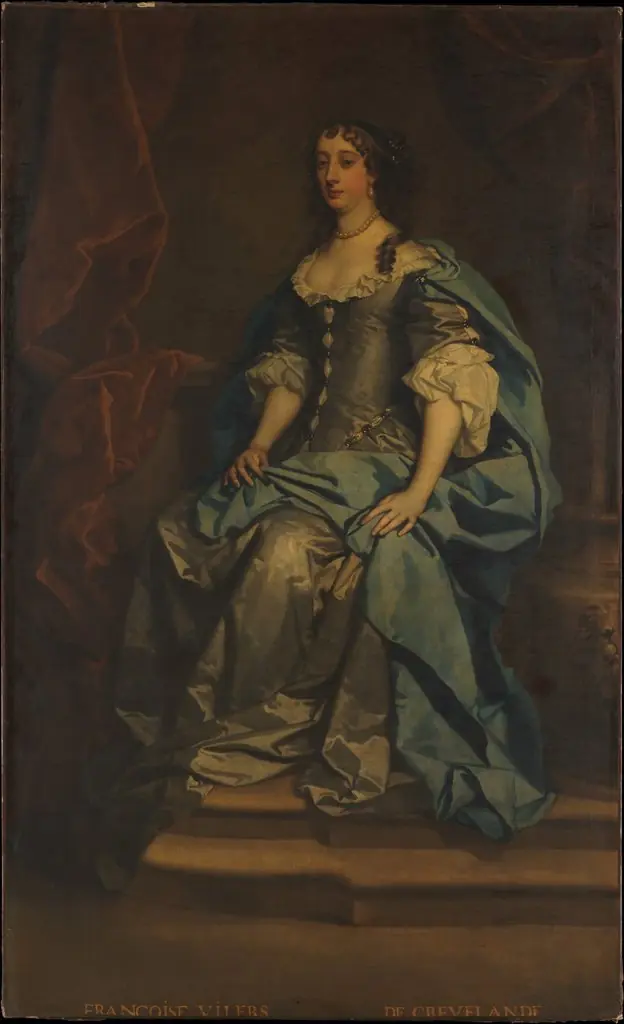 Barbara Villiers (1640–1709), Duchess of Cleveland
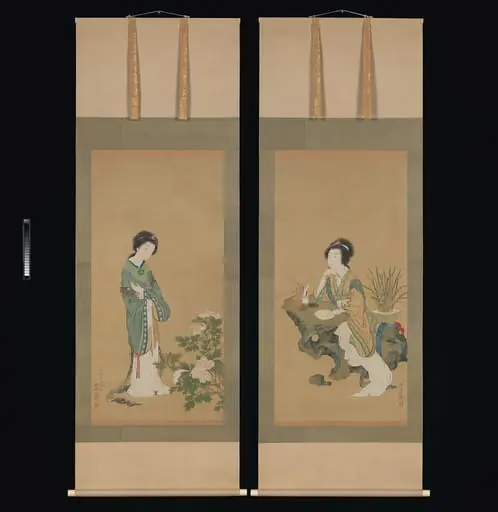 源琦筆 燕姞・楊貴妃図|Yanji with Orchids and Yang Guifei with Peonies
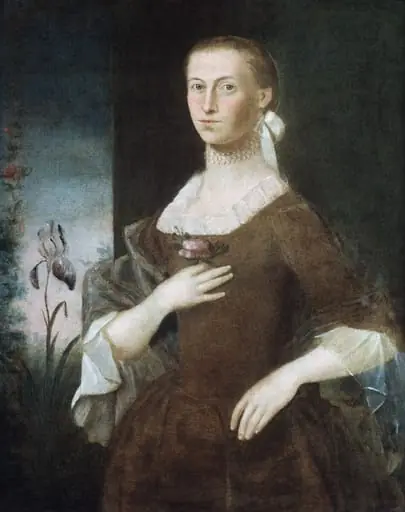 Mrs. Samuel Gardiner
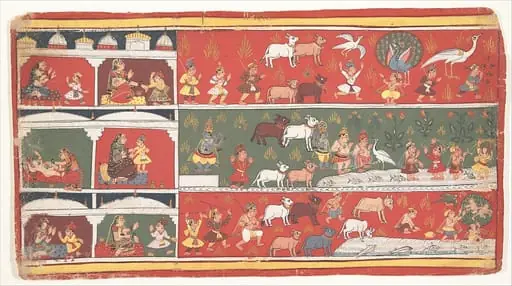 Untitled
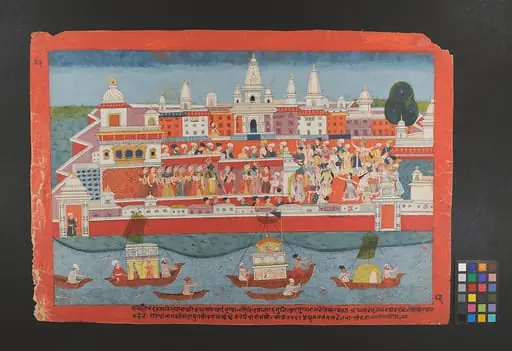 Untitled
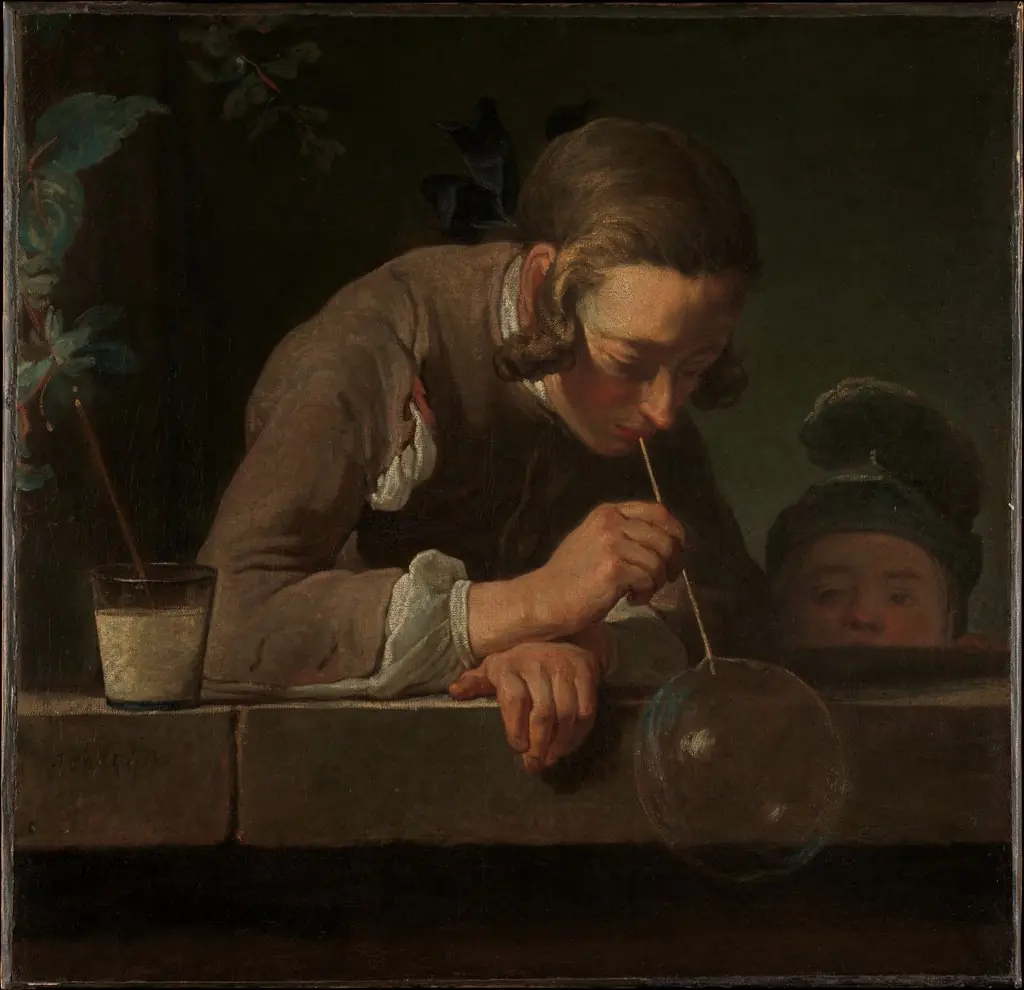 Soap Bubbles
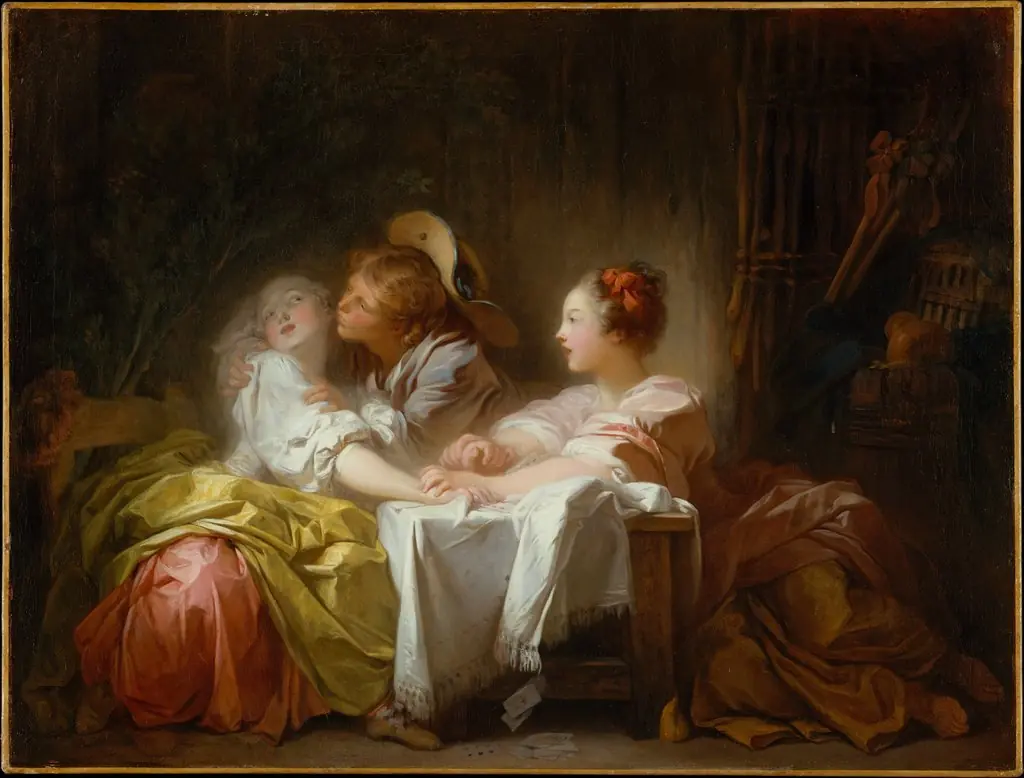 The Stolen Kiss
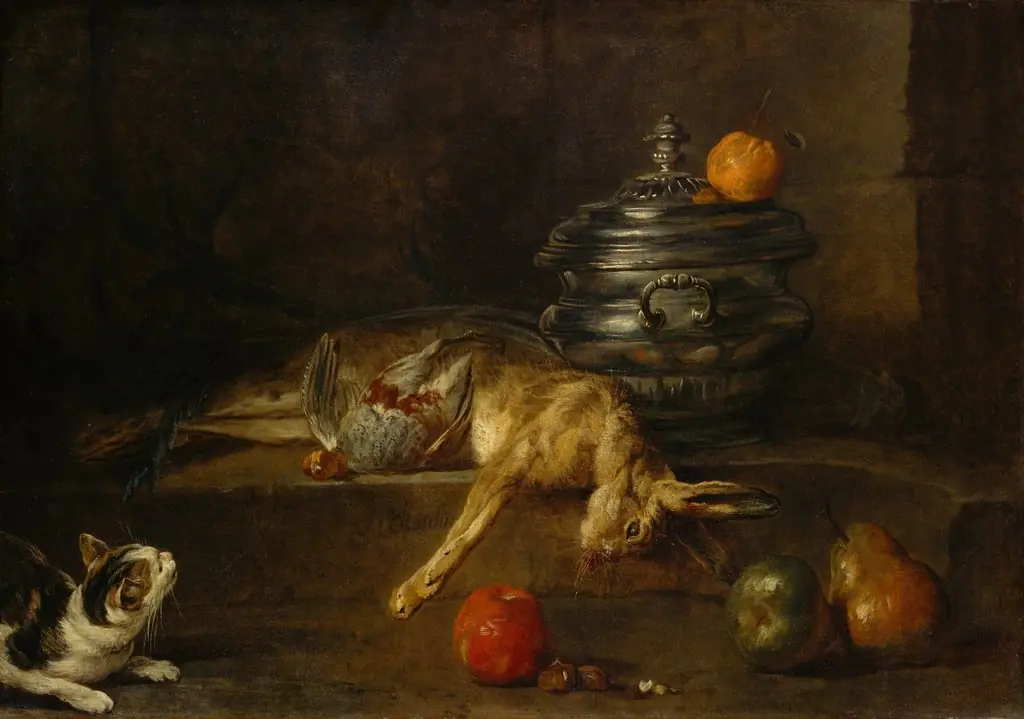 The Silver Tureen
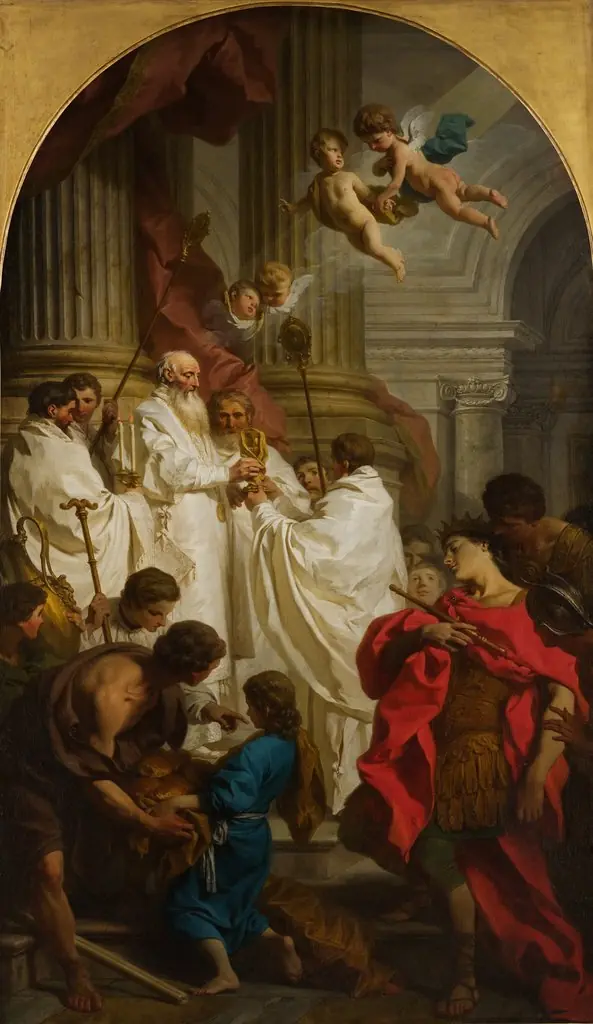 The Mass of Saint Basil
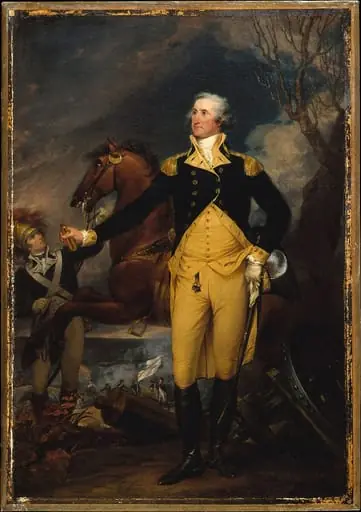 George Washington before the Battle of Trenton
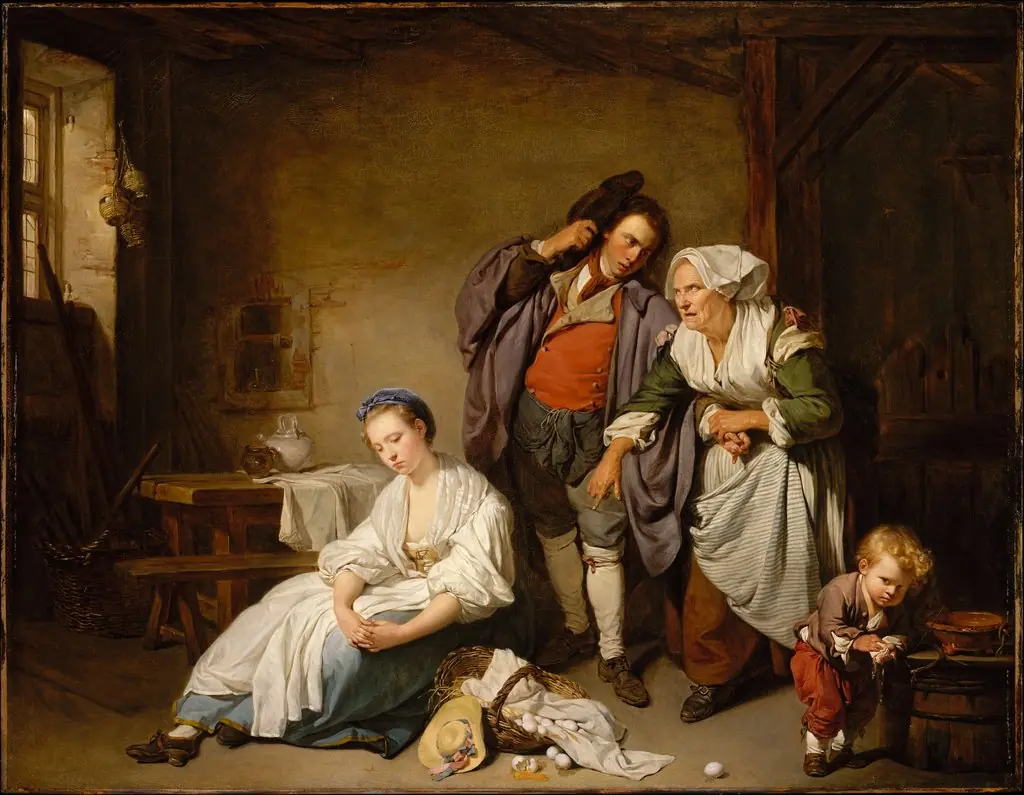 Broken Eggs
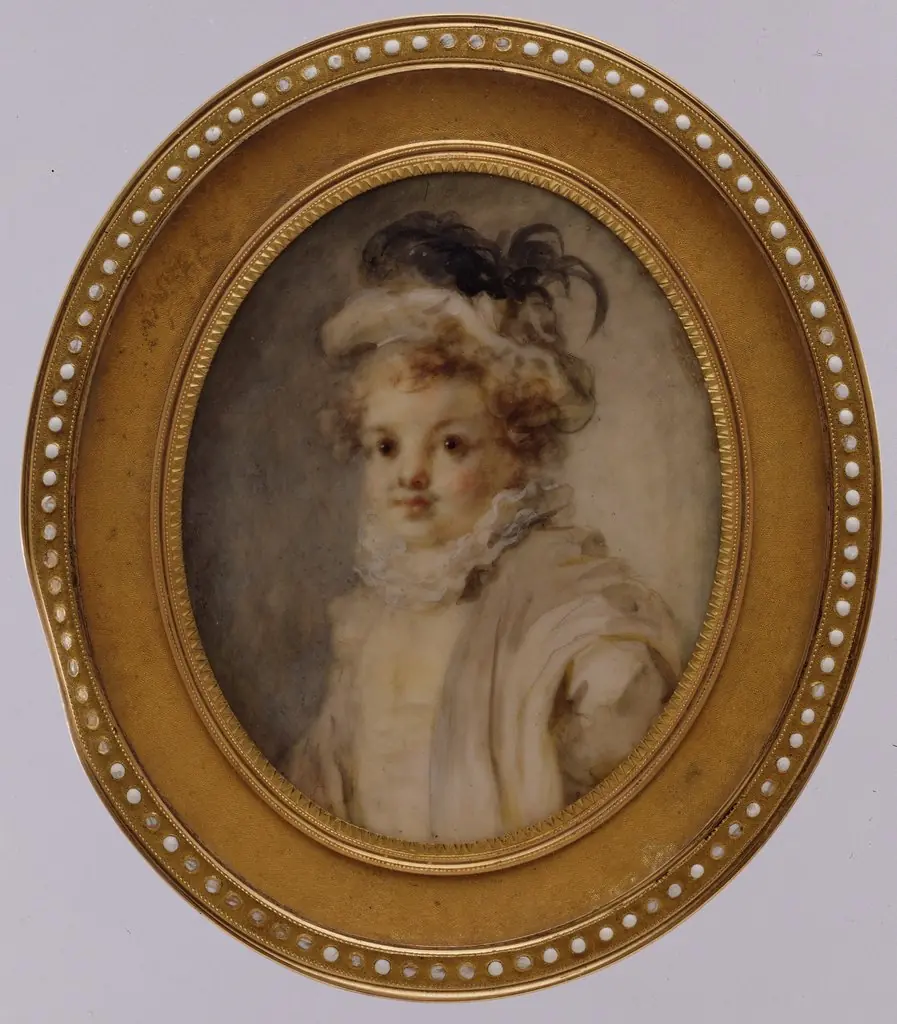 Portrait of a Boy
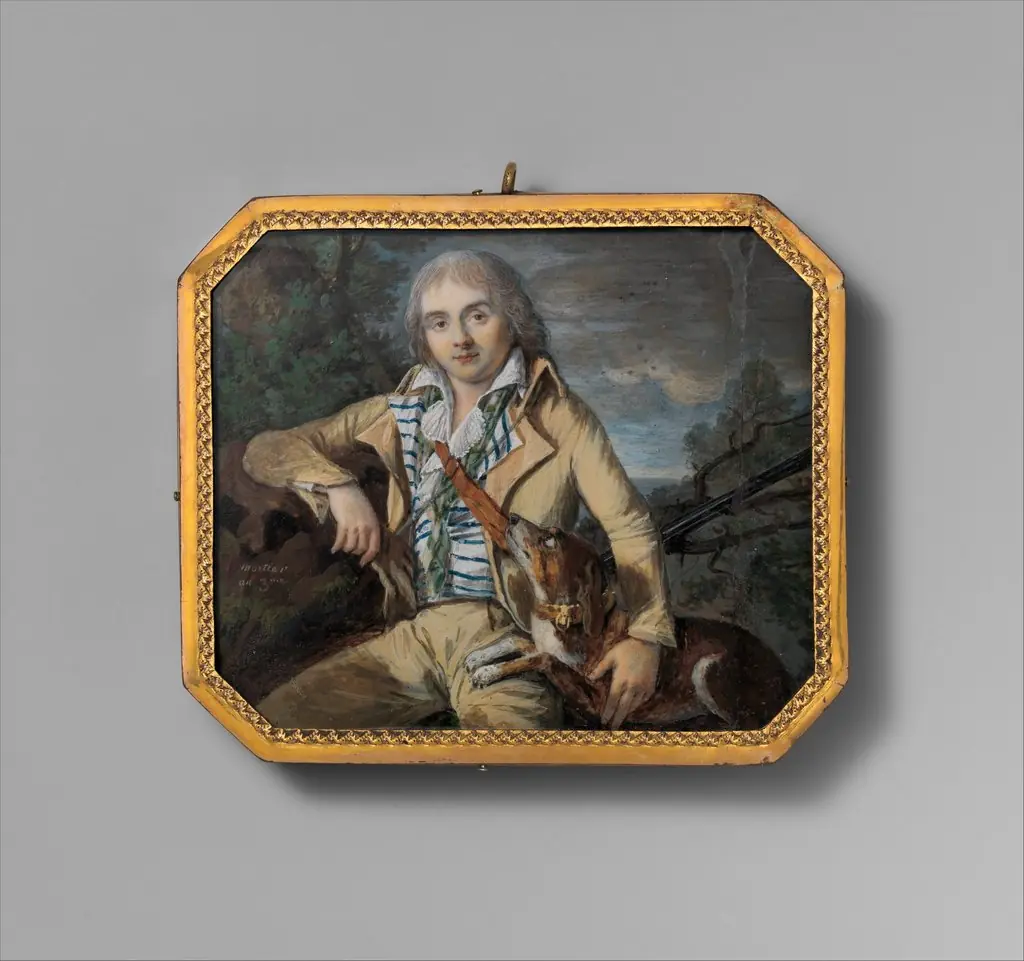 A Hunter with a Dog
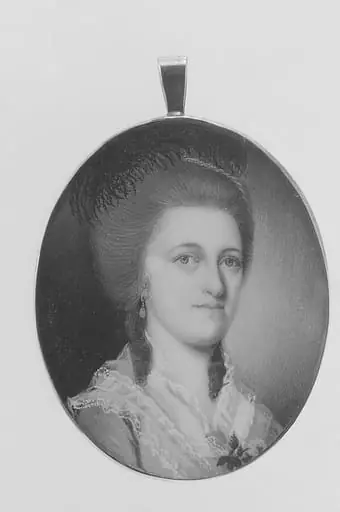 Portrait of a Lady
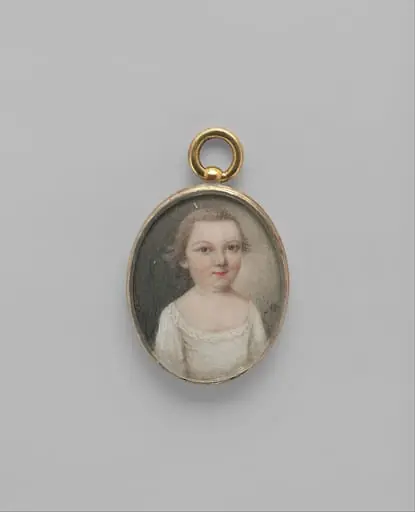 Thomas Middleton
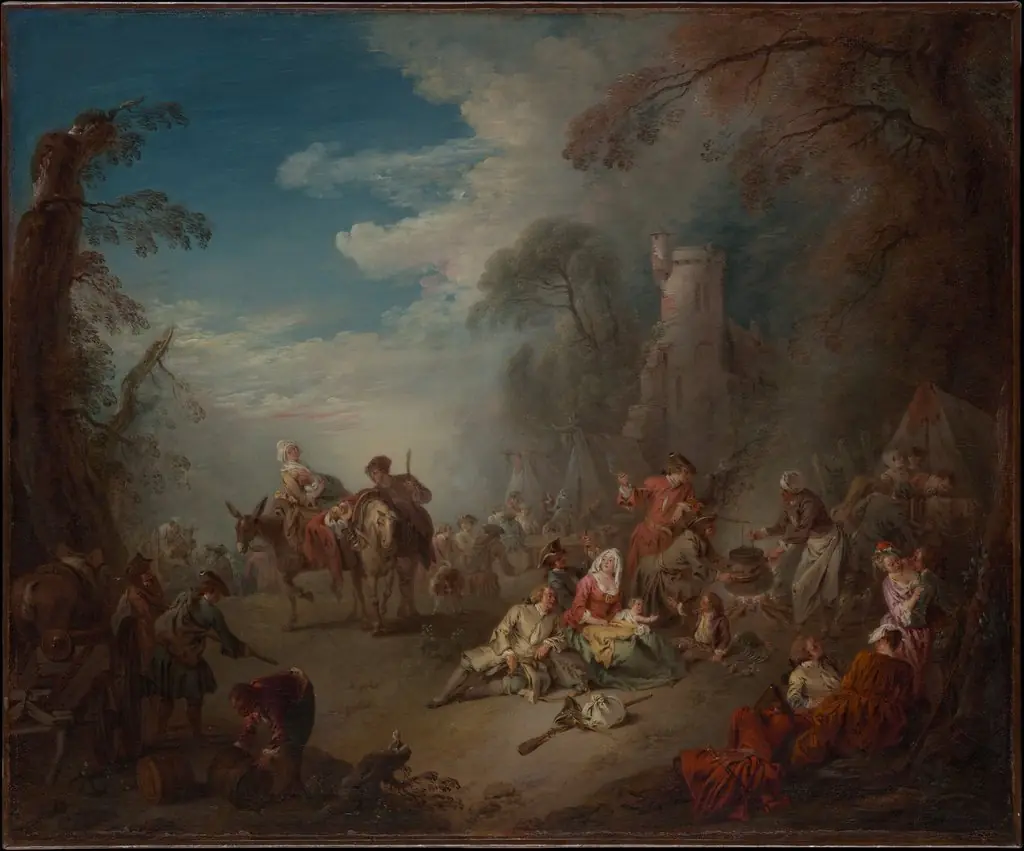 Troops at Rest
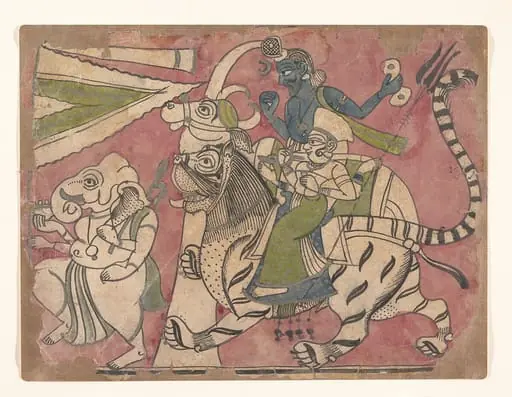 Untitled
 Caroline Maria Therese of Parma (1770–1804)
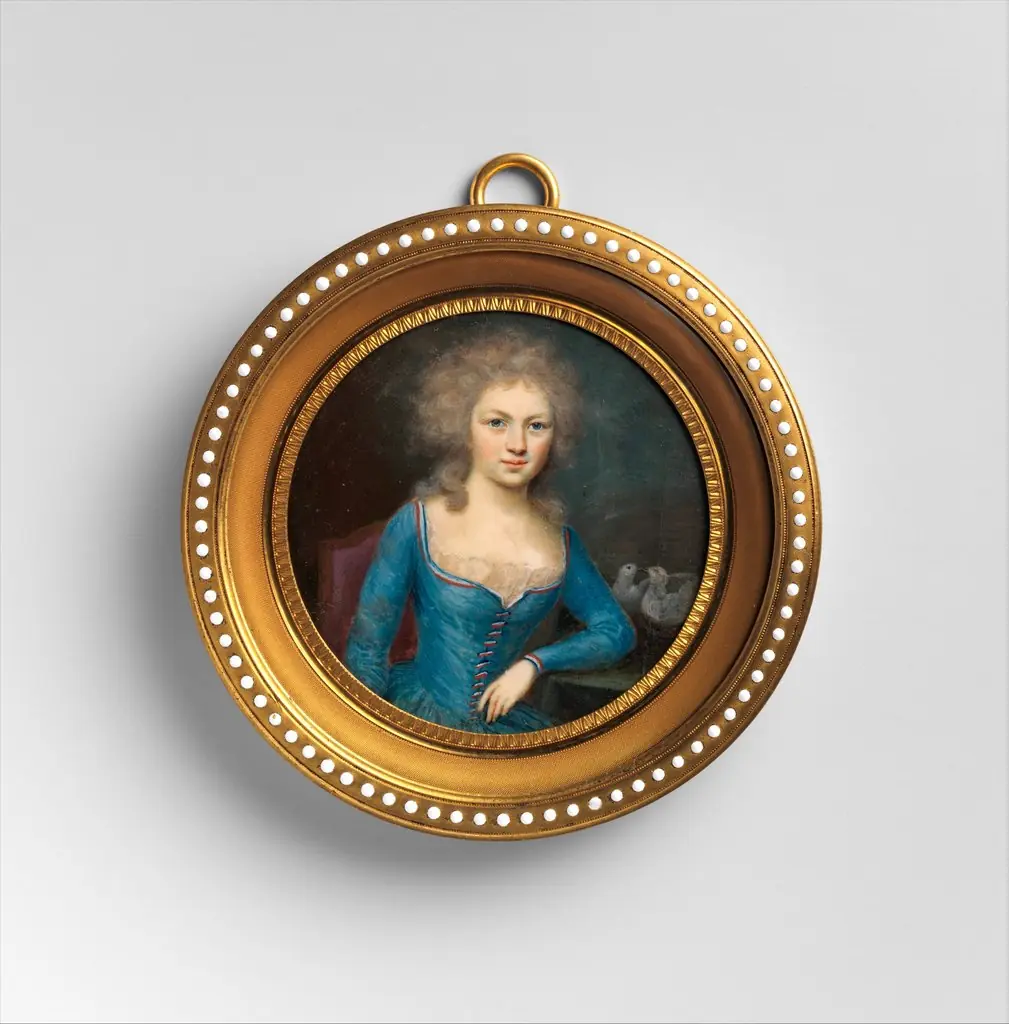 Portrait of a Woman
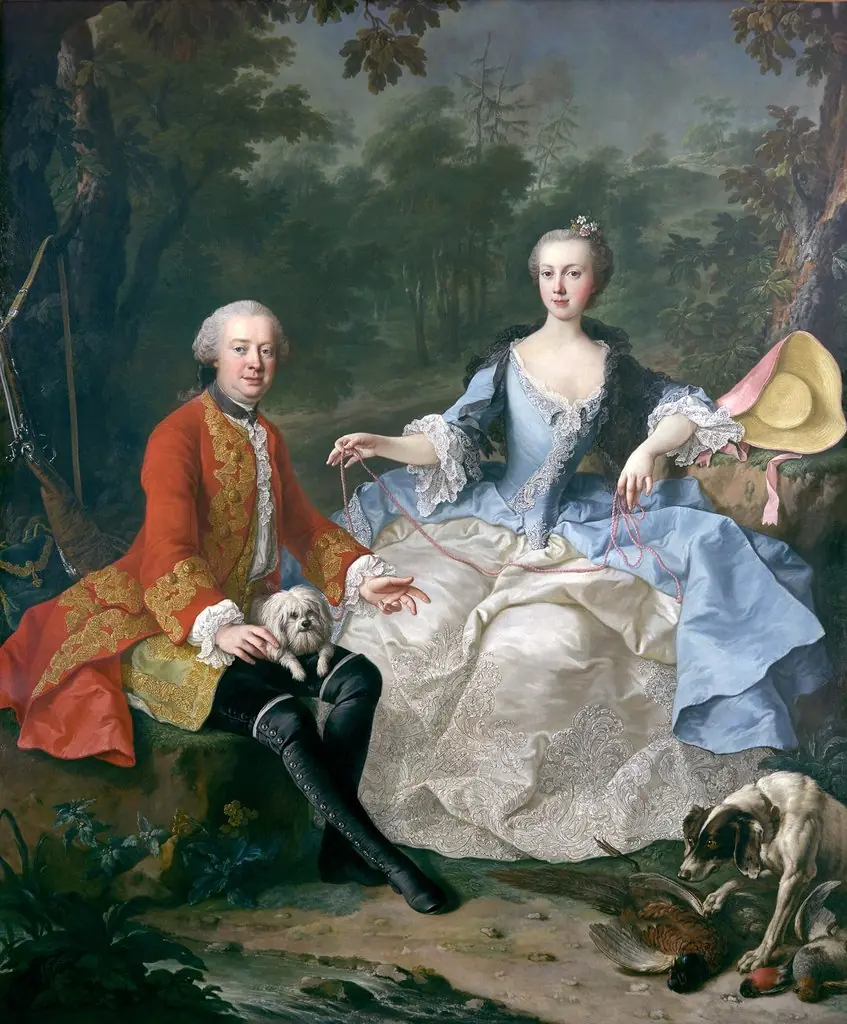 Count Giacomo Durazzo in the Guise of a Huntsman with His Wife
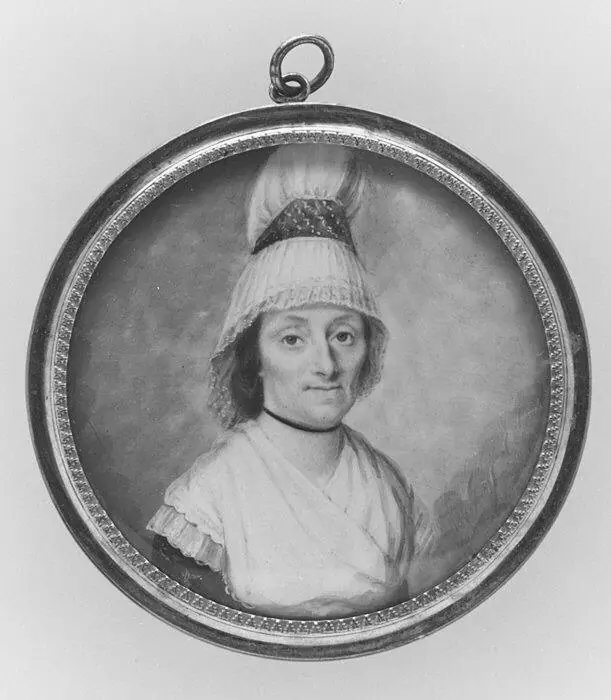 Portrait of a Woman
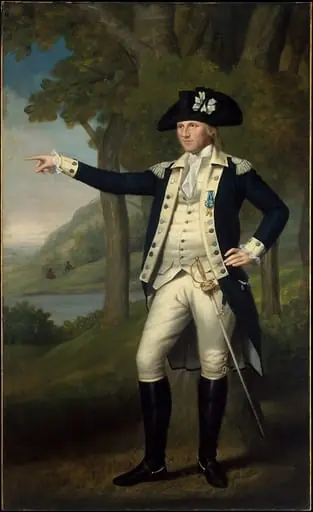 Marinus Willett
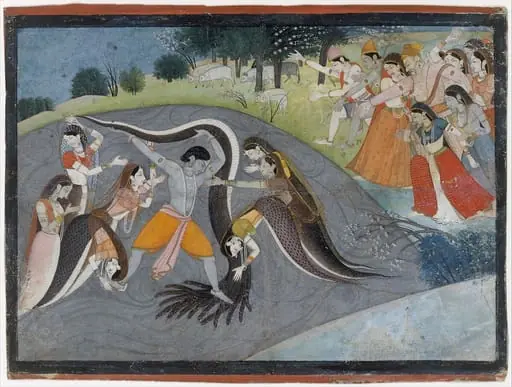 Untitled
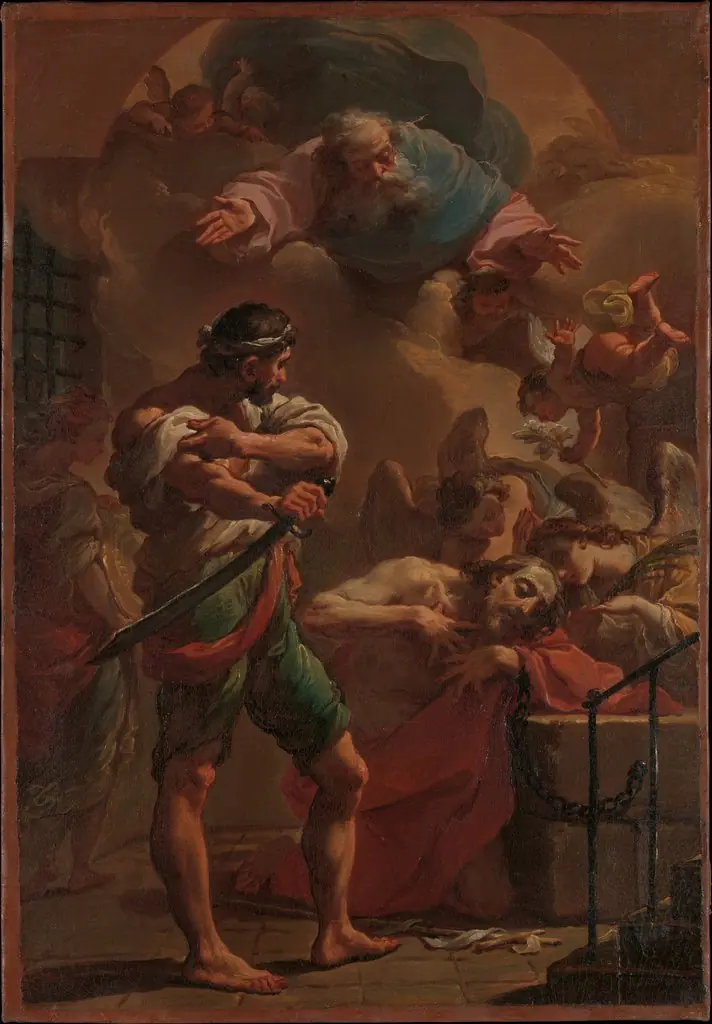 The Execution of Saint John the Baptist
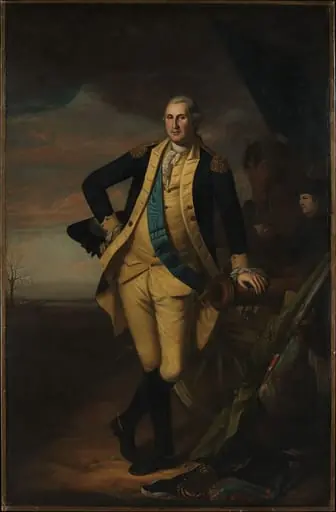 George Washington
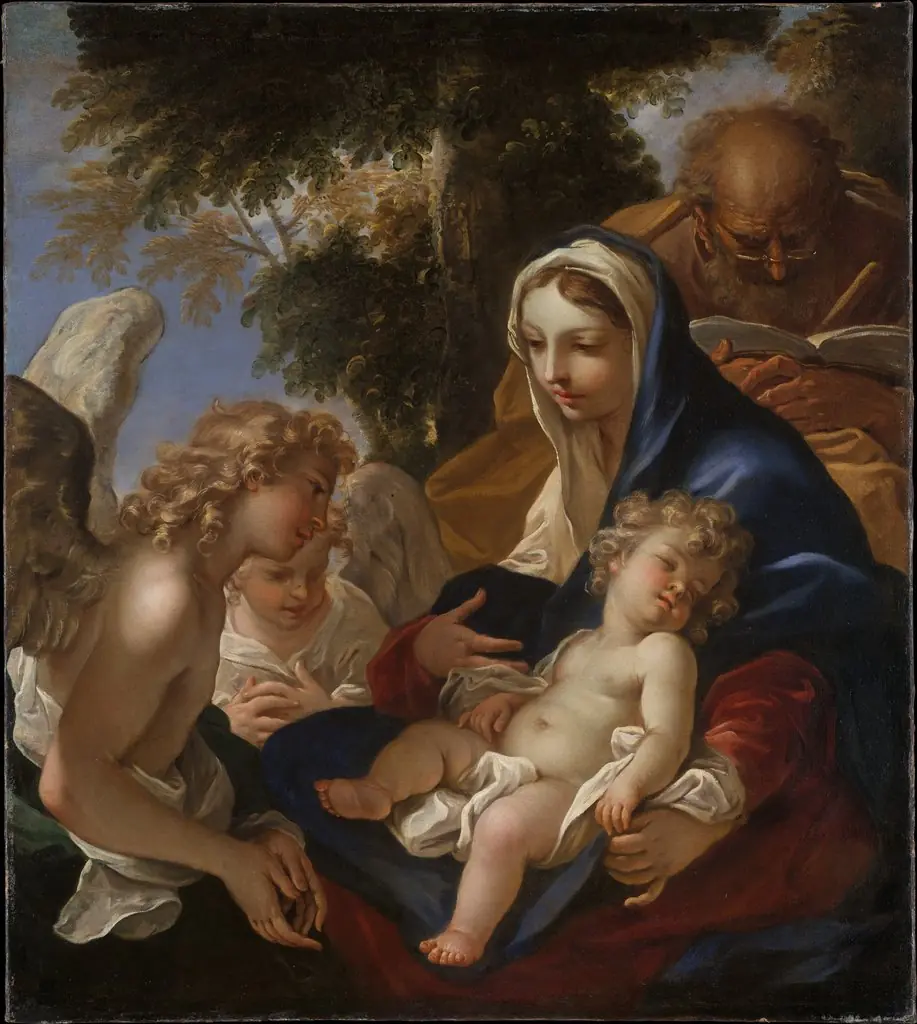 The Holy Family with Angels
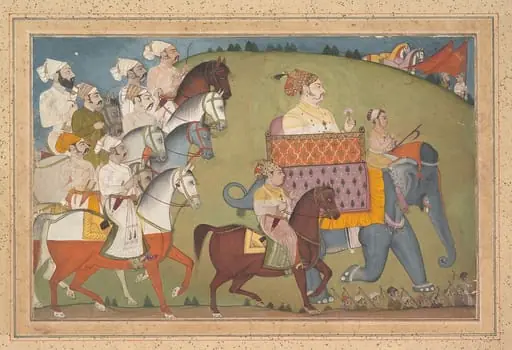 Untitled
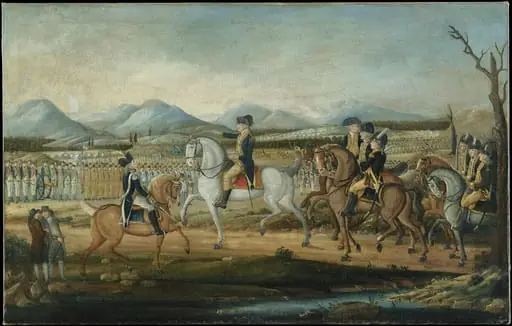 Washington Reviewing the Western Army at Fort Cumberland, Maryland
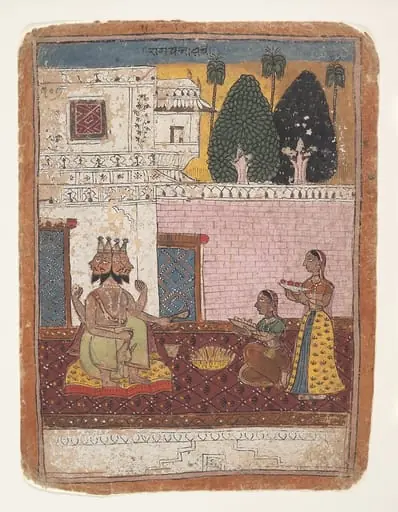 Untitled
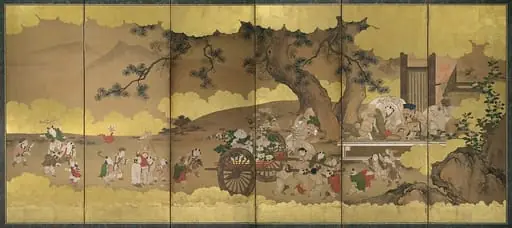 狩野周信筆 七福神唐子図屏風|Seven Gods of Good Fortune and Chinese Children
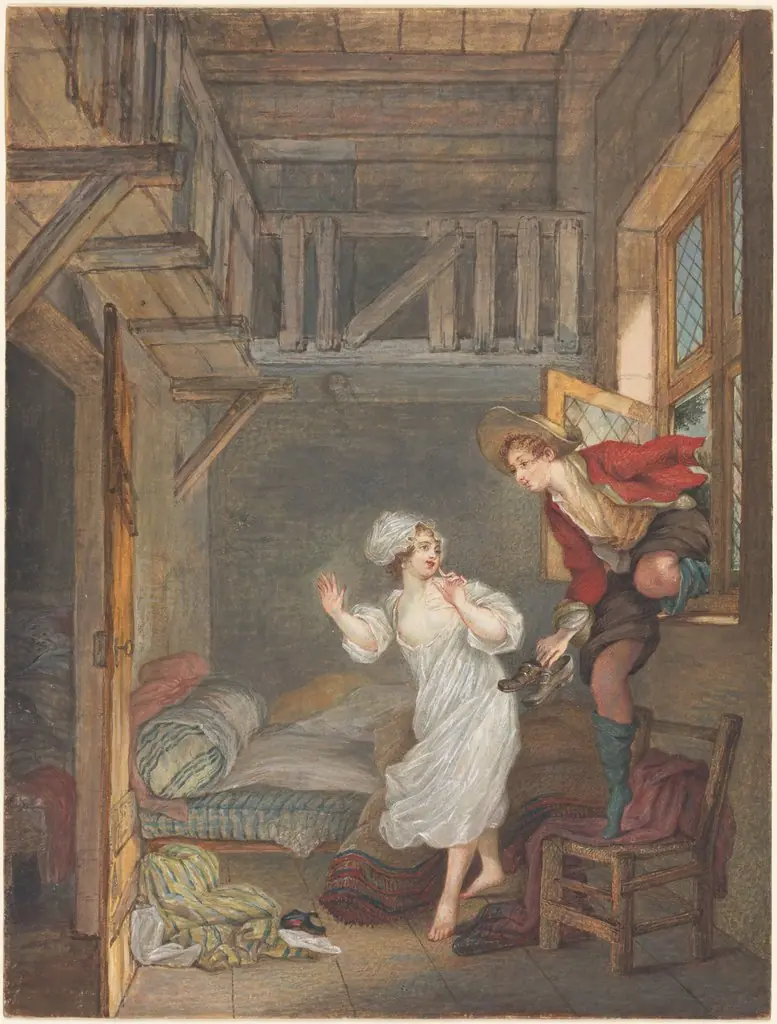 The Lover's Visit
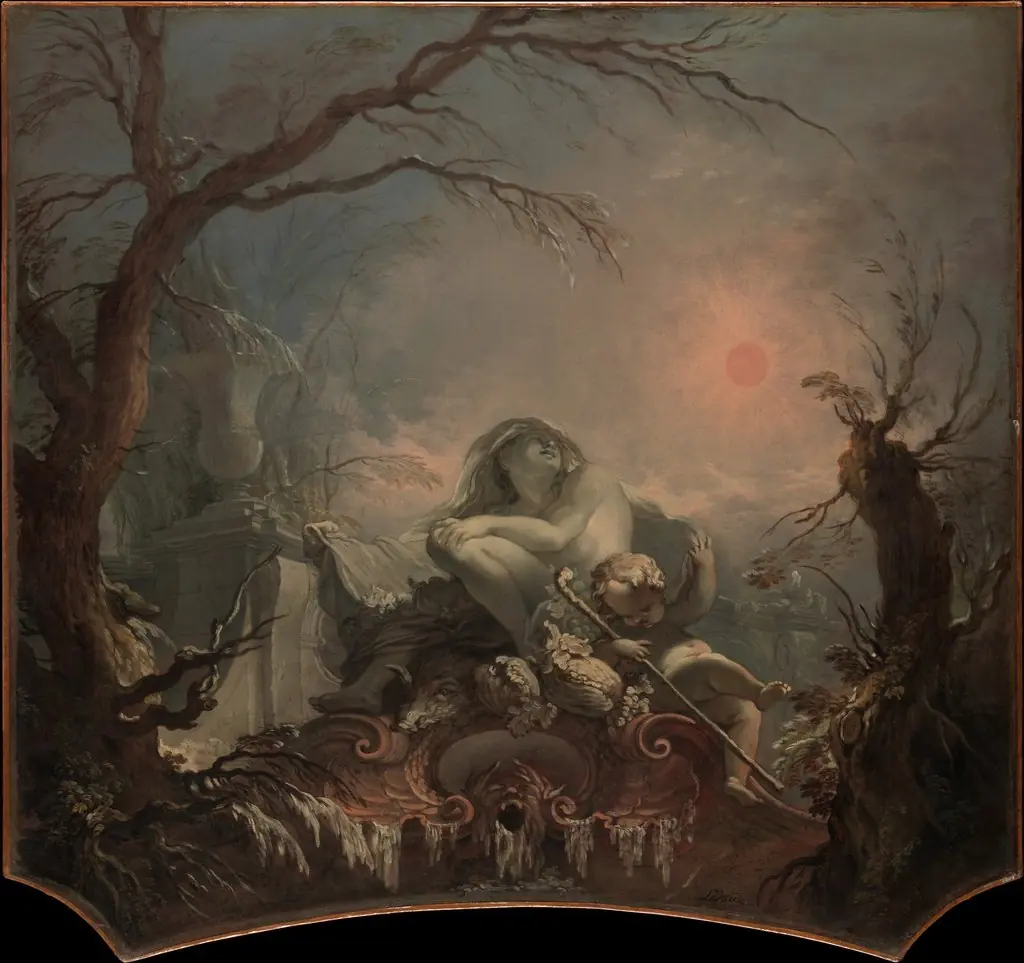 Allegory of Winter
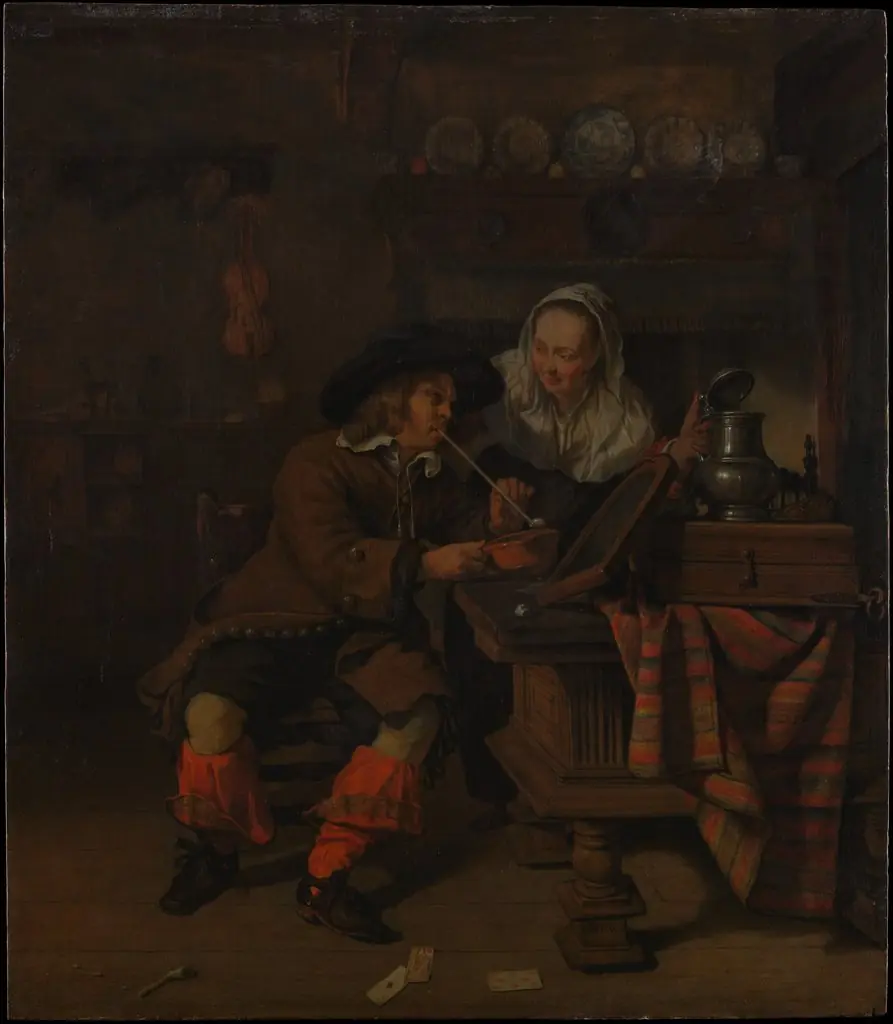 Tavern Scene
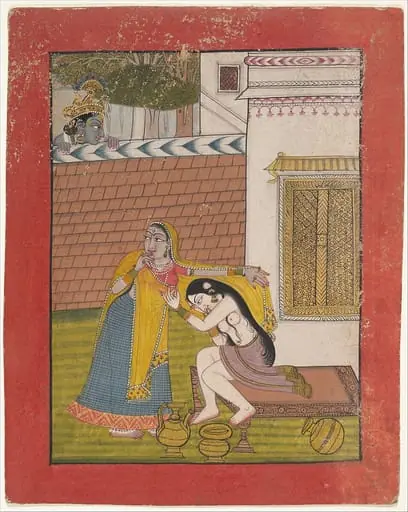 Untitled
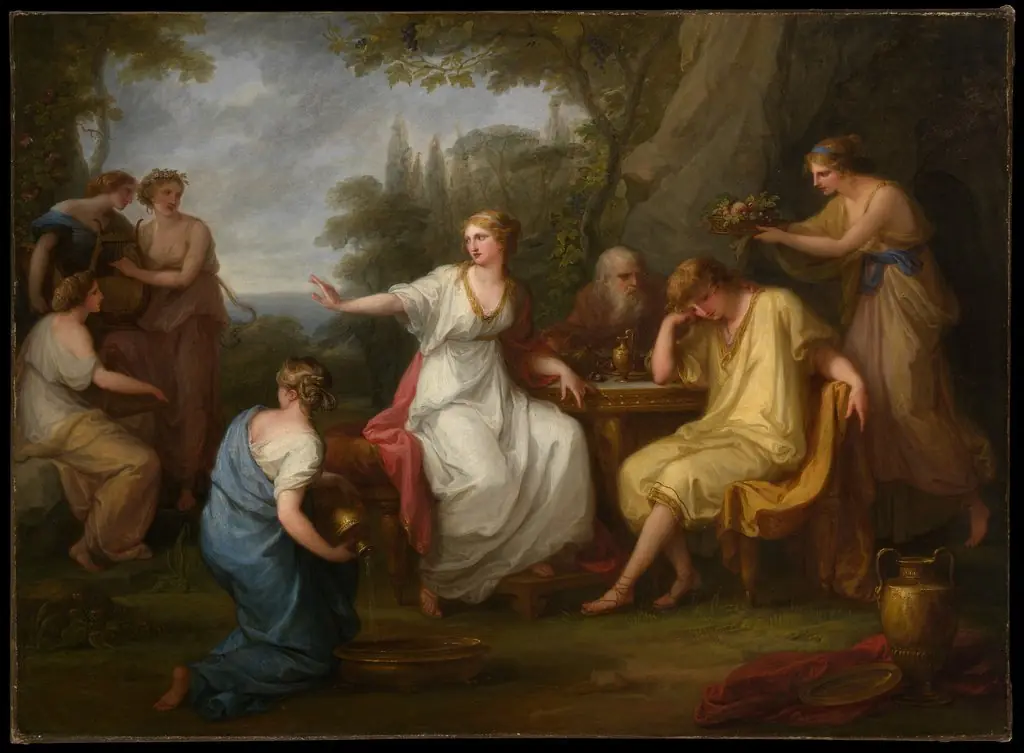 The Sorrow of Telemachus
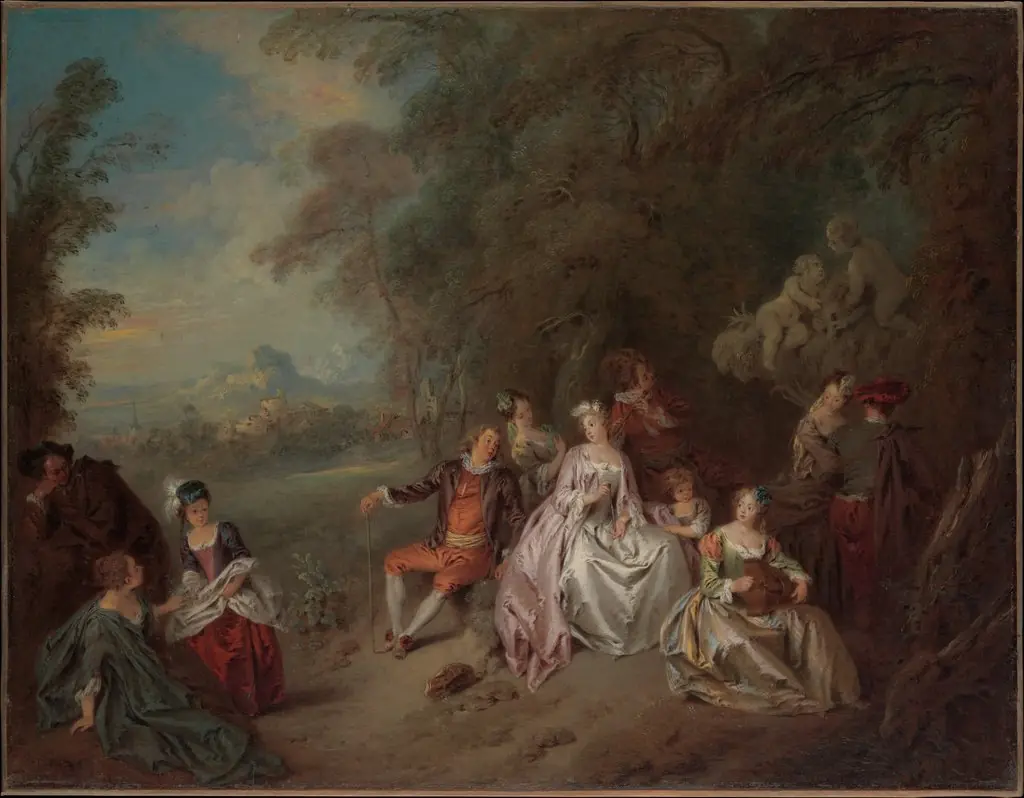 Concert Champêtre
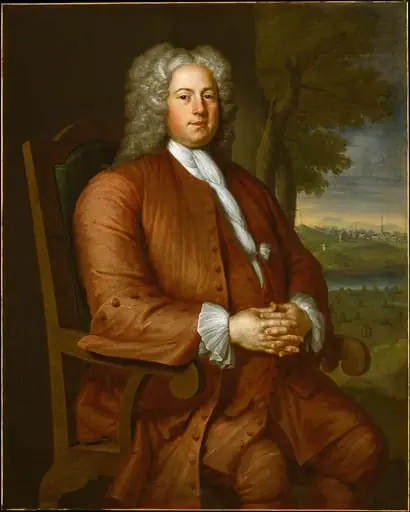 Francis Brinley
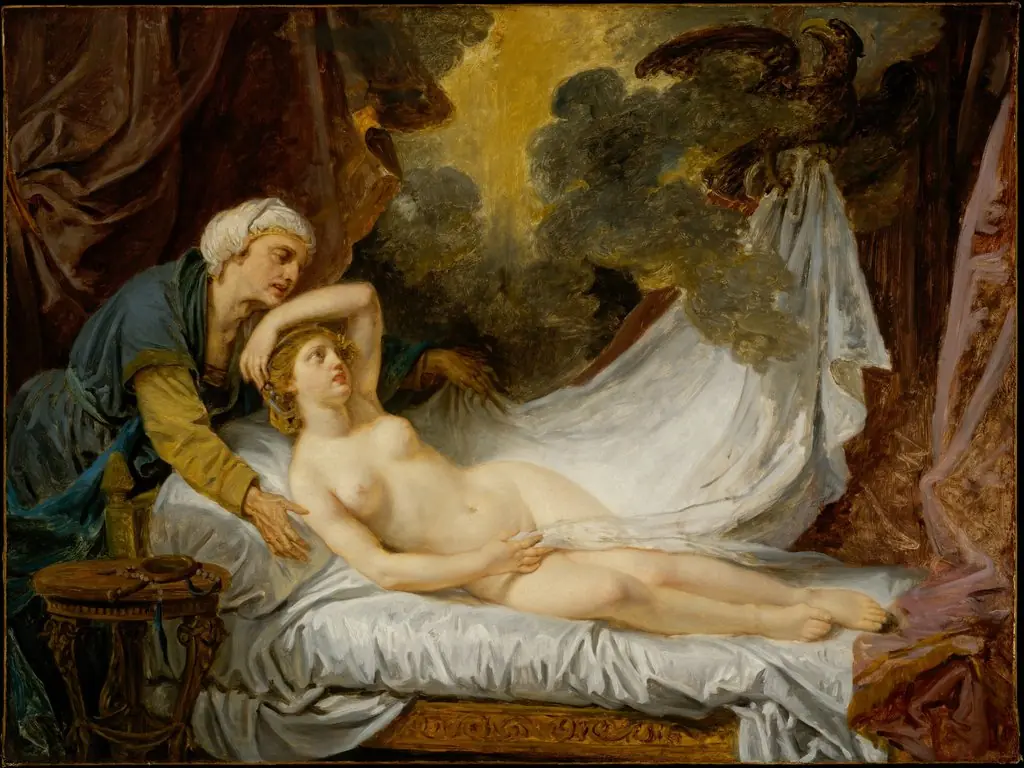 Aegina Visited by Jupiter
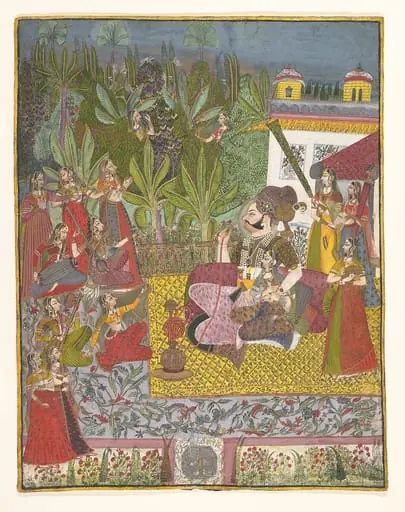 Untitled
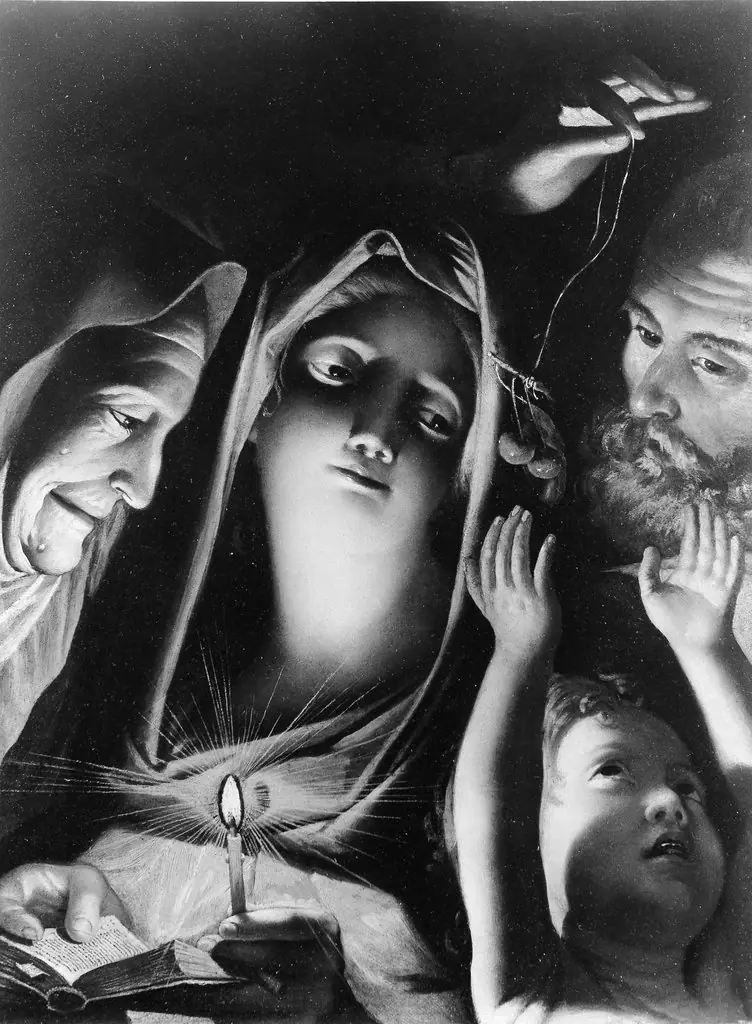 Holy Family with Saint Anne
 The Shipwreck
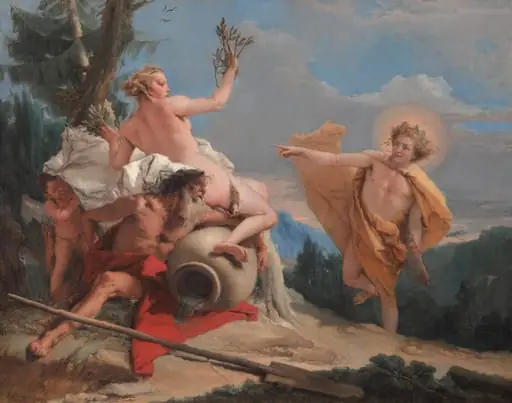 Apollo Pursuing Daphne
Frequently asked questions
What is 18th Century?
18th Century is an art period. The 1700s in European art — from Rococo elegance and the Grand Tour to Neoclassical reform and the stirrings of Romanticism.
How many 18th Century works does Artifact World Gallery have?
Artifact World Gallery holds 21,618 public-domain 18th Century works, all free to view and download.
Who are the key 18th Century artists?
Key 18th Century artists in the collection include Jean Honoré Fragonard, Jacques-Louis David and Raphael.
When did 18th Century take place?
18th Century dates from 1701–1800.
Where can I see 18th Century works?
18th Century works in the collection are held by National Gallery of Art, Victoria and Albert Museum and Cleveland Museum of Art.