Artwork
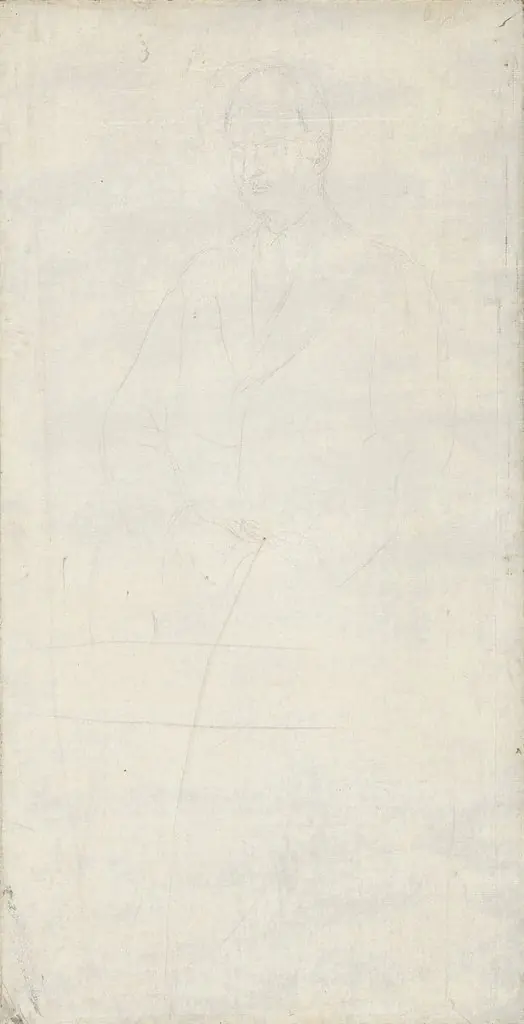
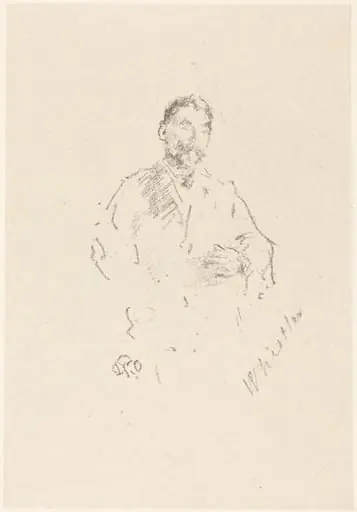
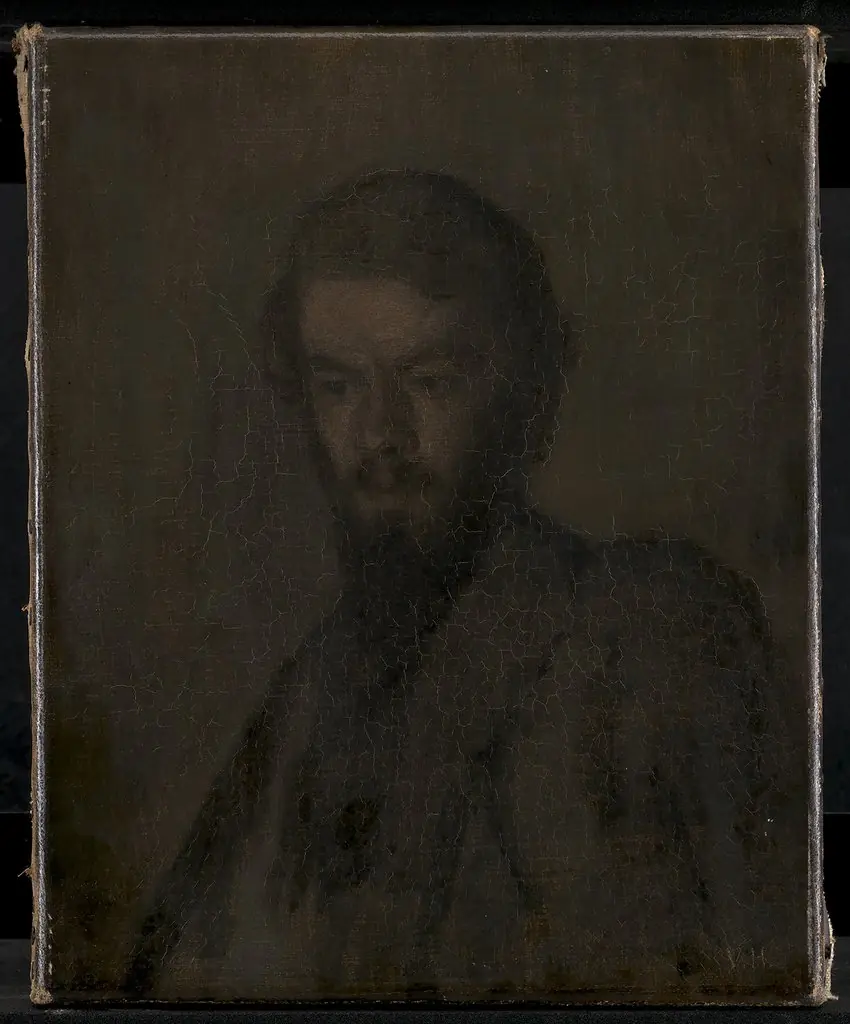
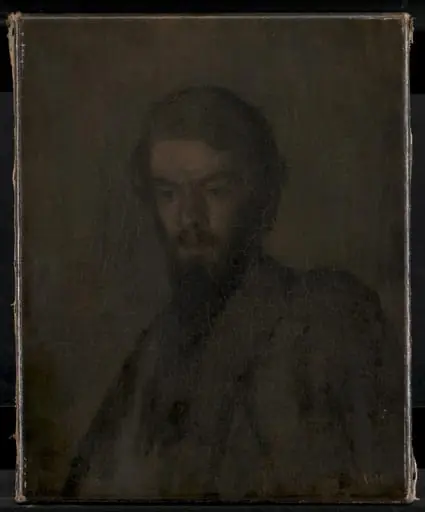
Portrait of a Man (Diego Martelli)
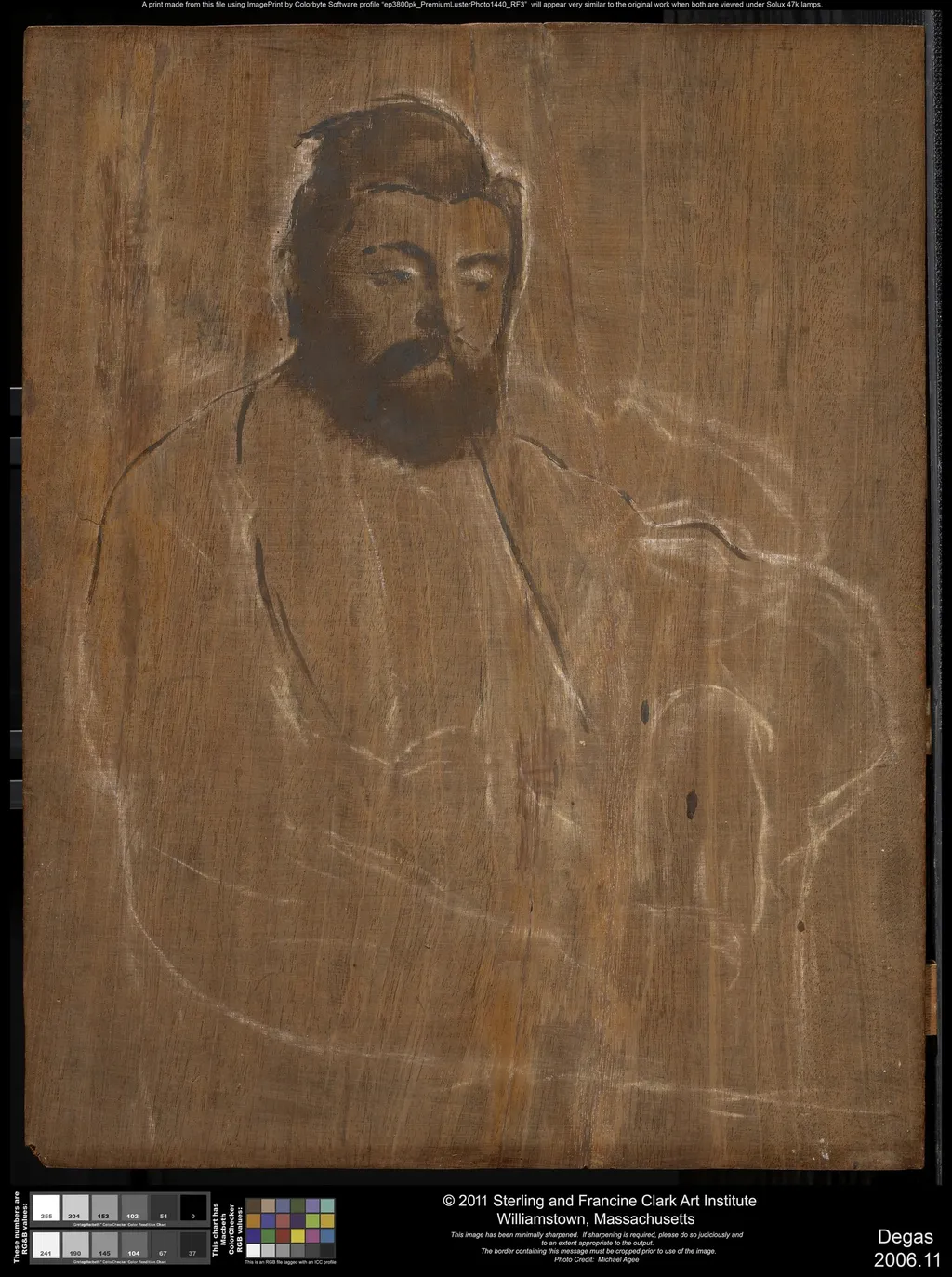
Portrait of a Man (Diego Martelli) is an unspecified painting by Edgar Degas. It dates from 1890 and is held in the collection of the Clark Art Institute.
About this work
Overview
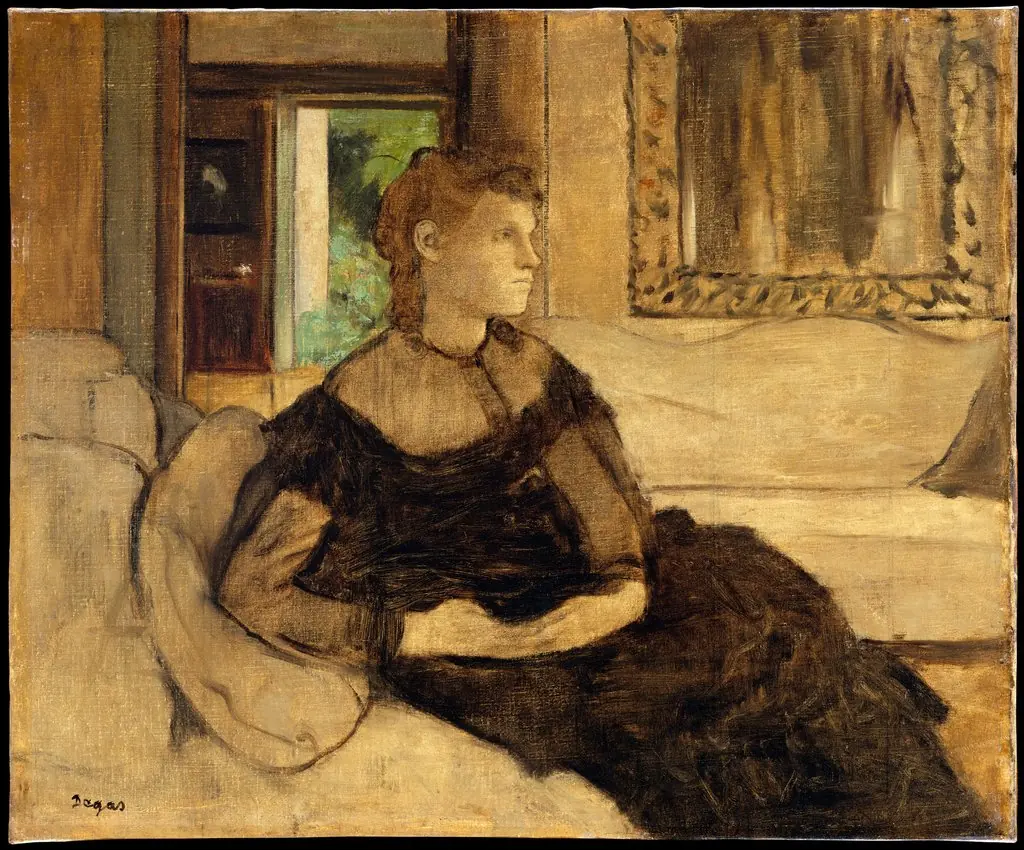
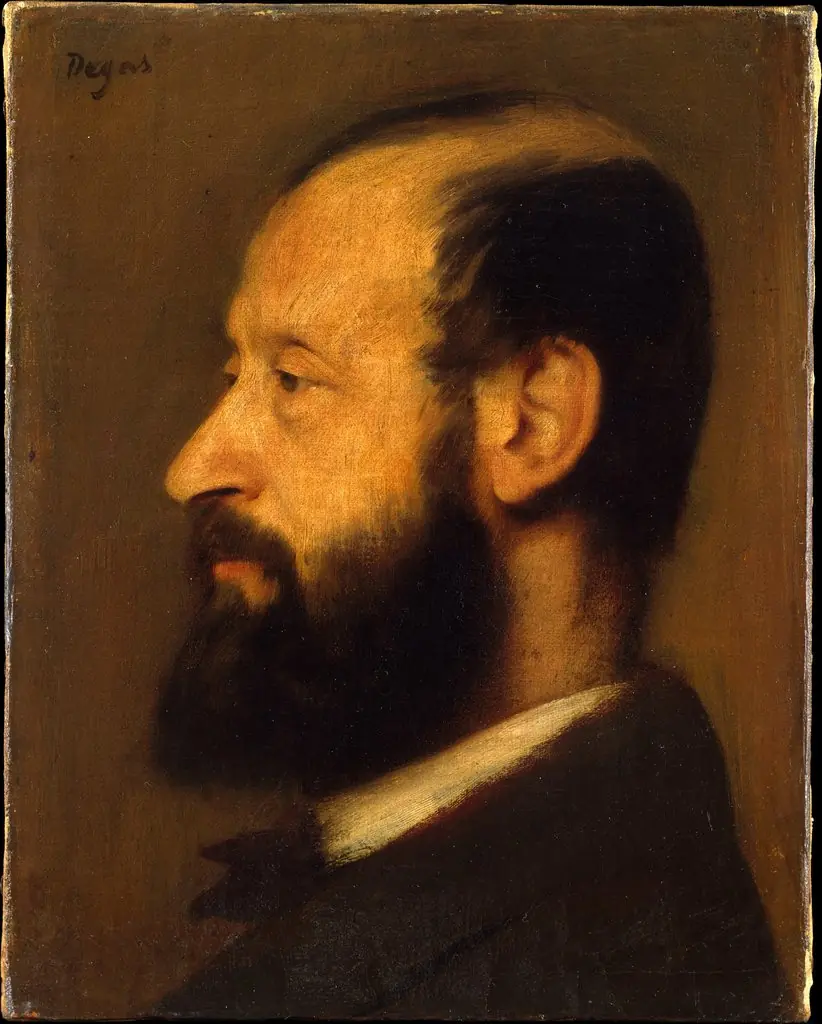
Painted in 1890, this portrait by Edgar Degas captures Diego Martelli, an Italian art critic and supporter of the Impressionists.
Painted in 1890, this portrait by Edgar Degas captures Diego Martelli, an Italian art critic and supporter of the Impressionists. Executed in pencil and wash on paper, the work is distinguished by its restrained brown tonality and layered sketching. Unlike finished oil portraits, it reveals the artist’s process through visible revisions and underdrawing, suggesting a study in progress rather than a formal commission.
Subject & Meaning
Diego Martelli was a close associate of Degas and an early advocate for modern French painting. The portrait presents him in quiet contemplation, hat and coat suggesting an outdoor setting, though the background remains indistinct. His downward gaze and composed posture convey introspection rather than public persona, reflecting a personal, intimate encounter rather than a ceremonial depiction.
Technique & Style
Degas employed pencil and diluted ink washes to build form with subtle gradations, leaving many initial lines exposed. The brown palette—ochres, umbers, and slate tones—creates a unified, muted atmosphere. The visible corrections and hatched shading indicate an experimental approach, blending drawing and painting techniques to explore volume and light without relying on traditional oil methods.
History & Provenance
The portrait remained in the possession of Martelli’s family until the 20th century. It entered the collection of the Sterling and Francine Clark Art Institute in 1955, where it is now held. Its survival in private hands for decades underscores its status as a personal work, not widely exhibited during Degas’s lifetime, and reflects the artist’s preference for private experimentation over public display.
Context
In the 1890s, Degas increasingly turned to drawing and pastel, moving away from oil painting. This portrait aligns with his broader interest in capturing character through gesture and tone rather than detail. Martelli, as a confidant and intellectual peer, represented a subject Degas trusted, allowing for a more candid and less conventional approach than typical commissioned portraits of the era.
Legacy
The portrait stands as a testament to Degas’s evolving practice in his later years, where process and materiality became as significant as the subject. Its preservation in a major American institution highlights its value as a document of artistic inquiry. Scholars recognize it as a bridge between portraiture and the artist’s ongoing exploration of form through drawing.
Artist & collection
Artist
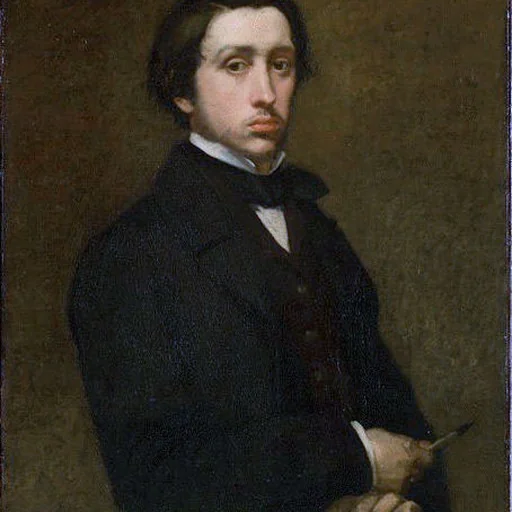
Born Hilaire-Germain-Edgar De Gas on 19 July 1834 in Paris, Edgar Degas came from an affluent banking family with aristocratic roots and spent his childhood among the cultivated circles of the French capital.

![The Belvedere Torso [verso], by William Blake](https://artifactworldgallery.com/img/william-blake--the-belvedere-torso-verso--3124534f87673a3a-w320.webp)