Artwork
Portfolio VI, Plate 212: Cheyenne Girl
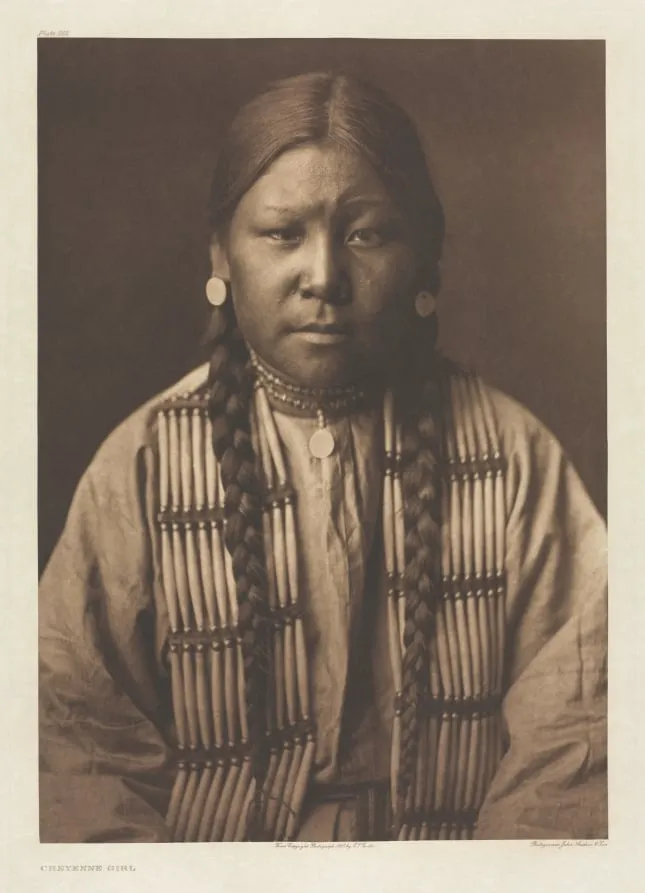
Portfolio VI, Plate 212: Cheyenne Girl is a work on paper by Edward S. Curtis. It dates from 1905 and is held in the collection of the Cleveland Museum of Art.
- Accession no.
- 1995.203.26.29
- Credit line
- Presented by Mrs. James H. Hoyt, Elton Hoyt, II, and Mrs. Amasa Stone Mather in memory of James H. Hoyt
About this work
The photo was taken in 1905, and the artist wanted to show her traditional clothing clearly.
This is a black-and-white portrait of a young woman. She’s wearing a beaded necklace and a shawl with long fringe hanging down the front. Her hair is pulled back into two thick braids, and she has a serious look on her face.
The photo was taken in 1905, and the artist wanted to show her traditional clothing clearly. The lighting makes her face stand out against the dark background.
If you like this style, check out The Cleveland Museum of Art to see more works like this.
Overview
Portfolio VI, Plate 212: Cheyenne Girl is a platinum print photograph created by Edward S. Curtis in 1905. The image presents a formal, bust-length portrait of a young Cheyenne woman, captured with the soft-focus aesthetic characteristic of the Pictorialist movement. She faces slightly to the right, her gaze directed off-camera with a composed and serious expression.
Her hair is styled in two thick, dark braids that frame her face, while she wears a traditional beaded necklace and a shawl with long fringe draped over her shoulders. The lighting is diffused, emphasizing the textures of the beads and fabric against a neutral, unobtrusive background. This work was produced as part of Curtis's monumental twenty-volume project, The North American Indian, which aimed to document the lives, customs, and appearances of Native American tribes before they were perceived to vanish.
Plate 212 specifically contributes to the documentation of the Cheyenne people, reflecting Curtis's ethnographic methodology and his romanticized vision of indigenous culture. The photograph stands as a significant example of early 20th-century anthropological photography, balancing artistic composition with the era's documentary intent.
Subject & Meaning
The sitter is shown wearing traditional adornments, including a beaded necklace and a fringed shawl that drapes across her front. Her hair is styled in two substantial braids, and her expression is solemn, conveying a sense of dignity and cultural presence within the frame.
Technique & Style
Curtis employed controlled studio lighting to isolate the figure from a dark backdrop, allowing the facial features and textile details to emerge with clarity. The monochrome medium emphasizes texture, the beadwork, fringe, and braid, while the contrast accentuates the subject’s visage.
History & Provenance
Captured in 1905 during Curtis’s fieldwork among Plains tribes, the photograph entered the collection of the Cleveland Museum of Art, where it remains accessible to scholars and the public as part of the museum’s holdings on early American photography.
Artist & collection

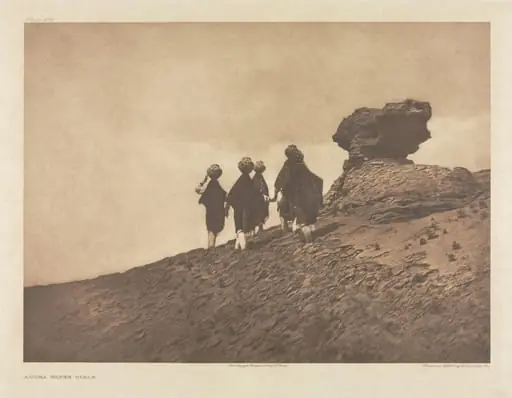 Portfolio XVI, Plate 573: Acoma Water Girls
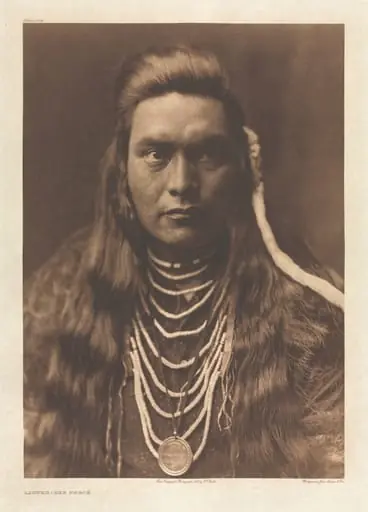 Portfolio VIII, Plate 264: Lawyer - Nez Percé
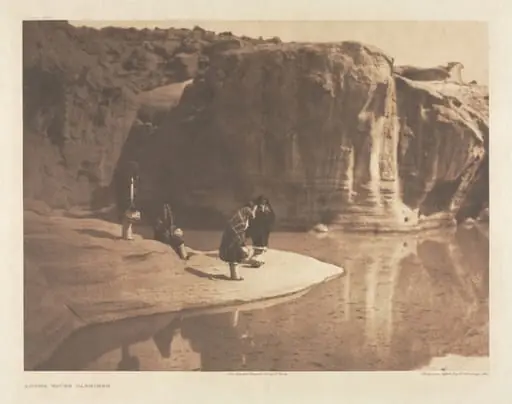 Portfolio XVI, Plate 568: Acoma Water Carriers
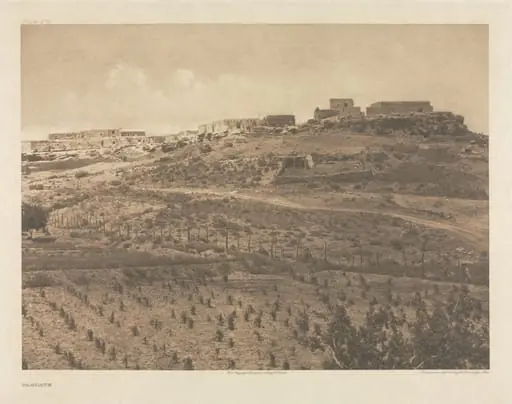 Portfolio XVI, Plate 574: Paguate
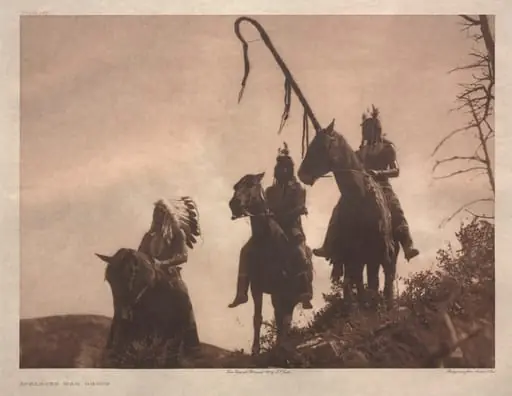 Portfolio IV, Plate 147: Apsaroke War Group
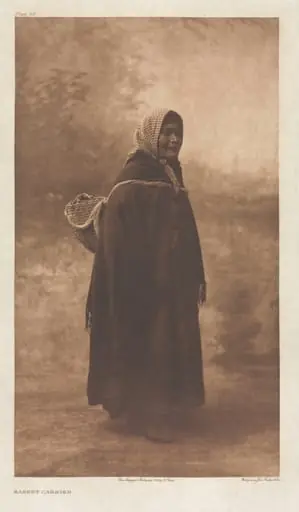 Portfolio IX, Plate 311: Basket Carrier
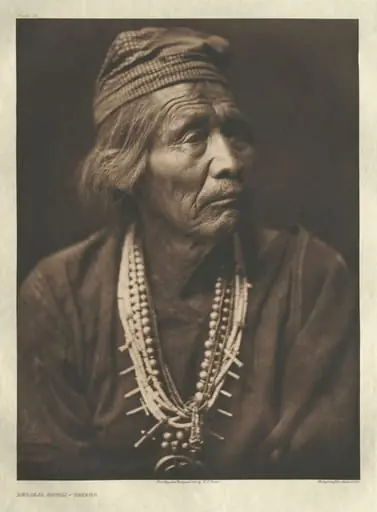 Portfolio I, Plate 31: Nesjája Hatáli-Navaho
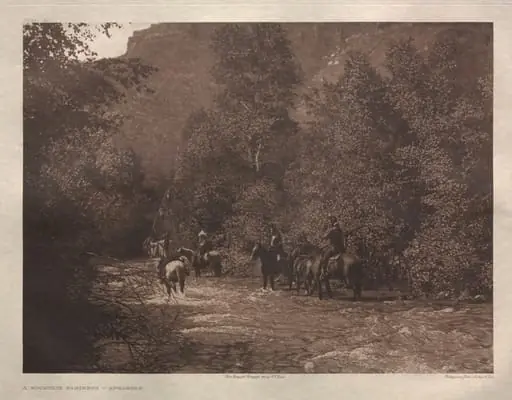 Portfolio IV, Plate 140: A Mountain Fastness--Apsaroke
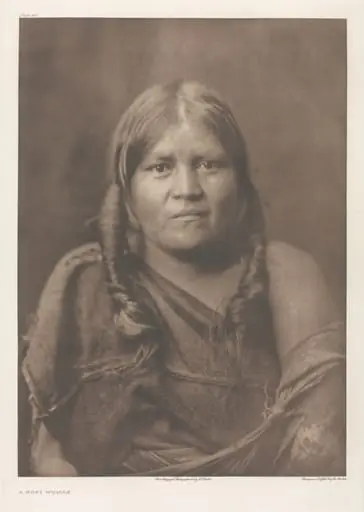
- Portfolio XII, Plate 411: A Hopi Woman
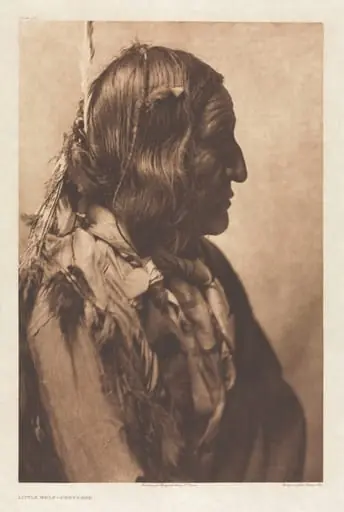 Portfolio VI, Plate 219: Little Wolf
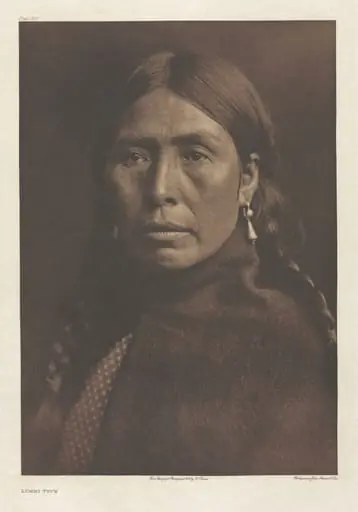 Portfolio IX, Plate 320: Lummi Type
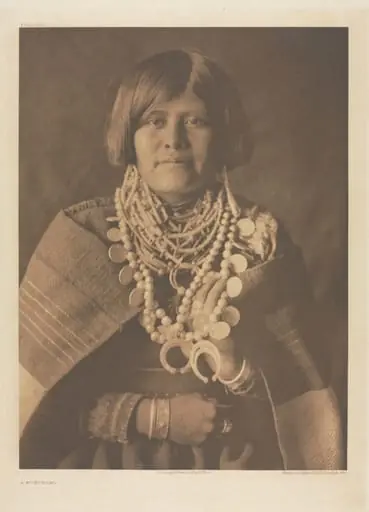 Portfolio XVII, Plate 613: A Zuñi Girl
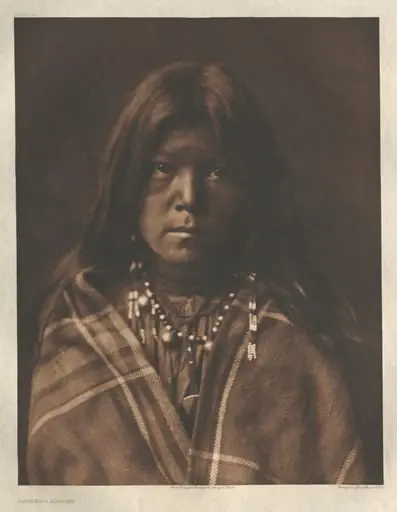 Portfolio I, Plate 18: Chideh-Apache
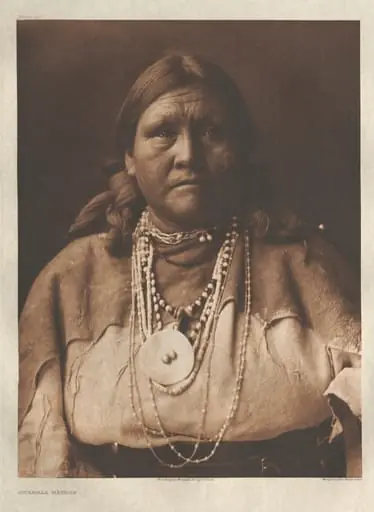 Portfolio I, Plate 23: Jicarilla Matron
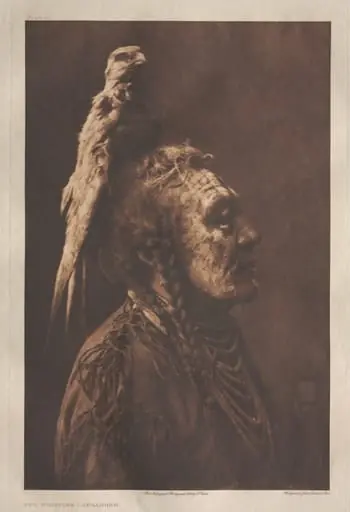 Portfolio IV, Plates 111-118, 120-149
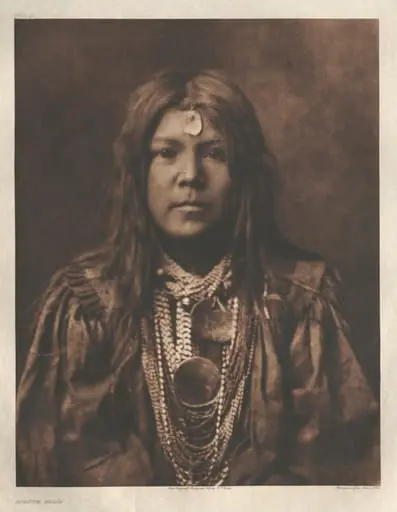 Portfolio I, Plate 15: Apache Nalin
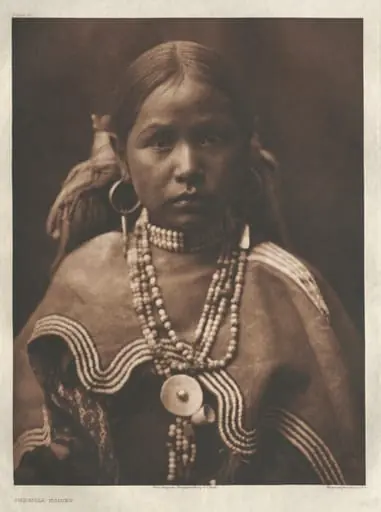 Portfolio I, Plate 22: Jicarilla Maiden
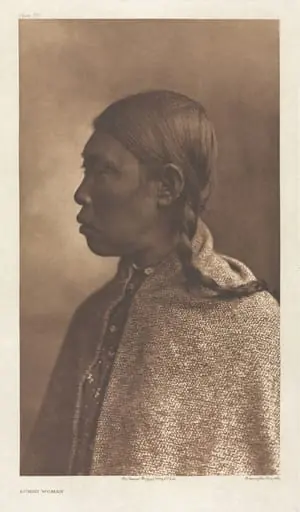 Portfolio IX, Plate 321: Lummi Woman