Subject
Woman
Woman is a subject in art. The gallery holds 200 works in this subject in art, including works by Titian, Thomas Eakins and Paolo Veronese.
A woman is an adult female human; before adulthood, a female child or adolescent is called a girl. As a subject in art, the female figure is among the oldest and most persistent in the Western tradition, reaching back to the Paleolithic "Venus" figurines and to the goddesses of Greek and Roman antiquity. From the Renaissance onward, the woman became the principal vehicle for the artistic nude, for allegory, and for ideals of beauty, fertility, and virtue—often filtered through a predominantly male gaze. Sandro Botticelli's *The Birth of Venus* (c. 1485) reintroduced the monumental female nude into European art outside a strictly religious context, while Titian's *Venus of Urbino* (1538) fixed the pose of the reclining Venus that would echo through the next four centuries.
Visually, depictions of women span a wide repertoire: the idealized standing or recumbent nude; the mythological goddess attended by Cupid or her lover Mars; the bourgeois sitter in portraiture; and the bather or mother captured in everyday light. Renaissance and Baroque painters such as Lorenzo Lotto and Paolo Veronese embedded the female figure in mythological narrative—as in our *Venus and Cupid* (Lotto) and *Venus and Mars* (Veronese)—using rich glazes, sculptural modeling, and symbolic attributes (roses, myrtle, doves) to signal love, marriage, and fertility. Henry Bone's enamel *Bacchus and Ariadne* continues this mythological lineage in miniature.
The nineteenth century transformed the theme. Gustave Courbet's Realism, seen in works like *The Young Bather*, replaced idealized goddesses with frank, corporeal women, and Édouard Manet's *Olympia* (1863) provoked scandal at the Paris Salon by returning the viewer's gaze with unapologetic modern assertiveness. The Impressionists turned from myth to contemporary life: Claude Monet's *Woman with a Parasol—Madame Monet and Her Son* (1875), painted outdoors in a single session, shows his wife Camille on a windy summer stroll, dissolved into light and atmosphere. Camille Corot's quieter *The Repose* belongs to this same shift toward the observed, intimate female presence.
The woman as subject links nearly every major movement—Renaissance humanism, Baroque allegory, Realism, Impressionism, and the modern avant-garde—and remains a contested site, increasingly reclaimed and reframed by women artists from Lavinia Fontana onward.
Key artists
Works
 Venus and Mars
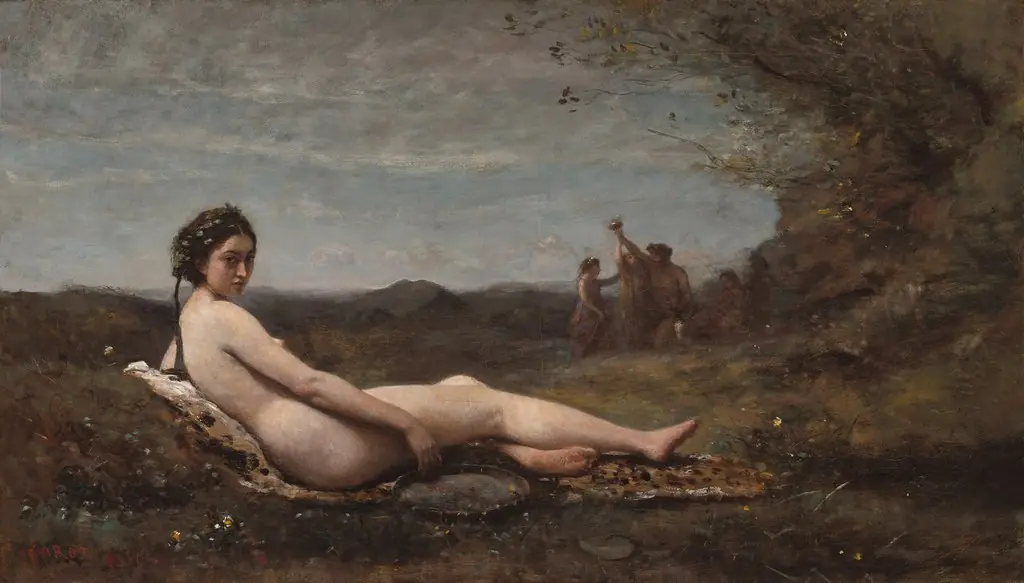 The Repose
 Venus and Cupid
 Woman with a Parasol - Madame Monet and Her Son
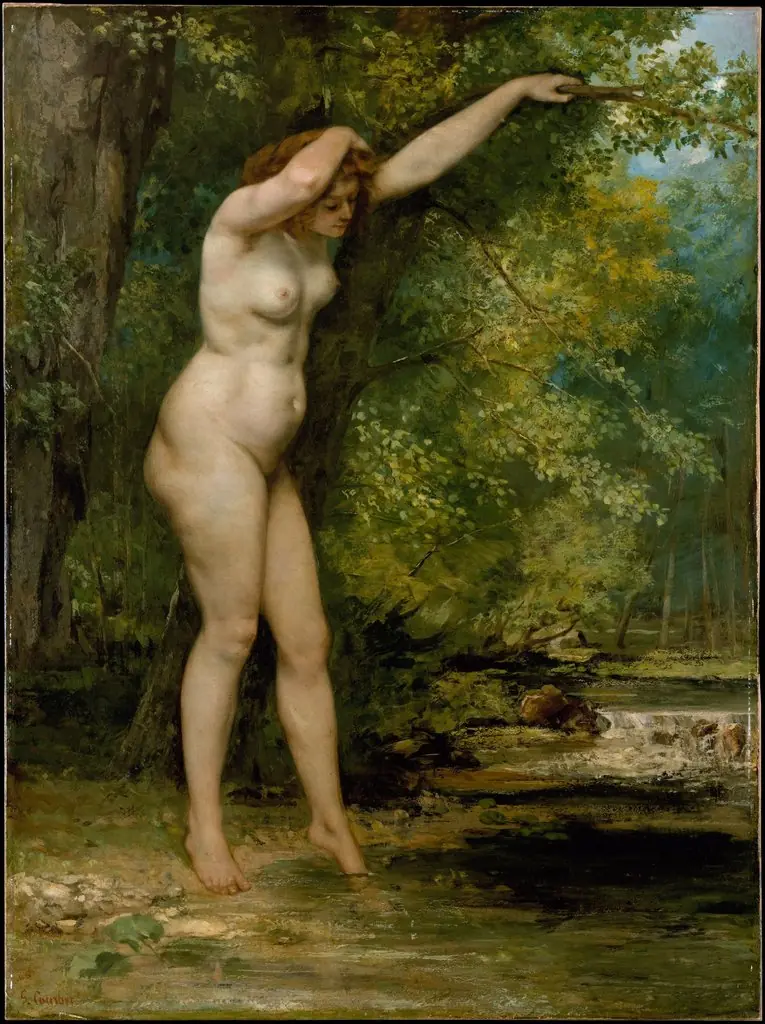 The Young Bather
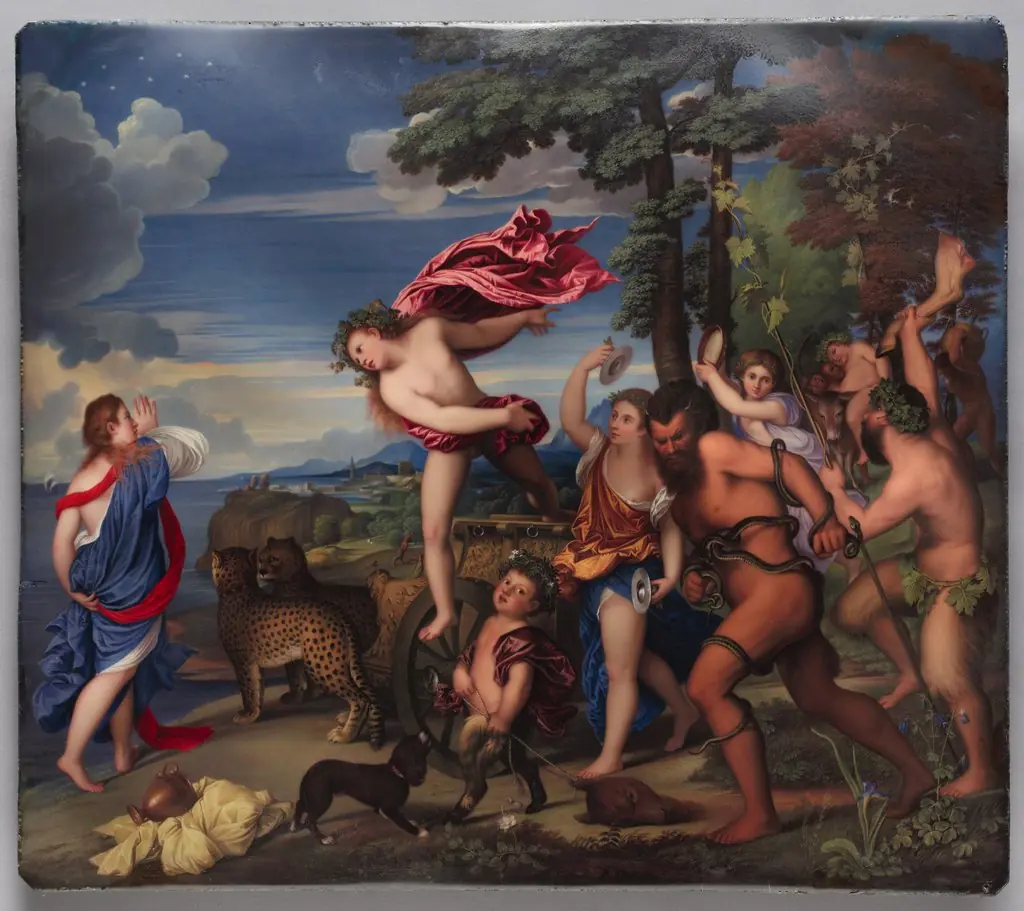 Bacchus and Ariadne
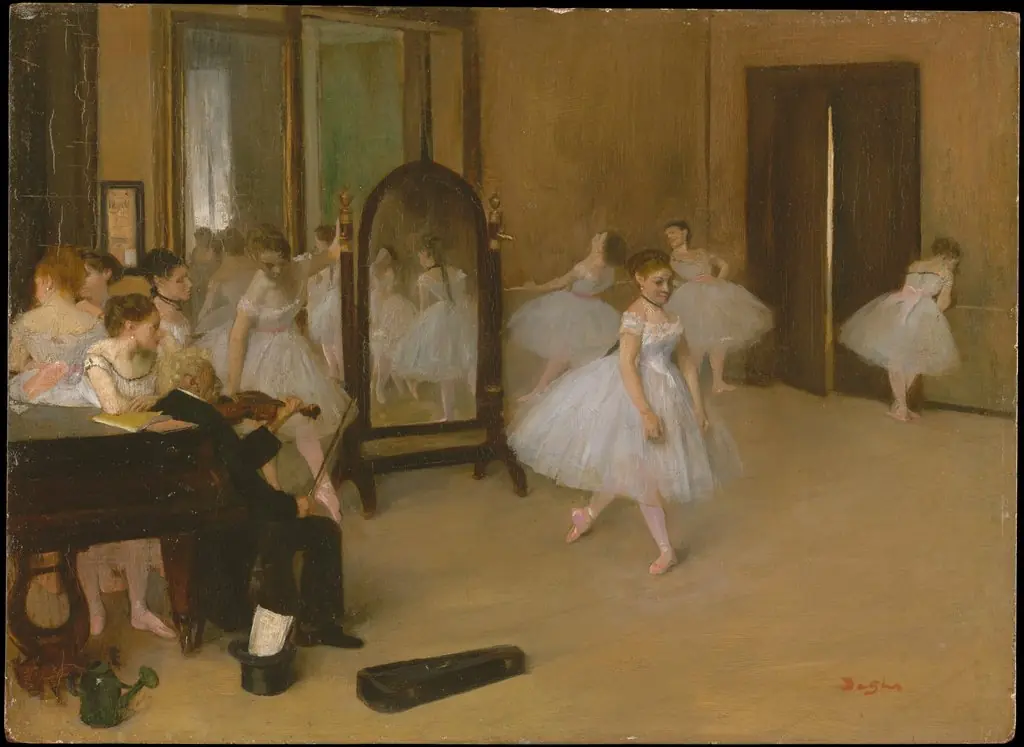 The Dancing Class
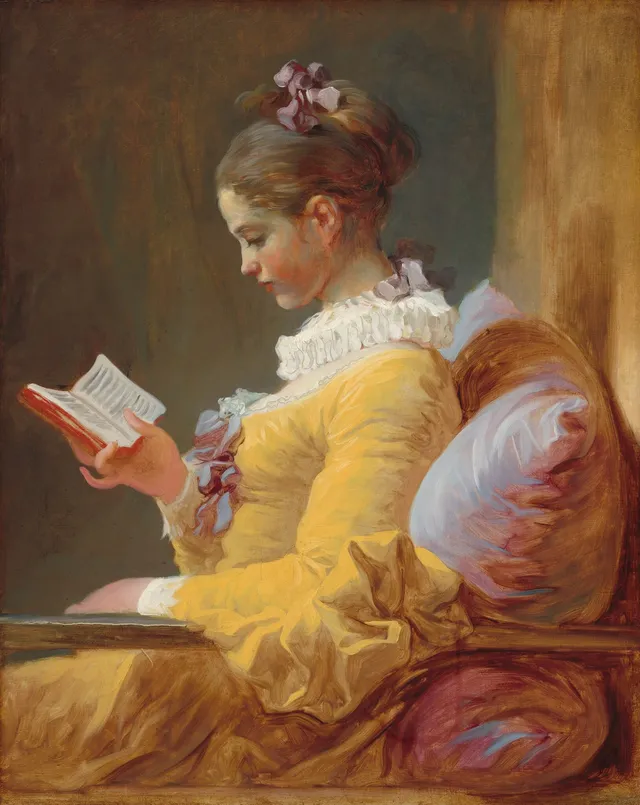
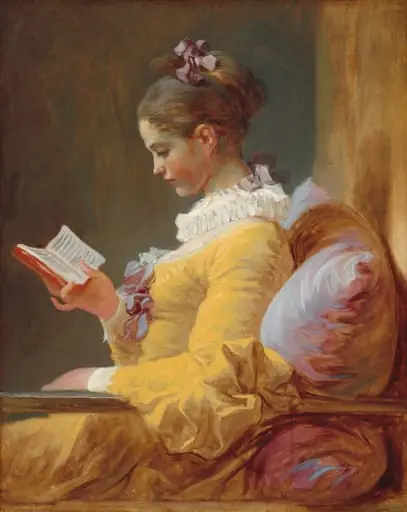 Young Girl Reading
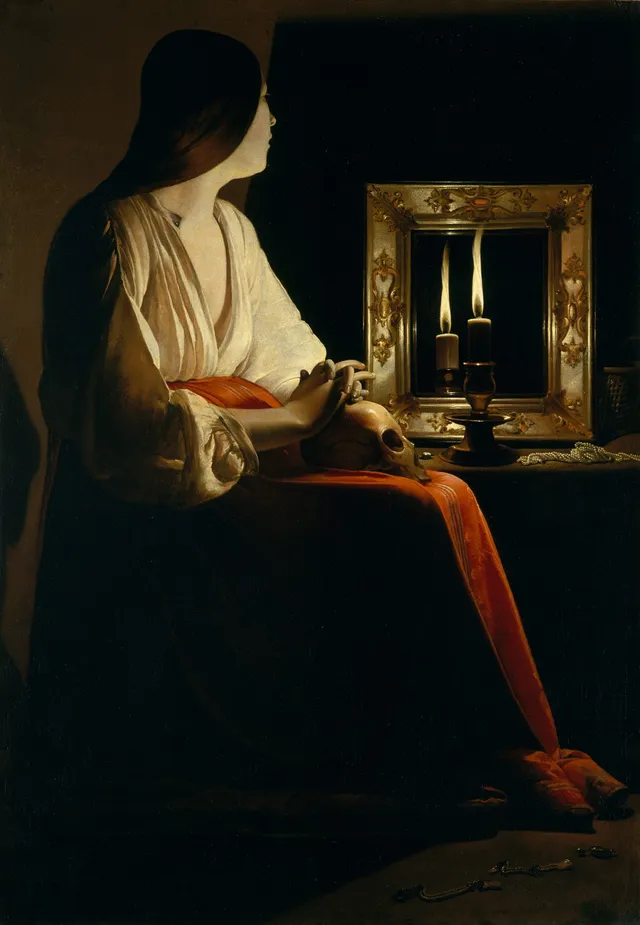
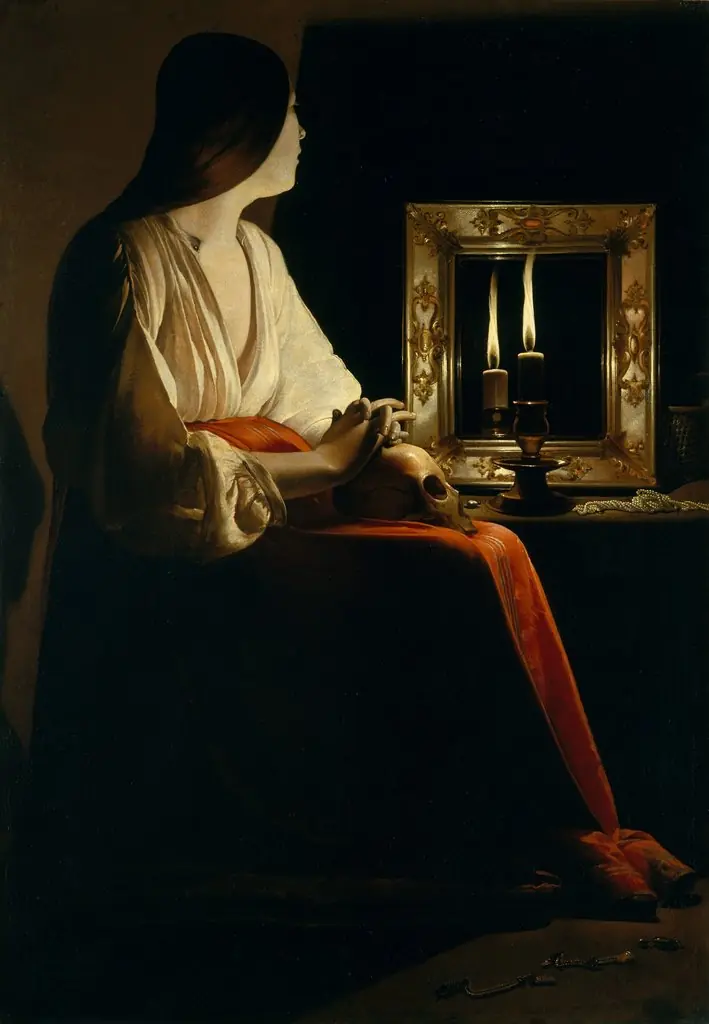 The Penitent Magdalen
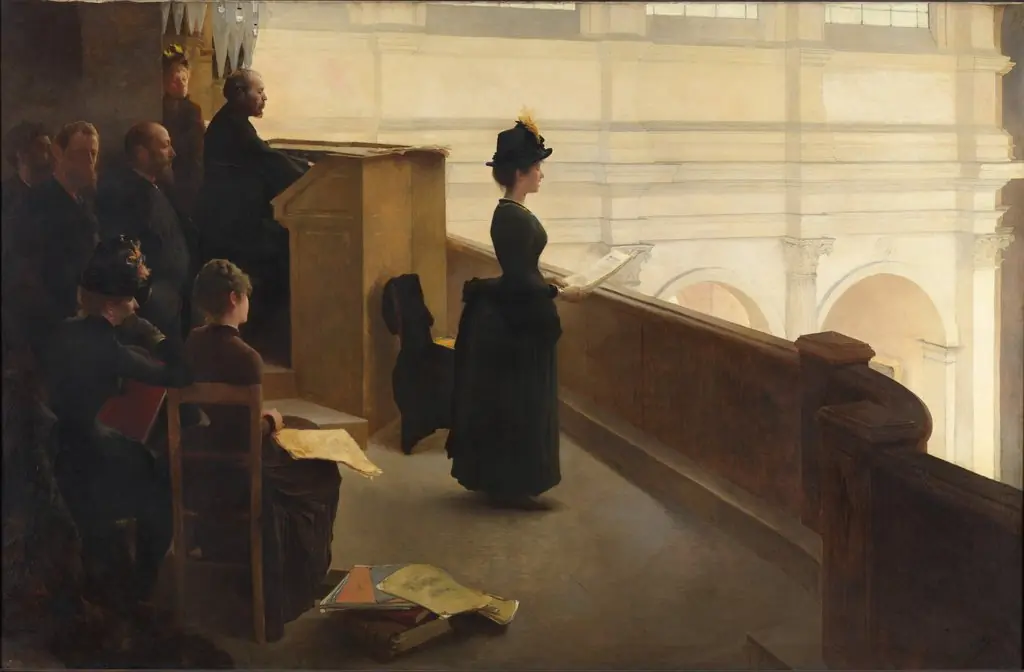 The Organ Rehearsal
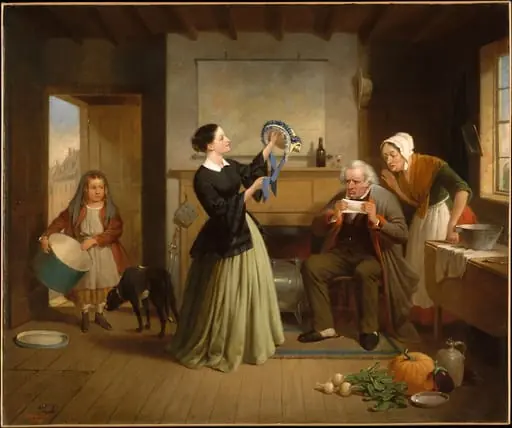 The New Bonnet
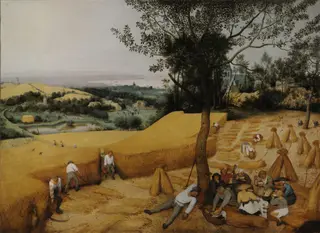 The Harvesters
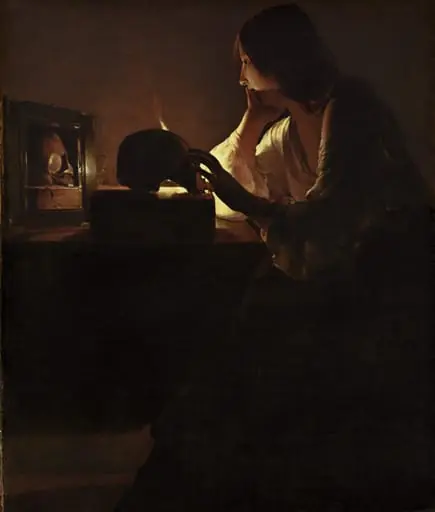 The Repentant Magdalen
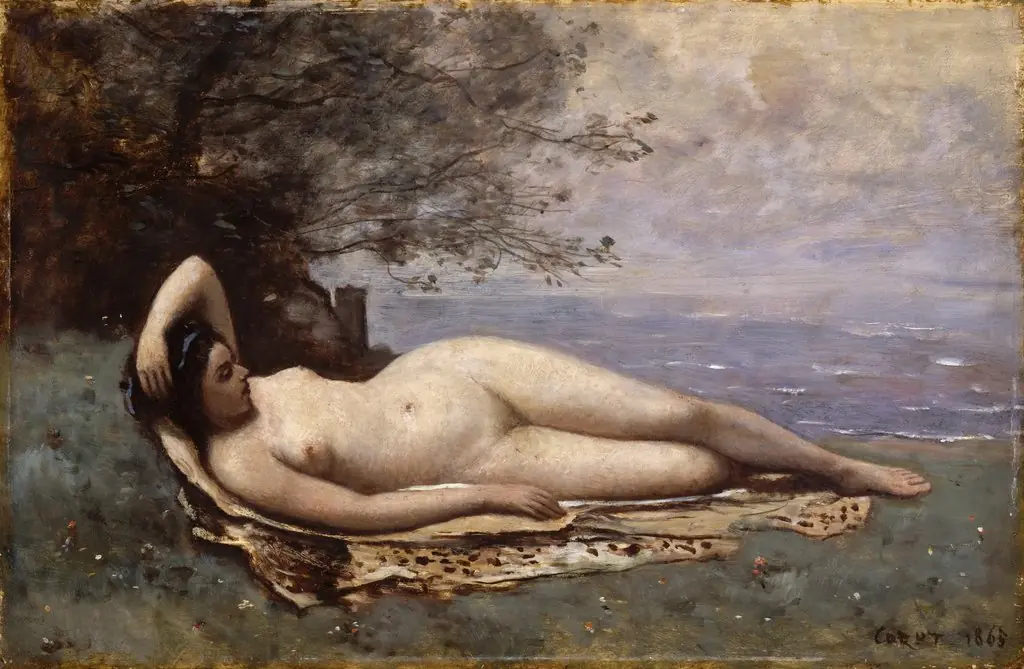 Bacchante by the Sea
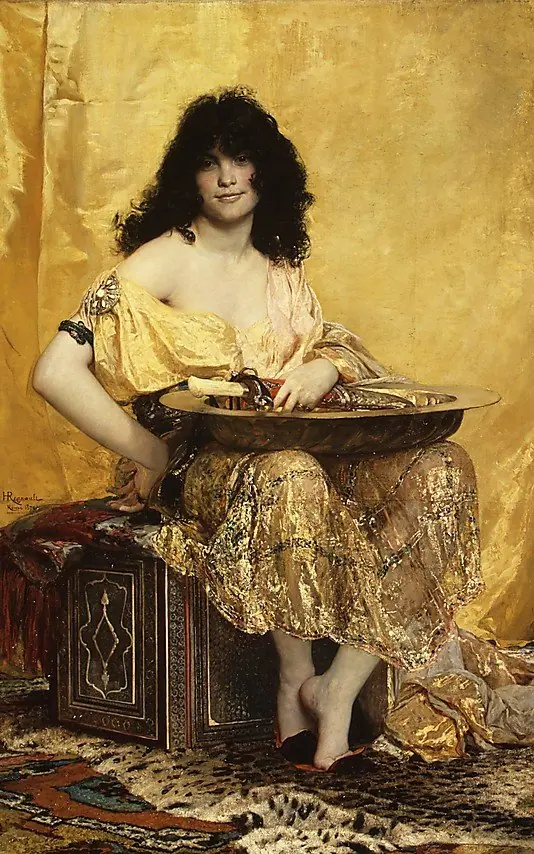 Salome
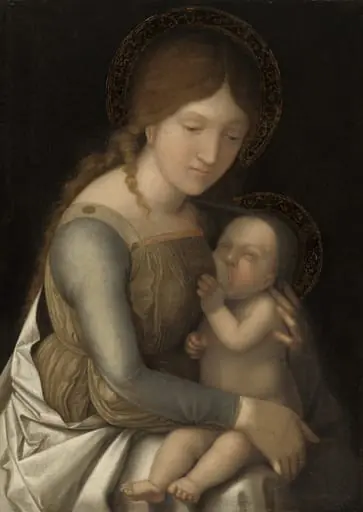 Madonna and Child
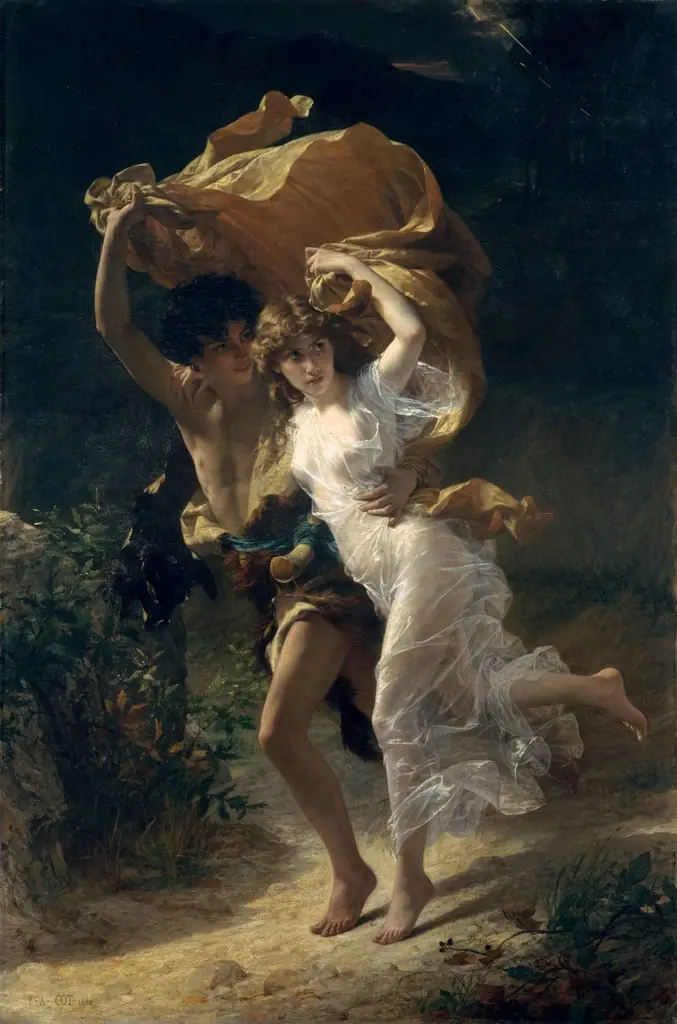 The Storm
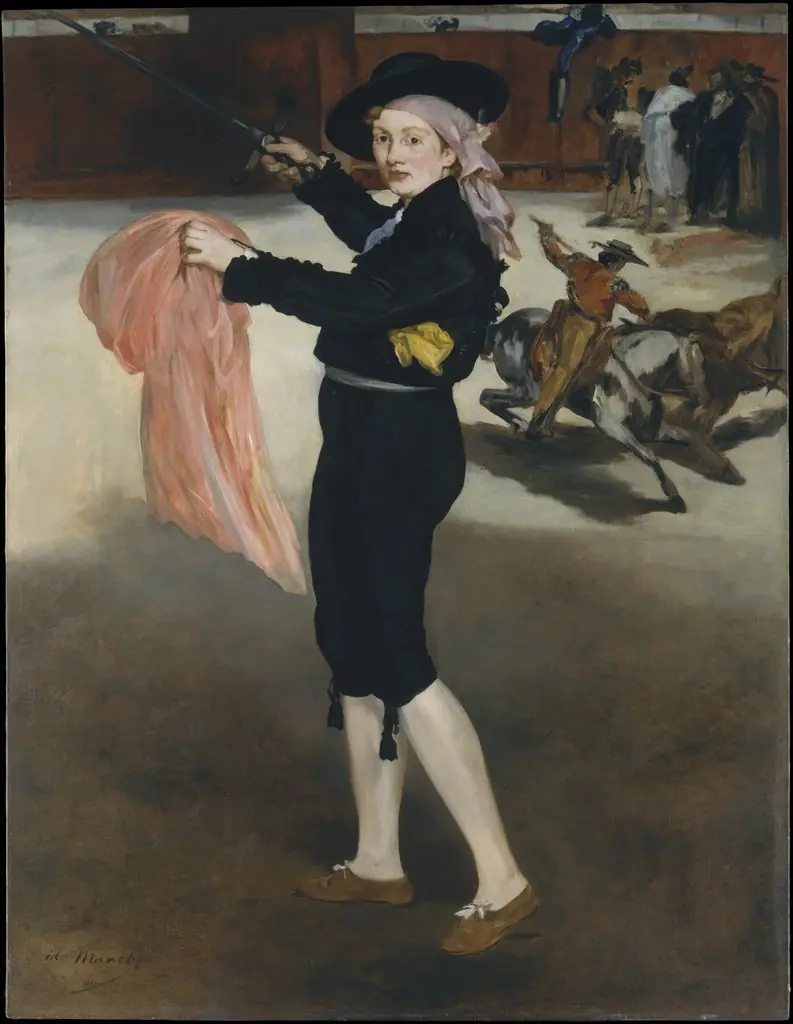 Mademoiselle V. . . in the Costume of an Espada
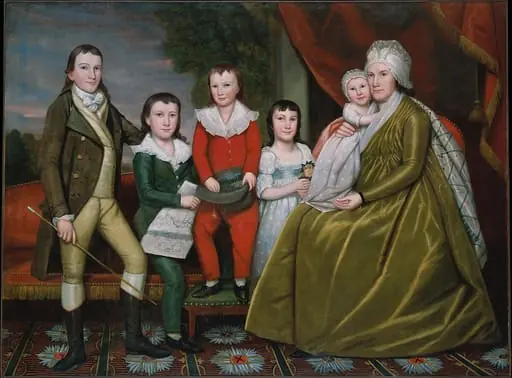 Mrs. Noah Smith and Her Children
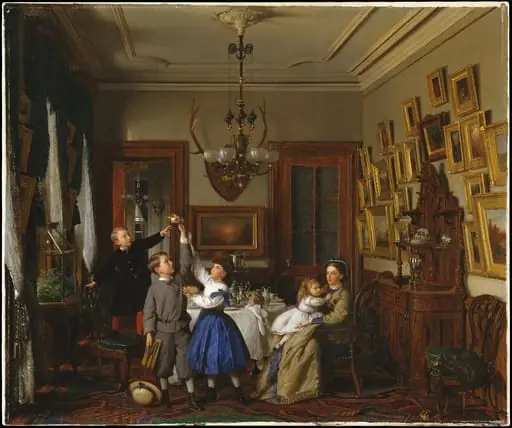 The Contest for the Bouquet: The Family of Robert Gordon in Their New York Dining-Room
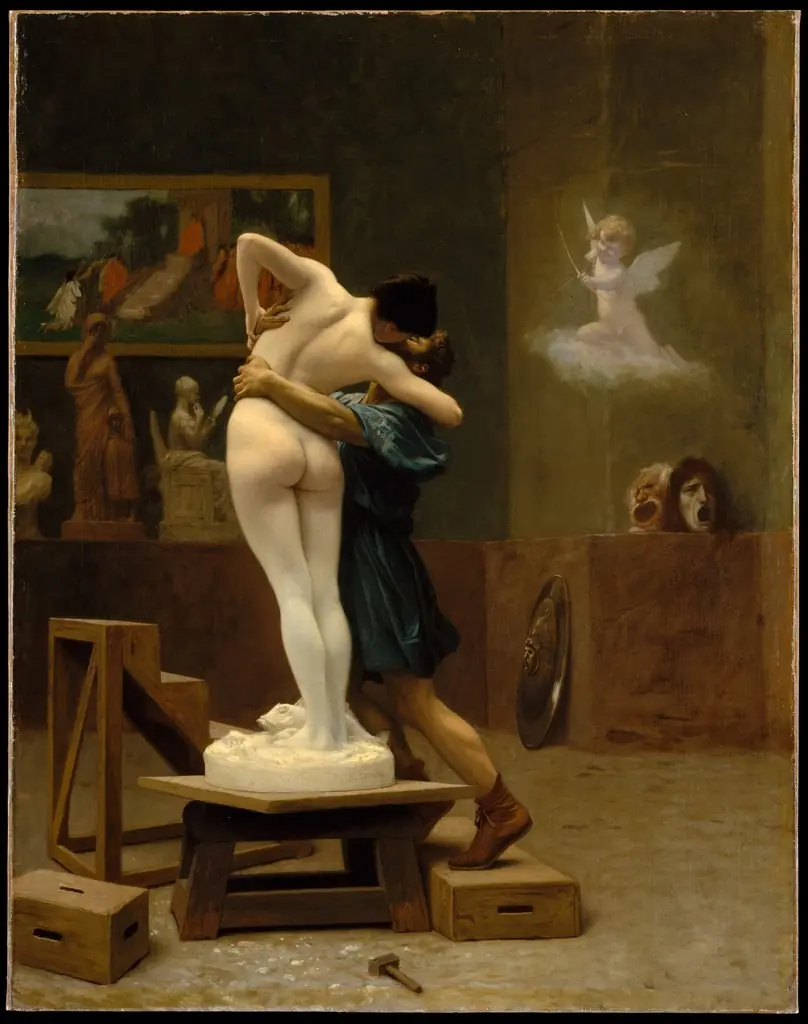 Pygmalion and Galatea
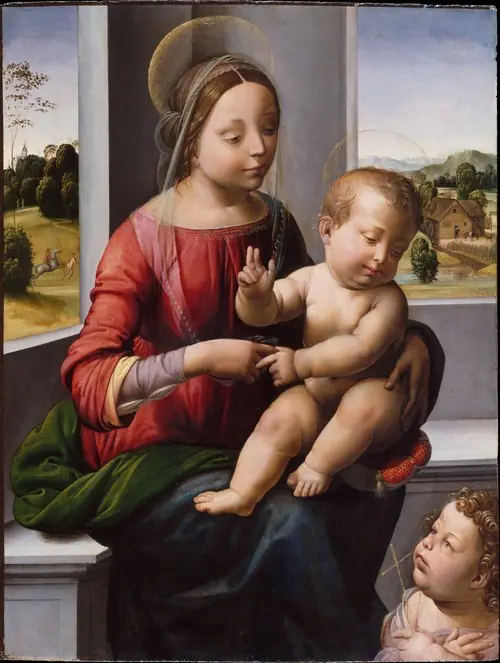 Madonna and Child with the Young Saint John the Baptist
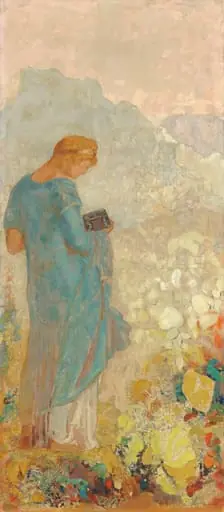 Pandora
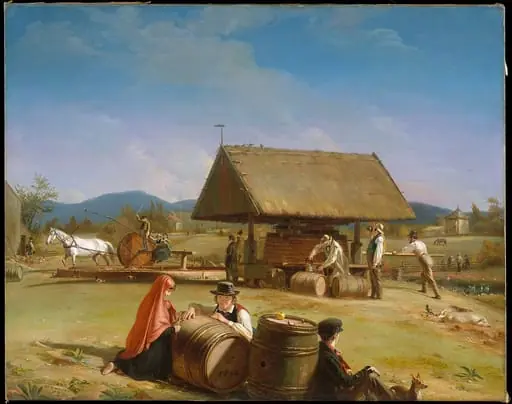 Cider Making
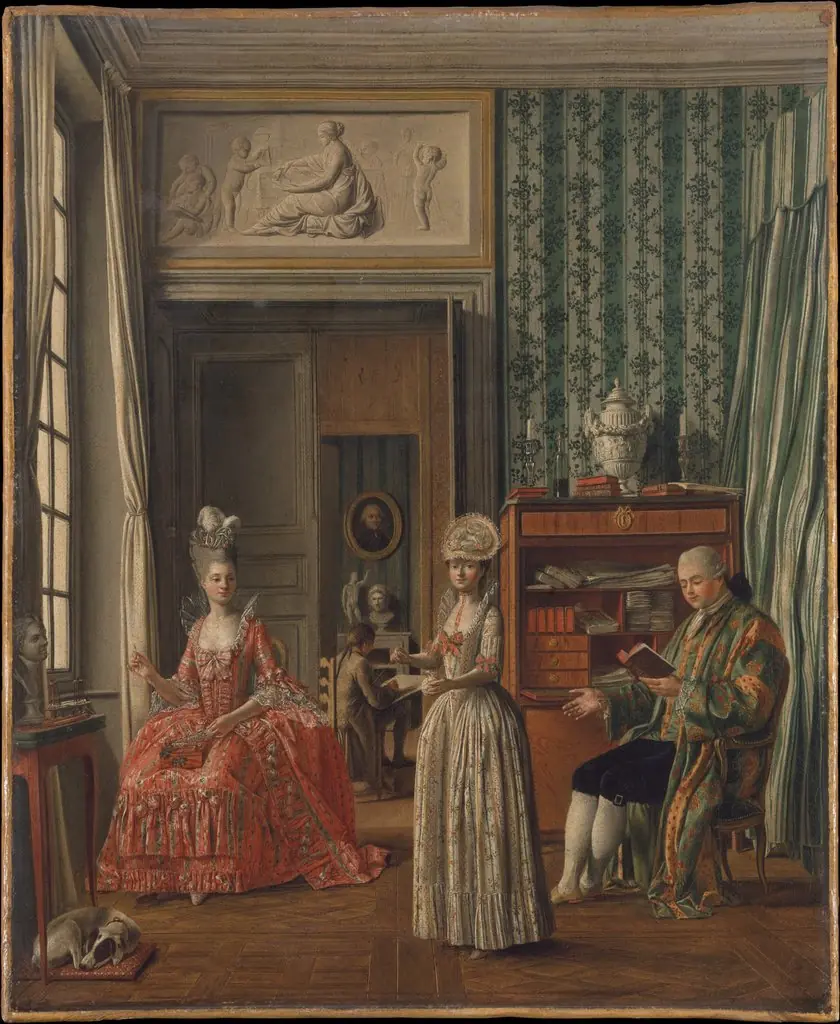 Domestic Scene
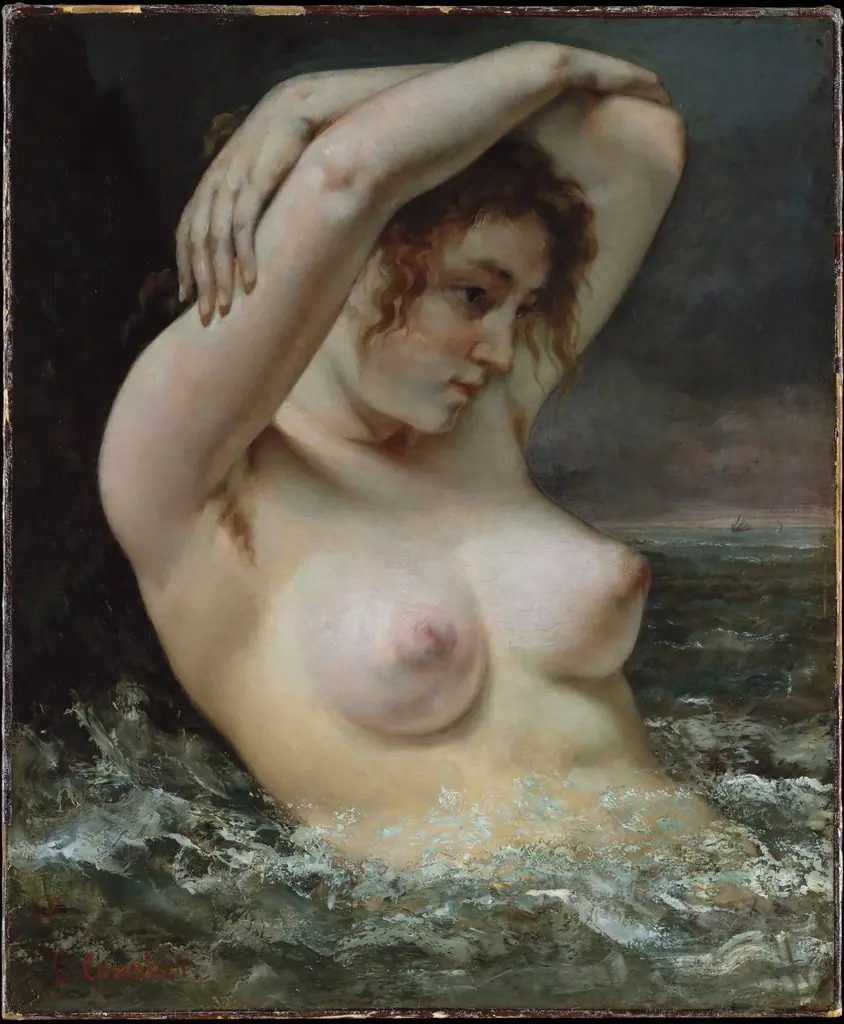 The Woman in the Waves
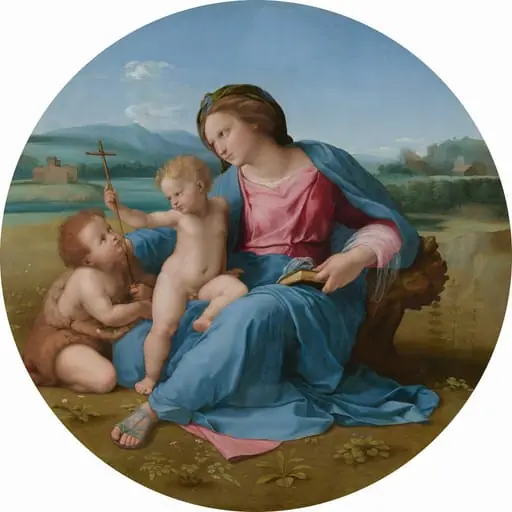 The Alba Madonna
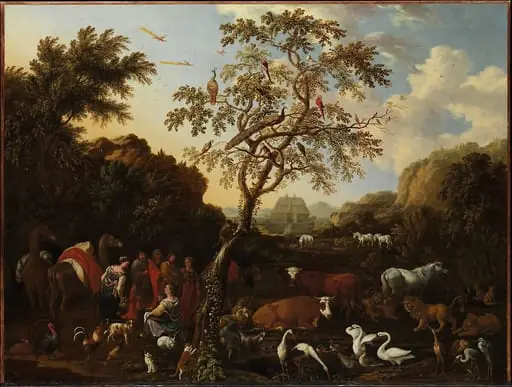 The Ark
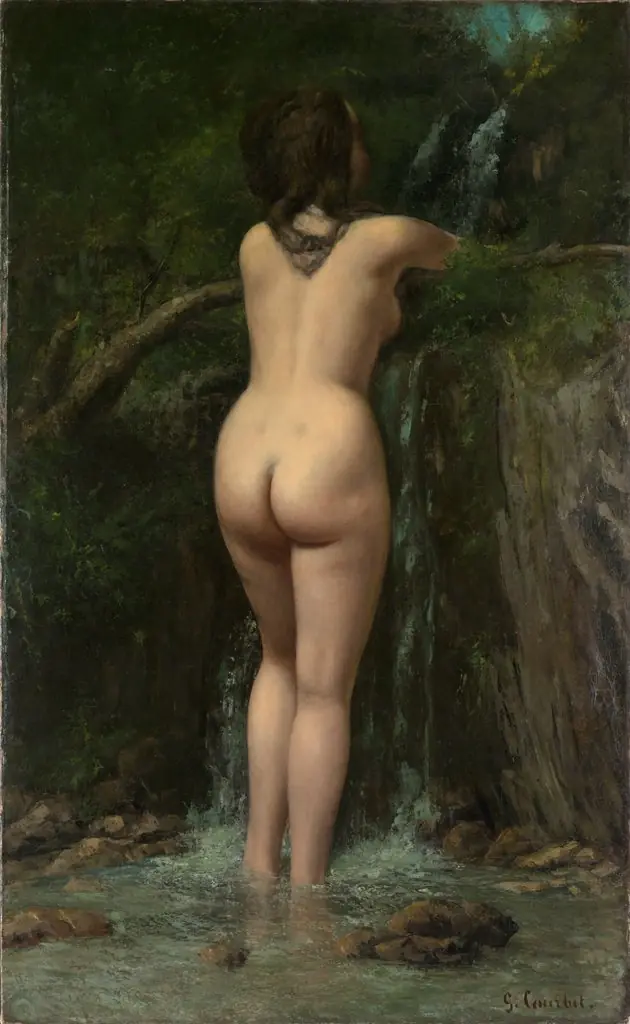 The Source
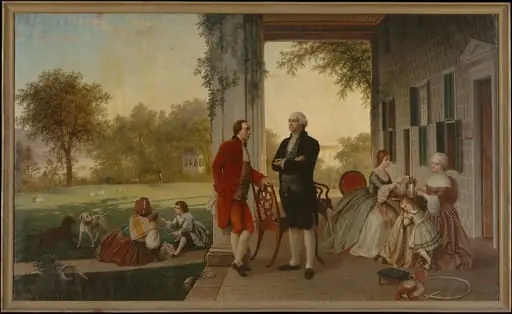 Washington and Lafayette at Mount Vernon, 1784 (The Home of Washington after the War)
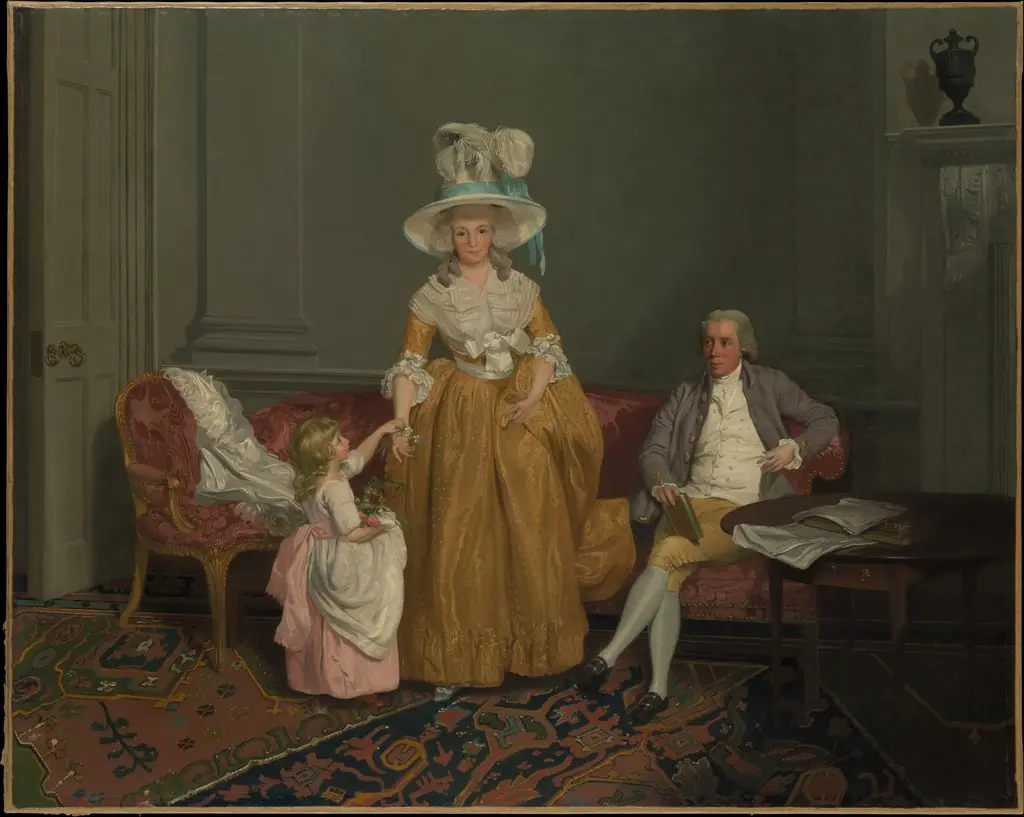 The Saithwaite Family
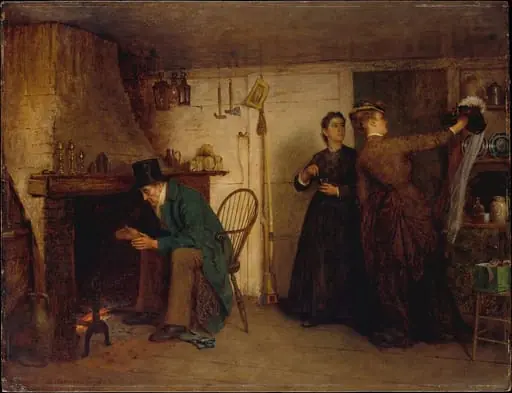 The New Bonnet
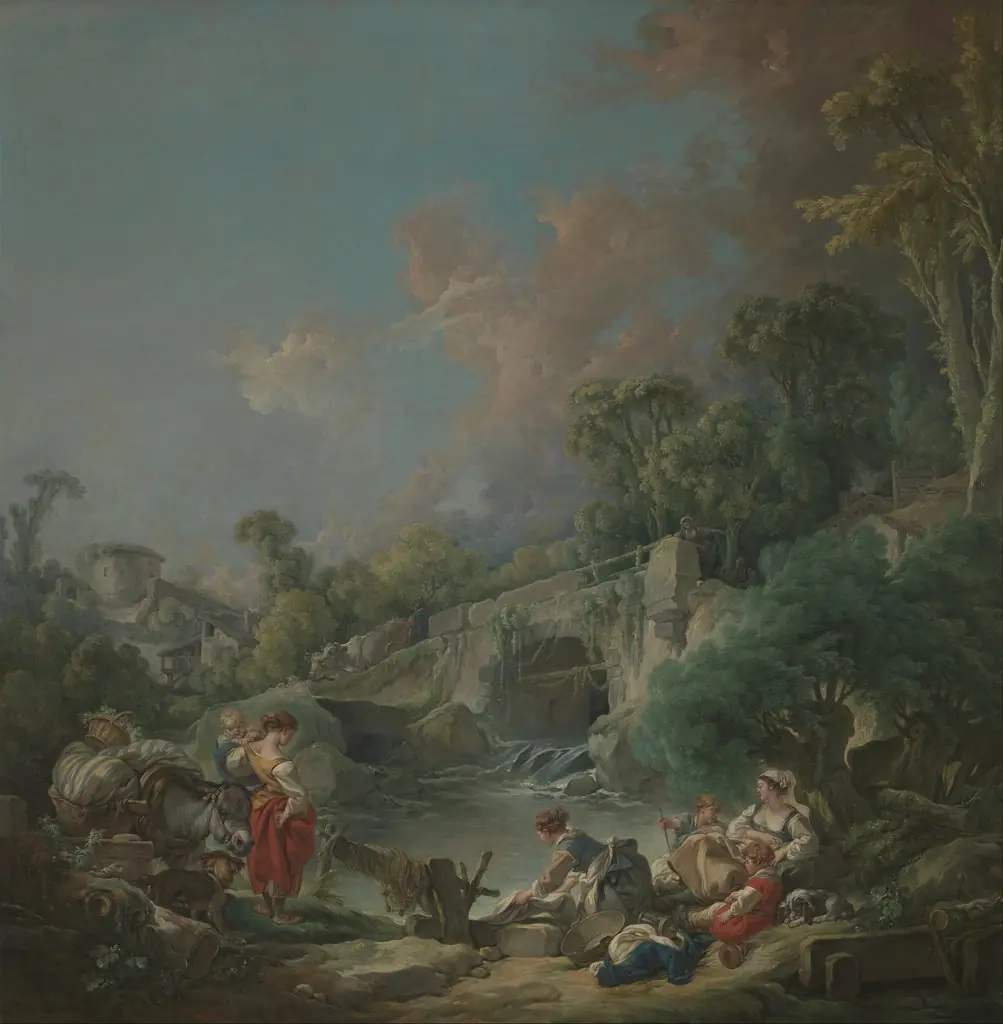 Washerwomen
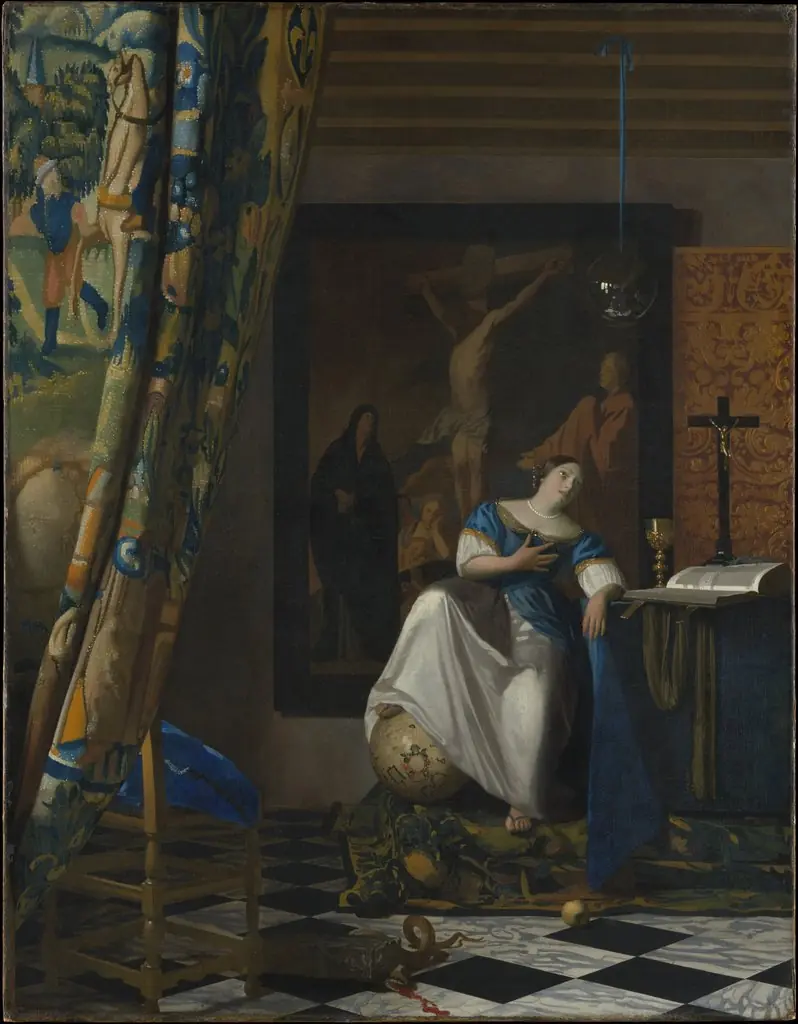 Allegory of the Catholic Faith
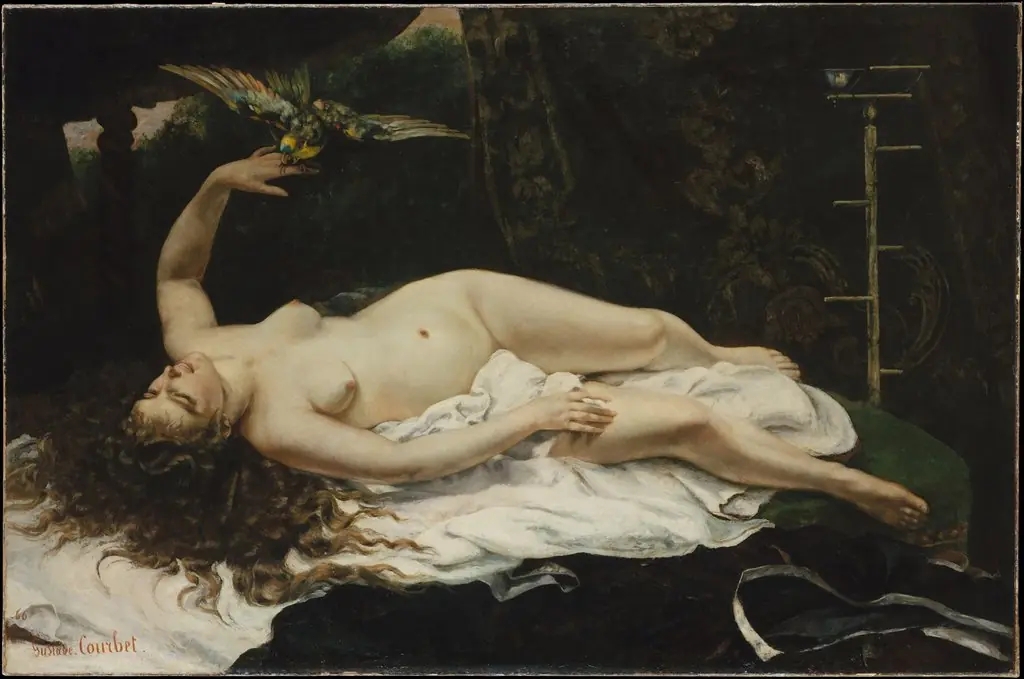 Woman with a Parrot
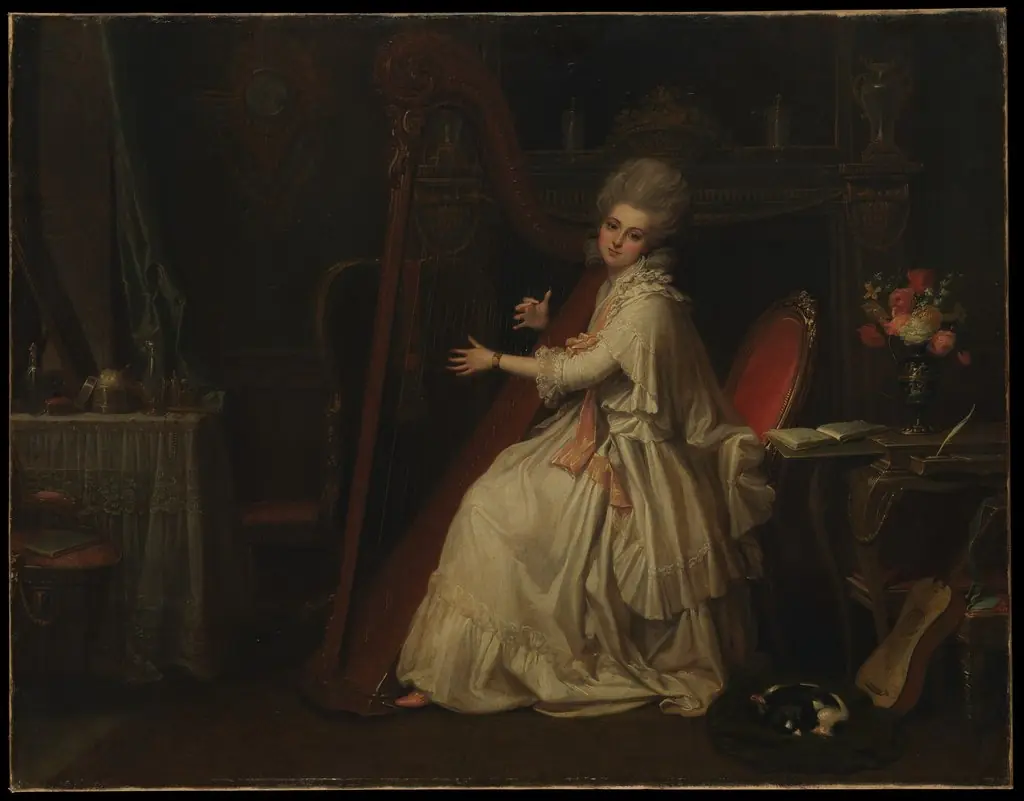 Portrait of Marianne Dorothy Harland (1759–1785), Later Mrs. William Dalrymple
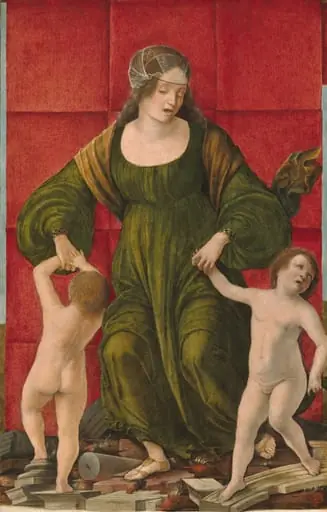 The Wife of Hasdrubal and Her Children
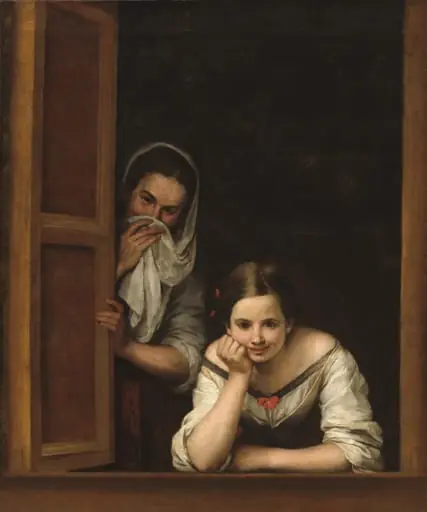 Two Women at a Window
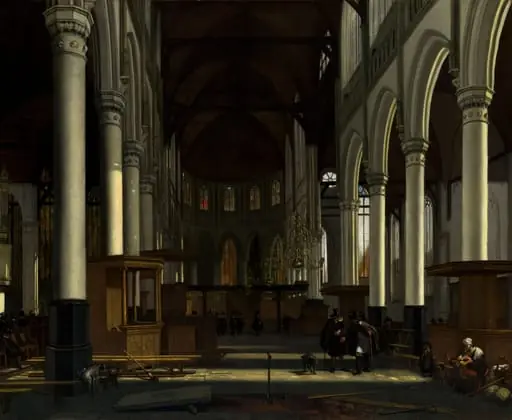 The Interior of the Oude Kerk, Amsterdam
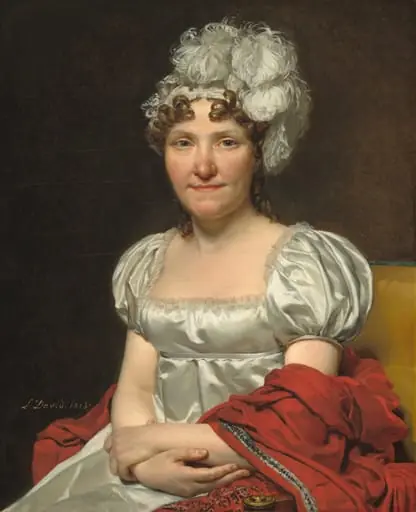 Madame David
 View on the Catskill—Early Autumn
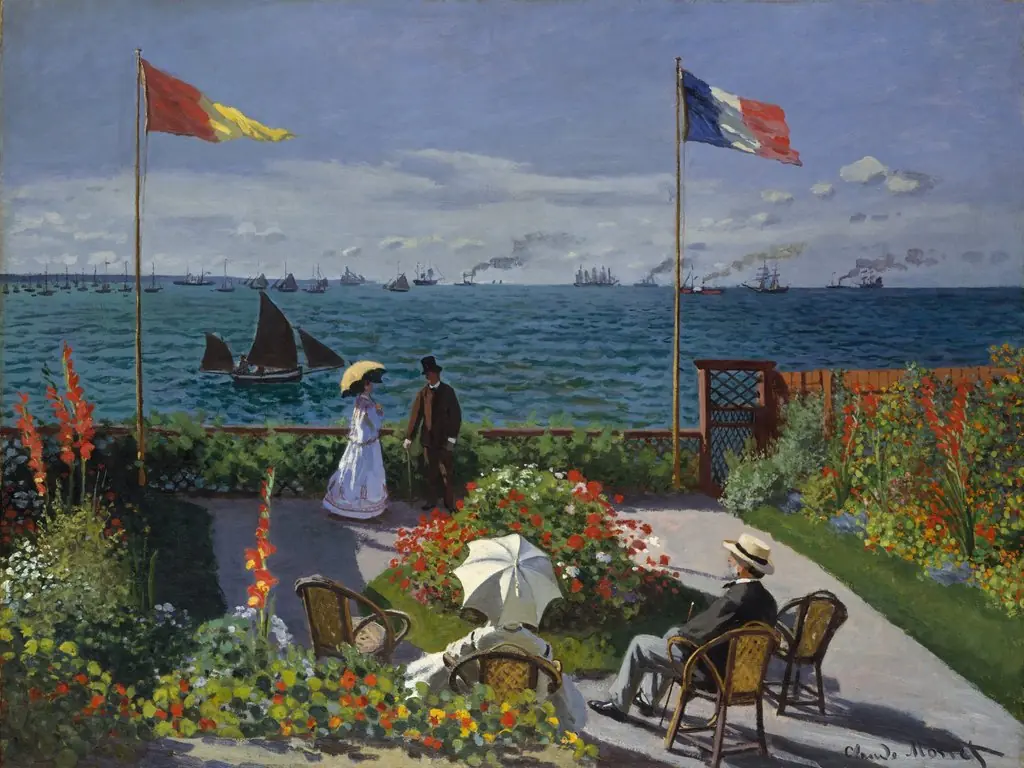 Garden at Sainte-Adresse
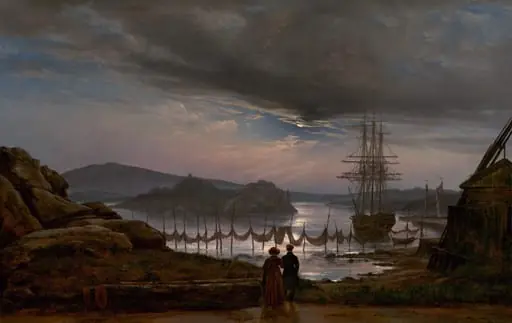 View from Vaekero near Christiania
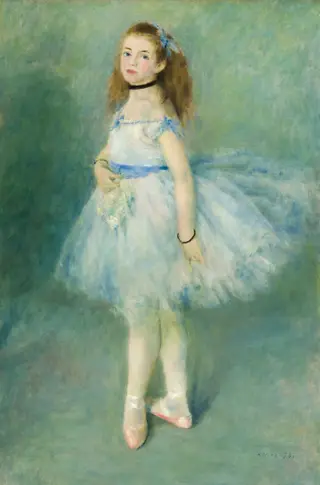 The Dancer
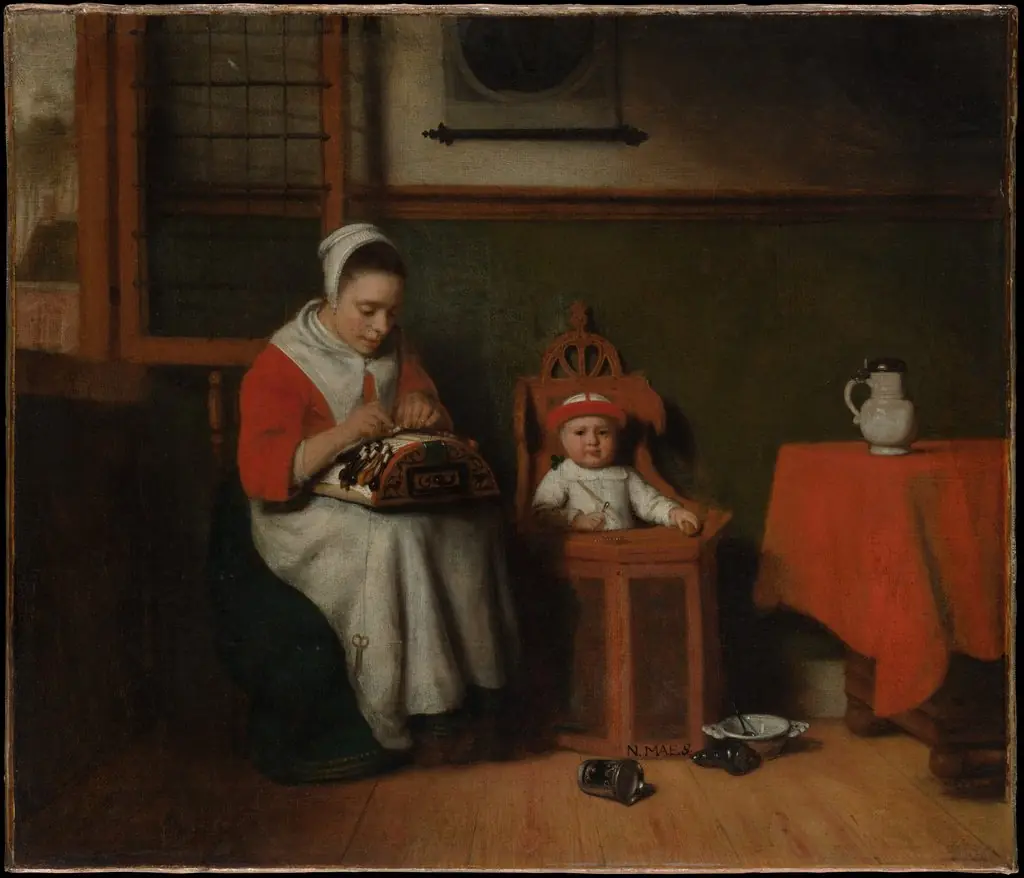 The Lacemaker
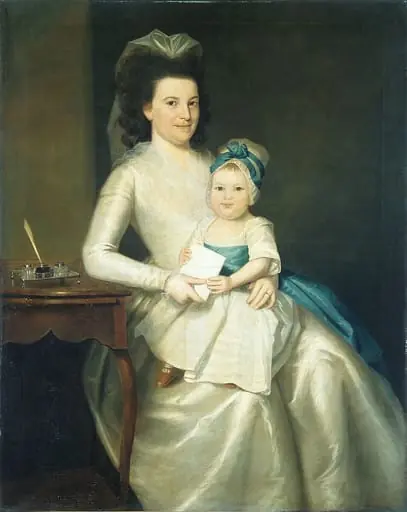 Lady Williams and Child
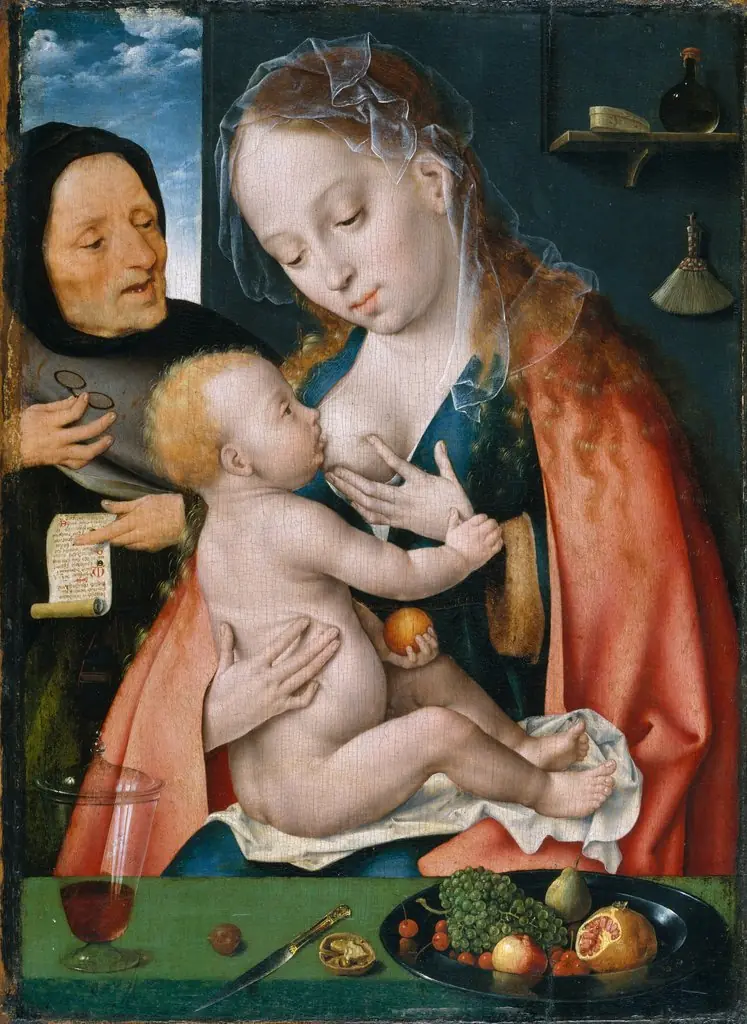 The Holy Family
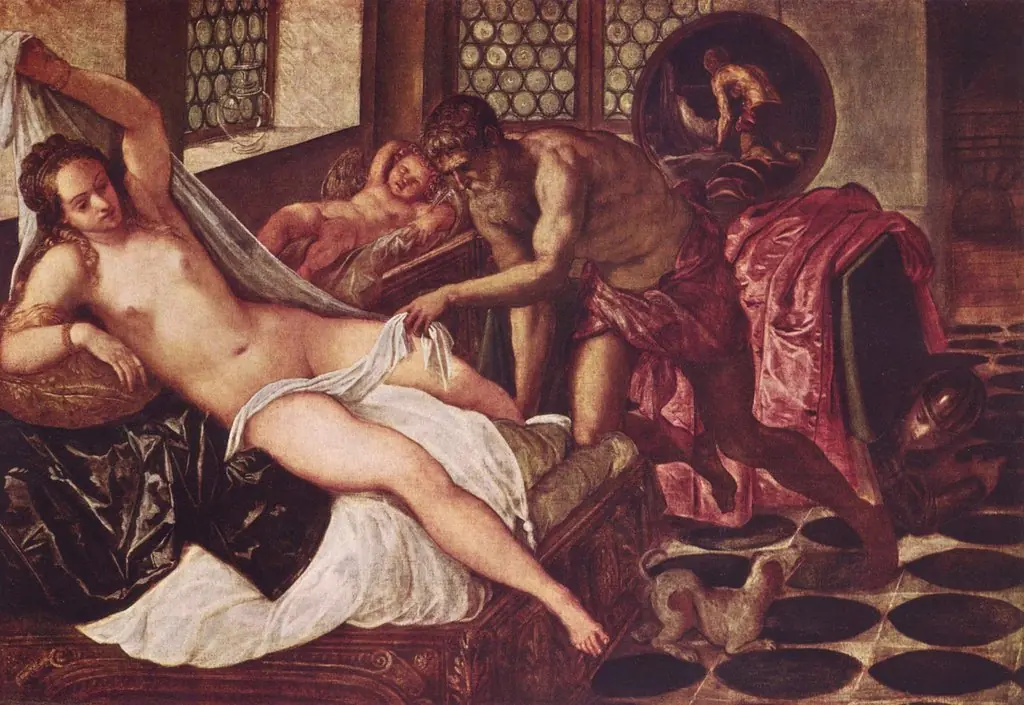 Venus and Mars Surprised by Vulcan
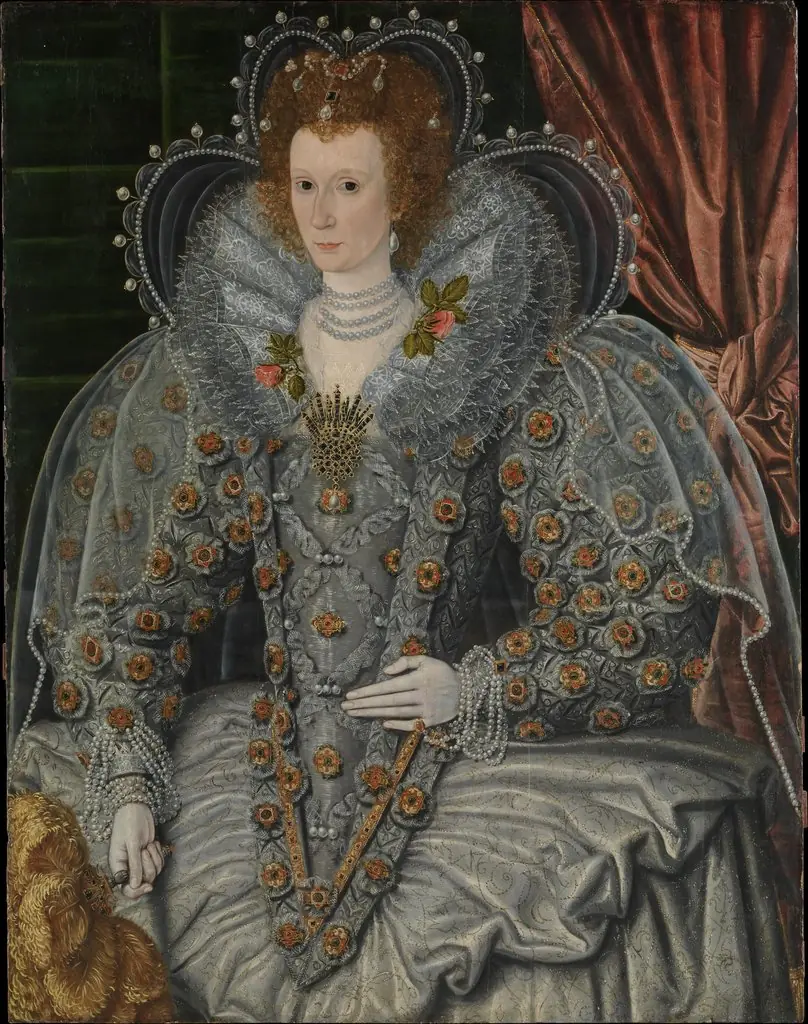 Portrait of a Woman
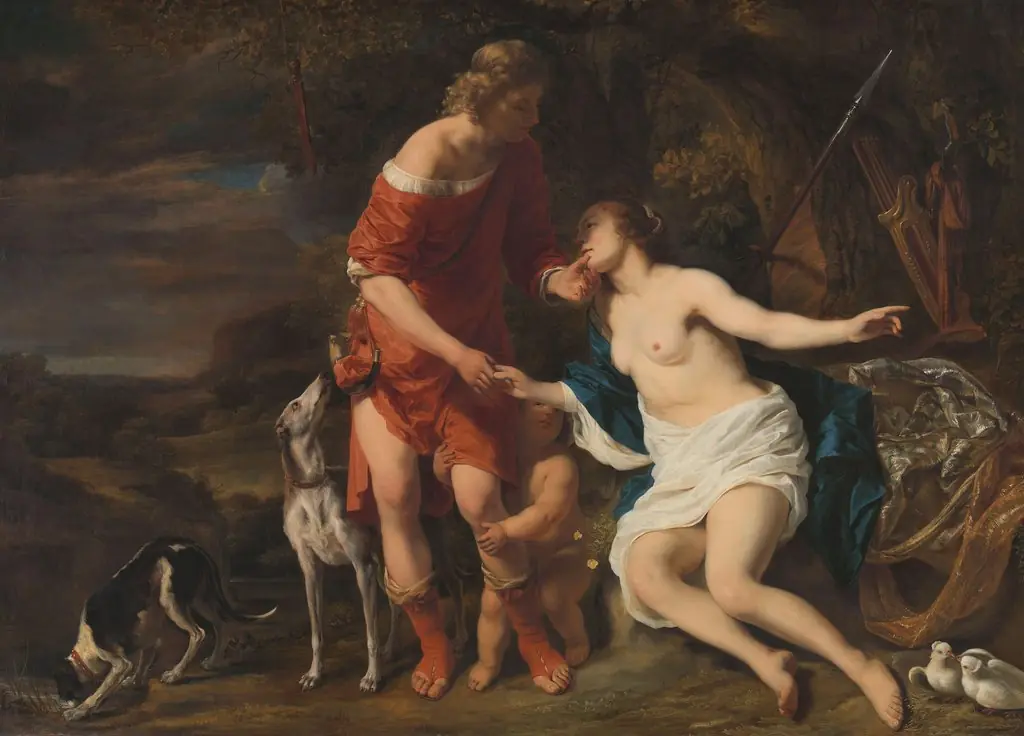 Venus and Adonis
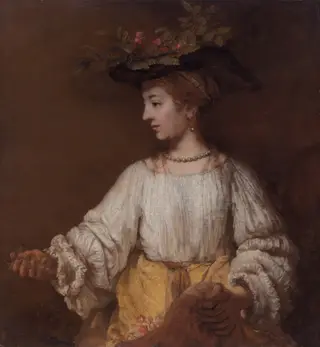 Flora
Flora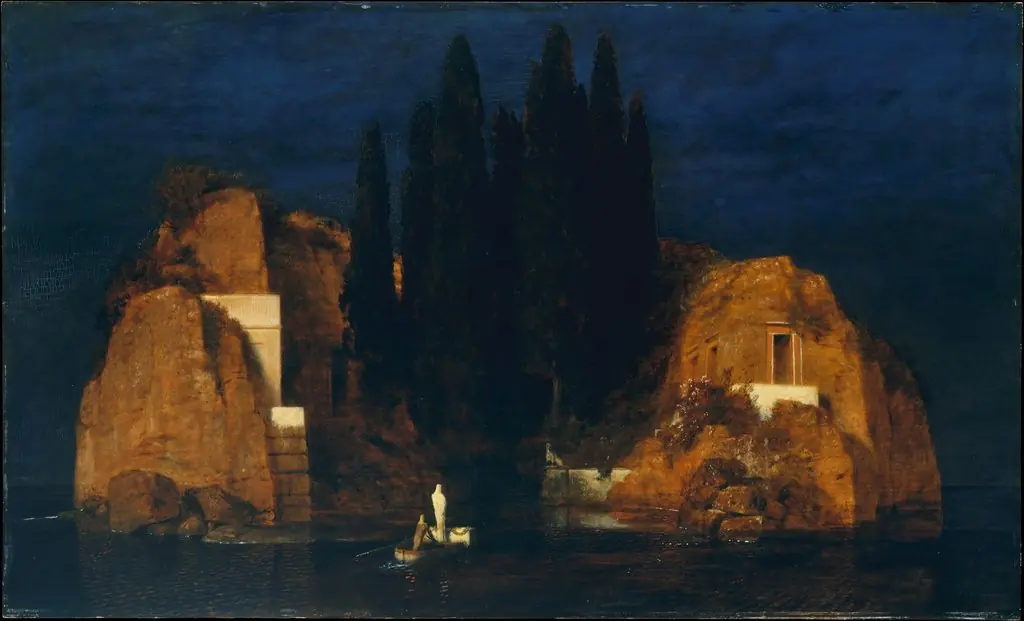 Isle of the Dead
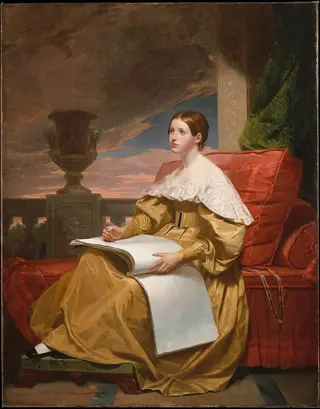 Susan Walker Morse (The Muse)
 Indian Summer
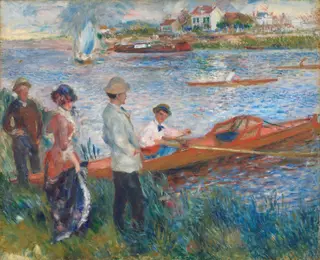 Oarsmen at Chatou
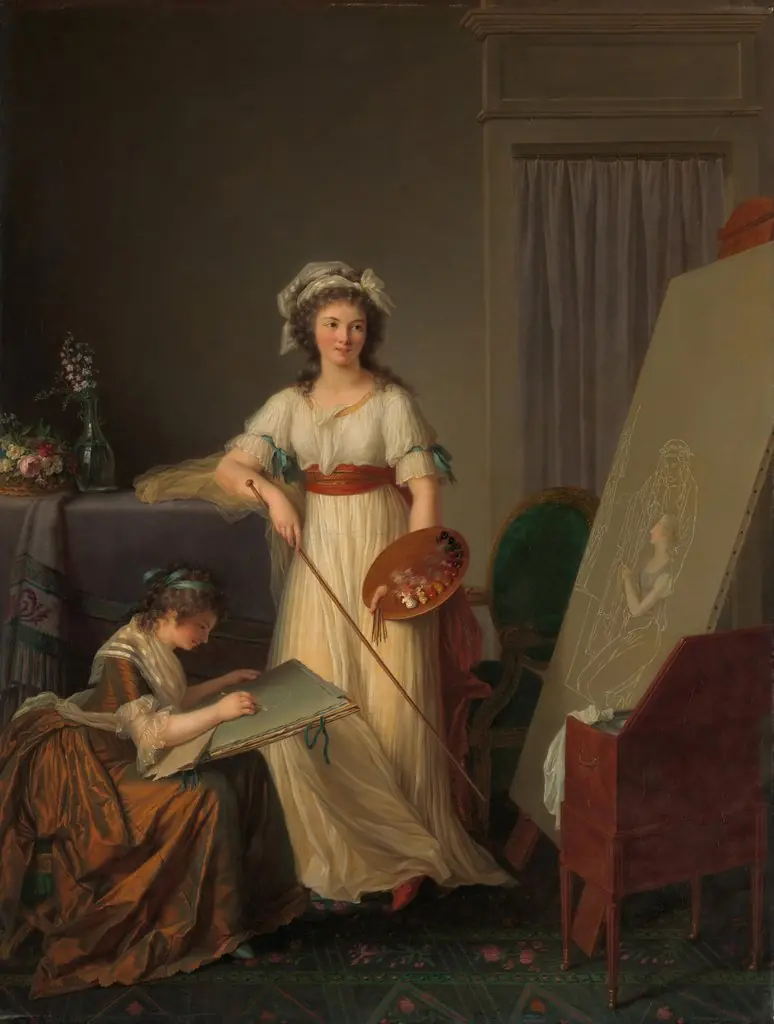 The Interior of an Atelier of a Woman Painter
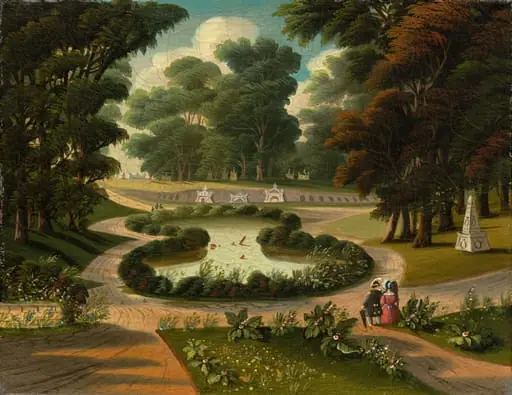 Mount Auburn Cemetery
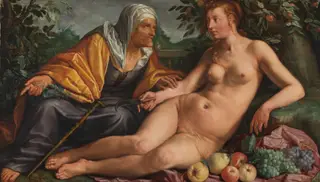 Vertumnus and Pomona
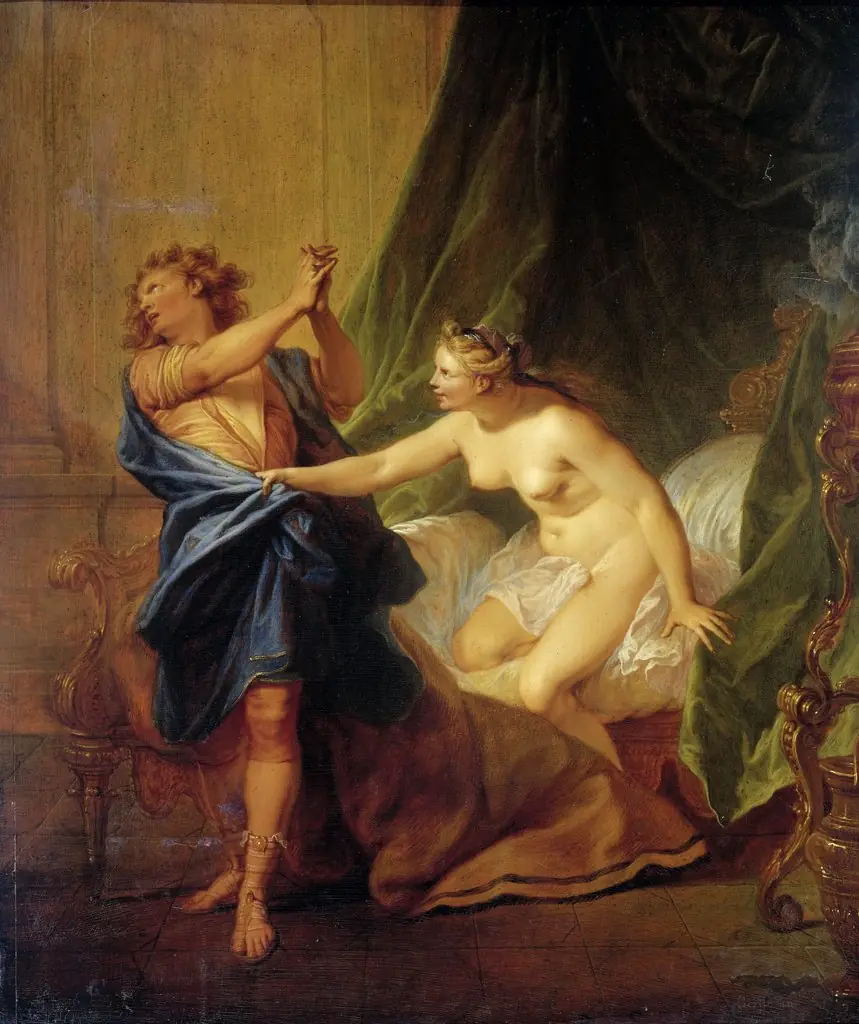 Joseph and Potiphar's Wife
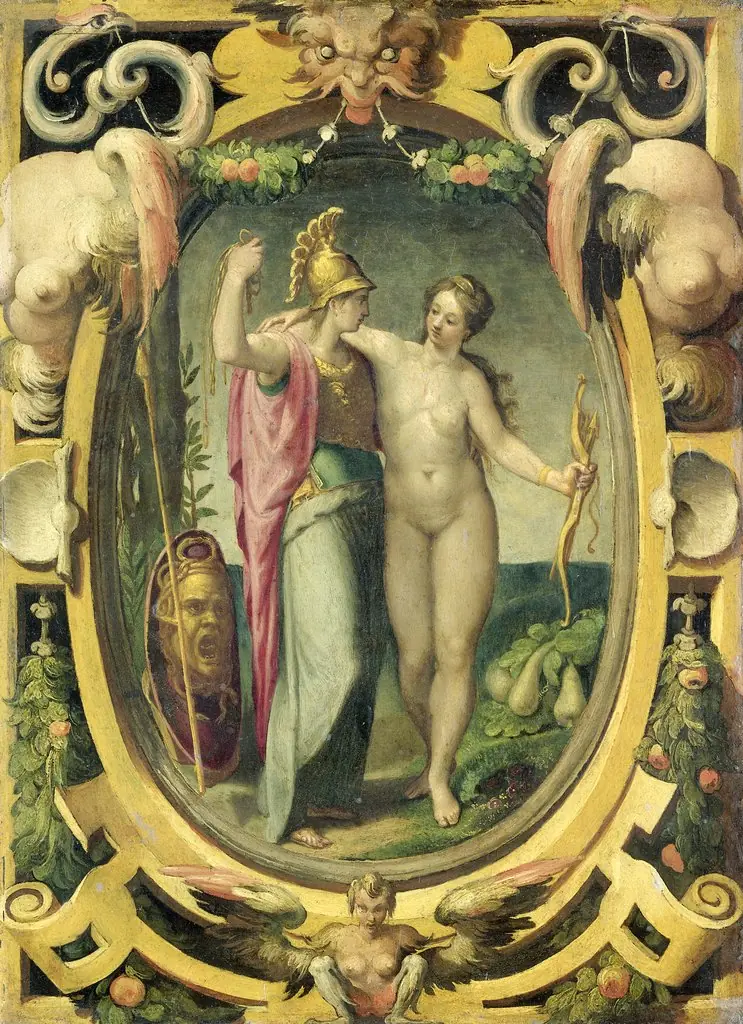 Venus and Minerva
 High Point: Shandaken Mountains
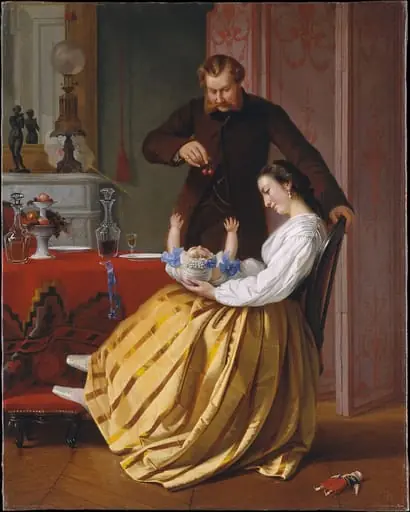 Conversation Piece
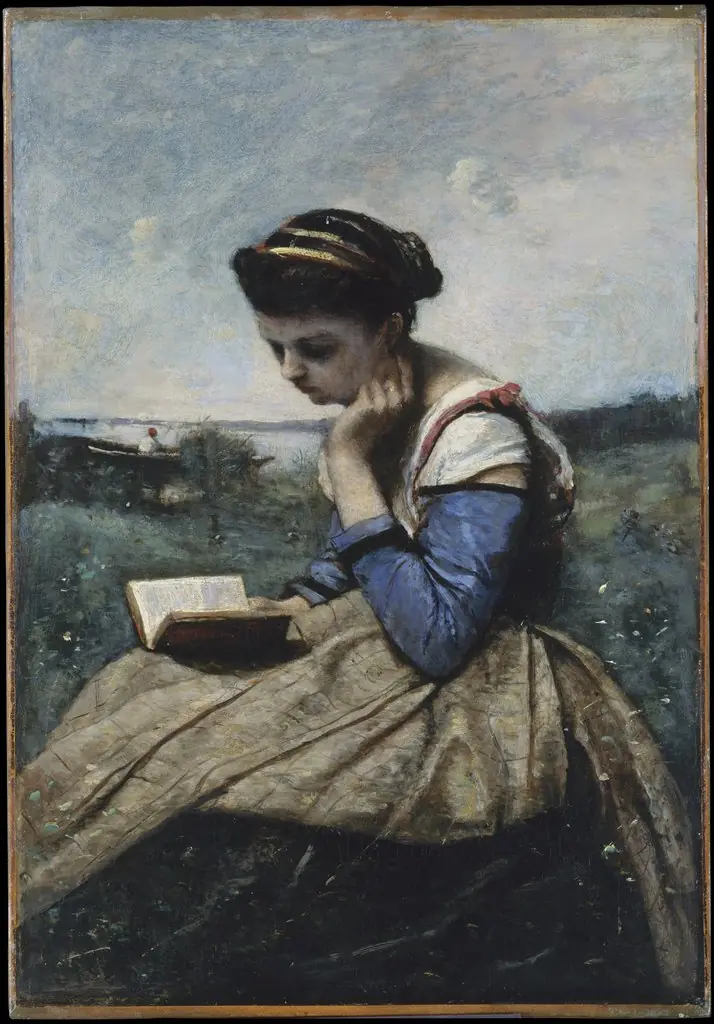 Femme Lisant
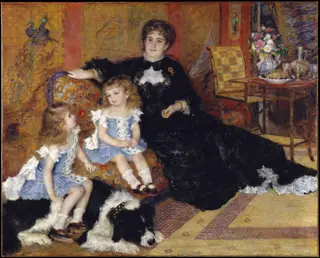 Madame Georges Charpentier and her Children
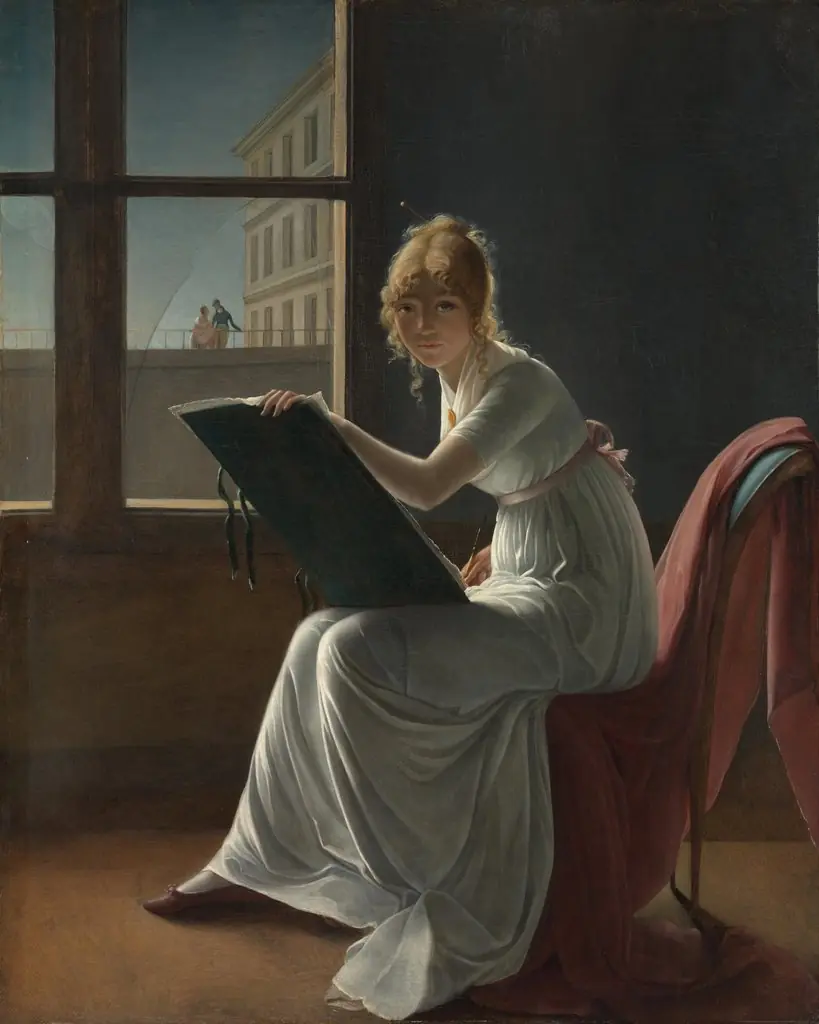 Portrait of Charlotte du Val d'Ognes
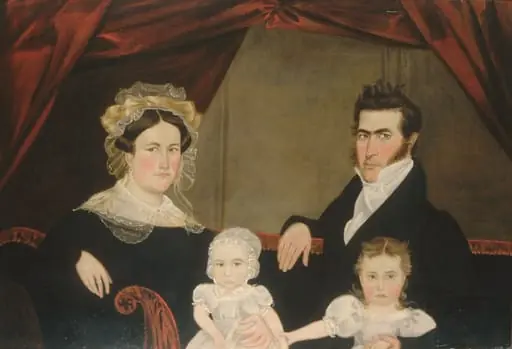 Family Group of Four on Sofa
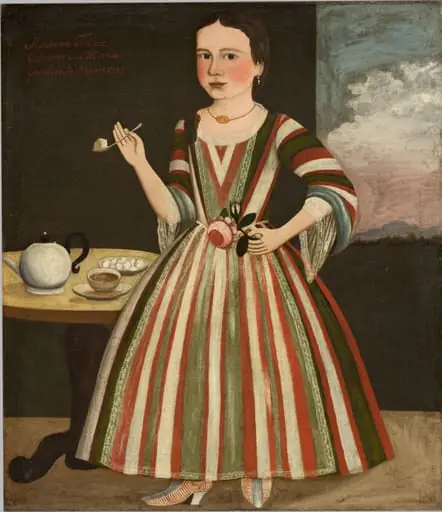 Susanna Truax
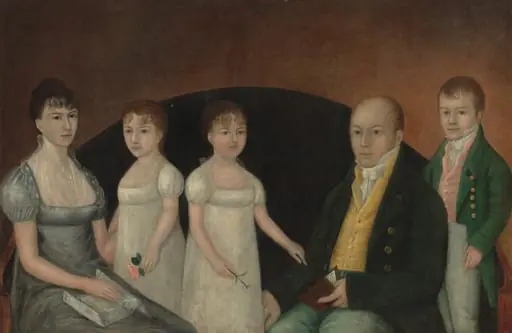 Family Group
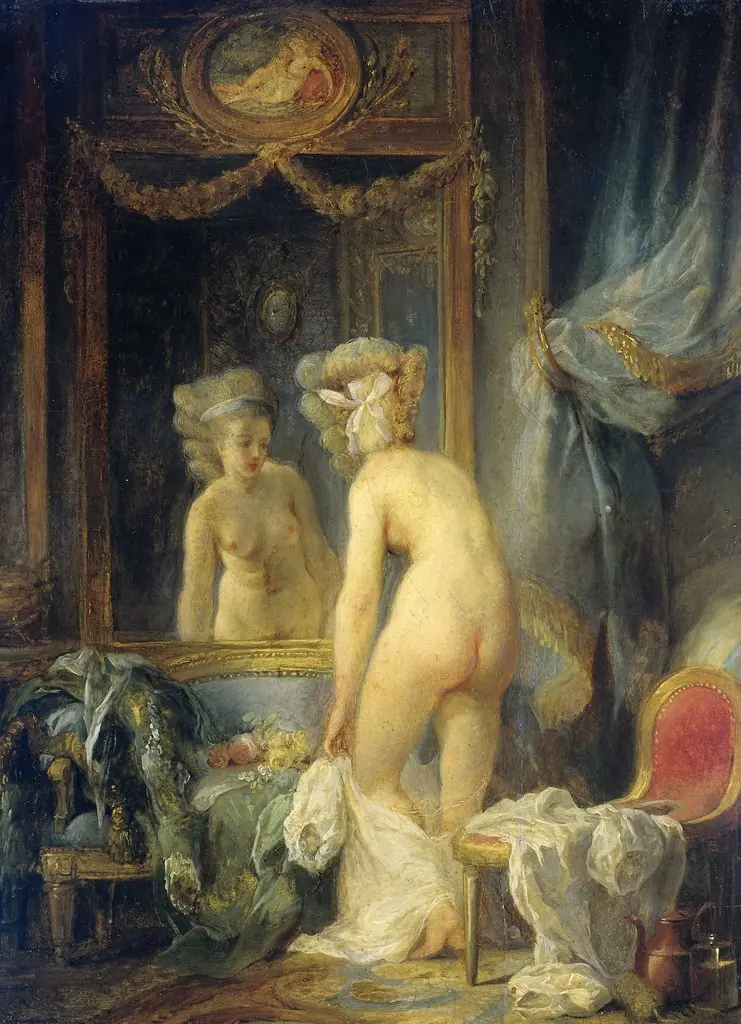 Morning Toilet
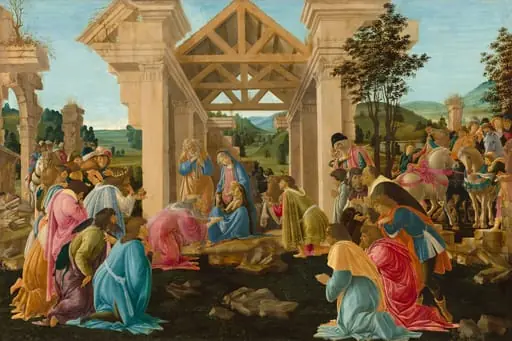 The Adoration of the Magi
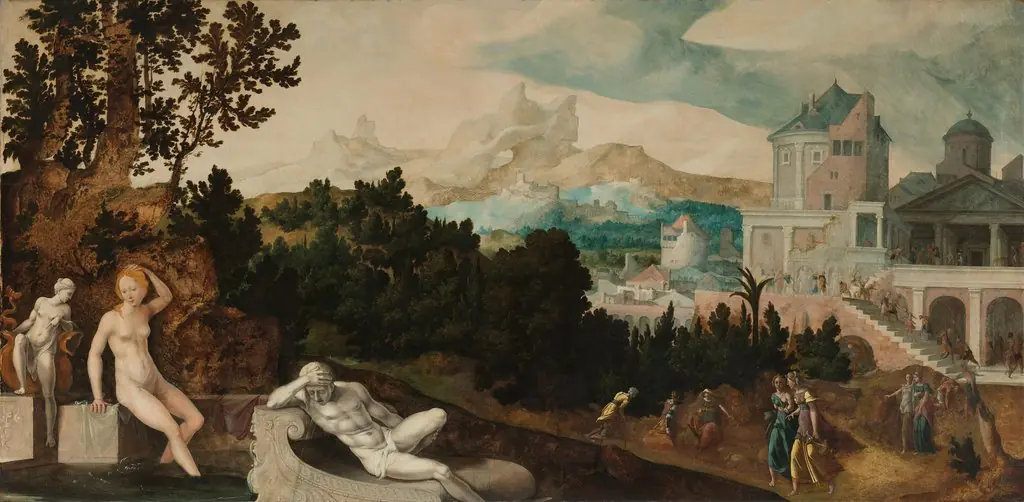 Landscape with Bathsheba
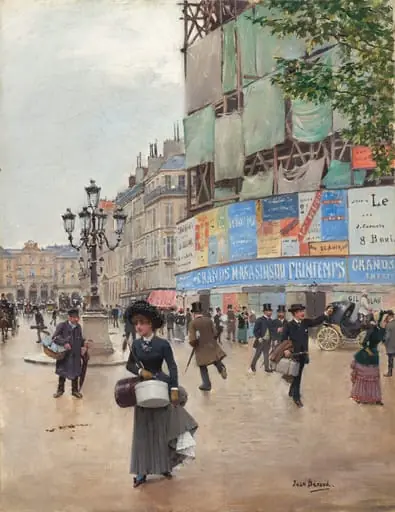 Paris, rue du Havre
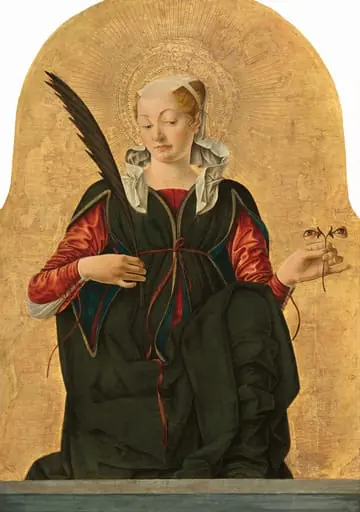 Saint Lucy
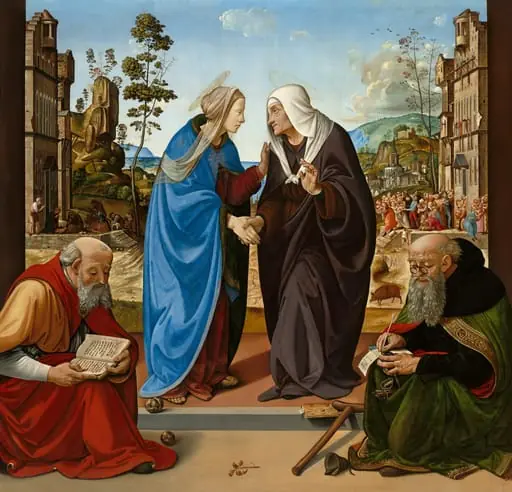 The Visitation with Saint Nicholas and Saint Anthony Abbot
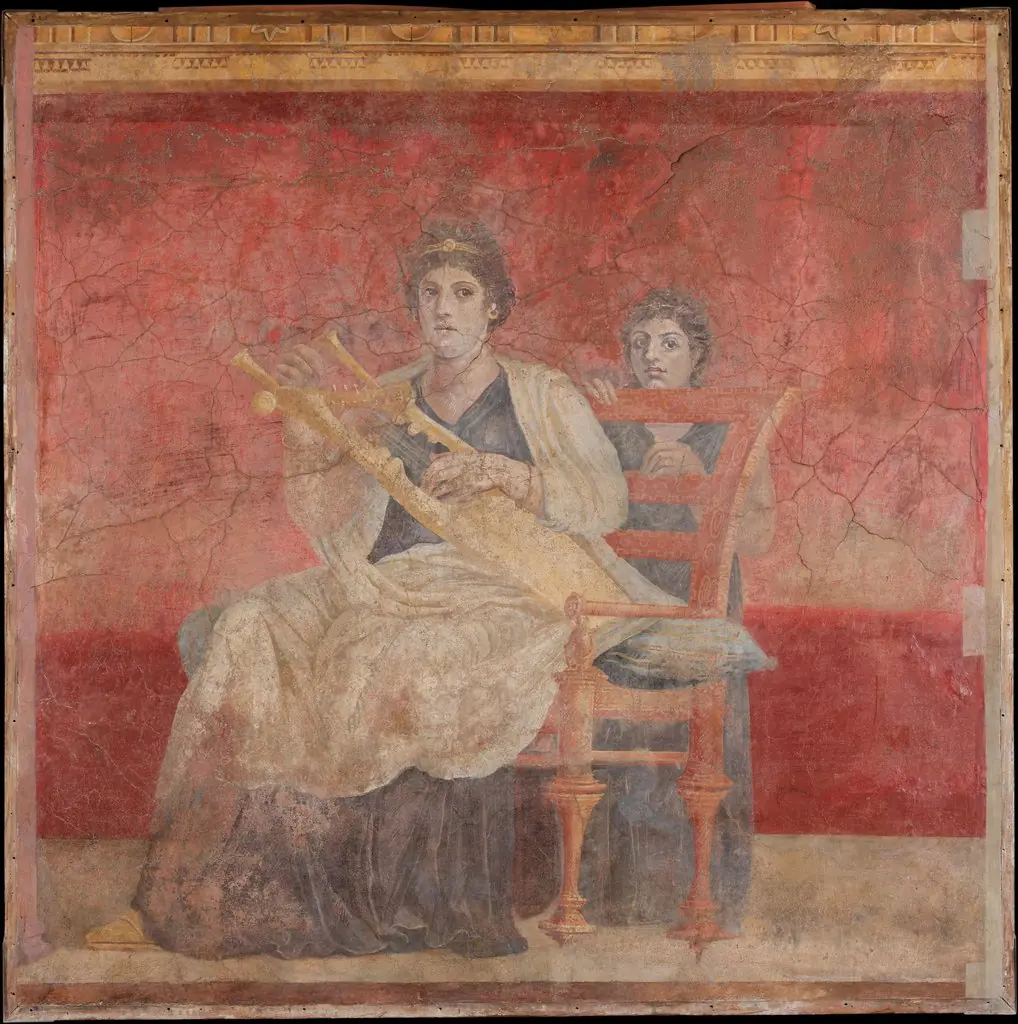 Wall painting from Room H of the Villa of P. Fannius Synistor at Boscoreale
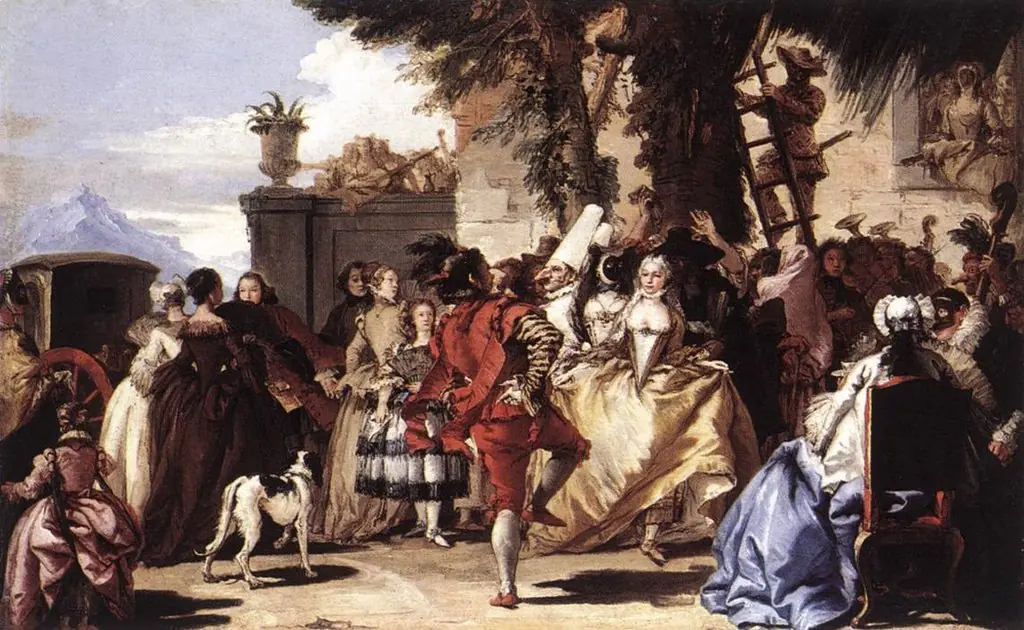 A Dance in the Country
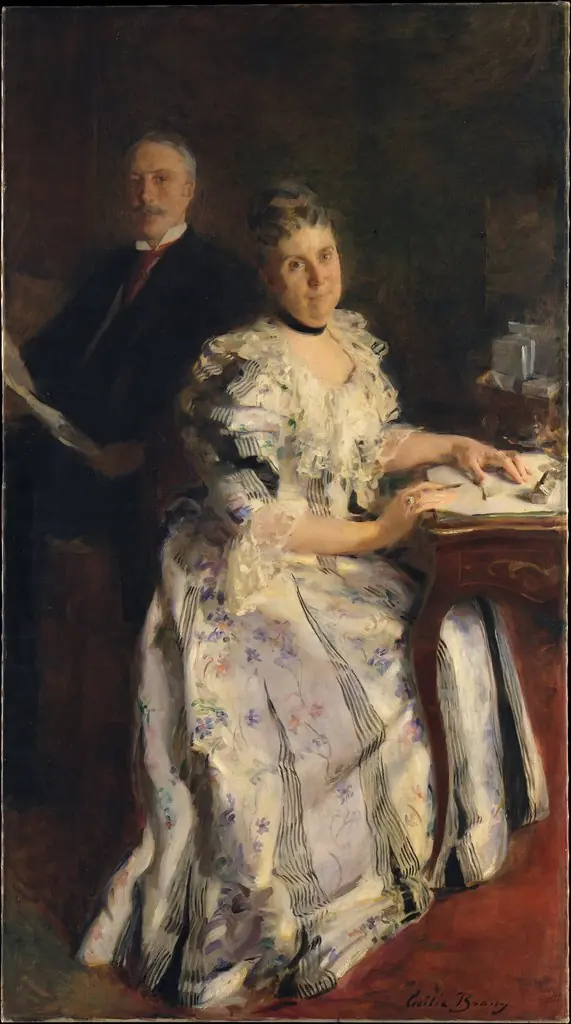 Mr. and Mrs. Anson Phelps Stokes
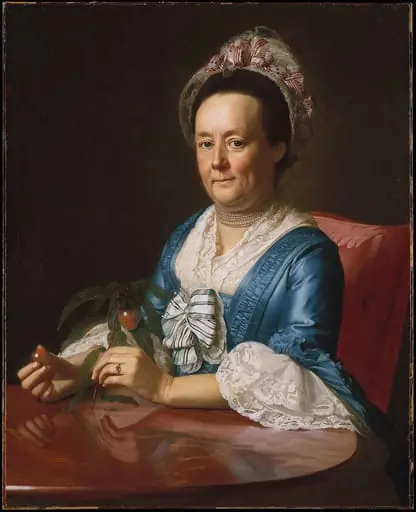 Mrs. John Winthrop
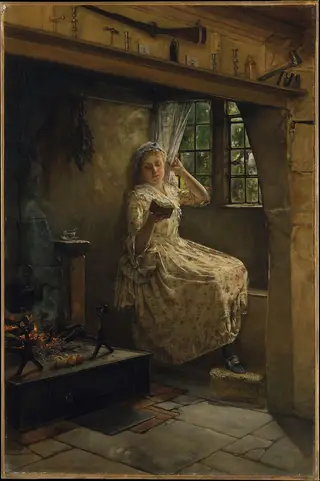 A Cosey Corner
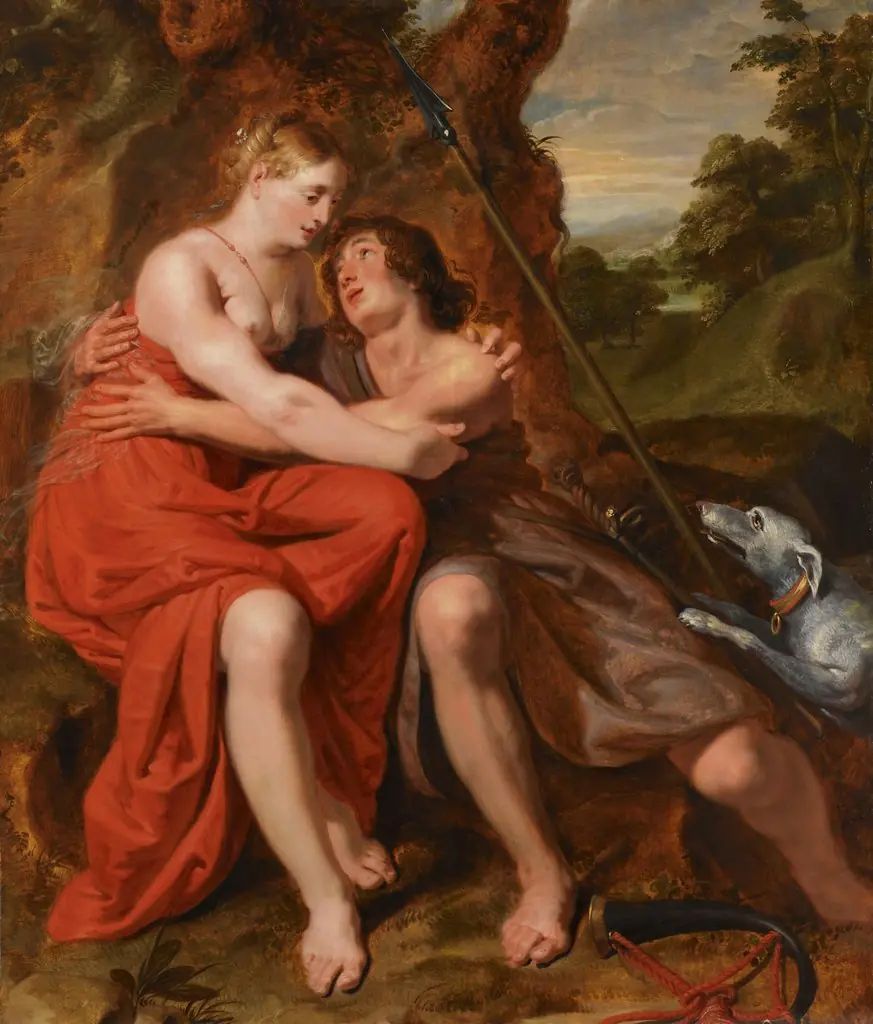 Venus and Adonis
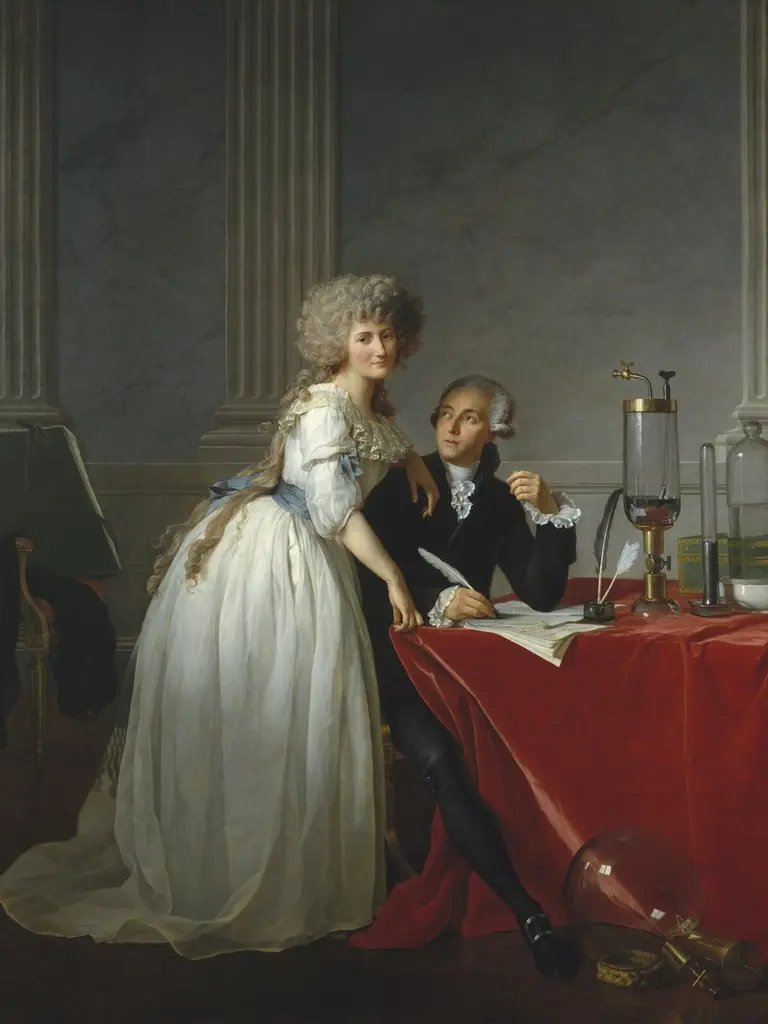 Portrait of Antoine-Laurent Lavoisier and his wife
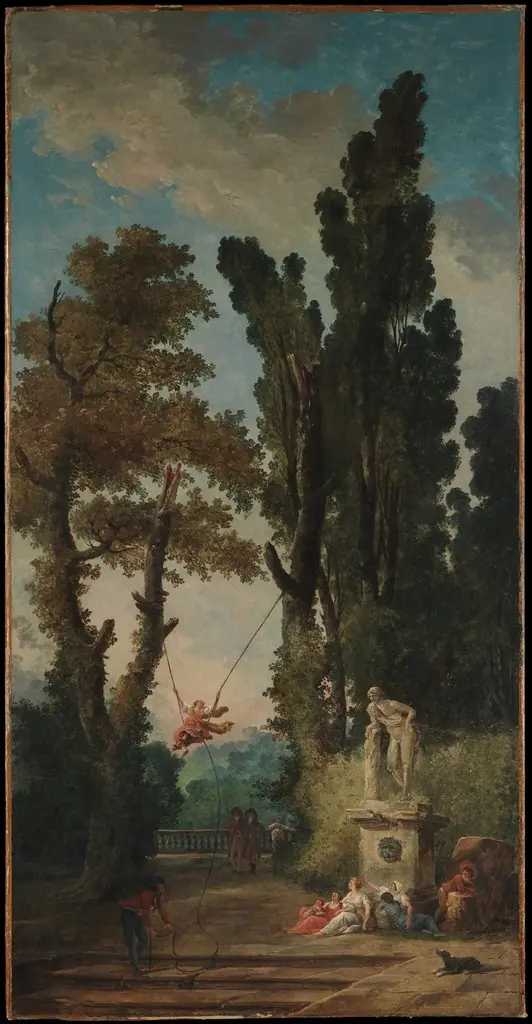 The Swing
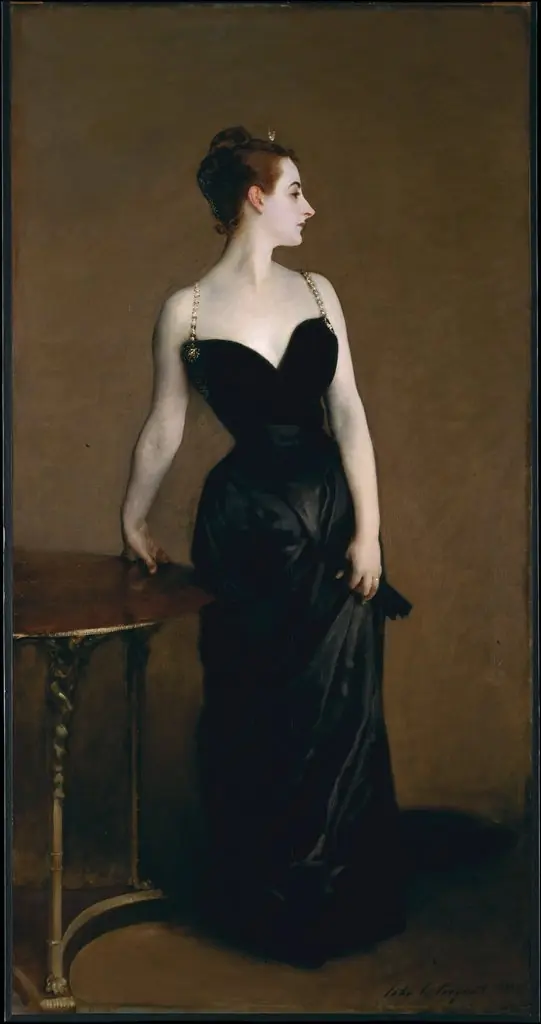 Madame X (Virginie Amélie Avegno Gautreau)
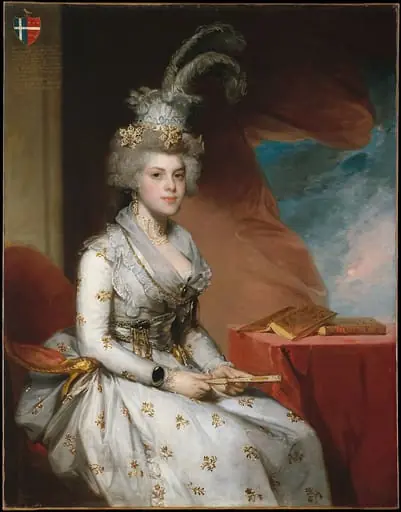 Matilda Stoughton de Jaudenes
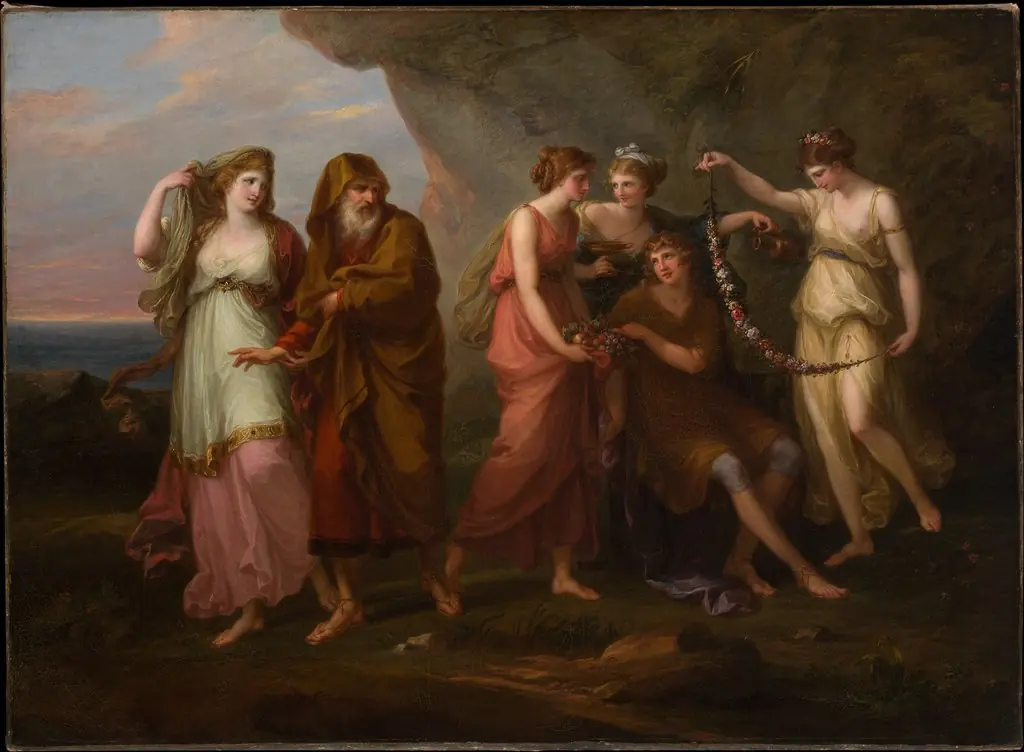 Telemachus and the Nymphs of Calypso
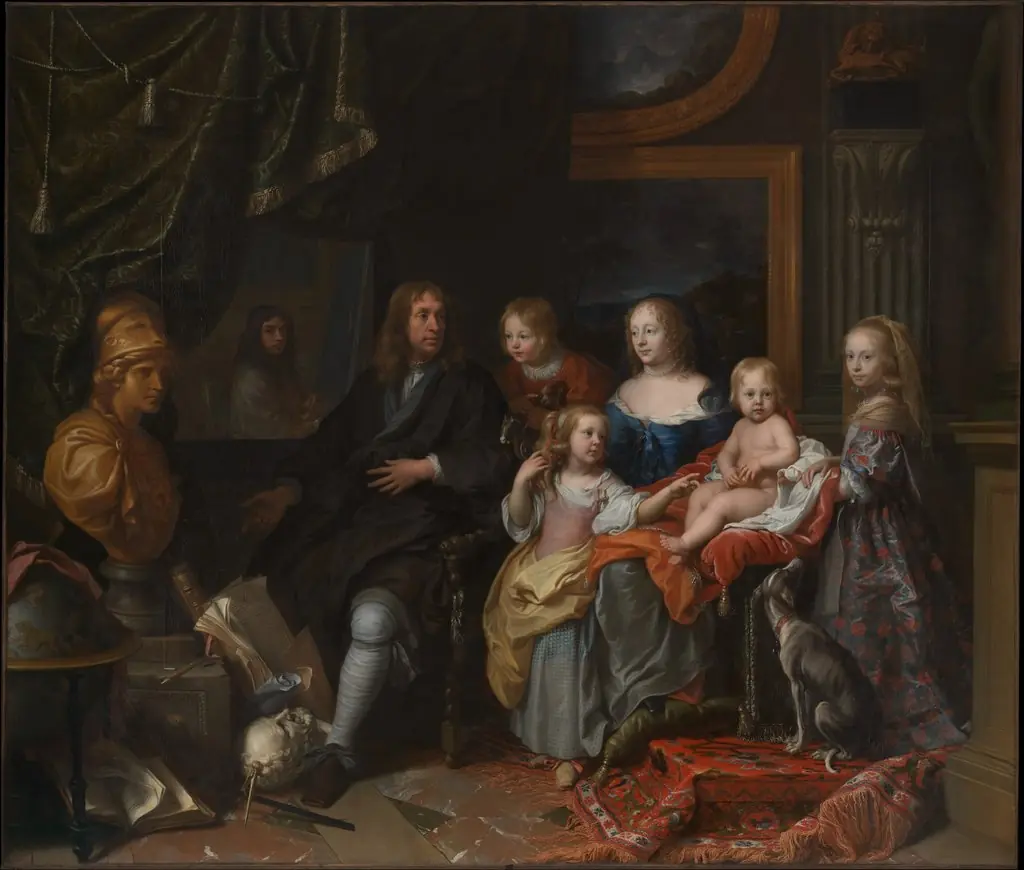 Everhard Jabach (1618–1695) and His Family
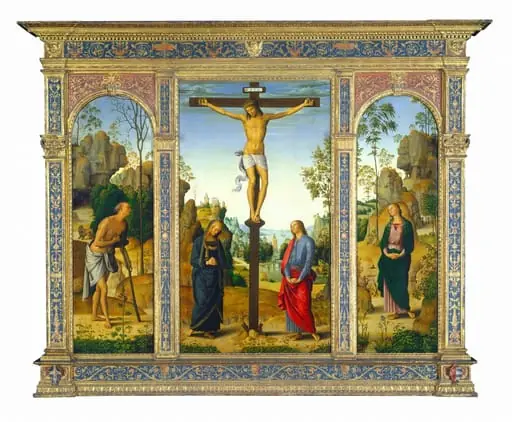 The Crucifixion with the Virgin, Saint John, Saint Jerome, and Saint Mary Magdalene
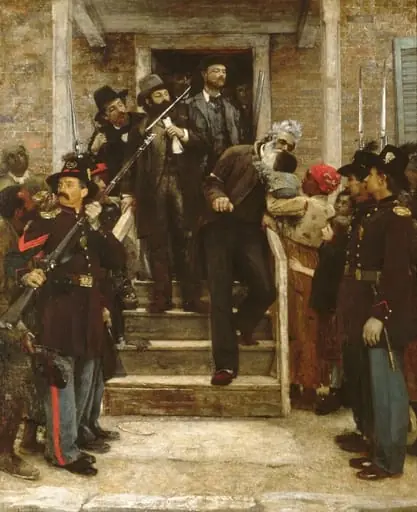 The Last Moments of John Brown
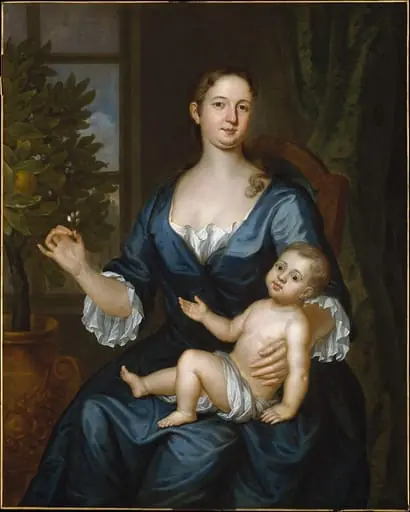 Mrs. Francis Brinley and Her Son Francis
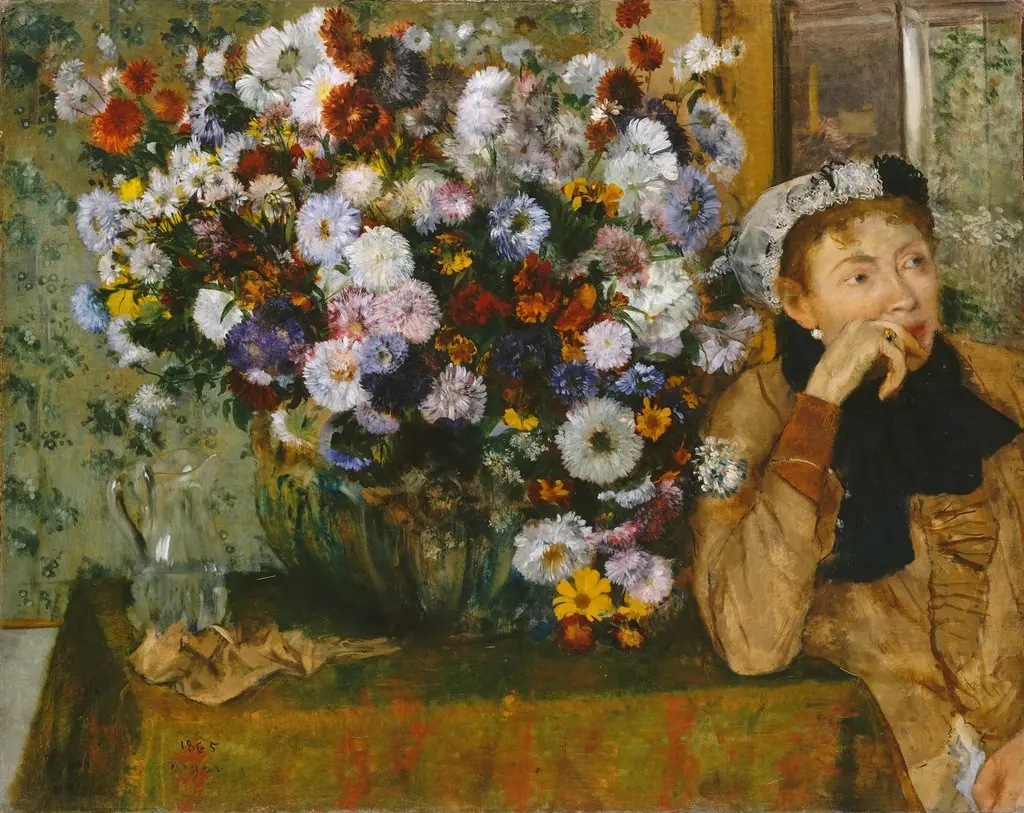 A Woman Seated beside a Vase of Flowers
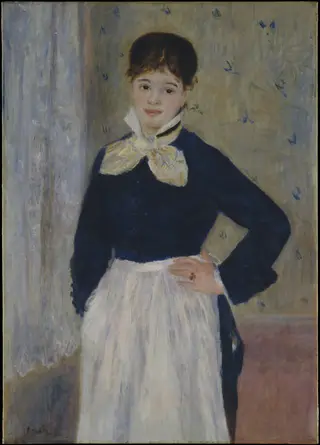 A Waitress at Duval's Restaurant
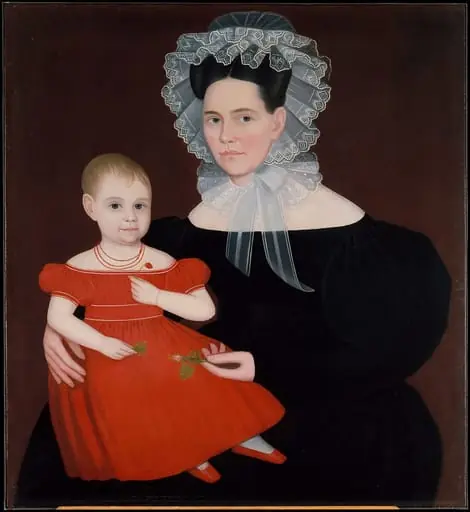 Mrs. Mayer and Daughter
 September Morn
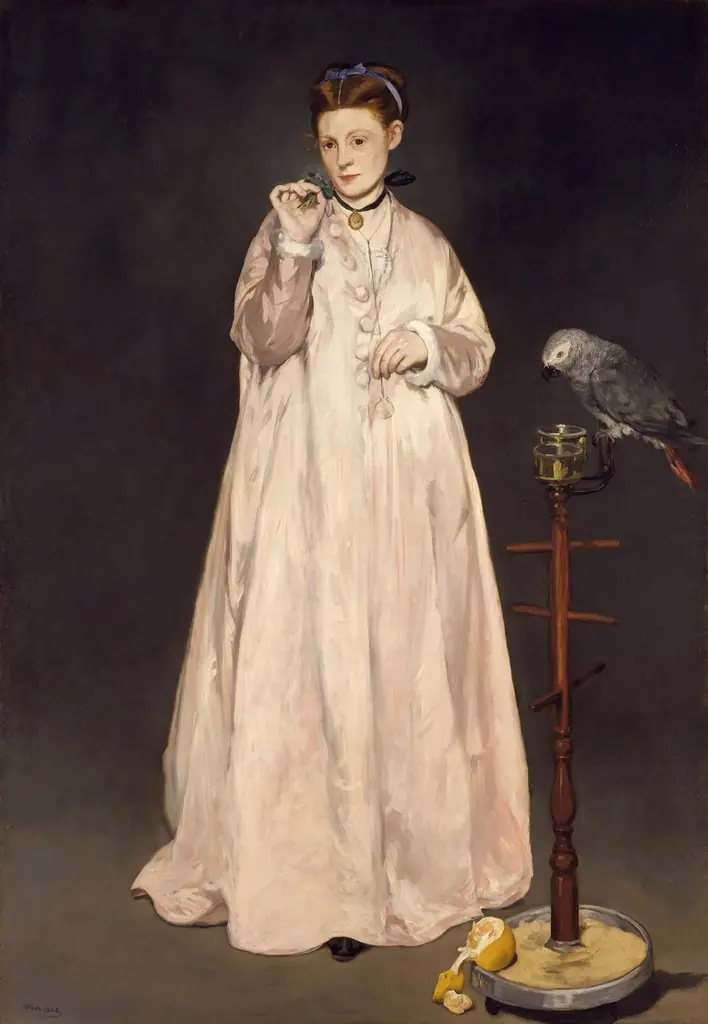 Young Lady in 1866
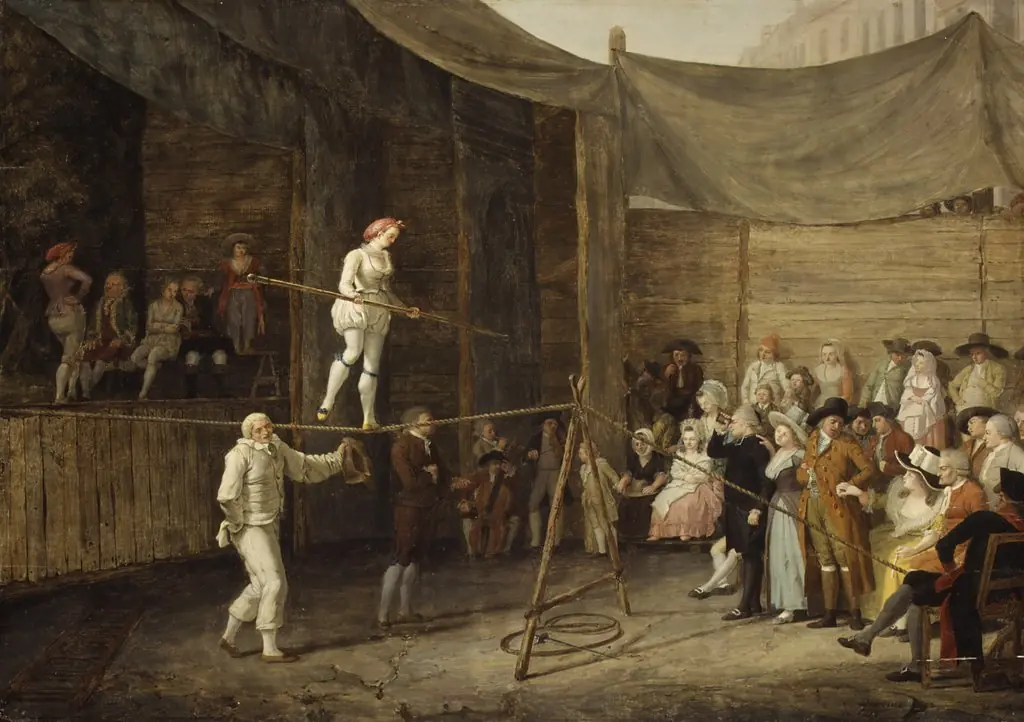 The Rope Dance
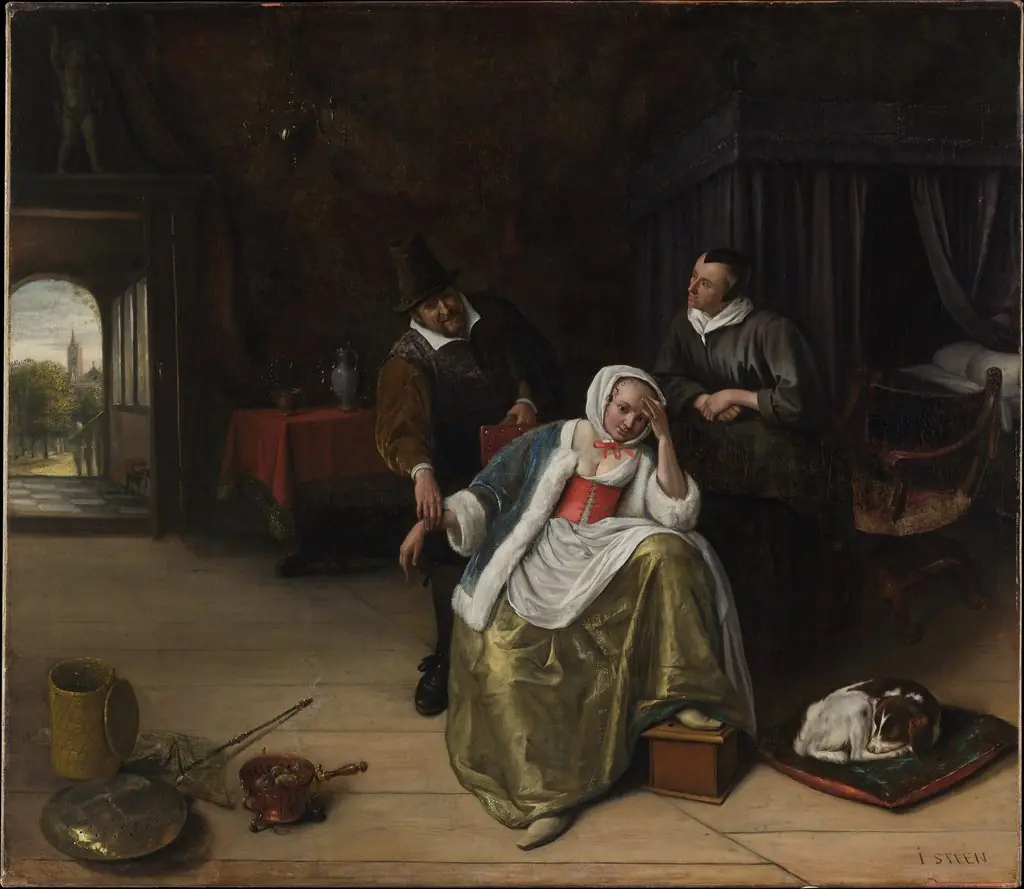 Paintings of physicians by Jan Steen
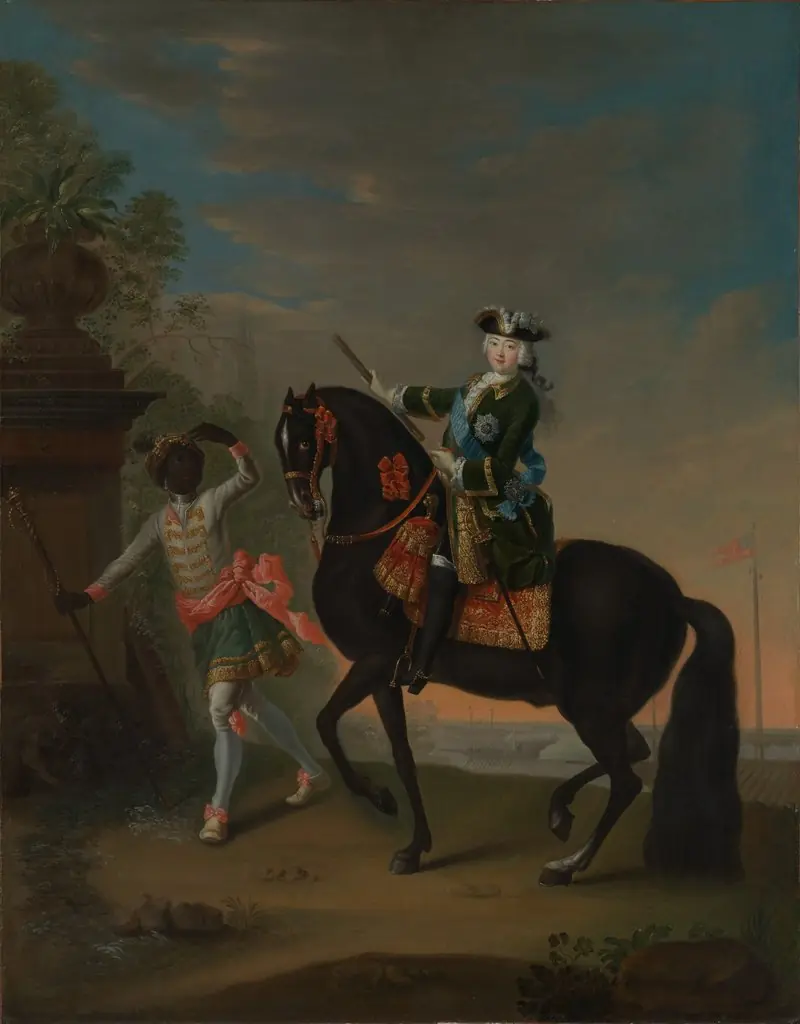 The Empress Elizabeth of Russia (1709–1762) on Horseback, Attended by a Page
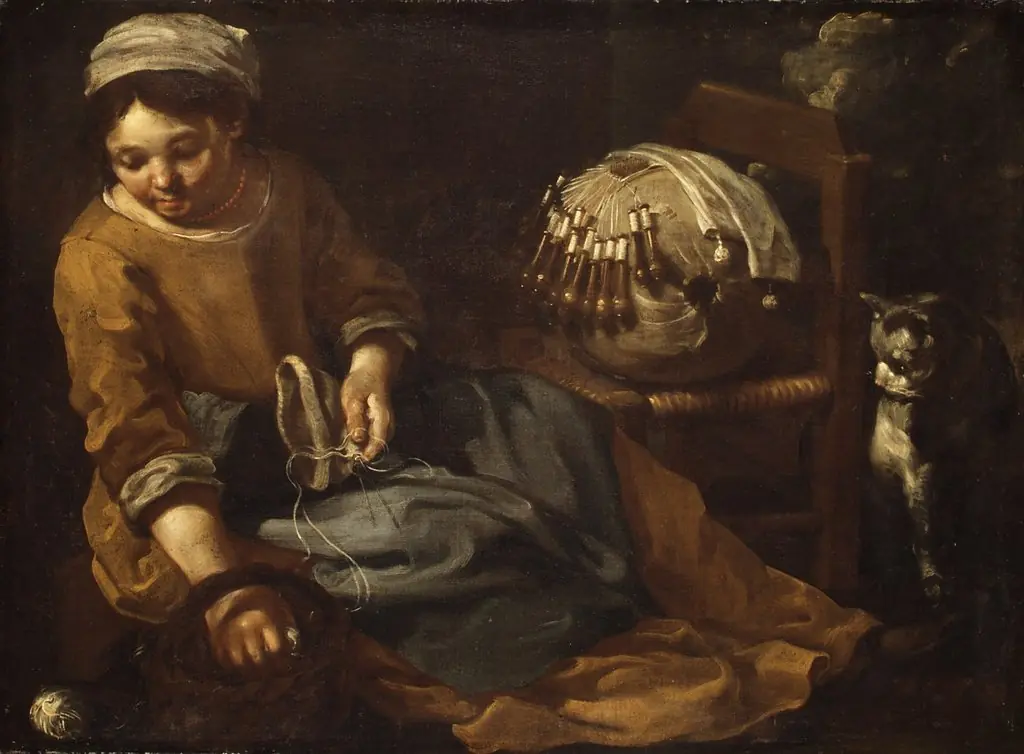 The Lacemaker
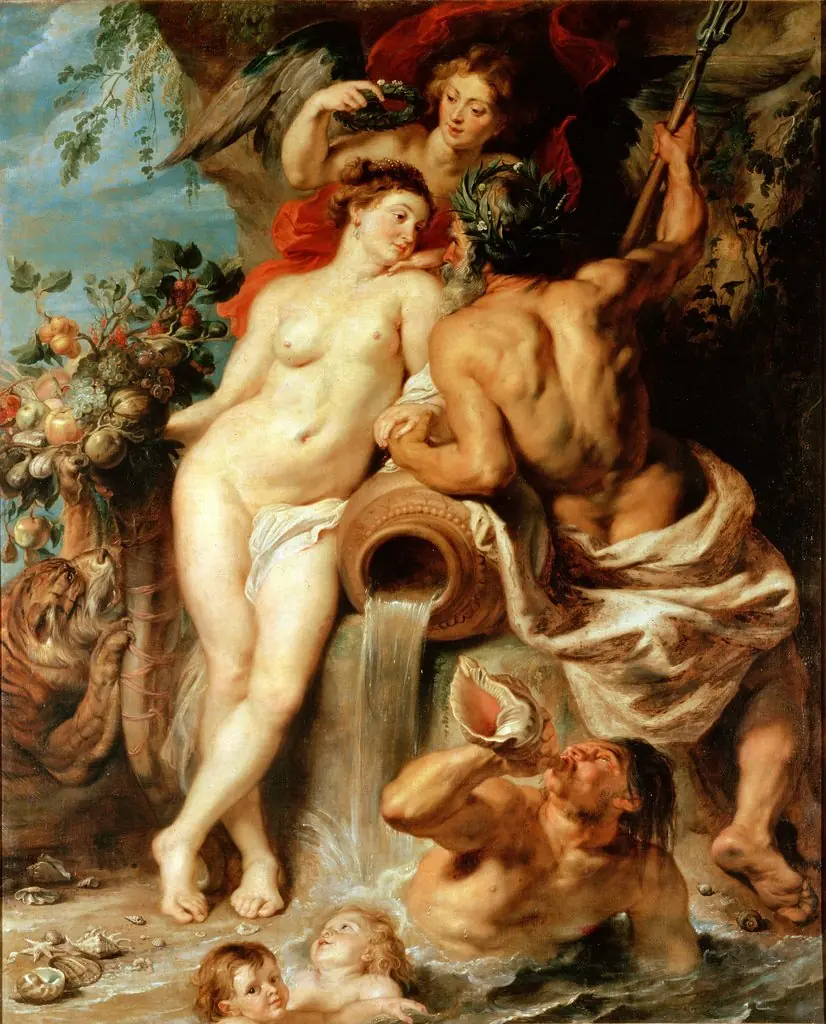 The Union of Earth and Water (Antwerp and the Scheldt)
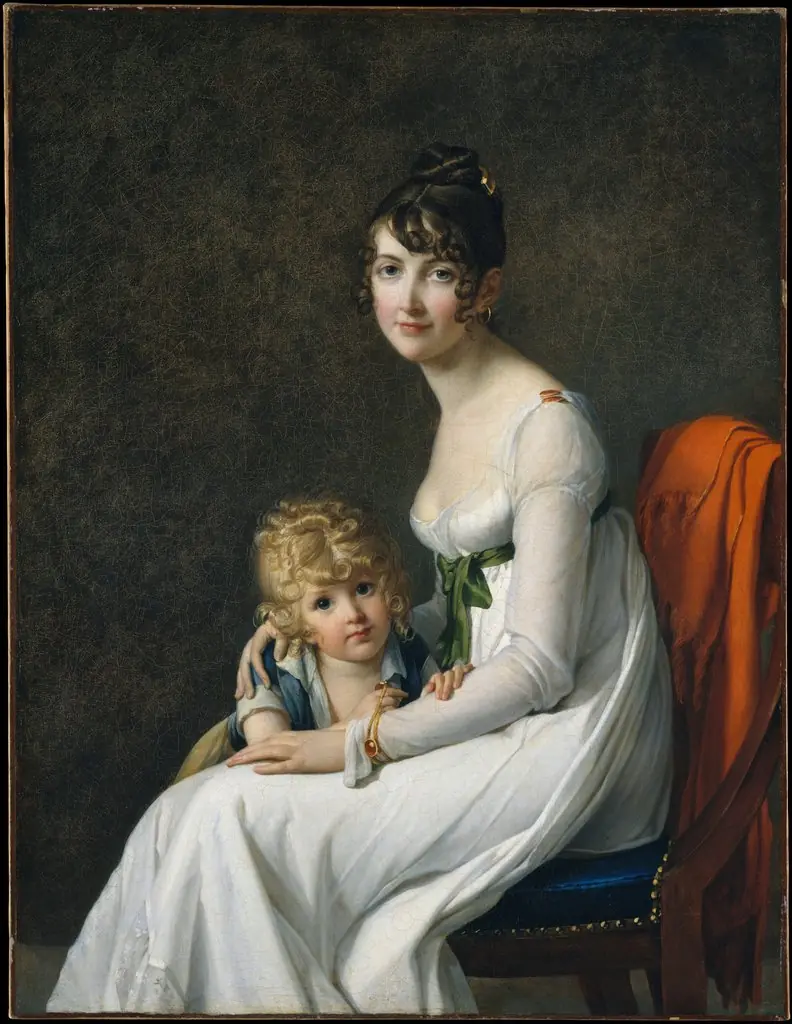 Madame Philippe Panon Desbassayns de Richemont (Jeanne Eglé Mourgue, 1778–1855) and Her Son, Eugène (1800–1859)
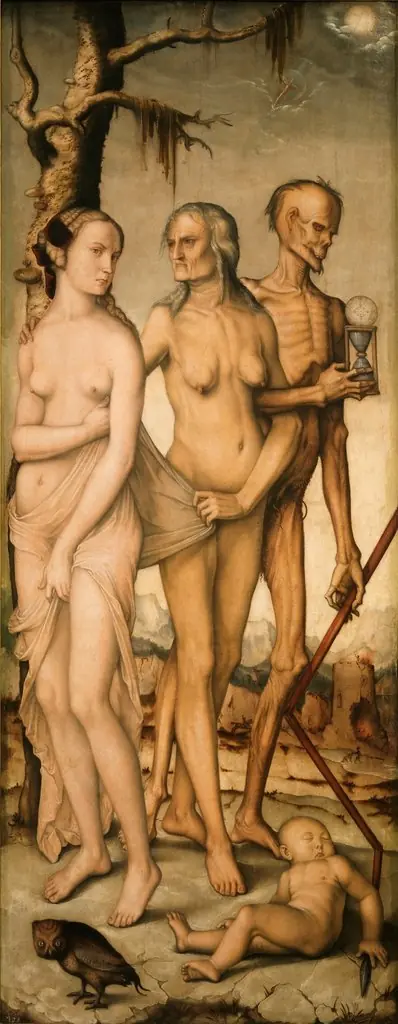 The Ages and Death
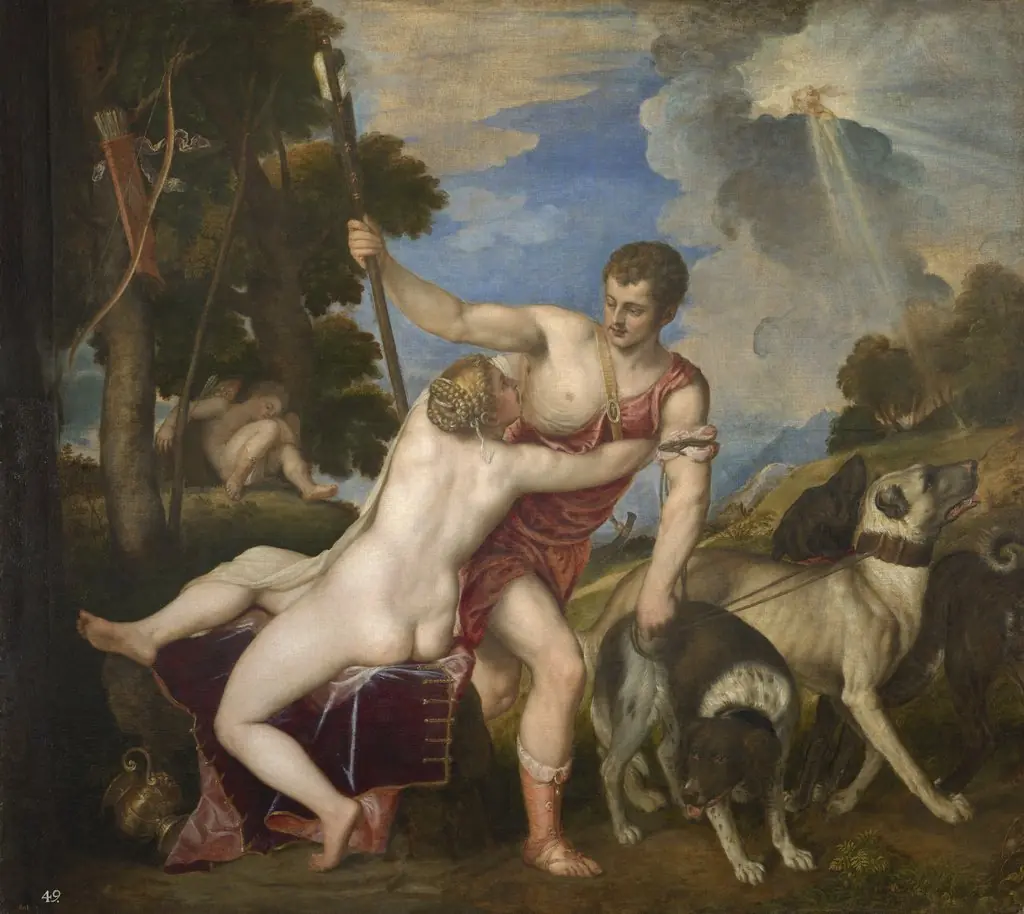 Venus and Adonis
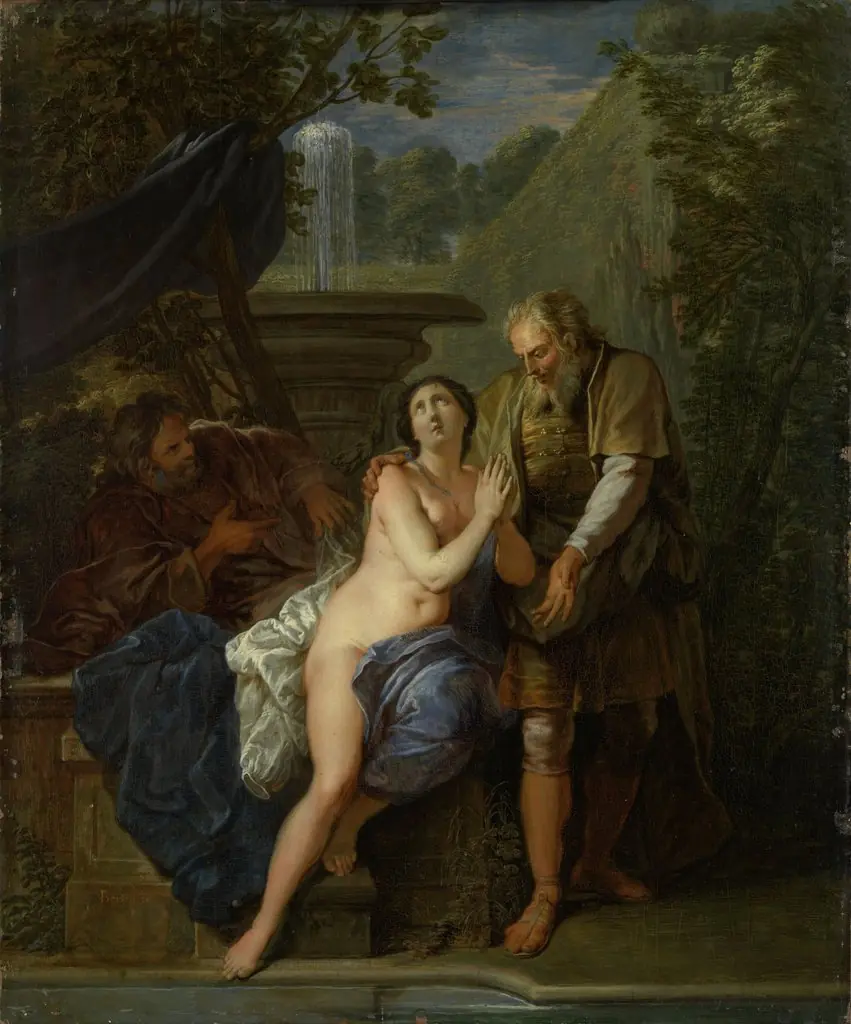 Susanna and the Elders
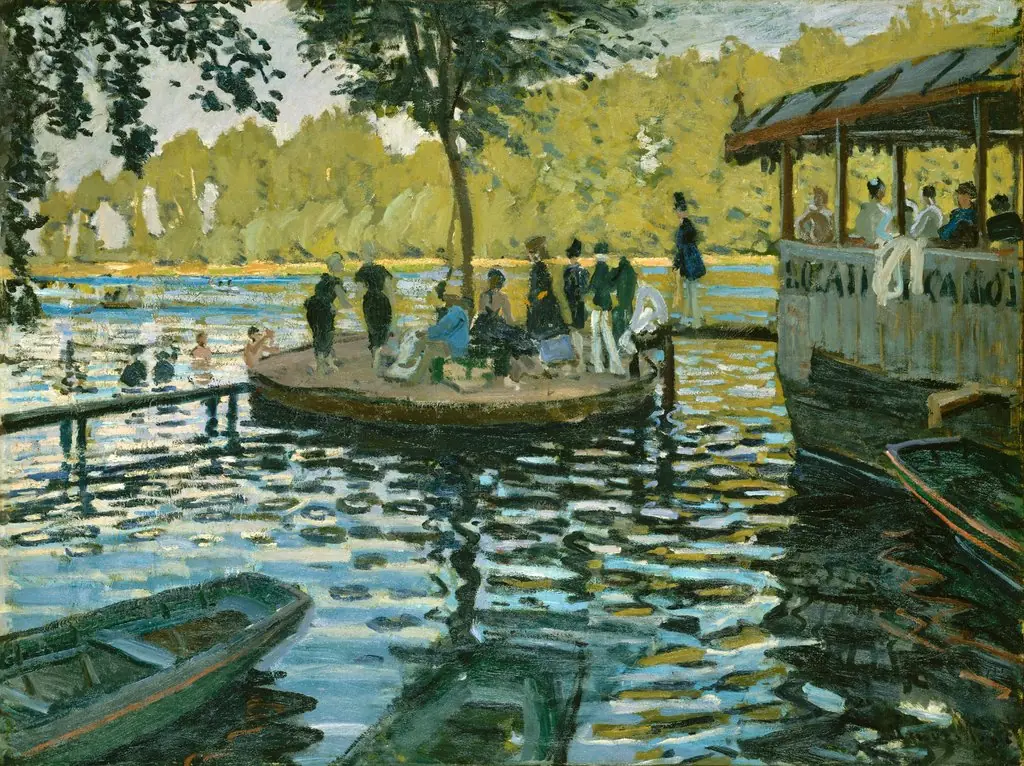 La Grenouillère
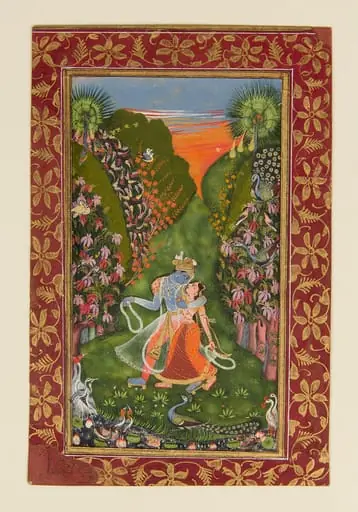 Untitled
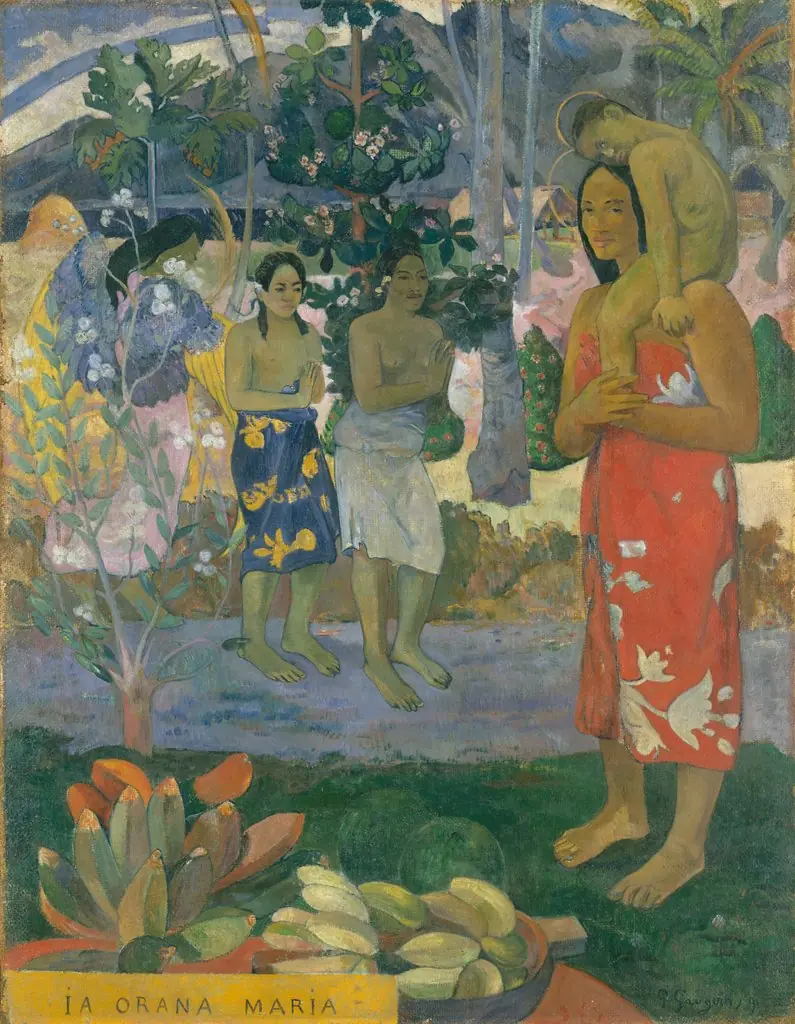 Ia Orana Maria
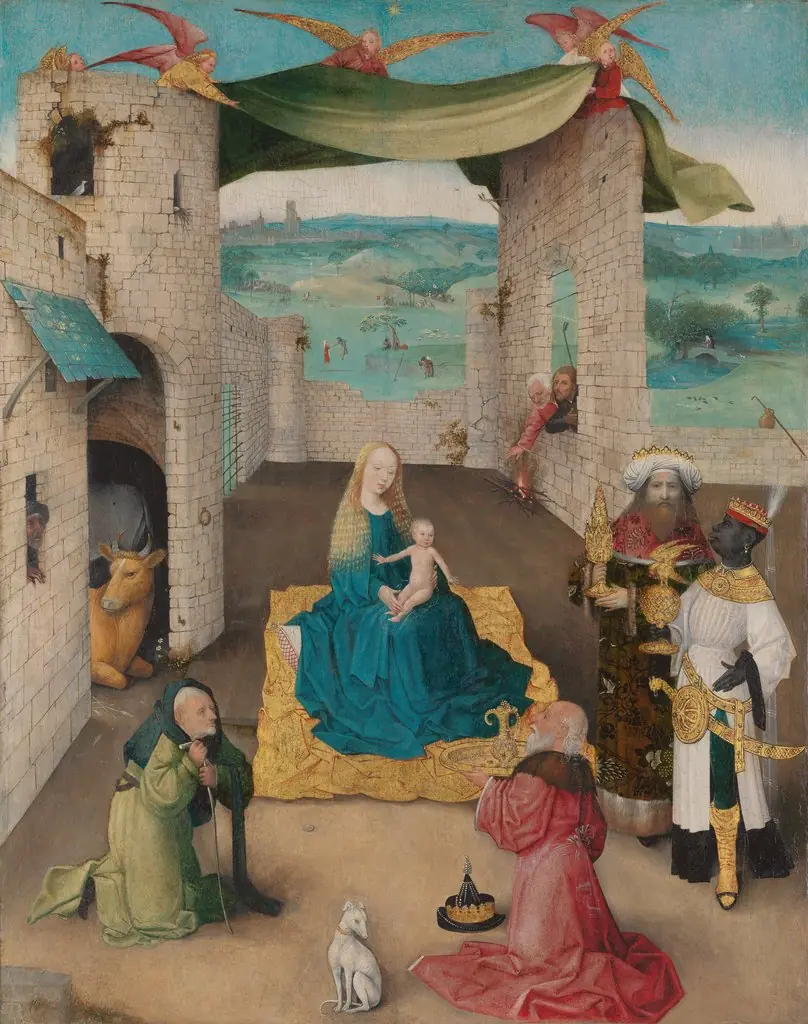 The Adoration of the Magi
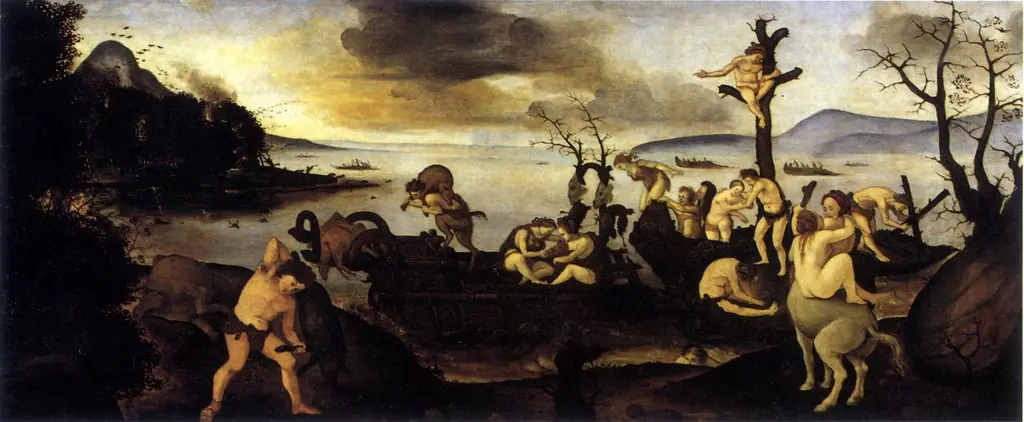 Return from the Hunt by Piero di Cosimo
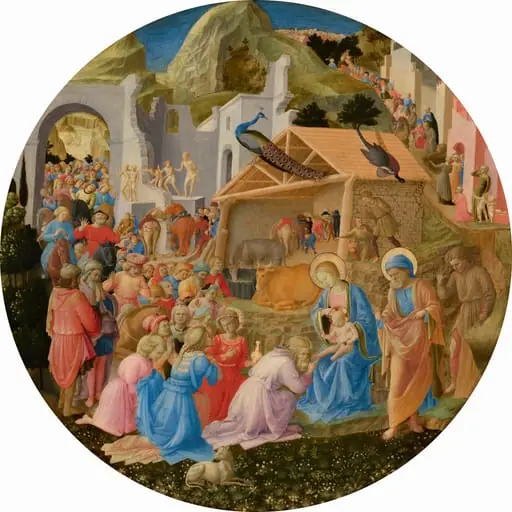 The Adoration of the Magi
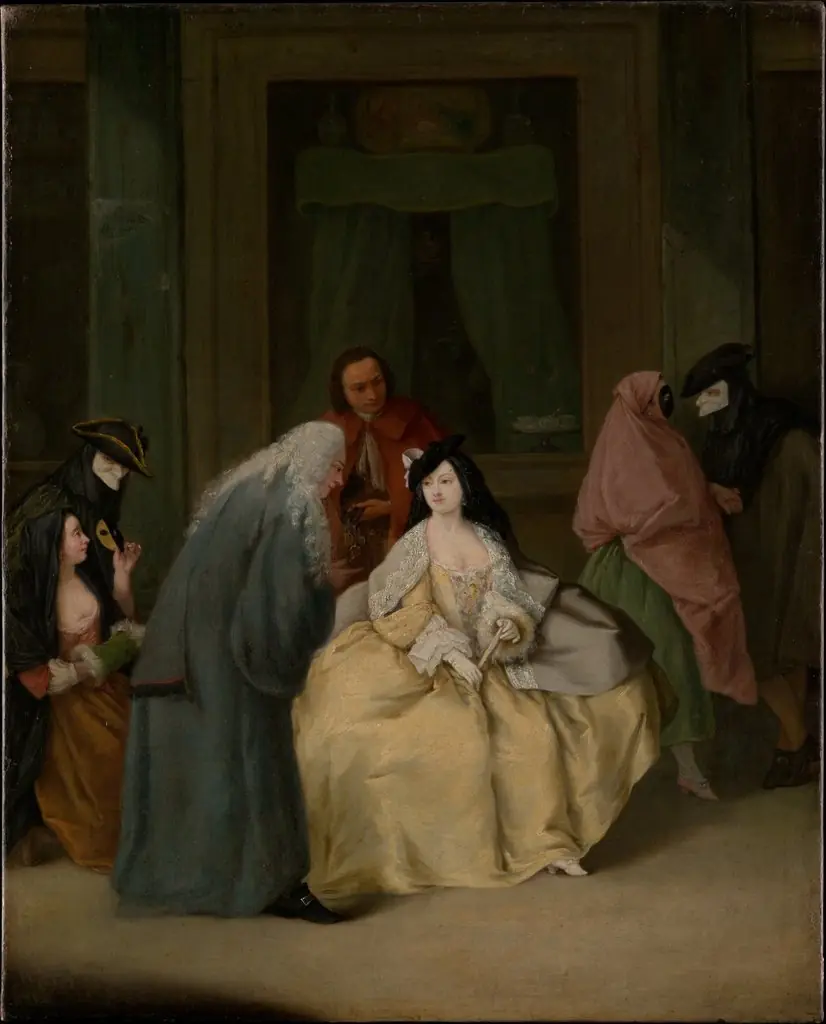 The Meeting
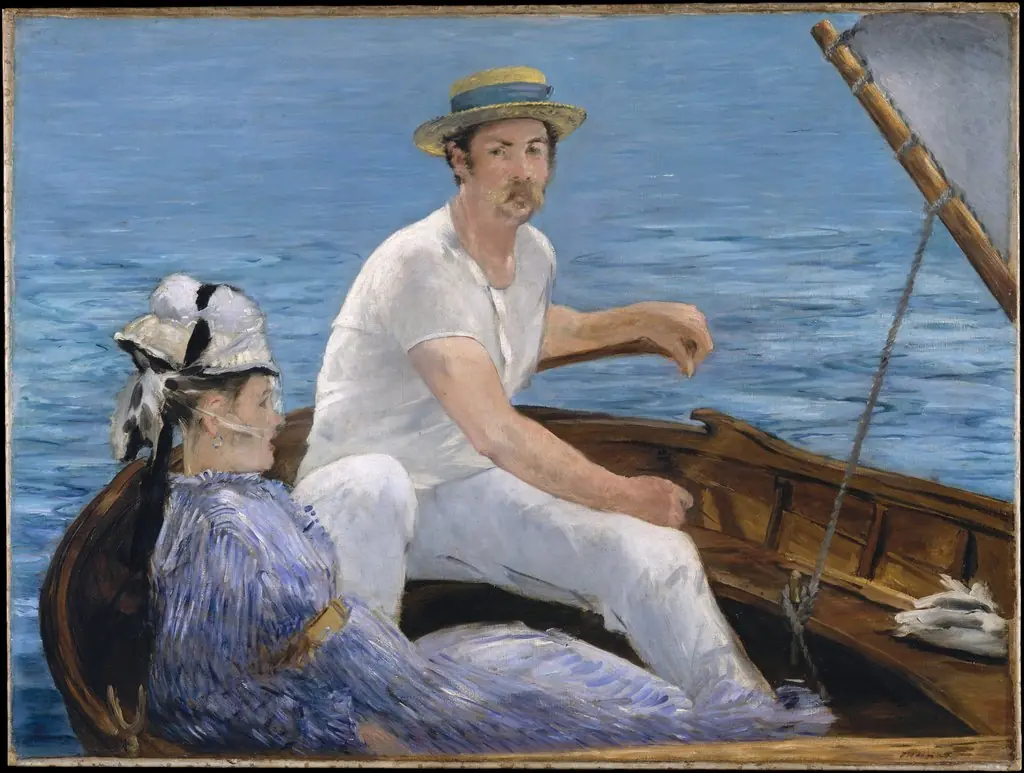 Boating
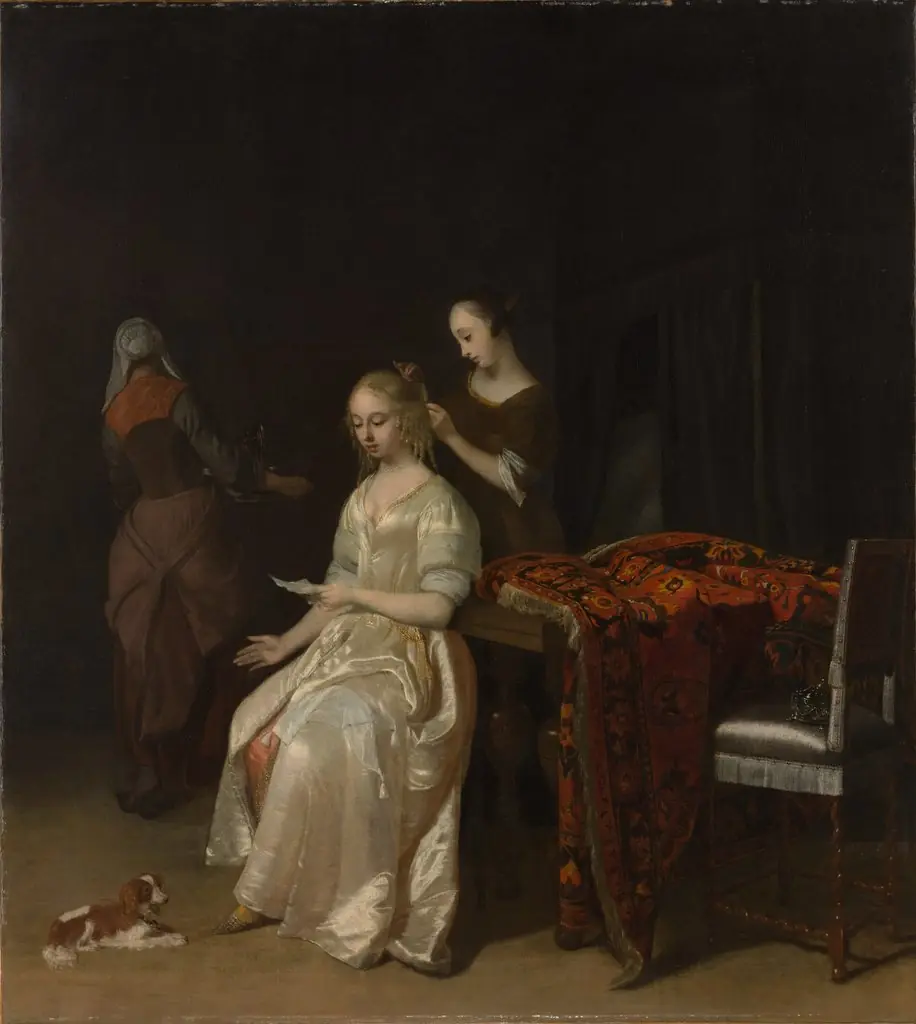 The Love Letter
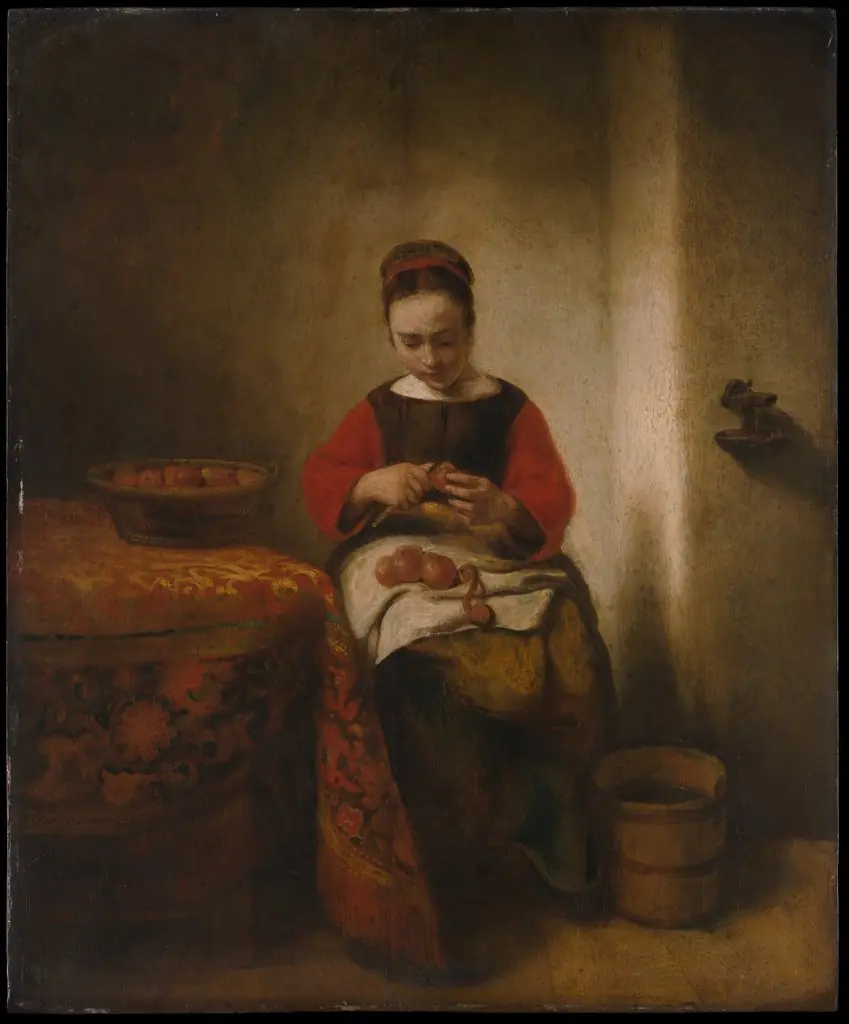 Young Woman Peeling Apples
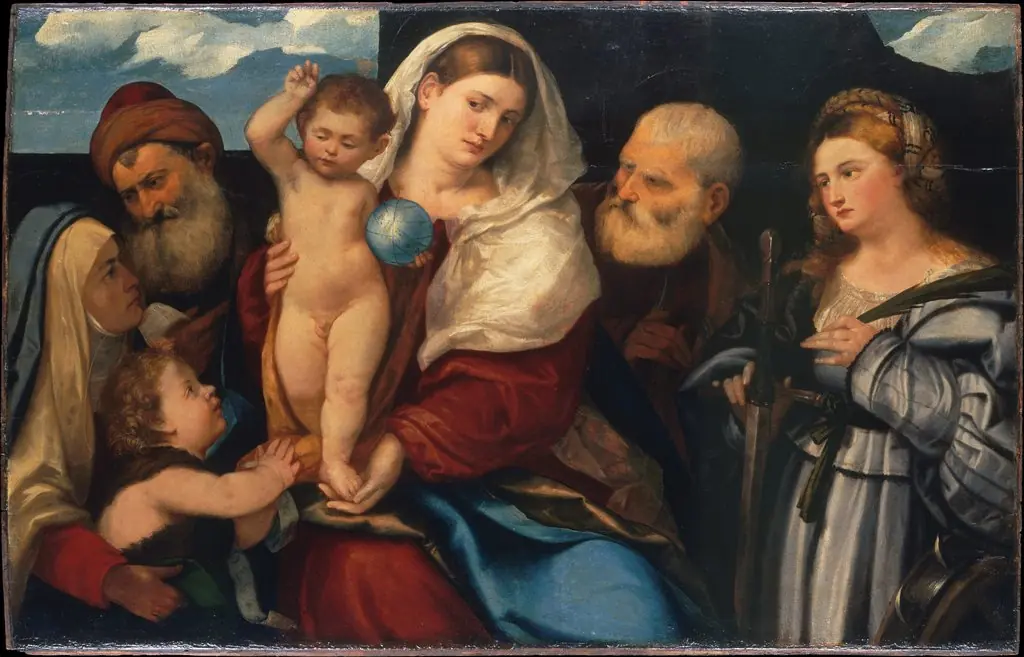 Madonna and Child with Saints
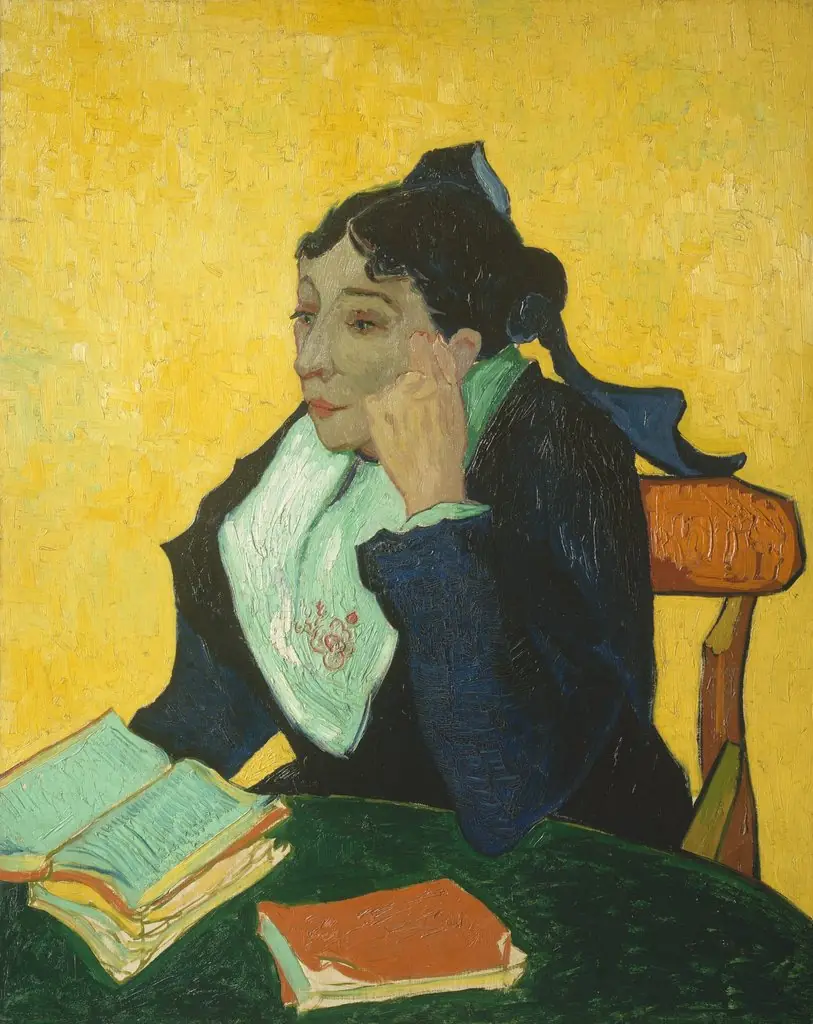 L'Arlésienne
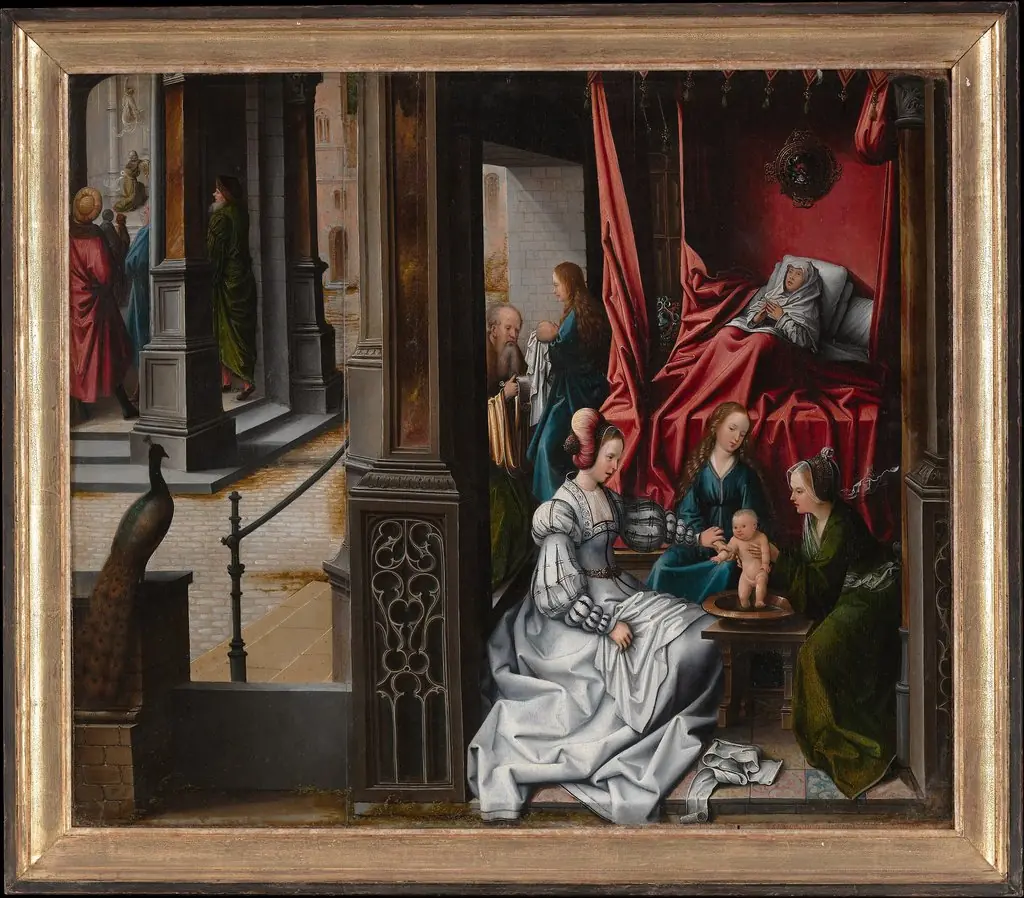 The Birth and Naming of Saint John the Baptist; (reverse) Trompe-l'oeil with Painting of The Man of Sorrows
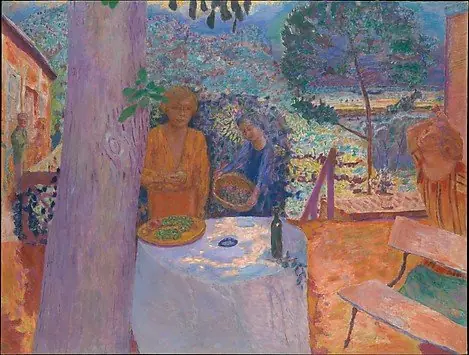 The Terrace at Vernonnet
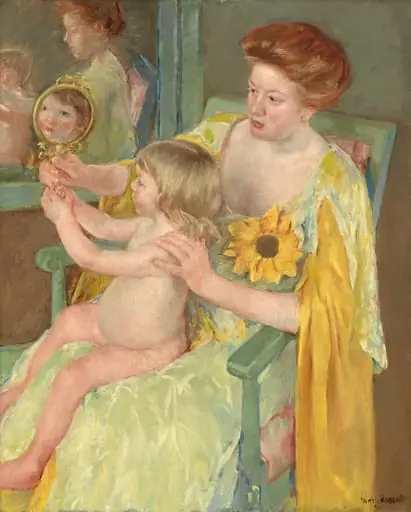 Woman with a Sunflower
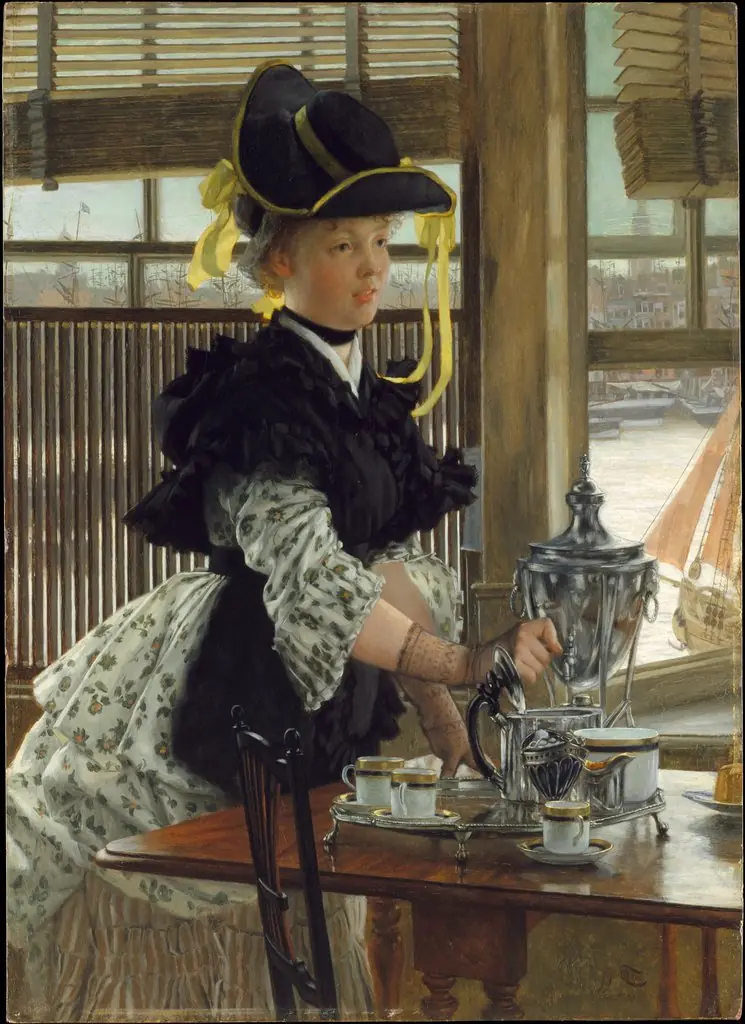 Tea
Tea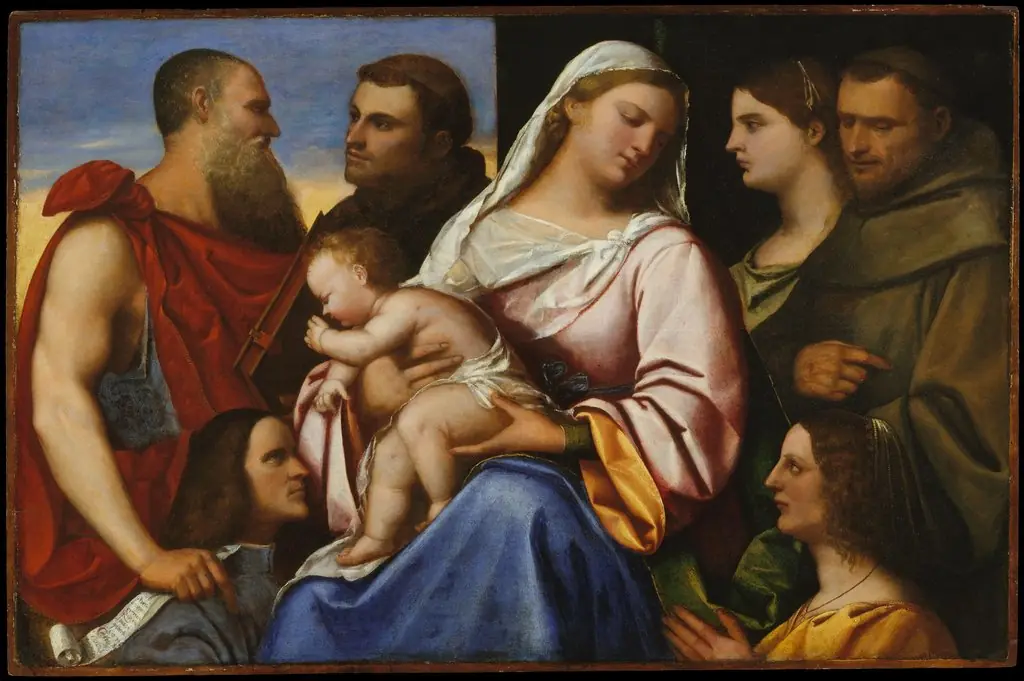 Madonna and Child with Saints and Donors
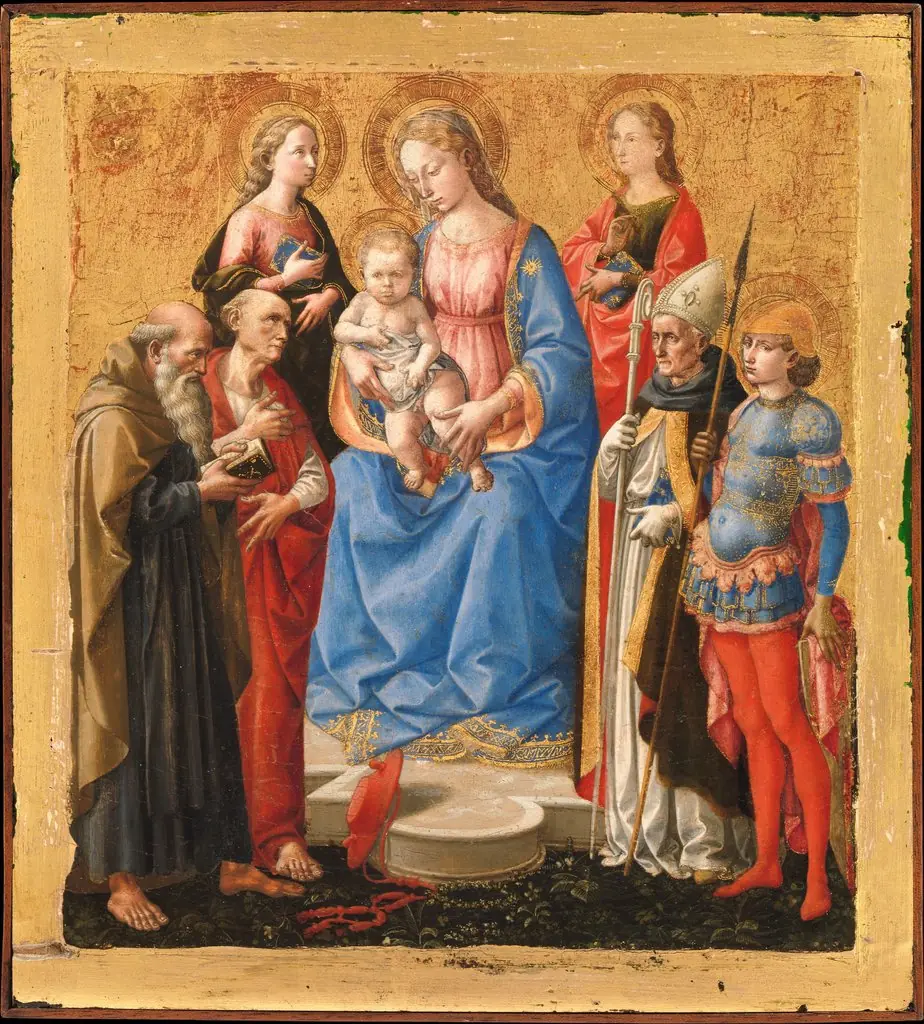 Madonna and Child with Six Saints
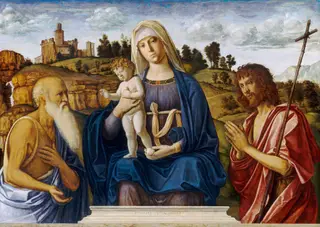 Madonna and Child with Saint Jerome and Saint John the Baptist
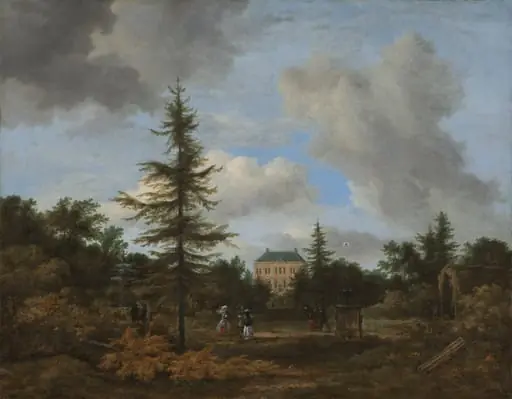 Country House in a Park
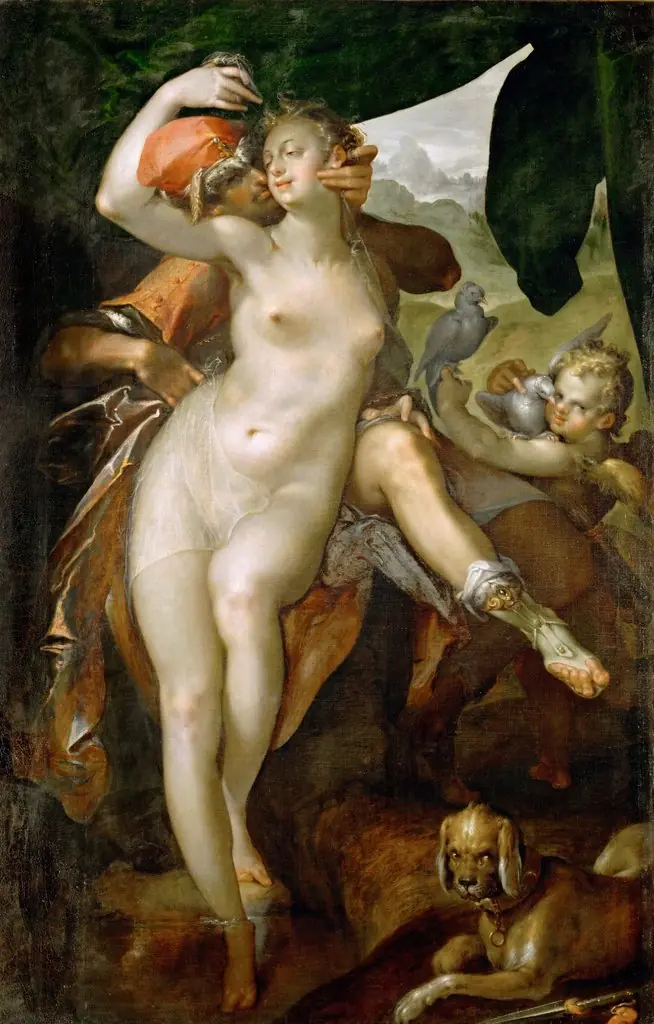 Venus and Adonis
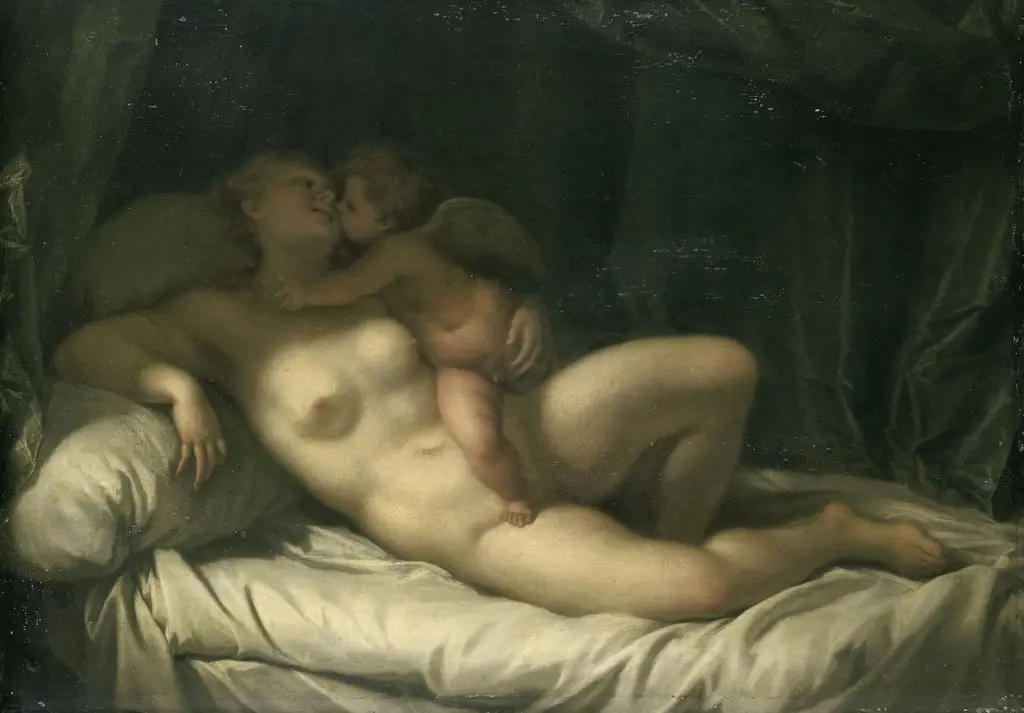 Cupid Kissing Venus (Venus Kissed by Amor)
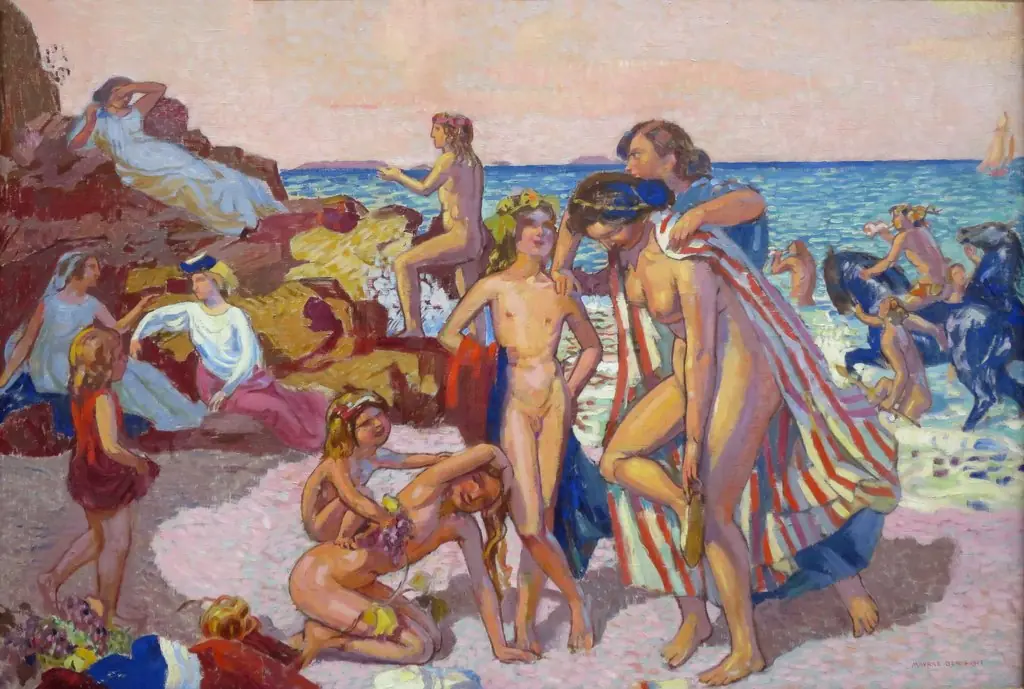 Bacchus and Ariadne
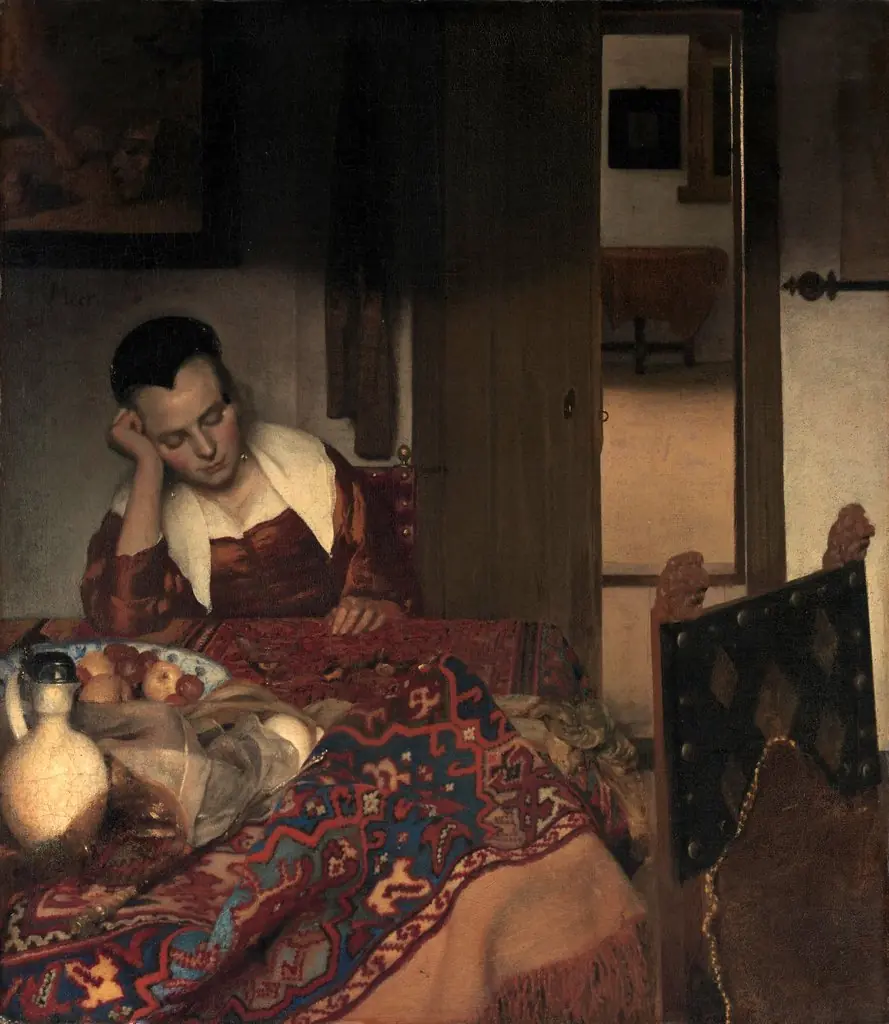 A Girl Asleep
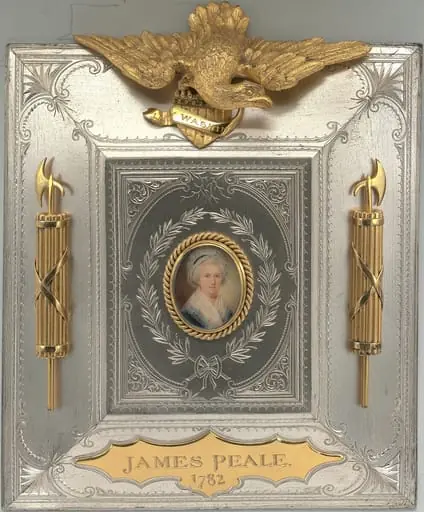 Martha Washington
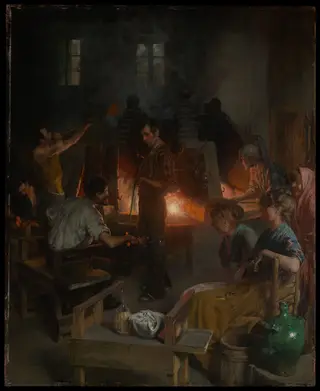 Glass Blowers of Murano
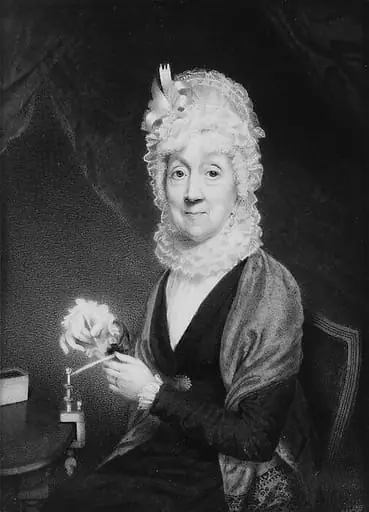 Portrait of a Lady
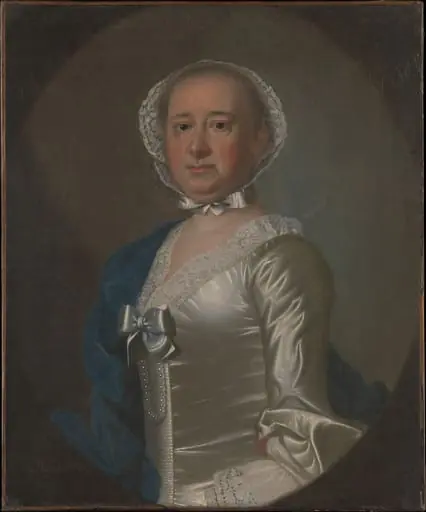 Mrs. Gabriel Manigault
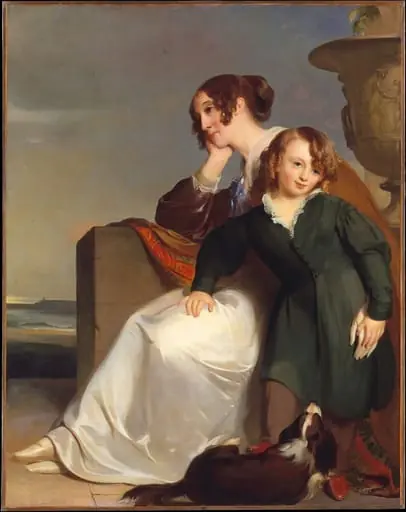 Mother and Son
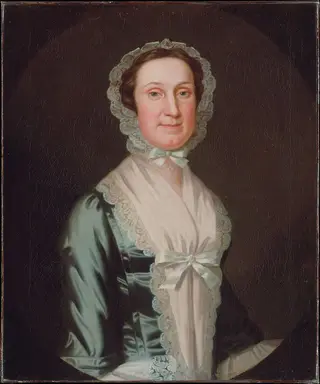 Mrs. Joseph Reade
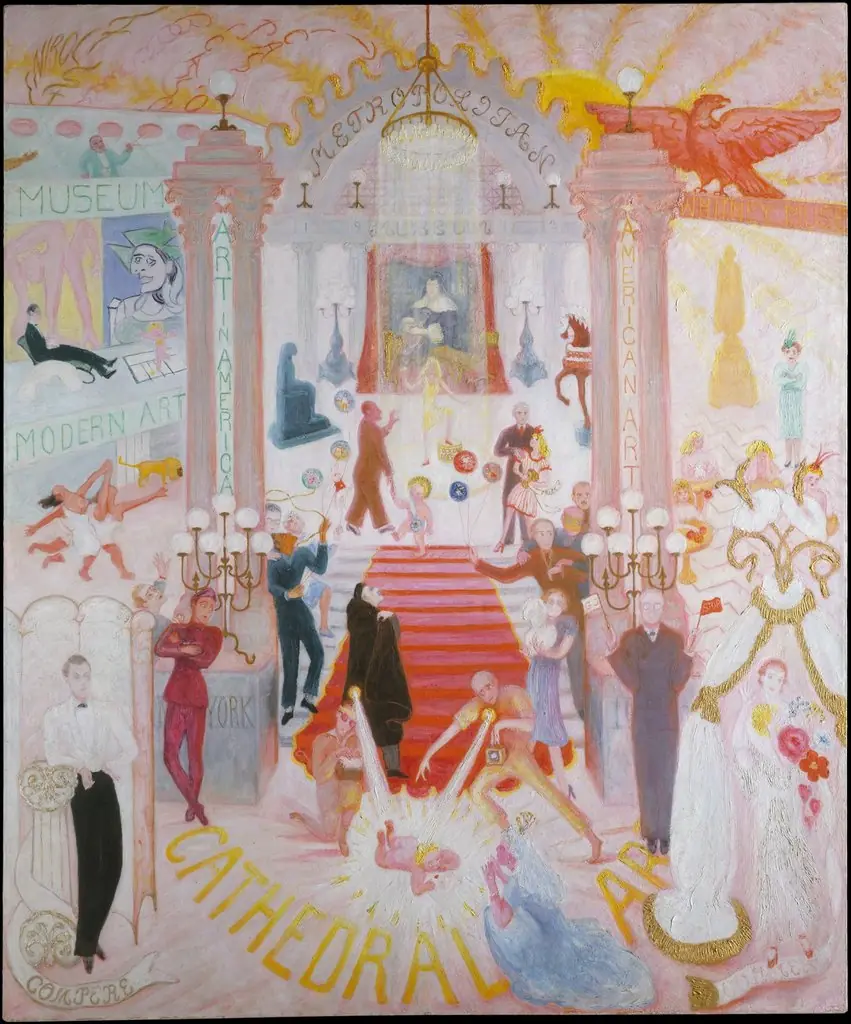 The Cathedrals of Art
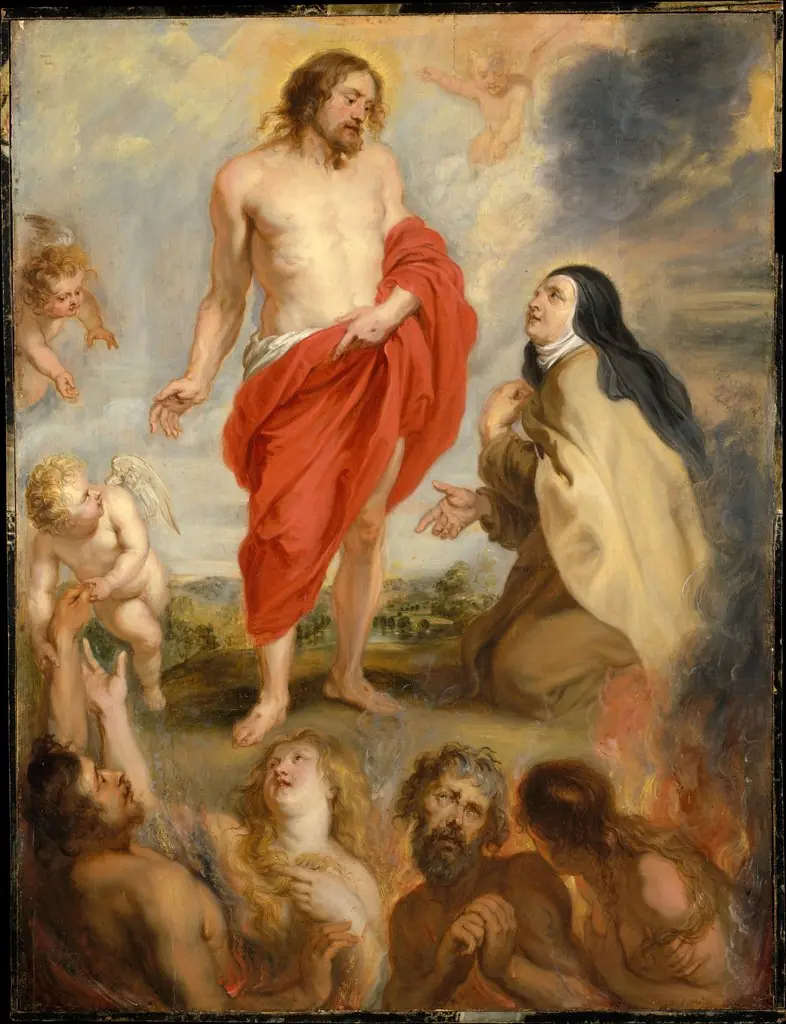 Saint Teresa of Ávila Interceding for Souls in Purgatory
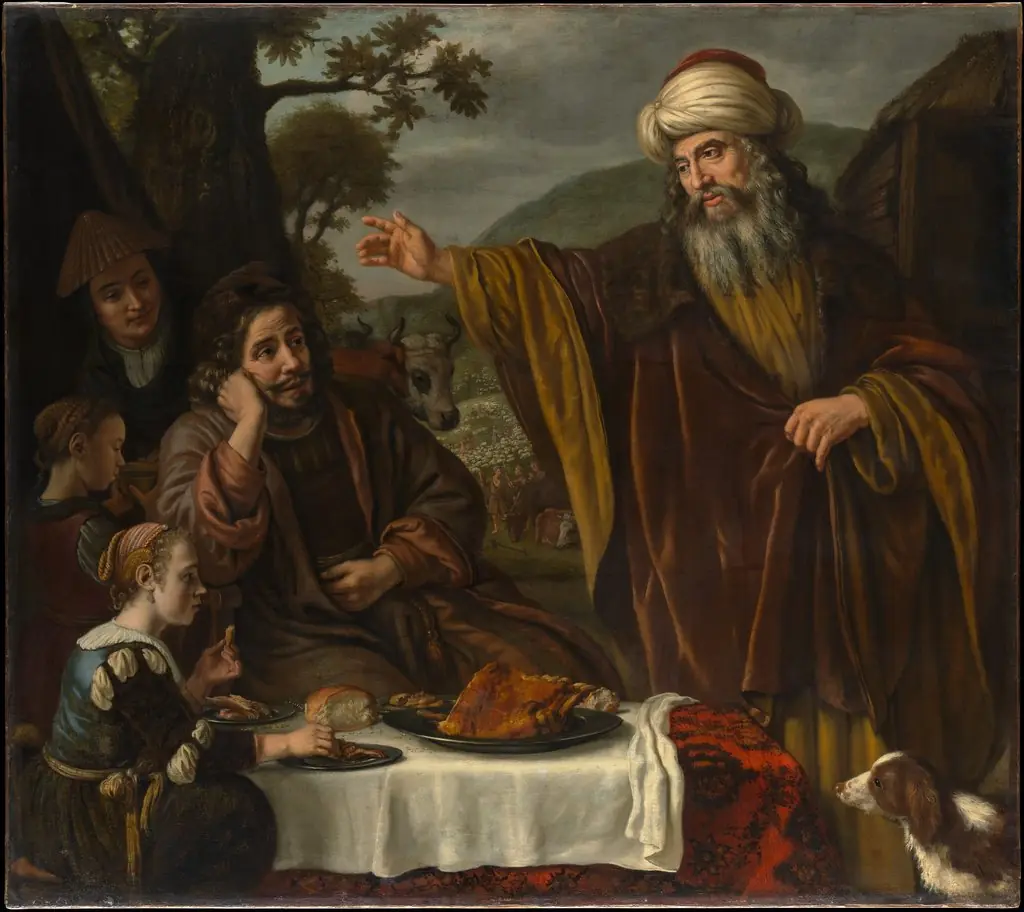 Abraham's Parting from the Family of Lot
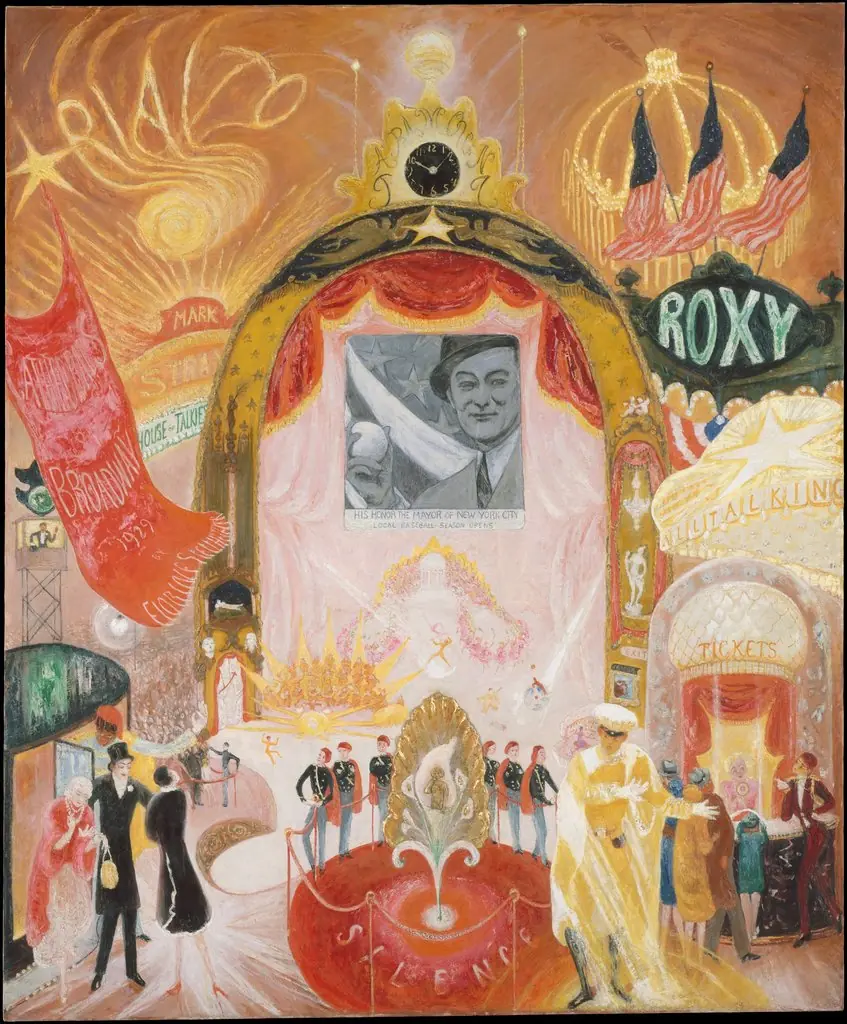 The Cathedrals of Broadway
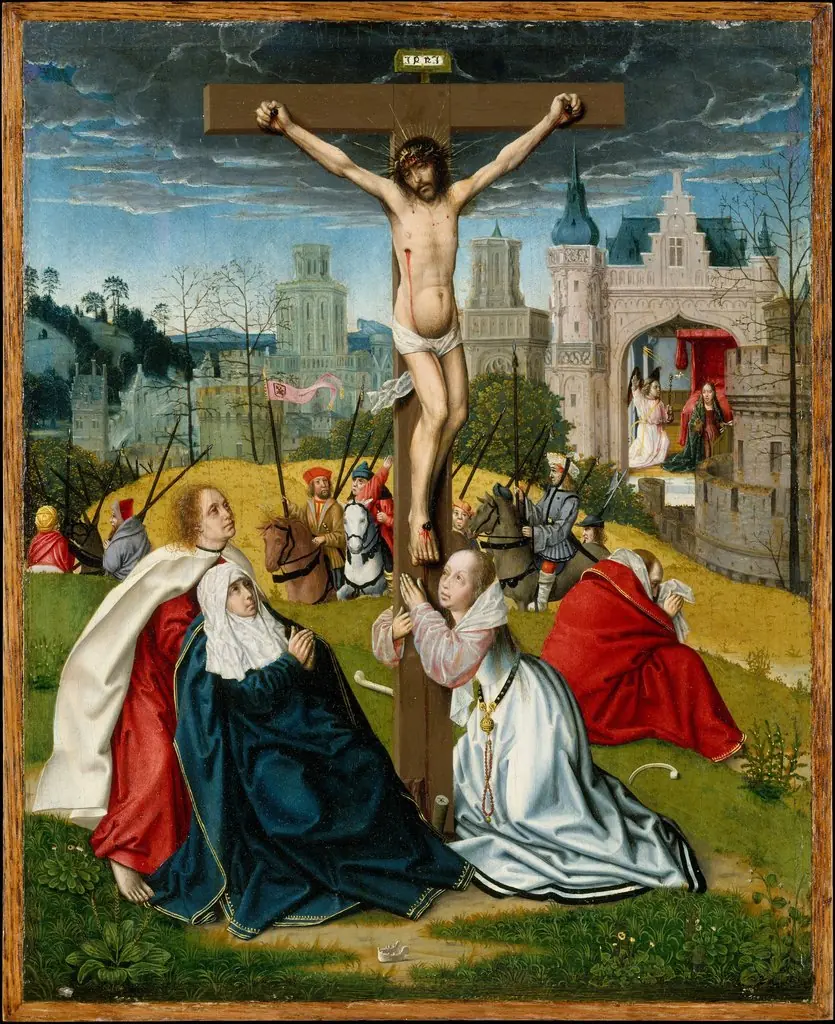 The Crucifixion
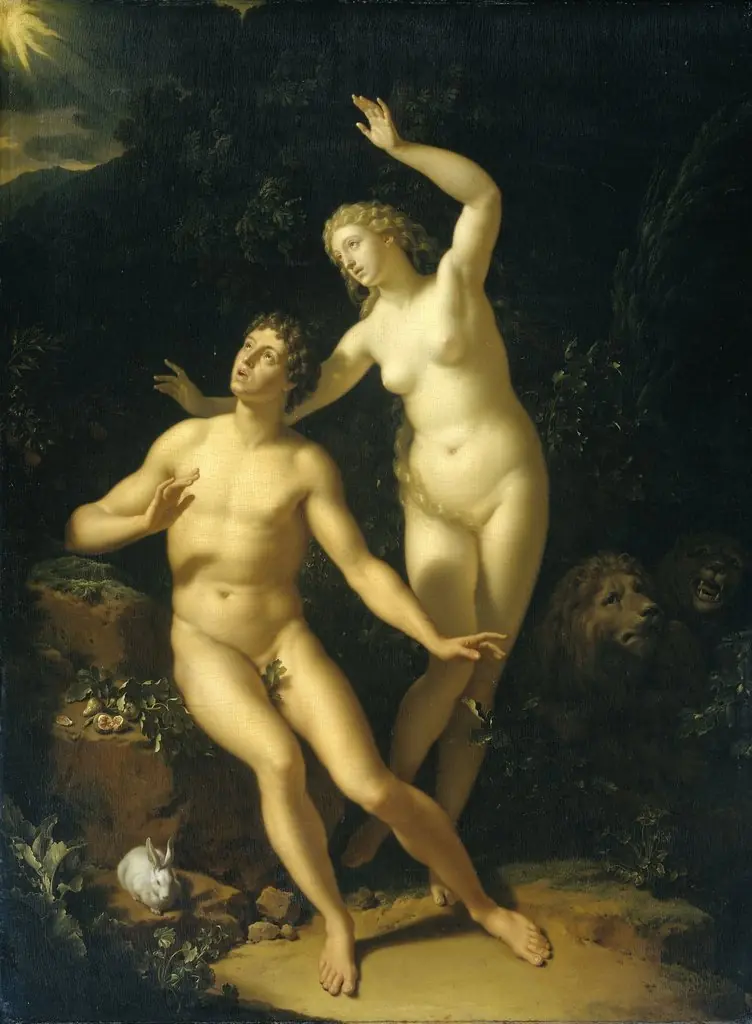 God Holds Adam and Eve Responsible
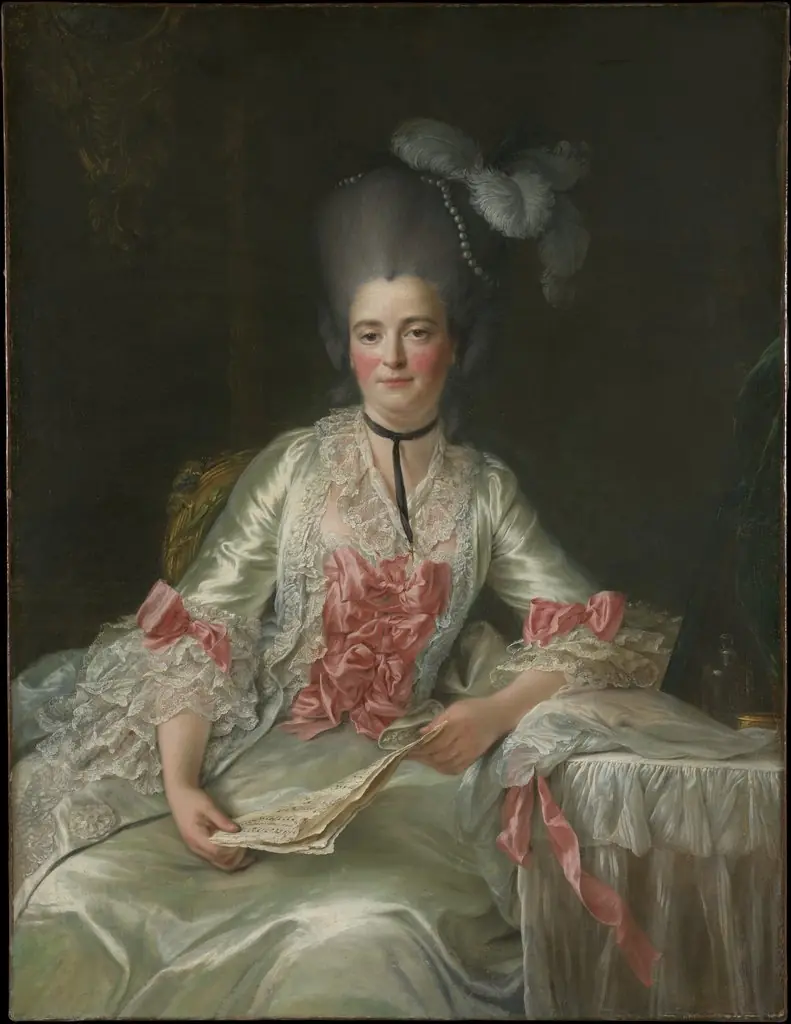 Marie Rinteau, called Mademoiselle de Verrières
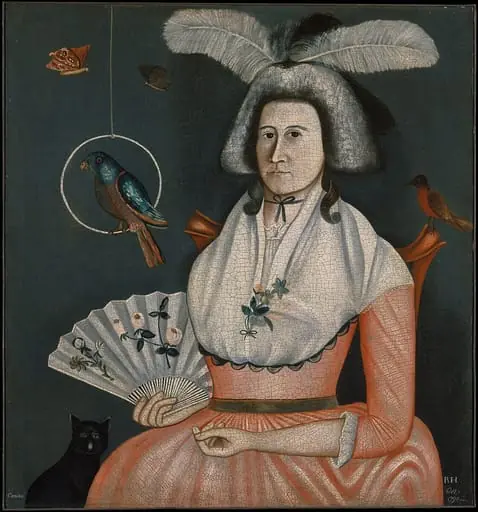 Molly Wales Fobes
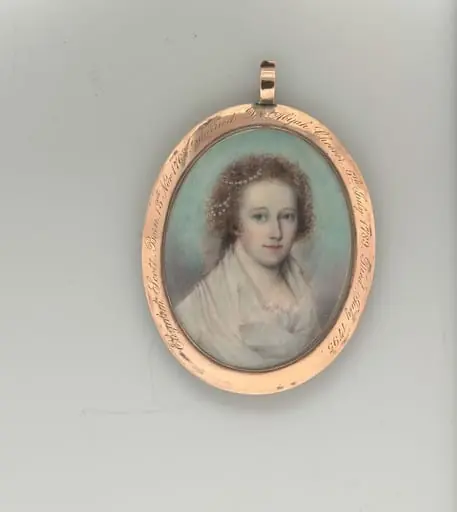 Mrs. Abijah Cheever (Elizabeth Scott)
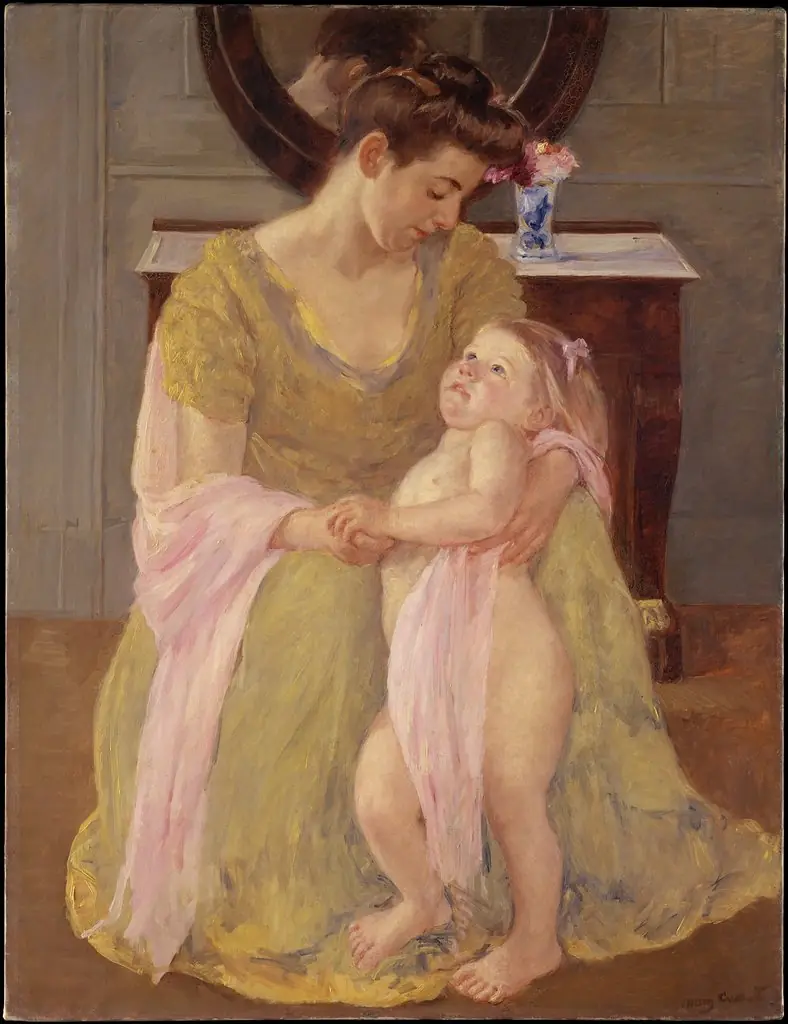 Mother and Child with a Rose Scarf
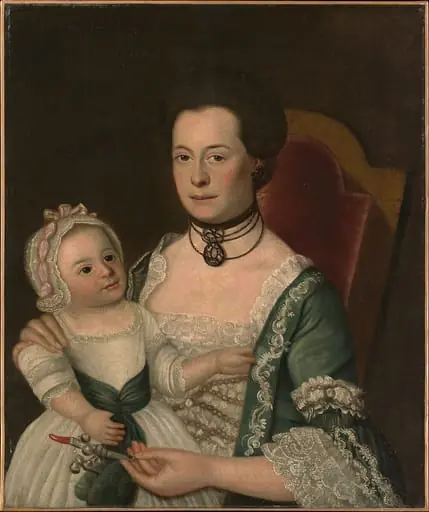 Mrs. Jacob Hurd and Child
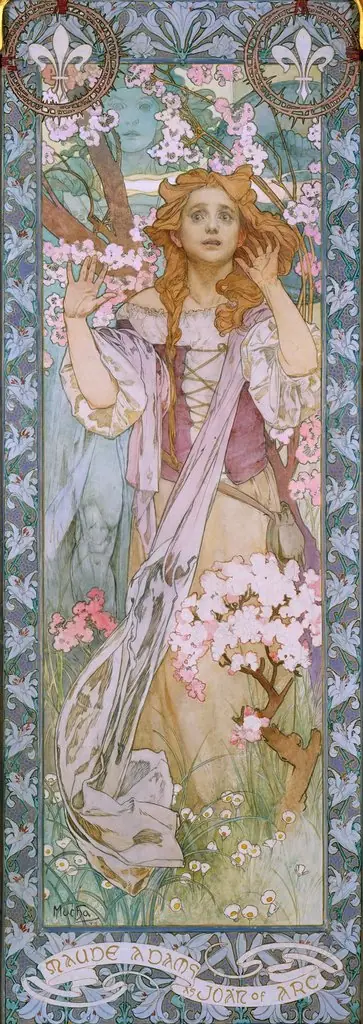 Maude Adams (1872–1953) as Joan of Arc
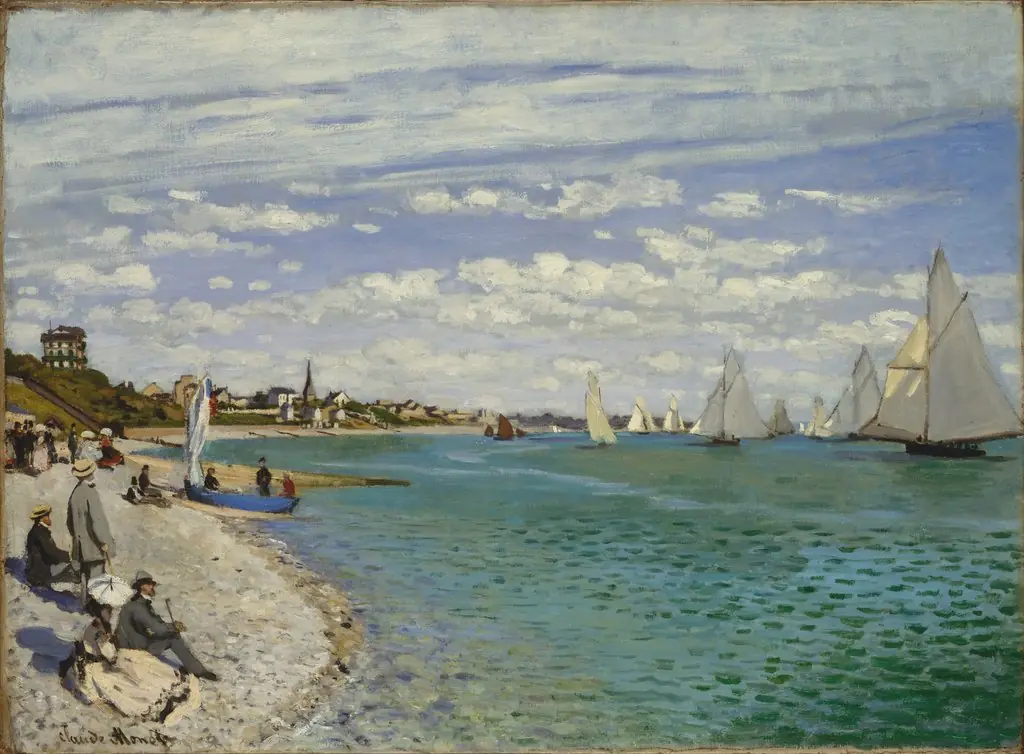 Regatta at Sainte-Adresse
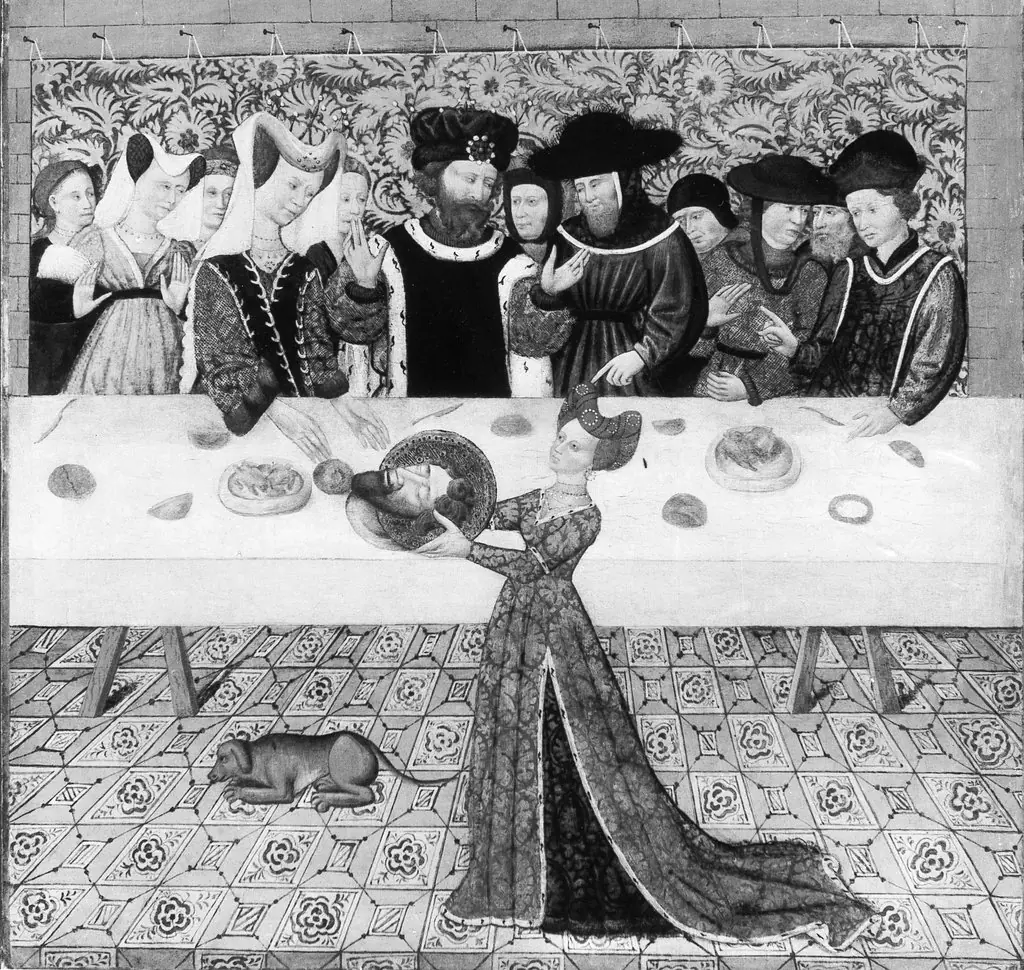 Salome with the Head of Saint John the Baptist
 Moonlight Landscape with Crab Fishermen
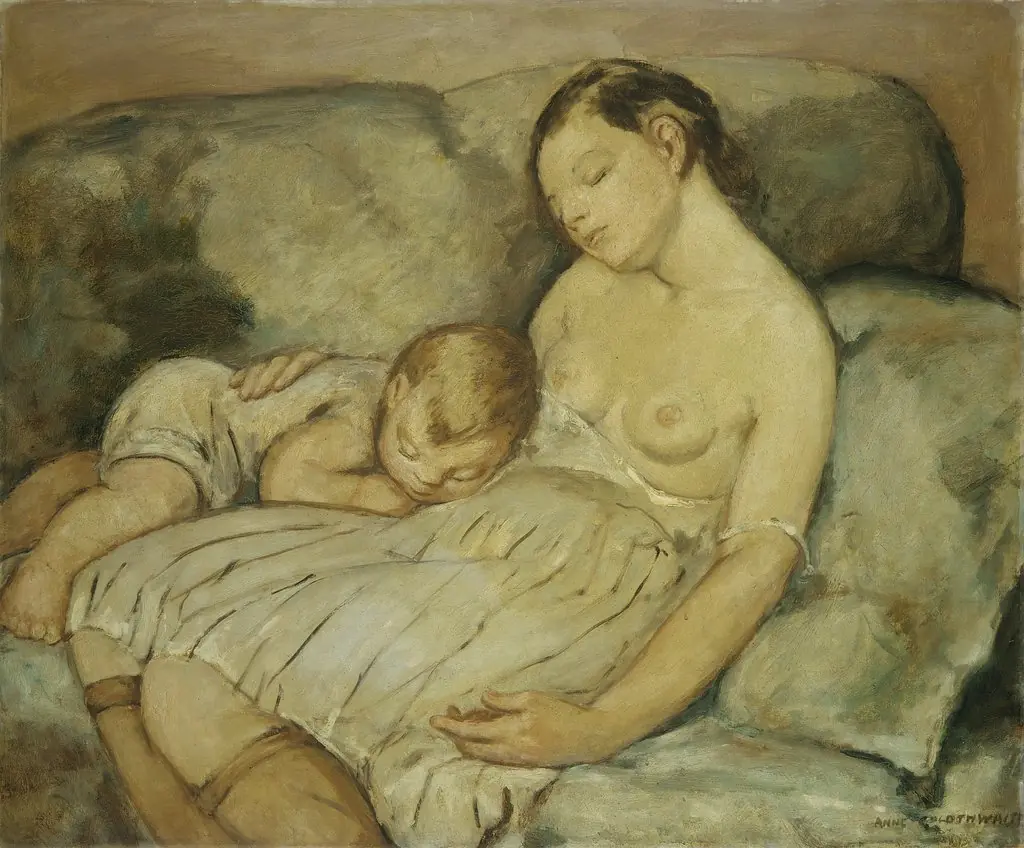 The Green Sofa
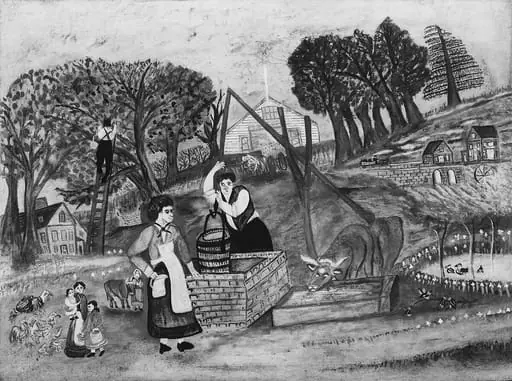 The Old Oaken Bucket which Hung in the Well
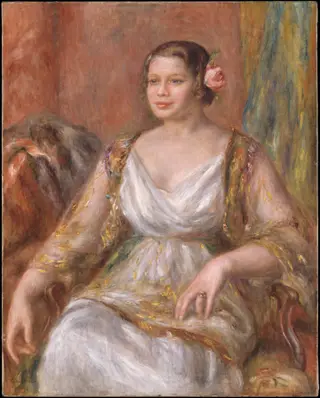 Tilla Durieux
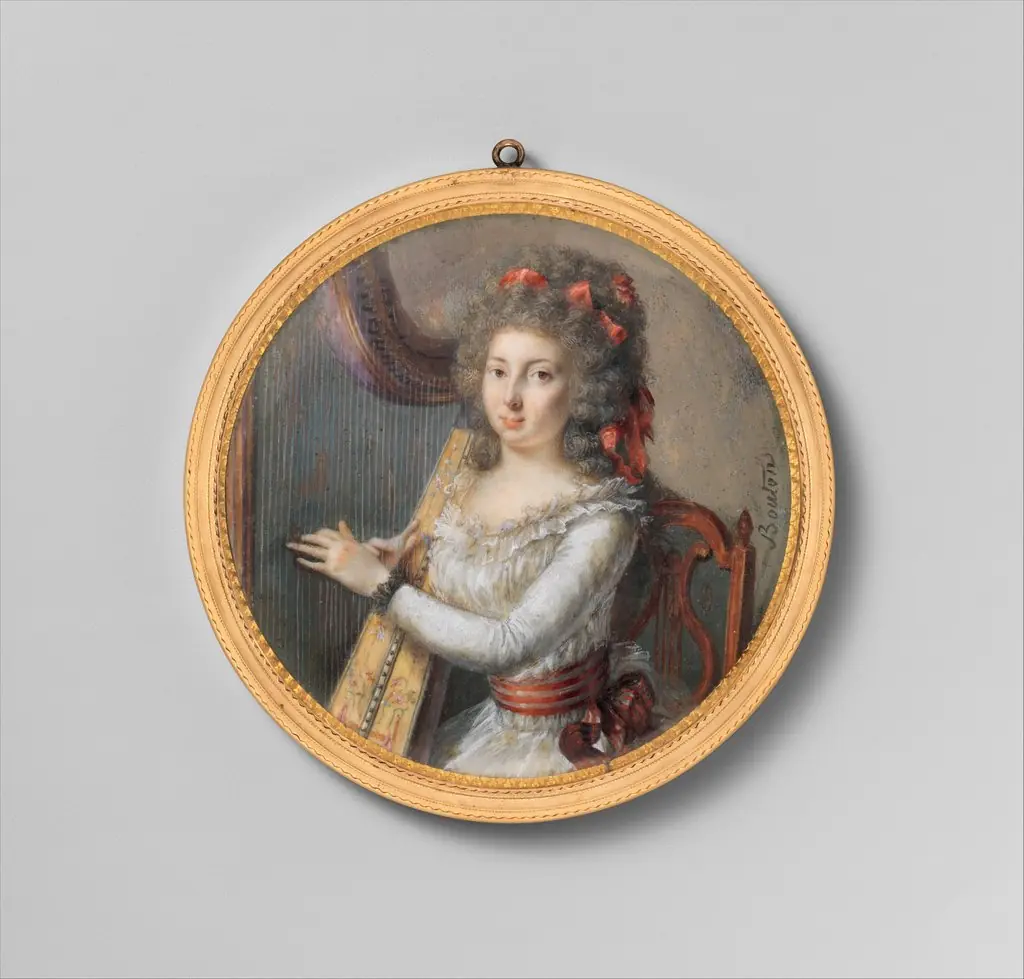 A Woman Playing a Harp
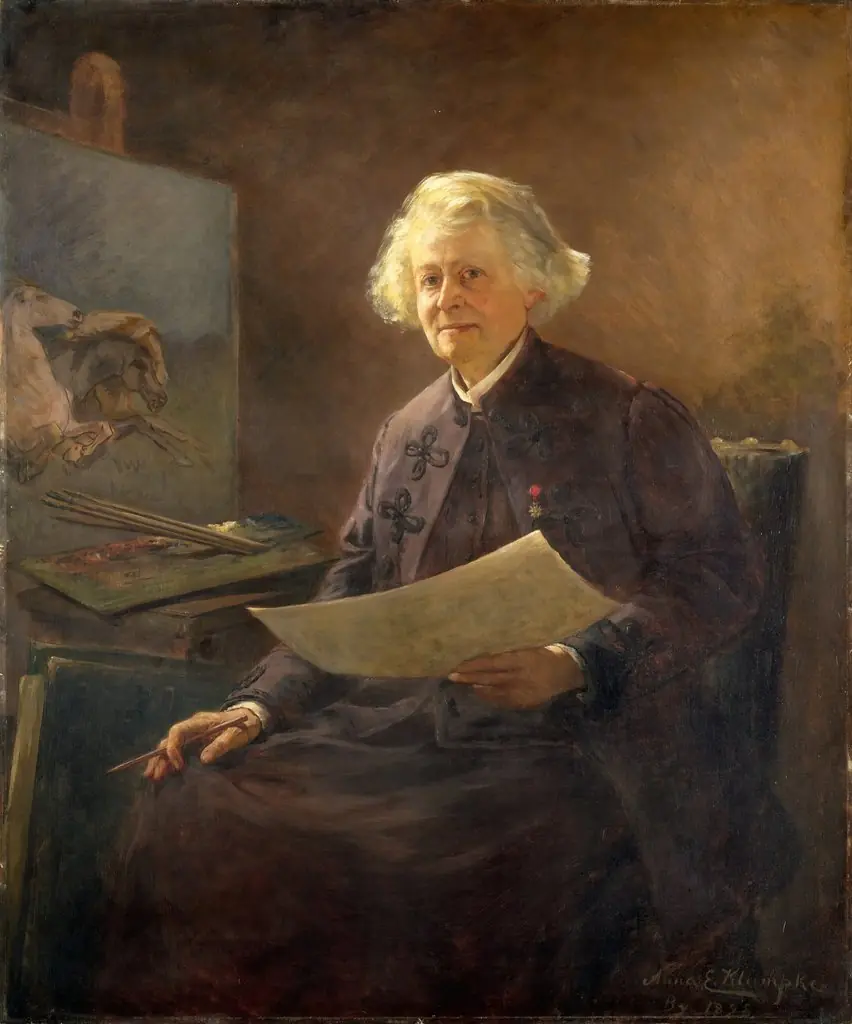 Rosa Bonheur
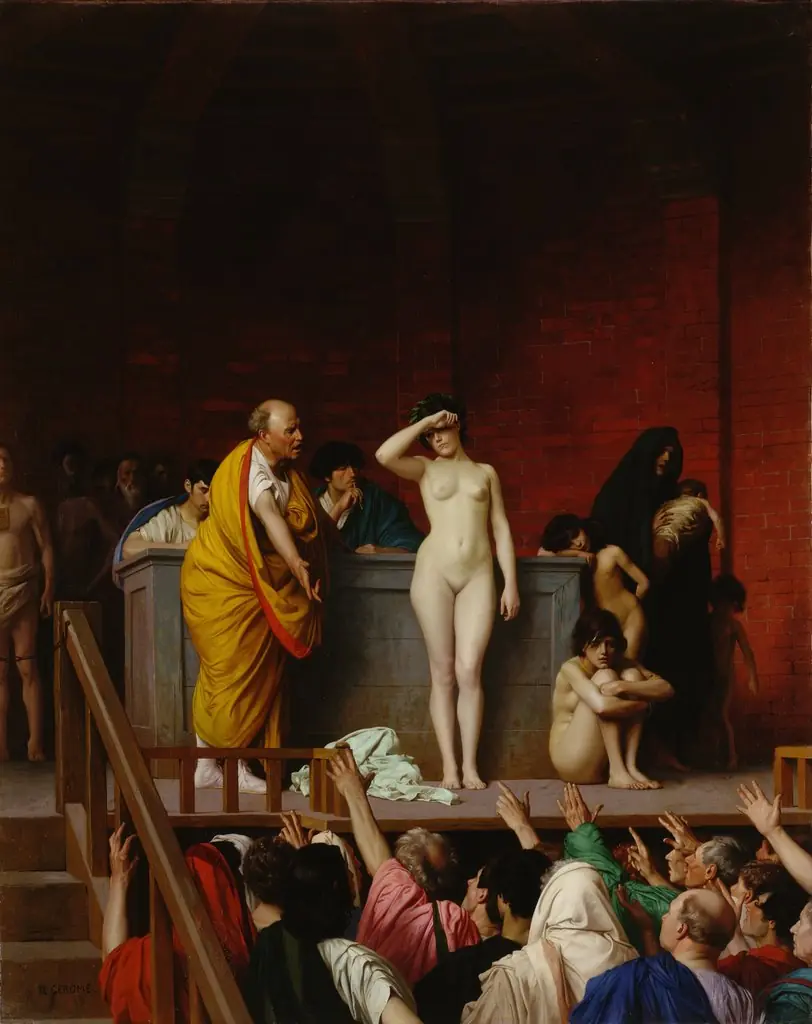 Slave Market in Rome
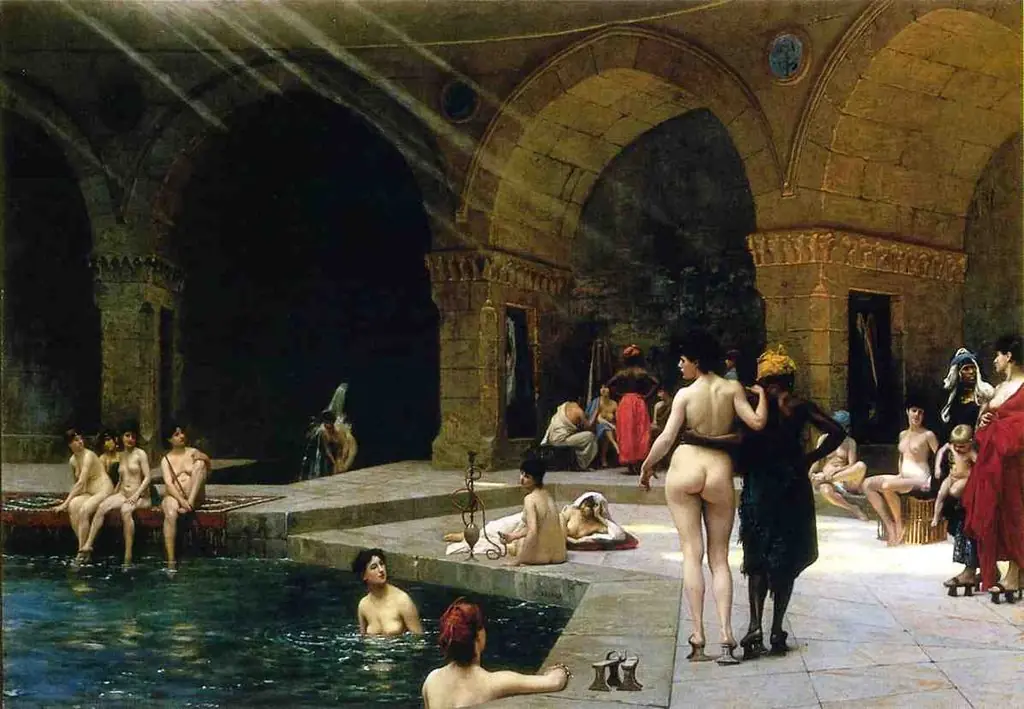 The Great Bath at Bursa
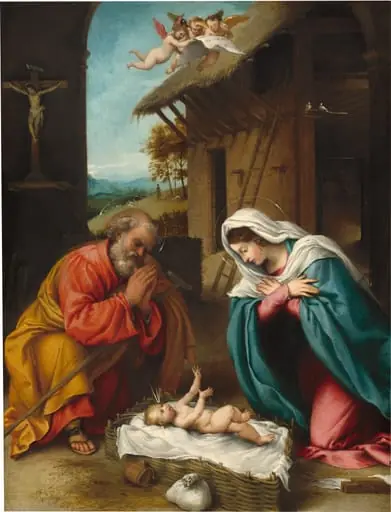 The Nativity
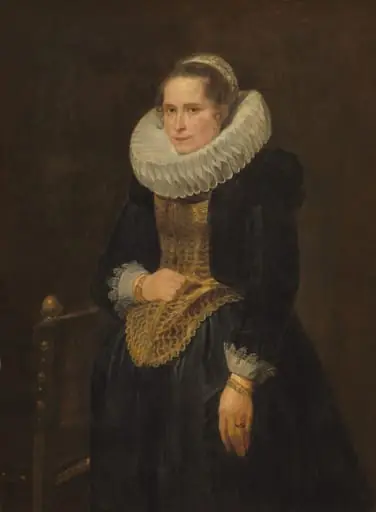 Portrait of a Flemish Lady
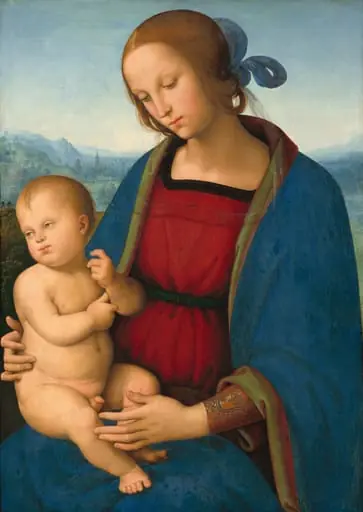 Madonna and Child
 Reclining Nude
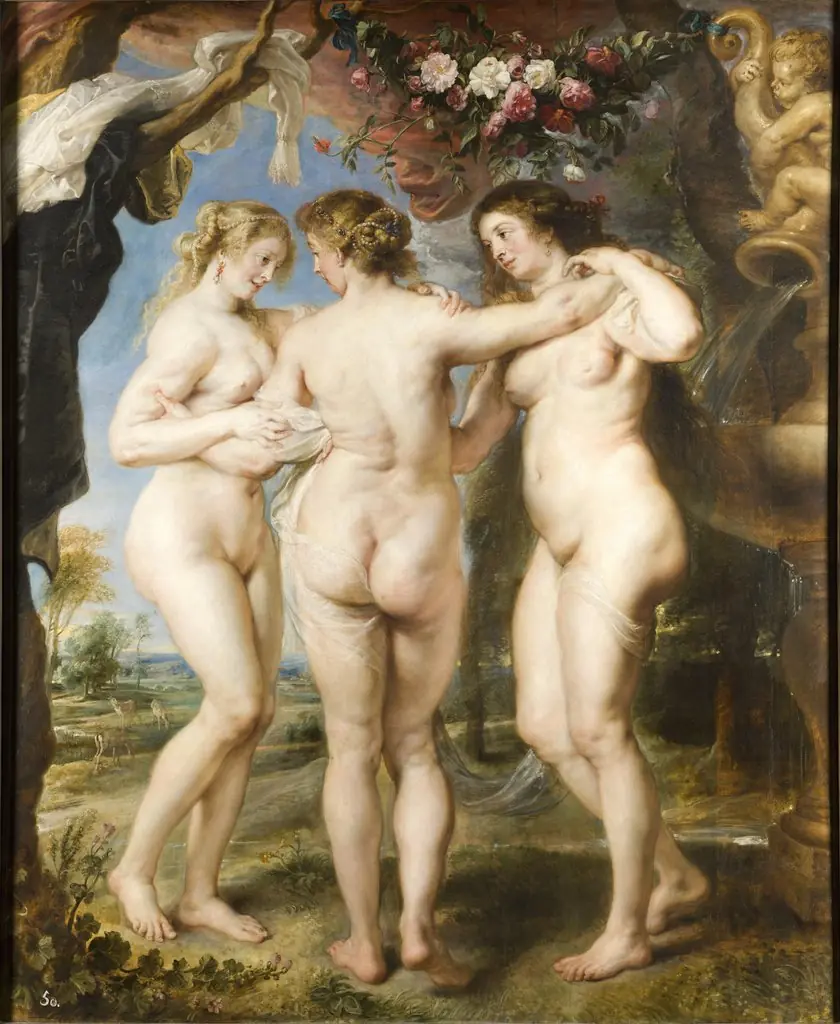 The Three Graces
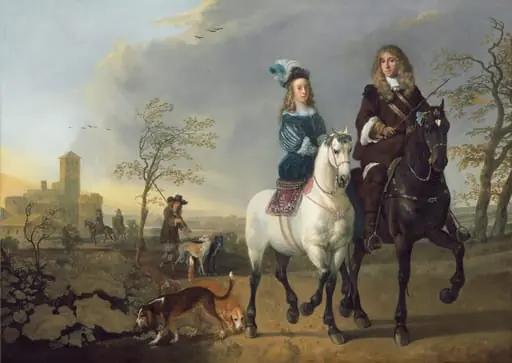 Lady and Gentleman on Horseback
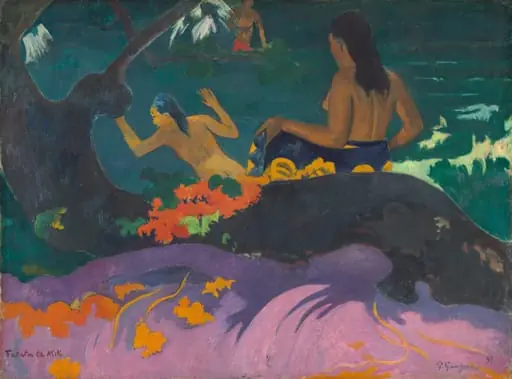 Fatata te Miti (By the Sea)
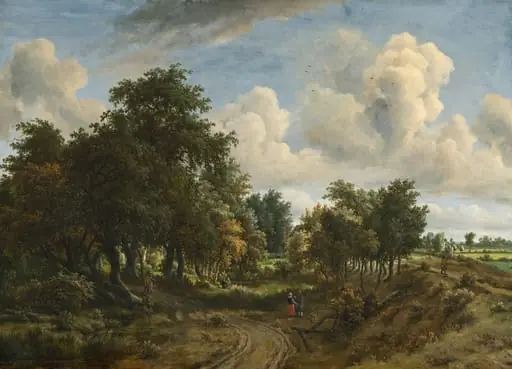 A Wooded Landscape
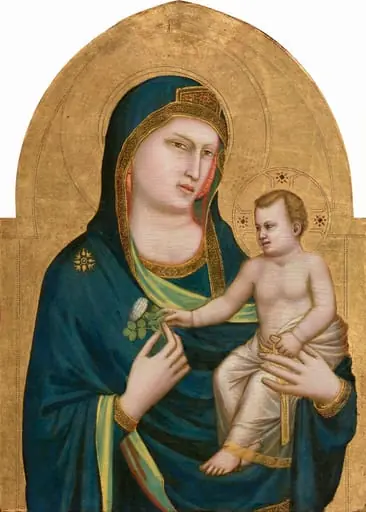 Madonna and Child
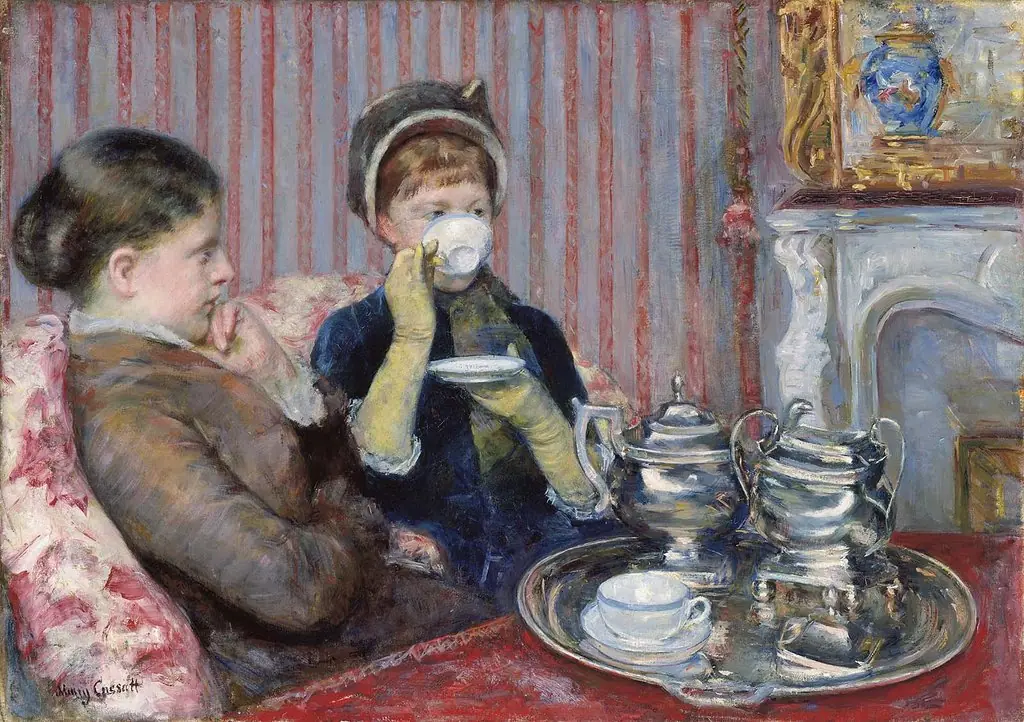 Five O'Clock Tea
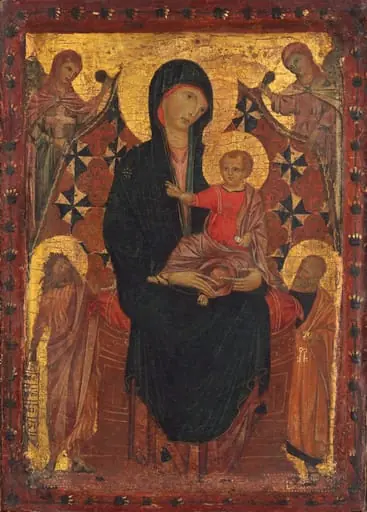 Madonna and Child with Saint John the Baptist, Saint Peter, and Two Angels
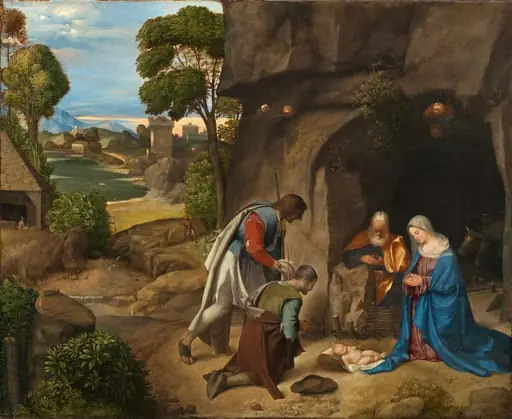 The Adoration of the Shepherds
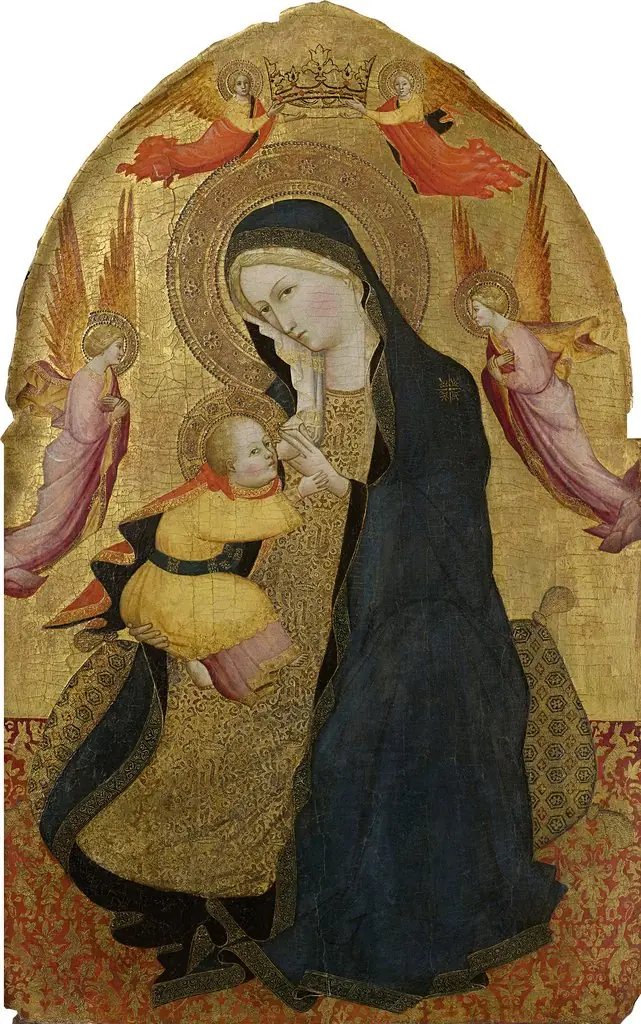 Madonna of Humility (Madonna dell'Umiltà)
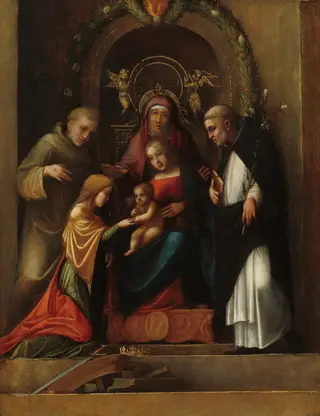 The Mystic Marriage of Saint Catherine
![Madonna and Child [obverse]](https://artifactworldgallery.com/img/albrecht-durer--madonna-and-child-obverse--d7b8ebf05d22ebe5-w320.webp) Madonna and Child [obverse]
Madonna and Child [obverse]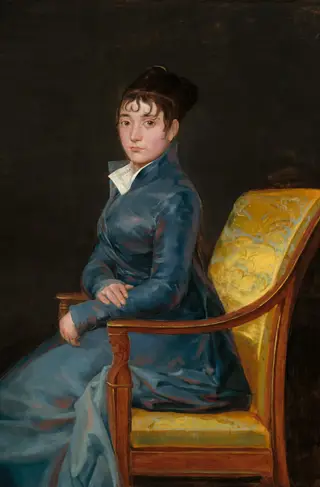 Thérèse Louise de Sureda
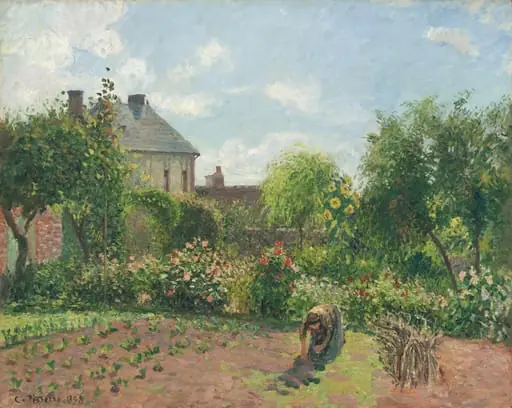 The Artist's Garden at Eragny
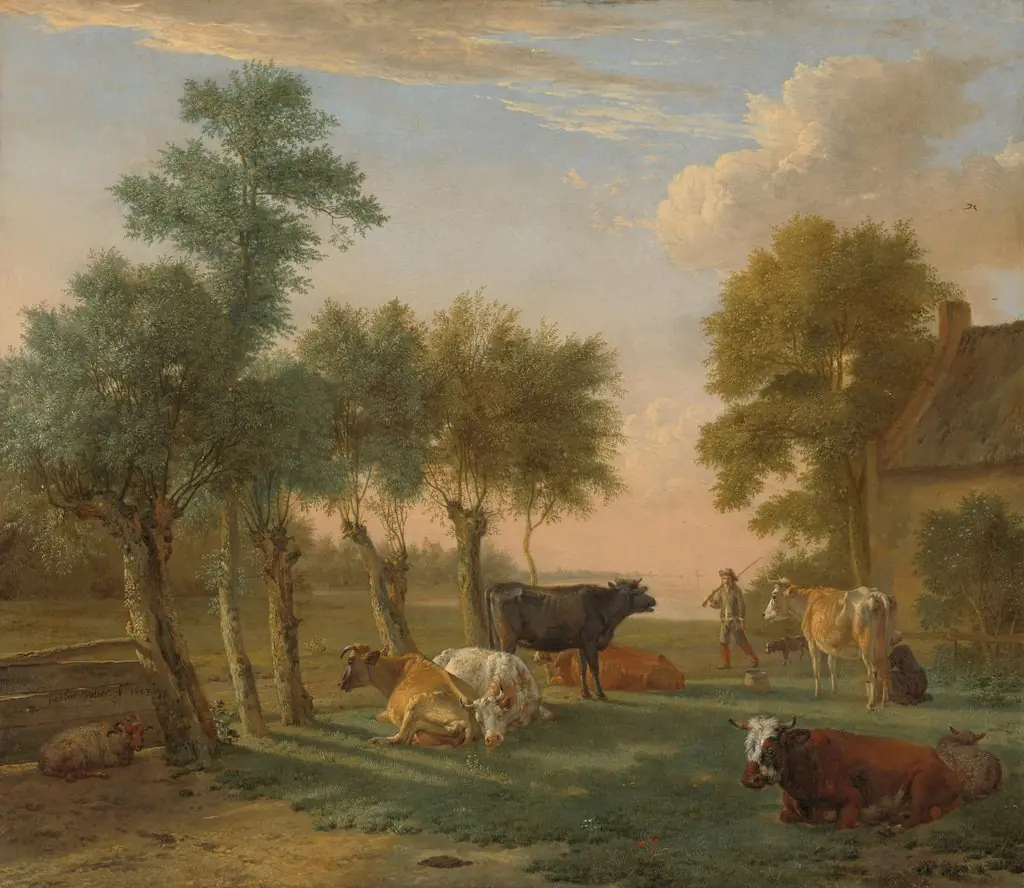 Cows in a Meadow near a Farm
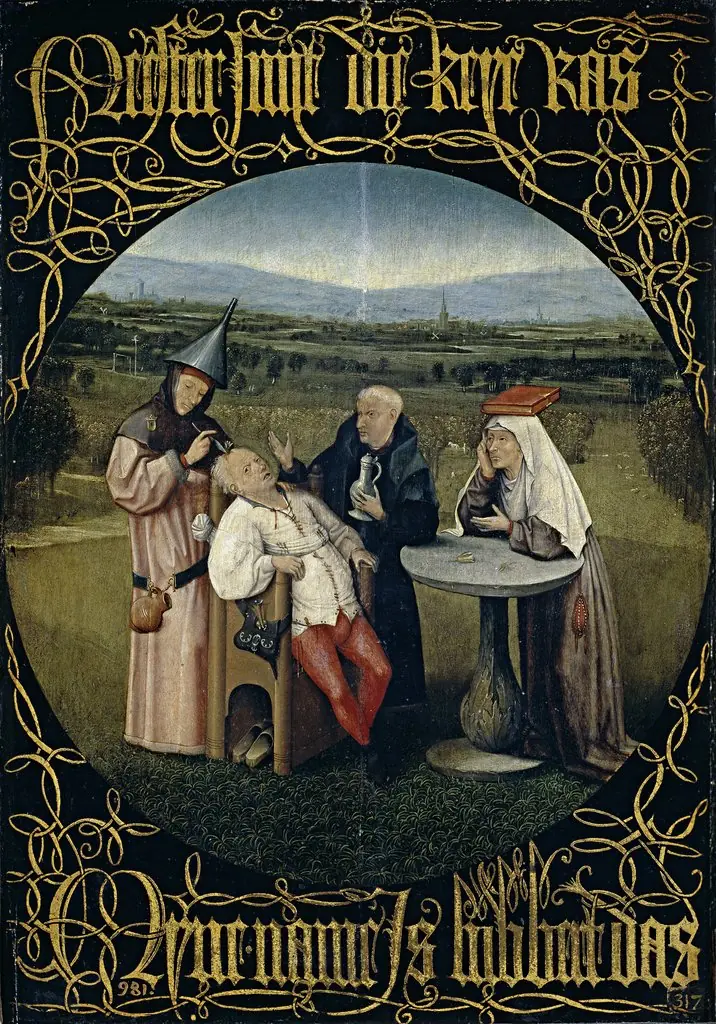 Cutting the Stone
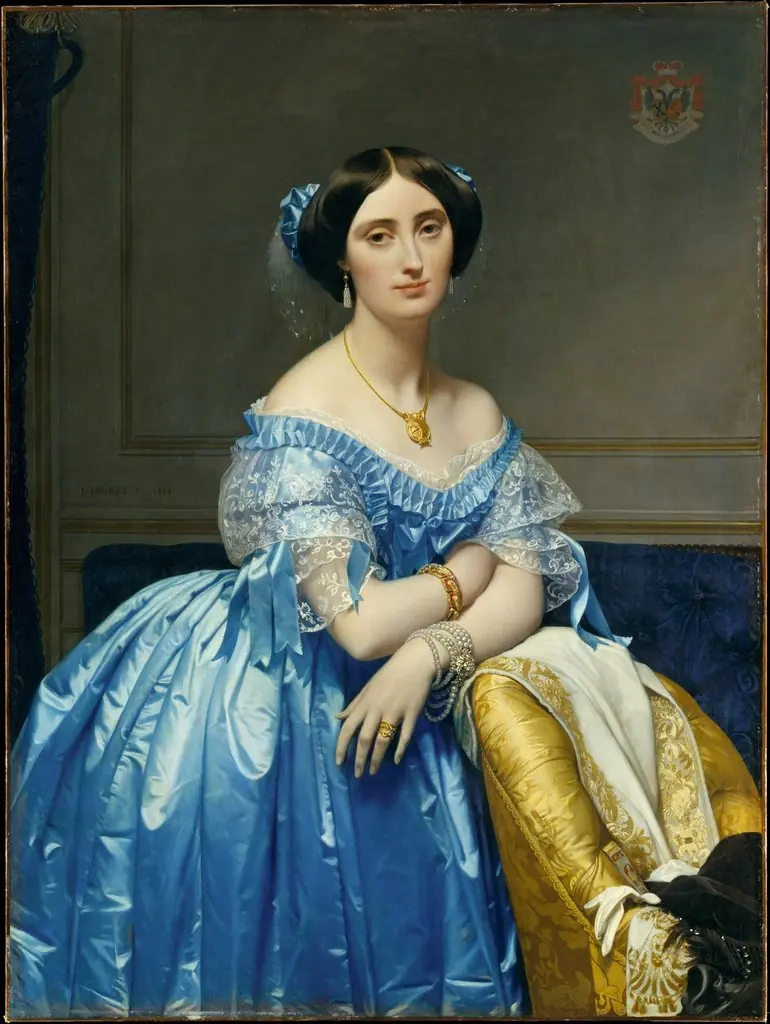 Joséphine-Éléonore-Marie-Pauline de Galard de Brassac de Béarn (1825–1860), Princesse de Broglie
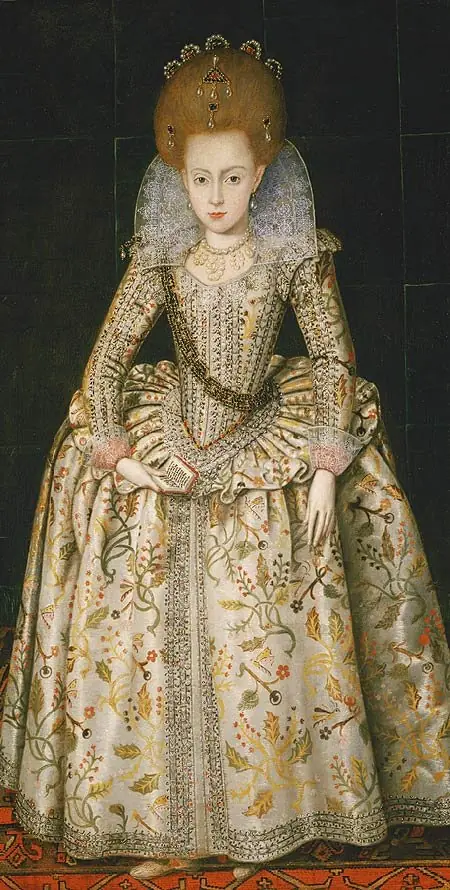 Princess Elizabeth (1596–1662), Later Queen of Bohemia
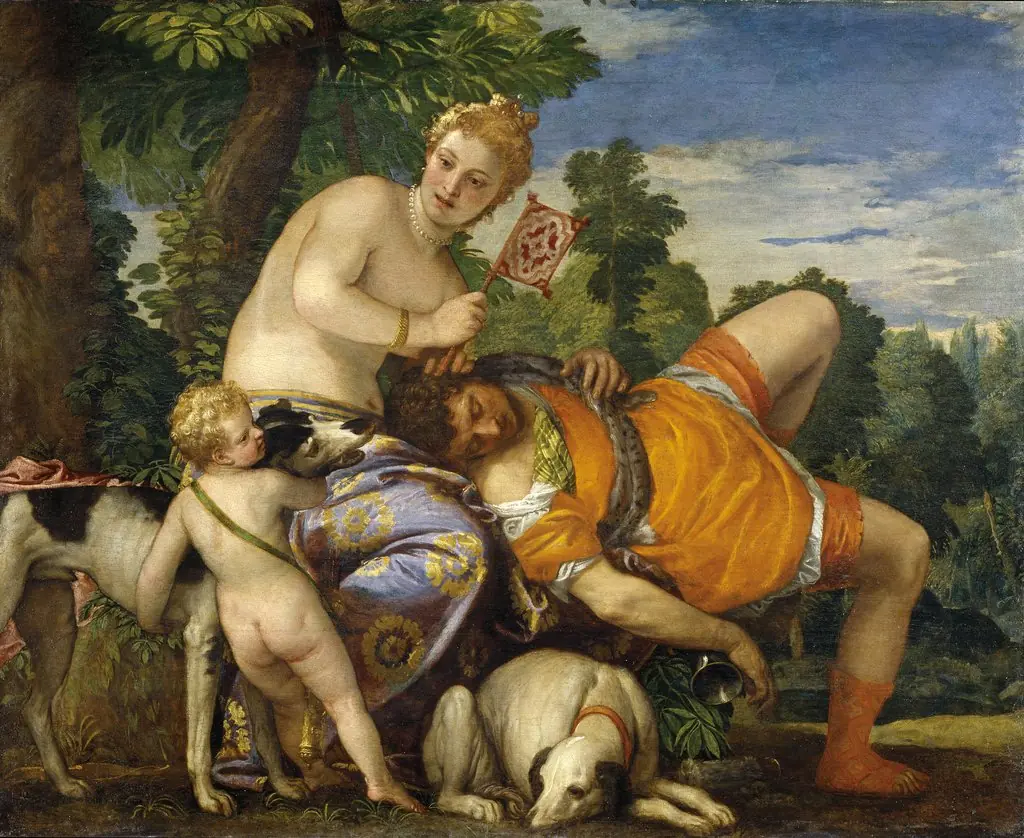 Venus and Adonis
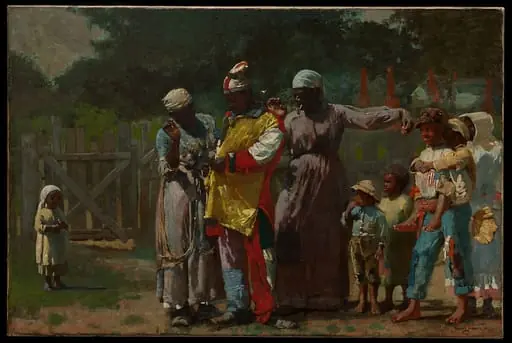 Dressing for the Carnival
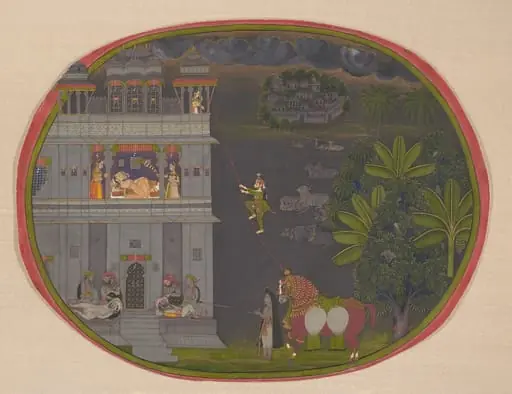 Untitled
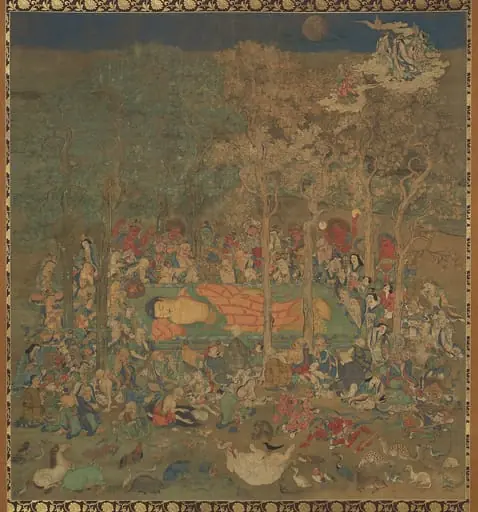 涅槃図|Death of the Historical Buddha (Nehan-zu)
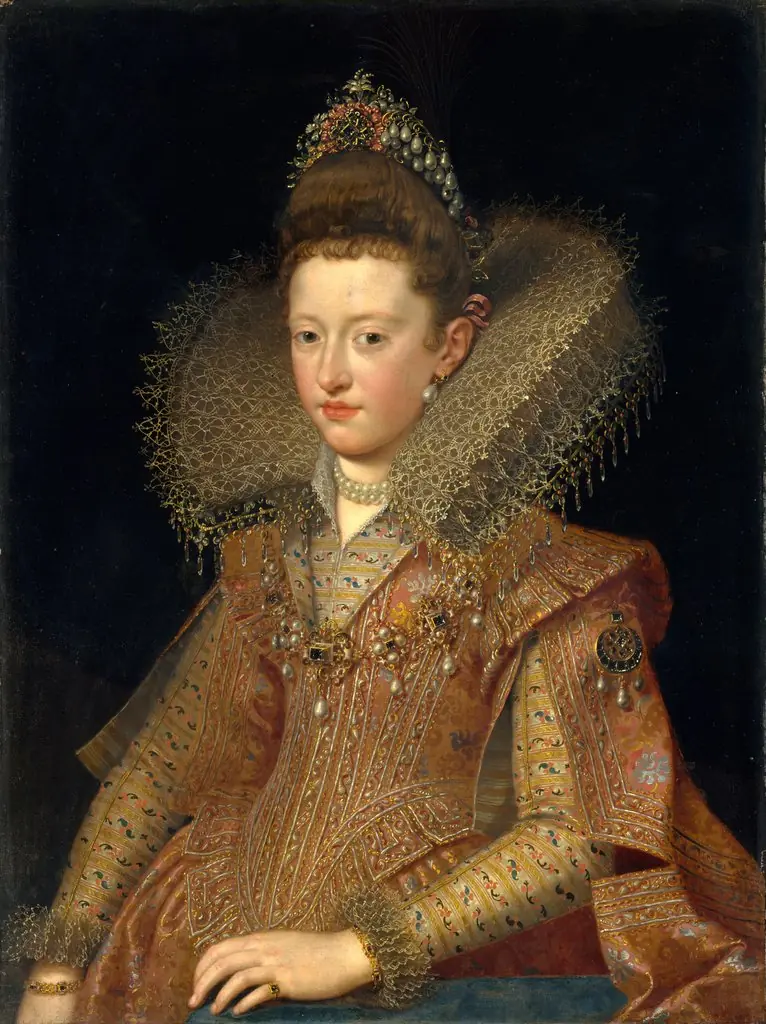 Margherita Gonzaga (1591–1632), Princess of Mantua
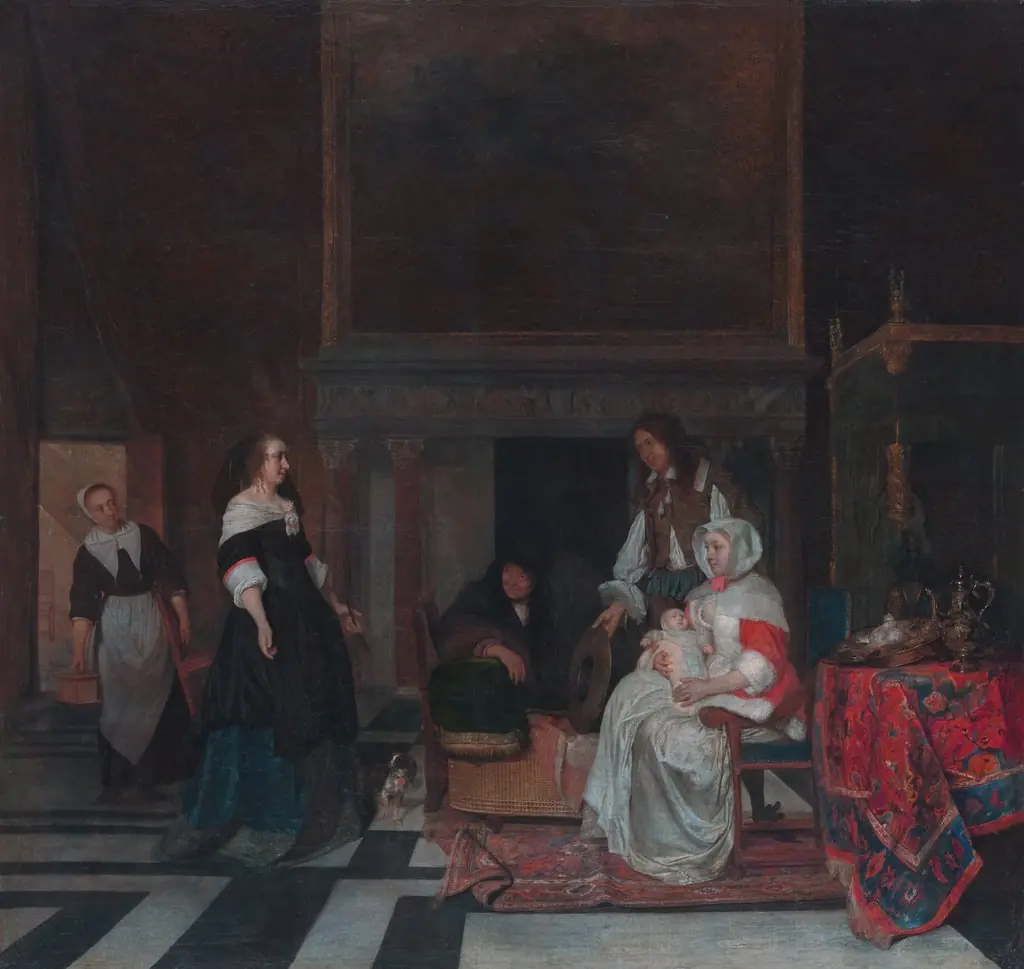 The Visit to the Nursery
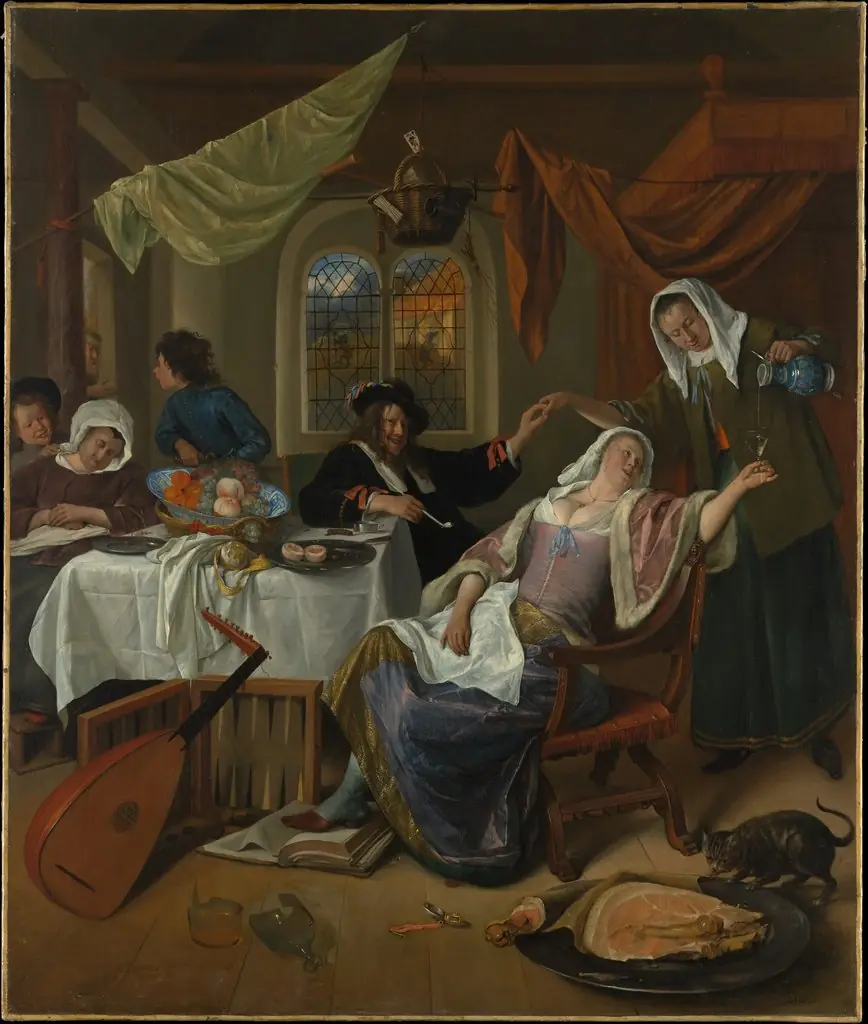 The Dissolute Household
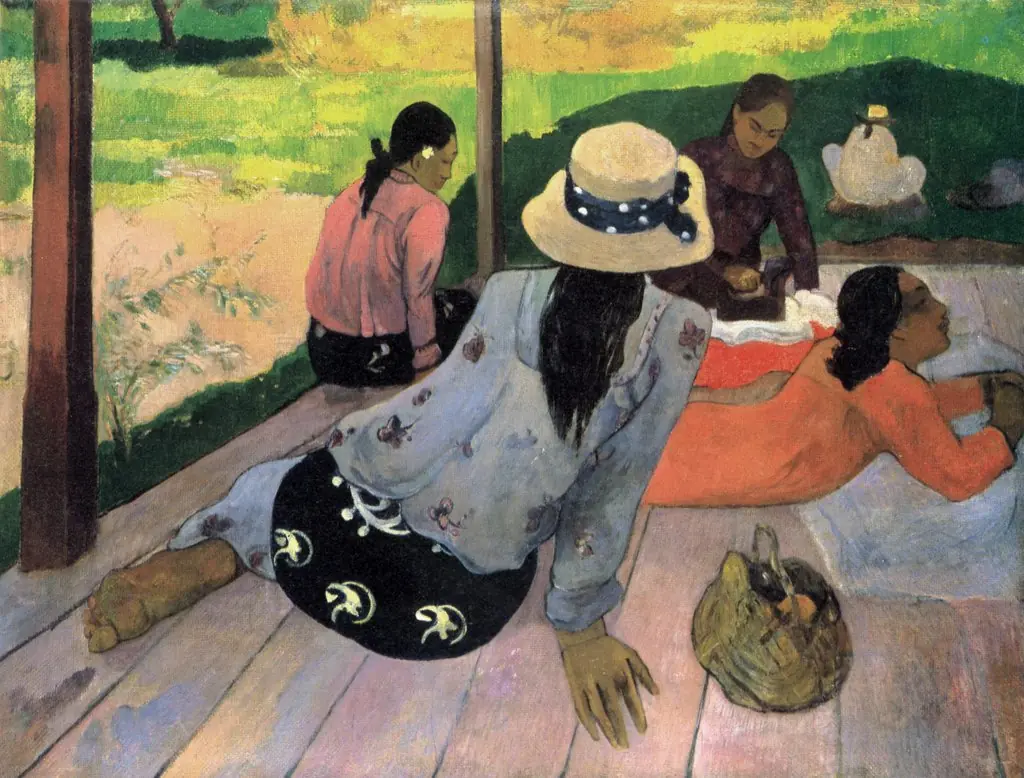 The Siesta
 Untitled
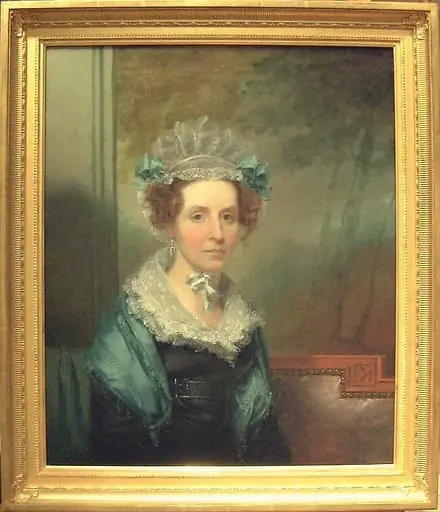 Mrs. Charles Cummings (Rebecca Pittard)
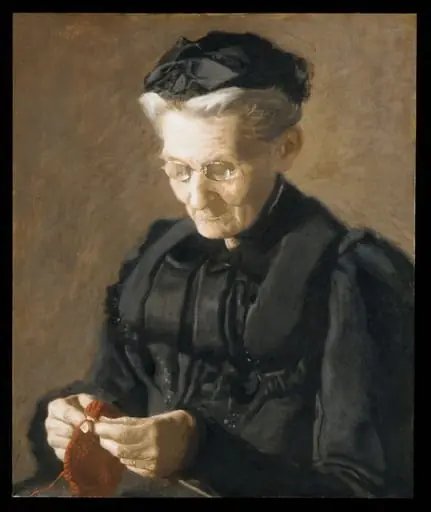 Mrs. Mary Arthur
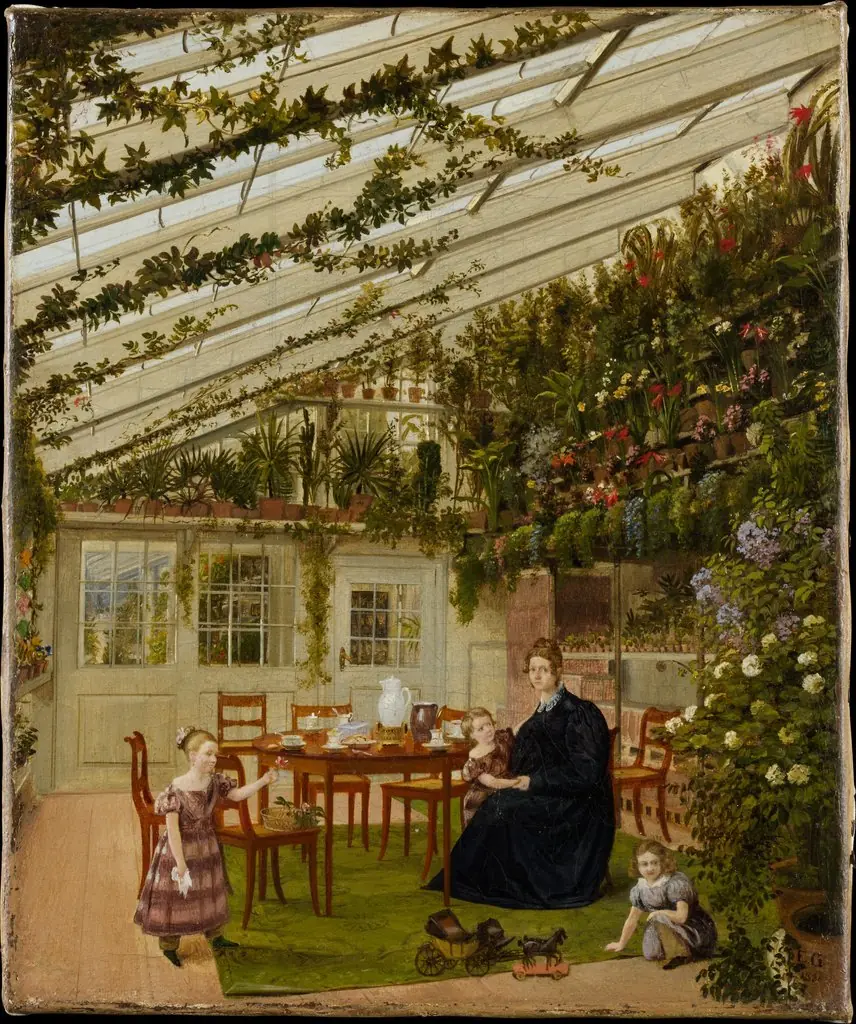 The Family of Mr. Westfal in the Conservatory
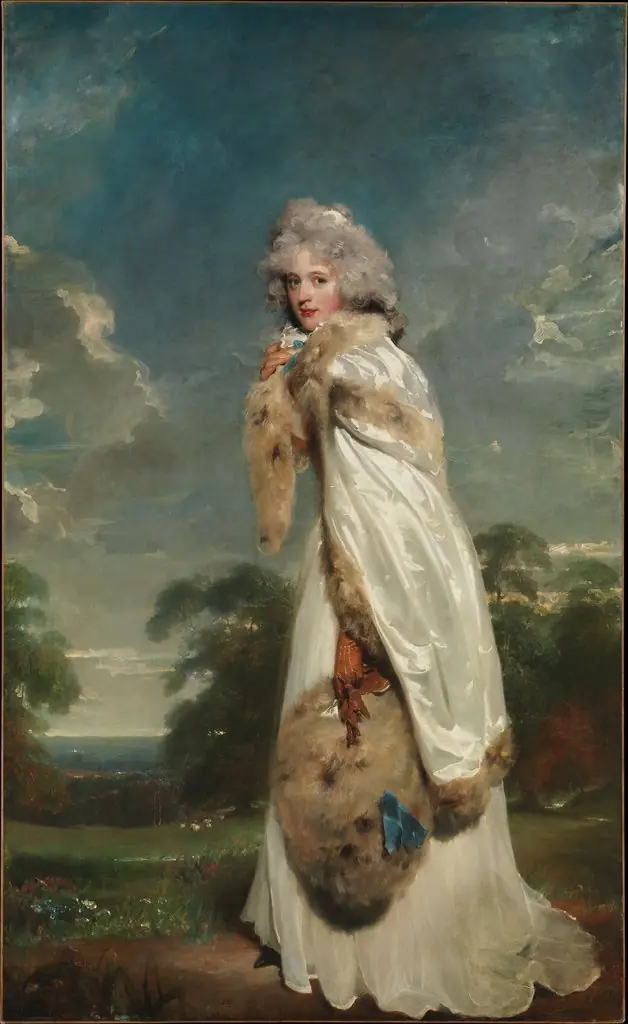 Elizabeth Farren (born about 1759, died 1829), Later Countess of Derby
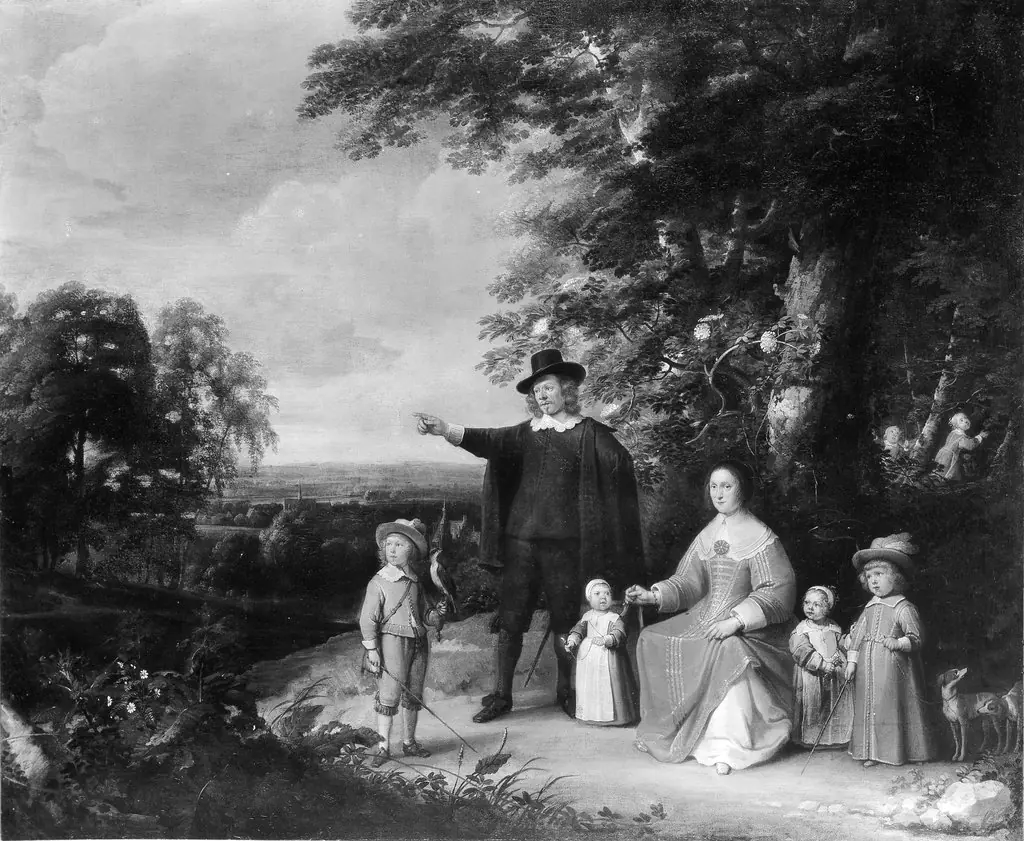 Family Group in a Landscape
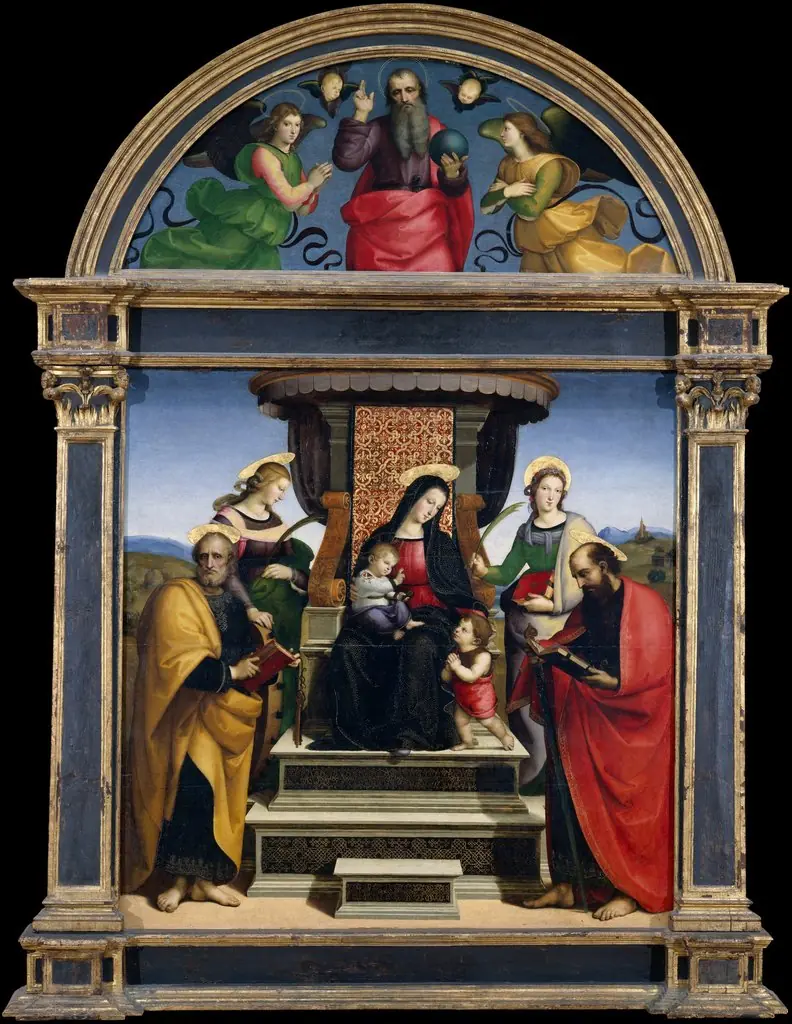 Madonna and Child Enthroned with Saints
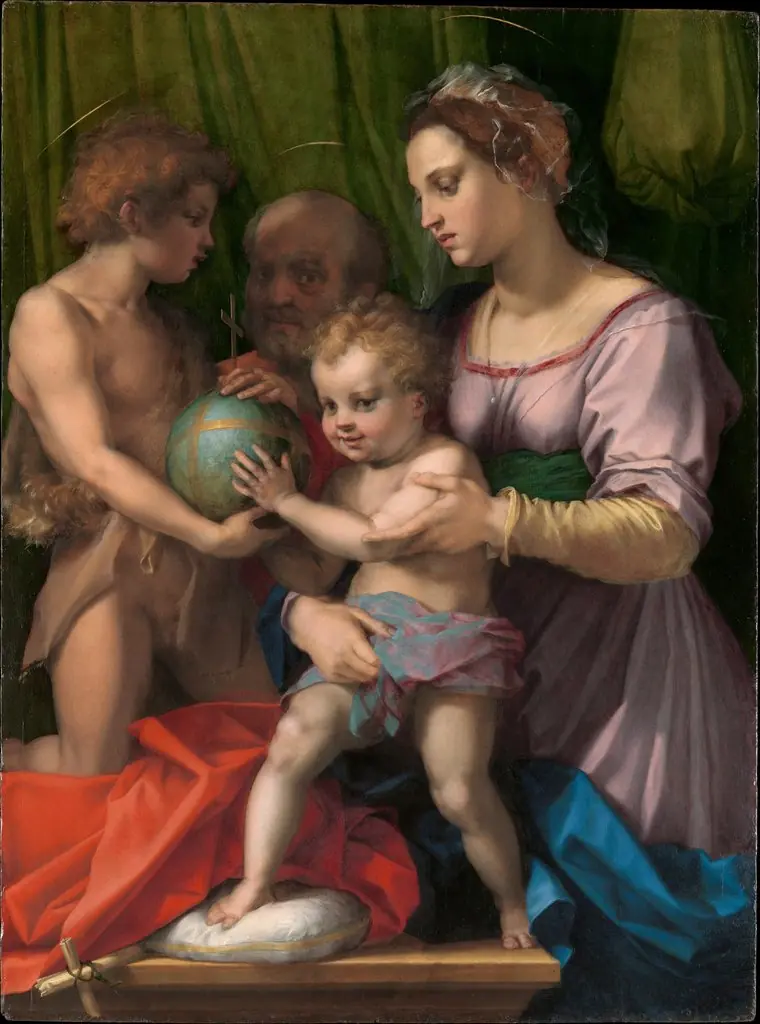 The Holy Family with the Young Saint John the Baptist
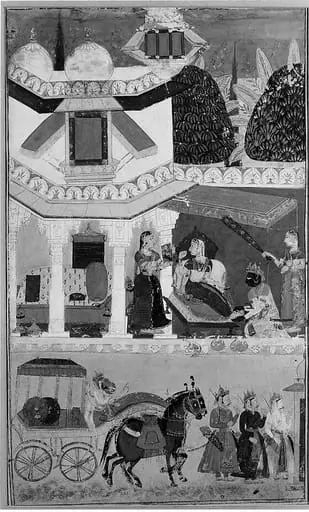 Untitled
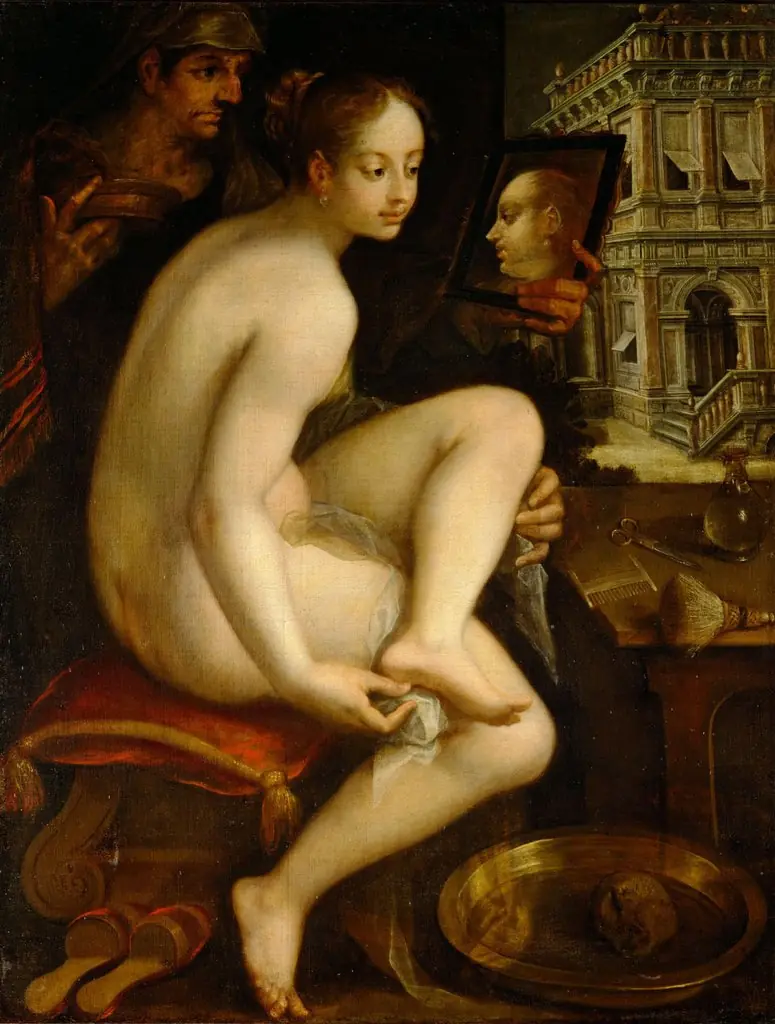 David and Bathsheba
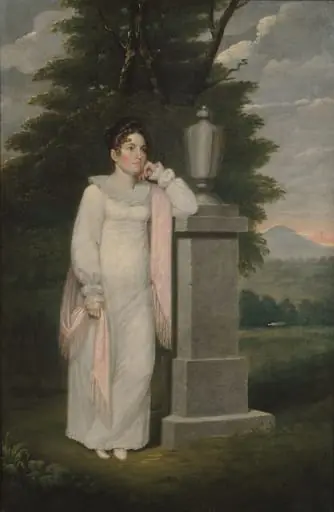 Mrs. Cephas Thompson (Olivia Leonard)
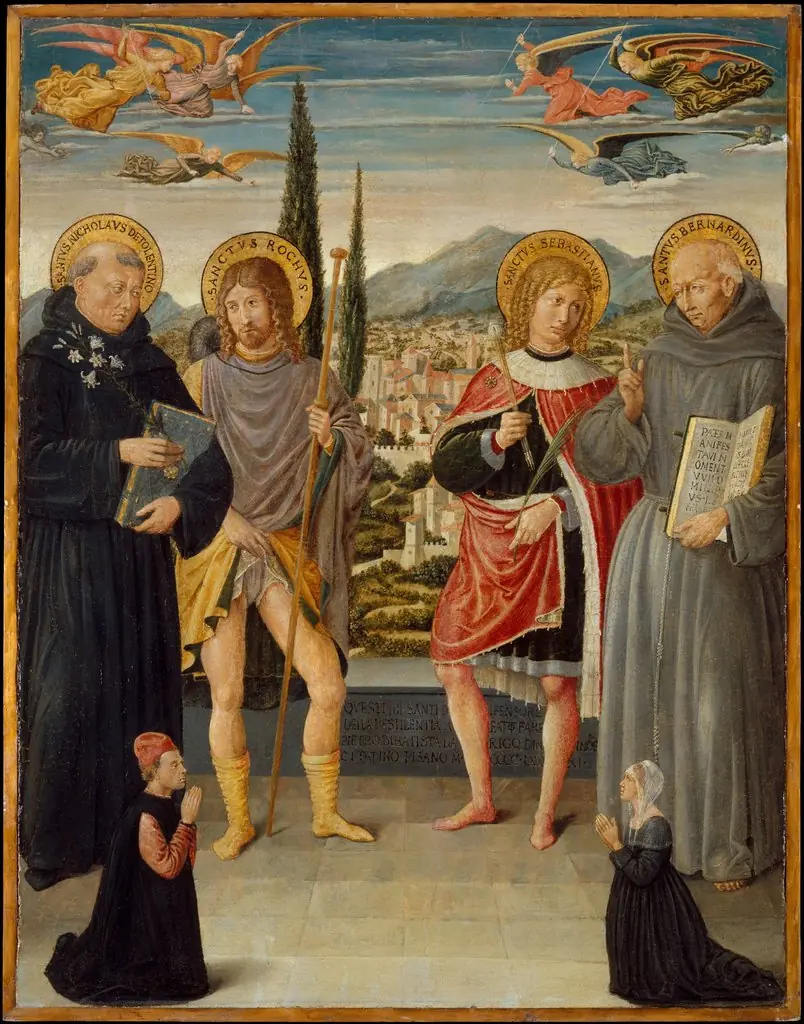 Saints Nicholas of Tolentino, Roch, Sebastian, and Bernardino of Siena, with Kneeling Donors
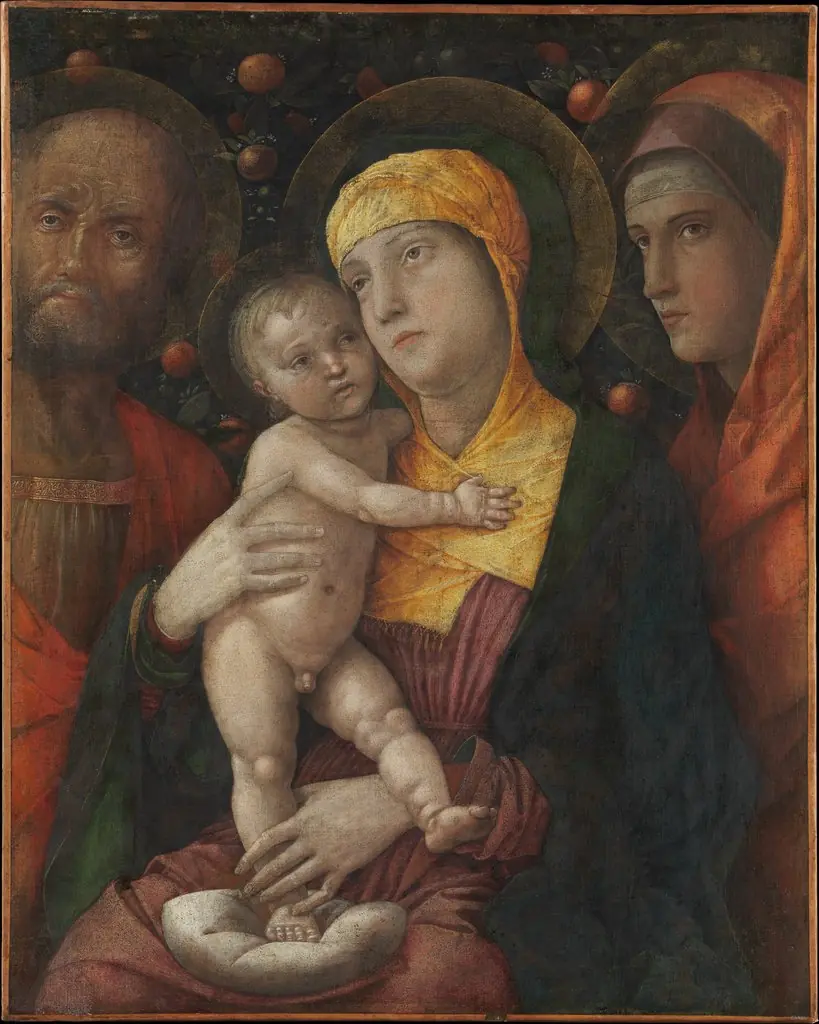 The Holy Family with Saint Mary Magdalen
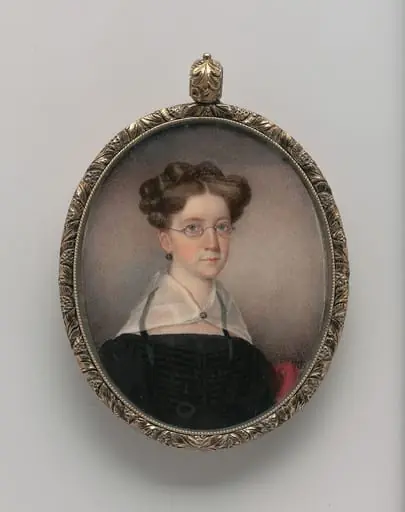 Portrait of a Lady
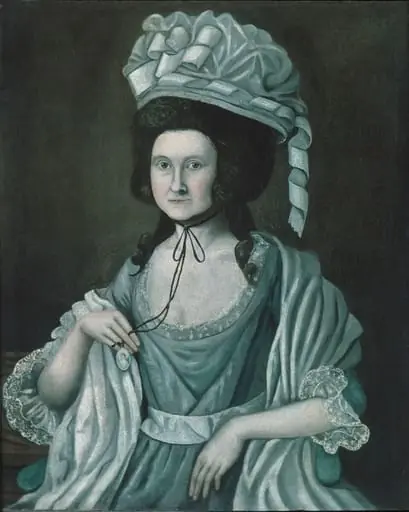 Sally Sanford Perit
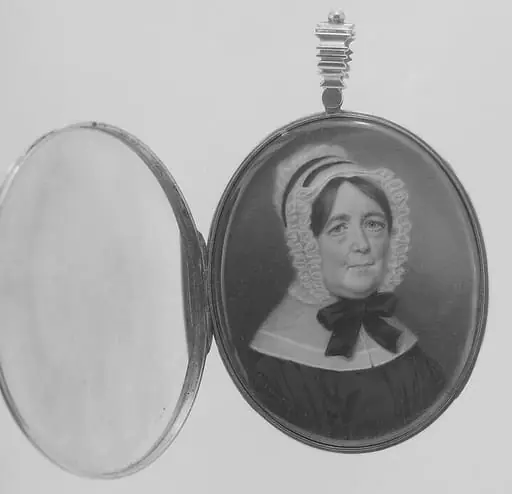 Mrs. A. Otis
Frequently asked questions
What is Woman?
Woman is a subject in art. A woman is an adult female human.
How many Woman works does Artifact World Gallery have?
Artifact World Gallery holds 200 public-domain Woman works, all free to view and download.
Who are the key Woman artists?
Key Woman artists in the collection include Titian, Thomas Eakins and Paolo Veronese.
Where can I see Woman works?
Woman works in the collection are held by Metropolitan Museum of Art, Rijksmuseum and Hermitage Museum.