Artwork
Santa Maria della Salute, Venice
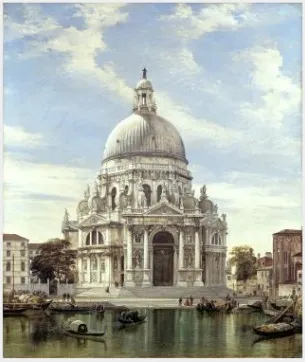
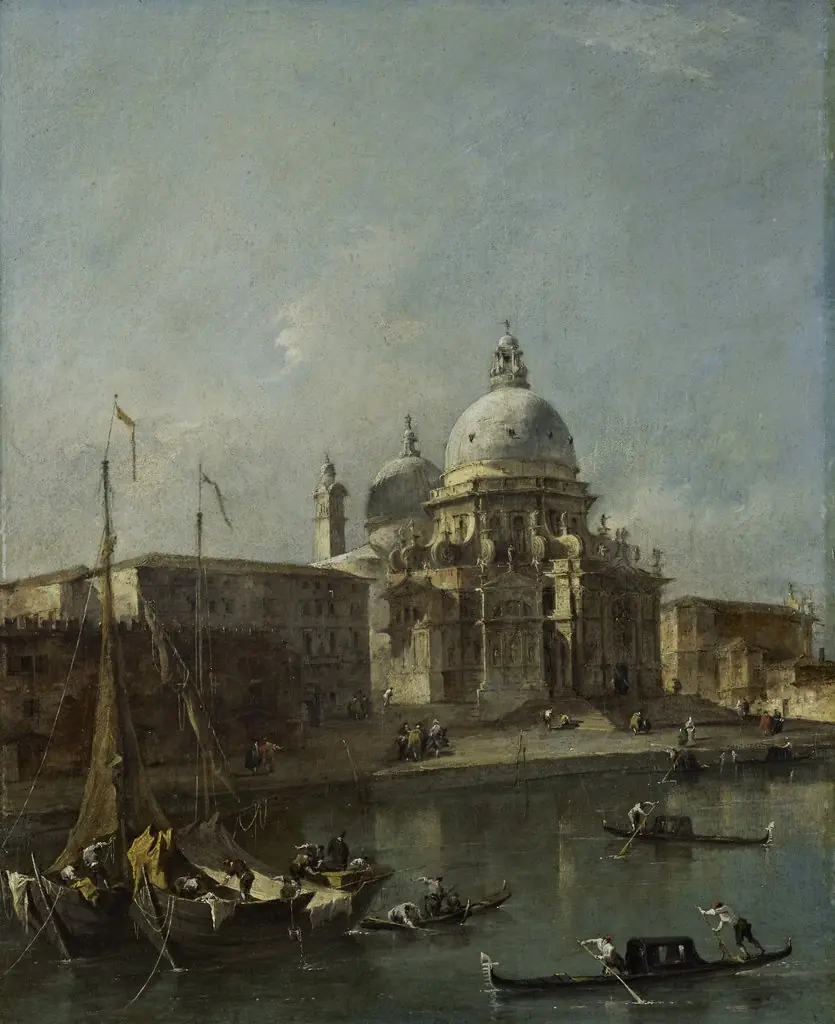
Santa Maria della Salute, Venice is an oil painting by Edward Cooke. It dates from 1855 and is held in the collection of the National Gallery of Ireland.
About this work
Overview
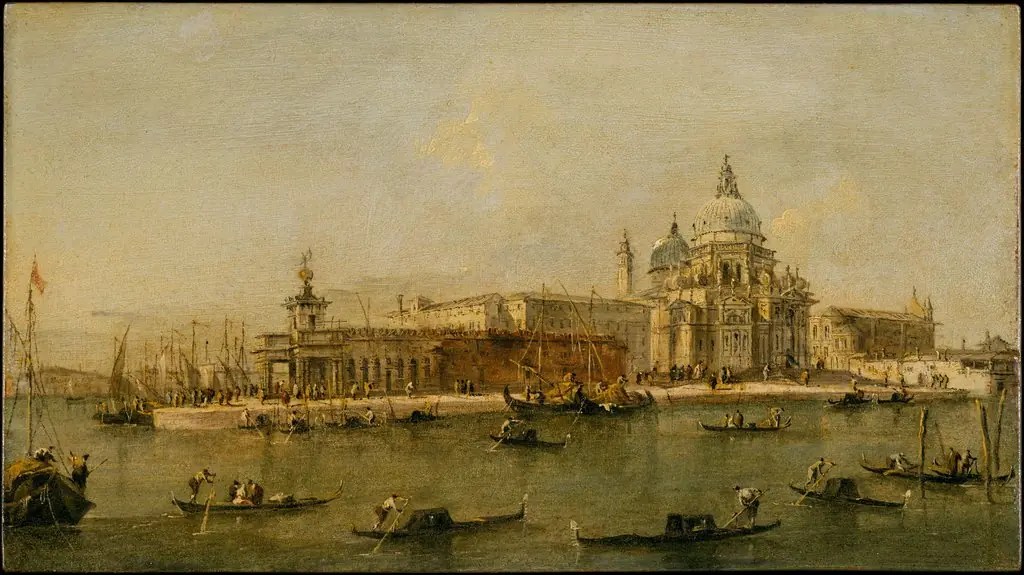
Edward William Cooke's 1855 oil painting, Santa Maria della Salute, Venice, captures the iconic Baroque basilica situated at the entrance of the Grand Canal.
Edward William Cooke's 1855 oil painting, Santa Maria della Salute, Venice, captures the iconic Baroque basilica situated at the entrance of the Grand Canal. The composition centers on the church's massive white dome and ornate facade, characterized by its dense arrangement of columns, statues, and a prominent staircase leading to the main entrance. Cooke renders the architectural details with precise observation, emphasizing the building's monumental scale against the Venetian sky.
The foreground is animated by the daily life of the lagoon, featuring several moored boats and figures gathered on the steps, which adds a sense of human activity and scale to the scene. Painted during a period when Cooke was deeply engaged with maritime subjects and the specific light of the Venetian lagoon, this work reflects his commitment to topographical accuracy combined with atmospheric realism. The artist, known for his detailed marine paintings and etchings, utilizes the medium to explore the interplay of light on water and stone, a recurring theme in his mid-career output.
This specific depiction serves as a testament to his skill in documenting architectural landmarks while capturing the vibrant, transient nature of the Venetian waterfront.
Subject & Meaning
The work captures a moment of everyday life intersecting with sacred architecture, emphasizing the harmony between the bustling canal and the serene sanctuary. The presence of ordinary people and vessels suggests a communal relationship with the church, reflecting Venice’s historic reliance on waterways for both commerce and worship.
Technique & Style
Cooke employs a restrained palette of whites, blues, and earth tones, allowing the light to illuminate the marble façade. Subtle gradations of tone model the dome’s curvature, while the muted shadows under the eaves and among the boats convey depth without dramatic contrast, echoing a gentle chiaroscuro approach.
History & Provenance
The painting entered the collection of the National Gallery of Ireland, where it remains on display. Its acquisition date is not recorded in the source, but the work’s provenance traces back to the mid‑19th‑century market for British landscape paintings, reflecting Cooke’s reputation as a marine artist.
Artist & collection

Artist
This British artist spent decades drawing Scotland’s skylines and shores in pencil and ink.




- The Church of Santa Maria della Salute, Venice
 Santa Maria della Salute, Venice
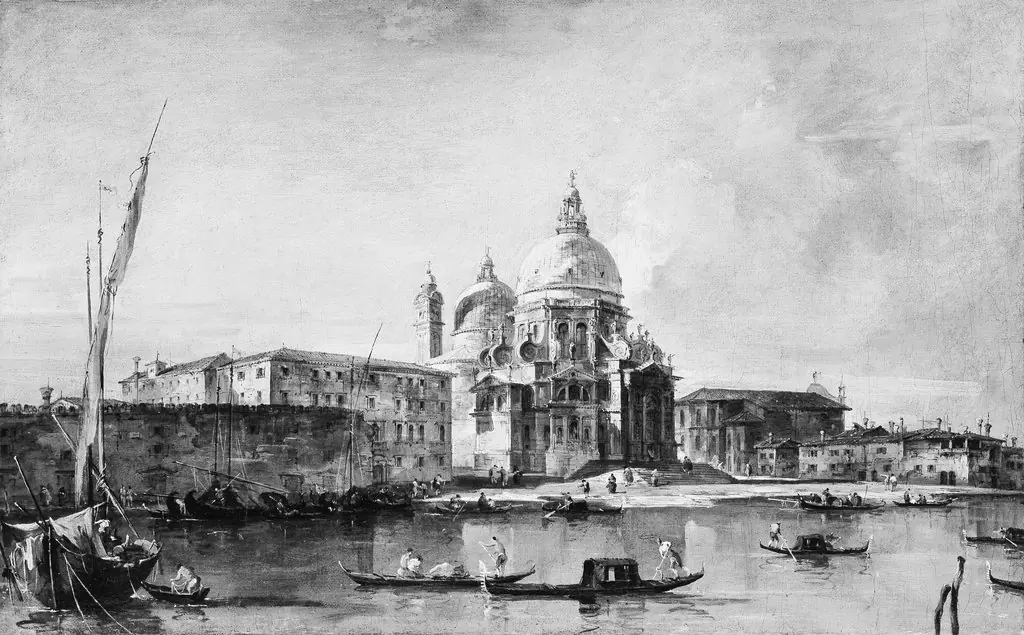 Santa Maria della Salute
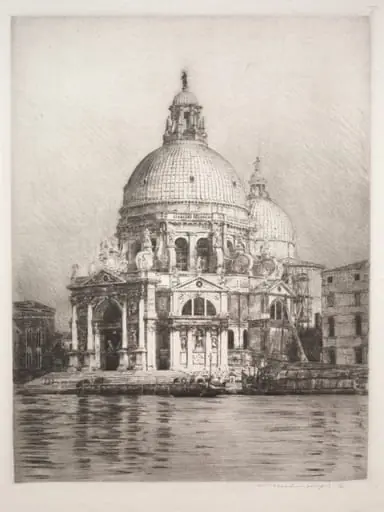 Santa Maria Della Salute #1
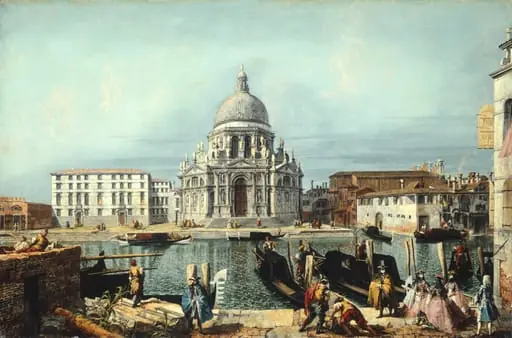 The Church of Santa Maria della Salute, Venice
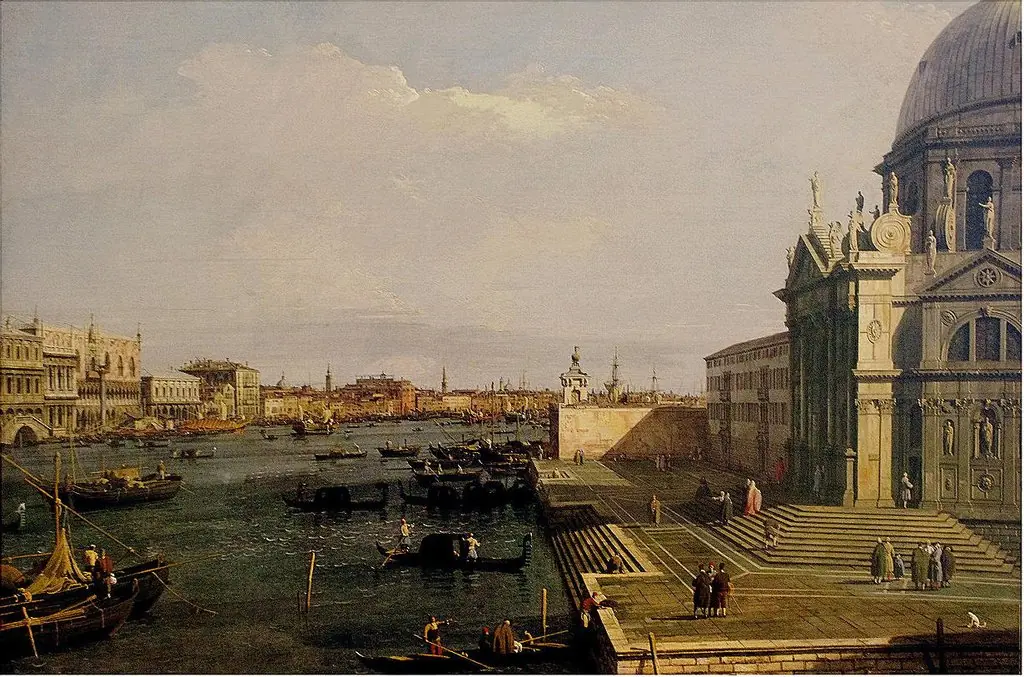 Santa Maria della Salute and Riva degli Schiavoni, Venice
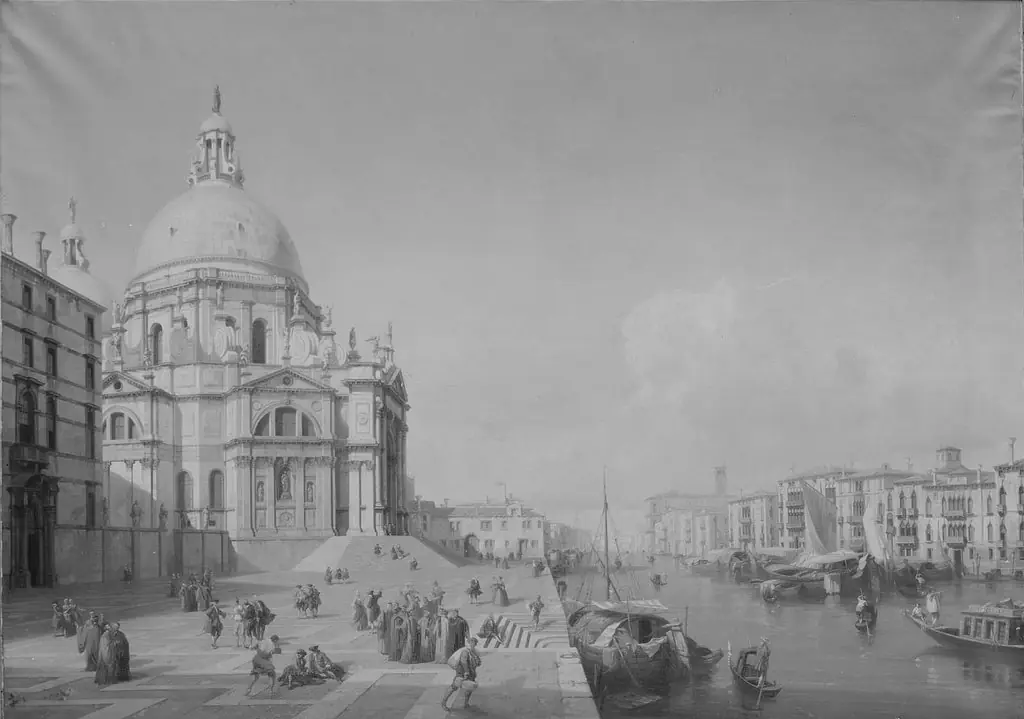 The Grand Canal, with Santa Maria della Salute, Venice
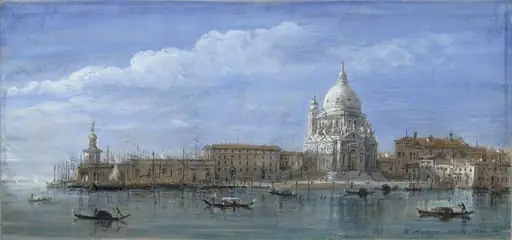 The Grand Canal and the Church of Santa Maria della Salute, Venice
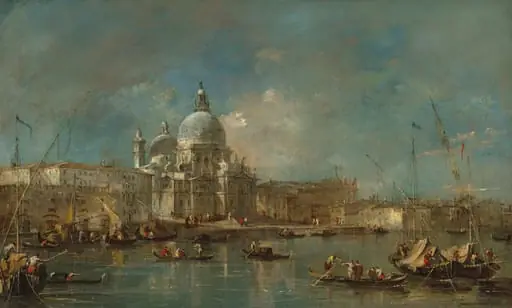 Santa Maria della Salute
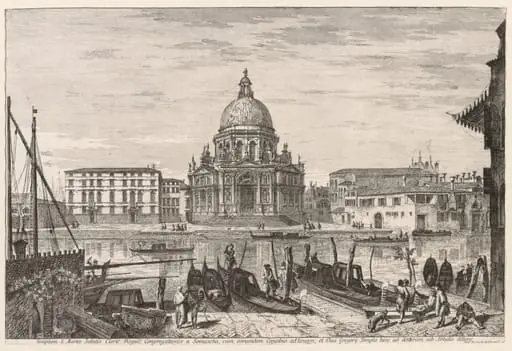 Views of Venice: S. M. Della Salute
 Venice: The Dogana and Santa Maria della Salute