
Subject
Sky
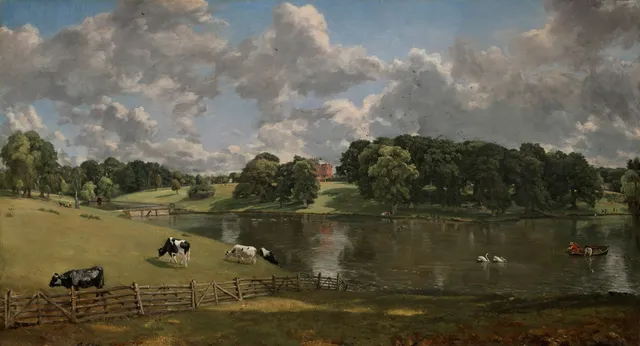
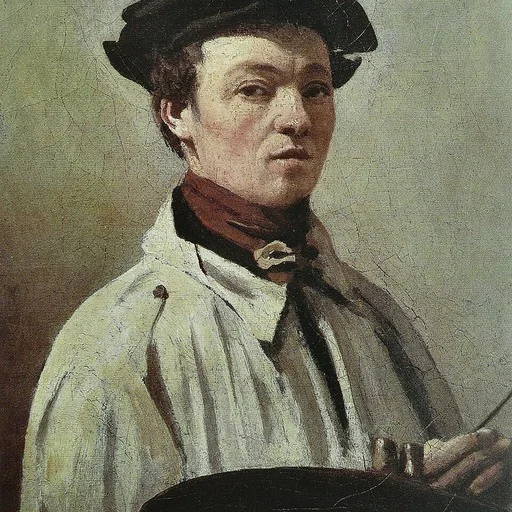
Sky is a subject in art. The gallery holds 200 works in this subject in art, including works by Titian, Paolo Veronese and Jean Baptiste Camille Corot.
Although the sky is the most universal feature of the visible world—the atmosphere and the deep space beyond it, seen from the surface of the Earth—its treatment as a serious artistic subject developed slowly. In ancient and medieval art, the heavens were rendered symbolically: as gilded backgrounds, decorative bands, or the dwelling place of the divine rather than an observed expanse of air and light. The Renaissance shifted this decisively toward naturalism. Leonardo da Vinci was among the first Europeans to study clouds systematically, sketching cirrus-like "curly" forms, flat layered sheets, and heaped masses, and integrating atmospheric perspective into landscape so that distant air softened and bluened receding forms.
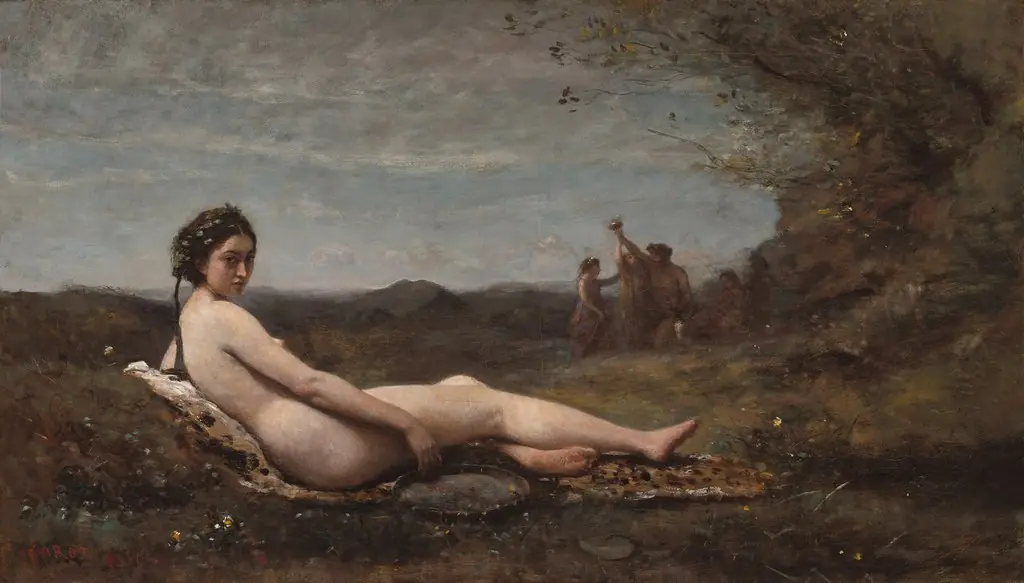
The sky achieved compositional dominance in the Dutch Golden Age of the seventeenth century. Painters such as Jacob van Ruisdael (born in Haarlem c.1628–29) dropped the horizon line low, surrendering two-thirds or more of the canvas to billowing, light-shot cloud. In works like *View of Haarlem with Bleaching Fields*, sunlight breaking through cloud dapples the land below, making weather itself the emotional subject. This Dutch model shaped the European landscape tradition that followed, including the silvery, atmospheric skies of Corot, represented in our collection by *The Repose*.
The Romantic era turned the sky into both science and spectacle. After Luke Howard published his Latin cloud nomenclature—cirrus, cumulus, stratus—in 1803, the system captivated Goethe, Coleridge, and especially John Constable, who in the summers of 1821 and 1822 made over a hundred outdoor oil studies he called "skying," annotated with date, time, and wind. "The sky is the source of light in Nature, and governs everything," he wrote. J.M.W. Turner pushed atmosphere toward near-abstraction, his blazing sunsets sometimes recording real volcanic haze from the 1815 Tambora eruption.
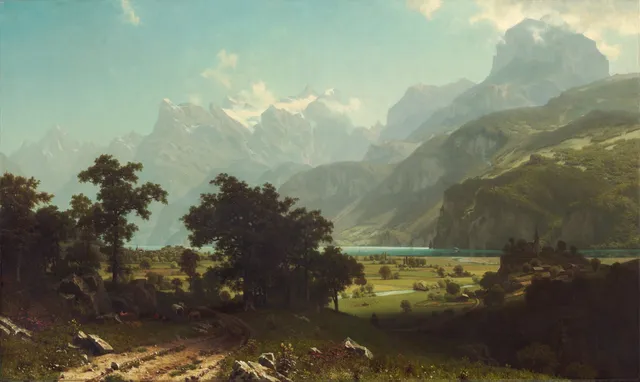
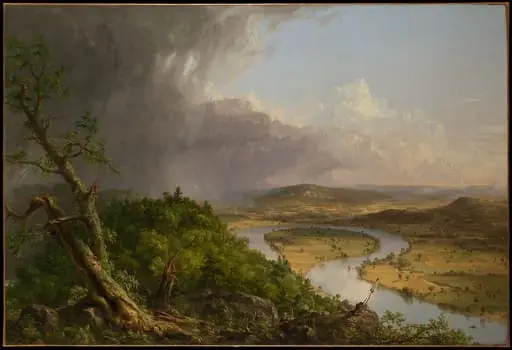
Across the Atlantic, the Hudson River School and its luminist offshoot made glowing, transcendent skies central to an American vision of nature, as in Thomas Cole's *The Oxbow* (1836) and the radiant vistas of Albert Bierstadt's *Lake Lucerne*. The Impressionists completed the trajectory: Monet's *Woman with a Parasol* dissolves a figure into wind, cloud, and sunlight, the sky finally inseparable from the act of seeing.
Key artists
Overview
The sky, defined as the unobstructed view upward from the surface of the Earth, encompasses both the atmosphere and outer space. In the collection under discussion, it appears as a depicted subject in 594 works, making it one of the most pervasive motifs across the history of art. The sky functions simultaneously as a physical setting, a source of natural light, and a symbolic space, appearing in contexts ranging from mythological narratives to pure landscape. Its treatment varies from a mere backdrop to the principal subject of a composition, reflecting both observational interest in natural phenomena and deeper cultural investments in celestial meaning.
Iconography & meaning
The sky carries multivalent symbolism across cultures and periods. In astronomical terms, it corresponds to the celestial sphere, the abstract dome upon which the Sun, Moon, planets, and stars appear to drift, divided into constellations. This scientific conception overlays older mythological understandings. In Greek mythology, Ouranos personified the sky as a primordial deity, while Egyptian mythology assigned this domain to the goddess Nut. The Chinese deity Tian, assimilated to Shang Di, governed the official imperial cult of the Celestial Empire. The Indo-European root *Dyēus underlies both the Latin deus and the name Zeus, with Jupiter meaning literally Father of the Skies. In biblical cosmology, the firmament served as a solid vault separating waters above from waters below, with stars affixed to its surface. The word sky itself derives from Old Norse sky, meaning cloud or abode of God, cognate with Latin obscurus. These layered meanings, astronomical, mythological, and theological, inform how artists have deployed the sky as a vehicle for transcendence, divine presence, or cosmic order.
Across movements & periods
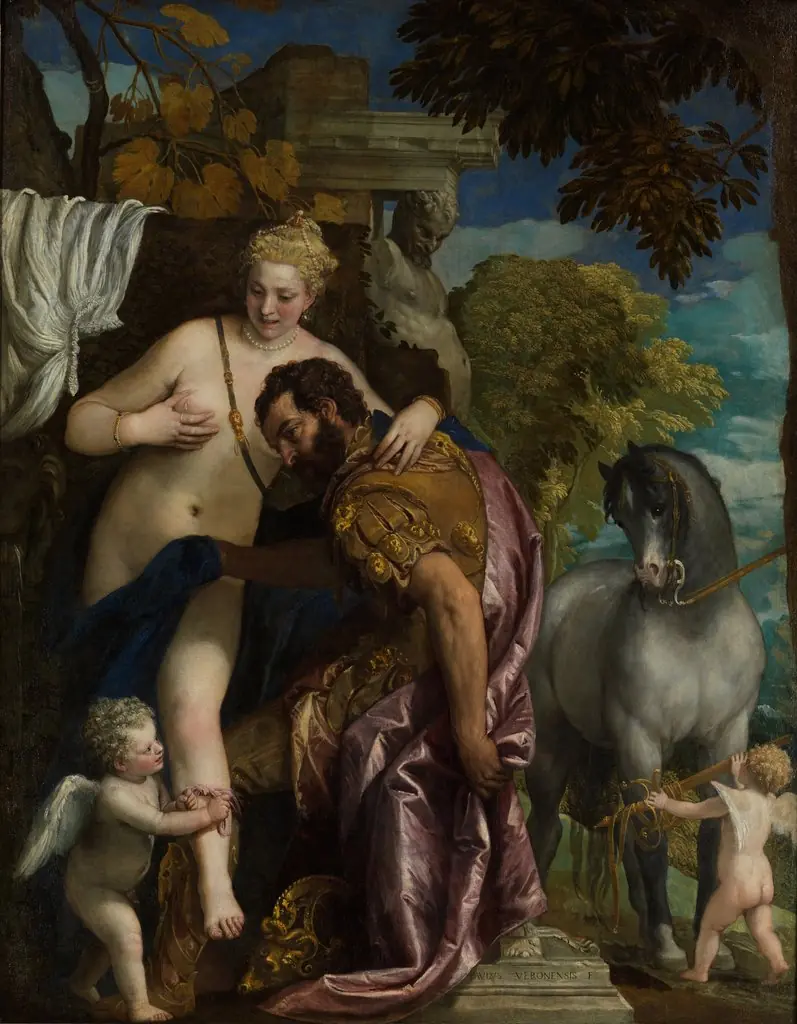
The treatment of the sky evolved significantly across artistic movements. In Renaissance and Baroque mythological painting, as seen in the collection's Venus and Adonis and Bacchus and Ariadne, the sky typically provided a coherent, often golden atmospheric envelope for idealized figures, its clarity signaling divine or heroic time. The eighteenth and early nineteenth centuries saw increasing naturalism in sky depiction, exemplified by The Oxbow (1836), where Thomas Cole used a divided sky, stormy on the left and clearing on the right, as moral and narrative metaphor. By the later nineteenth century, Impressionist works such as Woman with a Parasol (1875) treated the sky as a field of momentary optical effects, its color and luminosity changing with atmospheric conditions and time of day. This shift from symbolic to perceptual engagement mirrors broader scientific understanding of sky phenomena, Rayleigh scattering, the blue hour, polarization effects, which artists increasingly incorporated even without full theoretical knowledge.
Legacy
The sky's persistence across 594 works testifies to its inexhaustible artistic utility and cultural resonance. From the geocentric worldviews that read the heavens as a rotating sphere to modern understanding of atmospheric optics, the sky has remained a site where observation and imagination converge. The scientific explanations that emerged, Rayleigh scattering, the role of ozone in twilight blue, the polarization of skylight, did not diminish artistic interest but rather enriched it, offering new vocabularies for color and light. Contemporary concerns such as light pollution and smog, noted in modern sources, have introduced new thematic possibilities, even as they threaten the very phenomena, dark night skies, clear atmospheric conditions, that artists historically depicted. The collection's breadth suggests that the sky will continue to serve as both subject and symbol, its meanings accumulating with each technological and environmental transformation.
Works
 Venus and Adonis
 Venus and Mars
 The Repose
 Lake Lucerne
 Woman with a Parasol - Madame Monet and Her Son
 View from Mount Holyoke, Northampton, Massachusetts, after a Thunderstorm—The Oxbow
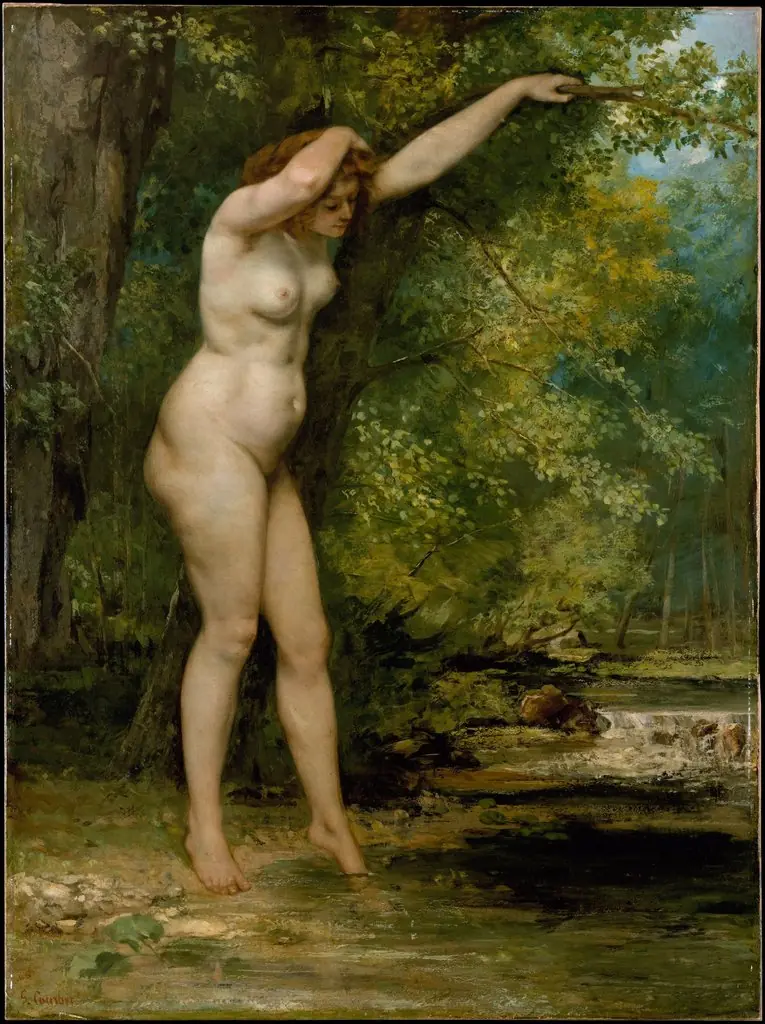 The Young Bather
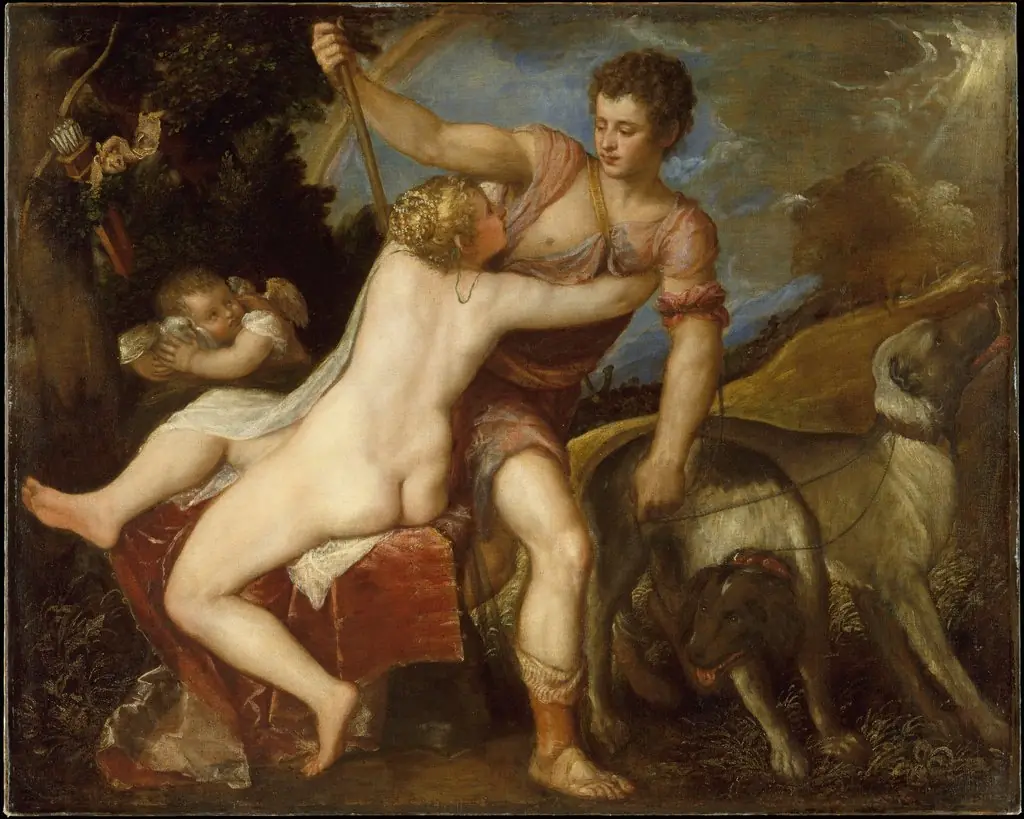 Venus and Adonis
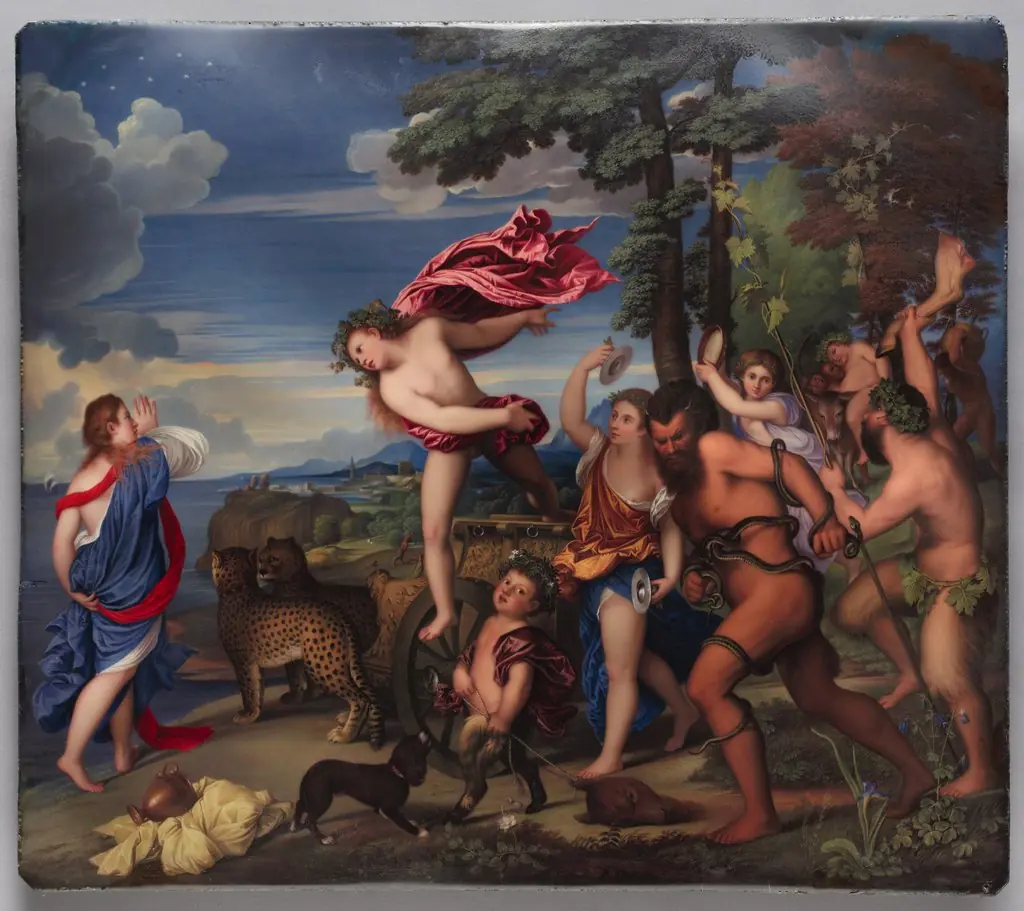 Bacchus and Ariadne
 The Harvesters
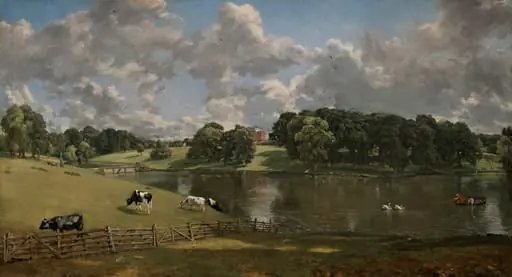 Wivenhoe Park, Essex
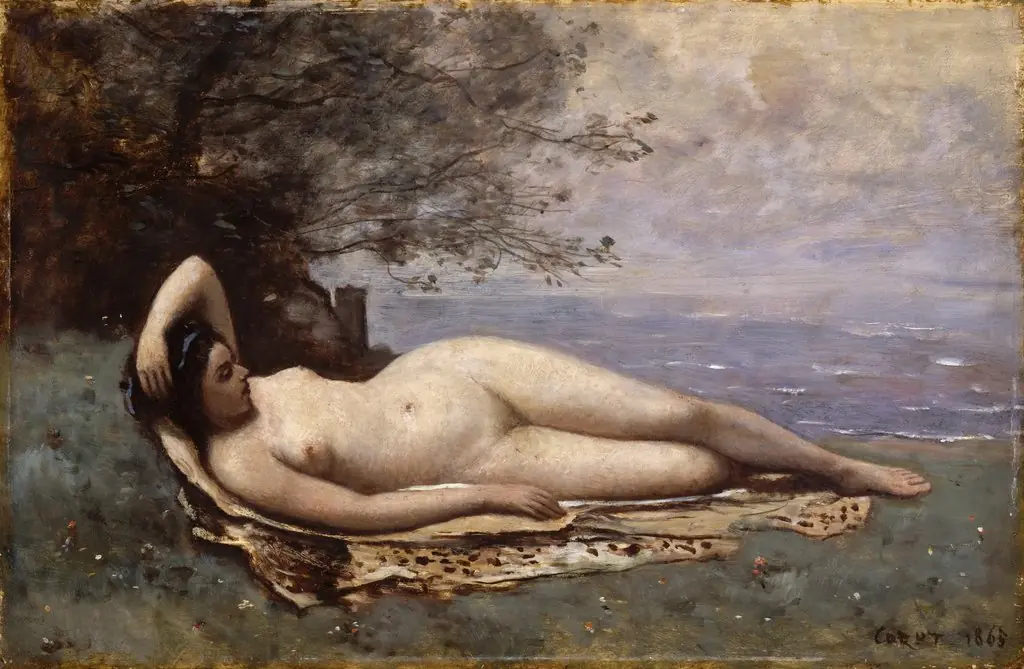 Bacchante by the Sea
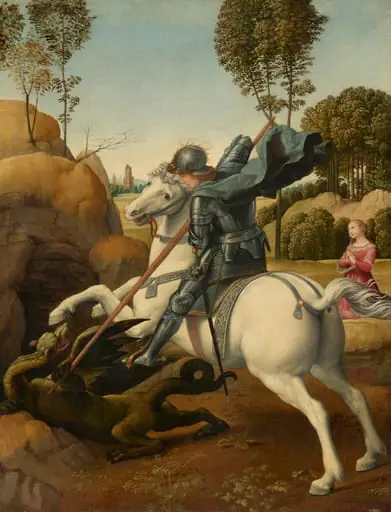 Saint George and the Dragon
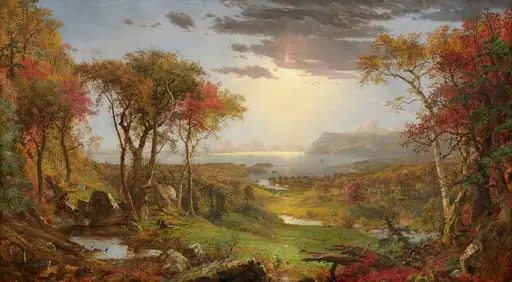 Autumn - On the Hudson River
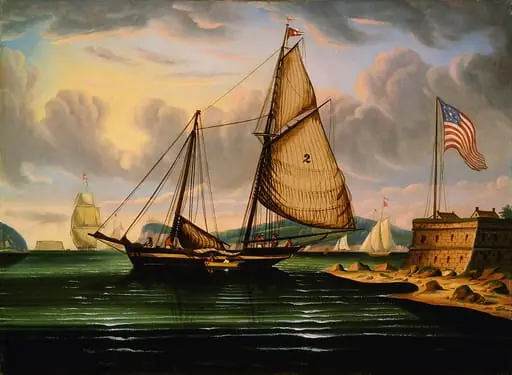 New York Harbor with Pilot Boat "George Washington"
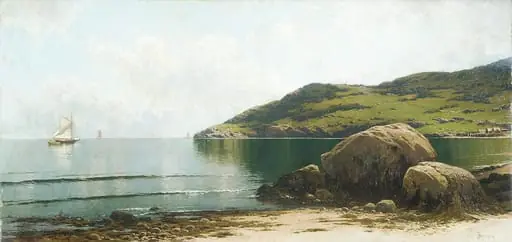 Marine Landscape
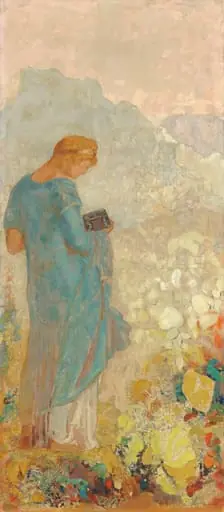 Pandora
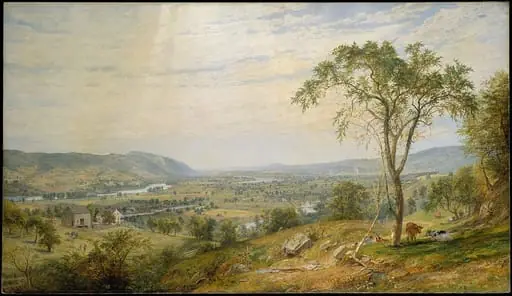 The Valley of Wyoming
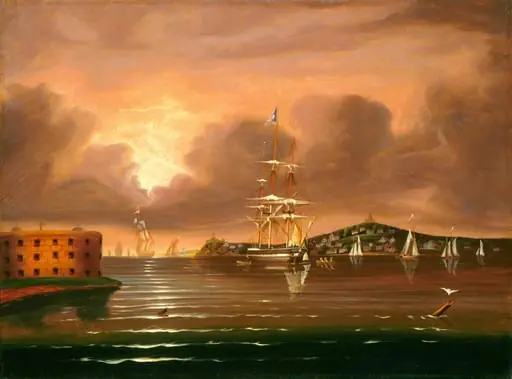 Threatening Sky, Bay of New York
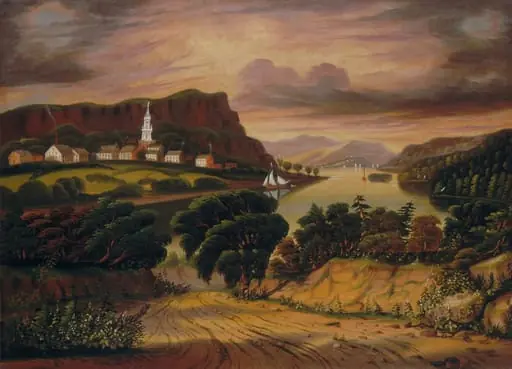 Lake George and the Village of Caldwell
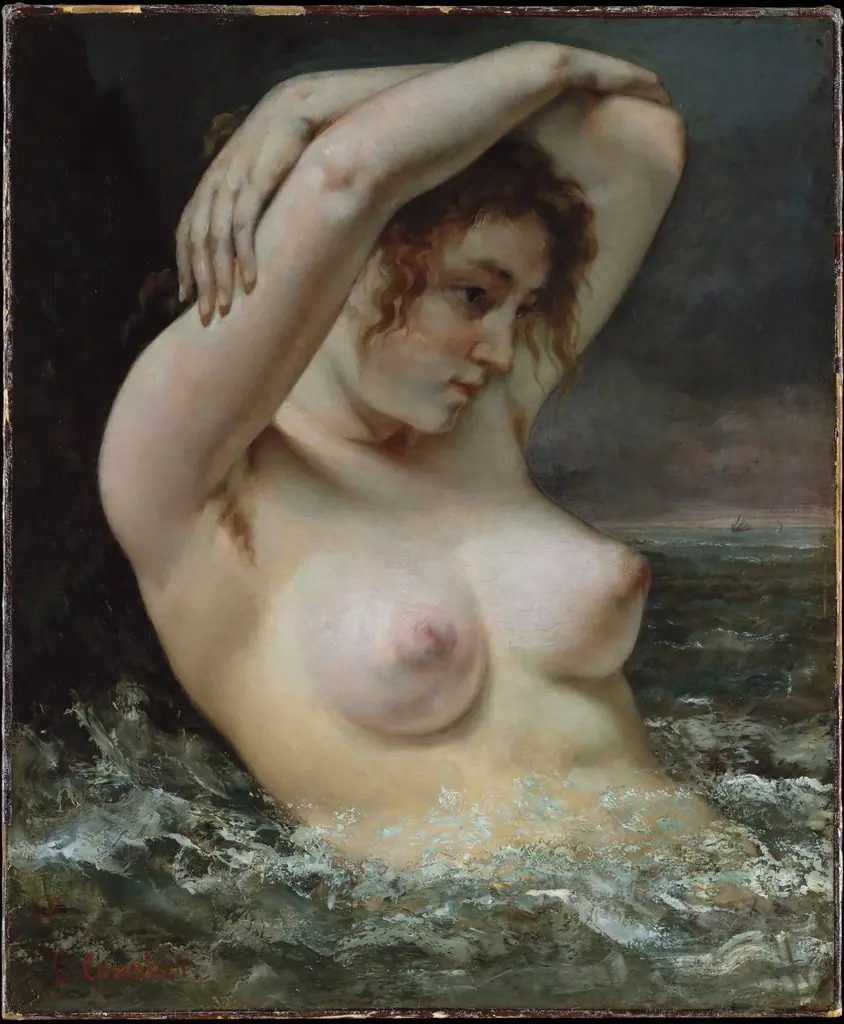 The Woman in the Waves
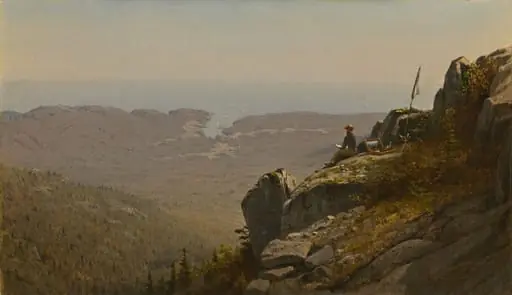 The Artist Sketching at Mount Desert, Maine
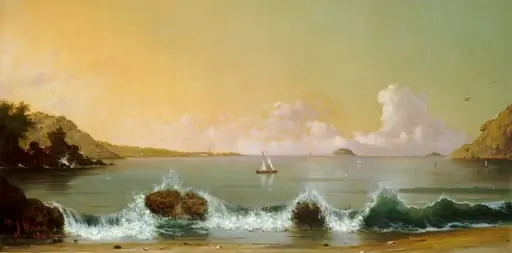 Rio de Janeiro Bay
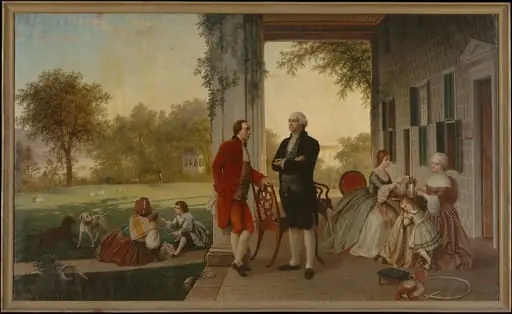 Washington and Lafayette at Mount Vernon, 1784 (The Home of Washington after the War)
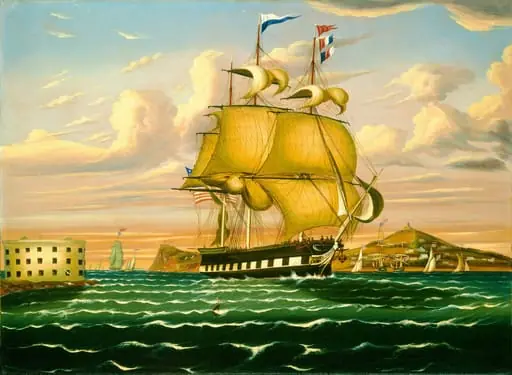 Packet Ship Passing Castle Williams, New York Harbor
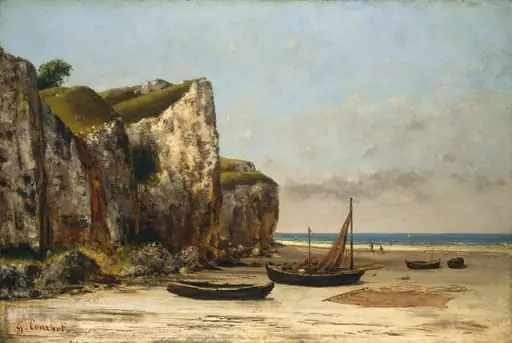 Beach in Normandy
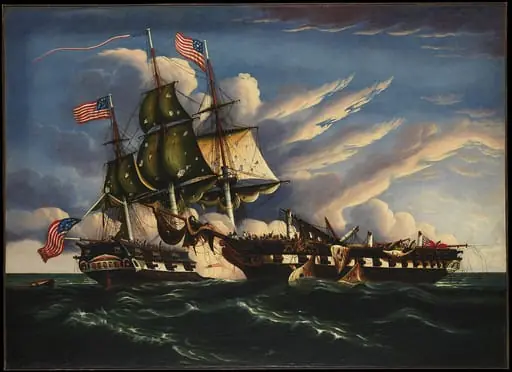 The Constitution and the Guerriere
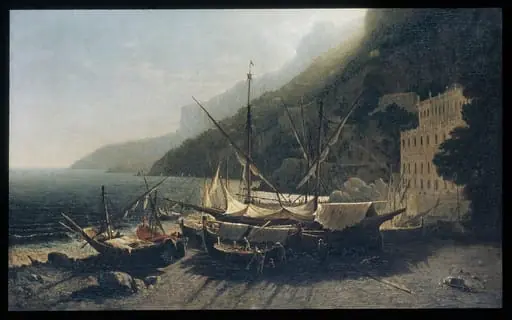 View at Amalfi, Bay of Salerno
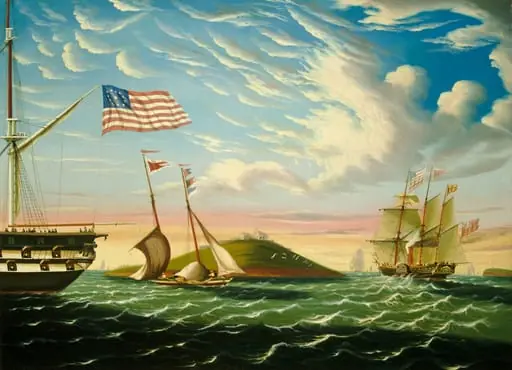 Boston Harbor
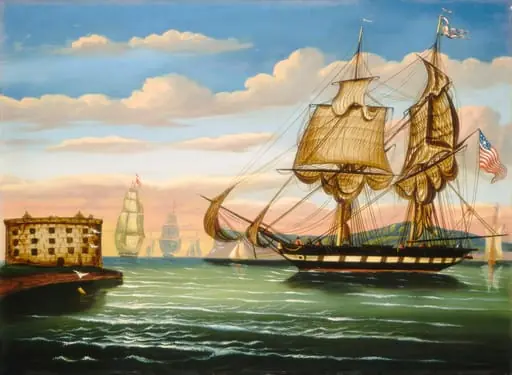 Bay of New York, Sunset
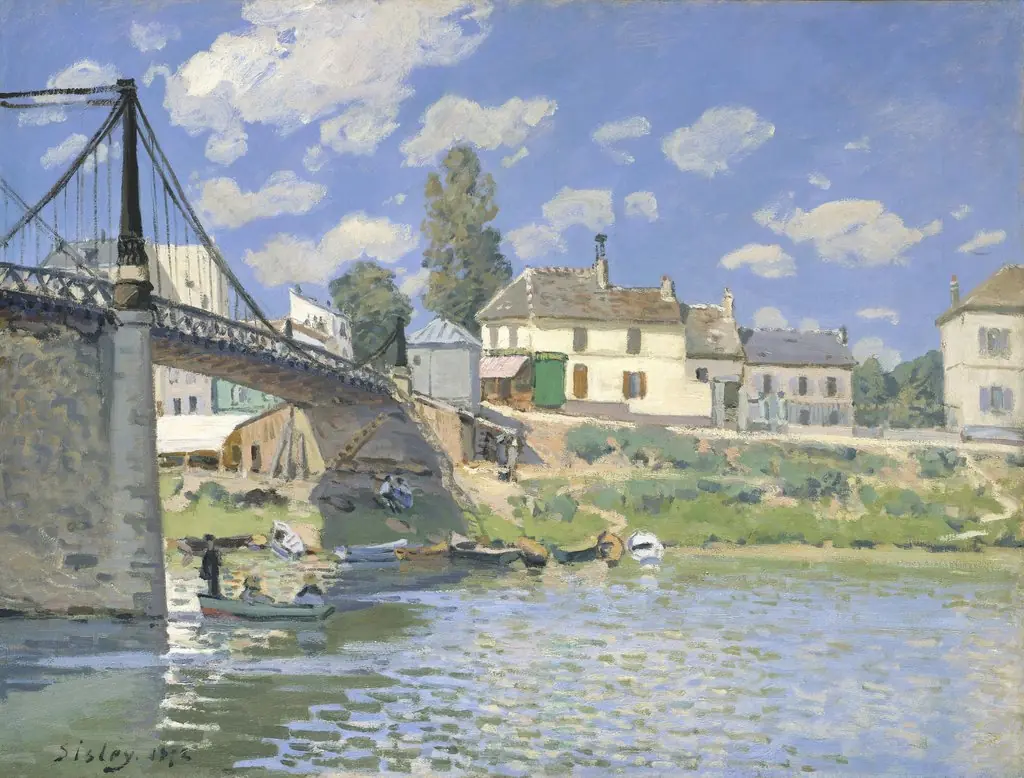 The Bridge at Villeneuve-la-Garenne
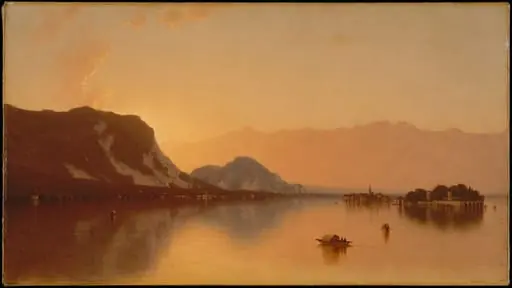 Isola Bella in Lago Maggiore
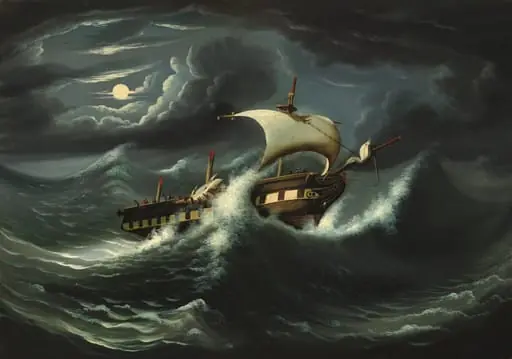 Storm-Tossed Frigate
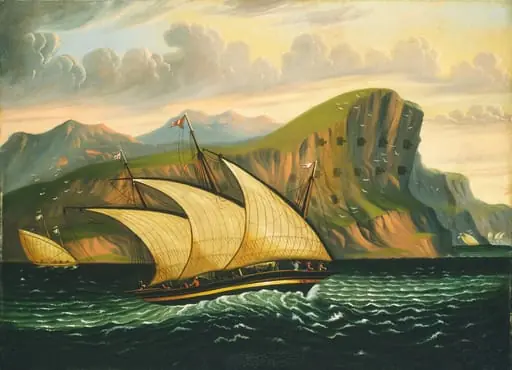 Felucca off Gibraltar
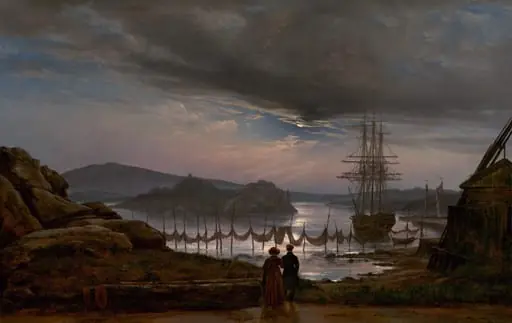 View from Vaekero near Christiania
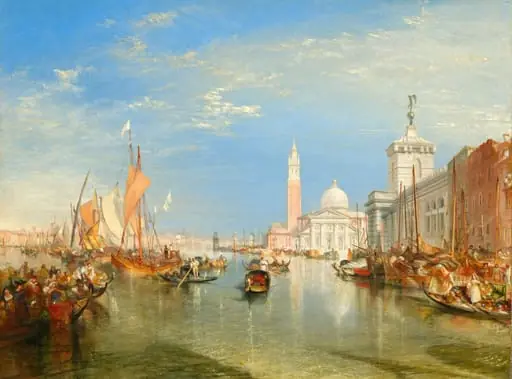 Venice: The Dogana and San Giorgio Maggiore
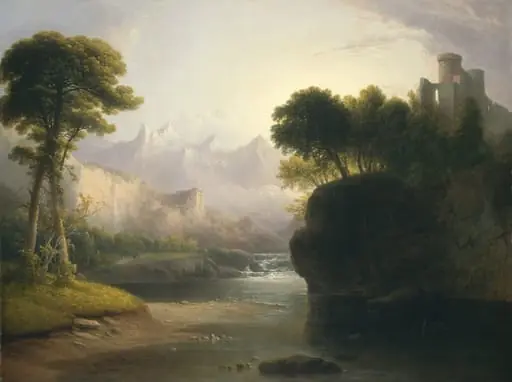 Fanciful Landscape
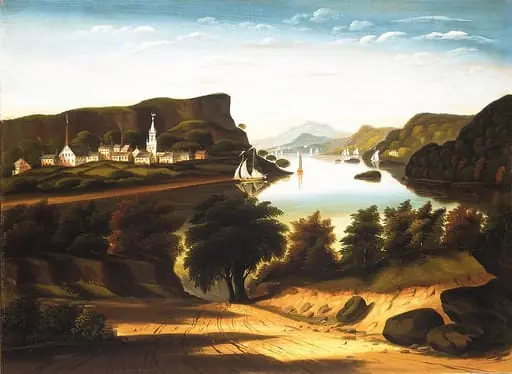 Lake George and the Village of Caldwell
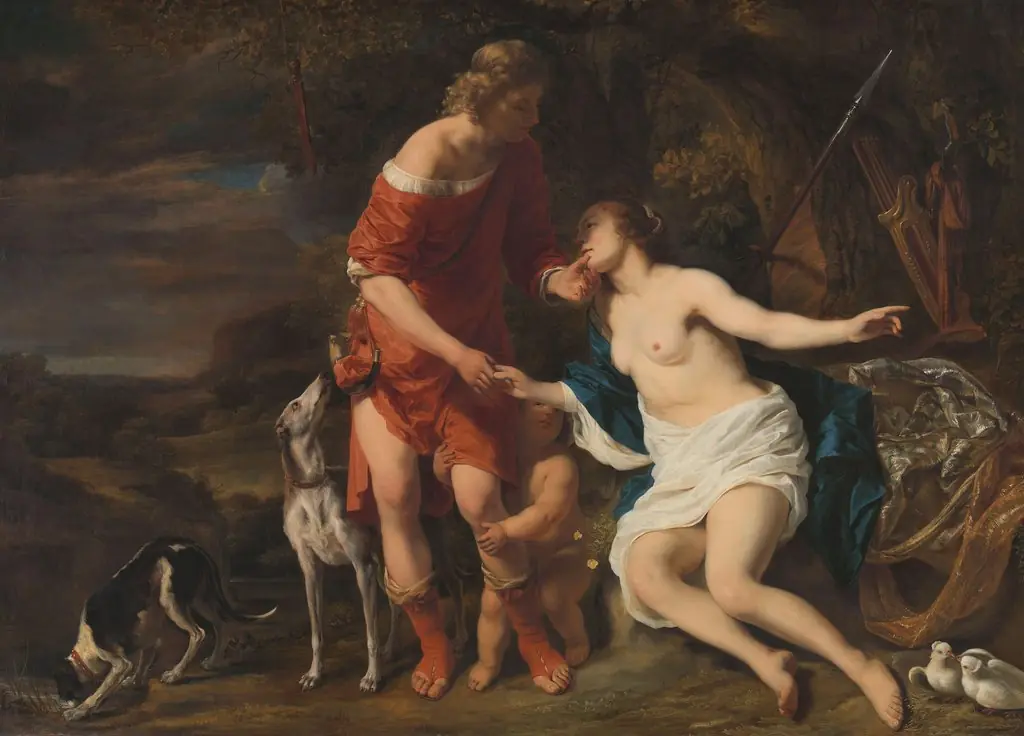 Venus and Adonis
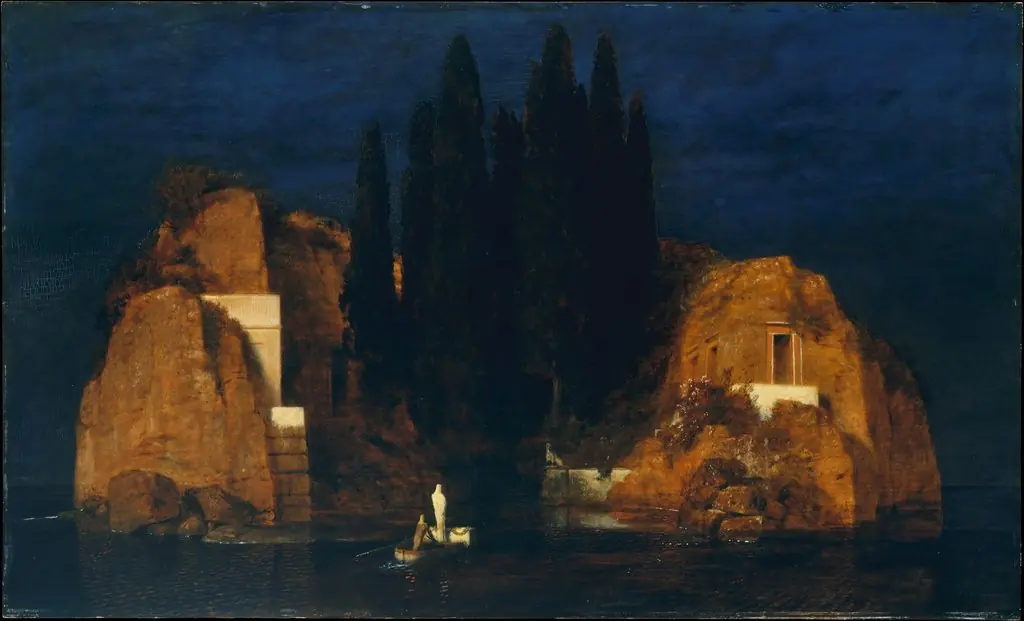 Isle of the Dead
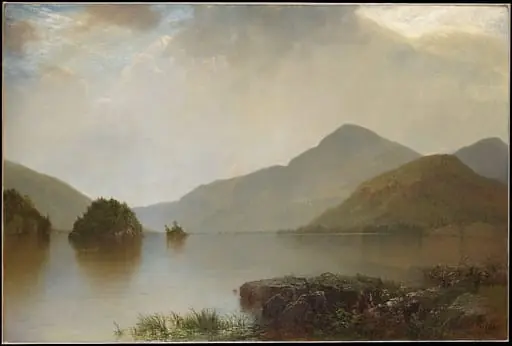 Lake George
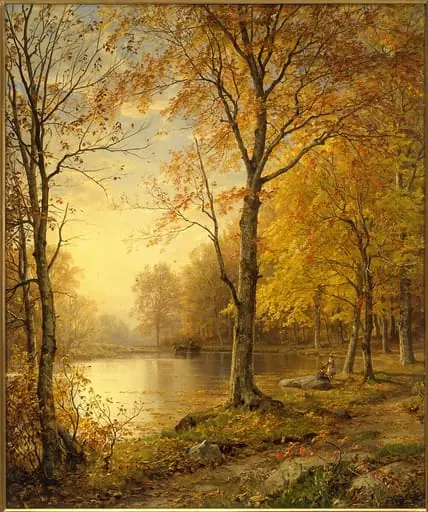 Indian Summer
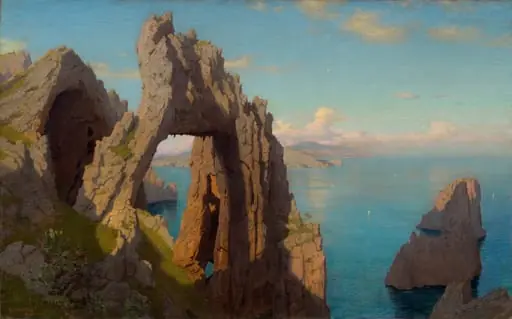 Natural Arch at Capri
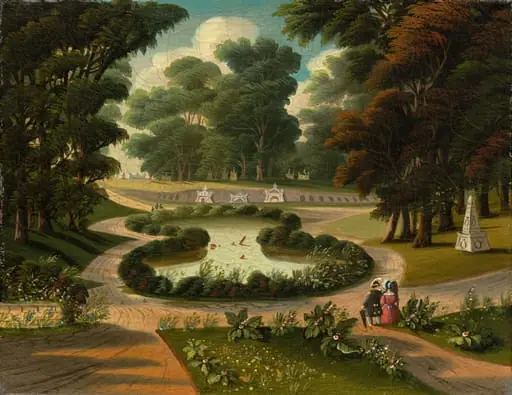 Mount Auburn Cemetery
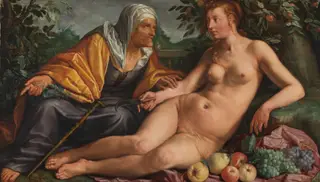 Vertumnus and Pomona
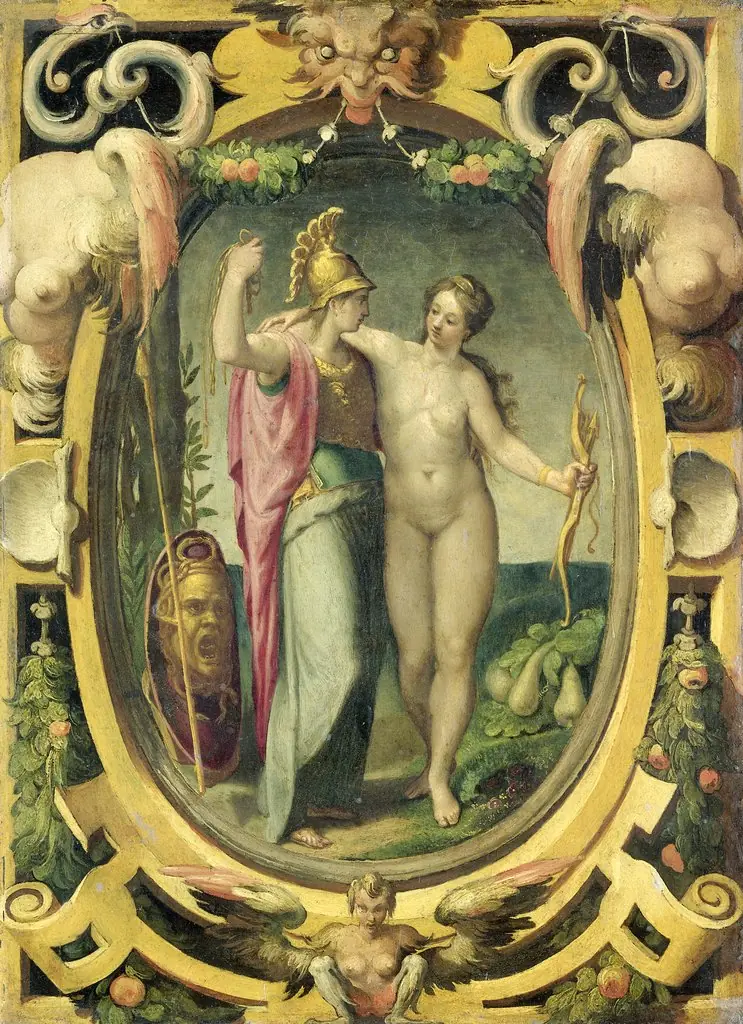 Venus and Minerva
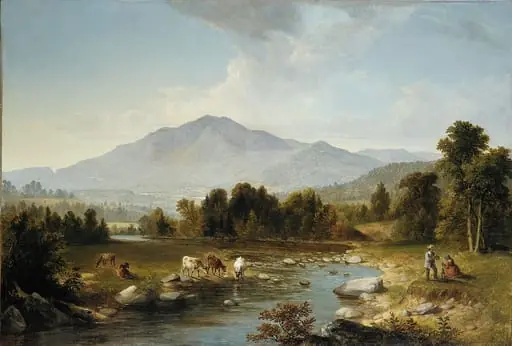 High Point: Shandaken Mountains
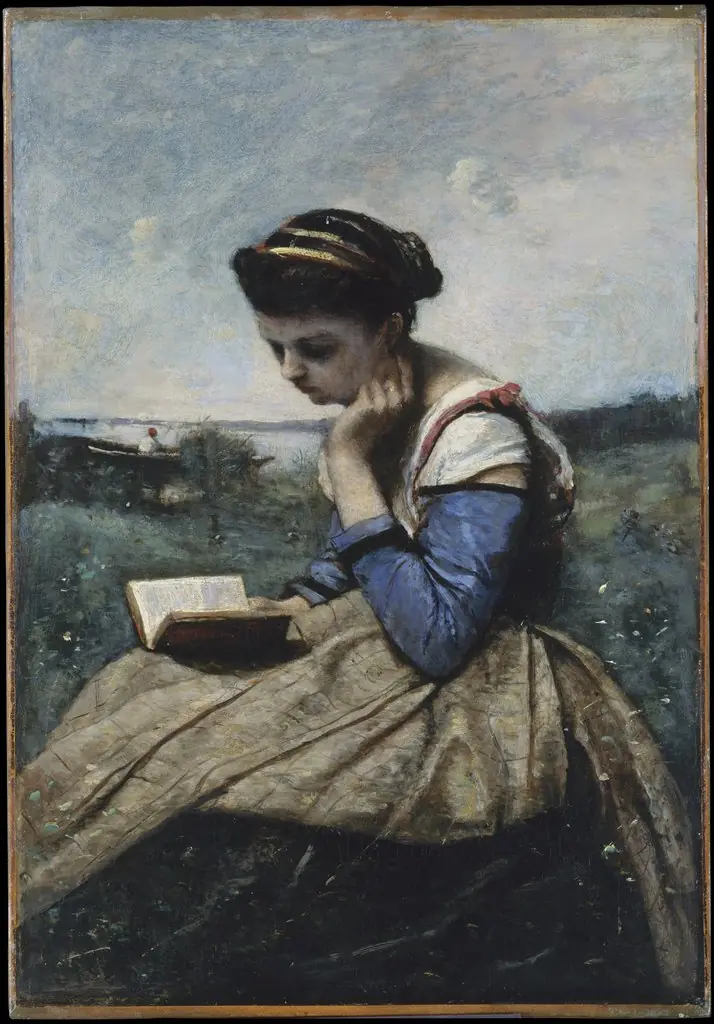 Femme Lisant
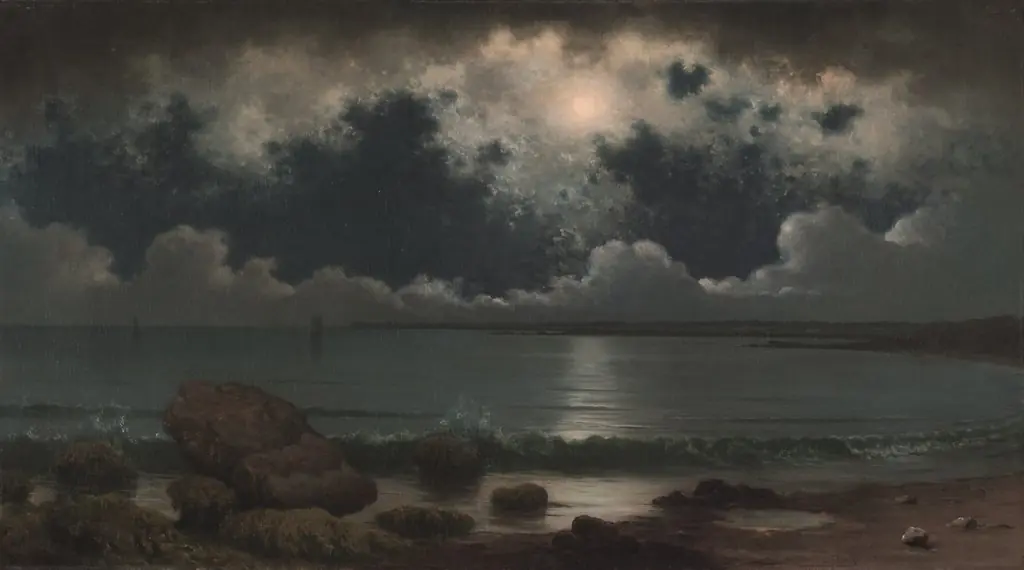 Point Judith, Rhode Island
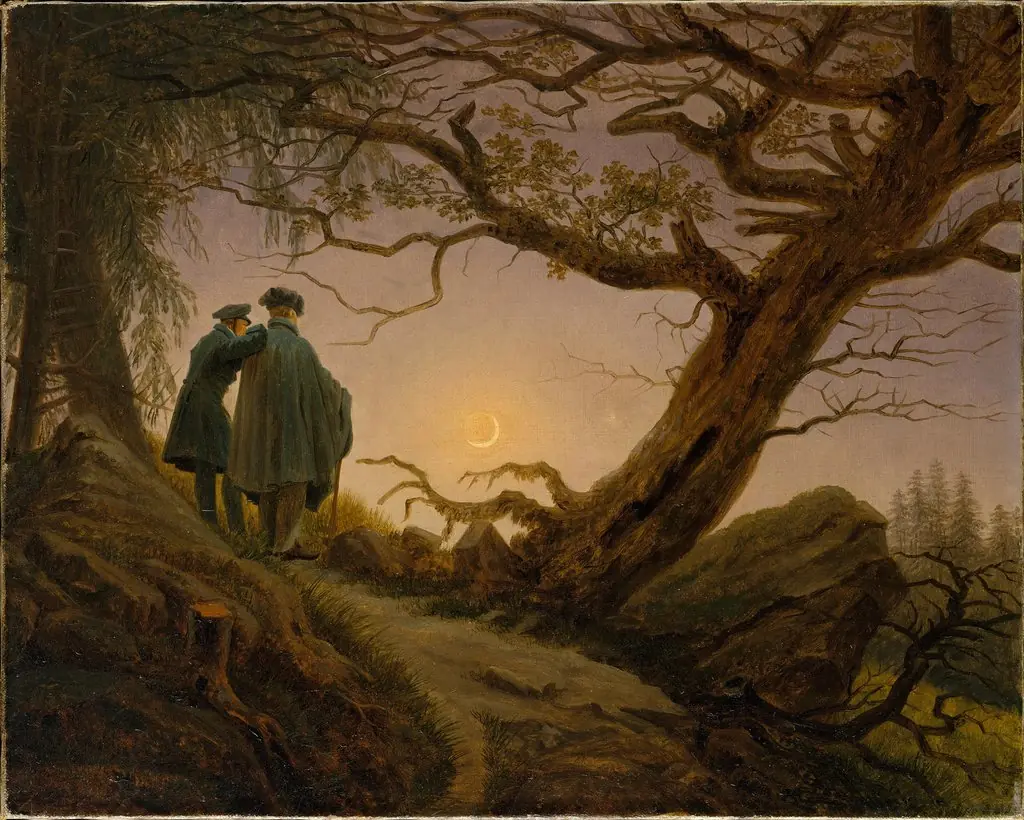 Two men contemplating the Moon
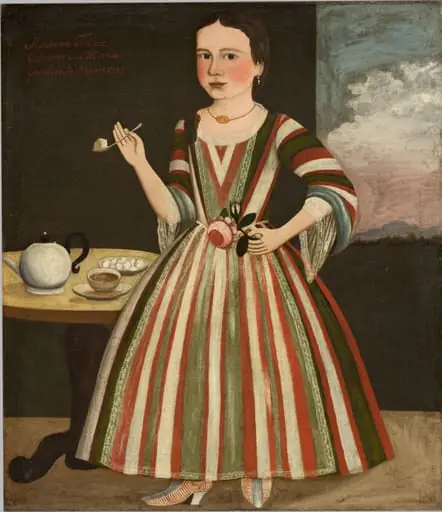 Susanna Truax
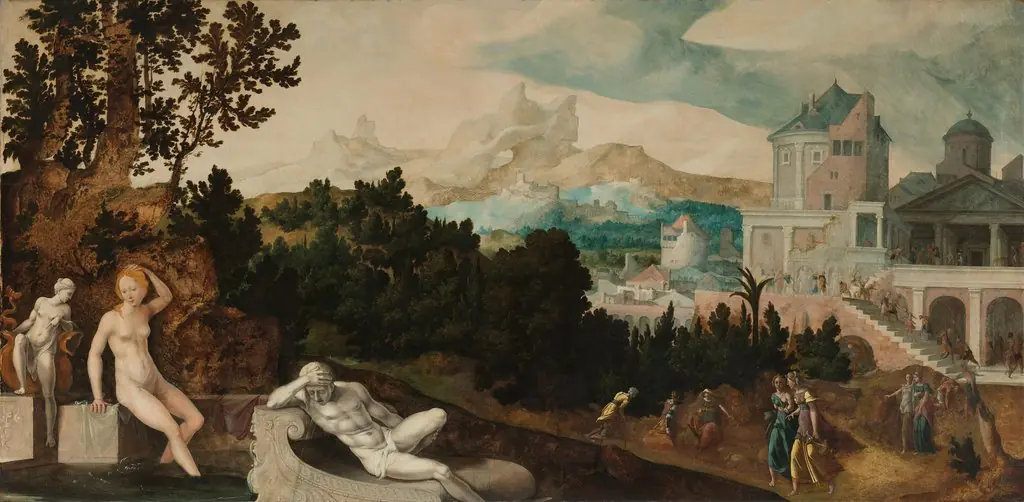 Landscape with Bathsheba
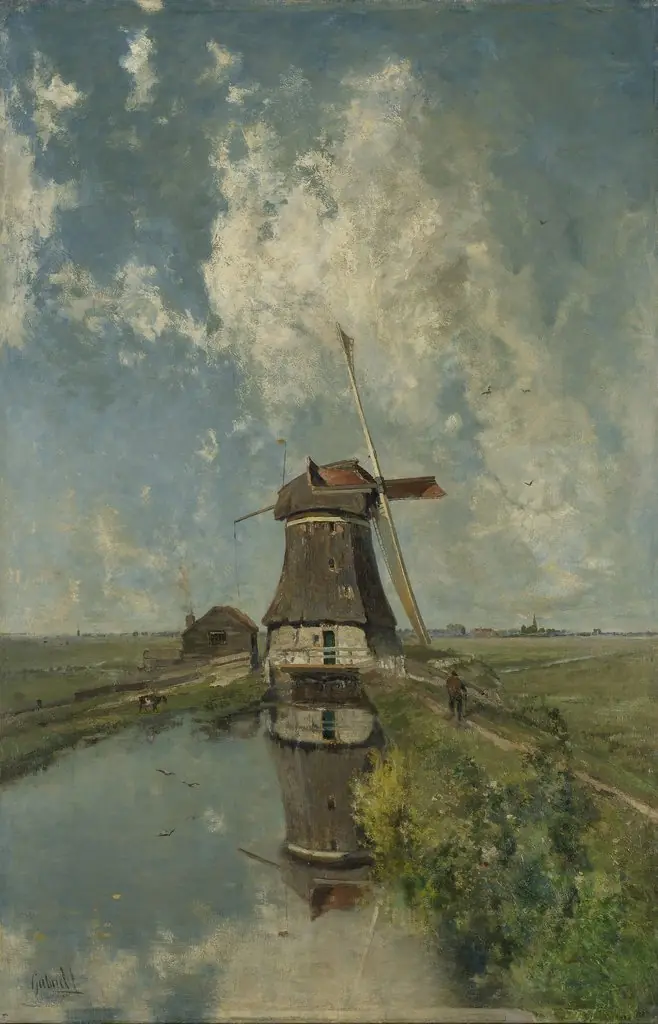 A Windmill on a Polder Waterway, Known as ‘In the Month of July’
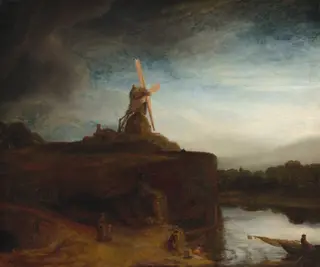 The Mill
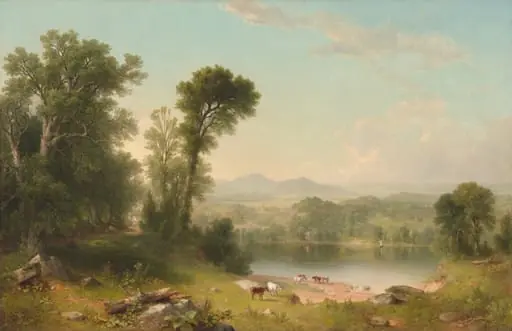 Pastoral Landscape
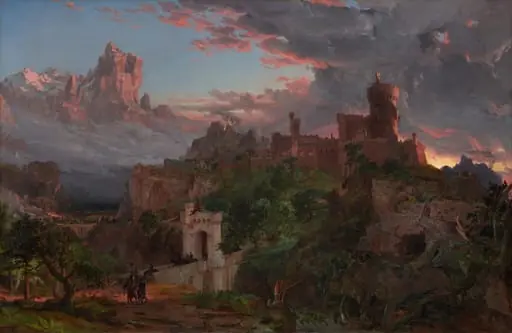 The Spirit of War
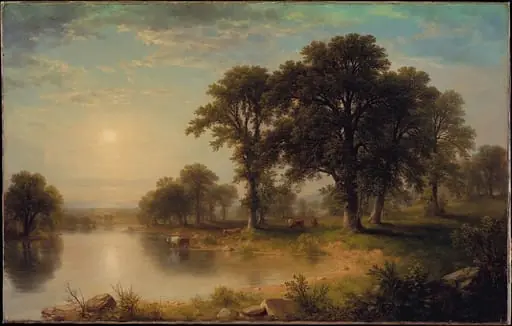 Summer Afternoon
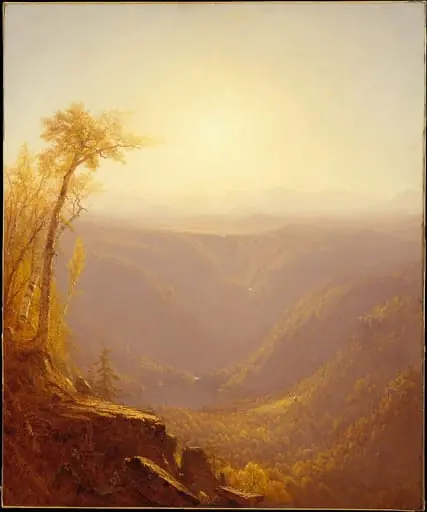 A Gorge in the Mountains (Kauterskill Clove)
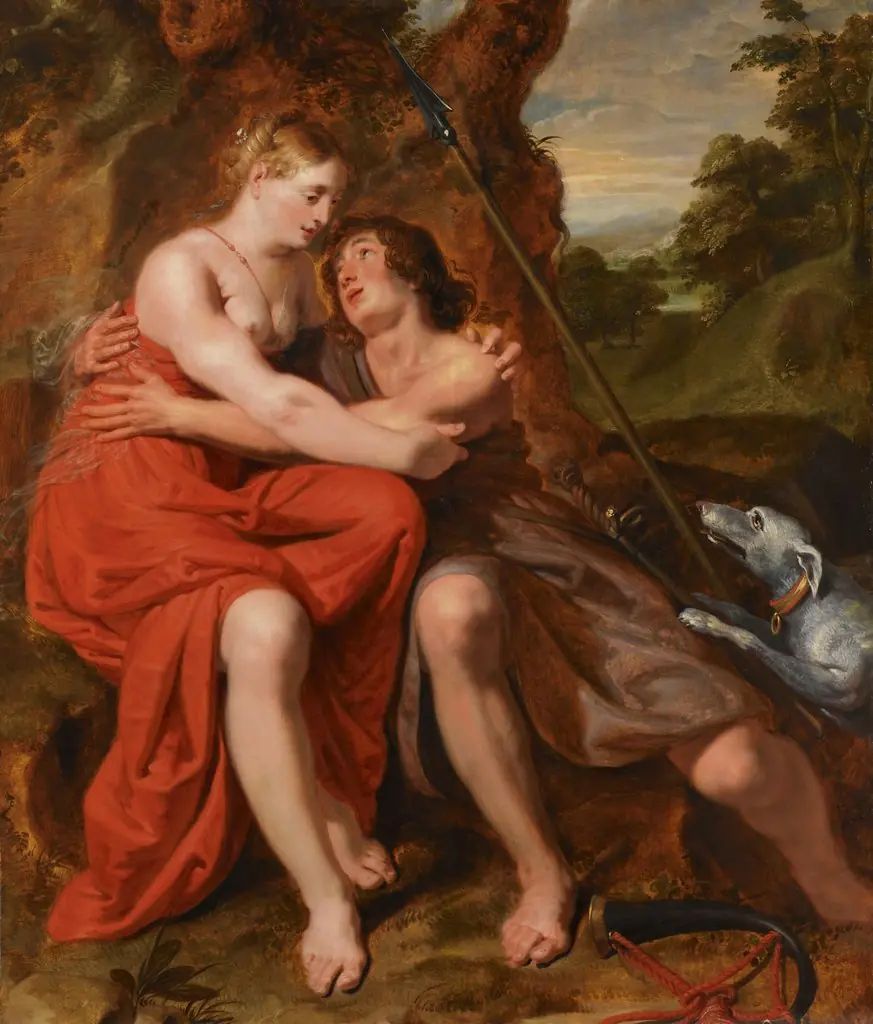 Venus and Adonis
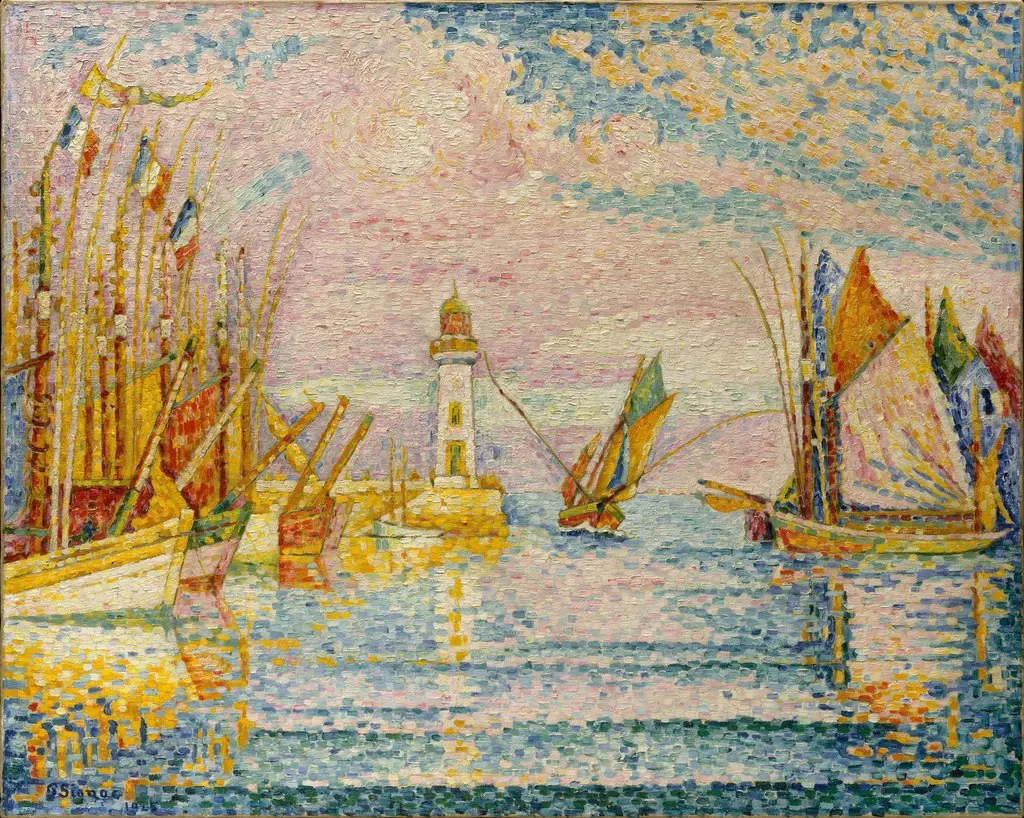 Lighthouse at Groix
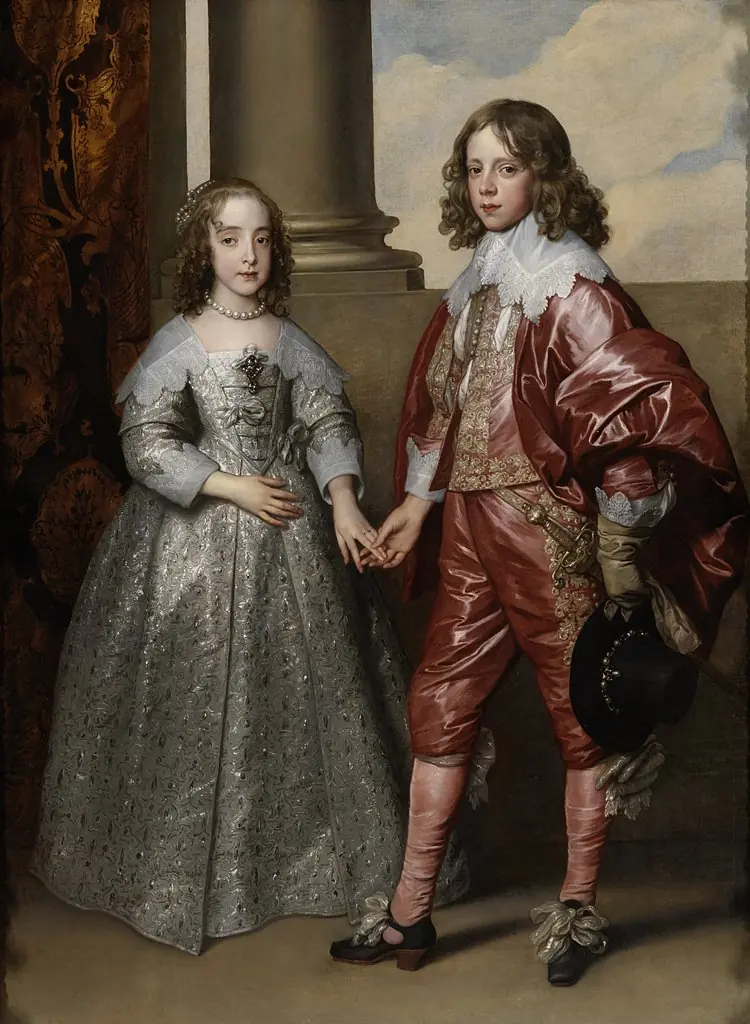 William II, Prince of Orange, and his Bride, Mary Stuart
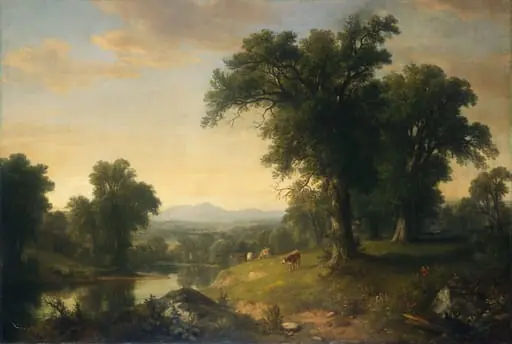 A Pastoral Scene
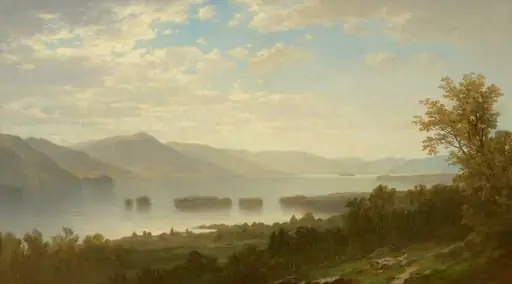 Lake George
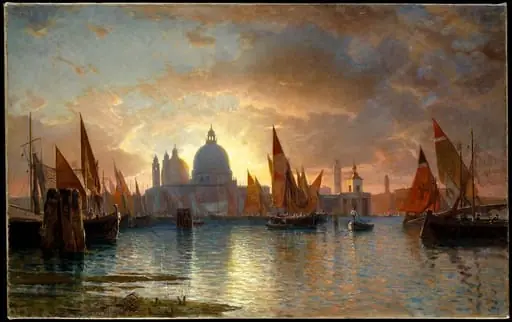 Santa Maria della Salute, Sunset
 September Morn
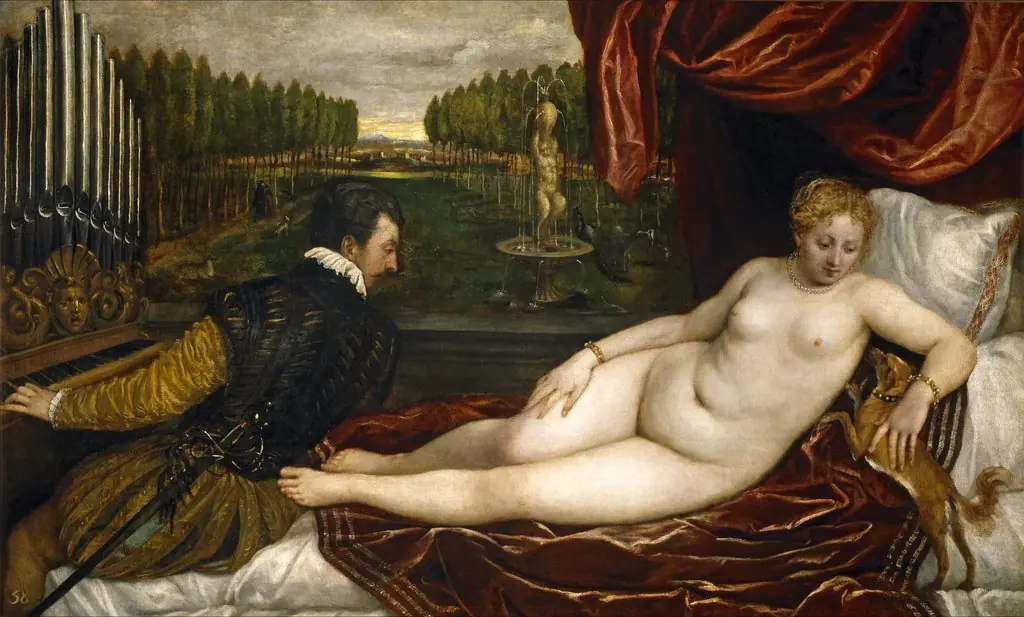 Venus and Music
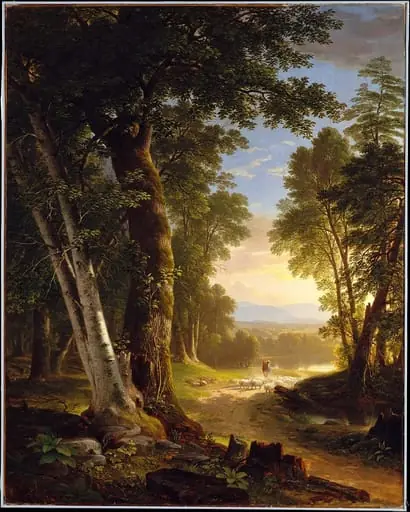 The Beeches
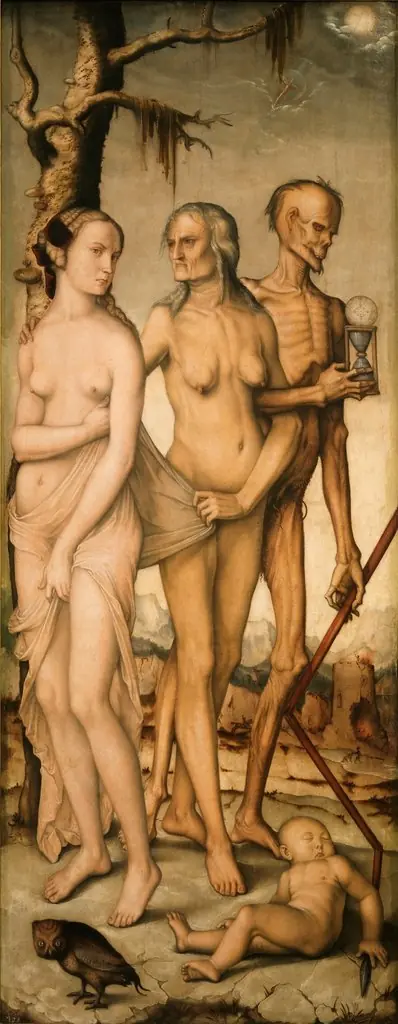 The Ages and Death
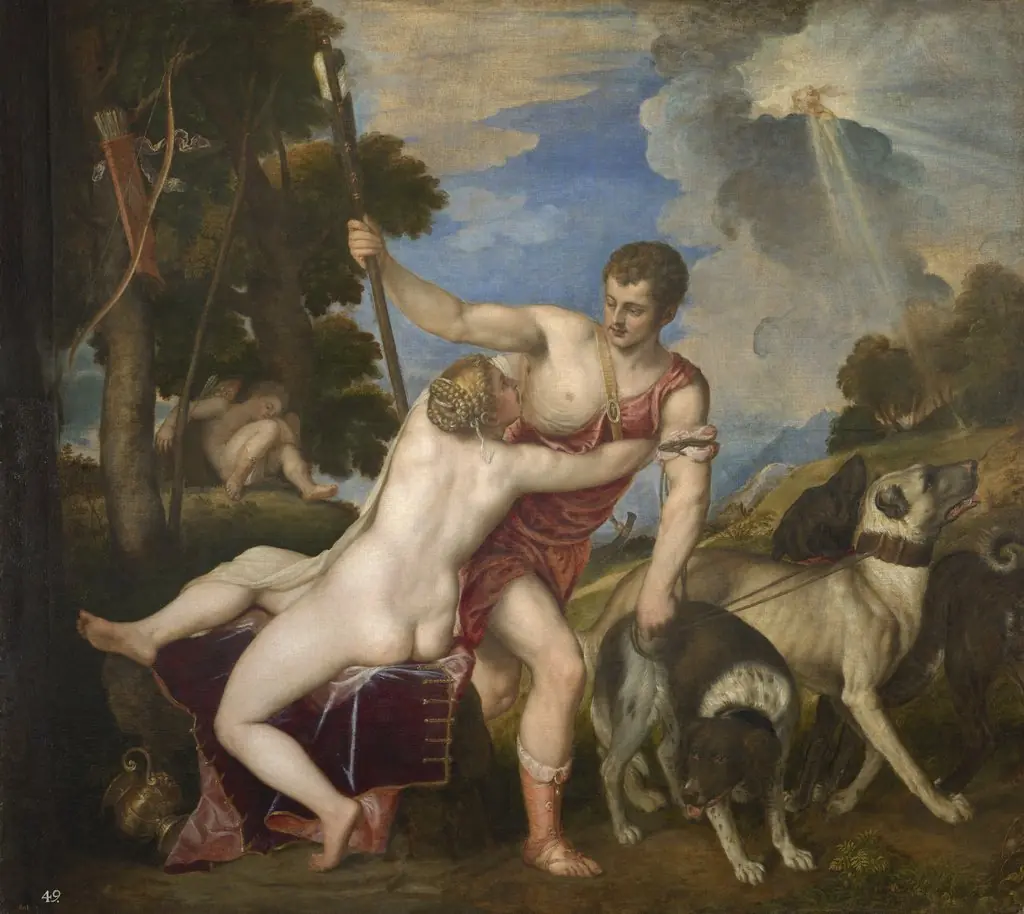 Venus and Adonis
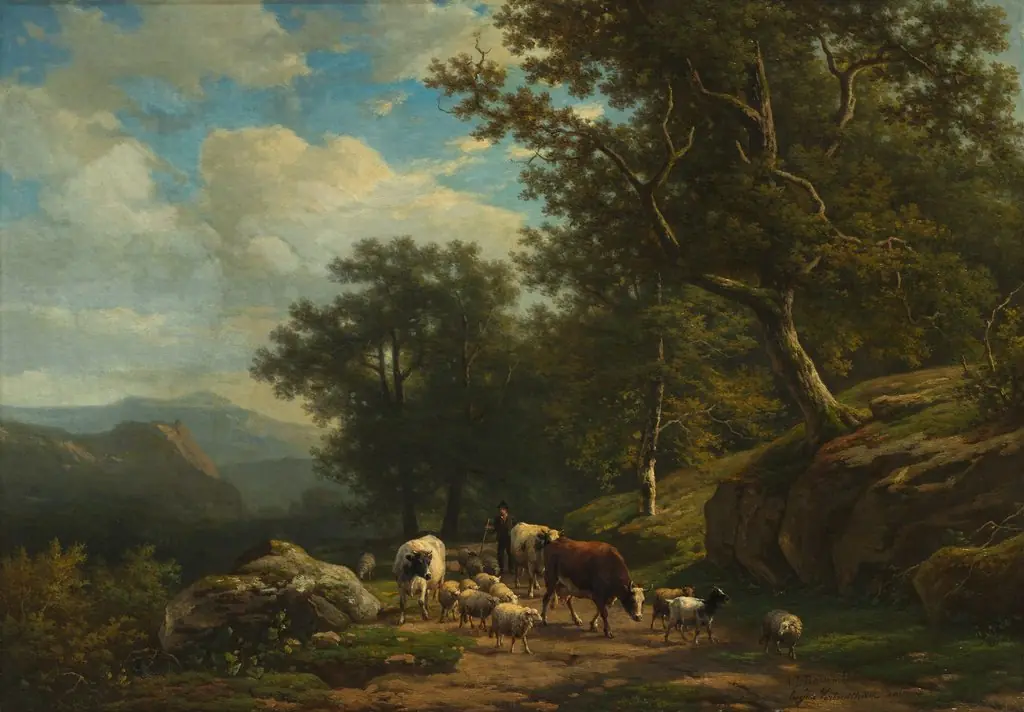 Landscape with a Peasant and His Flock
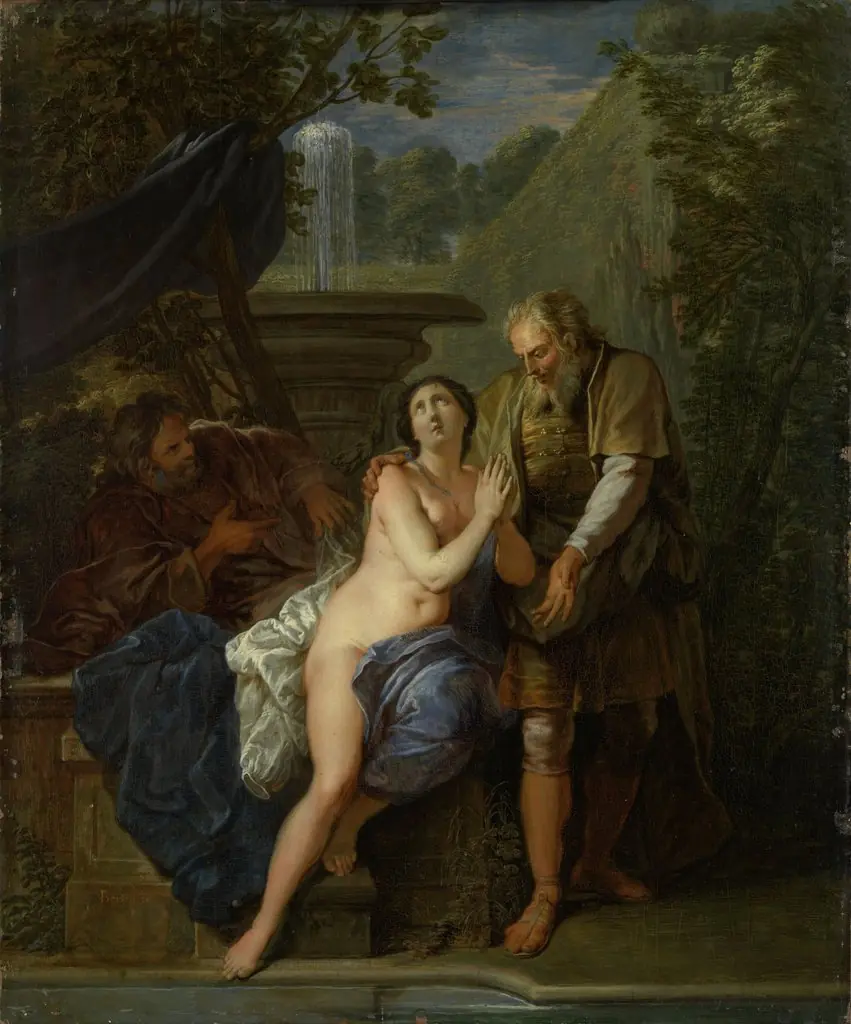 Susanna and the Elders
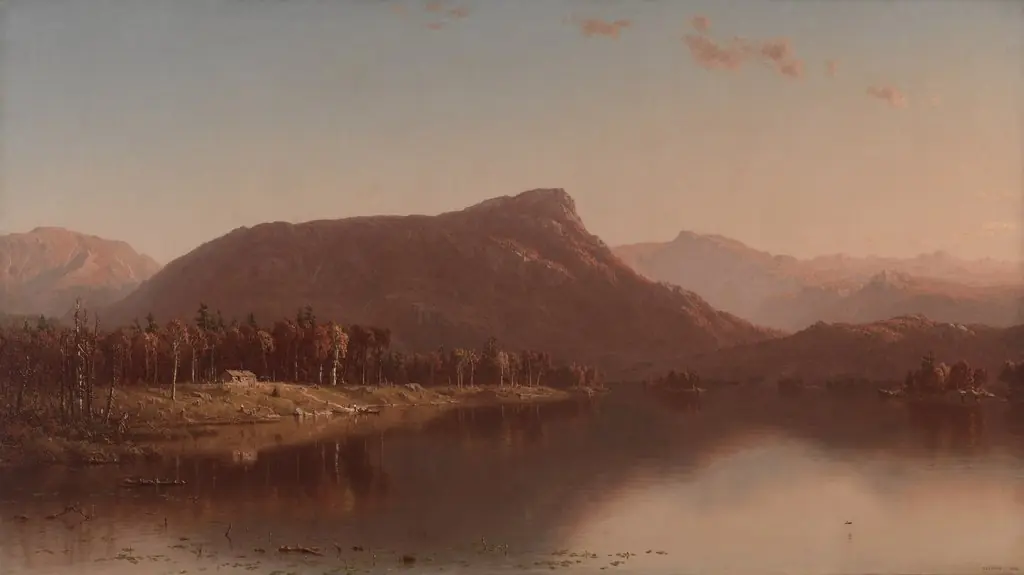 A Home in the Wilderness
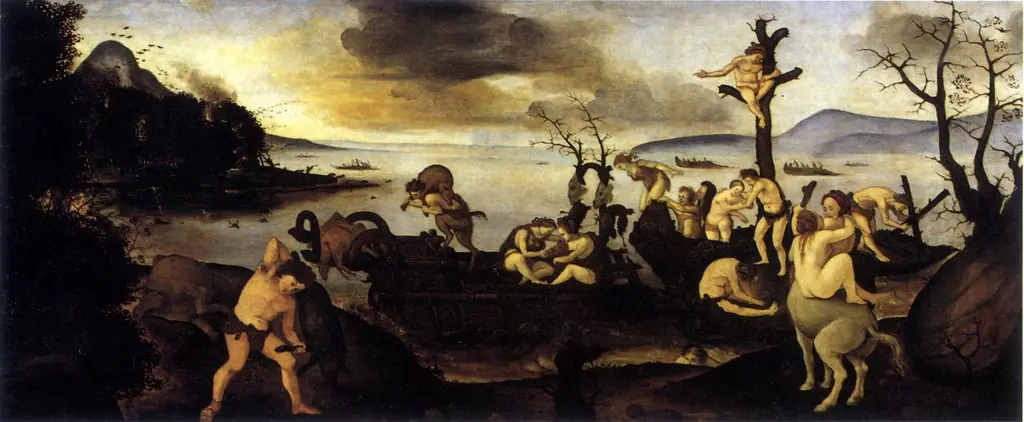 Return from the Hunt by Piero di Cosimo
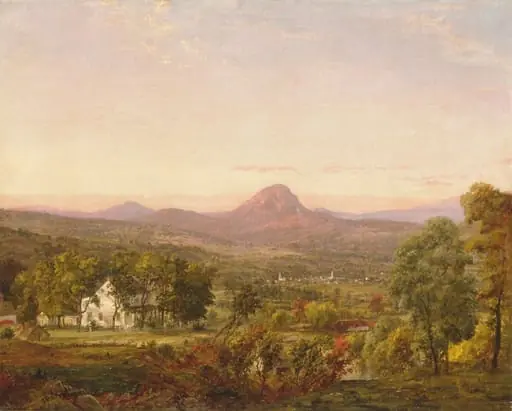 Autumn Landscape, Sugar Loaf Mountain, Orange County, New York
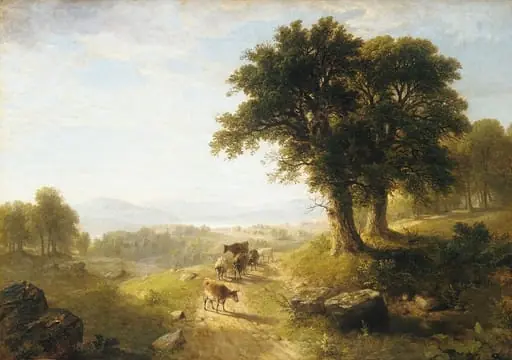 River Scene
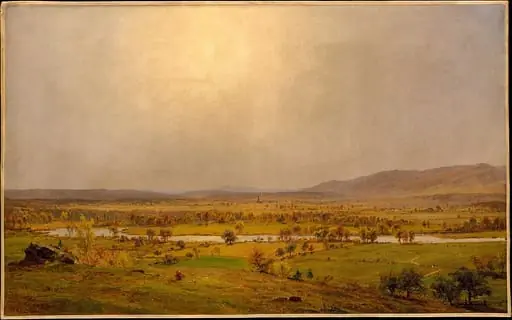 Pompton Plains, New Jersey
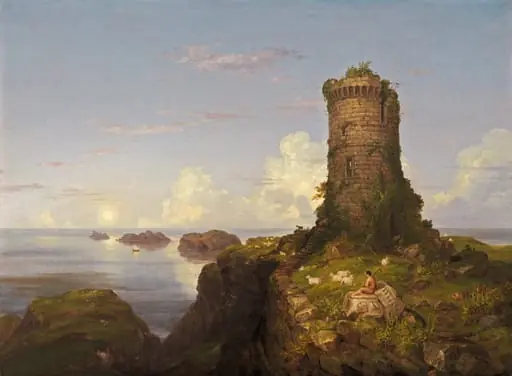 Italian Coast Scene with Ruined Tower
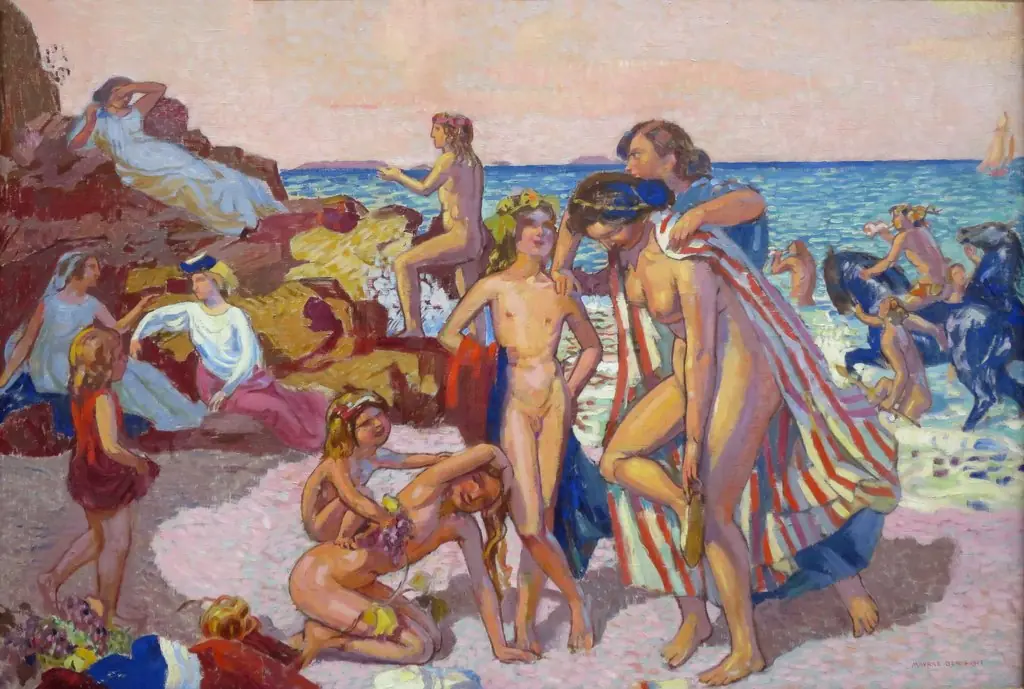 Bacchus and Ariadne
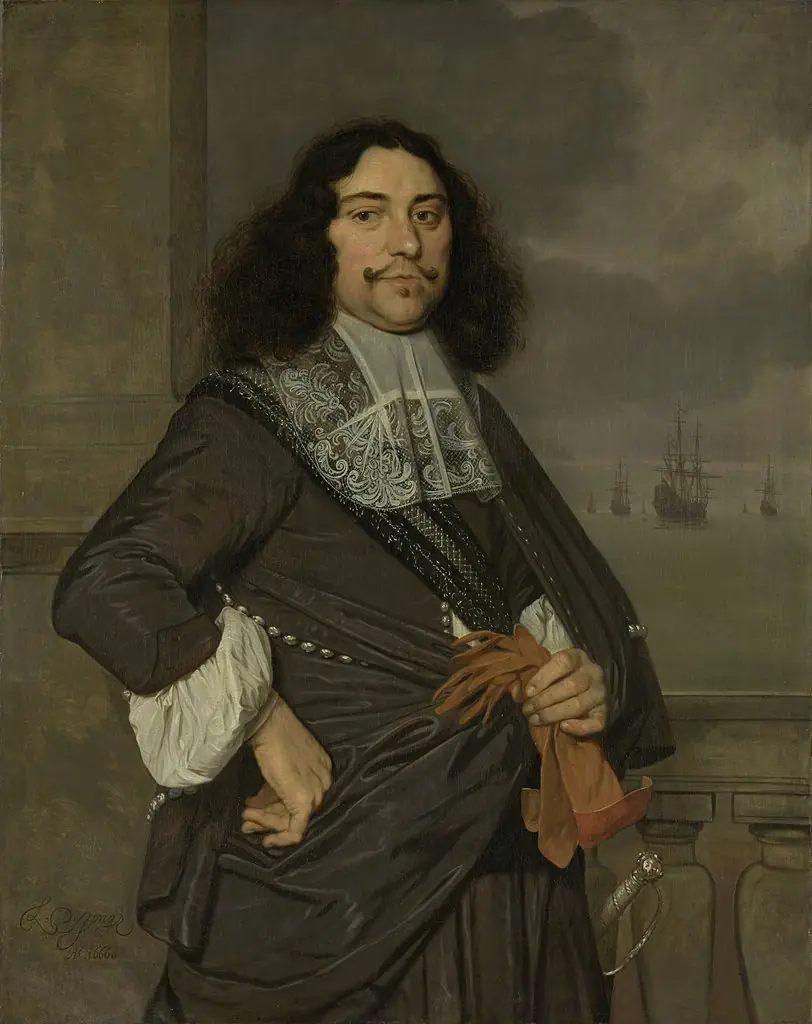 Portrait of Jan van Nes (1631-80). Vice admiral of Holland and West-Friesland
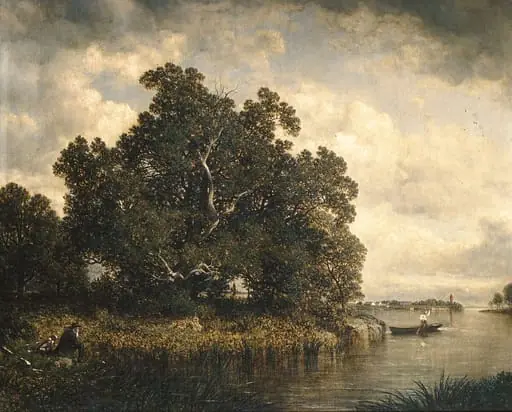 Bayside, New Rochelle, New York
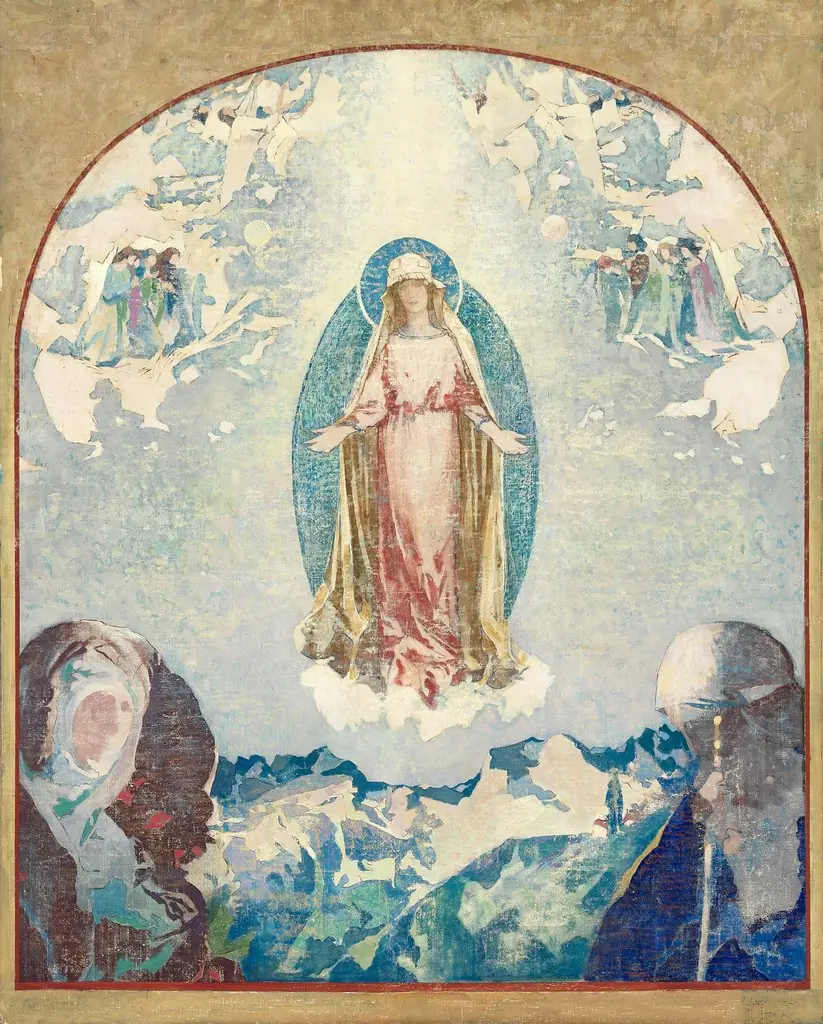 Rosa Mystica
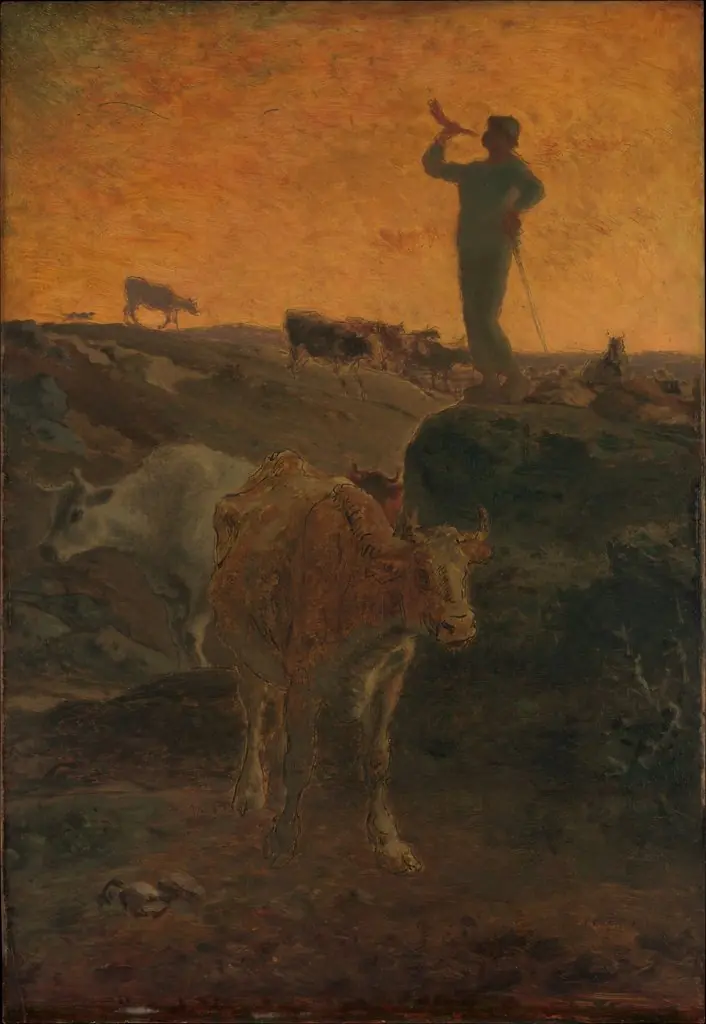 Calling the Cows Home
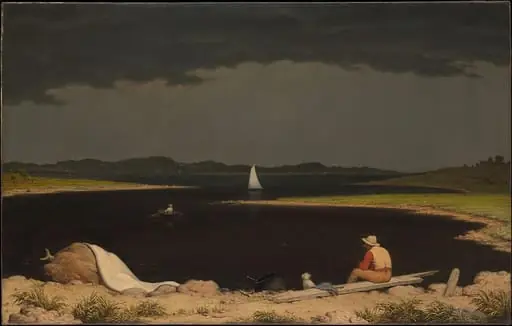 Approaching Thunder Storm
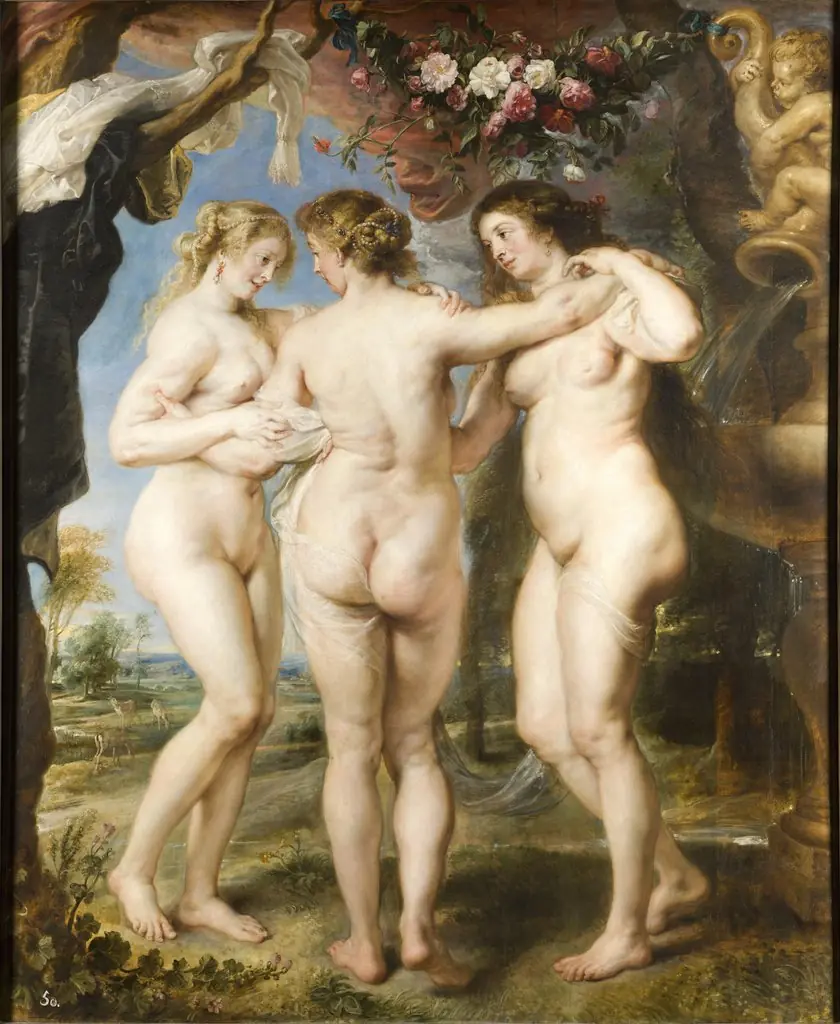 The Three Graces
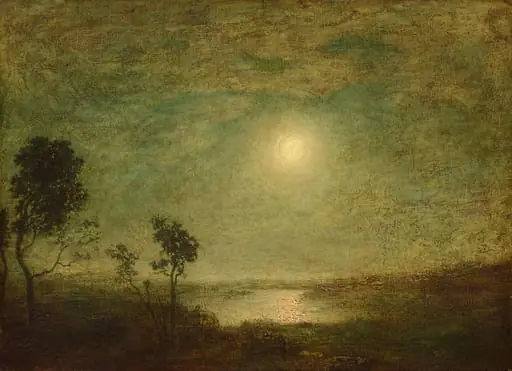 Moonlight
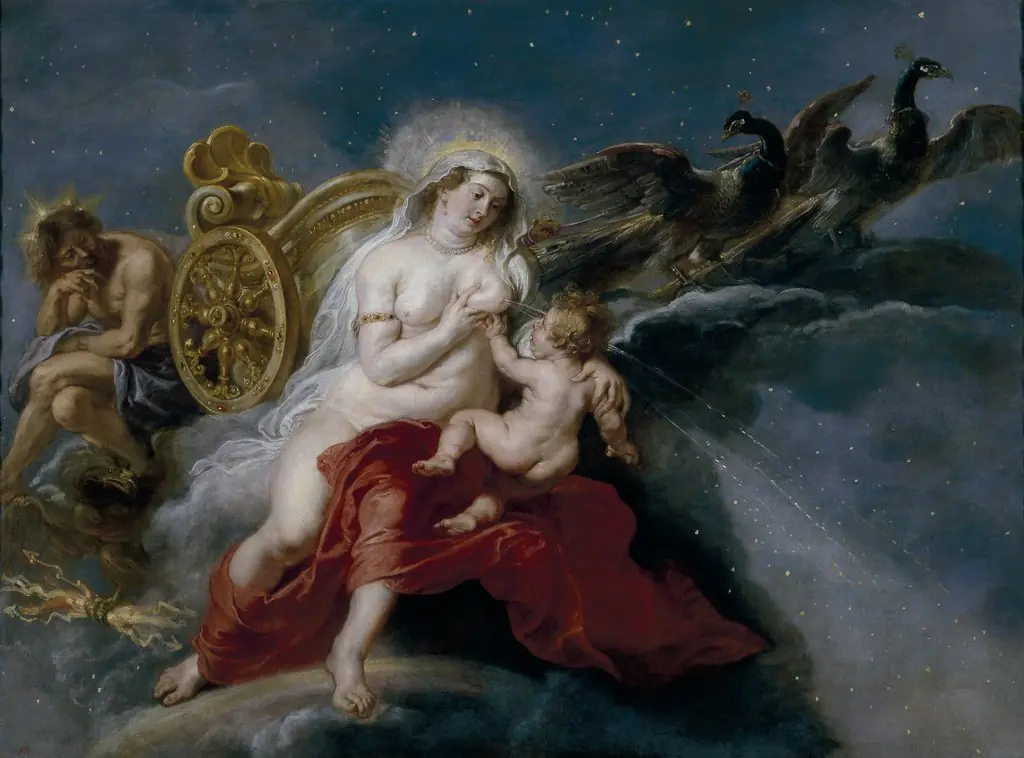 The Origin of the Milky Way
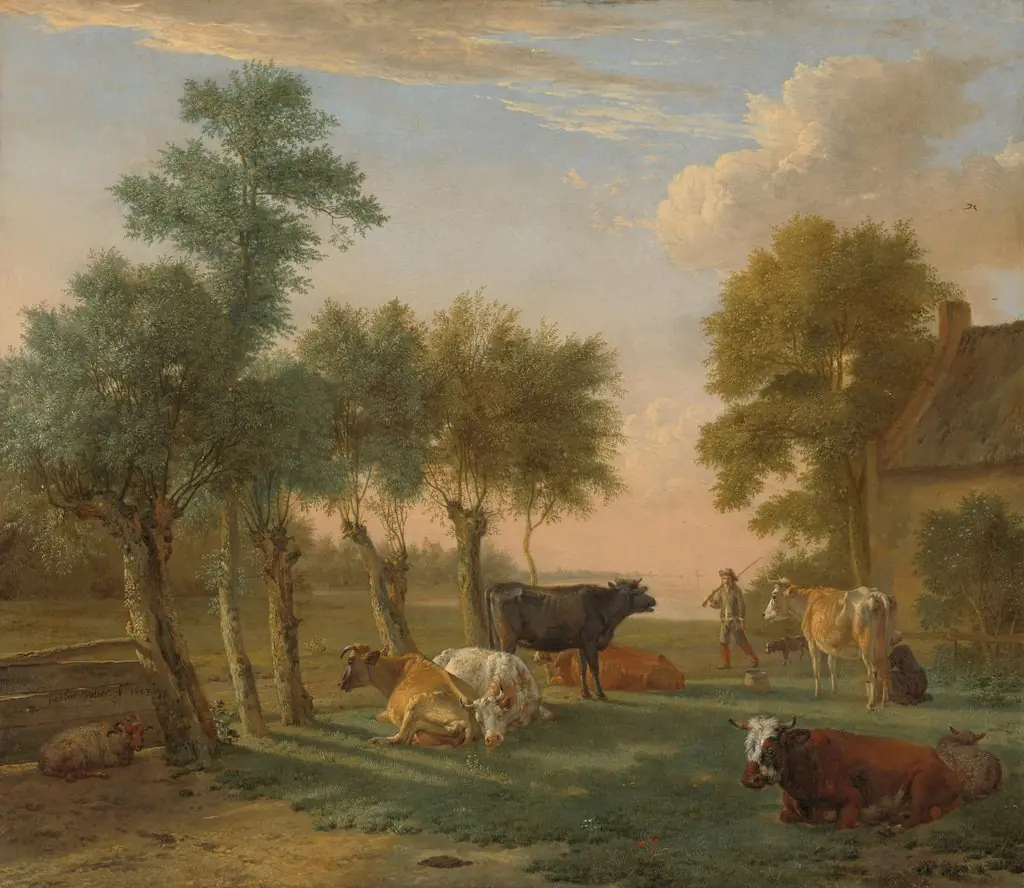 Cows in a Meadow near a Farm
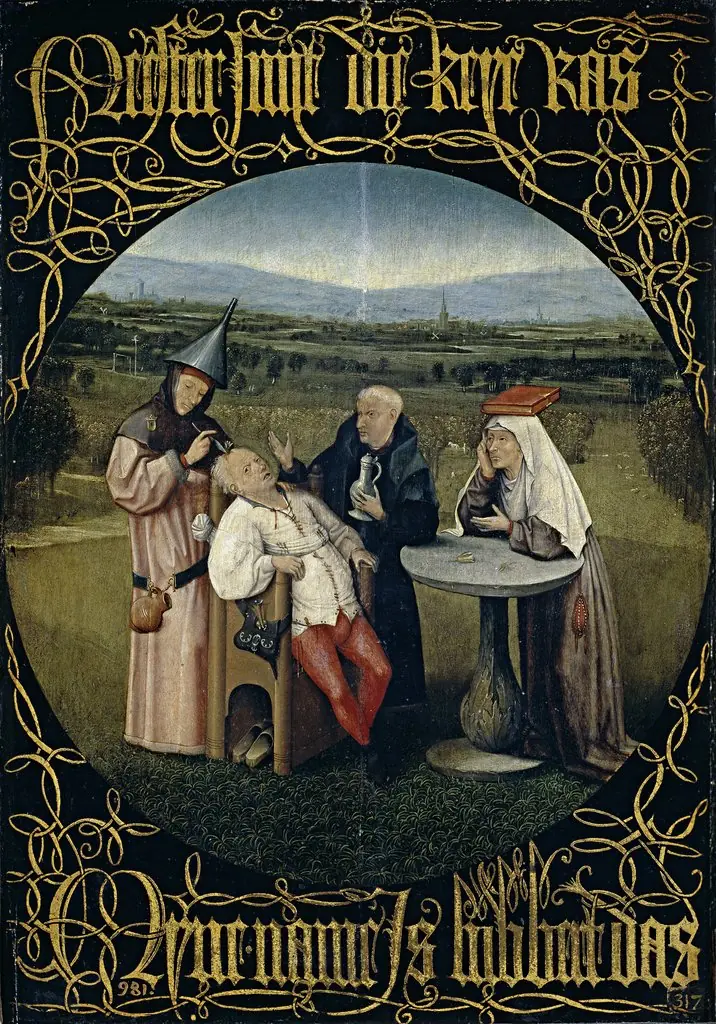 Cutting the Stone
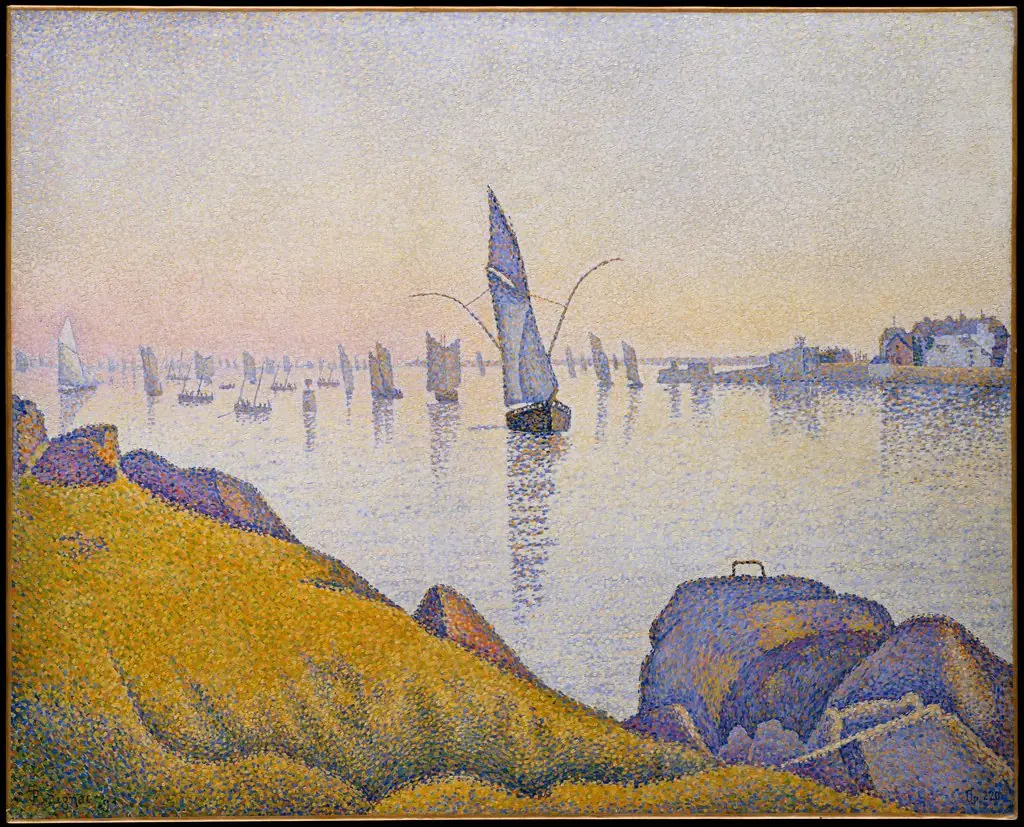 Evening Calm, Concarneau, Opus 220 (Allegro Maestoso)
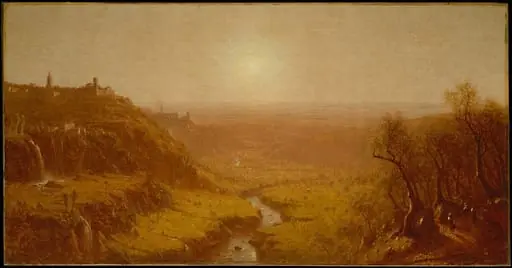 Tivoli
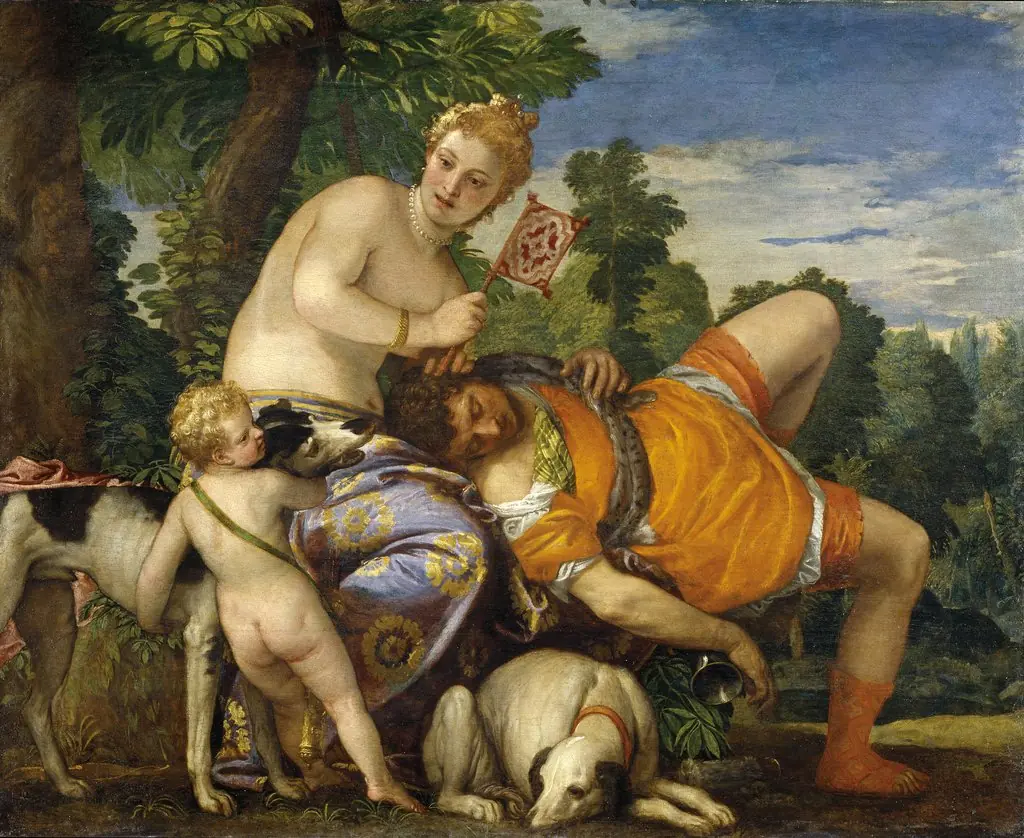 Venus and Adonis
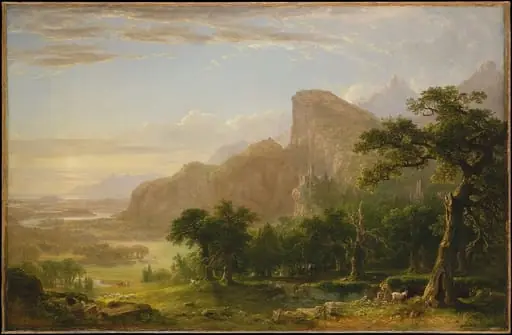 Landscape—Scene from "Thanatopsis"
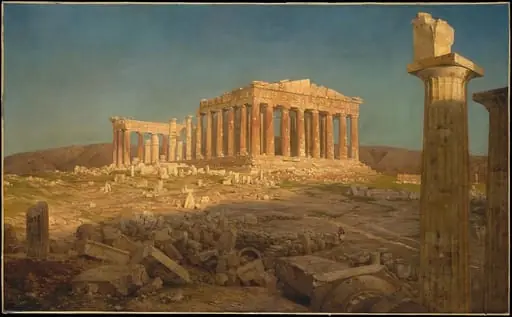 The Parthenon
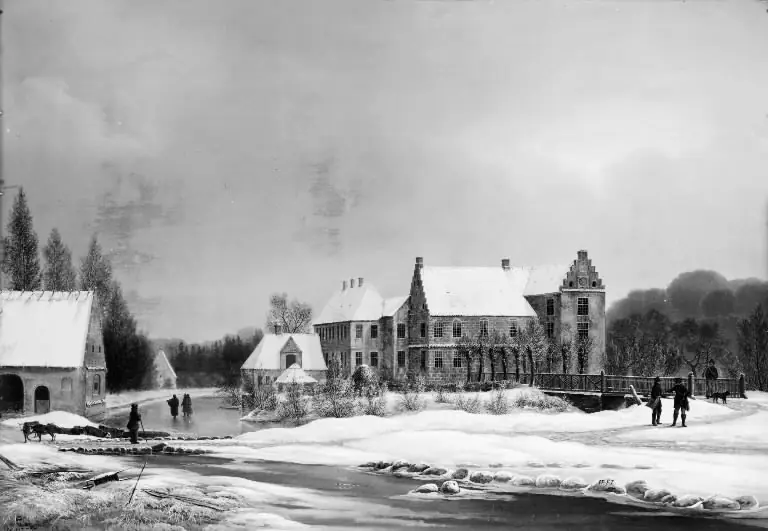 Prospekt af hovedgården Lykkesholm på Fyn. Vinter
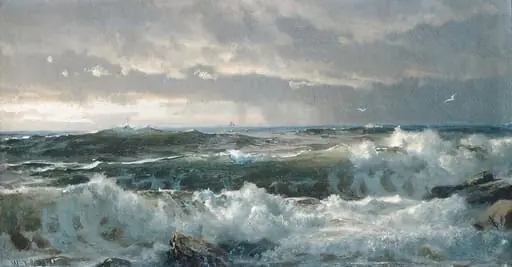 Surf on Rocks
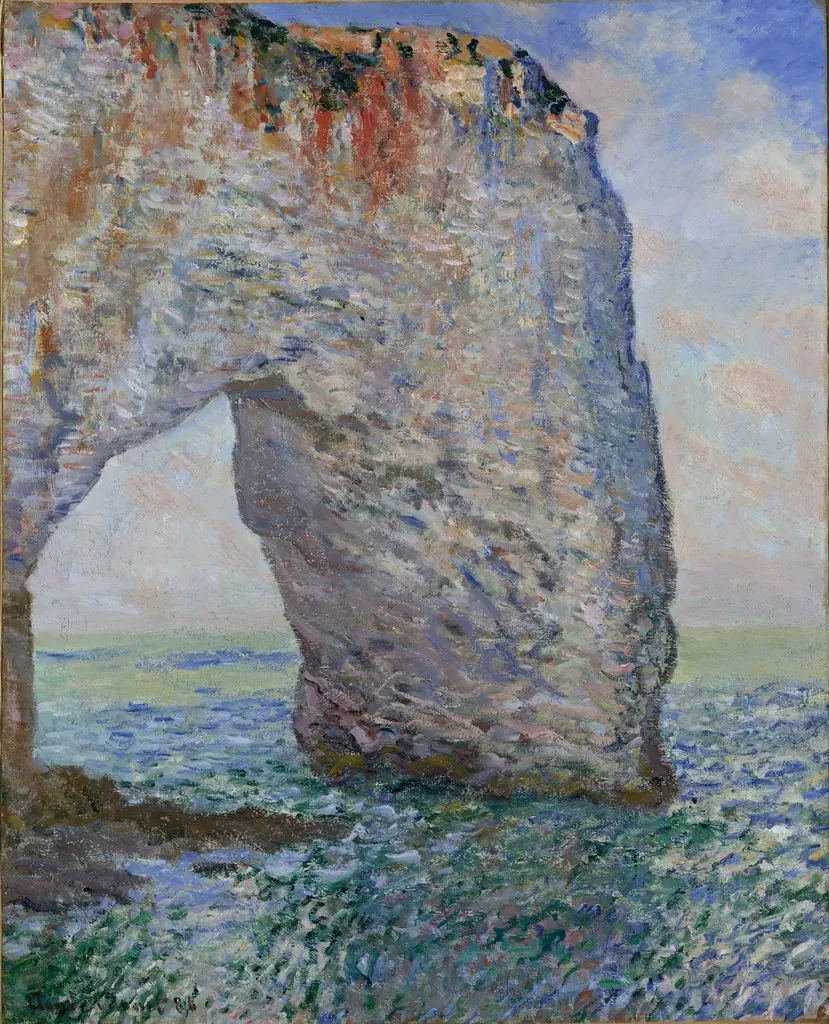 The Manneporte near Étretat
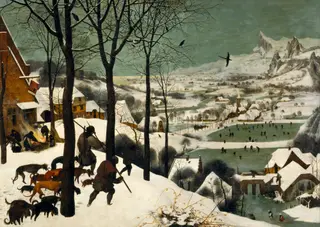 The Hunters in the Snow
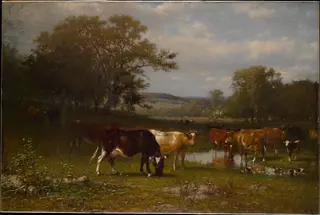 From Shifting Shade
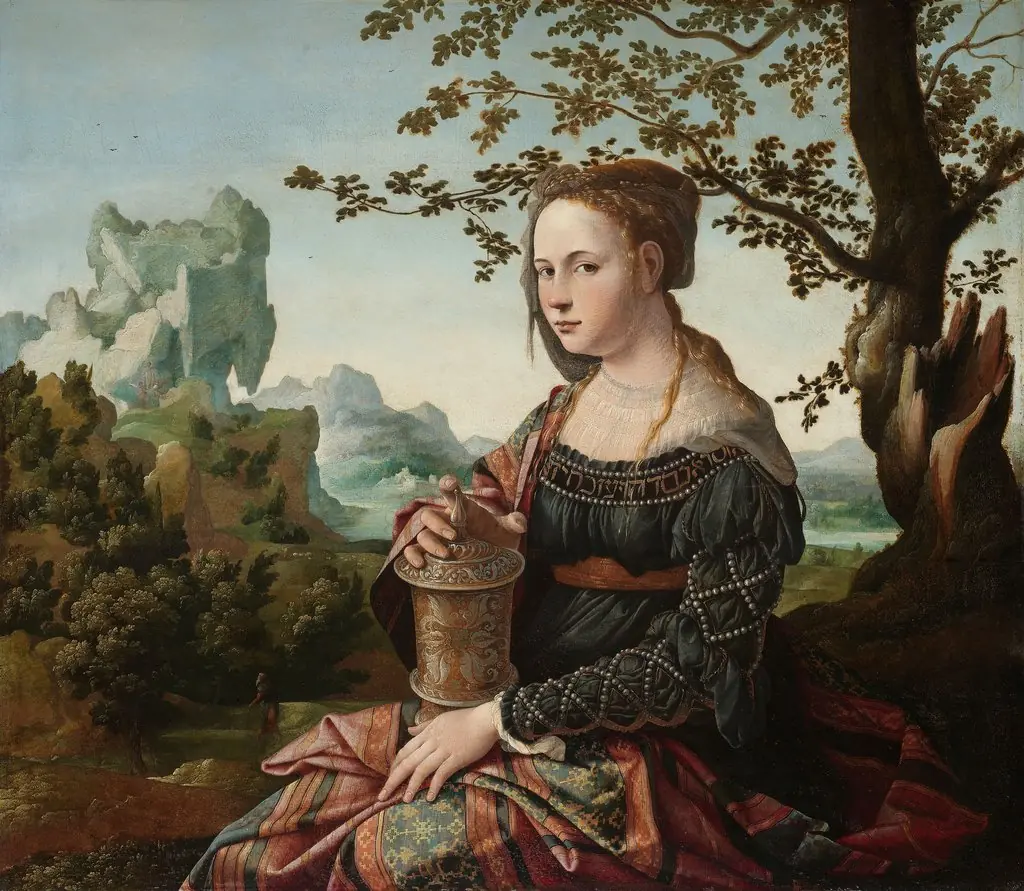 Mary Magdalene
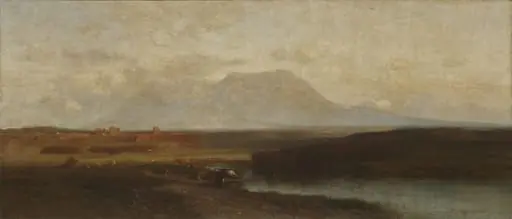 Spanish Peaks, Southern Colorado, Late Afternoon
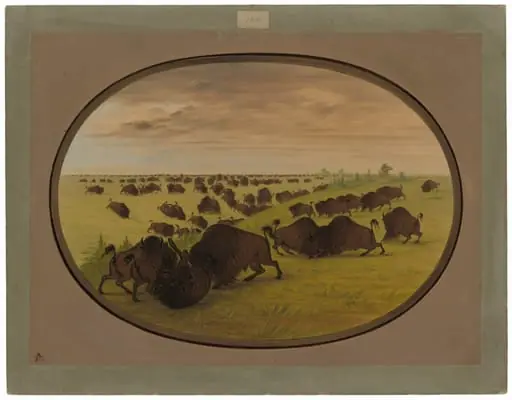 Bulls Fighting
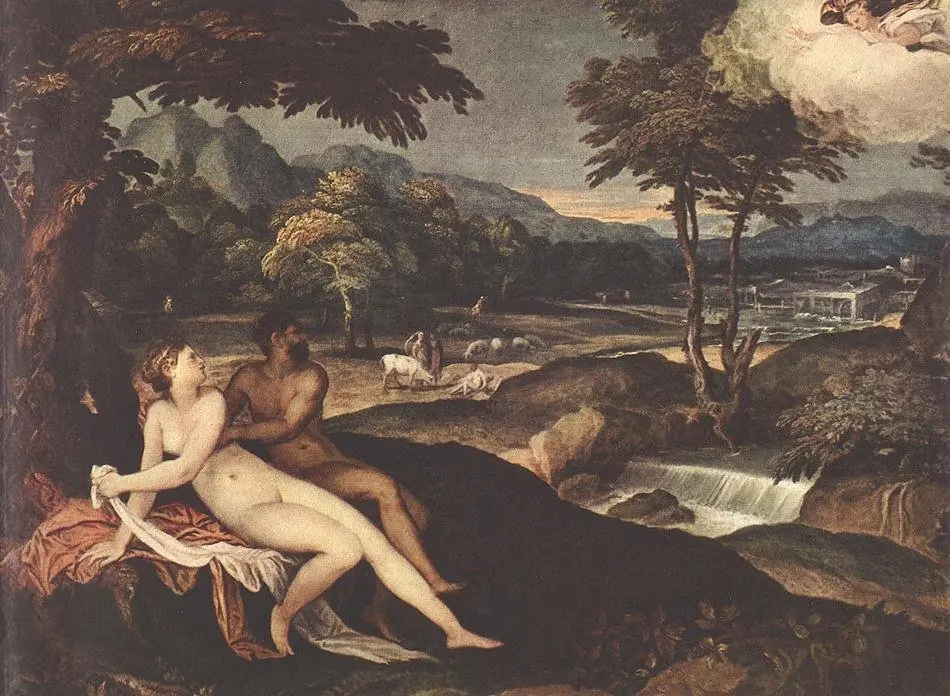 Landscape with Jupiter and Io
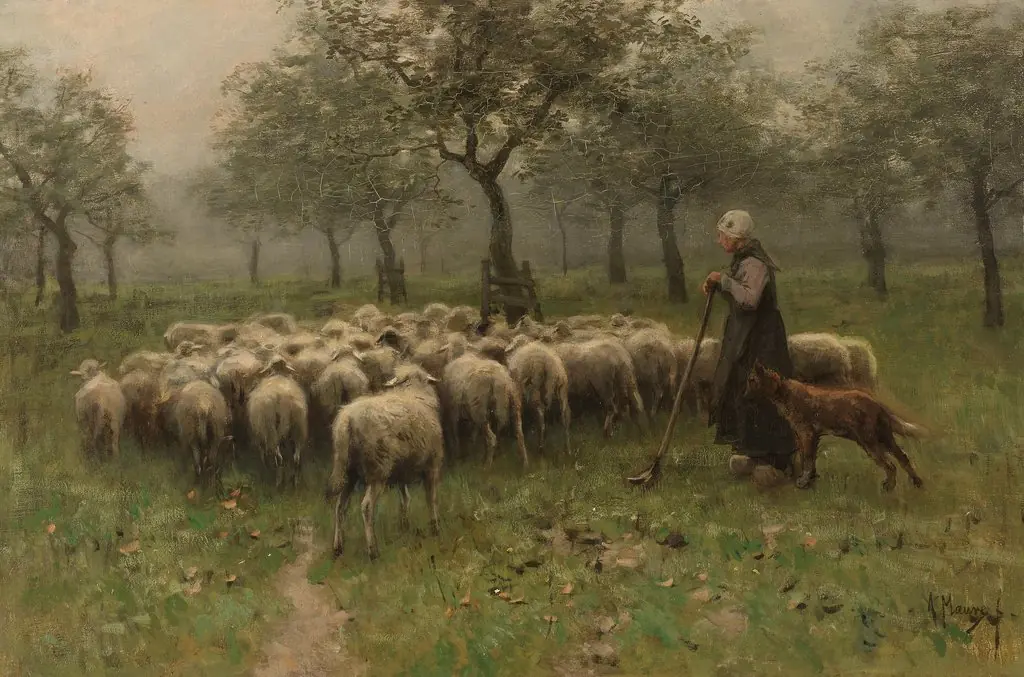 Shepherdess with a Flock of Sheep
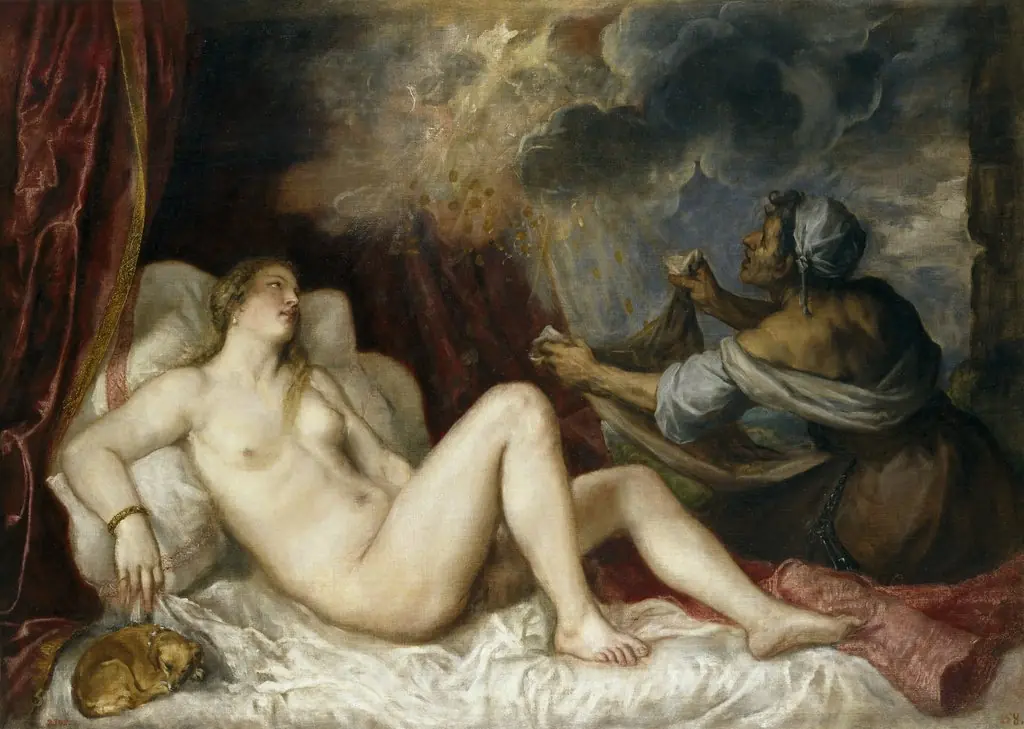 Danaë
Danaë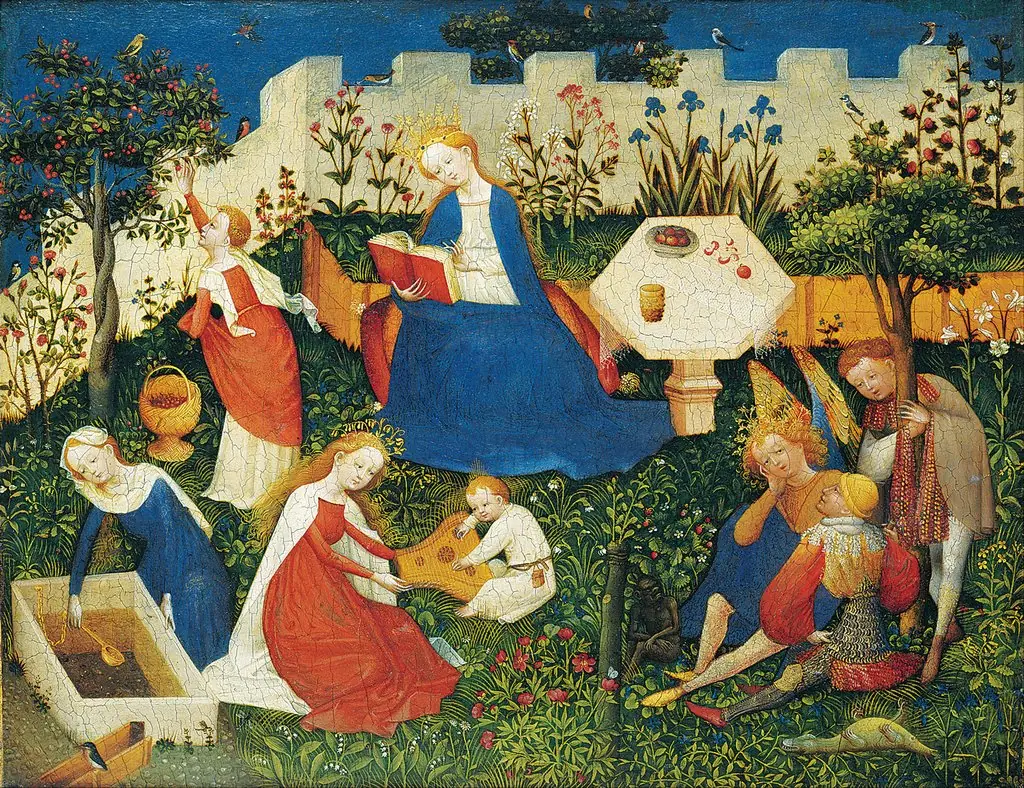 Paradiesgärtlein
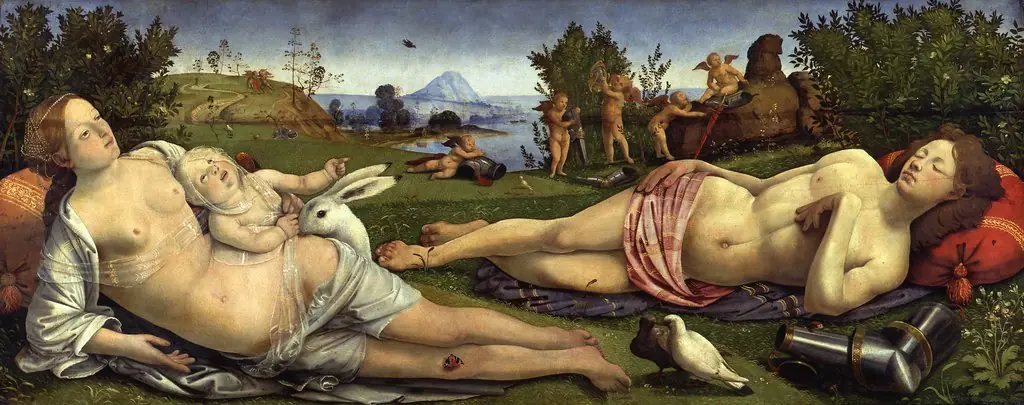 Venus, Mars and Cupid
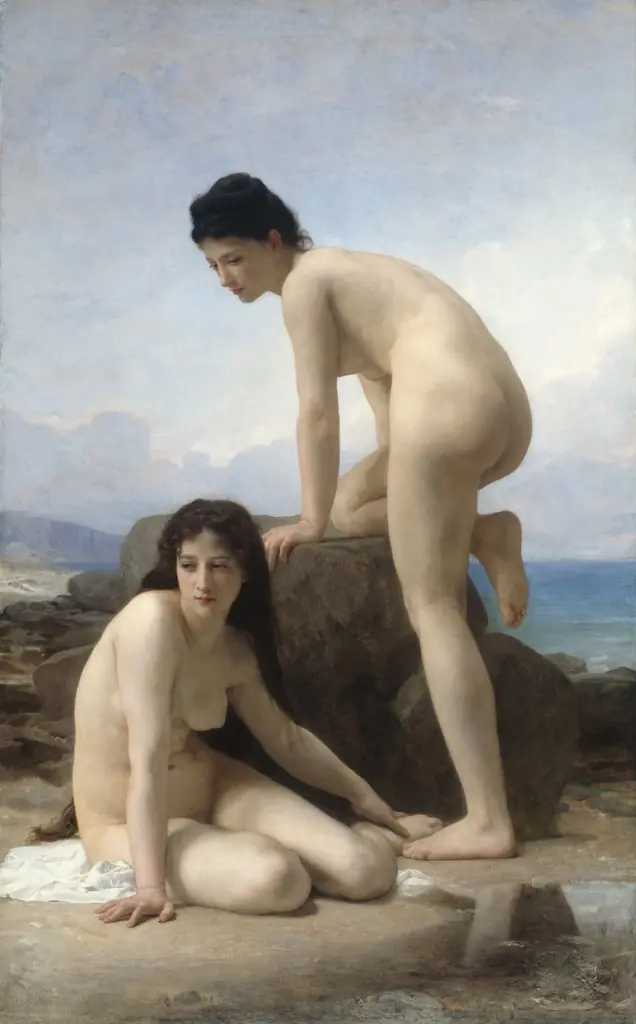 The Two Bathers
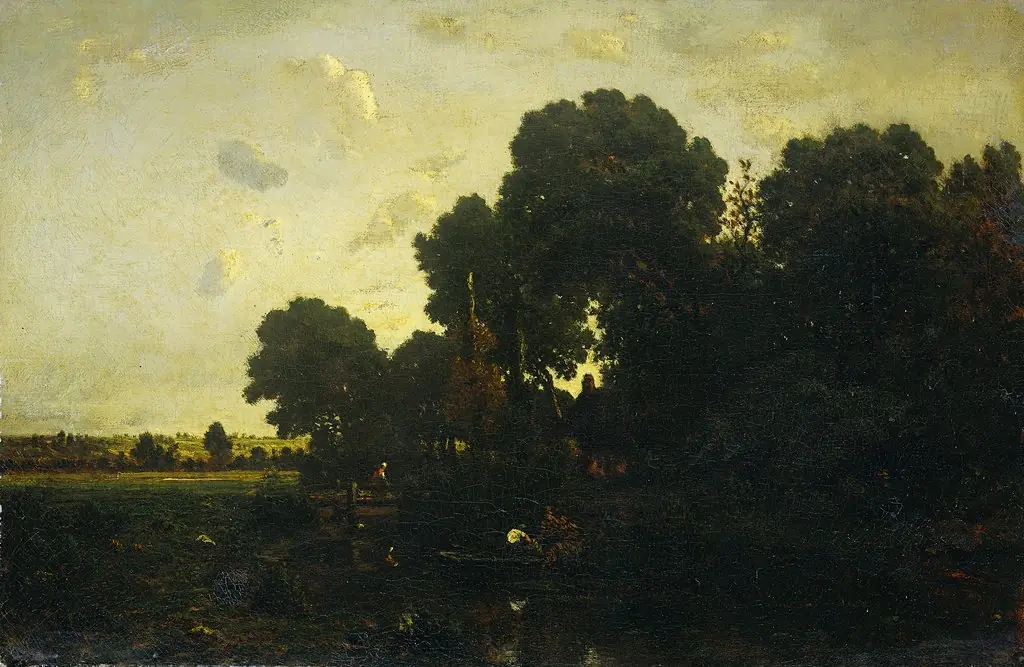 Twilight
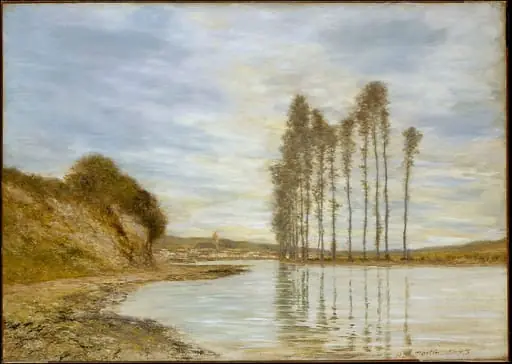 View on the Seine: Harp of the Winds
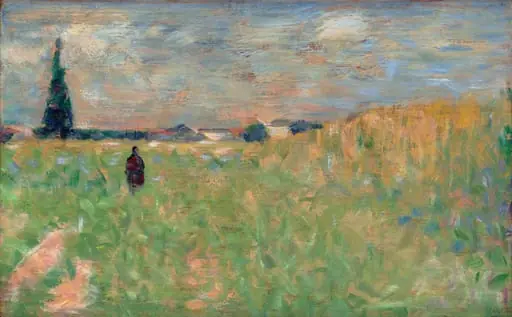 A Summer Landscape
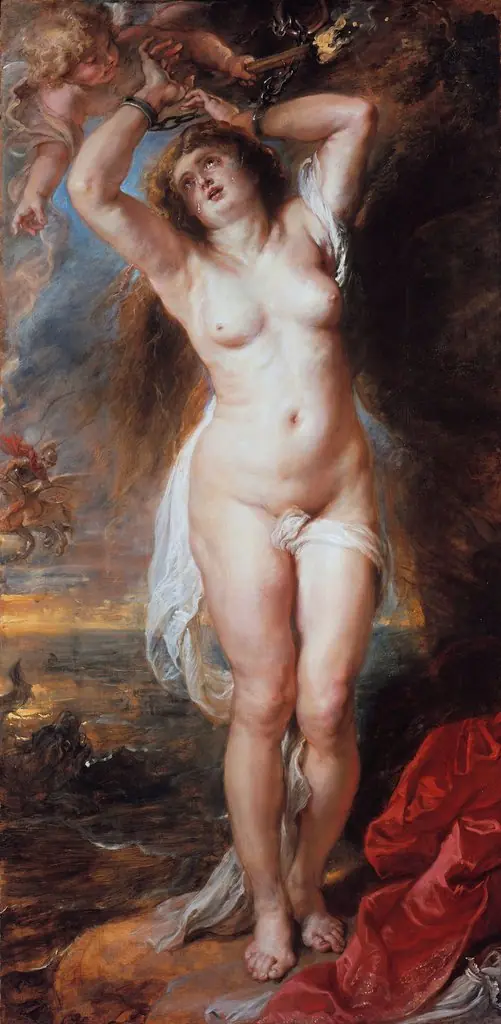 Perseus Freeing Andromeda
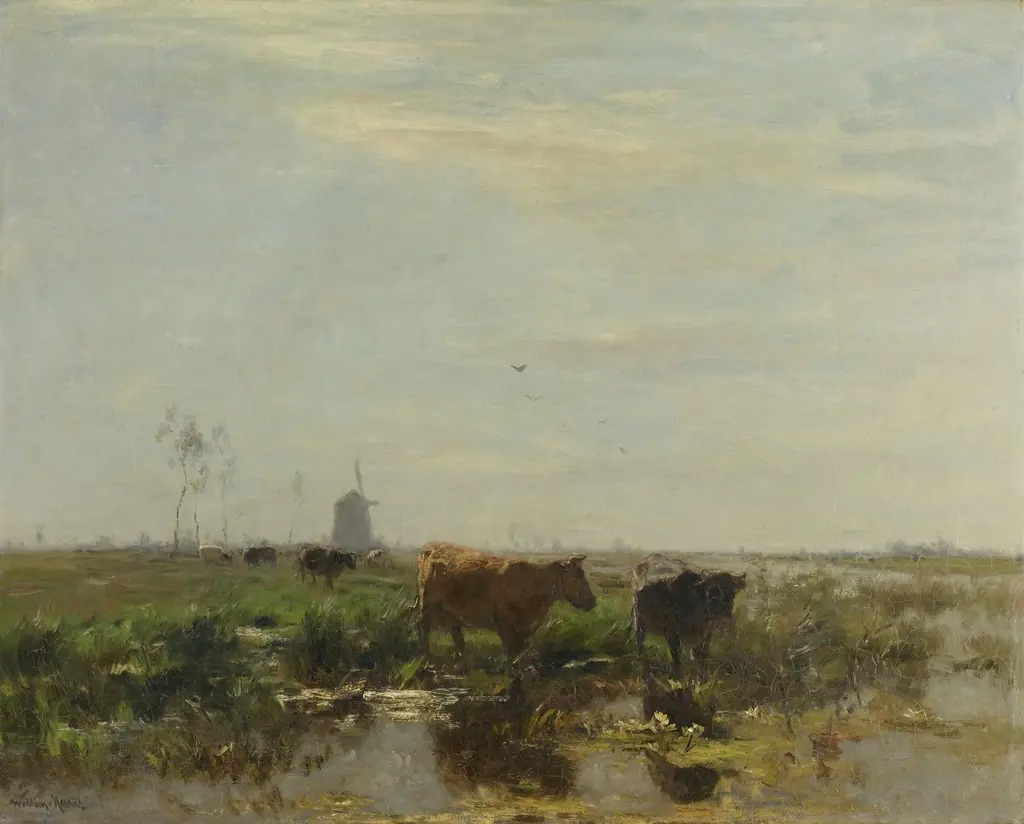 Meadow with Cows by the Water
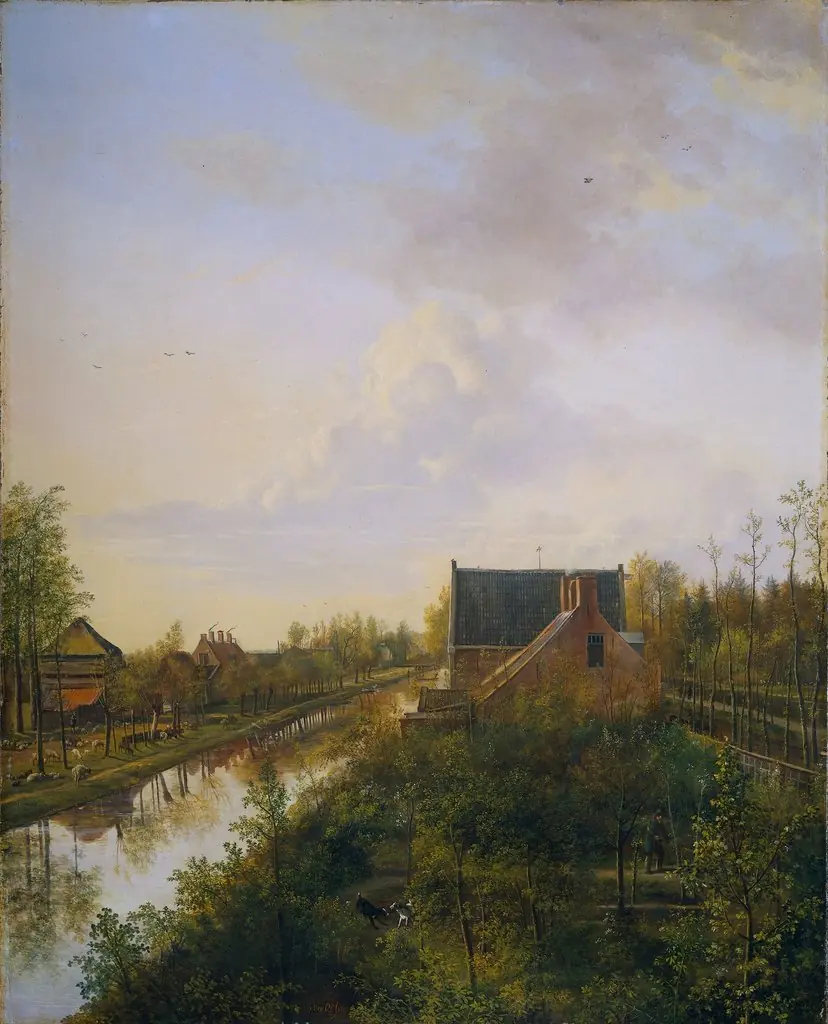 The canal at 's-Graveland
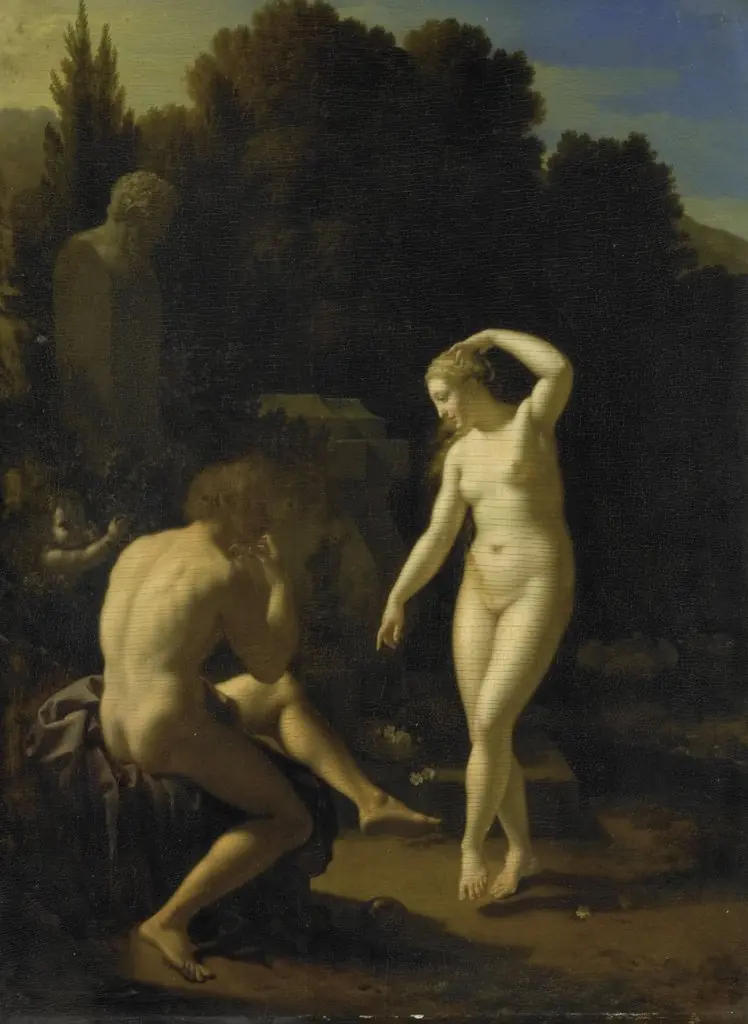 A Nymph Dancing to a Shepherd's Flute-Playing
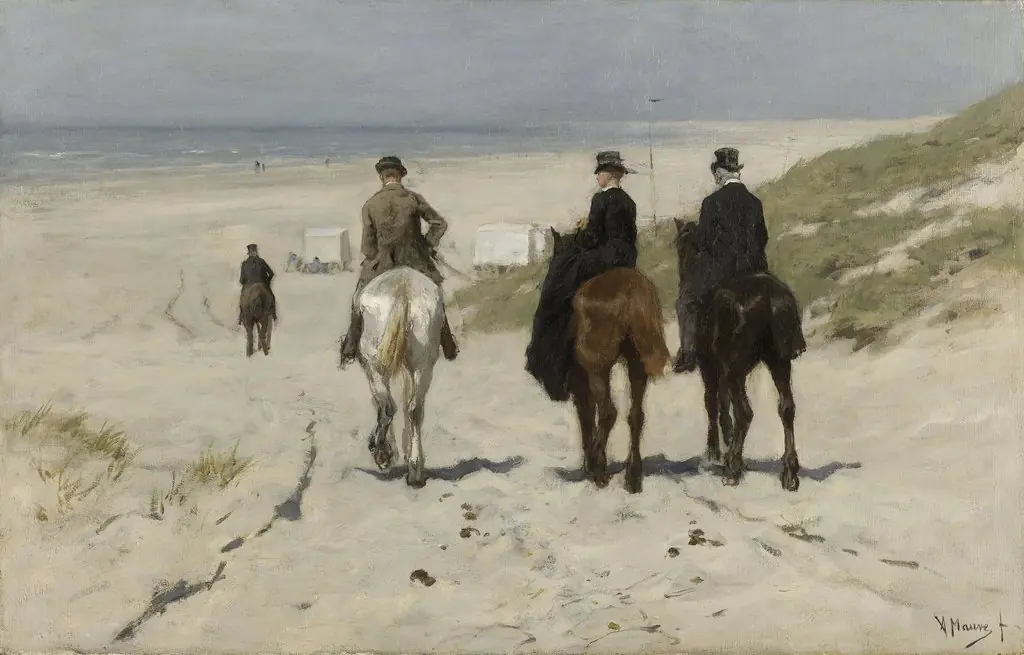 Morning Ride on the Beach
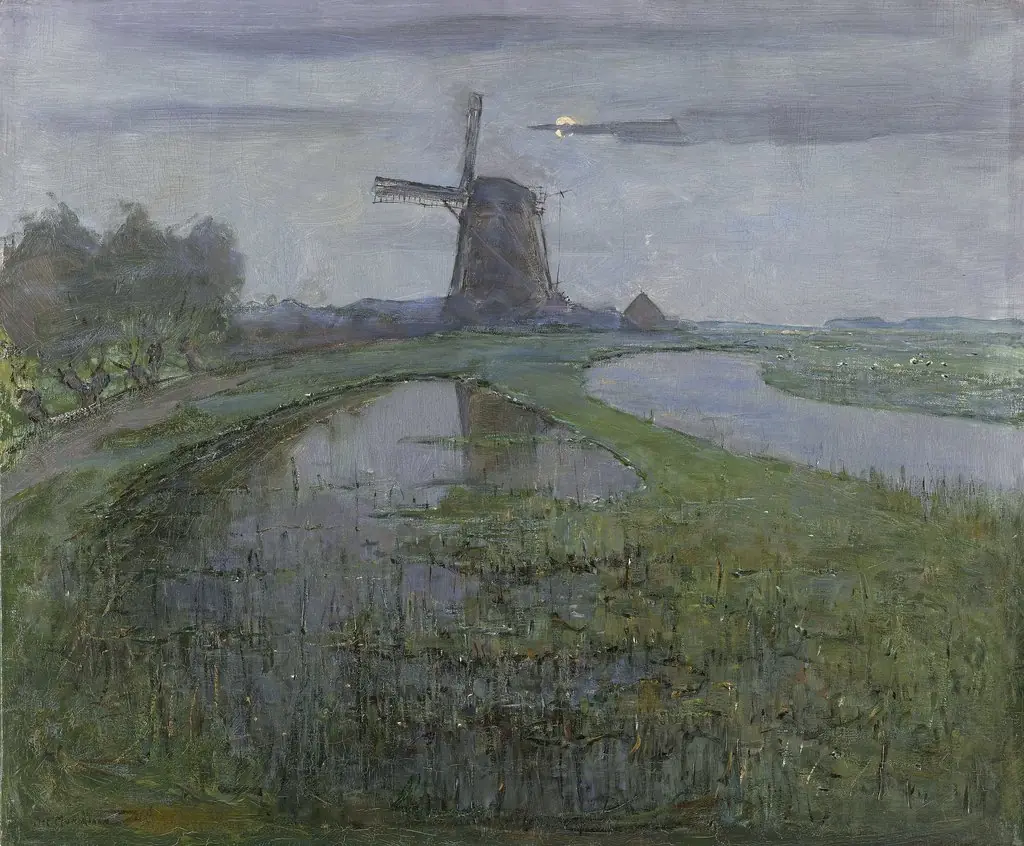 Oostzijdse Mill along the River Gein by Moonlight
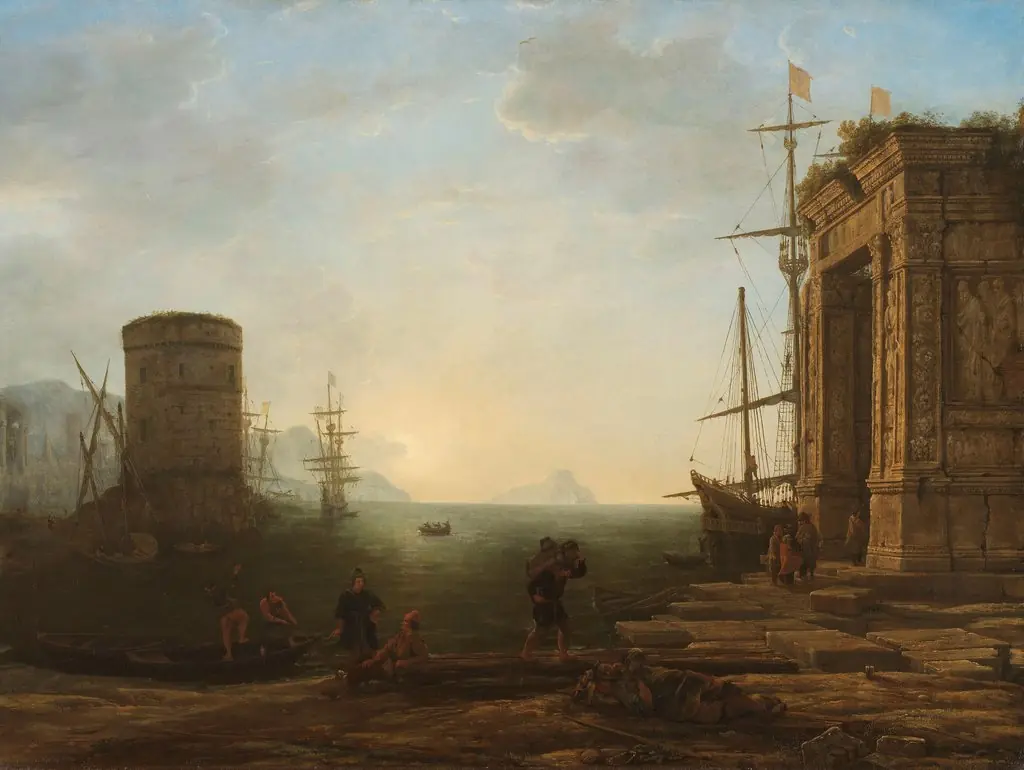 Harbour at Sunrise
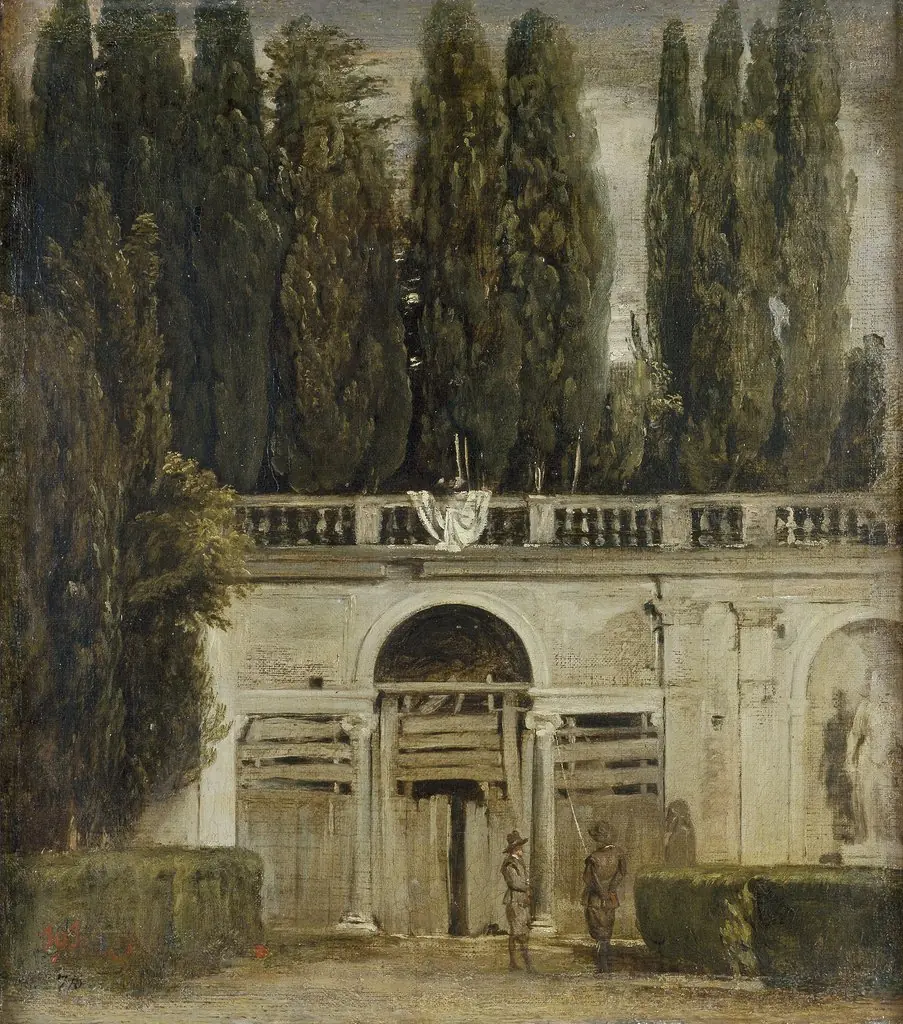 View of the Garden of the Villa Medici
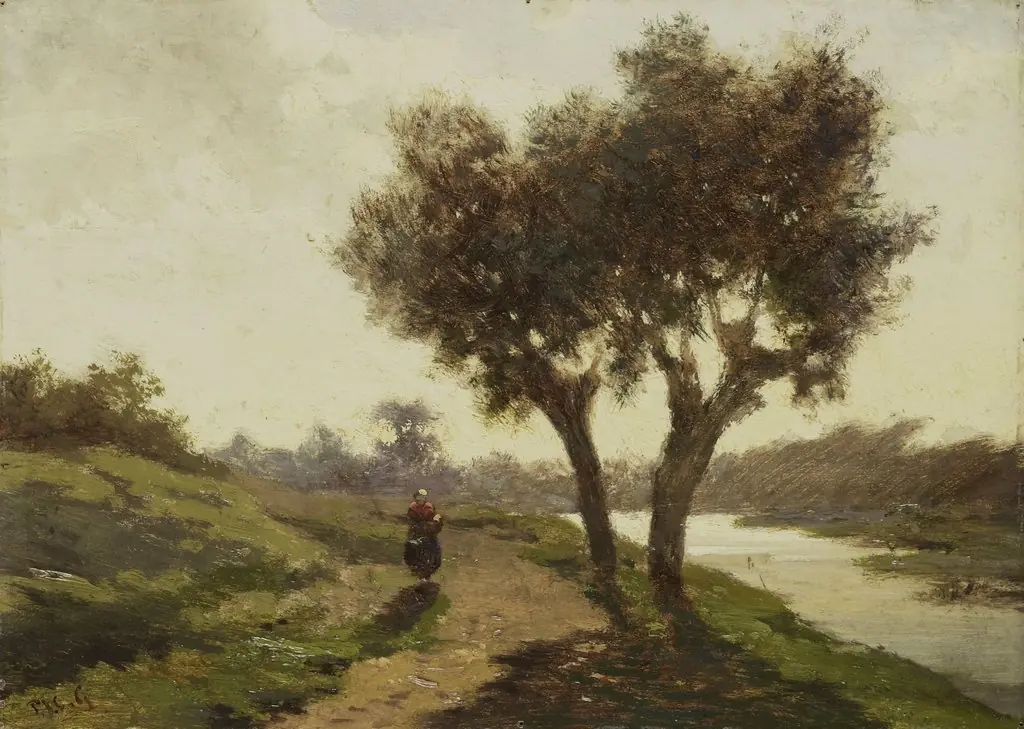 Landscape with two Trees
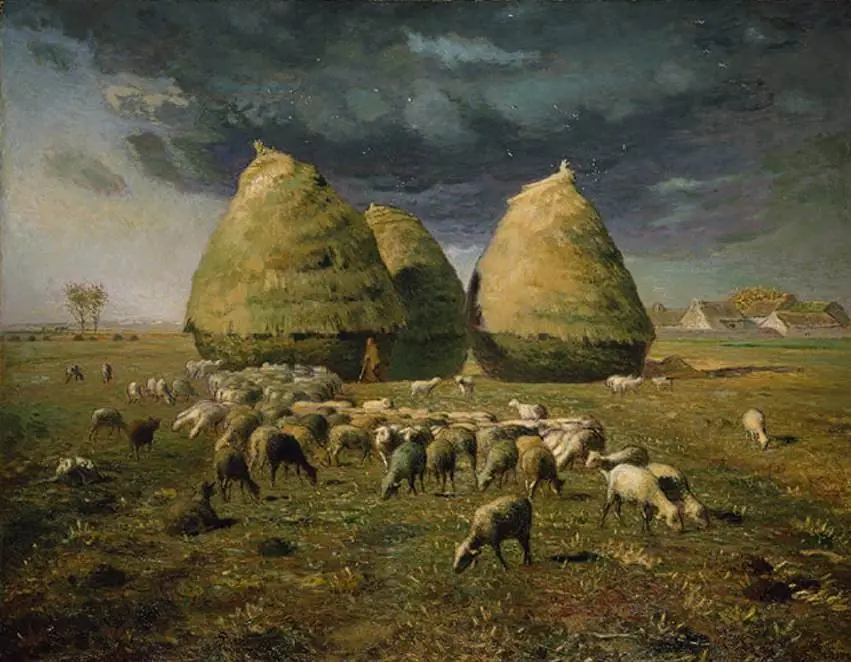 Haystacks: Autumn
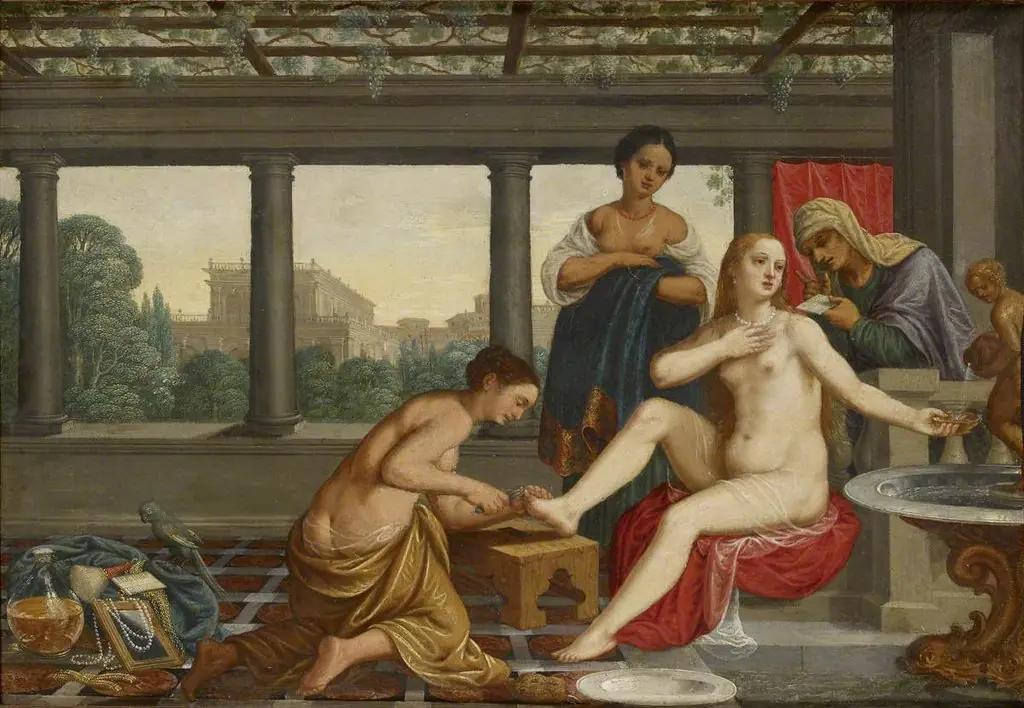 Bathsheba's Bath
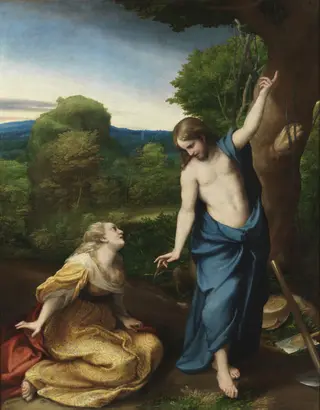 Noli me tangere
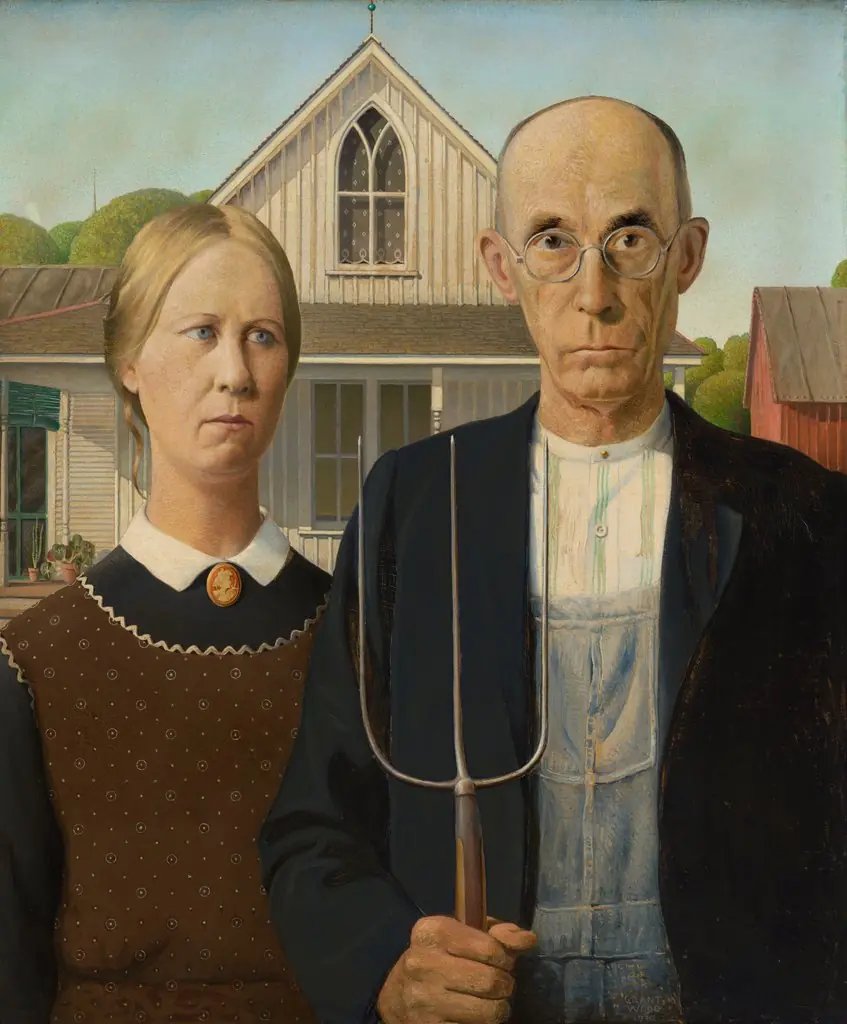 American Gothic
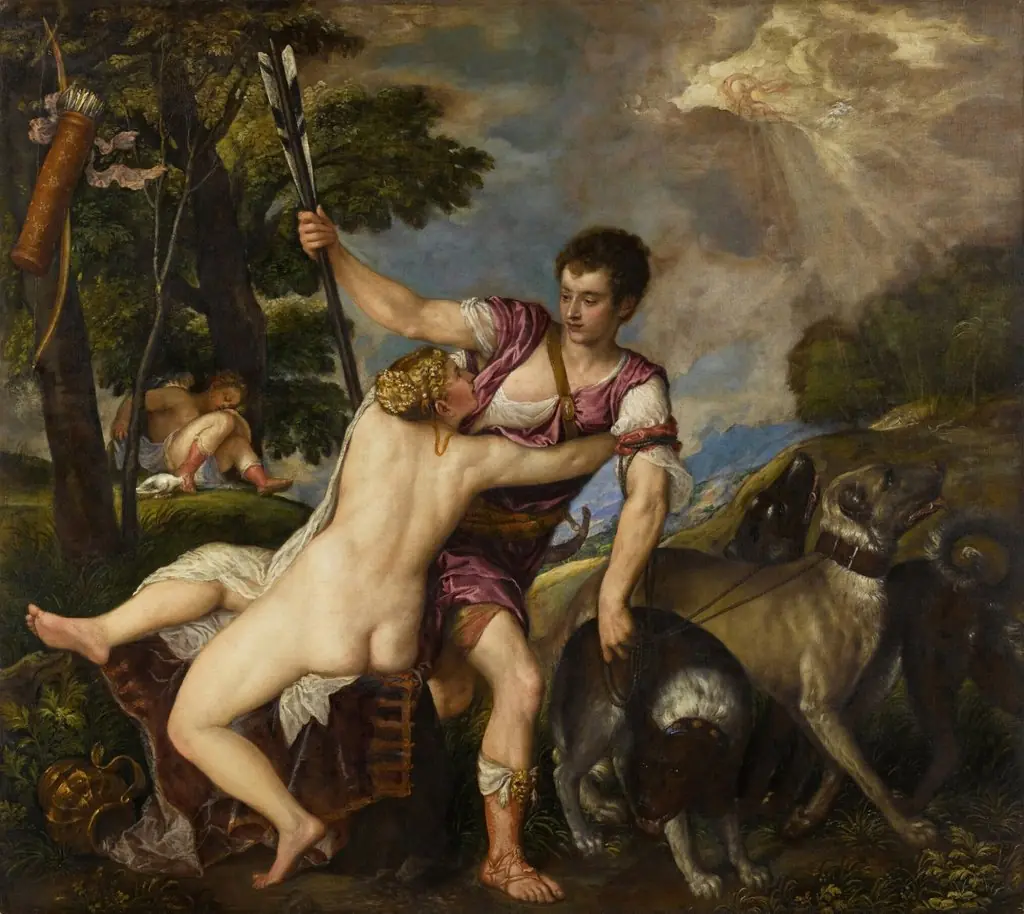 Venus and Adonis
 Leda and the Swan
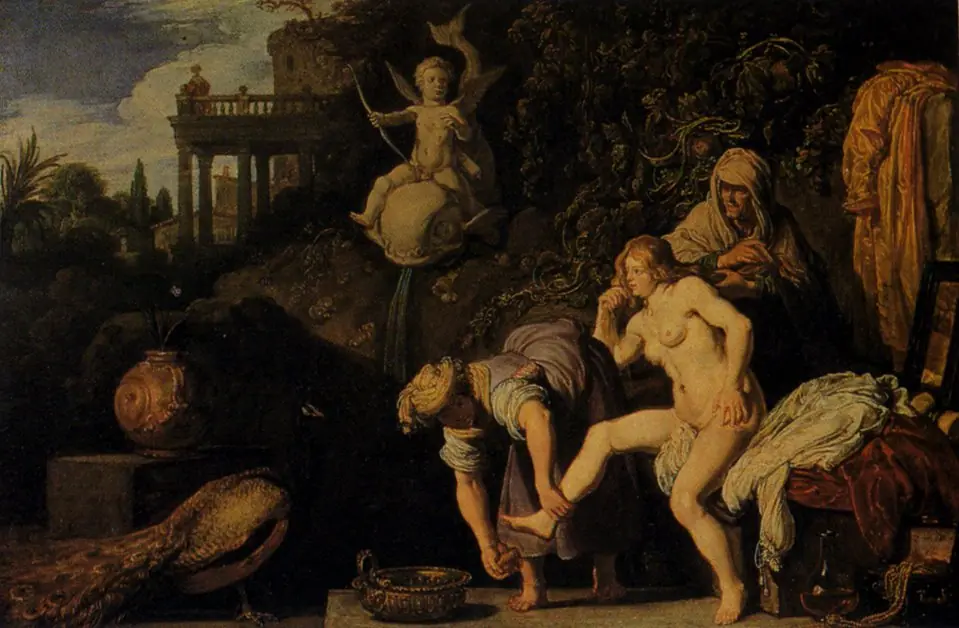 Bathsheba at her Toilette
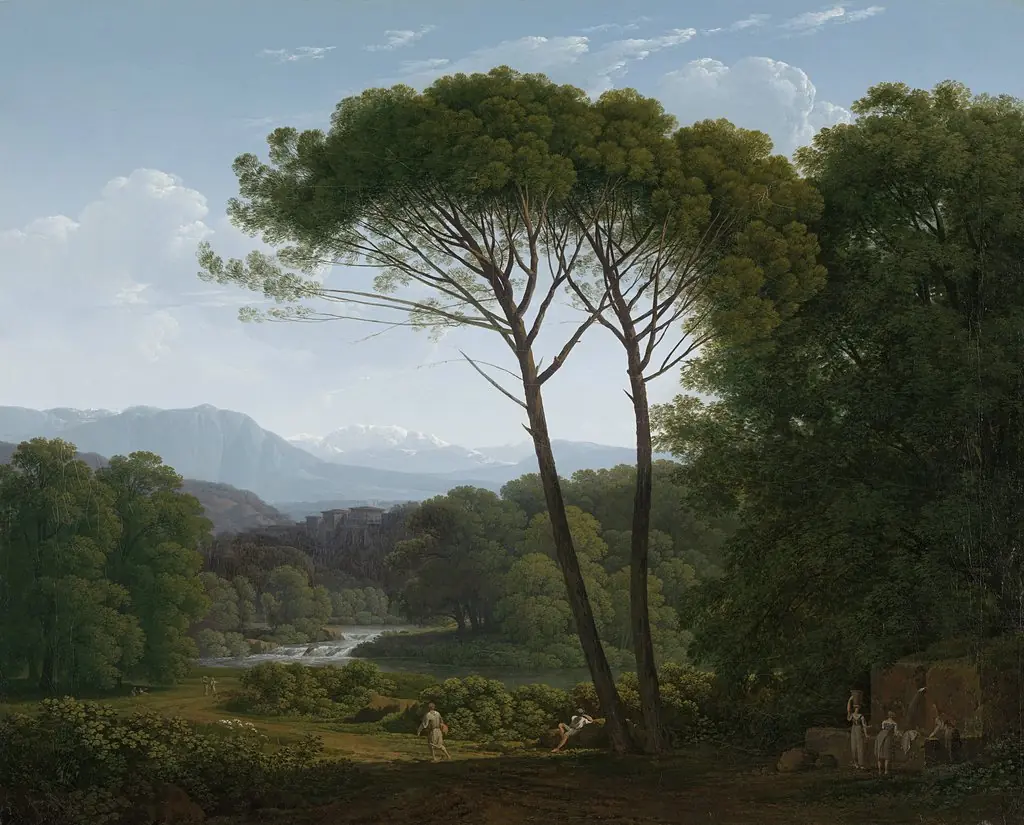 Italianate Landscape with Pines
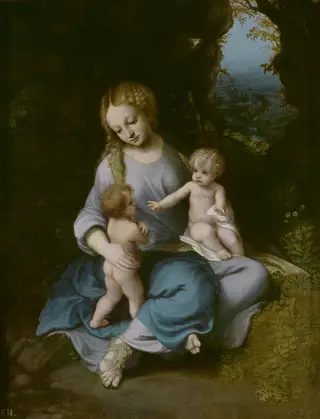 Madonna and Child with the Young Saint John
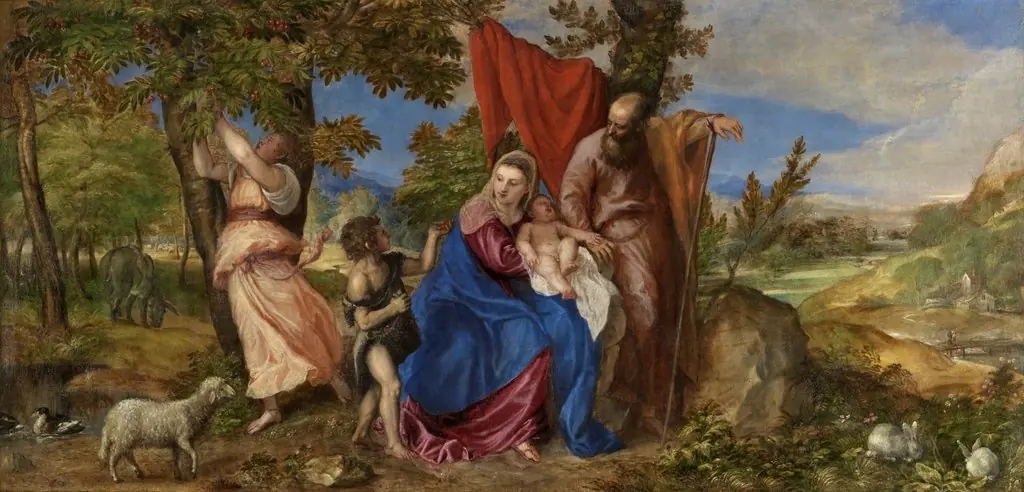 Rest on the Flight into Egypt
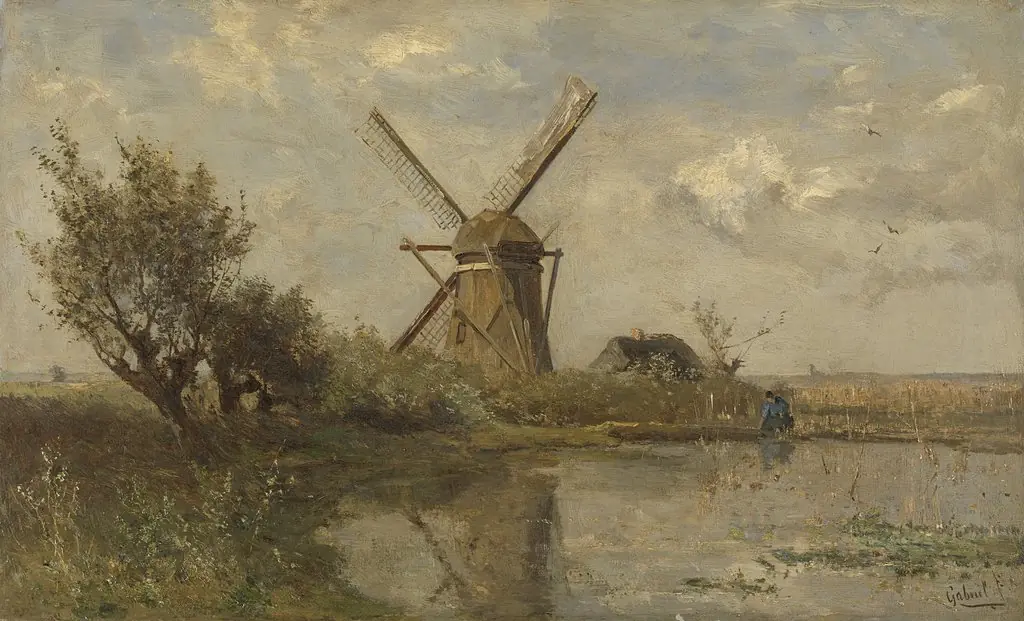 Windmill on a pond
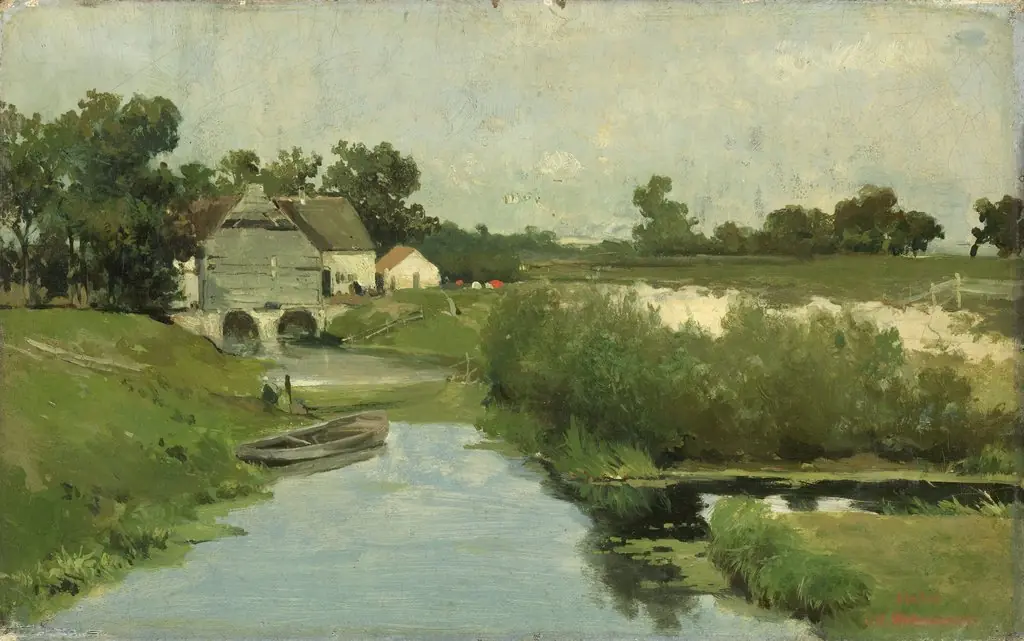 Summer Day
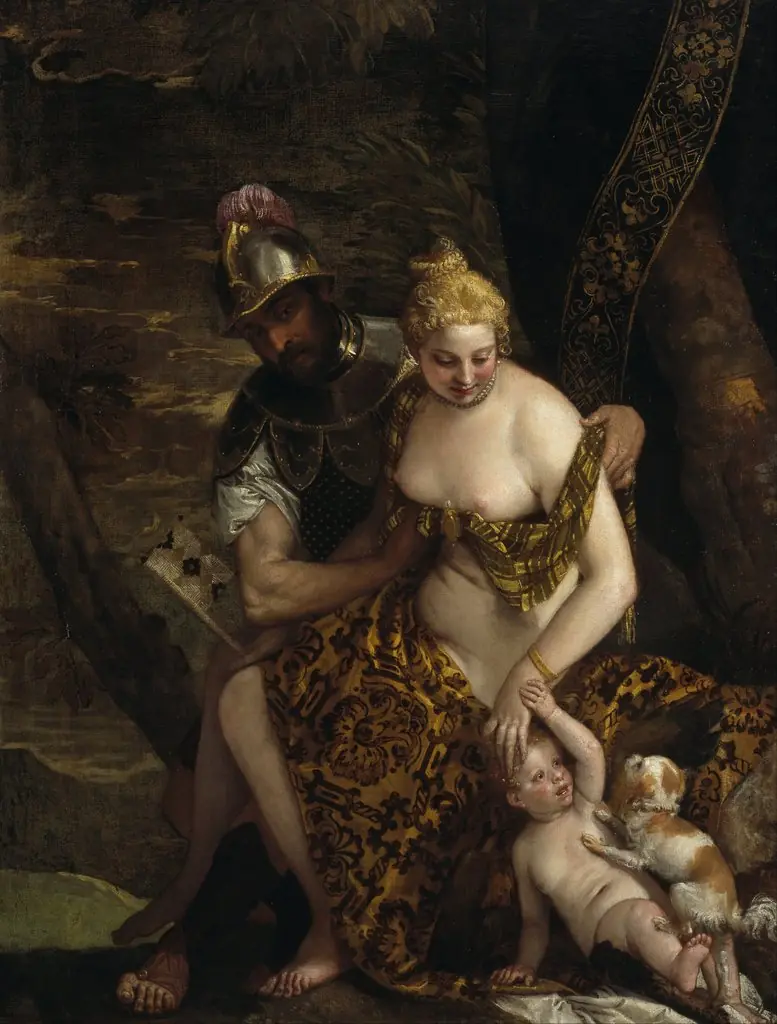 Mars and Venus with Cupid and a Dog
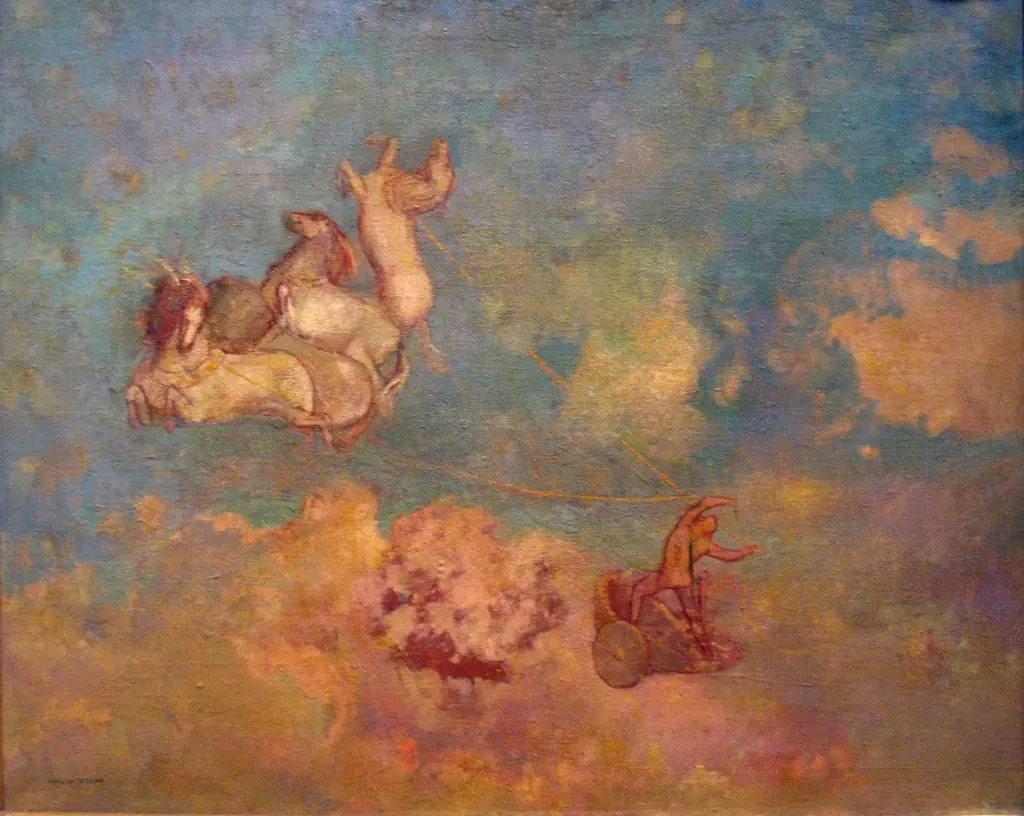 The Chariot of Apollo
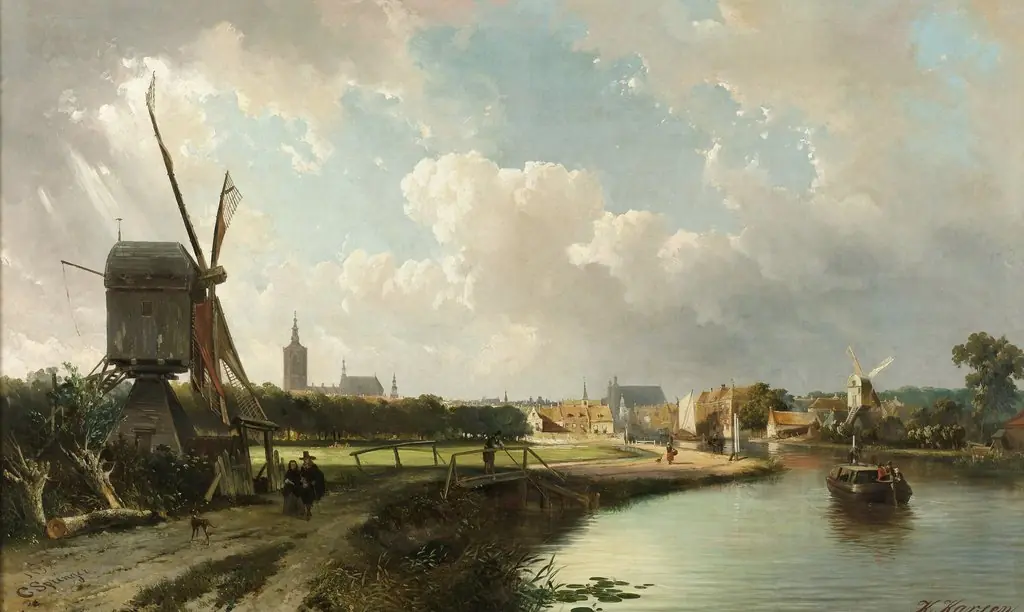 View of The Hague from the Delftse Vaart in the 17th Century
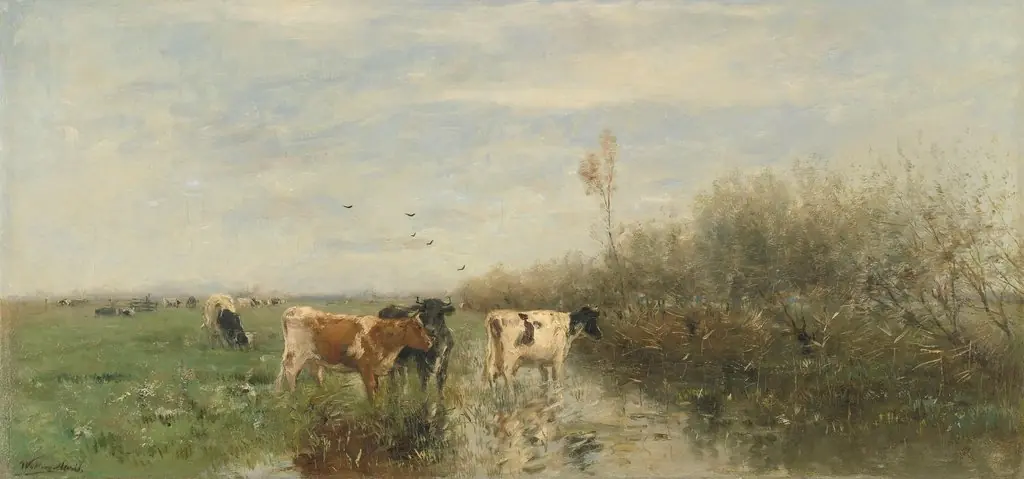 Cows in a soggy meadow
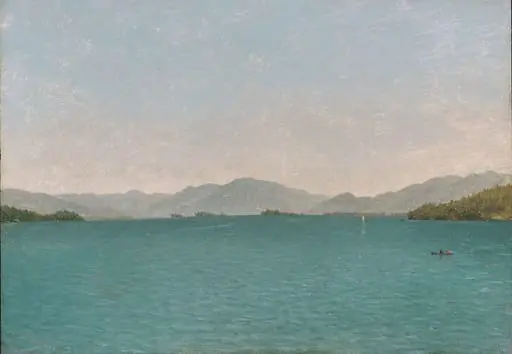 Lake George, Free Study
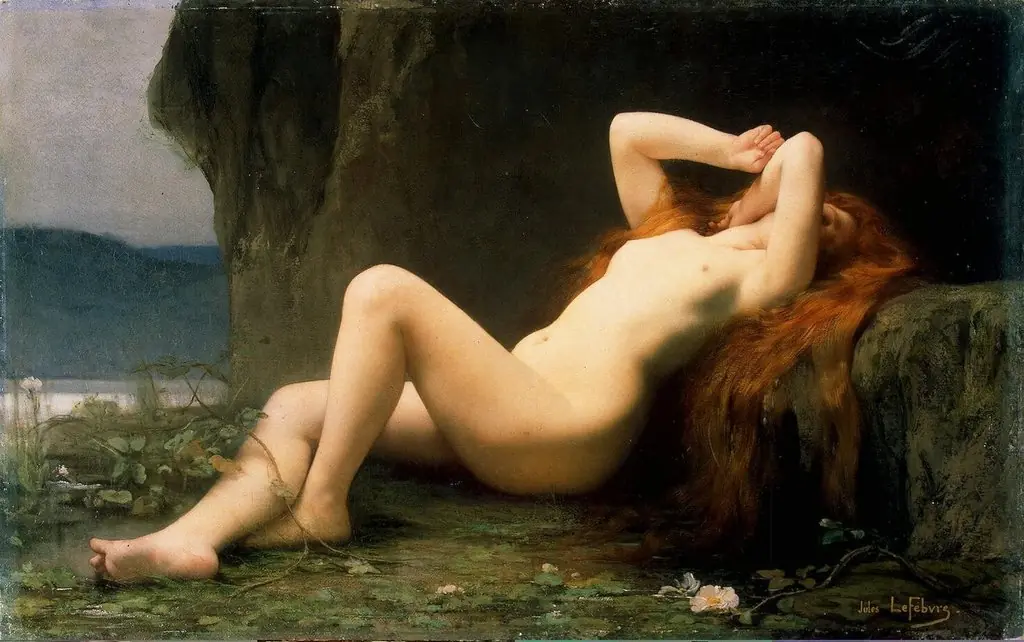 Mary Magdalene in a Grotto
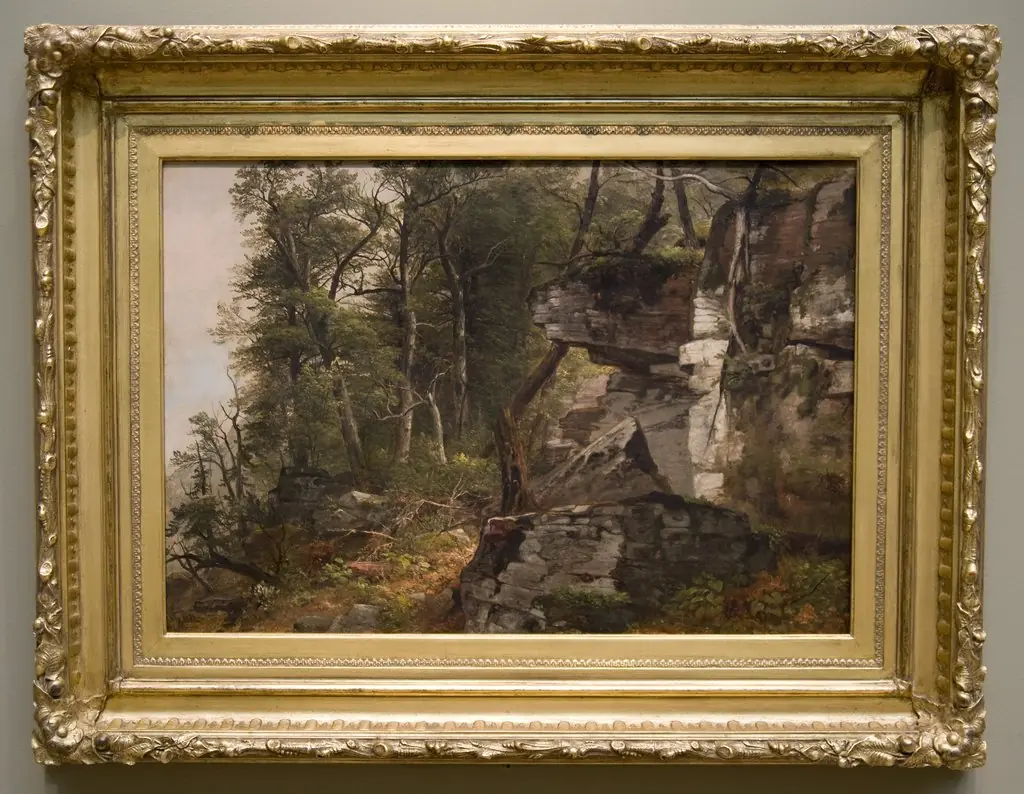 Trees on a Rocky Hillside
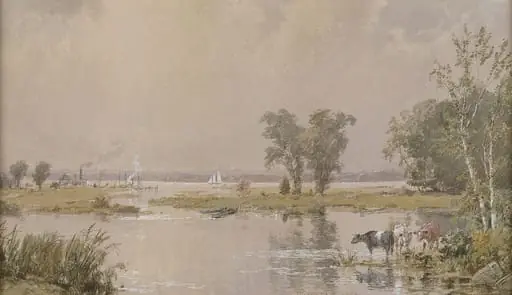 Hackensack Meadows
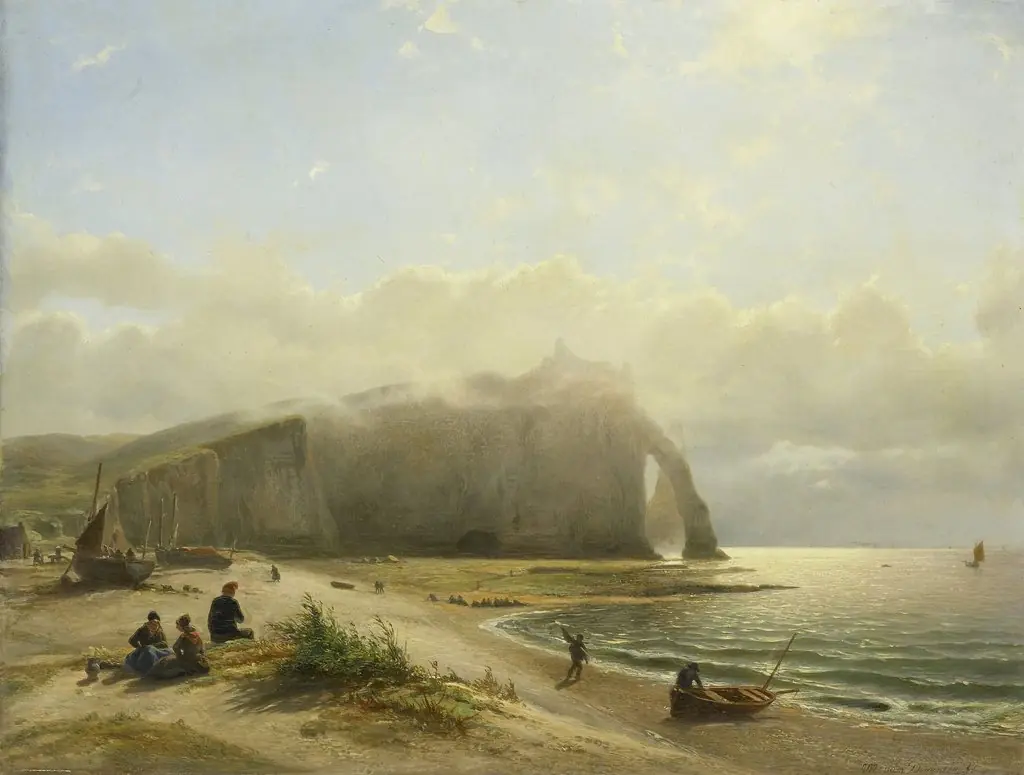 Seascape
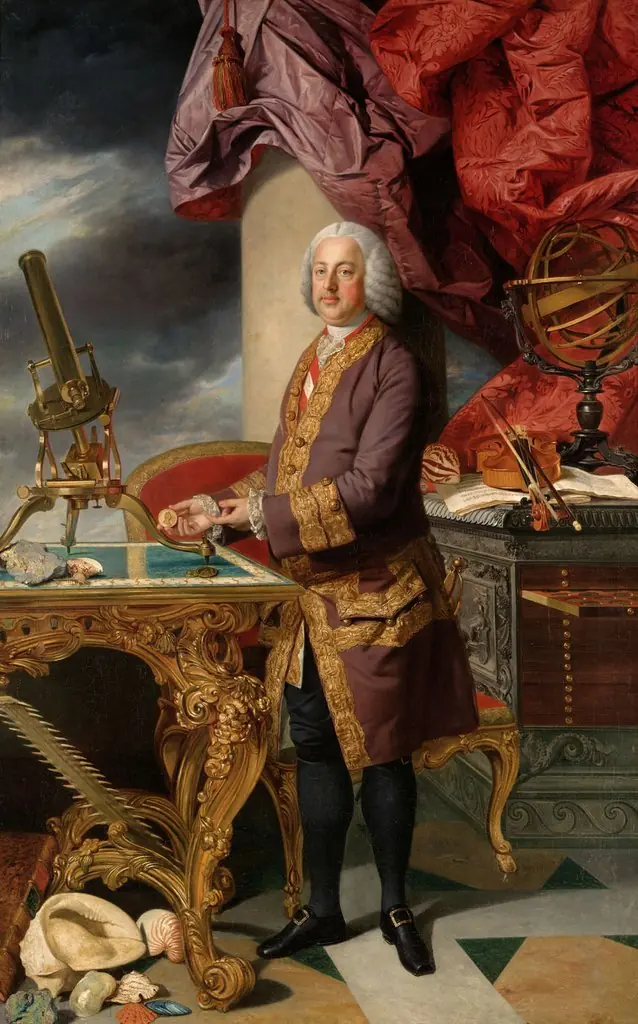 François Ier du Saint-Empire et sa collection d'histoire naturelle
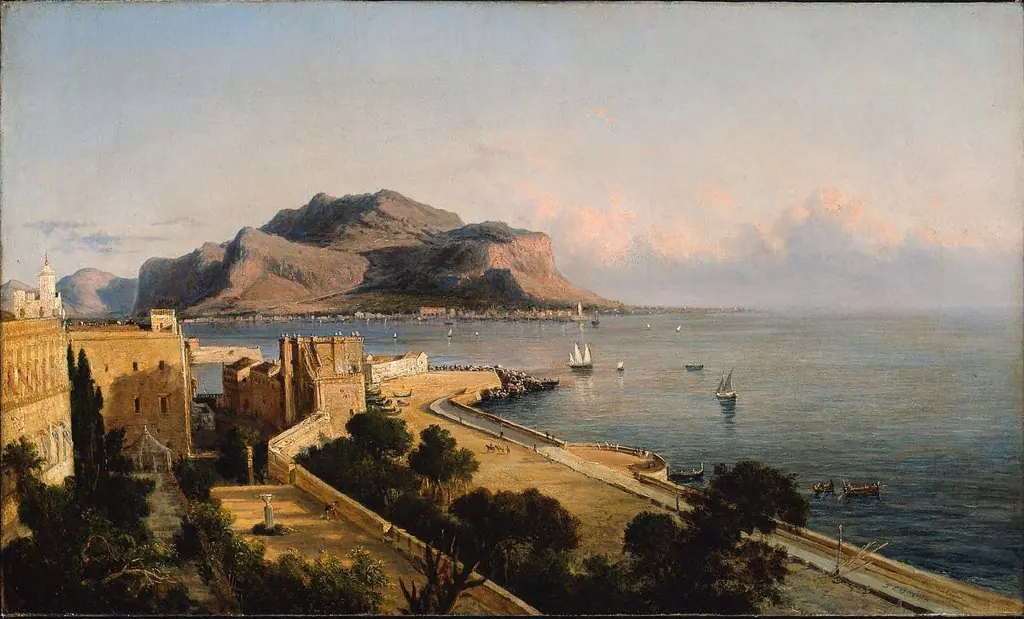 Monte Pellegrino at Palermo, Italy
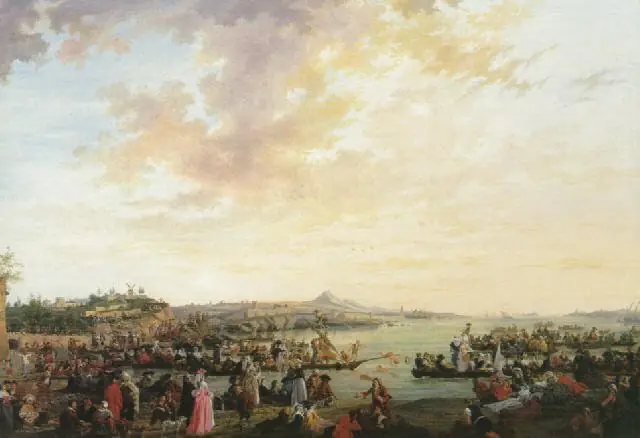 Vue de Marseille : Joute et fête sur l'eau
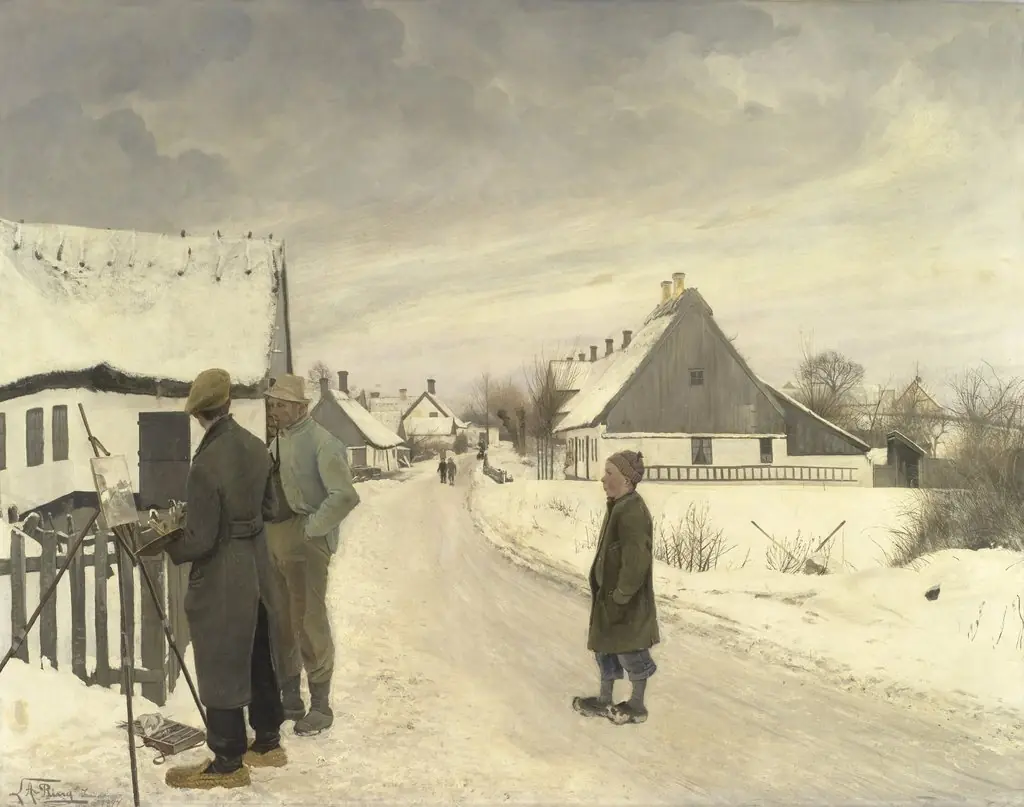 The Painter in the Village
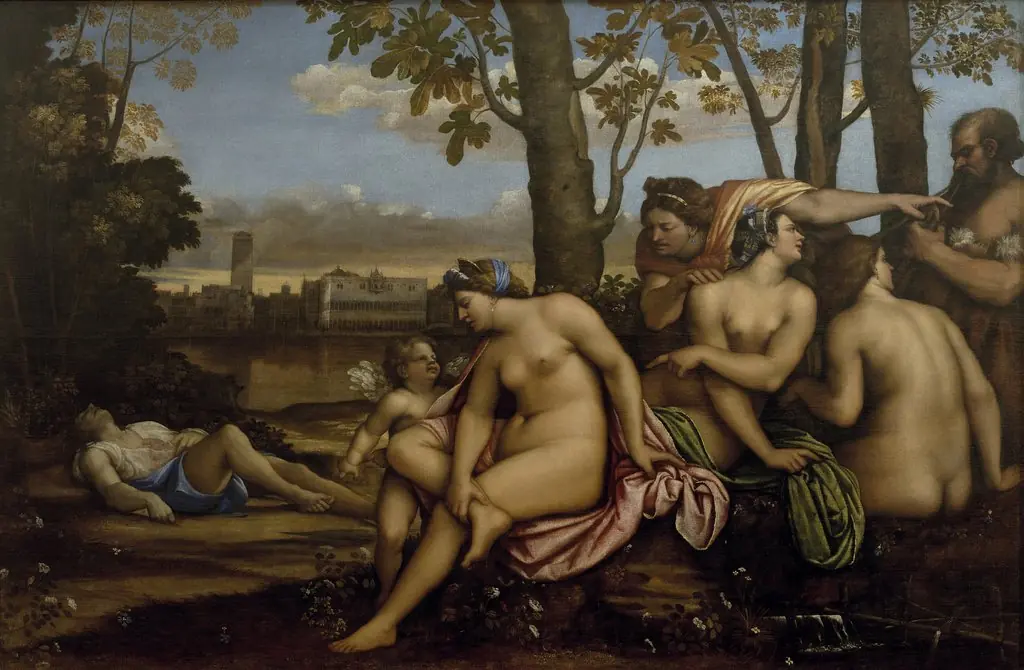 Death of Adonis
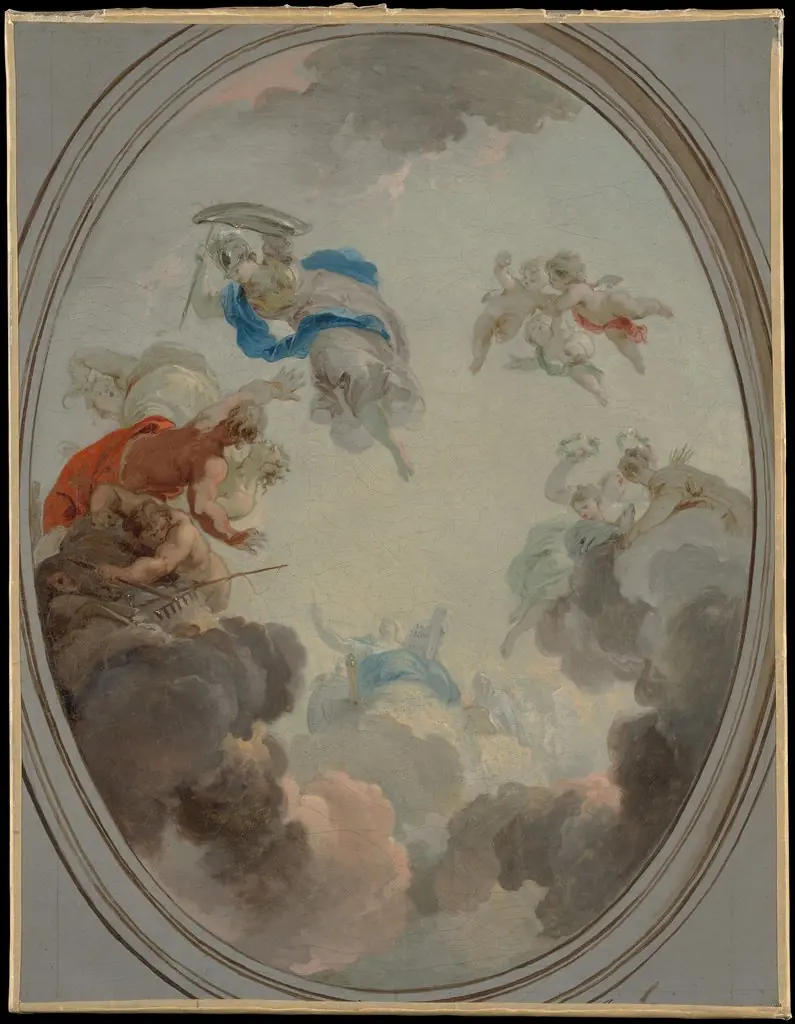 Allegory of Government: Wisdom Defeating Discord
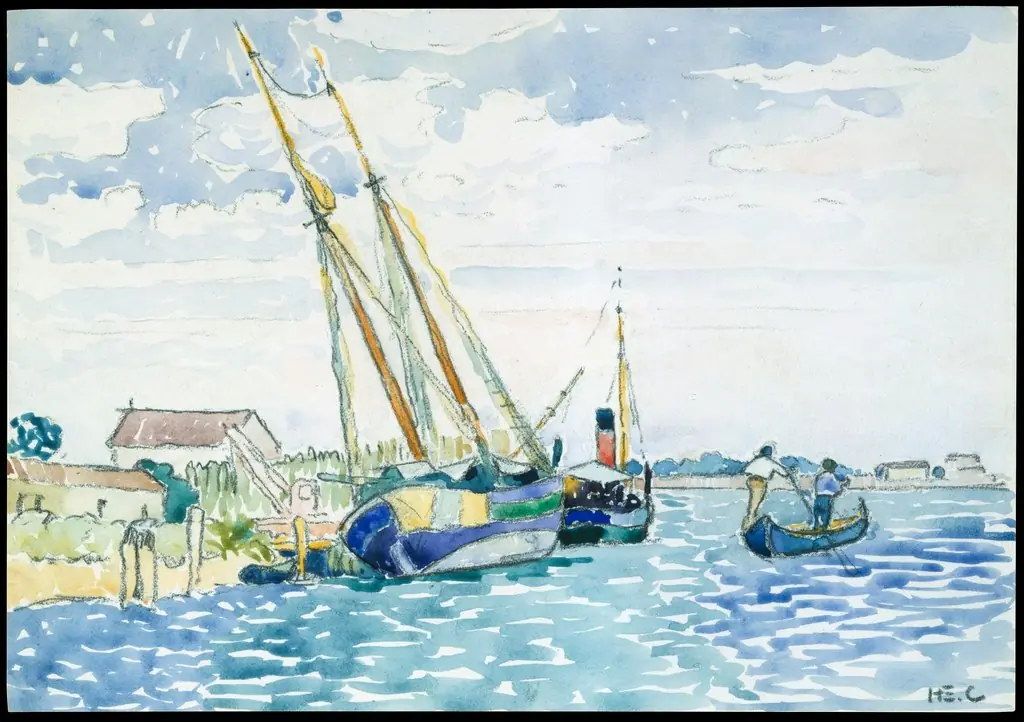 Marine Scene (Boats near Venice)
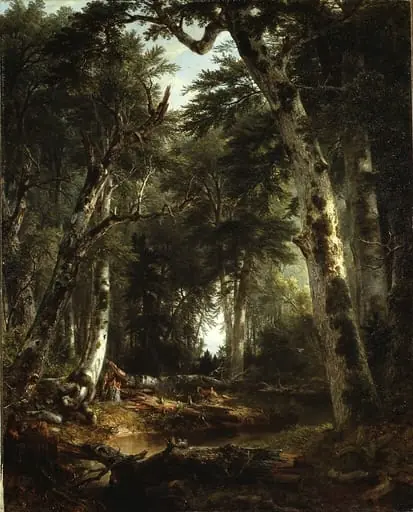 In the Woods
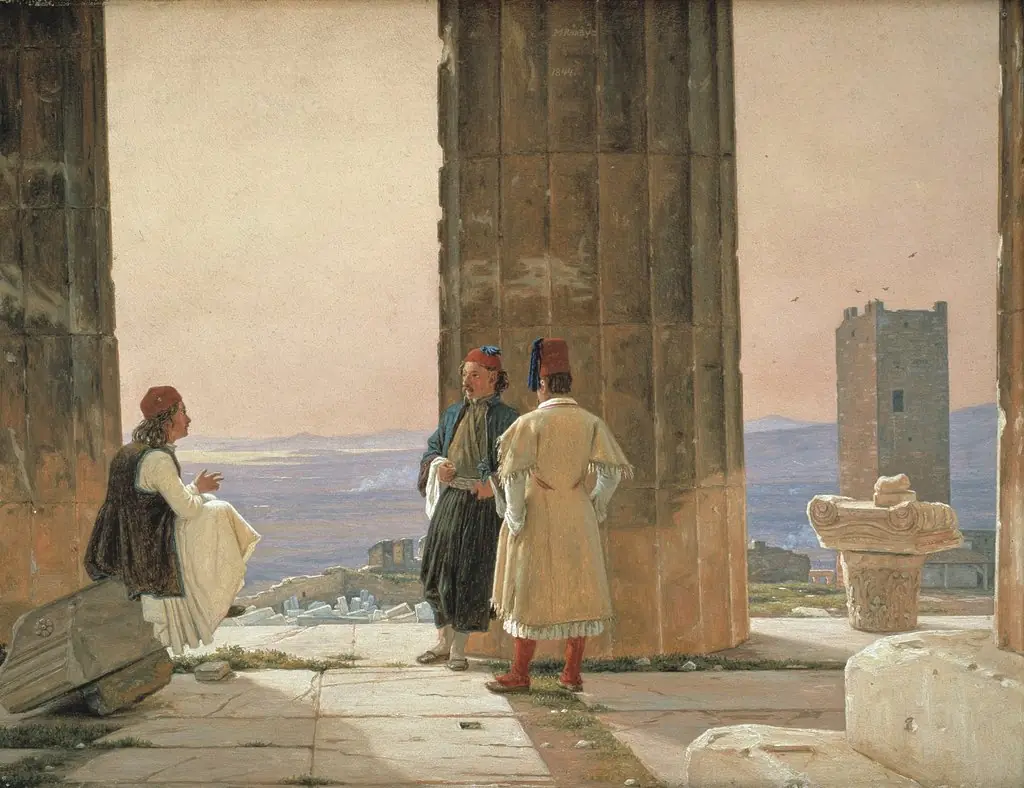 The View from the Temple of Athena on the Acropolis
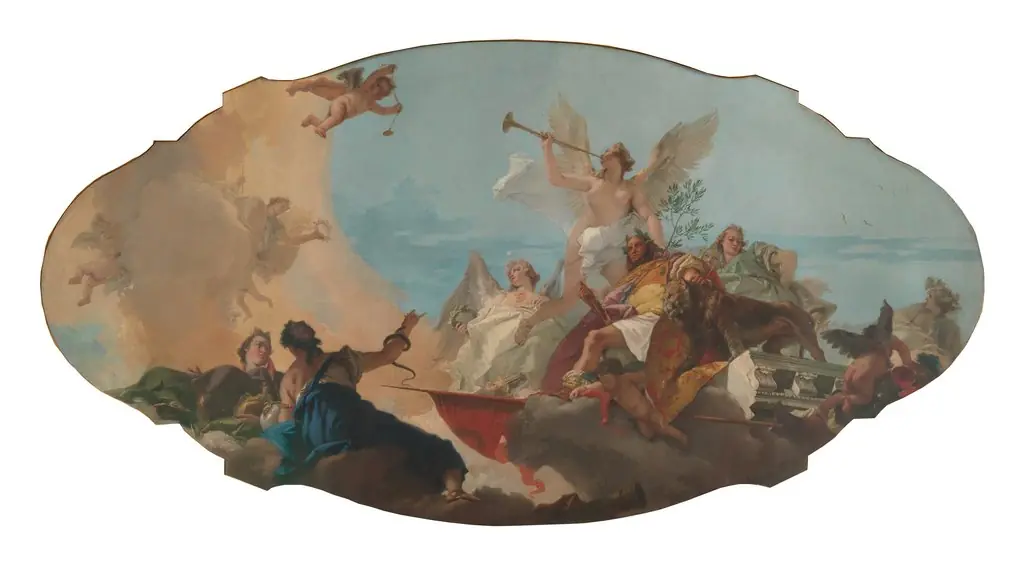 The Glorification of the Barbaro Family
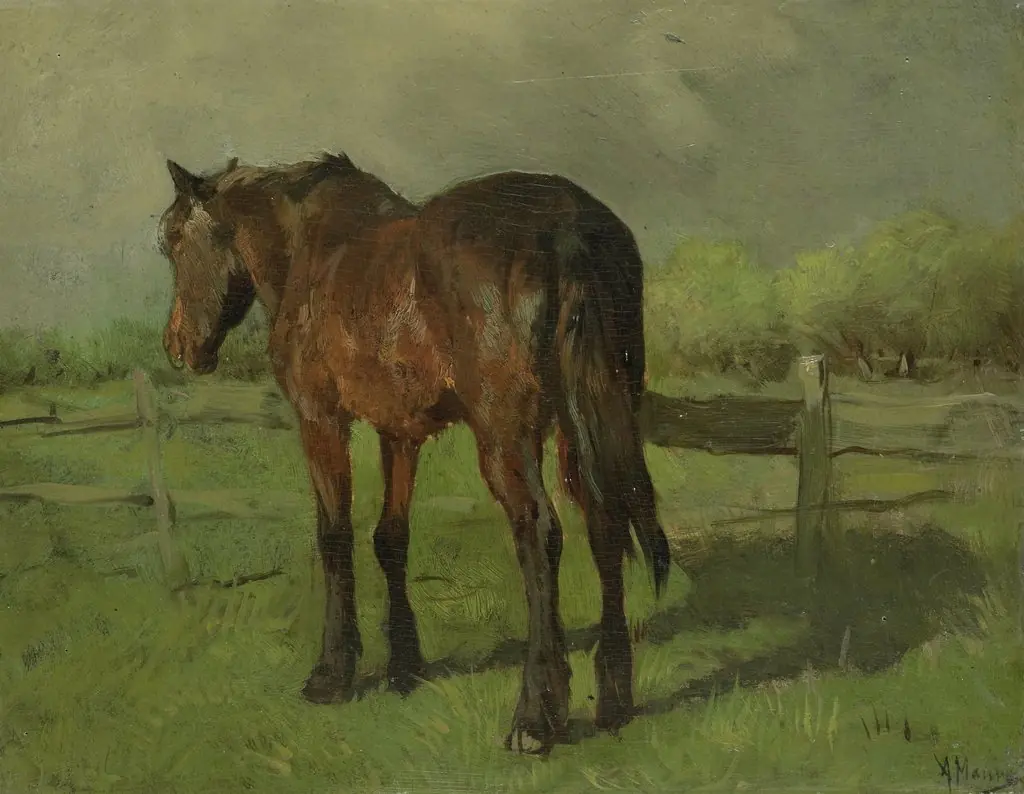 Horse
Horse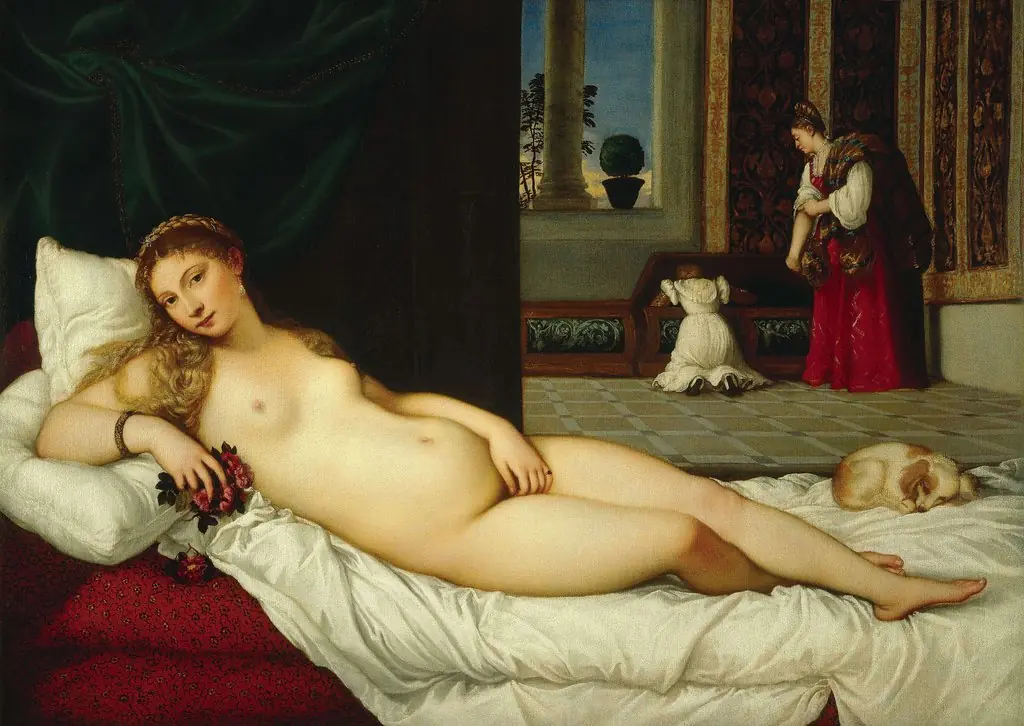 Venus of Urbino
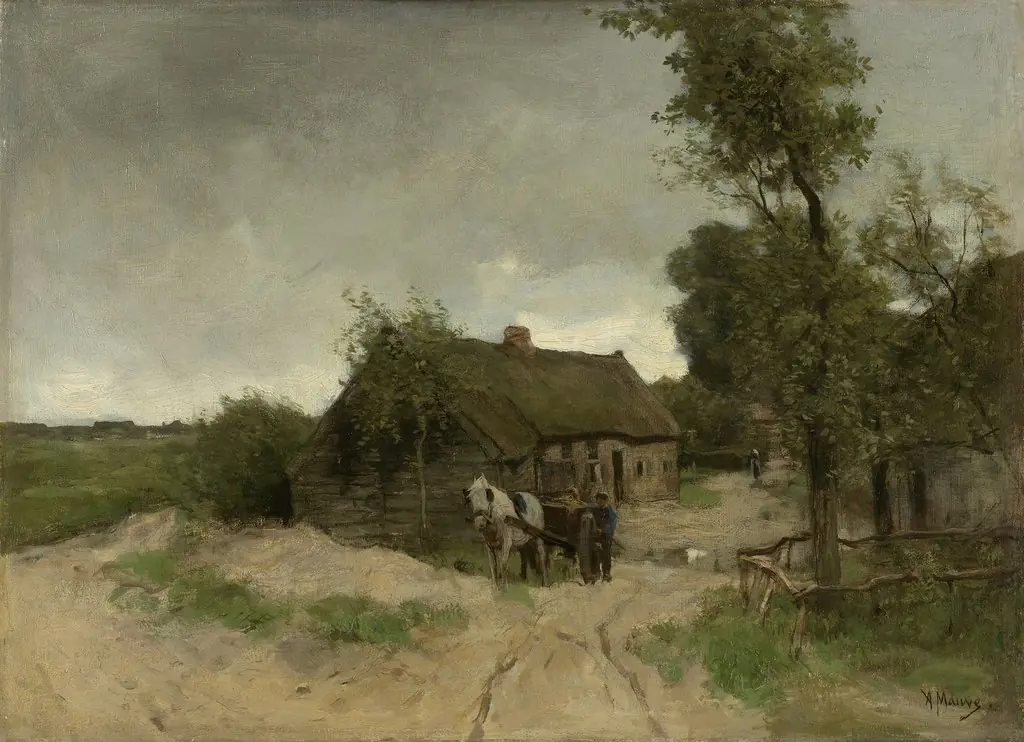 Cottage on the dirt road
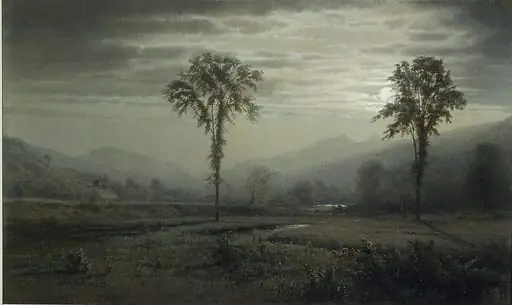 Moonlight on Mount Lafayette, New Hampshire
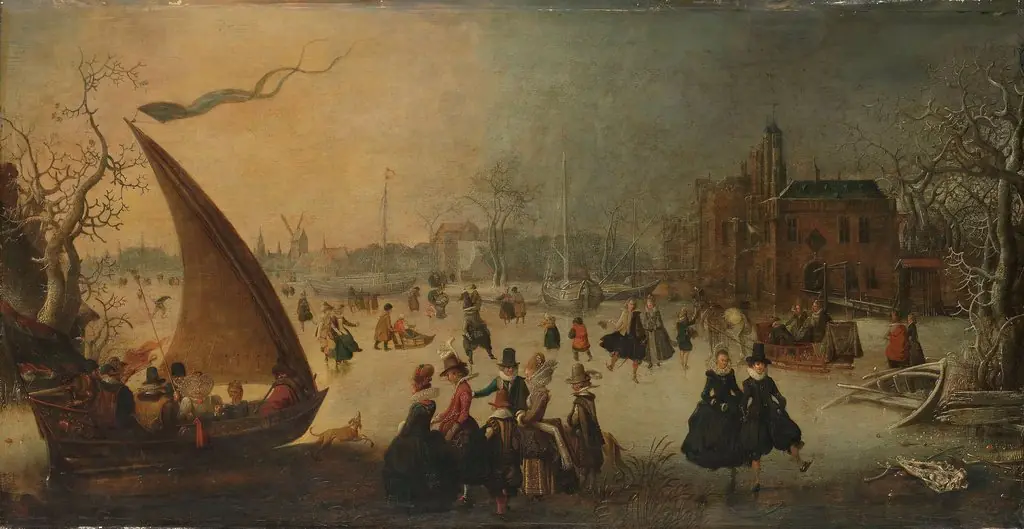 Landscape with frozen canal, skaters and an ice-boat
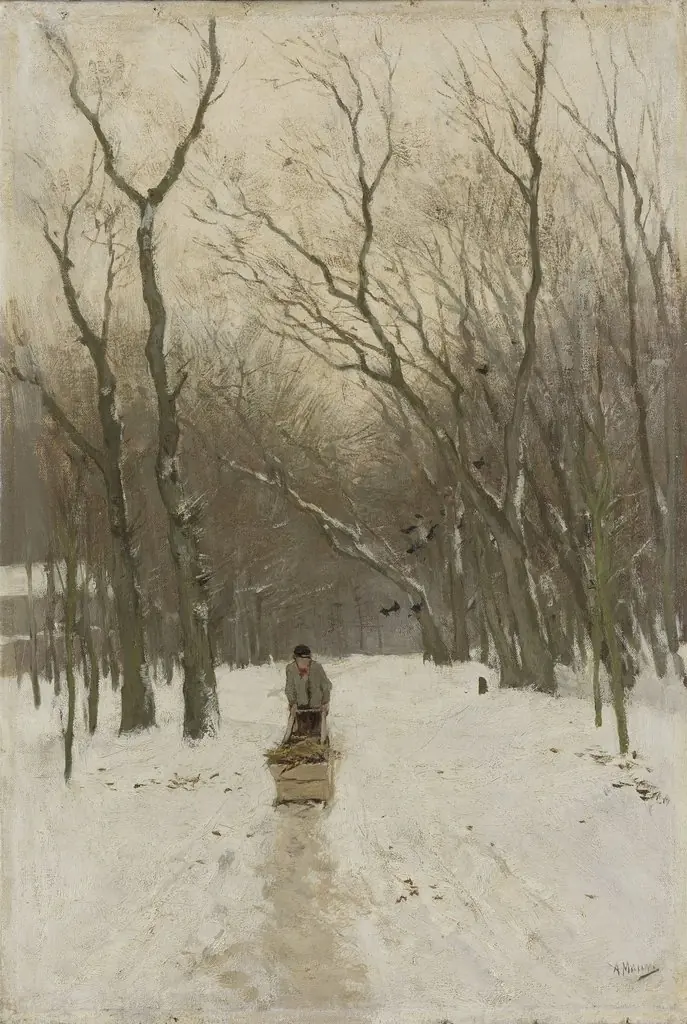 Winter in the Scheveningse bosjes.
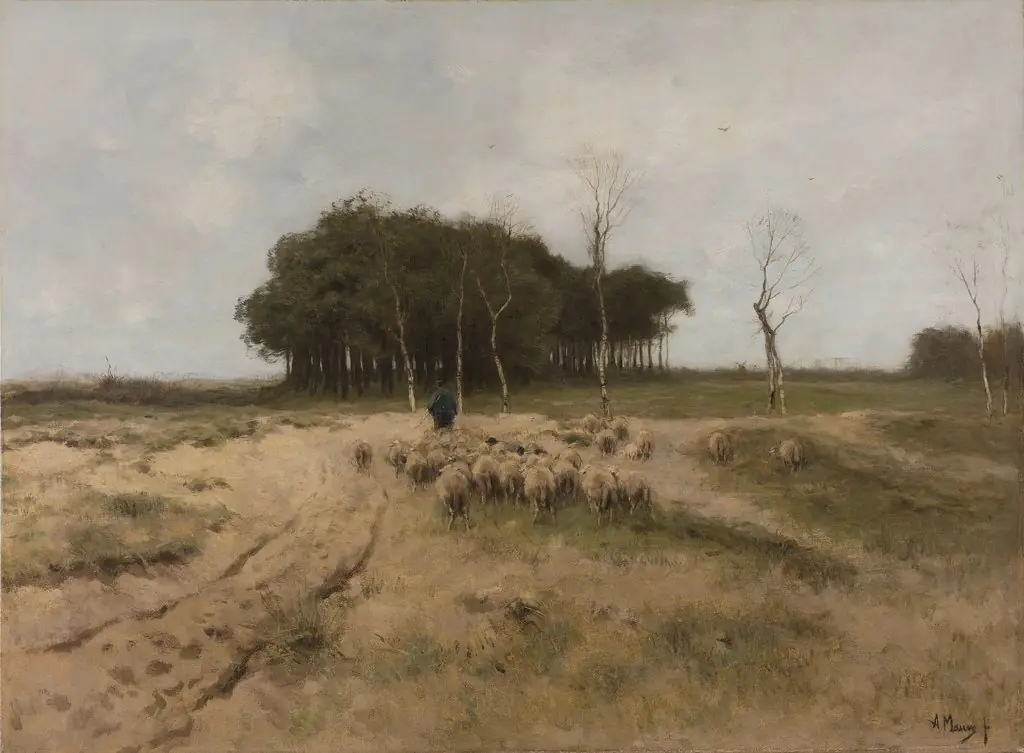 On the Heath near Laren
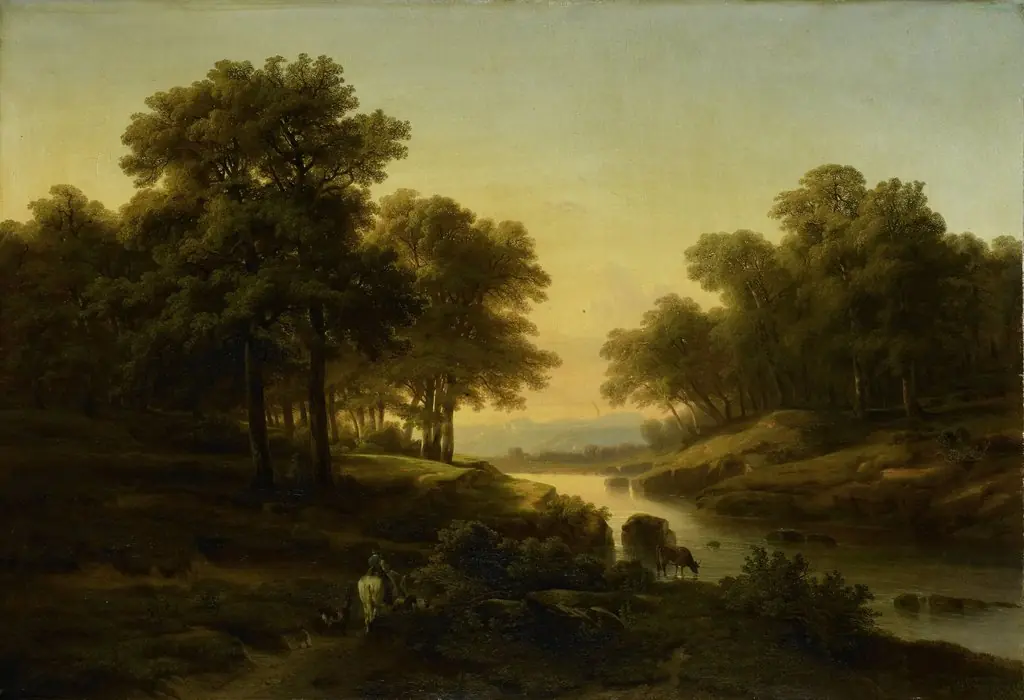 Landscape
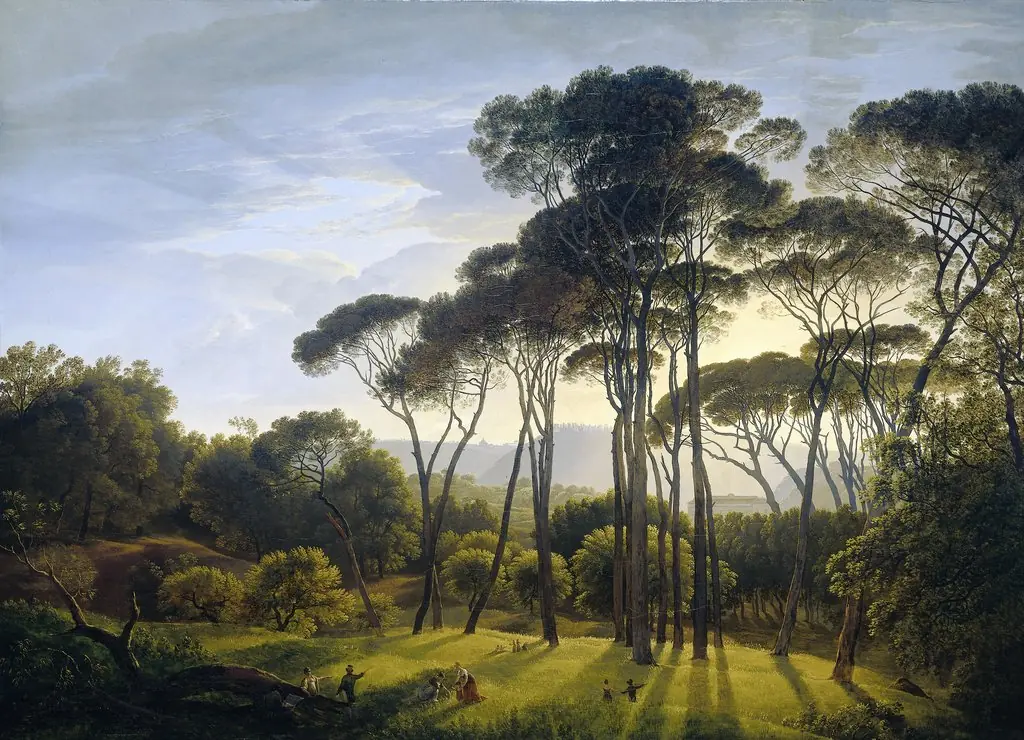 Italian Landscape with Umbrella Pines
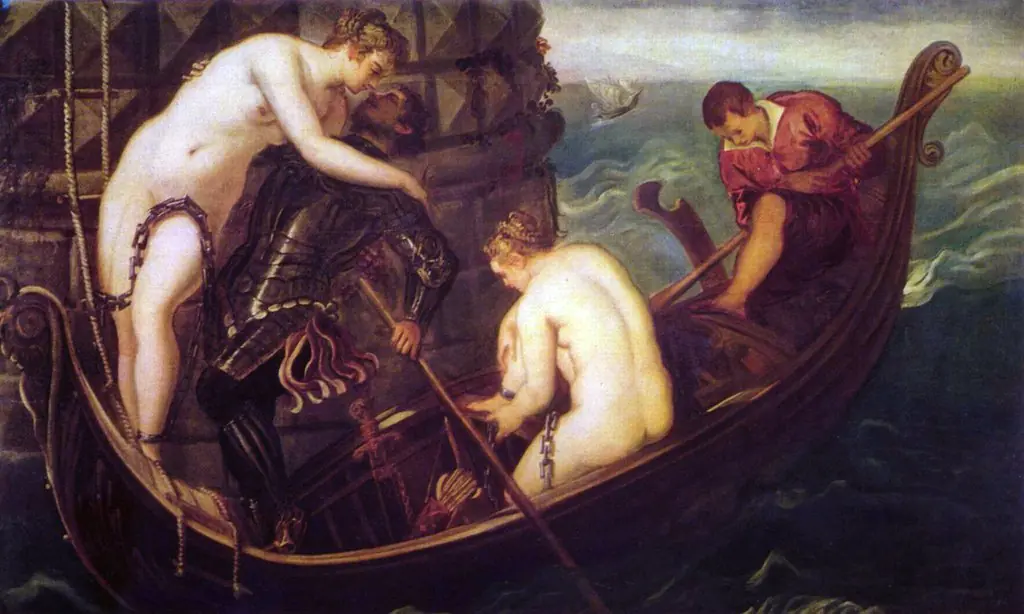 The Deliverance of Arsinoe
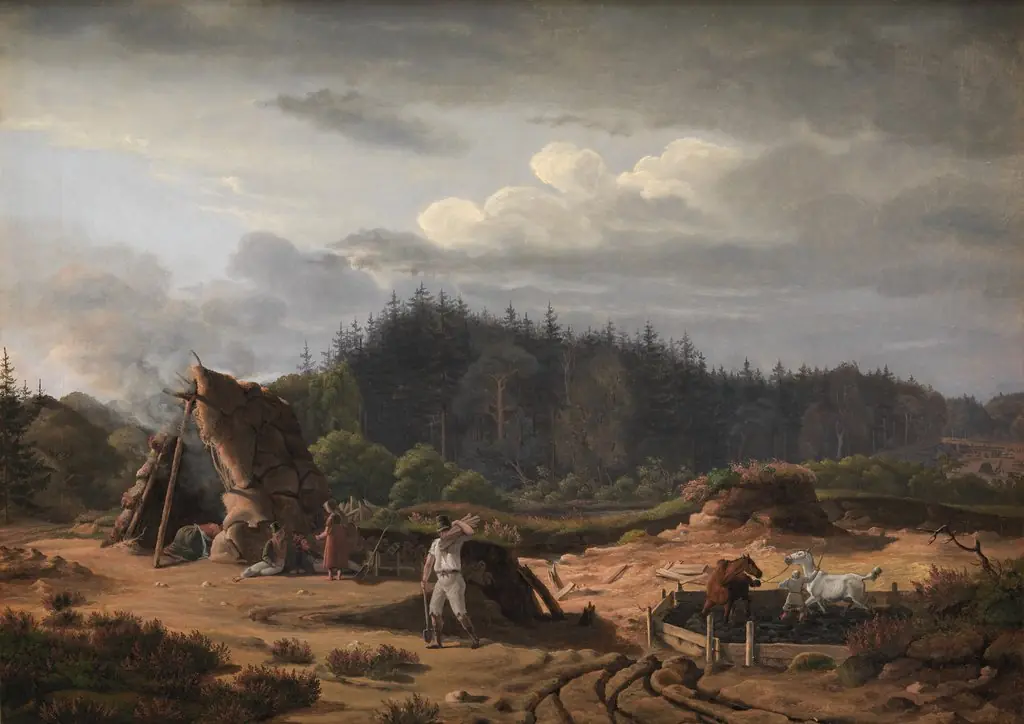 A Bog with Peat Cutters. Høsterkøb, North Zealand
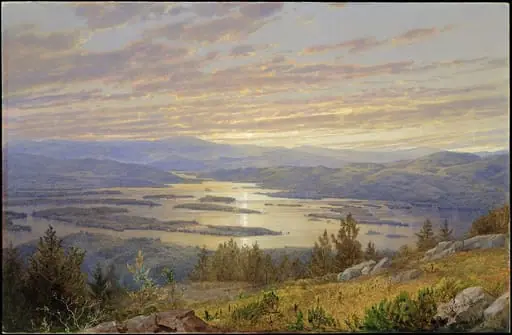 Lake Squam from Red Hill
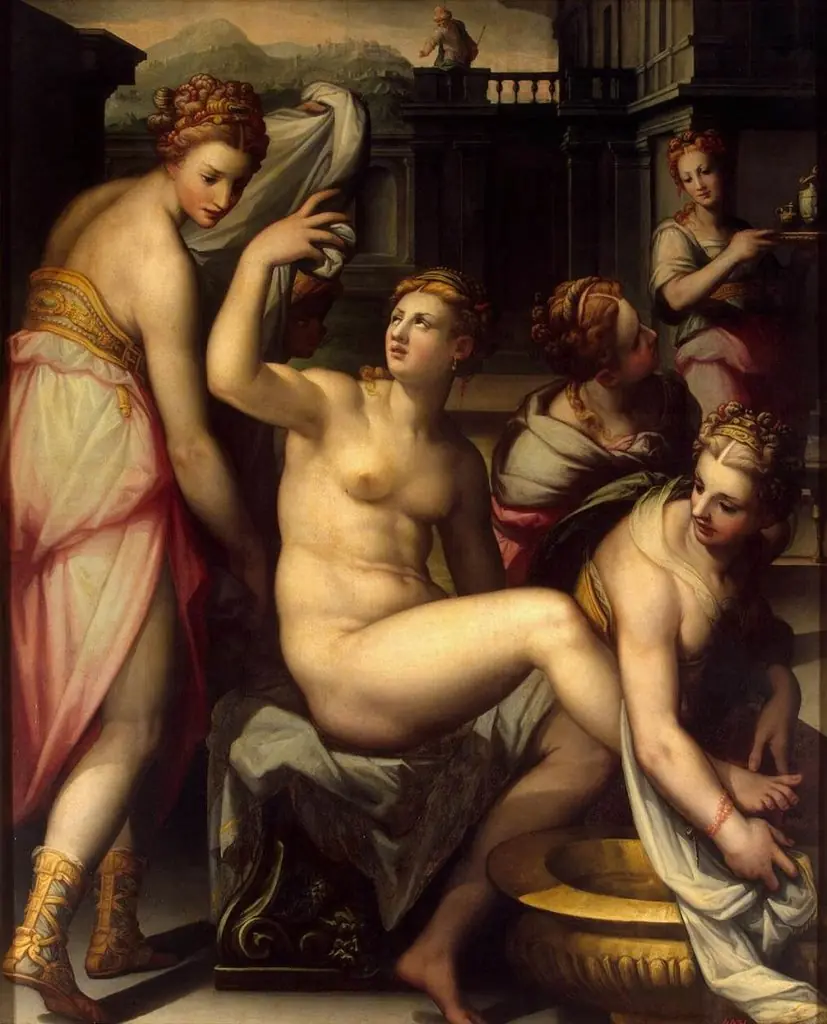 Bathsheba
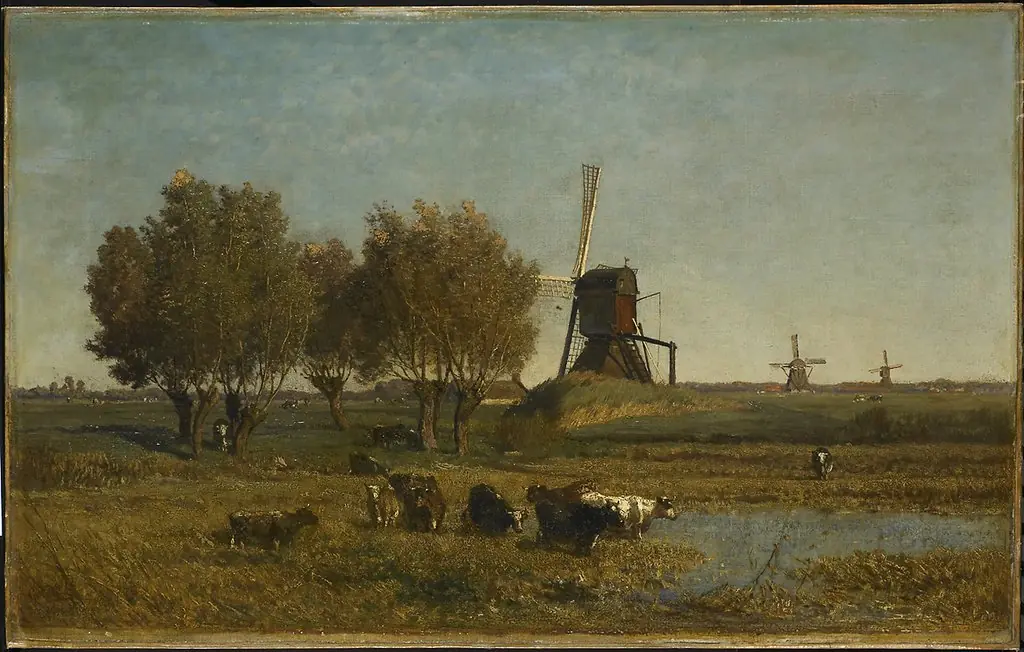 De Winkel near Abcoude
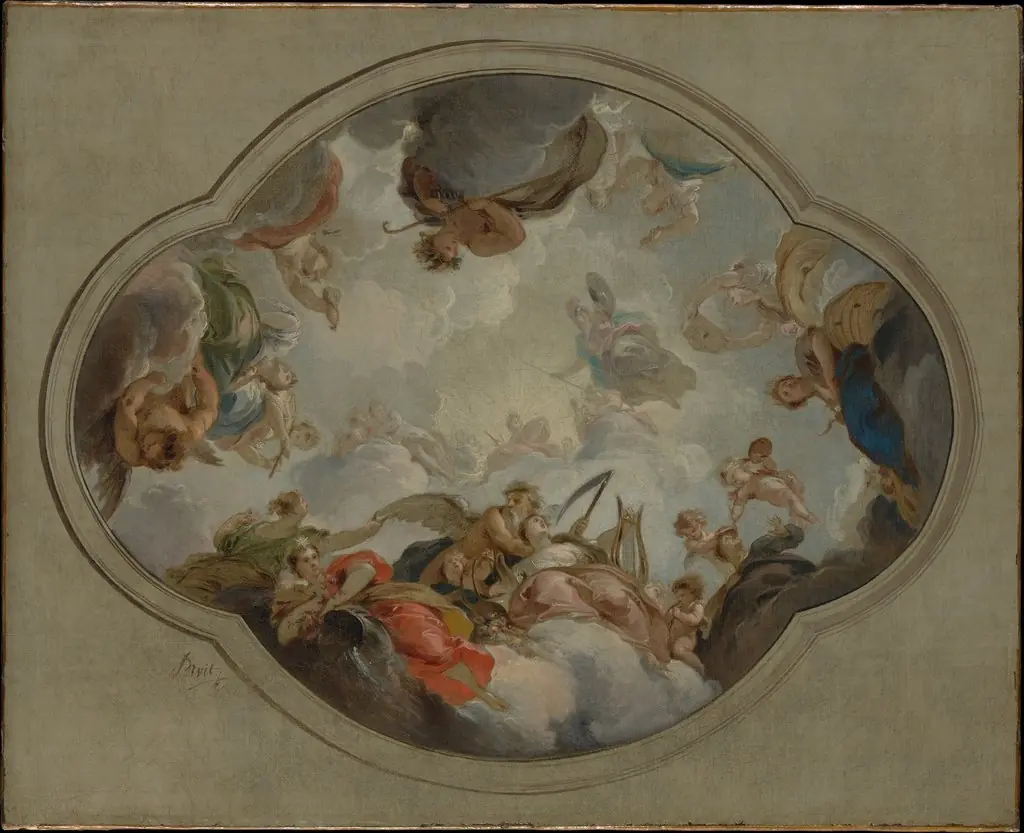 Allegory of the Arts
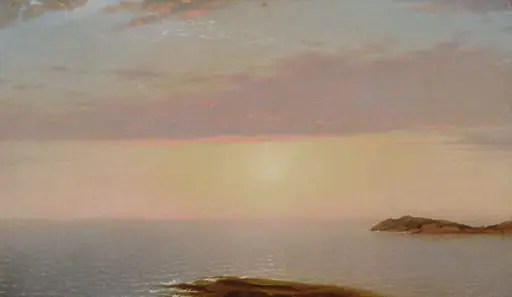 Sunset
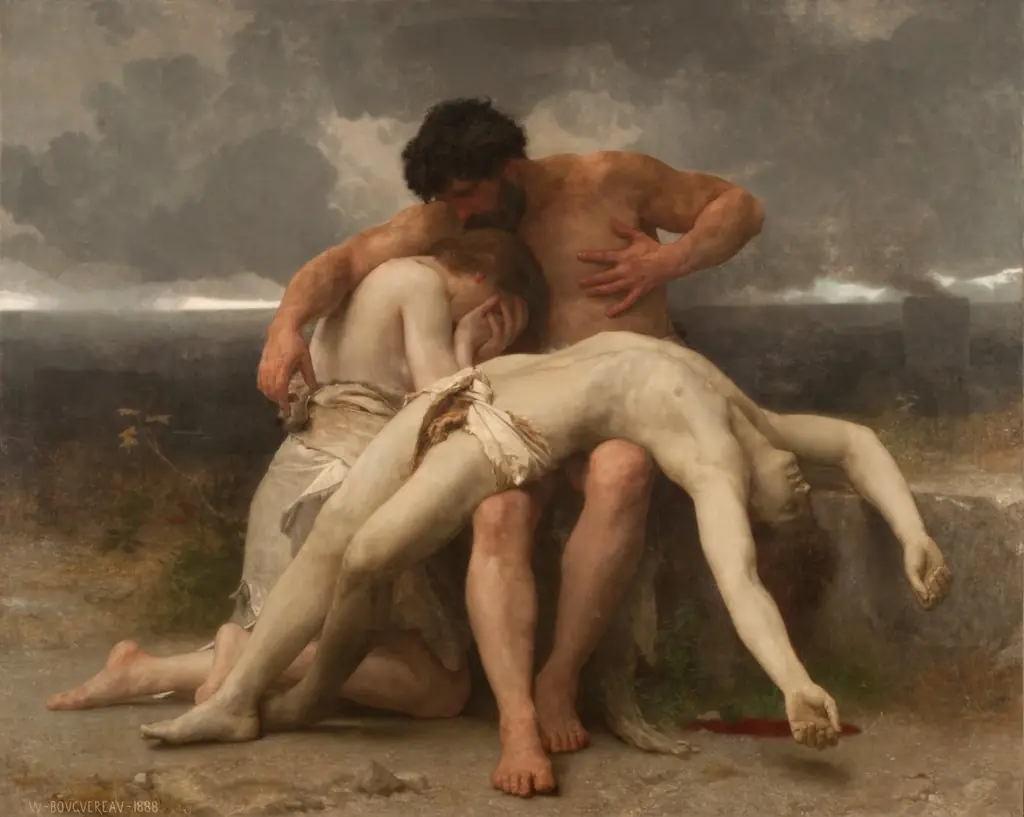 The First Mourning
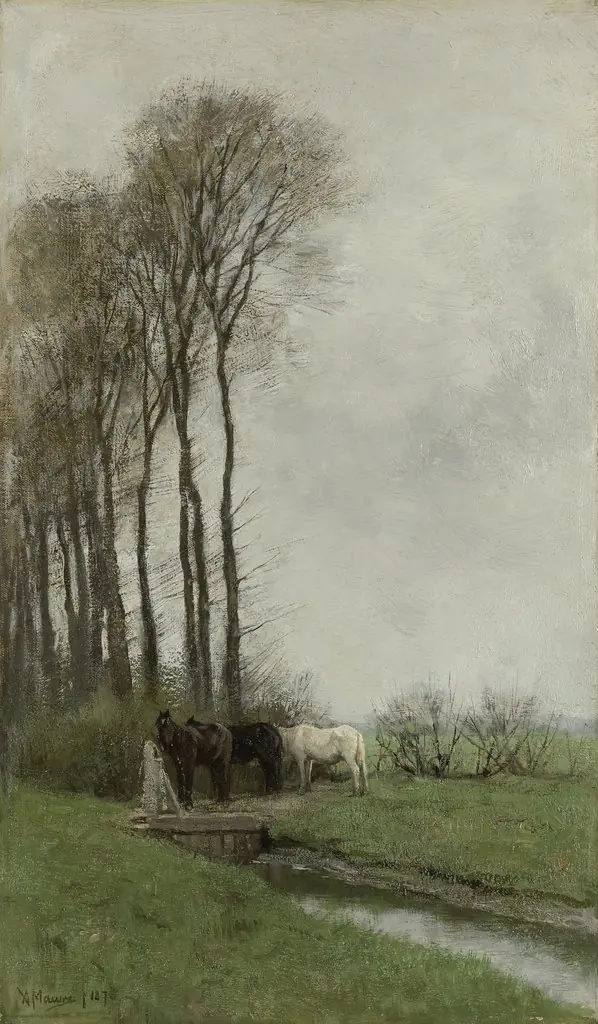 Horses near the fence.
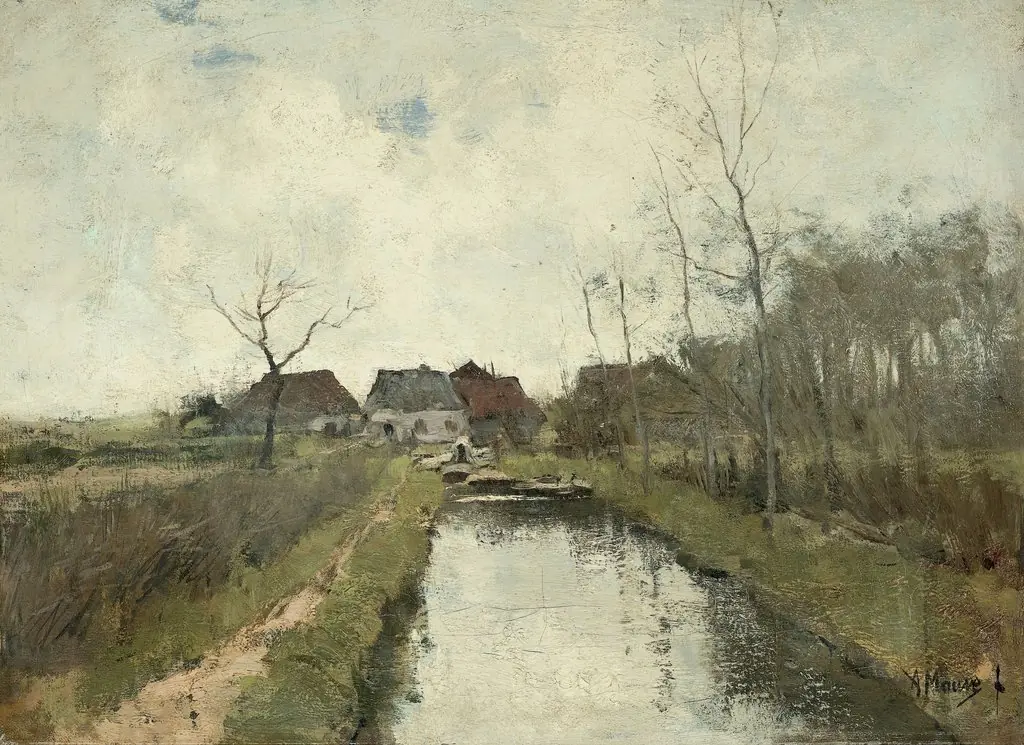 Cottages by a ditch
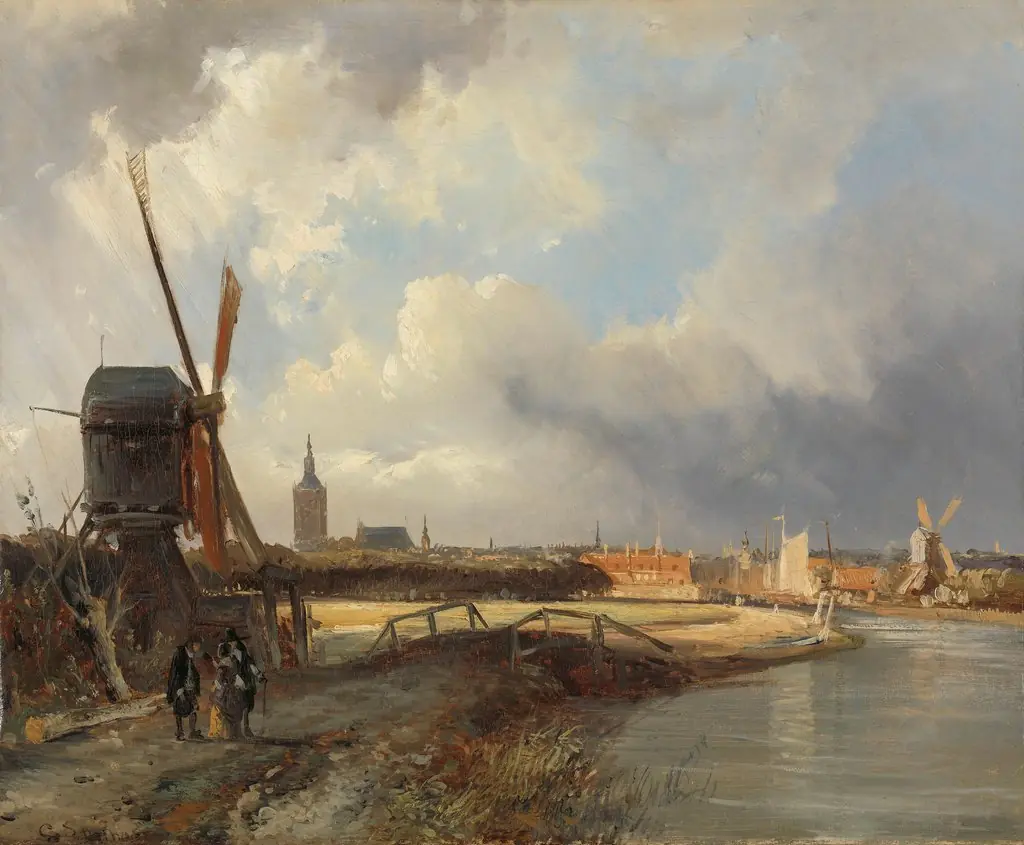 View of The Hague
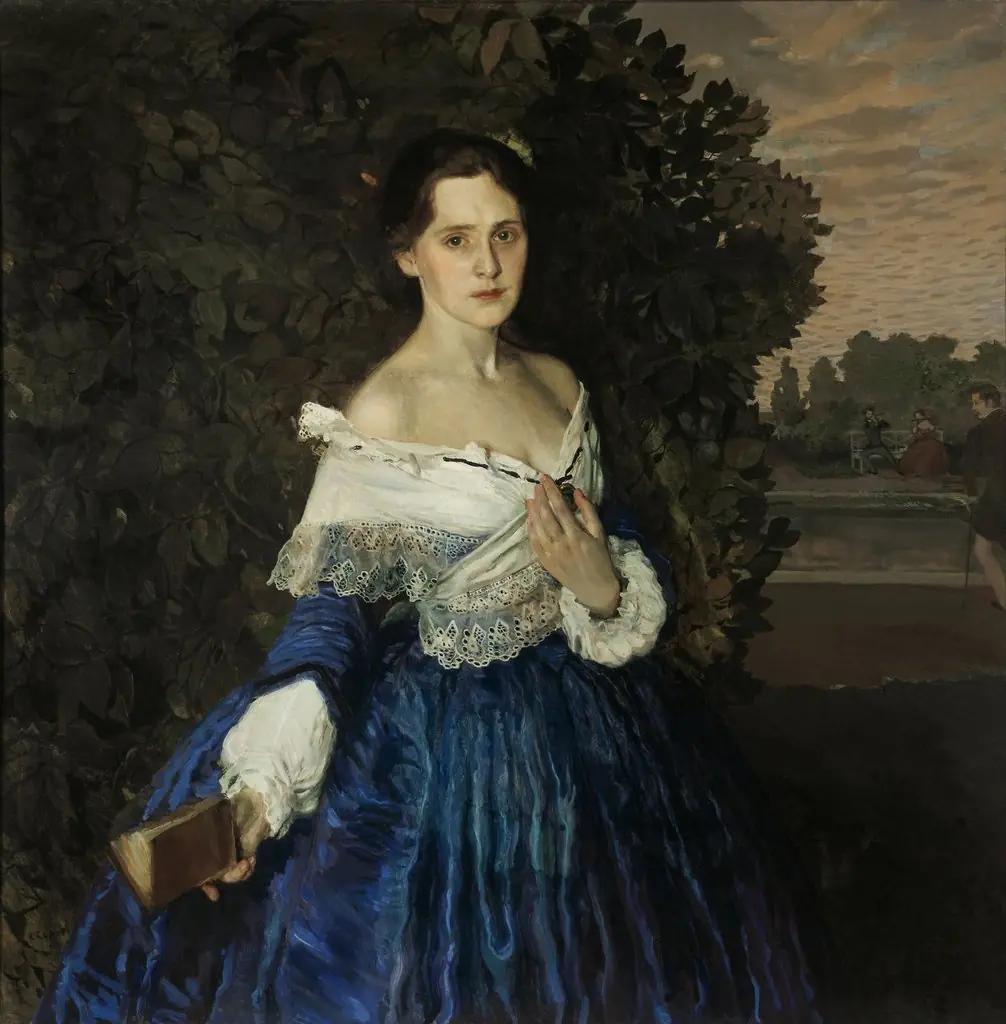 Lady in Blue
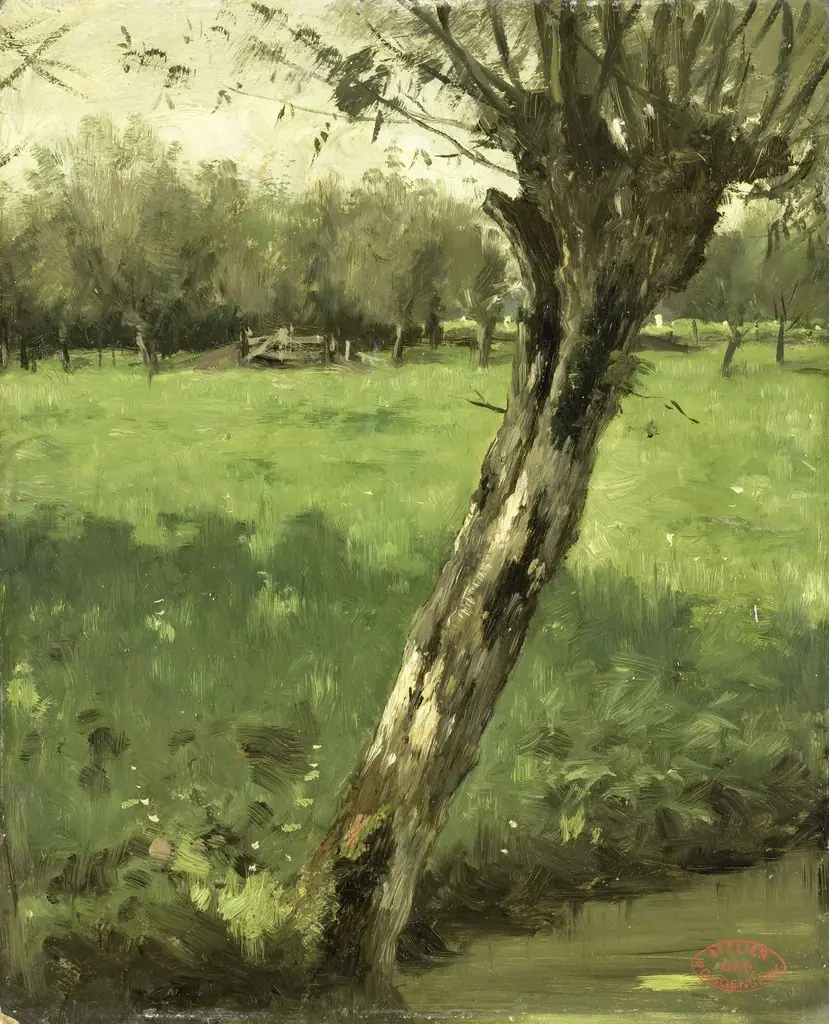 The Willow
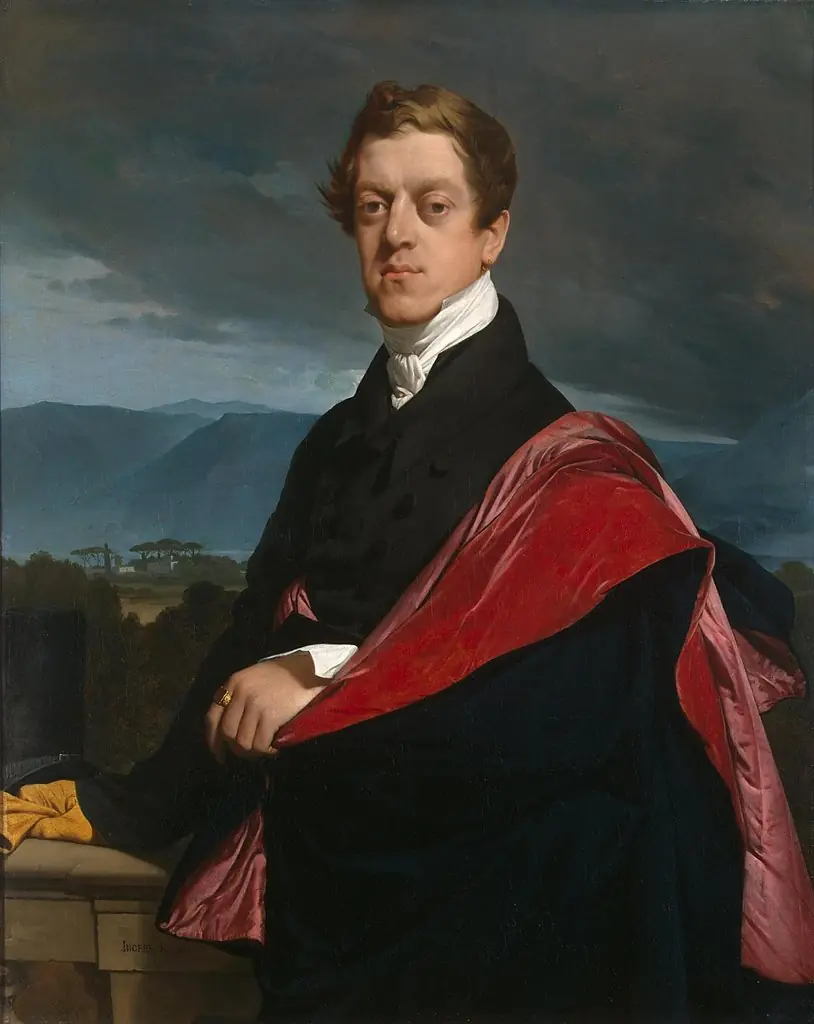 Portrait of Count Nikolay Guryev
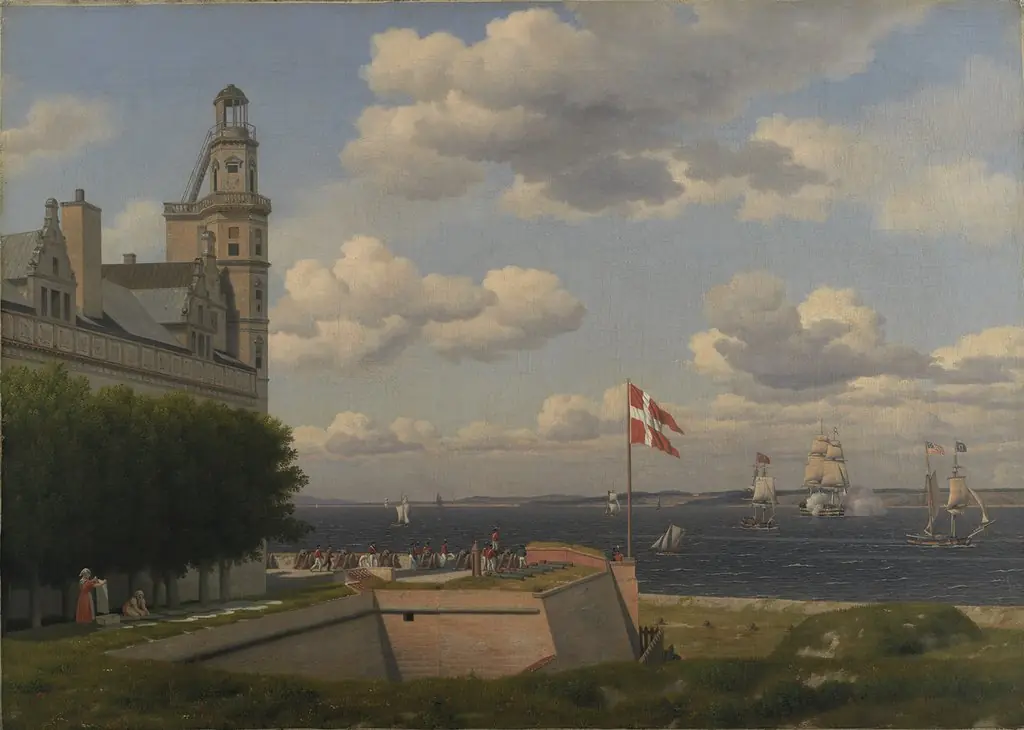 A View towards the Swedish Coast from the Ramparts of Kronborg Castle
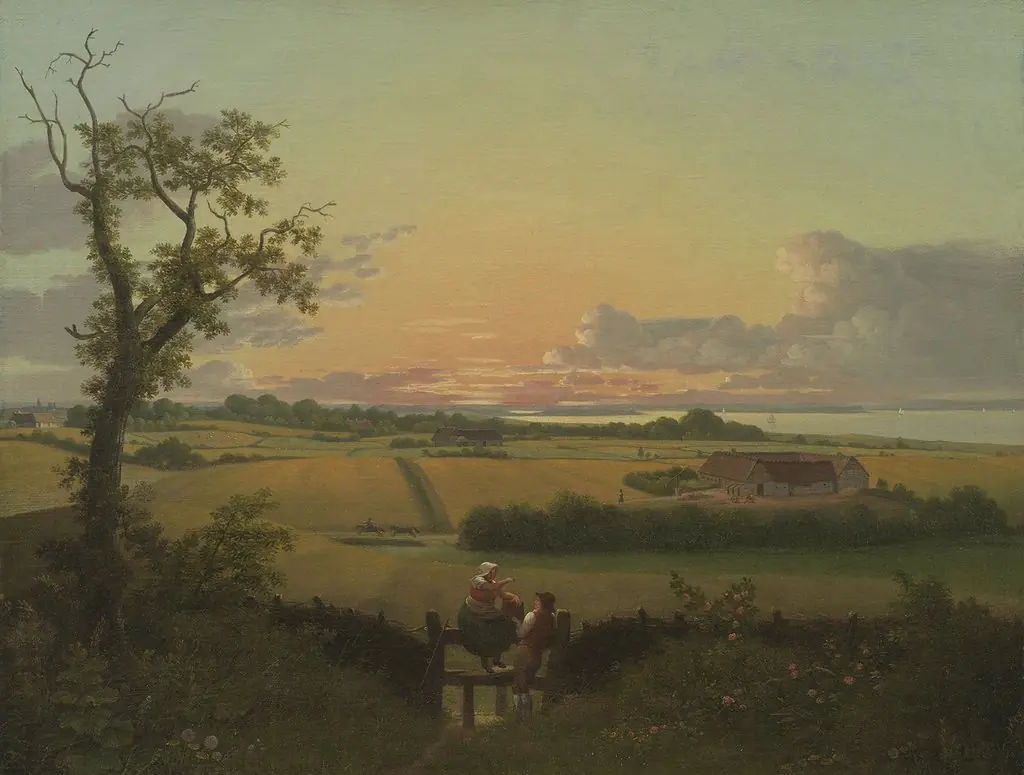 Landscape with a Stile. The Isle of Møn
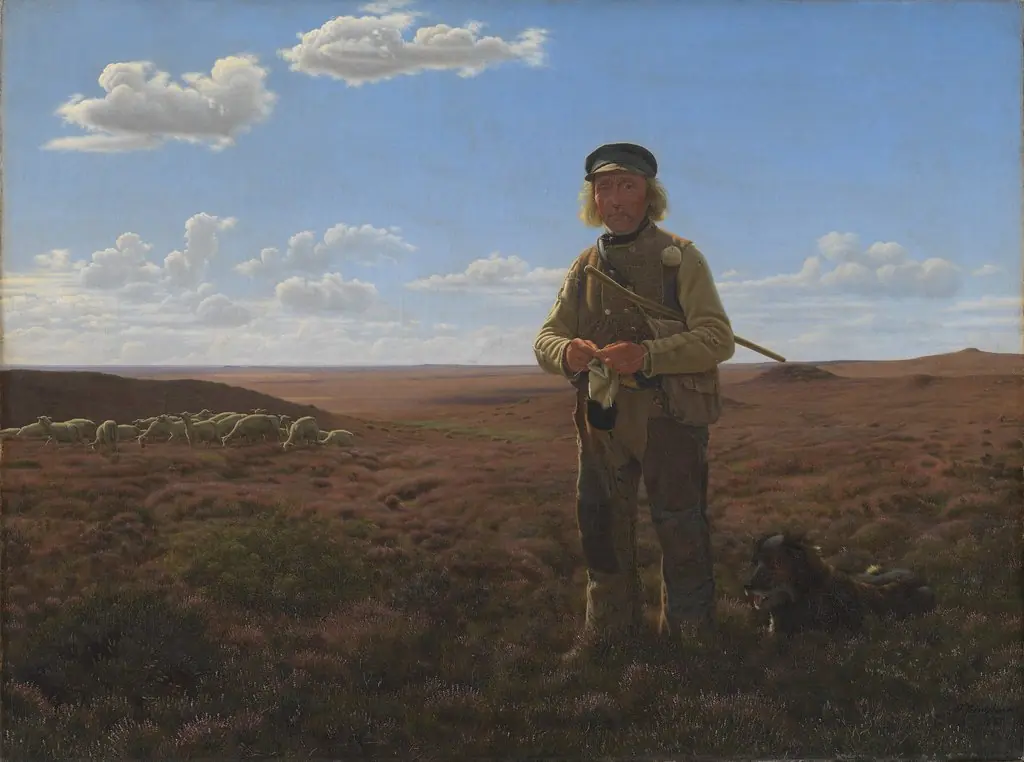 A Jutland Sheperd on the Moors
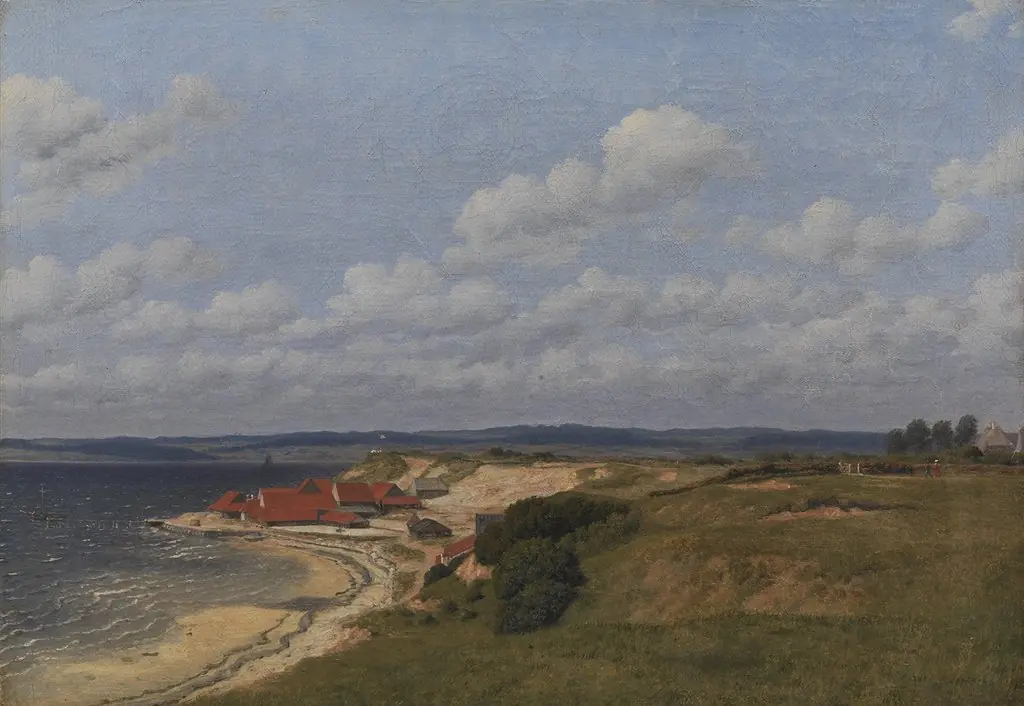 Renbjærg Tileworks by Flensburg Fiord
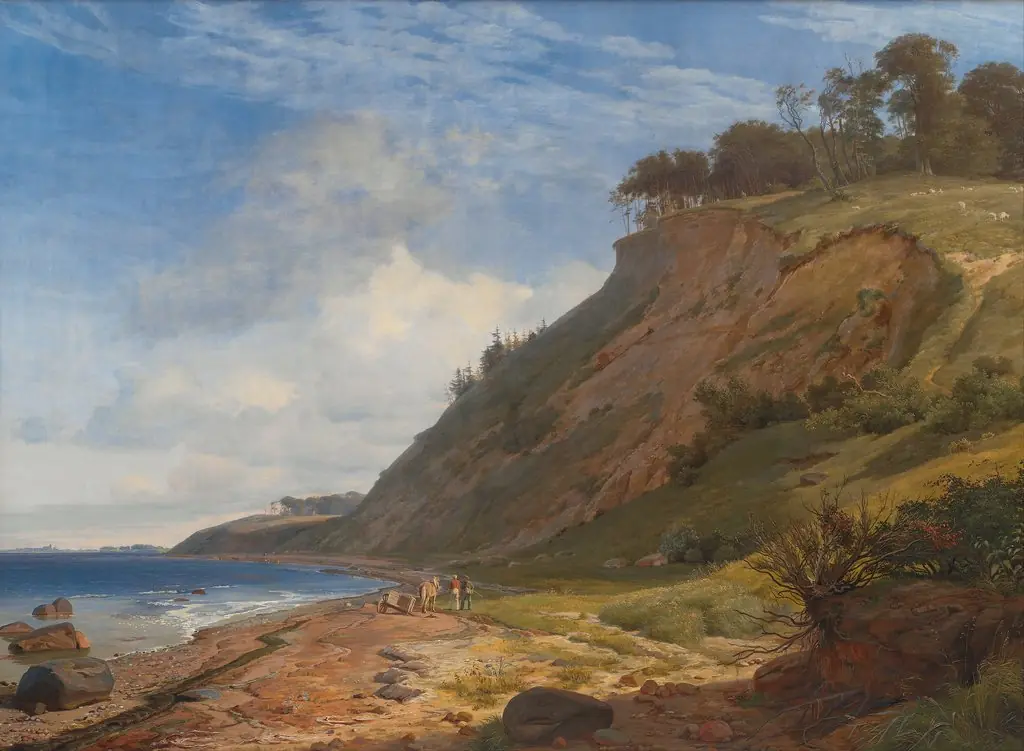 A Danish Coast. View from Kitnæs on Roskilde Fjord. Zealand
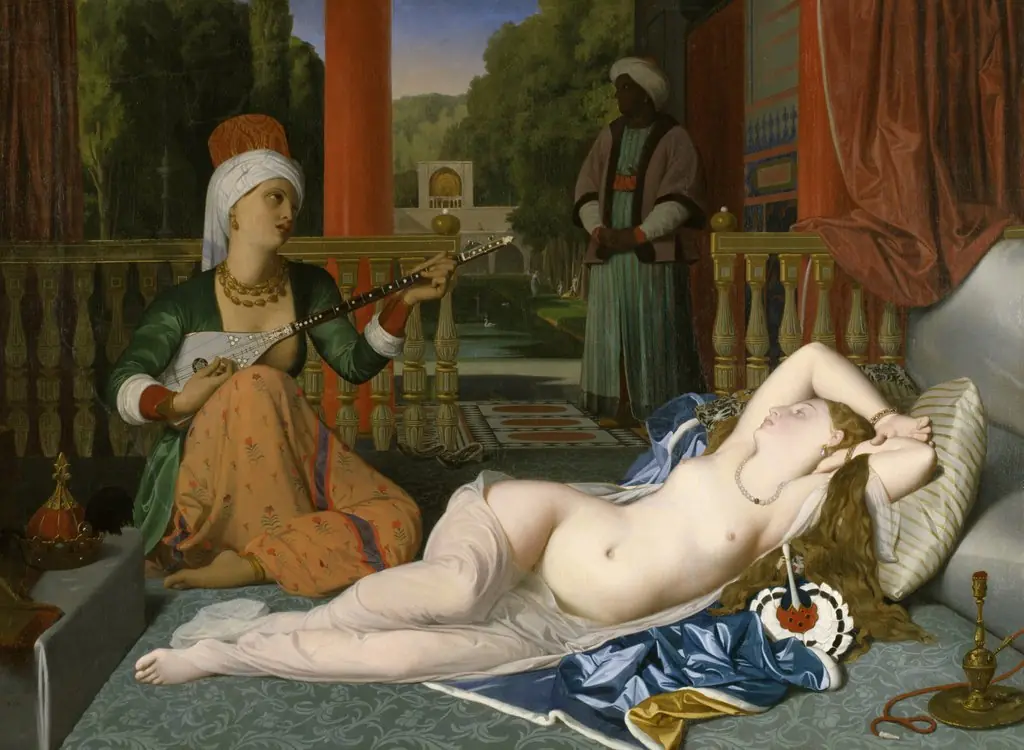 Odalisque with Slave
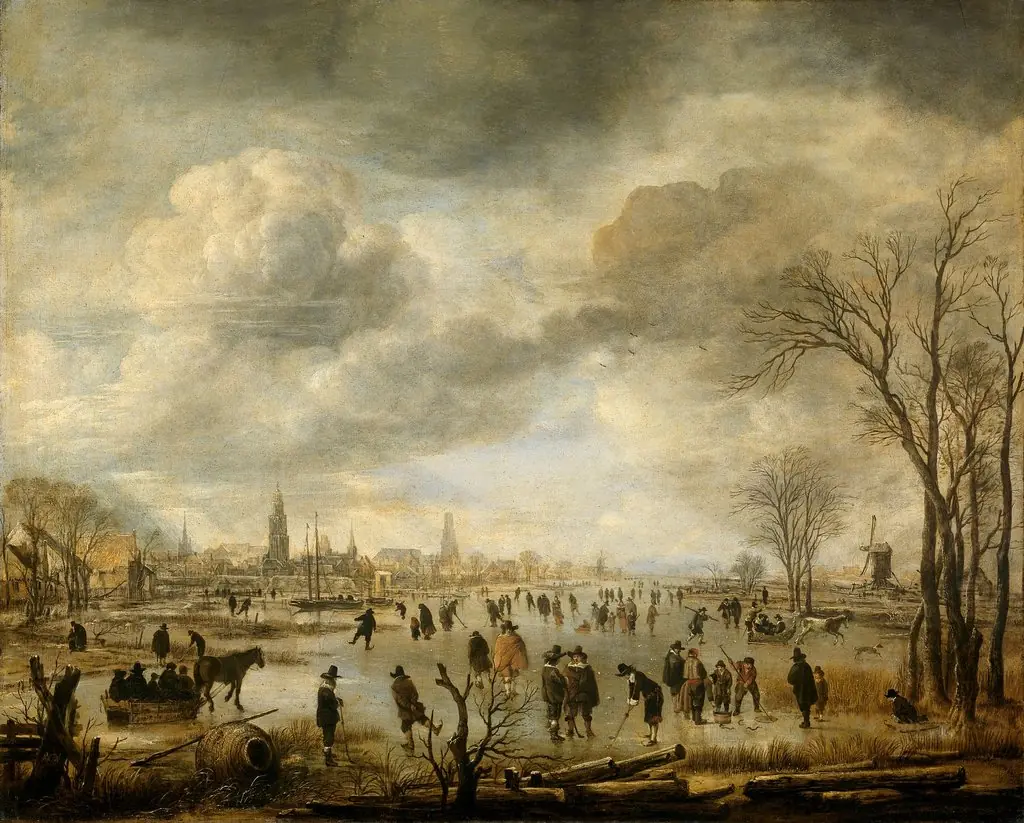 River View in Winter
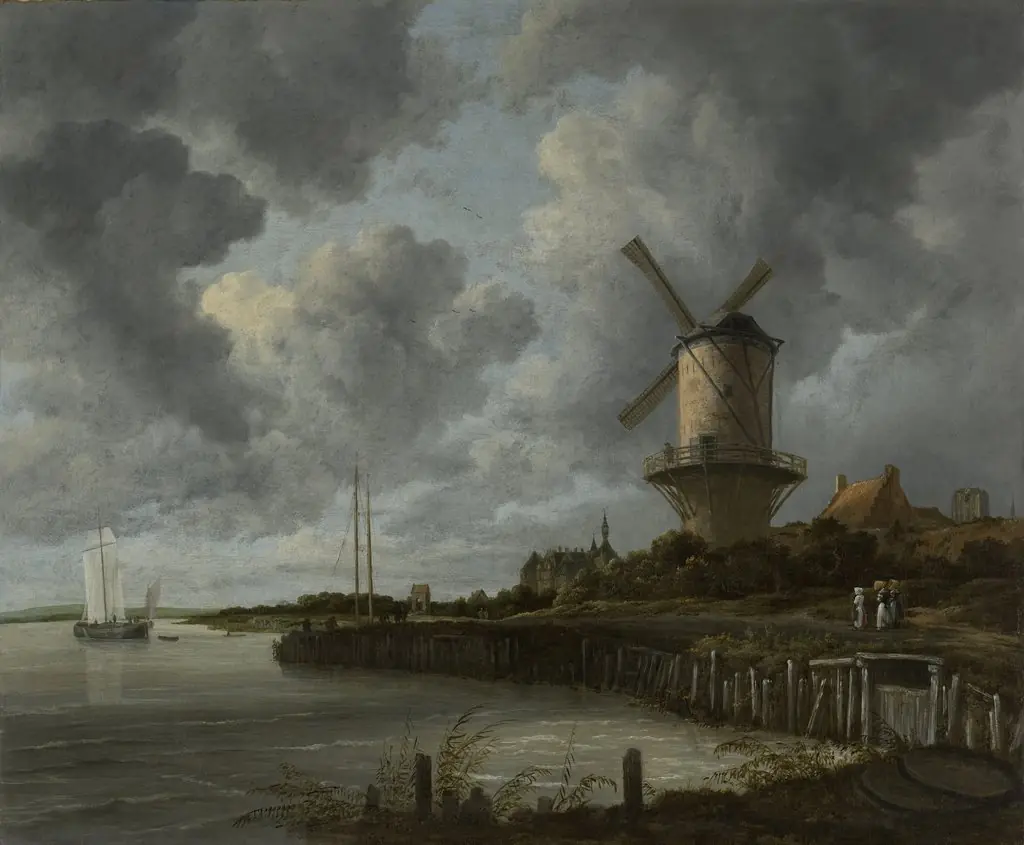 The Windmill at Wijk bij Duurstede
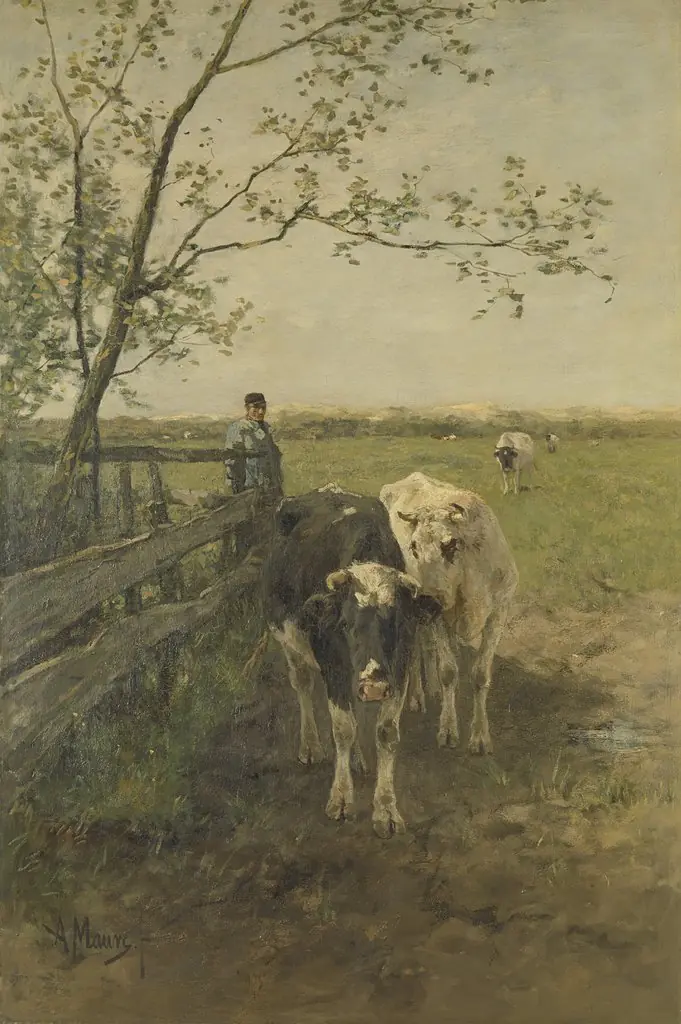 The milking corner.
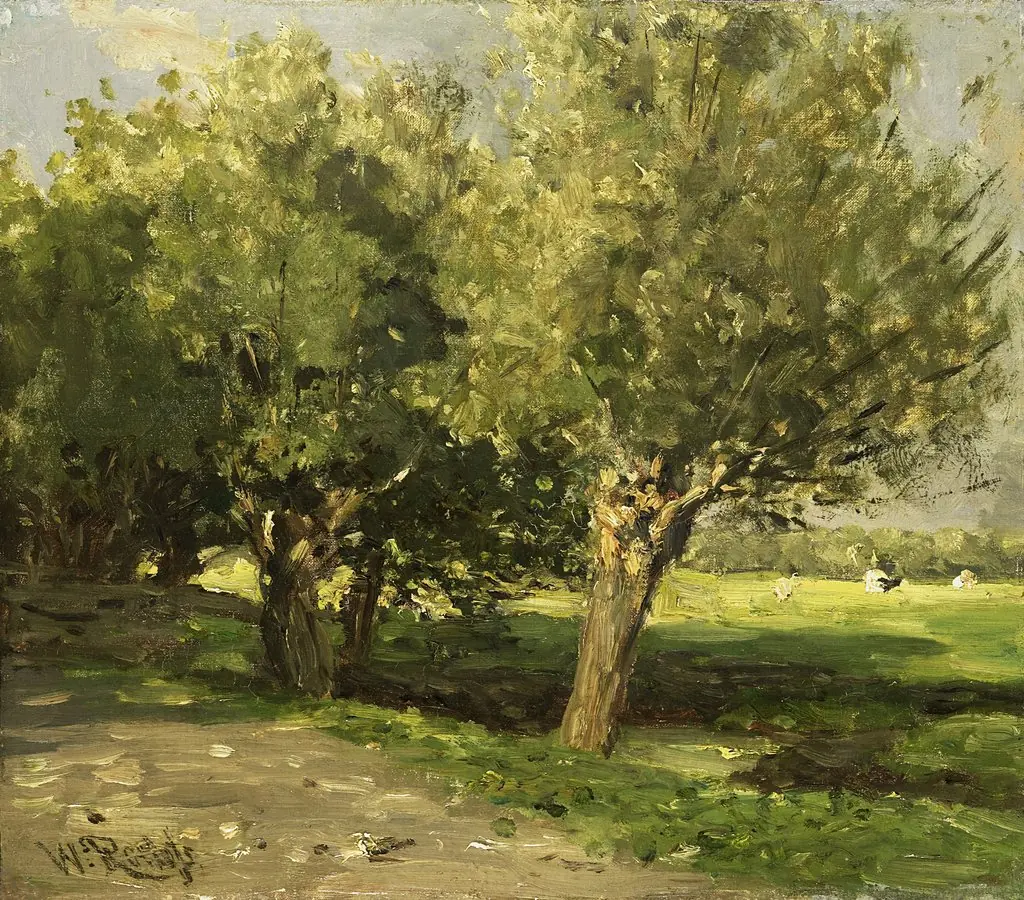 Wilgebomen
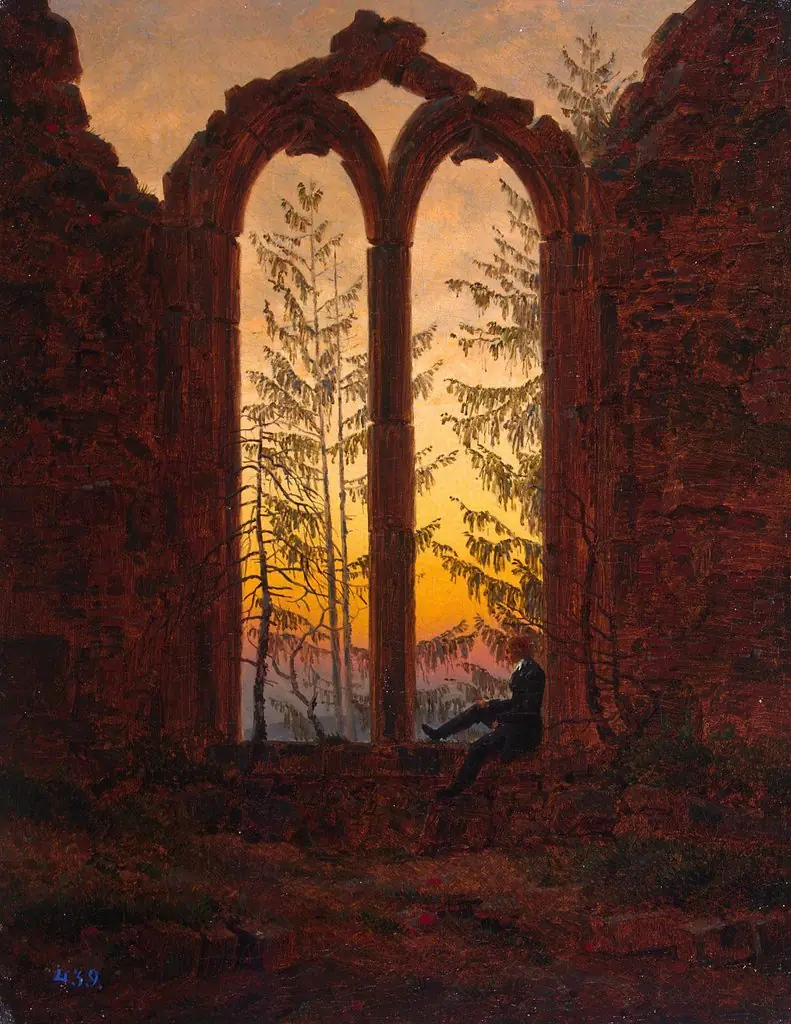 Ruins of the Oybin
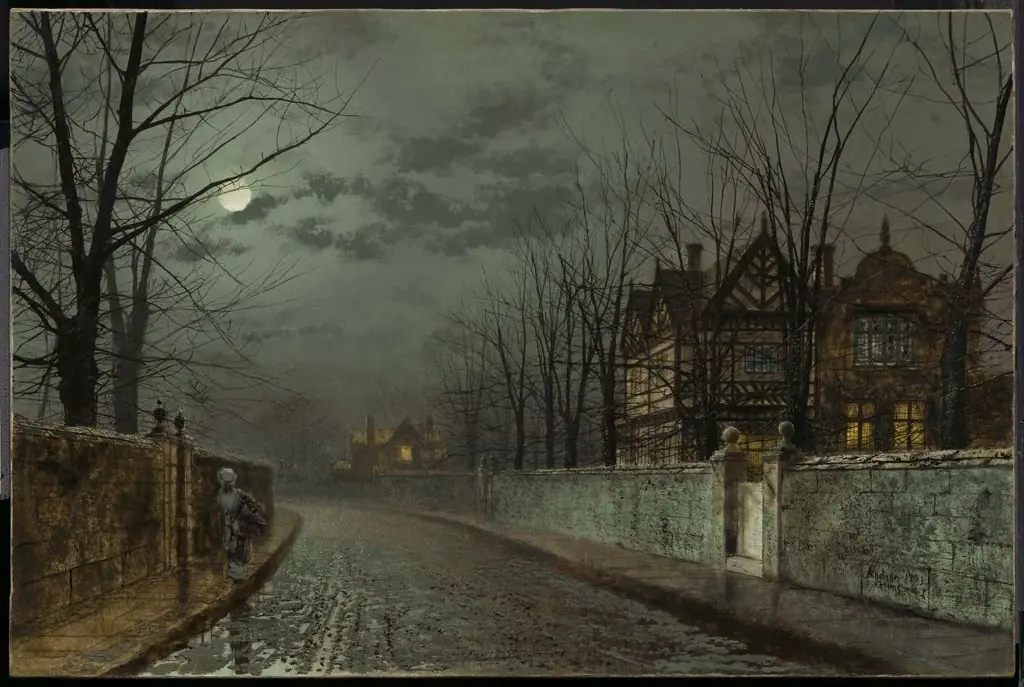 Old English House by Moonlight
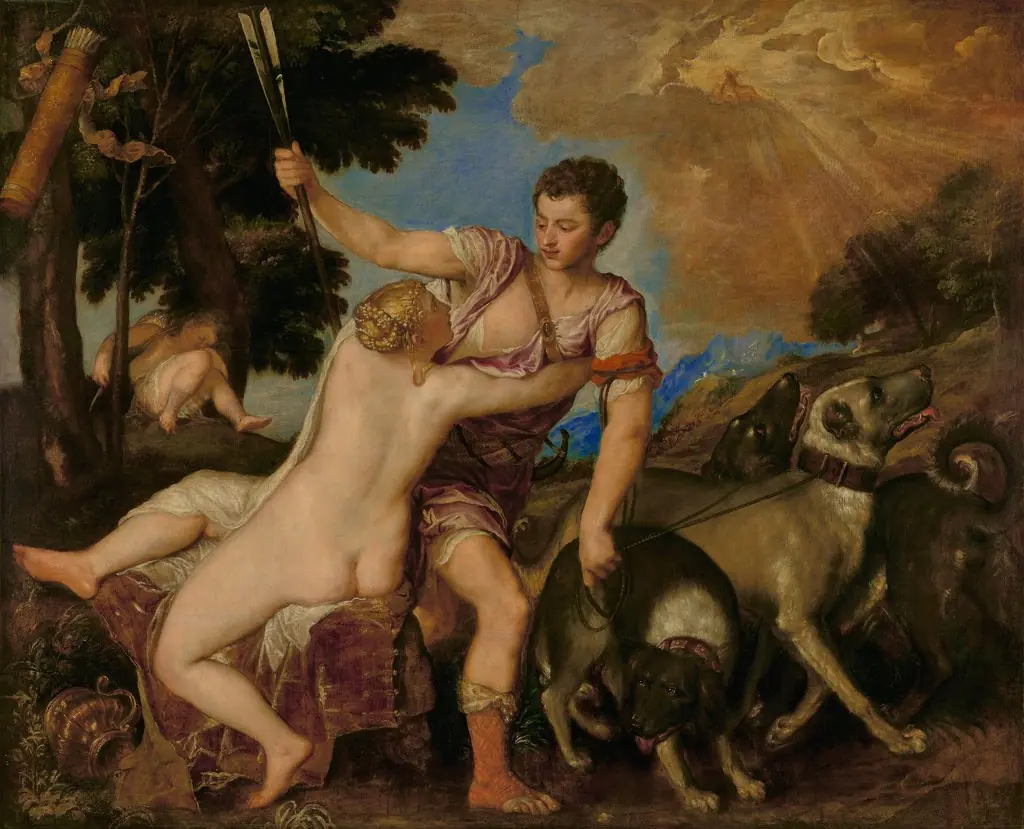 Venus and Adonis
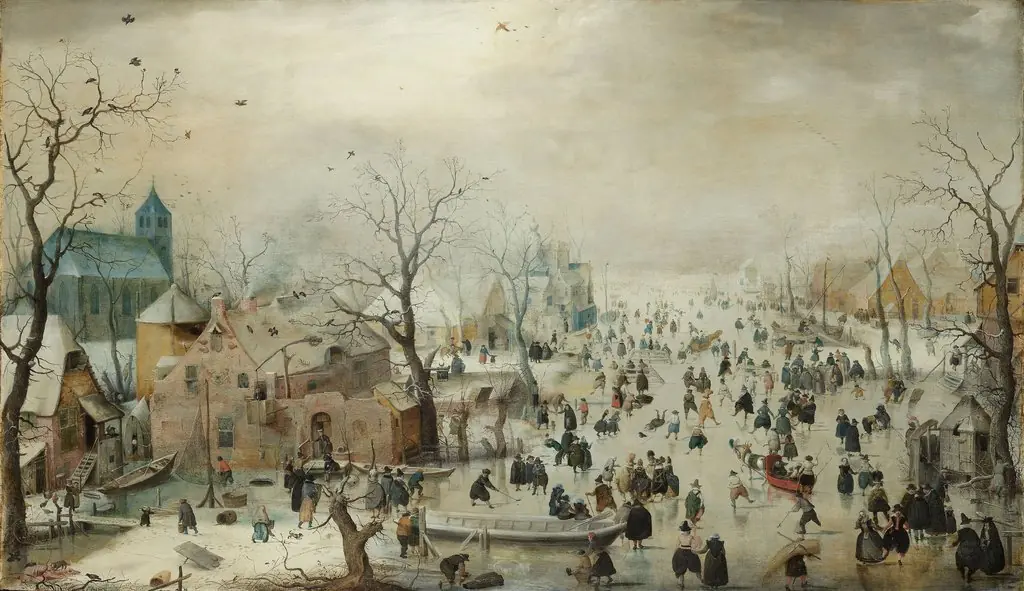 Winter landscape with skaters
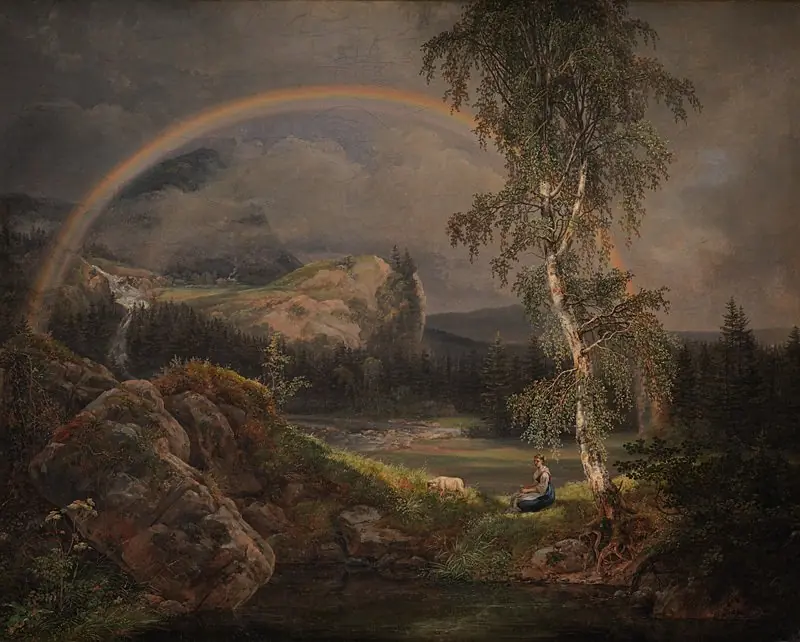 Norwegian Landscape with a Rainbow
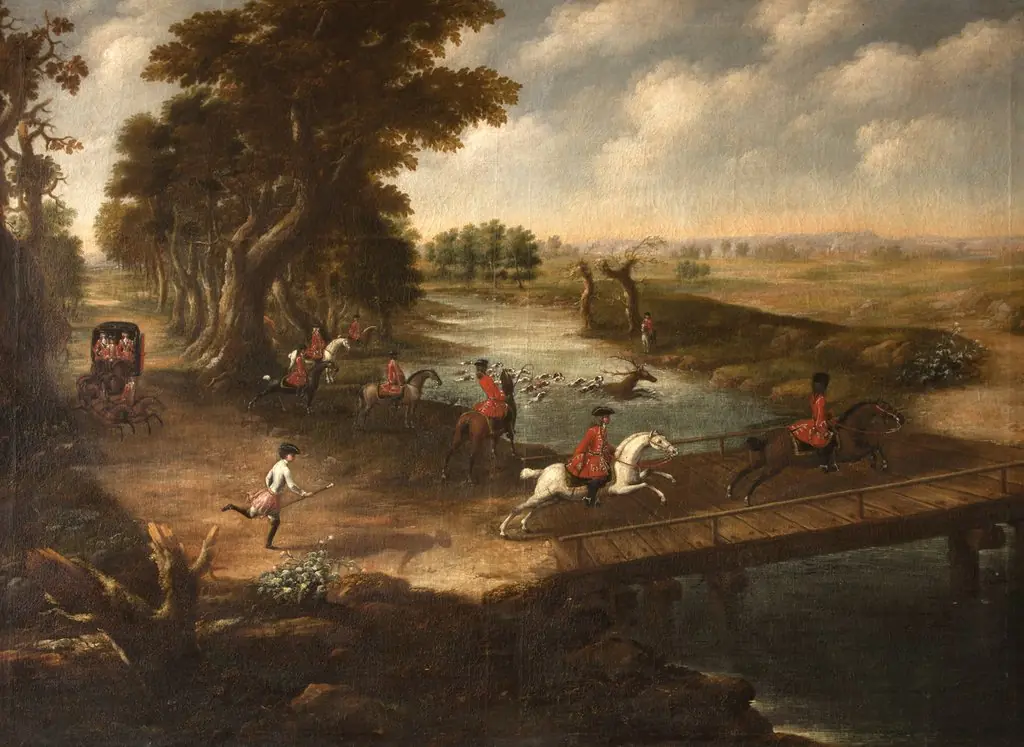 En jagt af kongelige personer
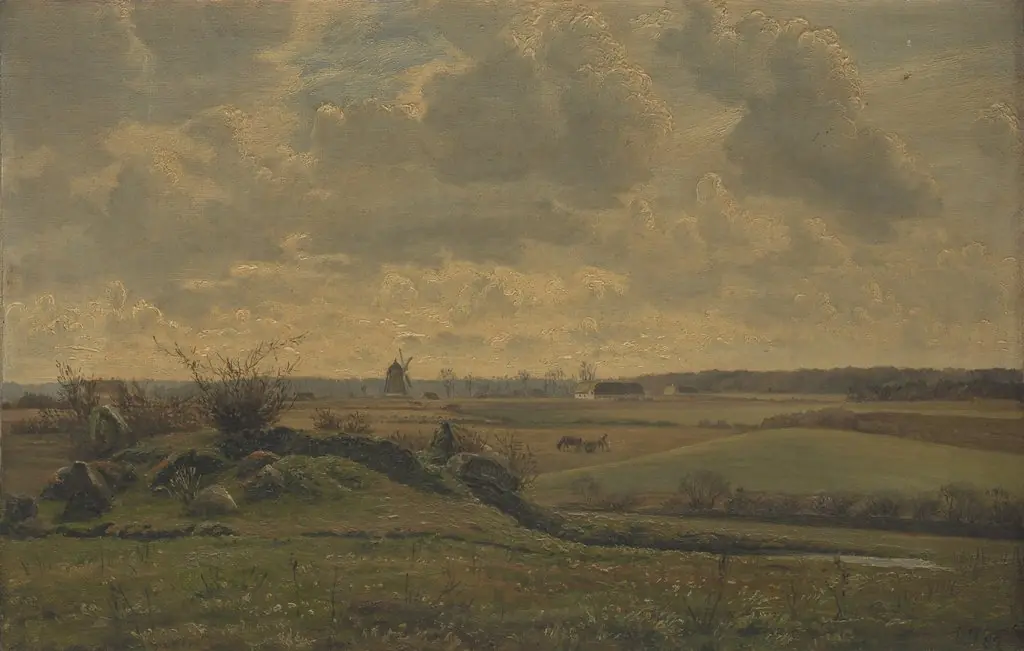 Landskab ved Gyrstinge
 Dogs and hunting gear
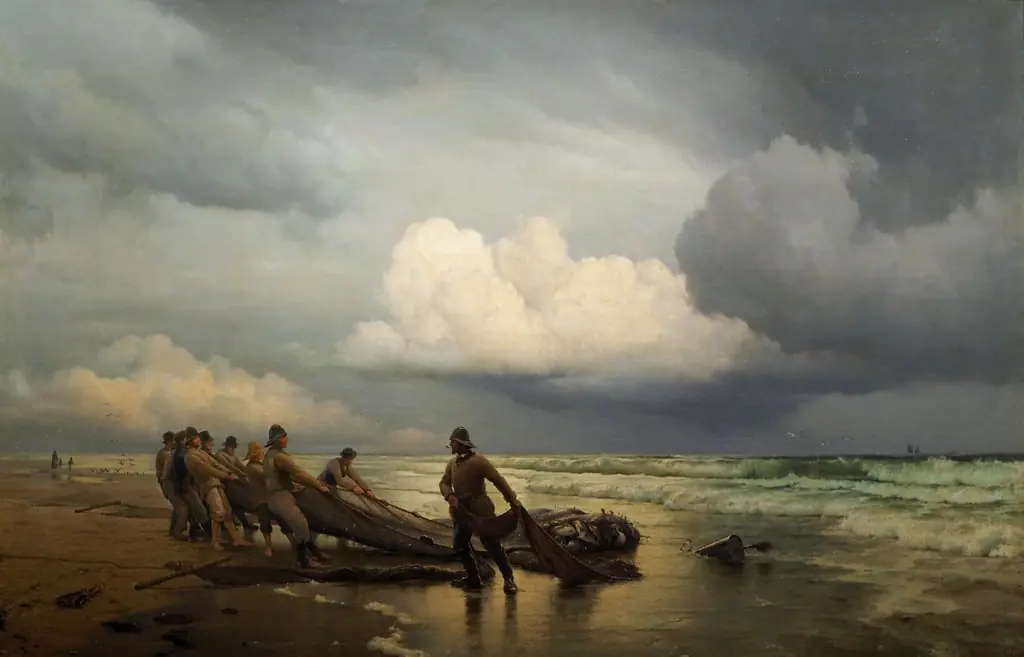 Fiskere trækker våd på Skagen Nordstrand
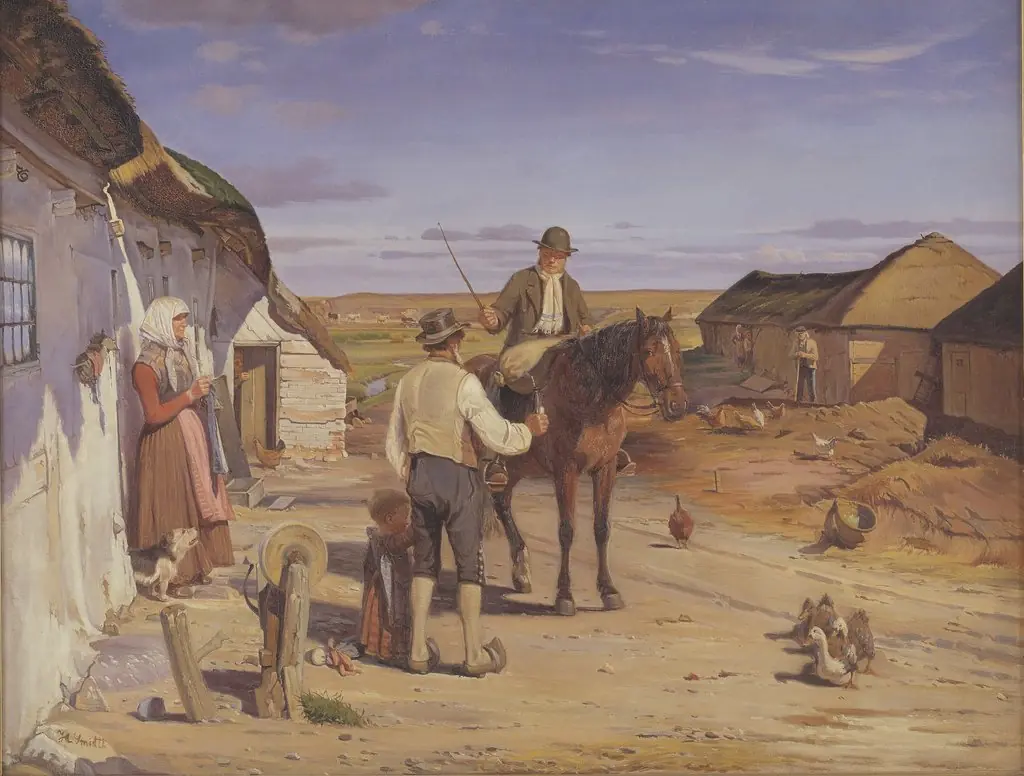 A Stranger Asking his Way at a Farm on the Moors
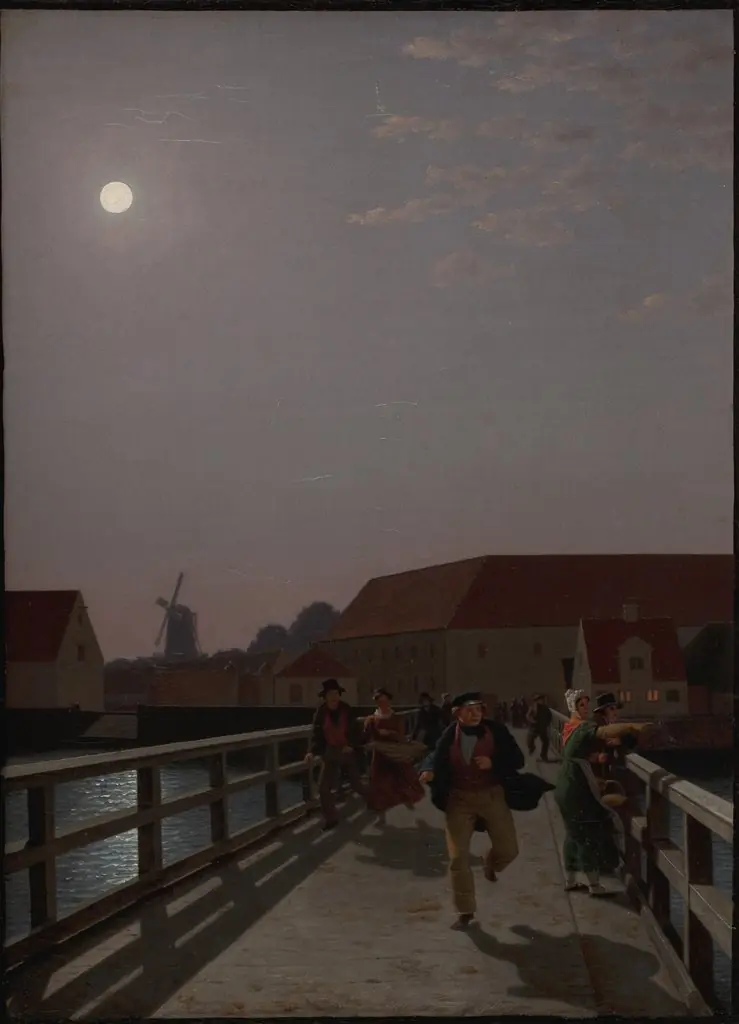 Langebro, Copenhagen, in the Moonlight with Running Figures
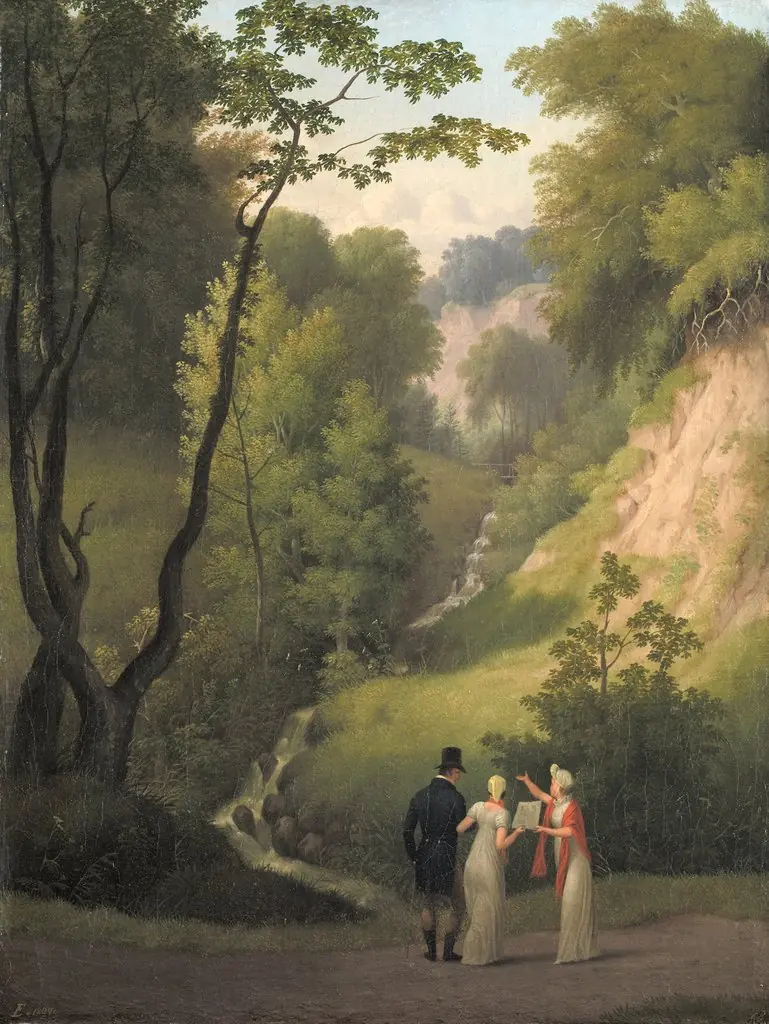 View of the Park of Liselund Manor on the Island of Møn
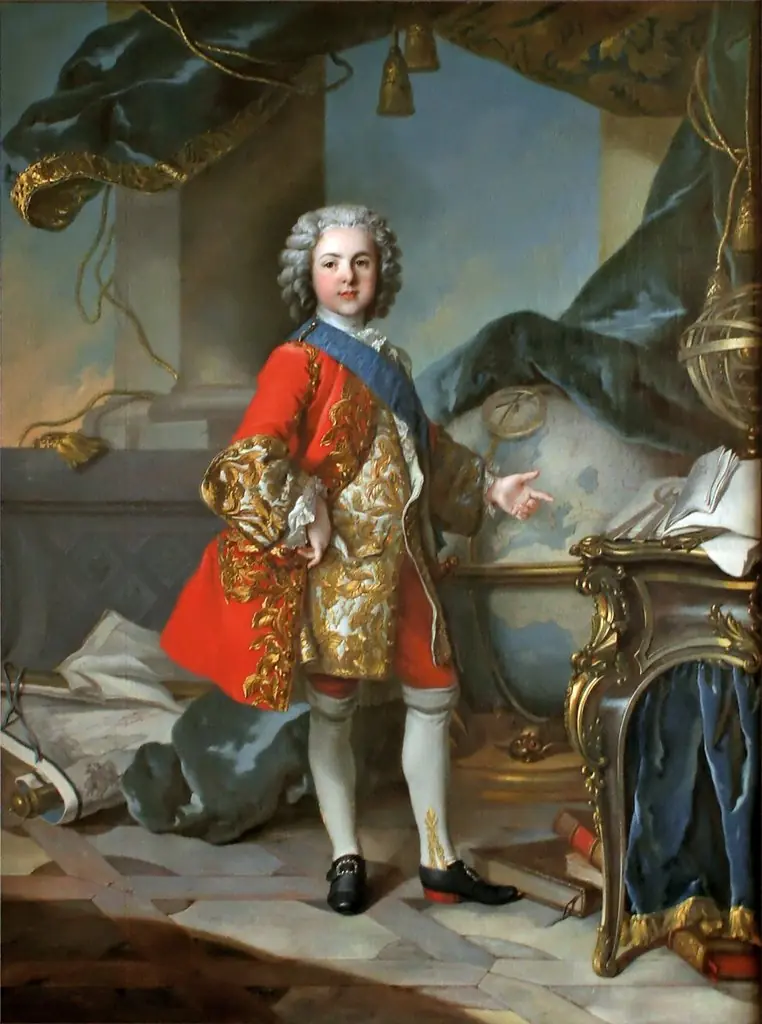 Portrait of Louis of France
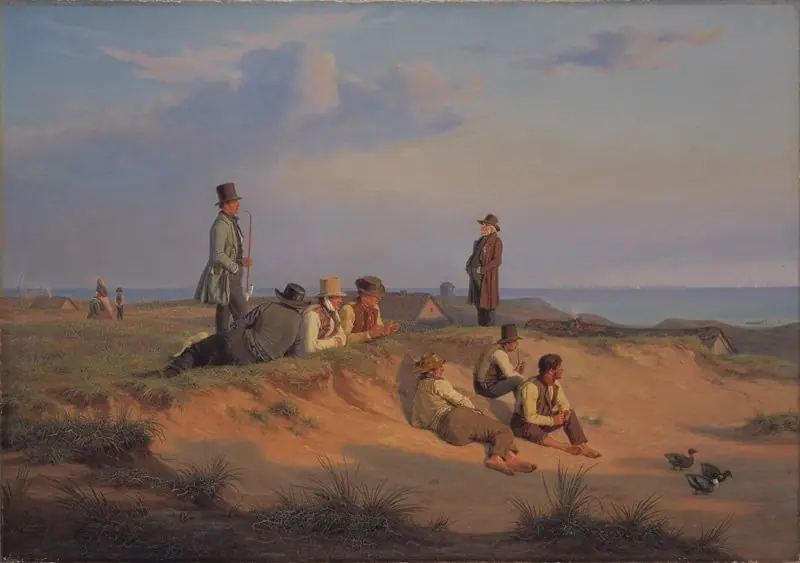 Men of Skagen on a Summer Evening in Fair Weather
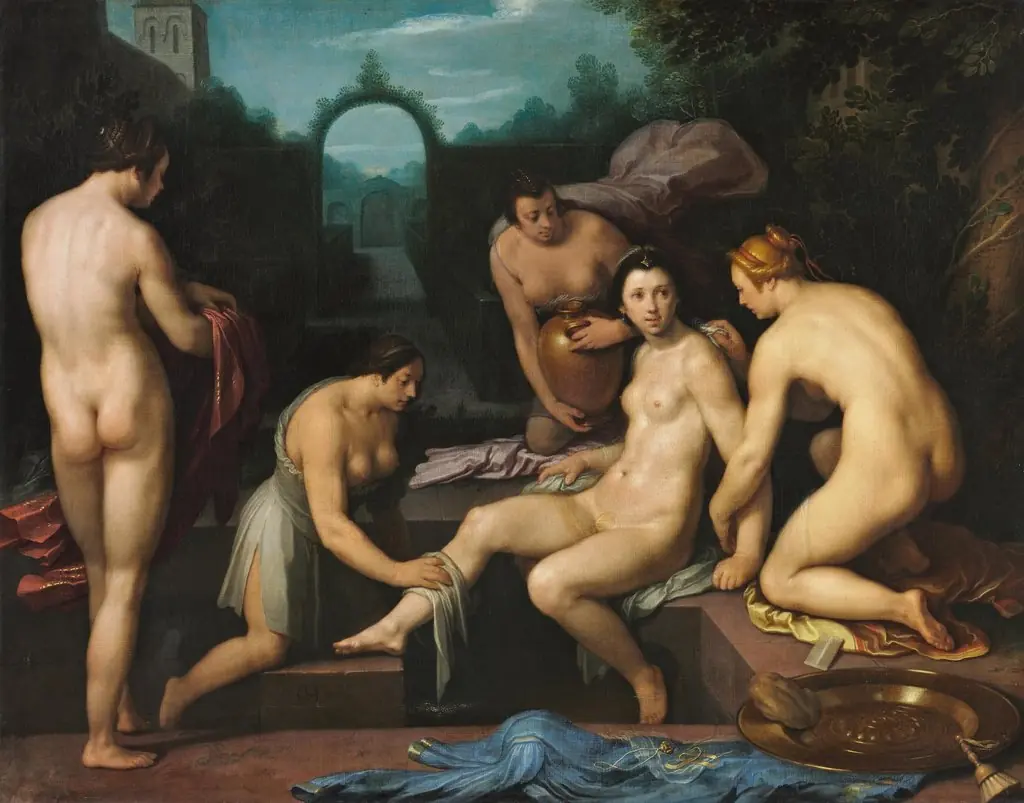 Bathsheba at her toilet
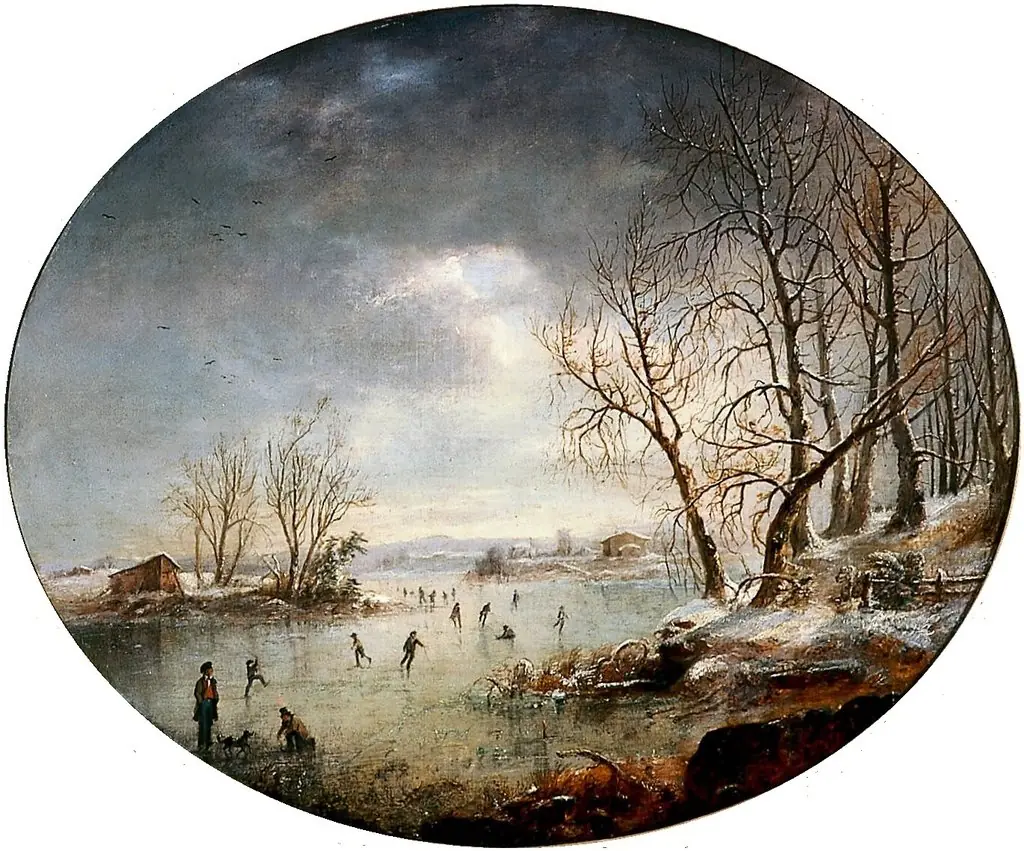 Winter Scene in New Jersey
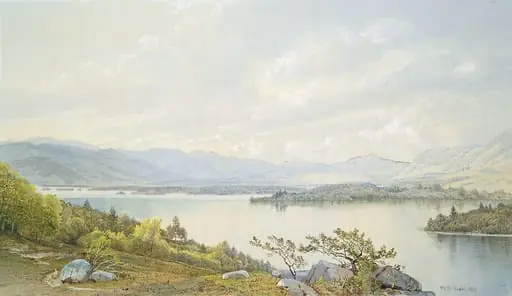 Lake Squam and the Sandwich Mountains
Frequently asked questions
What is Sky?
Sky is a subject in art. The sky is an unobstructed view upward from the surface of the Earth.
How many Sky works does Artifact World Gallery have?
Artifact World Gallery holds 200 public-domain Sky works, all free to view and download.
Who are the key Sky artists?
Key Sky artists in the collection include Titian, Paolo Veronese and Jean Baptiste Camille Corot.
Where can I see Sky works?
Sky works in the collection are held by Rijksmuseum, Statens Museum for Kunst and Metropolitan Museum of Art.