Subject
Building
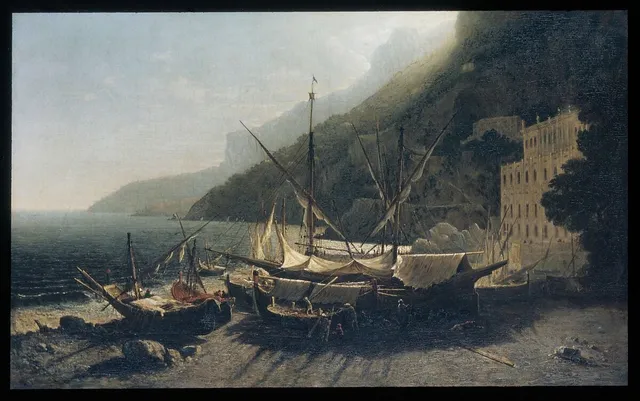
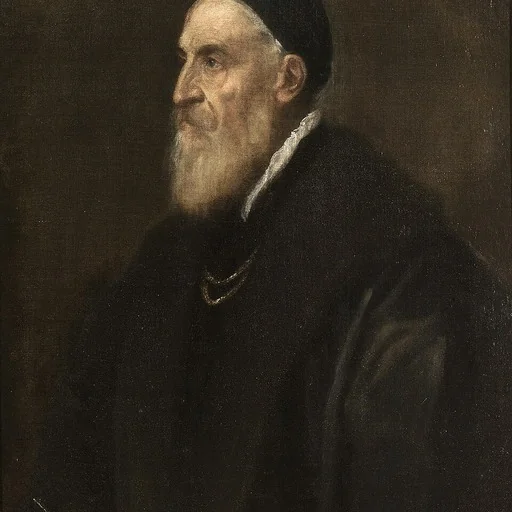
Building is a subject in art. The gallery holds 156 works in this subject in art, including works by Titian, Chinese Qing Dynasty and Thomas Chambers.
The depiction of buildings is among the oldest impulses in art, but the edifice rose from a backdrop to a subject in its own right only gradually. Roman painters at Pompeii and Herculaneum already conjured colonnades, temples and stage-like facades on villa walls around 50 BC, using an intuitive—if not yet mathematically consistent—perspective in which receding lines clustered near the center rather than meeting at a single vanishing point. That problem was solved in early-fifteenth-century Florence, where Filippo Brunelleschi is credited with demonstrating one-point linear perspective around 1413. The technique turned architecture into the ideal vehicle for the new science of space, nowhere more purely than in the three Renaissance panels known as The Ideal City (at Urbino, Baltimore and Berlin), whose serene, unpeopled piazzas are constructed entirely around a single vanishing point.
From this foundation two enduring traditions emerged. The veduta, or topographical "view," was a detailed and largely factual record of a real place; its roots lay with Flemish artists working in Italy, such as Paul Bril (1554–1626), before it flowered in eighteenth-century Venice. Its counterpart, the capriccio, assembled real and imagined buildings, classical ruins and monuments into fantastical, decorative combinations—an architectural fiction practiced by Giovanni Paolo Panini and, in his invented views, by Canaletto himself.
The defining masters of the building-as-subject are the vedutisti. Canaletto (Giovanni Antonio Canal, 1697–1768) painted luminous, meticulously plotted views of Venice, Rome and London, prizing compositional harmony over strict geographic accuracy and reportedly tracing contours with an optical camera. His nephew Bernardo Bellotto carried the manner to Dresden and Warsaw, while Francesco Guardi dissolved Venetian stone into shimmering, atmospheric brushwork. North of the Alps, Johannes Vermeer produced in his View of Delft (c. 1660–61) what many regard as the most memorable cityscape in Western art, subtly rearranging the real skyline for dramatic effect.
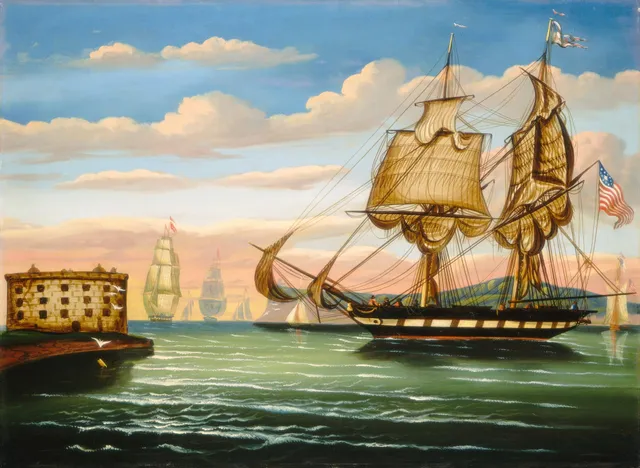
The genre's legacy runs straight into modern painting. The Impressionists inherited the architectural motif but bent it to light and weather rather than topographic precision—Alfred Sisley's The Bridge at Villeneuve-la-Garenne (1872), held in this collection, treats a structure as an armature for reflection and air. Buildings likewise frame narrative and sacred painting, supplying the stage for works such as Juan de Flandes's The Temptation of Christ, and they anchor American luminist views like Thomas Chambers's harbor scenes, confirming the edifice as one of art's most adaptable subjects.
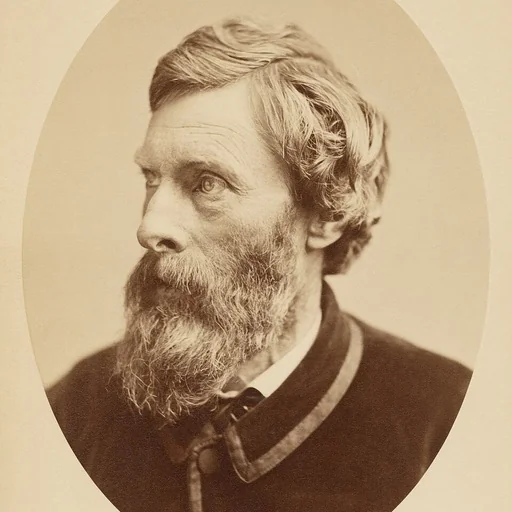
Key artists

Works
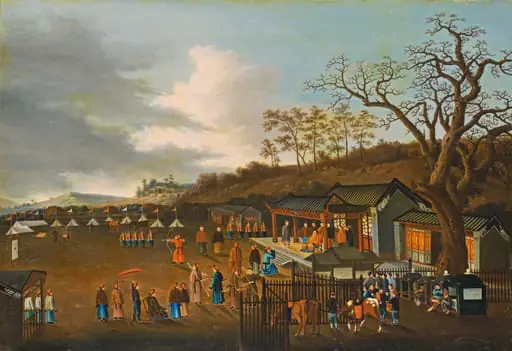 Archery Contest
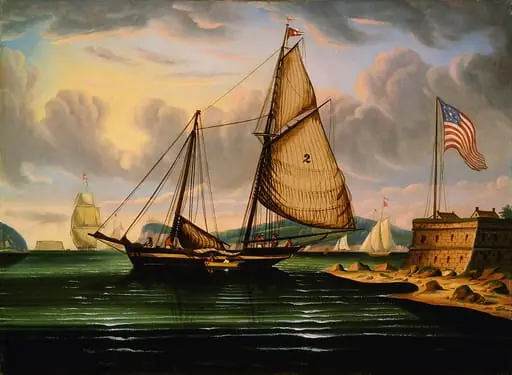 New York Harbor with Pilot Boat "George Washington"
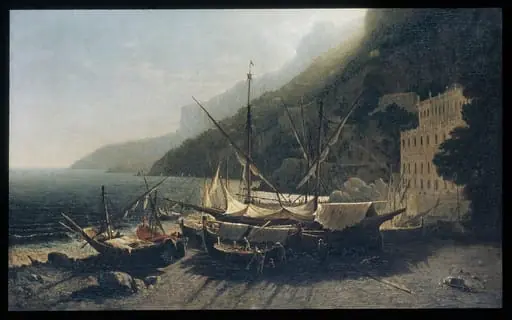 View at Amalfi, Bay of Salerno
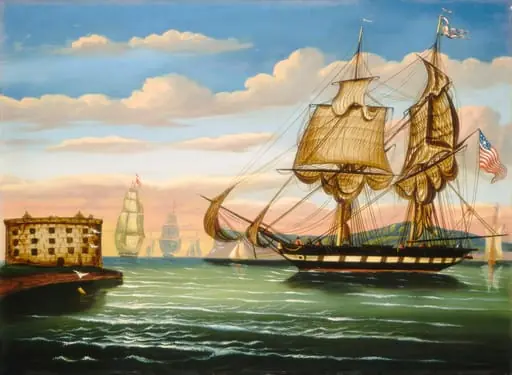 Bay of New York, Sunset
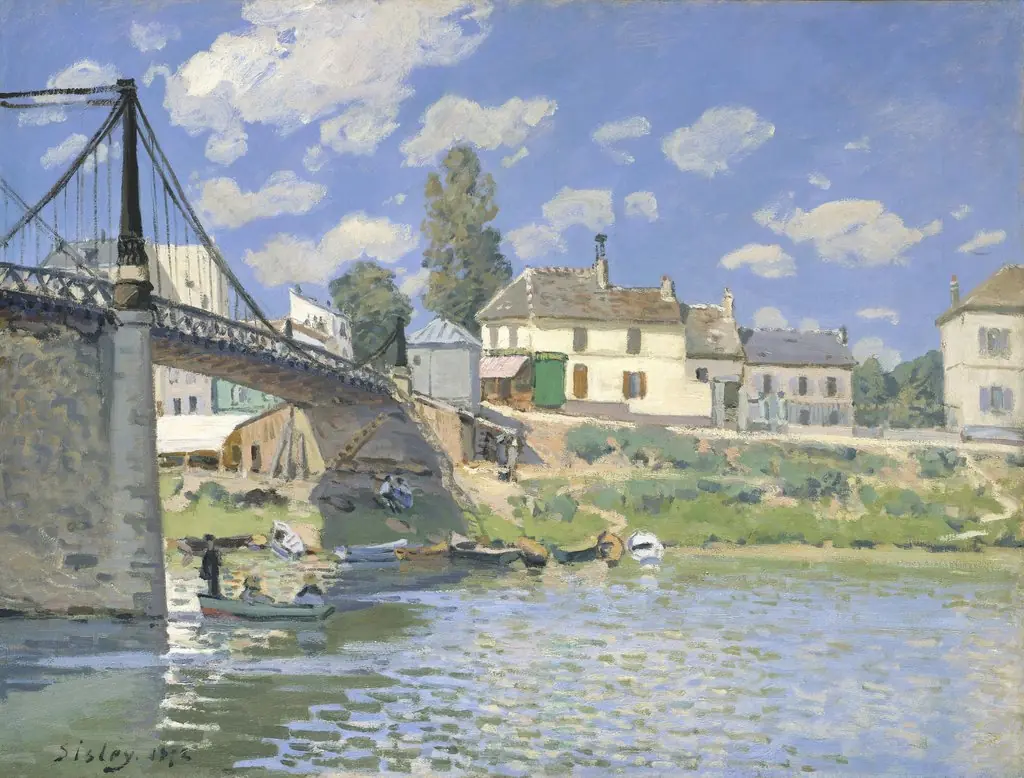 The Bridge at Villeneuve-la-Garenne
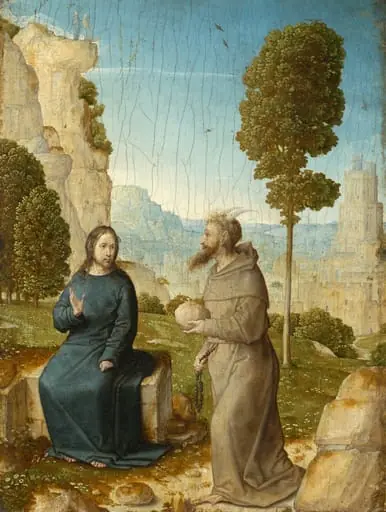 The Temptation of Christ
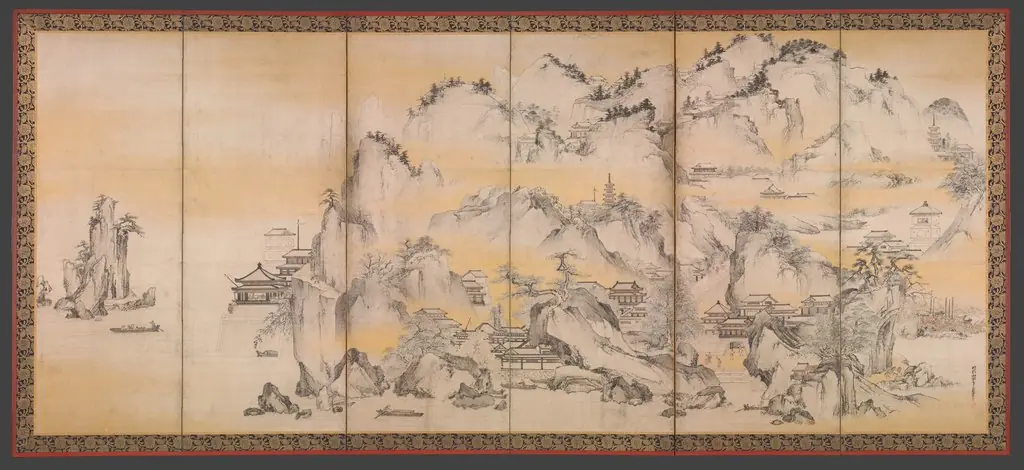 Jinshan Island and West Lake
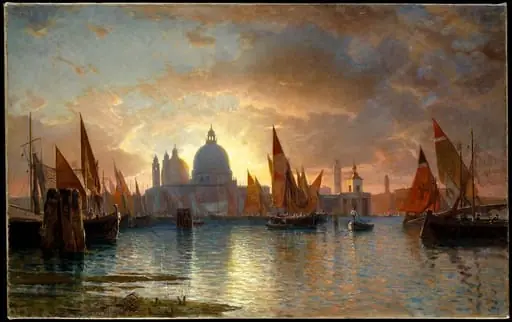 Santa Maria della Salute, Sunset
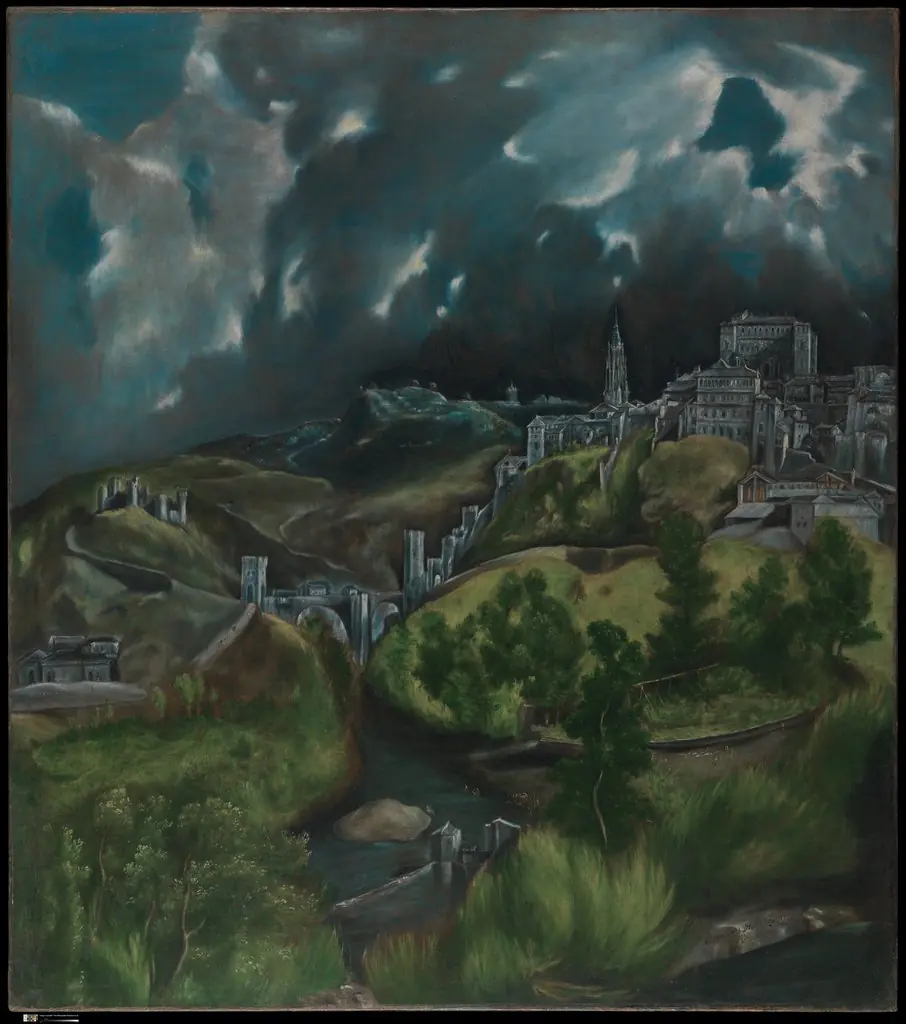 View of Toledo
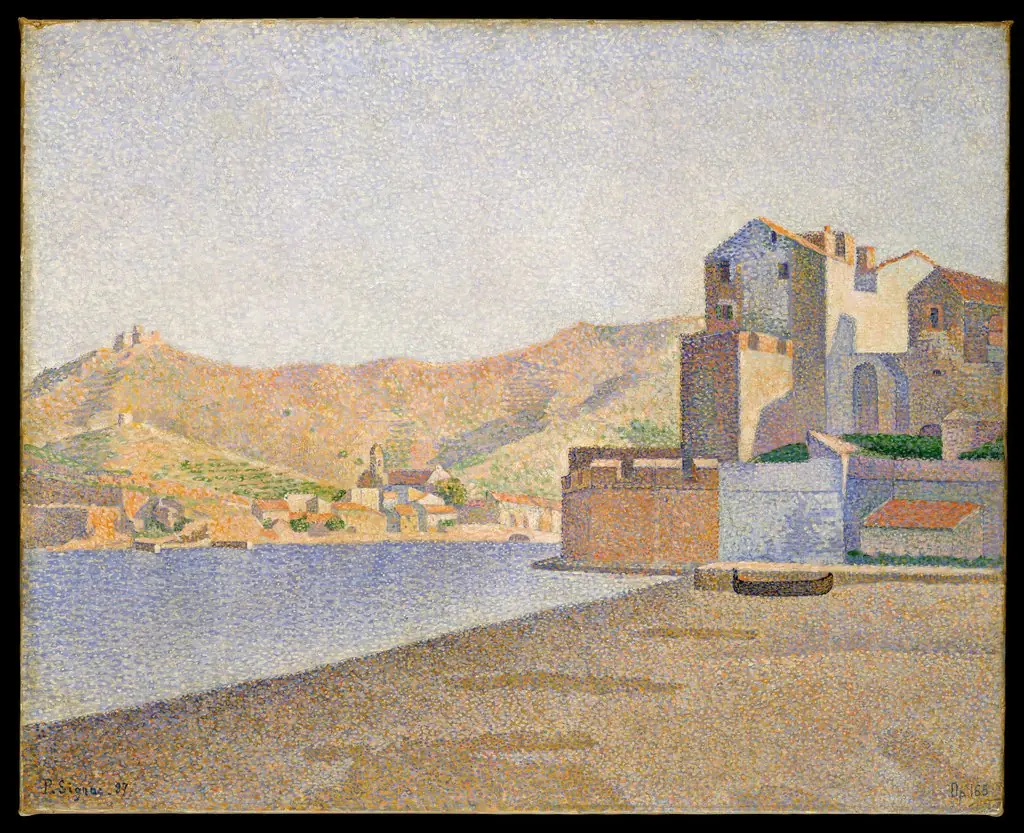 The Town Beach, Collioure, Opus 165
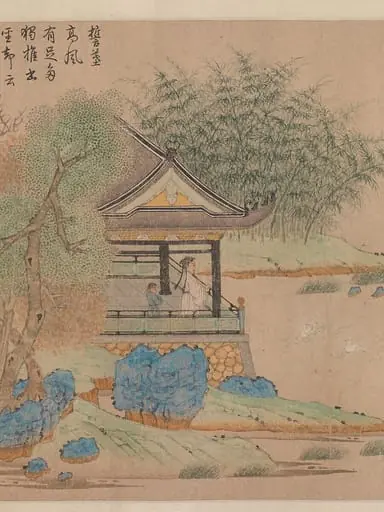 元 錢選 王羲之觀鵝圖 卷|Wang Xizhi watching geese
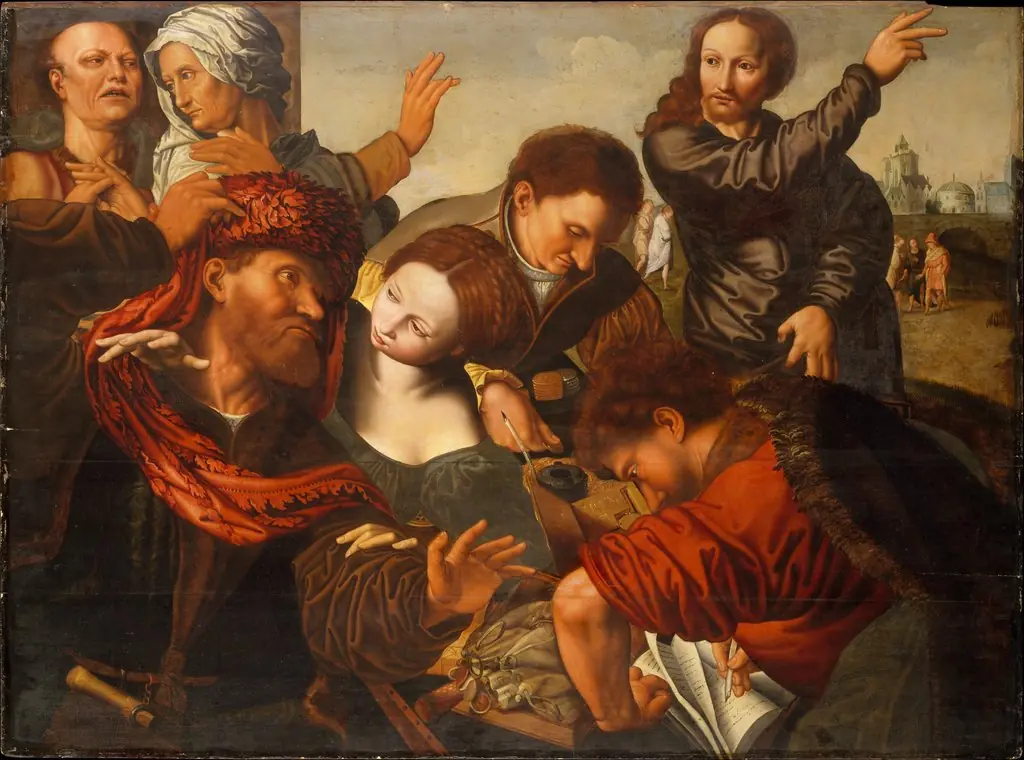 The Calling of Saint Matthew
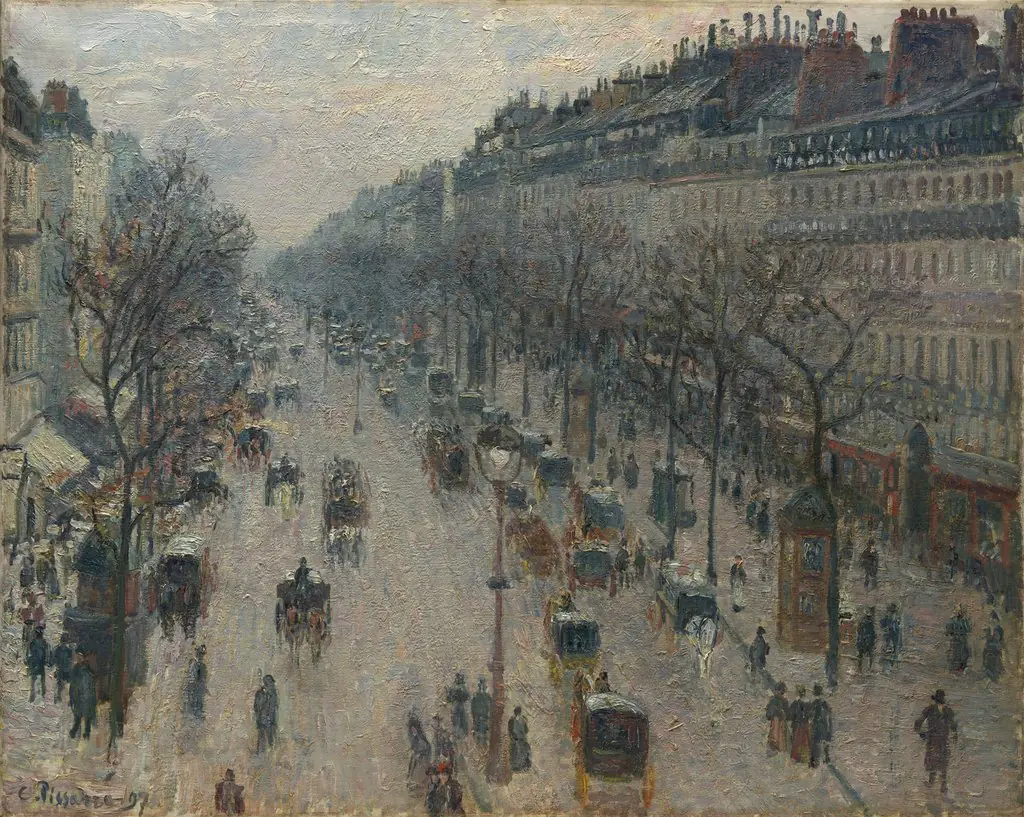 The Boulevard Montmartre on a Winter Morning
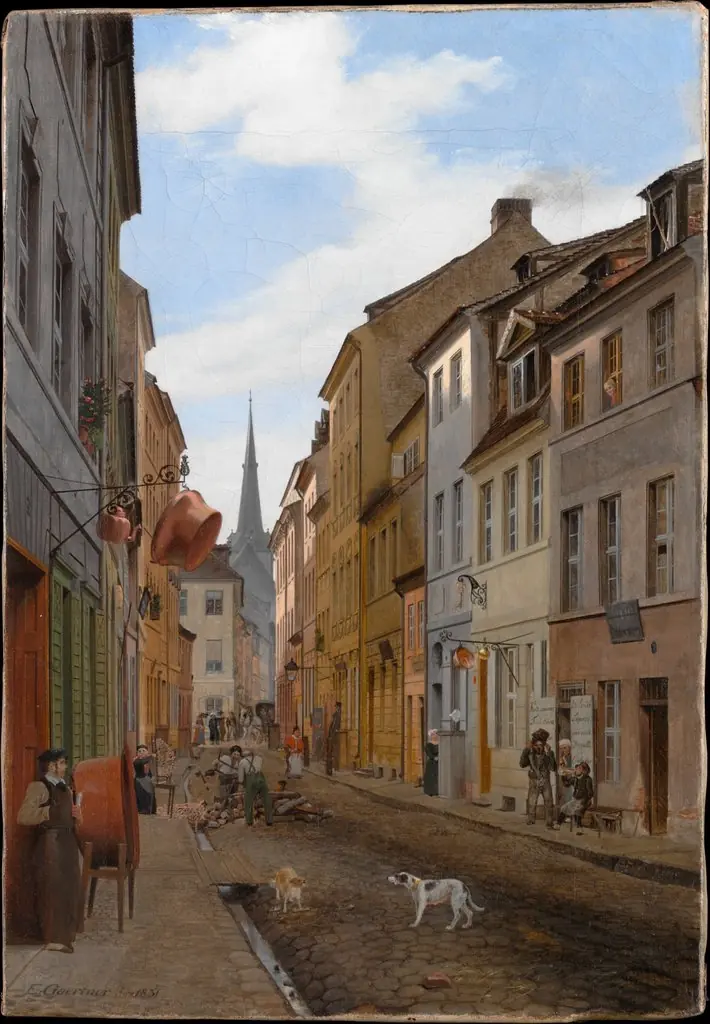 Parochialstrasse in Berlin
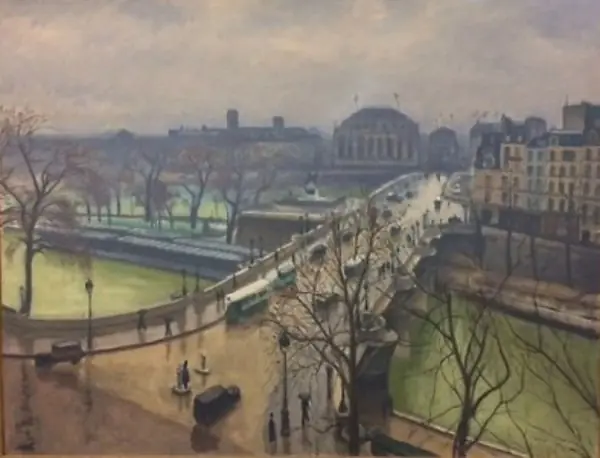 The Pont Neuf, Paris
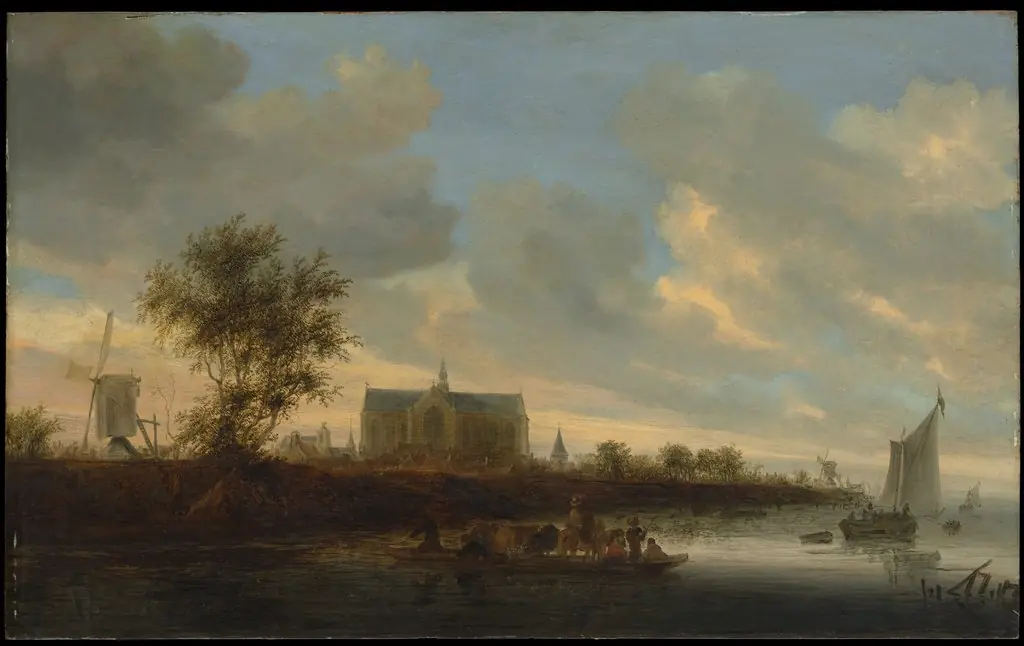 View of the Town of Alkmaar
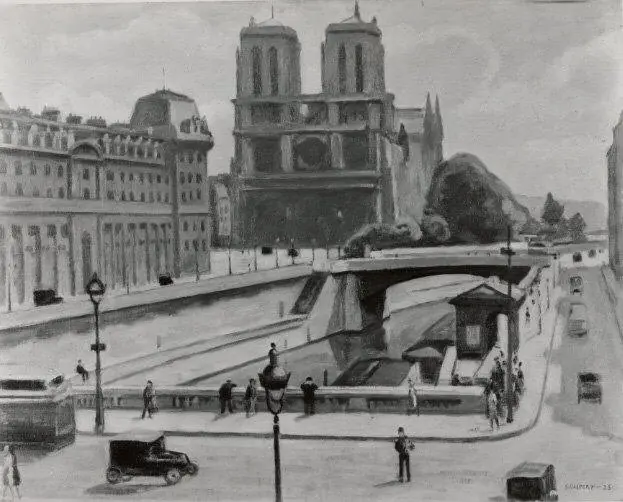 Notre Dame, Paris
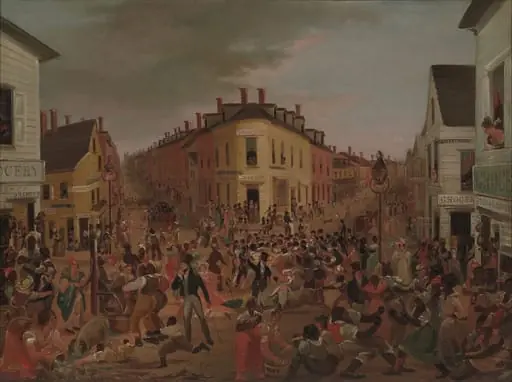 The Five Points
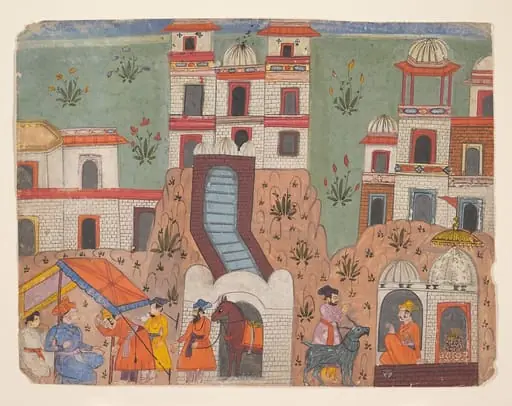 Untitled
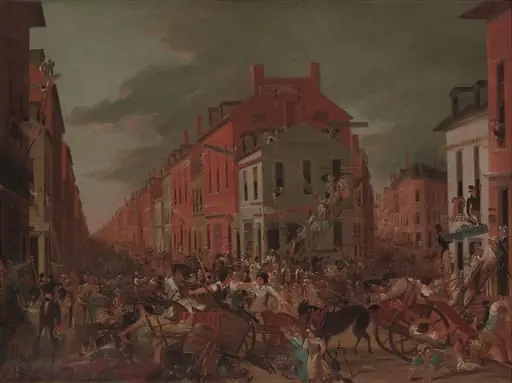 Moving Day (in Little Old New York)
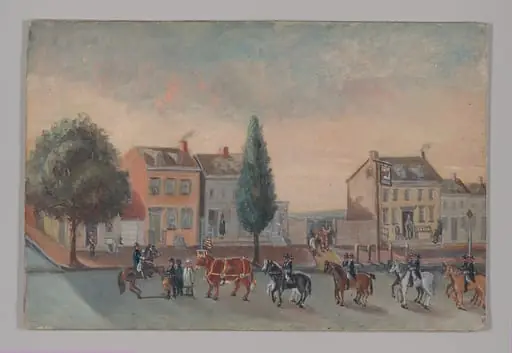 Bull's Head Tavern
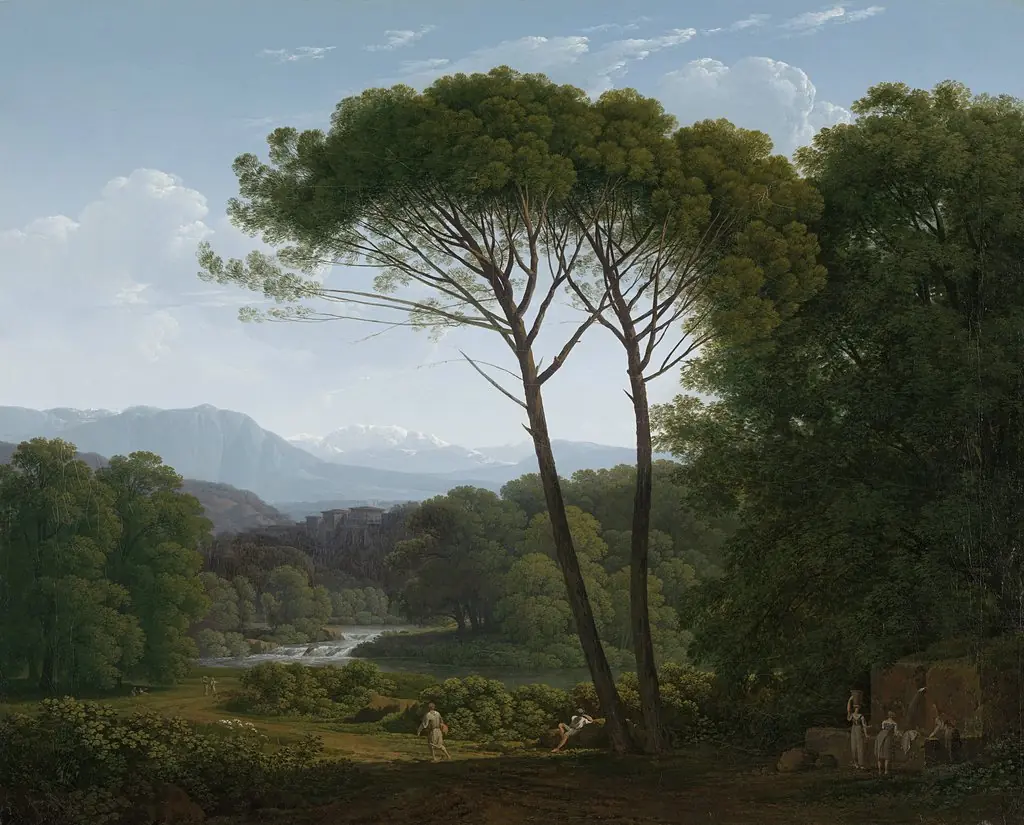 Italianate Landscape with Pines
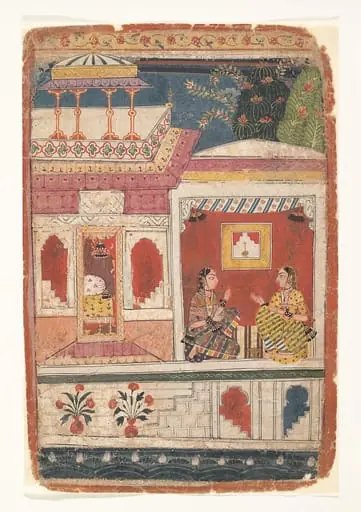 Untitled
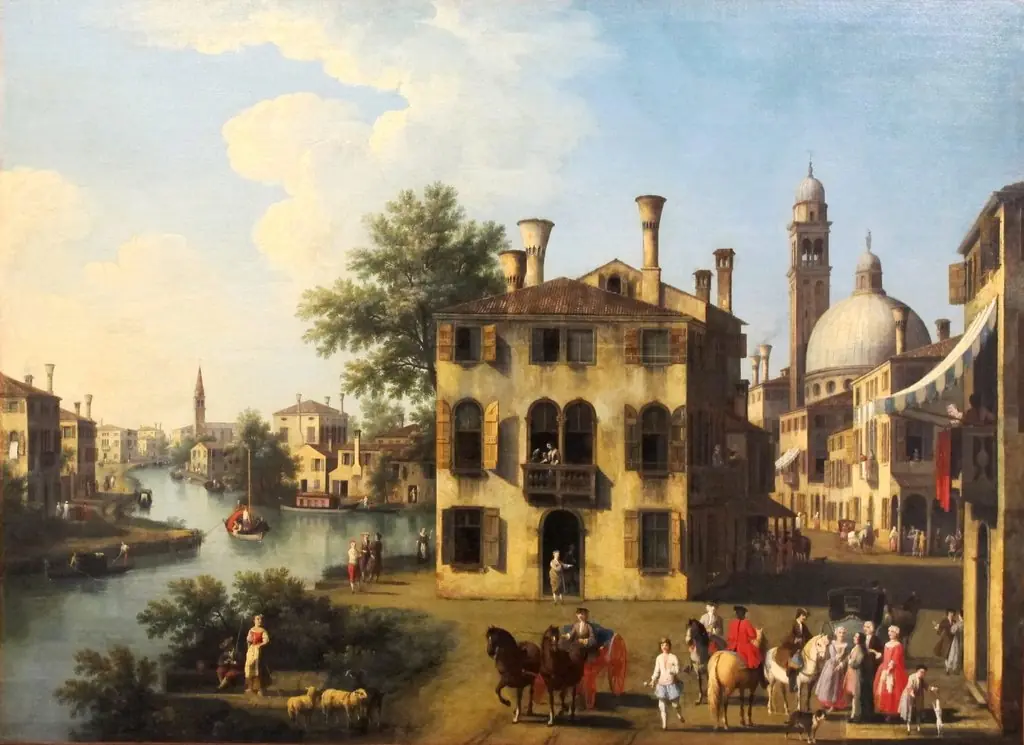 View of the Brenta, near Dolo
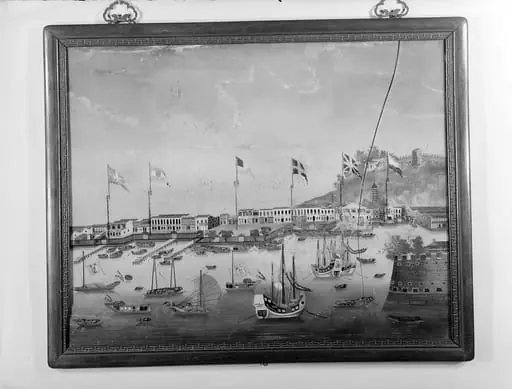 View of the Harbor at Canton
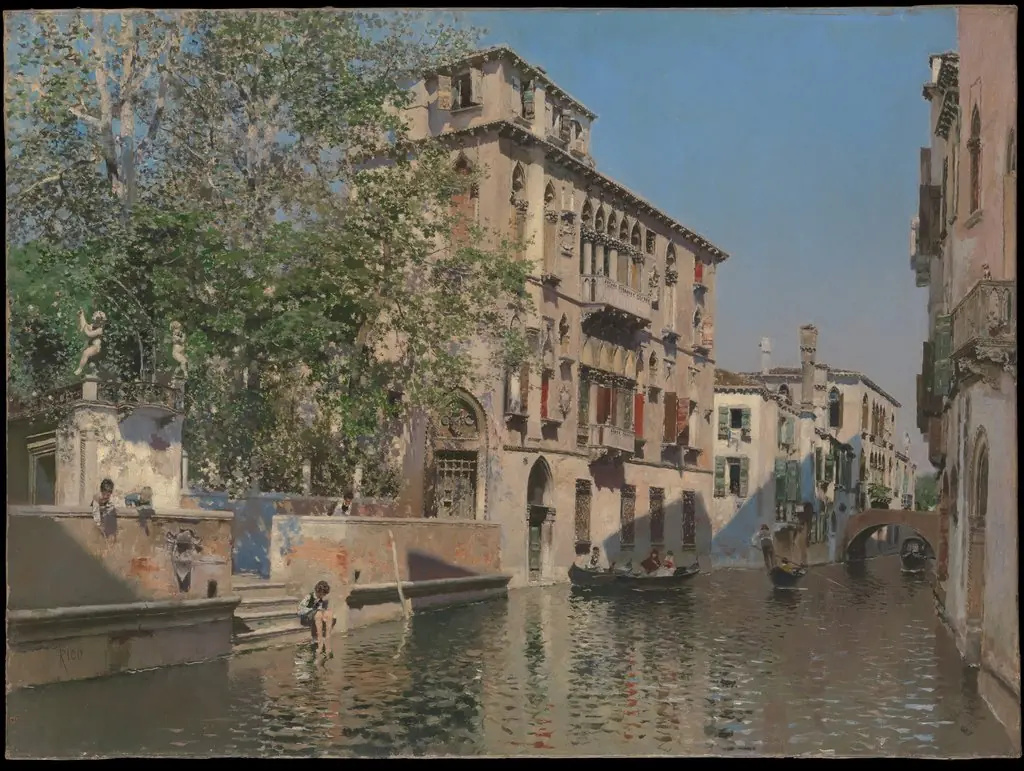 A Canal in Venice
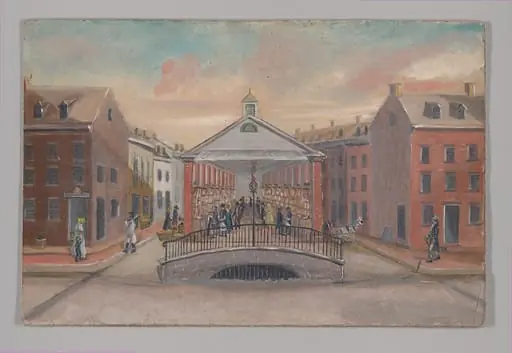 Fly Market
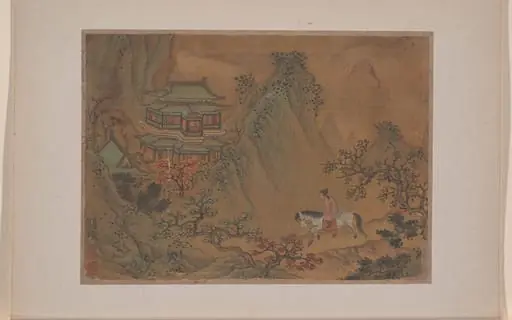 Untitled
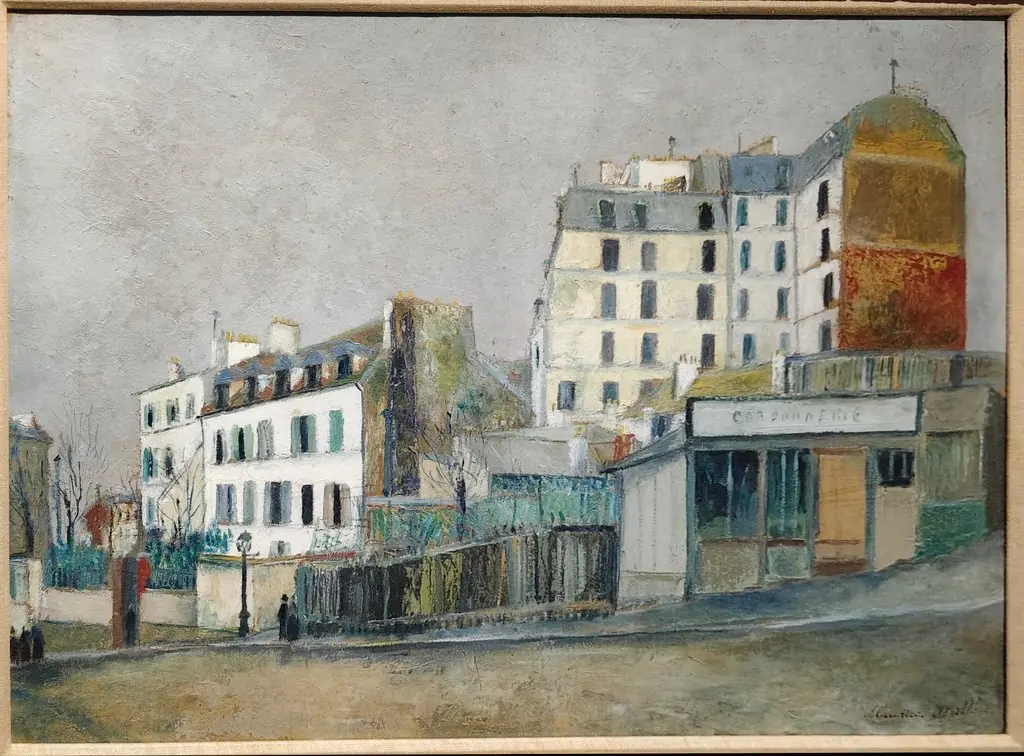 40, Rue Ravignan
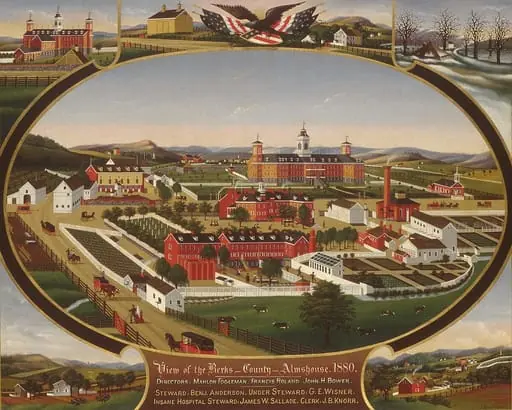 Berks County Almshouse, 1880
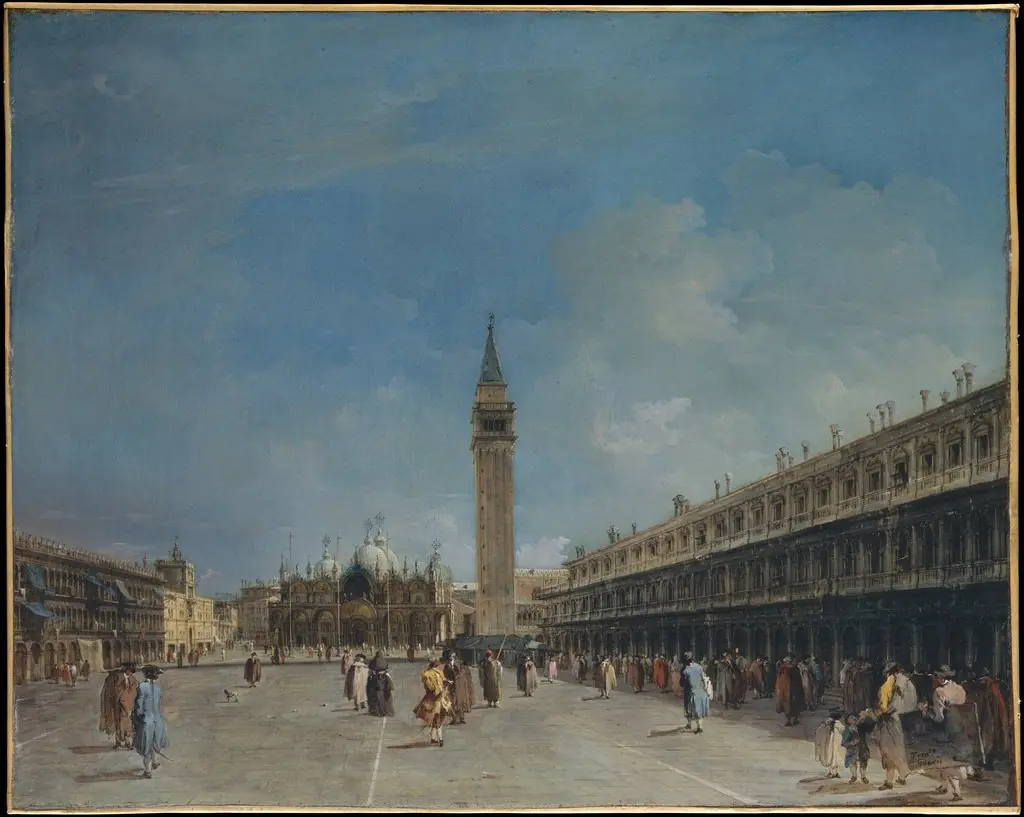 Piazza San Marco
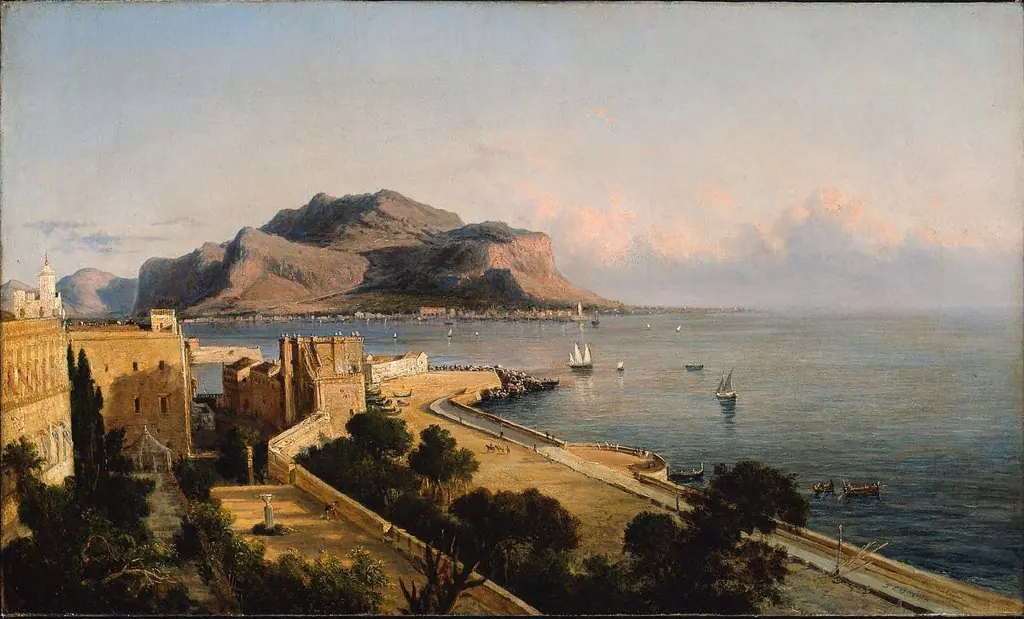 Monte Pellegrino at Palermo, Italy
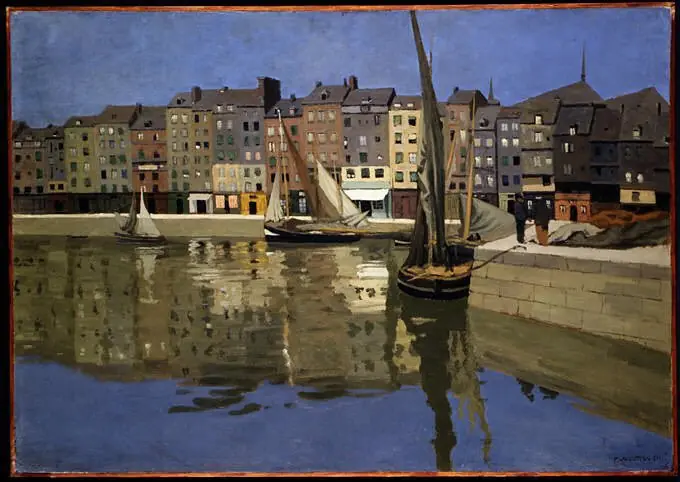 Le port de Honfleur la nuit
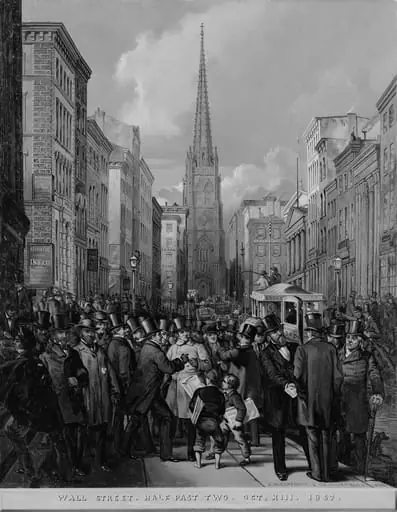 Wall Street, Half Past Two, October 13, 1857
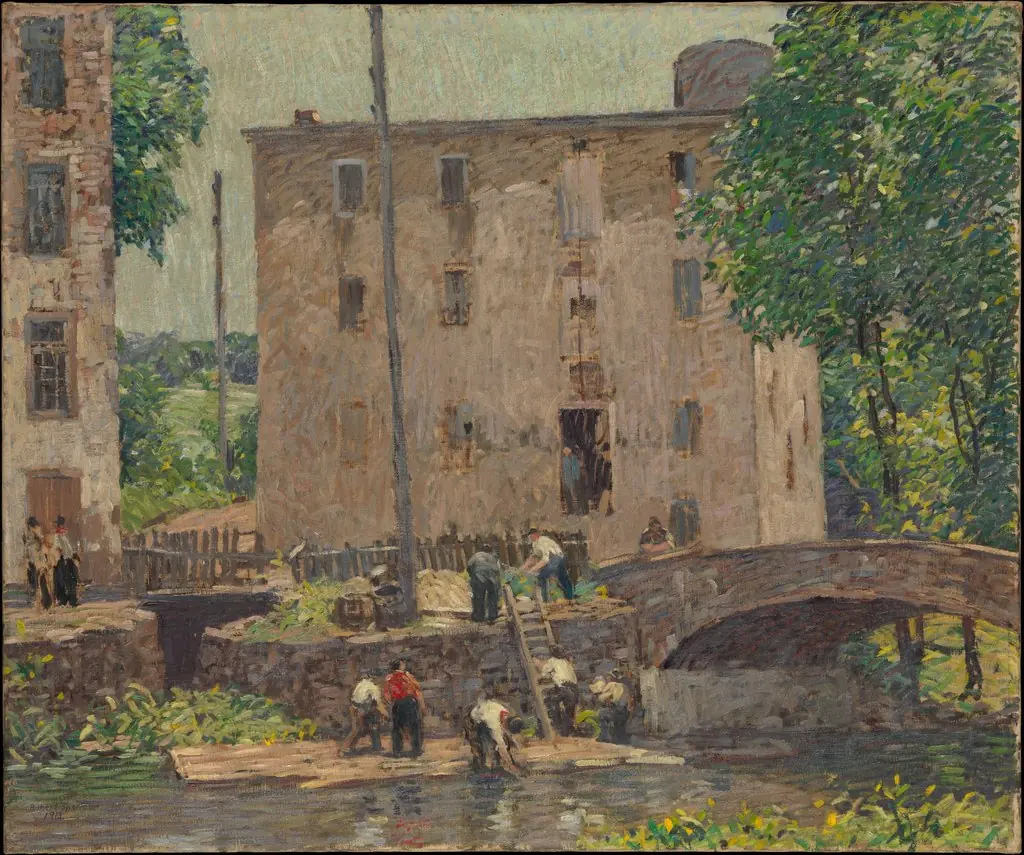 Repairing the Bridge
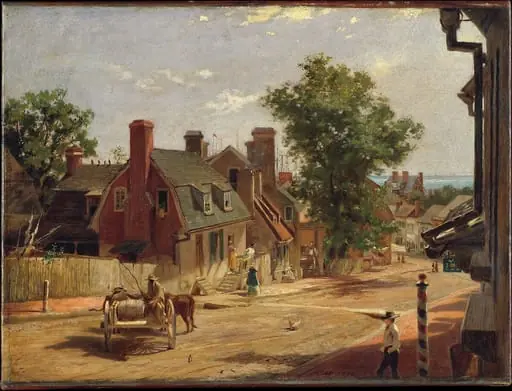 Old Annapolis, Francis Street
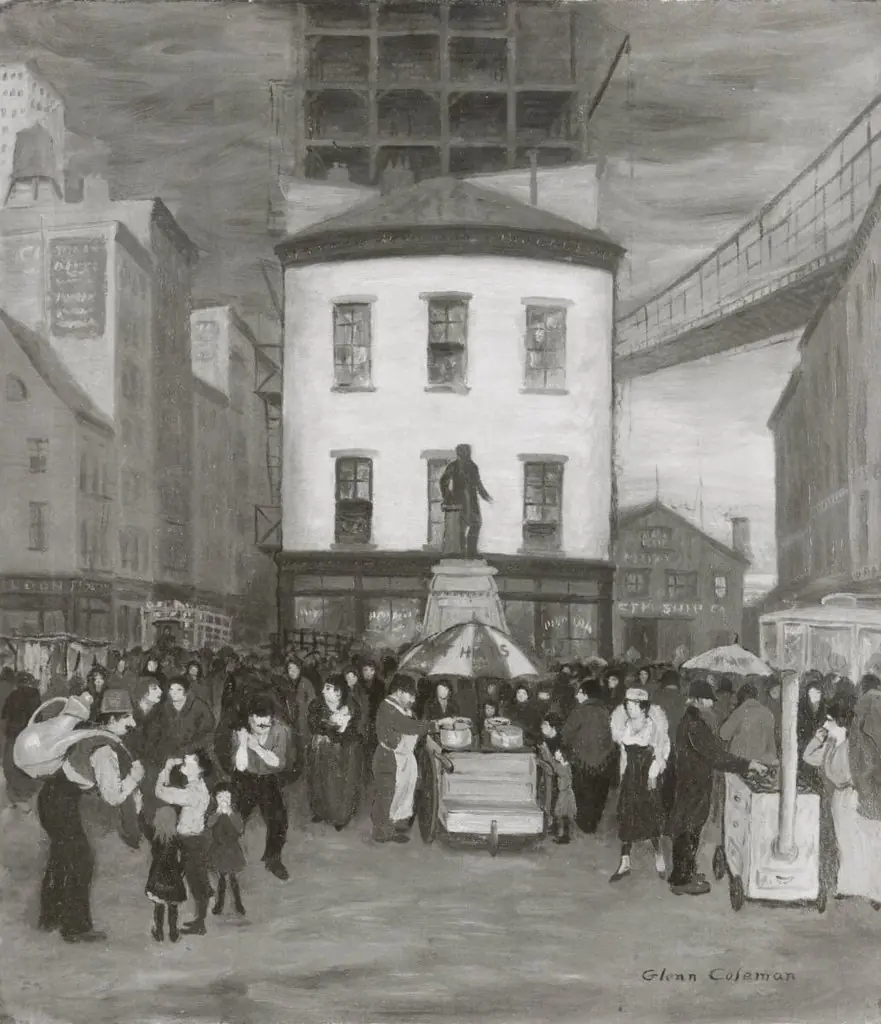 New York Street Scene
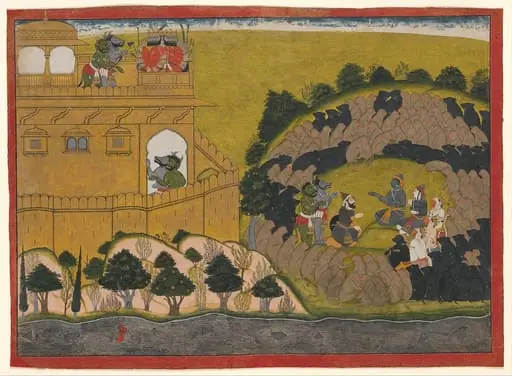 Untitled
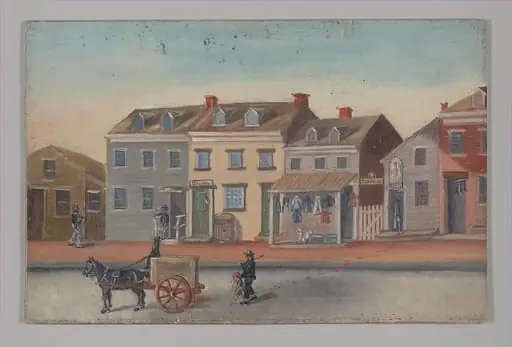 The Dog Killer
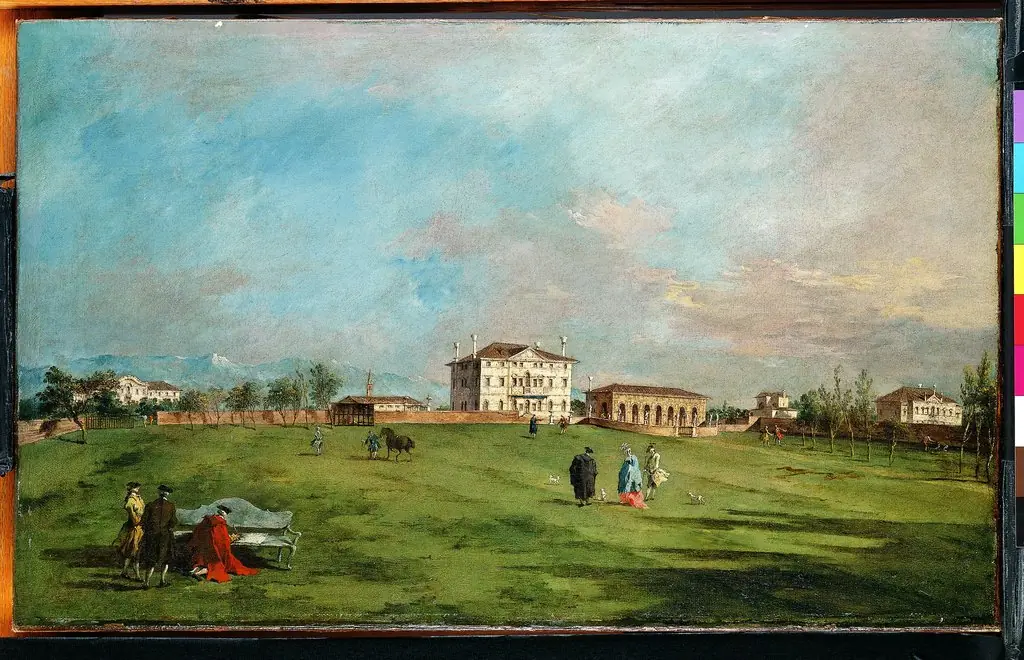 The Villa Loredan, Paese
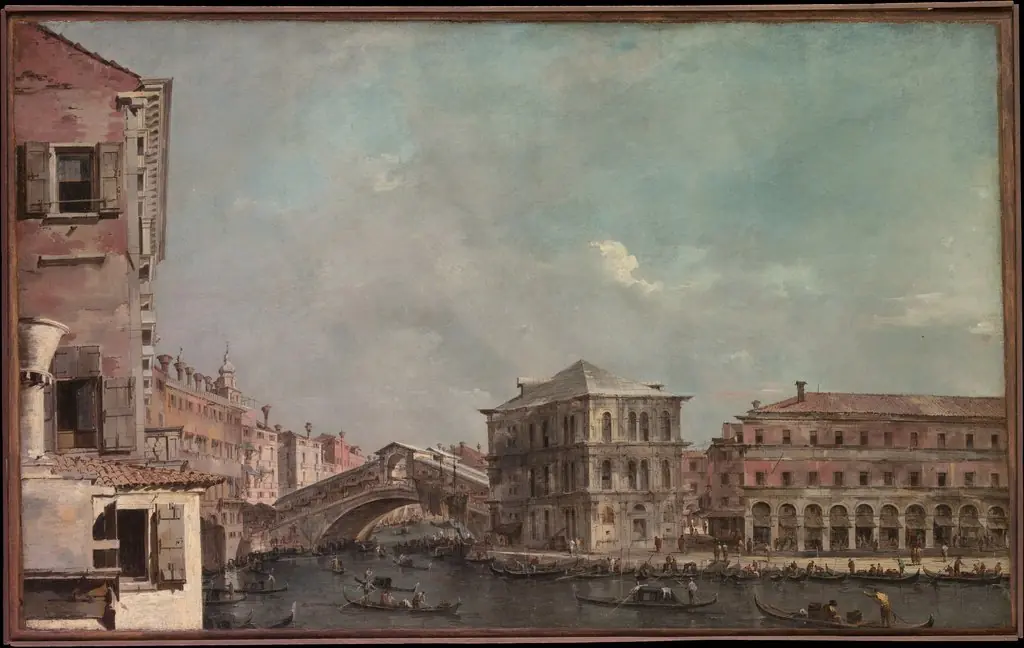 The Grand Canal above the Rialto
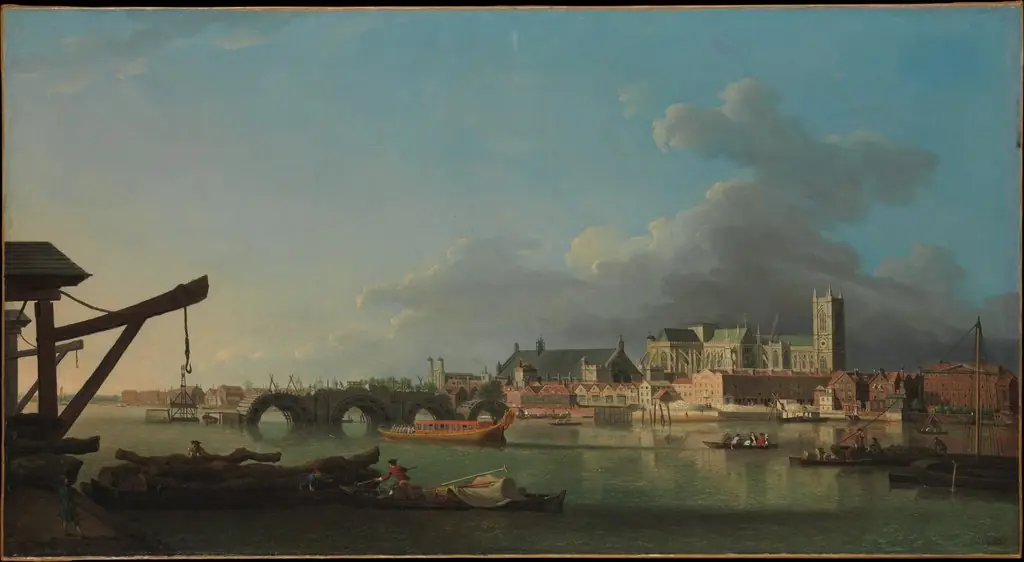 The Building of Westminster Bridge
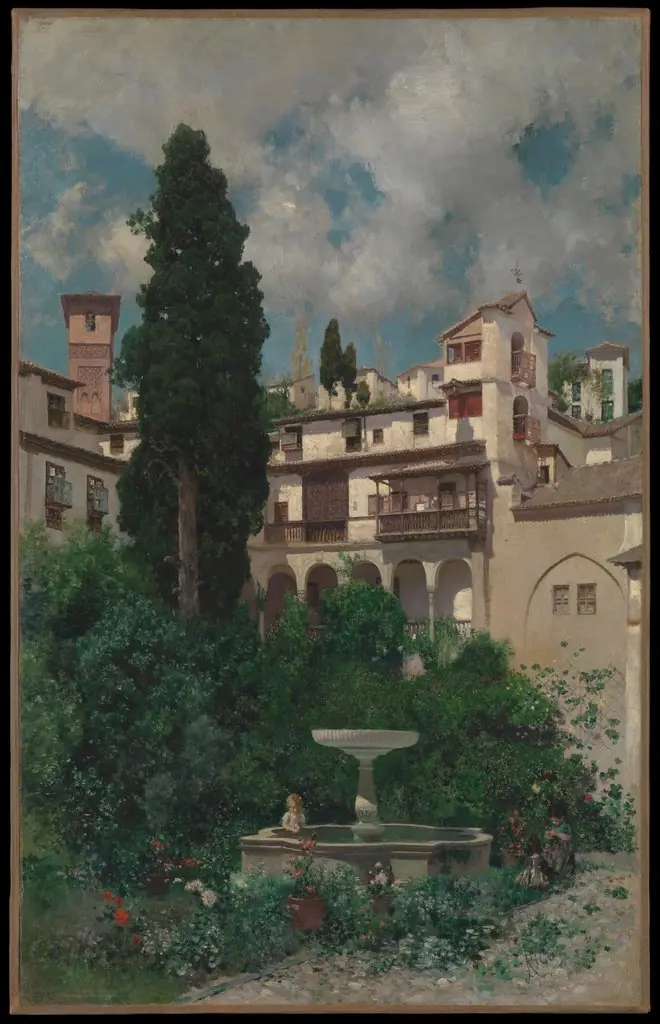 A Spanish Garden
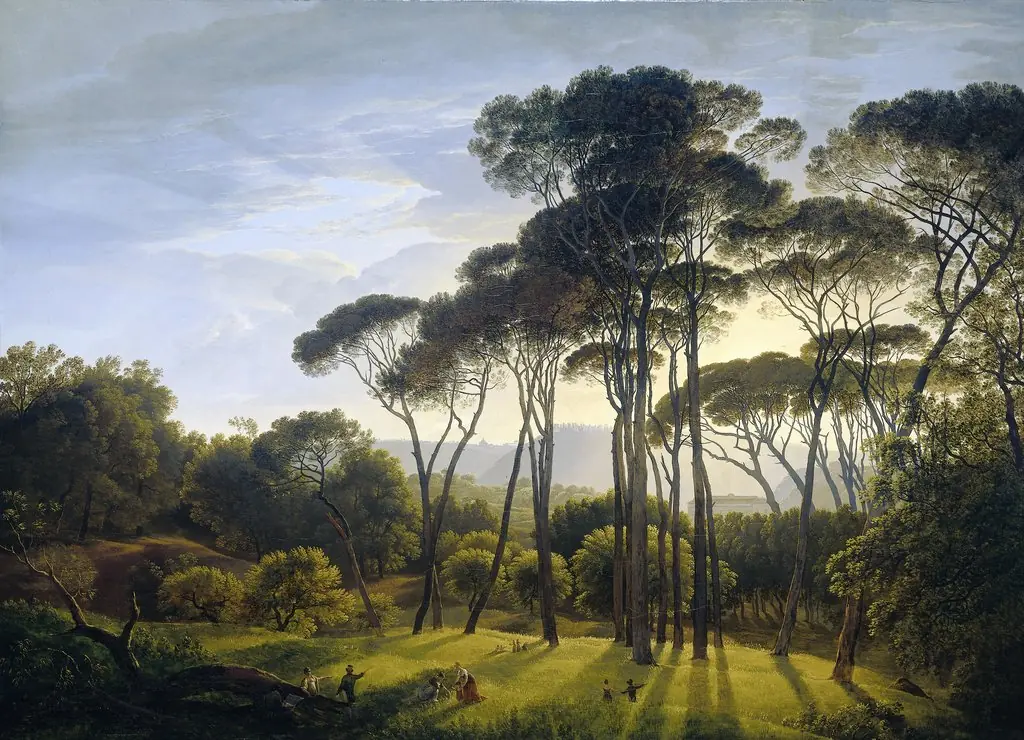 Italian Landscape with Umbrella Pines
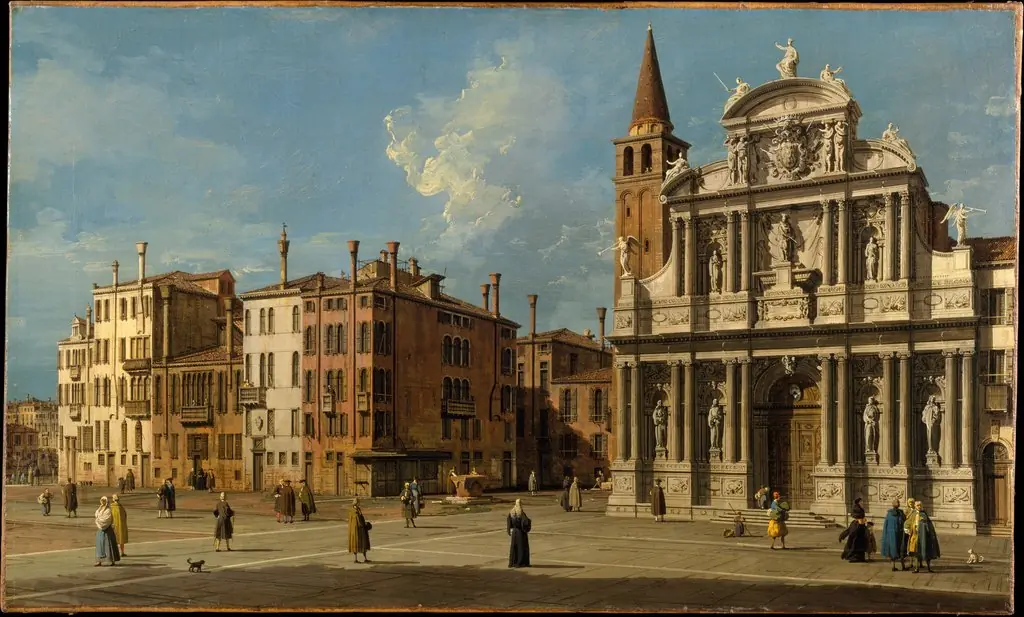 Campo Santa Maria Zobenigo, Venice
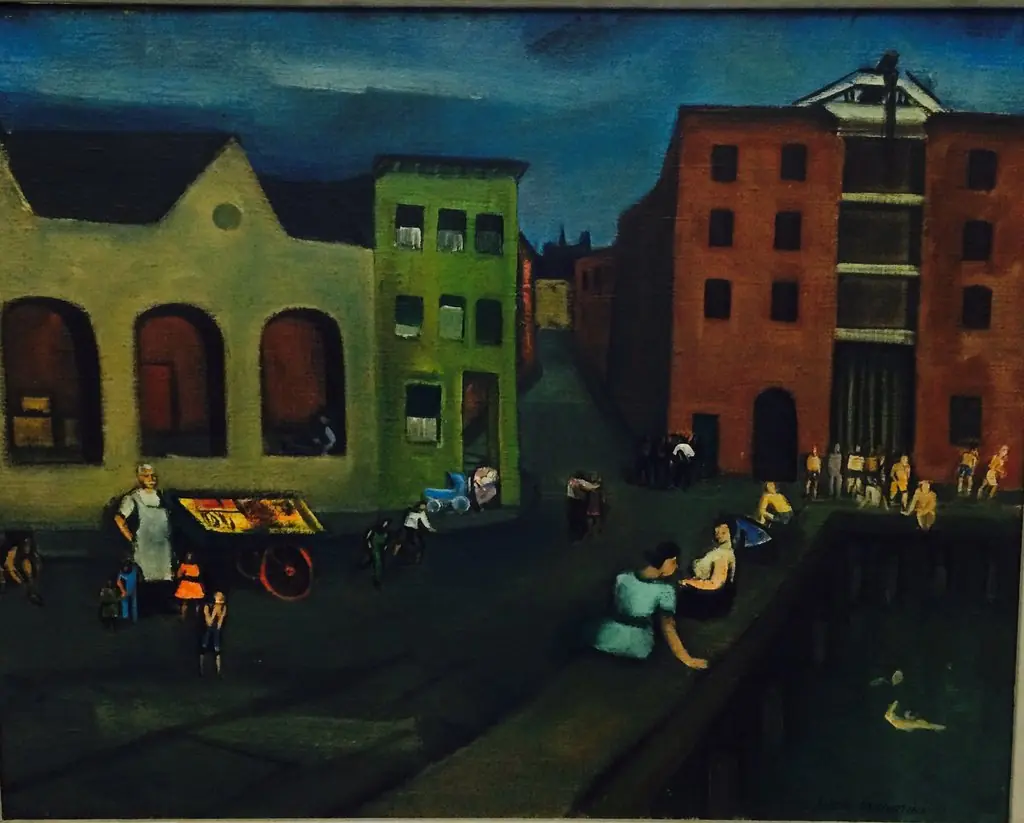 Docks on Sunday
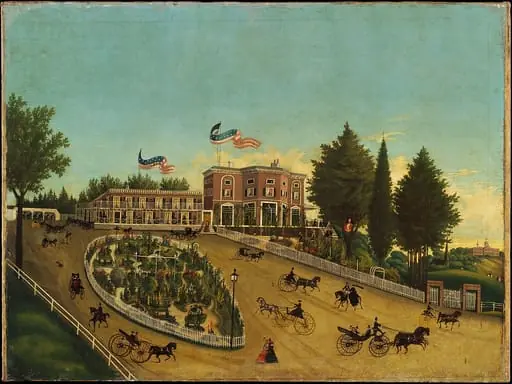 The Claremont
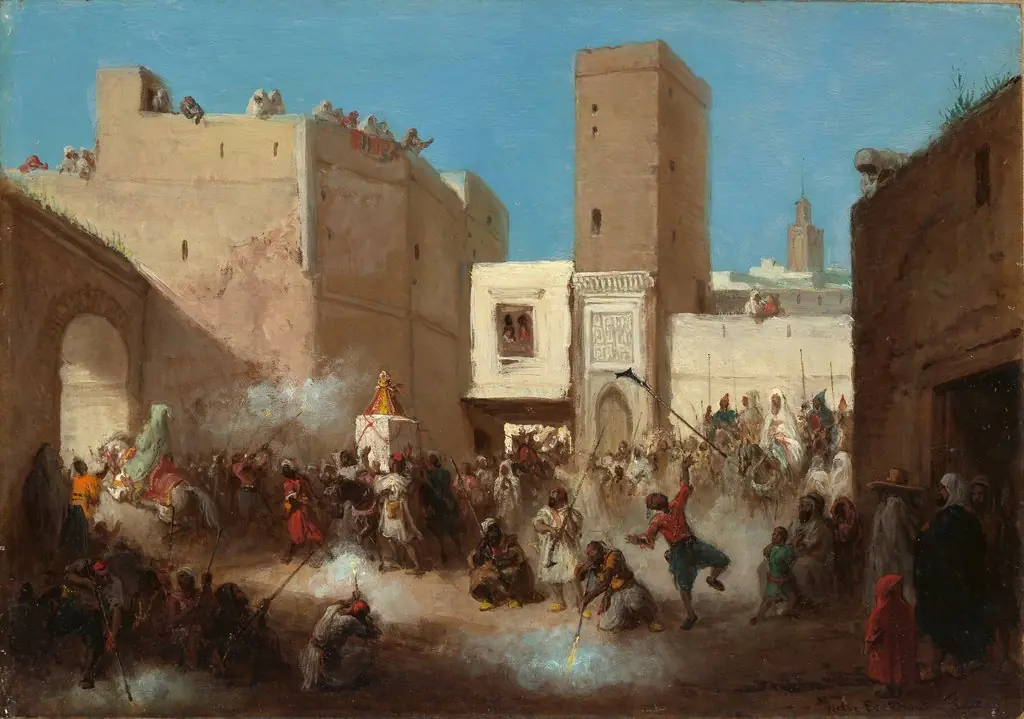 Wedding Procession
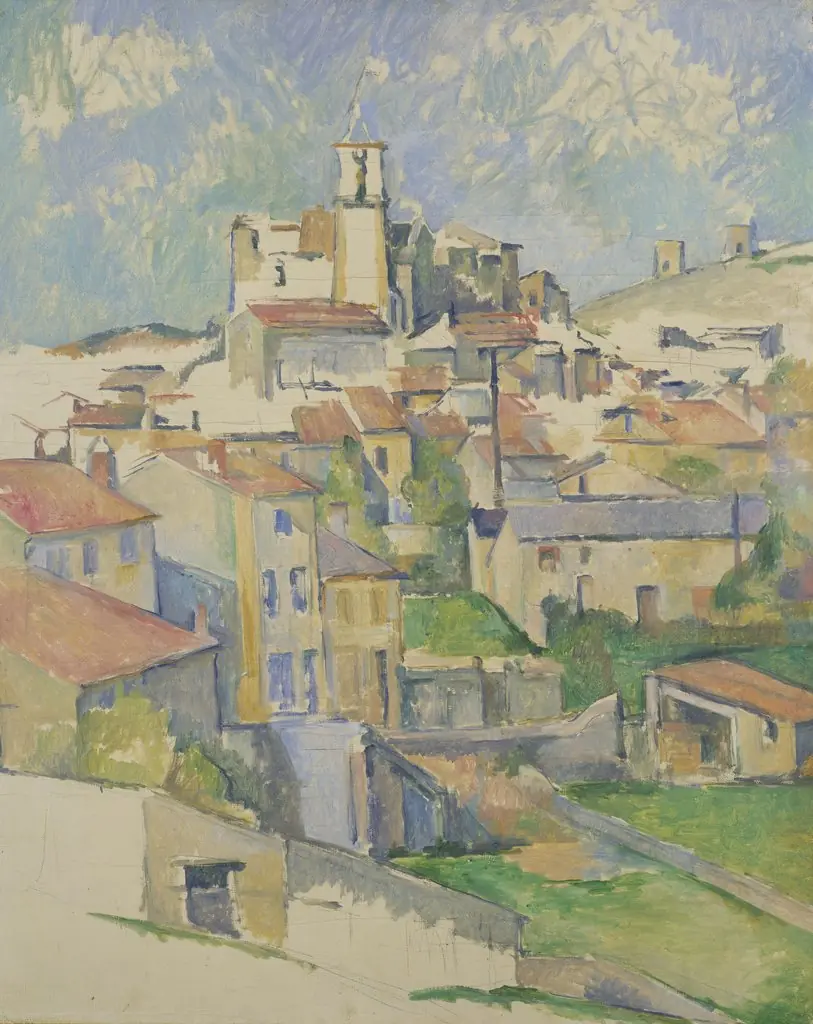 Gardanne
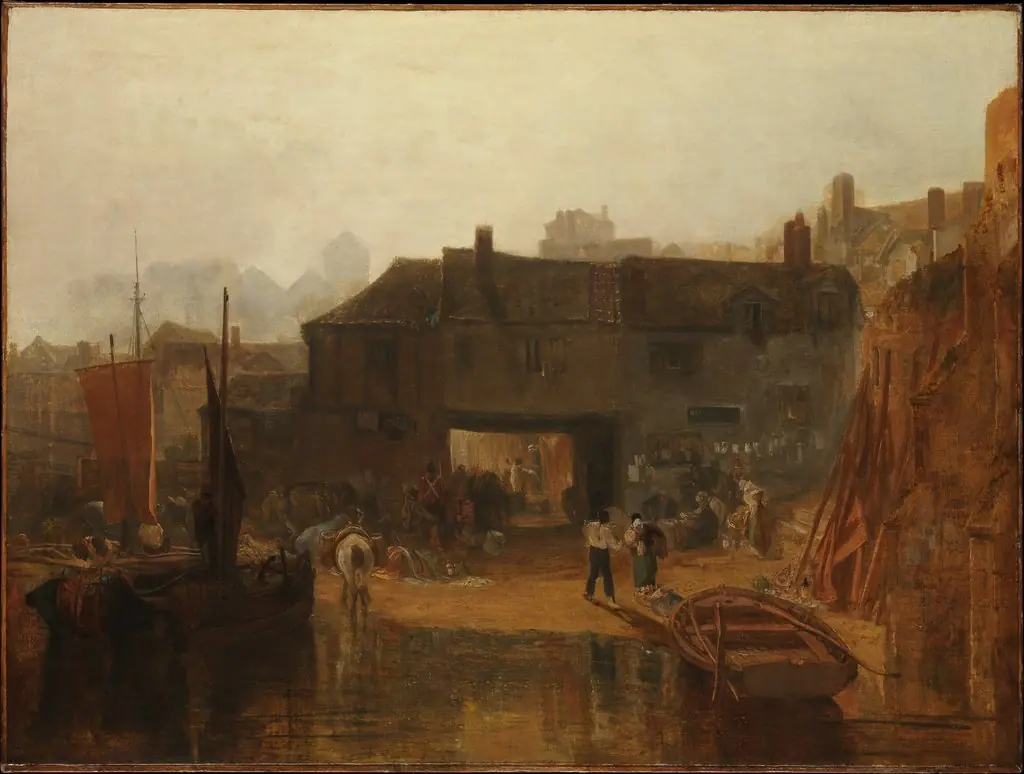 Saltash with the Water Ferry, Cornwall
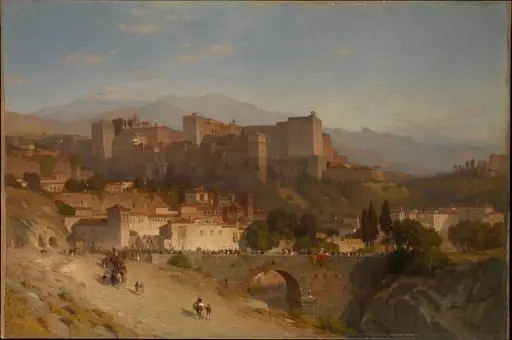 The Hill of the Alhambra, Granada
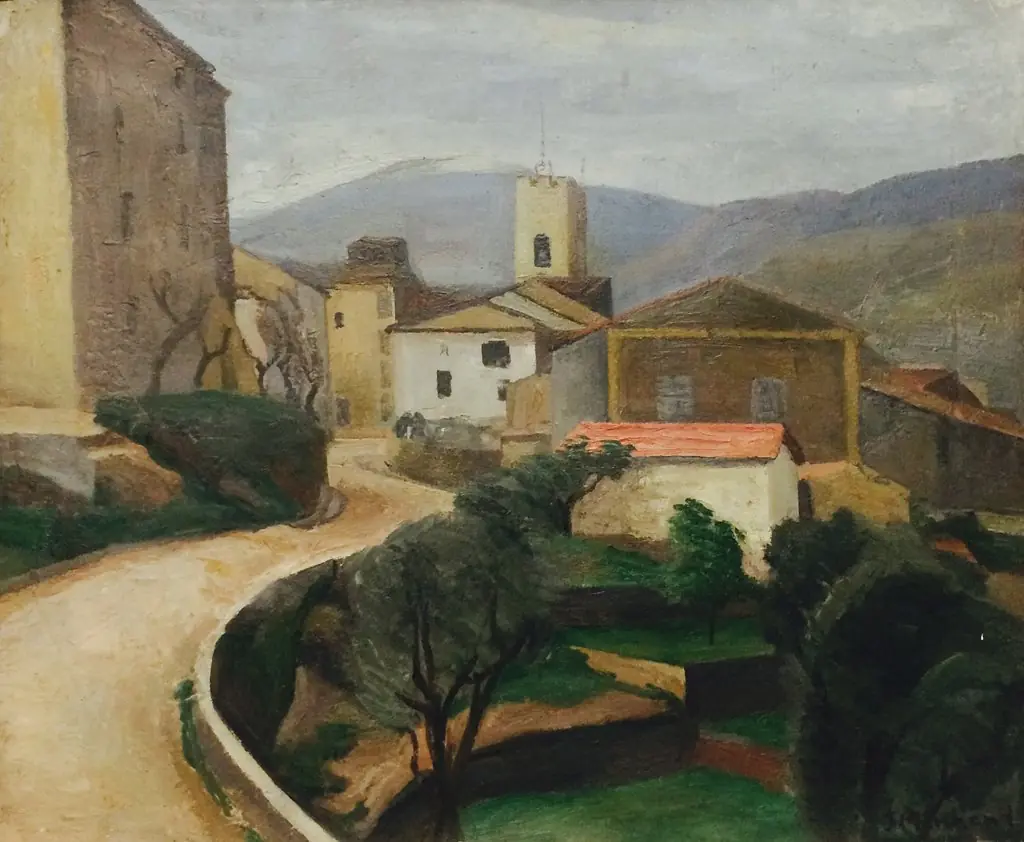 Vence
Vence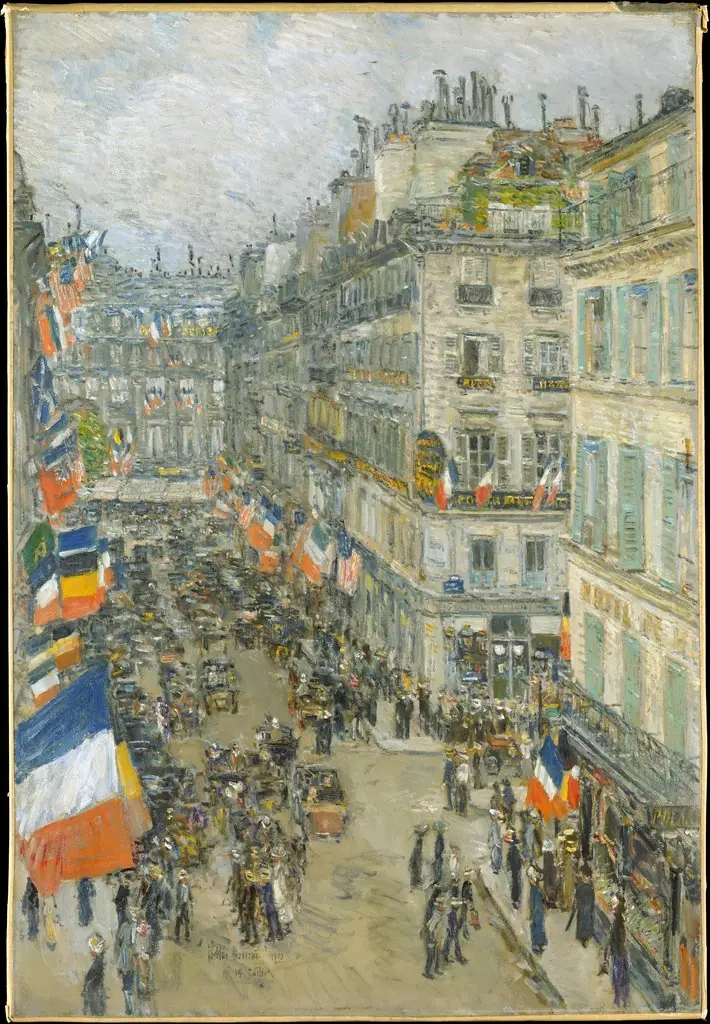 July Fourteenth, Rue Daunou, 1910
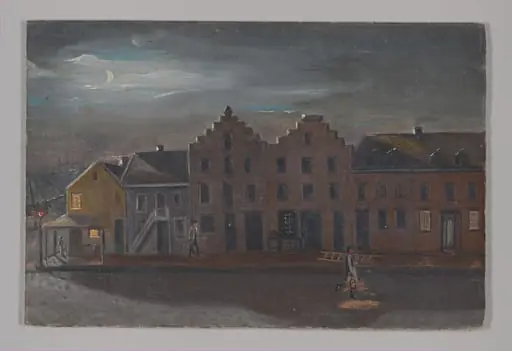 The Lamp Lighter
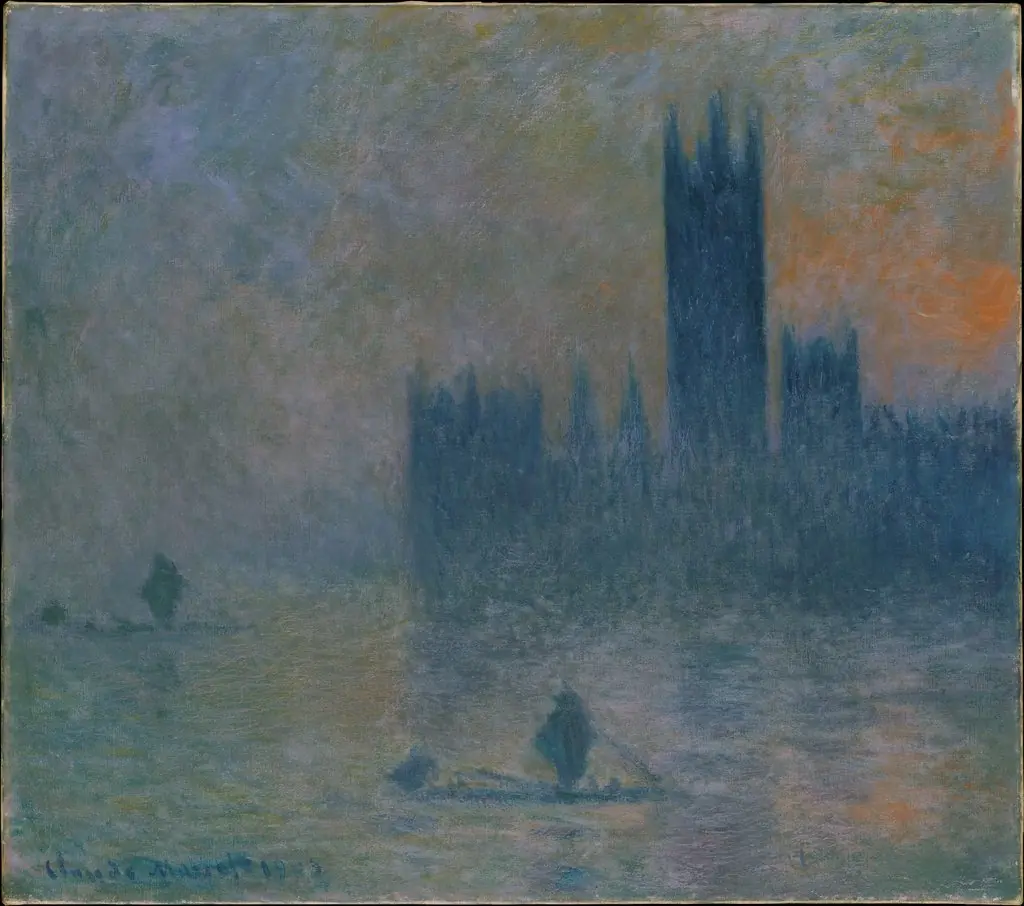 The Houses of Parliament (Effect of Fog)
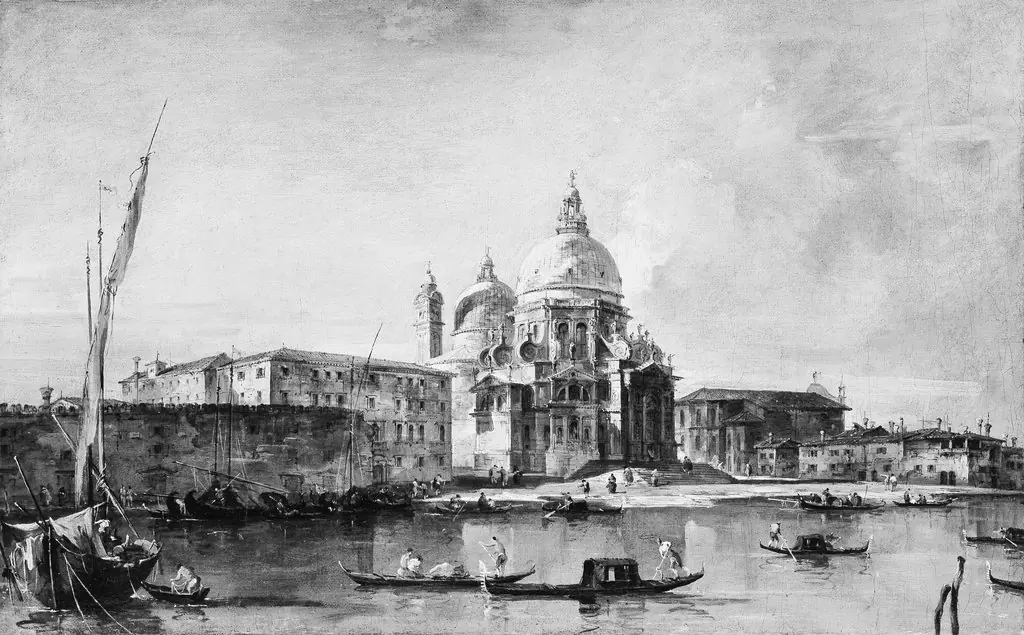 Santa Maria della Salute
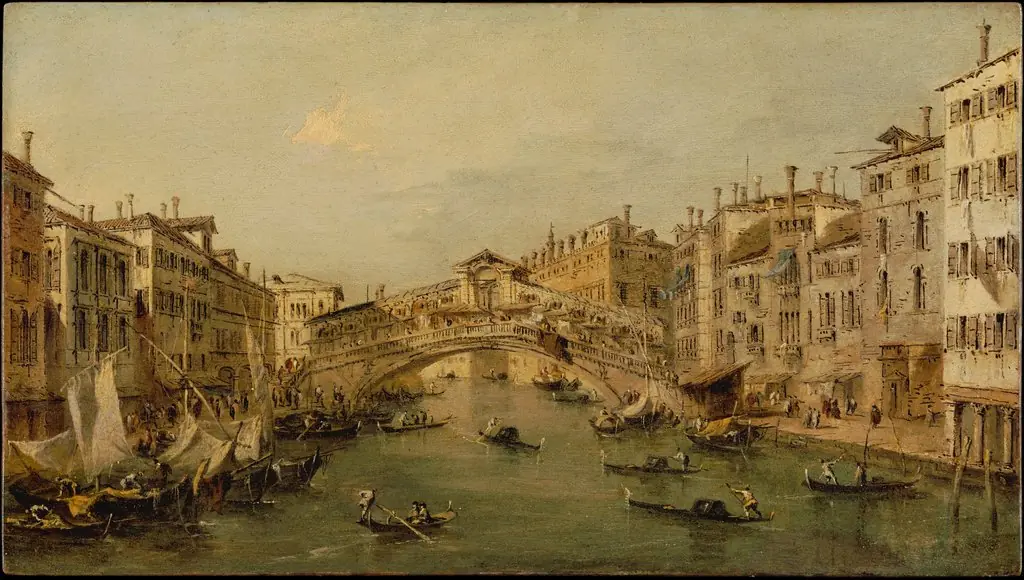 Venice: The Rialto
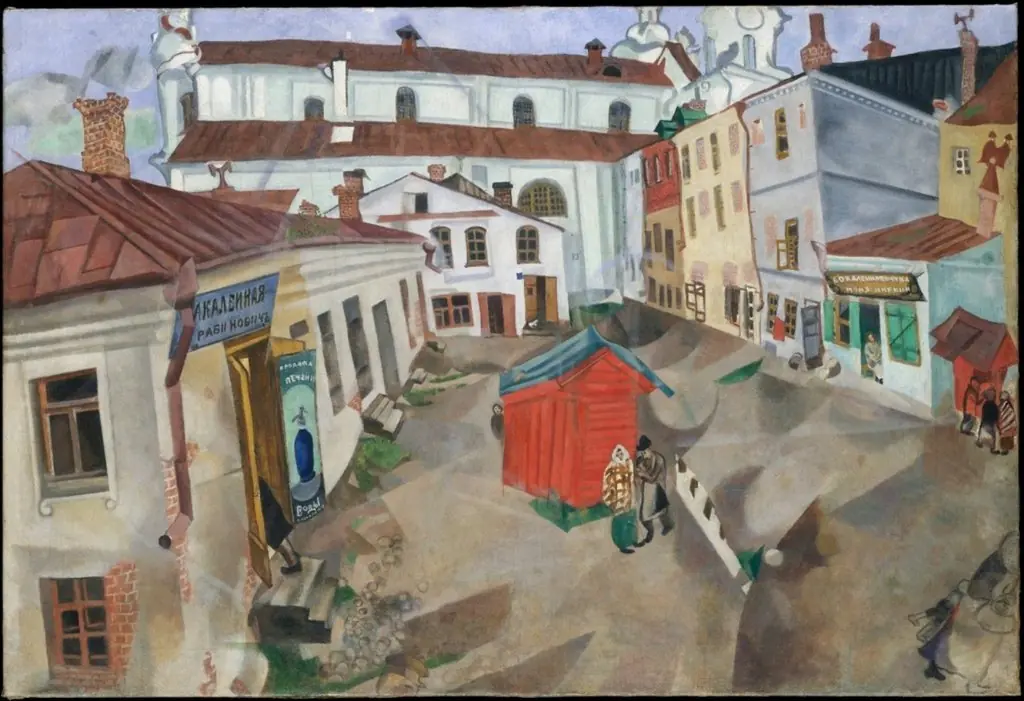 The Marketplace, Vitebsk
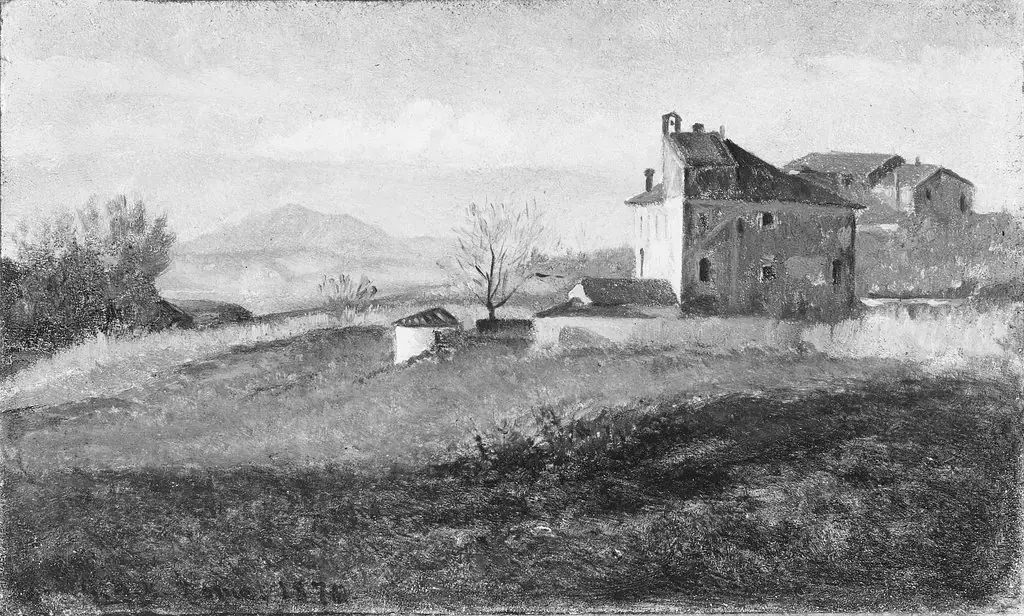 Convent near Rome
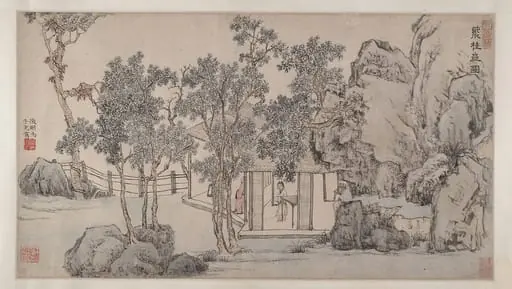 明 文徵明 叢桂齋圖 卷|The Cassia Grove Studio
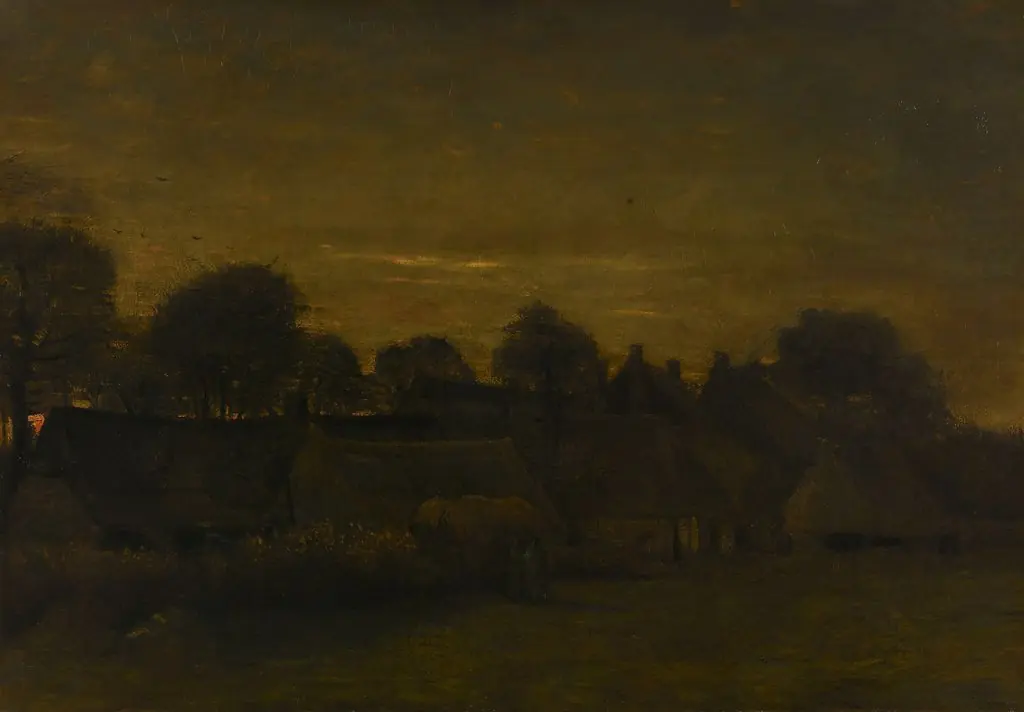 Farming Village at Twilight
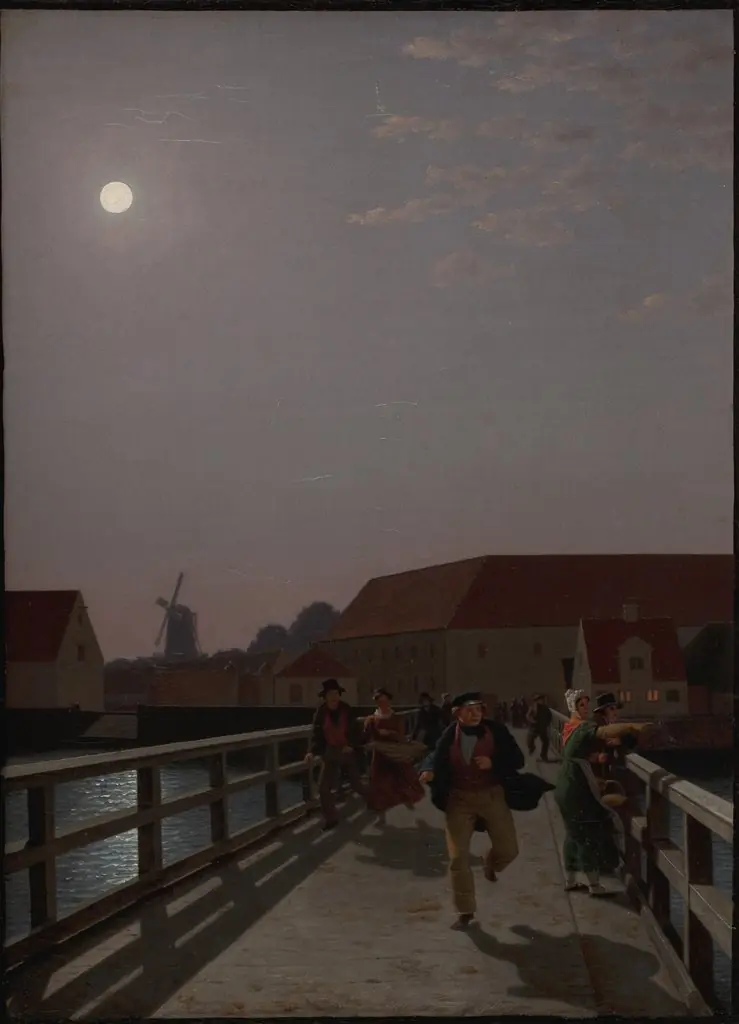 Langebro, Copenhagen, in the Moonlight with Running Figures
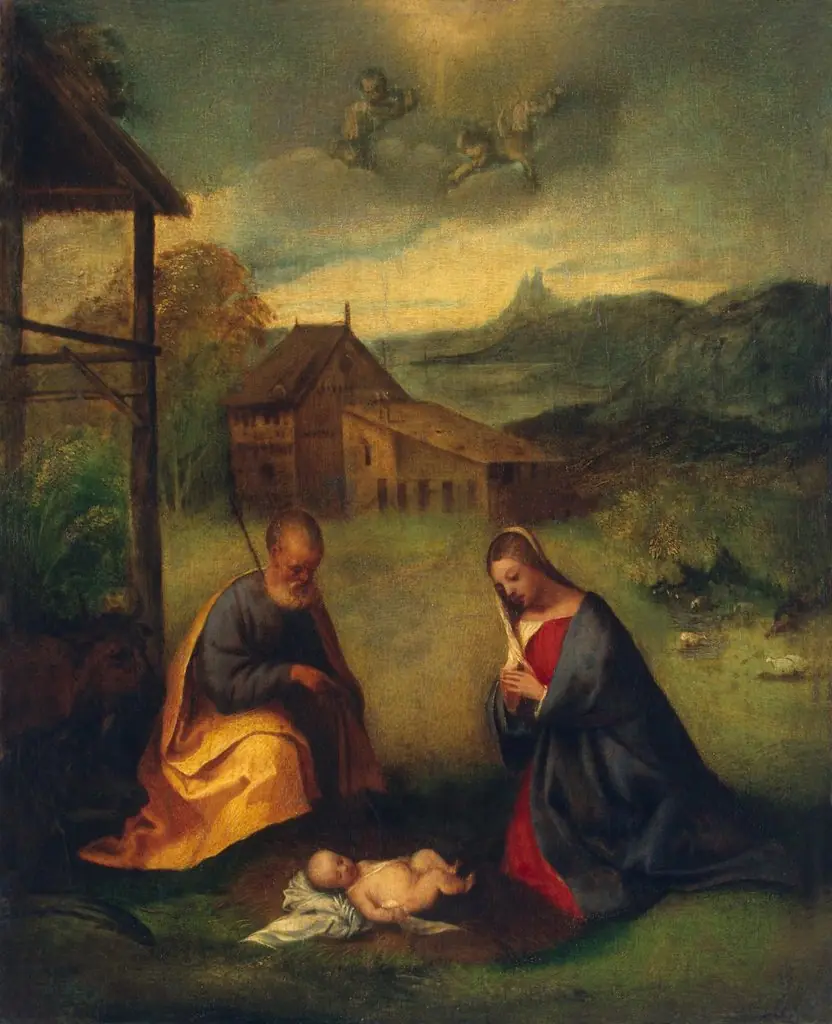 Adoration of the Christ Child
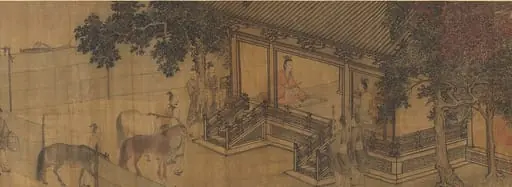 南宋 傳 李唐 晉文公復國圖 卷|Duke Wen of Jin Recovering His State
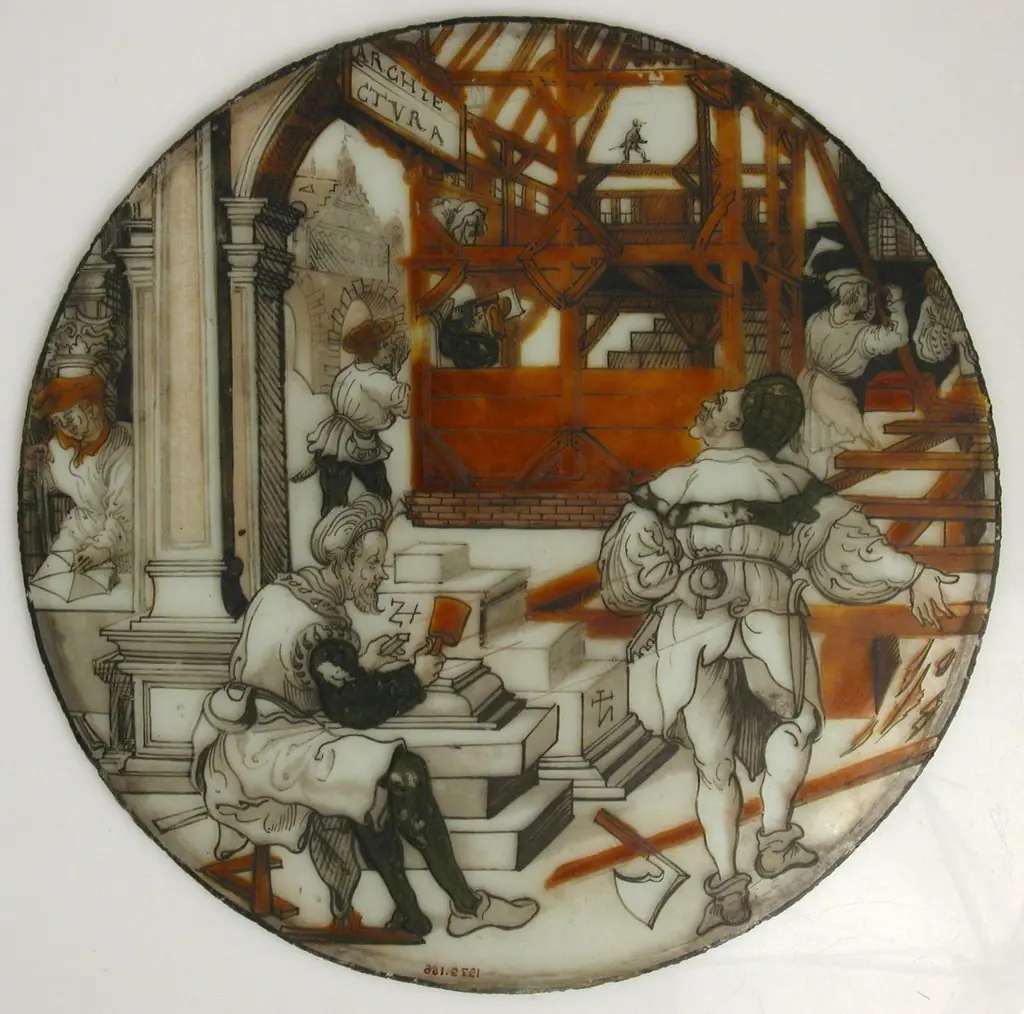 Roundel with Architecture (from a series of The Septem Artes Mechanicae)
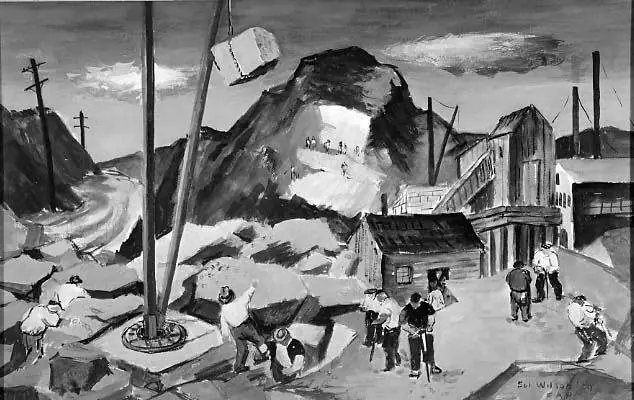 Granite
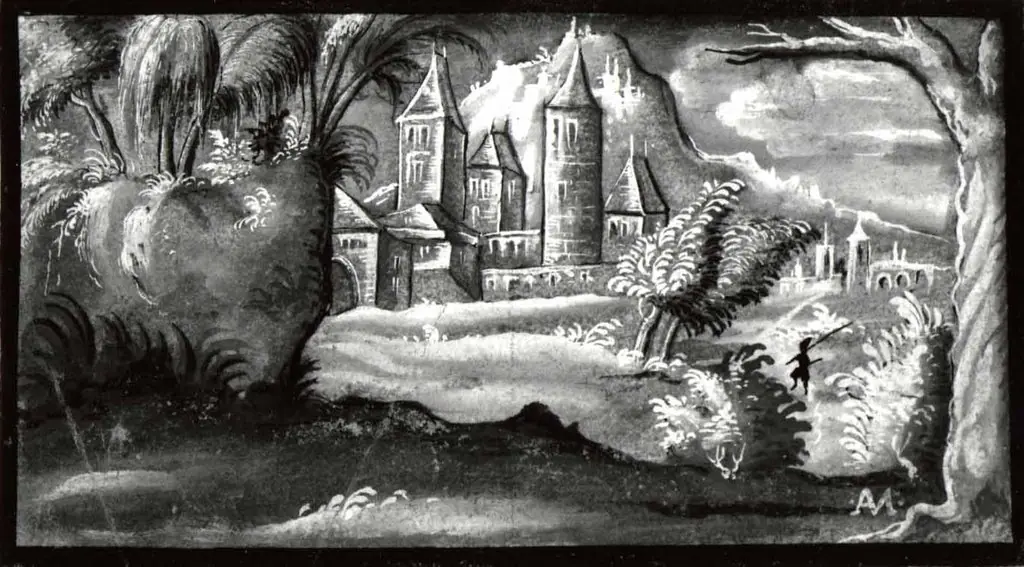 Imaginary Landscape
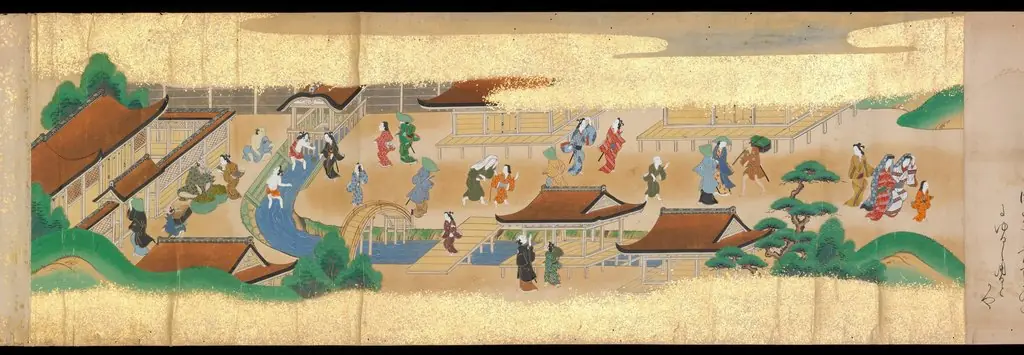 Festivities of the Twelve Months: “Sannō Hiyoshi Festivals Held on the Day of the Monkey in the Mid-Fourth Month”; Festivities of the Twelve Months: “Sumō Wrestling at Matsuno’o Shrine during the Hass
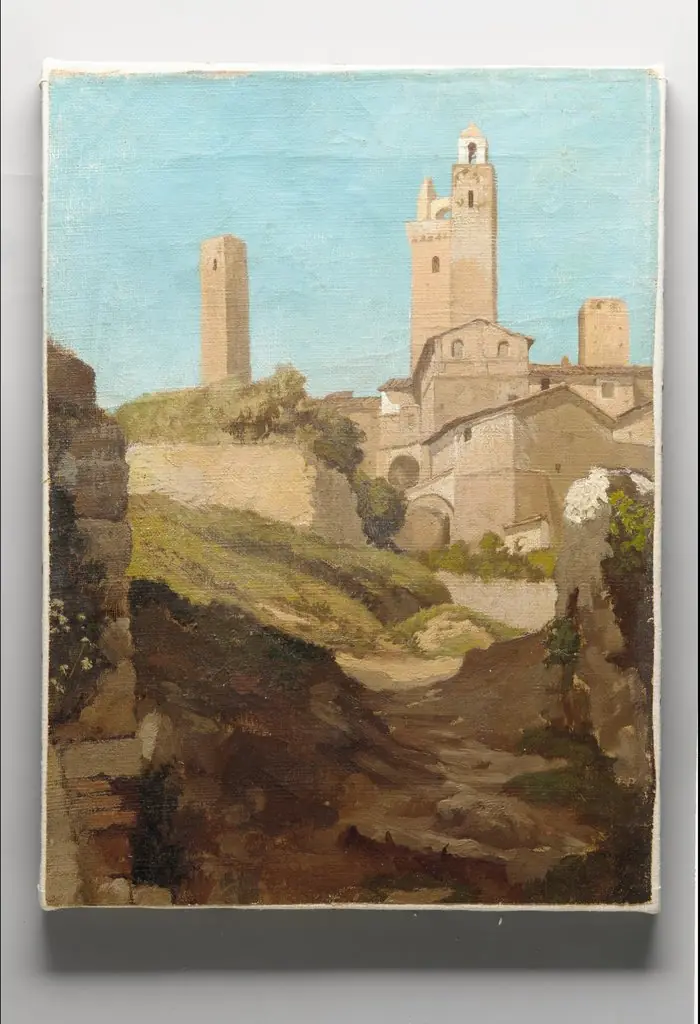 San Gimignano
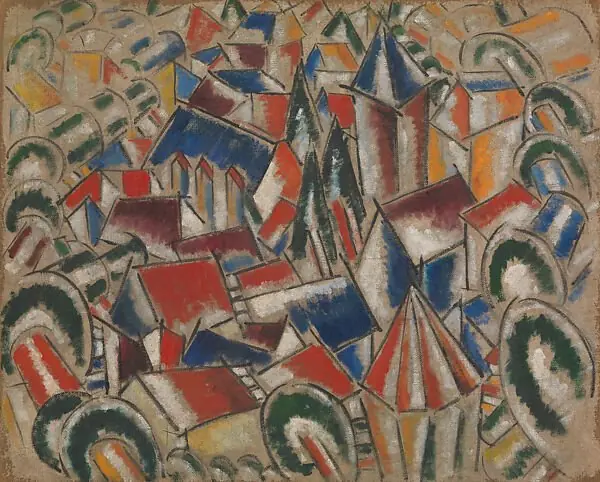 The Village
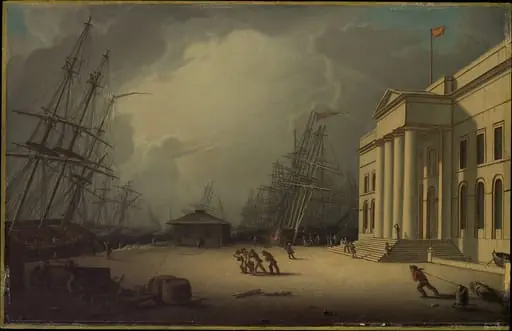 The Custom House at Greenock, Scotland
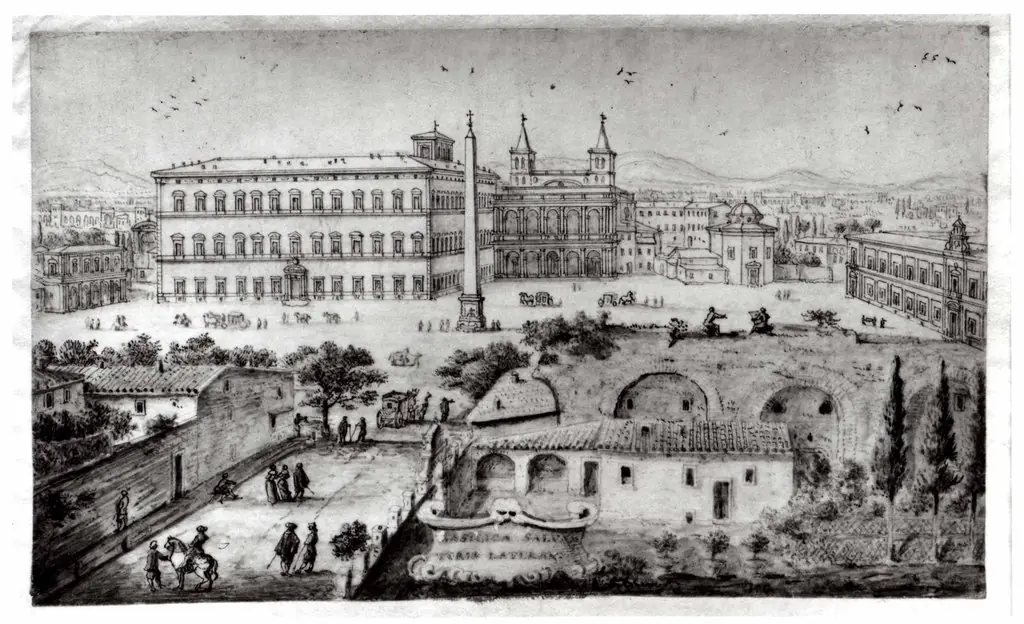 View of Lateran, Rome
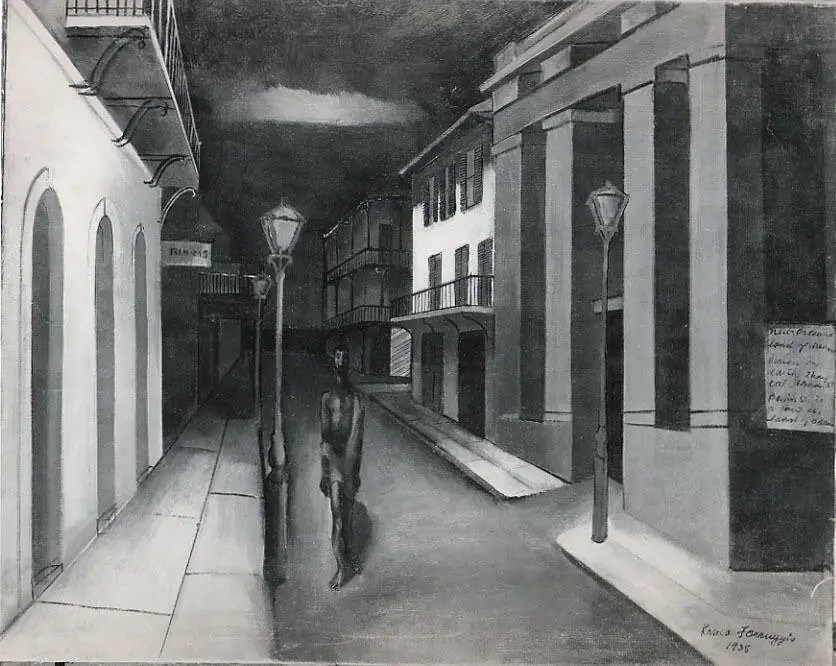 Basin Street
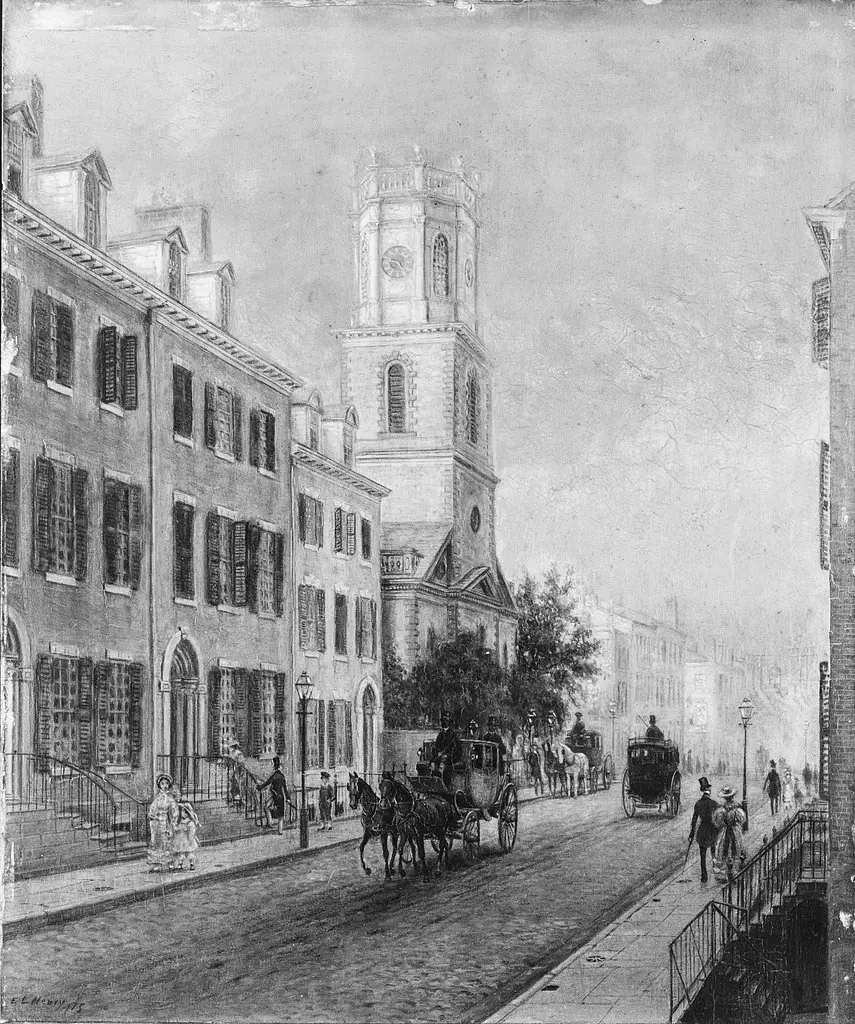 Saint George's Church, New York
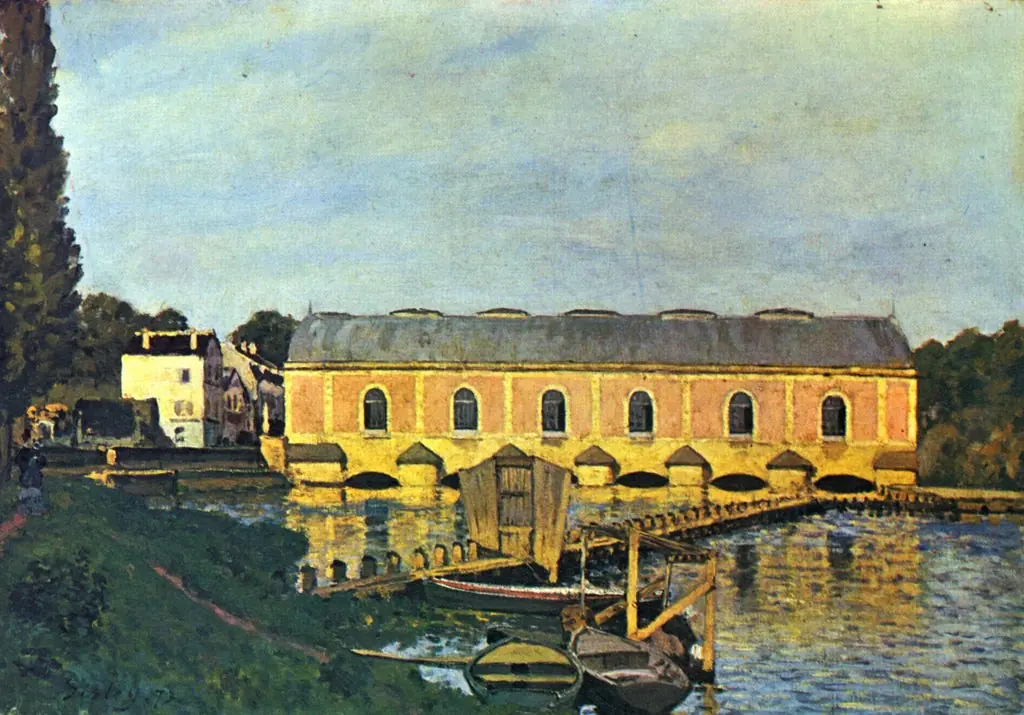 La Machine de Marly
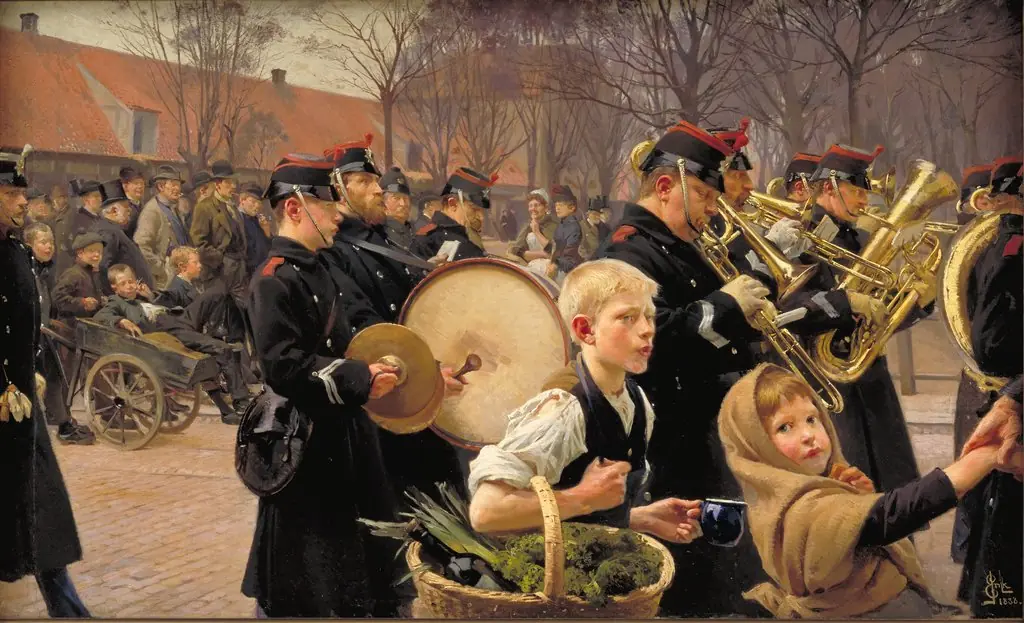 Changing of the Guard
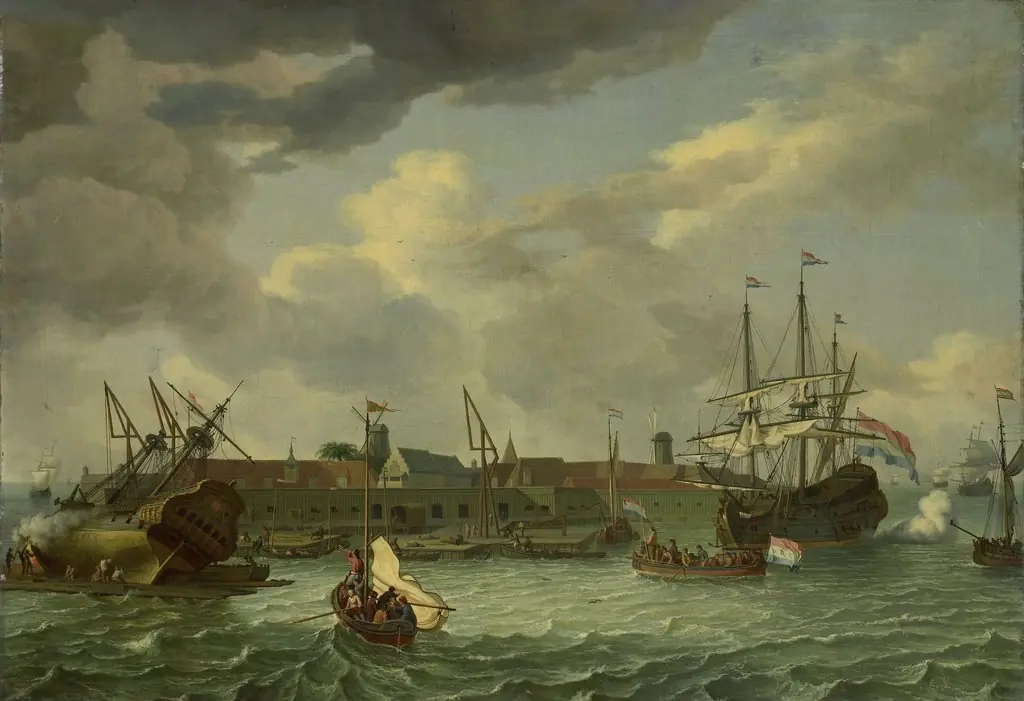 Onrust Island near Batavia
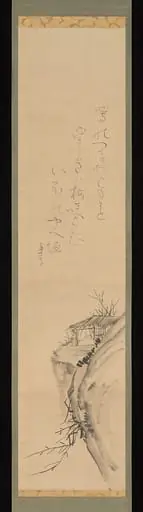 Untitled
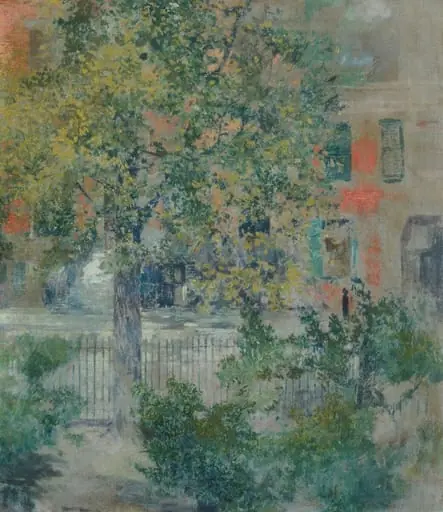 View from the Artist's Window, Grove Street
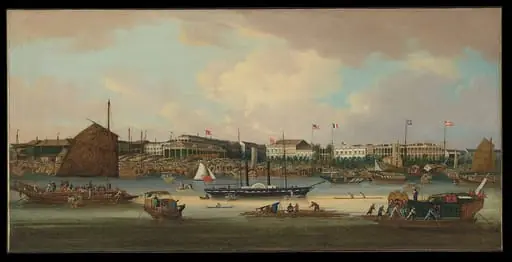 Canton Waterfront (The Hongs at Canton)
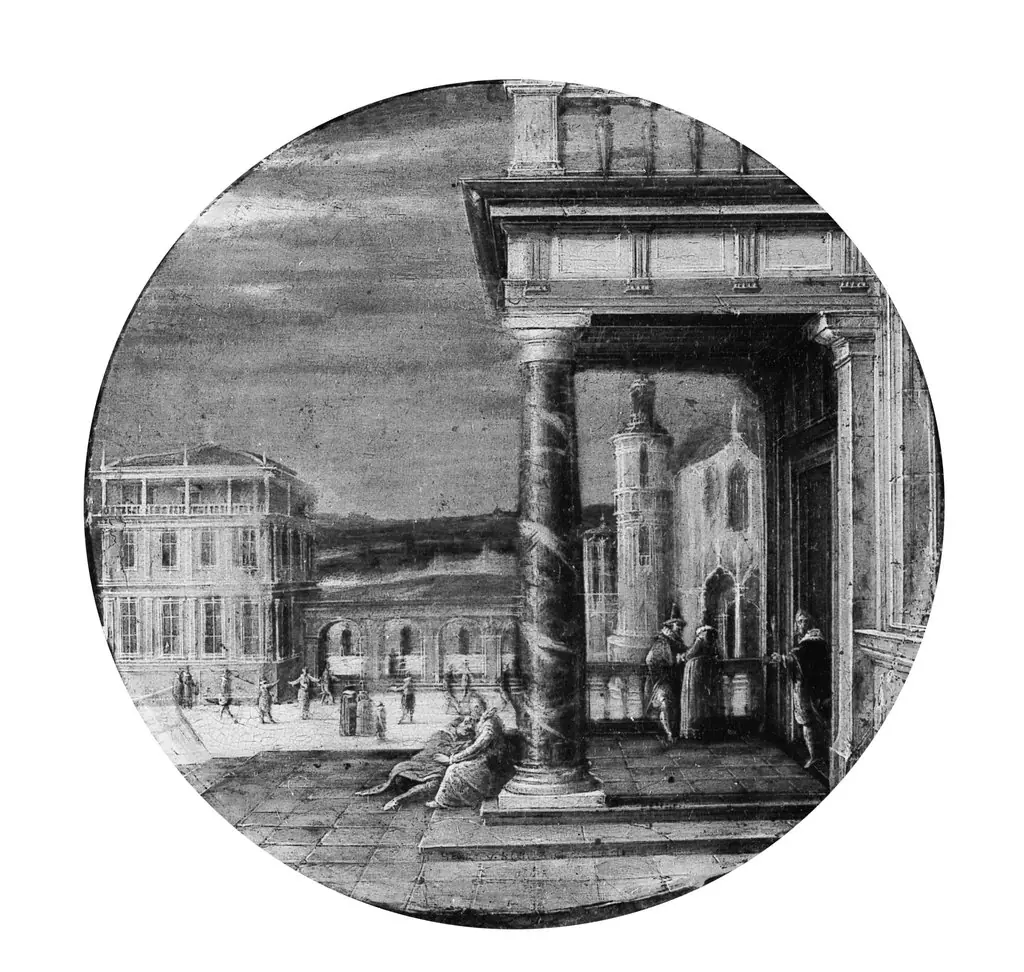 A Renaissance Portico with Elegant Figures
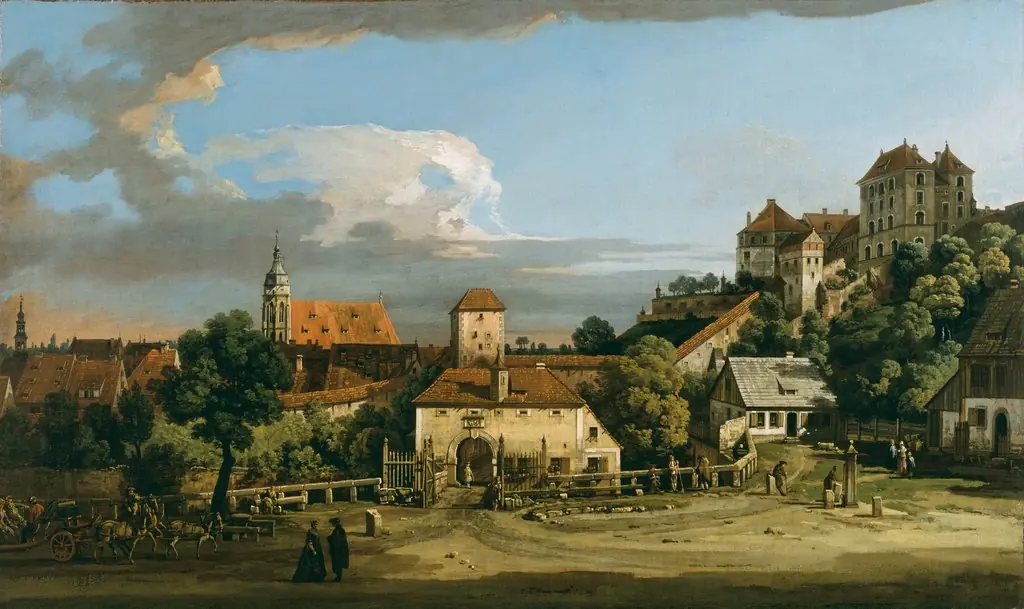 Pirna: The Obertor from the South
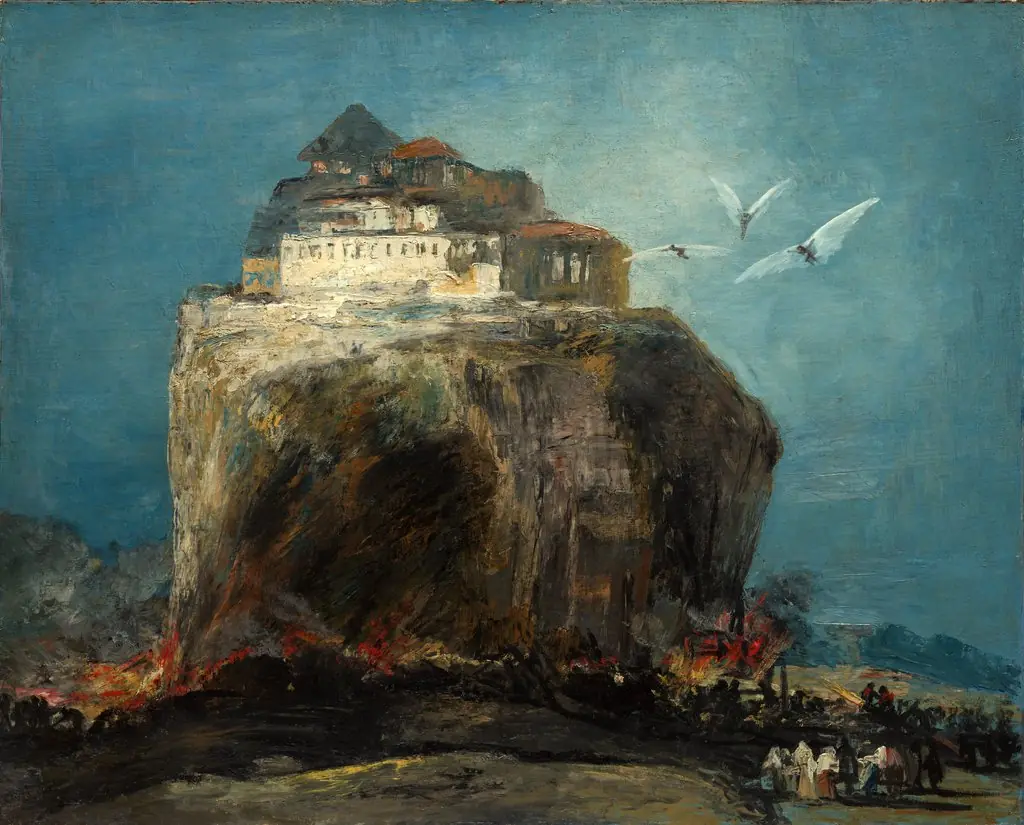 A City on a Rock
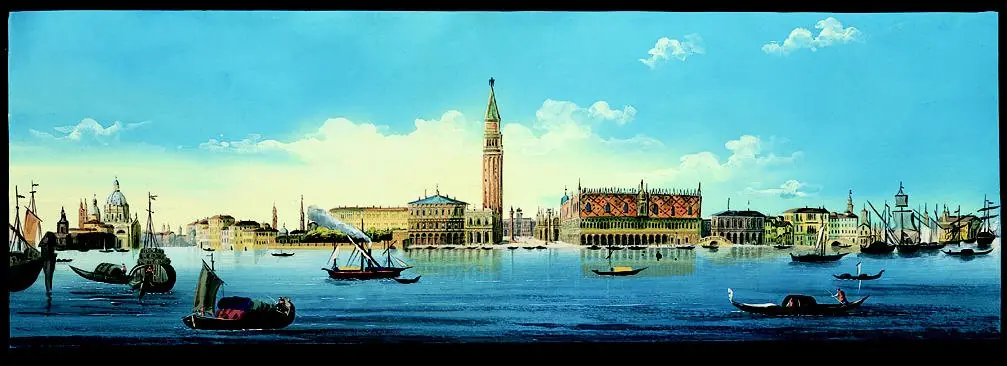 View of Venice
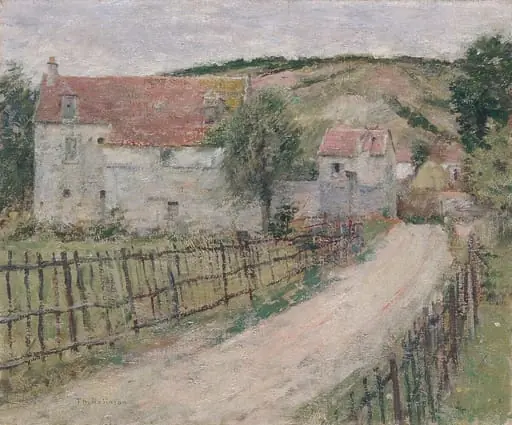 The Old Mill (Vieux Moulin)
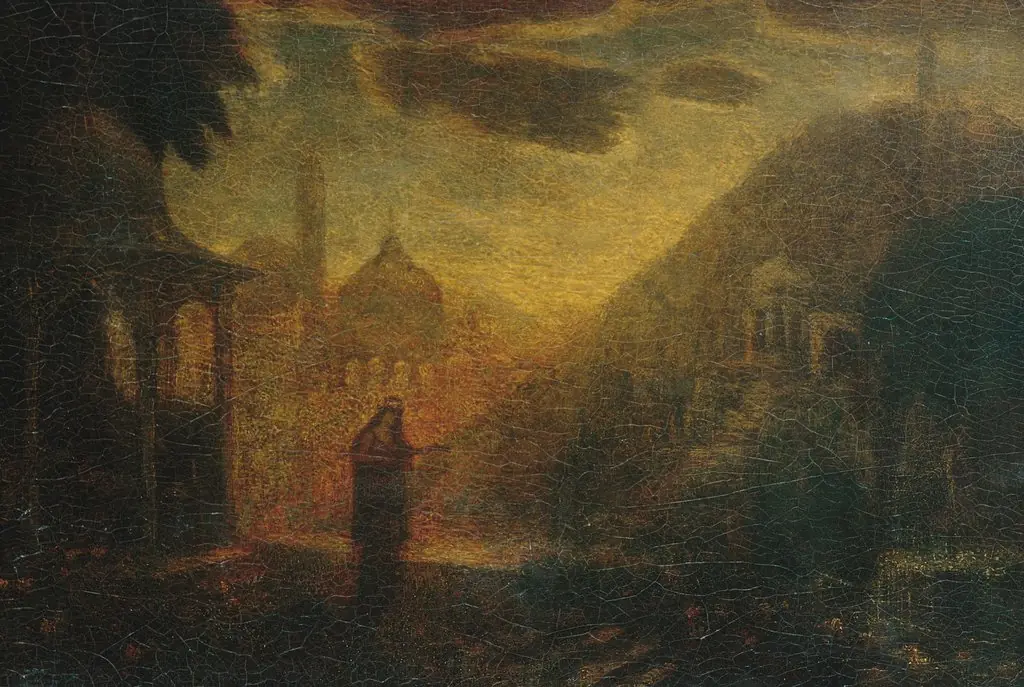 Nourmahal
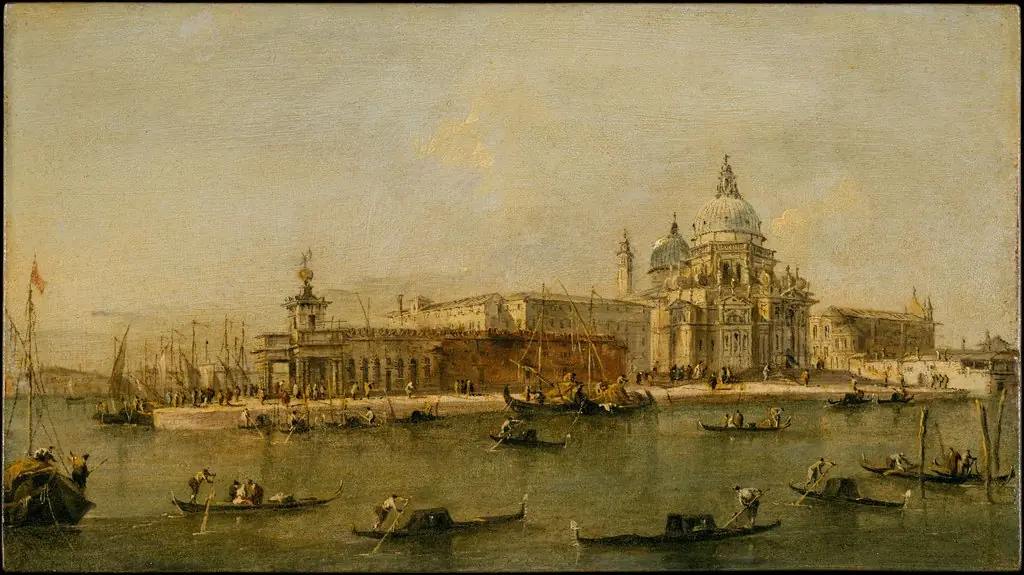 Venice: The Dogana and Santa Maria della Salute
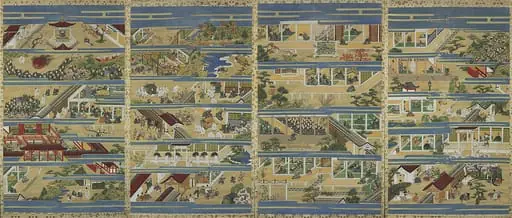 親鸞上人絵伝|The Illustrated Life of Shinran (Shinran shōnin eden)
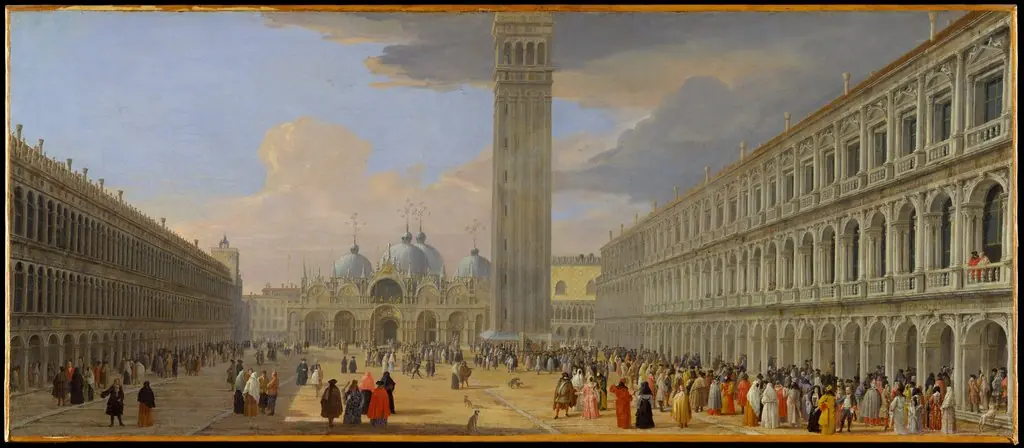 Piazza San Marco, Venice
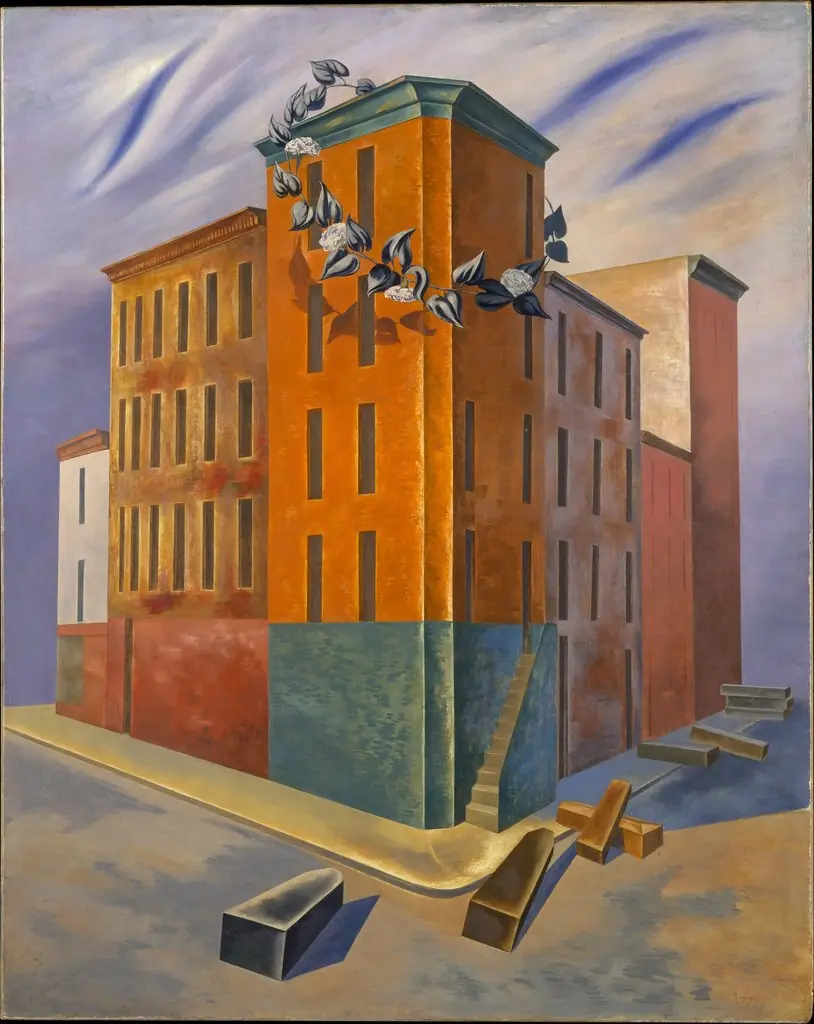 One Third of a Nation
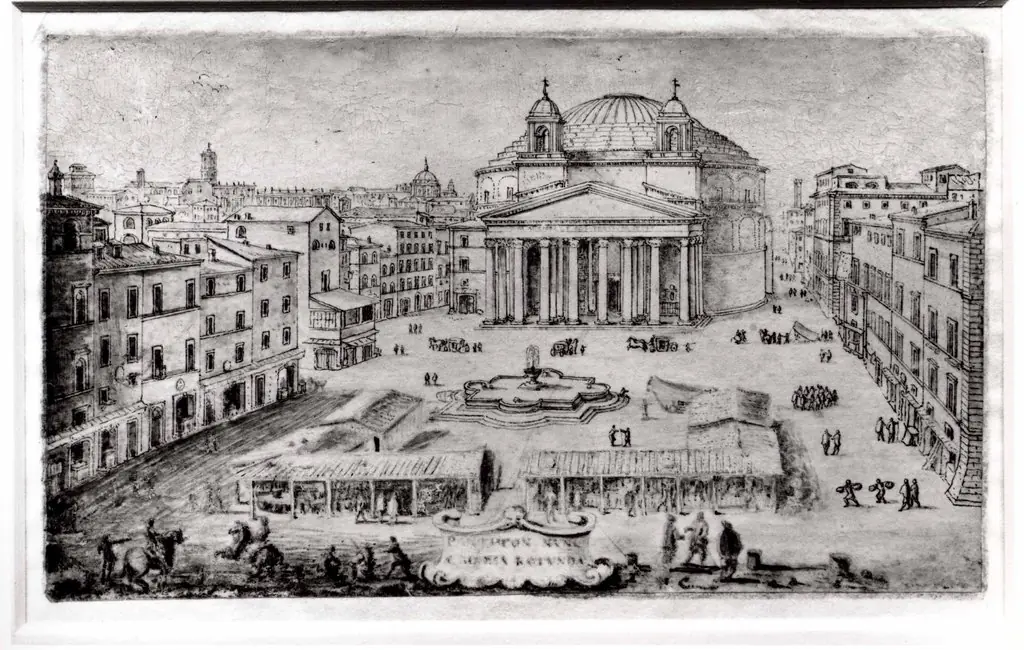 View of the Pantheon, Rome
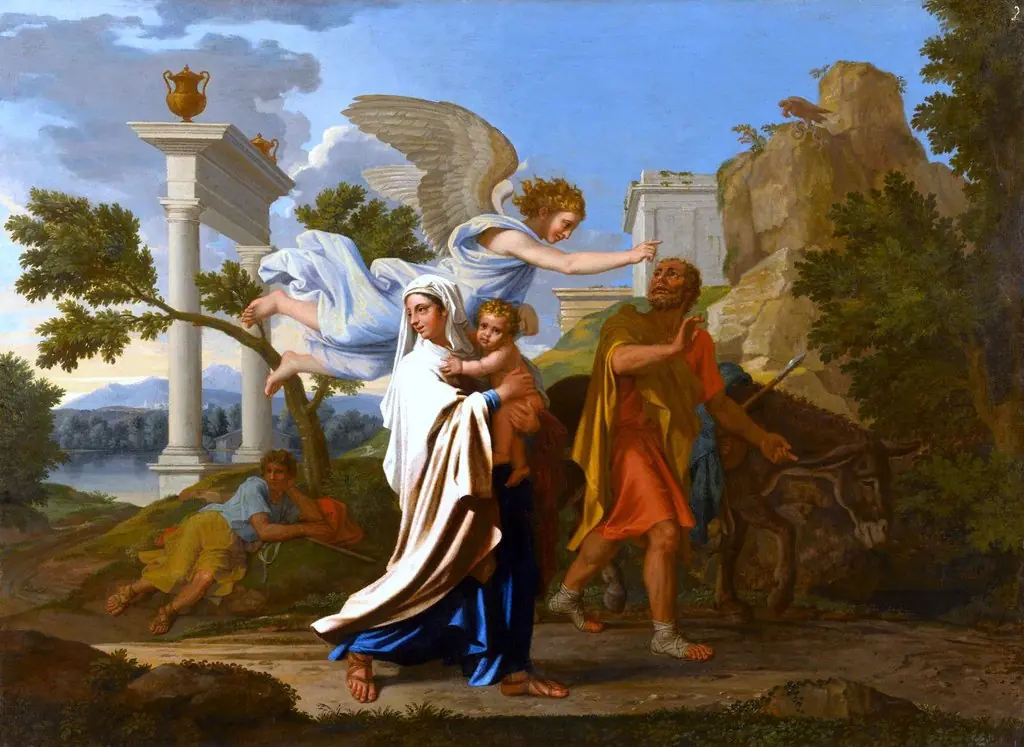 The Flight into Egypt
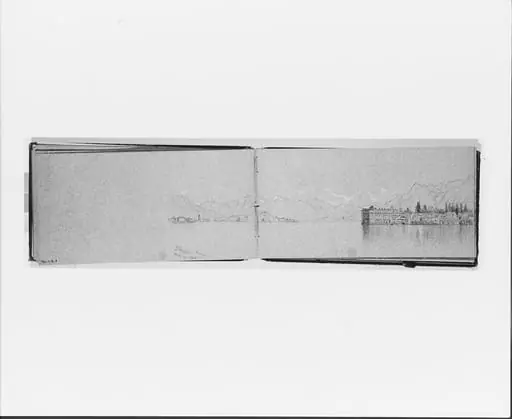 Lake Maggiore May 12 1869 (recto, from sketchbook)
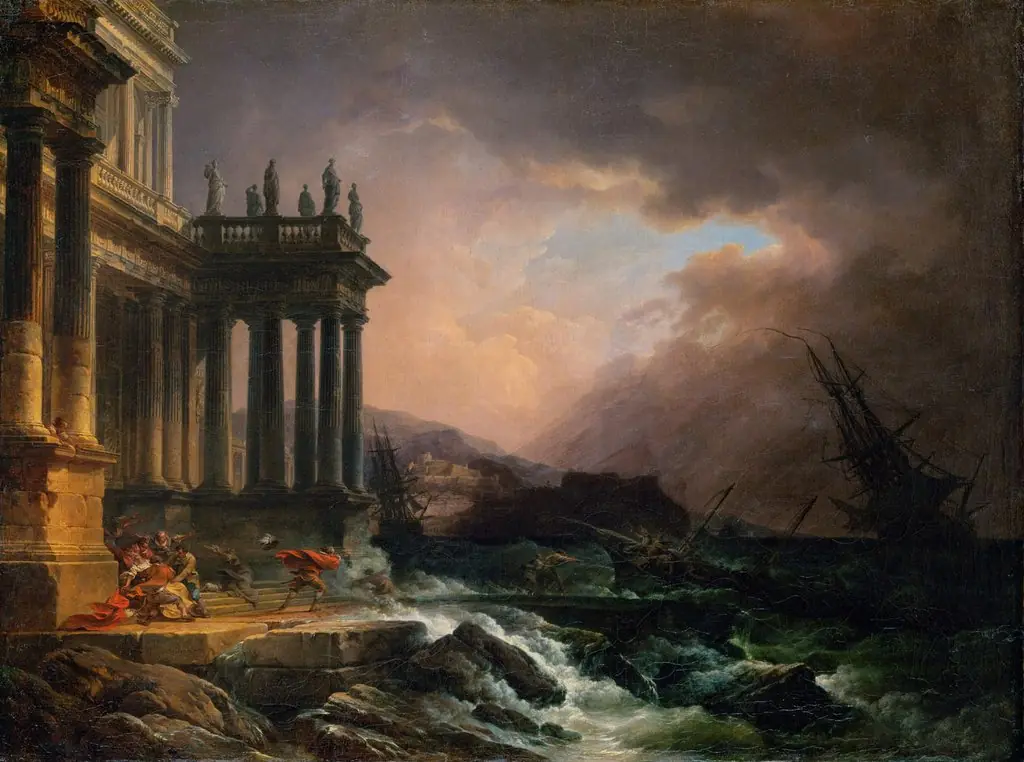 Marine
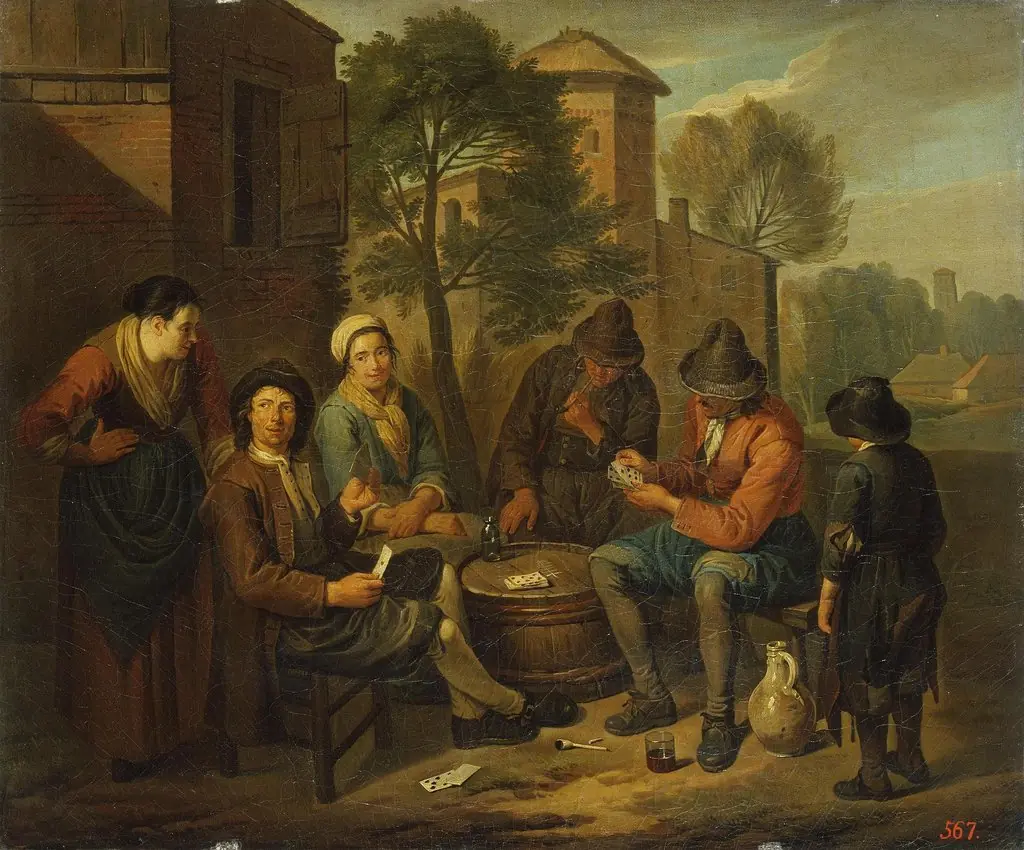 Peasants Playing Cards
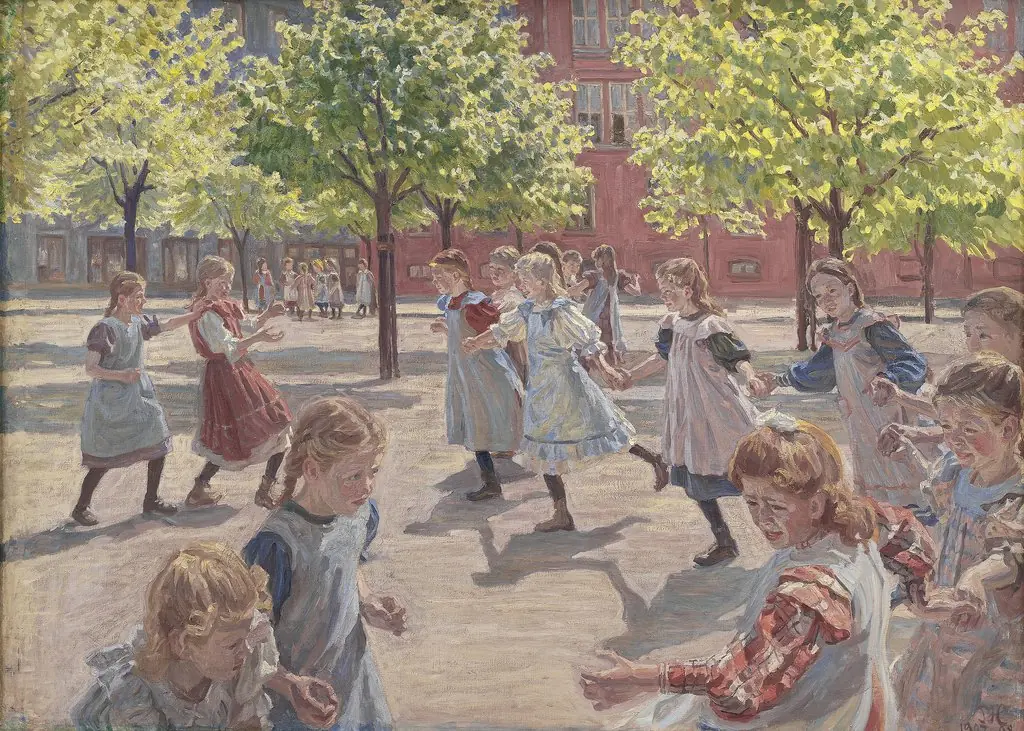 Playing Children, Enghave Square
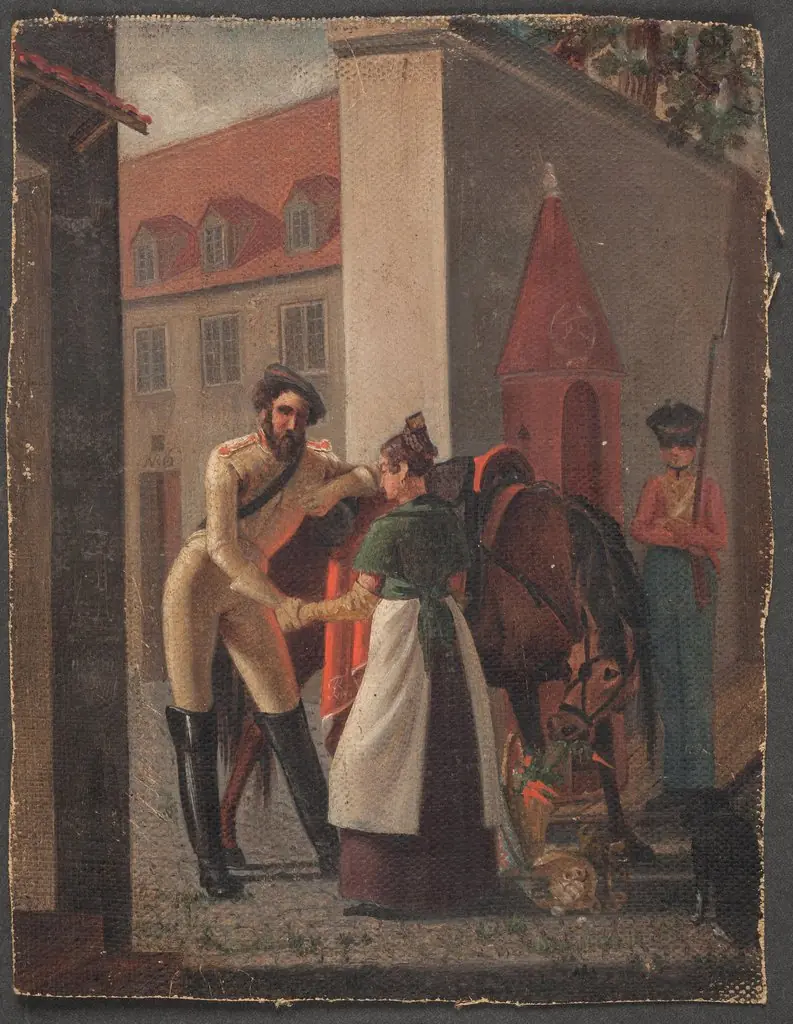 Gadescene. En kavalerist tager afsked med en pige
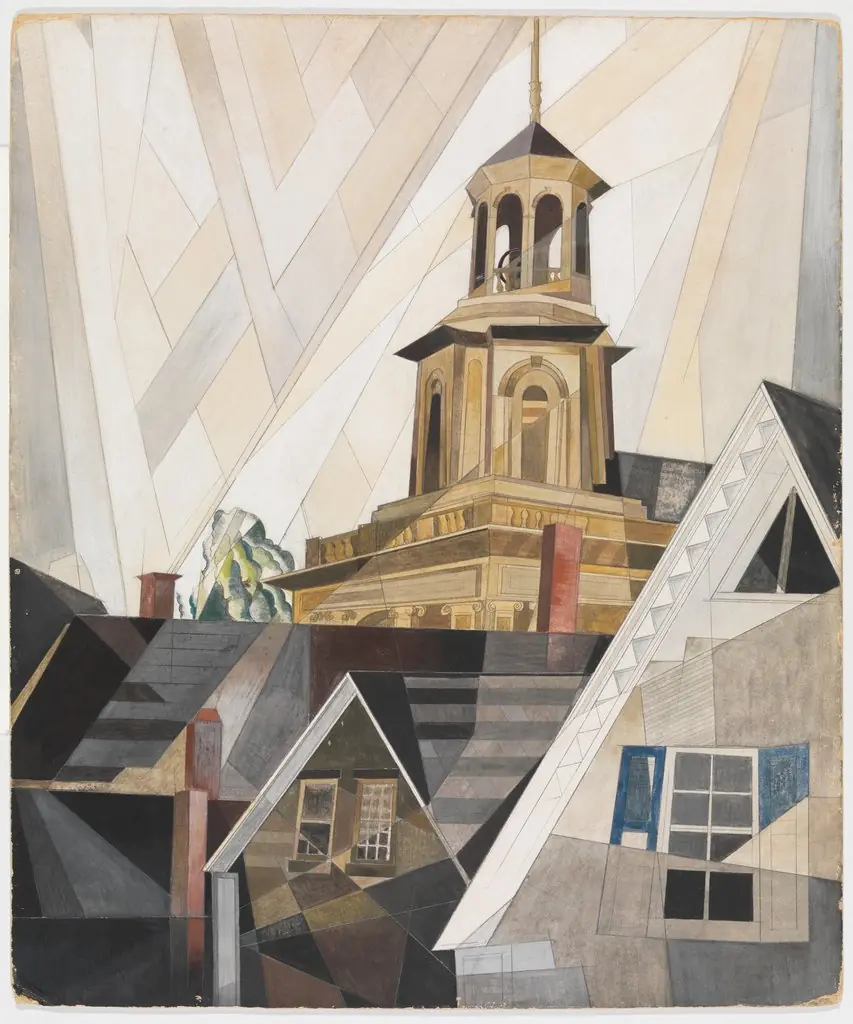 After Sir Christopher Wren
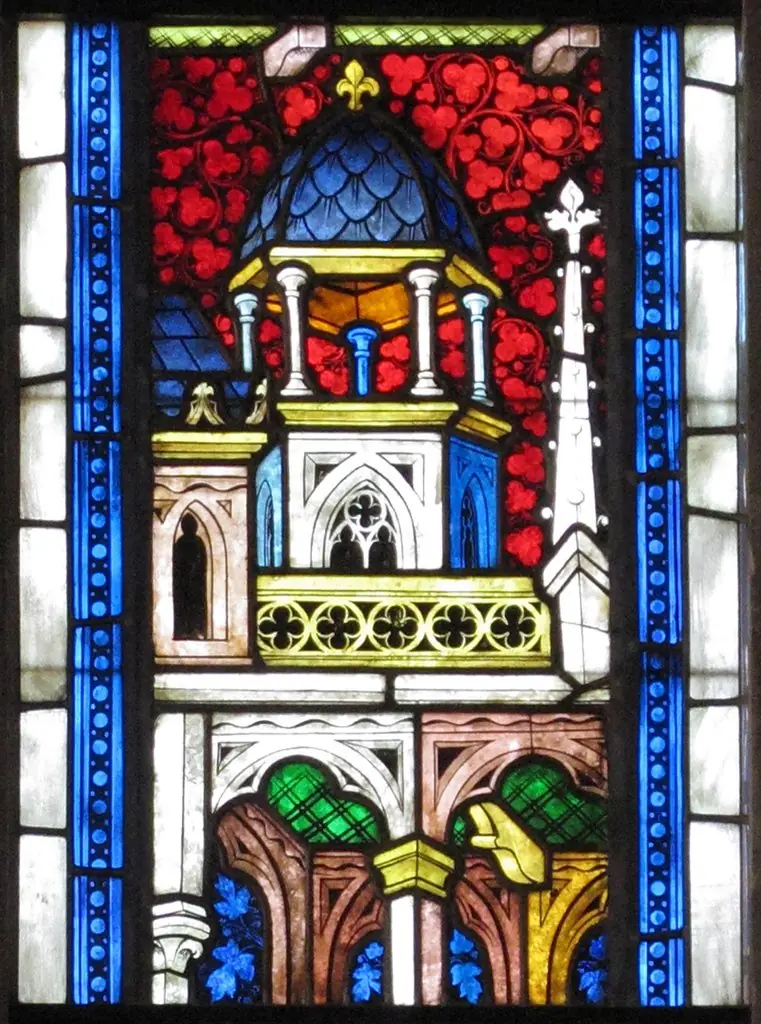 Architectural canopy
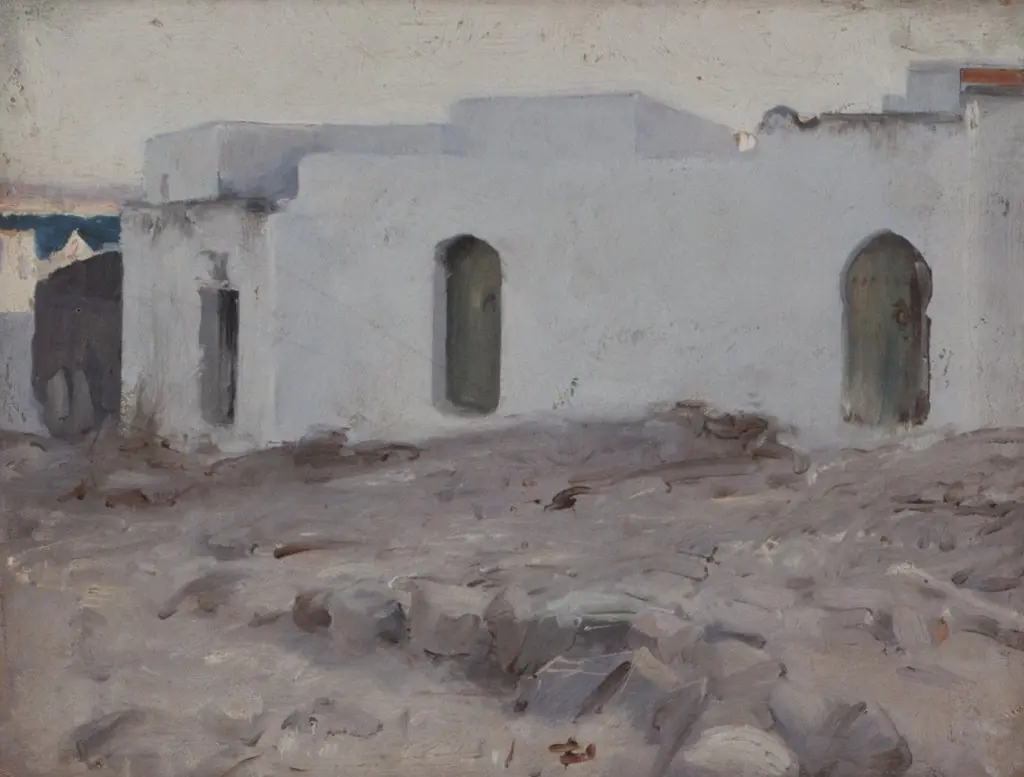 Moorish Buildings on a Cloudy Day
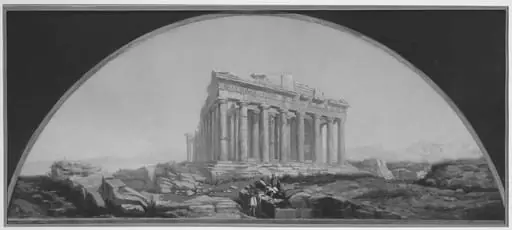 The Parthenon
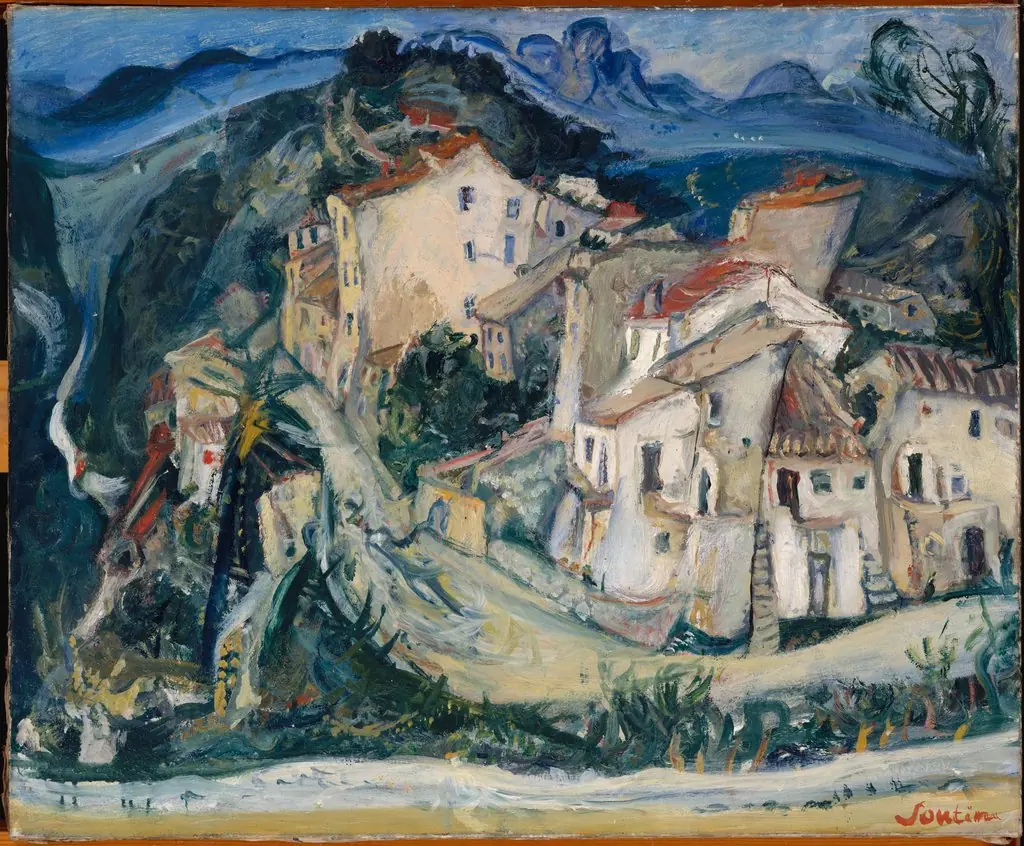 View of Cagnes
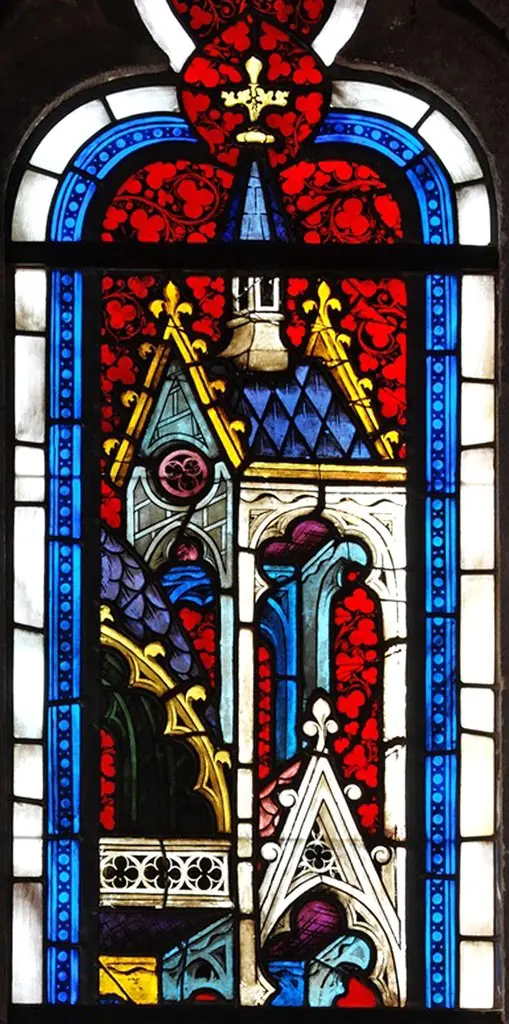 Cusped Lancet head
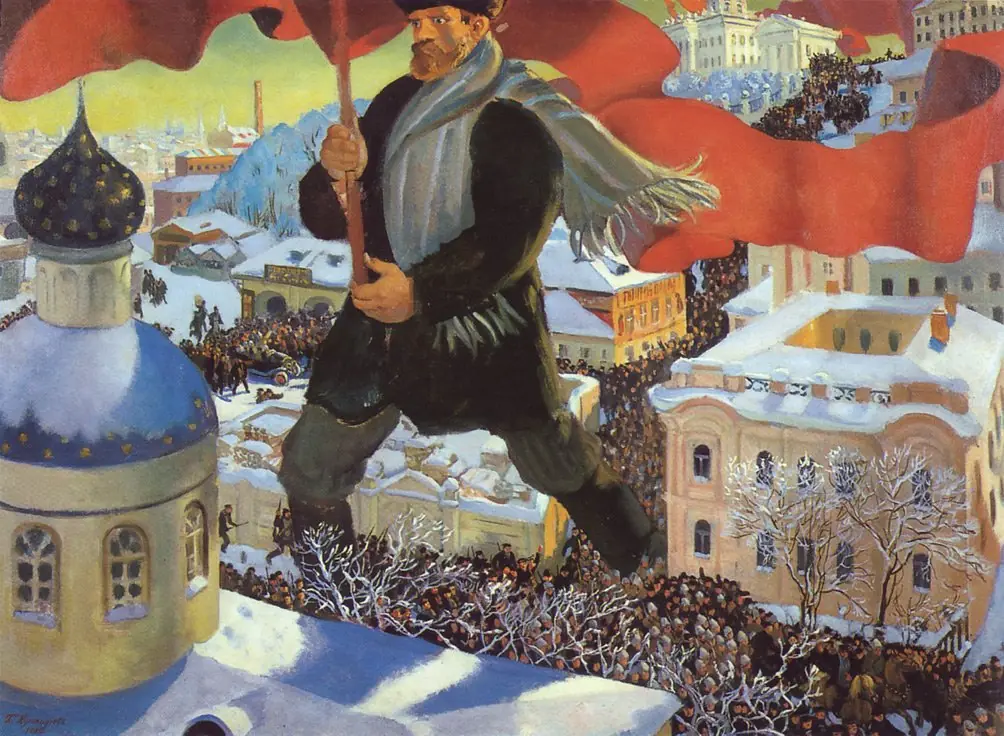 Bolshevik
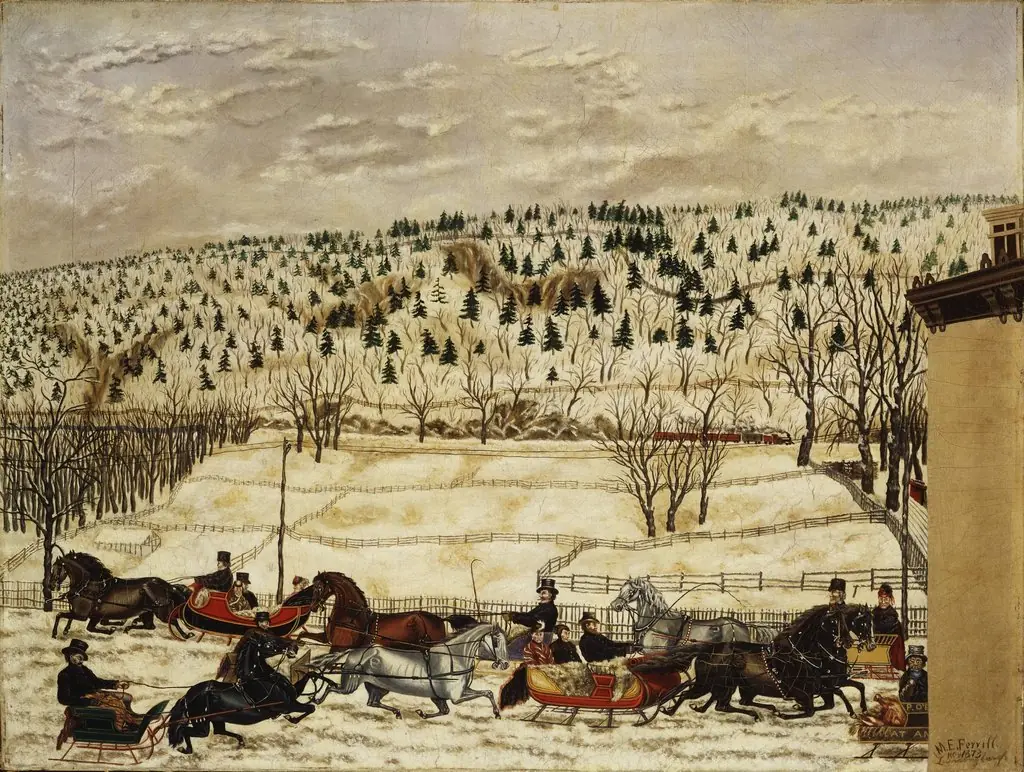 Sleighing Scene
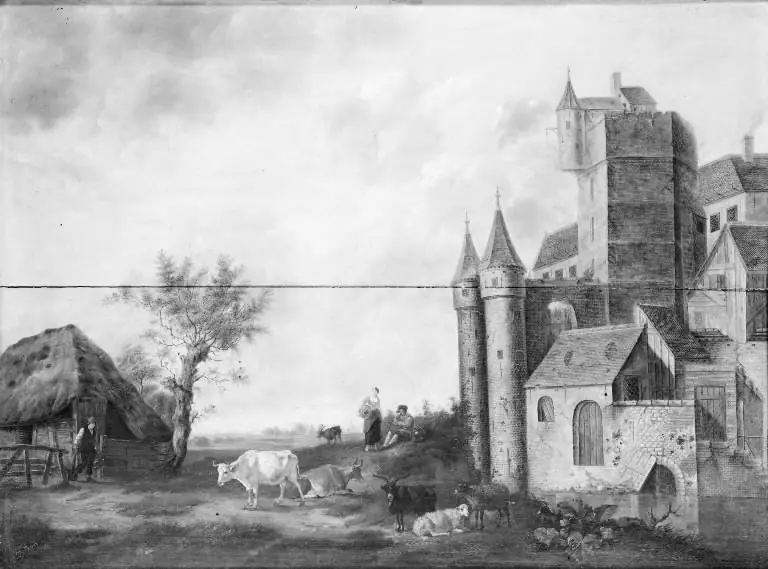 Landscape
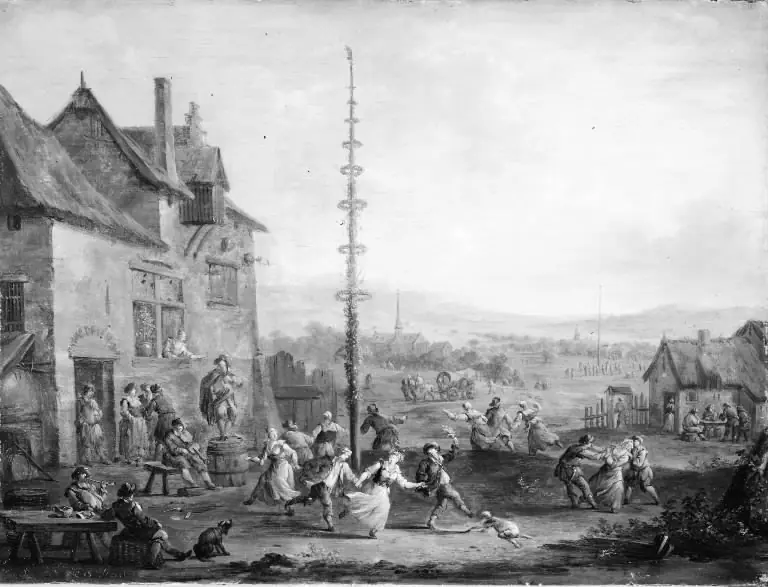 Dancing Round the Maypole
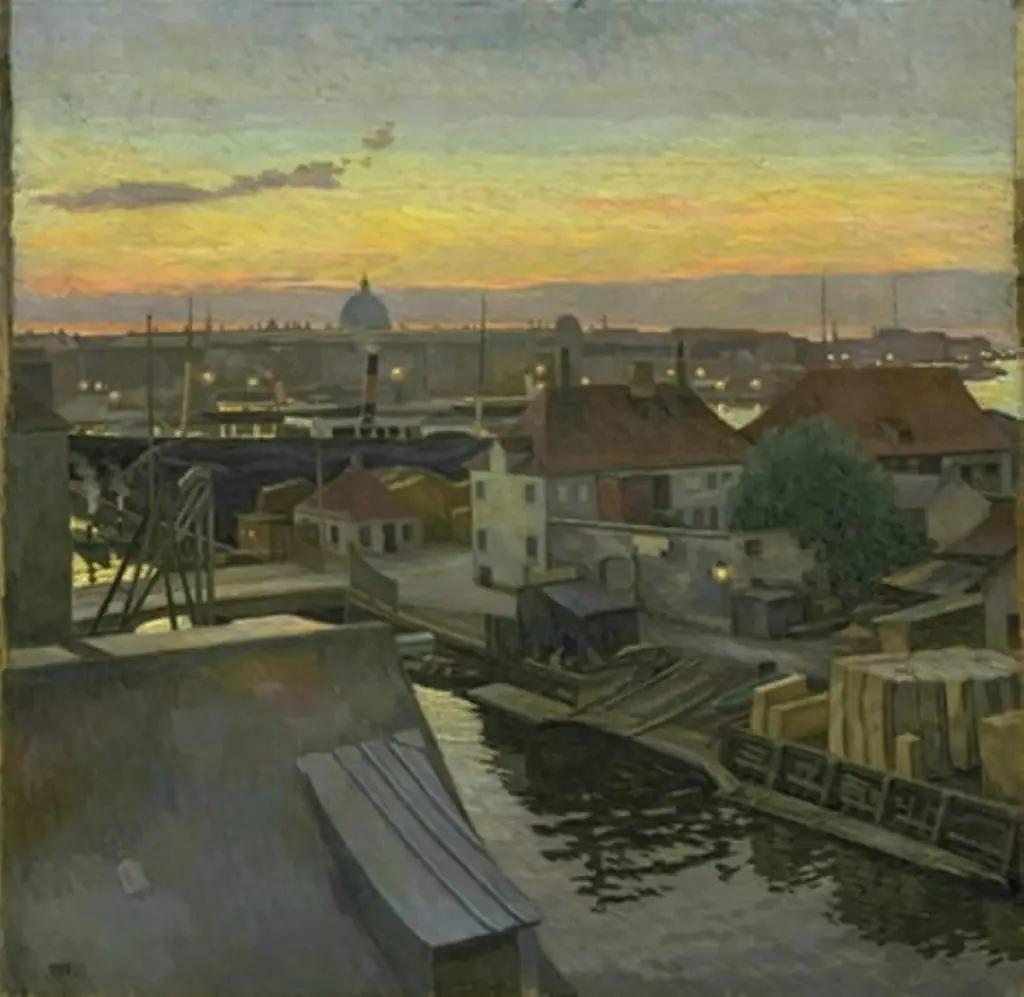 View of Wilders Square at Christianshavn. Evening, 1906
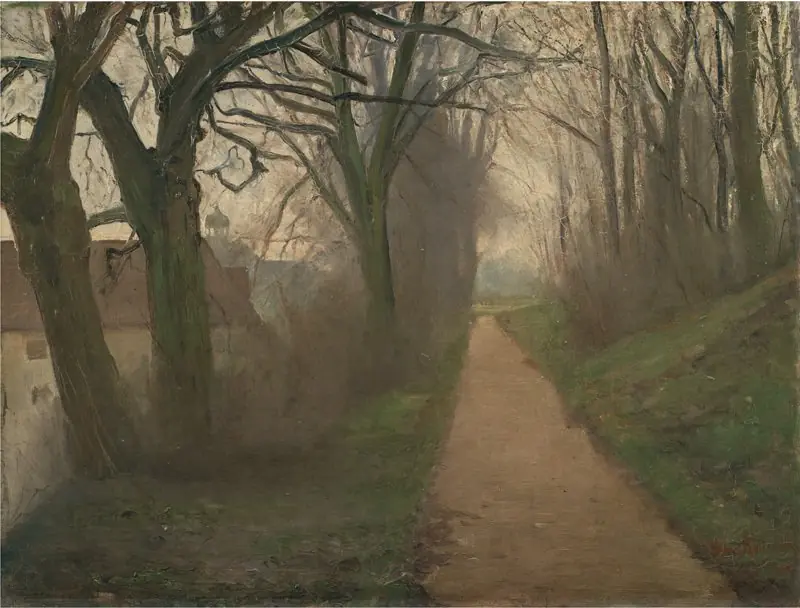 The Citadel in December
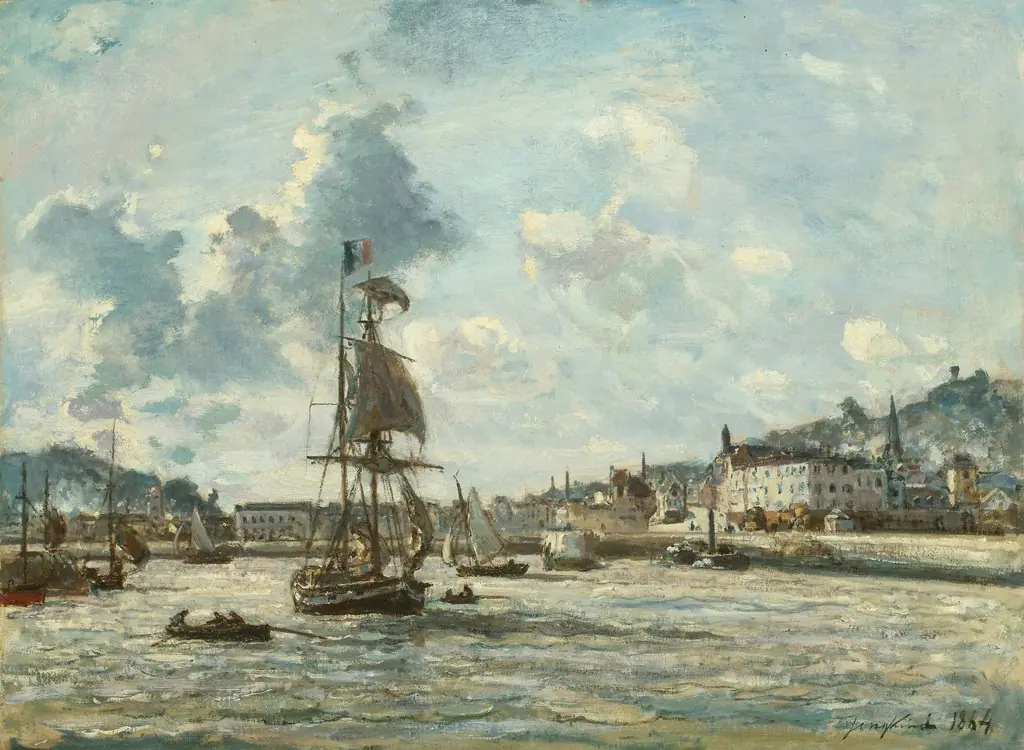 Entrance to the Port of Honfleur
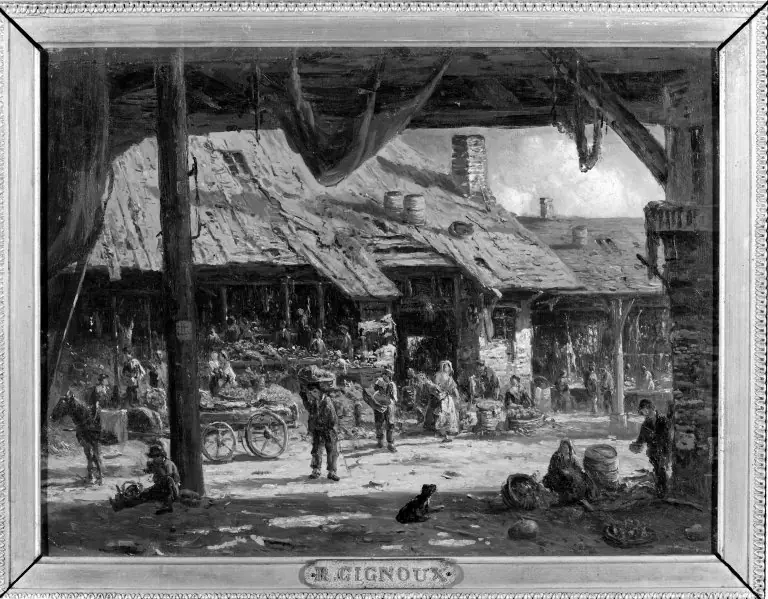 Market Scene
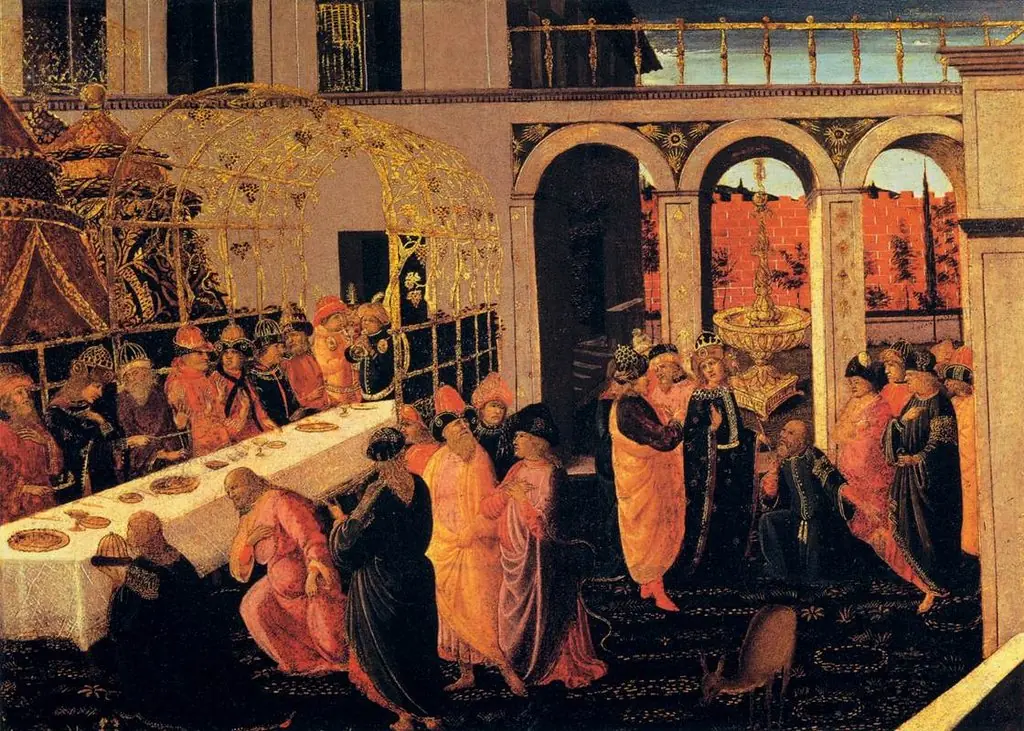 The Banquet of Ahasuerus
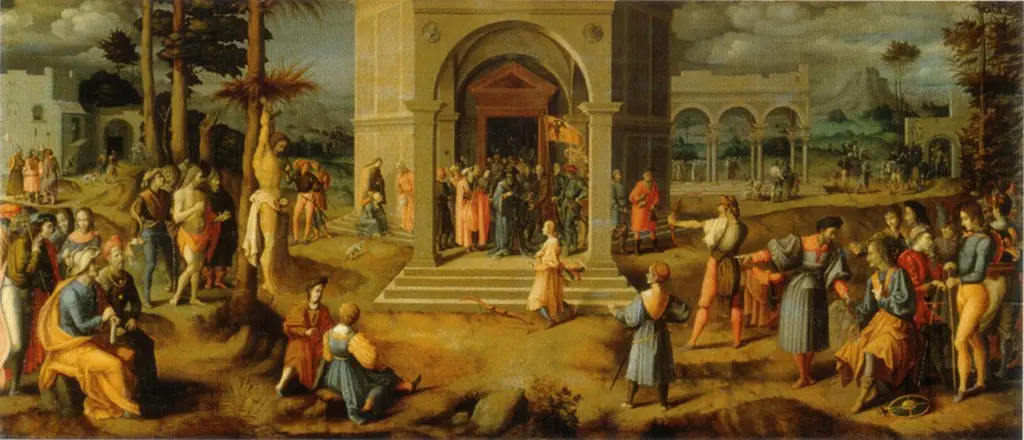 The Legend of the King's Sons
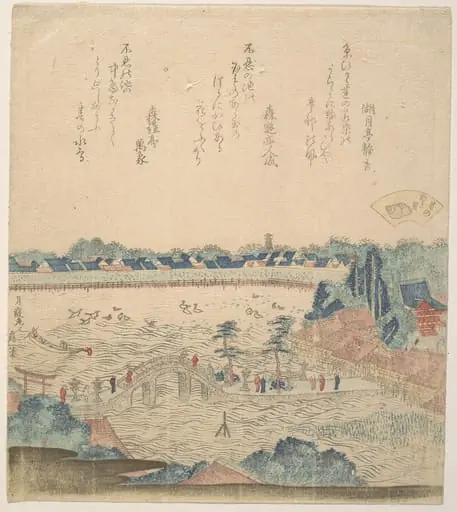 Untitled
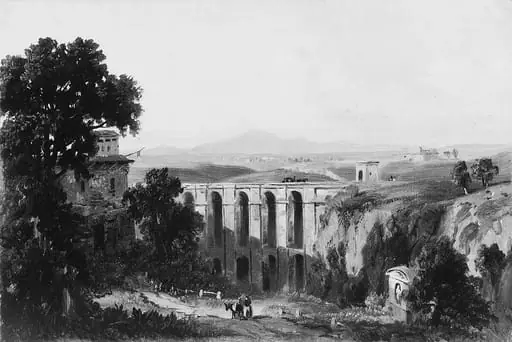 Civita Castellana and Mount Soracte, 1852
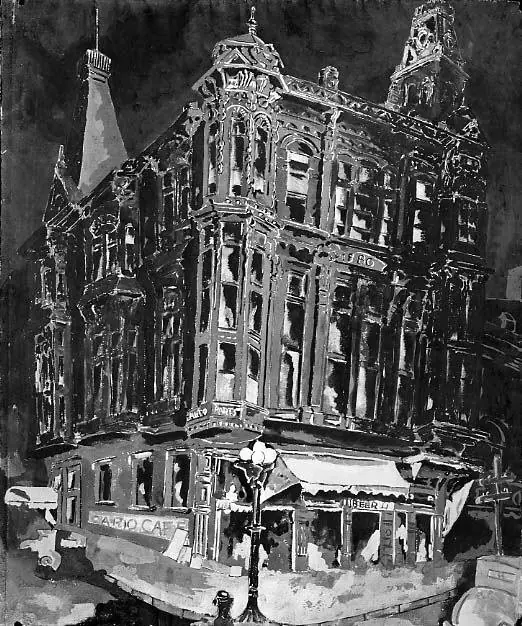 1886
1886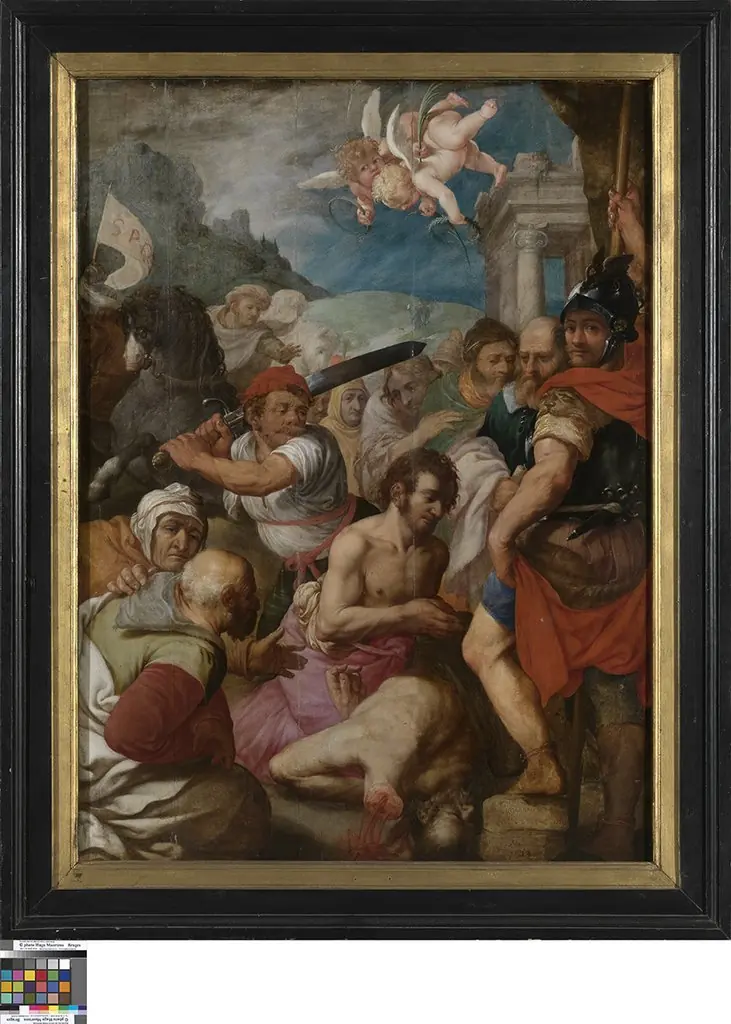 The Martyrdom of the Saints Crispin and Crispinian
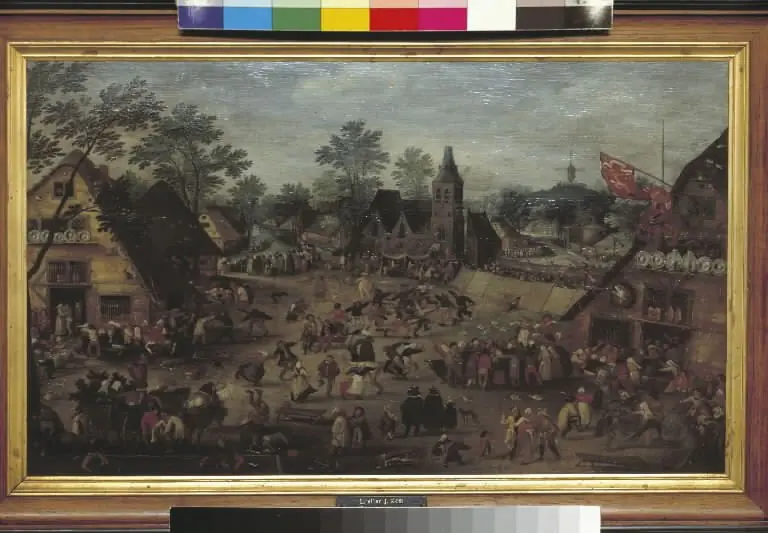 Kermis
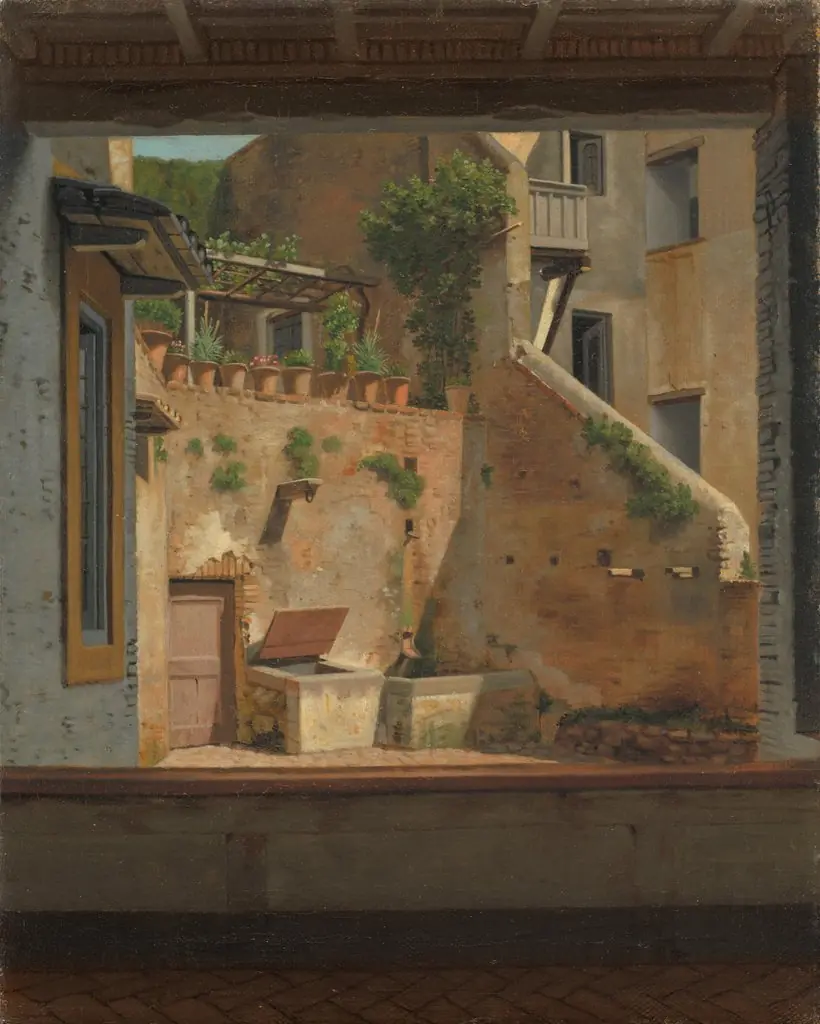 Roman Courtyard Interior. Copy after Eckersberg
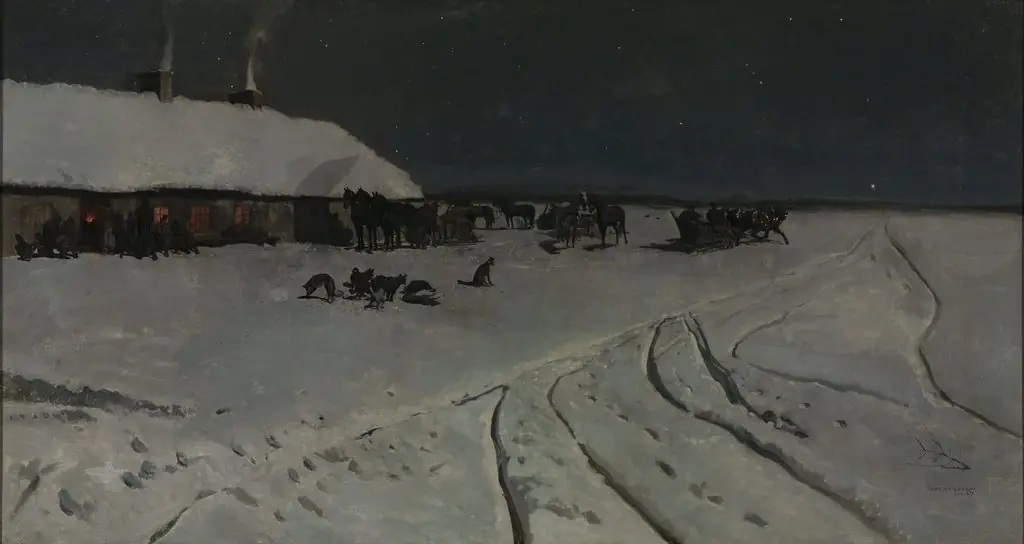 Winter night in Ukraine
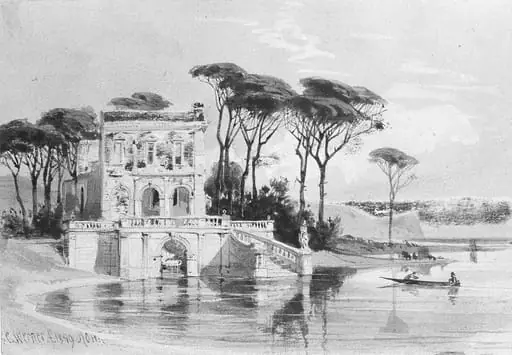 Italian Lake Scene with Villa (from Cropsey Album)
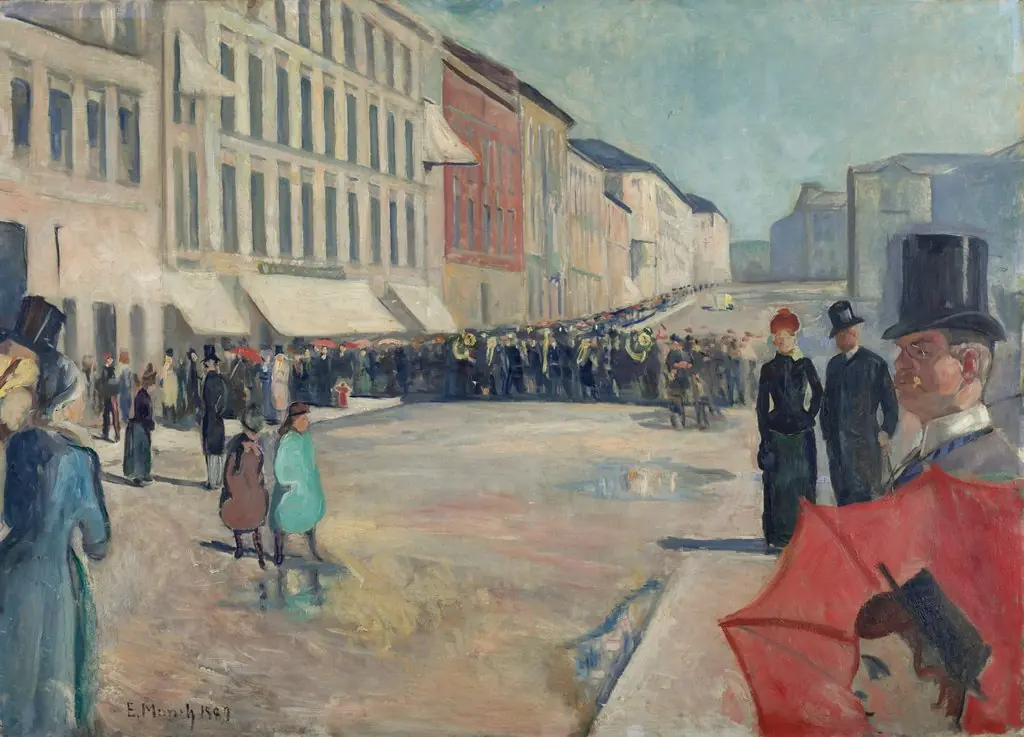 Music on Karl Johan
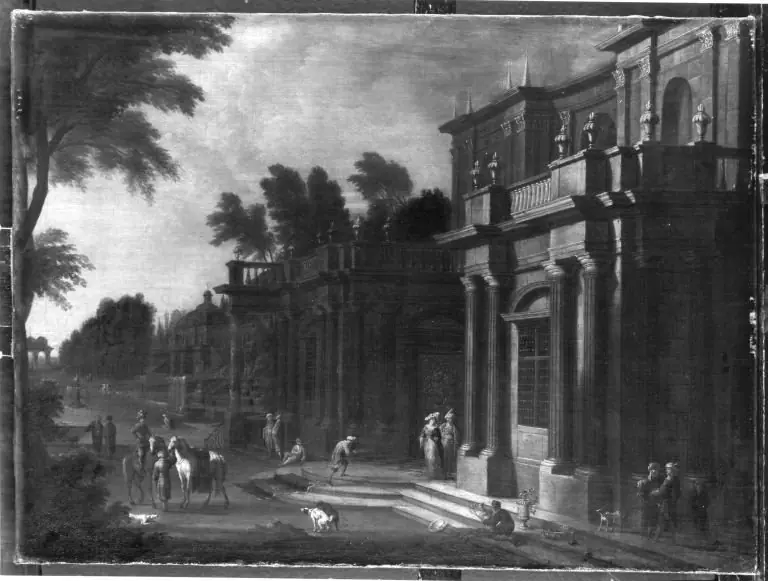 Architectural image
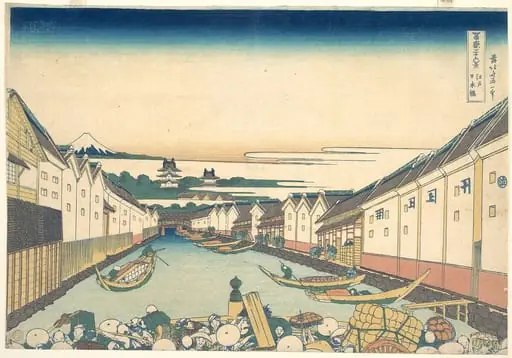 冨嶽三十六景 江戸日本橋|Nihonbashi in Edo (Edo Nihonbashi), from the series Thirty-six Views of Mount Fuji (Fugaku sanjūrokkei)
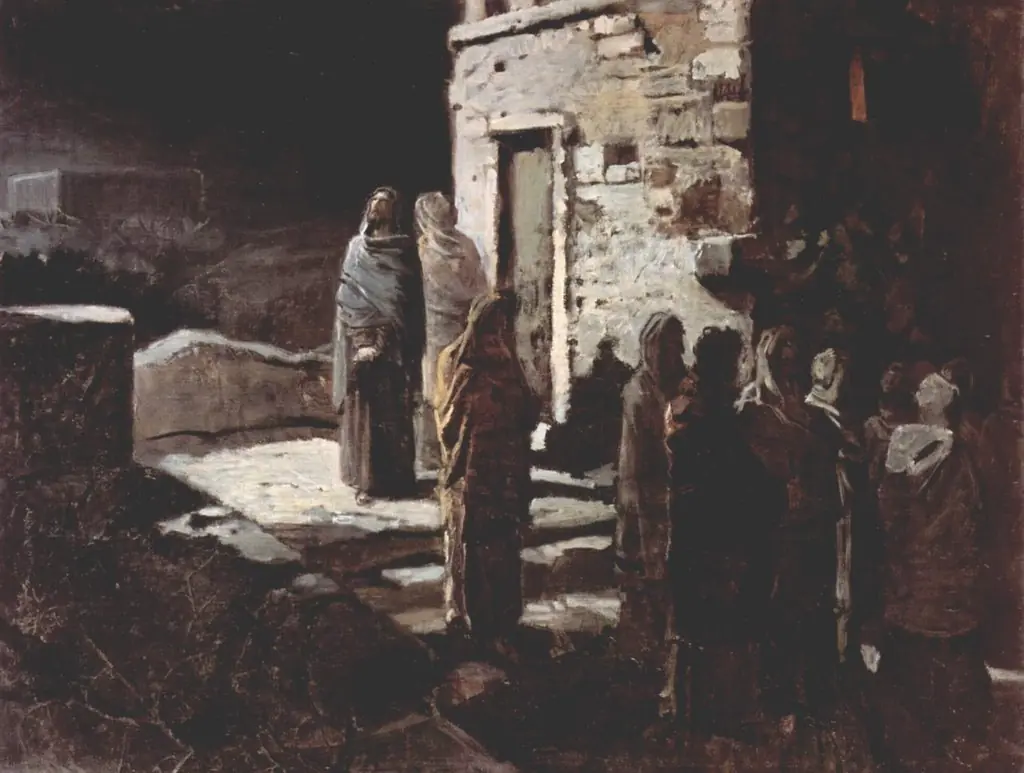 Le Départ du Christ avec ses disciples pour le jardin de Gethsémani
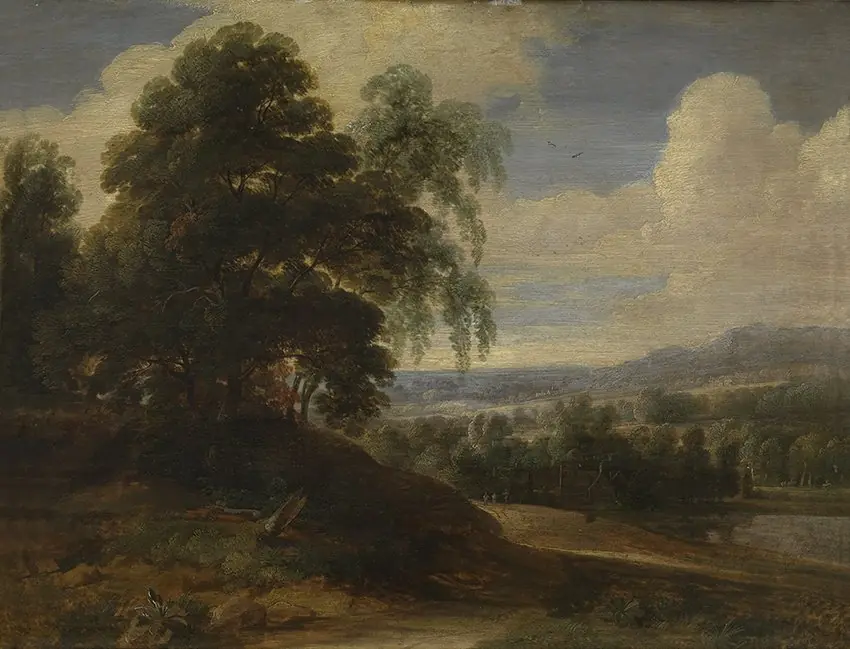 Landschap
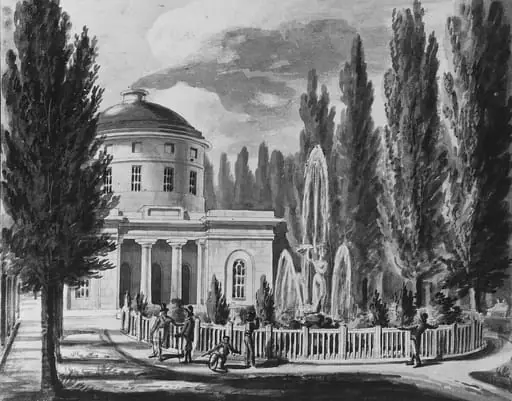 Centre Square and the Marble Water Works, Philadelphia
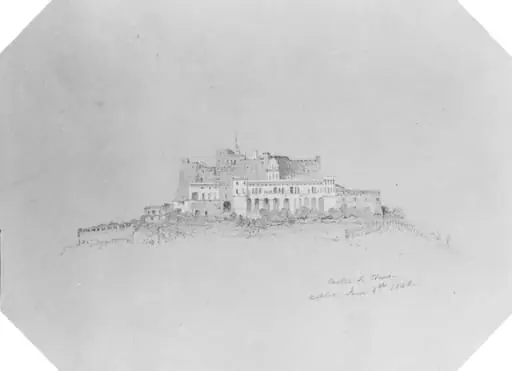 Castel San Elmo (from Cropsey Album)
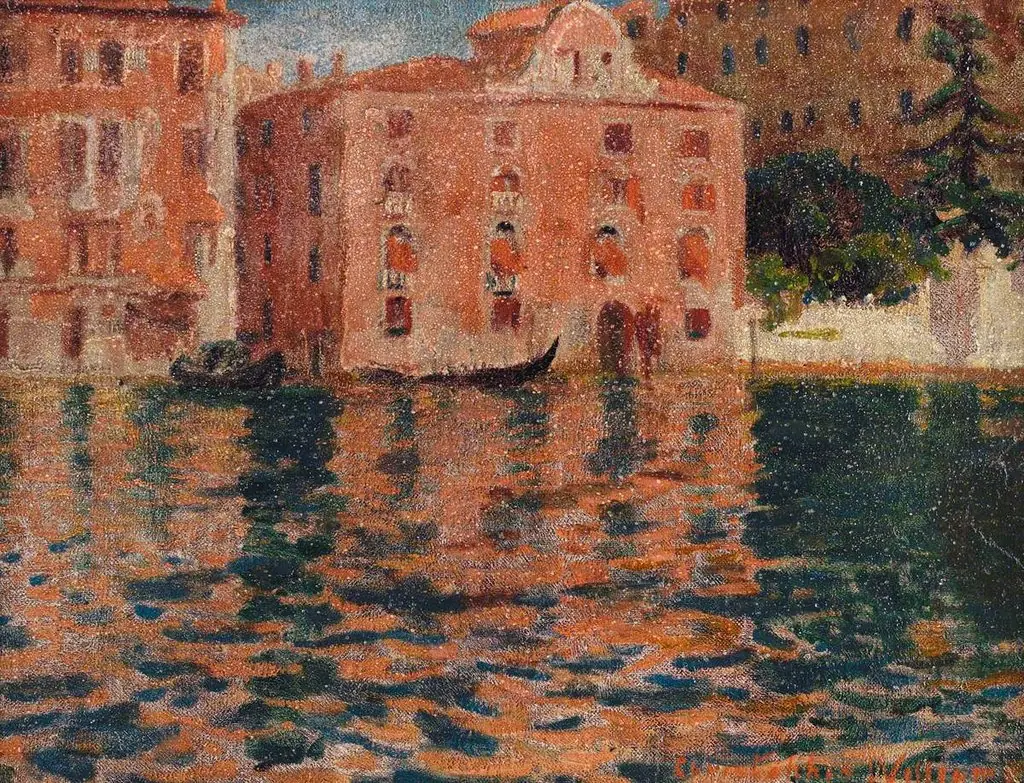 Reflections, Venice
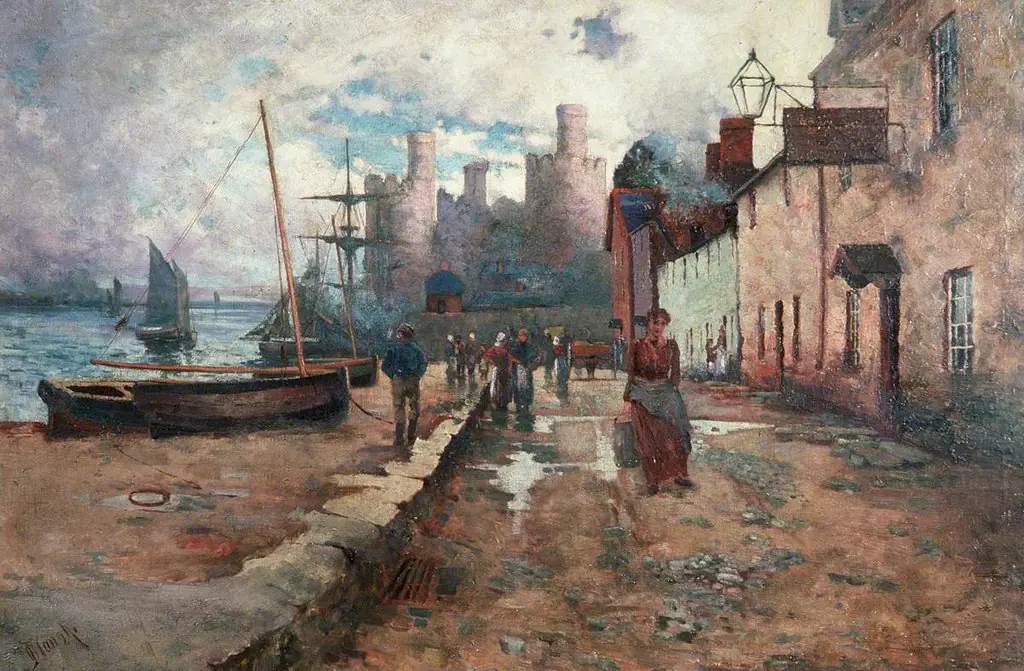 Conway Castle
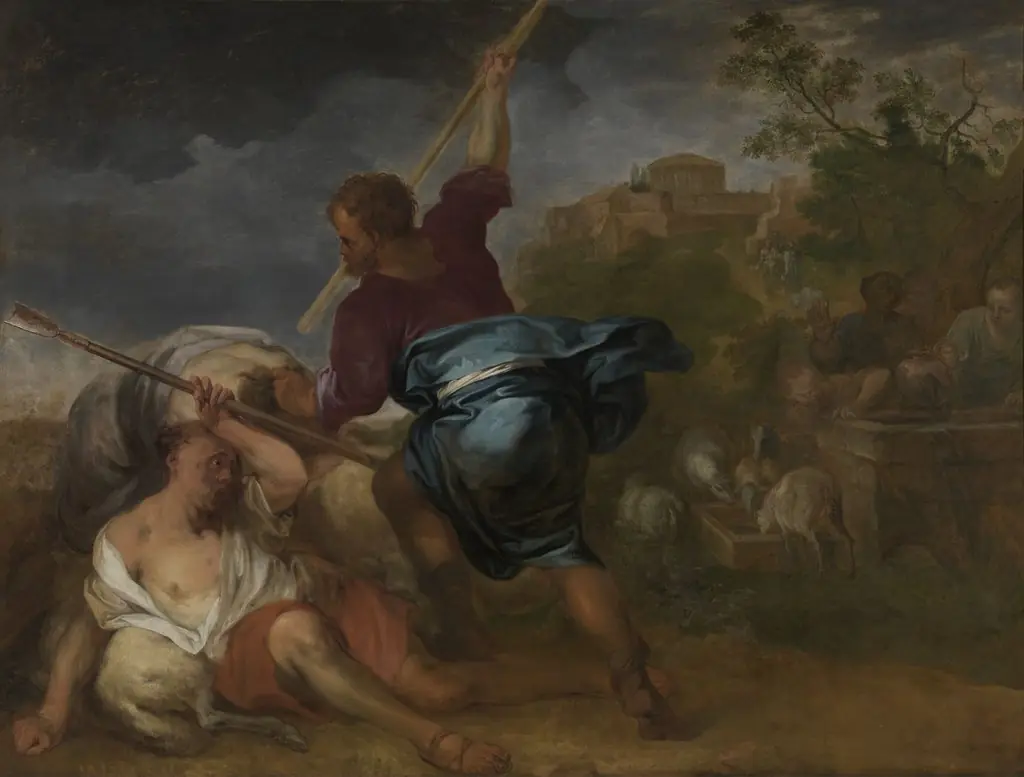 Moses defends the daughters of Jethro
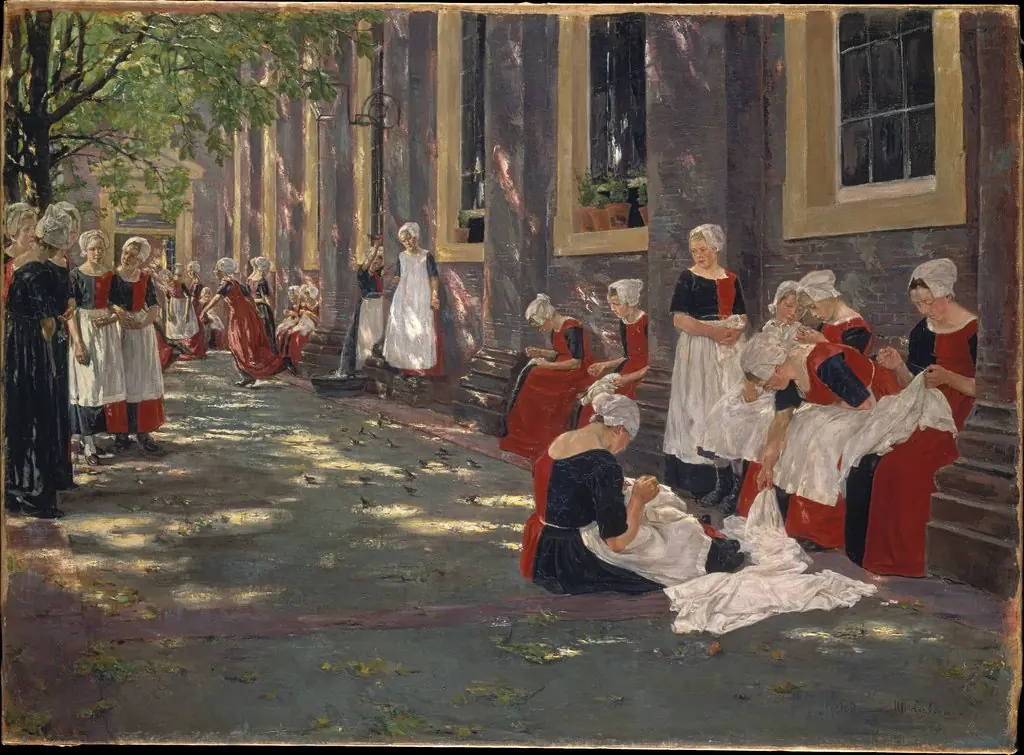 Free Period in the Amsterdam Orphanage
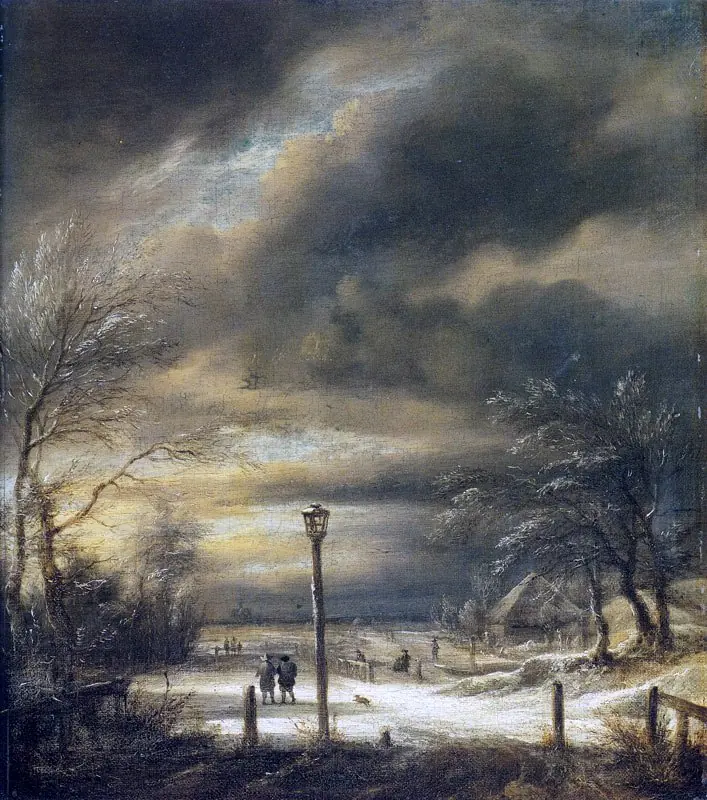 Winter Landscape near Haarlem
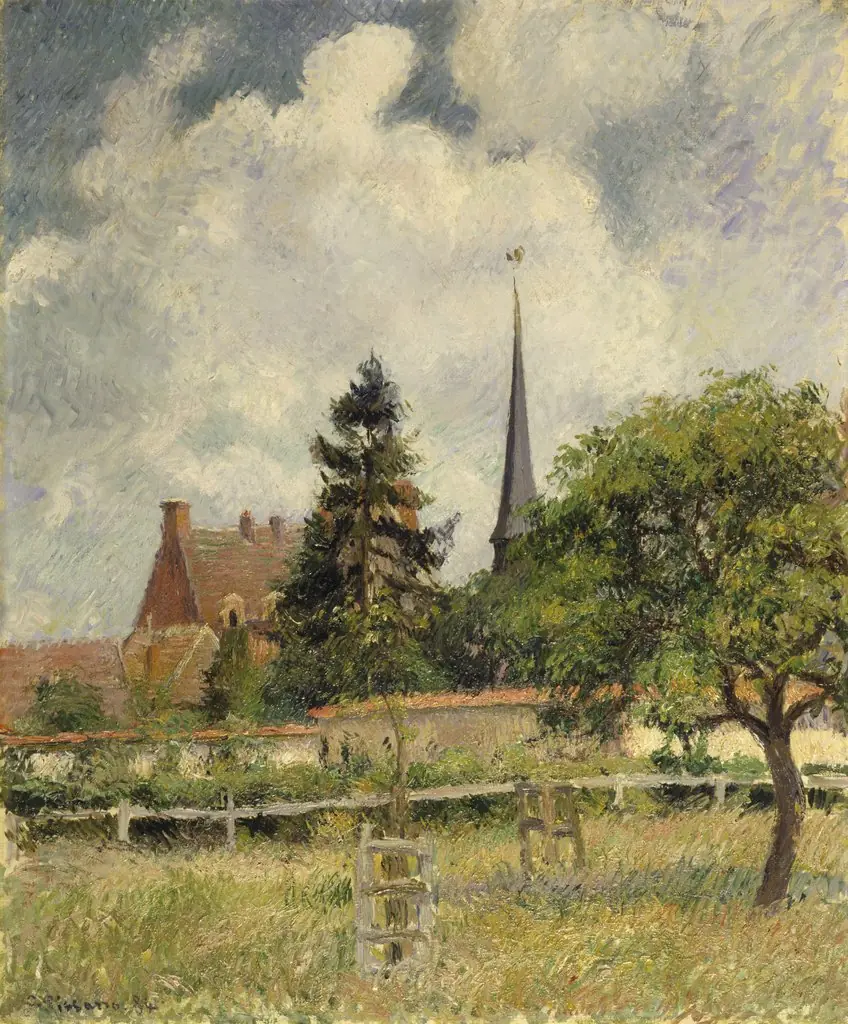 The Church at Eragny
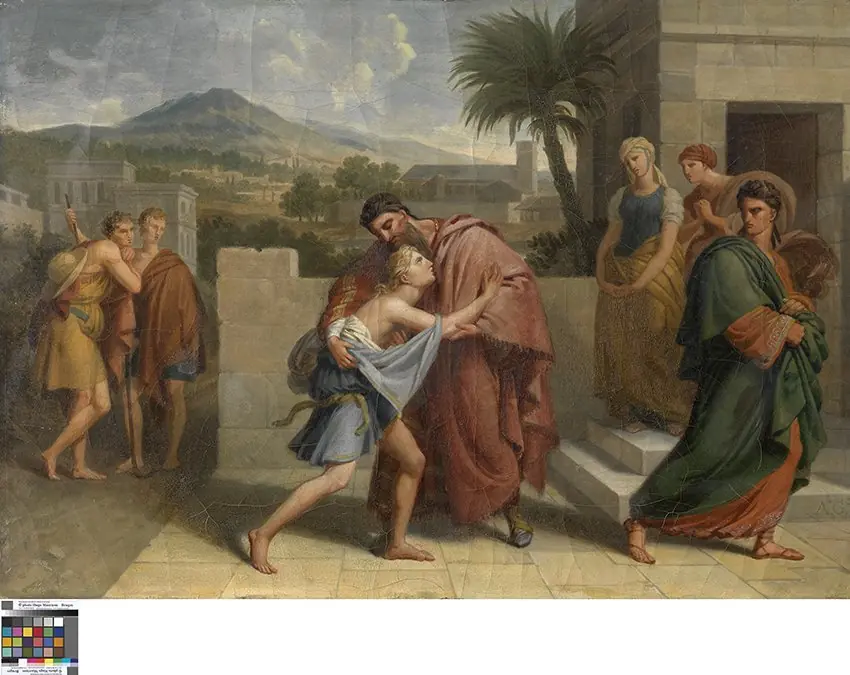 De thuiskomst van de verloren zoon
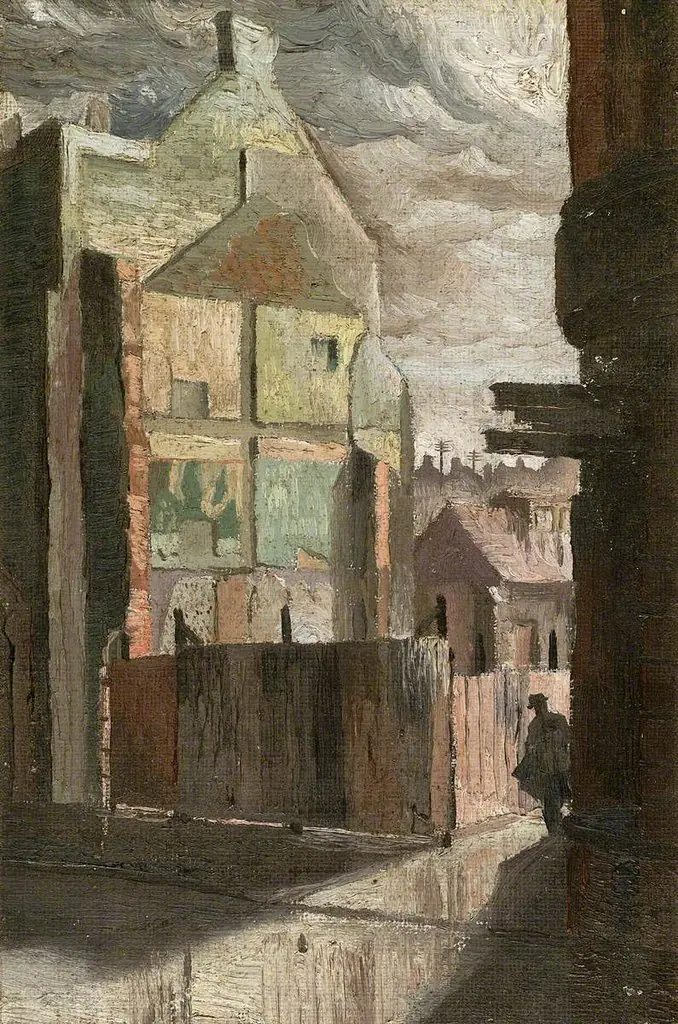 Cleared Site with Hoarding and a Figure
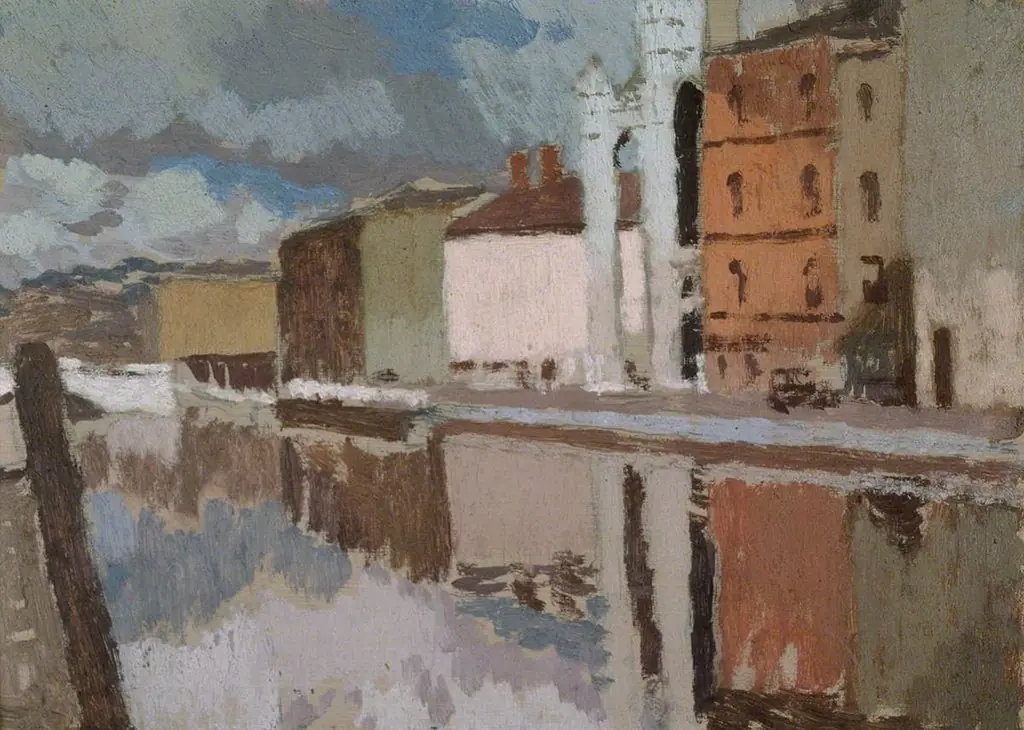 Union Quay, Cork
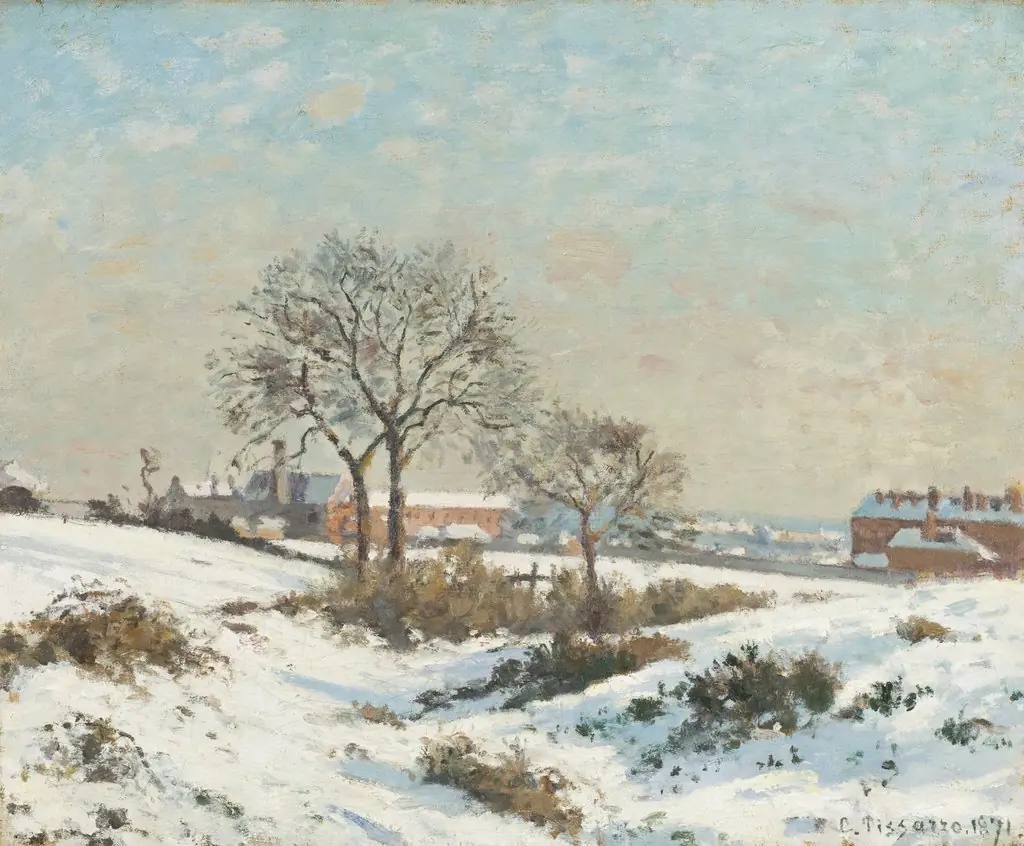 Snowy Landscape at South Norwood
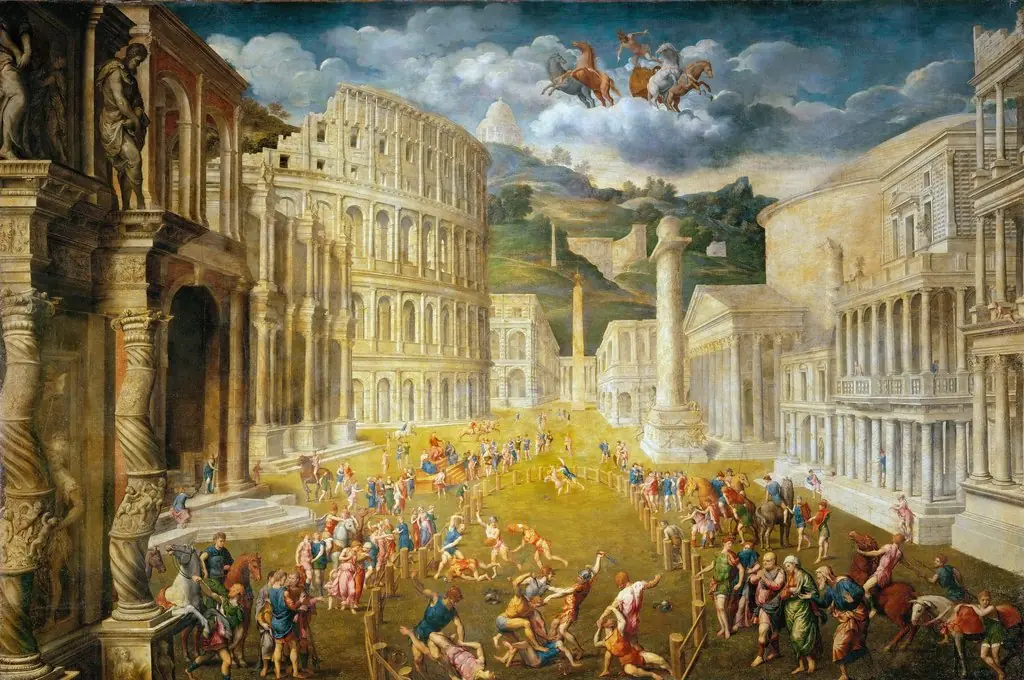 Gladiator fight
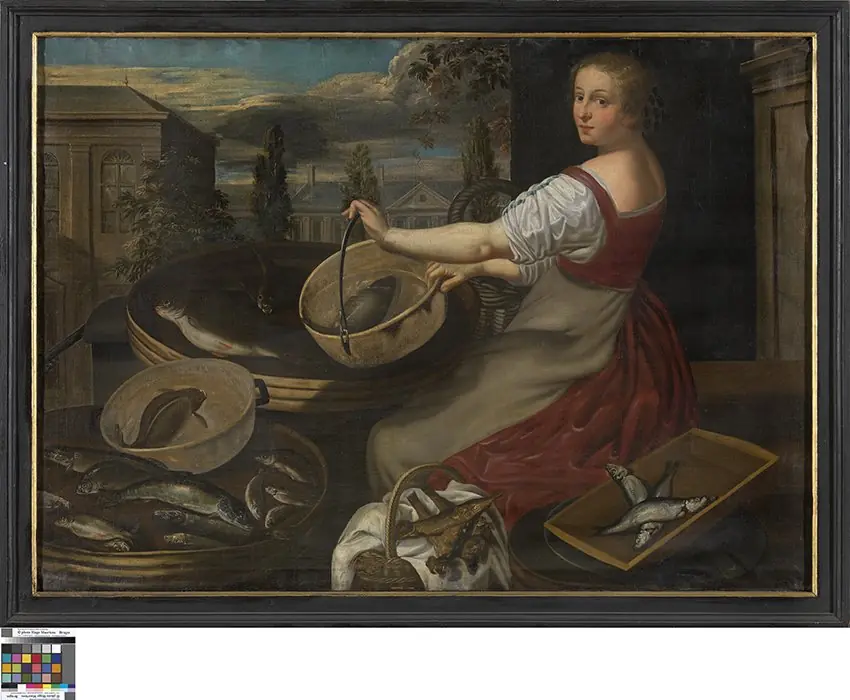 Visverkoopster
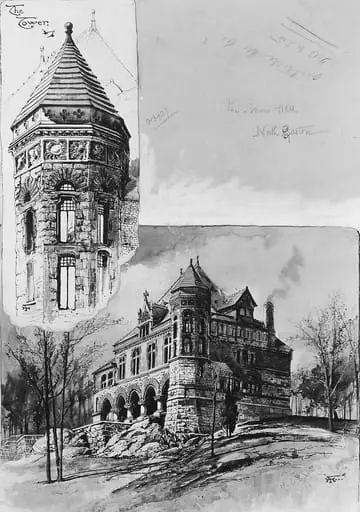 The Town Hall, North Easton, Massachusetts
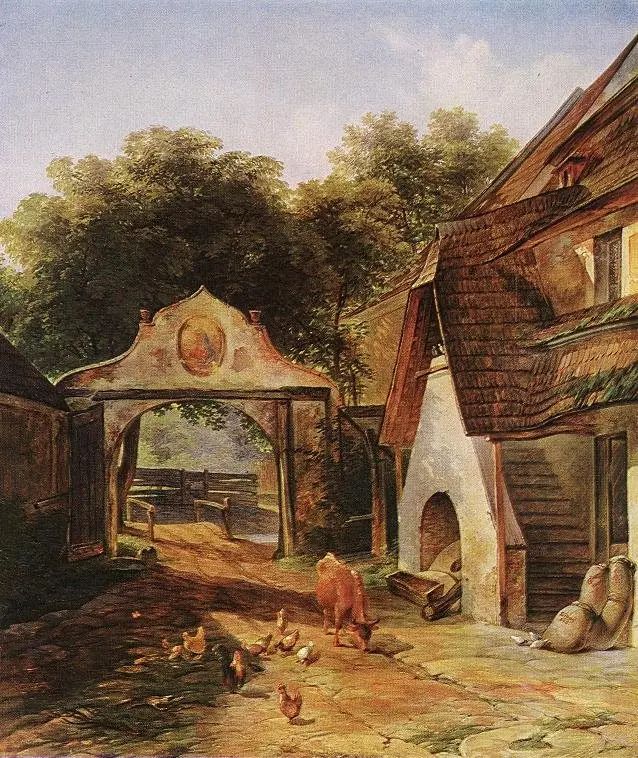 Peasant Yard
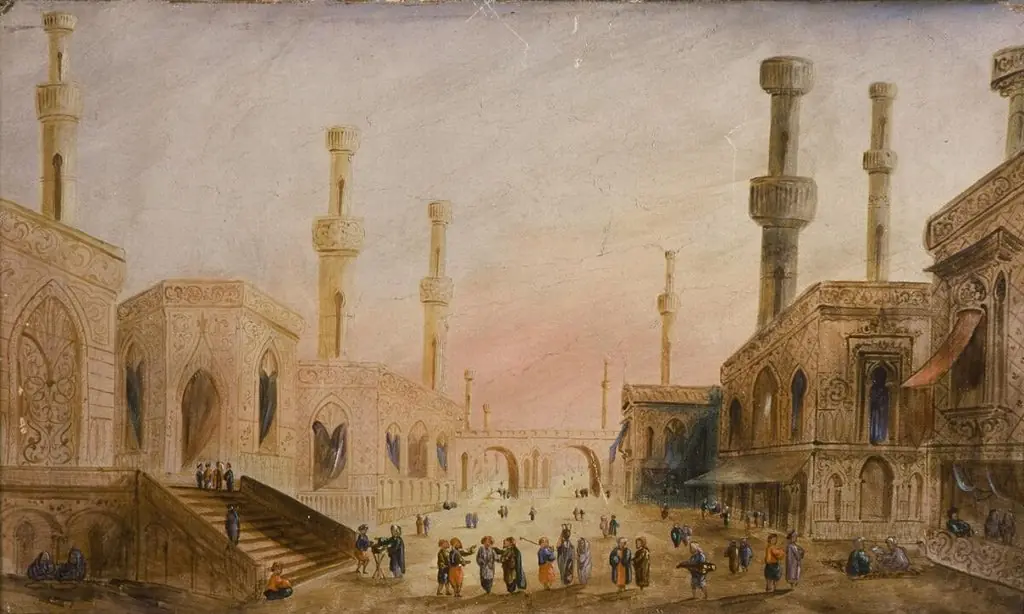 eastern square or palace
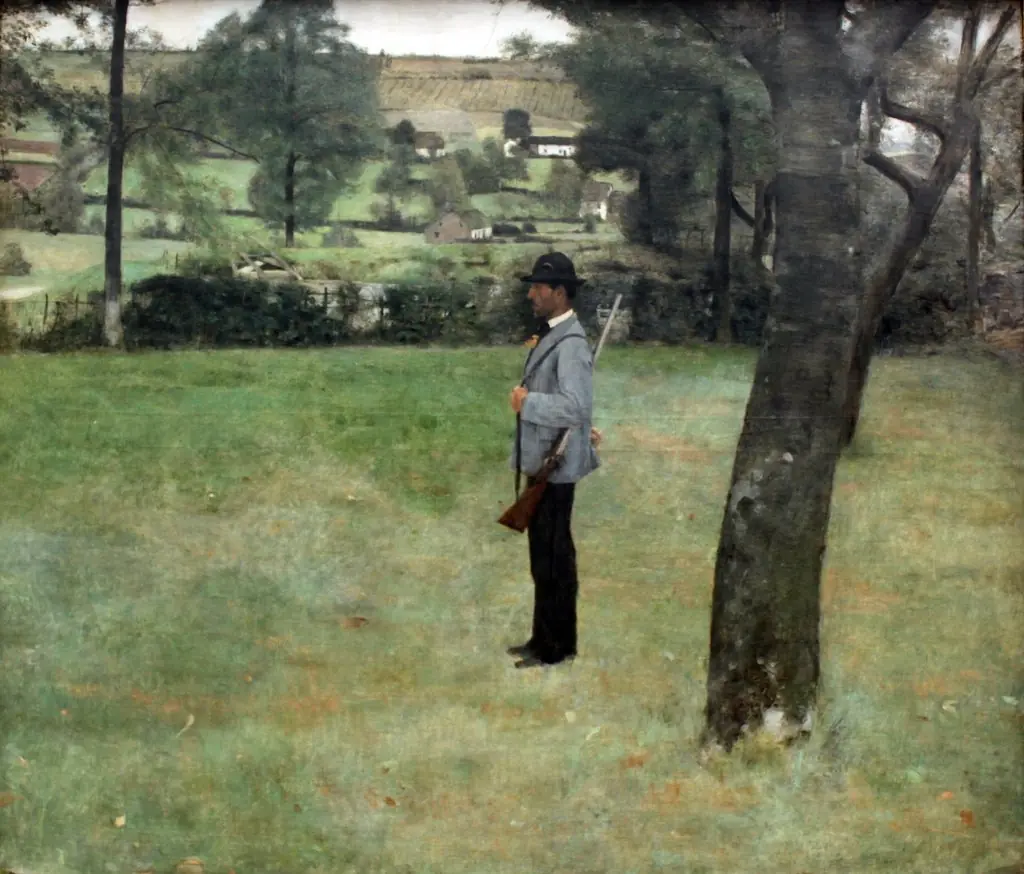 The Game Warden
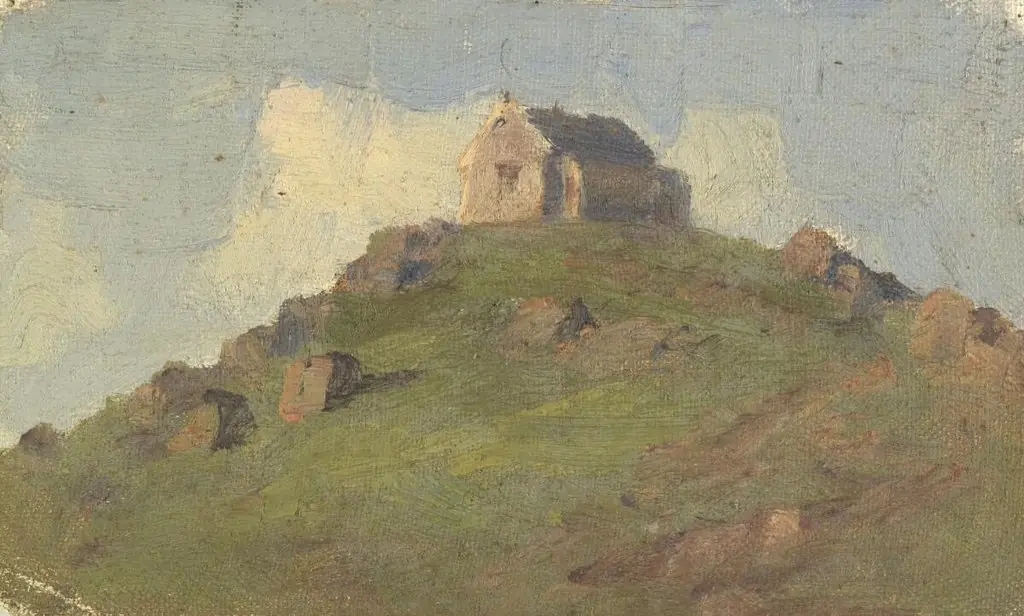 Building on a hill
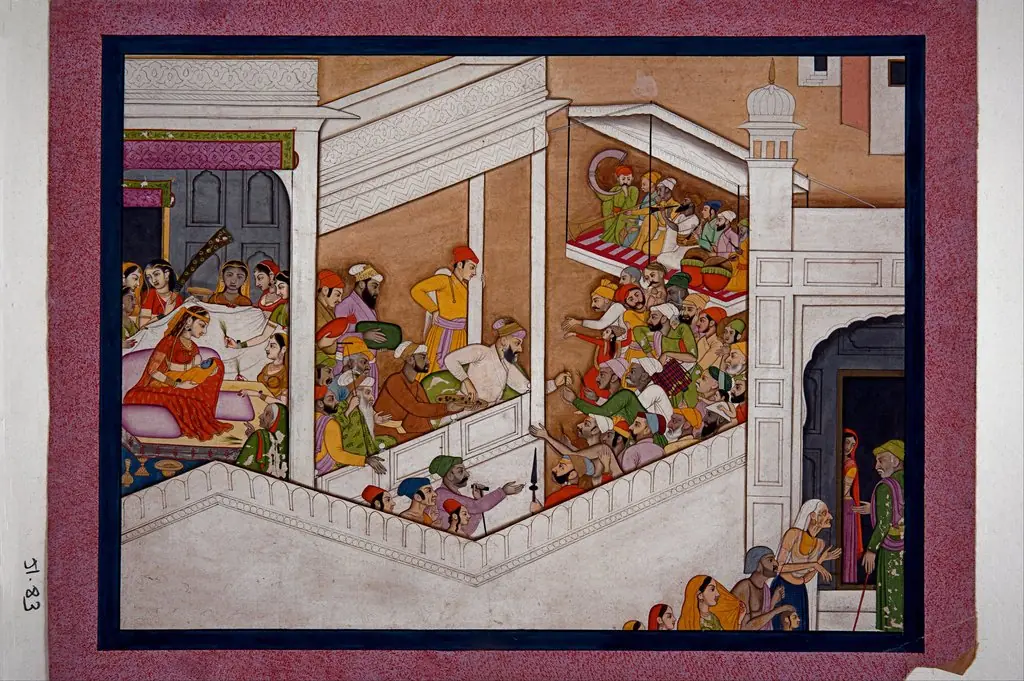 Celebrations of Krishna’s birth
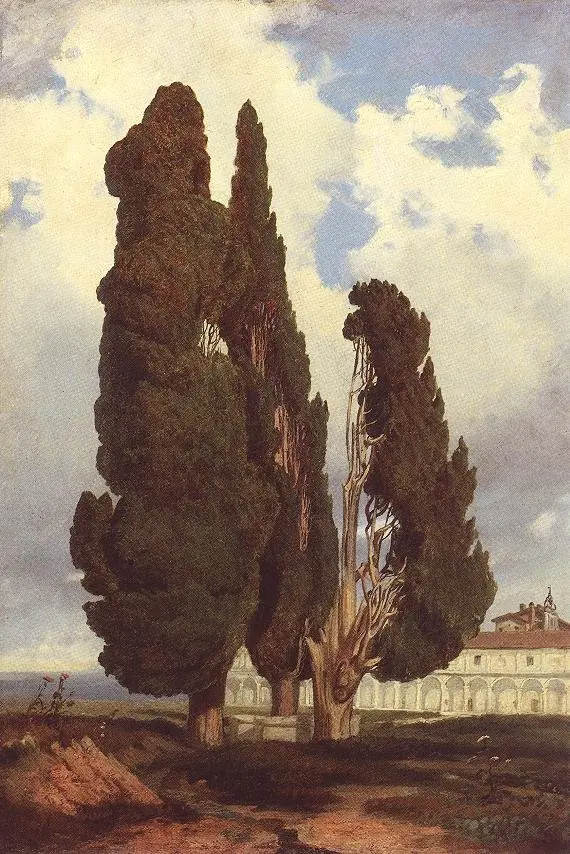 The Carthausian Monastery
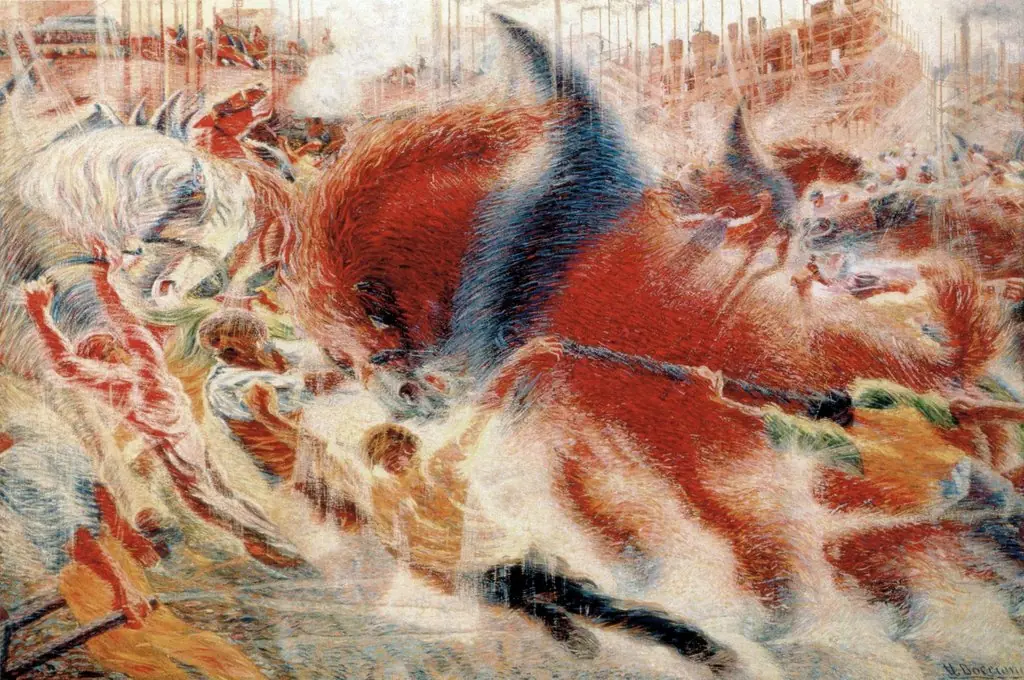 The City Rises
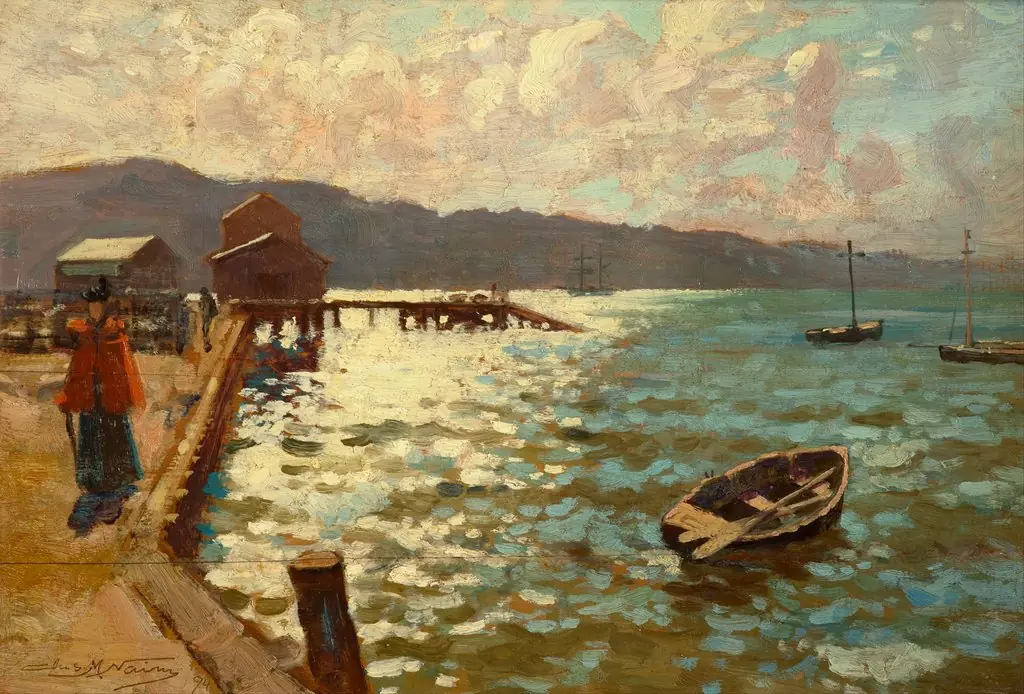 Wellington Harbour
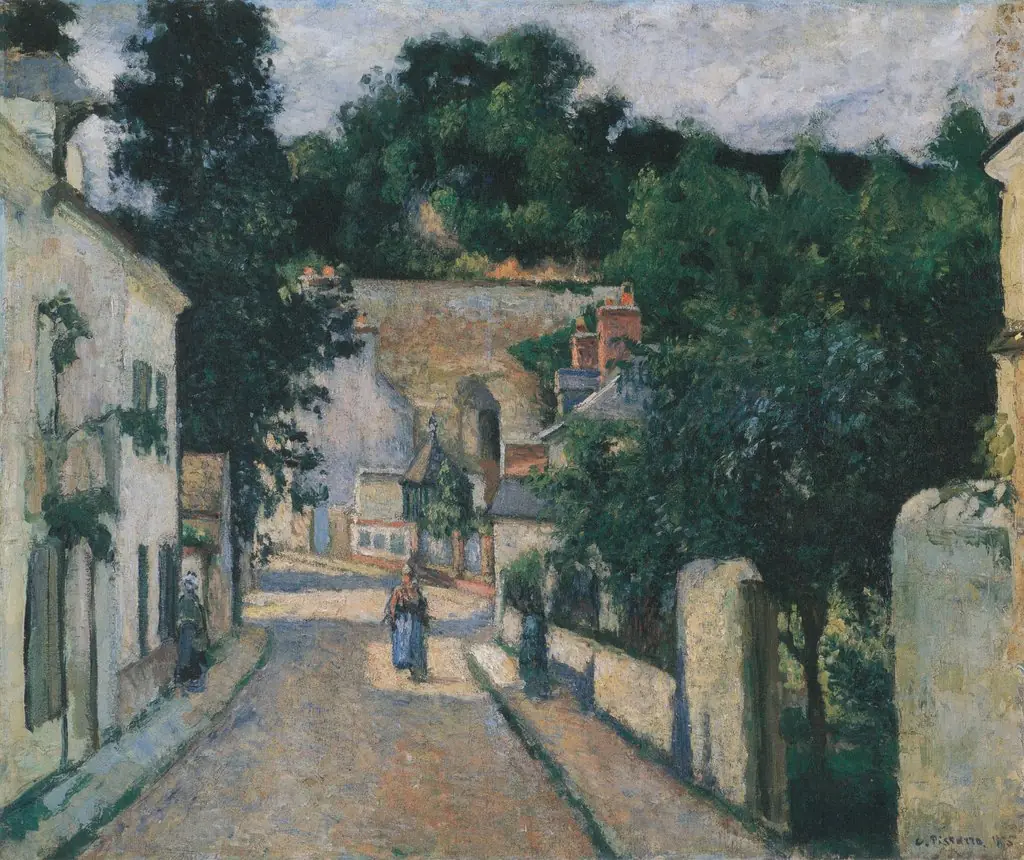 Rue du Haut-de-l'Hermitage, Pontoise
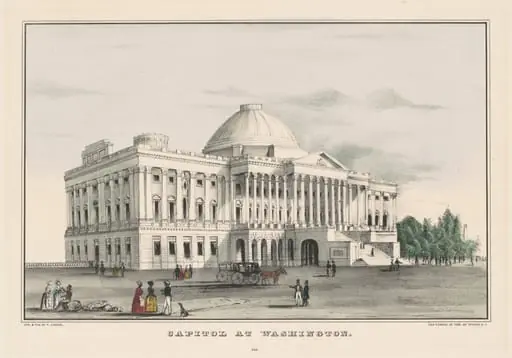 Capitol at Washington
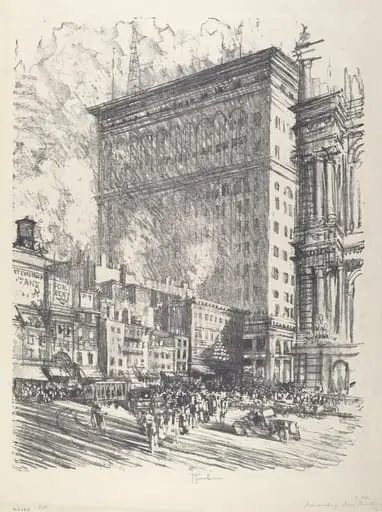 City Hall Square and Wanamaker Building
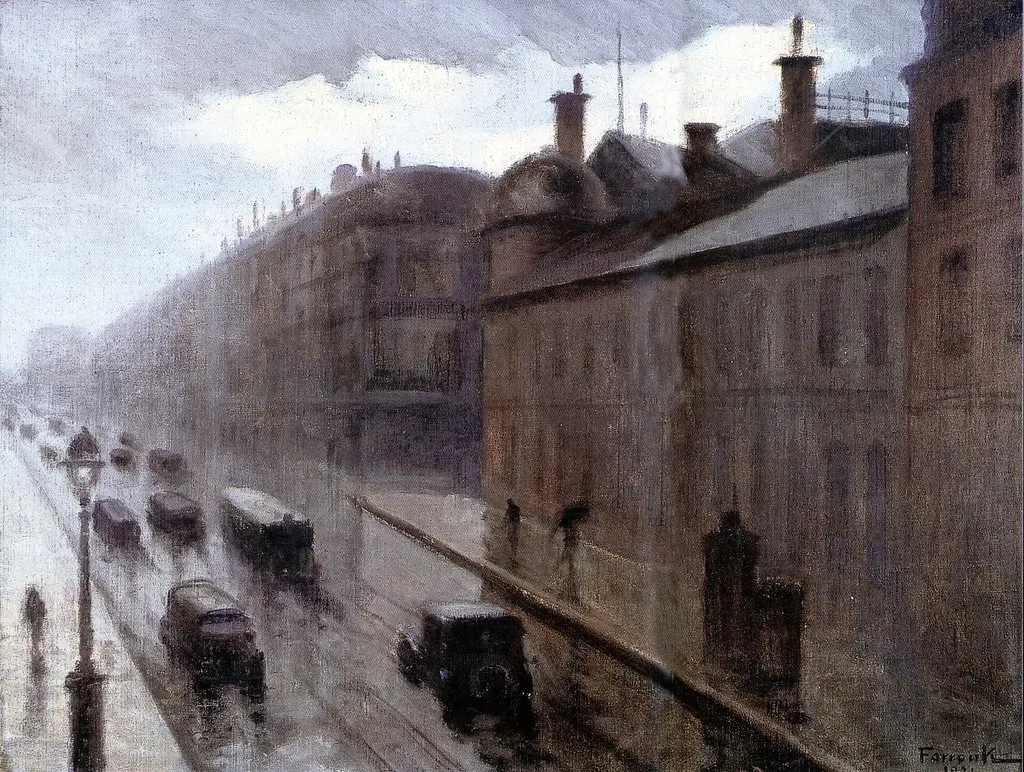 Paris in the Rain
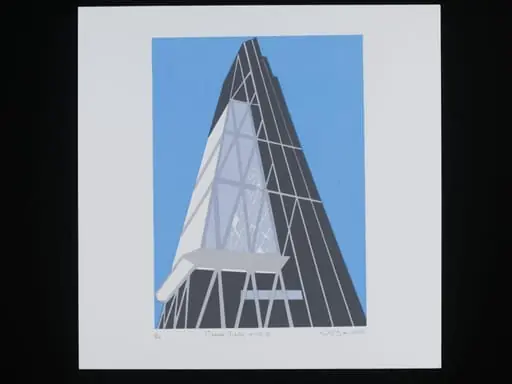 Cheese Grater 4.05.13
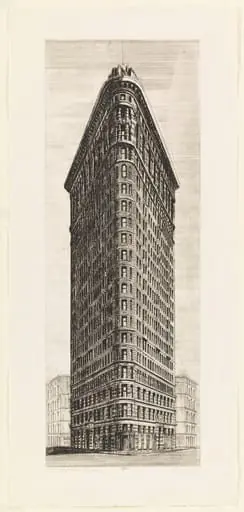 Untitled
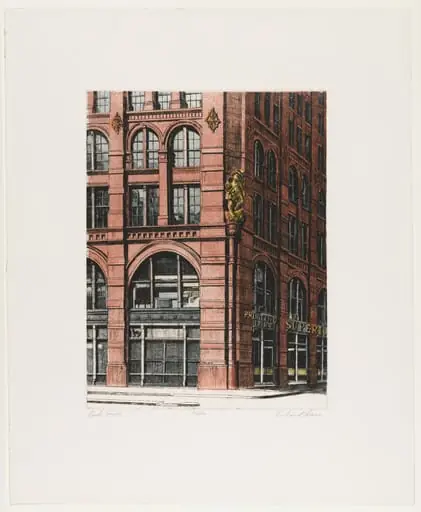 Untitled
Frequently asked questions
What is Building?
Building is a subject in art. A building or edifice is an enclosed structure with a roof, walls and often windows, usually standing permanently in one place, such as a house or factory.
How many Building works does Artifact World Gallery have?
Artifact World Gallery holds 156 public-domain Building works, all free to view and download.
Who are the key Building artists?
Key Building artists in the collection include Titian, Chinese Qing Dynasty and Thomas Chambers.
Where can I see Building works?
Building works in the collection are held by Metropolitan Museum of Art, Statens Museum for Kunst and National Library of Wales.