Artwork
Lucknow After the Siege
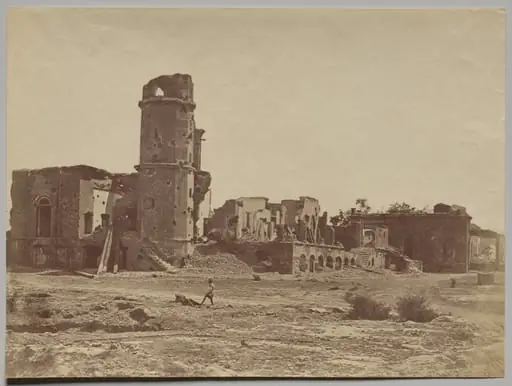
Lucknow After the Siege is a photography by the Impressionist artist Felice A. Beato. It dates from 1858 and is held in the collection of the Cleveland Museum of Art.
- Accession no.
- 2019.170
- Credit line
- Severance and Greta Millikin Purchase Fund
About this work
Overview
‘Lucknow After the Siege’ is a mid‑nineteenth‑century photograph taken by the British‑Italian photographer Felice A. Beato. Produced in 1858, the image documents the aftermath of the 1857‑58 Indian Rebellion’s siege of Lucknow, capturing the city’s devastated streets and ruined architecture.
Subject & Meaning
The picture presents a stark view of Lucknow’s urban landscape following intense combat, illustrating the physical toll of the conflict on both civilian structures and military fortifications. By recording the destruction, the photograph serves as a visual record of colonial warfare and its impact on Indian urban centers.
Technique & Style
Beato employed the wet‑collodion process, the dominant photographic method of the era, which allowed for relatively sharp detail and tonal range. The composition frames the ruined scene with a balanced perspective, emphasizing depth and the contrast between surviving buildings and debris.
History & Provenance
Created shortly after the siege, the image was likely circulated among British audiences as part of contemporary reportage. It entered the collection of the Cleveland Museum of Art, where it is conserved as part of the museum’s holdings of early photographic documentation of colonial events.
Artist & collection
Artist
Felice A. Beato and Felice Antonio Beato are collective signatures used by the brothers Felice Beato and Antonio Beato, who were both pioneering photographers in the 19th century. They were noted for their depictions of…

 The Residency, Taken from the Redan Battery
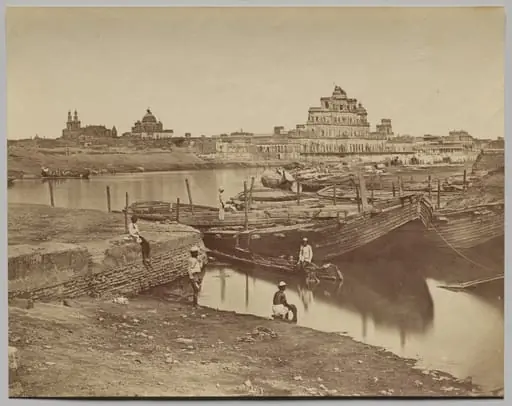 Bridge of Boats over the Gumti River near the Chattar Manzil and Fusseed Bakah or Old Palace
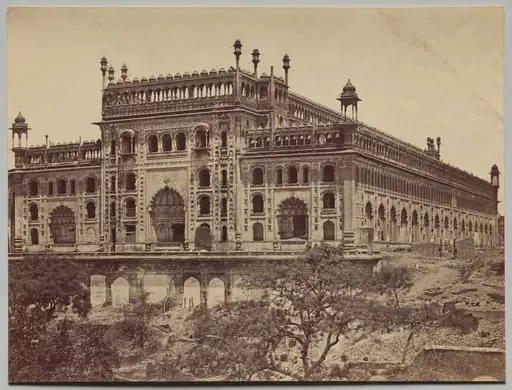 Exterior of Asaf-ud-Daula's Imambara, or Tomb
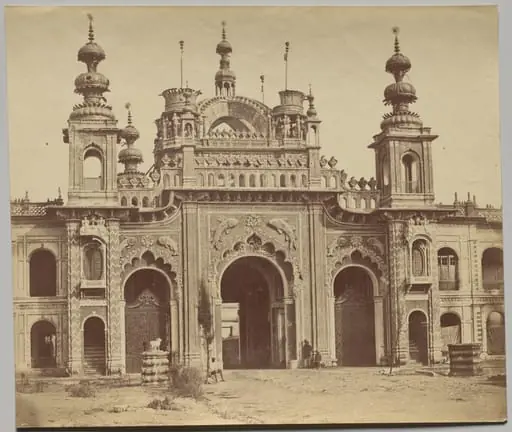 The Great Gateway of the Kasierbagh
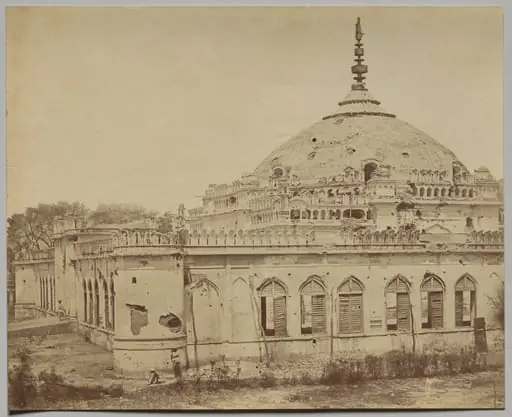 Shah Najaf
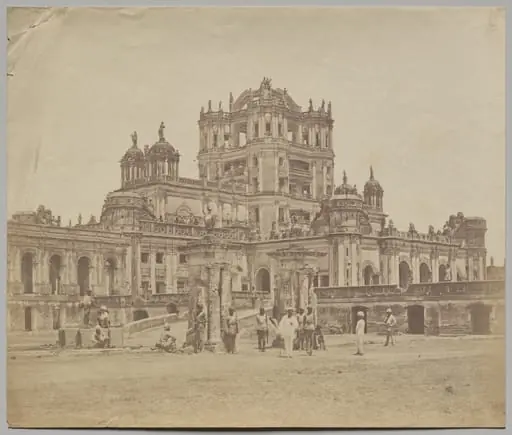 The Martinière College
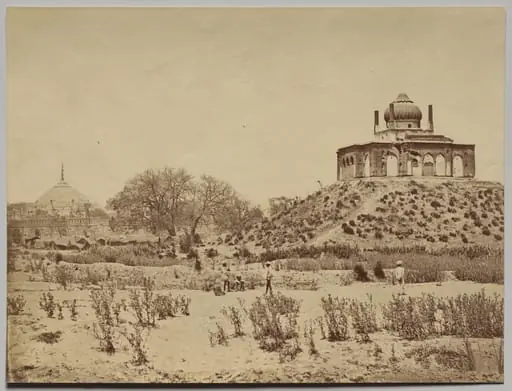 The Kudmsee Russol
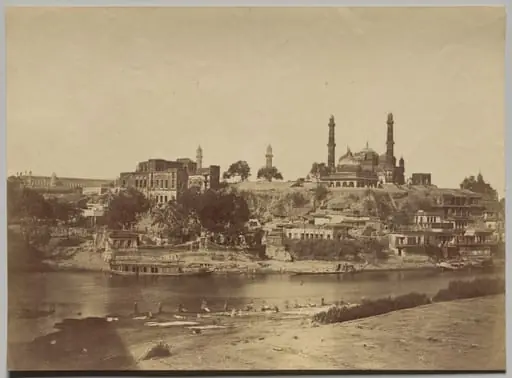 The Muchee Bhawan Fort and the Gomti River Taken from the Stone Bridge
- Town and lake of Como, Italy
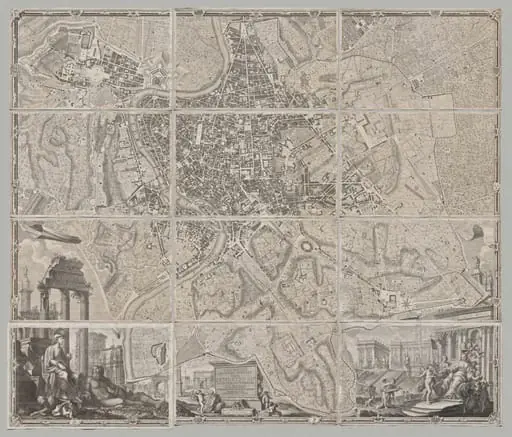 Nuova pianta di Roma data in luce da Giambattista Nolli l’anno MDCCXLVII, known as La Pianta Grande di Roma
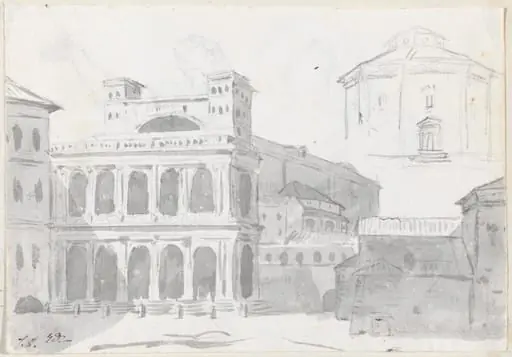 San Giovanni Laterano and a Baptistry
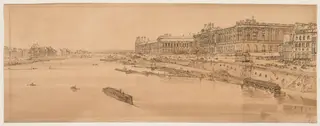 A Selection of Twenty of the Most Picturesque Views in Paris: View of the Louvre and Bridge of the Tuilleries taken from Pont Neuf
 The Side Door of the Church of Santa Giuliana at Aquila Degli Abruzzi
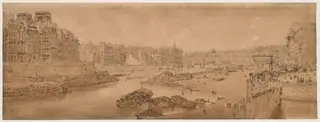 A Selection of Twenty of the Most Picturesque Views in Paris: View of the City with the Louvre taken from the Pont Marie
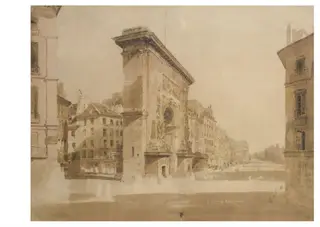 Porte St Denis, Paris
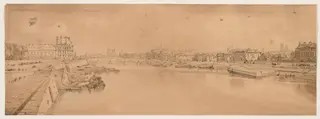 A Selection of Twenty of the Most Picturesque Views in Paris: View of the Tuilleries and Bridge and taken from Pont de la Concorde
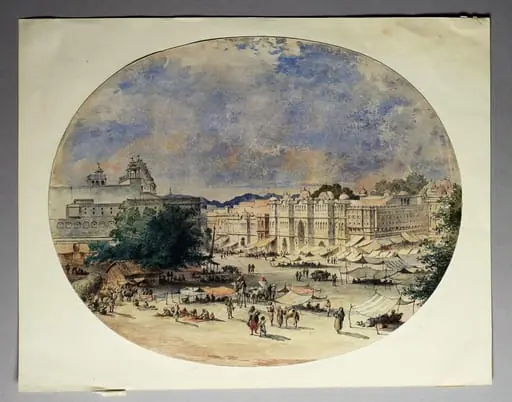 Untitled
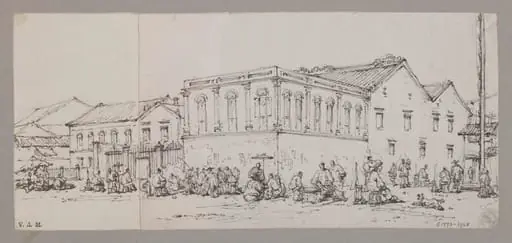 Minqua's house, and entrance to China Street, Canton
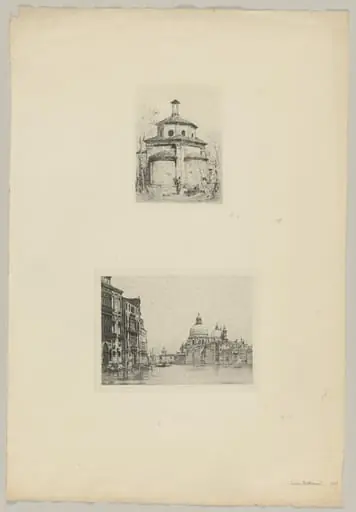 Two Peasant Women Before a Small Baptistry (above); Venice, Grand Canal (beow)
 Grande Place, Brussels