Artwork
Countess Széchenyi
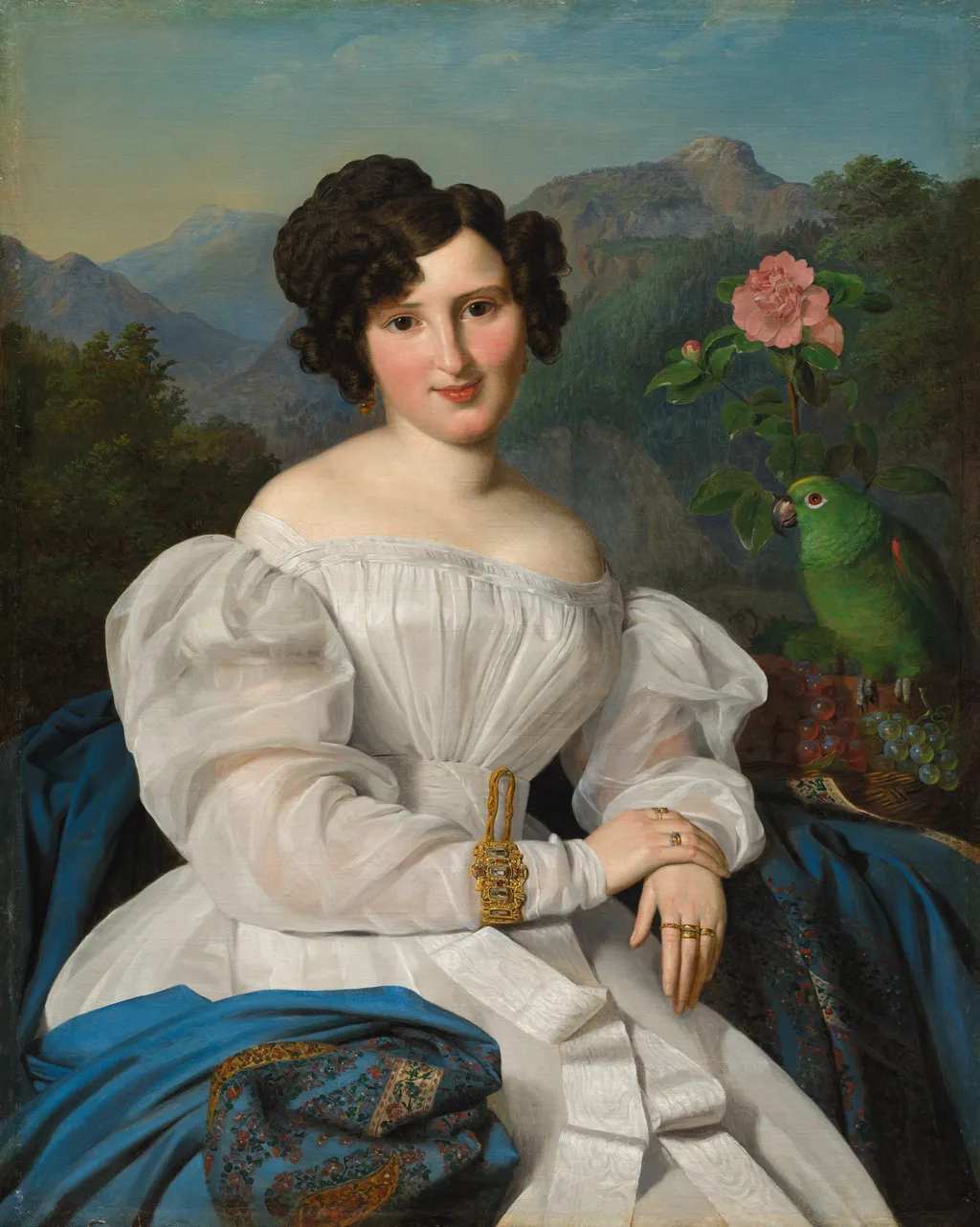
Countess Széchenyi is an oil painting by the Biedermeier artist Ferdinand Georg Waldmüller. It dates from 1828 and is held in the collection of the Cleveland Museum of Art.
About this work
Subject & Meaning
This singular focus suggests the work may function as a still life or a symbolic representation where the flower serves as the primary visual element.
Ferdinand Georg Waldmüller's 1828 oil painting, Countess Széchenyi, is defined by its depiction of a flower. While the title identifies the work as a portrait of the Countess, the specific iconography described in available records focuses on the floral subject rather than a human figure. This singular focus suggests the work may function as a still life or a symbolic representation where the flower serves as the primary visual element.
The piece originates from Austria and is executed in oil on cloth, measuring 97.8 cm in height and 78.5 cm in width.
Technique & Style
Executed in 1828, this portrait by Ferdinand Georg Waldmüller is an oil painting on cloth. The work measures 97.8 cm in height and 78.5 cm in width. While the primary subject is the Countess Széchenyi, the composition also incorporates floral elements.
Created in Austria, the piece exemplifies the artist's use of traditional oil mediums on a textile support during the early nineteenth century.
History & Provenance
Ferdinand Georg Waldmüller painted Countess Széchenyi in 1828 while working in Austria, using oil on canvas (oil paint) with dimensions 97.8 cm by 78.5 cm; the work depicts a flower. The painting’s early ownership passed through several dealers and collectors, Artemis S.A., David Graham Carritt, Galerie Fischer, Fritz Nathan, Galerie Nathan, and Sanct Lucas, before it entered the collection of the Cleveland Museum of Art, where it remains on display. Its creation is documented by an inception date of 1 January 1828 and by contemporary records of the artist’s activity in the Austrian capital.
The painting is held by the Cleveland Museum of Art, with the accession number 1988.57. Prior to its acquisition by the museum, the work was owned by several entities including Artemis S.A., David Graham Carritt, Galerie Fischer, Fritz Nathan, Galerie Nathan, and Sanct Lucas.
Overview
Ferdinand Georg Waldmüller's 1828 oil painting, "Countess Széchenyi," presents a formal portrait of a woman. This work exemplifies the artist's meticulous attention to detail and his skill in capturing both the subject's likeness and the textures of her surroundings. The painting is part of the collection at The Cleveland Museum of Art, offering insight into early 19th-century portraiture.
Own this work as a print
Artist & collection
Artist
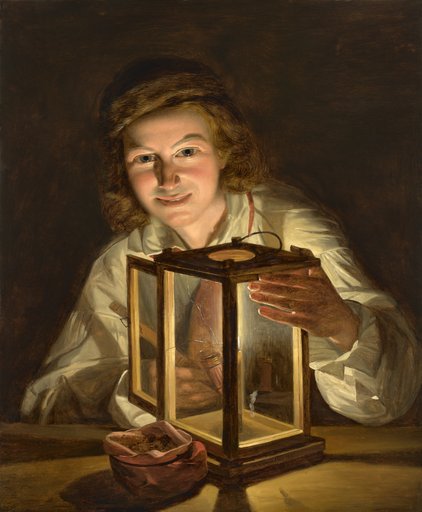
Ferdinand Georg Waldmüller was an Austrian painter. Waldmüller was one of the most important Austrian painters of the Biedermeier period.

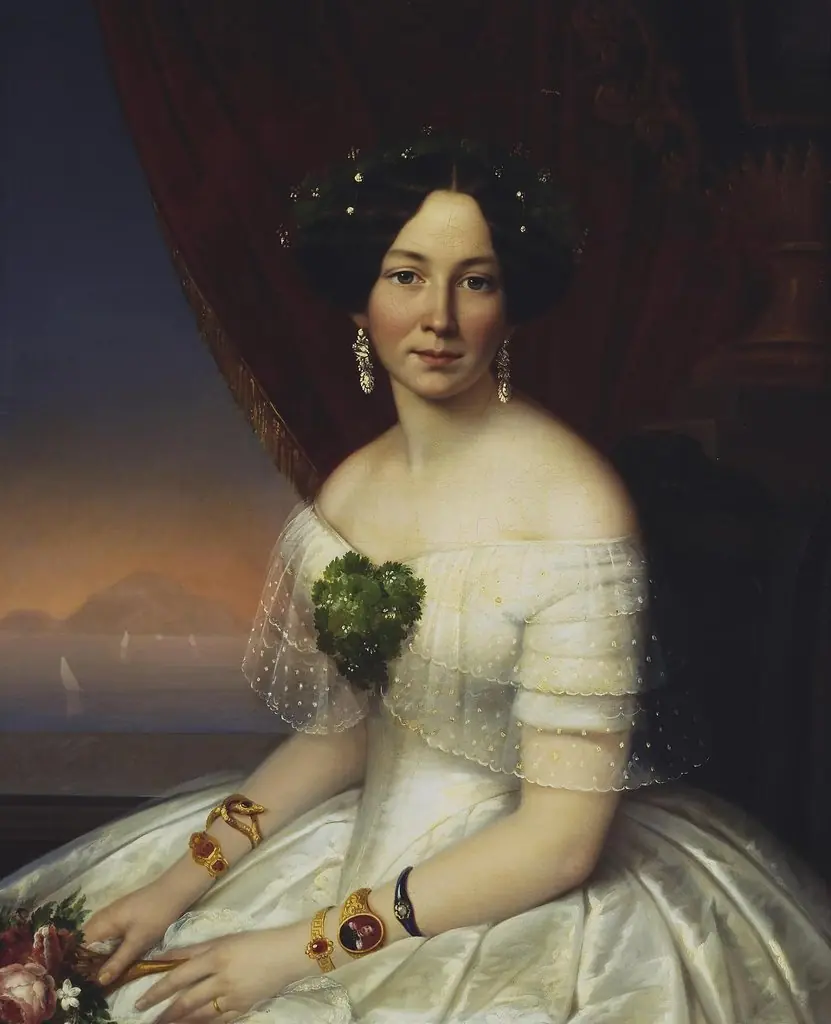 Portrait of Julia Telyakovskaya
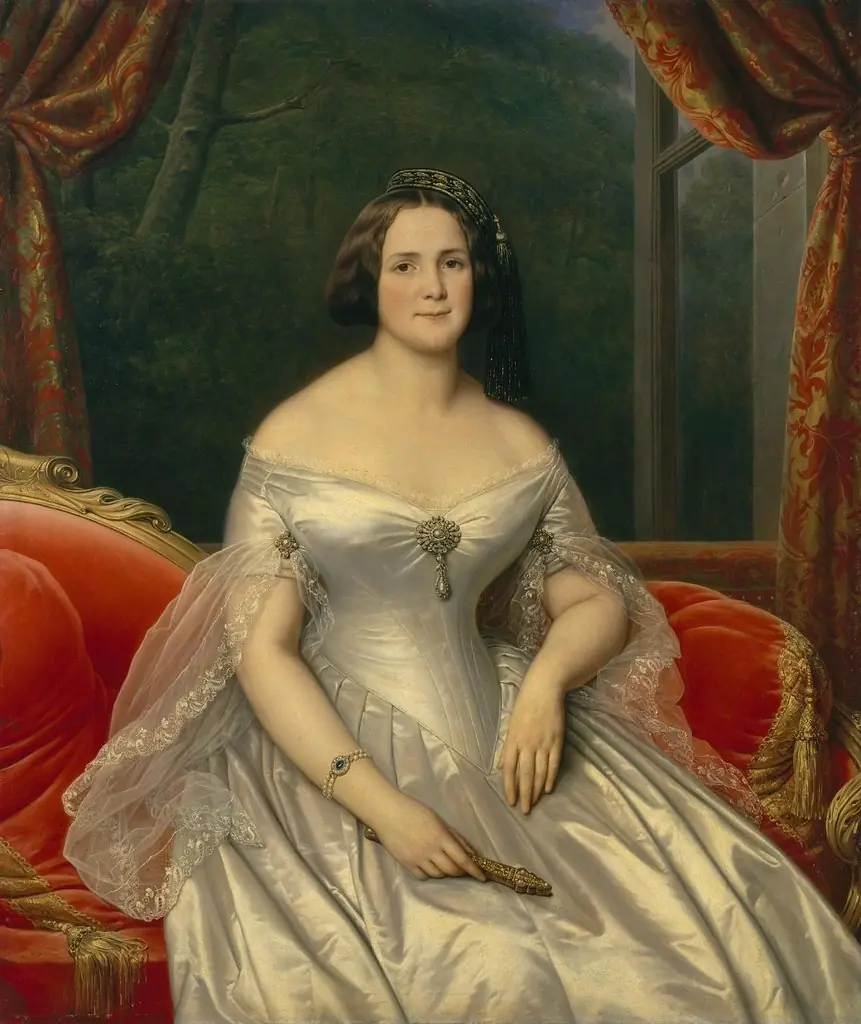 Portrait of Anna Benardaki
 Portrait of a Woman
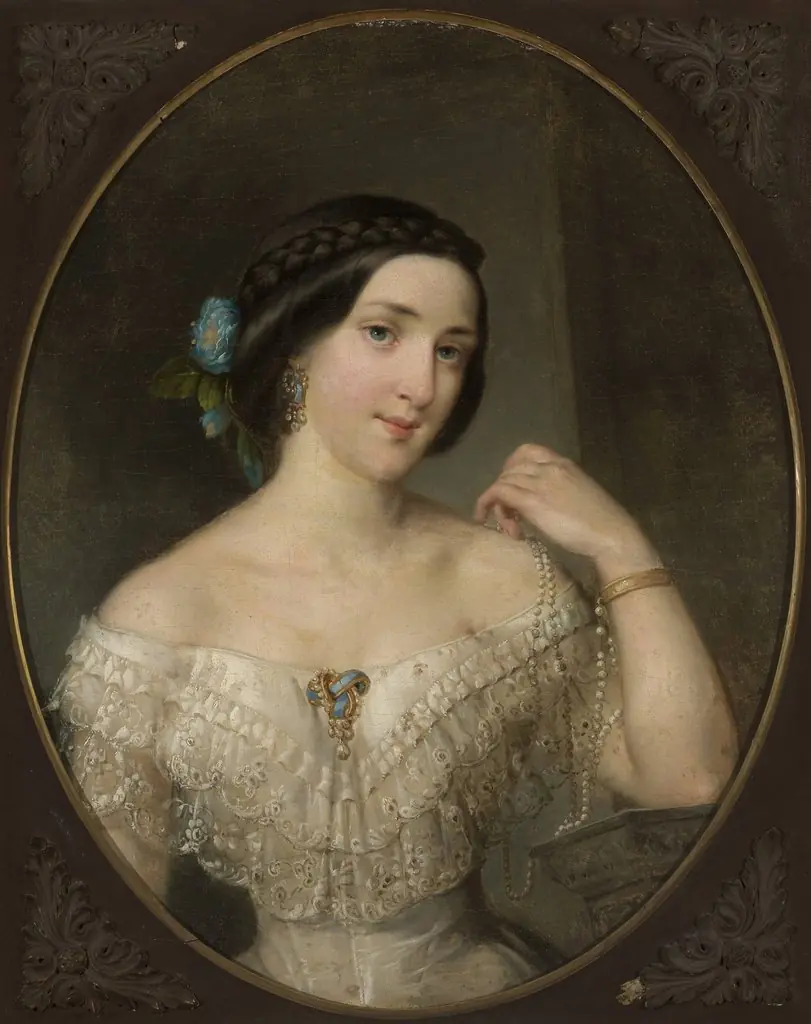 Portrait of Maria Ludwika Blumenfeld née Kobyłecka
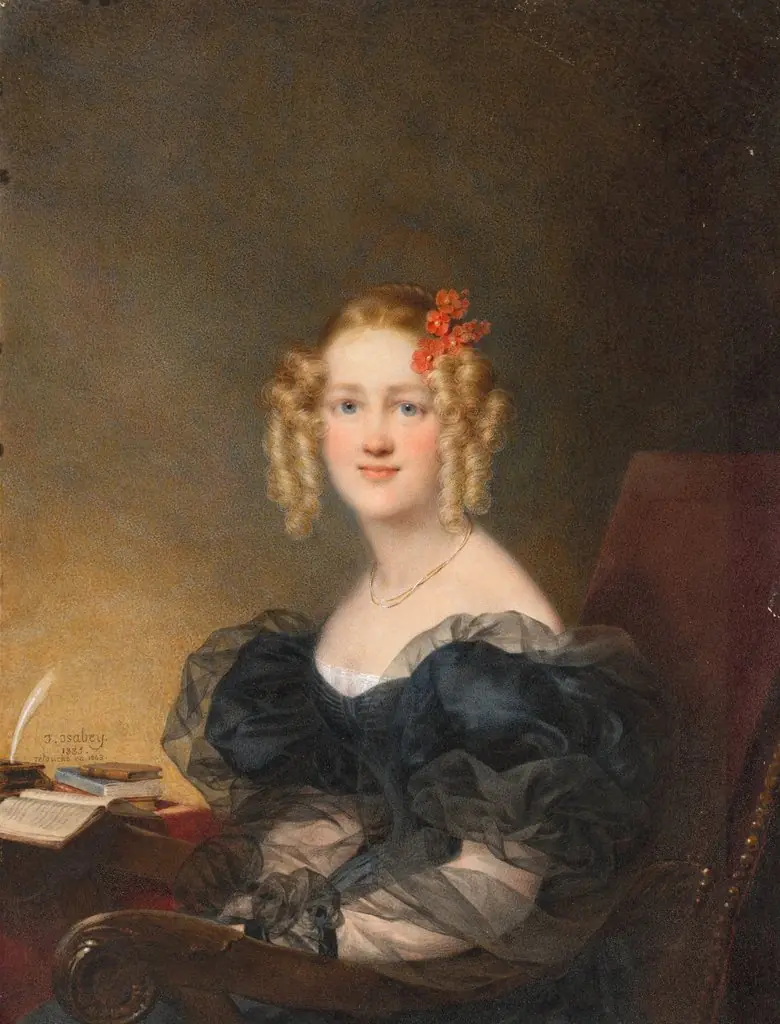 Portrait of a Woman
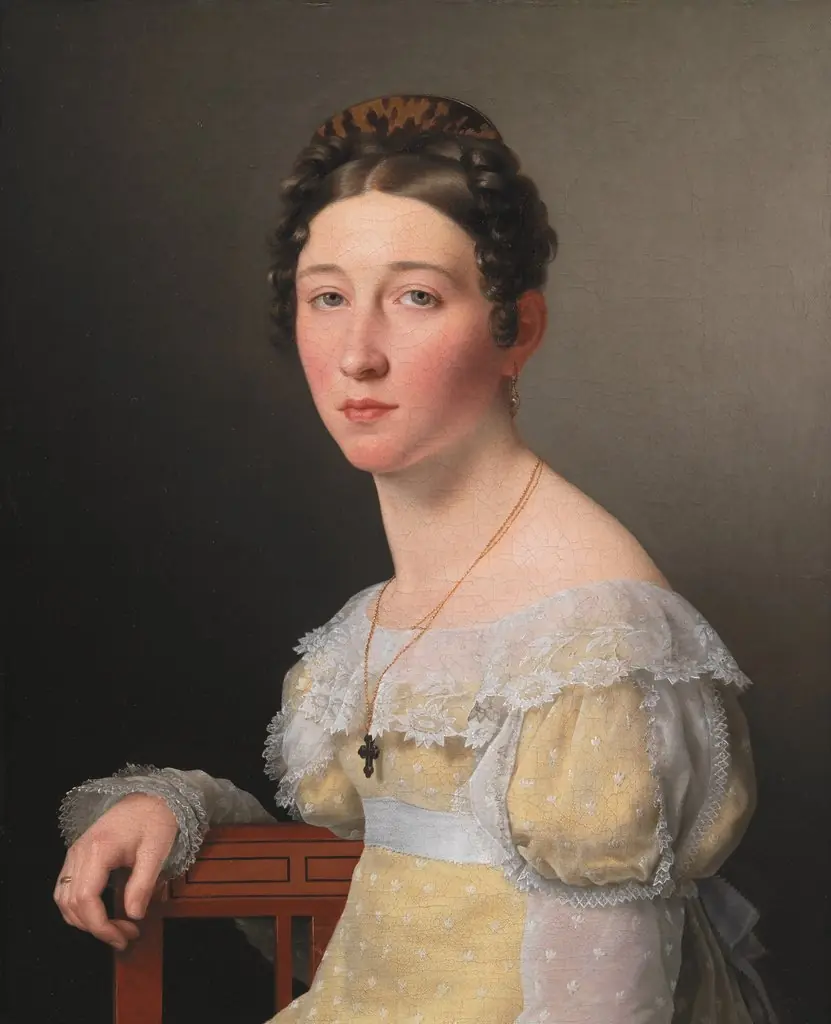 Emilie Henriette Massmann, gift 1824 med kammerjunker Frederik Wilhelm Caspar von Benzon
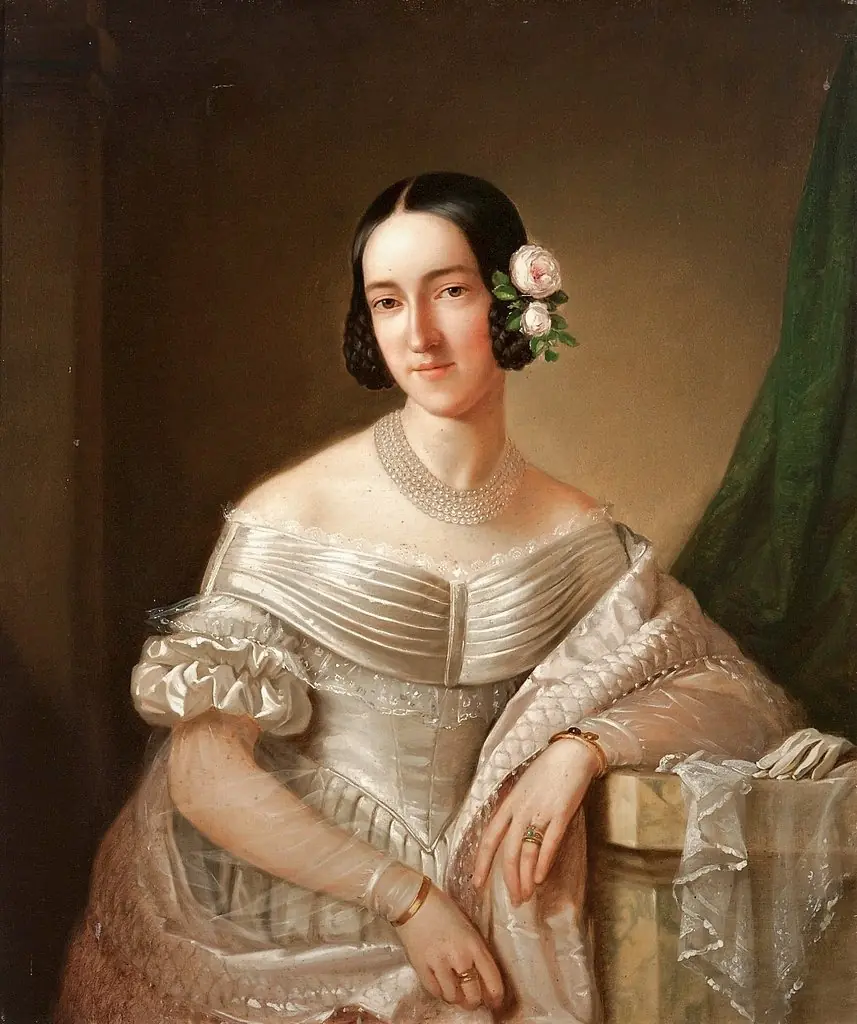 Portrait of Archduchess Hermine of Austria
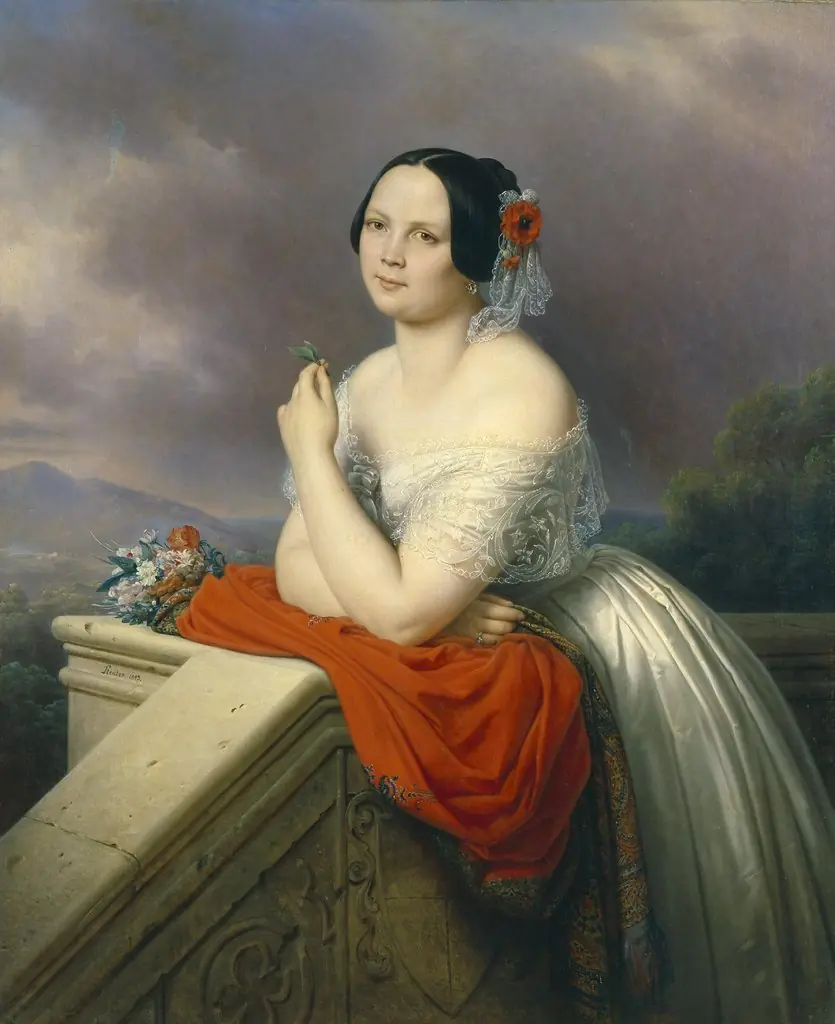 Portrait of a Young Woman
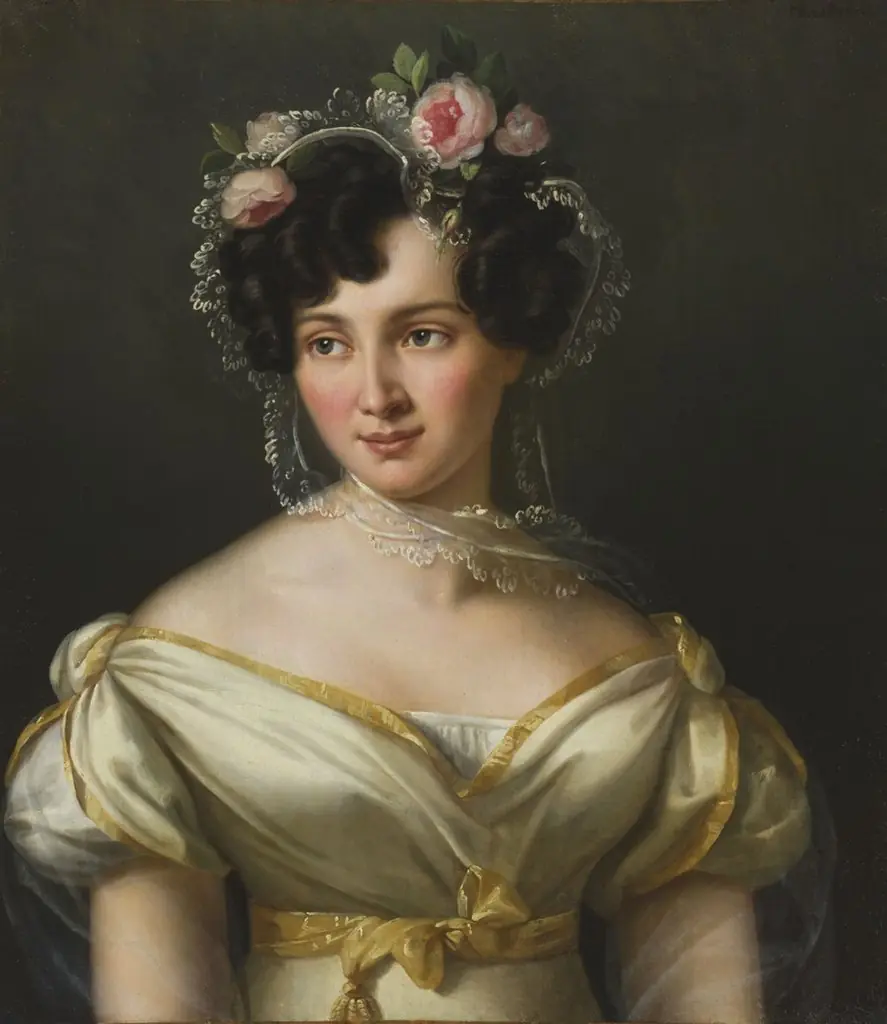 Portrait of Princess Anna Nikolayevna
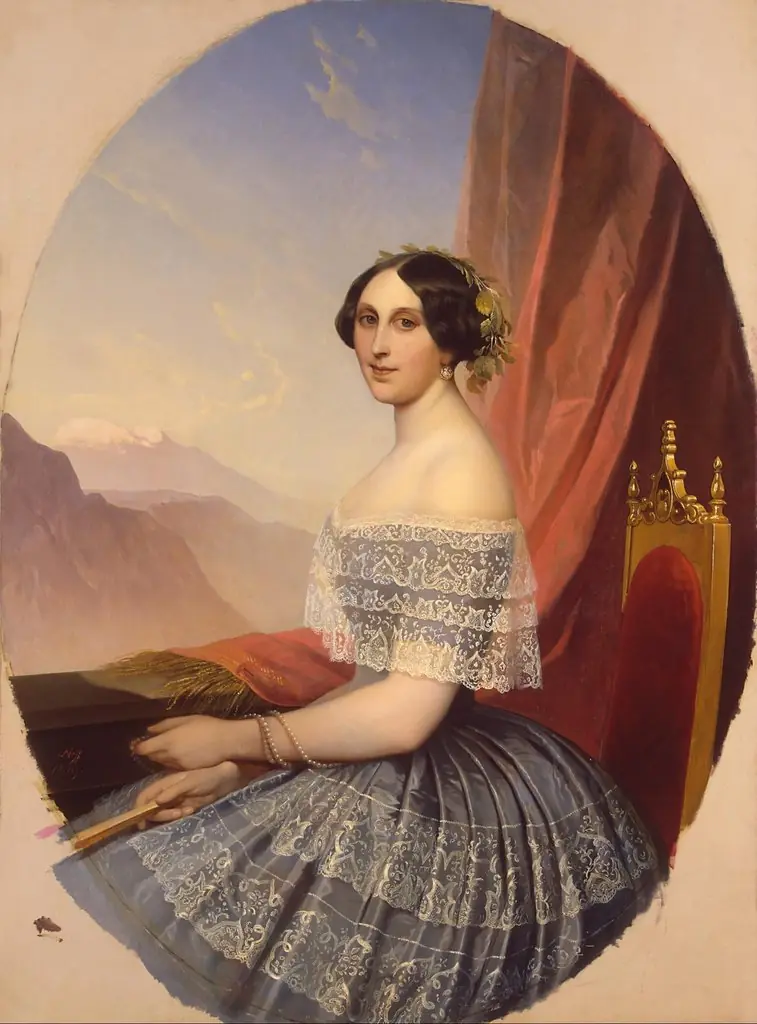 Portrait of a Young Woman