Artwork
Portrait of Julia Telyakovskaya
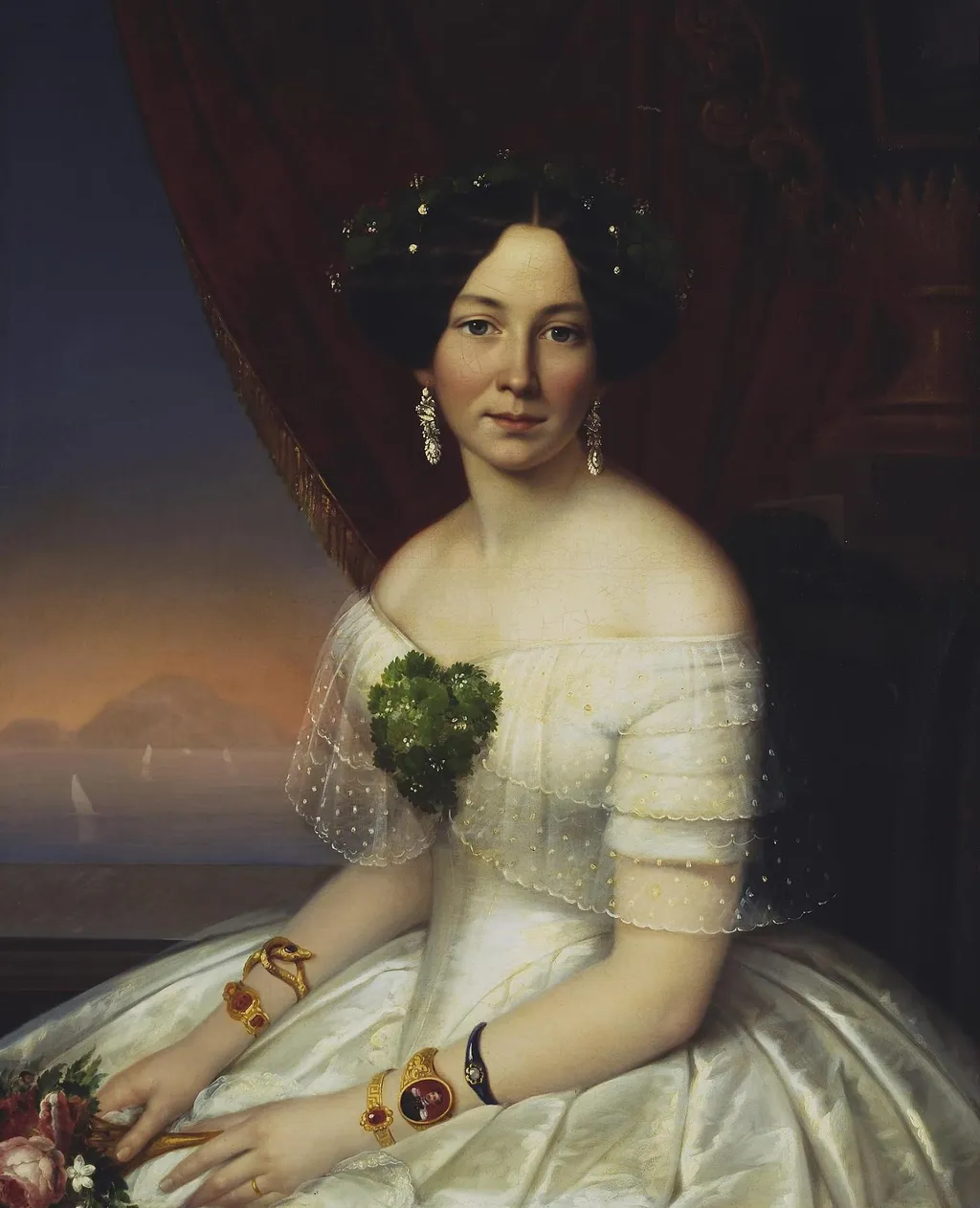
Portrait of Julia Telyakovskaya is an oil painting by the Realist artist Gavriil Yakovlev. It dates from 1848 and is held in the collection of the Hermitage Museum.
About this work
Subject & Meaning
These elements highlight the sitter's status and personal style within the context of mid-19th-century Russian portraiture.
The painting depicts Julia Telyakovskaya, née Kanshina, as the sole main subject. As a formal portrait, the work captures her likeness while emphasizing specific personal adornments. The iconography includes details such as a bracelet and other jewelry, which serve as focal points within the composition. These elements highlight the sitter's status and personal style within the context of mid-19th-century Russian portraiture.
Technique & Style
The painting is executed in oil on canvas, measuring 89.4 cm in height and 71.3 cm in width. The handling reflects mid-19th-century academic portrait conventions, with smooth blending and subtle chiaroscuro to model the sitter’s features and the sheen of jewelry such as a bracelet.
The composition centers on Julia Telyakovskaya, rendered in a restrained palette that emphasizes naturalistic modeling over decorative excess. The formal qualities align with the period’s emphasis on refined elegance, evident in the controlled brushwork and polished surface typical of Russian Imperial portraiture of the 1840s.
History & Provenance
The painting was created in 1848 by Gavriil Yakovlev as a portrait of Julia Telyakovskaya, née Kanshina.
It entered the collection of the Hermitage Museum, where it remains located. Provenance records indicate continuous ownership by the Hermitage since acquisition, with no recorded private or intermediary owners between creation and its museum holding.
Overview
Gavriil Yakovlev’s oil portrait, completed in 1848, presents Julia Telyakovskaya, born Kanshina, seated before a dark red drapery. She is dressed in a white, short‑sleeved gown accented by a green floral motif, and holds a bouquet in her lap. The composition combines a refined interior with a distant landscape of water and mountains visible through an opening on the left.
Context
The portrait was produced during a time when Russian aristocratic families commissioned personal likenesses to affirm social rank and lineage. Yakovlev, active in the mid‑1800s, contributed to this genre, aligning his work with contemporary expectations of realism and decorative refinement.
Own this work as a print
Artist & collection

 Portrait of Archduchess Hermine of Austria
 Portrait of Countess Yulia Samoilova
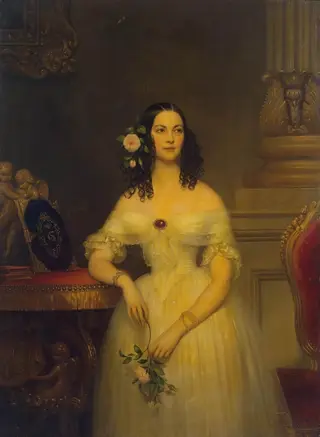 Portrait of Yekaterina Scherbatova
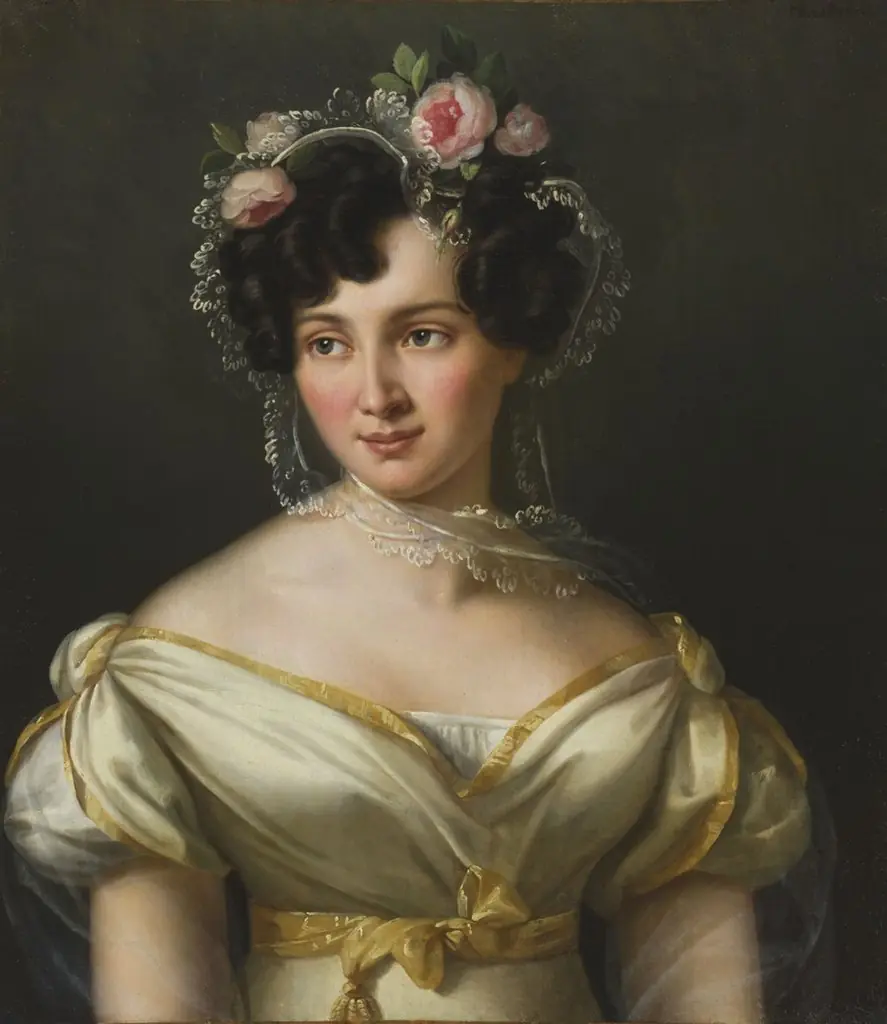 Portrait of Princess Anna Nikolayevna
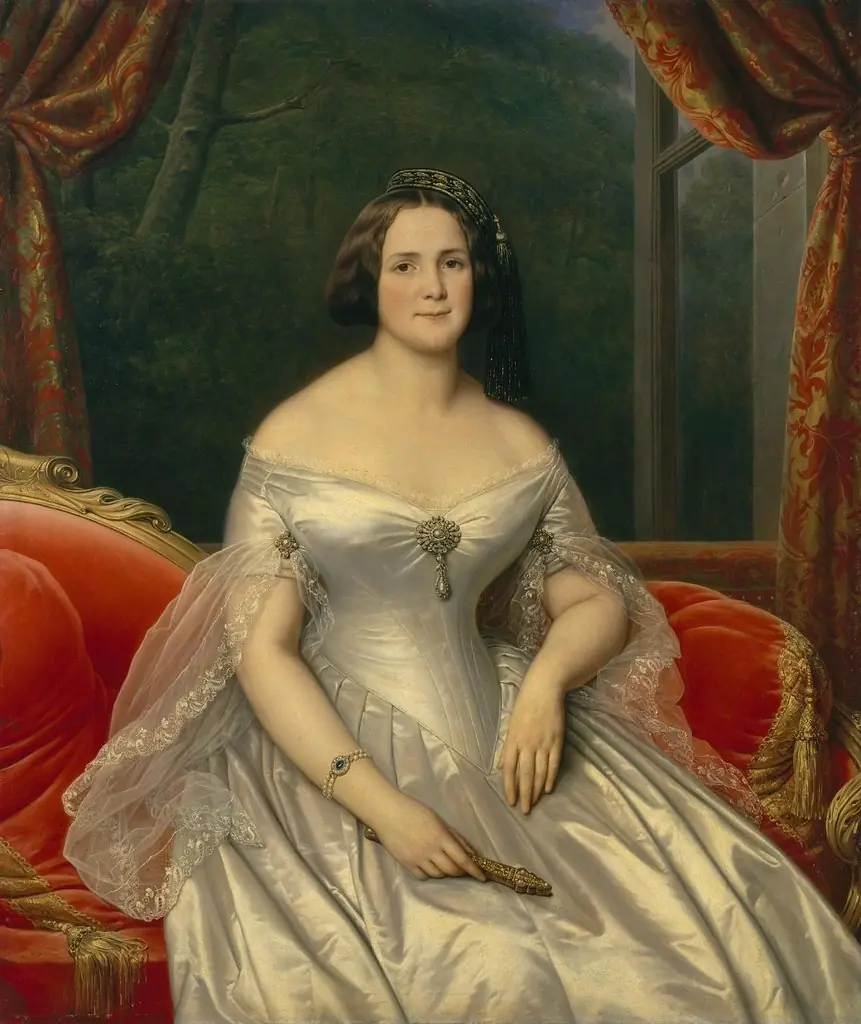 Portrait of Anna Benardaki
 Maria Theresa of Austria, Queen of the Two Sicilies
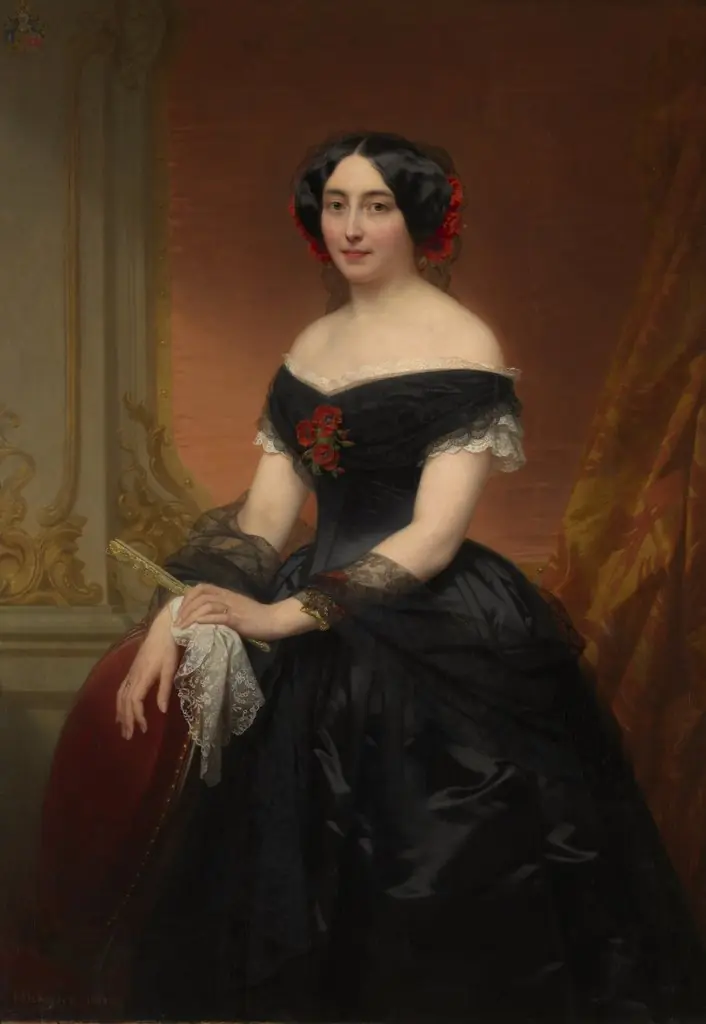 Madame Mols-de Brialmont
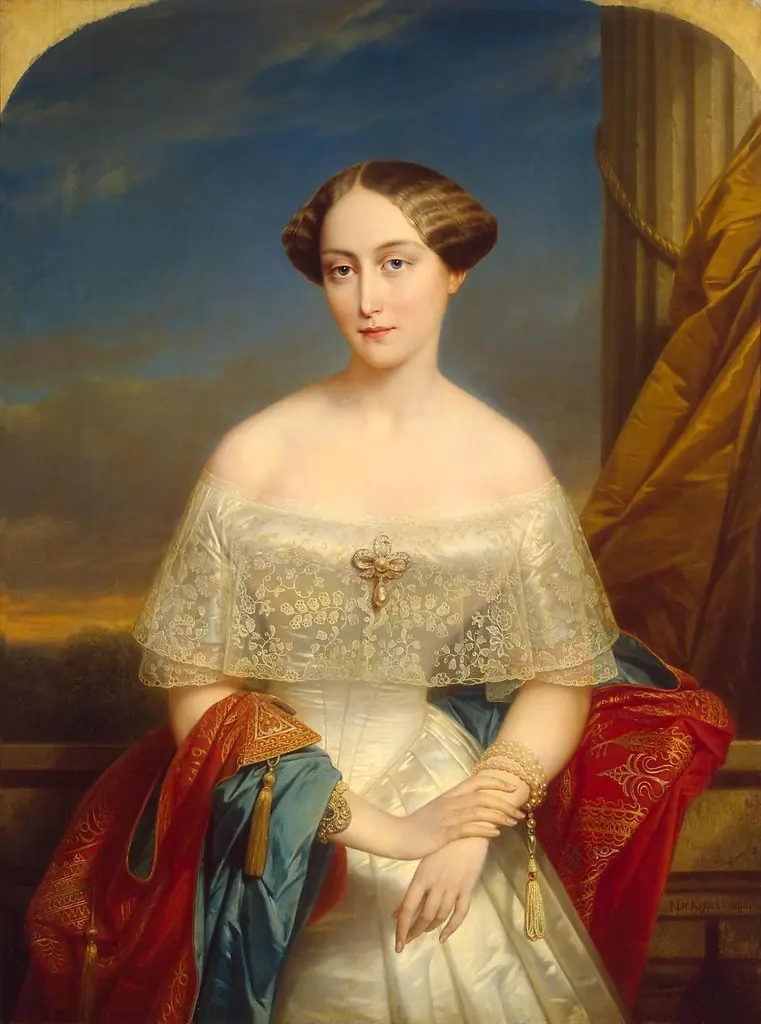 Portrait of Grand Duchess Olga Nikolayevna
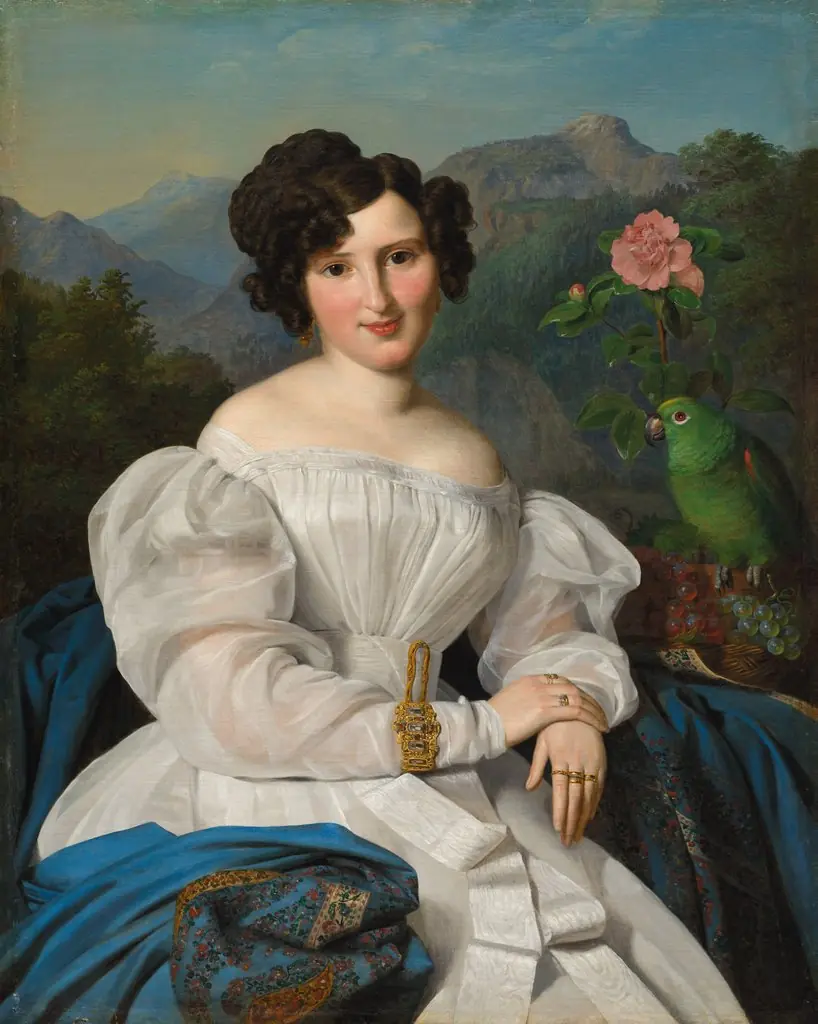 Countess Széchenyi
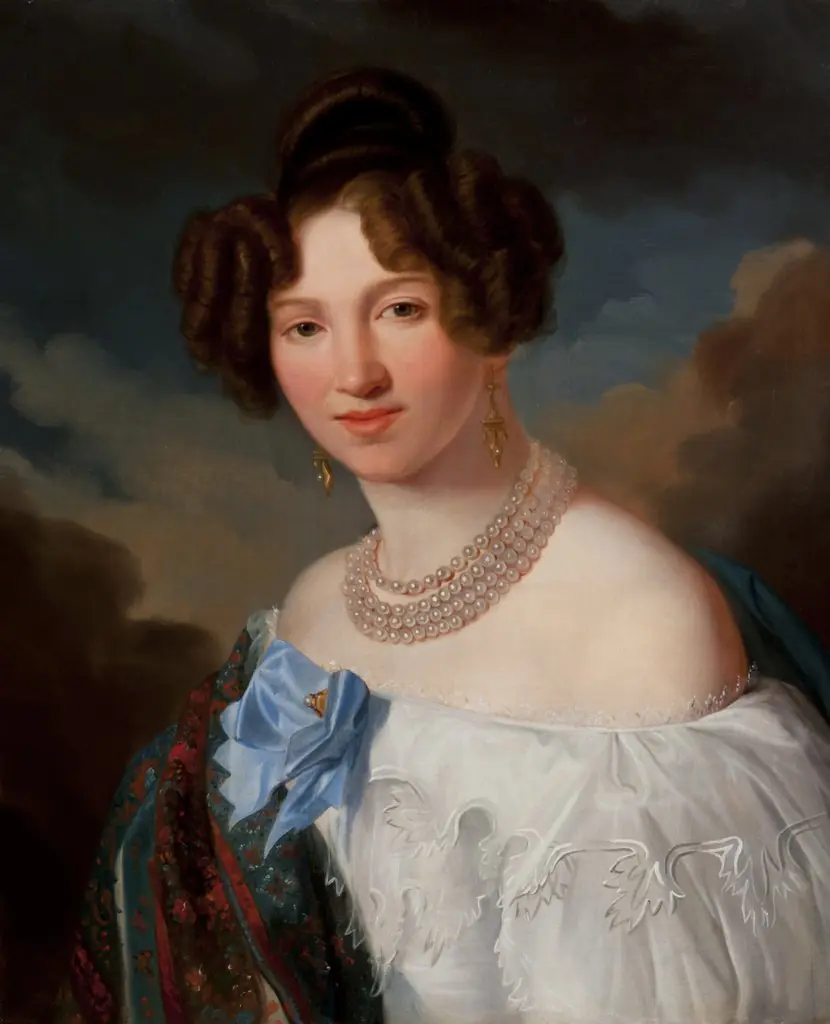 Portrait of Sydonia Henoch née Roller (Copy?)