Artwork
Design for a Medal Representing Saint George and the Dragon
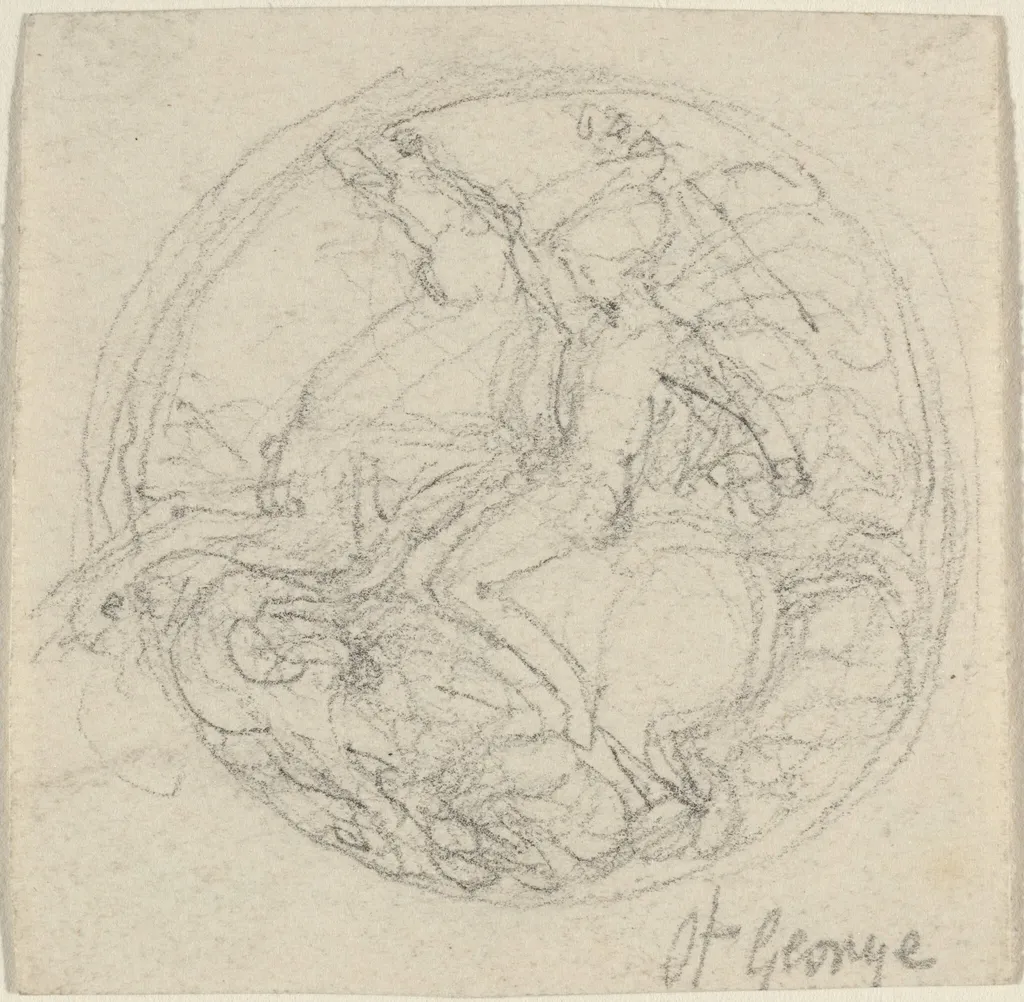
Design for a Medal Representing Saint George and the Dragon is a graphite drawing by the Romanticist artist John Flaxman. It dates from 1800 and is held in the collection of the National Gallery of Art.
- Inscription
- Inscribed:lower right in graphite: St George; on verso in graphite: Design for medal
About this work
Overview
Created around 1800, this graphite drawing by John Flaxman was conceived as a preparatory design for a commemorative medal.
Created around 1800, this graphite drawing by John Flaxman was conceived as a preparatory design for a commemorative medal. Though executed in a simple medium, it reflects the precision and clarity associated with Neoclassical ideals. Flaxman, primarily known as a sculptor and illustrator, often translated mythological and religious narratives into linear compositions that emphasized form over ornament.
Subject & Meaning
The drawing illustrates the legendary encounter between Saint George, a Christian knight, and the dragon he slays to rescue a princess. The scene embodies the triumph of virtue over chaos, a theme frequently invoked in religious and civic iconography of the period. Flaxman’s treatment avoids dramatic excess, instead presenting the figures with restrained dignity, aligning the subject with Enlightenment values of moral clarity.
Technique & Style
Rendered in graphite, the composition relies on fine, controlled lines to define form and movement. Flaxman’s style, shaped by his time in Rome and his earlier work with Wedgwood, favors clean contours and minimal shading. The figures are arranged in a frieze-like composition, echoing ancient relief sculpture and reinforcing the Neoclassical preference for harmony and balance over emotional intensity.
History & Provenance
The drawing originates from Flaxman’s personal sketchbooks, where he explored designs for medals, book illustrations, and public monuments. While the medal itself was never cast in metal, the drawing survives as part of a broader body of work documenting his design process. It entered institutional collections in the 19th century, valued for its insight into his method rather than as a finished object.
Context
Flaxman produced this work during a period when British artists sought to revive classical forms in response to the excesses of Rococo and the upheavals of the French Revolution. His designs for medals and engravings were widely circulated, influencing public taste and reinforcing moral narratives through accessible imagery. This piece reflects a broader cultural effort to align art with civic virtue and historical continuity.
Legacy
Though not a widely exhibited work, this drawing exemplifies Flaxman’s enduring influence on 19th-century British design. His linear aesthetic informed generations of illustrators and sculptors, and his approach to religious subjects helped shape the visual language of Neoclassical commemorative art. The drawing remains a key reference for understanding how classical ideals were adapted to contemporary moral and aesthetic concerns.
Own this work as a print
Artist & collection
Artist
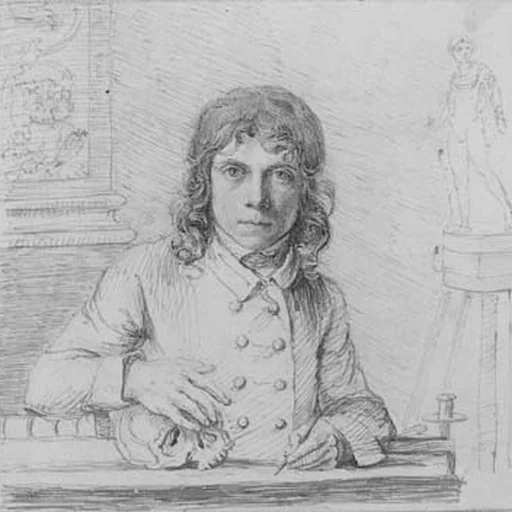
John Flaxman (6 July 1755 – 7 December 1826) was an English sculptor and draughtsman who was a leading figure in British and European Neoclassicism.

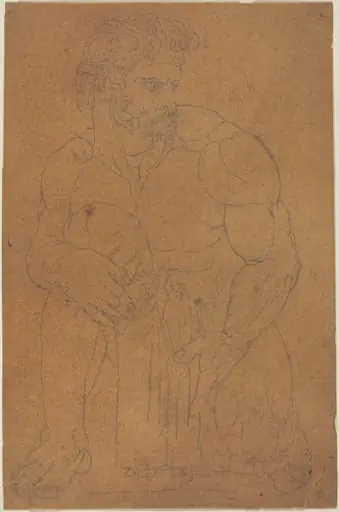
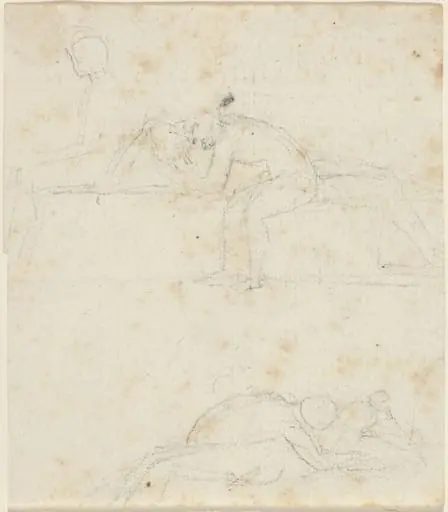
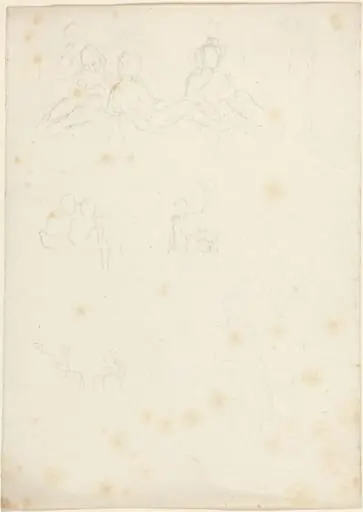
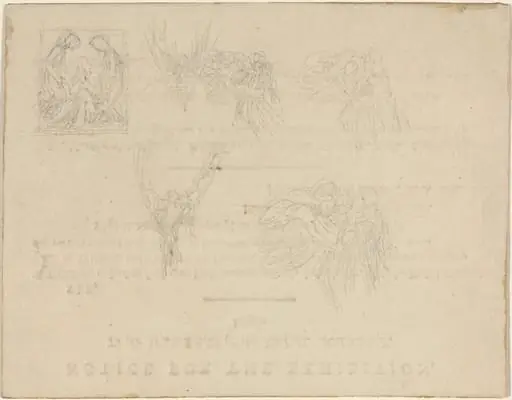
 A Figure Ascending in a Glory of Clouds (?)
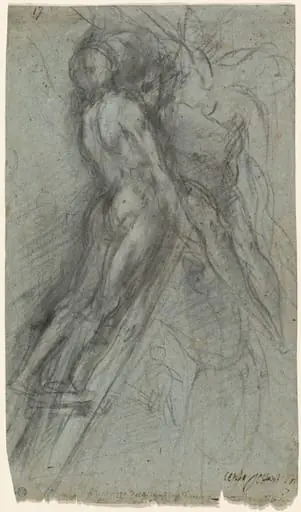 The Descent from the Cross
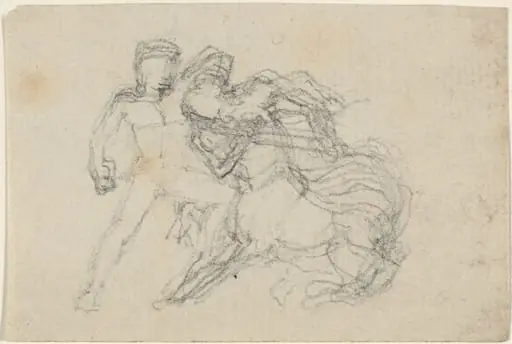 Battle between Man and Centaur
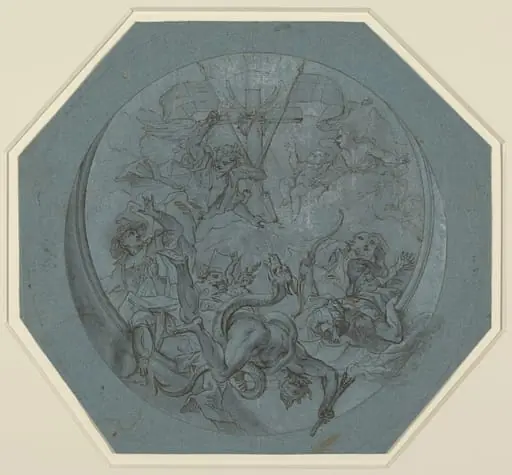 Saint Michael Defeating Heresy and Satan
![Study for "Variations in Blue and Green" [verso], by James McNeill Whistler](https://artifactworldgallery.com/img/james-mcneill-whistler--study-for-variations-in-blue-and-green-verso--5aa53b027843adac-w320.webp) Study for "Variations in Blue and Green" [verso]
Study for "Variations in Blue and Green" [verso]![Sheet of Studies with the Drunken Pan and Nymphs [verso], by Jacob Jordaens](https://artifactworldgallery.com/img/jacob-jordaens--sheet-of-studies-with-the-drunken-pan-and-nymphs-verso--7da29549b59c490a-w320.webp) Sheet of Studies with the Drunken Pan and Nymphs [verso]
Sheet of Studies with the Drunken Pan and Nymphs [verso]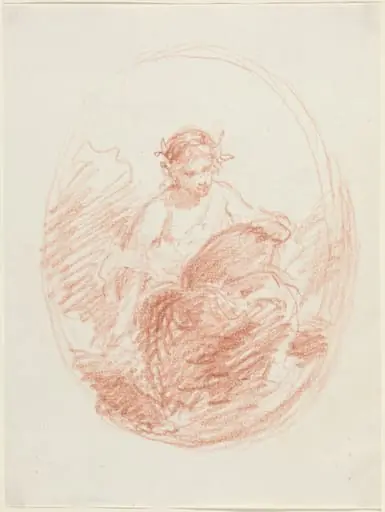 Allegorical Figure
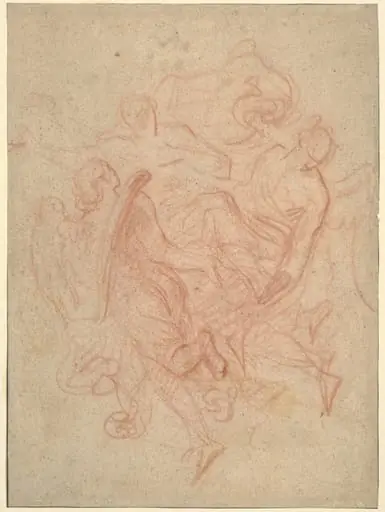 Apotheosis of Saint George
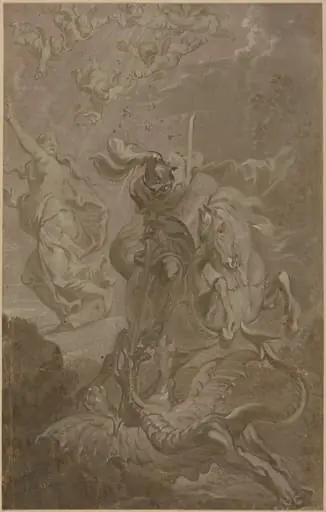 Saint George and the Dragon