Artwork
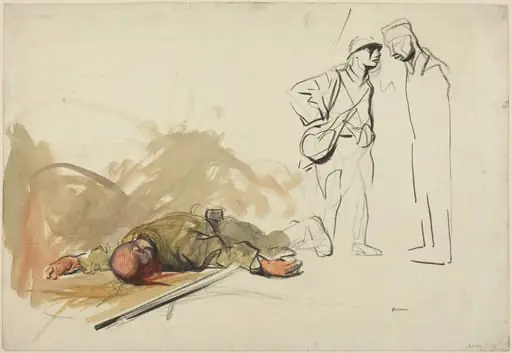
a) La Borne, Verdun (recto); b) Wounded Soldier and First-Aid Man (verso)
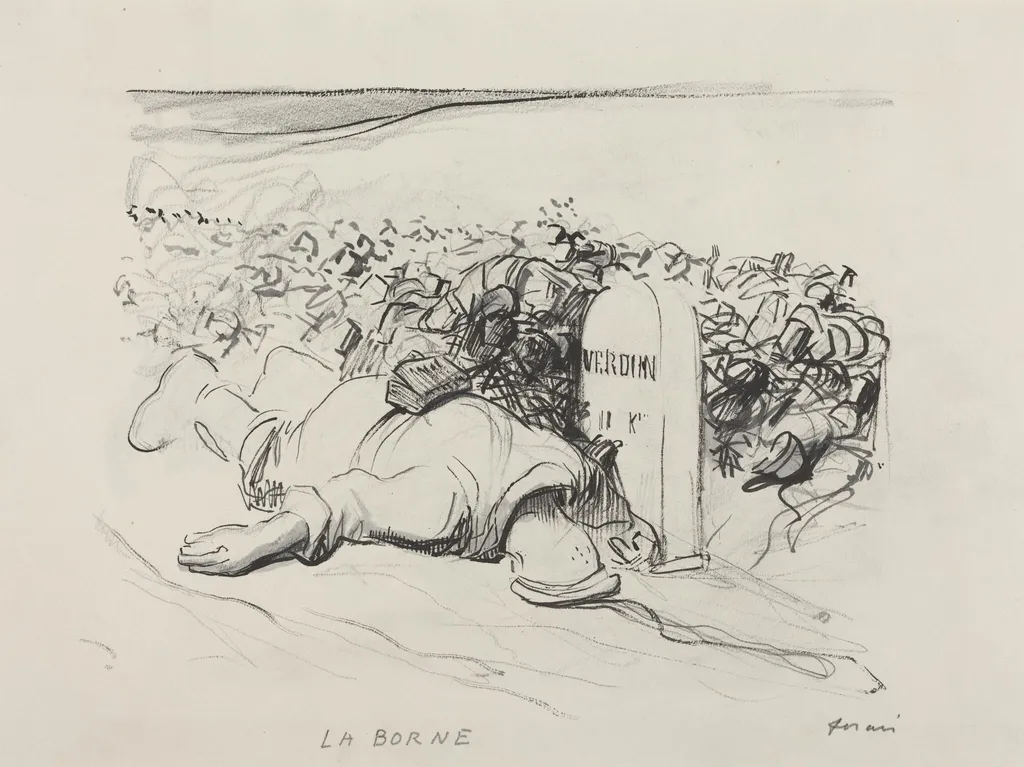
a) La Borne, Verdun (recto); b) Wounded Soldier and First-Aid Man (verso) is a graphite drawing by Jean-Louis Forain. It dates from 1916 and is held in the collection of the National Gallery of Art. Jean‑Louis Forain, a French artist active during the First World War, produced a double‑sided drawing circa 1916.
- Inscription
- Inscribed:"forain" lower right margin, graphite, artist's hand. Not dated. "LA BORNE" lower center margin, graphite, artist's hand. "A 2392" lower right margin, graphite, unknown hand. Verso: none.
- Markings
- Marked:"LRJ" verso, black stamped ink, (Lugt 1760b). "National Gallery of Art" verso, black stamped ink, (Lugt 1932d).
About this work
Overview
Jean‑Louis Forain, a French artist active during the First World War, produced a double‑sided drawing circa 1916. The recto, titled La Borne, Verdun, and the verso, Wounded Soldier and First‑Aid Man, are executed on wove paper with ink, crayon and graphite. Both images record immediate wartime observations, reflecting Forain’s presence at the front rather than a studio recreation.
Subject & Meaning
On the front side, Forain sketches a military post near Verdun, emphasizing the stark landscape and the utilitarian nature of the site. The reverse panel presents a trench scene where a wounded soldier leans on a comrade receiving first‑aid, the figures rendered with minimal detail to convey urgency and the shared burden of combat.
Technique & Style
The work combines brush‑applied black and gray ink with black crayon over a graphite underdrawing, producing a hurried, scratch‑like line quality. The sketchy, almost gestural marks capture movement and tension, while the limited palette focuses attention on form and atmosphere rather than decorative finish, aligning with Forain’s broader printmaking practice.
History & Provenance
Created while Forain served as an official war artist, the sheets document his on‑the‑ground observations, a rarity among his contemporaries who often worked from secondhand reports. The drawings have remained within the artist’s estate before entering public collections, where they are cited as primary visual records of the Verdun front.
Context
Forain’s wartime output contrasts with the more detached approaches of many Impressionist peers, who largely avoided front‑line exposure. His participation in the French army’s visual documentation program placed him among a small group of artists tasked with producing immediate, factual representations of combat conditions for both military archives and public awareness.
Own this work as a print
Artist & collection

Artist
Jean-Louis Forain (French pronunciation:; 23 October 1852 – 11 July 1931) was a French Impressionist painter and printmaker, working in media including oils, watercolour, pastel, etching and lithograph.

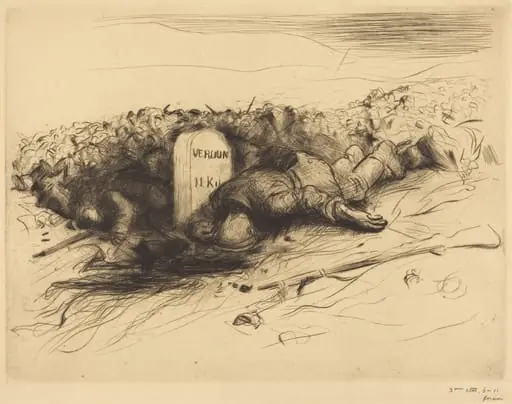 The End - Verdun
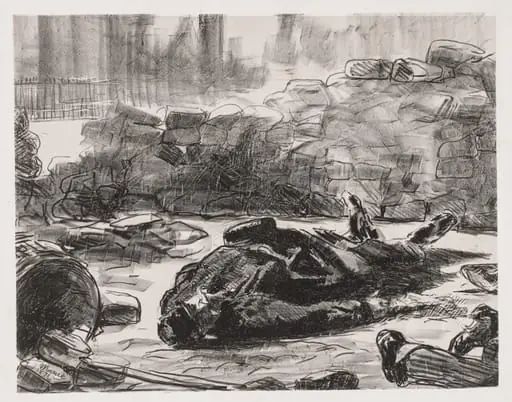 Civil War (Scene of the Commune of Paris)
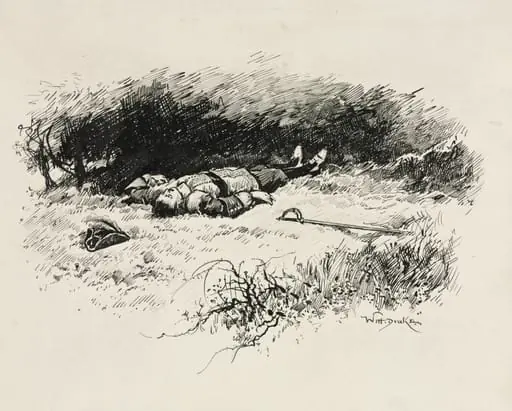 Tail Piece for Chapter XXI from "Lorna Doone"
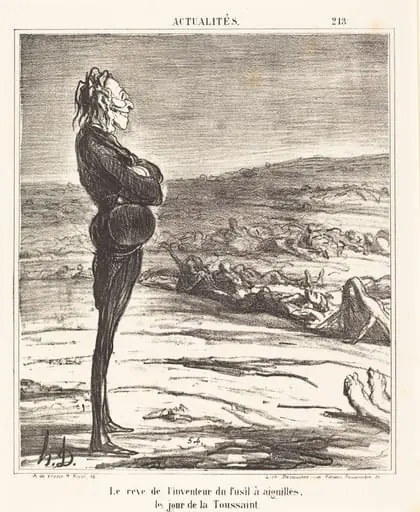 Le Rêve de l'inventeur du fusil a aiguilles...
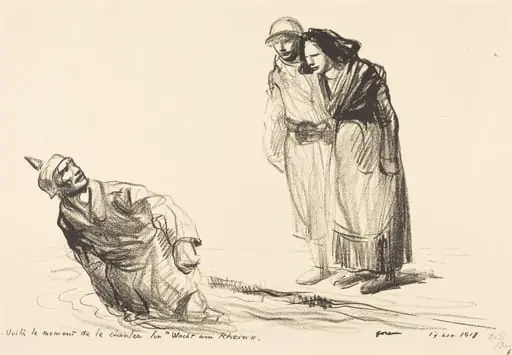 Voilà le Moment de le chantes tun "Wacht am Rhein"
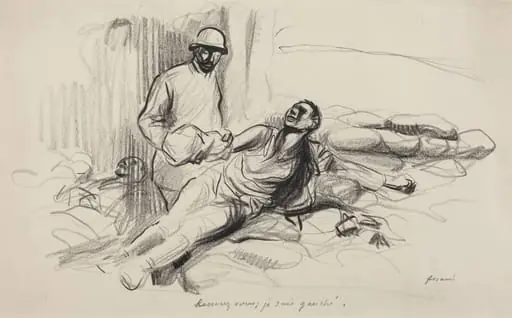 Rassurez vous; je suis gauché.
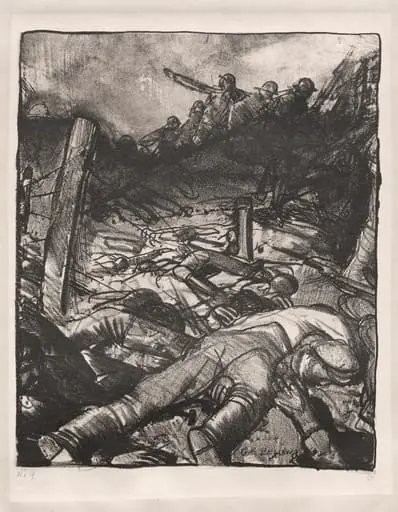 War Series: The Charge, Left Detail
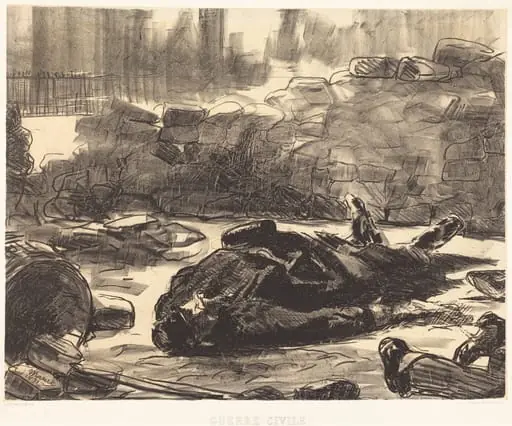 Civil War (Guerre civile)
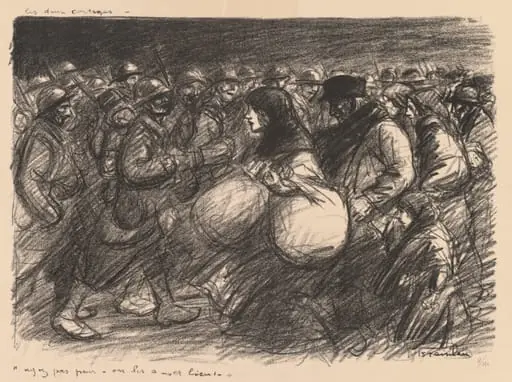 War Sketches: The Two Processions (Croquis de guerre: Les deux cortèges – “Ayez pas peur - on les a - et bien!”)