Artwork
Carlo Rimbotti (1518–1591)
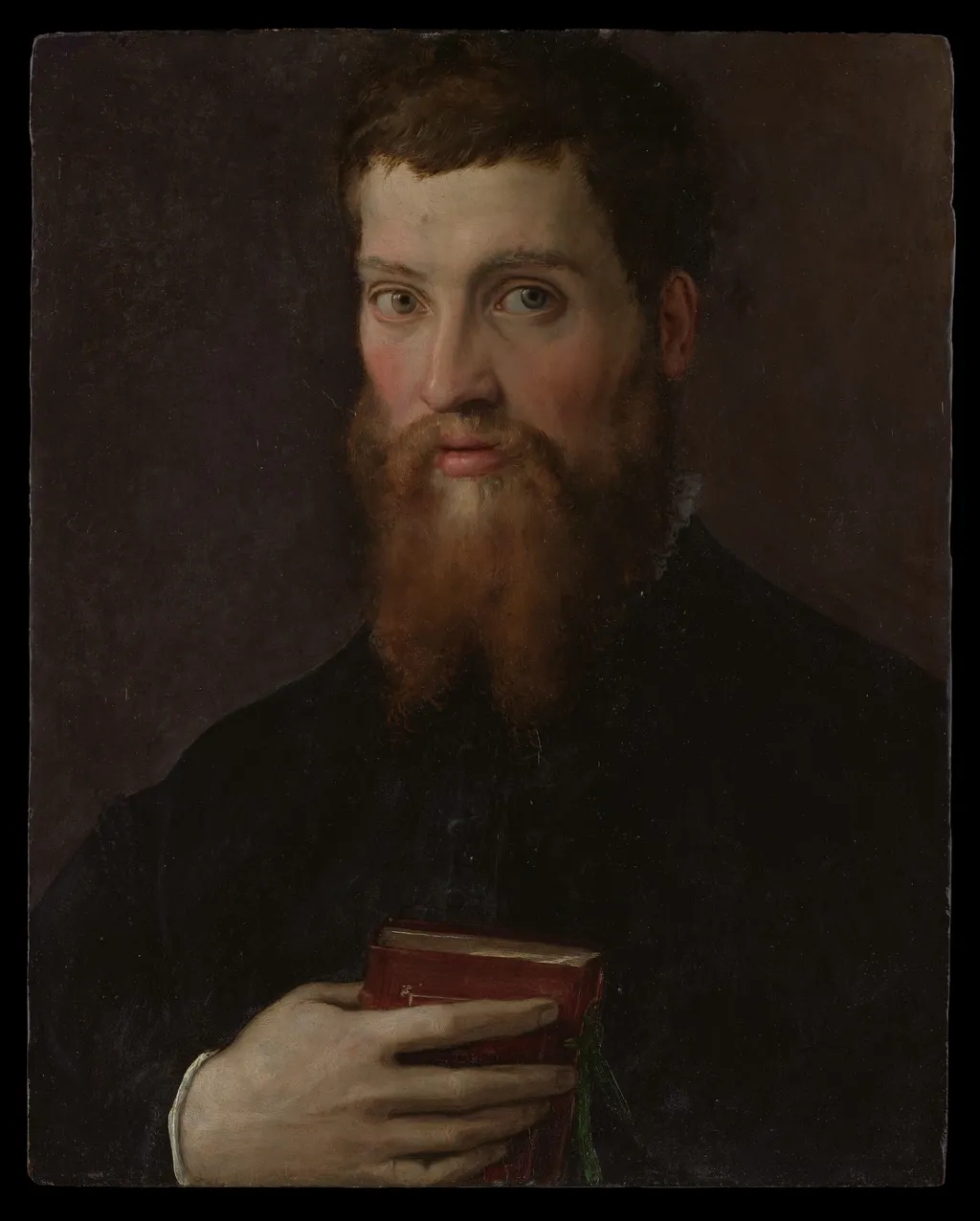
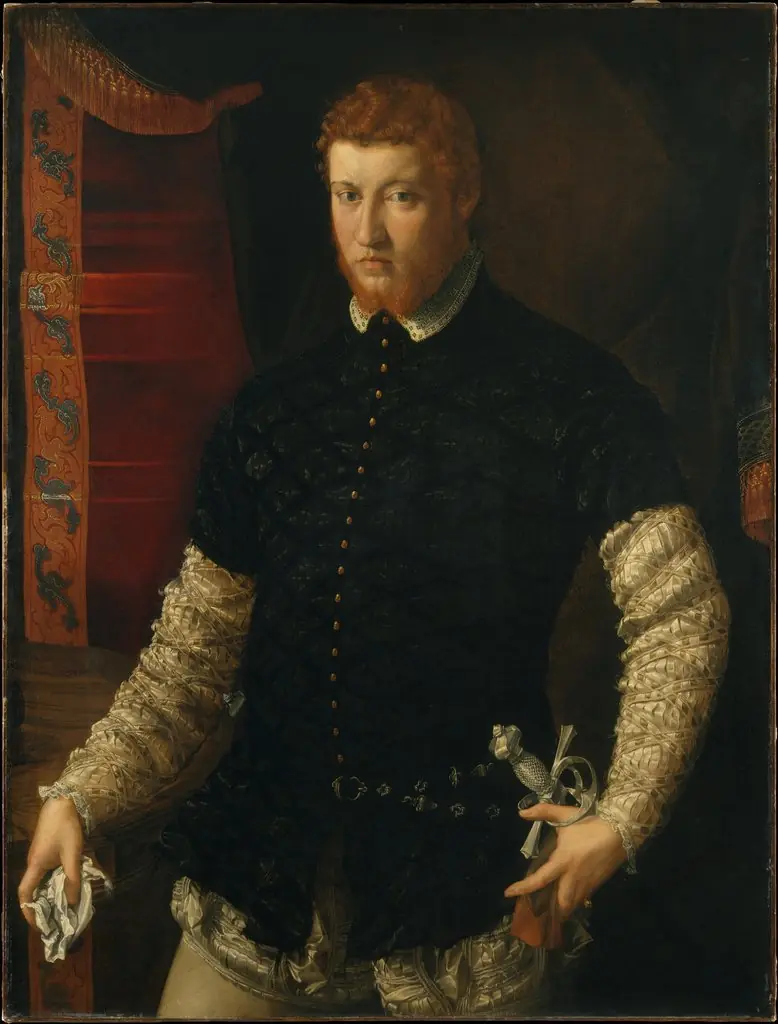
Carlo Rimbotti (1518–1591) is an unspecified painting by the Mannerist artist Francesco Salviati. It dates from 1548 and is held in the collection of the Metropolitan Museum of Art.
About this work
Subject & Meaning
The composition, attire, and posture further reinforce his status, aligning with contemporary conventions for portraying dignified individuals.
The painting shows Carlo Rimbotti as a male sitter, rendered in a conventional Renaissance portrait style. It functions as a visual record of the sitter’s appearance and social identity, typical of portraiture in mid‑sixteenth‑century Italy. No specific symbolic attributes are recorded; the emphasis lies on realistic likeness and the presentation of the subject within the expectations of courtly representation of the period. The composition, attire, and posture further reinforce his status, aligning with contemporary conventions for portraying dignified individuals.
History & Provenance
The portrait by Francesco Salviati of Carlo Rimbotti (1518–1591) is held at the Metropolitan Museum of Art, New York. The work entered the museum’s collection with accession number 1975.1.112. It has not been recorded in any major exhibitions according to available provenance.
Overview
This painting by Francesco Salviati, titled Carlo Rimbotti, was created in 1548. It is a portrait of Carlo Rimbotti, who lived from 1518 to 1591. The artwork is currently part of the collection at The Metropolitan Museum of Art. It represents a significant example of Renaissance portraiture from a prominent Florentine artist.
Technique & Style
Salviati employed techniques characteristic of Renaissance portraiture in this work. The artist utilized chiaroscuro, the strong contrast between light and dark, to create a sense of three-dimensionality and volume. Sfumato, a subtle blending of colors and tones, further enhances the depth and softness of the forms.
These methods contribute to the painting's overall sense of realism and the sitter's pensive mood, aligning with Salviati's Florentine Mannerist approach.
Context
Francesco Salviati, a key figure in Florentine Mannerism, was active throughout Italy during the 16th century. While recognized for his frescoes, large-scale history paintings, and other portraits, he also contributed to significant decorative projects, including designs for Medici tapestries. This portrait of Carlo Rimbotti exemplifies his skill in capturing individual likenesses within the broader context of his diverse artistic output.

Own this work as a print
Artist & collection

Artist
Francesco Salviati or Francesco de' Rossi (1510 – 11 November 1563) was an Italian Mannerist painter who lived and worked in Florence, with periods in Bologna and Venice, ending with a long period in Rome, where he died.