Artwork
Lancelot Blondeel (1498–1561) (design for a mosaic in the Victoria and Albert Museum)
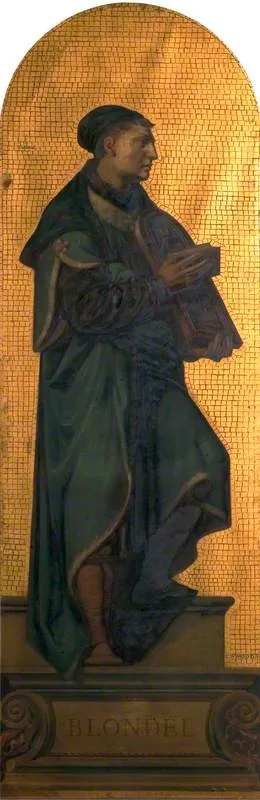
Lancelot Blondeel (1498–1561) (design for a mosaic in the Victoria and Albert Museum) is an oil painting by the Pre-Raphaelite artist Francis Wollaston Moody. It dates from 1865 and is held in the collection of the Victoria and Albert Museum.
About this work
Overview
Created around 1865, this oil portrait by Francis Wollaston Moody presents the 16th‑century Flemish artist Lancelot Blondeel. The work is part of the Victoria and Albert Museum’s collection and serves as a visual reference for a mosaic design attributed to Blondeel. The composition places the figure on a modest pedestal against a warm, golden‑yellow backdrop patterned with stylised mosaic motifs.
Subject & Meaning
The sitter, identified as Lancelot Blondeel, is shown in a contemplative pose, his left hand holding a book while the right rests upon his chest. Dressed in a dark green robe with a lighter tunic beneath, his serious expression and downward gaze suggest scholarly reflection, perhaps alluding to his role as a painter and architect in the Renaissance.
Technique & Style
Moody employs a restrained palette of greens and golds, rendering the fabric’s folds with soft modelling that conveys volume without excessive detail. The background’s mosaic pattern, rendered in muted tones, creates a subtle decorative frame that echoes the subject’s own design work. The oil medium allows for a smooth finish and delicate tonal transitions typical of mid‑19th‑century portraiture.
History & Provenance
The portrait was executed circa 1865, likely commissioned to accompany or illustrate a mosaic design associated with Blondeel. It entered the Victoria and Albert Museum’s holdings as part of its 19th‑century European paintings collection, where it remains on display as a reference to the earlier artist’s legacy.
Context
During the Victorian era, there was renewed interest in Renaissance figures, and artists like Moody often produced works that celebrated historical creators. By portraying Blondeel in a scholarly pose, the painting aligns with contemporary ideals of artistic intellect and the revival of historic craftsmanship within museum narratives.
Artist & collection

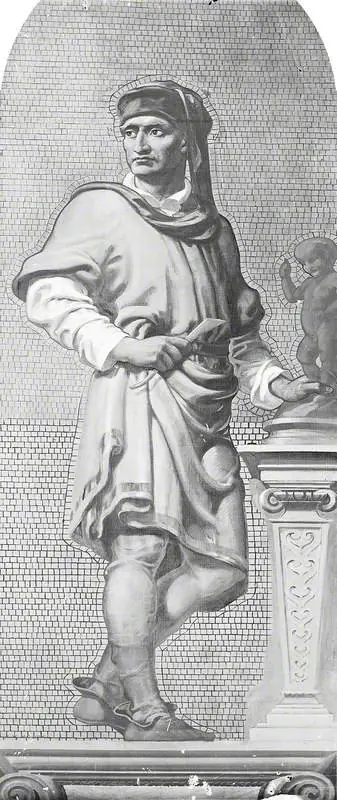 Luca della Robbia (1400–1481) (design for a mosaic in the Victoria and Albert Museum) (detail)
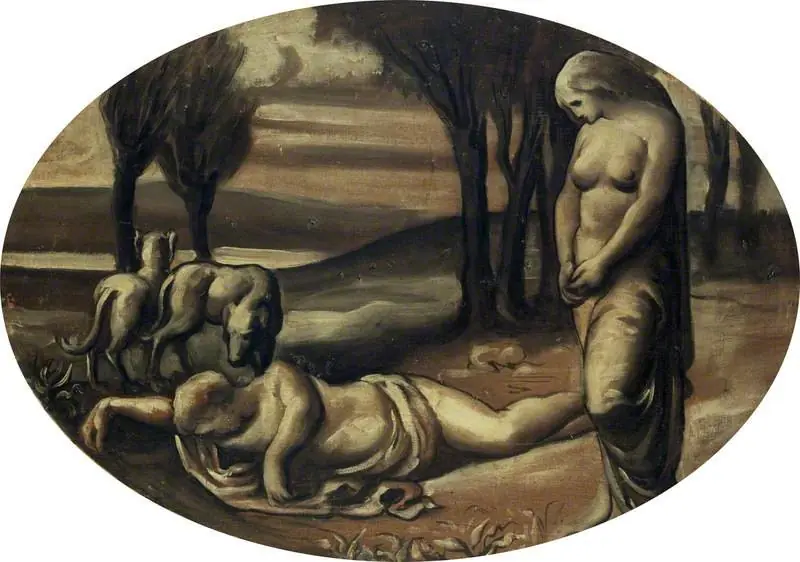 Pyramus and Thisbe (decorative panel)
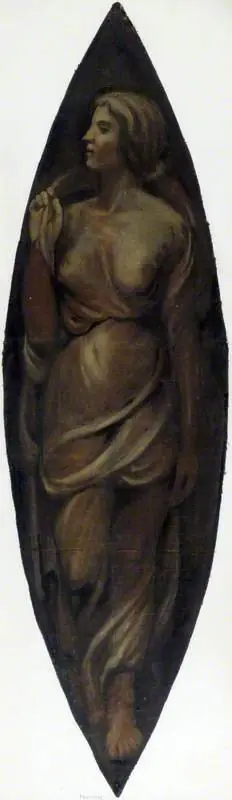 Standing Female Figure (decorative panel)
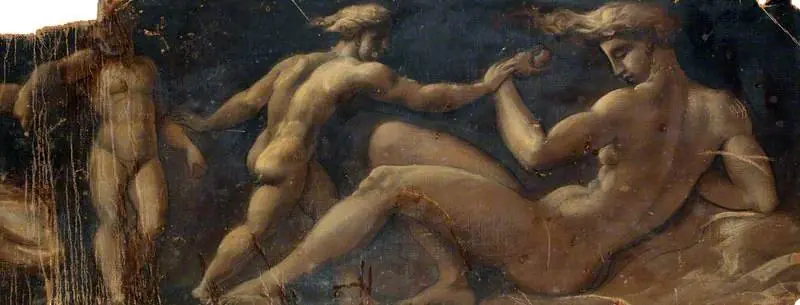 Reclining Figure (decorative panel)
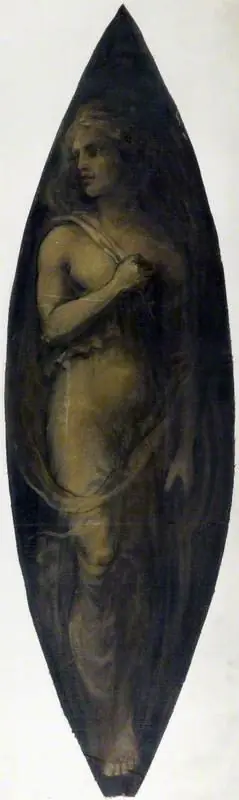 Standing Female Figure (decorative panel)
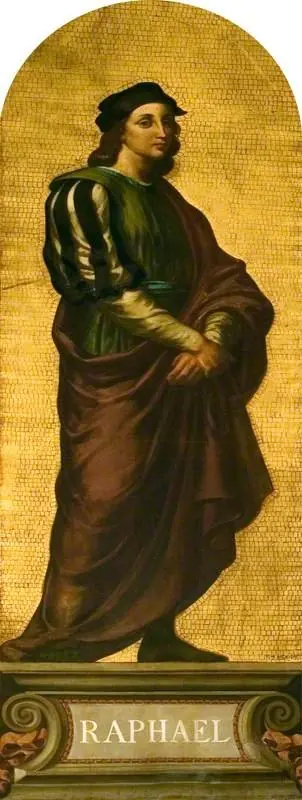 Raphael (1483–1520) (design for a mosaic in the Victoria and Albert Museum)
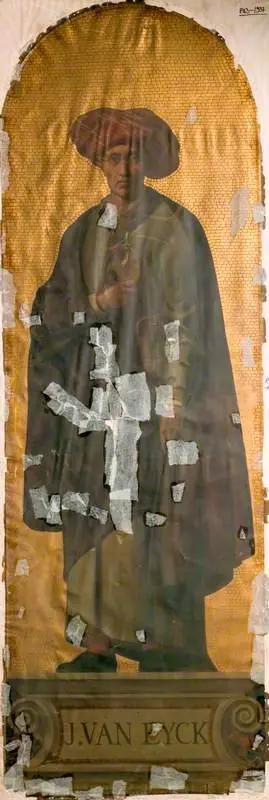 Jan van Eyck (c.1385–1441) (design for a mosaic in the Victoria and Albert Museum) (formerly attributed to Agnes Sutherland)
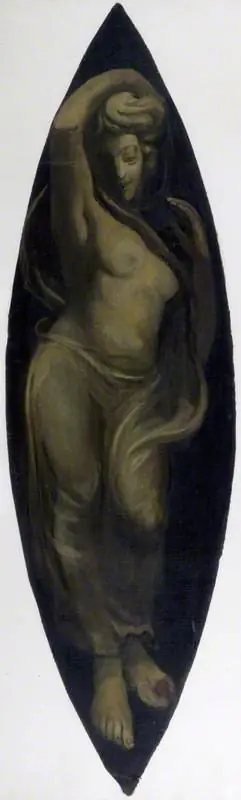 Standing Female Figure (decorative panel)
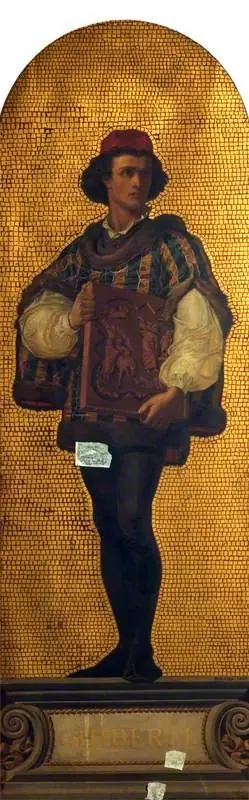
- Ghiberti (1378–1455) (design for a mosaic in the Victoria and Albert Museum)
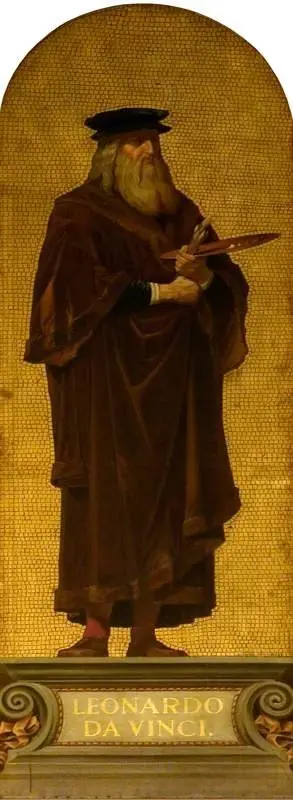 Leonardo da Vinci (1452–1519) (design for a mosaic in the Victoria and Albert Museum)
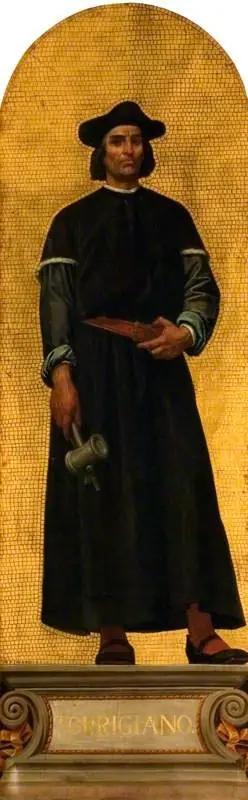 Pietro Torrigiano (1472–1522) (design for a mosaic in the Victoria and Albert Museum)
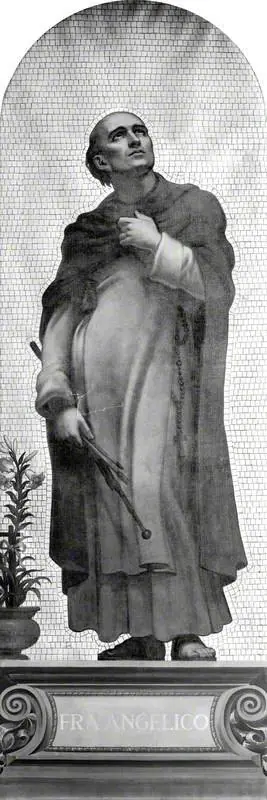 Fra Angelico (c.1395–1455) (design for a mosaic in the Victoria and Albert Museum)
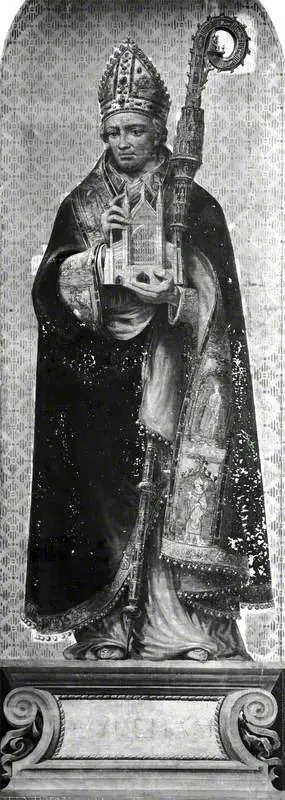 William of Wykeham (1320–1404) (design for a mosaic in the Victoria and Albert Museum)
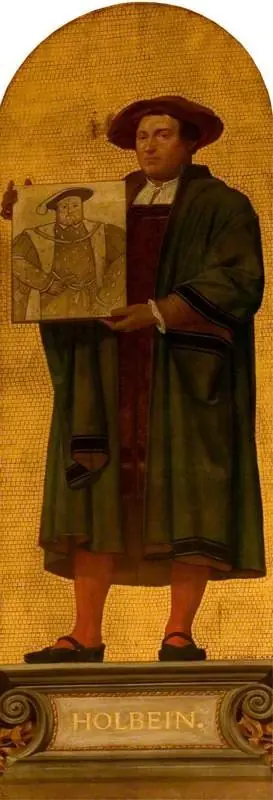 Hans Holbein (c.1497–1543) (design for a mosaic in the Victoria and Albert Museum)
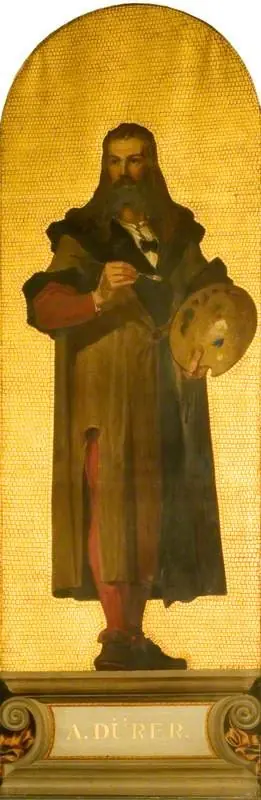 Albrecht Dürer (1471–1528) (design for a mosaic in the Victoria and Albert Museum)
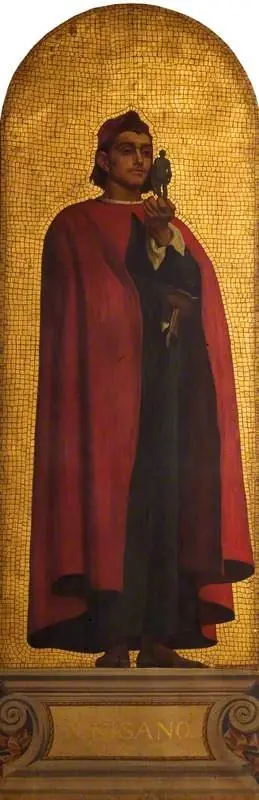 Nicola Pisano (c.1220/1225–c.1284) (design for a mosaic in the Victoria and Albert Museum)
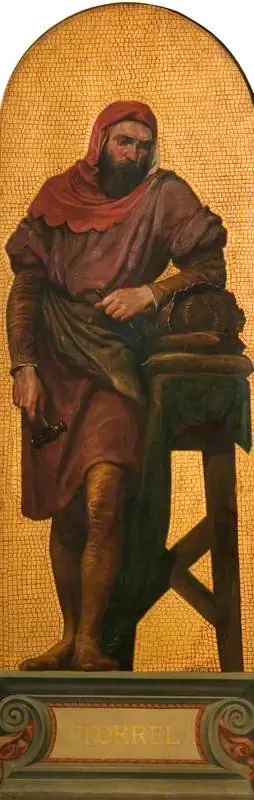 William Torrel (1291–1303) (design for a mosaic in the Victoria and Albert Museum)
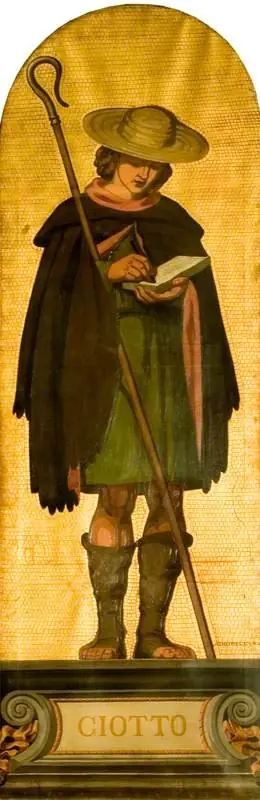 Giotto (c.1267–1337) (design for a mosaic in the Victoria and Albert Museum)
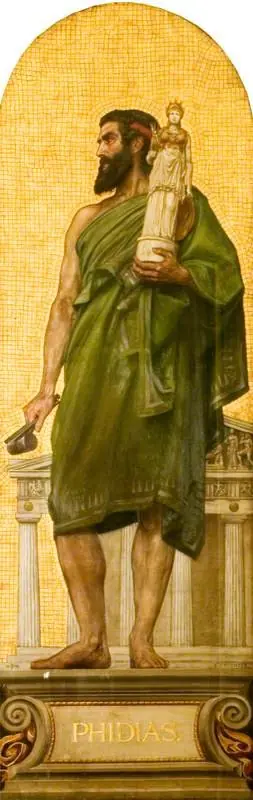 Phidias (c.480 BC–c.430 BC) (design for a mosaic in the Victoria and Albert Museum)