Artwork
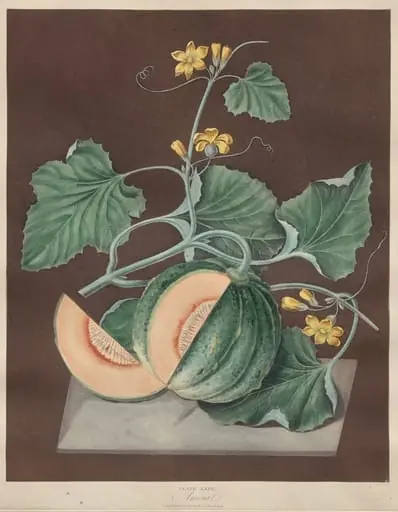
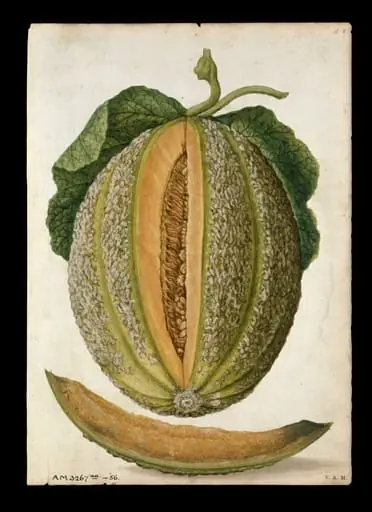
Pomona Britannica: No. 64 - Scarlet Flesh Romana Melon
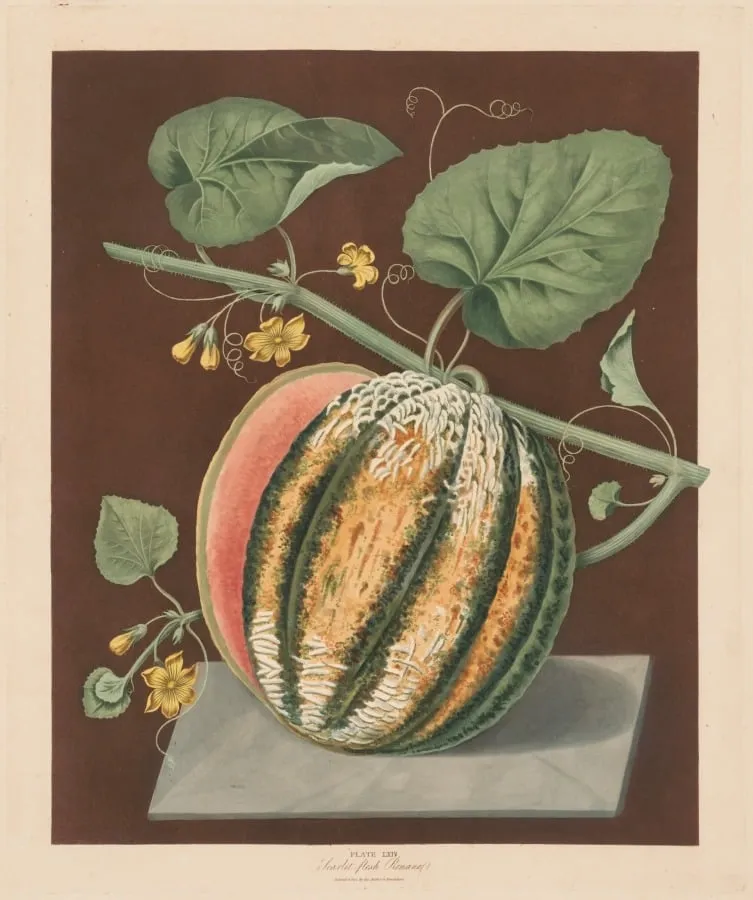
Pomona Britannica: No. 64 - Scarlet Flesh Romana Melon is a print by the Romanticist artist George Brookshaw. It dates from 1812 and is held in the collection of the Cleveland Museum of Art. Pomona Britannica: No.
- Accession no.
- 1955.312
About this work
Overview
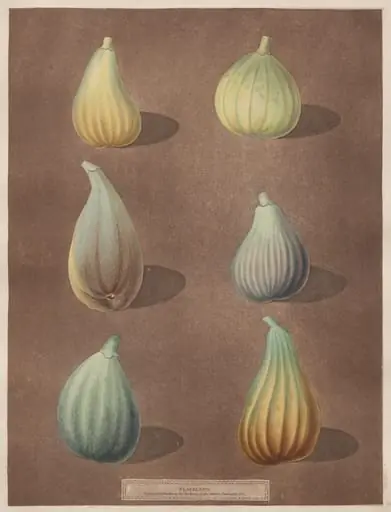
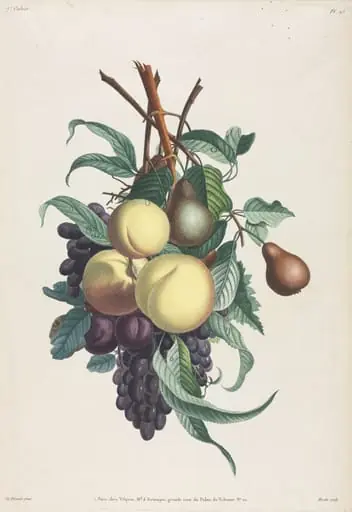
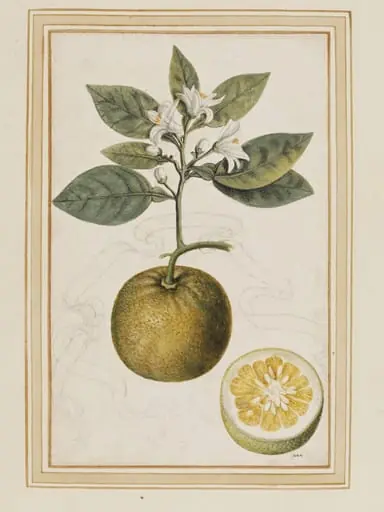
Pomona Britannica: No. 64 - Scarlet Flesh Romana Melon is a print from a comprehensive collection of fruit illustrations.
Subject & Meaning
The print depicts a sliced scarlet melon, showcasing its vibrant flesh and seeds against a dark background, highlighting the fruit's beauty and quality.
Technique & Style
The dark background is achieved through aquatint, a printmaking technique that creates a textured, tonal effect, drawing attention to the melon's details.
History & Provenance
The melon was grown in the royal gardens at Hampton Court Palace, where gardeners cultivated a wide variety of fruits for the publication.
Context
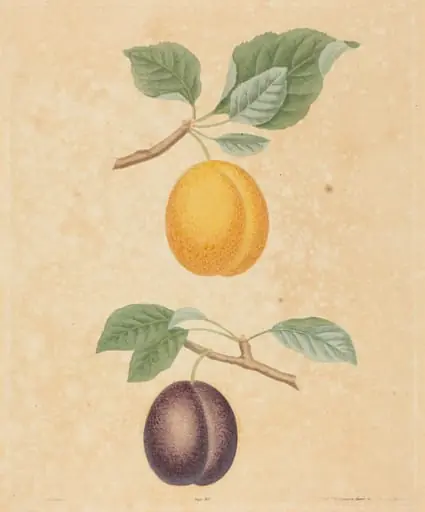
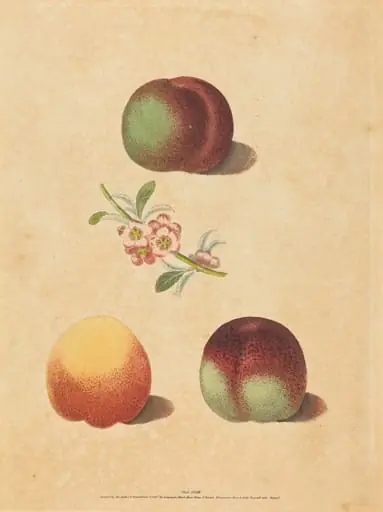
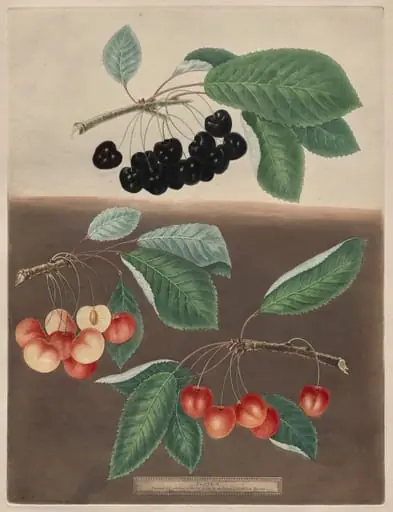
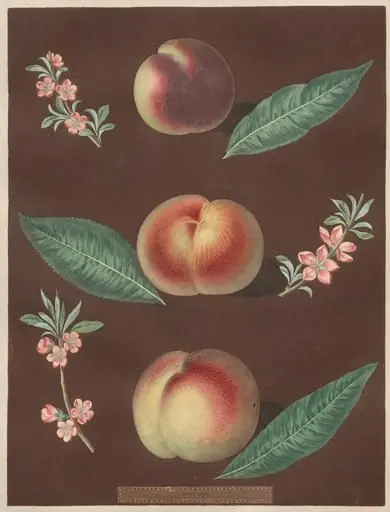
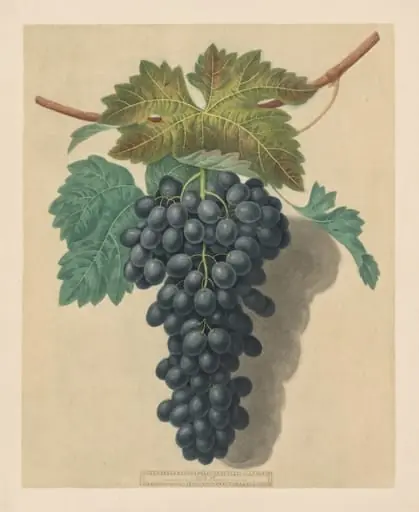
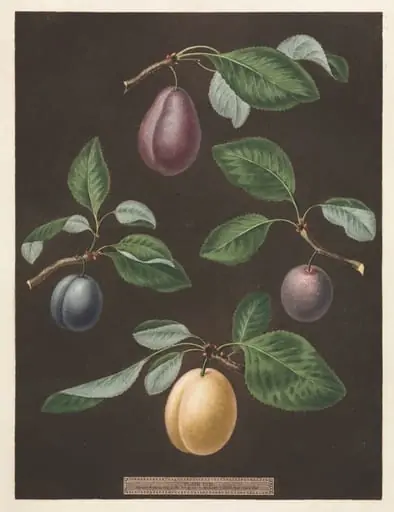
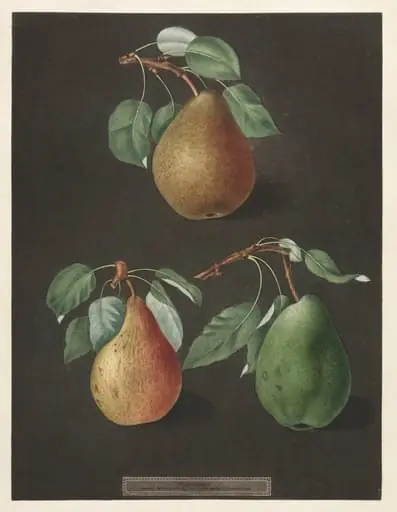
Pomona Britannica was a showcase of England's finest fruit varieties, featuring 90 plates of the most esteemed cultivars.
Artist & collection
Artist
George Brookshaw (c. 1751–1823), also known as G. Brown, was an English painter and illustrator from London. His early career was spent as a London cabinet-maker specializing in painted furniture, often with floral…