Artwork
Biserica Răpciuni în Muzeul Satului, București, 1960
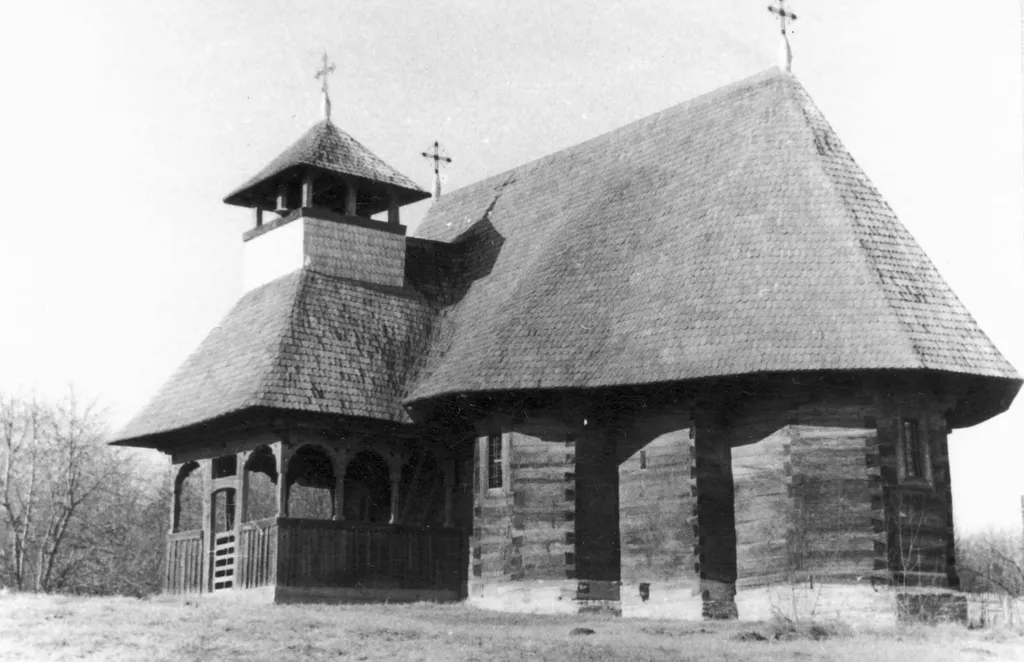
Biserica Răpciuni în Muzeul Satului, București, 1960 is an unspecified painting by the Realist artist Gheorghe FocGheorghe. It dates from 1960 and is held in the collection of the "Dimitrie Gusti" National Village Museum. The image depicts the wooden church originally from Râmpăciuni village in Neamț County, now displayed at the Village Museum in Bucharest.
About this work
The painting shows a small church in a village setting. It's a simple scene, but the church has a lot of history. The church was built in 1773 and was later moved to the Village Museum in 1958.
The painting is a quiet portrayal of a historic building, and to learn more about similar artwork, look up the technique of chiaroscuro.
Overview
The image depicts the wooden church originally from Râmpăciuni village in Neamț County, now displayed at the Village Museum in Bucharest. Constructed in 1773 during the reign of Prince Grigore Ghica, the structure was dismantled and re‑erected at the museum in 1958 after the creation of the Bicaz reservoir forced its relocation.
Technique & Style
Interior walls are painted in tempera, and the building retains original Slavonic and Latin inscriptions on various liturgical objects.
The church follows a triconic layout with a narthex, a nave ending in an apse, and a polygonal altar. Its walls consist of four‑sided spruce beams joined by a traditional tail‑end method, resting on a stone foundation. The roof, covered with fir shingles cut in a fish‑scale pattern, features a three‑slope porch and a four‑slope bell tower.
Interior walls are painted in tempera, and the building retains original Slavonic and Latin inscriptions on various liturgical objects.
Context
Erected at the village entrance, the church witnessed notable local events such as the cholera epidemic of 1865 and a locust invasion in 1867. Its design reflects the architectural traditions of the Bistrița Valley, employing regional construction techniques and materials that underscore the cultural landscape of 18th‑century Moldavia.
History & Provenance
In 1958, the church was carefully dismantled and transferred to the open‑air Village Museum as part of a broader effort to preserve monuments threatened by the flooding of the Bicaz reservoir. Since then it has been displayed as a representative example of rural ecclesiastical architecture.
Artist & collection
Artist
Gheorghe FocGheorghe made things people use in villages: woven wall hangings, carved wooden decorations, metal pots, and restored old churches.
Museum
"Dimitrie Gusti" National Village Museum
Continue through works from the same source collection.
- Biserica (monument istoric) din satul Scoica, comuna Andreești, județul Gorj (1990)
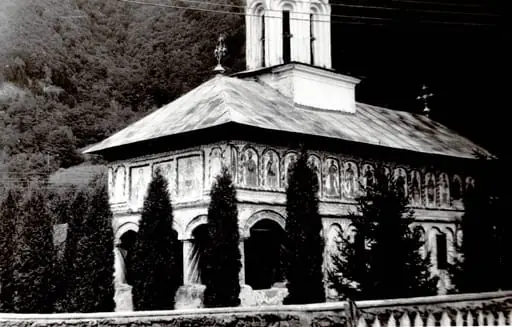 Biserica "Sf. Voievozi", Cîinenii Mici, comuna Cîineni, județul Vâlcea (1981)
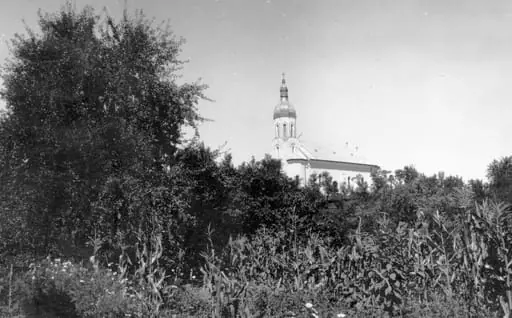 Biserica greco-catolică din Săcel, jud. Cluj (1939)
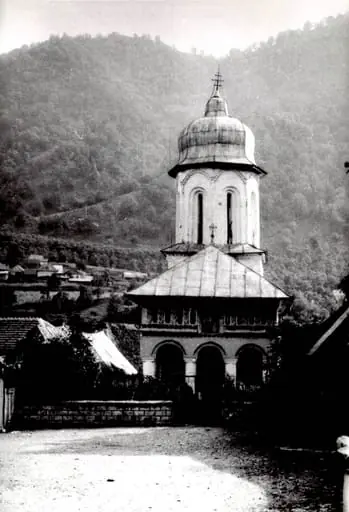 Biserica "Sf. Voievozi", Robești (Cîineni), județul Vâlcea (1981)
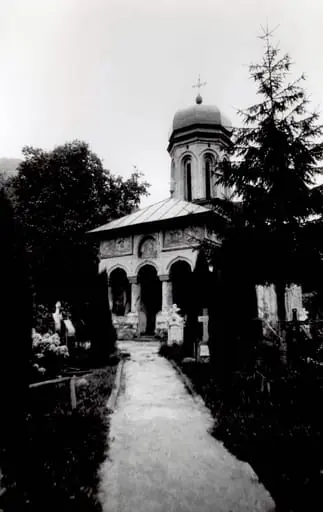 Biserica "Sf. Nicolae", Cîineni Mici, comuna Cîineni, județul Vâlcea (1981)
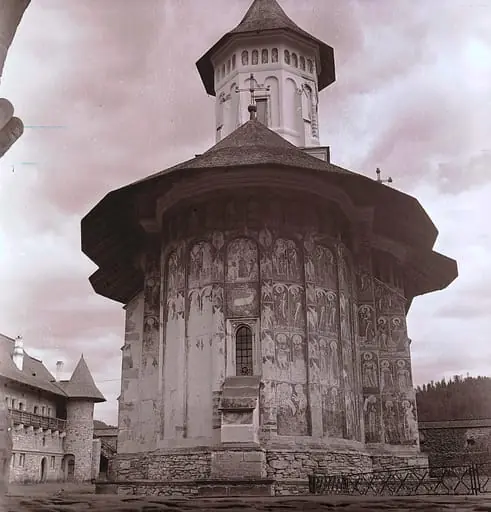 Research Bucovina, Vatra Moldovița. The Monastery And The Church - View With The Absida And The Turla Of The Church (1980)
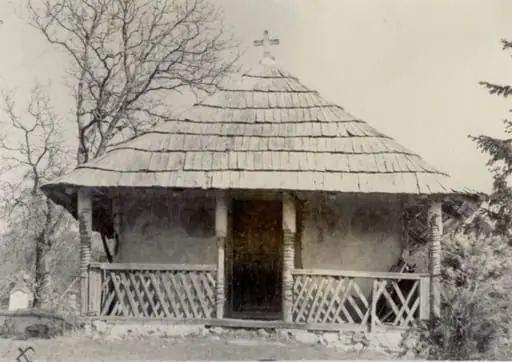 Biserica de lemn din Brebina (vedere din față), județul Mehedinți (1986)
 Biserică
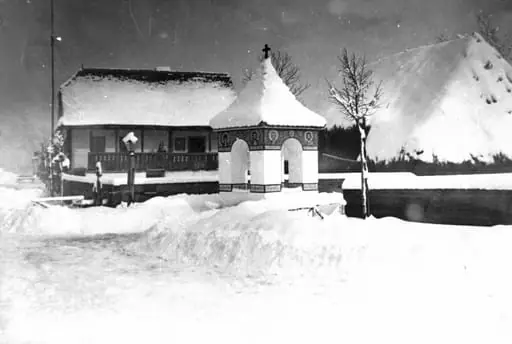 Începuturile Muzeului Satului Românesc. Troița din Rășinari și gospodăria din Drăguș, jud. Brașov (1936)
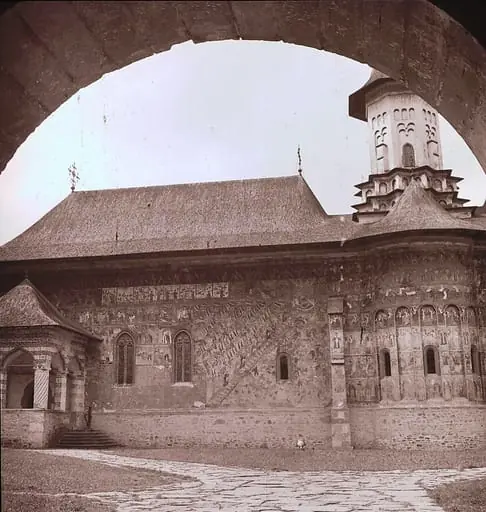 Research Bucovina. Sucevița Church - overview with exterior painting from one of the longitudinal walls (1980)