Artwork
The Transfiguration
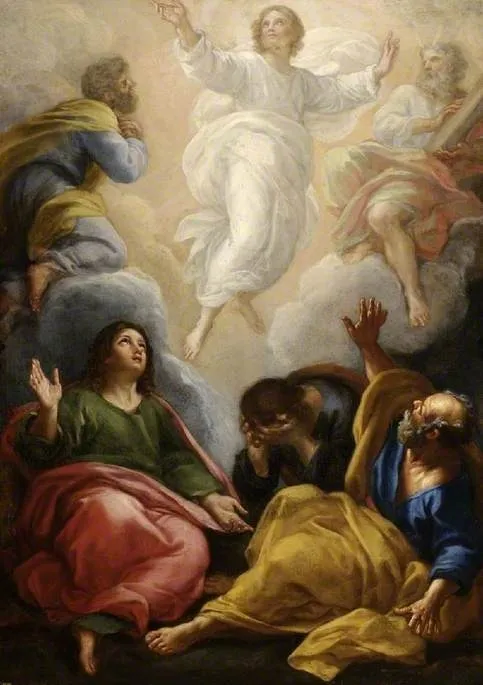
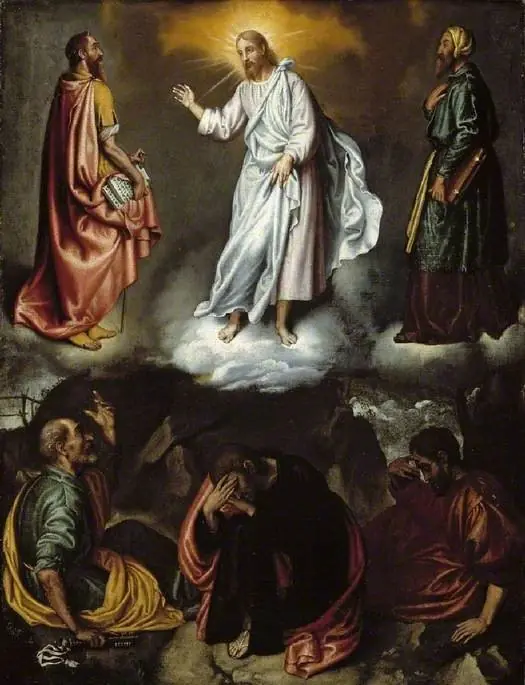
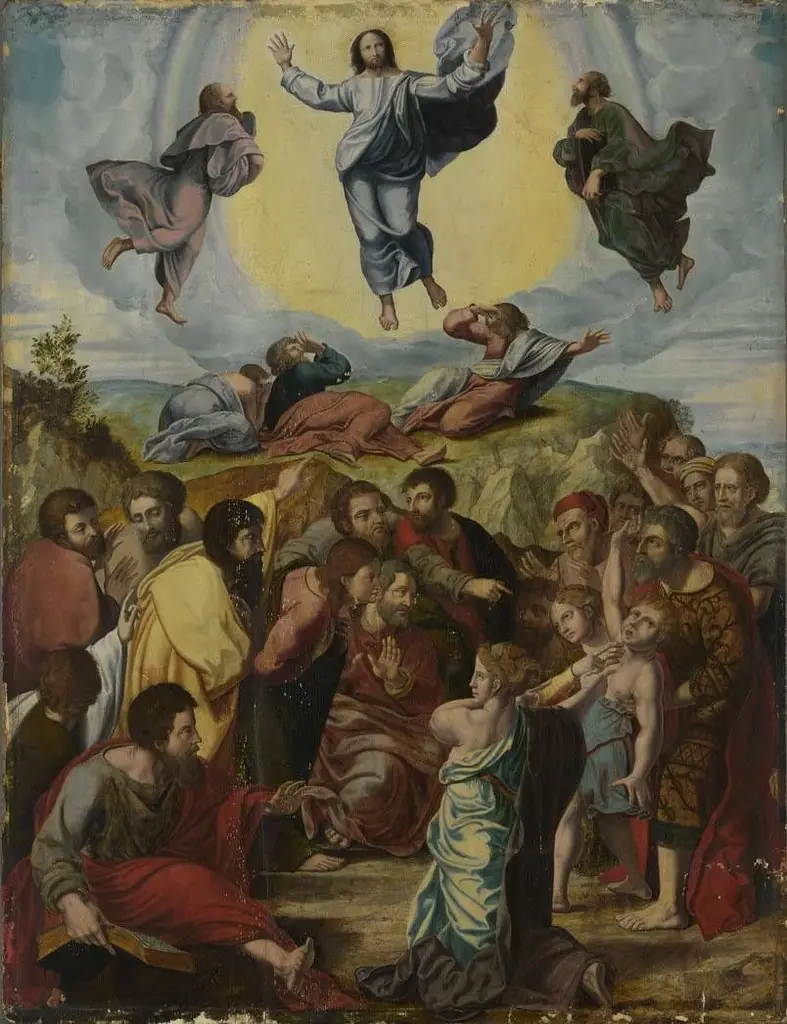
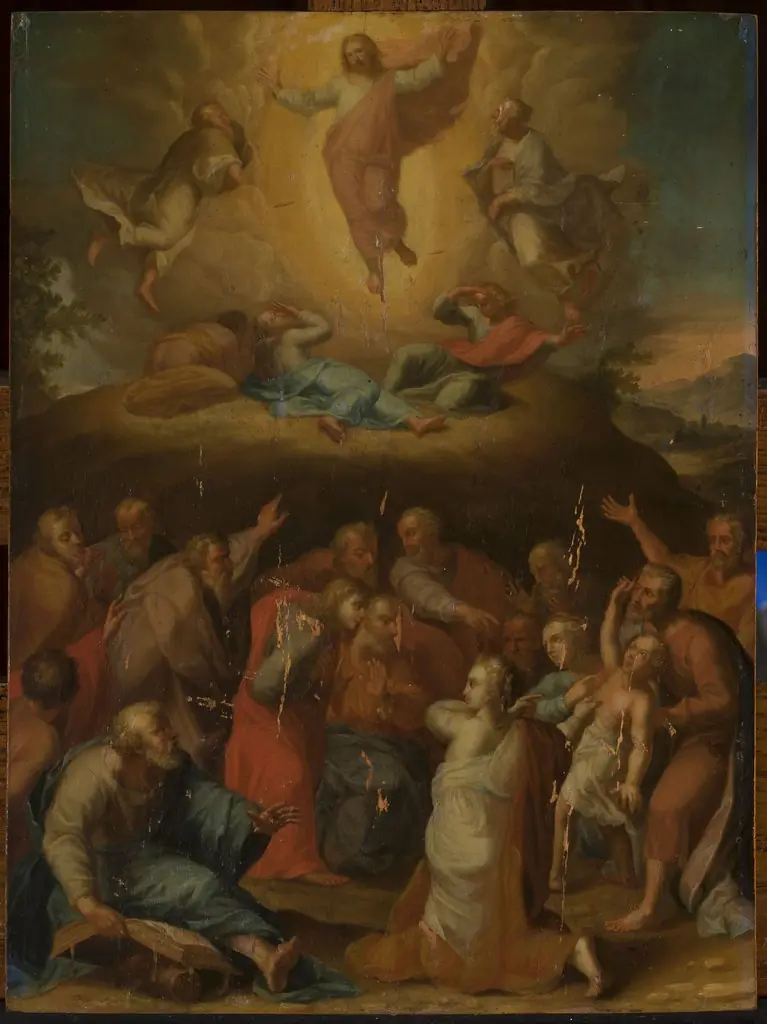
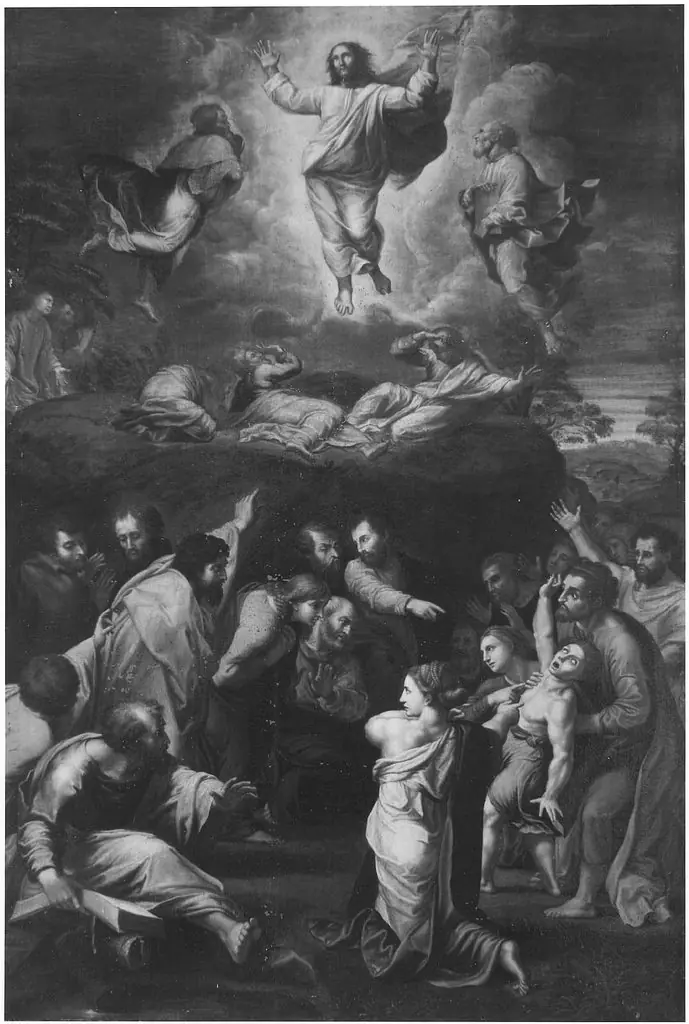
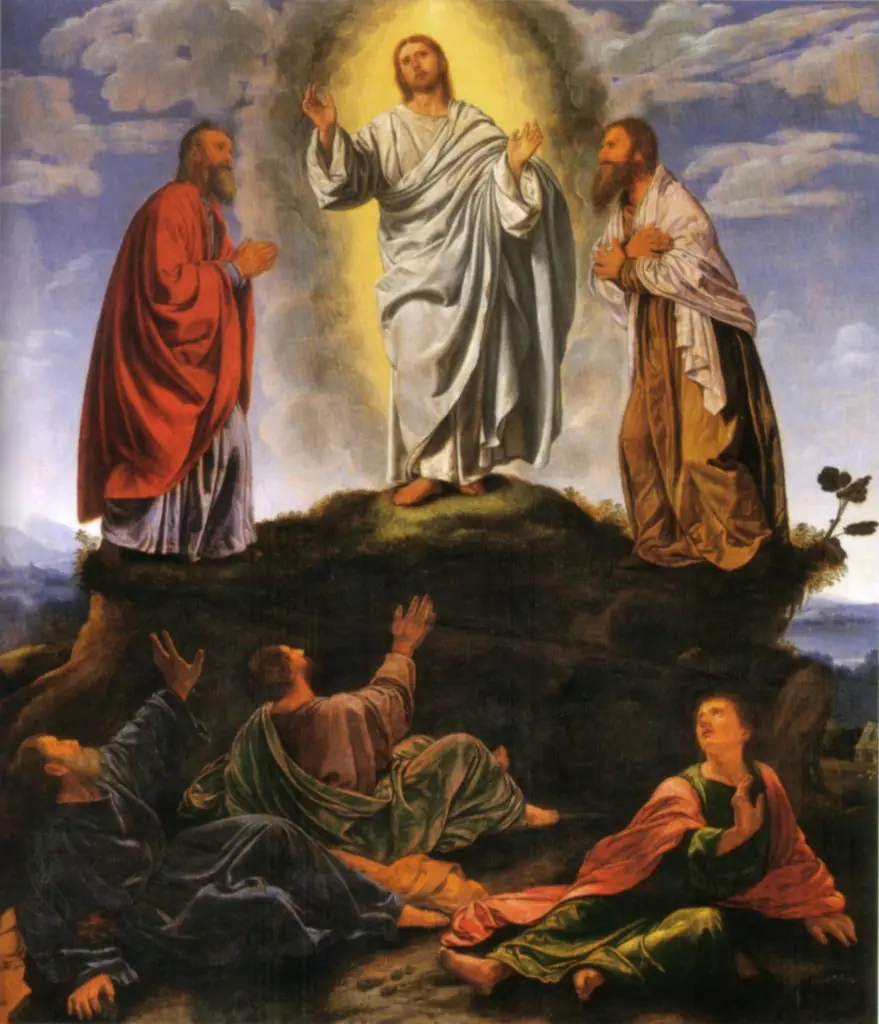
The Transfiguration is an oil painting by the Late Mannerist artist Giacinto Calandrucci. It dates from 1686 and is held in the collection of the Fitzwilliam Museum.
About this work
Overview
Created circa 1686 by the Sicilian-born artist Giacinto Calandrucci, this oil on canvas presents a biblical episode known as the Transfiguration. Executed during the later phase of the Baroque period, the work now belongs to the Fitzwilliam Museum’s collection, where it is displayed as an example of late‑Mannerist religious painting.
Subject & Meaning
The composition centers on Christ, robed in white, illuminated by an ethereal glow and surrounded by a veil of clouds. Flanking him are several figures in vividly colored garments, blue, yellow, and other hues, who gaze upward in reverent astonishment, embodying the awe inspired by the divine revelation depicted in the New Testament narrative.
Technique & Style
Calandrucci employs a pronounced contrast between light and shadow, a hallmark of chiaroscuro, to heighten the dramatic impact of the scene. The soft, hazy background recedes, allowing the luminous figure of Jesus to dominate the visual field, while the varied palette of the surrounding figures adds emotional depth and movement.
History & Provenance
After its completion in Rome, the painting entered private collections before being acquired by the Fitzwilliam Museum. Its attribution to Calandrucci, a painter who moved from Palermo to the artistic circles of Rome, reflects the cross‑regional exchange of Baroque styles in the late seventeenth century.
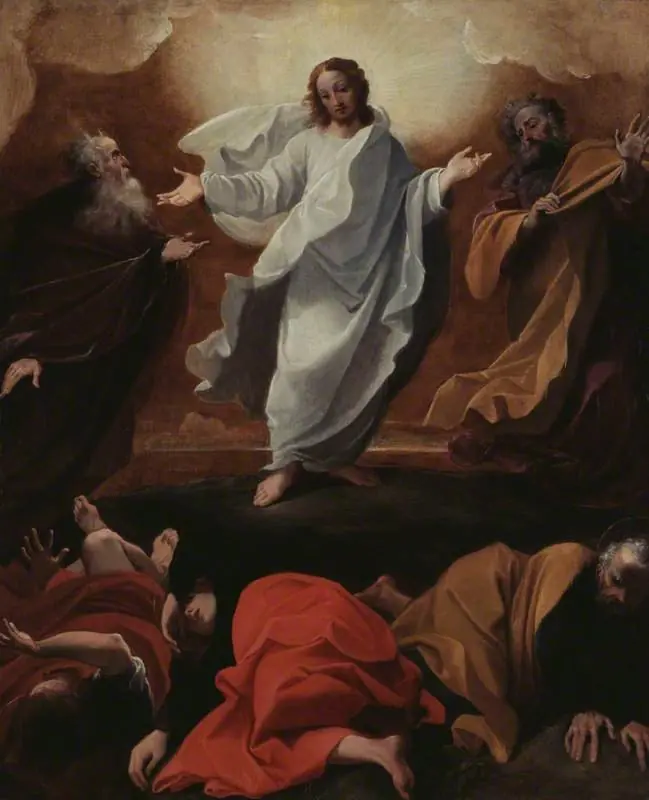
Artist & collection
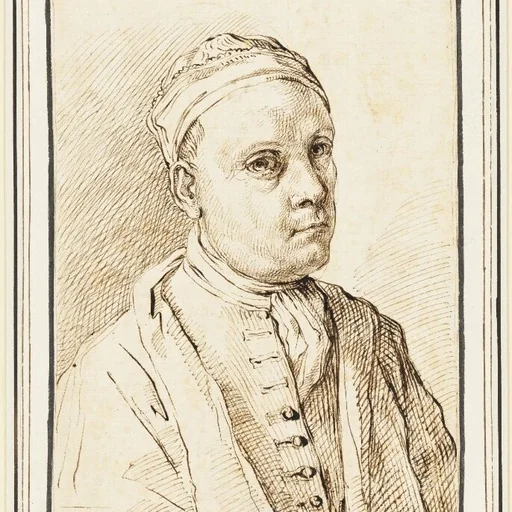
Artist
Giacinto Calandrucci (20 April 1646 – 22 February 1707) was an Italian painter of the Baroque period.