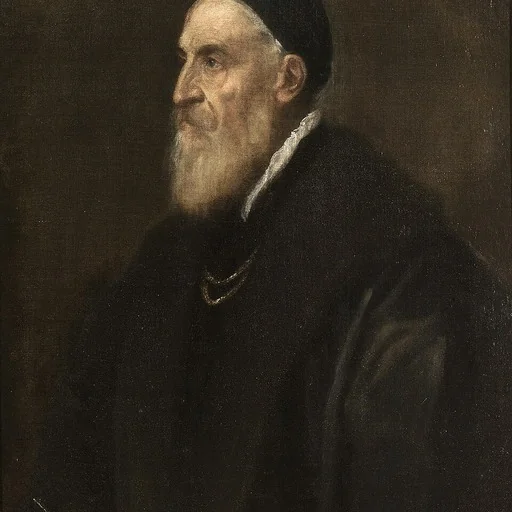
Genre
Religious
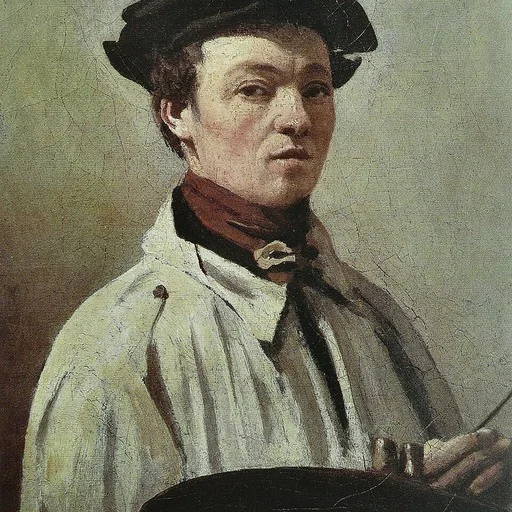
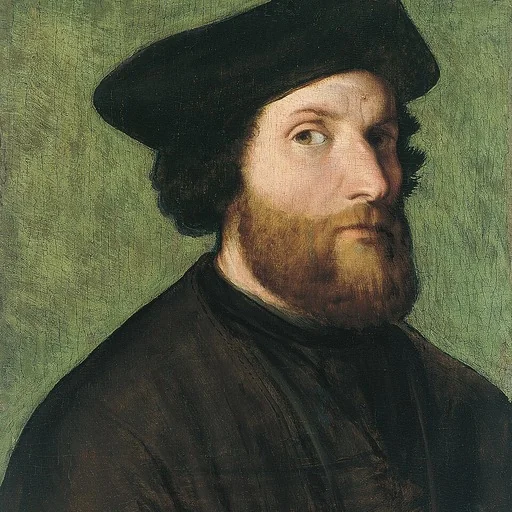
Religious is an art genre. The gallery holds 20,916 works in this genre, including works by Titian, Paolo Veronese and Jean Baptiste Camille Corot.
Religious art — images made to embody, teach, and inspire devotion — is among the oldest and most enduring genres in Western art, and for more than a millennium it was effectively synonymous with art itself. Its Christian tradition begins underground: the earliest identifiably Christian images are 2nd–4th-century wall and ceiling paintings in the Roman catacombs, sketchily rendered in a late-Roman style. This first iconography was largely symbolic — bread and wine for the Eucharist, the fish, the Good Shepherd adapted from a pagan prototype — and Old Testament scenes such as Noah's ark borrowed from Jewish precedent. After Christianity's legalisation under Constantine, art moved from the catacombs into the gold-ground mosaics and icons of the Byzantine basilica.
Through the medieval and Renaissance periods religious subjects dominated painting and sculpture: the Madonna and Child, the Crucifixion, saints' lives, and the Last Judgment. Defining characteristics shifted with each era — the flat, hieratic gold grounds of icons; Giotto's new naturalism; the serene devotional clarity of Fra Angelico and Fra Bartolomeo; and the monumental humanism of the High Renaissance, when Michelangelo painted the Sistine Ceiling and Raphael produced jewel-like panels such as Saint George and the Dragon (c. 1506, now in Washington), the saint wearing the English Garter awarded to his Urbino patron.
The genre's most consequential turn came with the Counter-Reformation. The Council of Trent (1545–1563), in its twenty-fifth session of December 1563, issued a decree on sacred images demanding clarity, decorum, and emotional immediacy to instruct the faithful. This fuelled the Baroque, where Caravaggio's dramatic tenebrism and theatrical realism made scripture viscerally present. Georges de La Tour absorbed that Caravaggesque inheritance but distilled it into still, candlelit meditations — as in his Penitent and Repentant Magdalen images, where a single flame, a skull, and a mirror become a quiet drama of mortality and conversion.
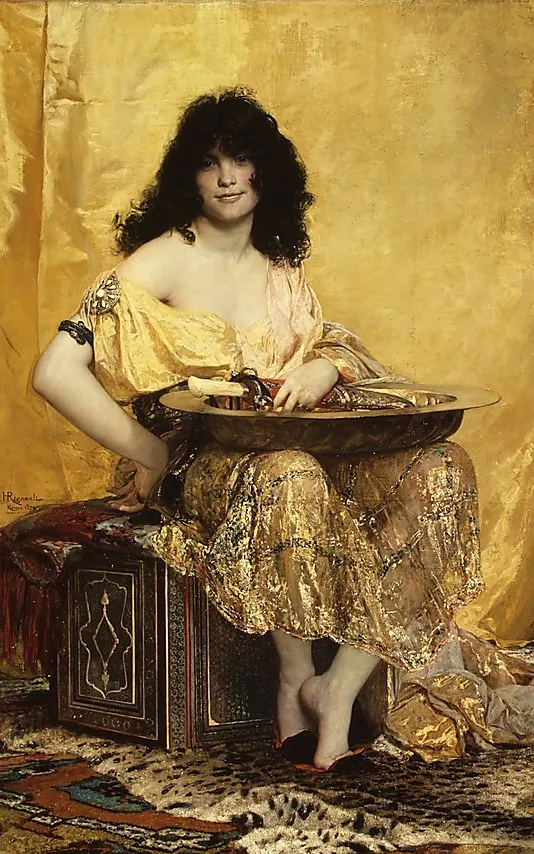
Religious art's legacy is foundational rather than peripheral: it shaped the development of perspective, oil technique, narrative composition, and the very iconography later genres would secularise. Even as patronage diversified after 1700, sacred themes persisted — Rembrandt's biblical etchings, and later Romantic and Symbolist treatments such as Henri Regnault's Salome — keeping the genre in dialogue with Renaissance classicism, Baroque drama, and the wider history of Western image-making.
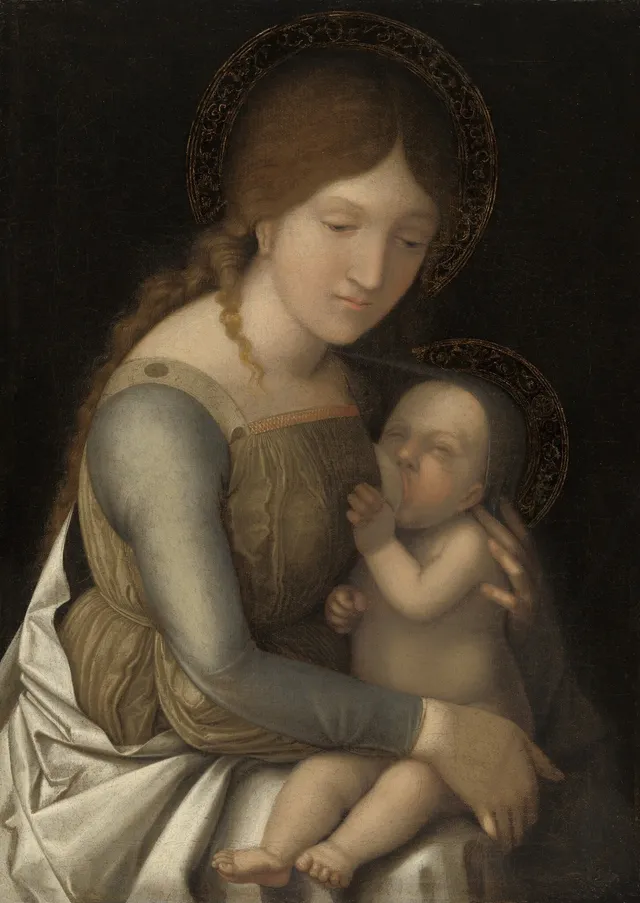
Key artists
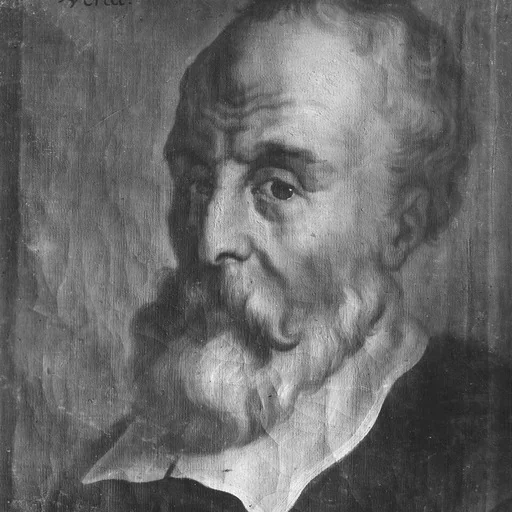
Works
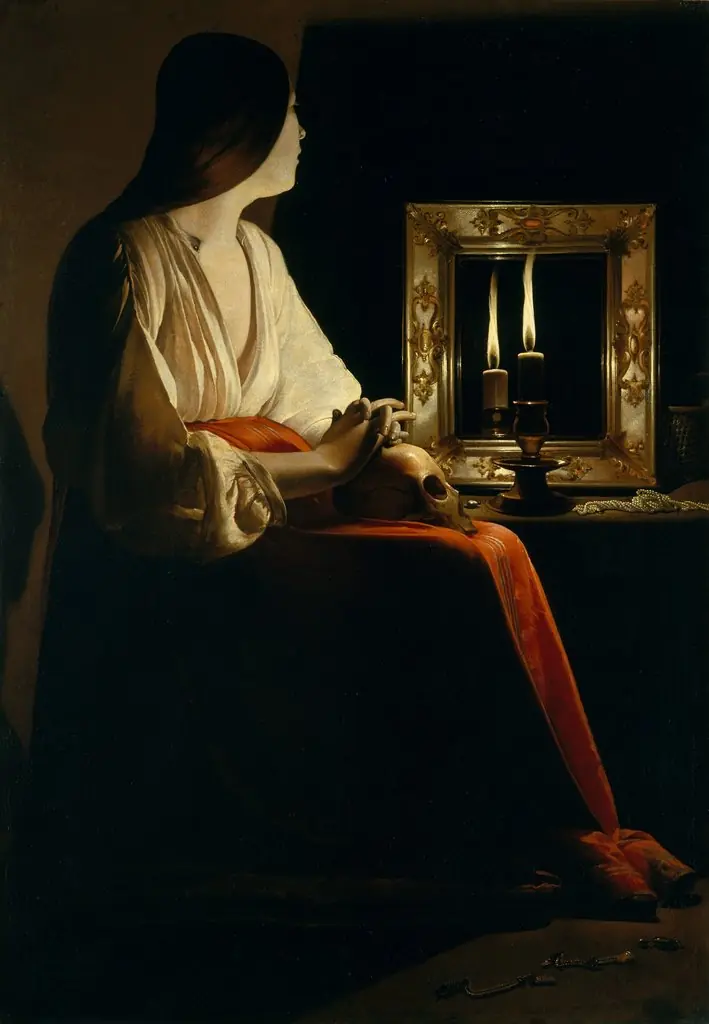 The Penitent Magdalen
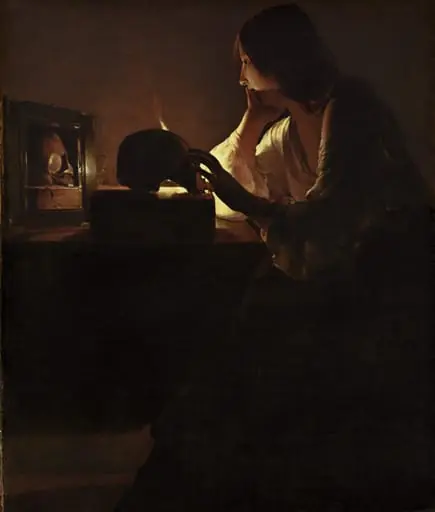 The Repentant Magdalen
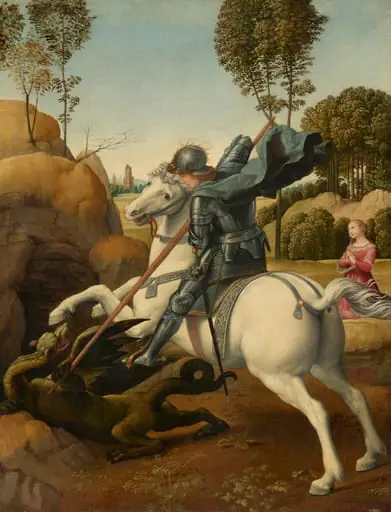 Saint George and the Dragon
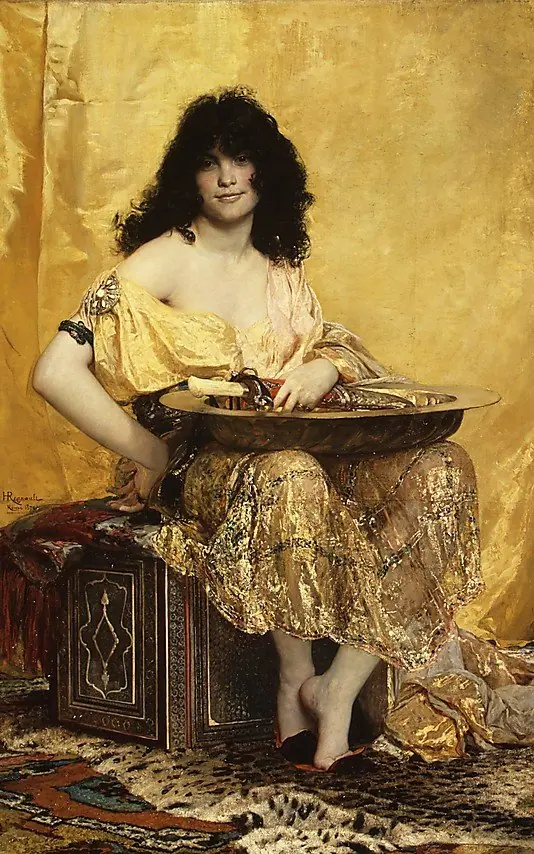 Salome
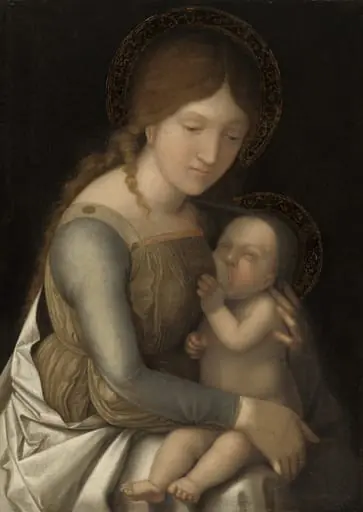 Madonna and Child
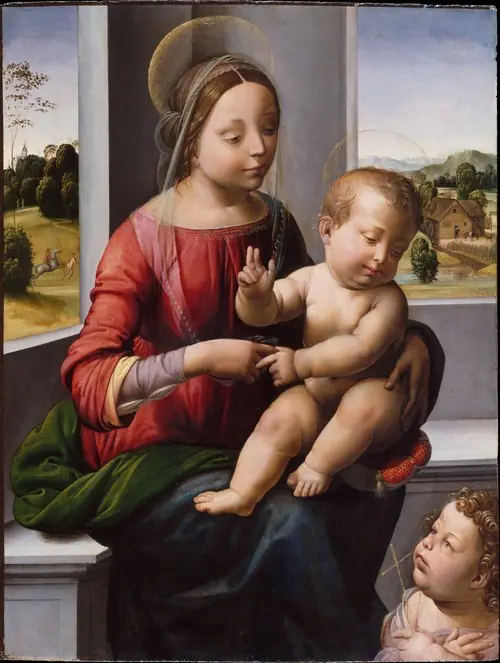 Madonna and Child with the Young Saint John the Baptist
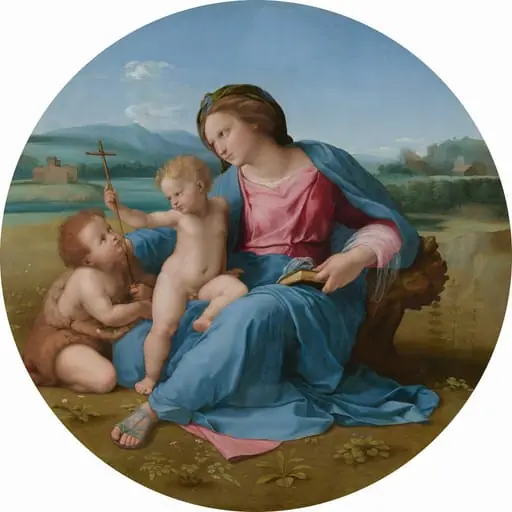 The Alba Madonna
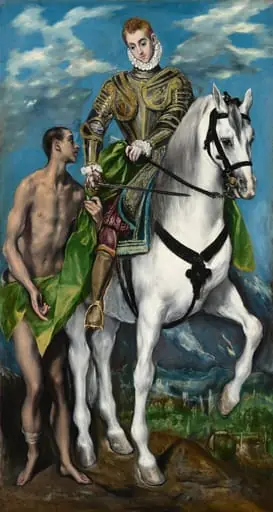 Saint Martin and the Beggar
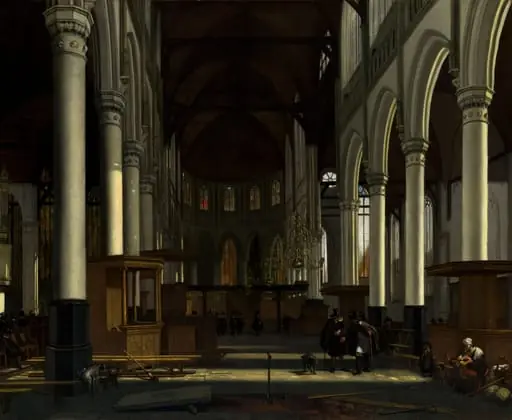 The Interior of the Oude Kerk, Amsterdam
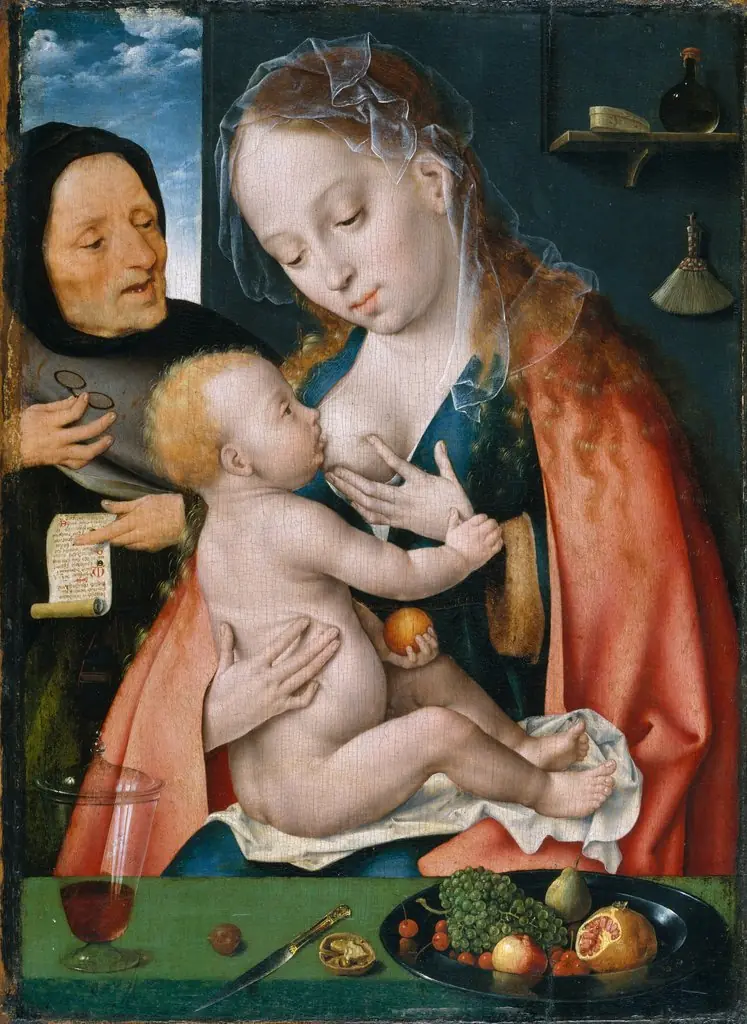 The Holy Family
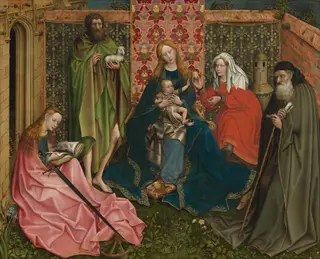 Madonna and Child with Saints in the Enclosed Garden
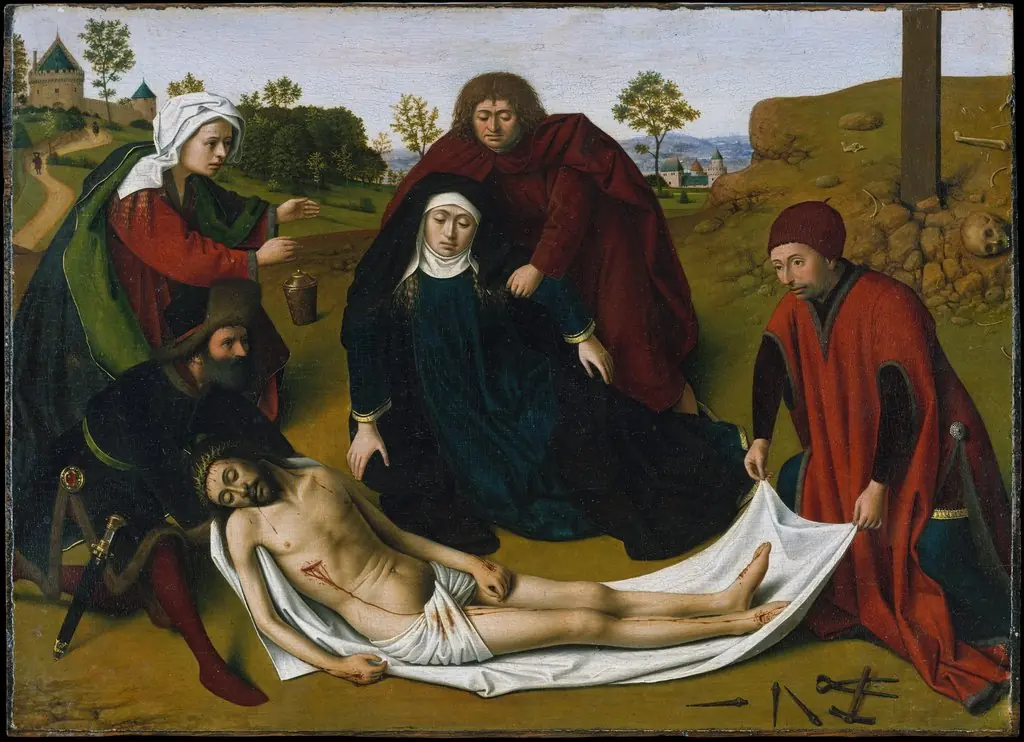 The Lamentation
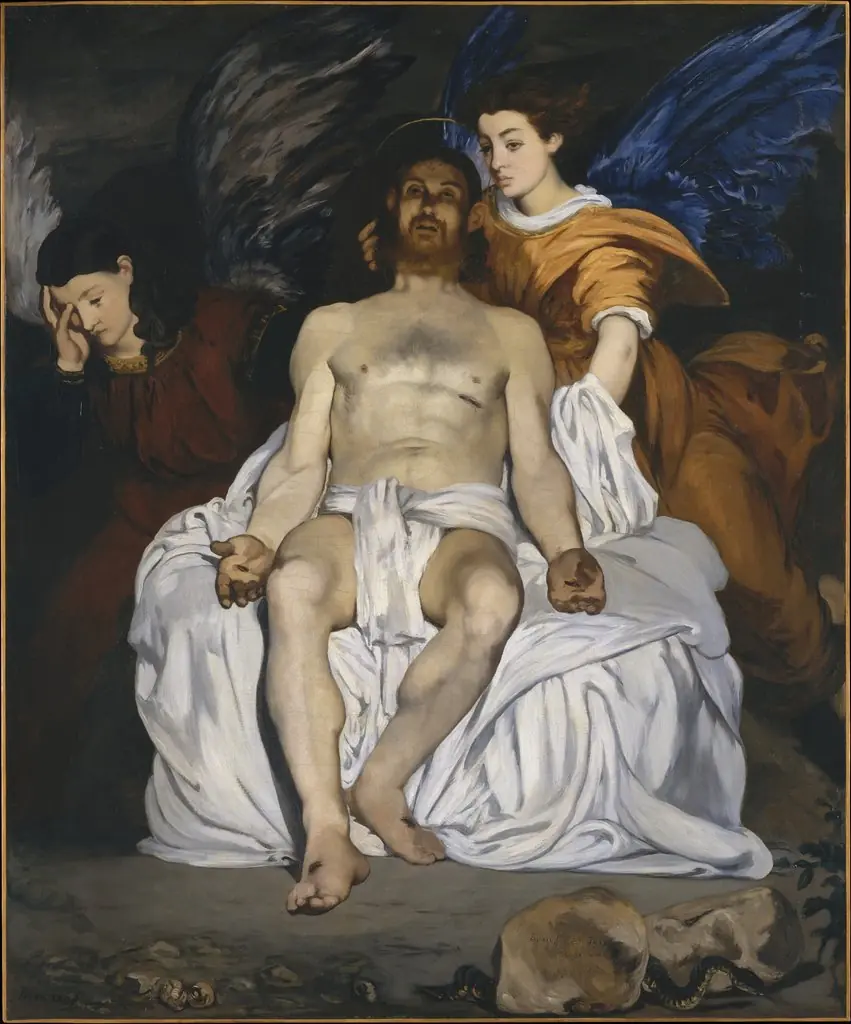 The Dead Christ with Angels
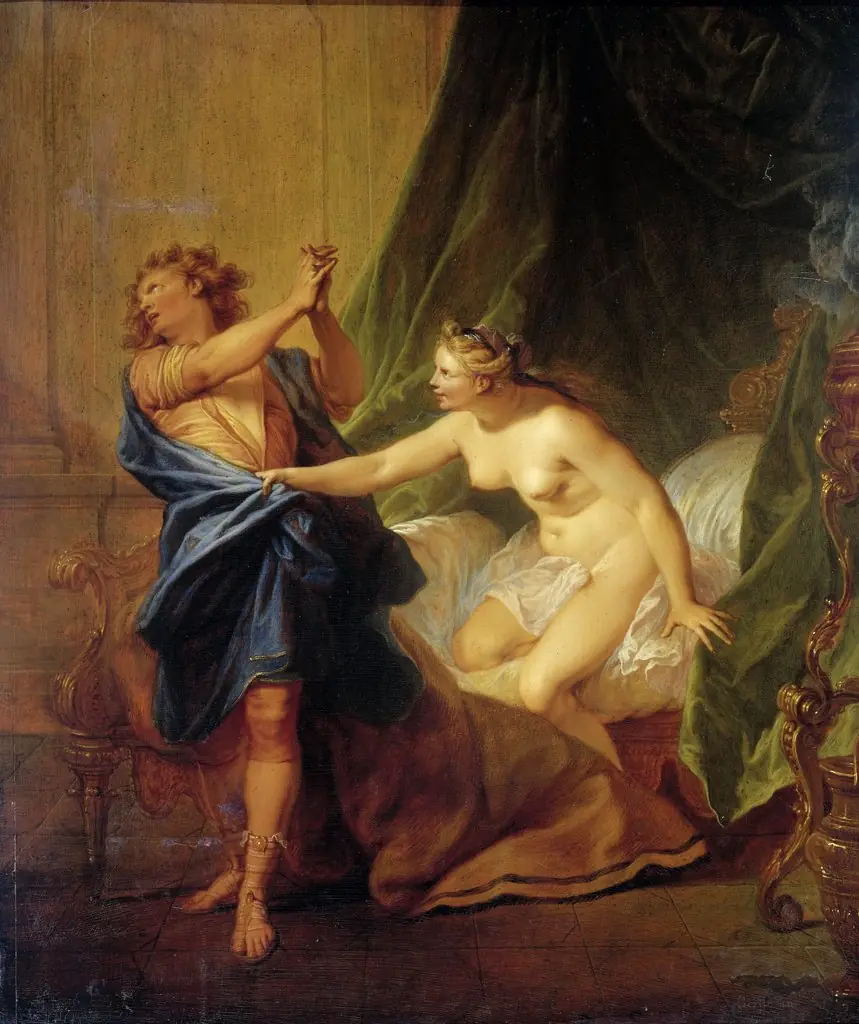 Joseph and Potiphar's Wife
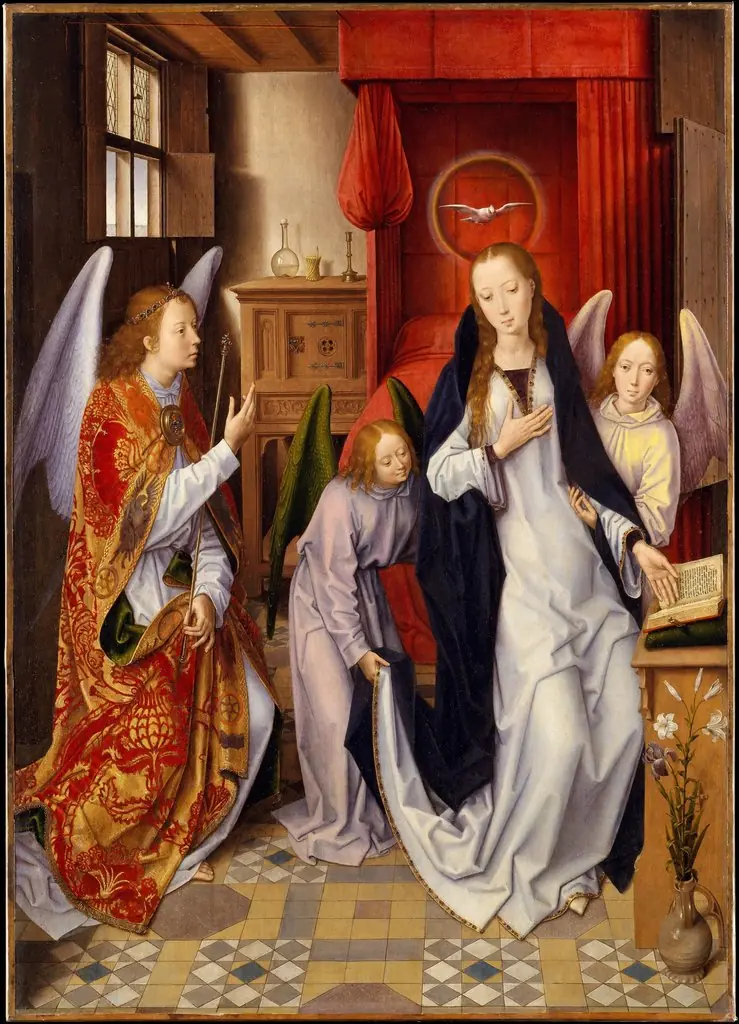 Annunciation
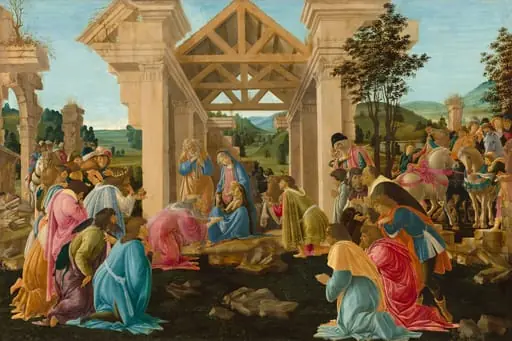 The Adoration of the Magi
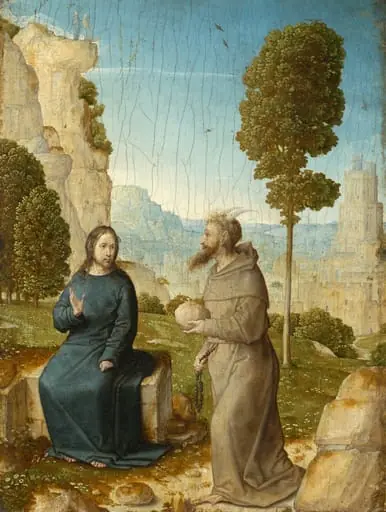 The Temptation of Christ
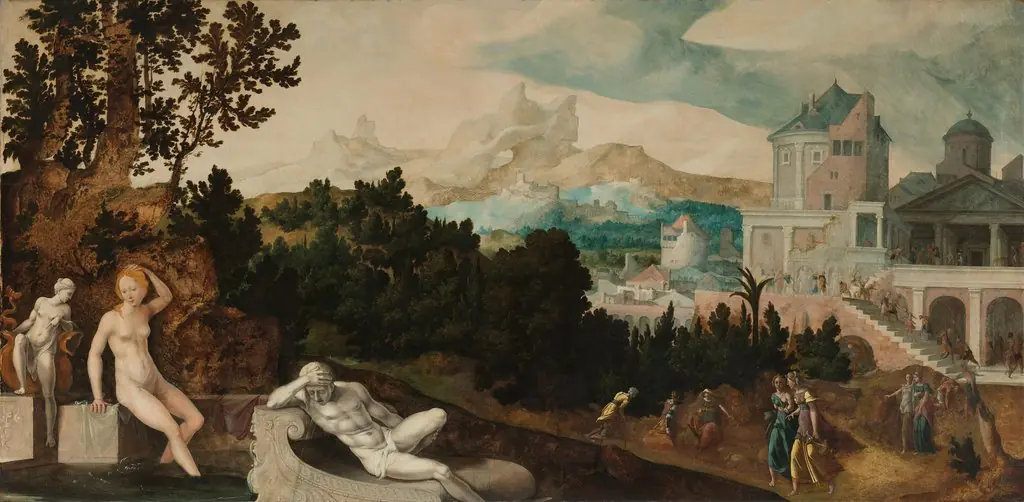 Landscape with Bathsheba
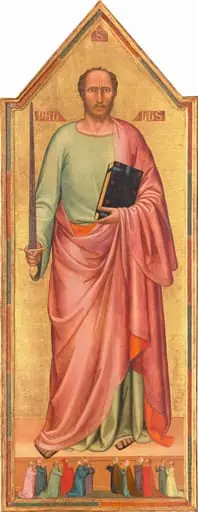 Saint Paul and a Group of Worshippers
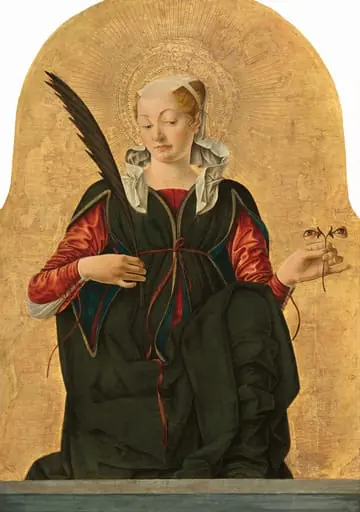 Saint Lucy
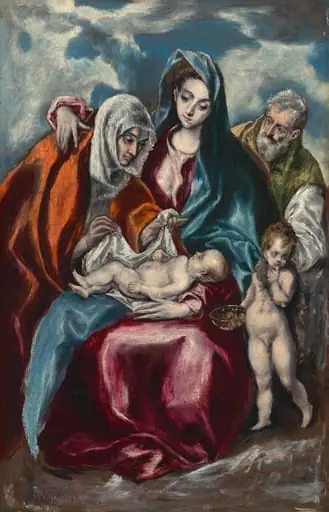 The Holy Family with Saint Anne and the Infant John the Baptist
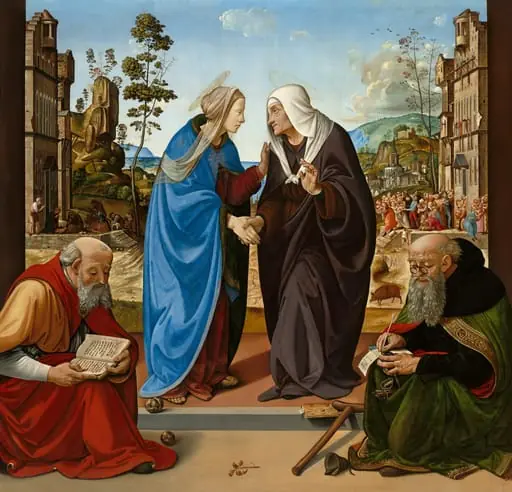 The Visitation with Saint Nicholas and Saint Anthony Abbot
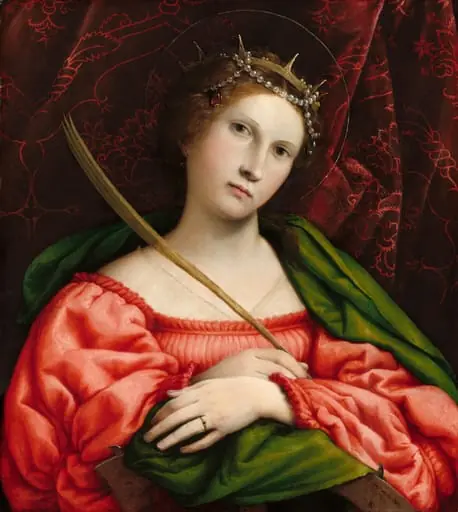 Saint Catherine
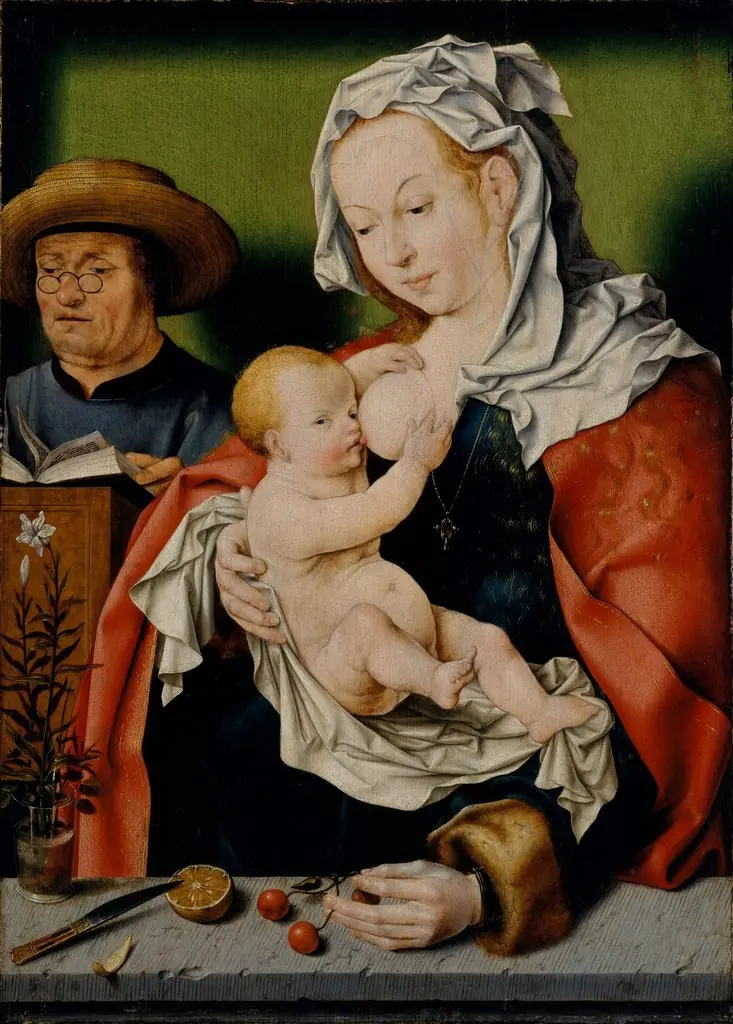 The Holy Family
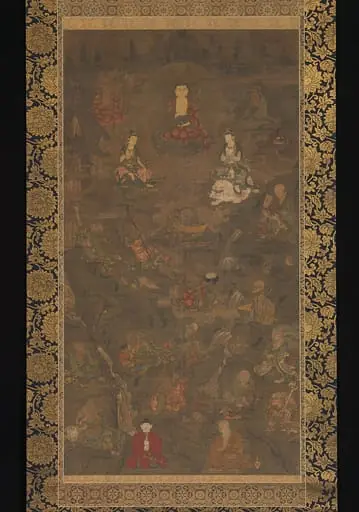 釈迦三尊十六羅漢像|Shaka (Shakyamuni), the Historical Buddha, with Two Attendant Bodhisattvas and Sixteen Arhats
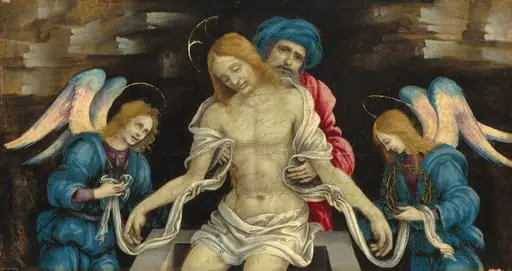 Pietà (The Dead Christ Mourned by Nicodemus and Two Angels)
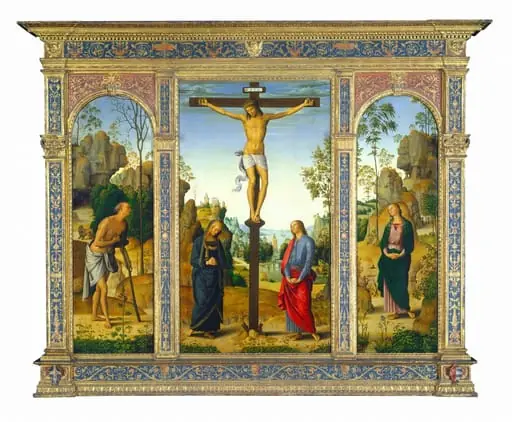 The Crucifixion with the Virgin, Saint John, Saint Jerome, and Saint Mary Magdalene
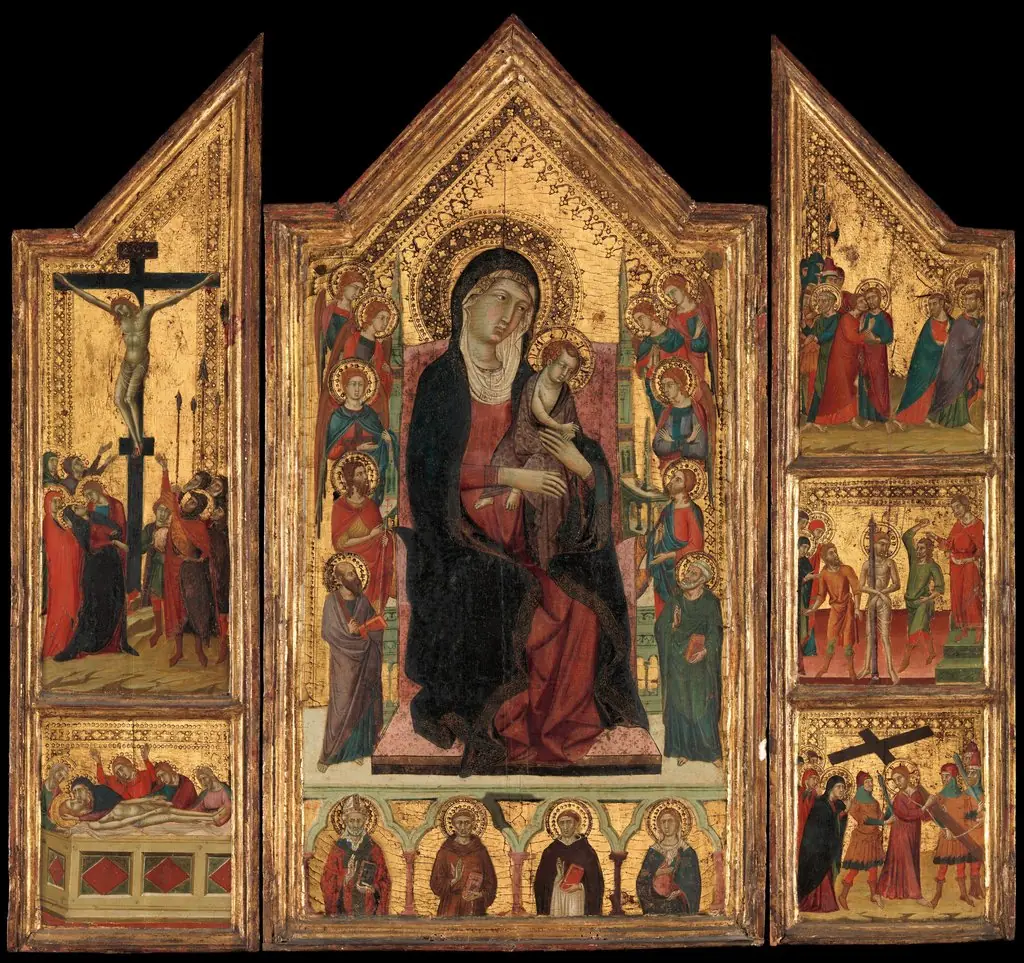 Madonna and Child Enthroned
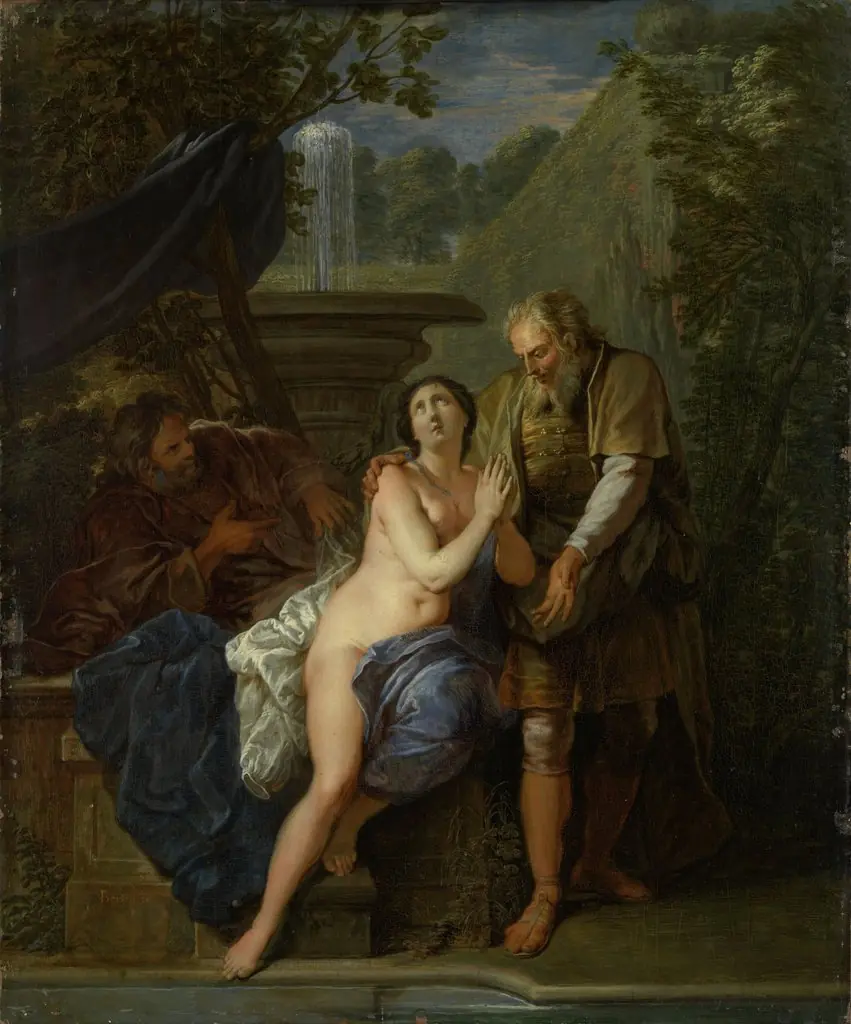 Susanna and the Elders
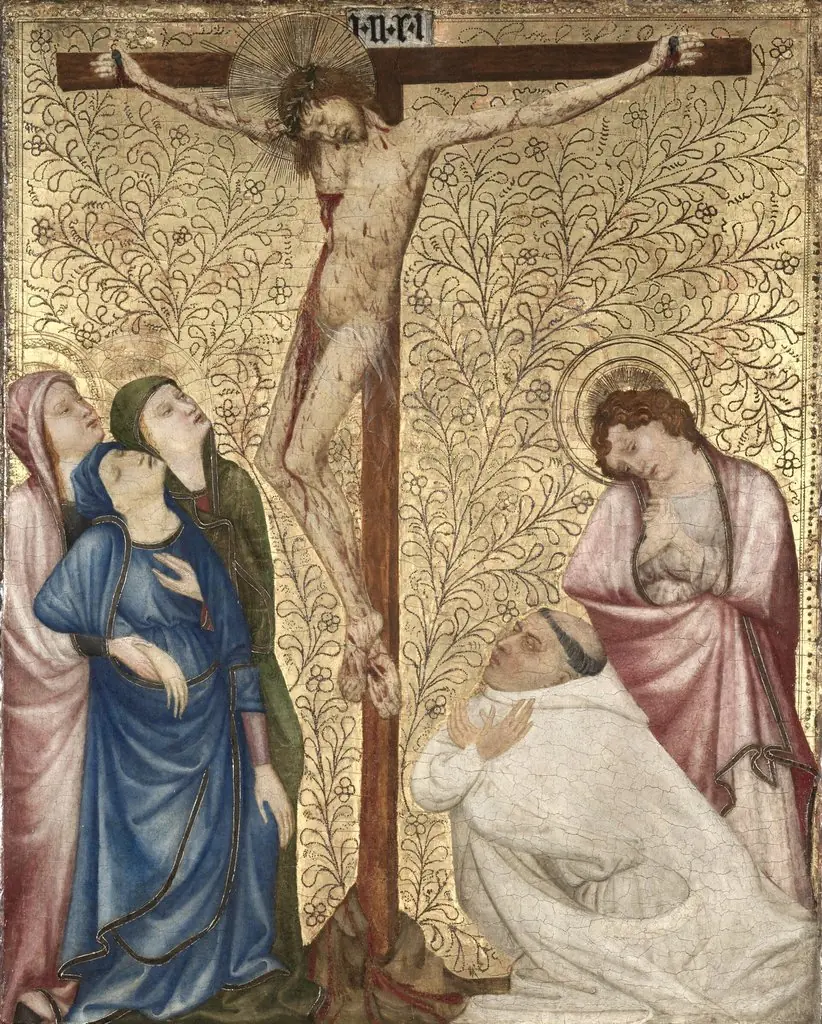 Calvary with a Carthusian Monk
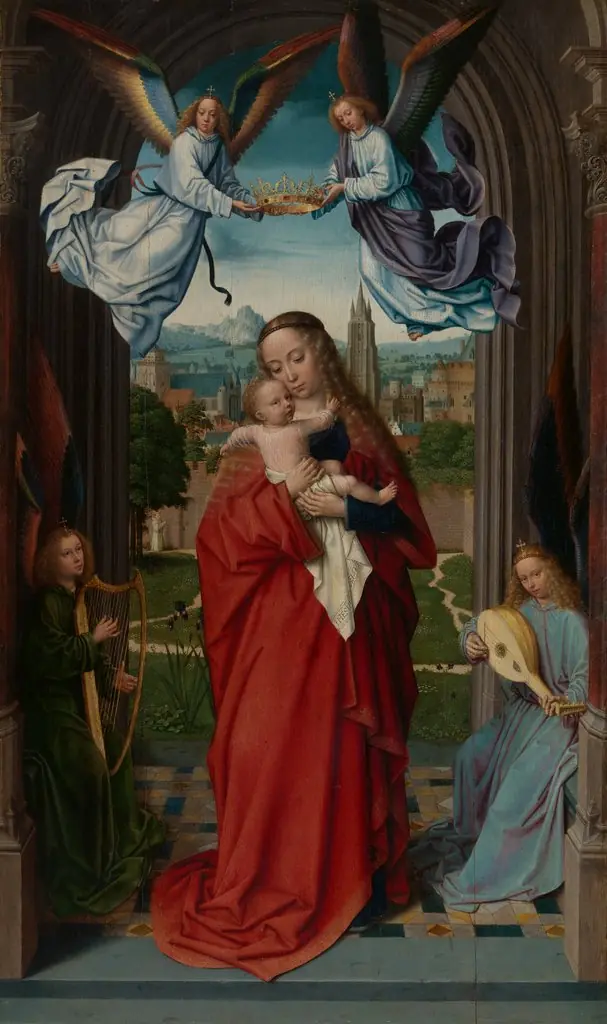 Virgin and Child with Four Angels
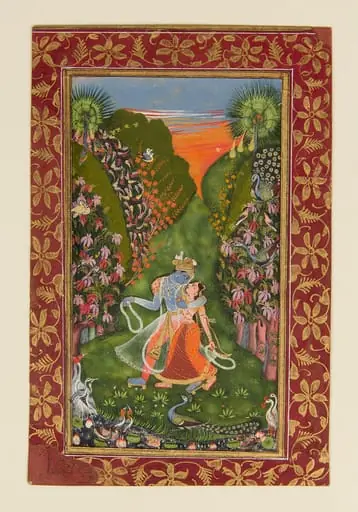 Untitled
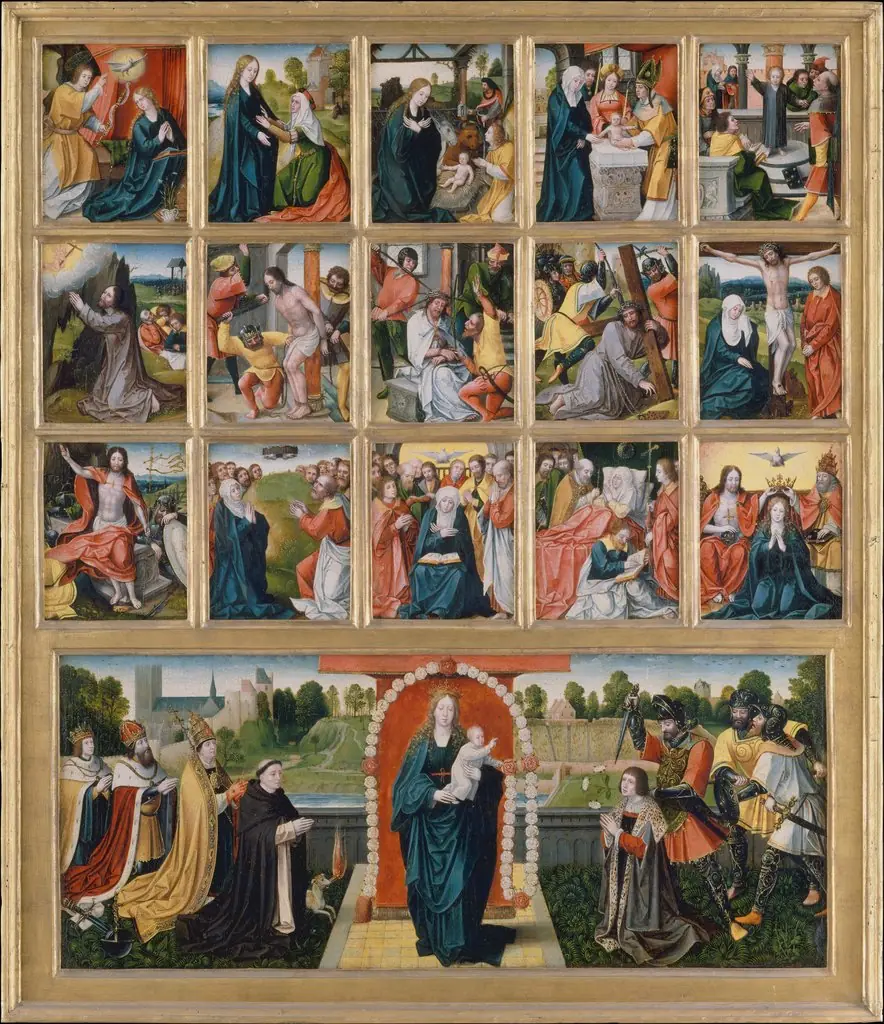 The Fifteen Mysteries and the Virgin of the Rosary
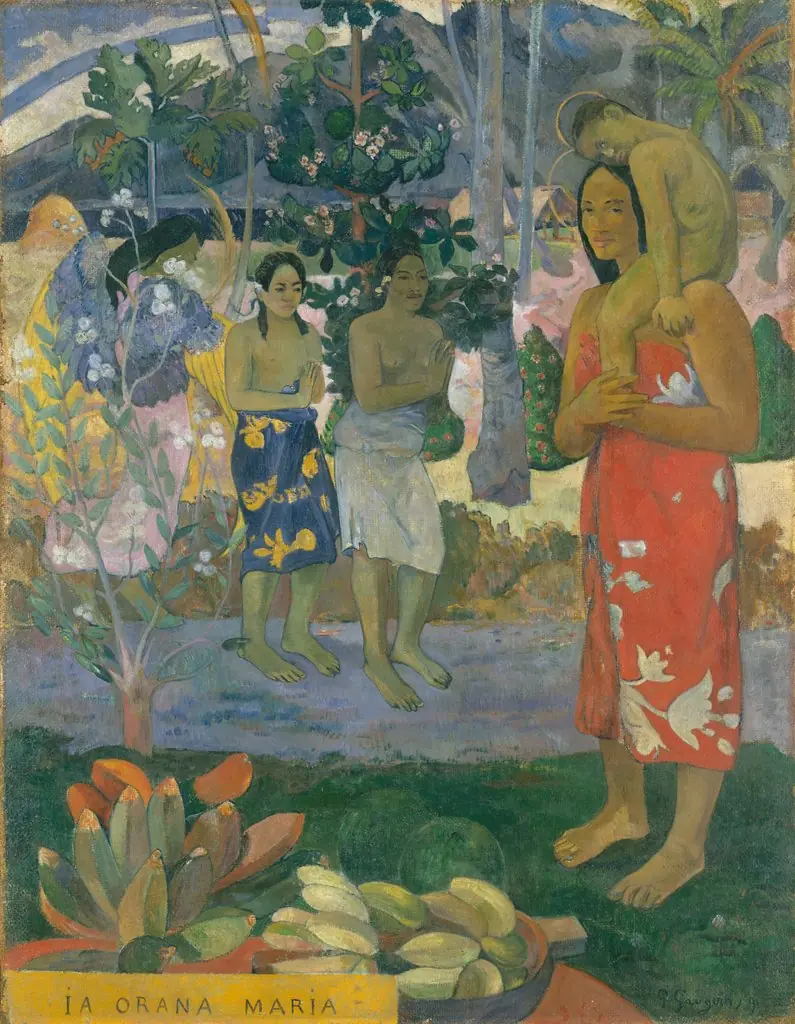 Ia Orana Maria
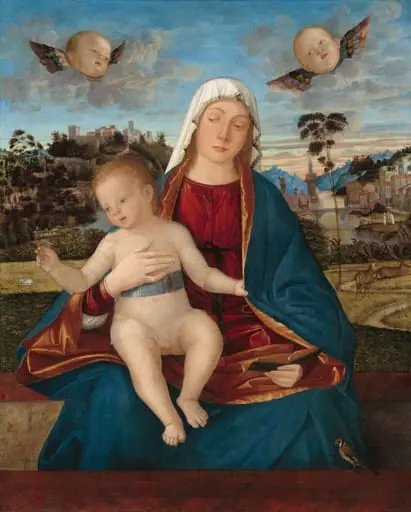 Madonna and Child
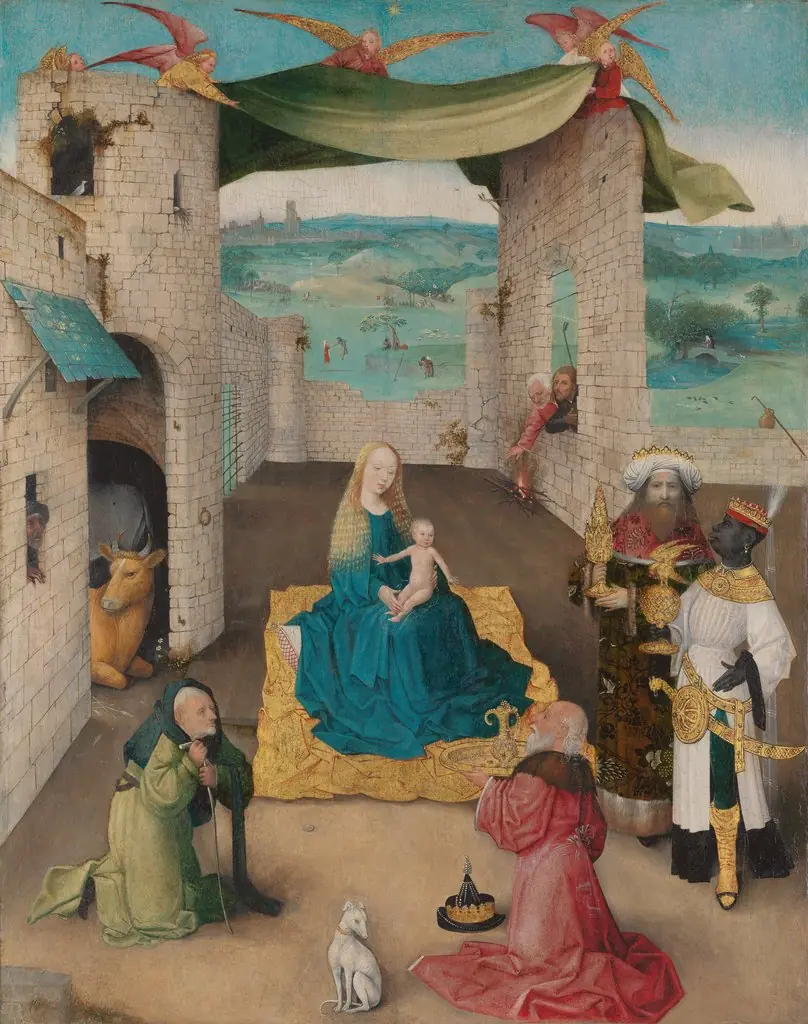 The Adoration of the Magi
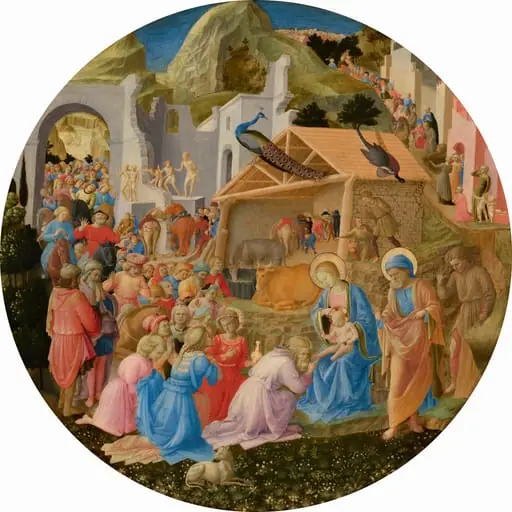 The Adoration of the Magi
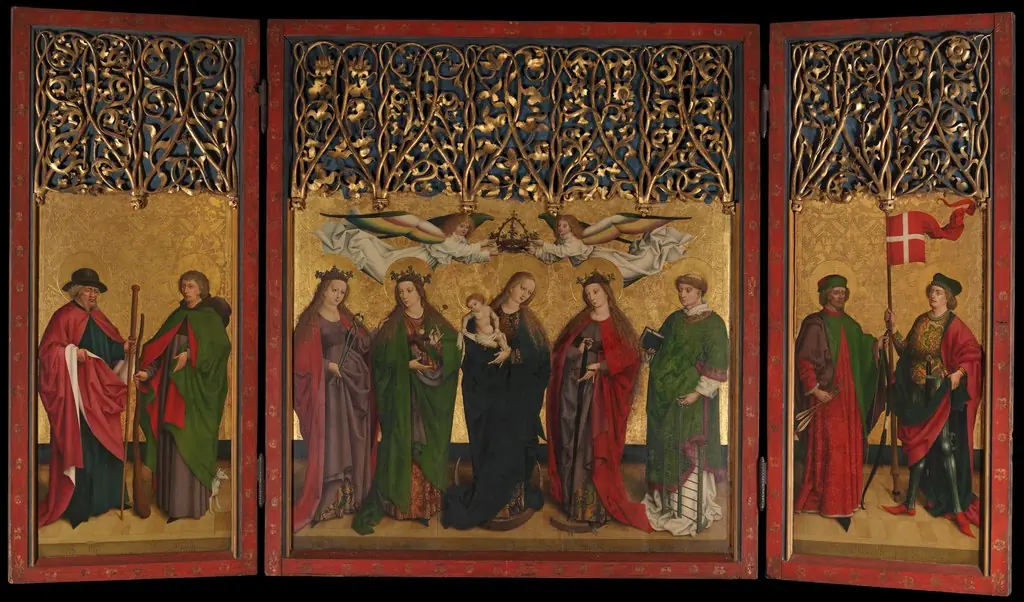 Burg Weiler Altar Triptych
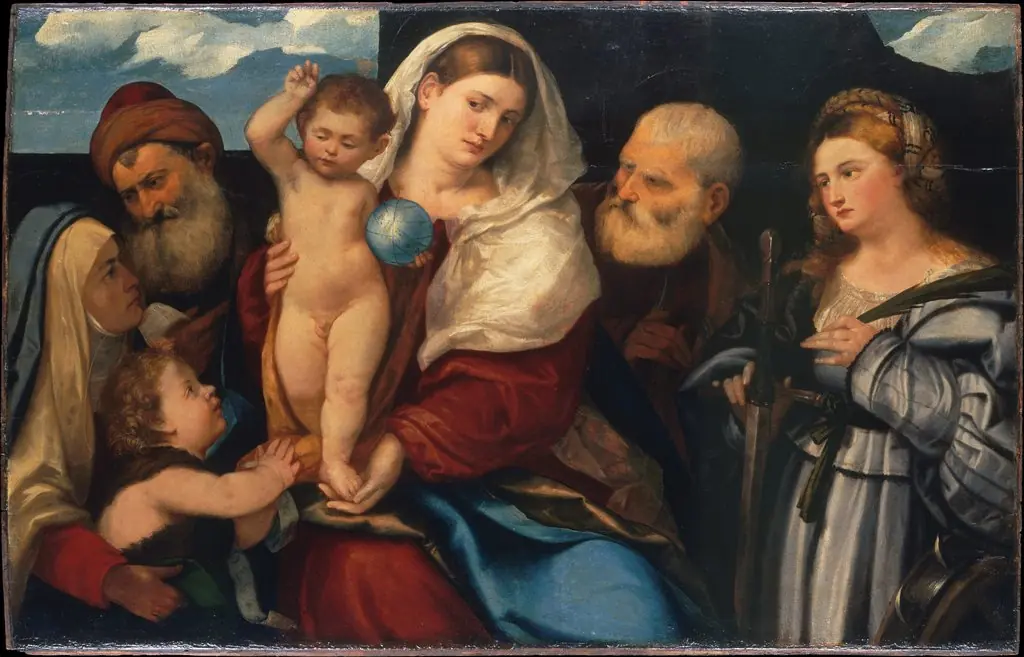 Madonna and Child with Saints
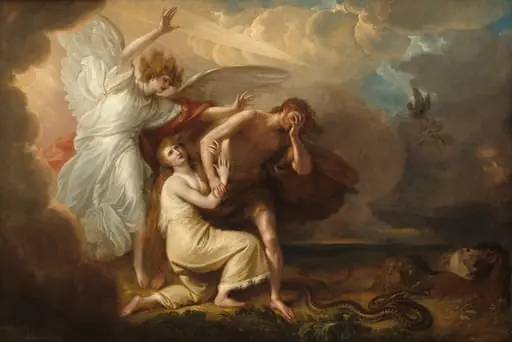 The Expulsion of Adam and Eve from Paradise
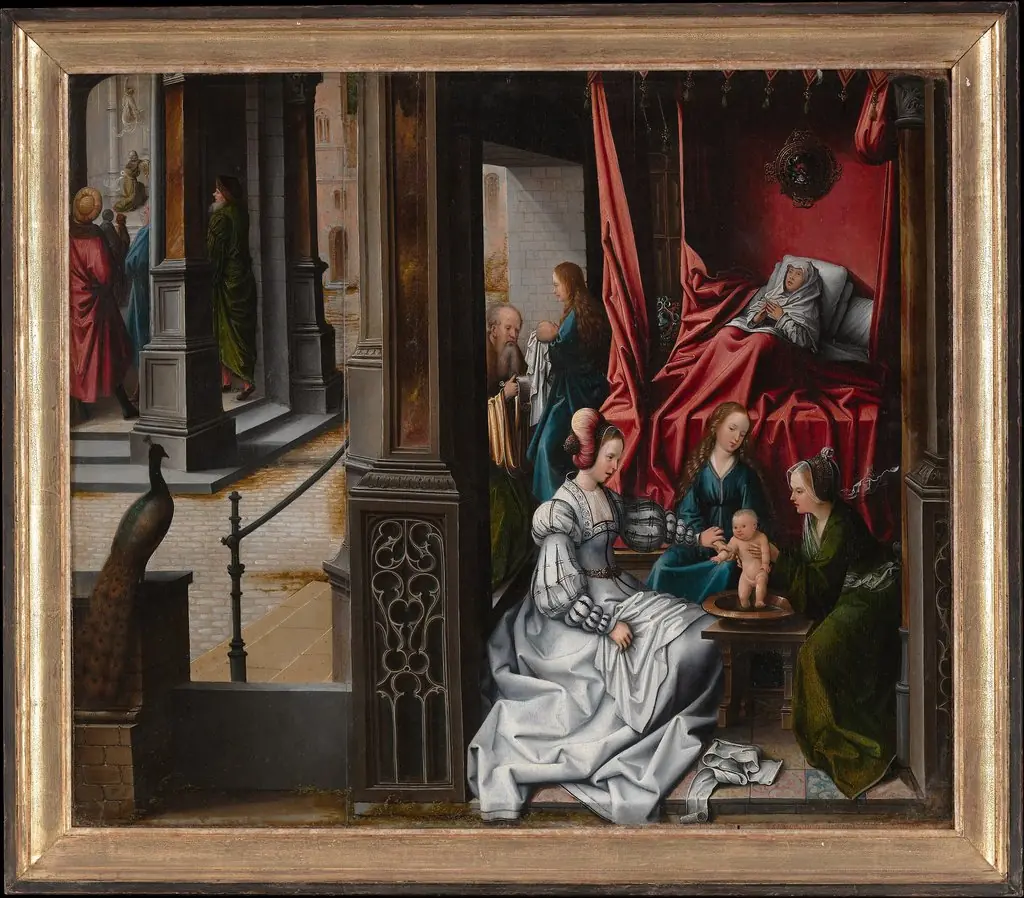 The Birth and Naming of Saint John the Baptist; (reverse) Trompe-l'oeil with Painting of The Man of Sorrows
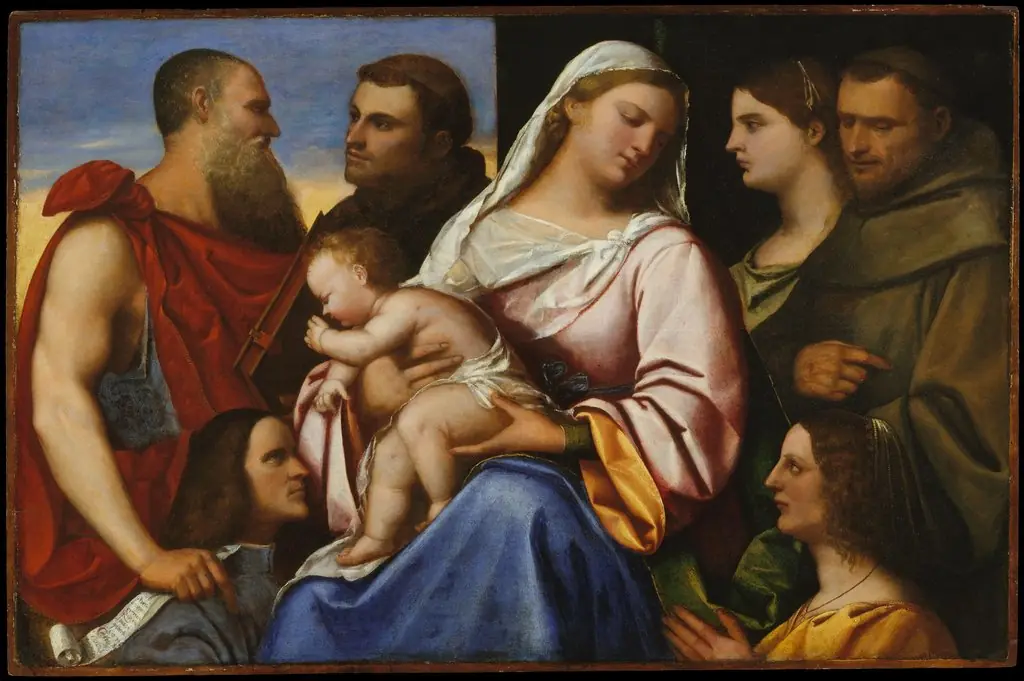 Madonna and Child with Saints and Donors
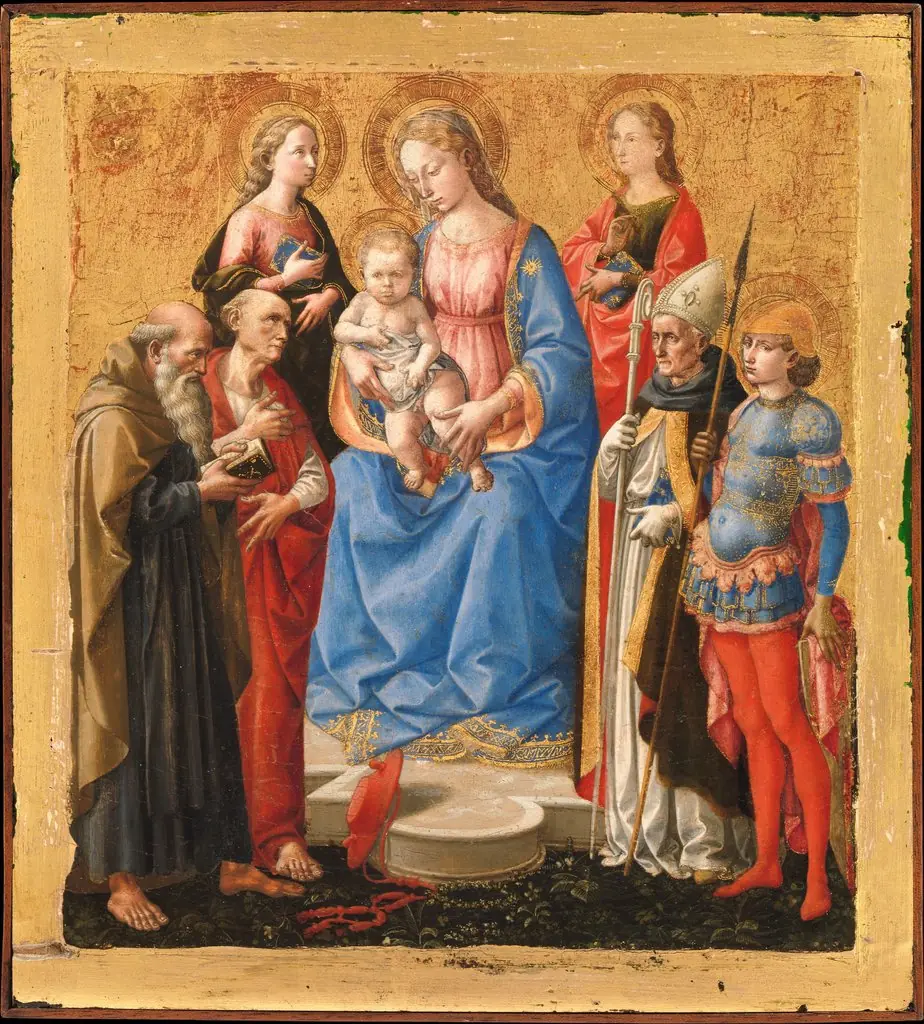 Madonna and Child with Six Saints
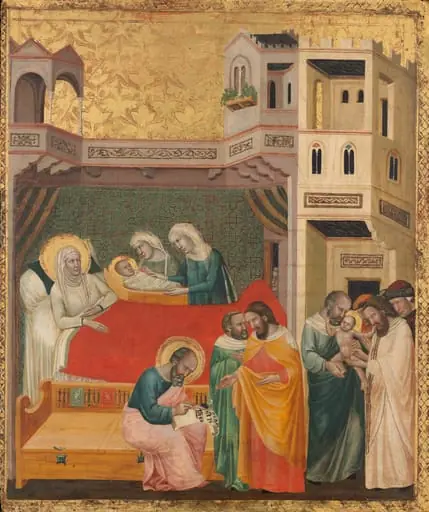 The Birth, Naming, and Circumcision of Saint John the Baptist
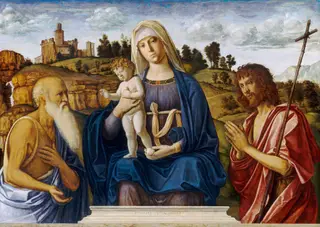 Madonna and Child with Saint Jerome and Saint John the Baptist
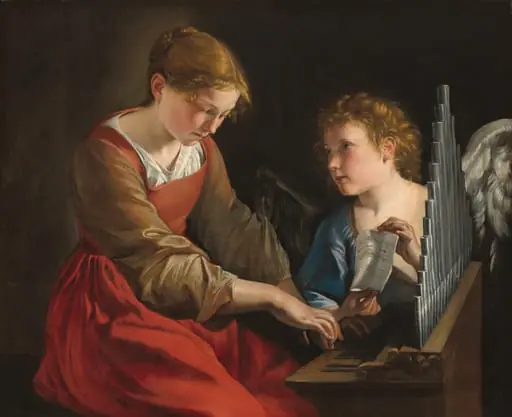 Saint Cecilia and an Angel
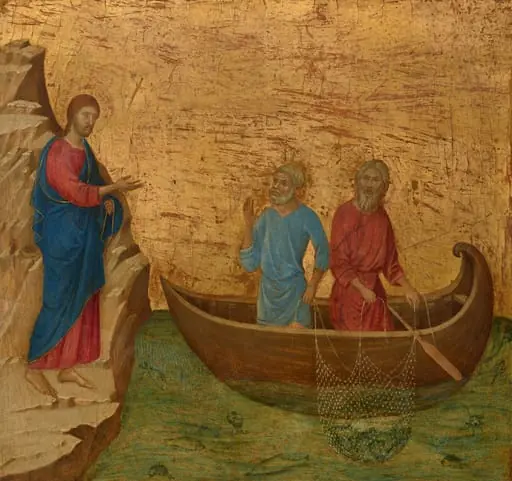 The Calling of the Apostles Peter and Andrew
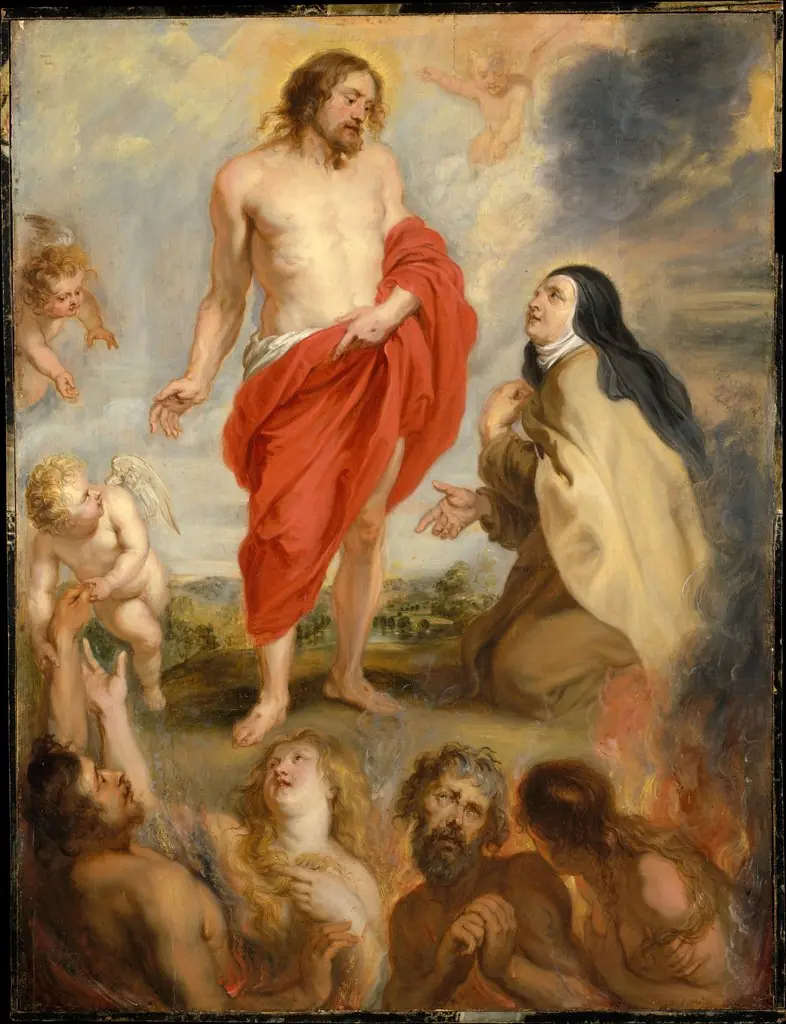 Saint Teresa of Ávila Interceding for Souls in Purgatory
 Untitled
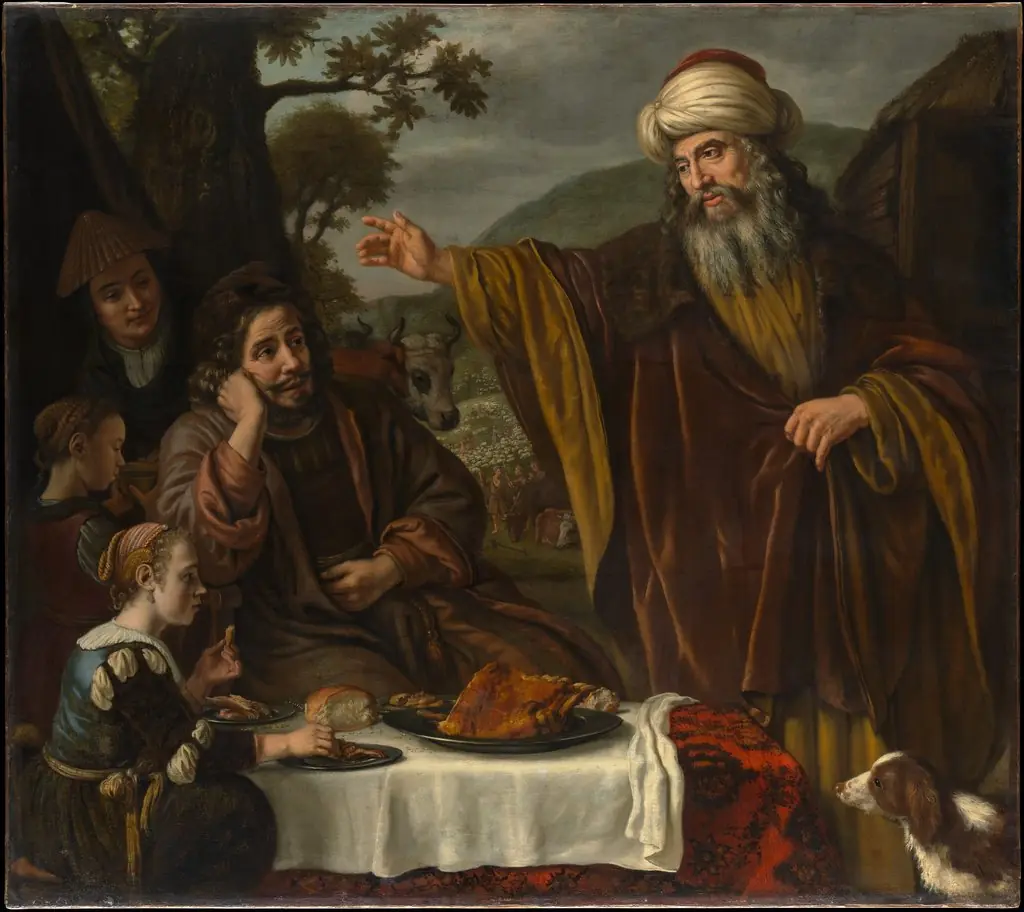 Abraham's Parting from the Family of Lot
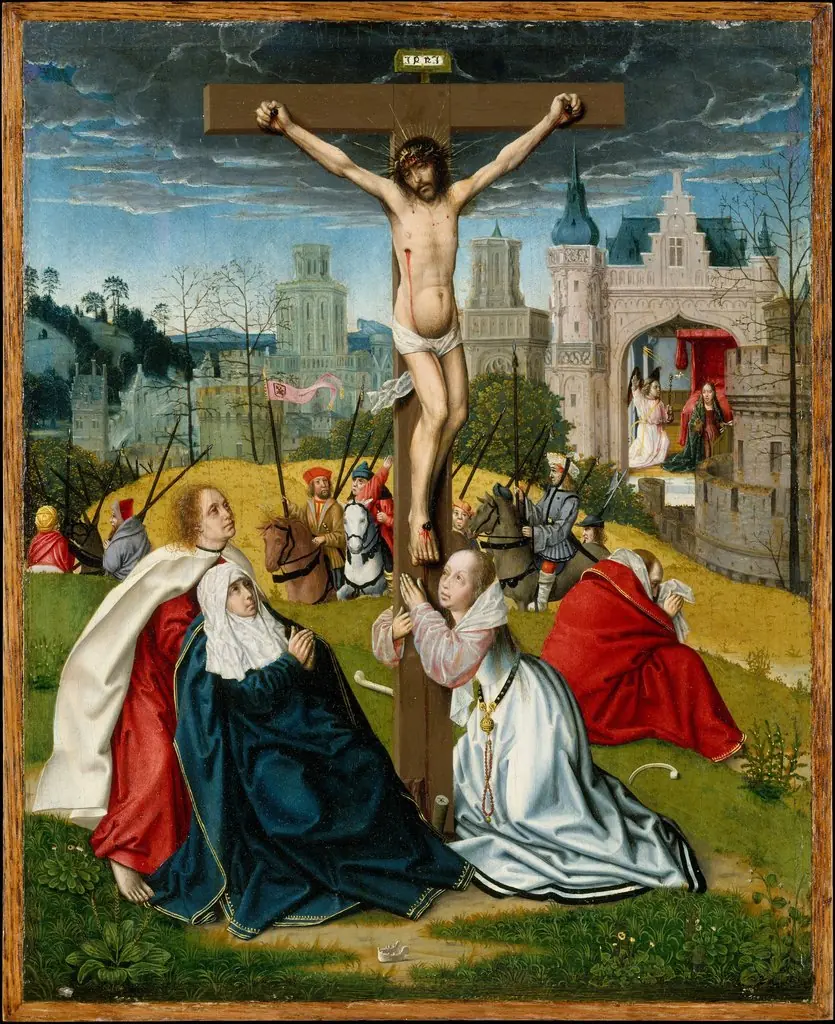 The Crucifixion
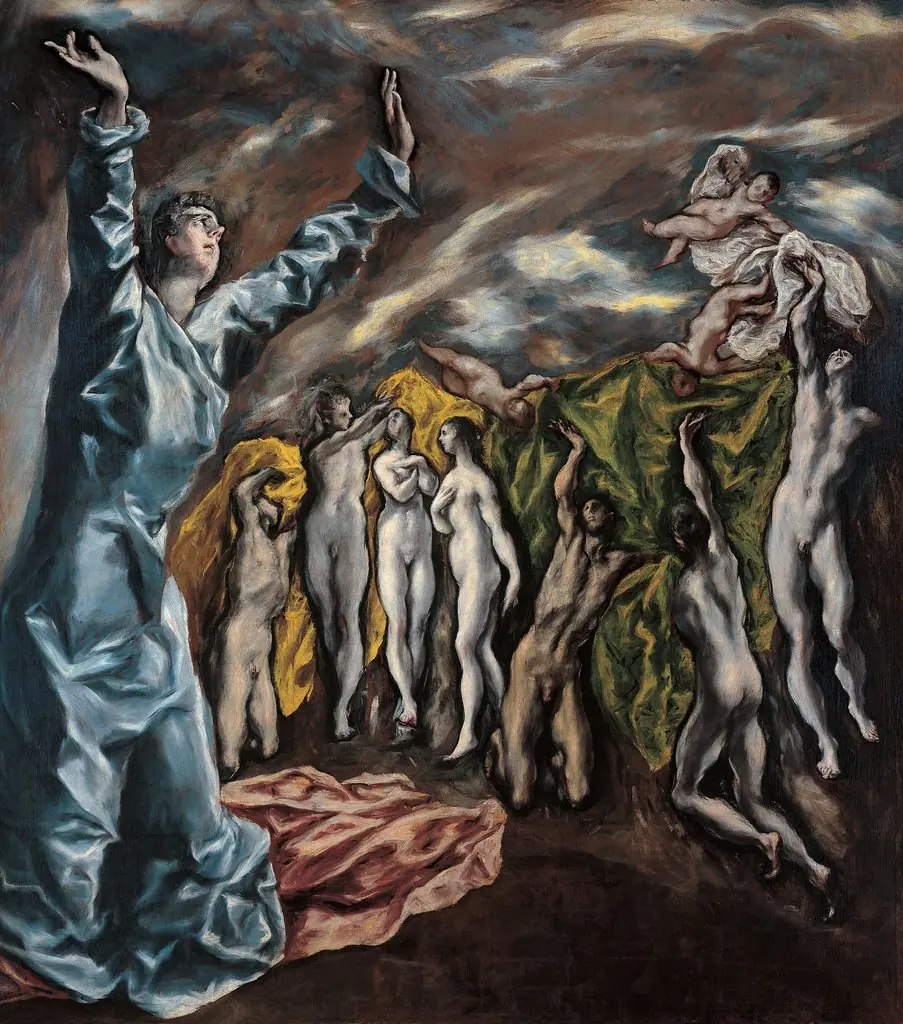 Opening of the Fifth Seal
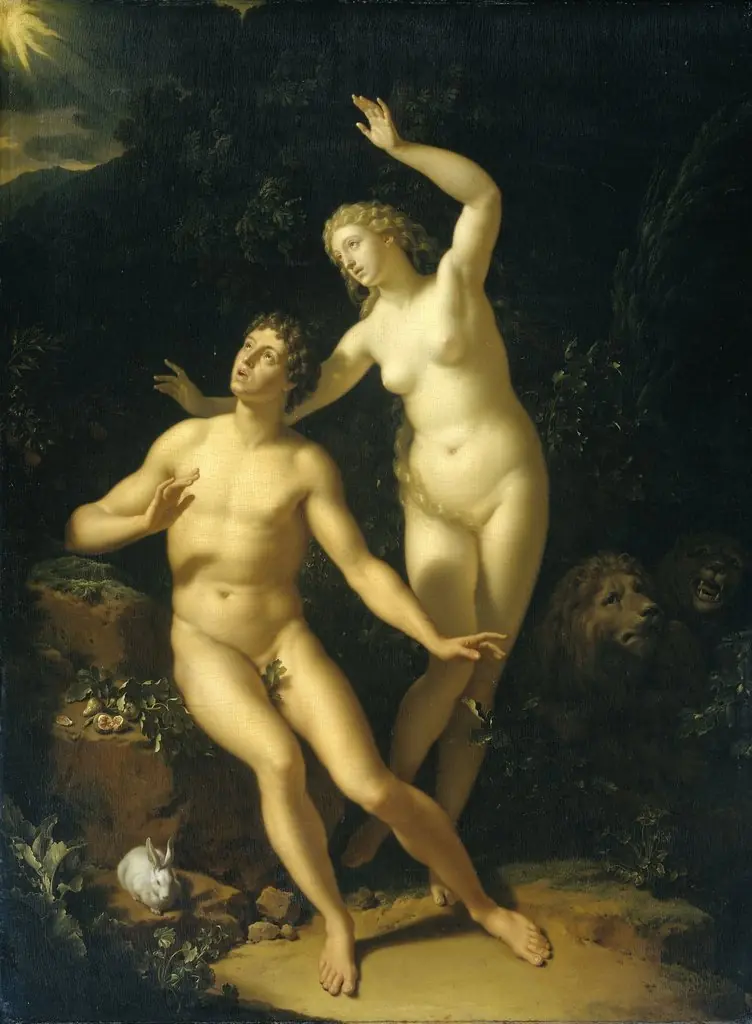 God Holds Adam and Eve Responsible
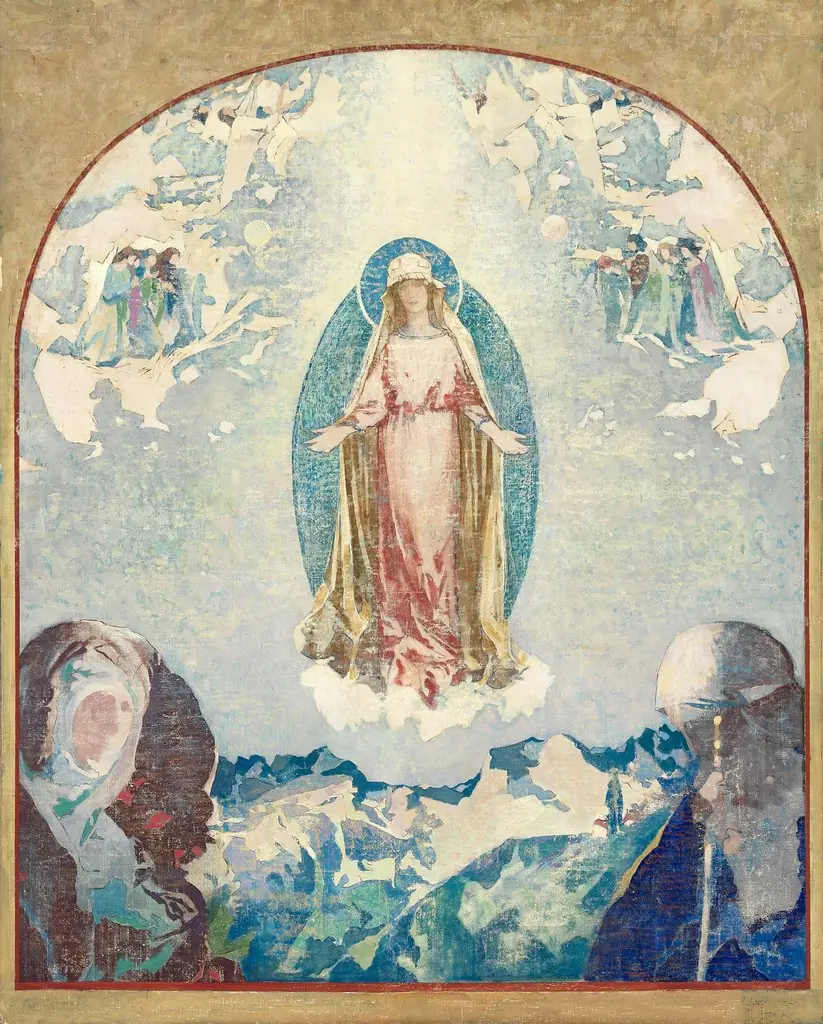 Rosa Mystica
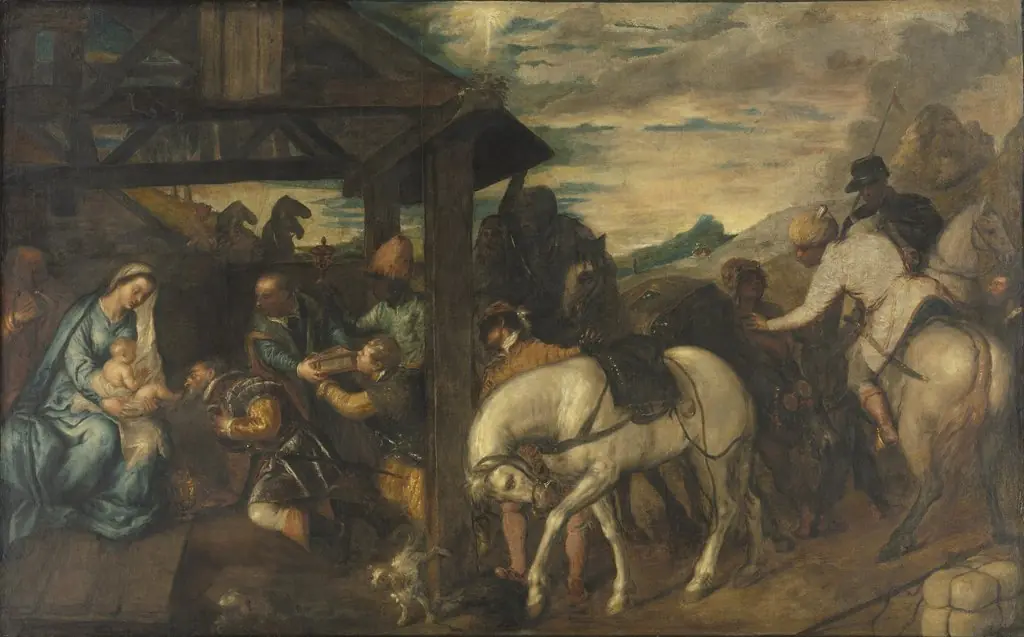 Adoration of the Magi
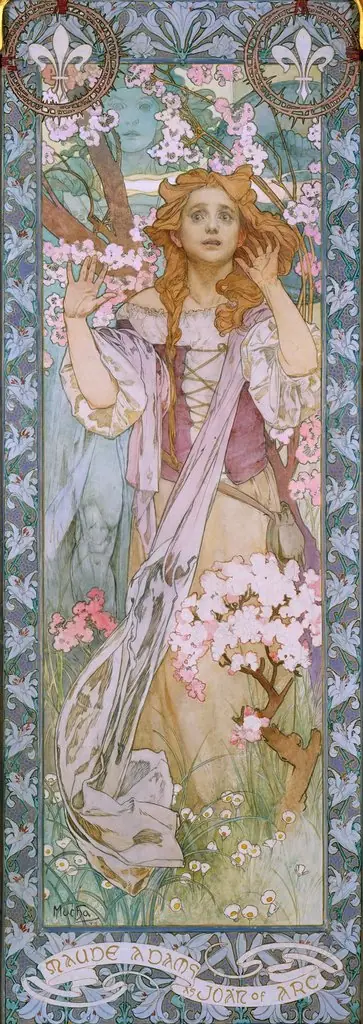 Maude Adams (1872–1953) as Joan of Arc
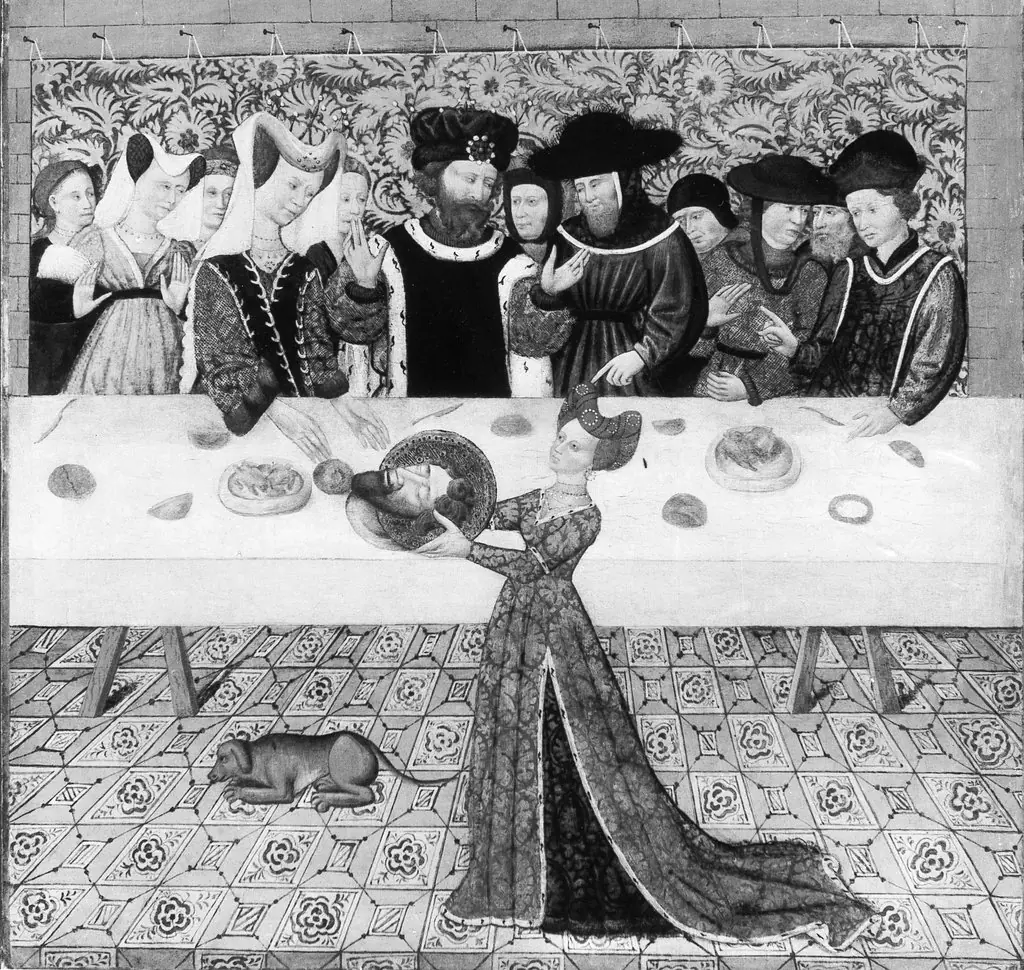 Salome with the Head of Saint John the Baptist
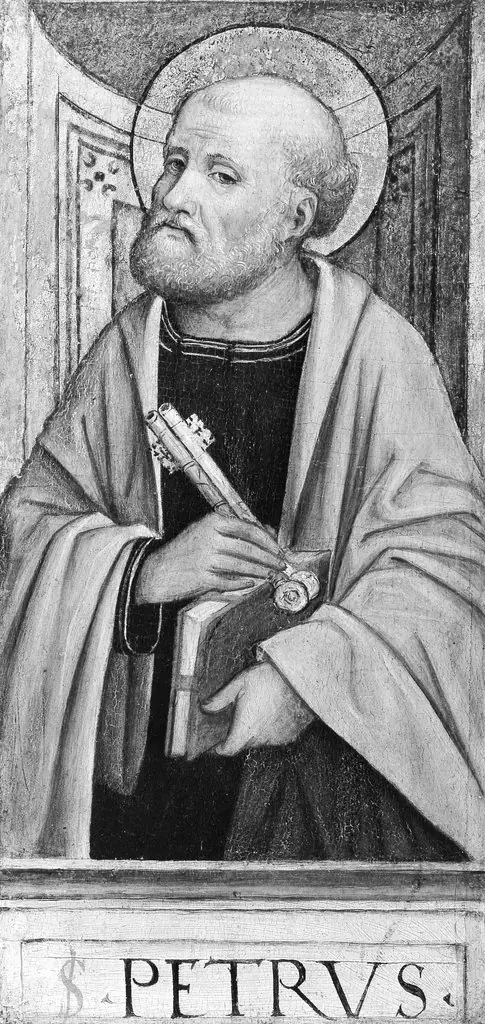 The Twelve Apostles: Saints Bartholomew, Andrew, Matthew, James the Greater, Thaddeus, Philip, James the Lesser, Simon, Peter, Paul, Thomas, and John
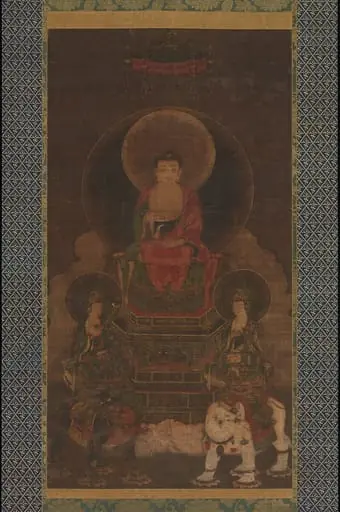 釈迦三尊像|Shaka (Shakyamuni) Triad
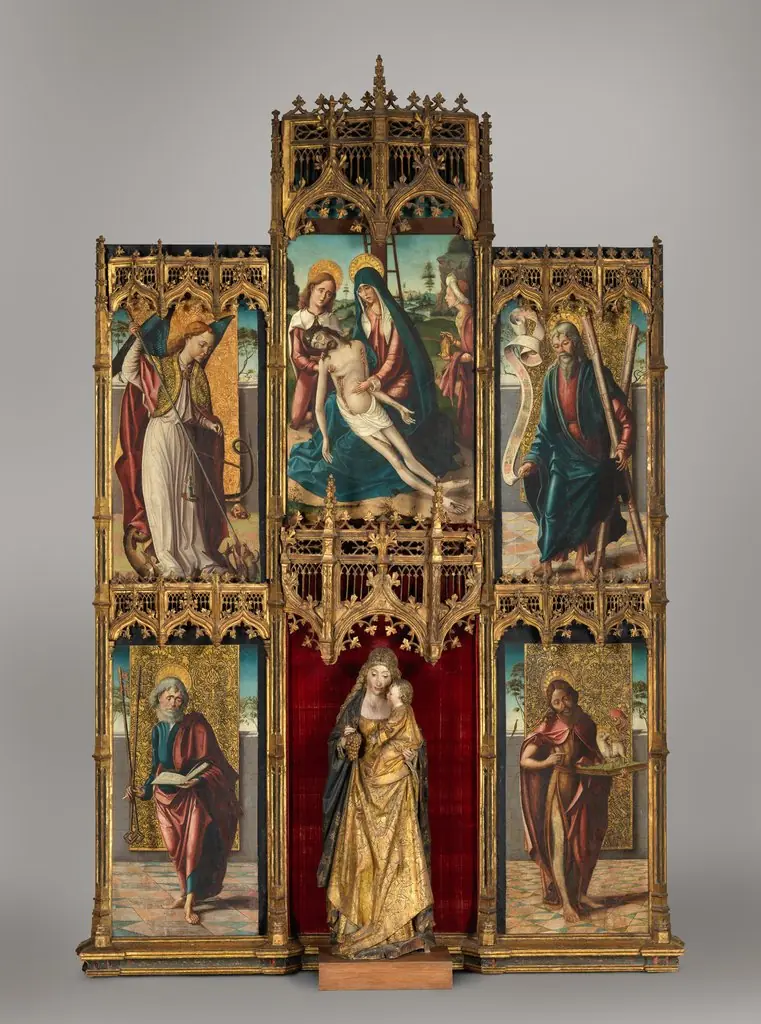 Virgin and Child with the Pietà and Saints
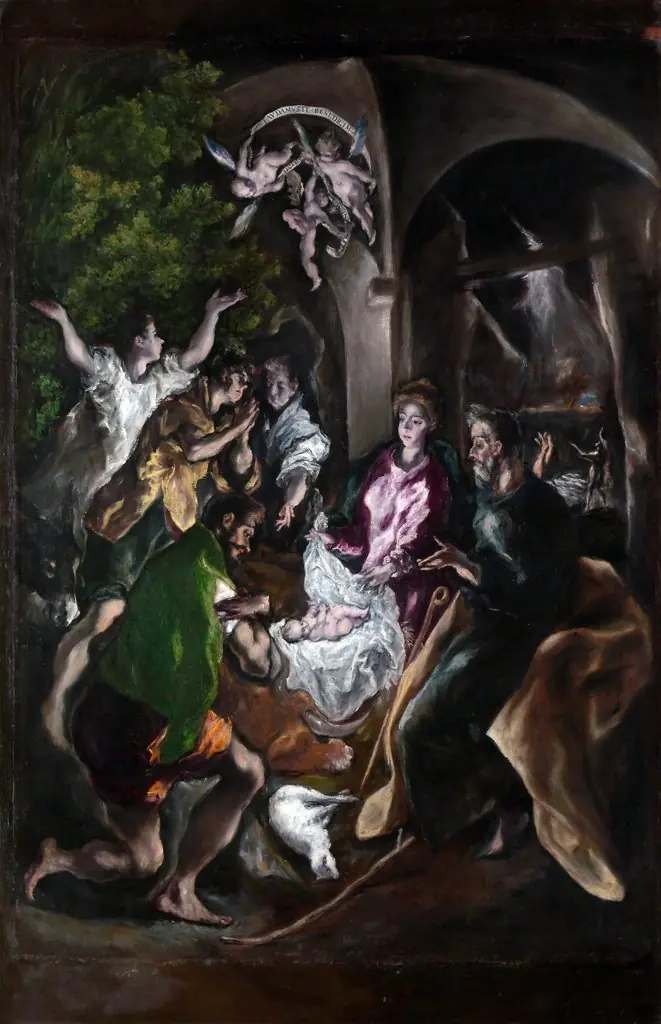 The Adoration of the Shepherds
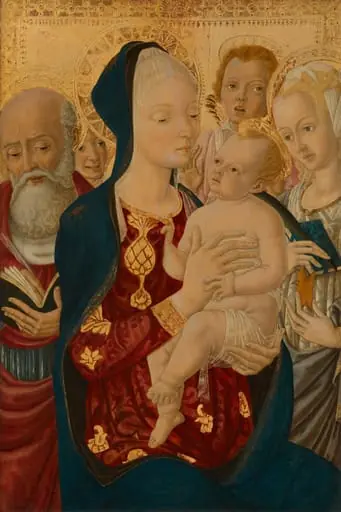 Madonna and Child with Saint Jerome, Saint Catherine of Alexandria, and Angels
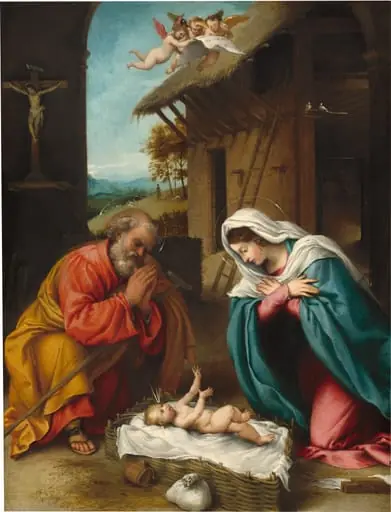 The Nativity
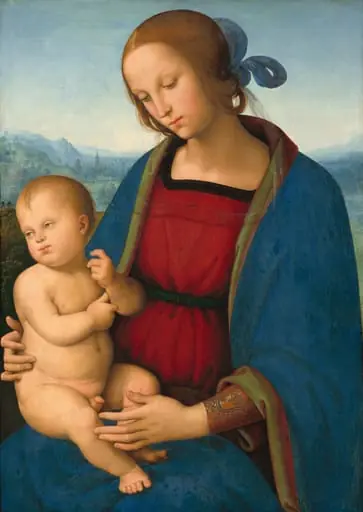 Madonna and Child
![Madonna and Child Enthroned with Four Saints and Eighteen Angels [middle panel]](https://artifactworldgallery.com/img/puccio-di-simone--madonna-and-child-enthroned-with-four-saints-and-eighteen-an--24dd12ad513d60ea-w320.webp) Madonna and Child Enthroned with Four Saints and Eighteen Angels [middle panel]
Madonna and Child Enthroned with Four Saints and Eighteen Angels [middle panel]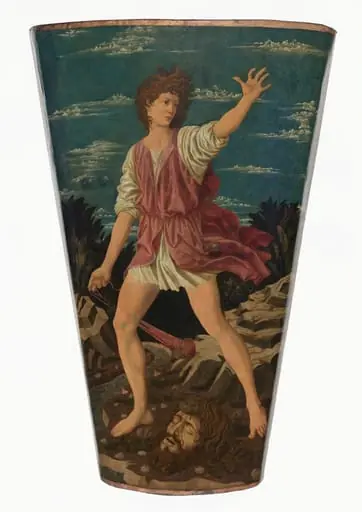 David with the Head of Goliath
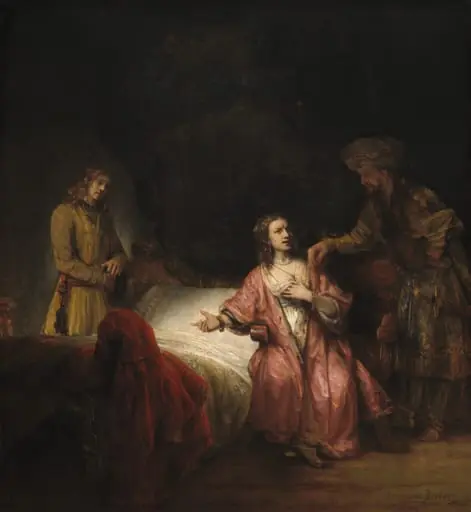 Joseph Accused by Potiphar's Wife
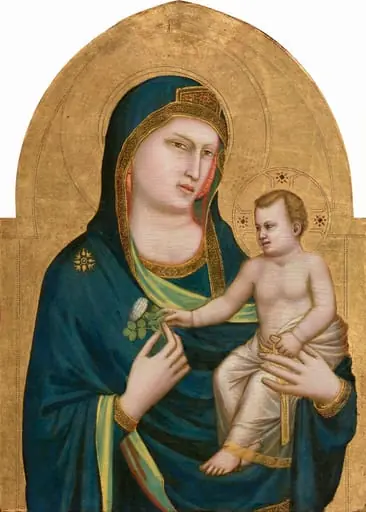 Madonna and Child
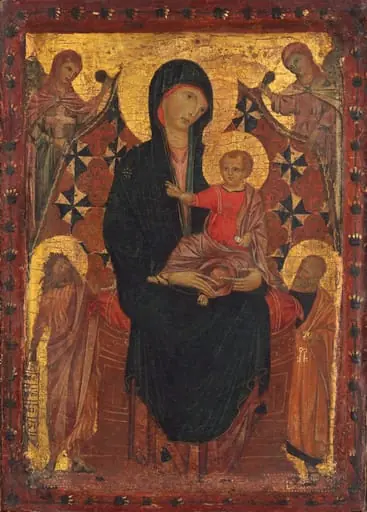 Madonna and Child with Saint John the Baptist, Saint Peter, and Two Angels
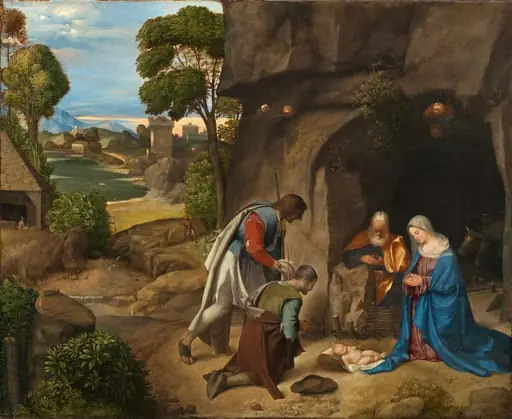 The Adoration of the Shepherds
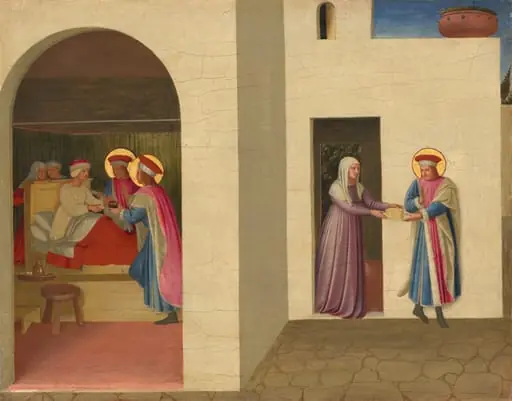 The Healing of Palladia by Saint Cosmas and Saint Damian
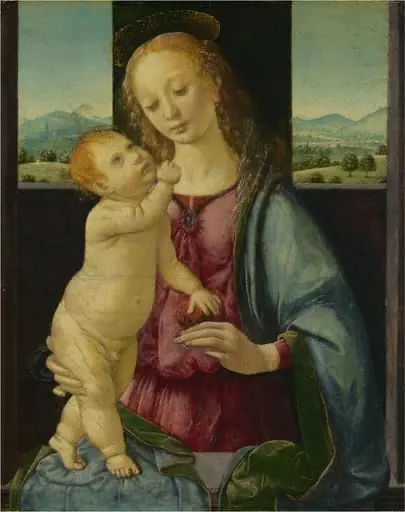 Madonna and Child with a Pomegranate
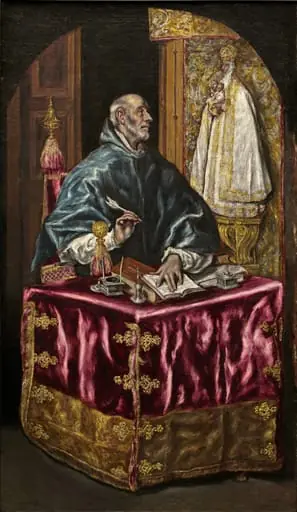 Saint Ildefonso
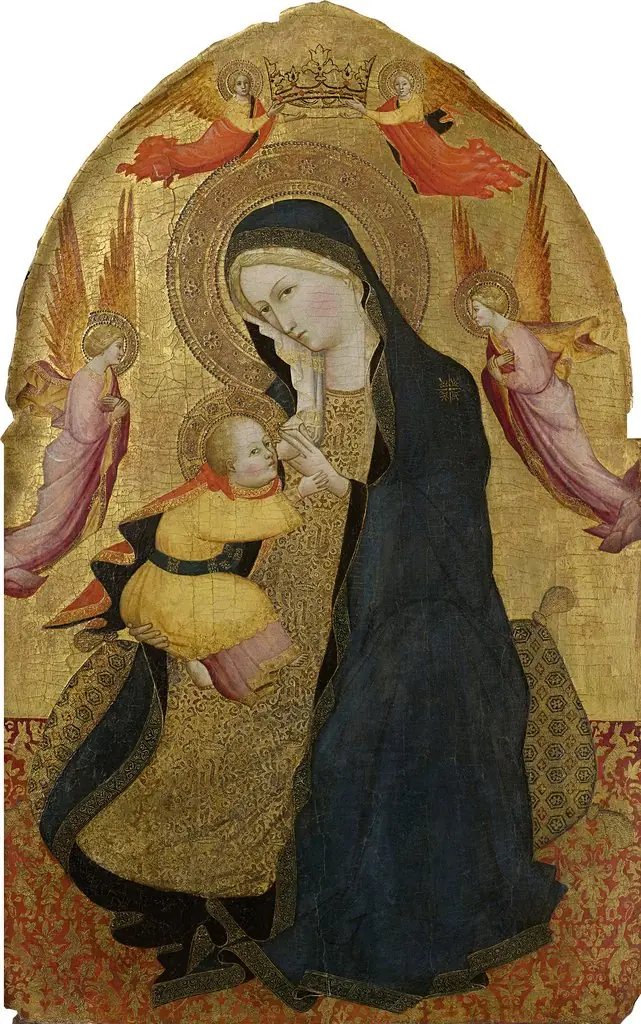 Madonna of Humility (Madonna dell'Umiltà)
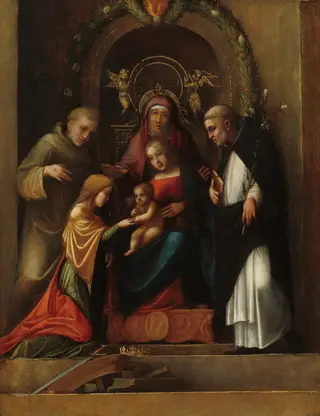 The Mystic Marriage of Saint Catherine
![Madonna and Child [obverse]](https://artifactworldgallery.com/img/albrecht-durer--madonna-and-child-obverse--d7b8ebf05d22ebe5-w320.webp) Madonna and Child [obverse]
Madonna and Child [obverse]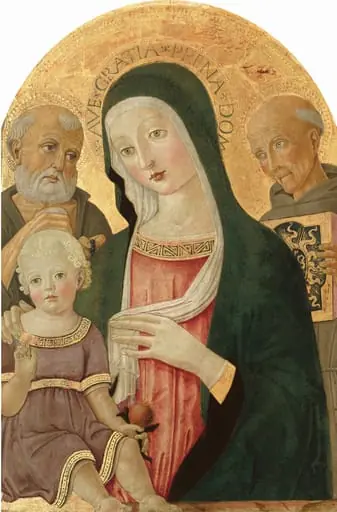 Madonna and Child with Saint Jerome and Saint Bernardino of Siena
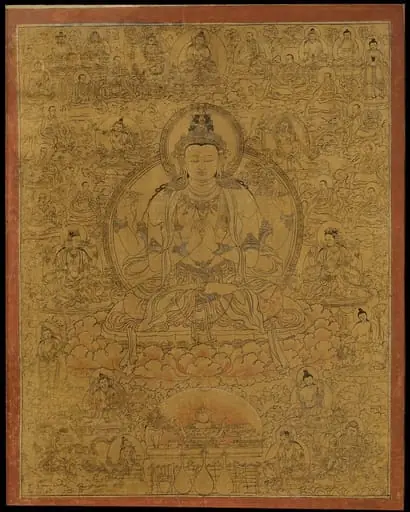 Untitled
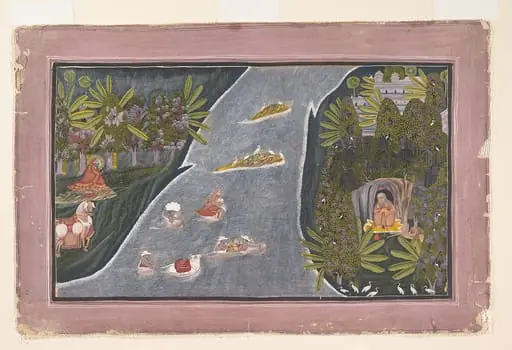 Untitled
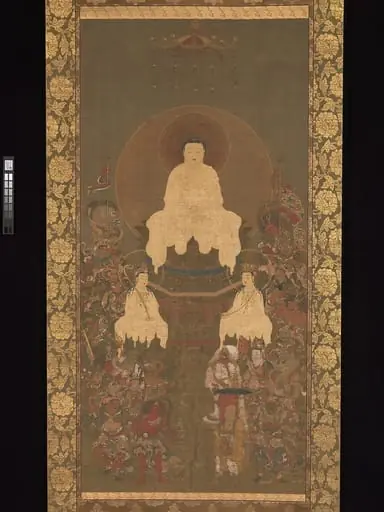 釈迦三尊十六善神像|Shaka (Shakyamuni), the Historical Buddha, with Two Attendant Bodhisattvas and Sixteen Benevolent Deities
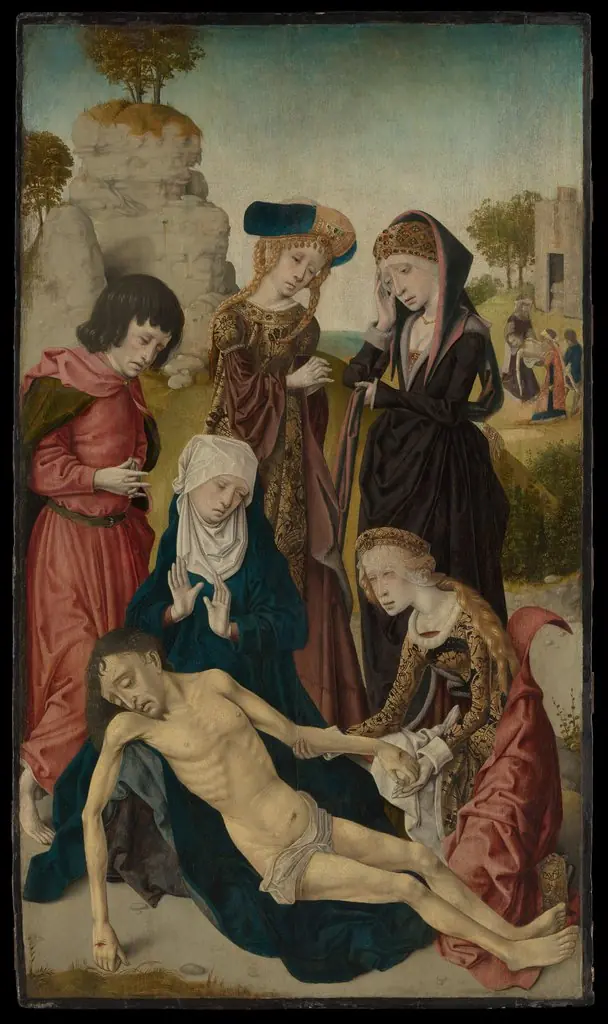 The Lamentation
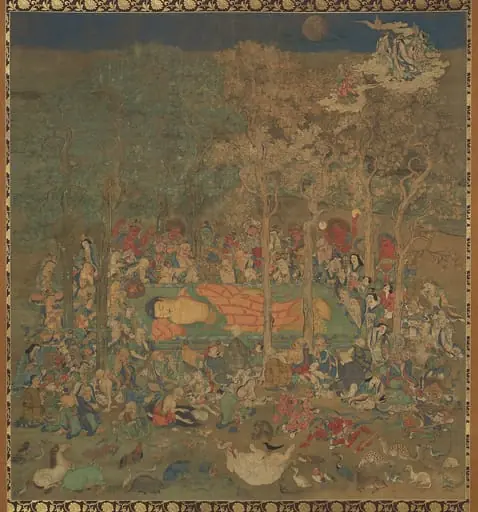 涅槃図|Death of the Historical Buddha (Nehan-zu)
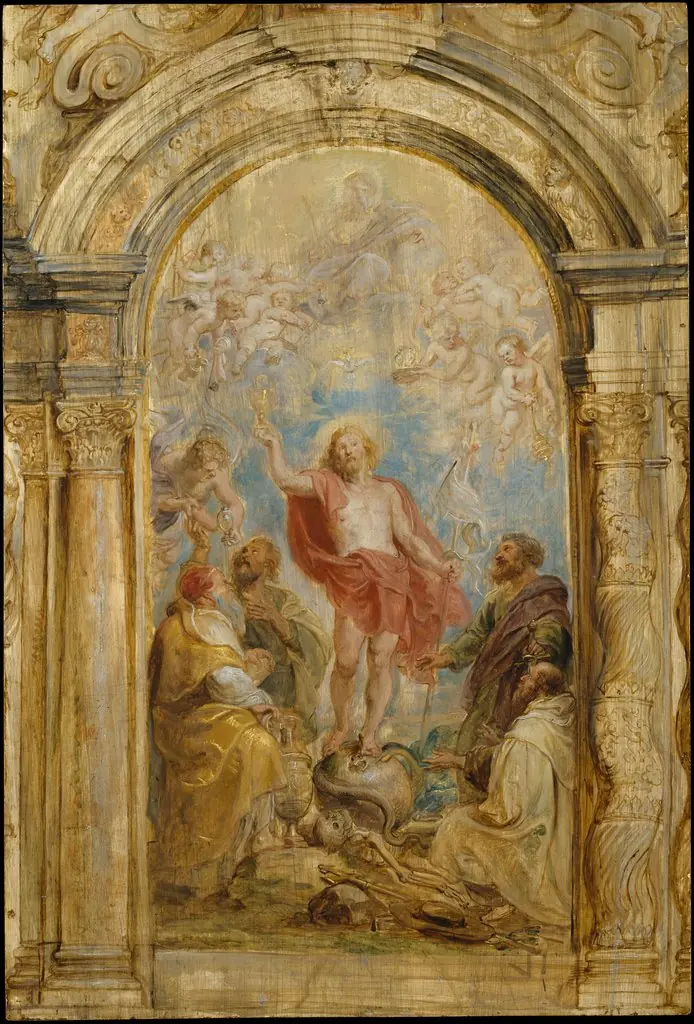 Glorification of the Eucharist
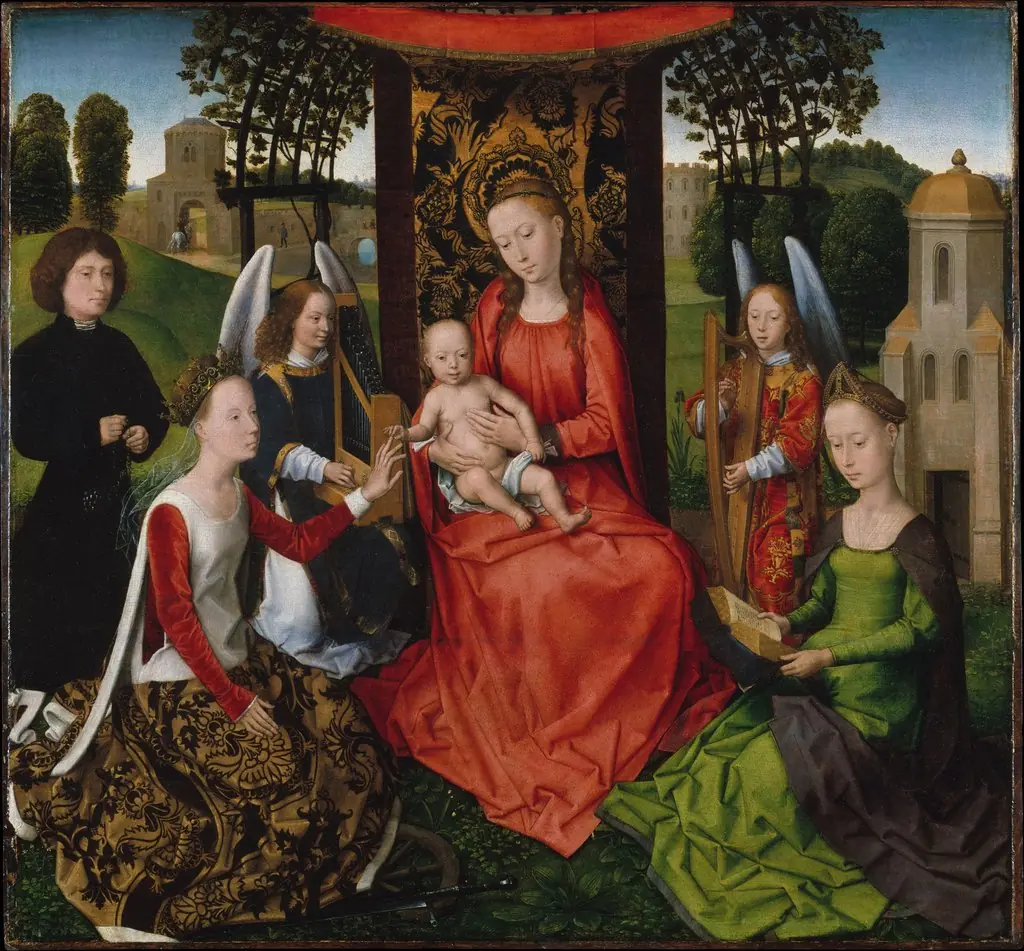 Virgin and Child with Saints Catherine of Alexandria and Barbara
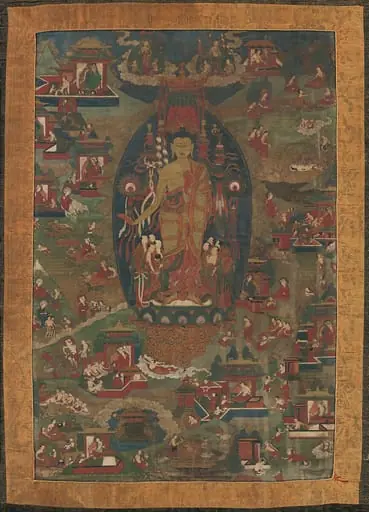 Untitled
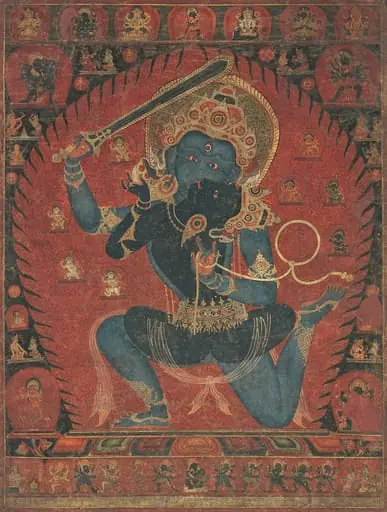 Untitled
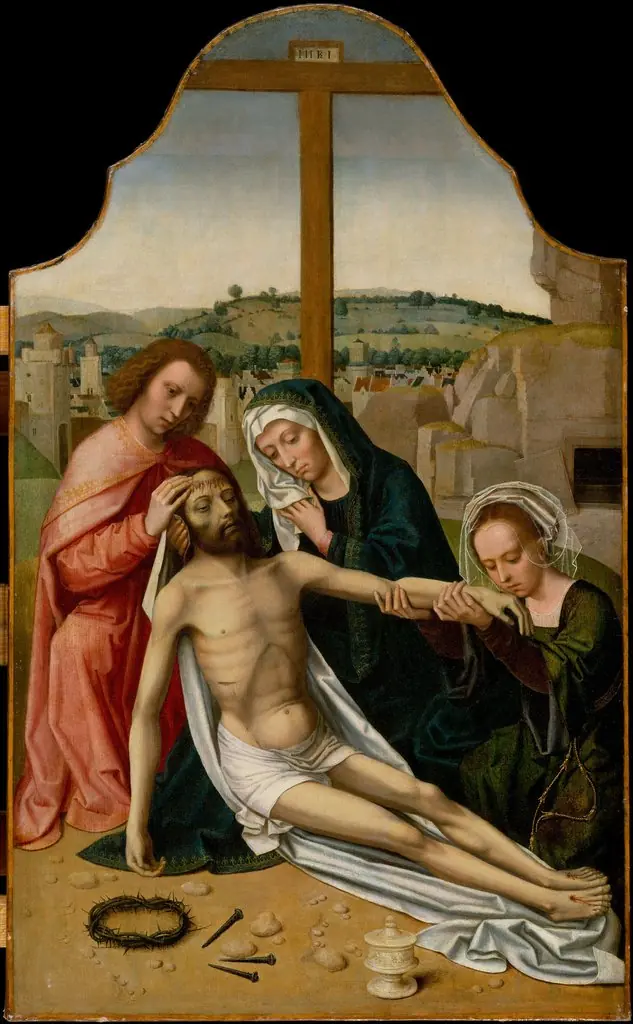 The Lamentation
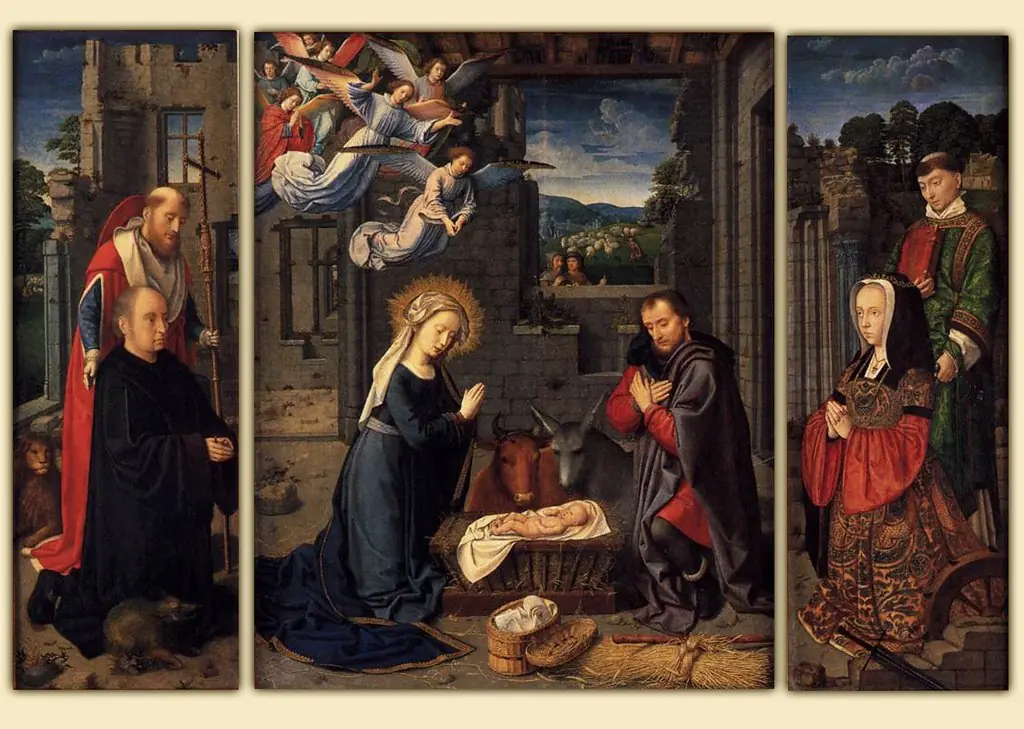 The Nativity with Donors and Saints Jerome and Leonard
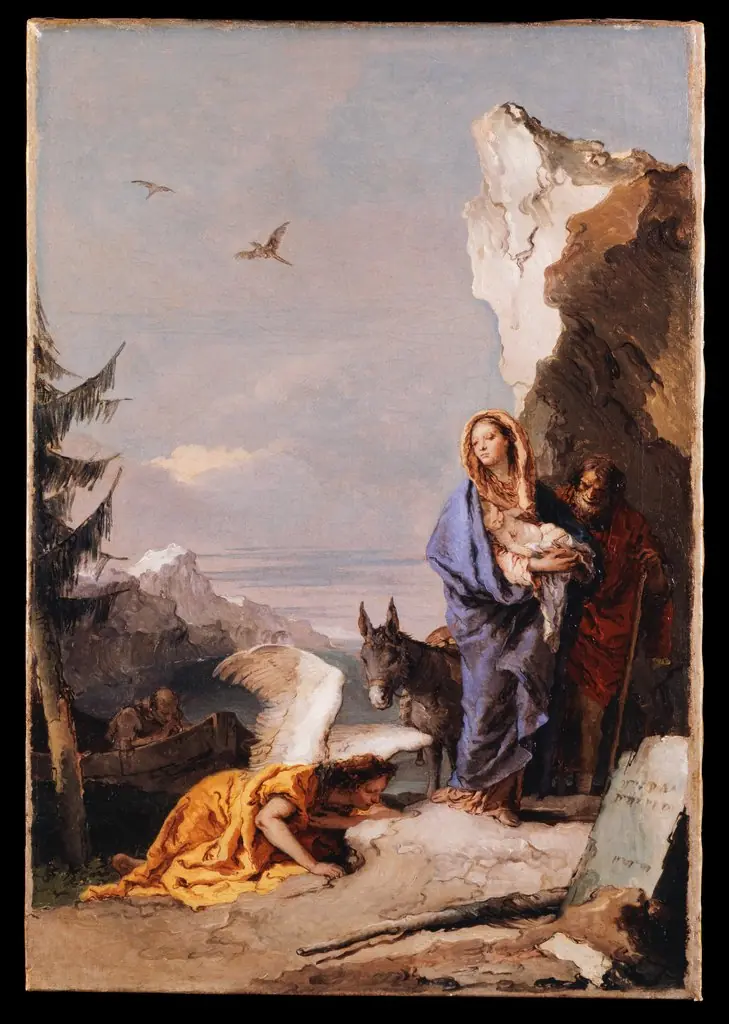 The Flight into Egypt
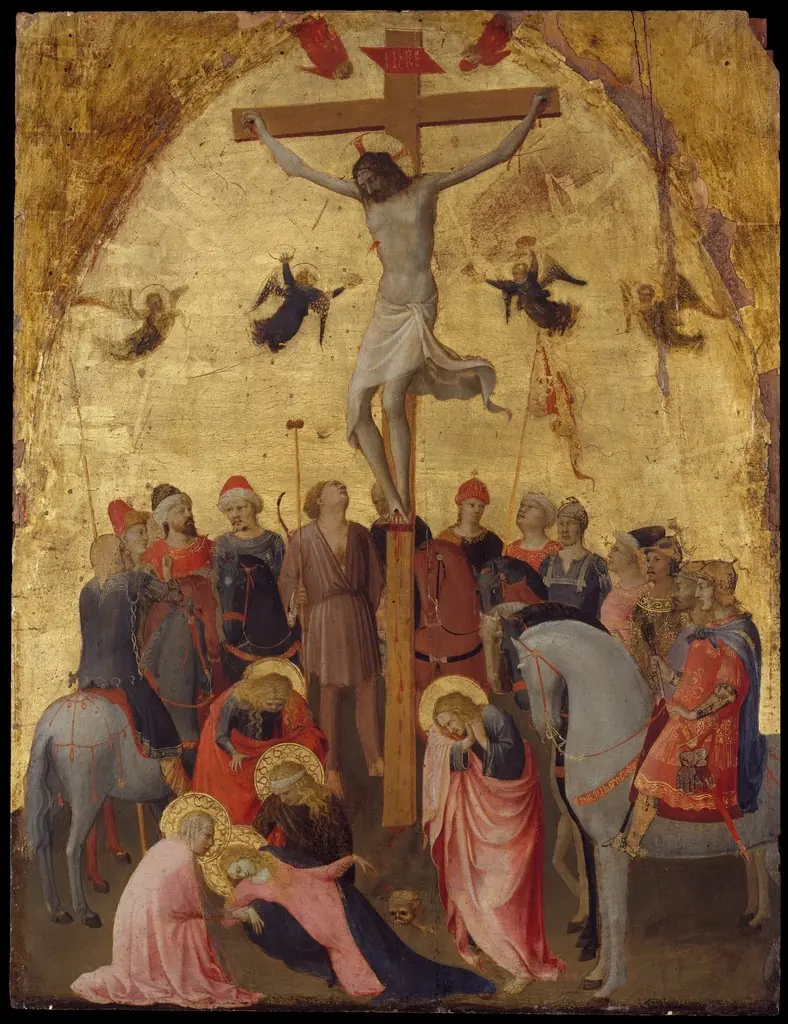 The Crucifixion
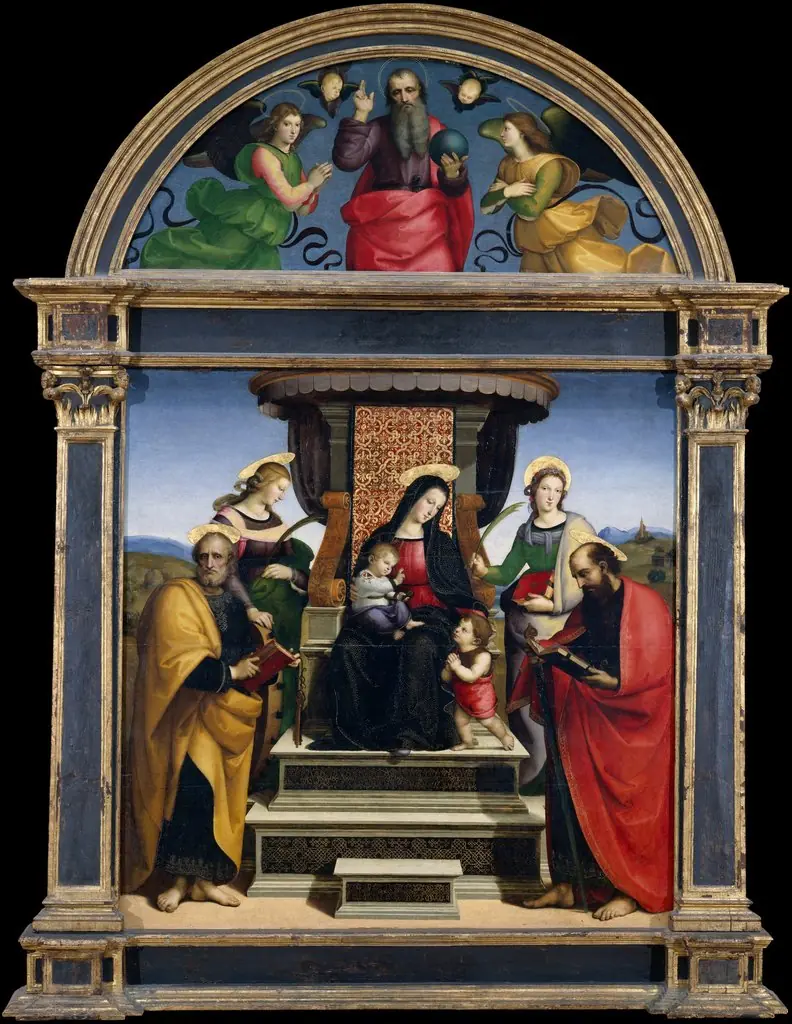 Madonna and Child Enthroned with Saints
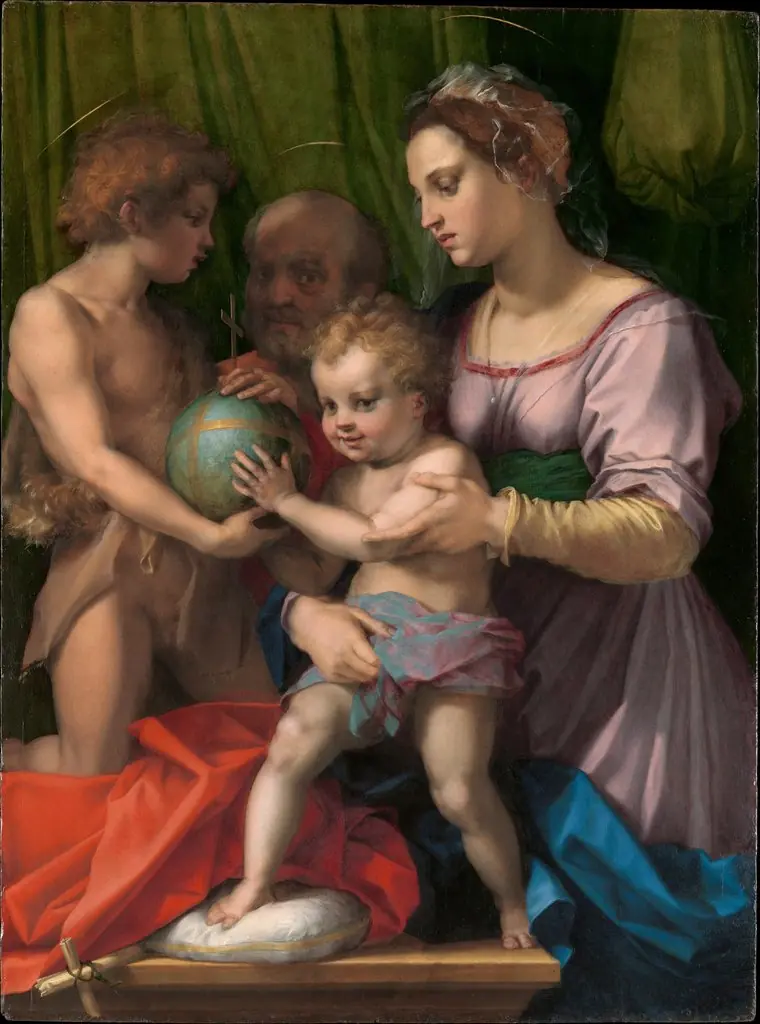 The Holy Family with the Young Saint John the Baptist
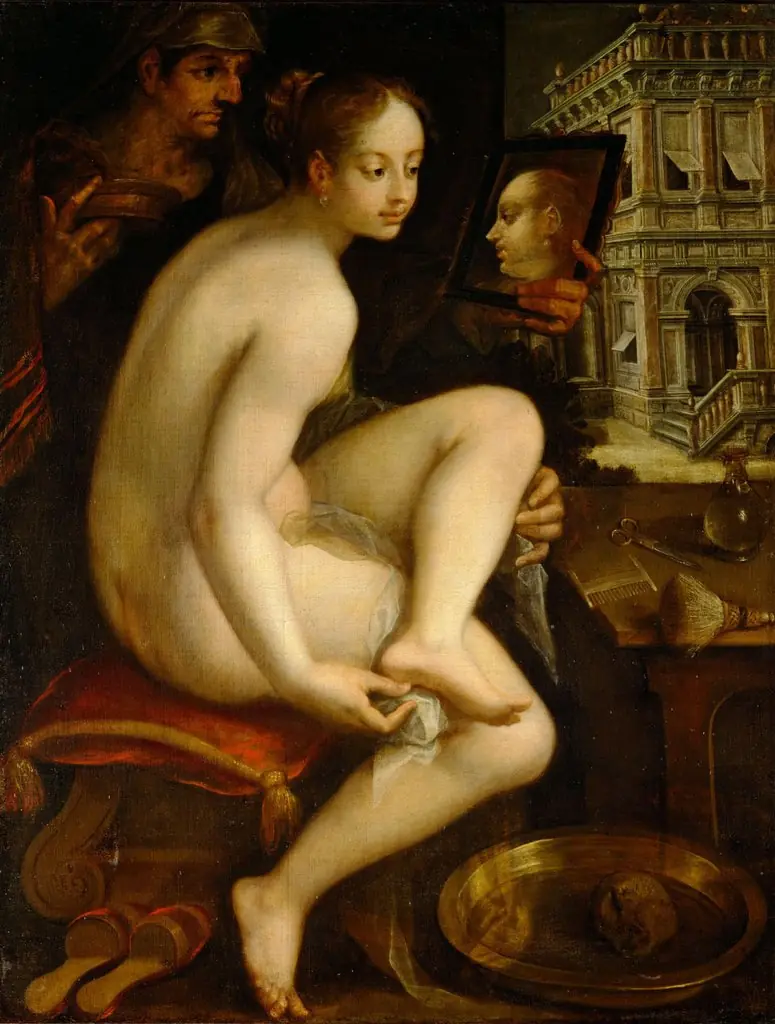 David and Bathsheba
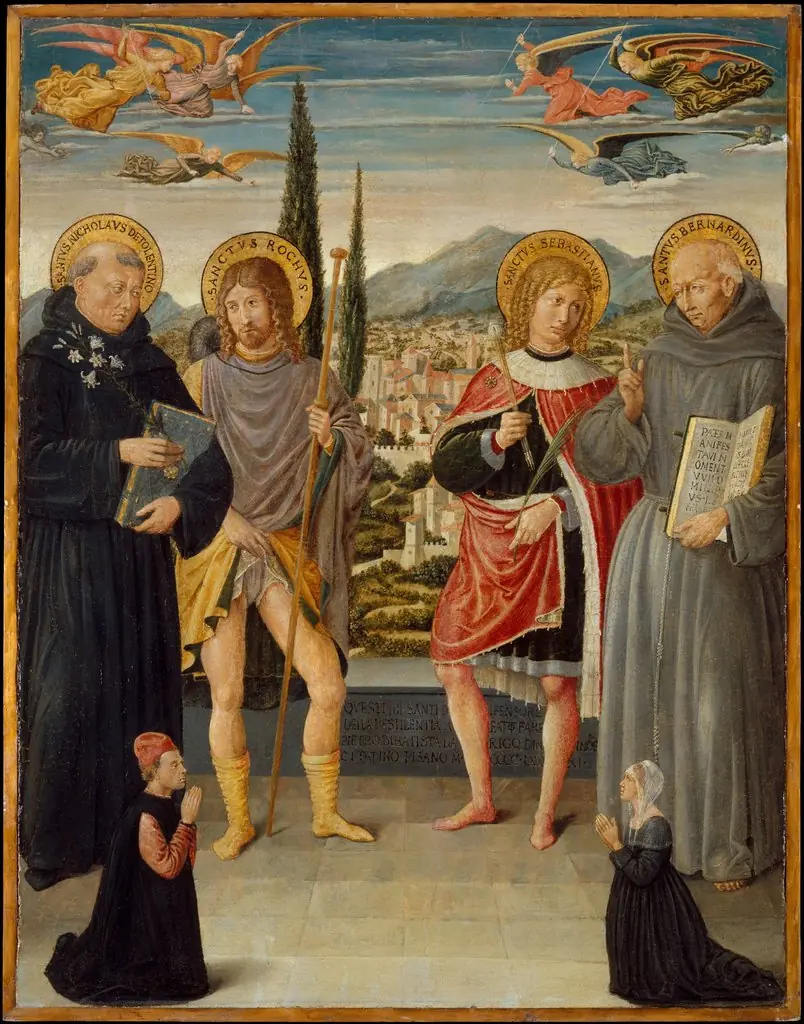 Saints Nicholas of Tolentino, Roch, Sebastian, and Bernardino of Siena, with Kneeling Donors
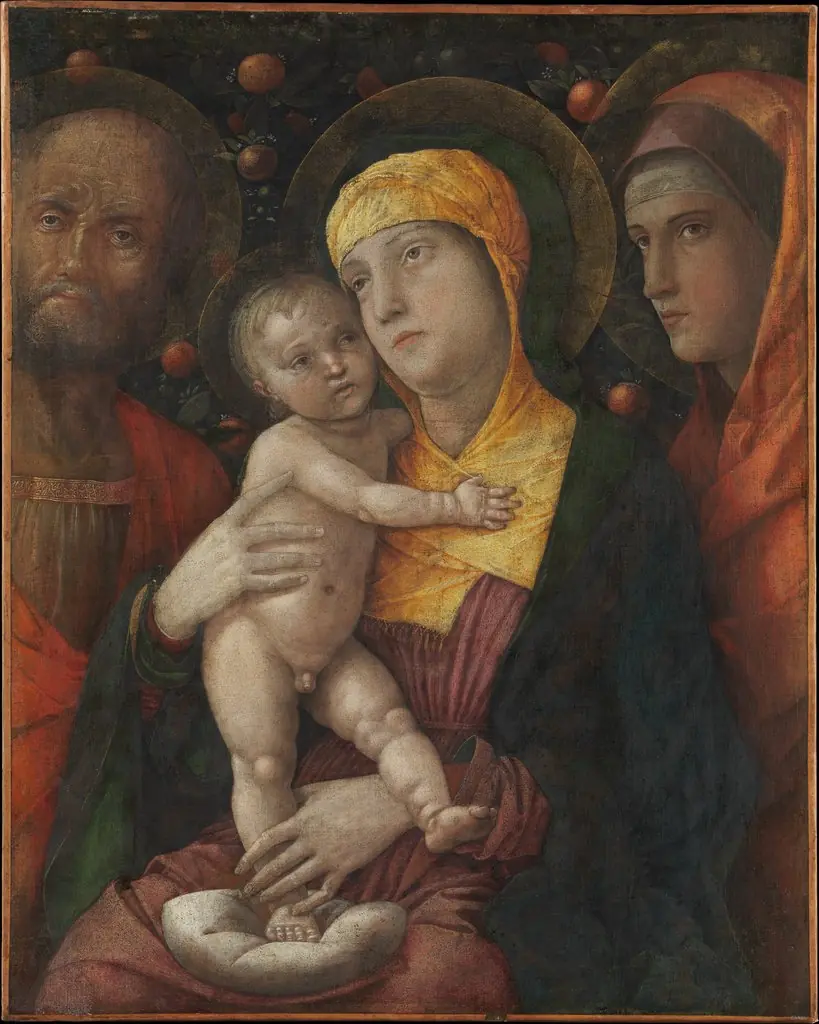 The Holy Family with Saint Mary Magdalen
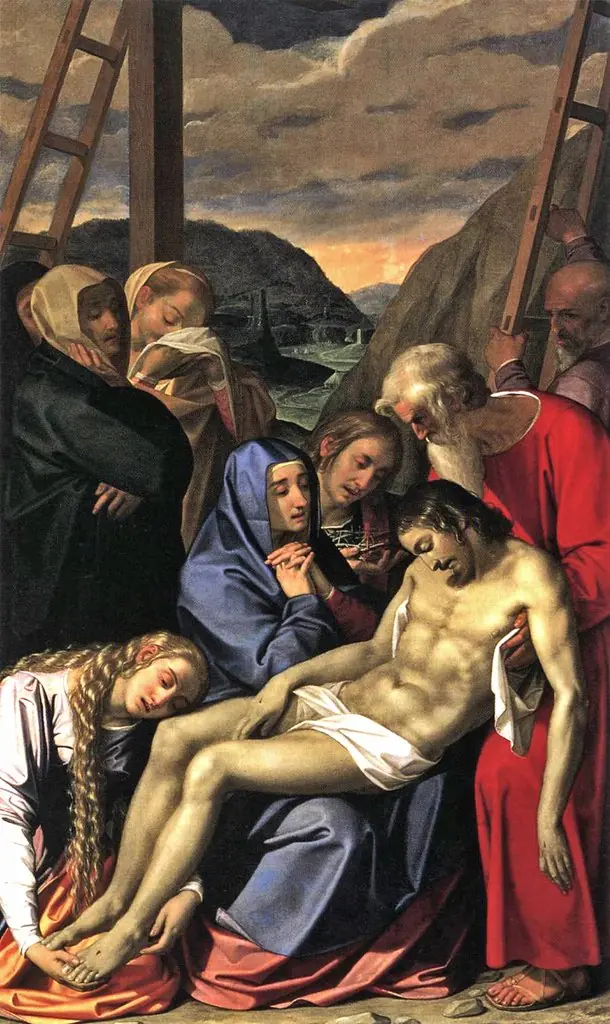 The Lamentation
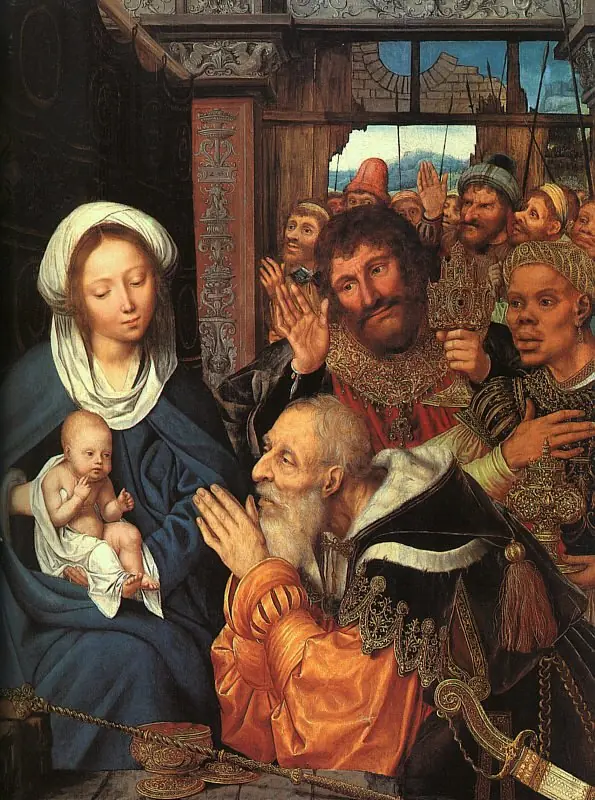 The Adoration of the Magi
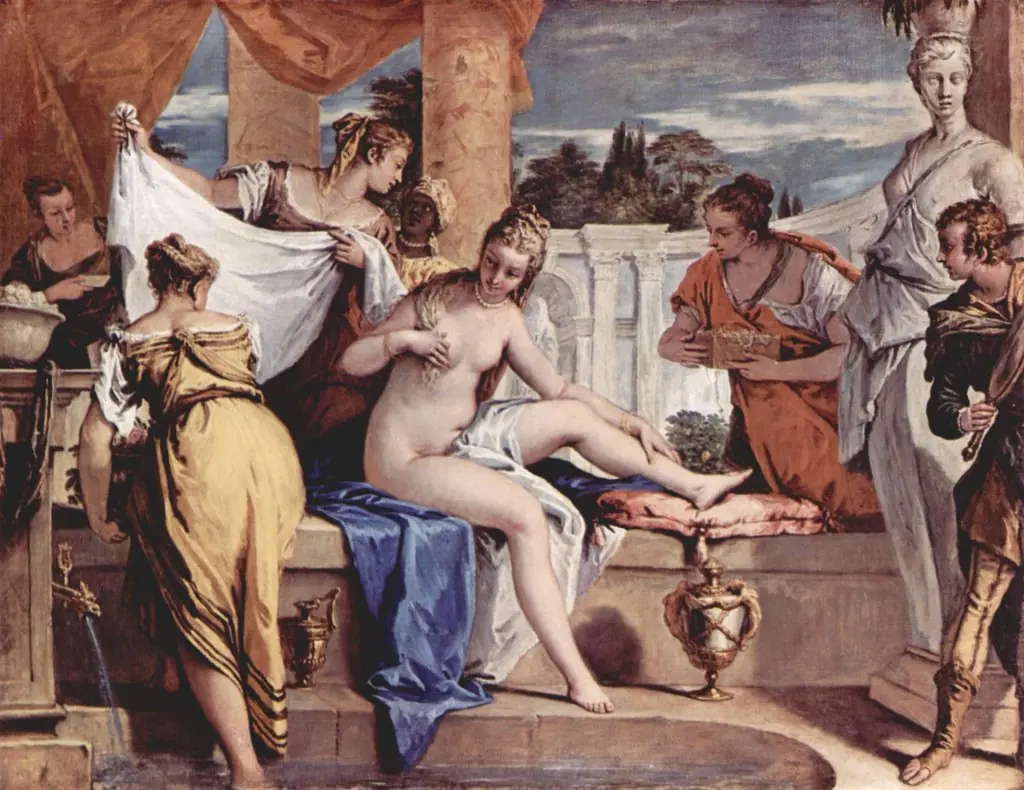 Bathsheba at her bath
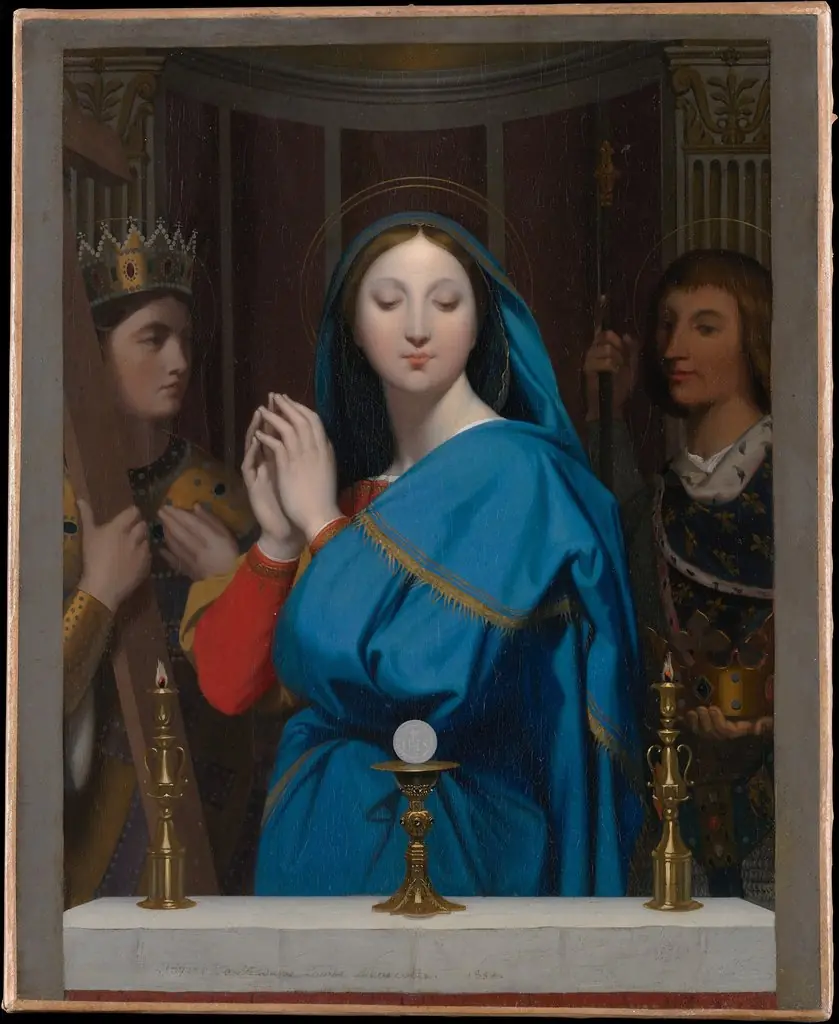 The Virgin Adoring the Host
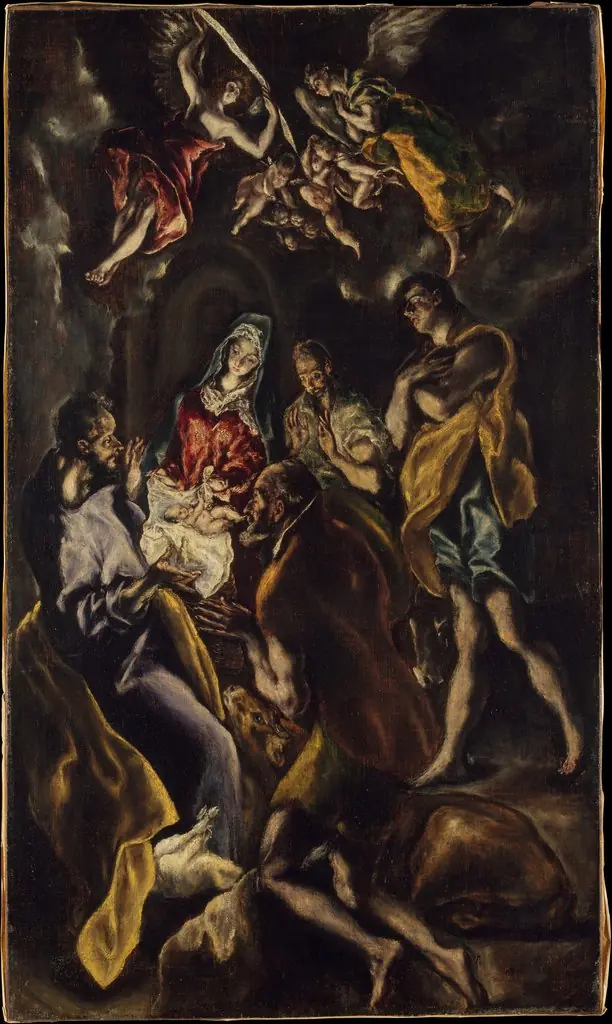 The Adoration of the Shepherds
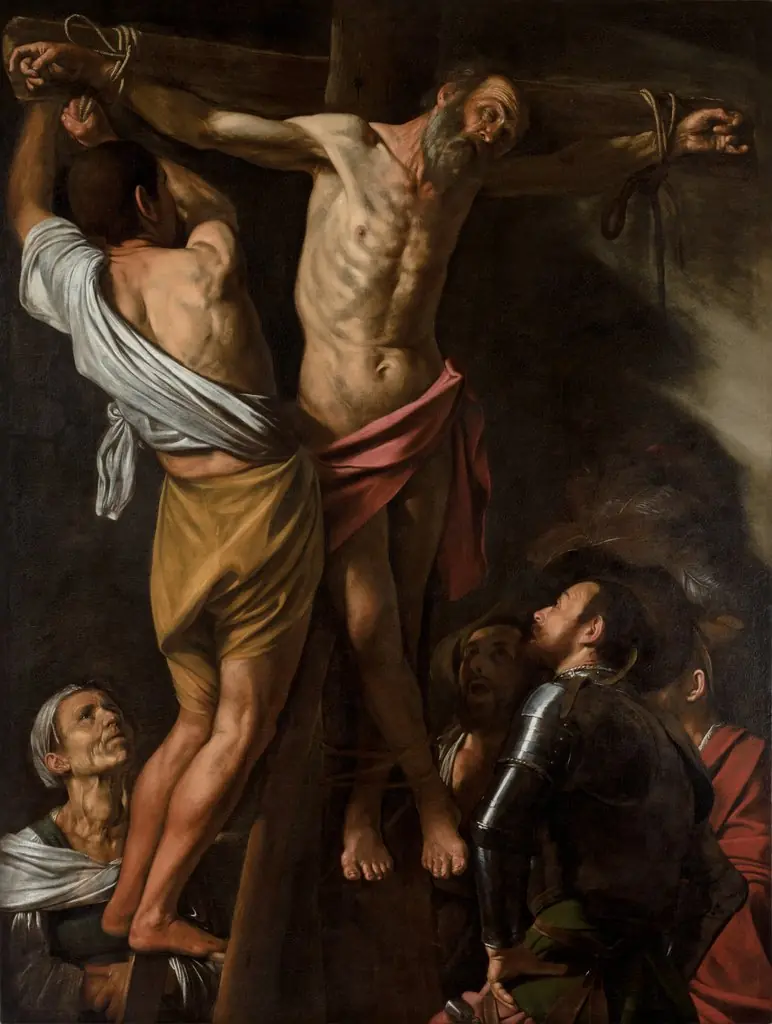 The Crucifixion of Saint Andrew
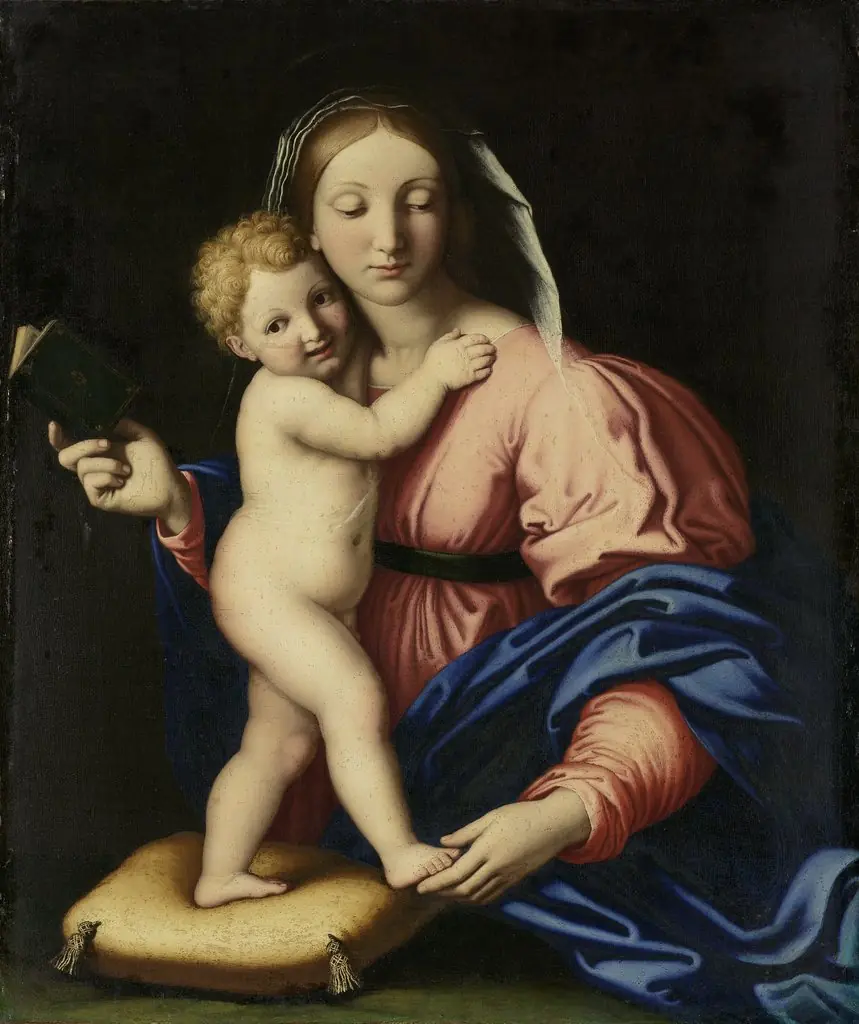 Virgin and Child
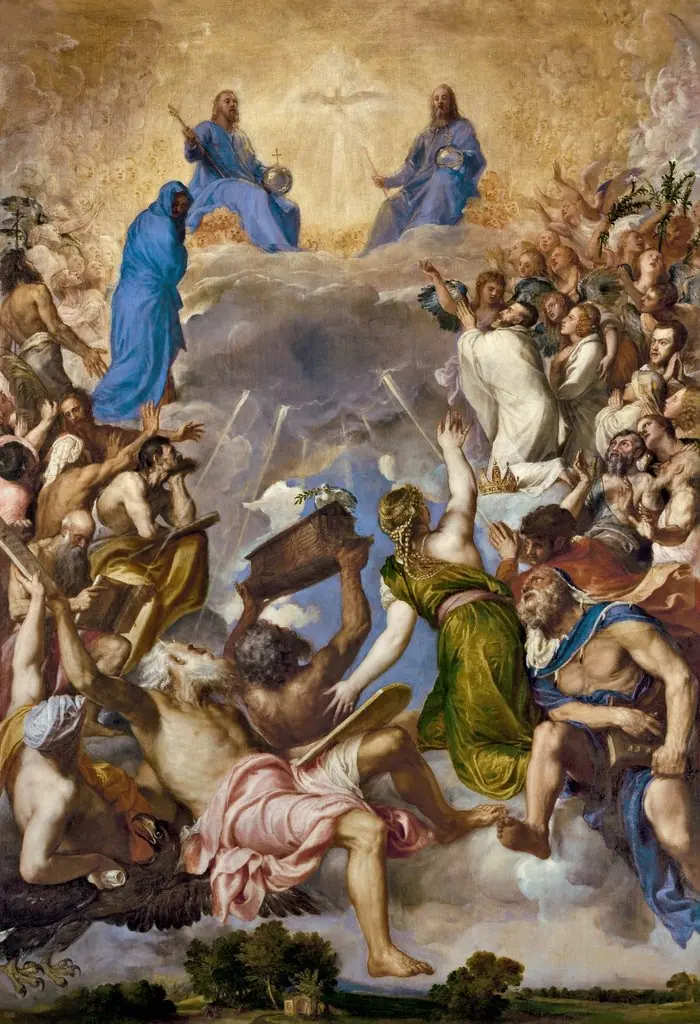 La Gloria
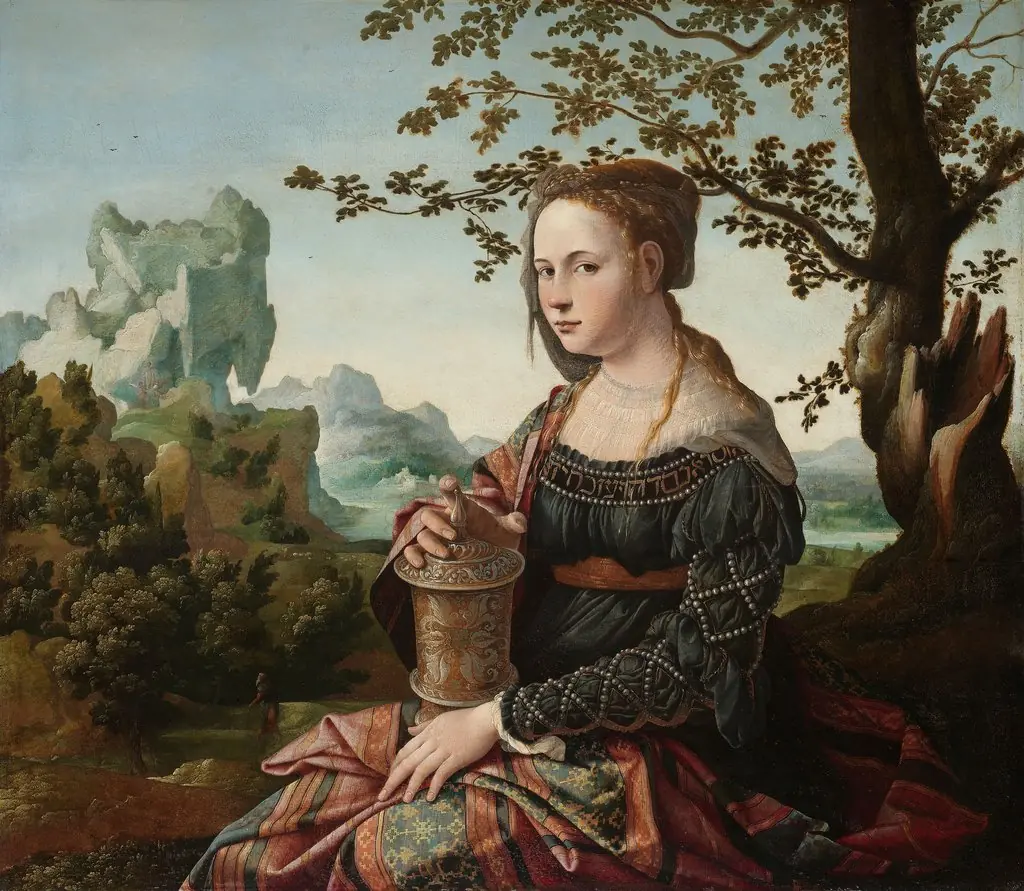 Mary Magdalene
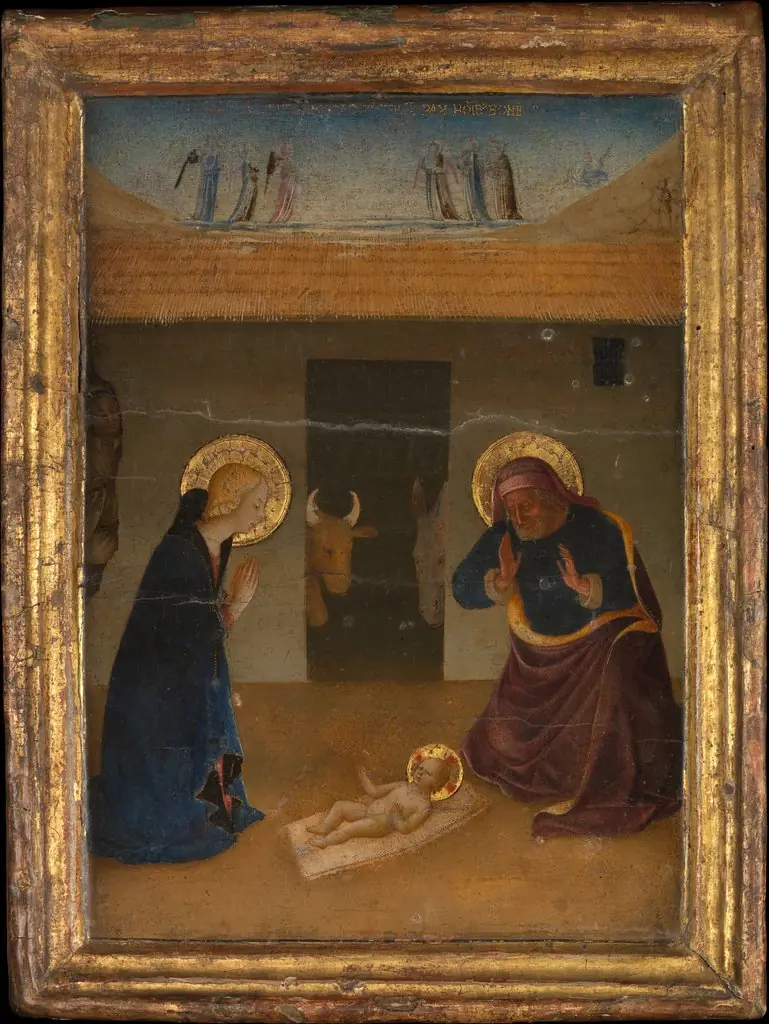 The Nativity
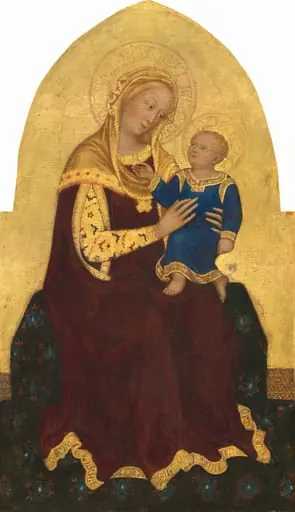 Madonna and Child Enthroned
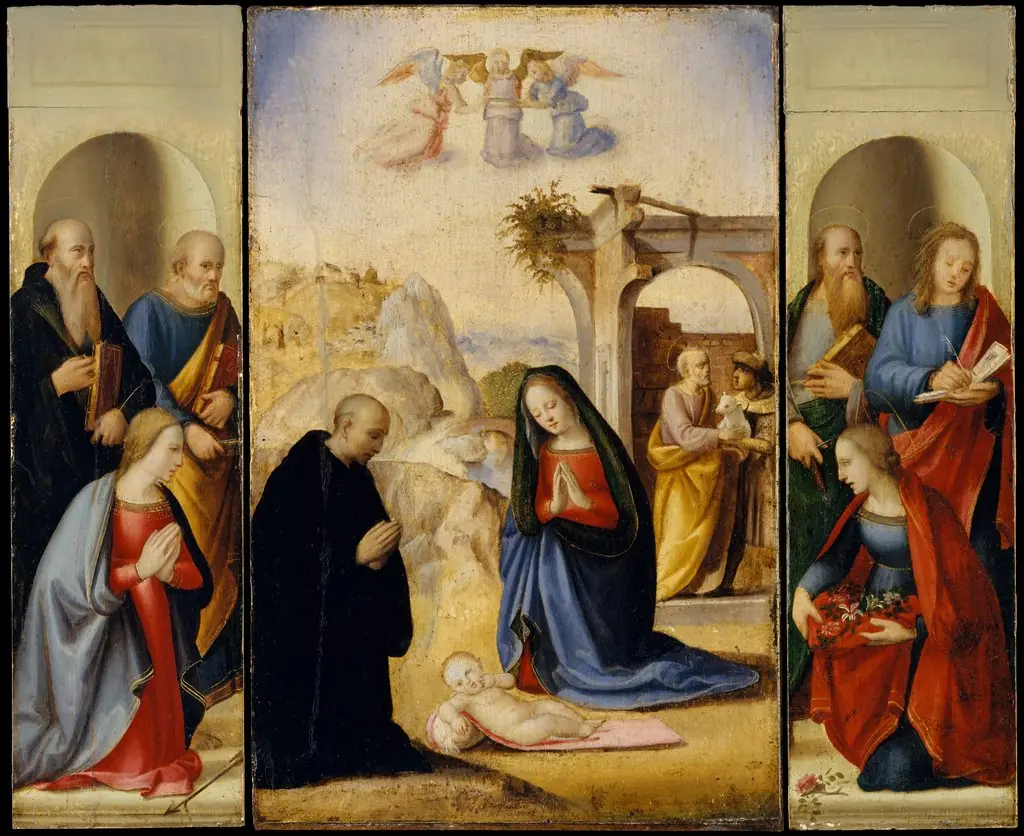 The Nativity with Saints
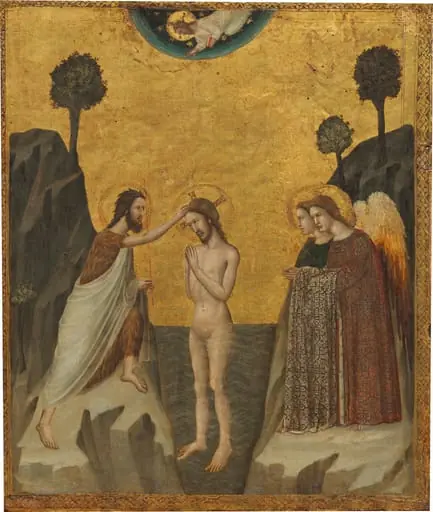 The Baptism of Christ
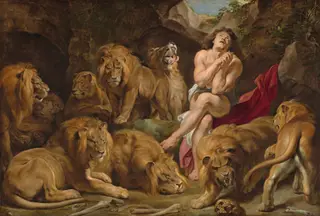 Daniel in the Lions' Den
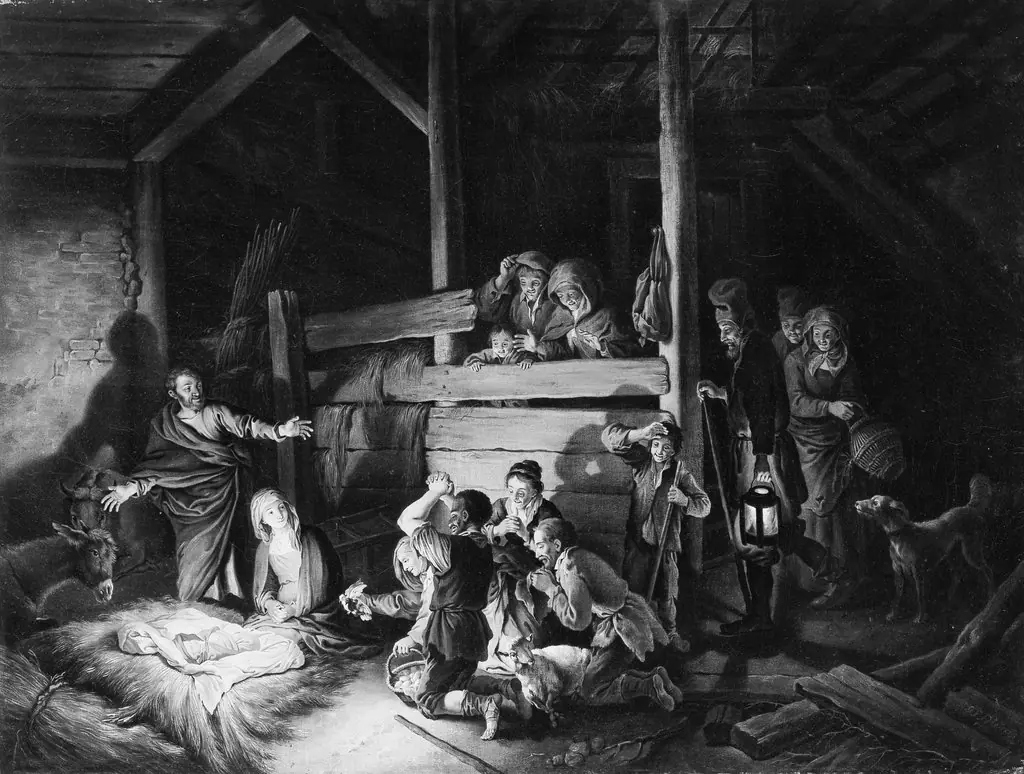 The Adoration of the Shepherds
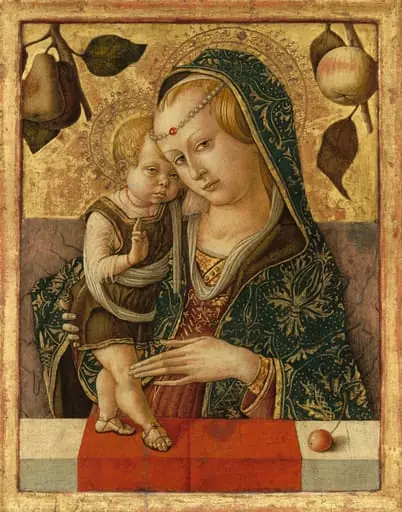 Madonna and Child
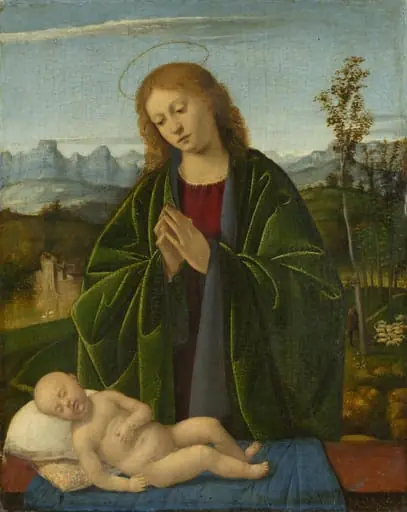 Madonna Adoring the Child
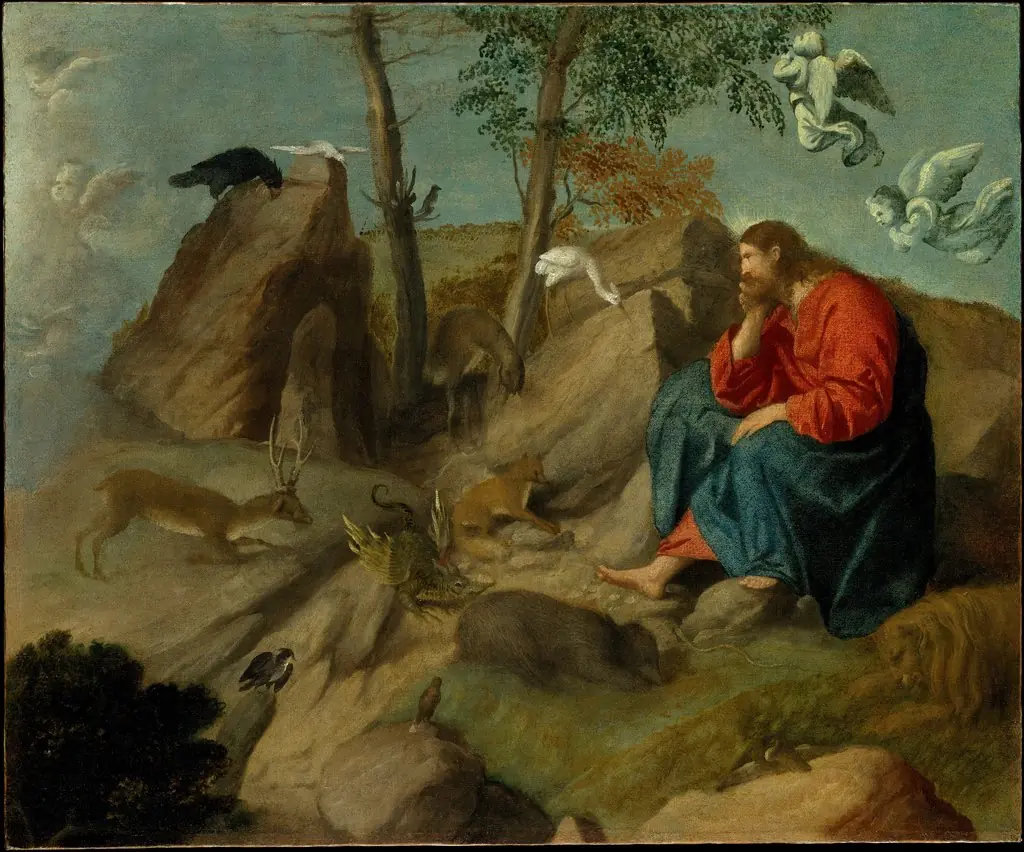 Christ in the Wilderness
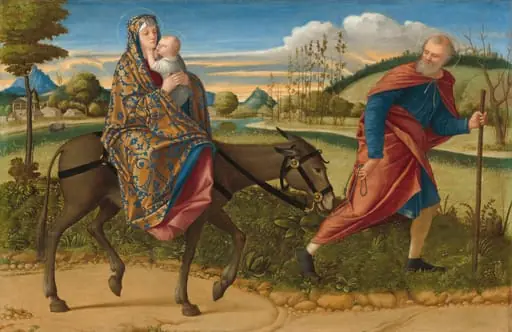 The Flight into Egypt
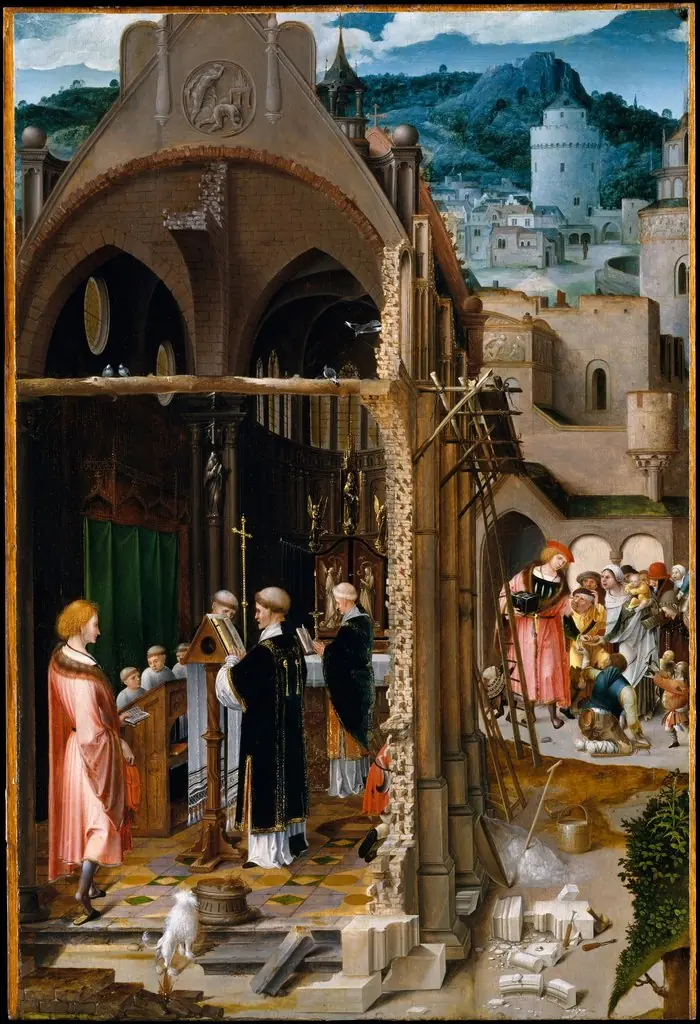 A Sermon on Charity (possibly the Conversion of Saint Anthony)
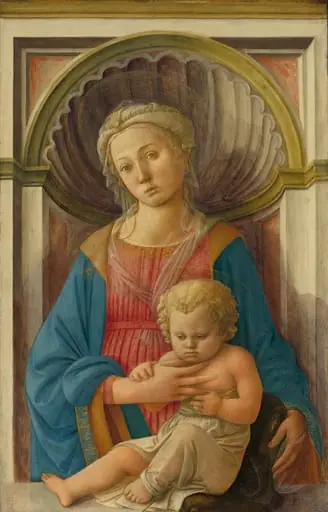 Madonna and Child
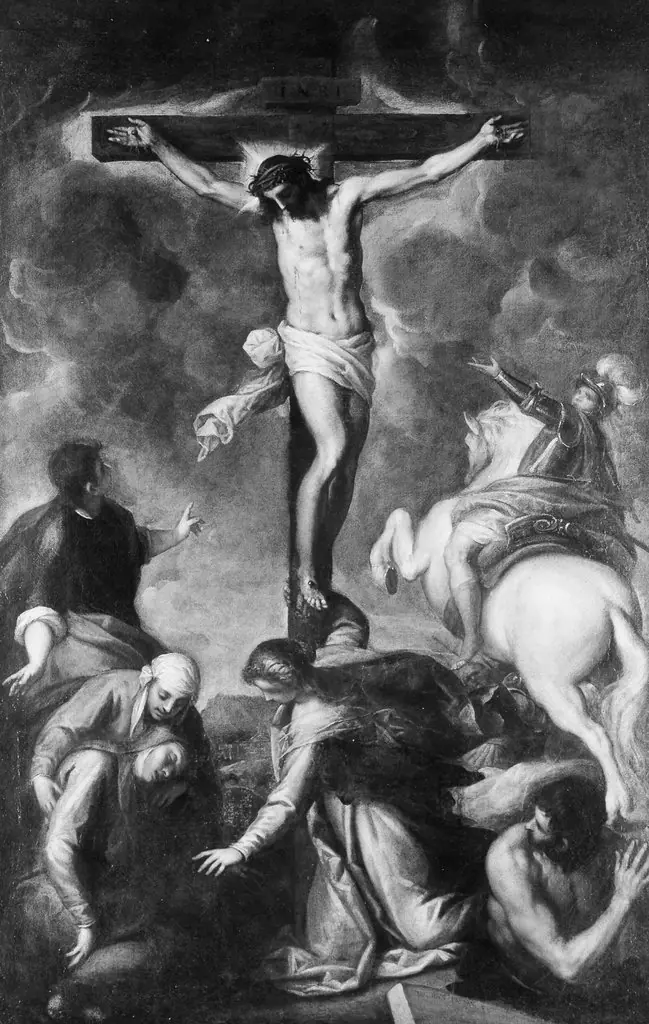 The Crucifixion
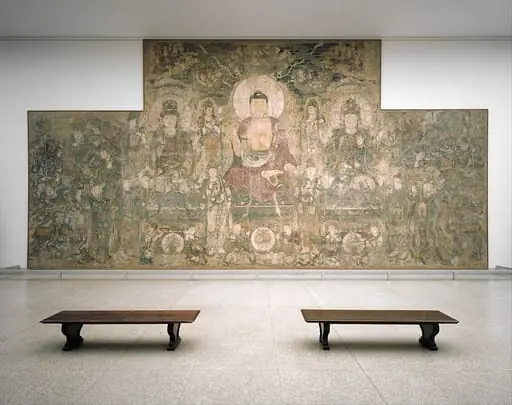 元 廣勝寺 藥師佛法會圖壁畫|Buddha of Medicine Bhaishajyaguru (Yaoshi fo)
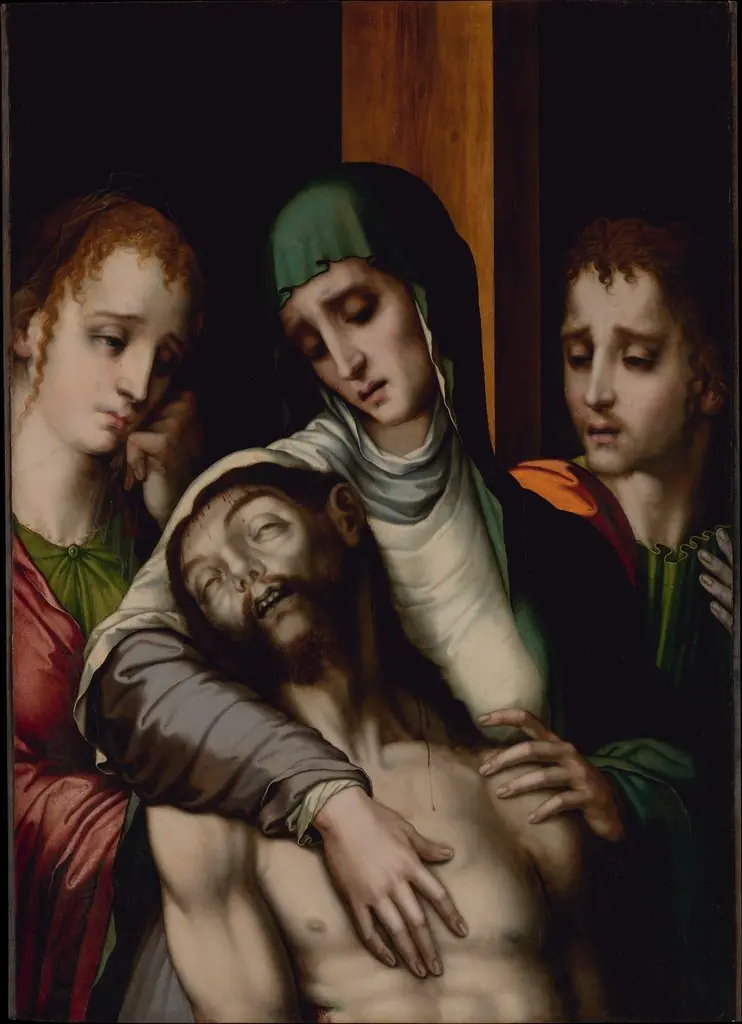 The Lamentation
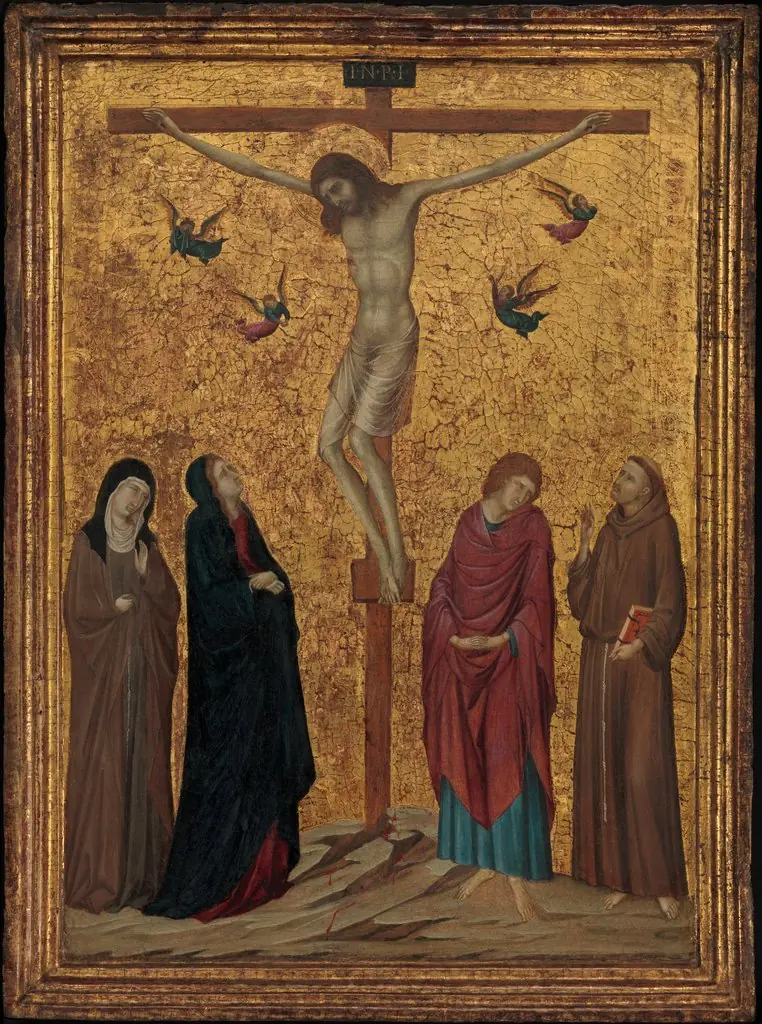 The Crucifixion
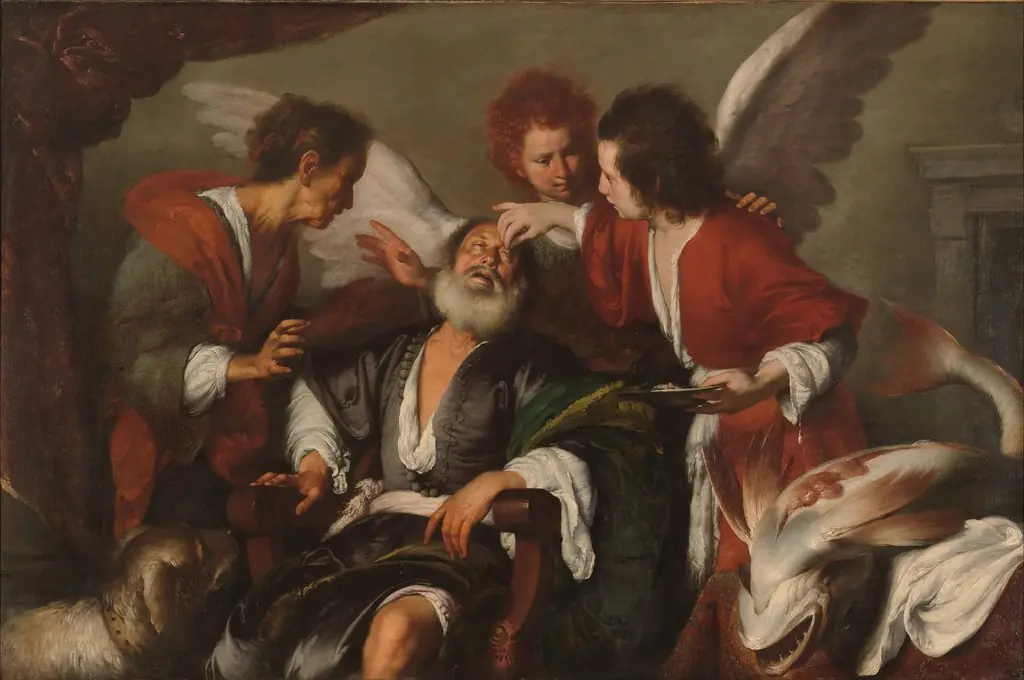 Tobias Curing His Father's Blindness
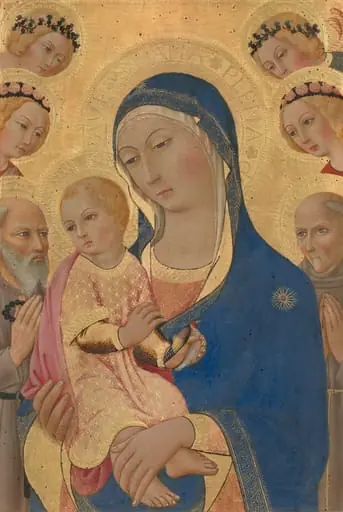 Madonna and Child with Saint Jerome, Saint Bernardino, and Angels
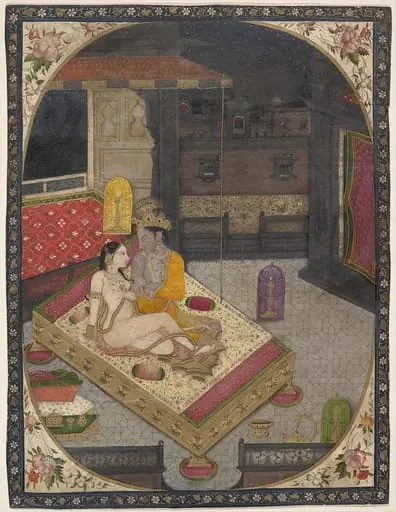 Untitled
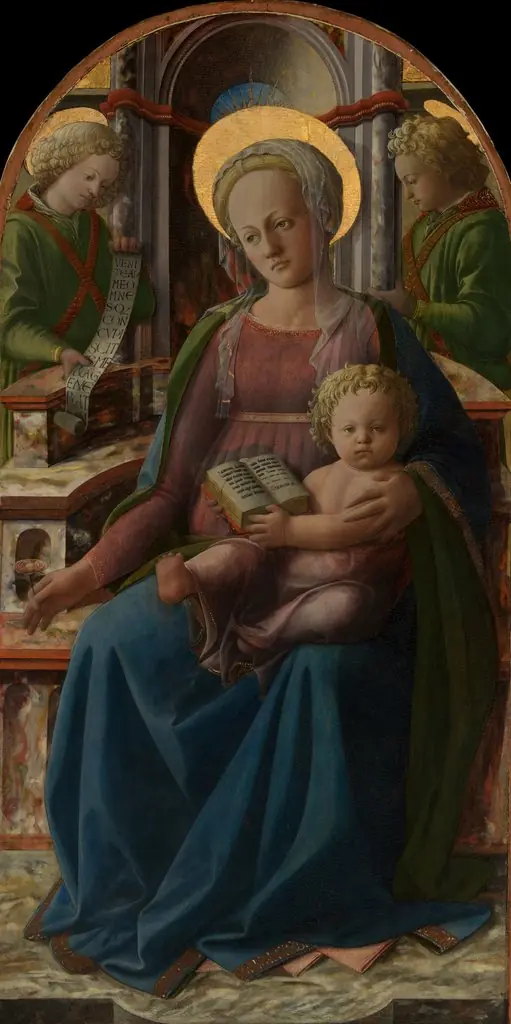 Madonna and Child Enthroned with Two Angels
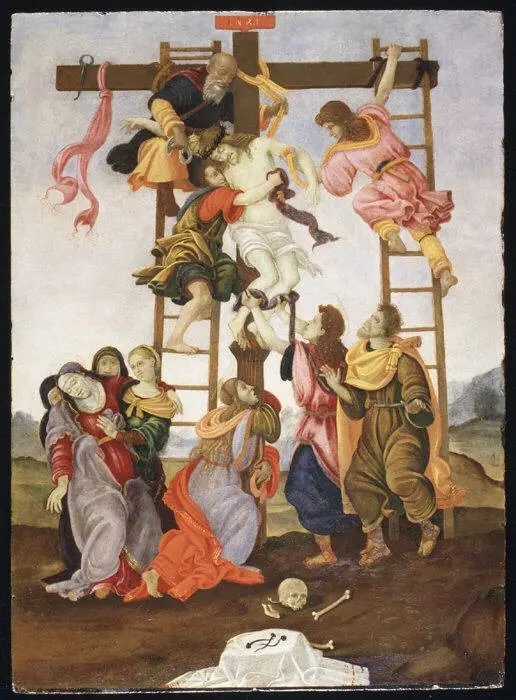 The Descent from the Cross
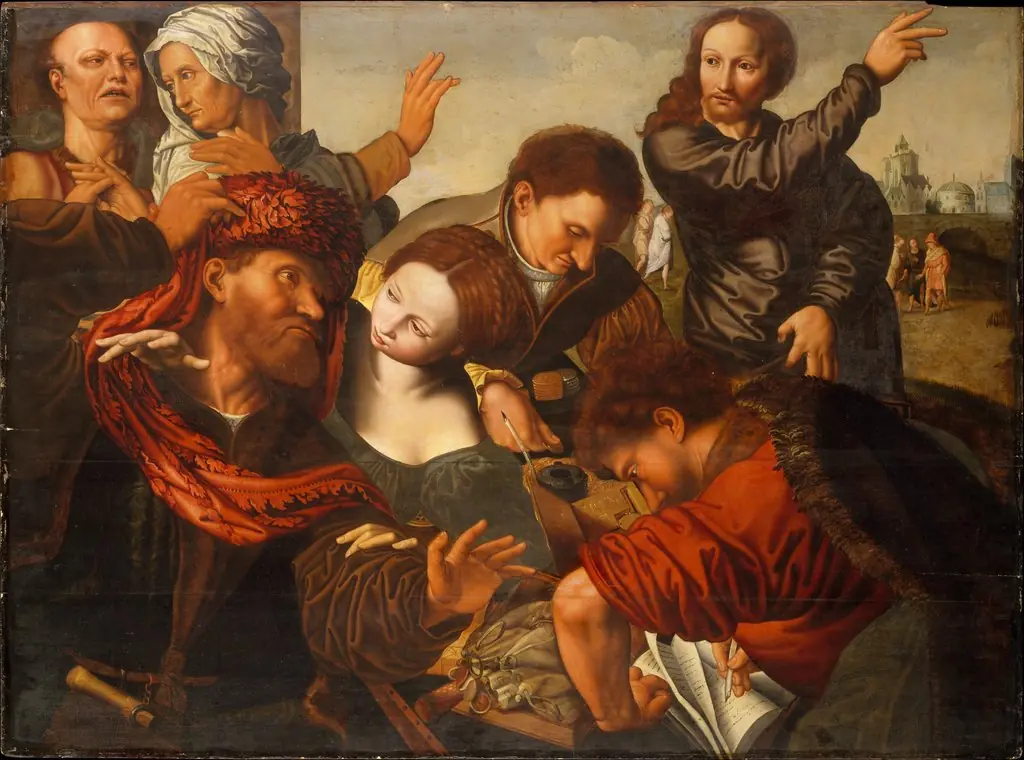 The Calling of Saint Matthew
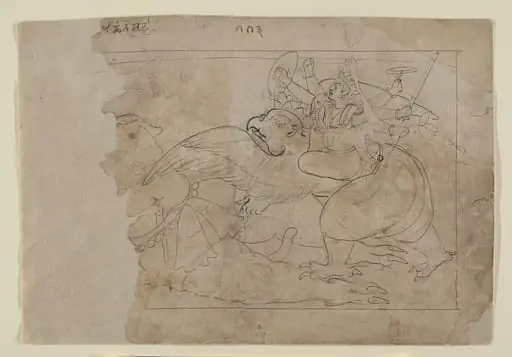 Untitled
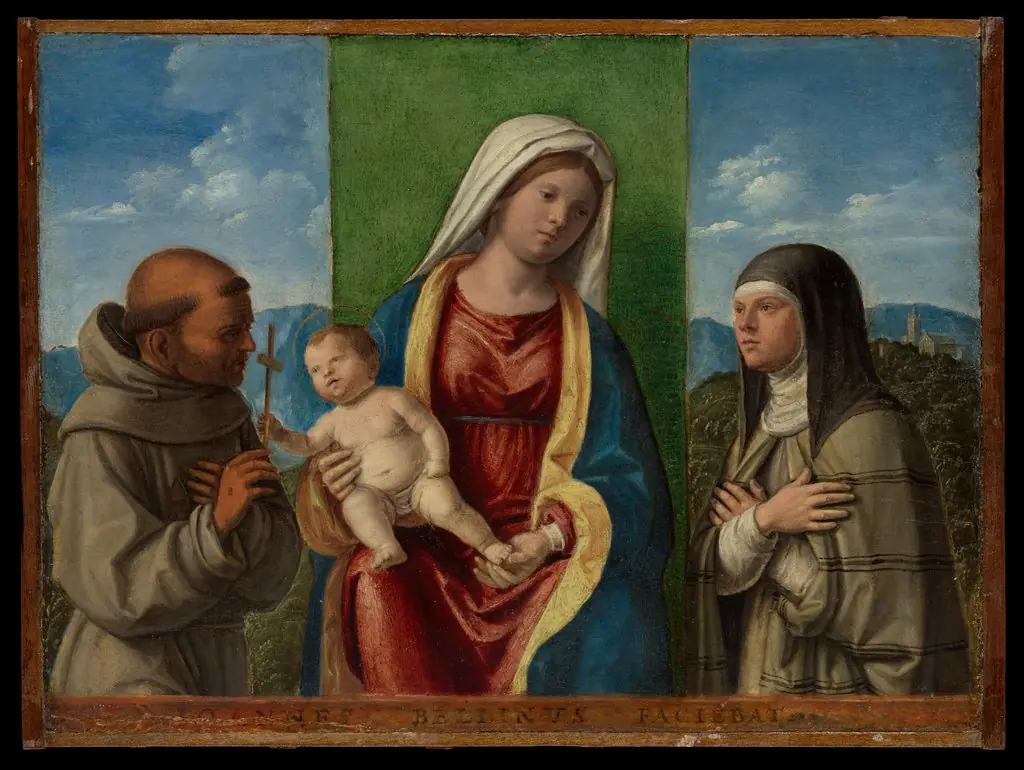 Madonna and Child with Saints Francis and Clare
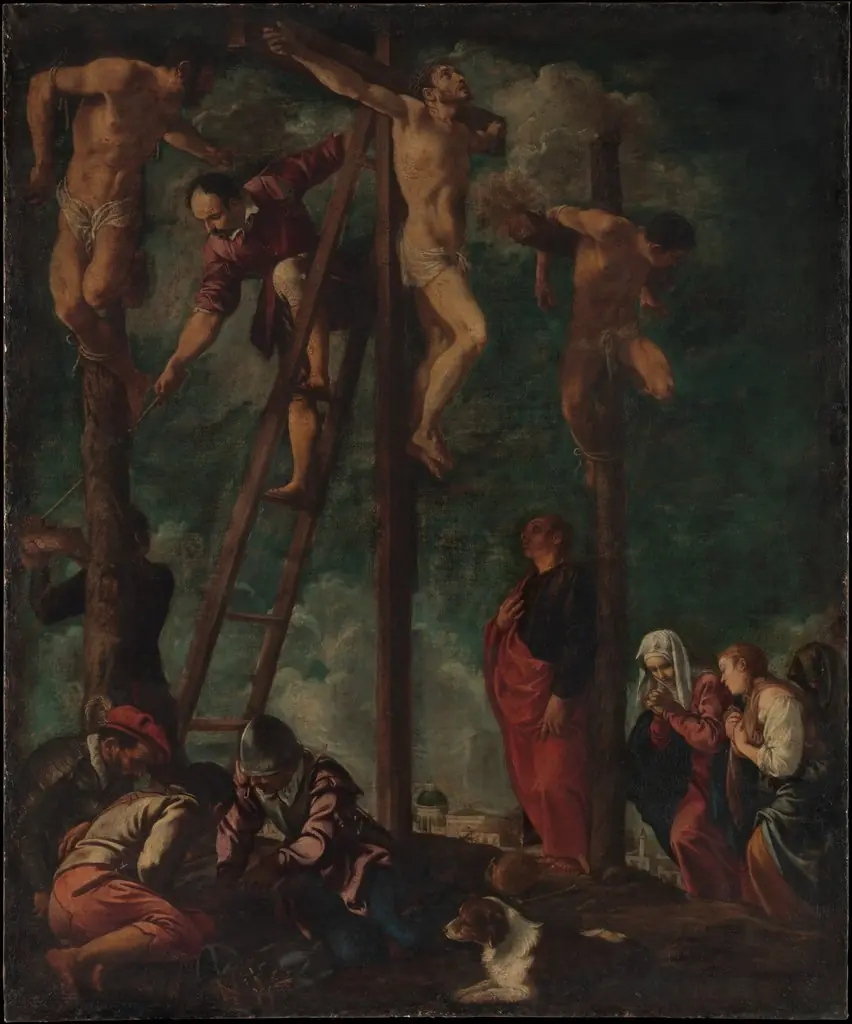 The Crucifixion
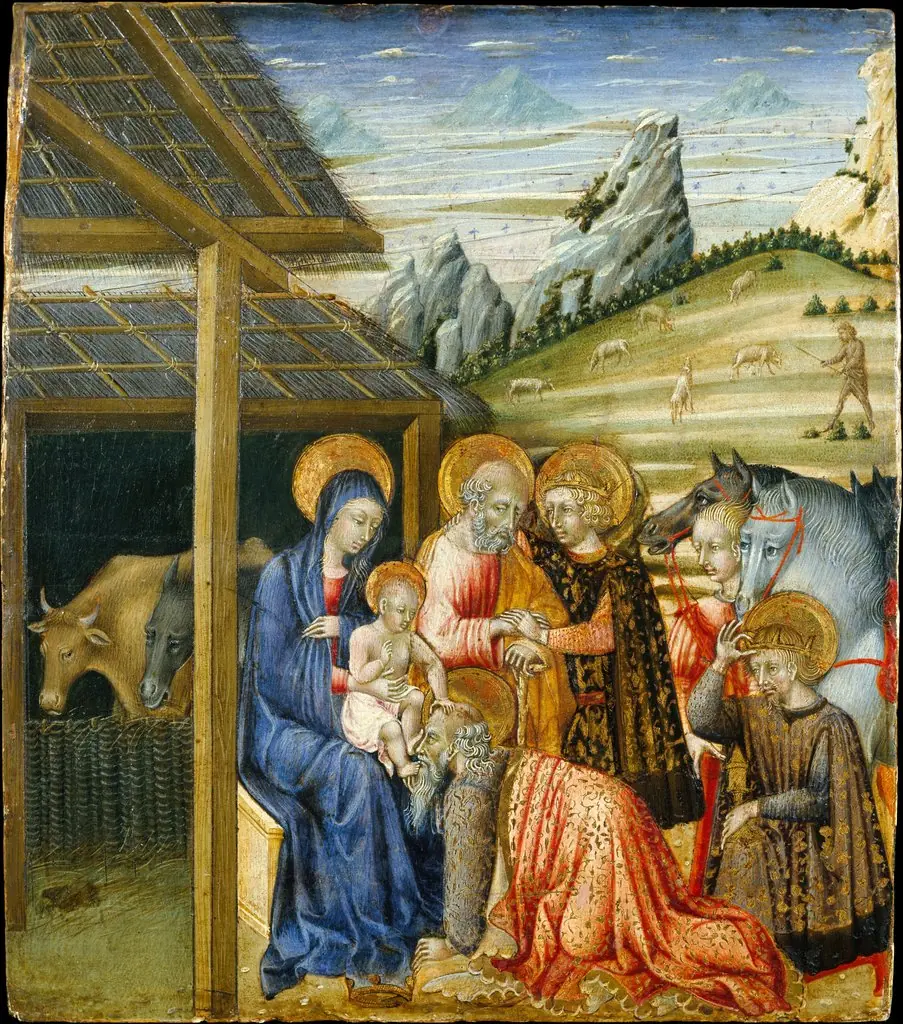 The Adoration of the Magi
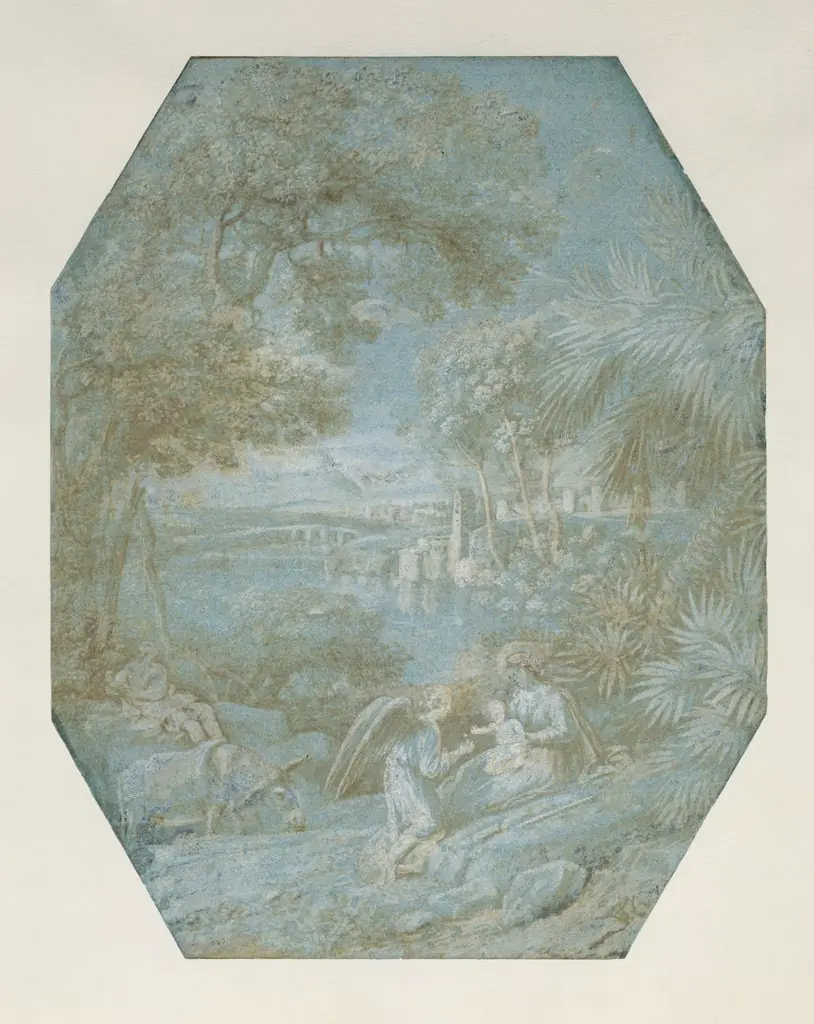 Landscape with the Rest on the Flight into Egypt
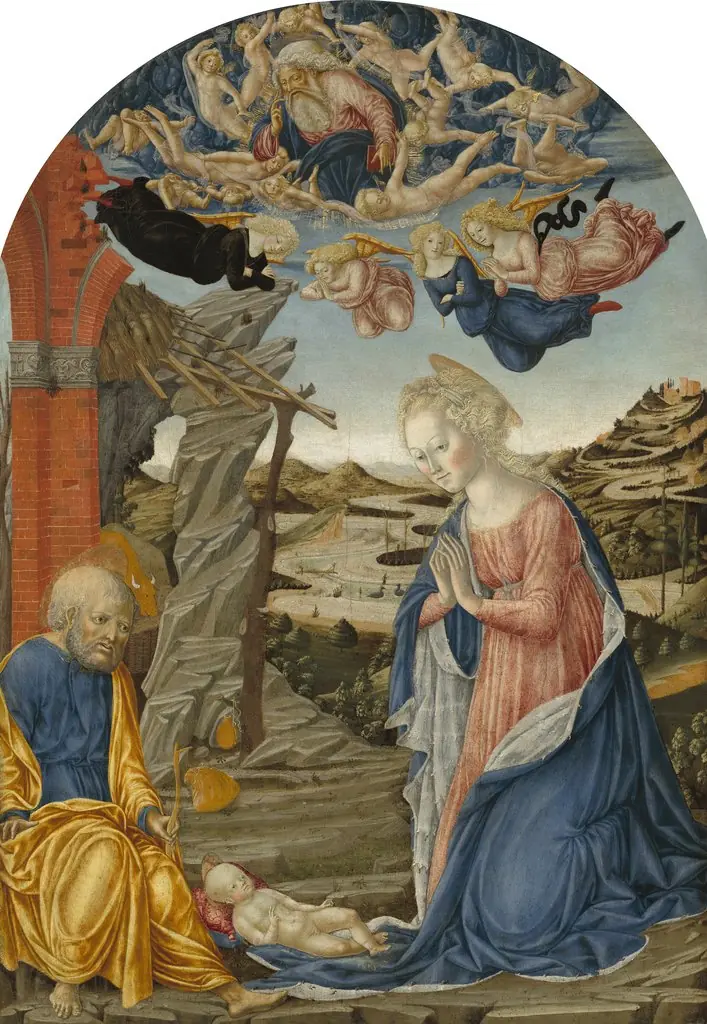 The Nativity
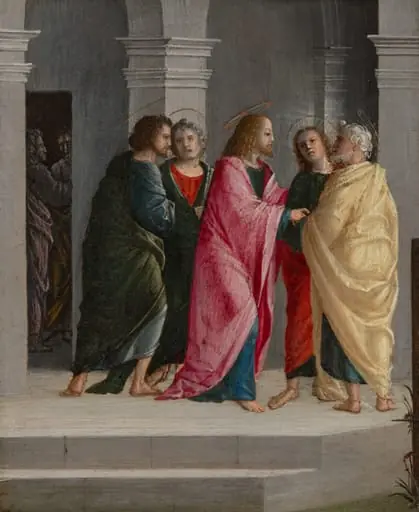 Christ Instructing Peter and John to Prepare for the Passover
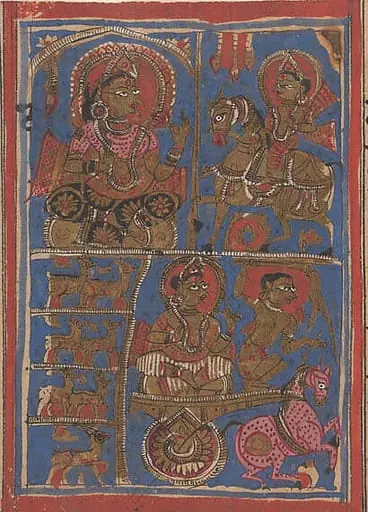 Untitled
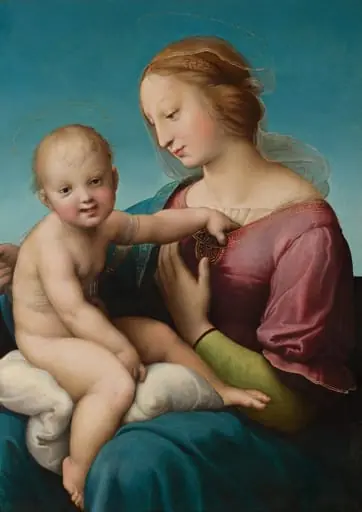 The Niccolini-Cowper Madonna
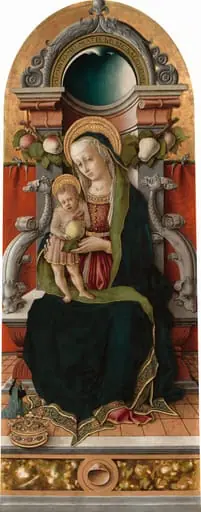 Madonna and Child Enthroned with Donor
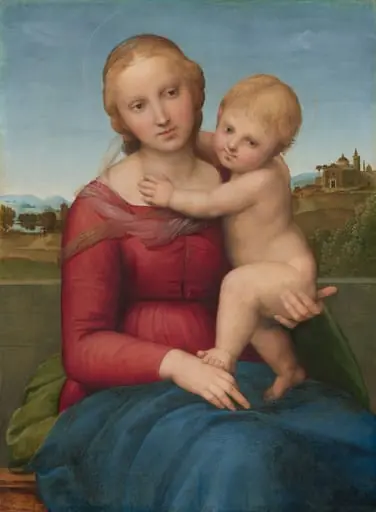 The Small Cowper Madonna
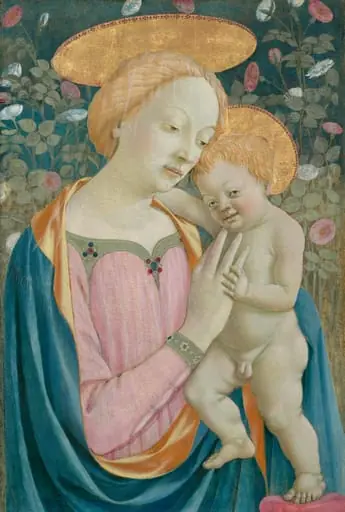 Madonna and Child
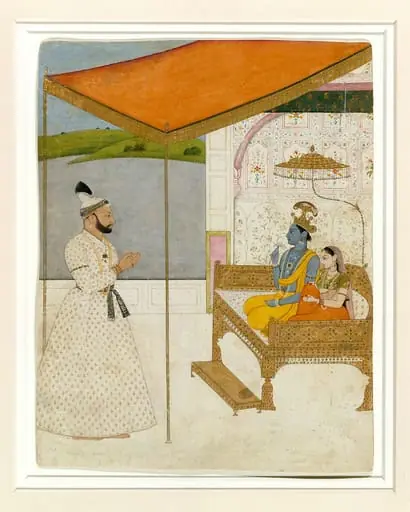 Untitled
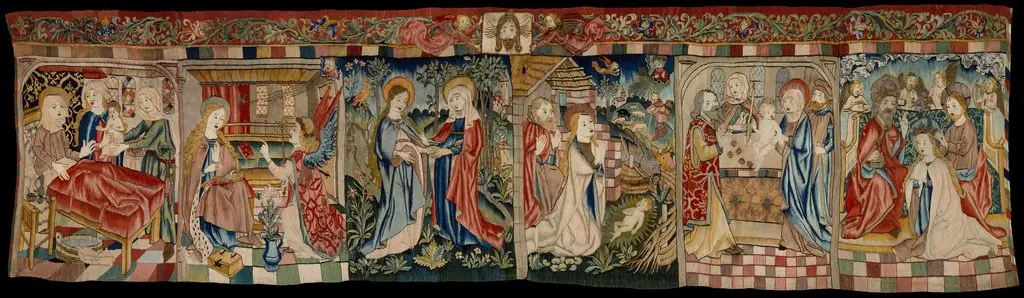 Scenes from the Life of the Virgin
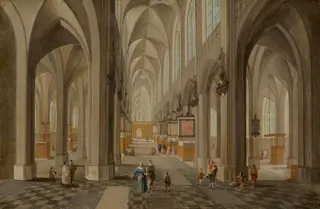 Antwerp Cathedral
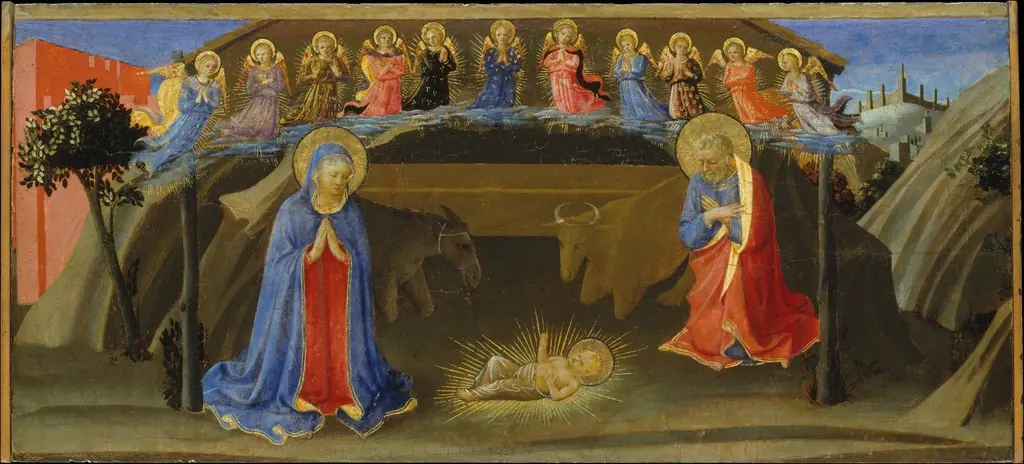 The Nativity
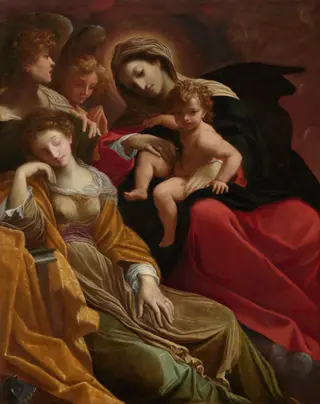 The Dream of Saint Catherine of Alexandria
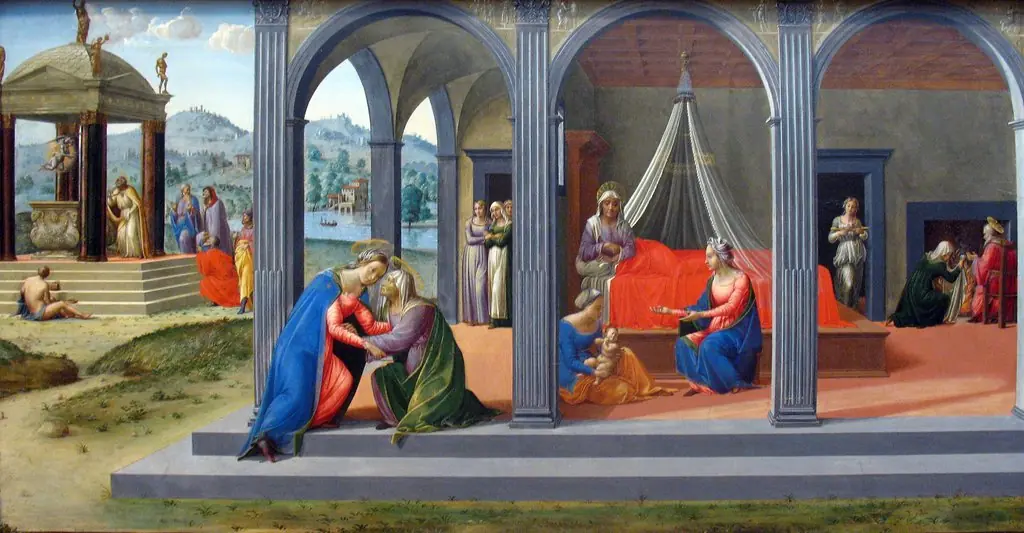 Scenes from the Life of Saint John the Baptist
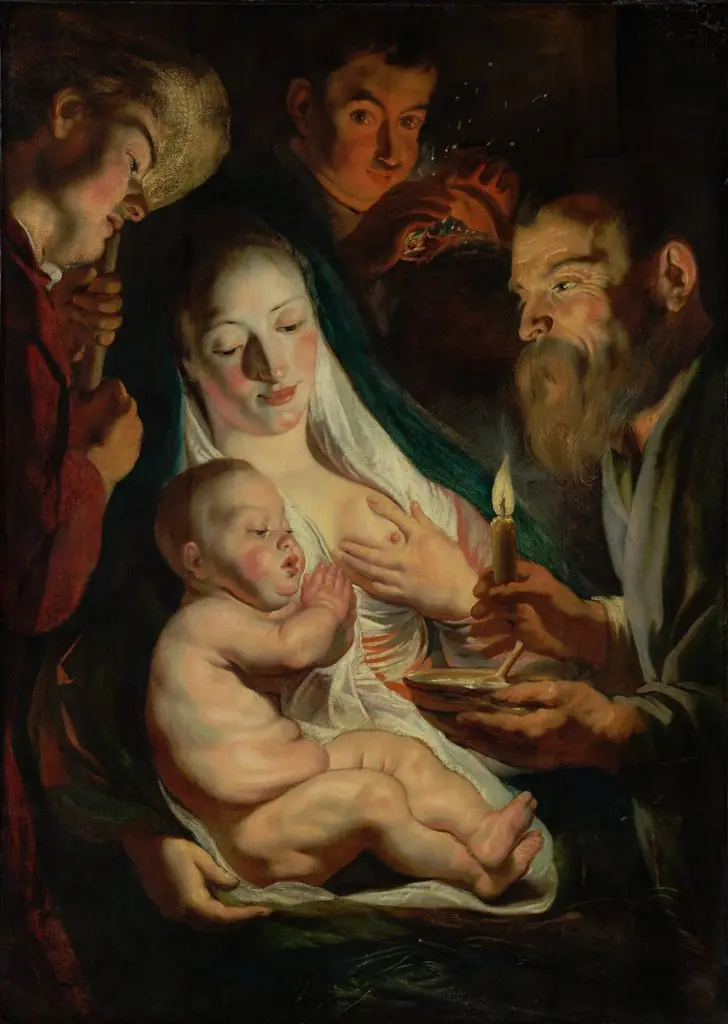 The Holy Family with Shepherds
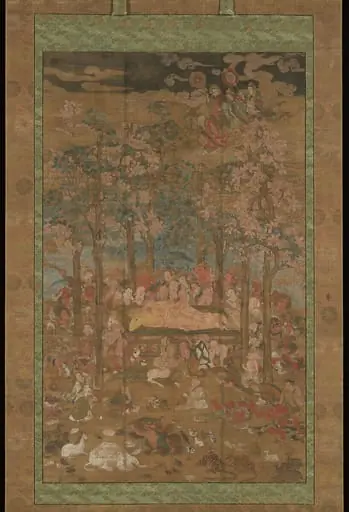 仏涅槃図|Death of the Historical Buddha (Nehan-zu)
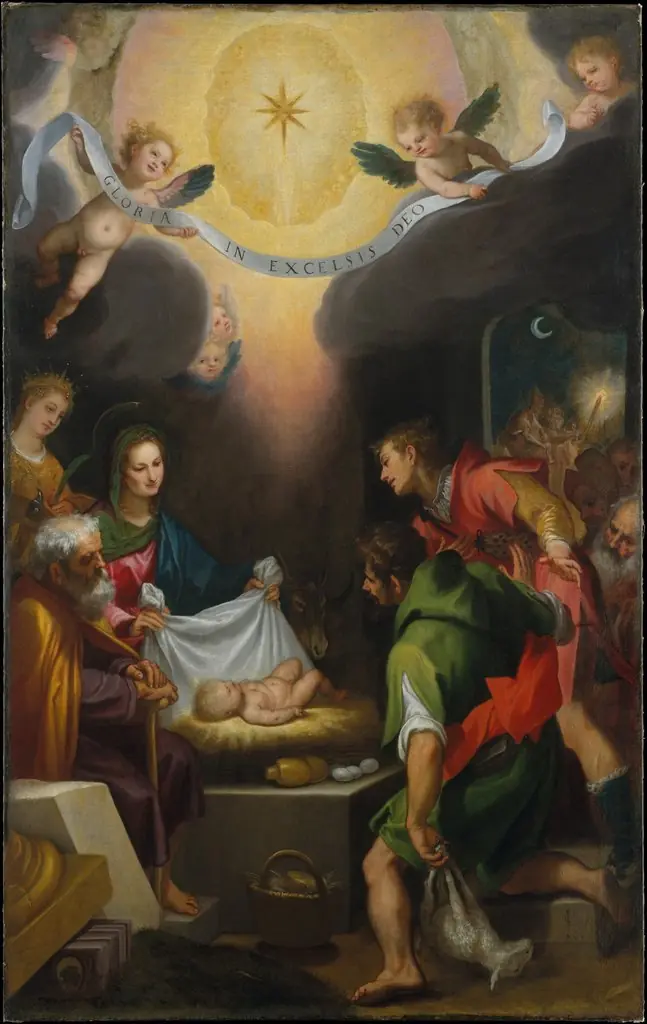 The Adoration of the Shepherds with Saint Catherine of Alexandria
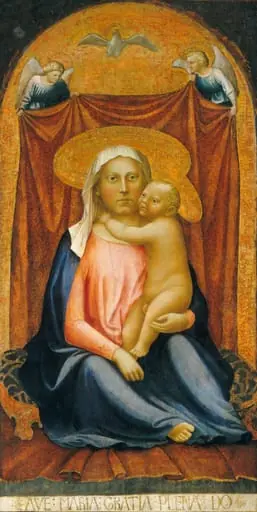 The Madonna of Humility
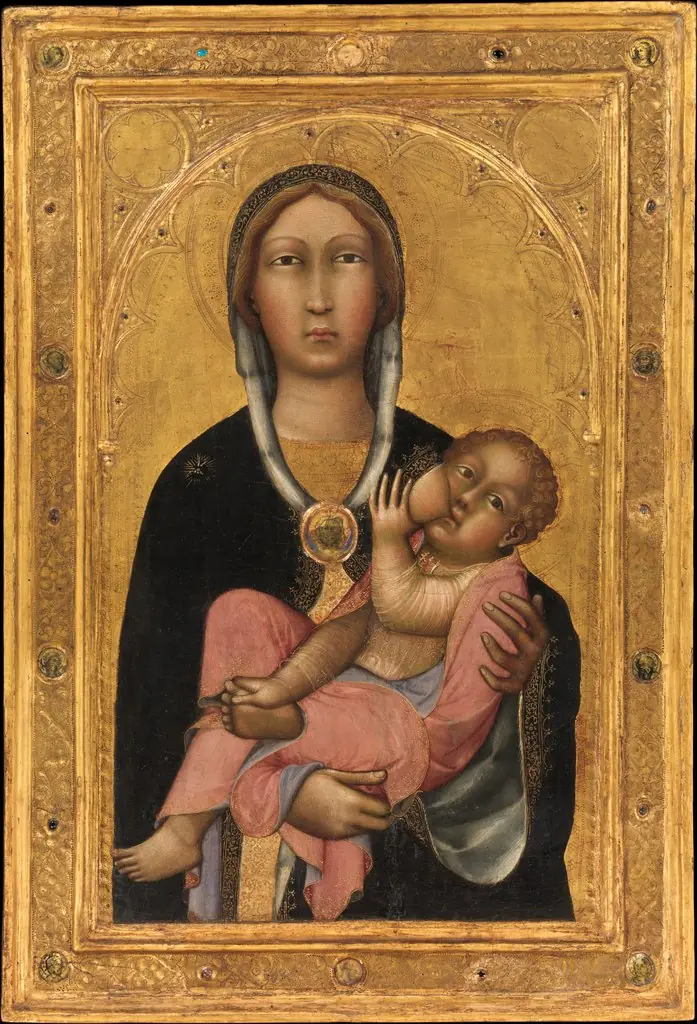 Madonna and Child
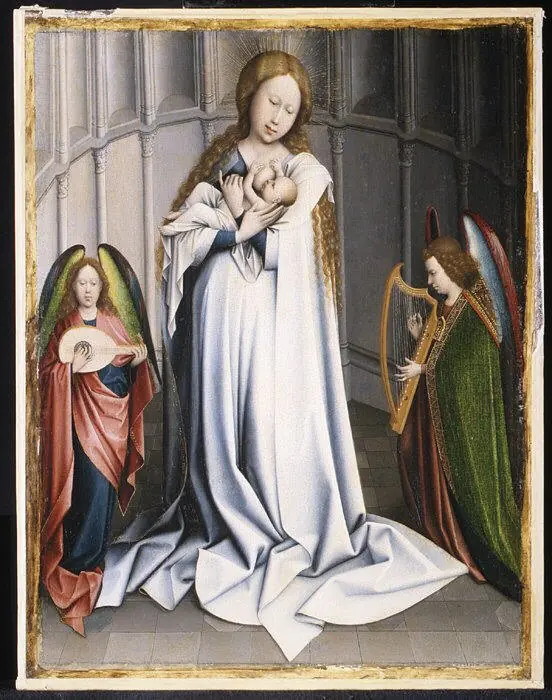 Virgin and Child in an Apse
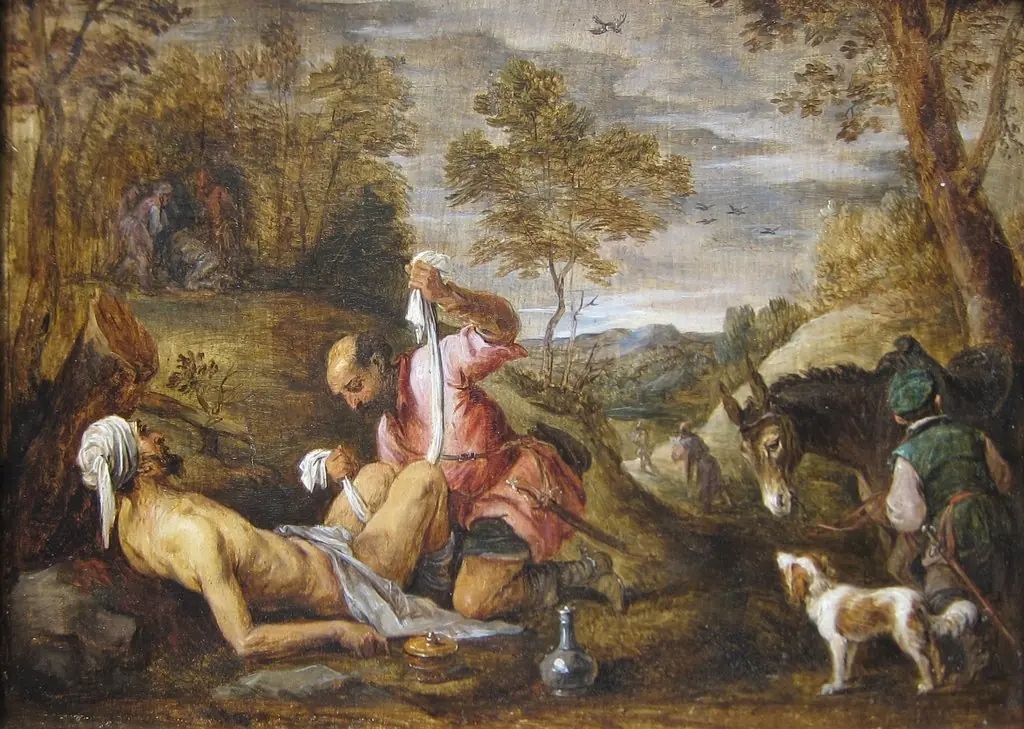 The Good Samaritan
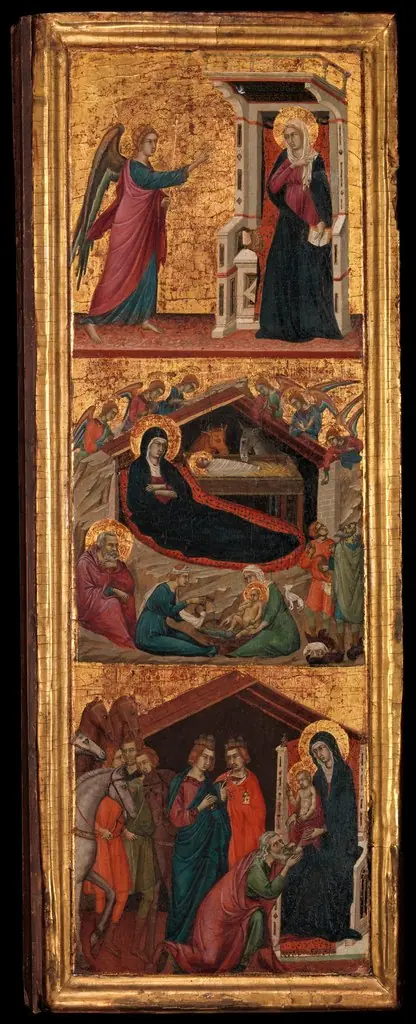 Saints and Scenes from the Life of the Virgin
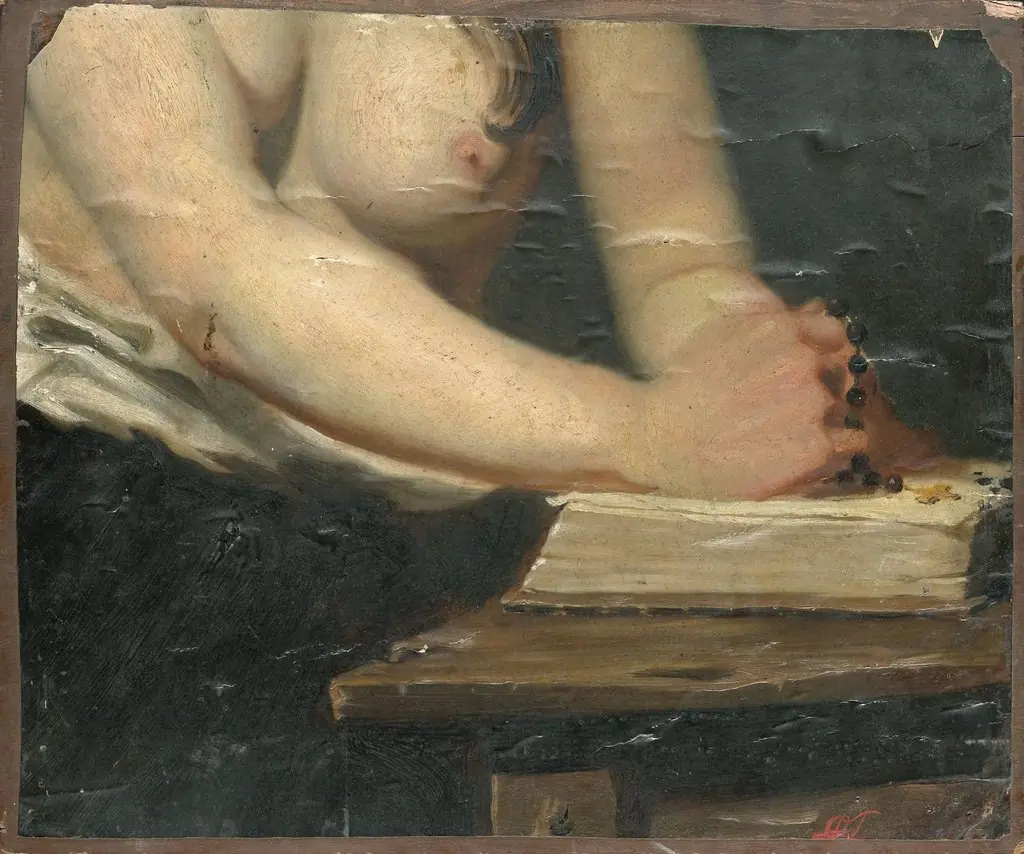 Mary Magdalene
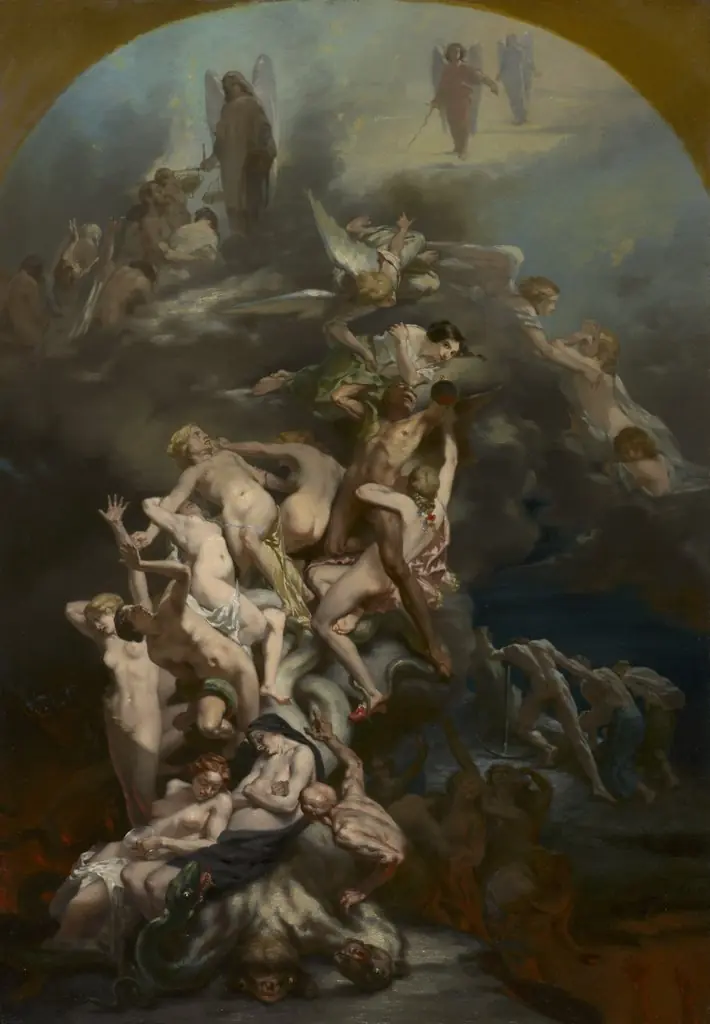 Heaven and Hell
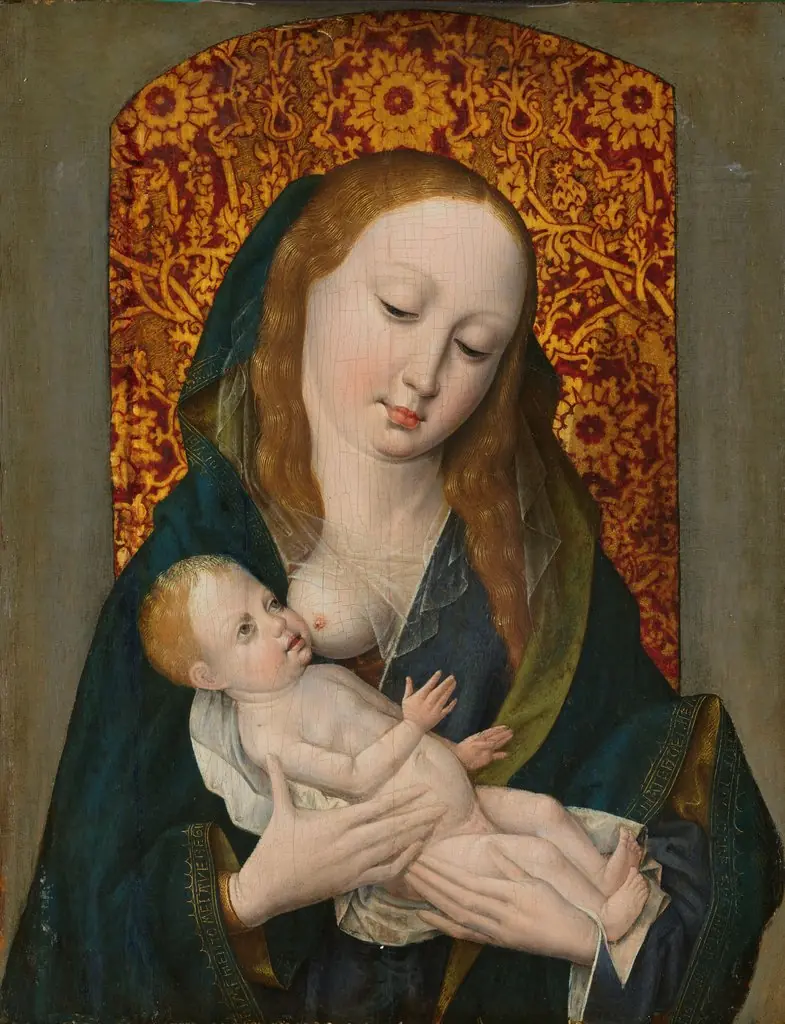 The Virgin and Child
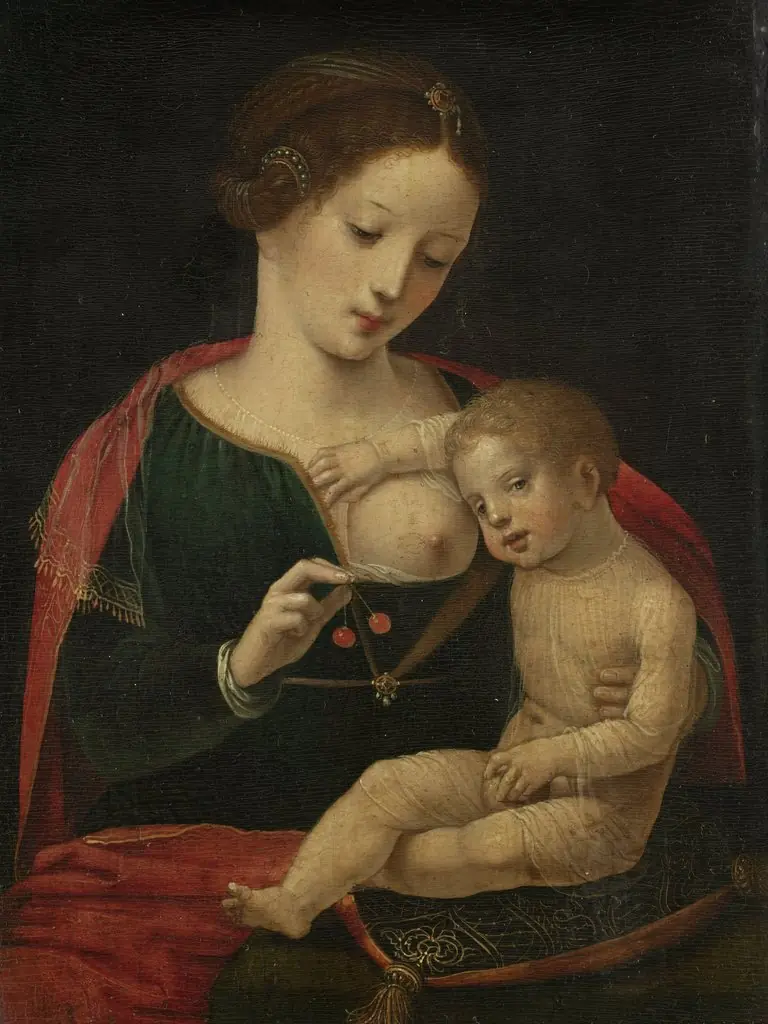 Madonna and child
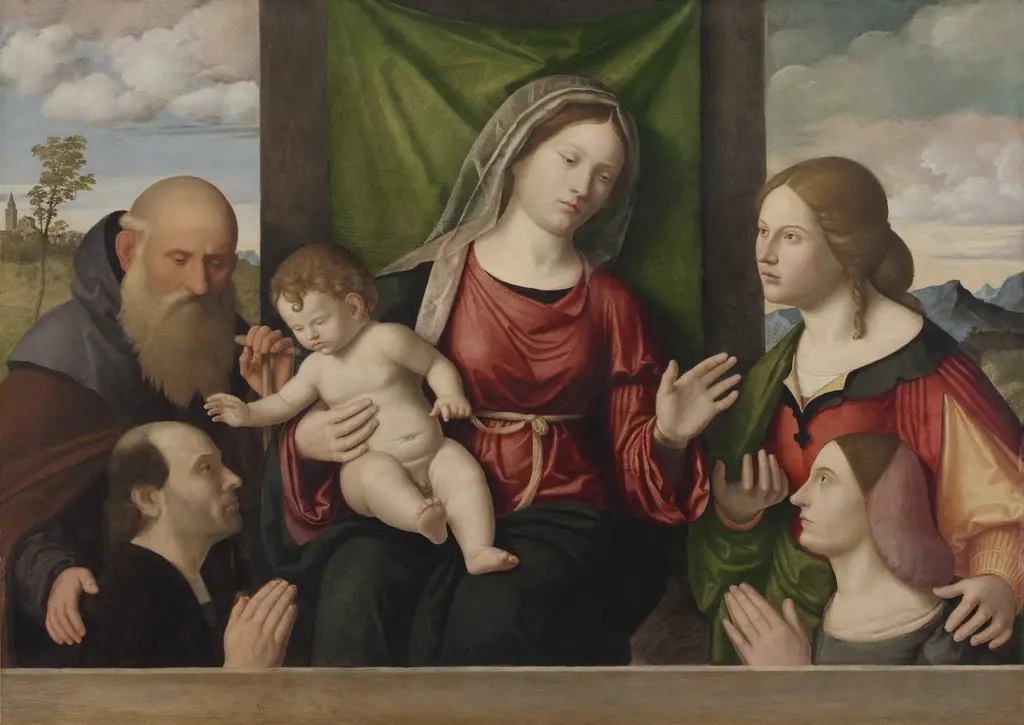 Virgin and Child with Saints and Donors
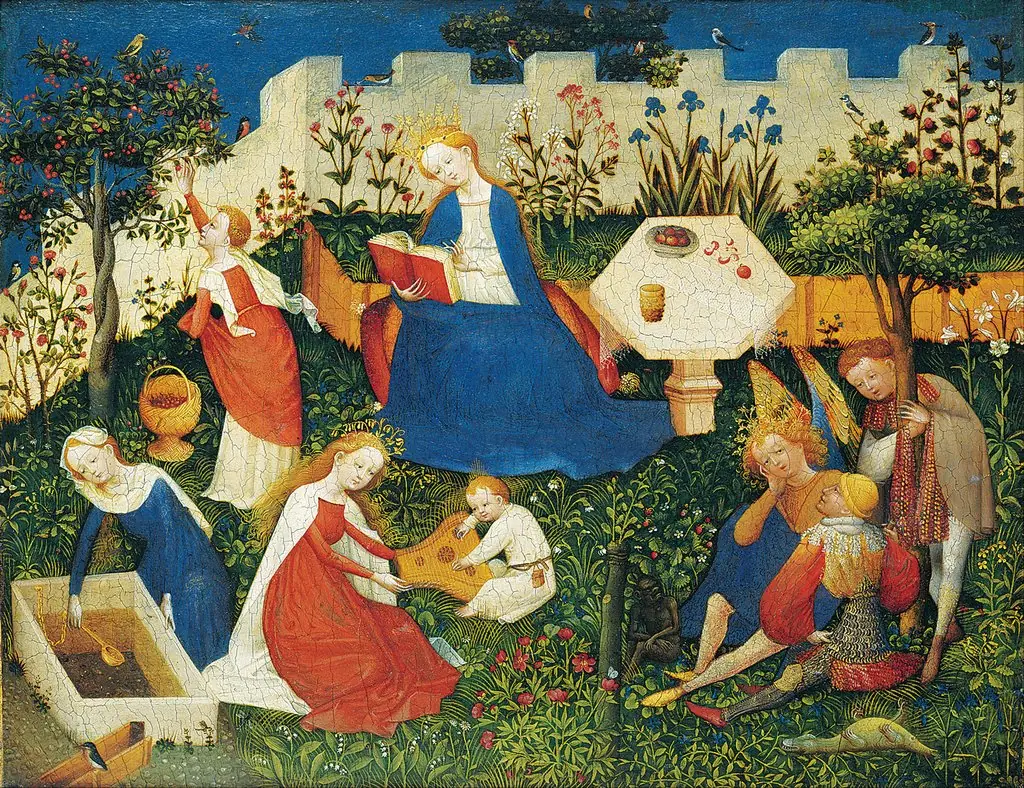 Paradiesgärtlein
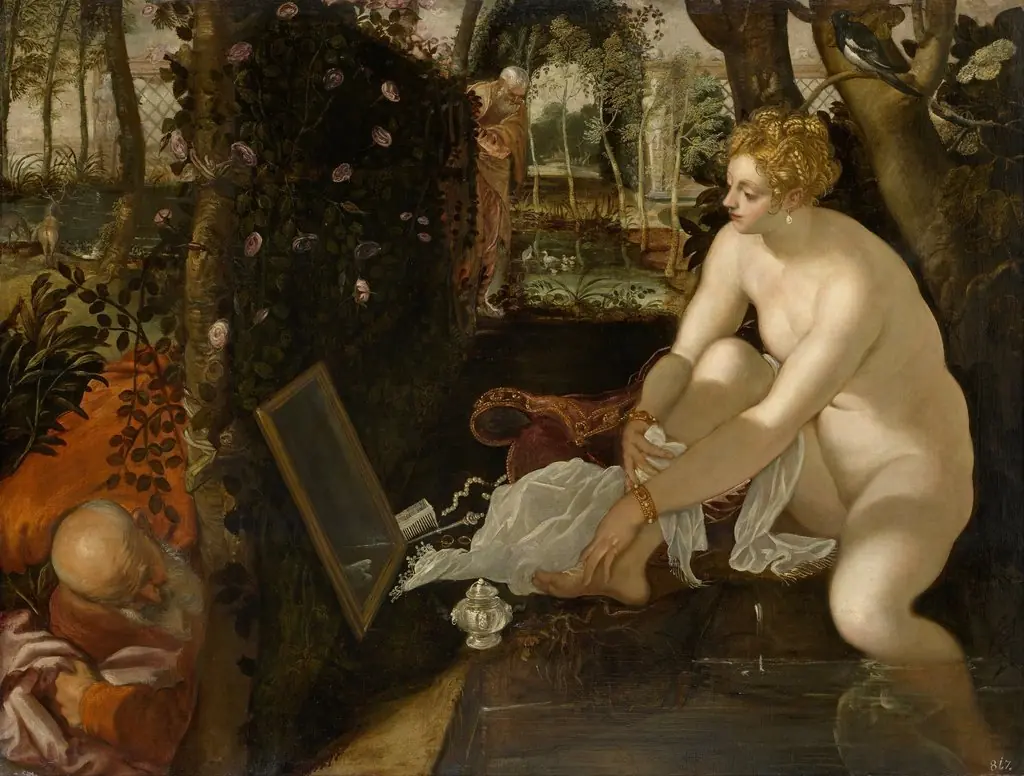 Susanna and the Elders
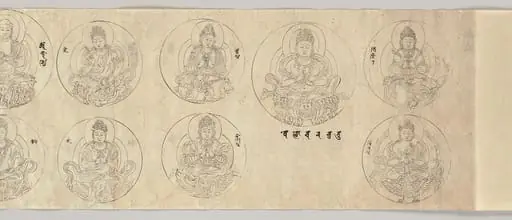 金剛界曼荼羅諸尊図像|Scroll of Deities of the Diamond World Mandala
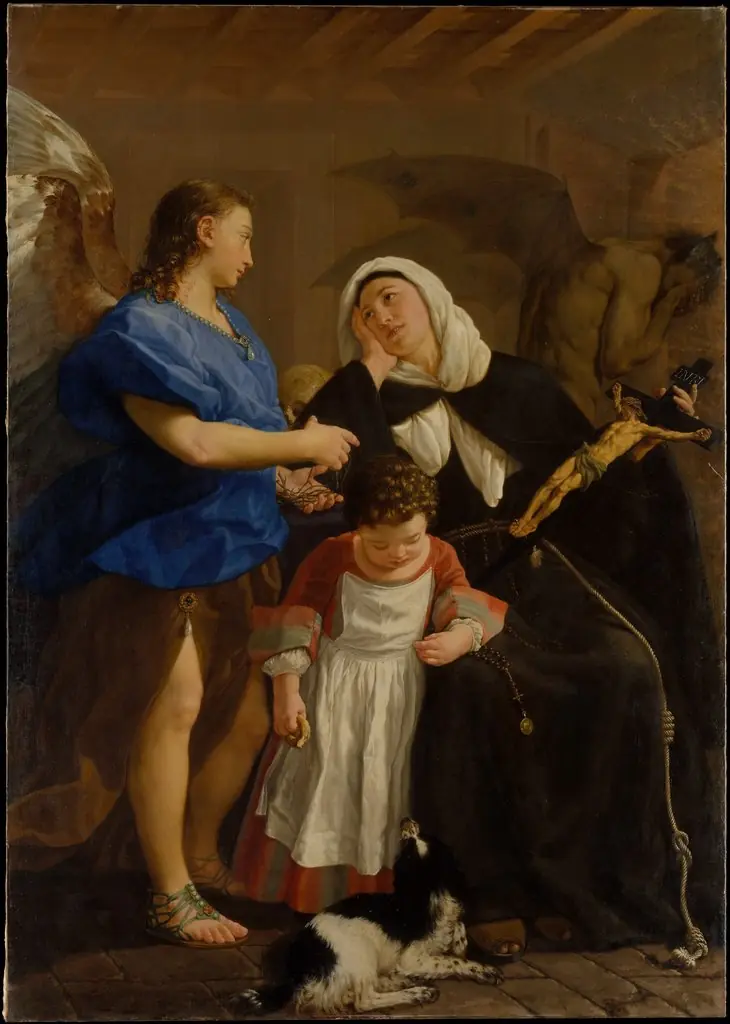 Saint Margaret of Cortona
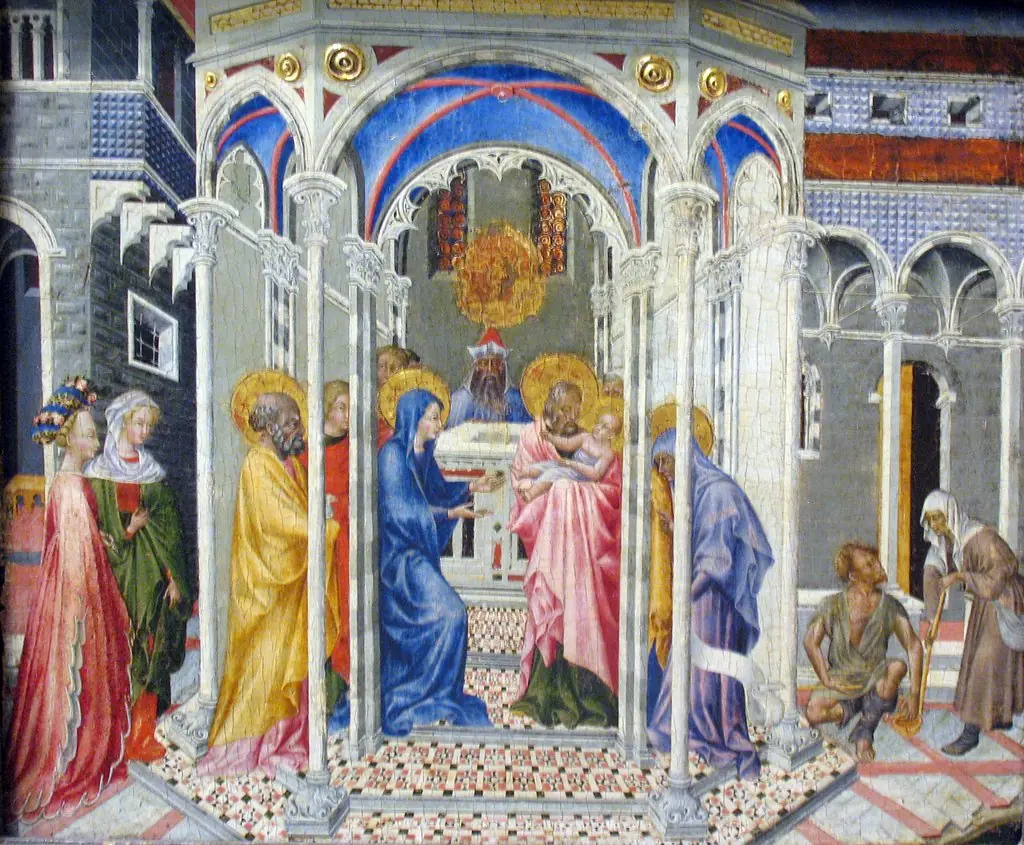 The Presentation of Christ in the Temple
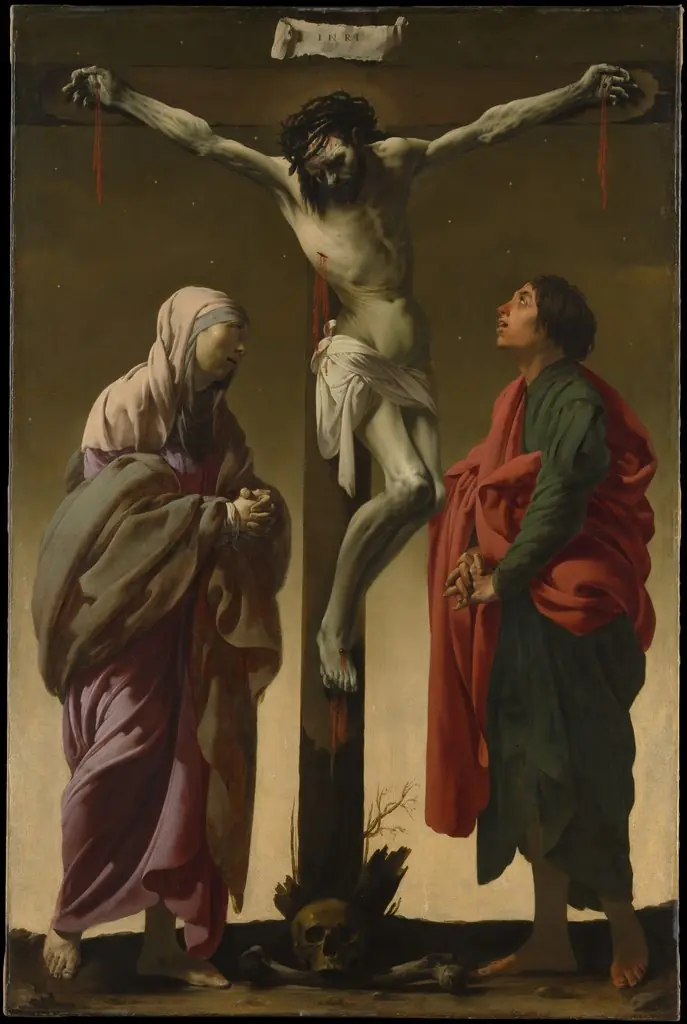 The Crucifixion with the Virgin and St John
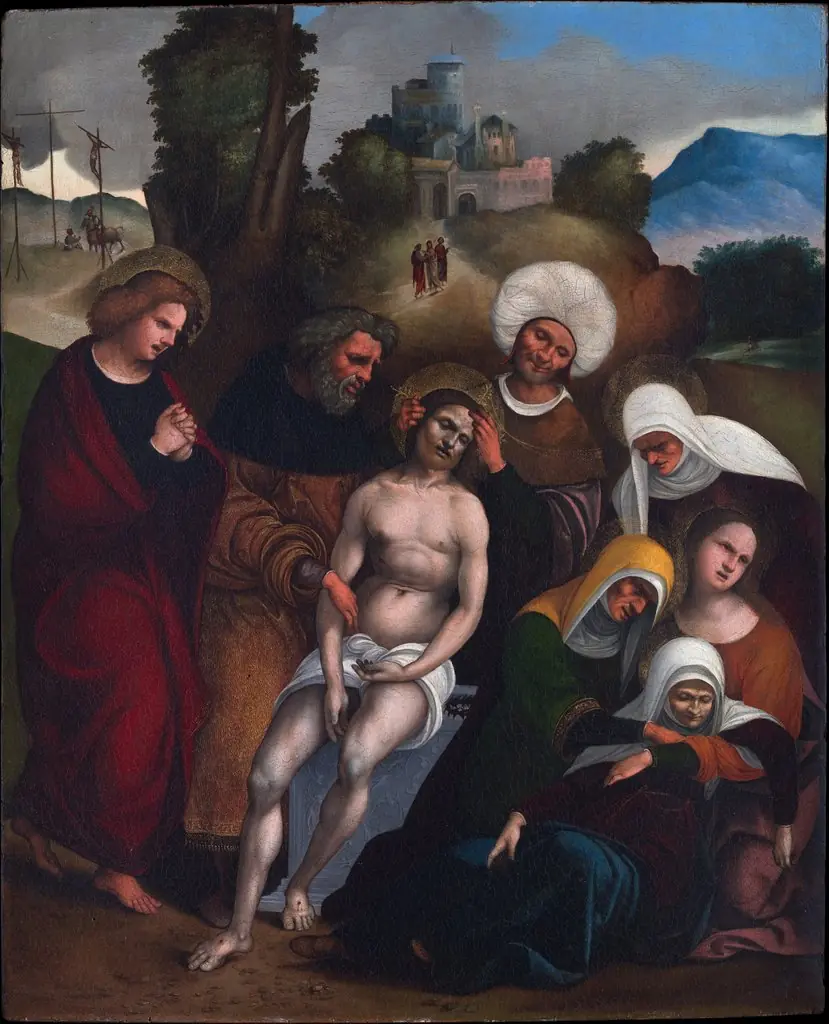 The Lamentation
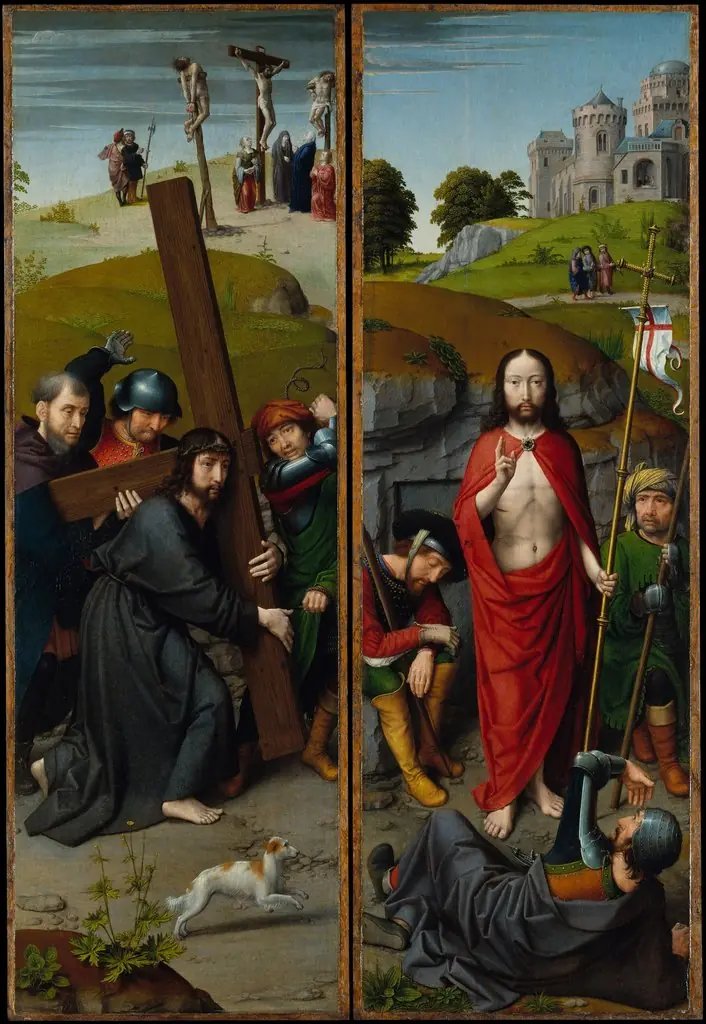 Christ Carrying the Cross, with the Crucifixion; The Resurrection, with the Pilgrims of Emmaus
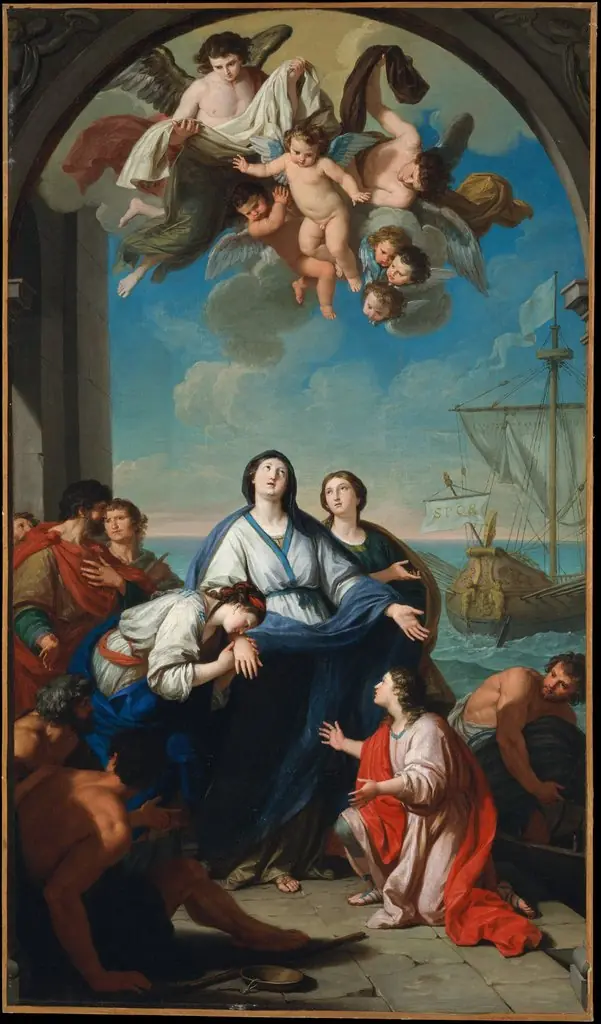 The Departure of Saints Paula and Eustochium for the Holy Land
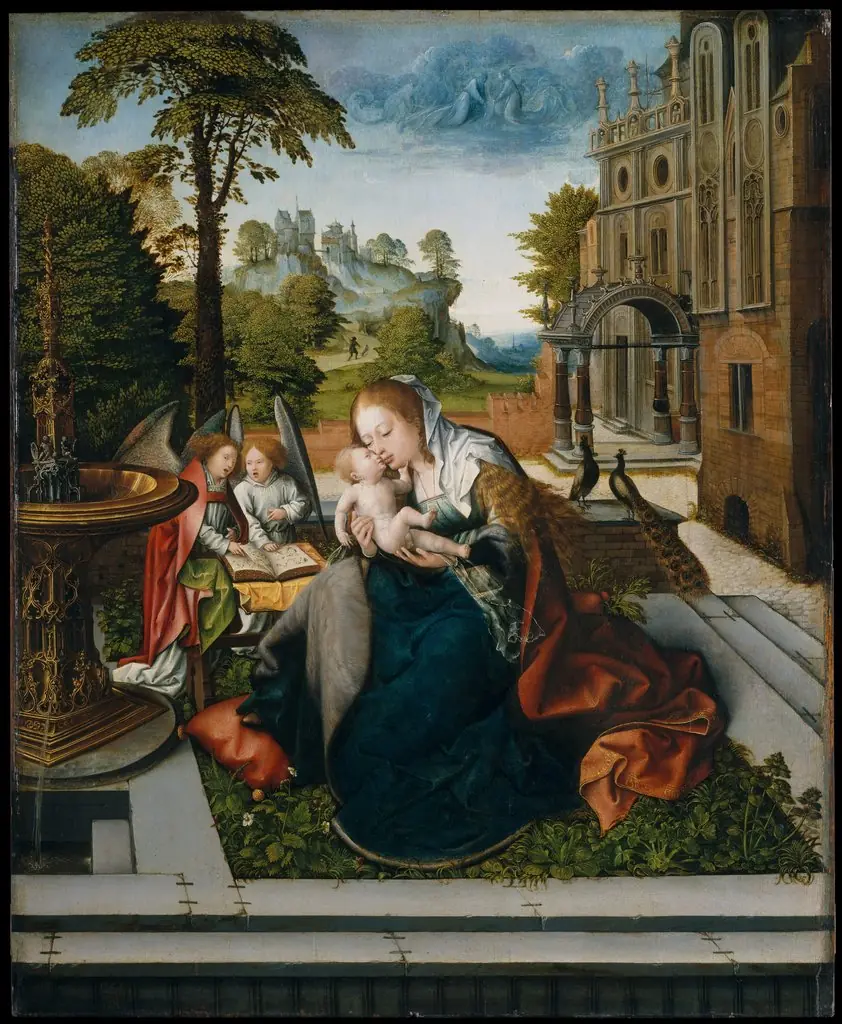 Virgin and Child with Angels
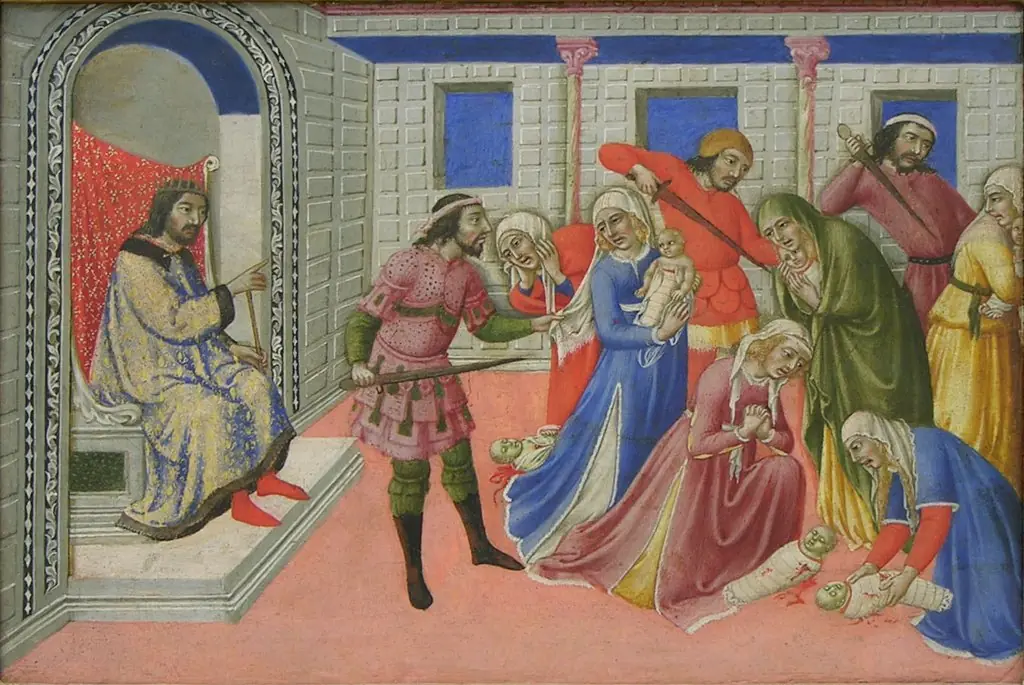 The Massacre of the Innocents
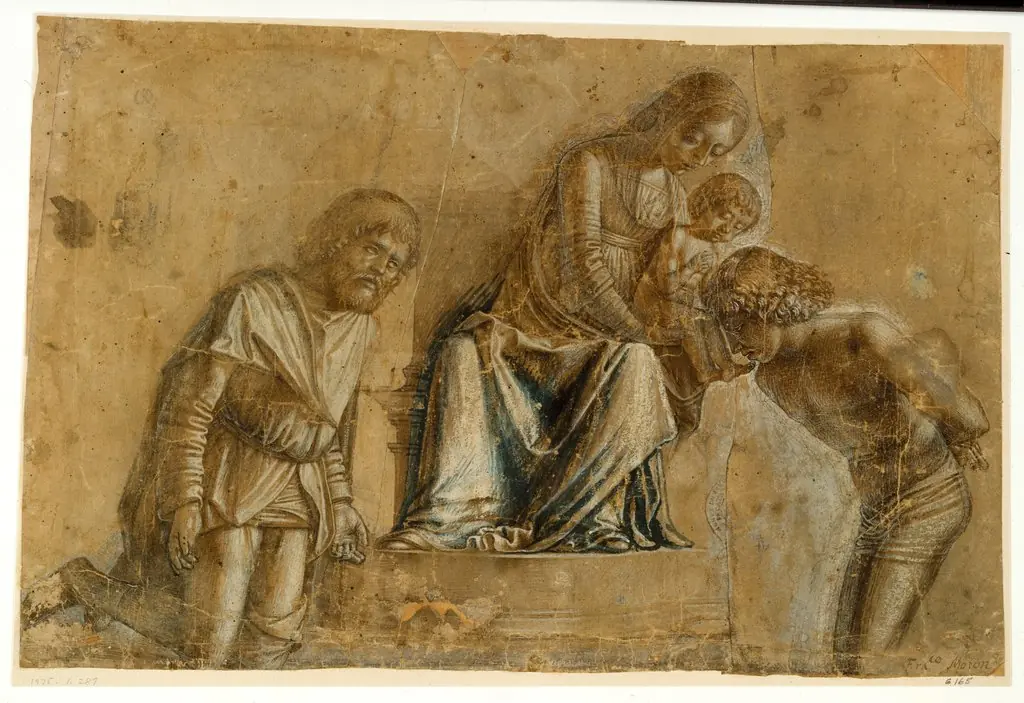 Madonna and Child with Saints Roch and Sebastian
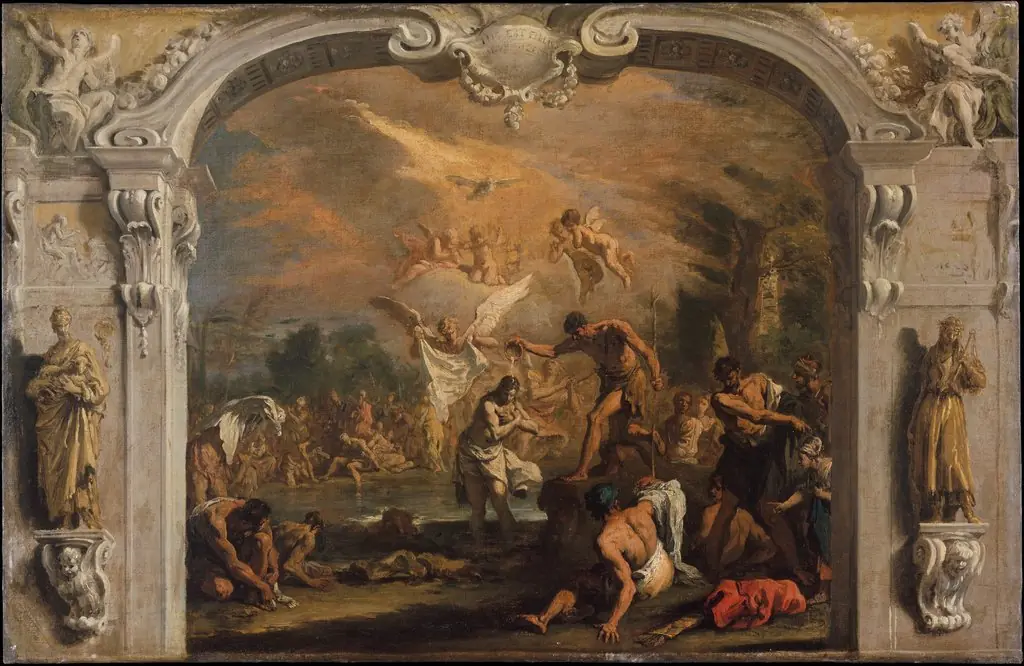 The Baptism of Christ
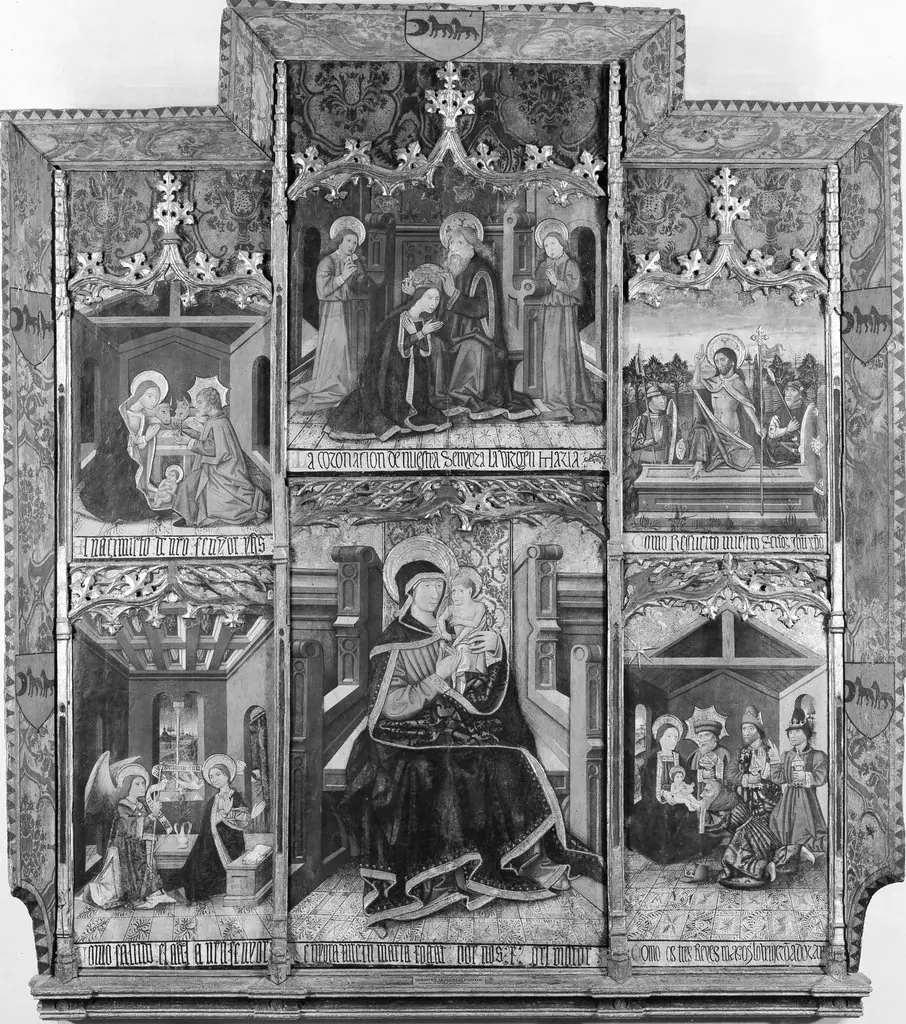 Virgin and Child Enthroned with Scenes from the Life of the Virgin
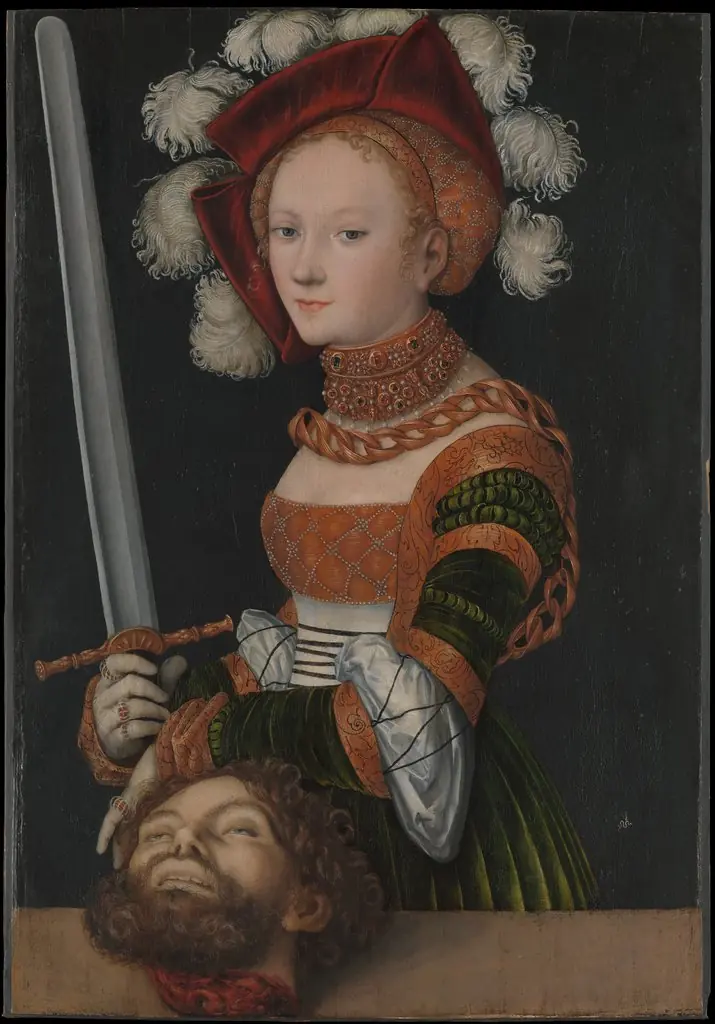 Judith with the Head of Holofernes
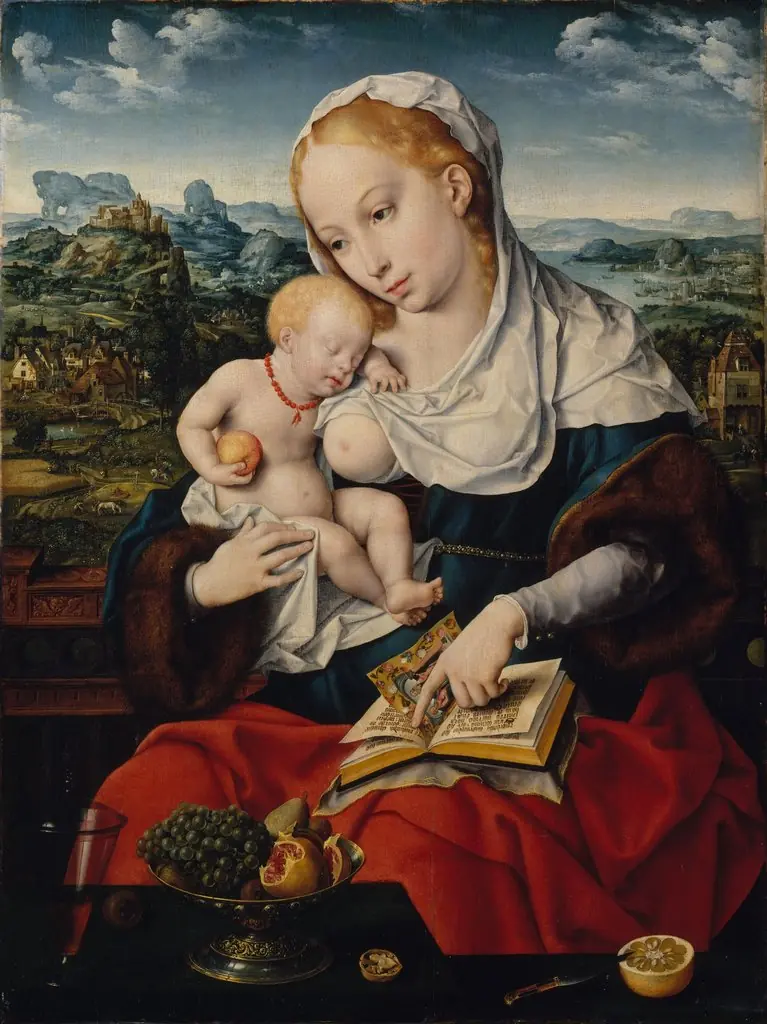 Virgin and Child
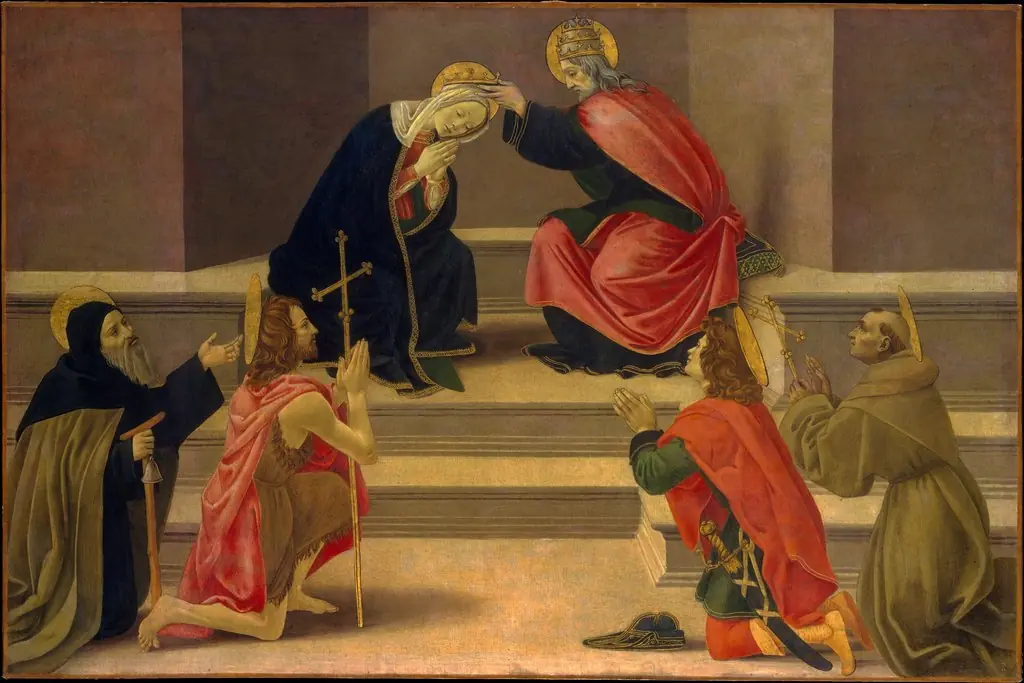 The Coronation of the Virgin
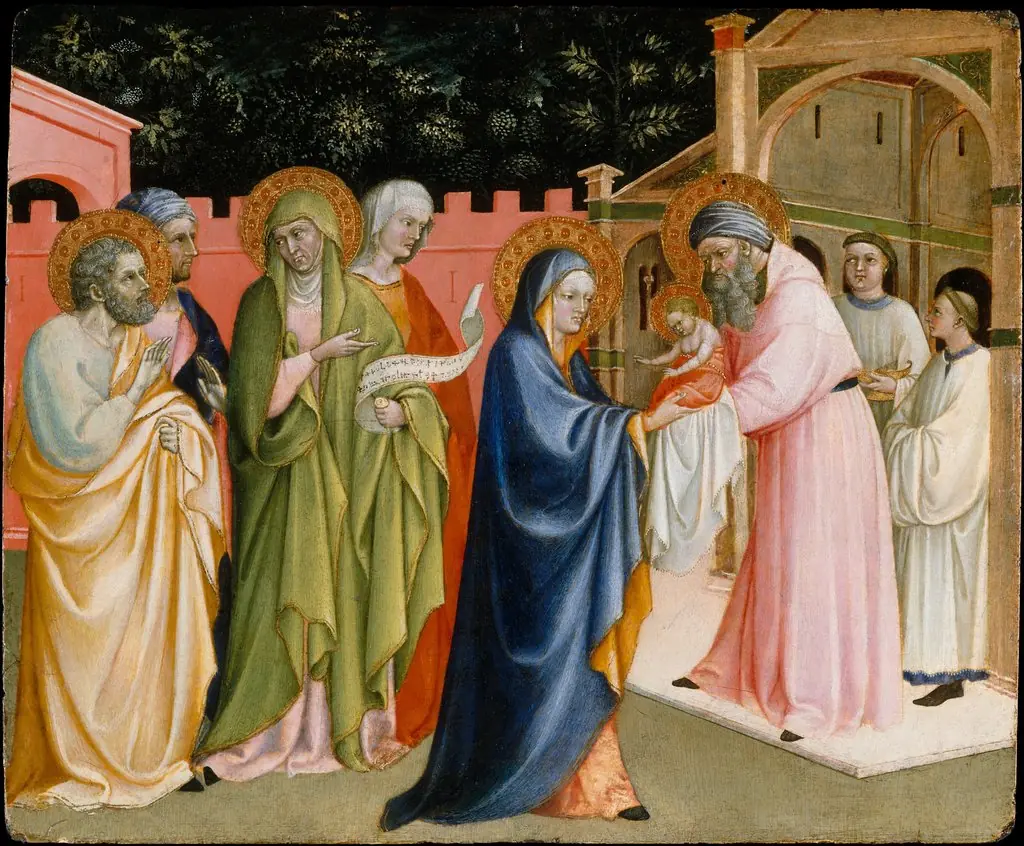 The Presentation in the Temple
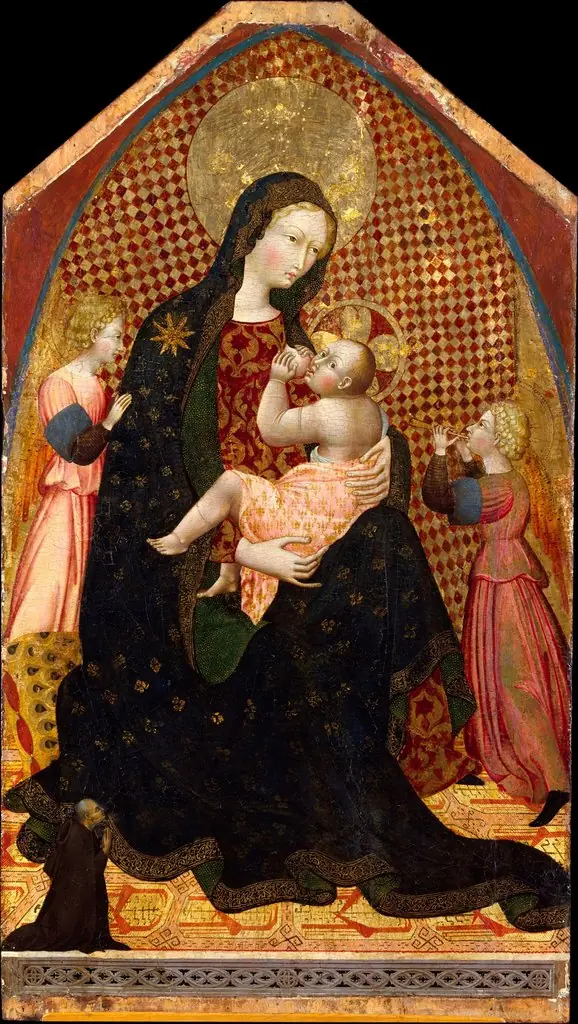 Madonna and Child with Two Angels and a Donor
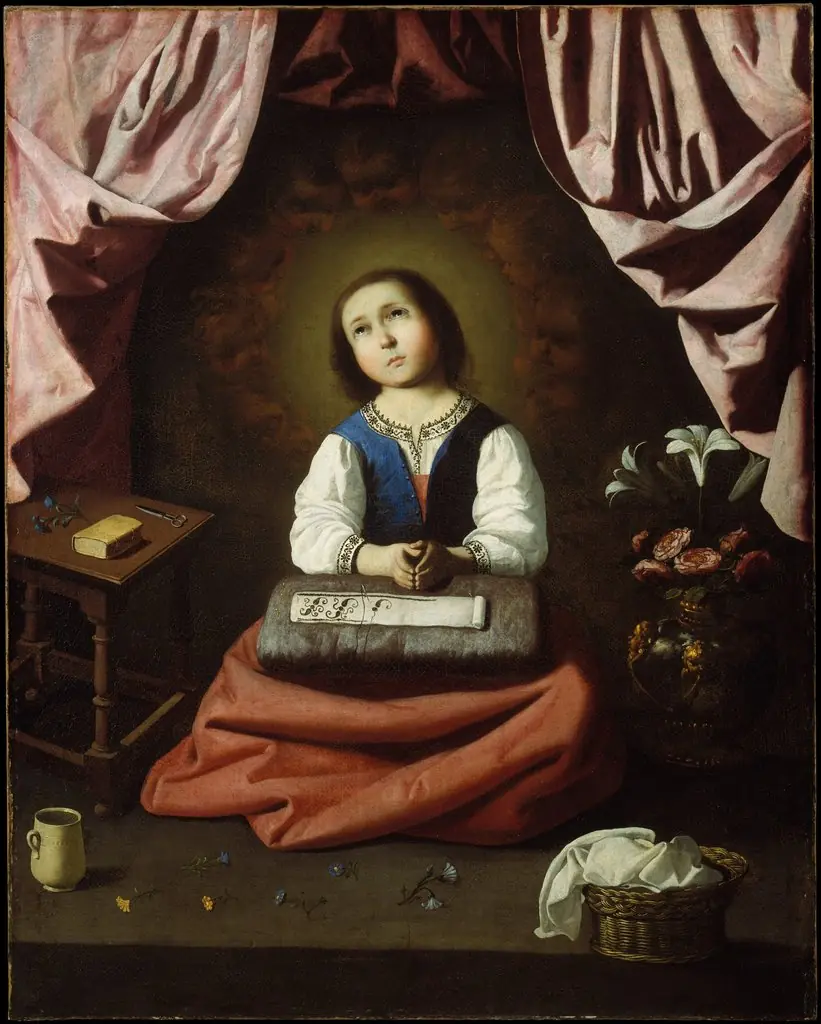 The Young Virgin
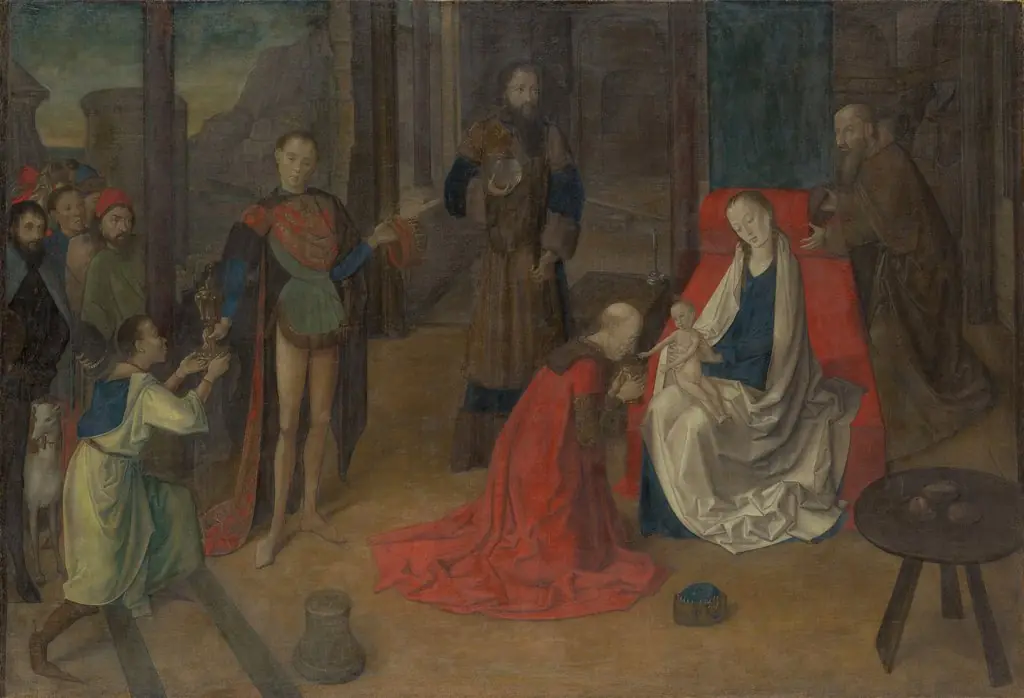 The Adoration of the Magi
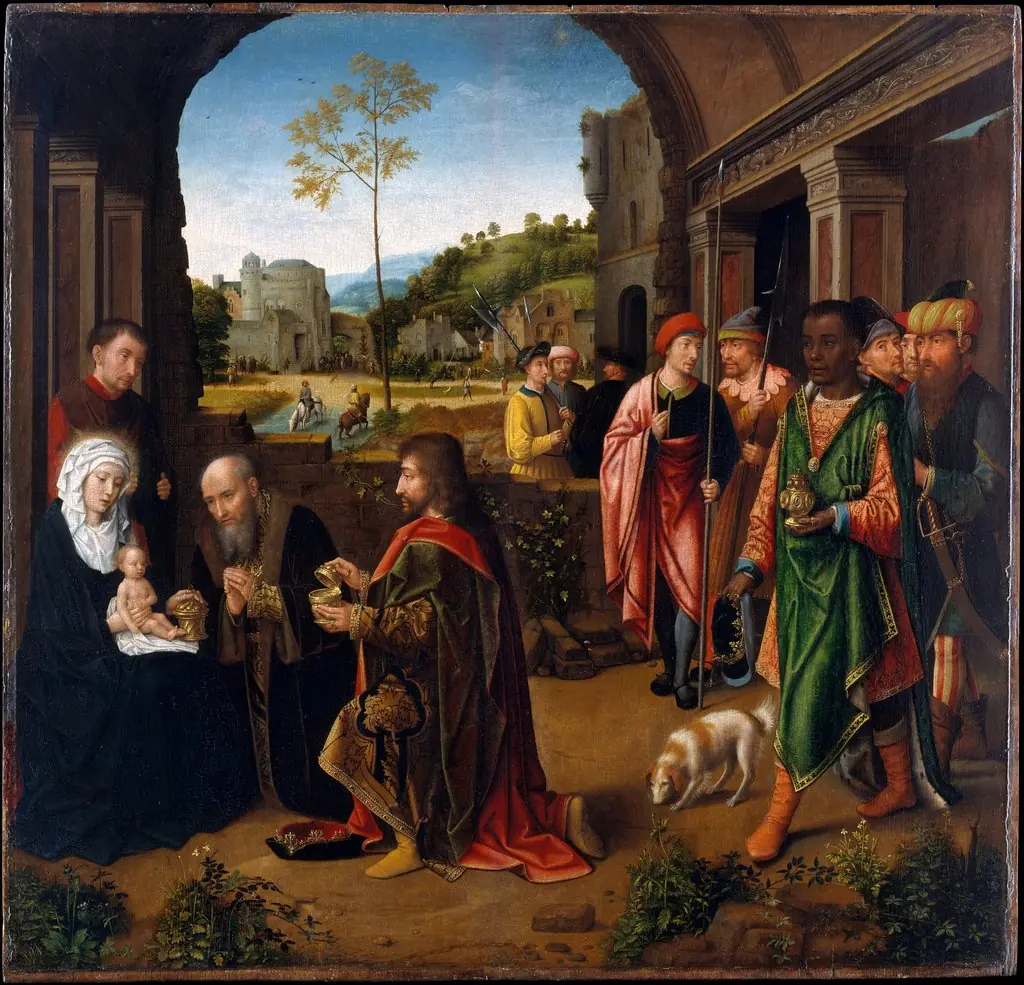 The Adoration of the Magi
 Untitled
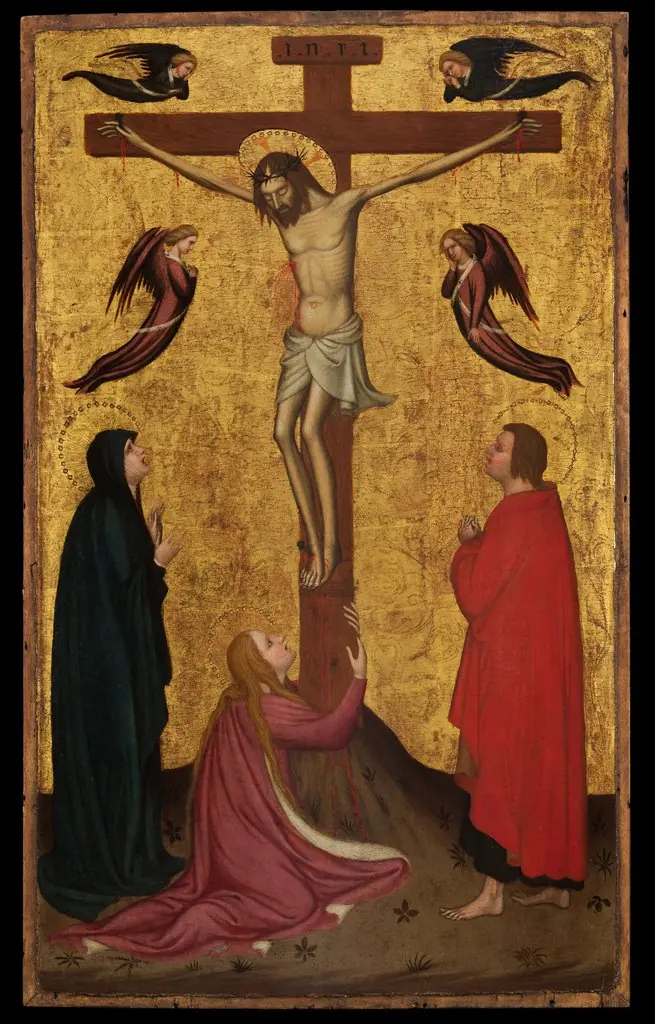 The Crucifixion
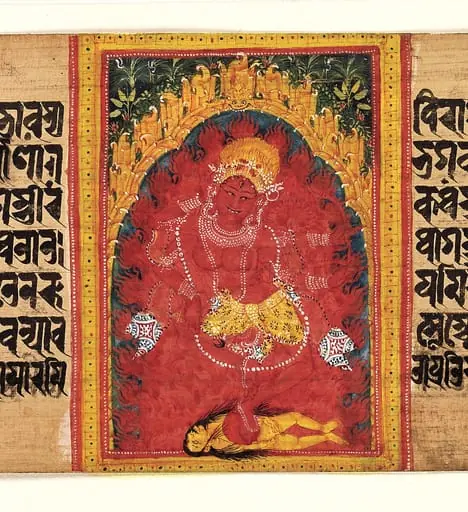 Untitled
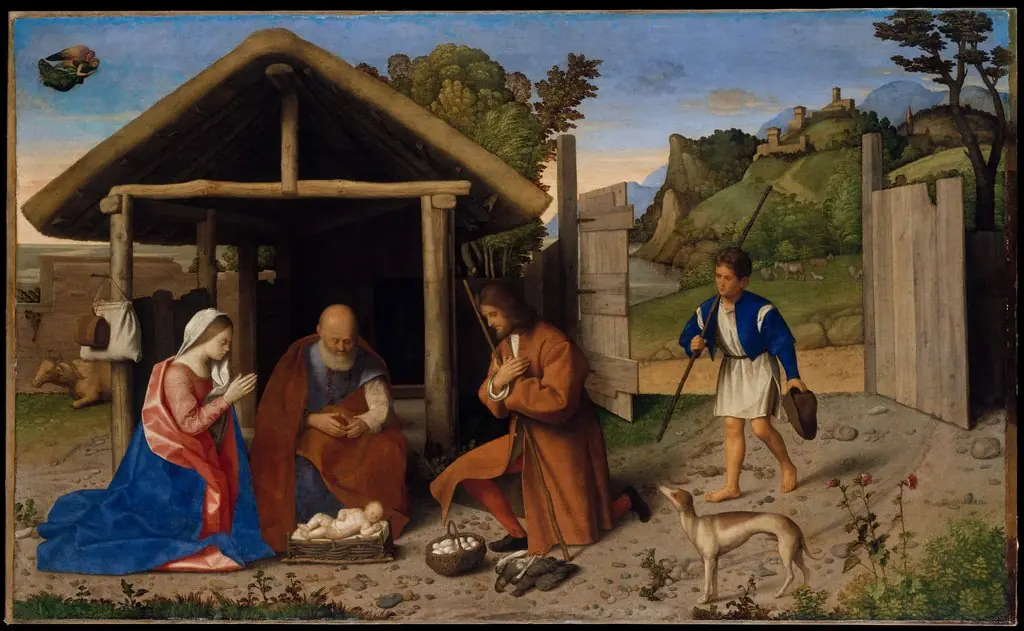 The Adoration of the Shepherds
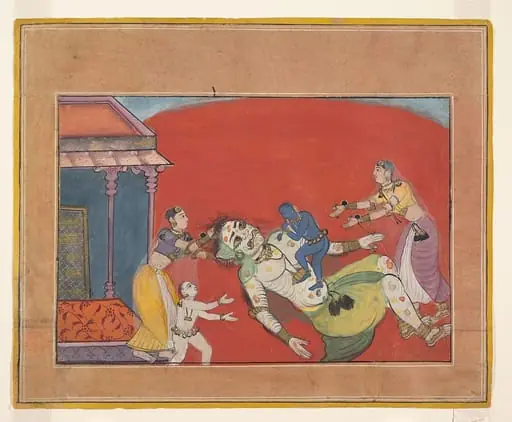 Untitled
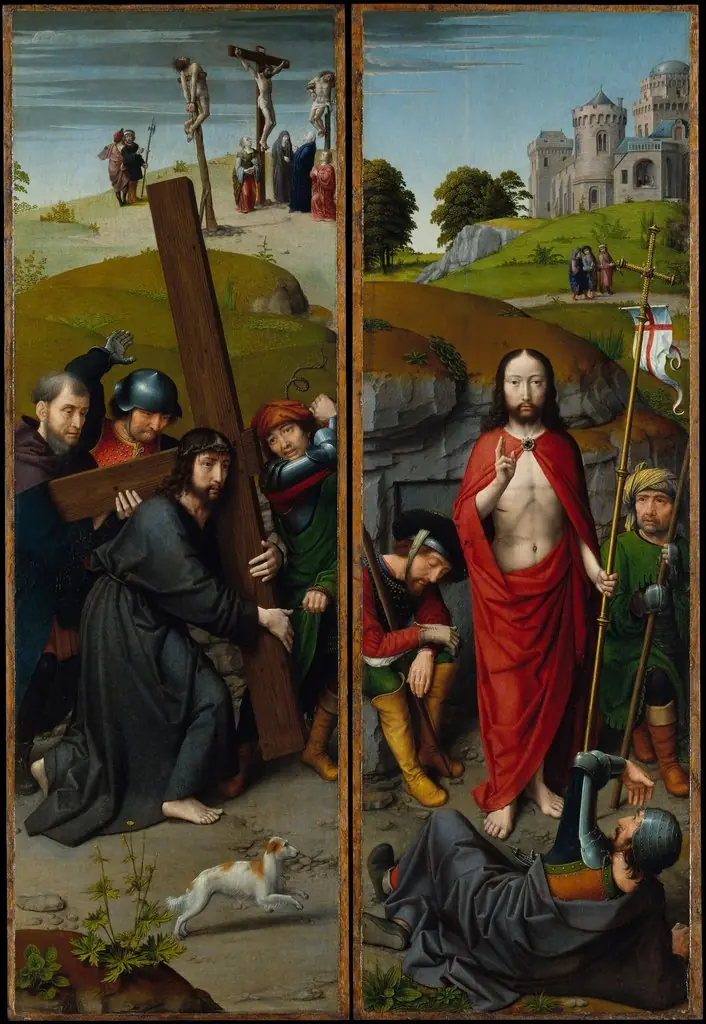 Christ Carrying the Cross, with the Crucifixion; The Resurrection, with the Pilgrims of Emmaus
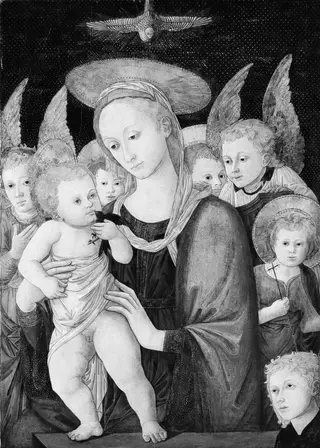 Madonna and Child with the Infant Saint John the Baptist and Angels
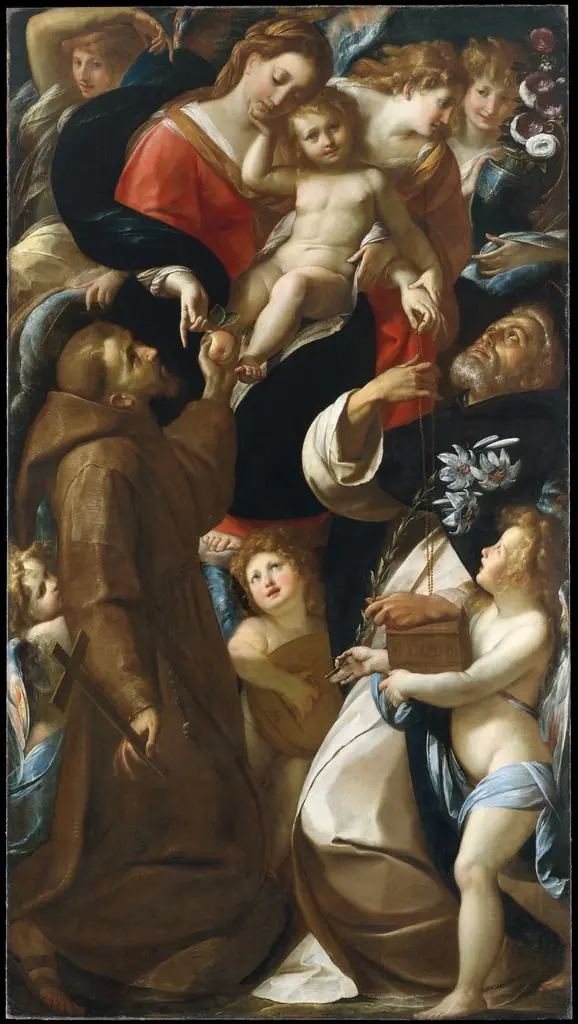 Madonna and Child with Saints Francis and Dominic and Angels
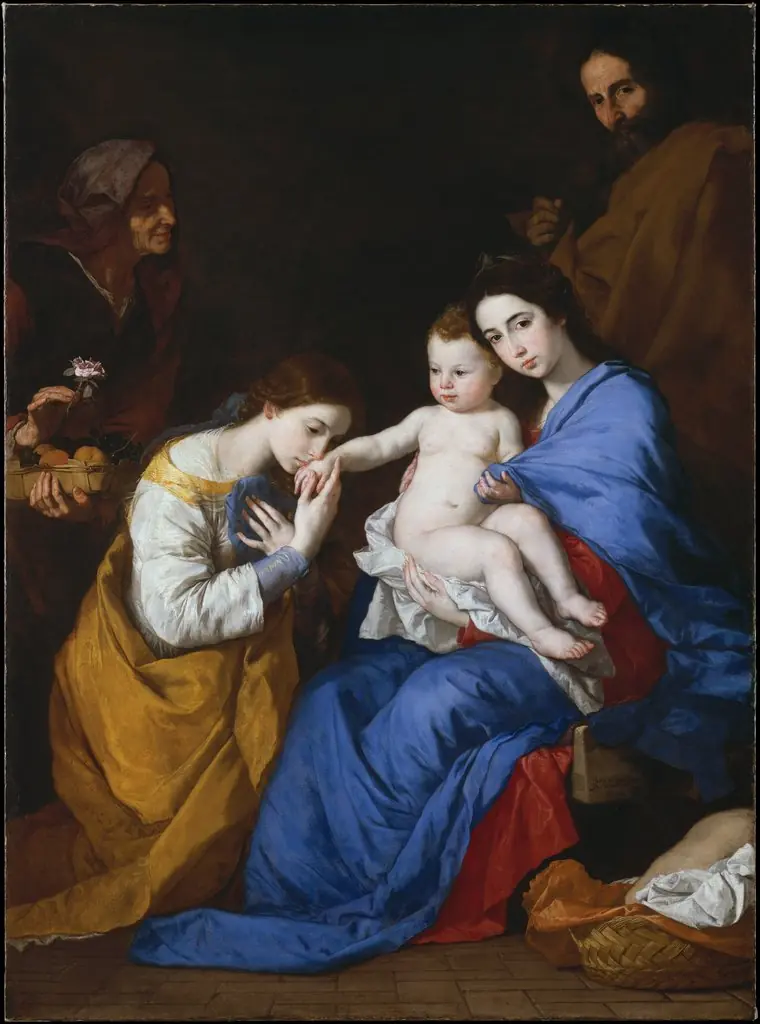 The Holy Family with Saints Anne and Catherine of Alexandria
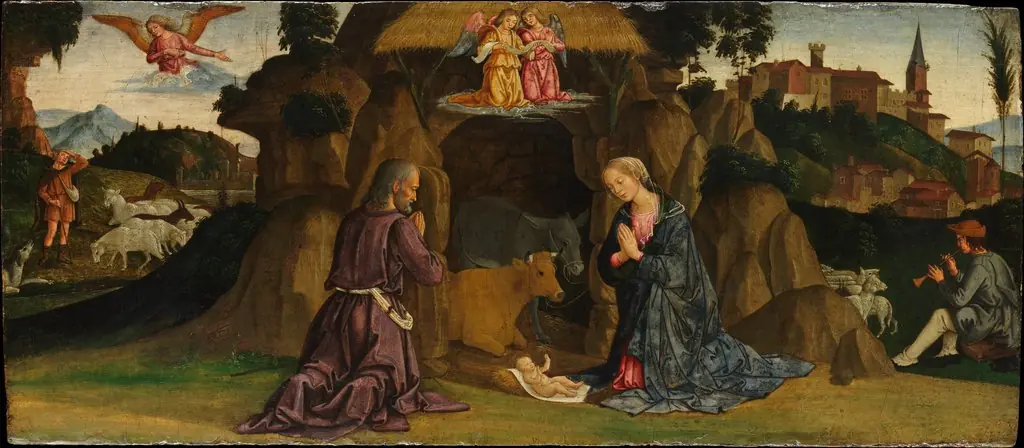 The Nativity
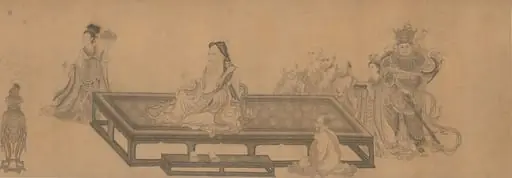 元 王振鵬 維摩不二圖 卷|Vimalakirti and the Doctrine of Nonduality
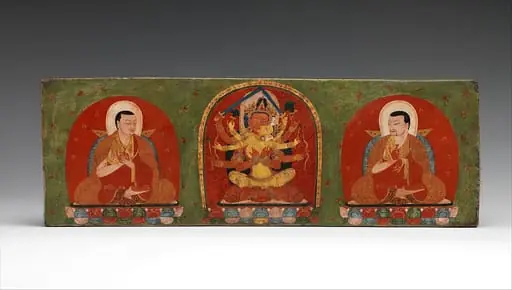 Untitled
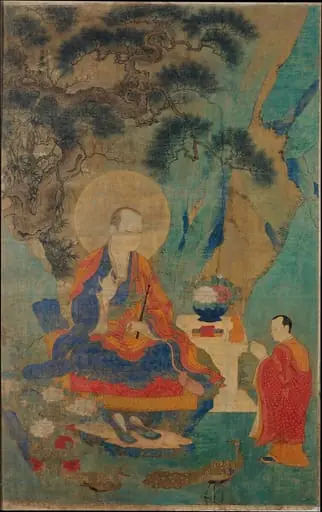 明 佚名 羅漢圖 軸|The Arhat Vajraputra
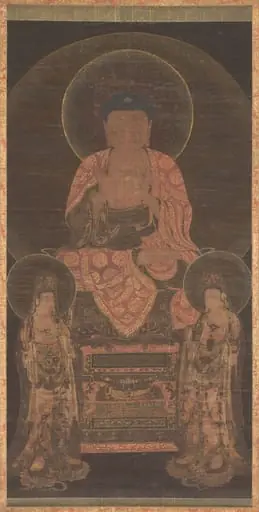 아미타삼존도 고려|阿彌陀三尊圖 高麗|Amitabha triad
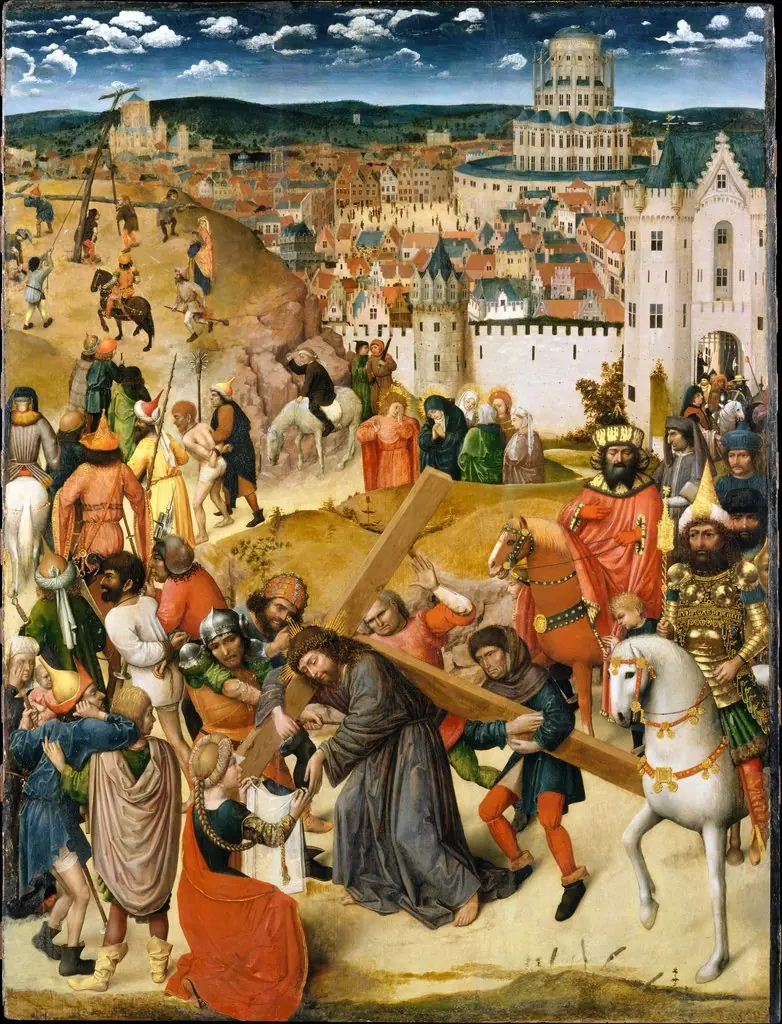 Christ Bearing the Cross
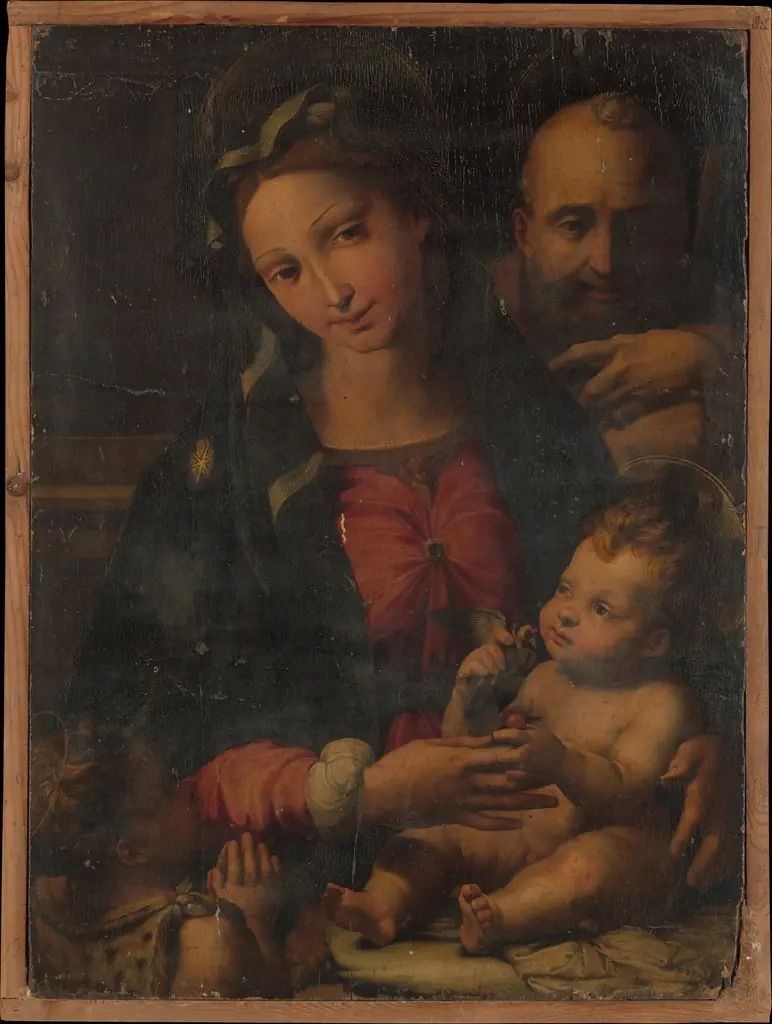 The Holy Family with the Infant Saint John the Baptist
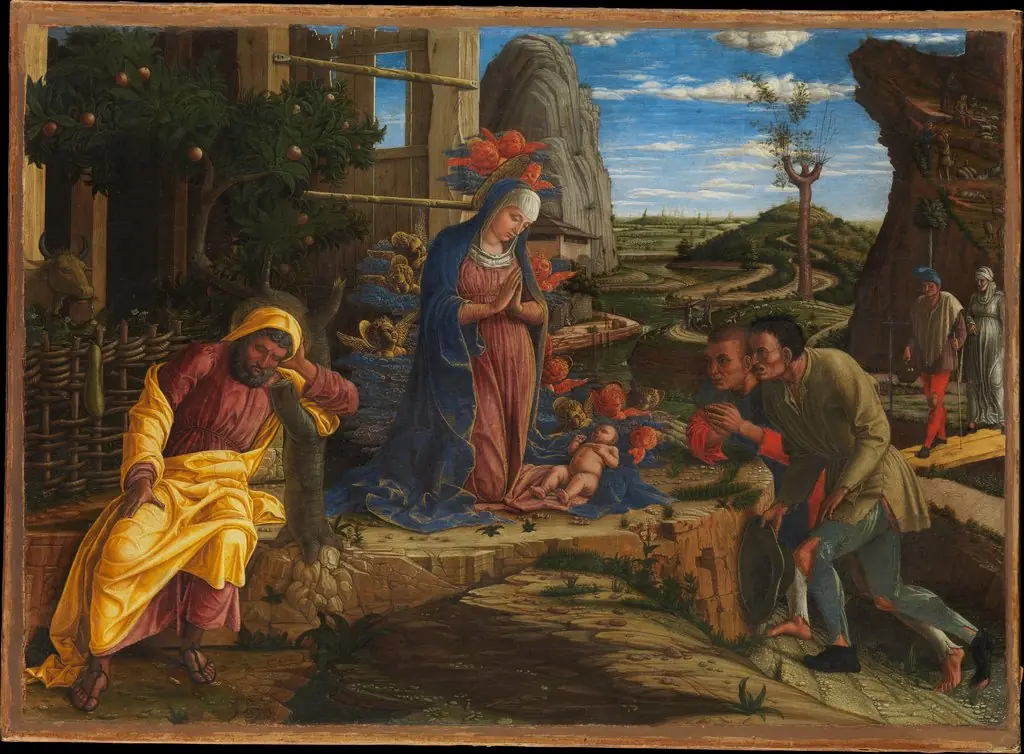 Adoration of the Shepherds
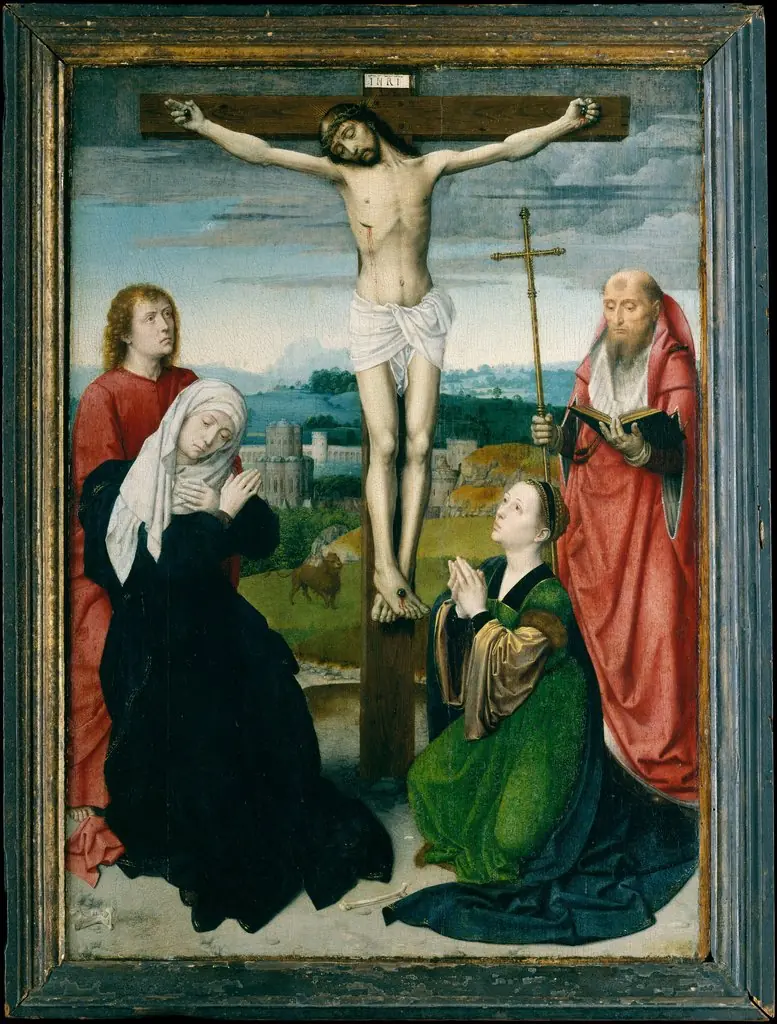 The Crucifixion
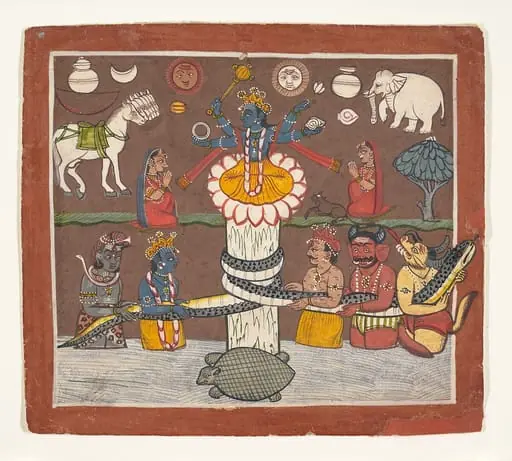 Untitled
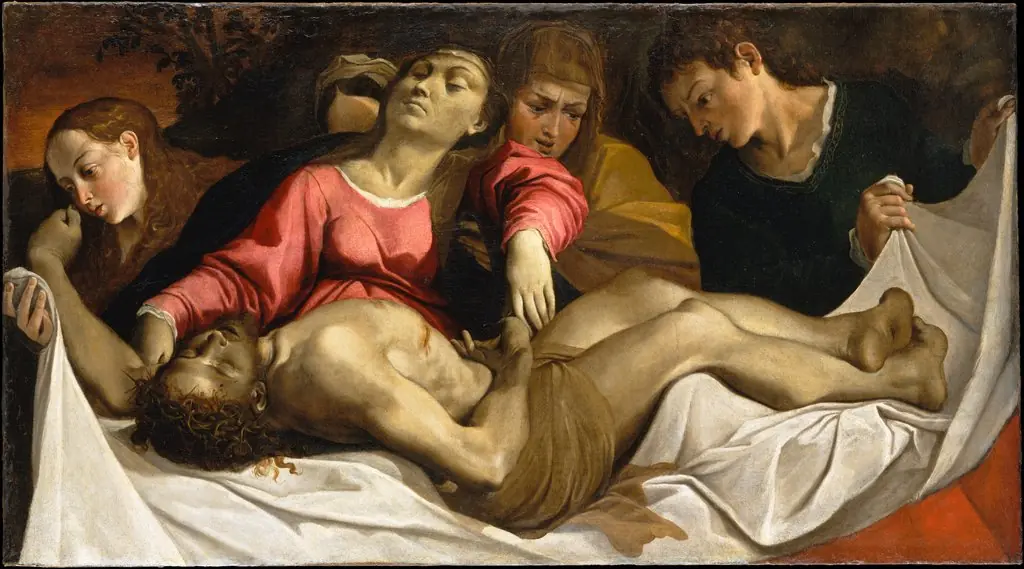 The Lamentation
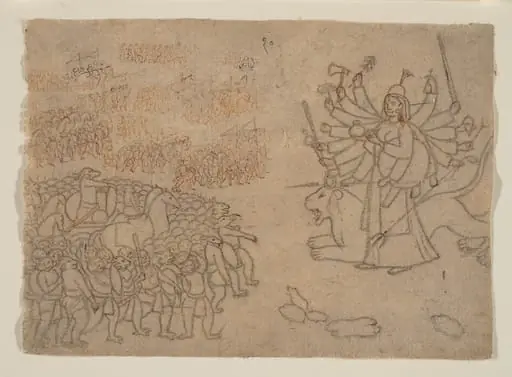 Untitled
Frequently asked questions
What is Religious?
Religious is an art genre. Painting in the service of religious devotion and narrative, the dominant genre in Western art from Late Antiquity through the 17th century.
How many Religious works does Artifact World Gallery have?
Artifact World Gallery holds 20,916 public-domain Religious works, all free to view and download.
Who are the key Religious artists?
Key Religious artists in the collection include Titian, Paolo Veronese and Jean Baptiste Camille Corot.
Where can I see Religious works?
Religious works in the collection are held by National Gallery of Art, Cleveland Museum of Art and Metropolitan Museum of Art.