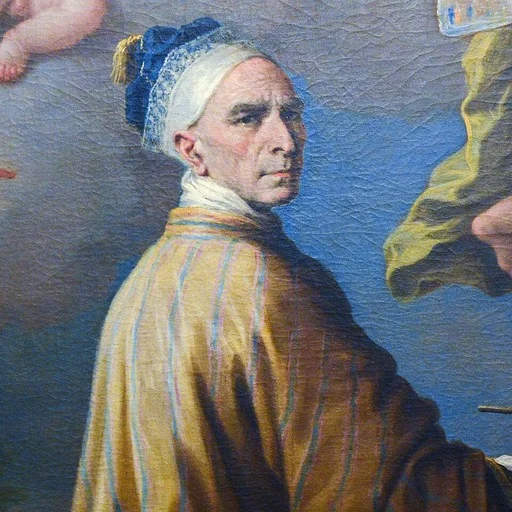
Movement
Late Mannerism
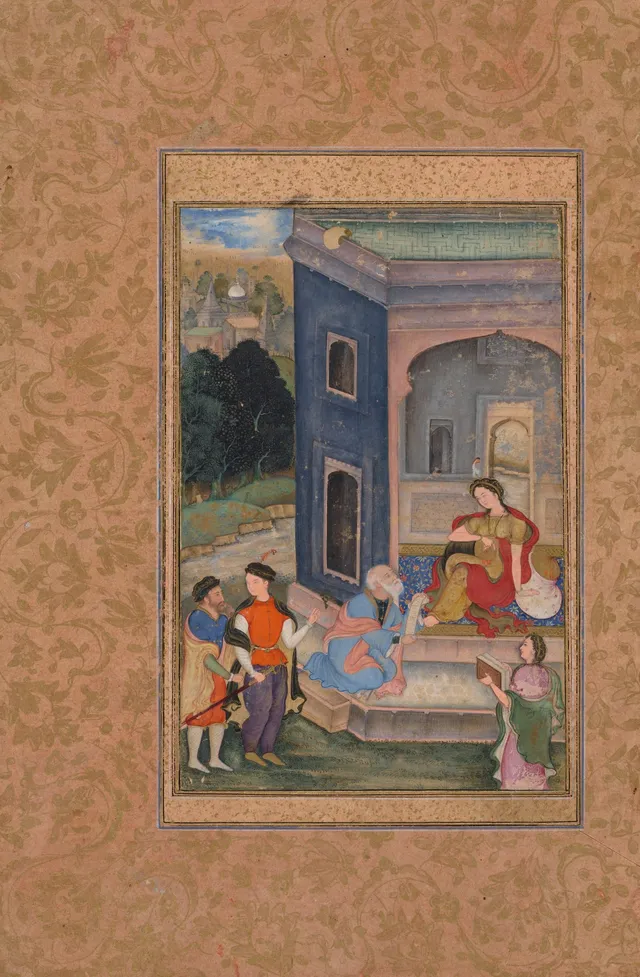
Late Mannerism is an art movement of the 1580–1610 period. The gallery holds 37 works in this movement, including works by Paolo de Matteis, Hans Werl and Sebastiano Conca. Browse Late Mannerism paintings, portraits, pictures and artworks from the world's public-domain museum collections.
Late Mannerism is the closing phase of the artificial, virtuosic style that dominated Italian and European painting through the sixteenth century. Mannerism itself emerged in Florence and Rome around 1520, when Jacopo da Pontormo and Rosso Fiorentino — both trained in the workshop of Andrea del Sarto — broke from the balance and naturalism of the High Renaissance in favour of elongated figures, compressed space, and unstable, theatrical compositions. The term derives from the Italian *maniera* ("style" or "manner"); the painter-biographer Giorgio Vasari, himself a practitioner, called his era the *maniera moderna*. The art historian S. J. Freedberg later divided the century into four phases — First Maniera, High Maniera, Counter-Maniera, and Late Maniera — and it is the last two, roughly the 1560s through the 1590s, that constitute Late Mannerism.
By the 1540s the style had hardened into the courtly "High Maniera" of Agnolo Bronzino, Francesco Salviati, and Vasari — polished, intellectualised art made for an aristocratic elite, antithetical to the raw expressiveness of Pontormo and Rosso. Late Mannerism pushed this self-conscious refinement further: cool enamel-like surfaces, crowded and ornamental compositions, serpentine *figura serpentinata* poses, acid colour, and a cultivated artificiality prized for its own sake. In sculpture the impulse found its purest form in Giambologna, whose spiralling marble groups invite viewing from every angle.
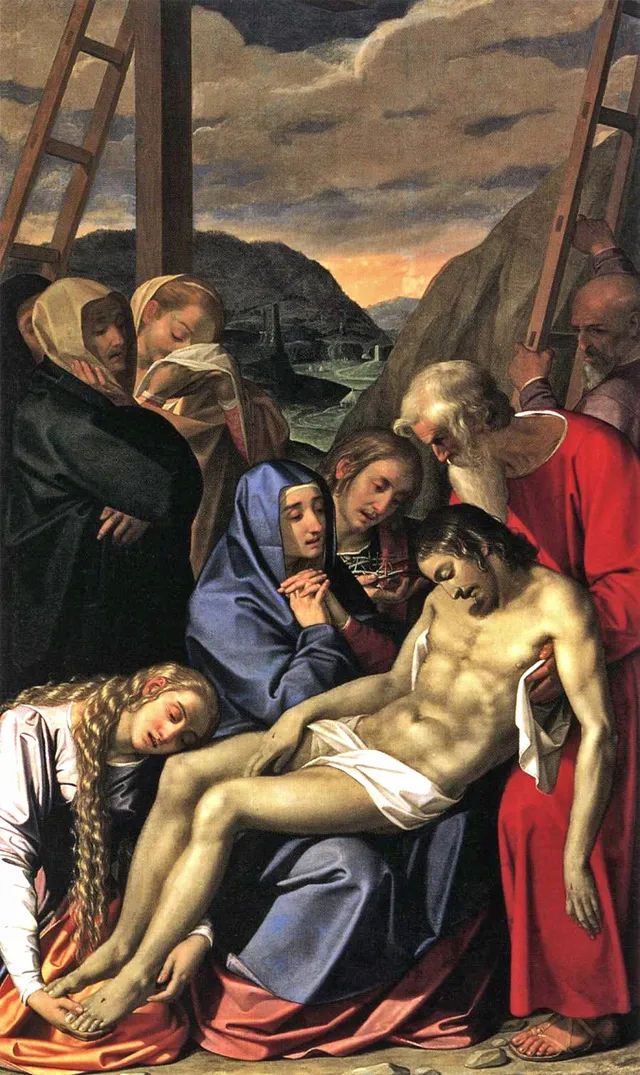
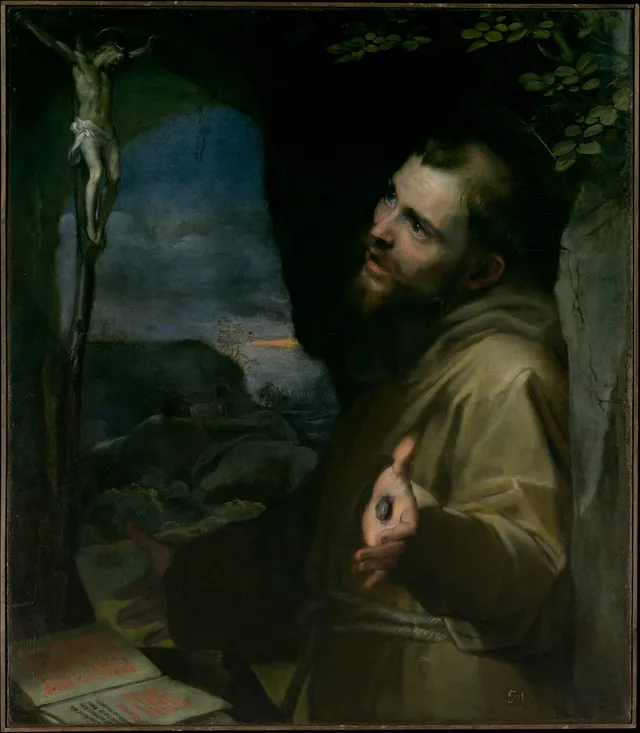
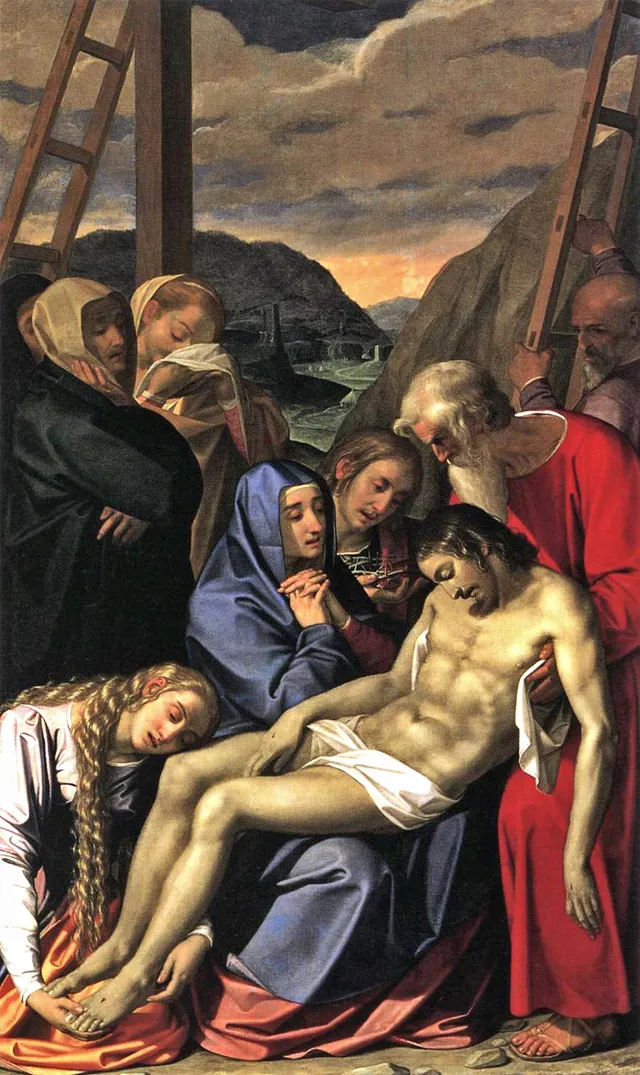
After about 1570 the central-Italian *maniera* lost vitality, and the decrees of the Council of Trent (1545–63) drove a sober "Counter-Maniera" that replaced complexity with clarity and devotional directness. Scipione Pulzone, among the most esteemed painters in Counter-Reformation Rome, exemplified this pious restraint — our collection holds his *Lamentation* — while Federico Barocci of Urbino tempered Mannerist grace with tender emotion and luminous colour, anticipating the Baroque; our *Saint Francis* is his. Beyond Italy, the style flourished north of the Alps, above all at the Prague court of Emperor Rudolf II, where Bartholomeus Spranger and Giuseppe Arcimboldo produced elegantly erotic and ingeniously allegorical works, while El Greco carried Mannerist distortion to visionary extremes in Spain.
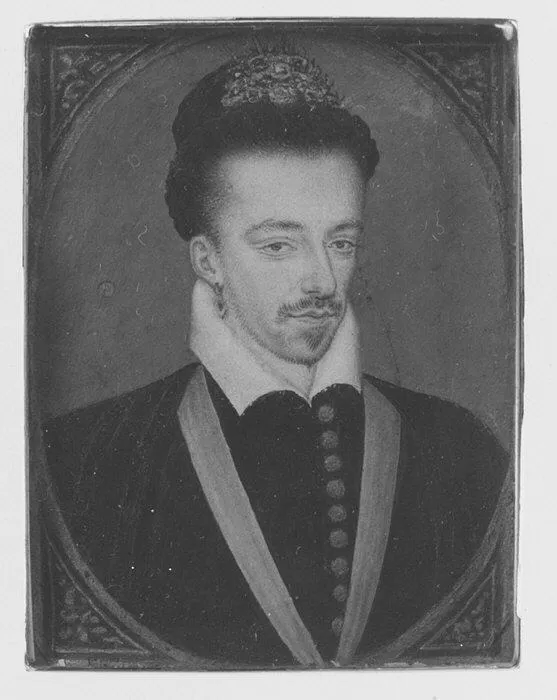
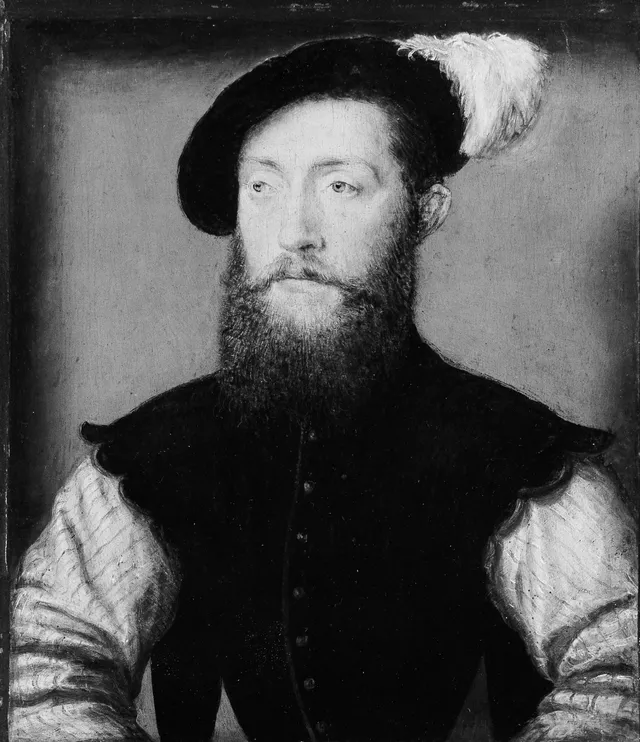
Late Mannerism thus bridges the Renaissance and the Baroque. Its courtly portraiture and ceremonial elegance survive in works such as our portraits of Henry III of France and the soldier Konrad von Bemelberg, even as its excesses provoked reaction. Around 1600 the Carracci and Caravaggio rejected its artifice in favour of renewed naturalism, drama, and clarity — yet the expressive licence, spatial daring, and emotional intensity of late Mannerist art fed directly into the Baroque that displaced it.
Key artists
Works
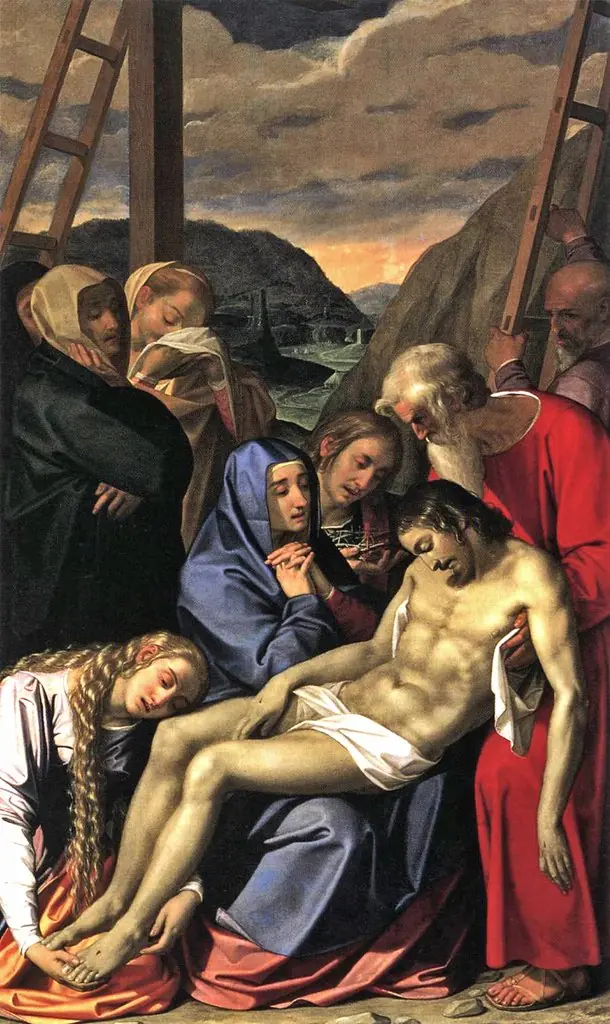 The Lamentation
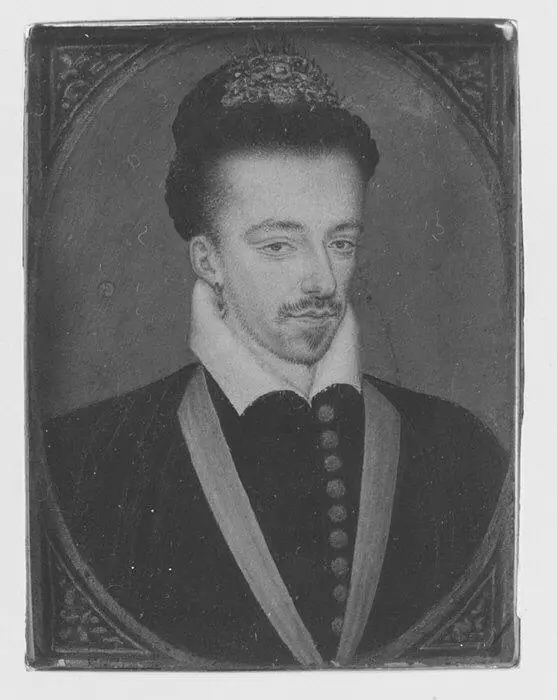 Henry III (1551–1589), King of France
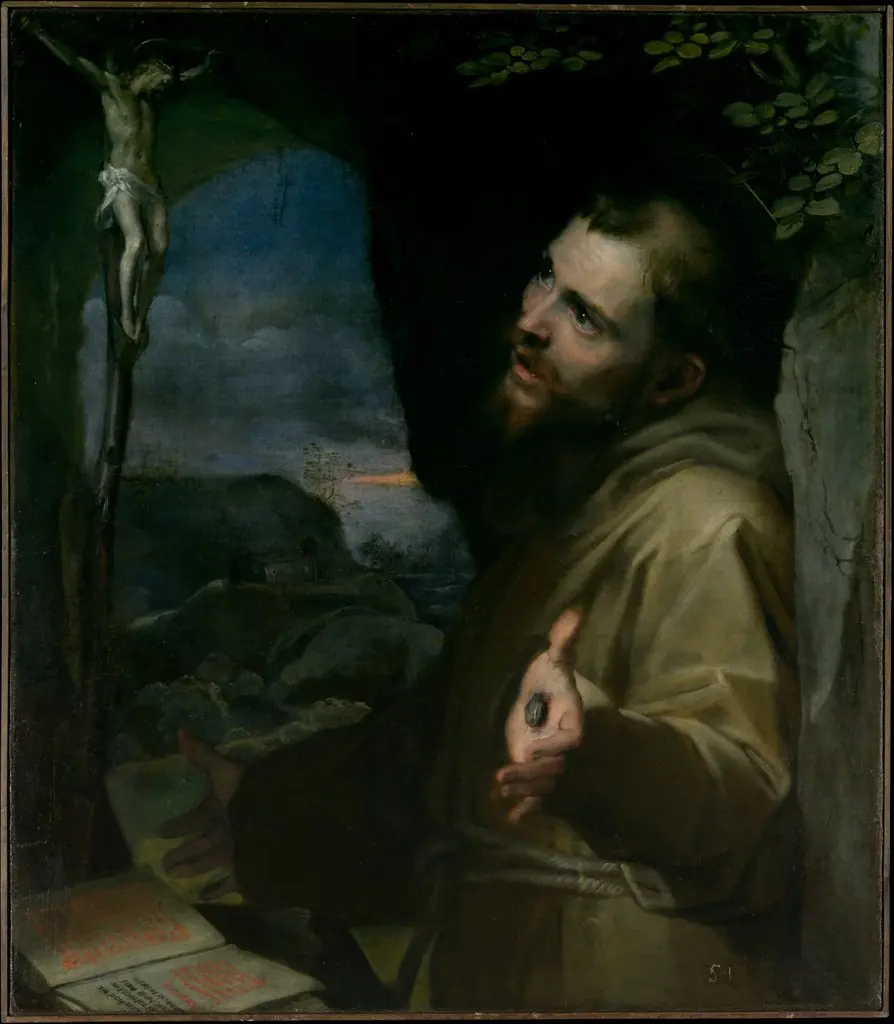 Saint Francis
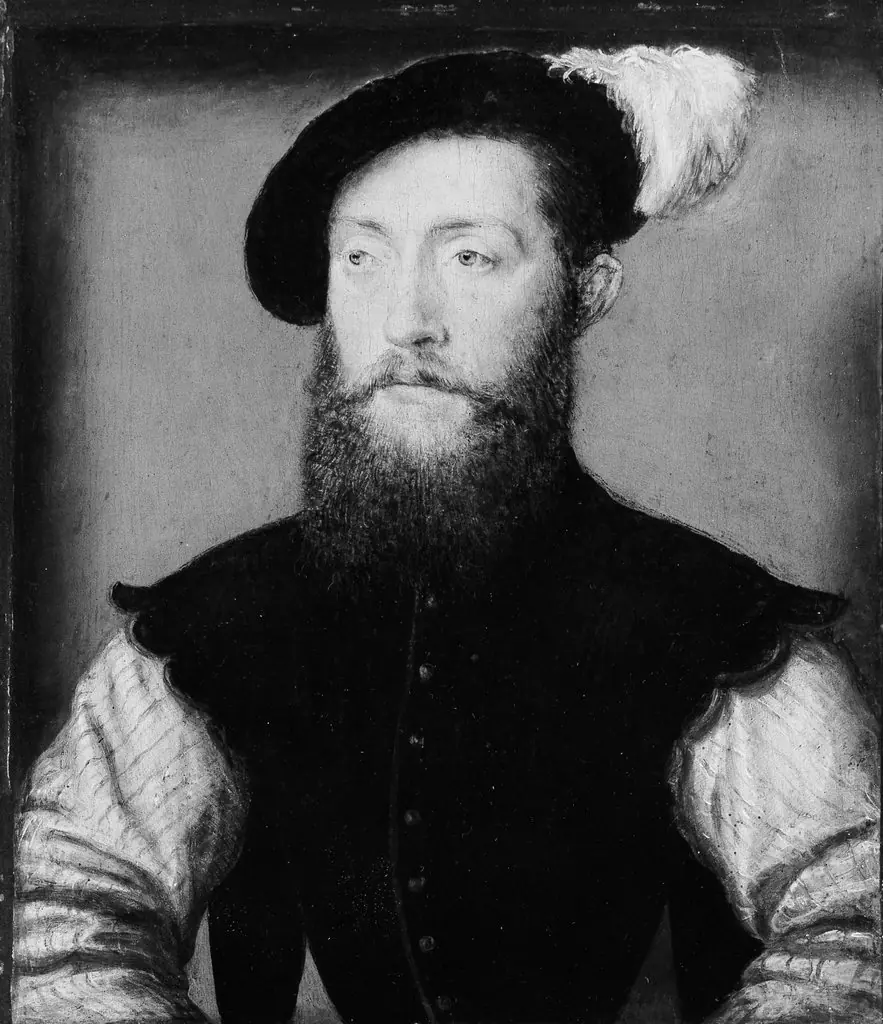 Charles de Cossé (1506–1563), Comte de Brissac
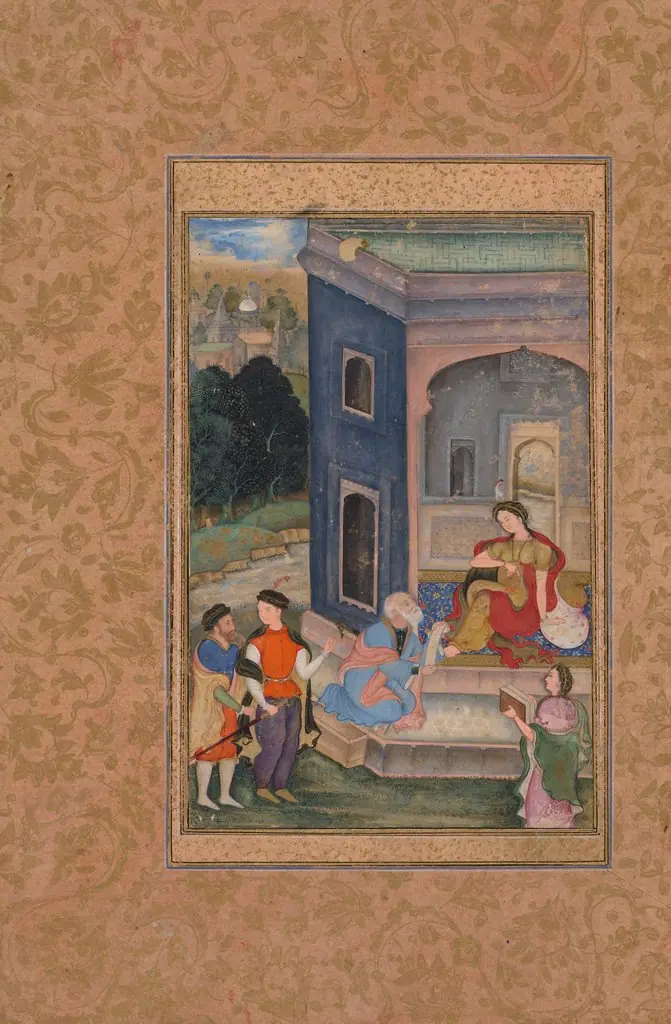 European Costume Scene
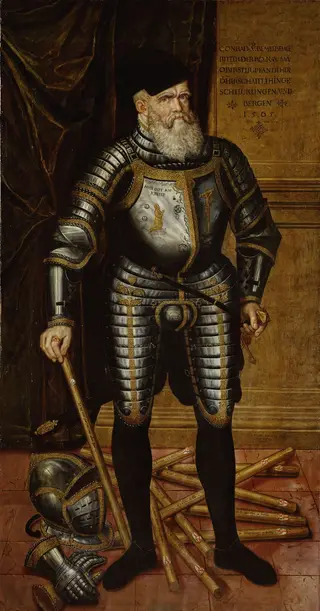 Konrad von Bemelberg (1494-1567)
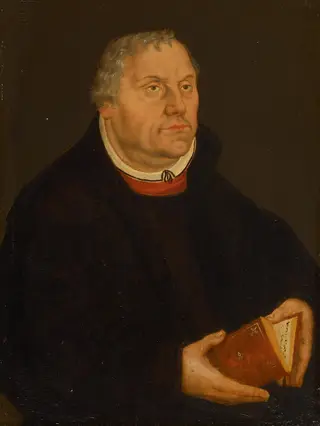 Portrait of Martin Luther (1483-1546)
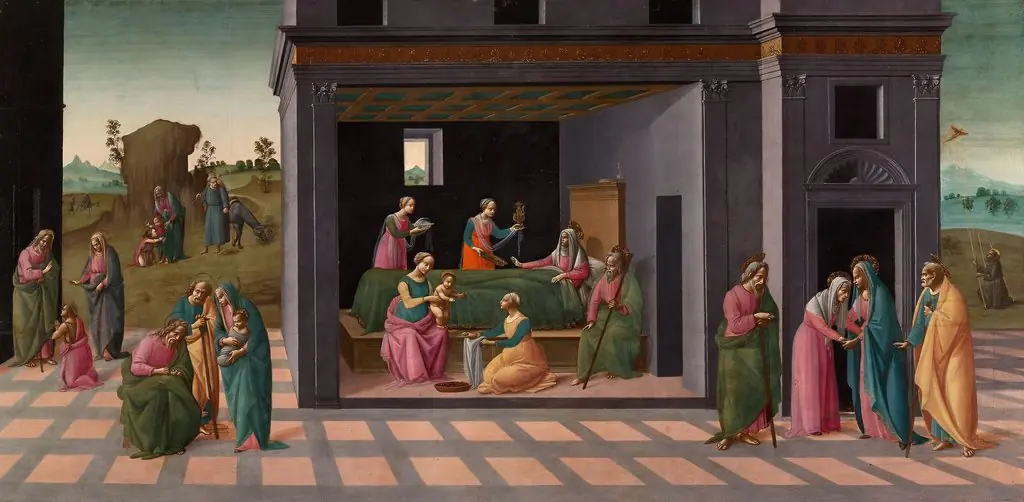 Scenes from the Life of Saint John the Baptist
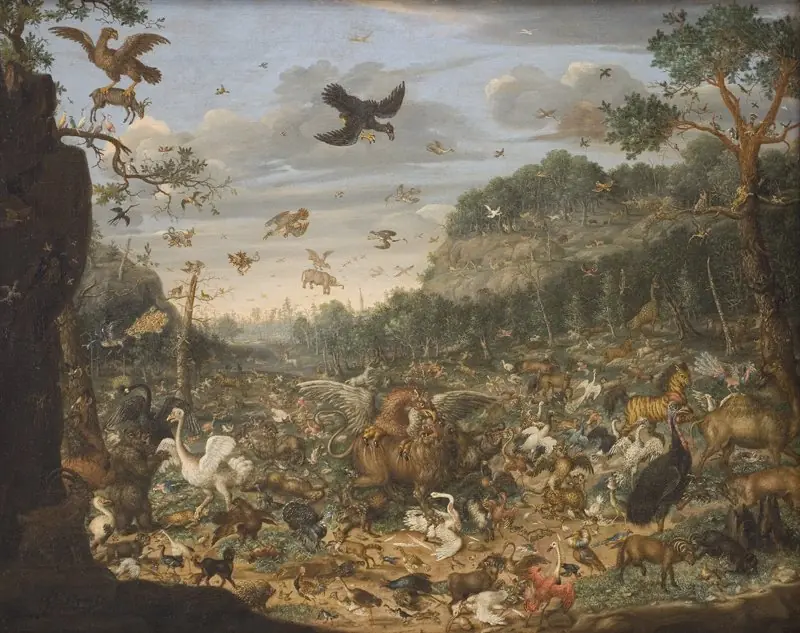 The Earth after the Fall of Man
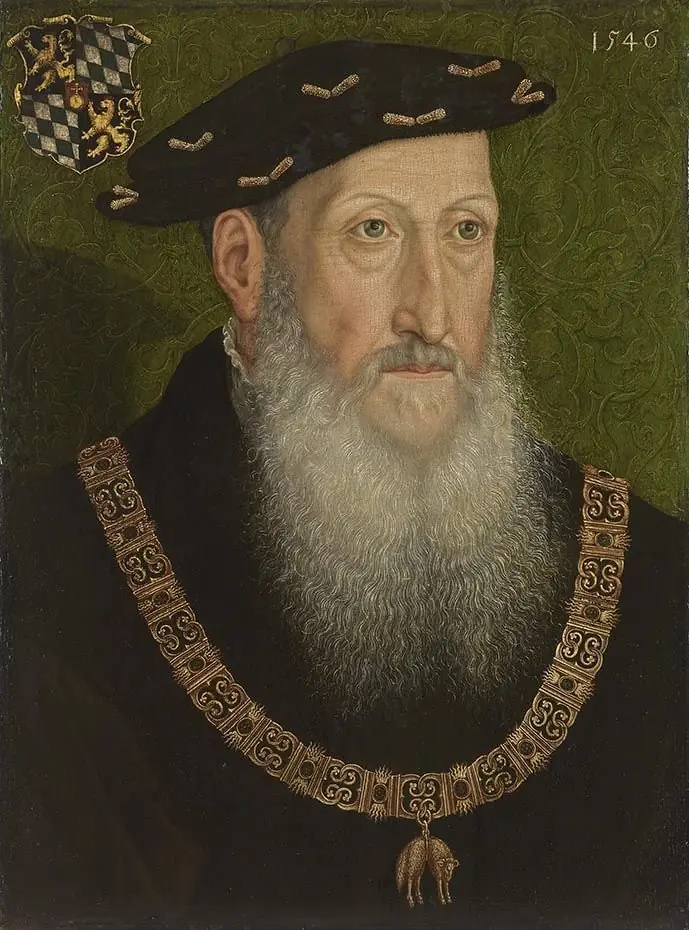 Portrait of Friedich II der Weise, Palzgraf bei Rhein (1463-1525)
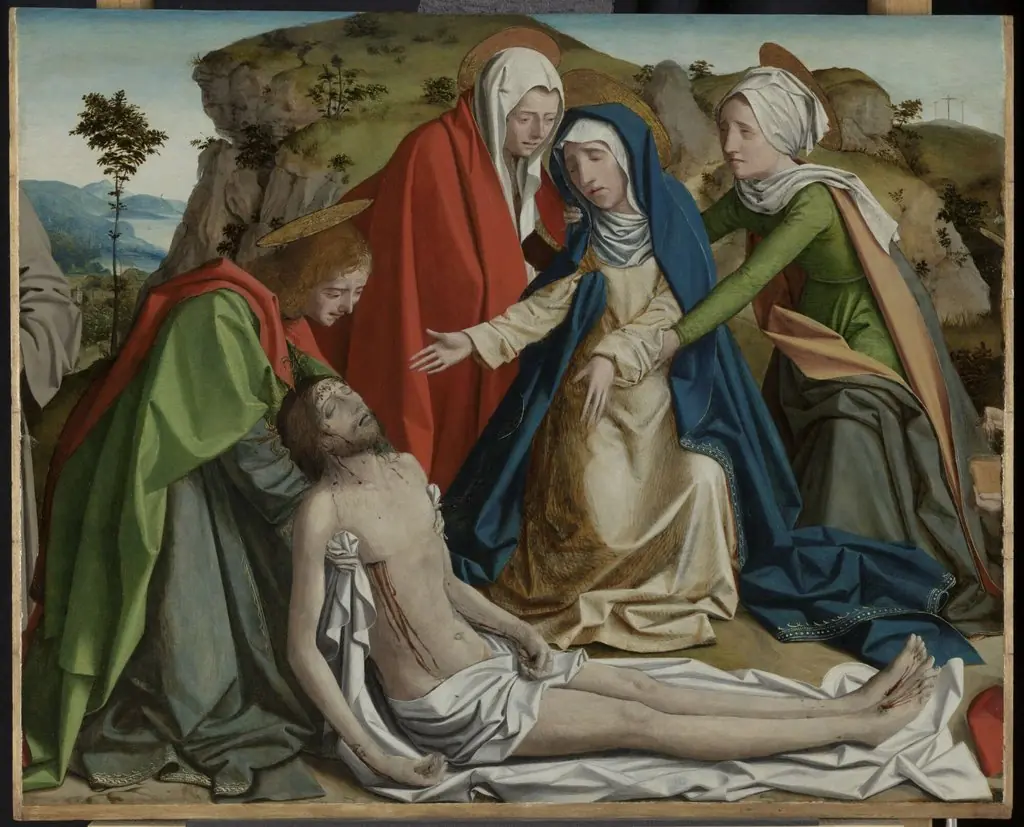 The Lamentation over the Dead Christ
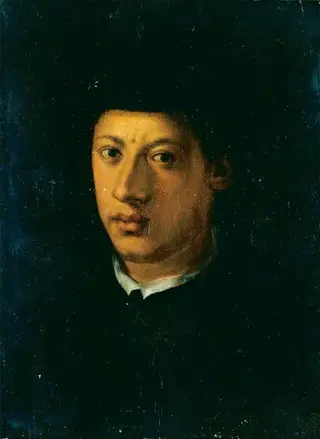 Alessandro de' Medici (1510–1537)
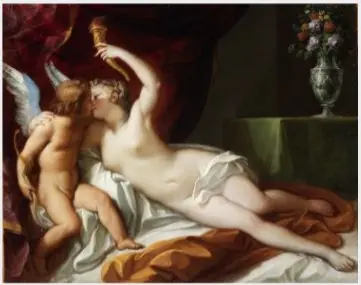 Venus and Cupid
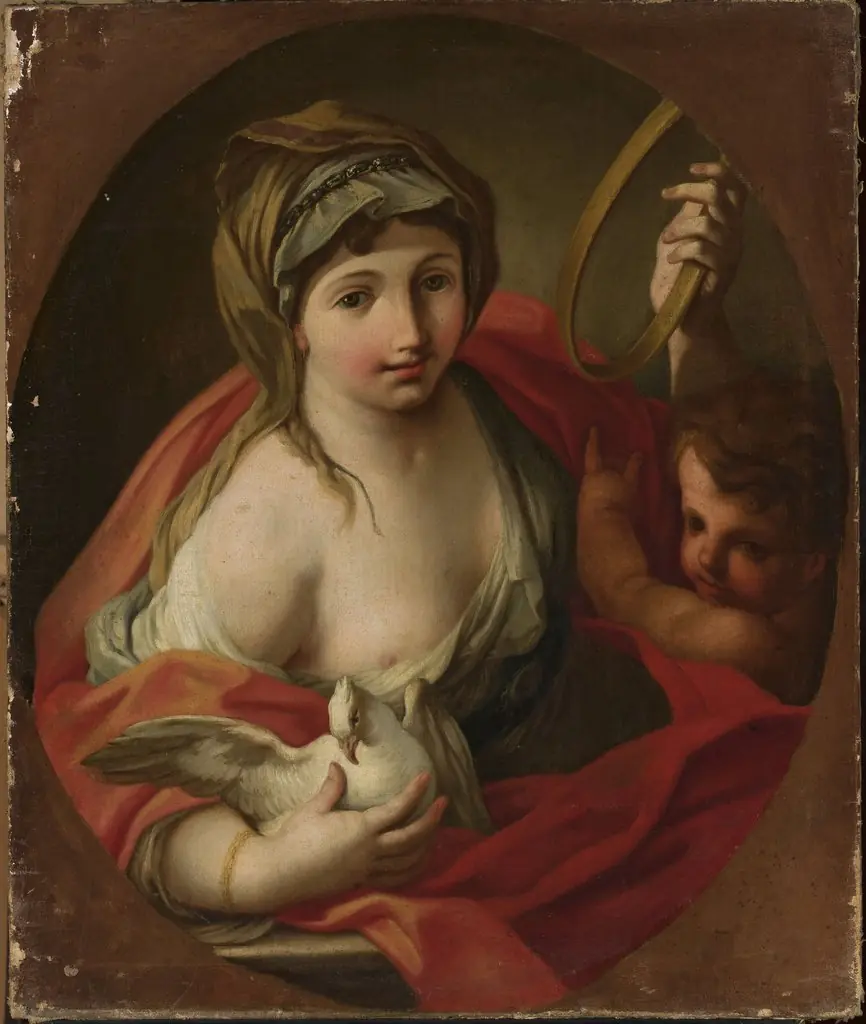 Allegory of Peace
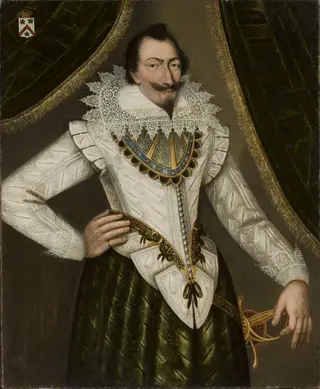 Portrait of Nicolas de Droullin
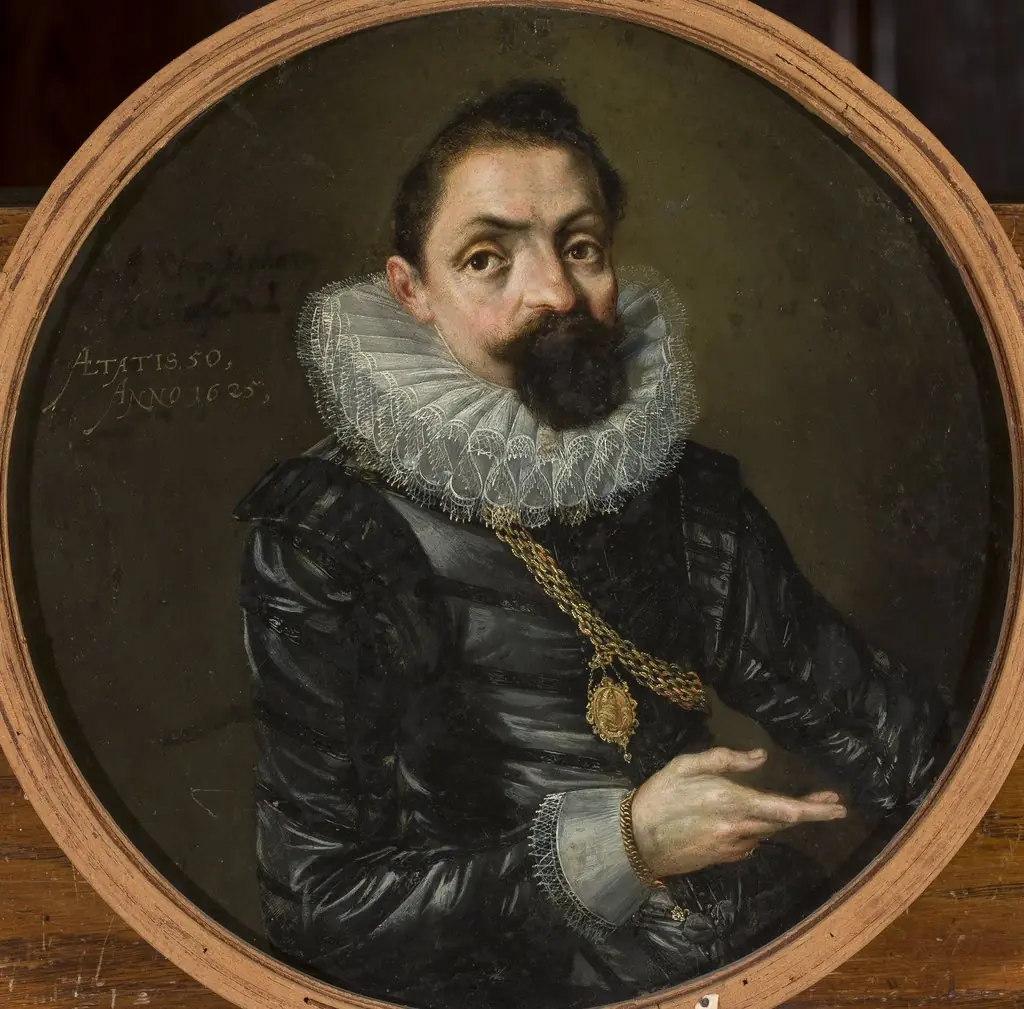 Double-sided portrait of Johann Christoph Oelhofen
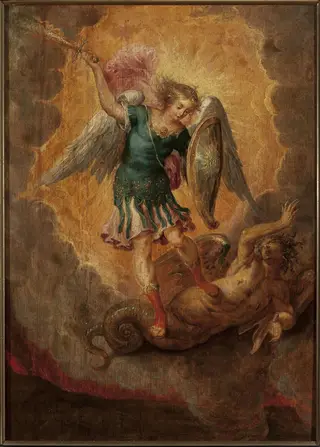 Saint Michael Archangel attacking the dragon
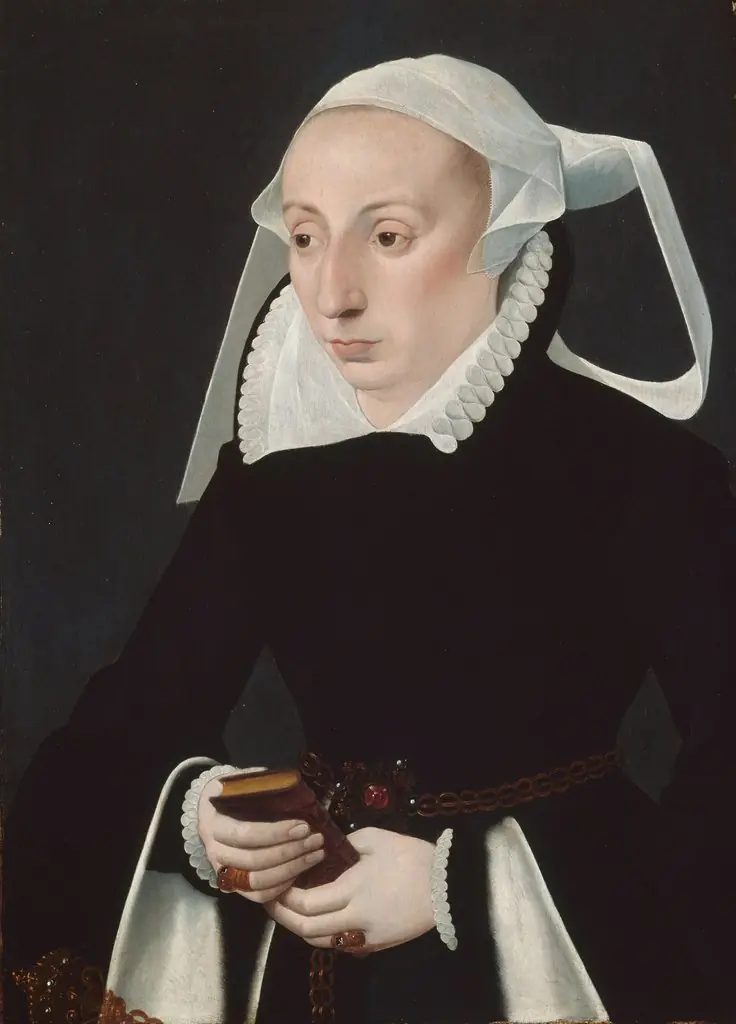 Portrait of a Woman with a Prayer Book
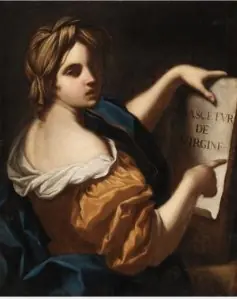 Albunea, the Tiburtine Sibyl
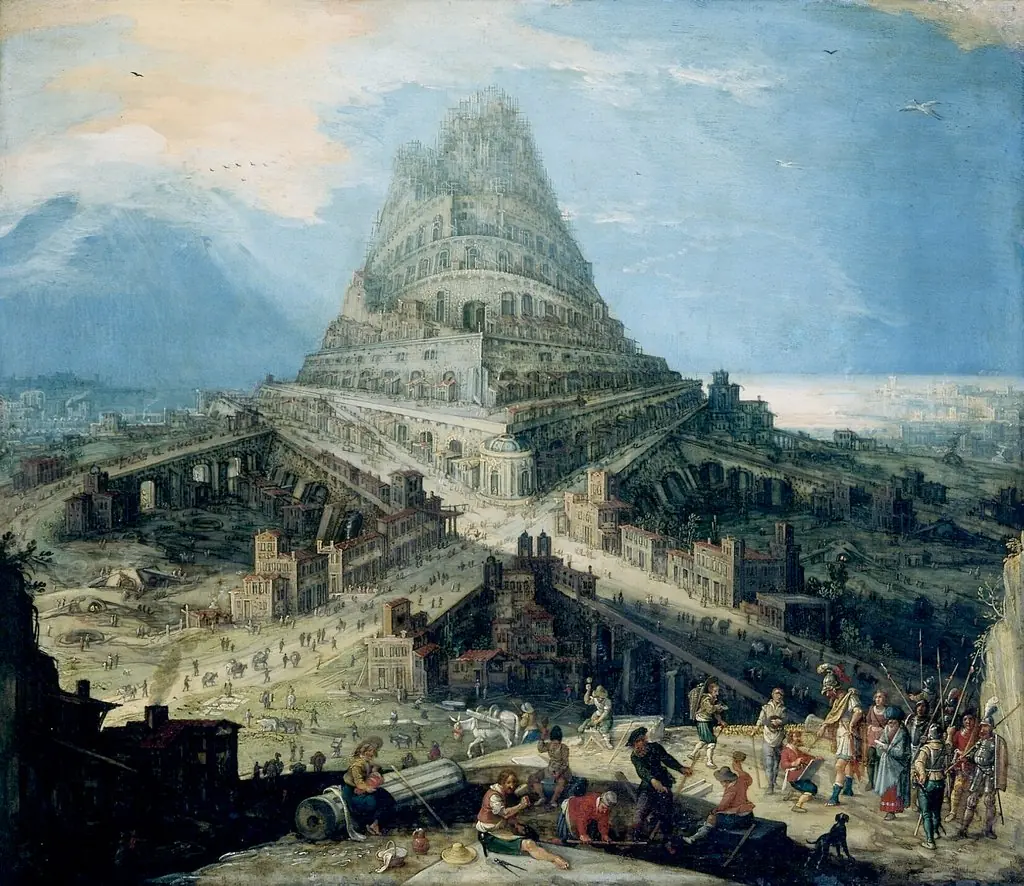 Building of the Tower of Babel
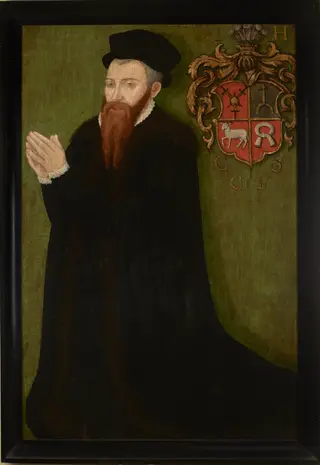 Portrait of Jan Herbut of Felsztyn (1508–1577), Castellan of Sanok and Starost of Przemyśl
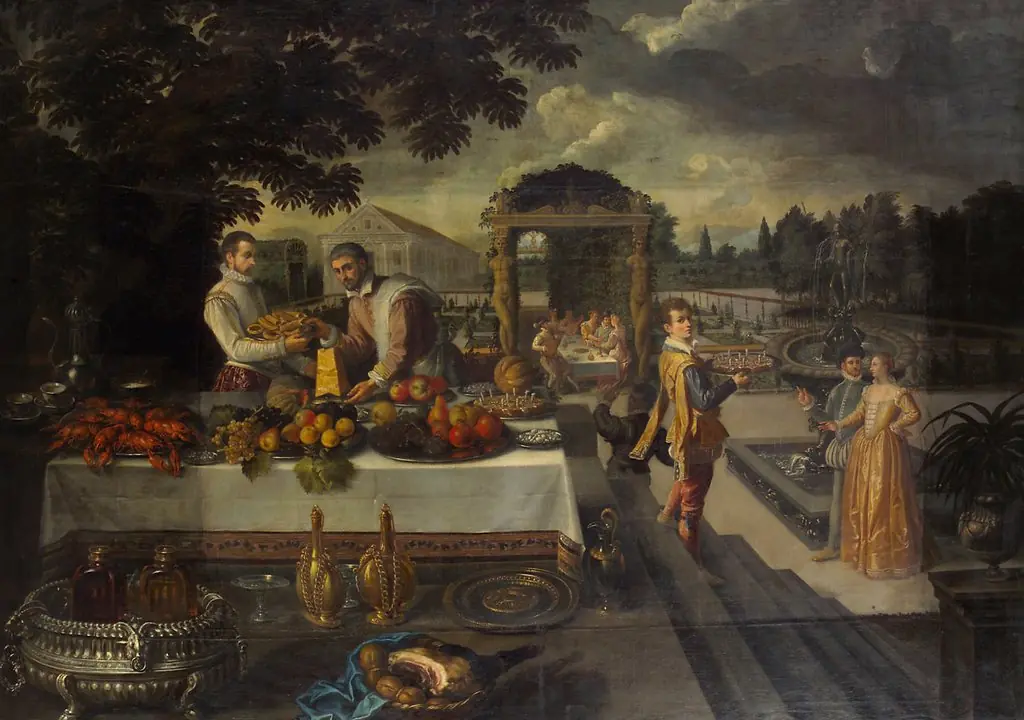 Banquet in the Park
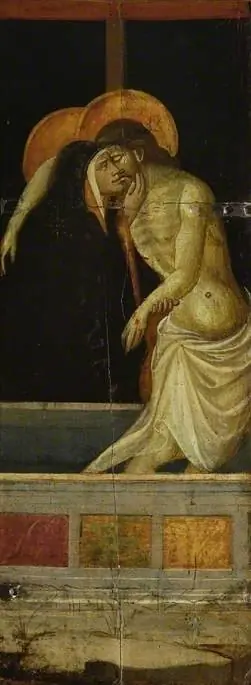 St Jerome and St Francis; reverse, Mary Magdalene embracing The Cross
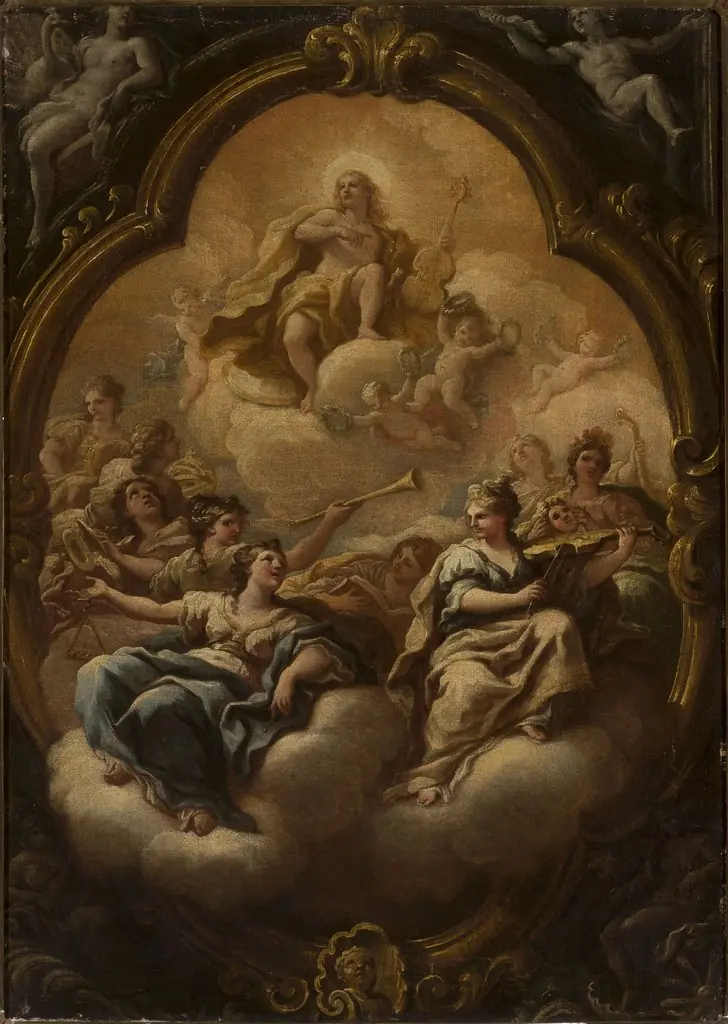 Apollo and Muses
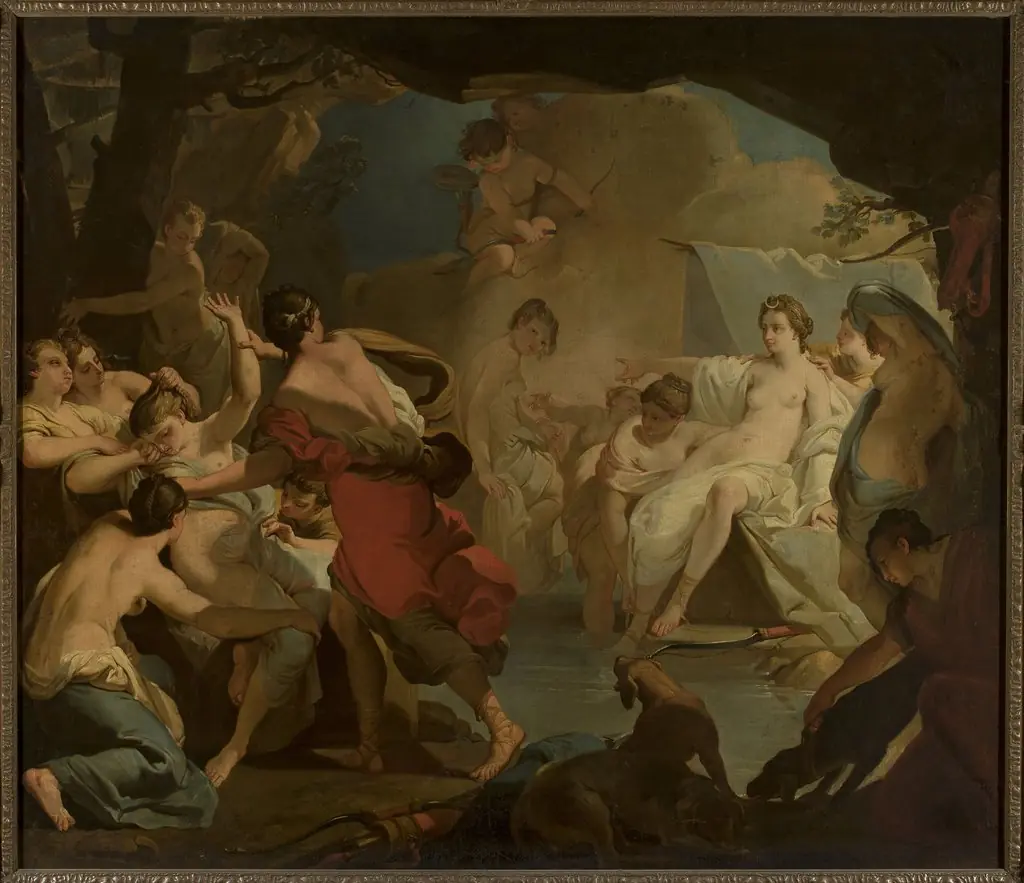 Diana's judgement of the nymph Callisto
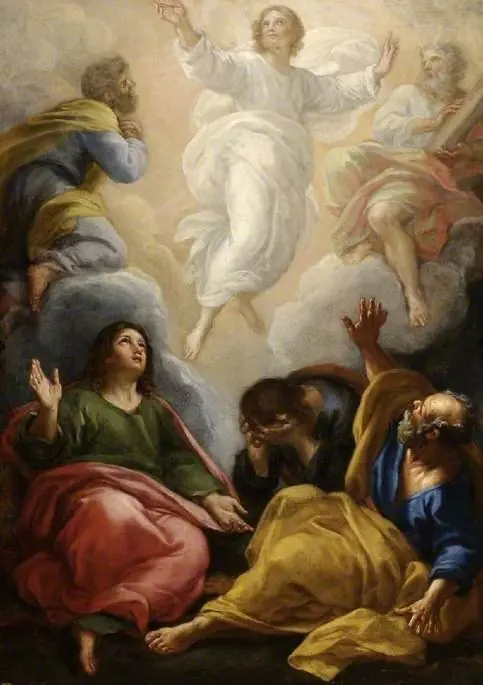 The Transfiguration
 The Battle of Zama
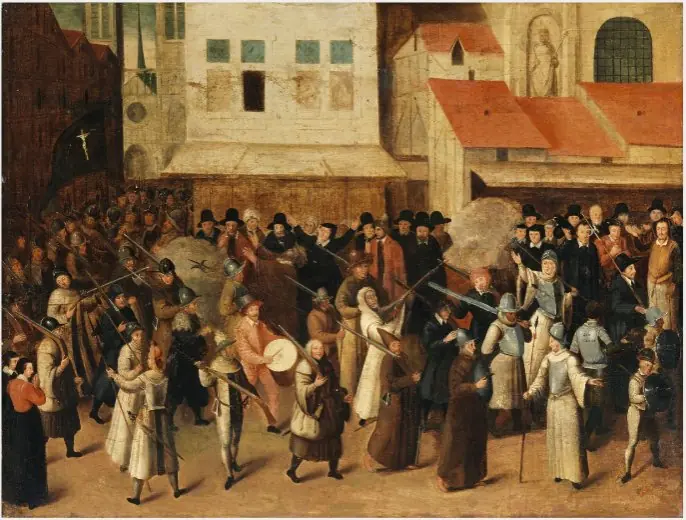 The Procession of the League
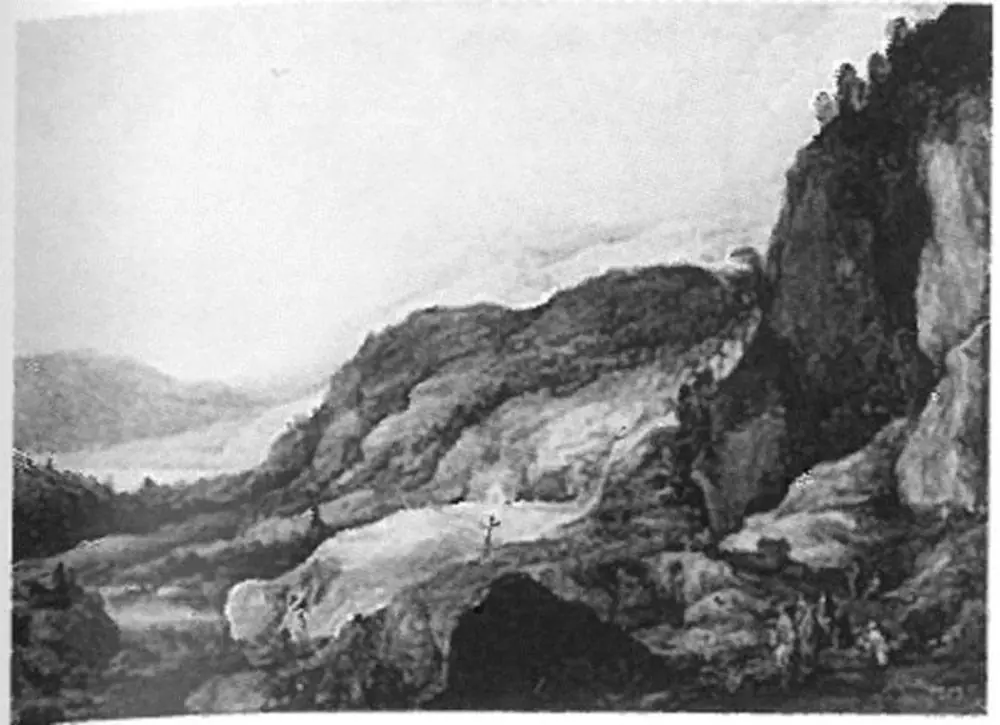 Moutainous landscape with four riders and two beggars
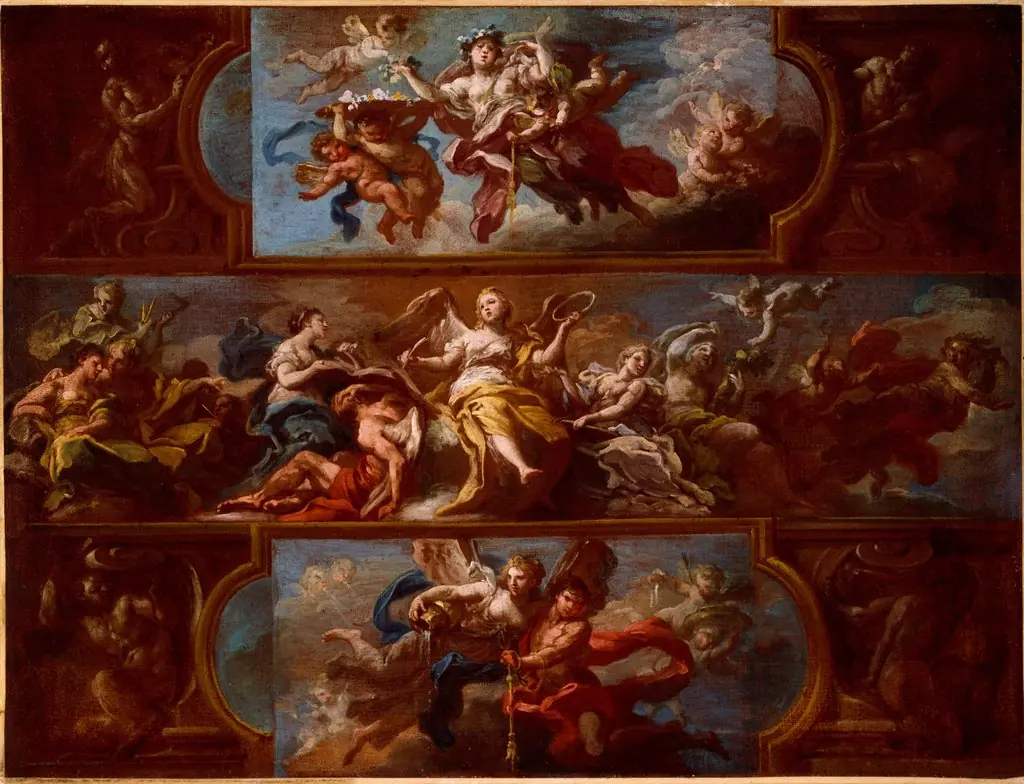 Allegory
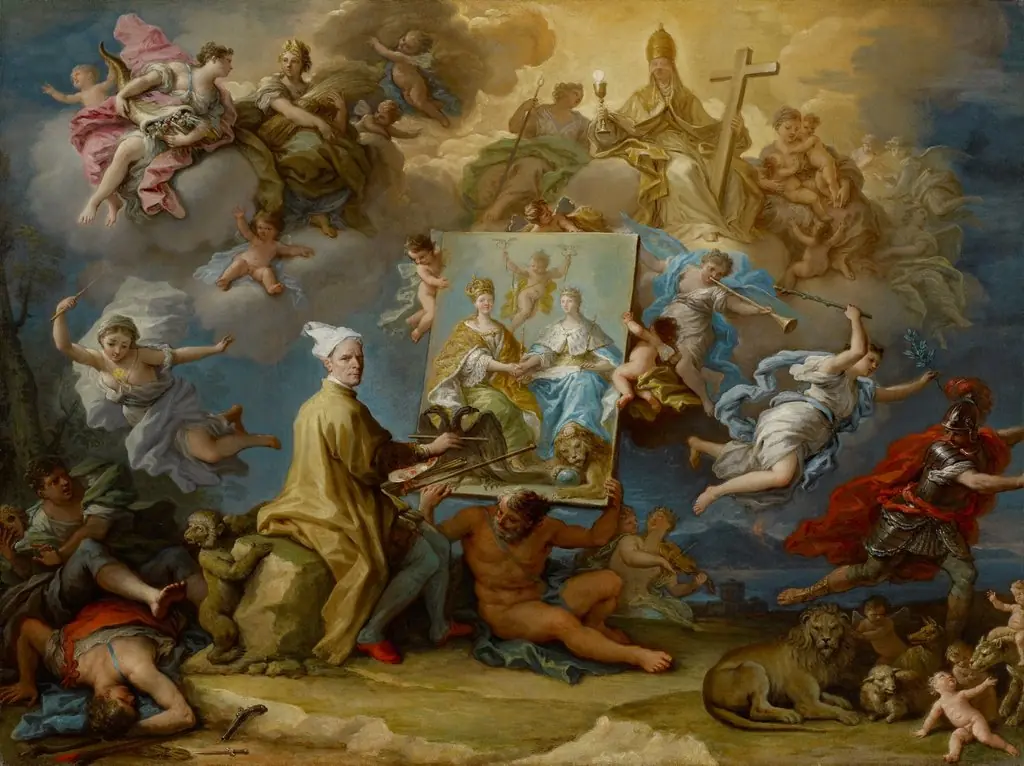 Allegory of the Consequences of the Peace of Utrecht
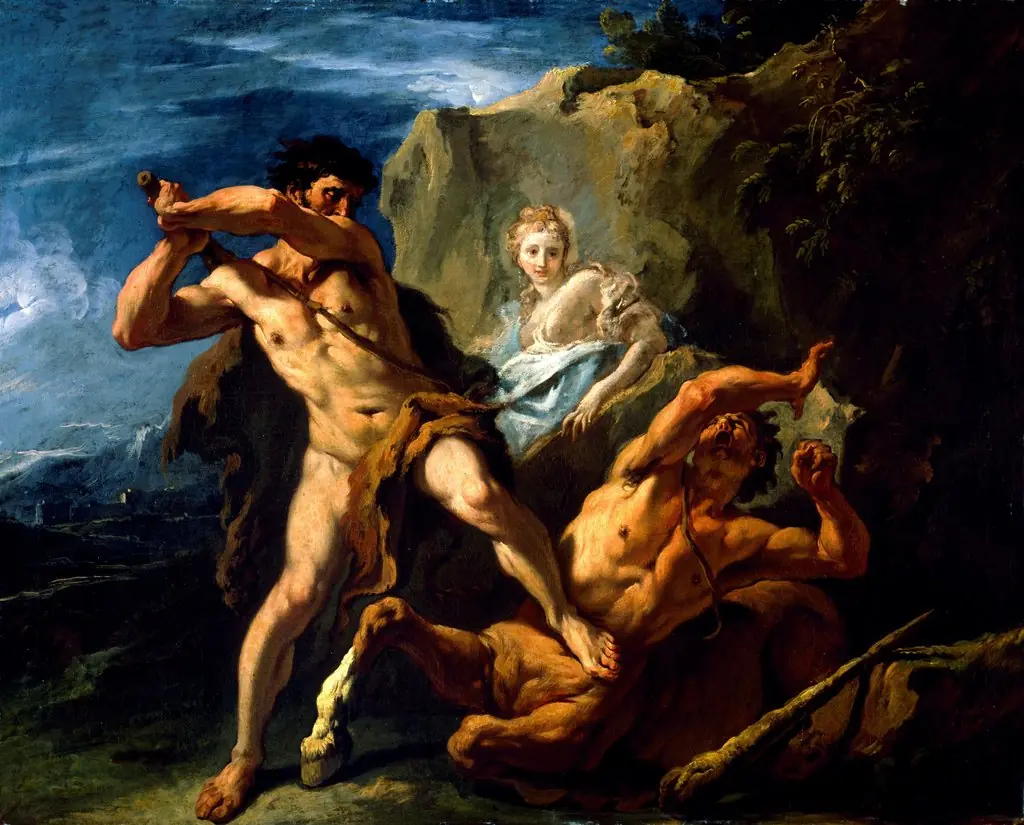 Hercules Killing the Centaur Nessus
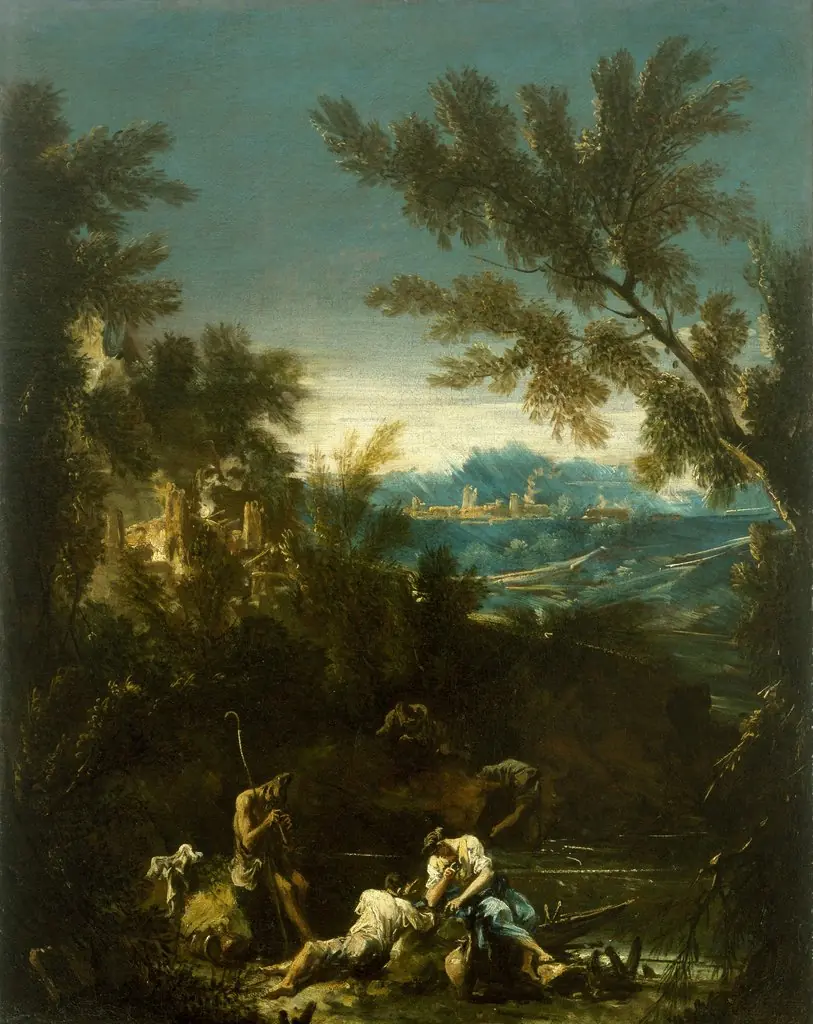 Landscape with Figures
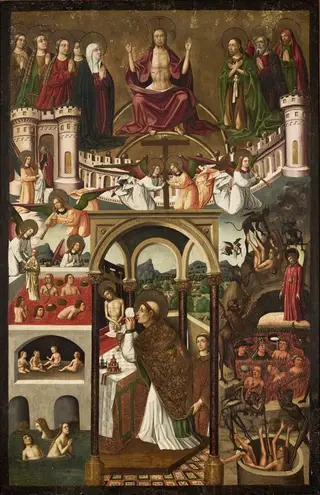 The Last Judgment and the Mass of Saint Gregory
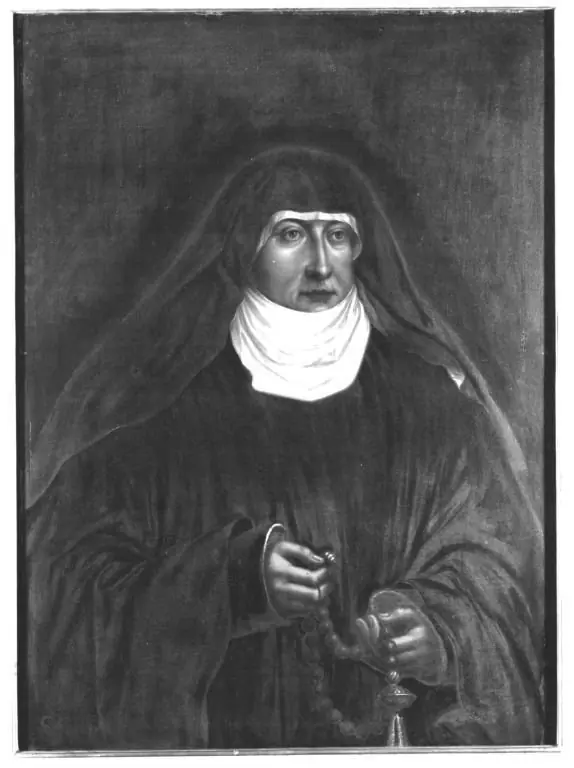 Portrait of Duchess Margaretha of Landshut, Abbess of Neuburg, daughter of Duke Georg the Rich
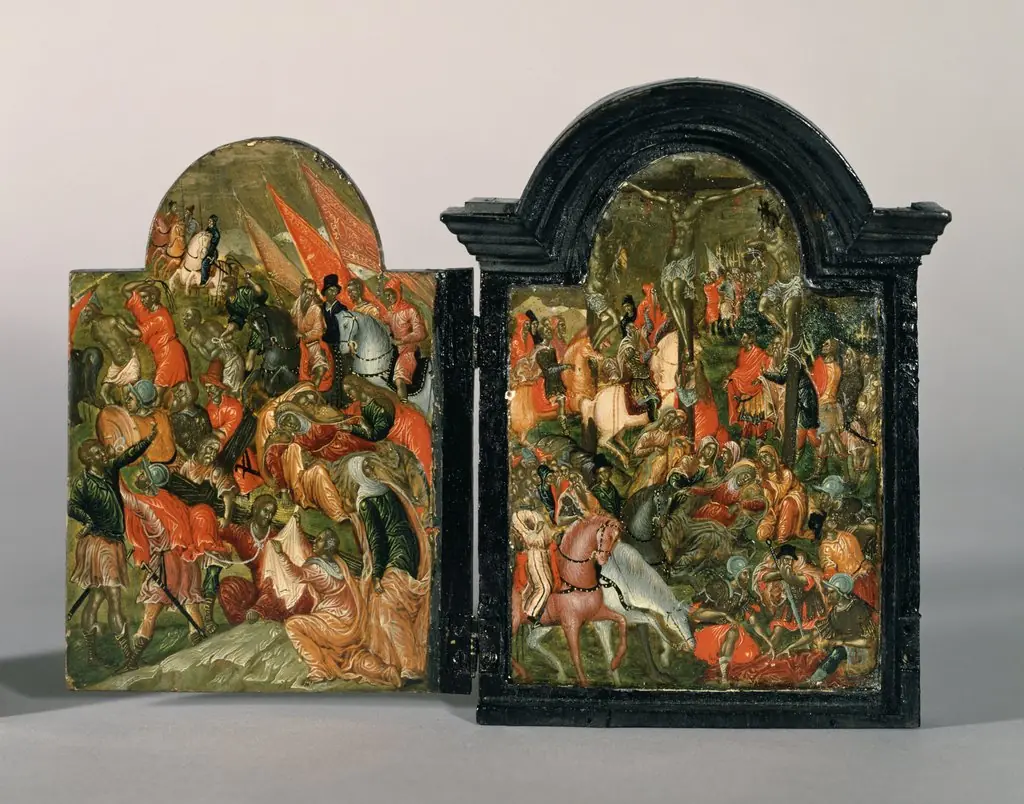 Scenes of Christ's Passion Triptych
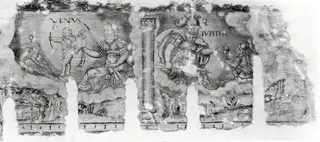 Venus and Jupiter (from Stodmarsh Court, Kent)
Frequently asked questions
What is Late Mannerism?
Late Mannerism is an art movement. The closing phase of 16th-century Mannerism, marked by elongated figures, crowded compositions, and artificial elegance.
How many Late Mannerism works does Artifact World Gallery have?
Artifact World Gallery holds 37 public-domain Late Mannerism works, all free to view and download.
Who are the key Late Mannerism artists?
Key Late Mannerism artists in the collection include Paolo de Matteis, Hans Werl and Sebastiano Conca.
When did Late Mannerism take place?
Late Mannerism dates from 1580–1610.
Where can I see Late Mannerism works?
Late Mannerism works in the collection are held by National Museum in Warsaw, Metropolitan Museum of Art and Museum of Fine Arts, Houston.