Artwork
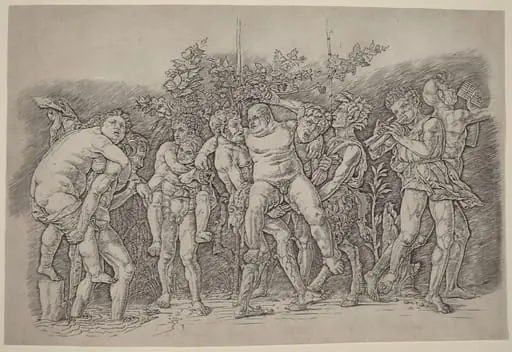
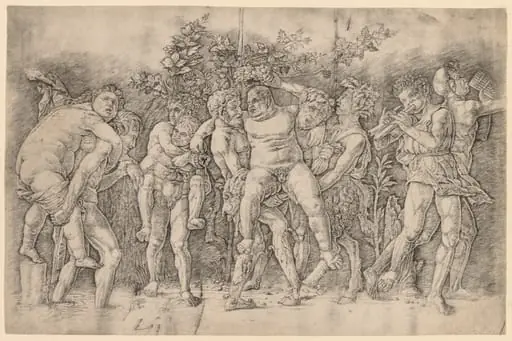
Bacchanal with Silenus
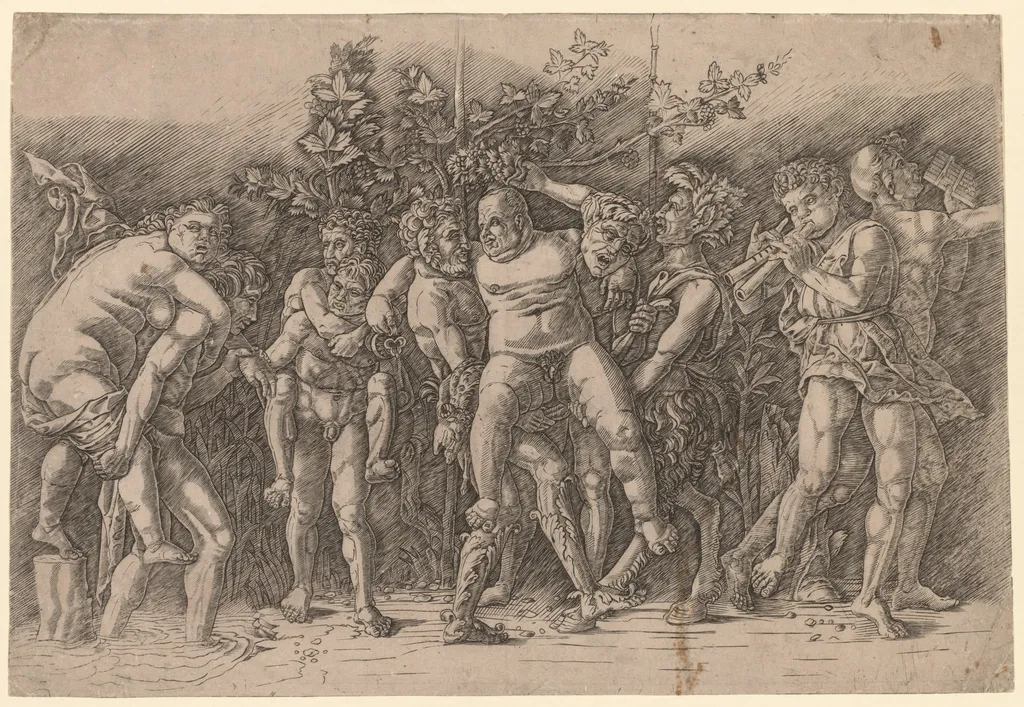
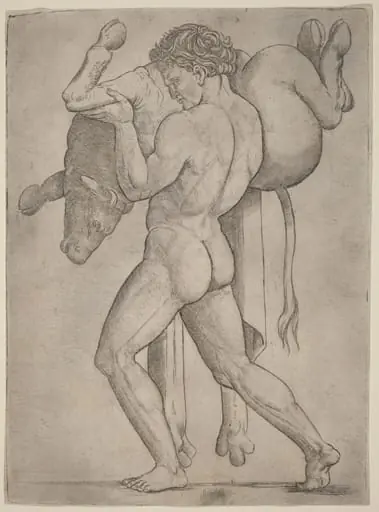
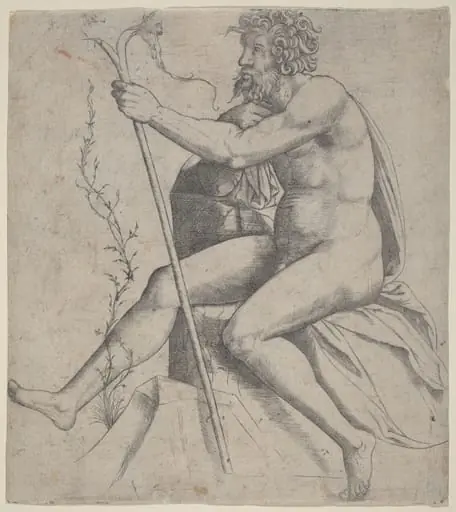
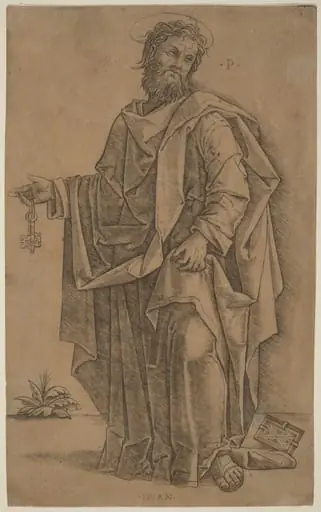
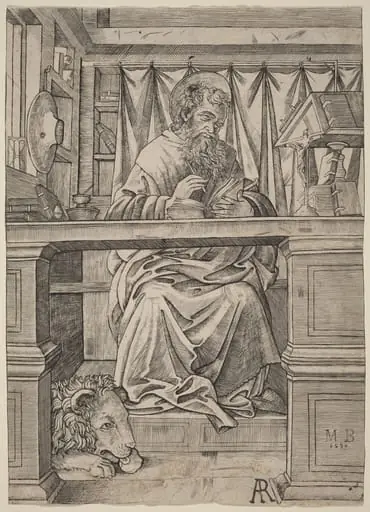
Bacchanal with Silenus is a print by the Renaissance artist Giovanni Antonio da Brescia. It dates from 1490 and is held in the collection of the Cleveland Museum of Art.
- Accession no.
- 1924.515
- Credit line
- Gift of The Print Club of Cleveland
About this work
Overview
Bacchanal with Silenus is a print created through a re-engraving process initiated by Andrea Mantegna due to wear on his original plates. The result is a vibrant depiction of a chaotic, drunken revelry featuring Silenus and satyrs amidst a rocky landscape, characterized by sharp lines and bold shadows.
Subject & Meaning
The scene portrays a wild bacchanal, emphasizing the frenzied movement of drunken figures and mythological creatures like Silenus, evoking the intense energy of ancient Roman revelry.
Technique & Style
Re-engraved by Giovanni Antonio da Brescia on a less worn copperplate with expertly mixed inks, this print achieves strong contrasts and deep, sharp lines, giving it a sculptural quality reminiscent of Roman sarcophagi reliefs.
History & Provenance
Originally engraved by Mantegna, the plate's wear prompted a re-engraving commission to Da Brescia, resulting in this version with enhanced visual clarity and depth.
Context
Mantegna's inspiration from Roman sarcophagi is evident in the print's relief-like appearance, bridging ancient classical influences with Renaissance artistic practices.
Own this work as a print
Artist & collection

Artist
Giovanni Antonio da Brescia was an Italian engraver of northern Italy, active in the approximate period 1490–1519, during the Italian Renaissance.