Artwork
Bacchanal with Silenus
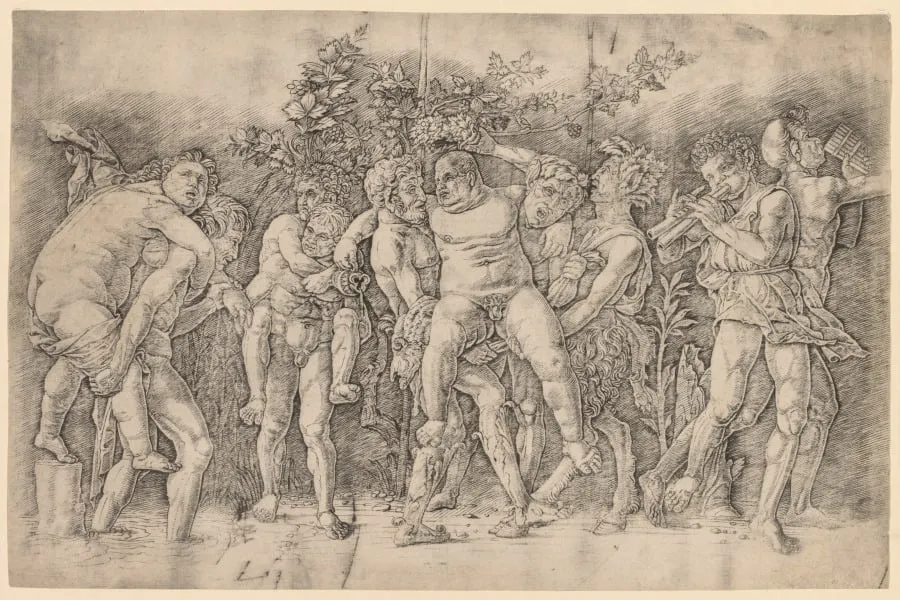
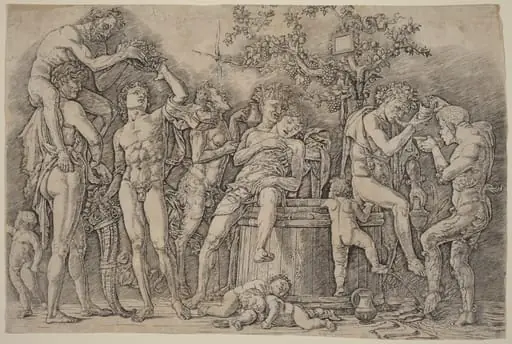
Bacchanal with Silenus is a print by the Renaissance artist Andrea Mantegna. It dates from 1481 and is held in the collection of the Cleveland Museum of Art.
- Accession no.
- 1924.223
- Credit line
- Gift of Ralph King
About this work
Overview
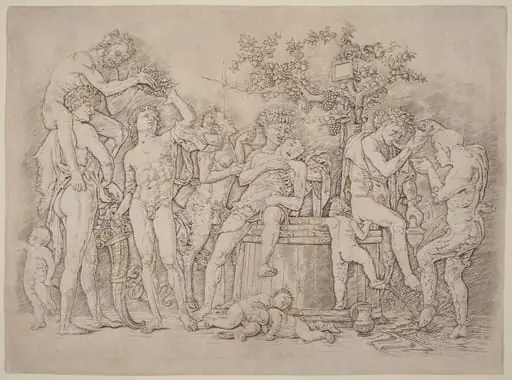
Bacchanal with Silenus is a print conceived by Andrea Mantegna, likely as a companion piece to Bacchanal with a Wine Vat.
Subject & Meaning
The print depicts a scene possibly inspired by the Roman poet Virgil, showing Silenus, Bacchus's teacher, being roused from drunkenness by satyrs and a maenad to sing and enable dancing.
Technique & Style
Mantegna employs chiaroscuro, using contrasts of light and shadow to create a sense of depth and volume in the figures.
Artist & collection
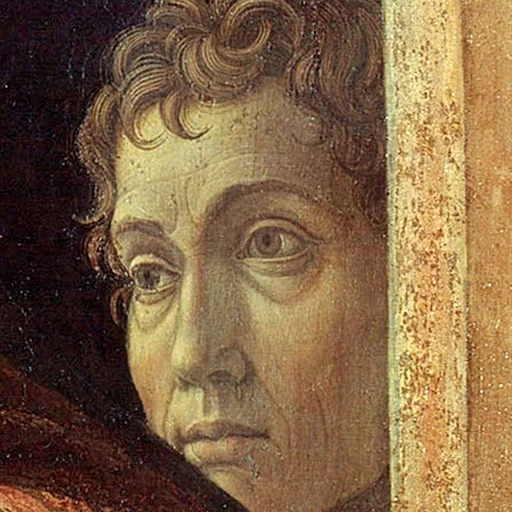
Artist
Andrea Mantegna (UK: US:; Italian:; c. 1431 – September 13, 1506) was an Italian Renaissance painter, a student of Roman archaeology, and the son-in-law of Jacopo Bellini. Like other artists of the time, Mantegna…