Artwork
The Holy Family
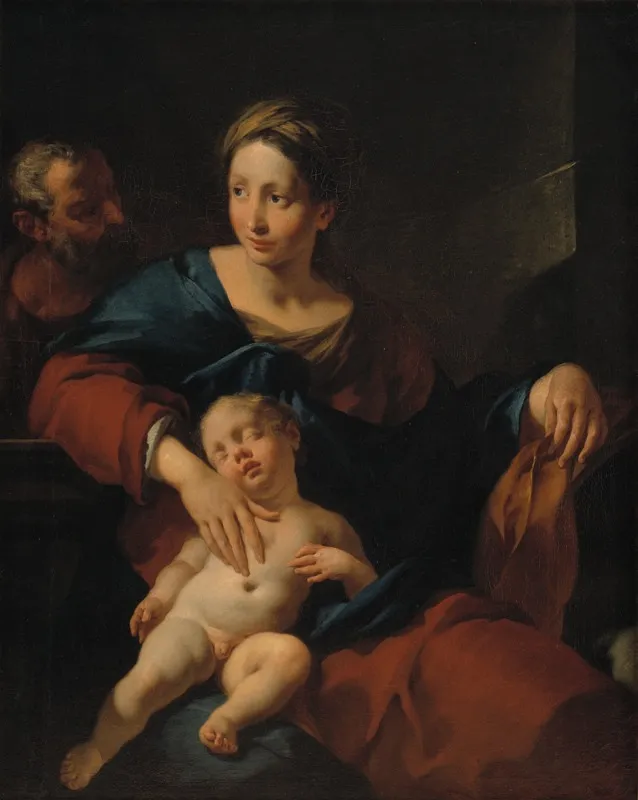
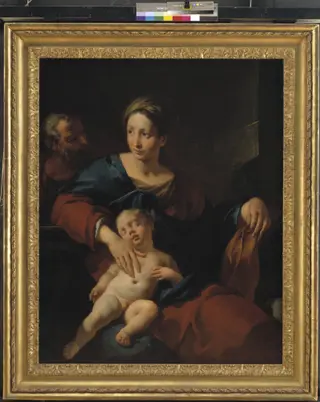
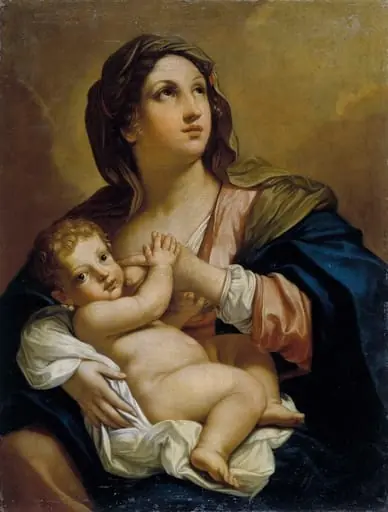
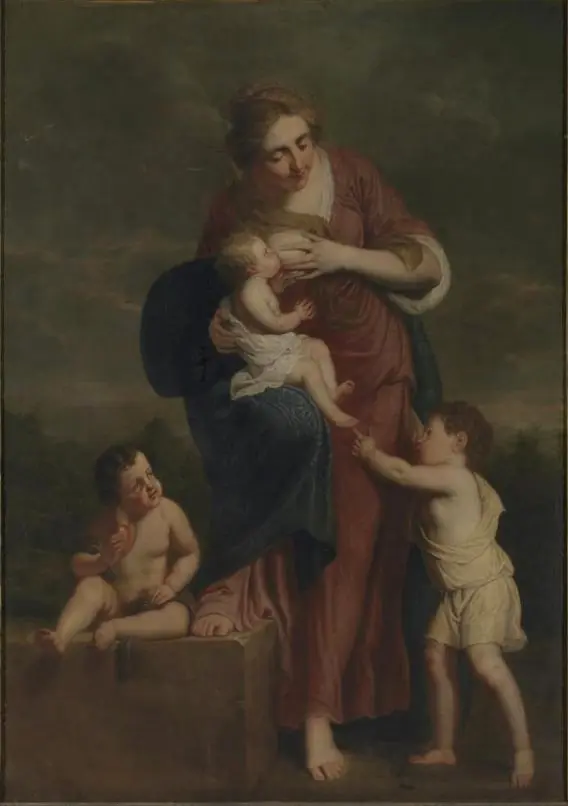
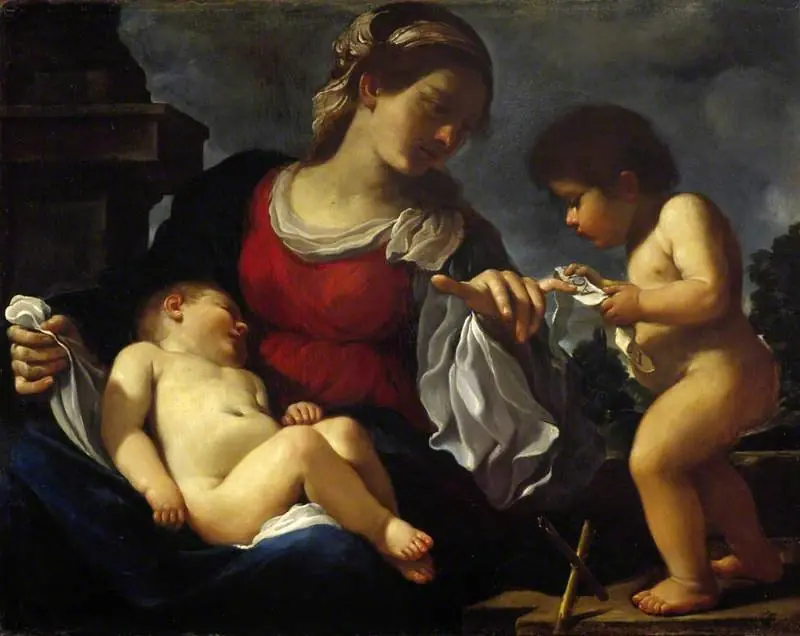
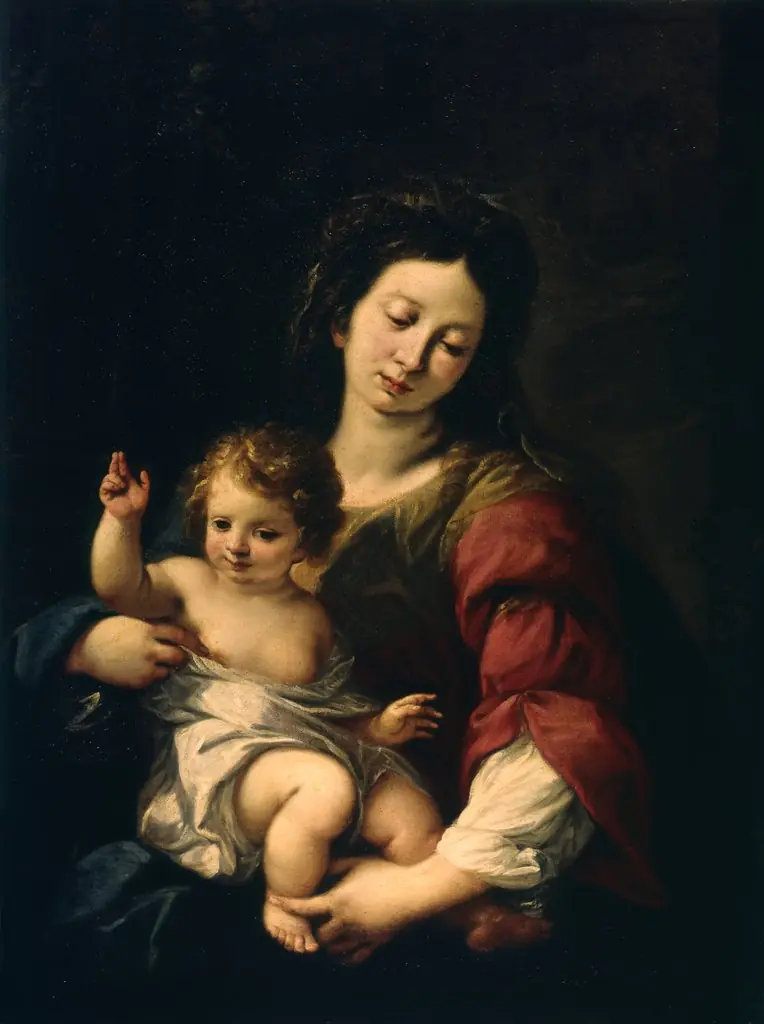
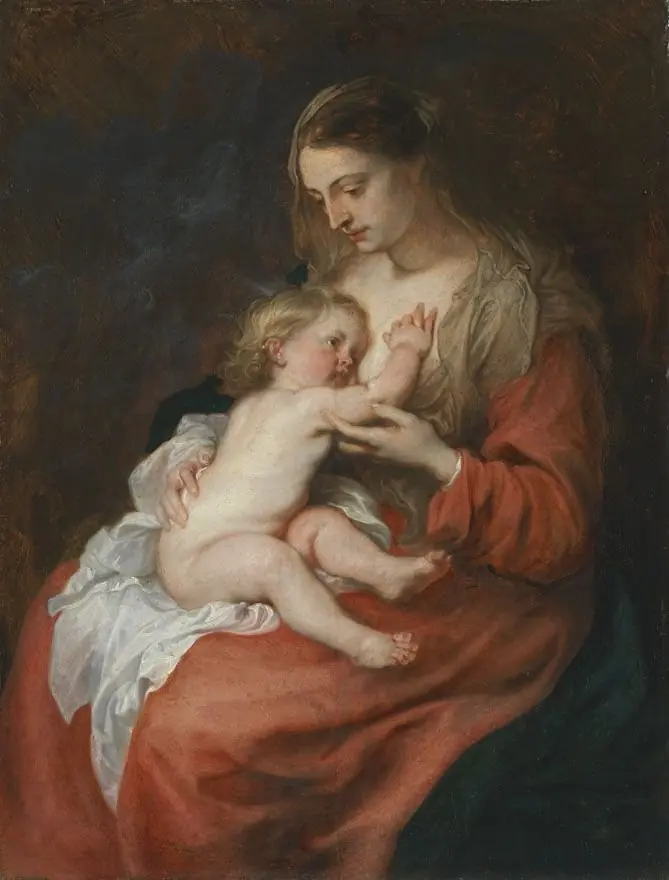
The Holy Family is an oil painting by the Rococo painting artist Giovanni Battista Tagliasacchi. It dates from 1724 and is held in the collection of the Statens Museum for Kunst.
About this work
Subject & Meaning
Giovanni Battista Tagliasacchi's 1724 oil painting depicts the Holy Family, a central subject in Christian religious art.
Giovanni Battista Tagliasacchi's 1724 oil painting depicts the Holy Family, a central subject in Christian religious art. The composition features the Virgin Mary, Saint Joseph, and the Christ Child as its primary figures. As a work of religious genre, the image represents the domestic unity of Jesus's immediate family, serving as a visual embodiment of sacred kinship and devotion.
The specific inclusion of these three figures aligns with traditional iconography where the group symbolizes the ideal Christian household and the incarnation of God within a human family structure.
Technique & Style
The Holy Family is an oil painting executed on canvas. Giovanni Battista Tagliasacchi employed oil paint to render the composition, which depicts the Virgin Mary, Saint Joseph, and the infant Jesus in a devotional arrangement typical of early 18th-century religious art. The work's formal qualities include a balanced triangular grouping of figures, soft chiaroscuro that models forms gently, and a restrained palette that emphasizes intimate emotional connection. These stylistic choices reflect the Rococo-influenced approach Tagliasacchi used to convey tenderness within sacred subjects.
History & Provenance
The work is securely dated to 1724. It entered the Statens Museum for Kunst in Copenhagen, where it remains in the permanent collection. No information about a specific commission or earlier ownership history is provided in the cited sources, and no specific inventory number or exhibition history is documented in the available records.
Context
Giovanni Battista Tagliasacchi painted The Holy Family in 1724, a work reflecting the devotional emphasis of 18th-century Italian religious art. The composition aligns with the conventional iconography of Jesus, Mary, and Joseph within a domestic setting, underscoring familial sanctity in Catholic tradition. Its placement in the Statens Museum for Kunst collection situates it within broader European museum narratives of sacred art preservation and scholarly study.
Overview
Giovanni Battista Tagliasacchi’s 1724 oil painting titled The Holy Family presents a serene domestic scene of the Virgin Mary, the infant Jesus, and Saint Joseph. Executed in the Rococo idiom, the composition places the three figures against a muted backdrop, allowing the viewer to focus on their intimate interaction.
Artist & collection
Artist
Giovanni Battista Tagliasacchi
Giovanni Battista Tagliasacchi (26 August 1697 – 3 December 1737) was an Italian painter of the late-Baroque period.