Artwork
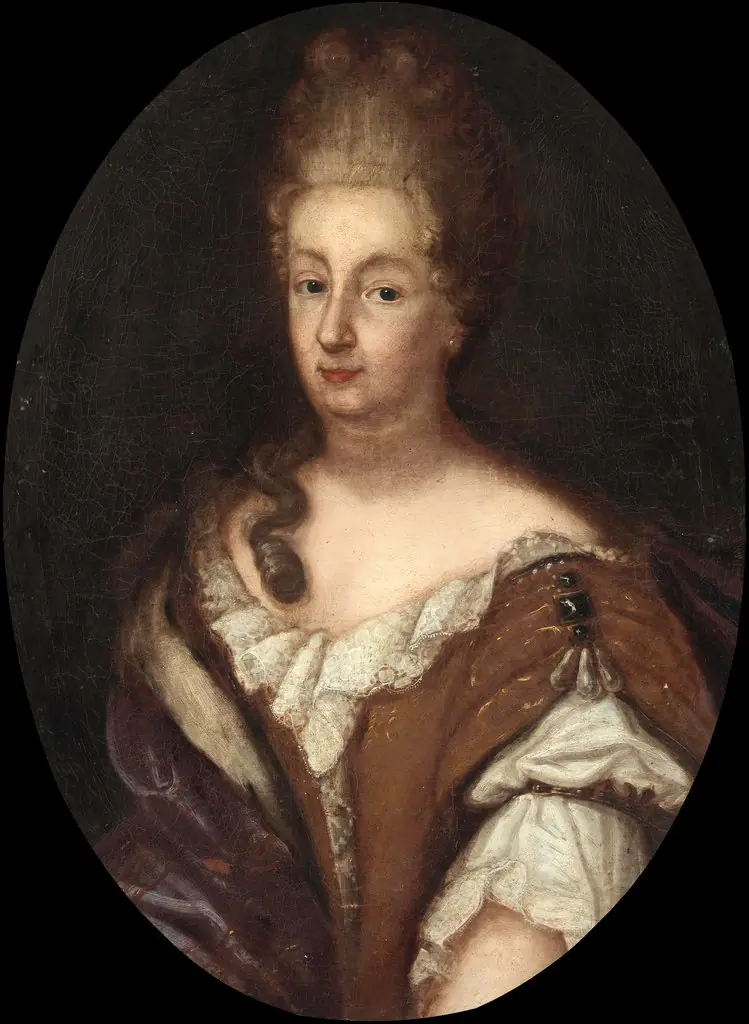
Miss van Gool, lady companion of Clara van Citters
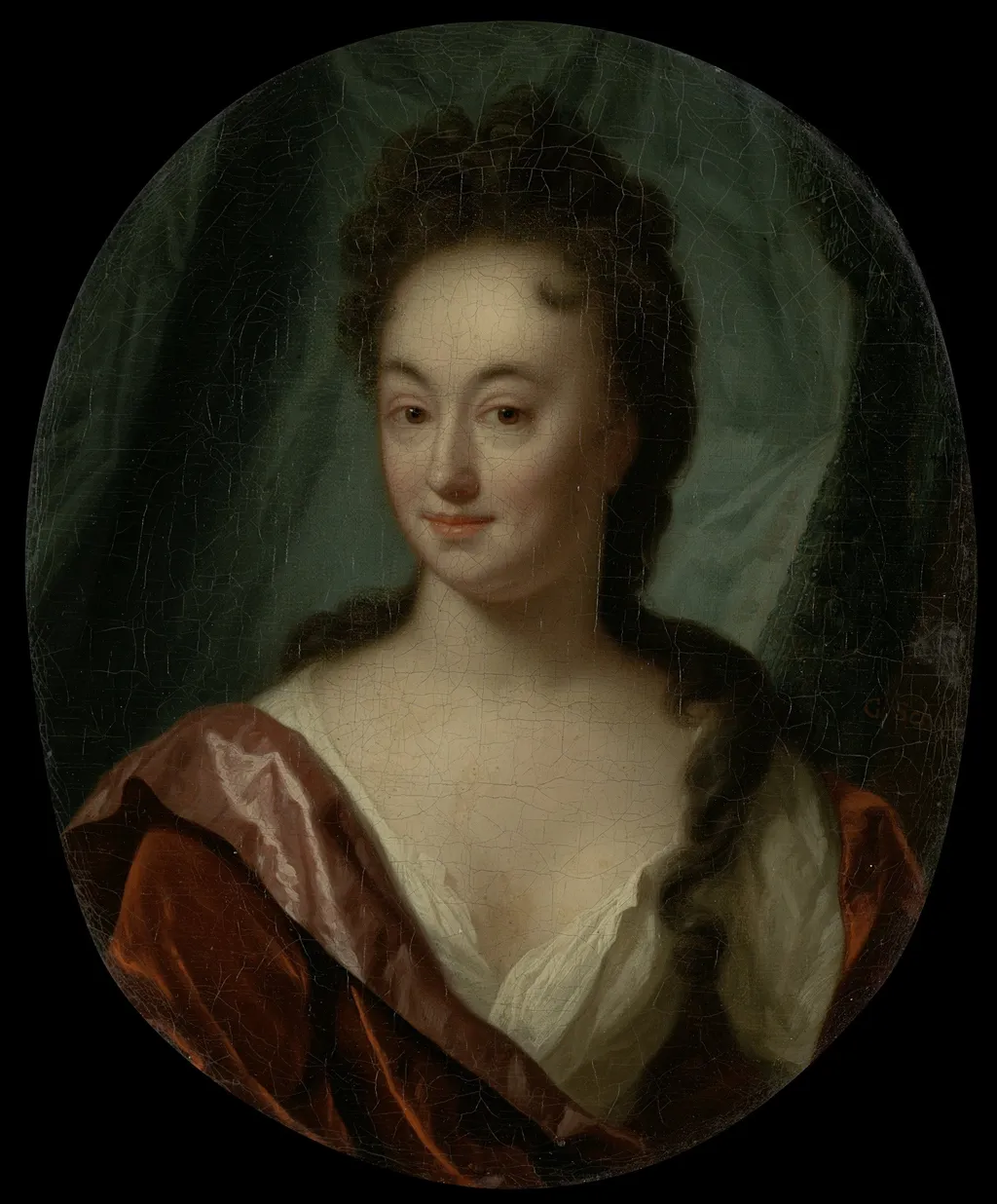
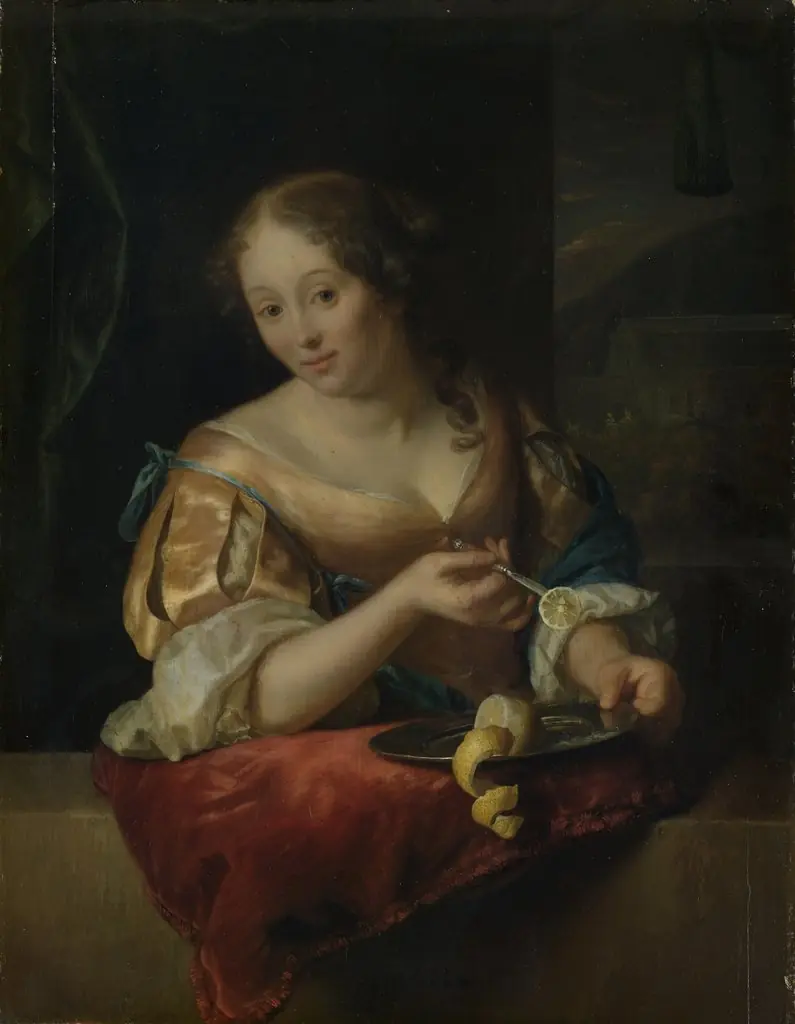
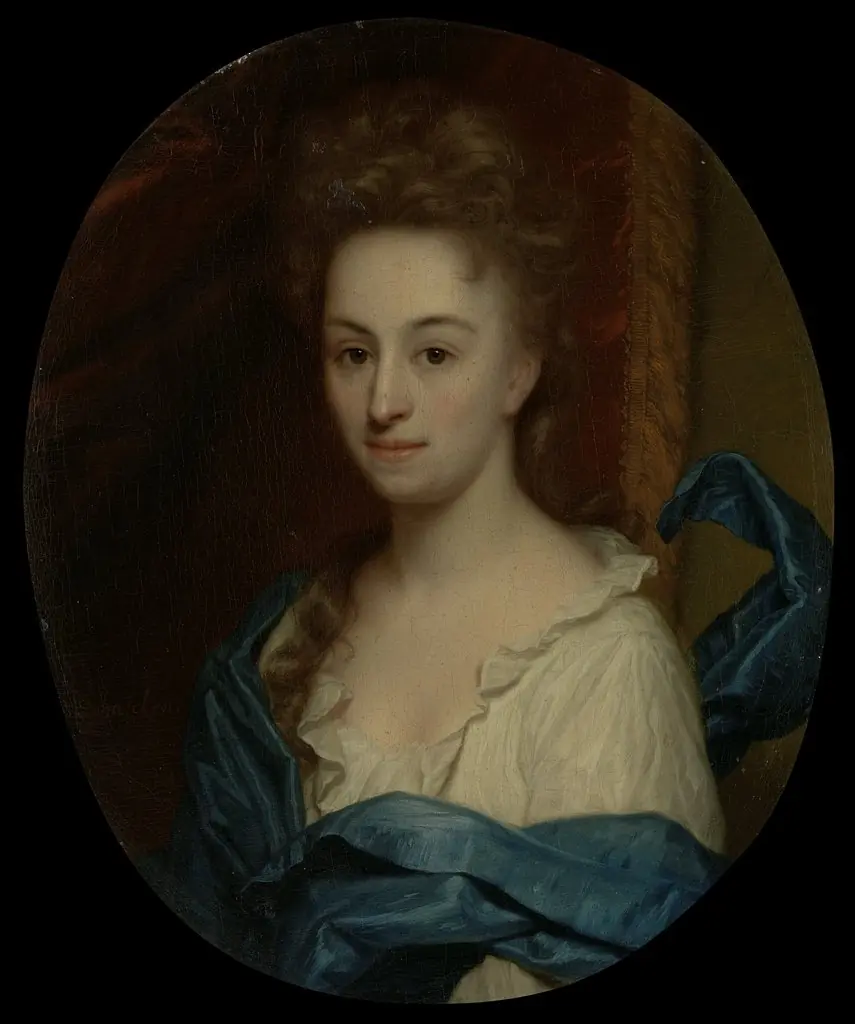
Miss van Gool, lady companion of Clara van Citters is an oil painting by the Dutch Golden Age artist Godfried Schalcken. It dates from 1702 and is held in the collection of the Rijksmuseum.
About this work
History & Provenance
The sitter’s identity as a companion to Clara van Citters is preserved in the title, linking the work to a documented social context in the Dutch Republic.
The portrait Miss van Gool, lady companion of Clara van Citters was painted by Godfried Schalcken in 1702, as documented in the artist’s dated work.
The painting entered the collection of Jacob de Witte van Citters, whose ownership is recorded in the work’s provenance. By 1702, the canvas measured 30 cm in height and 25 cm in width, consistent with Schalcken’s small-scale genre portraits of the period. The sitter’s identity as a companion to Clara van Citters is preserved in the title, linking the work to a documented social context in the Dutch Republic.
The portrait Miss van Gool, lady companion of Clara van Citters by Godfried Schalcken is held in the collection of the Rijksmuseum in Amsterdam. While the specific inventory or accession number is not provided in the available records, the work is documented as part of the museum's holdings of oil paintings on canvas. The painting is historically associated with Jacob de Witte van Citters, who is listed as the owner in the source data.
No specific exhibition history is recorded in the provided sources. The work dates to 1702 and measures 30 cm in height by 25 cm in width.
Overview
Created in 1702, this oil portrait by Godfried Schalcken depicts a young woman identified as Miss van Gool, who served as the lady companion to Clara van Citters. Executed during the Dutch Golden Age, the work is part of the Rijksmuseum’s collection and exemplifies the refined approach of the Leiden fijnschilders, a group noted for meticulous detail and subtle lighting.
Subject & Meaning
The sitter is presented with a composed demeanor, her pale complexion and light brown hair gathered neatly away from the face. She wears a modest low‑cut white dress accented by a dark red shawl, suggesting both modesty and a hint of status. The calm expression and slight smile convey a sense of quiet confidence appropriate to a companion in a genteel household.
Technique & Style
Schalcken employs a delicate chiaroscuro, allowing a soft, candle‑like glow to model the figure’s features and fabric. The contrast between the illuminated skin and the deep green oval background creates a three‑dimensional effect, while the fine brushwork captures the texture of silk and the sheen of the shawl. This careful handling aligns with the fijnschilder tradition of precise, polished rendering.
Context
Schalcken’s portraiture often focused on intimate, interior scenes illuminated by artificial light, a hallmark of the Leiden school. In the early 1700s, such portraits served both as personal mementos and as markers of social position within the mercantile and professional classes of the Dutch Republic, reflecting the era’s interest in individual character and domestic virtue.
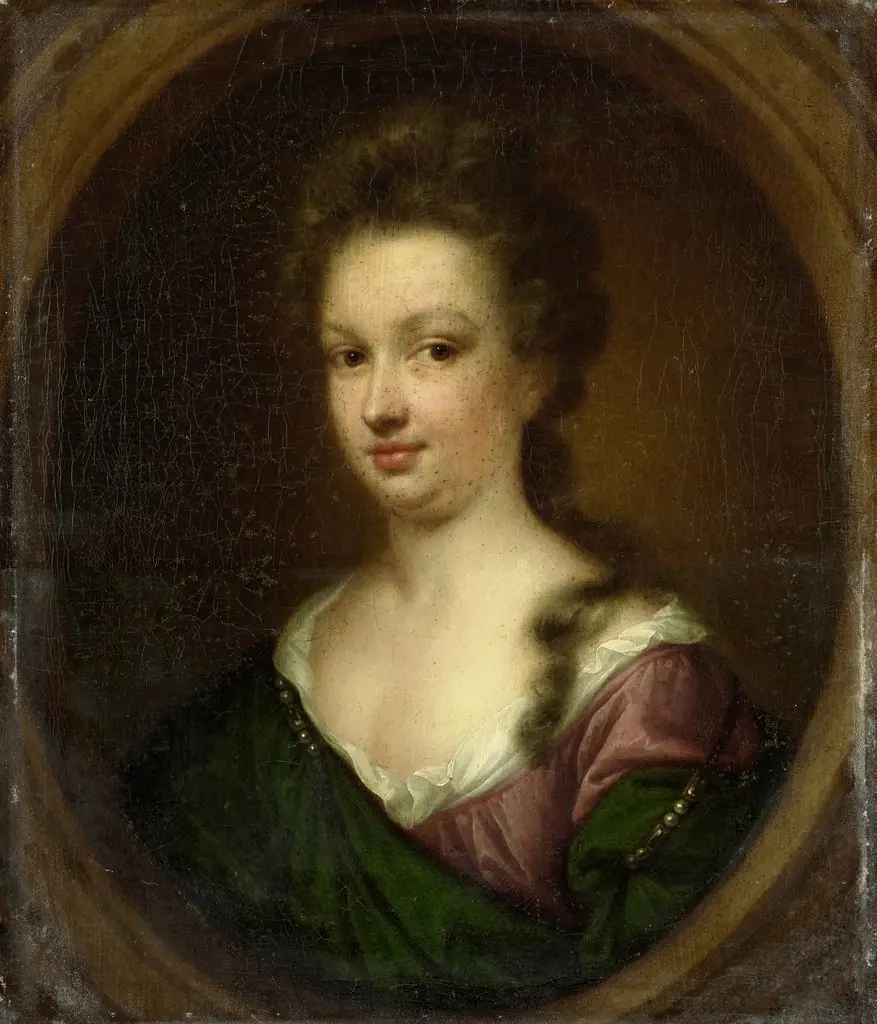
Own this work as a print
Artist & collection
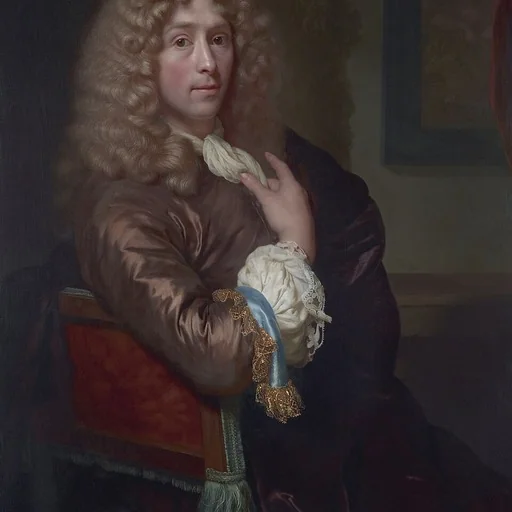
Artist
Godfried Schalcken (8 October 1643 – 16 November 1706) was a Dutch artist who specialized in genre paintings and portraits.

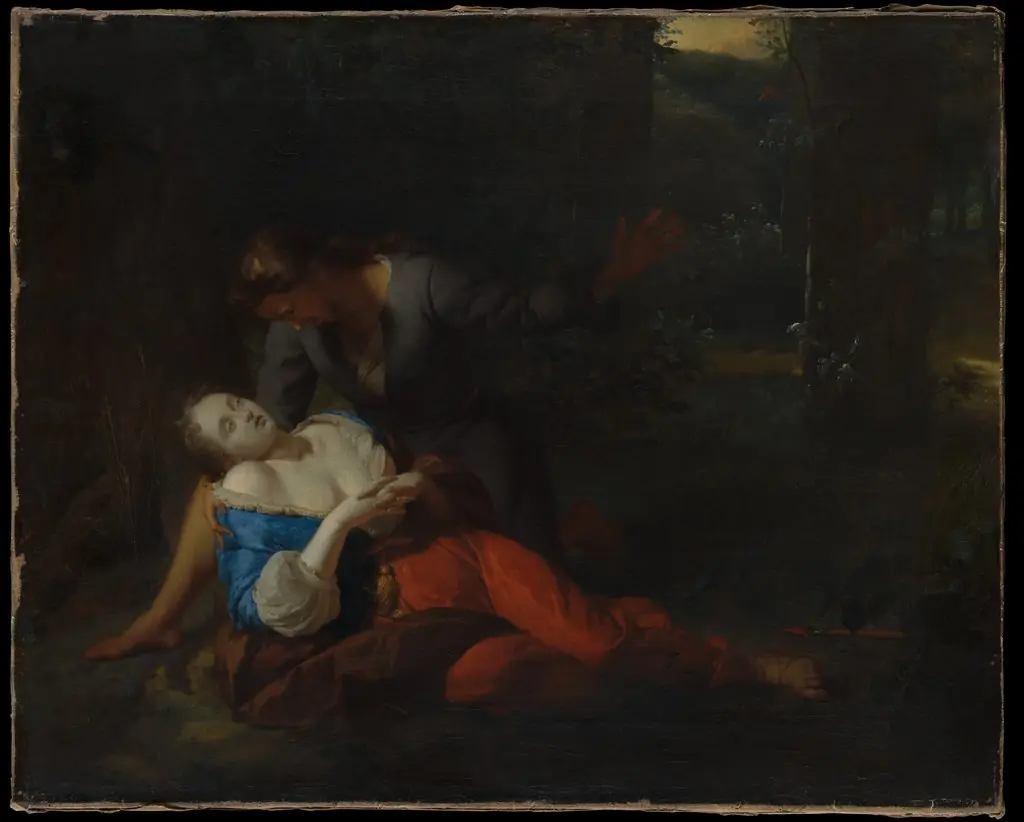
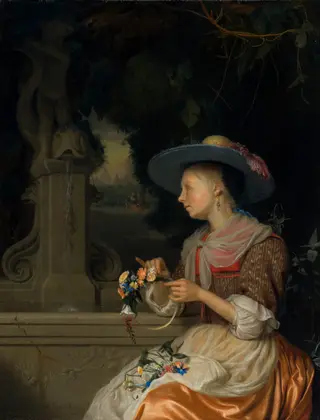
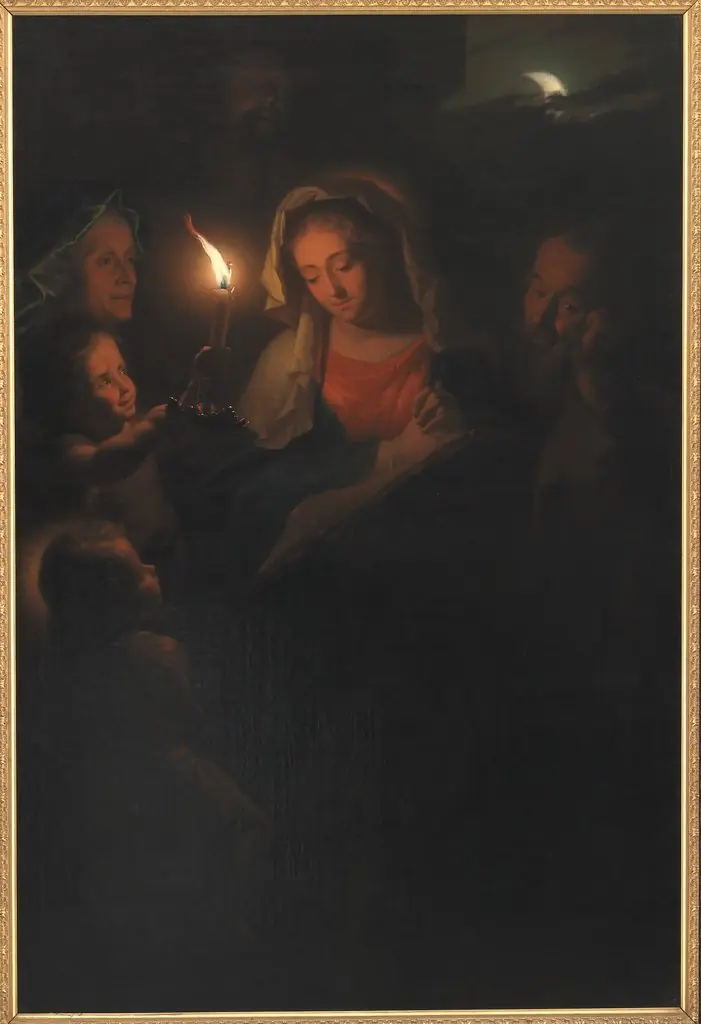
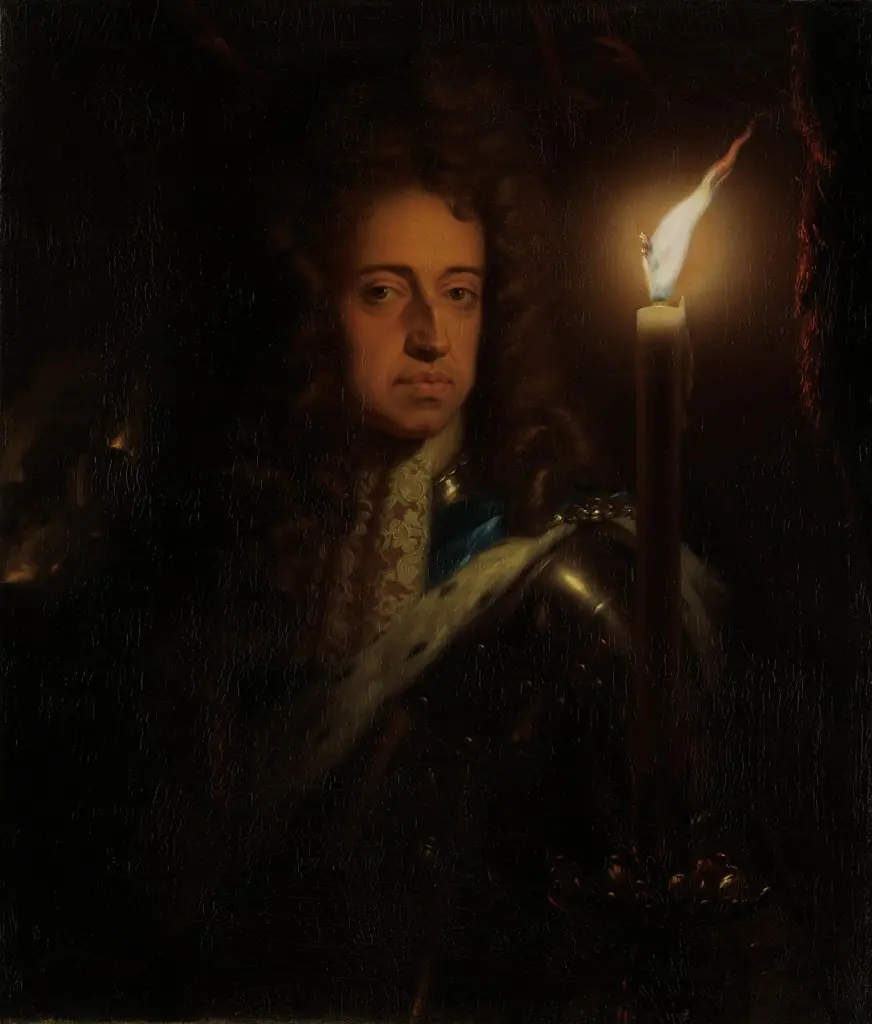
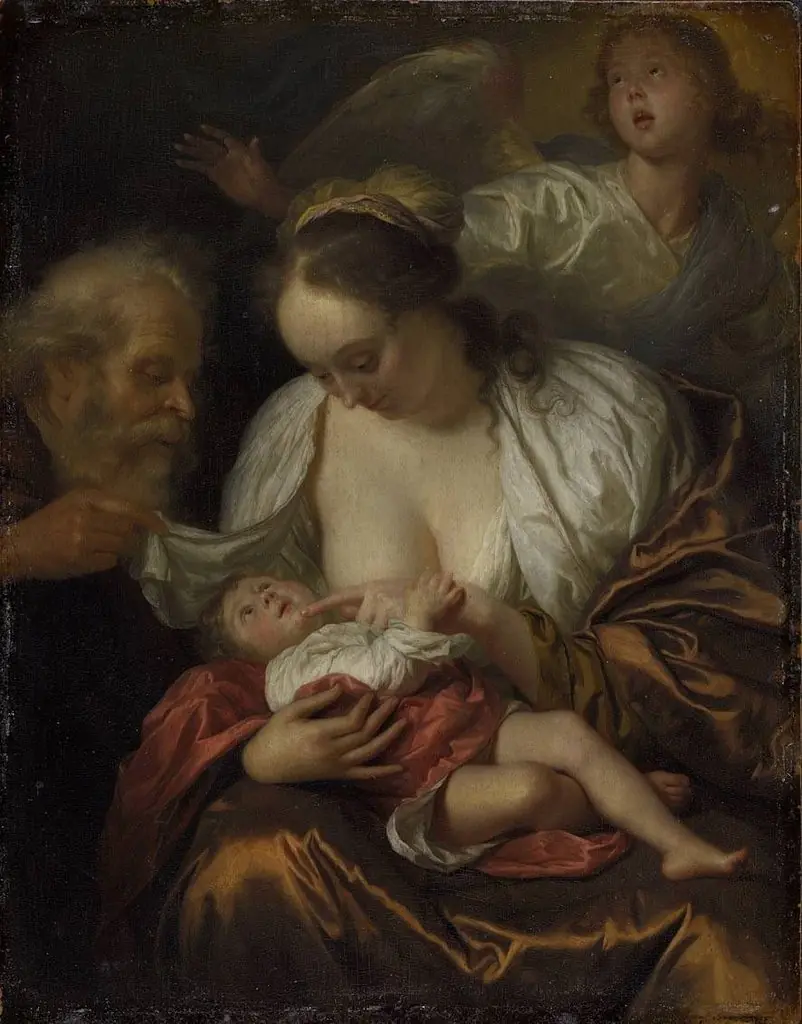
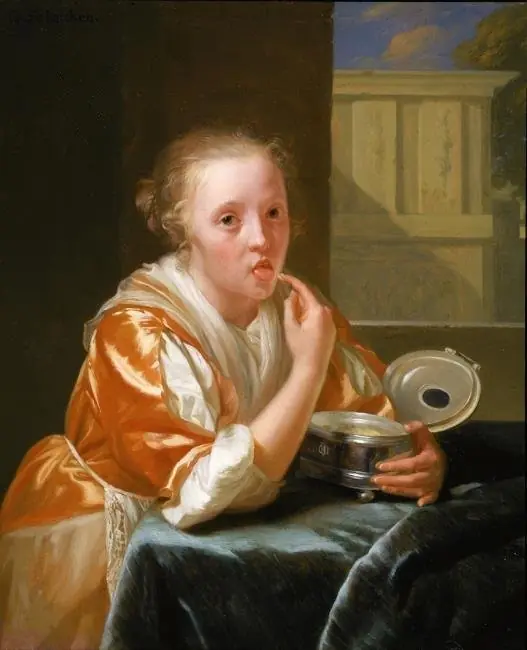
 Portrait of Josina Clara van Citters (1671-1753), daughter of Josina Parduyn
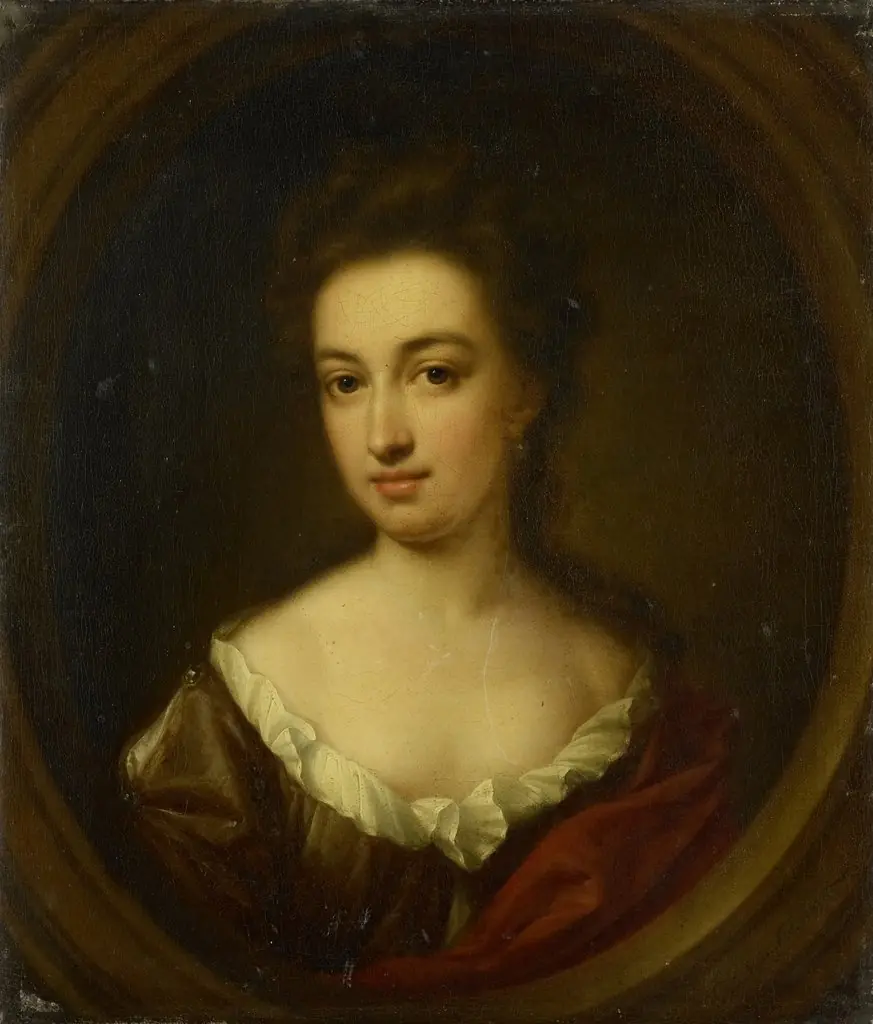 Portrait of Josina Clara van Citters (1671-1753), sister of Anna van Citters
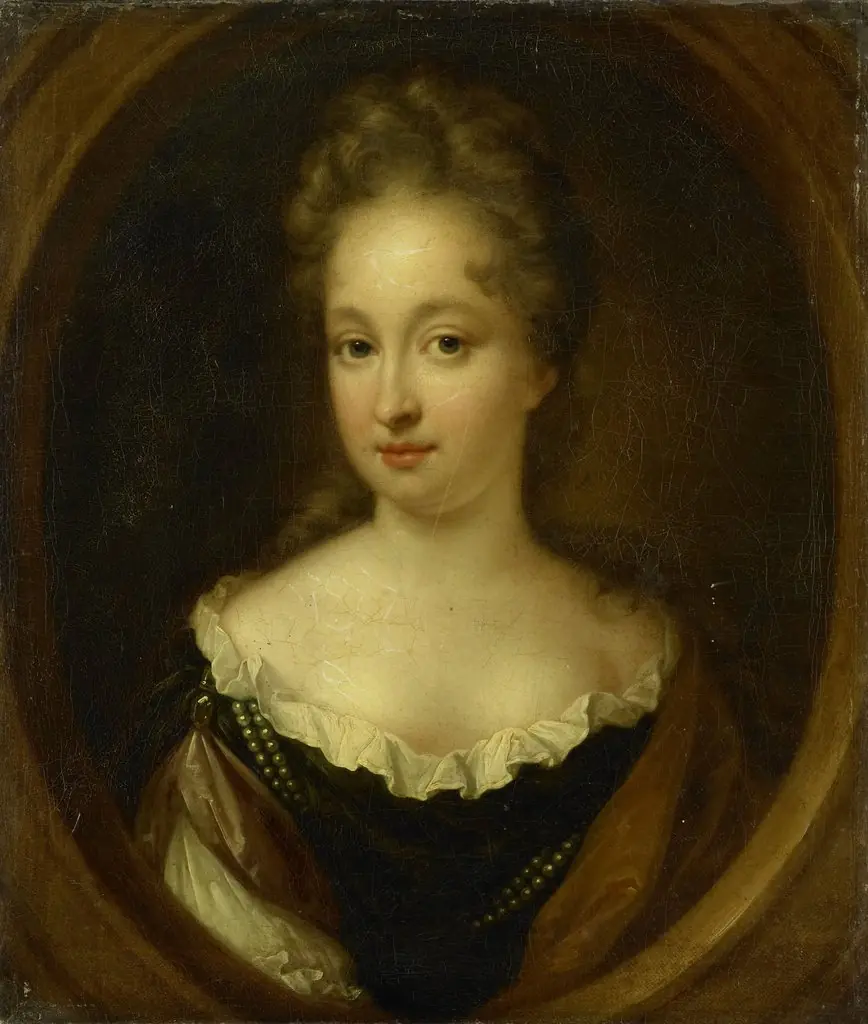 Portrait of Anna van Citters (1664-94), daughter of Aernout van Citters and Josina Parduyn
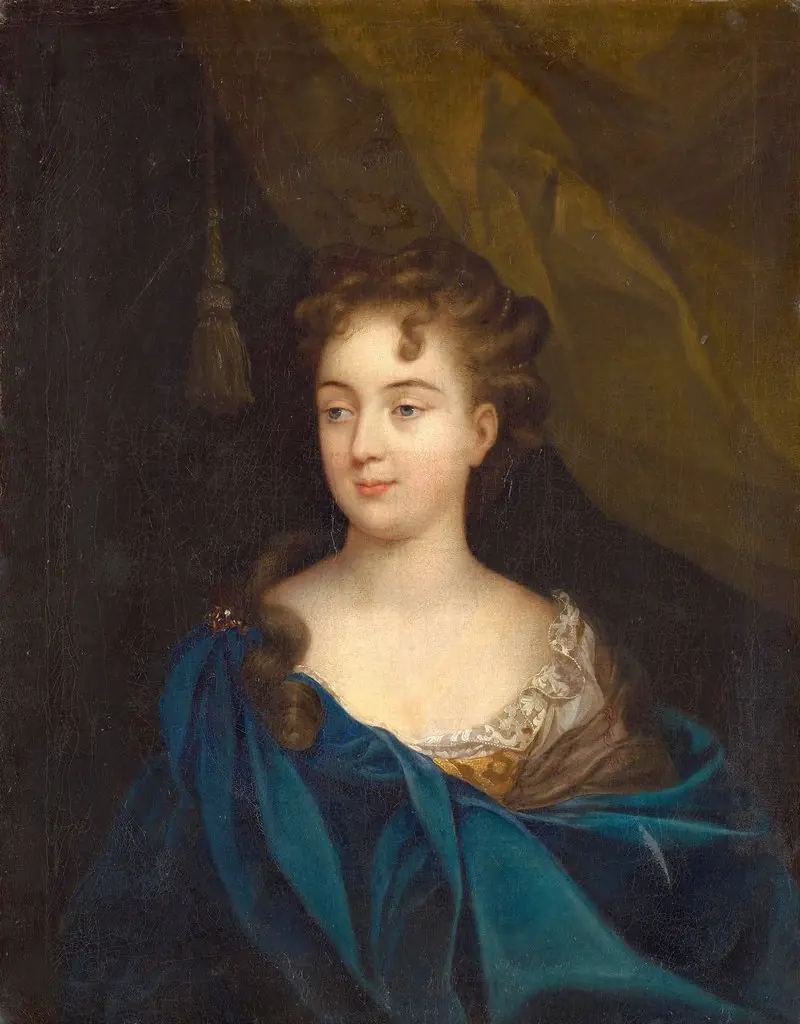 Maria Anna Christina, Dauphine von Frankreich (1660-1690) (Umkreis)
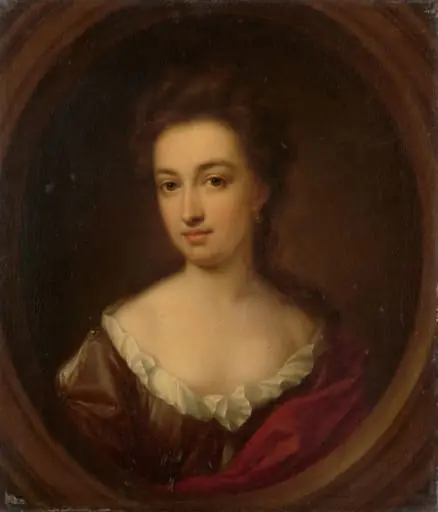 Josina Clara van Citters (1671-1753), Sister of Anna van Citters
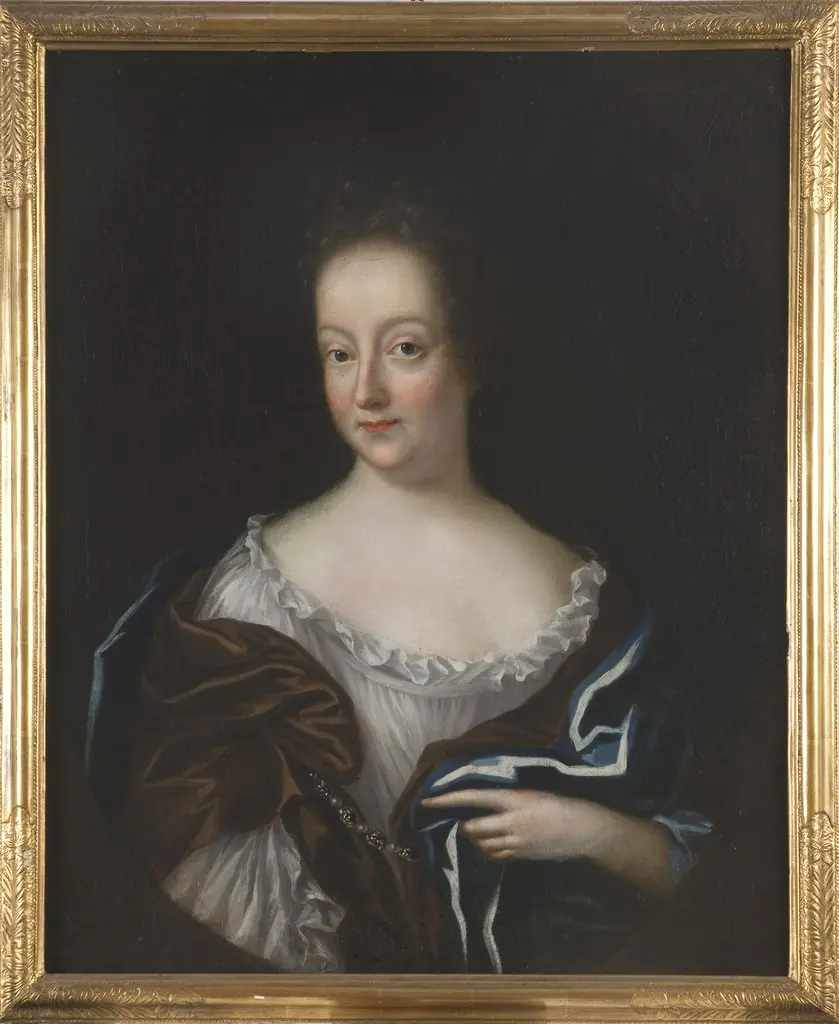 Beata Elisabet von Königsmarck (1637-1723), grevinna, gift med greve Pontus Fredrik De la Gardie
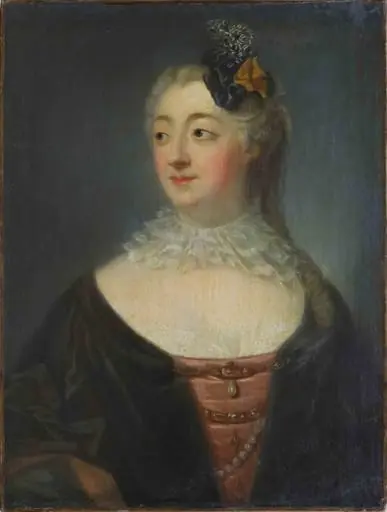 Portret de femeie
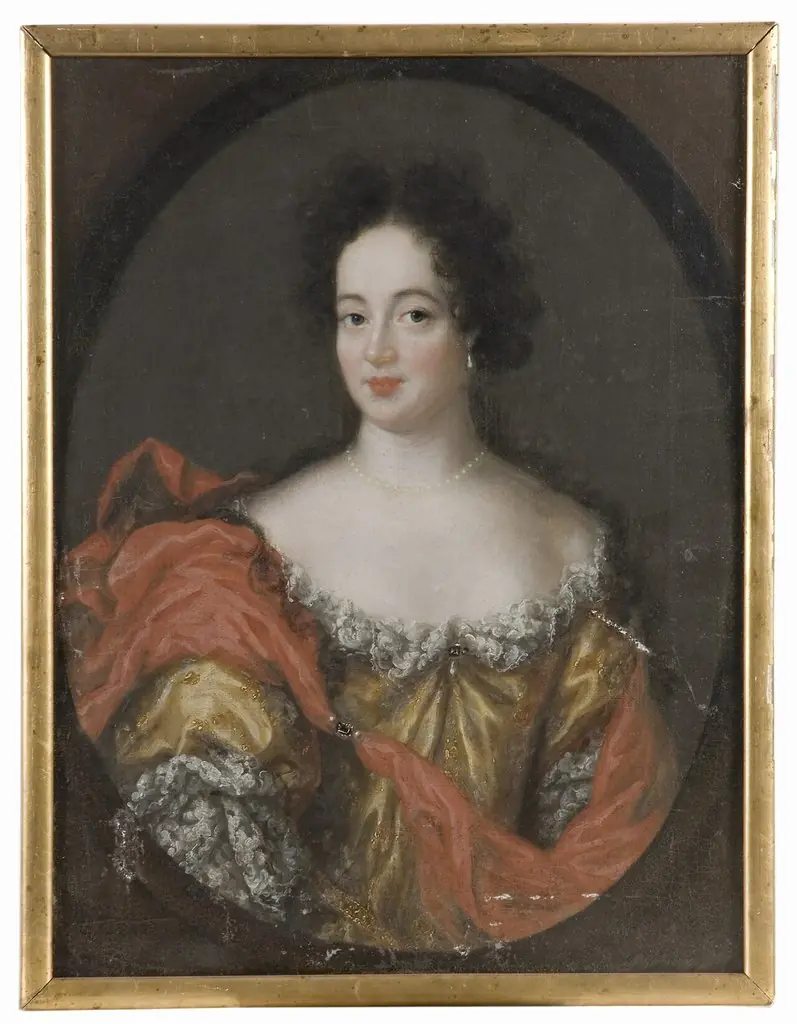 Agnes Wrangel, levnadsdata okända, möjligen hovfröken hos riksänkedrottning Hedvig Eleonora
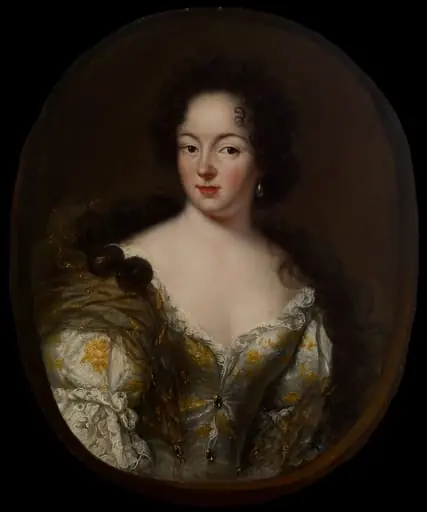 Hedvig Eleonora Tessin, o.s. Stenbock
 Elisabeth Charlotte Herzogin von Orléans (?)