Artwork
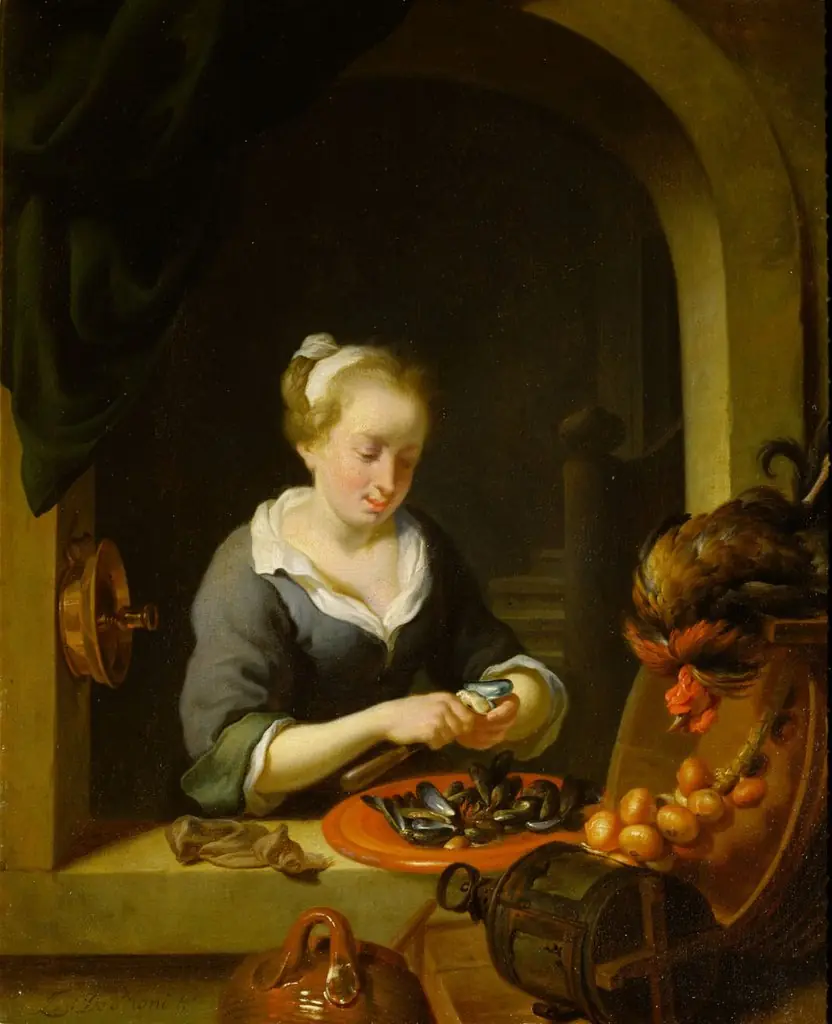
Young woman with lemon
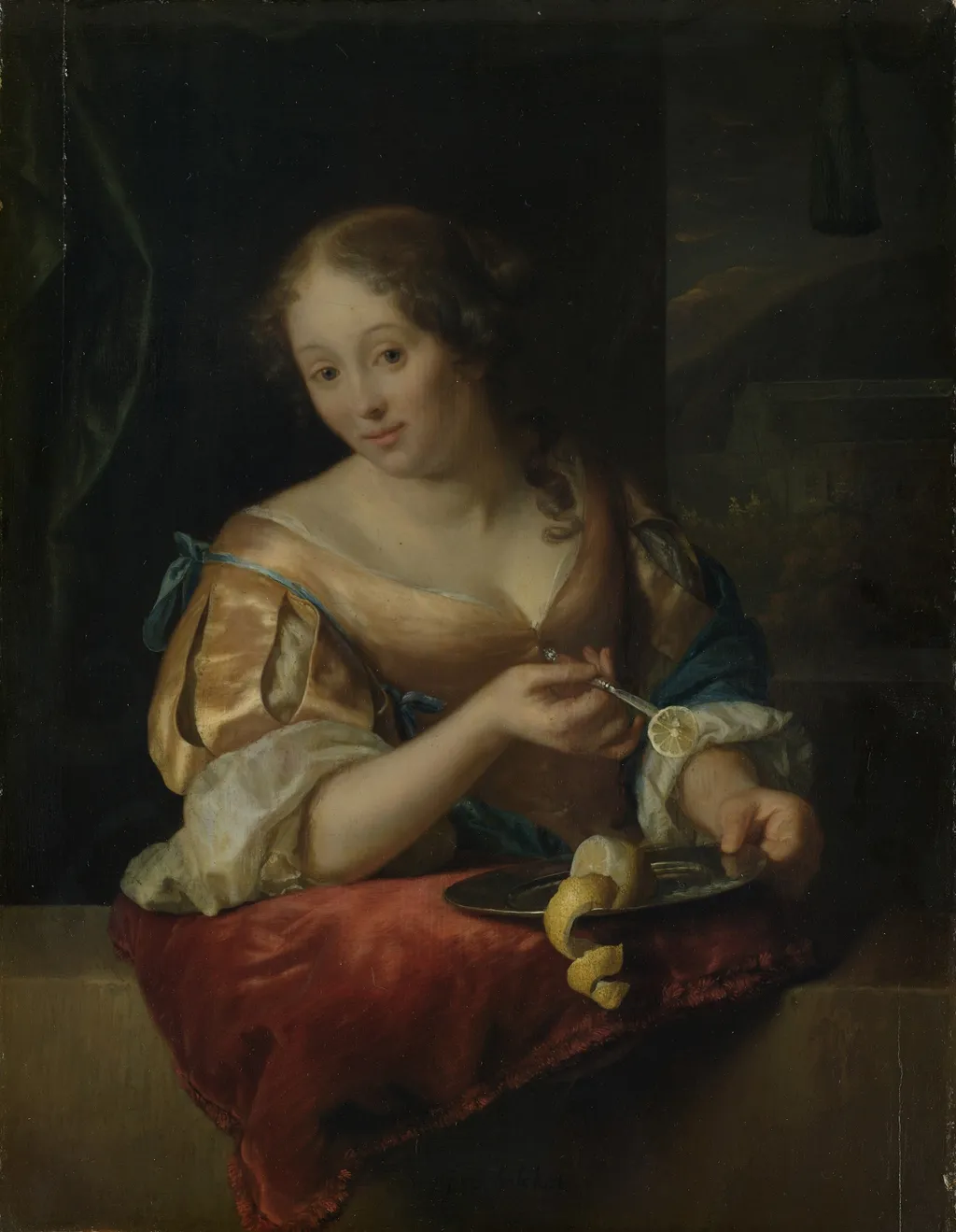
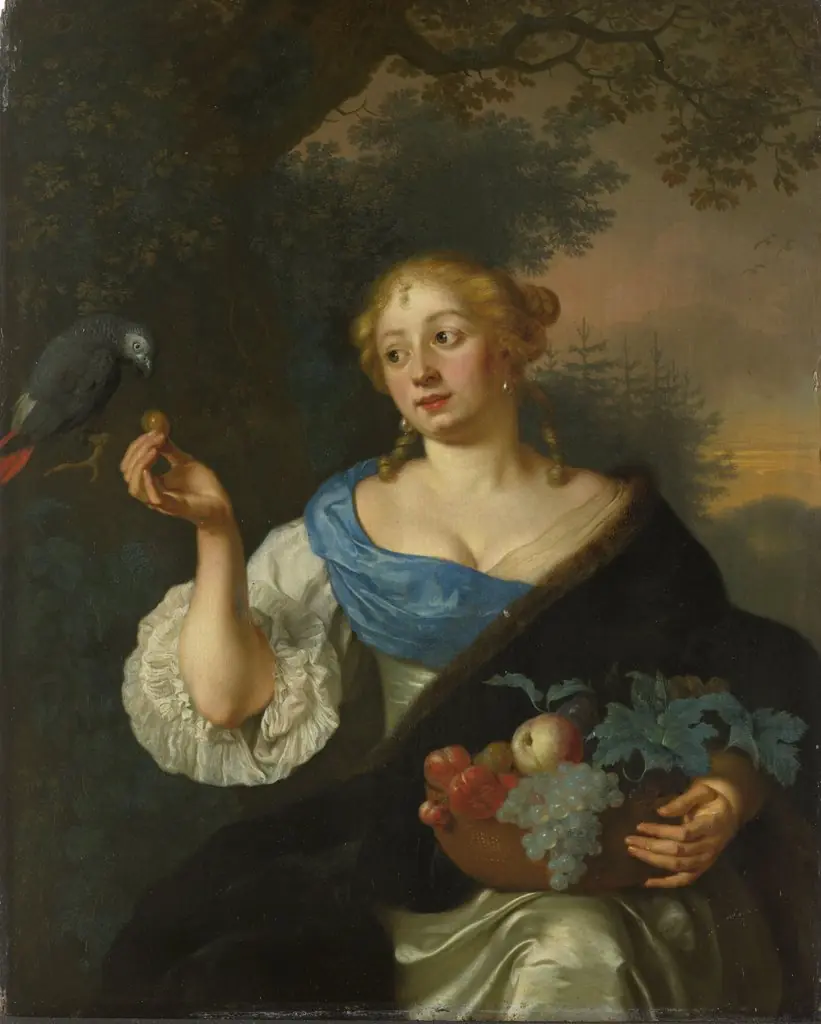
Young woman with lemon is an oil painting by the Dutch Golden Age artist Godfried Schalcken. It dates from 1694 and is held in the collection of the Rijksmuseum.
About this work
Subject & Meaning
The title explicitly identifies the central subject as a woman holding a lemon, making the fruit a defining element of the composition.
Godfried Schalcken's 1687 oil painting, Young woman with lemon, is a genre scene depicting a solitary woman. As a work of genre art, the piece focuses on a mundane, everyday moment rather than a mythological or historical narrative. The title explicitly identifies the central subject as a woman holding a lemon, making the fruit a defining element of the composition.
While the specific symbolic interpretation of the lemon is not detailed in the provided records, its inclusion alongside the female figure establishes the primary iconographic focus of the artwork.
Technique & Style
Executed in 1687, this work is an oil painting applied on a wooden panel support. The composition measures 23 cm in height and 18 cm in width, presenting a compact scale typical of Dutch genre scenes from the period. While specific details regarding the artist's brushwork, surface condition, or conservation history are not provided in the available records, the piece is formally classified as a genre scene depicting a woman.
The use of oil on panel reflects the standard materials employed by Godfried Schalcken for his intimate interior subjects during the late seventeenth century.
History & Provenance
The painting Young woman with lemon was created by Godfried Schalcken in 1687, as indicated by the artist’s date on the work.
By the early 19th century, the painting entered the collection of Lucretia Johanna van Winter. It later passed to Hendrik Six van Hillegom and subsequently to Jan Pieter Six VI. Ownership continued within the Six family, transferring to Pieter Hendrik Six van Vromade and then to Jan Six van Vromade.
The painting Young woman with lemon by Godfried Schalcken is held in the collection of the Rijksmuseum in Amsterdam. The artwork, created in 1687, is executed in oil on panel and measures 23 cm in height by 18 cm in width. Historical records indicate the work was previously owned by a lineage of Dutch collectors, including Lucretia Johanna van Winter, Hendrik Six van Hillegom, Jan Pieter Six VI, Pieter Hendrik Six van Vromade, and Jan Six van Vromade, before entering the museum's holdings.
No specific inventory or accession numbers are provided in the available sources, nor is there documented exhibition history for this specific piece.
Legacy
The painting has been cited by art historians as an influential example of late Dutch Baroque genre painting, particularly noted for its psychological nuance in rendering domestic scenes. Its scholarly reputation was reinforced when included in the 1998 retrospective of Schalcken's oeuvre at the Rijksmuseum, an exhibition that highlighted the work's role in shaping 17th-century portraiture conventions. The piece remains frequently referenced in studies of Dutch Golden Age genre painting and continues to inform contemporary understandings of artists' approaches to light and texture.
Overview
Created in 1694 by Dutch artist Godfried Schalcken, this oil painting portrays a young woman engaged in the simple act of peeling a lemon. The work exemplifies the intimate domestic genre scenes popular during the Dutch Golden Age and is part of the Rijksmuseum’s collection.
Own this work as a print
Artist & collection
Artist
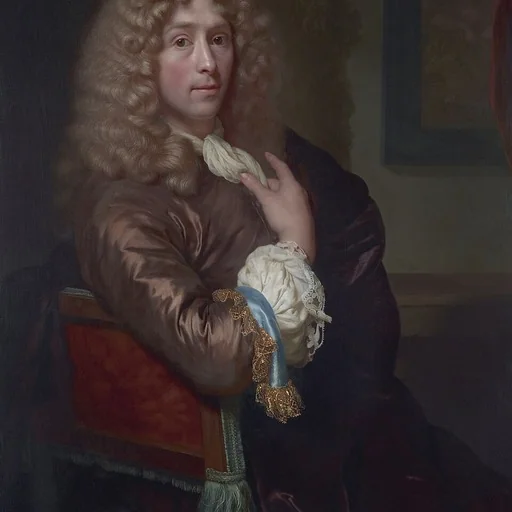
Godfried Schalcken (8 October 1643 – 16 November 1706) was a Dutch artist who specialized in genre paintings and portraits.