Artwork
The Five Senses
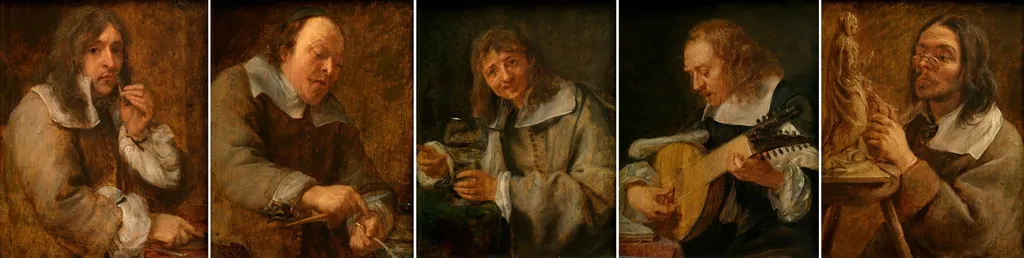
The Five Senses is an oil painting by the Flemish Baroque painting artist Gonzales Coques. It dates from 1614 and is held in the collection of the Royal Museum of Fine Arts Antwerp.
About this work
Overview
The composition reflects Coques’s training in Flemish portraiture and his familiarity with the visual conventions of the Baroque era.
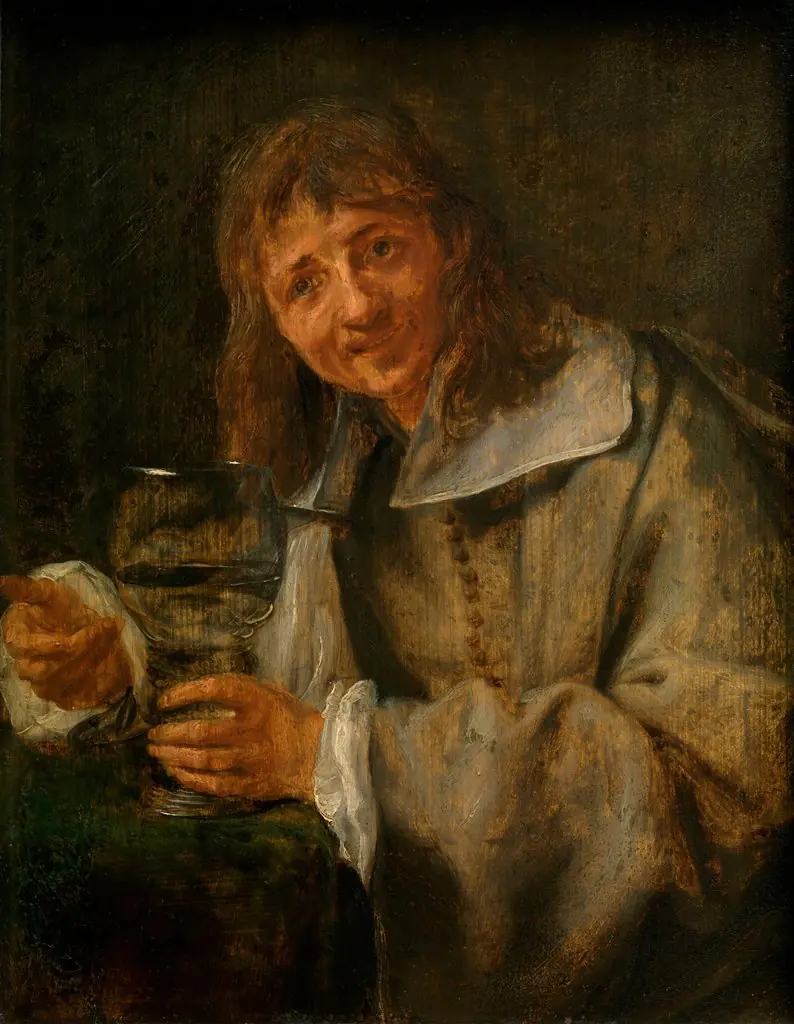
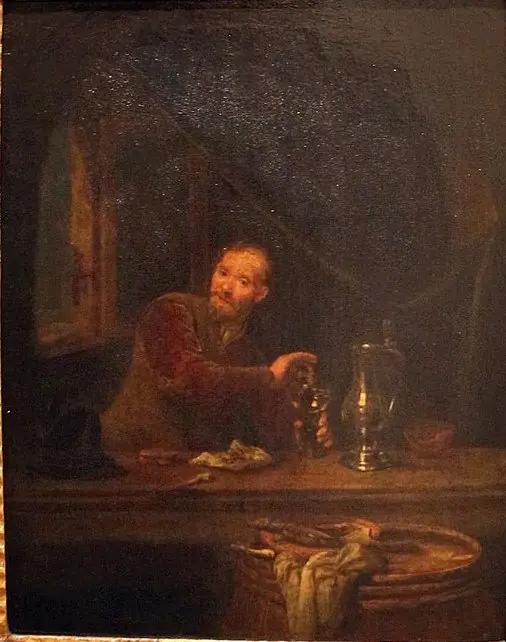
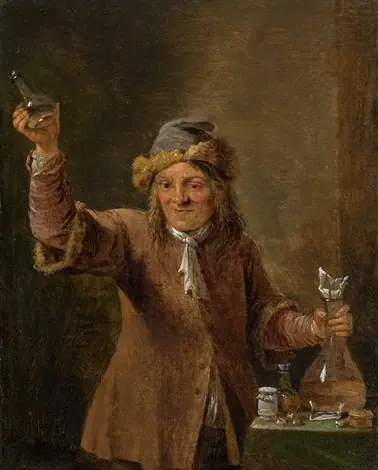
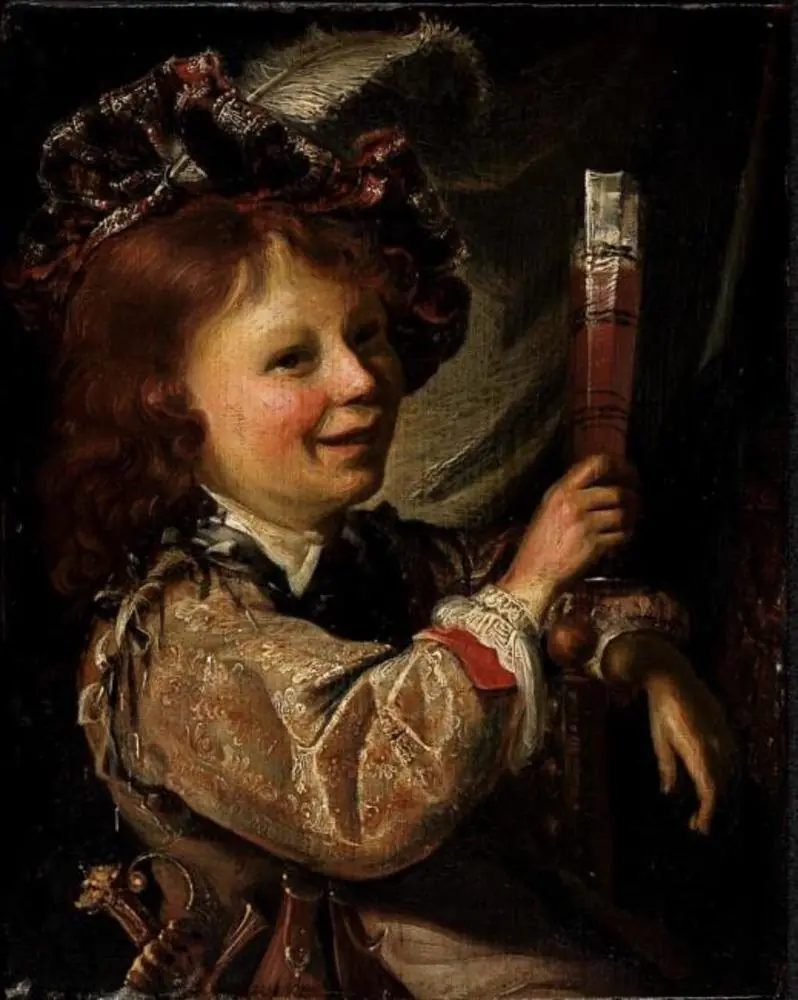
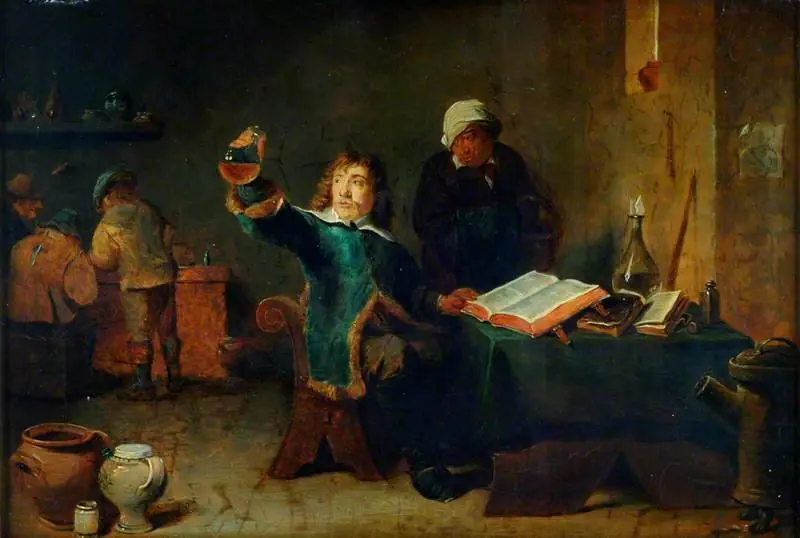
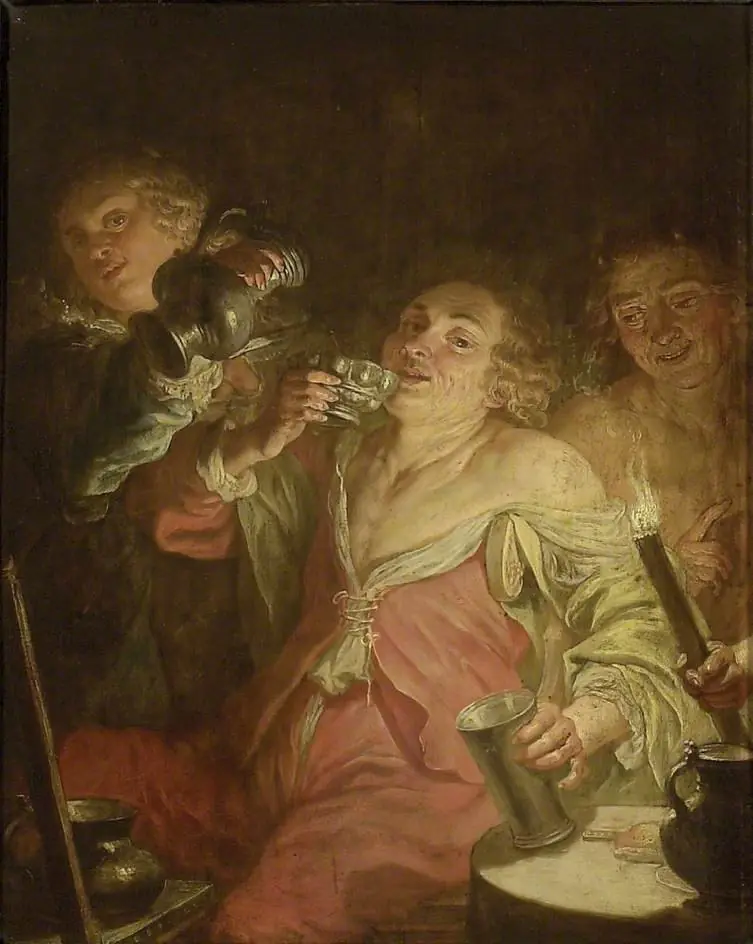
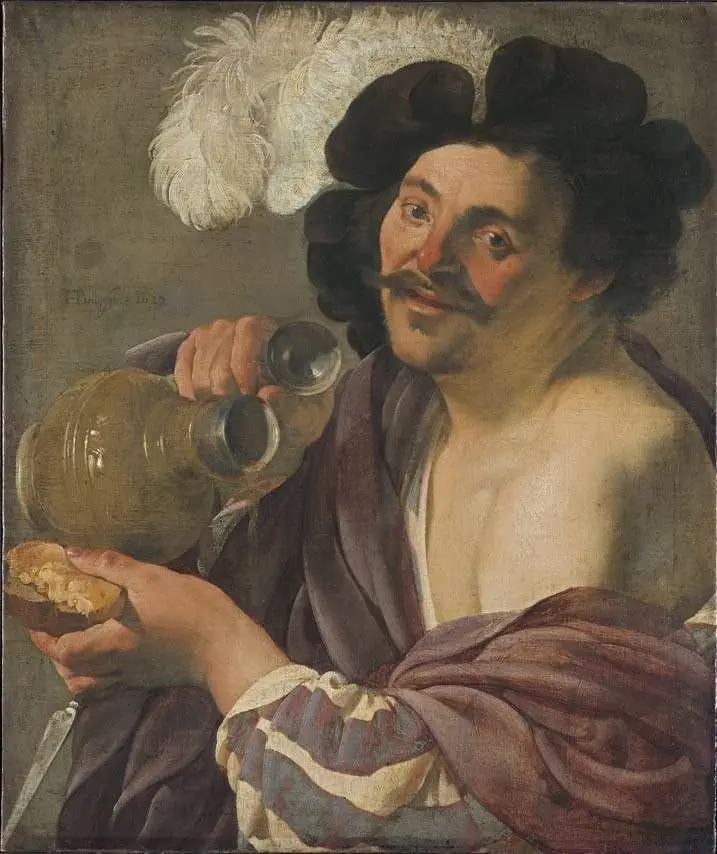
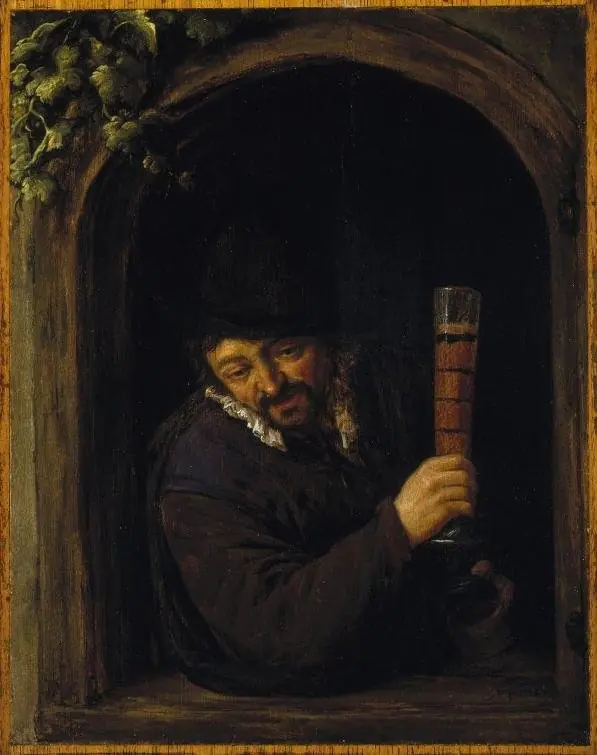
Painted in 1614 by Gonzales Coques, this oil-on-canvas work presents a group portrait centered on the five human senses. Each figure embodies one sense through a distinct, quiet activity. The composition reflects Coques’s training in Flemish portraiture and his familiarity with the visual conventions of the Baroque era.
Though modest in scale, the painting demonstrates a deliberate arrangement meant to convey intellectual and sensory themes common in Northern European art of the period.
Subject & Meaning
The five men represent sight, hearing, taste, smell, and touch, each engaged in a sensory act: tasting, smelling a flower, touching an object, drinking, and playing a lute. These activities are rendered without theatricality, suggesting a contemplative rather than allegorical intent. The choice of ordinary, upper-middle-class men implies a humanist focus on daily experience rather than mythological or religious symbolism. The painting may reflect contemporary interest in empirical observation and the natural world.
Technique & Style
Coques employs chiaroscuro to model the figures with subtle gradations of light and shadow, lending volume and spatial presence. His brushwork is refined but restrained, favoring clarity over dramatic flair. The warm, neutral background enhances the figures’ presence without distraction.
Clothing is rendered with attention to texture, ruffled collars and cuffs suggest fine linen, while the muted palette grounds the scene in realism. The composition is balanced, with each figure given equal visual weight.
History & Provenance
Created in 1614, the painting entered the collection of the Royal Museum of Fine Arts Antwerp, where it remains today. Coques, active in Antwerp, was known both as a painter and an art dealer, which likely influenced his access to collectors and his understanding of market tastes. The work’s survival in a major public collection suggests early recognition of its quality, though it was never widely reproduced or celebrated beyond regional circles during its time.
Context
In early 17th-century Flanders, depictions of the five senses were a popular motif, often used to explore human perception and moral virtue. Coques’s version diverges from the more elaborate allegories of his contemporaries by focusing on understated, individualized figures. His stylistic leanings toward Van Dyck reflect the influence of aristocratic portraiture, yet his subjects remain grounded in bourgeois life, aligning with Antwerp’s thriving merchant culture and its interest in refined domesticity.
Legacy
Though not widely known outside Belgium, the painting exemplifies a quiet, observational strand of Flemish Baroque art that prioritized psychological nuance over spectacle. Coques’s approach influenced later genre scenes that treated everyday activities with dignity. The work remains a reference for scholars studying the transition from symbolic allegory to naturalistic representation in Northern European painting during the early 1600s.
Artist & collection
Artist
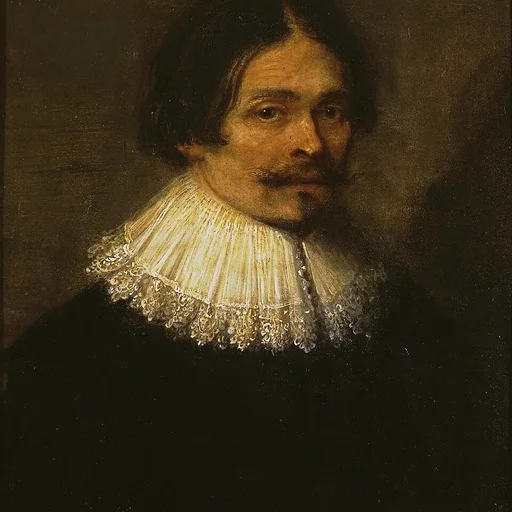
Gonzales Coques (between 1614 and 1618 – 18 April 1684) was a Flemish painter of portraits and history paintings.

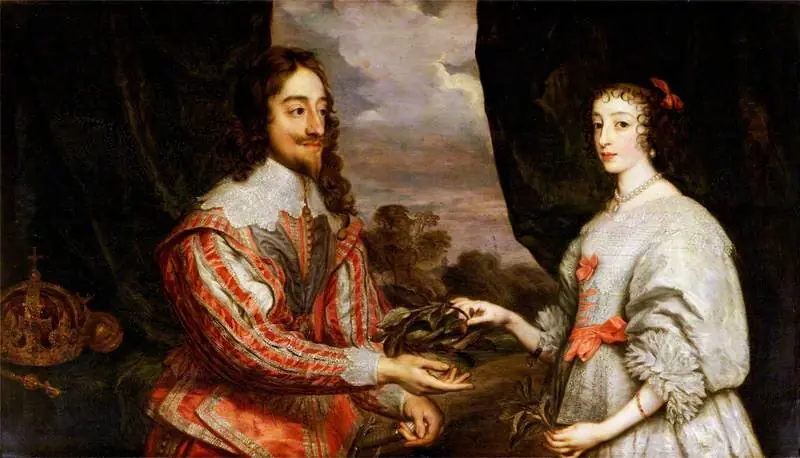 Charles I (1600–1649), and Henrietta Maria (1609–1669), with a Laurel Wreath
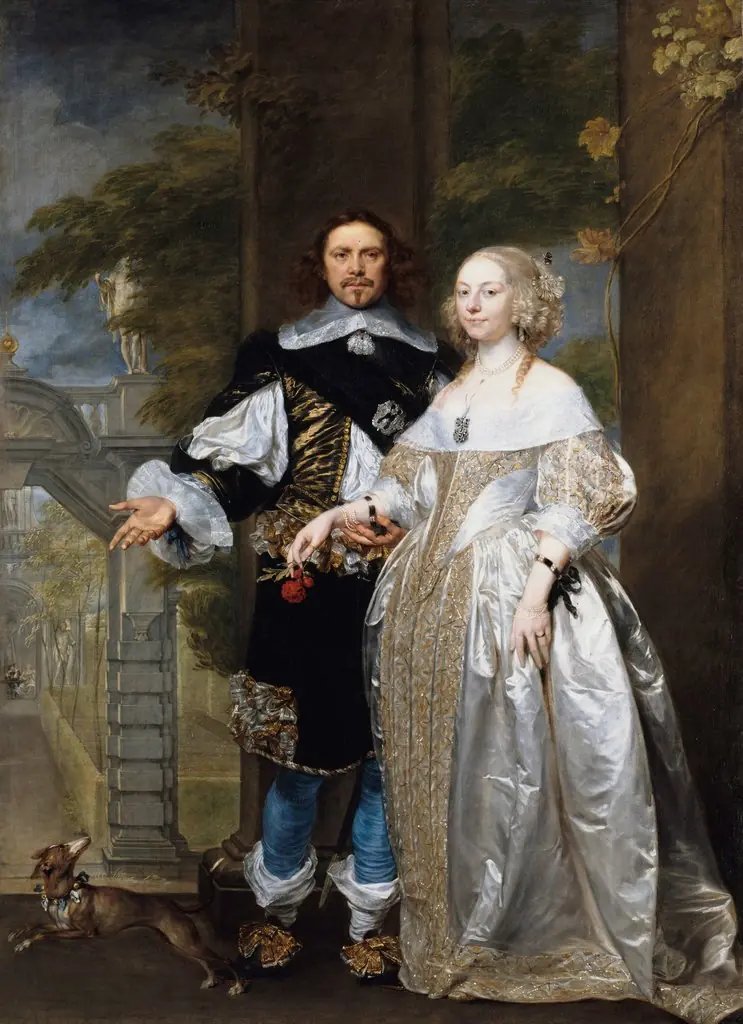 Married Couple in the Park
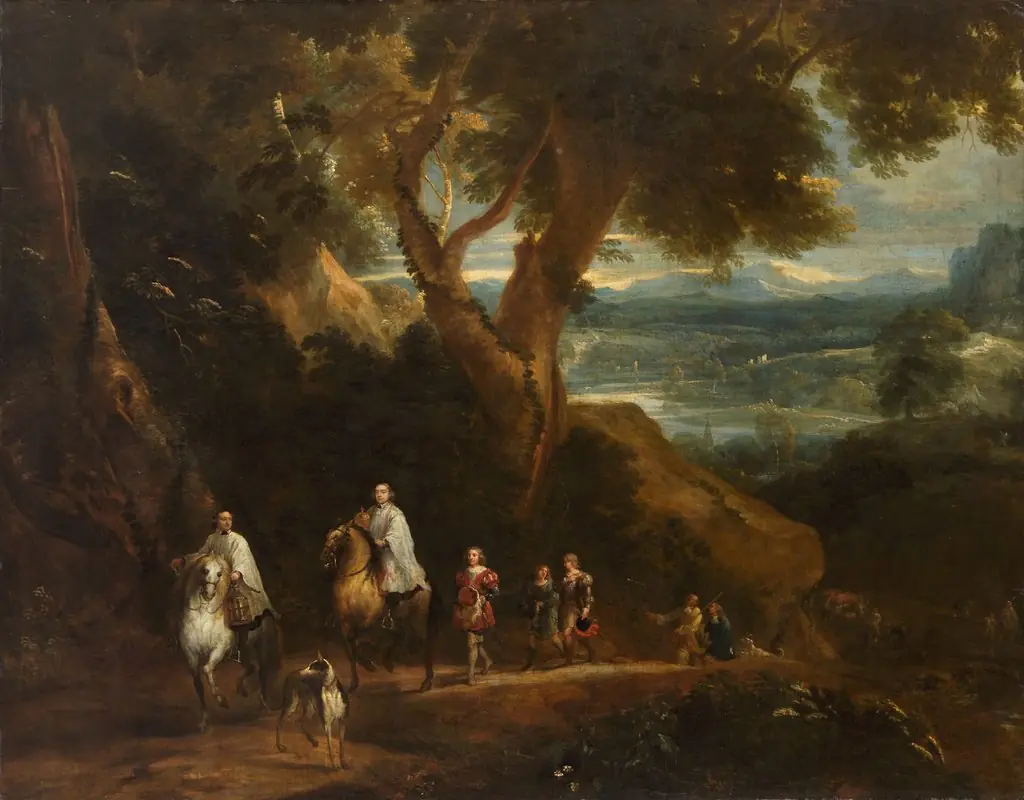 Landscape with Rudolf von Habsburg and the priest
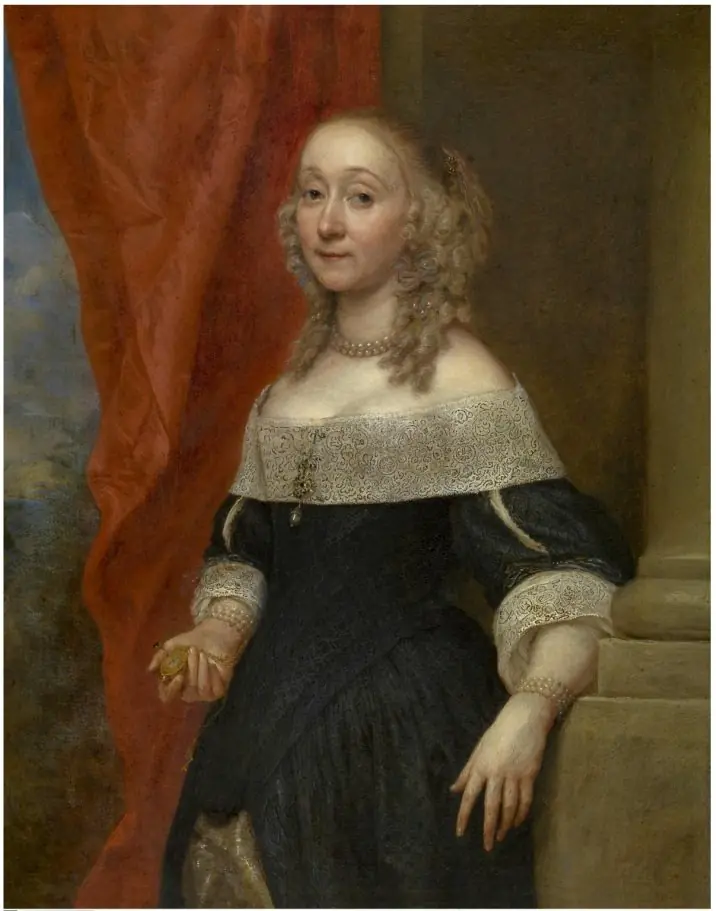 Portrait of a Woman
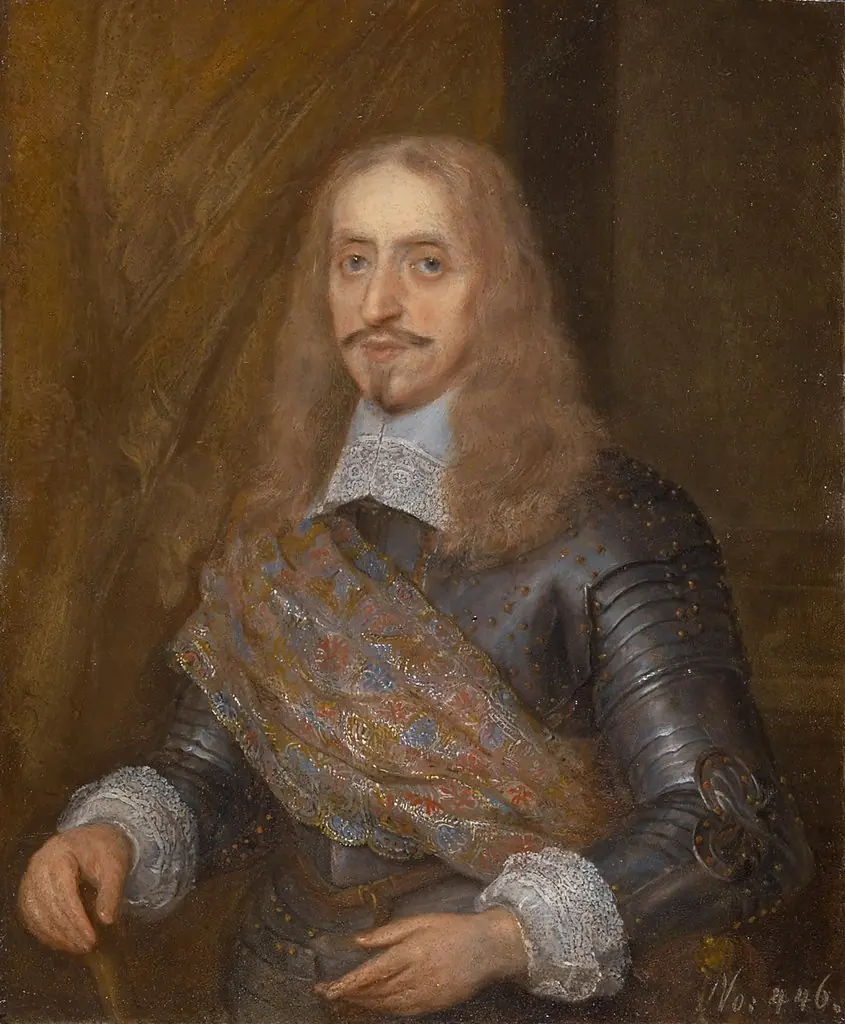 Leopold Wilhelm, geboren 1614, Bischof v. Passau u. Straßburg 1625, v. Halberstadt 1628, v. Olmütz 1637, v. Breslau 1655, Hoch- und Deutschmeister 1642, Statthalter d. Niederlande 1646-56, gestorben 1
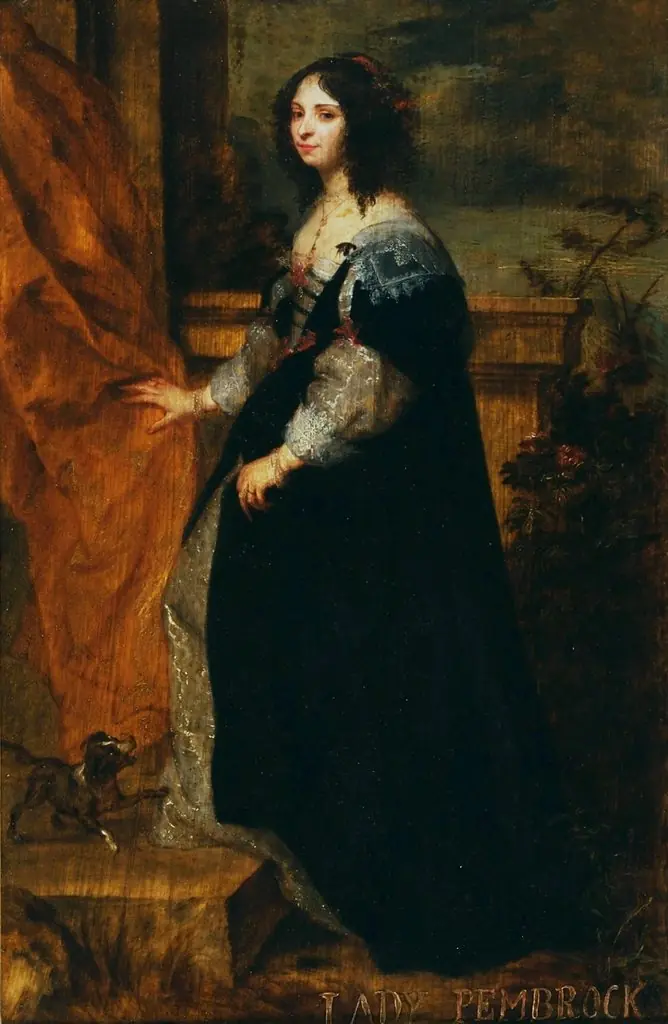 Portrait of Lady Pembrock
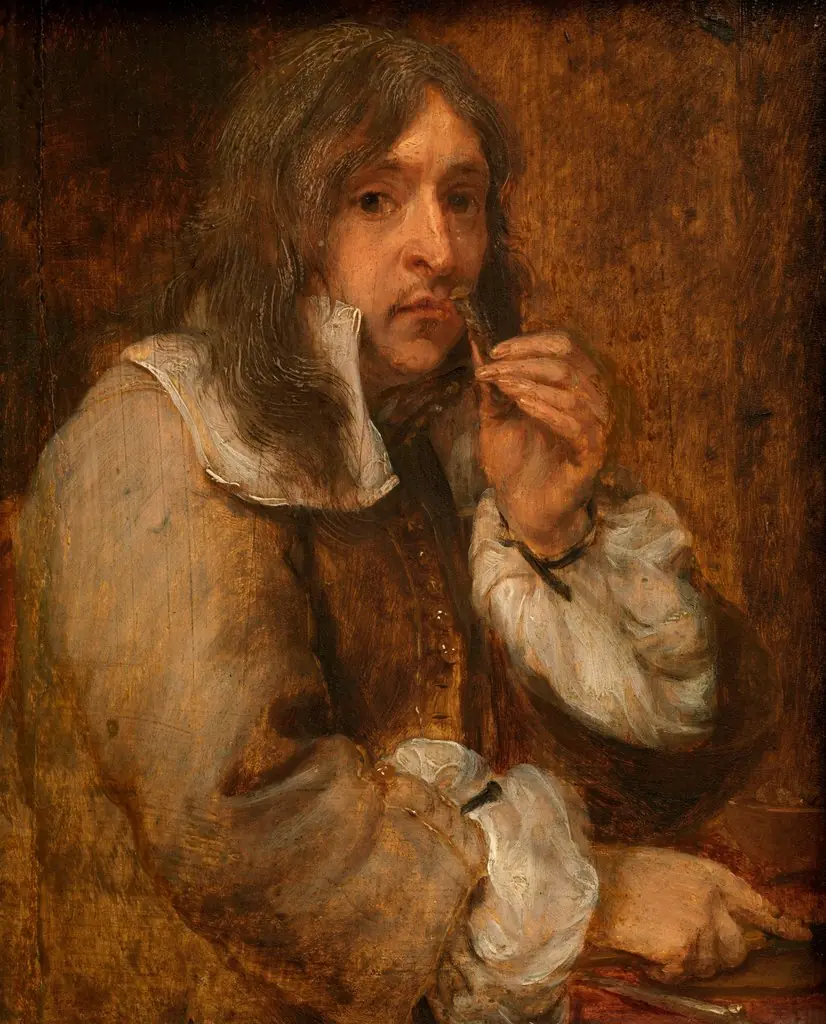 Smell
Smell Sight
Sight