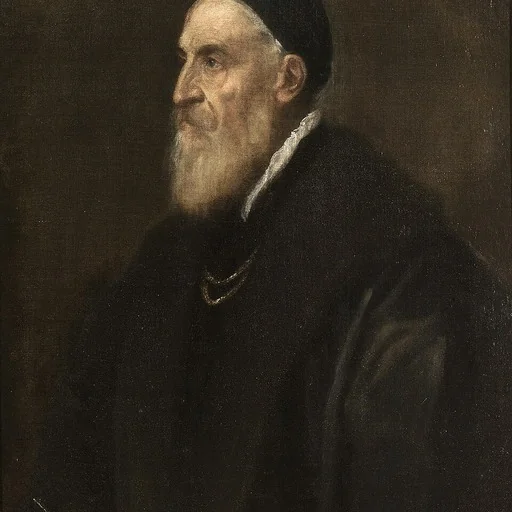
Genre
Portrait
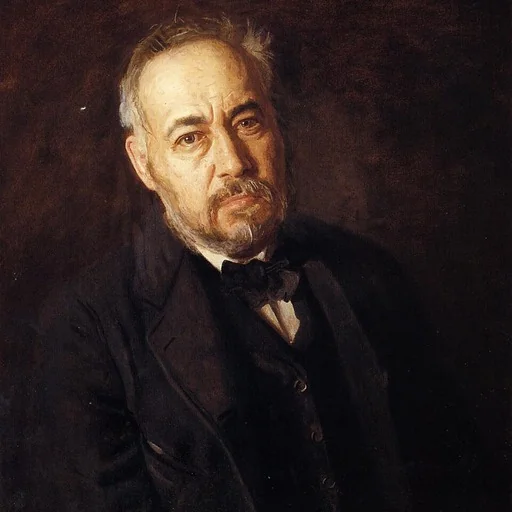
Portrait is an art genre. The gallery holds 33,435 works in this genre, including works by Titian, Thomas Eakins and Paolo Veronese.
Portraiture—the artistic representation of one or more specific persons—is among the oldest and most enduring genres in Western art, rooted in the human desire to fix a likeness against the erosion of time. Its ambitions were already evident in the funerary art of antiquity: the Fayum mummy portraits of Roman Egypt, painted between roughly the 1st and 3rd centuries CE on wooden panels in encaustic (pigment bound in hot beeswax) or tempera, fused Egyptian burial custom with Greco-Roman naturalism to preserve the deceased for eternity. Around 900 survive, their wide-eyed gazes startlingly immediate. From these beginnings the portrait carried a double charge it never lost: to record an individual's outward features and to suggest an inner life.
The genre was transformed in the Renaissance, when oil paint and humanist confidence in the individual converged. Jan van Eyck, a founder of Early Netherlandish painting, exploited the new medium's translucency in works such as the Arnolfini double portrait (1434) and the likely self-portrait "Man in a Red Turban" (1433). Hans Holbein the Younger brought a forensic precision of physiognomy and costume to the Tudor court, while in the Baroque era Rembrandt van Rijn made the human face a vehicle for psychological depth and Diego Velázquez achieved unprecedented presence in "Las Meninas" (1656). Defining techniques crystallized across these centuries: the calibrated pose, the eloquent hand, attributes that signal rank or profession, and a lighting that models character as much as form.
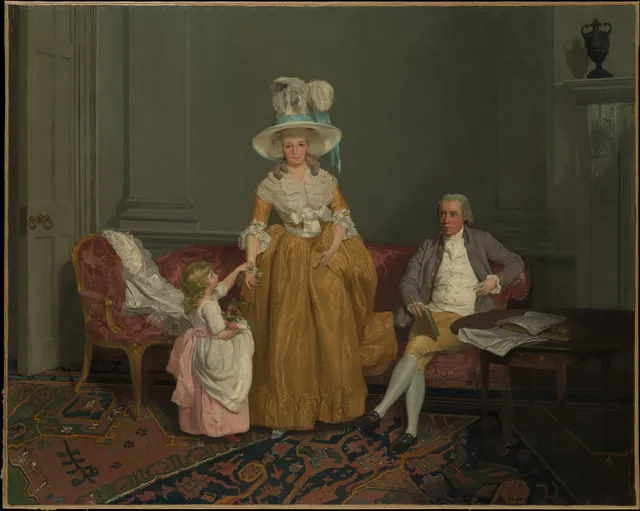
The eighteenth century elevated portraiture to high art through the Grand Manner, in which Sir Joshua Reynolds and Thomas Gainsborough borrowed classical and Van Dyckian poses to ennoble their sitters. This cosmopolitan moment is well represented in our collection: Richard Cosway's delicate "Portrait of Marianne Dorothy Harland," Francis Wheatley's "The Saithwaite Family" and Ralph Earl's American "Mrs. Noah Smith and Her Children" exemplify the era's group and conversation portraits, while Jean-Honoré Fragonard's luminous "Young Girl Reading" turns portraiture toward intimate reverie. Jacques-Louis David's "The Emperor Napoleon in His Study at the Tuileries" (1812) shows the genre harnessed to Neoclassical statecraft and political myth.
The nineteenth century brought rupture. Photography's daguerreotype democratized the likeness from the 1840s, freeing painters to experiment; Gustave Courbet's frank "The Woman in the Waves" and the bravura brushwork of John Singer Sargent and Édouard Manet pushed toward modern subjectivity. Portraiture remains a living dialogue between record and interpretation, feeding into self-portraiture, genre painting, and twentieth-century abstraction alike.
Key artists
Works
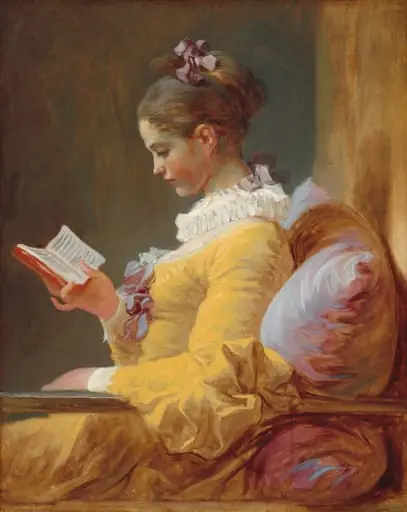 Young Girl Reading
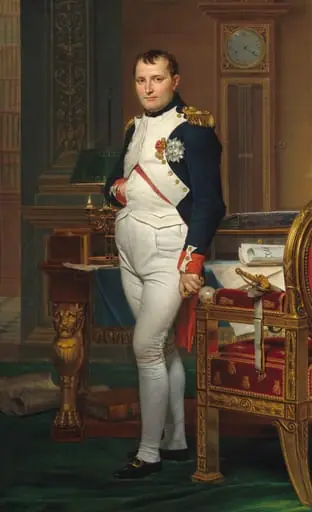 The Emperor Napoleon in His Study at the Tuileries
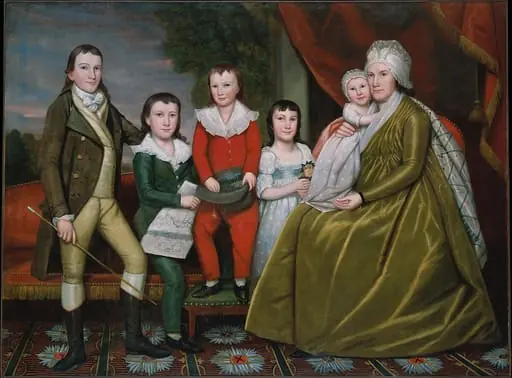 Mrs. Noah Smith and Her Children
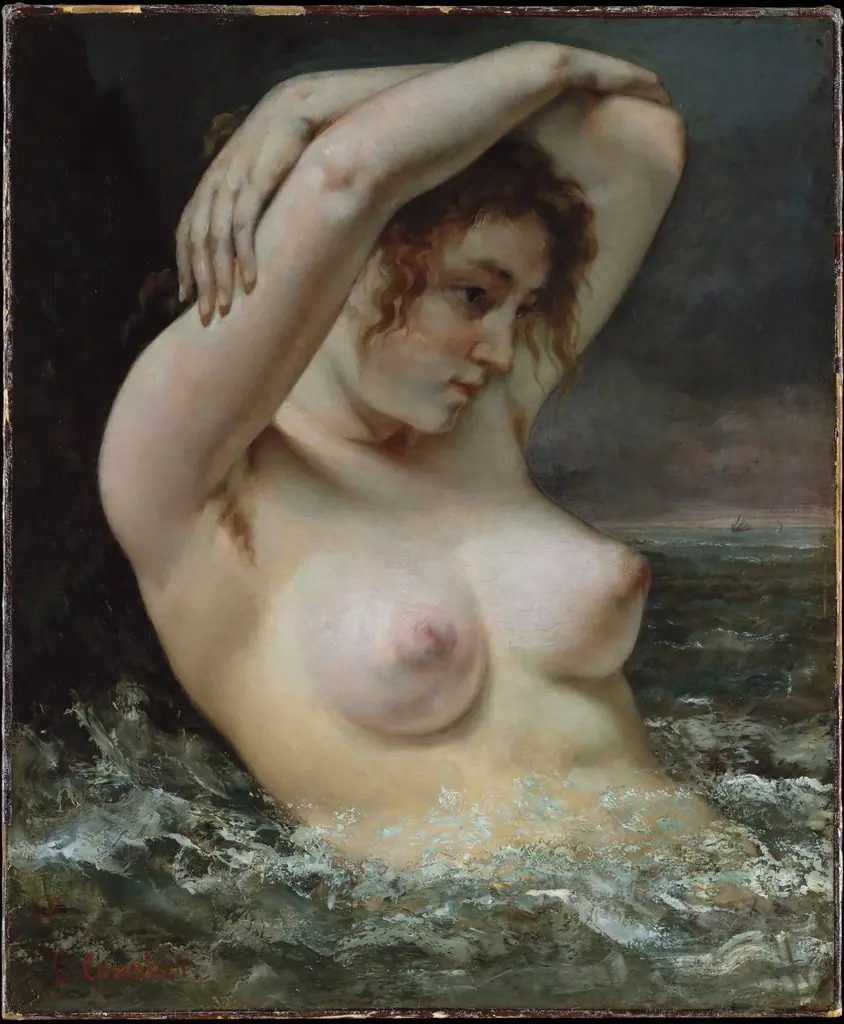 The Woman in the Waves
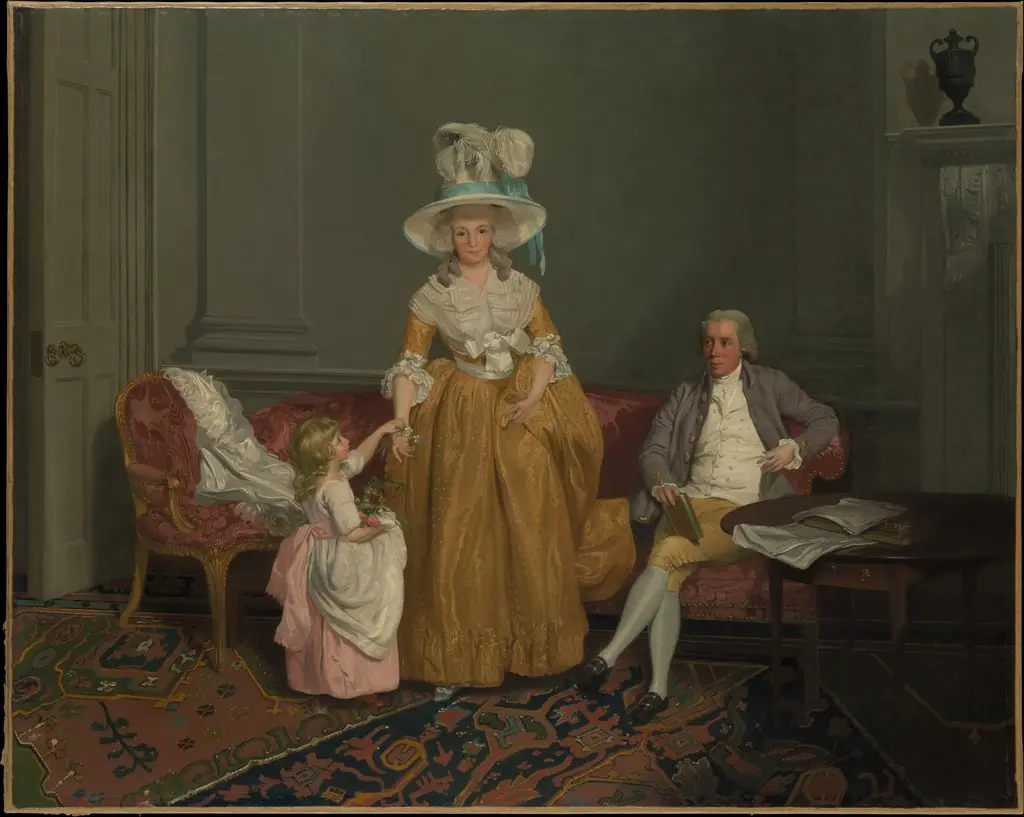 The Saithwaite Family
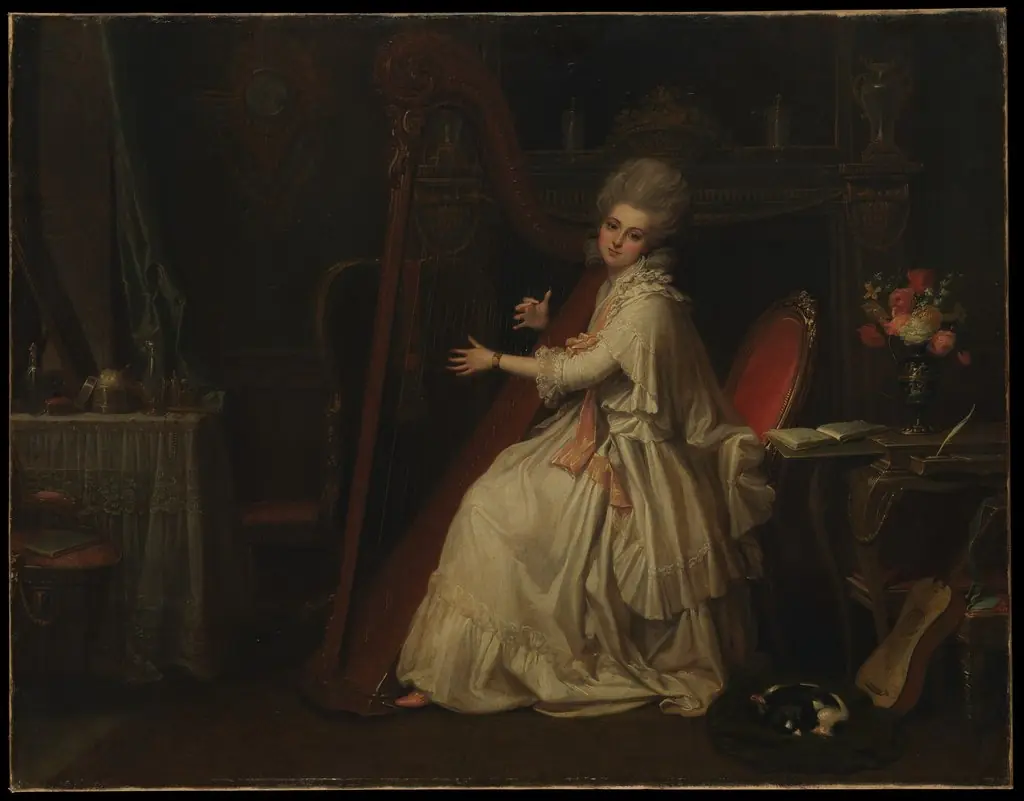 Portrait of Marianne Dorothy Harland (1759–1785), Later Mrs. William Dalrymple
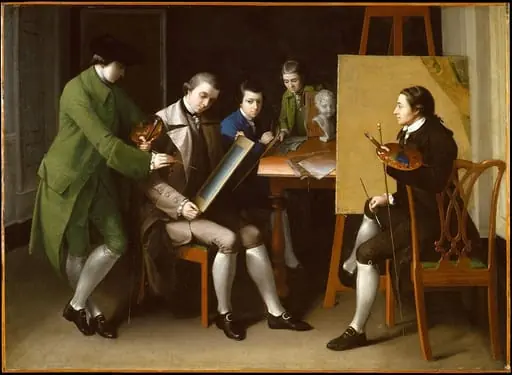 The American School
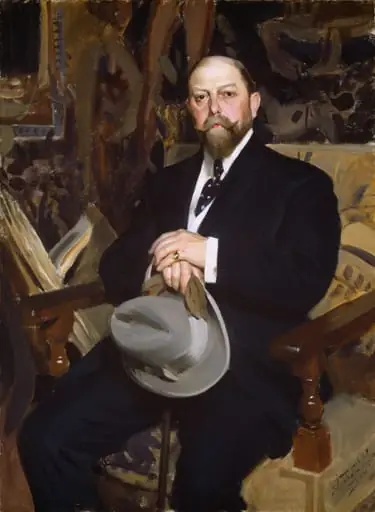 Hugo Reisinger
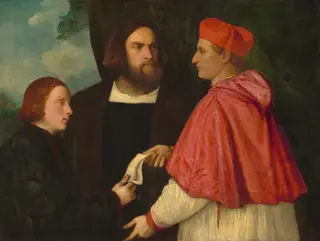 Giacomo and Cardinal Marco, investing Andrea, Abbot of San Zeno, with his Benefice
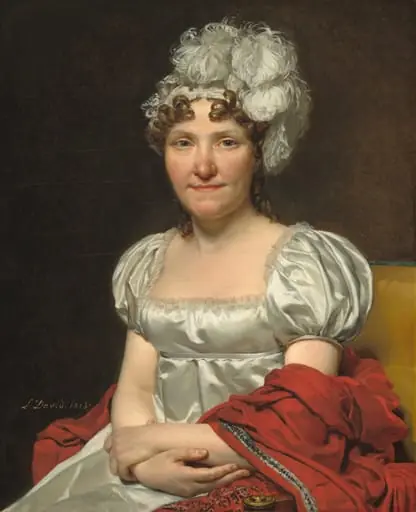 Madame David
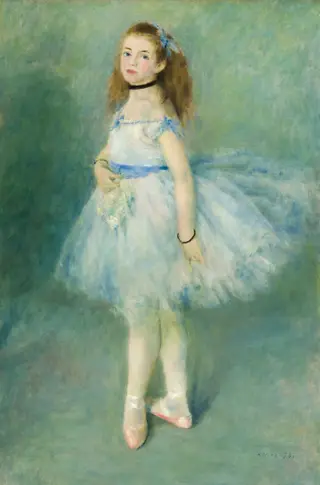 The Dancer
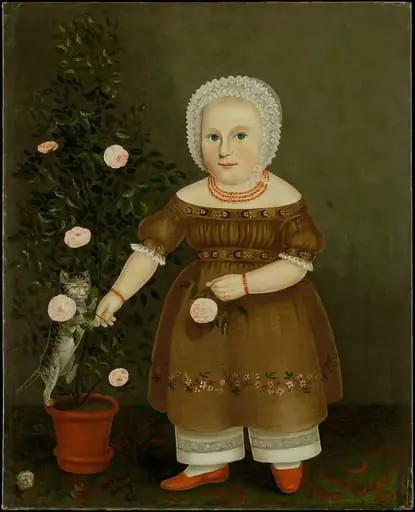 Emma Homan
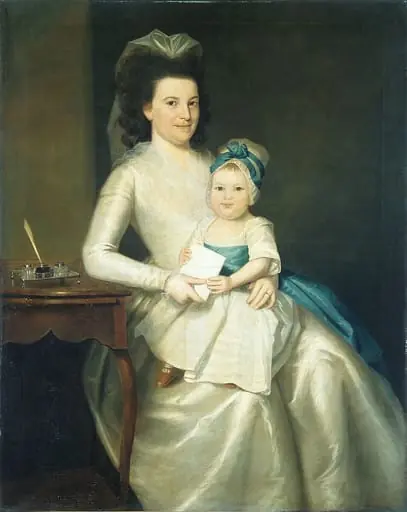 Lady Williams and Child
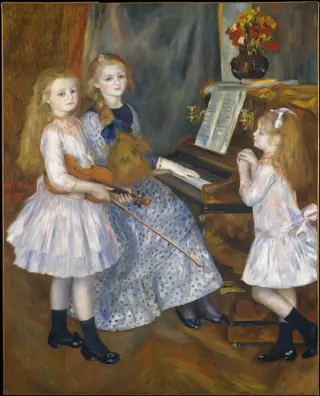 The Daughters of Catulle Mendès
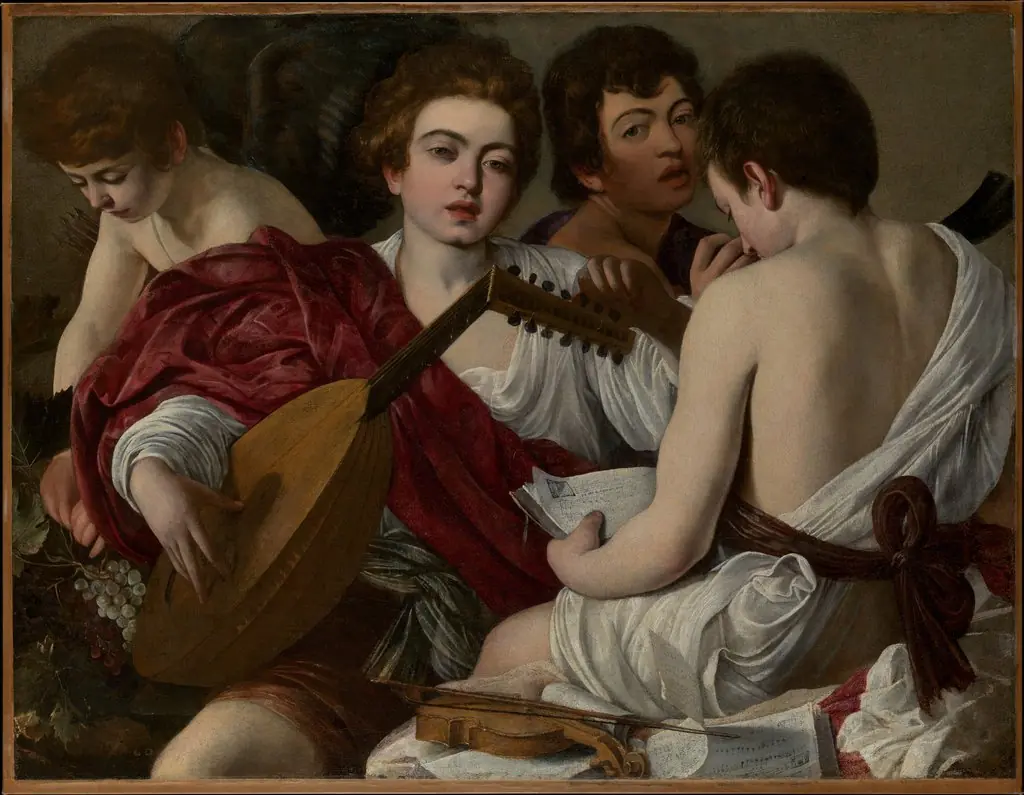 The Musicians
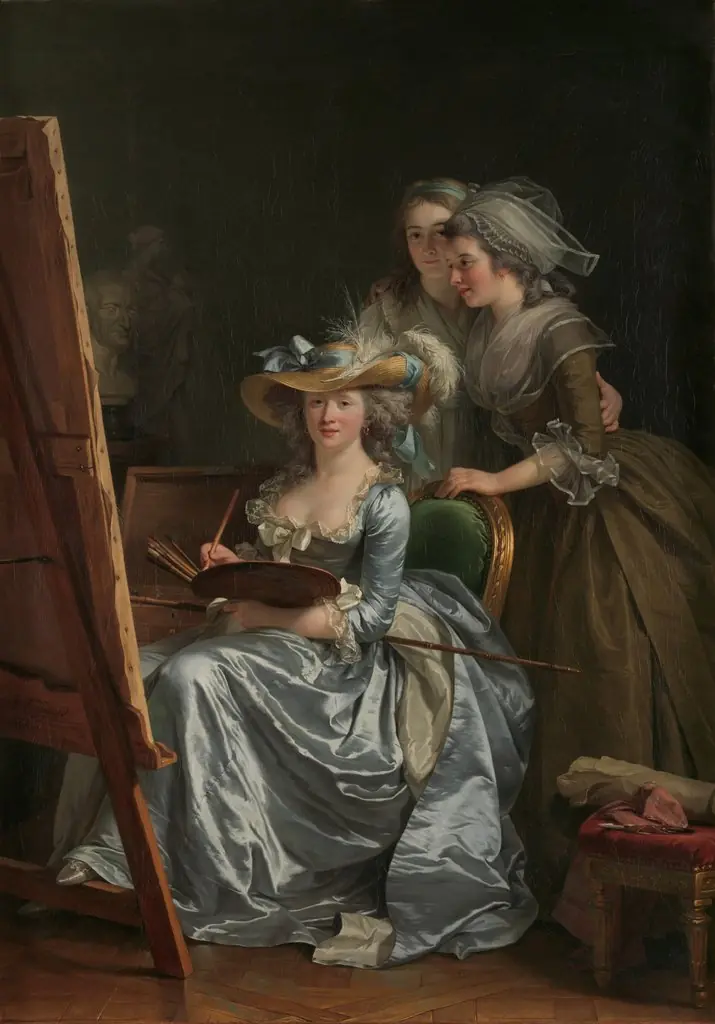 Self-Portrait with Two Pupils
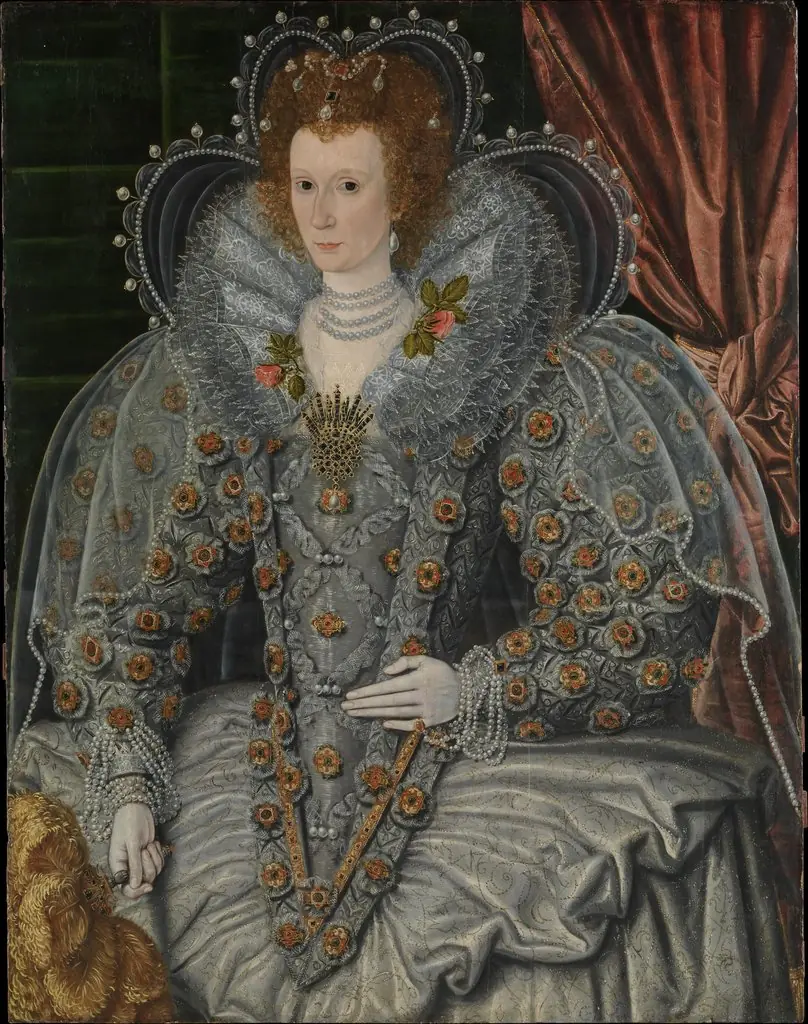 Portrait of a Woman
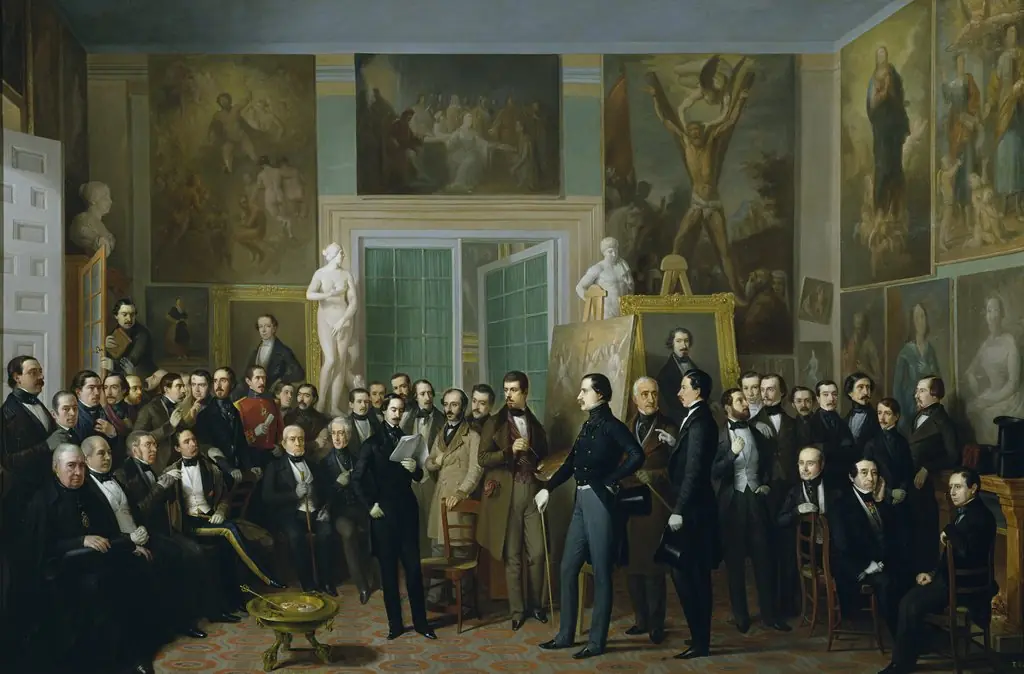 The Contemporary Poets. A Reading of Zorrilla in the Artist's Studio
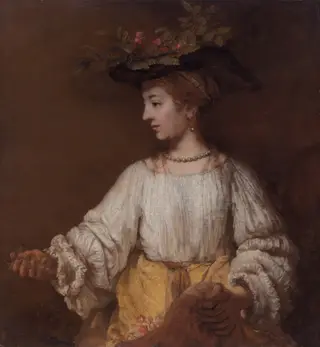 Flora
Flora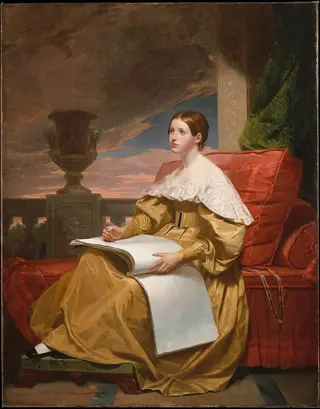 Susan Walker Morse (The Muse)
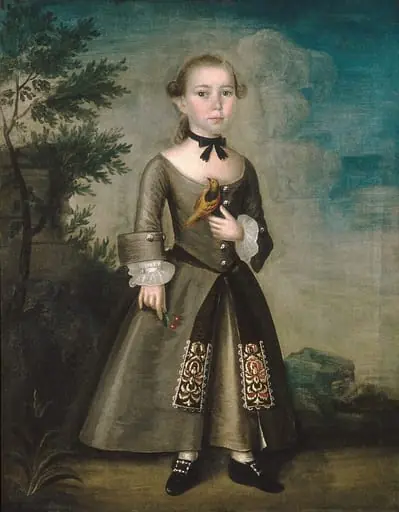 James Badger
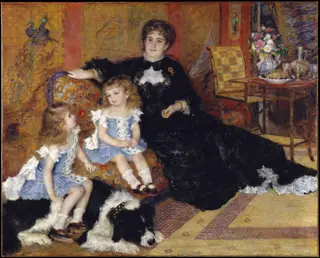 Madame Georges Charpentier and her Children
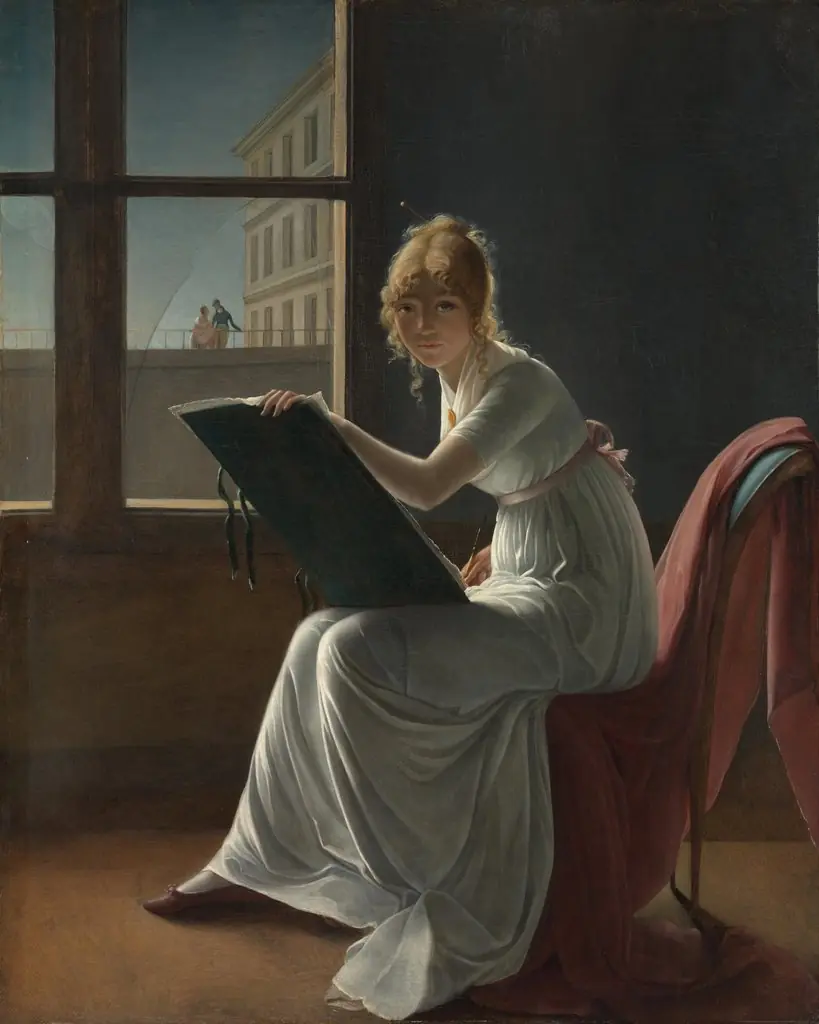 Portrait of Charlotte du Val d'Ognes
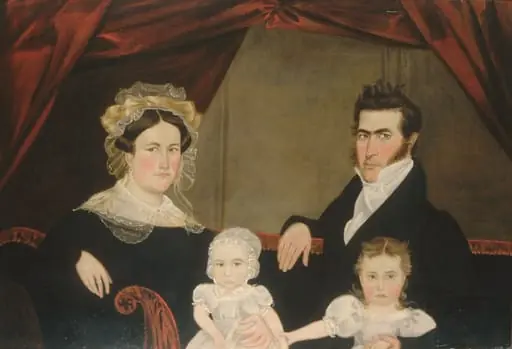 Family Group of Four on Sofa
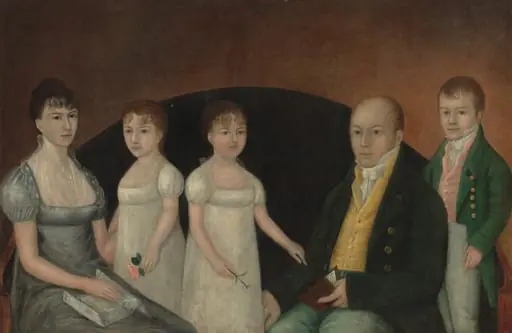 Family Group
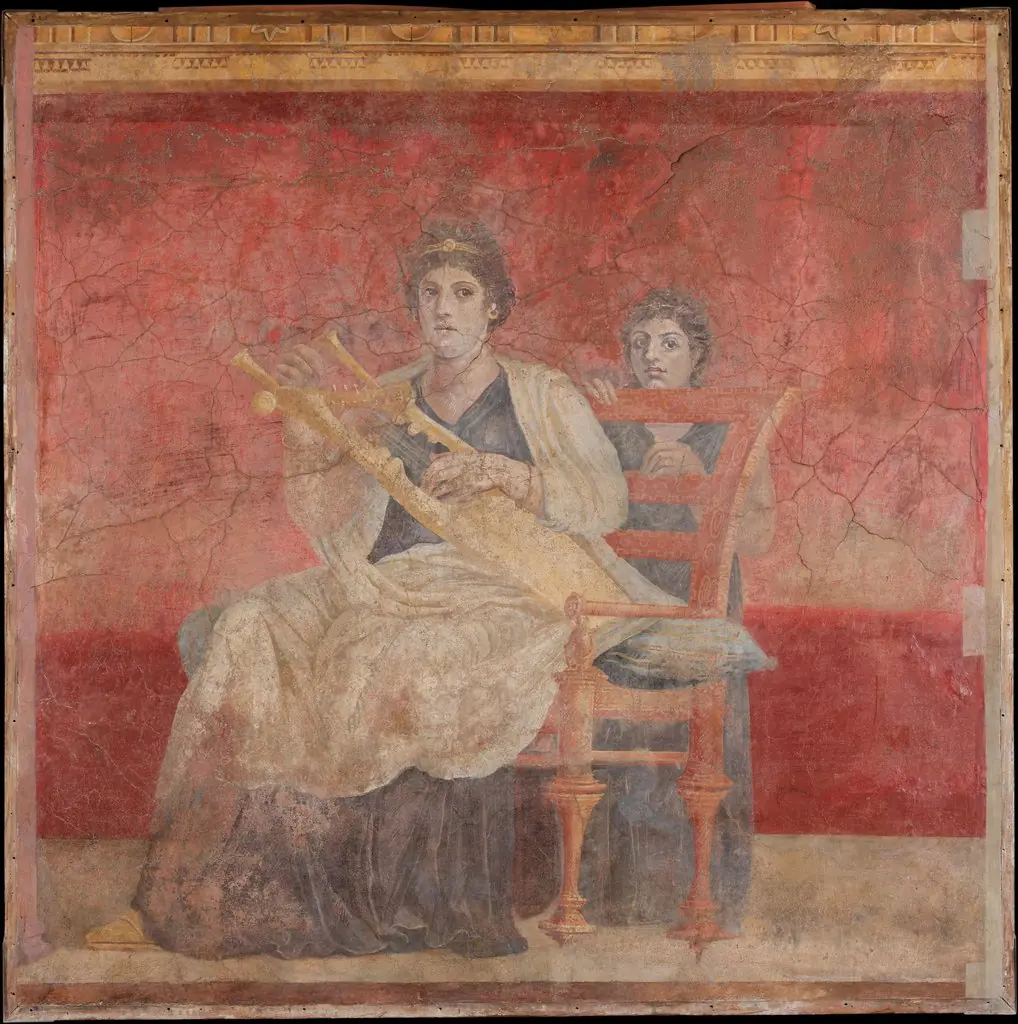 Wall painting from Room H of the Villa of P. Fannius Synistor at Boscoreale
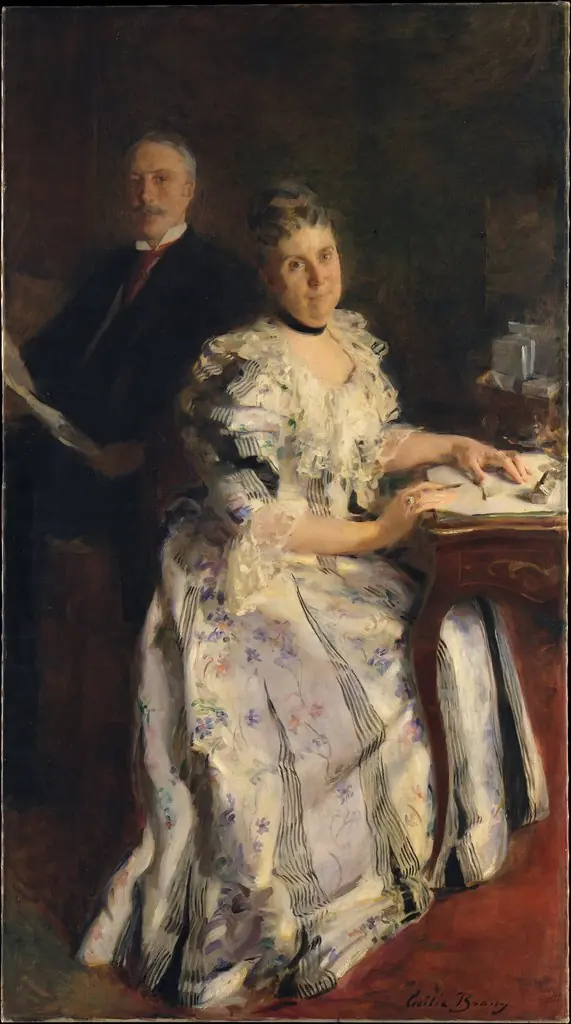 Mr. and Mrs. Anson Phelps Stokes
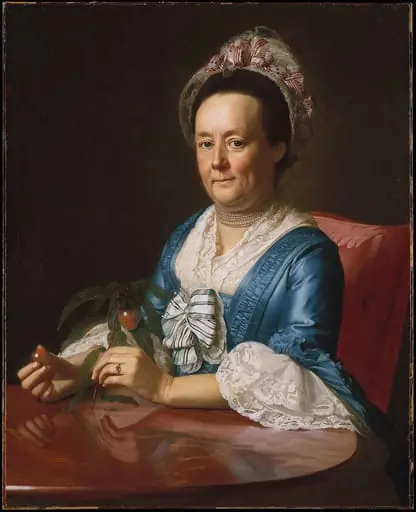 Mrs. John Winthrop
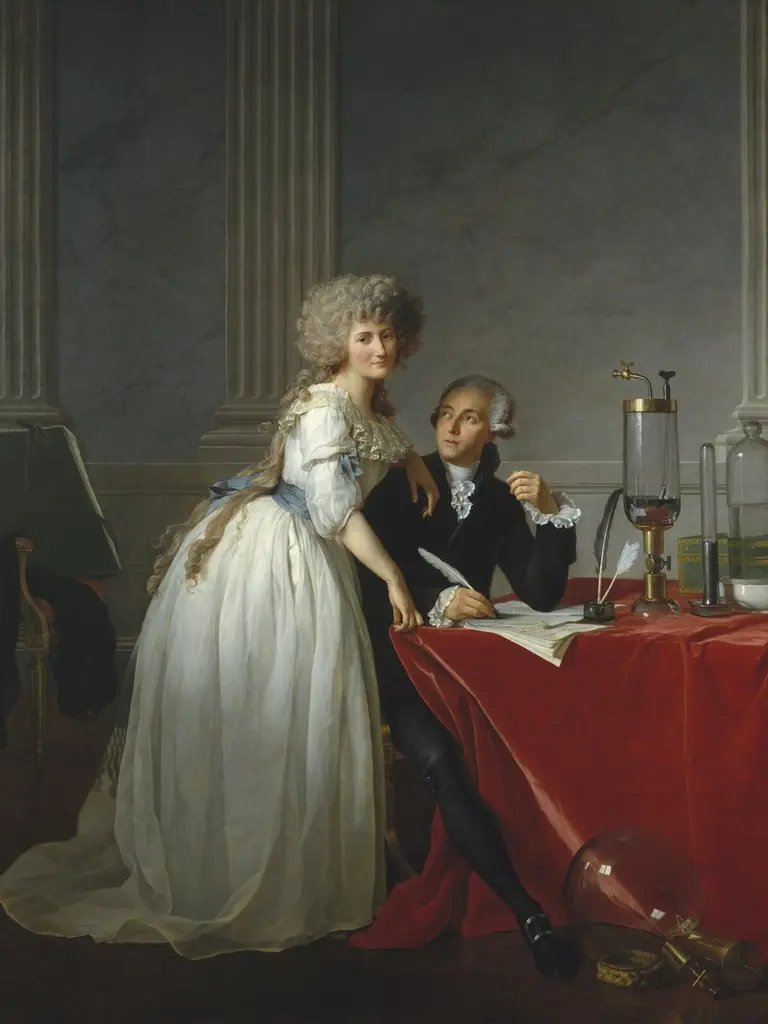 Portrait of Antoine-Laurent Lavoisier and his wife
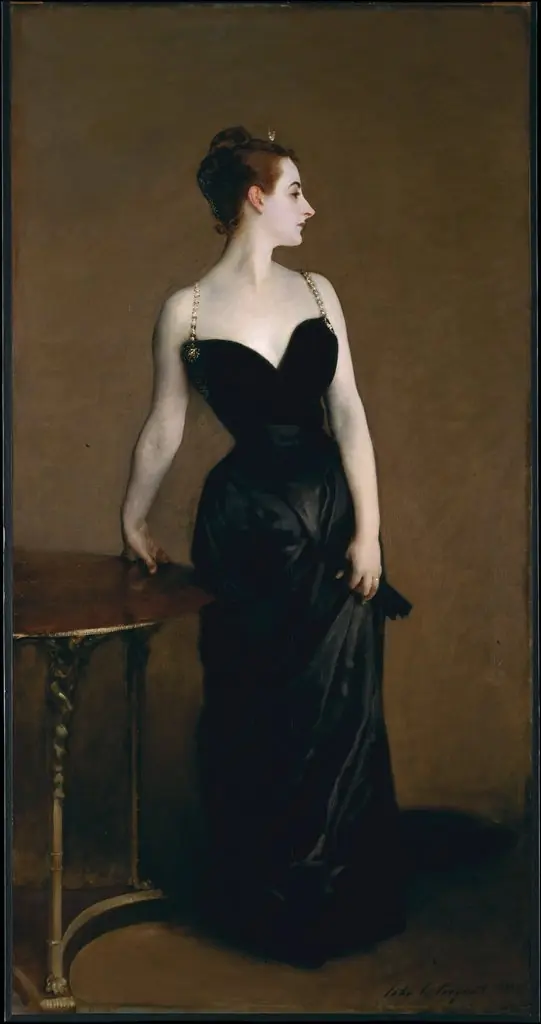 Madame X (Virginie Amélie Avegno Gautreau)
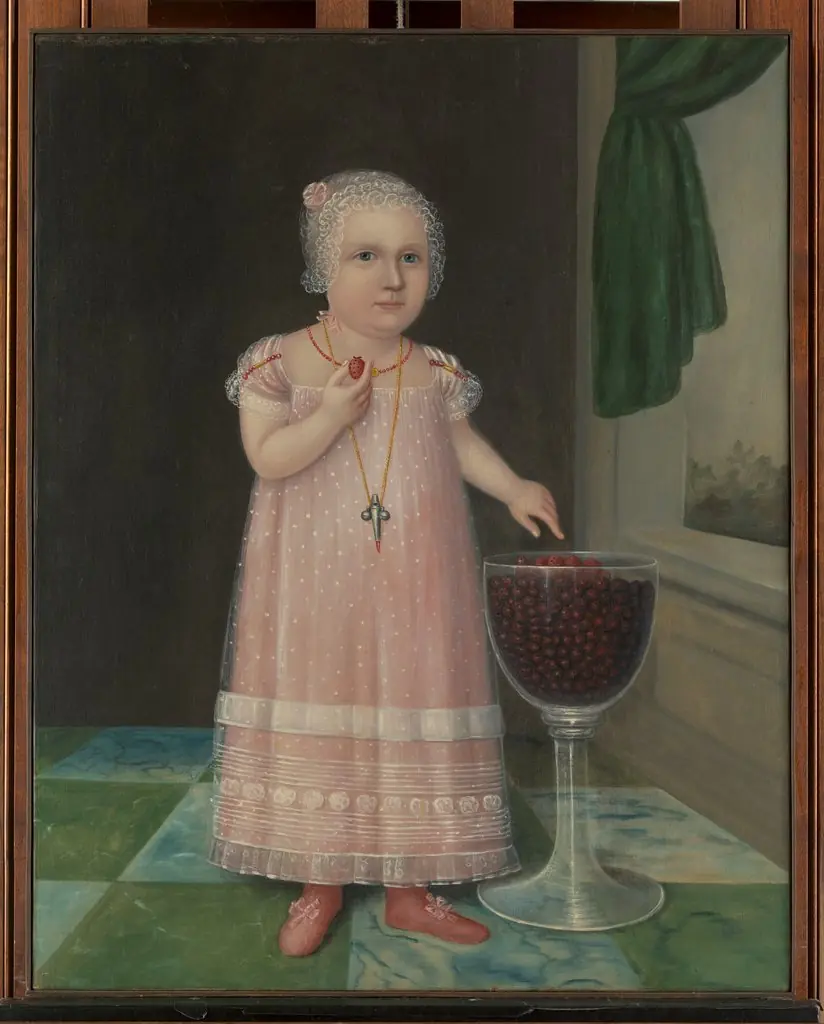 Emma Van Name
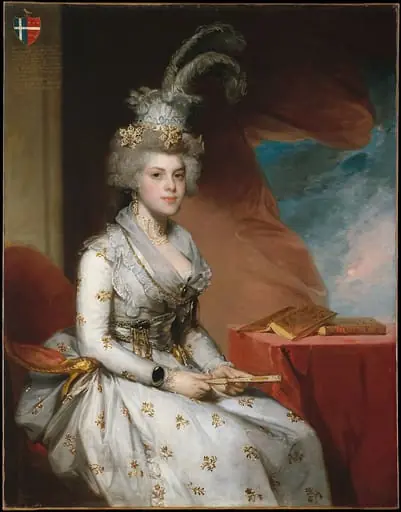 Matilda Stoughton de Jaudenes
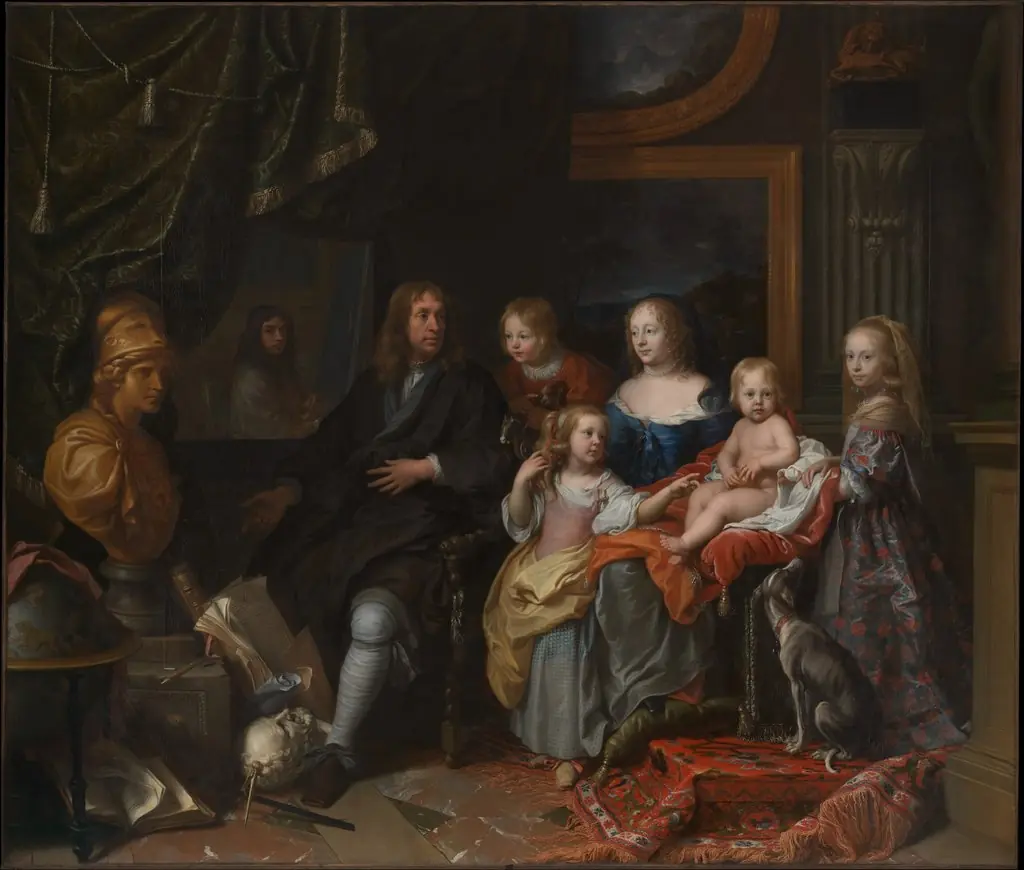 Everhard Jabach (1618–1695) and His Family
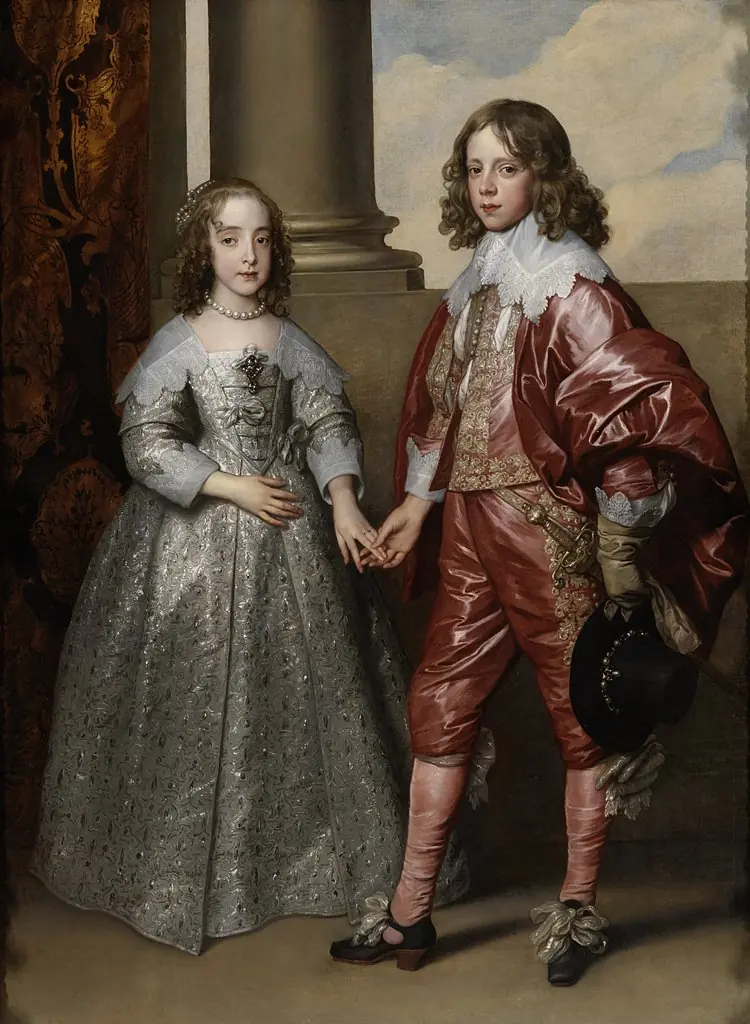 William II, Prince of Orange, and his Bride, Mary Stuart
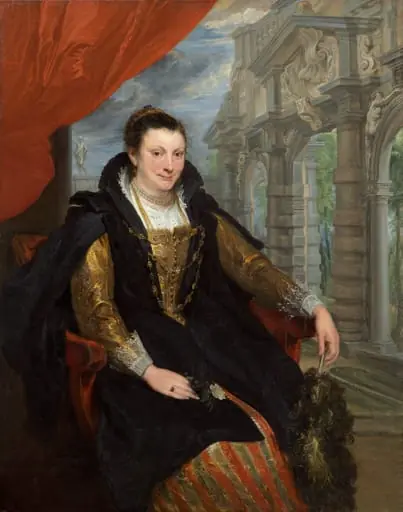 Isabella Brant
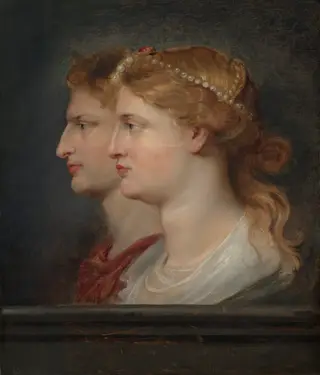 Agrippina and Germanicus
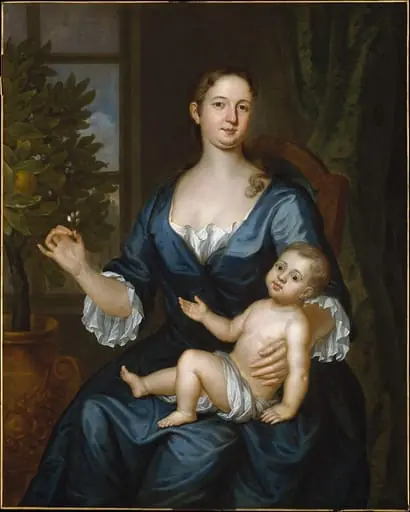 Mrs. Francis Brinley and Her Son Francis
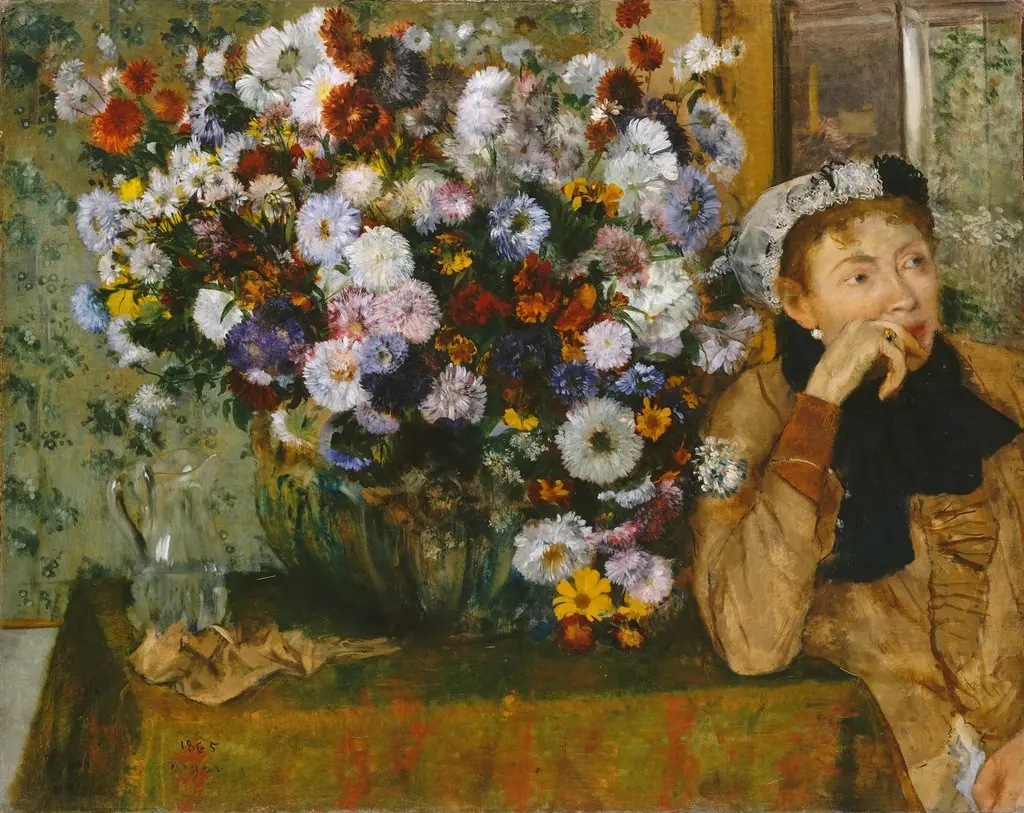 A Woman Seated beside a Vase of Flowers
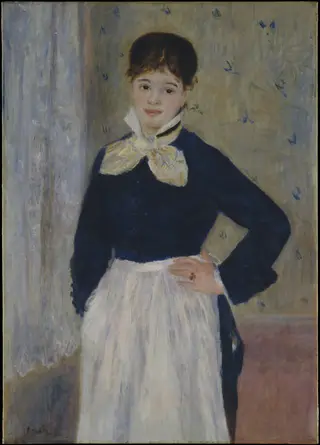 A Waitress at Duval's Restaurant
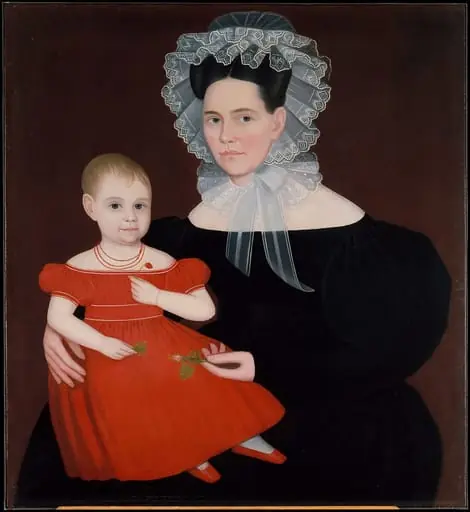 Mrs. Mayer and Daughter
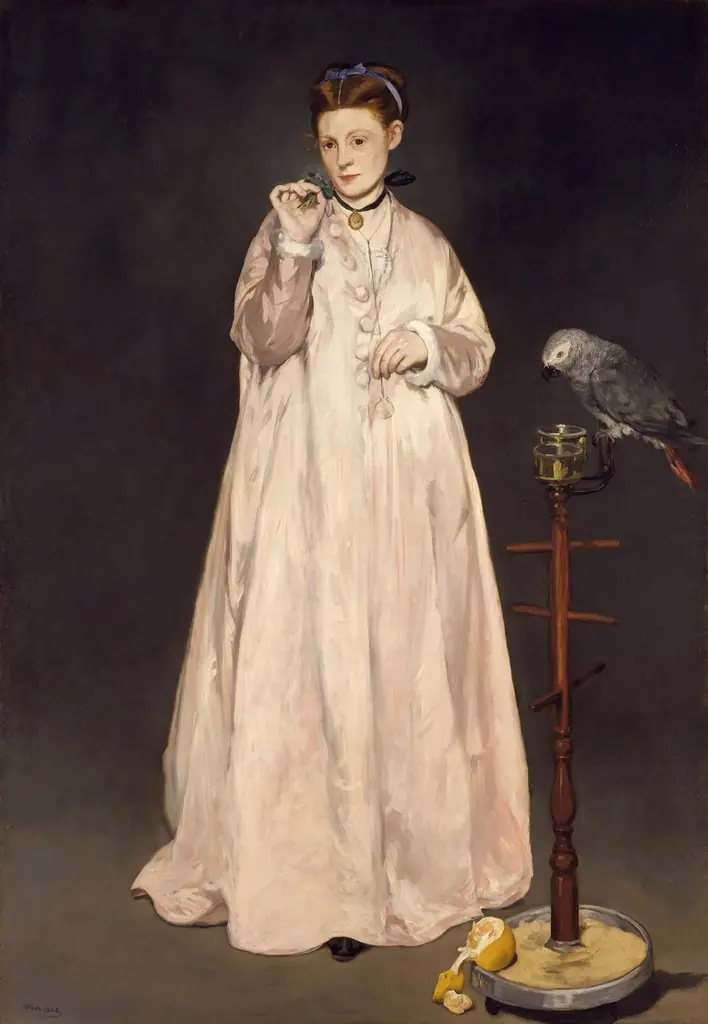 Young Lady in 1866
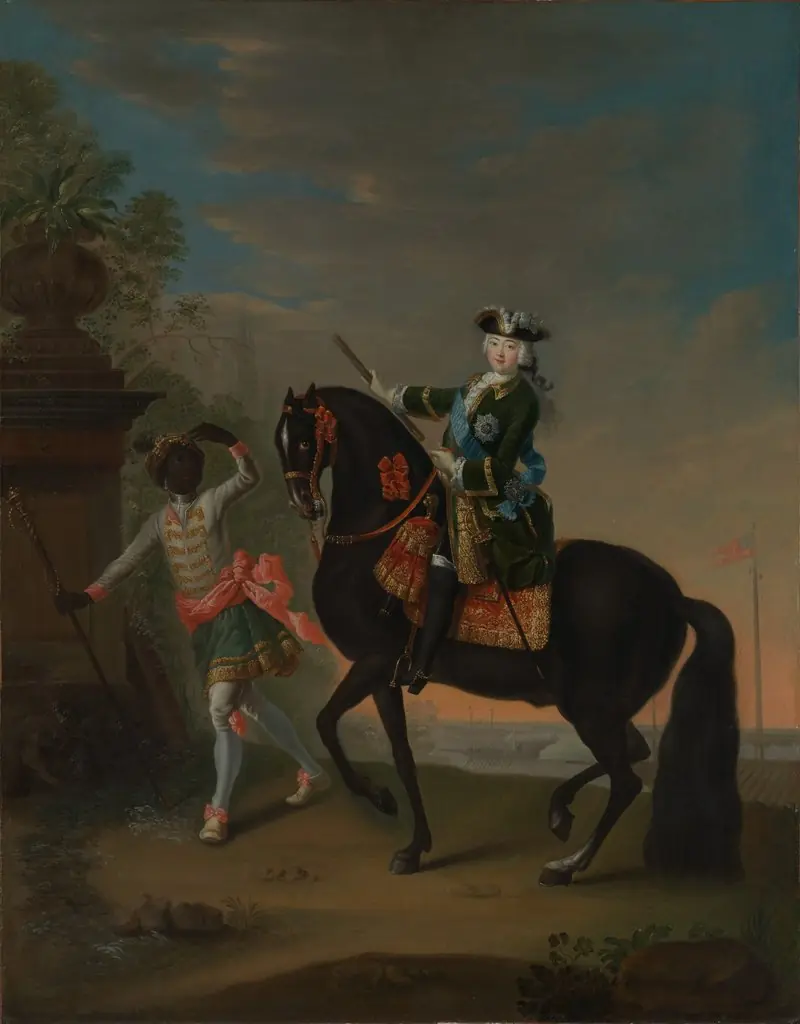 The Empress Elizabeth of Russia (1709–1762) on Horseback, Attended by a Page
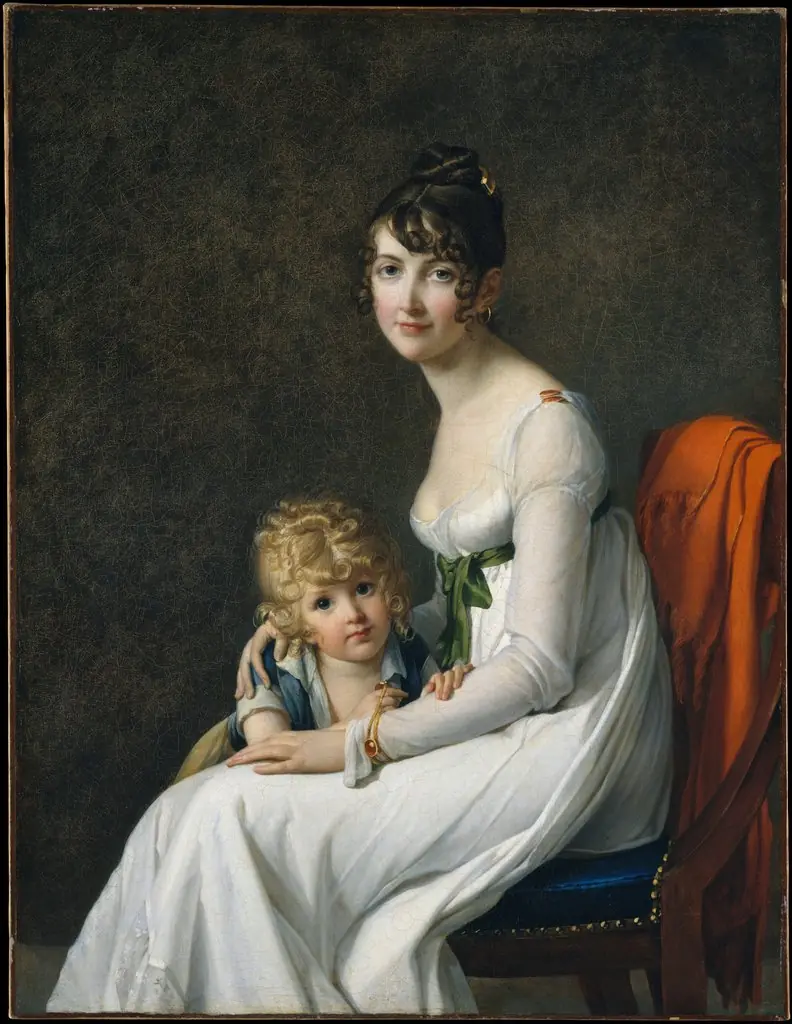 Madame Philippe Panon Desbassayns de Richemont (Jeanne Eglé Mourgue, 1778–1855) and Her Son, Eugène (1800–1859)
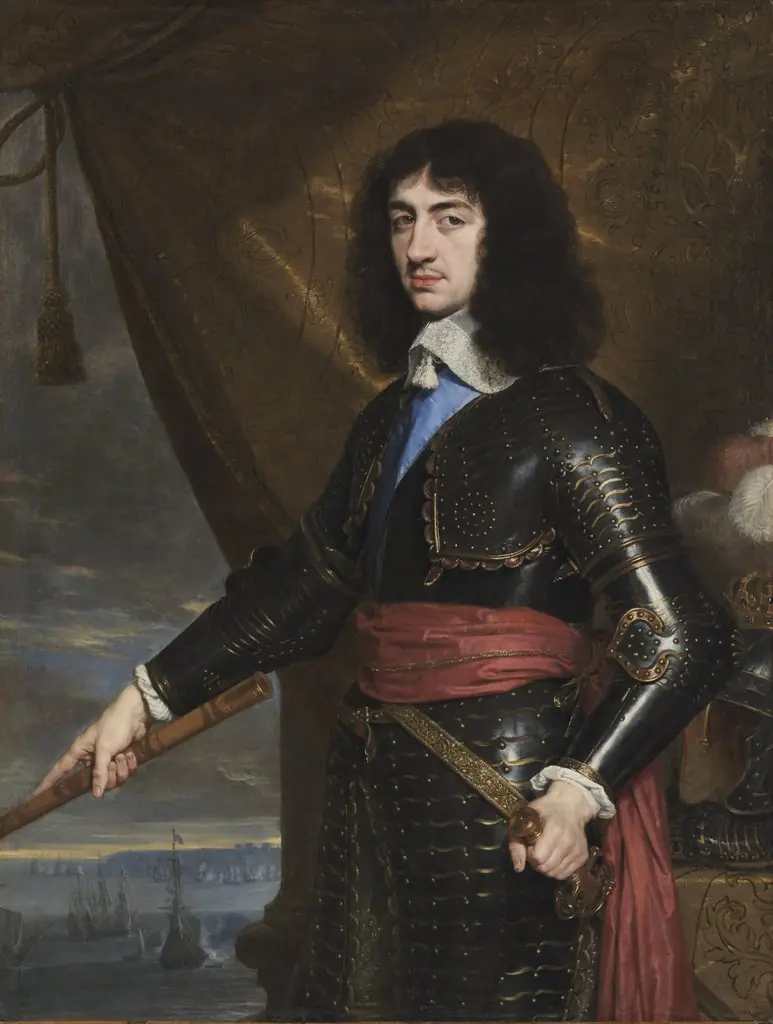 Portrait of King Charles II of England
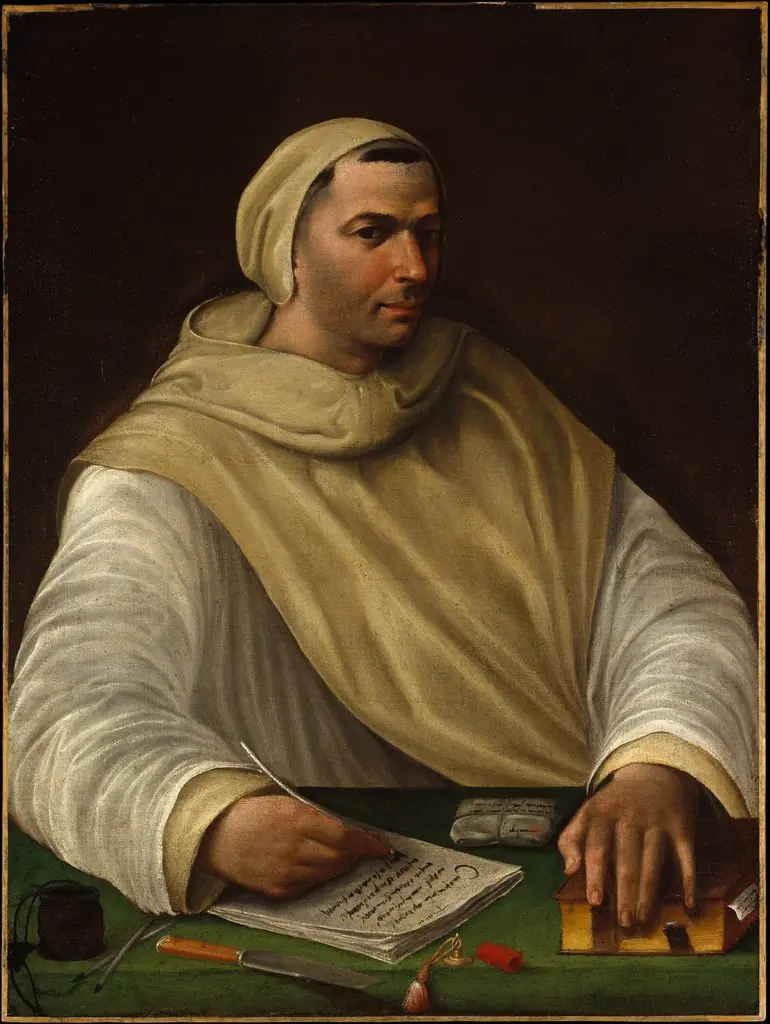 Portrait of an Olivetan Monk
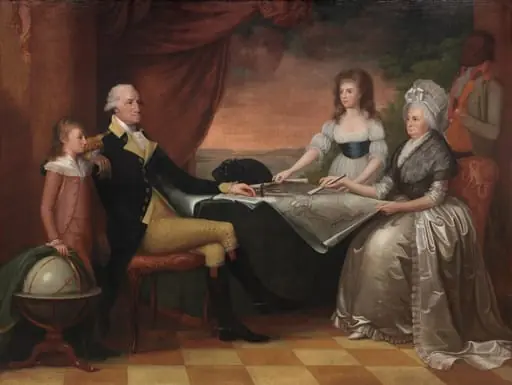 The Washington Family
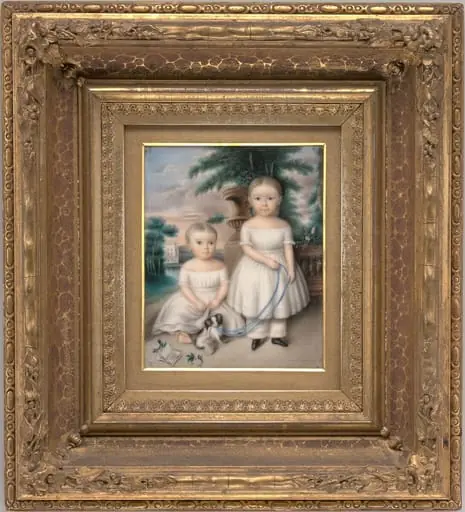 Watson Van Benthuysen II and Thomas Van Benthuysen
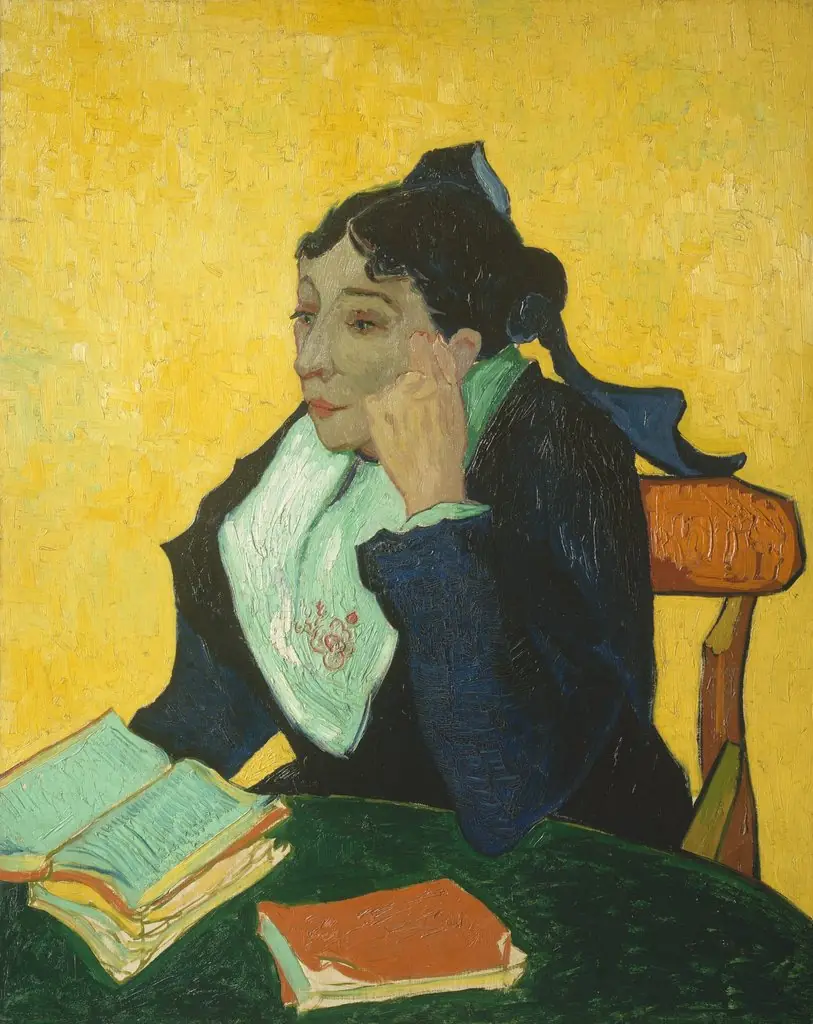 L'Arlésienne
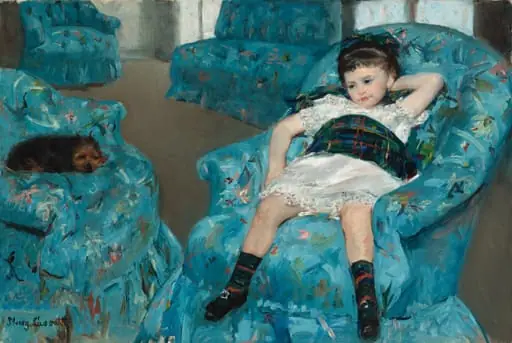 Little Girl in a Blue Armchair
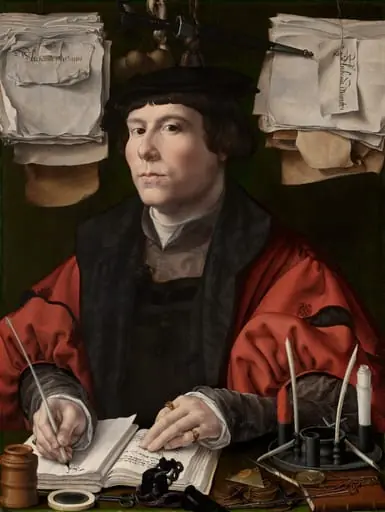 Portrait of a Man, possibly Jan Snoeck
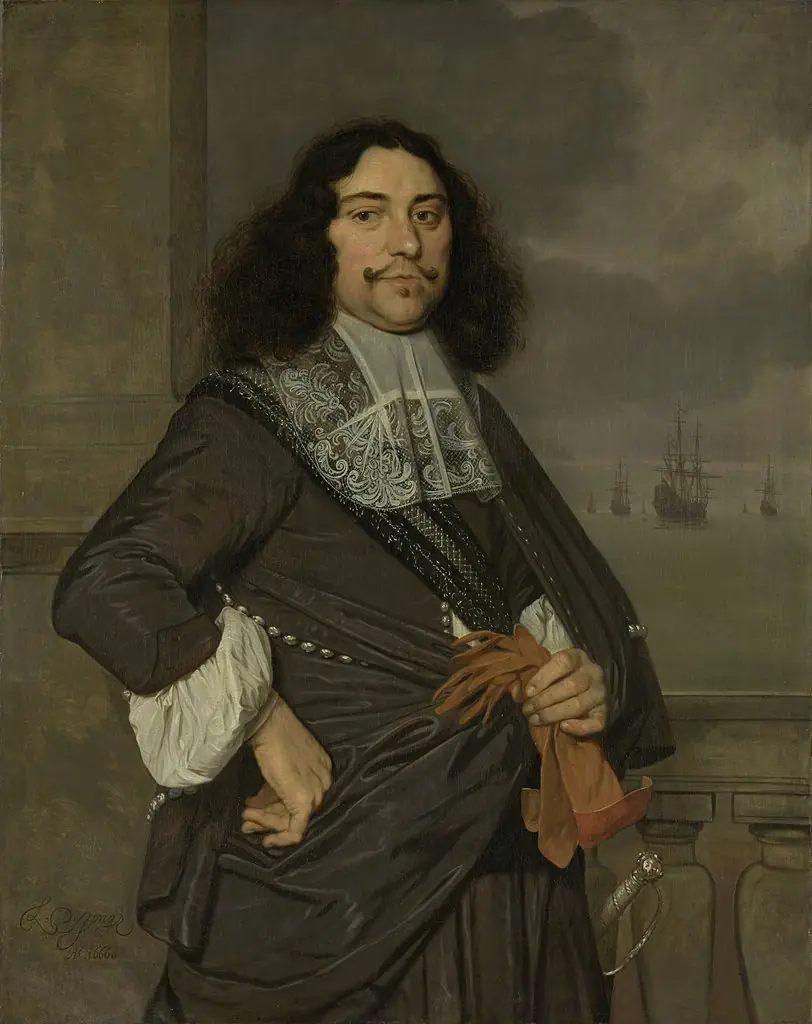 Portrait of Jan van Nes (1631-80). Vice admiral of Holland and West-Friesland
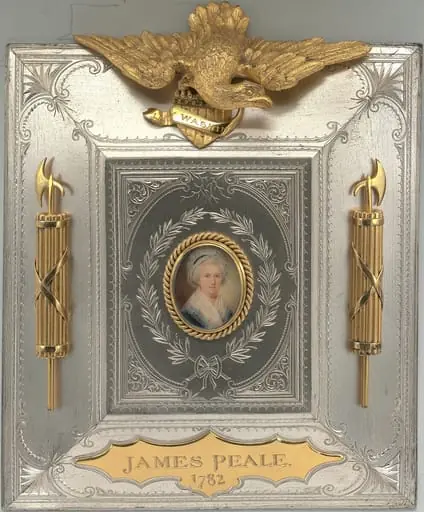 Martha Washington
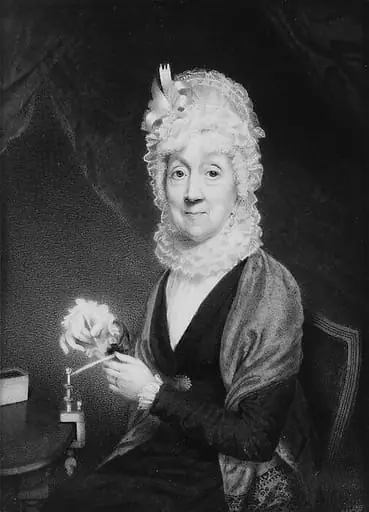 Portrait of a Lady
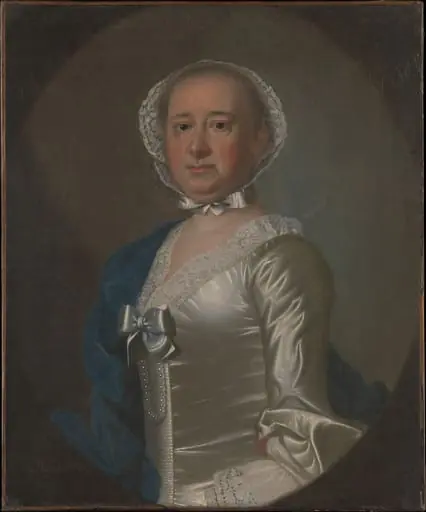 Mrs. Gabriel Manigault
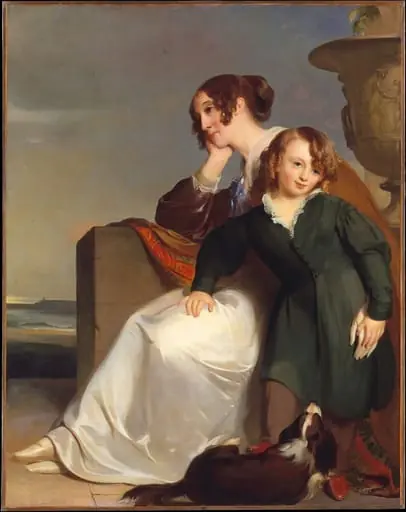 Mother and Son
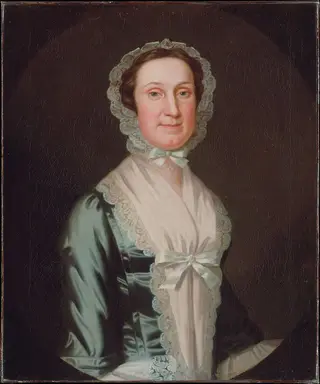 Mrs. Joseph Reade
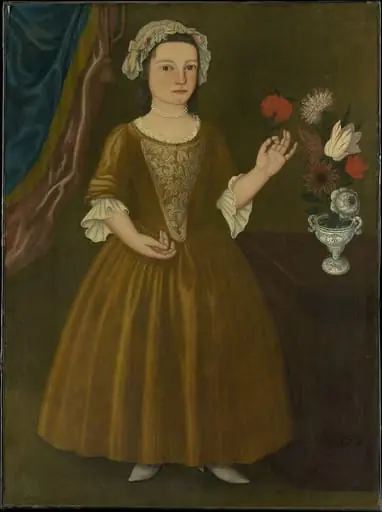 Catherina Elmendorf
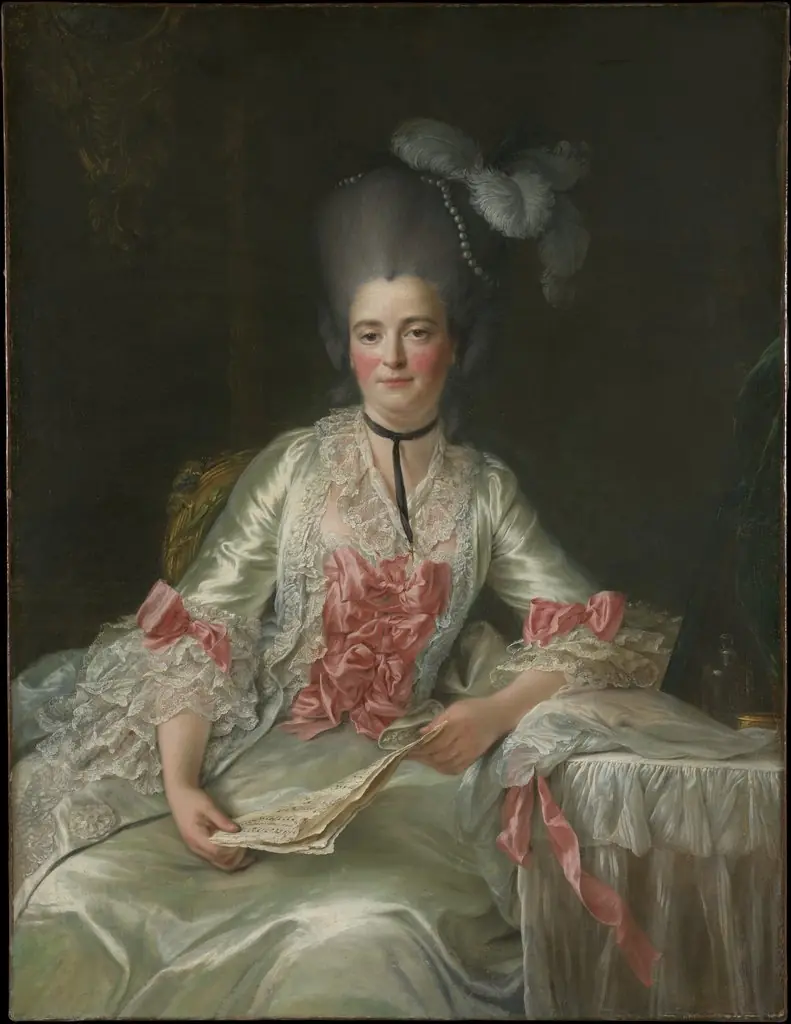 Marie Rinteau, called Mademoiselle de Verrières
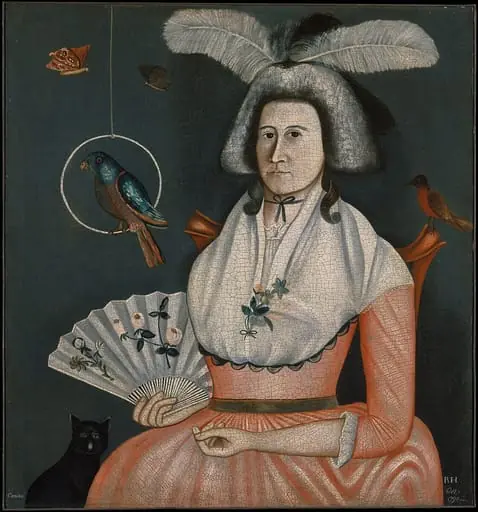 Molly Wales Fobes
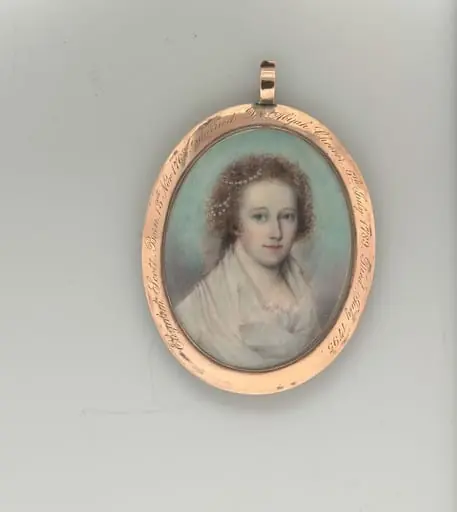 Mrs. Abijah Cheever (Elizabeth Scott)
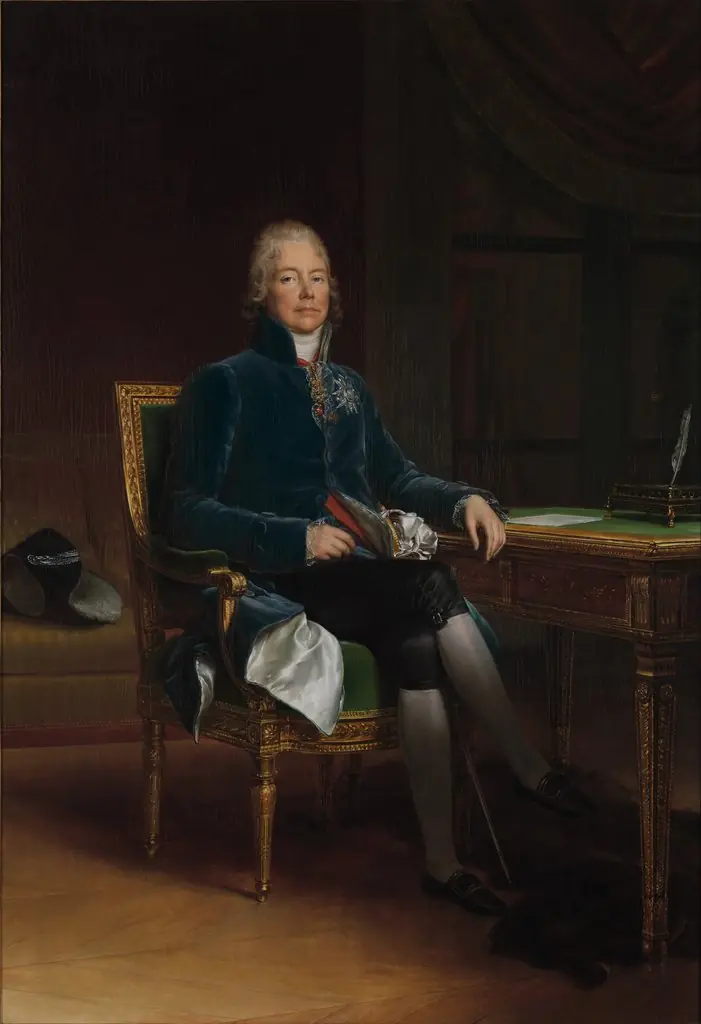 Charles Maurice de Talleyrand Périgord (1754–1838), Prince de Bénévent
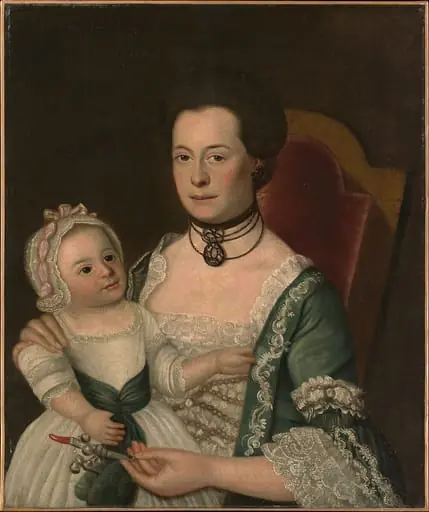 Mrs. Jacob Hurd and Child
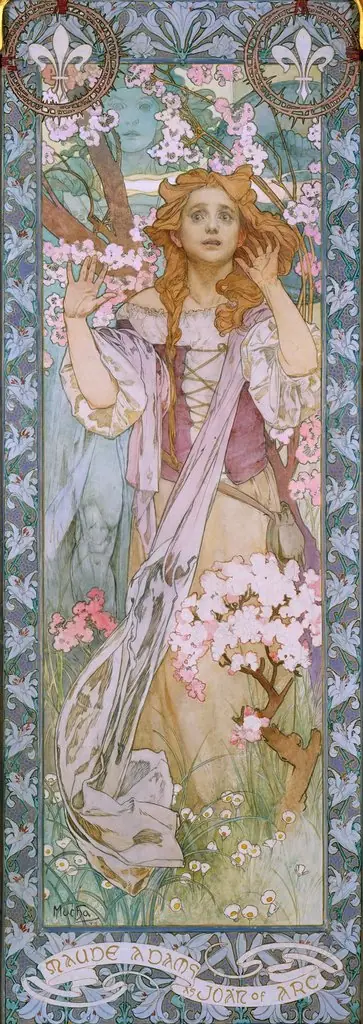 Maude Adams (1872–1953) as Joan of Arc
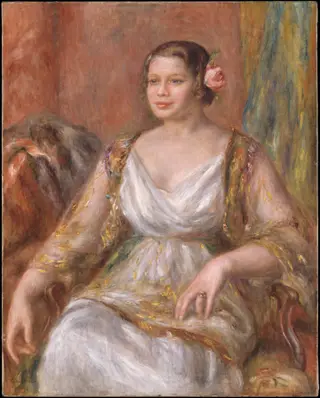 Tilla Durieux
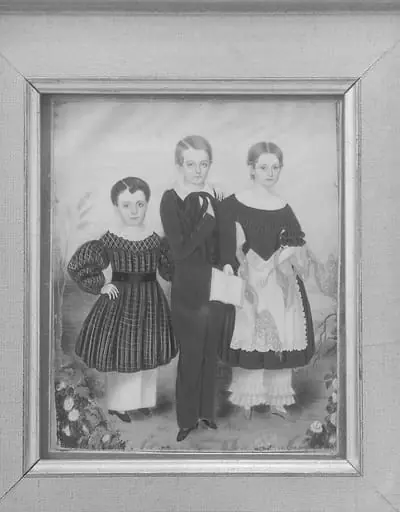 The Starbird Children
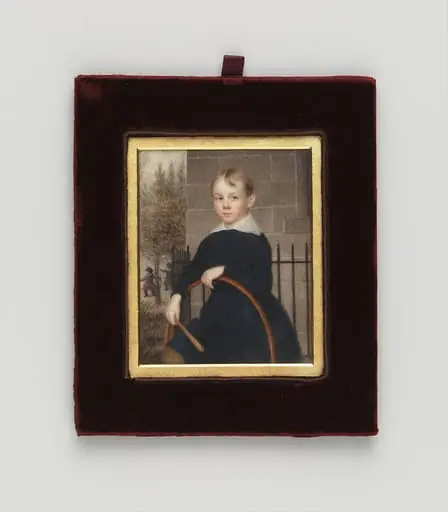 Paul Joseph Revere
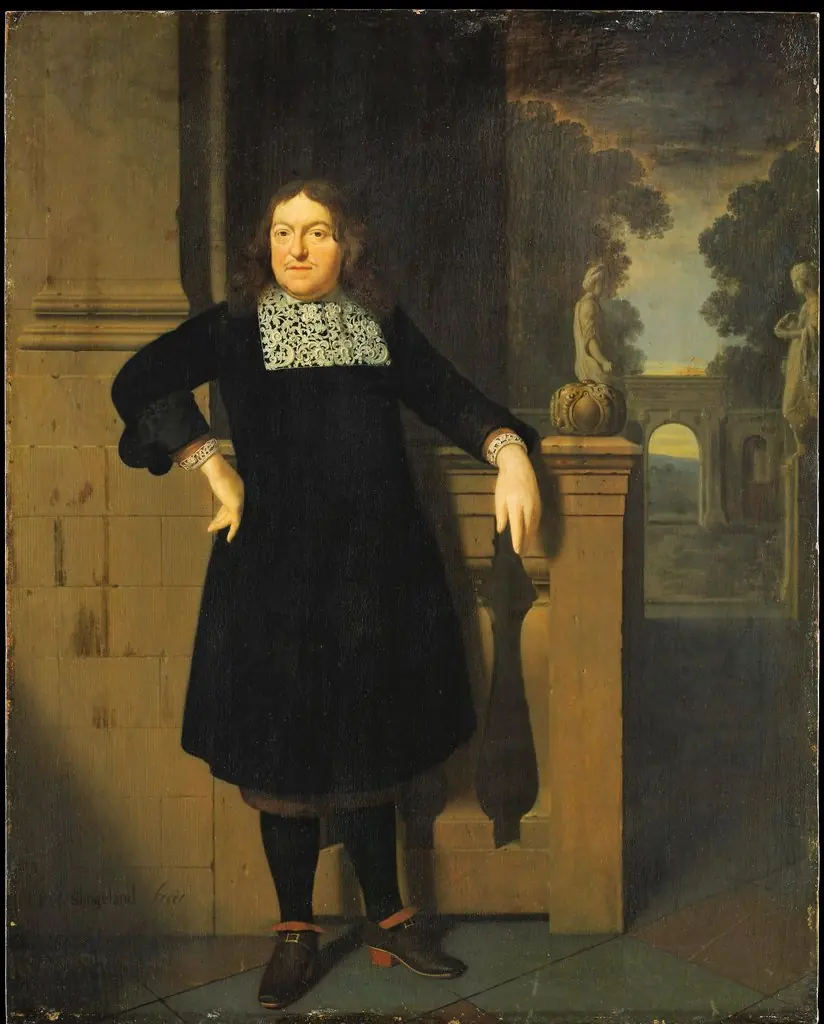 Portrait of Johan Hulshout (1623–1687)
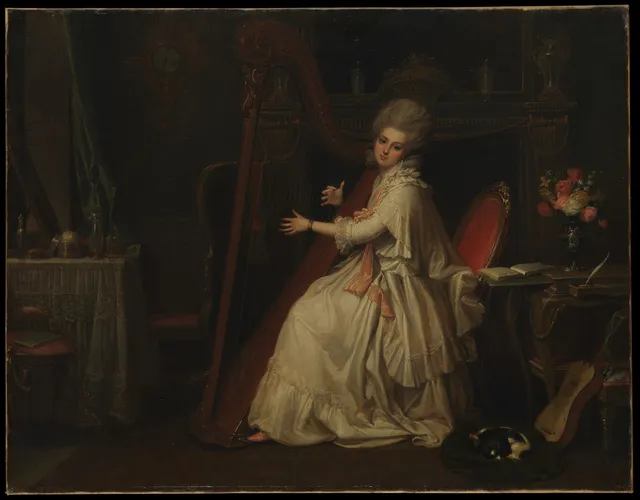
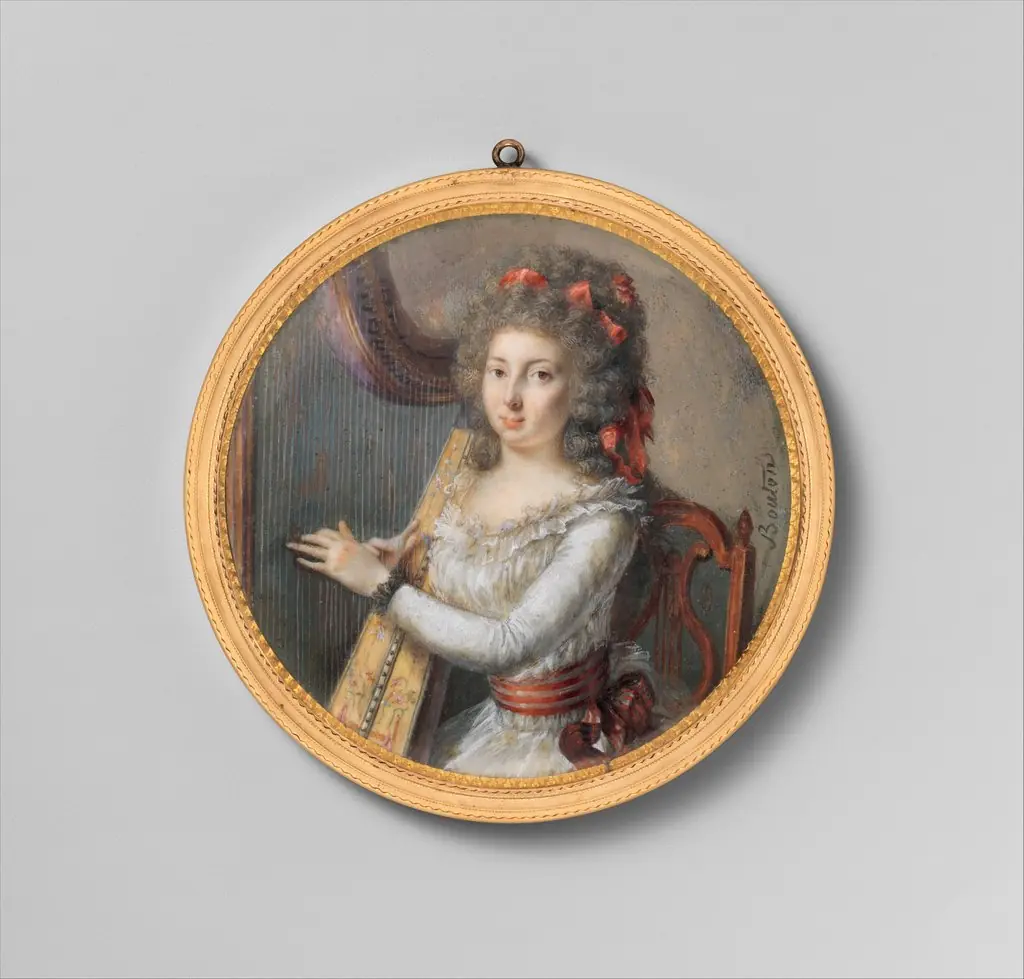 A Woman Playing a Harp
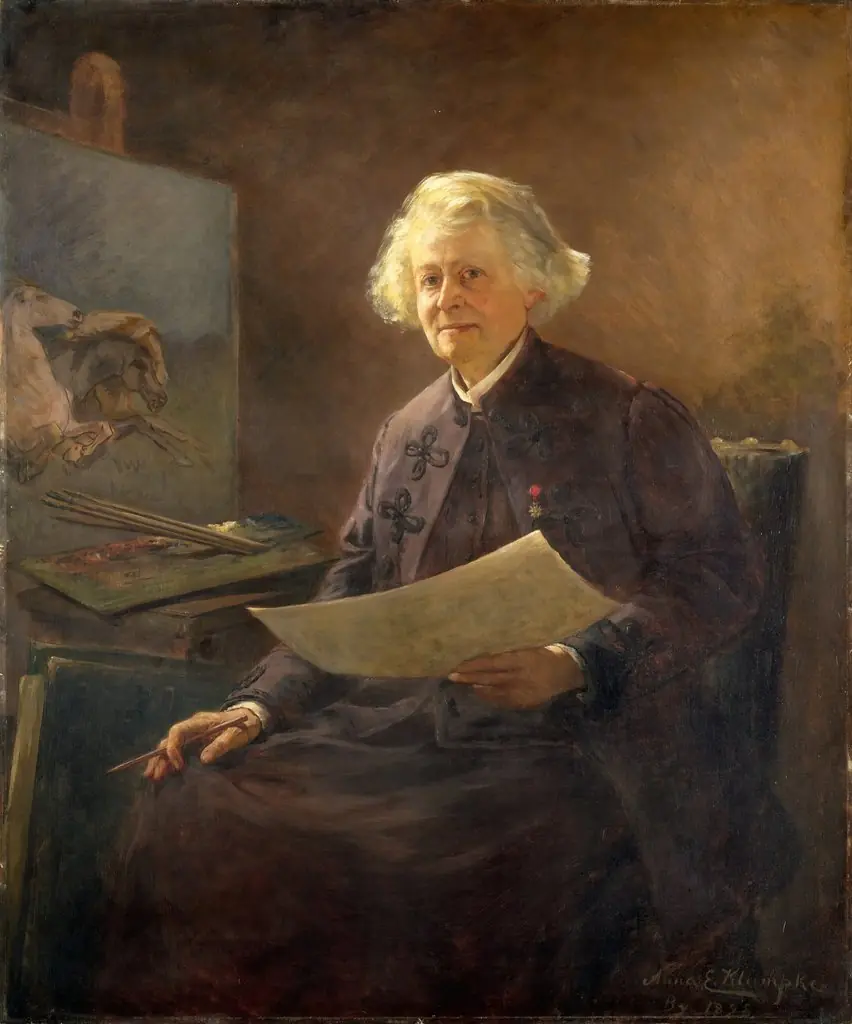 Rosa Bonheur
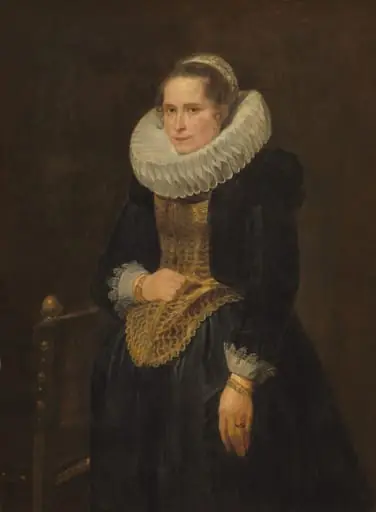 Portrait of a Flemish Lady
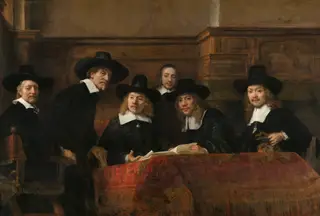 Syndics of the Drapers' Guild
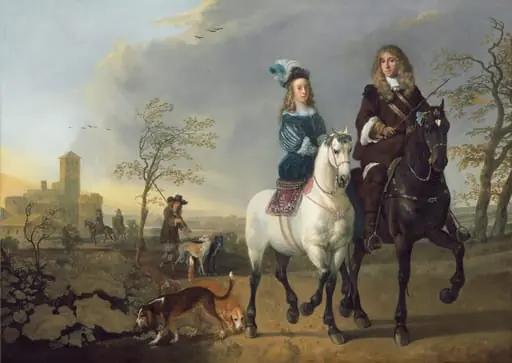 Lady and Gentleman on Horseback
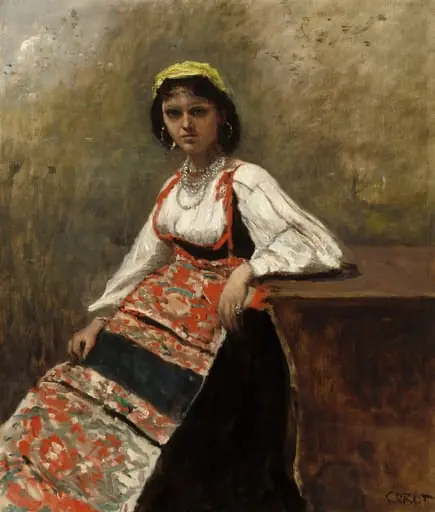 Italian Woman (La Morieri)
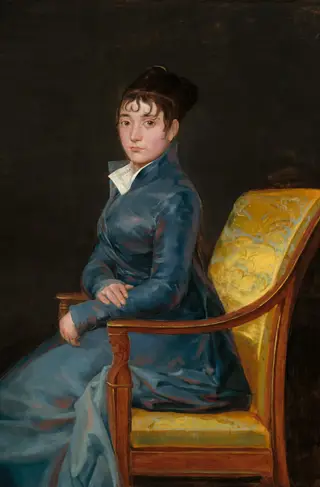 Thérèse Louise de Sureda
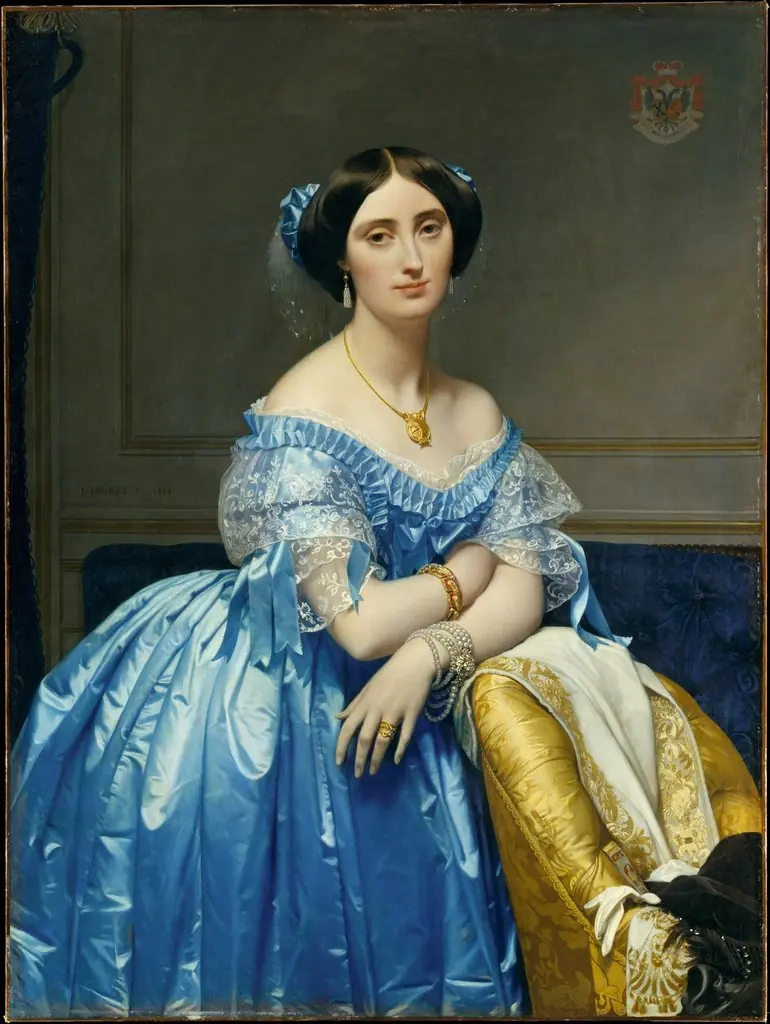 Joséphine-Éléonore-Marie-Pauline de Galard de Brassac de Béarn (1825–1860), Princesse de Broglie
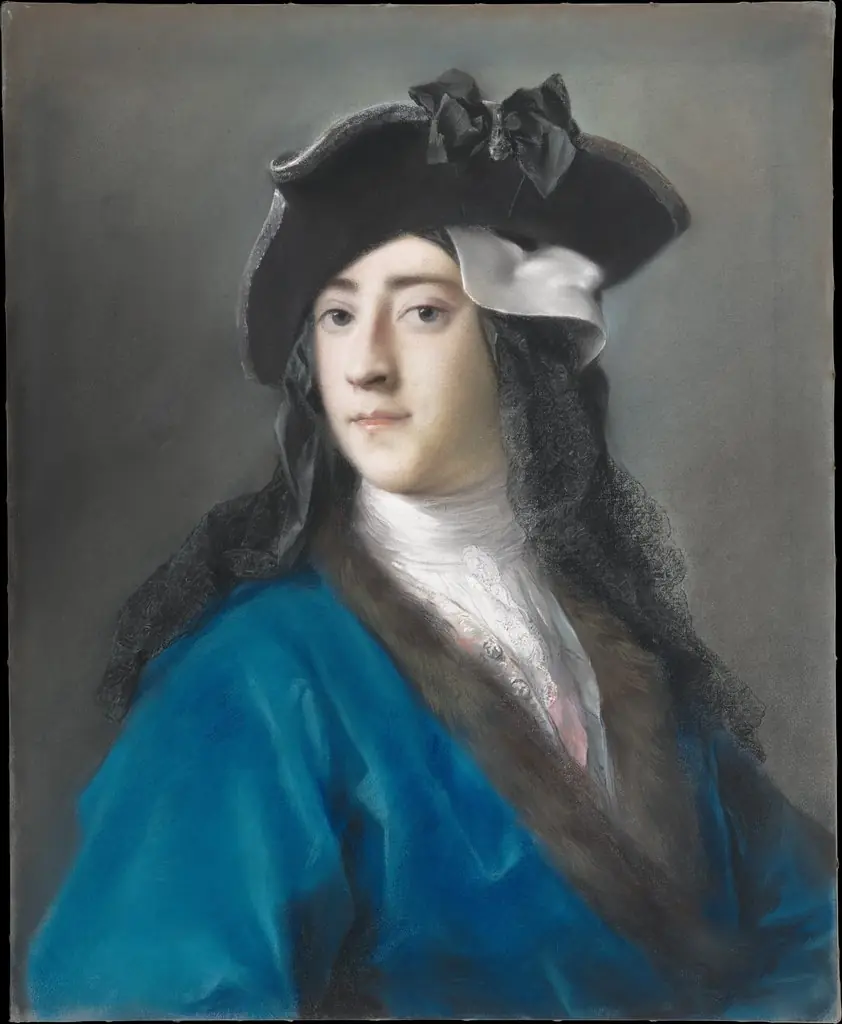 Gustavus Hamilton (1710–1746), Second Viscount Boyne, in Masquerade Costume
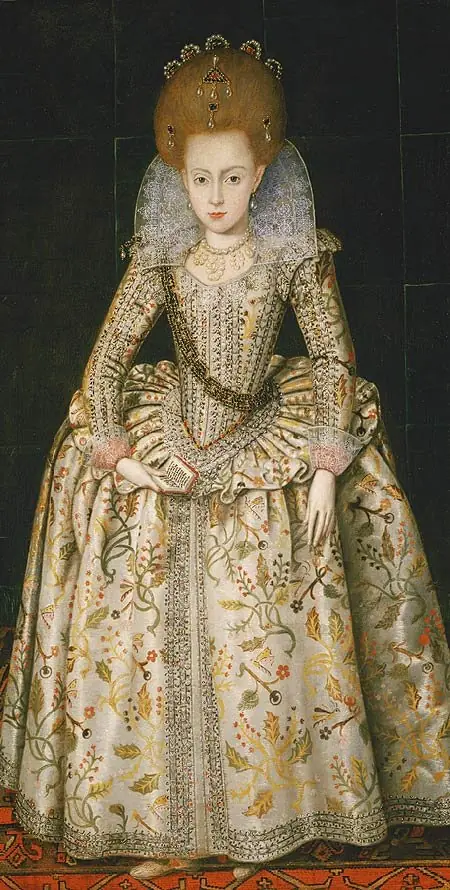 Princess Elizabeth (1596–1662), Later Queen of Bohemia
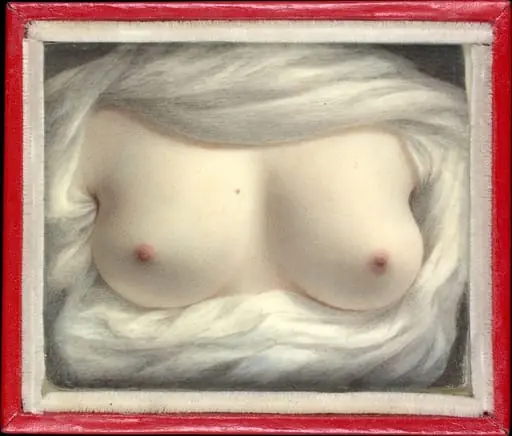 Beauty Revealed
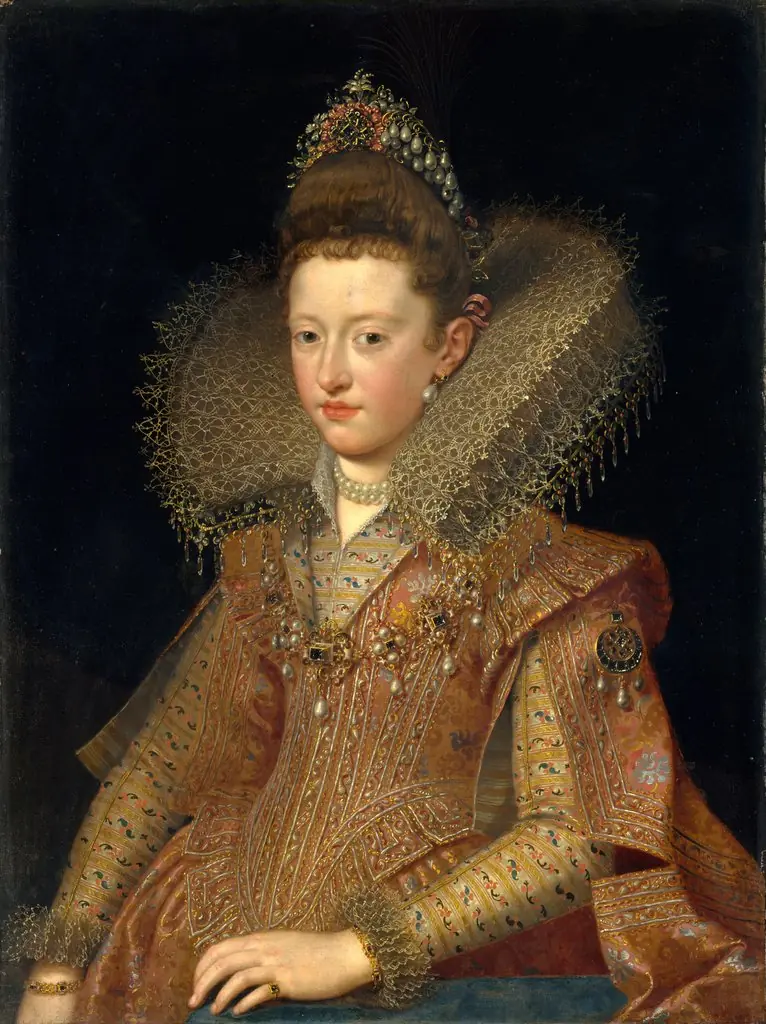 Margherita Gonzaga (1591–1632), Princess of Mantua
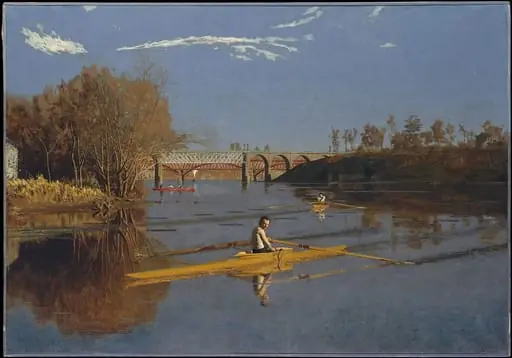 The Champion Single Sculls (Max Schmitt in a Single Scull)
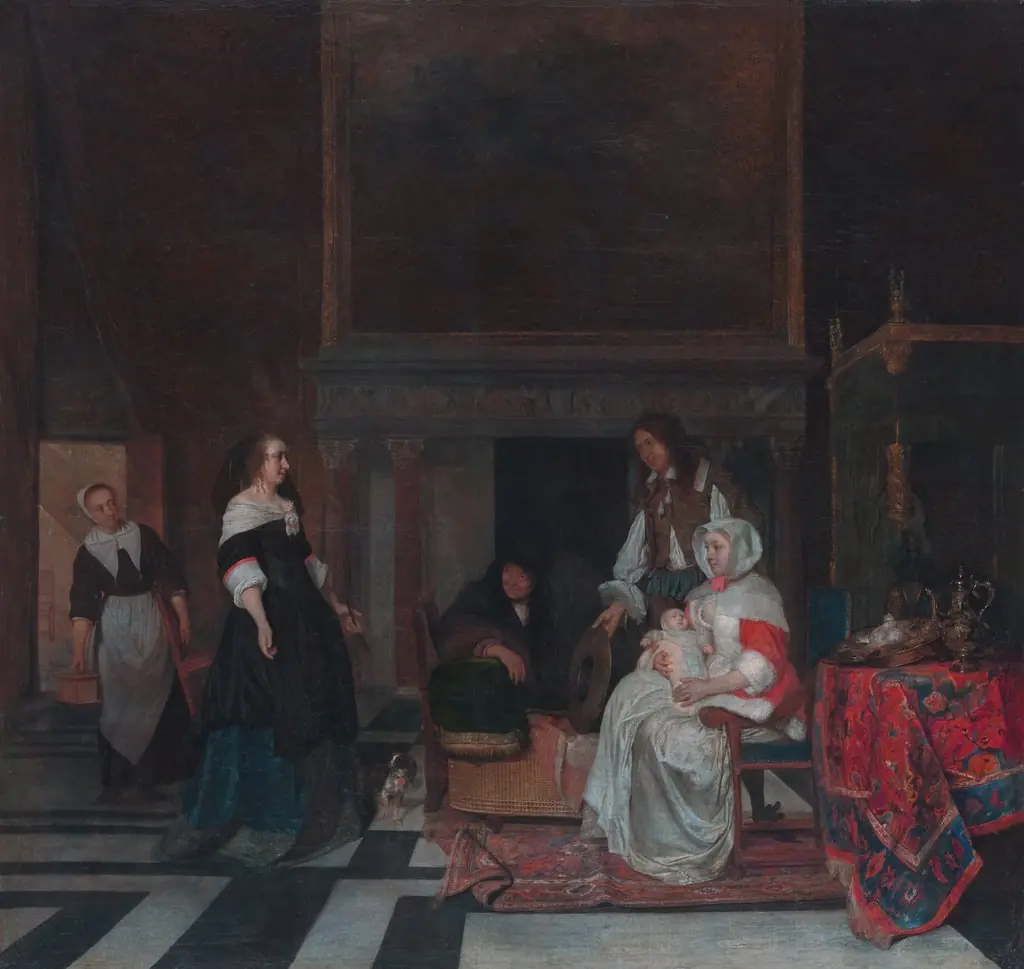 The Visit to the Nursery
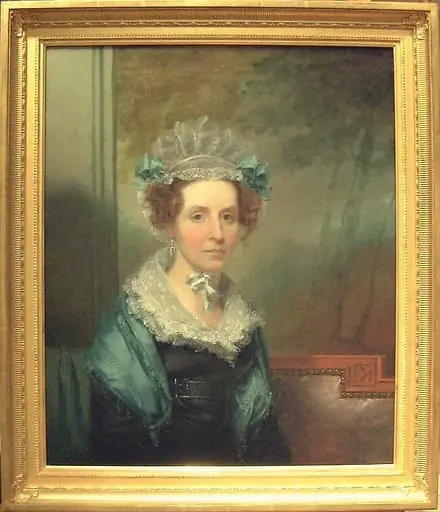 Mrs. Charles Cummings (Rebecca Pittard)
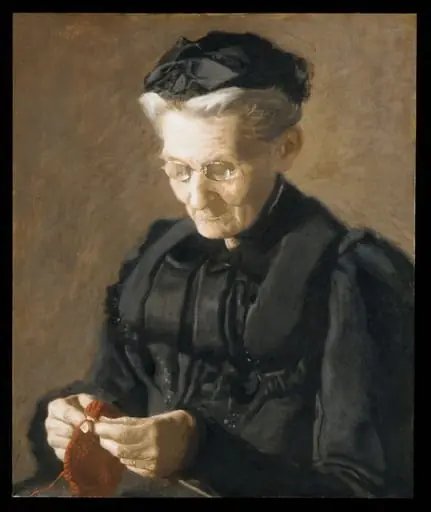 Mrs. Mary Arthur
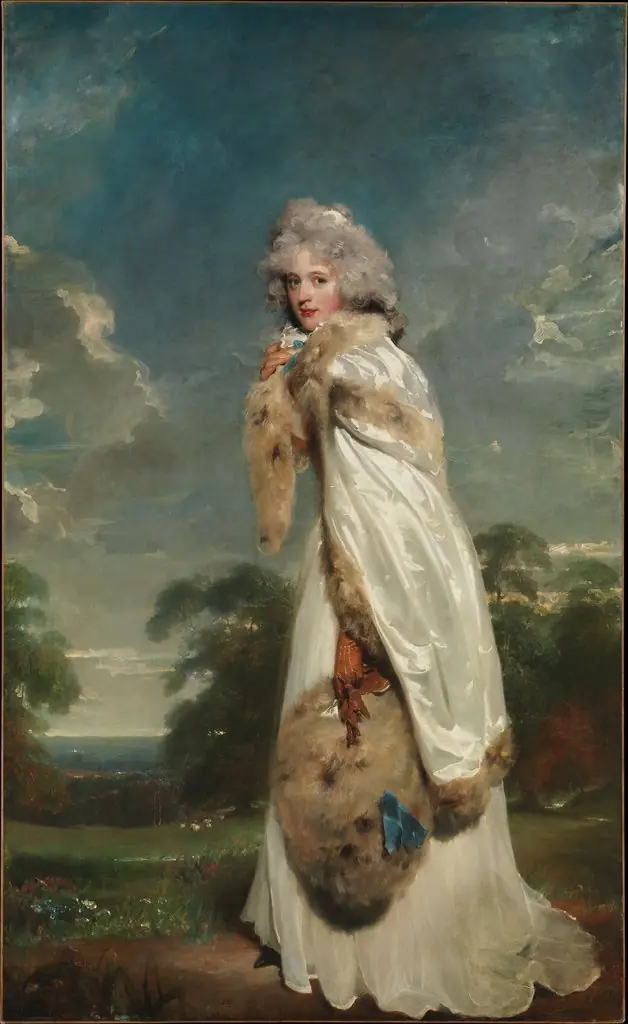 Elizabeth Farren (born about 1759, died 1829), Later Countess of Derby
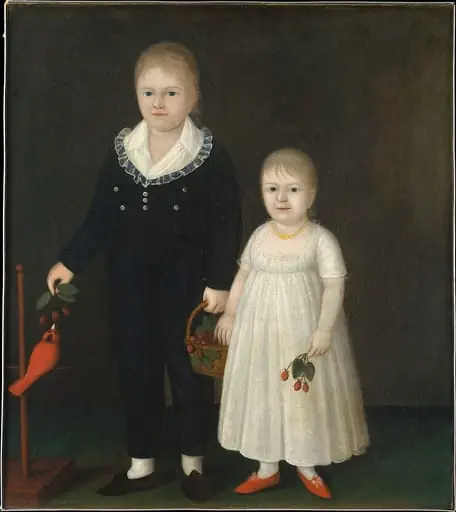 Edward and Sarah Rutter
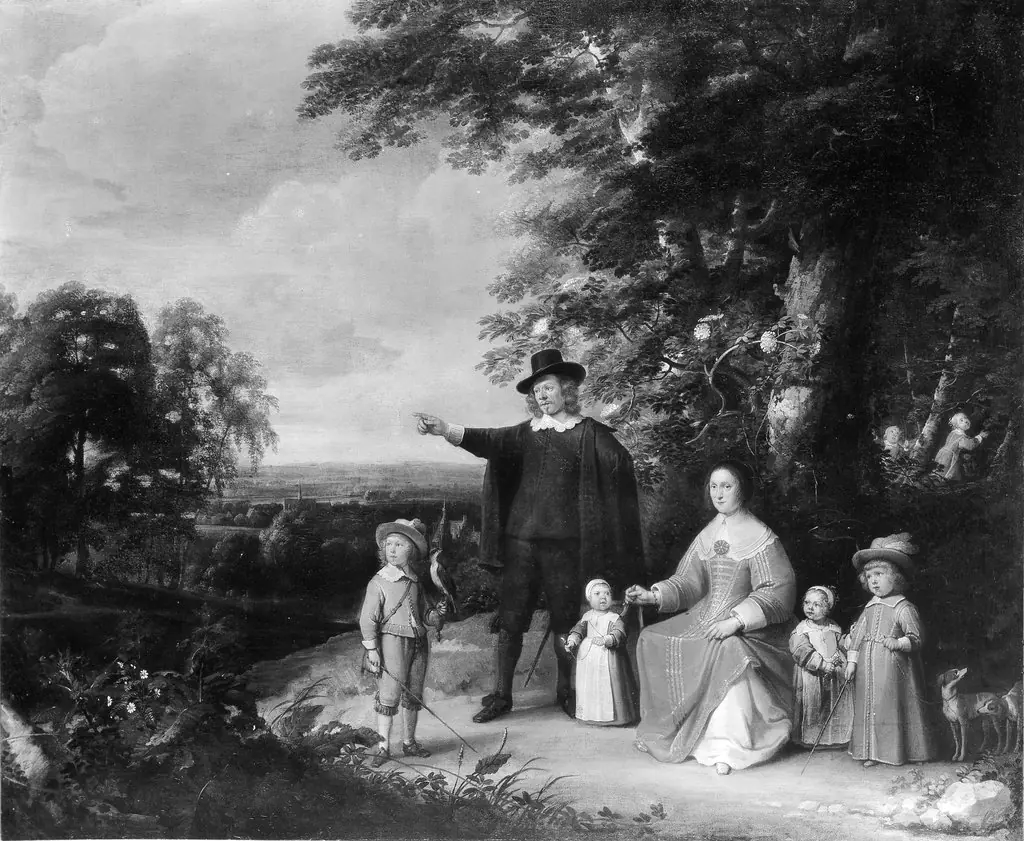 Family Group in a Landscape
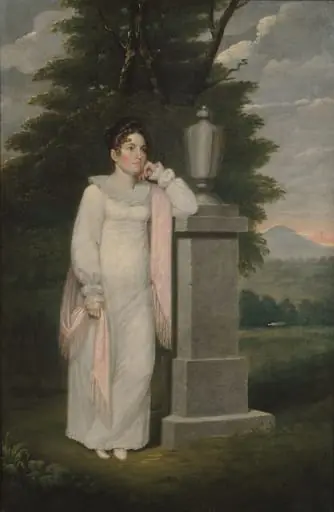 Mrs. Cephas Thompson (Olivia Leonard)
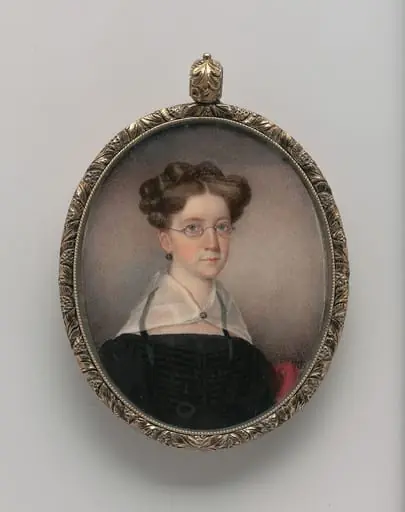 Portrait of a Lady
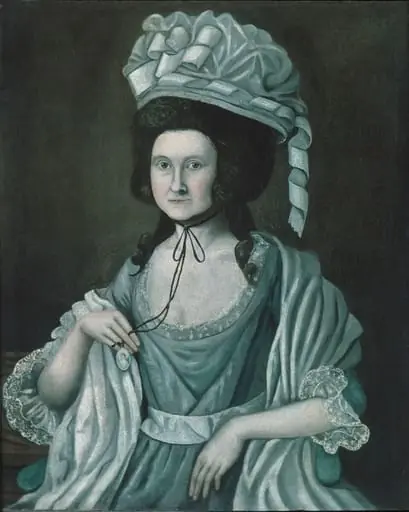 Sally Sanford Perit
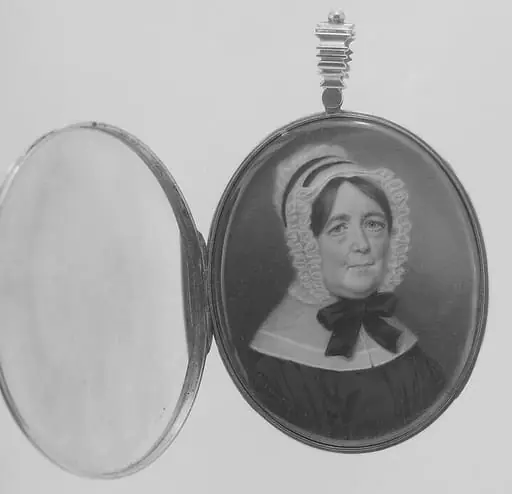 Mrs. A. Otis
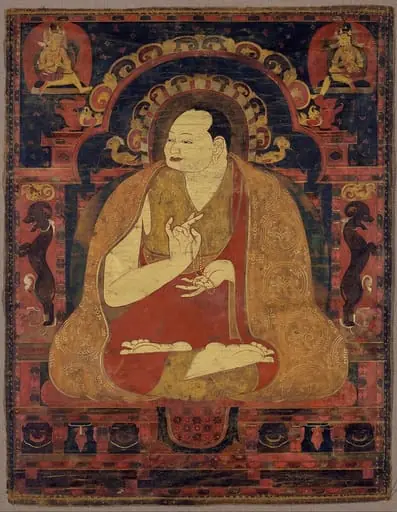 Untitled
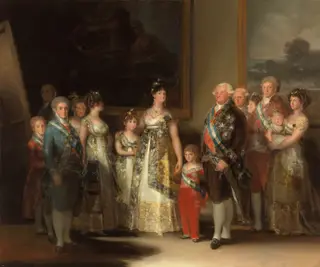 Charles IV of Spain and His Family
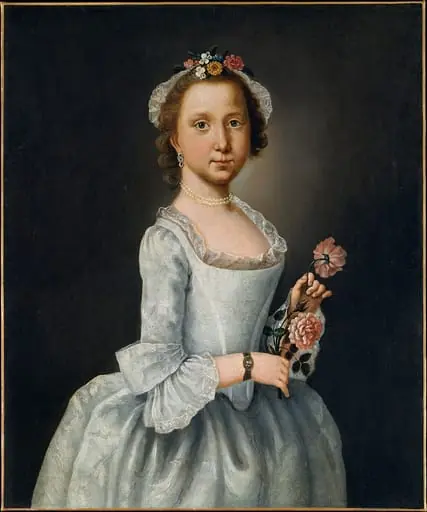 Portrait of a Lady
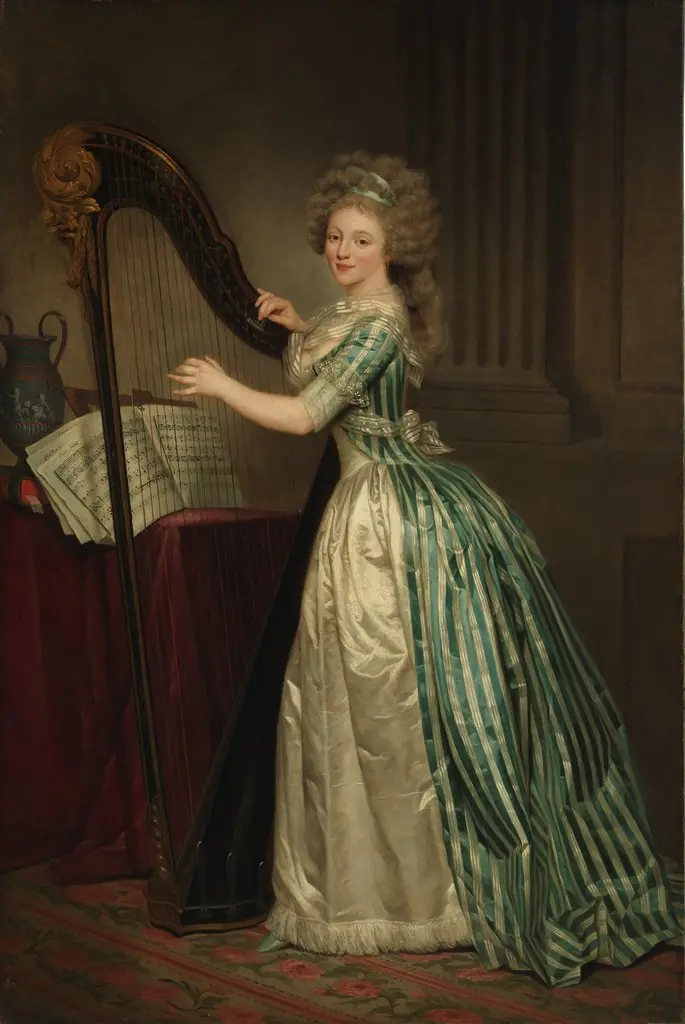 Self-Portrait with a Harp
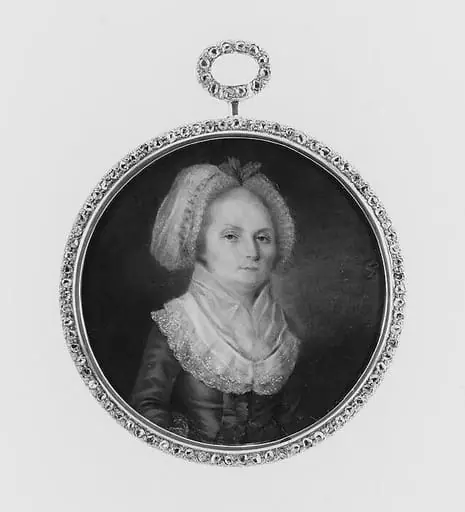 Portrait of a Lady
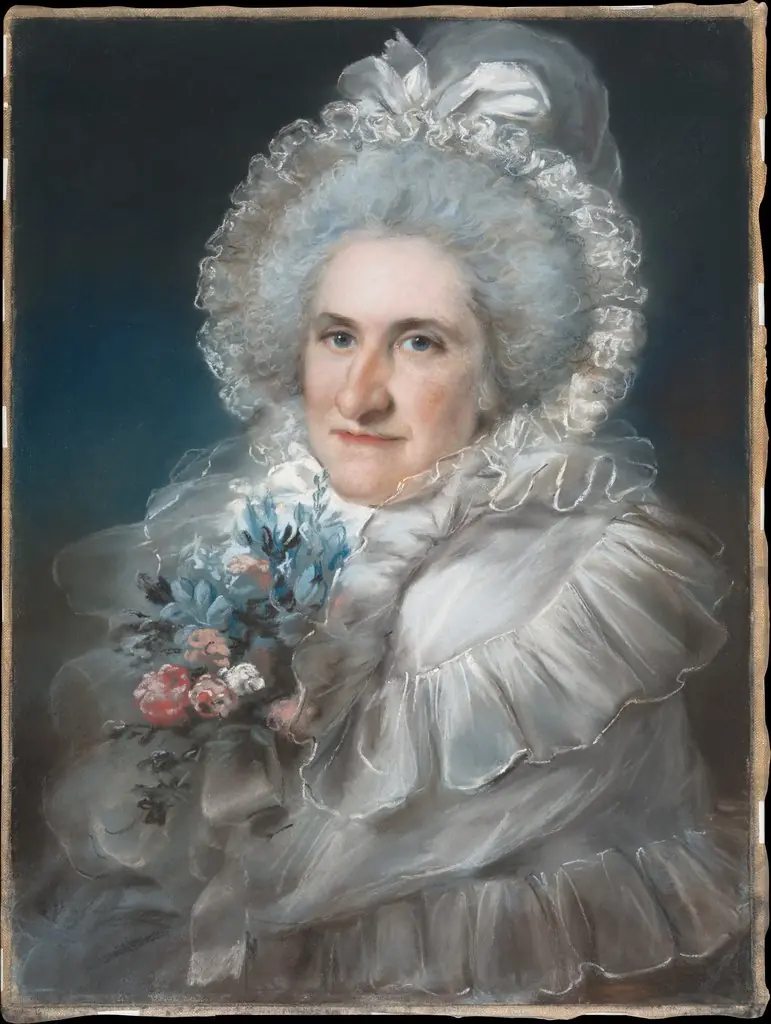 Mrs. William Man Godschall (Sarah Godschall, 1730–1795)
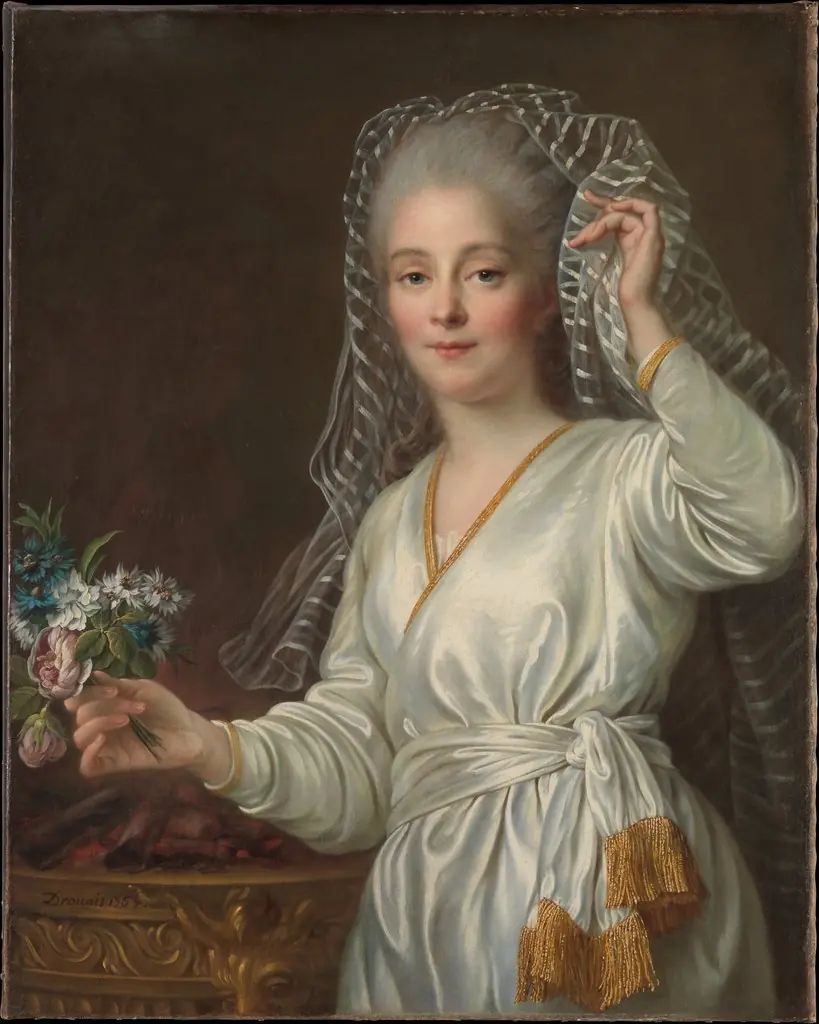 Portrait of a Young Woman as a Vestal Virgin
 Untitled
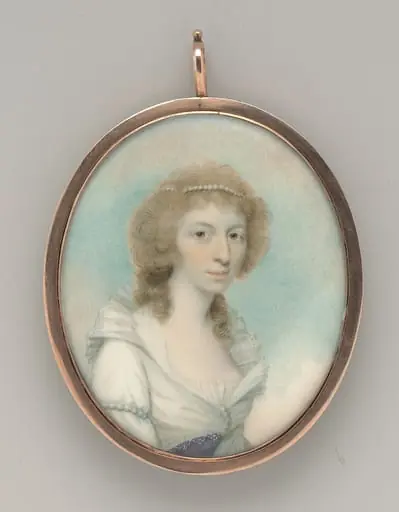 Mrs. Gabriel Manigault (Margaret Izard)
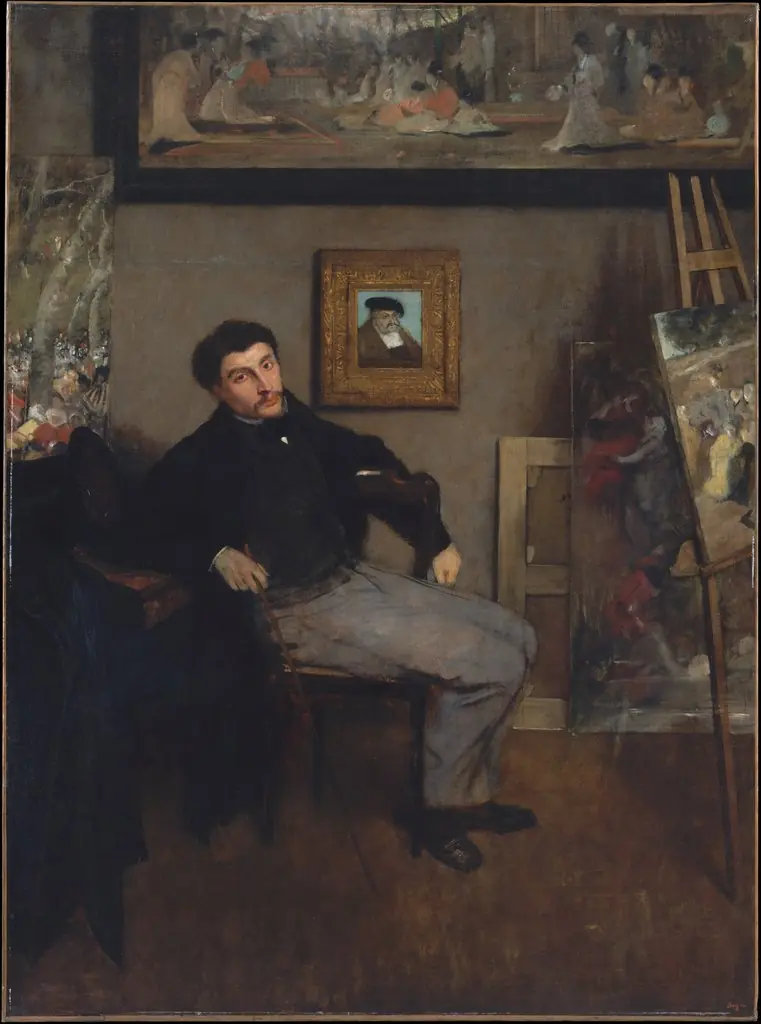 James-Jacques-Joseph Tissot (1836–1902)
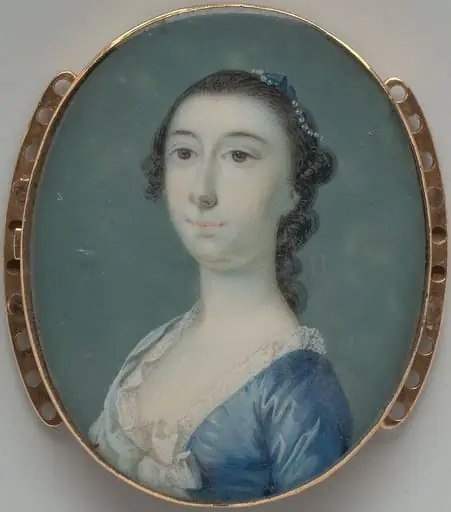 Mrs. Jacob Motte (Rebecca Brewton)
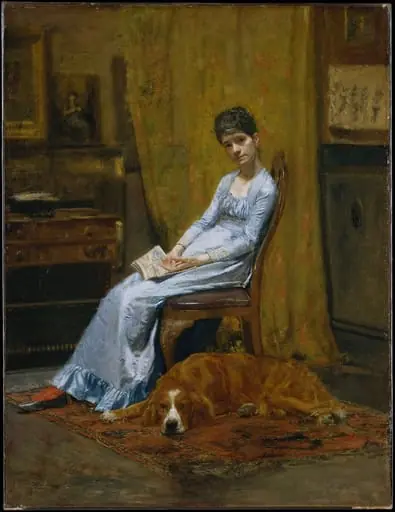 The Artist's Wife and His Setter Dog
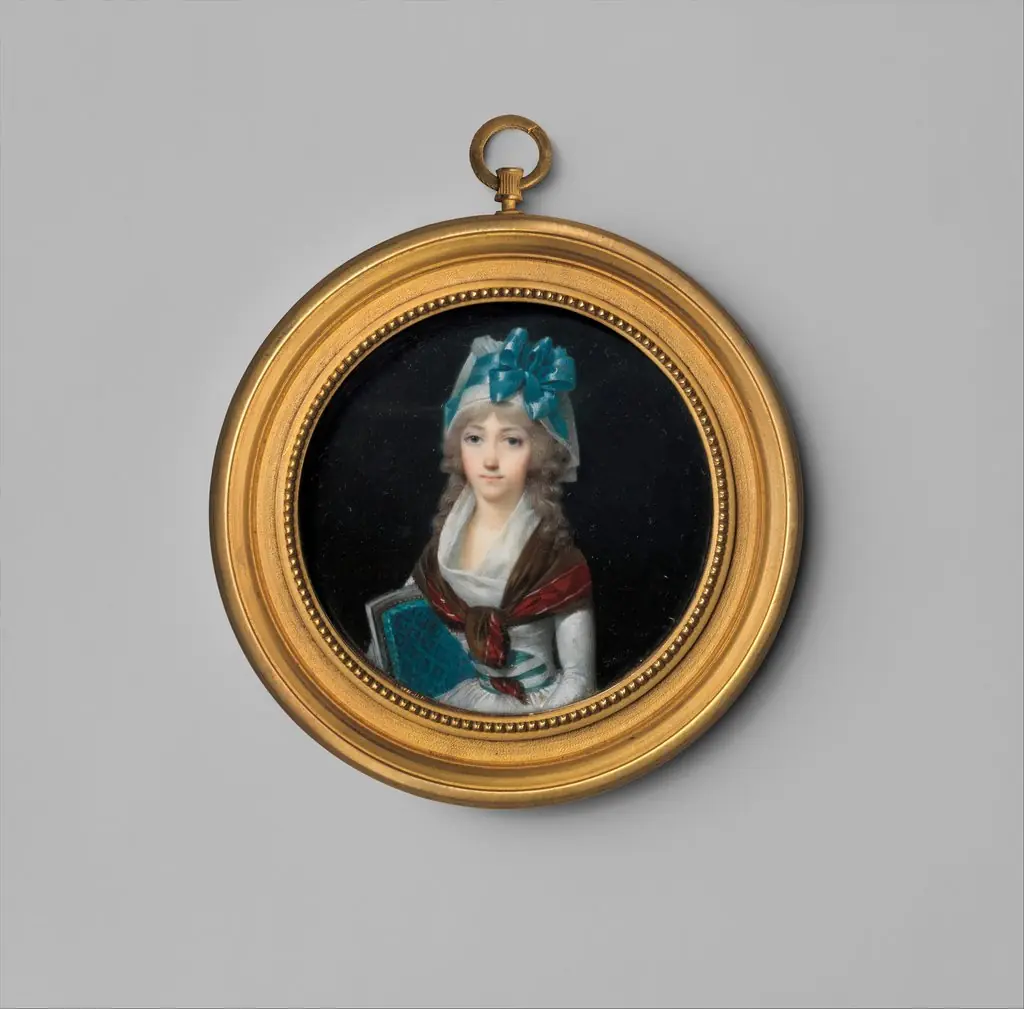 Portrait of a Woman
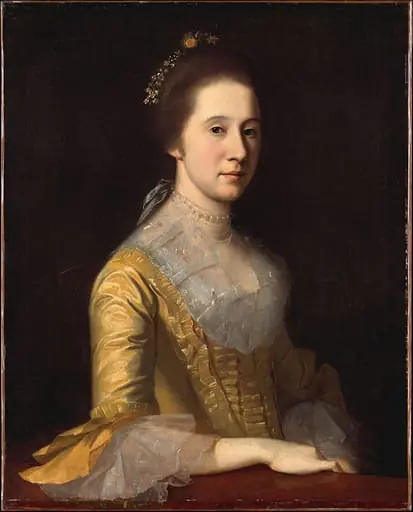 Margaret Strachan (Mrs. Thomas Harwood)
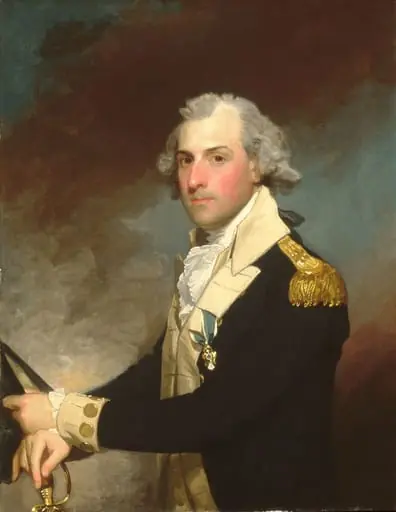 Matthew Clarkson
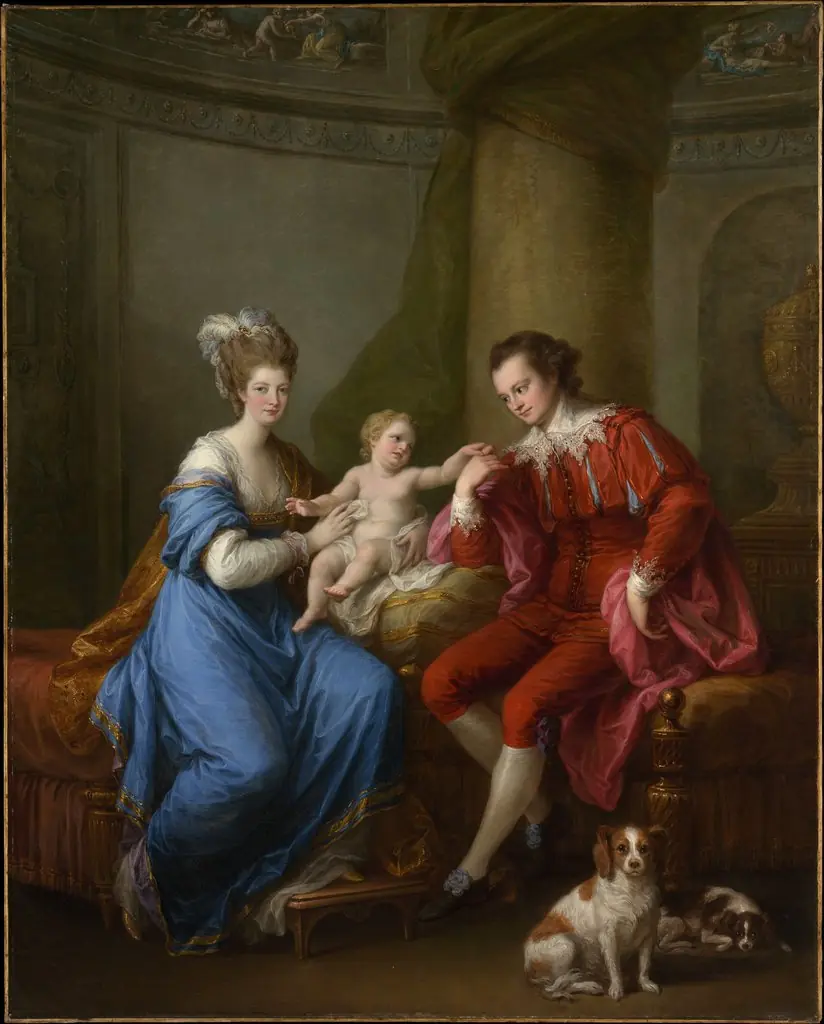 Edward Smith Stanley (1752–1834), Twelfth Earl of Derby, with His First Wife (Lady Elizabeth Hamilton, 1753–1797) and Their Son (Edward Smith Stanley, 1775–1851)
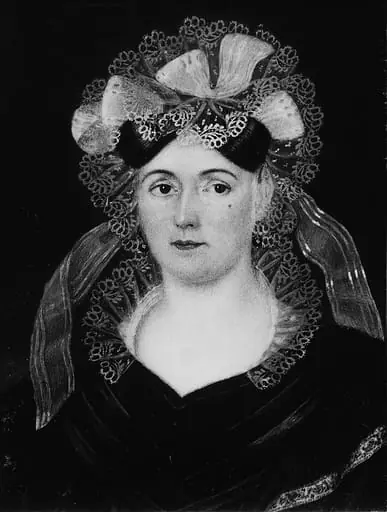 Self portrait
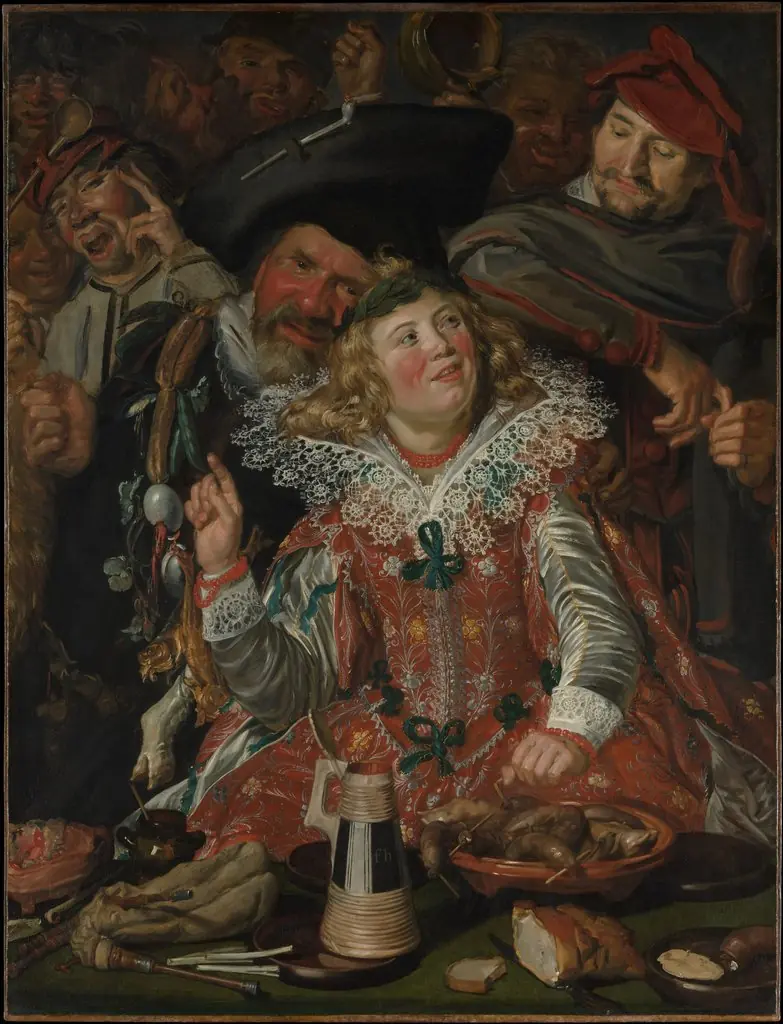 Merrymakers at Shrovetide
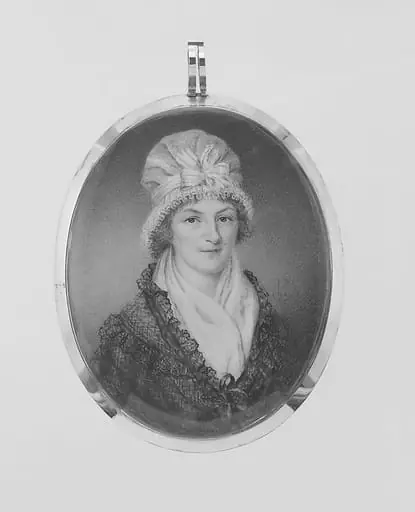 Mrs. Joseph Cooper (Mary Justice)
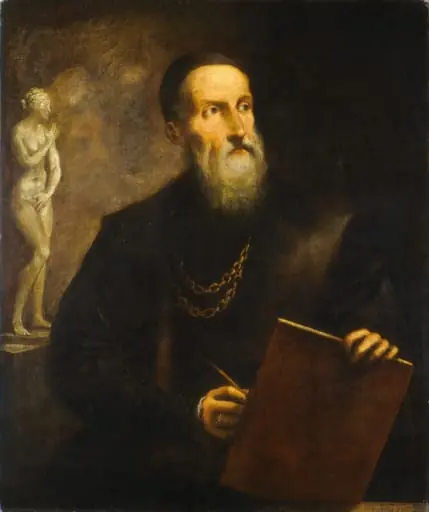 Imaginary Self-Portrait of Titian
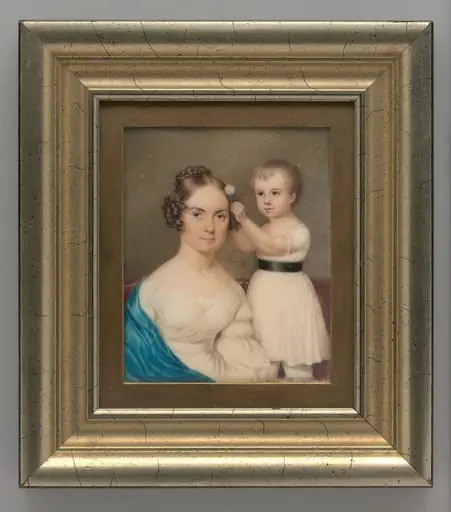 Mrs. William Gordon Ver Planck and Her Son Samuel Hopkins Ver Planck
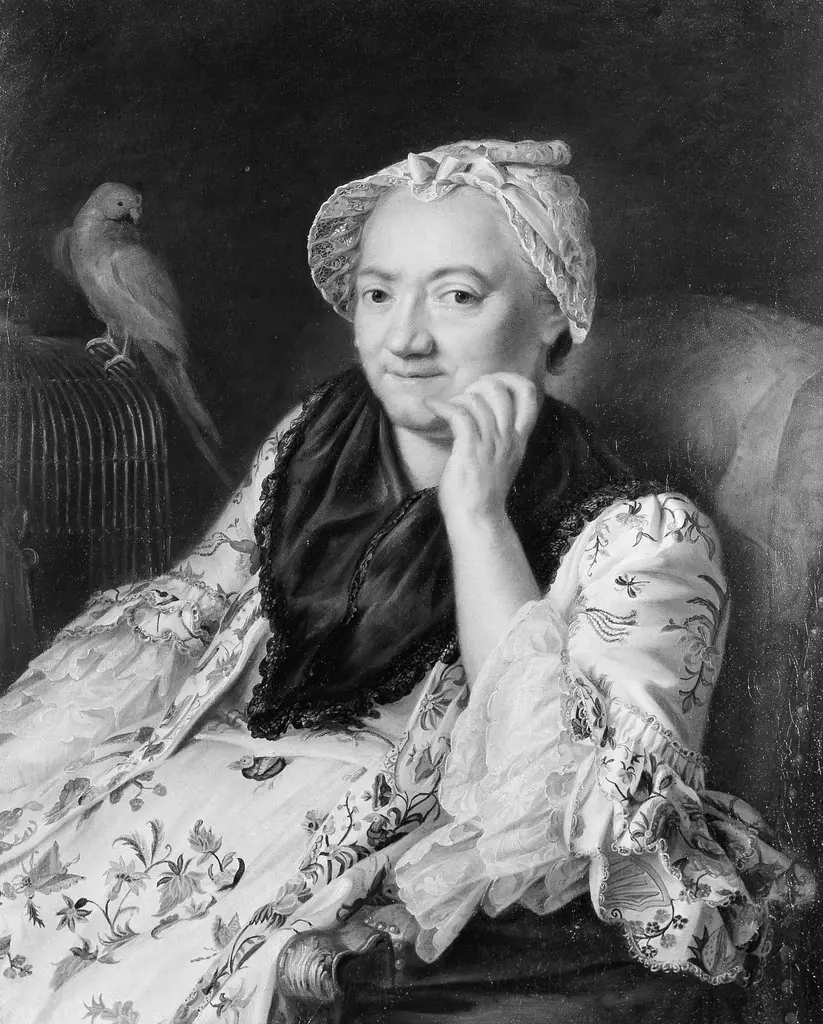 Portrait of a Woman
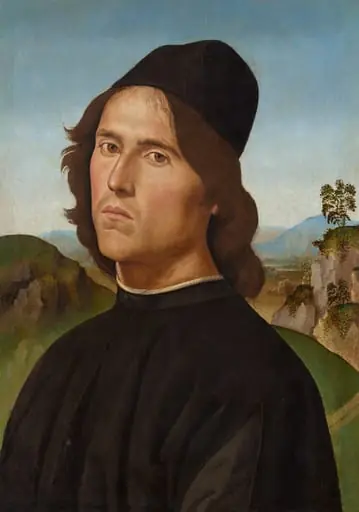 Portrait of Lorenzo di Credi
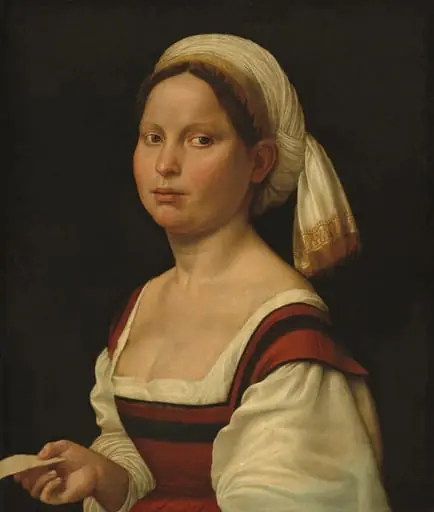 Portrait of a Young Woman
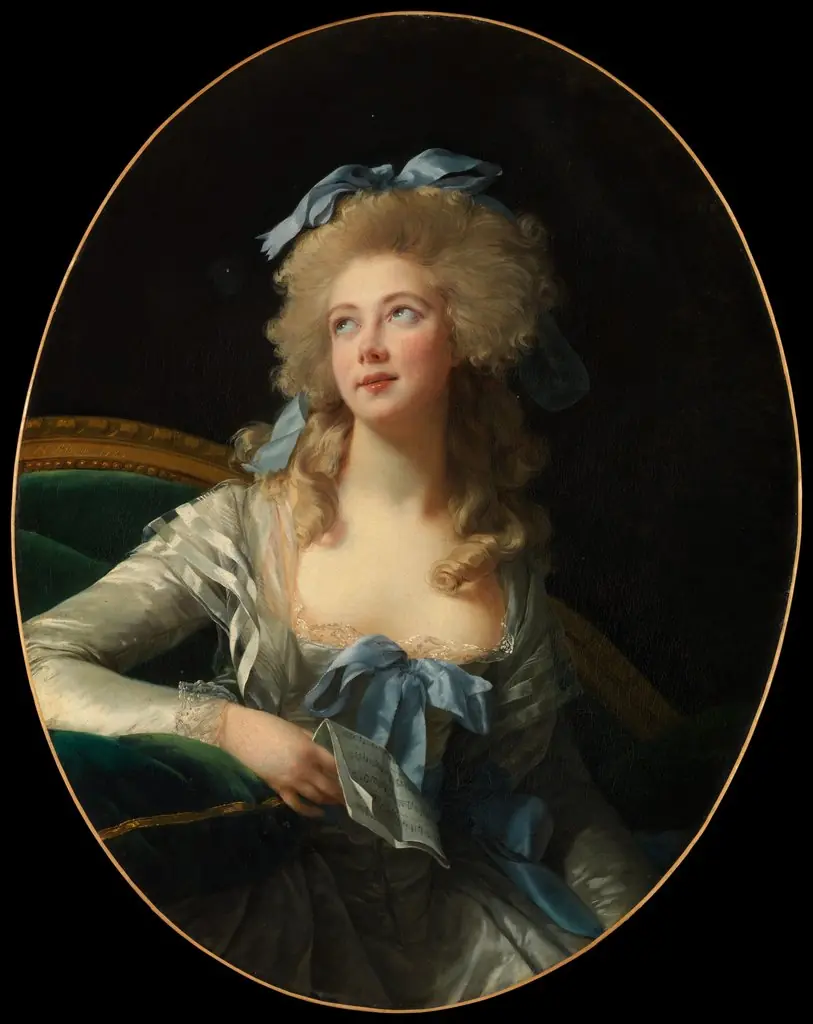 Madame Grand (Noël Catherine Verlée, 1761–1835)
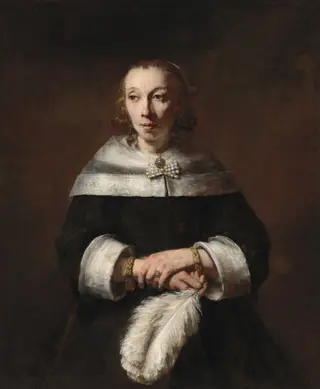 Portrait of a Lady with an Ostrich-Feather Fan
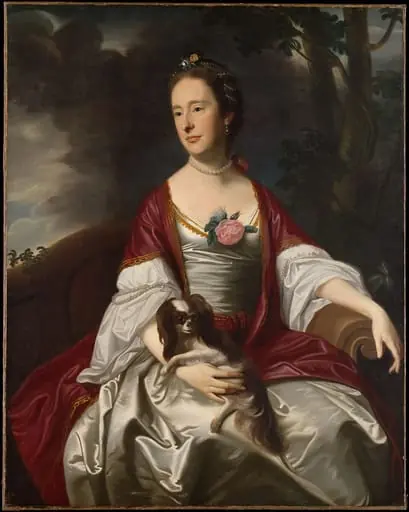 Mrs. Jerathmael Bowers
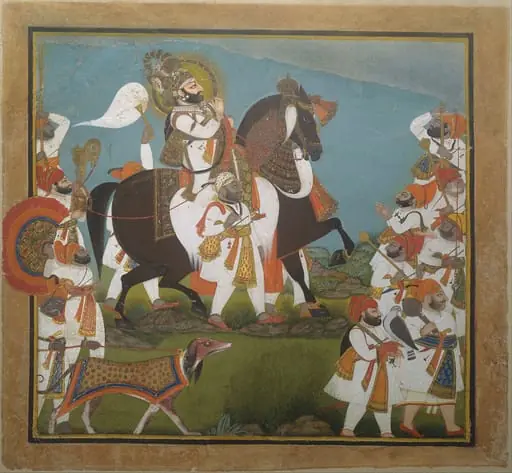 Untitled
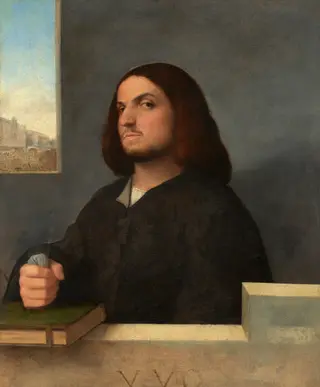 Portrait of a Venetian Gentleman
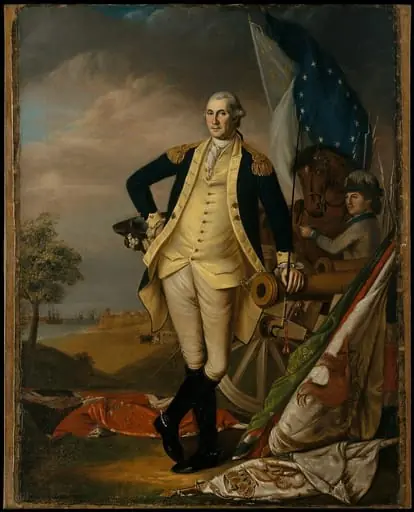 George Washington
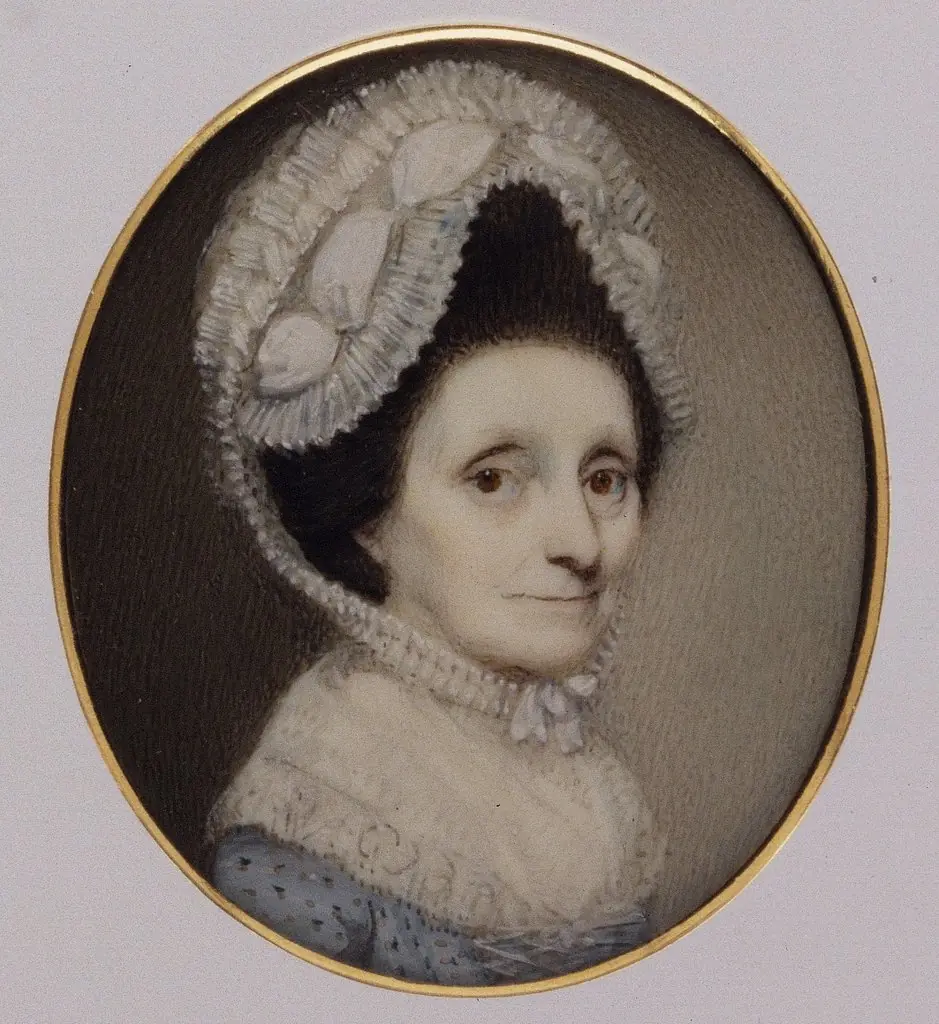 Mrs. Peter De Lancey (Elizabeth Colden, 1720–1784)
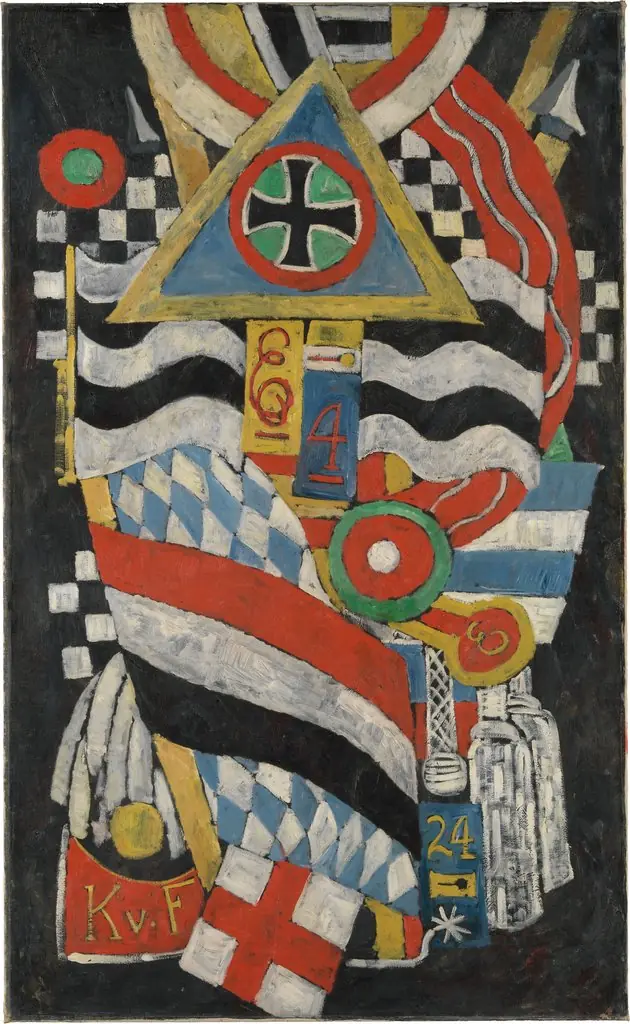 Portrait of a German Officer
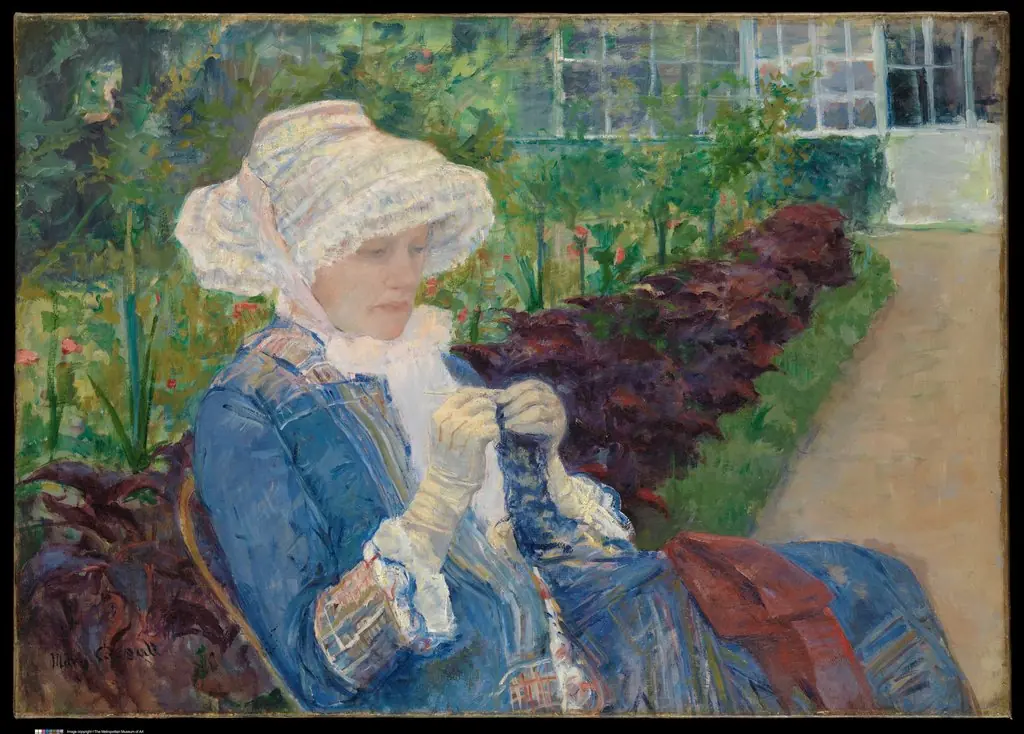 Lydia Crocheting in the Garden at Marly
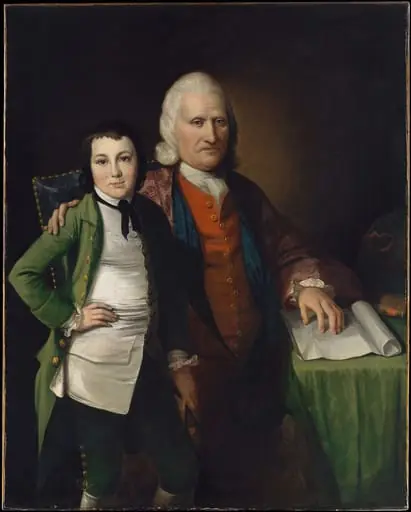 Cadwallader Colden and His Grandson Warren De Lancey
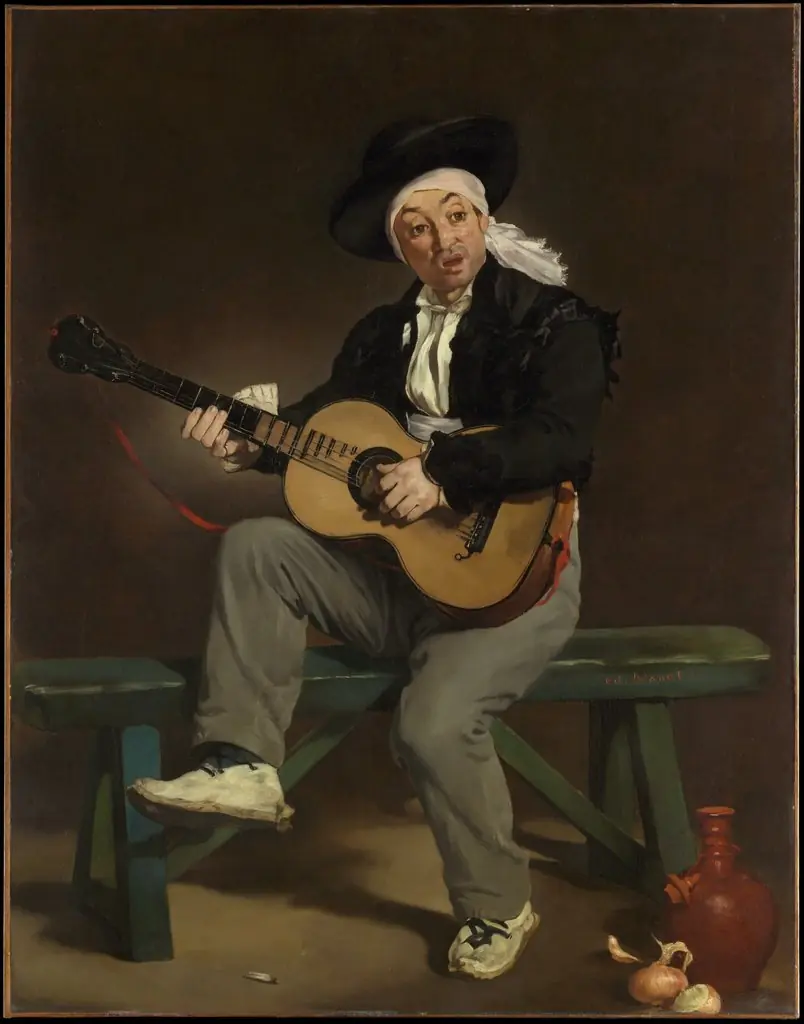 The Spanish Singer
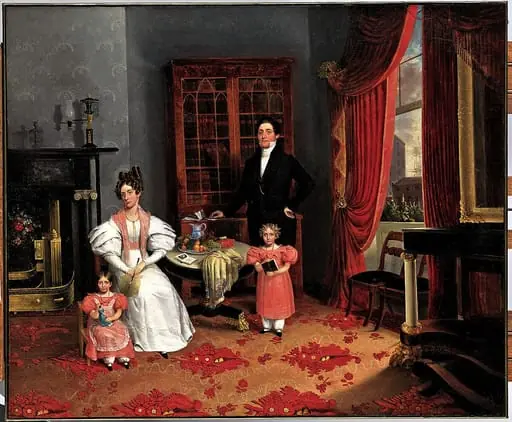 The Family of John Q. Aymar
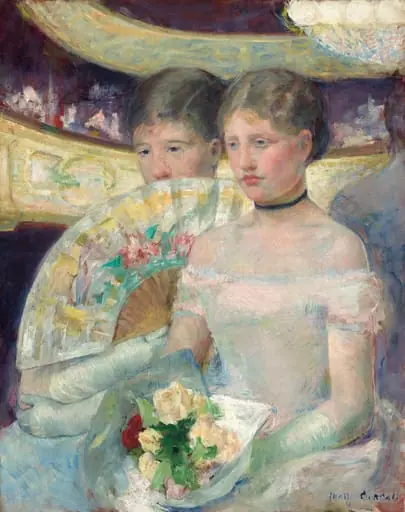 The Loge
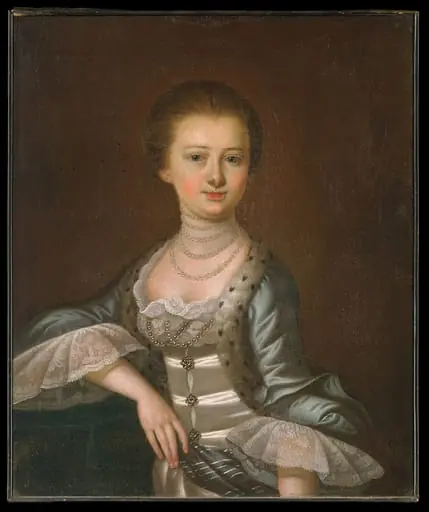 Mrs. John Dart
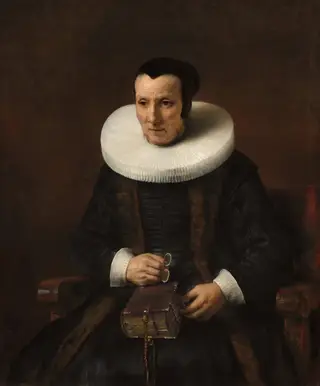 An Old Lady with a Book
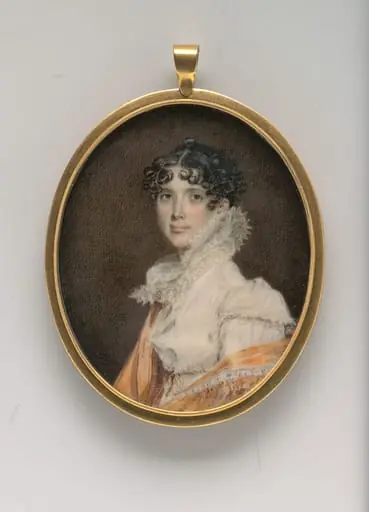 Mrs. Nathaniel Chapman (Rebekah Biddle)
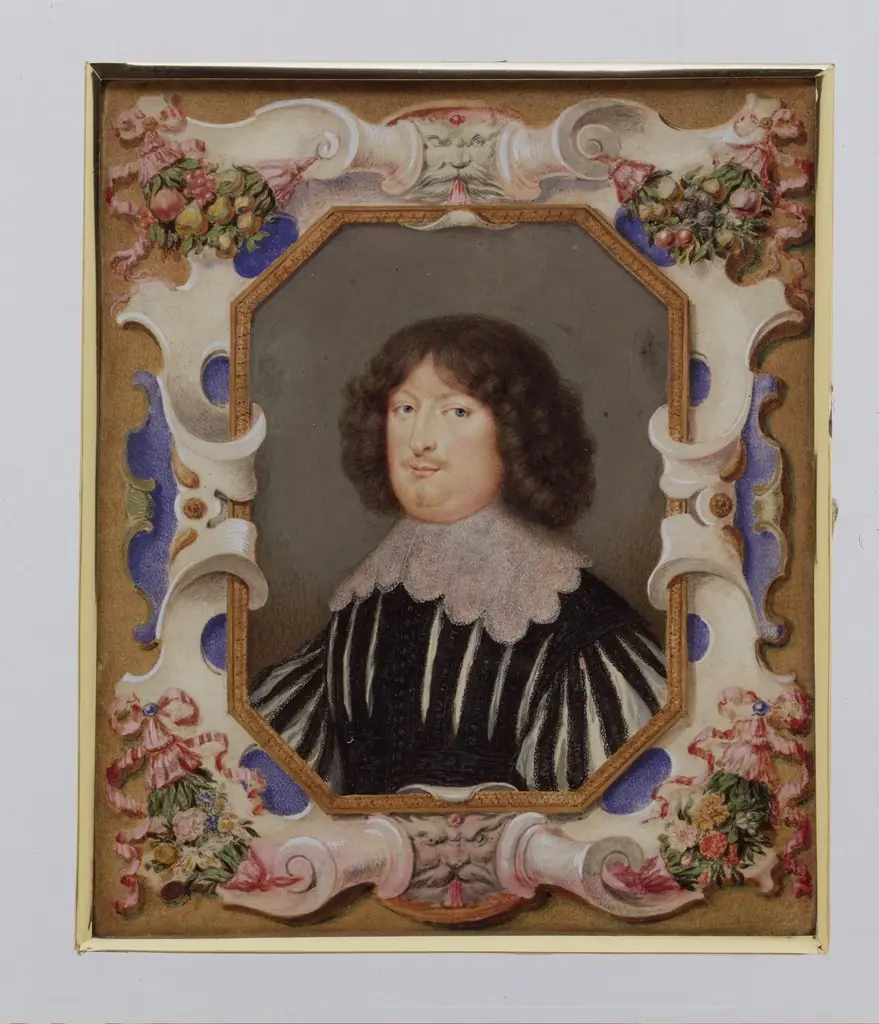 Portrait of a Man
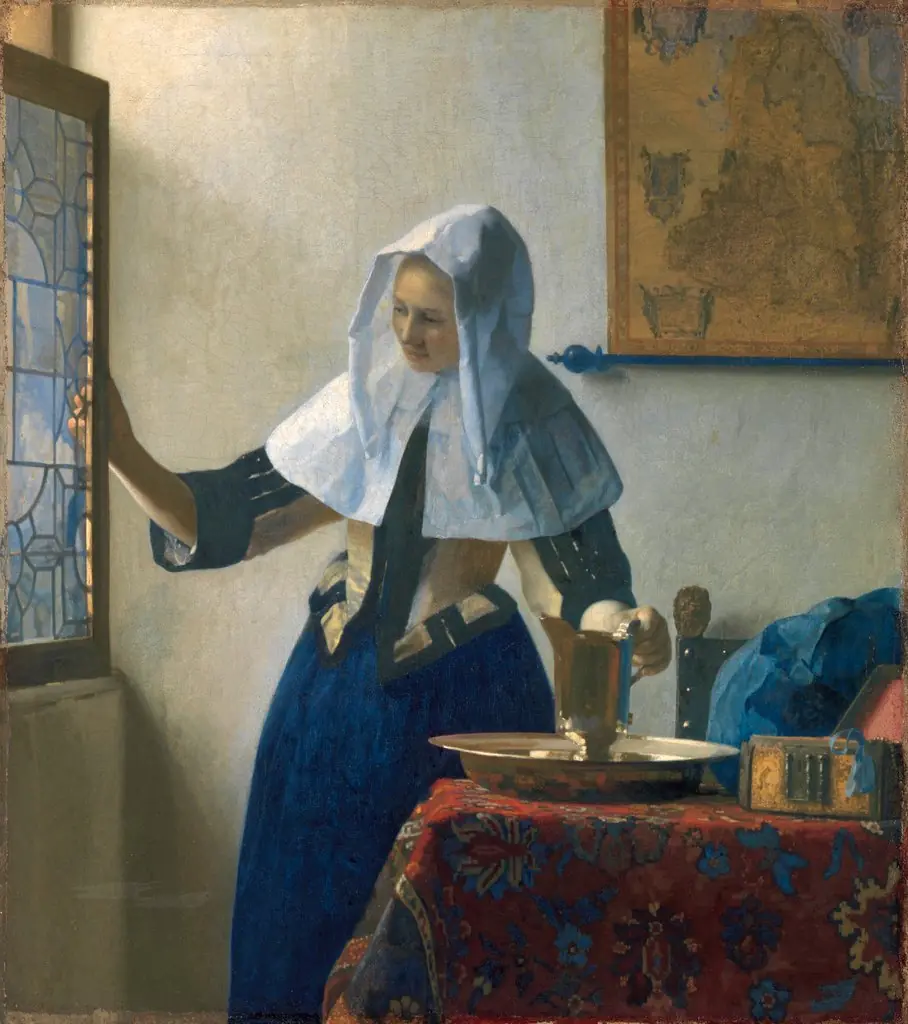 Woman with a Water Jug
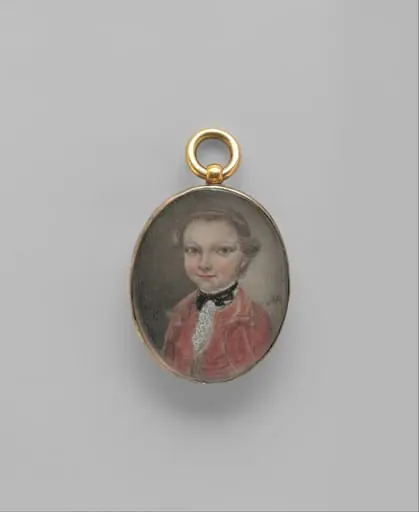 William Middleton
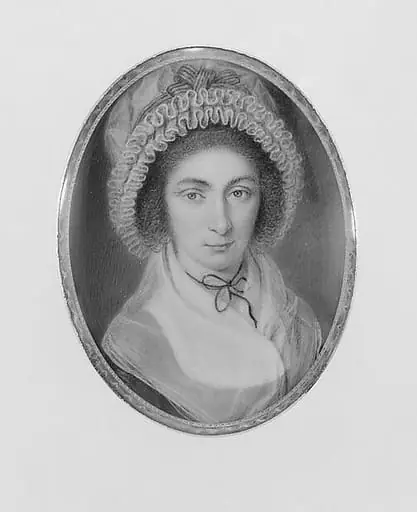 Mrs. John McAllister (Frances Wardale)
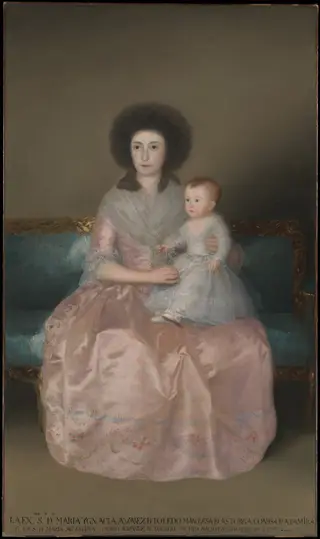 Condesa de Altamira and Her Daughter, María Agustina
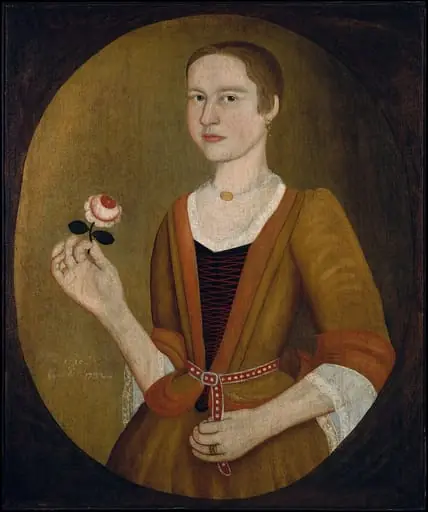 Young Lady with a Rose
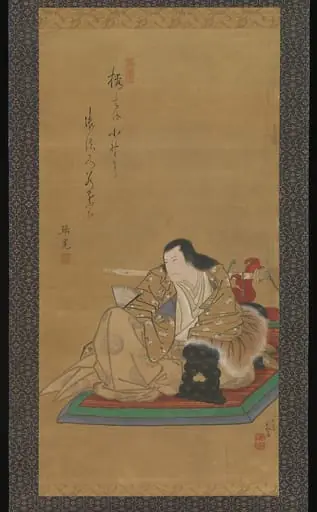 初代嵐橘三郎 (二代目嵐吉三郎) の惟高親王|The Actor Arashi Kitsusaburō I (Kichisaburō II) as Prince Koretaka
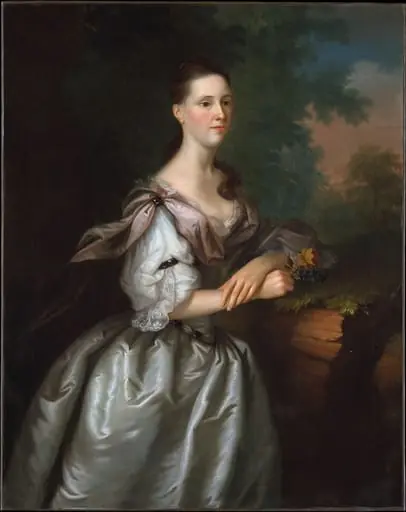 Mrs. Samuel Cutts
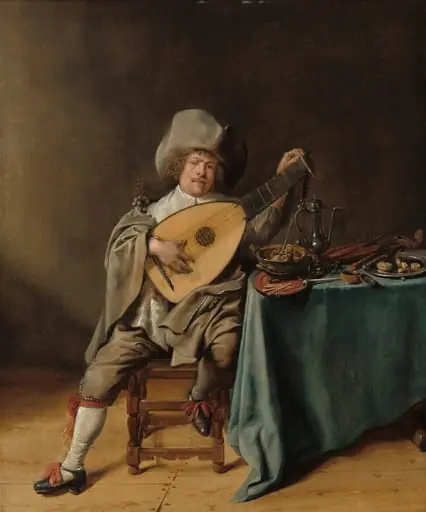 Self-Portrait as a Lute Player
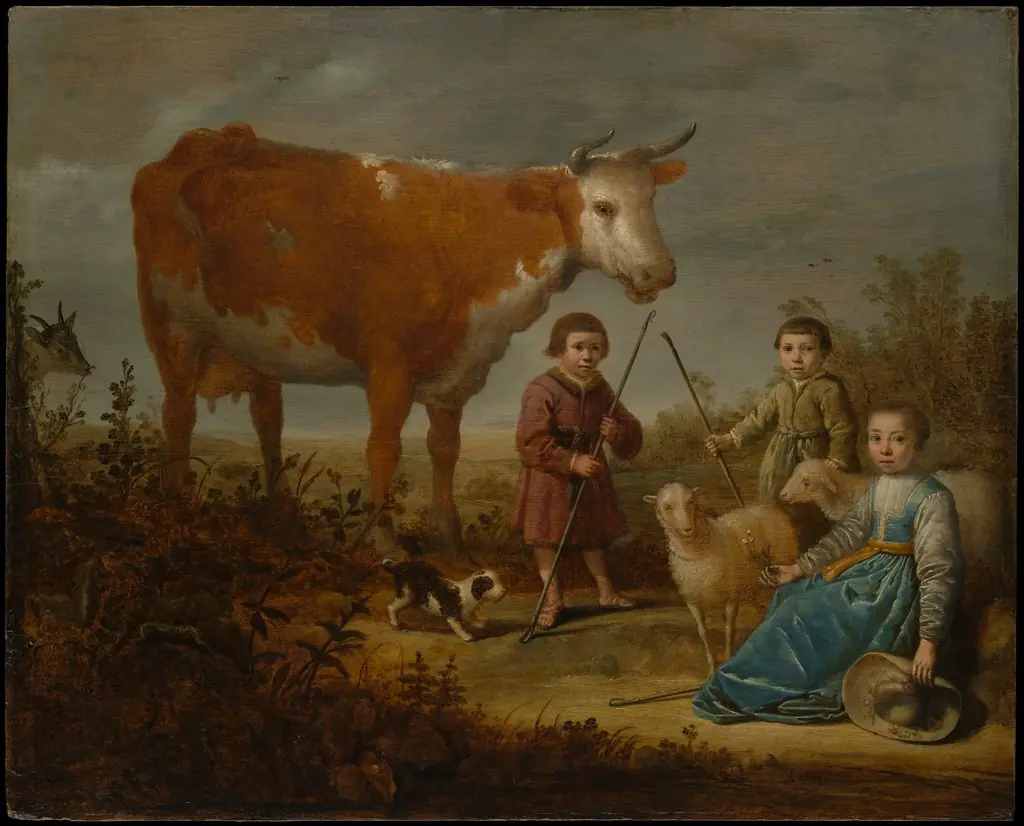 Children and a Cow
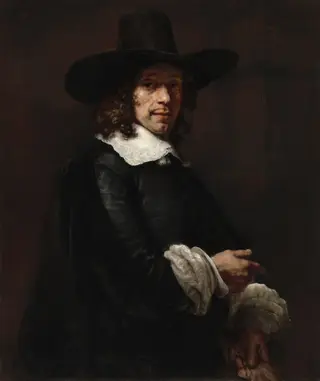 Portrait of a Gentleman with a Tall Hat and Gloves
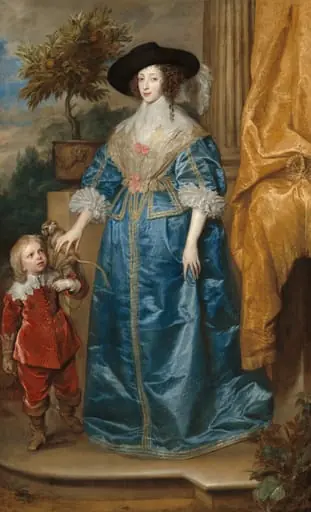 Queen Henrietta Maria with Sir Jeffrey Hudson
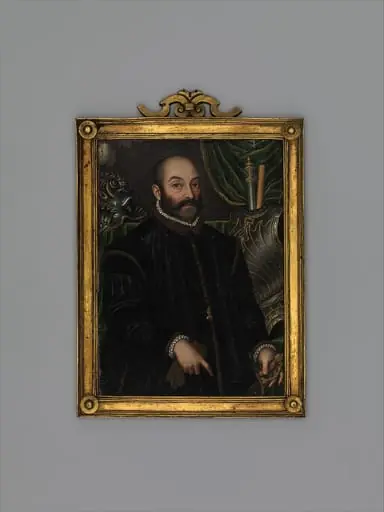 Guidobaldo II della Rovere, Duke of Urbino (1514–1574), With his Armor by Filippo Negroli
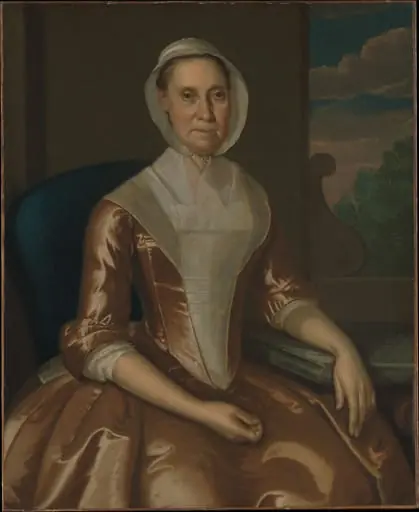 Mrs. Richard Galloway
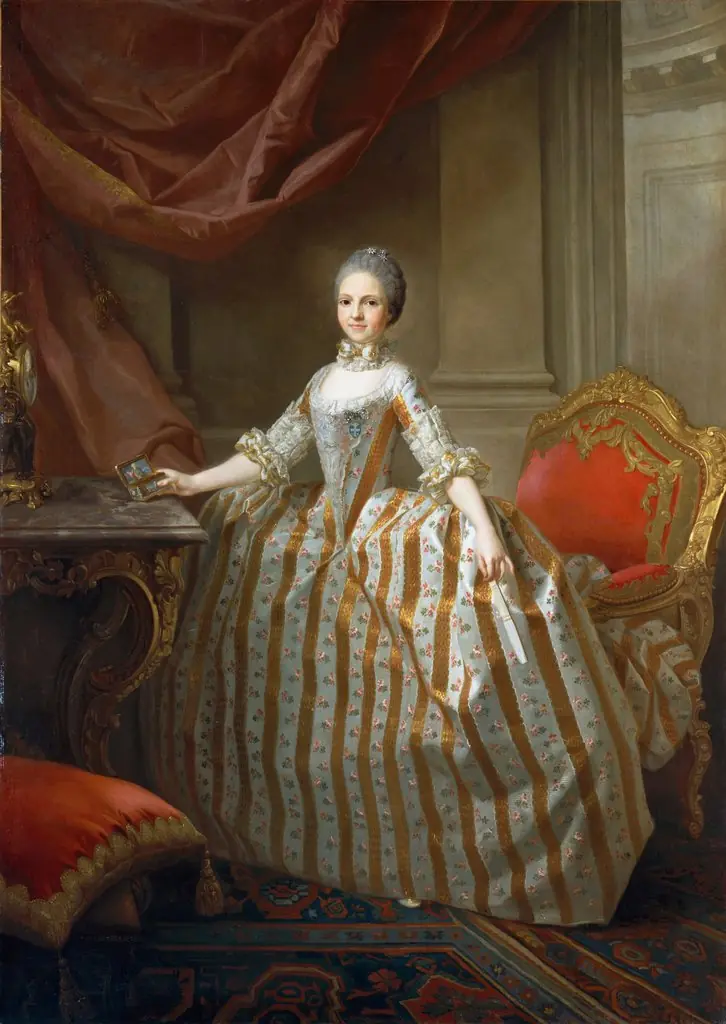 Maria Luisa of Parma (1751–1819), Later Queen of Spain
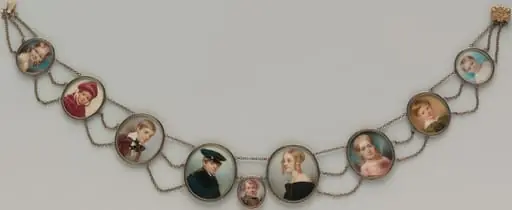 A Mother's Pearls
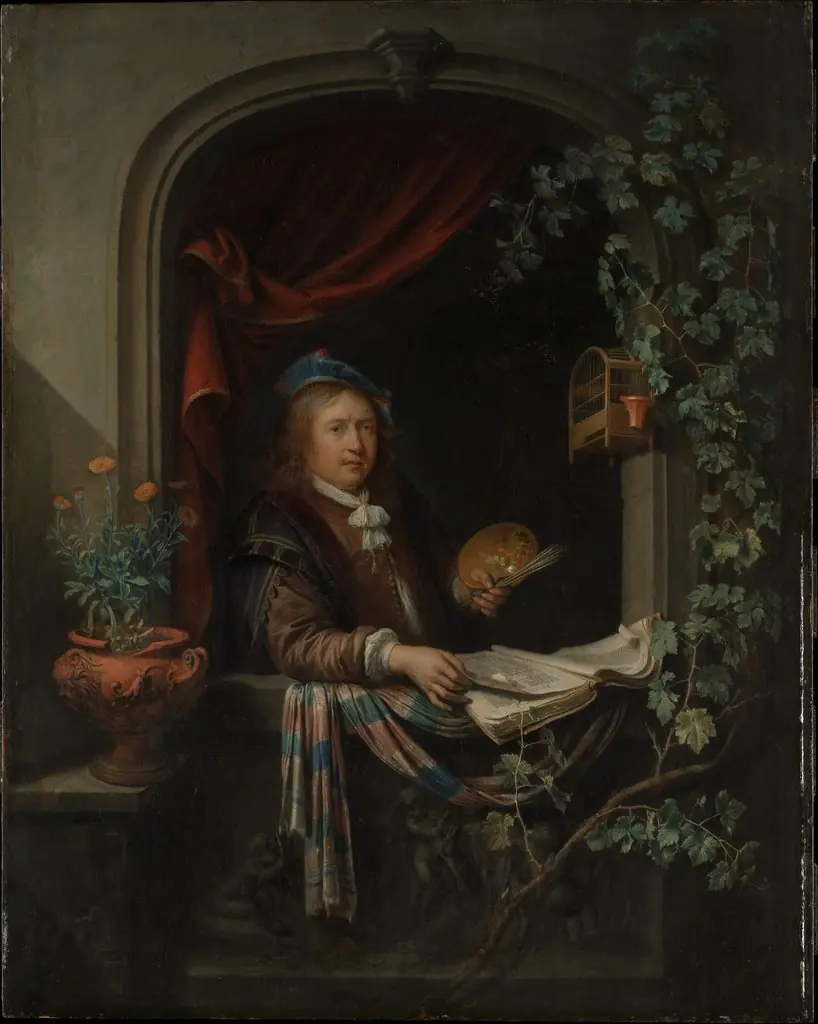 Self-Portrait
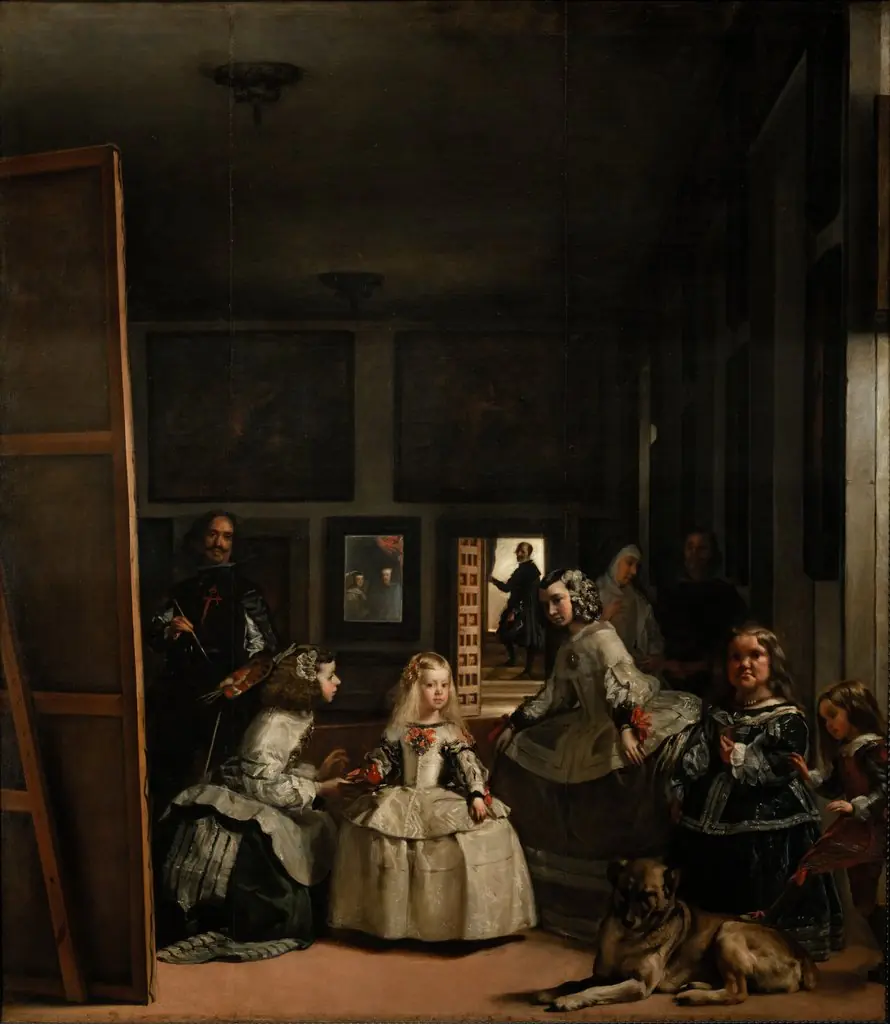 Las Meninas
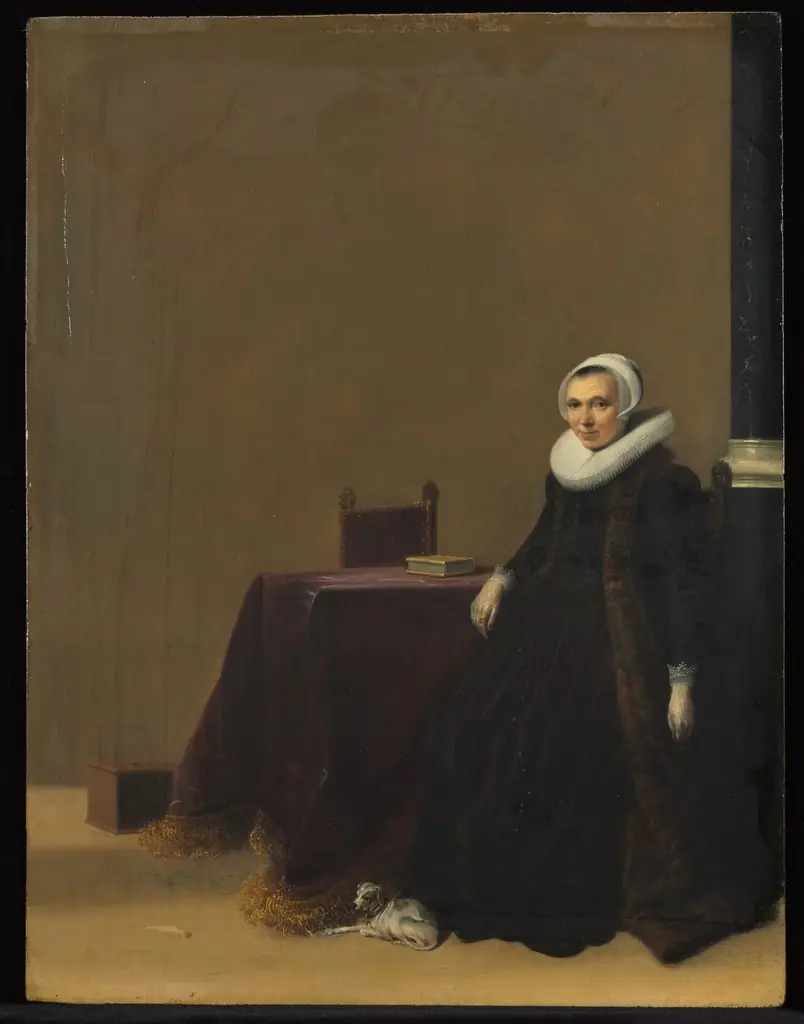 Portrait of a Woman with a Dog
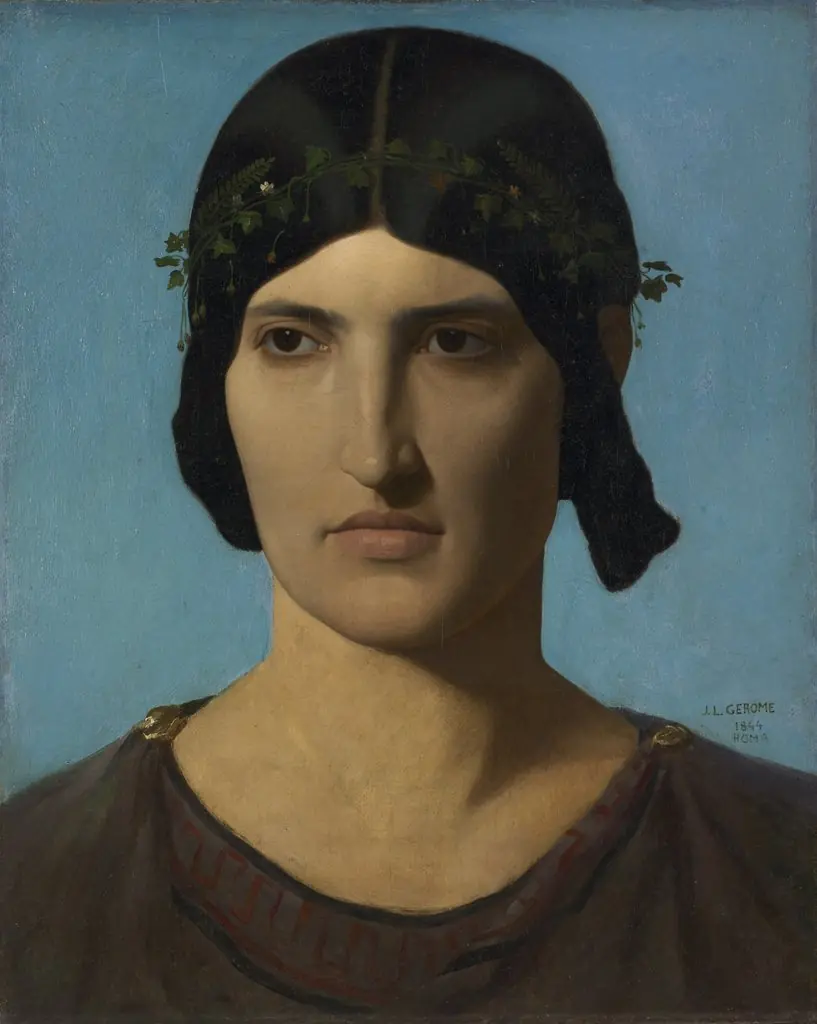 Head of an Italian Woman
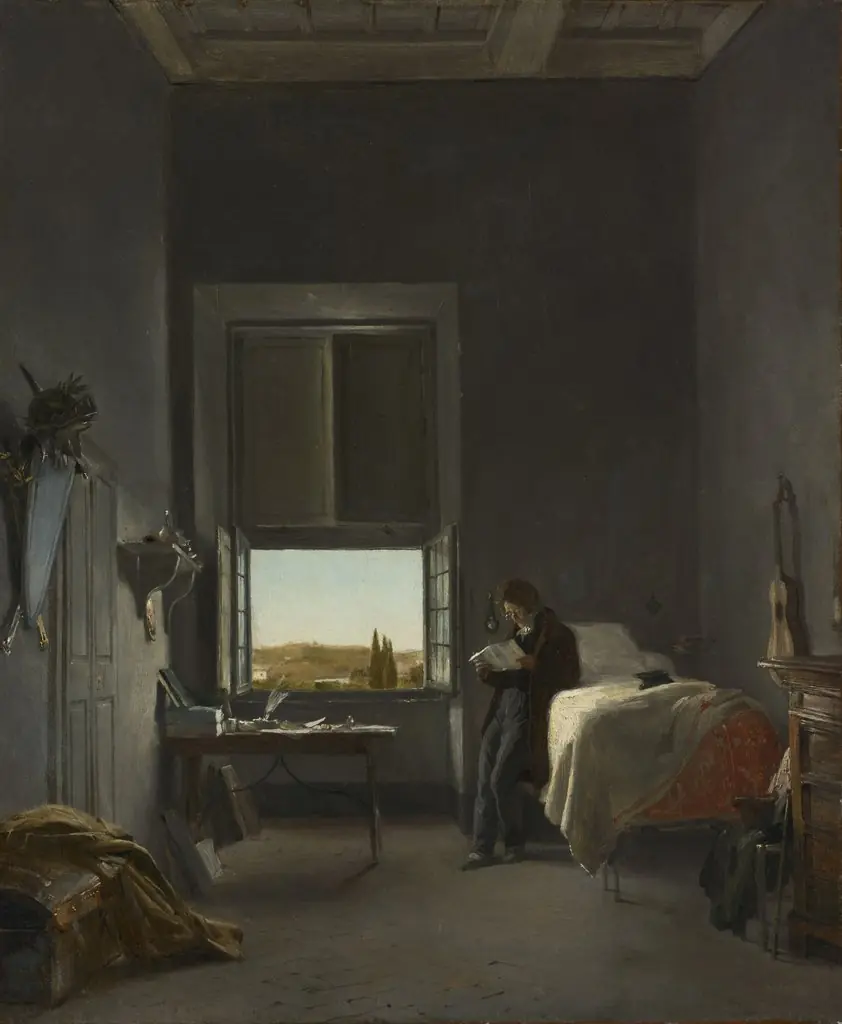 The Artist in His Room at the Villa Medici, Rome
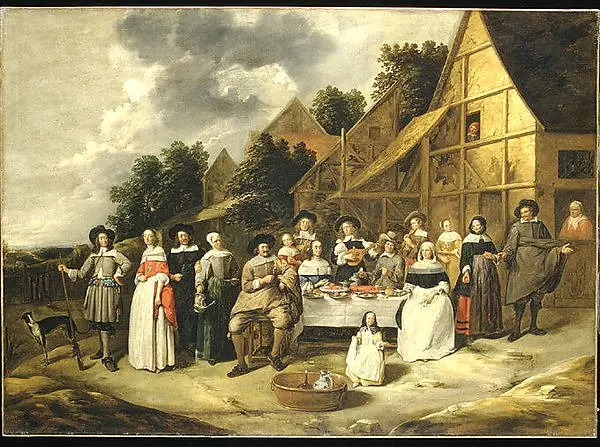 Group Portrait: A Wedding Celebration
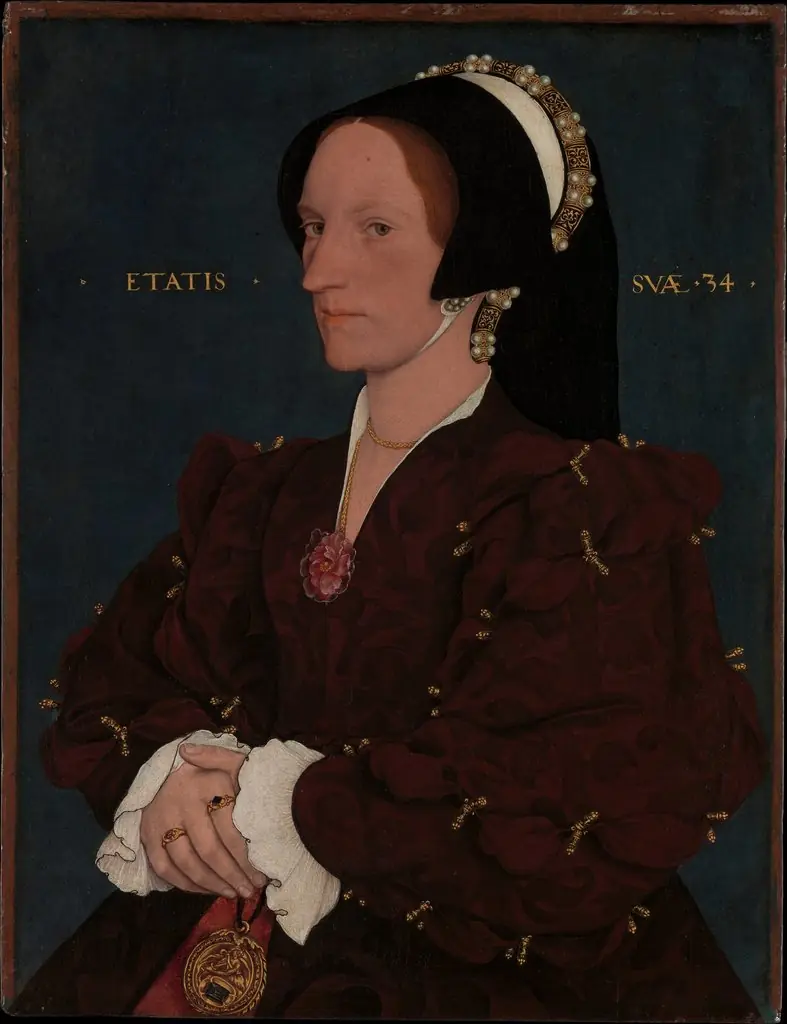 Lady Lee (Margaret Wyatt, born about 1509)
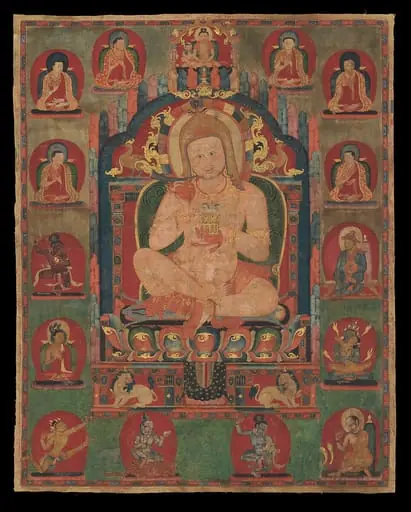 Untitled
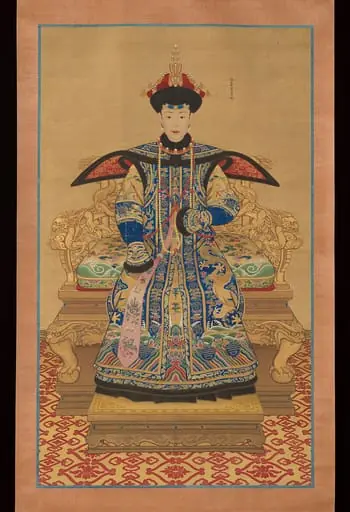 Untitled
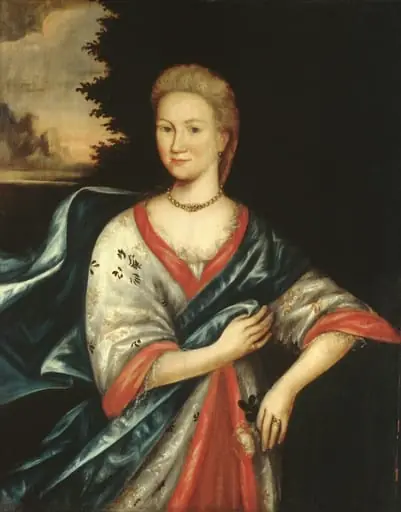 Portrait of a Lady
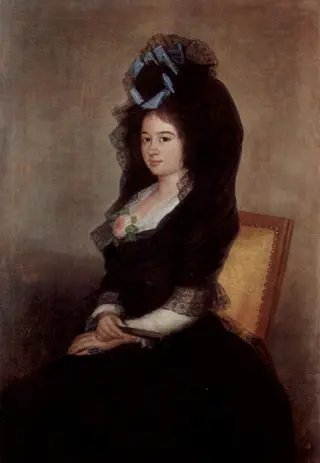 Narcisa Barañana de Goicoechea
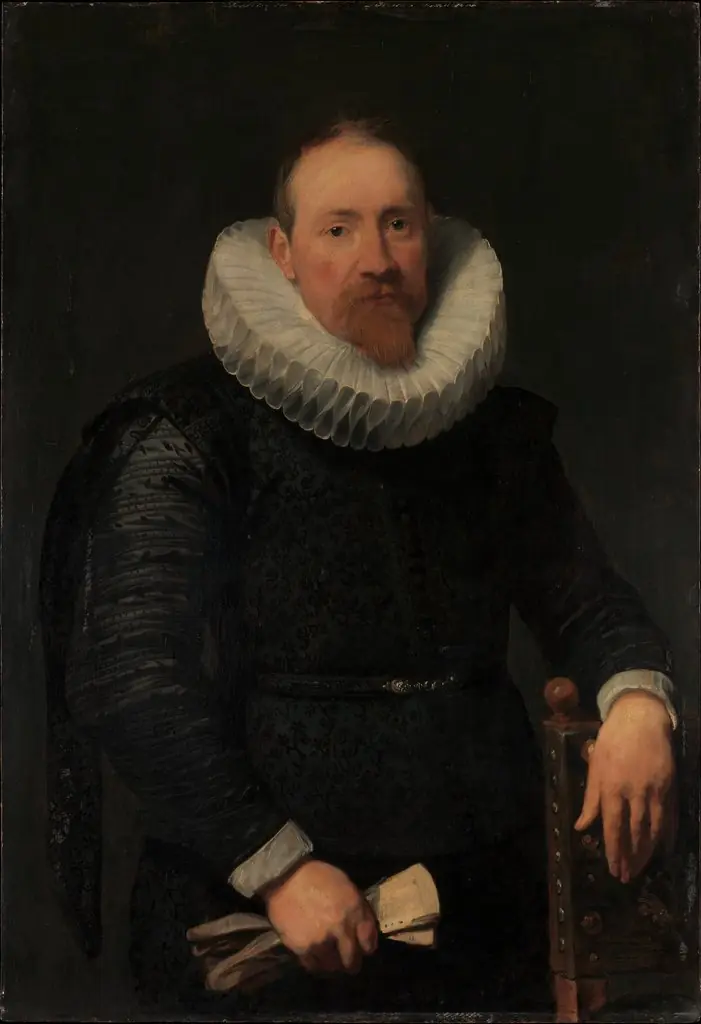 Portrait of a Man
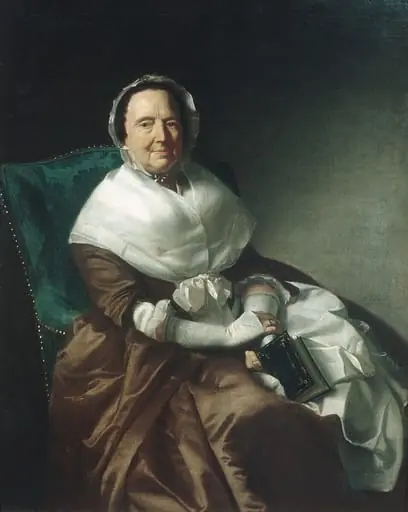 Mrs. Sylvanus Bourne
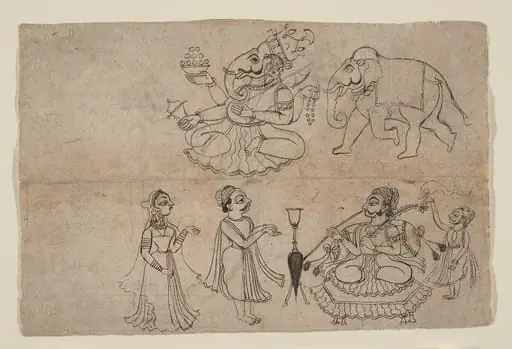 Untitled
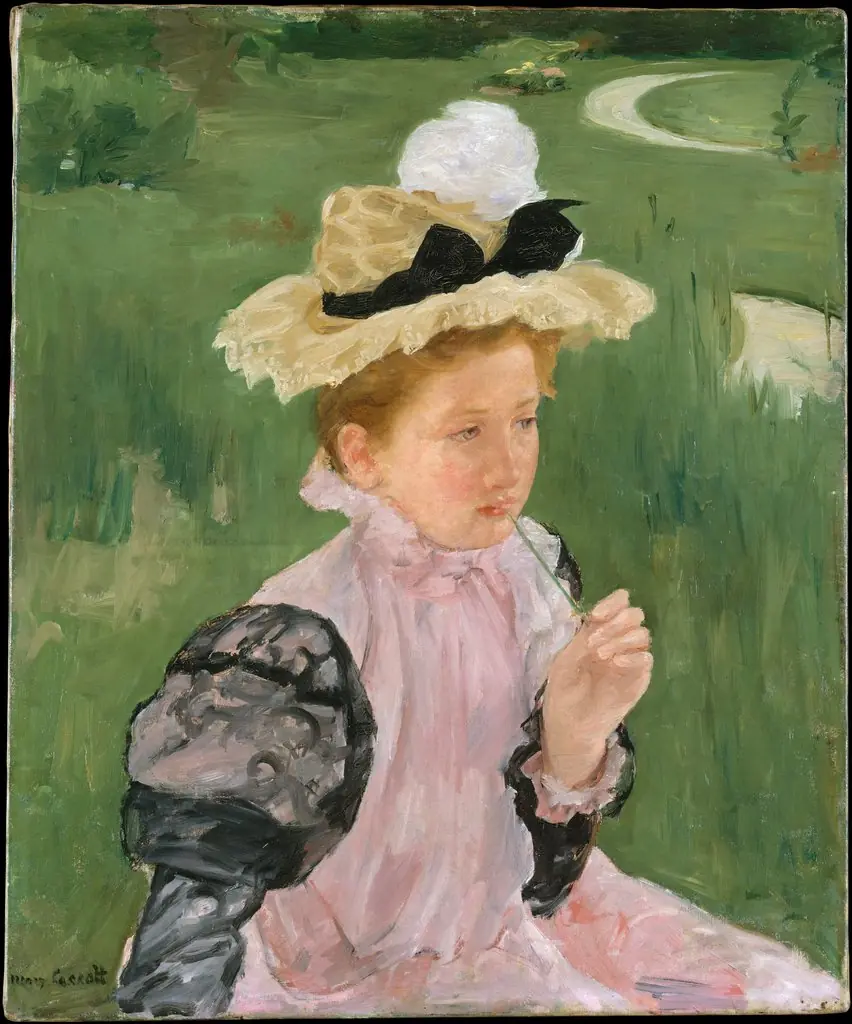 Portrait of a Young Girl
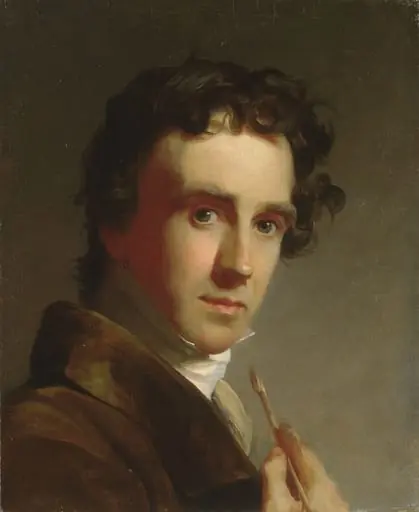 Portrait of the Artist
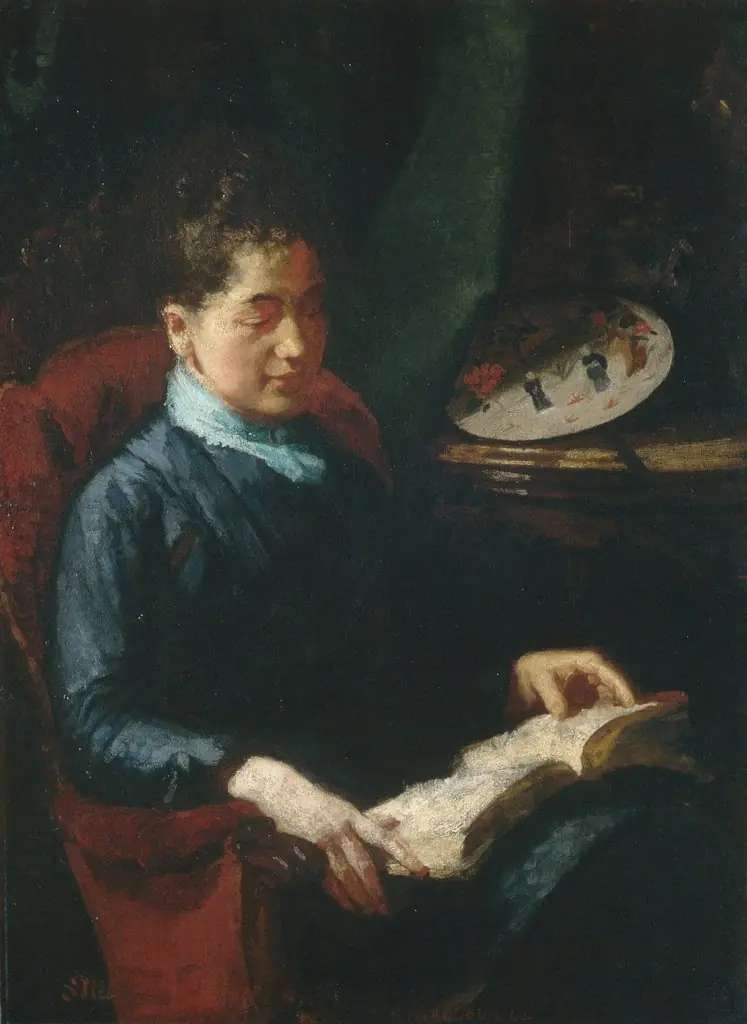 Woman Reading
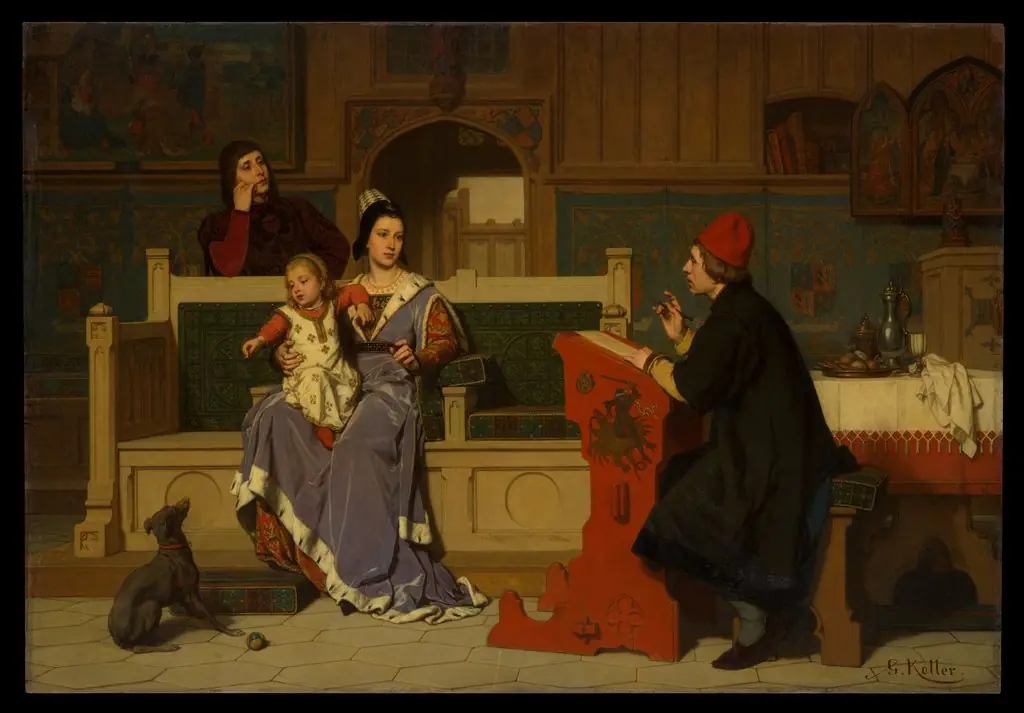 Hugo van der Goes Painting the Portrait of Mary of Burgundy
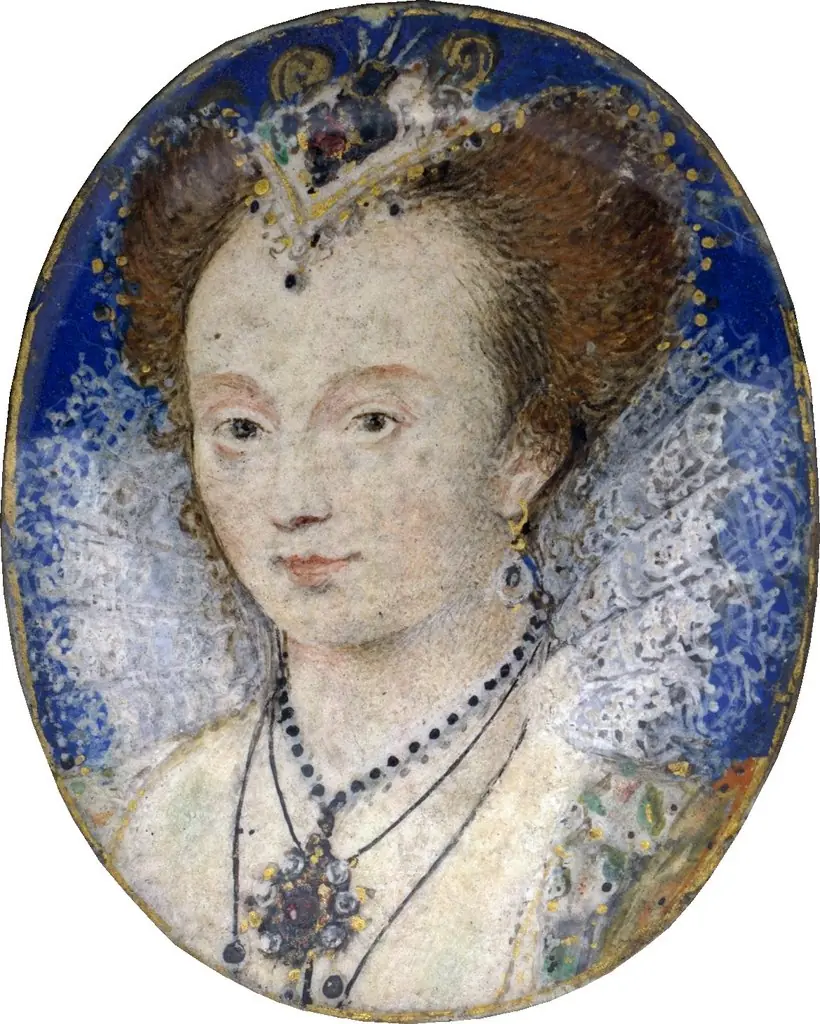 Portrait of a Woman
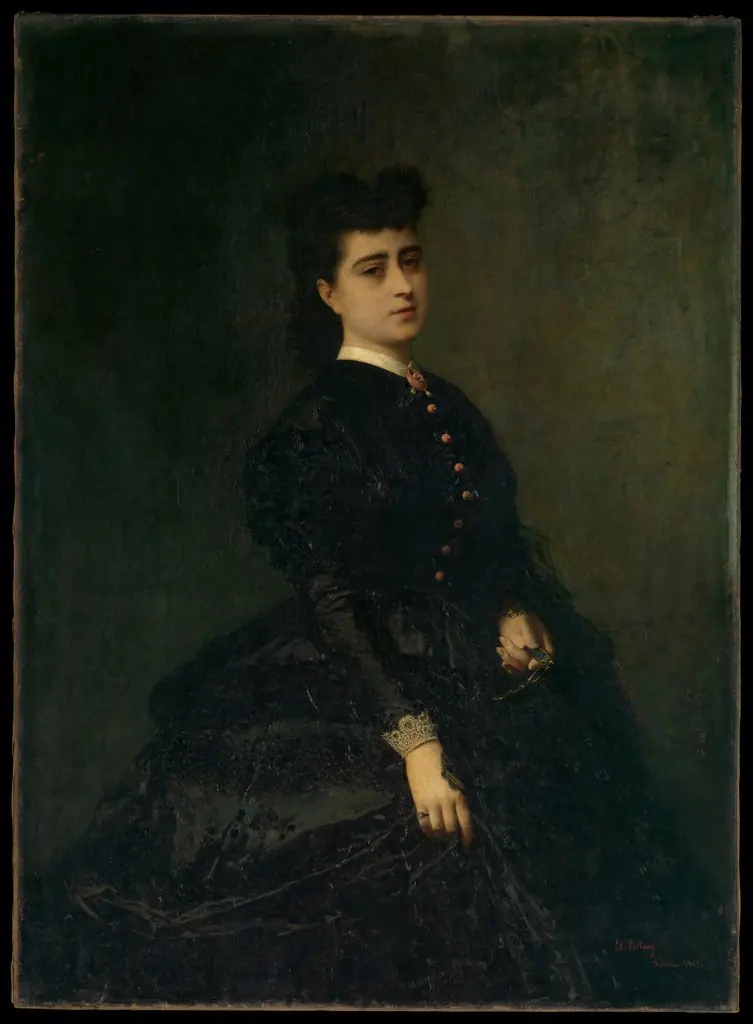 Madame Gaye
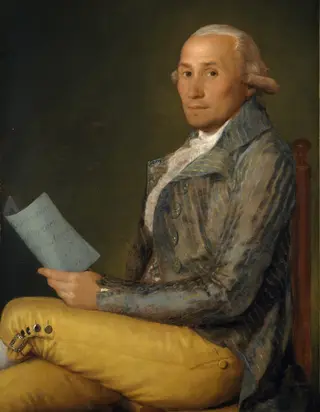 Portrait of Sebastián Martínez y Pérez
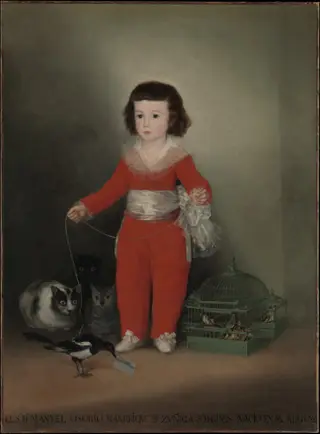 Don Manuel Osorio de Zuniga
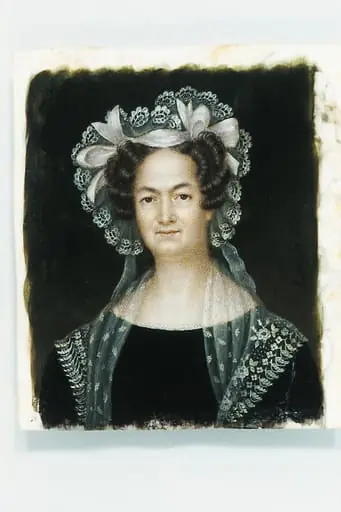 Mrs. Jacob Gerard Koch (Jane Griffith)
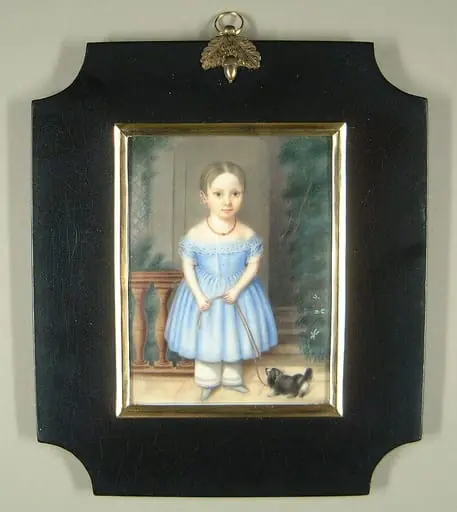 Mary R. Whitlock
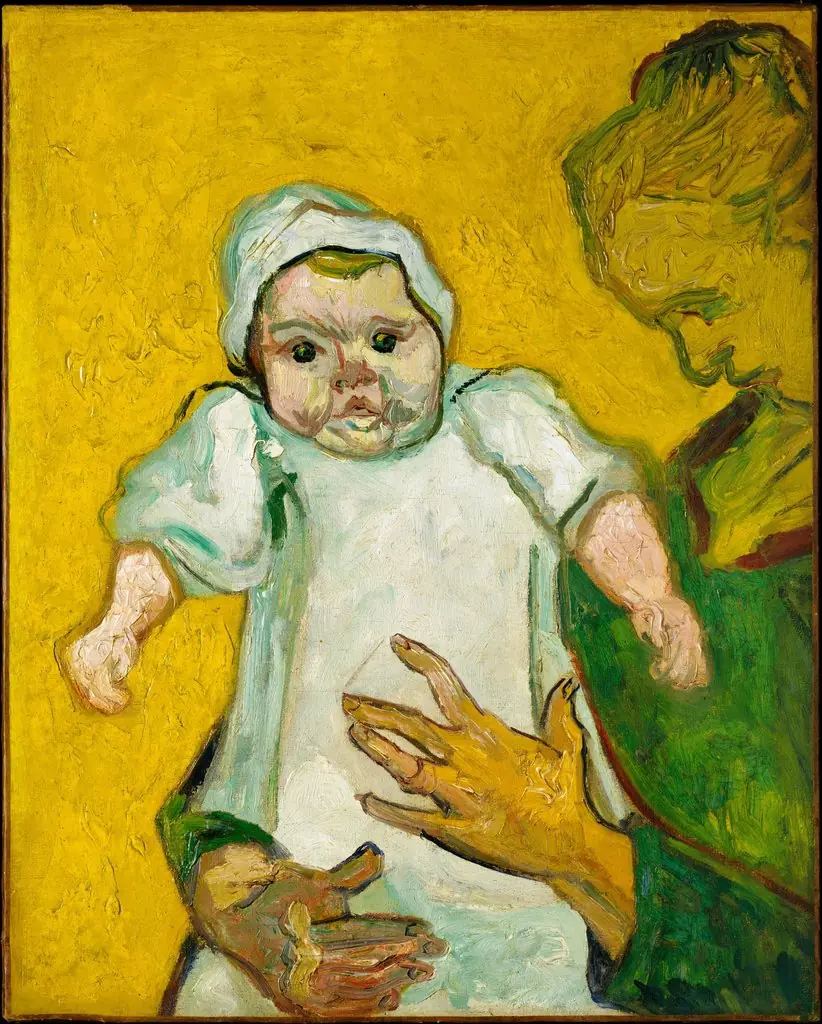 Madame Augustine Roulin with Baby
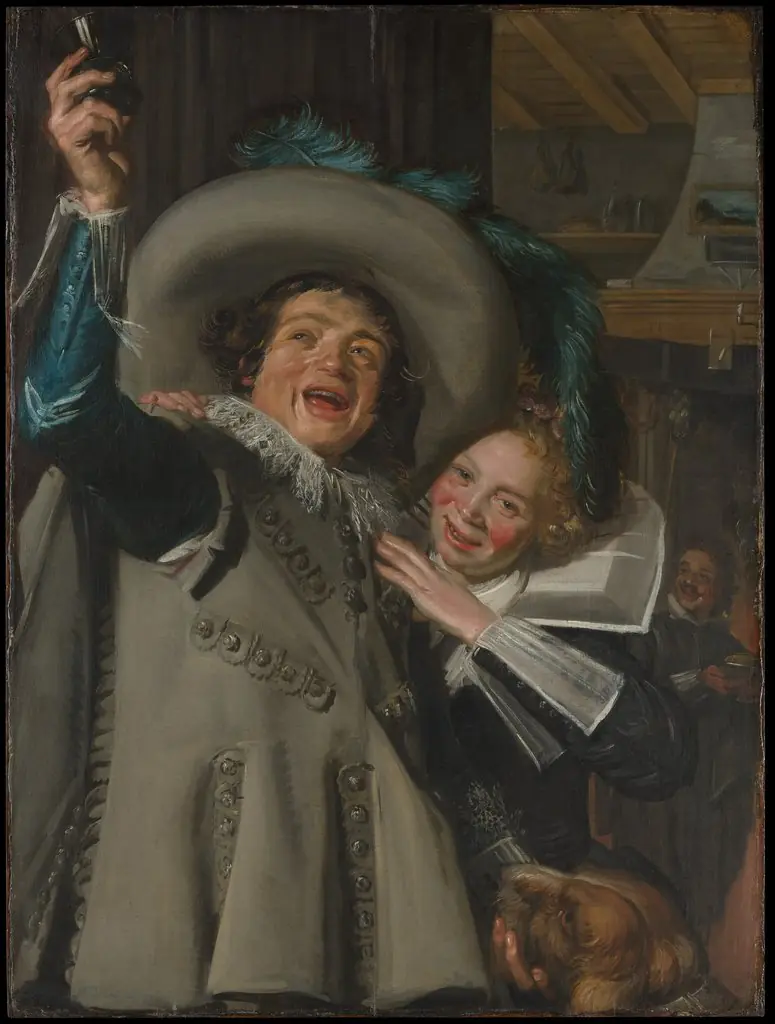 Young Man and Woman in an Inn
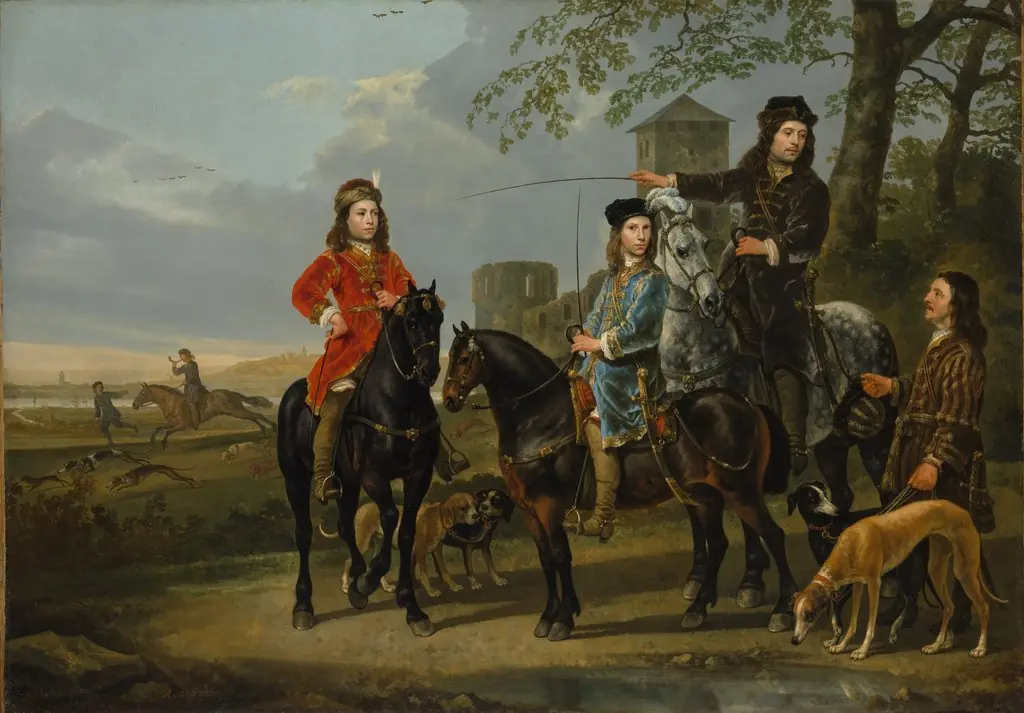 Equestrian Portrait of Cornelis (1639–1680) and Michiel Pompe van Meerdervoort (1638–1653) with Their Tutor and Coachman ("Starting for the Hunt")
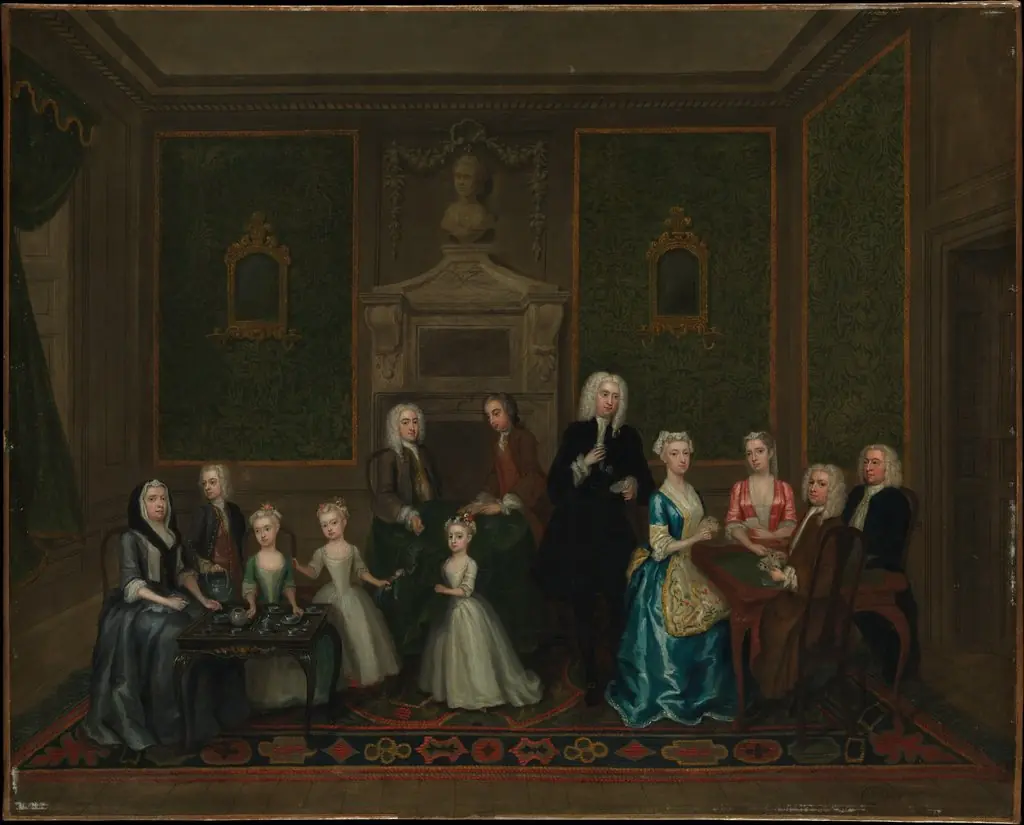 The Strong Family
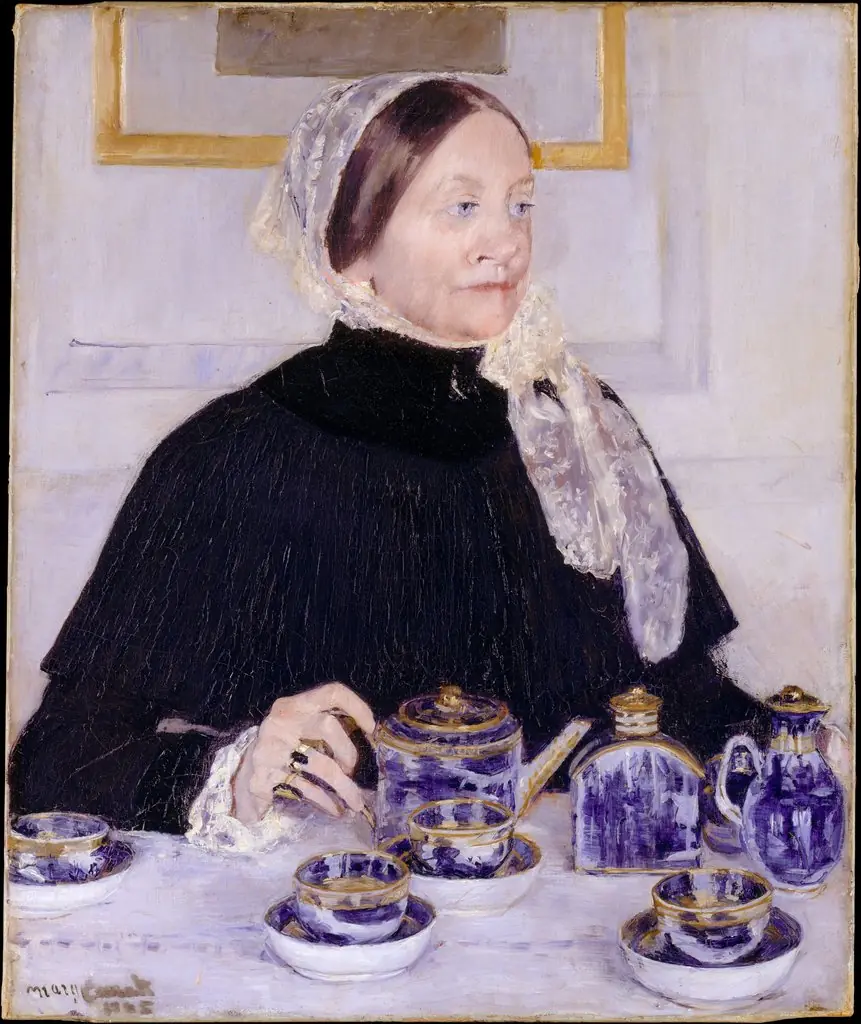 Lady at the Tea Table
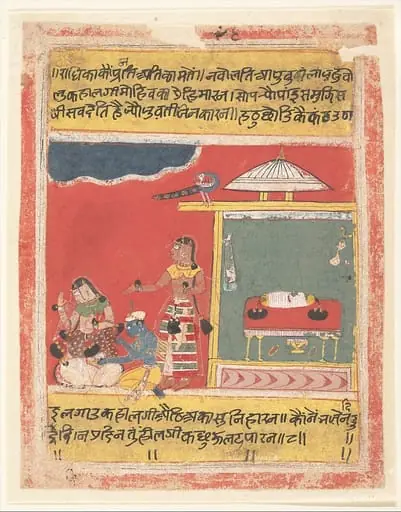 Untitled
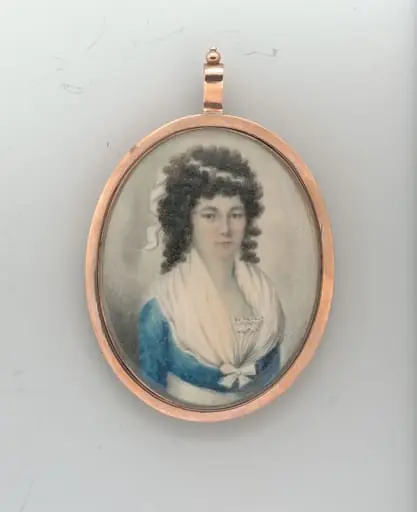 Portrait of a Lady
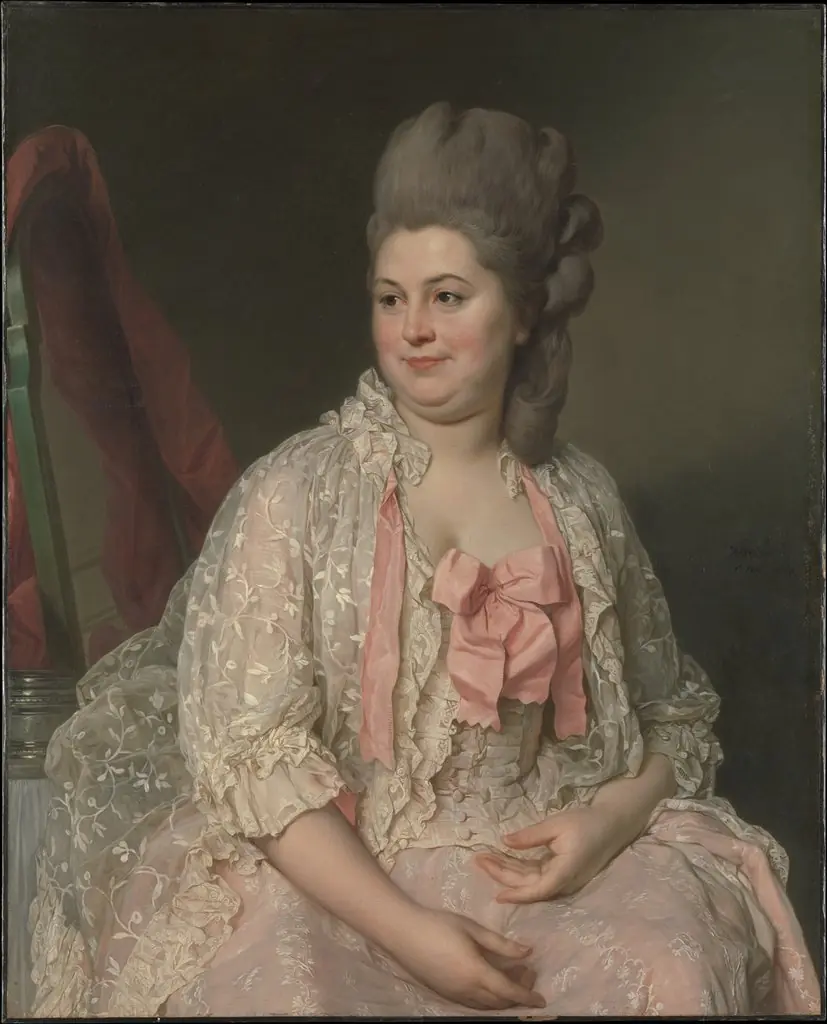 Madame de Saint-Maurice
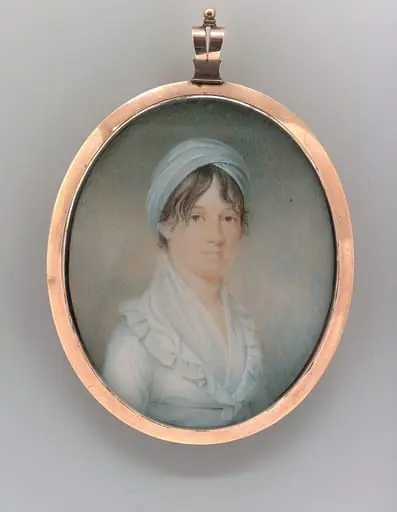 Mrs. Jonathan Pinkney, Jr. (Elizabeth Munroe)
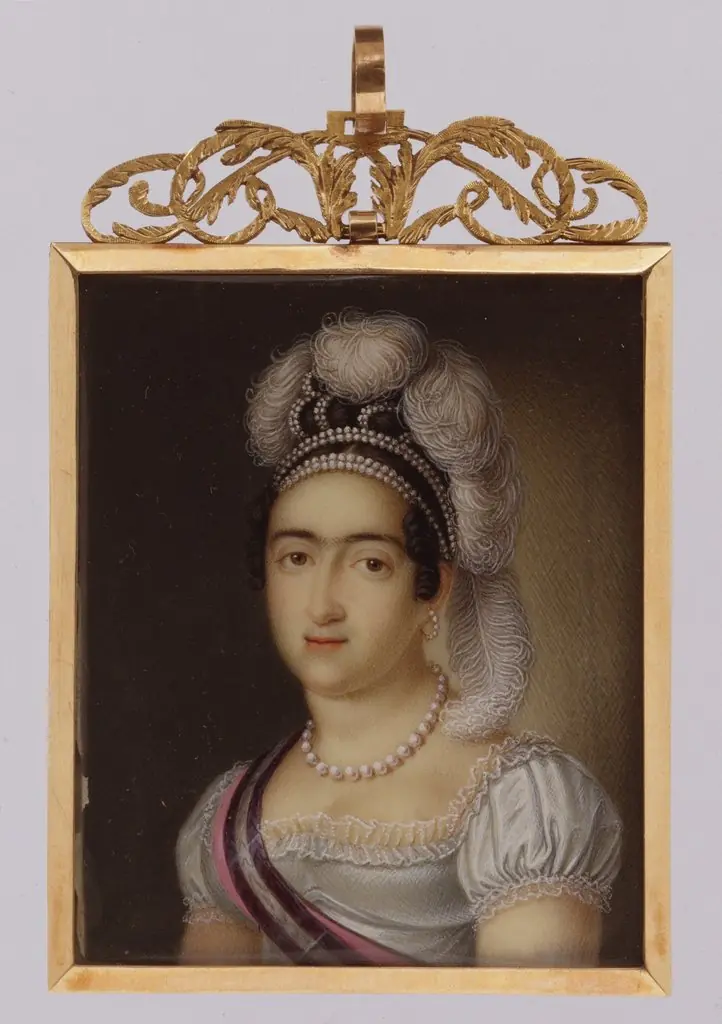 Princess María Francisca de Asis de Borbón and Her Son Infante Carlos Luis María Fernando de Borbón
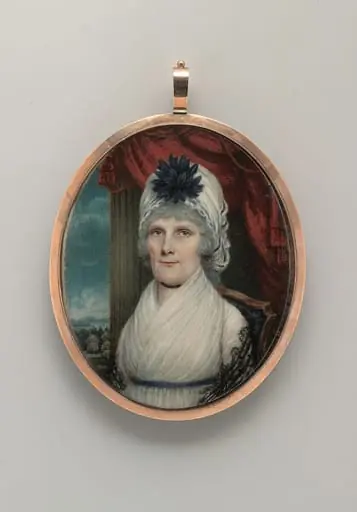 Portrait of a Lady
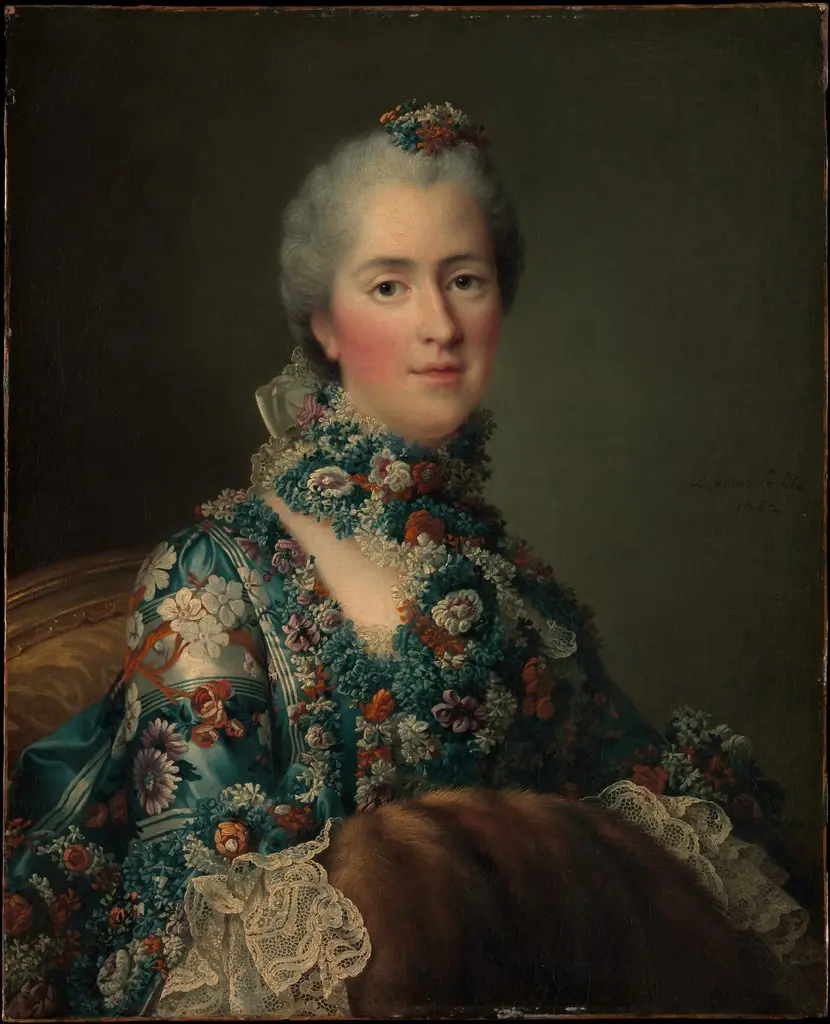 Madame Sophie de France (1734–1782)
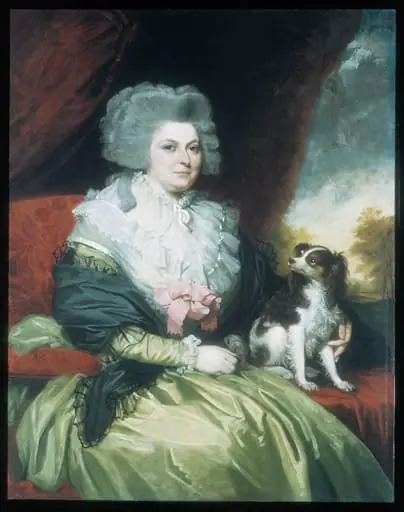 Lady with a Dog
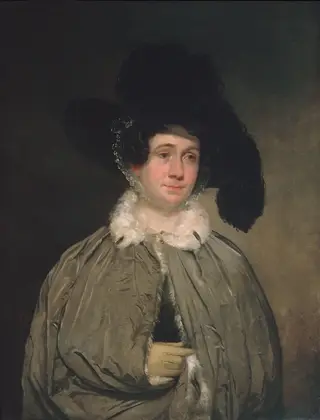 Mrs. Thomas Brewster Coolidge
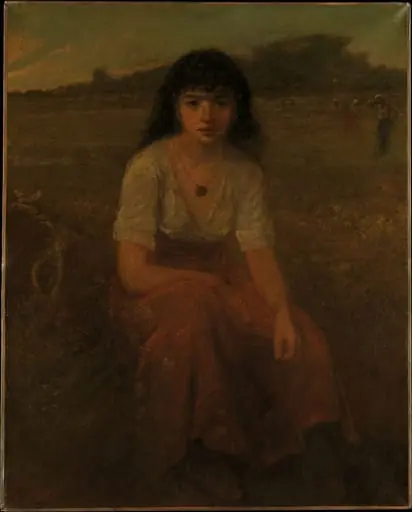 The Quadroon
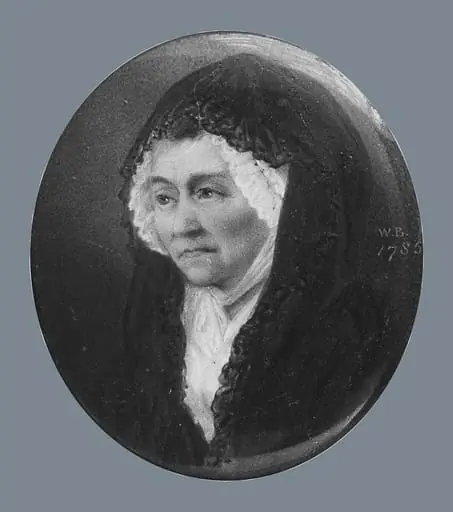 Mary Birch
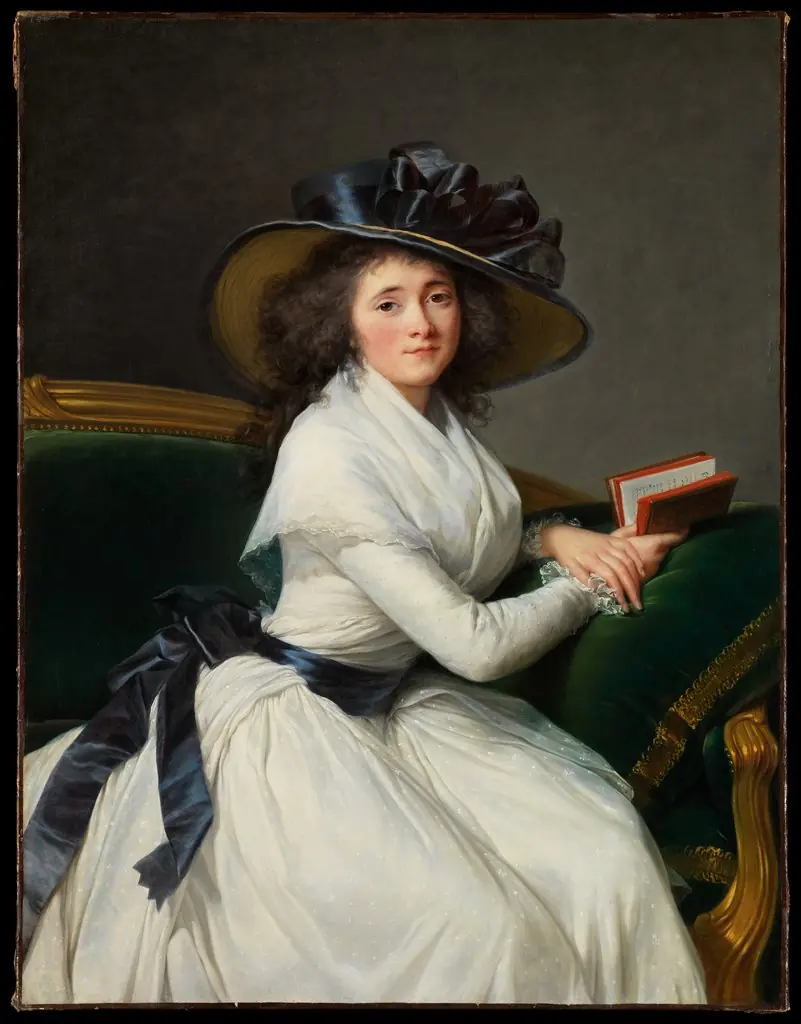 Comtesse de la Châtre (Marie Charlotte Louise Perrette Aglaé Bontemps, 1762–1848)
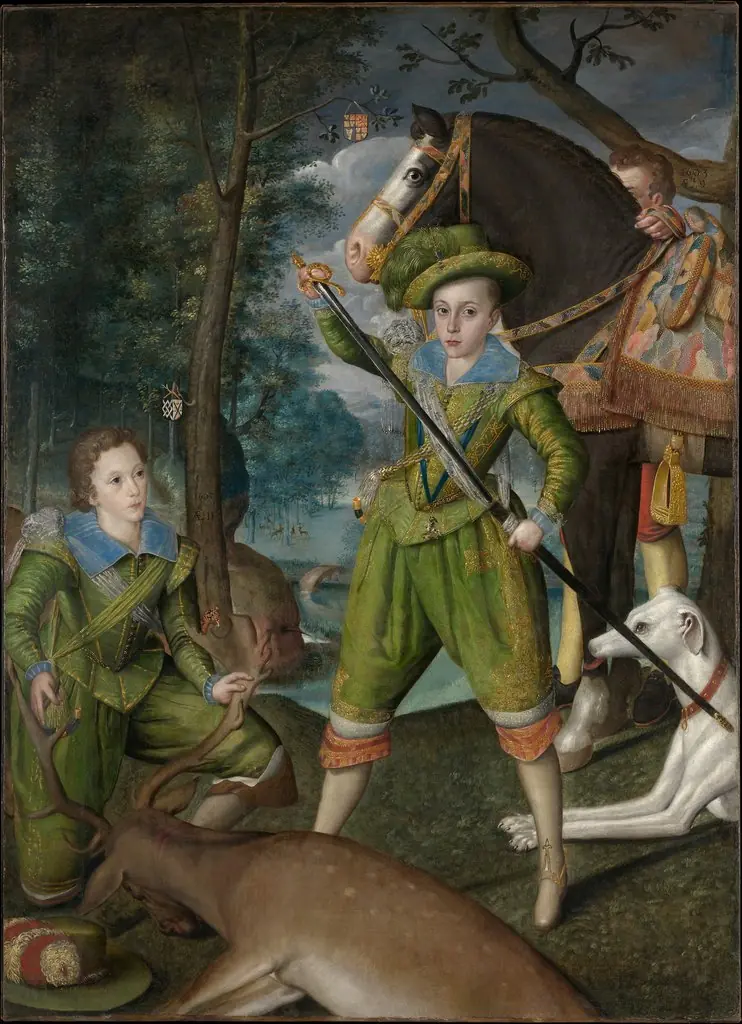 Henry Frederick (1594–1612), Prince of Wales, with Sir John Harington (1592–1614), in the Hunting Field
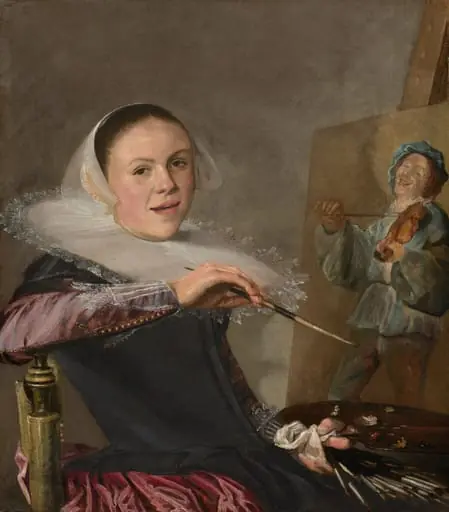 Self-Portrait
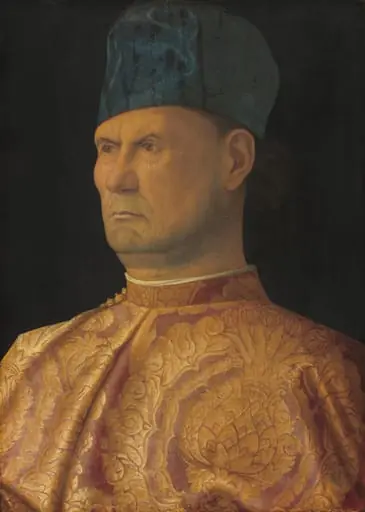 Giovanni Emo
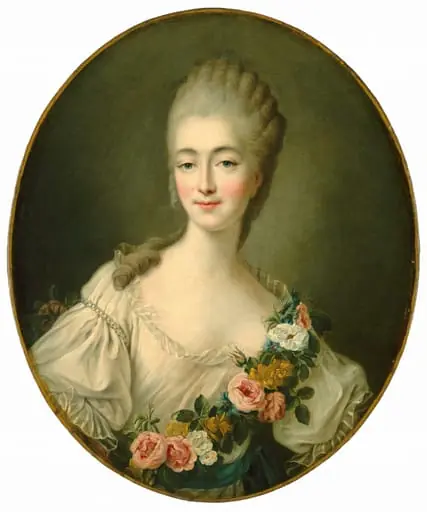 Jeanne Bécu, Comtesse du Barry
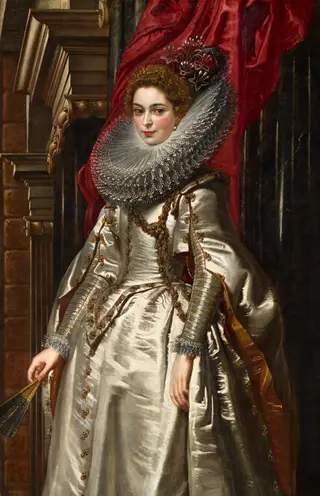 Marchesa Brigida Spinola Doria
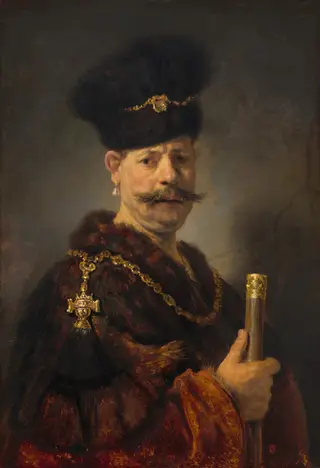 A Polish Nobleman
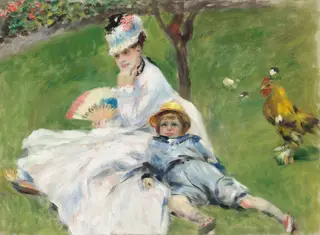 Madame Monet and Her Son
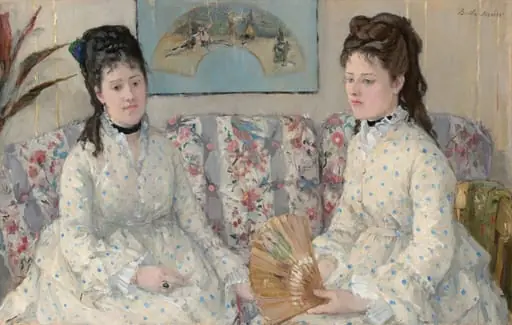 The Sisters
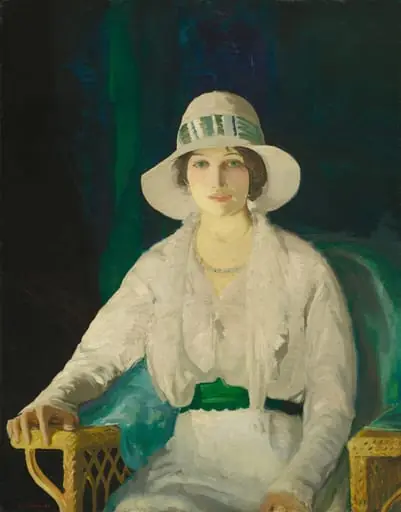 Florence Sittenham Davey (Mrs. Randall Davey)
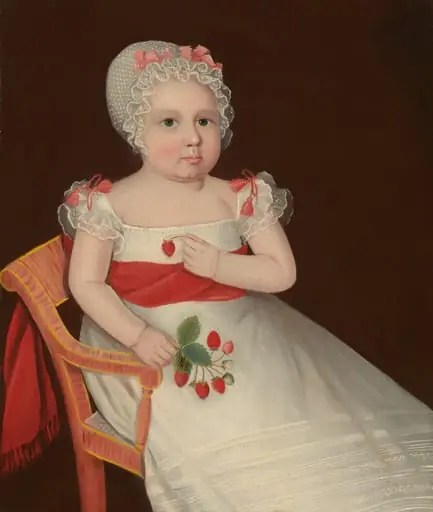 The Strawberry Girl
![Ginevra de' Benci [obverse]](https://artifactworldgallery.com/img/leonardo-da-vinci--ginevra-de-benci-obverse--afb6ec3a3e65f392-w320.webp) Ginevra de' Benci [obverse]
Ginevra de' Benci [obverse]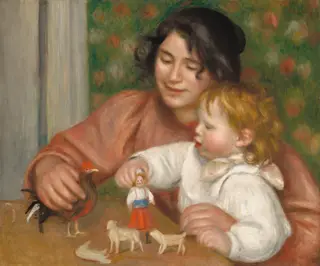 Child with Toys - Gabrielle and the Artist's Son, Jean
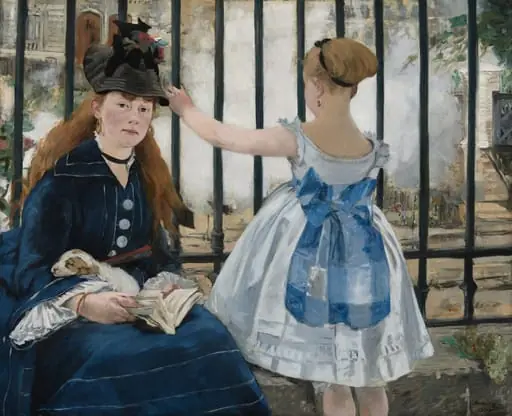 The Railway
Frequently asked questions
What is Portrait?
Portrait is an art genre. One of the oldest and most sustained genres in Western art, dedicated to depicting individual or group likenesses.
How many Portrait works does Artifact World Gallery have?
Artifact World Gallery holds 33,435 public-domain Portrait works, all free to view and download.
Who are the key Portrait artists?
Key Portrait artists in the collection include Titian, Thomas Eakins and Paolo Veronese.
Where can I see Portrait works?
Portrait works in the collection are held by National Gallery of Art, Metropolitan Museum of Art and Rijksmuseum.