
Movement
Flemish Baroque painting
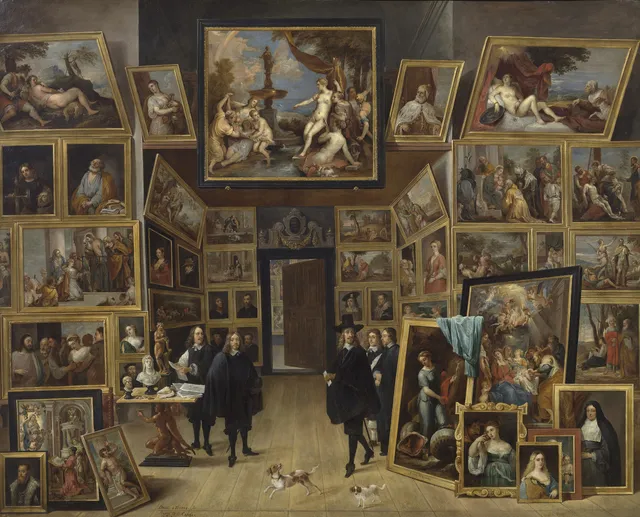
Flemish Baroque painting is an art movement of the 1585–1700 period. The gallery holds 4,050 works in this movement, including works by Peter Binoit, Rembrandt van Rijn and David Teniers the Younger. Browse Flemish Baroque painting paintings, portraits, pictures and artworks from the world's public-domain museum collections.
Flemish Baroque painting flourished in the Southern Netherlands—roughly present-day Flanders—across the seventeenth century, conventionally dated from the Spanish recapture of Antwerp in 1585 to about 1700. Unlike the Protestant Dutch Republic to the north, these provinces remained Catholic and under Habsburg Spanish rule, and their art became a vehicle for the Counter-Reformation: churches stripped by earlier iconoclasm needed grand, persuasive altarpieces. Antwerp, with Brussels, formed the movement's hub, where painters fused the region's venerable oil-painting tradition with the dynamic compositions, warm color, and dramatic lighting absorbed from the Italian Renaissance and from Caravaggio.
The style is defined by movement and abundance: swirling diagonal compositions, robust and sensuous figures, opulent color, and a tactile relish for flesh, fabric, fur, and foliage. Subjects ranged from monumental religious and mythological history paintings to portraits, hunting scenes, still lifes, and peasant genre, often produced through large collaborative workshops in which specialists supplied figures, animals, or flowers within a single canvas.
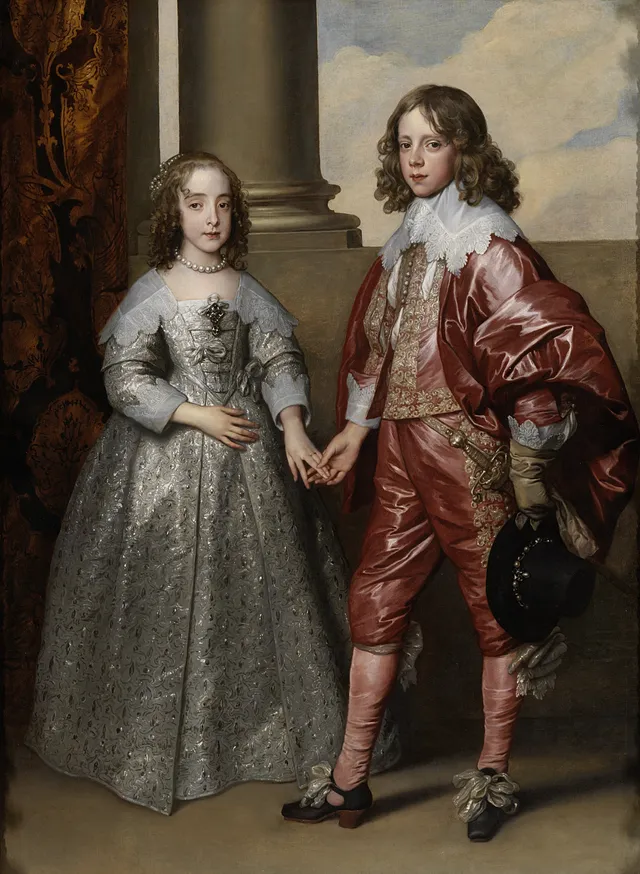
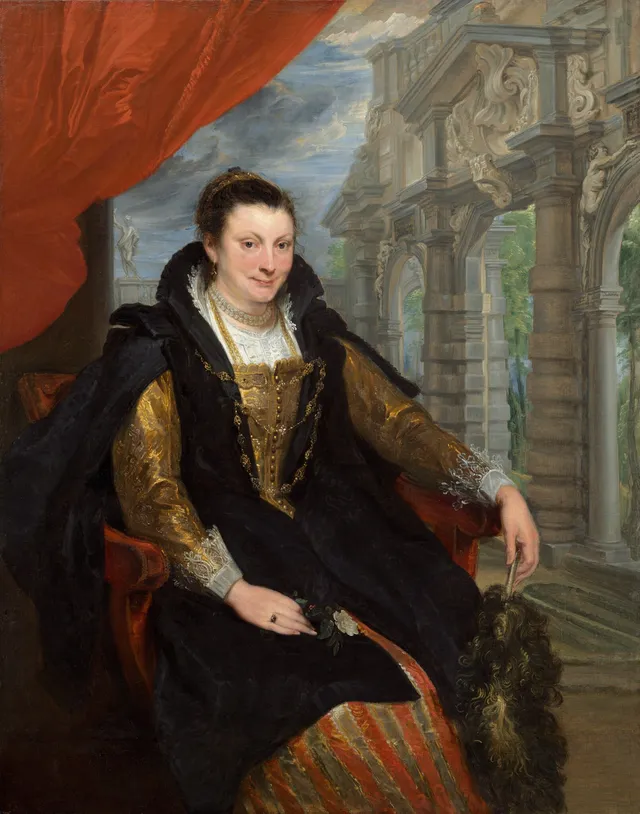
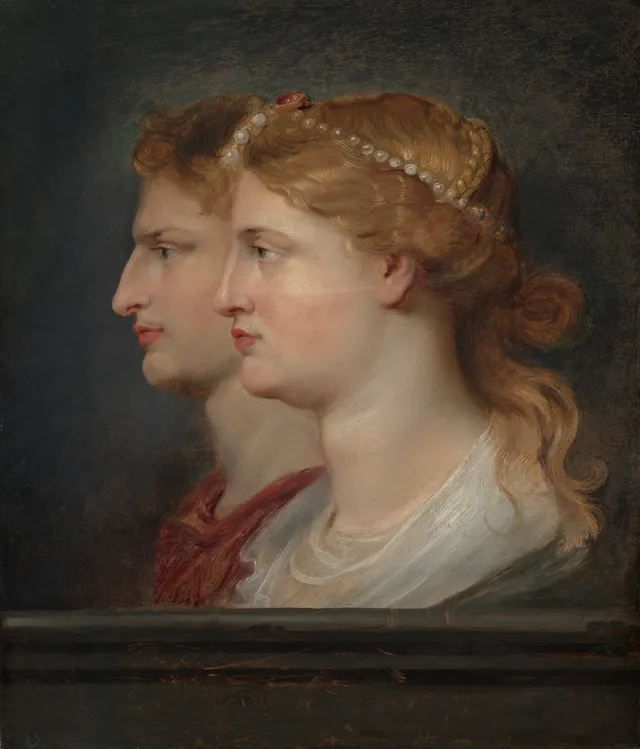
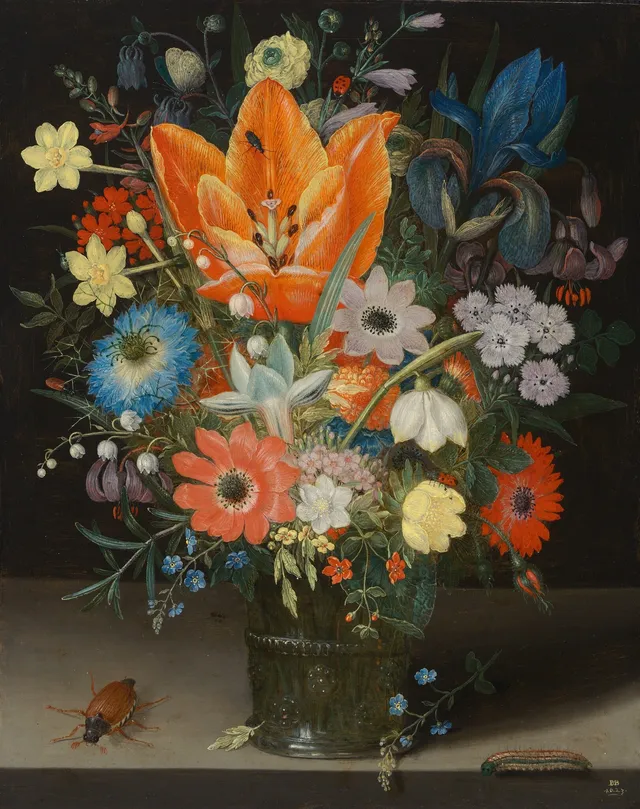
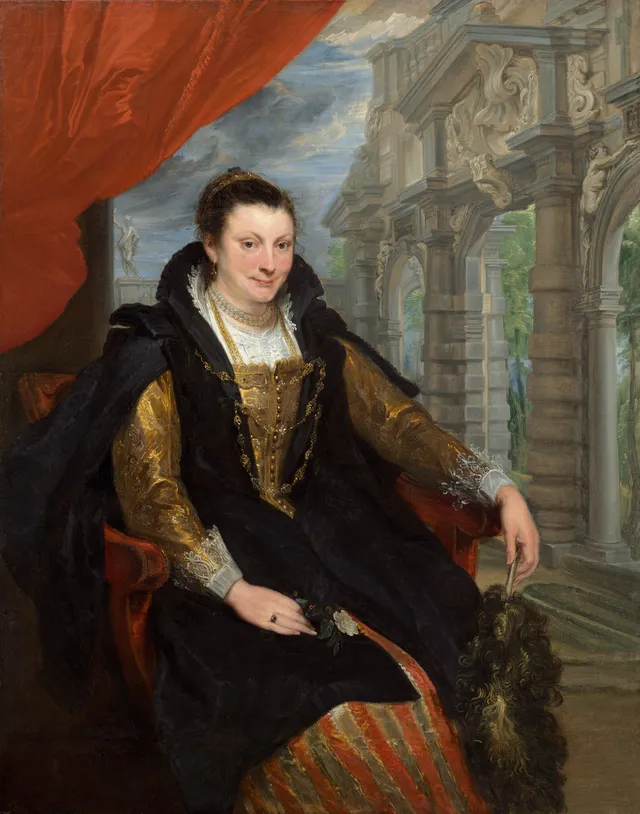
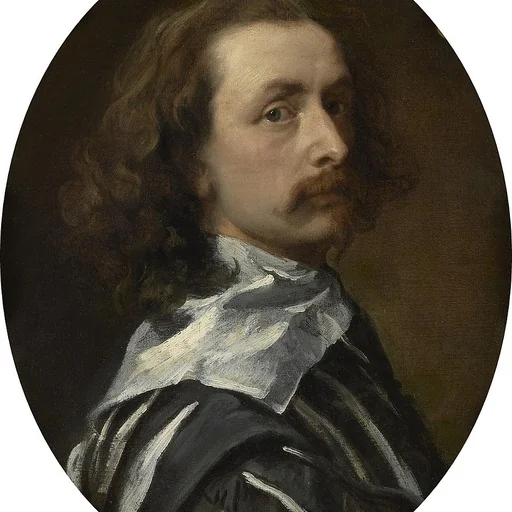
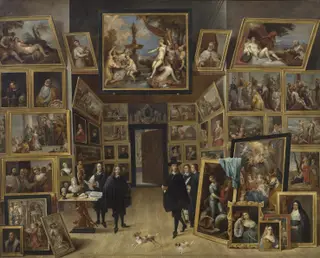
The movement's towering figure is Peter Paul Rubens (1577–1640), whose Antwerp studio produced altarpieces such as the great triptych The Descent from the Cross (1612–1614) for the Cathedral of Our Lady, alongside mythologies like The Union of Earth and Water and Agrippina and Germanicus. His most gifted pupil, Anthony van Dyck (1599–1641), redefined aristocratic portraiture and, knighted as court painter to Charles I from 1632, produced refined likenesses such as Isabella Brant and William II, Prince of Orange, and his Bride, Mary Stuart. Jacob Jordaens (1593–1678) led Flemish painting after their deaths, while Frans Snyders mastered still life and hunt, Jan Brueghel the Elder (1568–1625), the "Velvet Brueghel" and frequent Rubens collaborator, perfected the flower piece, and David Teniers the Younger (1610–1690) excelled at peasant genre and gallery interiors like Archduke Leopold Wilhelm in his Gallery.
Flemish Baroque set the European standard for grand decorative painting, shaping court art from Madrid to London and influencing later masters such as Watteau, Delacroix, and Renoir. It stands as the Catholic, courtly counterpart to the bourgeois realism of the neighbouring Dutch Golden Age, the two together defining seventeenth-century Netherlandish art.
Key artists

Artist
Works
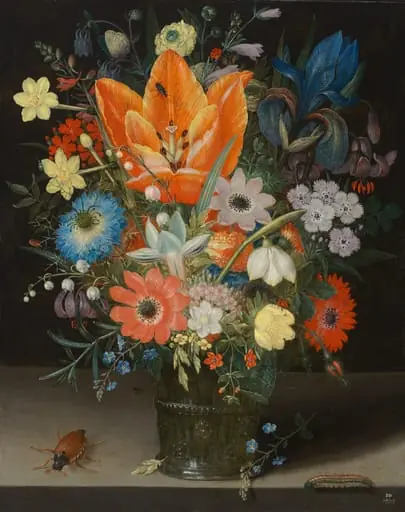 Still Life with Iris
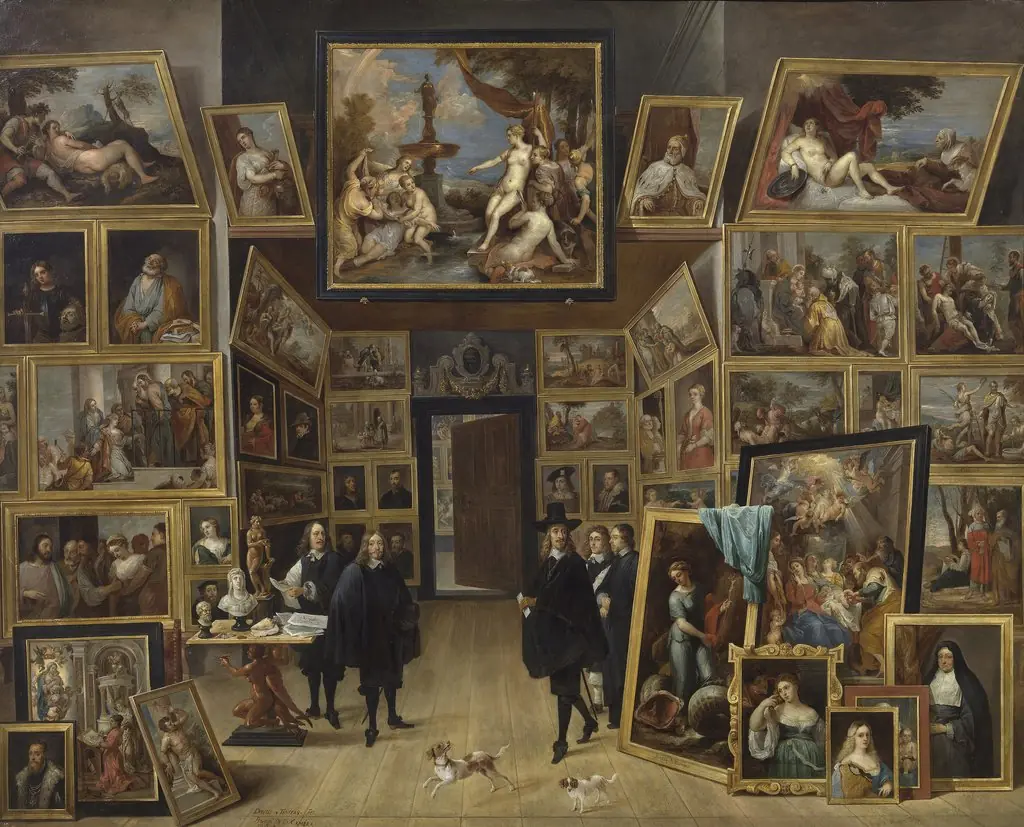 Archduke Leopold Wilhelm in his Gallery
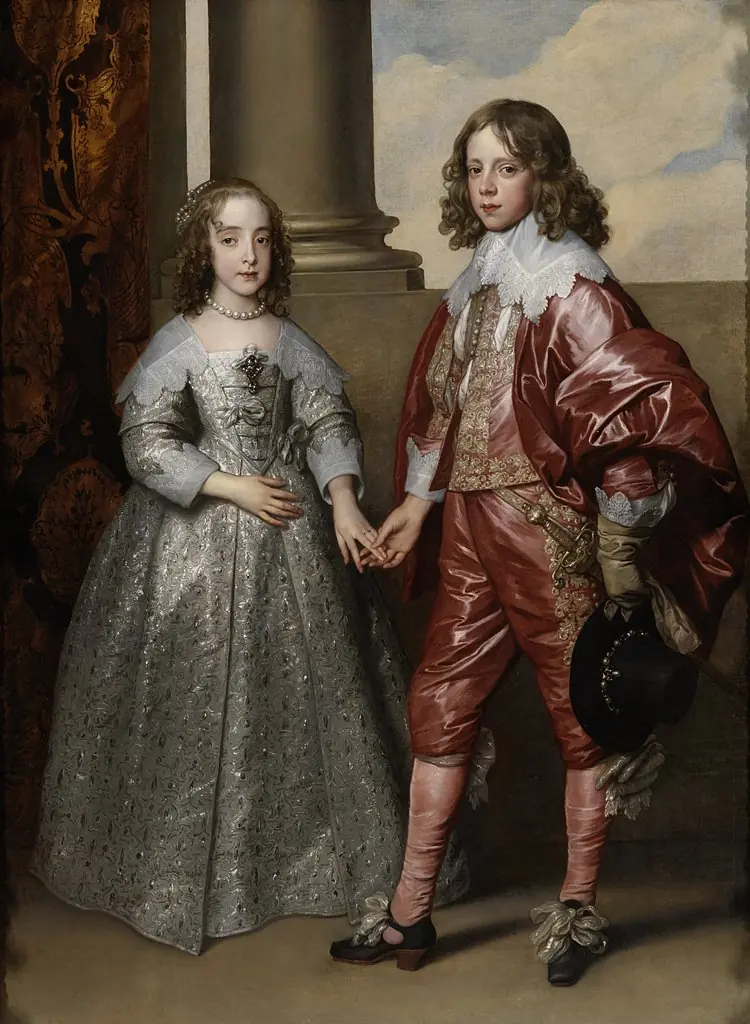 William II, Prince of Orange, and his Bride, Mary Stuart
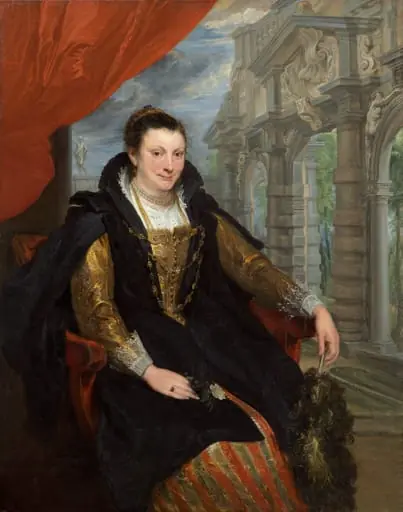 Isabella Brant
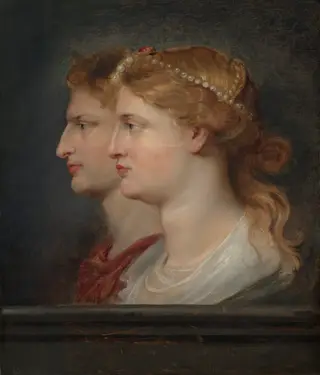 Agrippina and Germanicus
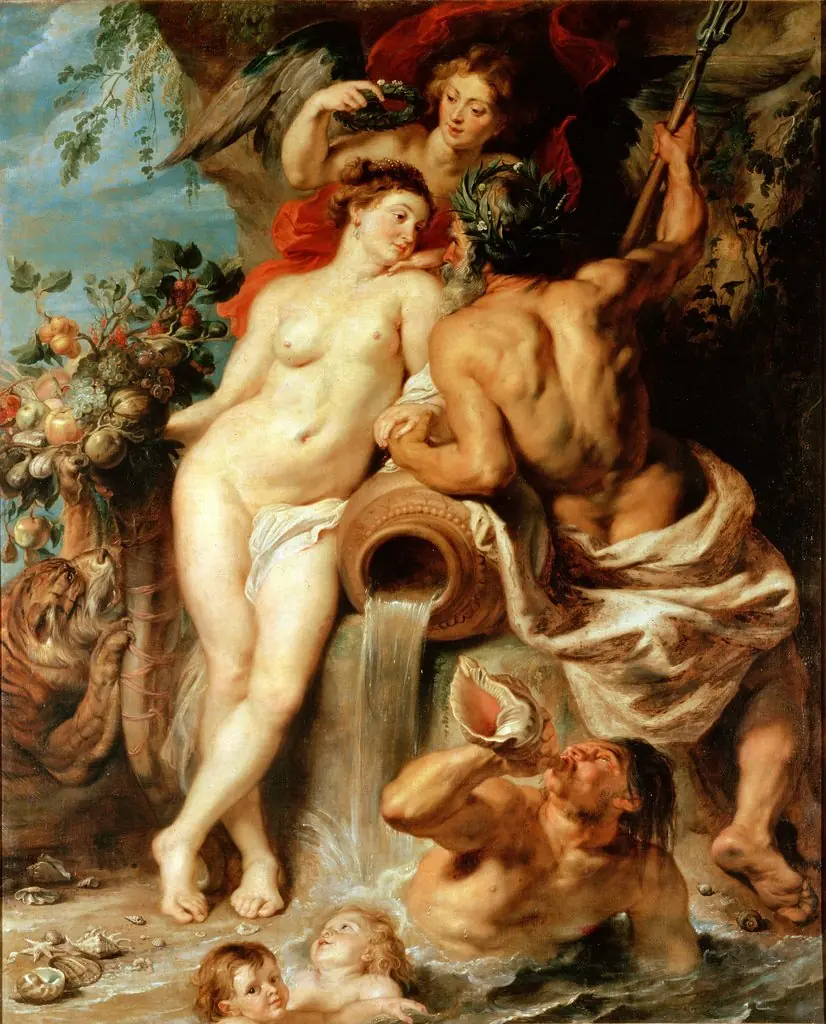 The Union of Earth and Water (Antwerp and the Scheldt)
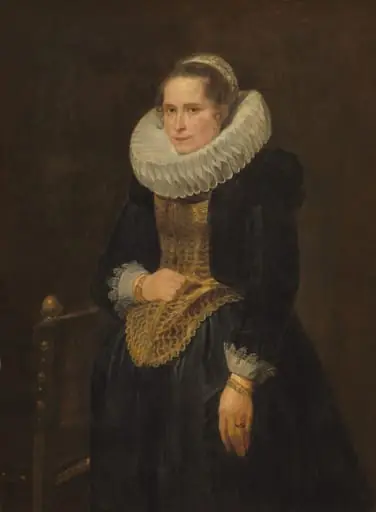 Portrait of a Flemish Lady
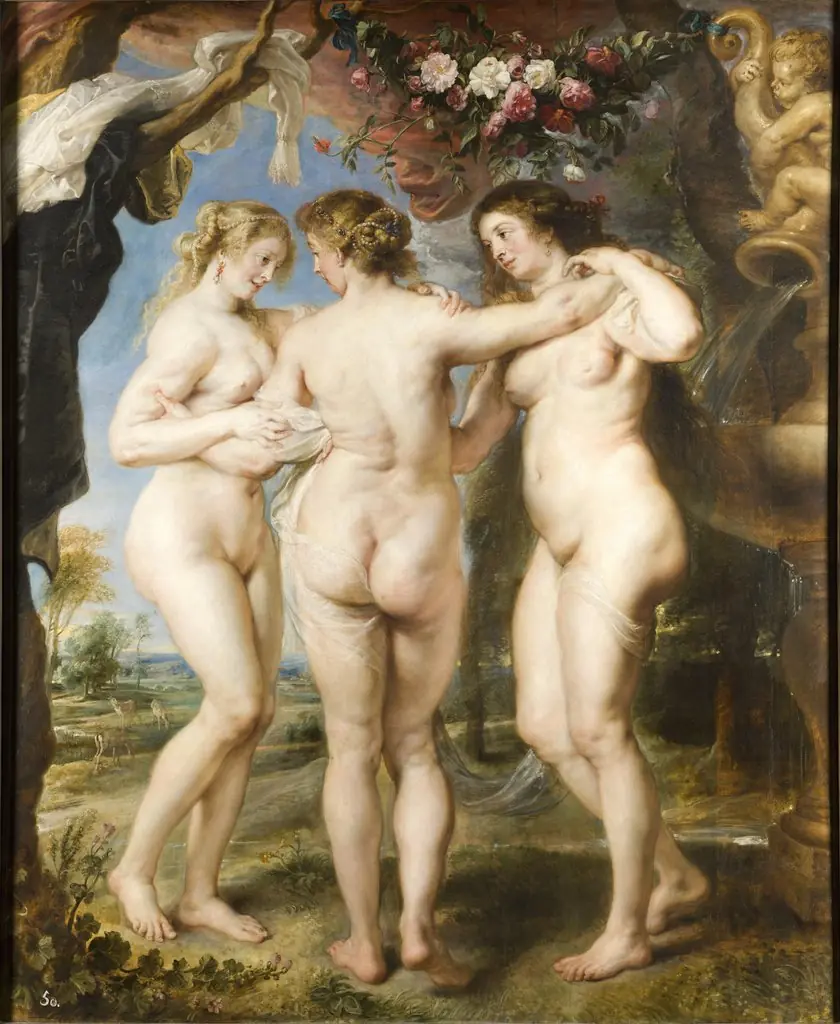 The Three Graces
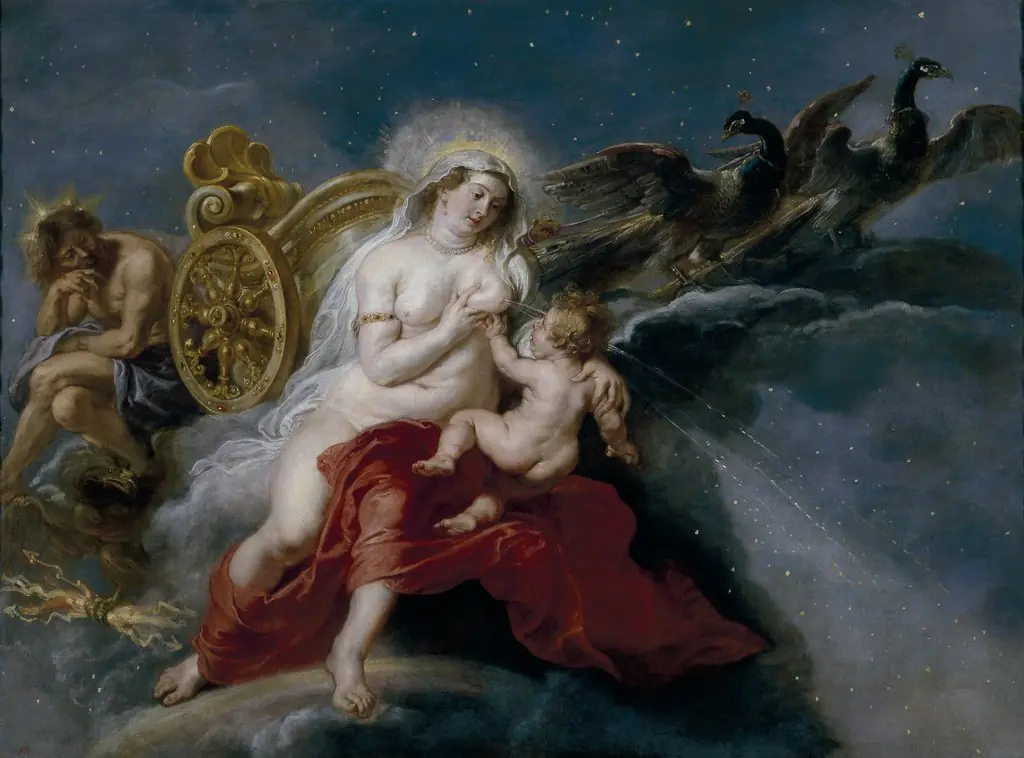 The Origin of the Milky Way
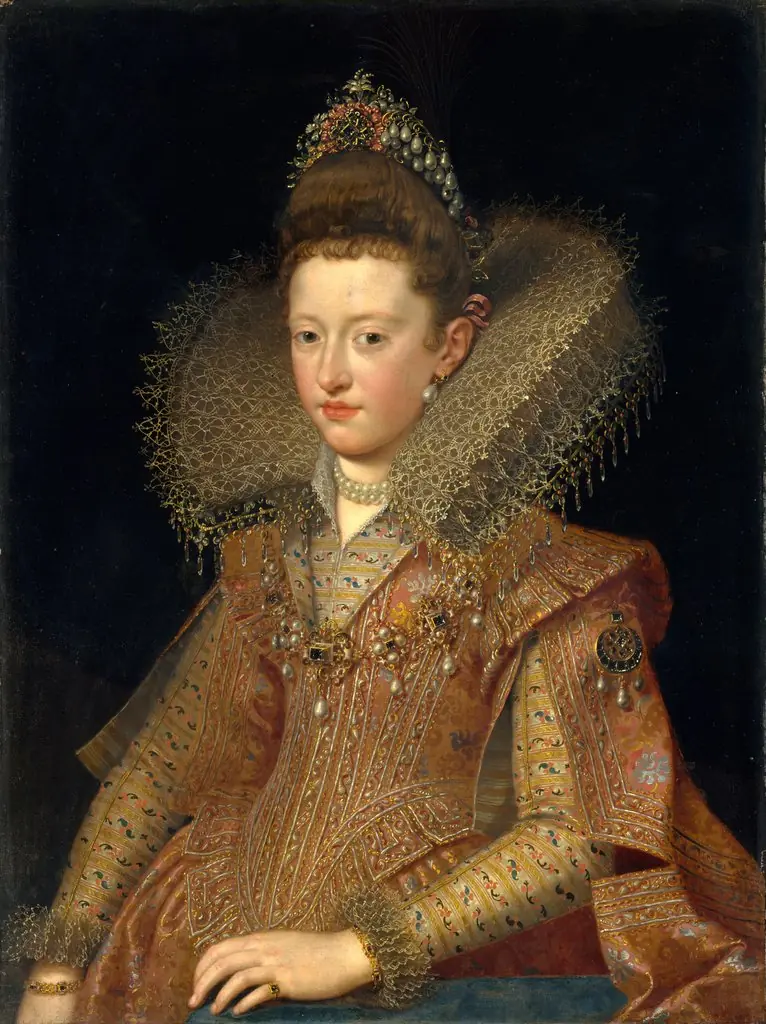 Margherita Gonzaga (1591–1632), Princess of Mantua
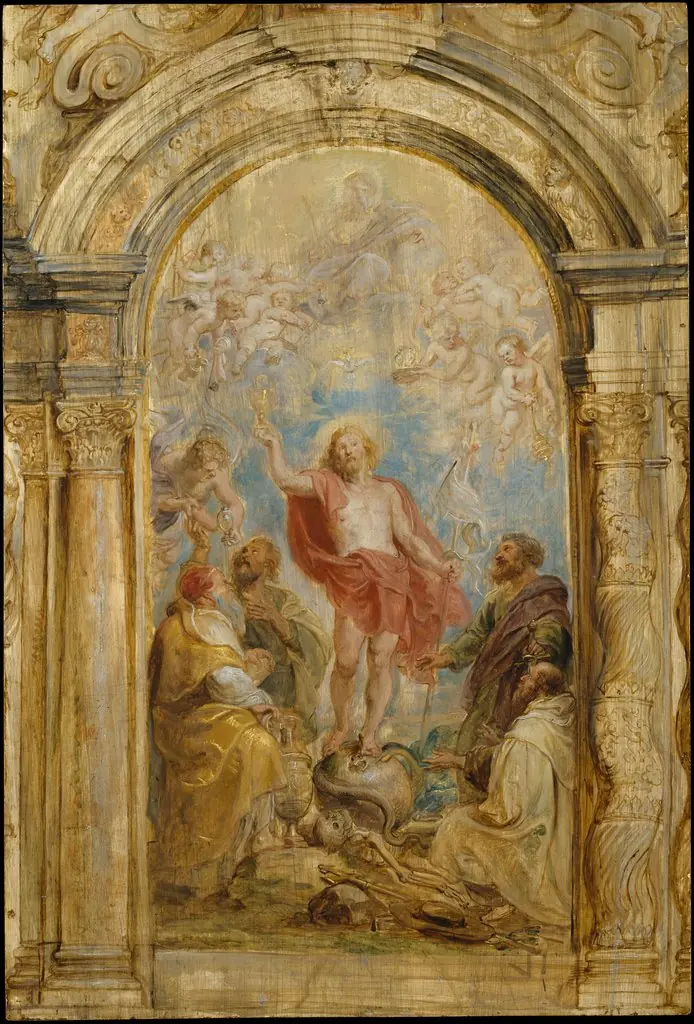 Glorification of the Eucharist
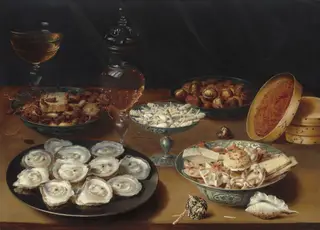 Dishes with Oysters, Fruit, and Wine
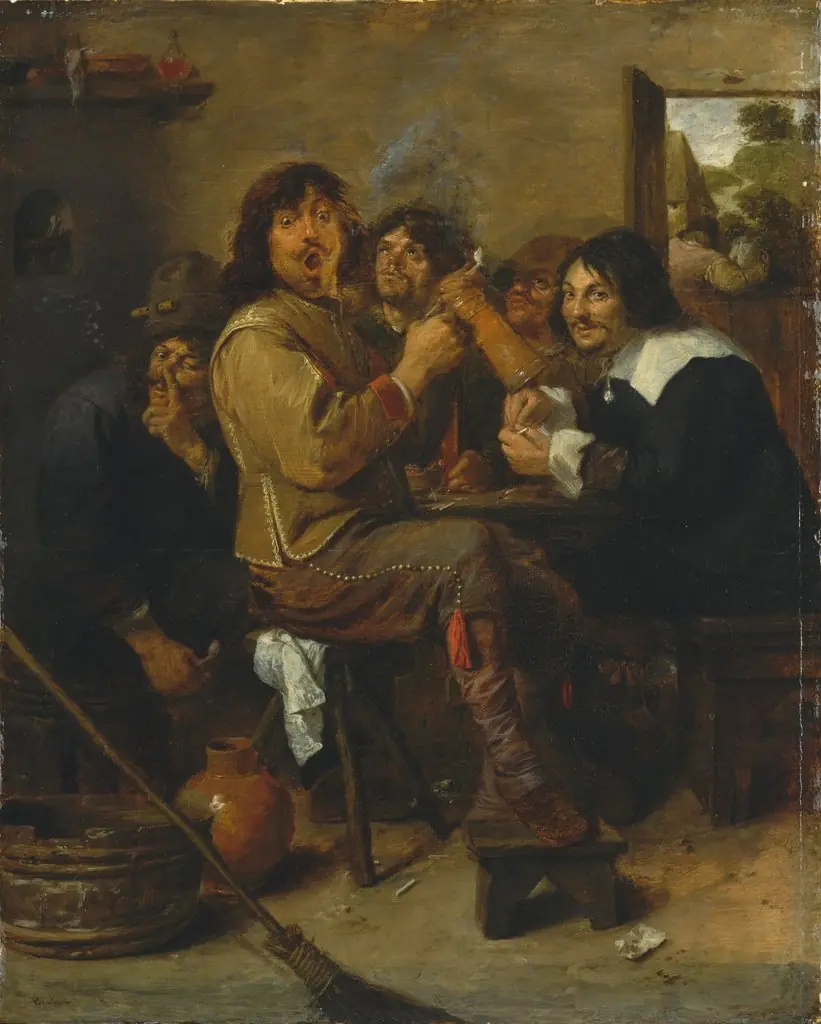 The Smokers by Adriaen Brouwer
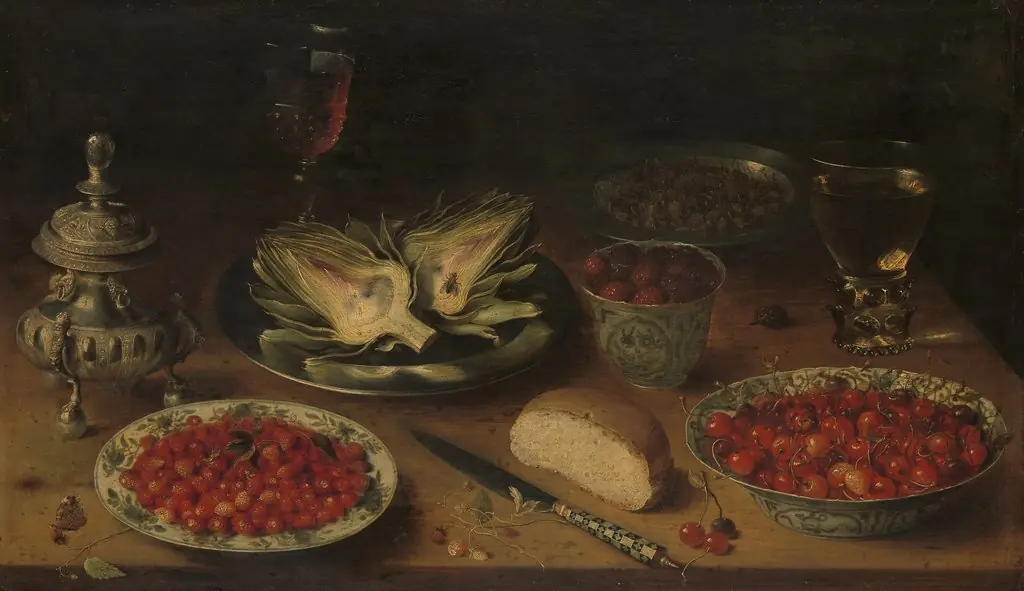 Still life with chinese porcelain, berries, and artichokes
 Antwerp Cathedral
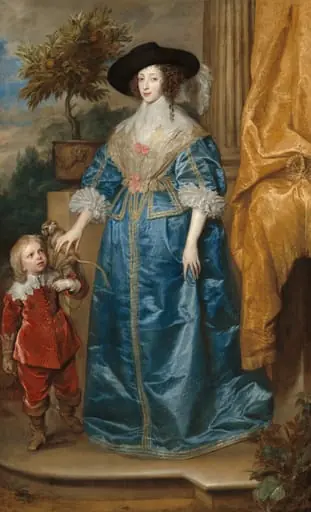 Queen Henrietta Maria with Sir Jeffrey Hudson
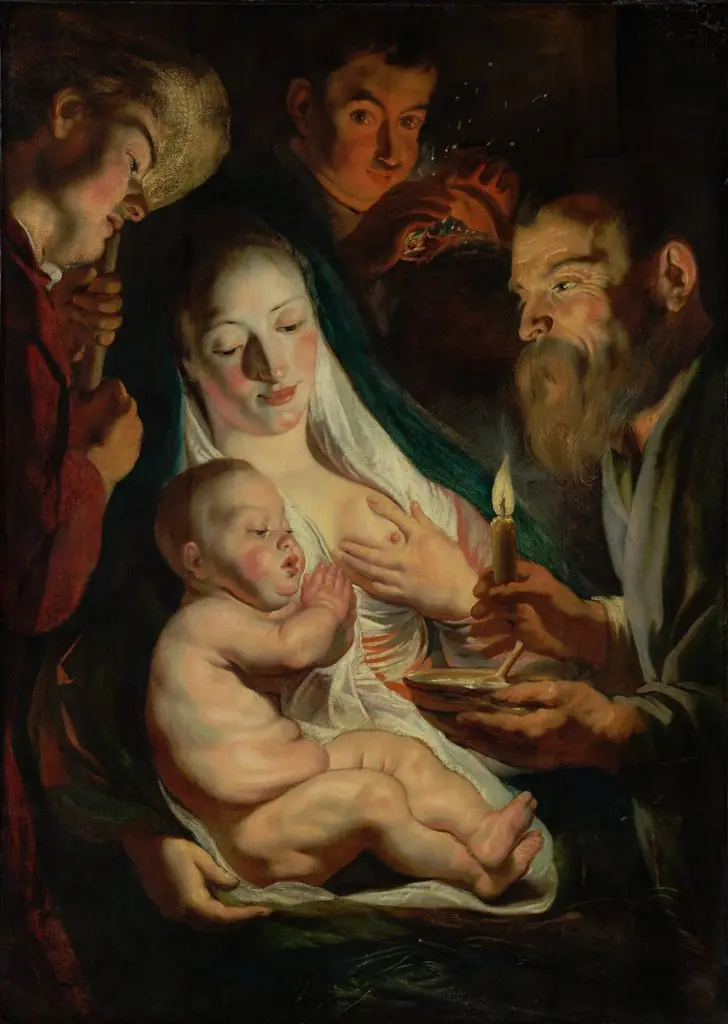 The Holy Family with Shepherds
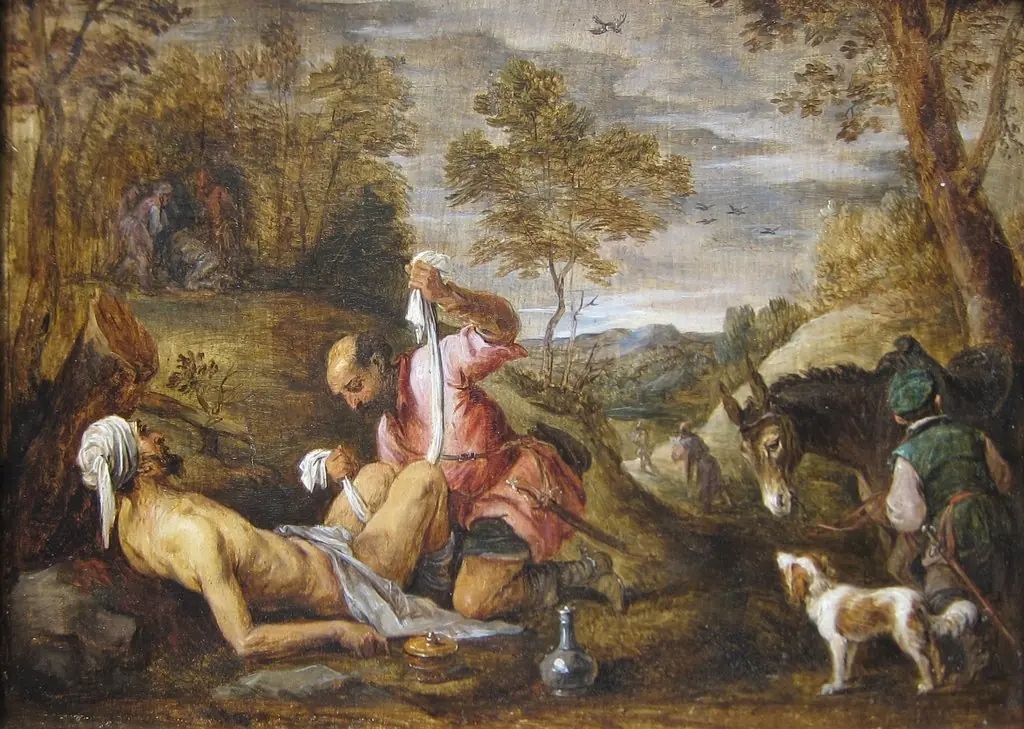 The Good Samaritan
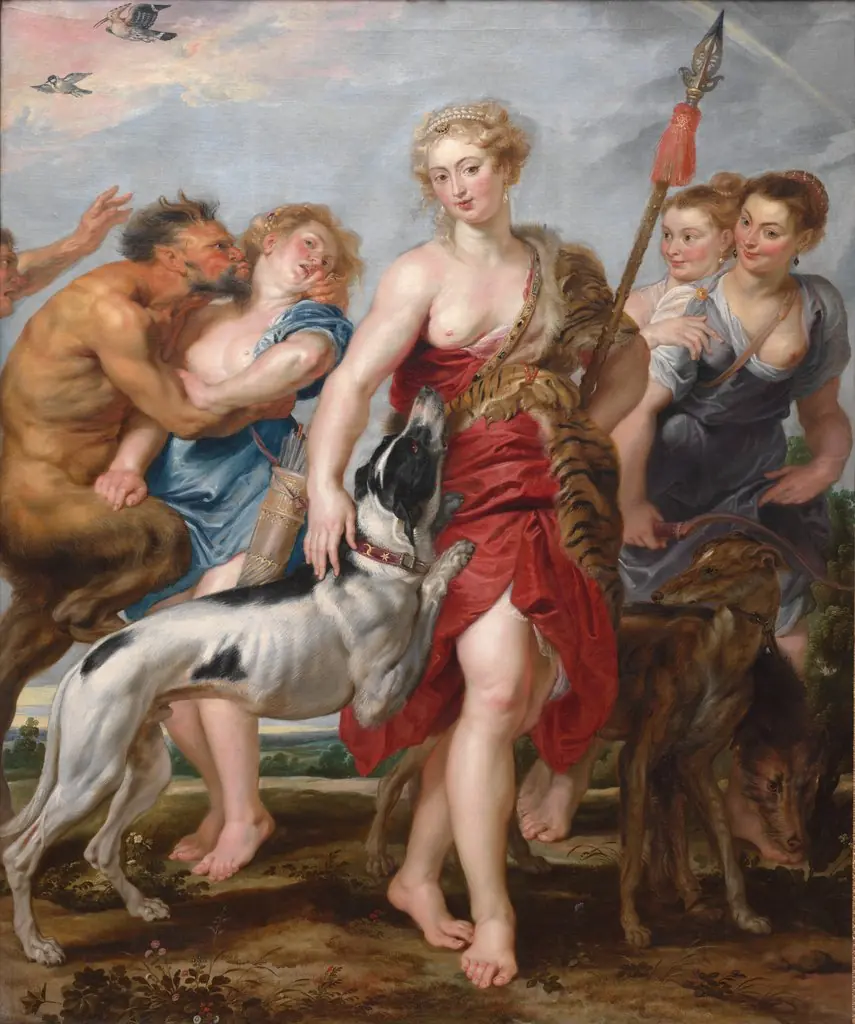 Diana and Her Nymphs Departing for the Hunt
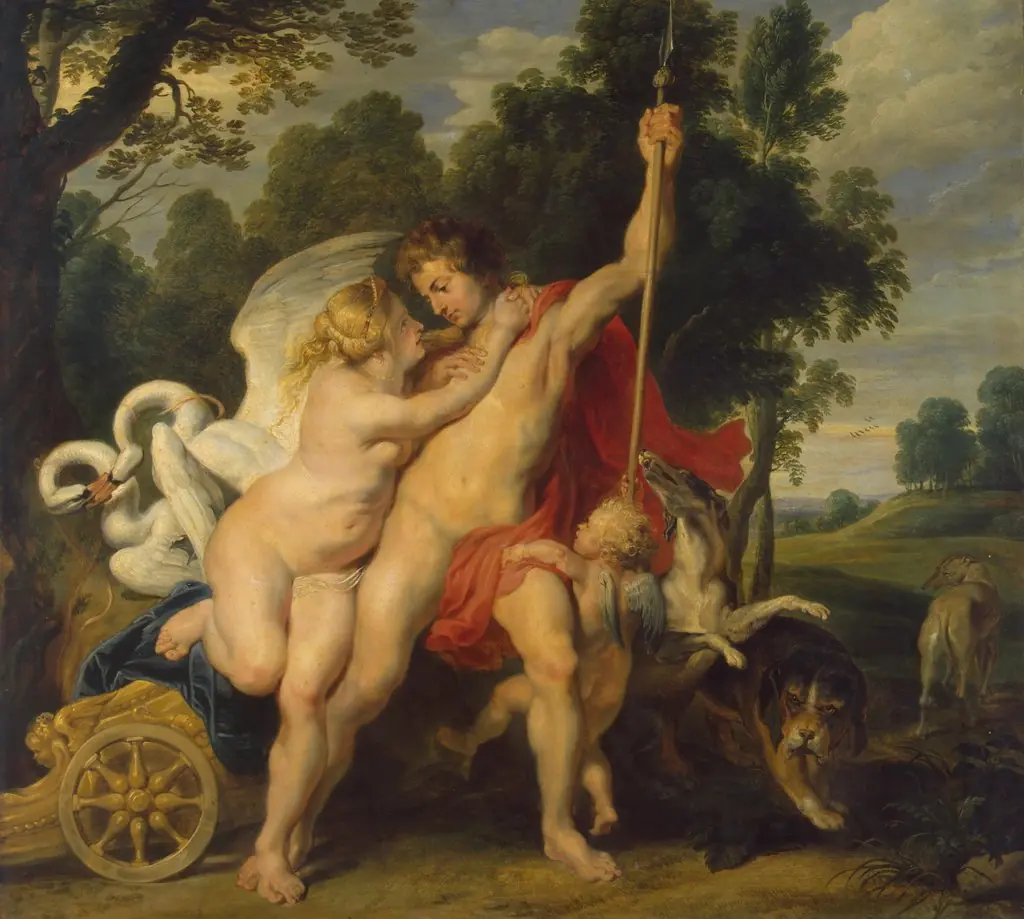 Venus and Adonis (Rubens, 1614)
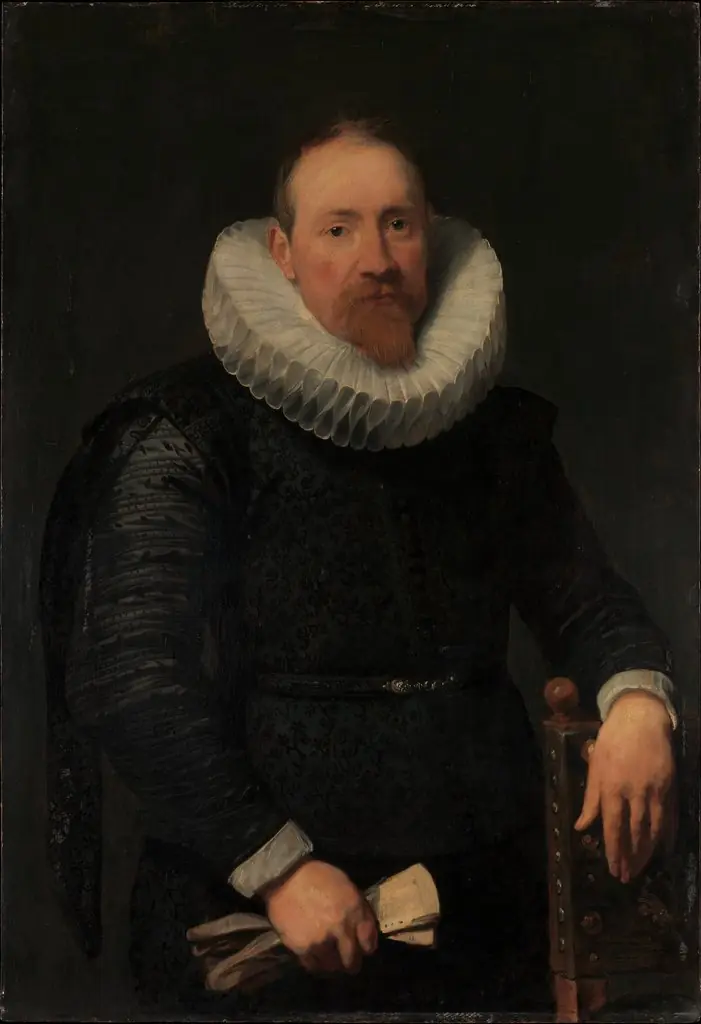 Portrait of a Man
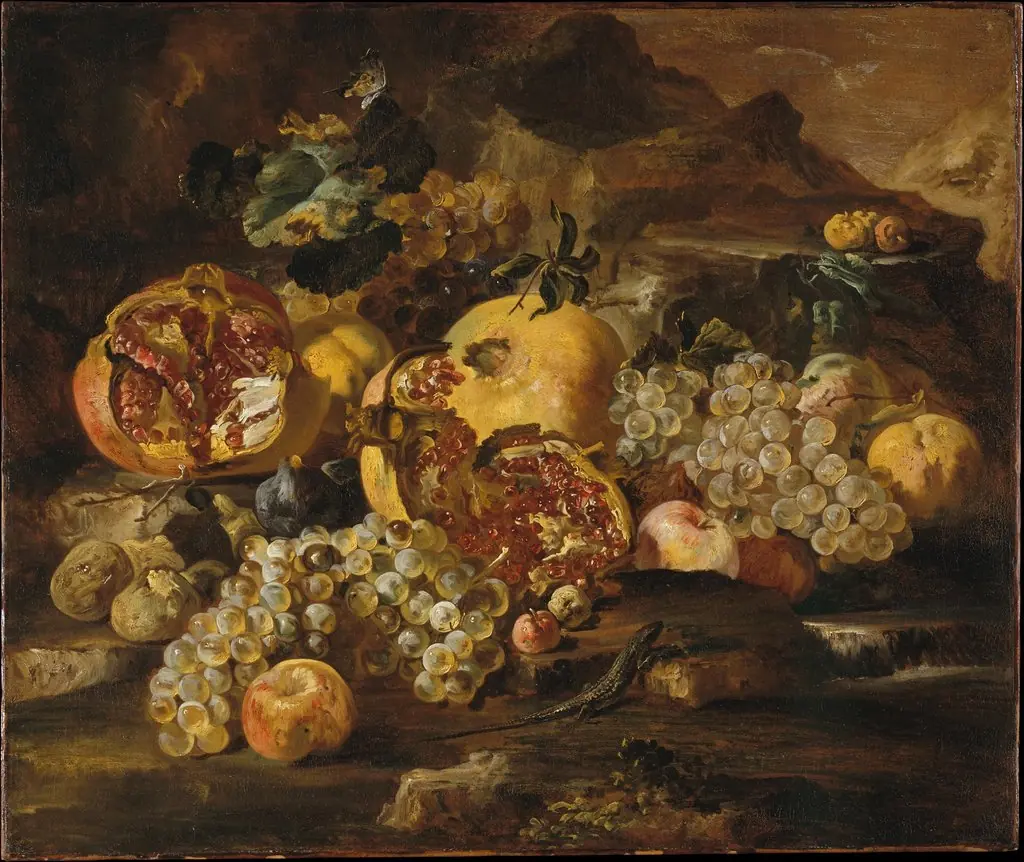 Pomegranates and Other Fruit in a Landscape
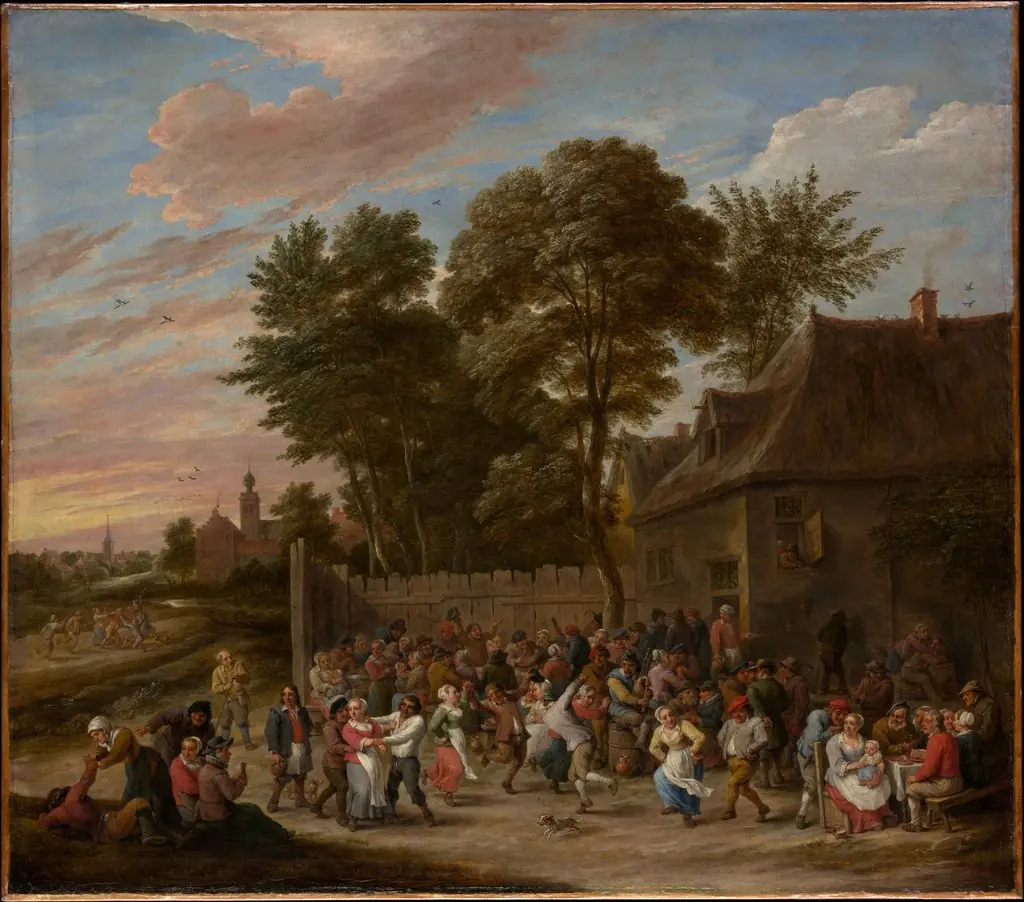 Peasants Dancing and Feasting
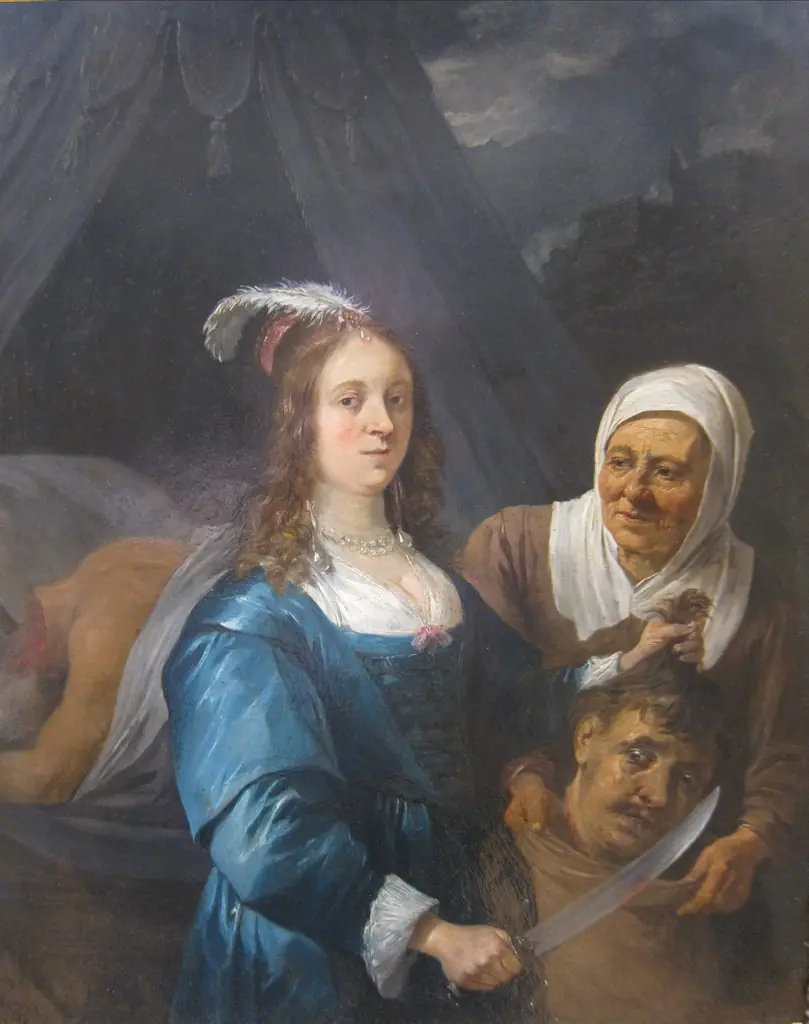 Judith with the Head of Holofernes
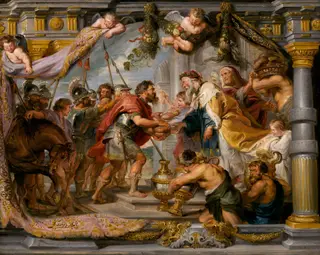 The Meeting of Abraham and Melchizedek
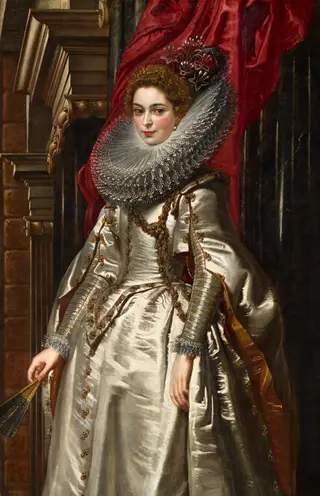 Marchesa Brigida Spinola Doria
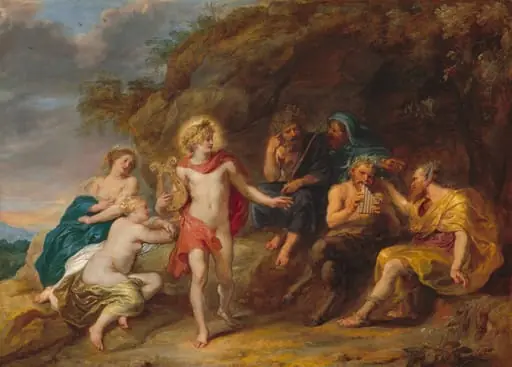 The Judgment of Midas
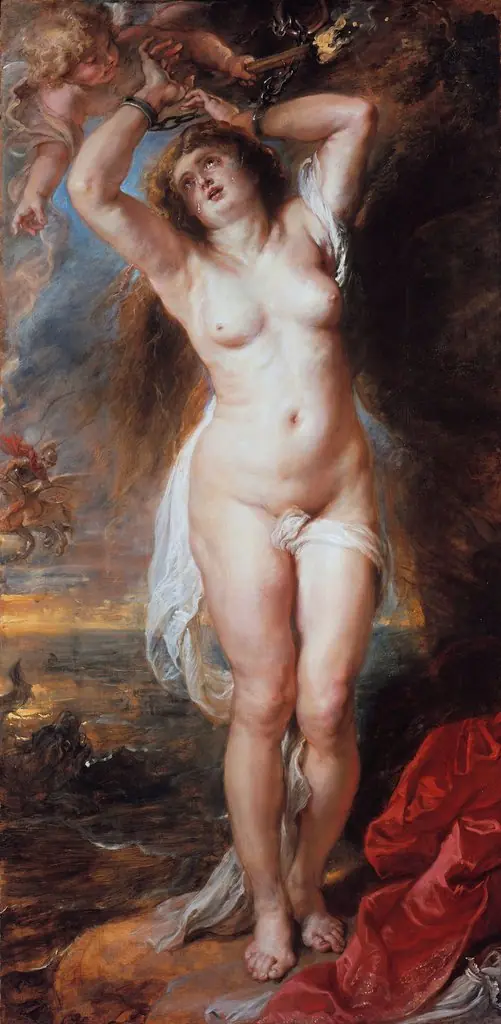 Perseus Freeing Andromeda
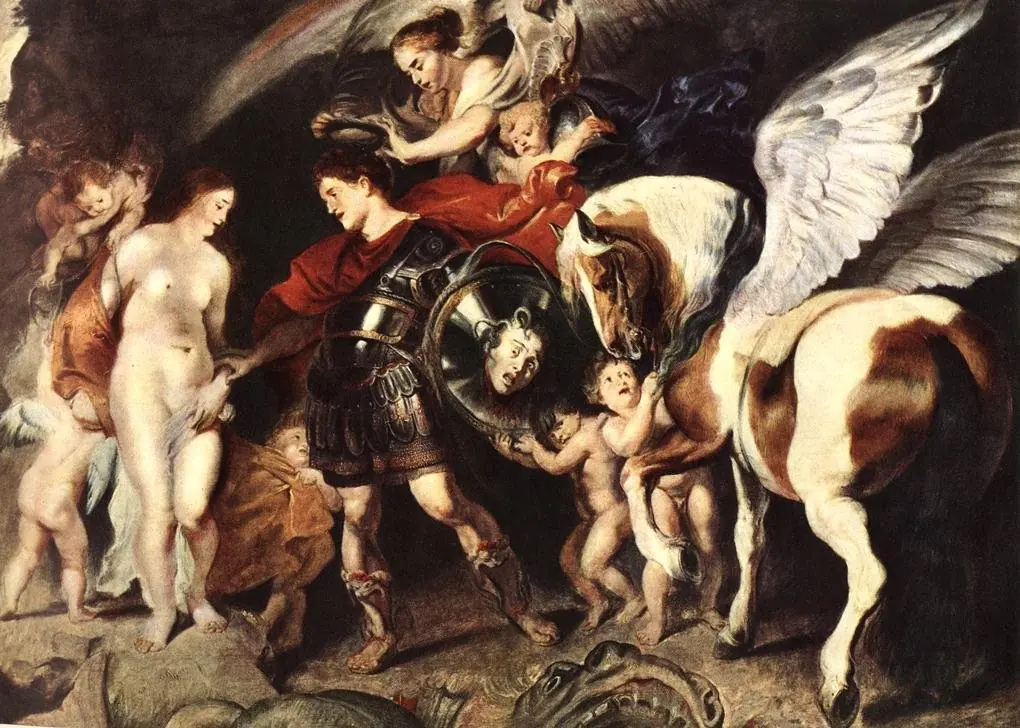 Perseus and Andromeda
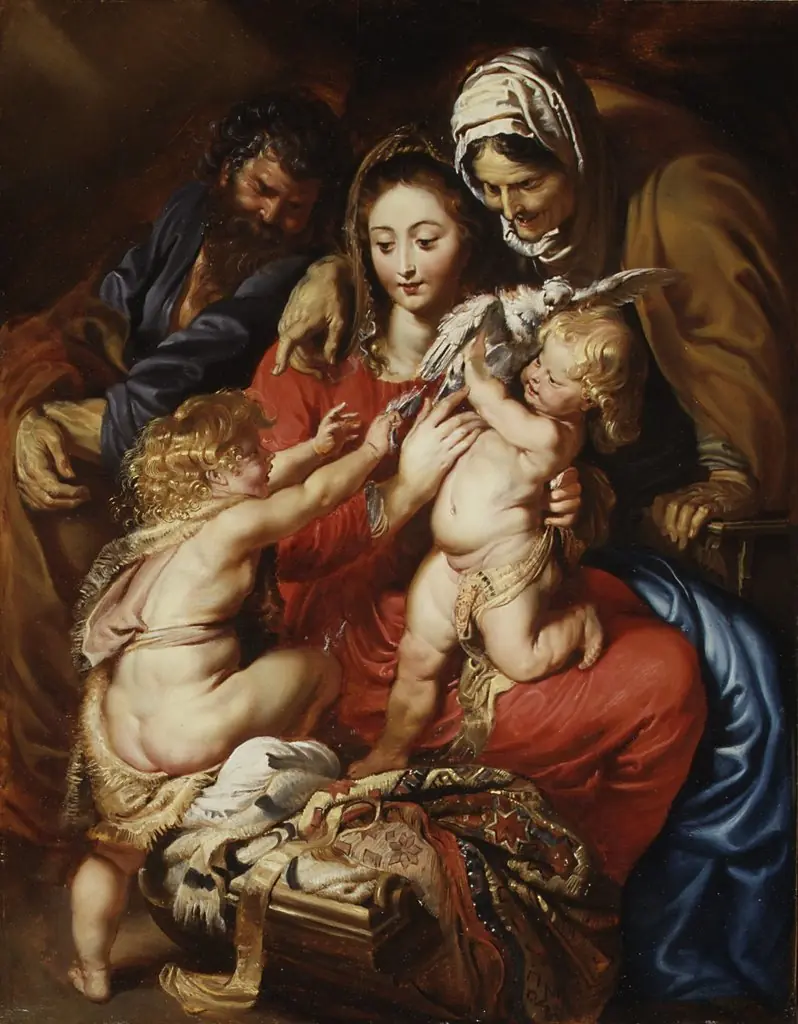 The Holy Family with Saint Elizabeth, Saint John, and a Dove
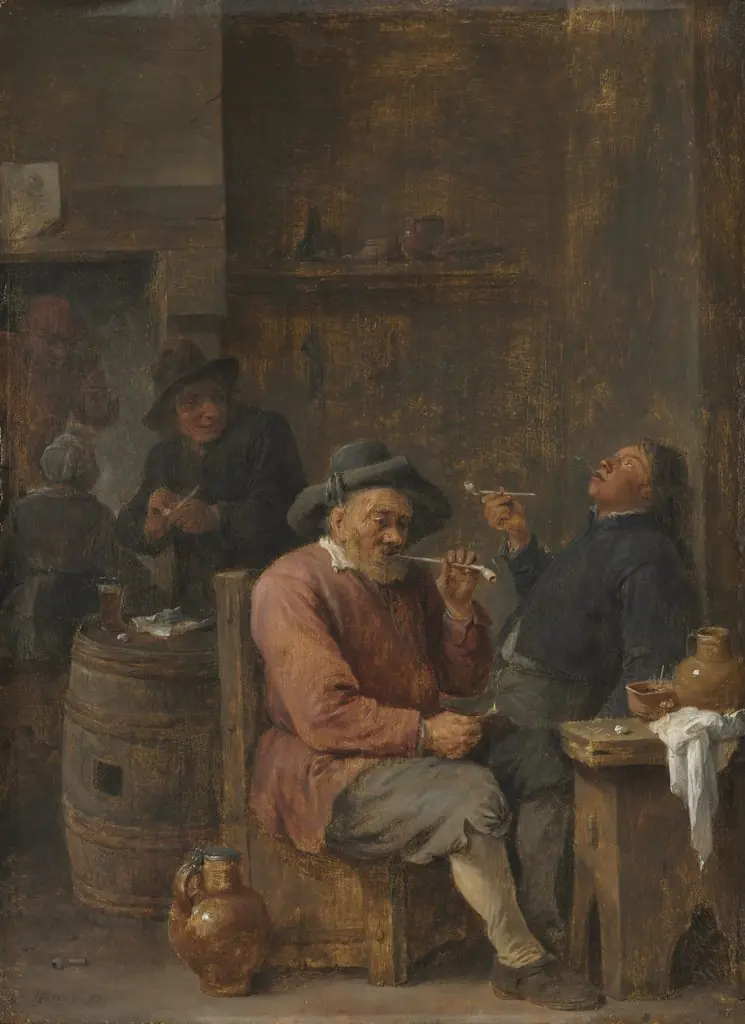 Peasants Smoking in an Inn
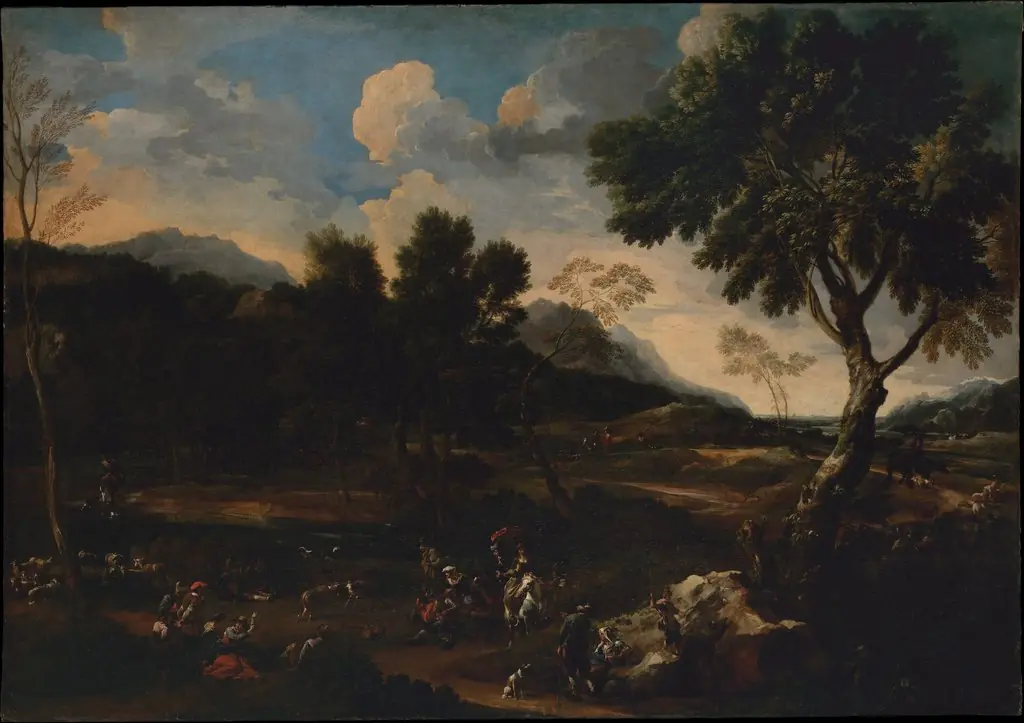 Landscape with a Battle between Two Rams
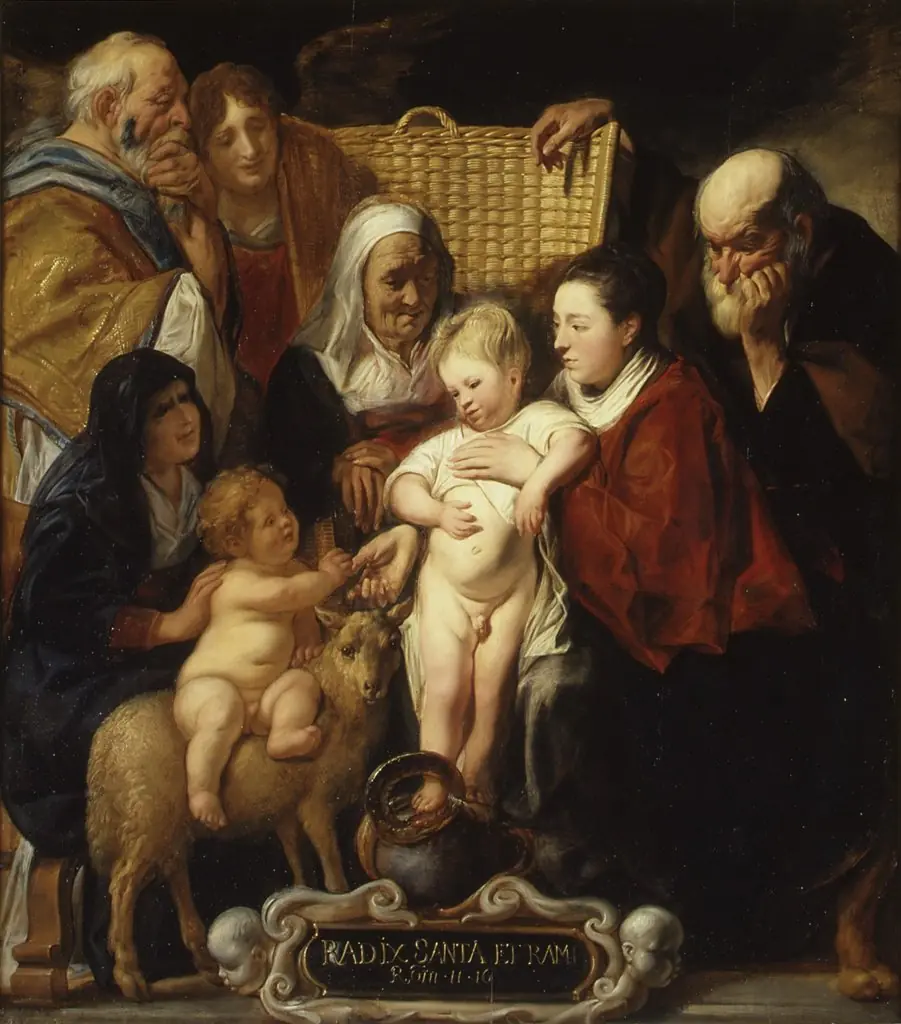 The Holy Family with Saint Anne and the Young Baptist and His Parents
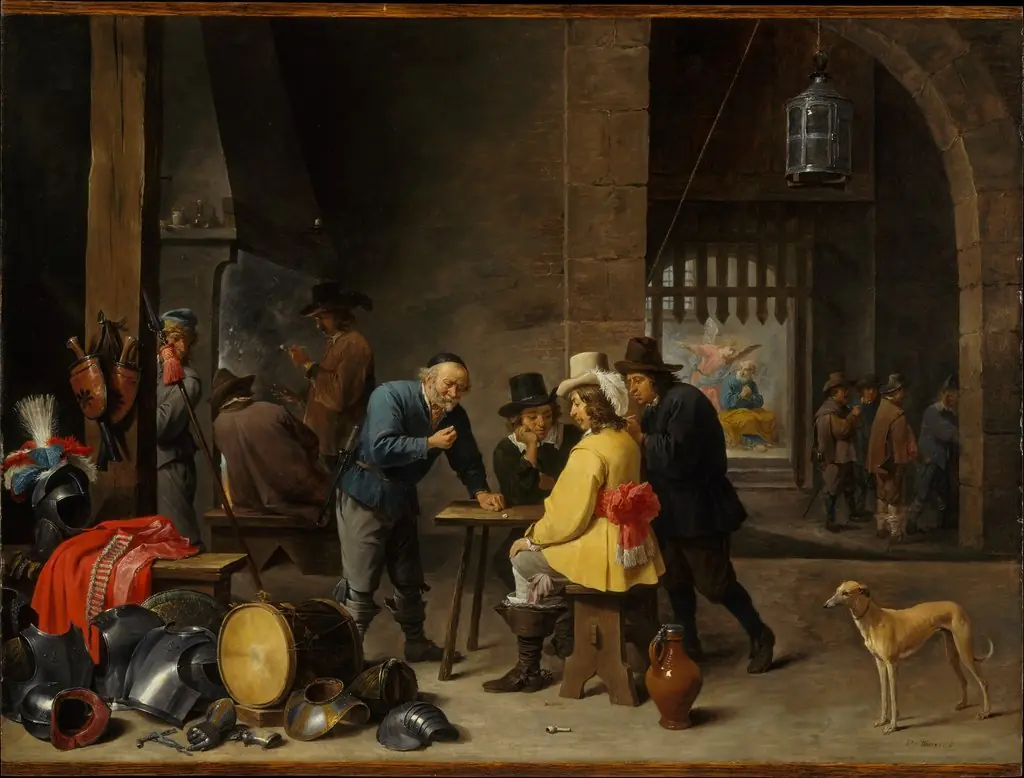 Guardroom with the Deliverance of Saint Peter
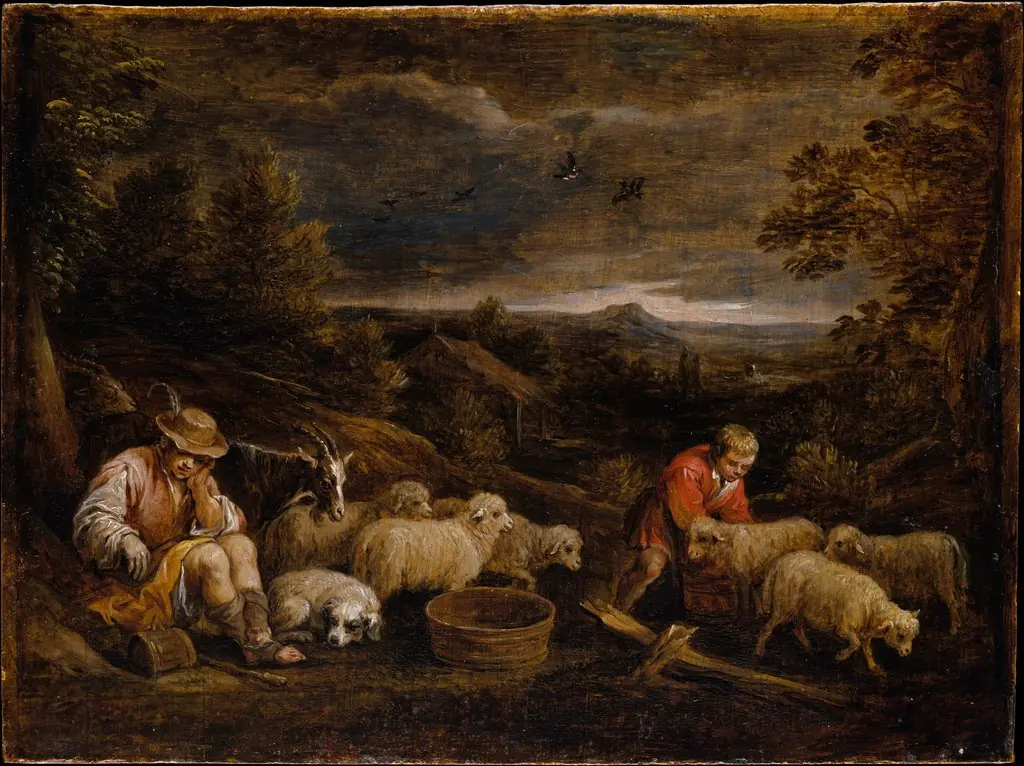 Shepherds and Sheep
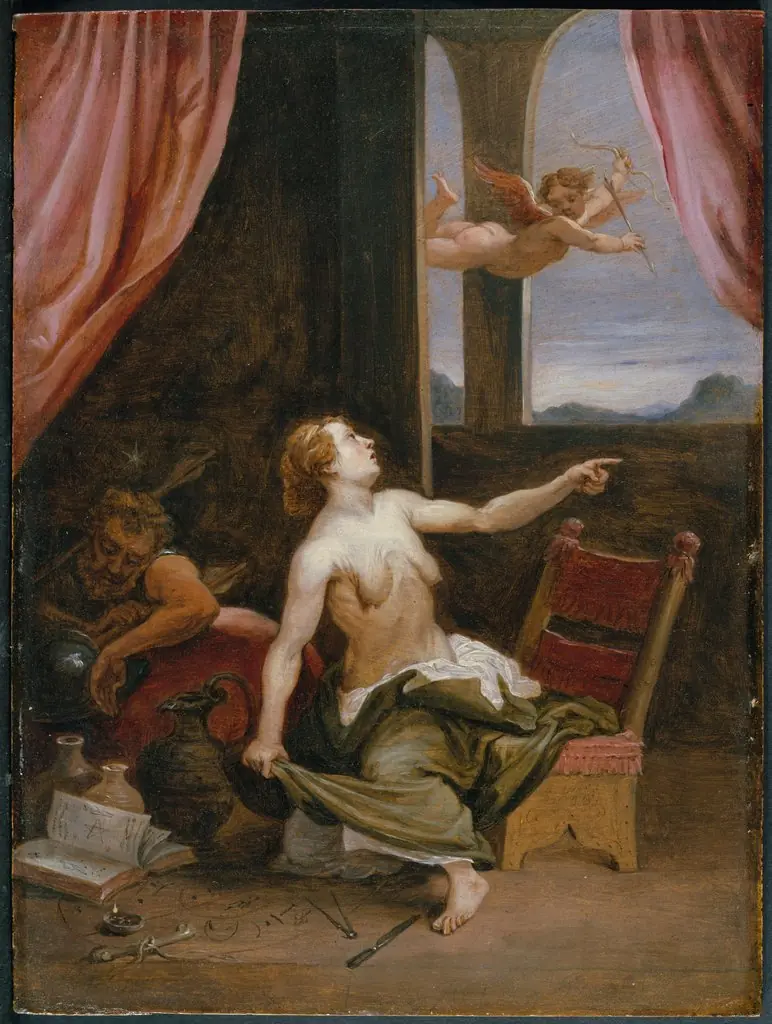 Old Age in Search of Youth
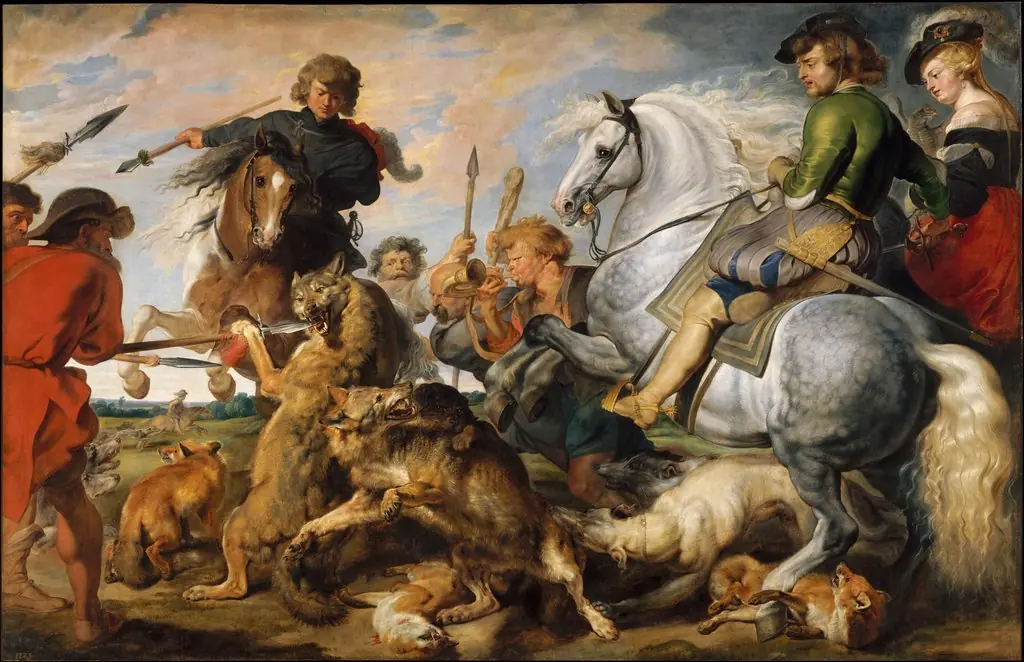 The Wolf and Fox Hunt
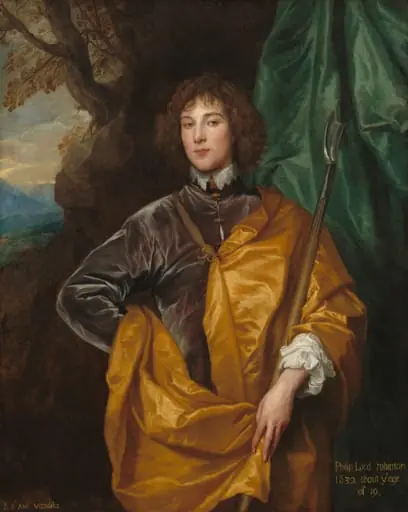 Philip, Lord Wharton
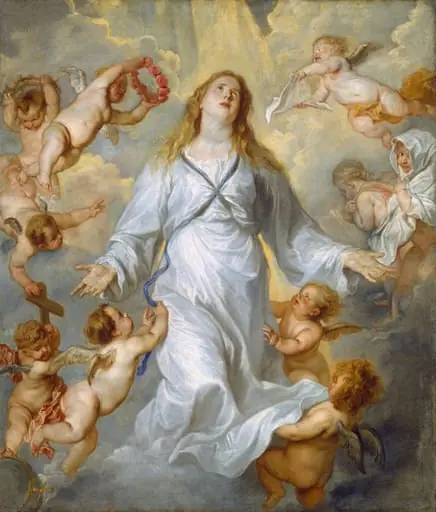 The Virgin as Intercessor
 The Meeting of David and Abigail
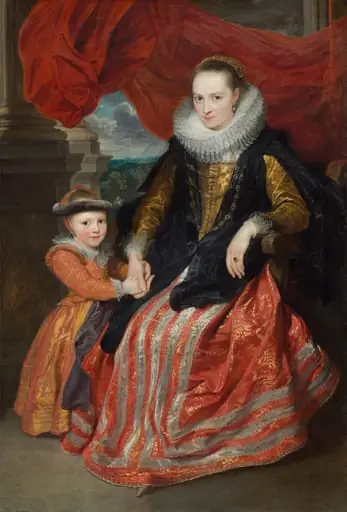 Susanna Fourment and Her Daughter
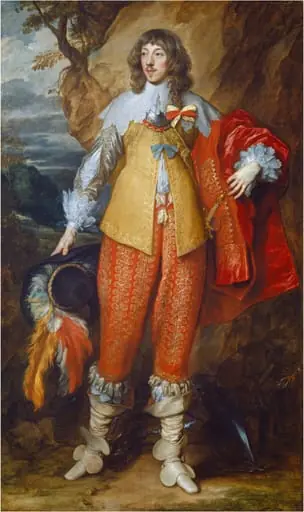 Henri II de Lorraine
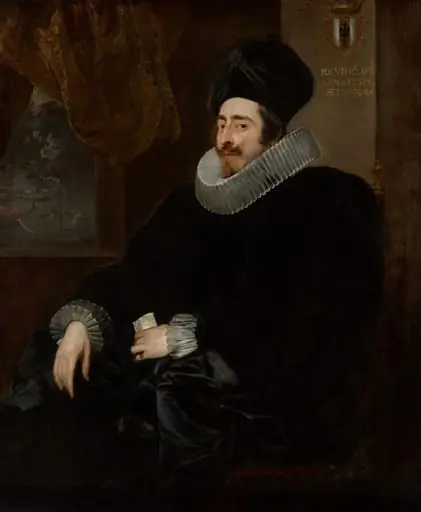 Giovanni Vincenzo Imperiale
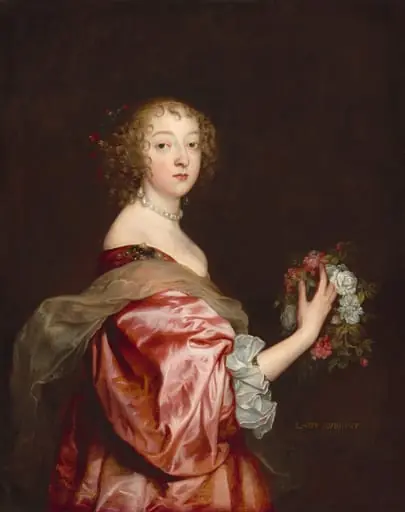 Catherine Howard, Lady d'Aubigny
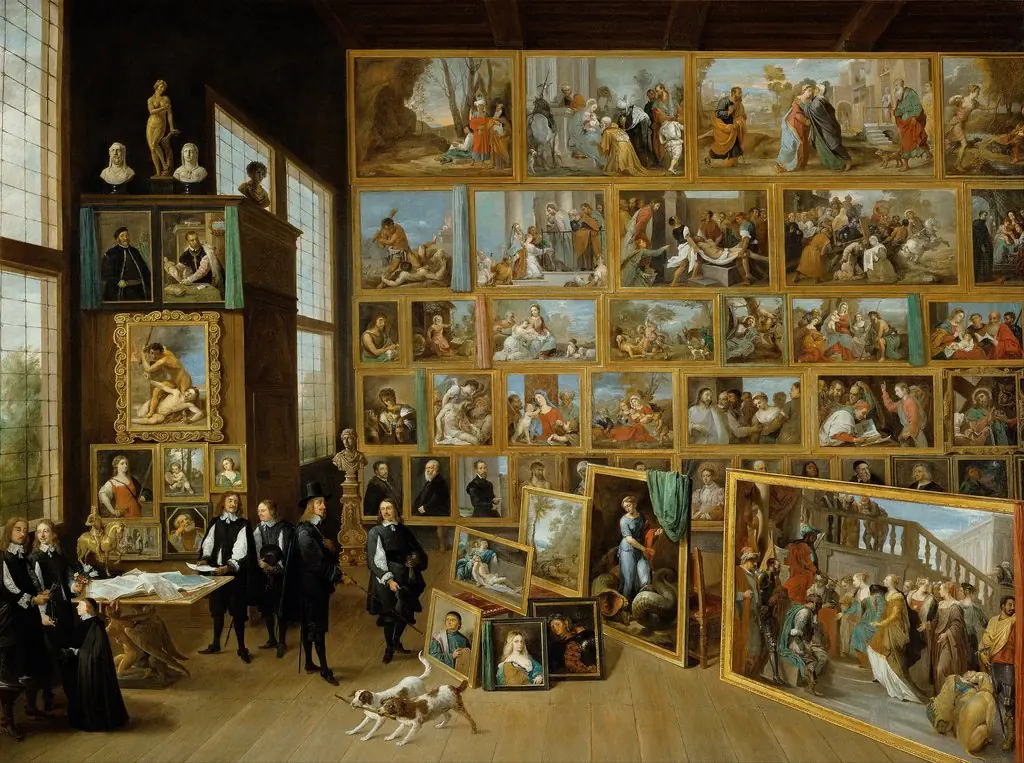 Archduke Leopold Wilhelm in his Gallery in Brussels
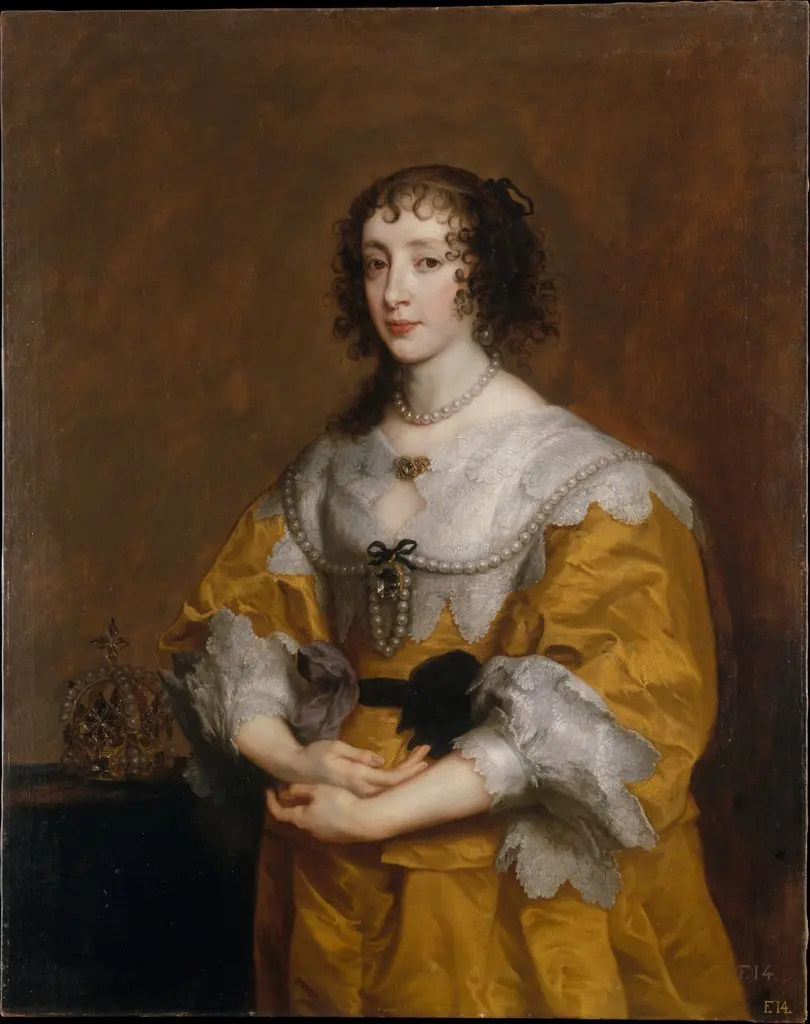 Queen Henrietta Maria
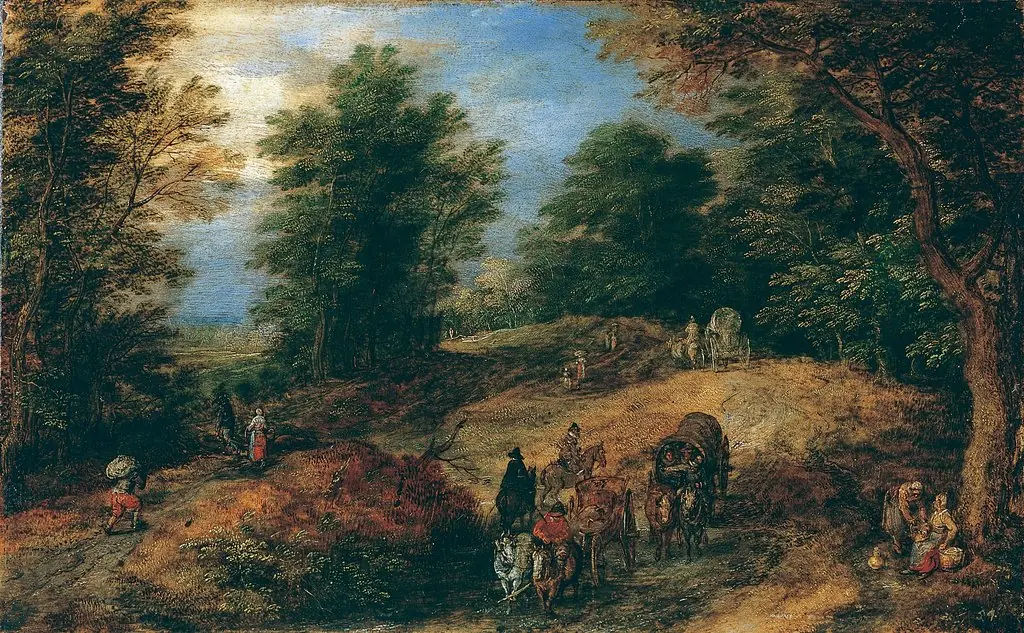 Landscape with Travelers on a Woodland Path
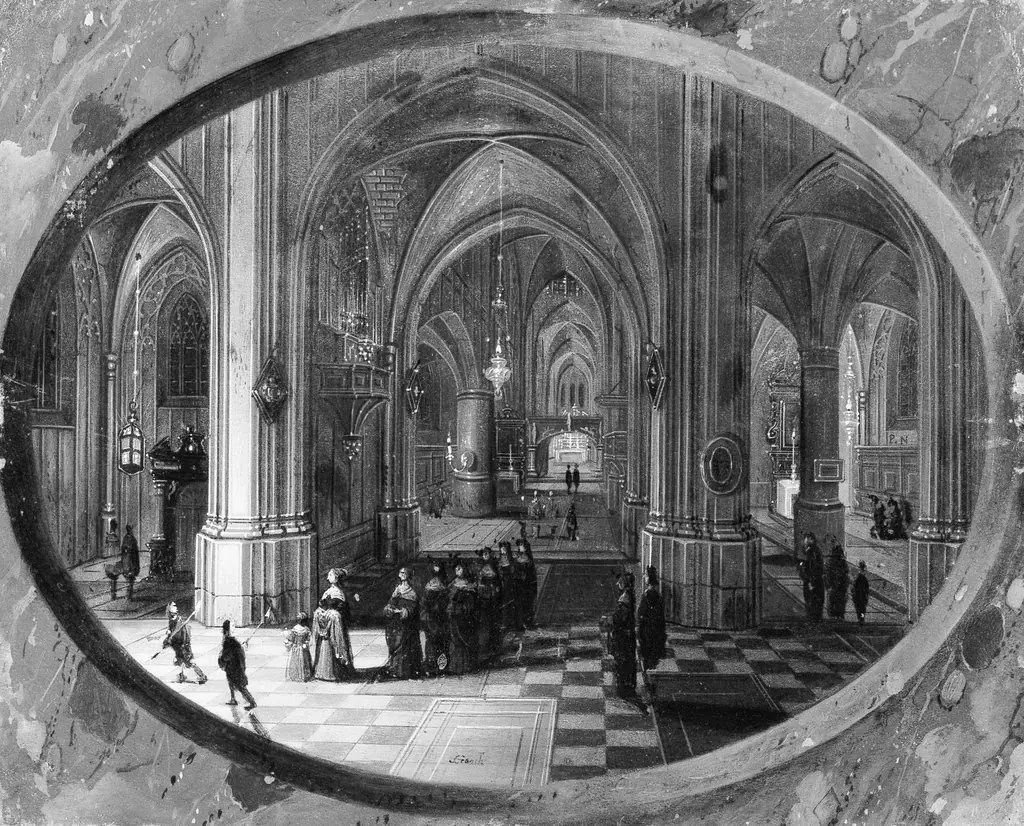 Interior of a Gothic Church at Night
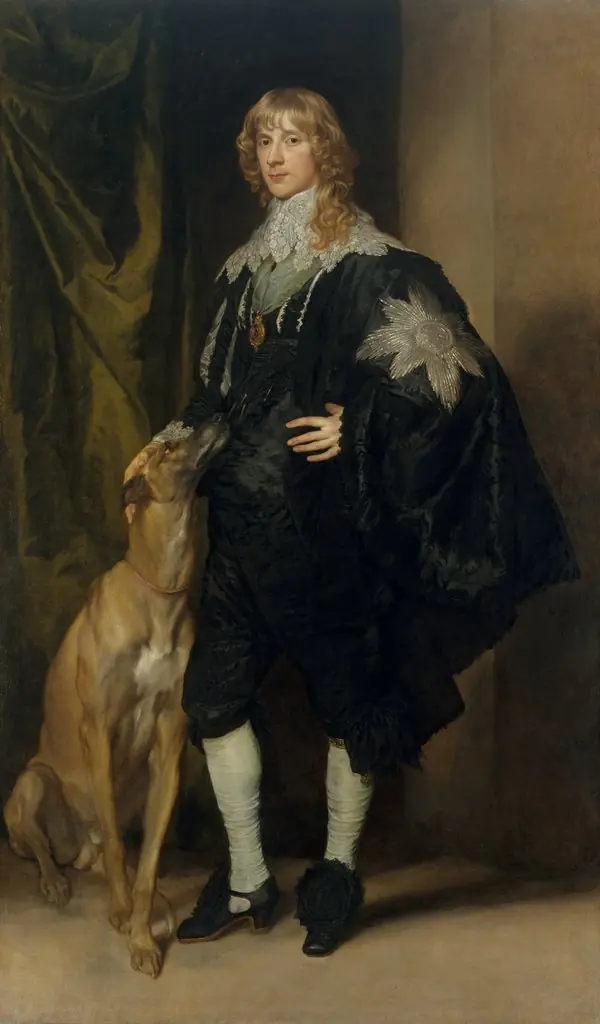 Portrait of James Stuart, Duke of Lennox and Richmond
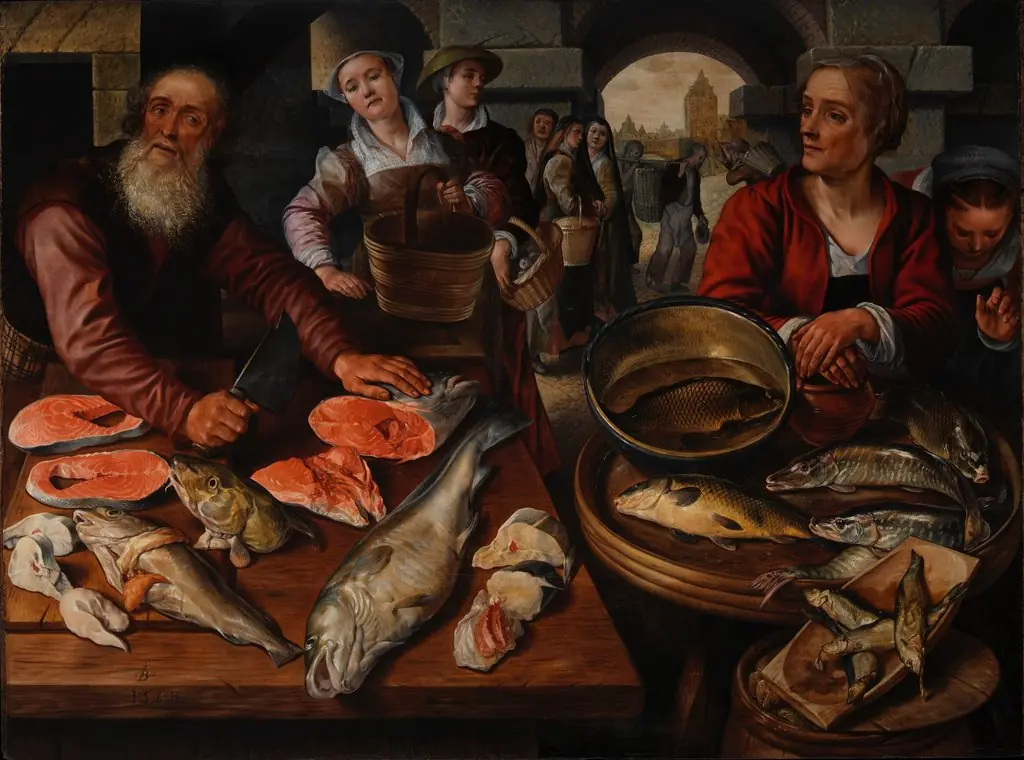 Fish Market
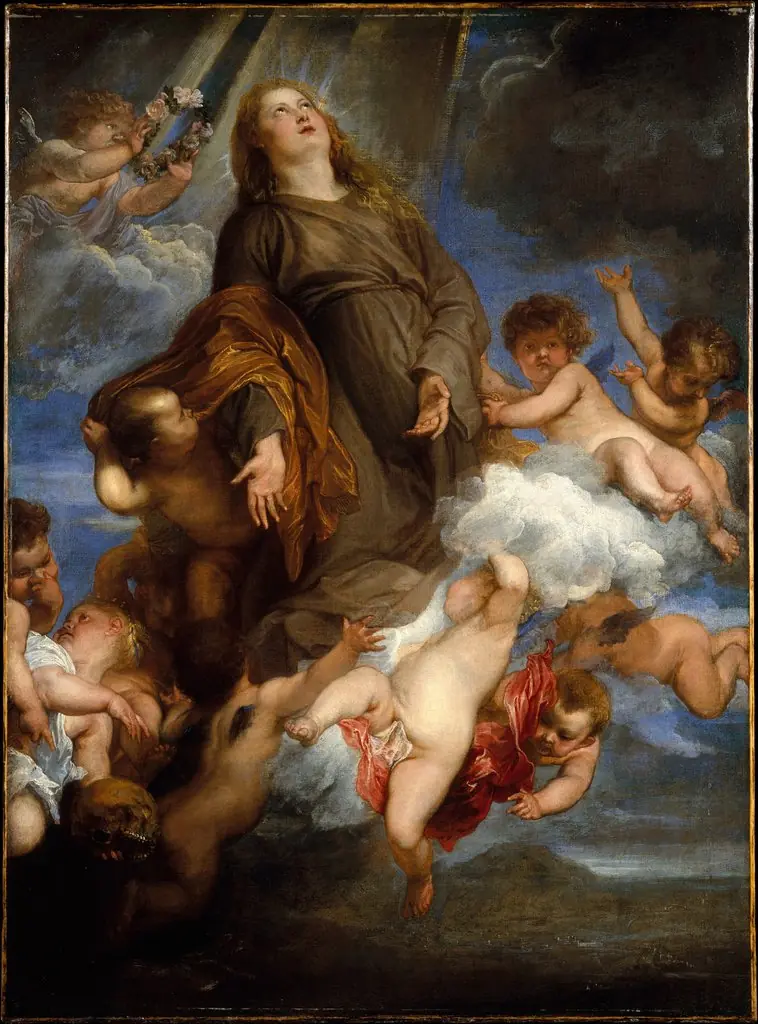 Saint Rosalie Interceding for the Plague-stricken of Palermo
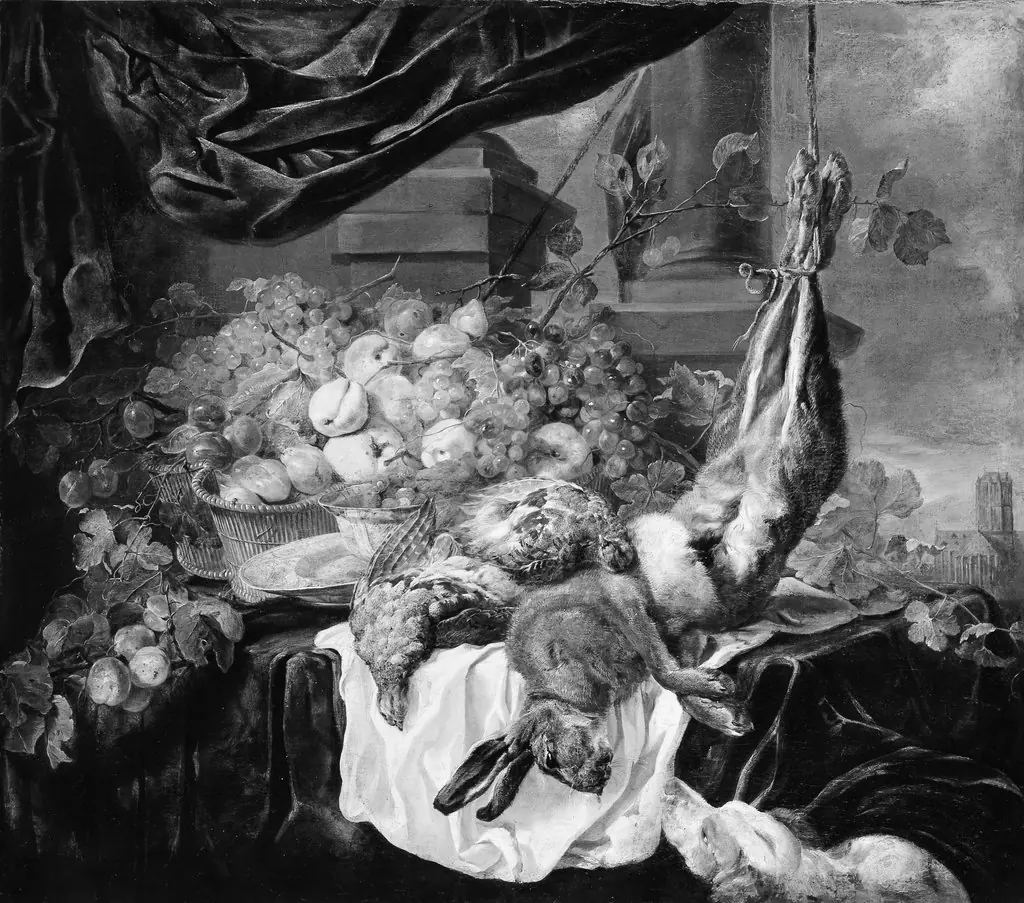 A Hare, Partridges, and Fruit
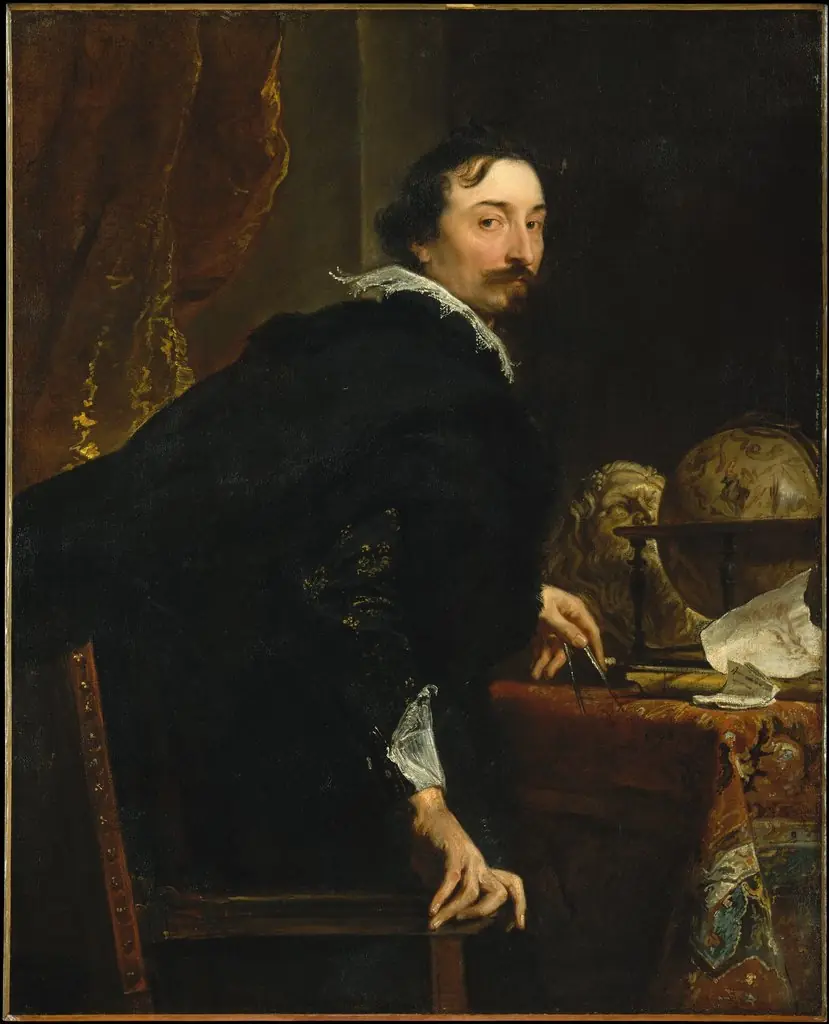 Portrait of Lucas van Uffel (died 1637)
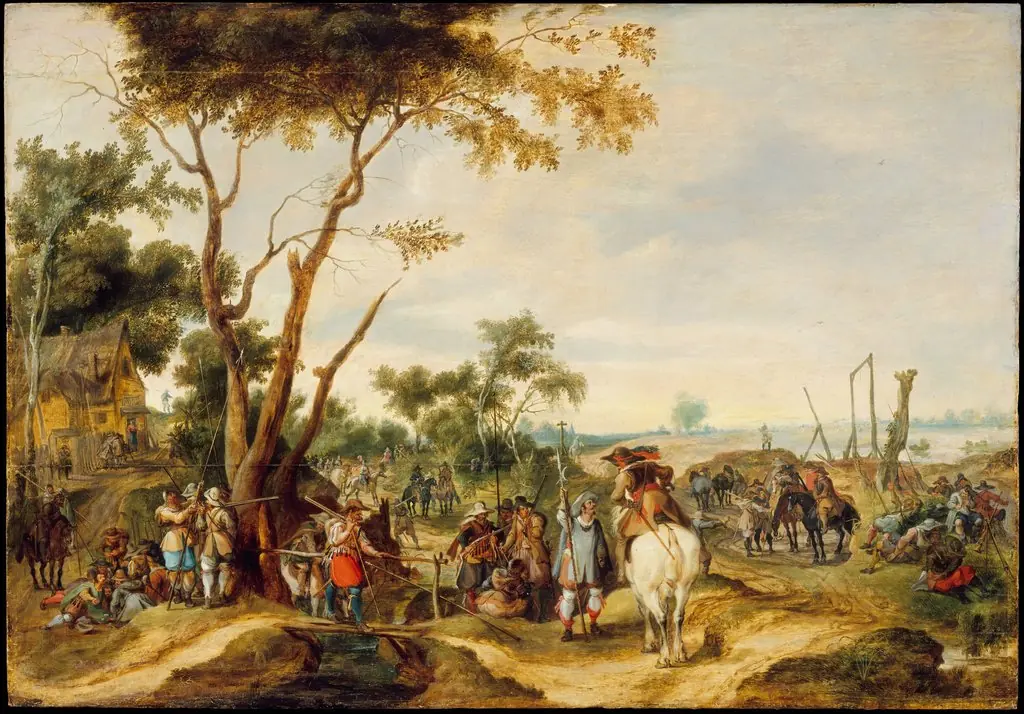 Soldiers Bivouacking
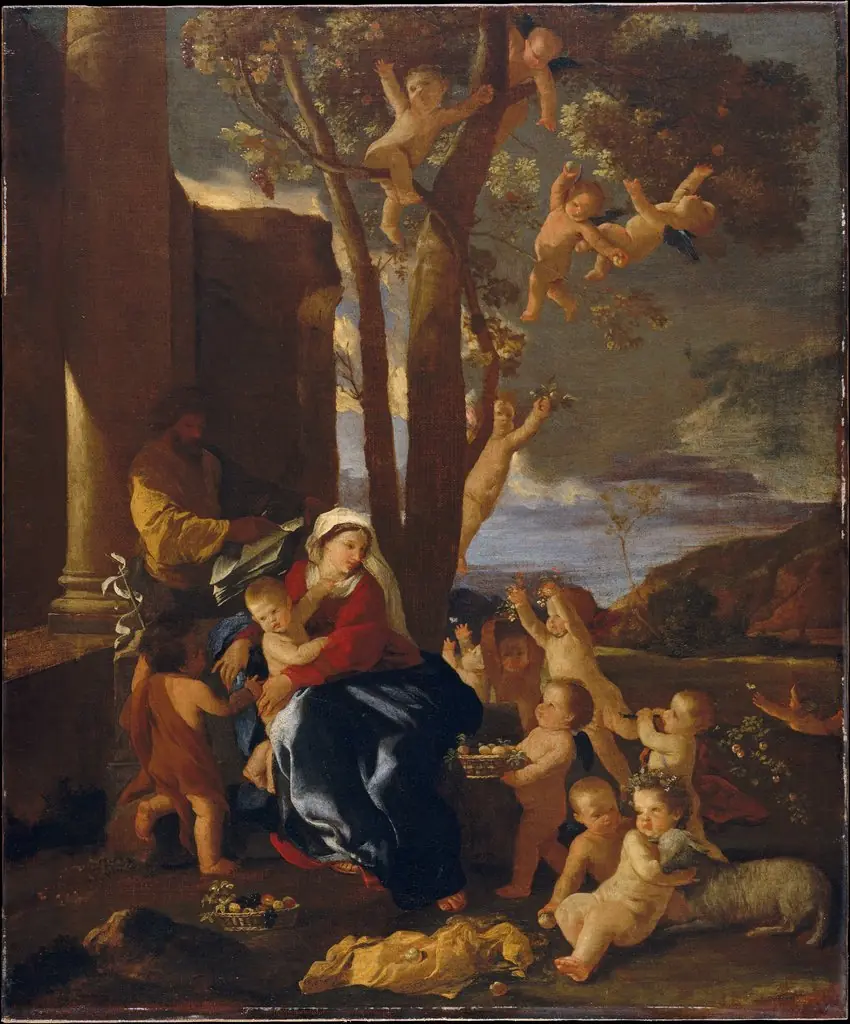 The Rest on the Flight into Egypt
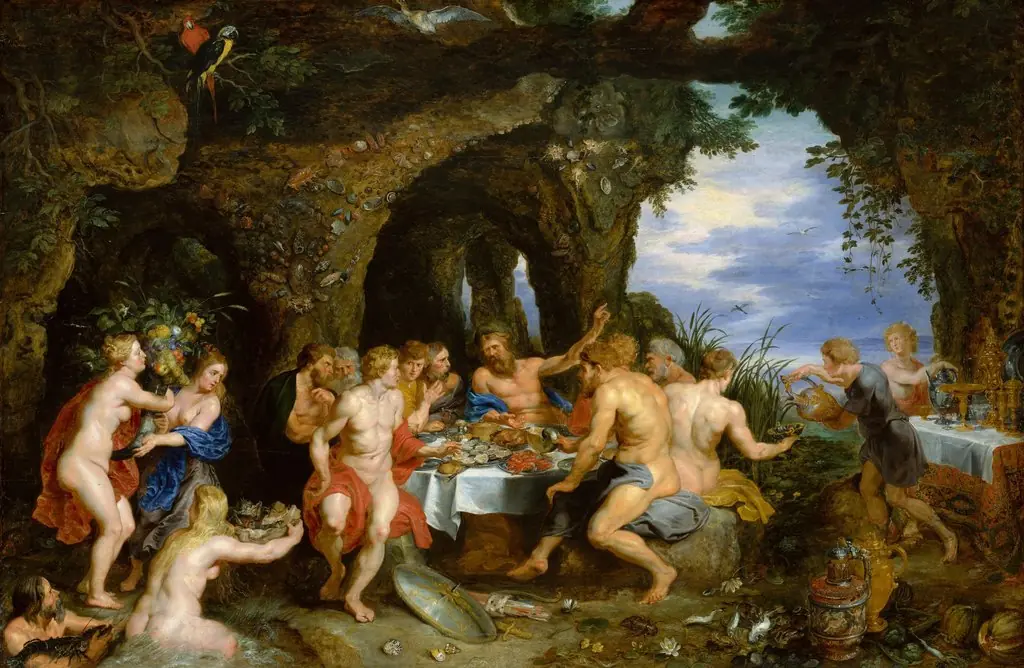 The Feast of Acheloüs
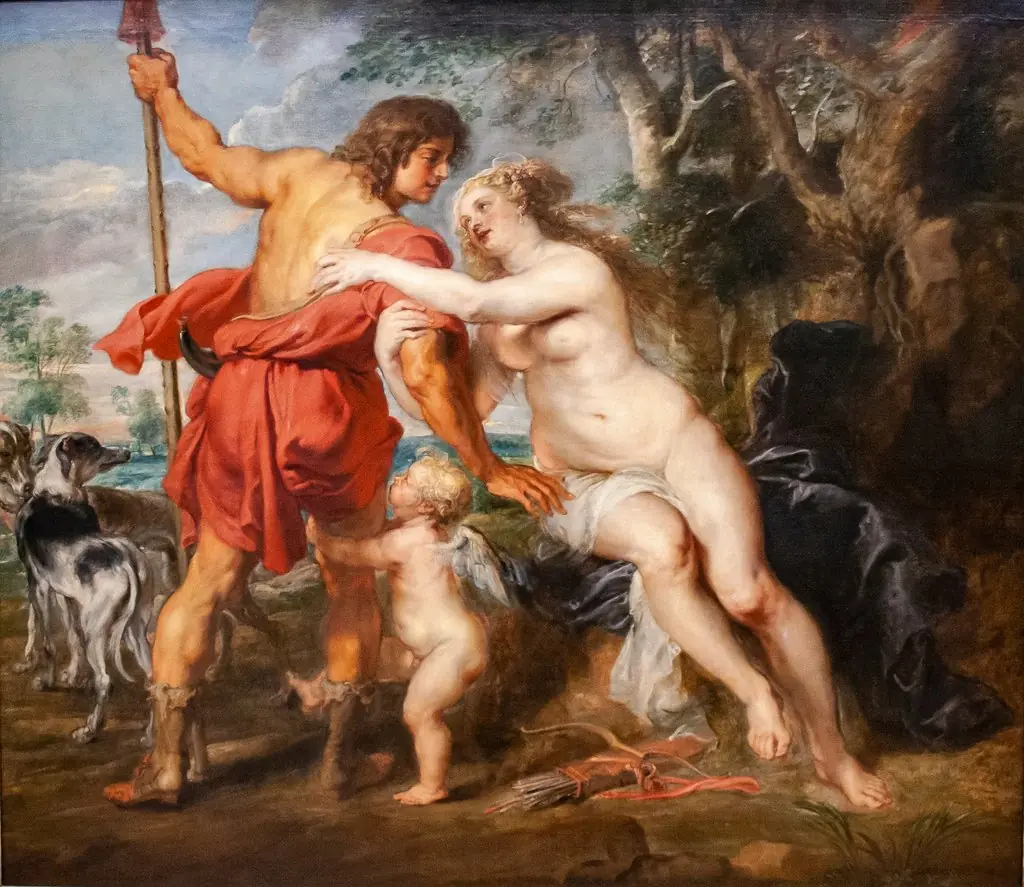 Venus and Adonis
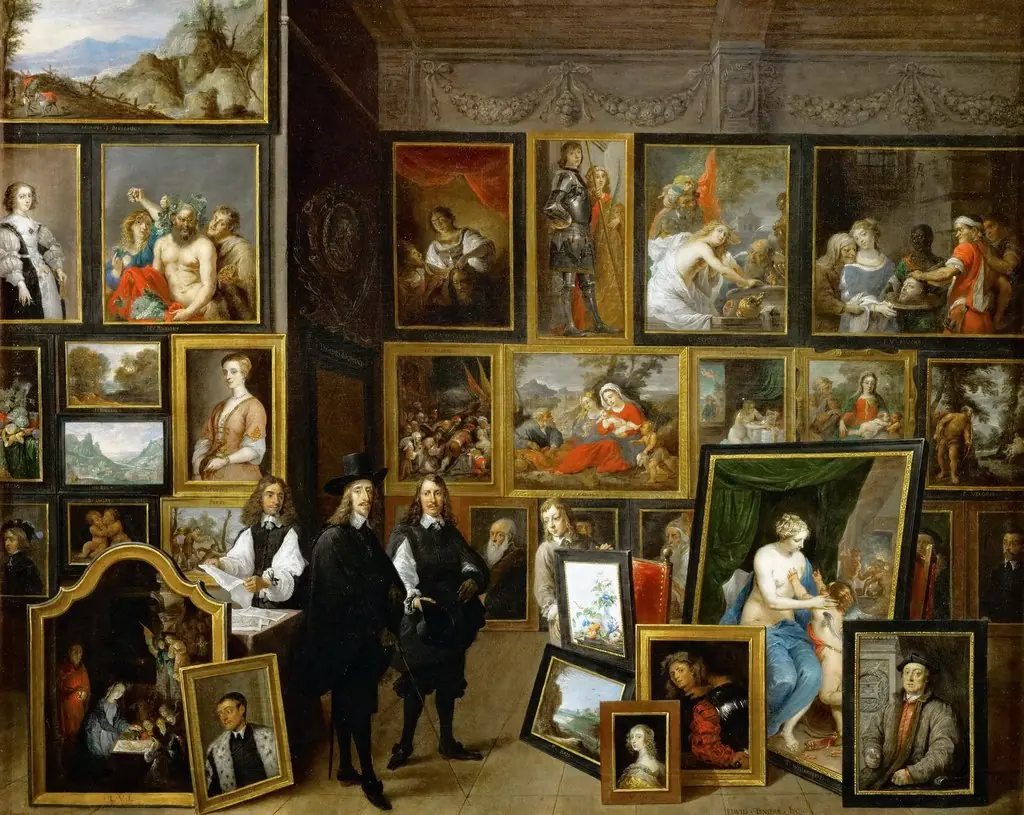 Archduke Leopold Wilhelm in his Gallery in Brussels
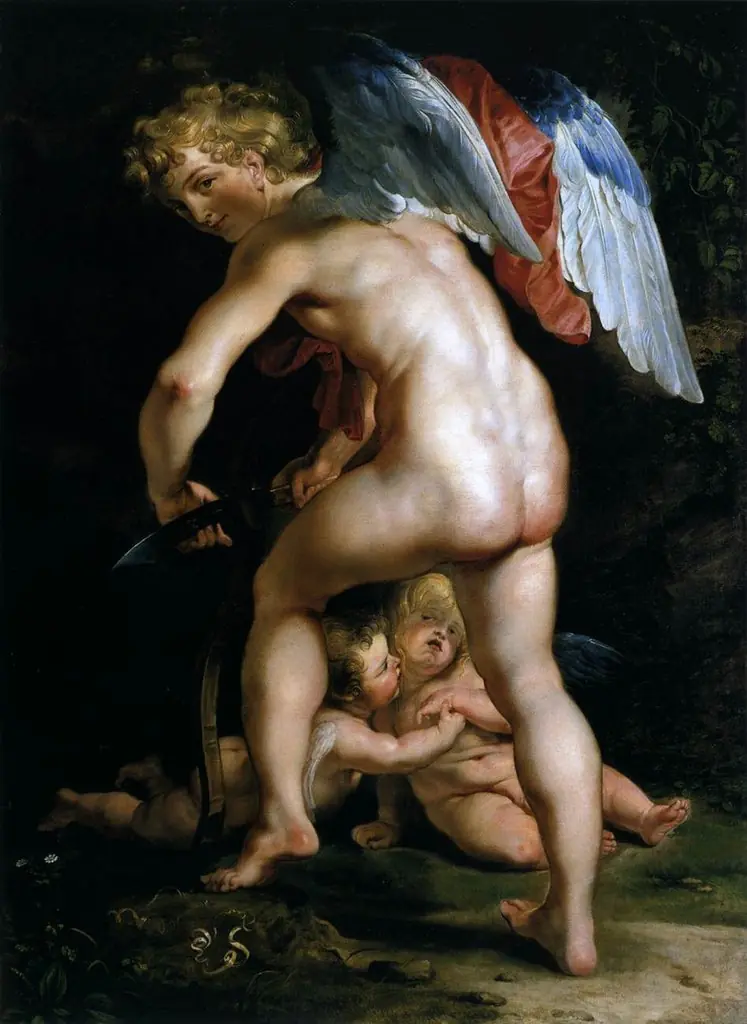 Cupid (Eros) Carves the Bow
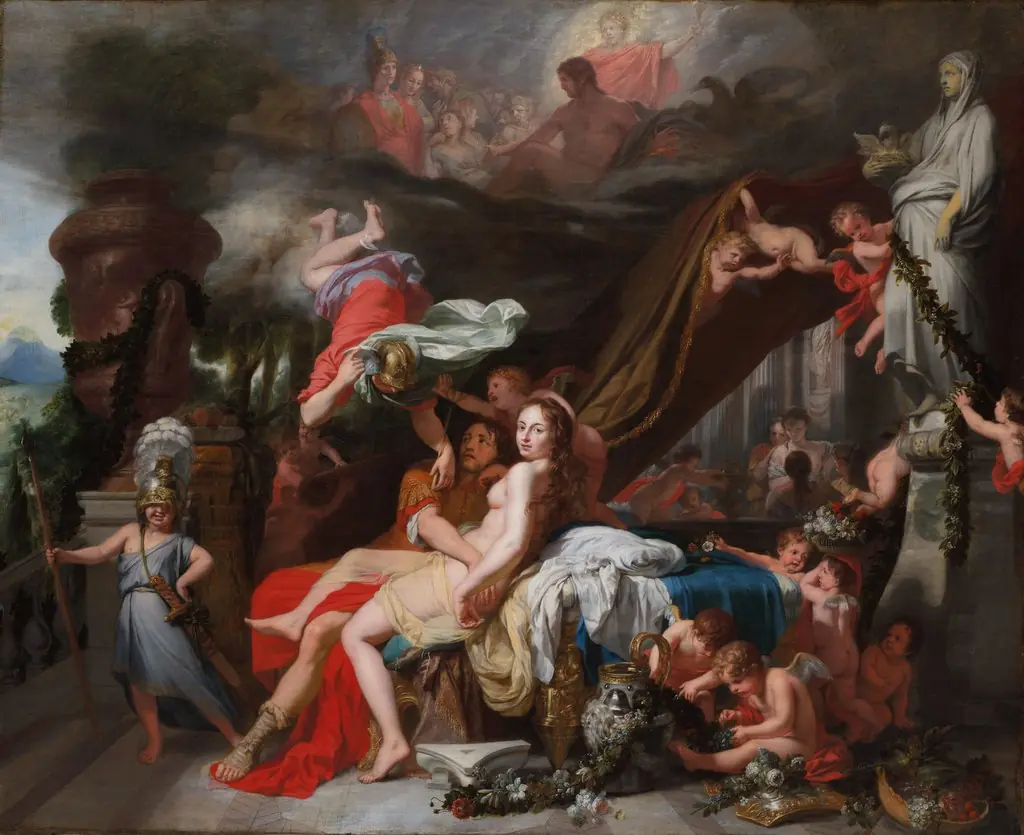 Hermes Ordering Calypso to Release Odysseus
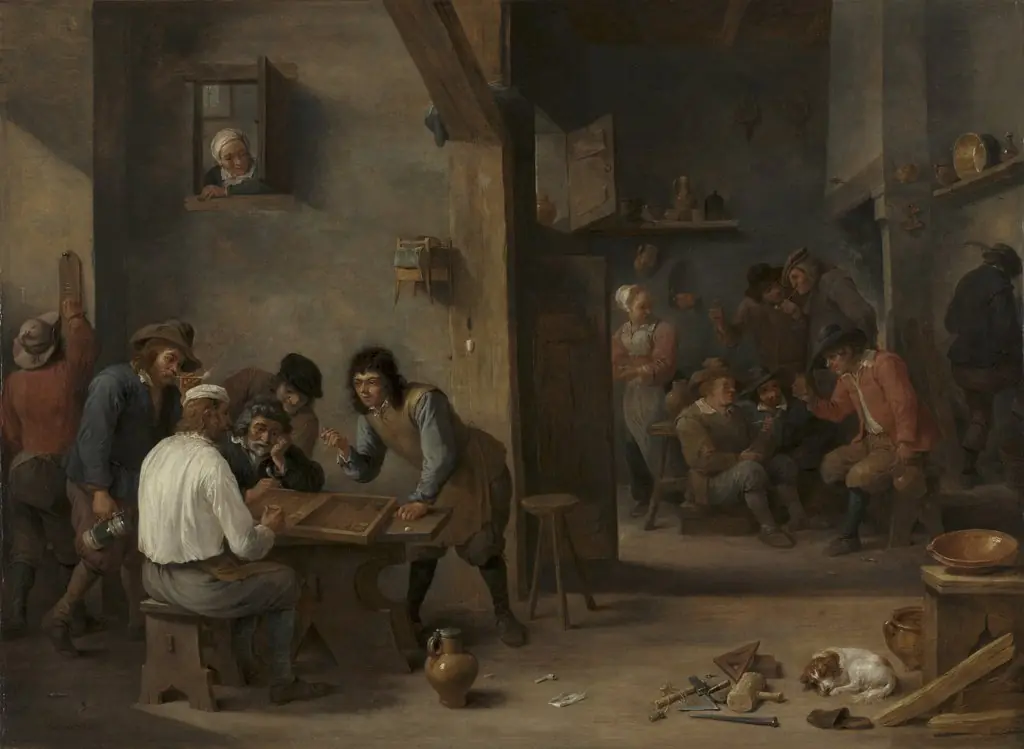 Game of Backgammon
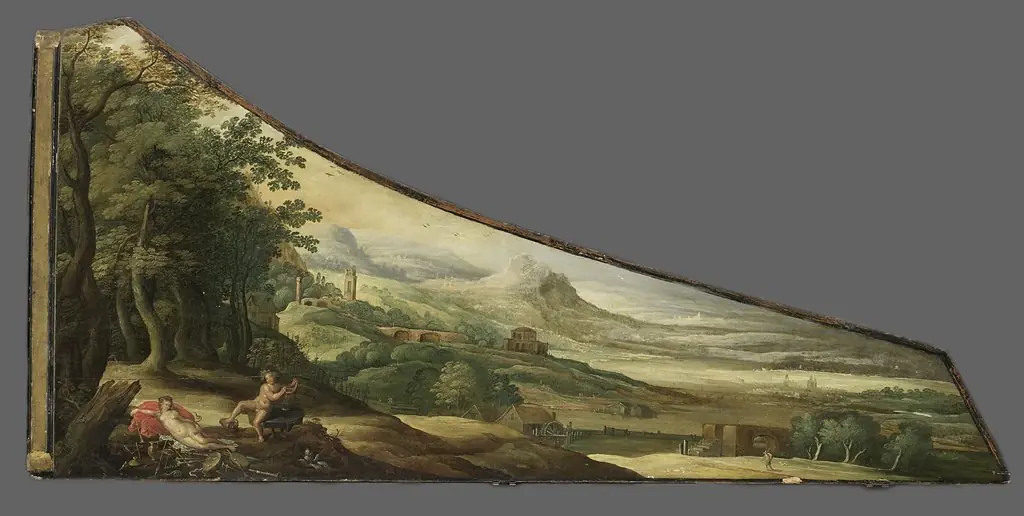 Death of Euridice
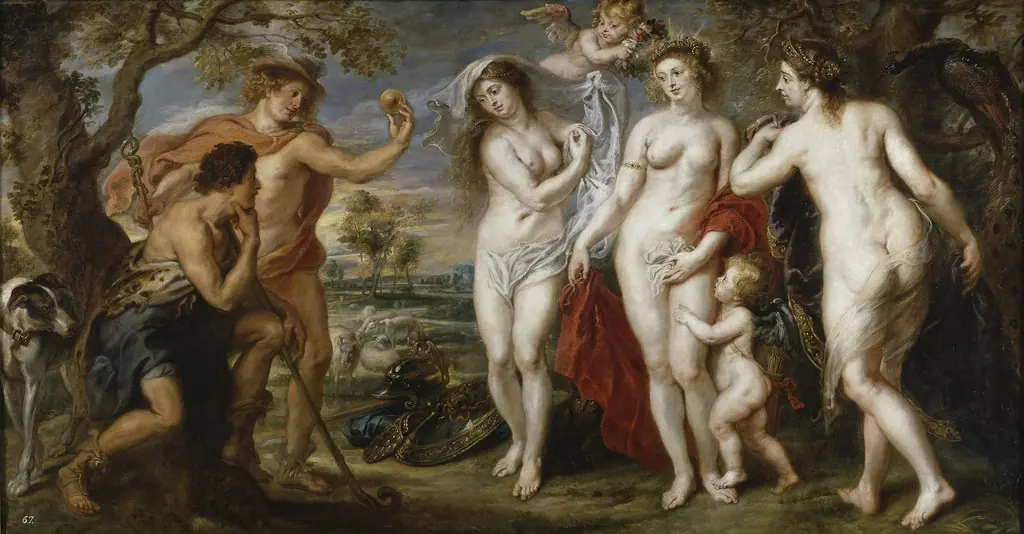 The Judgement of Paris
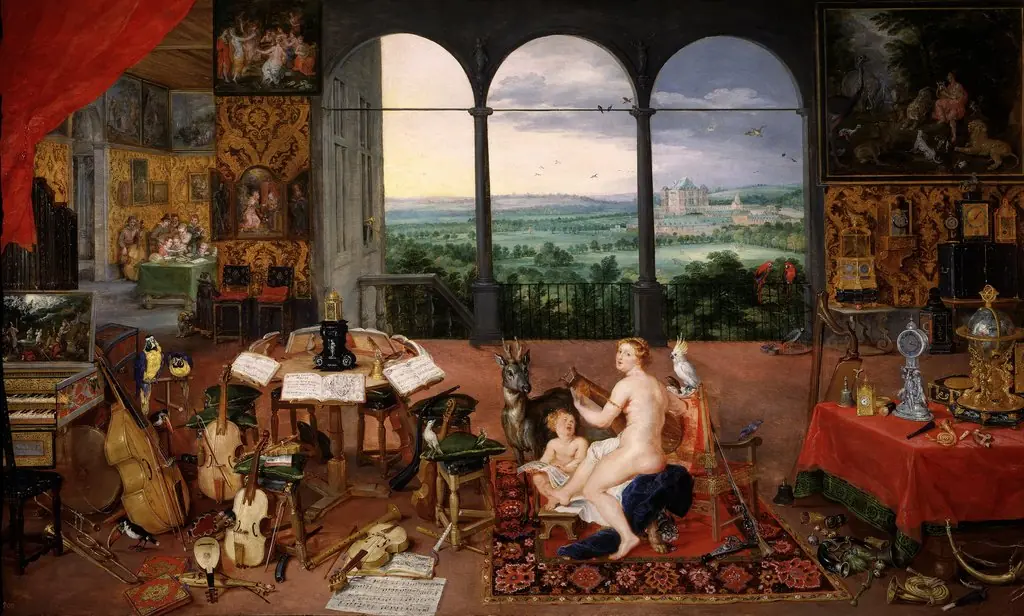 Hearing
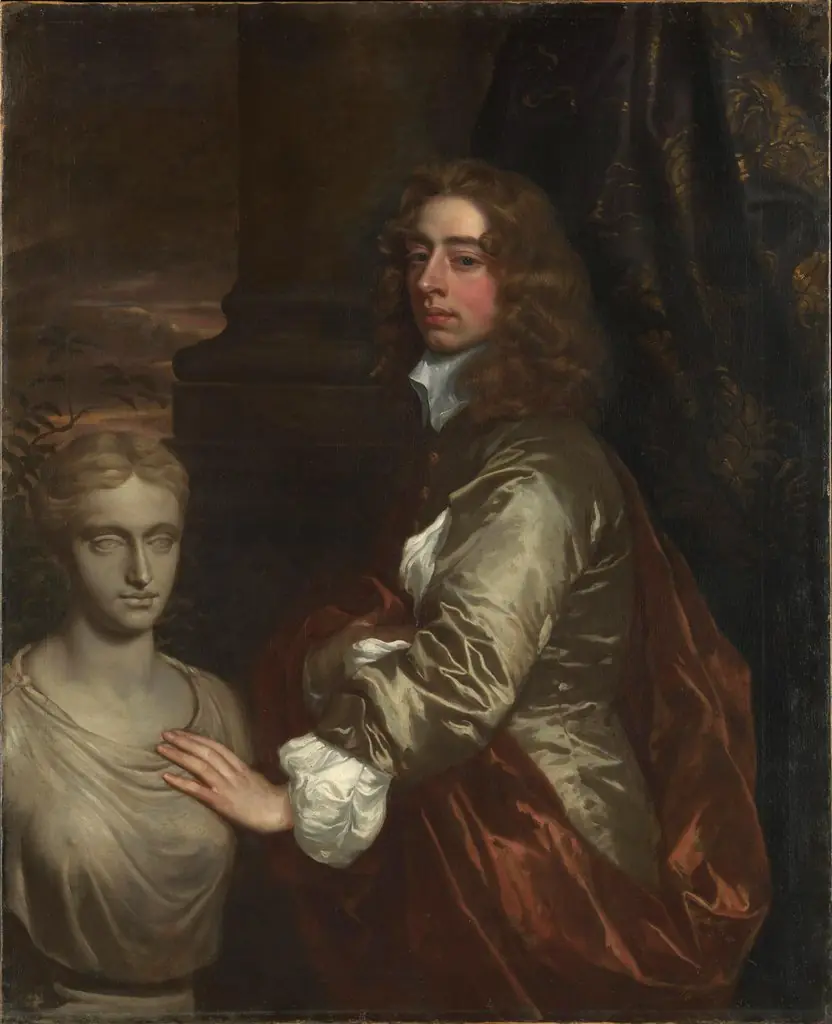 Sir Henry Capel (1638–1696)
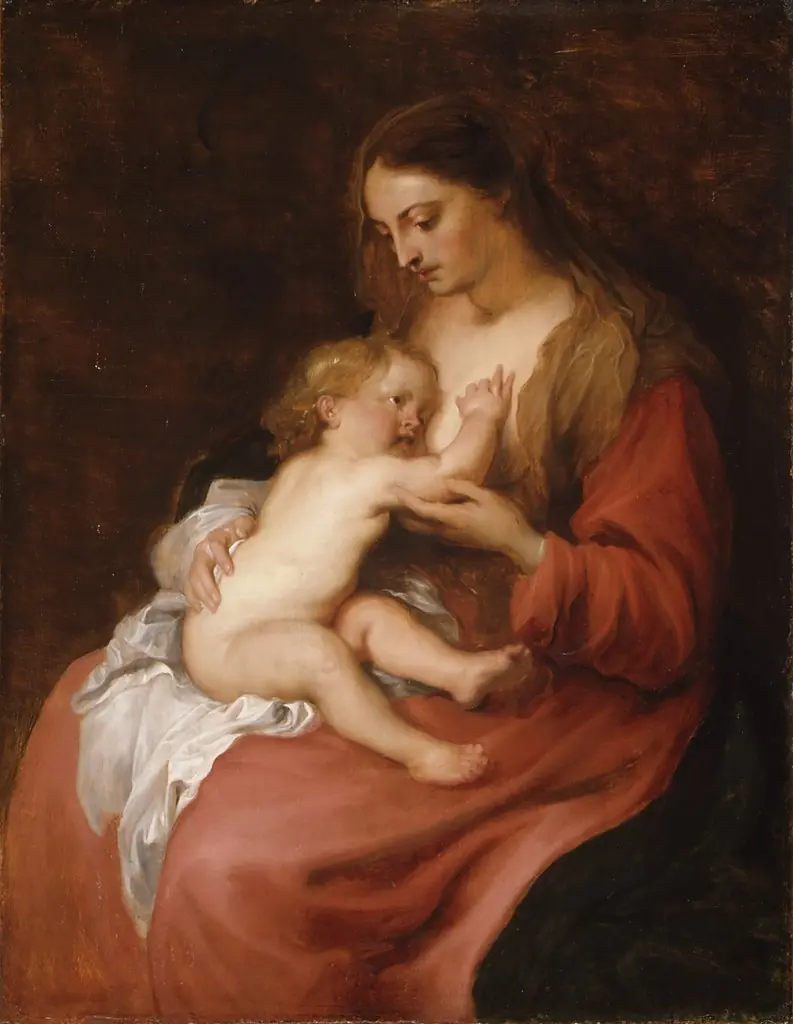 Virgin and Child
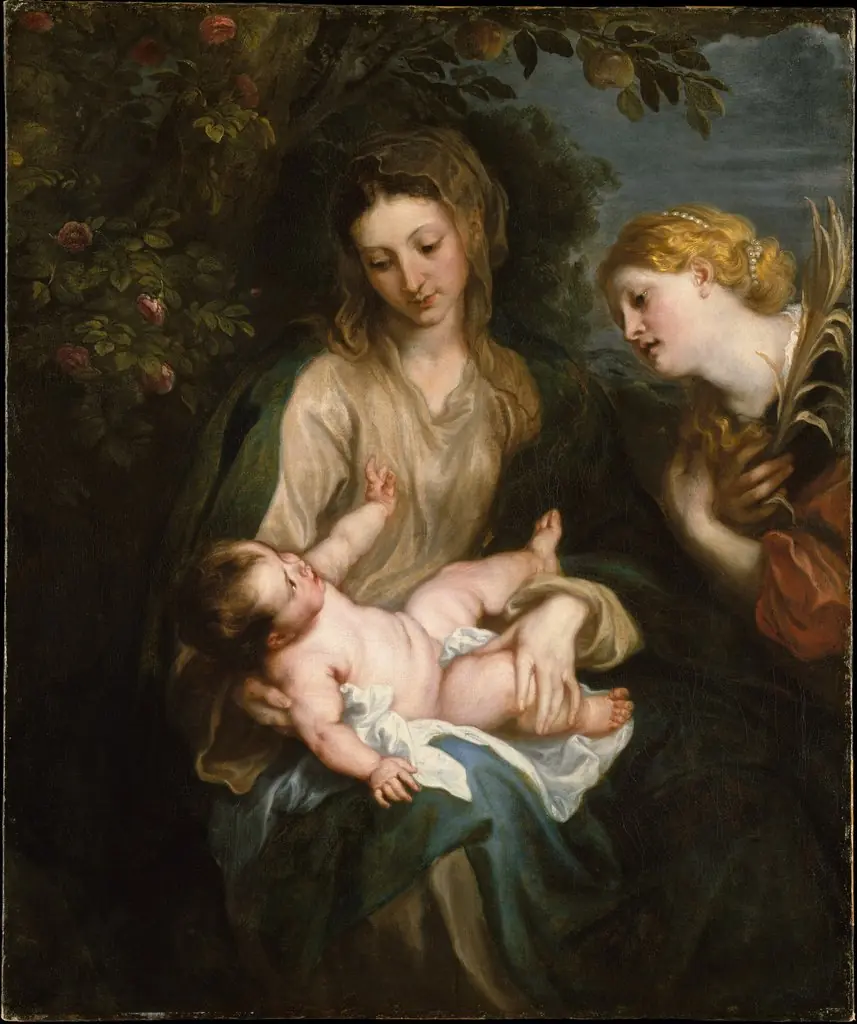 Virgin and Child with Saint Catherine of Alexandria
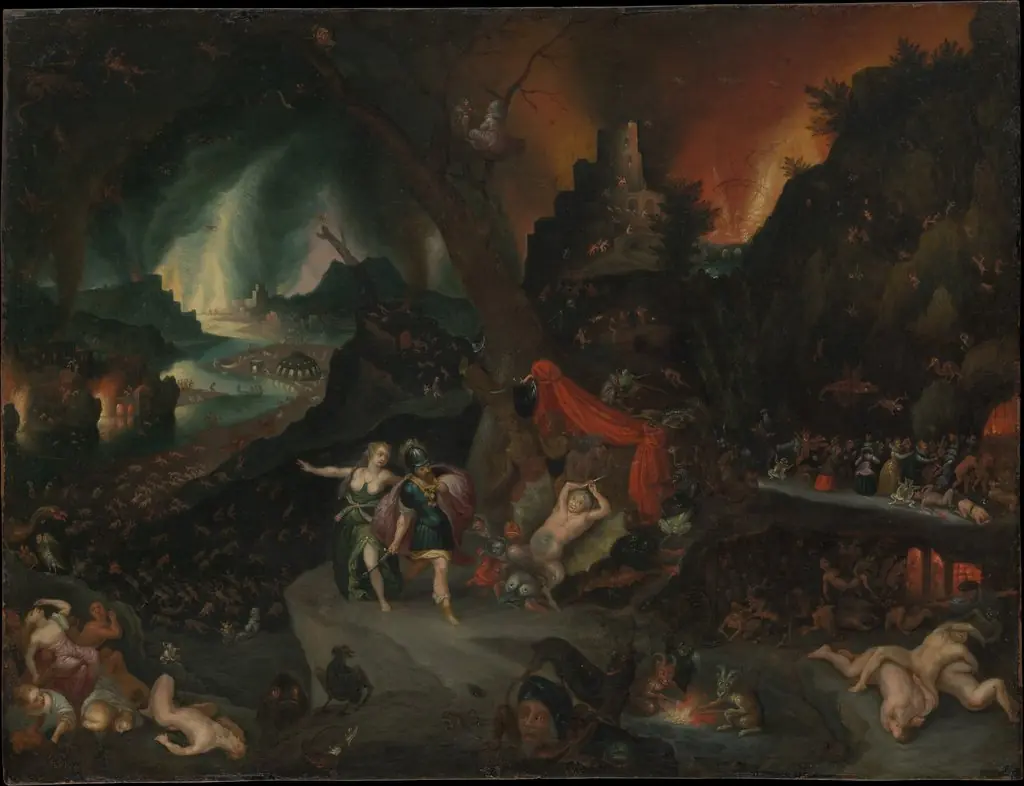 Aeneas and the Sibyl in the Underworld
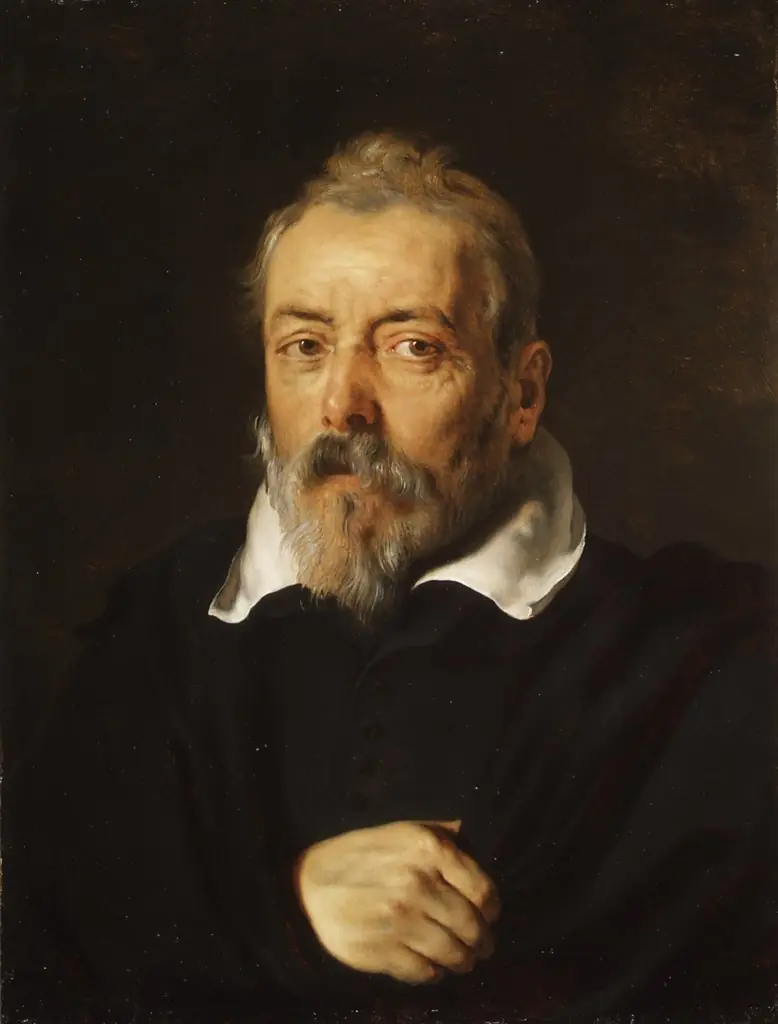 Portrait of Frans Francken I (1542–1616)
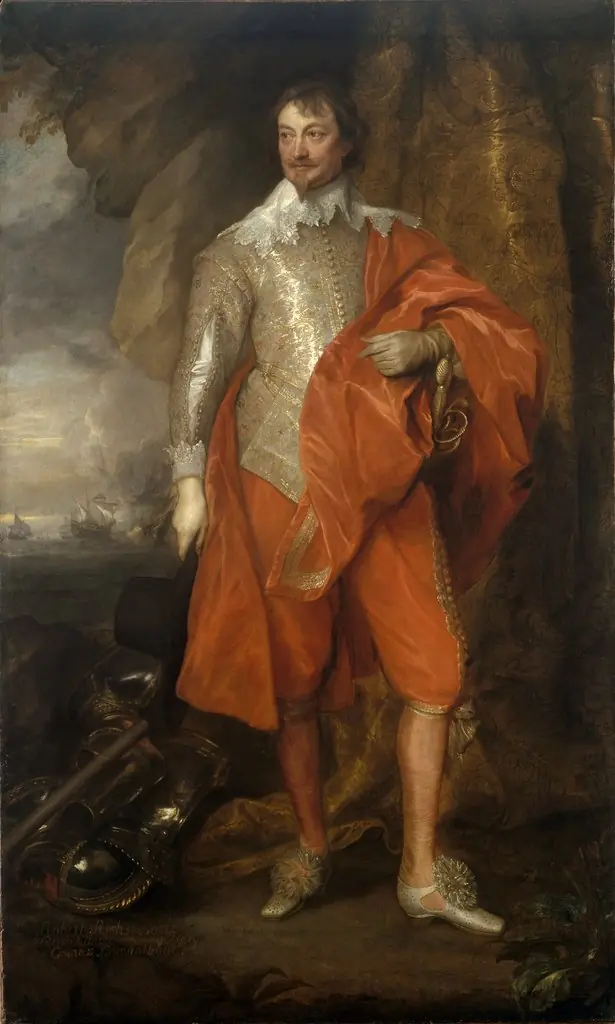 Portrait of Robert Rich, second earl of Warwick
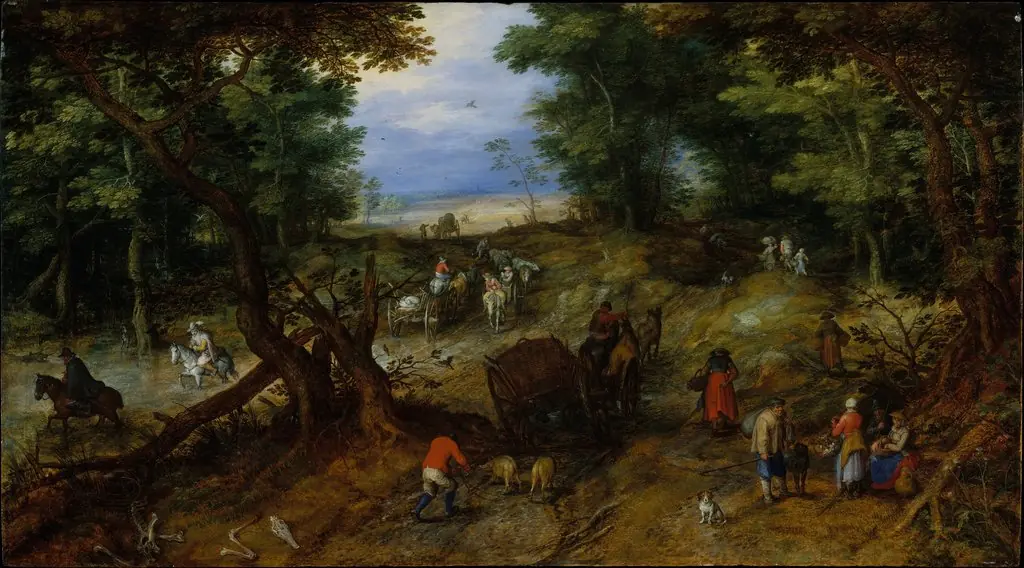 A Woodland Road with Travelers
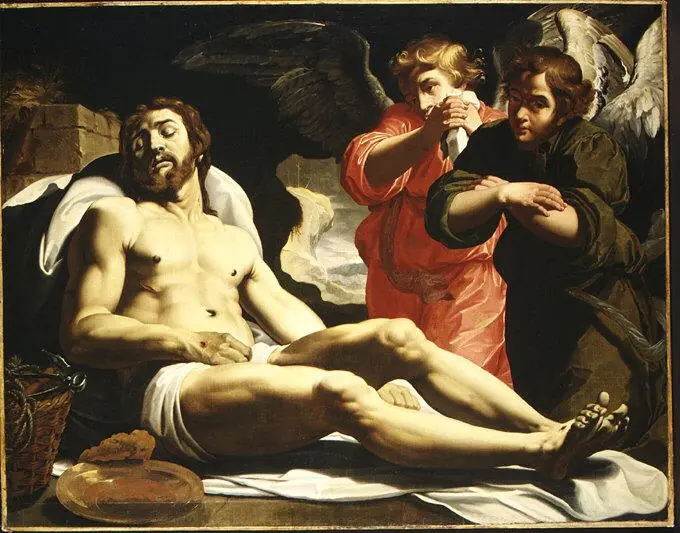 The Dead Christ in the Tomb with Two Angels
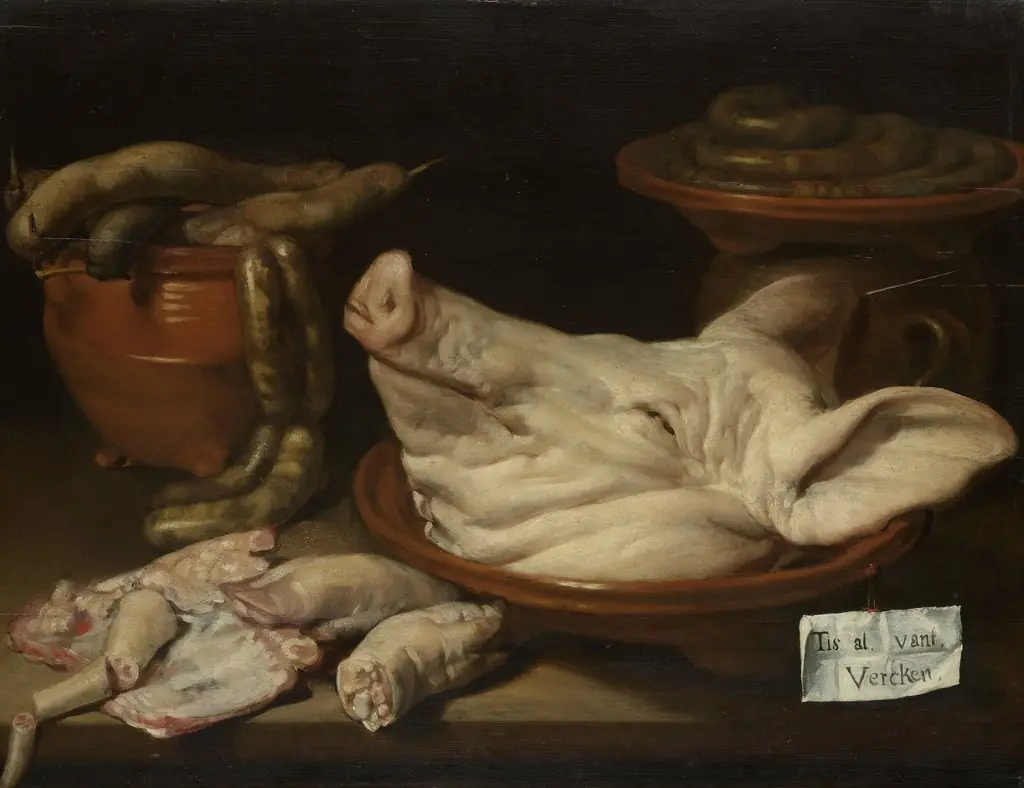 Still Life with Pig's Head, Trotters and Sausage
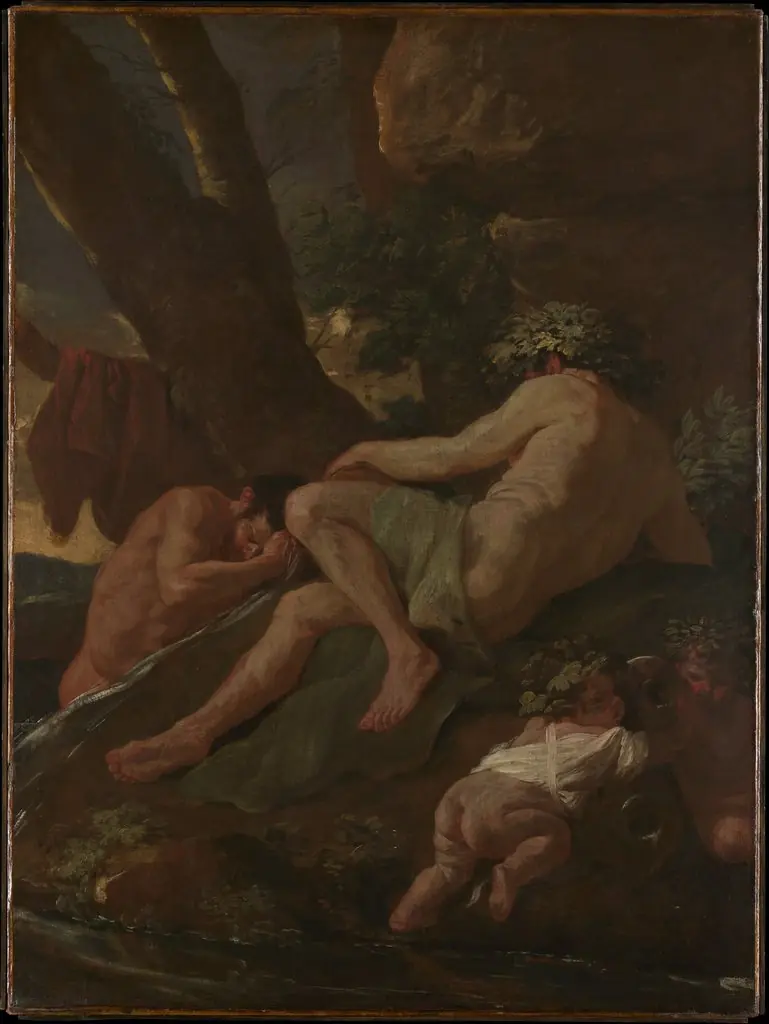 Midas Washing at the Source of the Pactolus
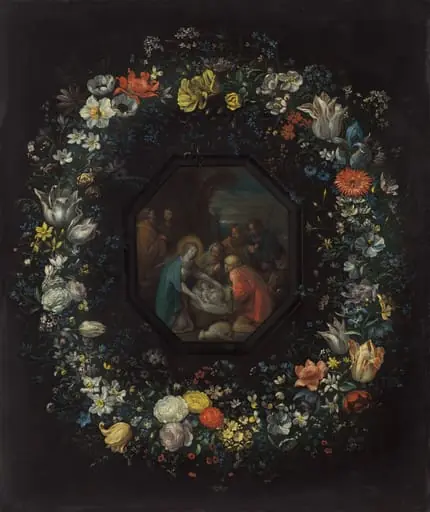 Garland of Flowers with Adoration of the Shepherds
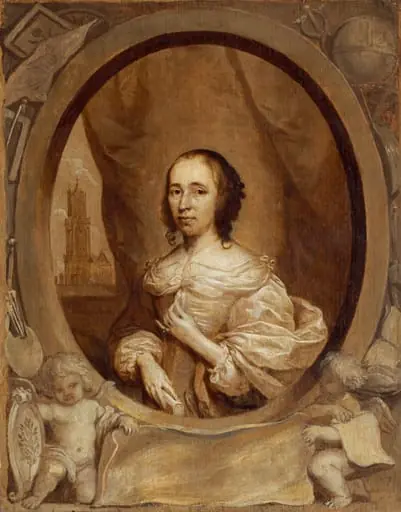 Anna Maria van Schurman
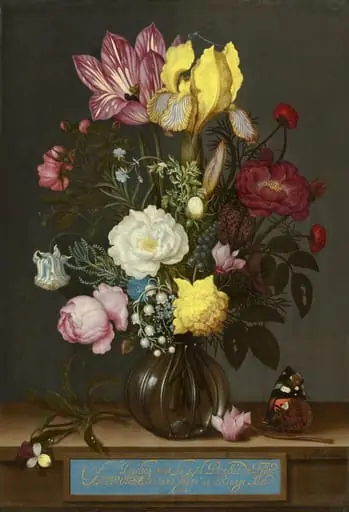 Bouquet of Flowers in a Glass Vase
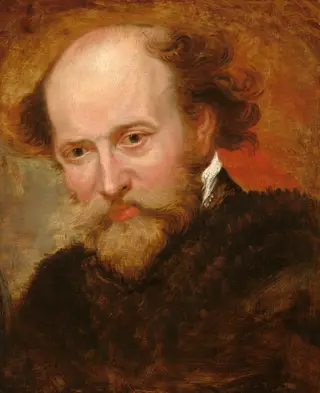 Peter Paul Rubens
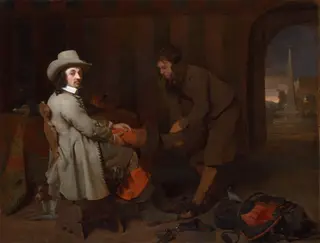 Anthonij de Bordes and His Valet
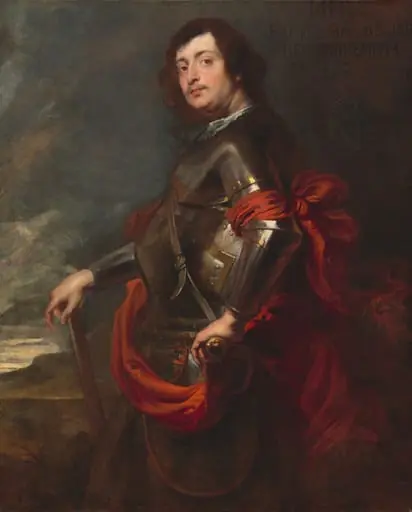 The Prefect Raffaele Raggi
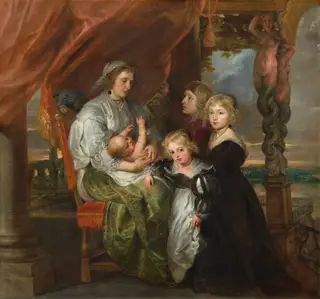 Deborah Kip, Wife of Sir Balthasar Gerbier, and Her Children
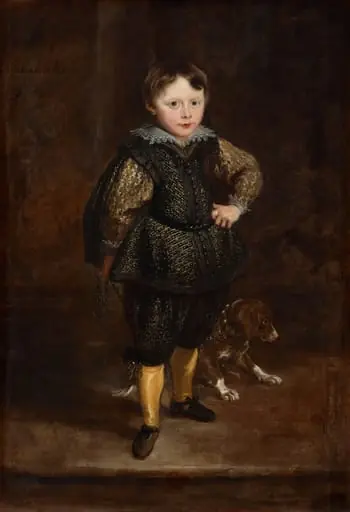 Filippo Cattaneo
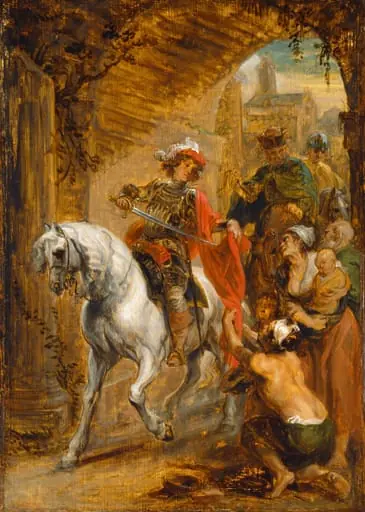 Saint Martin Dividing His Cloak
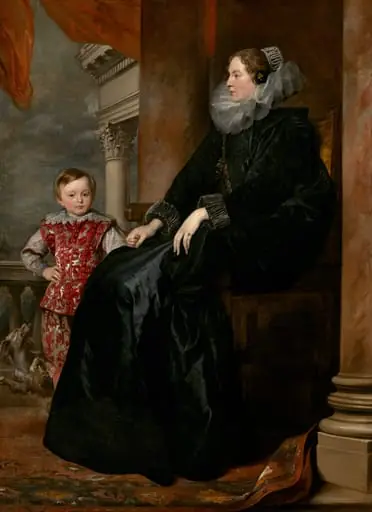 A Genoese Noblewoman and Her Son
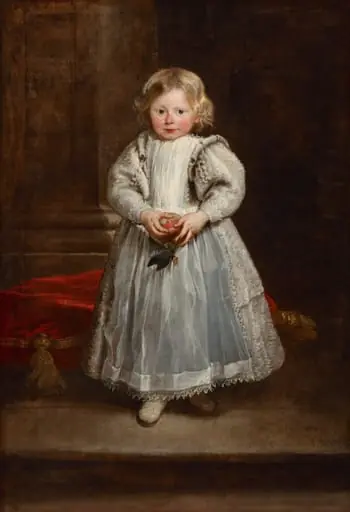 Maddalena Cattaneo
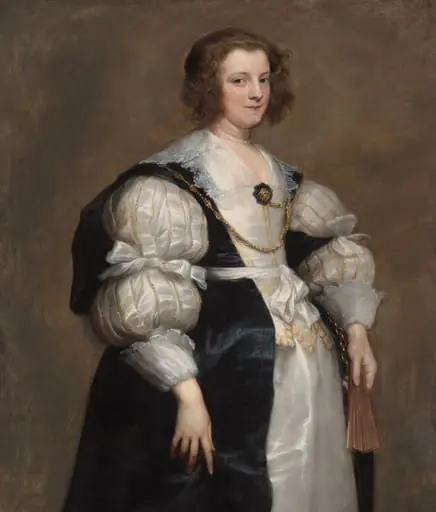 Lady with a Fan
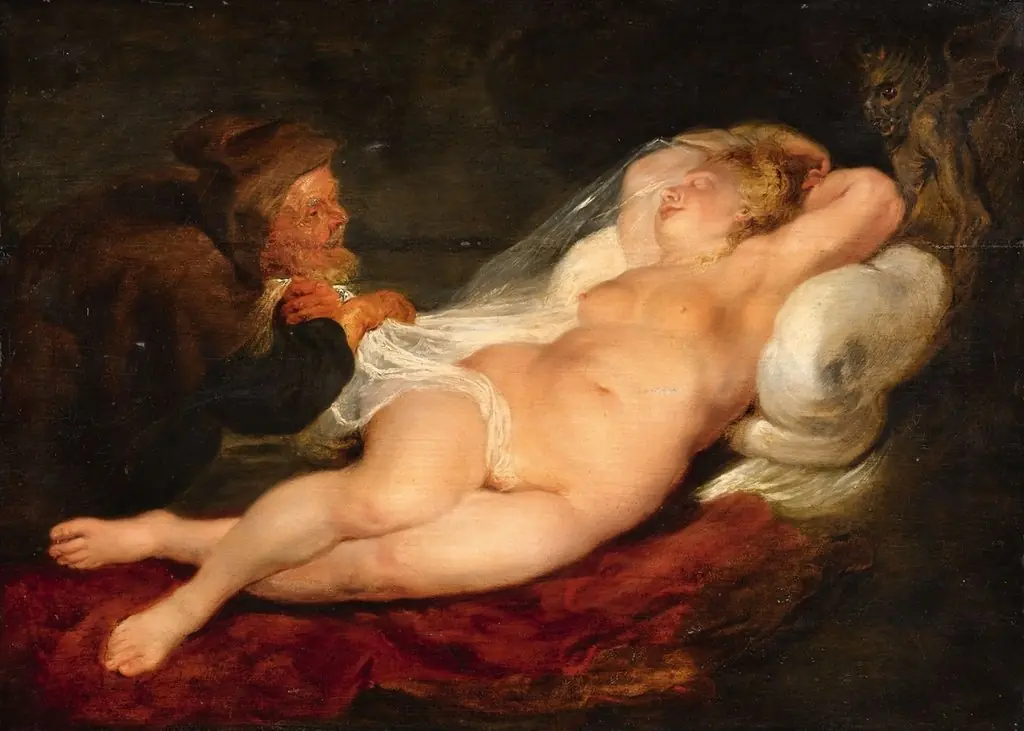 Angelica and the Hermit
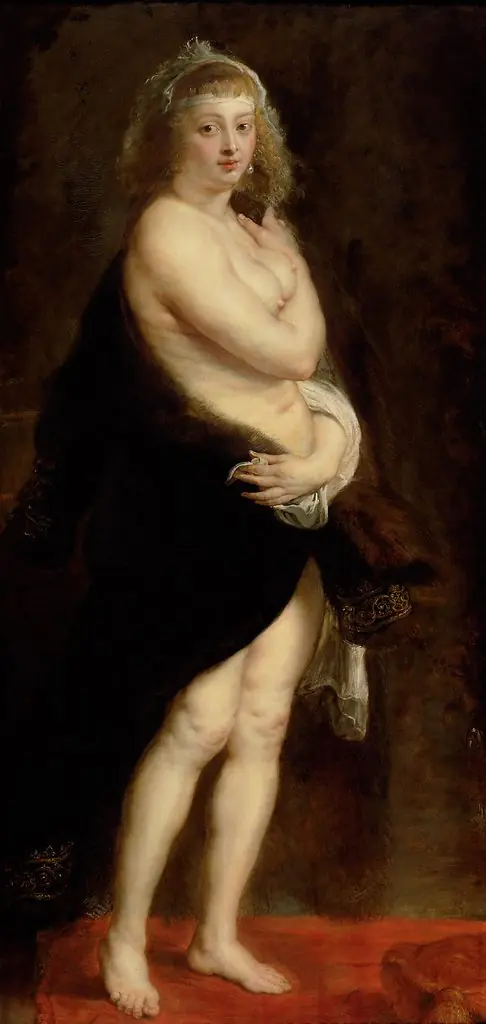 Helena Fourment in a Fur Robe
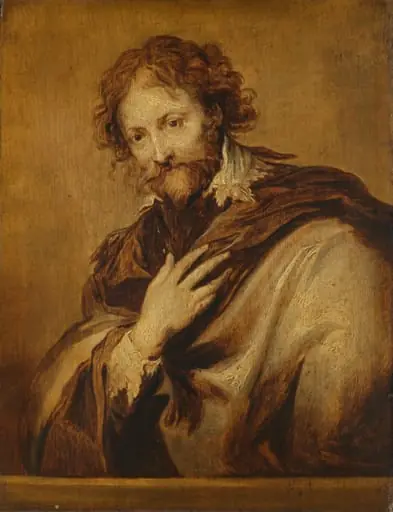 Portrait of Peter Paul Rubens (1577-1640)
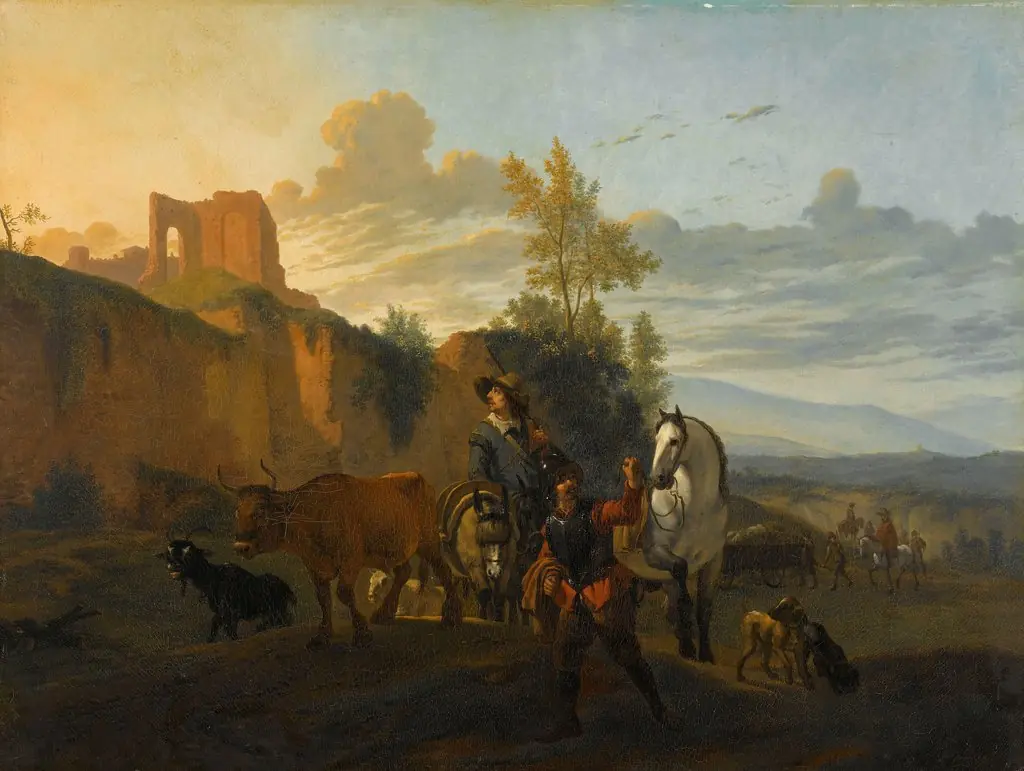 Italian landscape with soldiers
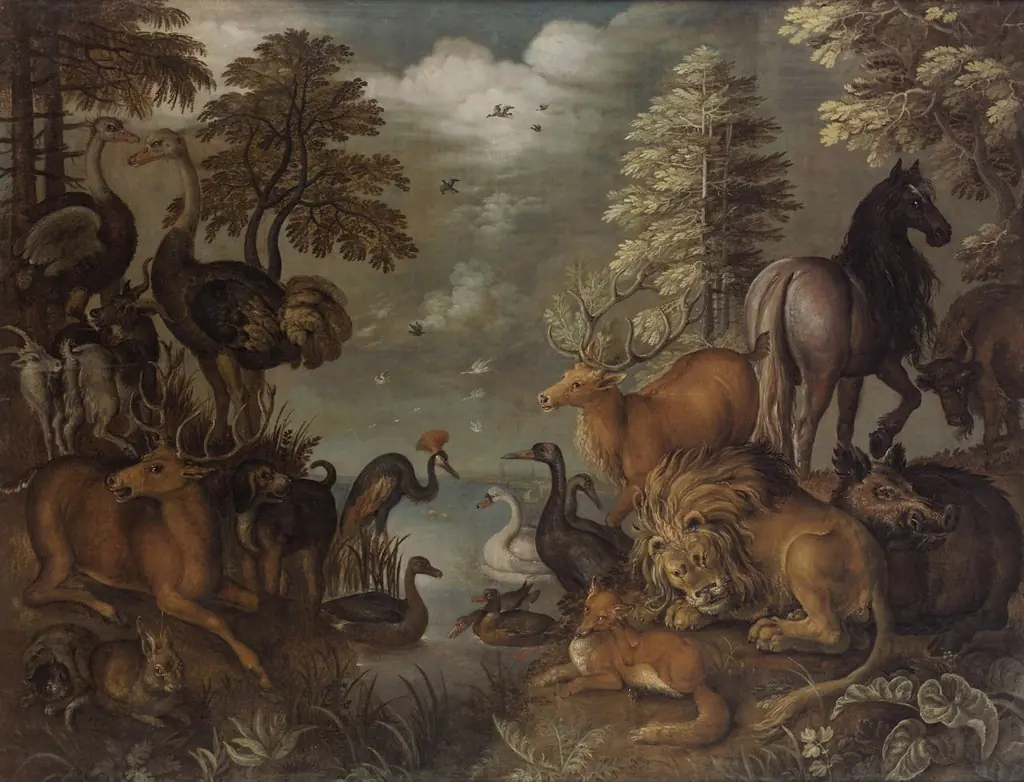 Große Landschaft mit Tieren
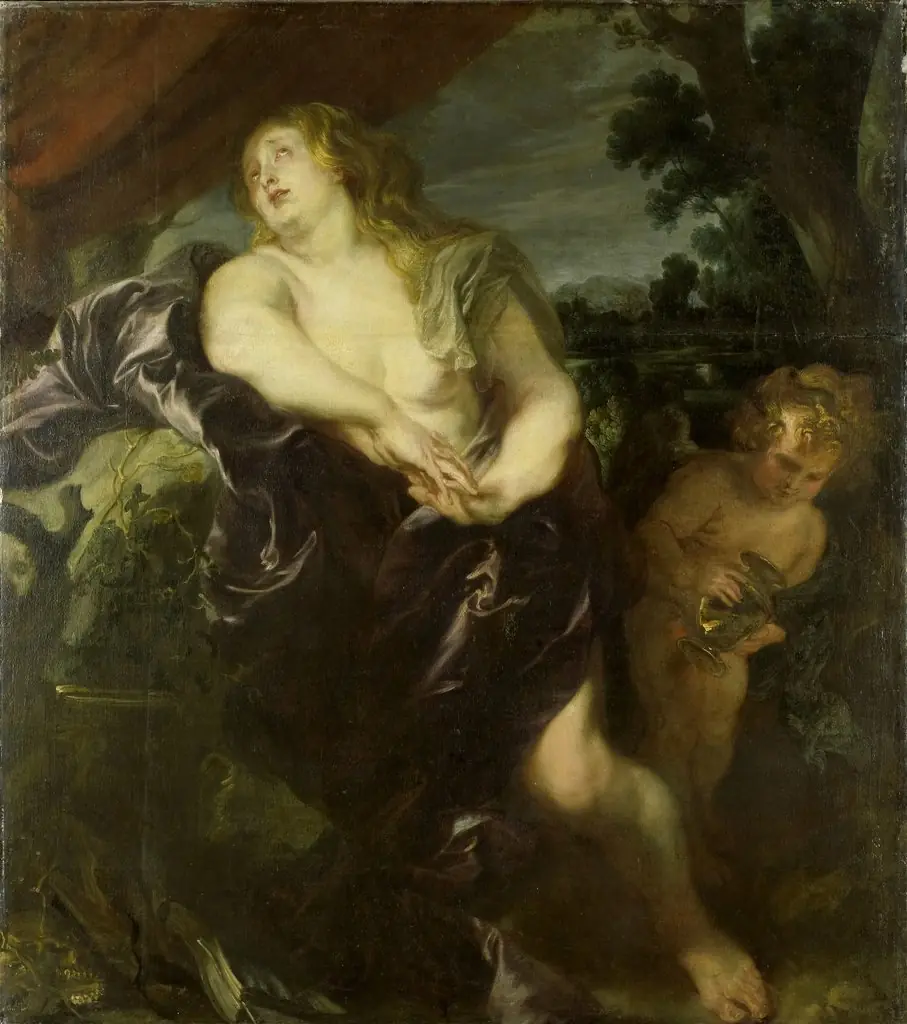 The penitent Mary Magdalene
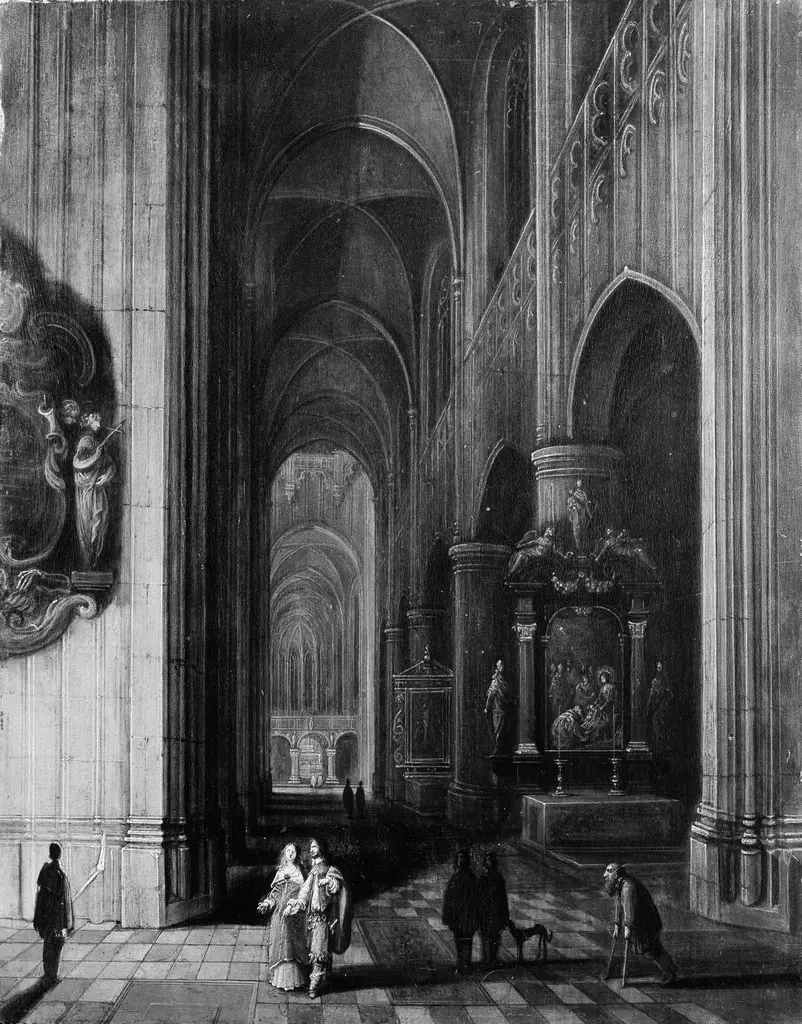 Interior of a Gothic Church at Night
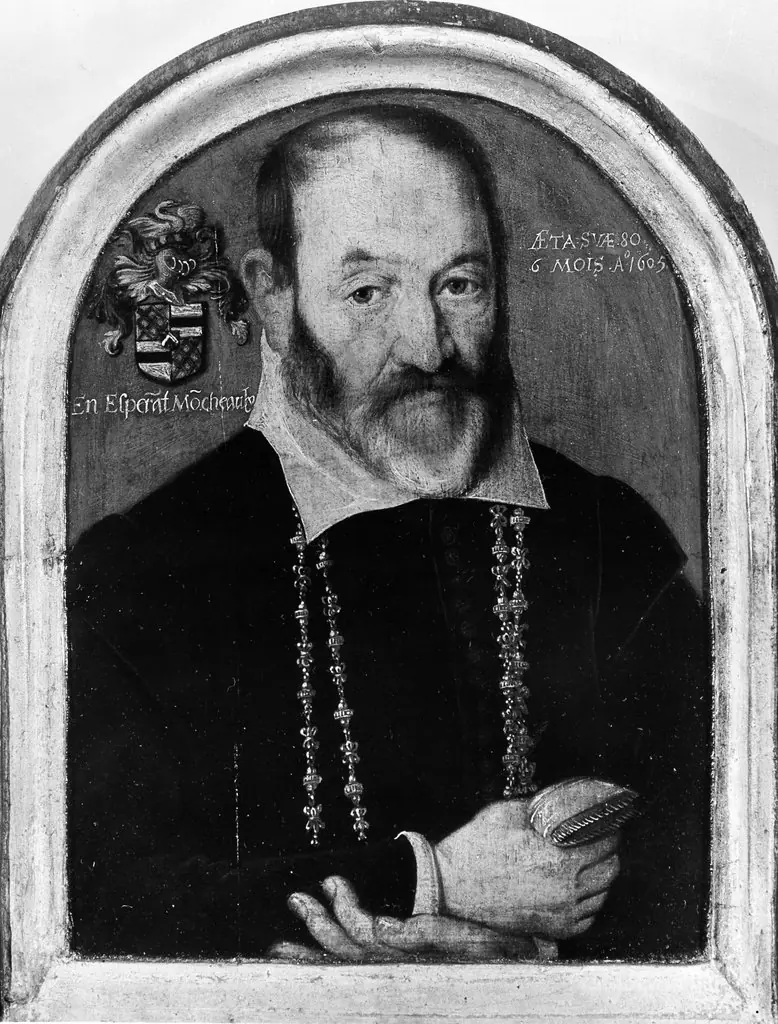 Portrait of a Man of the Moncheaux Family
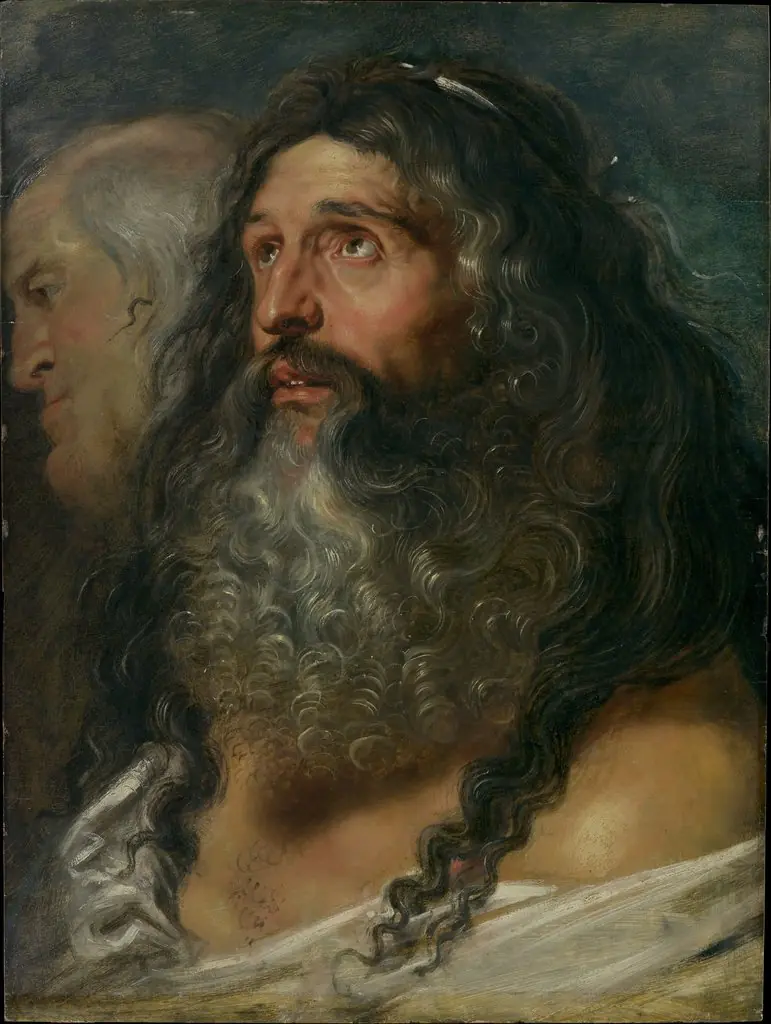 Study of Two Heads
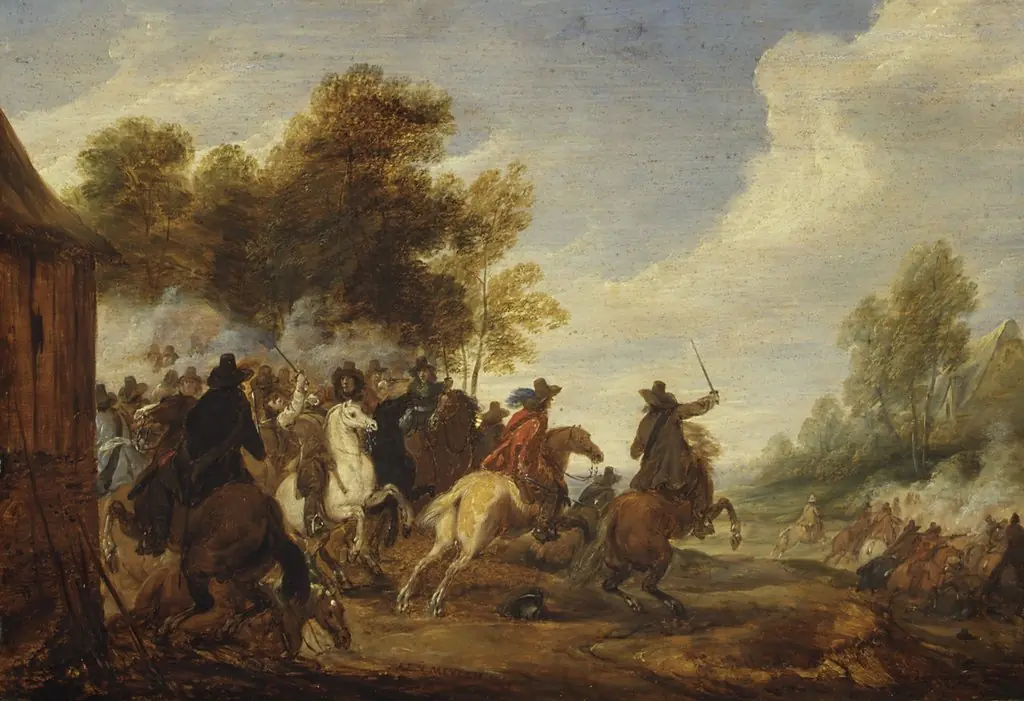 A Cavalry Engagement
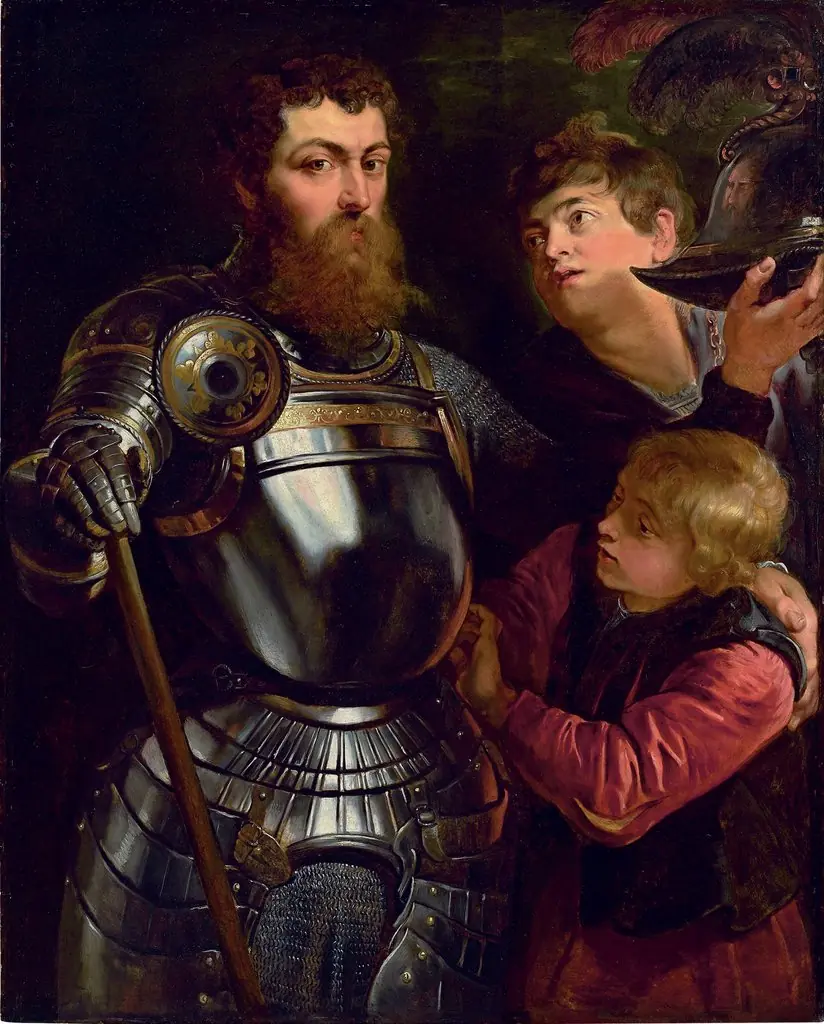 Portrait of a Commander
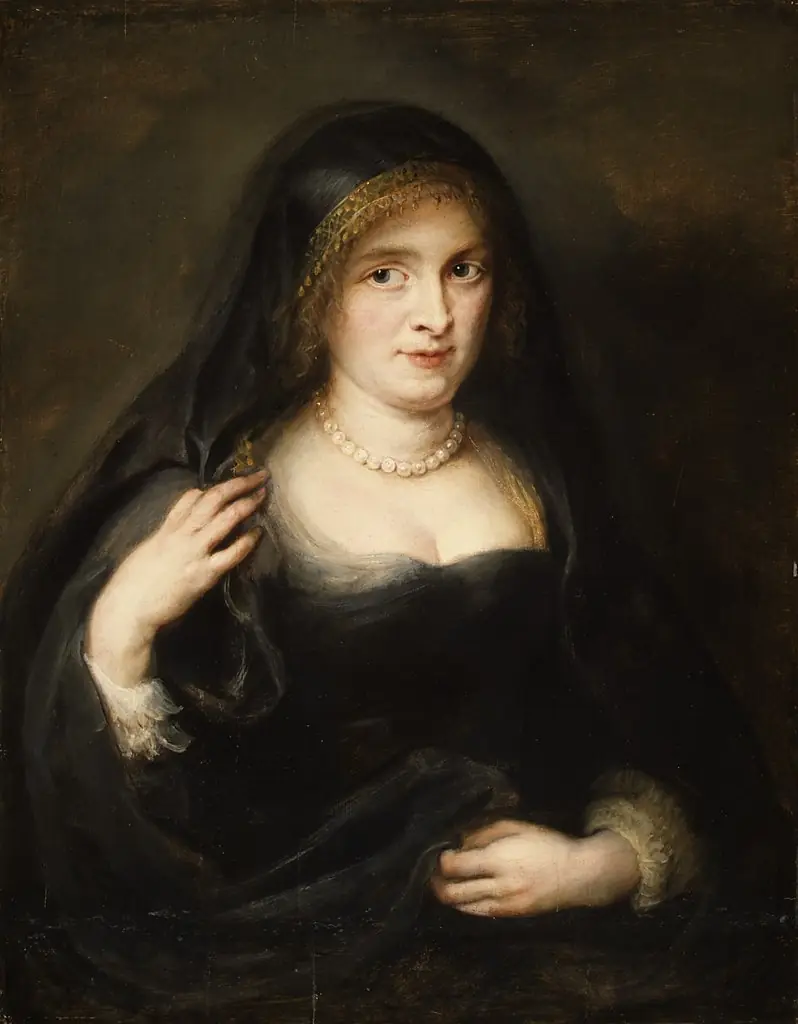 Portrait of a Woman, Probably Susanna Lunden
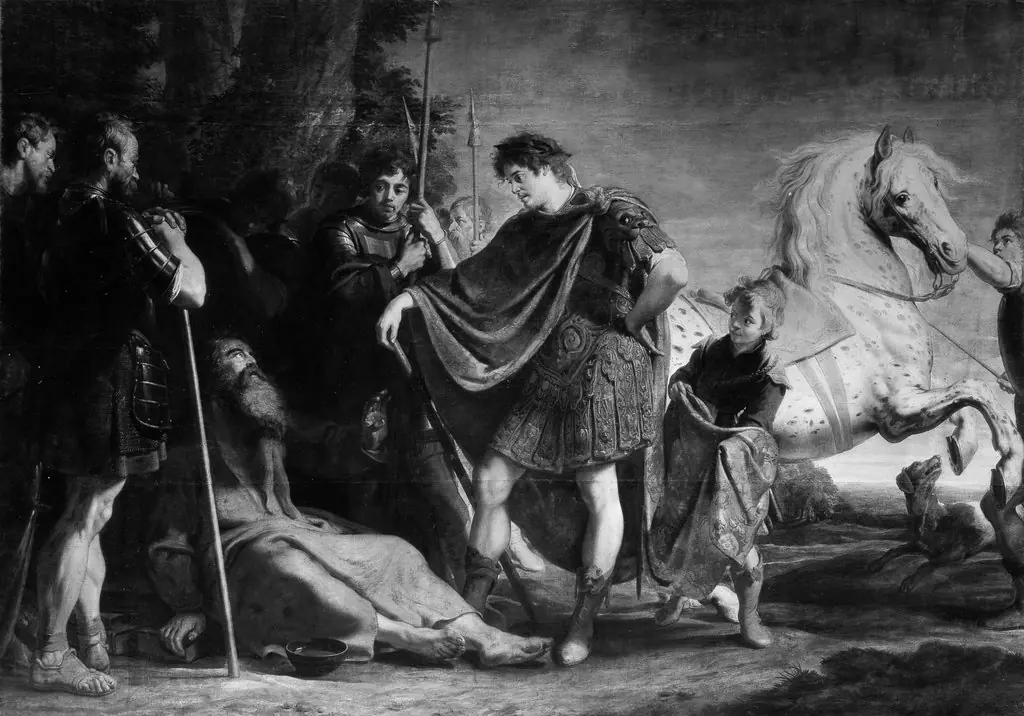 The Meeting of Alexander the Great and Diogenes
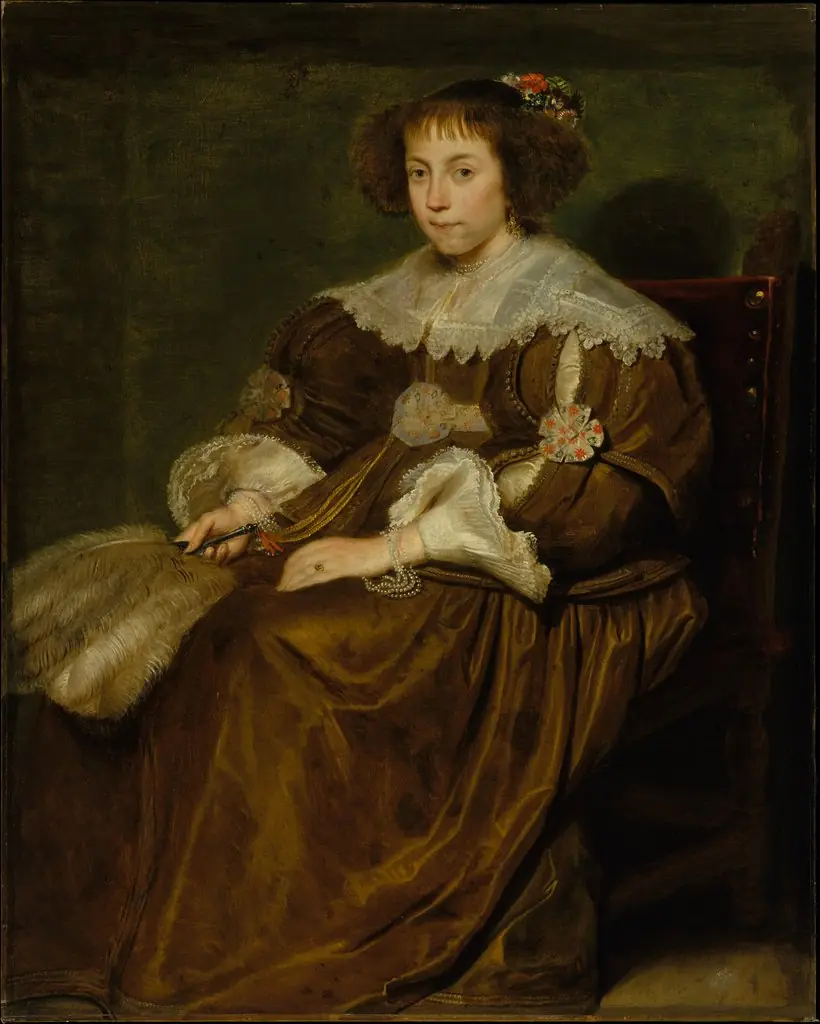 Portrait of a Young Woman
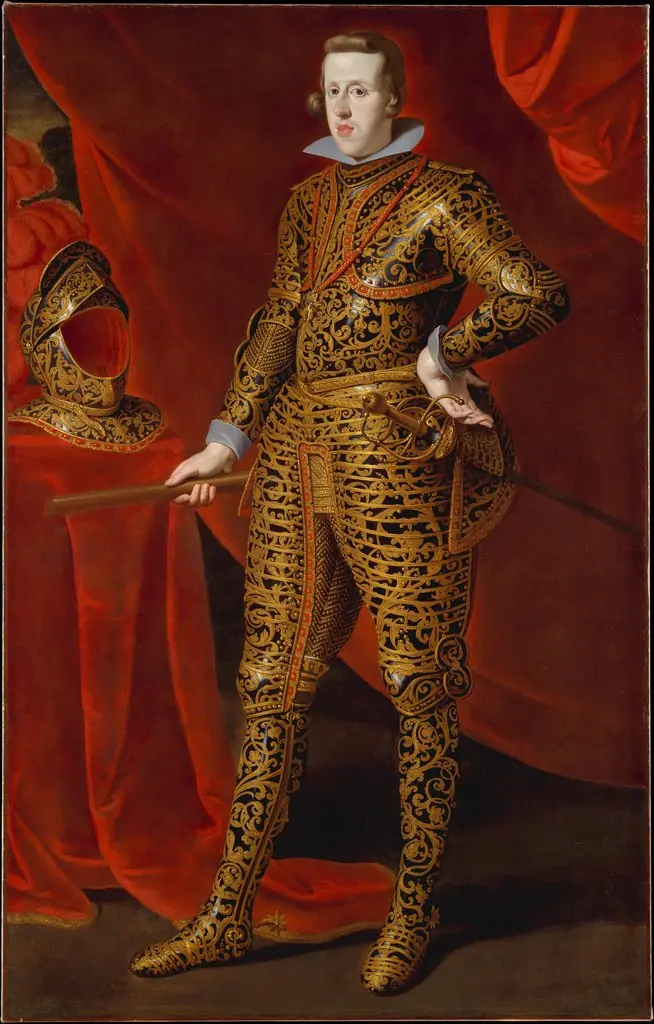 Philip IV (1605–1665) in Parade Armor
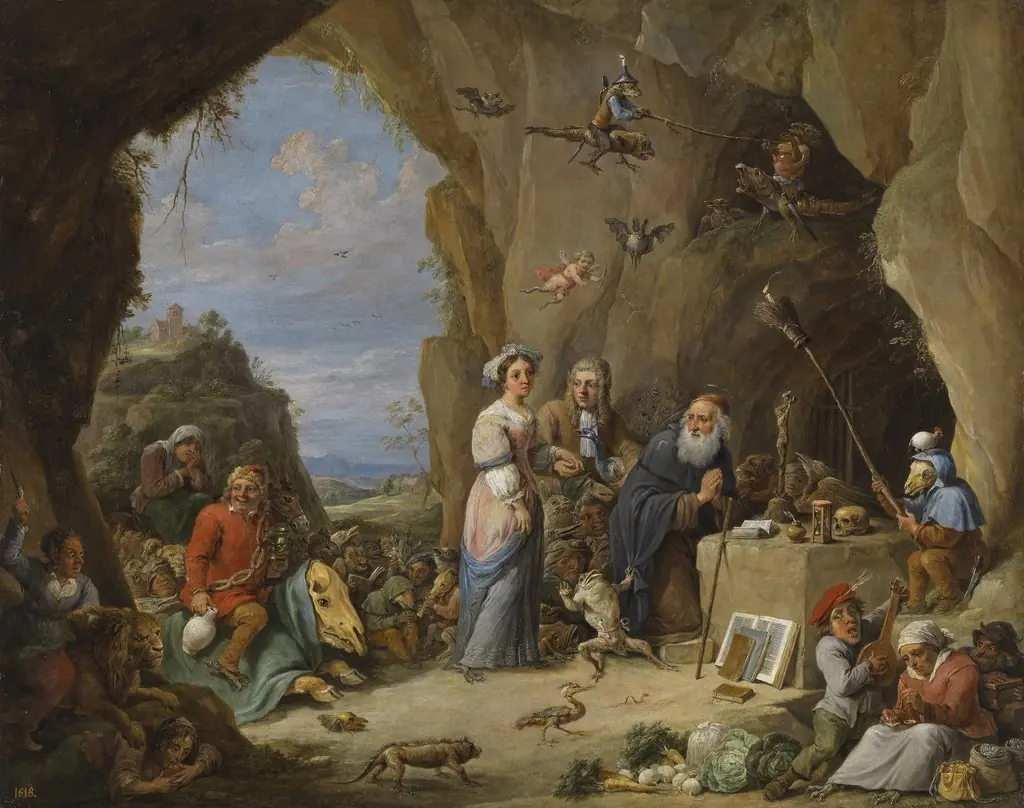 Temptation of St. Anthony
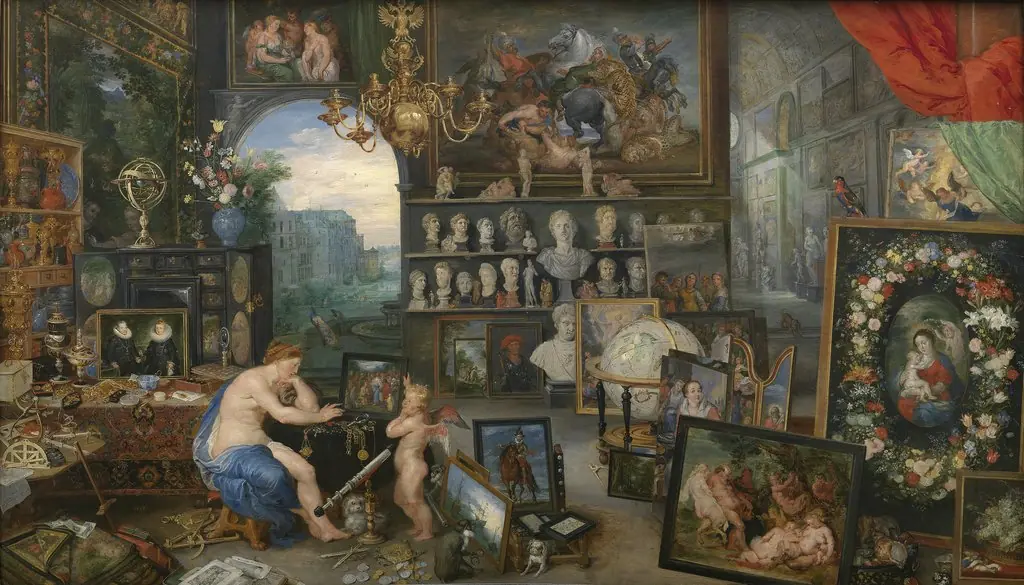 The Sense of Sight
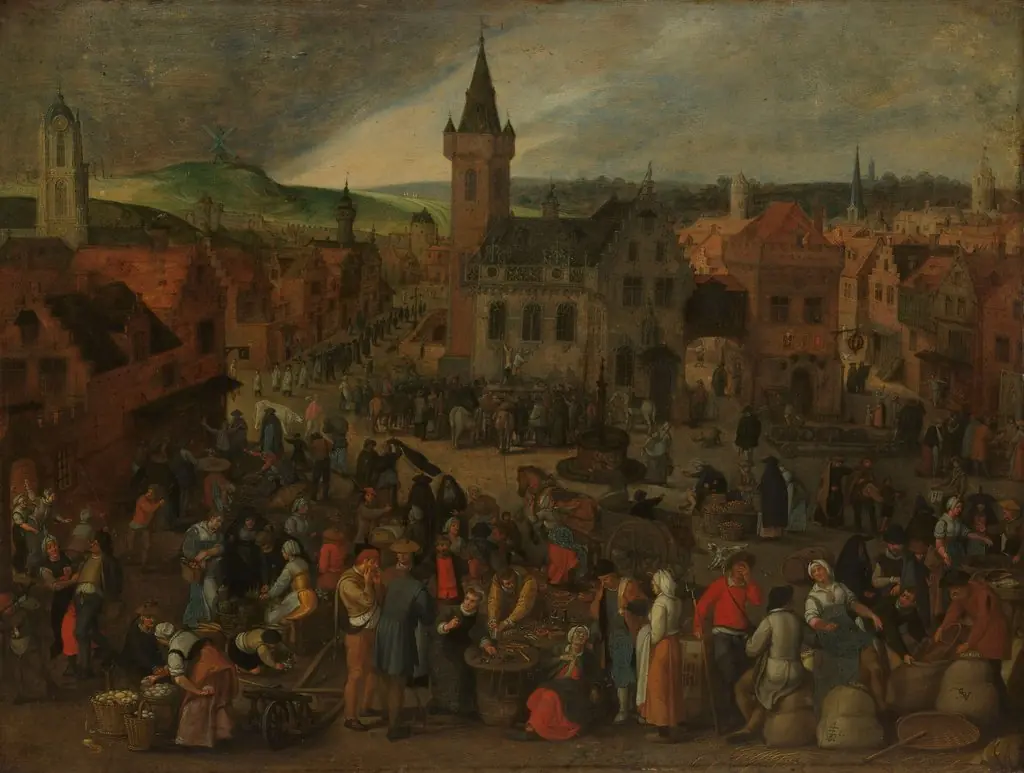 Market day in a Flemish town
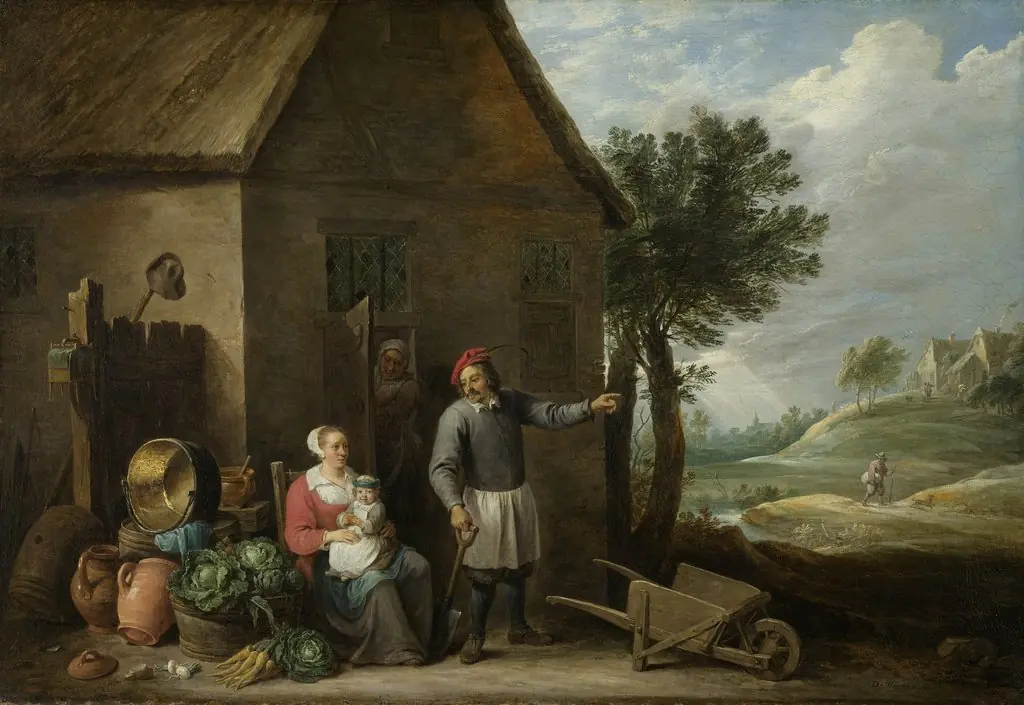 A peasant with his wife and child in front of the farmhouse
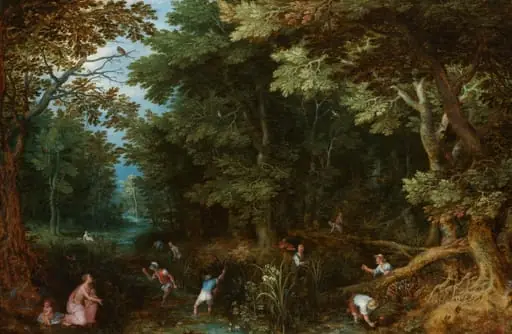 Latona and the Lycian Peasants
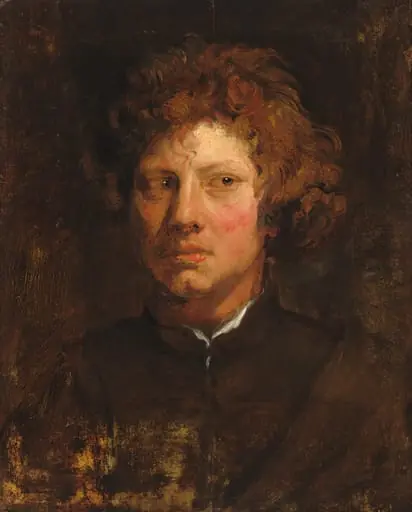 Head of a Young Man
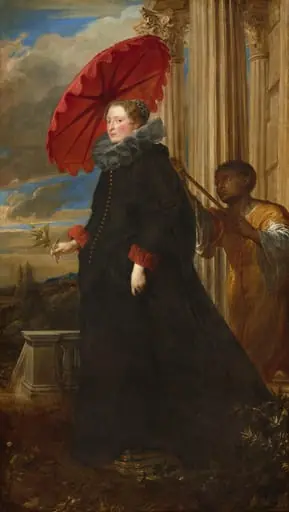 Marchesa Elena Grimaldi Cattaneo
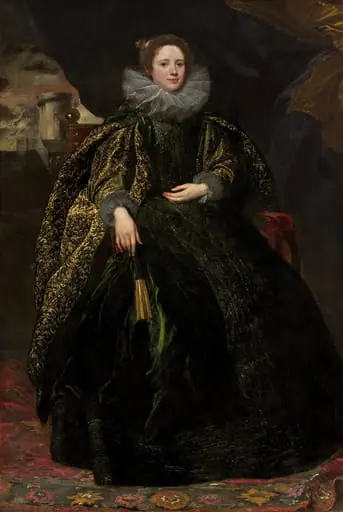 Marchesa Balbi
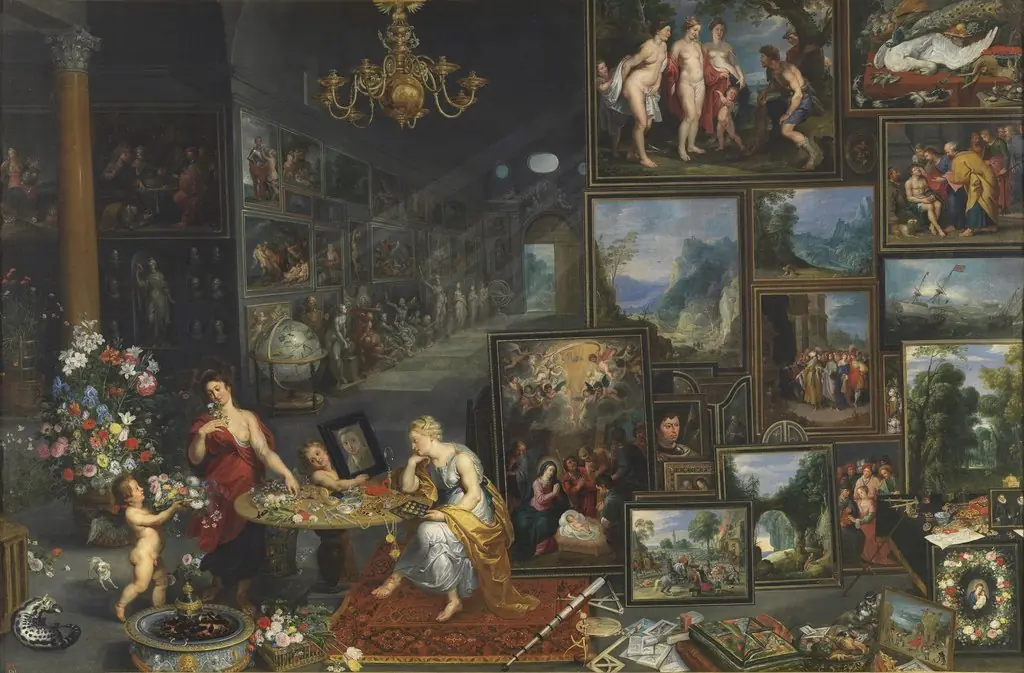 Allegory of Sight and Smell
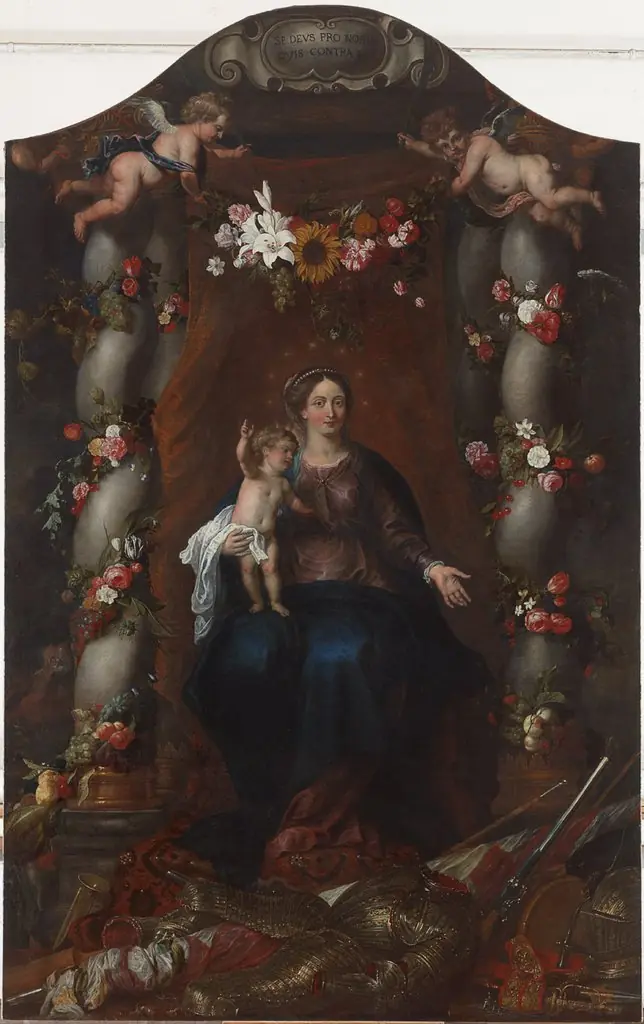 Madonna and Child Enthroned in a Fruit & Flower Garland
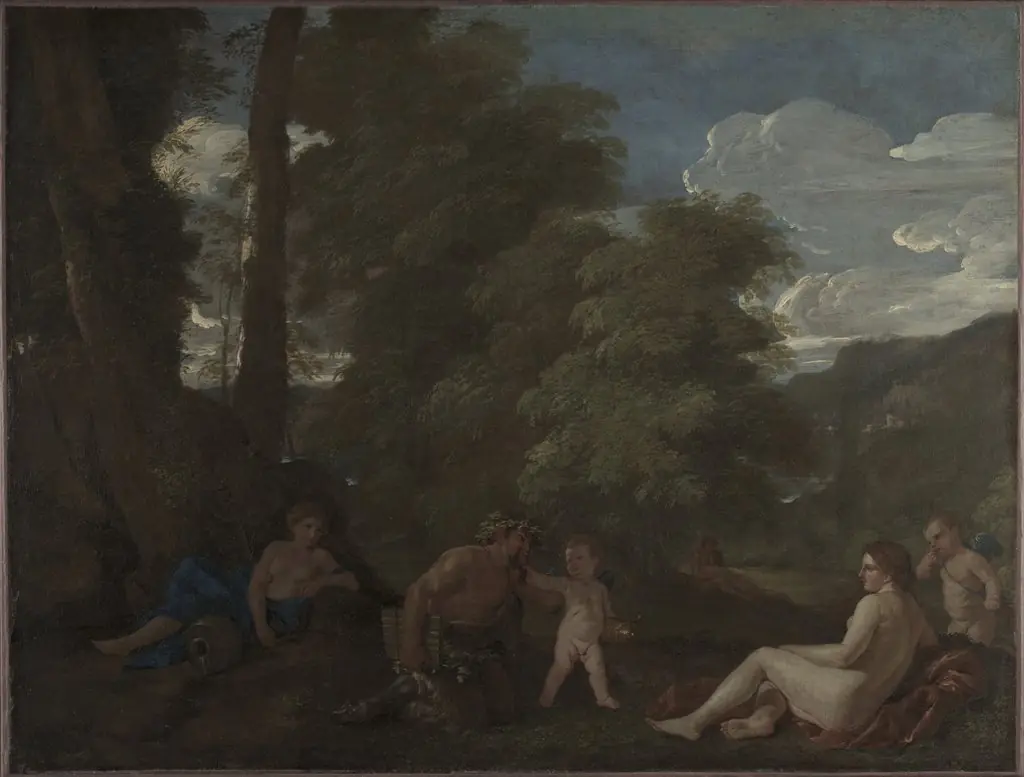 Nymphs and a Satyr (Amor Vincit Omnia)
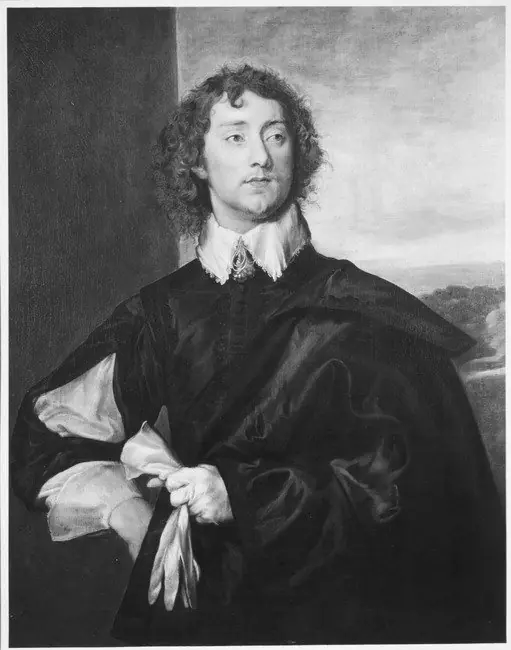 Portrait of Sir Thomas Hanmer
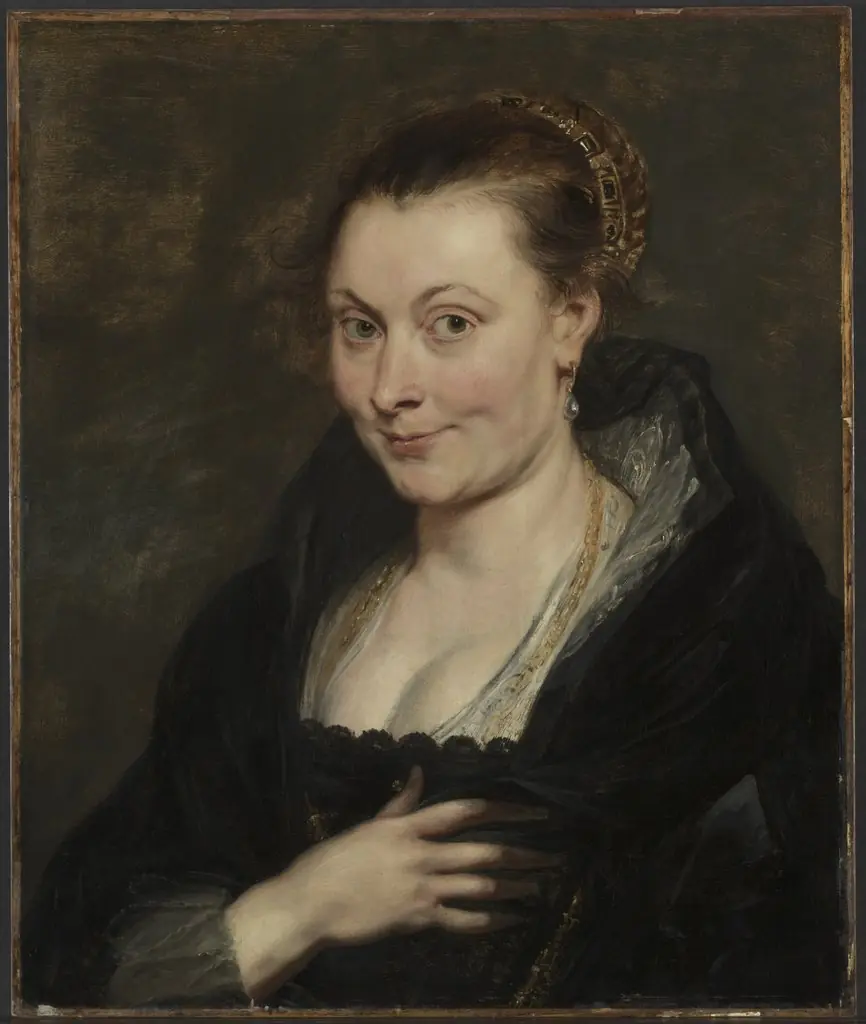 Portrait of Isabella Brant
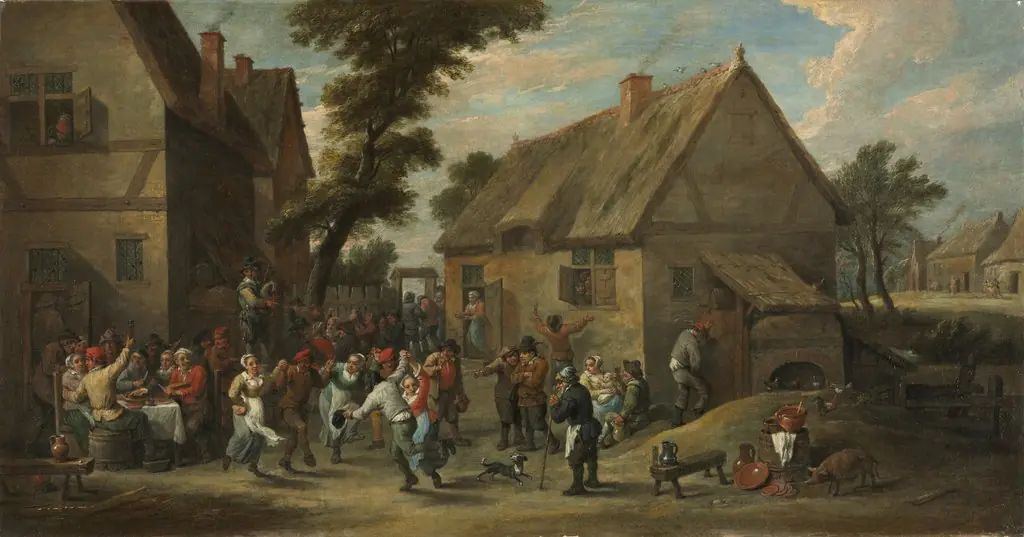 Village Festival
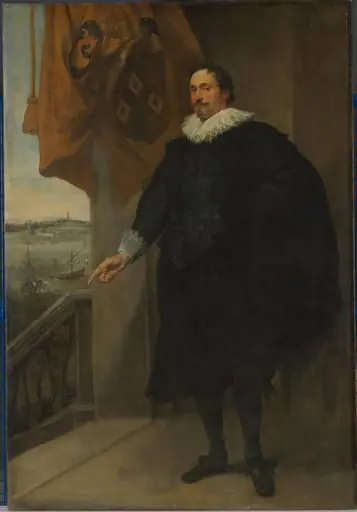 Untitled
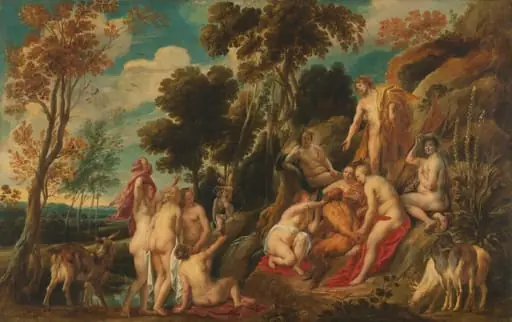 Untitled
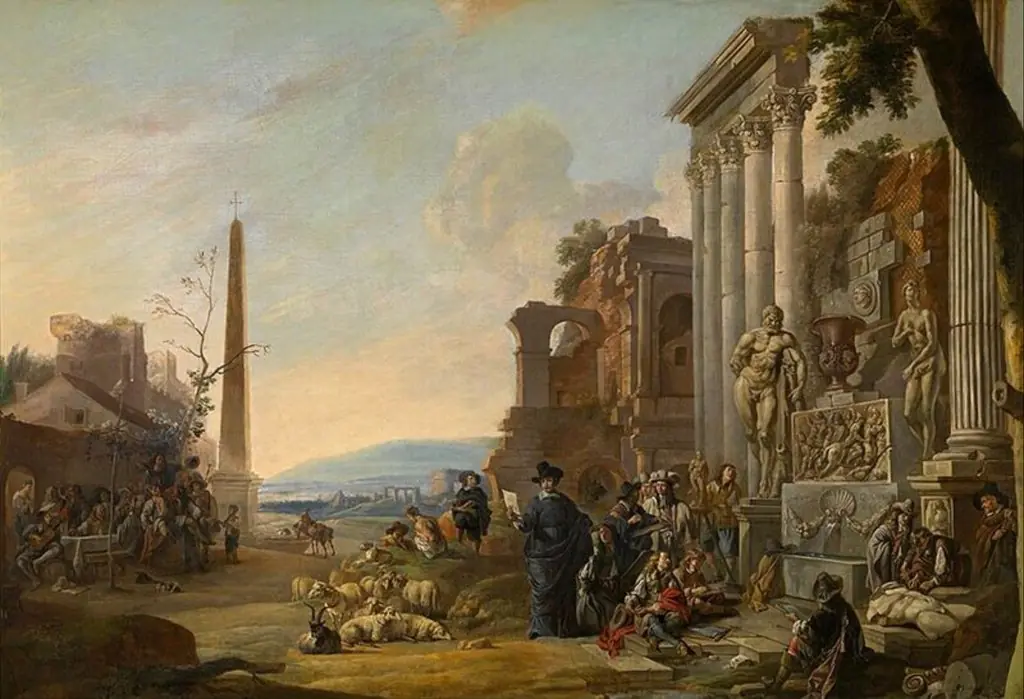 The Study of Art in Rome
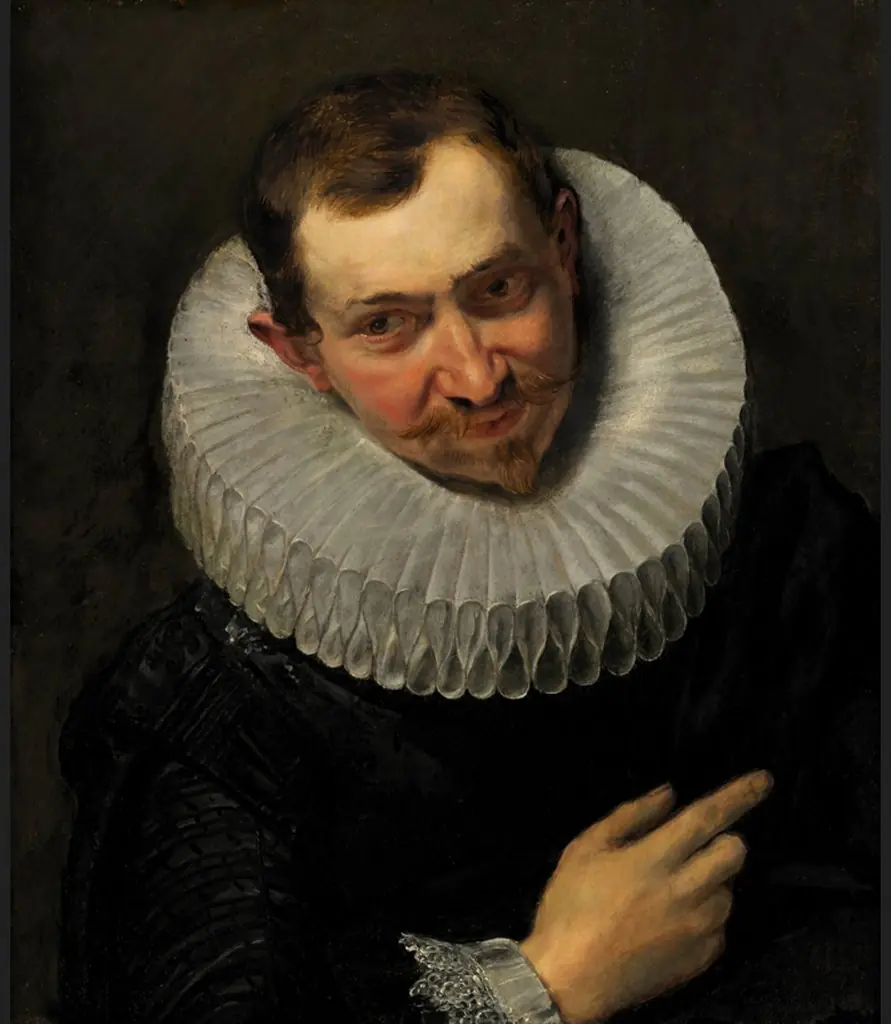 Portrait of the landscape painter Jan Wildens
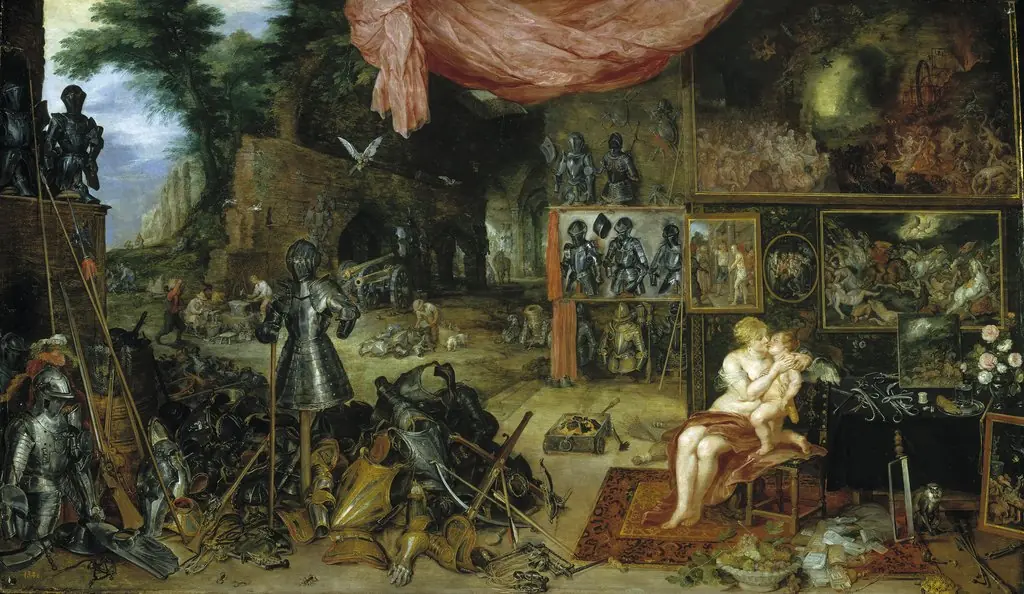 Touch
Touch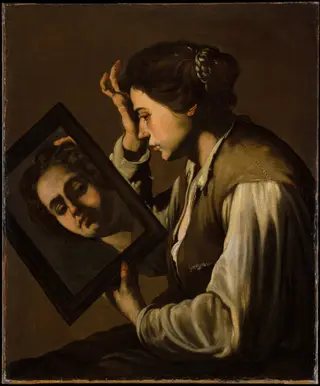 The Sense of Sight
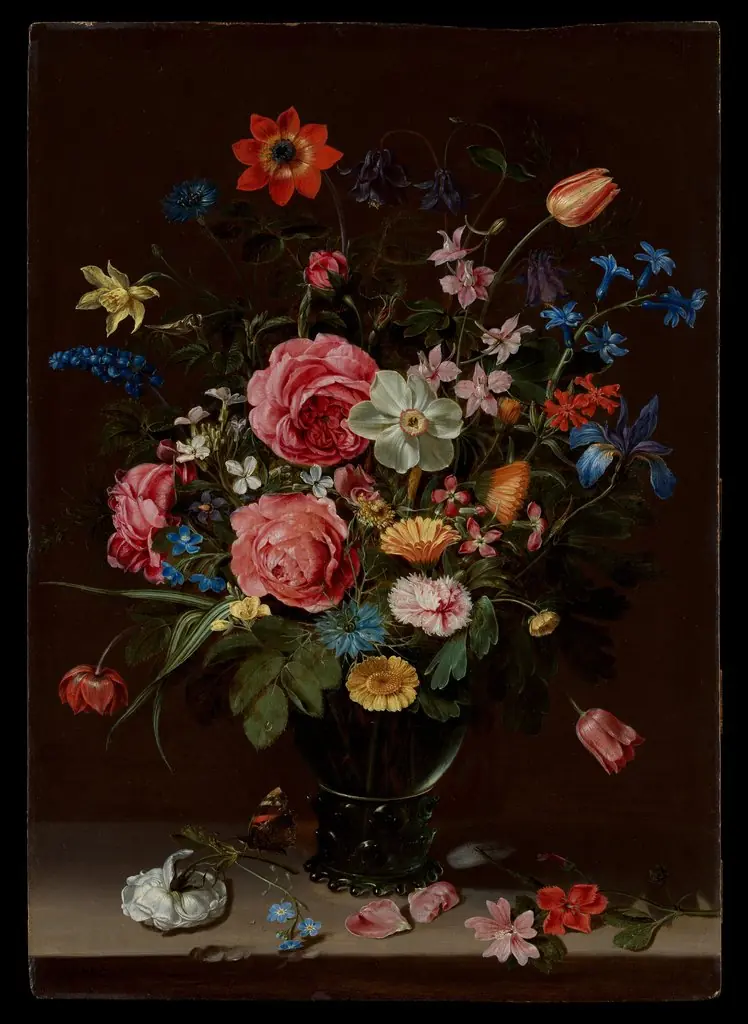 A Bouquet of Flowers
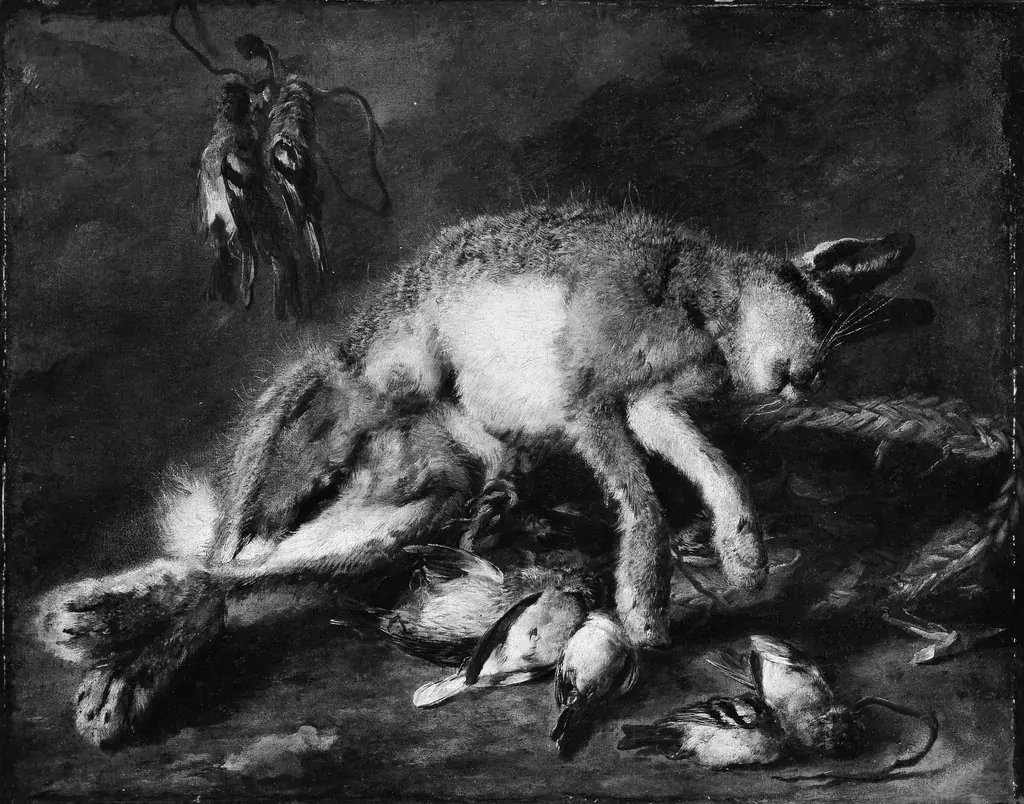 A Hare and Birds
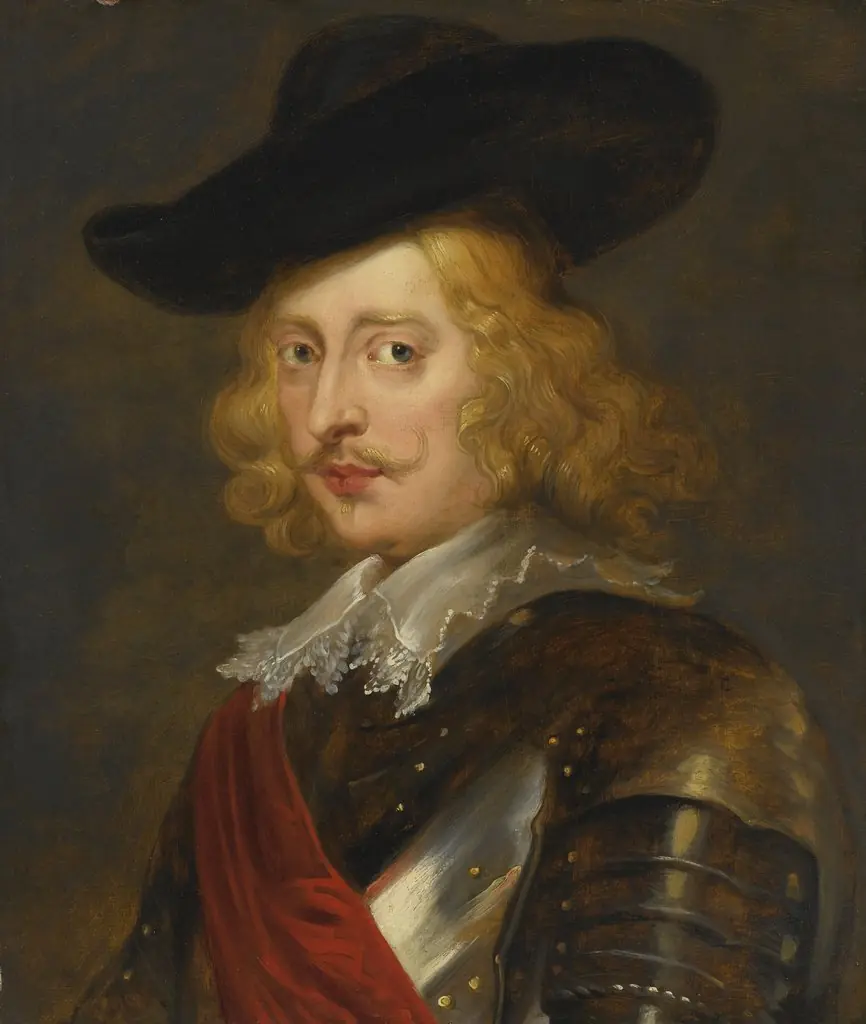 Portrait of cardinal-infante Ferdinand of Spain
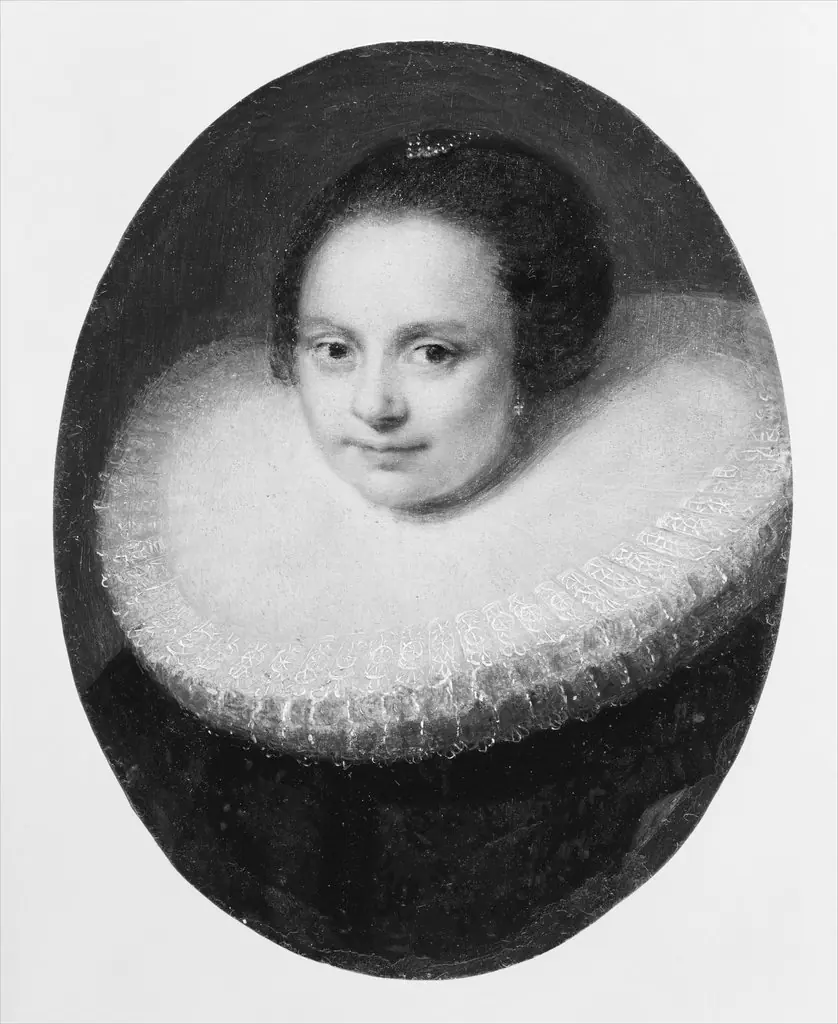 Portrait of a Woman
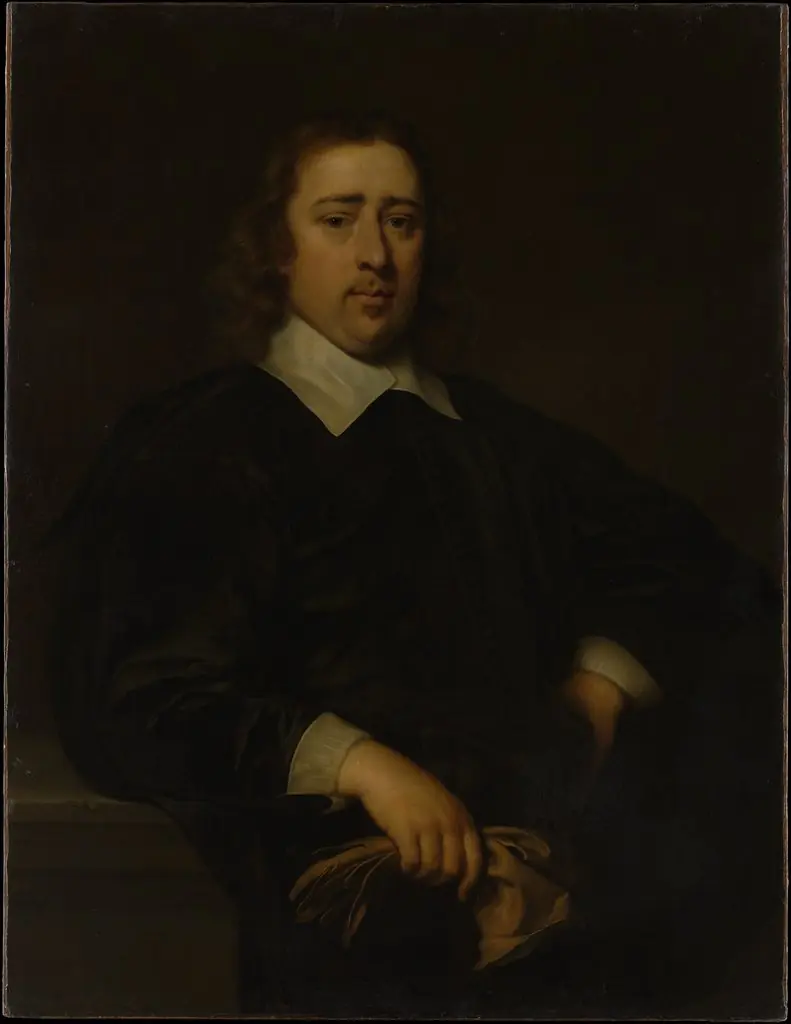 Portrait of a Man
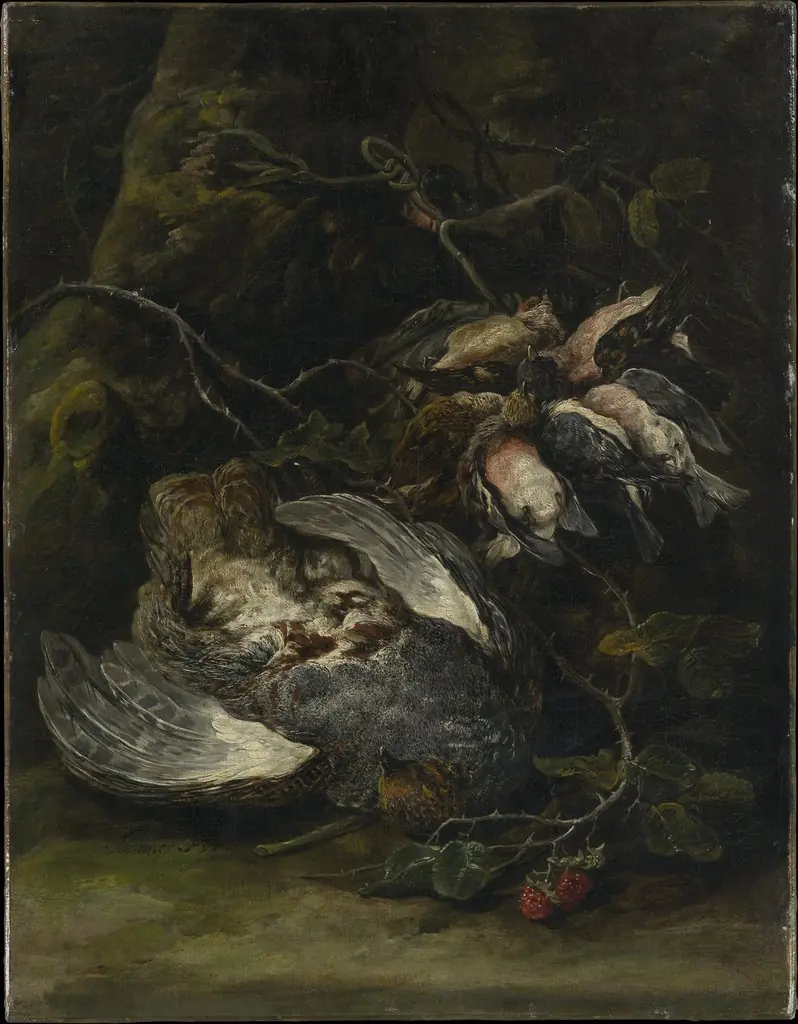 A Partridge and Small Game Birds
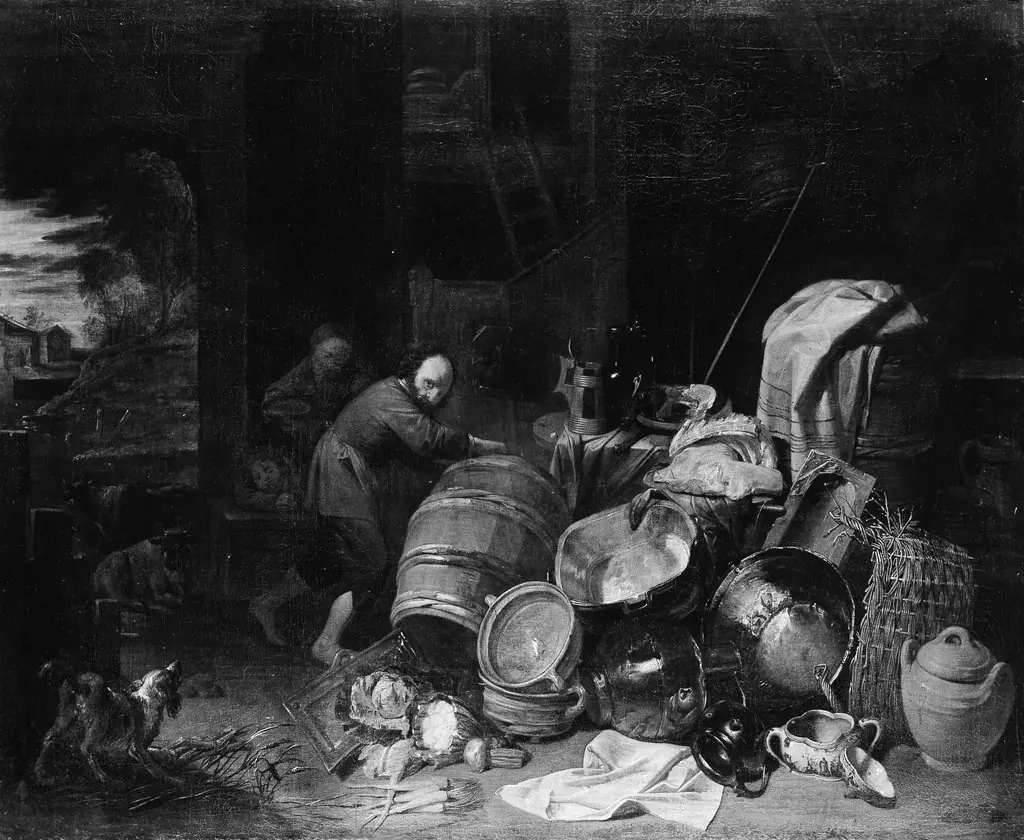 Rustic Interior
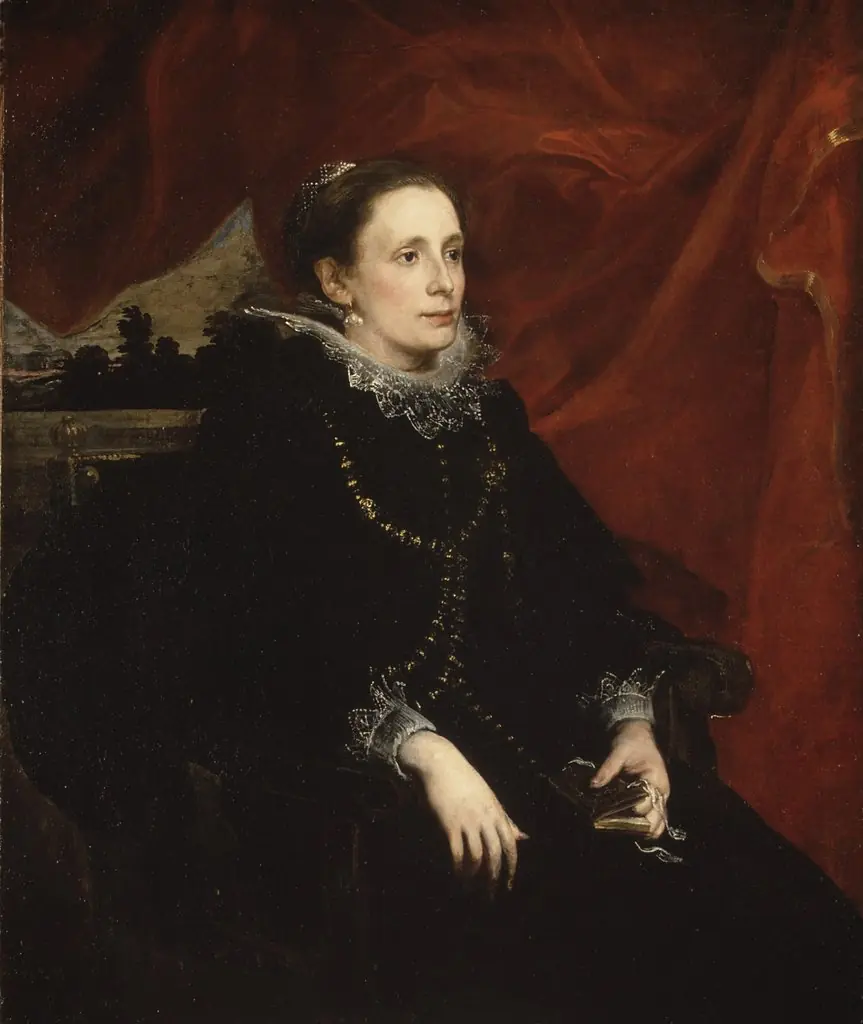 Portrait of a Woman, Called the Marchesa Durazzo
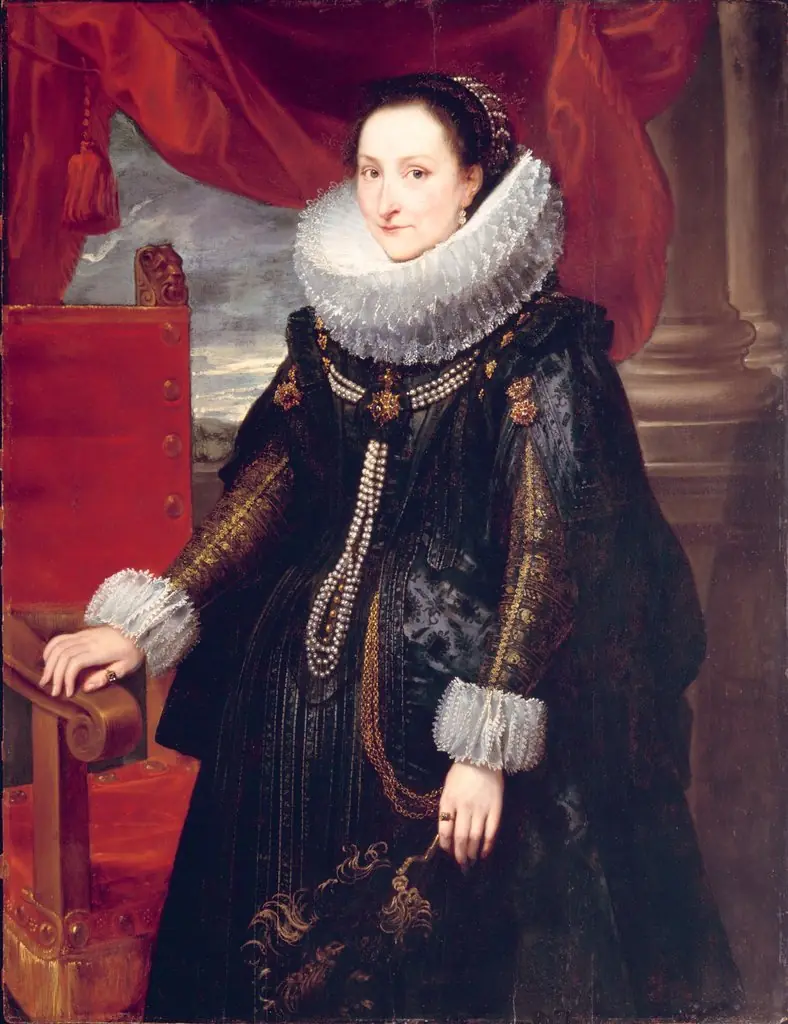 Portrait of a Woman
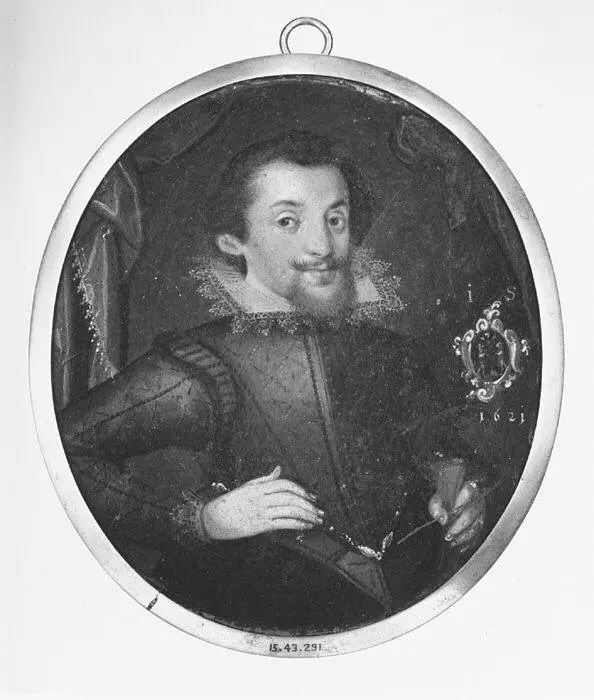 Portrait of a Man
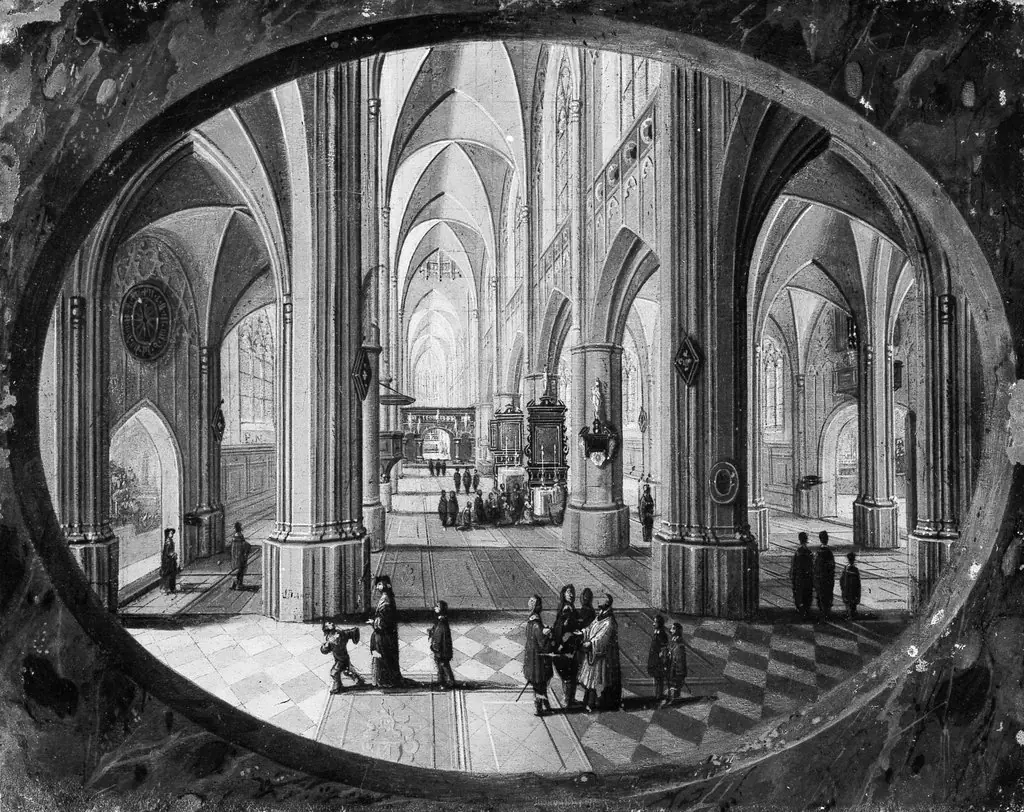 Interior of a Gothic Church by Day
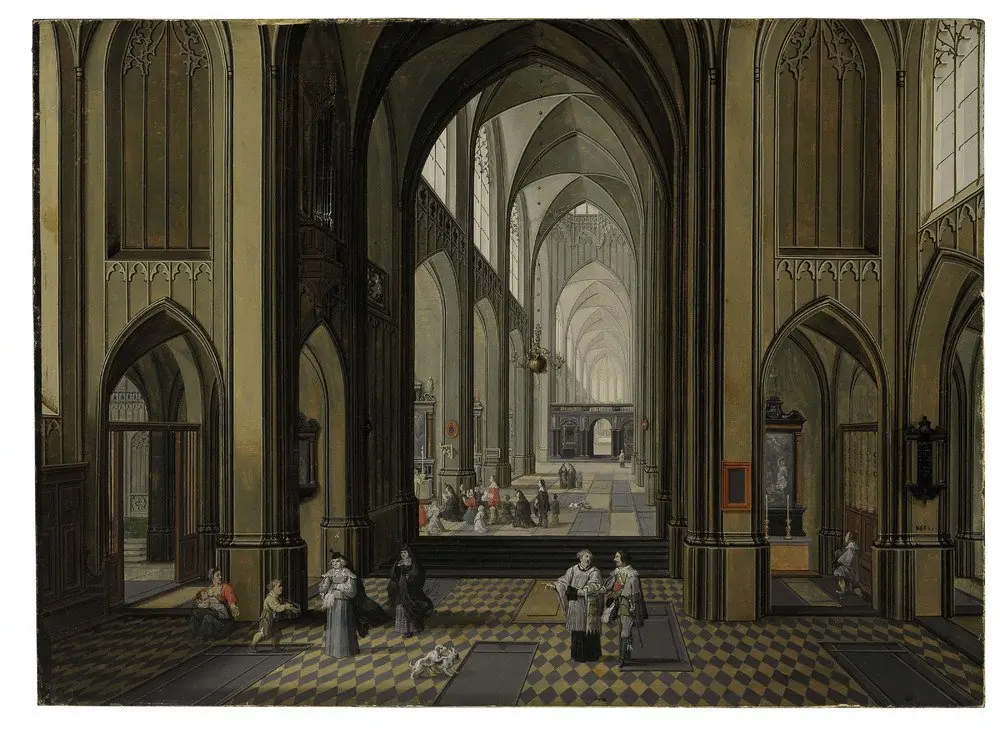 Interior of a Gothic Church
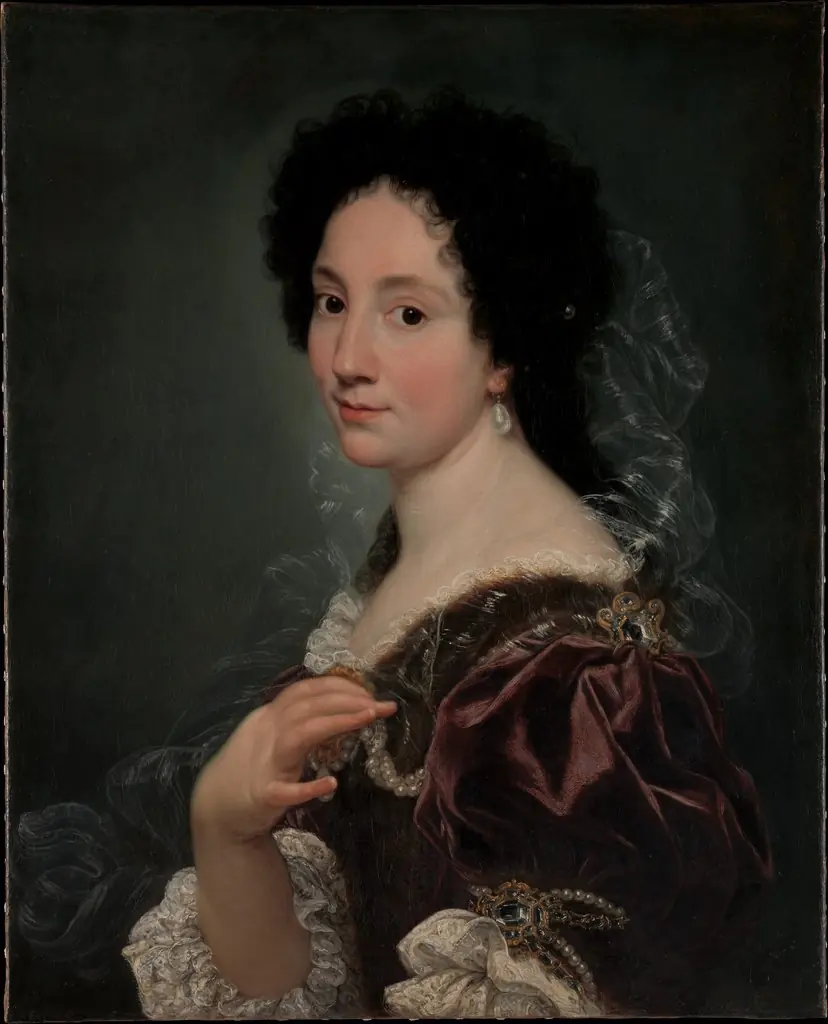 Portrait of a Woman
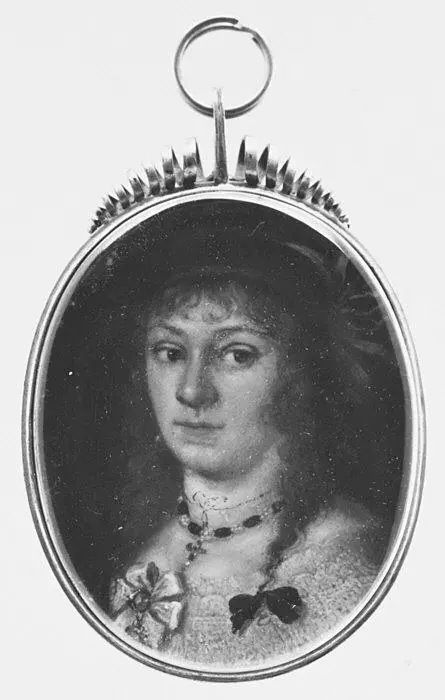 Portrait of a Woman
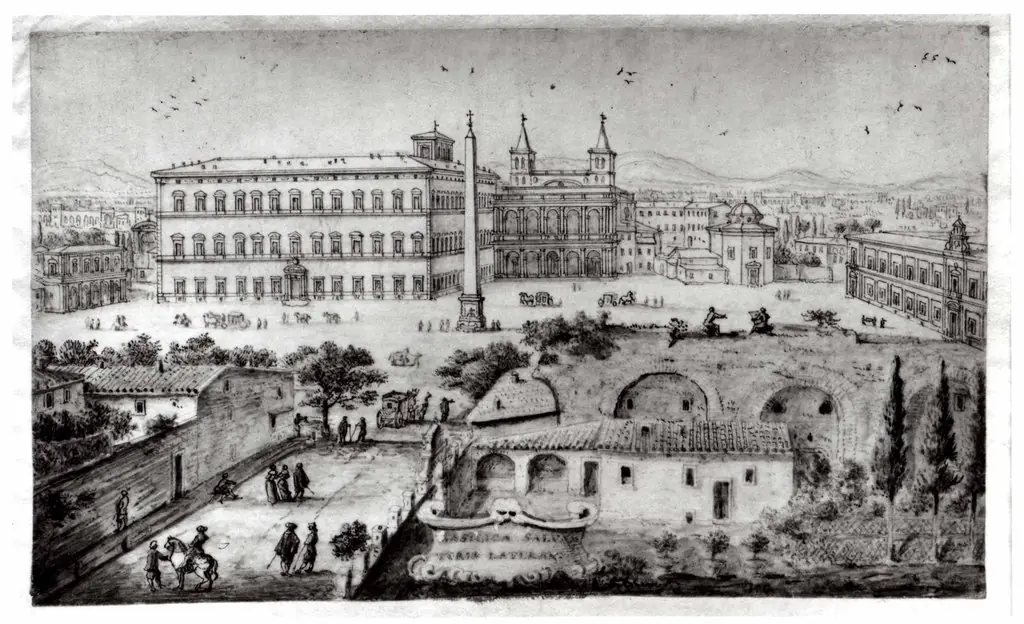 View of Lateran, Rome
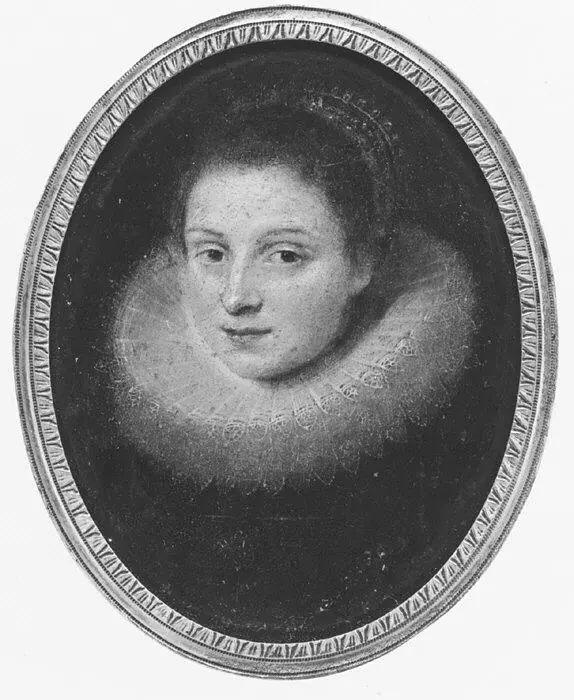 Portrait of a Woman
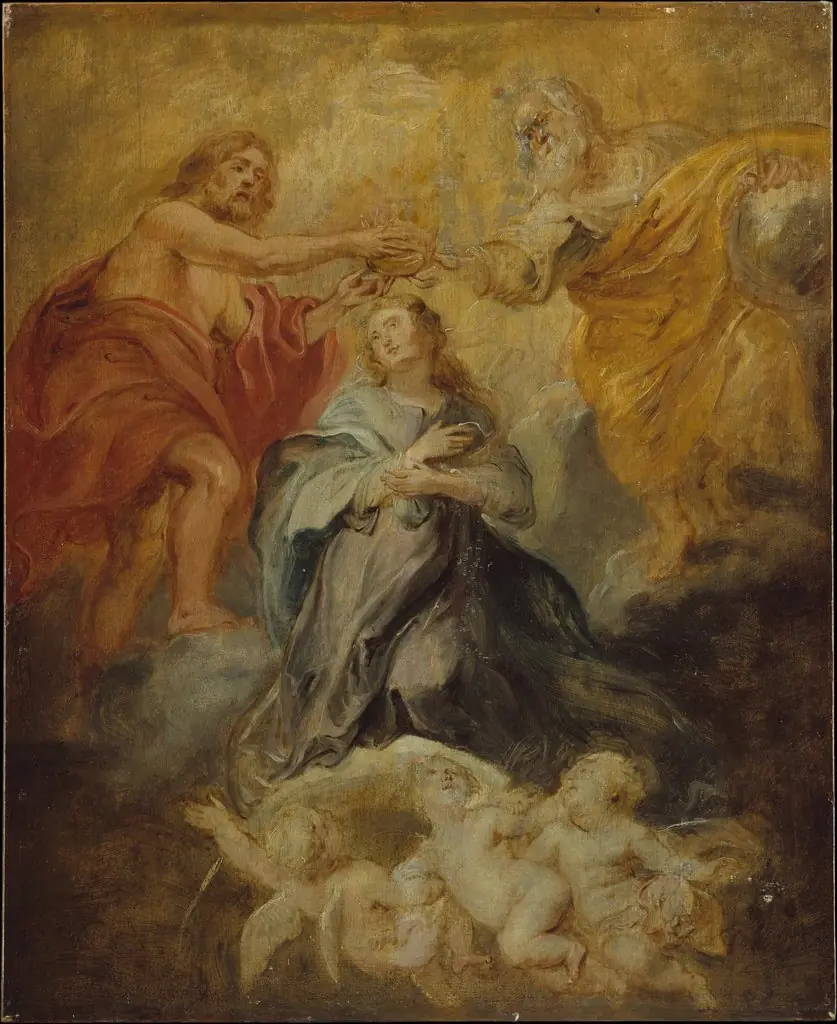 The Coronation of the Virgin
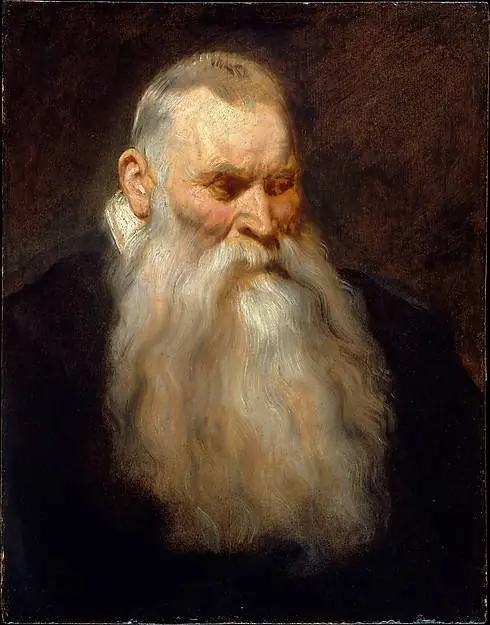 Study Head of an Old Man with a White Beard
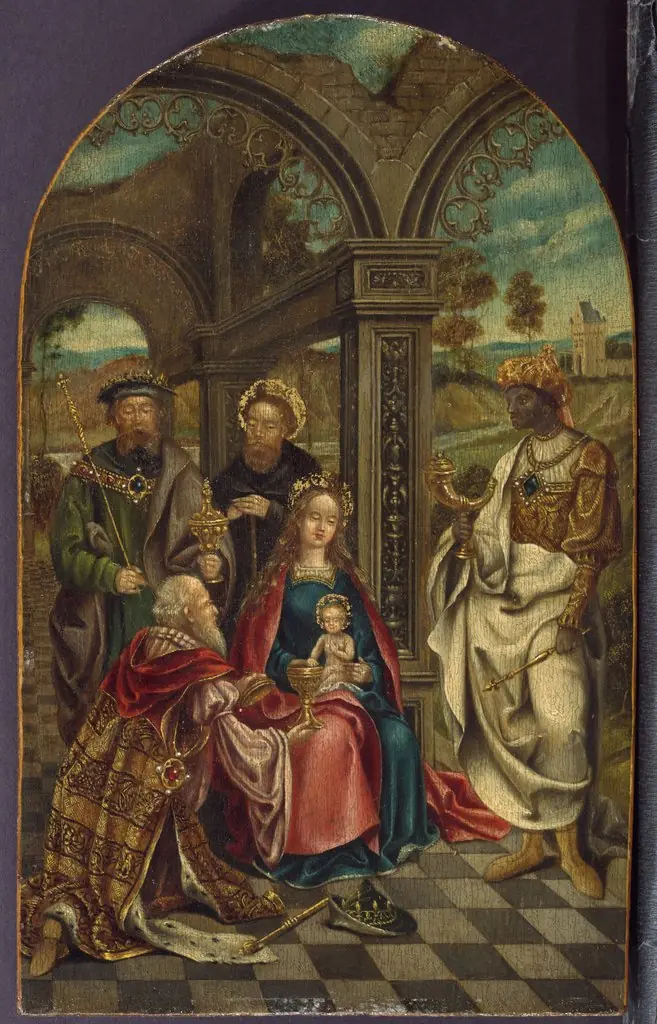 Adoration of the Magi
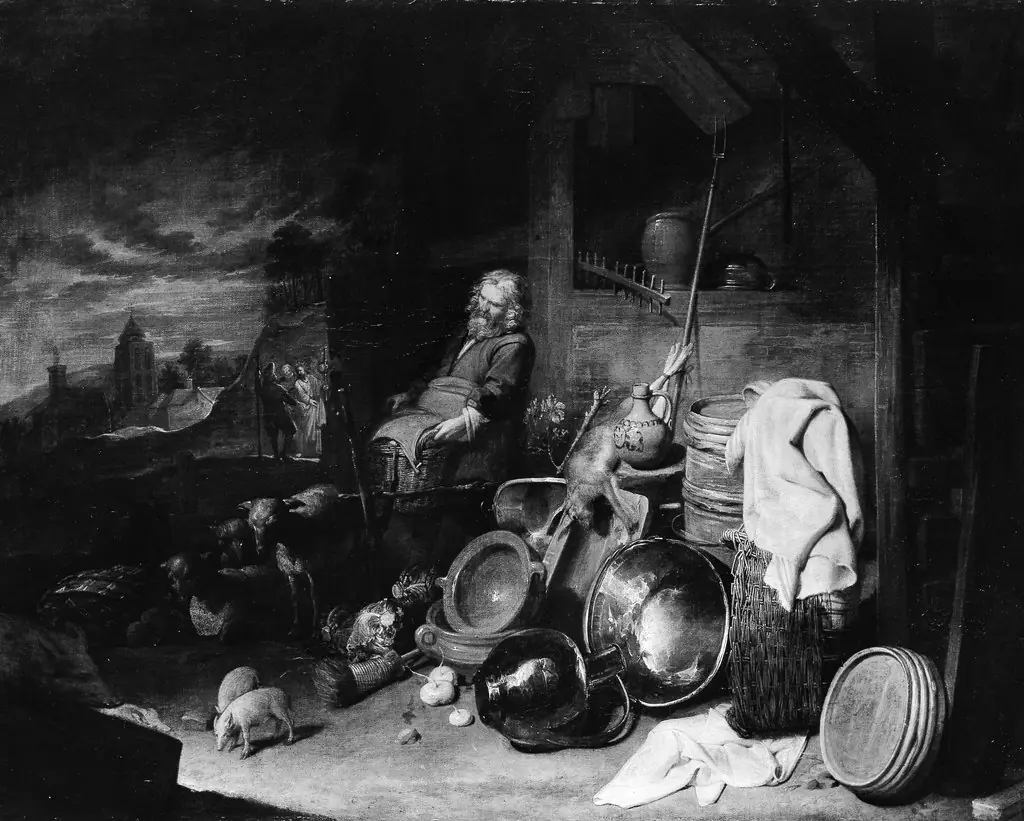 The Yard of the Inn at Emmaus
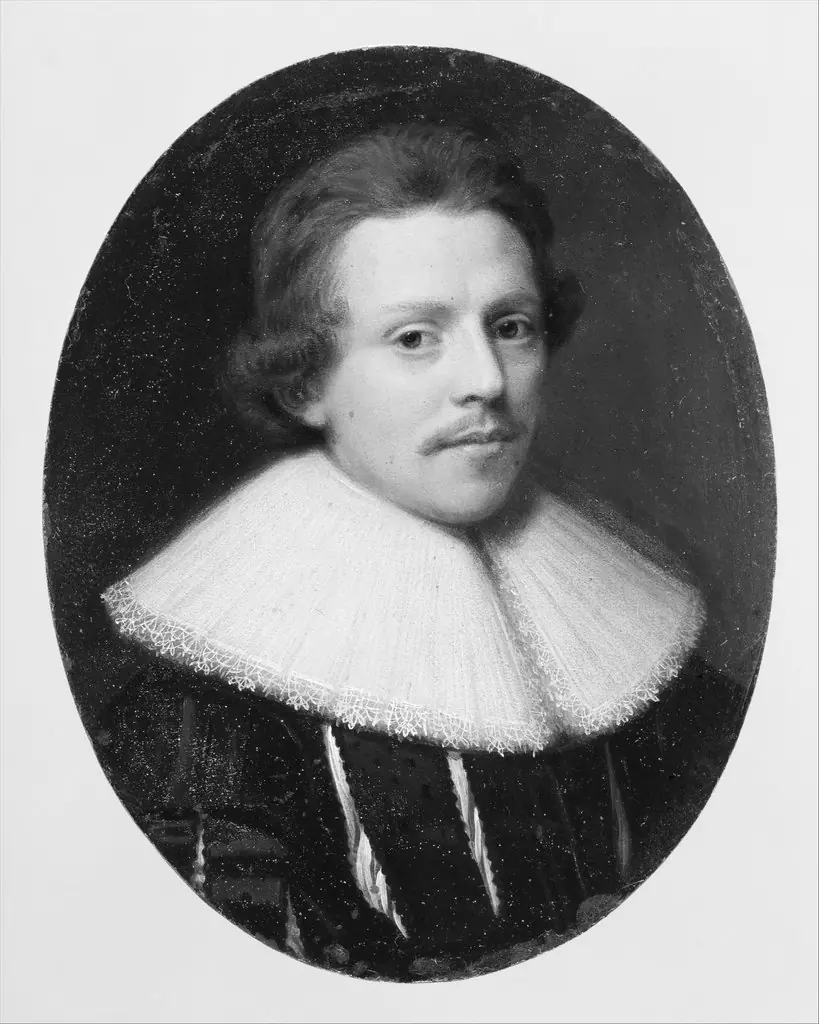 Portrait of a Man
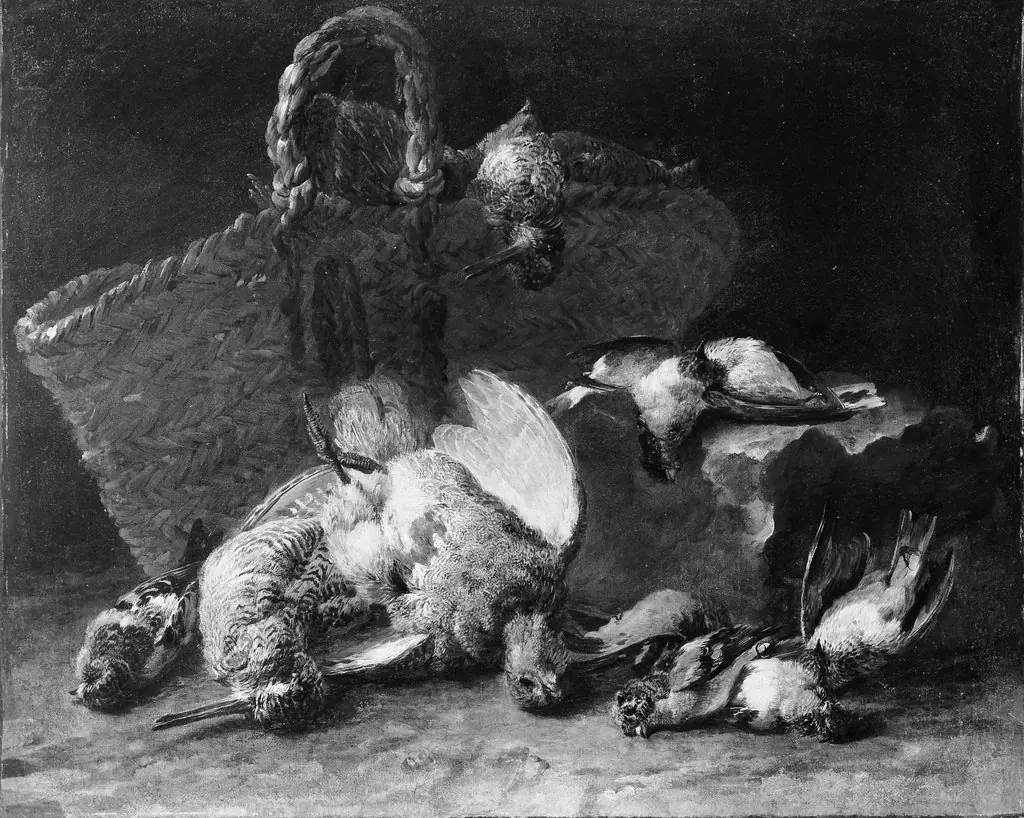 A Basket and Birds
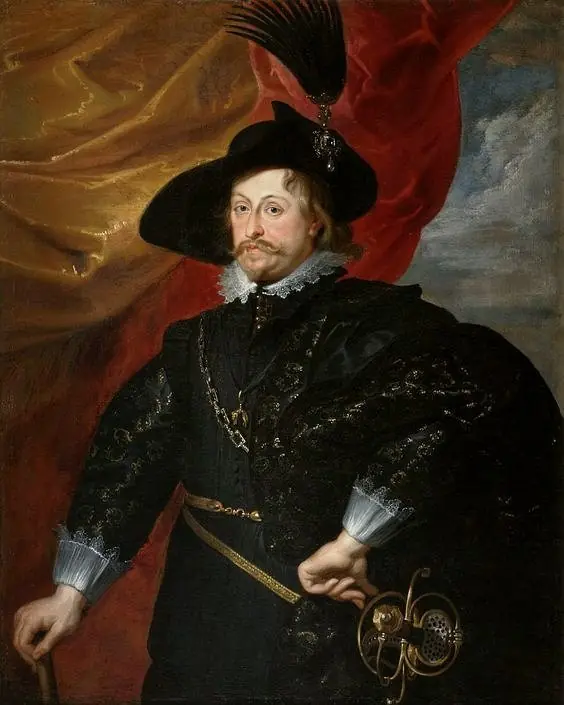 Portrait of Sigismund III Vasa
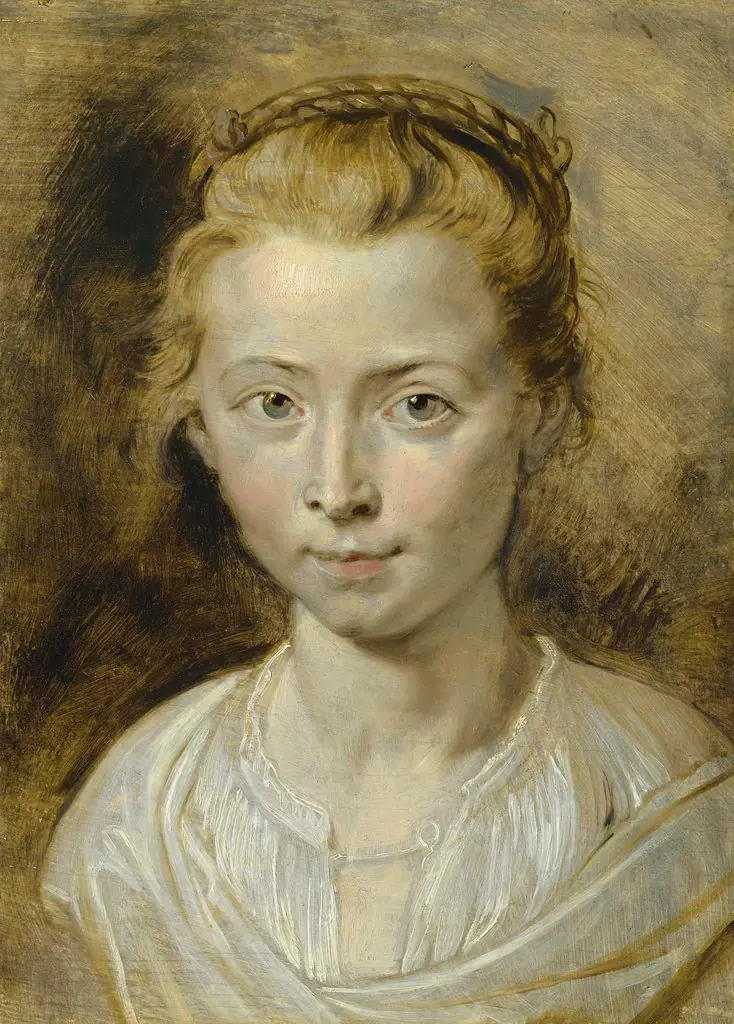 Portrait of Clara Serena Rubens, the artist's daughter
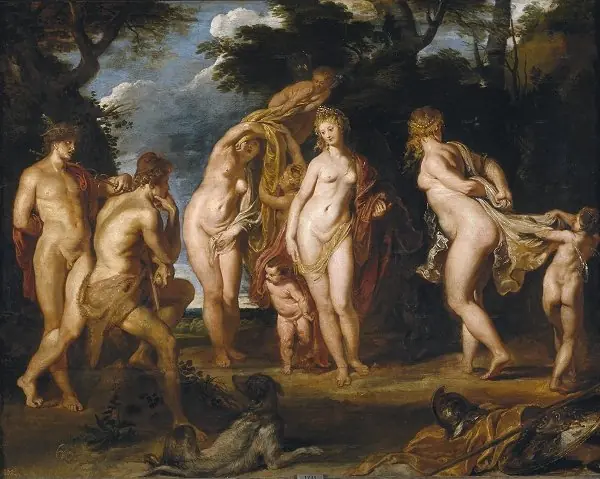 The Judgement of Paris
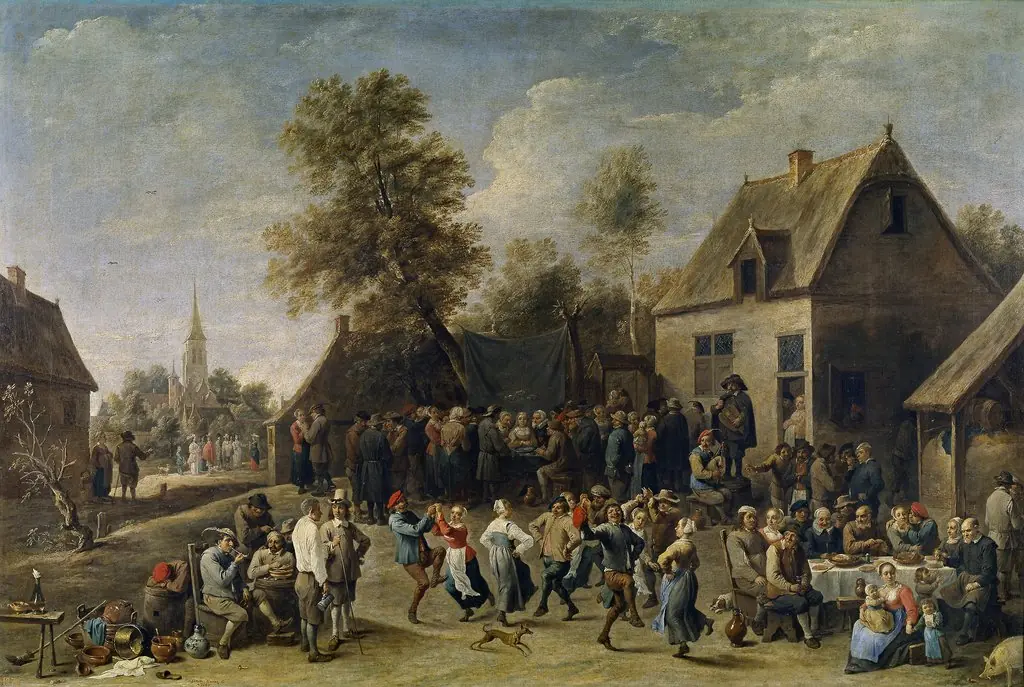 Country Feast
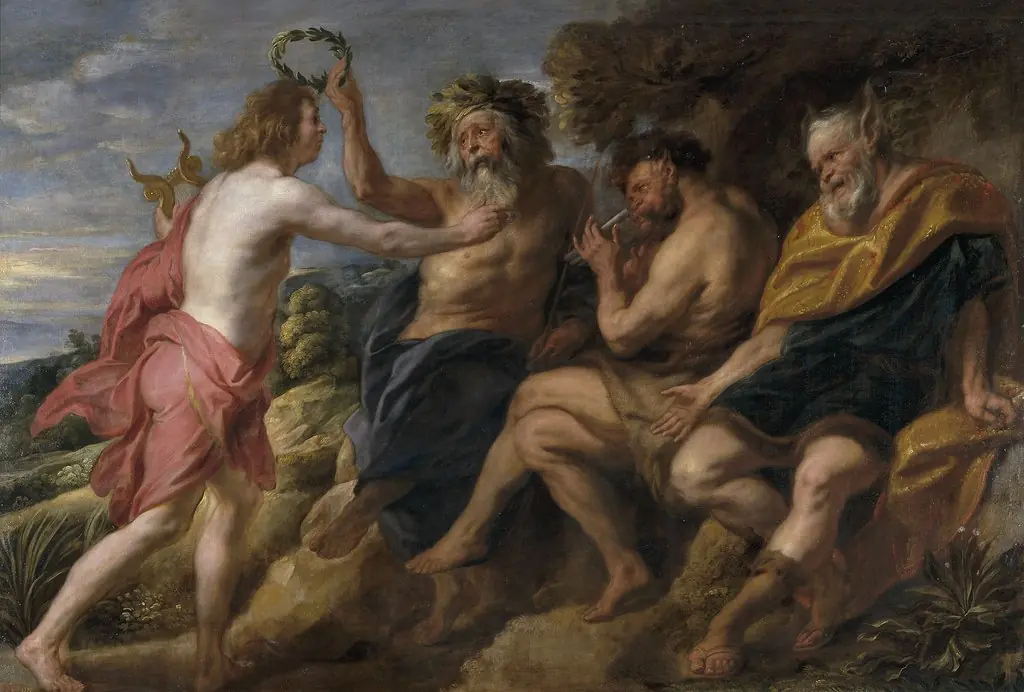 Apollo as Victor over Pan
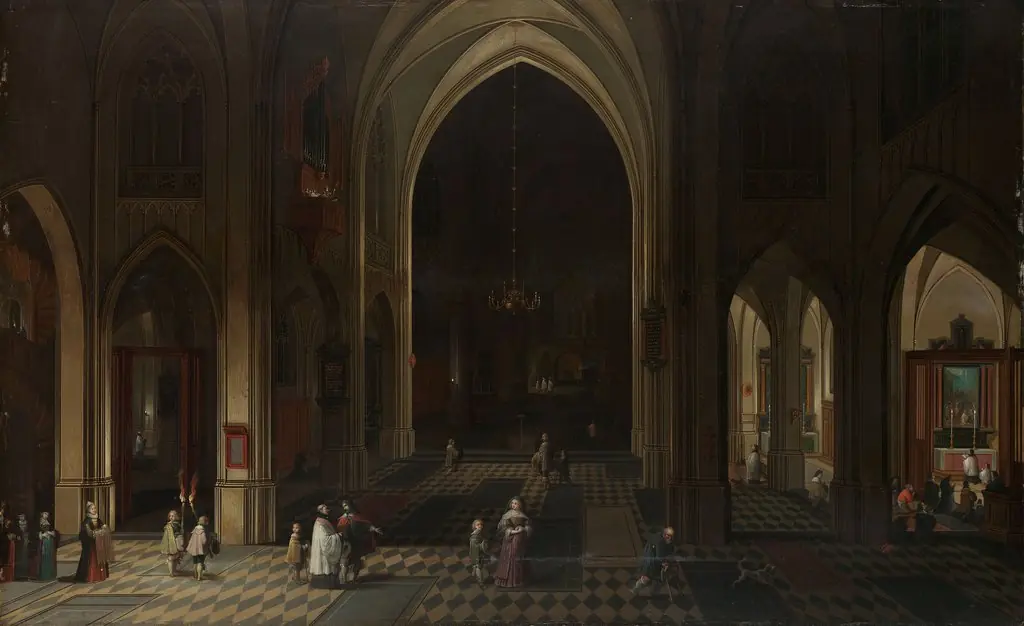 A church interior by candlelight
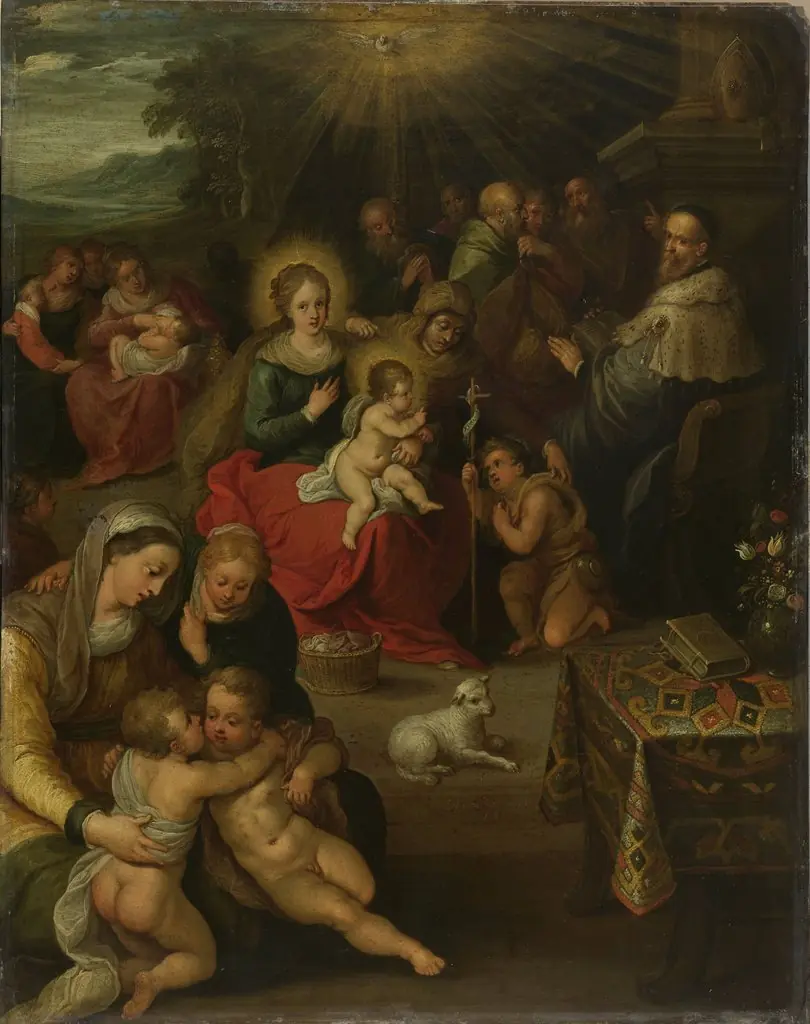 Allegory on the Christ child as the lamb of God
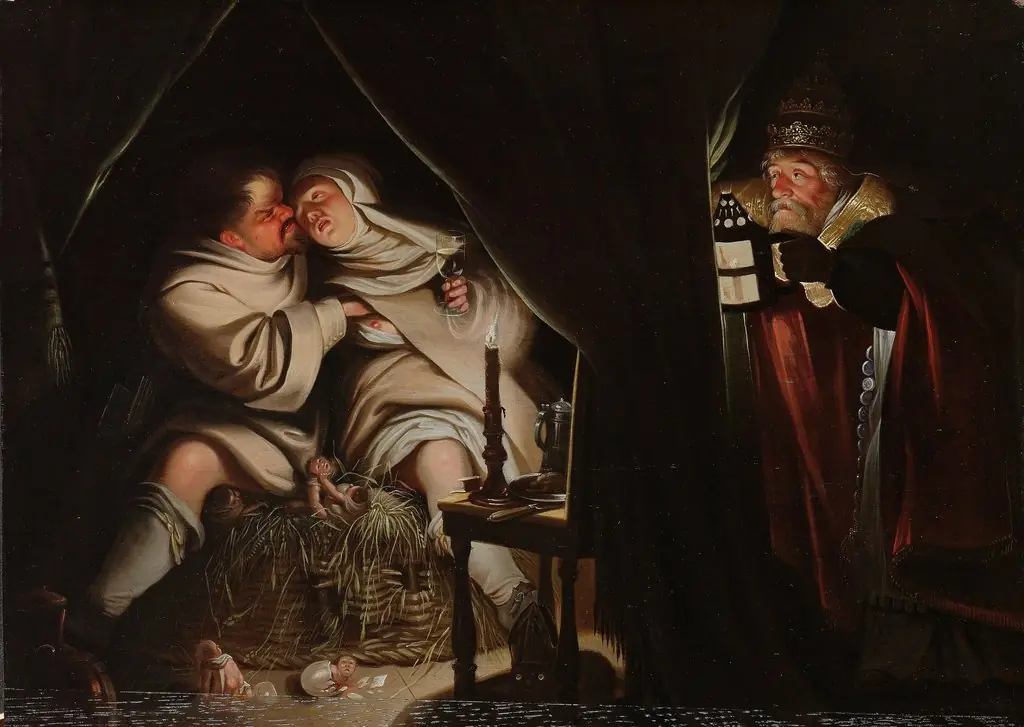 Satire on Celibacy
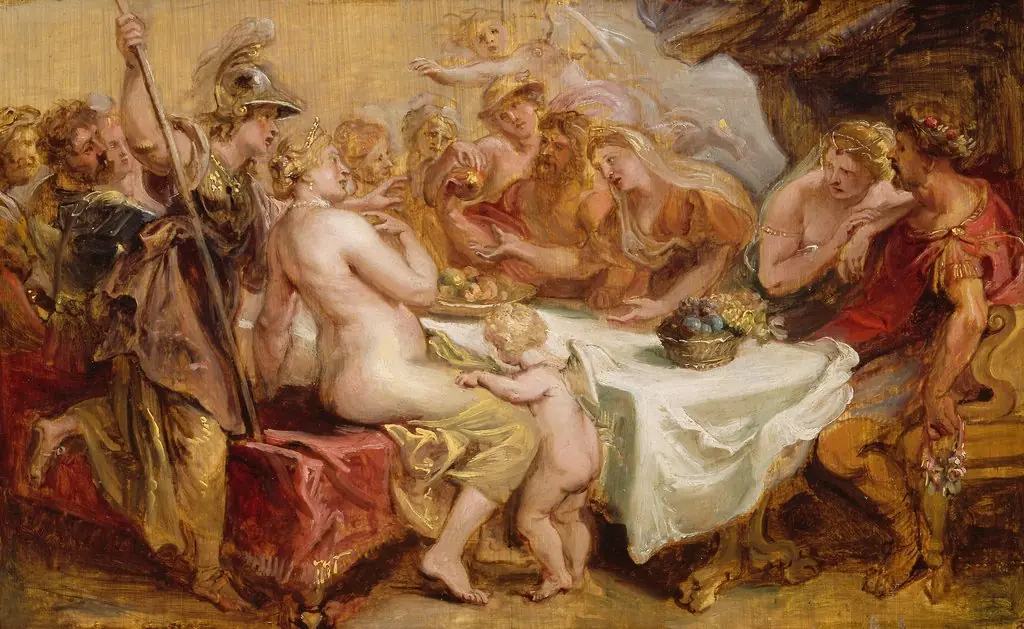 The Wedding of Peleus and Thetis
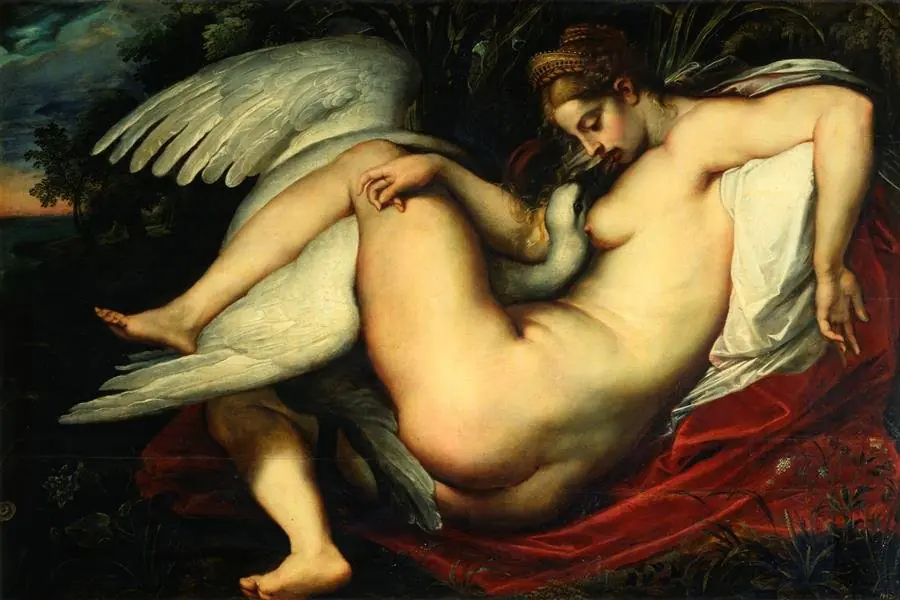 Leda and the swan
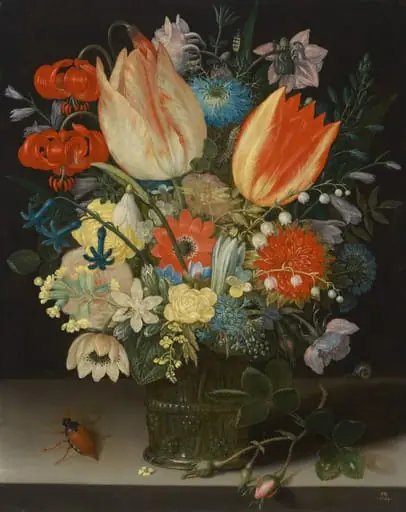 Still Life with Tulips
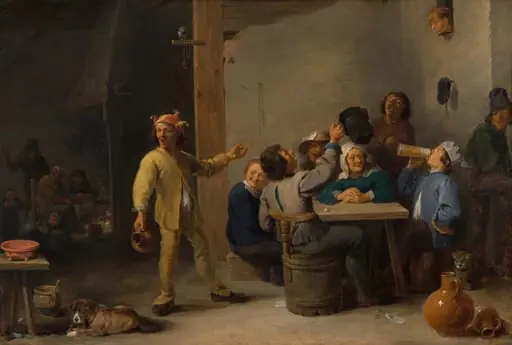 Peasants Celebrating Twelfth Night
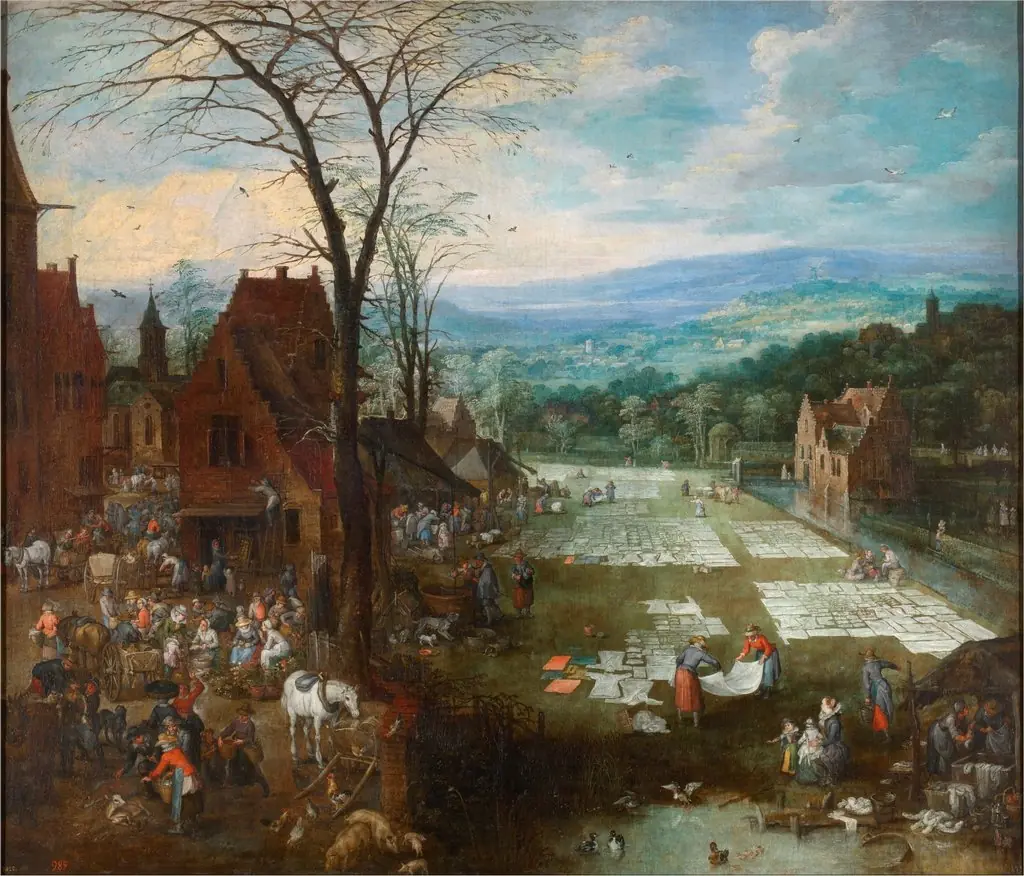 Flemish Market and Washing Place
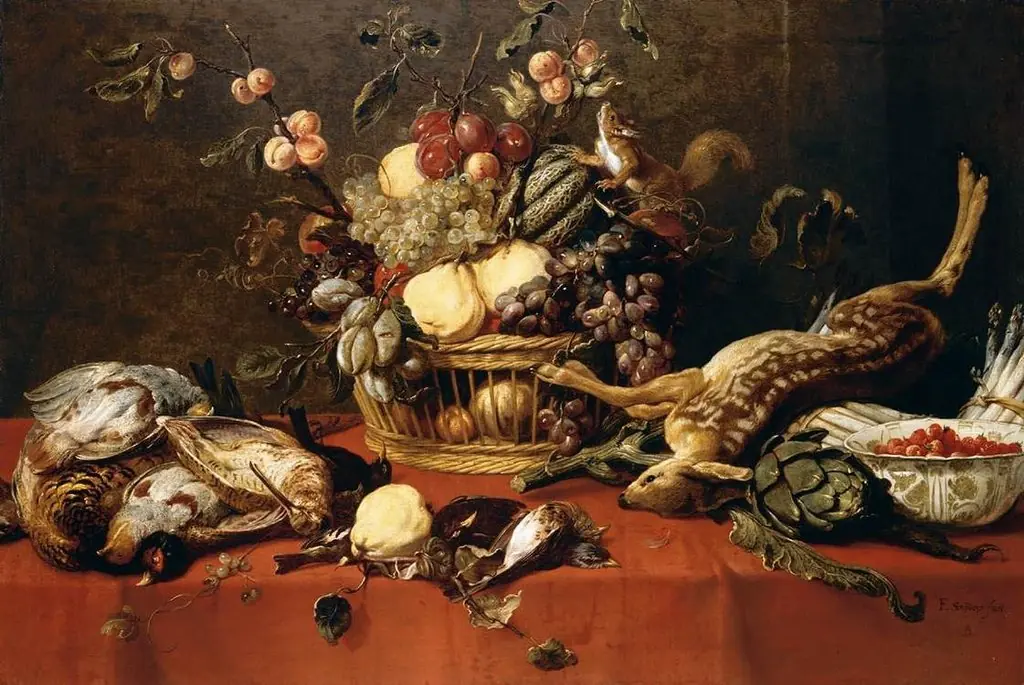 Still life of fruit in a basket together with game, a bowl of fraises-de-bois, artichokes, asparagus and a squirrel upon a table draped with a red cloth
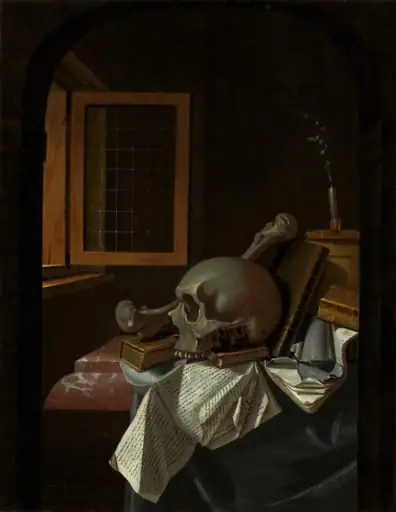 Vanitas Still Life
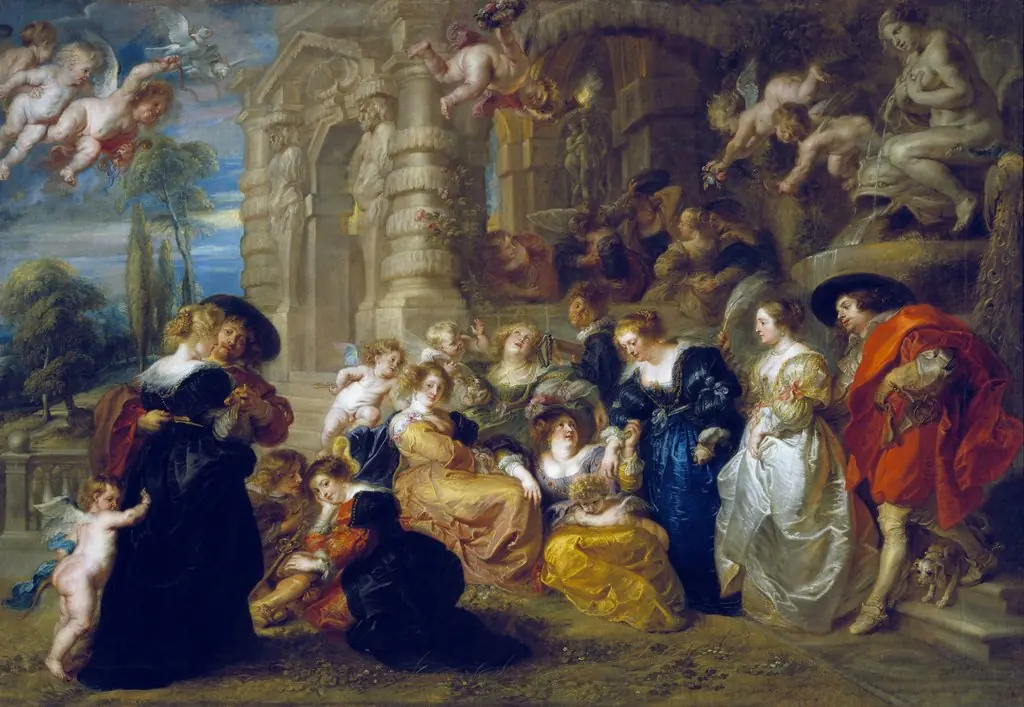 The Garden of Love
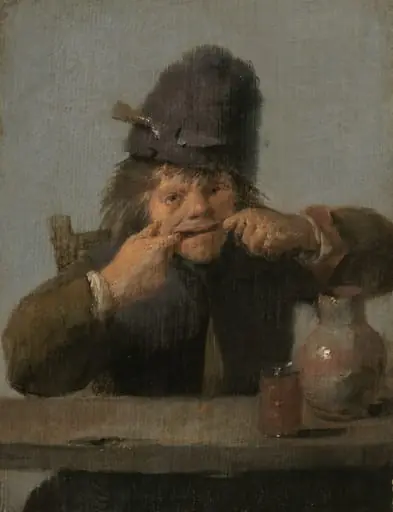 Youth Making a Face
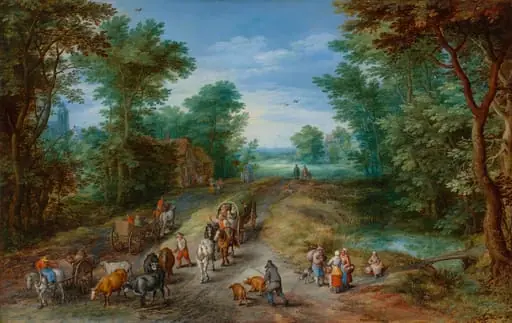 Wooded Landscape with Travelers
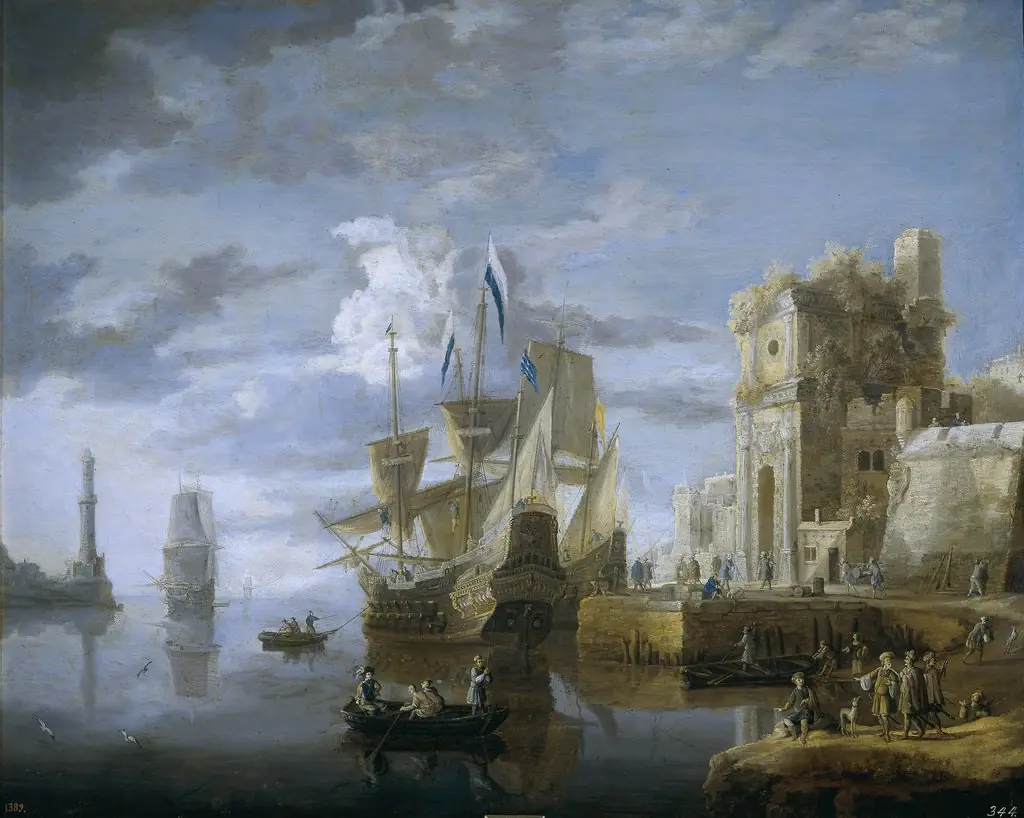 Port by the Sea
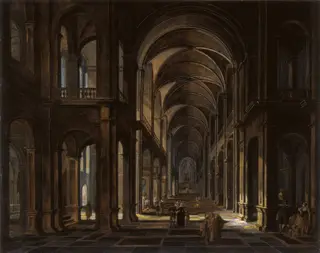 Interior of a Church
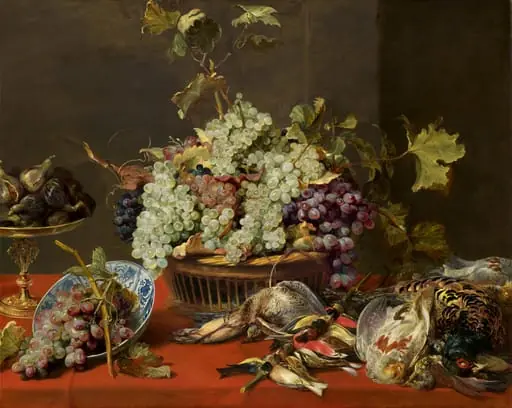 Still Life with Grapes and Game
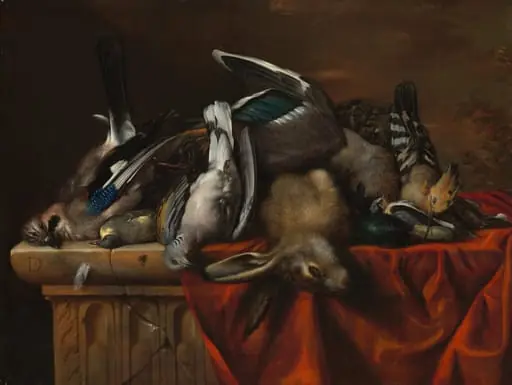 Still Life with Trophies of the Hunt
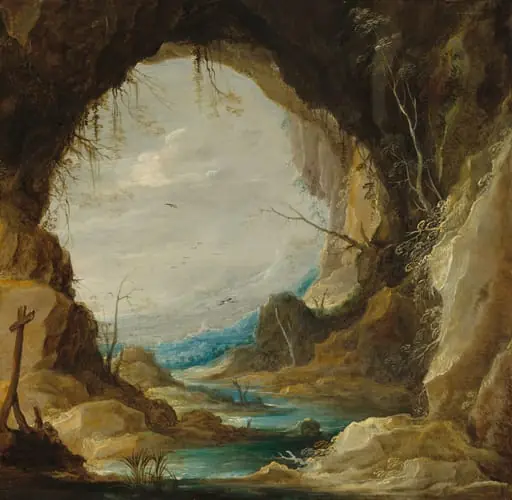 Vista from a Grotto
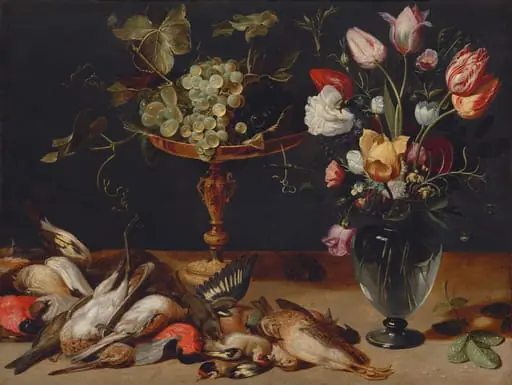 Still Life with Flowers, Grapes, and Small Game Birds
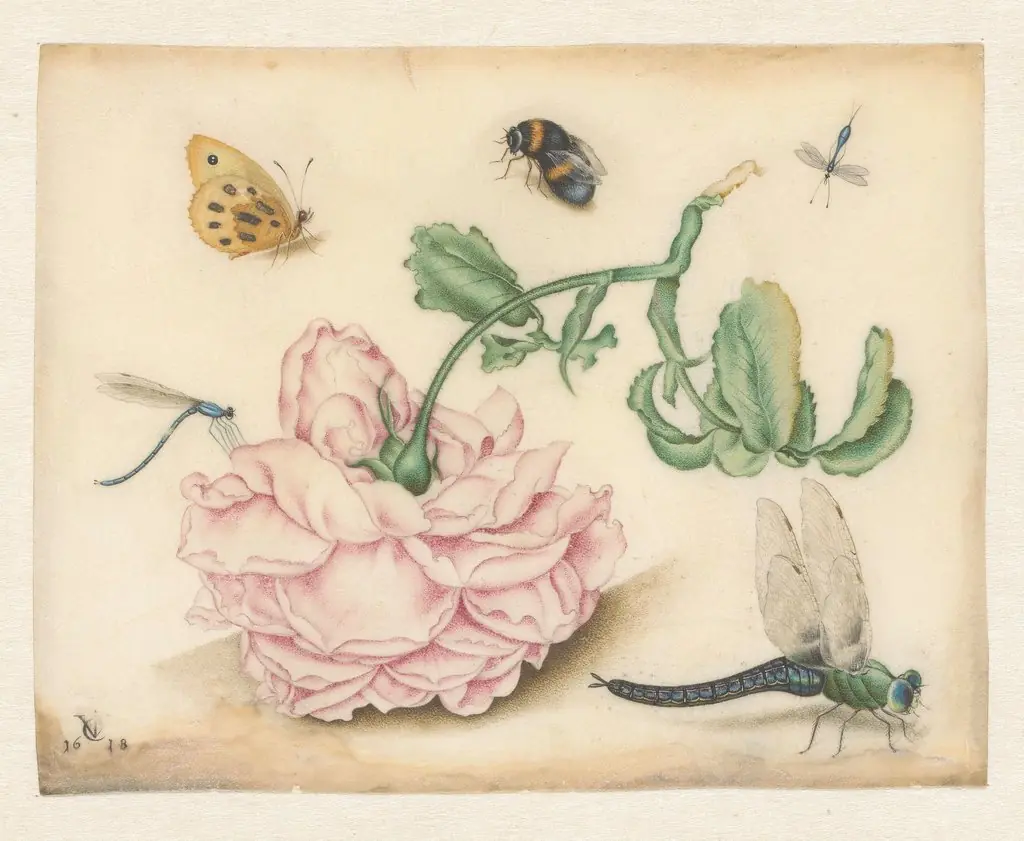 A Rose and Five Insects
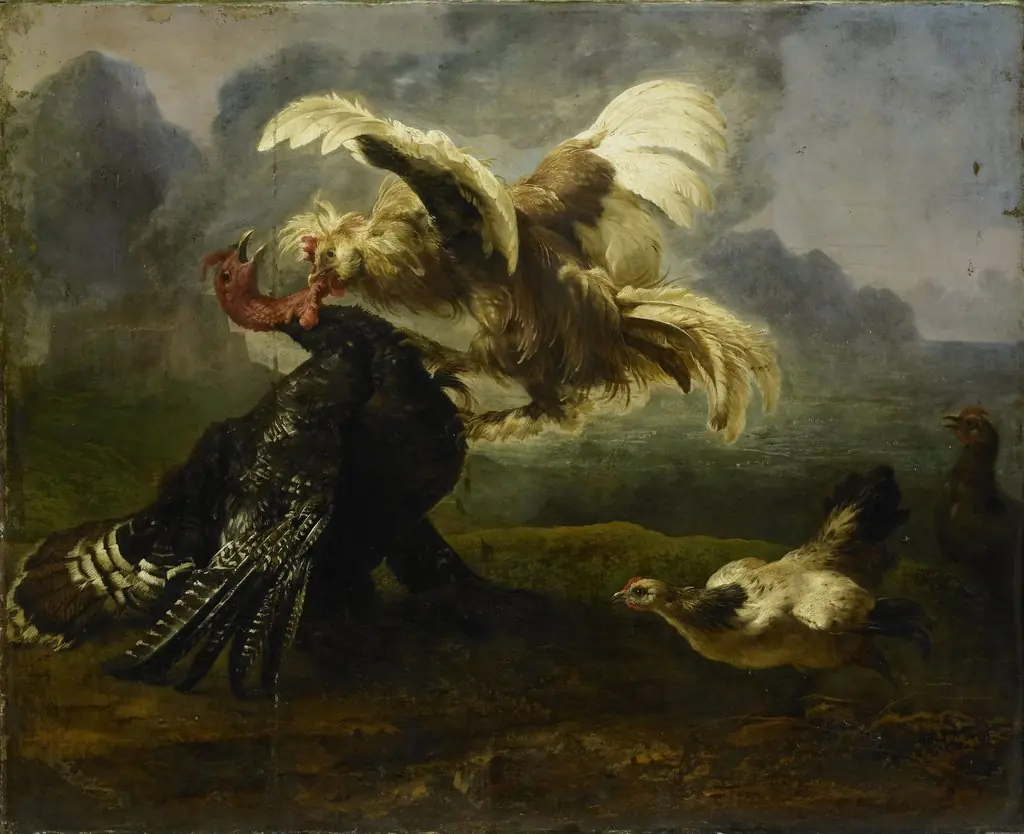 Birds fighting
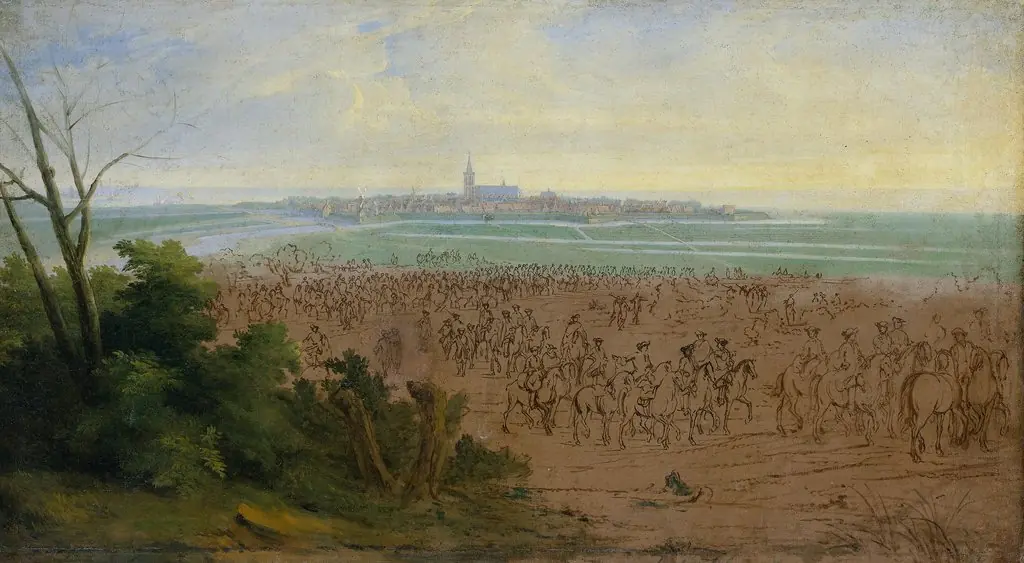 The French army at Naarden, 20 July 1672
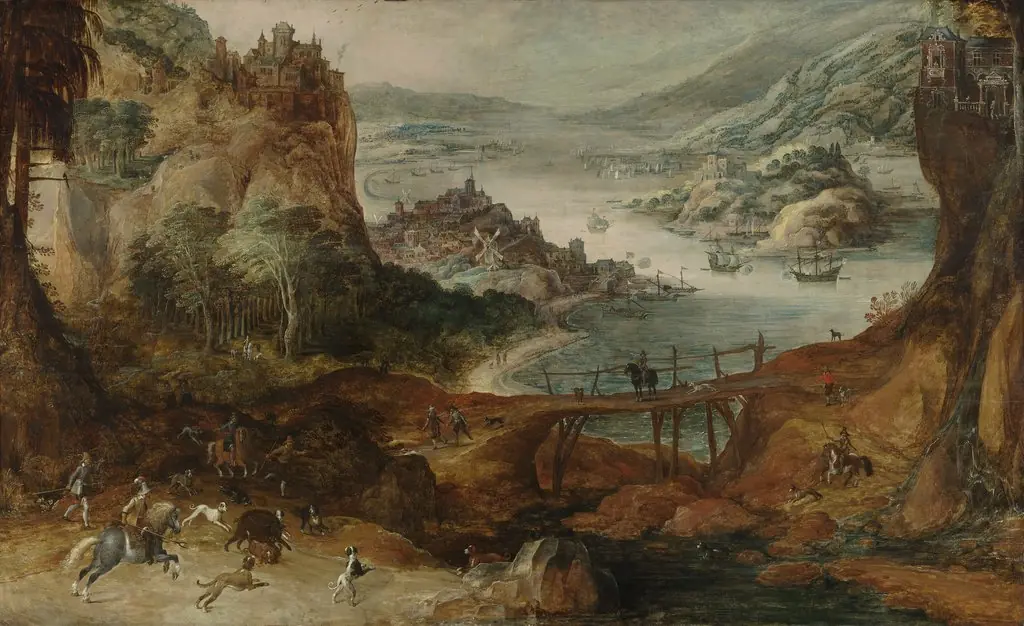 River landscape with boar hunt
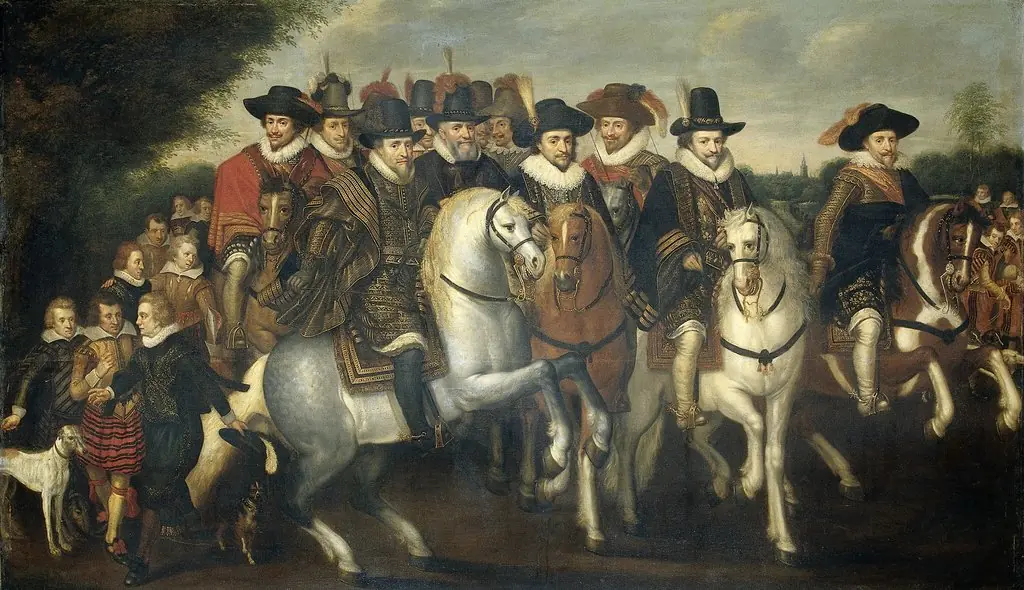 Prince Maurits accompanied by his two brothers, Frederick V, Elector of the Palatinate, and some counts of Nassau on horseback
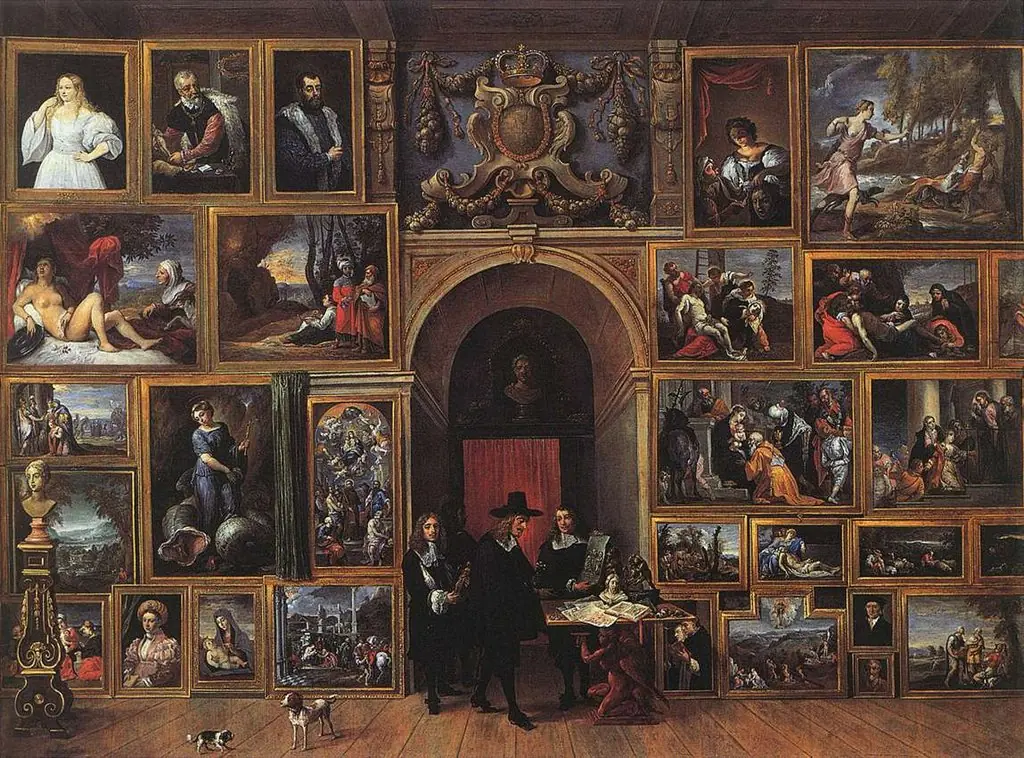 Archduke Leopold Wilhelm of Austria in his Gallery
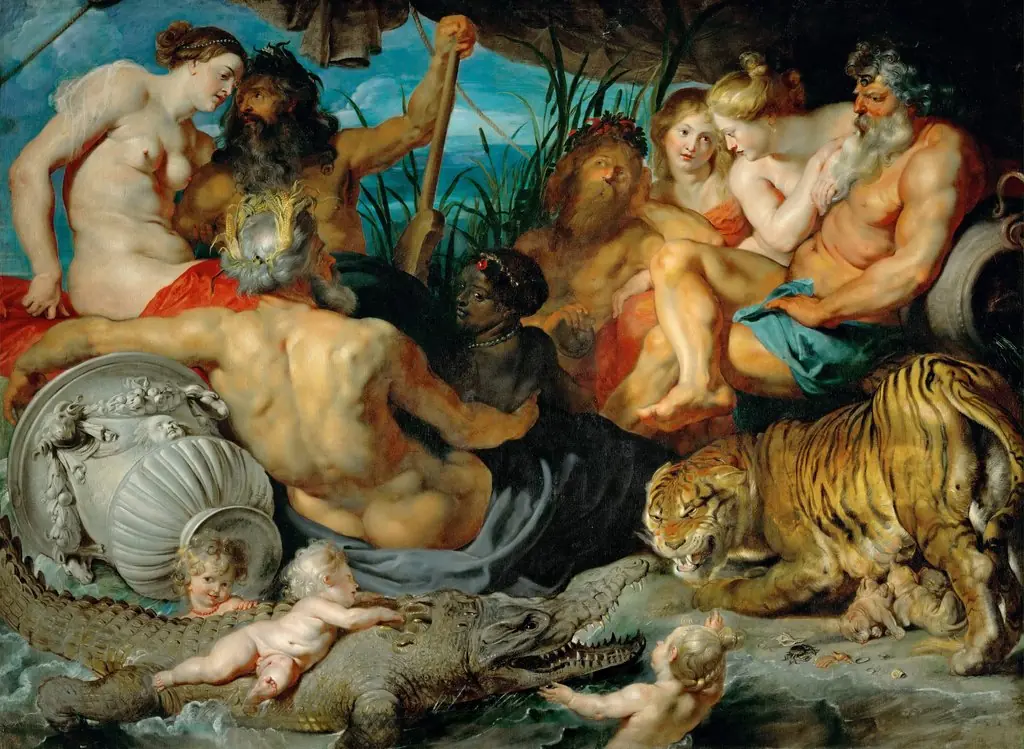 The Four Continents
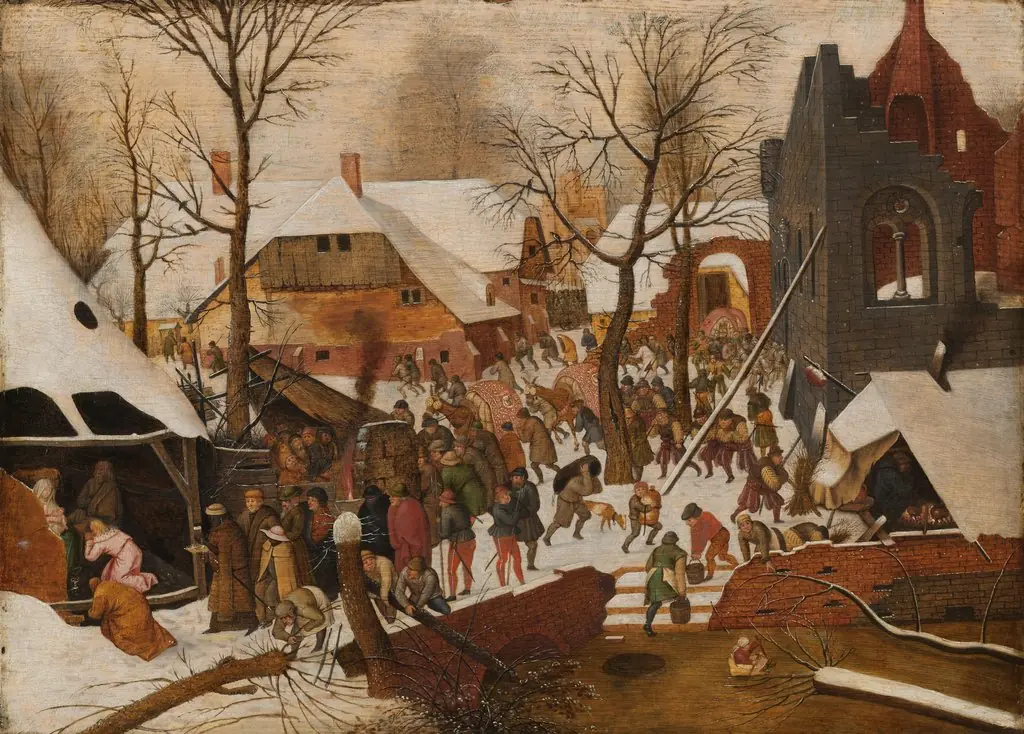 Adoration of the magi
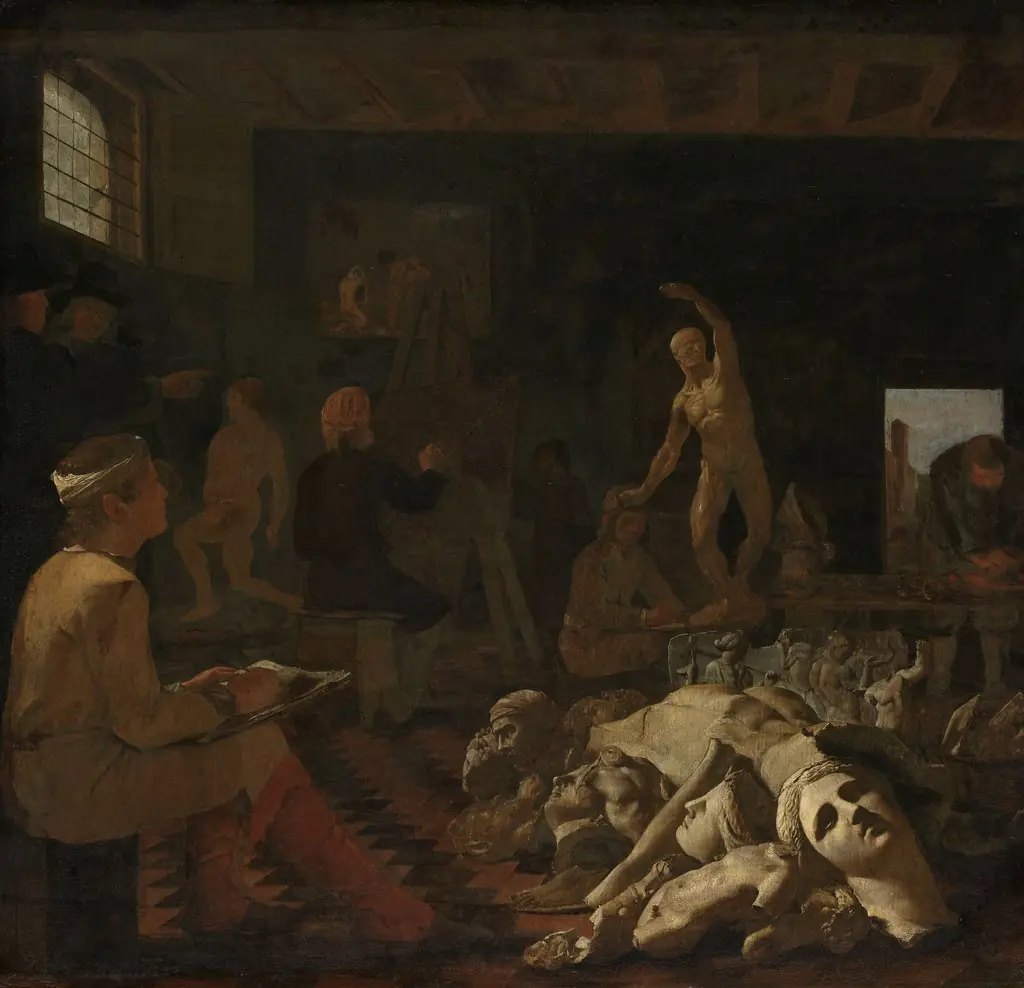 A Painter’s Studio
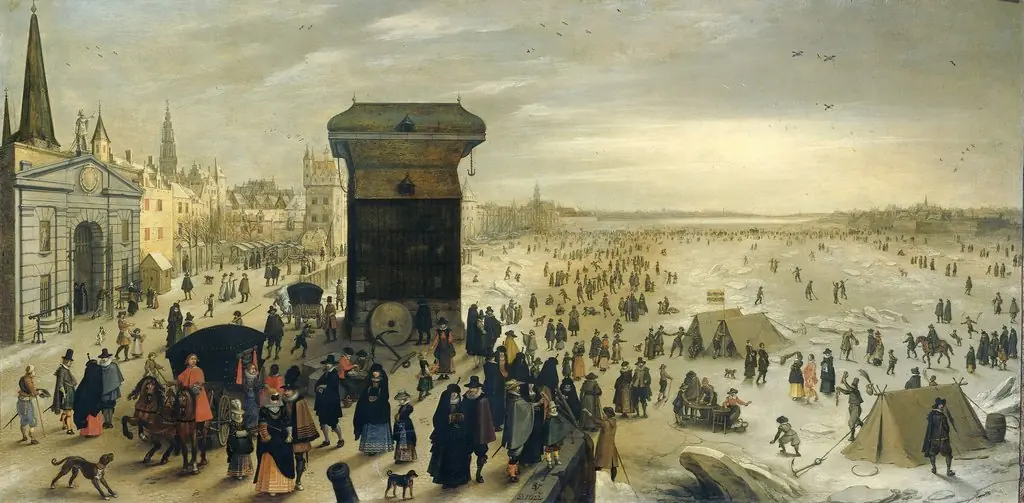 The Kranenhoofd on the Schelde, Antwerp
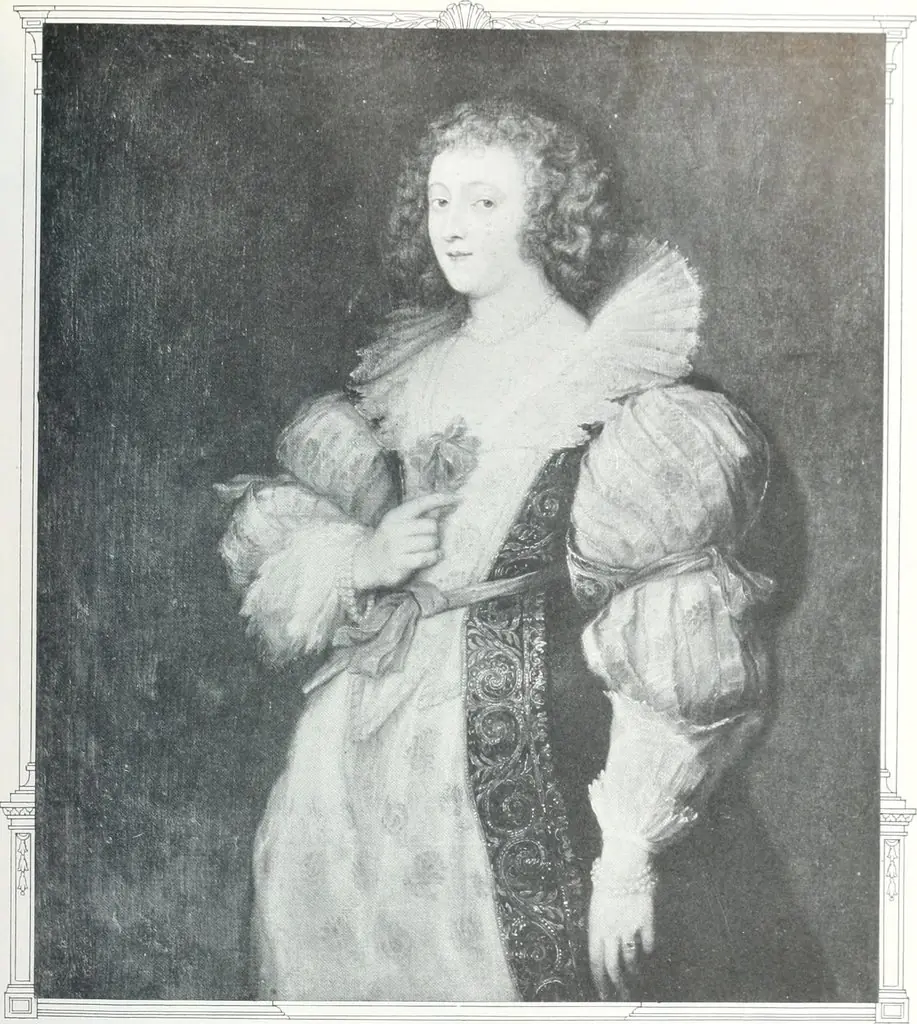 Portrait of Mademoiselle de Gottignies
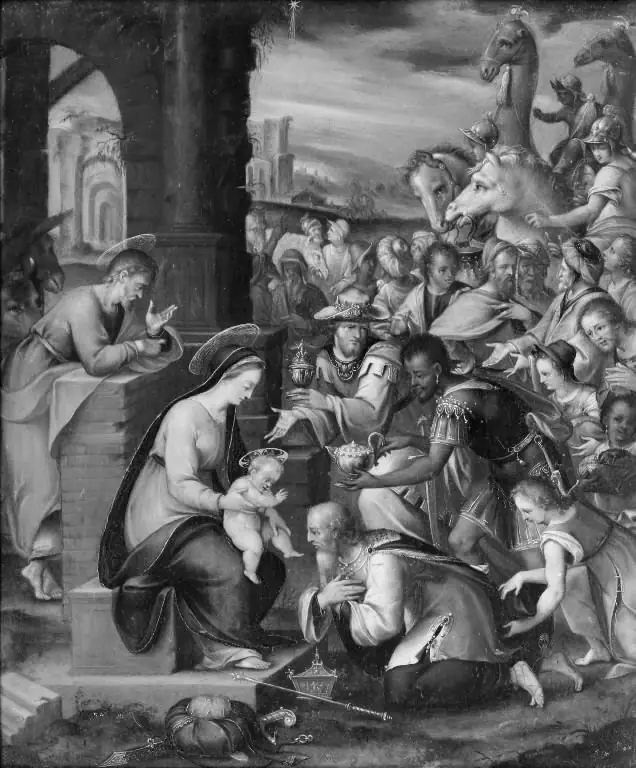 The Adoration of the Magi
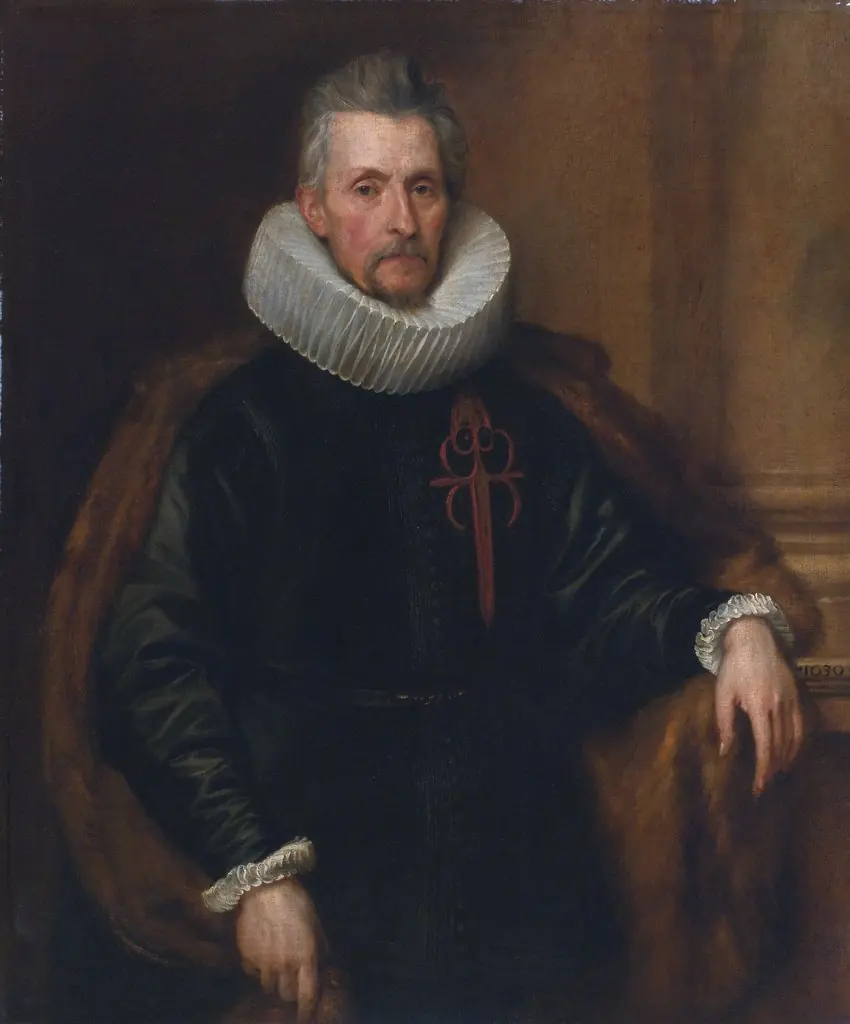 Portrait of Ferdinand van Boisschot
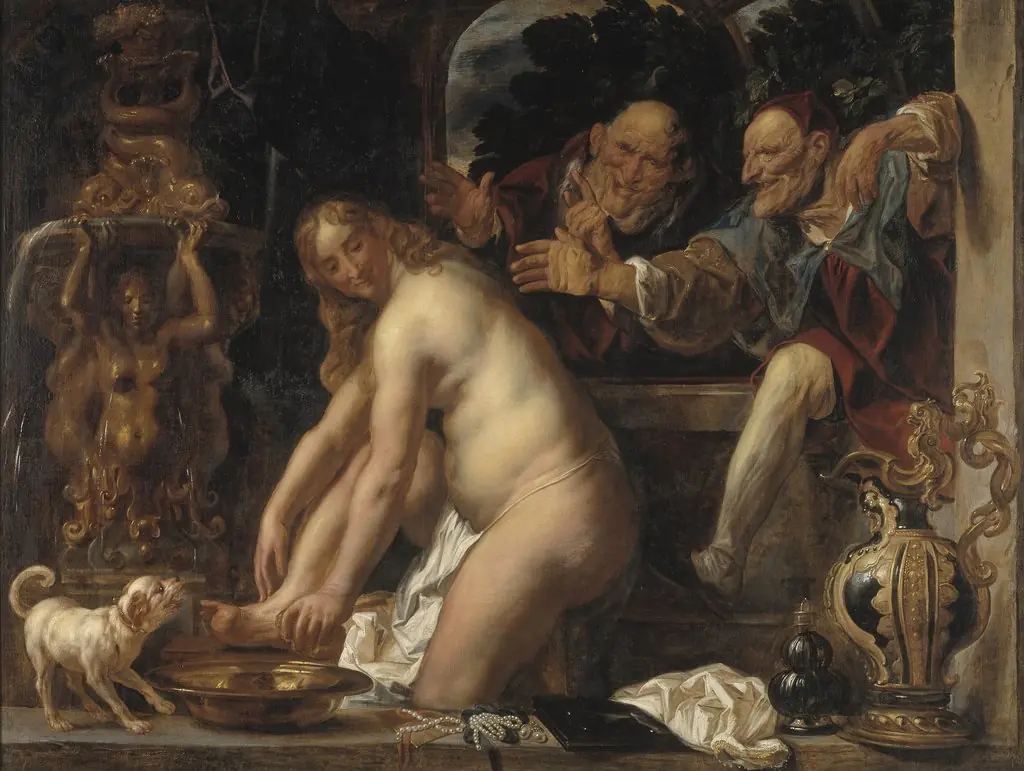 Susanna and the Elders
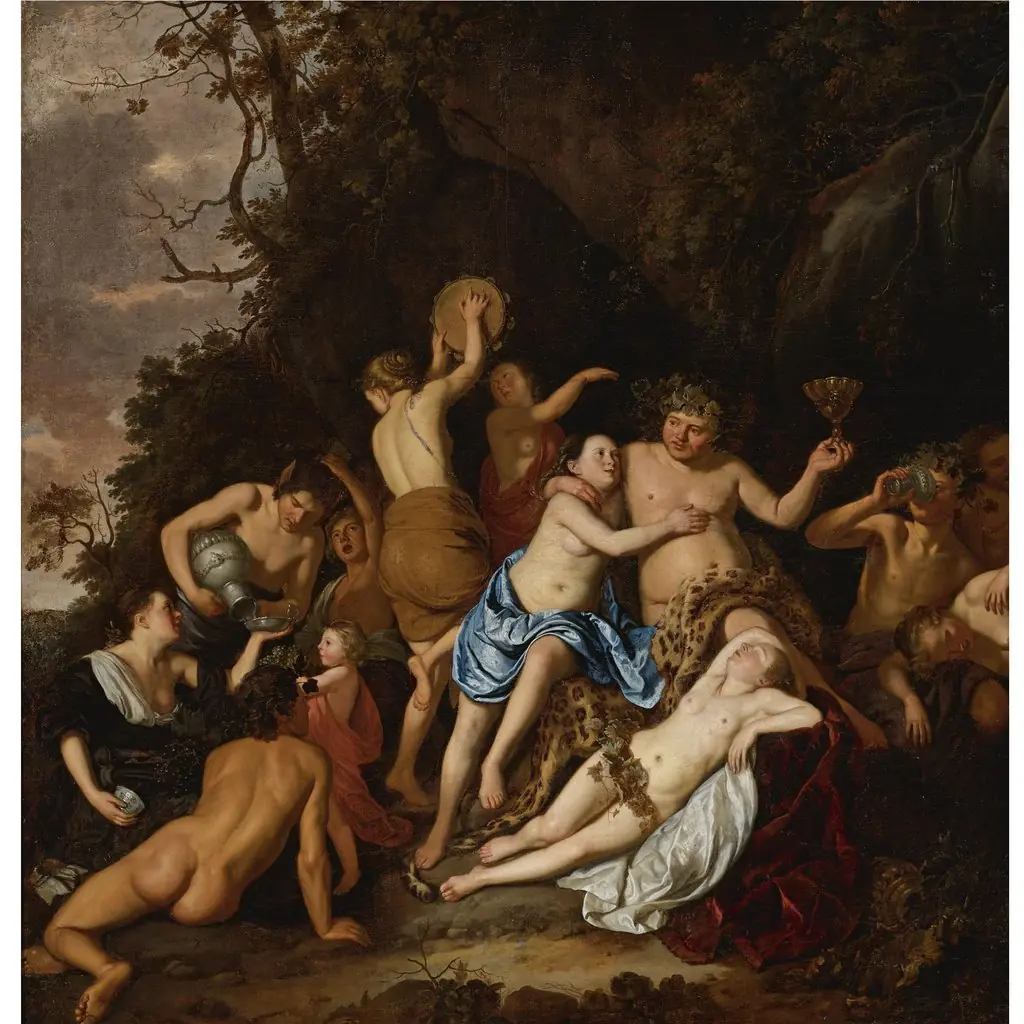 A Bacchanal
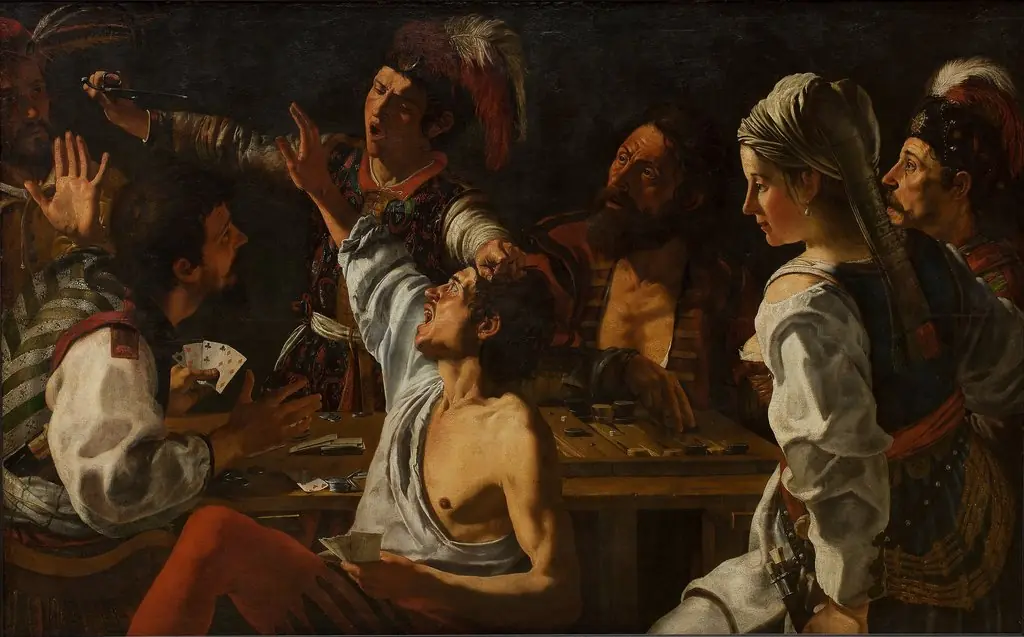 Card and Backgammon Players. Fight over Cards
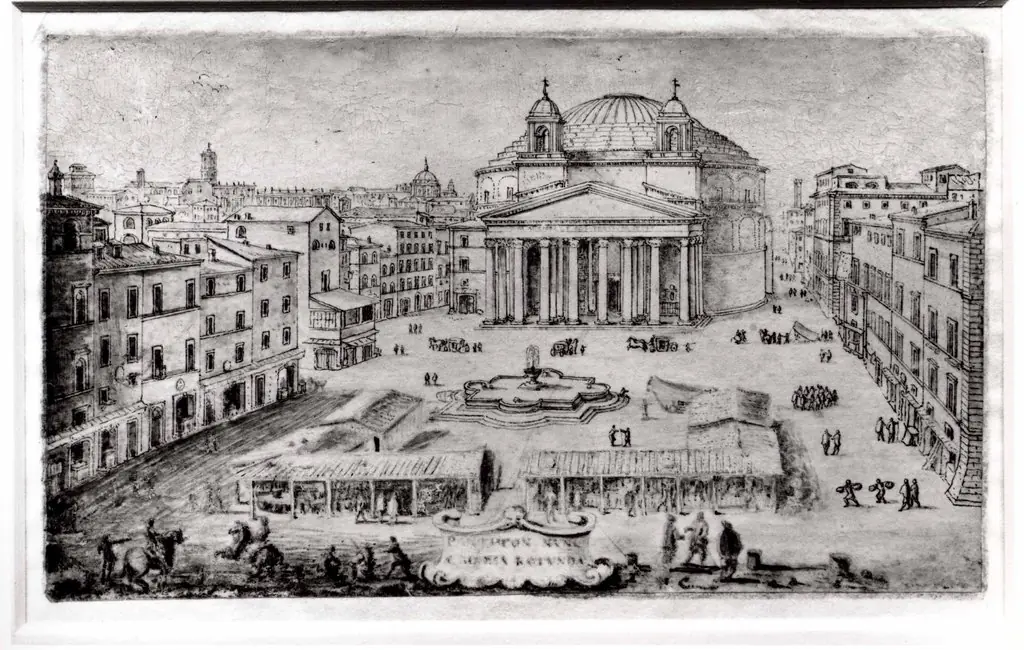 View of the Pantheon, Rome
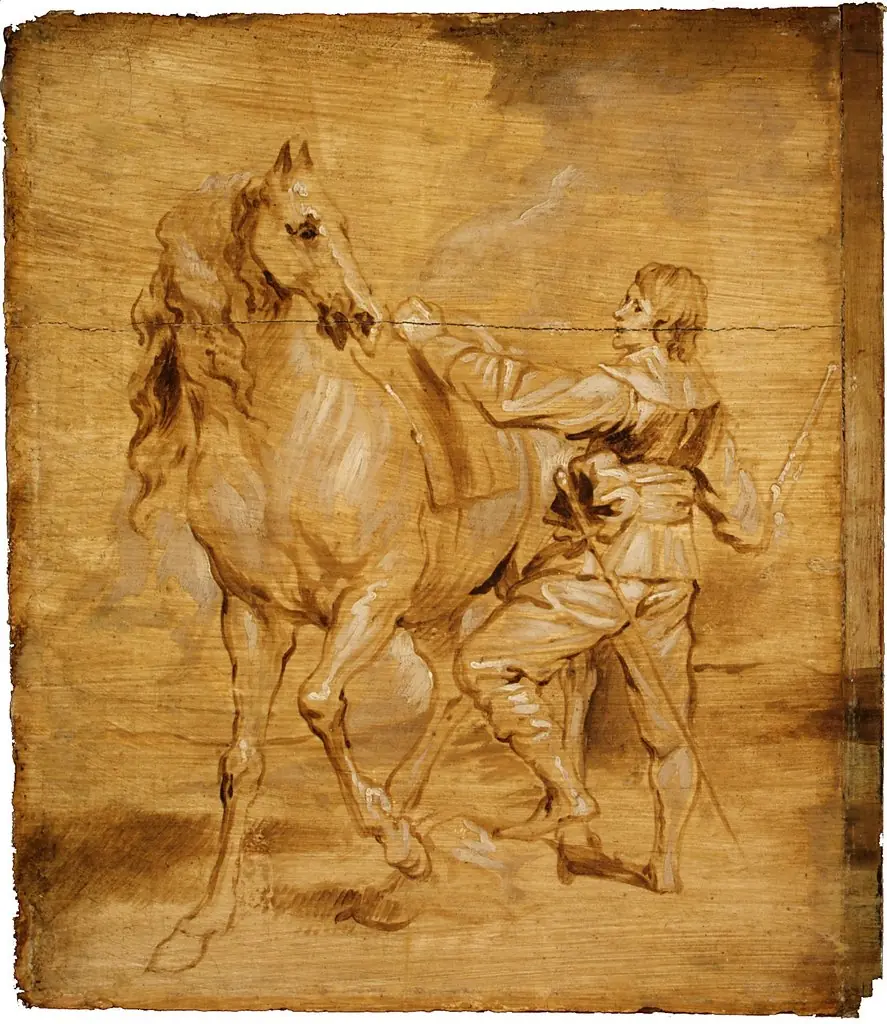 A Man Mounting a Horse
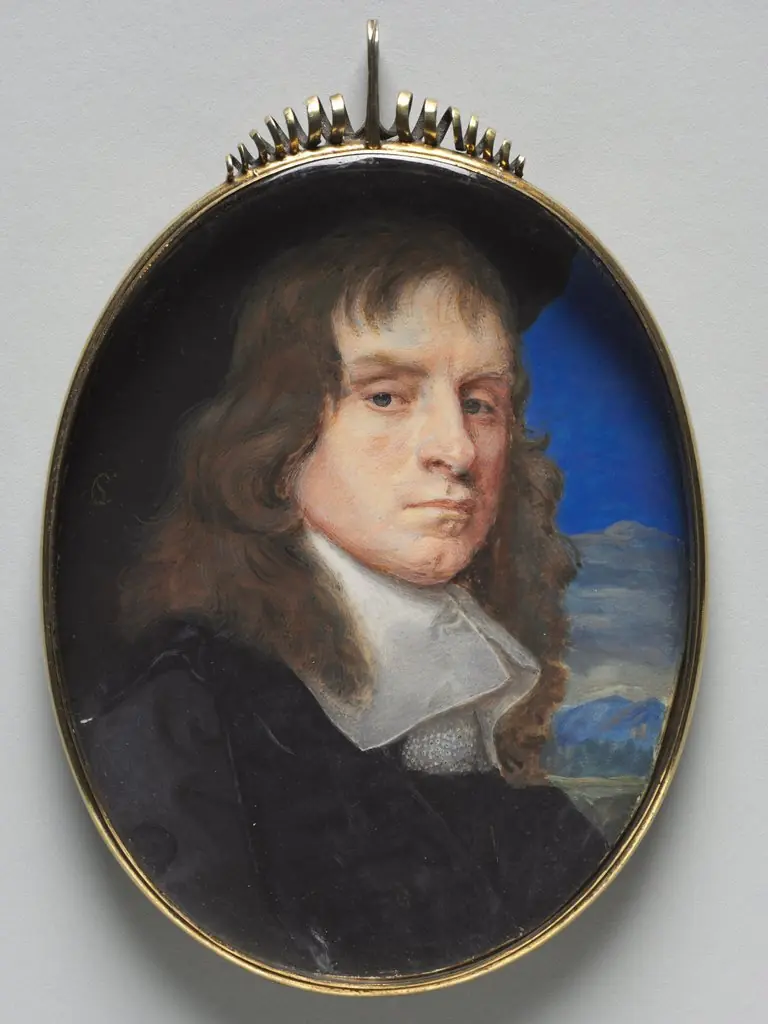 Portrait of a Man
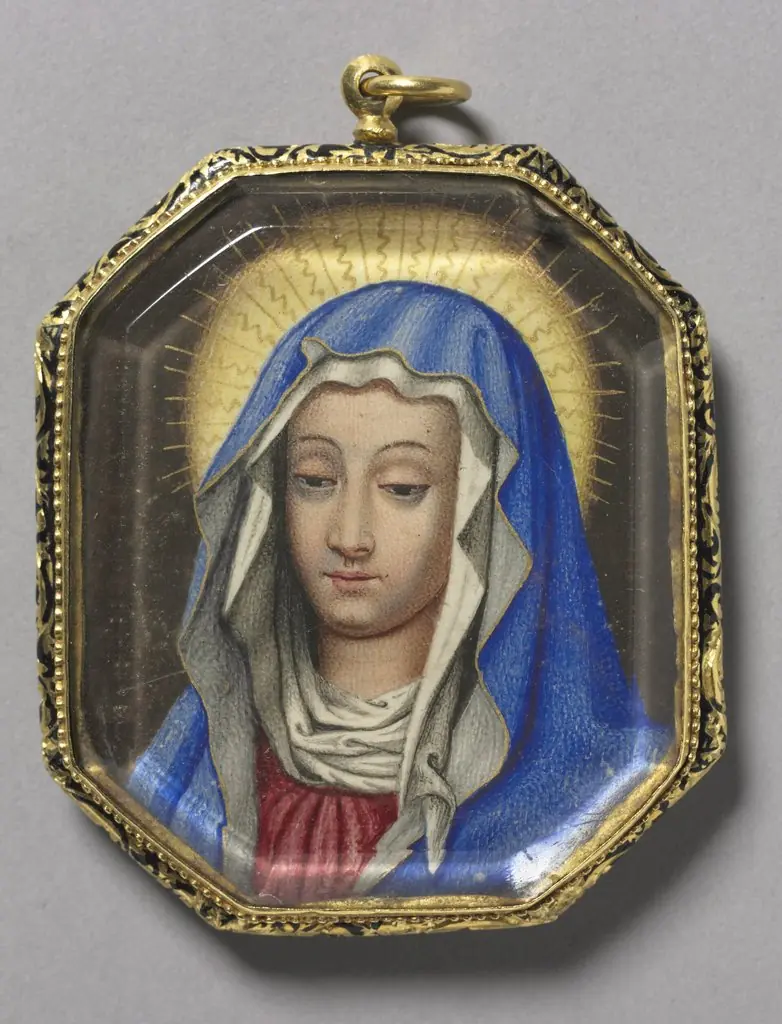 The Virgin (recto)
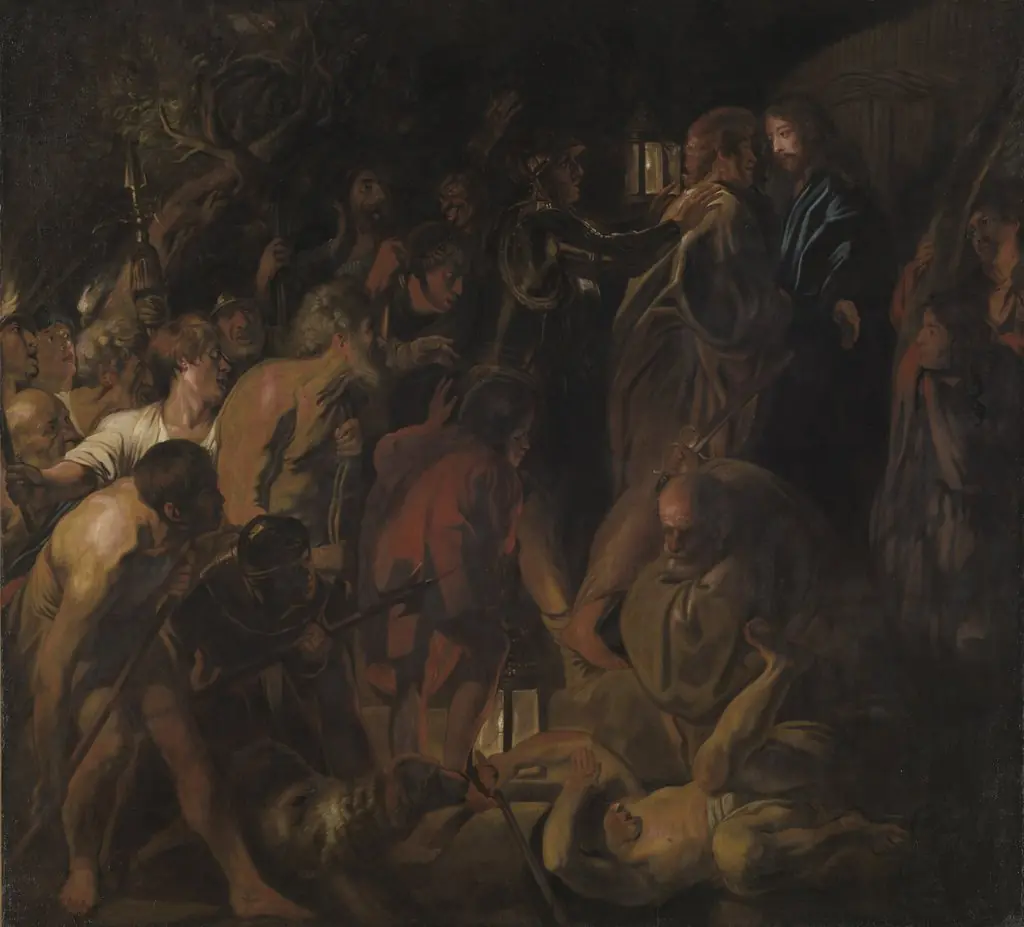 The Betrayal of Christ
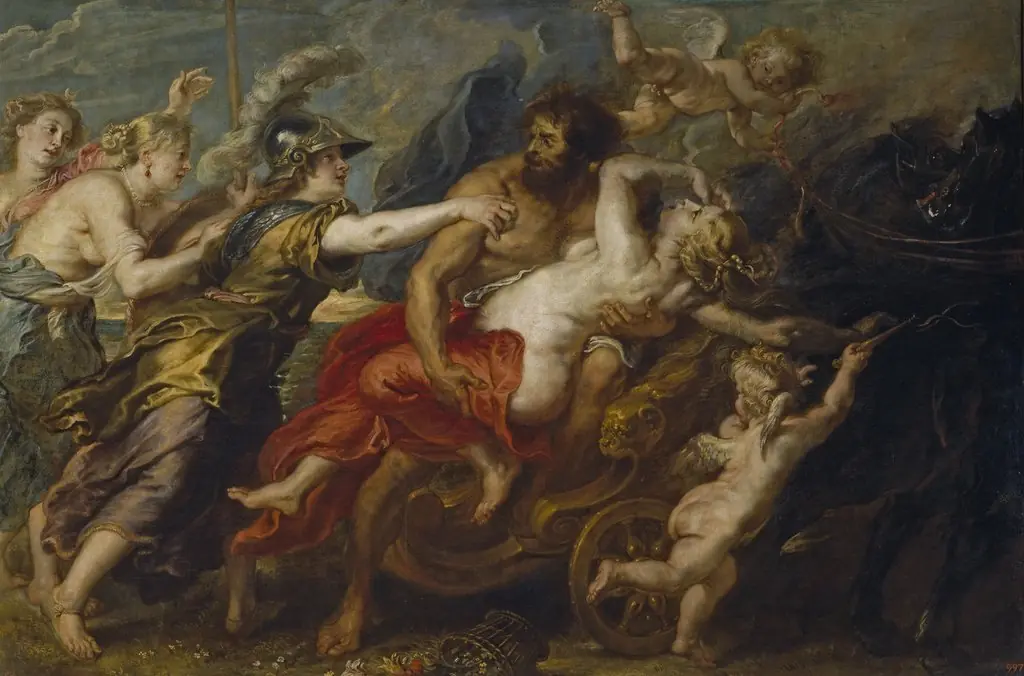 The Rape of Proserpine
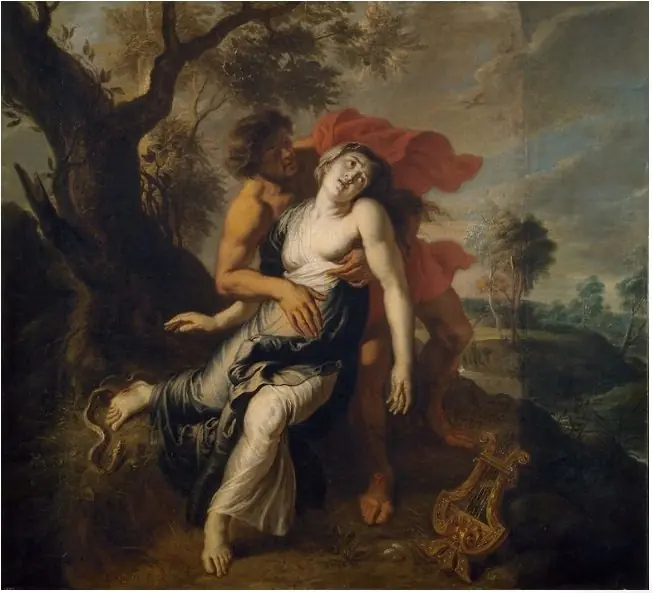 The Death of Eurydice
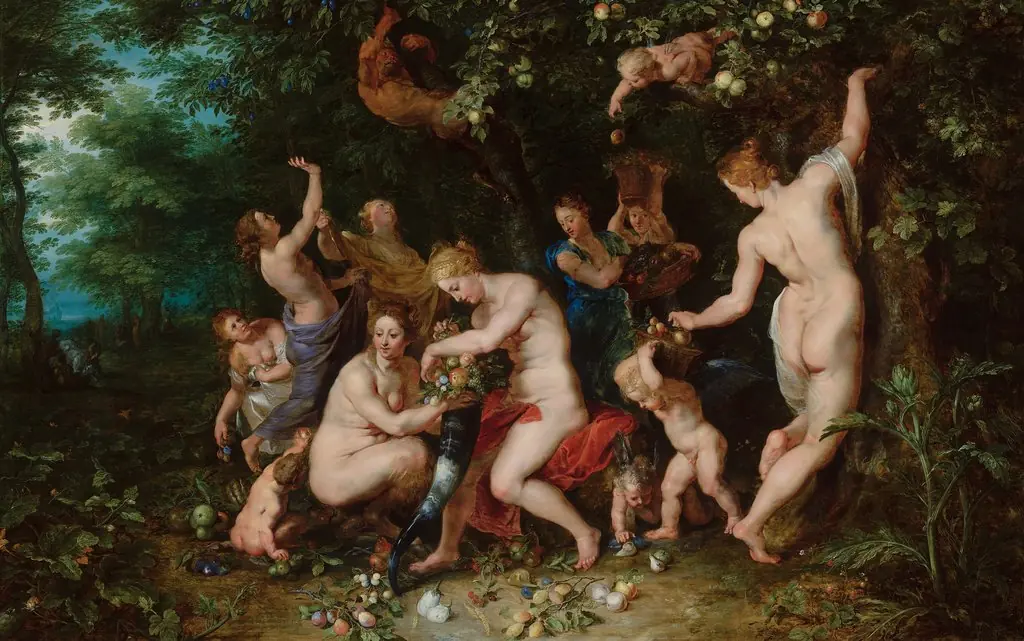 Nymphs filling the horn of plenty
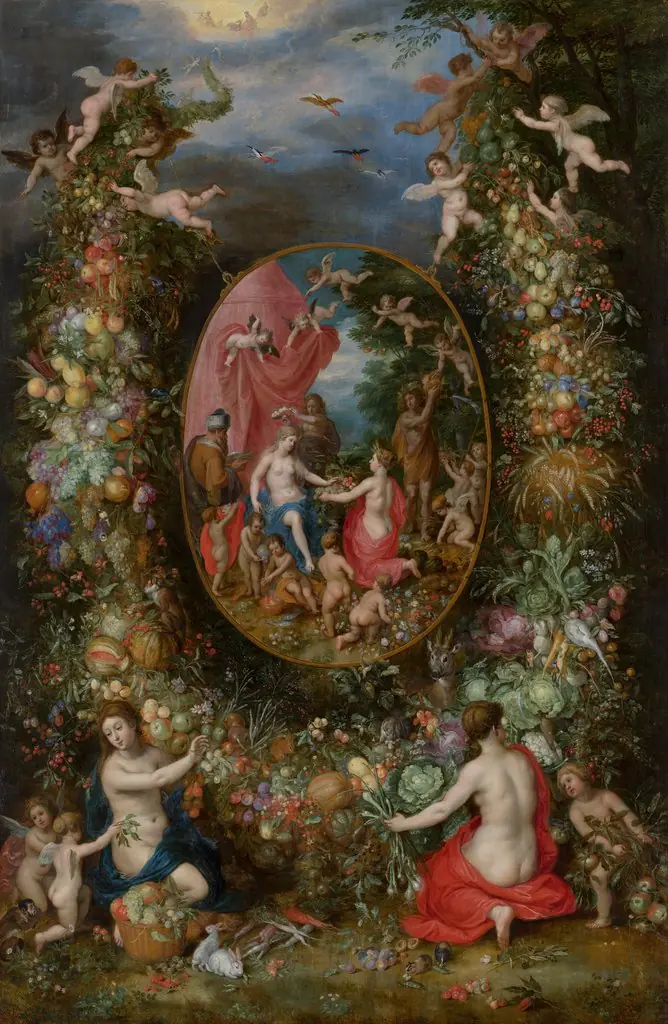 Garland of Flowers around an Allegory of Farming
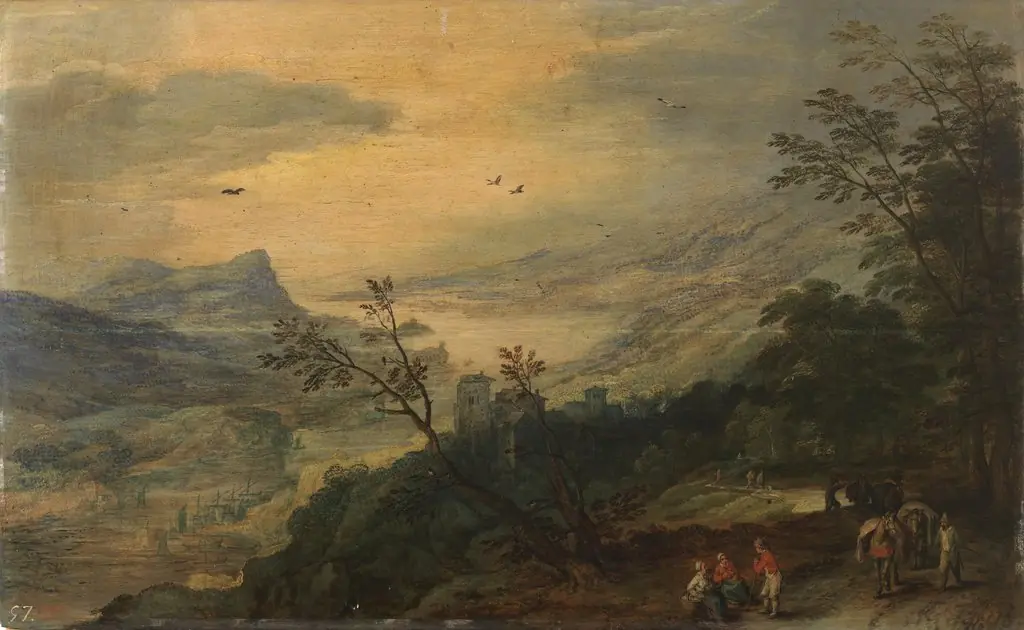 Landscape
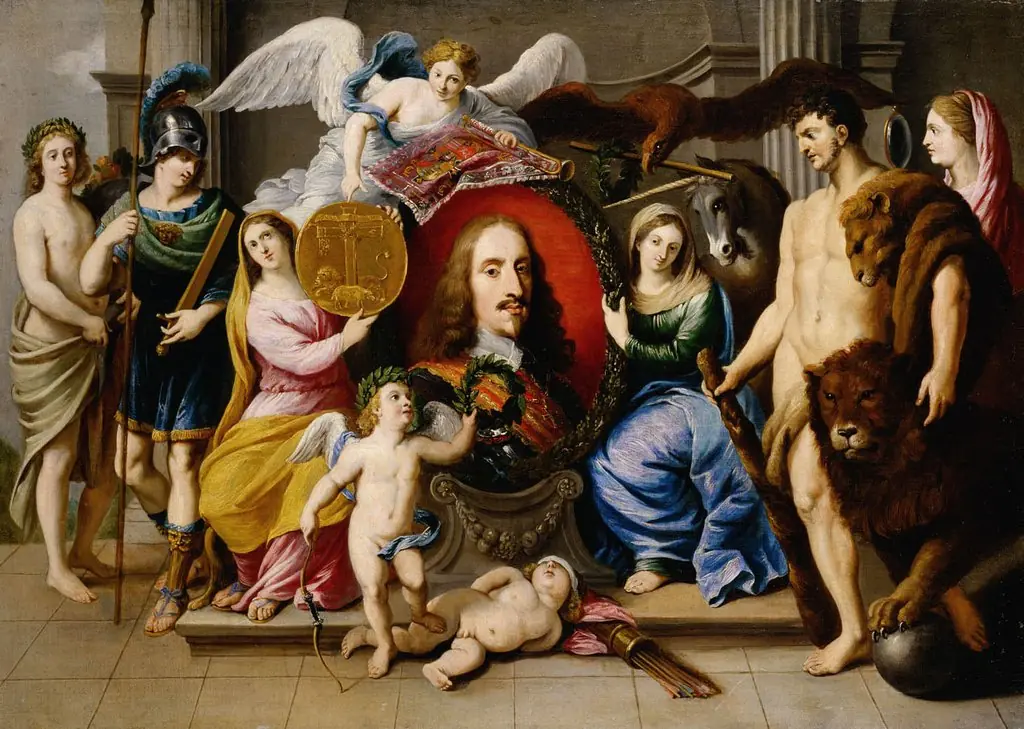 Allegory on Archduke Leopold Wilhelm (1614-1662)
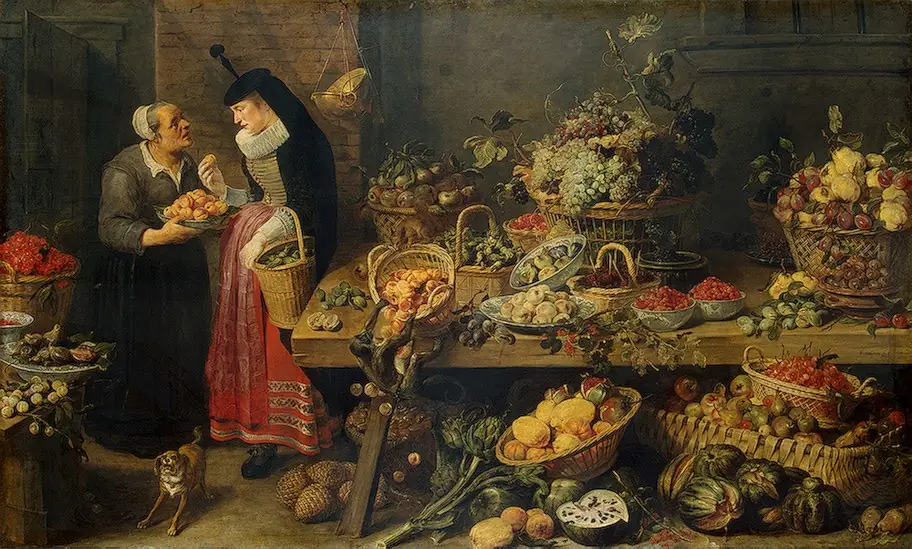 The Fruit Shop
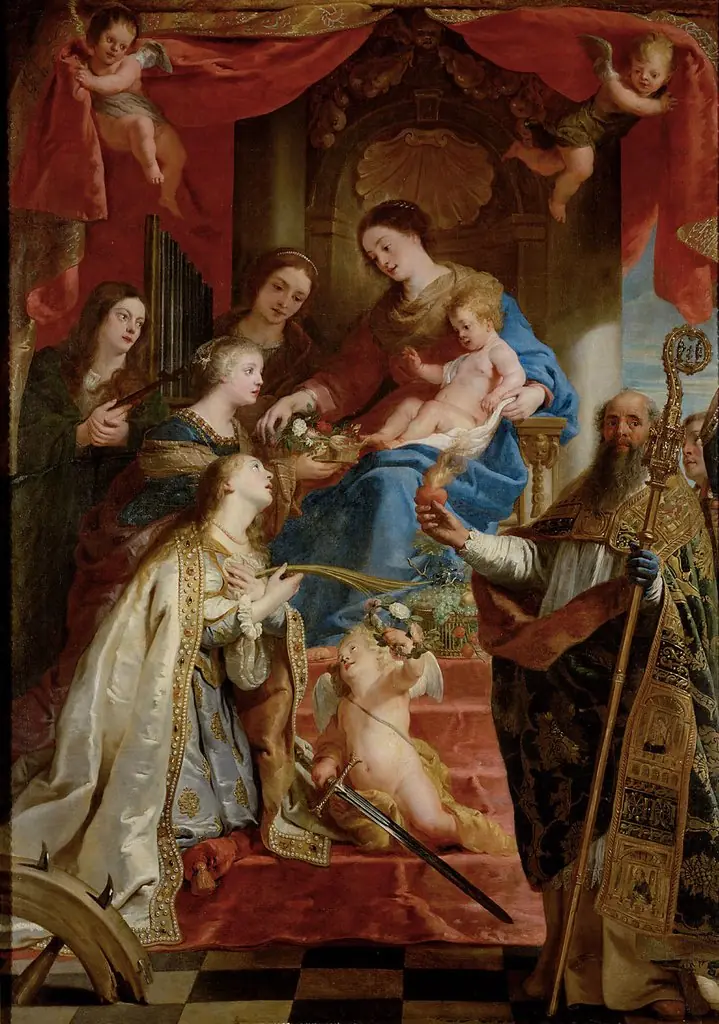 Virgin with child and saints Maria Magdalen, Cecilia, Dorothea, Catharina and Augustine
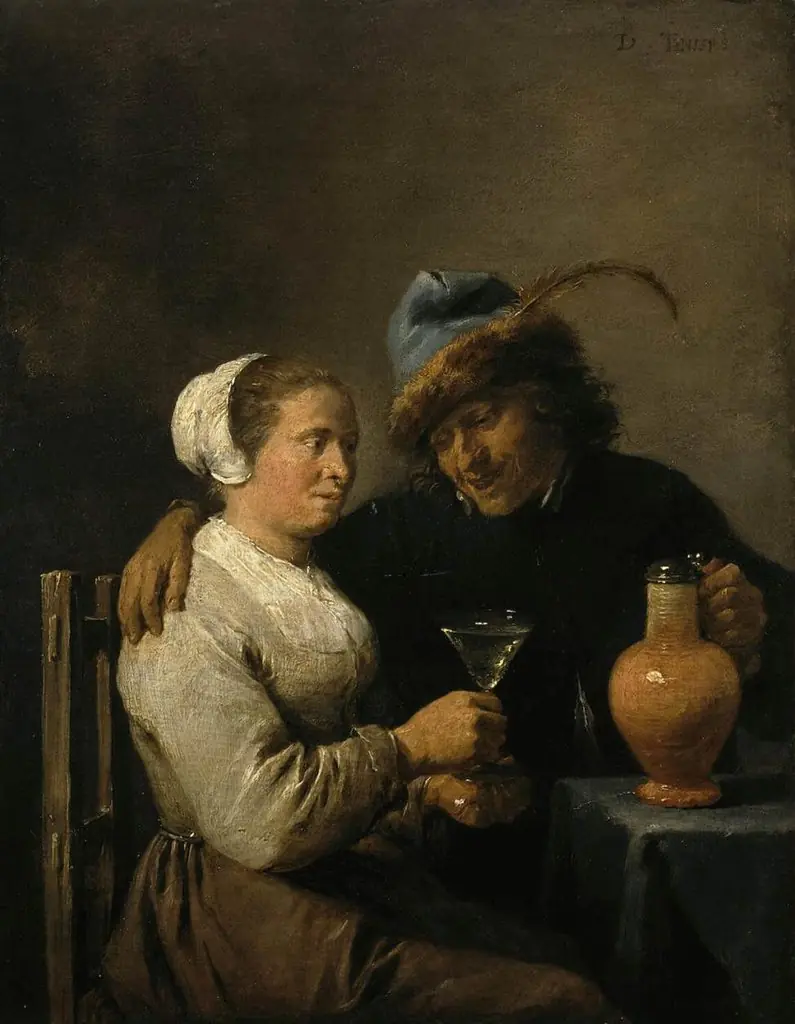 Scene in a Tavern
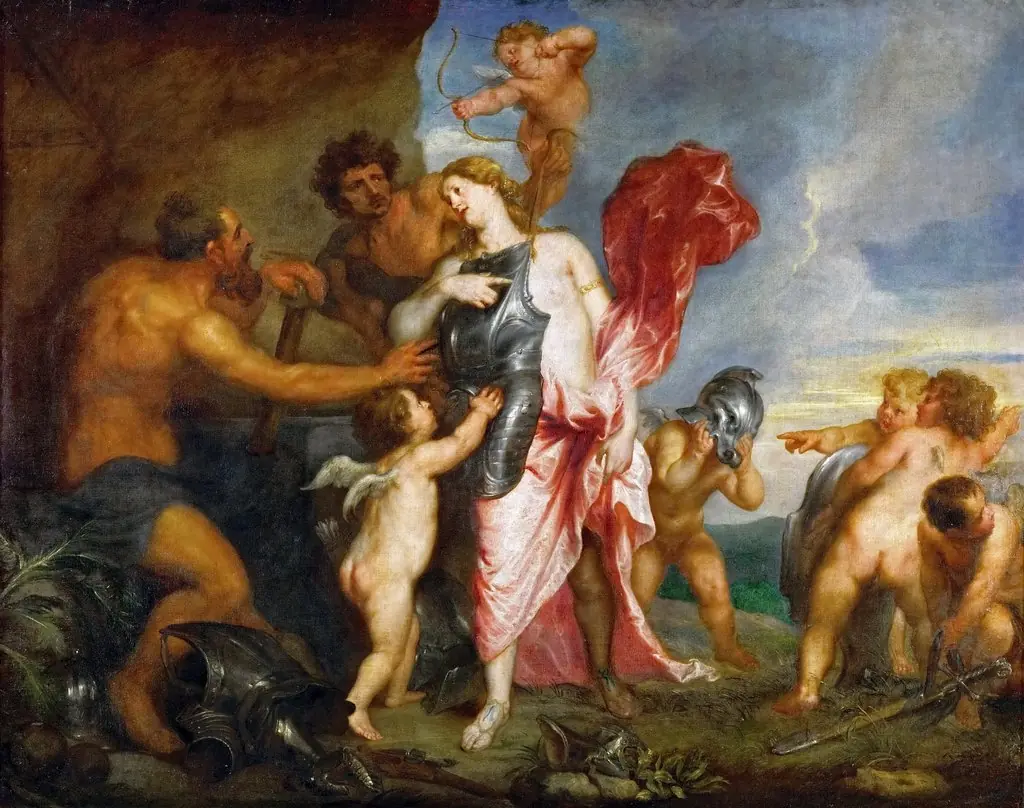 Thetis Receiving the Weapons of Achilles from Hephaestus
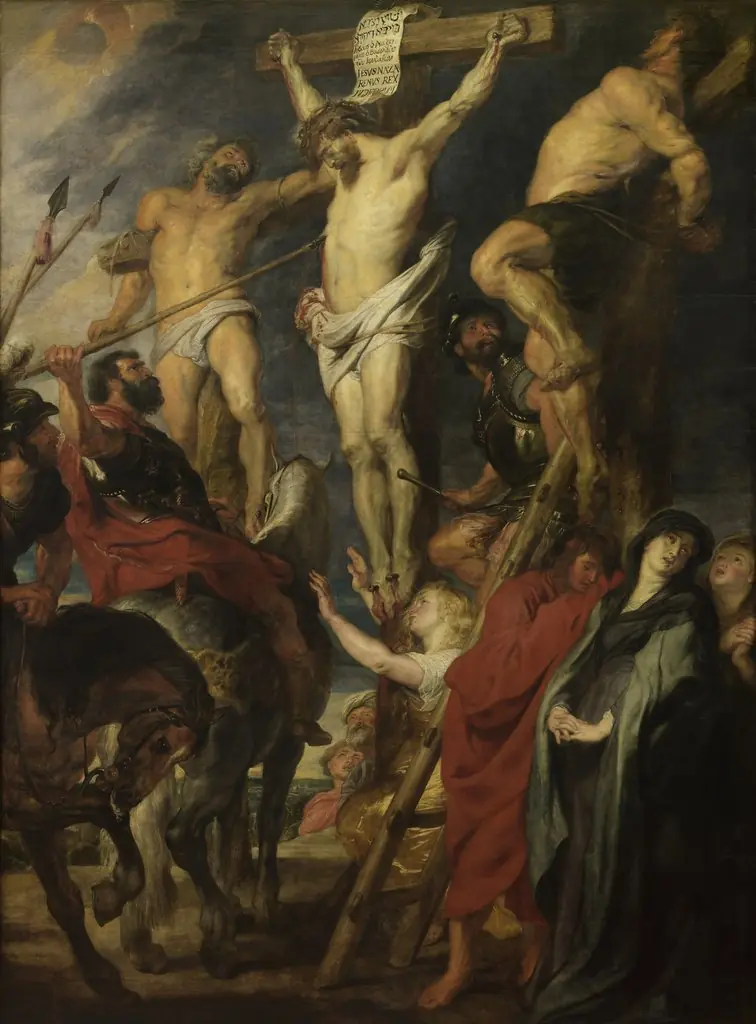 Christ on the Cross between the two criminals
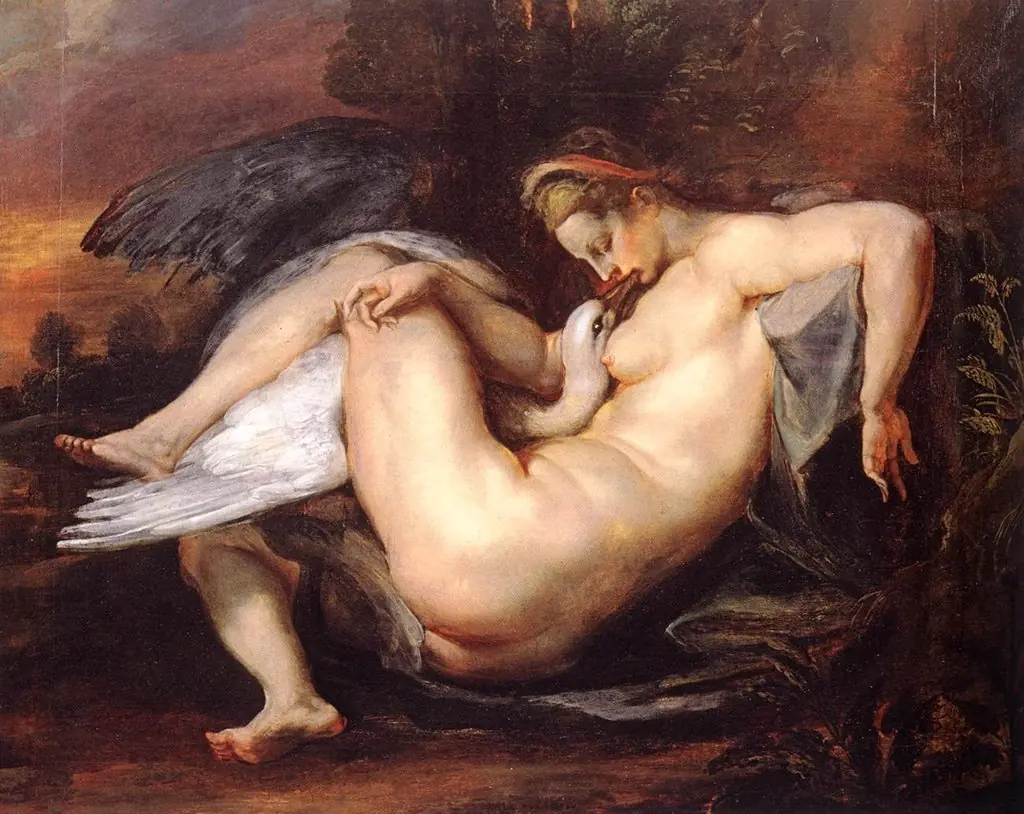 Leda and the Swan
Groups & collectives
Frequently asked questions
What is Flemish Baroque painting?
Flemish Baroque painting is an art movement. The exuberant Baroque painting of the Spanish Netherlands centered on Antwerp, dominated by Peter Paul Rubens and his workshop from the early 17th century.
How many Flemish Baroque painting works does Artifact World Gallery have?
Artifact World Gallery holds 4,050 public-domain Flemish Baroque painting works, all free to view and download.
Who are the key Flemish Baroque painting artists?
Key Flemish Baroque painting artists in the collection include Peter Binoit, Rembrandt van Rijn and David Teniers the Younger.
When did Flemish Baroque painting take place?
Flemish Baroque painting dates from 1585–1700.
Where can I see Flemish Baroque painting works?
Flemish Baroque painting works in the collection are held by Bavarian State Painting Collections, Kunsthistorisches Museum and Royal Museum of Fine Arts Antwerp.