Artwork
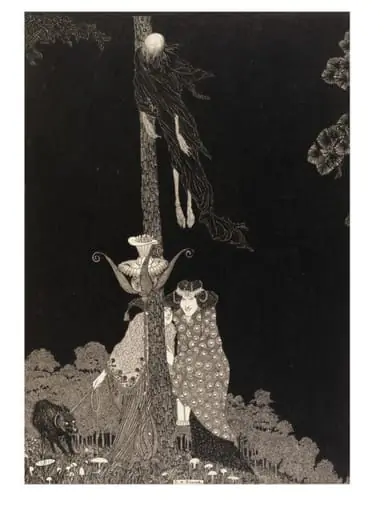
Gwen Ffrangcon-Davies as Etain
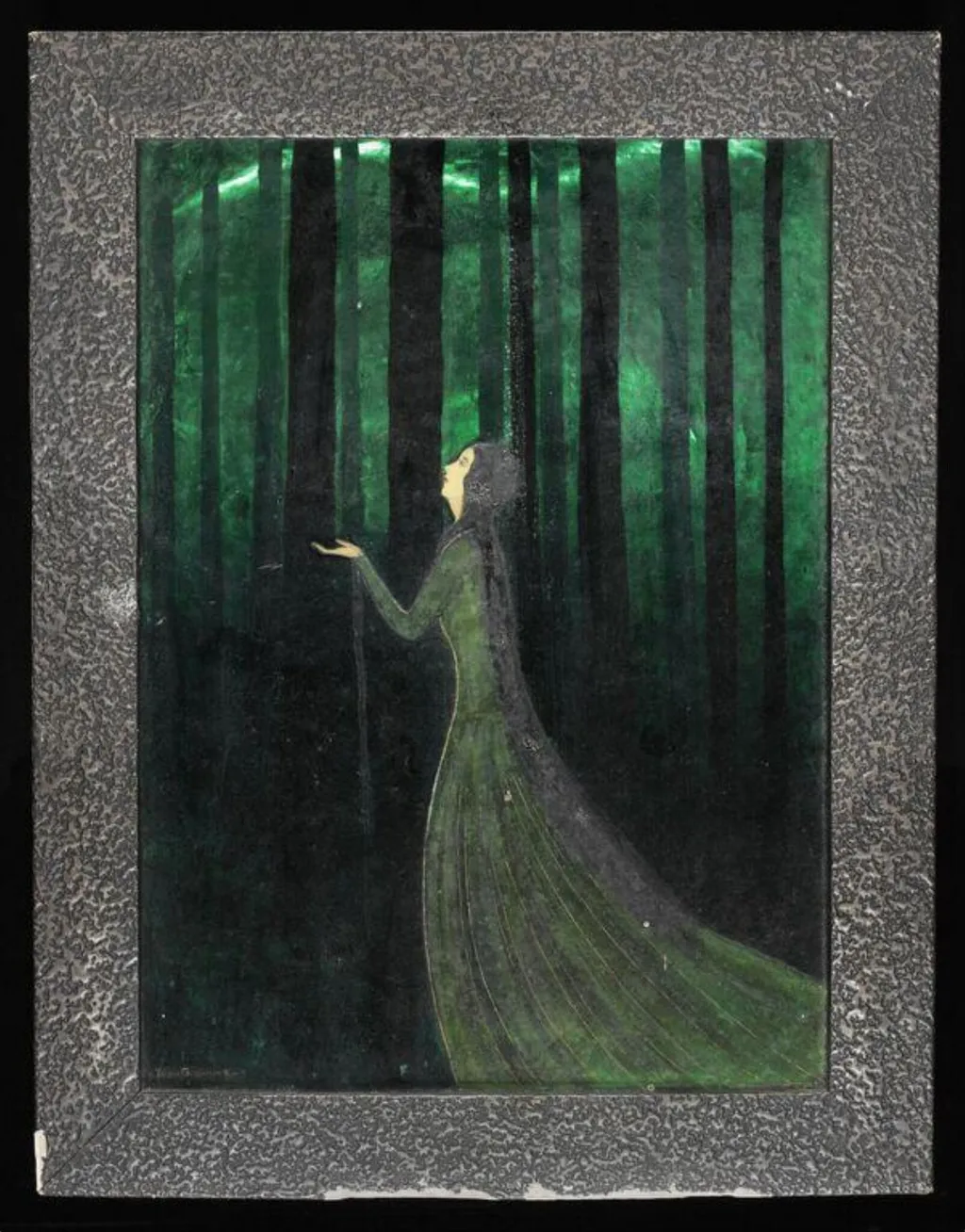
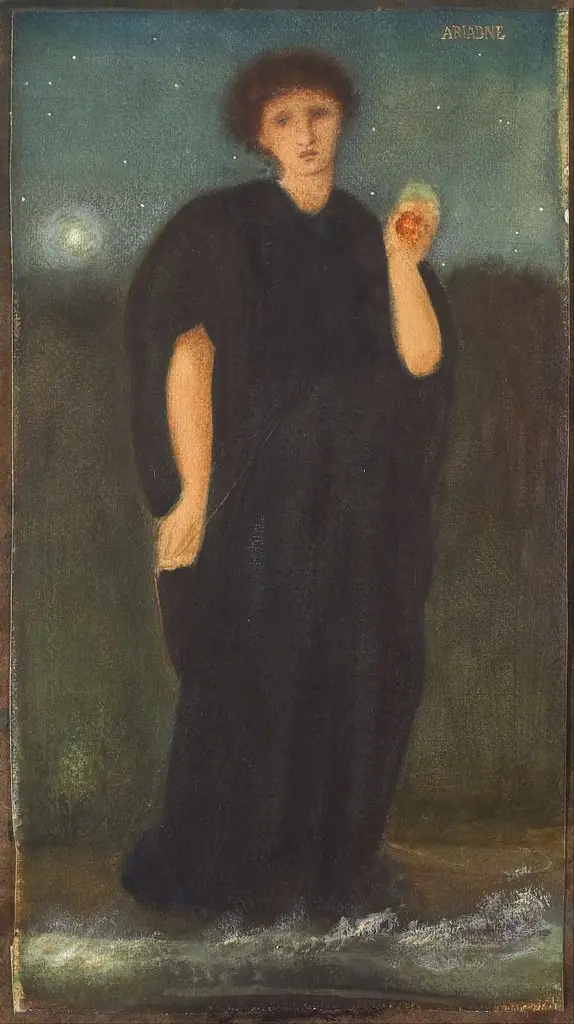
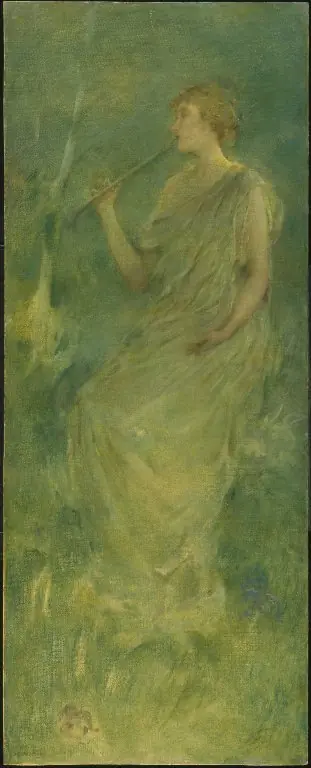
Gwen Ffrangcon-Davies as Etain is a paint painting by Jean Grahame. It dates from 1950 and is held in the collection of the Victoria and Albert Museum.
About this work
Overview
It serves as a visual record of a performance that was widely celebrated in its time, preserving the actress’s presence in a role that defined her early career.
This glass painting depicts Gwen Ffrangcon-Davies in the role of Etain from Rutland Boughton’s opera The Immortal Hour, created by artist Jean Grahame in the early 20th century. Executed on glass, the work captures a static theatrical moment, a technique common in stage portraiture of the period. It serves as a visual record of a performance that was widely celebrated in its time, preserving the actress’s presence in a role that defined her early career.
Subject & Meaning
Etain, a figure from Celtic myth, is an immortal faery princess bound by a curse of amnesia. In the opera, she marries a mortal king, only to be reclaimed by her former lover, Midir, after hearing his song. The painting isolates Etain in a moment of ethereal stillness, reflecting her dual nature, both human and otherworldly. Grahame’s portrayal emphasizes her serenity and detachment, aligning with the myth’s themes of loss and transcendence.
Technique & Style
The work is painted on glass, a medium often used for theatrical portraits due to its luminous clarity and ability to mimic stage lighting. Grahame employed fine brushwork to render Etain’s costume and expression with precision, using transparent layers to suggest depth and texture. The composition is frontal and composed, typical of stage portraits meant to be viewed from a distance, freezing a single, emotionally charged instant from the opera’s narrative.
History & Provenance
Created during the early 1900s, the painting was made in connection with the 1919 revival of The Immortal Hour at the Glastonbury Festival, where Ffrangcon-Davies first portrayed Etain to acclaim. It likely served as a promotional or commemorative piece for the production. Though its exact provenance before entering institutional collections is unclear, it aligns with a broader tradition of theatrical portraiture preserved by institutions such as the Victoria and Albert Museum.
Context
The Immortal Hour emerged from the early 20th-century British interest in Celtic revivalism and mythic storytelling. Its popularity stemmed from its fusion of folk legend with operatic form, appealing to audiences seeking cultural depth beyond conventional opera. Ffrangcon-Davies’s performance, supported by her vocal training and dramatic presence, became emblematic of this movement, making her portrayal of Etain a touchstone for contemporary audiences and artists alike.
Legacy
Though The Immortal Hour faded from regular performance after the 1920s, Grahame’s glass painting endures as a tangible artifact of its cultural resonance. It documents not only Ffrangcon-Davies’s artistry but also the broader theatrical practices of the time, where visual art and live performance intersected. Today, it remains a quiet testament to a once-popular genre of music drama and the role of portraiture in preserving ephemeral stage moments.
Artist & collection
Artist
Jean Grahame carried a sketchbook everywhere but only drew on the left-hand pages, right-handers got a blank stare.