Subject
Forest
Forest is a subject in art. The gallery holds 200 works in this subject in art, including works by Jean Baptiste Camille Corot, Thomas Cole and Gustave Courbet.
Among the oldest charged settings in art, the forest has been imagined as sanctuary, wilderness, and threshold to the unknown since antiquity, when groves were dedicated to the gods and woods marked the edge of the cultivated world. As an independent pictorial subject, however, the forest emerged only in the early sixteenth century. Albrecht Altdorfer (c. 1480–1538), leader of the Danube School in Bavaria and Austria, was among the first European artists since antiquity to paint "pure" landscapes free of human figures, works such as his Regensburg landscapes of roughly 1517–1525 that revel in the dense, leafy, twilight-lit forests of Central Europe. With Wolf Huber, Altdorfer transformed woodland into a genre in its own right.
The forest reached a first summit in the Dutch Golden Age. Jacob van Ruisdael (1628/9–1682), having travelled the wooded hills of the German border in the early 1650s, painted massive, storm-worn trees beneath which human figures seem dwarfed, as in our Country House in a Park. Critics have long seen his woods as a metaphor for human psychology and mortality, making him a crucial precursor to Romanticism.
That inheritance flowered in early nineteenth-century Germany. Caspar David Friedrich (1774–1840) made the forest a vessel for the sublime and for national feeling: his Chasseur in the Forest (1814), painted in the year of Napoleon's defeat, shows a lone French soldier swallowed by close-ranked firs, the "impenetrable German forest" standing for endurance and the insignificance of man before nature.
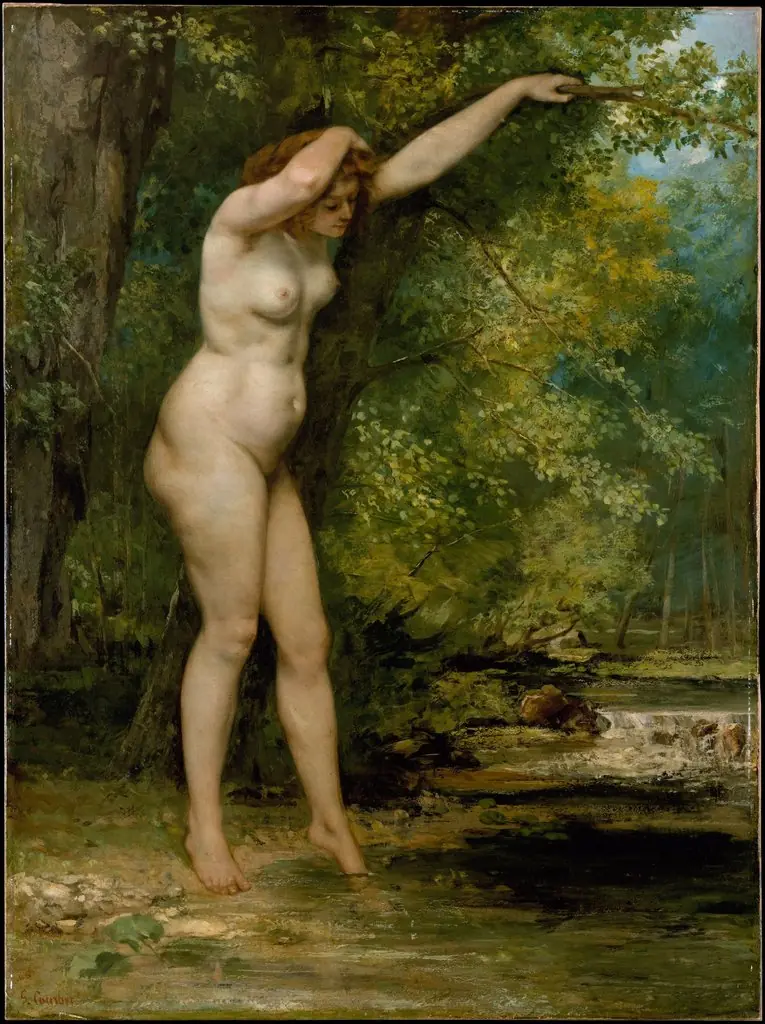
In France the theme turned outdoor and observational. From the 1830s the Barbizon School gathered at the edge of the Forest of Fontainebleau, where Théodore Rousseau (1812–1867) studied its ancient, gnarled oaks directly from nature and campaigned for the forest's legal protection. Their realism shaped Gustave Courbet, whose Young Bather sets a figure within shadowed woodland, and fed the open-air practice of the Impressionists. Across the Atlantic, Hudson River painters such as Frederic Edwin Church extended the woodland sublime to the New World in panoramas like Heart of the Andes (1859).
The forest thus links the Northern Renaissance, Dutch realism, Romantic landscape, Barbizon naturalism, and Symbolism, remaining a recurring stage on which artists project both the grandeur of nature and the inner life of humankind.
Key artists
Overview
A forest is an ecosystem characterized by a dense community of trees covering a relatively large area. Hundreds of definitions exist worldwide, incorporating factors such as tree density, tree height, land use, legal standing, and ecological function. The United Nations Food and Agriculture Organization defines a forest as land spanning more than 0.5 hectares with trees higher than 5 meters and a canopy cover of more than 10 percent, explicitly excluding land predominantly under agricultural or urban use. As the largest terrestrial ecosystems on Earth by area, forests covered approximately 4.14 billion hectares, or 31 percent of the world's land area, in 2025. In art, the forest recurs as a favorite motif of landscape painters, offering a natural space where the interplay of light, shadow, and changing seasons allows for continuous visual exploration.
Iconography & meaning
The iconography of the forest is deeply tied to its etymological and historical roots. The word forest derives from the Late Latin foresta, a term originating under Merovingian and Carolingian kings to describe territories set apart for royal use, where hunting and fishing were restricted. This legal concept, designating an area outside the enclosures of ordinary human residence, imbued the forest with enduring symbolic meanings of a separate, wild domain. In art, this translates into dualistic symbolism. Forests can represent mystical or sacred refuges, as seen in ancient times when groves signified initiation and concealment, or in mythological scenes where remote ponds become stages for encounters with nymphs and satyrs. Conversely, the forest often symbolizes the transience of life and the inevitability of death, frequently embodied by broken, split, or dried-up trees placed prominently in the foreground of compositions to contrast the vitality of the woods with human mortality.
In the collection
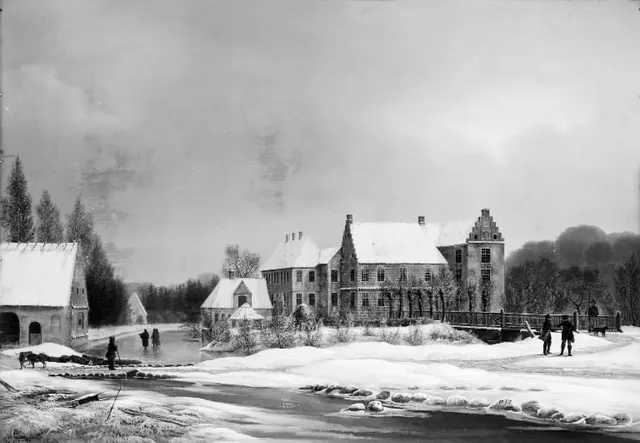
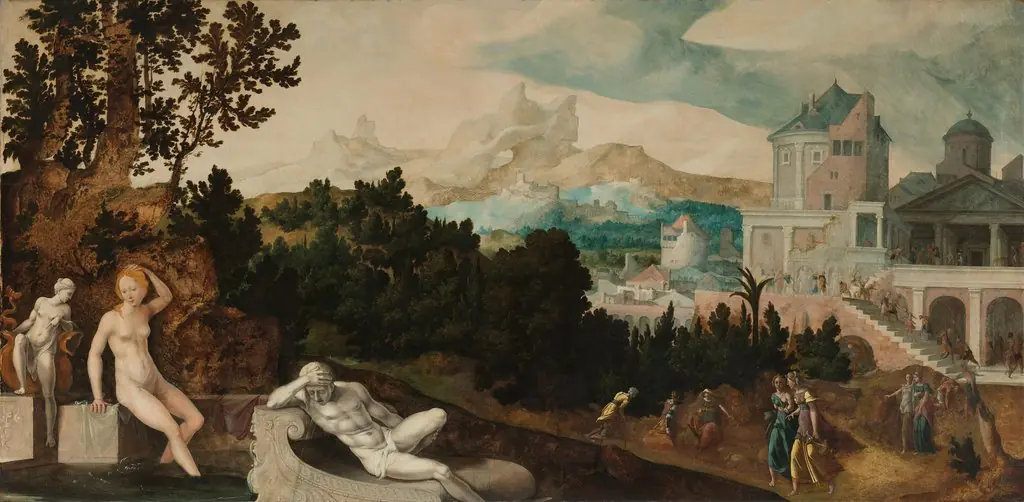
Within the collection, the forest appears as a major subject across 417 works. These depictions span a wide variety of media and genres, ranging from landscape paintings and prints to photographs. The subject manifests in diverse natural settings and contexts, such as the dense woods in The Young Bather and Edge of the Woods Near L'Hermitage, Pontoise, the mythological seclusion of Landscape with Bathsheba, and the manicured estate of Country House in a Park. Other works show the forest in dramatic or seasonal contexts, including the tropical depths of Heart of the Andes, the wintry grounds of Prospekt af hovedgården Lykkesholm på Fyn, the narrative violence of A Hunting Scene, and the atmospheric mood of Twilight. The collection also features detailed portraits of individual trees, where the tree itself becomes the primary subject rather than a background detail, highlighting the admiration artists have held for these natural sculptures.
Across movements & periods
The treatment of the forest in art has shifted significantly across movements and periods. In 17th-century Dutch landscape painting, artists like Jacob van Ruisdael painted the forest in precise detail, often populating it with tiny travelers or horses to emphasize the scale of the mighty trees. During the 19th century, the Barbizon school rejected classical traditions that used the landscape merely as a background, as well as romantic embellishments, choosing instead to paint the forest directly from life in the Fontainebleau forest. Artists like Theodore Rousseau treated nature as self-sufficient and unembellished. Realists like Gustave Courbet pursued a similar unidealized naturalism, while Camille Corot produced pensive, monochrome landscapes with subtle transitions of shade. These movements paved the way for the Impressionists, who used the forest to capture fleeting moments and the variability of light and atmosphere. Post-Impressionists subsequently shifted focus again, with Vincent van Gogh expressing emotional intensity through vibrant colors and thick brushstrokes, and Paul Cezanne seeking the permanent, structural essence of the forest through experiments with perspective and color patches, avoiding straight lines to capture its quintessence.
Notable depictions
Several canonical depictions of the forest stand out in art history. Jacob van Ruisdael's Forest Scene uses a split birch tree in the foreground to symbolize the fleeting nature of life. Caspar David Friedrich's Cairn in Snow (1807), an oil on canvas measuring 61 by 80 centimeters and held at the Galerie Neue Meister in Dresden, portrays a deserted winter grove with severed branches and a central burial cairn. Paul Cezanne's Forest (1902 to 1904), an 81.9 by 66 centimeter oil on canvas in the National Gallery of Canada, depicts a forested road near Aix-en-Provence, utilizing warm earthy hues for boulders and cooler tones for the margins. Vincent van Gogh's Undergrowth with Two Figures (1890), now in the Cincinnati Art Museum, captures a dense forest with vibrant colors and swirling brushstrokes. Ivan Shishkin's Morning in a Pine Forest demonstrates a rigorous, truthful study of untouched dense woods, while Sandro Botticelli's The Story of Nastagio degli Onesti (1480s) uses the forest as a narrative stage for ghostly apparitions, showcasing the artist's mastery of perspective to draw the viewer into the depths of the foliage.
Legacy
The artistic legacy of the forest extends beyond the canvas into the cultural and administrative history of conservation. The deep appreciation for the forest cultivated by the Barbizon school directly influenced environmental action, when Theodore Rousseau and his colleagues convinced Napoleon III to create a reserve in the Fontainebleau forest, saving its ancient oaks from industrial logging. This intersection of art, human interaction, and forest preservation echoes through modern institutions. The National Museum of Forest Service History and the Forest History Society maintain vast archives of photographs, artifacts, and oral histories documenting the conservation story of forests. Photographers like Carleton E. Watkins and Ansel Adams used the camera to shape public understanding of the American West, their images directly influencing the establishment and expansion of national parks. The forest, whether captured in paint or on film, continues to serve as a vessel for memory and a silent witness to history, bridging the gap between artistic reverence and the imperative to conserve these ecosystems.
Works
 The Young Bather
 Landscape with Bathsheba
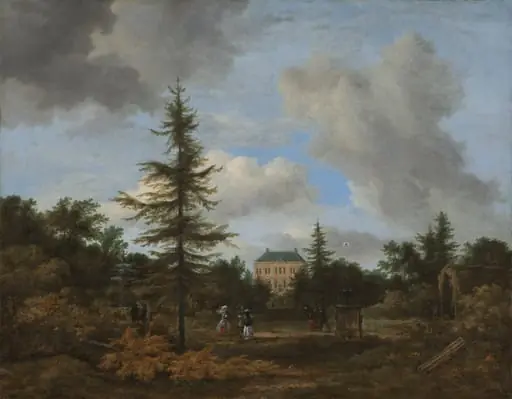 Country House in a Park
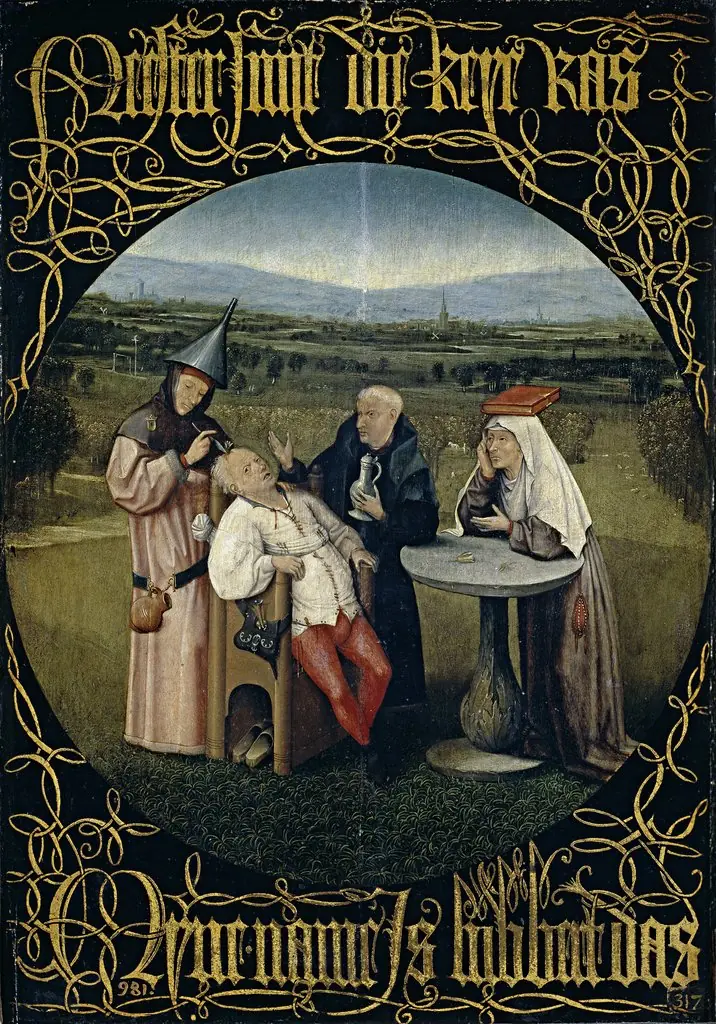 Cutting the Stone
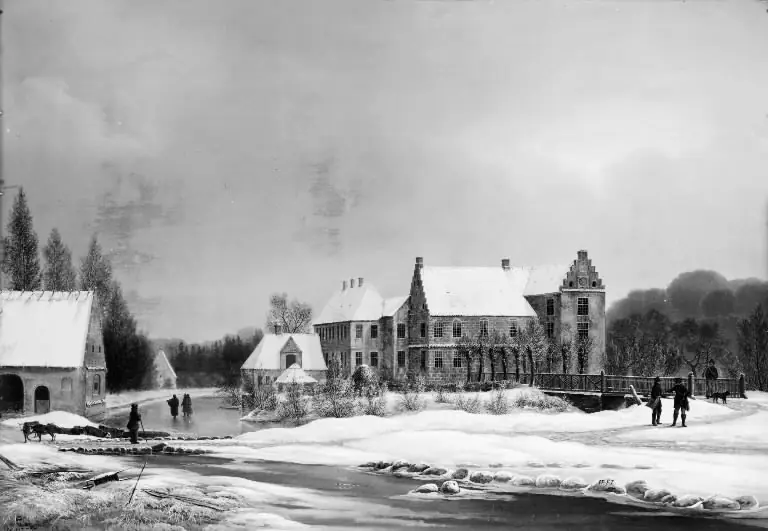 Prospekt af hovedgården Lykkesholm på Fyn. Vinter
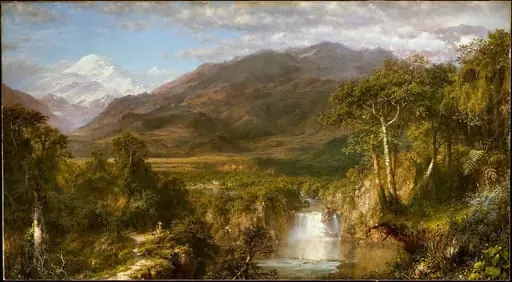 Heart of the Andes
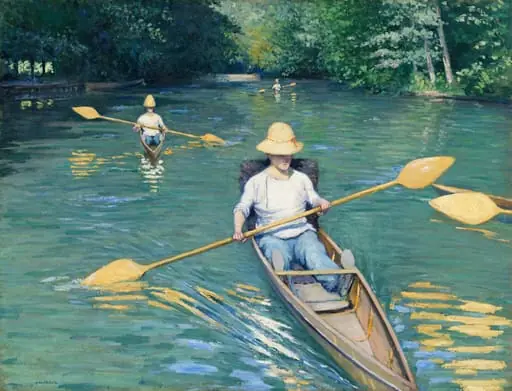 Skiffs
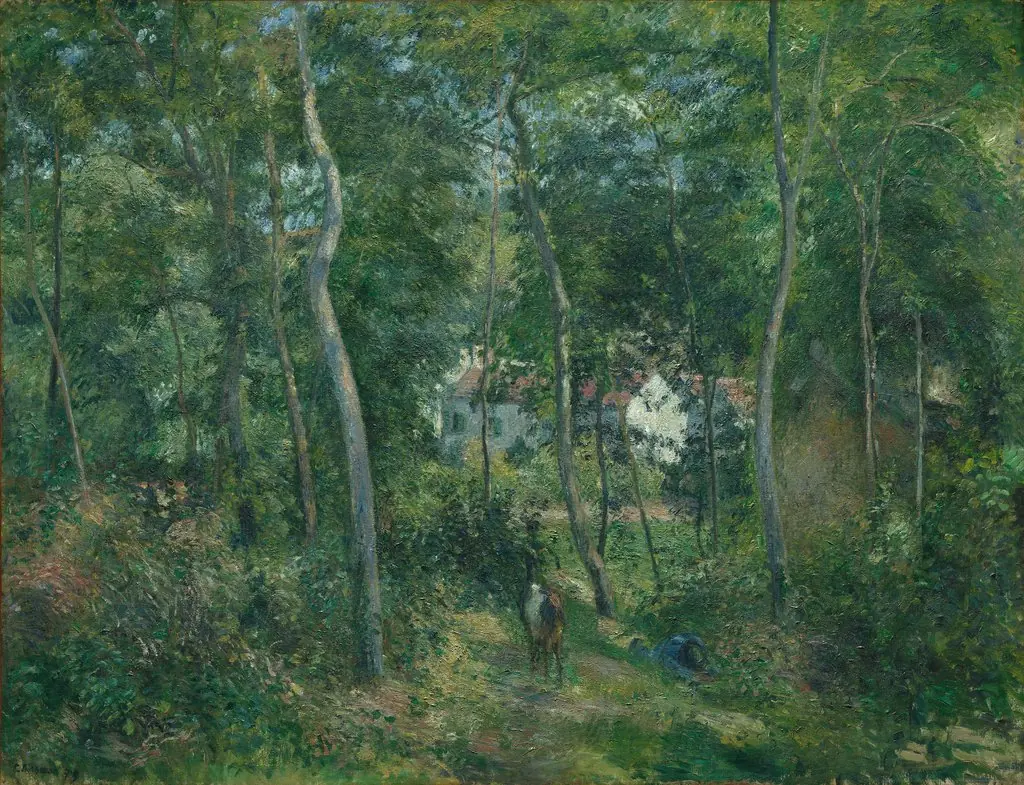 Edge of the Woods Near L'Hermitage, Pontoise
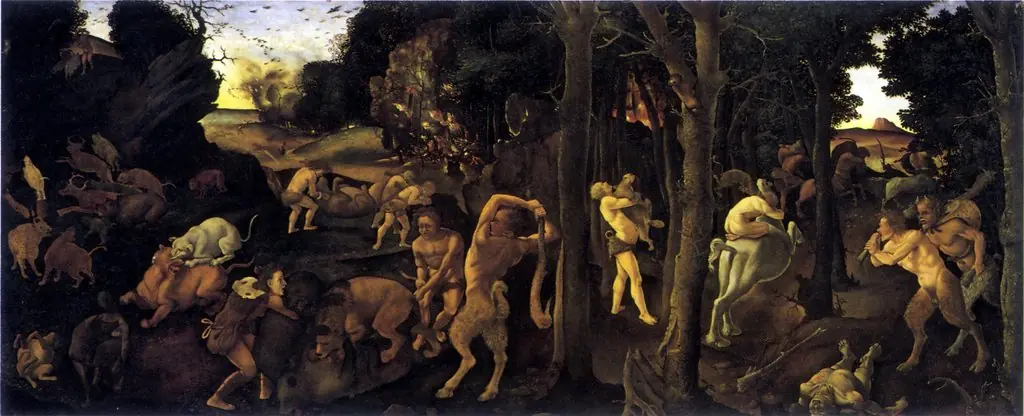 A Hunting Scene
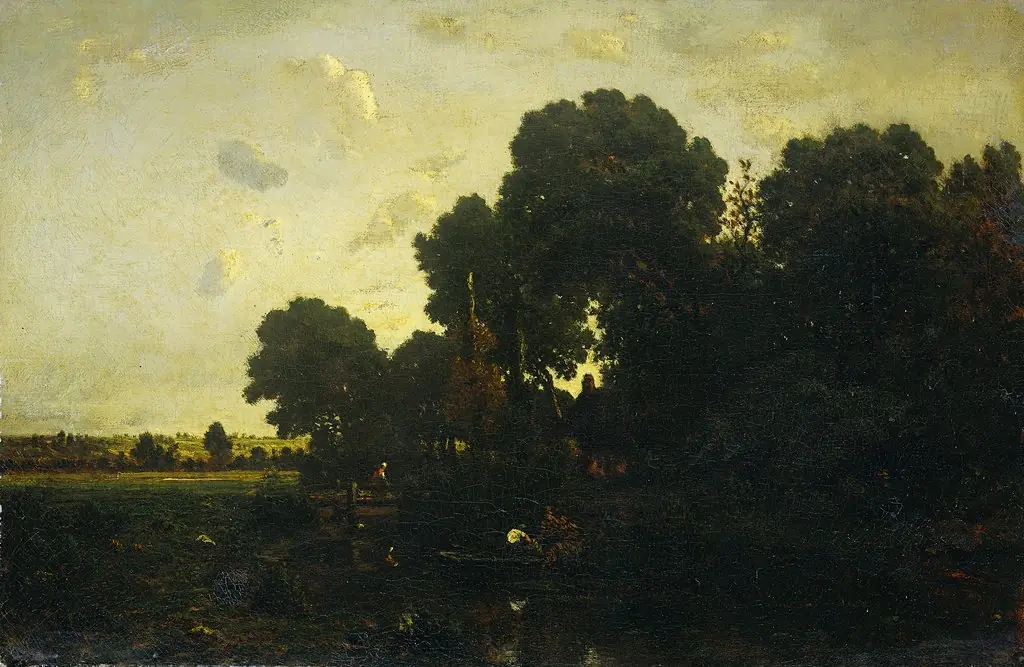 Twilight
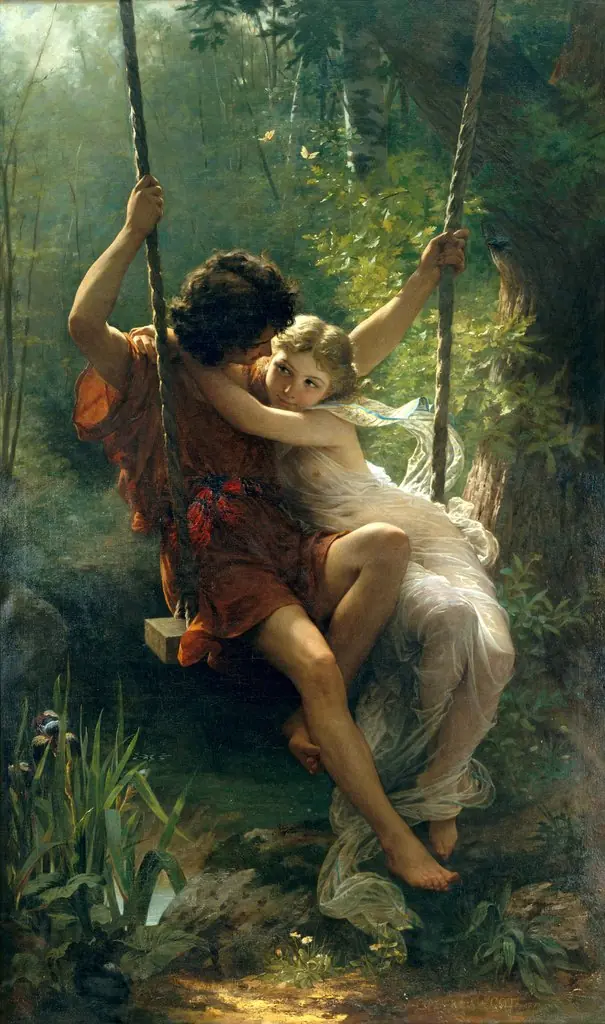 Springtime
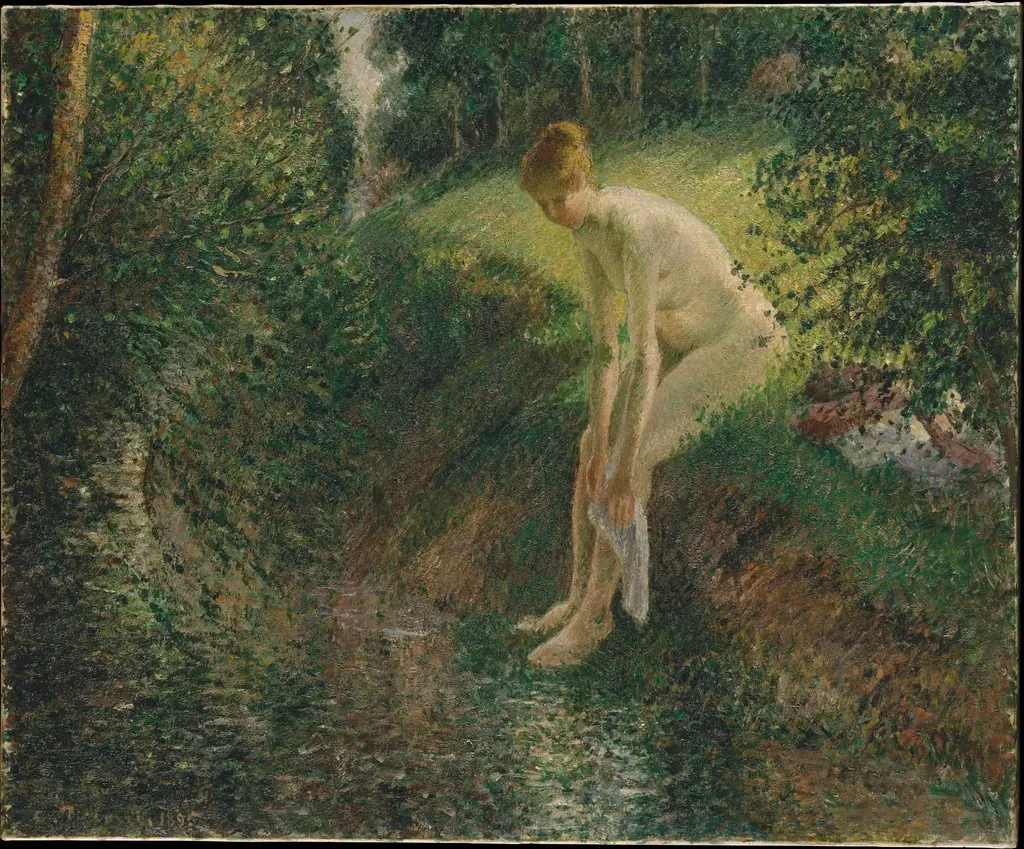 Bather in the Woods
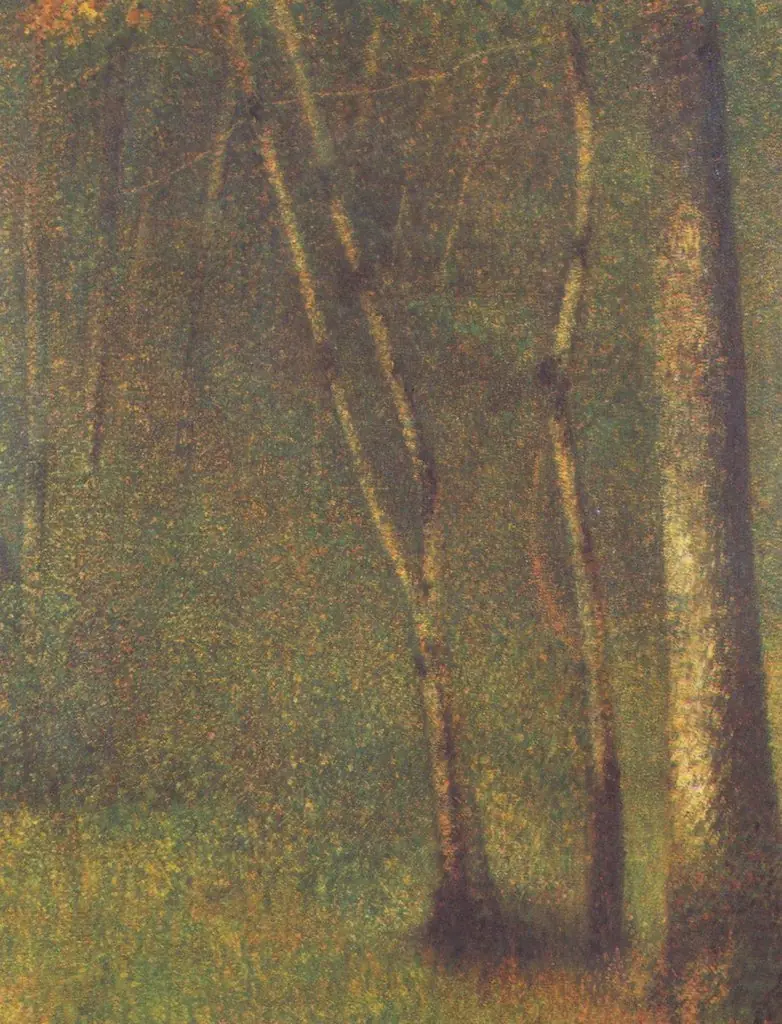 The Forest at Pontaubert
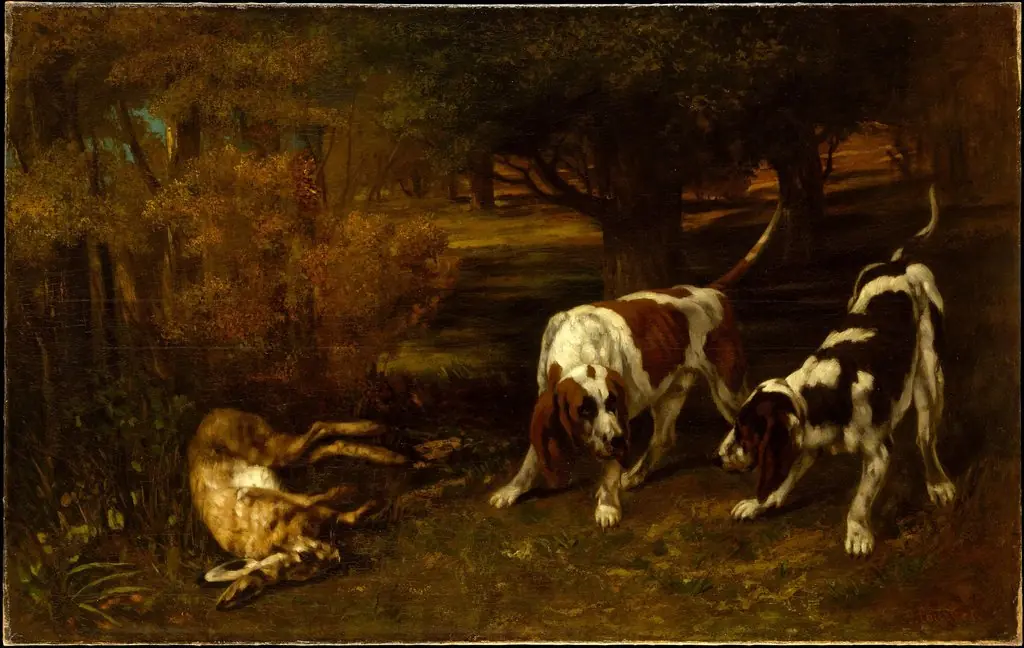 Hunting Dogs with Dead Hare
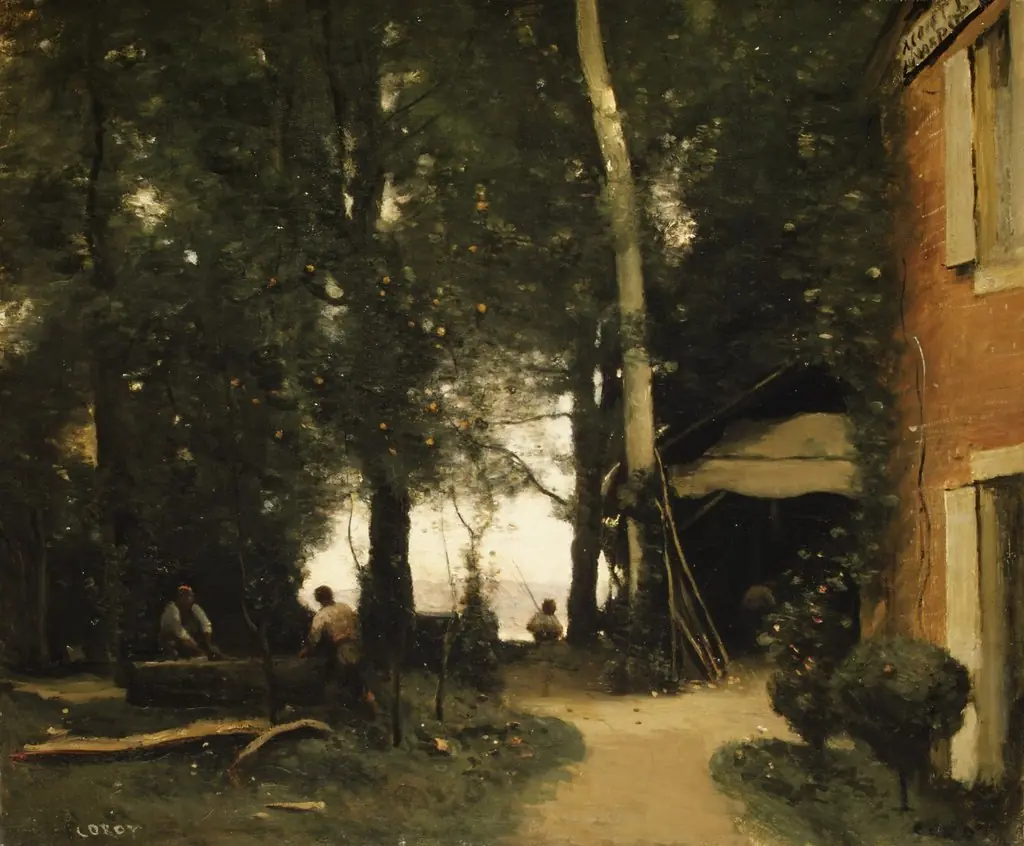 The Banks of the Seine at Conflans
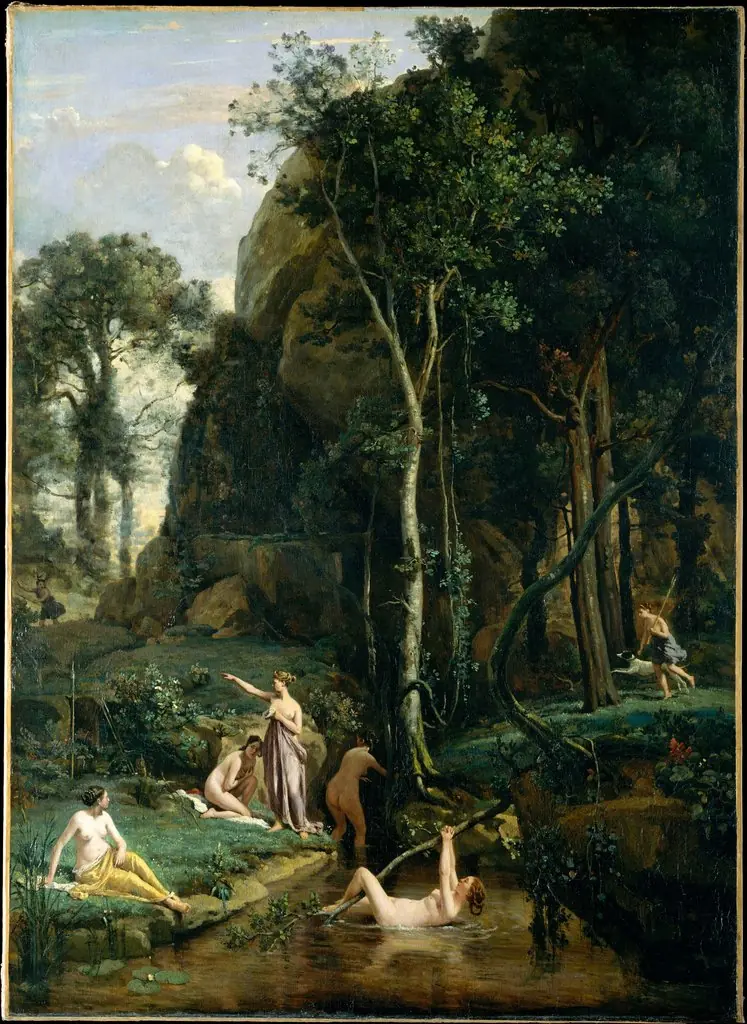 Diana and Actaeon (Diana Surprised in Her Bath)
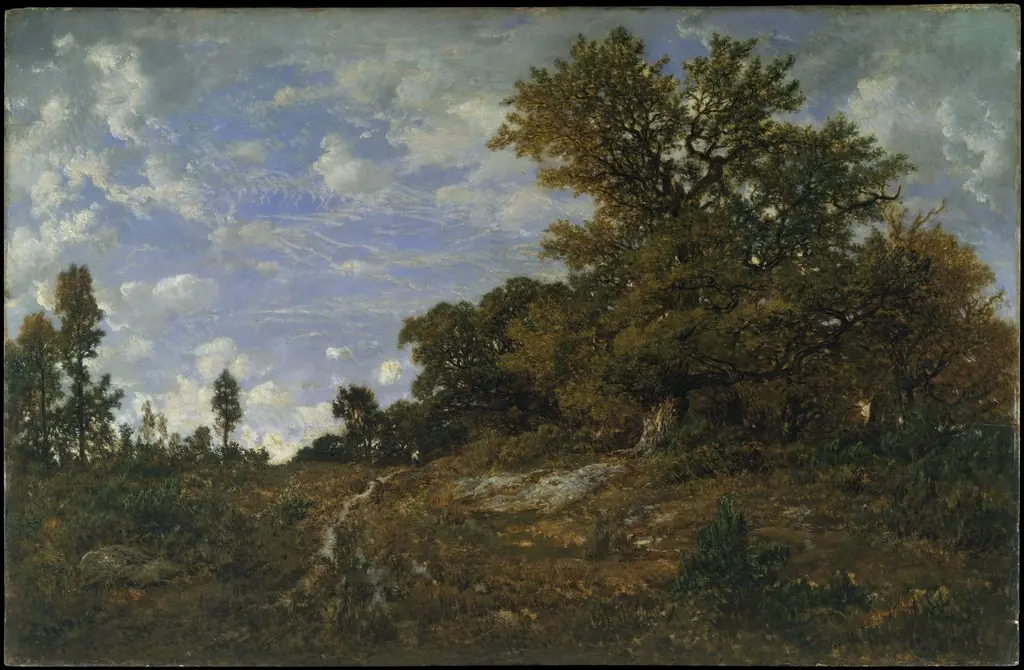 The Edge of the Woods at Monts-Girard, Fontainebleau Forest
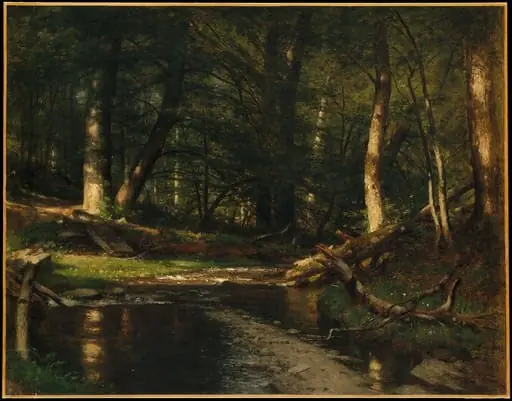 The Brook in the Woods
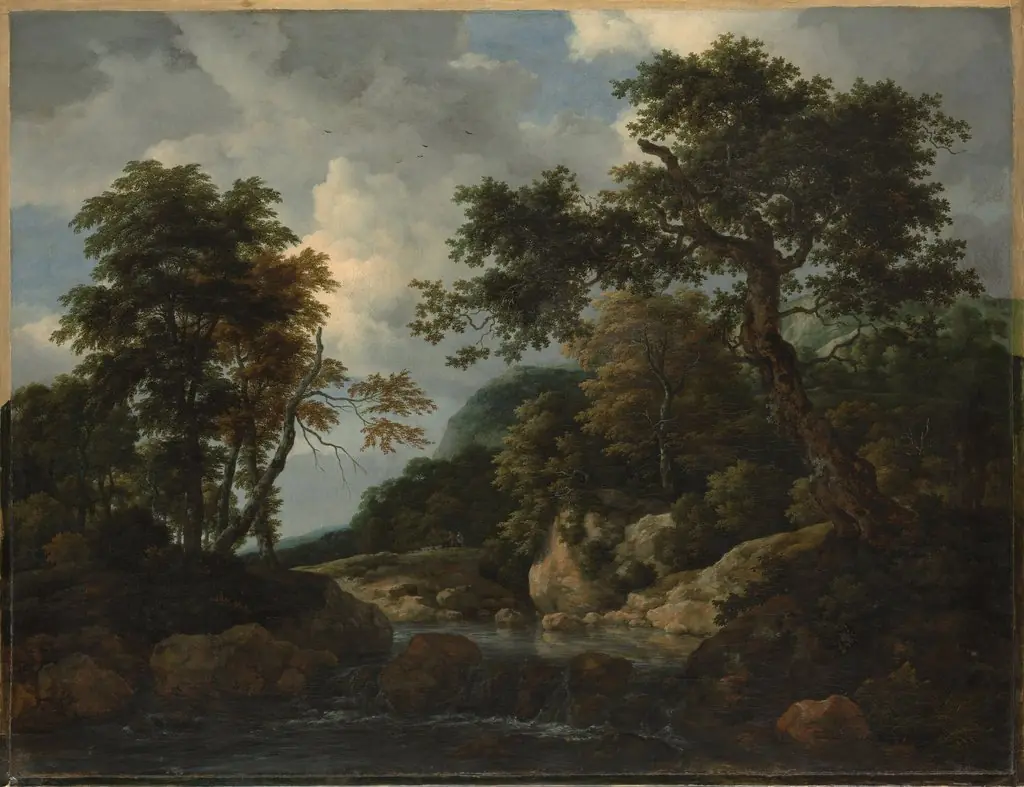 The Forest Stream
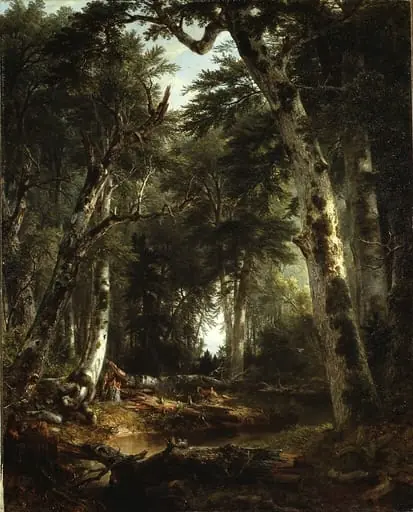 In the Woods
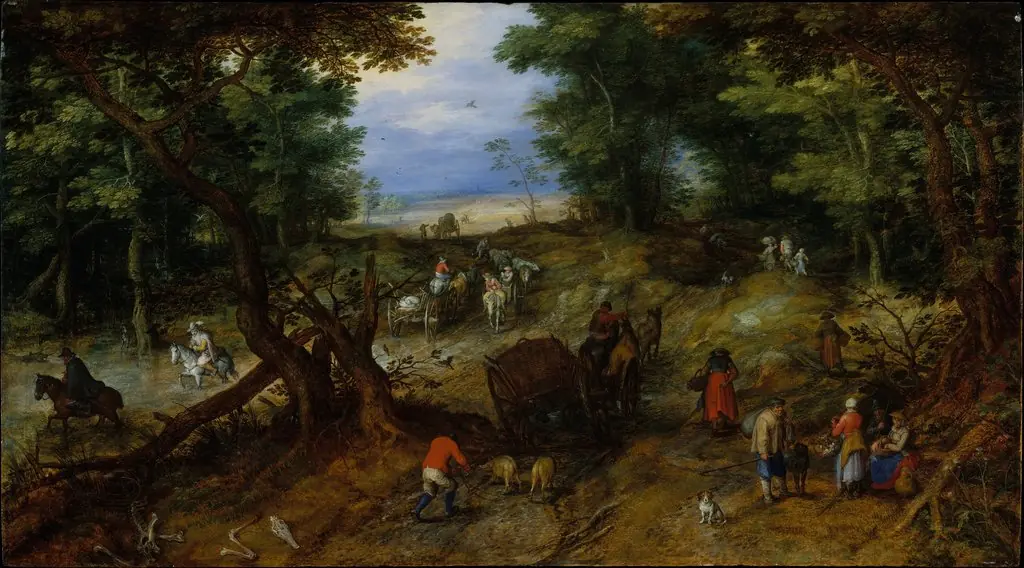 A Woodland Road with Travelers
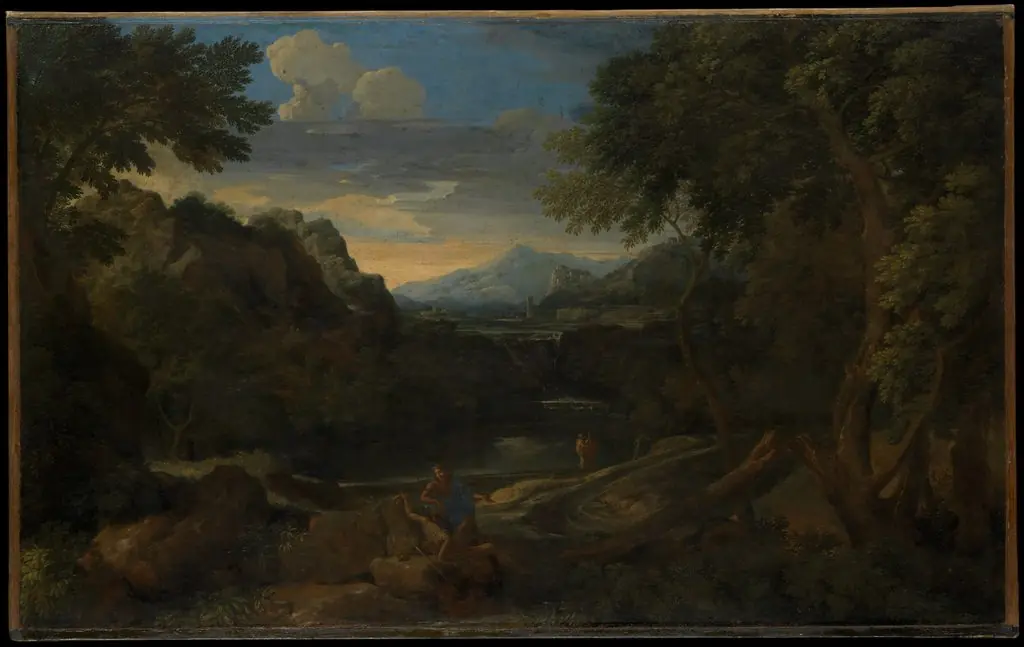 Imaginary Landscape
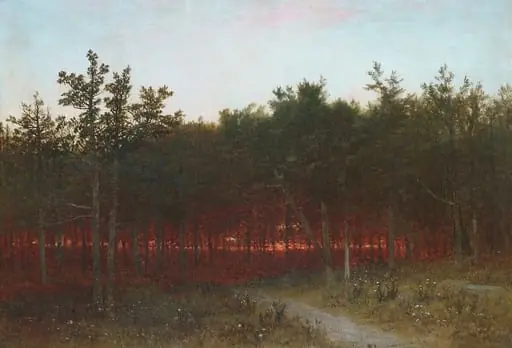 Twilight in the Cedars at Darien, Connecticut
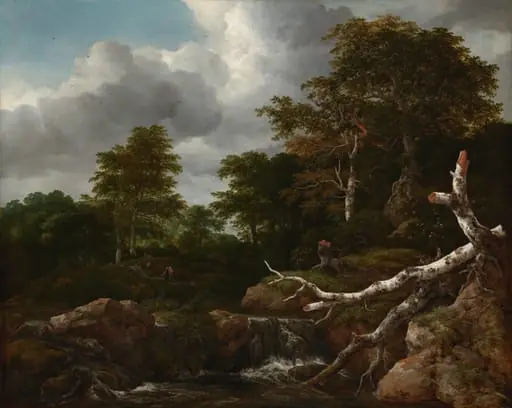 Forest Scene
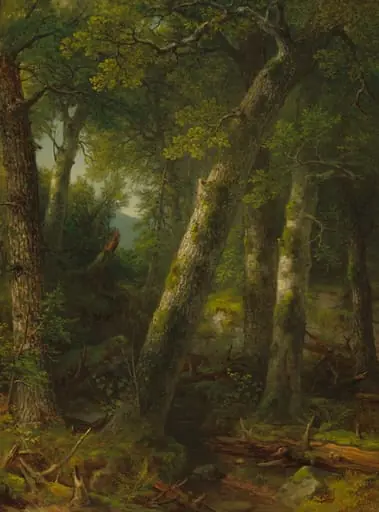 Forest in the Morning Light
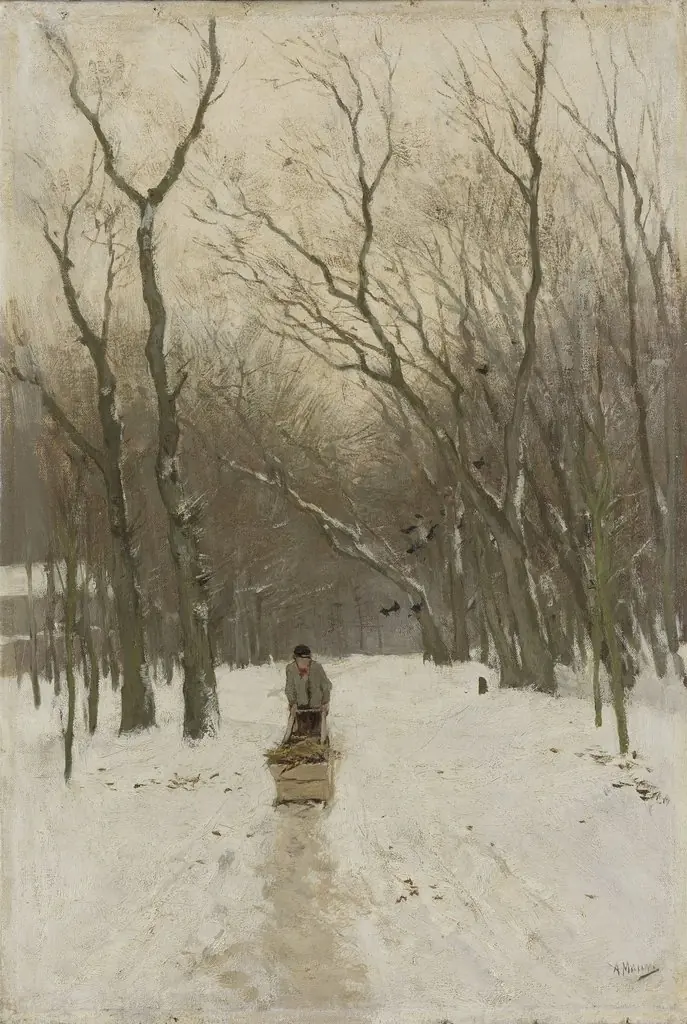 Winter in the Scheveningse bosjes.
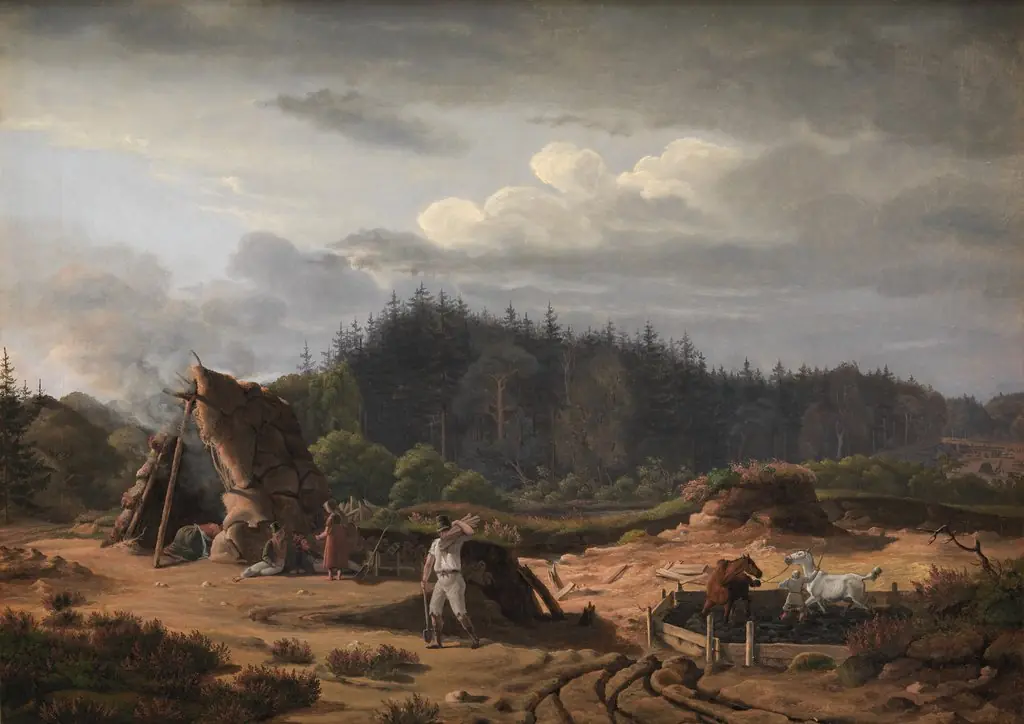 A Bog with Peat Cutters. Høsterkøb, North Zealand
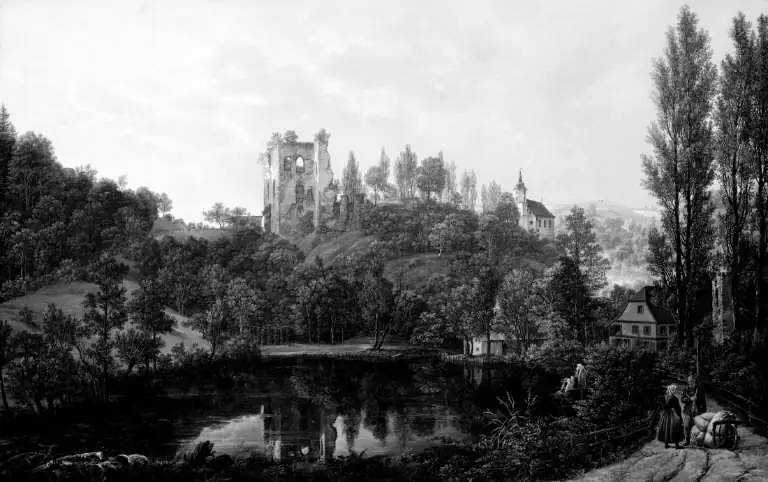 The Castle Ruin at Tharandt
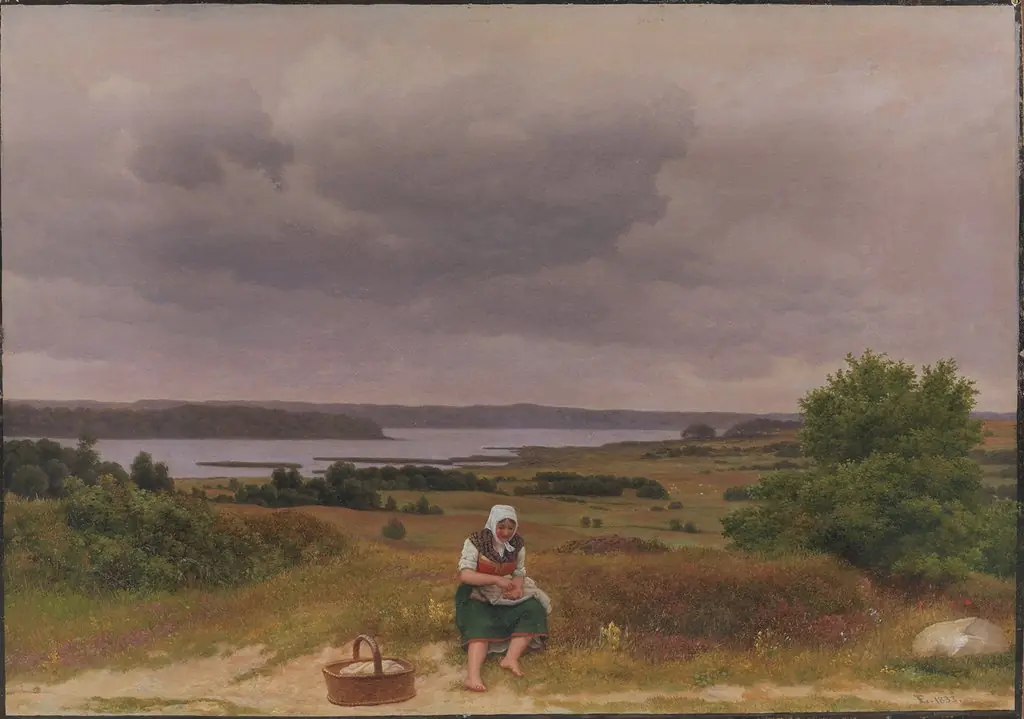 View of Lake Fure near Rudersdal, North Sealand.
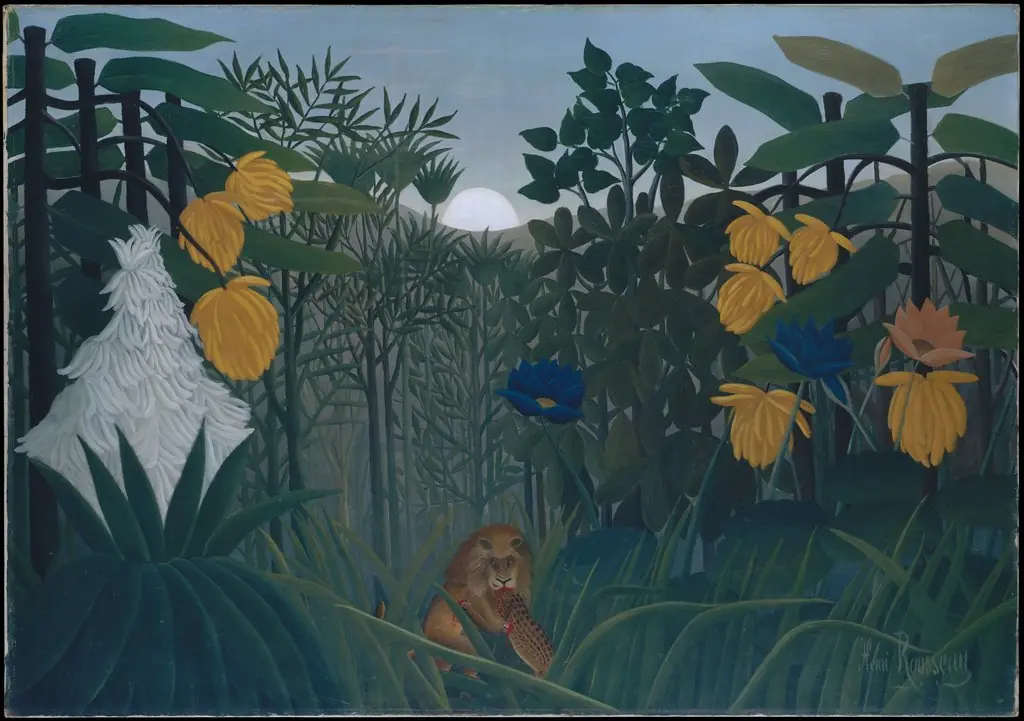 The Repast of the Lion
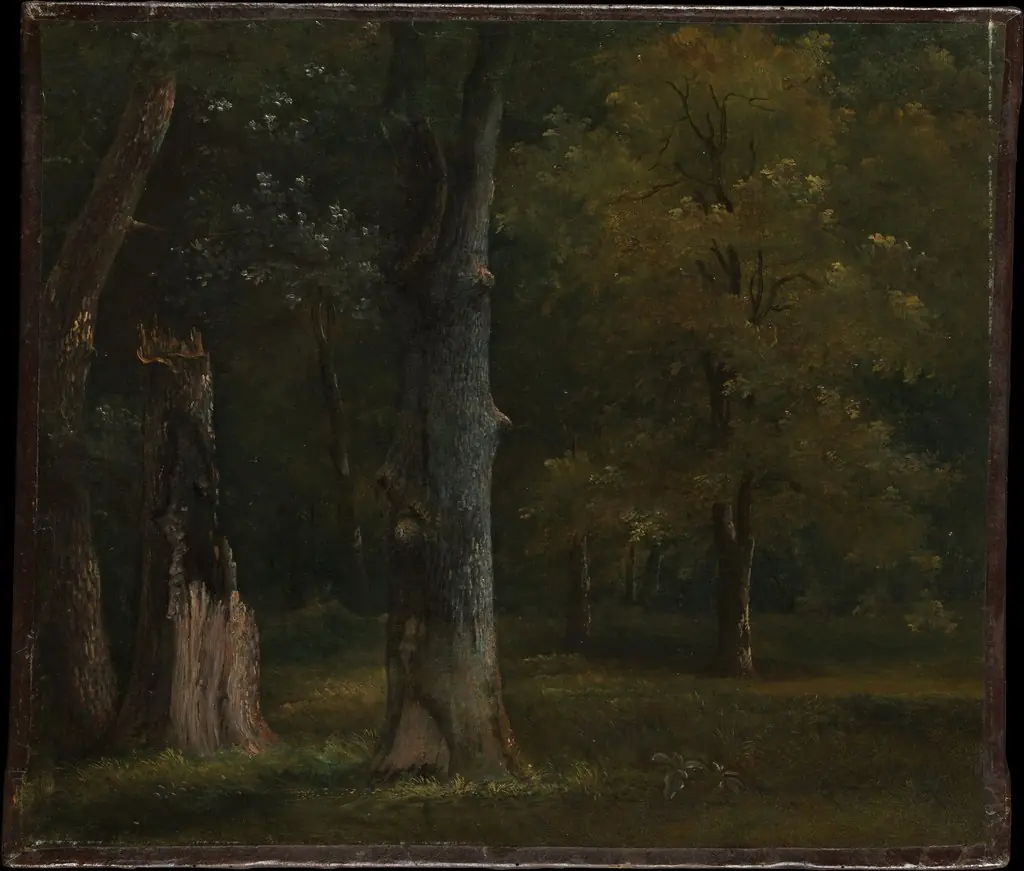 Trees in the Bois de Boulogne, Paris
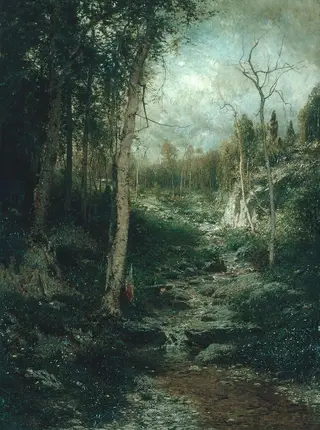 An Old Clearing
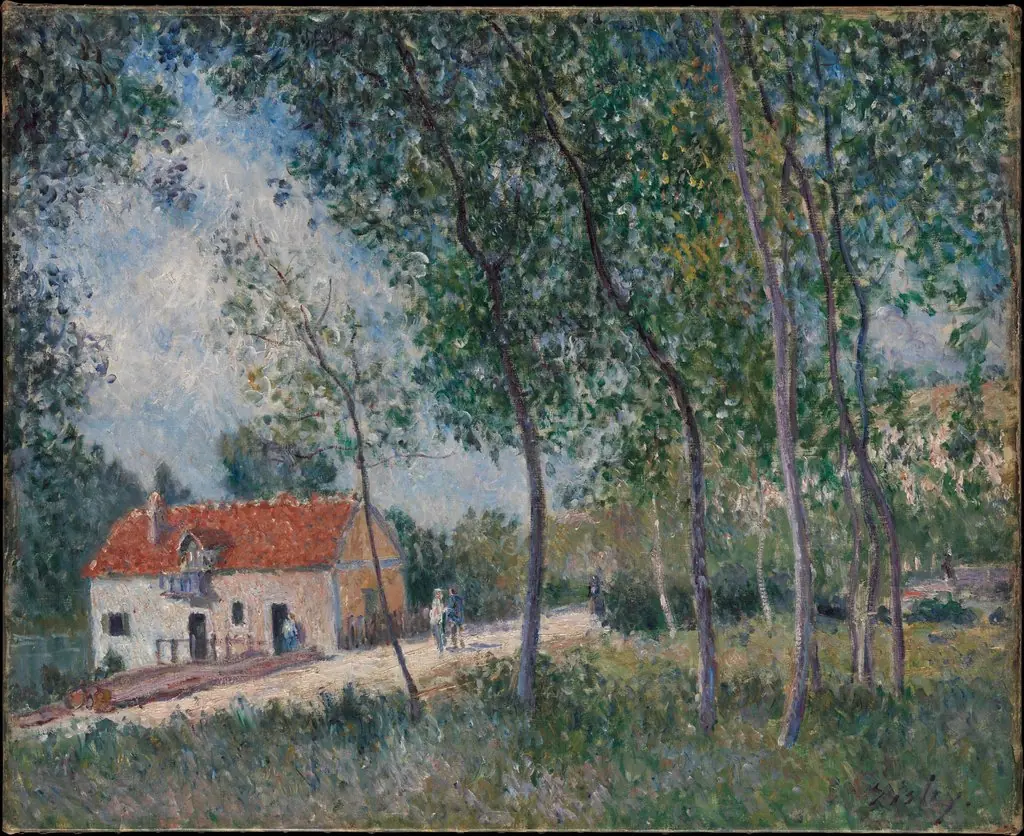 The Road from Moret to Saint-Mammès
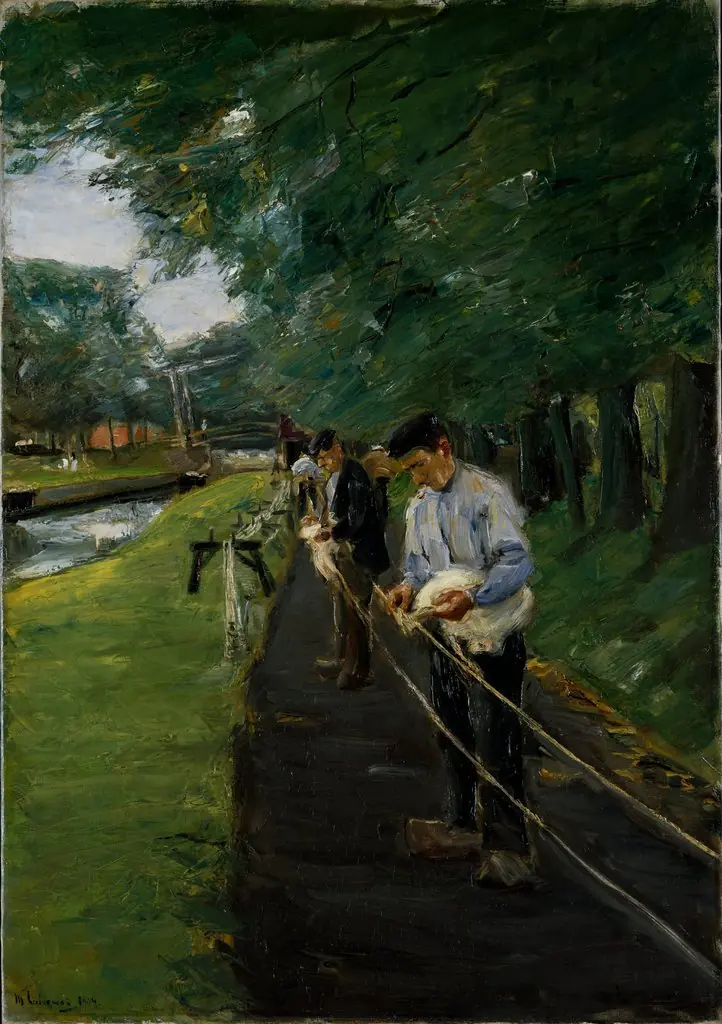 The Ropewalk in Edam
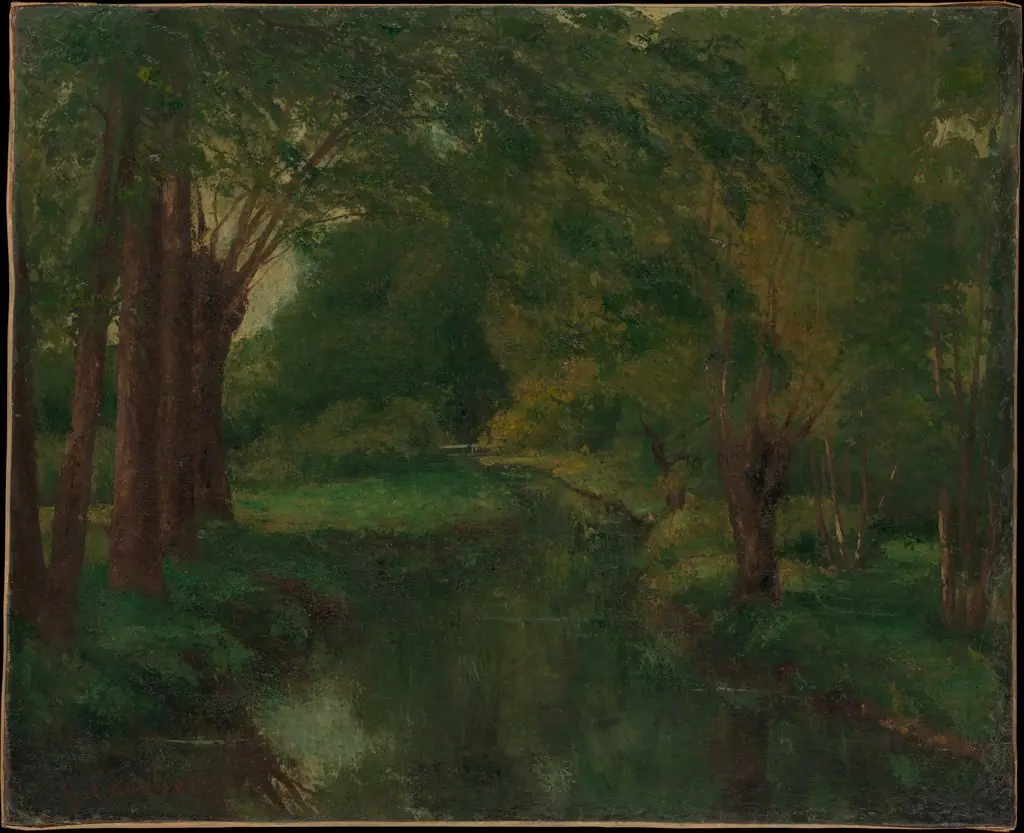 A Brook in a Clearing (possibly "Brook, Valley of Fontcouverte; Study")
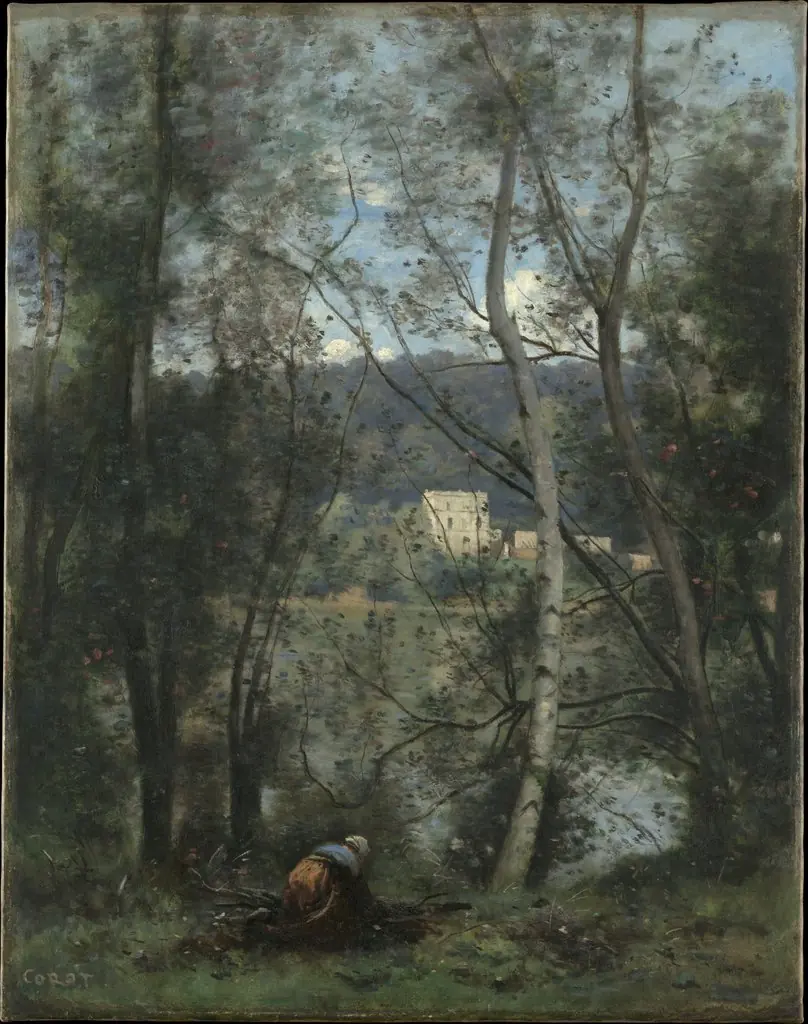 A Woman Gathering Faggots at Ville-d'Avray
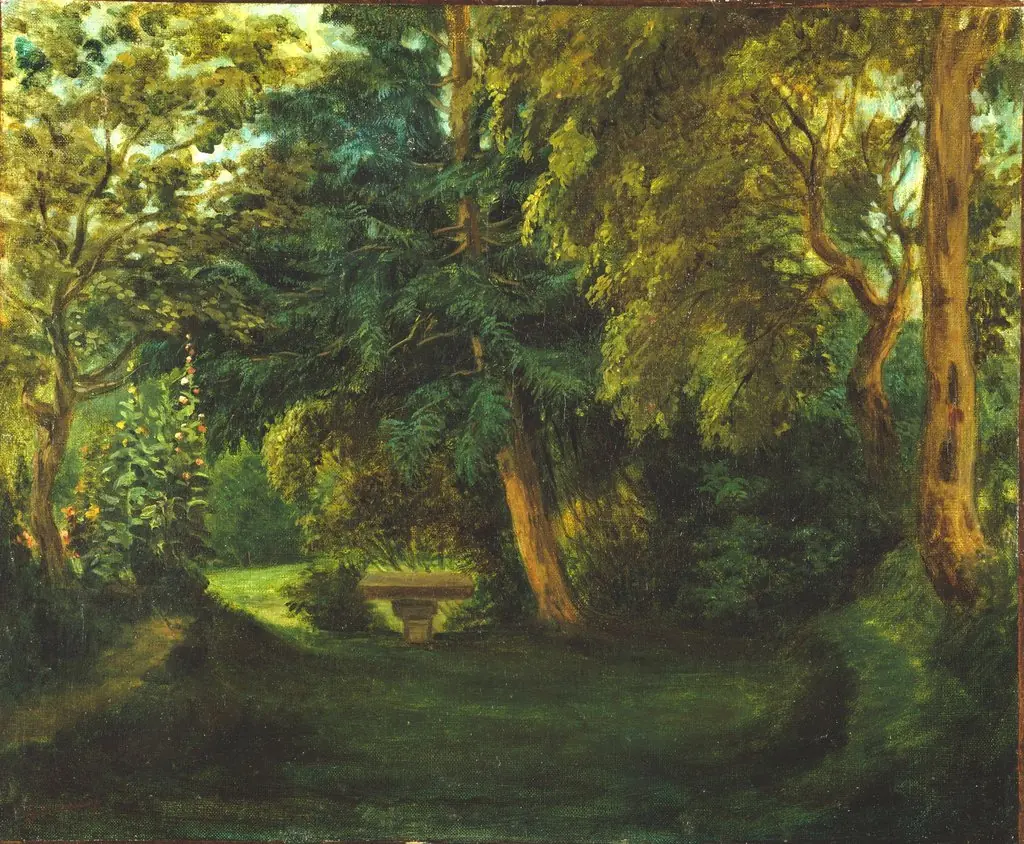 George Sand's Garden at Nohant
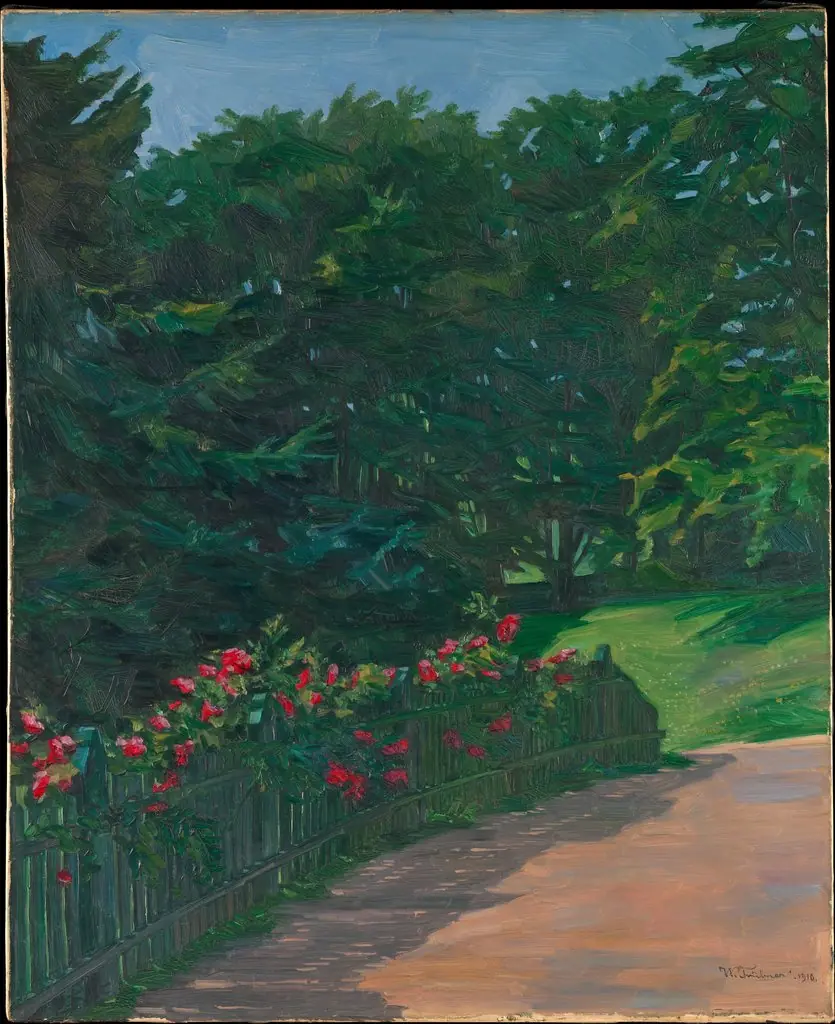 Landscape
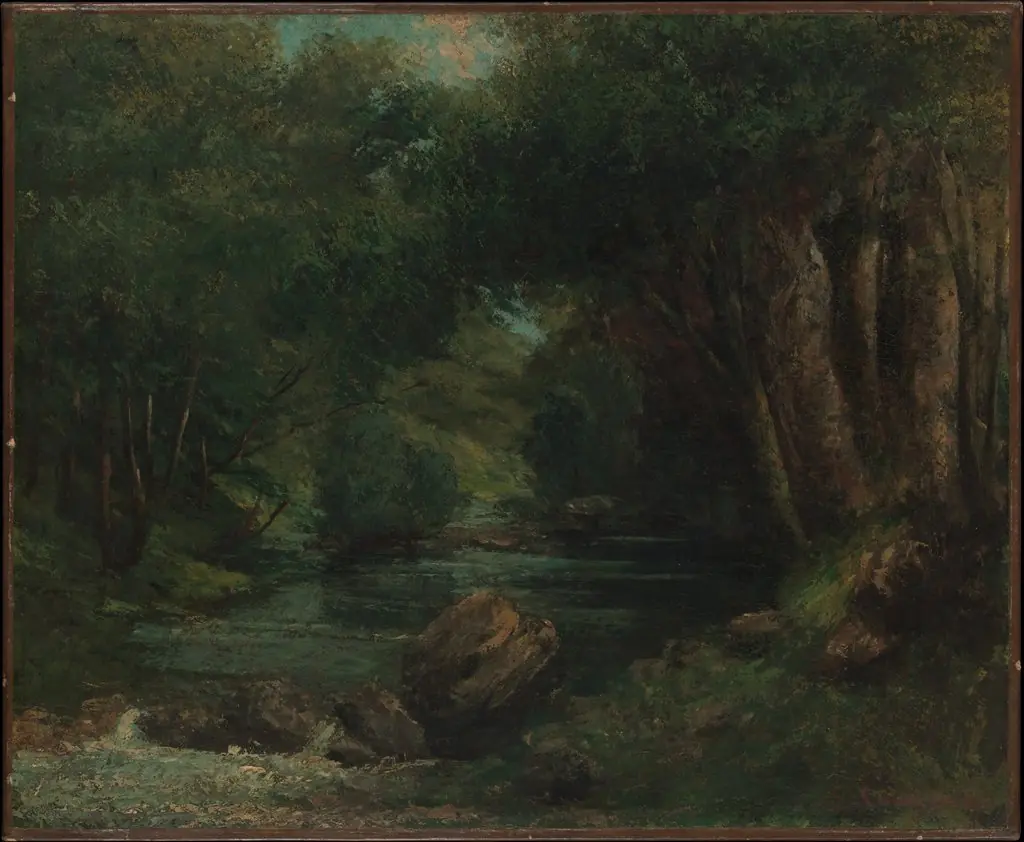 A Brook in the Forest
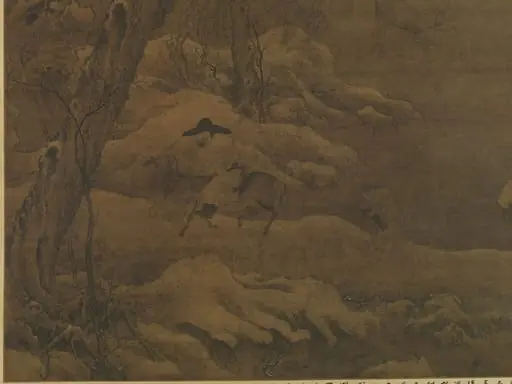 宋 佚名 倣李成 寒林策驢圖 軸|Travelers in a Wintry Forest
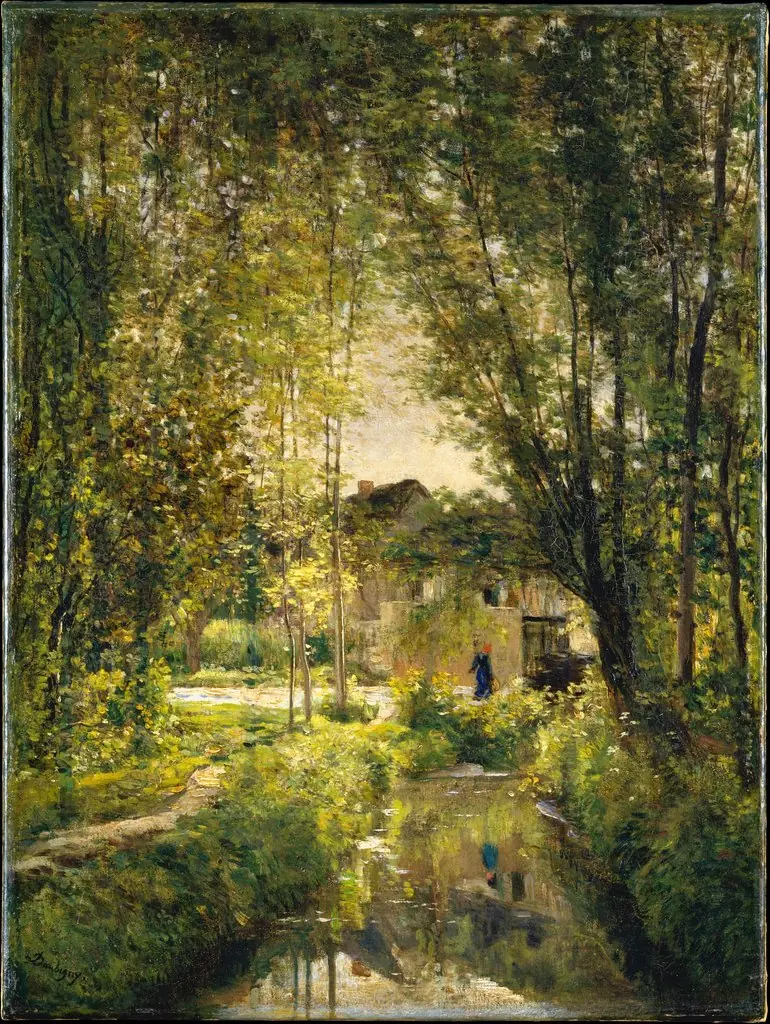 Landscape with a Sunlit Stream
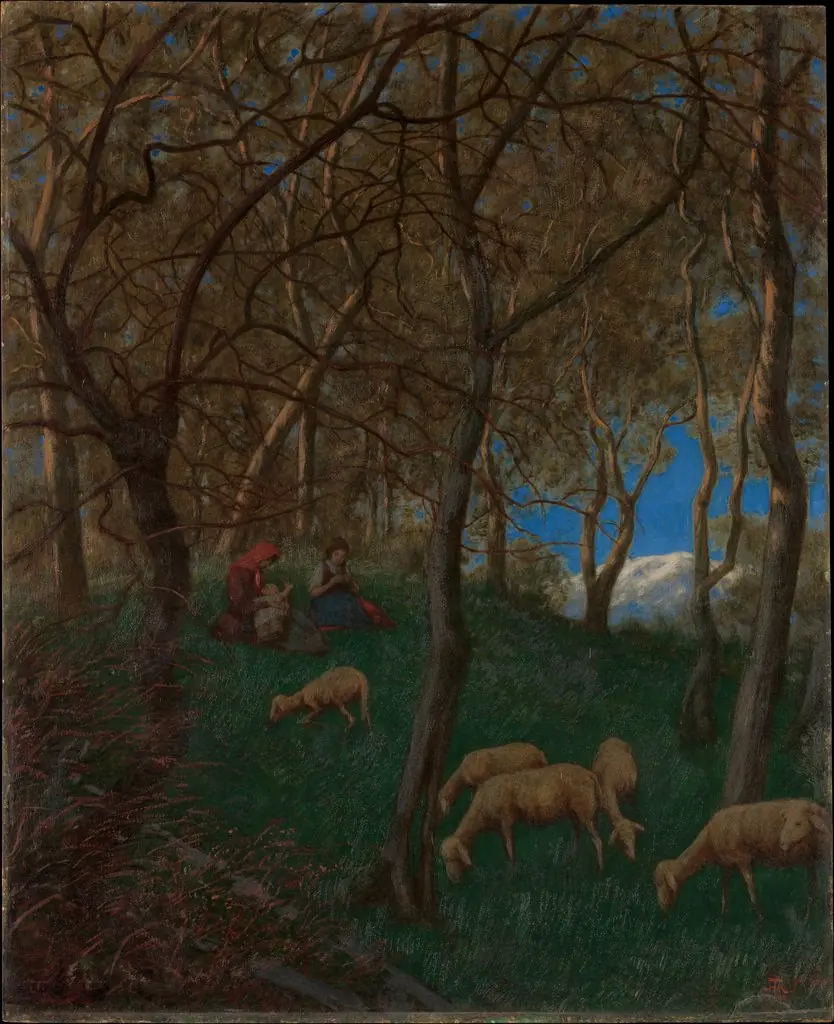 At Lake Garda
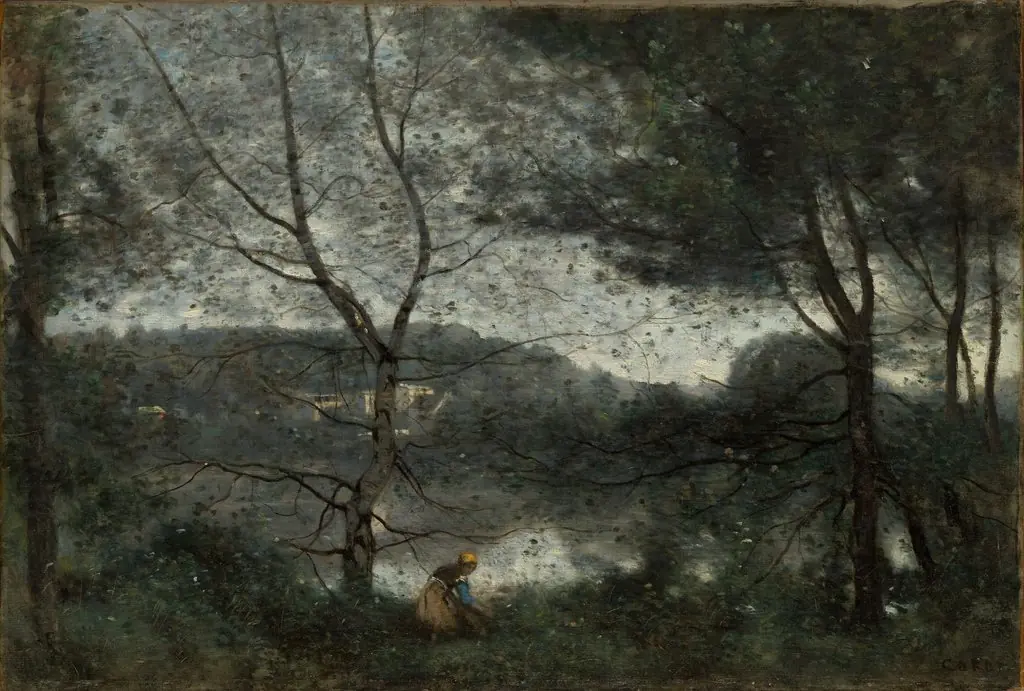 Ville-d'Avray
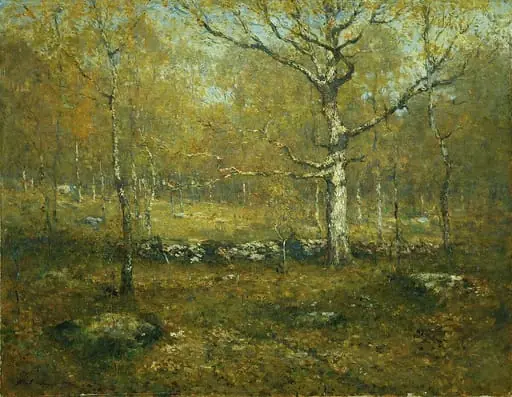 Spring Woods
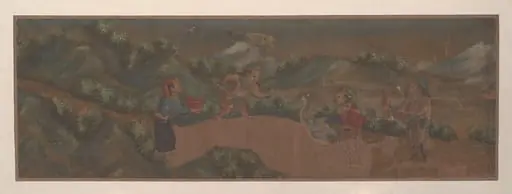 Untitled
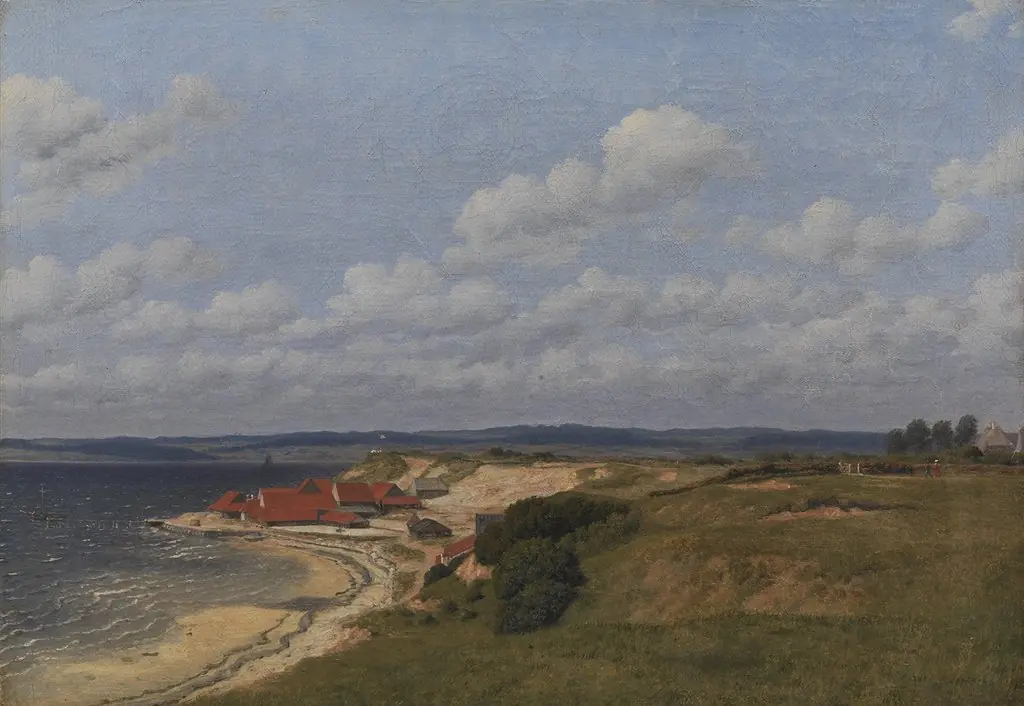 Renbjærg Tileworks by Flensburg Fiord
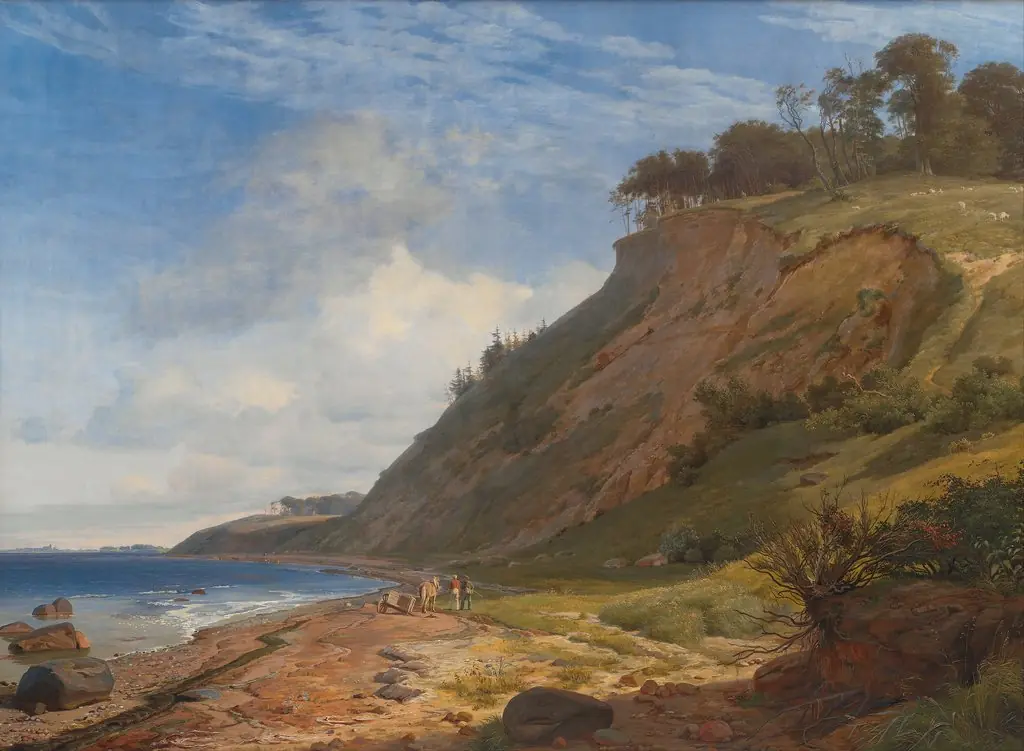 A Danish Coast. View from Kitnæs on Roskilde Fjord. Zealand
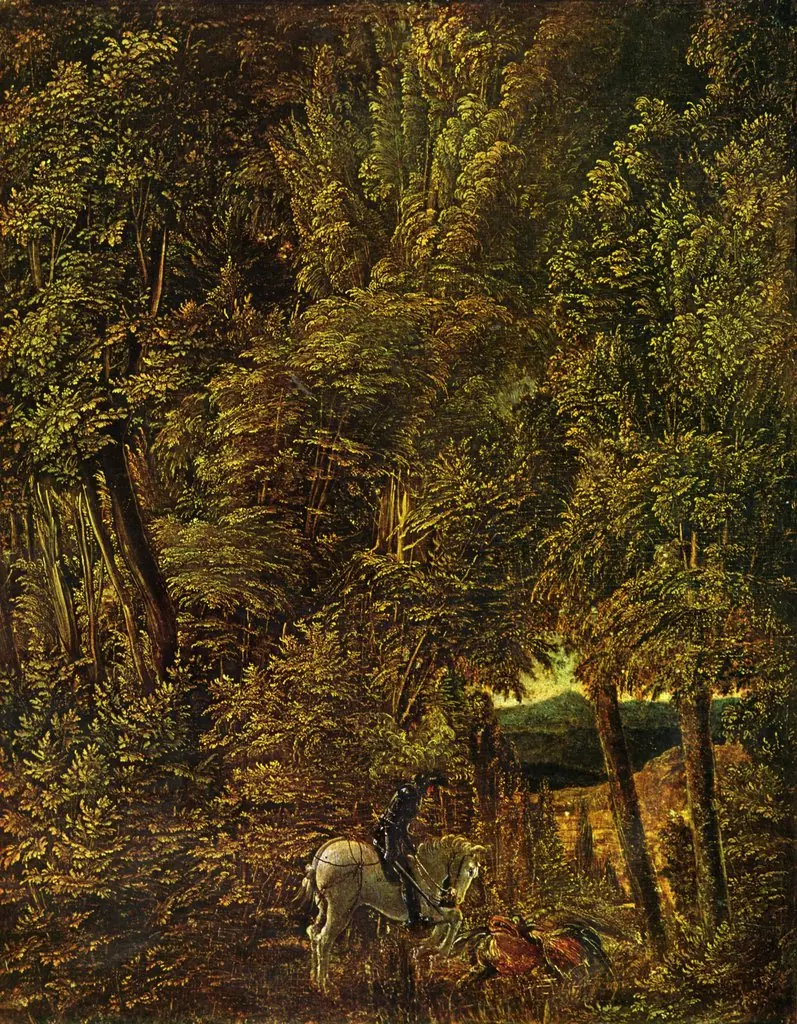 Countryside of Wood With Saint George Fighting the Dragon
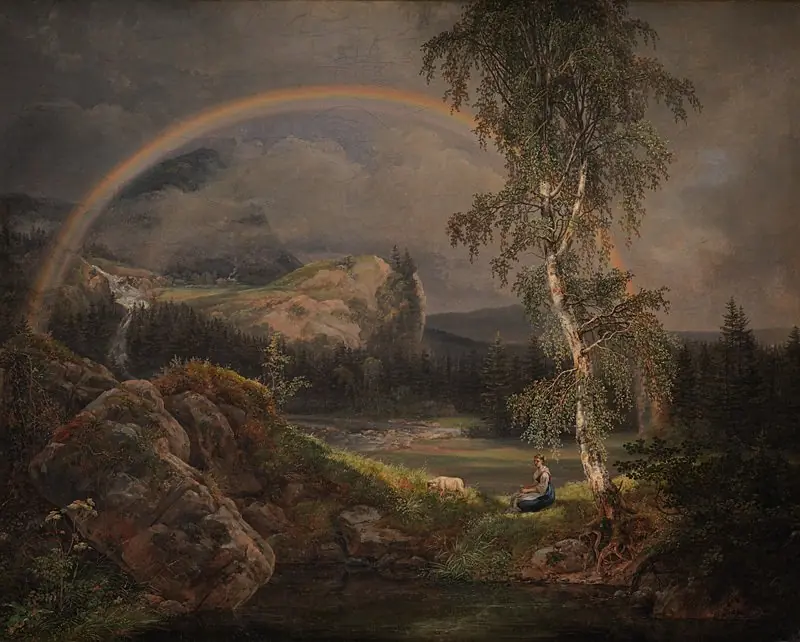 Norwegian Landscape with a Rainbow
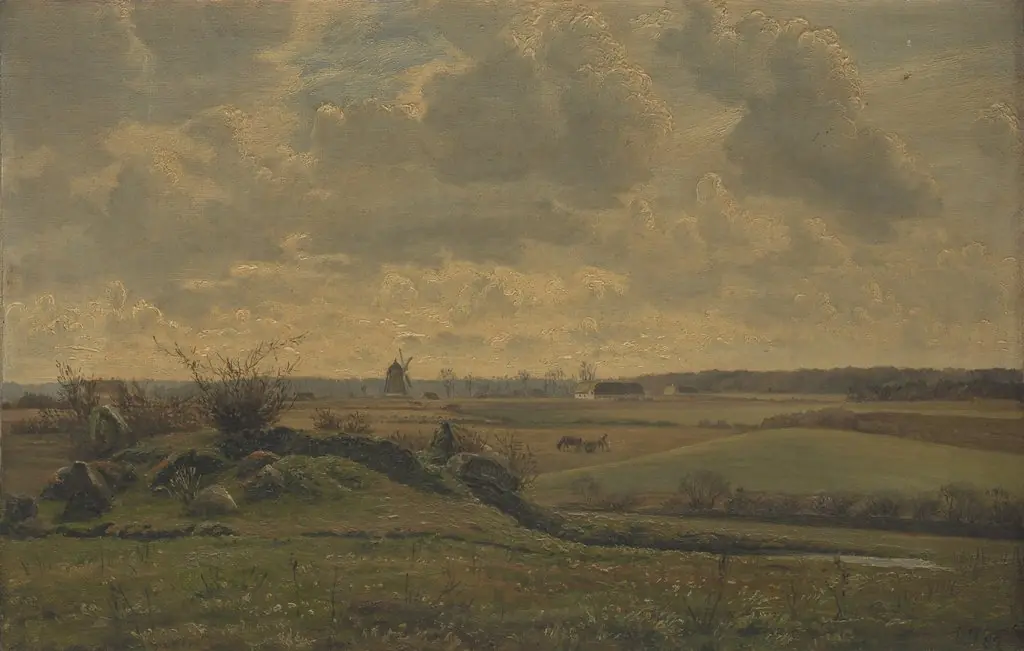 Landskab ved Gyrstinge
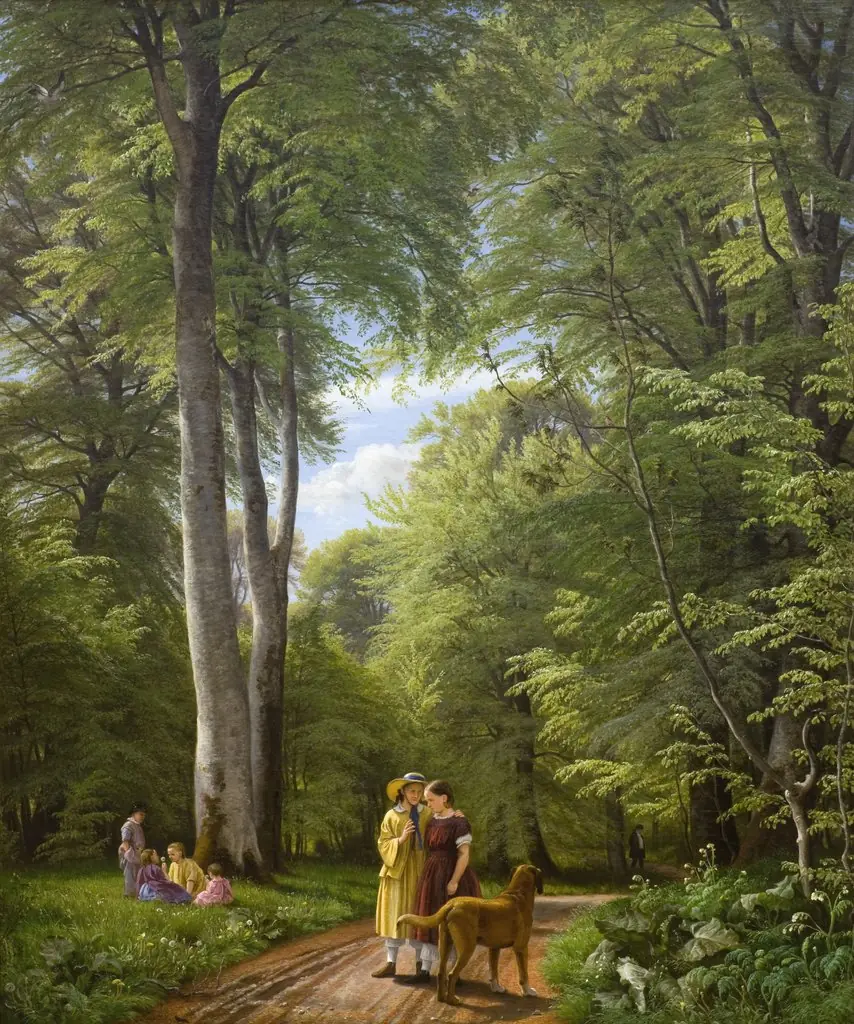 A Beech Wood in May near Iselingen Manor, Zealand
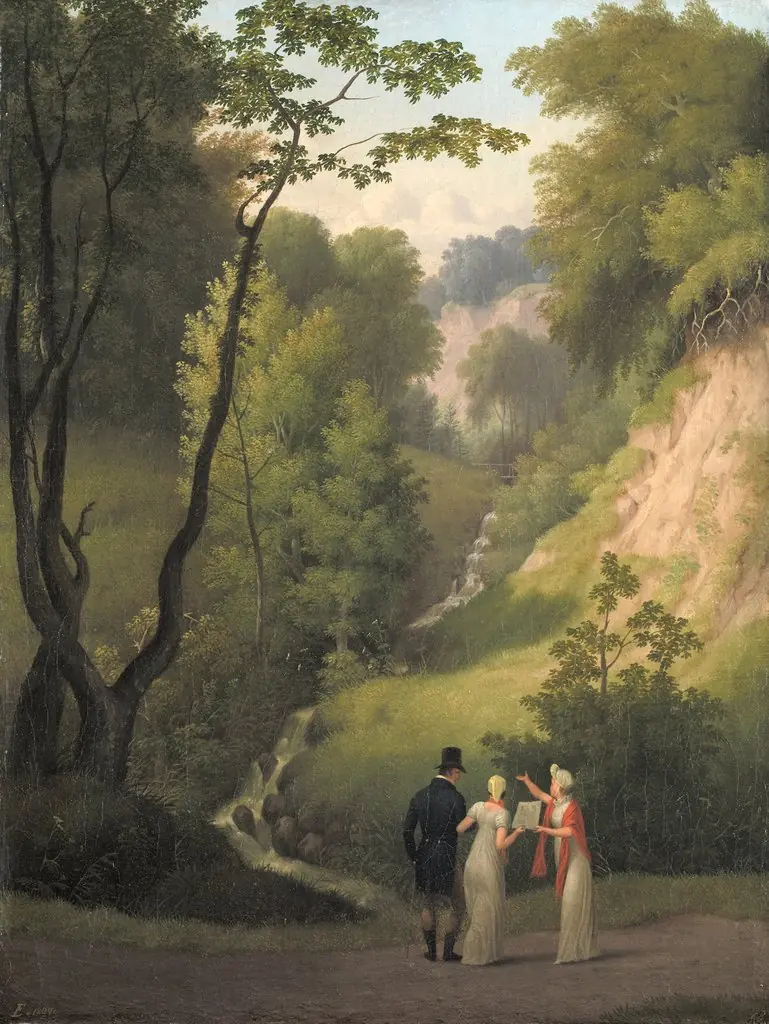 View of the Park of Liselund Manor on the Island of Møn
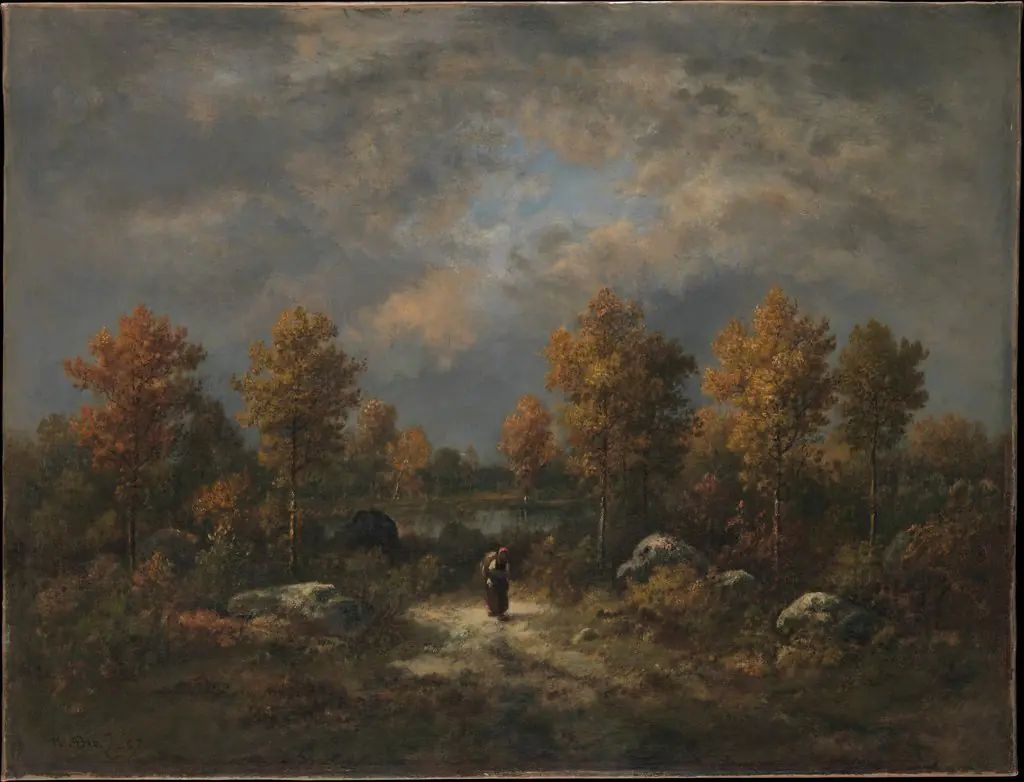 Autumn: The Woodland Pond
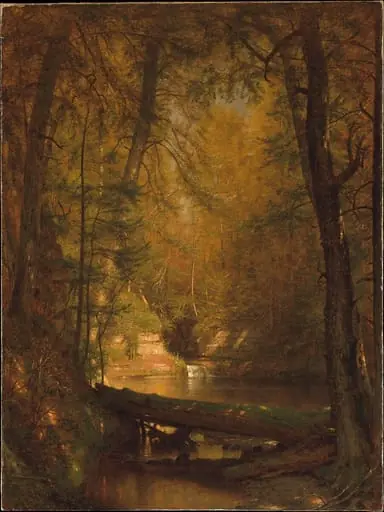 The Trout Pool
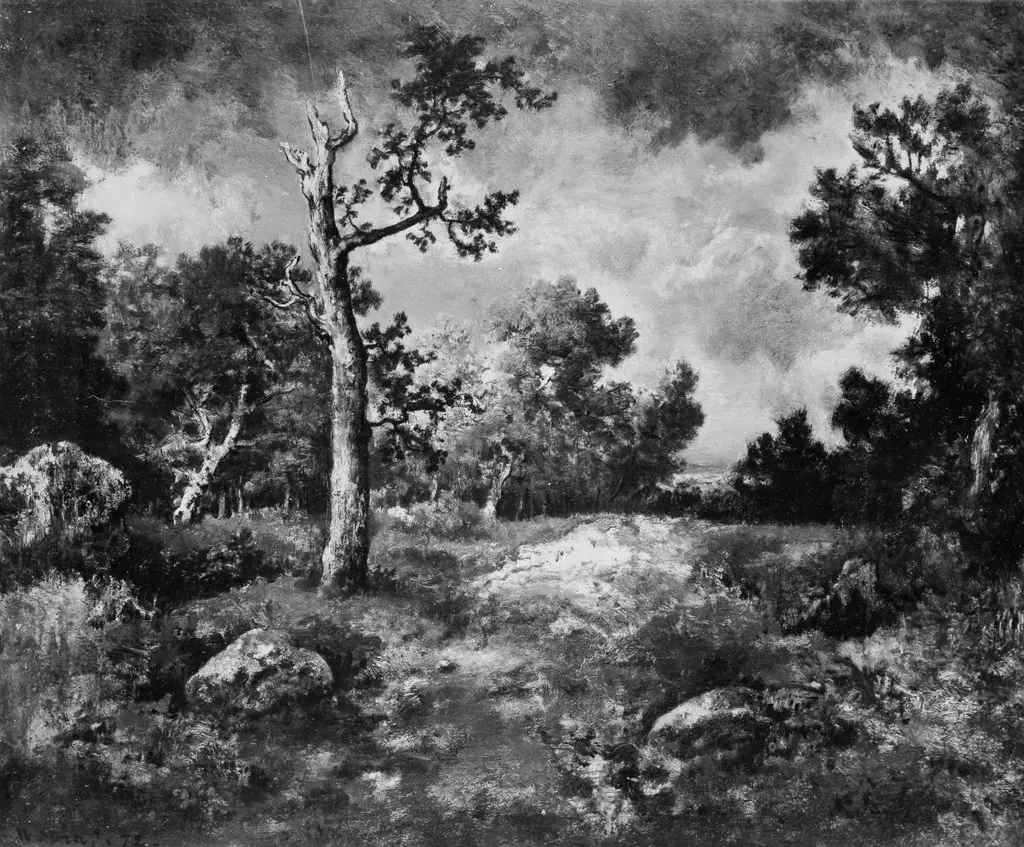 The Edge of the Woods
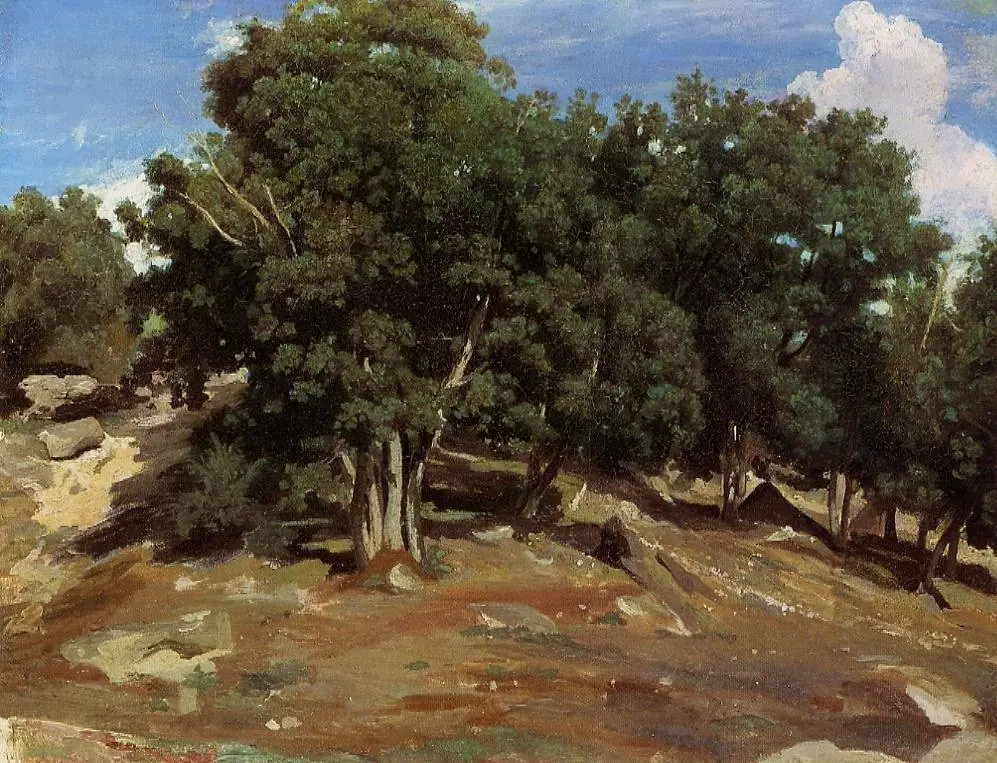 Fontainebleau: Oak Trees at Bas-Bréau
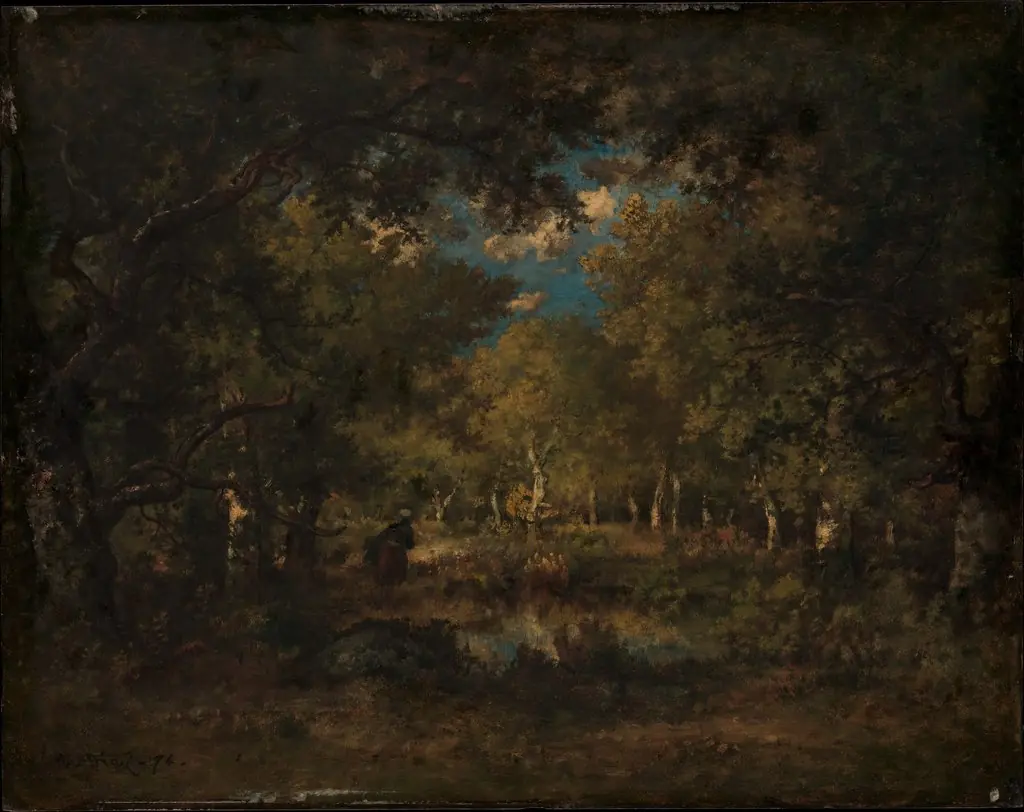 The Forest of Fontainebleau
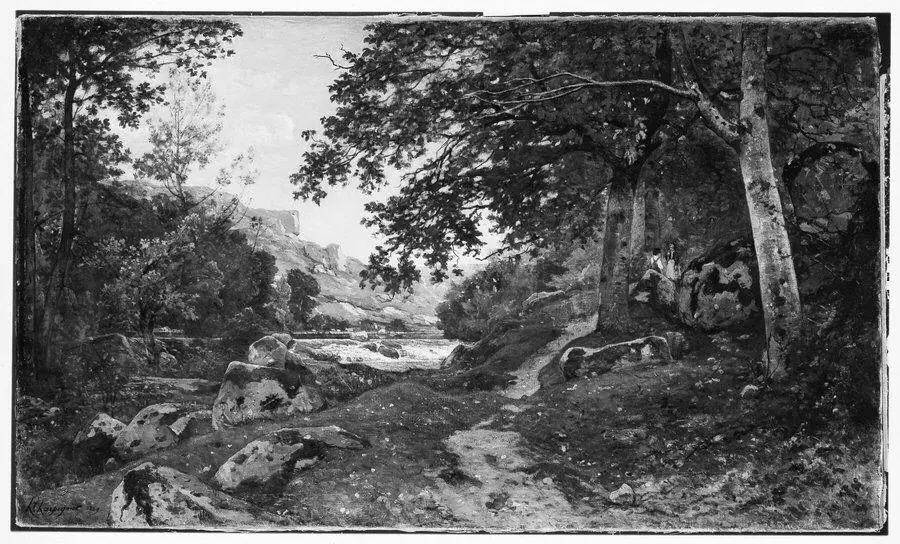 The Rocky Path in the Morvan (Chemin des roches dans le Morvan)
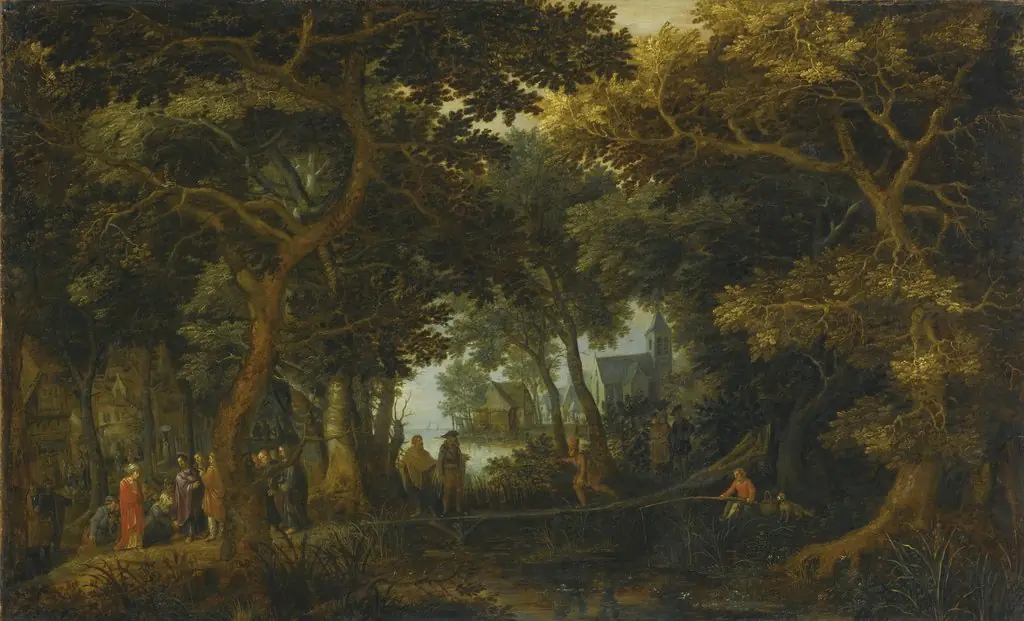 Forest Landscape with two of Christ's Miracles
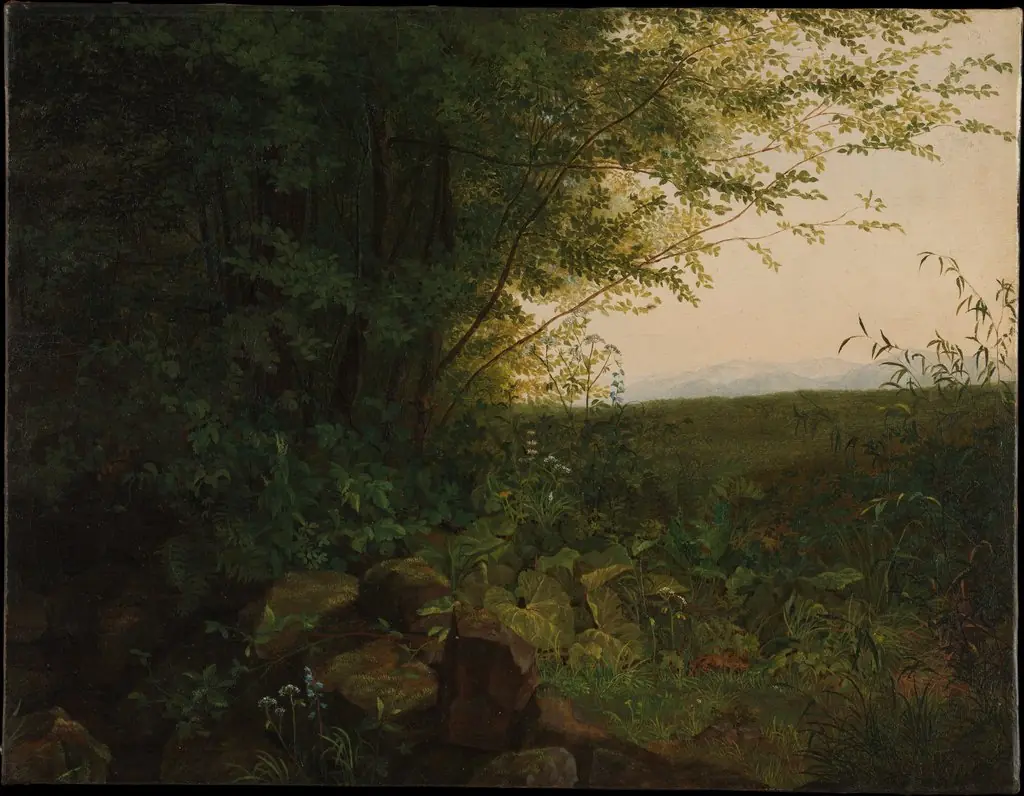 At the Edge of the Forest
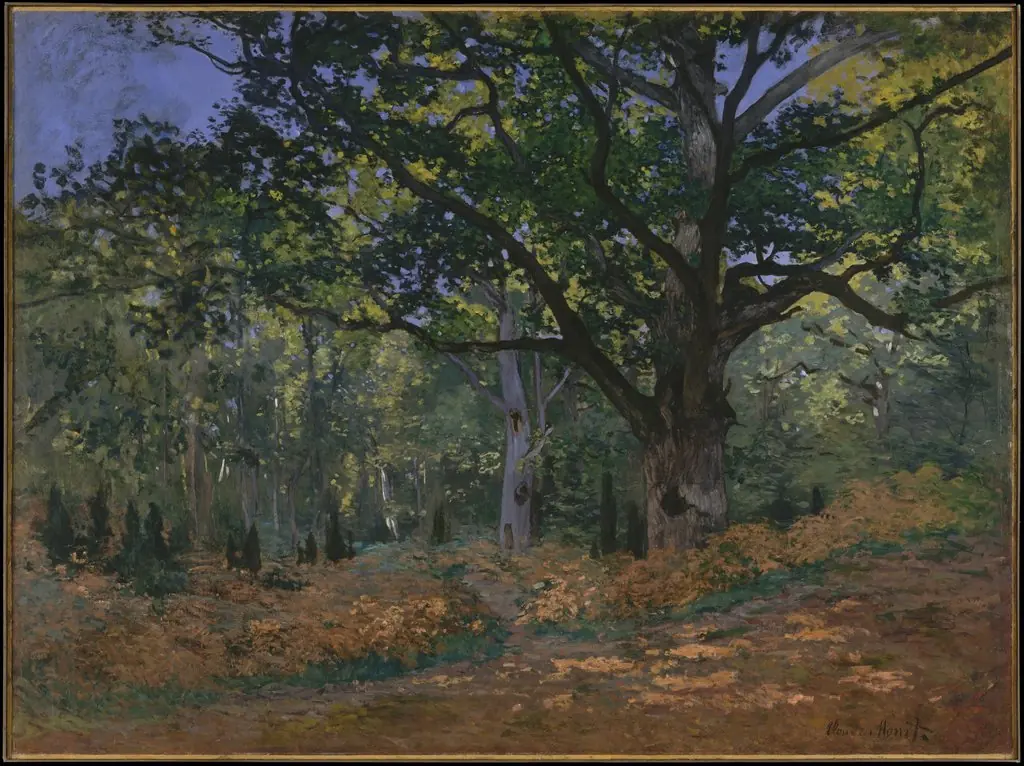 The Bodmer Oak, Fontainebleau Forest
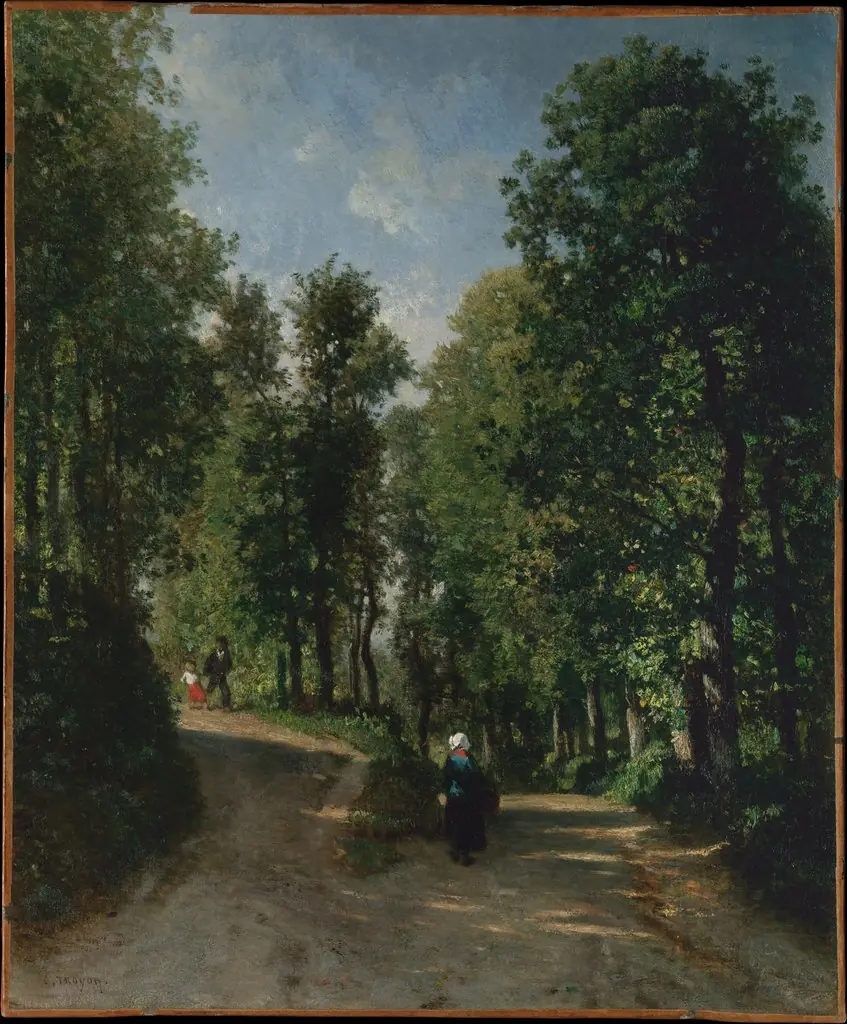 Road in the Woods
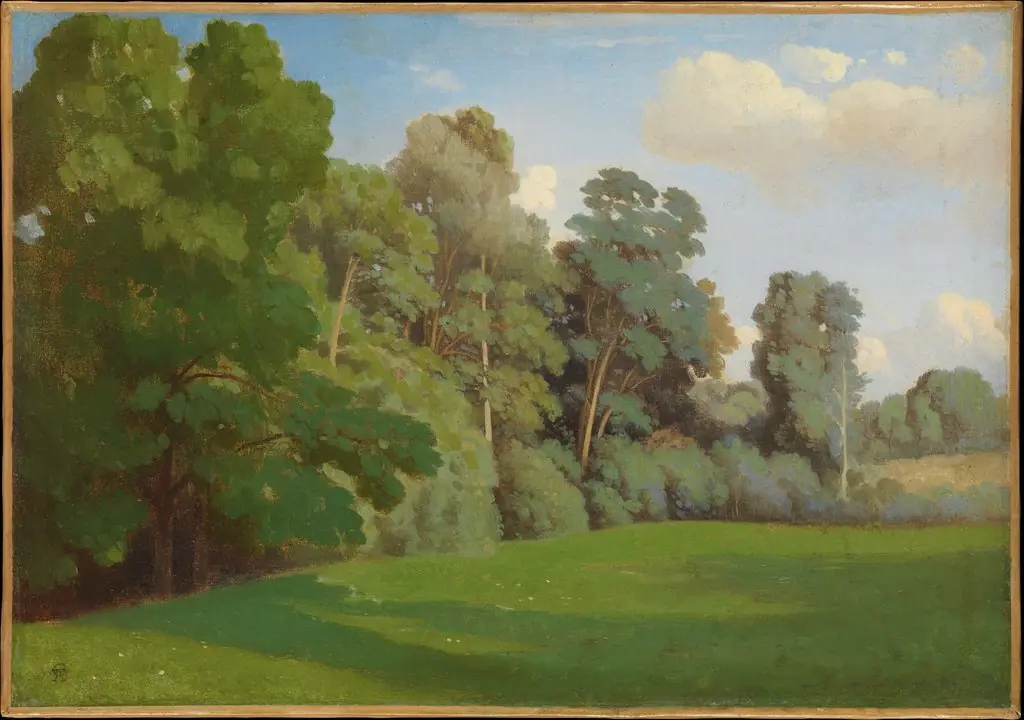 Edge of a Wood
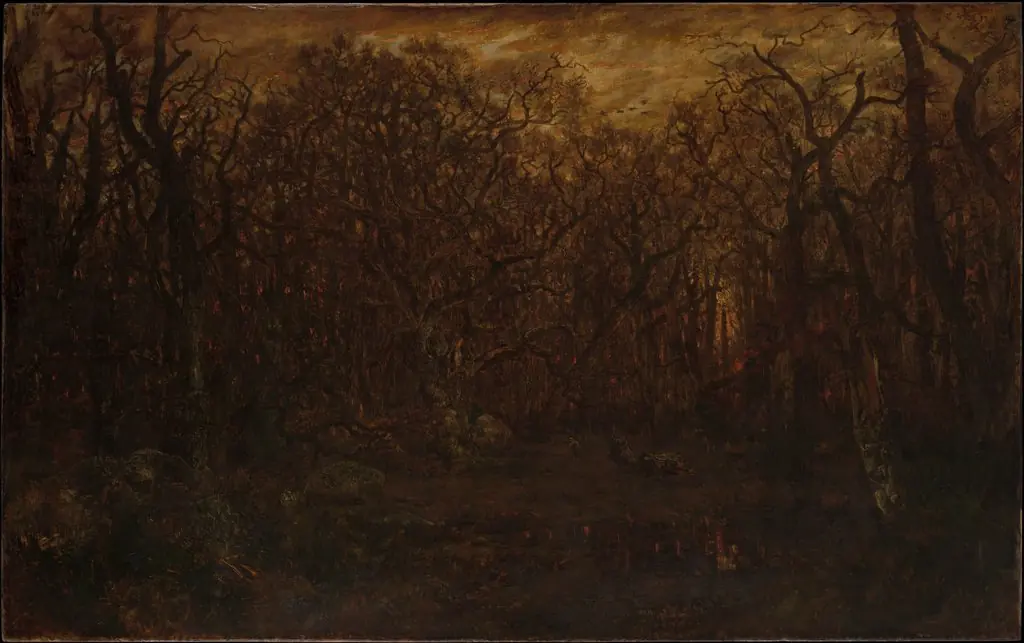 The Forest in Winter at Sunset
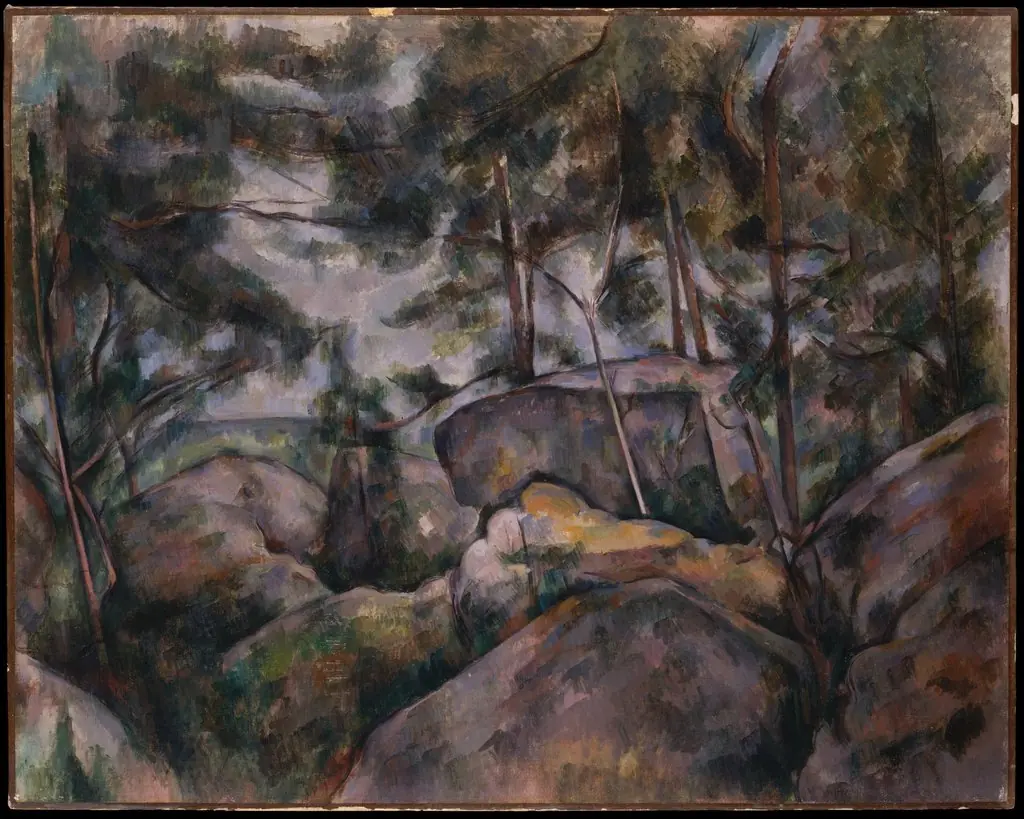 Rochers à Fontainebleau (Rocks in the Forest)
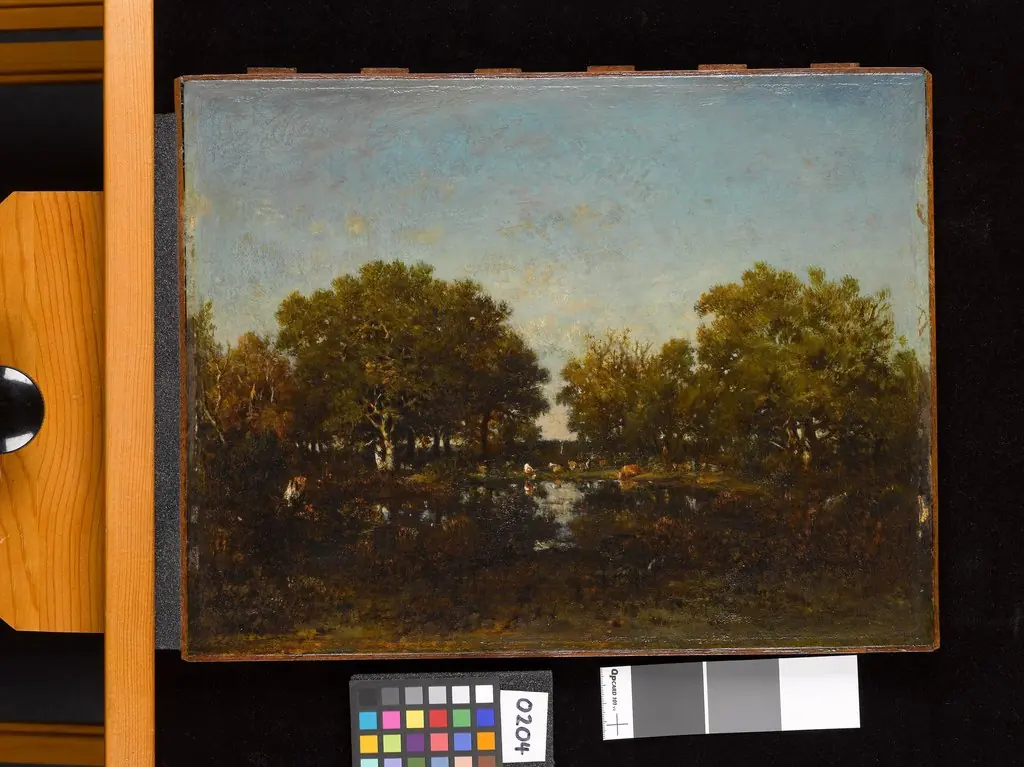 The Pool (Memory of the Forest of Chambord)
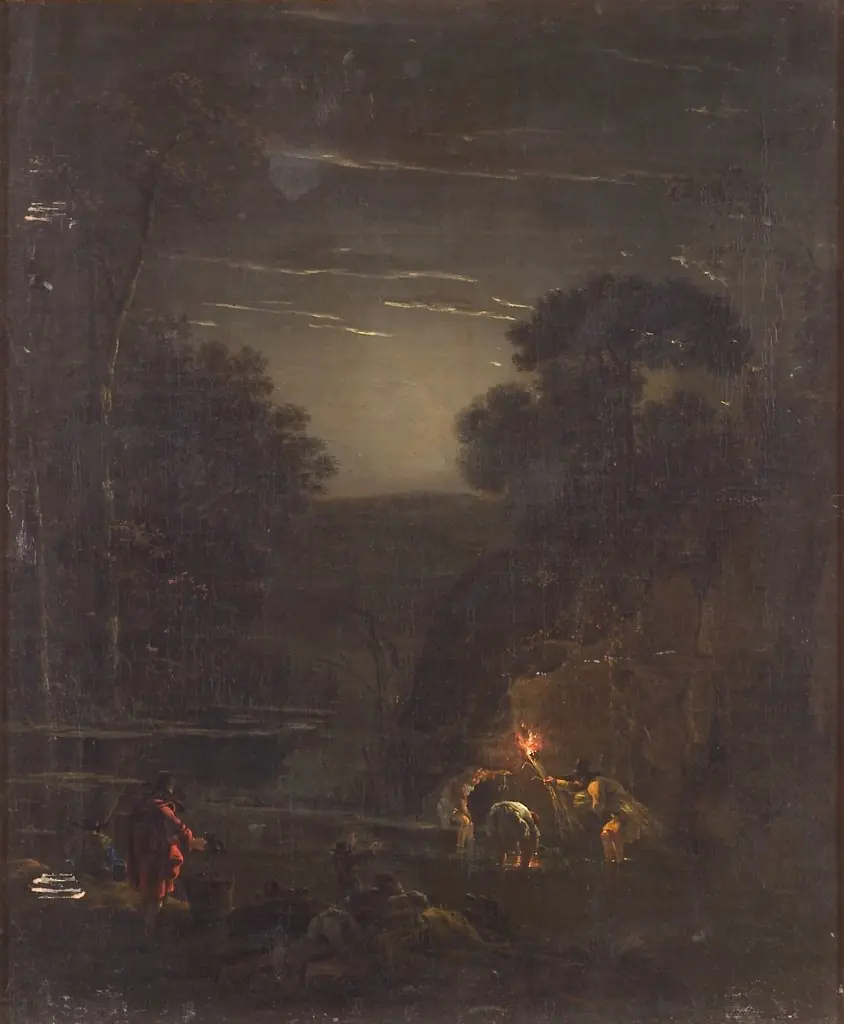 Nocturnal Crayfishing
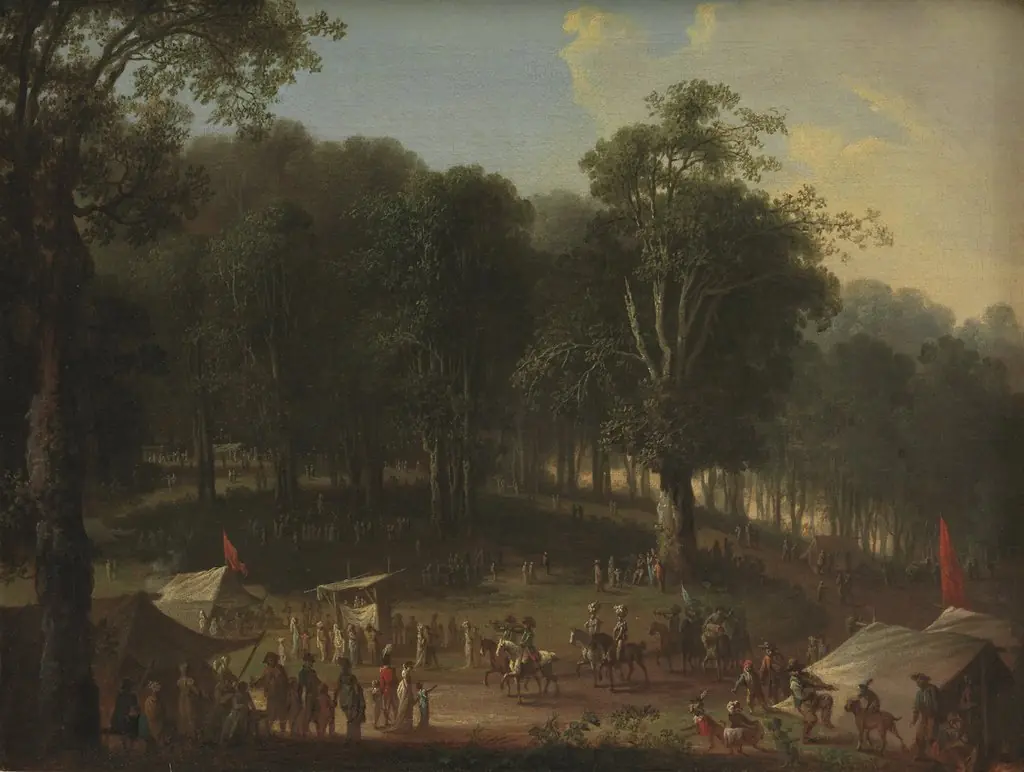 A Troup of Performers Arriving at the Fair at Dyrehavsbakken Near the Deer Park, North of Copenhagen
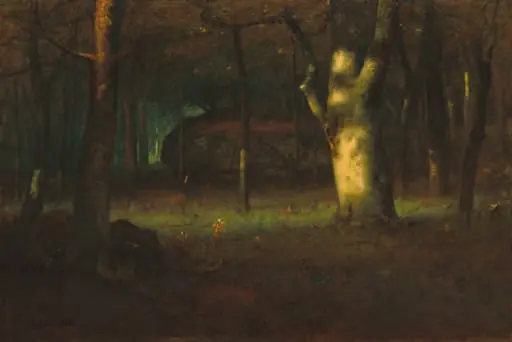 Sunset in the Woods
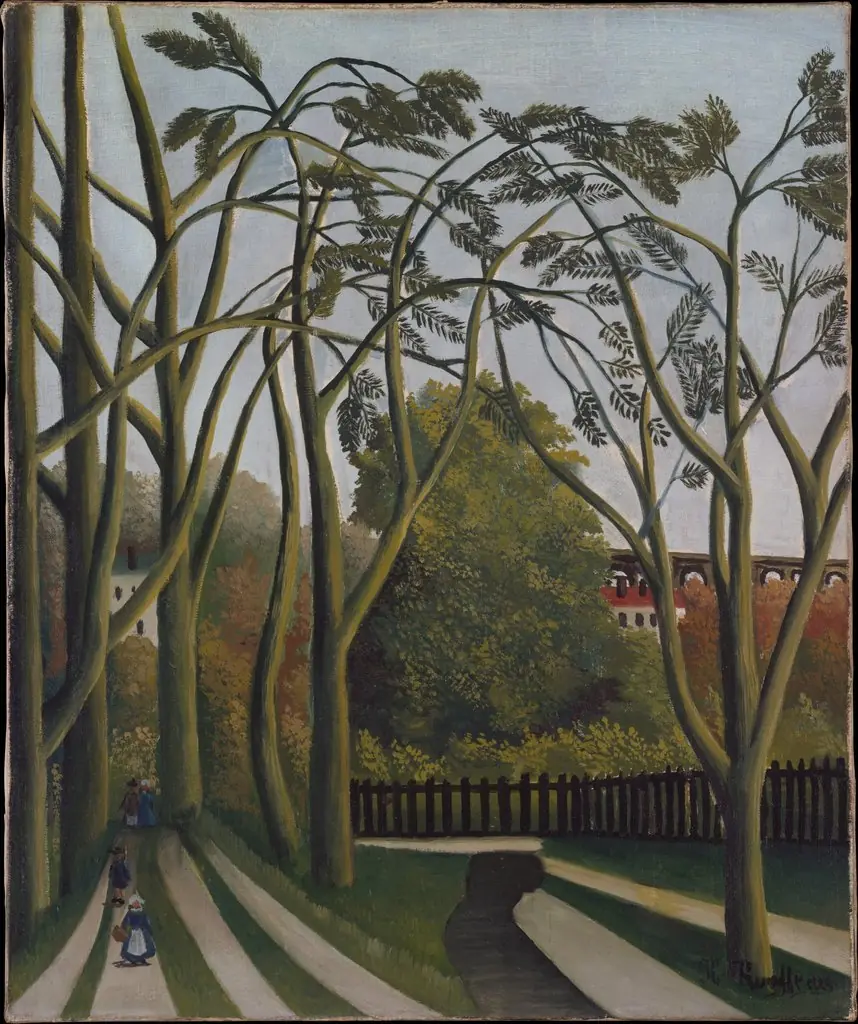 The Banks of the Bièvre near Bicêtre
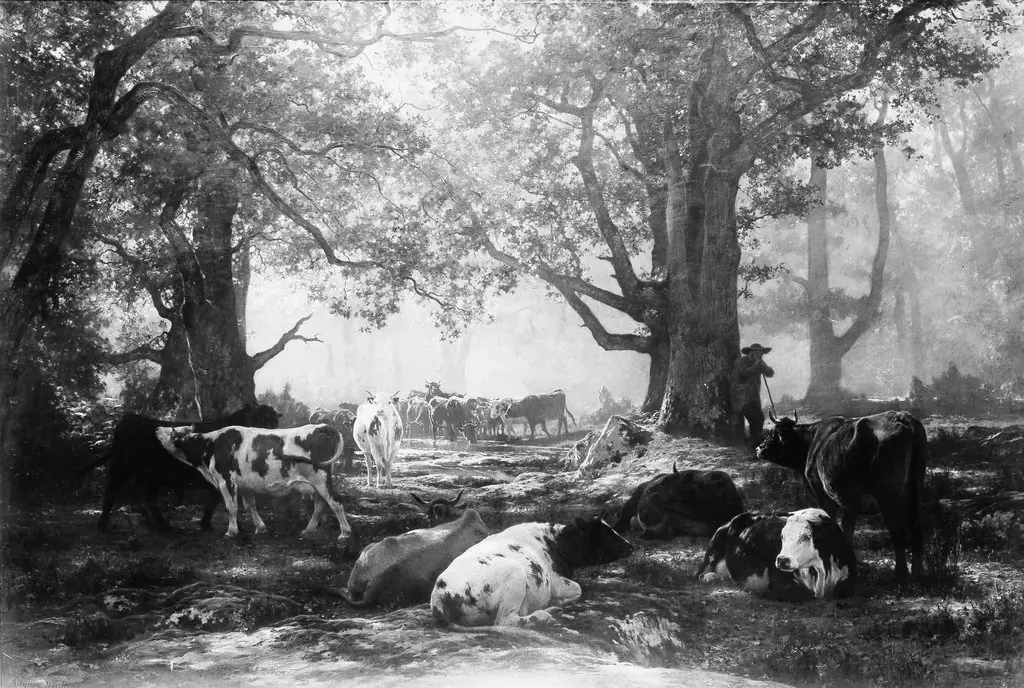 Environs of Fontainebleau: Woodland and Cattle
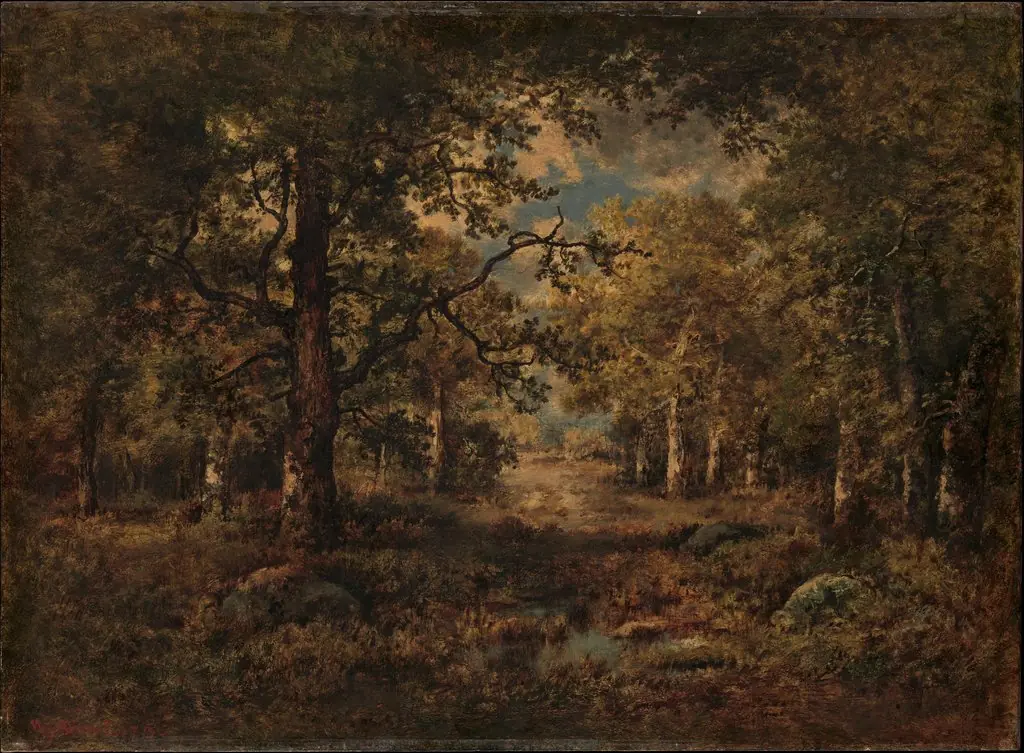 A Vista through Trees: Fontainebleau
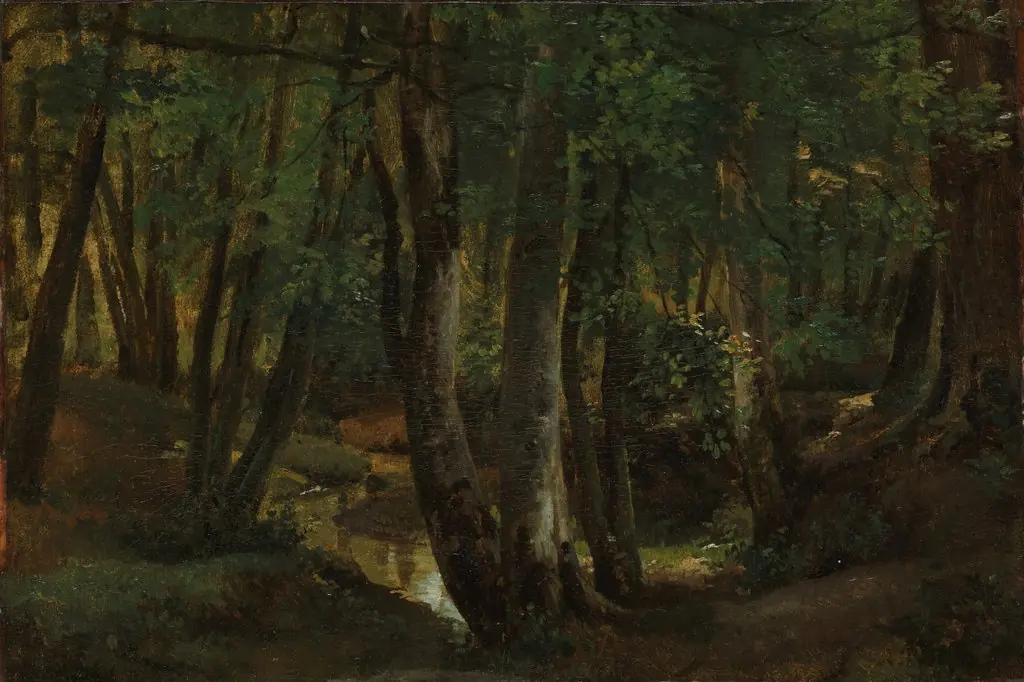 Interior of a Wood at Pierrefitte
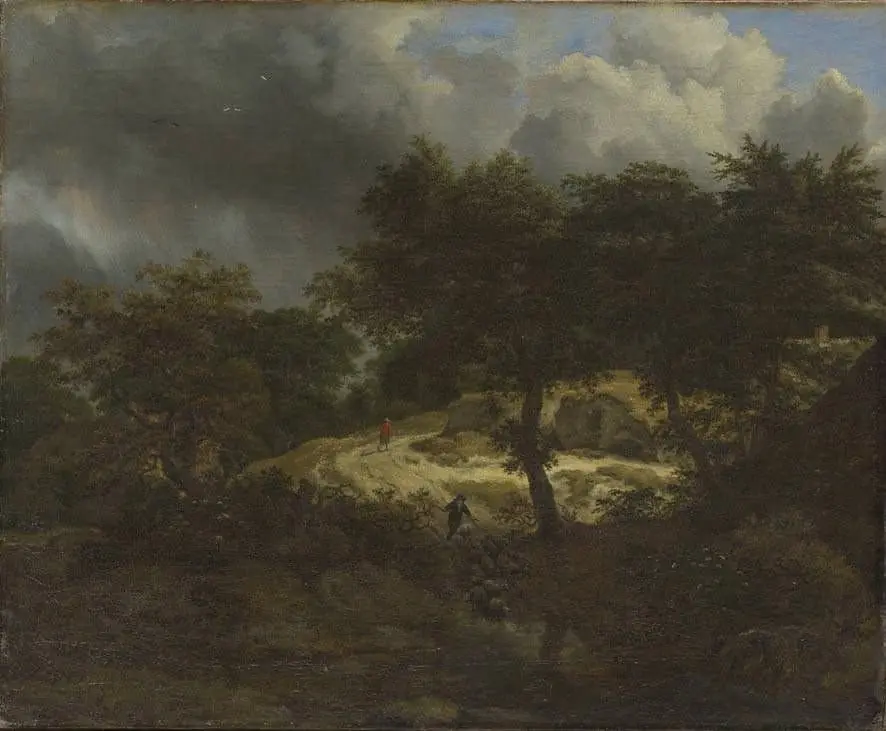 Wooded Landscape with Oncoming Storm
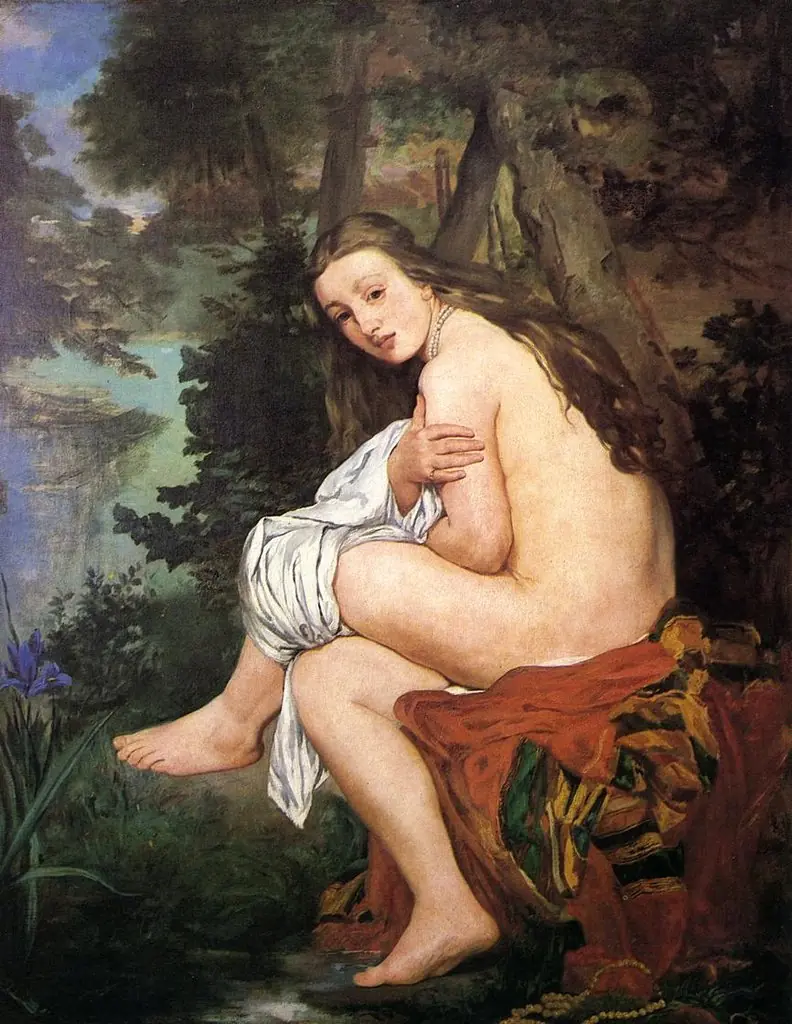 La Nymphe surprise
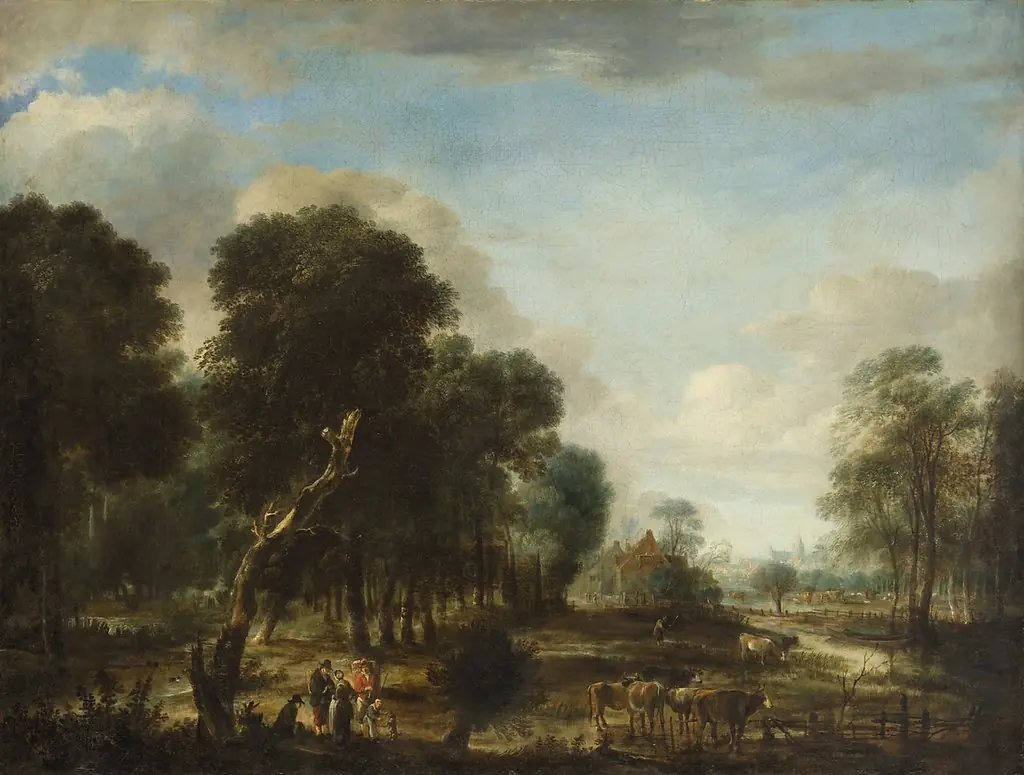 Road through a wet forest
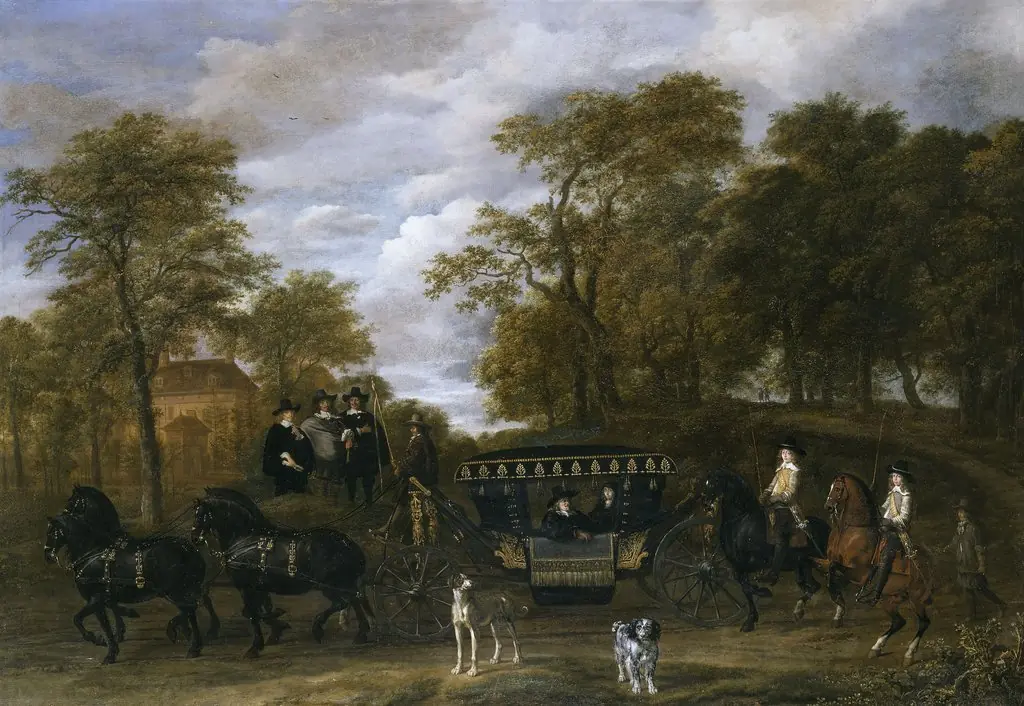 Cornelis de Graeff with his Wife and Sons
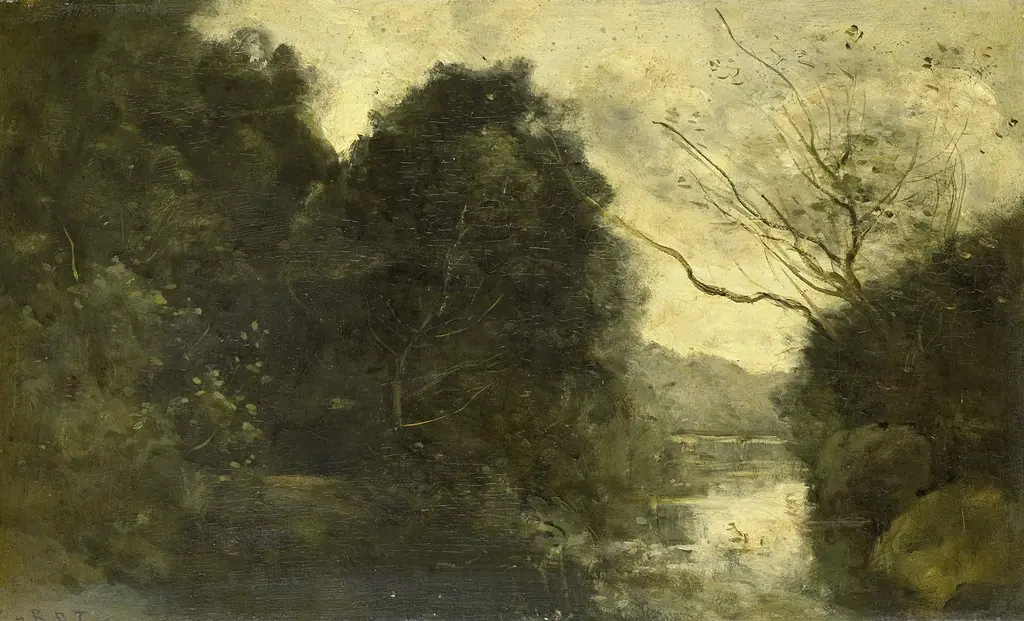 Pond in the Woods
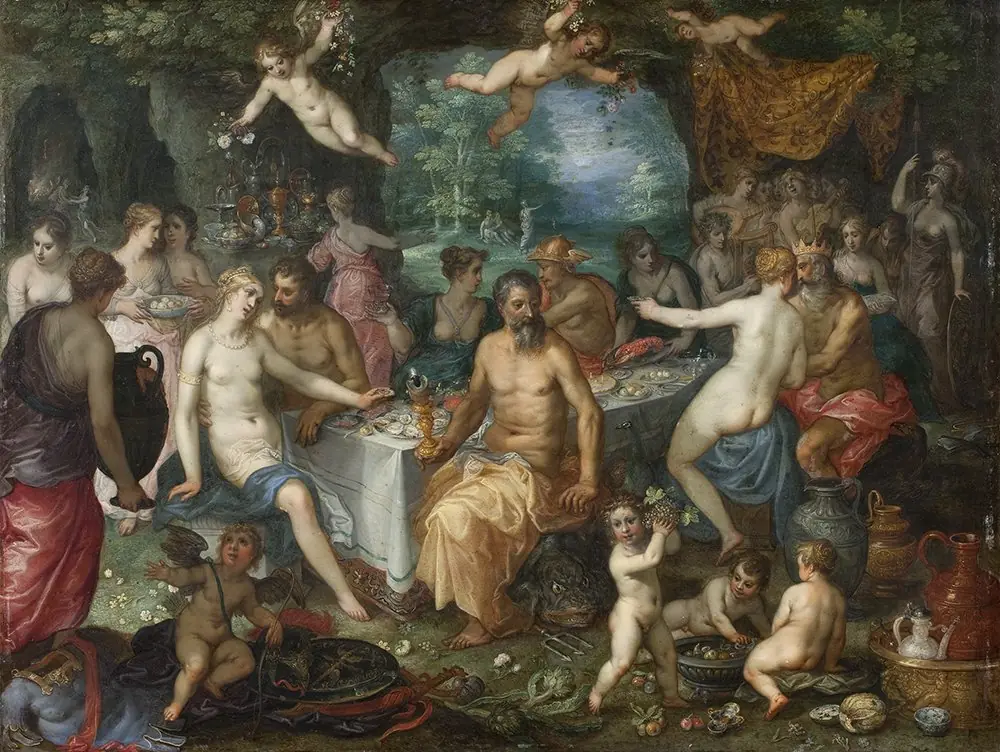 The Feast of the Gods. The Wedding of Peleus and Thetis
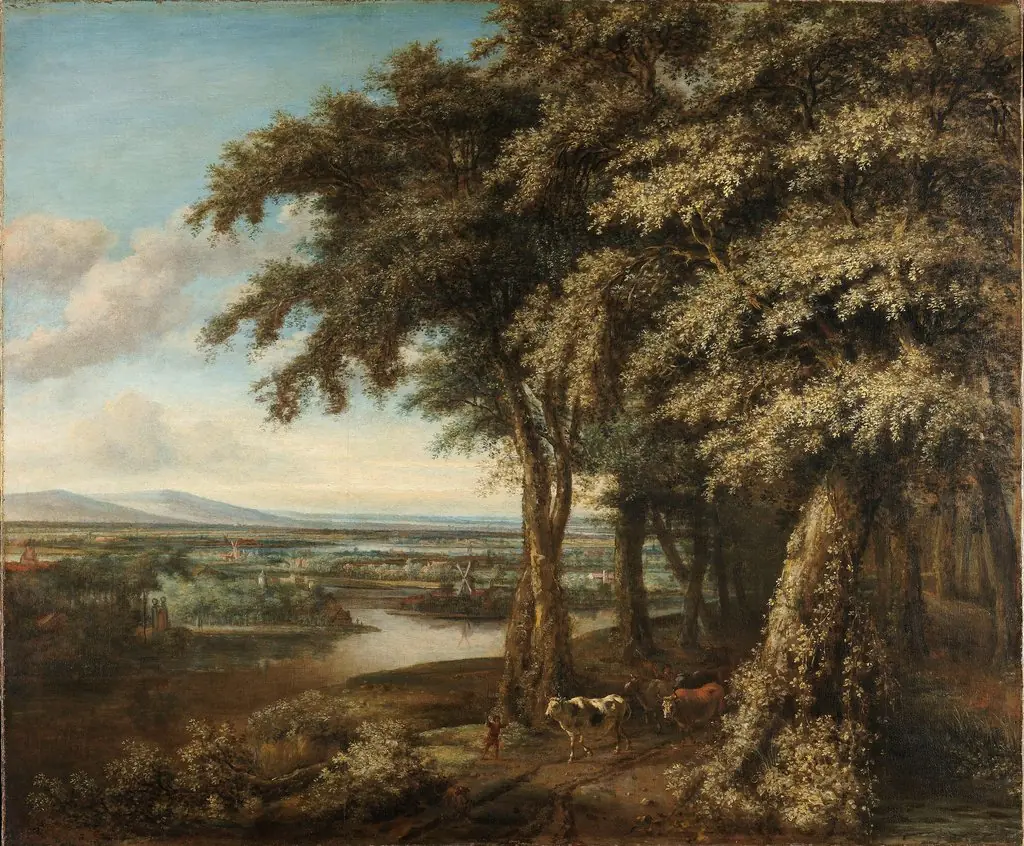 The entrance to the woods
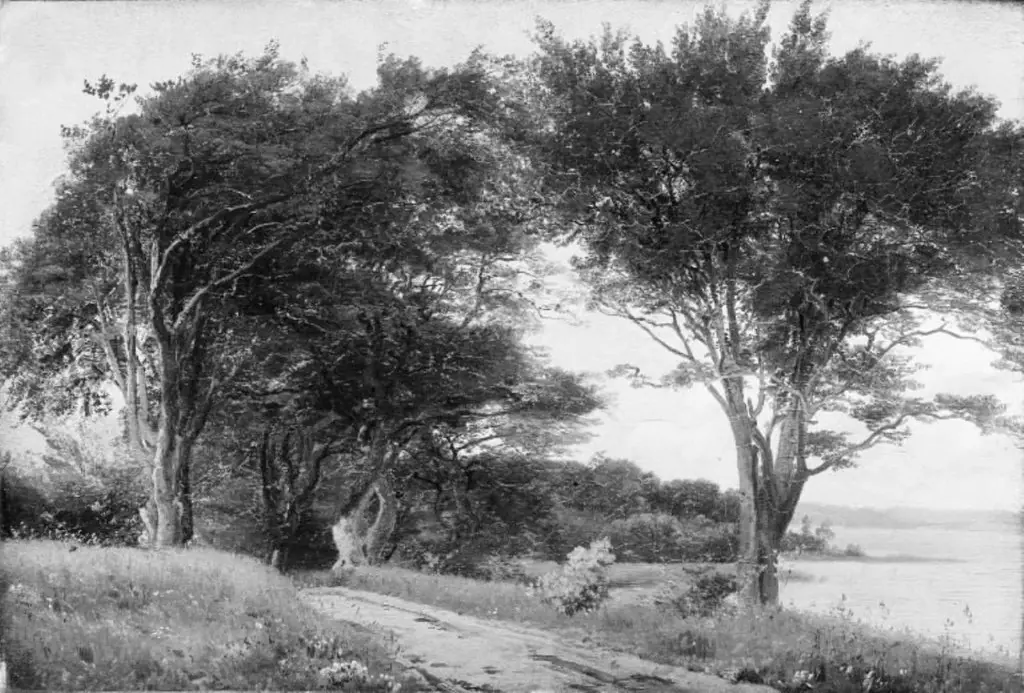 Studie fra Furesøen
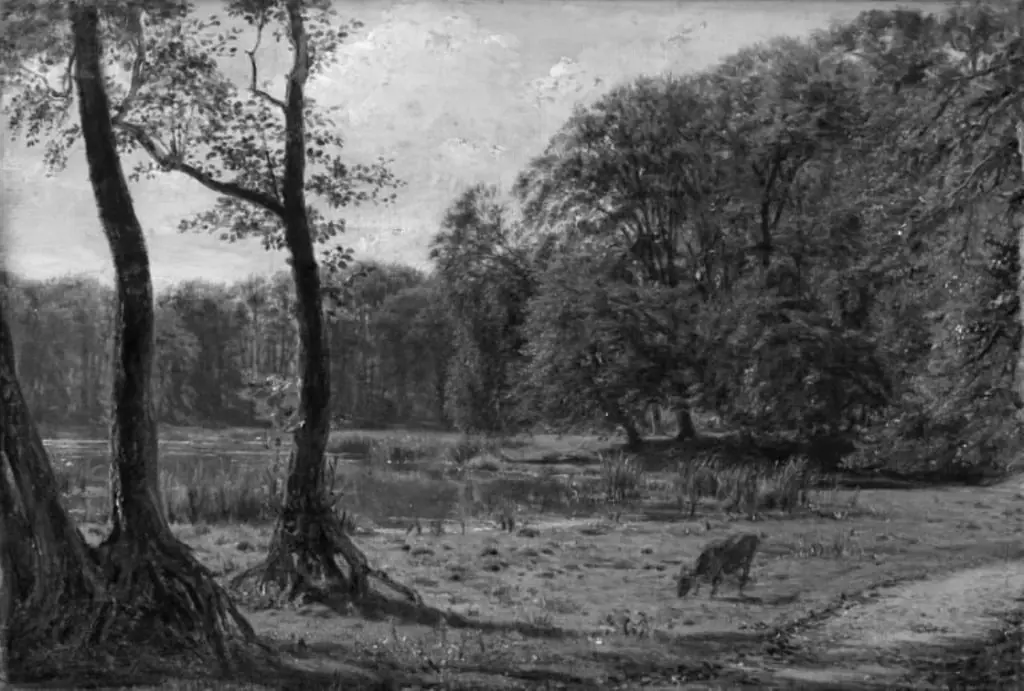 Landskab med motiv fra Fuglsangssøen i Jægersborg Dyrehave
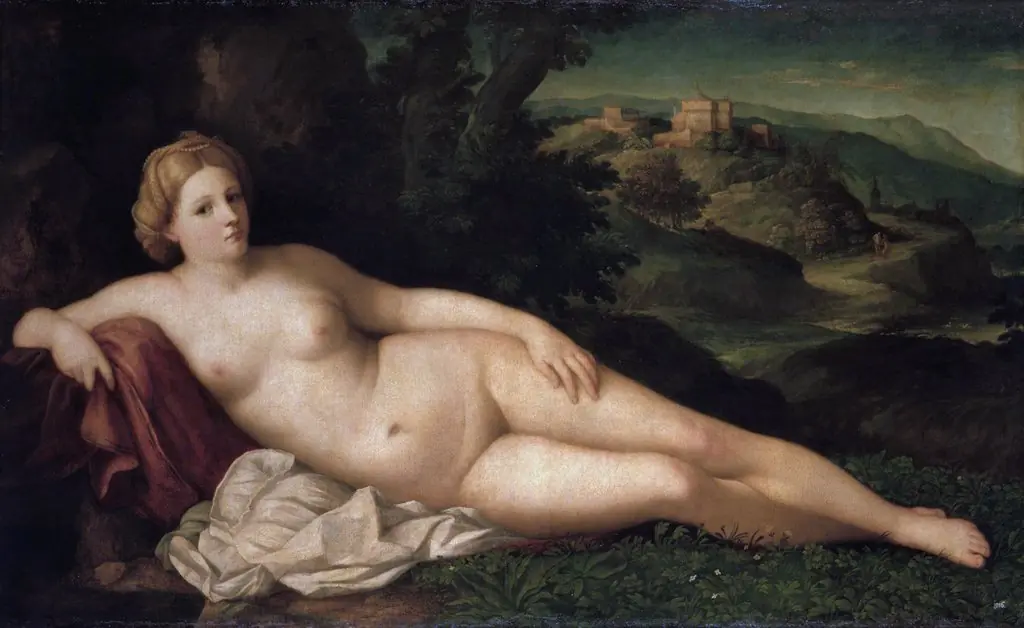 Resting Venus
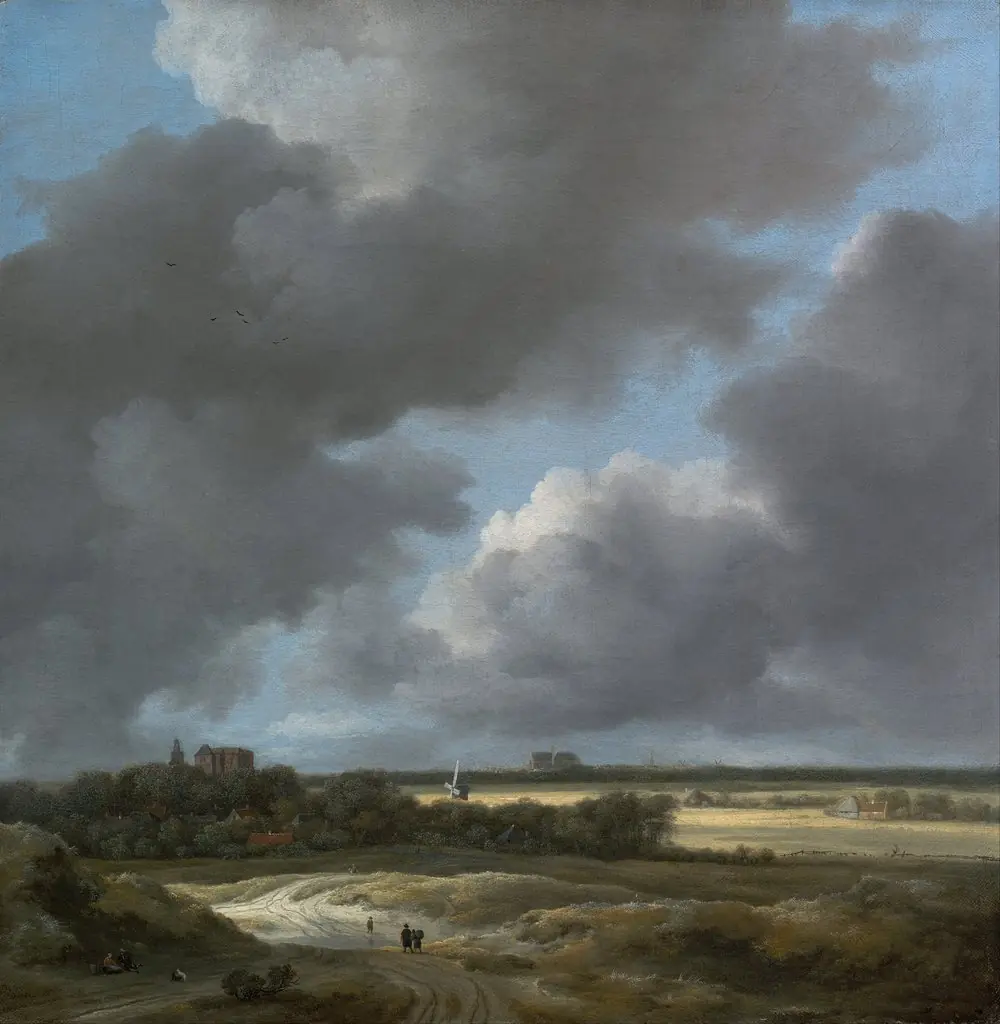 View of Alkmaar
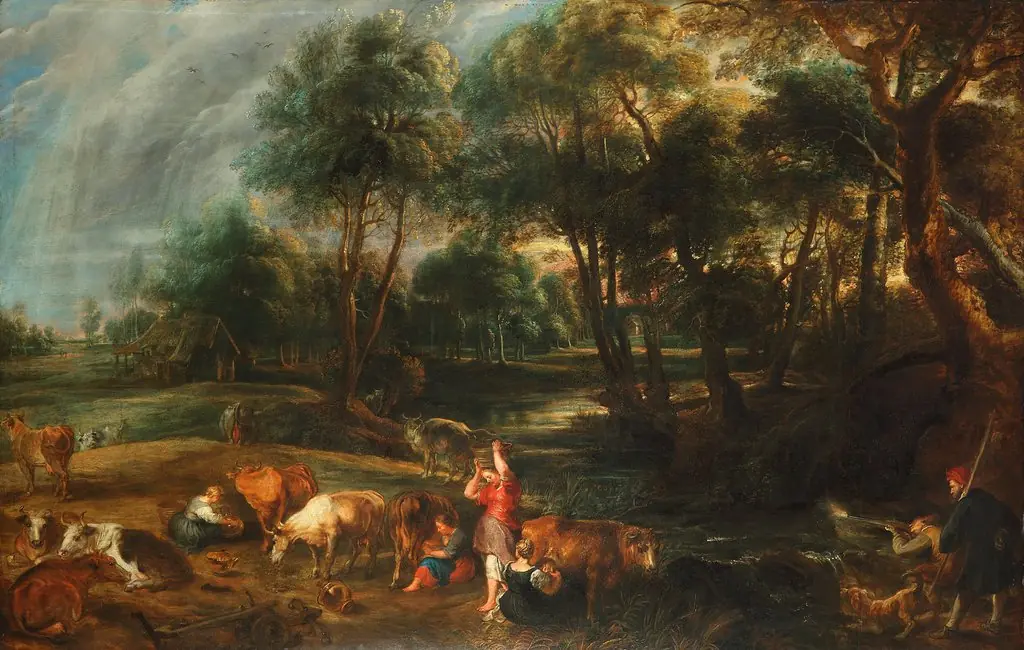 Landscape with Cows and Wildfowlers
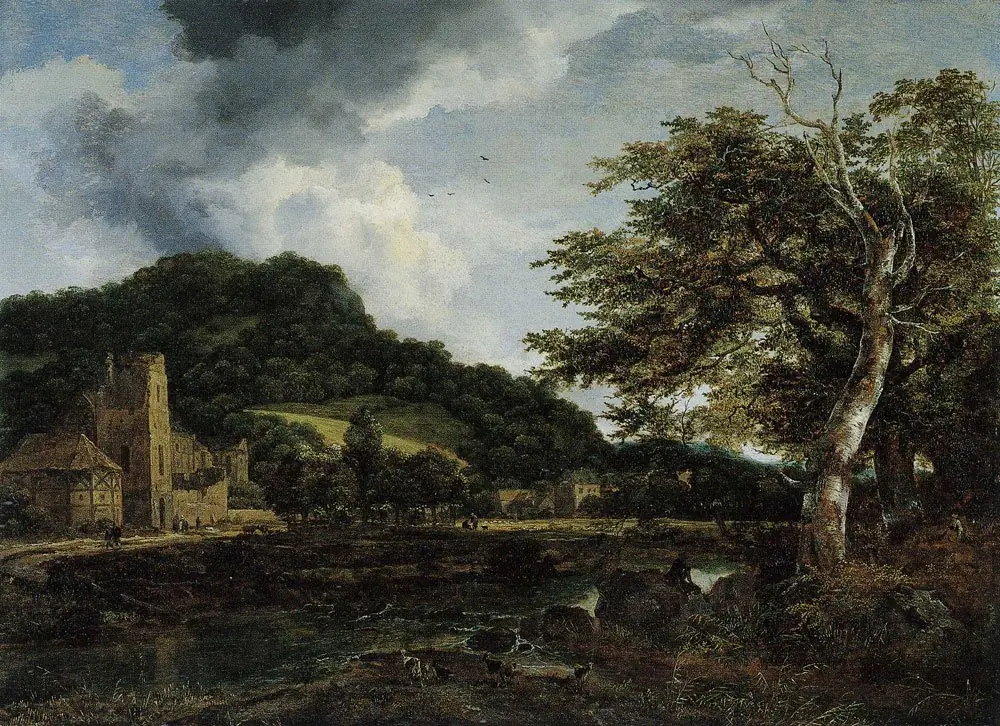 The Cloister
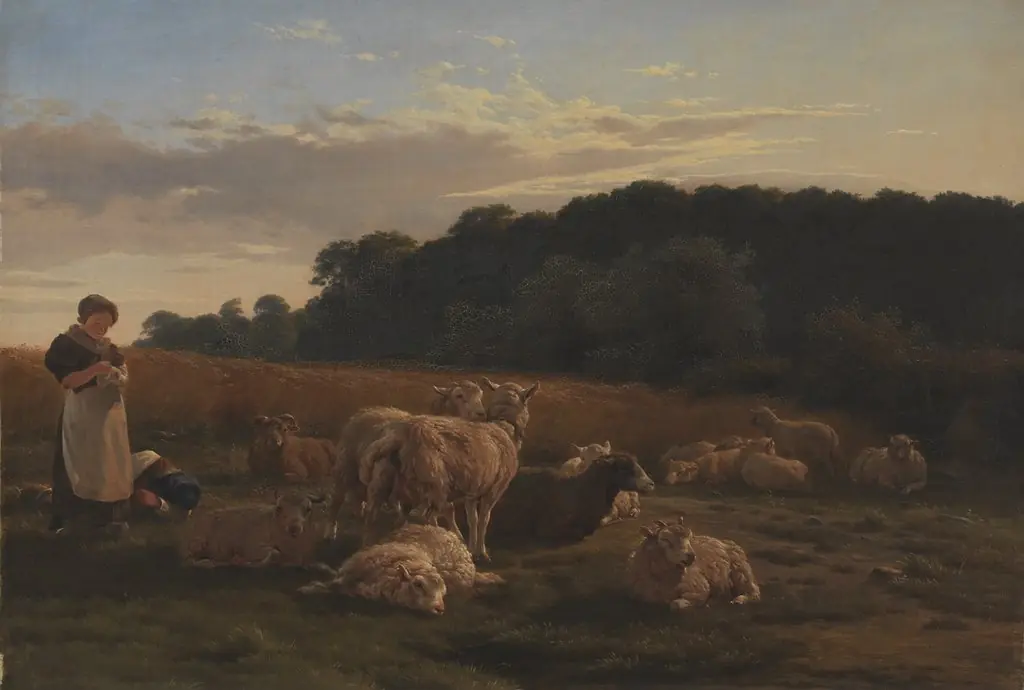 En fåreflok. Motivet fra Faxingeskoven ved Nysø
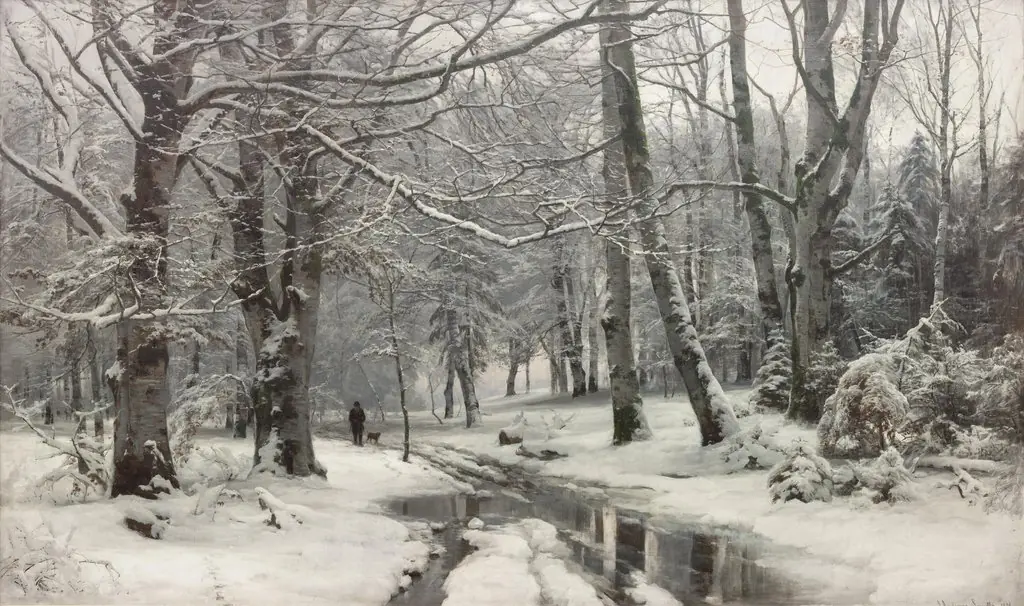 Thaw in a Beech Forest
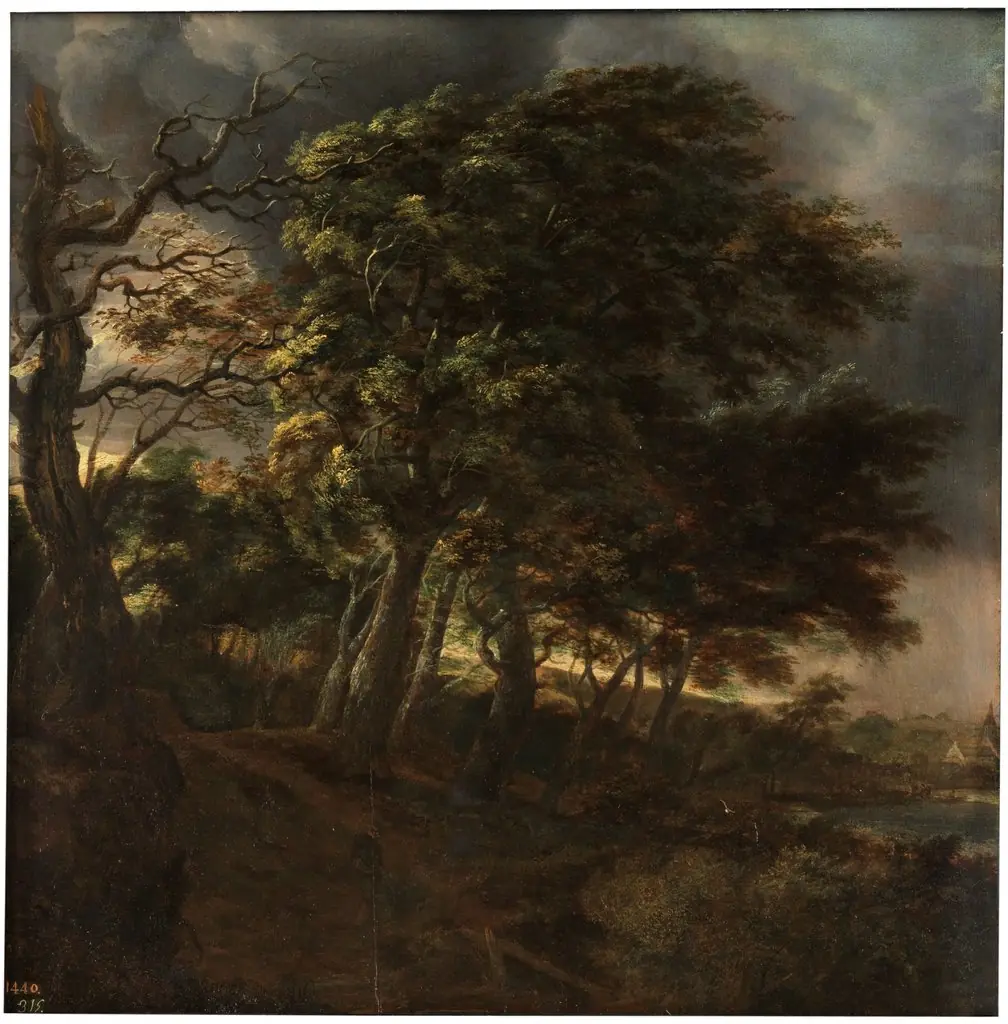 Forest
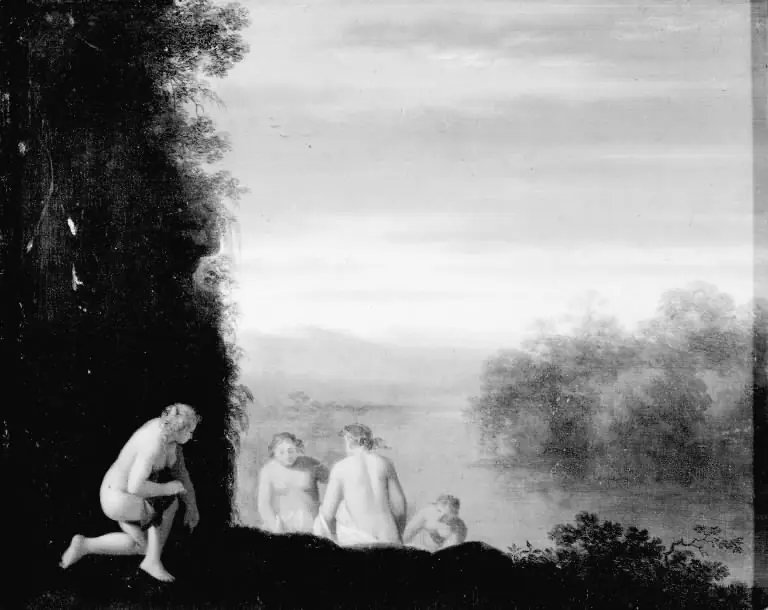 Nymphs in the Bath
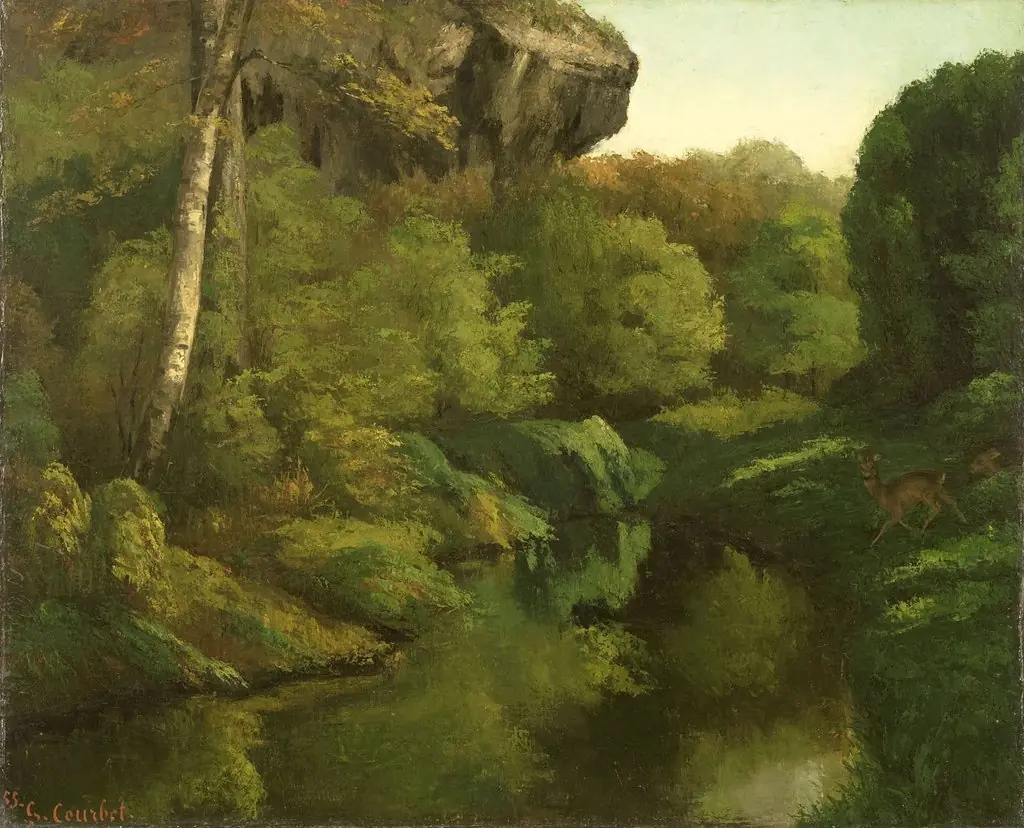 View of the Forest of Fontainebleau
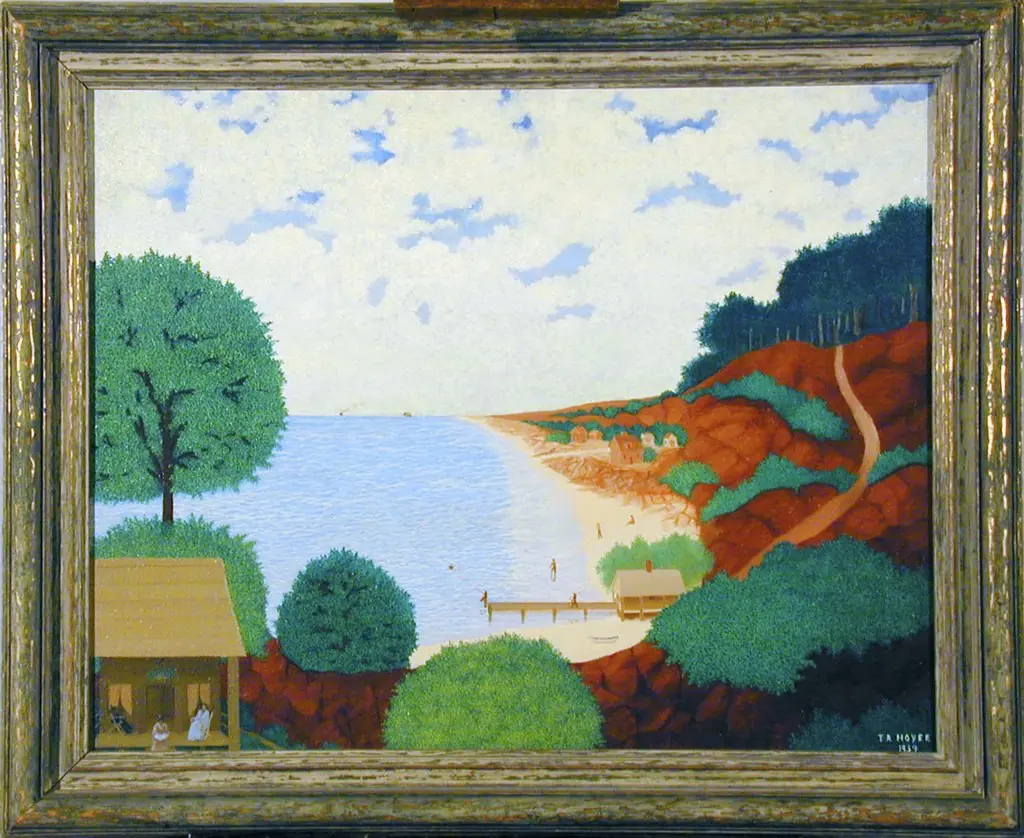 Evening on the Sea Shore
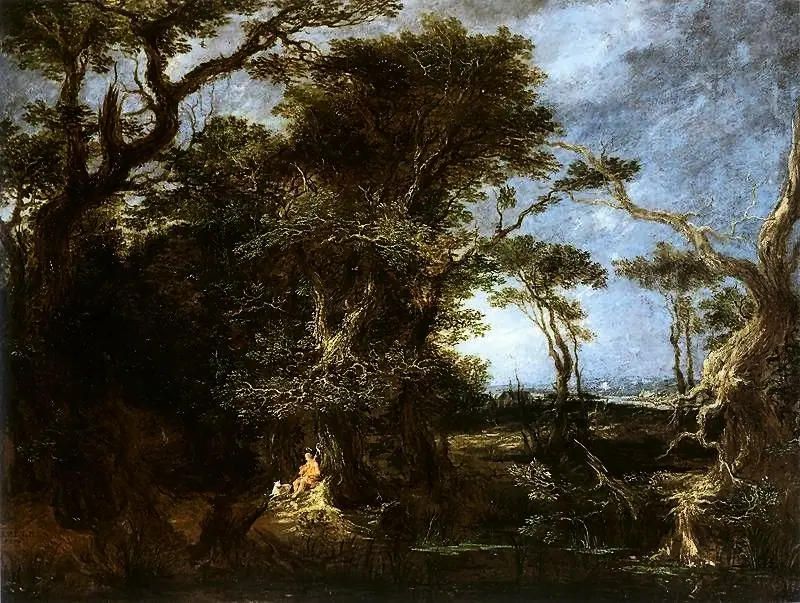 Landscape with St. John the Baptist
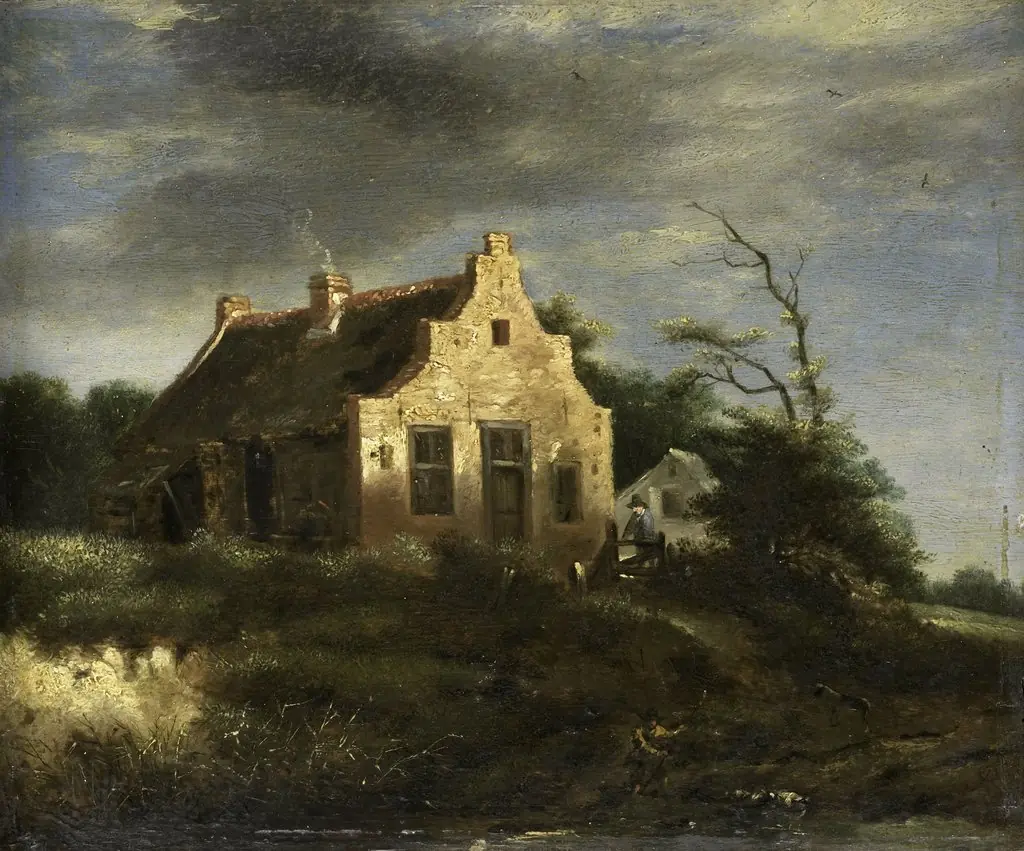 Farm in a wooded dune landscape
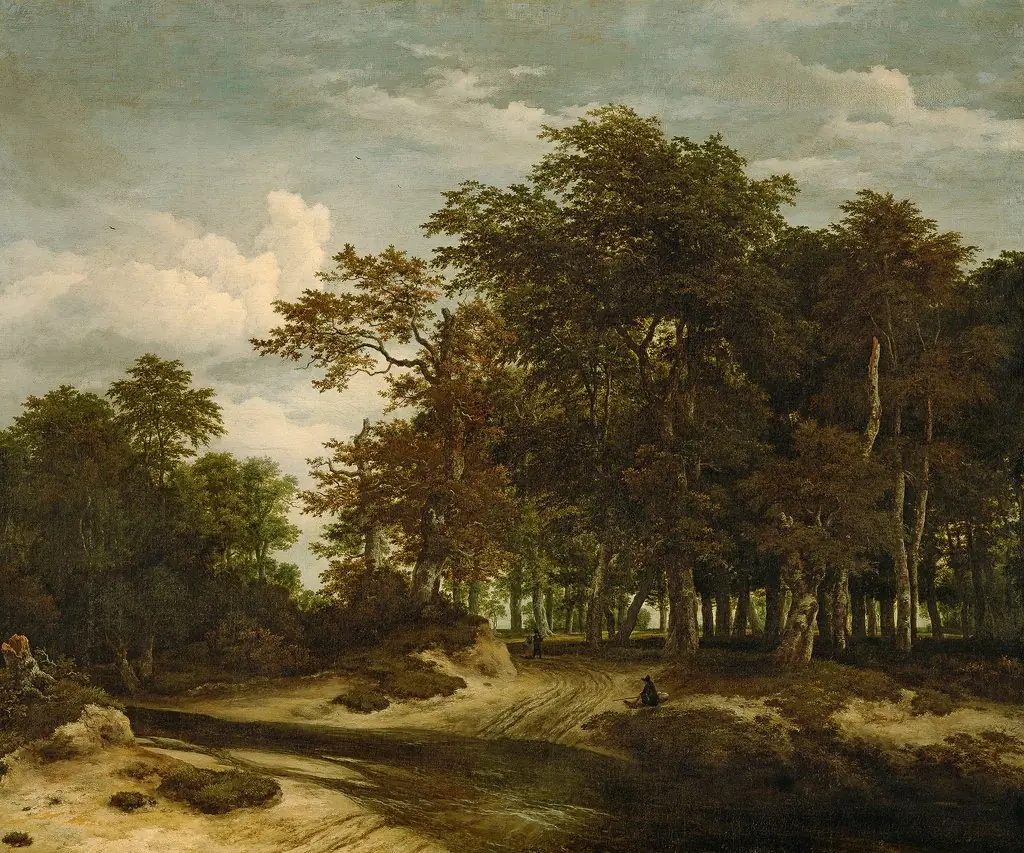 The Large Forest
 In the Forest
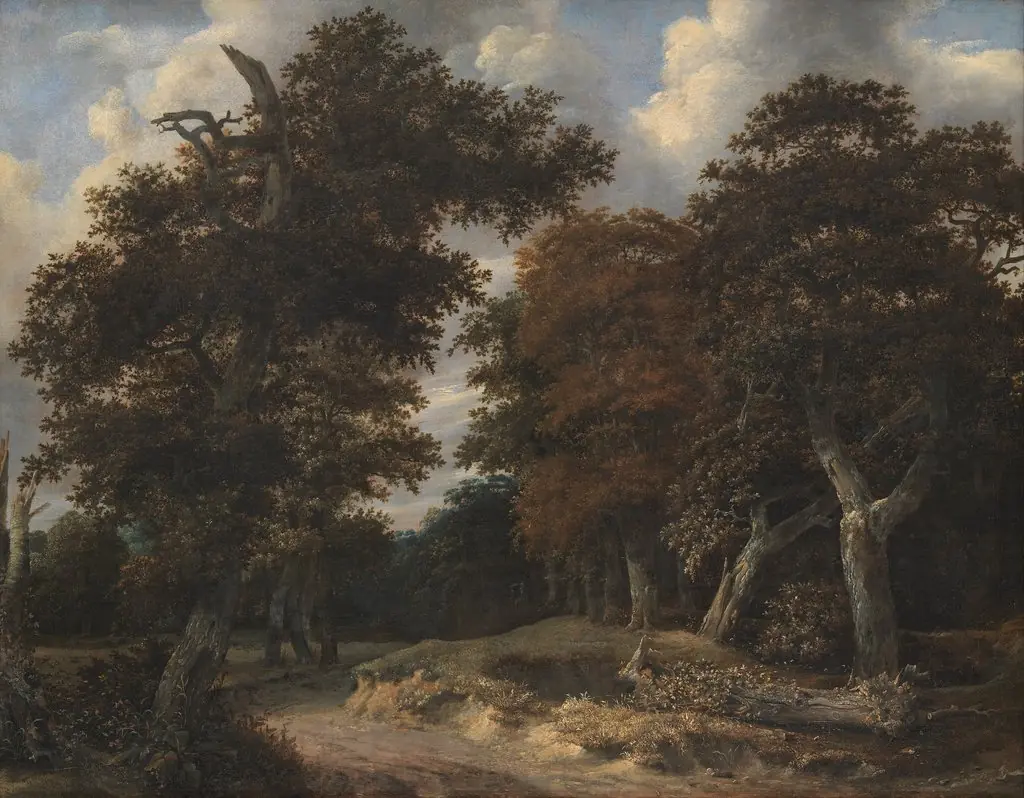 Road through an Oak Forest
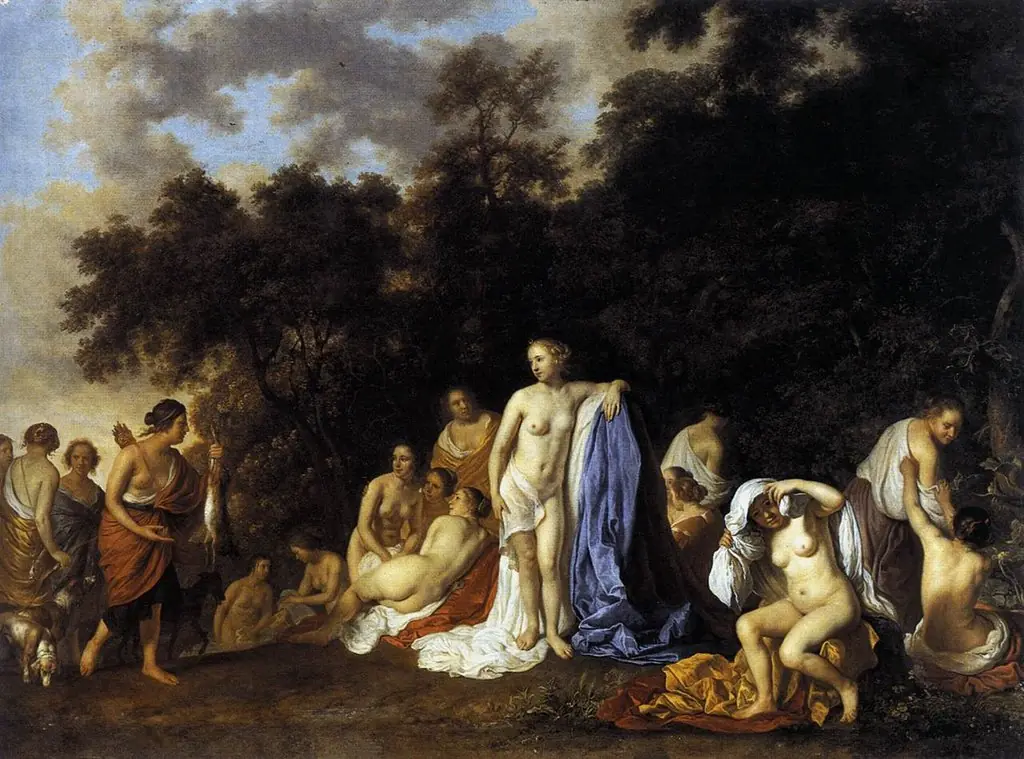 Diana and her Nymphs
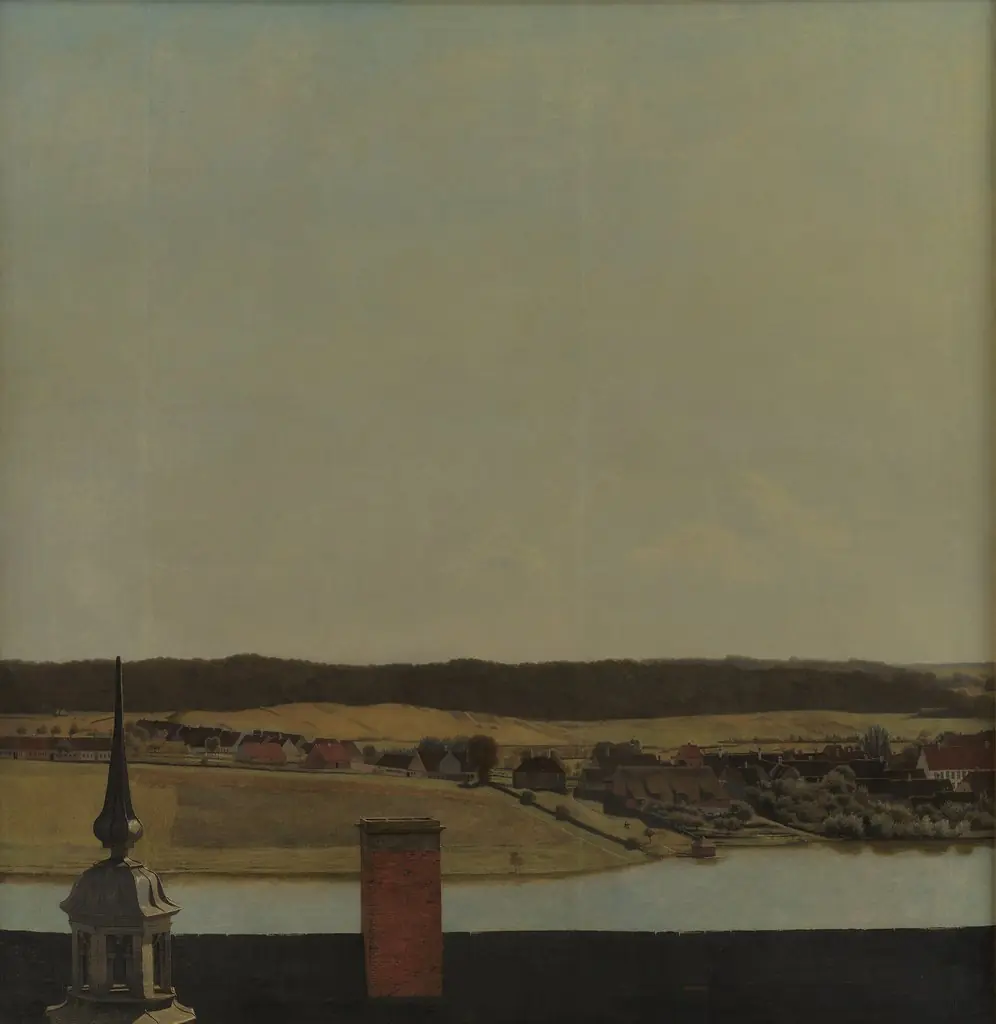 Roof Ridge of Frederiksborg Castle with View of Lake, Town and Forrest
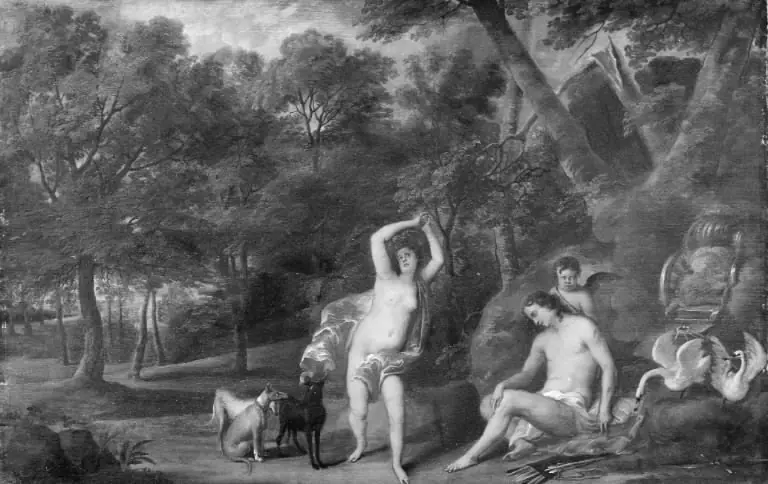 Venus Bewailing the Slain Adonis
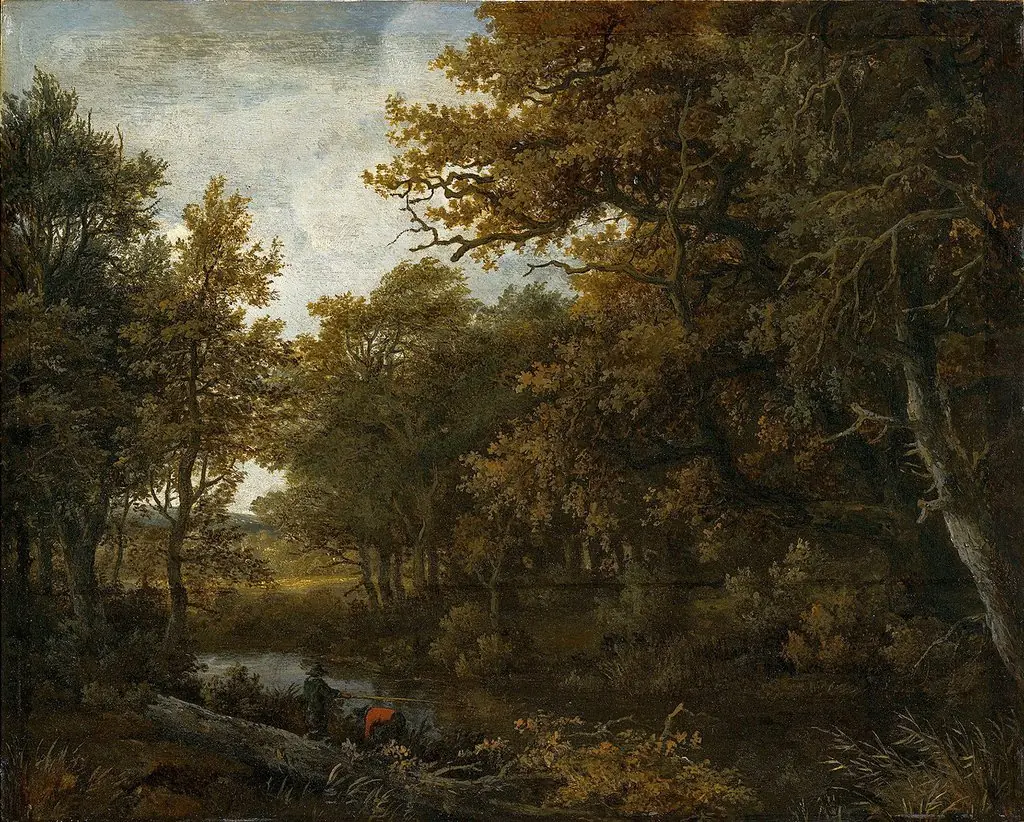 Forest
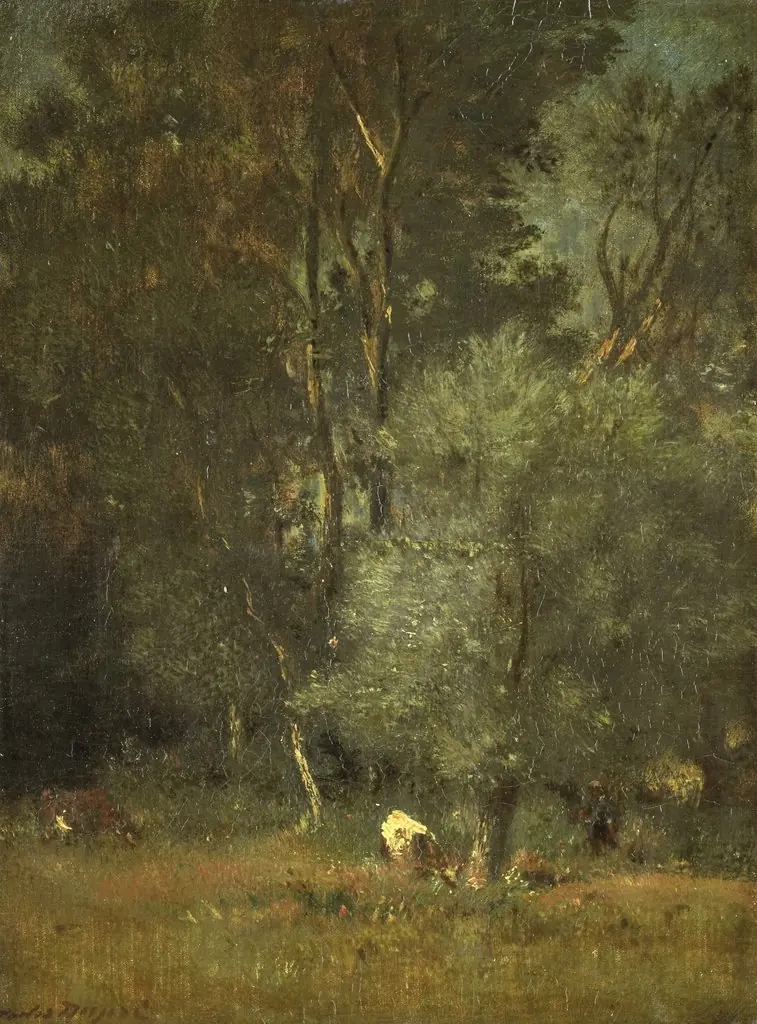 View in the Woods
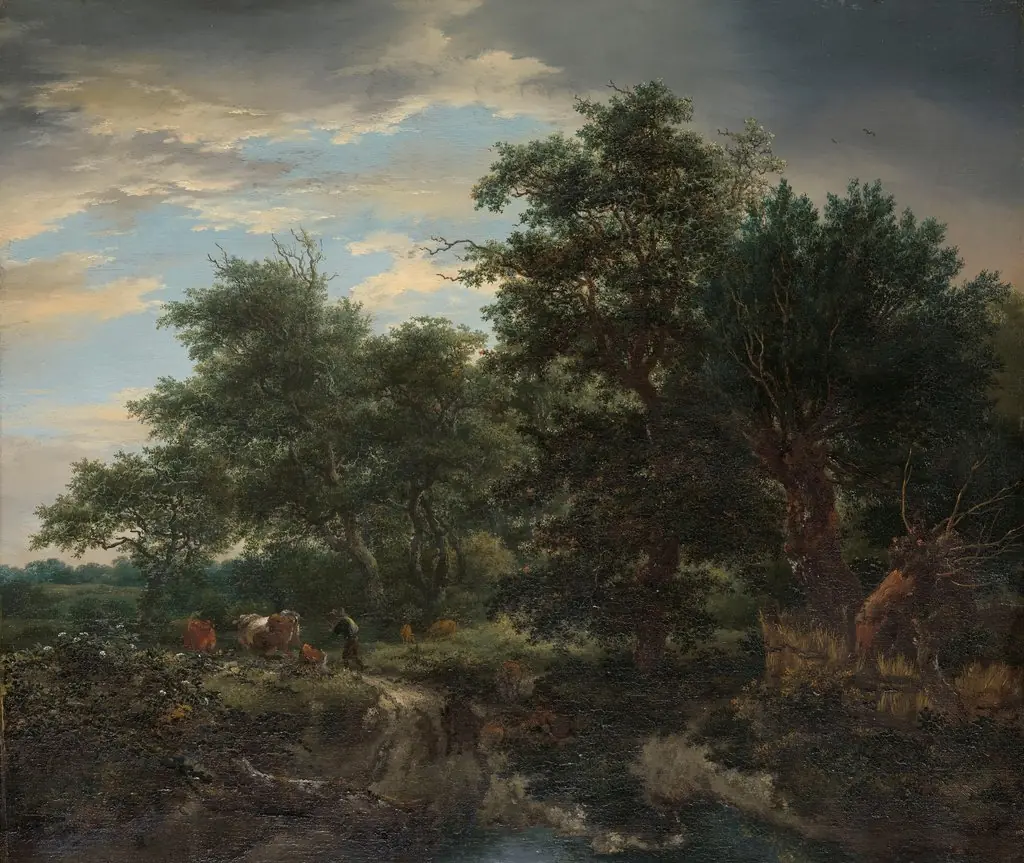 Forest scene
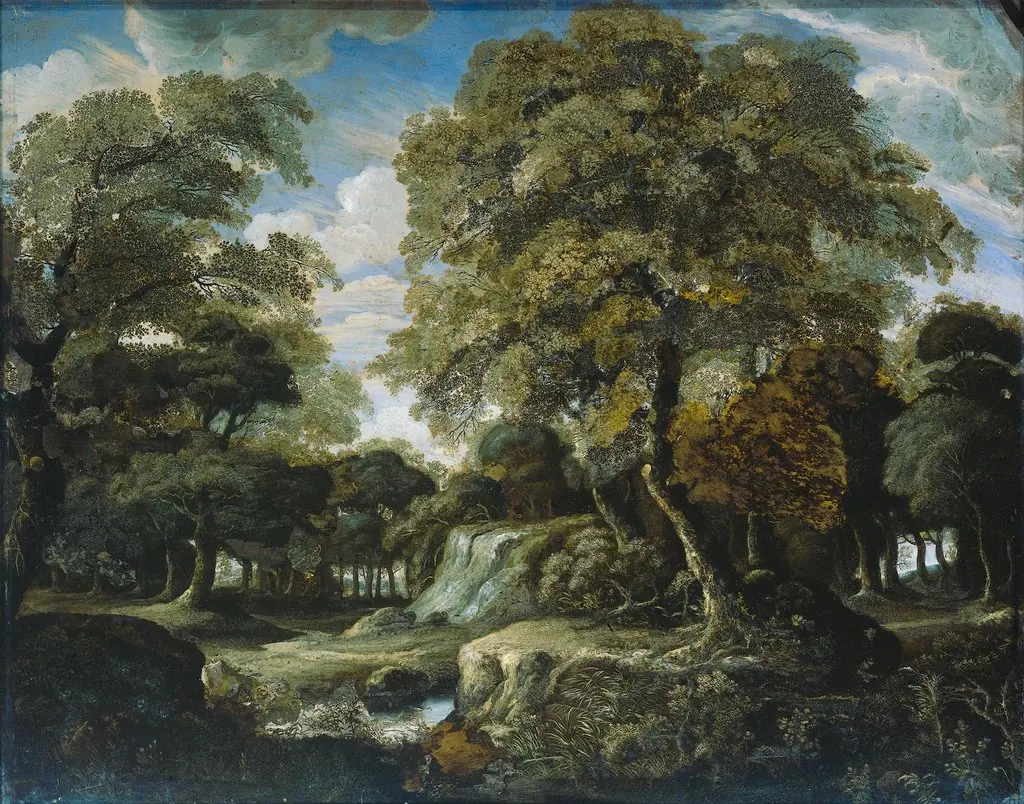 View in the woods
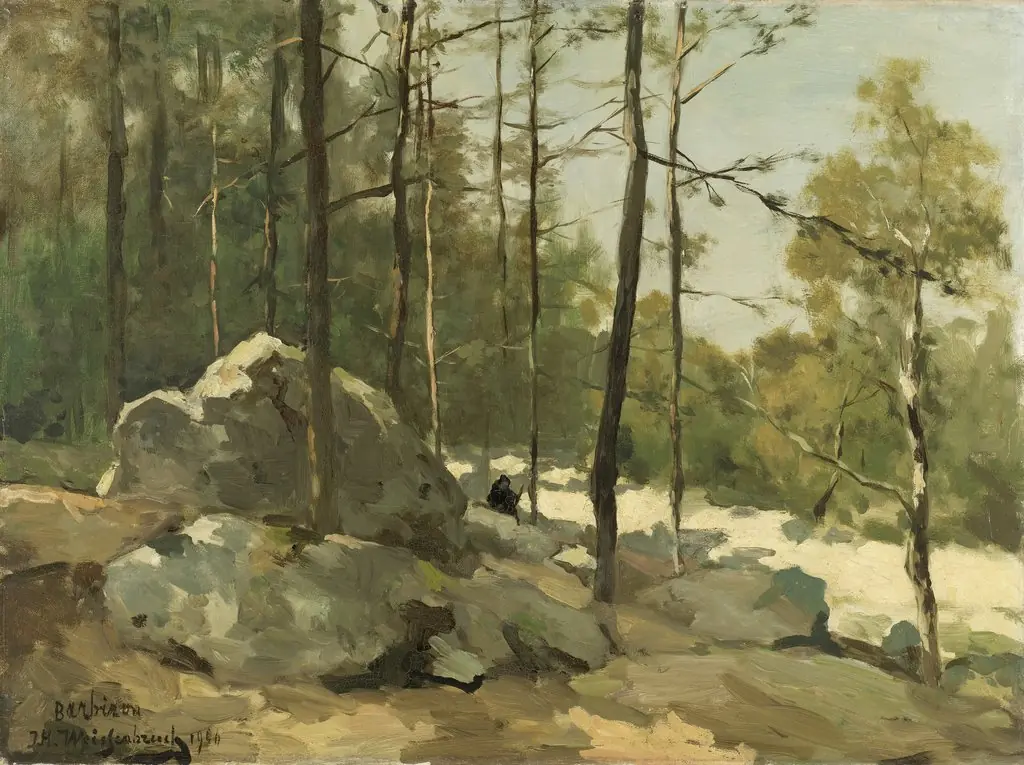 Wooded View near Barbizon
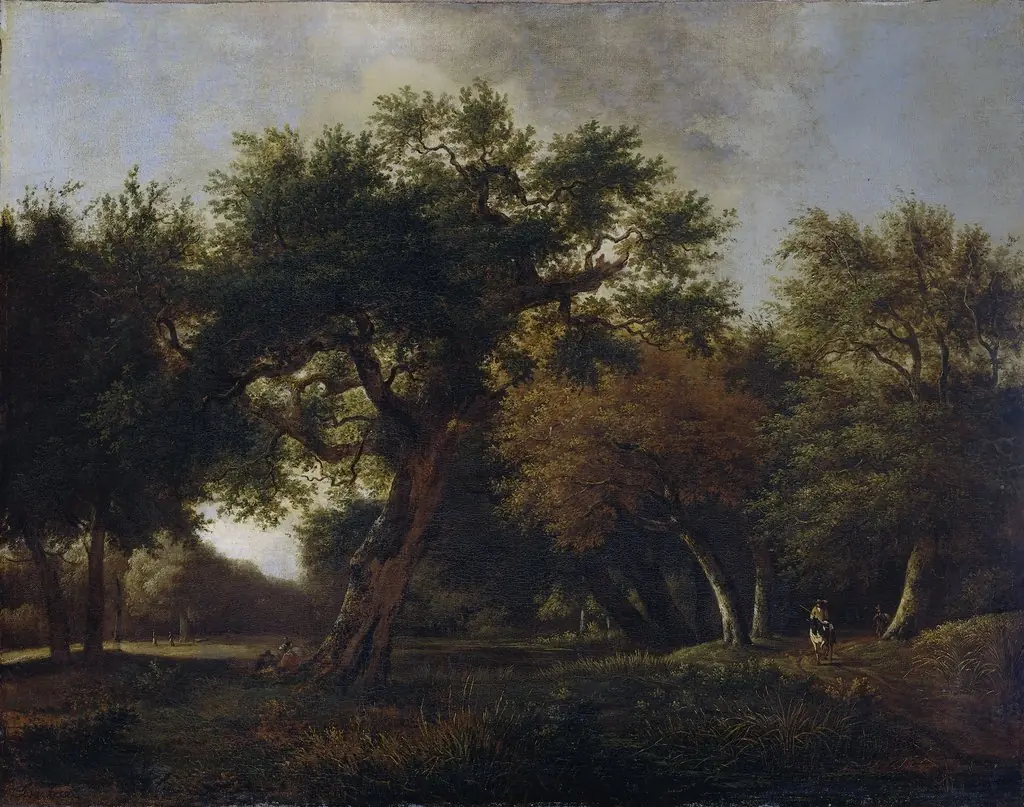 View of a Forest
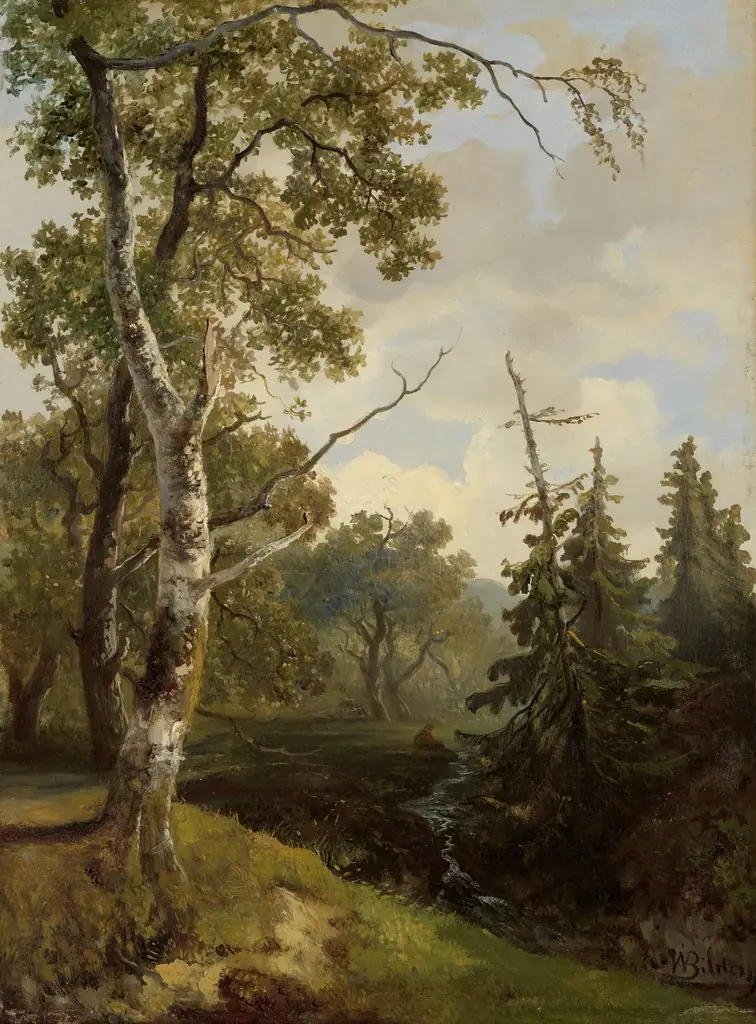 View of the Forest near Wolfheze
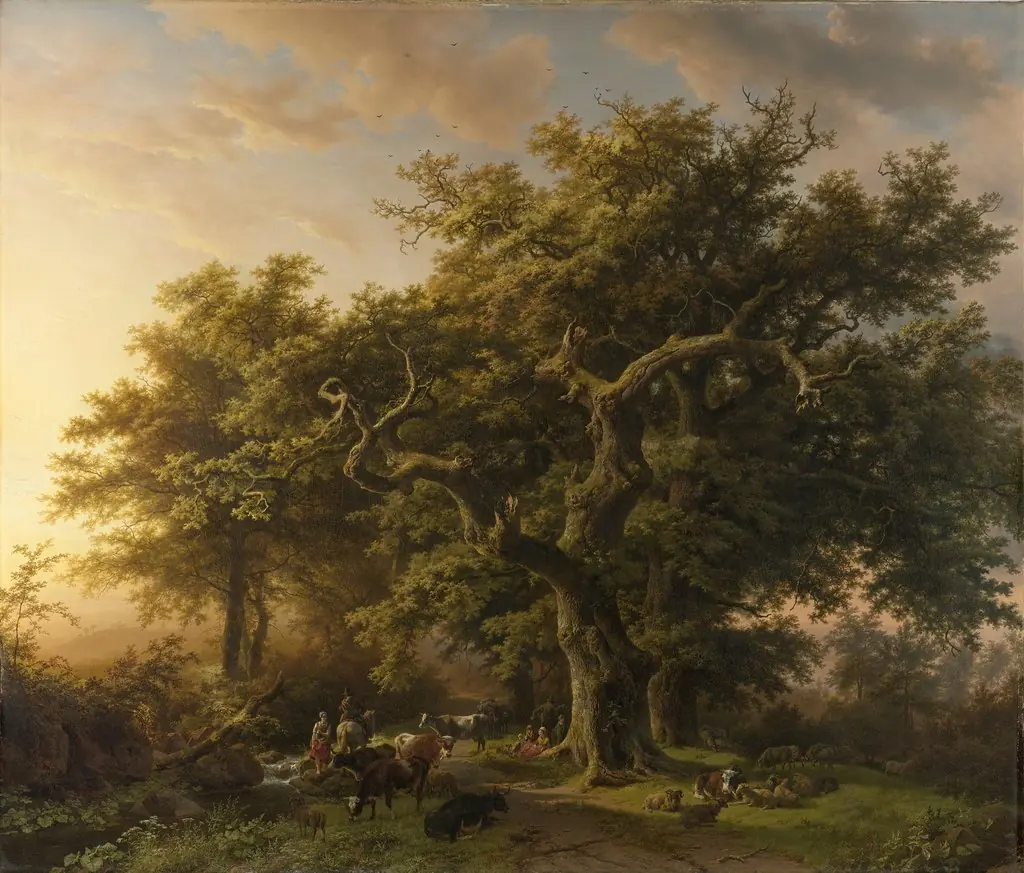 Forest Scene
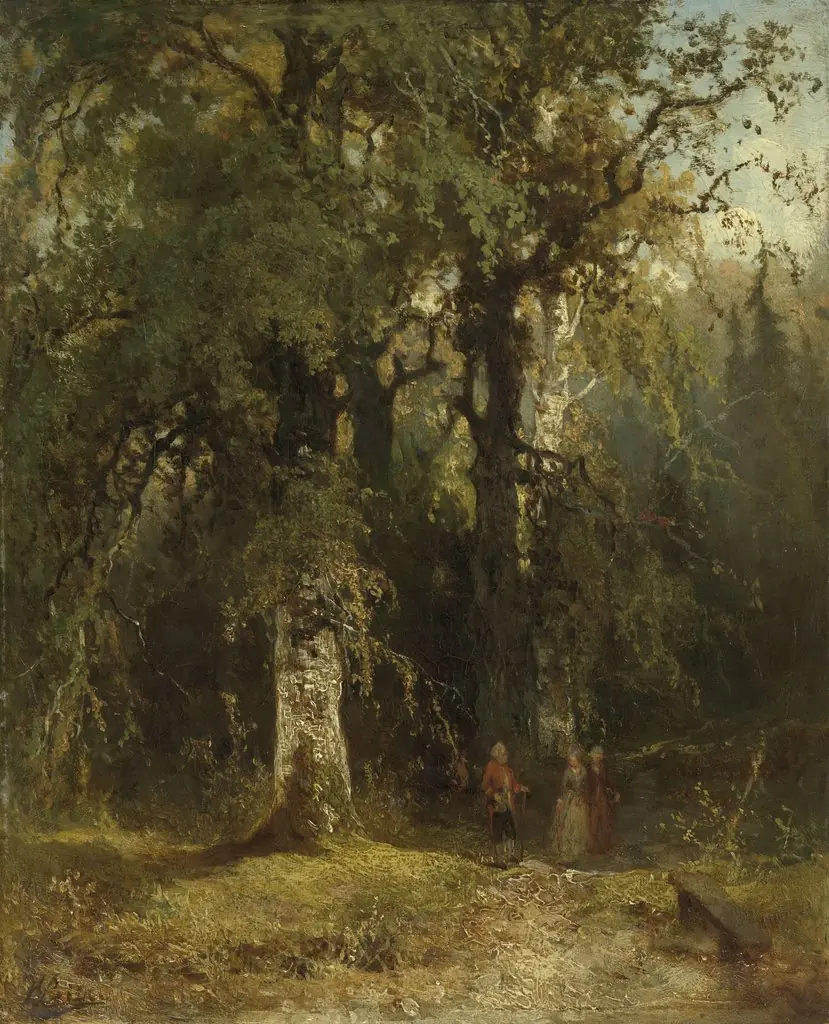 View in the Woods
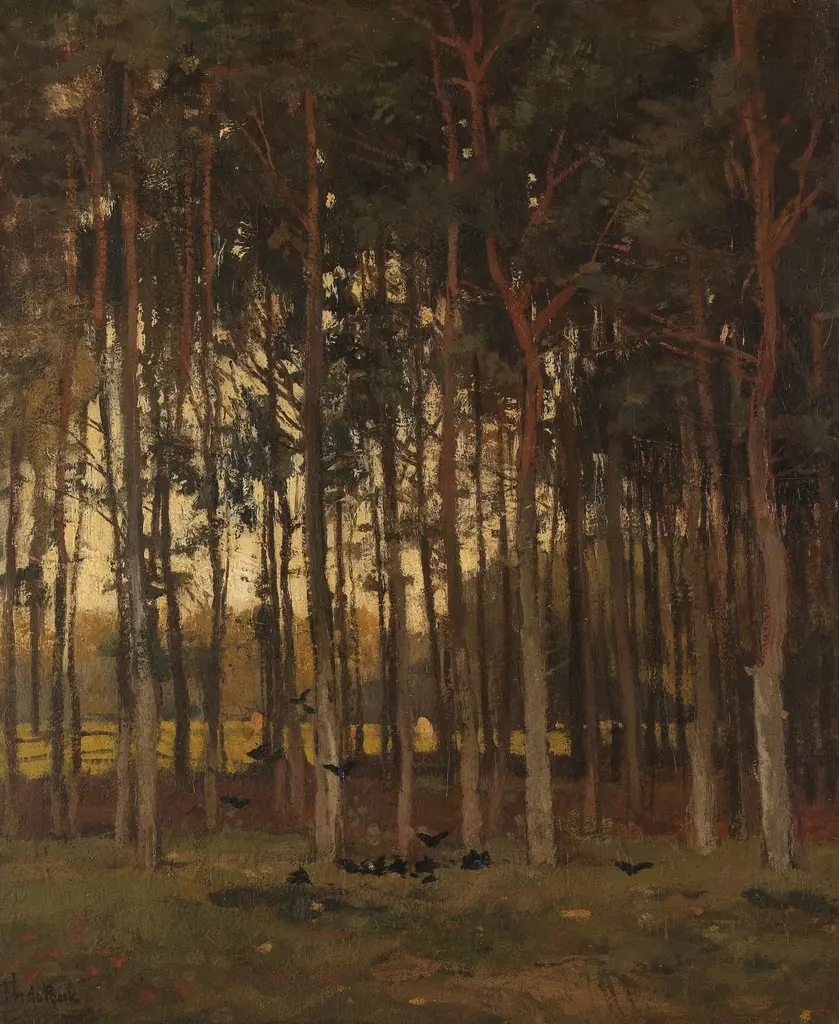 View in the Woods
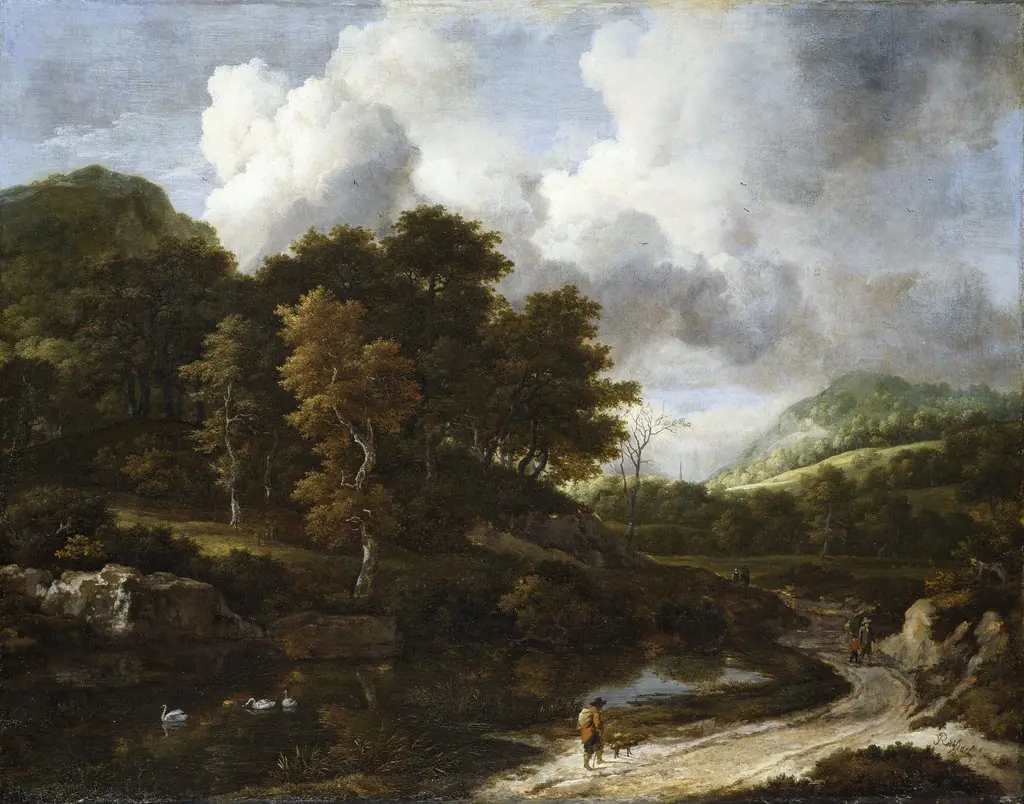 A wooded landscape
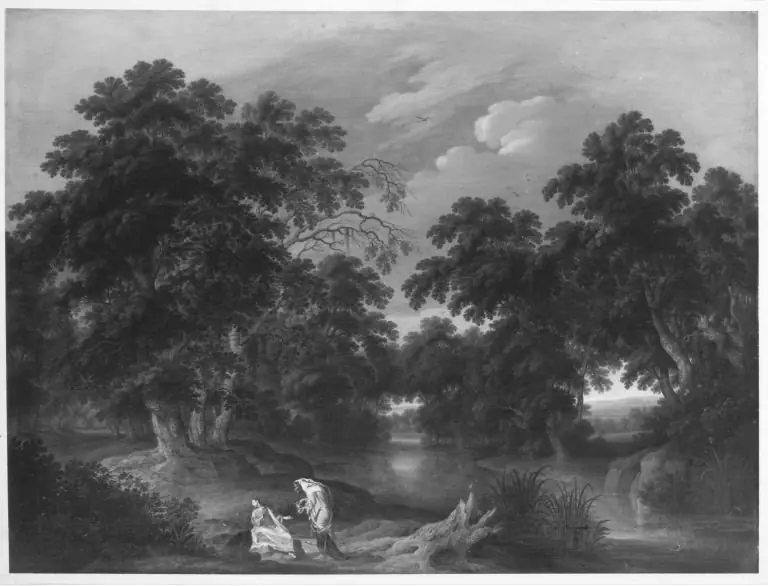 Wooded landscape with the temptation of Christ
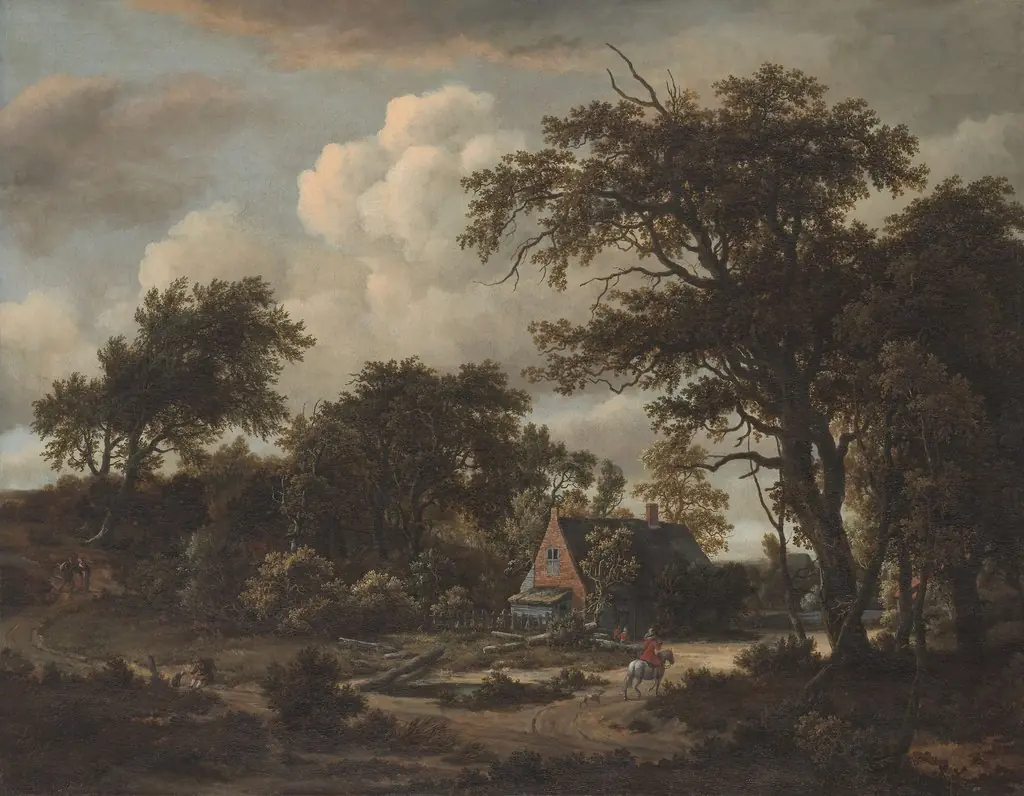 Wooded Landscape with Cottage and Horseman
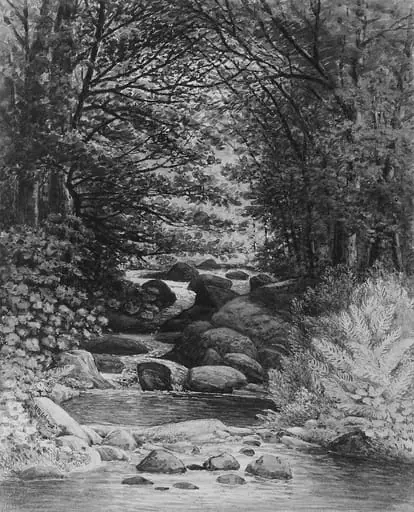 A Forest Cascade at Hiram, Maine
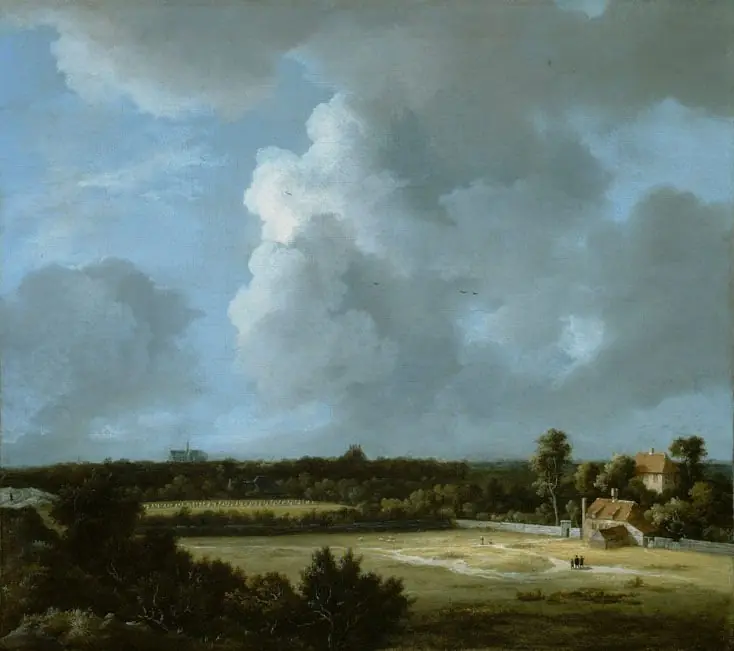 View of Haarlem
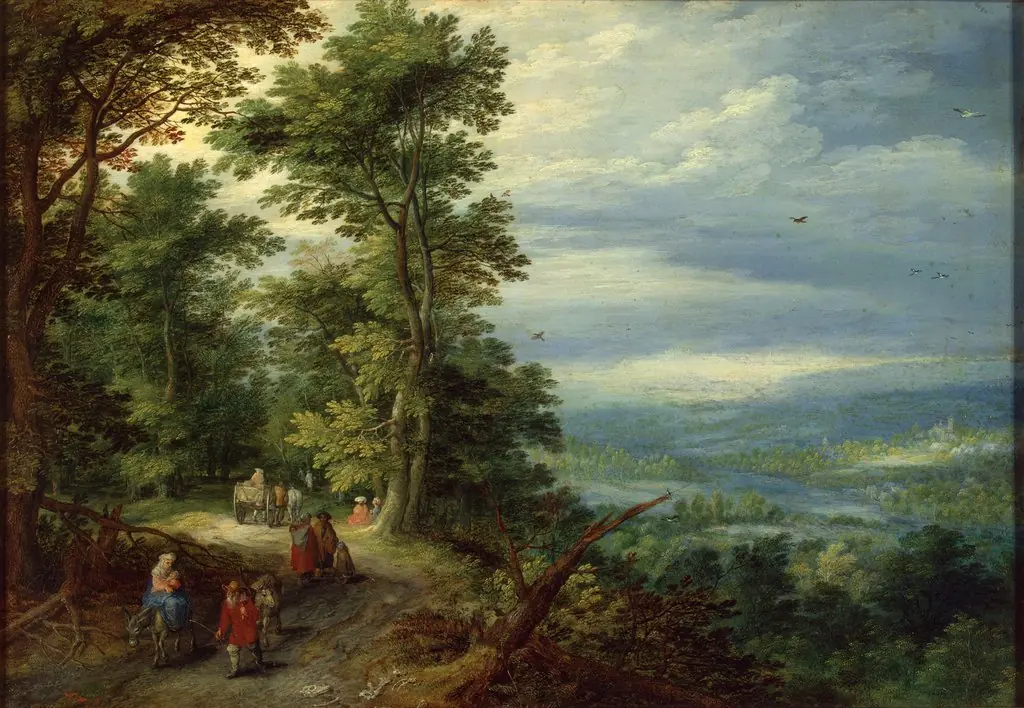 Edge of the Forest (The Flight into Egypt)
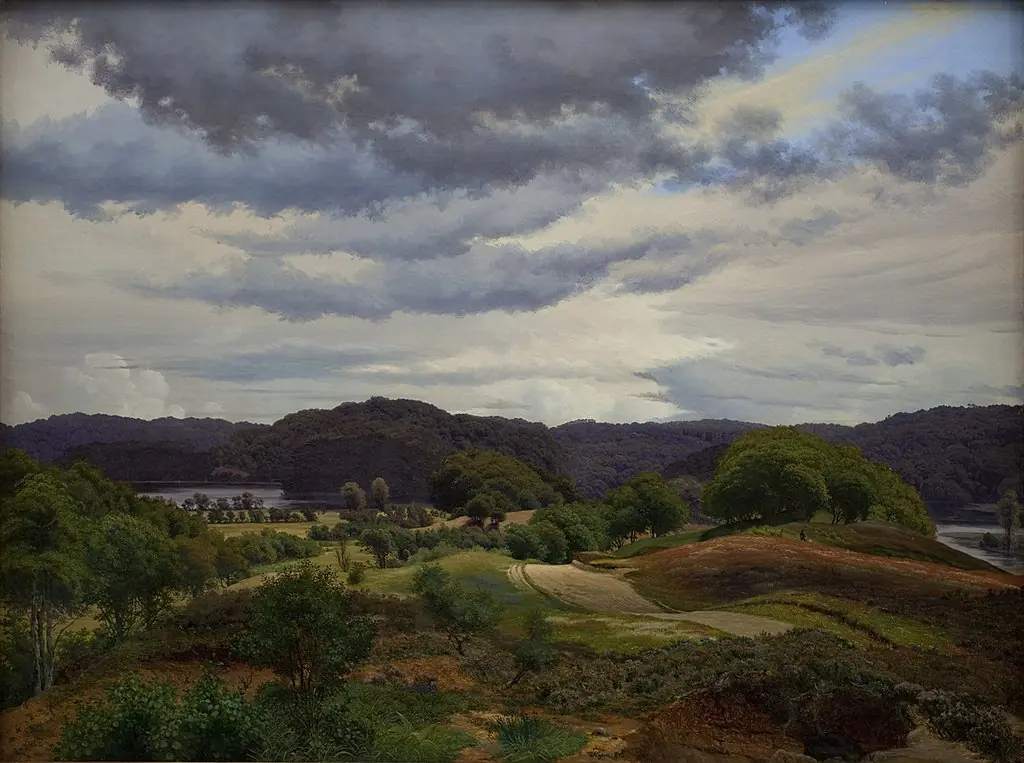 Lakes in Wooded Landscape near Silkeborg
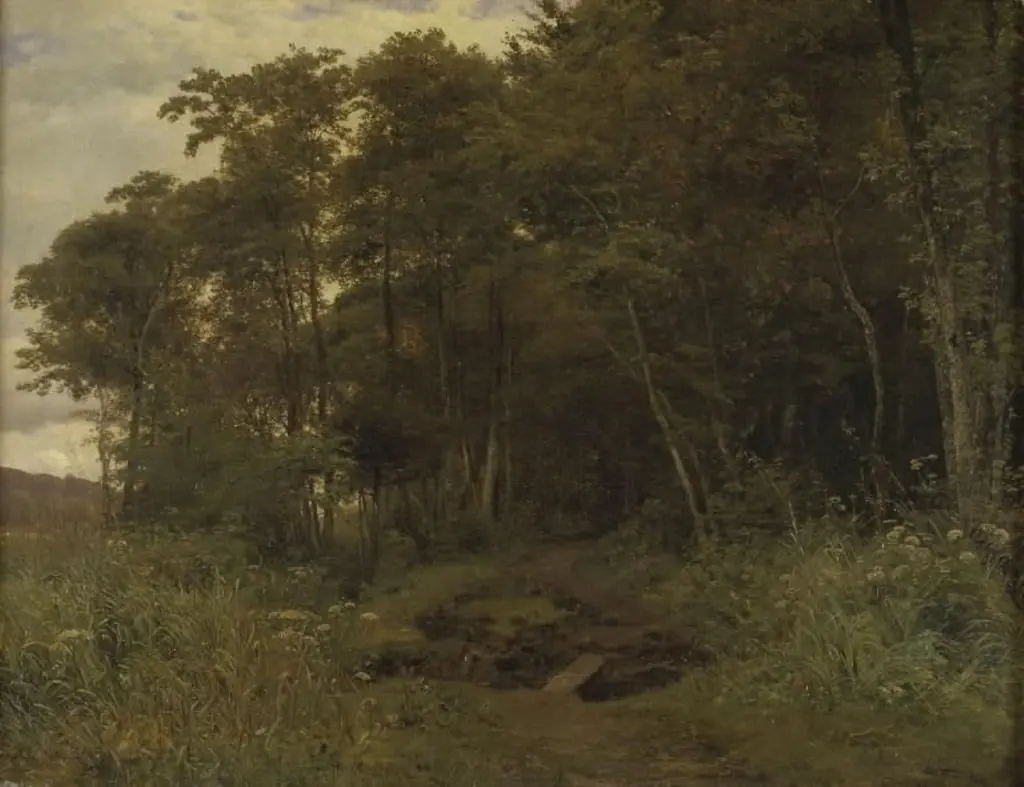 Et ellekrat
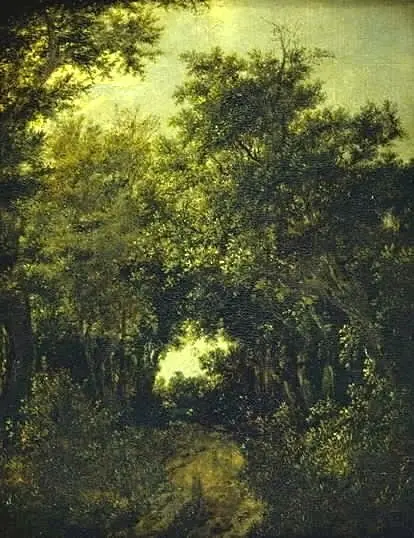 Road in an Oak Forest
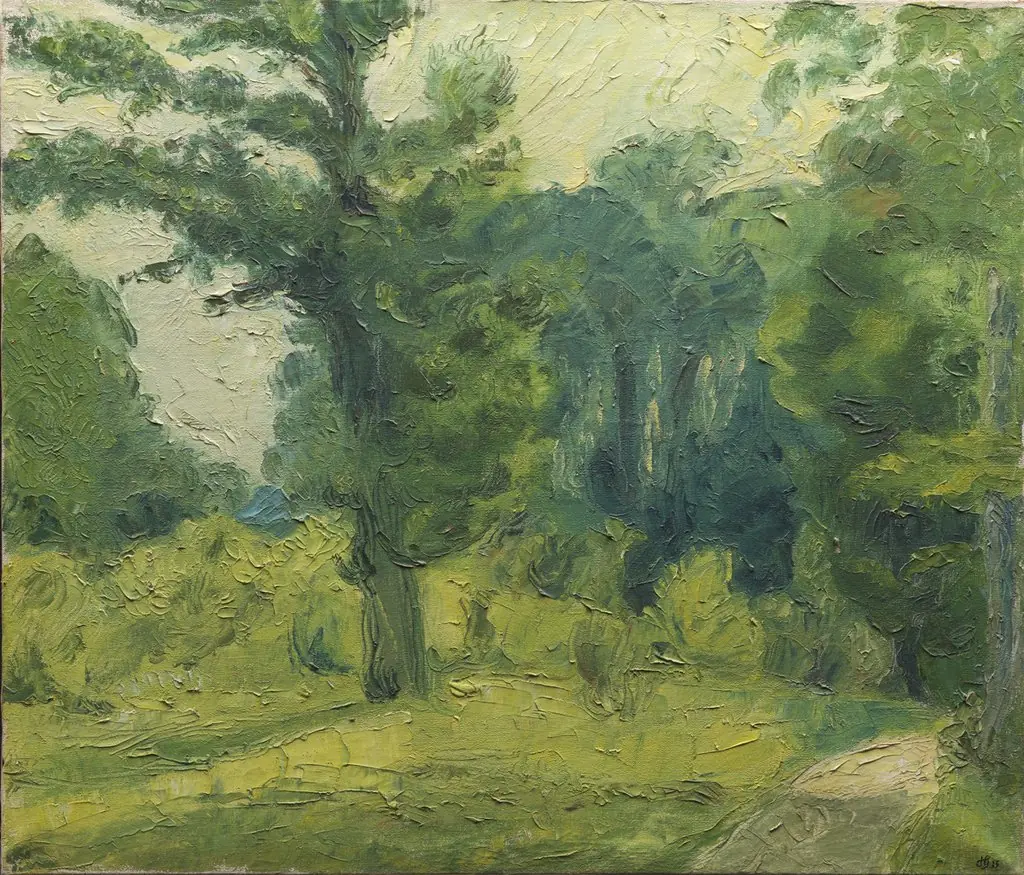 At the Edge of the Wood
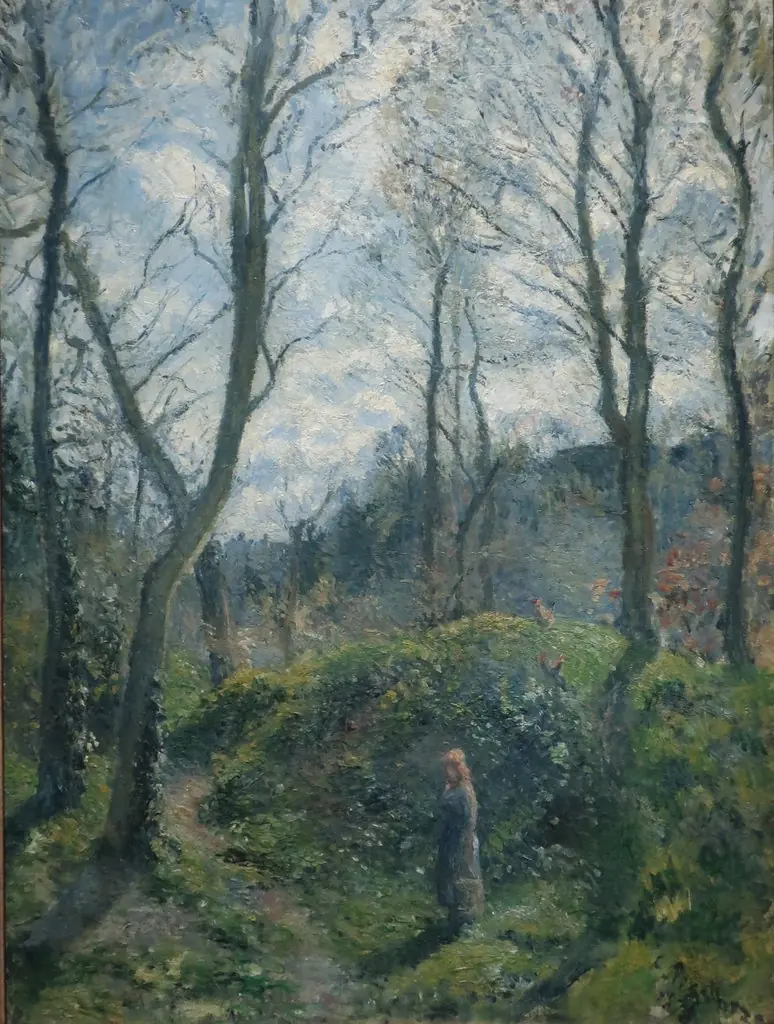 Woodland scene. Spring
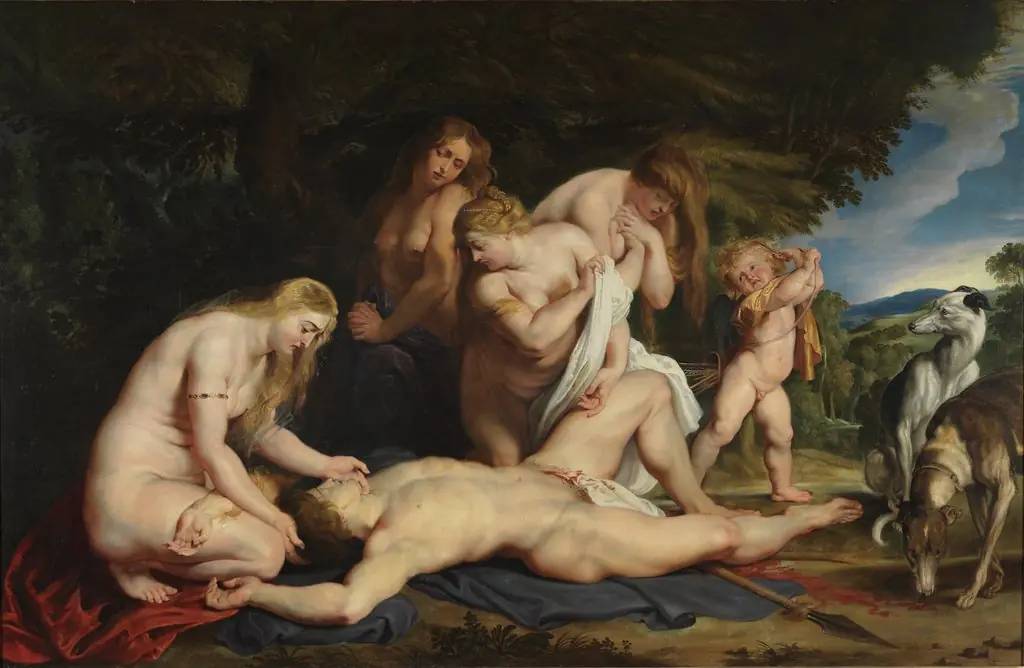 The Death of Adonis
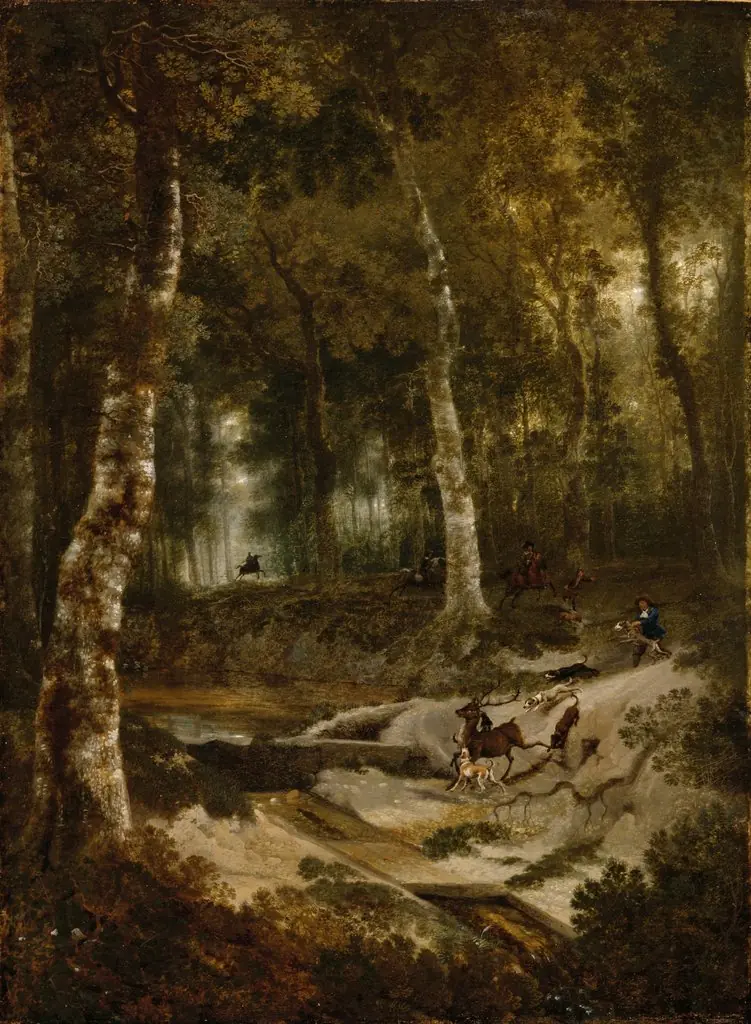 Forest Landscape with Stag Hunt
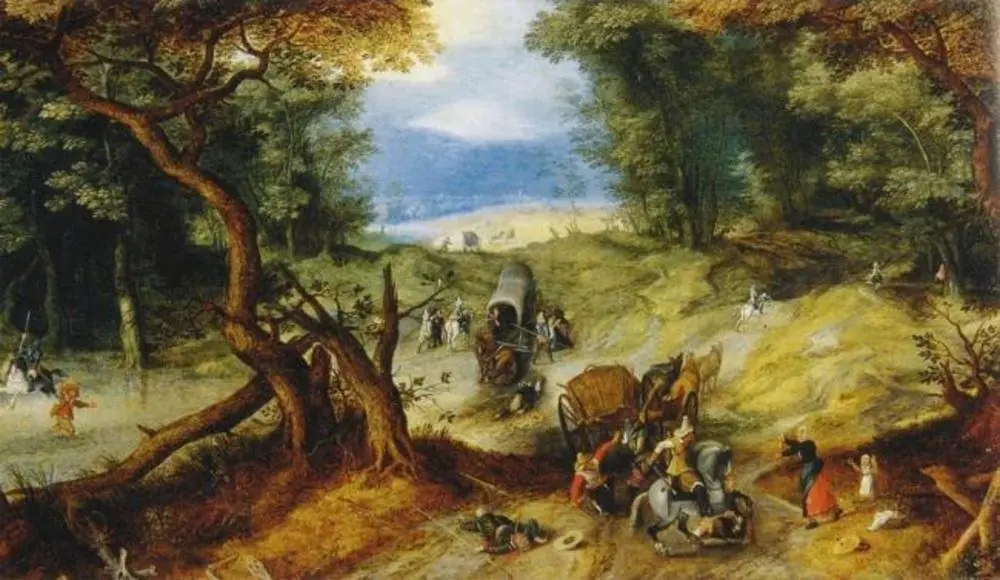 Wooded landscape with a robbery on a forestpath
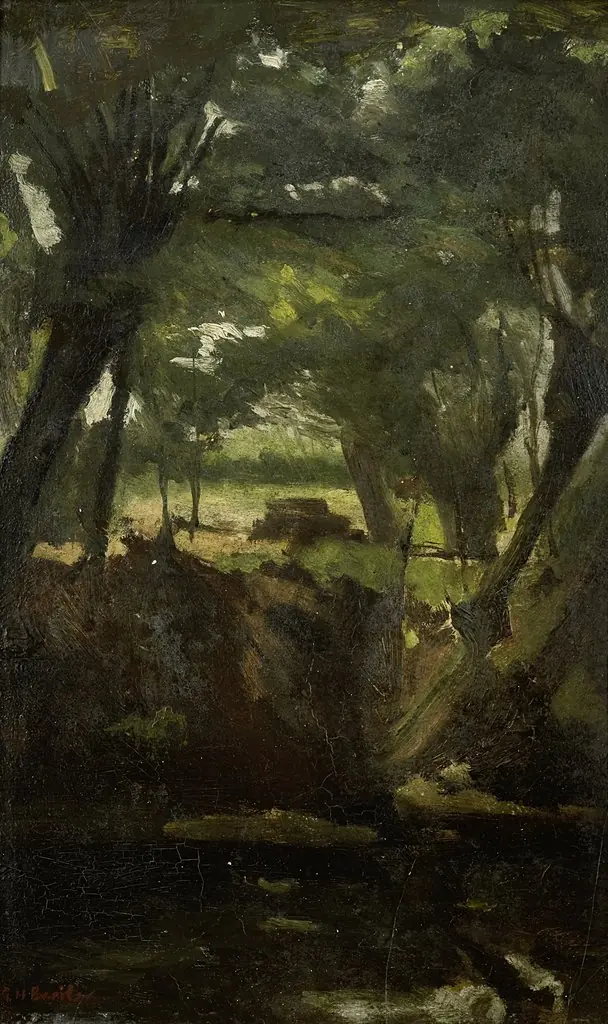 View in the Woods
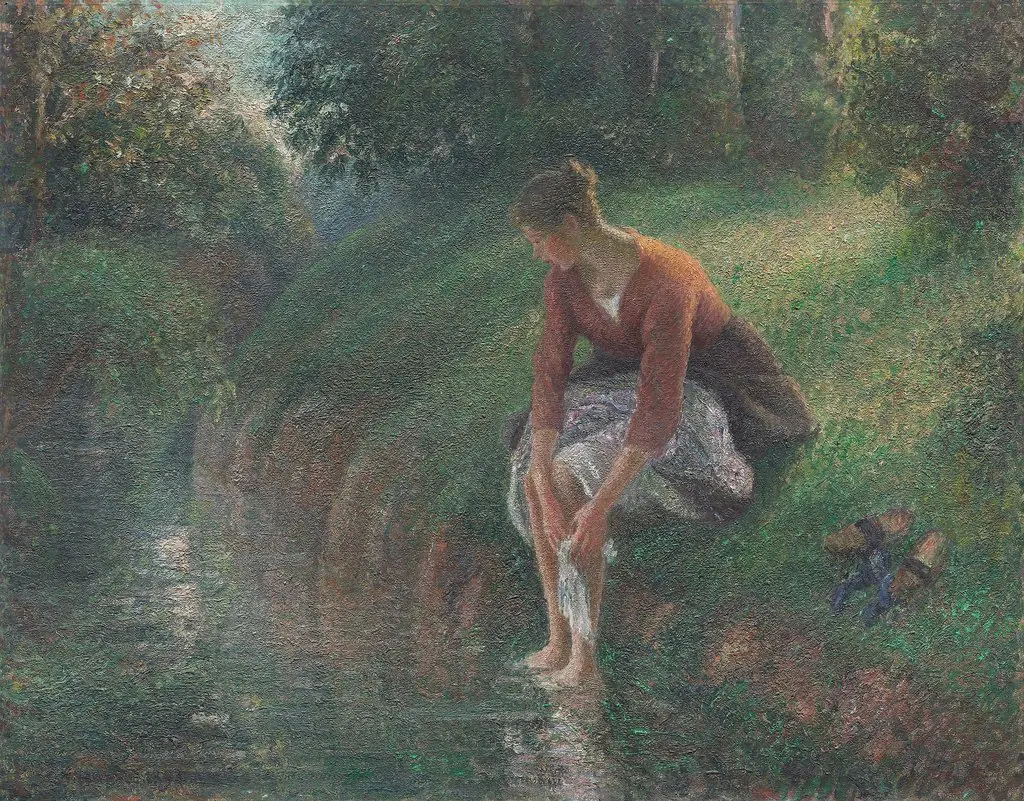 Woman Bathing Her Feet in a Brook
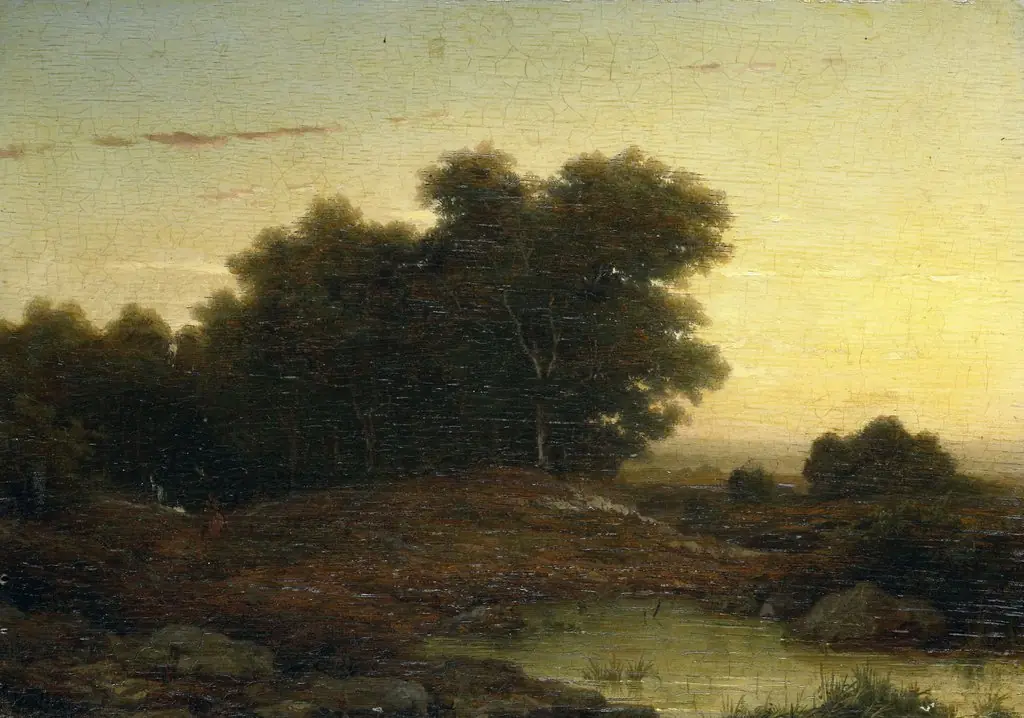 View in the Woods at Sunset
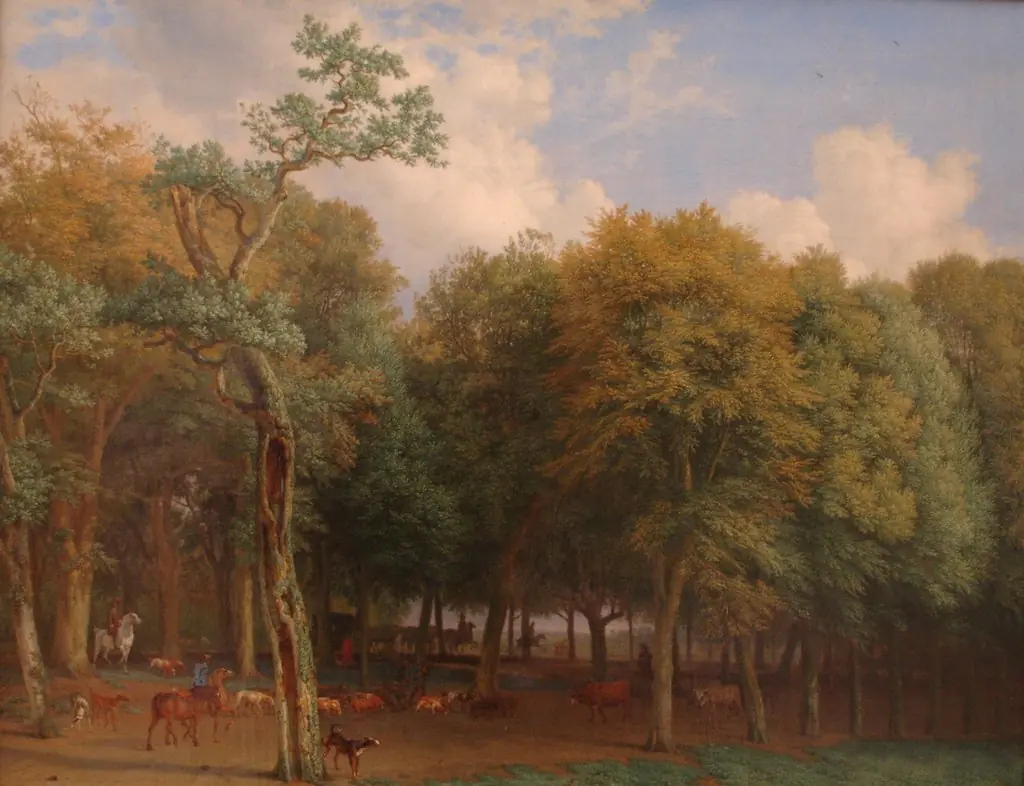 Departure to the Hunt
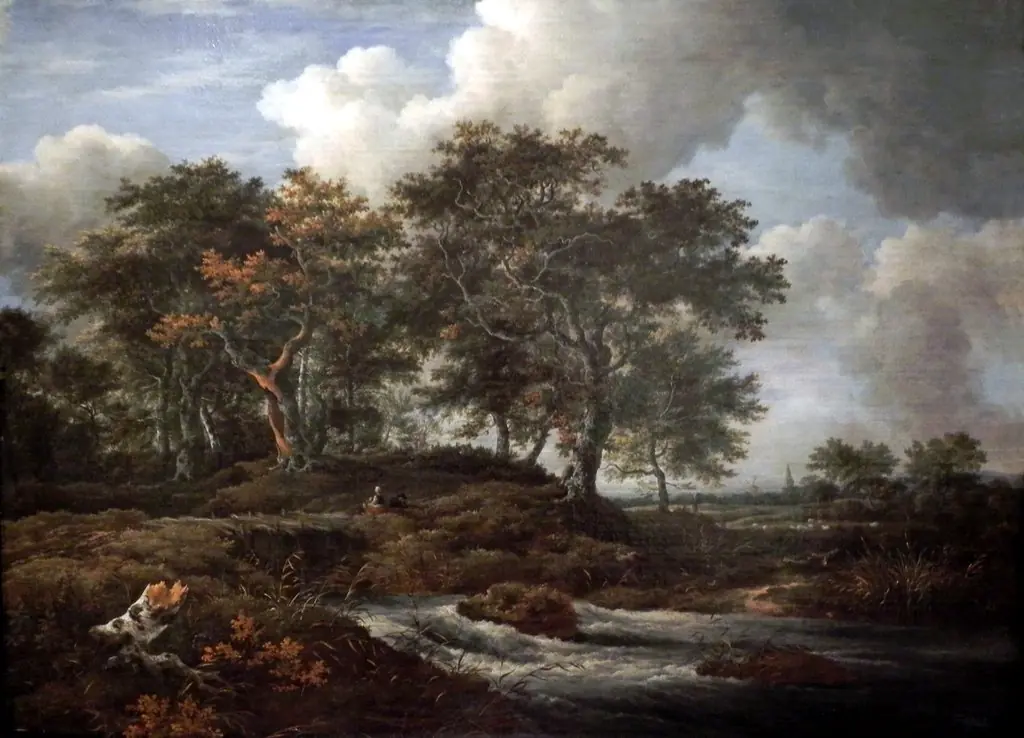 Torrent with Oak Trees
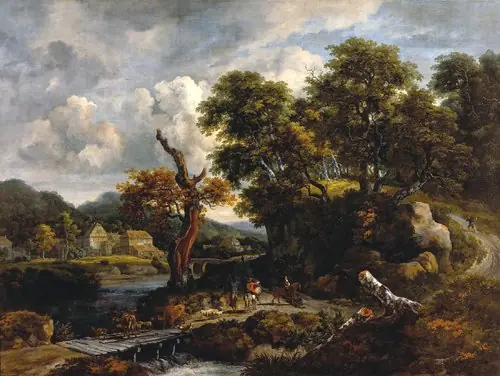 Travellers and shepherds at a crossroads near a dead tree
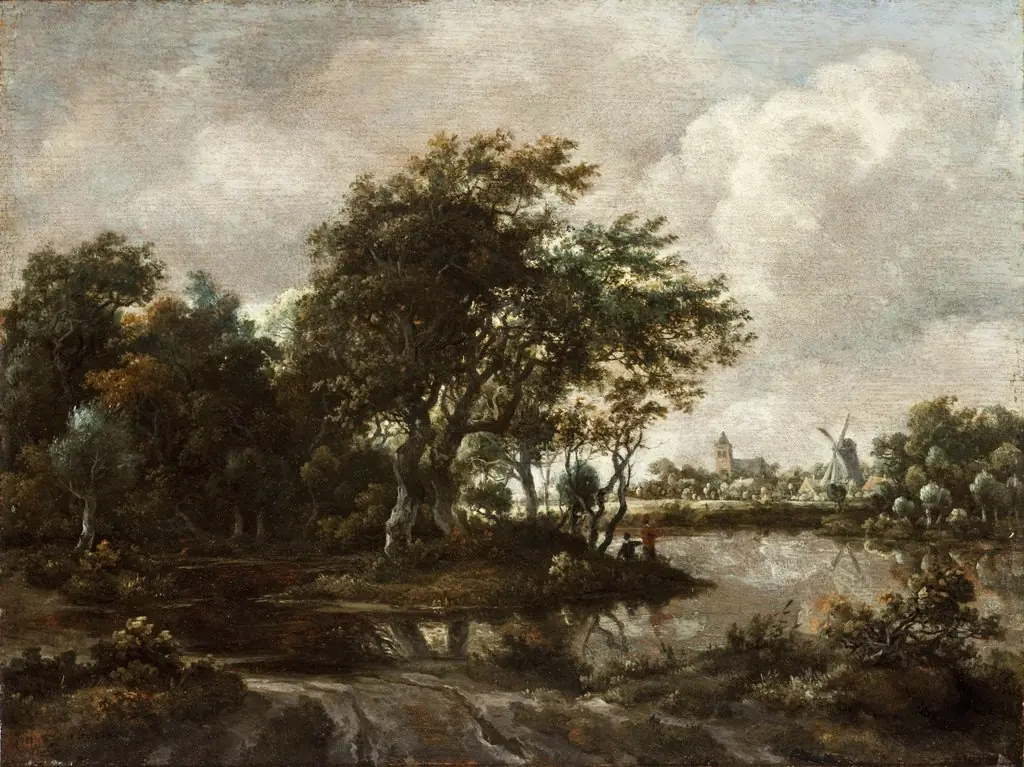 Landscape with Anglers and a Distant Town
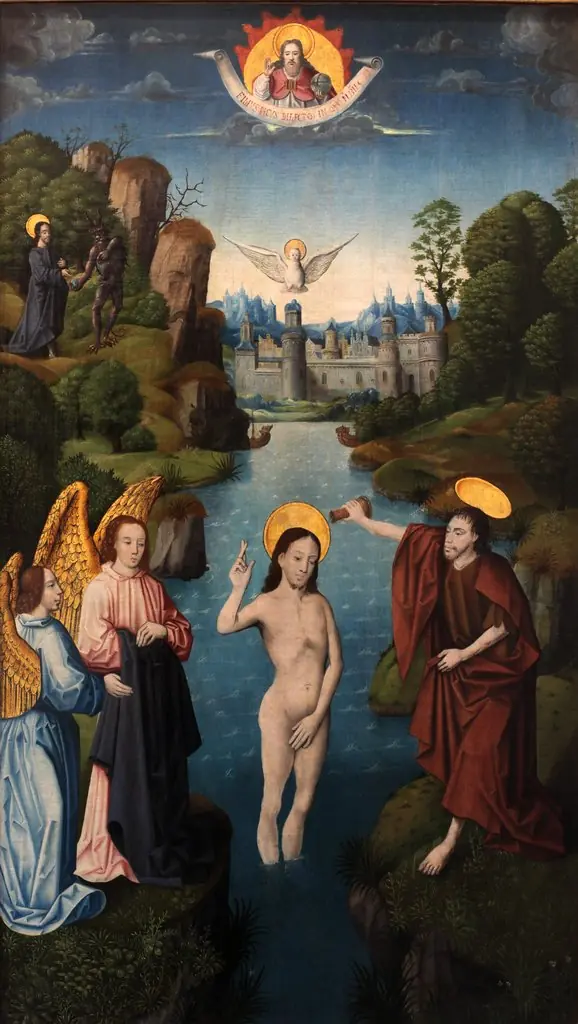 Le baptême du Christ
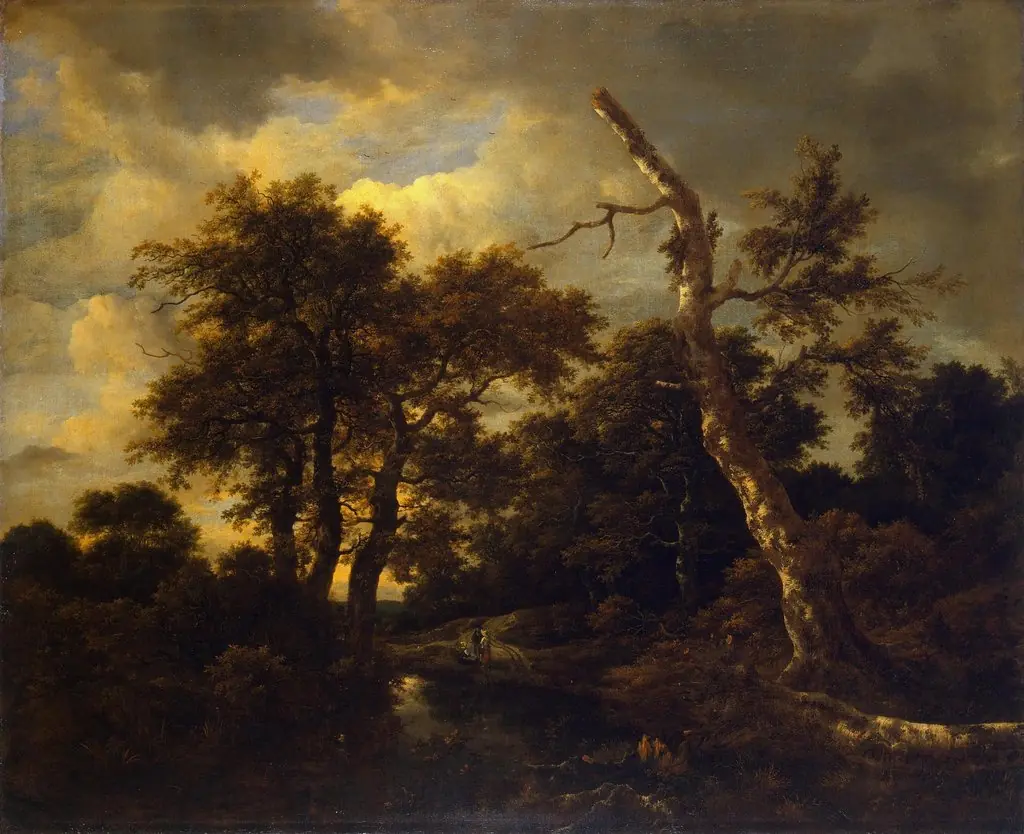 Winter landscape with dead tree
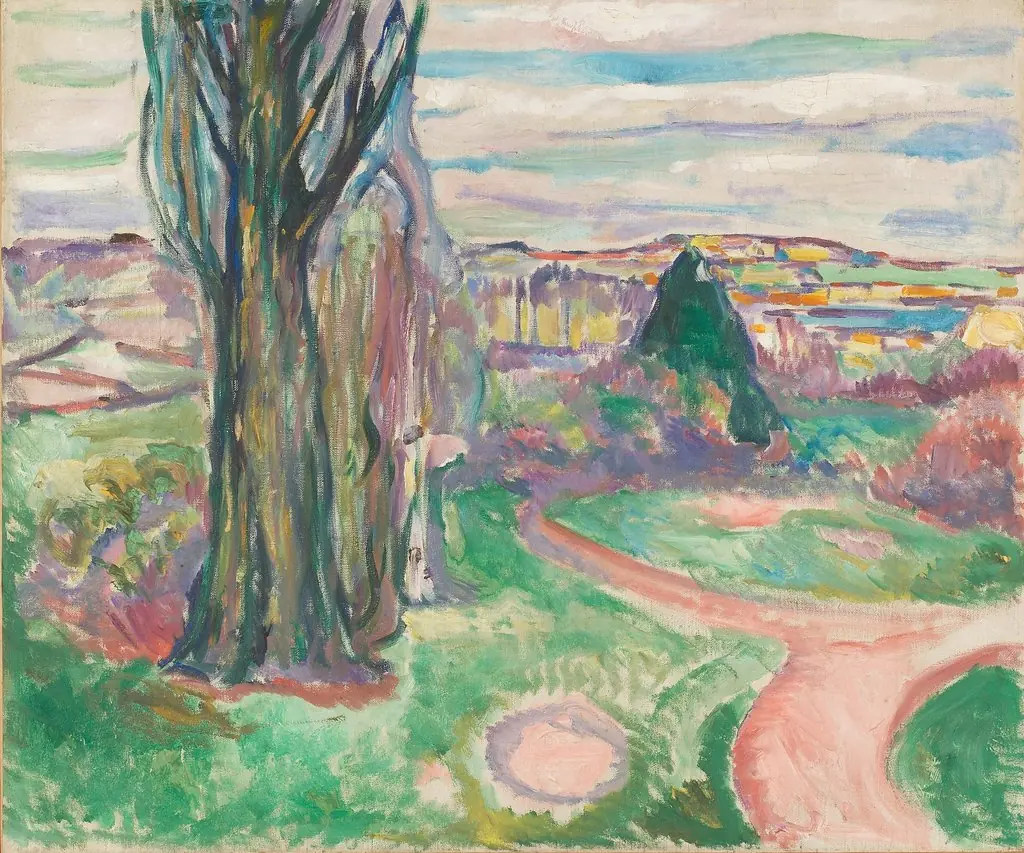 From Jeløya
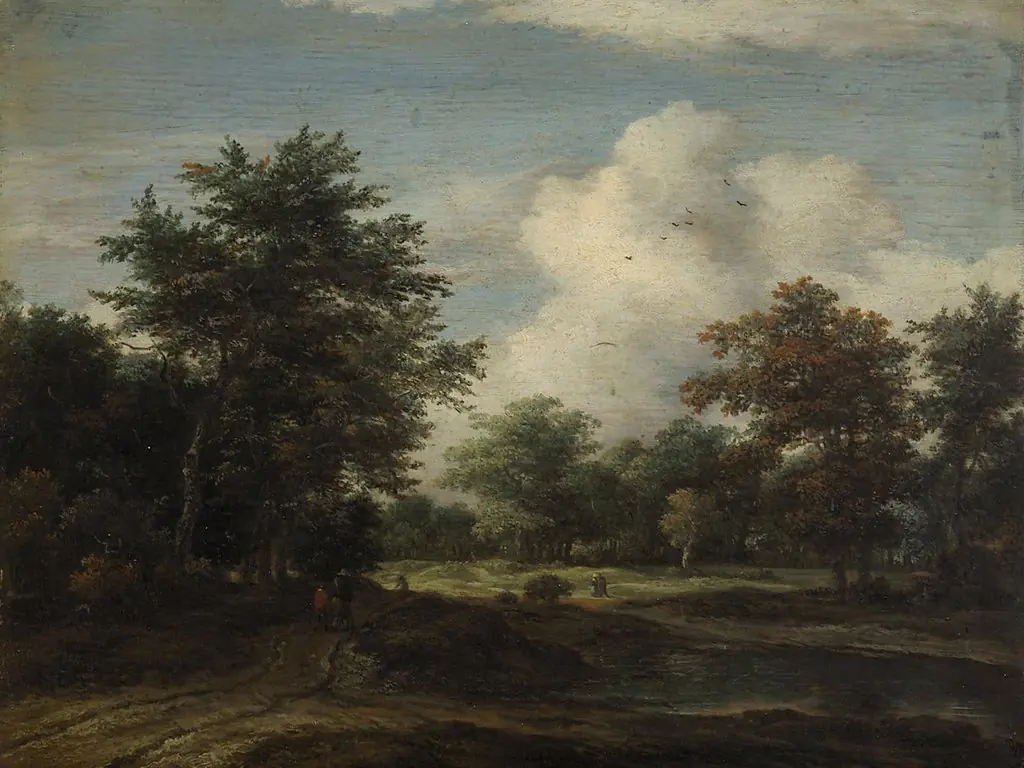 Small Woodland Landscape
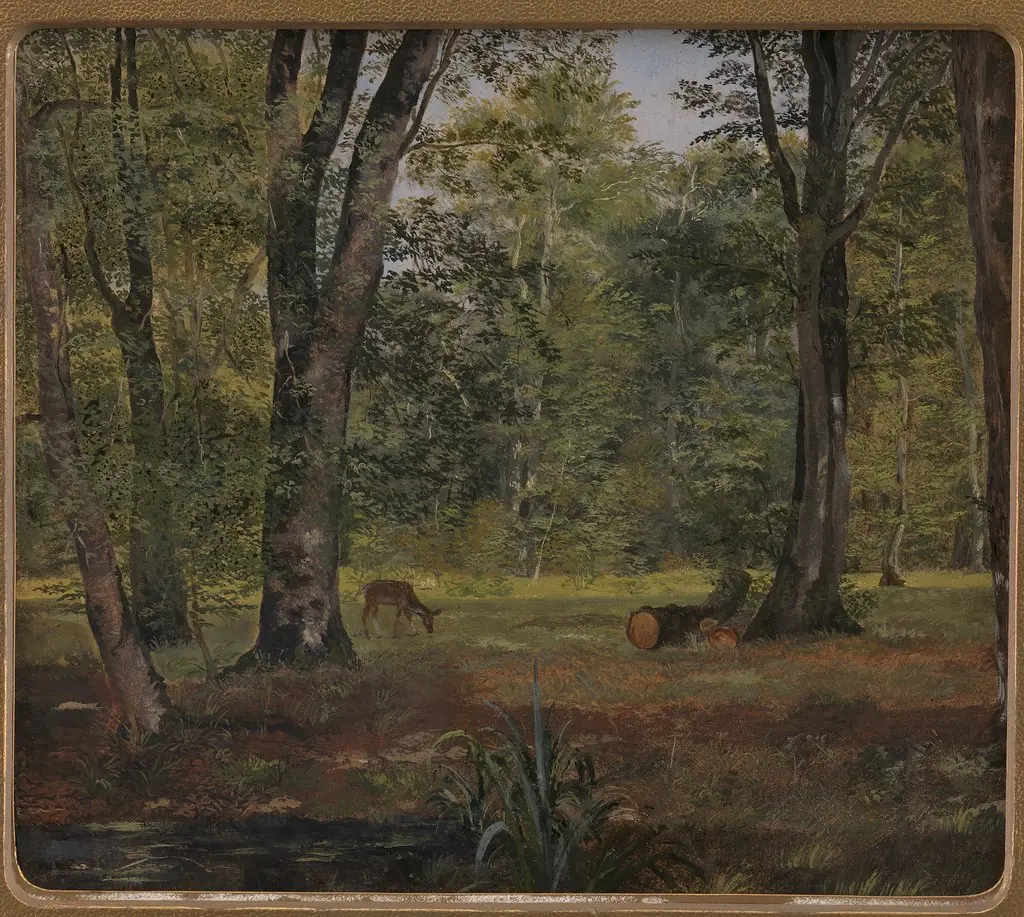 Charlottenlund Wood, North of Copenhagen
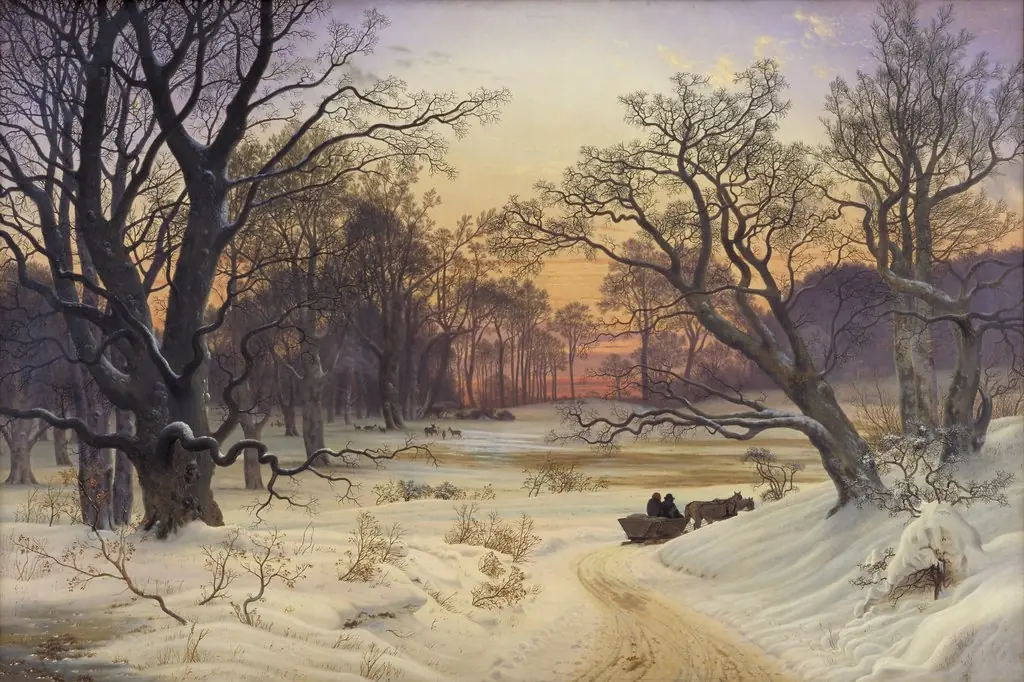 Winter Night in a Forest
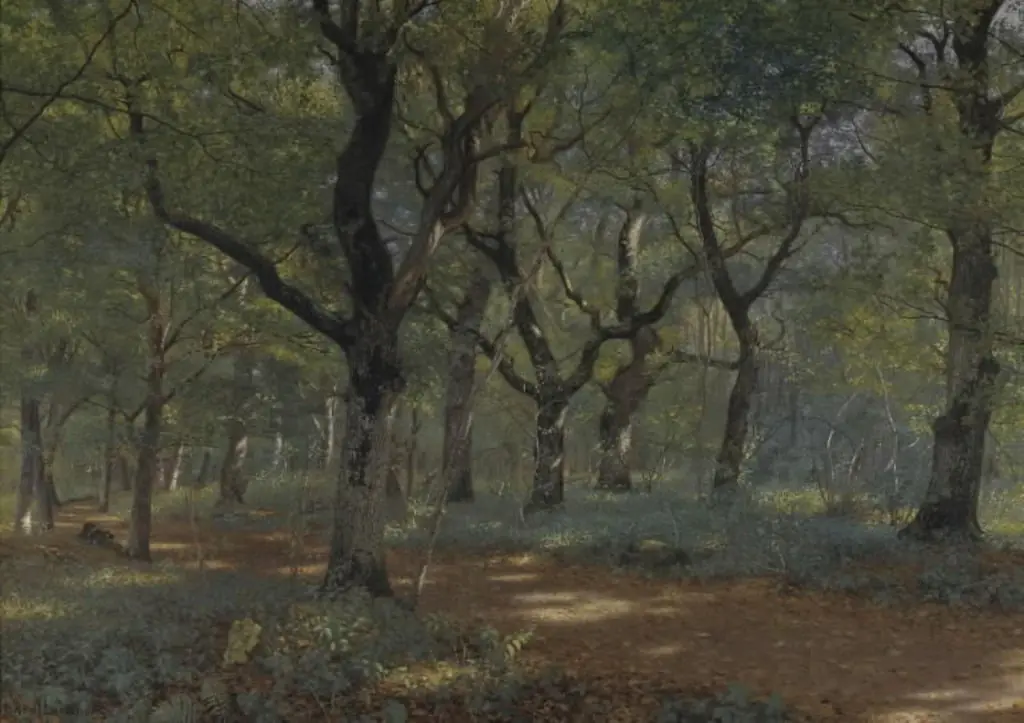 Inde i skoven
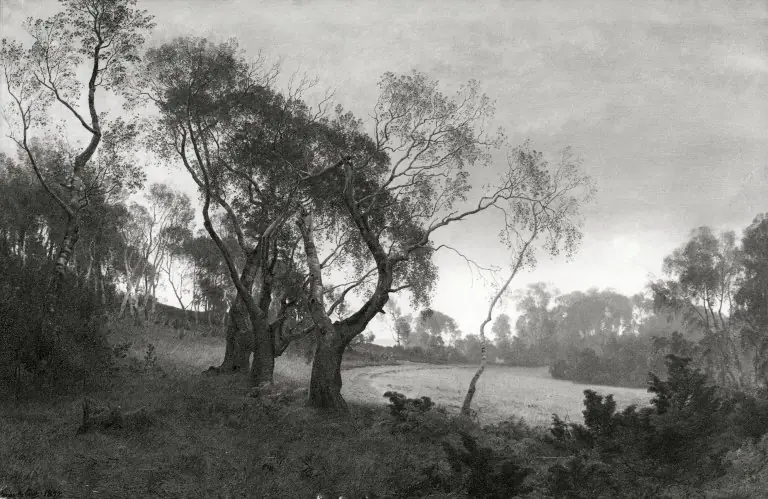 Tåget efterårsmorgen i udkanten af en birkeskov. Motiv fra egnen ved Silkeborg
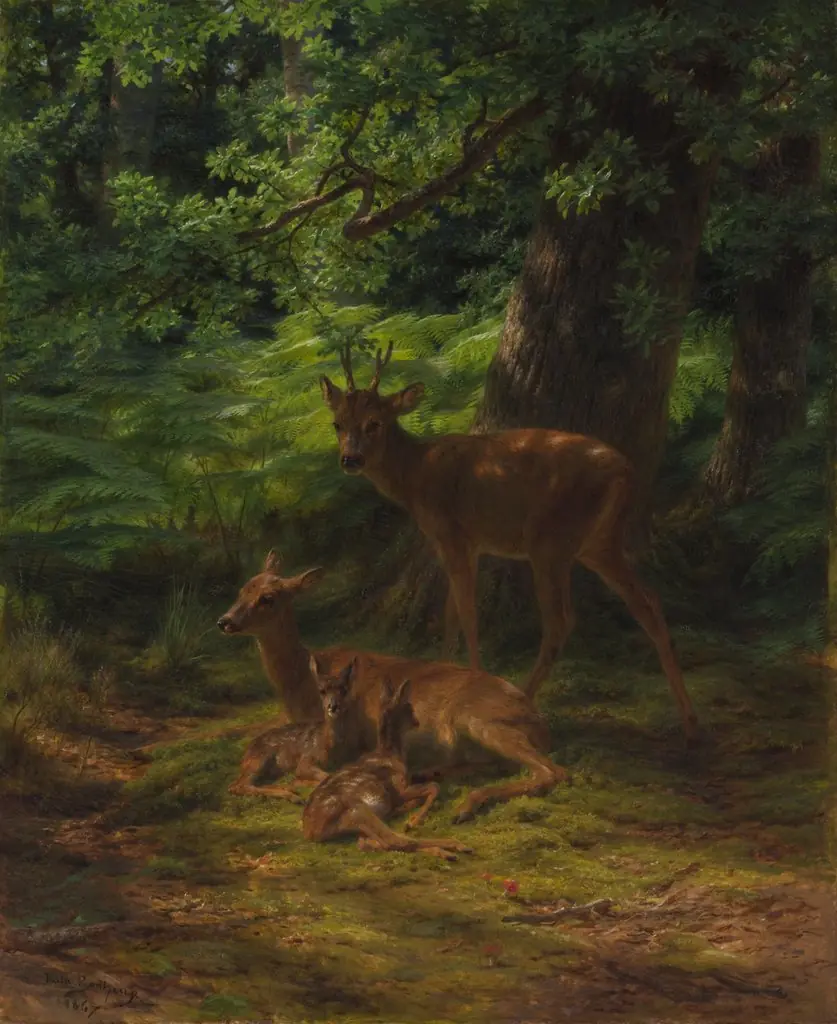 Deer in Repose
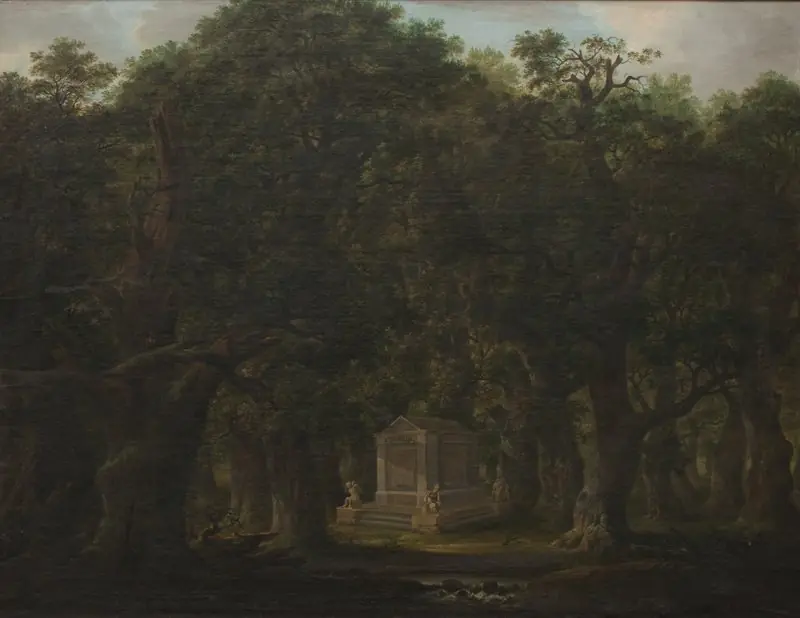 Monument in an Oak Wood
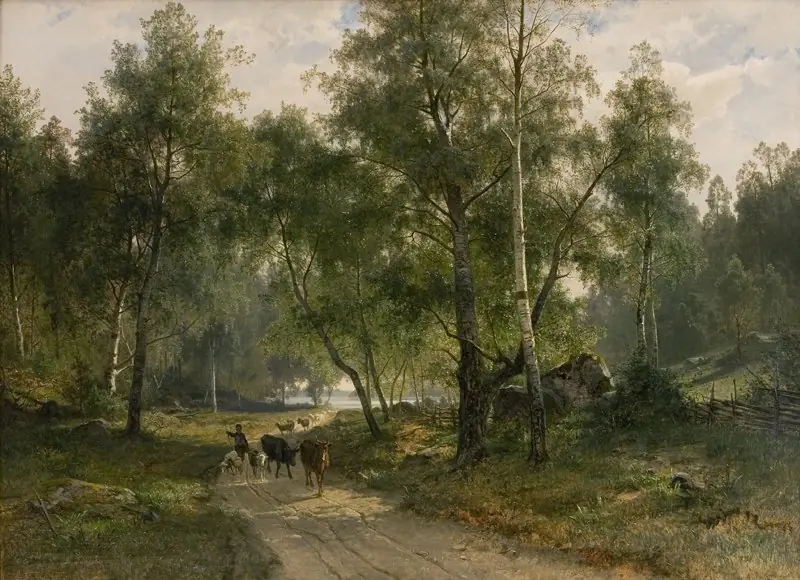 Beneath the Birches. Motif from Mälaren
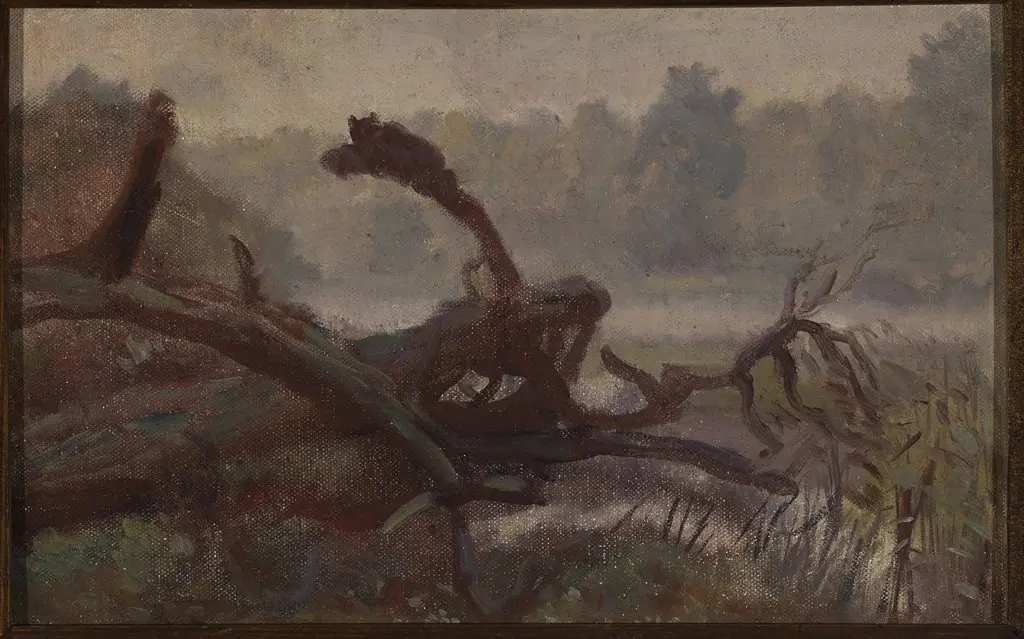 Deep forest – Windthrows, sketch for a painting
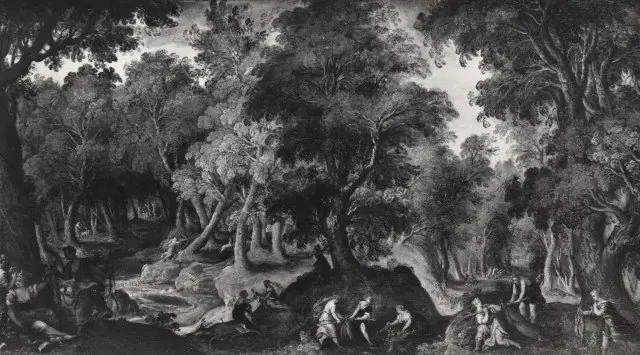 Wooded landscape with Diana and her nymphs
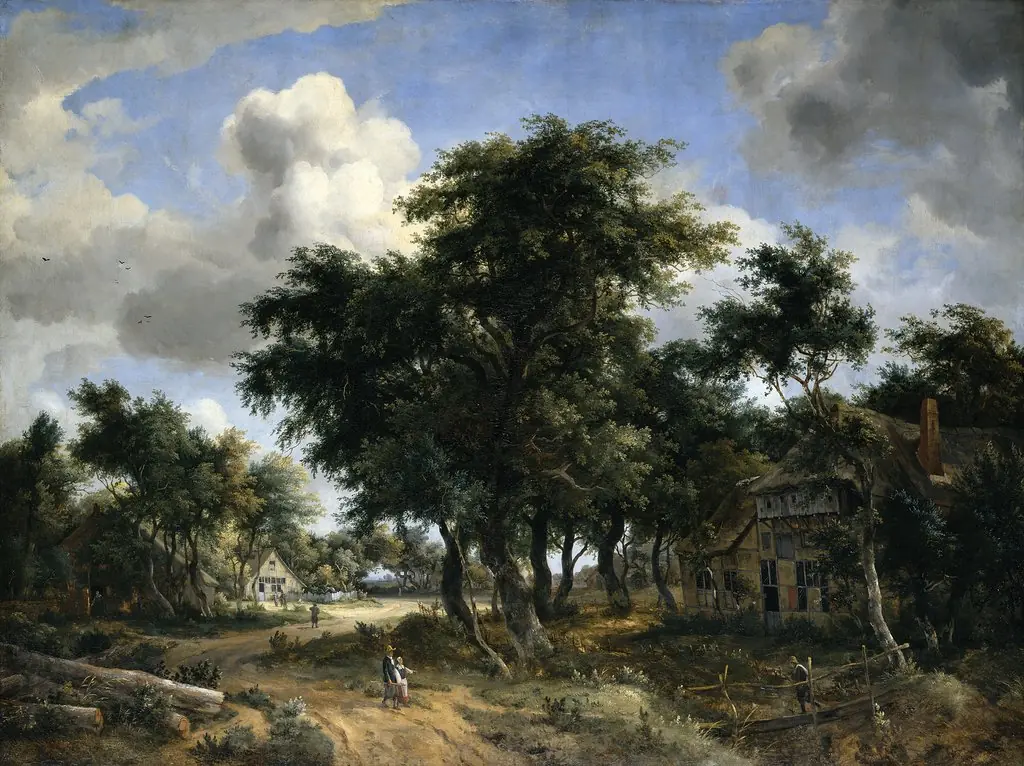 Village Street under Trees
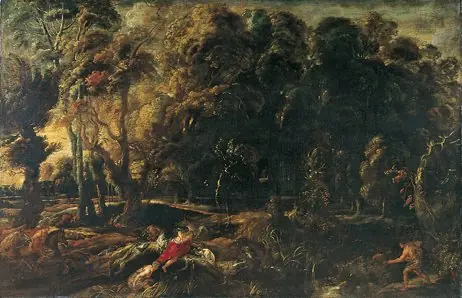 Landscape with Atalanta and Meleager pursuing the Calydonian boar (Ovid, Metamorphoses, VIII, 229-237)
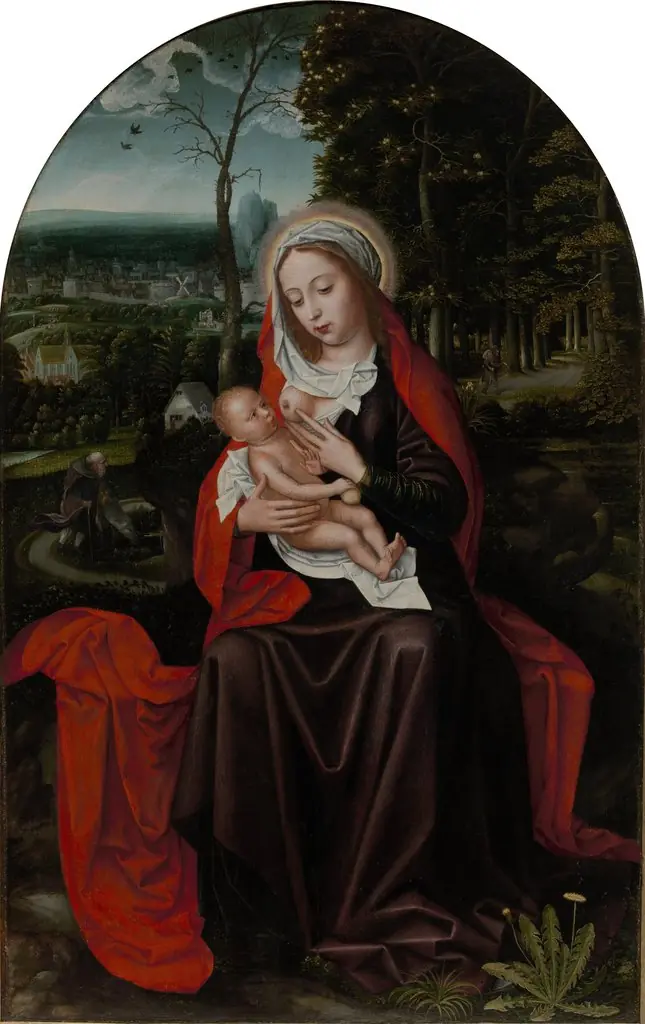 Rest on the flight into Egypt
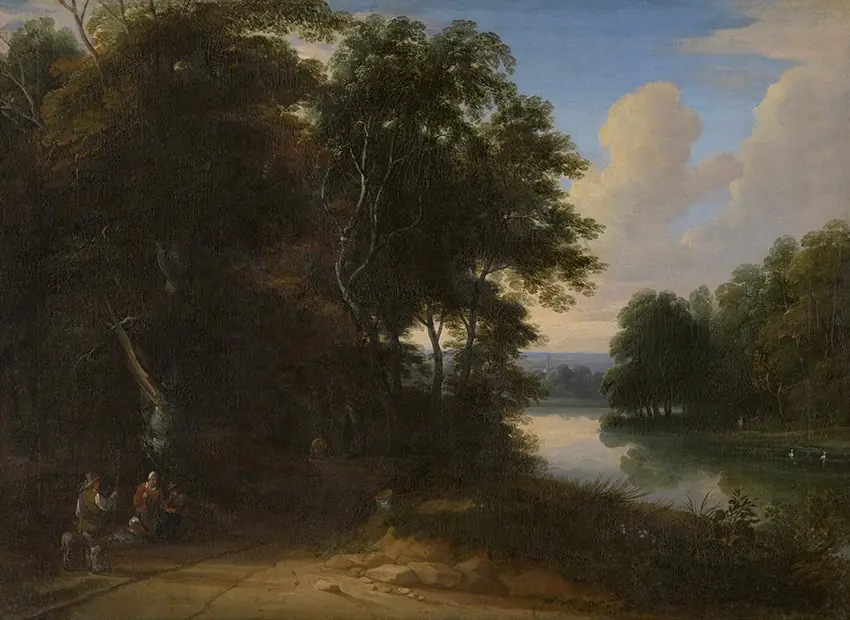 Boslandschap met rivier
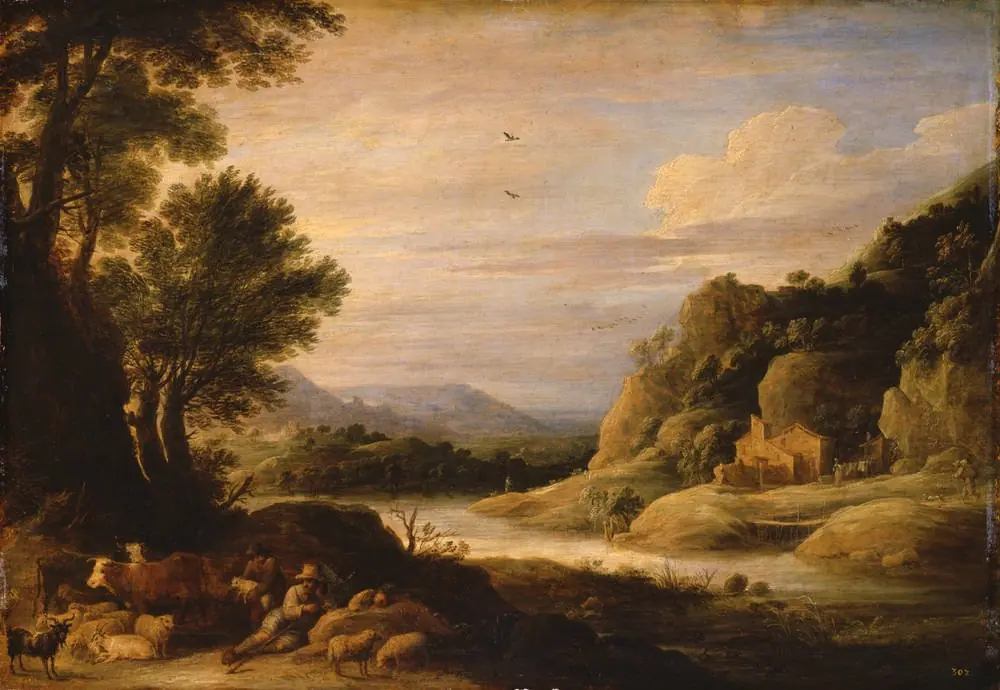 River landscape with resting shepherds and herds
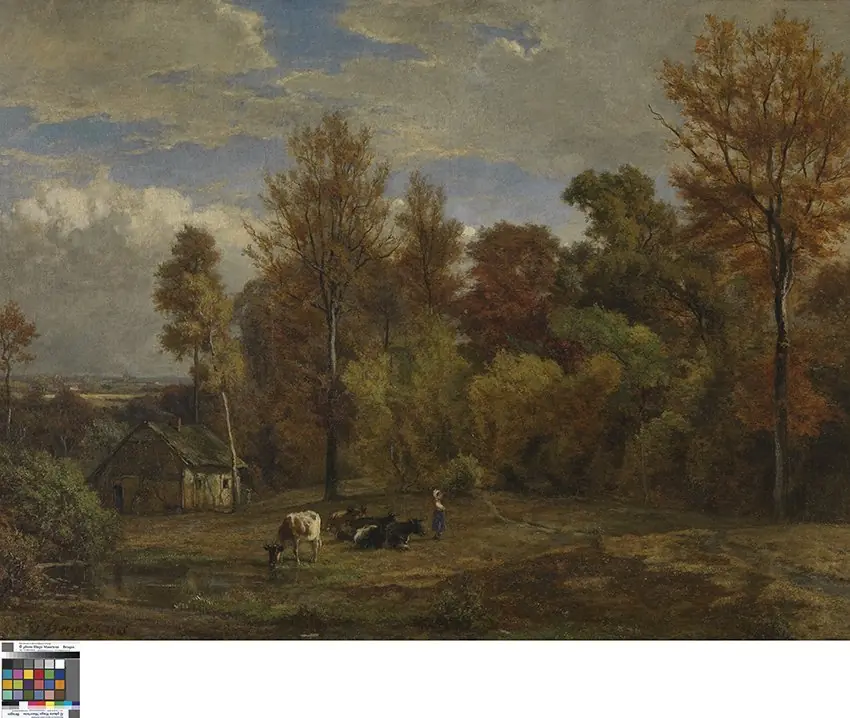 Boslandschap bij Presles
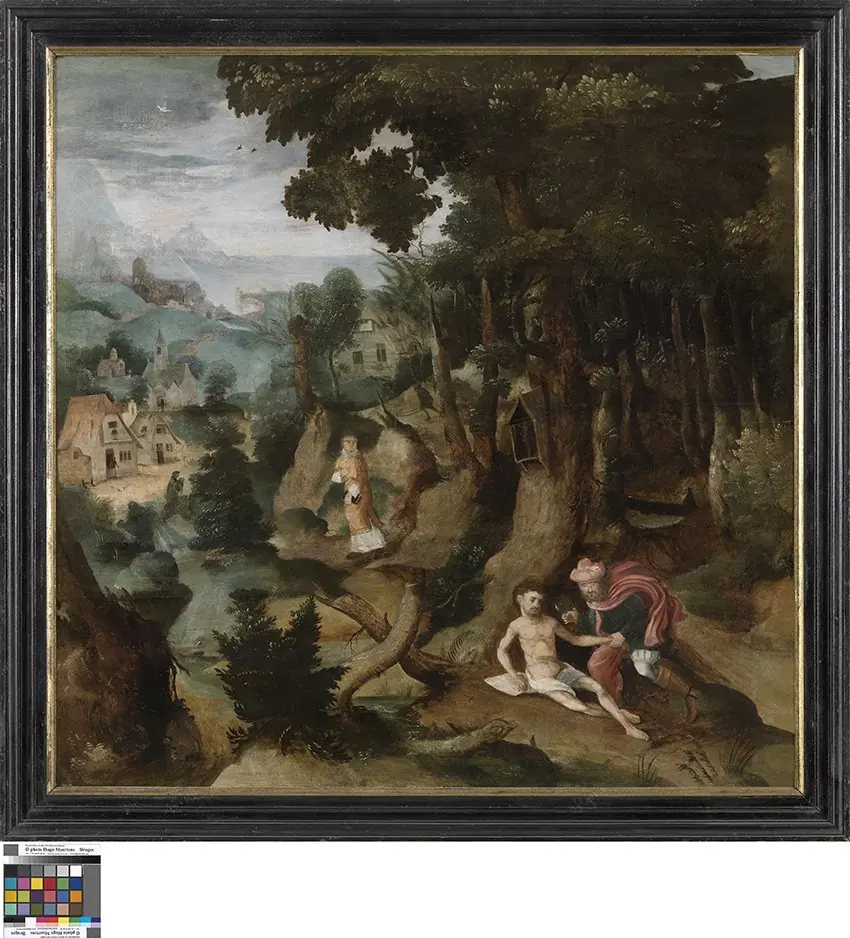 The Good Samaritan
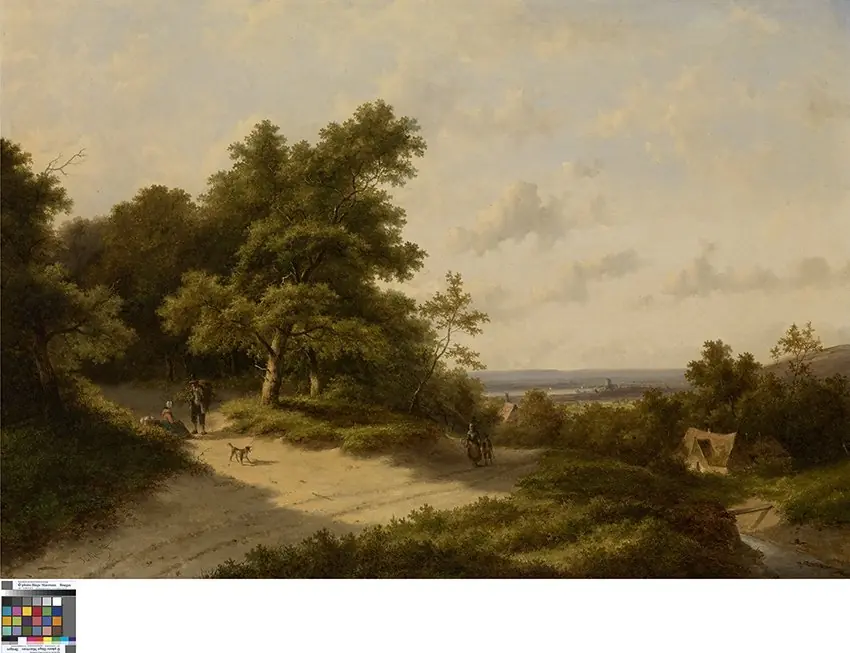 Landschap
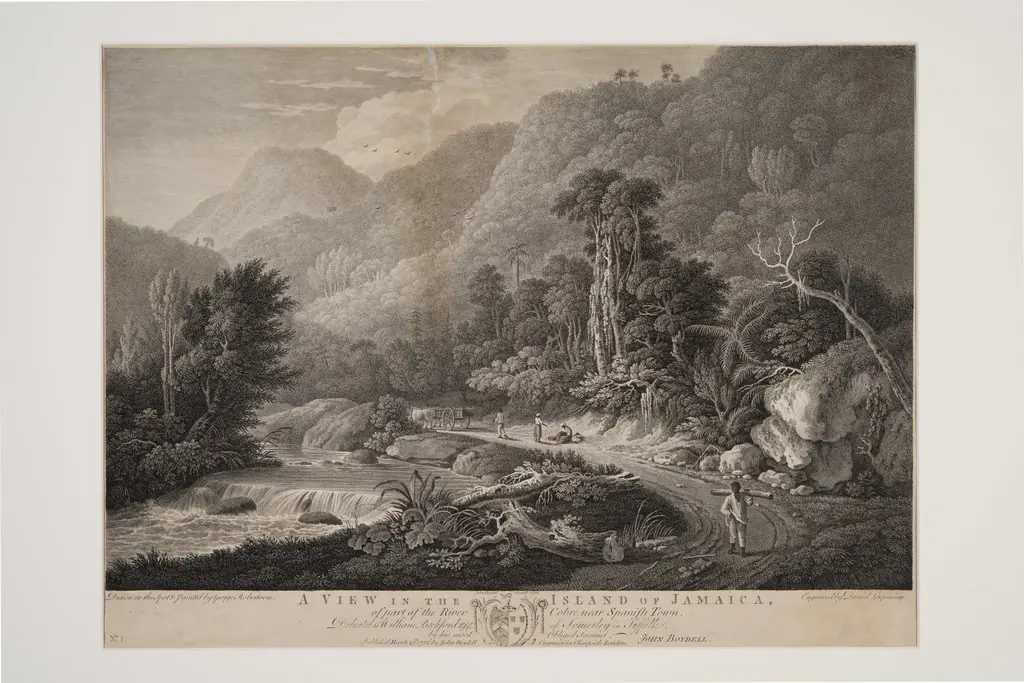 A View in the Island of Jamaica, of Part of the River Cobre near Spanish Town
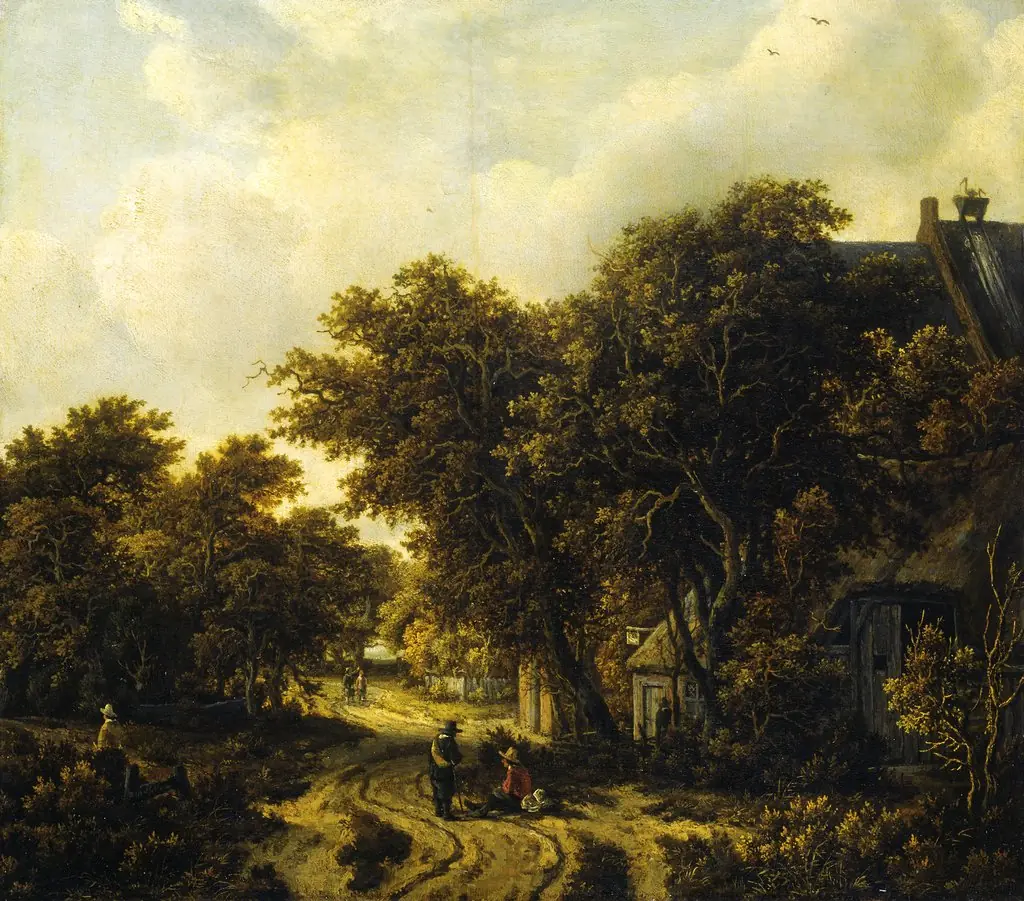 Landscape with an Inn
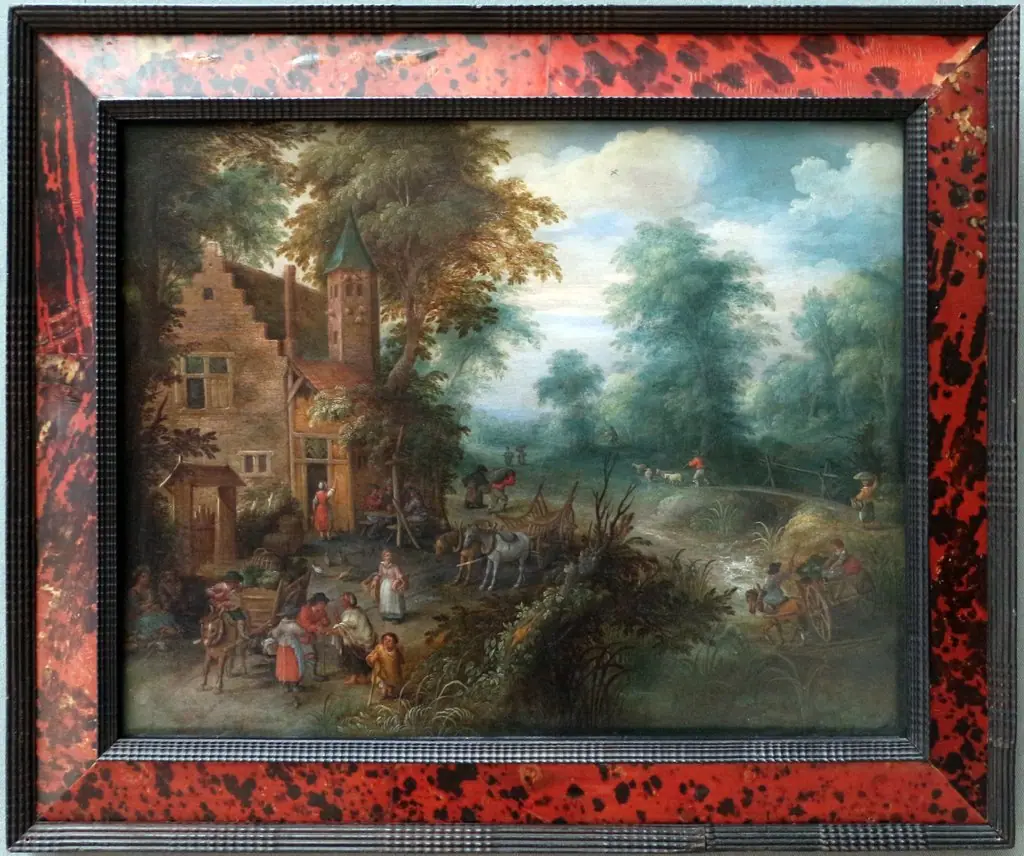 The Inn
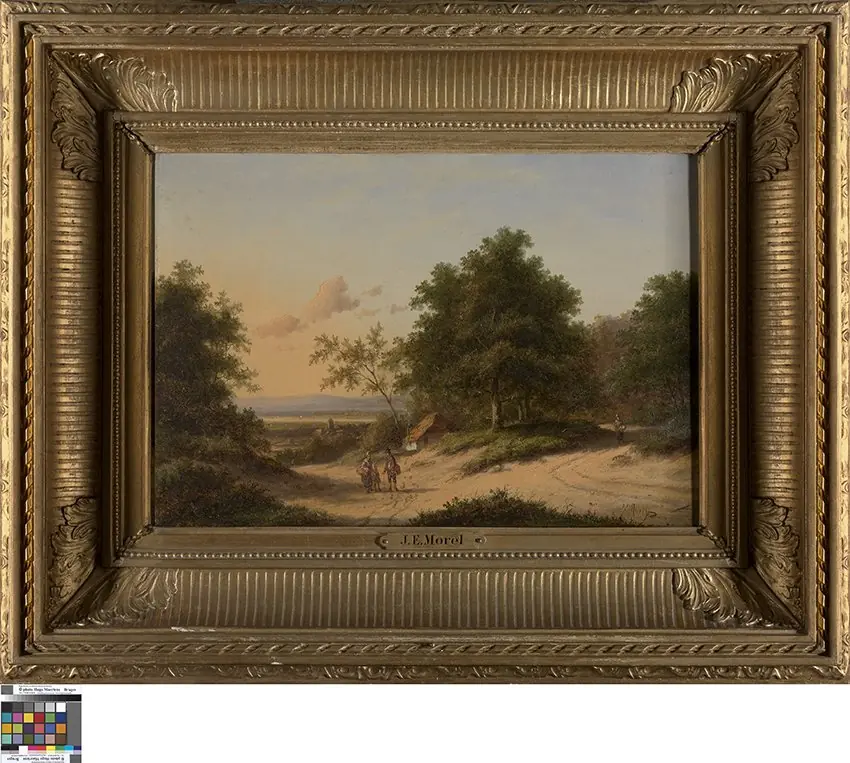 Boslandschap
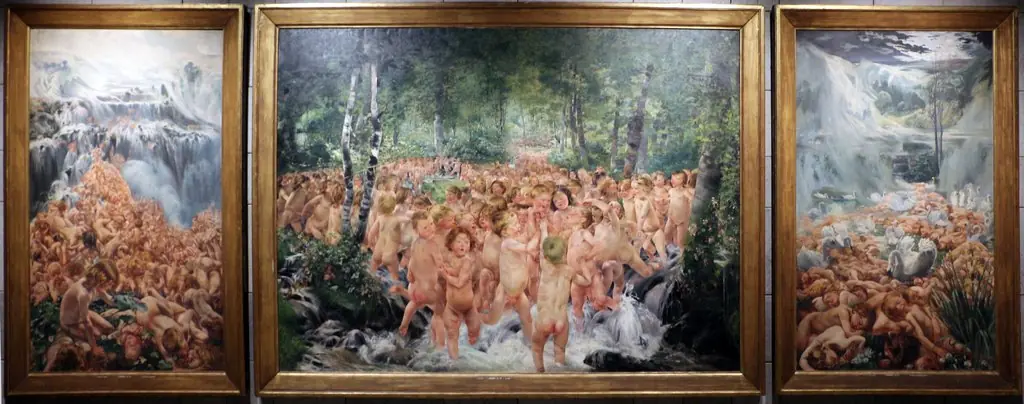 The Stream
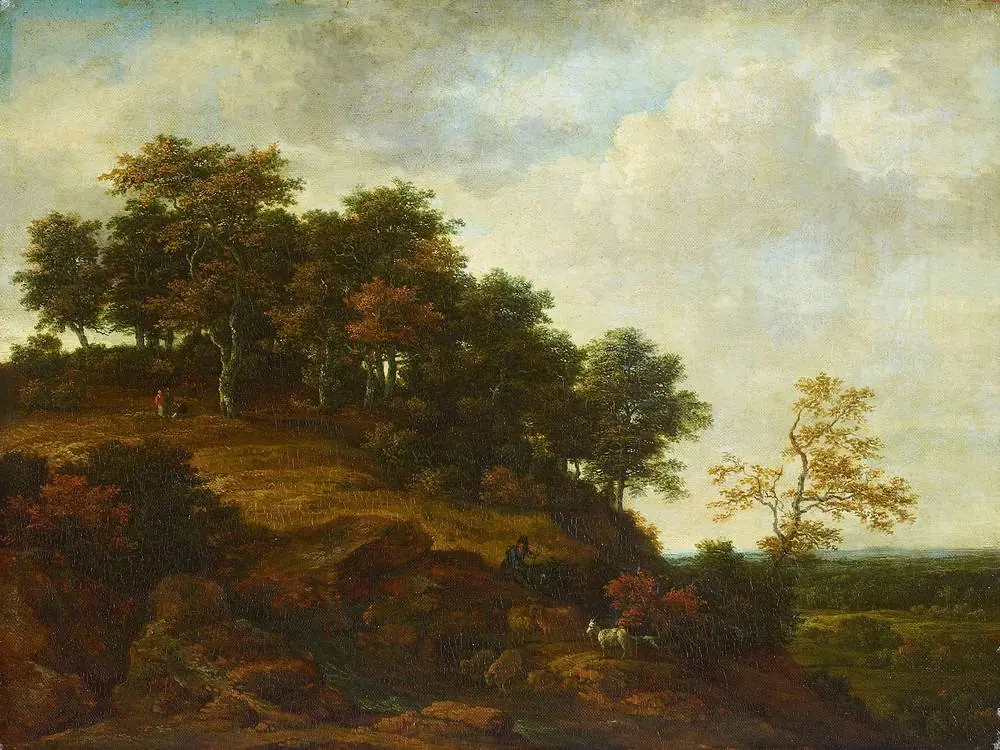 A hill with an oak wood and a little waterfall
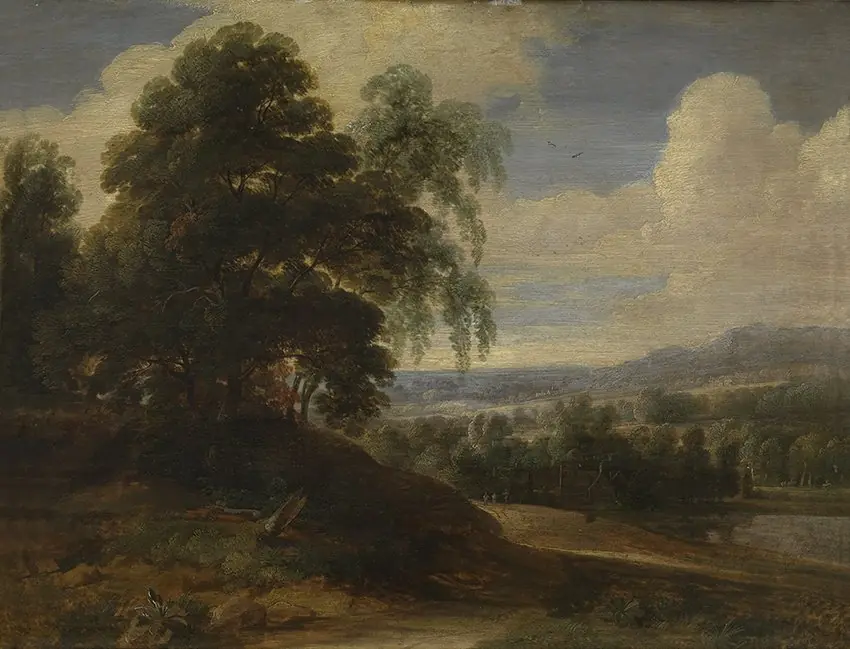 Landschap
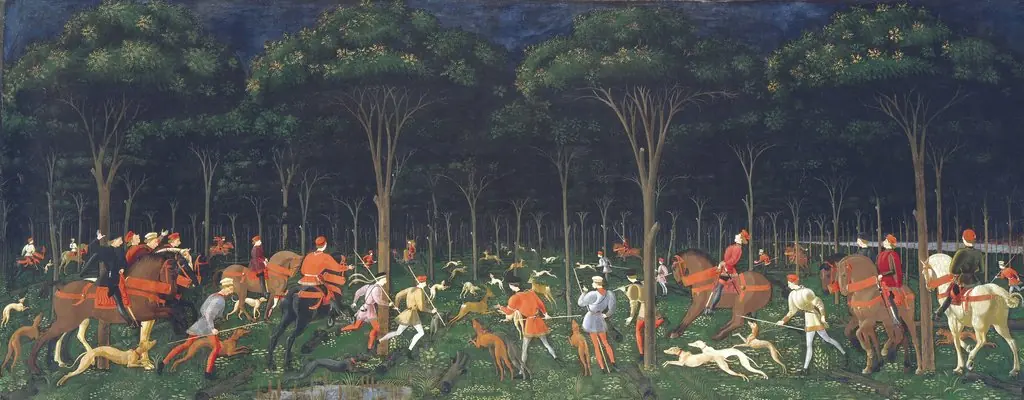 The Hunt in the Forest
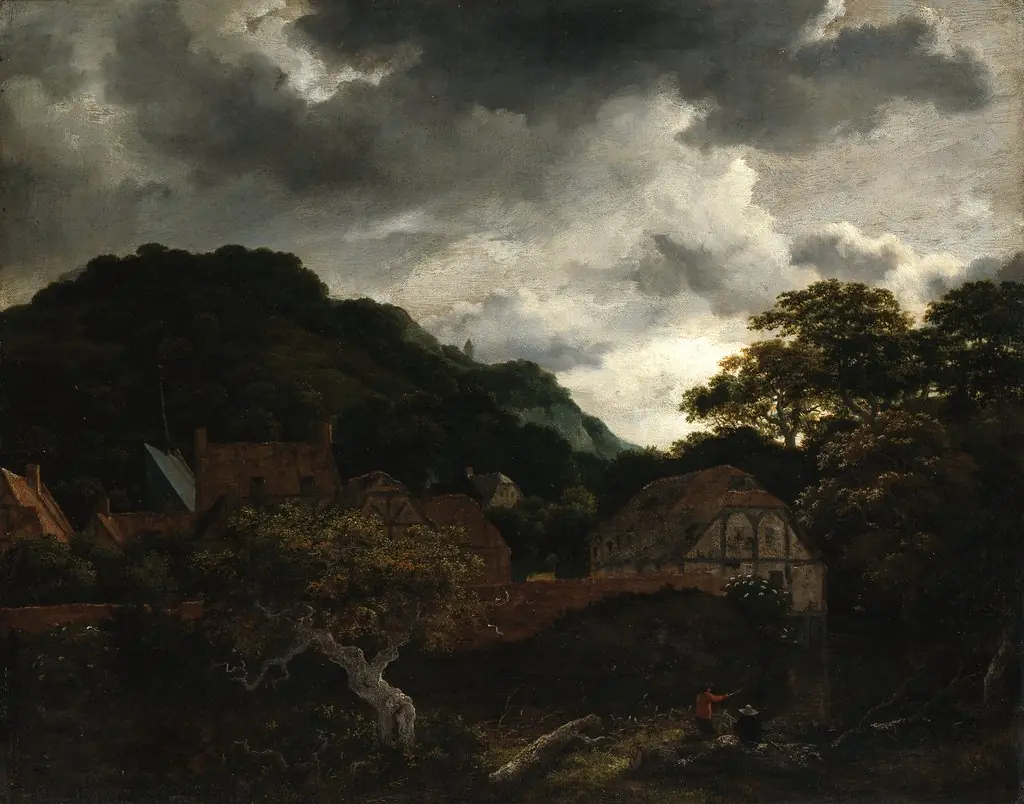 Village at the Wood's Edge
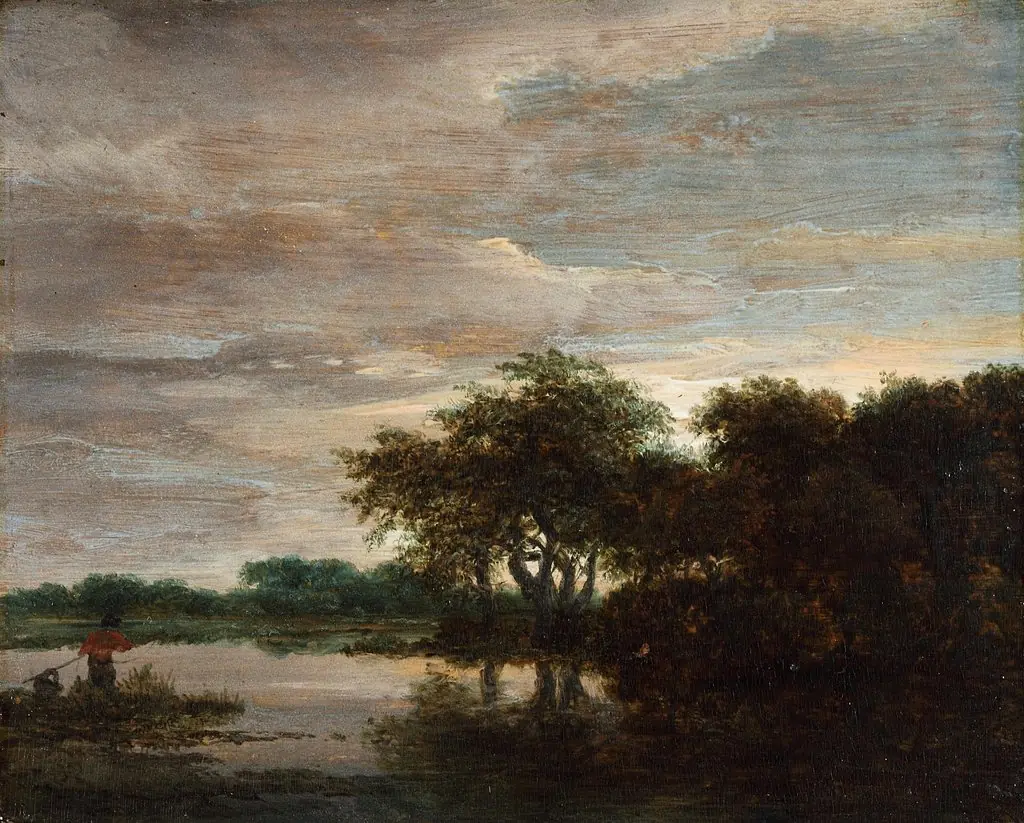 Woodland Scene with Lake
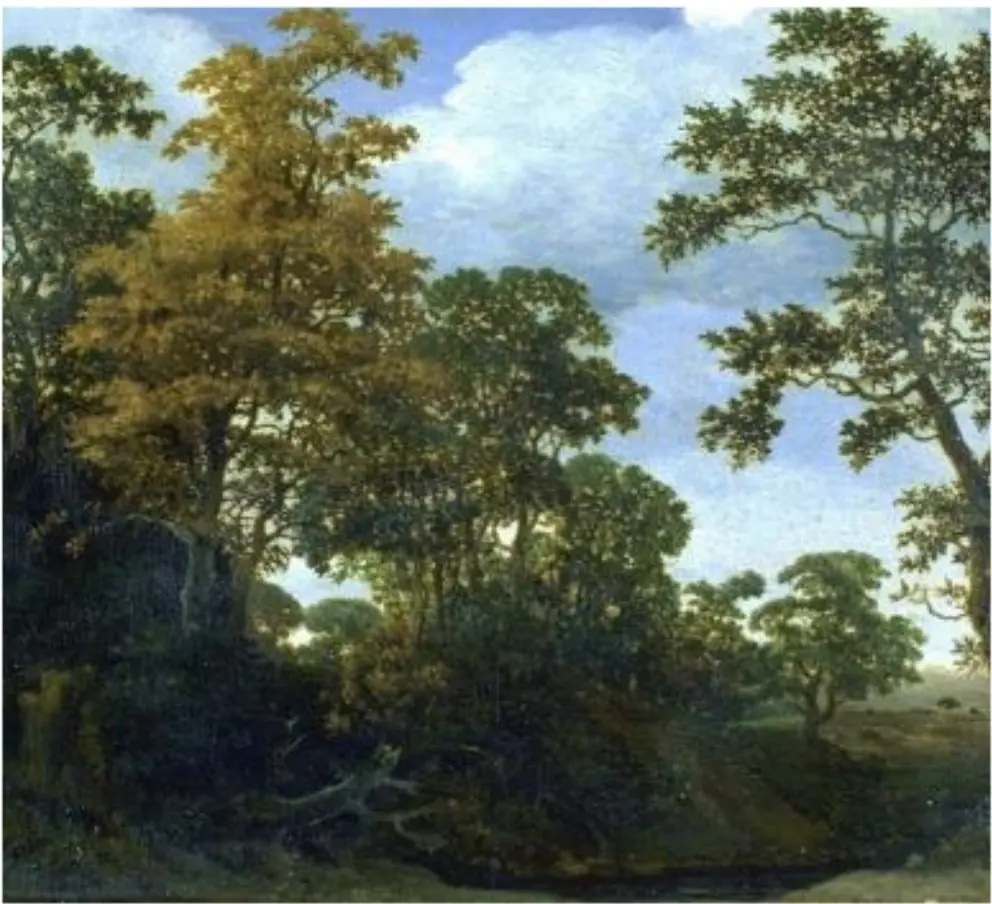 Waldlandschaft mit Gewässer
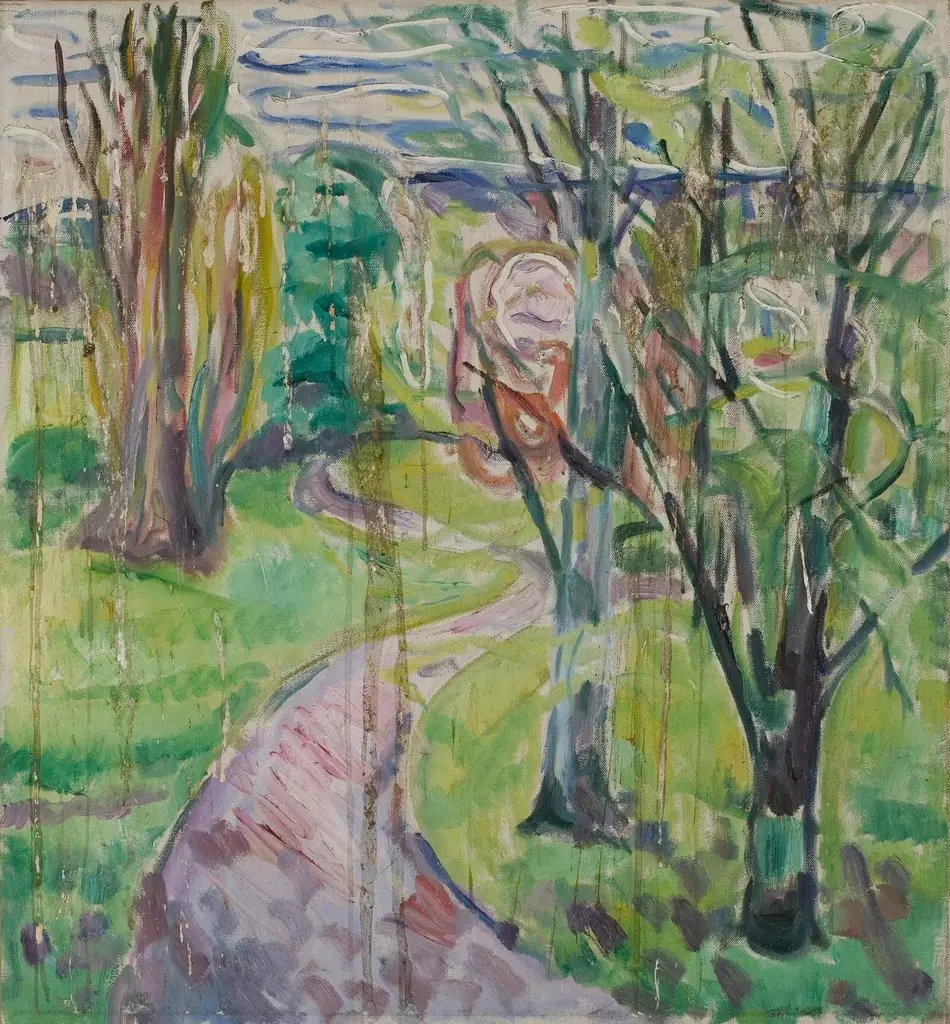 From Jeløya
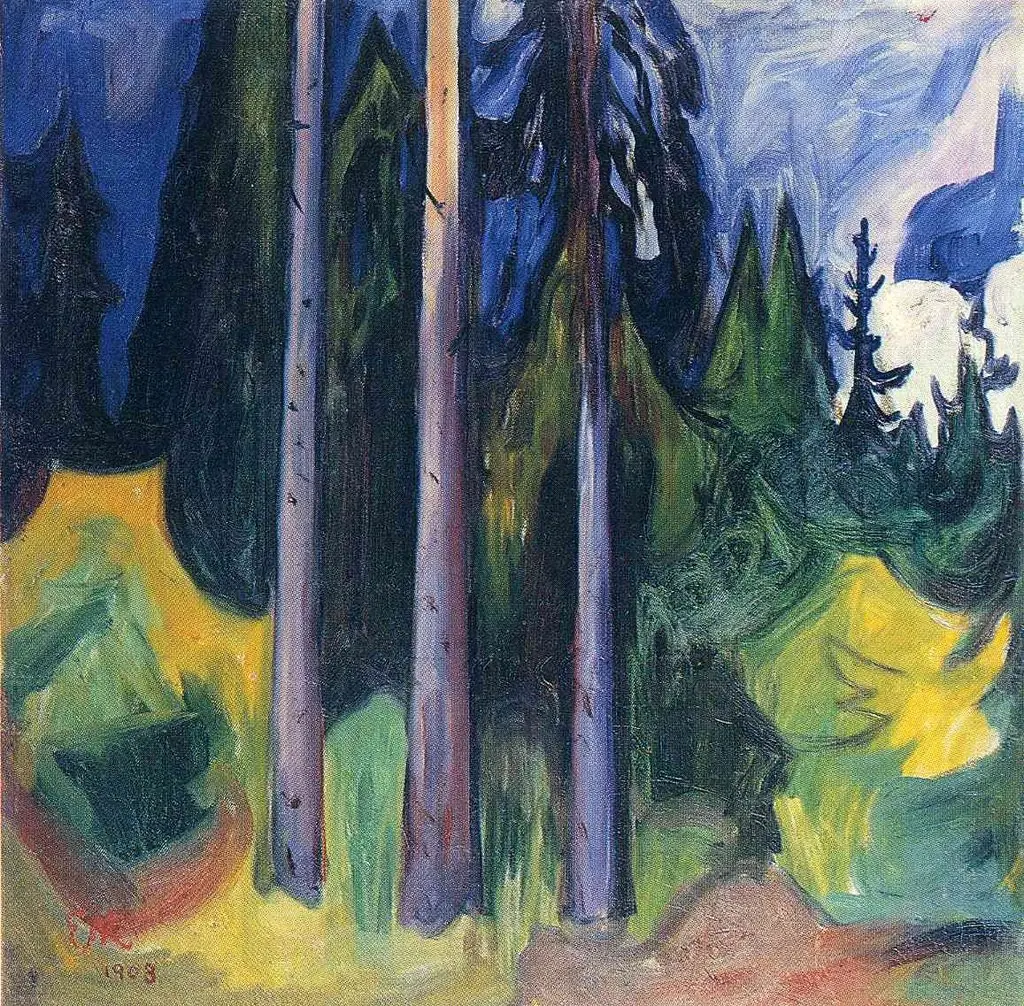 Spruce Forest
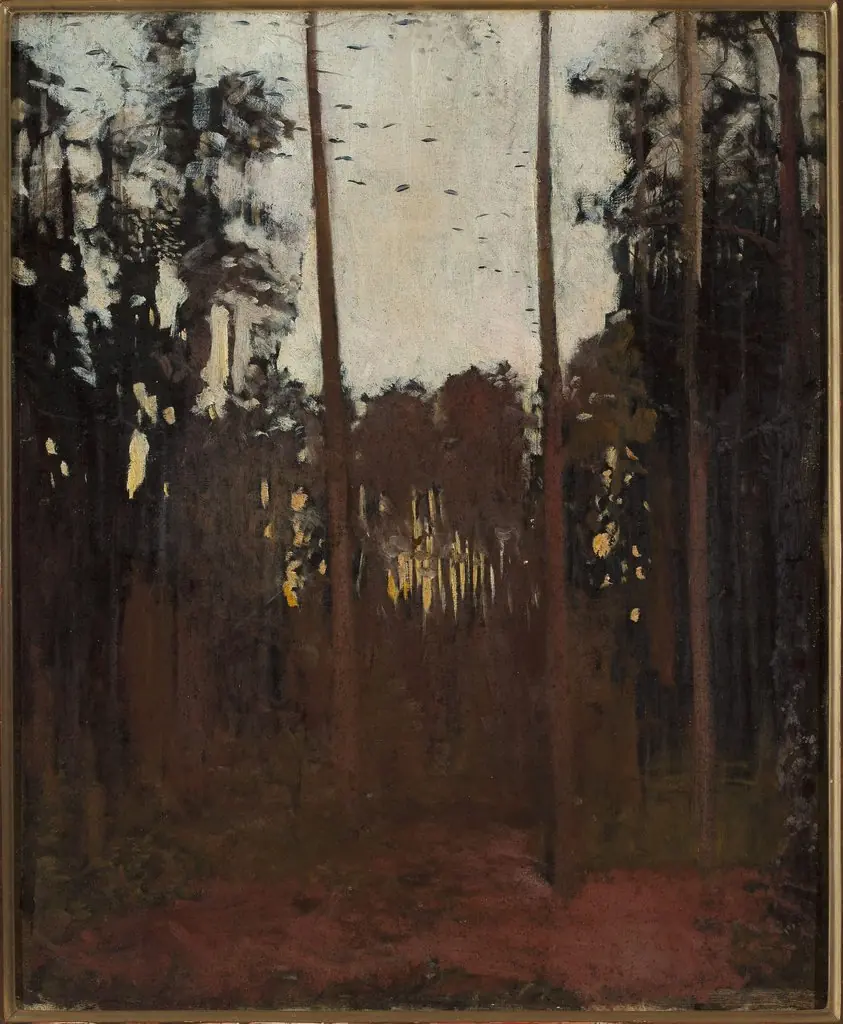 Wood grouse, sketch for “Hunting for wood grouses”
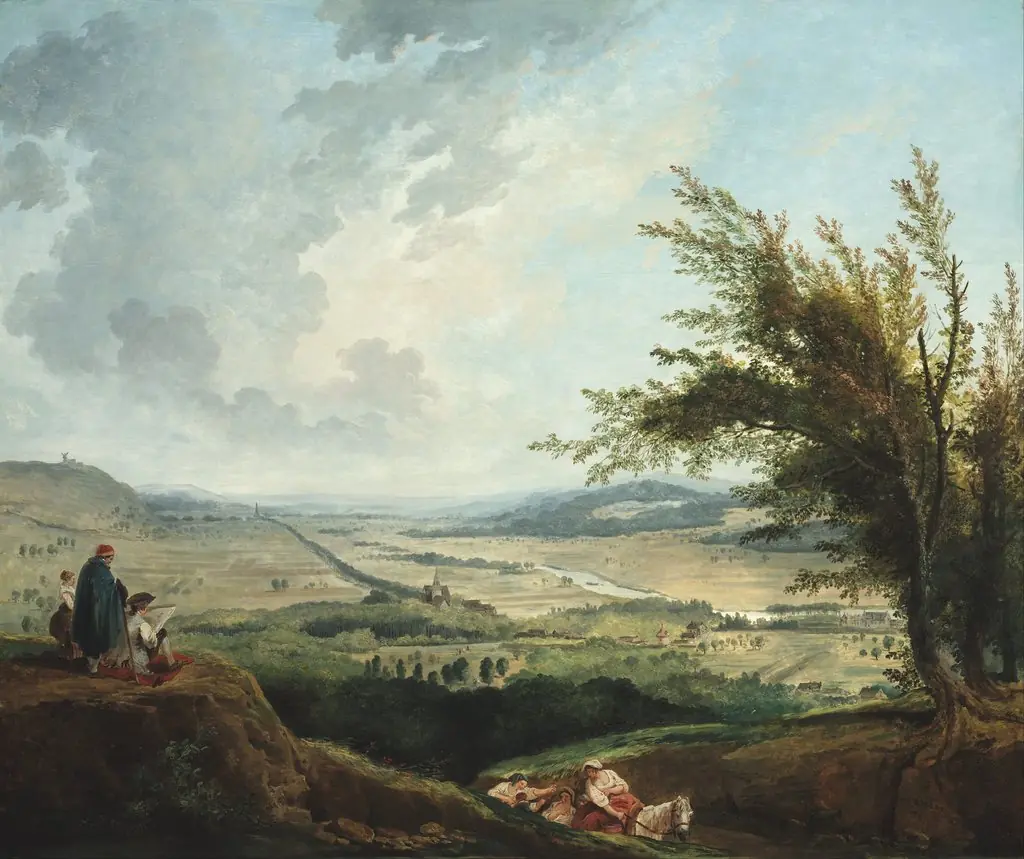 An Extensive Landscape Near Paris
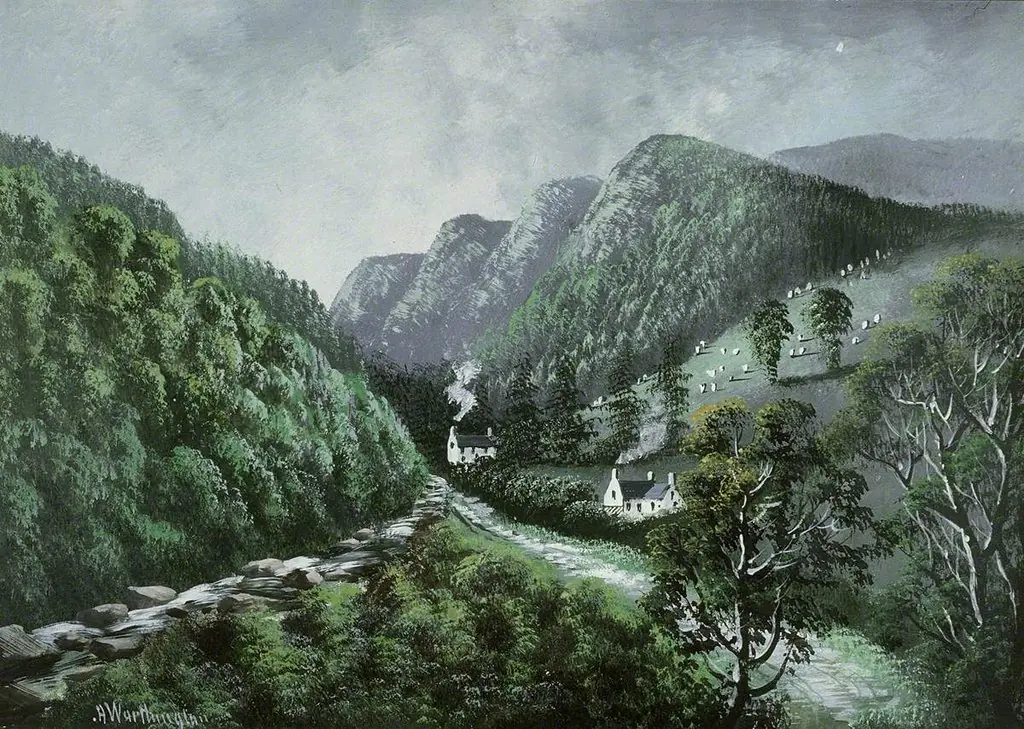 Cwm Llyfnant
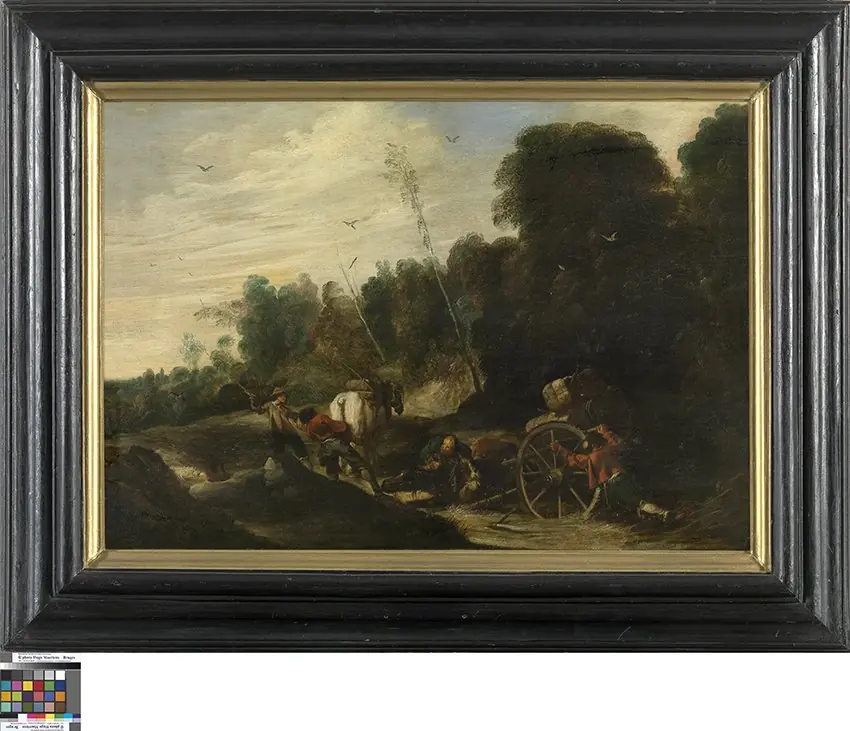 De vastgelopen wagen
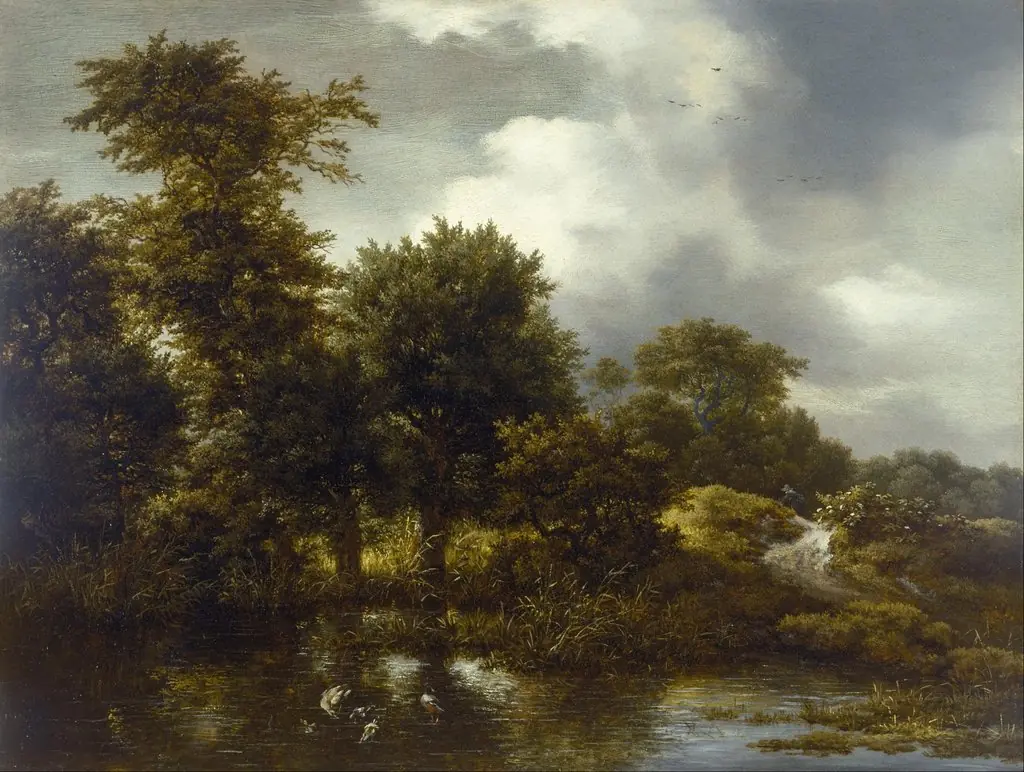 A Wooded Landscape with a Pond
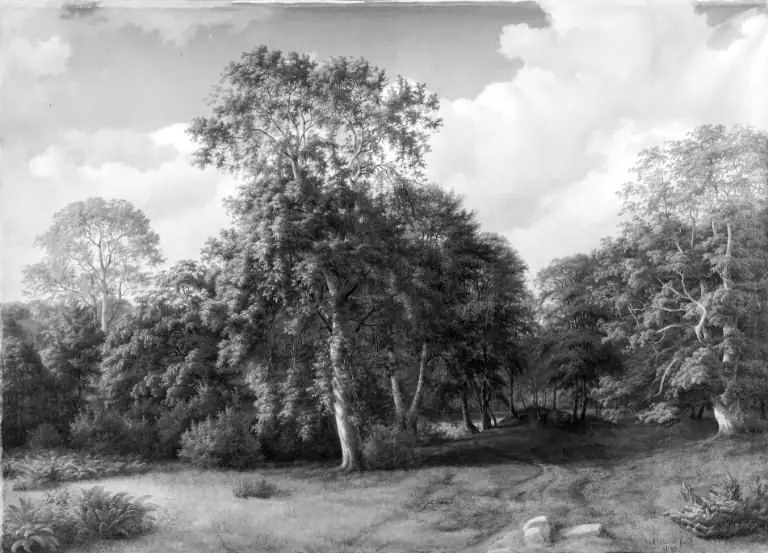 Forest Scenery from Præstevangen near Frederiksborg
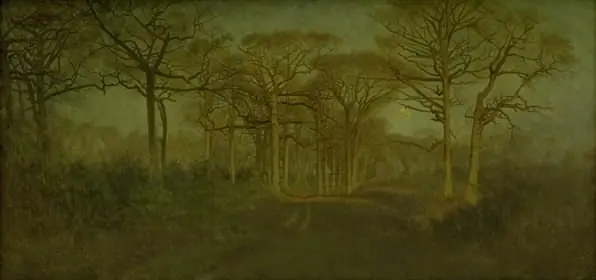 The Forest of Fontainebleau
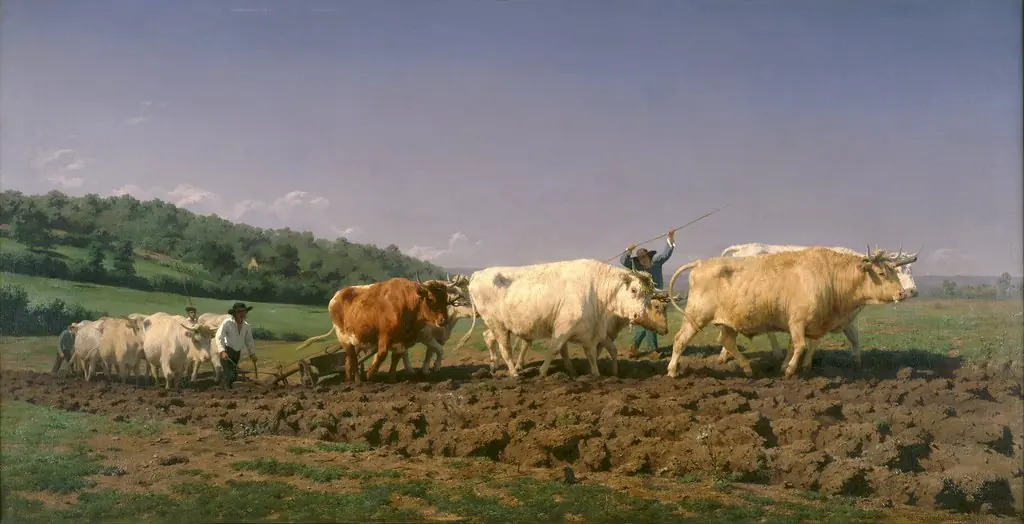 Ploughing in the Nivernais
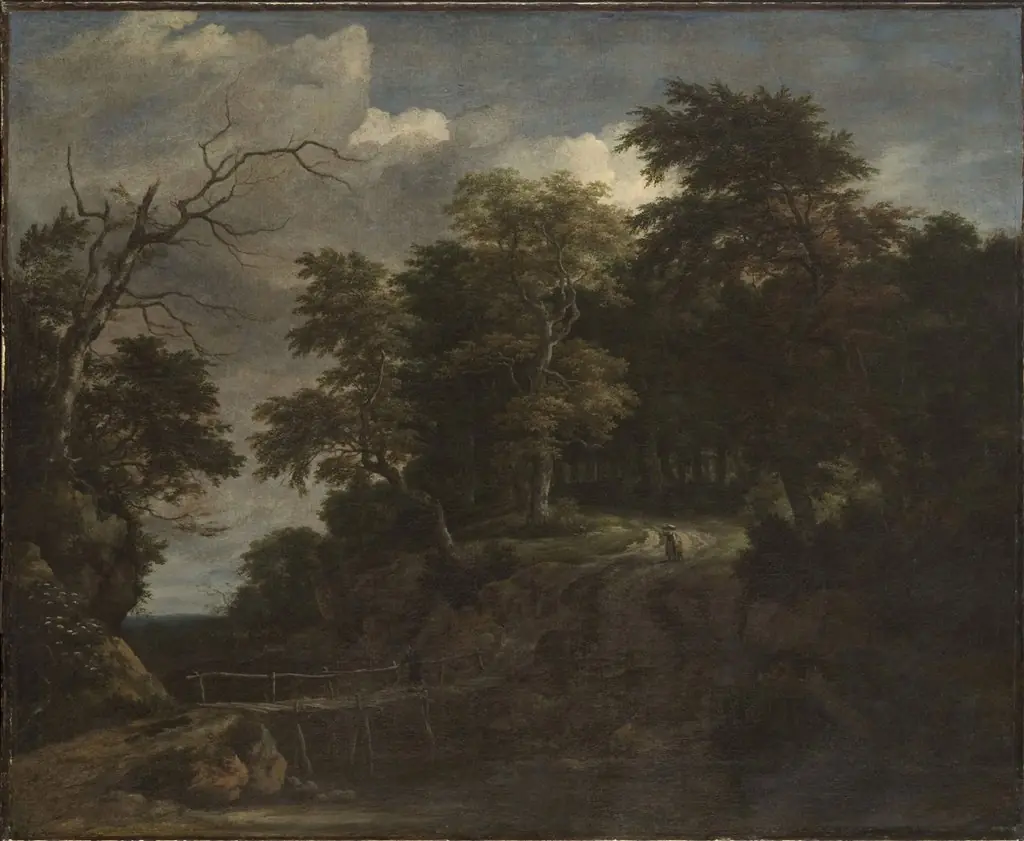 Landscape of a Forest with a Wooden Bridge
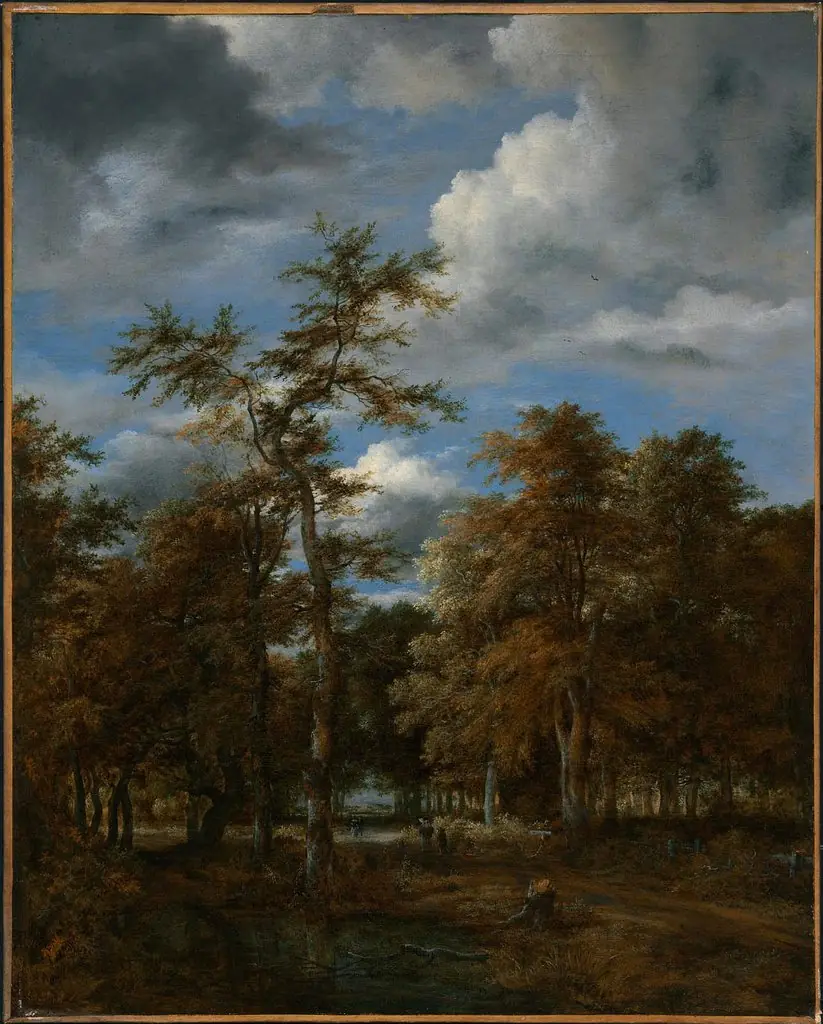 Woodland Vistas
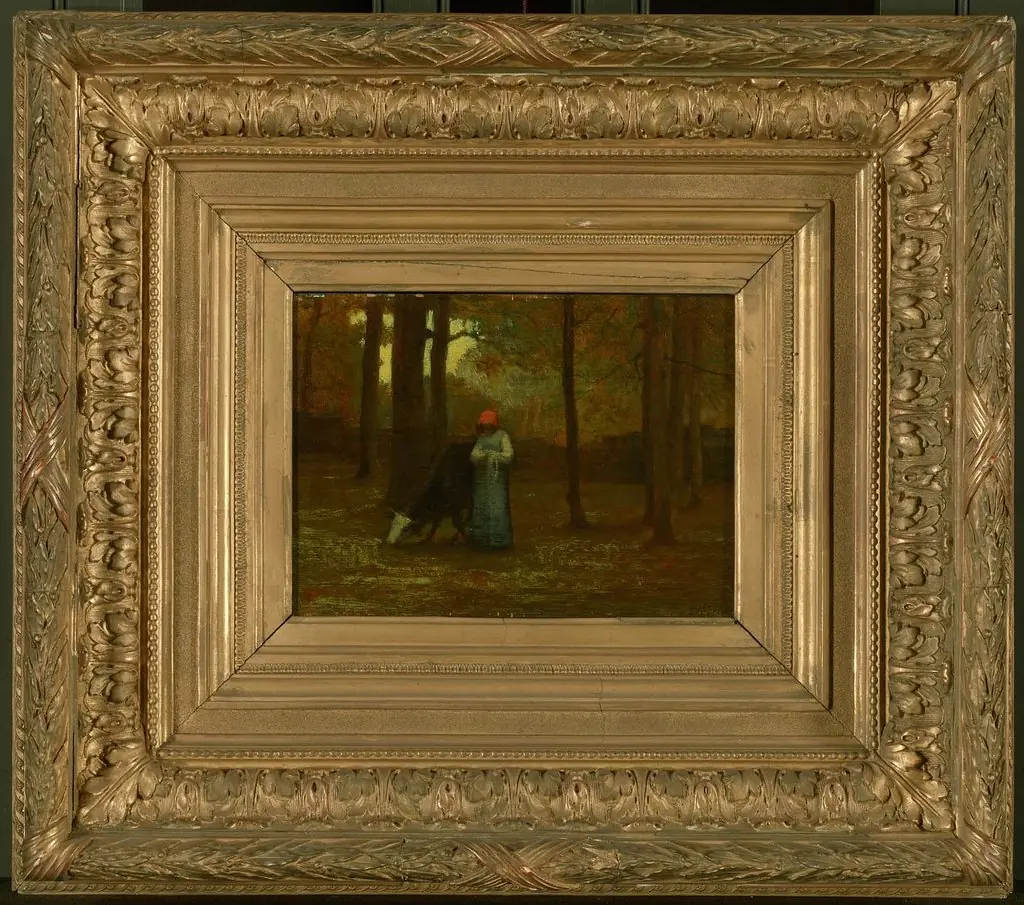 On the Edge of the Forest
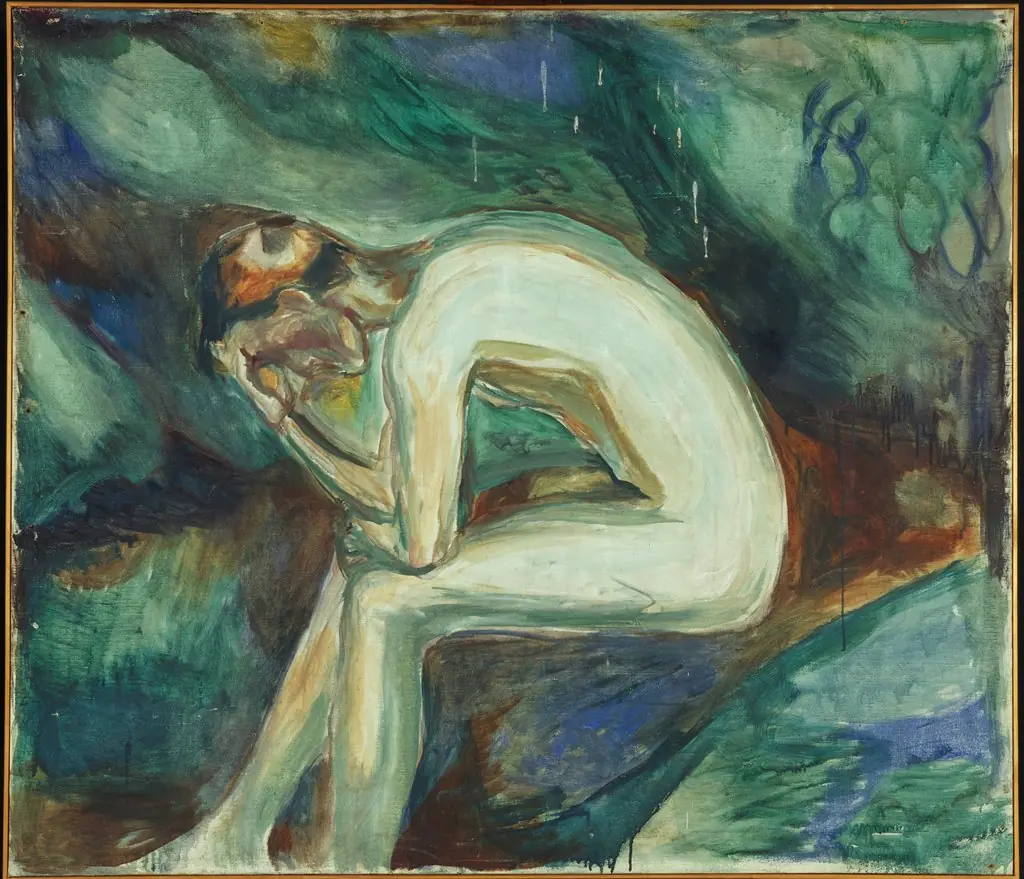 Seated Male Nude in the Forest
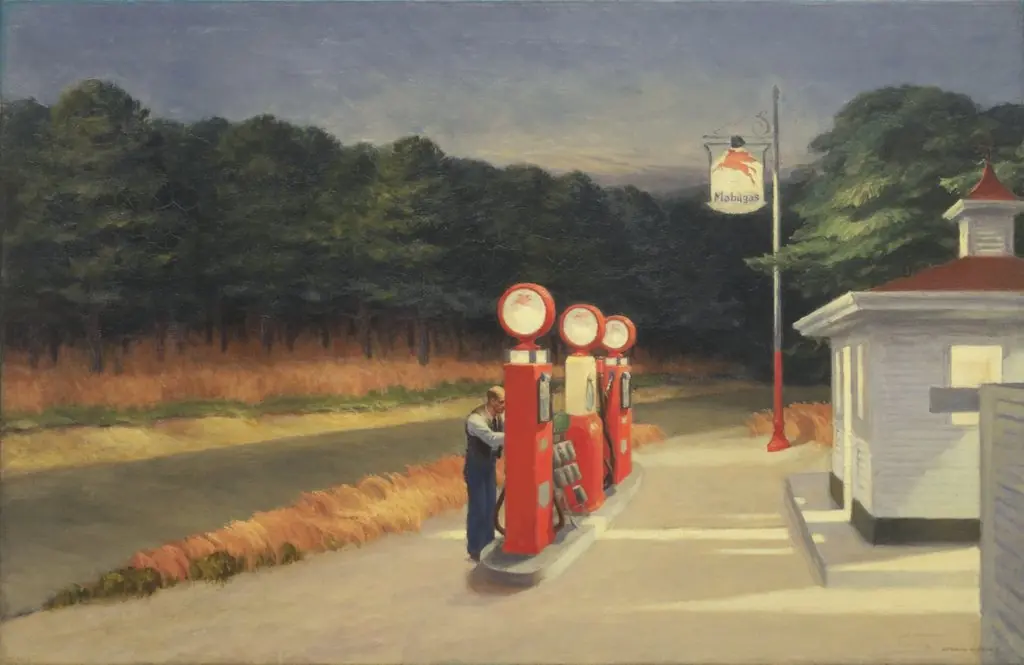 Gas
Gas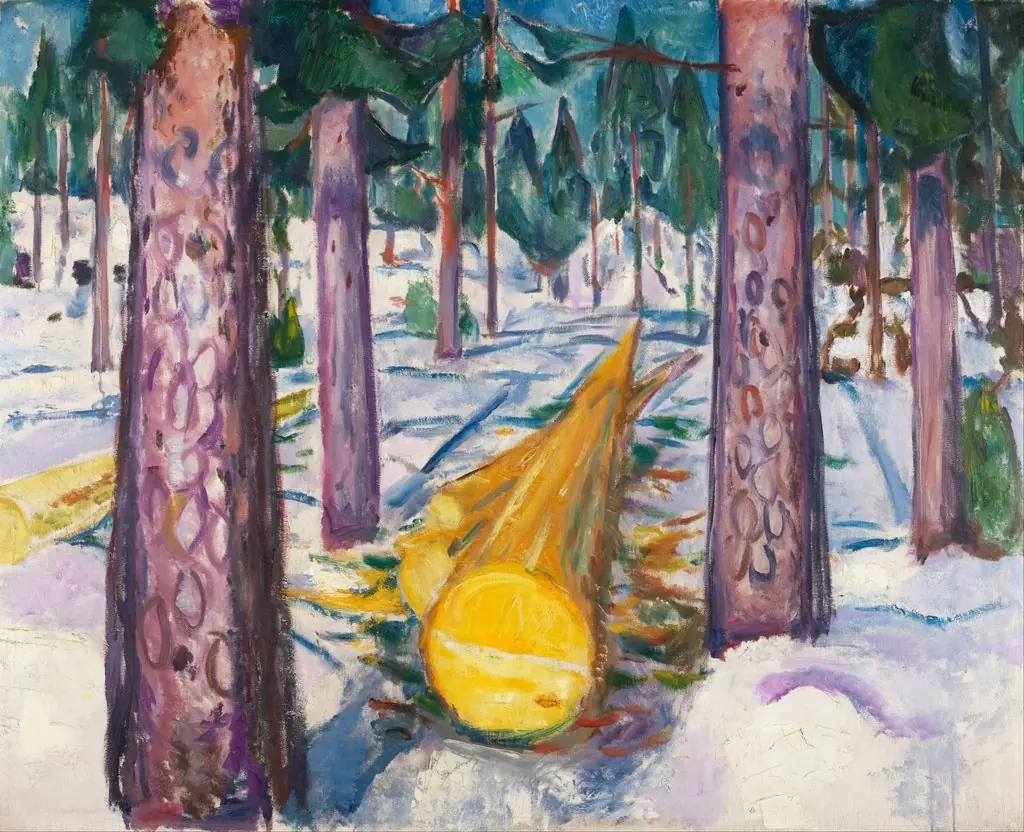 The Yellow Log
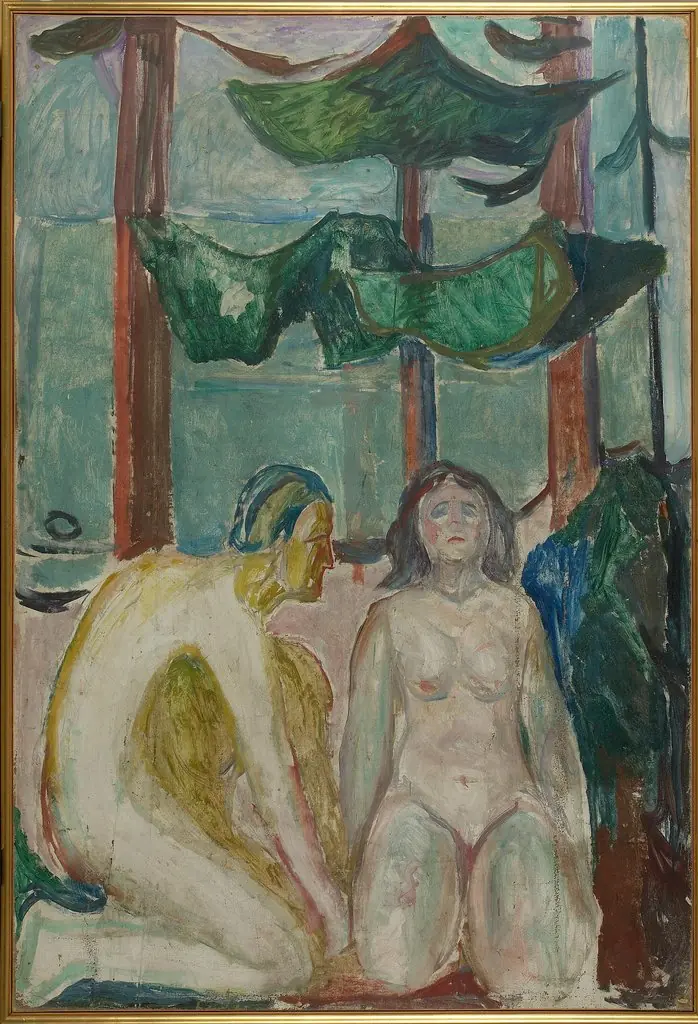 Naked Couple under the Trees
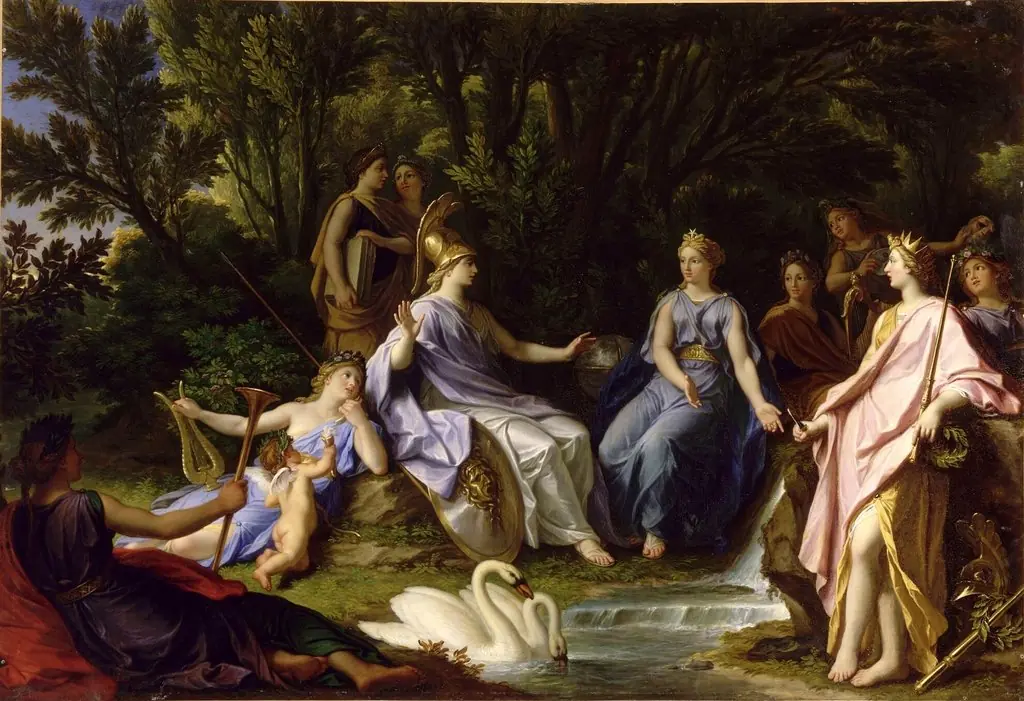 Story of Minerva - The Muses Showing Minerva Hippocrene Waters of the River that Brings Out Pegasus
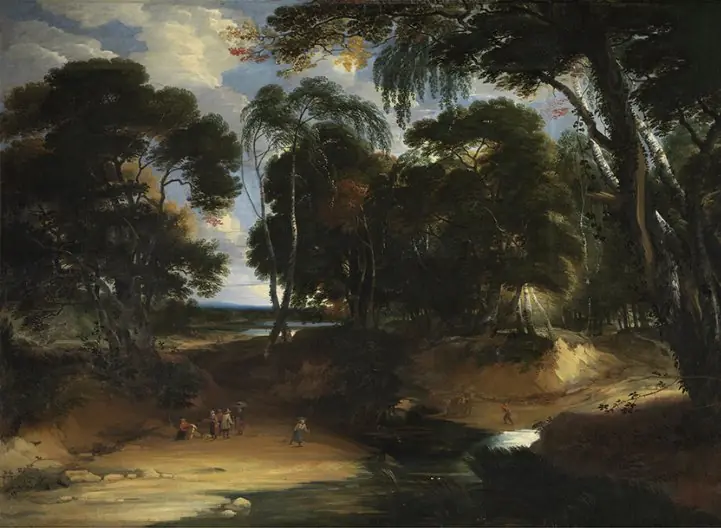 Wooded Landscape with Ford
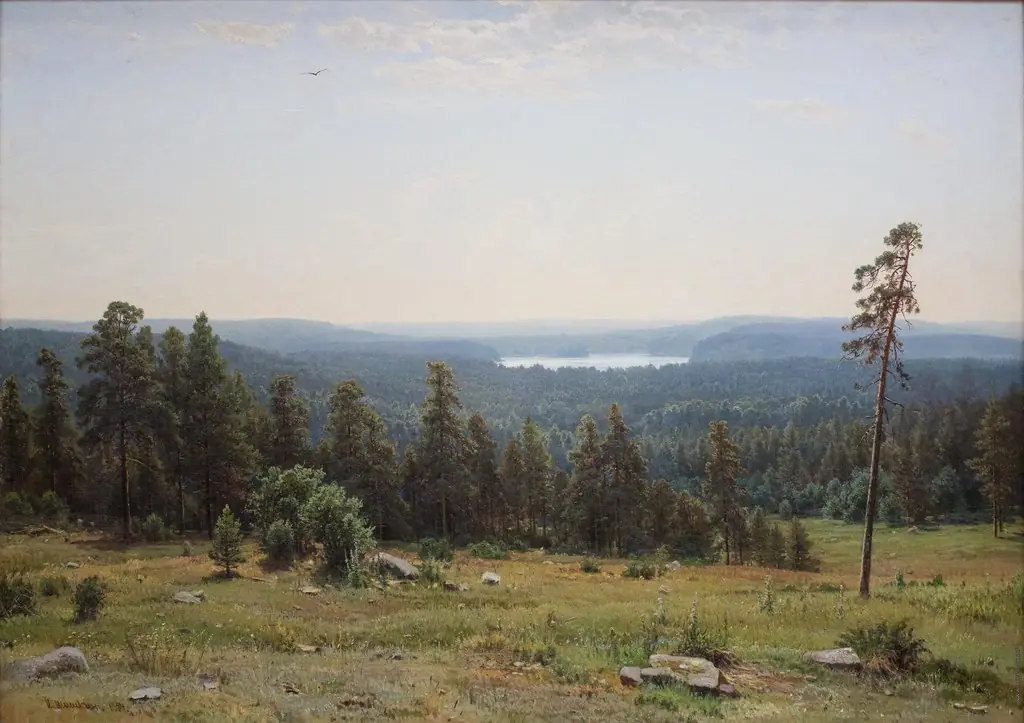 Forest distant views
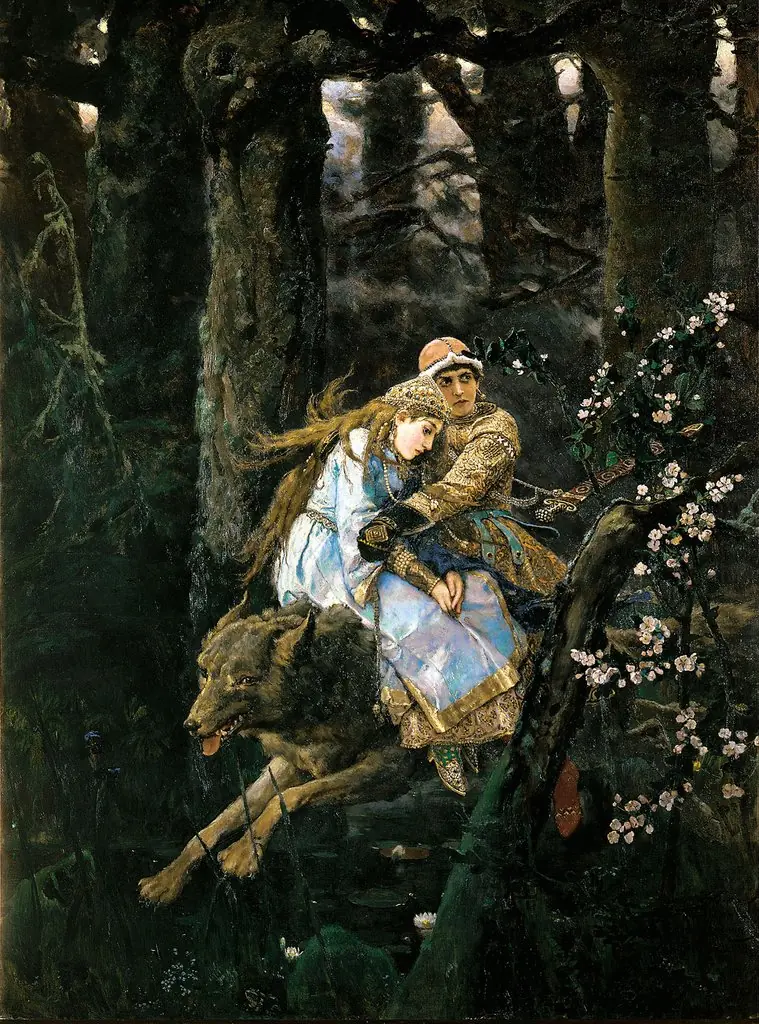 Ivan Tsarevich on the Grey Wolf
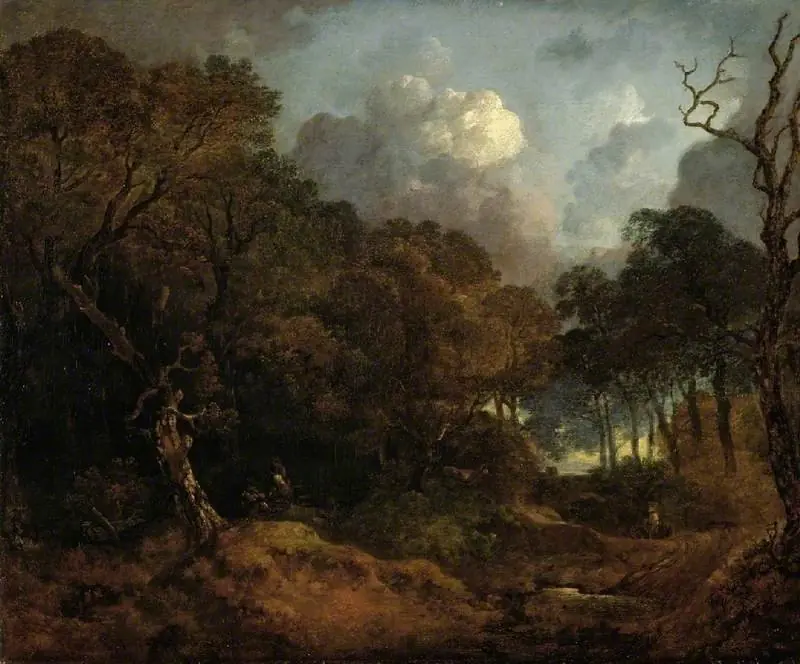 A forest road
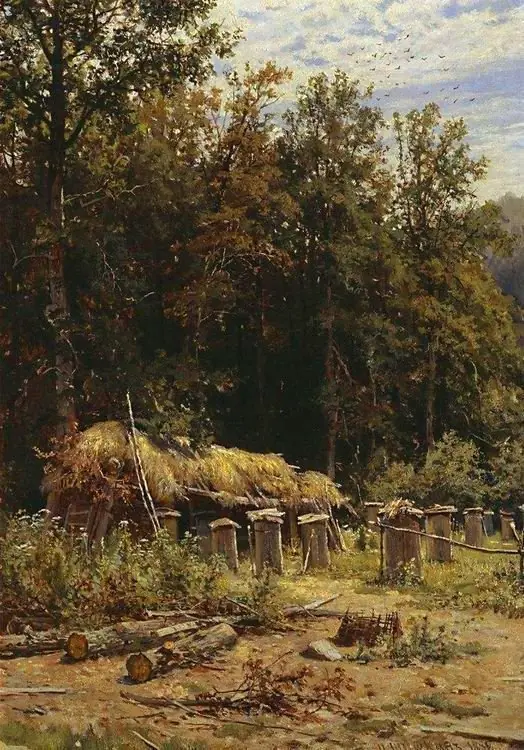 Apiary
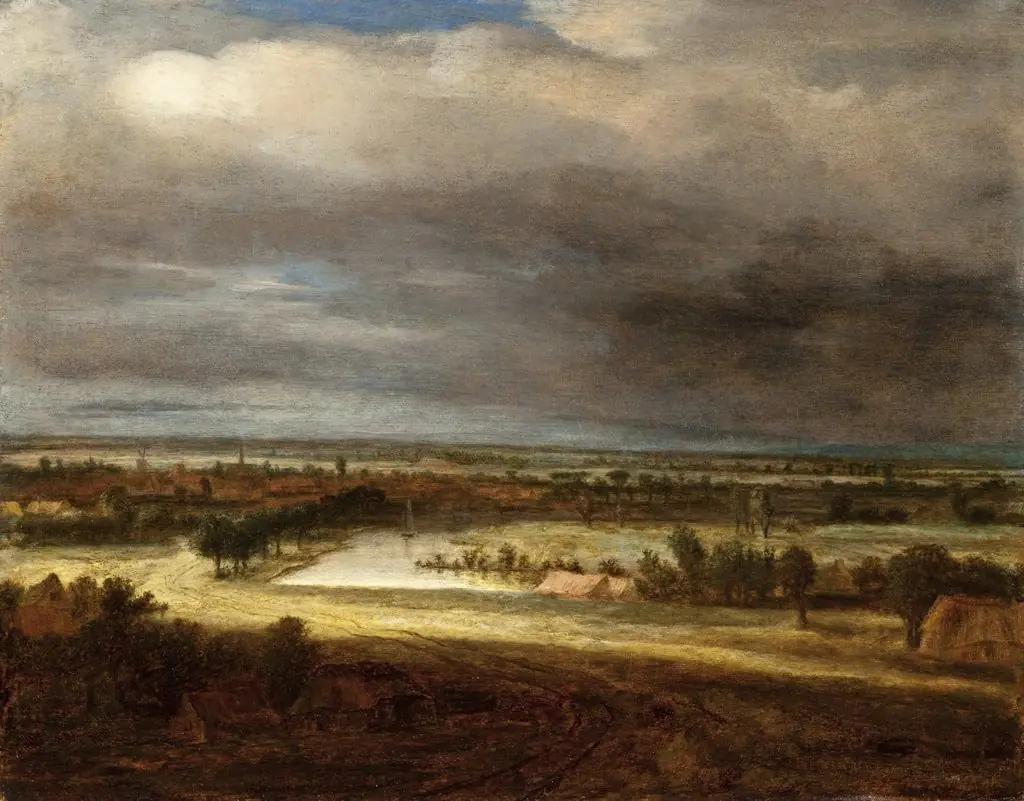 Panoramic Landscape with a Village
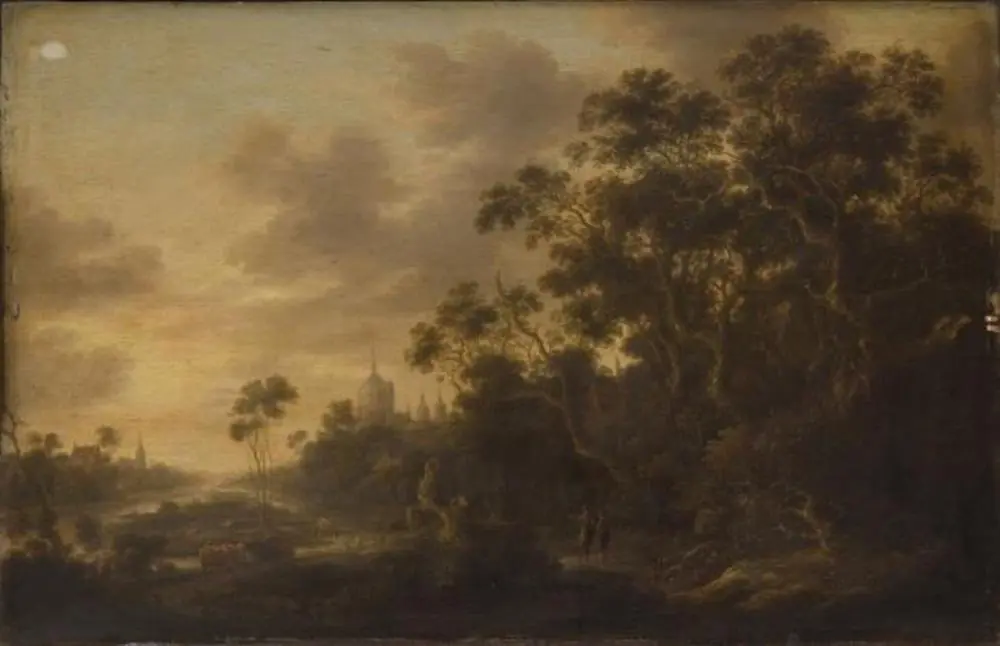 Woods beside a Canal
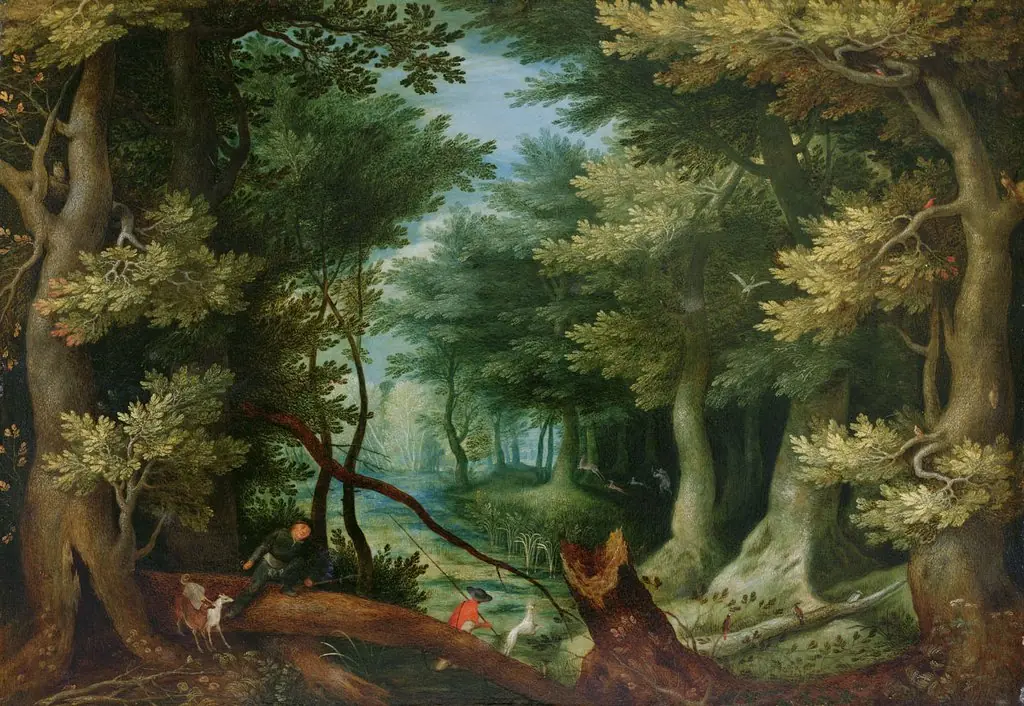 Forest landscape with deer hunt
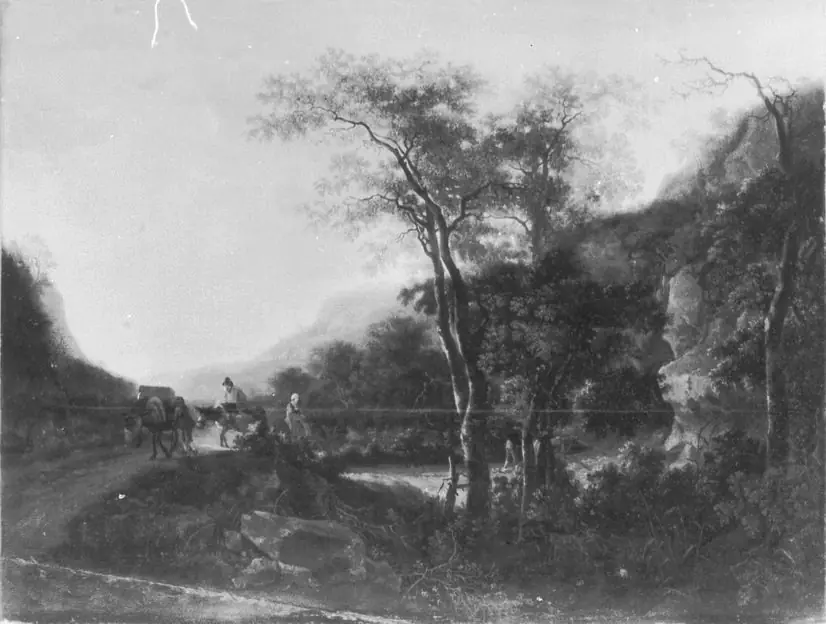 Road through Wooded Landscape
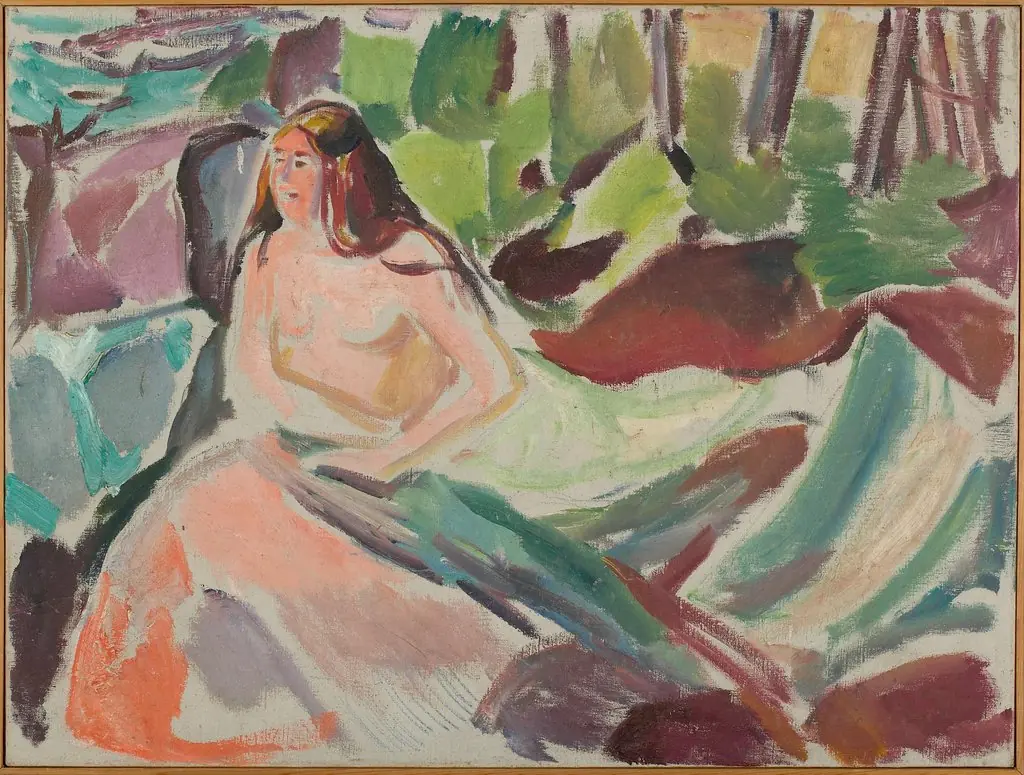 Nude in the Forest
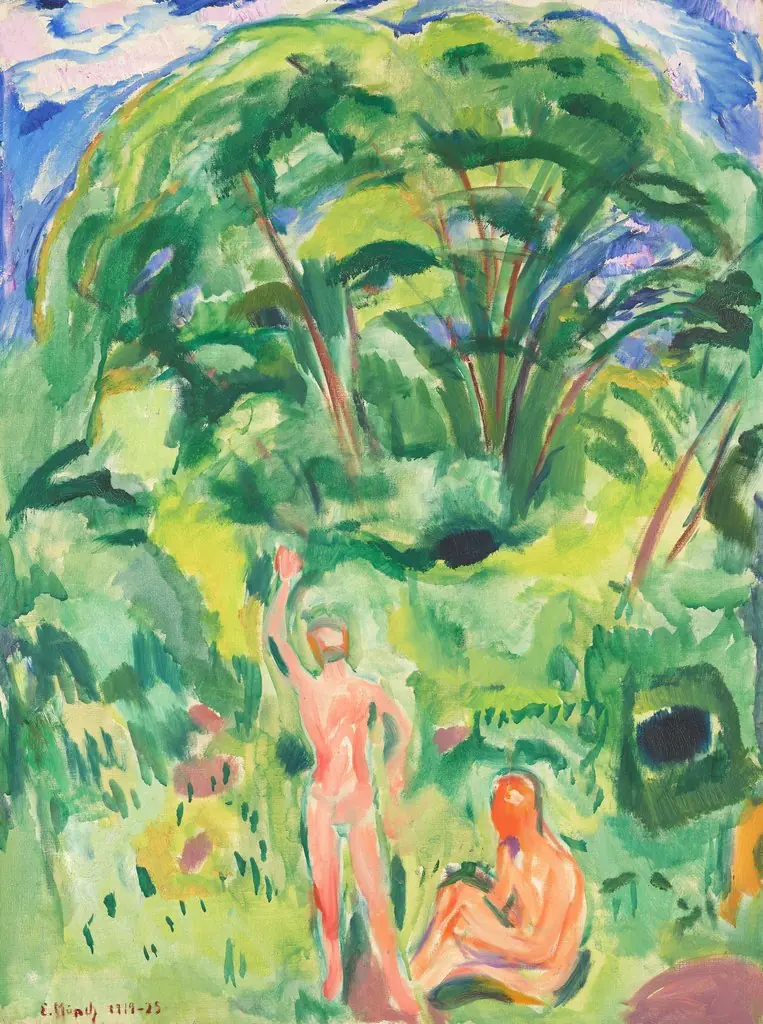 Naked Men in the Woods
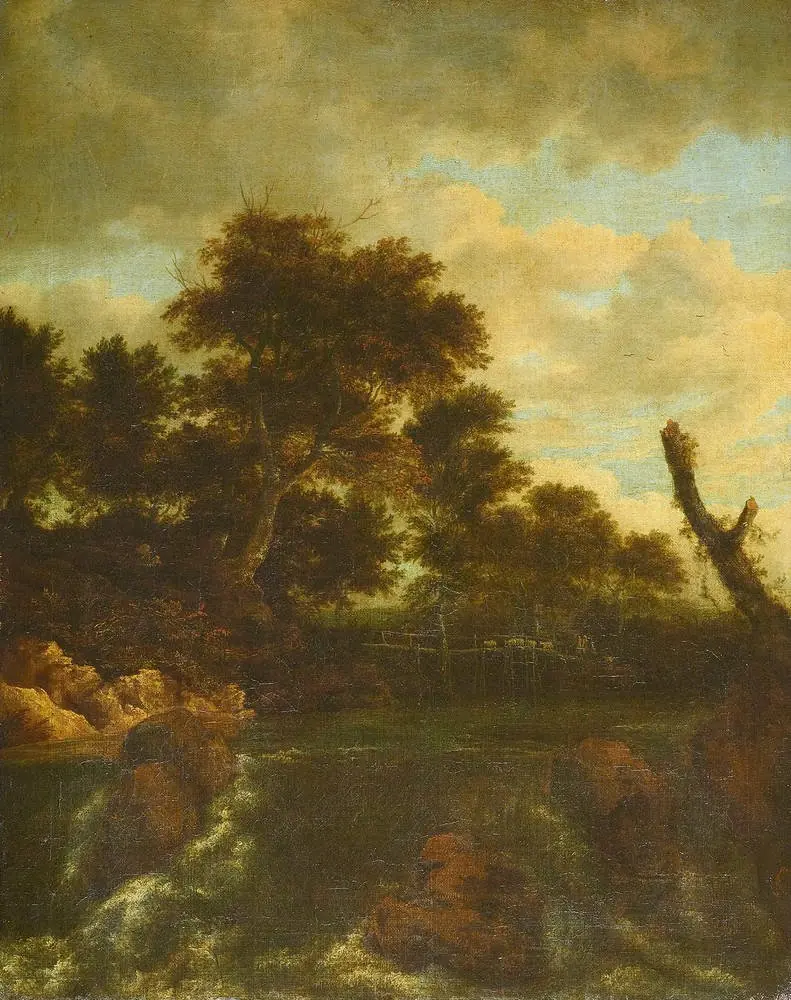 A waterfall with a wooden bridge
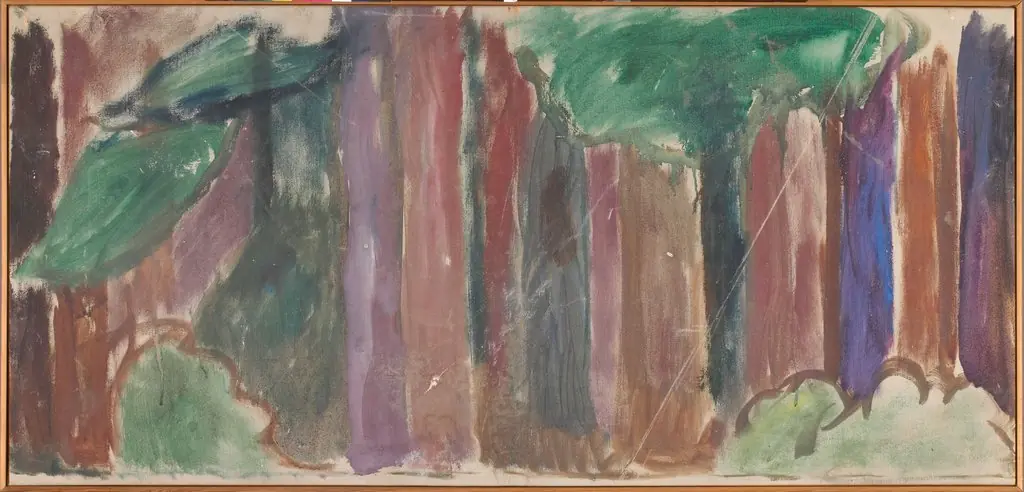 Tree Trunks
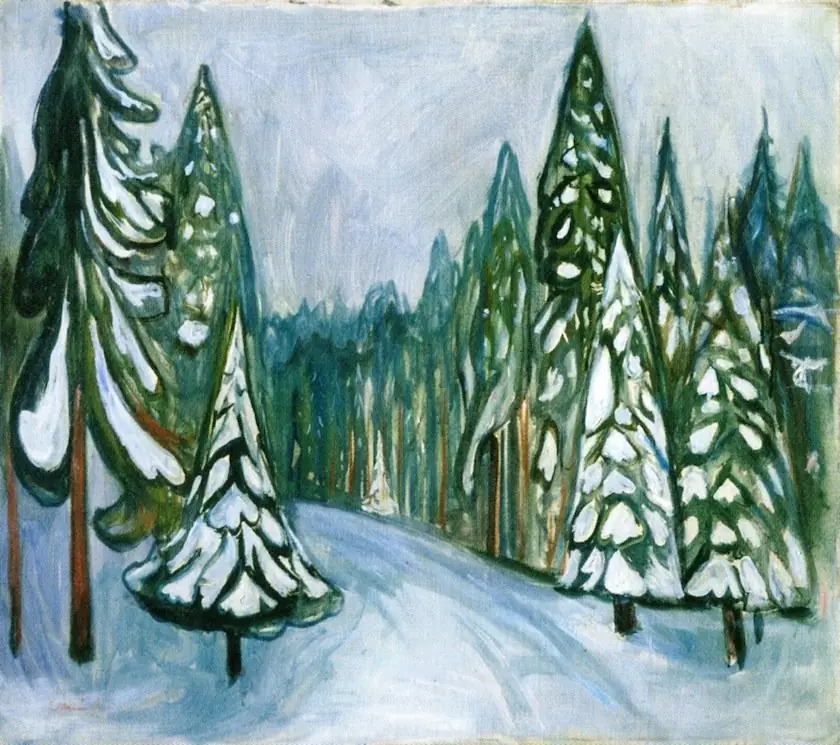 New Snow
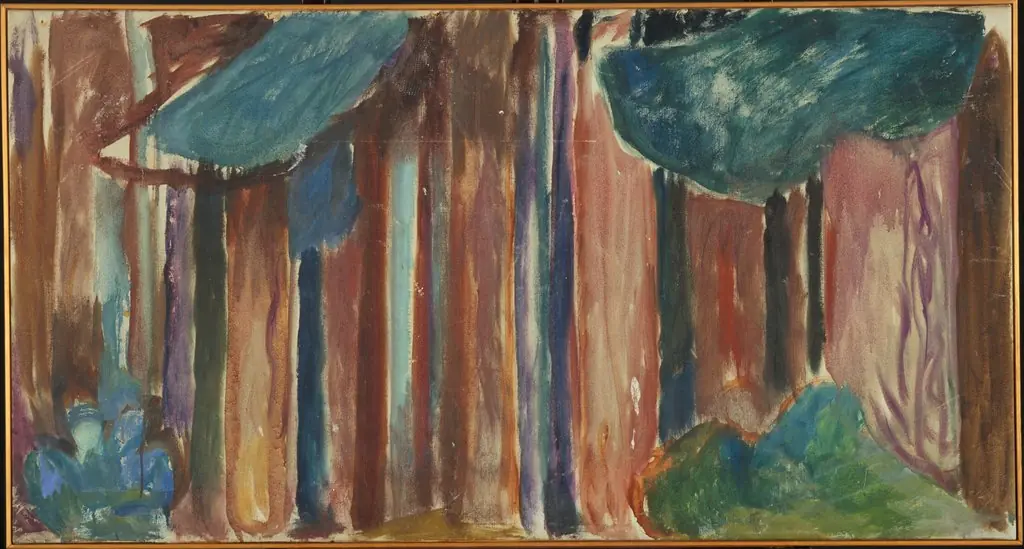 Tree Trunks
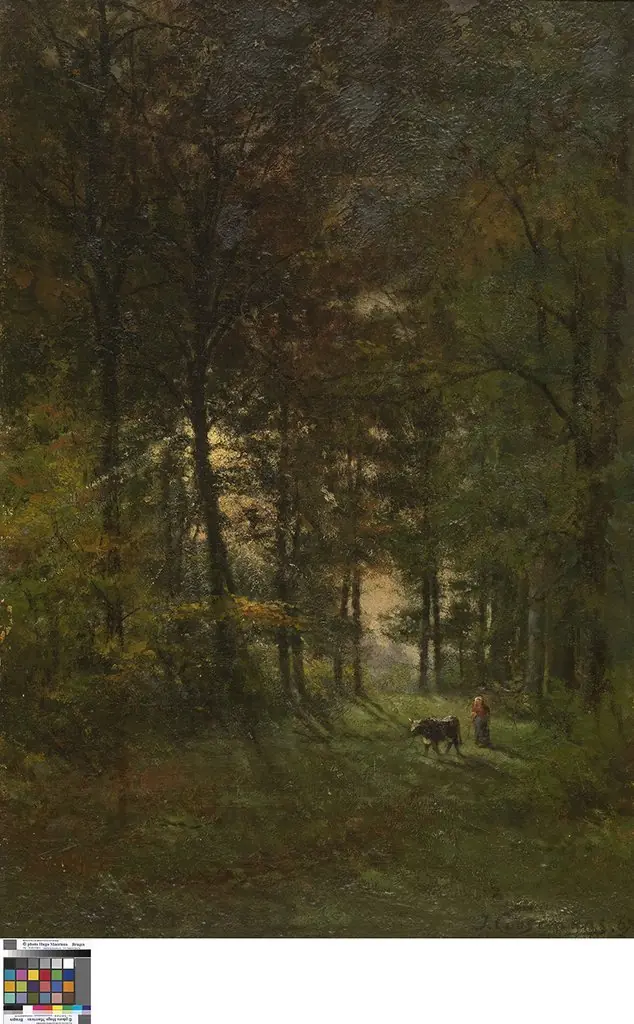 Boslandschap
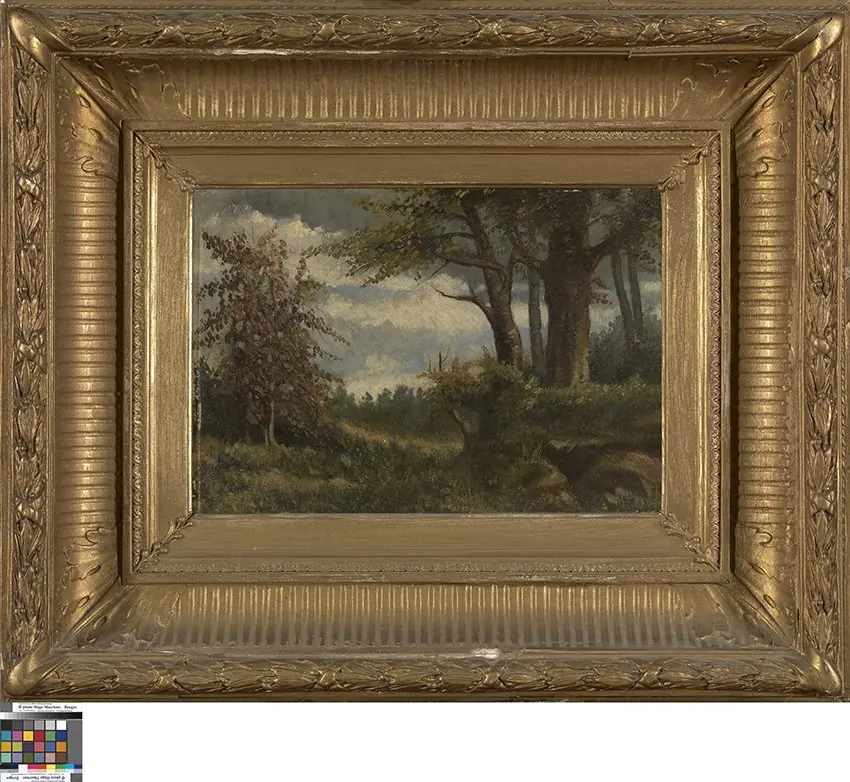 Boslandschap
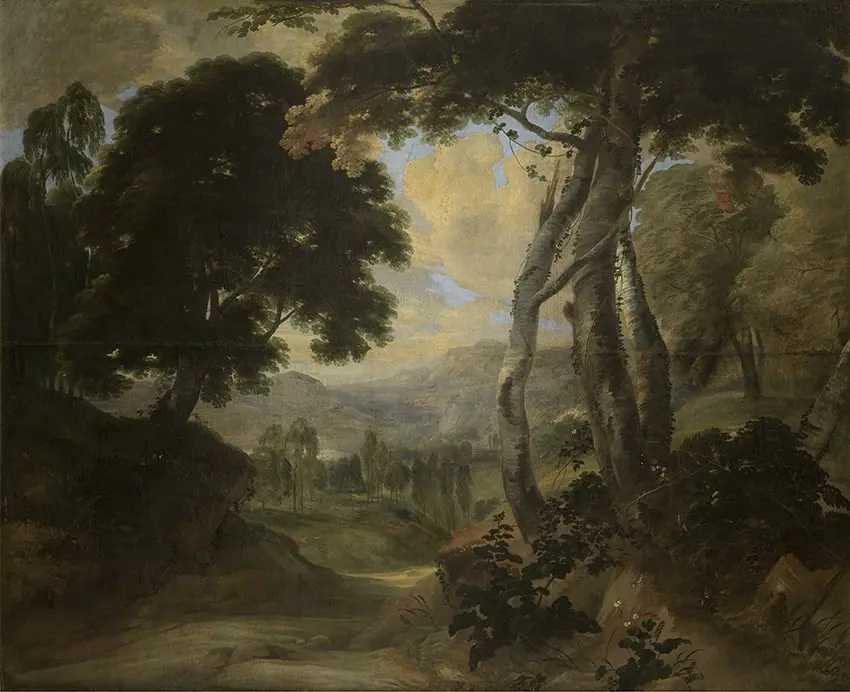 Wooded Landscape
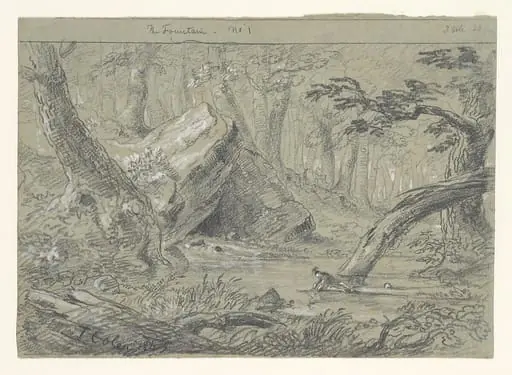 The Fountain, No. 1: The Wounded Indian Slaking His Death Thirst
Frequently asked questions
What is Forest?
Forest is a subject in art. A forest is an ecosystem characterized by a dense community of trees.
How many Forest works does Artifact World Gallery have?
Artifact World Gallery holds 200 public-domain Forest works, all free to view and download.
Who are the key Forest artists?
Key Forest artists in the collection include Jean Baptiste Camille Corot, Thomas Cole and Gustave Courbet.
Where can I see Forest works?
Forest works in the collection are held by Metropolitan Museum of Art, Statens Museum for Kunst and National Gallery of Art.