Artwork
H Beard Print Collection
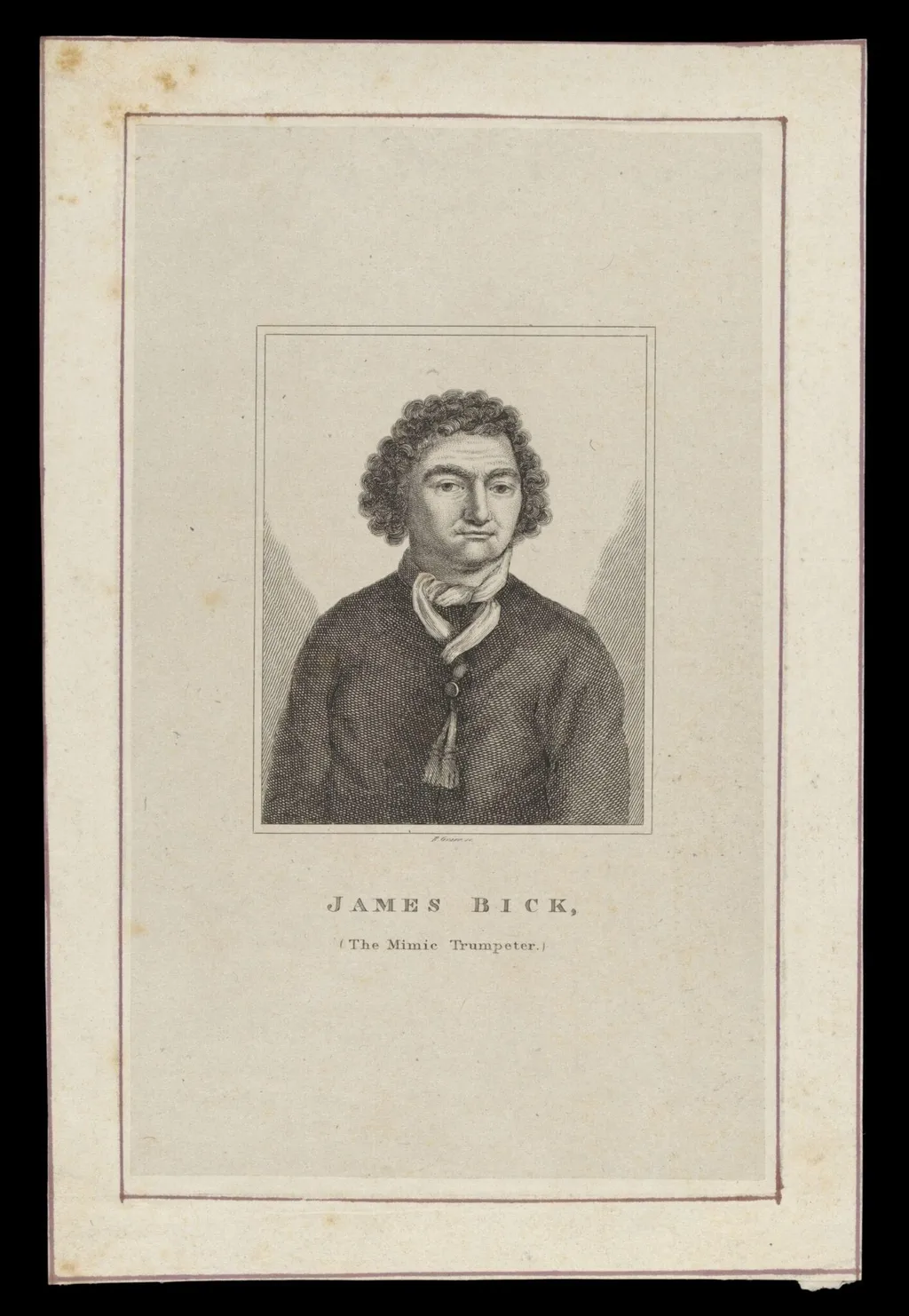
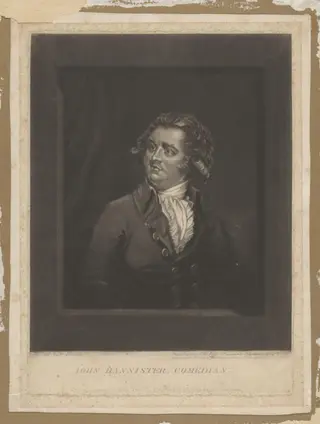
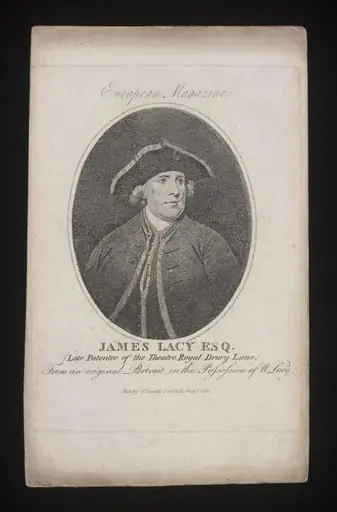
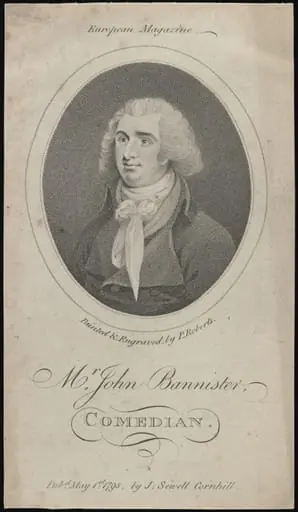
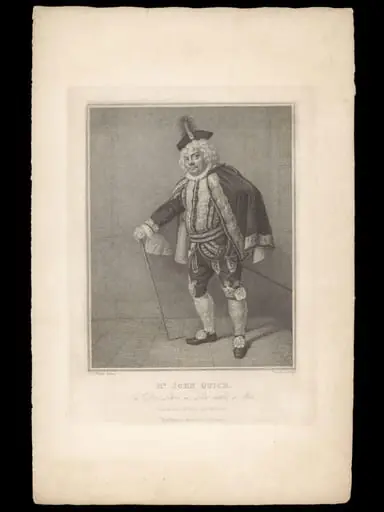
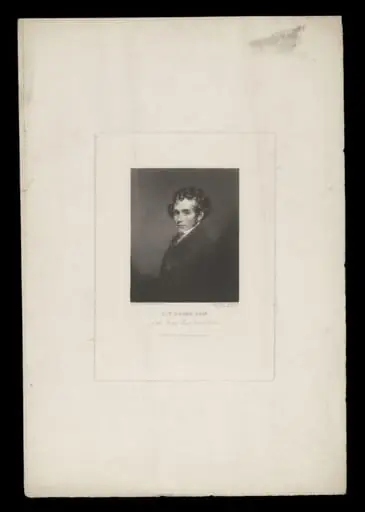
H Beard Print Collection is a print by R Grave. It dates from 1850 and is held in the collection of the Victoria and Albert Museum.
About this work
Overview
It resides in the Victoria and Albert Museum in London, where it contributes to a broader archive of theatrical and musical figures from the period.
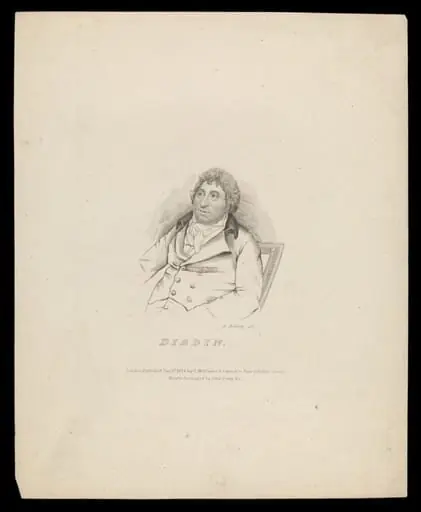
This 19th-century print, part of the Harry Beard Collection, portrays James Bick, a performer known for his skill in mimicking sounds and speeches through trumpet playing. Created by R. Grave, the work is a paper-based portrait, typical of the era’s popular visual culture. It resides in the Victoria and Albert Museum in London, where it contributes to a broader archive of theatrical and musical figures from the period.
Subject & Meaning
James Bick was a public entertainer whose talent lay in imitating voices and sounds using the trumpet, blending musical ability with theatrical mimicry. The portrait captures him in a moment of performance, emphasizing his role as a cultural figure who bridged music and comedy. His depiction reflects public fascination with virtuosic, unconventional performers in early 19th-century Britain.
Technique & Style
Rendered in a linear, detailed style characteristic of early 19th-century printmaking, the image relies on fine engraving to define facial features and costume. The composition is straightforward, focusing on the subject’s expression and posture without elaborate background elements. The medium suggests mass production for public consumption, aligning with the era’s growing demand for affordable portraiture.
History & Provenance
The print entered the Harry Beard Collection, a curated assembly of theatrical imagery amassed in the 1800s. It was later transferred to the Victoria and Albert Museum, where it remains part of the national collection of performing arts materials. Its preservation reflects an institutional interest in documenting lesser-known entertainers of the time, beyond canonical figures.
Context
During the early 1800s, public entertainment venues in Britain featured performers who combined music with mimicry, appealing to broad audiences. James Bick’s career exemplifies this trend, where technical skill met novelty. Such prints served both as souvenirs and as records of transient performances, preserving the likenesses of individuals otherwise absent from formal historical archives.
Legacy
The print endures as a material trace of a specialized performance tradition that has since faded from public memory. It offers insight into the diversity of 19th-century entertainment and the ways in which visual culture documented everyday performers. Its presence in a major museum underscores the value placed on preserving the margins of artistic history.
Own this work as a print
Artist & collection
Artist
This artist made 19th-century prints, mostly small detailed sheets of animals and scenes.