Subject
Man
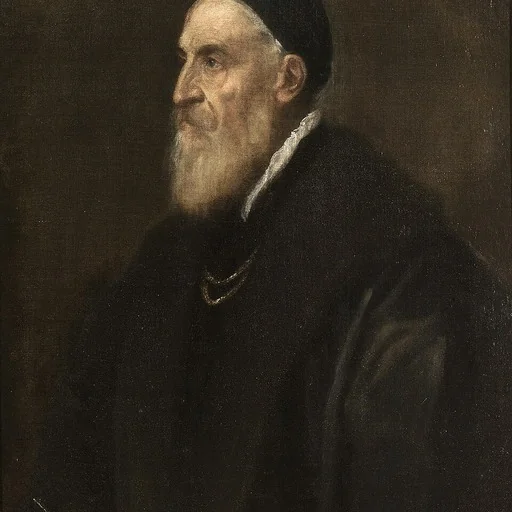
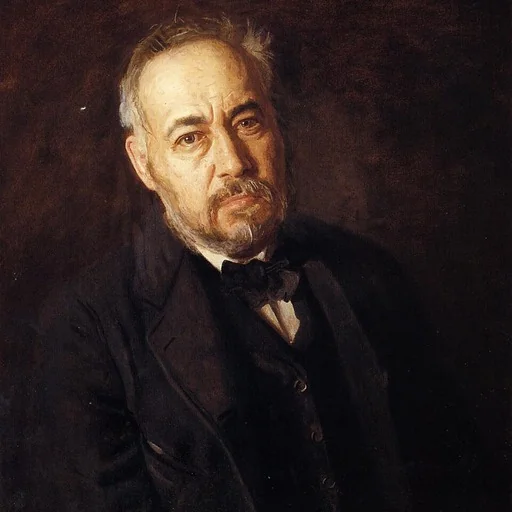
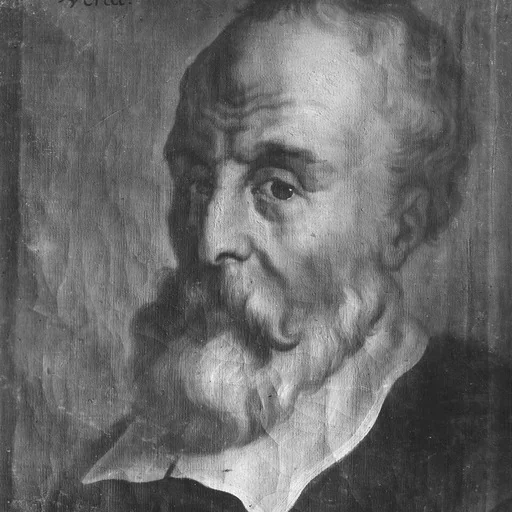
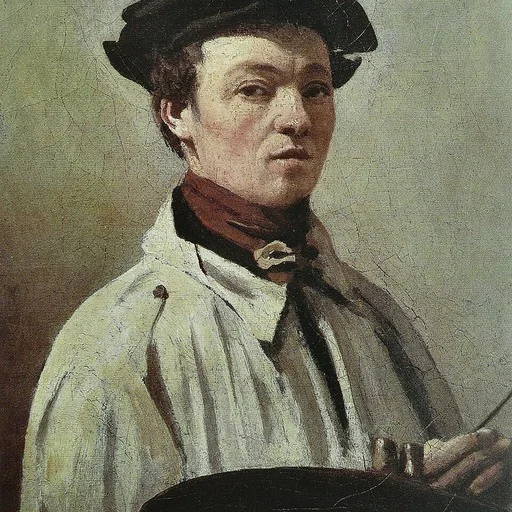
Man is a subject in art. The gallery holds 200 works in this subject in art, including works by Titian, Thomas Eakins and Paolo Veronese.
Of all the subjects in art, the human being—"Man" in the older universal sense of mankind, and more narrowly the male figure—is the oldest and most persistent. Long before landscape or still life were considered worthy of an artist's full attention, the human body served as the primary instrument for measuring beauty, virtue, and the cosmos itself. In ancient Greece this conviction crystallized into a science of proportion. The kouros, a rigid nude youth of the Archaic period, gradually loosened into the lifelike Classical figure, and around 440 BCE the sculptor Polykleitos of Argos codified ideal anatomy in his bronze Doryphoros (Spear-Bearer) and an accompanying treatise, the Canon. Working from a single module to fix the ratio of every part to the whole, Polykleitos also pioneered contrapposto—the relaxed weight-shift onto one leg that gave the standing figure, for the first time, an air of breathing life.
That Greek ideal was reborn in the Renaissance, when humanism placed the dignity of the individual at the centre of thought. Leonardo da Vinci's Vitruvian Man (c. 1490), inscribing a figure within both circle and square, fused the proportional theories of the Roman architect Vitruvius with Leonardo's own painstaking measurements of living men. Michelangelo's marble David (1501–04) gave the idea monumental form: not a god but a watchful young man, idealized yet psychologically charged, embodying the era's faith in human resolve.
Visually, the theme spans the heroic nude, the portrait, and the genre scene of ordinary life. Mastery of anatomy, foreshortening, and gesture became the test of an artist's skill, taught through life drawing in every academy. The figure carried narrative and allegory alike, as in Paolo Veronese's Venus and Mars, where the male body signifies both desire and martial power.
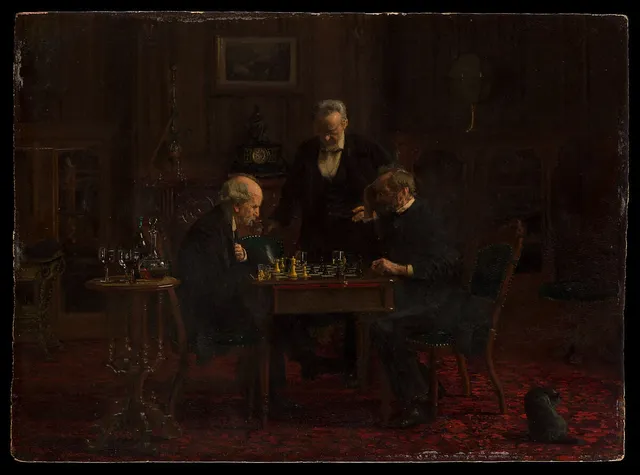
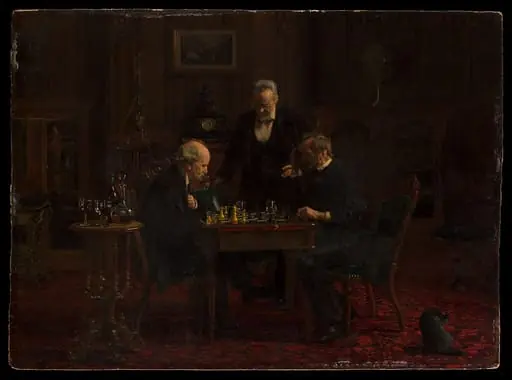
By the nineteenth century, painters turned the figure toward modern, unidealized reality. Édouard Manet's The Dead Toreador strips heroism to stark mortality; Edgar Degas studied the disciplined bodies of his Dancing Class; and Thomas Eakins, in The Chess Players, framed quiet intellectual concentration as a portrait of human potential. From Polykleitos to American Realism, the depiction of Man remains the enduring measure against which art tests its understanding of who we are.
Key artists
Overview
The human figure stands as the most ubiquitous subject in Western art, appearing in 6,170 works across this collection alone. From mythological narratives to scenes of everyday labor, from religious devotion to leisure and conflict, the depiction of man, whether as individual or collective, has served as the primary vehicle through which artists explore identity, society, and existence. The term derives from Old English mann and Latin homo, with Homo sapiens, the scientific designation coined by Carl Linnaeus in 1758, meaning wise or knowing man. This etymology underscores a long-standing cultural investment in human intellect and self-awareness as defining characteristics. In art, this translates into an enduring fascination with human form, gesture, and social relation as means of expressing both particular stories and universal conditions.
Iconography & meaning
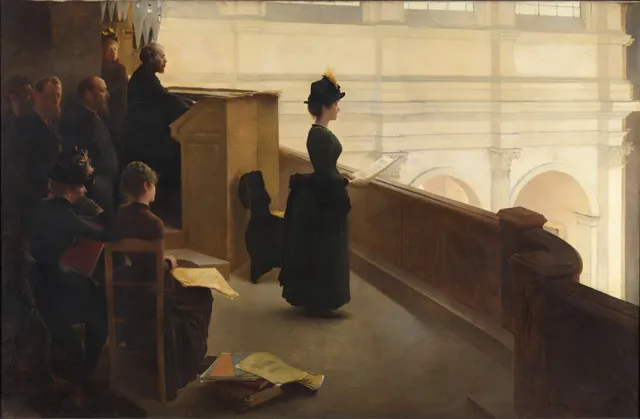
The iconography of man in art encompasses an extraordinarily wide range of attributes and meanings, shaped by the biological and social characteristics that distinguish the species: bipedalism, advanced cognition, tool use, language, and complex social organization. Religious and mythological depictions often emphasize heroic or divine qualities, as seen in Saint George and the Dragon, where the human figure embodies virtue and salvation, or in Bacchus and Ariadne, where mortal and divine realms intersect through human form. Genre scenes such as The Chess Players, The Dancing Class, and The New Bonnet draw upon human sociality, ritual, and domestic life, reflecting the anthropological observation that humans create and maintain society through shared norms and repeated practices. The human capacity for introspection and abstract thought, linked neurologically to the developed prefrontal cortex, finds parallels in art's exploration of psychological interiority and narrative complexity. Depictions of labor, from The Harvesters to The Organ Rehearsal, engage with another defining human trait: the use of tools and technology to transform environment and create culture.
Legacy
The enduring centrality of the human figure in this collection, and in art more broadly, reflects what evolutionary and cultural perspectives identify as distinctive human traits: self-awareness, social complexity, and the drive to represent and communicate experience. The collection's 6,170 works depicting man constitute a visual archive of how these characteristics have been understood and valued across time. From the mythological to the mundane, the heroic to the vulnerable, these images collectively assert the human as the irreducible subject of artistic meaning-making. The legacy of this tradition persists in contemporary practice even as new media and conceptual approaches challenge figuration itself. The scientific understanding of Homo sapiens, emerging around 300,000 years ago in Africa and distinguished by advanced cognition and social organization, provides a framework for understanding why human representation remains so compelling: art depicting man is, at its core, a practice of self-recognition and social reflection undertaken by the species that Linnaeus designated as wise.
Works
 The Chess Players
 Venus and Mars
 Lake Lucerne
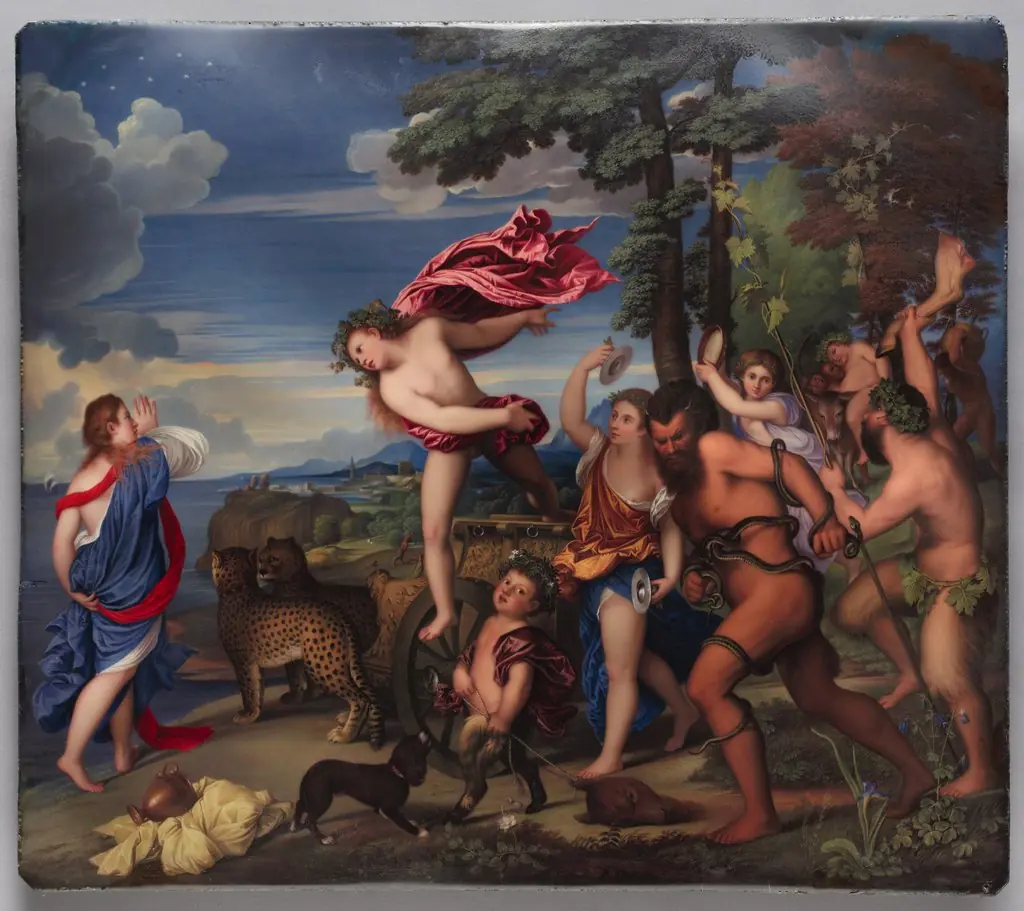 Bacchus and Ariadne
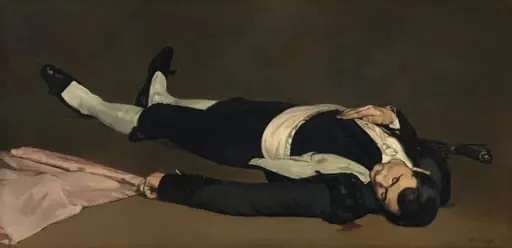 The Dead Toreador
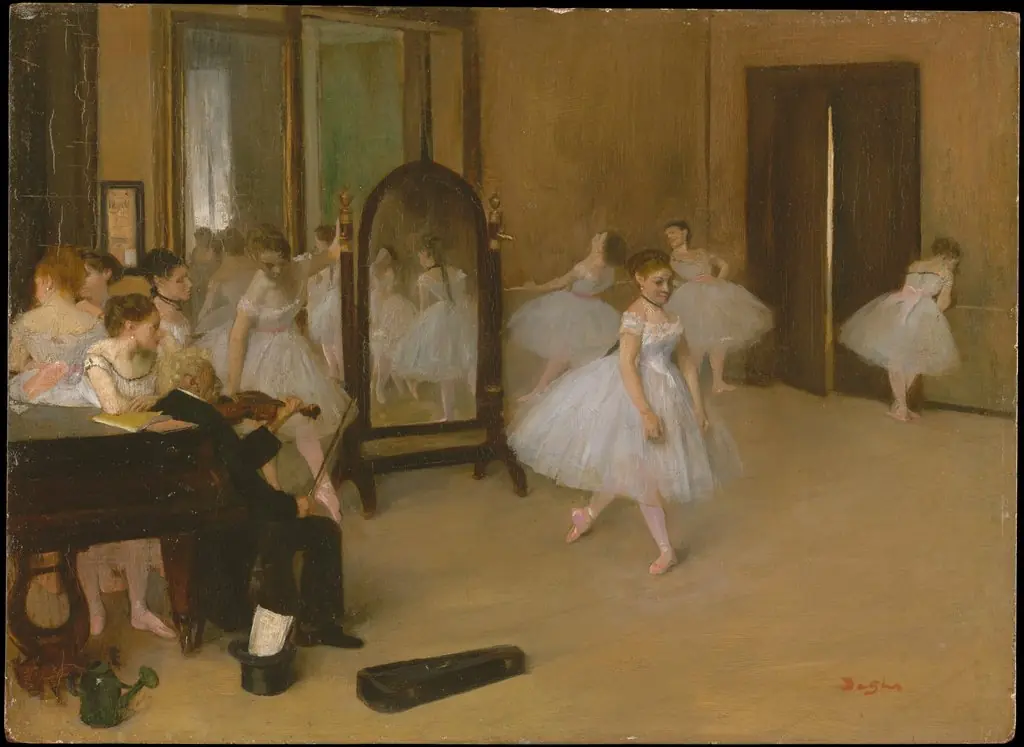 The Dancing Class
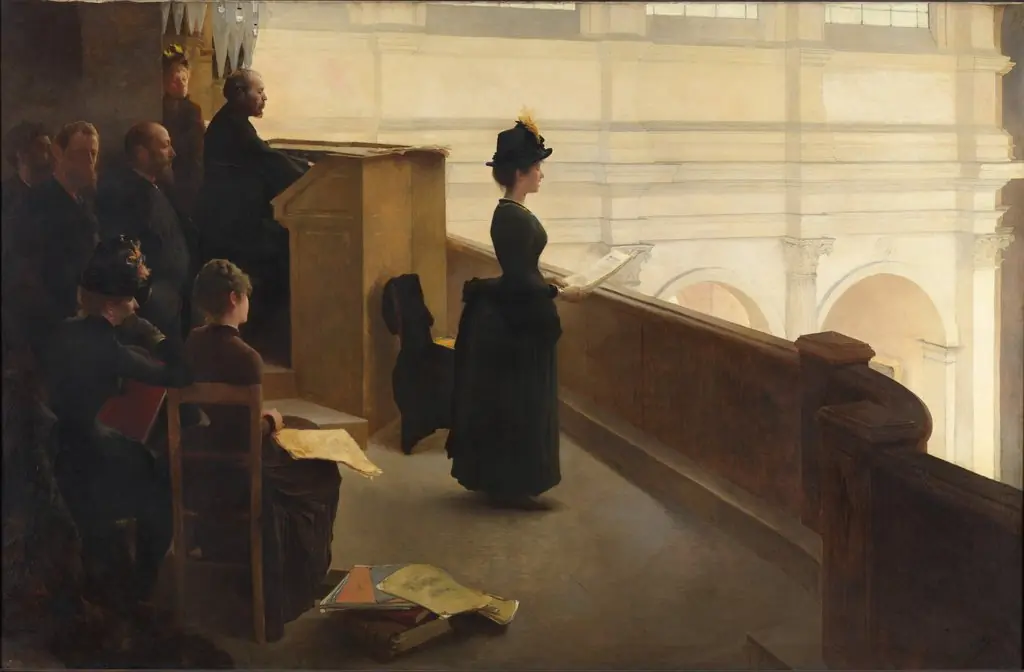 The Organ Rehearsal
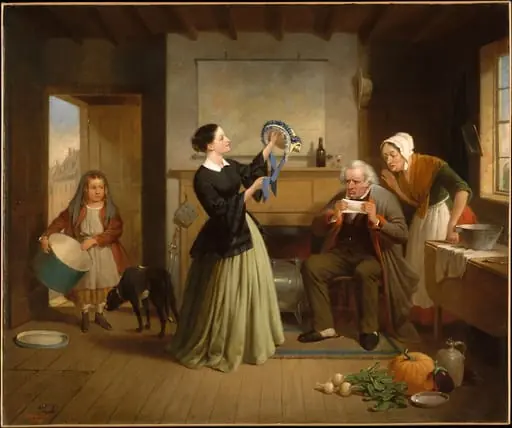 The New Bonnet
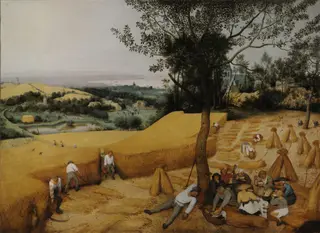 The Harvesters
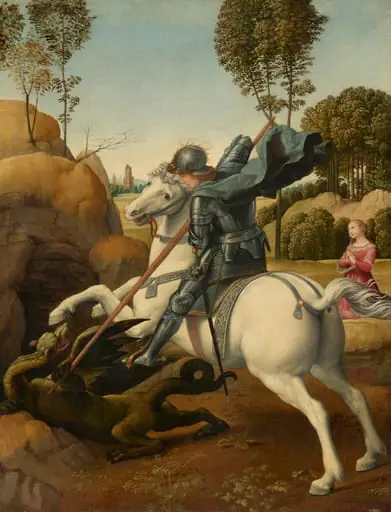 Saint George and the Dragon
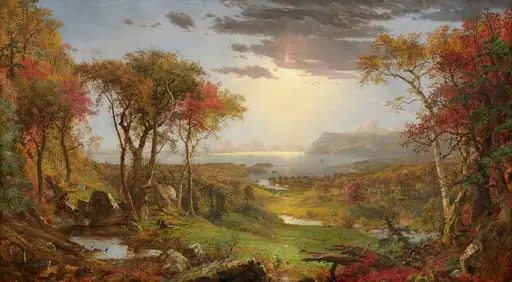 Autumn - On the Hudson River
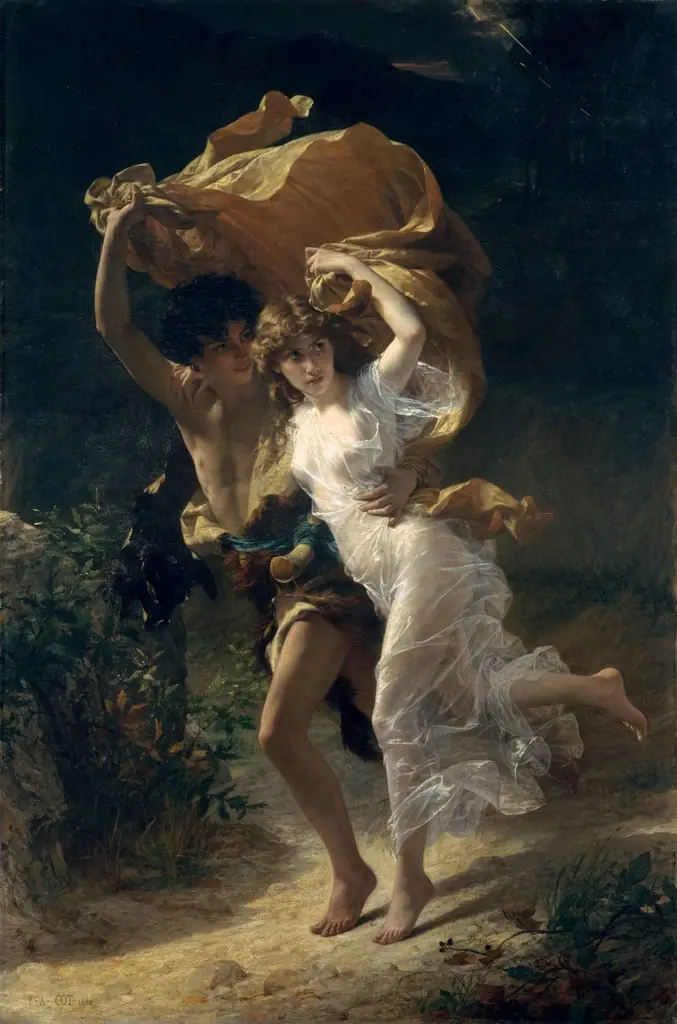 The Storm
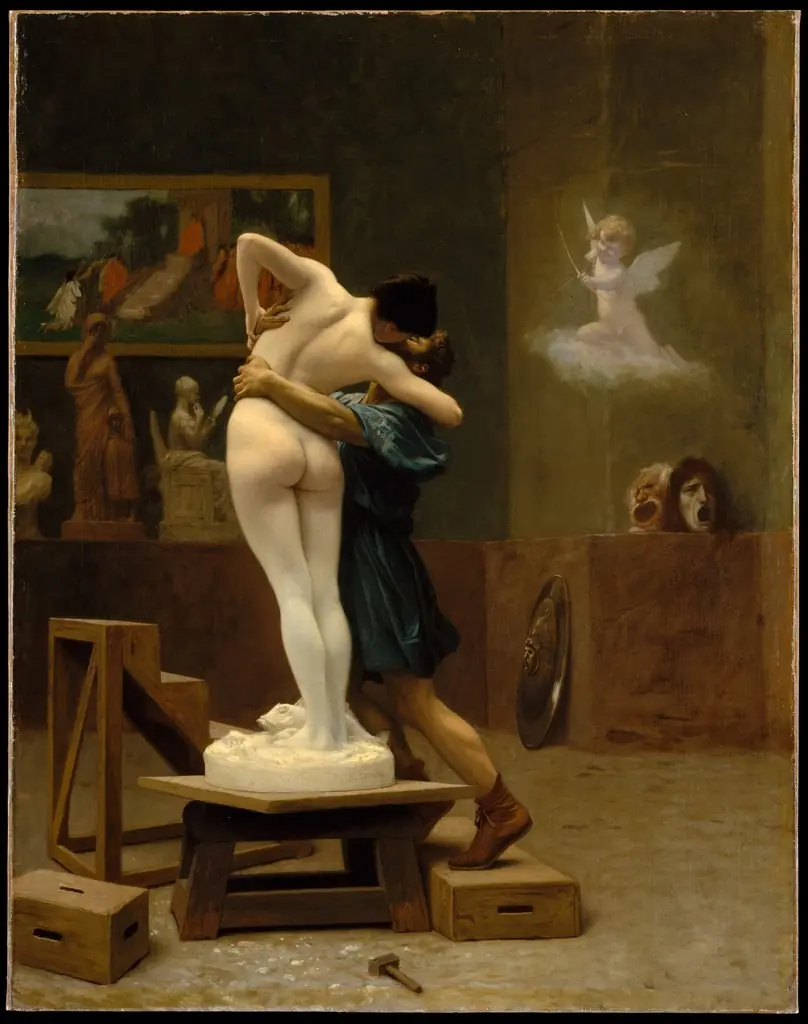 Pygmalion and Galatea
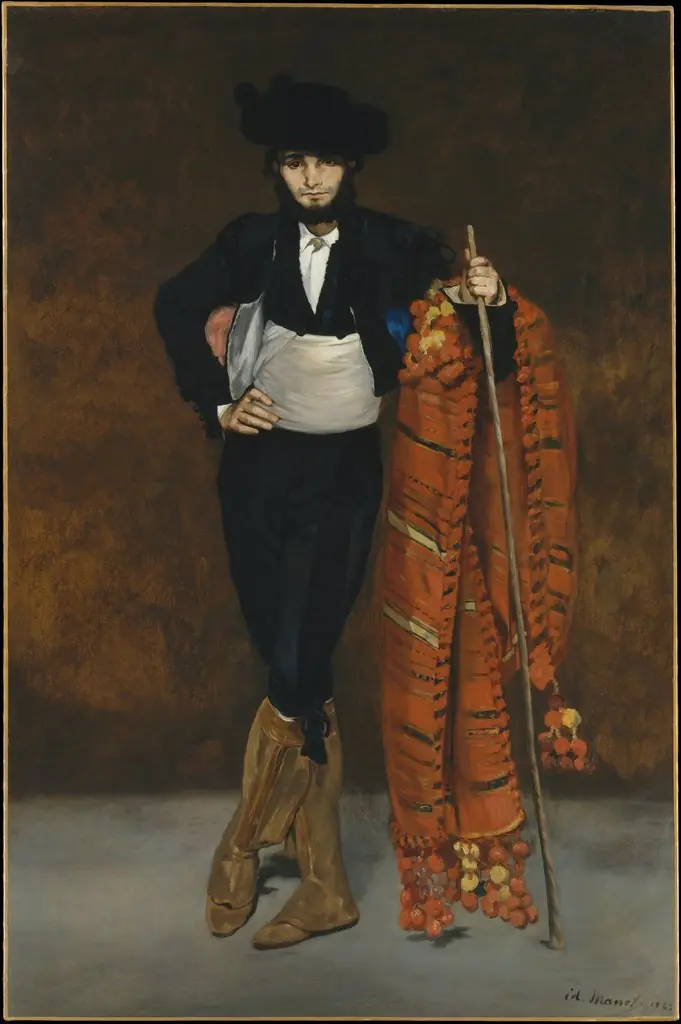 Young man in Mayo costume
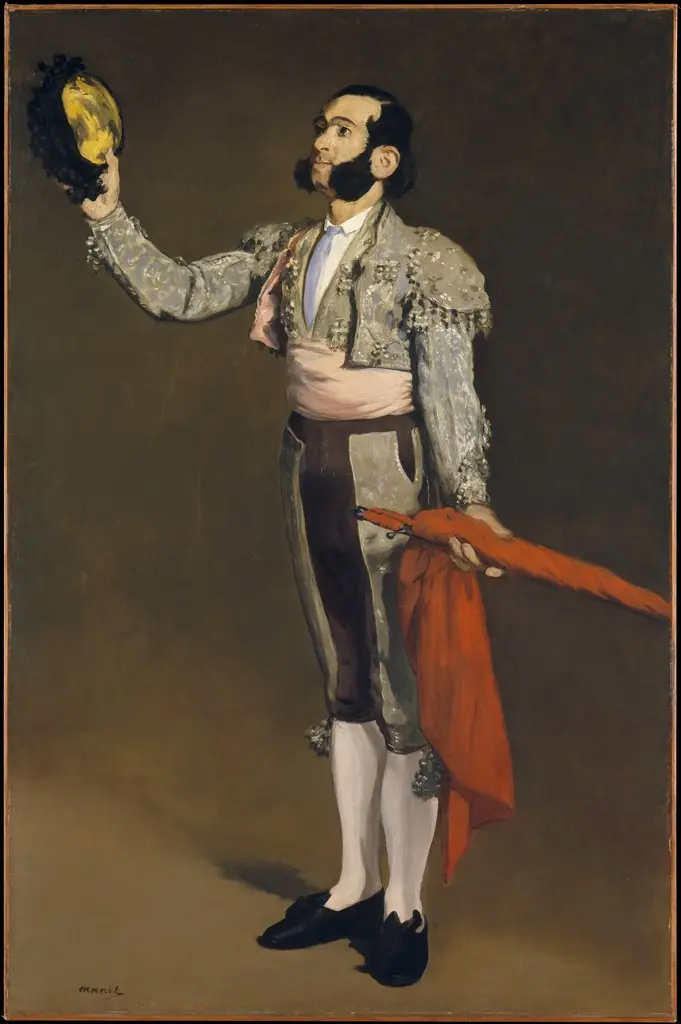 The Matador Saluting
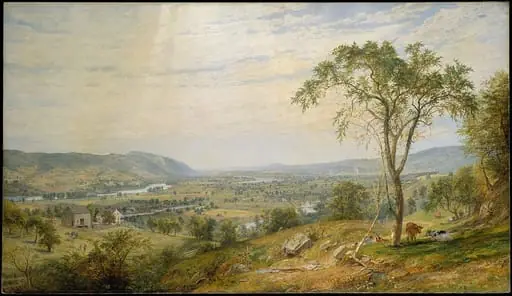 The Valley of Wyoming
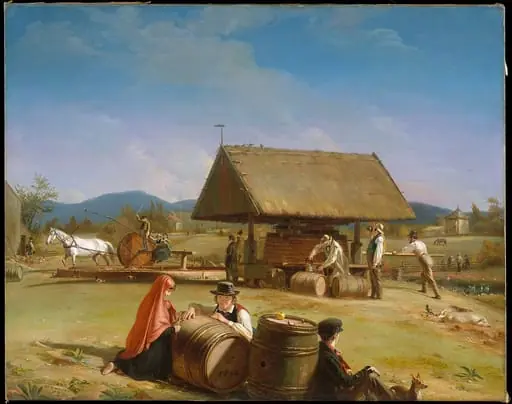 Cider Making
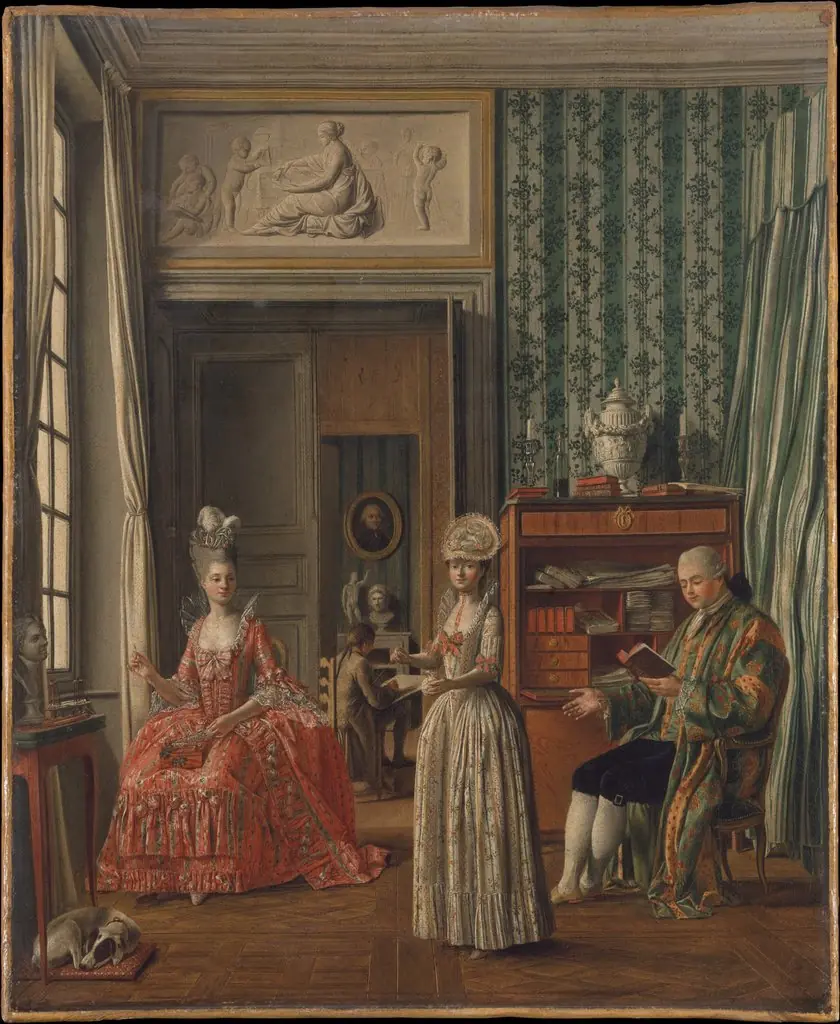 Domestic Scene
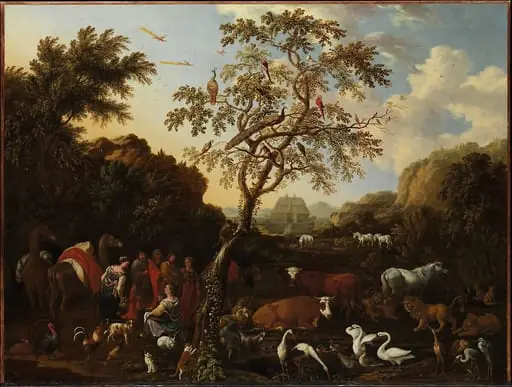 The Ark
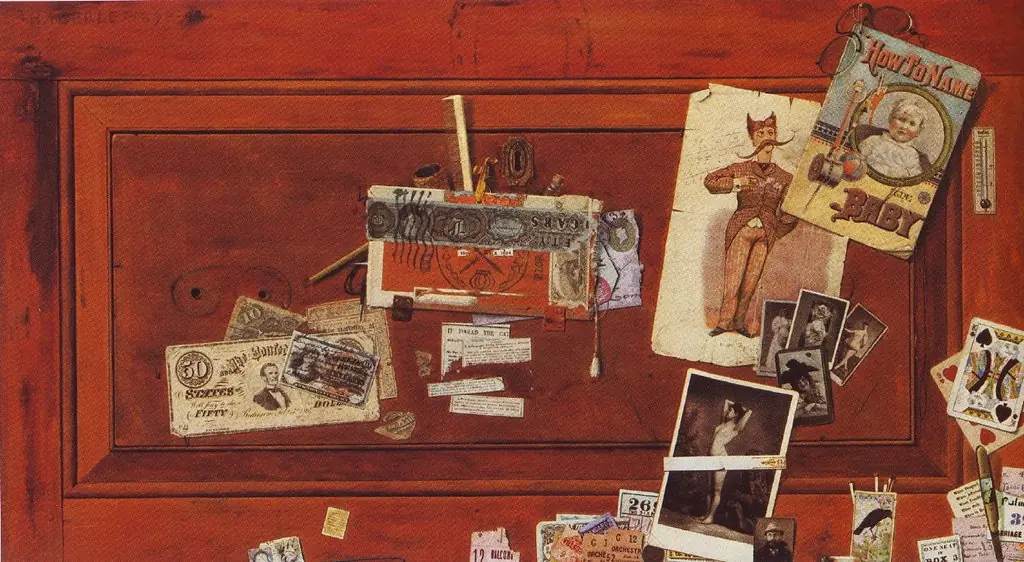 A Bachelor's Drawer
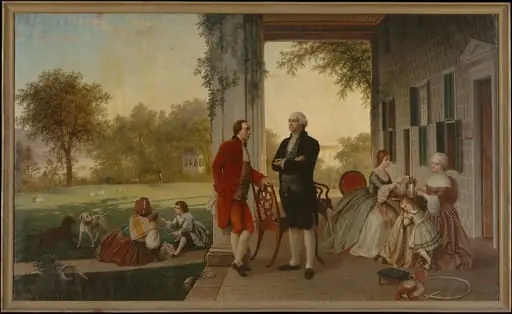 Washington and Lafayette at Mount Vernon, 1784 (The Home of Washington after the War)
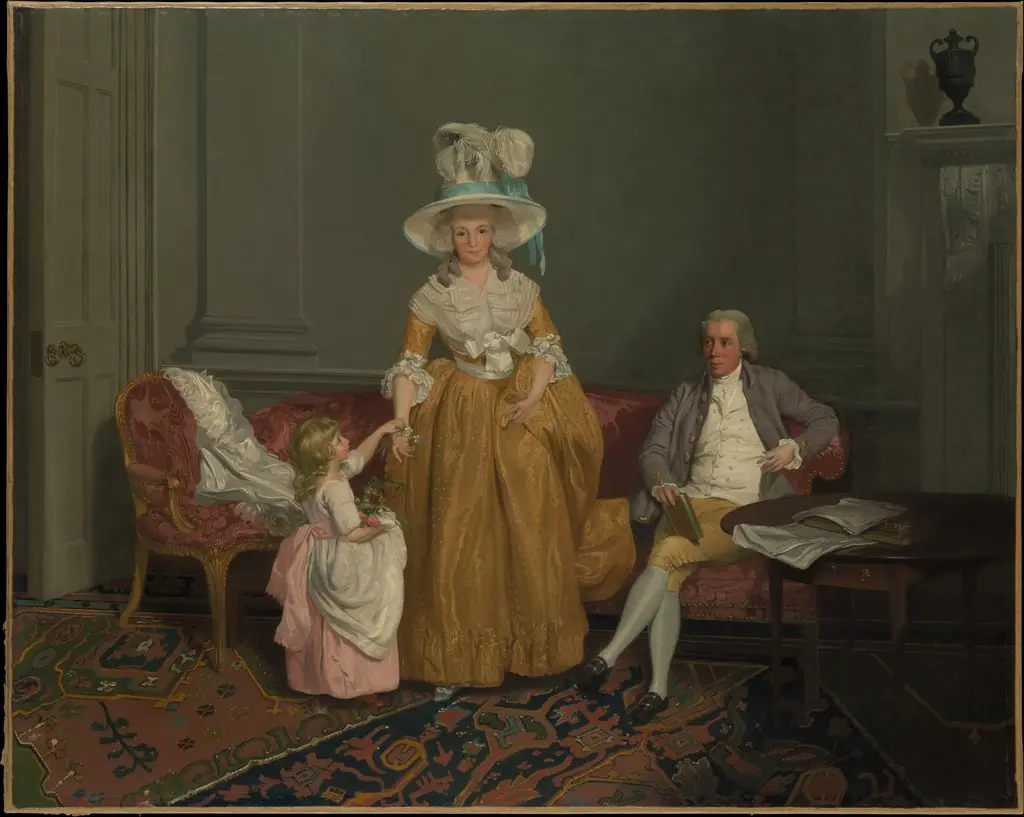 The Saithwaite Family
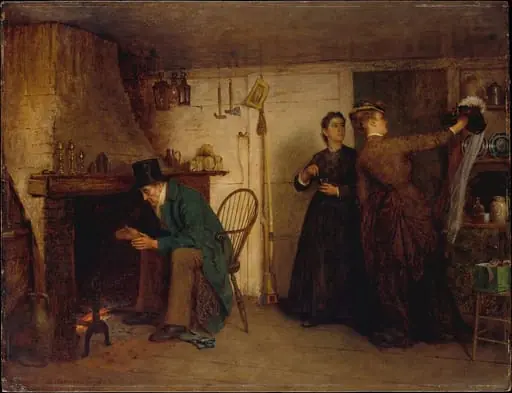 The New Bonnet
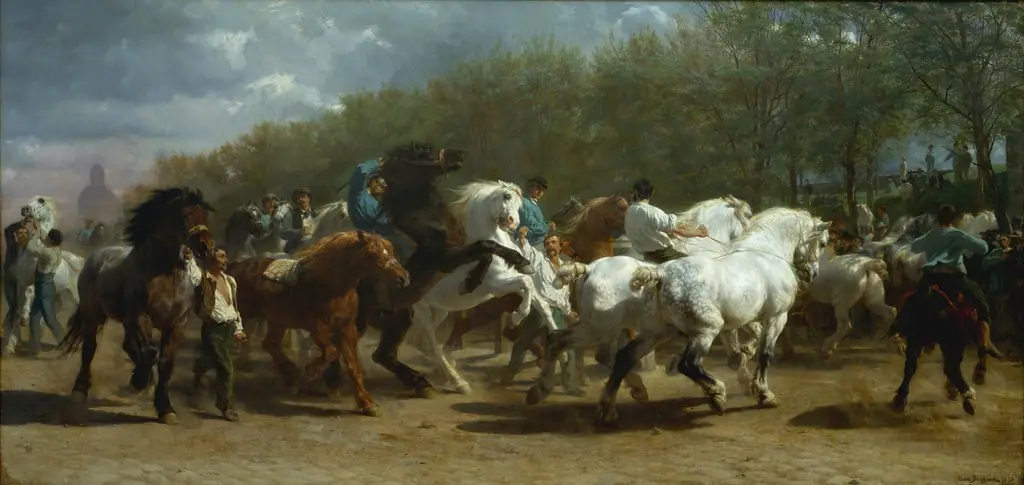 The Horse Fair
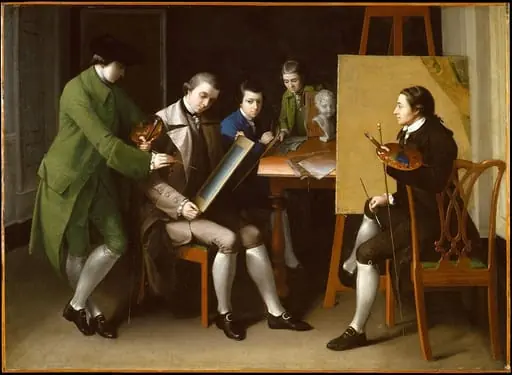 The American School
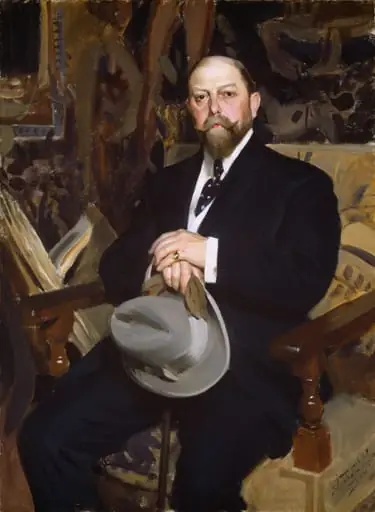 Hugo Reisinger
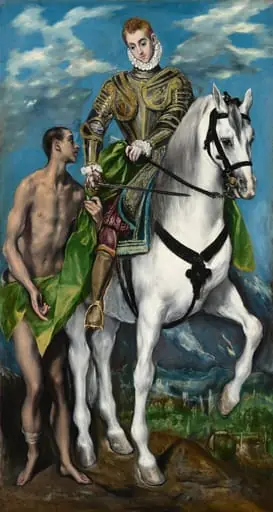 Saint Martin and the Beggar
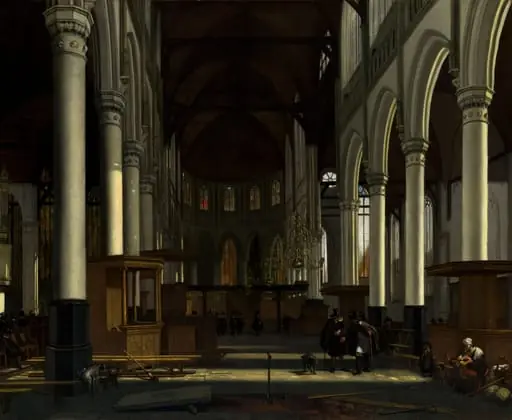 The Interior of the Oude Kerk, Amsterdam
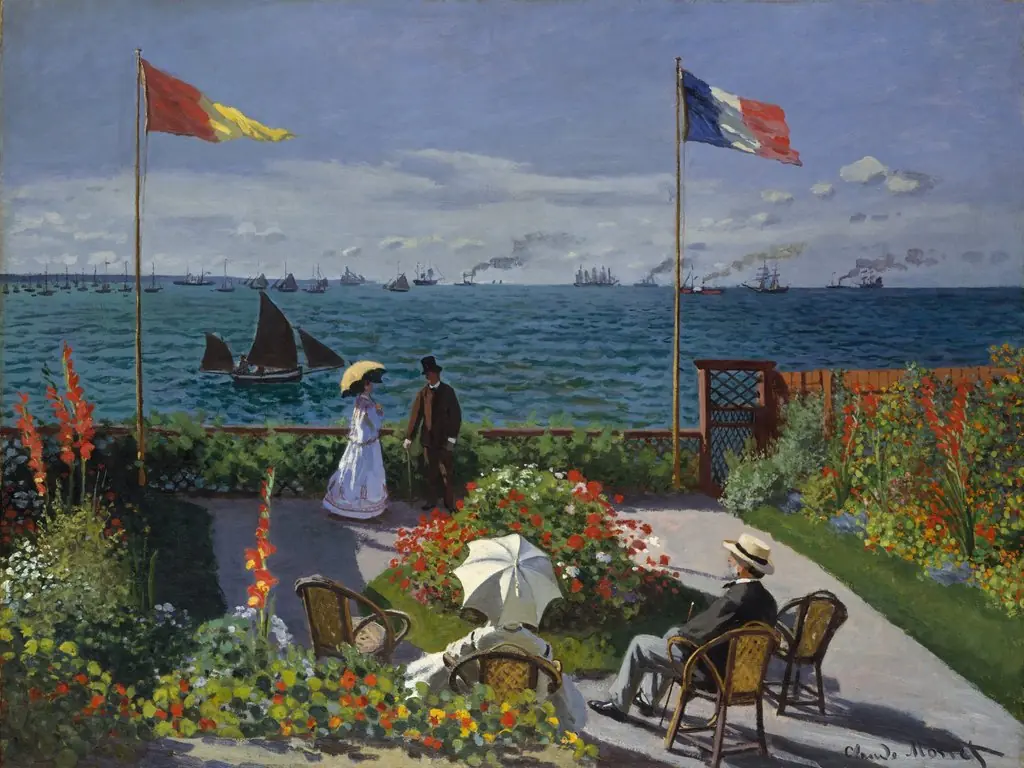 Garden at Sainte-Adresse
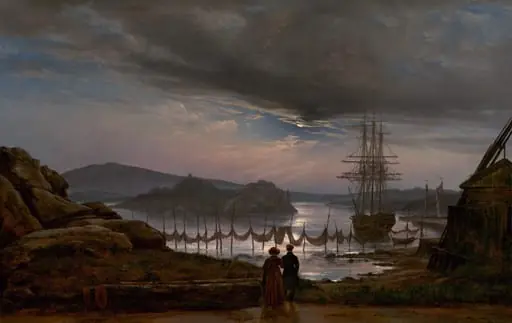 View from Vaekero near Christiania
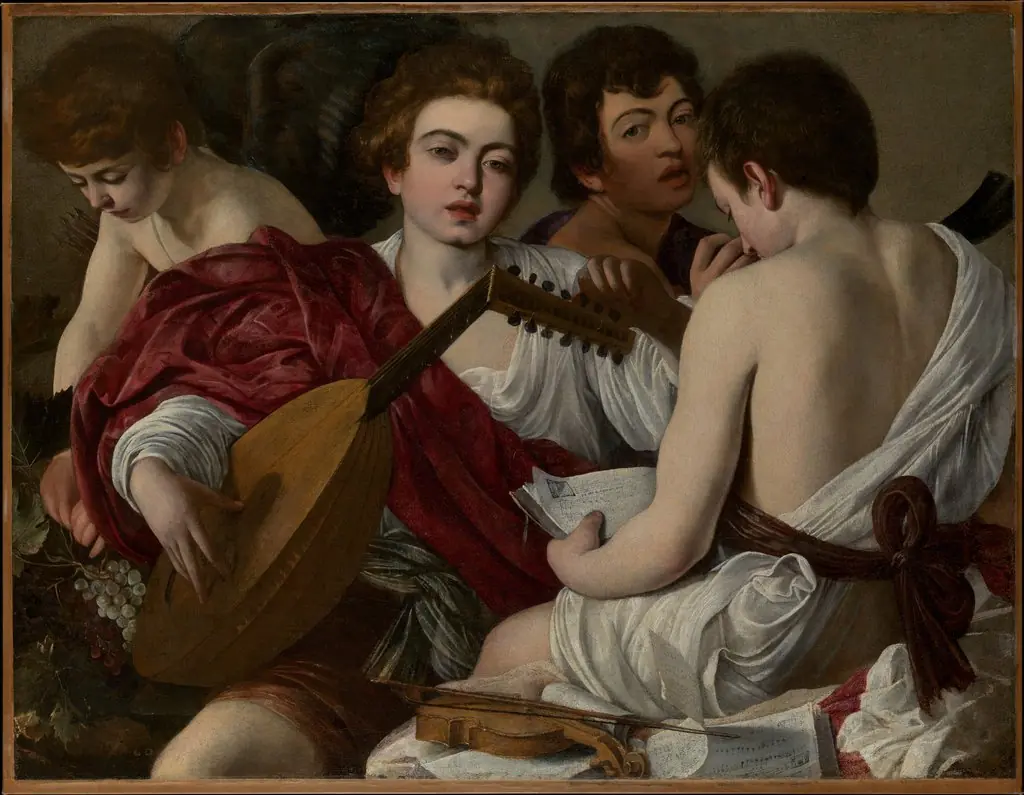 The Musicians
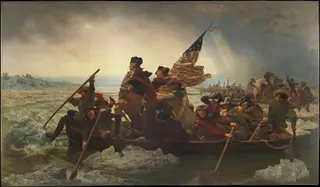 Washington Crossing the Delaware
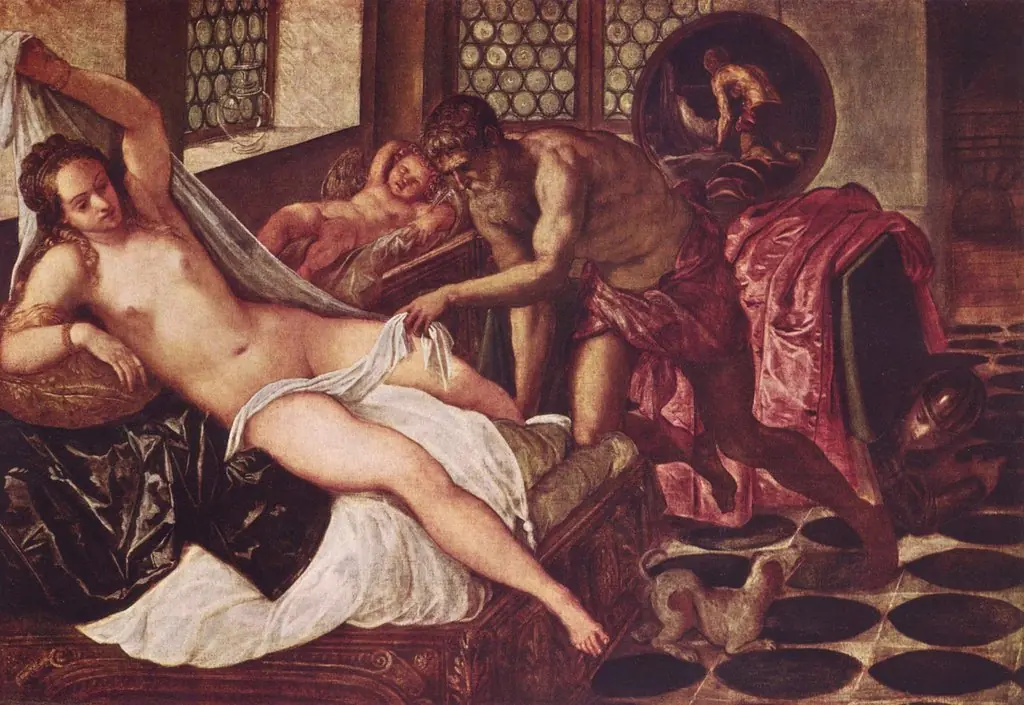 Venus and Mars Surprised by Vulcan
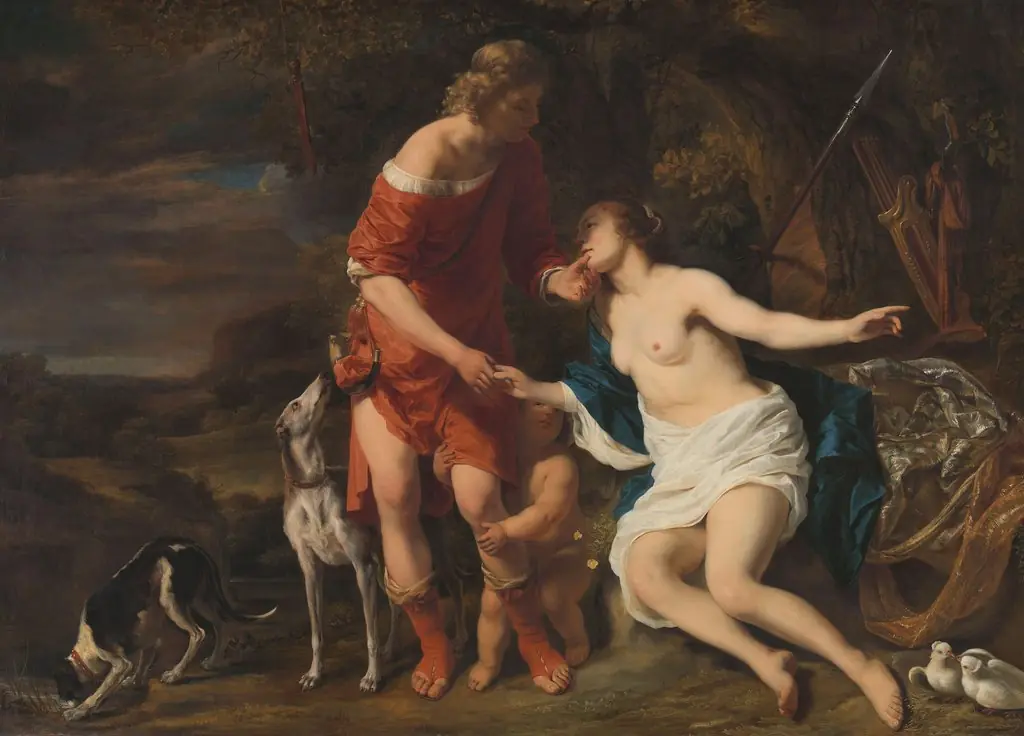 Venus and Adonis
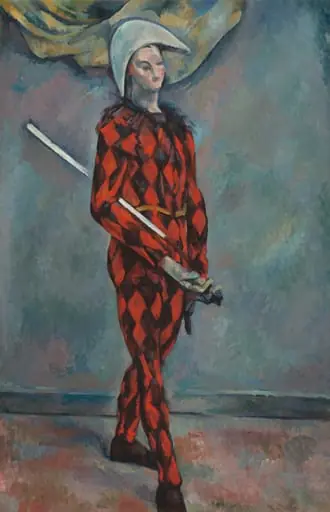 Harlequin
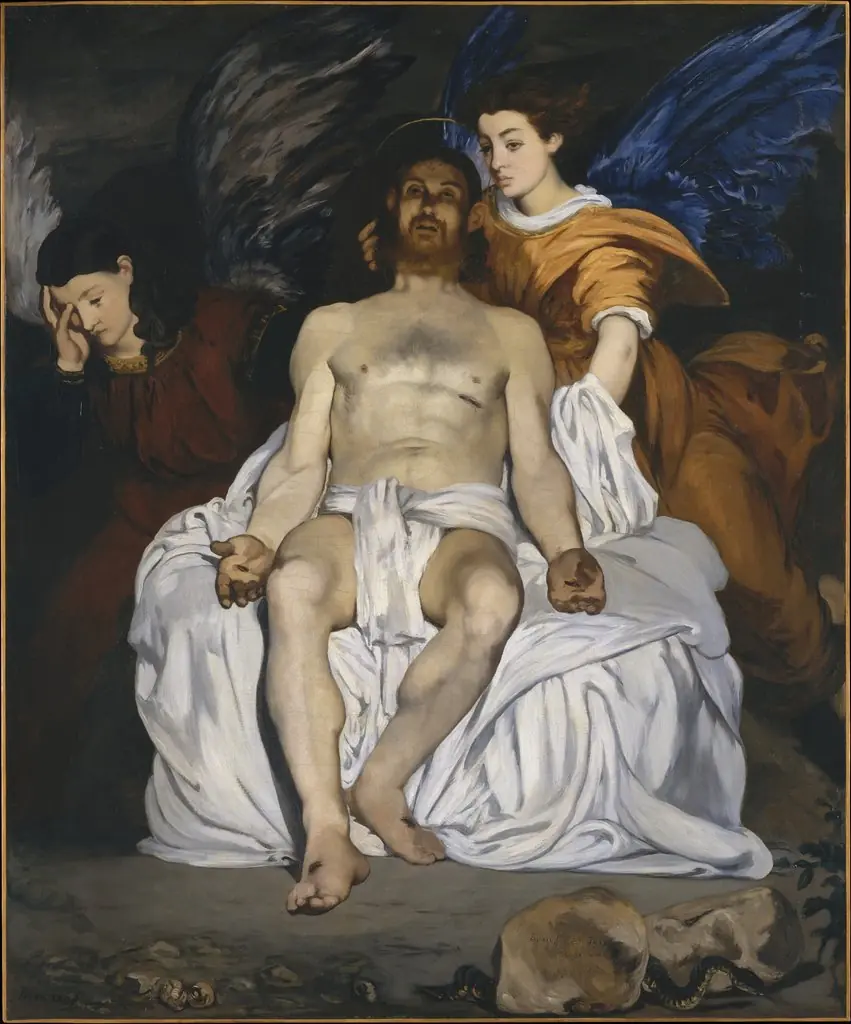 The Dead Christ with Angels
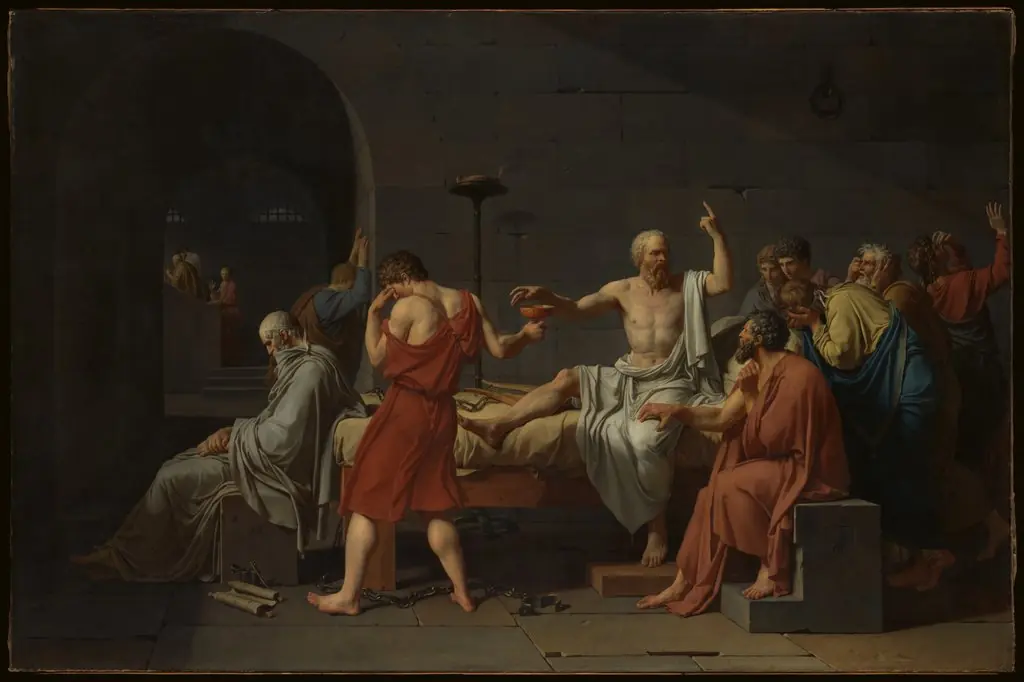 The Death of Socrates
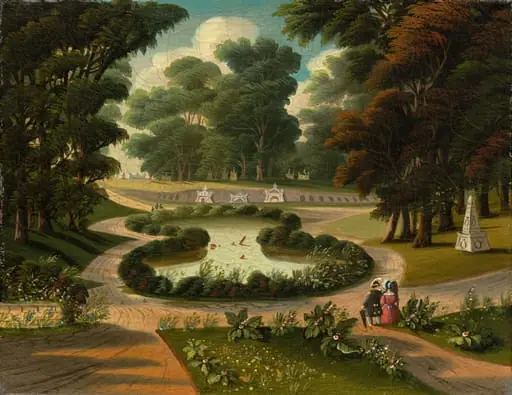 Mount Auburn Cemetery
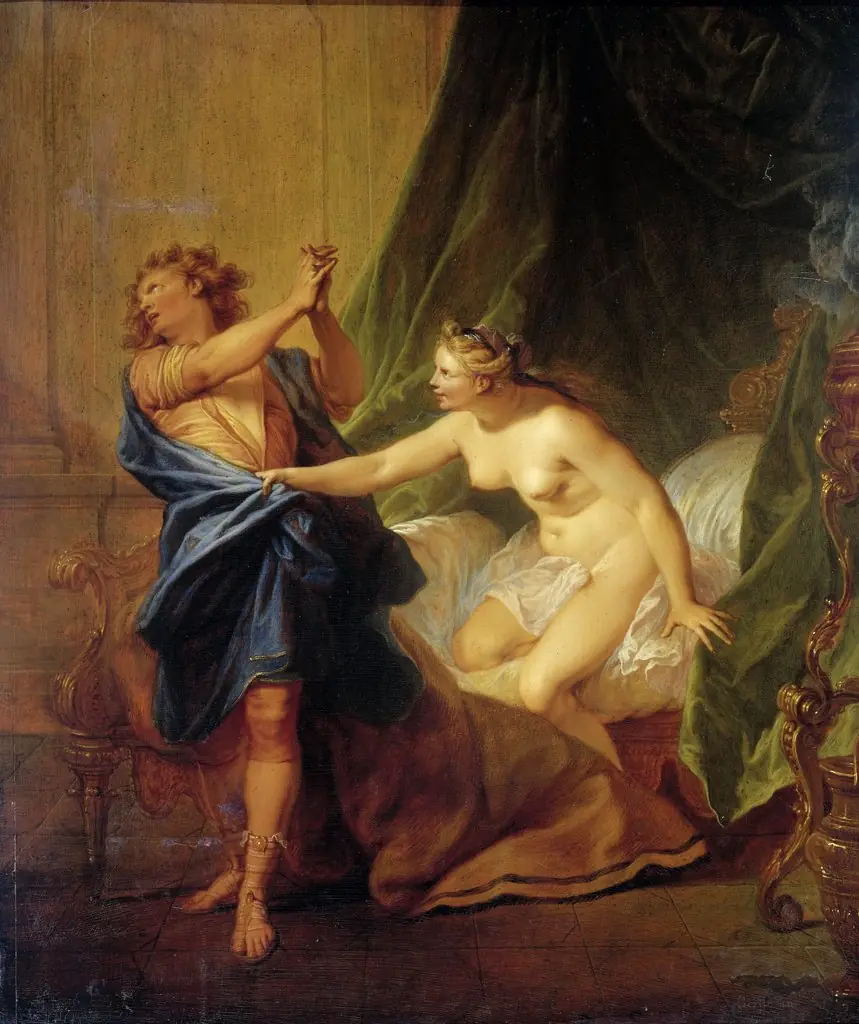 Joseph and Potiphar's Wife
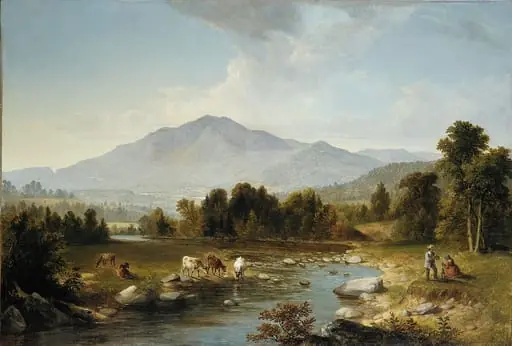 High Point: Shandaken Mountains
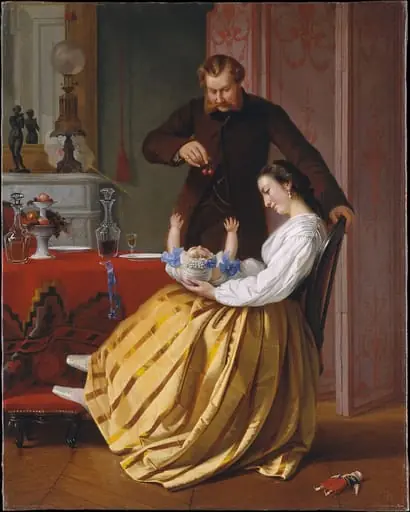 Conversation Piece
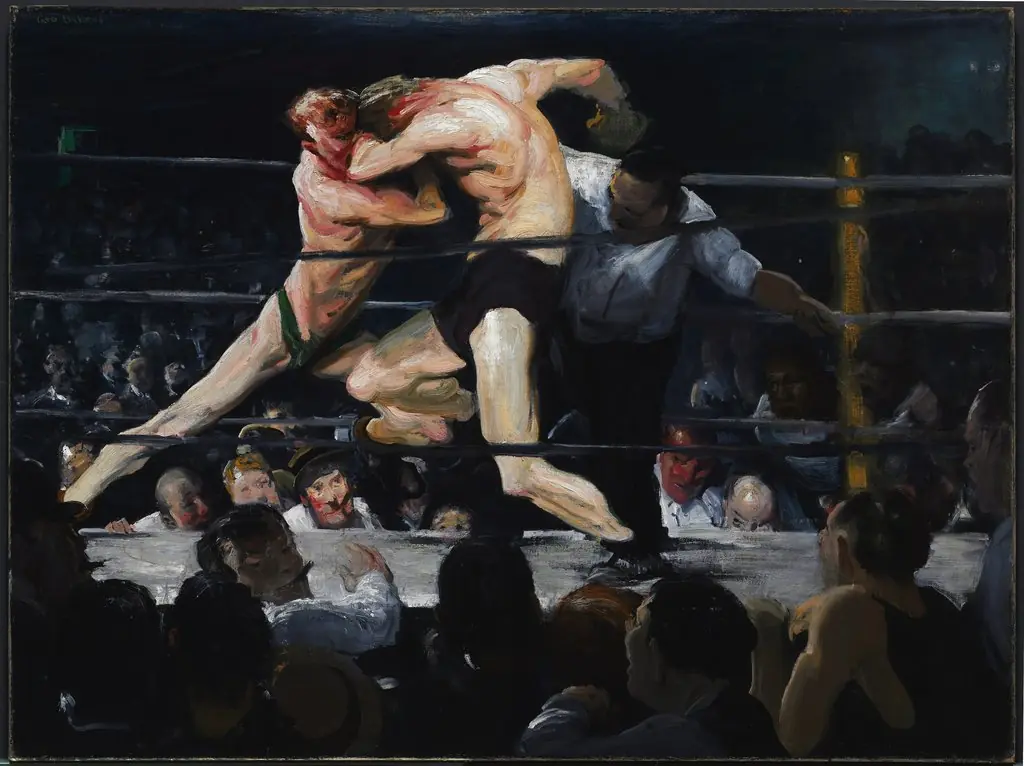 Stag at Sharkey's
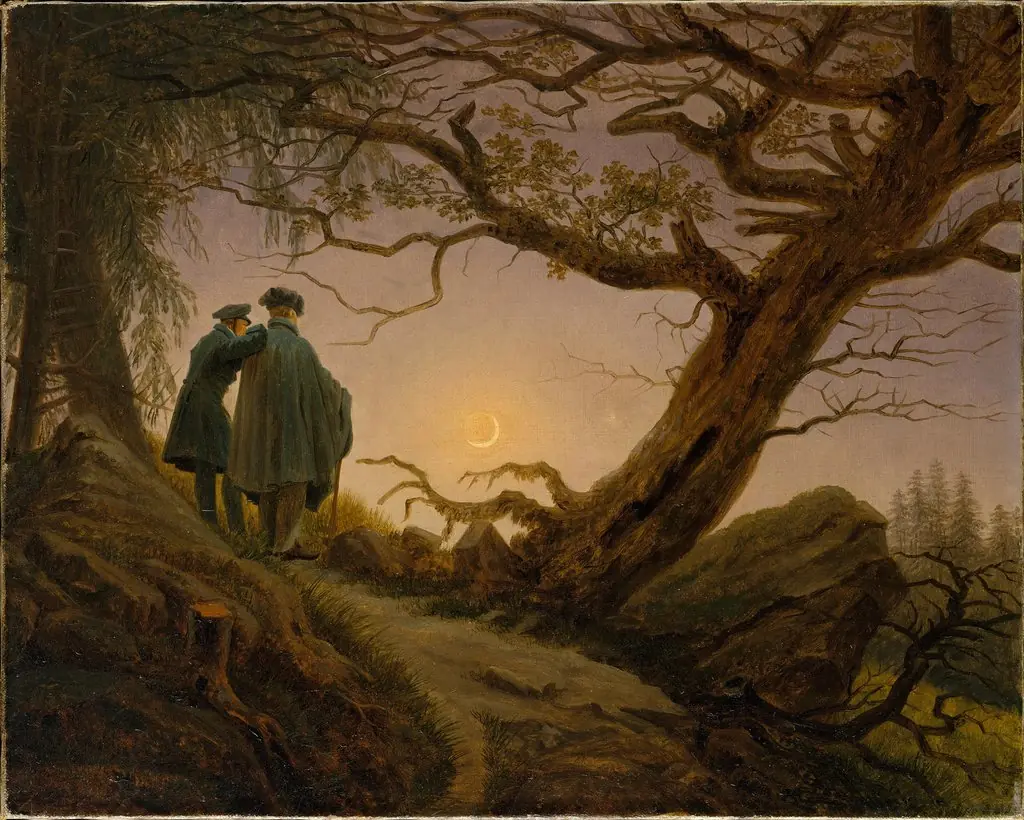 Two men contemplating the Moon
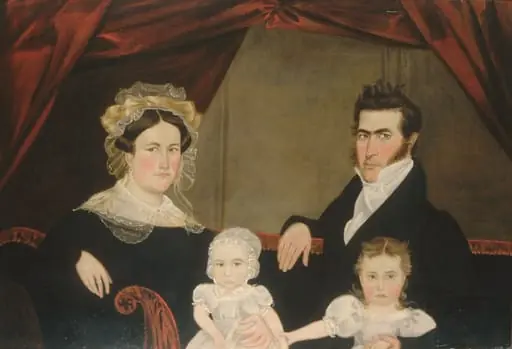 Family Group of Four on Sofa
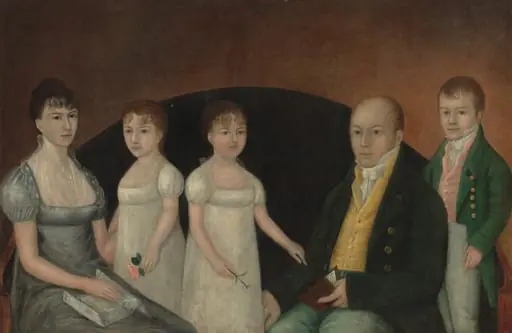 Family Group
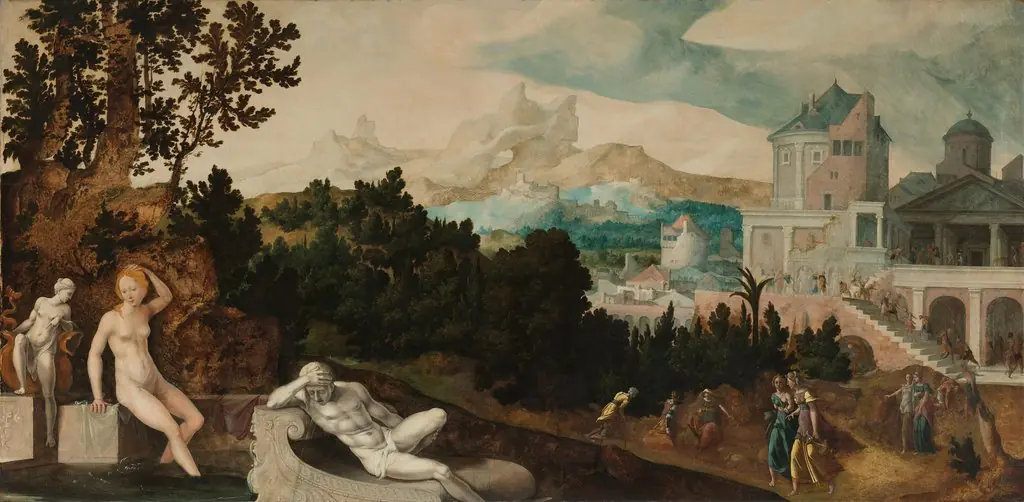 Landscape with Bathsheba
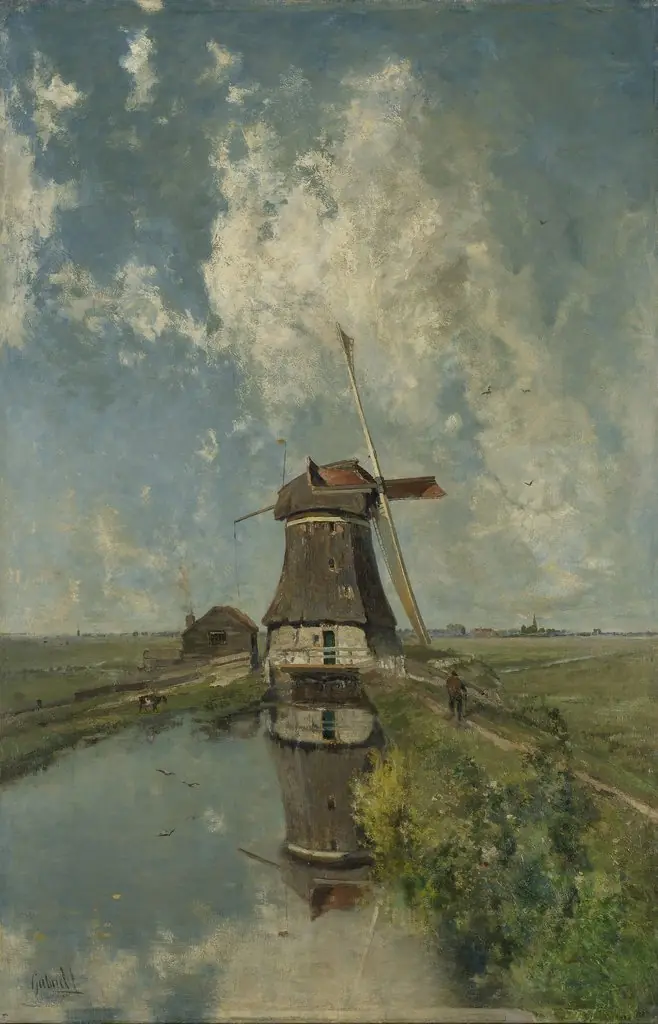 A Windmill on a Polder Waterway, Known as ‘In the Month of July’
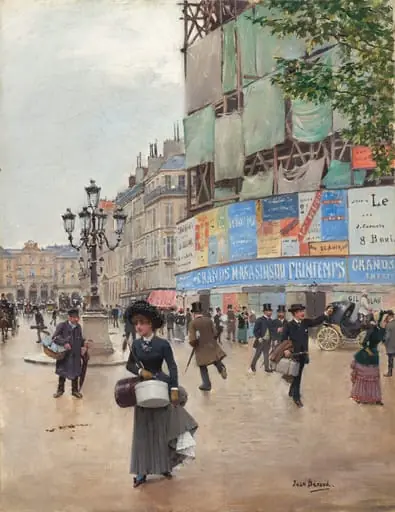 Paris, rue du Havre
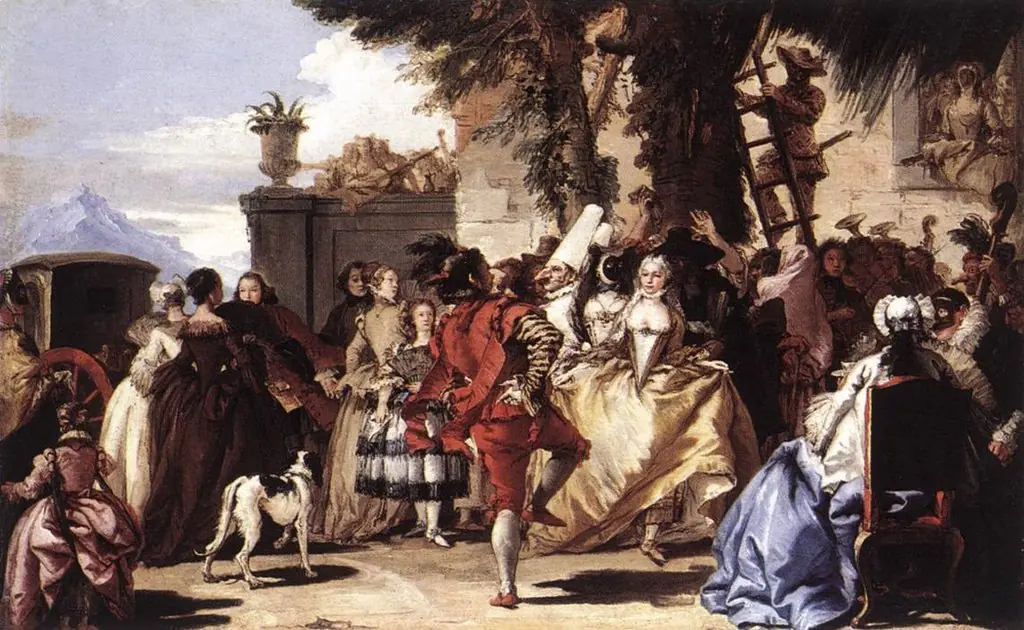 A Dance in the Country
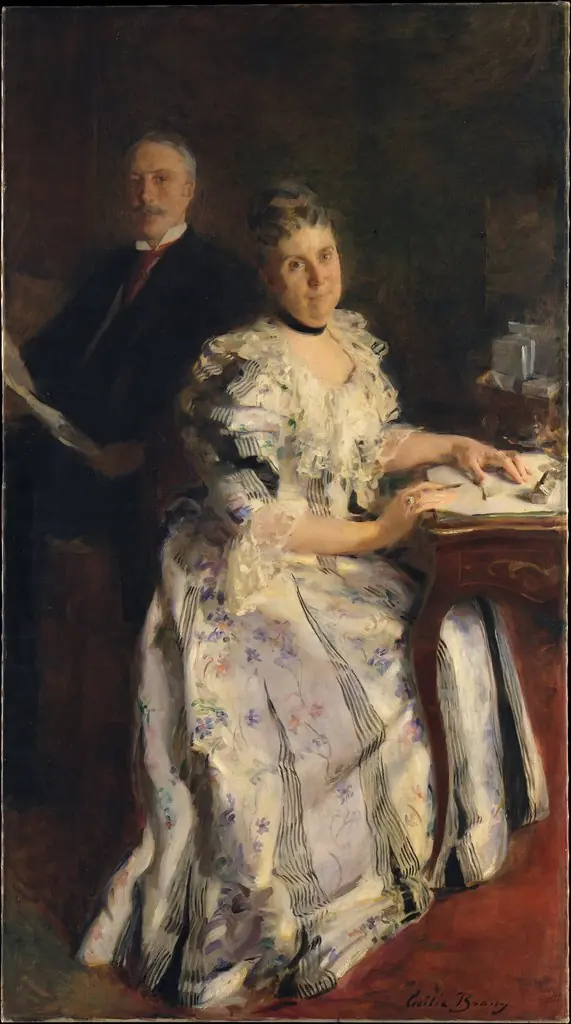 Mr. and Mrs. Anson Phelps Stokes
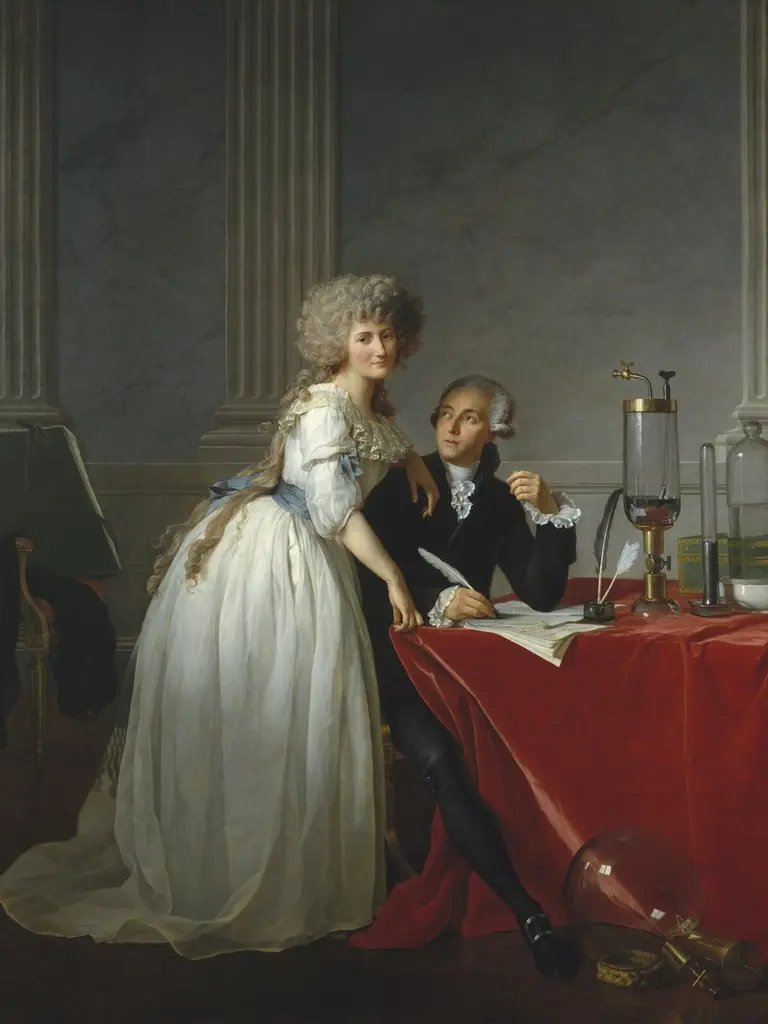 Portrait of Antoine-Laurent Lavoisier and his wife
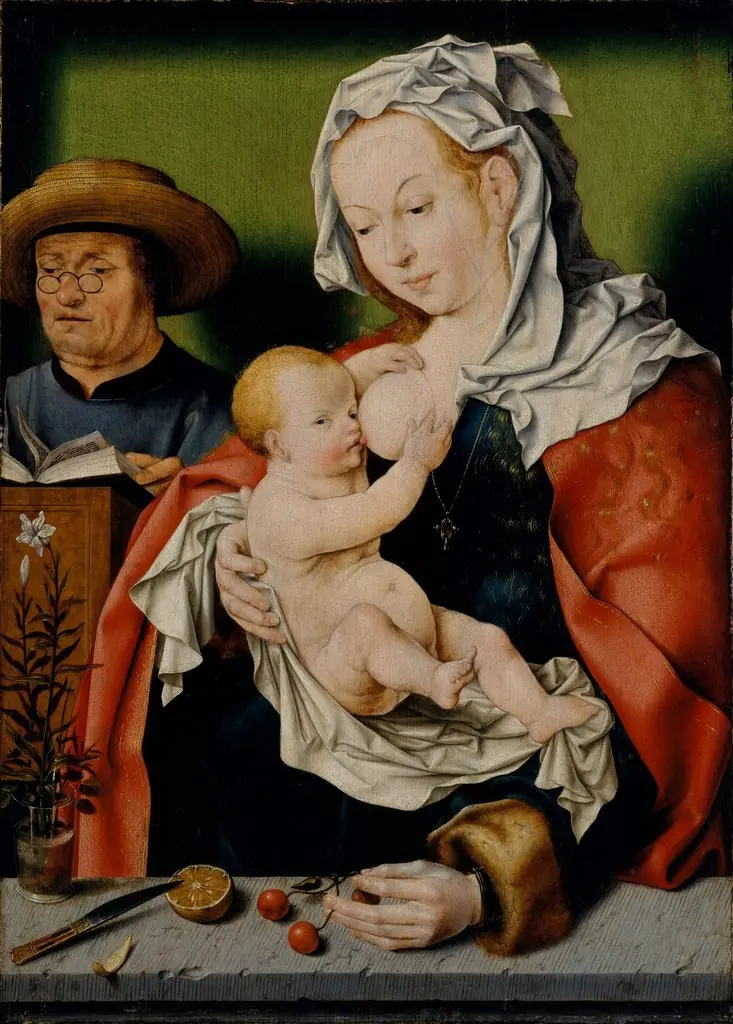 The Holy Family
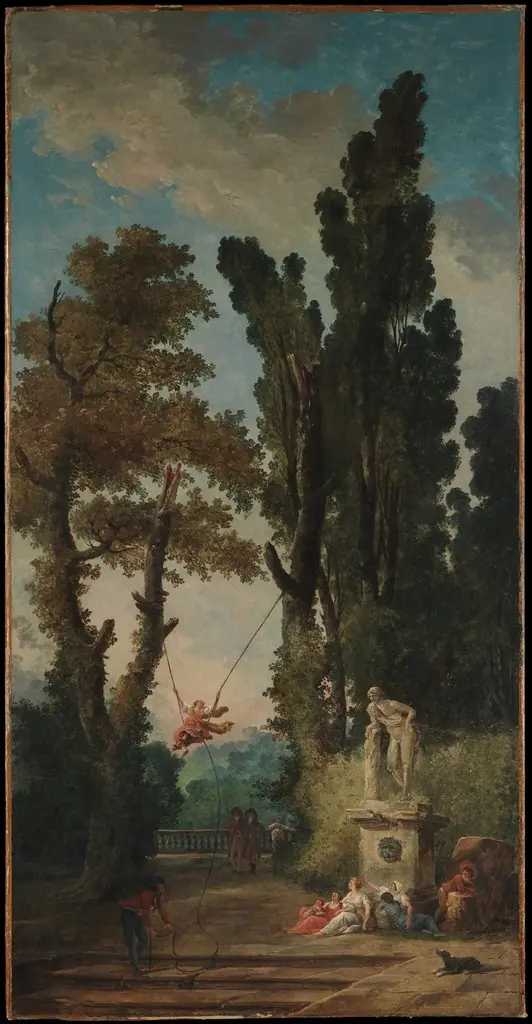 The Swing
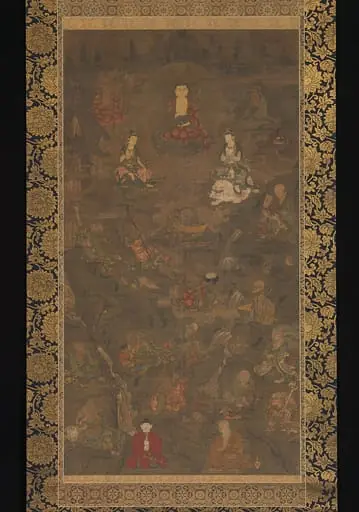 釈迦三尊十六羅漢像|Shaka (Shakyamuni), the Historical Buddha, with Two Attendant Bodhisattvas and Sixteen Arhats
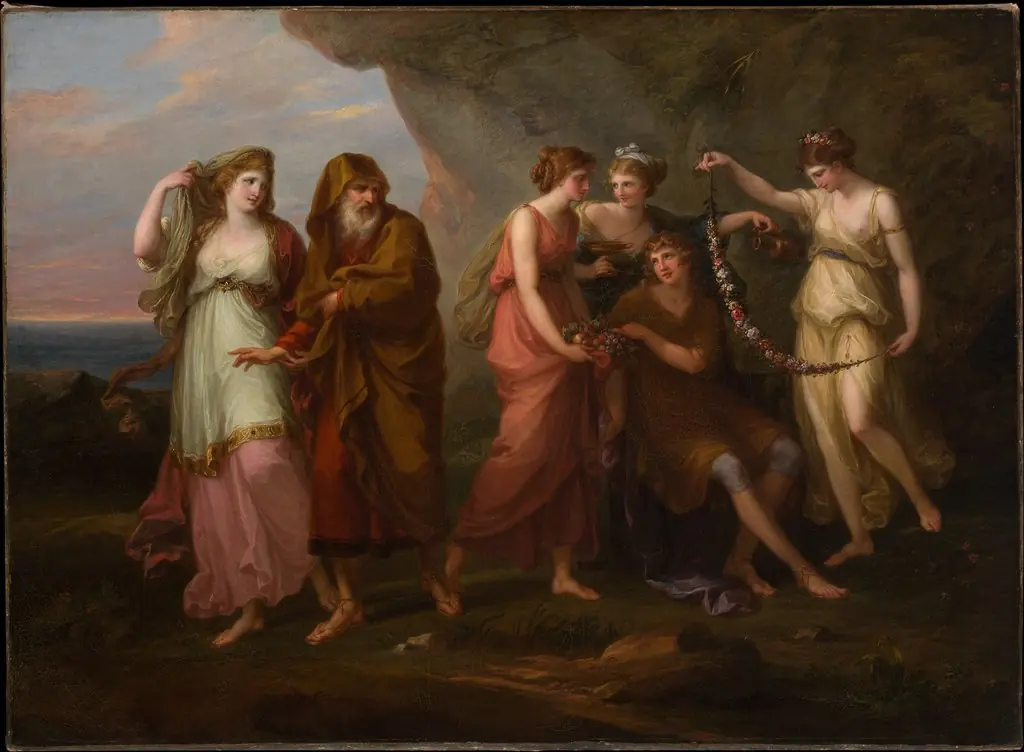 Telemachus and the Nymphs of Calypso
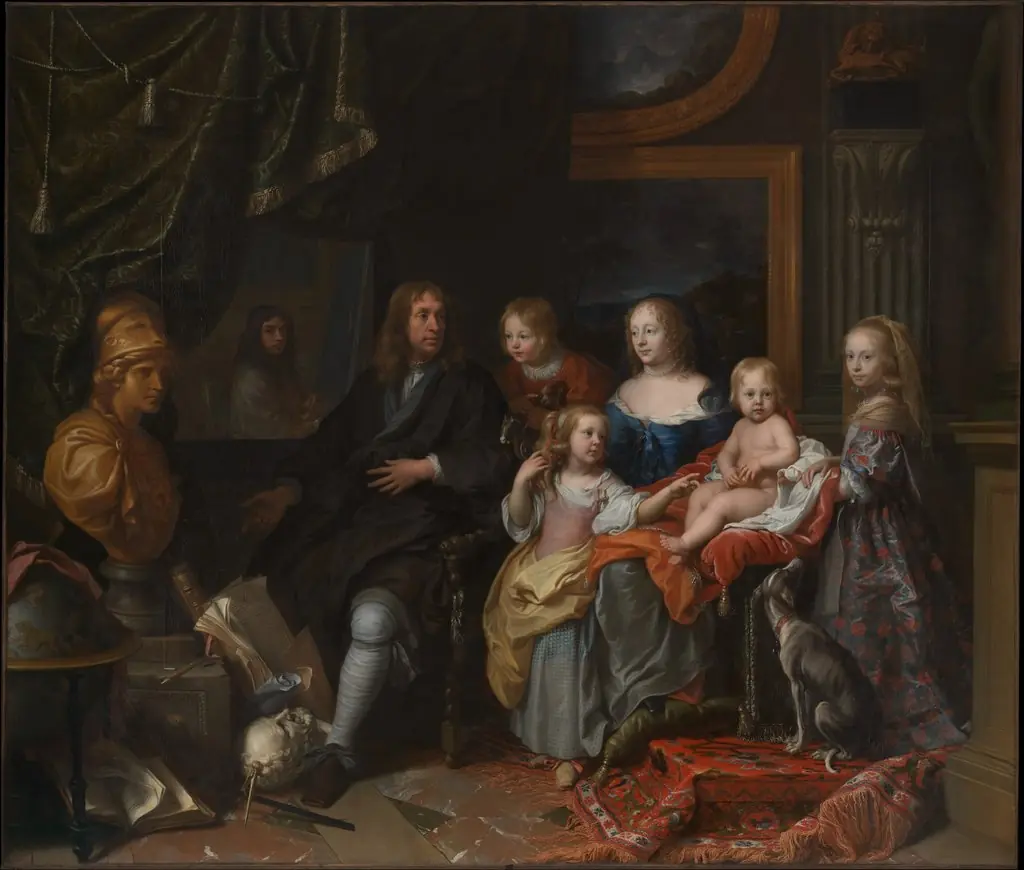 Everhard Jabach (1618–1695) and His Family
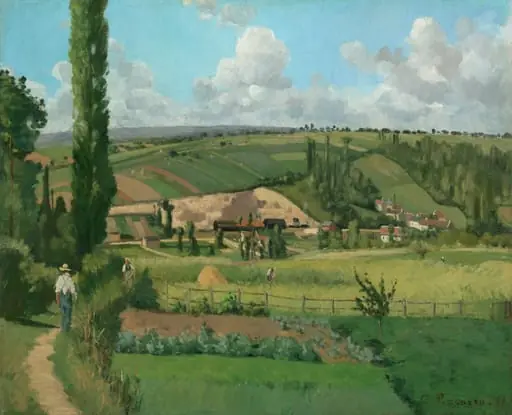 Landscape at Les Pâtis, Pontoise
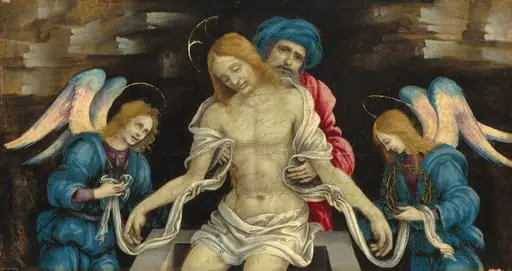 Pietà (The Dead Christ Mourned by Nicodemus and Two Angels)
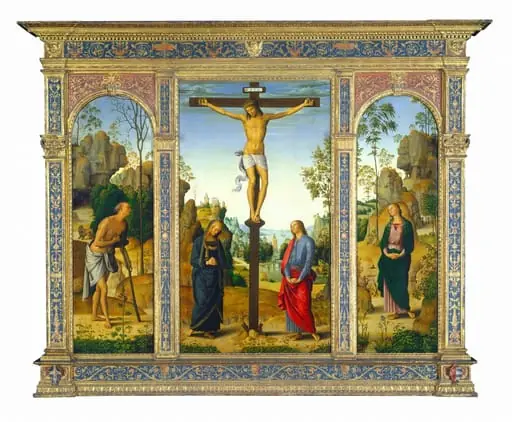 The Crucifixion with the Virgin, Saint John, Saint Jerome, and Saint Mary Magdalene
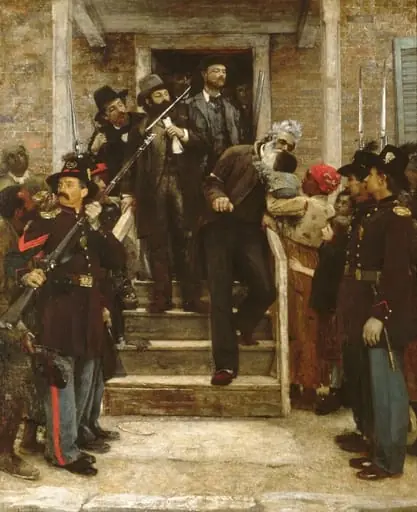 The Last Moments of John Brown
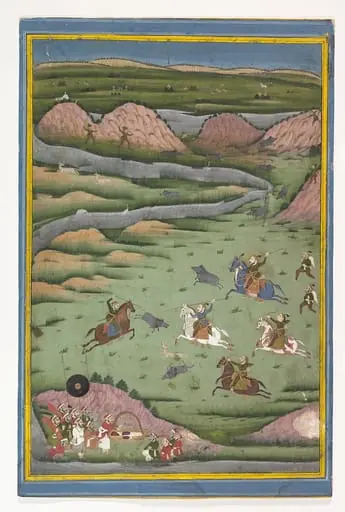 Untitled
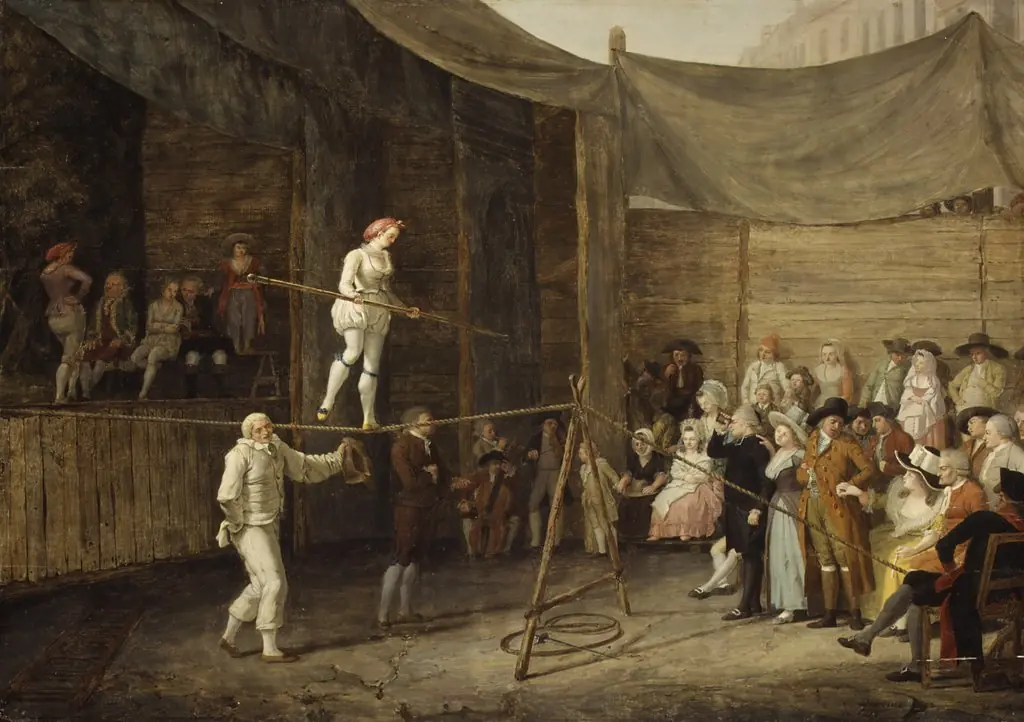 The Rope Dance
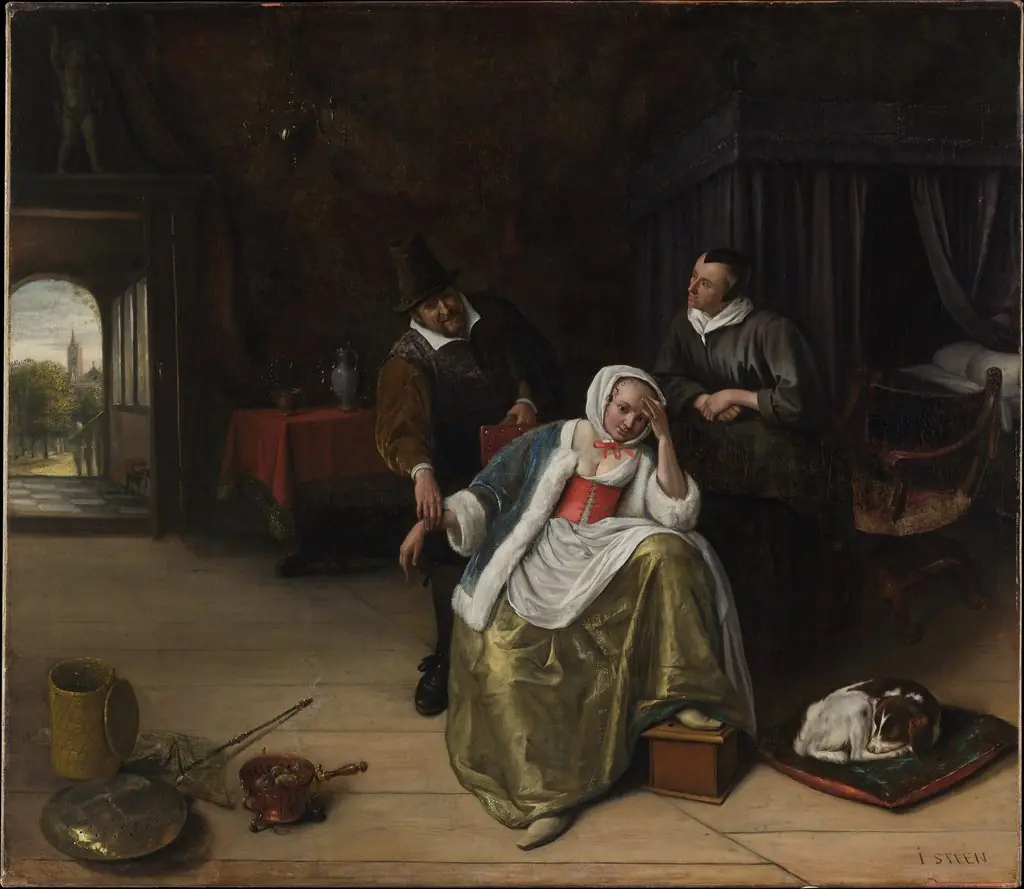 Paintings of physicians by Jan Steen
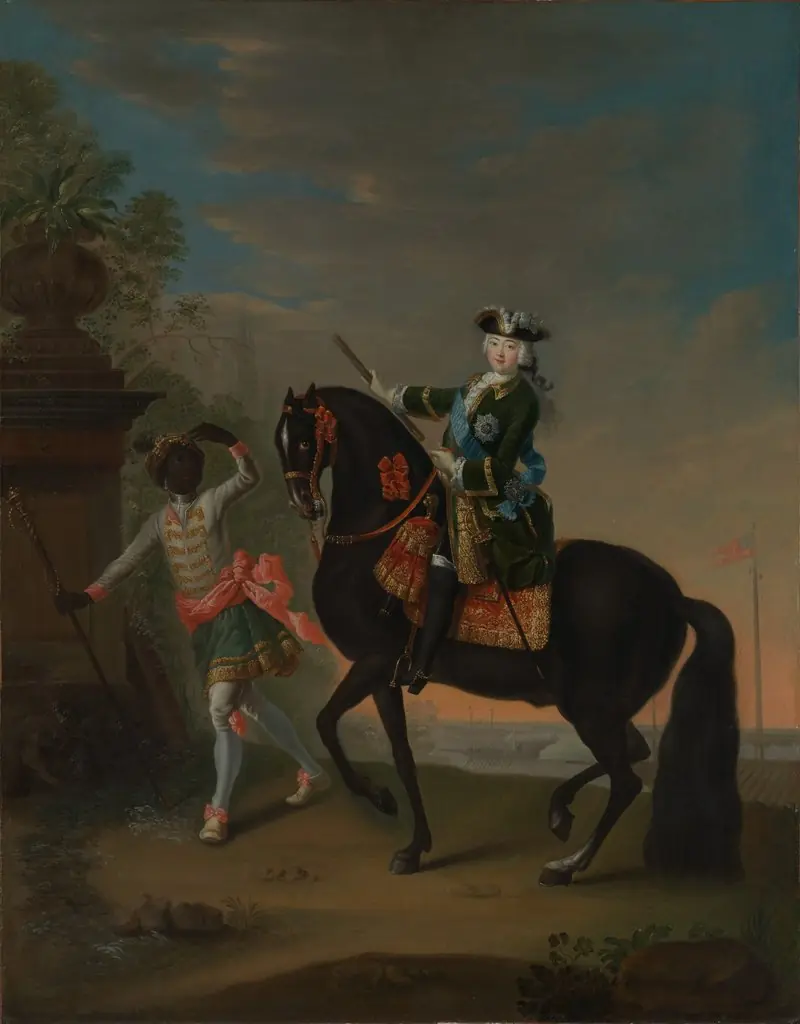 The Empress Elizabeth of Russia (1709–1762) on Horseback, Attended by a Page
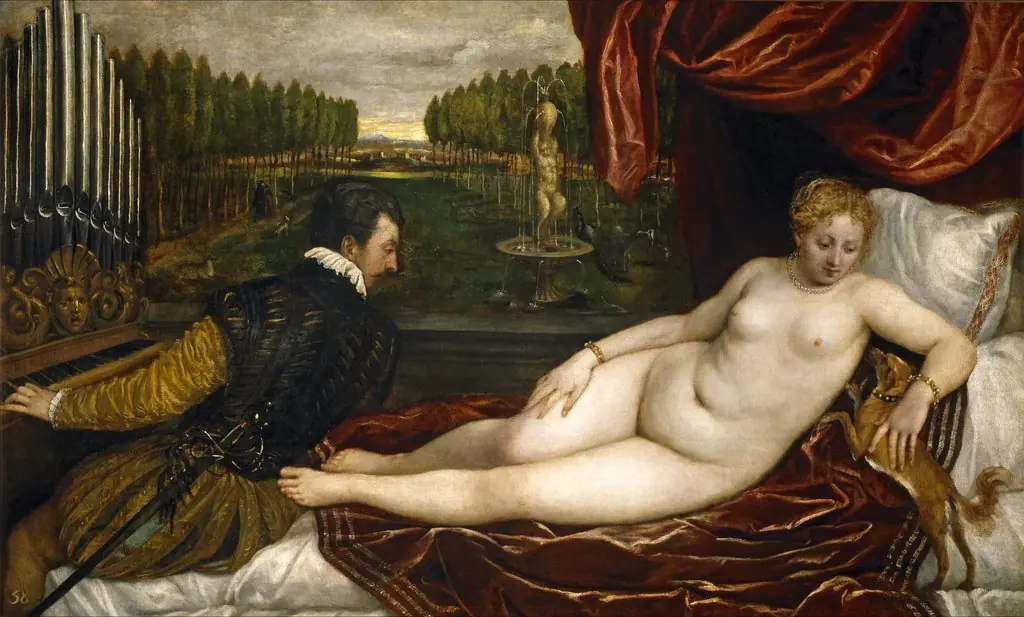 Venus and Music
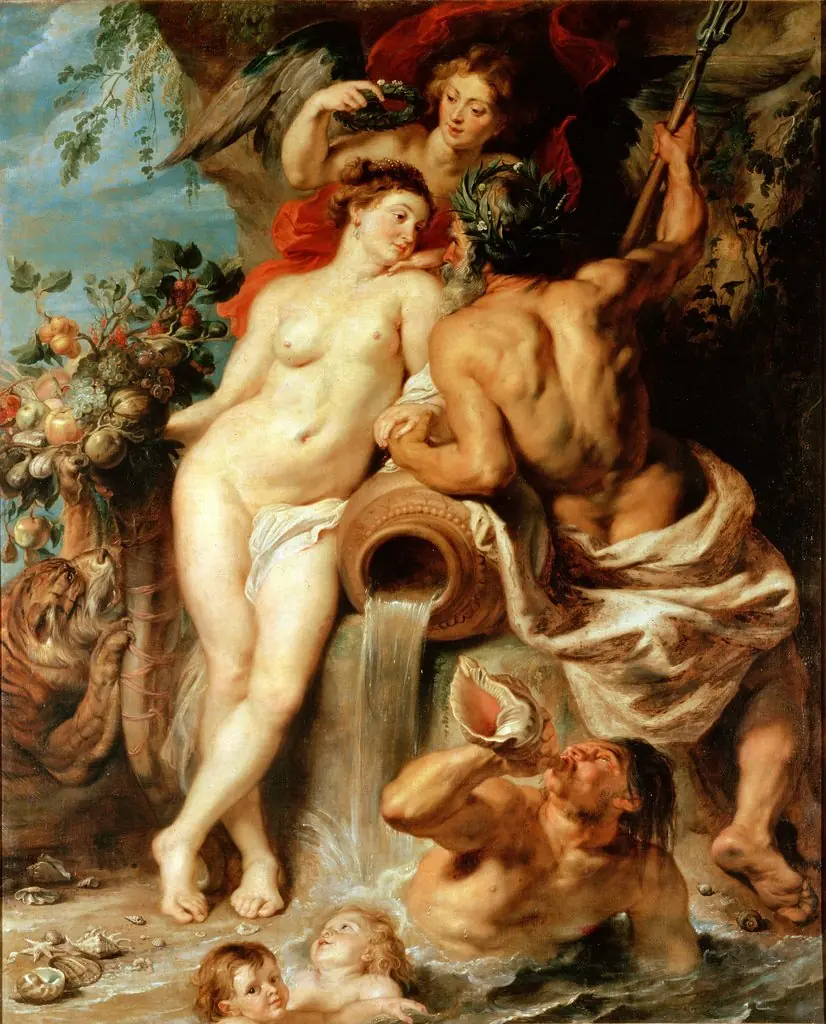 The Union of Earth and Water (Antwerp and the Scheldt)
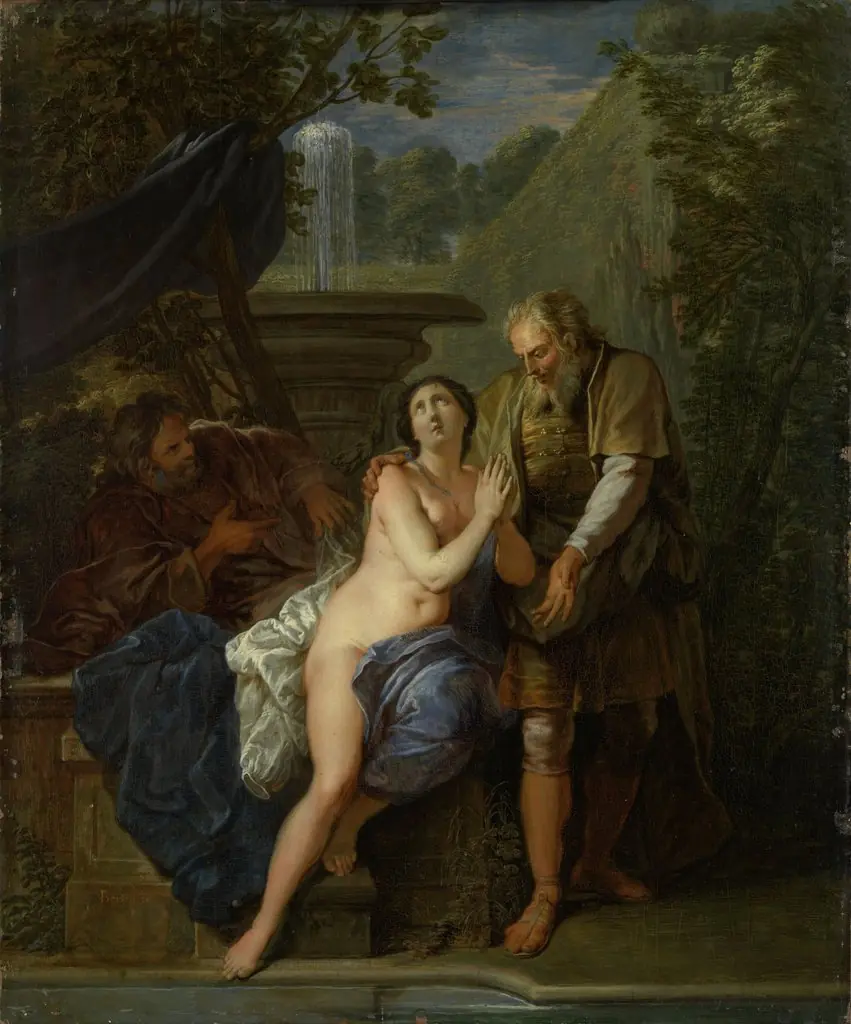 Susanna and the Elders
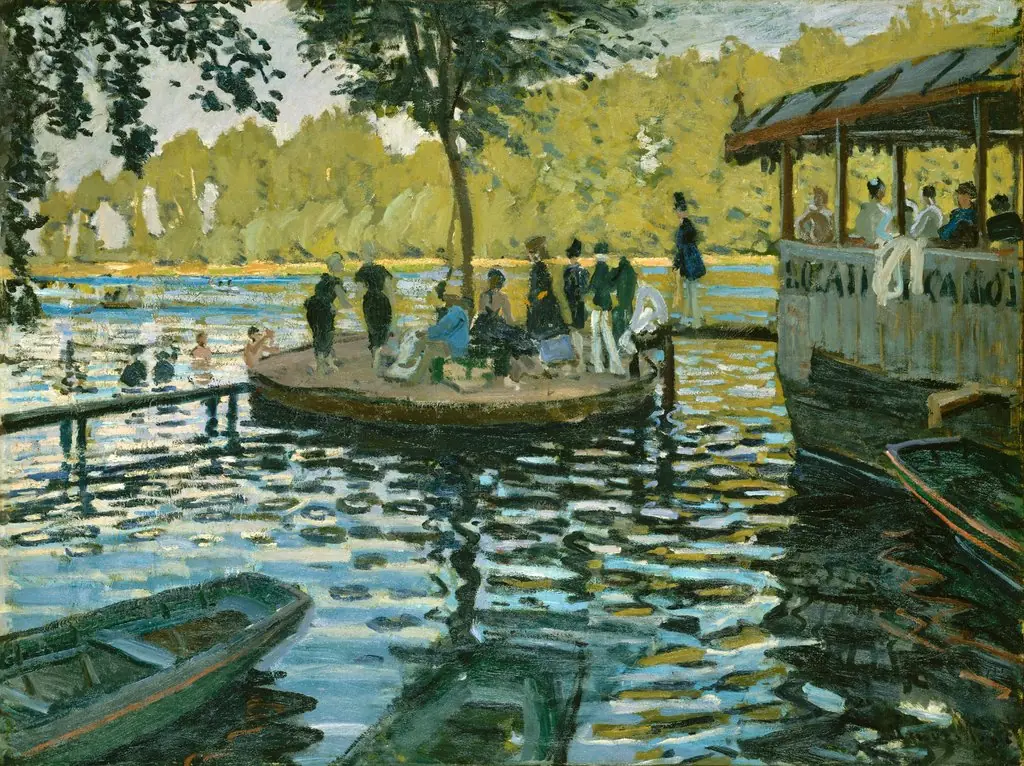 La Grenouillère
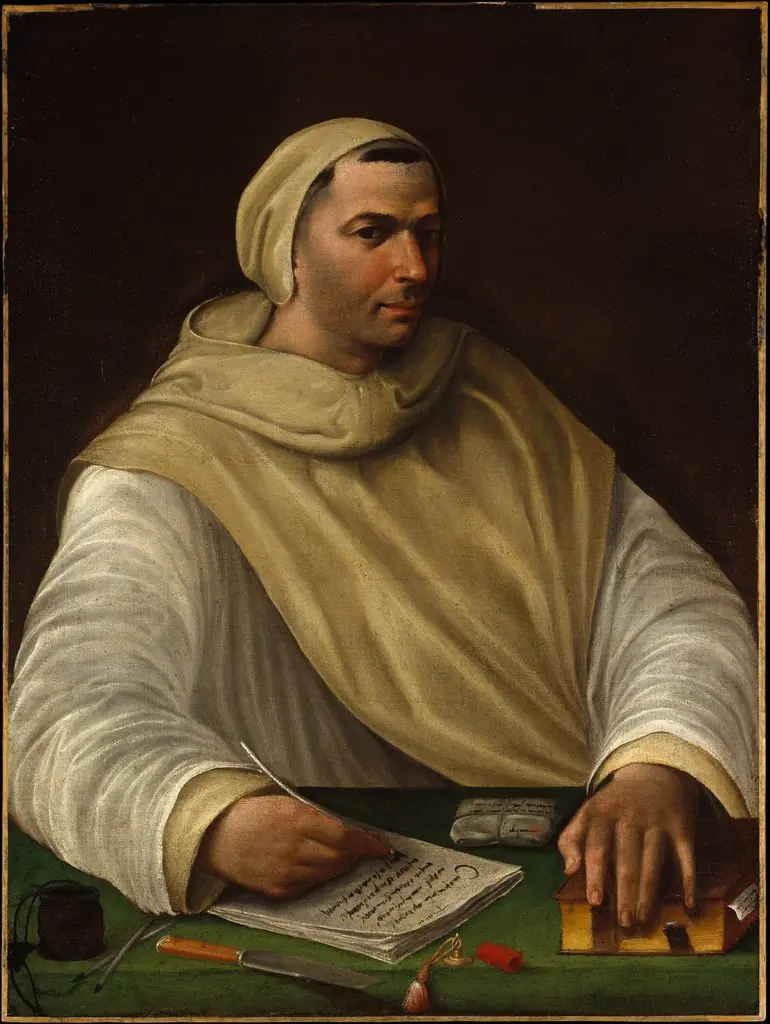 Portrait of an Olivetan Monk
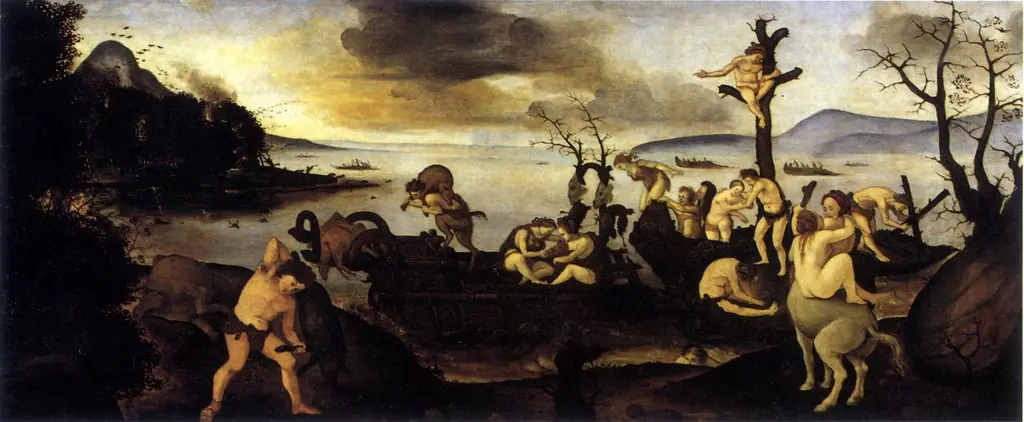 Return from the Hunt by Piero di Cosimo
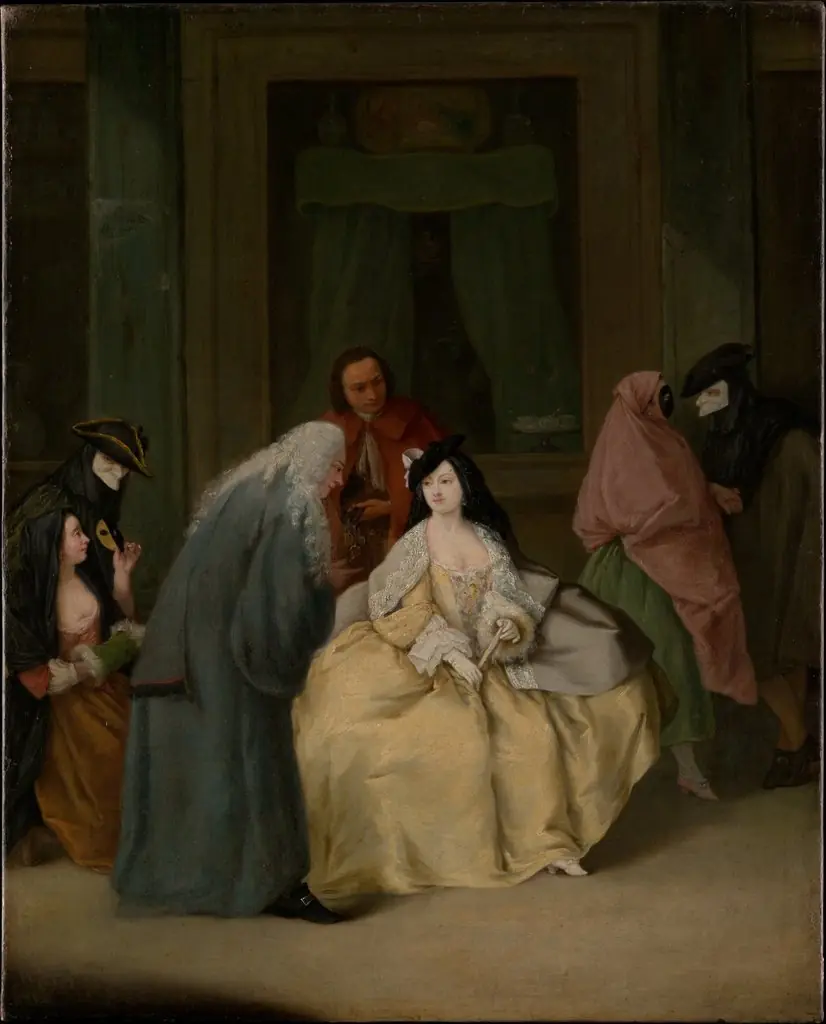 The Meeting
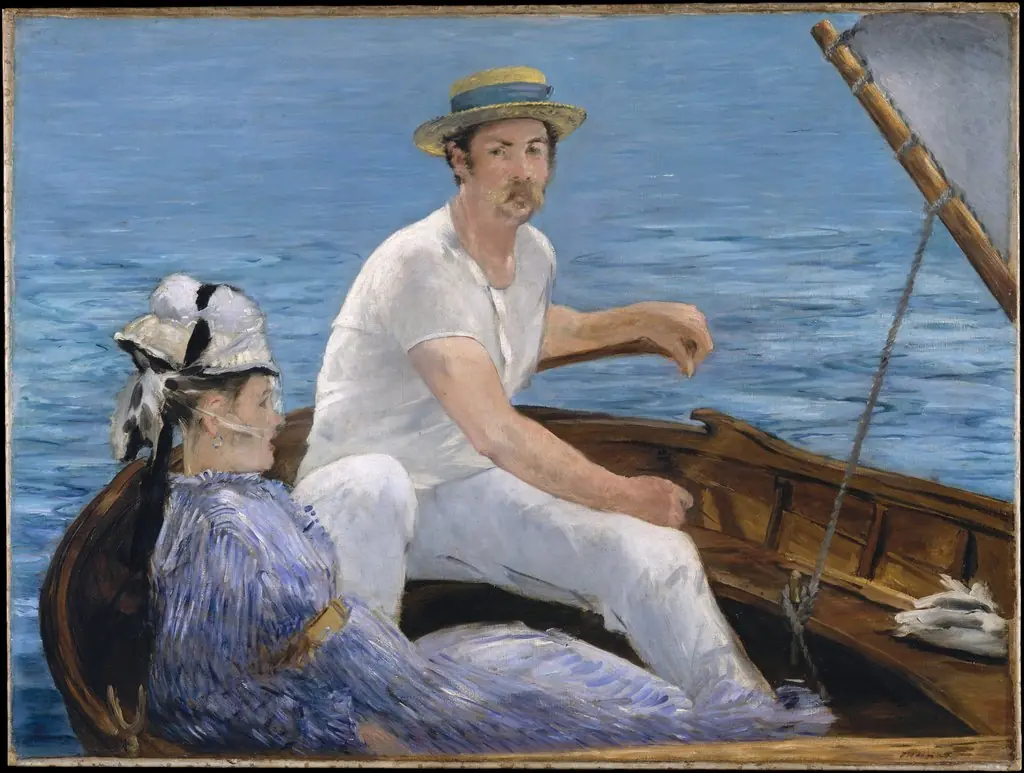 Boating
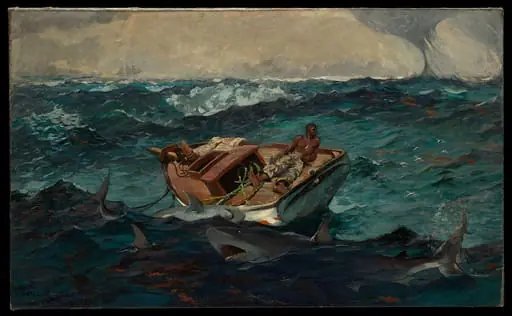 The Gulf Stream
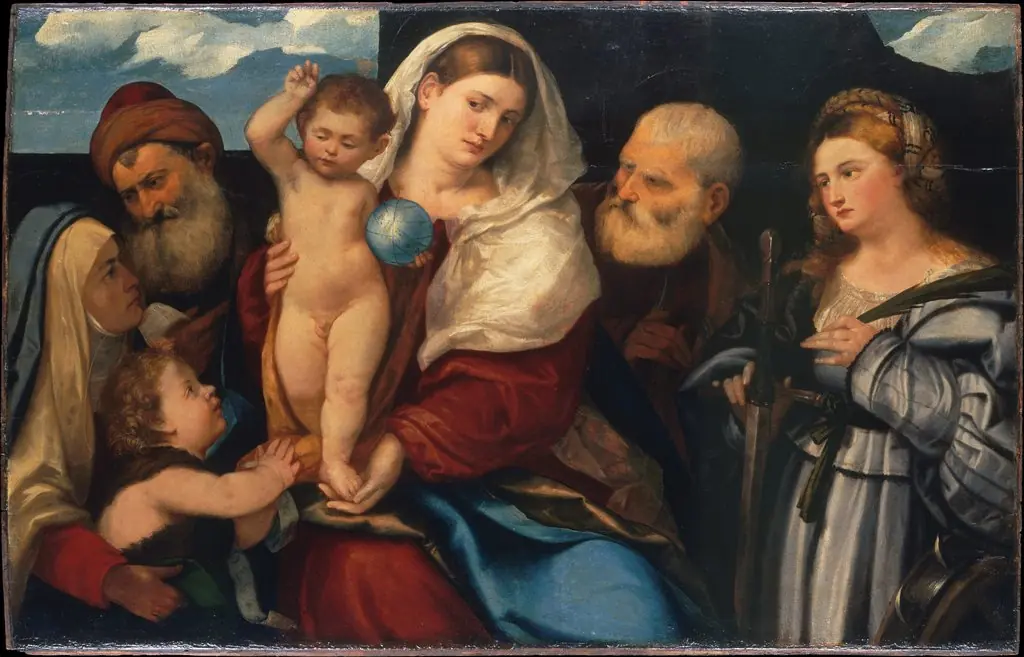 Madonna and Child with Saints
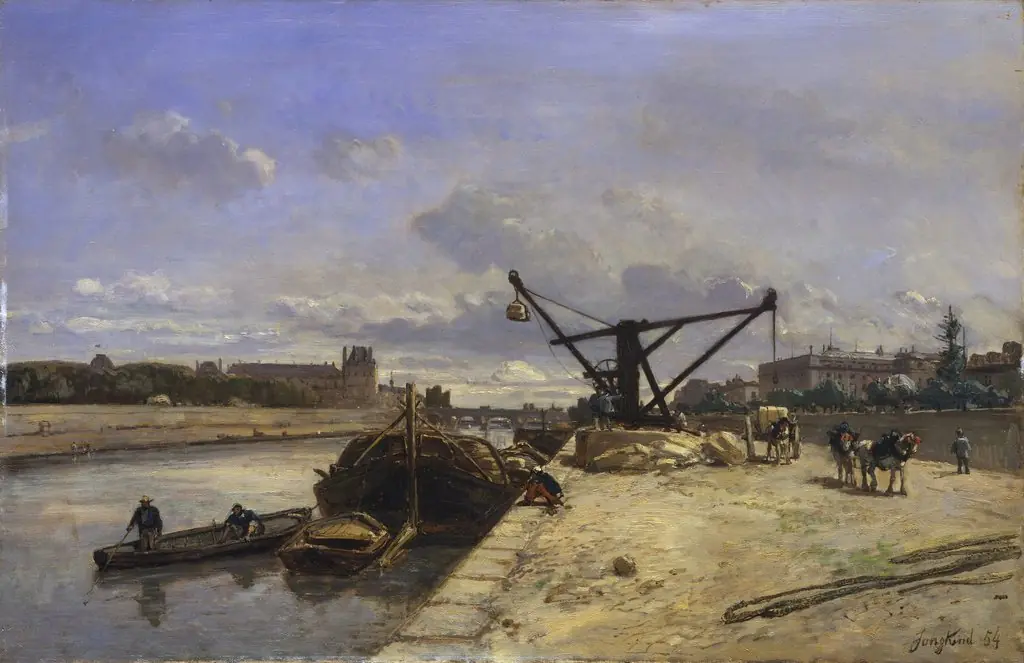 View from the Quai d'Orsay
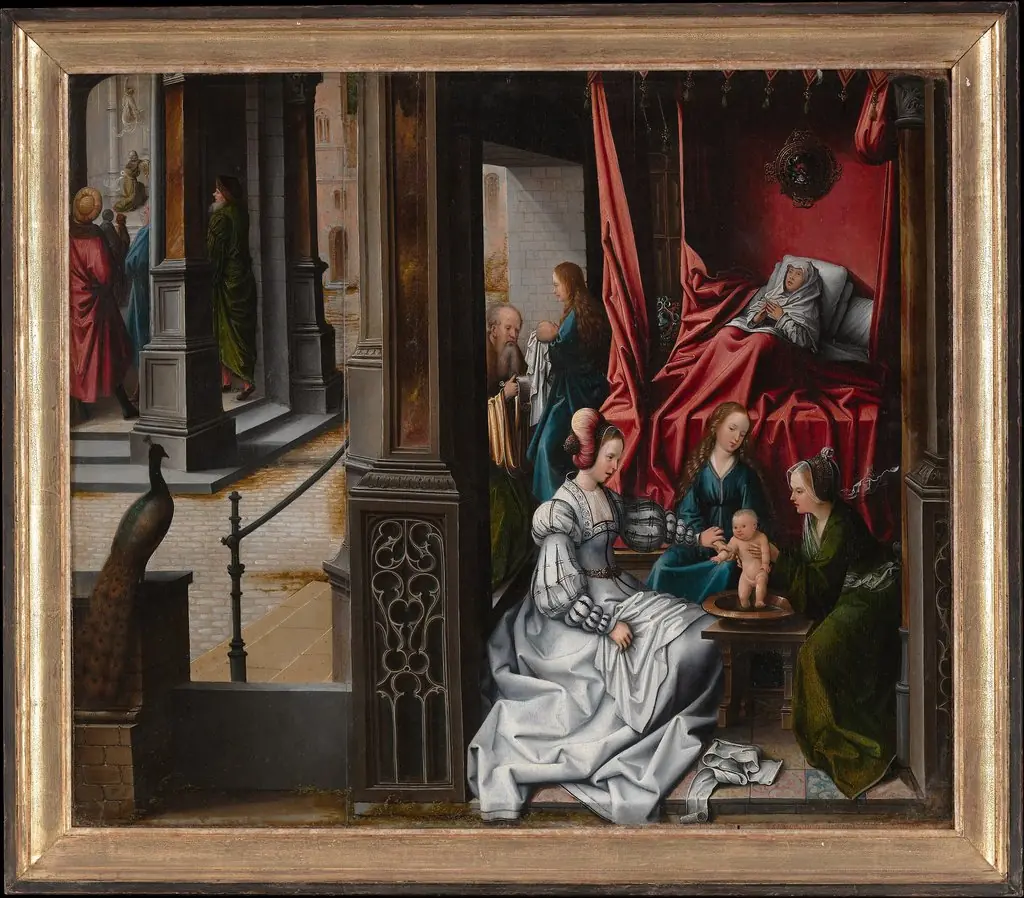 The Birth and Naming of Saint John the Baptist; (reverse) Trompe-l'oeil with Painting of The Man of Sorrows
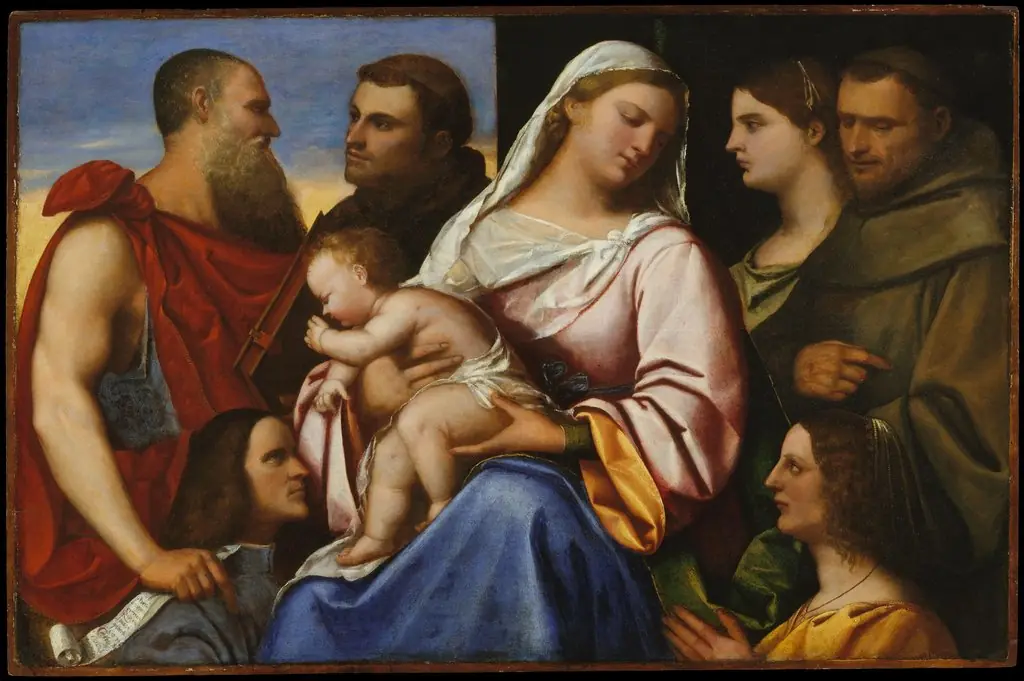 Madonna and Child with Saints and Donors
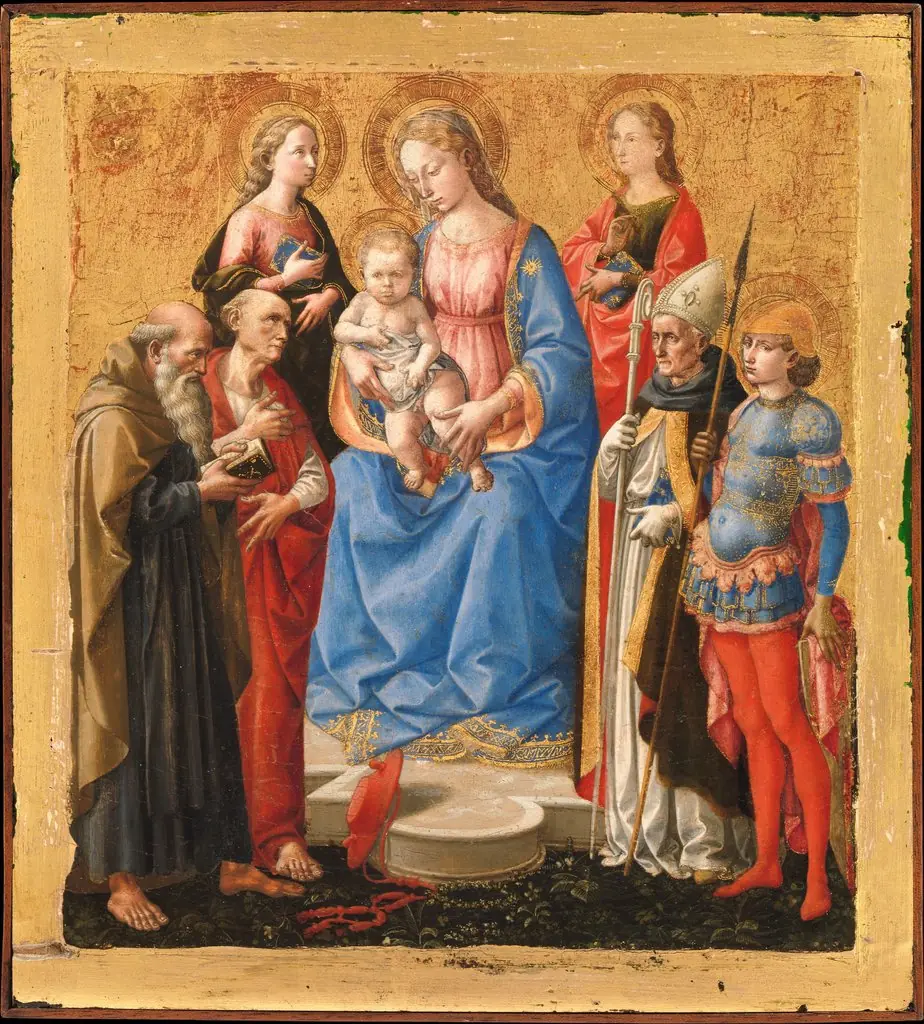 Madonna and Child with Six Saints
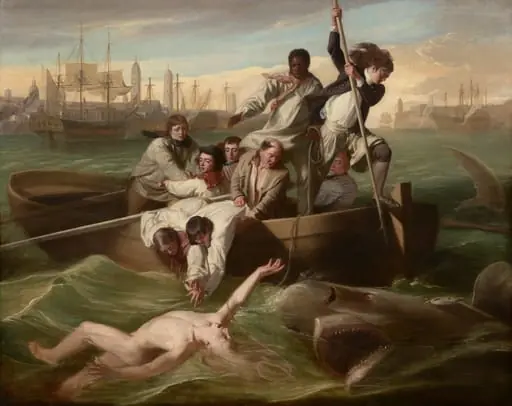 Watson and the Shark
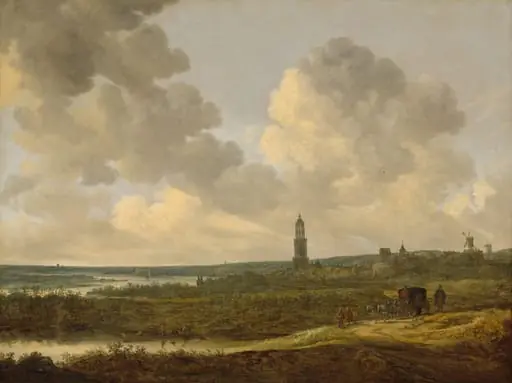 View of Rhenen
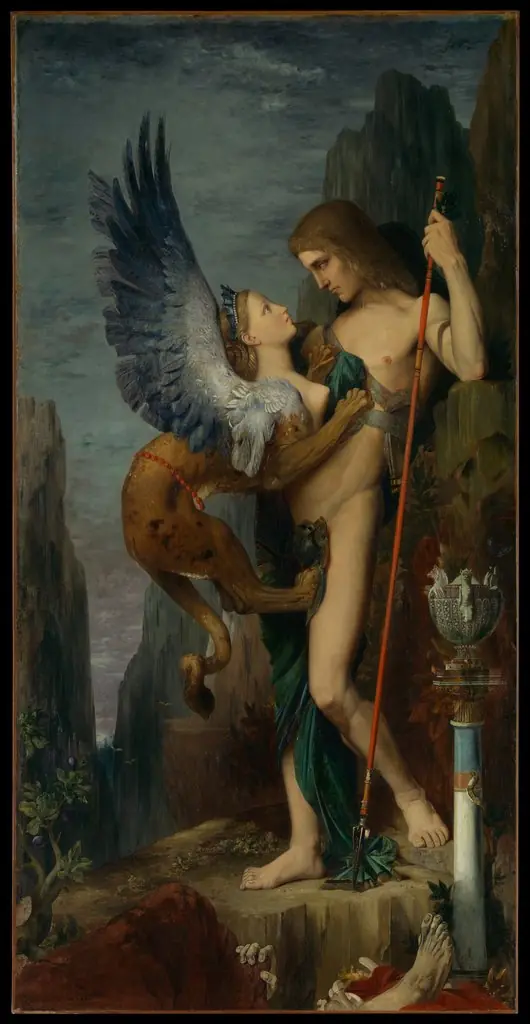 Oedipus and the Sphinx
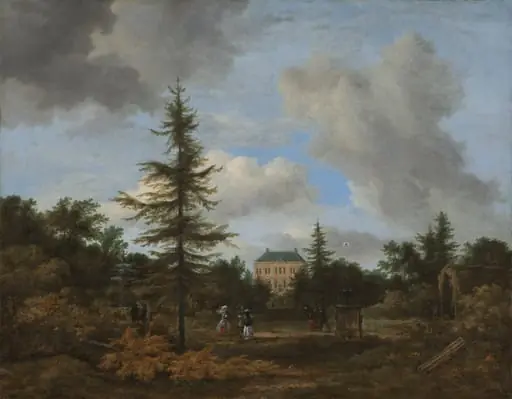 Country House in a Park
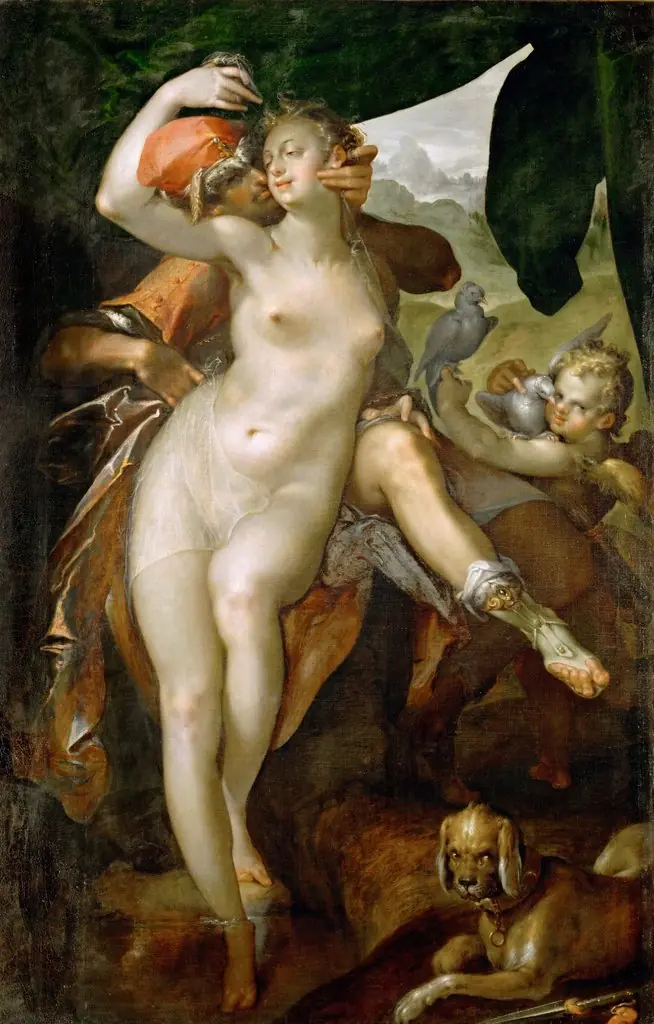 Venus and Adonis
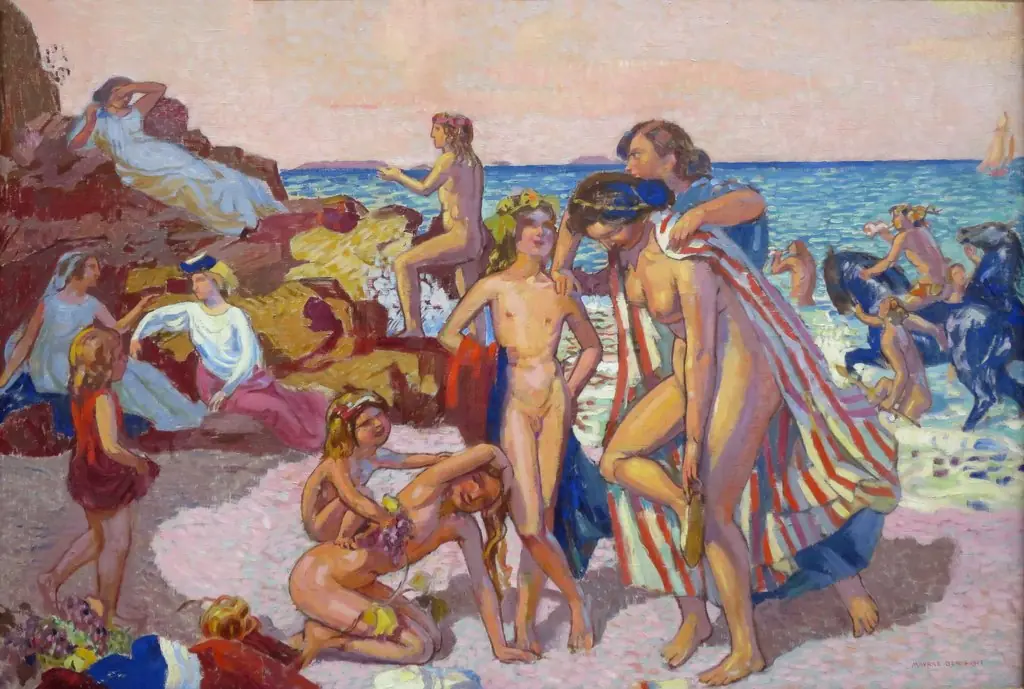 Bacchus and Ariadne
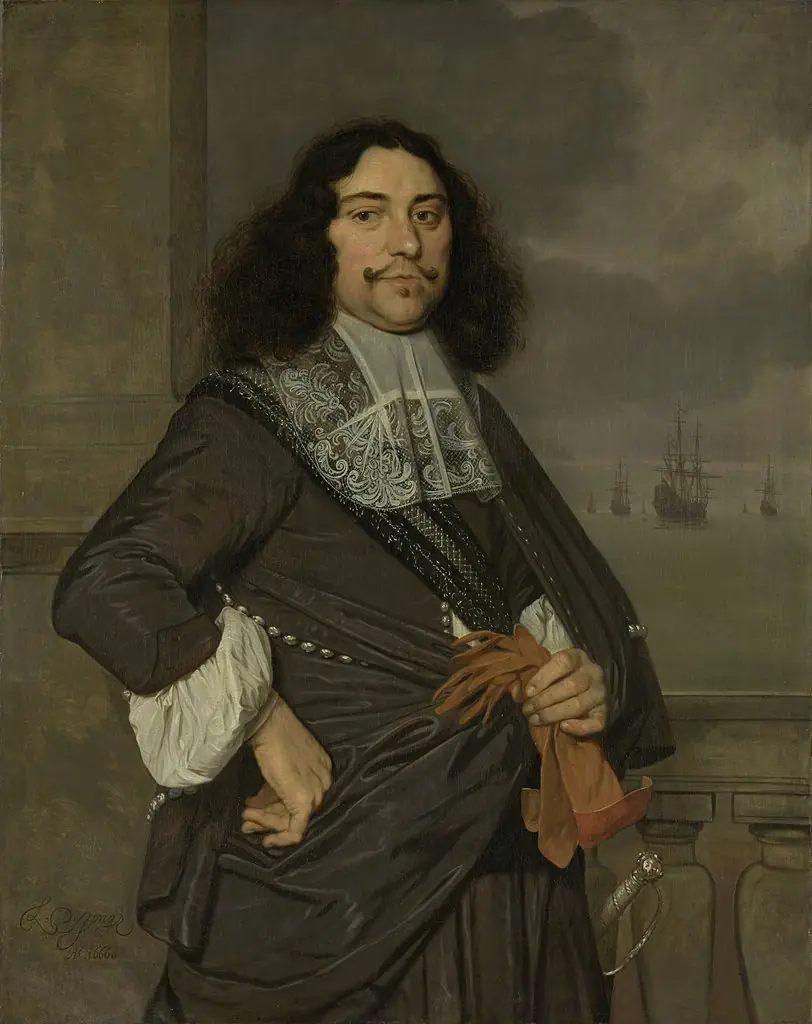 Portrait of Jan van Nes (1631-80). Vice admiral of Holland and West-Friesland
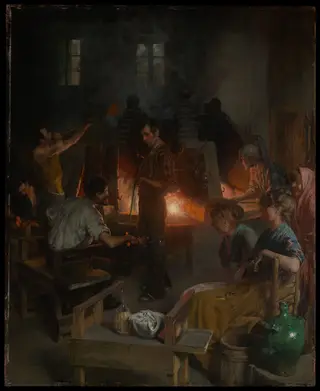 Glass Blowers of Murano
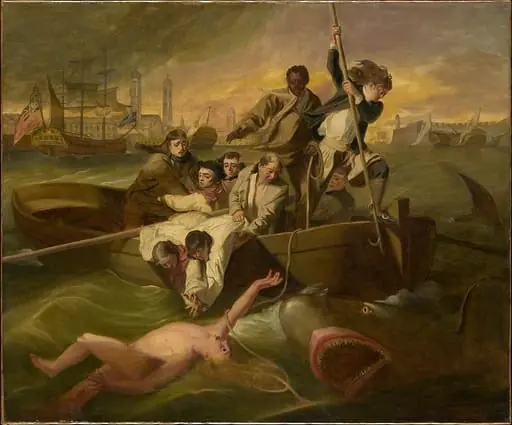 Watson and the Shark
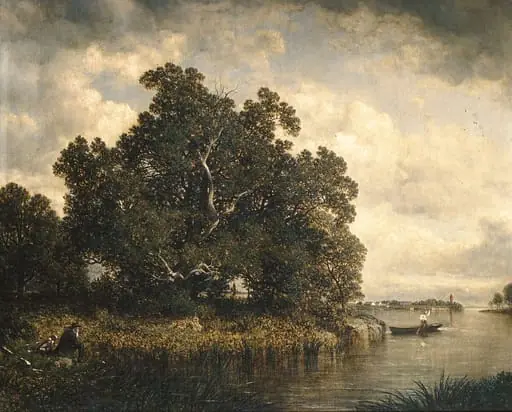 Bayside, New Rochelle, New York
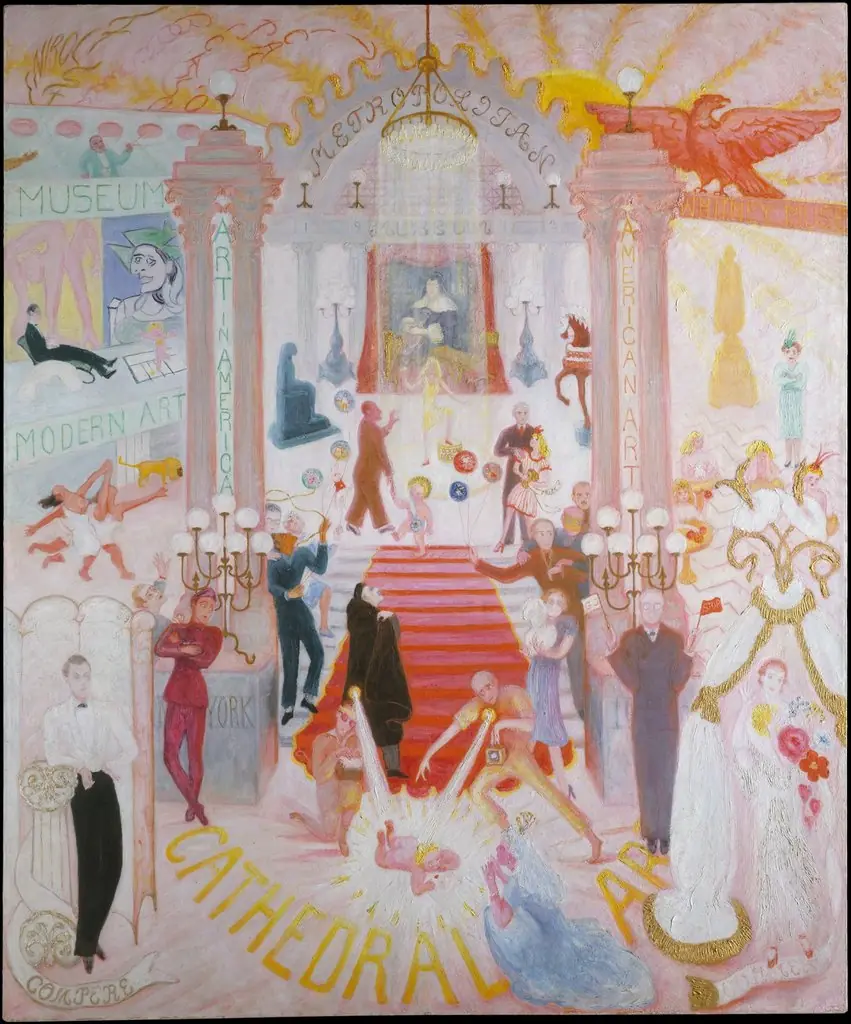 The Cathedrals of Art
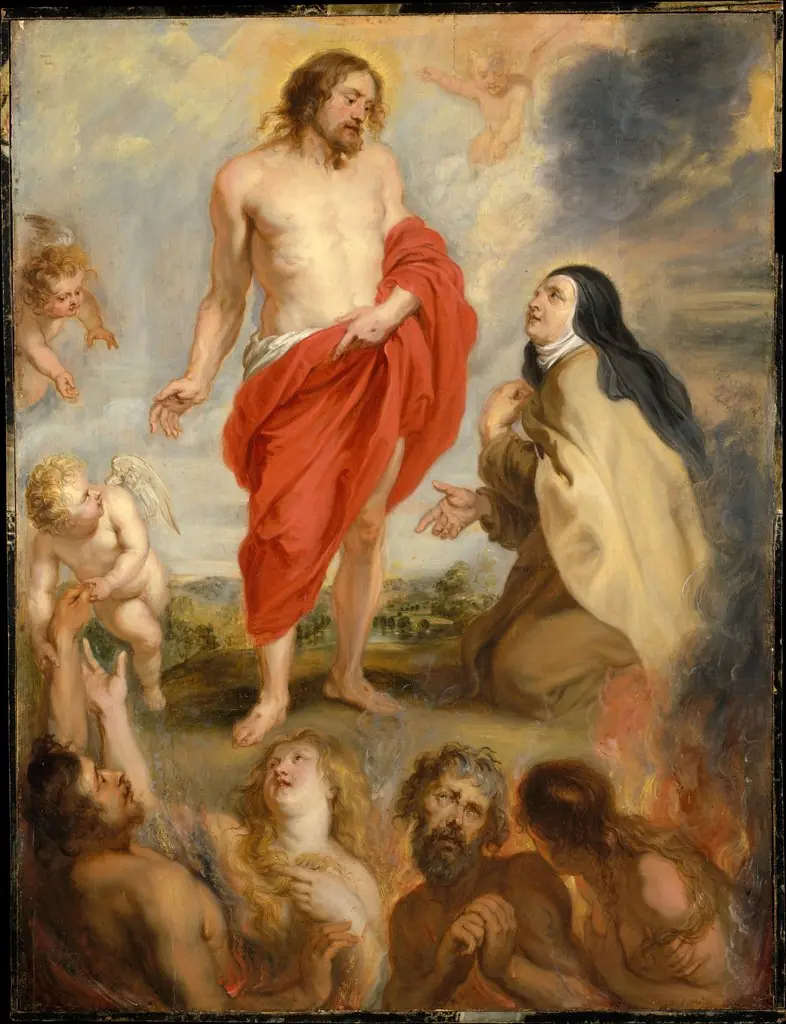 Saint Teresa of Ávila Interceding for Souls in Purgatory
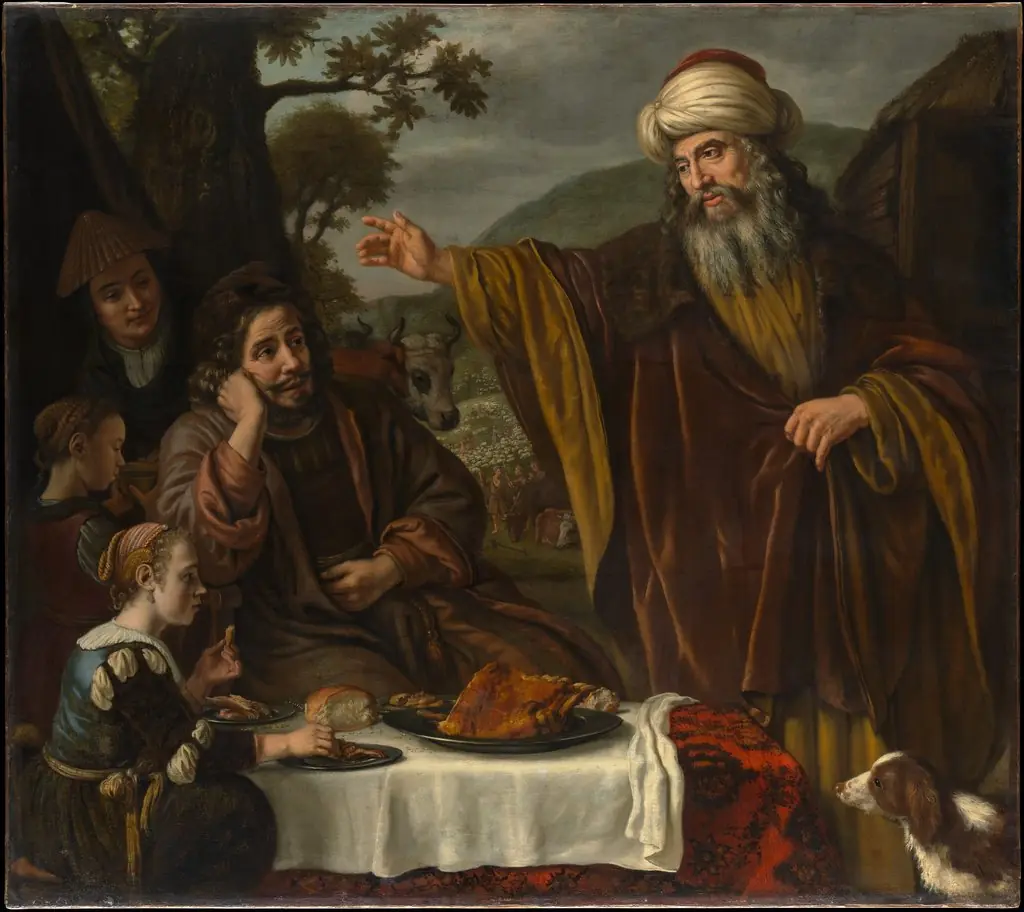 Abraham's Parting from the Family of Lot
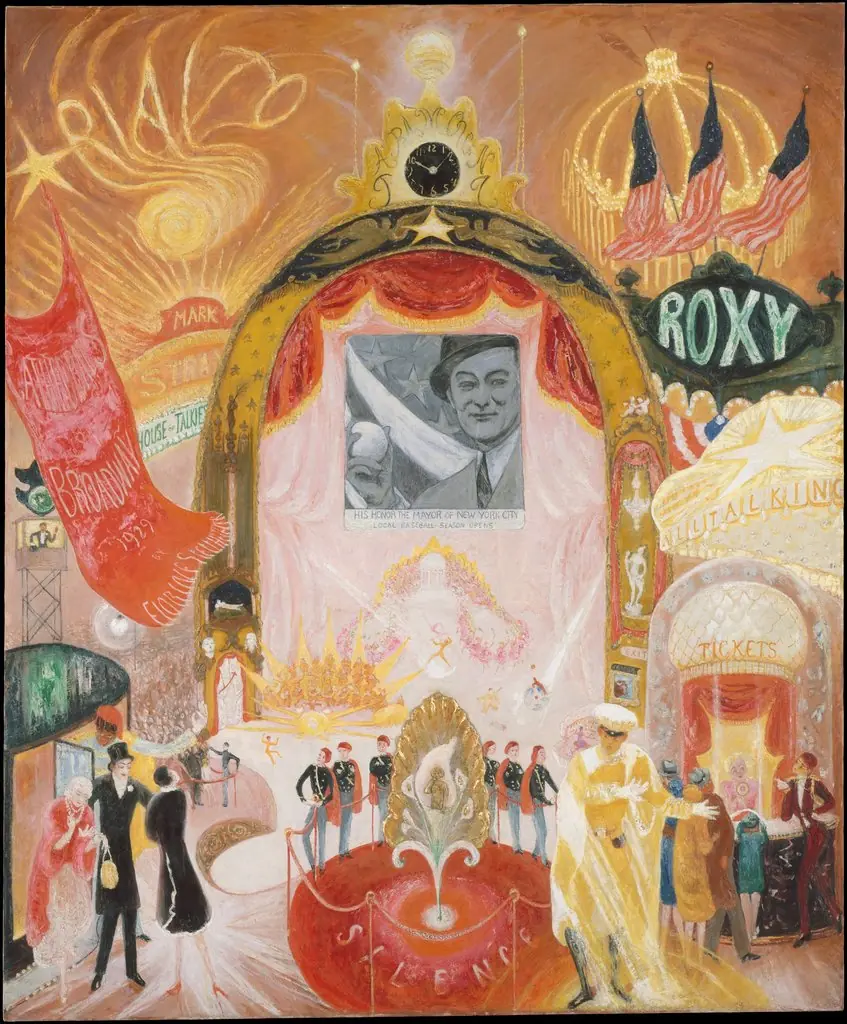 The Cathedrals of Broadway
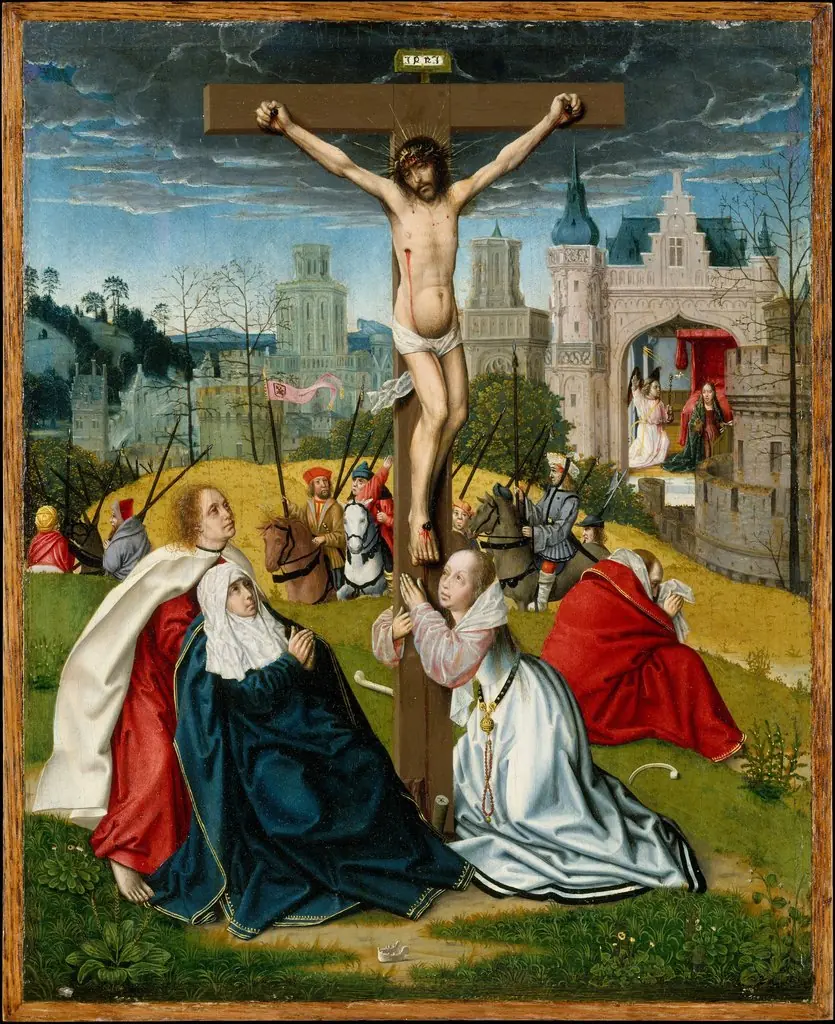 The Crucifixion
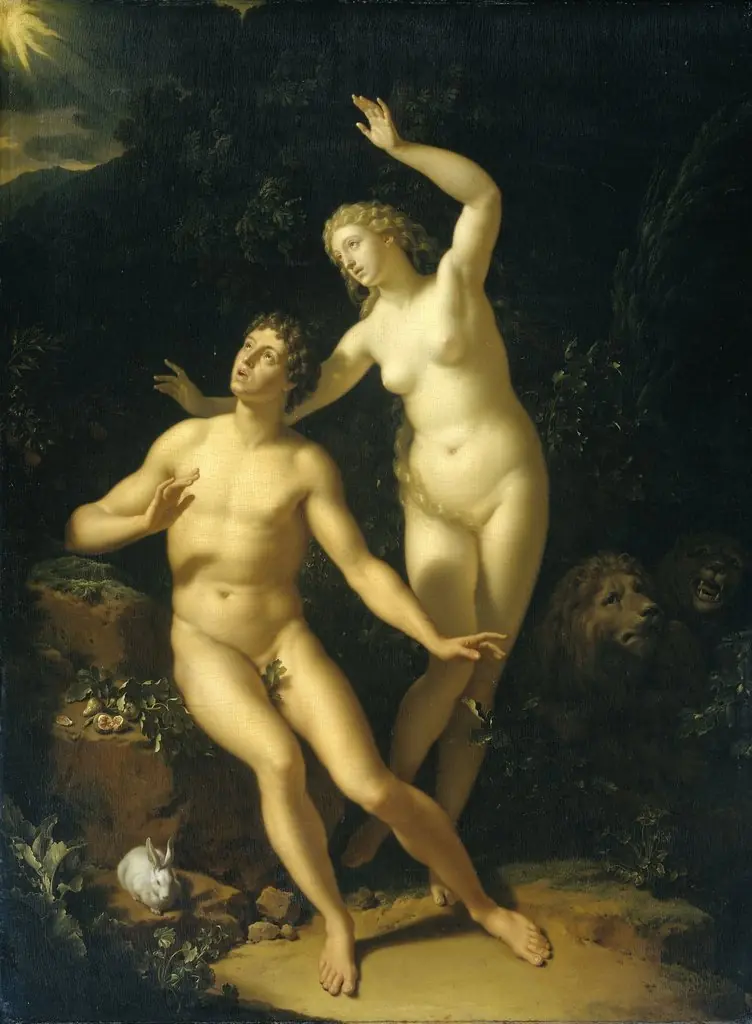 God Holds Adam and Eve Responsible
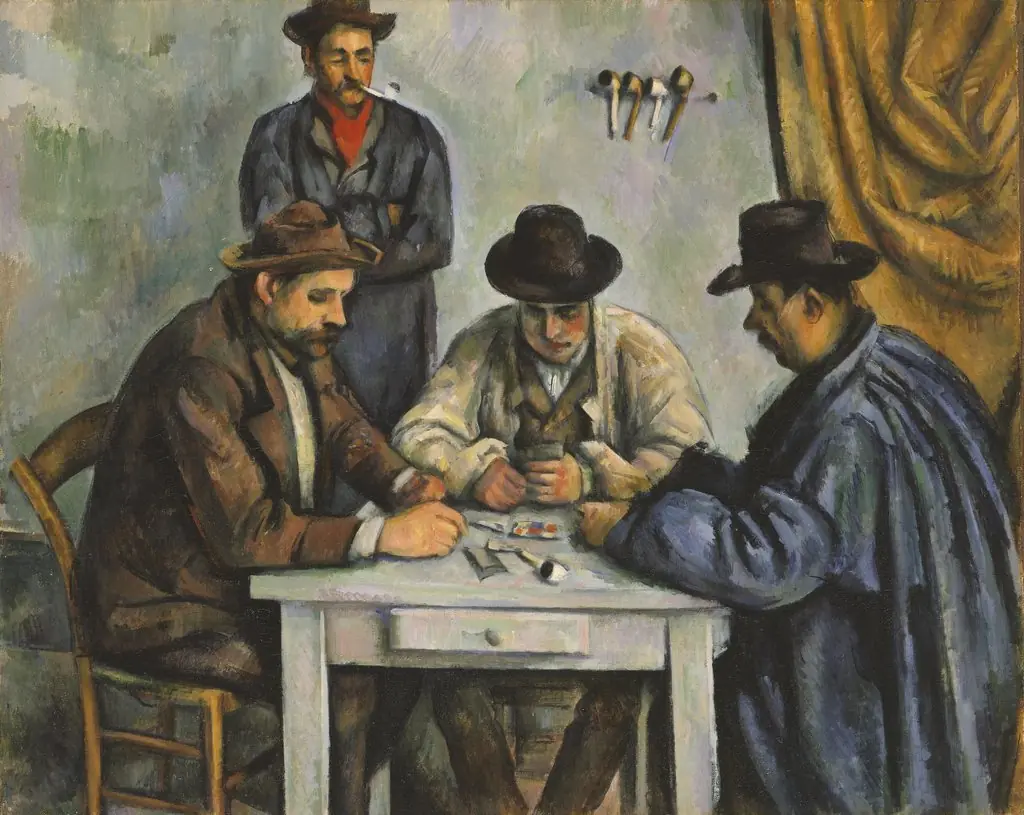 The Card Players
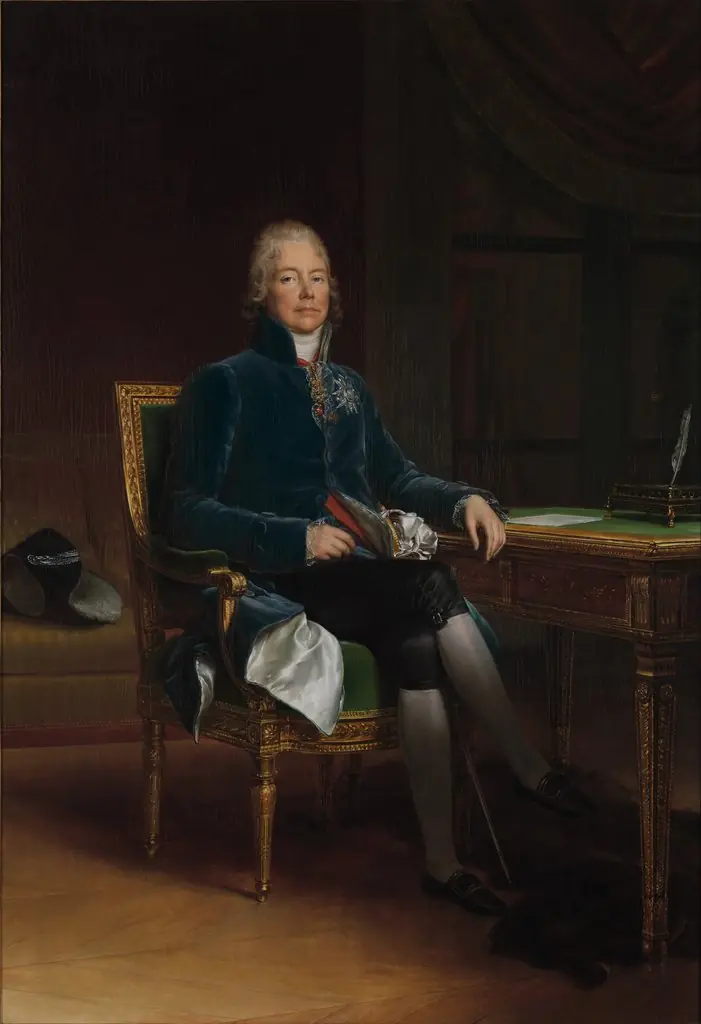 Charles Maurice de Talleyrand Périgord (1754–1838), Prince de Bénévent
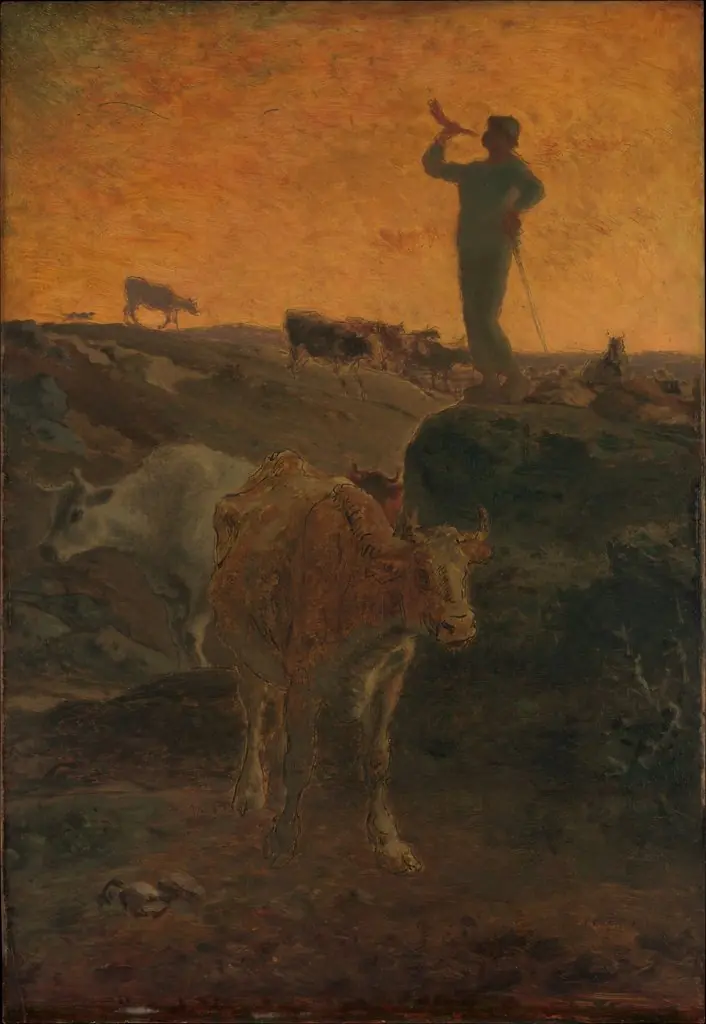 Calling the Cows Home
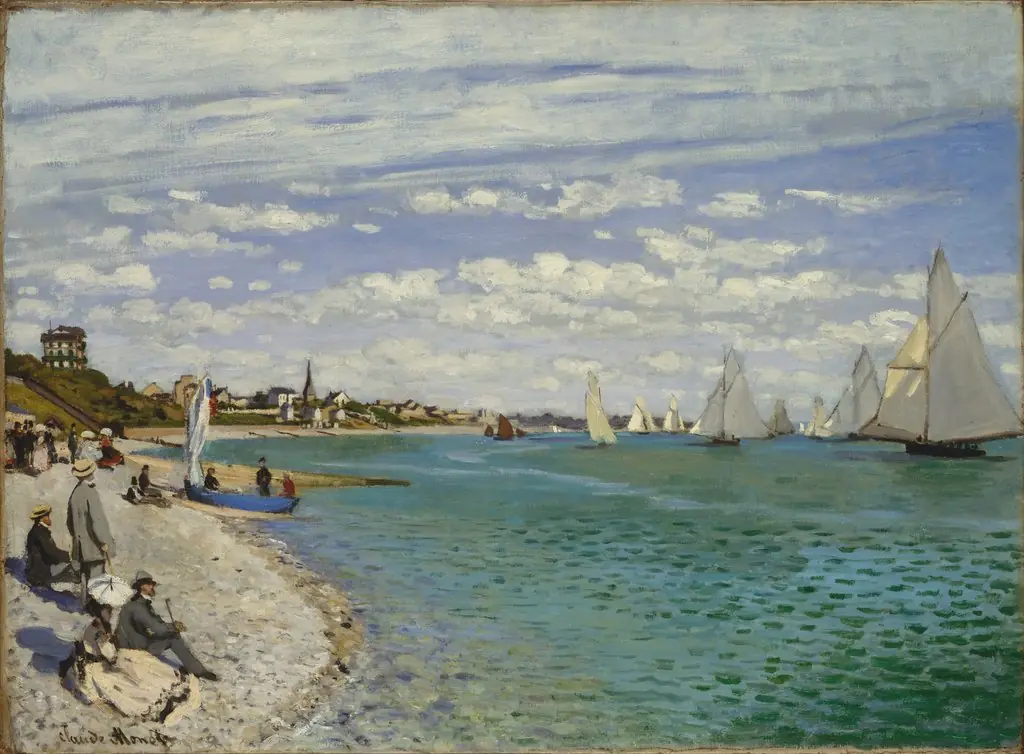 Regatta at Sainte-Adresse
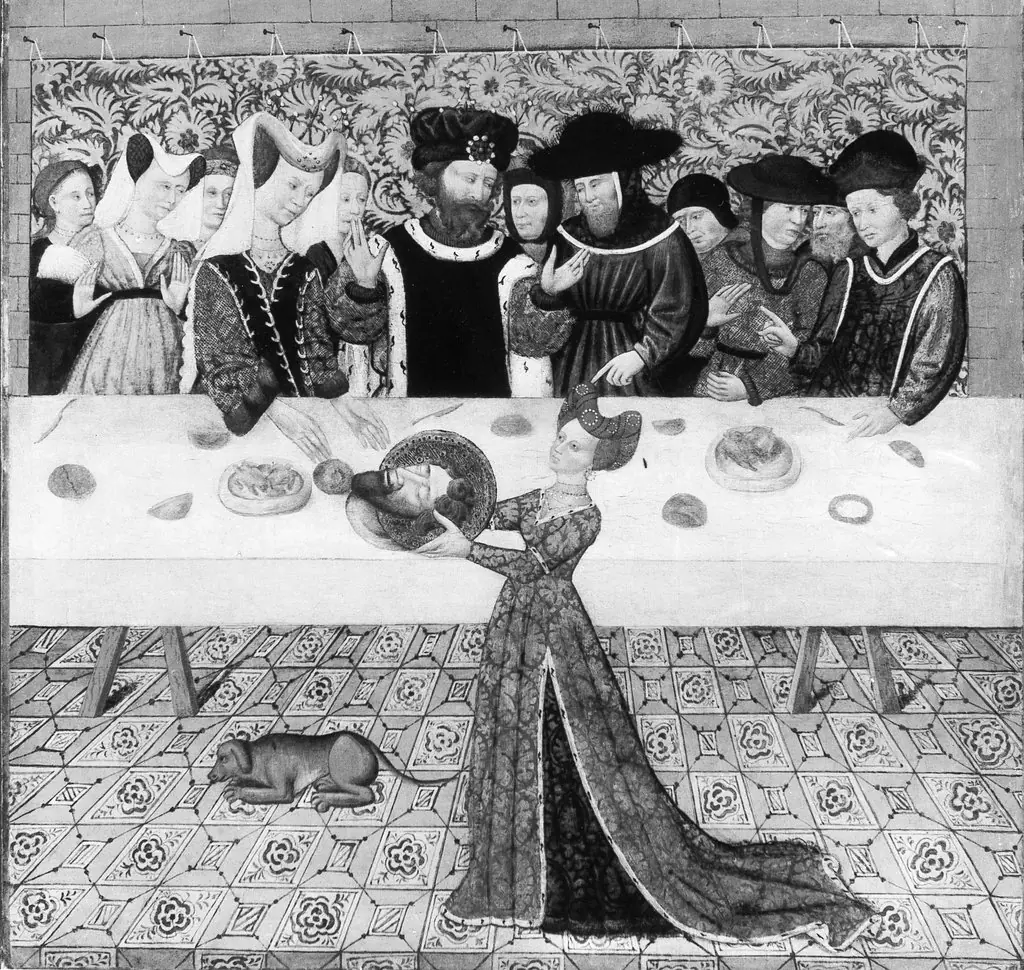 Salome with the Head of Saint John the Baptist
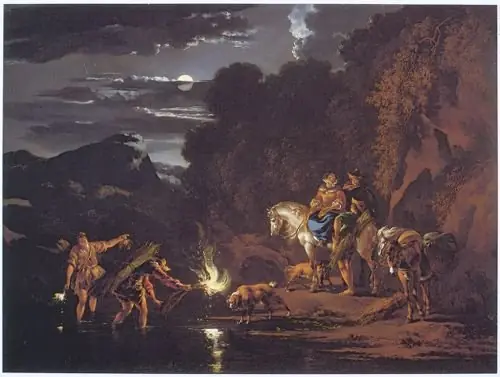 Moonlight Landscape with Crab Fishermen
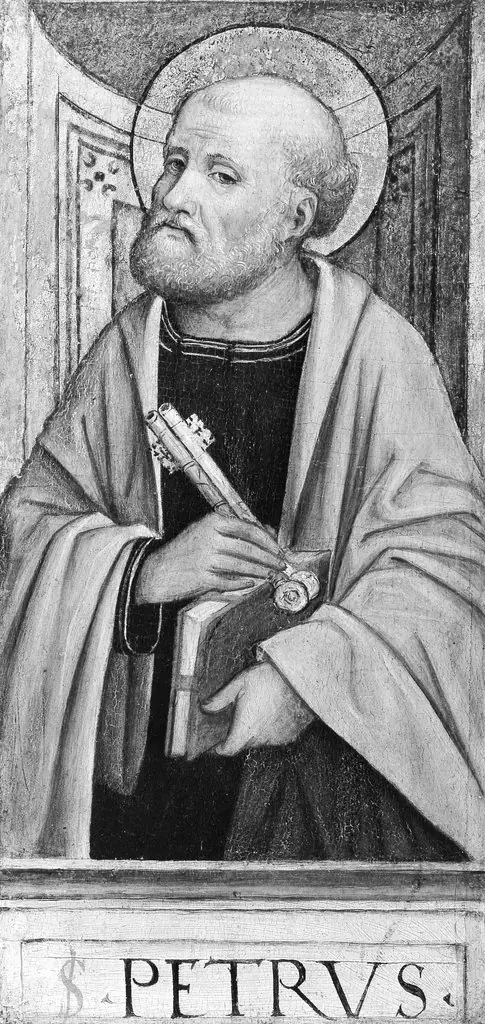 The Twelve Apostles: Saints Bartholomew, Andrew, Matthew, James the Greater, Thaddeus, Philip, James the Lesser, Simon, Peter, Paul, Thomas, and John
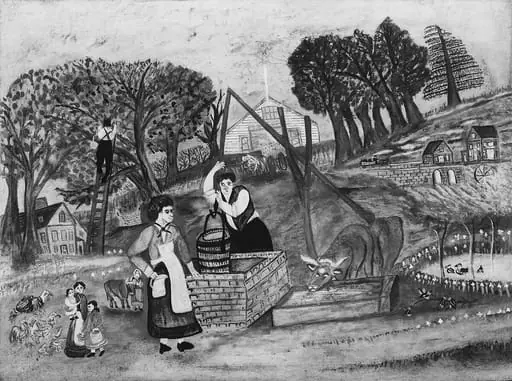 The Old Oaken Bucket which Hung in the Well
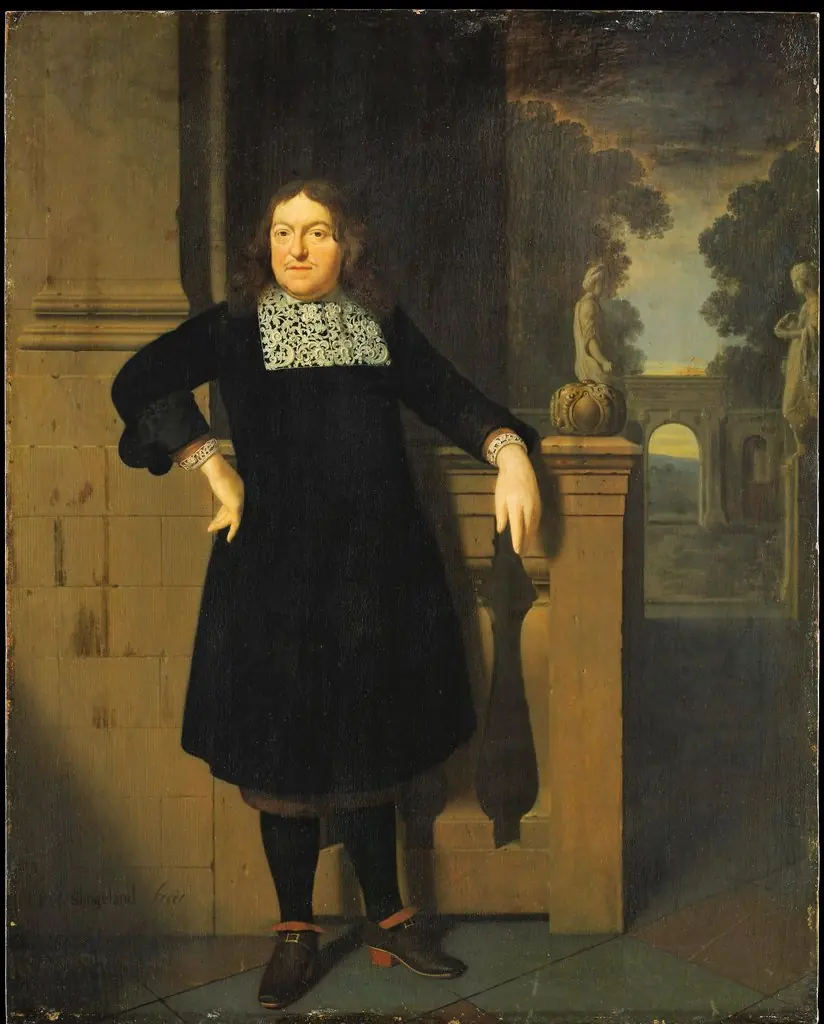 Portrait of Johan Hulshout (1623–1687)
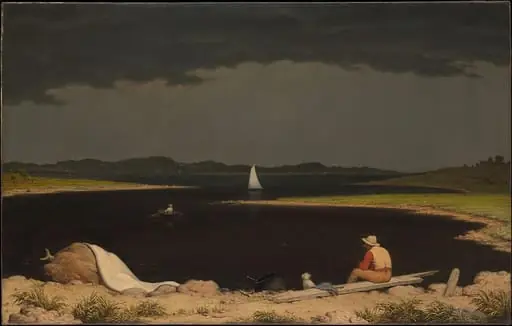 Approaching Thunder Storm
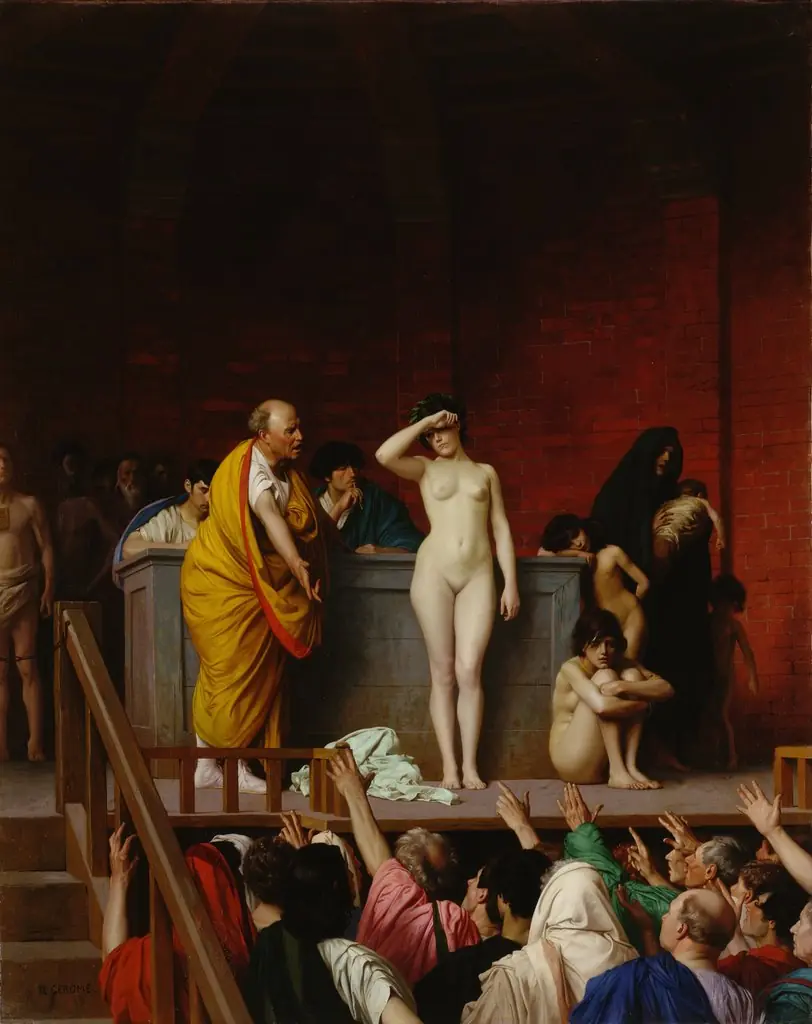 Slave Market in Rome
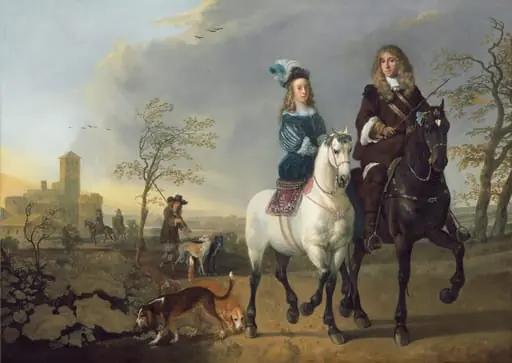 Lady and Gentleman on Horseback
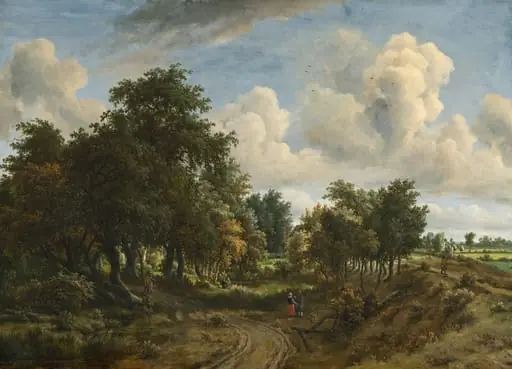 A Wooded Landscape
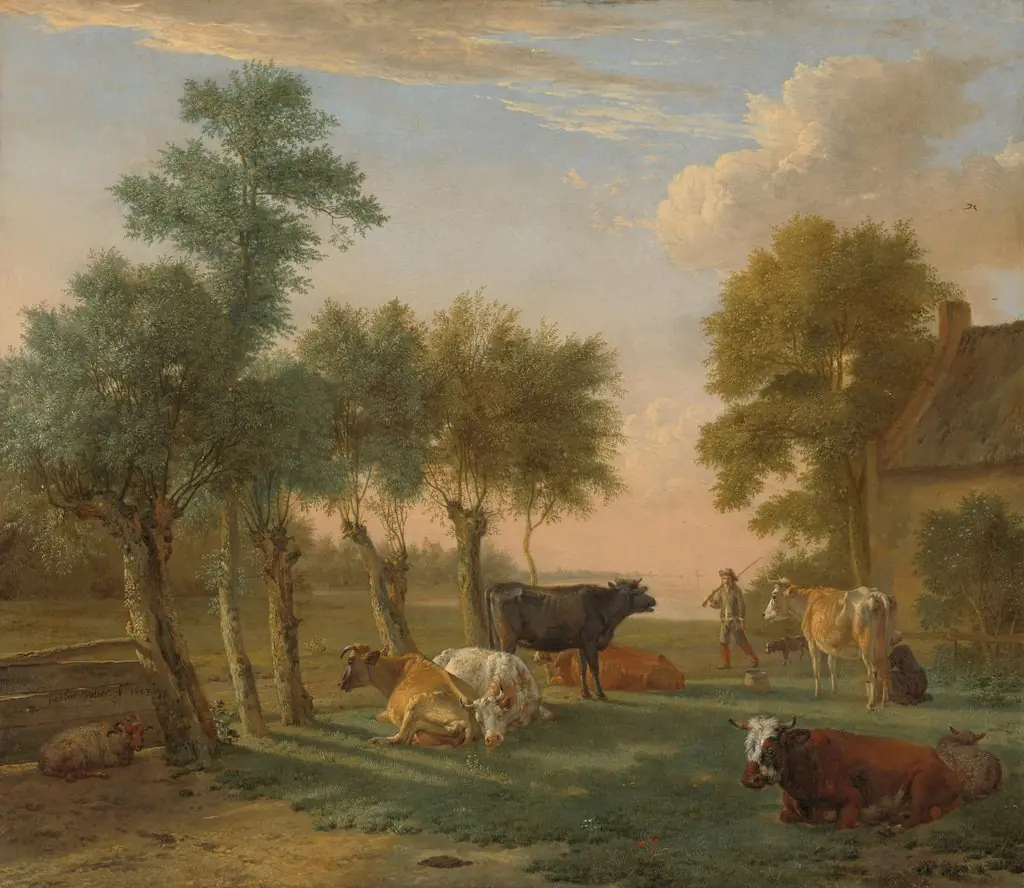 Cows in a Meadow near a Farm
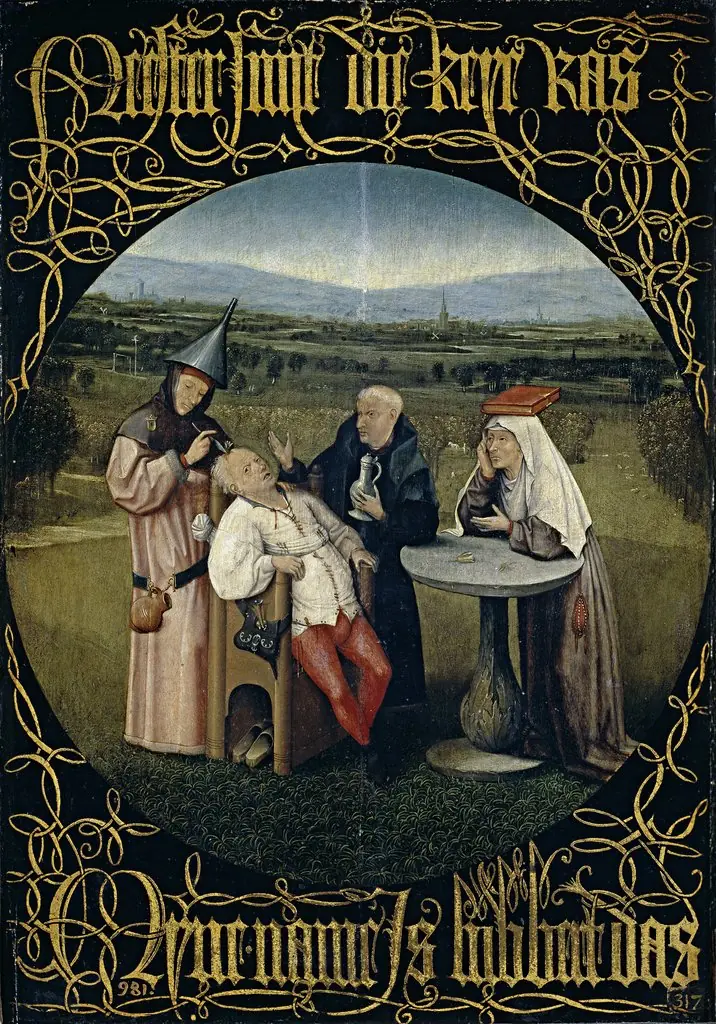 Cutting the Stone
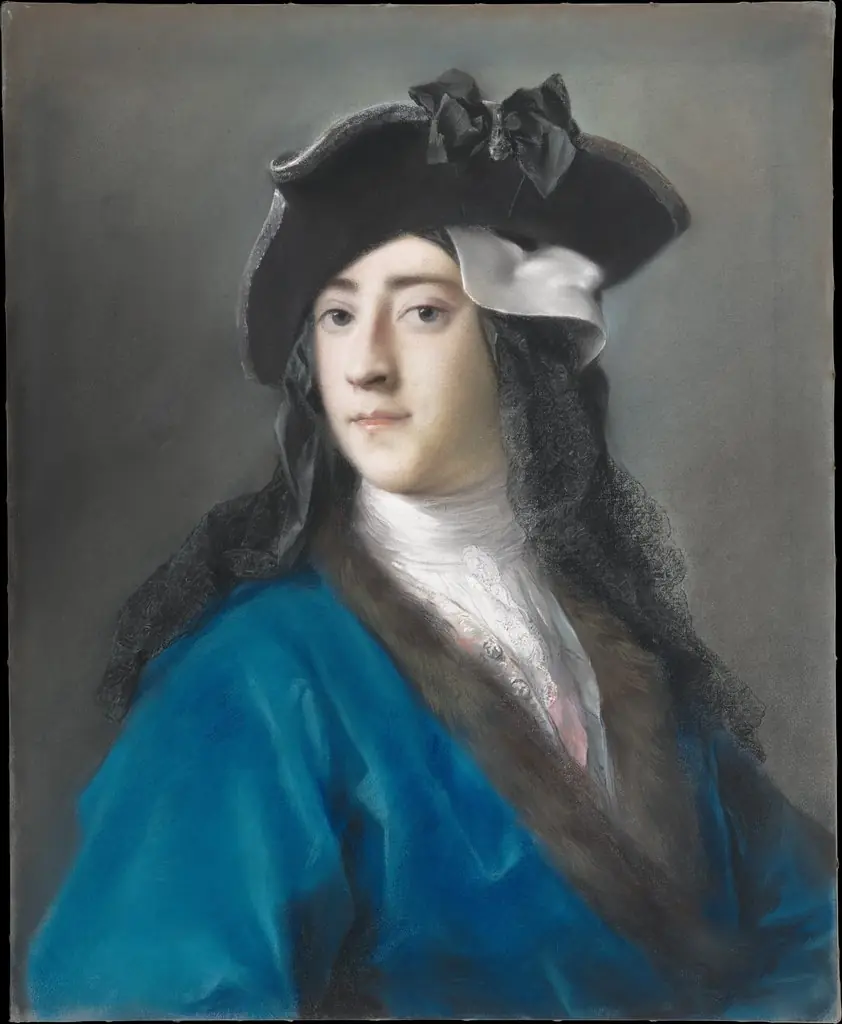 Gustavus Hamilton (1710–1746), Second Viscount Boyne, in Masquerade Costume
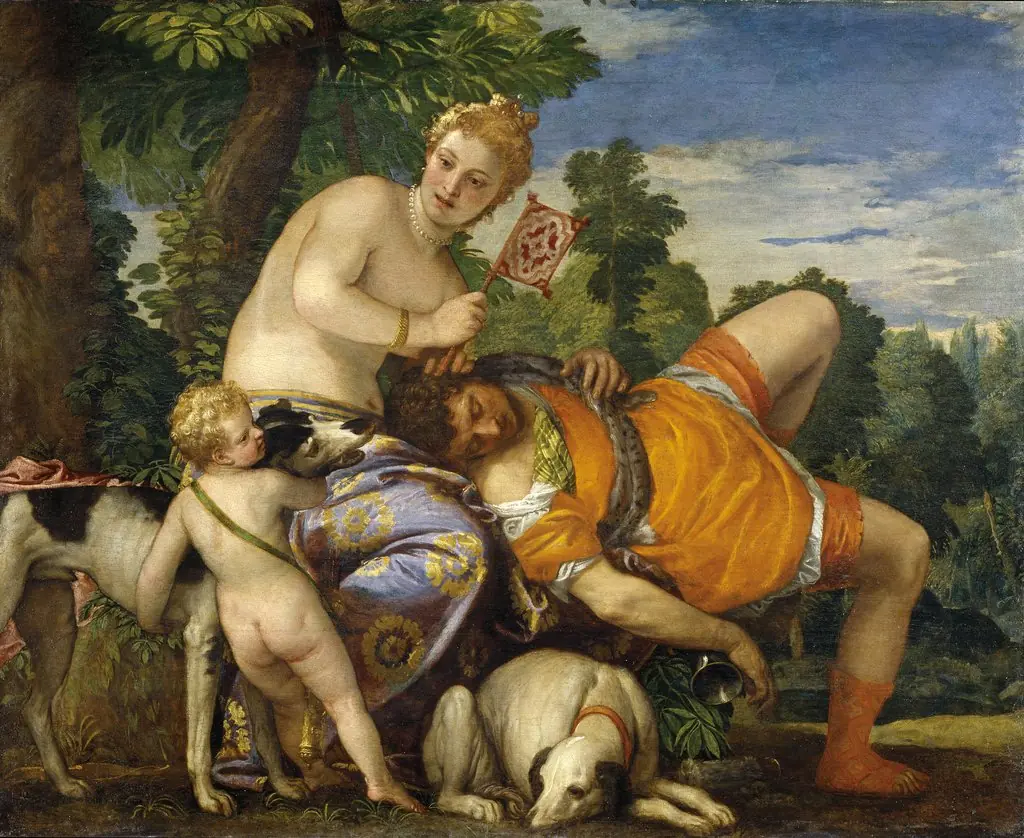 Venus and Adonis
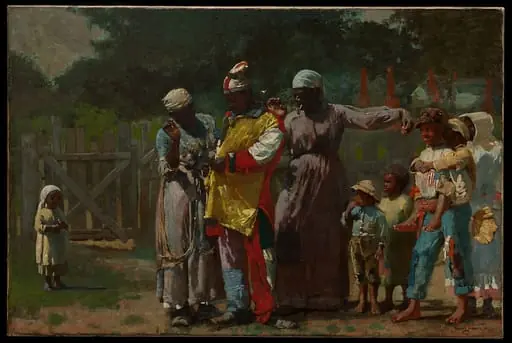 Dressing for the Carnival
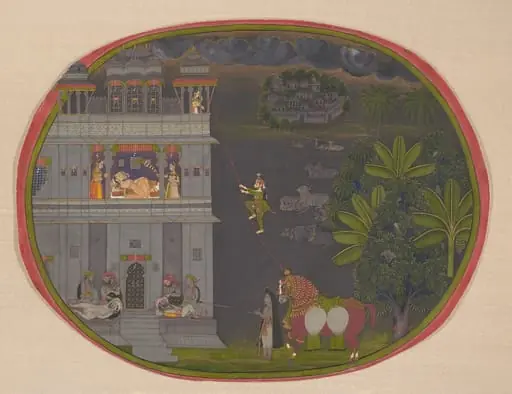 Untitled
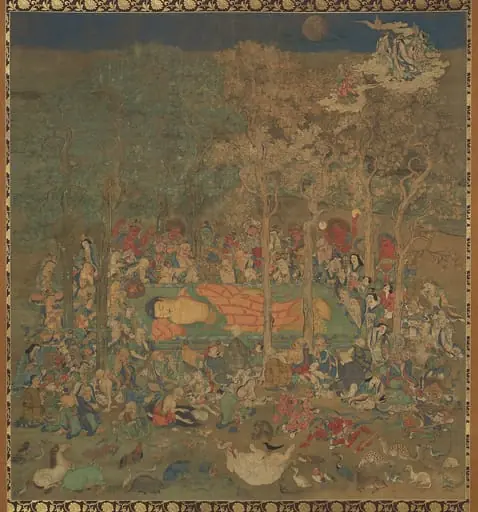 涅槃図|Death of the Historical Buddha (Nehan-zu)
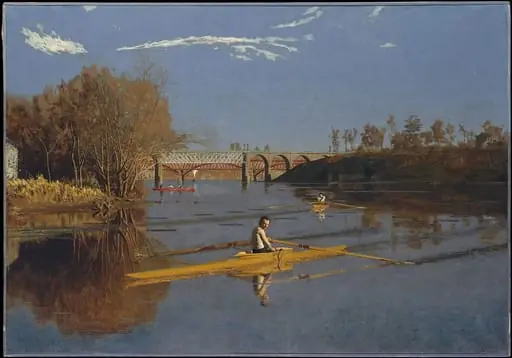 The Champion Single Sculls (Max Schmitt in a Single Scull)
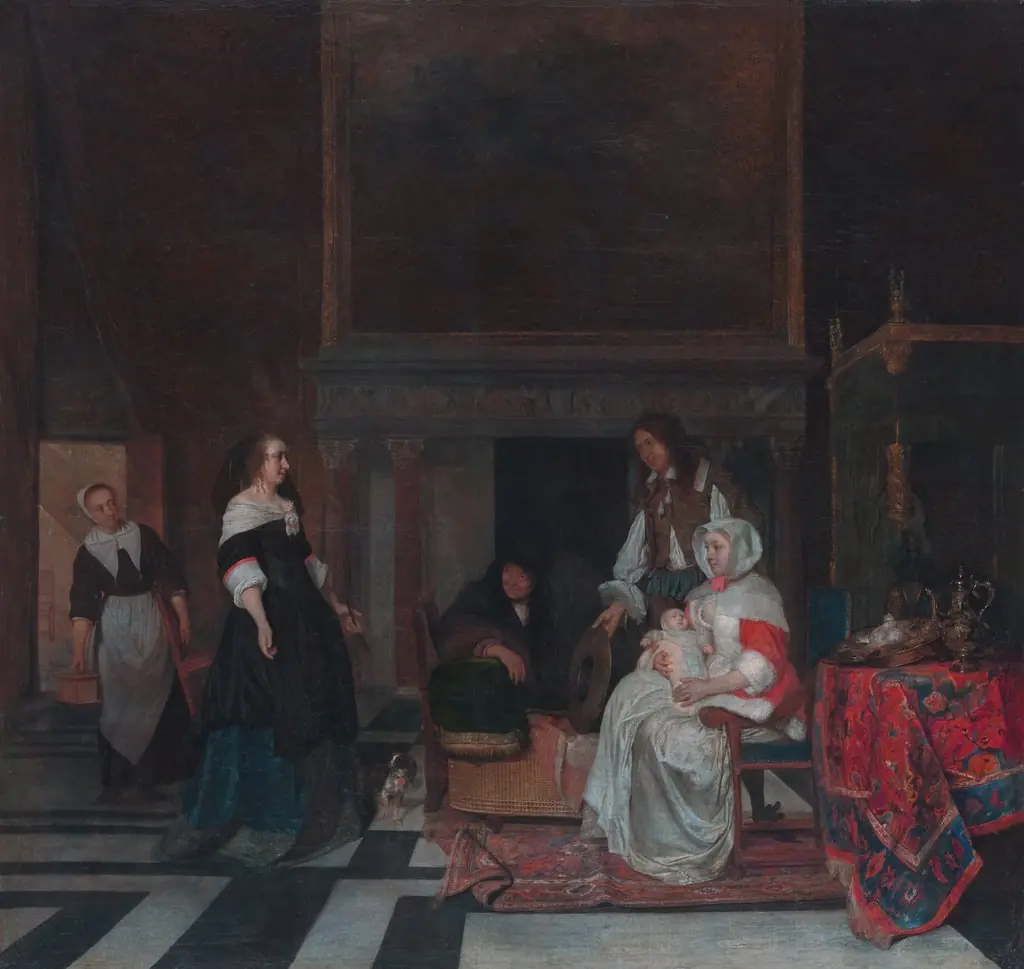 The Visit to the Nursery
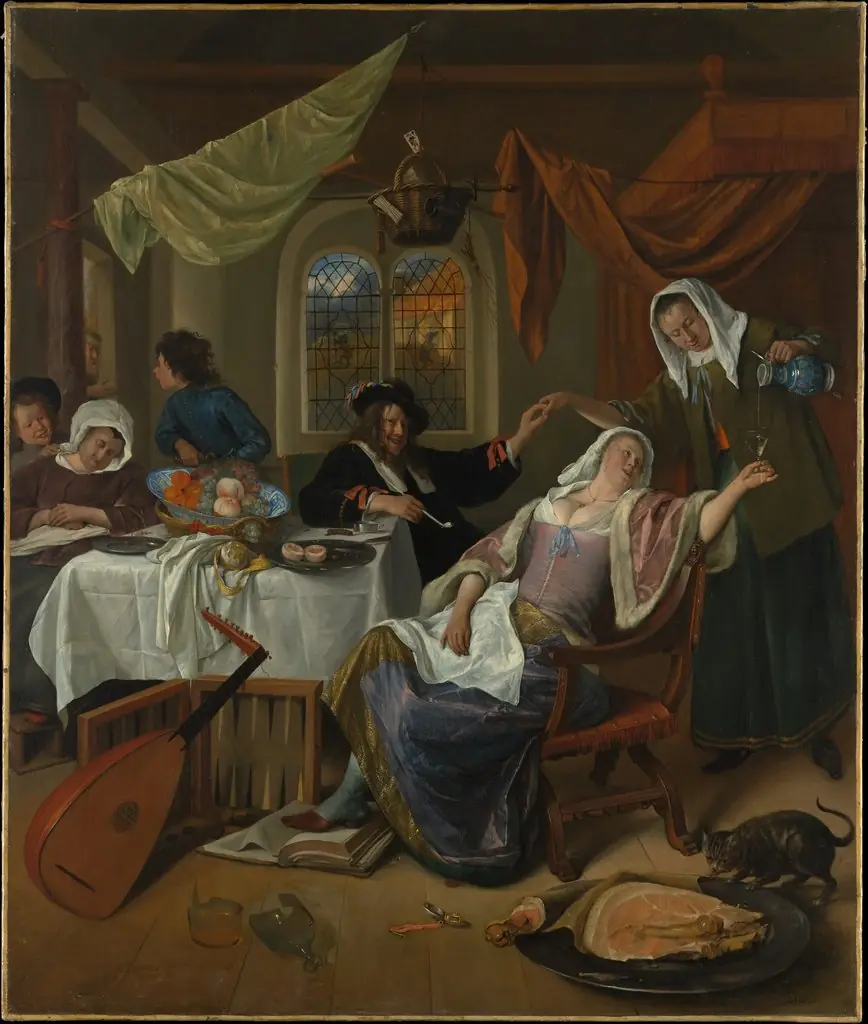 The Dissolute Household
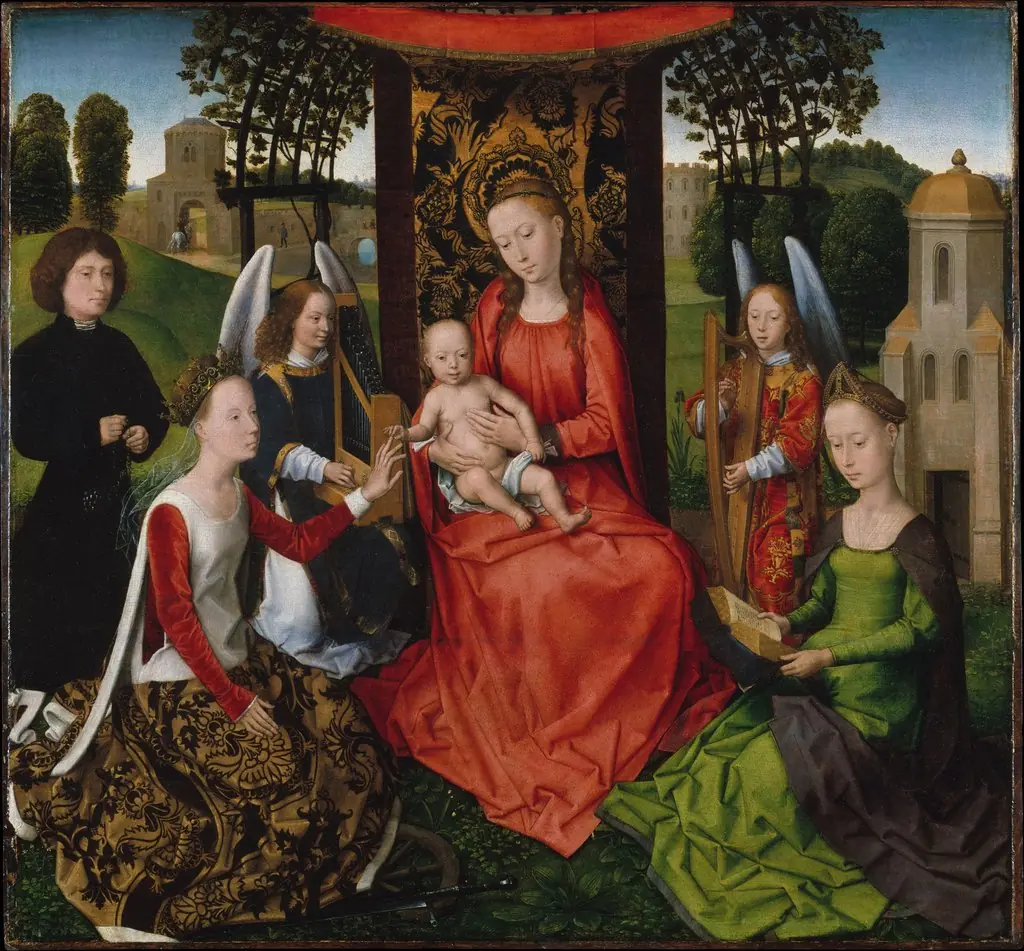 Virgin and Child with Saints Catherine of Alexandria and Barbara
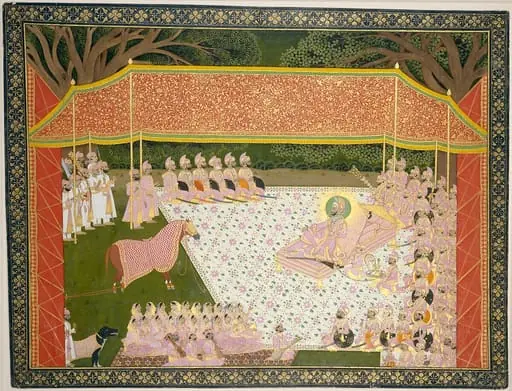 Untitled
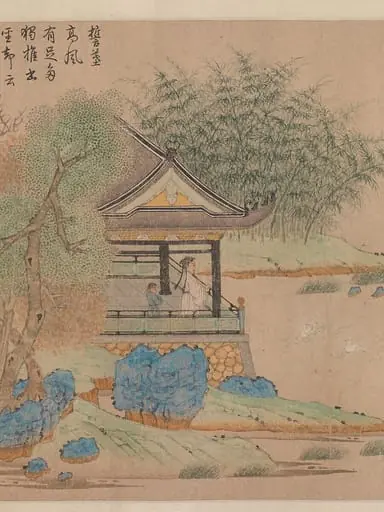 元 錢選 王羲之觀鵝圖 卷|Wang Xizhi watching geese
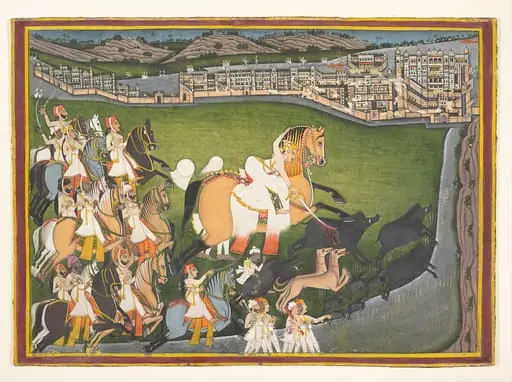 Untitled
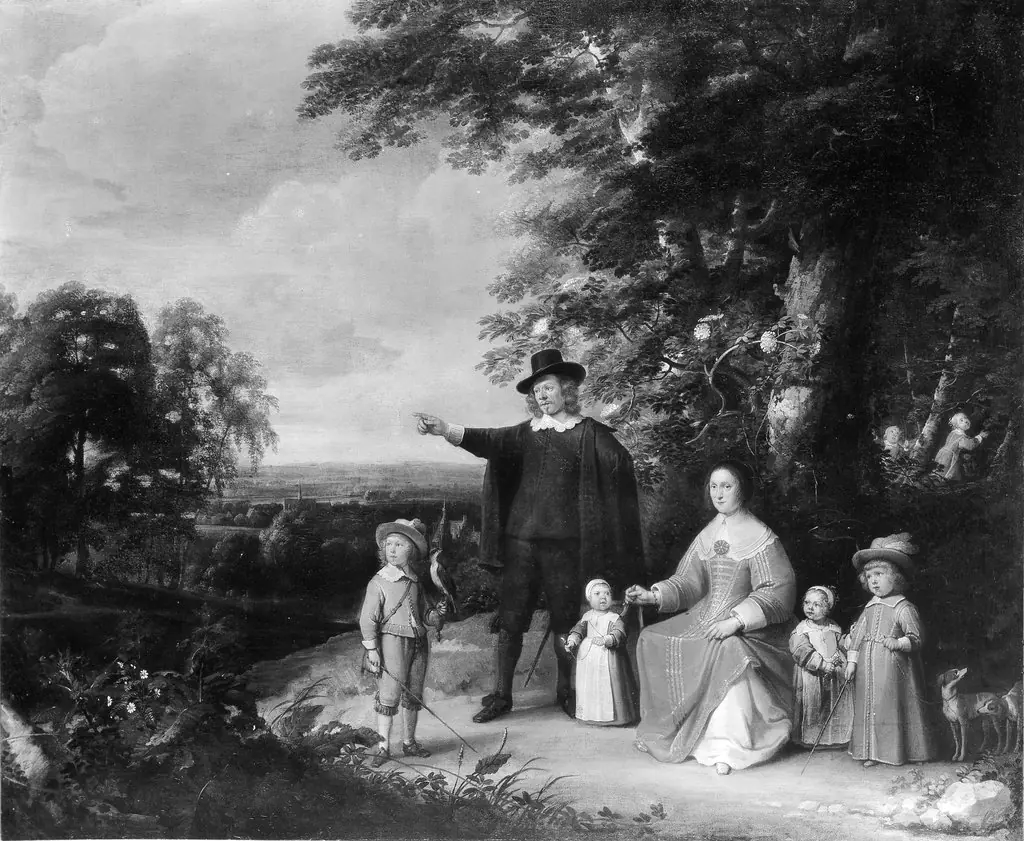 Family Group in a Landscape
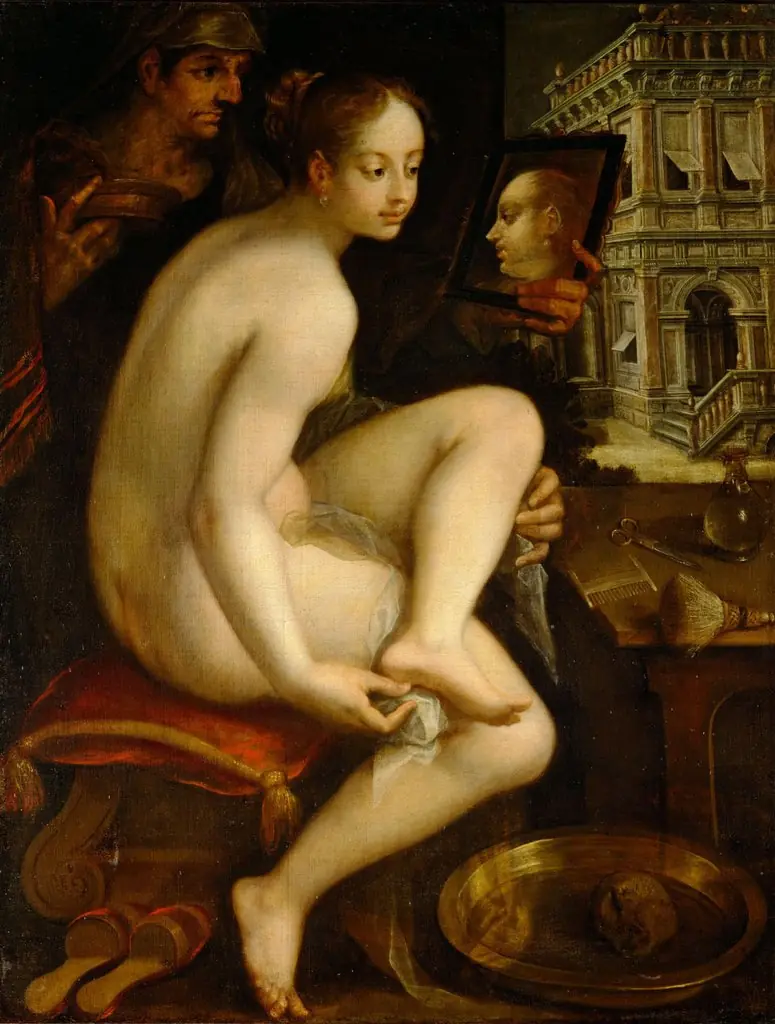 David and Bathsheba
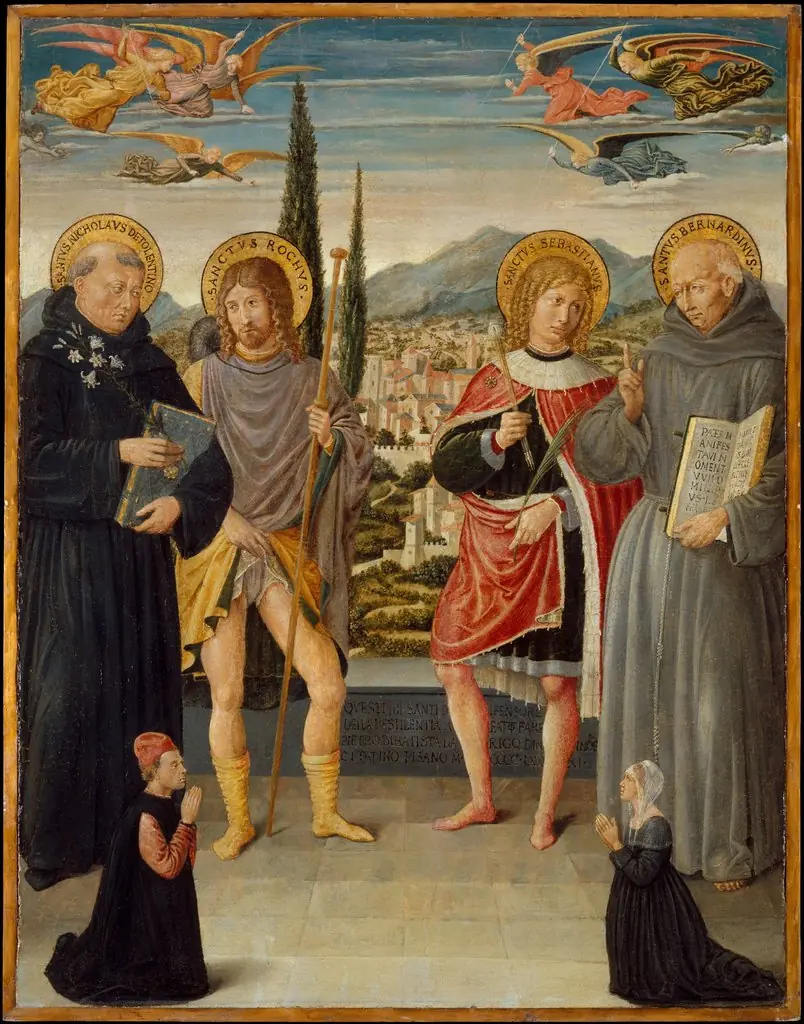 Saints Nicholas of Tolentino, Roch, Sebastian, and Bernardino of Siena, with Kneeling Donors
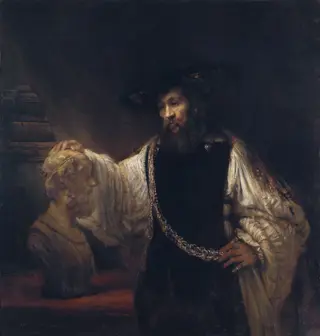 Aristotle with a Bust of Homer
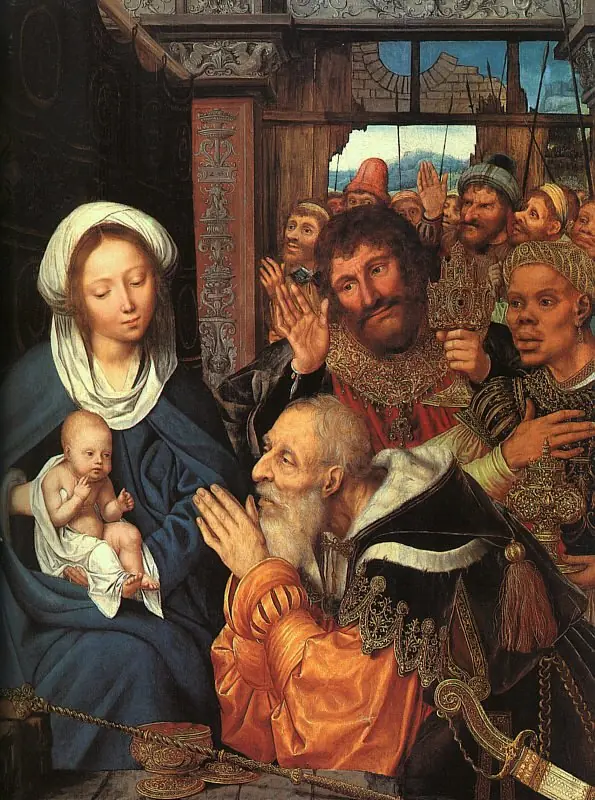 The Adoration of the Magi
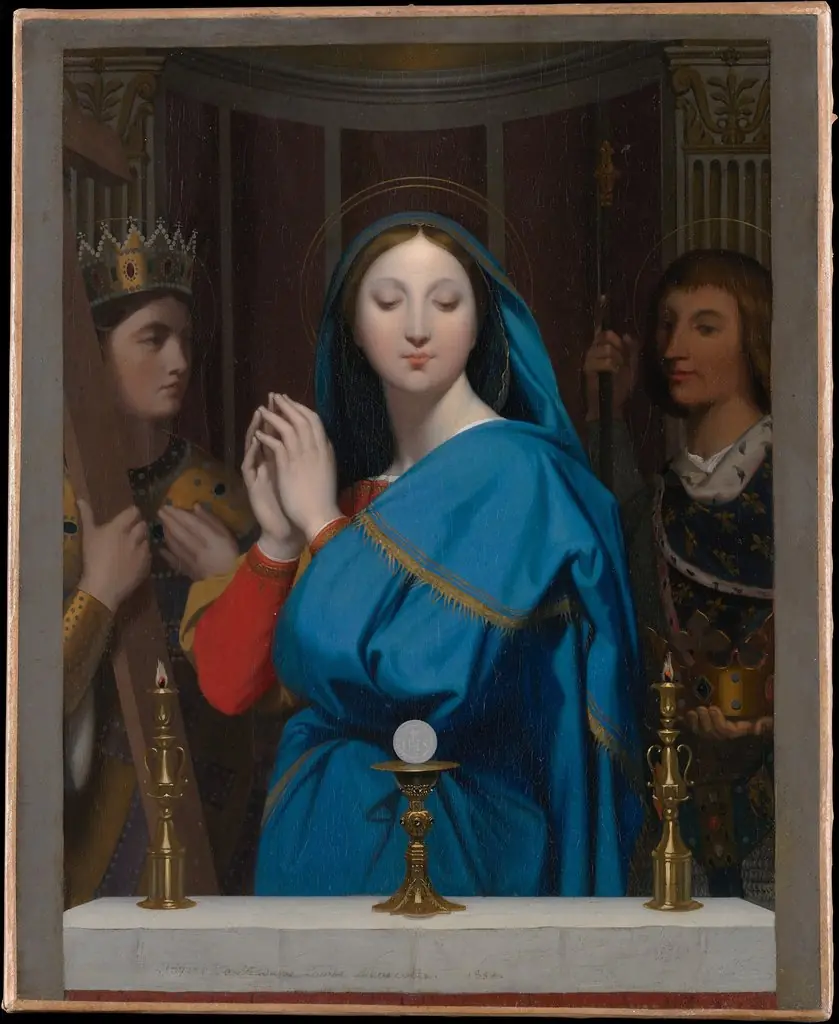 The Virgin Adoring the Host
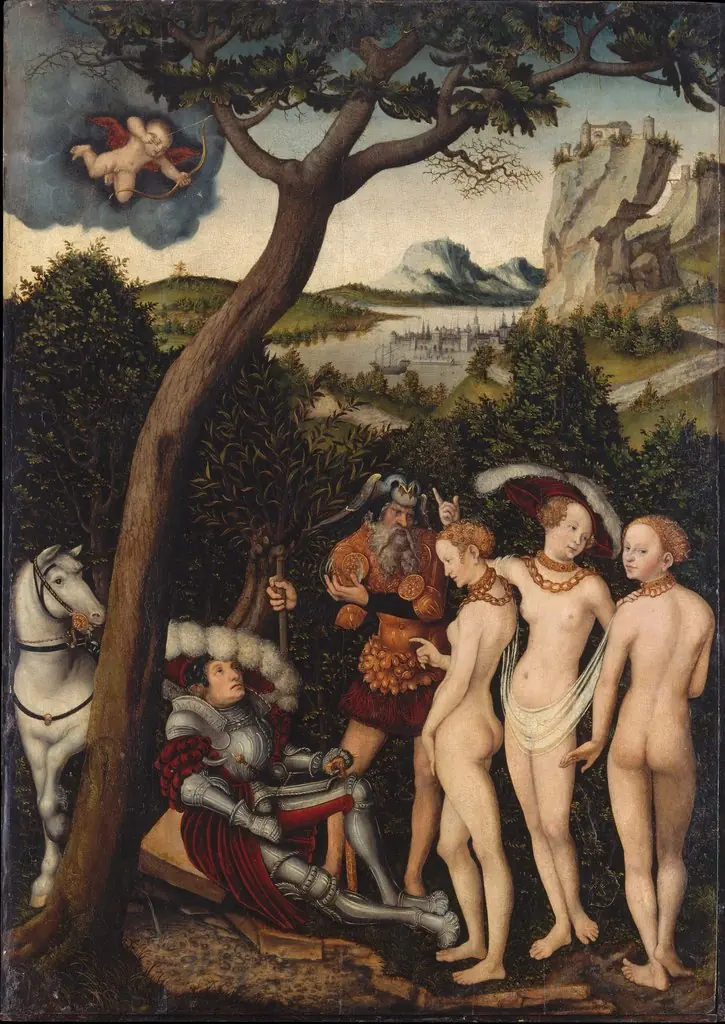 The Judgment of Paris
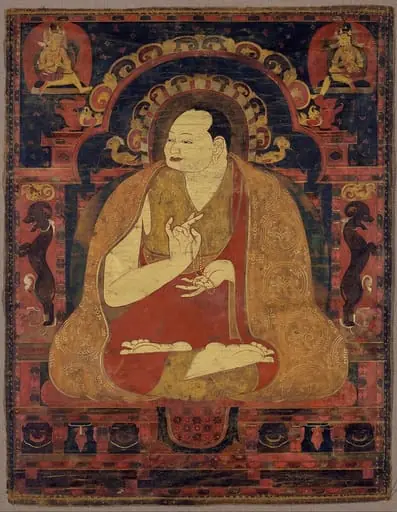 Untitled
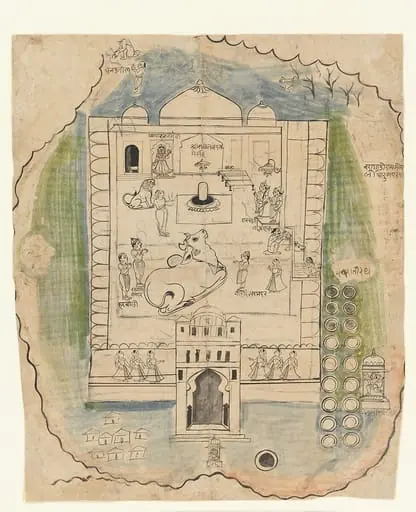 Untitled
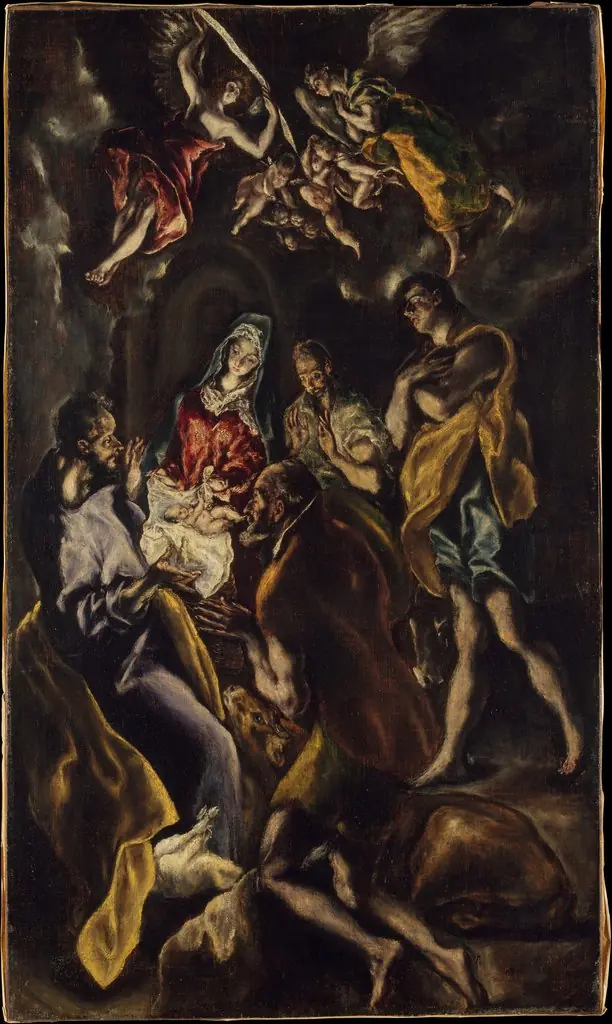 The Adoration of the Shepherds
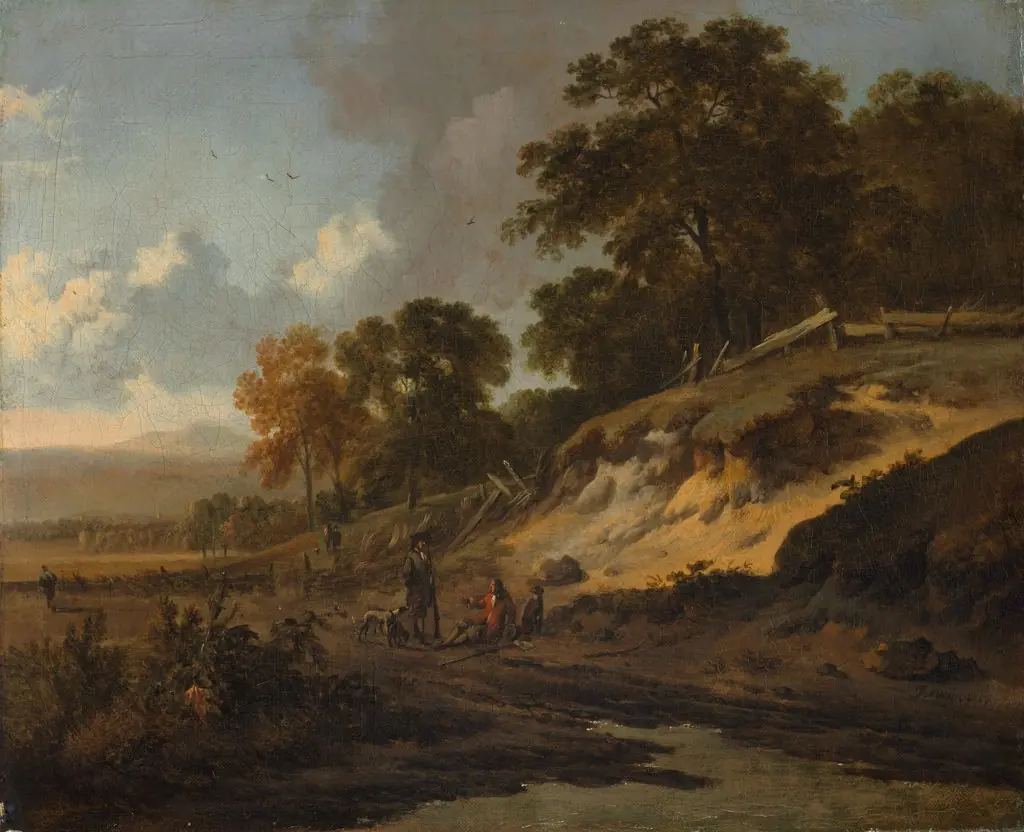 Landscape with Hunters
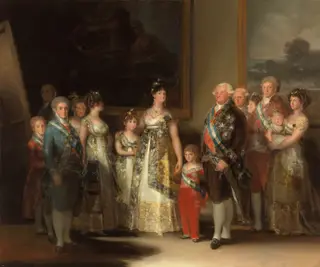 Charles IV of Spain and His Family
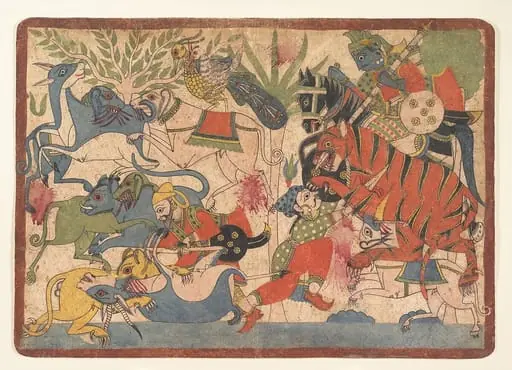 Untitled
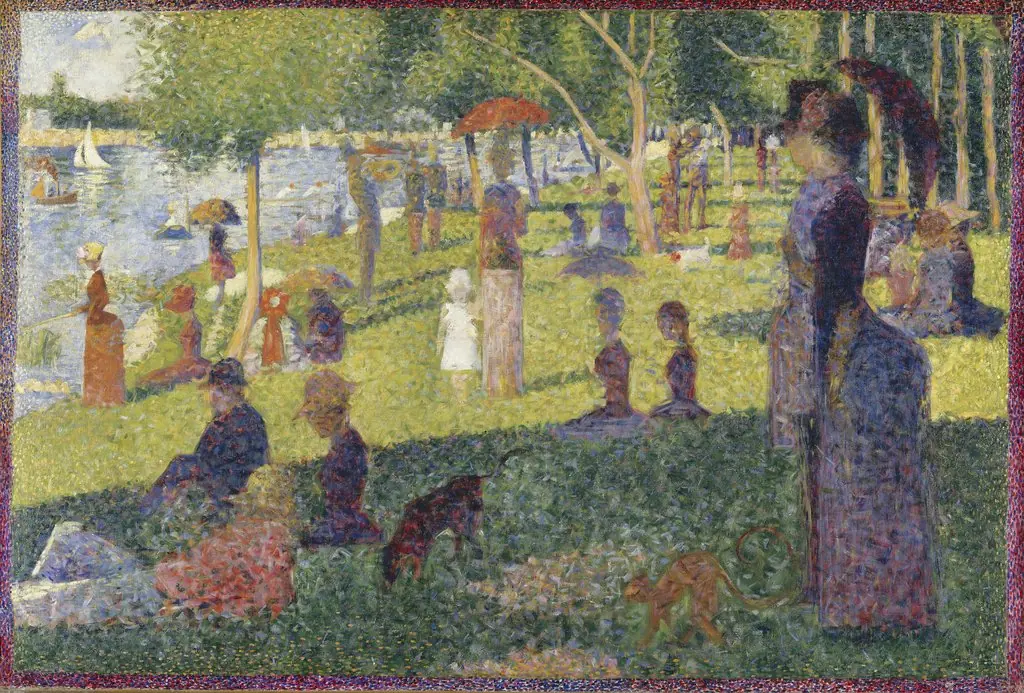 Final study for "La Grande Jatte"
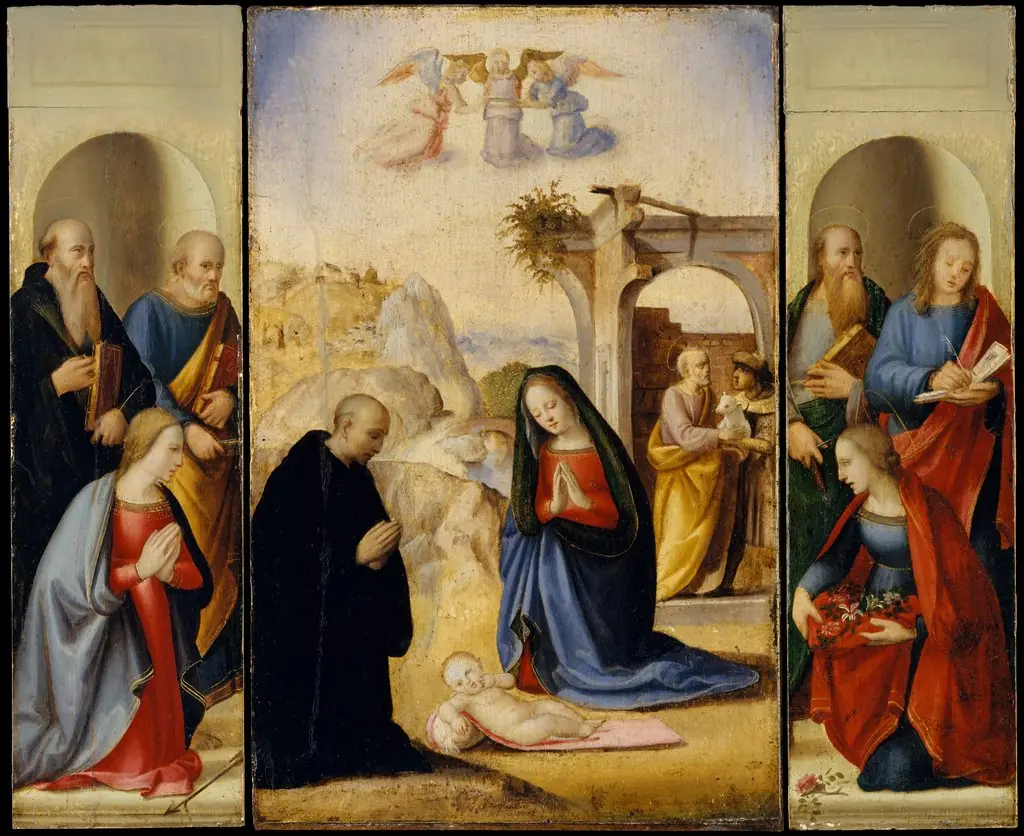 The Nativity with Saints
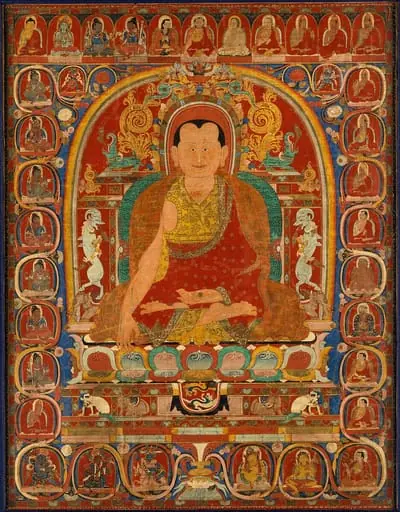 Untitled
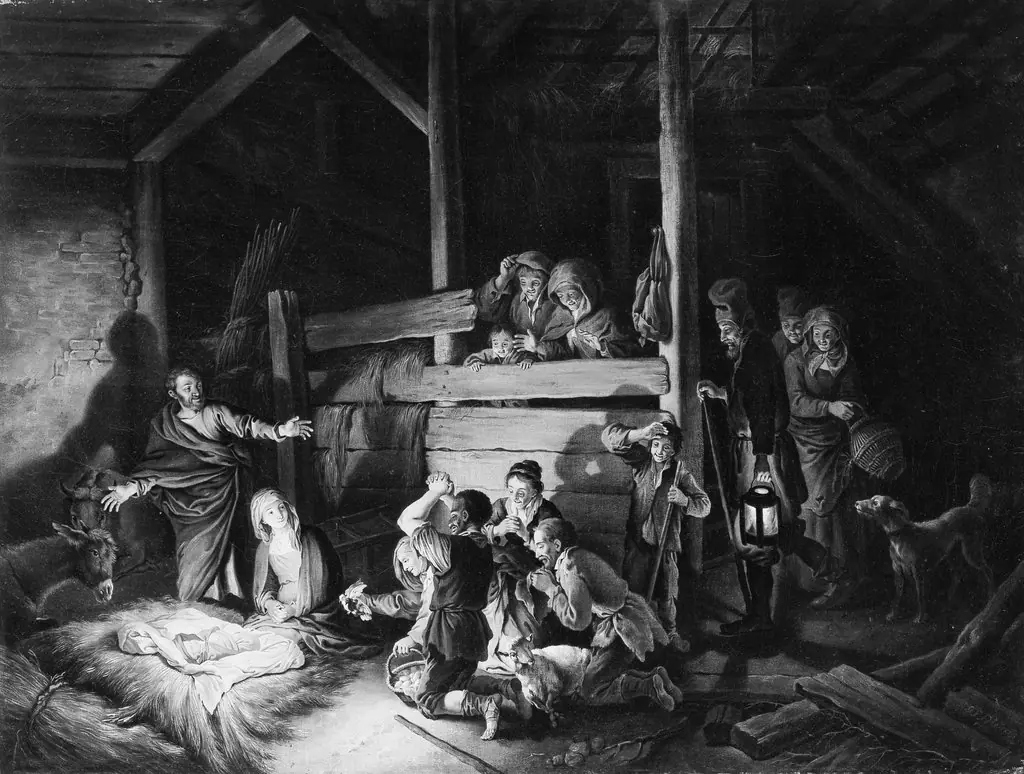 The Adoration of the Shepherds
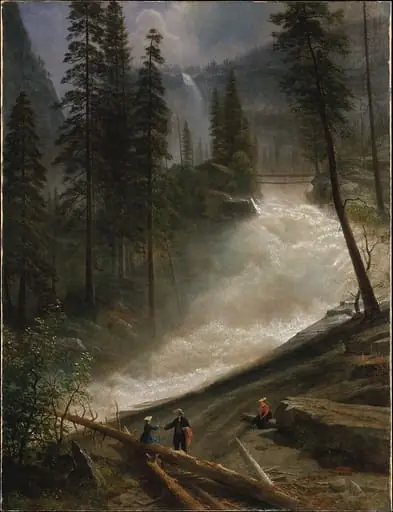 Nevada Falls, Yosemite
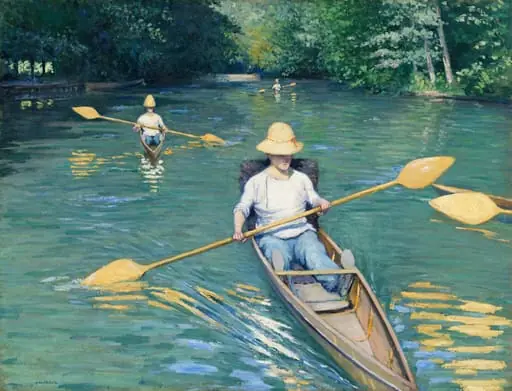 Skiffs
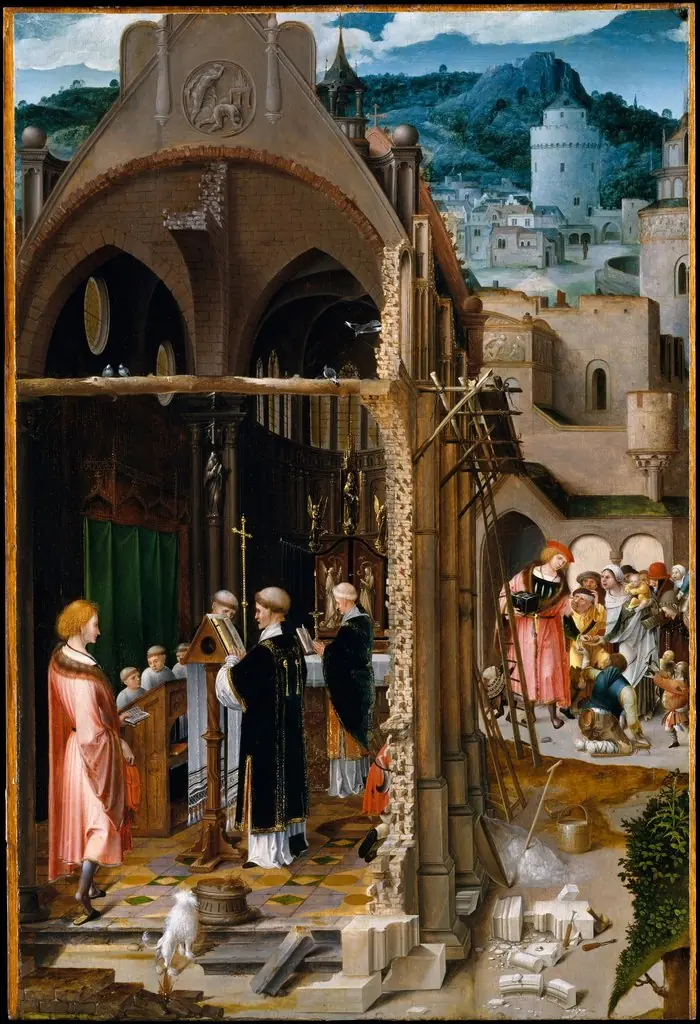 A Sermon on Charity (possibly the Conversion of Saint Anthony)
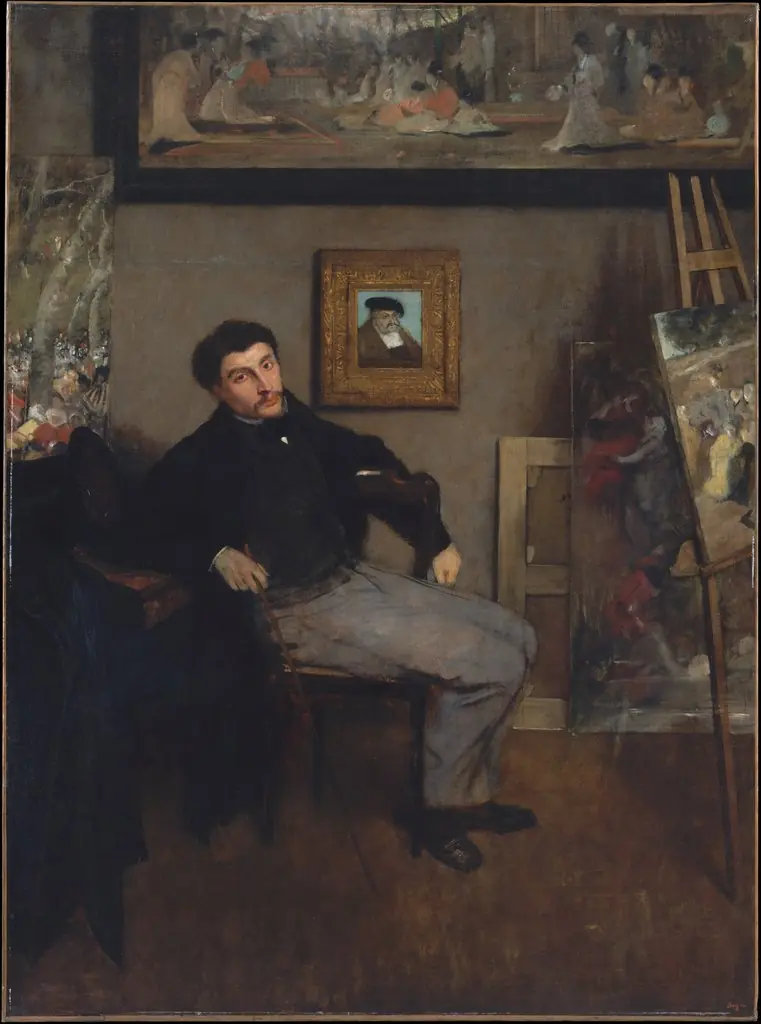 James-Jacques-Joseph Tissot (1836–1902)
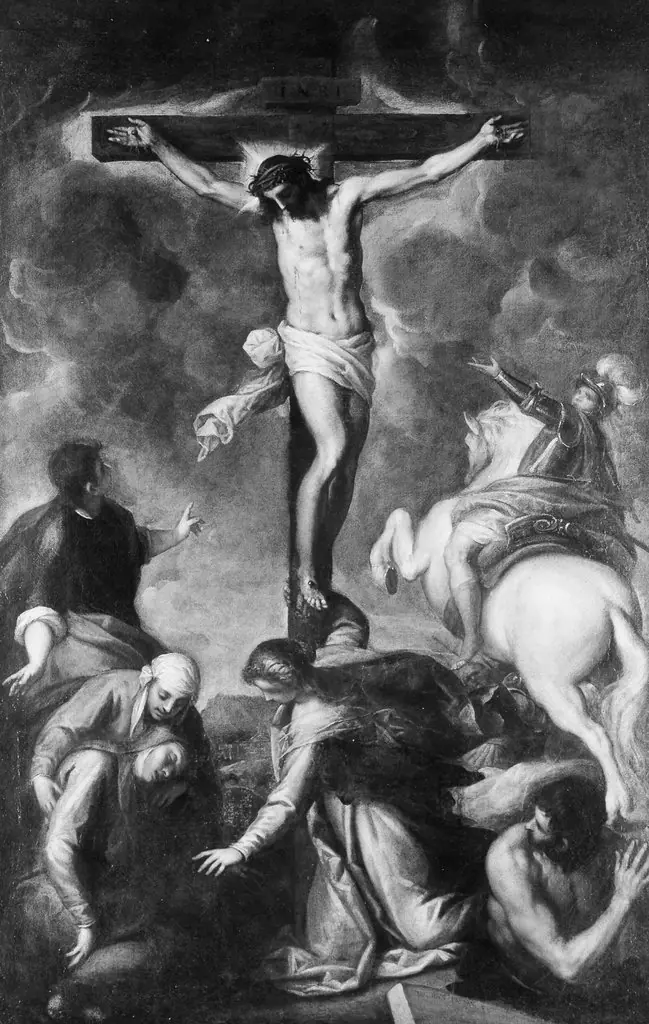 The Crucifixion
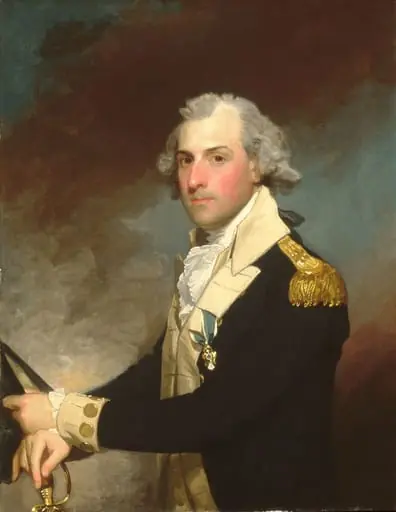 Matthew Clarkson
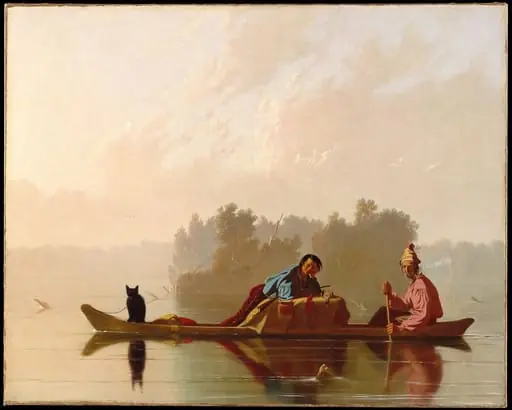 Fur Traders Descending the Missouri
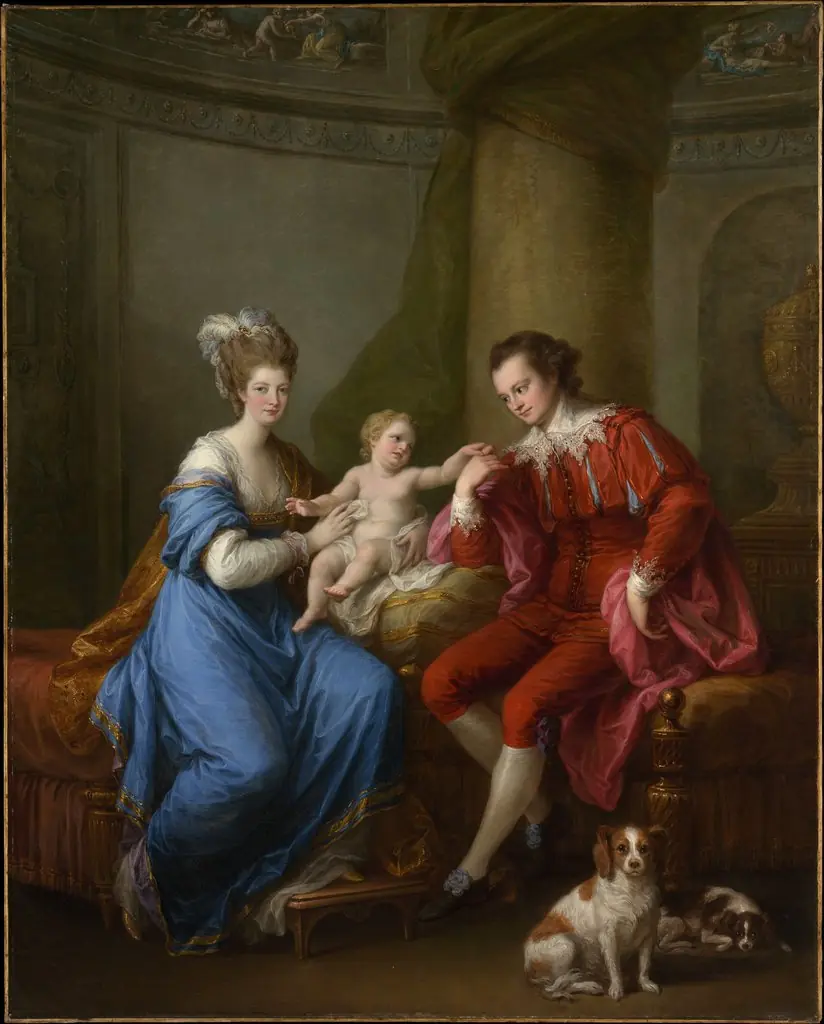 Edward Smith Stanley (1752–1834), Twelfth Earl of Derby, with His First Wife (Lady Elizabeth Hamilton, 1753–1797) and Their Son (Edward Smith Stanley, 1775–1851)
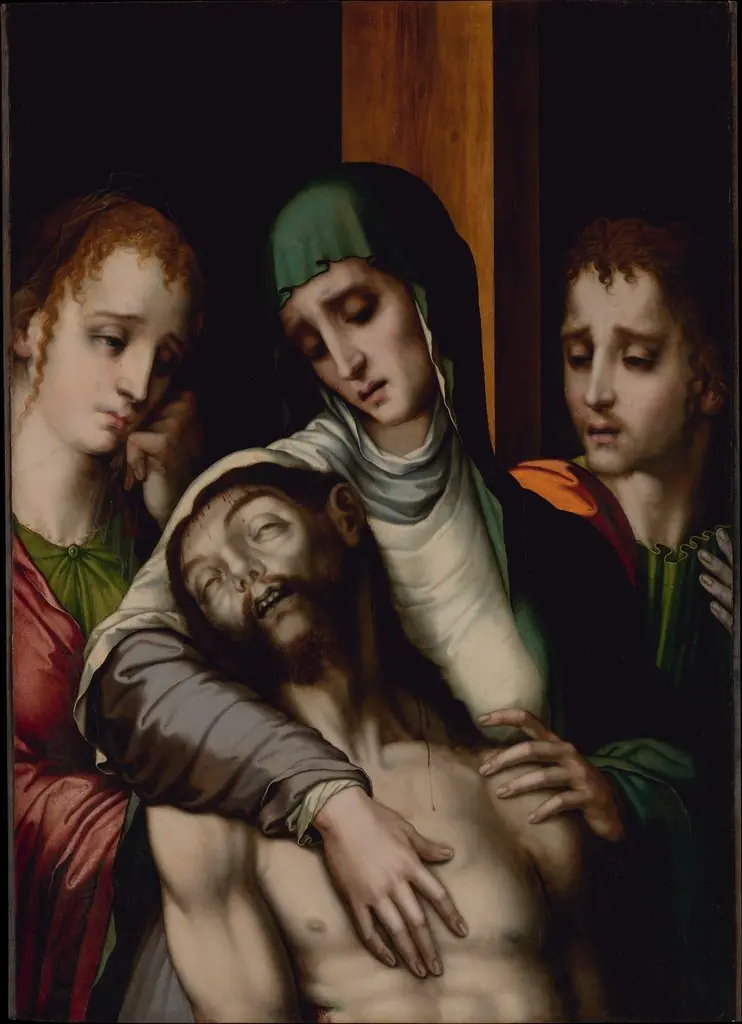 The Lamentation
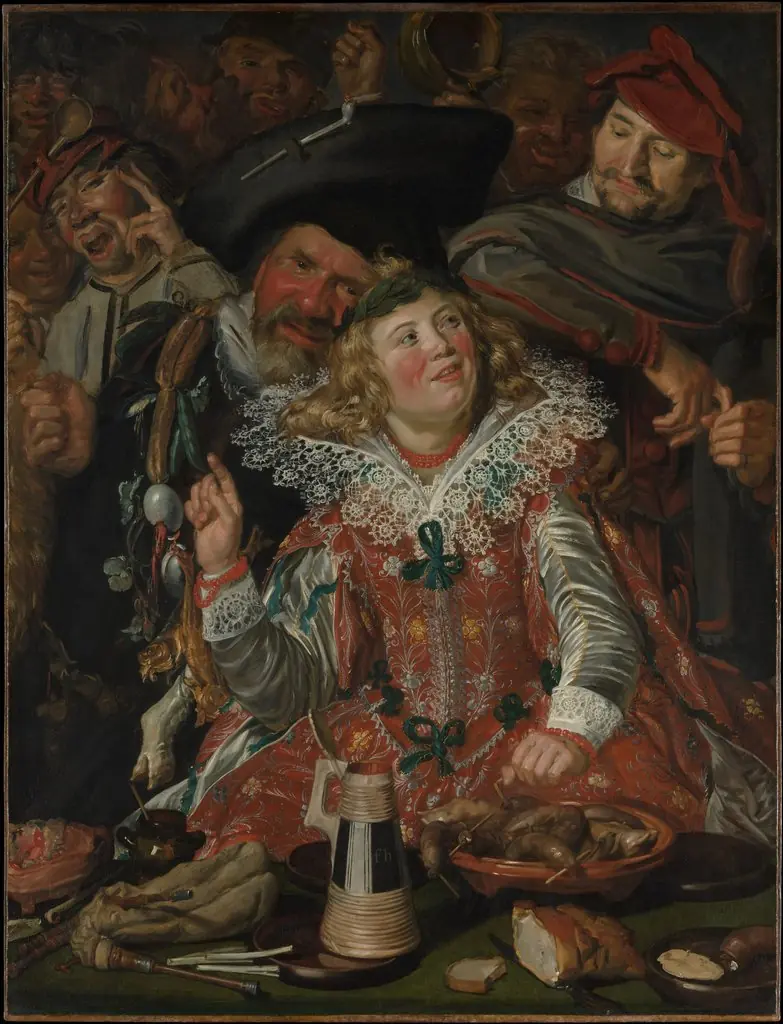 Merrymakers at Shrovetide
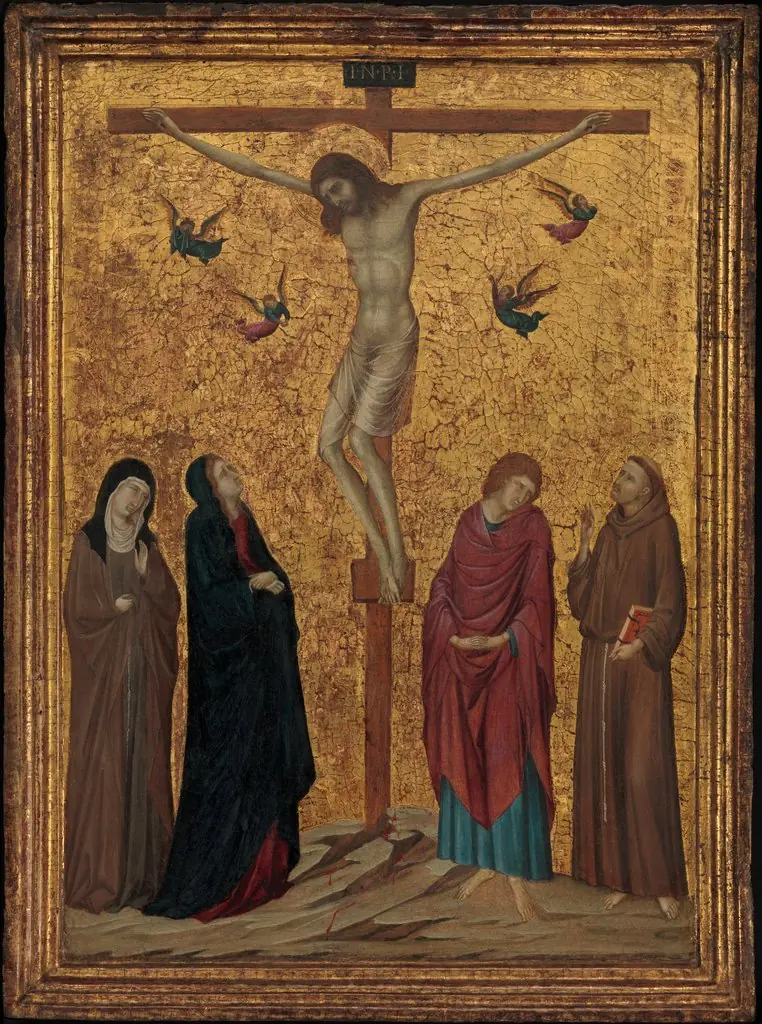 The Crucifixion
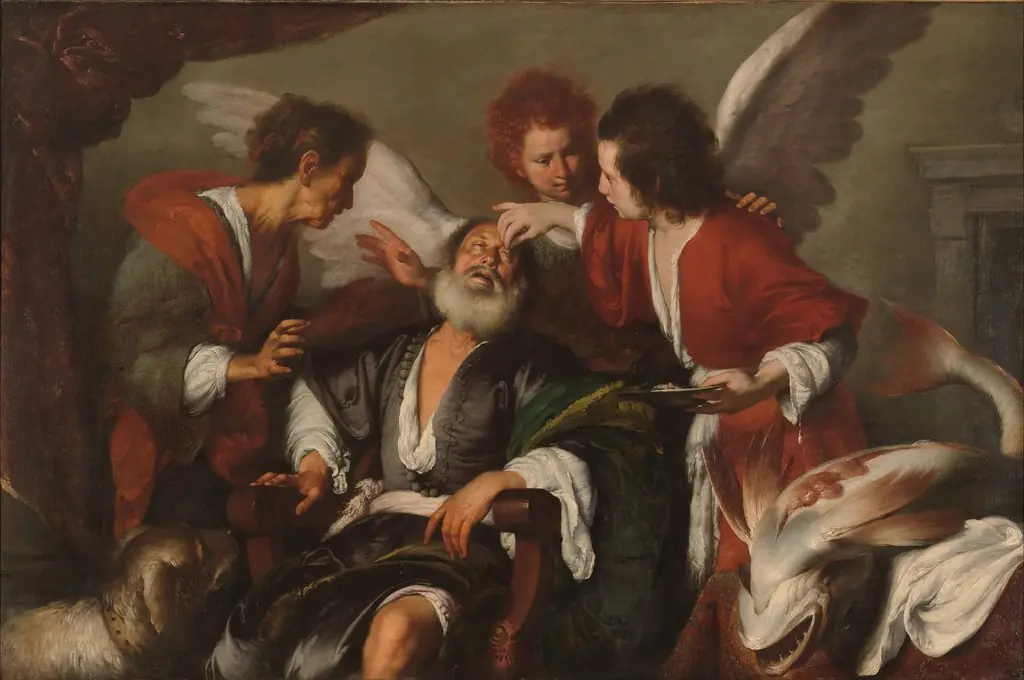 Tobias Curing His Father's Blindness
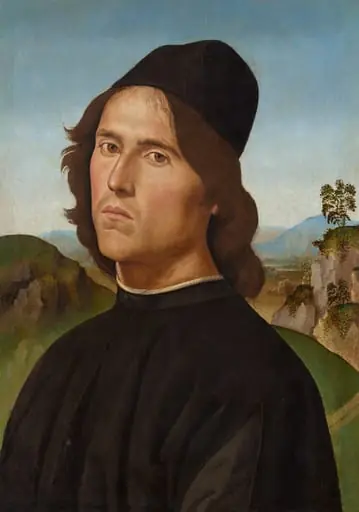 Portrait of Lorenzo di Credi
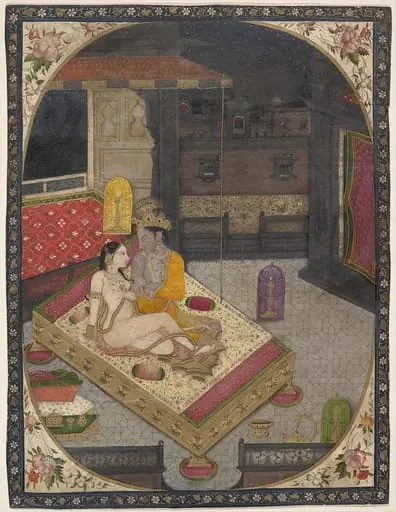 Untitled
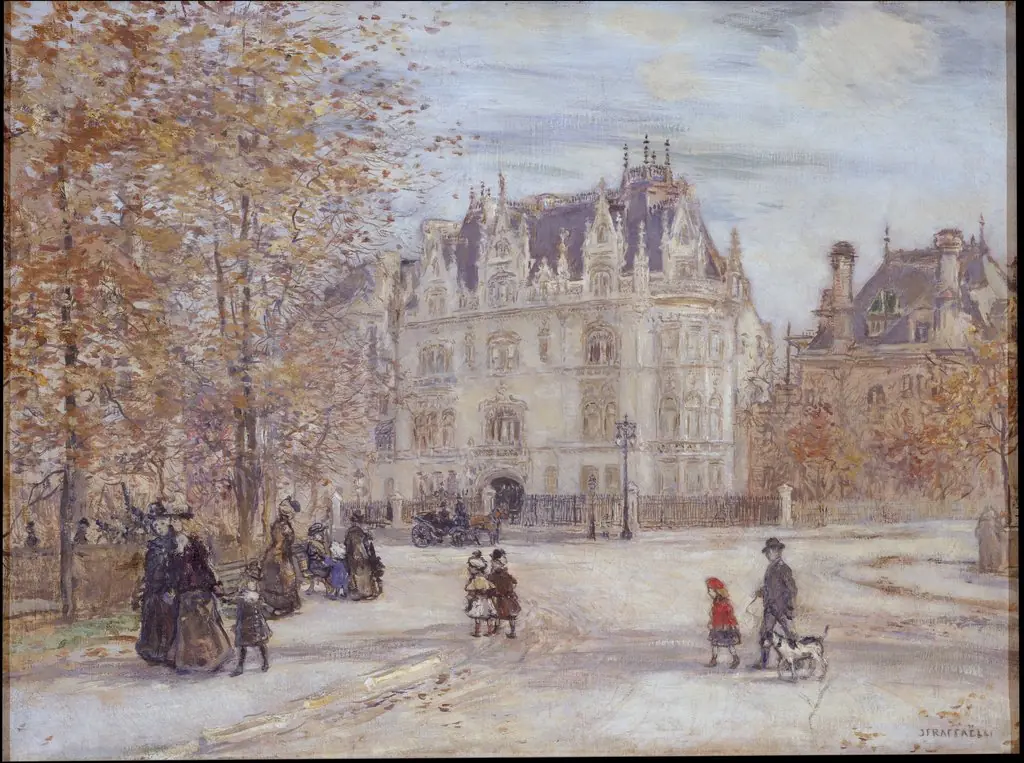 The Fletcher Mansion, New York City
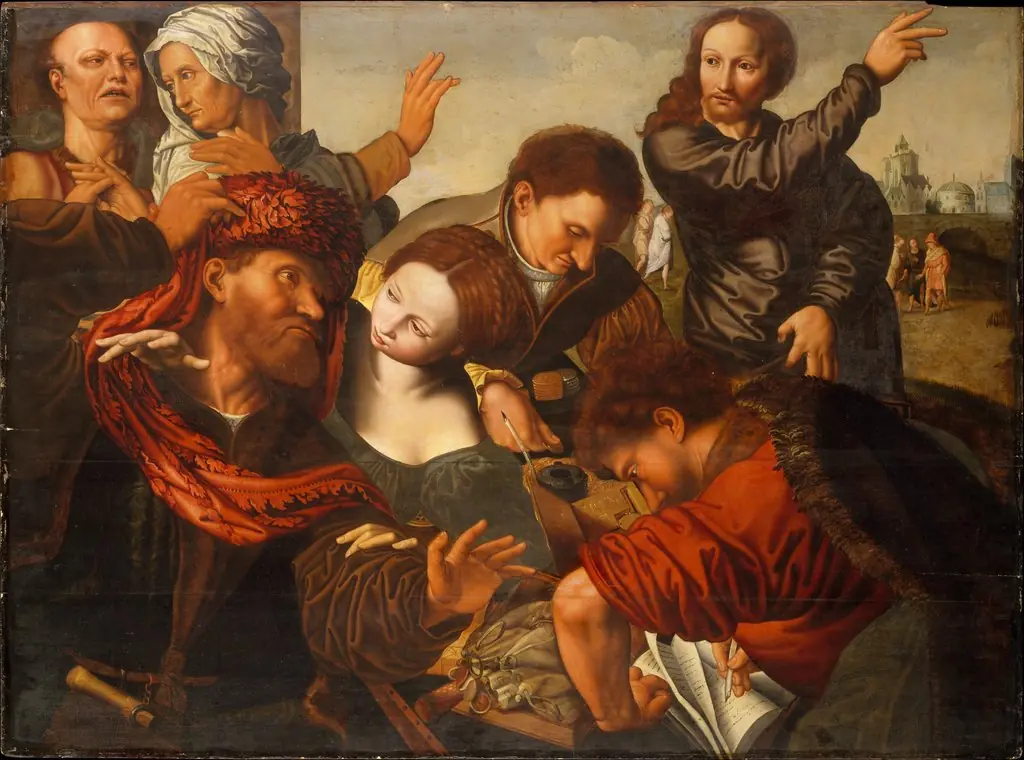 The Calling of Saint Matthew
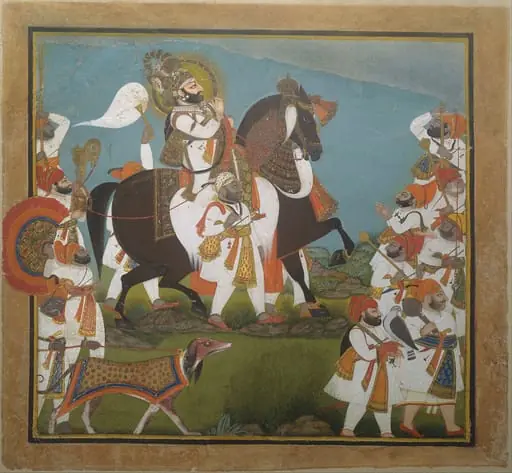 Untitled
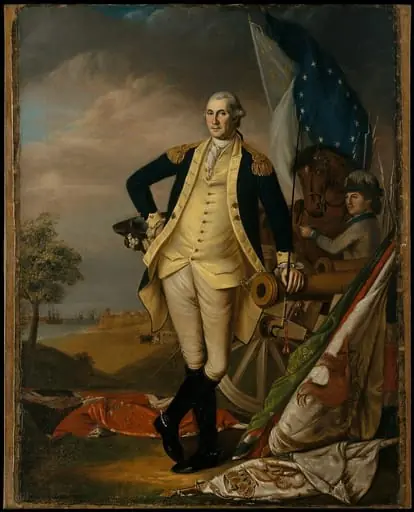 George Washington
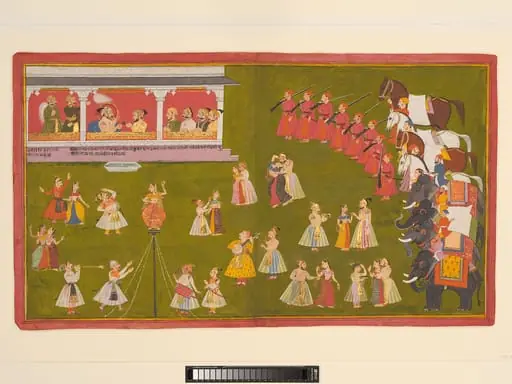 Untitled
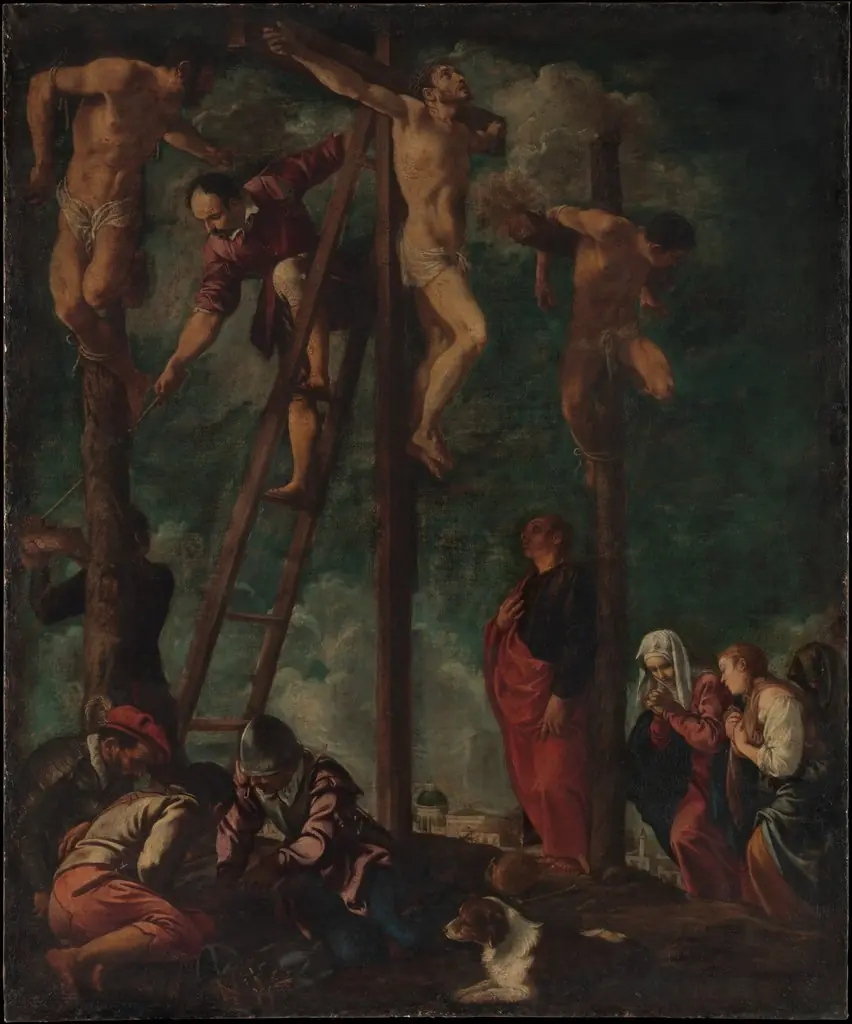 The Crucifixion
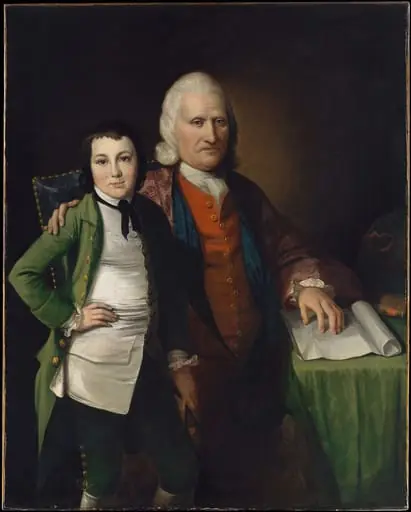 Cadwallader Colden and His Grandson Warren De Lancey
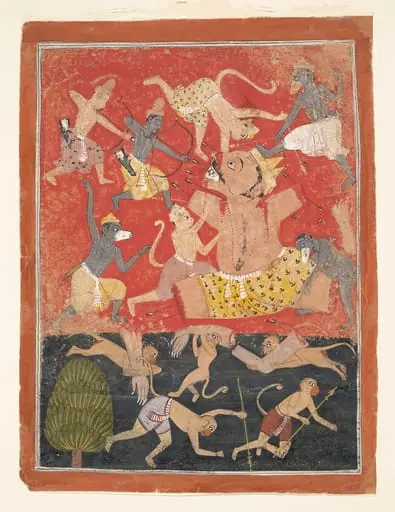 Untitled
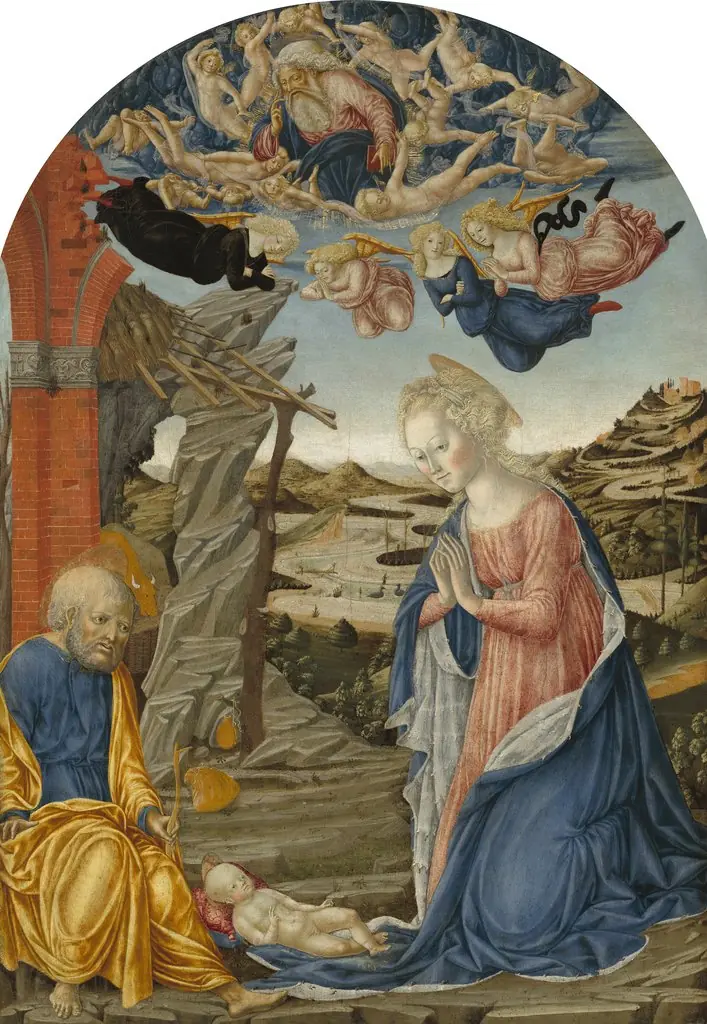 The Nativity
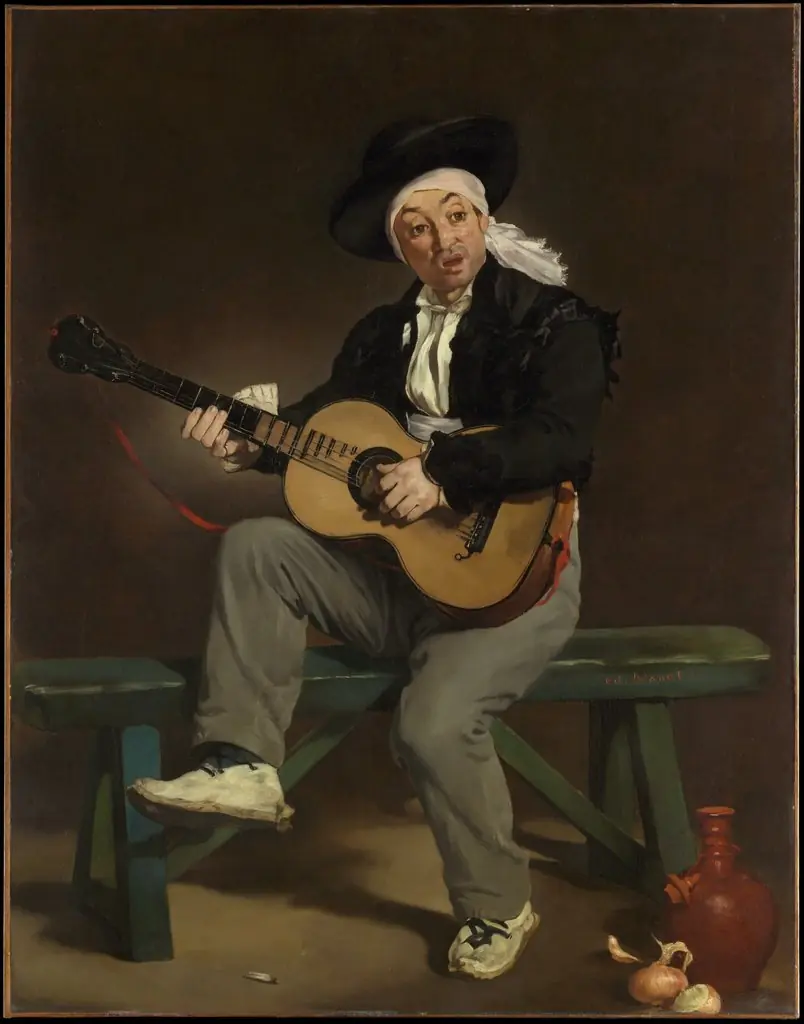 The Spanish Singer
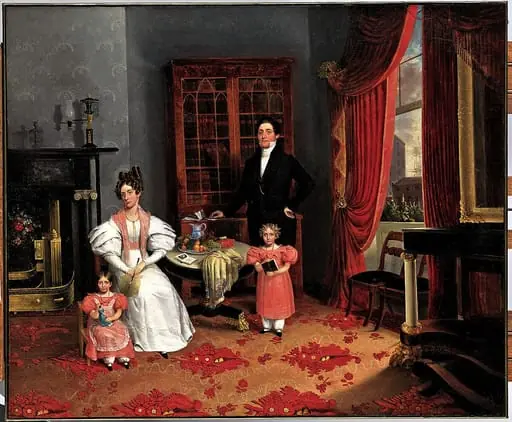 The Family of John Q. Aymar
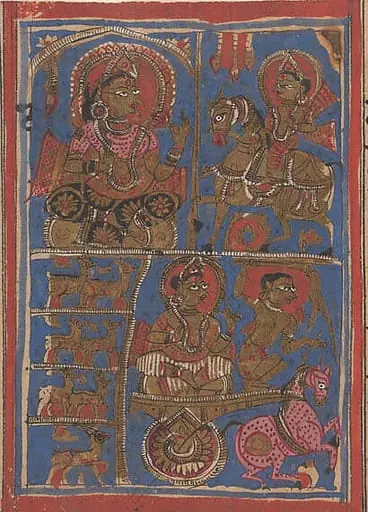 Untitled
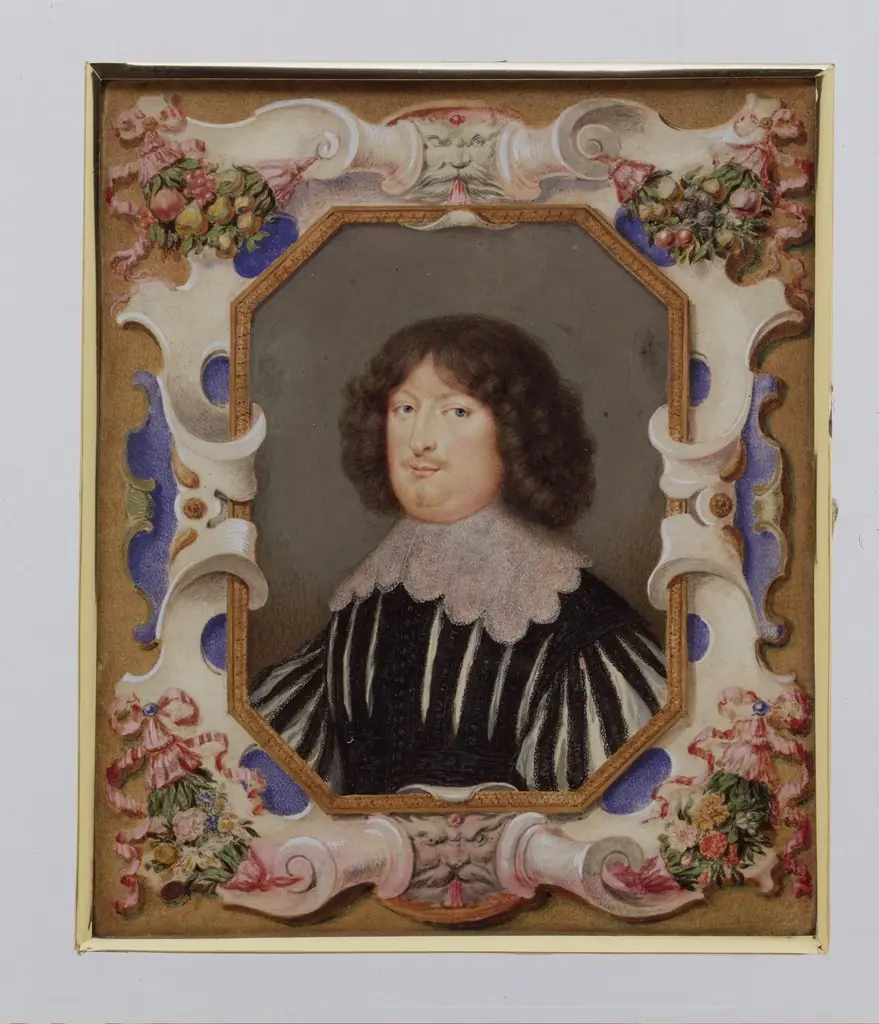 Portrait of a Man
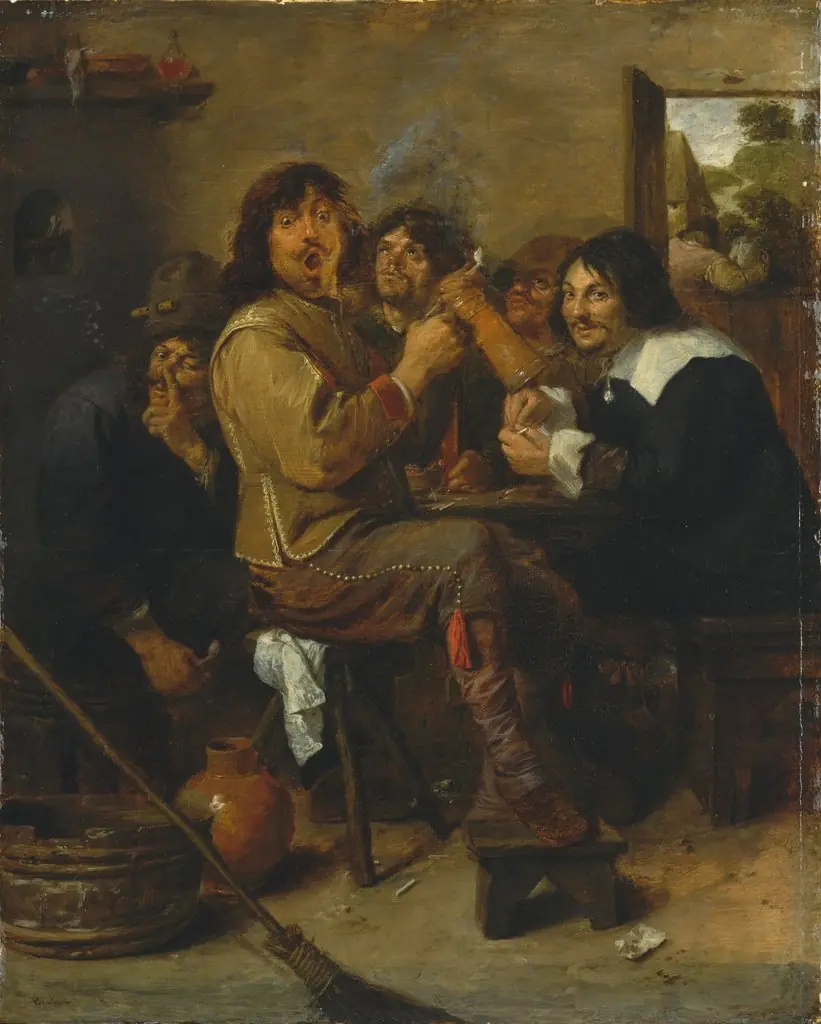 The Smokers by Adriaen Brouwer
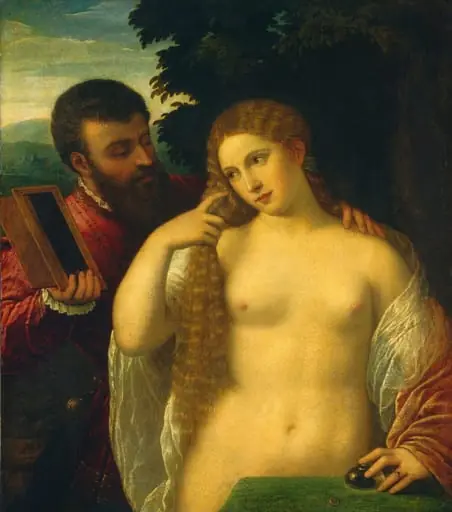 Allegory of Love
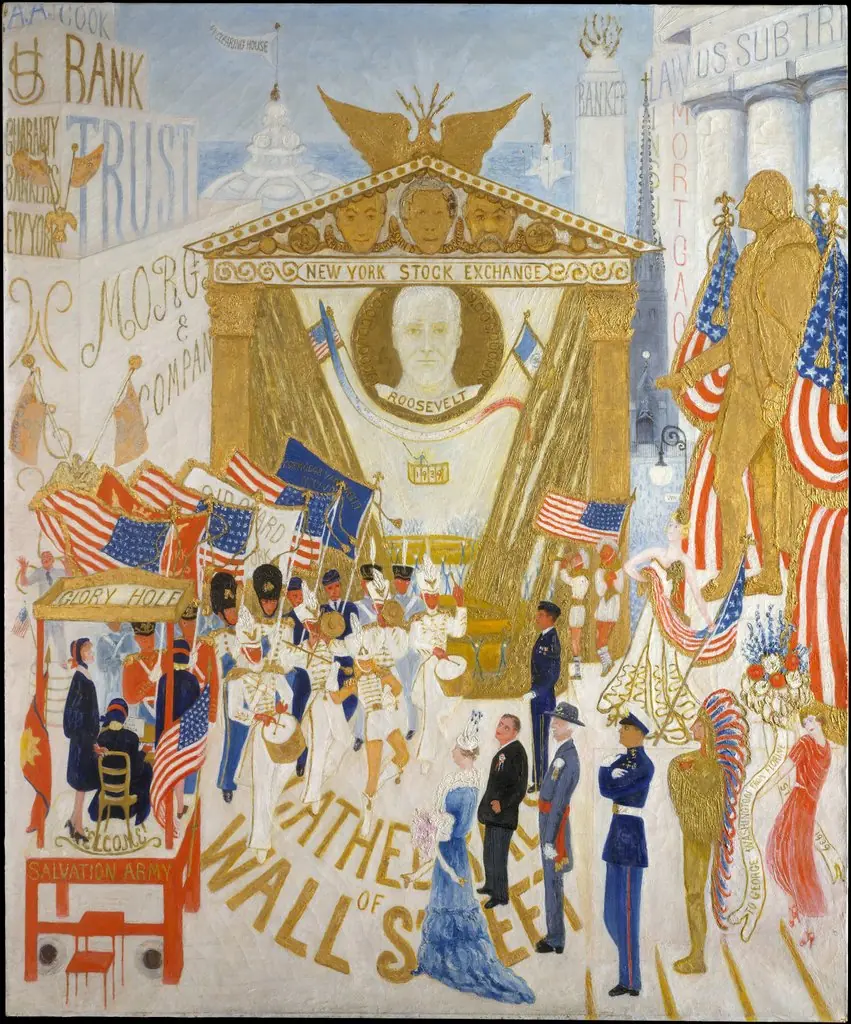 The Cathedrals of Wall Street
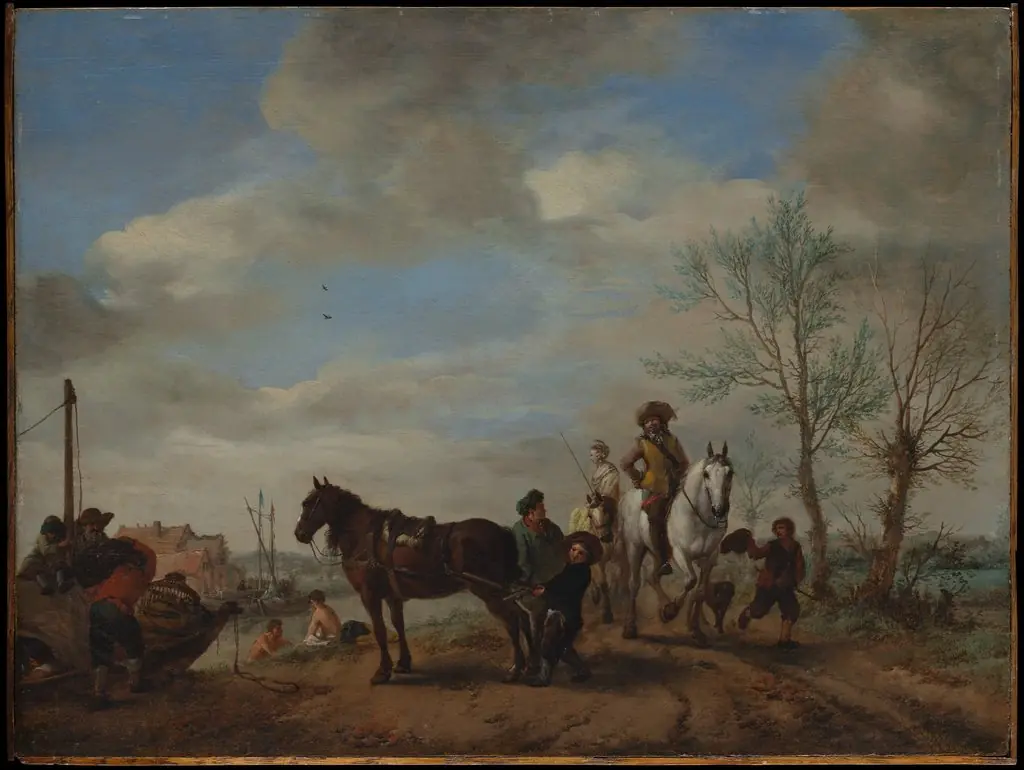 A Man and a Woman on Horseback
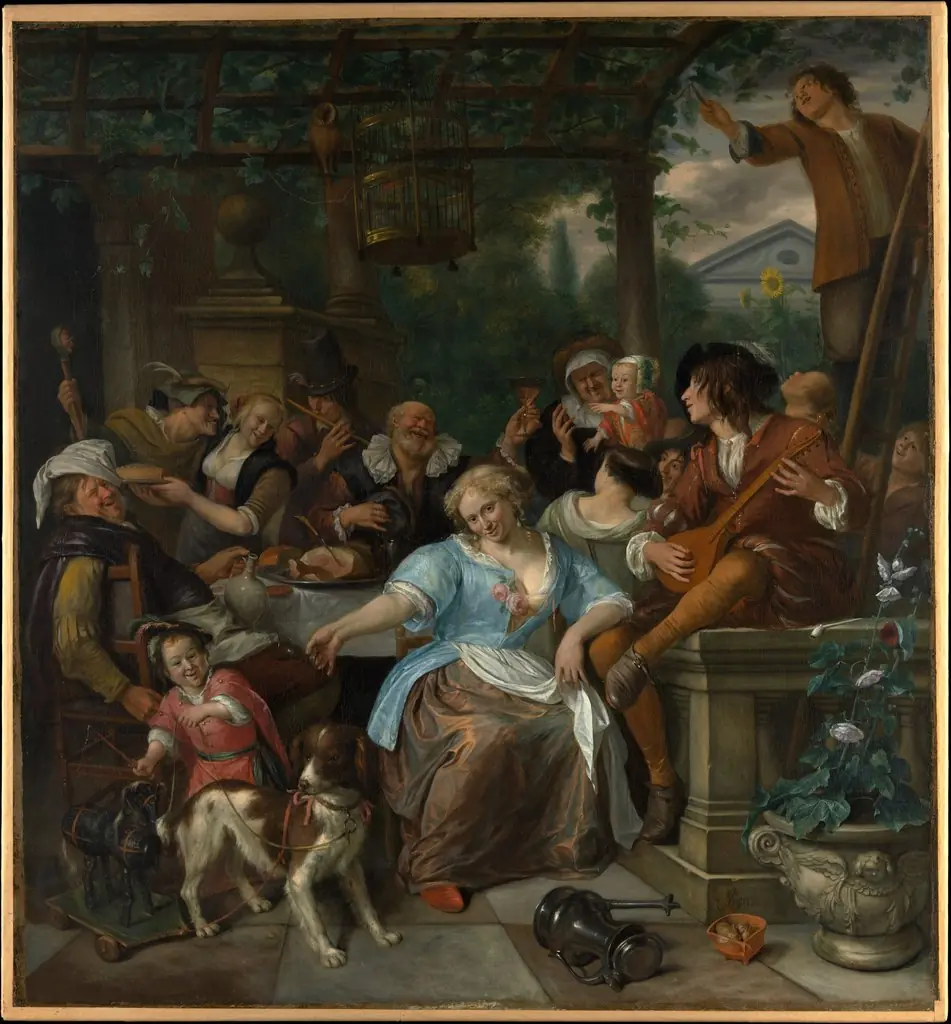 Merry Company on a Terrace
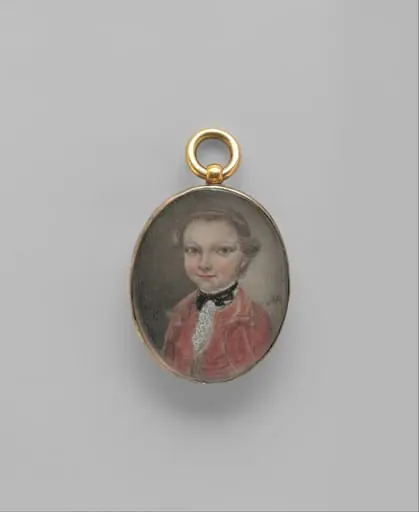 William Middleton
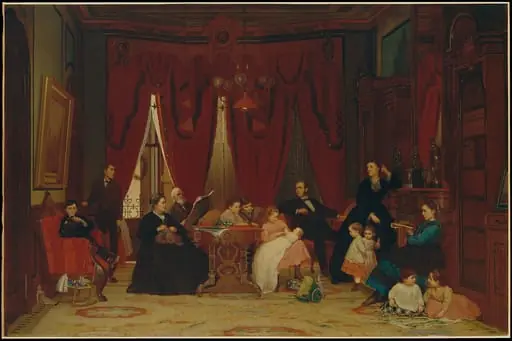 The Hatch Family
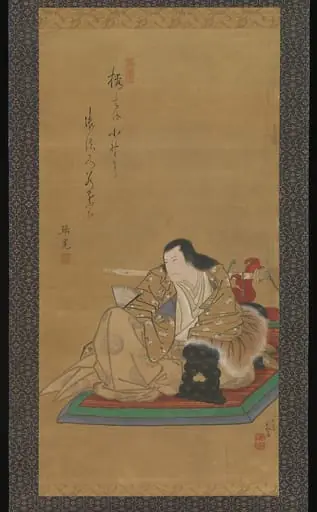 初代嵐橘三郎 (二代目嵐吉三郎) の惟高親王|The Actor Arashi Kitsusaburō I (Kichisaburō II) as Prince Koretaka
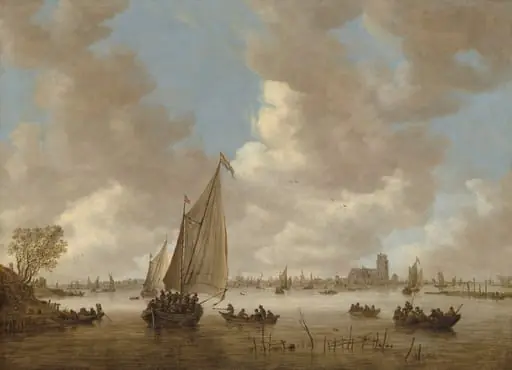 View of Dordrecht from the North
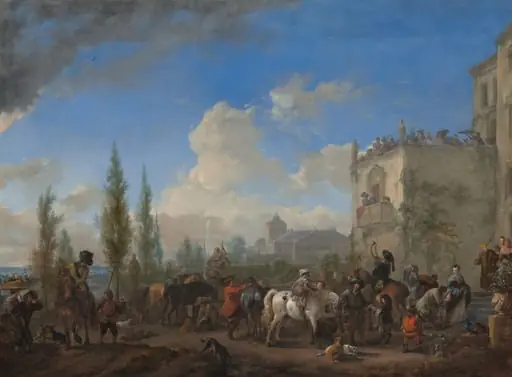 The Departure for the Hunt
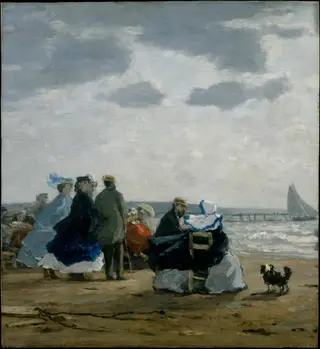 On the Beach, Dieppe
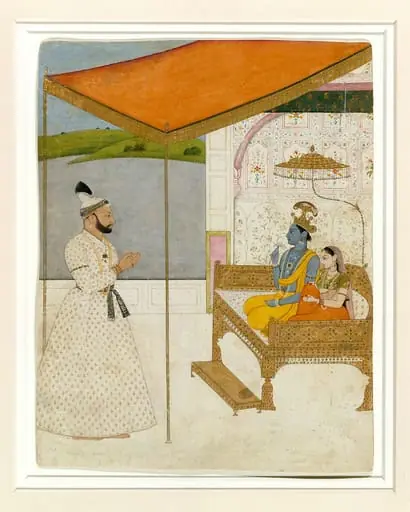 Untitled
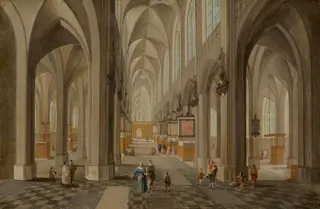 Antwerp Cathedral
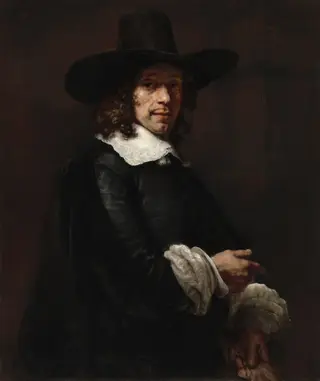 Portrait of a Gentleman with a Tall Hat and Gloves
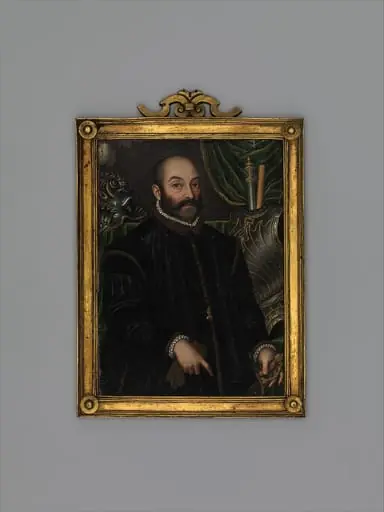 Guidobaldo II della Rovere, Duke of Urbino (1514–1574), With his Armor by Filippo Negroli
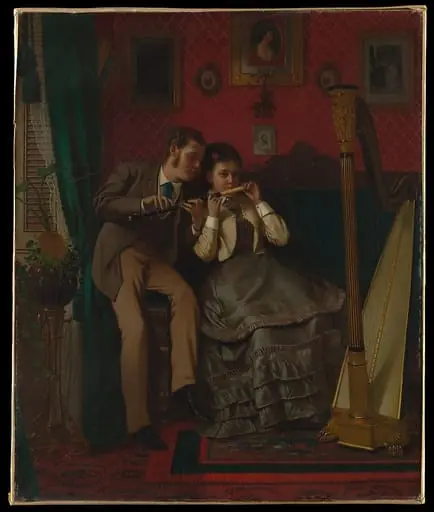 The Music Lesson
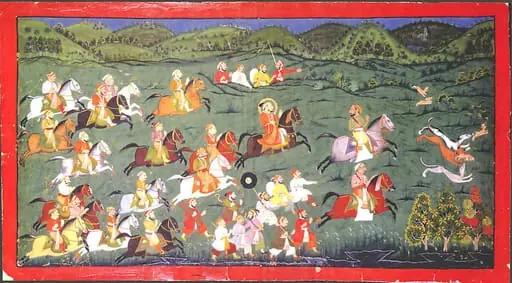 Untitled
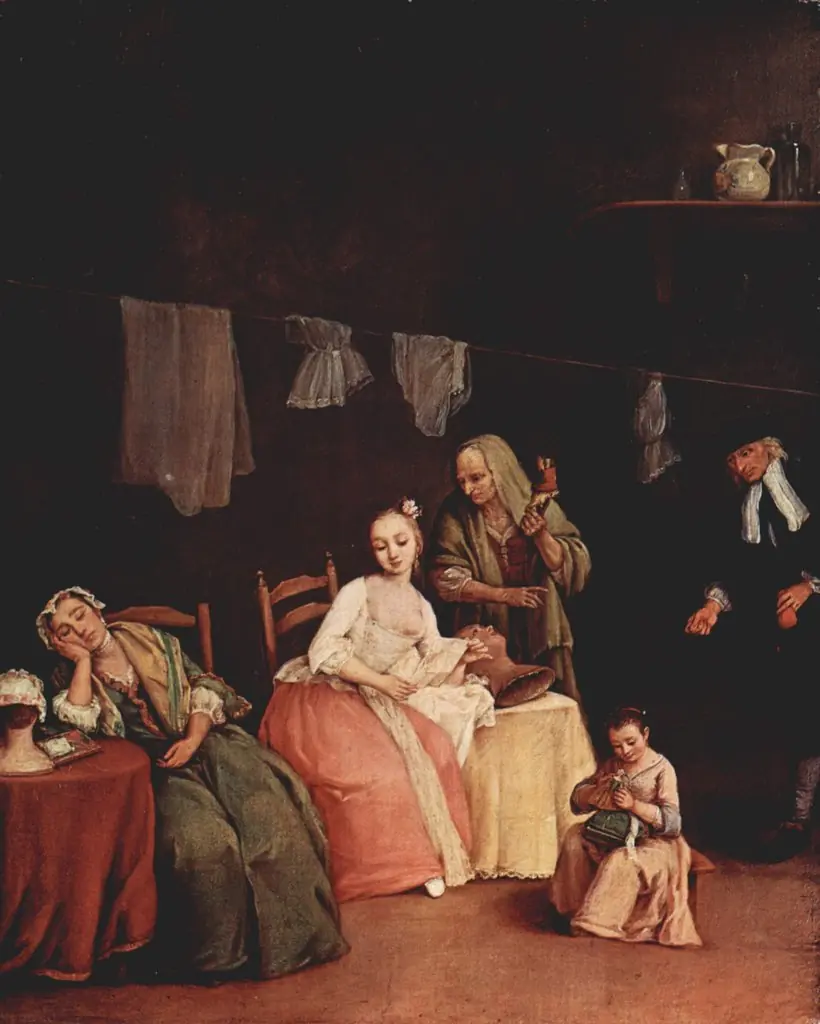 The Letter
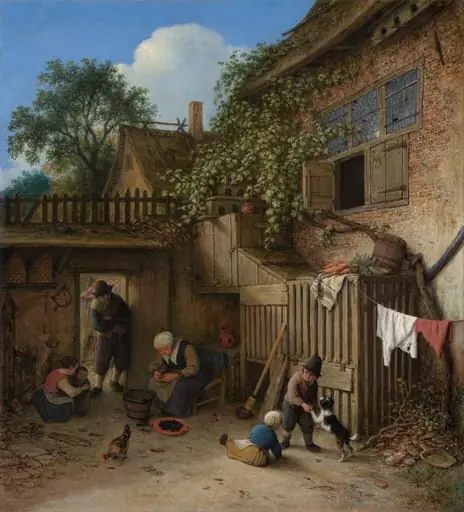 The Cottage Dooryard
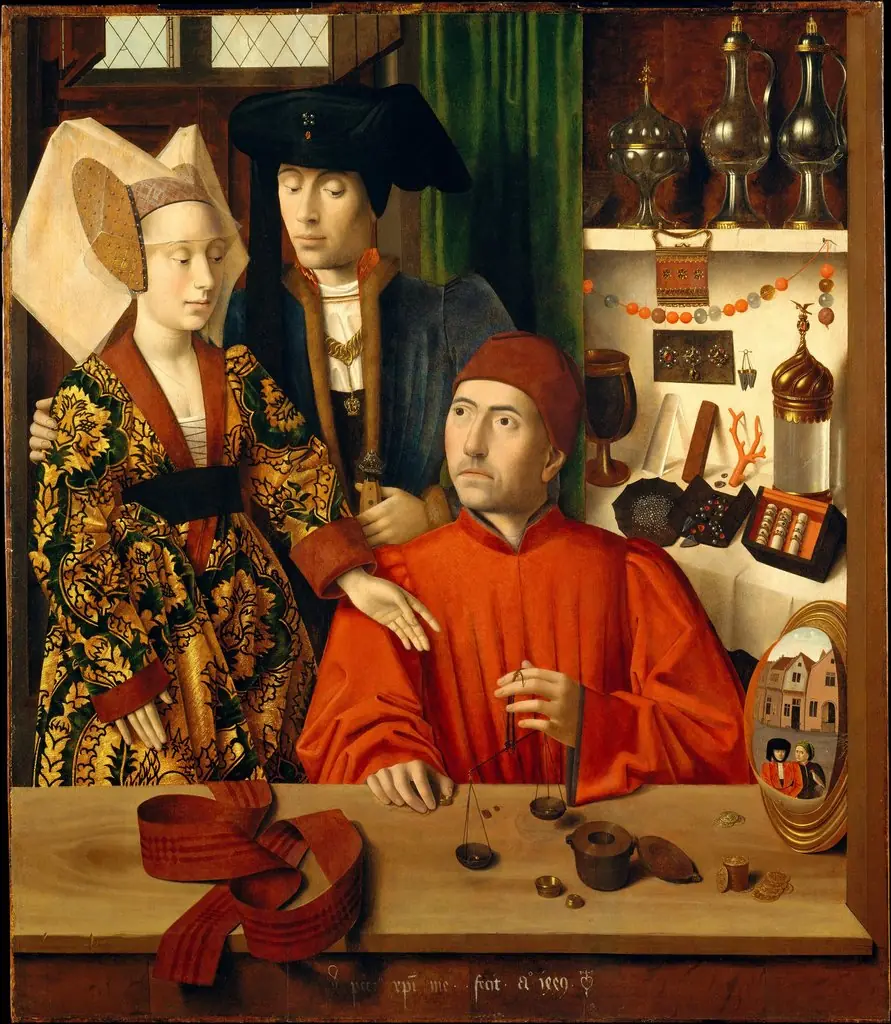 A Goldsmith in His Shop
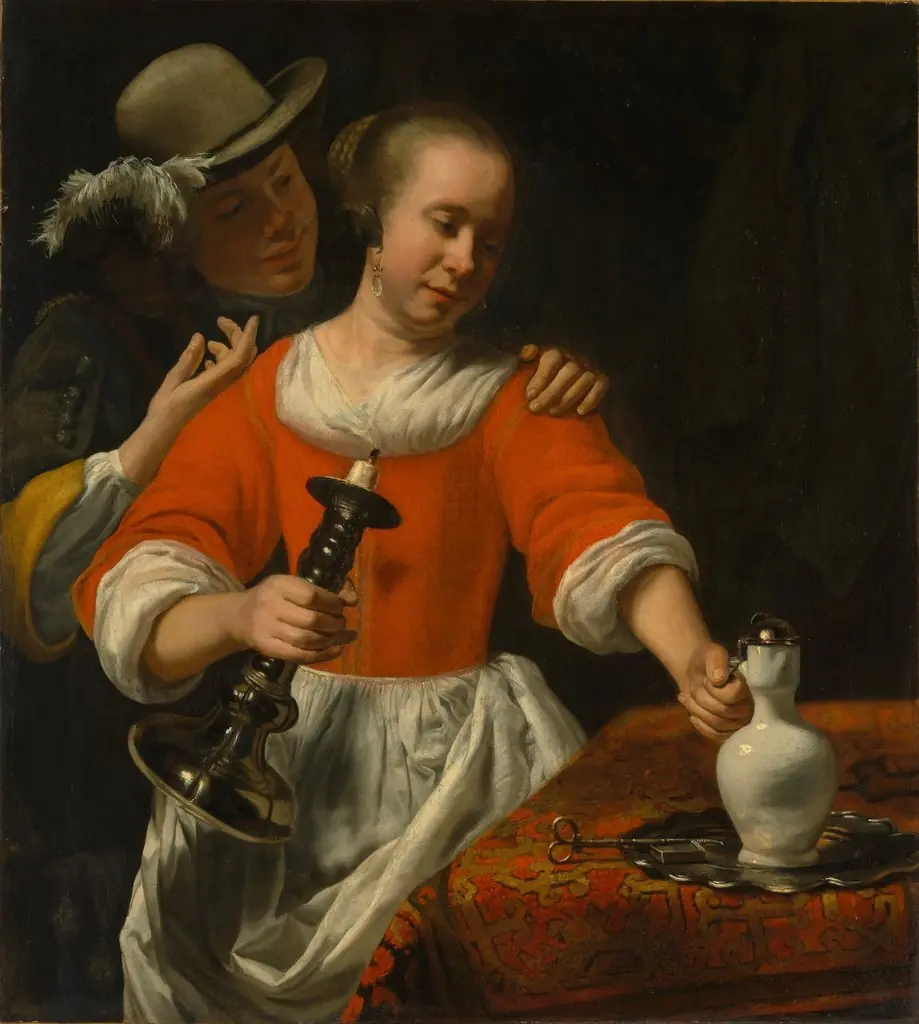 A Young Woman and a Cavalier
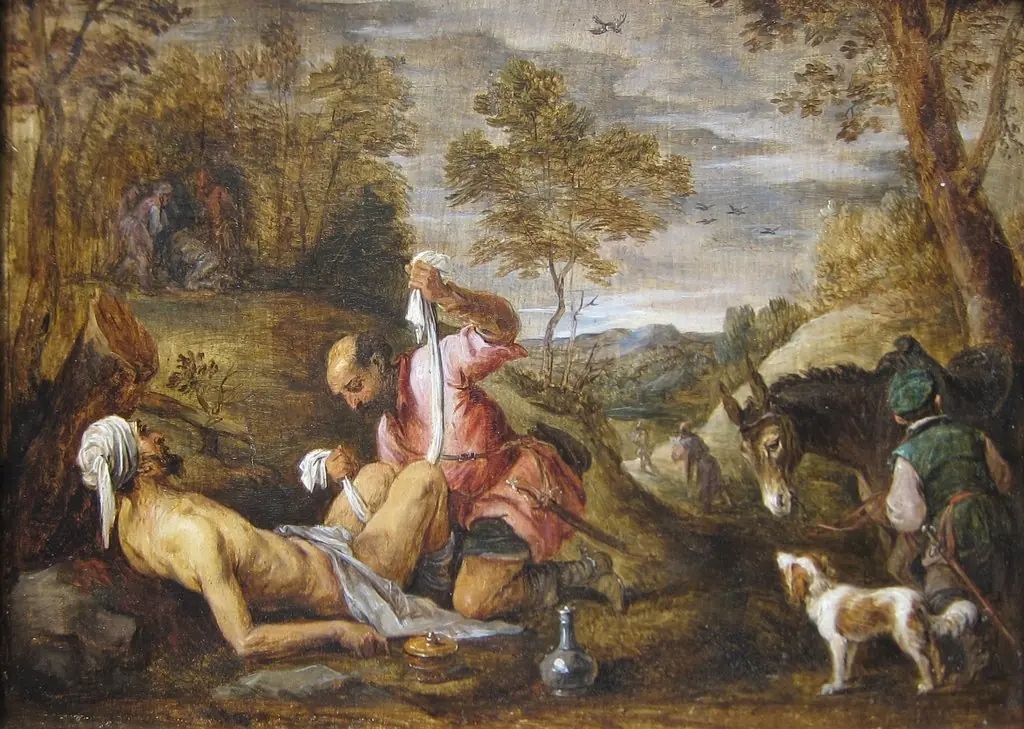 The Good Samaritan
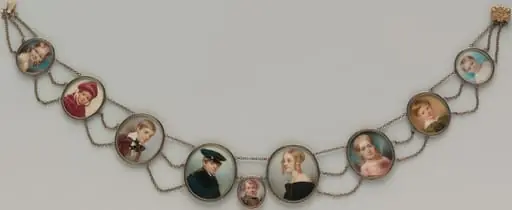 A Mother's Pearls
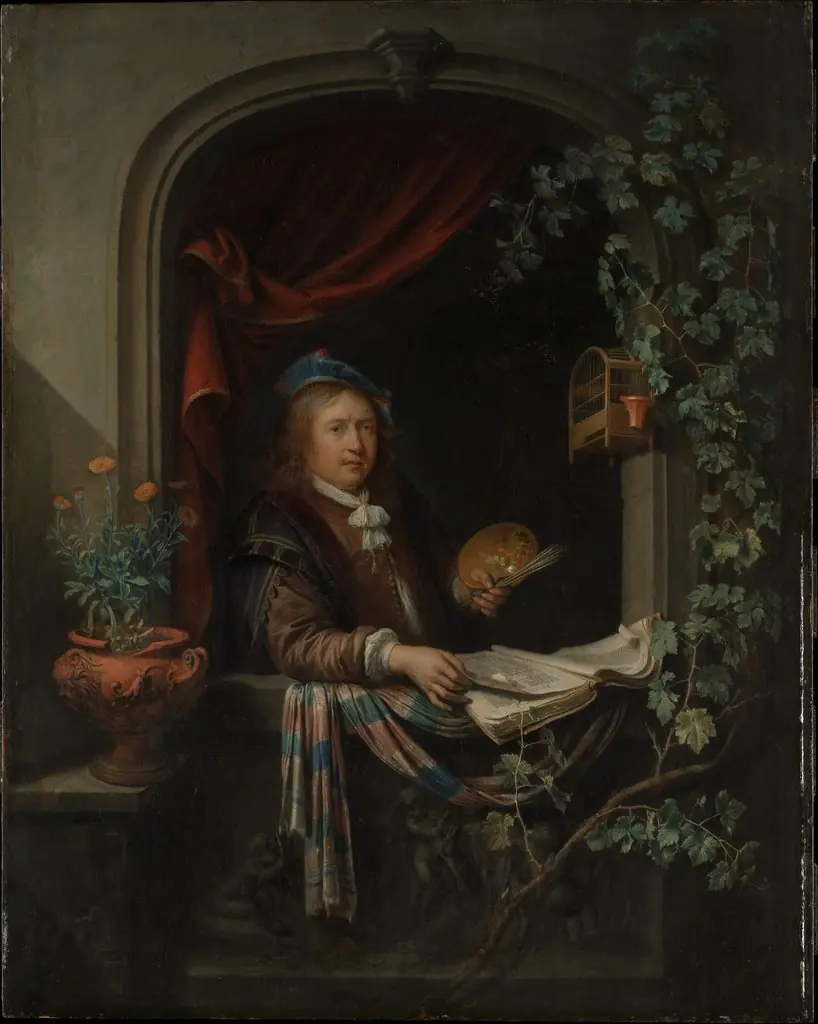 Self-Portrait
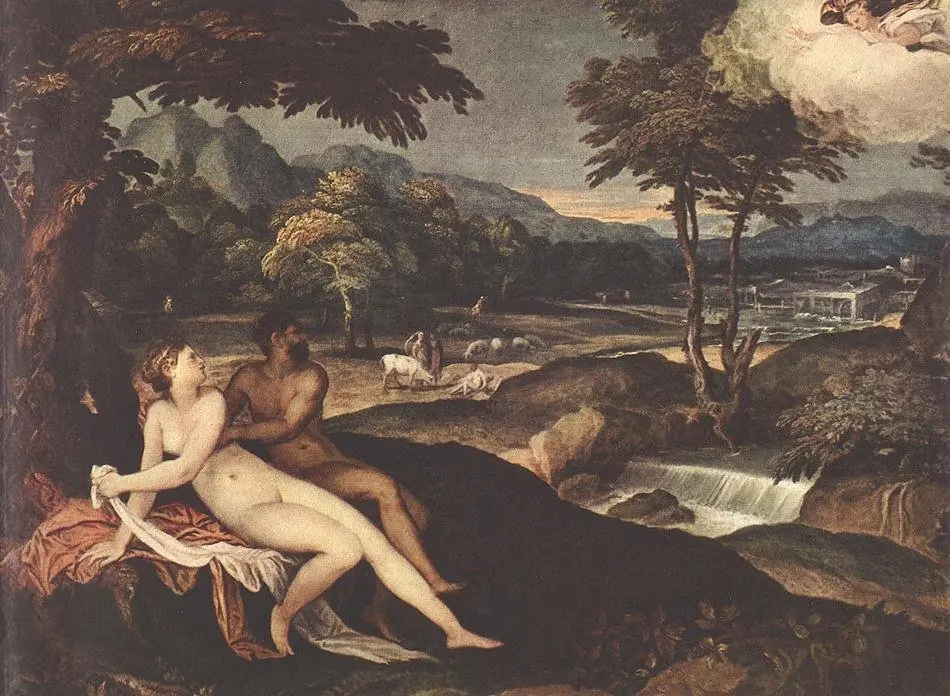 Landscape with Jupiter and Io
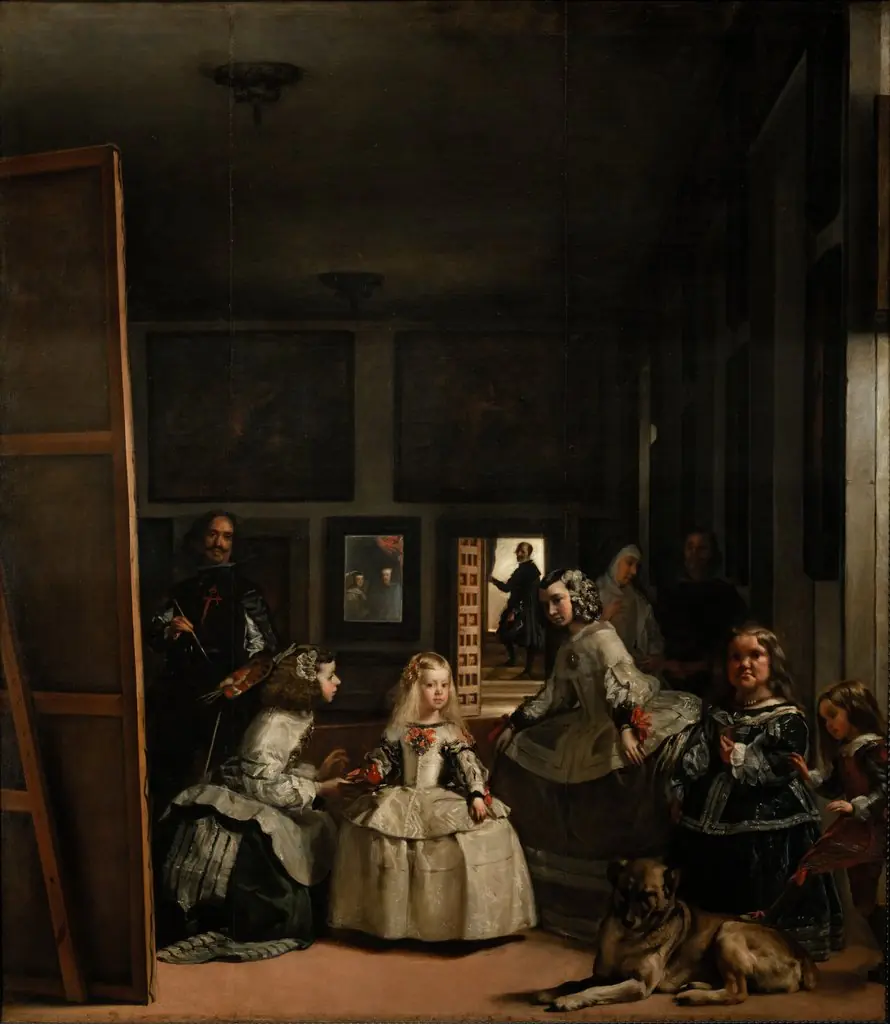 Las Meninas
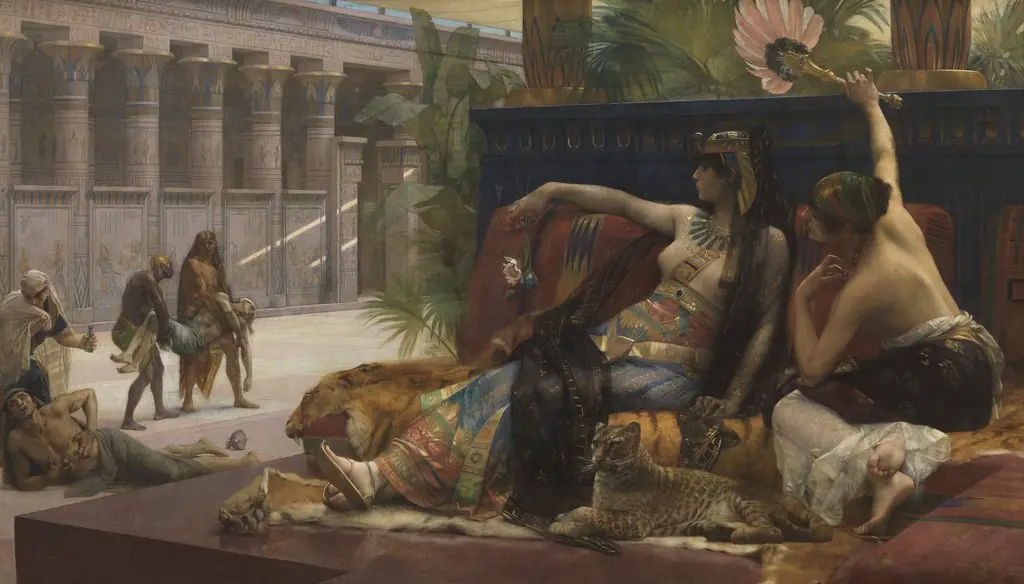 Cleopatra Testing Poisons on Condemned Prisoners
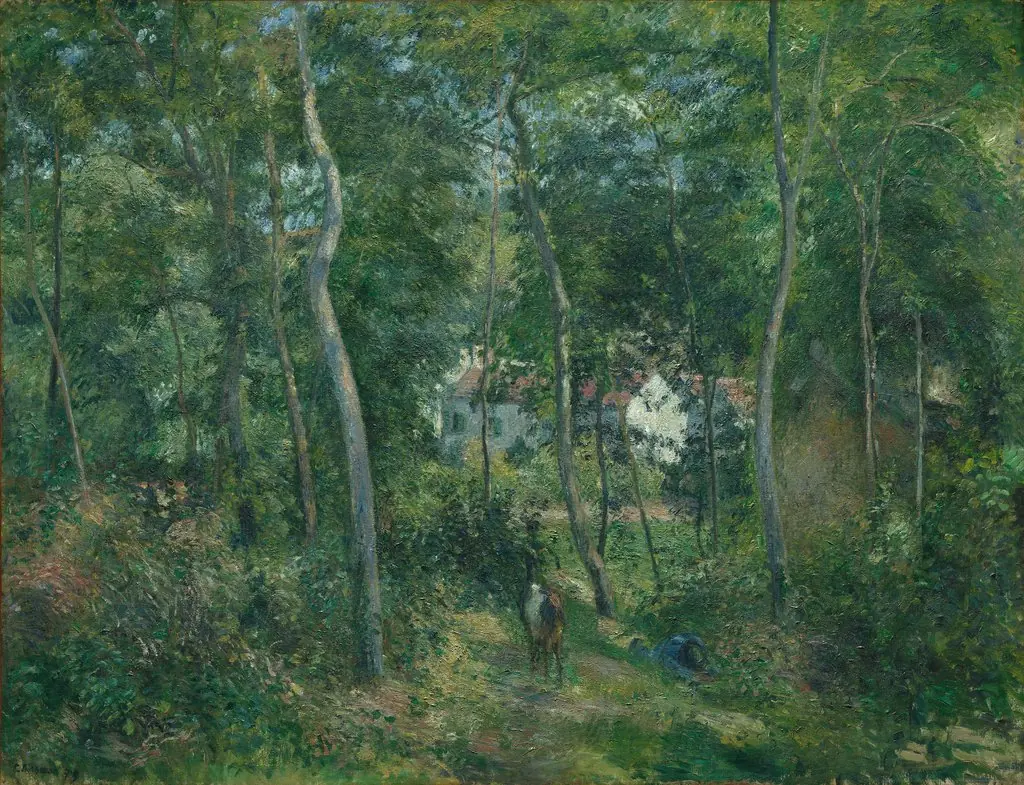 Edge of the Woods Near L'Hermitage, Pontoise
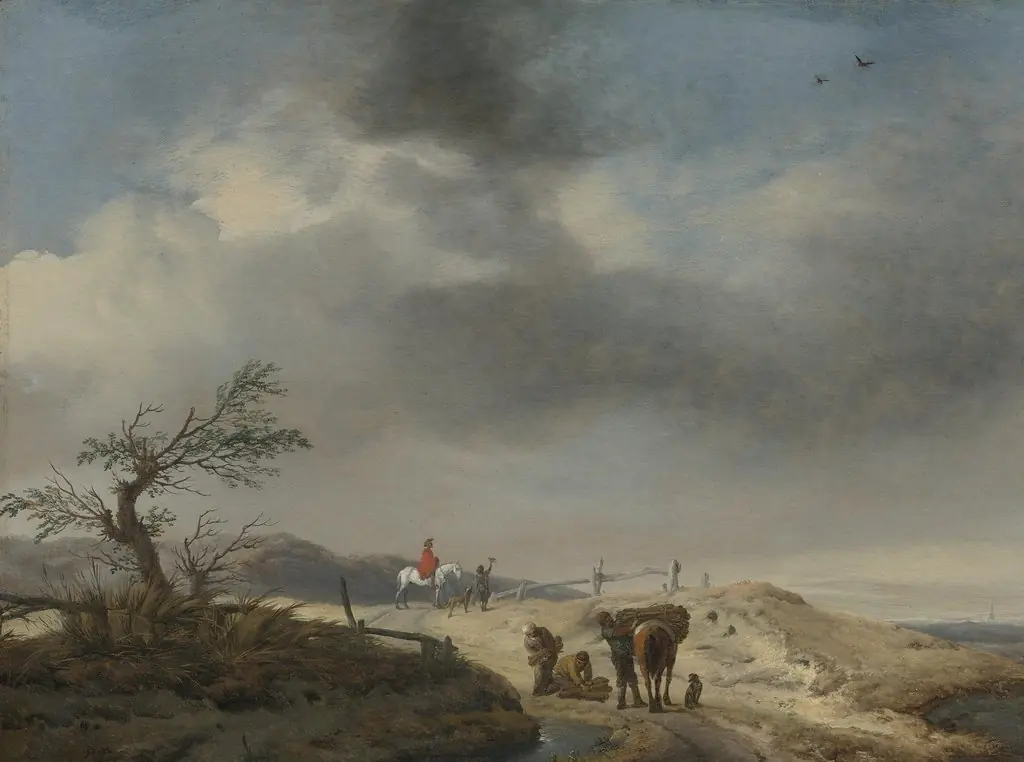 Dune Landscape with Figures
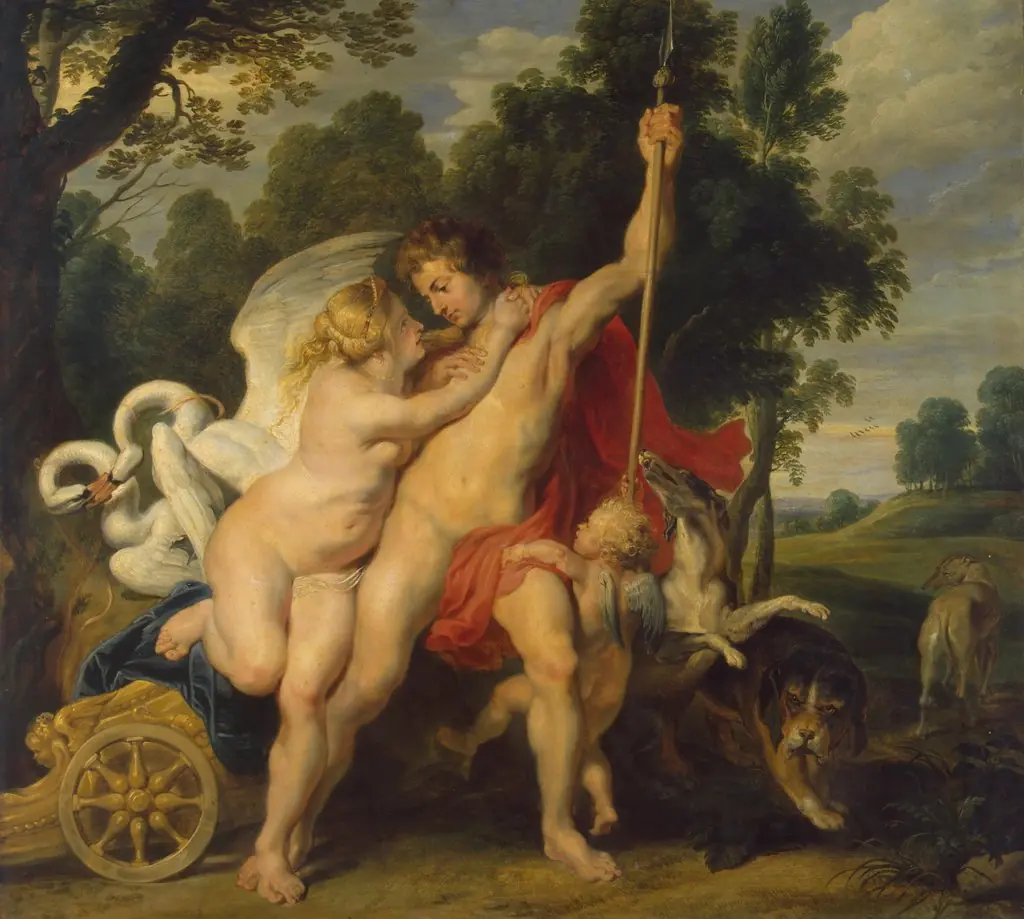 Venus and Adonis (Rubens, 1614)
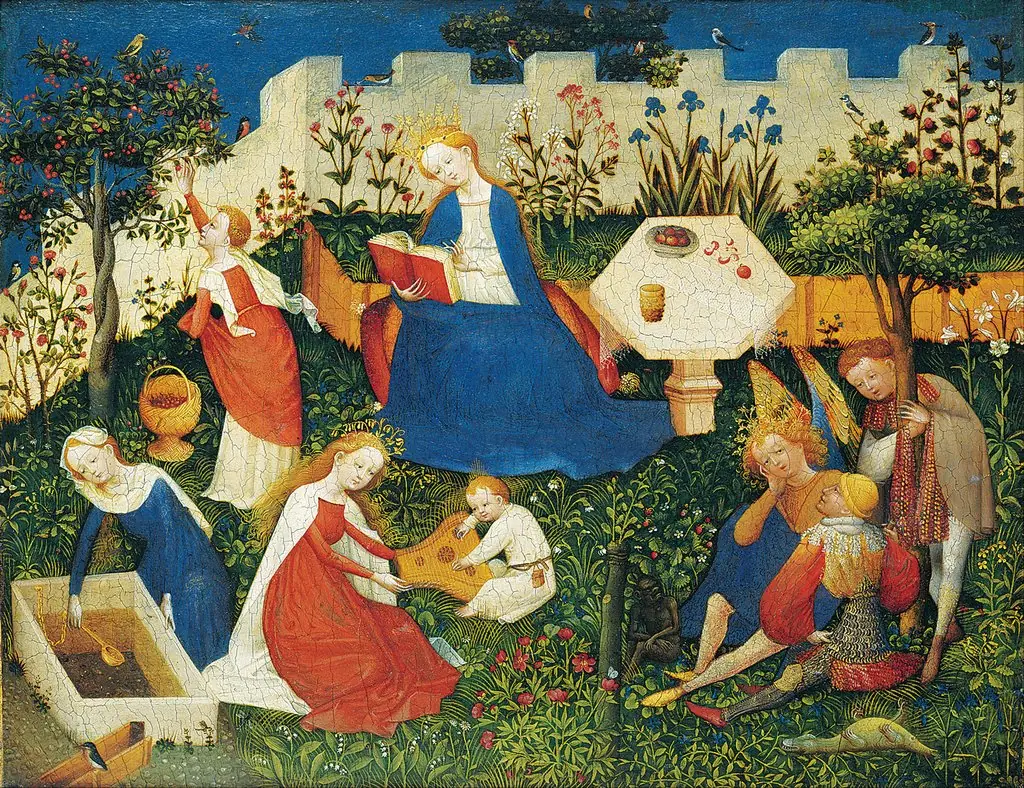 Paradiesgärtlein
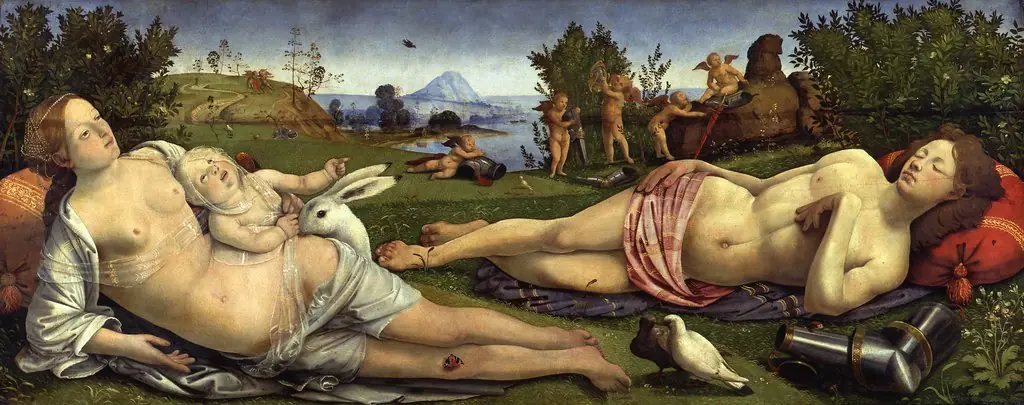 Venus, Mars and Cupid
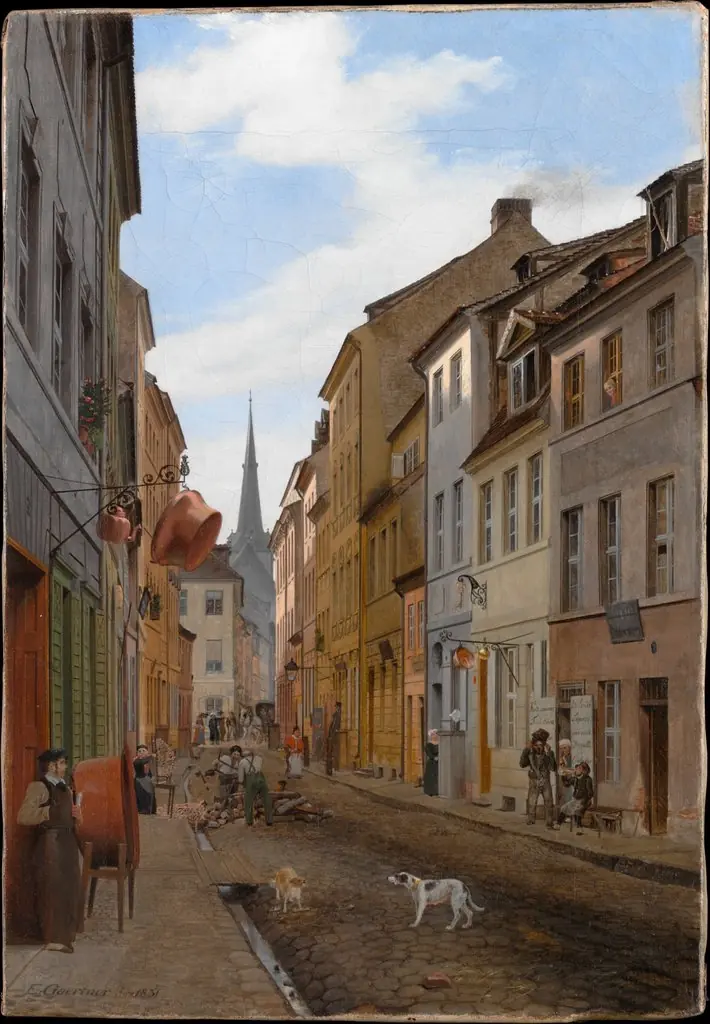 Parochialstrasse in Berlin
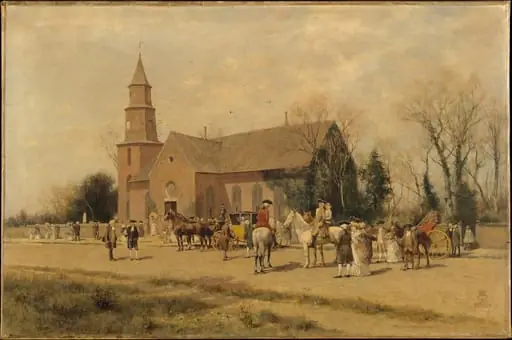 Old Bruton Church, Williamsburg, Virginia, in the Time of Lord Dunmore
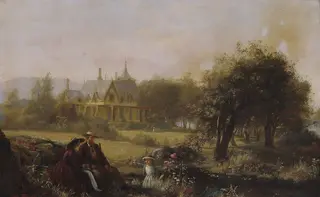 Summer Flowers
Frequently asked questions
What is Man?
Man is a subject in art. Humans (Homo sapiens, meaning 'thinking man' or 'wise man') are the most abundant and widespread species of primates, characterized by bipedality, hairlessness, and large, complex brains enabling the development of advanced technology, culture, and language.
How many Man works does Artifact World Gallery have?
Artifact World Gallery holds 200 public-domain Man works, all free to view and download.
Who are the key Man artists?
Key Man artists in the collection include Titian, Thomas Eakins and Paolo Veronese.
Where can I see Man works?
Man works in the collection are held by Metropolitan Museum of Art, Rijksmuseum and Hermitage Museum.