Artwork
Portret de bărbat
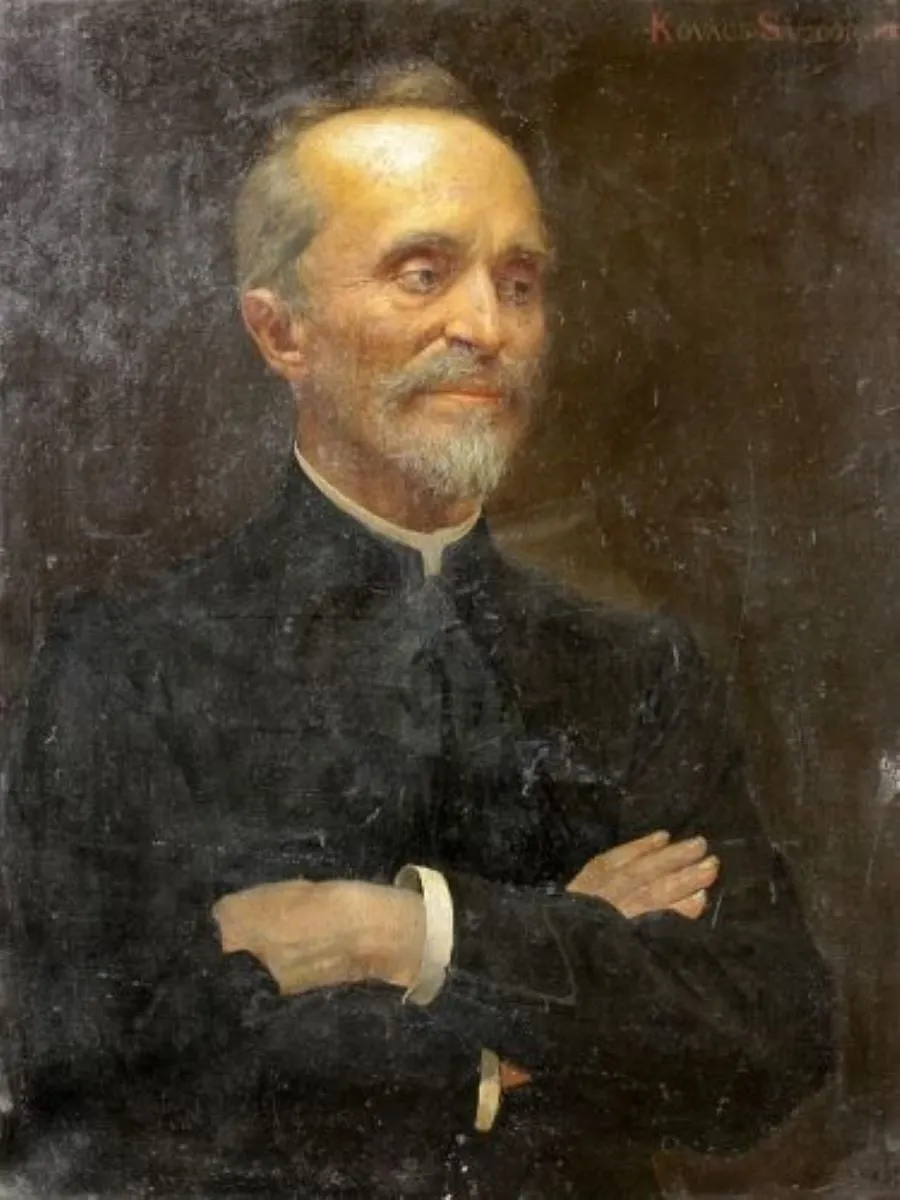
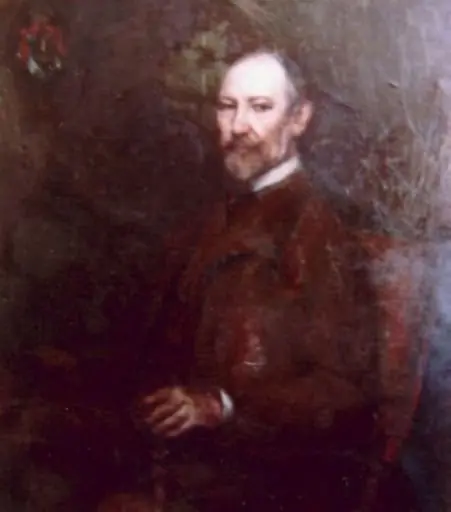
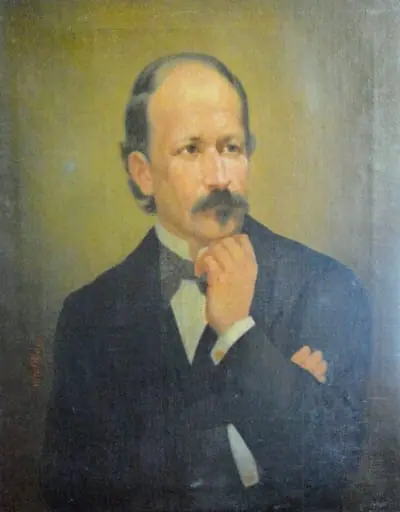
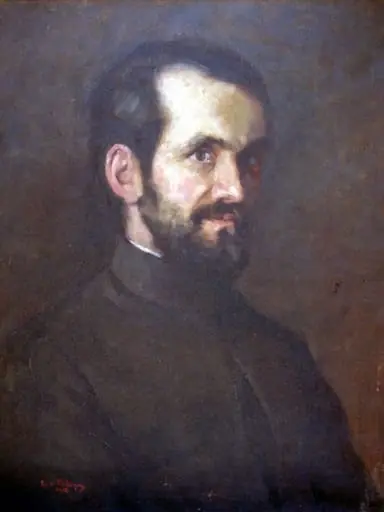
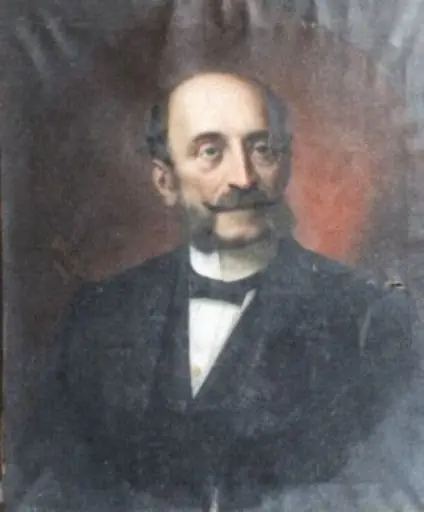
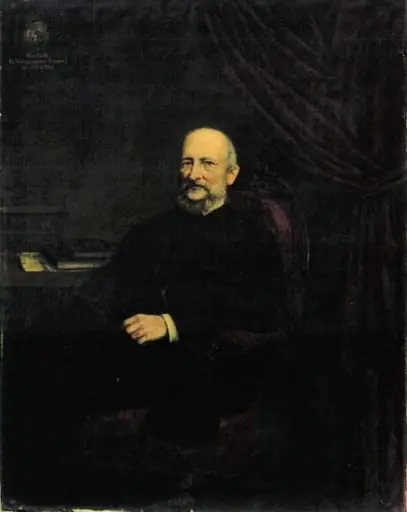
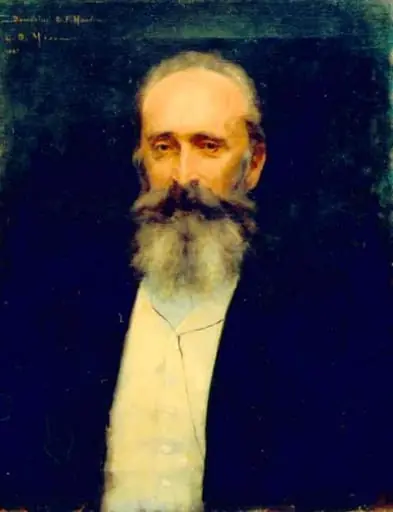
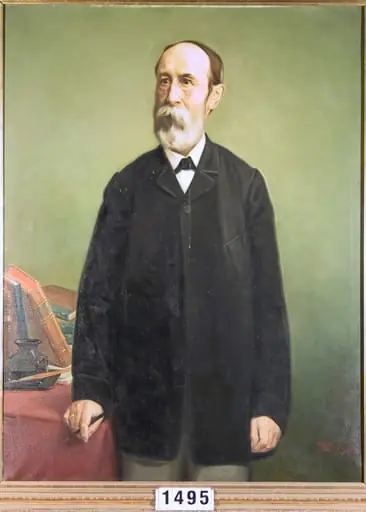
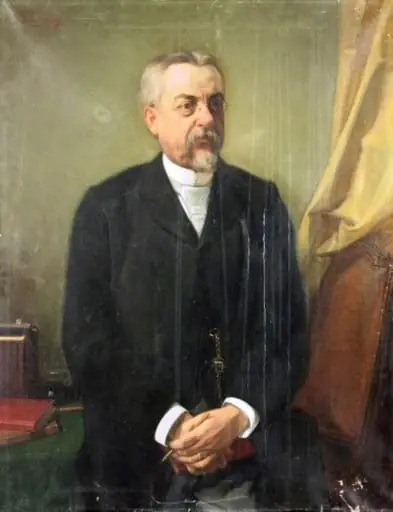
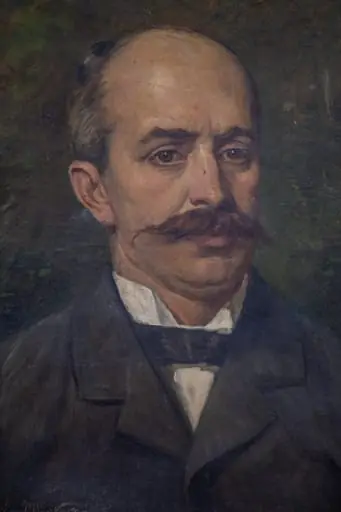
Portret de bărbat is an unspecified painting by the Academic Art artist Endre Gyárfás. It is held in the collection of the Museum of Art Cluj-Napoca. This portrait depicts an elderly man in a tightly framed composition, emphasizing his facial features and quiet demeanor.
About this work
Overview
This portrait depicts an elderly man in a tightly framed composition, emphasizing his facial features and quiet demeanor. Rendered in oil on panel, the work uses a dark, unadorned background to isolate the subject. Subtle surface wear suggests age and handling over centuries.
The lighting is carefully controlled to draw attention to the man’s expression and texture of skin, hair, and fabric.
Subject & Meaning
The serious gaze conveys introspection, possibly reflecting values of dignity and quiet endurance common in early modern portraiture.
The sitter is an older man with gray hair and a neatly trimmed beard, dressed in somber attire with a crisp white collar. His hands are folded in his lap, suggesting composure and restraint. The absence of symbols or context implies an emphasis on inner character rather than social status.
The serious gaze conveys introspection, possibly reflecting values of dignity and quiet endurance common in early modern portraiture.
Technique & Style
The artist employs chiaroscuro to model the face with strong contrasts between light and shadow, enhancing three-dimensionality. Brushwork is precise in rendering facial details and the texture of fabric, while the background remains flat and unmodulated. The palette is restrained, dominated by blacks, grays, and off-whites, reinforcing the portrait’s solemn tone and focusing attention on the subject’s presence.
History & Provenance
The painting’s origins are undocumented, but its style and materials align with Northern European traditions of the late 16th or early 17th century. Surface deterioration, including minor paint loss and varnish yellowing, indicates prolonged exposure to environmental conditions. No known records trace its early ownership, though its intimate scale suggests it was likely a private commission rather than a public display.
Context
During the period when this portrait was made, secular portraiture flourished in regions like the Netherlands and Germany, where middle-class patrons sought images that conveyed personal dignity without overt wealth. Artists favored restrained compositions and psychological depth over ornamentation. This work reflects that trend, prioritizing the individual’s inner life over external markers of status.
Legacy
Though unsigned and unattributed, the portrait exemplifies the quiet power of early modern psychological portraiture. Its emphasis on light, texture, and expression influenced later generations of artists exploring human character through minimal means. It remains a representative example of how everyday individuals were rendered with gravity and attention in an era increasingly focused on individual identity.
Artist & collection
Artist
Endre Gyárfás made portraits that feel quietly alive. One of them, Portret de bărbat, shows a man in a dark coat against a neutral background, his face lit just enough to catch the curve of his cheek and the sharp line…