Movement
Academic Art
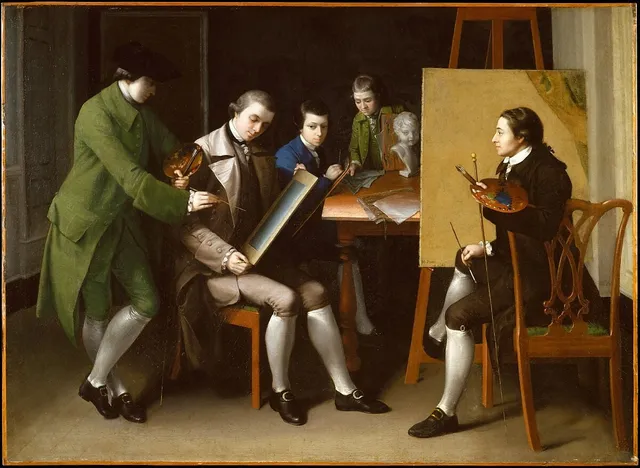
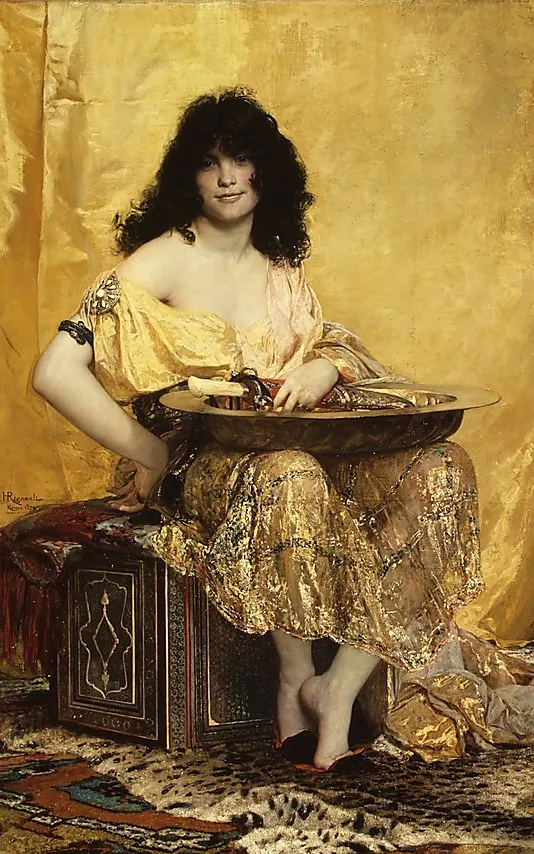
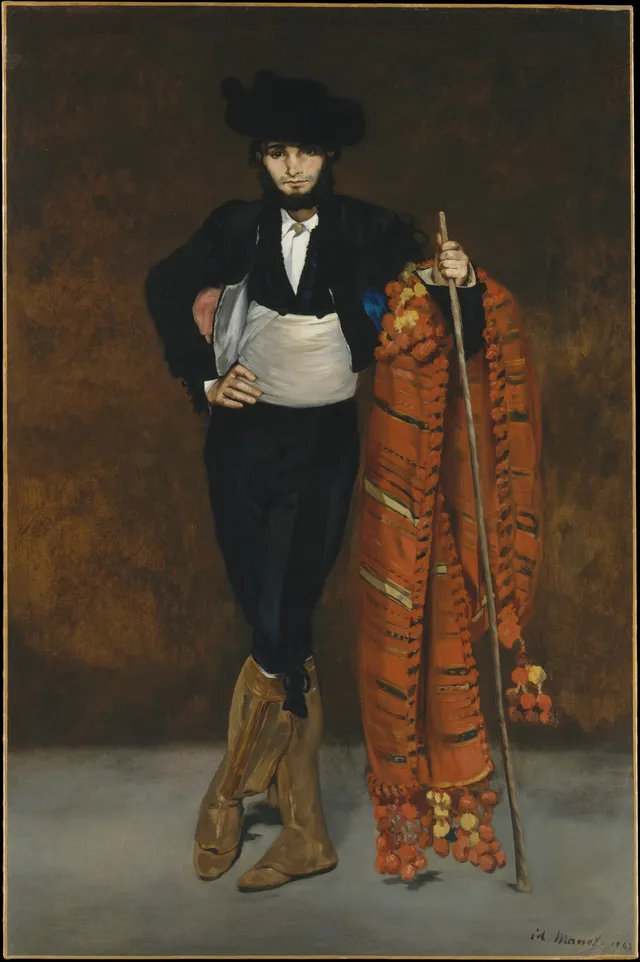
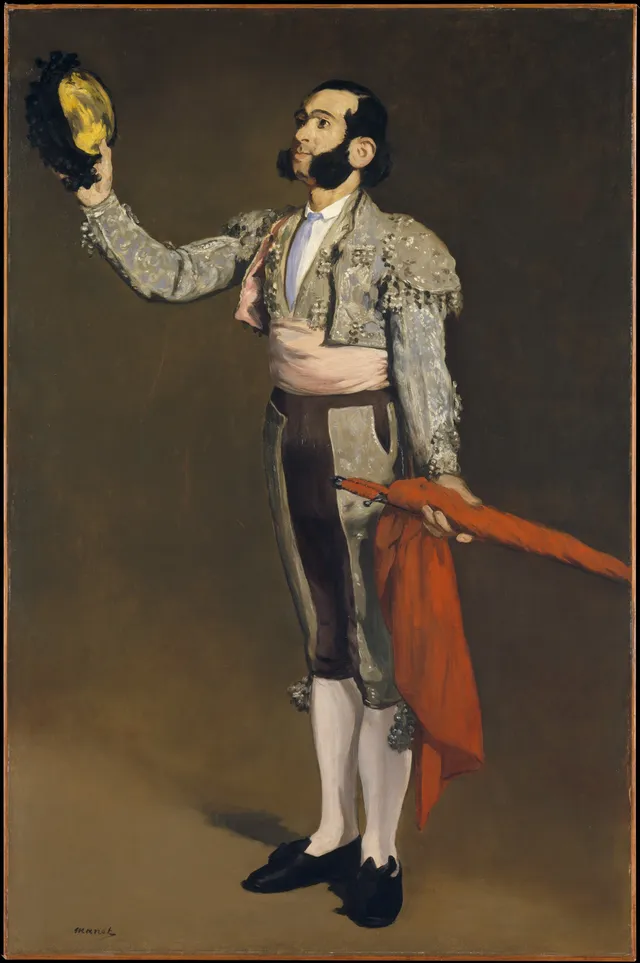
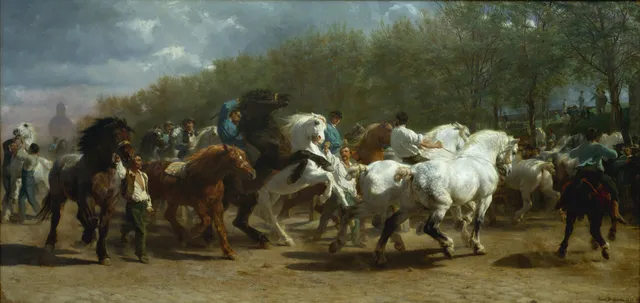
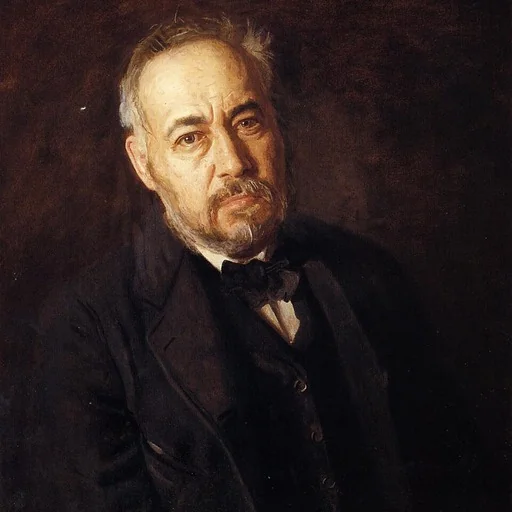
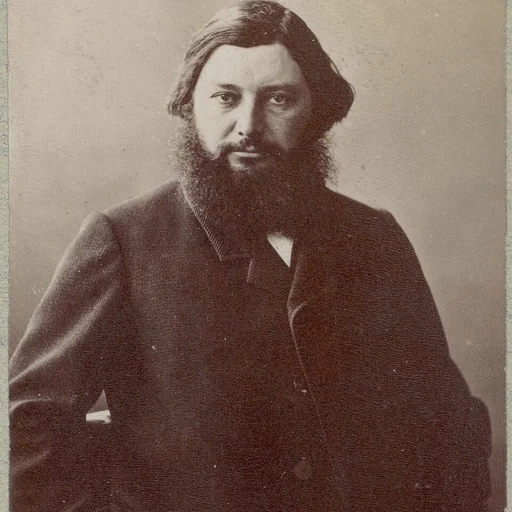
Academic Art is an art movement. The gallery holds 325 works in this movement, including works by Thomas Eakins, Jean Baptiste Camille Corot and Gustave Courbet. Browse Academic Art paintings, portraits, pictures and artworks from the world's public-domain museum collections.
Academic art is the style of painting and sculpture produced by, or under the influence of, the official European academies of art, the institutions that trained artists and set the standards of taste from the late Renaissance to the early twentieth century. Its roots lie in the Italian academies of the mid-sixteenth century, but its decisive form was French: the Académie Royale de Peinture et de Sculpture, founded in Paris in 1648, established a curriculum, a competitive culture, and an exhibition system that would govern Western art for generations. The Académie founded the prestigious Prix de Rome in 1663 and inaugurated its public Salon in 1667; its teaching school, reorganized and renamed the École des Beaux-Arts in 1863, remained the most influential art school in the world. Academic art reached its apogee in the nineteenth century, after the Napoleonic Wars, when the Salon was the central arena of artistic reputation.
The academic method rested on rigorous drawing, study of anatomy, perspective, and the human figure from the live model, and reverence for the classical art of Greece and Rome and the Old Masters. It enforced a strict hierarchy of genres, with elevated history painting—biblical, mythological, and historical narrative—at the summit, followed by portraiture, genre scenes, landscape, and still life. The resulting pictures prize highly finished surfaces, polished modeling, idealized form, and seamless, near-invisible brushwork, often deployed in service of erudite subjects or sensuous mythological nudes.
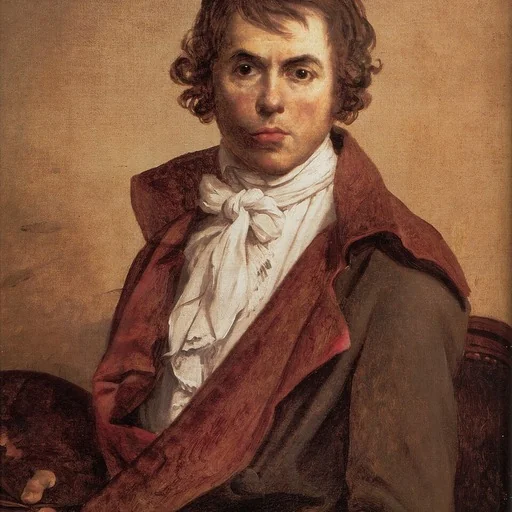
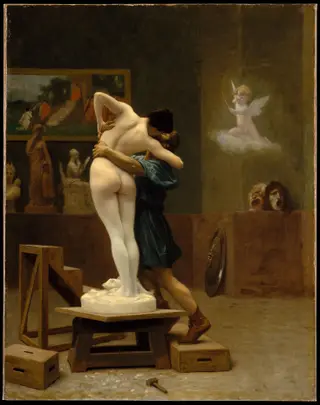
The canon runs from the Neoclassicism of Jacques-Louis David and the linear perfectionism of Jean-Auguste-Dominique Ingres to the High Victorian masters of the Third Republic. William-Adolphe Bouguereau so dominated the period that contemporaries spoke of "le Salon Bouguereau," while Alexandre Cabanel's Birth of Venus (1863) was bought by Napoleon III himself. Jean-Léon Gérôme excelled in history and Orientalist subjects—his Pygmalion and Galatea is a virtuoso treatment of the myth—and Pierre-Auguste Cot, pupil of Bouguereau and Cabanel, produced the much-loved The Storm.
Academic art's authority bred its own opposition. The Salon des Refusés of 1863, which showed work the jury rejected, including Édouard Manet, became a flashpoint that launched Impressionism, whose loose handling and modern subjects directly repudiated academic finish and the genre hierarchy. Long dismissed as conservative "pompier" painting, academic art has been substantially rehabilitated, its technical mastery once again admired beside the avant-garde it once resisted.
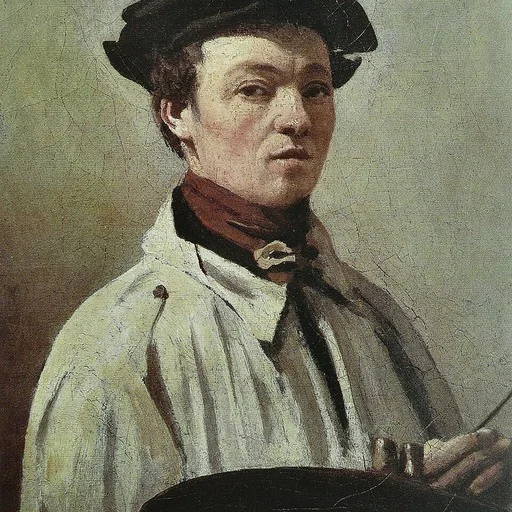
Key artists
Works
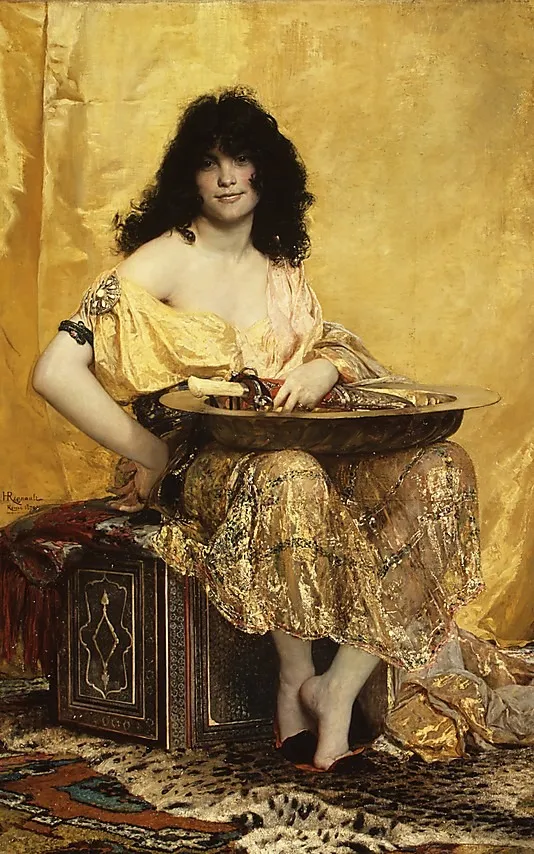
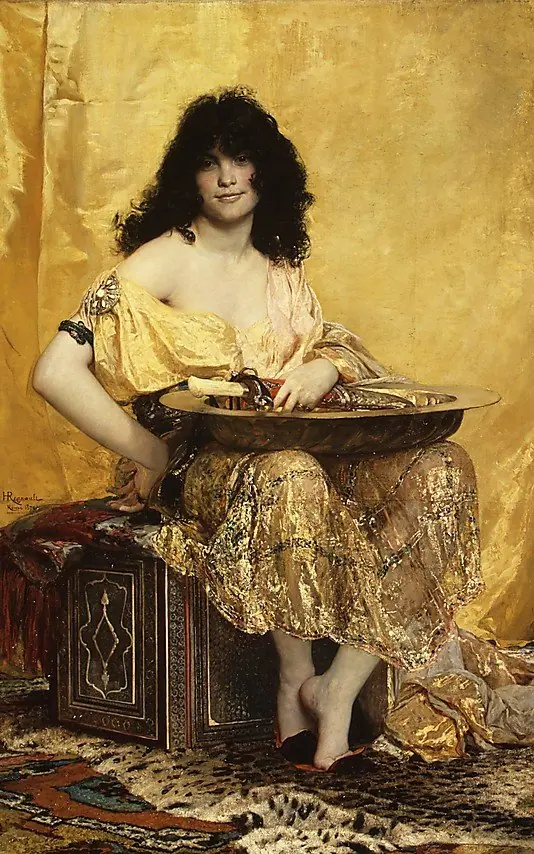 Salome
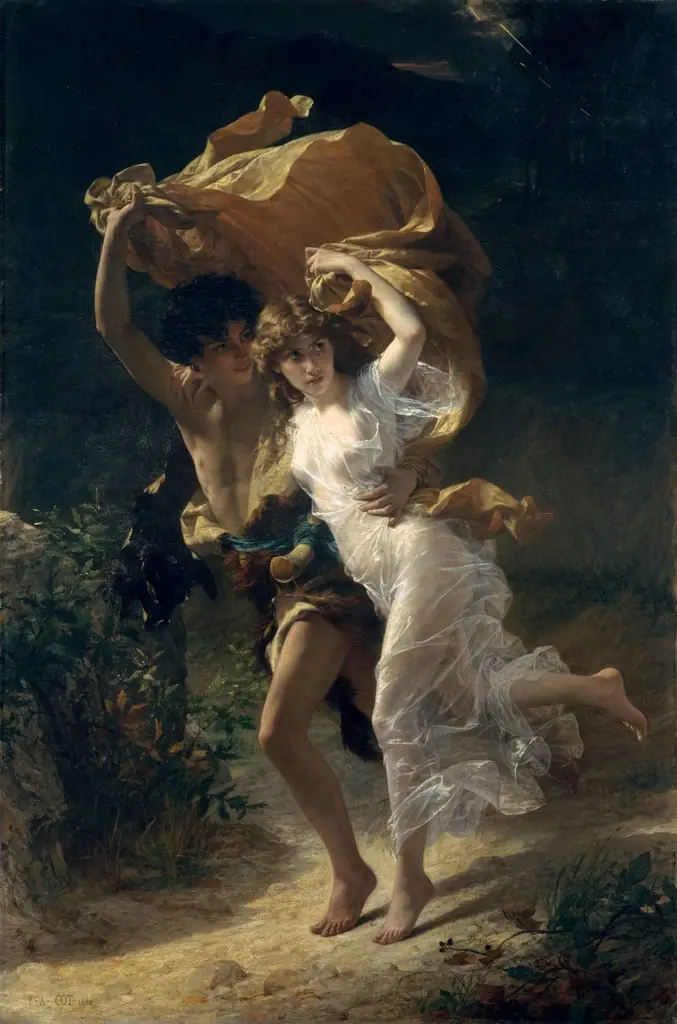 The Storm
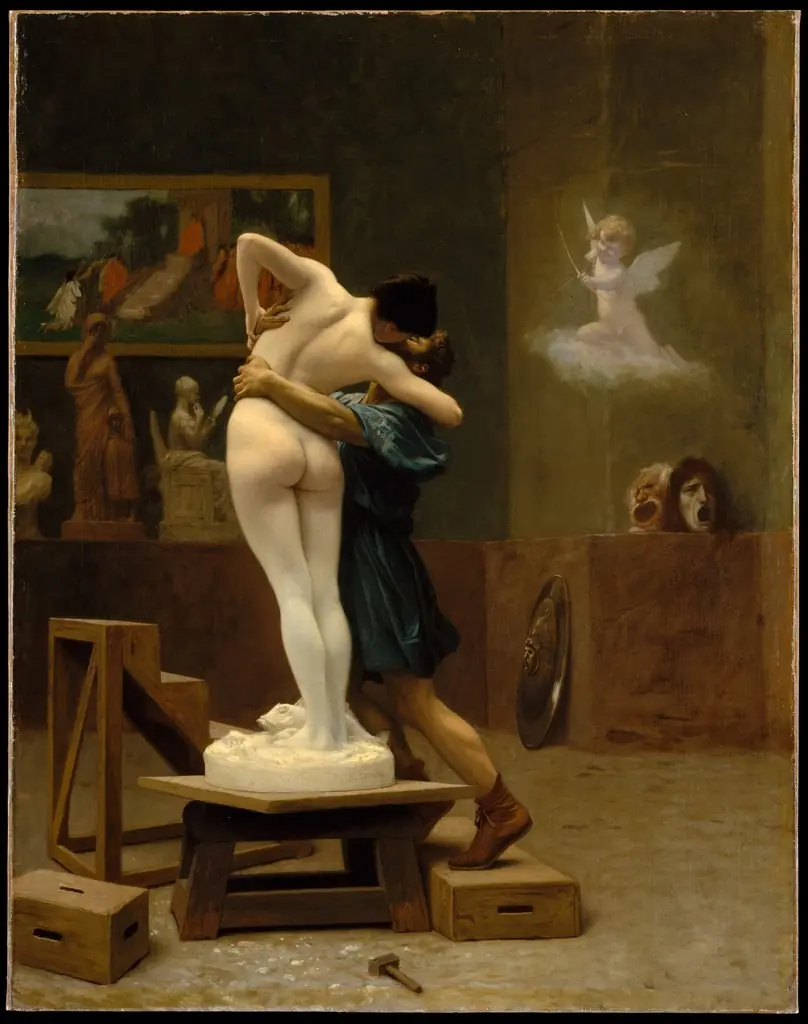 Pygmalion and Galatea
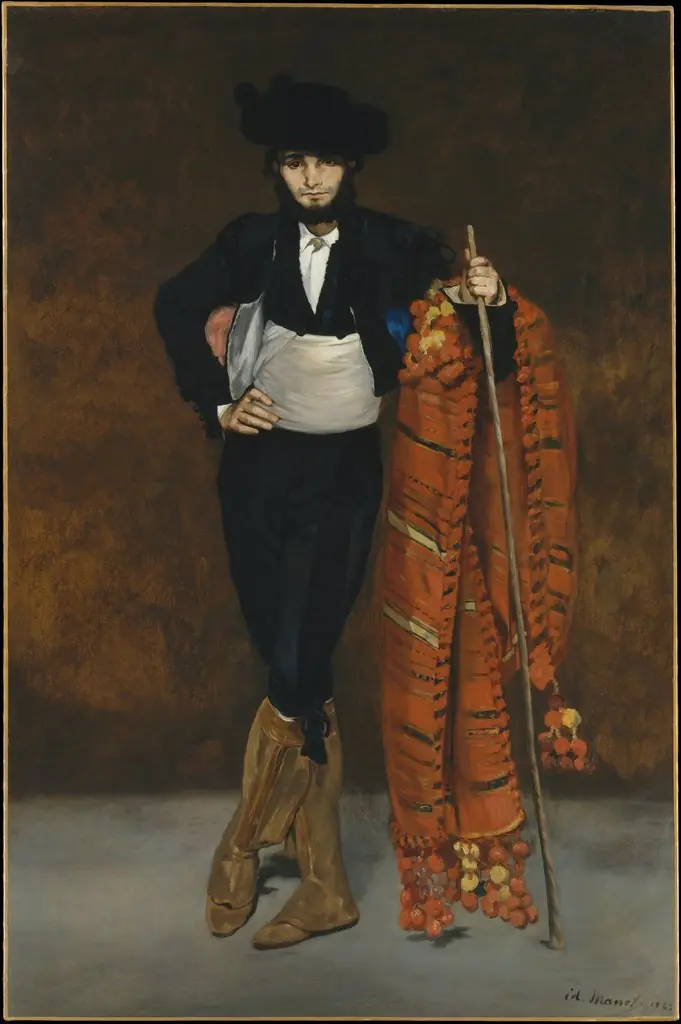 Young man in Mayo costume
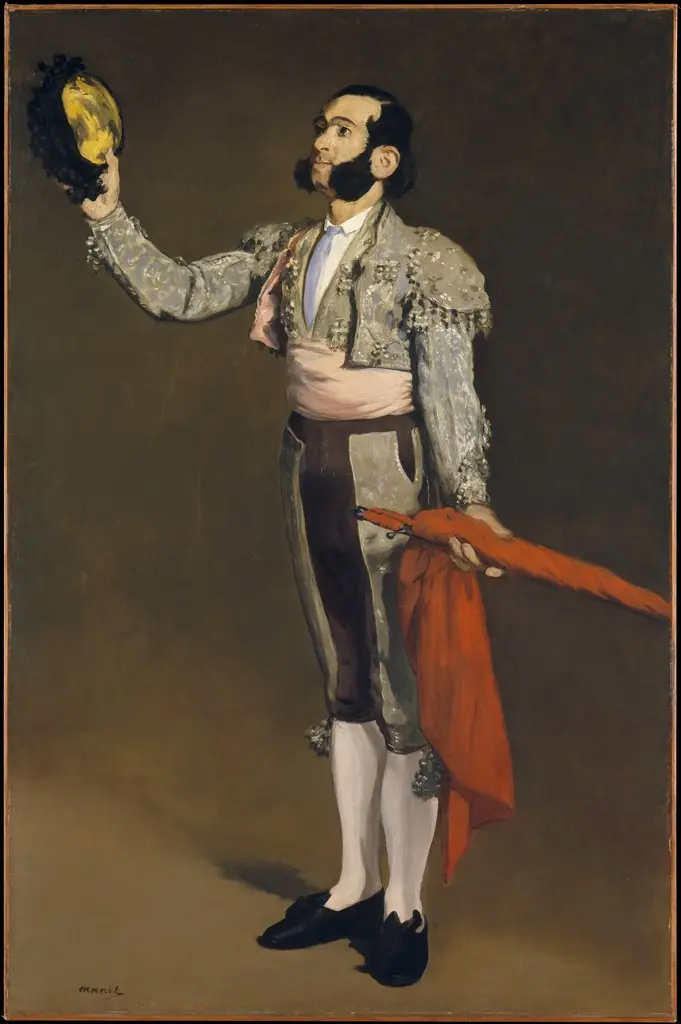 The Matador Saluting
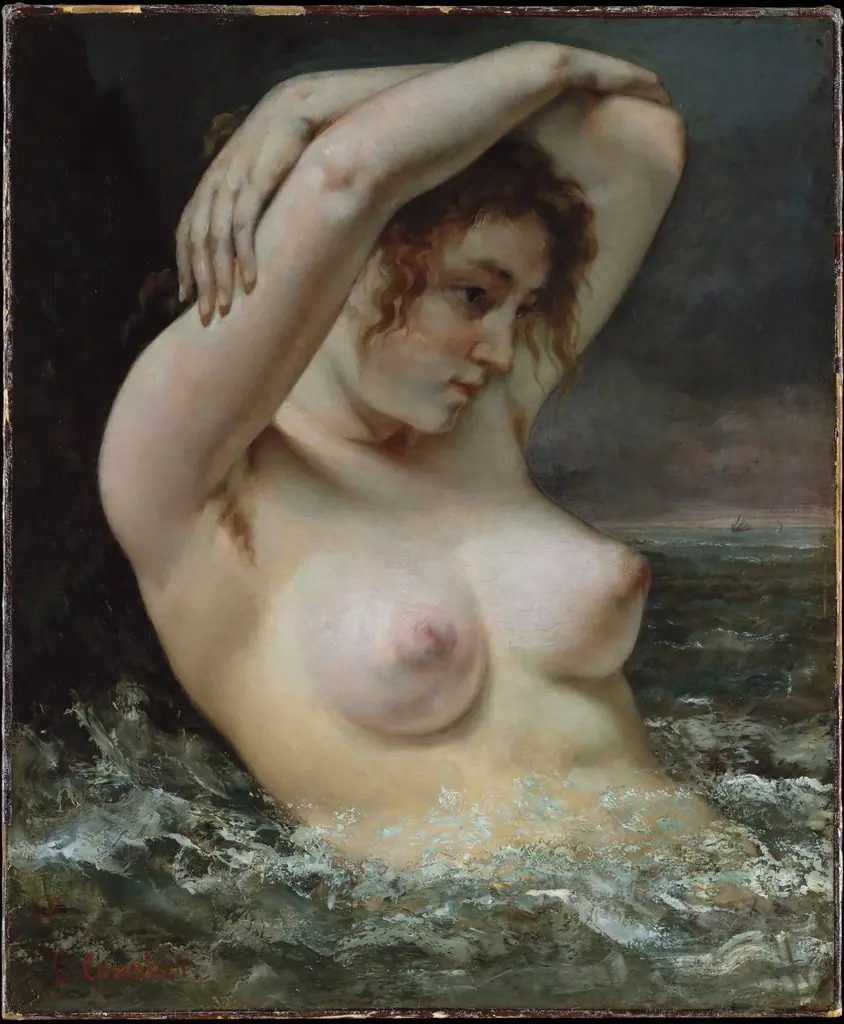 The Woman in the Waves
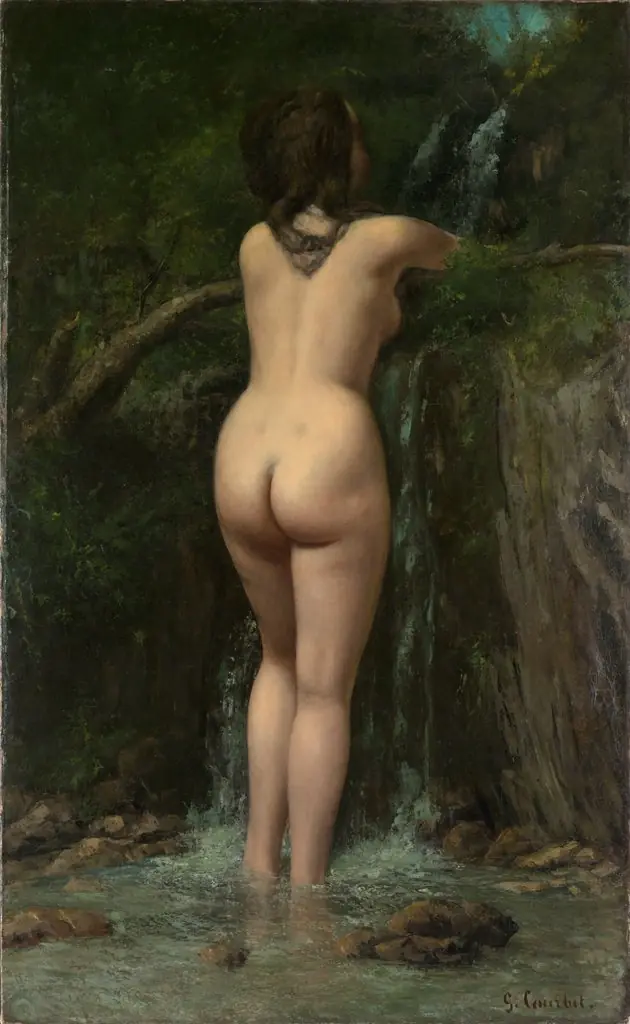 The Source
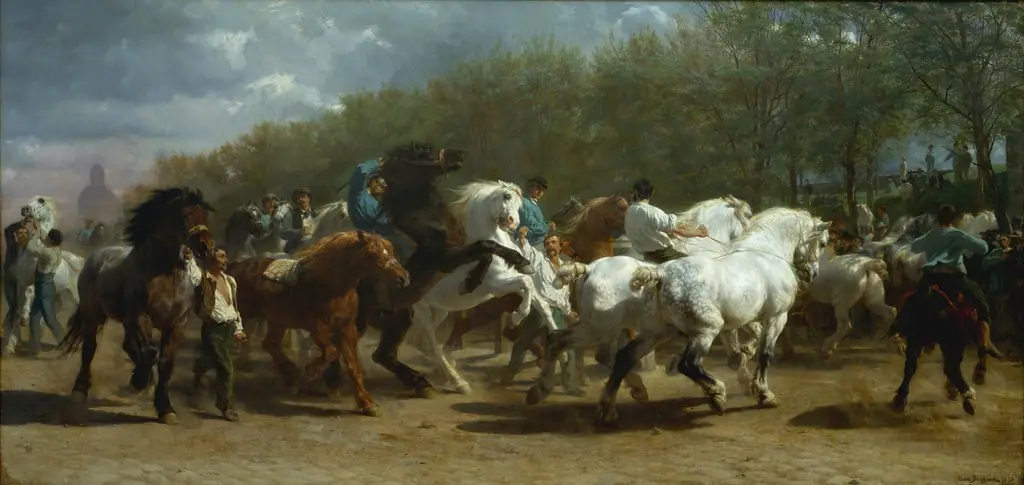 The Horse Fair
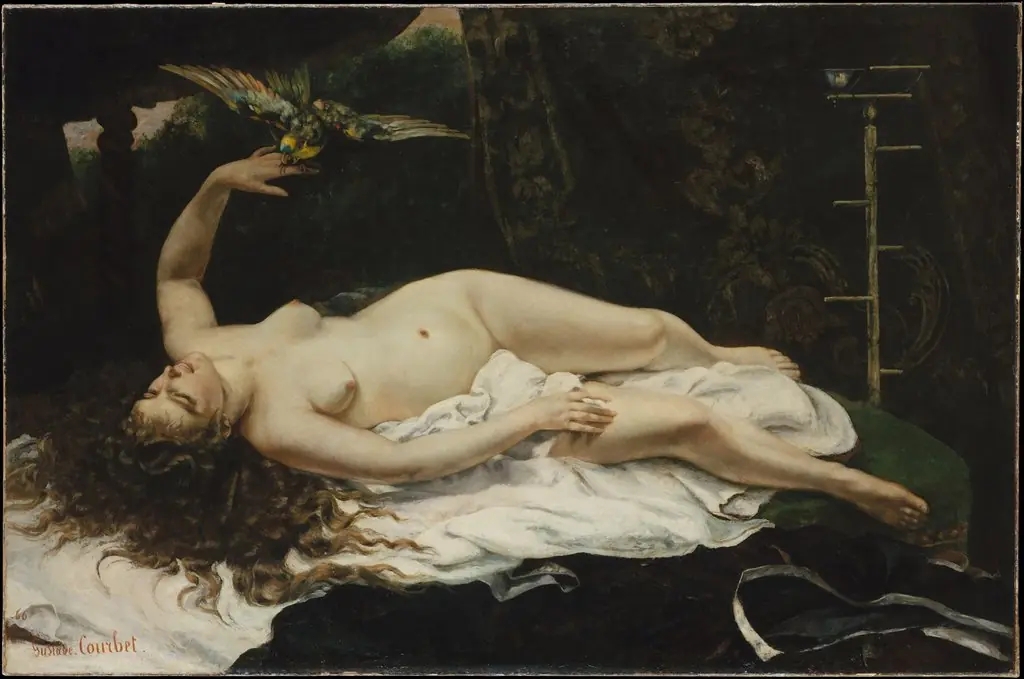 Woman with a Parrot
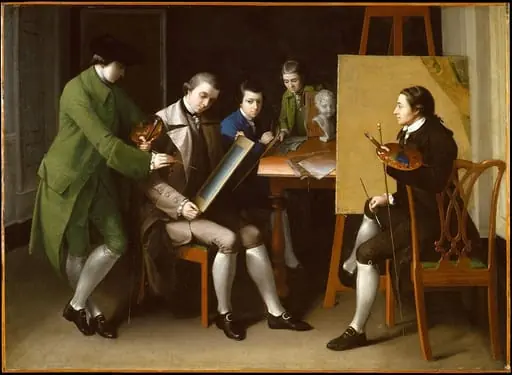 The American School
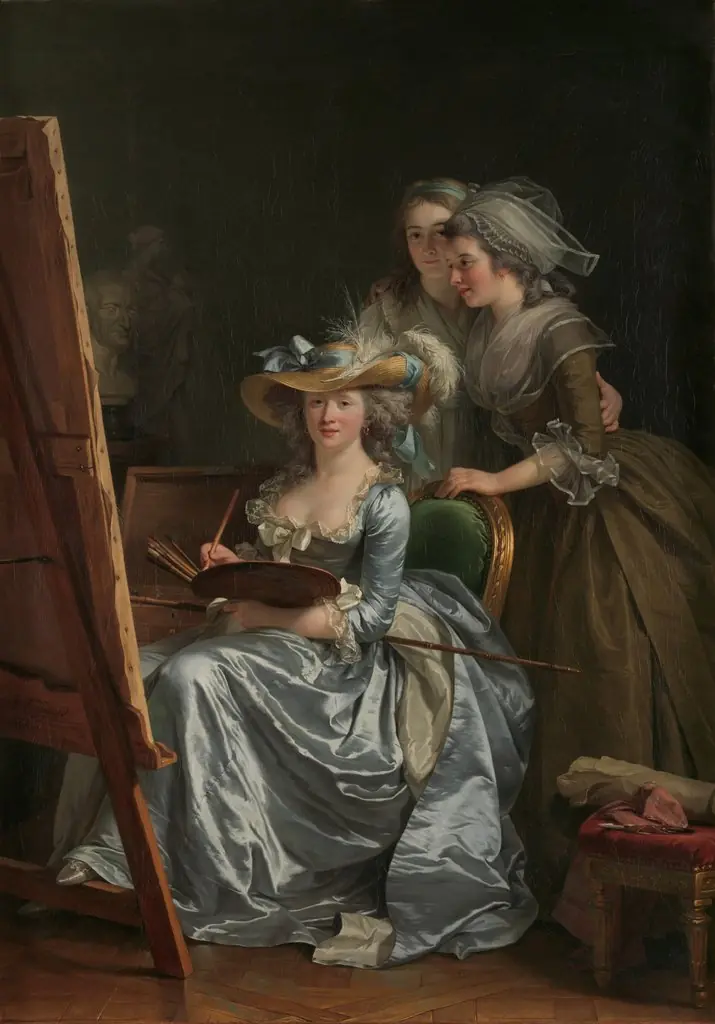 Self-Portrait with Two Pupils
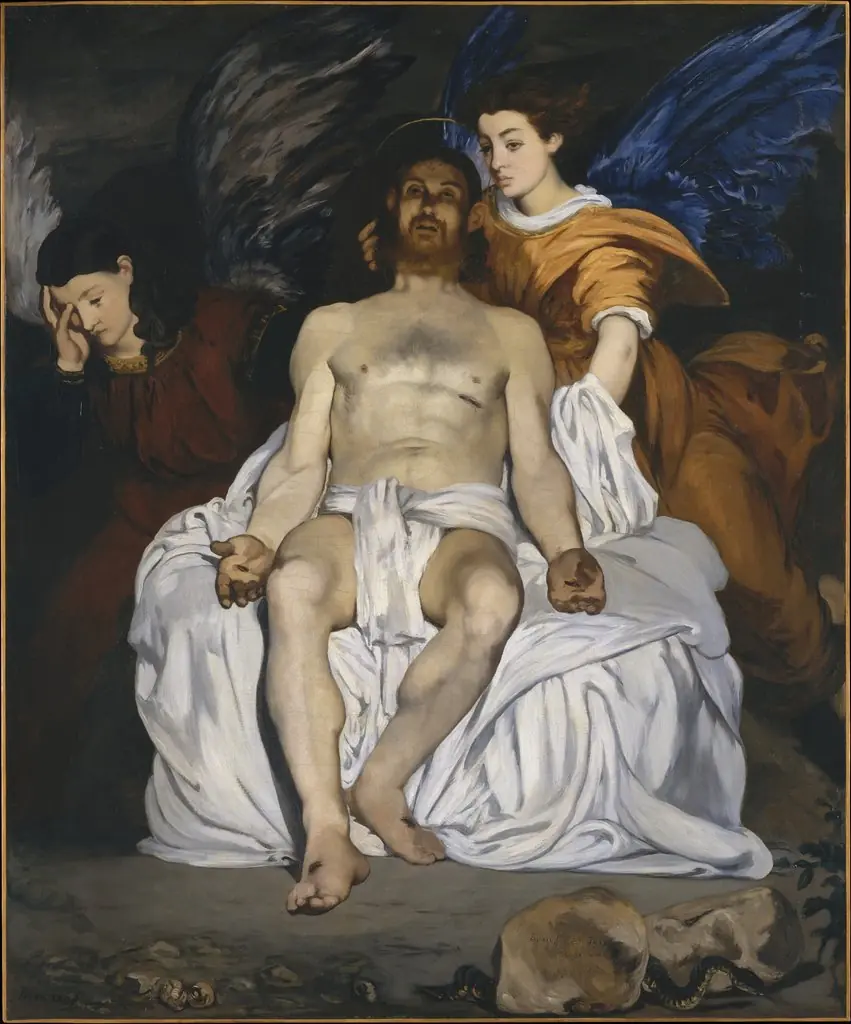 The Dead Christ with Angels
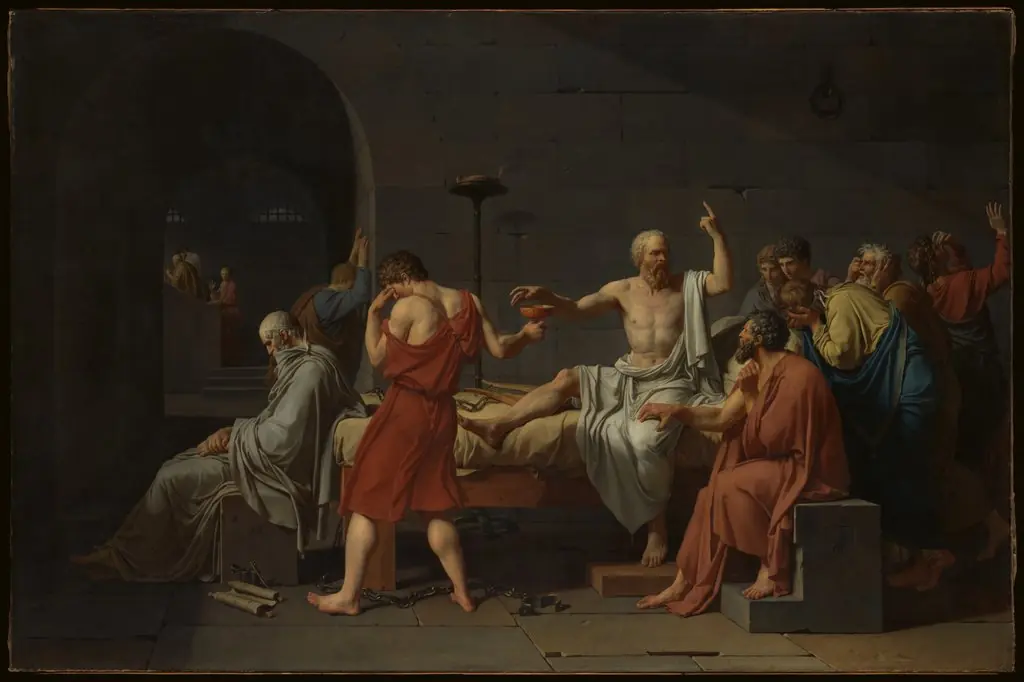 The Death of Socrates
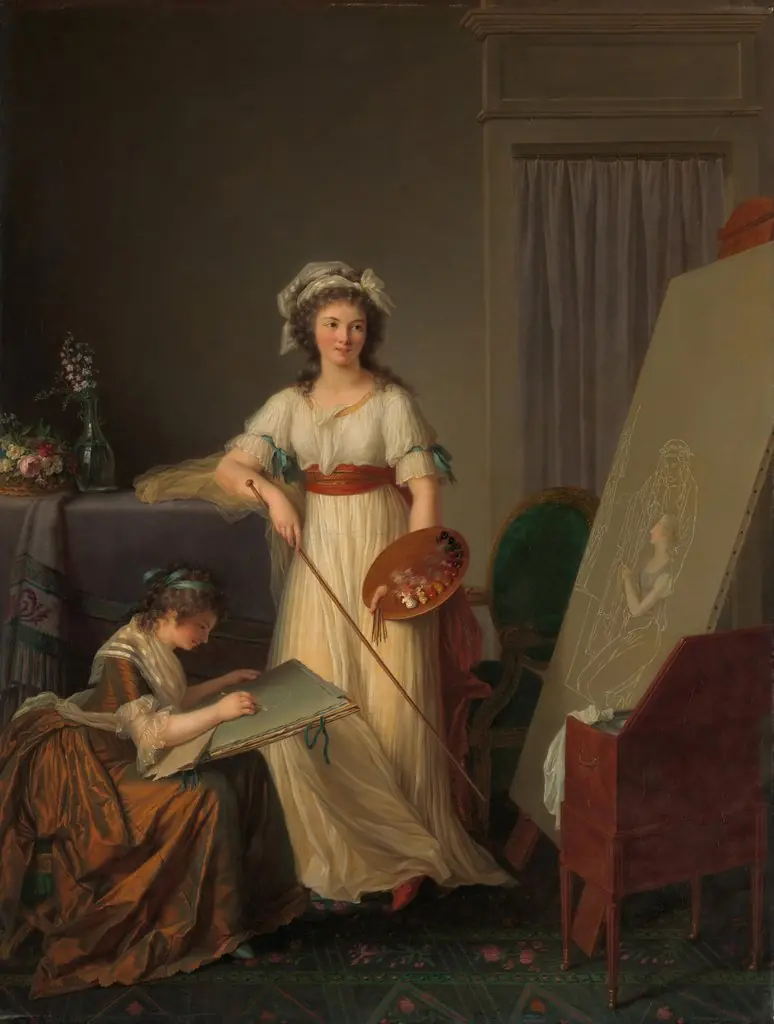 The Interior of an Atelier of a Woman Painter
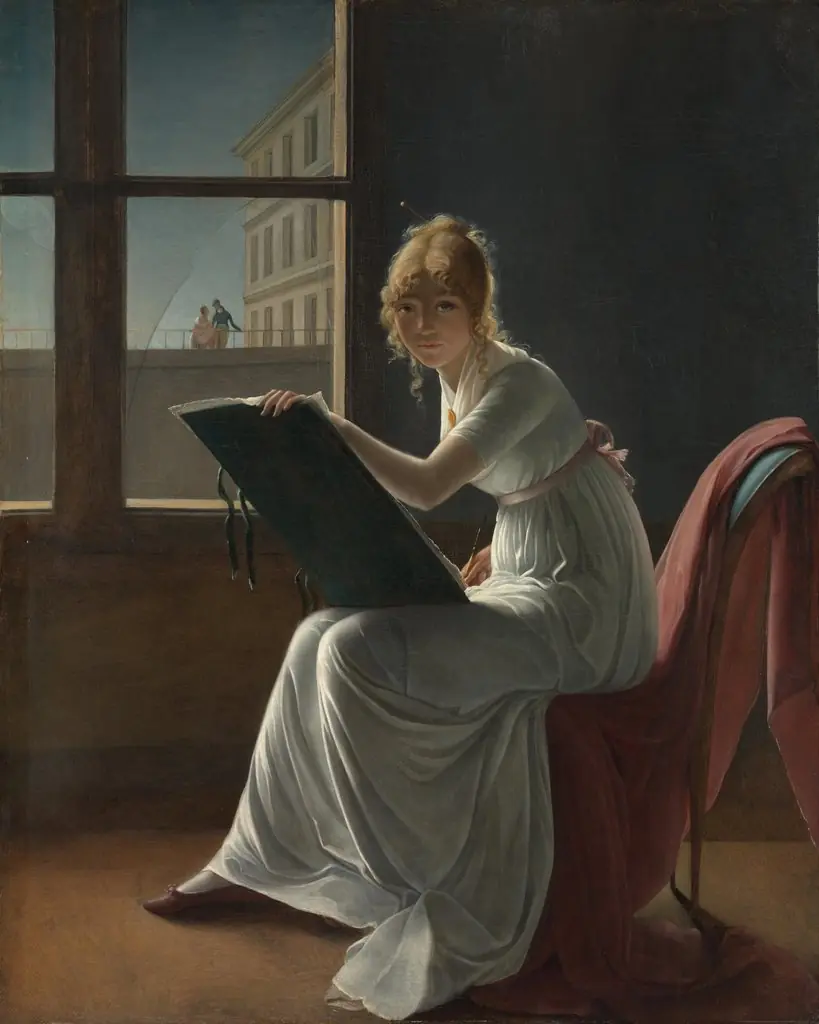 Portrait of Charlotte du Val d'Ognes
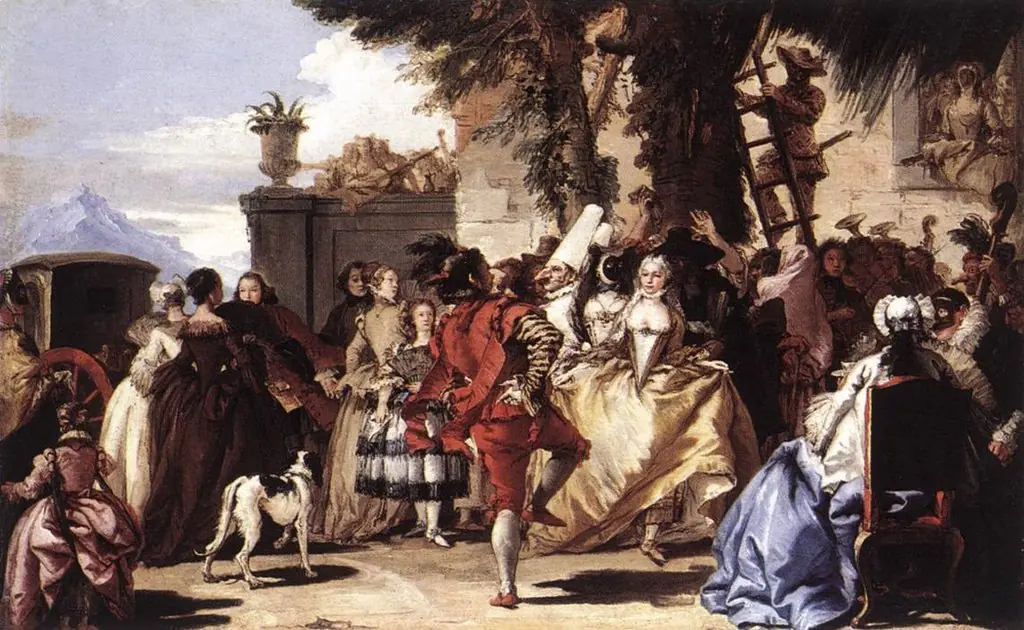 A Dance in the Country
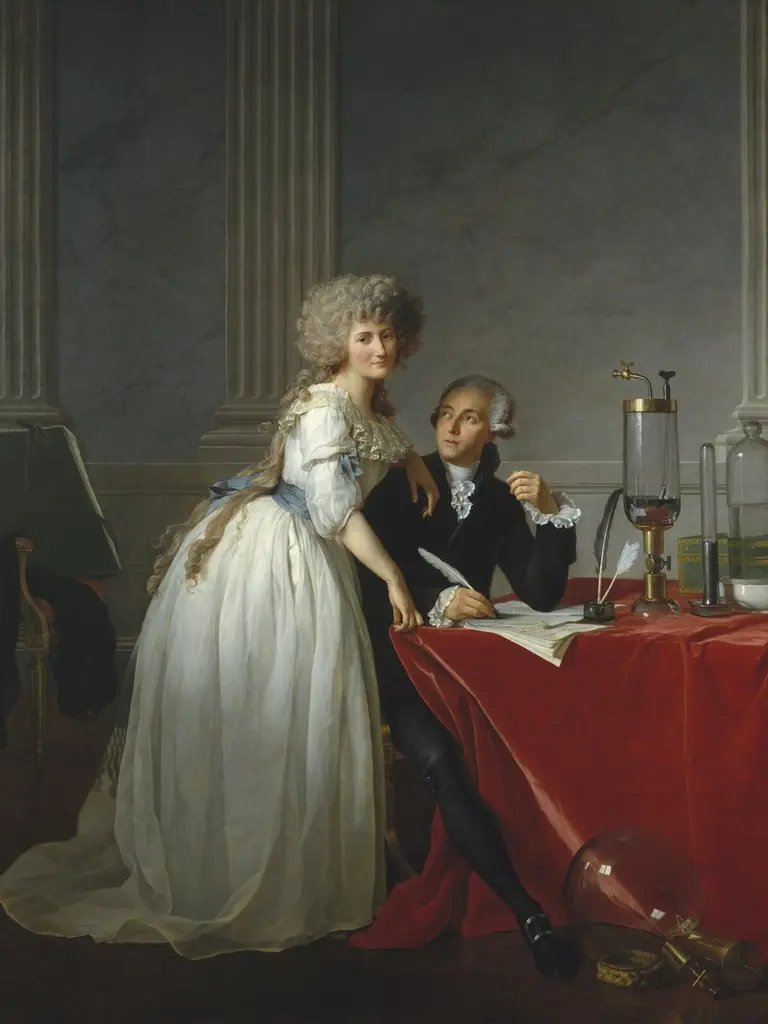 Portrait of Antoine-Laurent Lavoisier and his wife
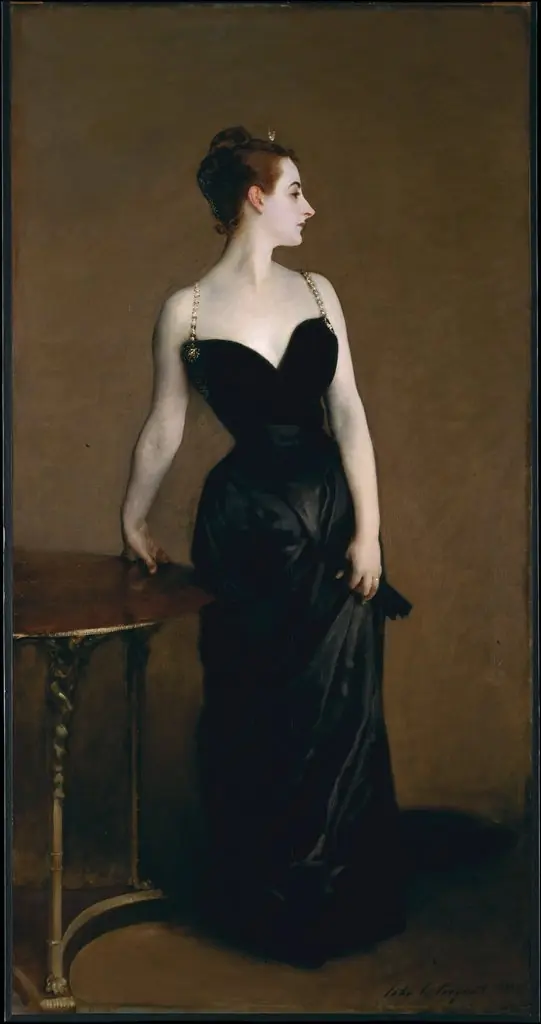 Madame X (Virginie Amélie Avegno Gautreau)
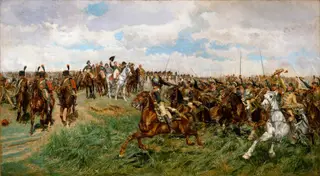 1807, Friedland
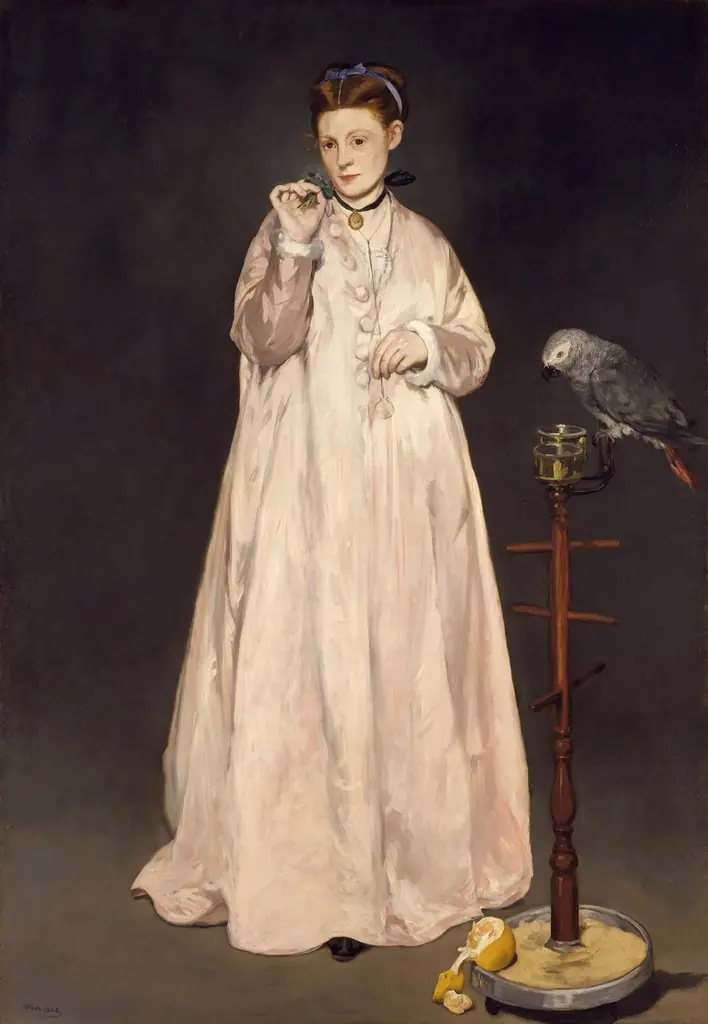 Young Lady in 1866
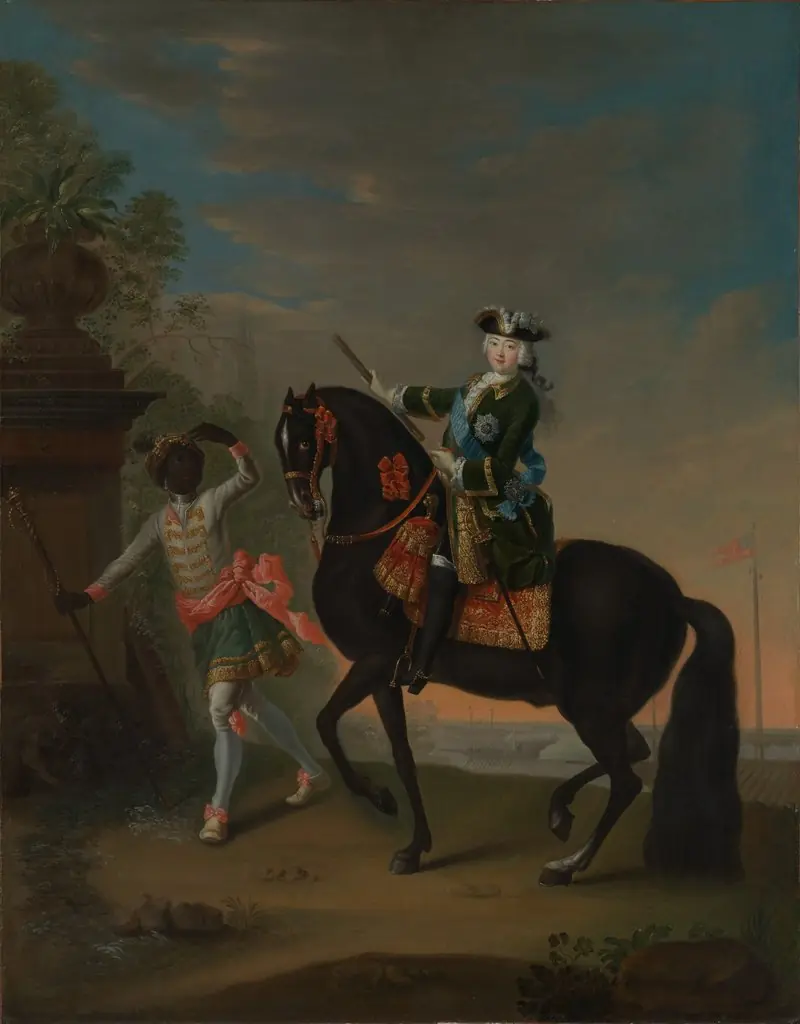 The Empress Elizabeth of Russia (1709–1762) on Horseback, Attended by a Page
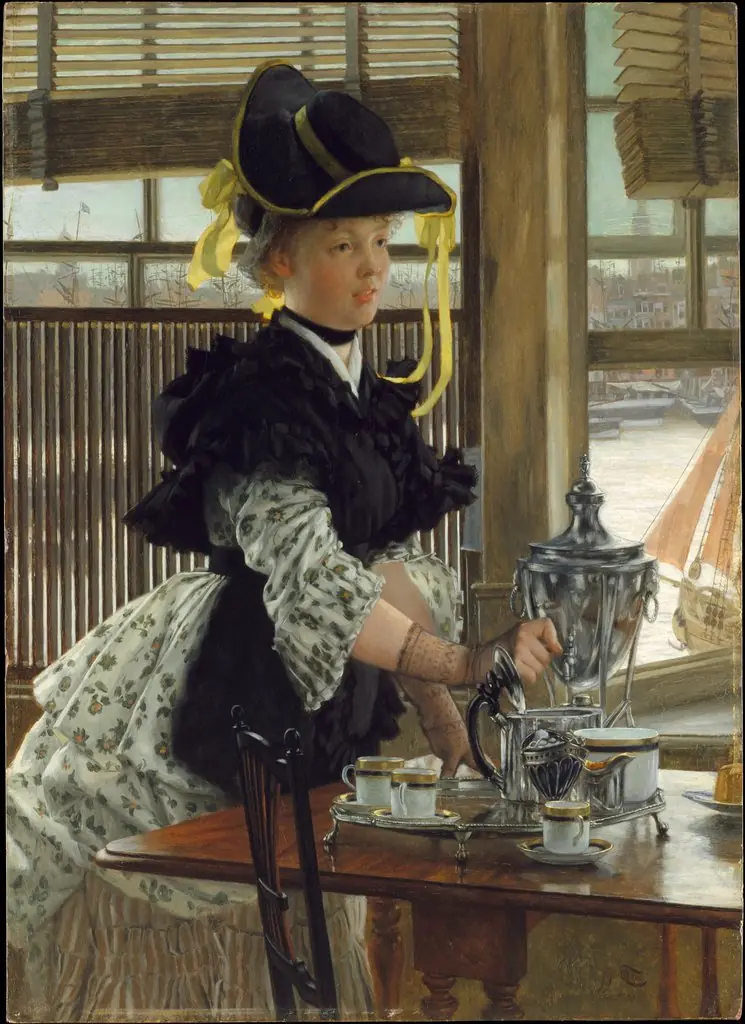 Tea
Tea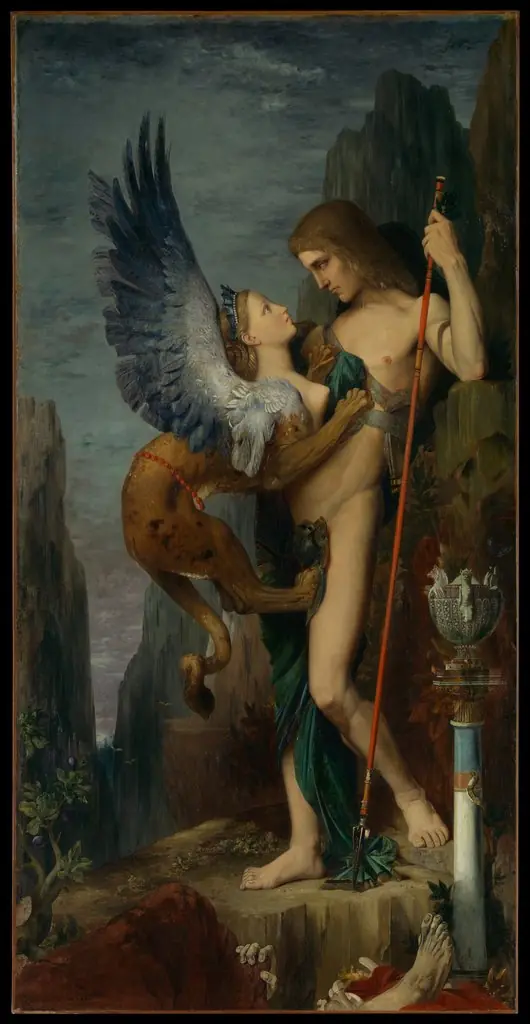 Oedipus and the Sphinx
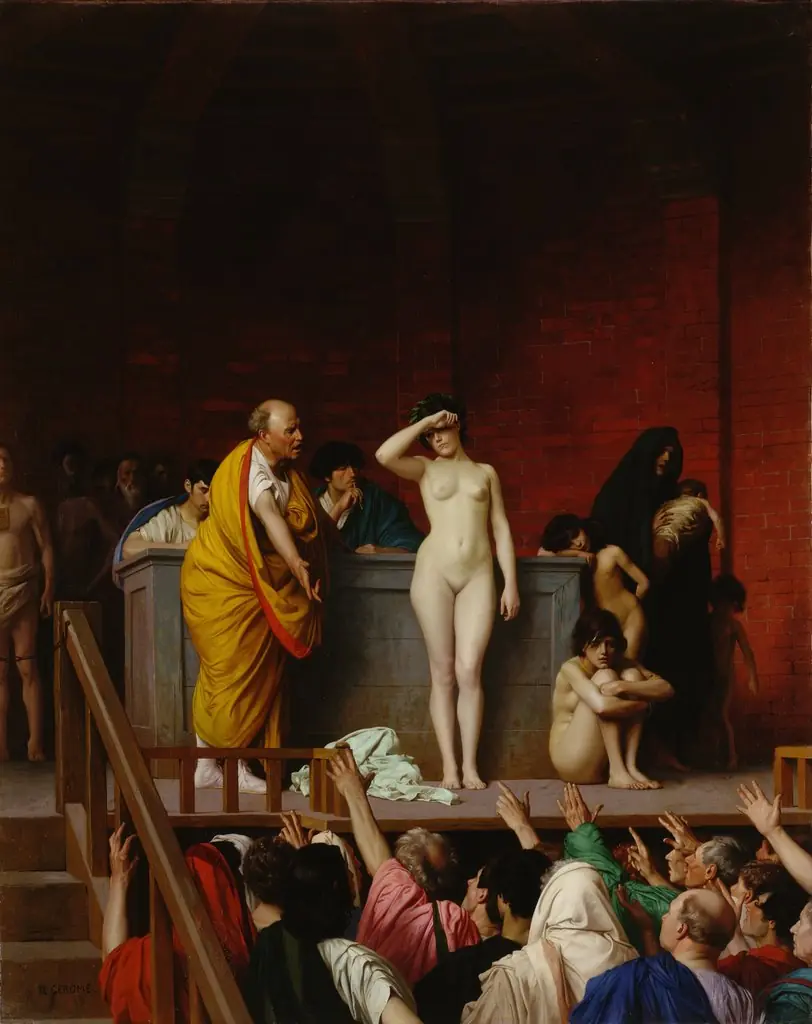 Slave Market in Rome
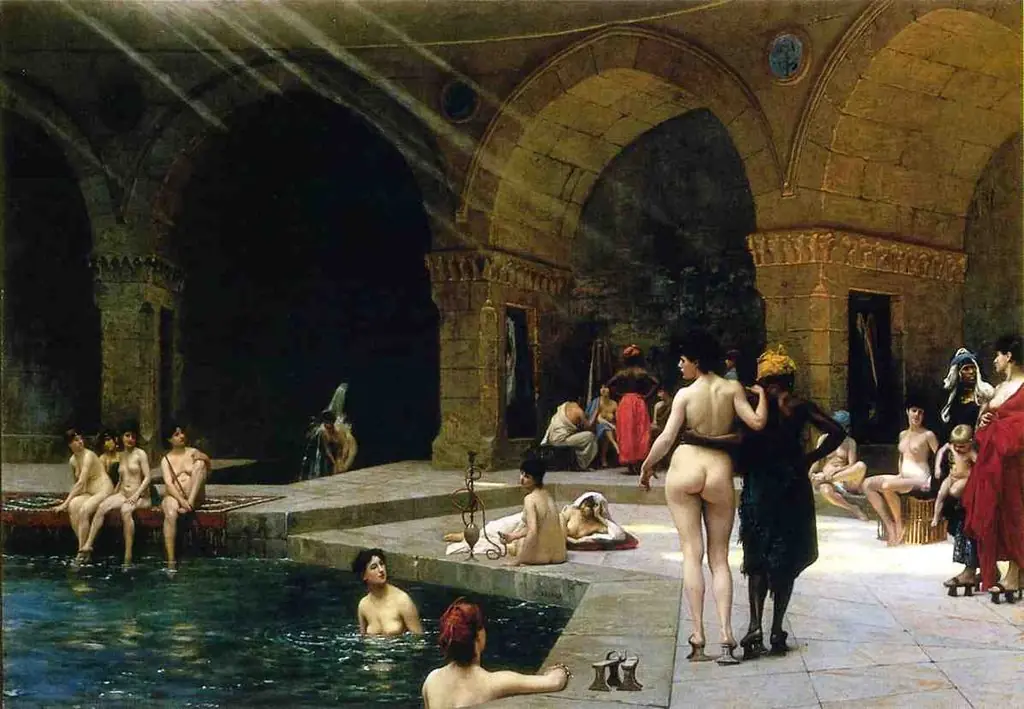 The Great Bath at Bursa
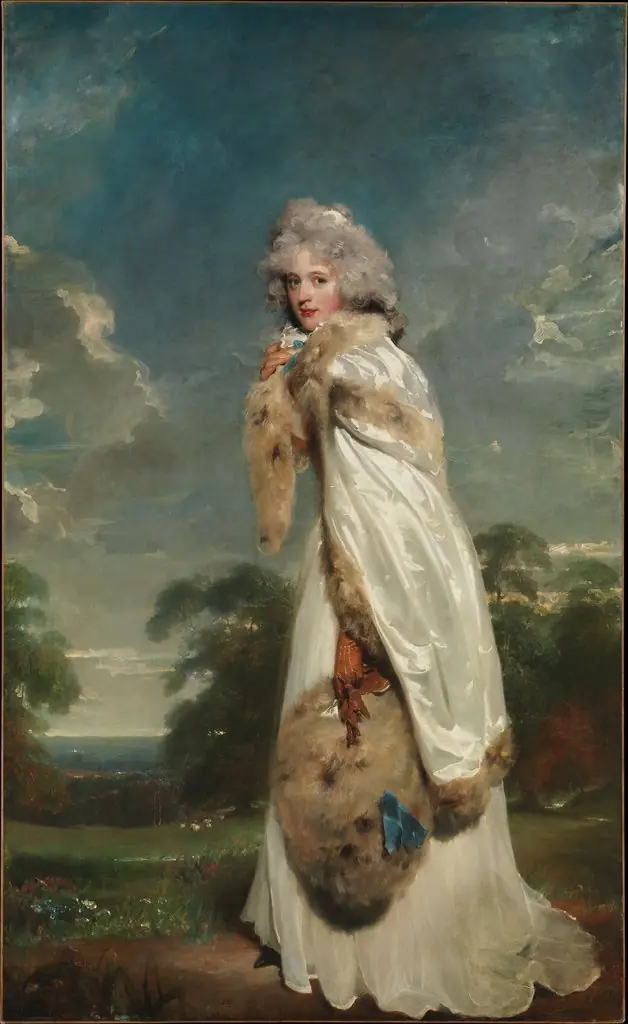 Elizabeth Farren (born about 1759, died 1829), Later Countess of Derby
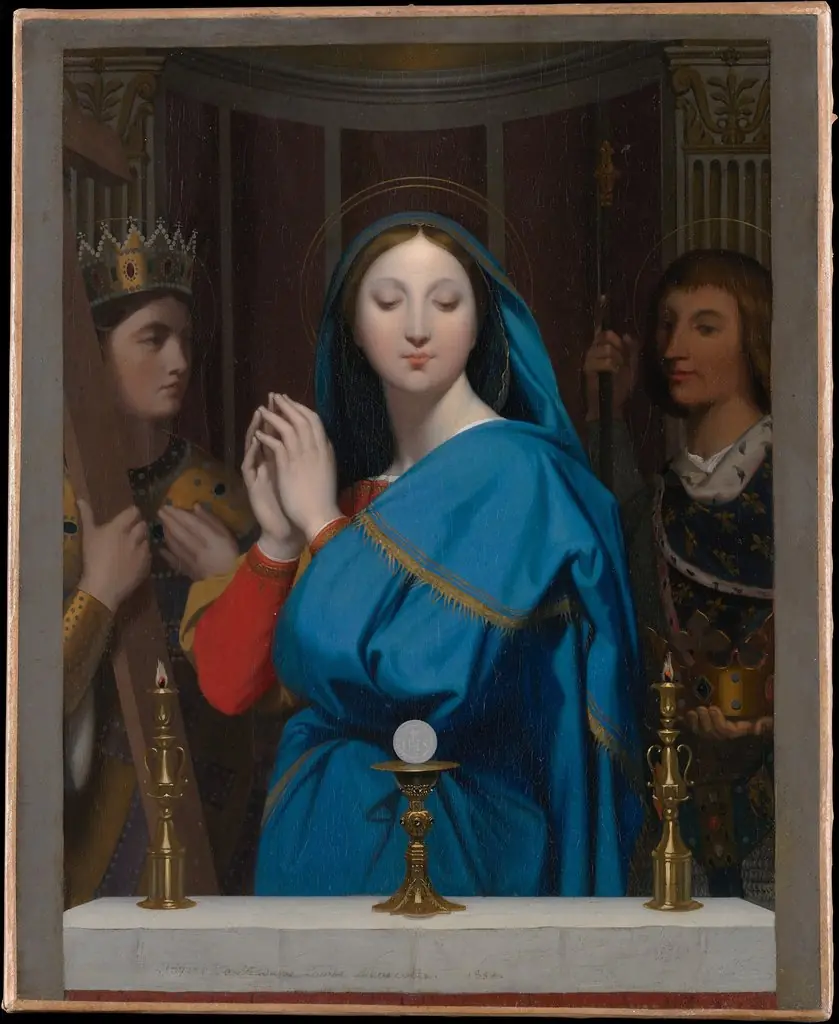 The Virgin Adoring the Host
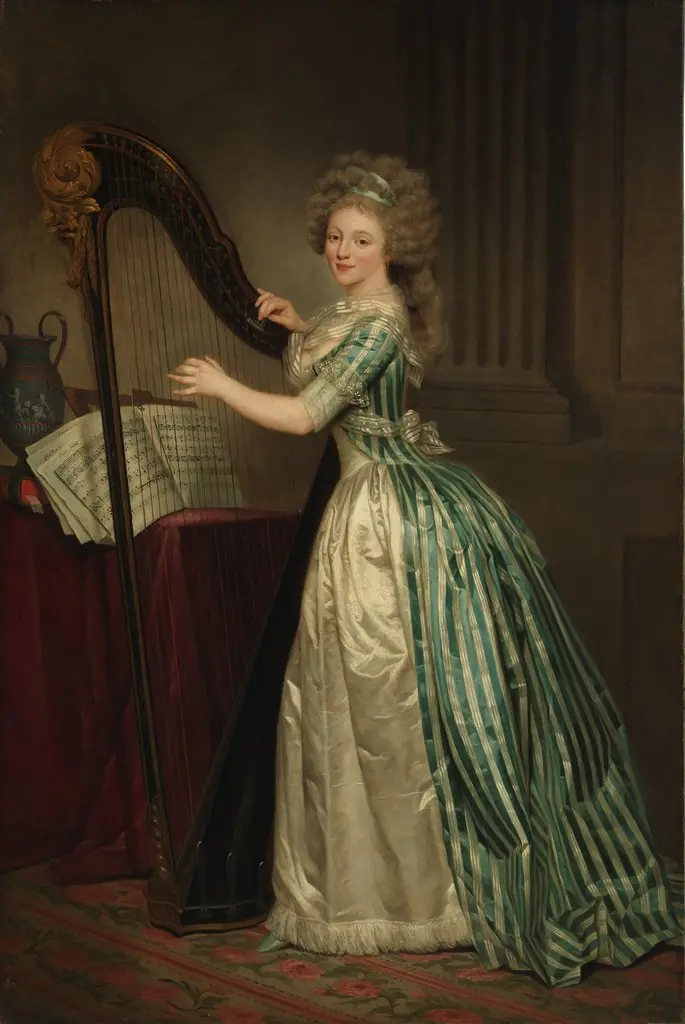 Self-Portrait with a Harp
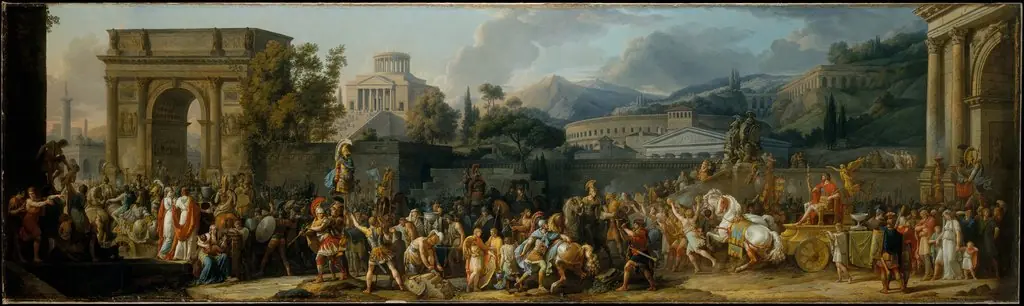 The Triumph of Aemilius Paulus
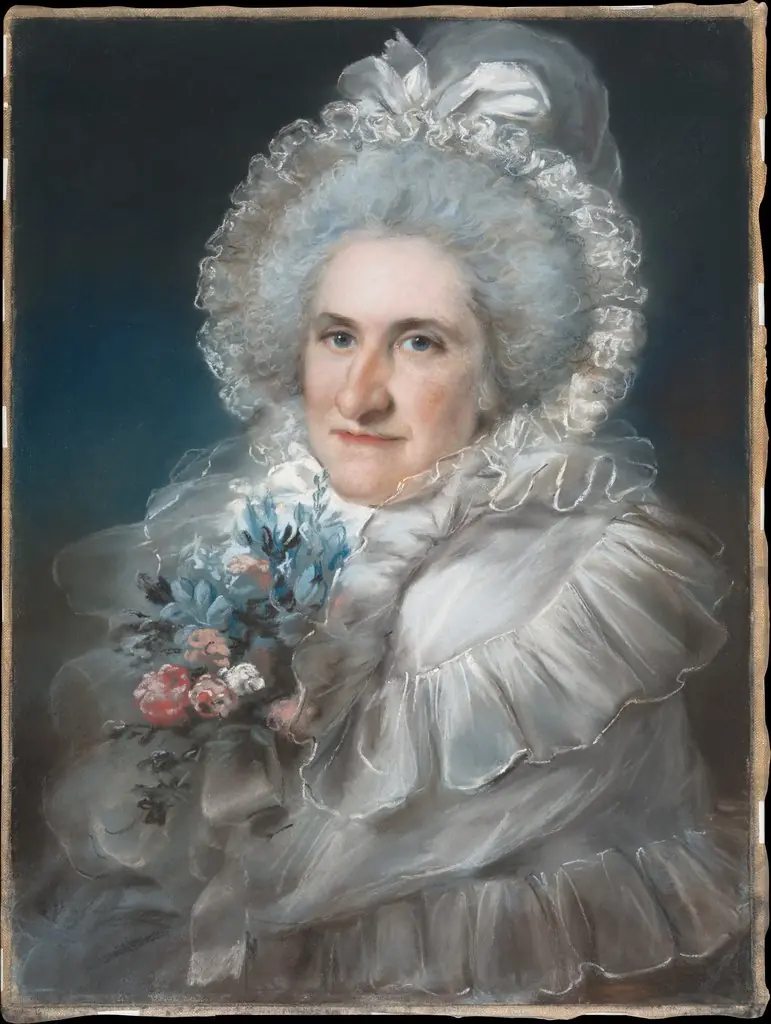 Mrs. William Man Godschall (Sarah Godschall, 1730–1795)
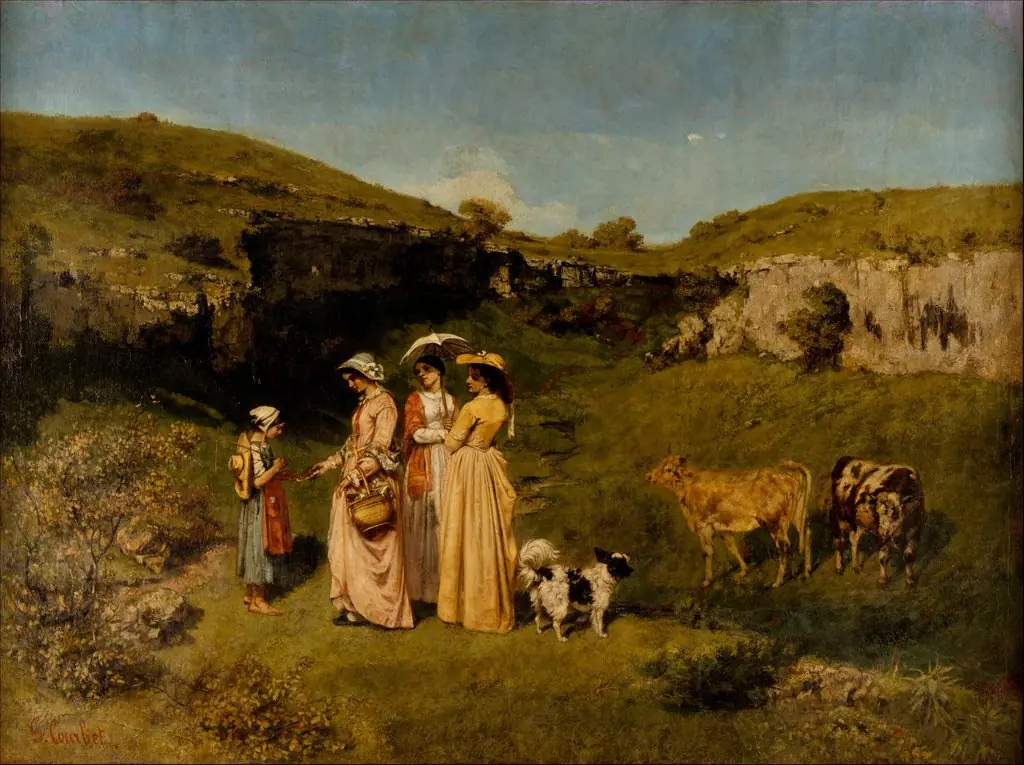 Young Ladies of the Village
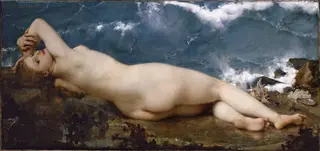 The Pearl and the Wave
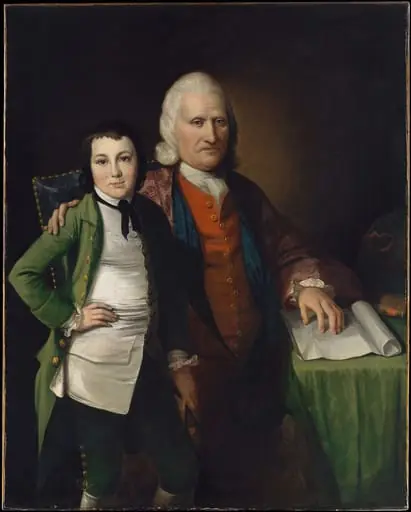 Cadwallader Colden and His Grandson Warren De Lancey
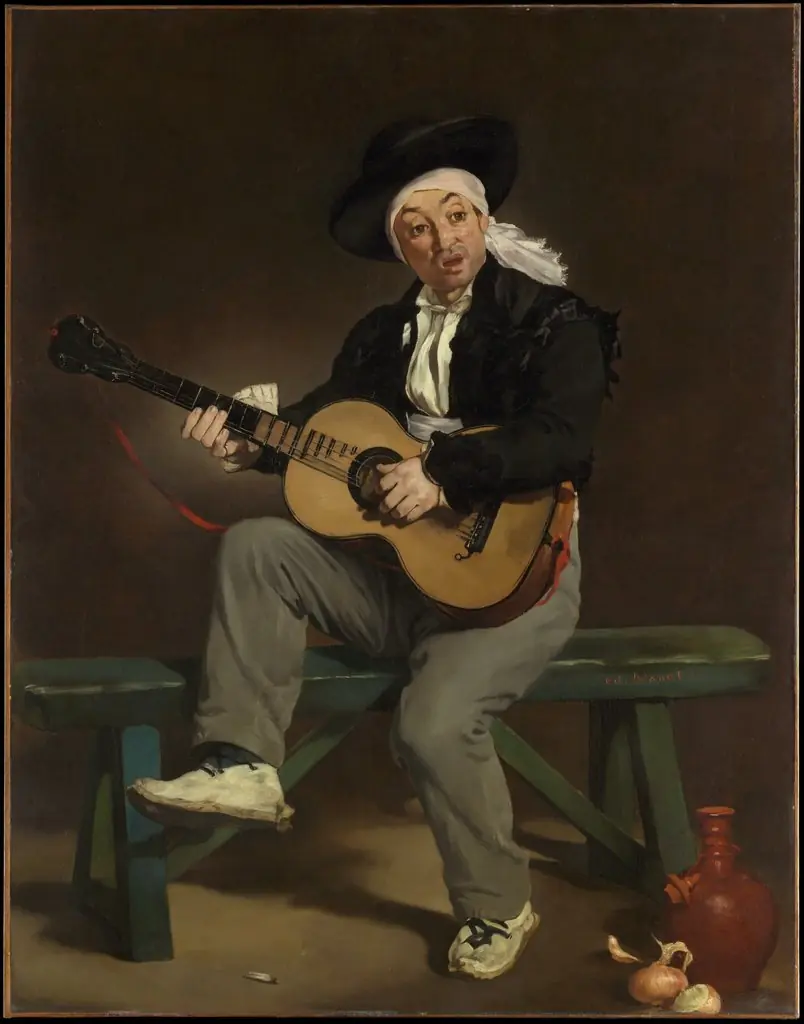 The Spanish Singer
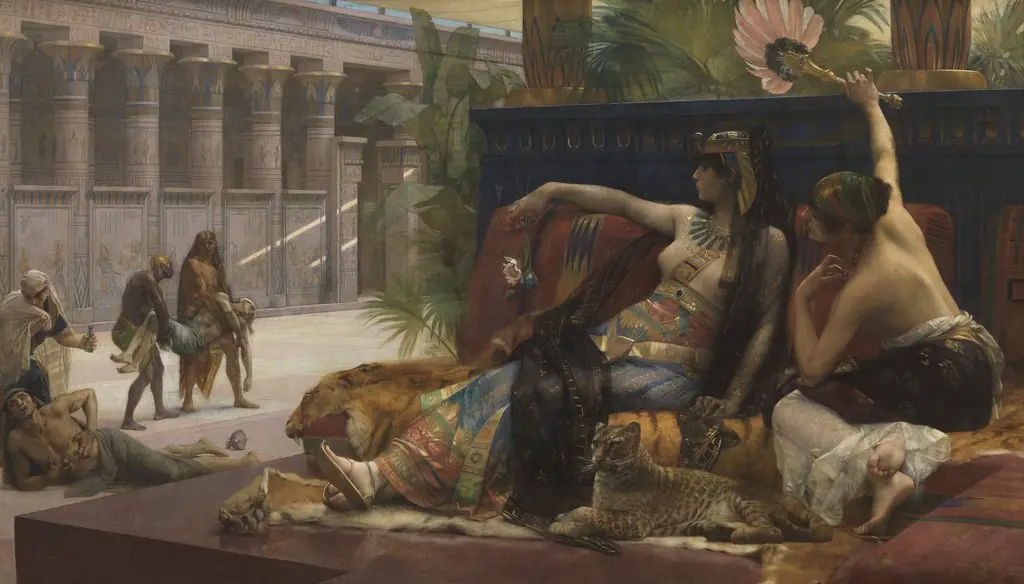 Cleopatra Testing Poisons on Condemned Prisoners
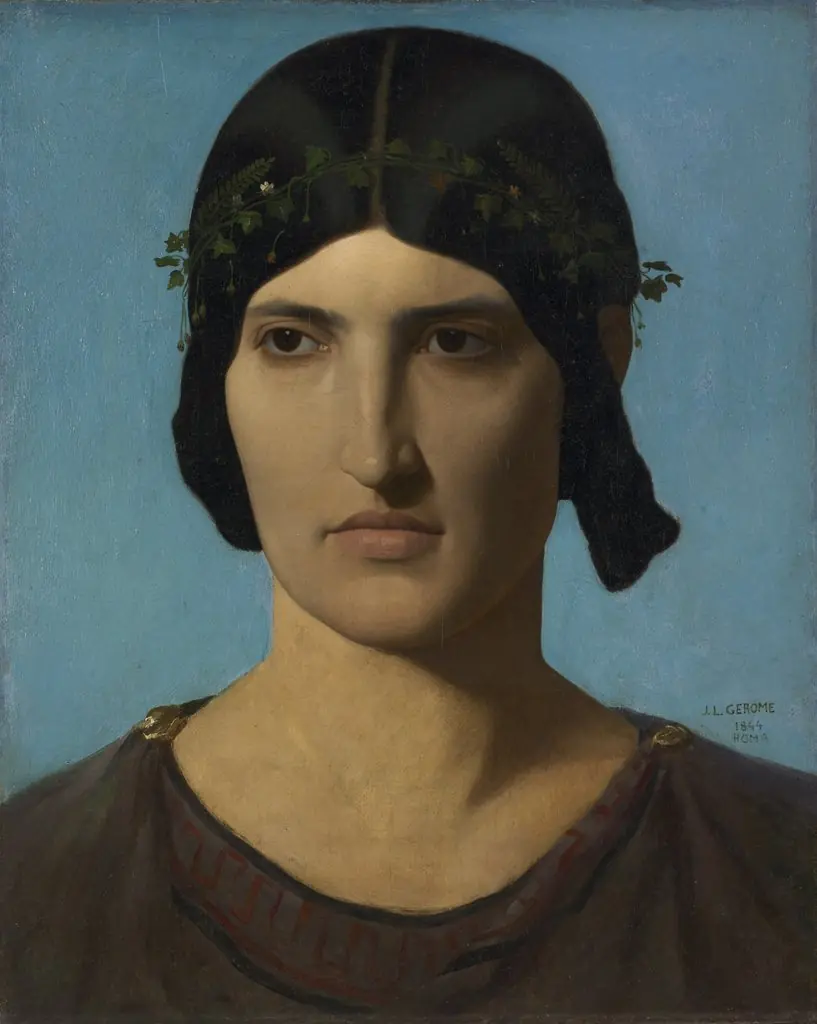 Head of an Italian Woman
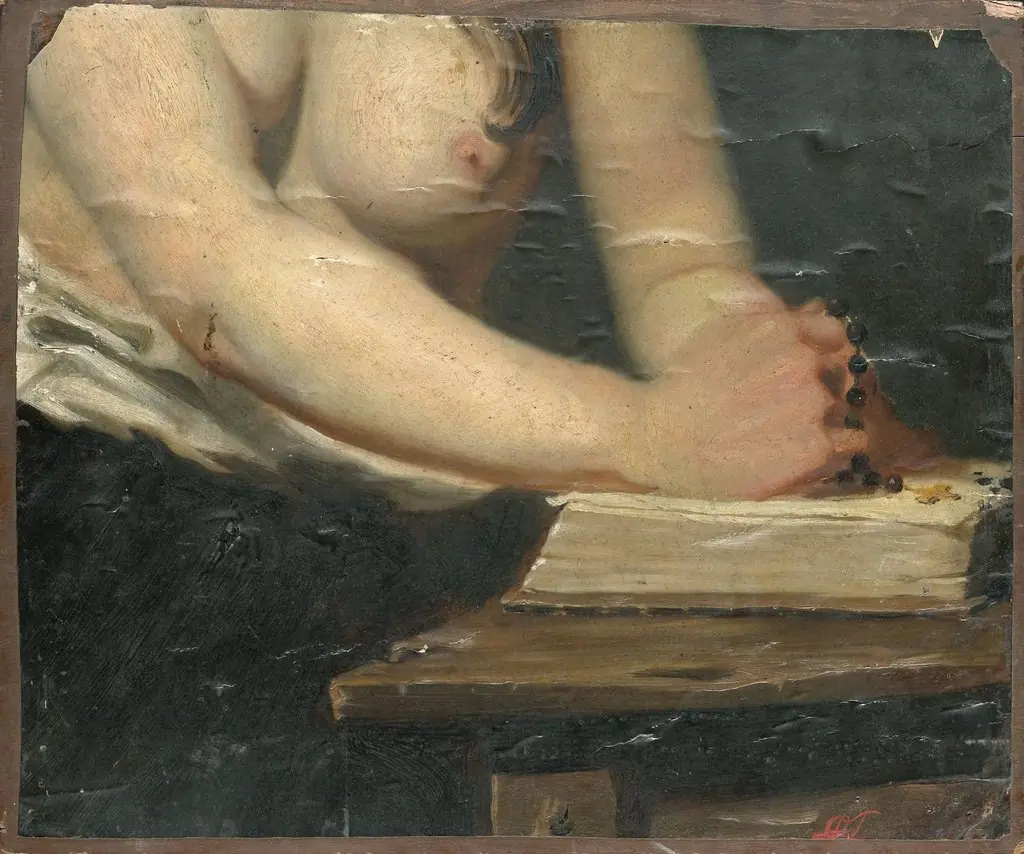 Mary Magdalene
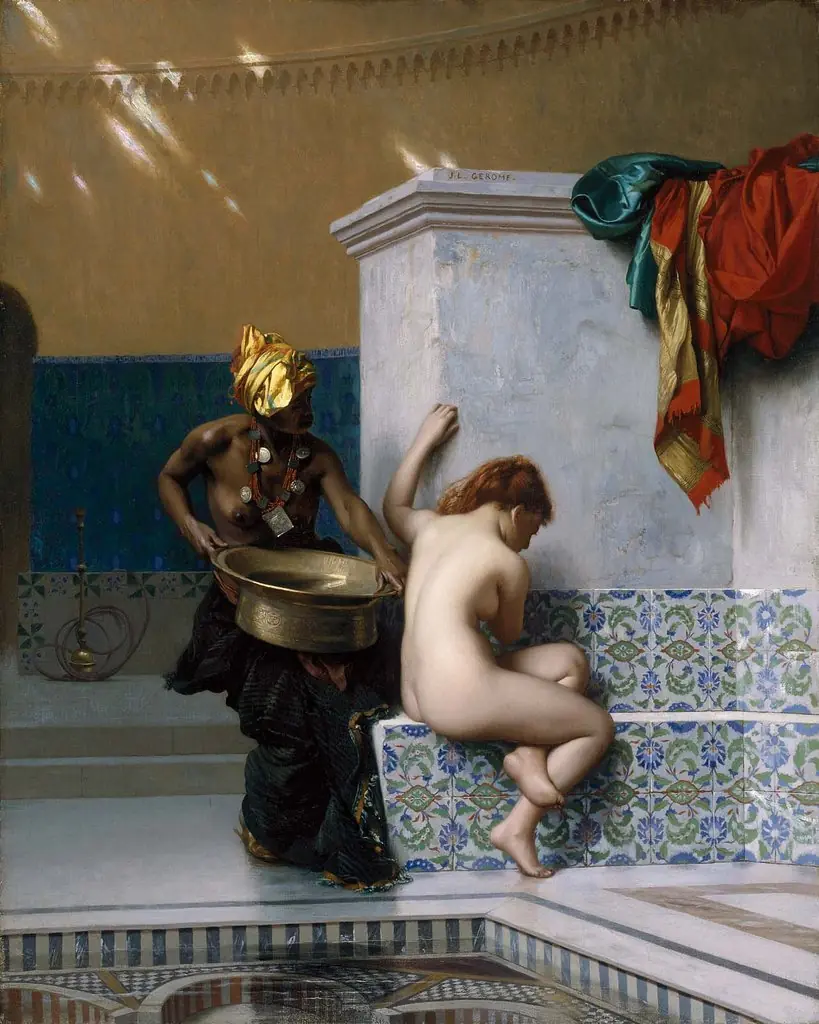 Moorish Bath
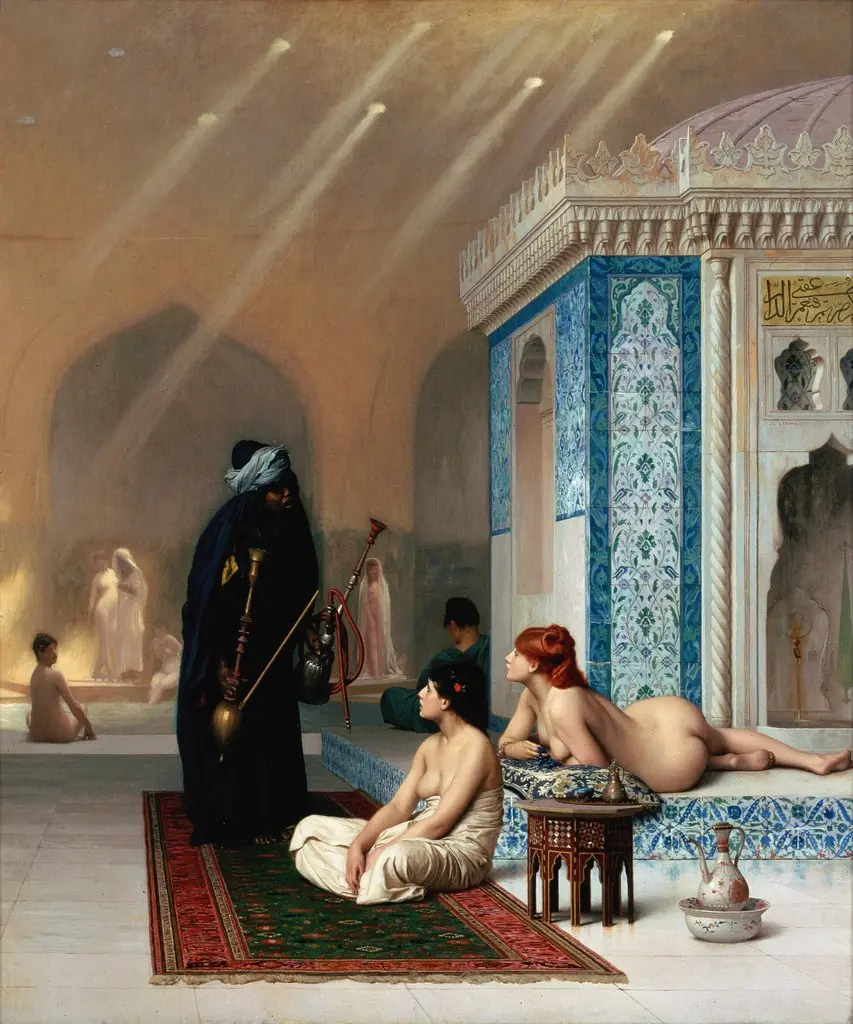 Pool in a Harem
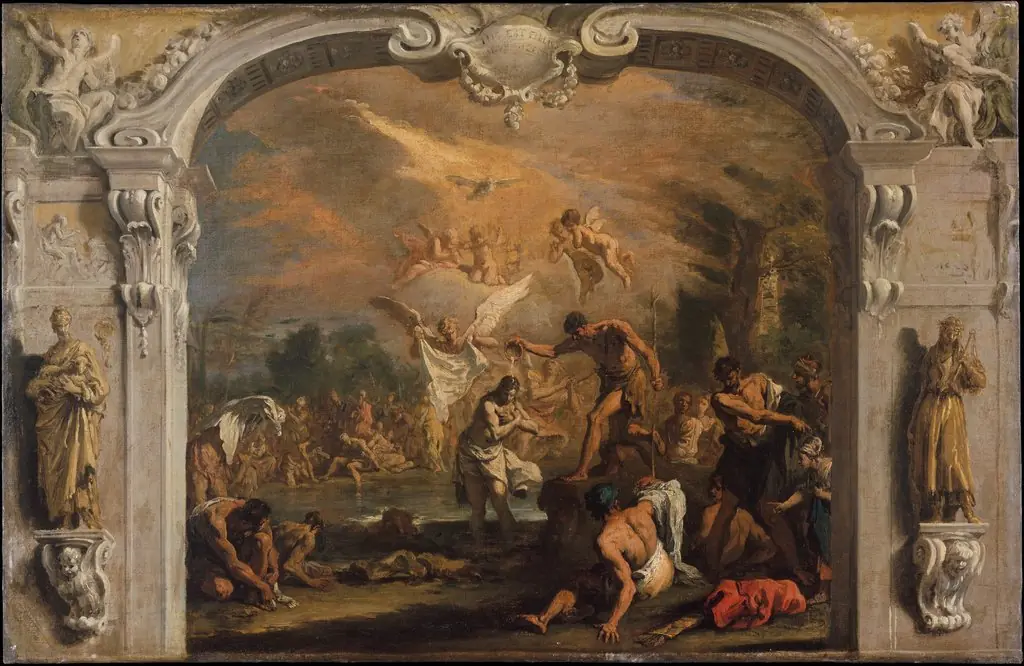 The Baptism of Christ
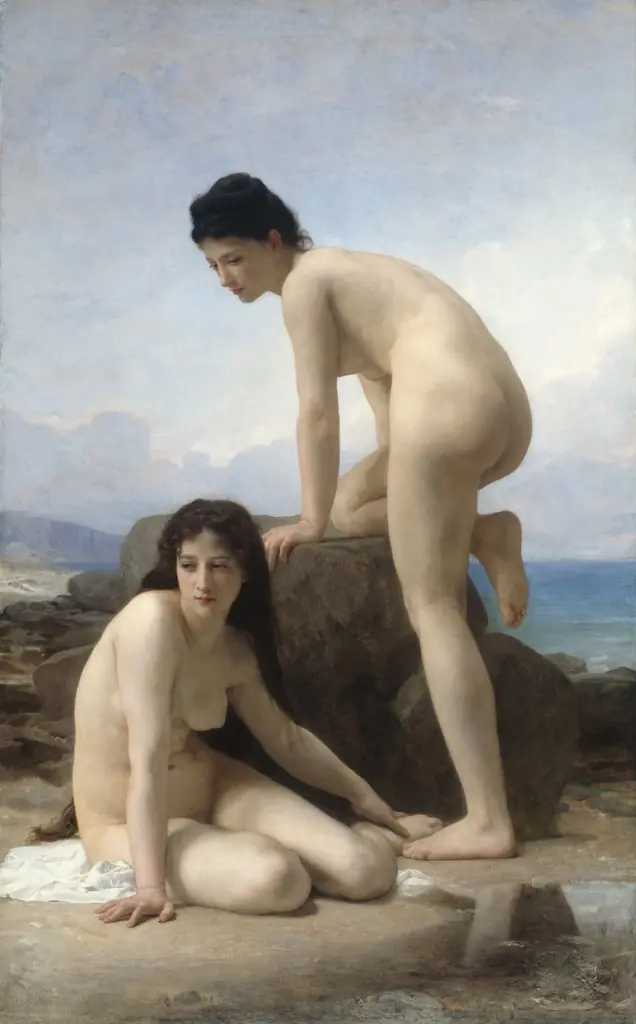 The Two Bathers
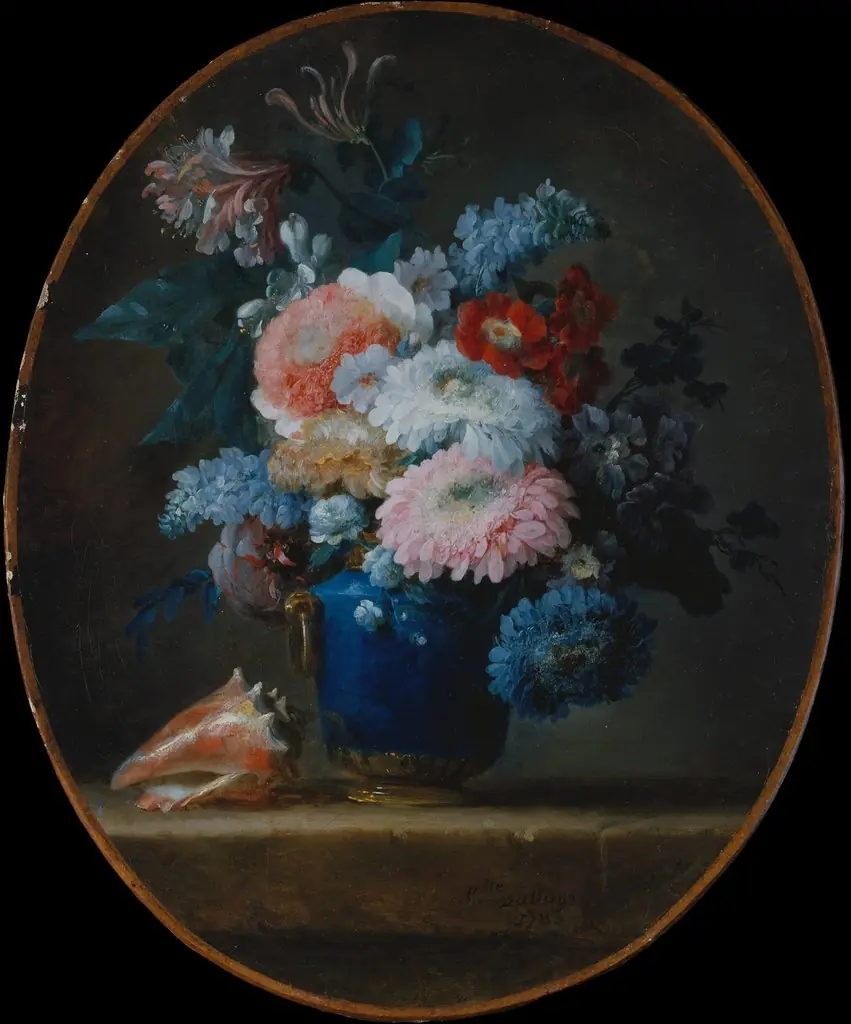 Vase of Flowers and Conch Shell
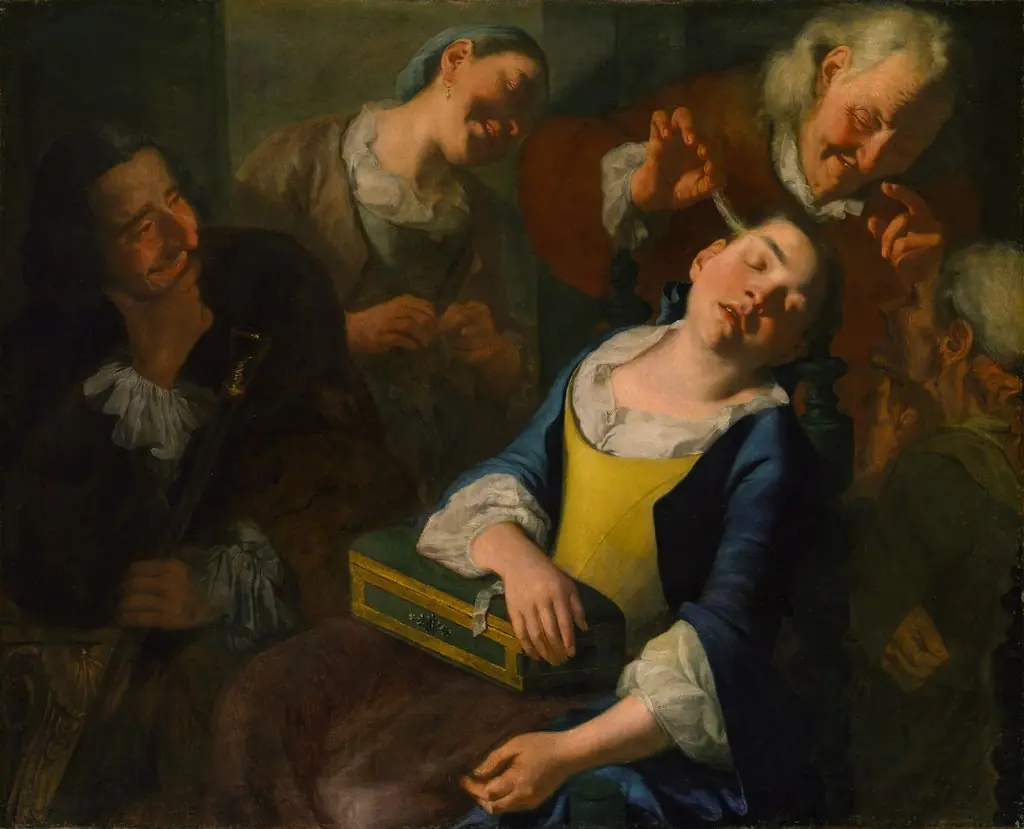 Teasing a Sleeping Girl
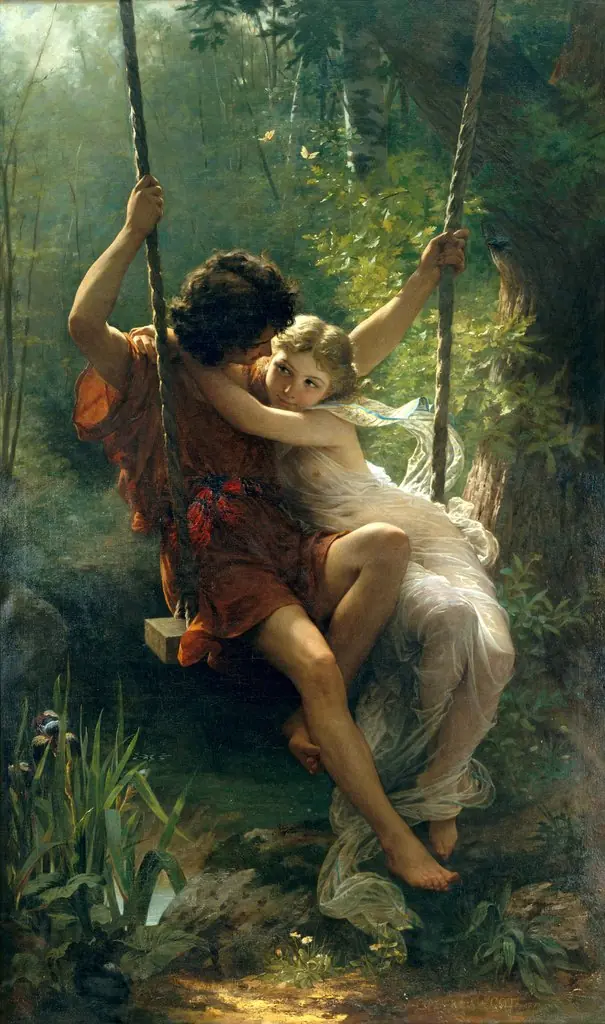 Springtime
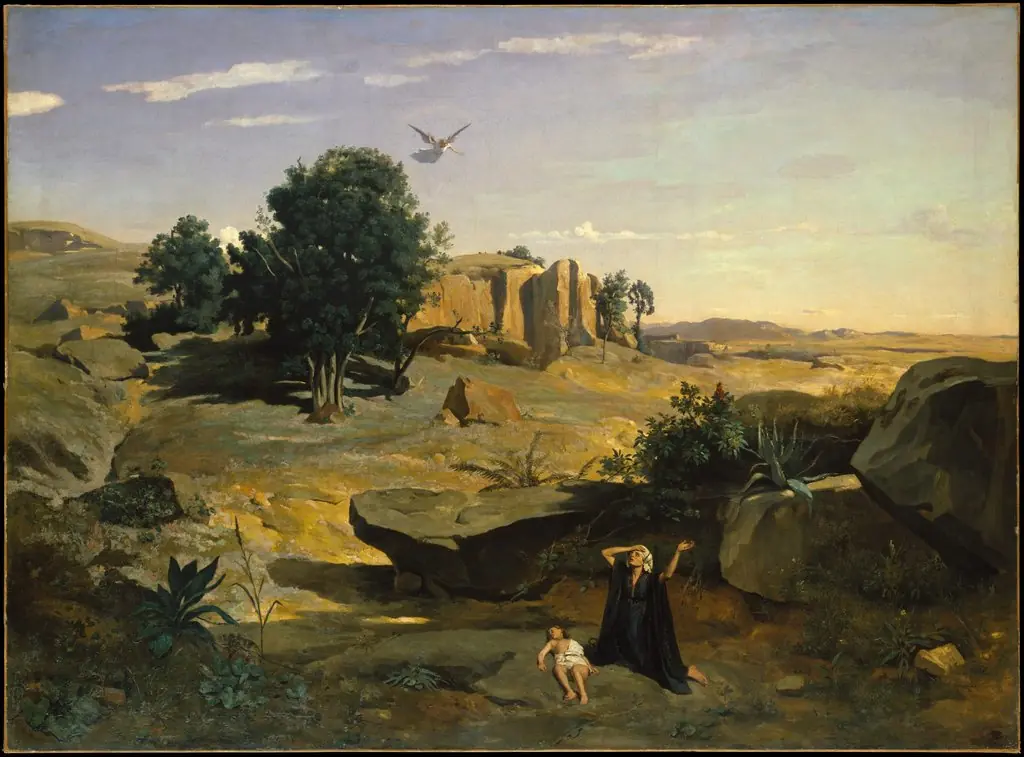 Hagar in the Wilderness
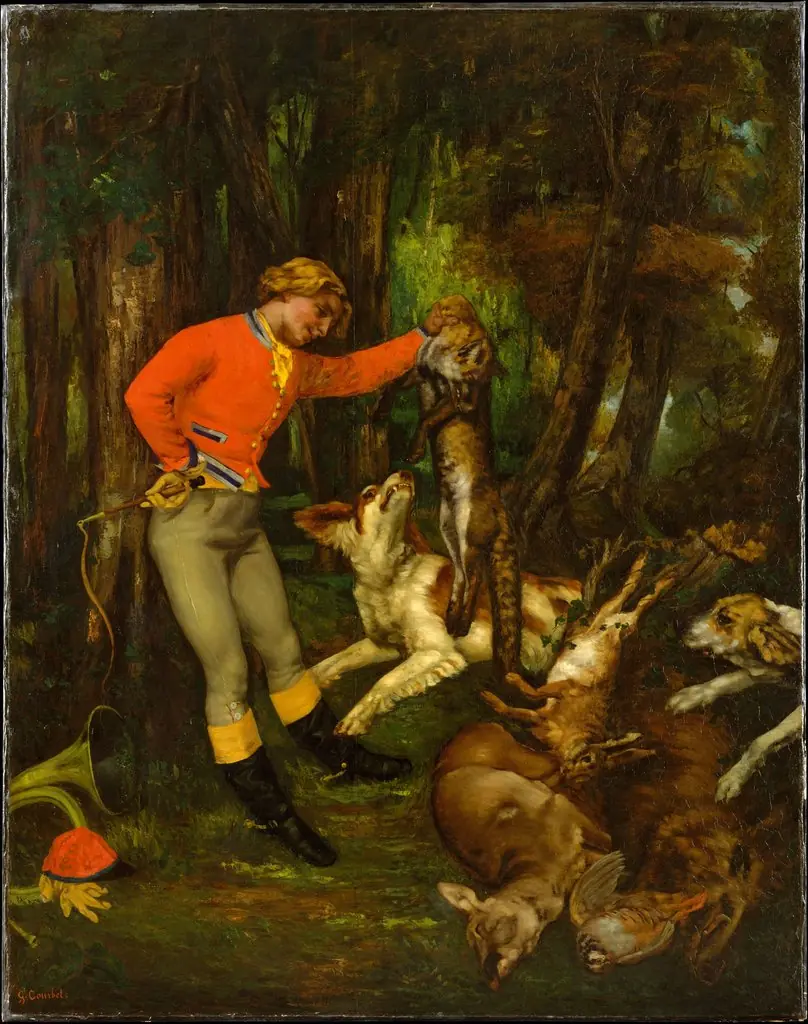 After the Hunt
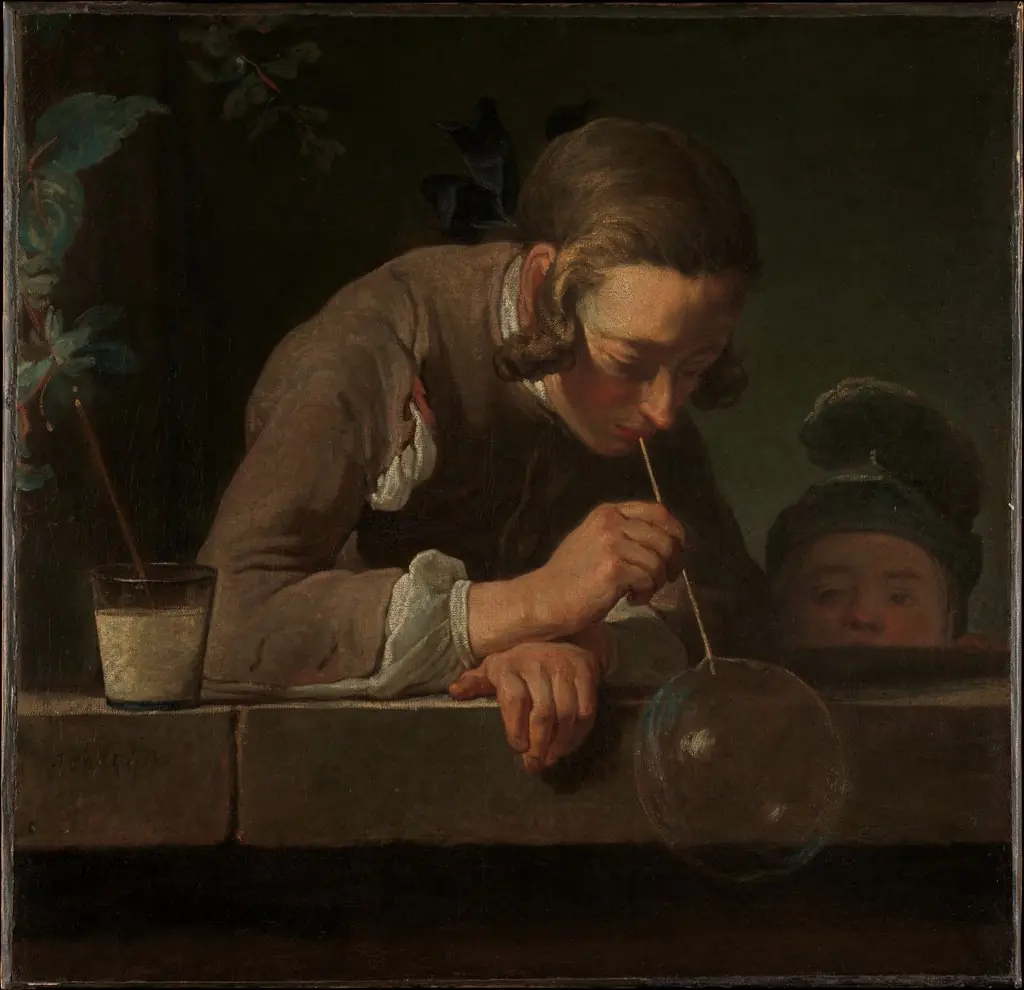 Soap Bubbles
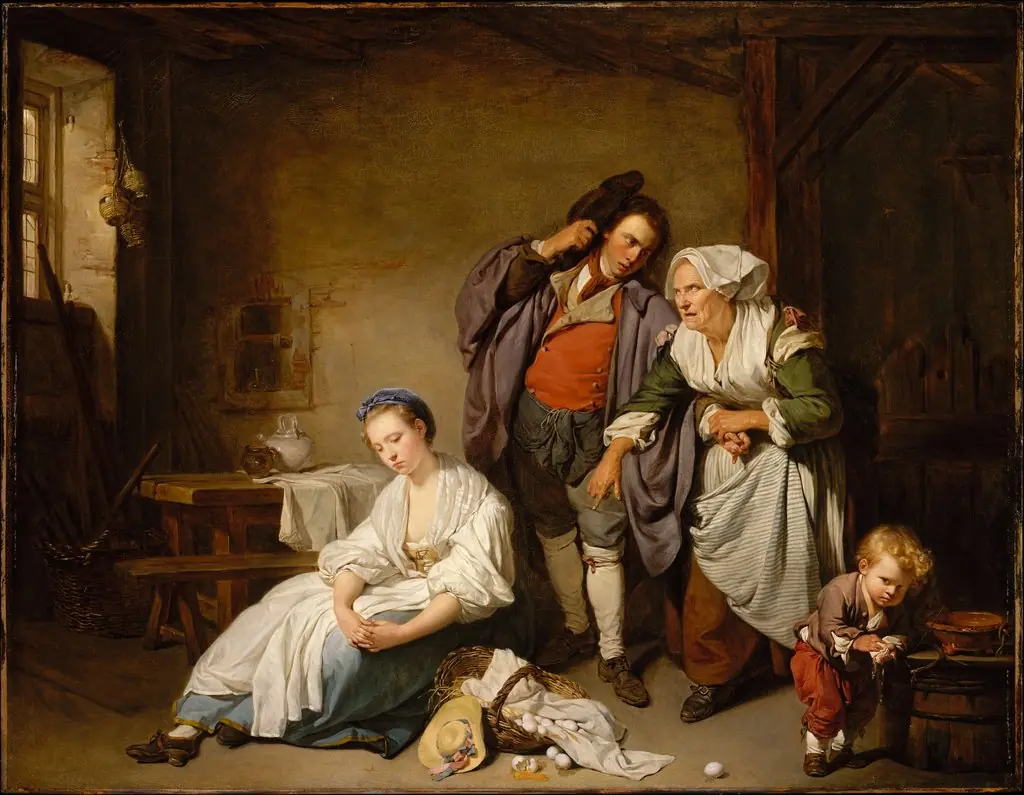 Broken Eggs
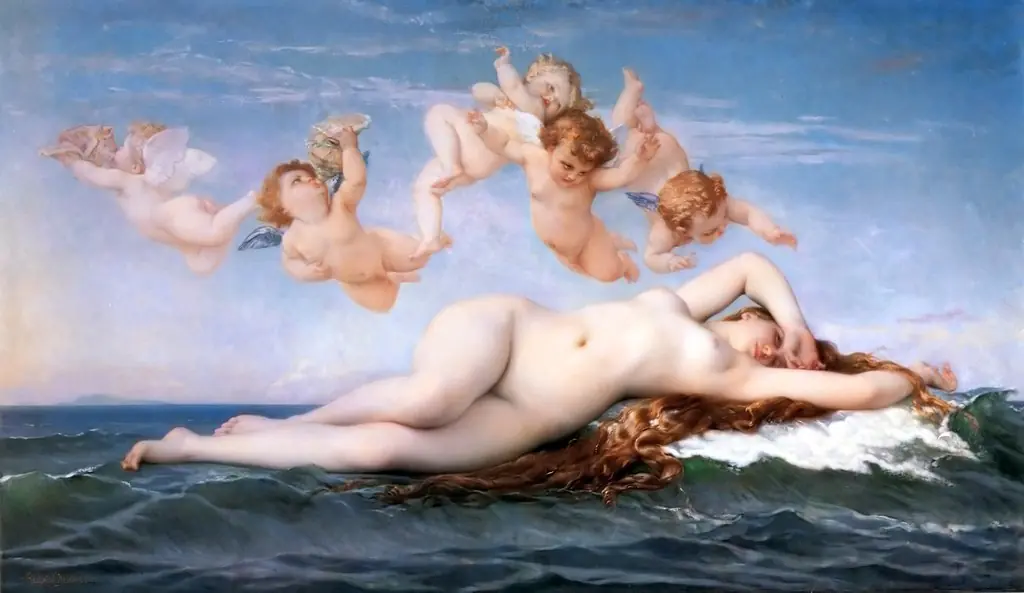 The Birth of Venus
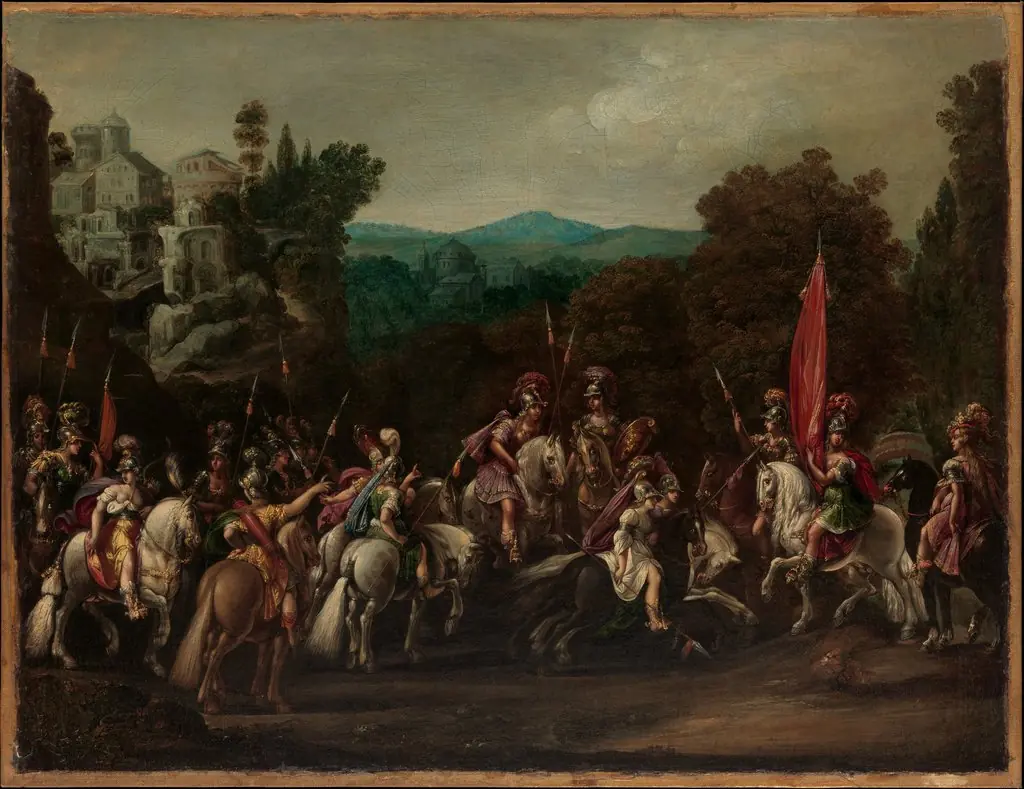 Departure of the Amazons
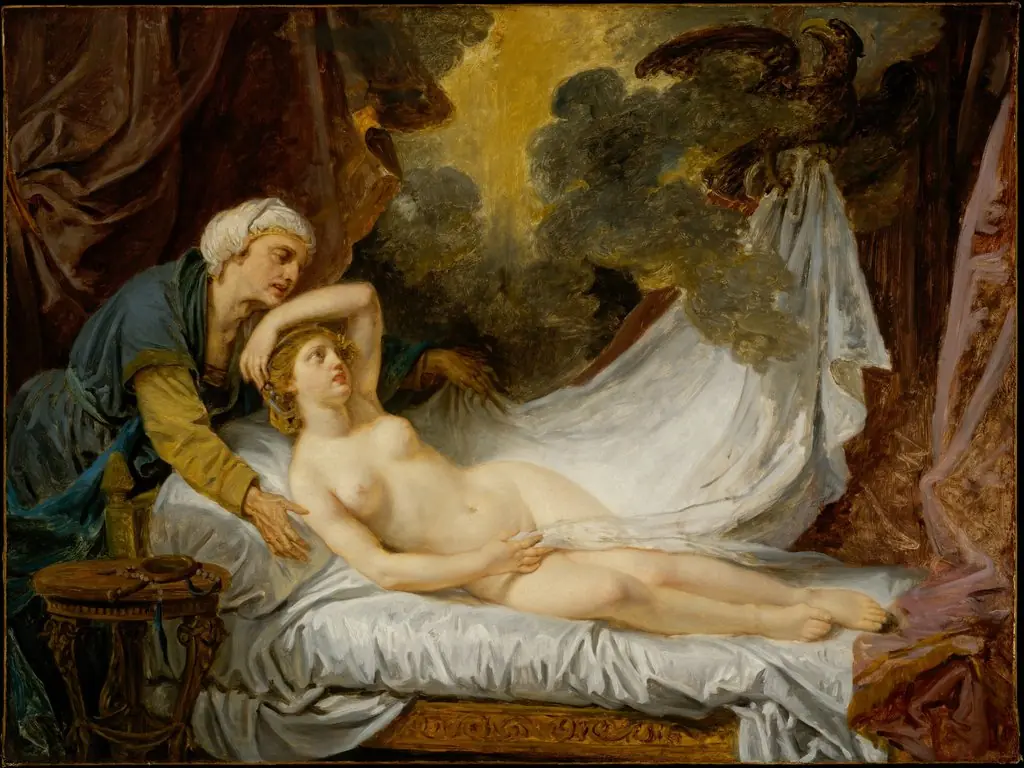 Aegina Visited by Jupiter
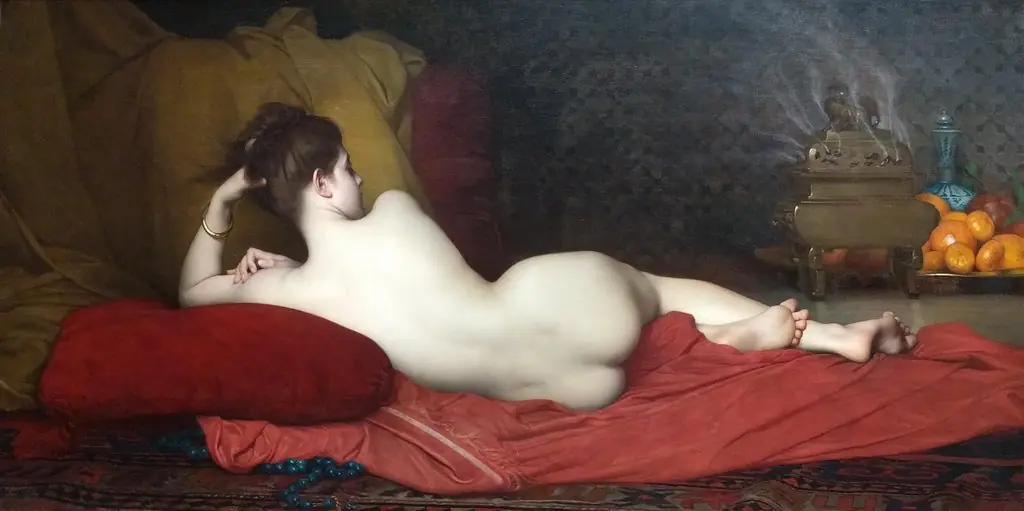 Odalisque
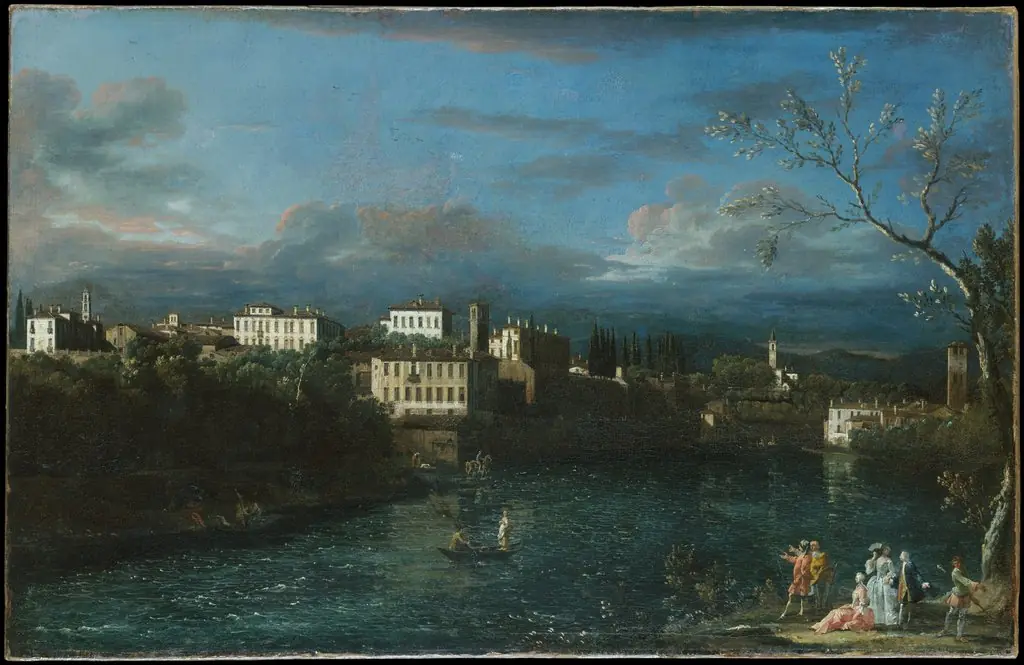 Vaprio d'Adda
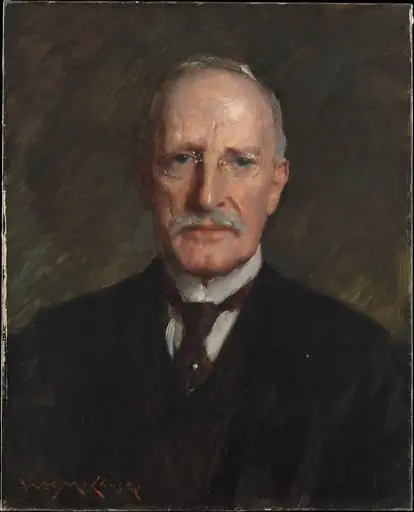 Edward Guthrie Kennedy
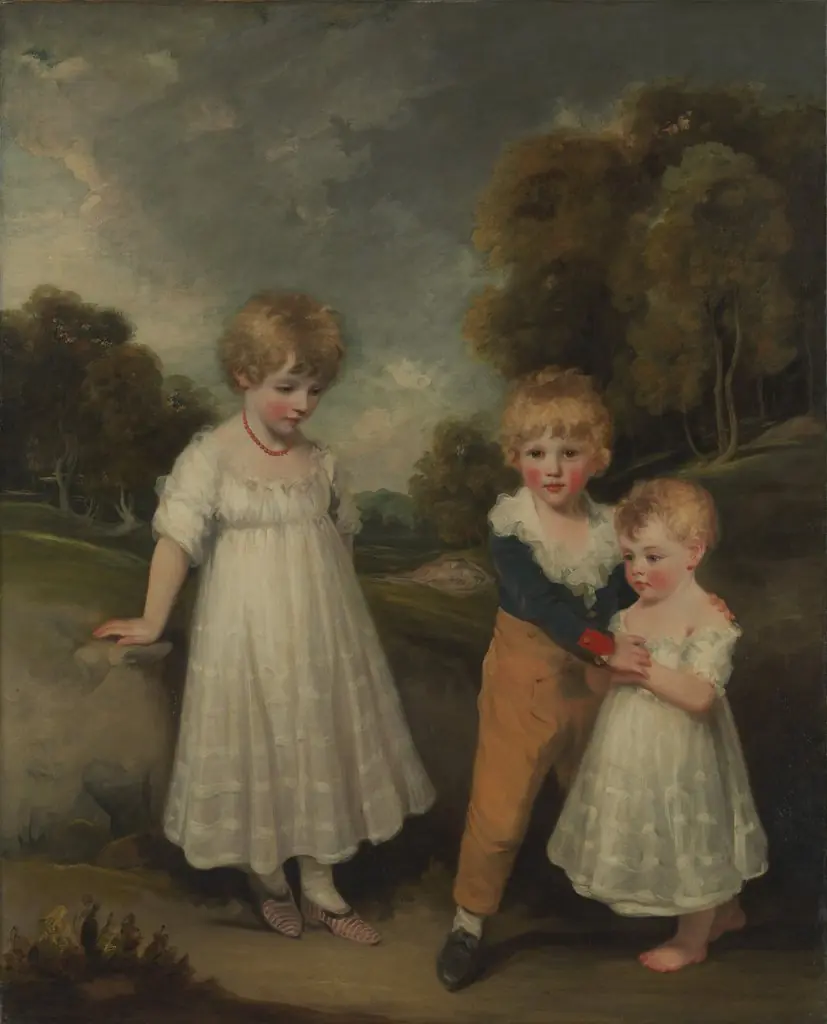 The Sackville Children
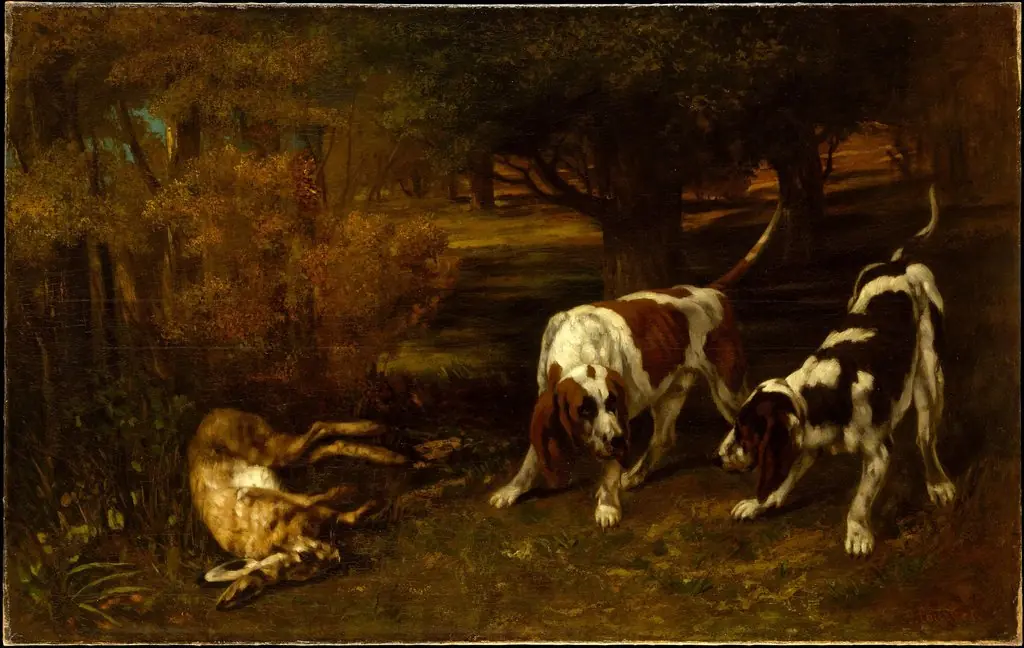 Hunting Dogs with Dead Hare
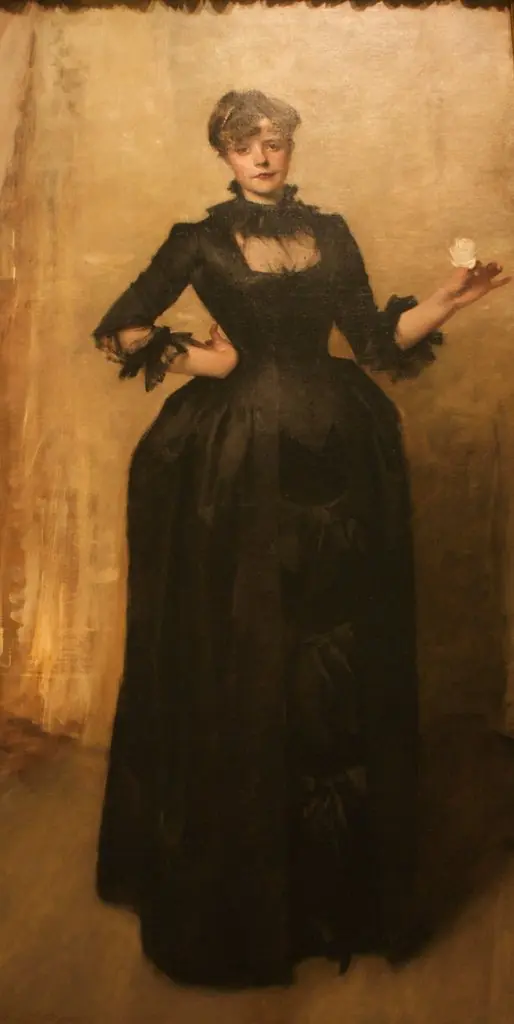 Lady with the Rose
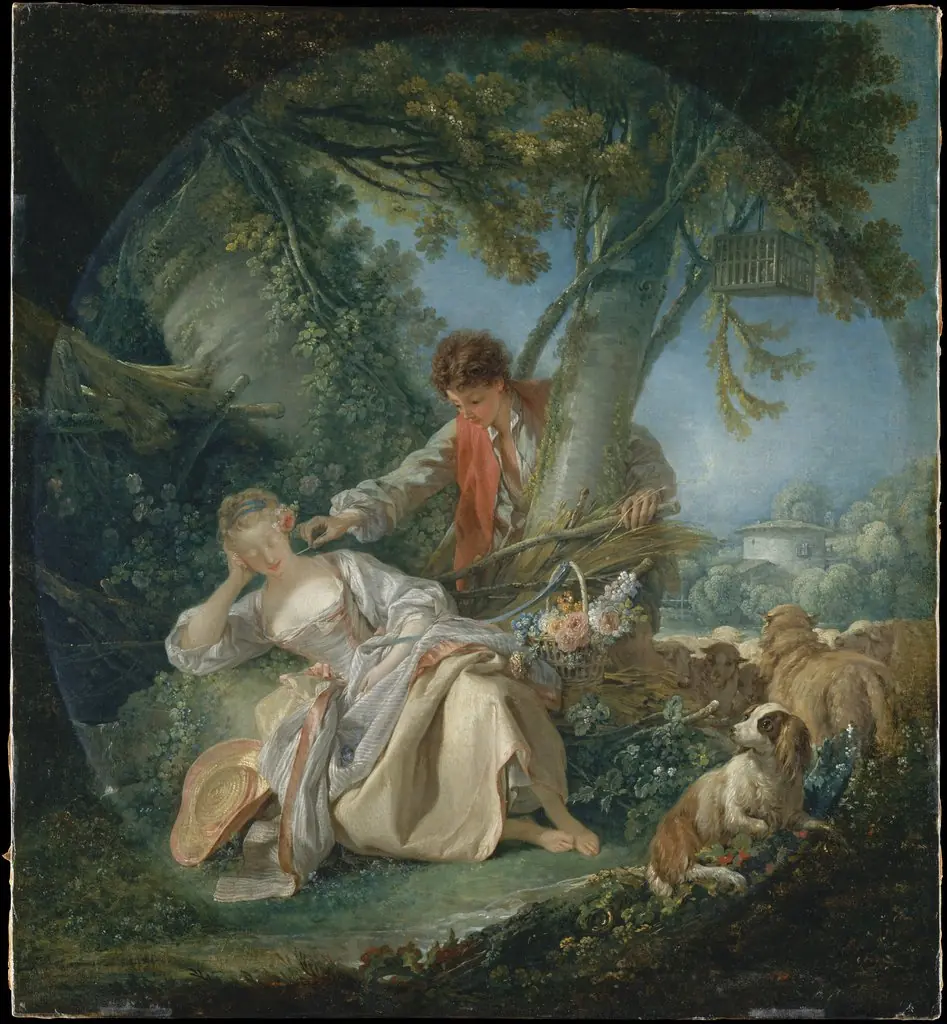 The Interrupted Sleep
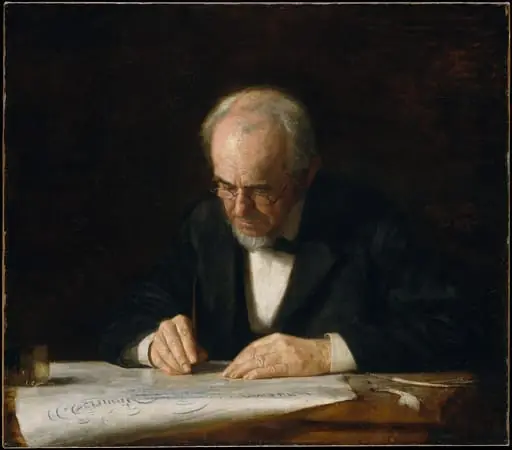 The Writing Master
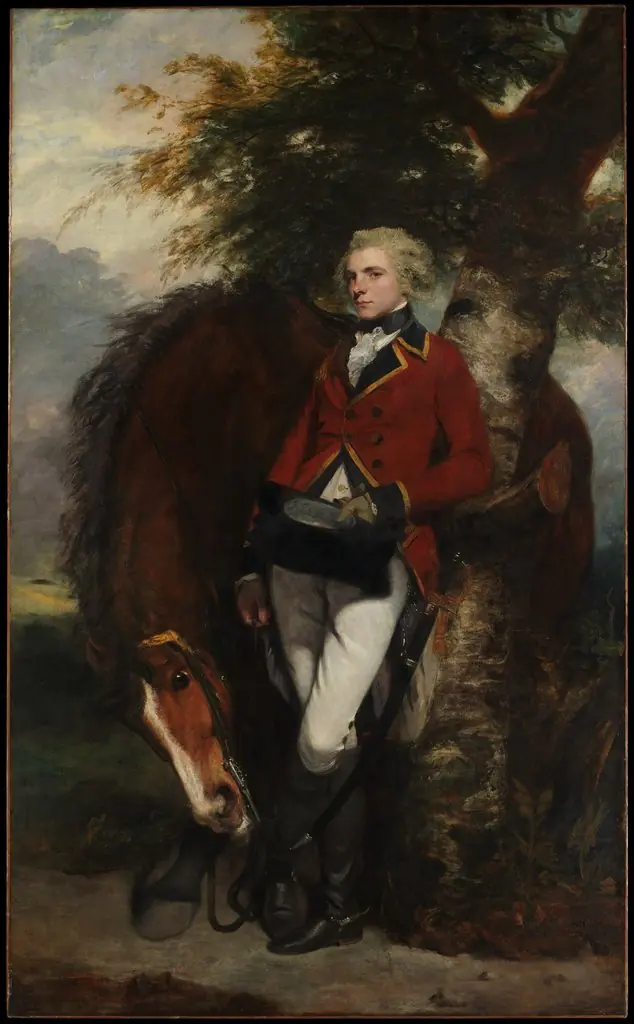 Captain George K. H. Coussmaker
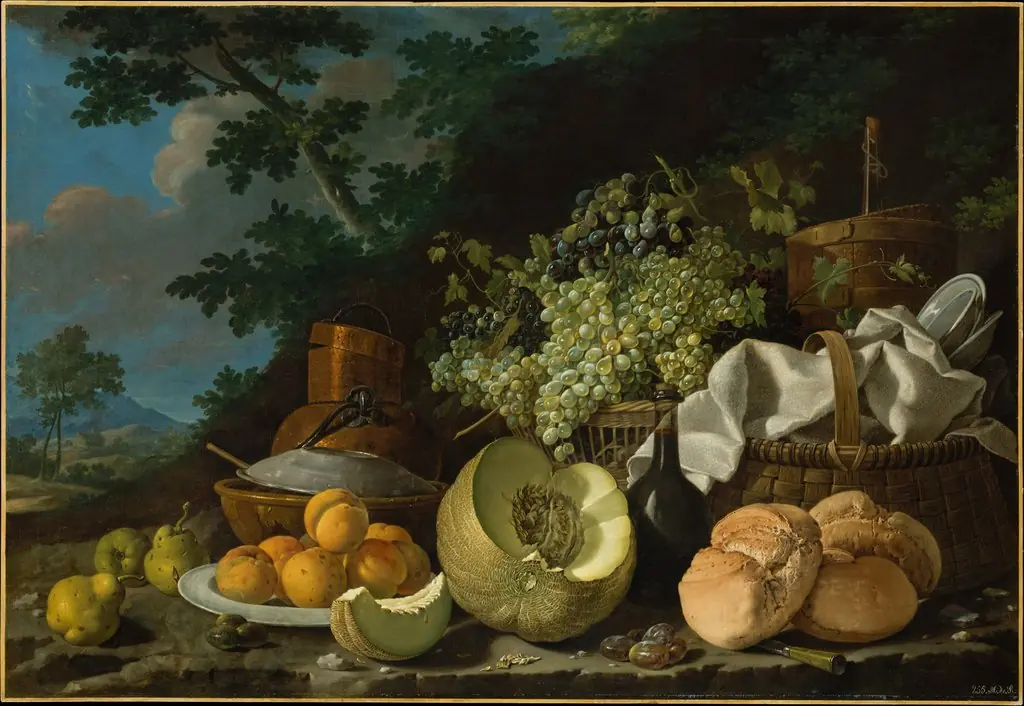 The Afternoon Meal (La Merienda)
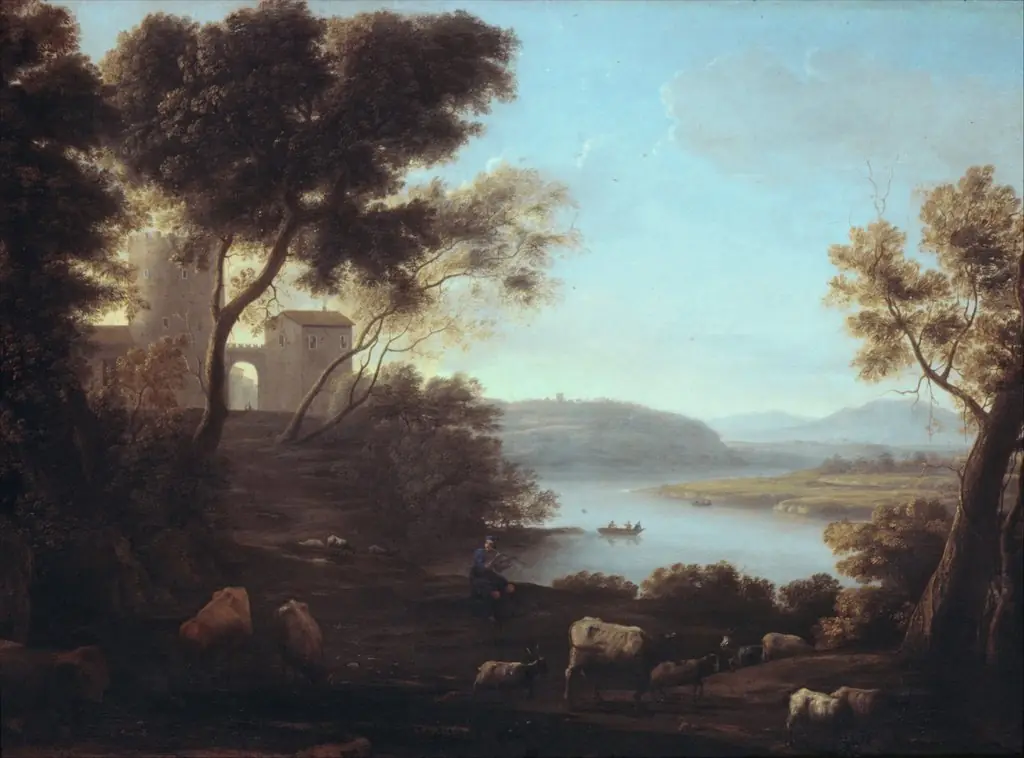 Pastoral Landscape: The Roman Campagna
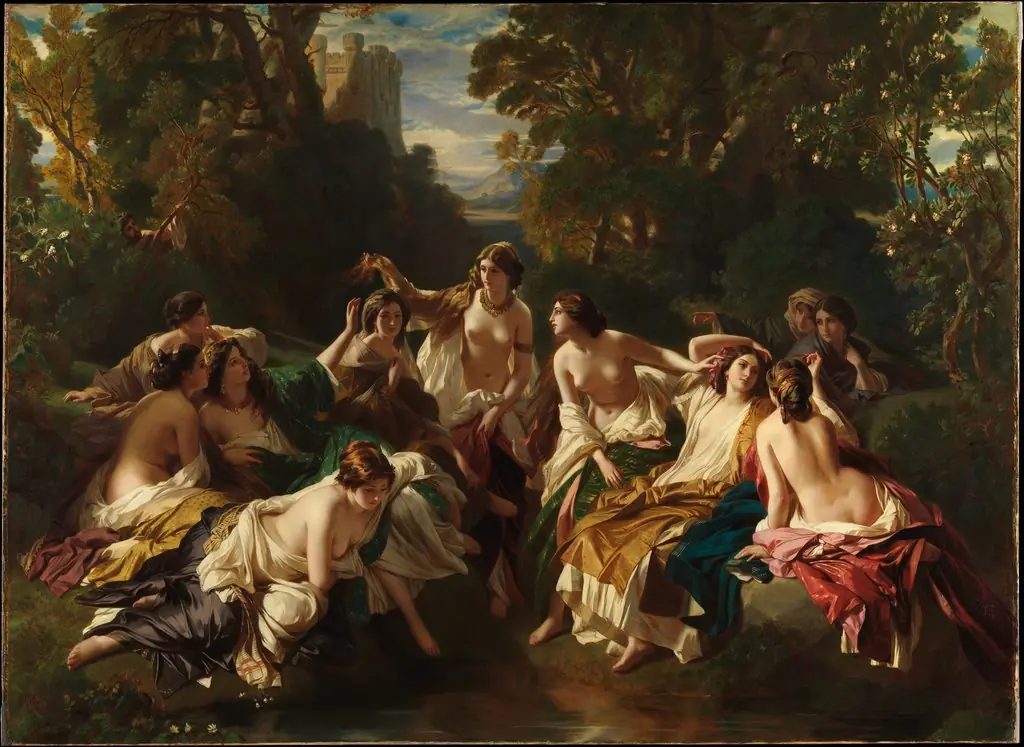 Florinda
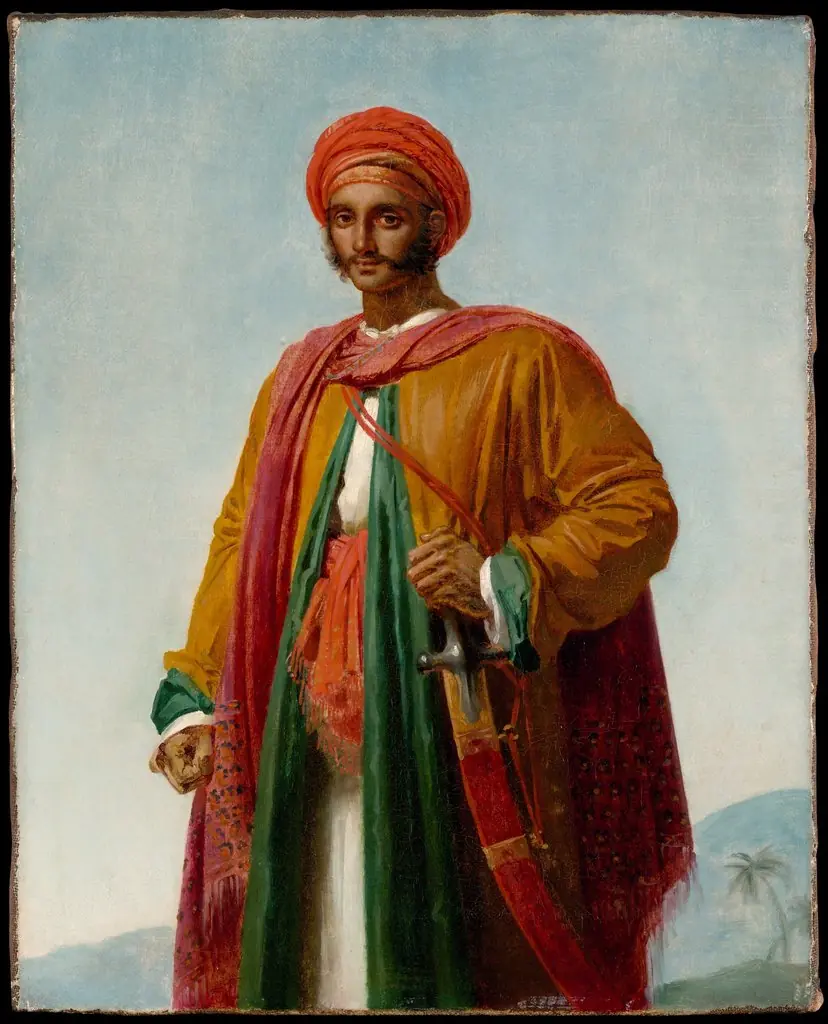 Study for "Portrait of an Indian"
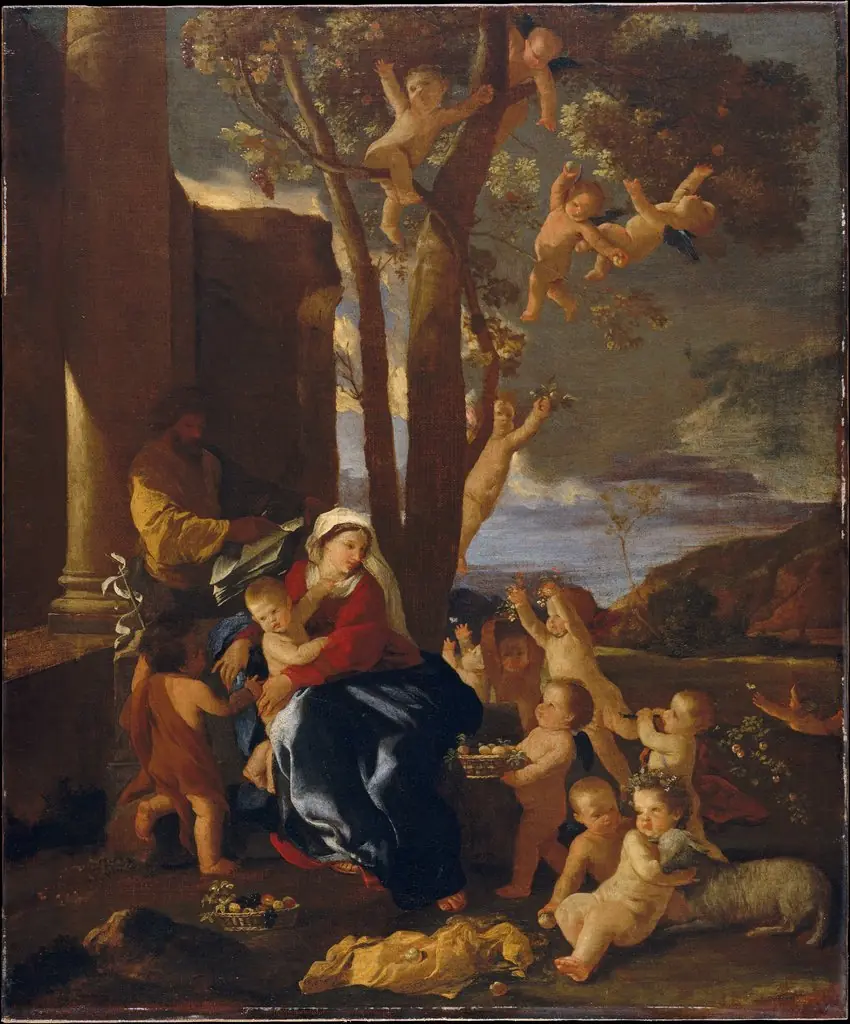 The Rest on the Flight into Egypt
 Portrait of Tiburcio Pérez y Cuervo, the Architect
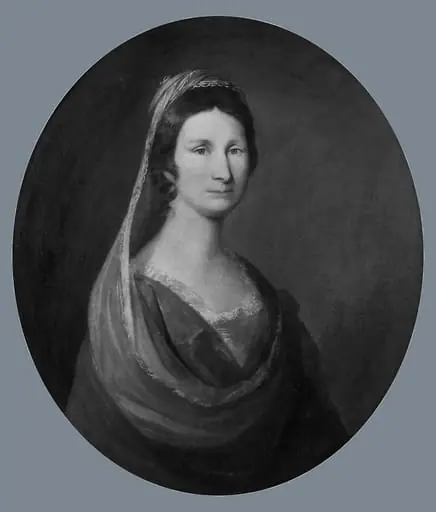 Mrs. Peter De Lancey
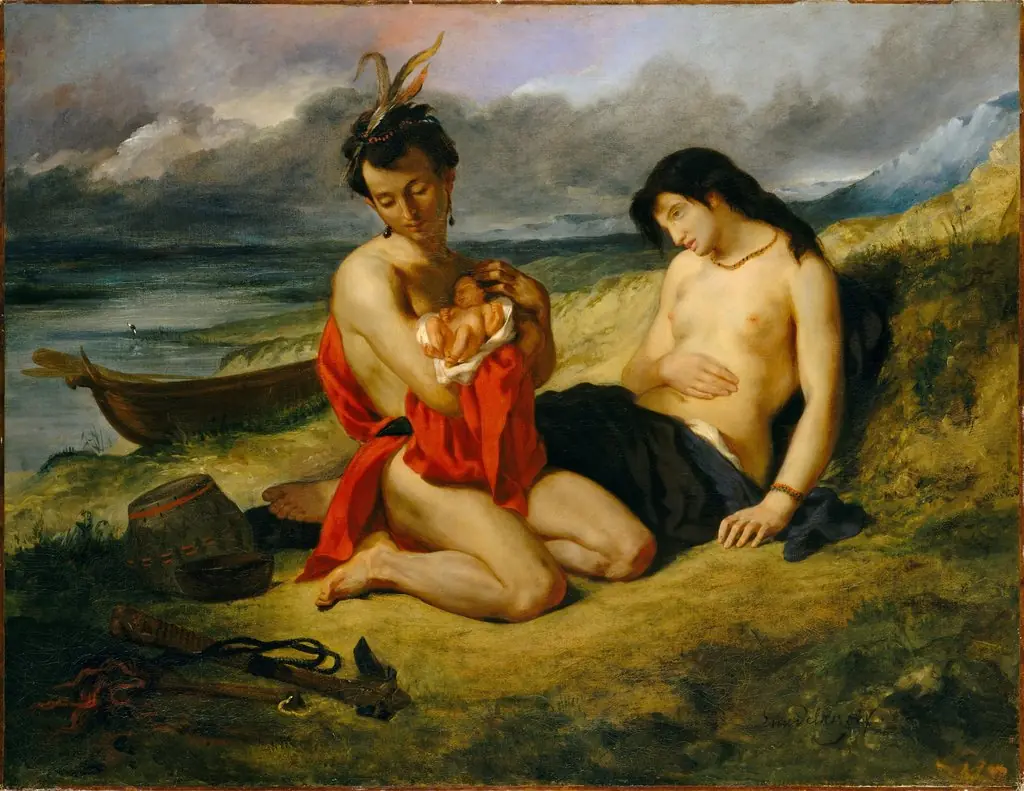 The Natchez
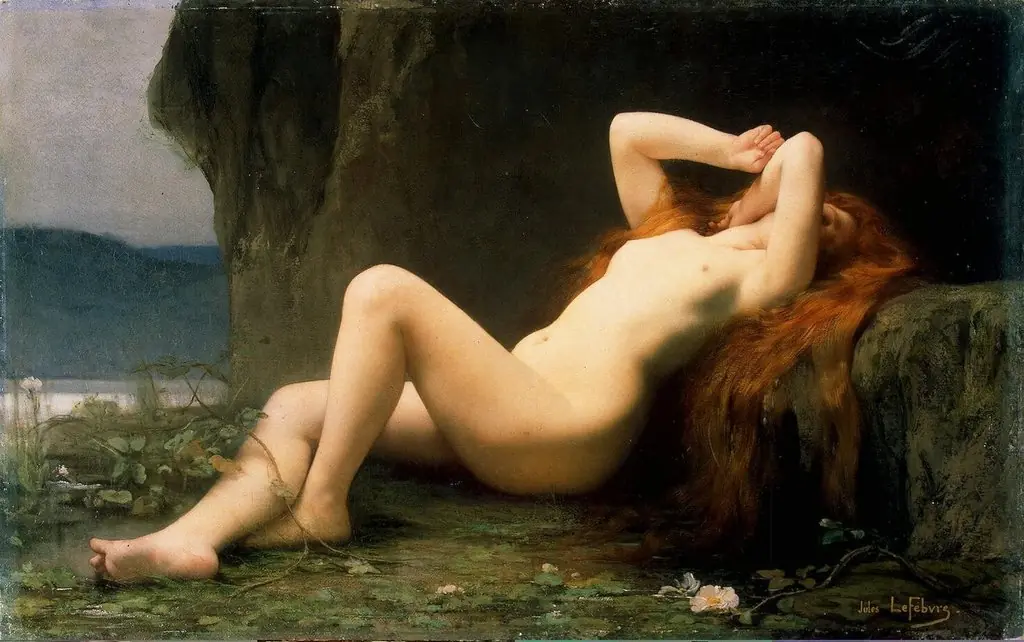 Mary Magdalene in a Grotto
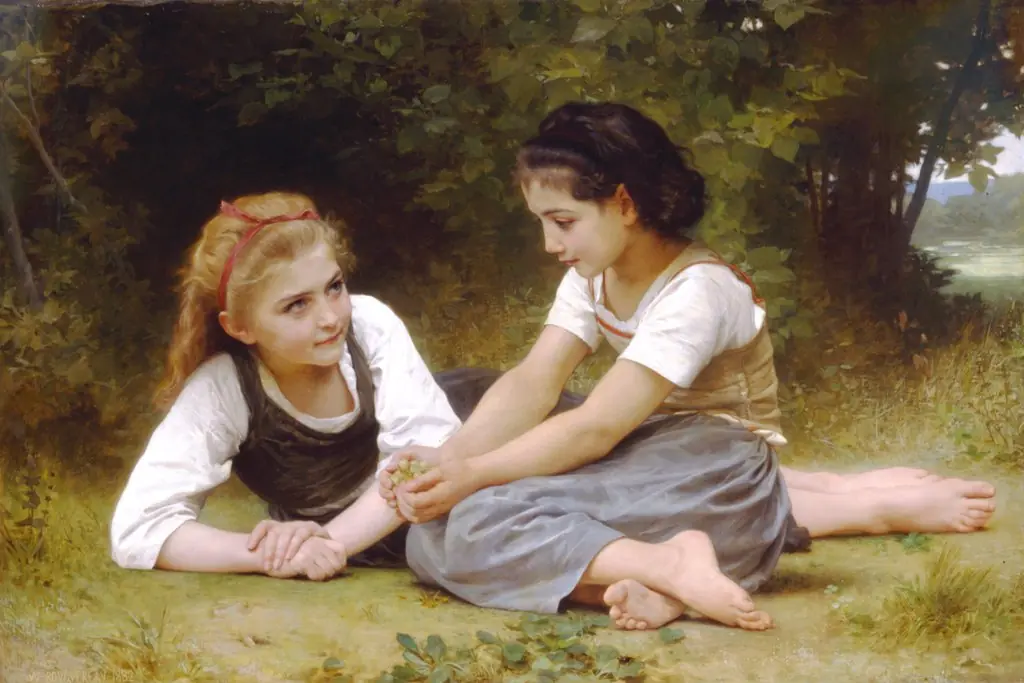 The Nut Gatherers
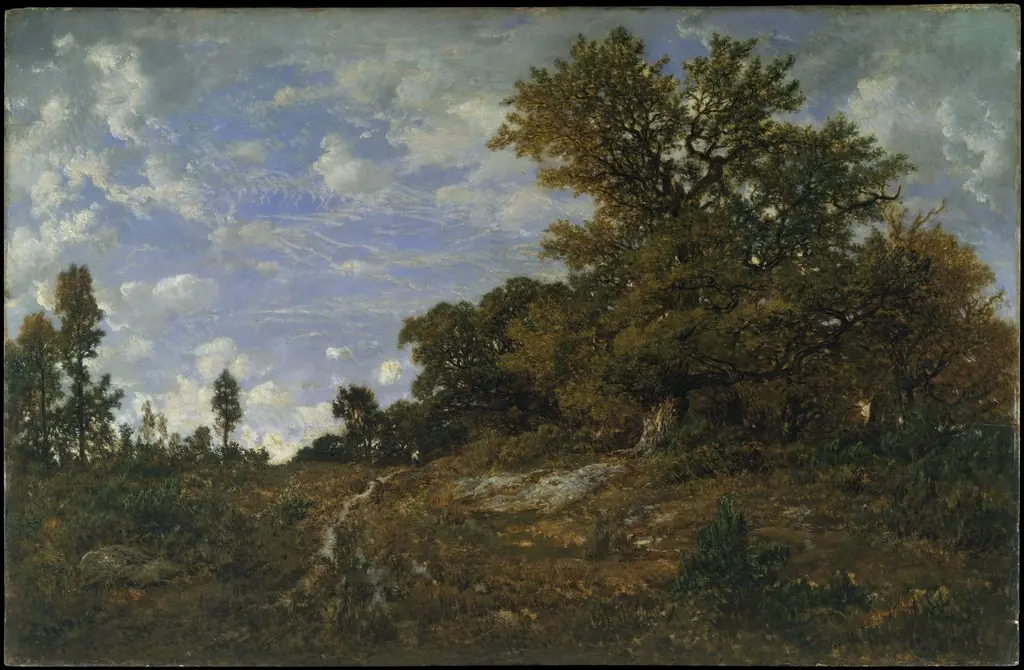 The Edge of the Woods at Monts-Girard, Fontainebleau Forest
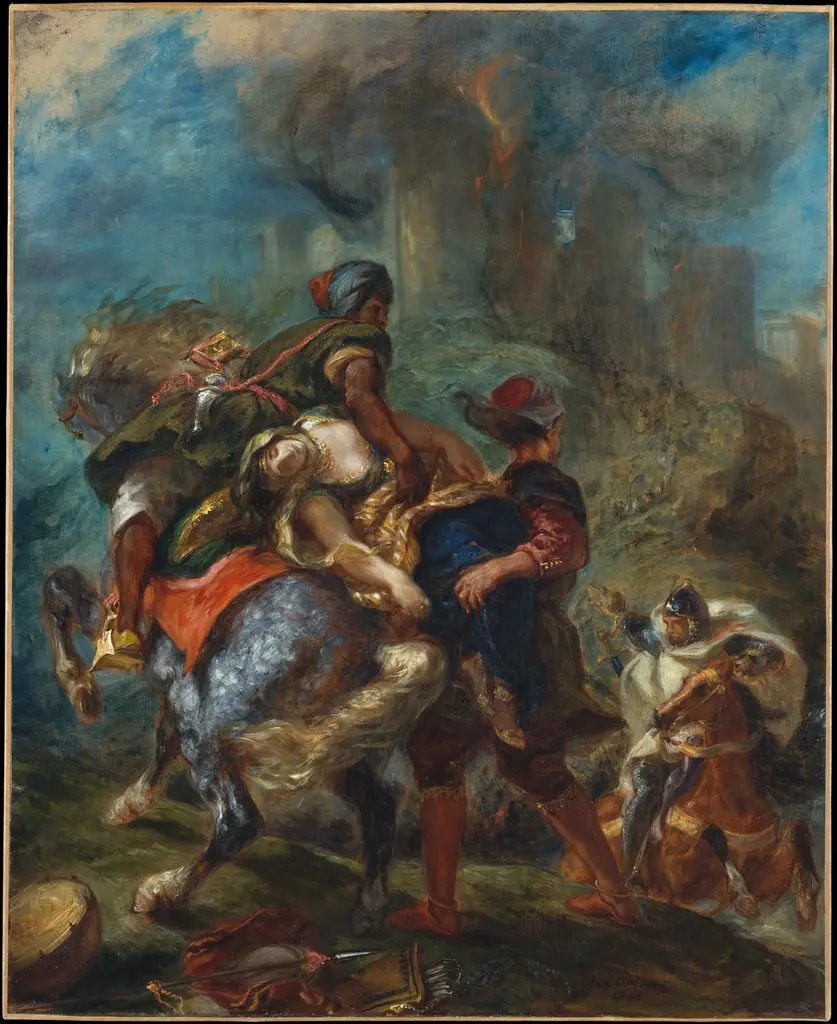 The Abduction of Rebecca
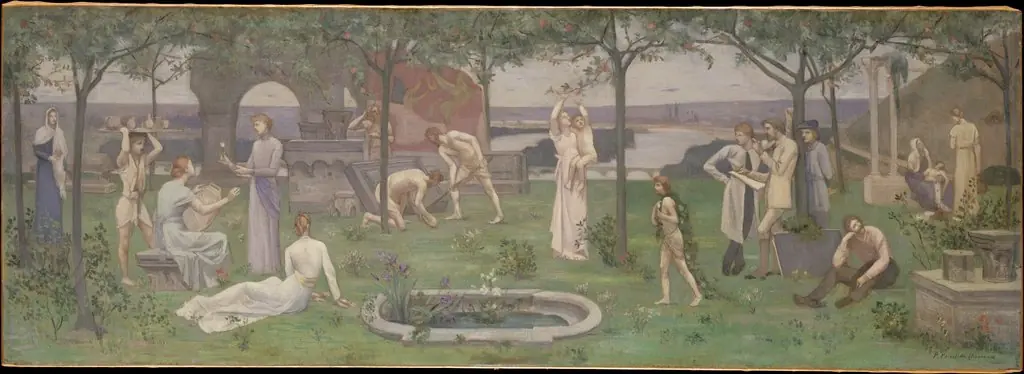 Inter artes et naturam (Between Art and Nature)
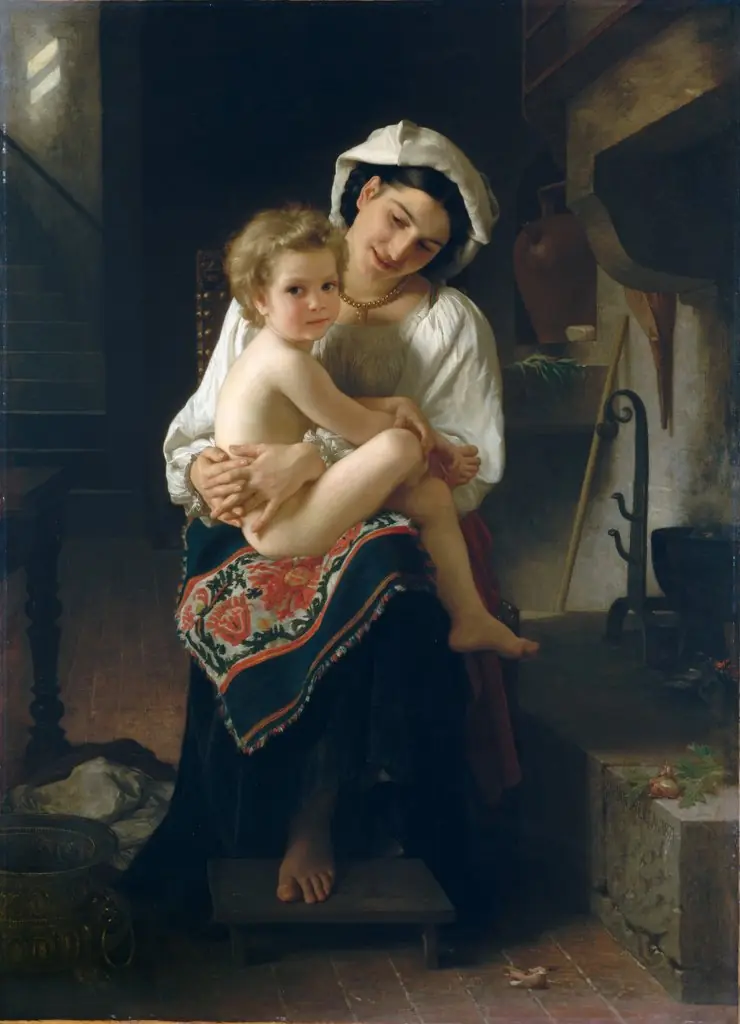 Young Mother Gazing at Her Child
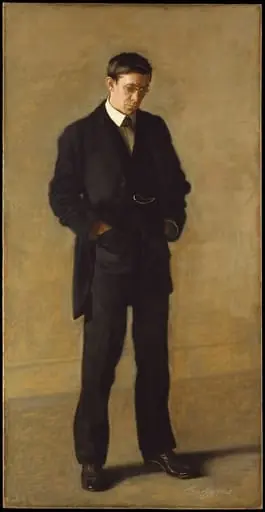 The Thinker: Portrait of Louis N. Kenton
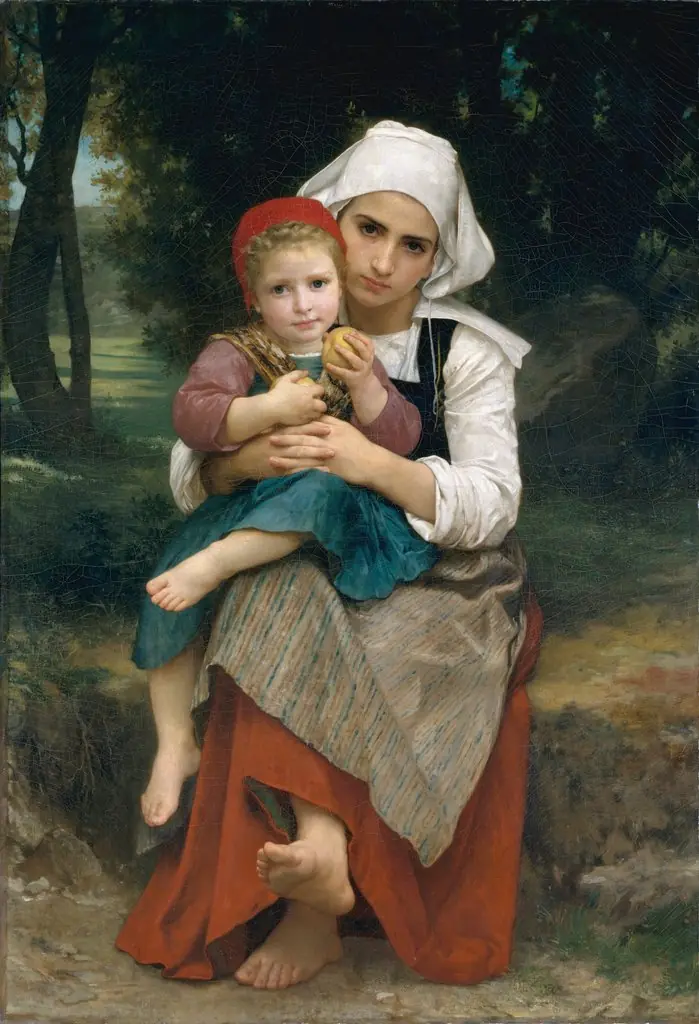 Breton Brother and Sister
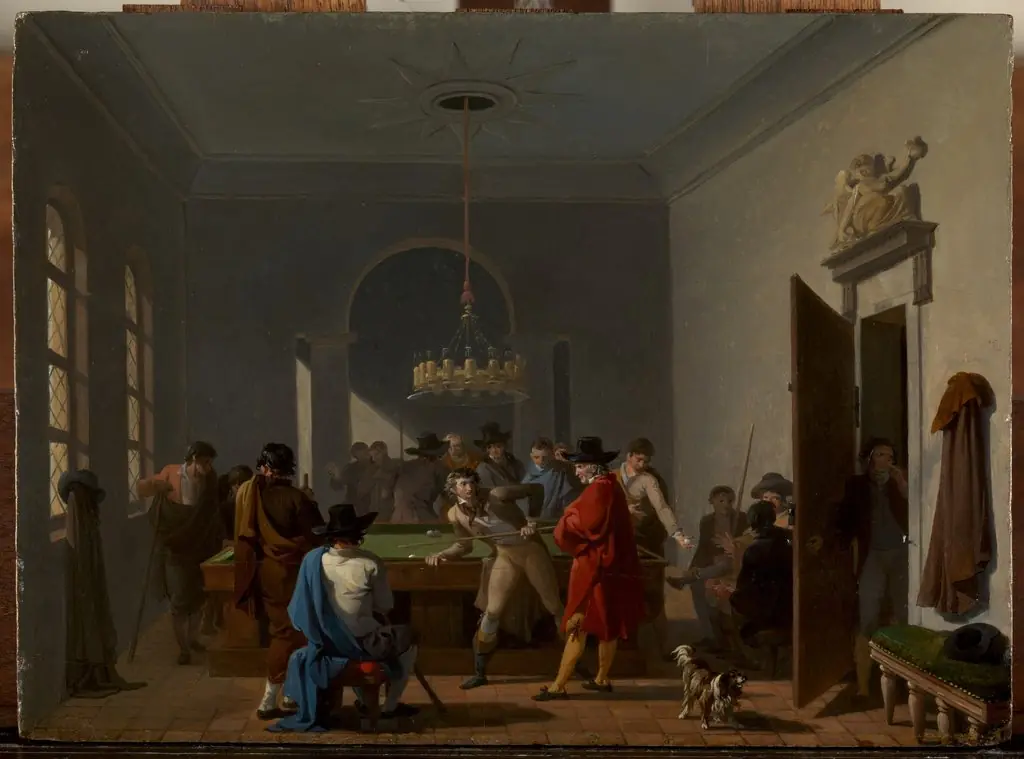 The Billiard Room
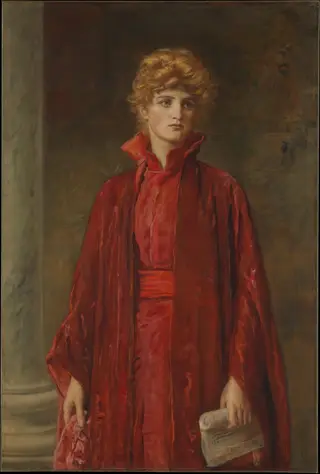
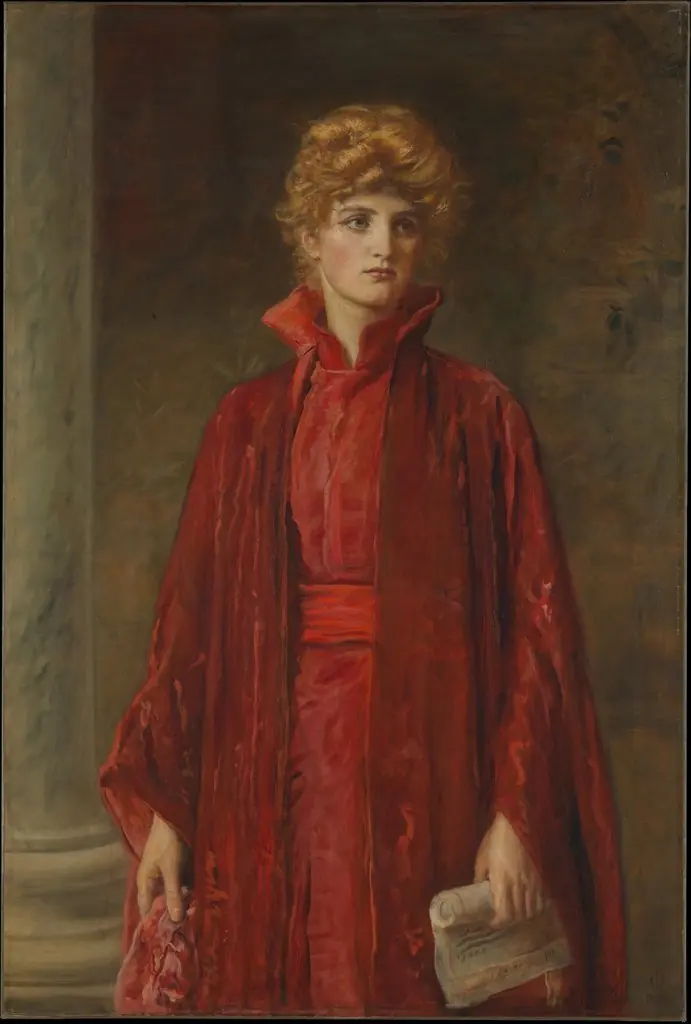 Portia
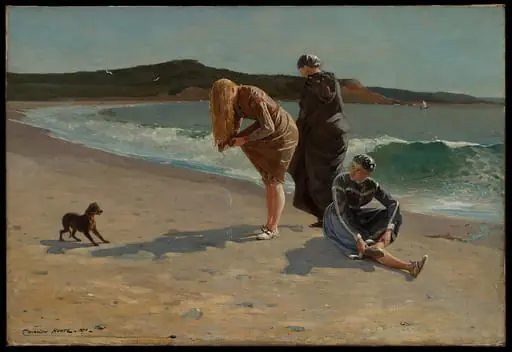 Eagle Head, Manchester, Massachusetts (High Tide)
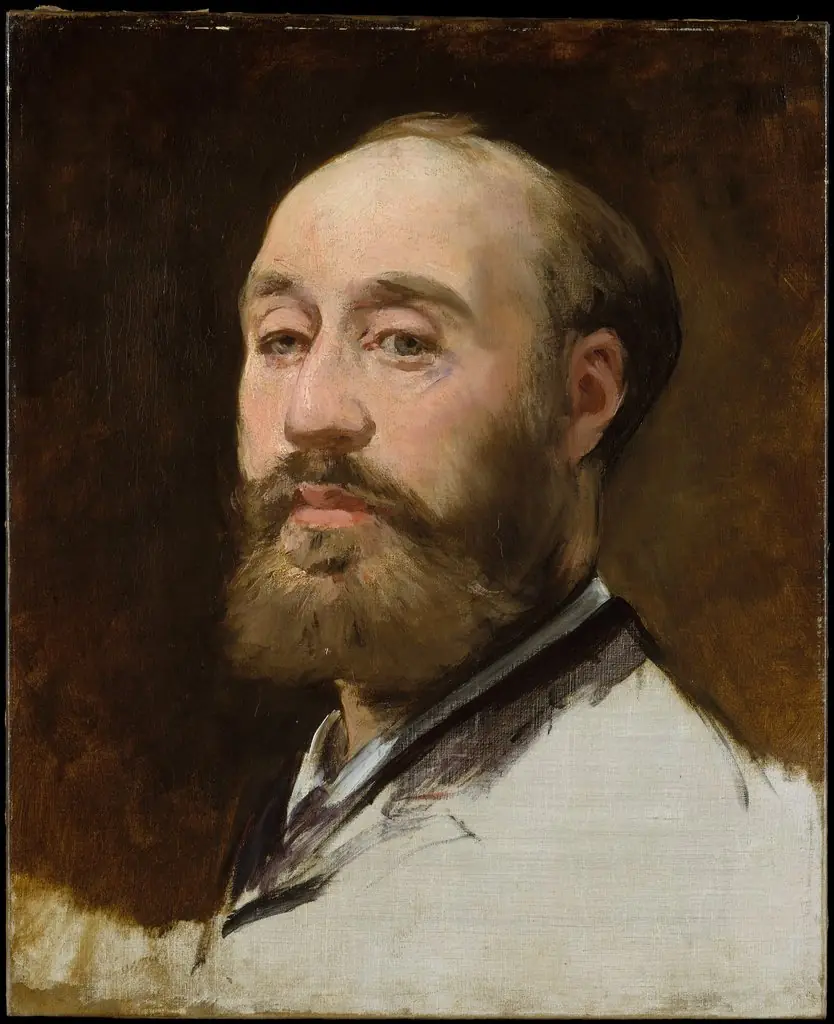 Head of Jean-Baptiste Faure (1830–1914)
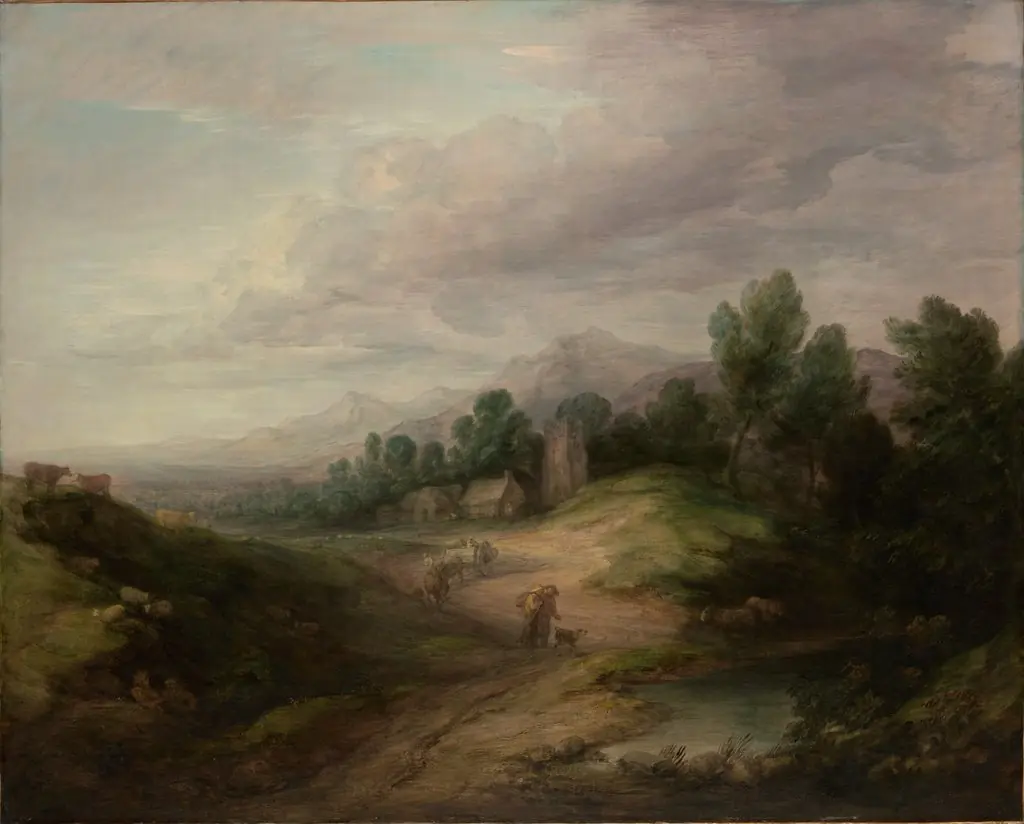 Wooded Upland Landscape
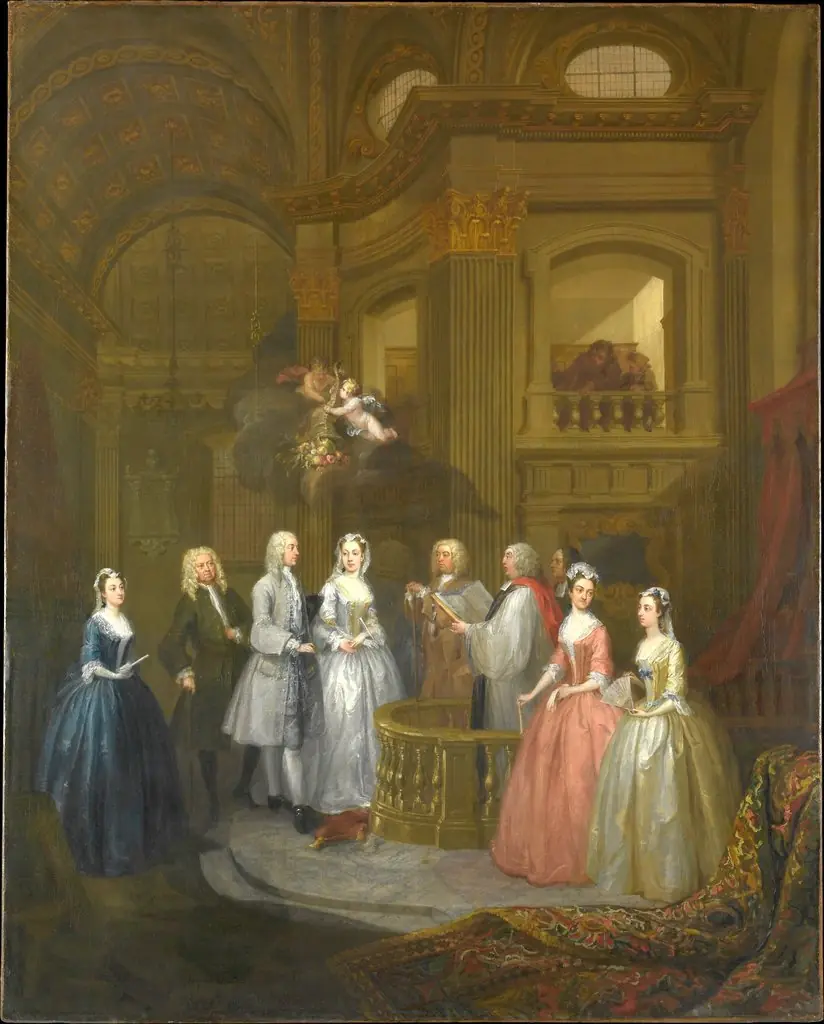 The Wedding of Stephen Beckingham and Mary Cox
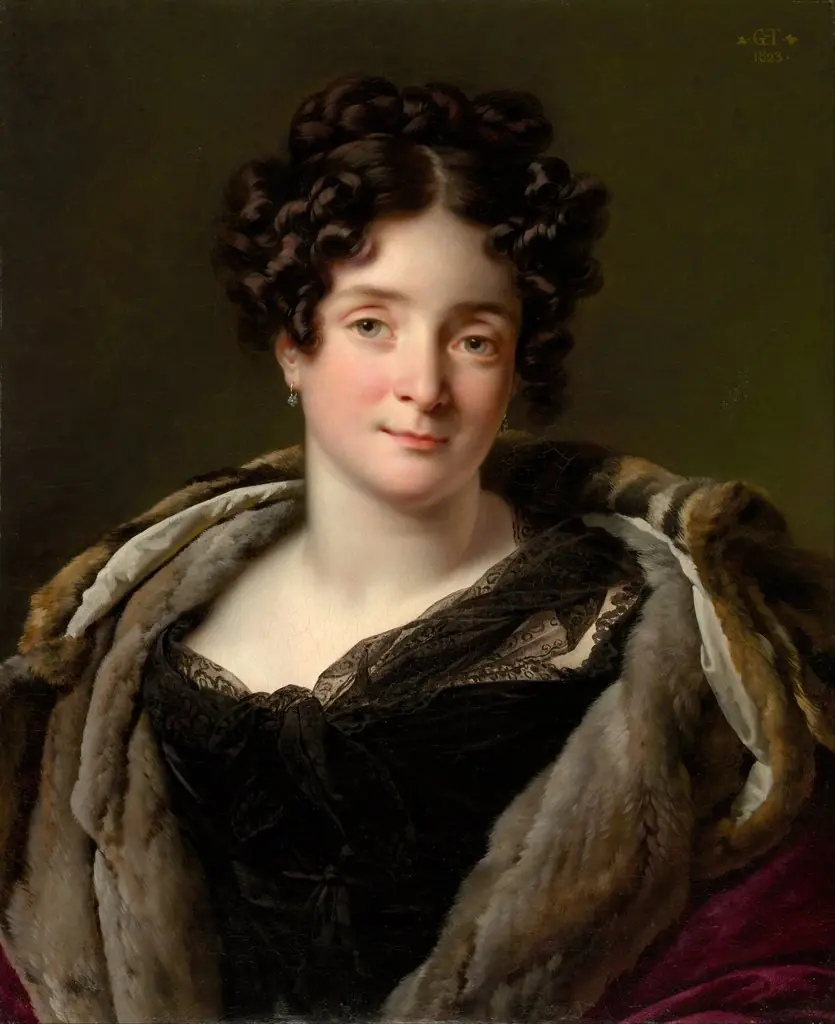 Madame Jacques-Louis-Étienne Reizet (Colette-Désirée-Thérèse Godefroy, 1782–1850)
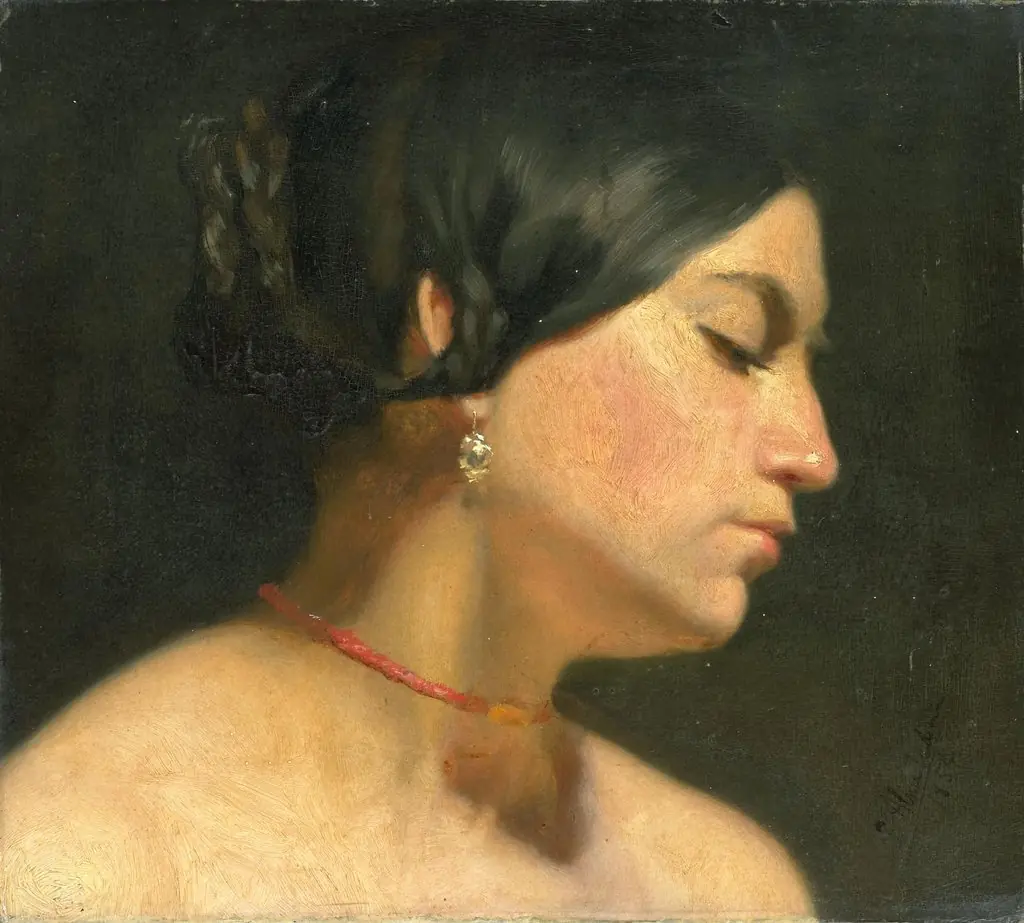 Mary Magdalene
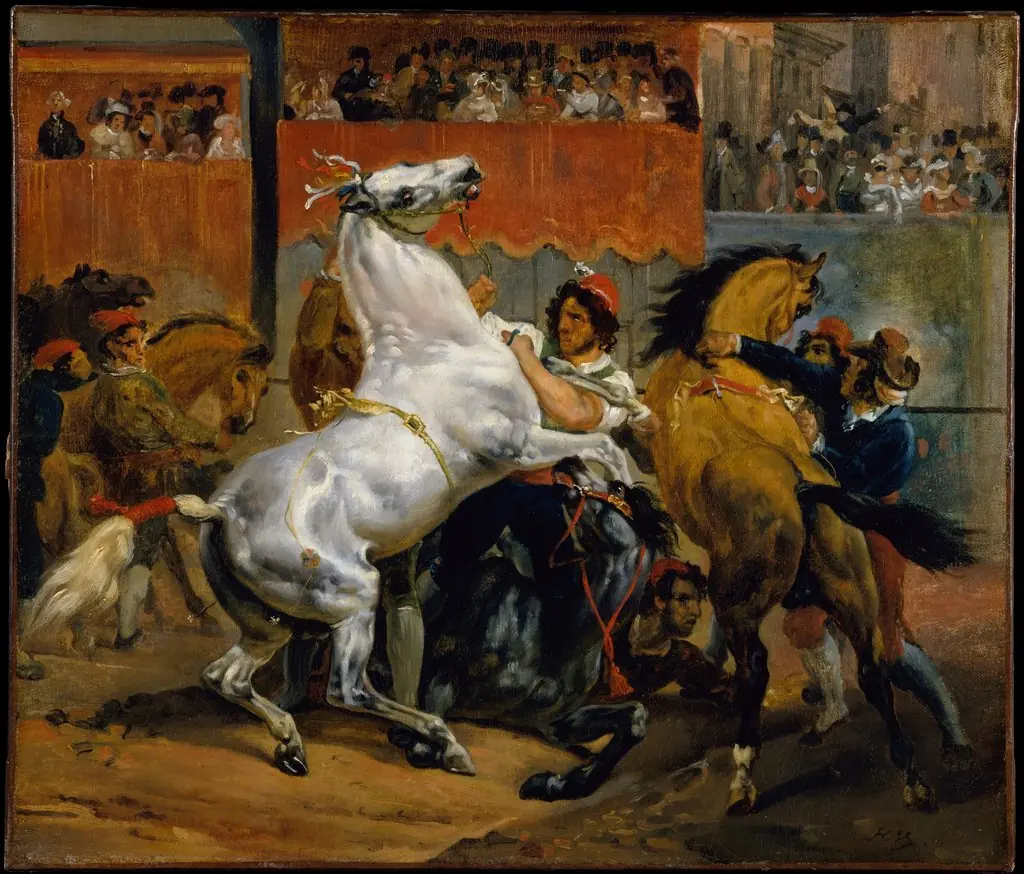 The Start of the Race of the Riderless Horses
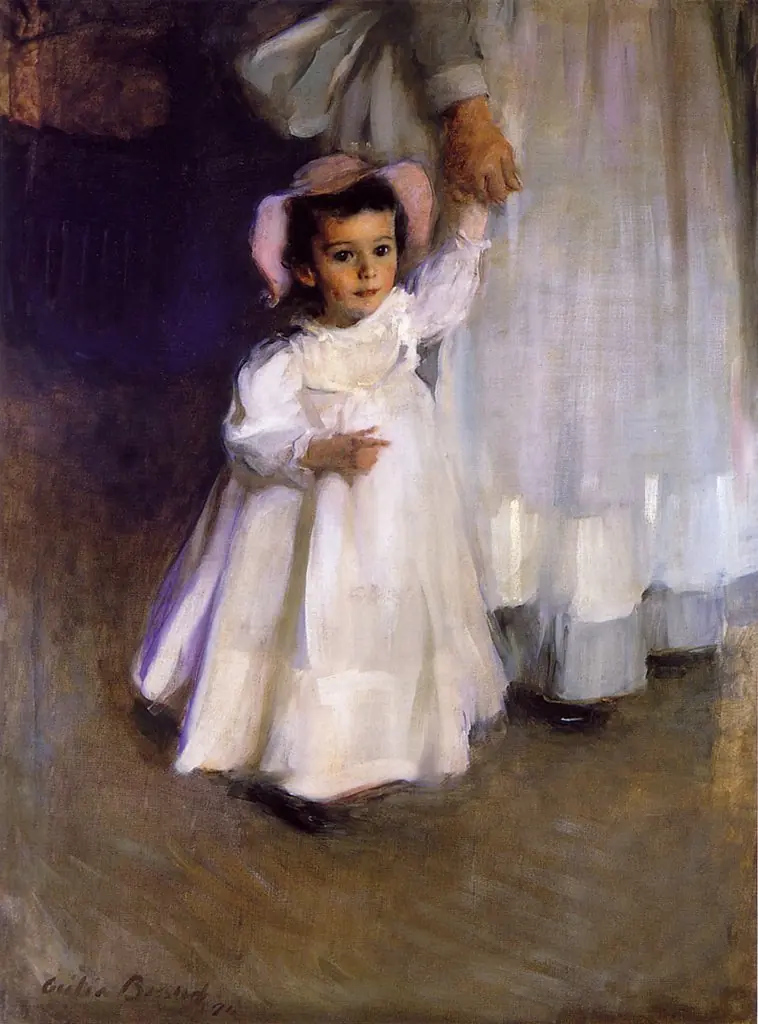 Ernesta (Child with Nurse)
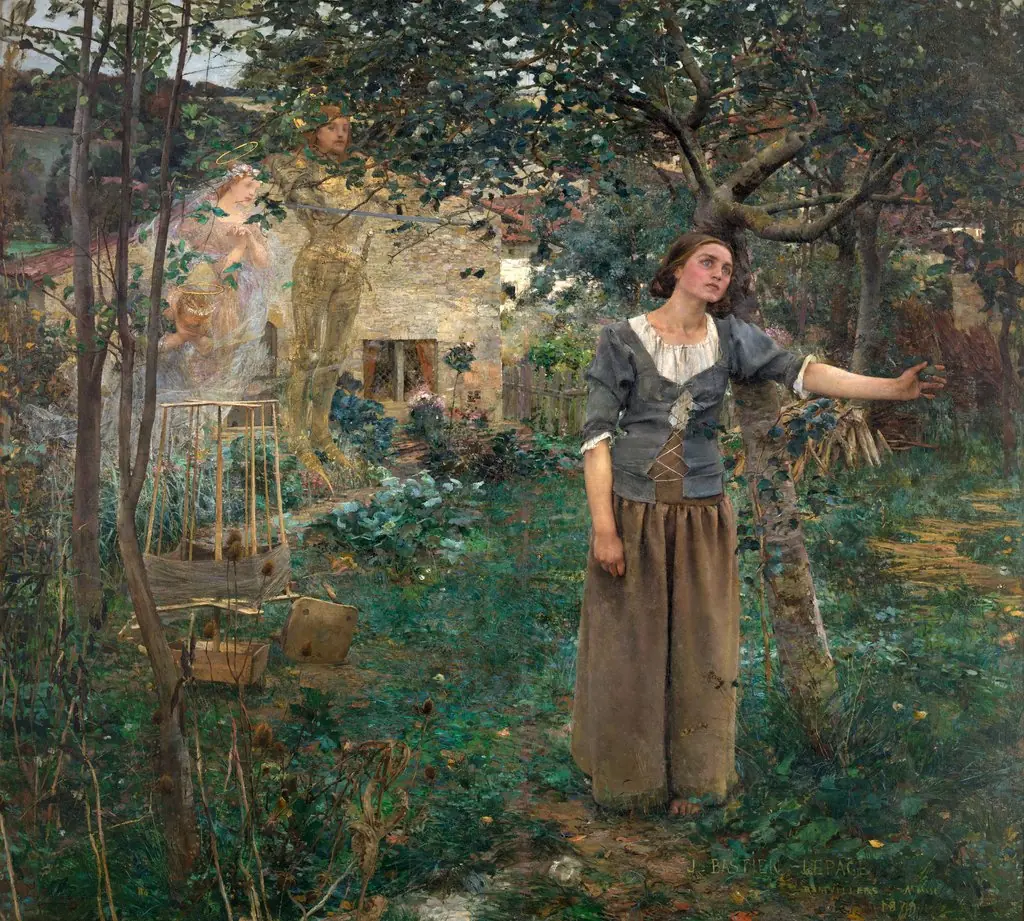 Joan of Arc
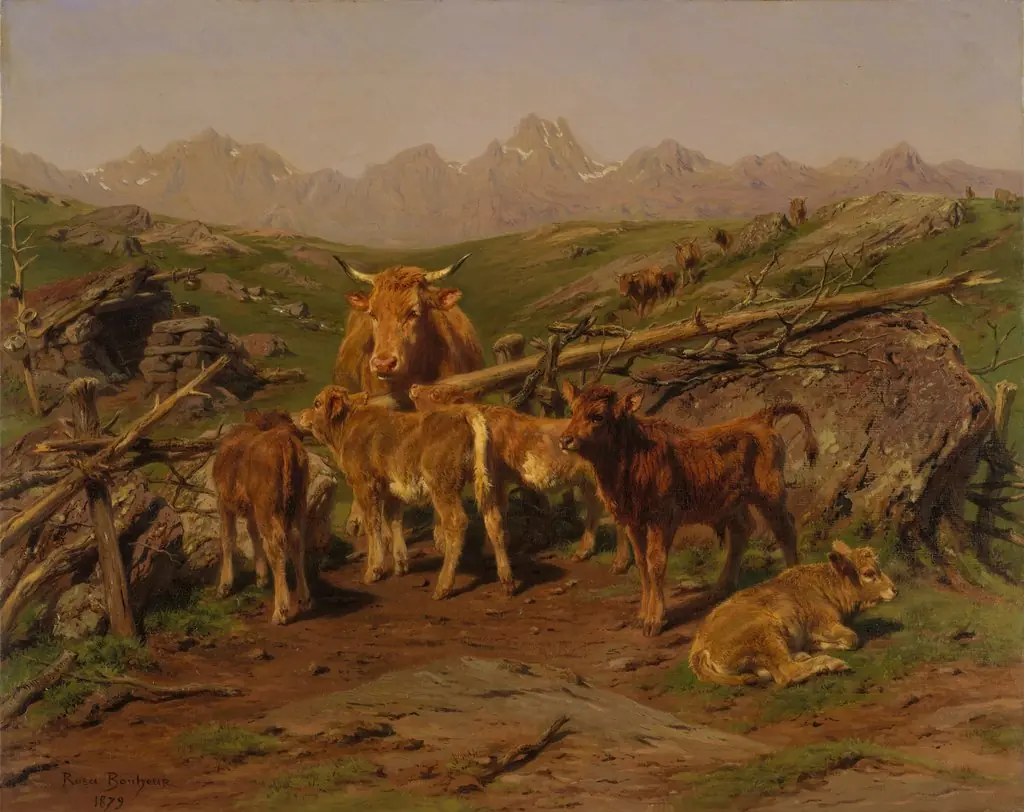 Weaning the Calves
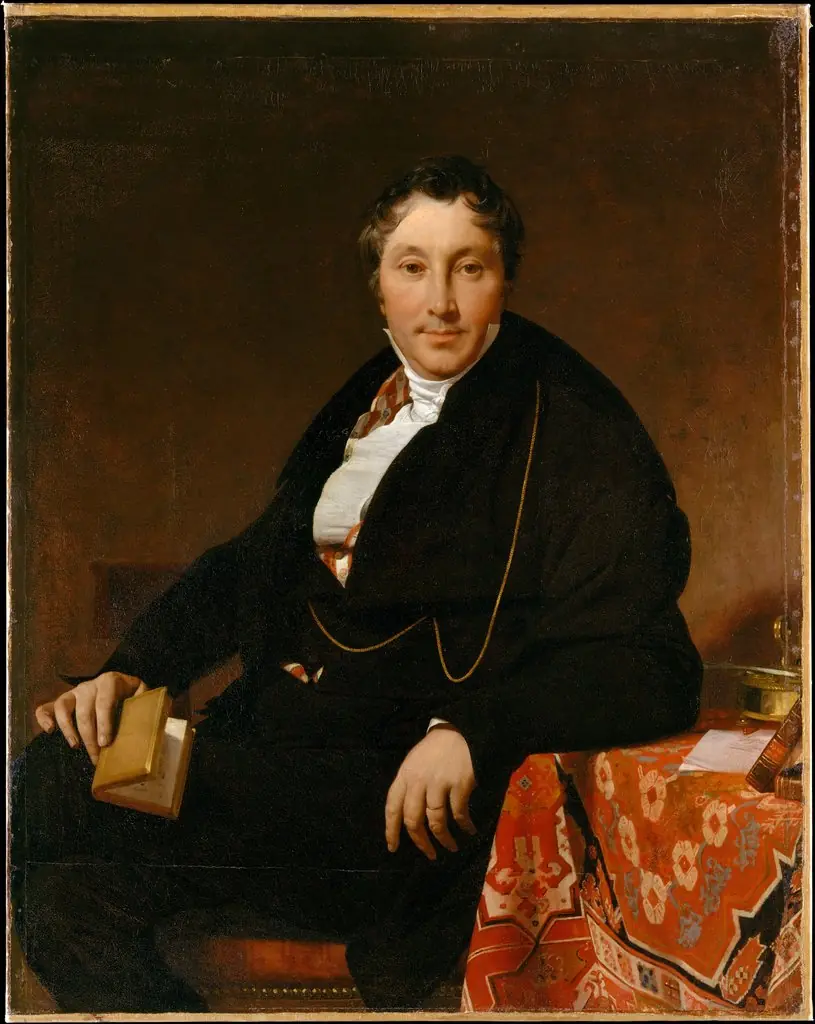 Jacques-Louis Leblanc (1774–1846)
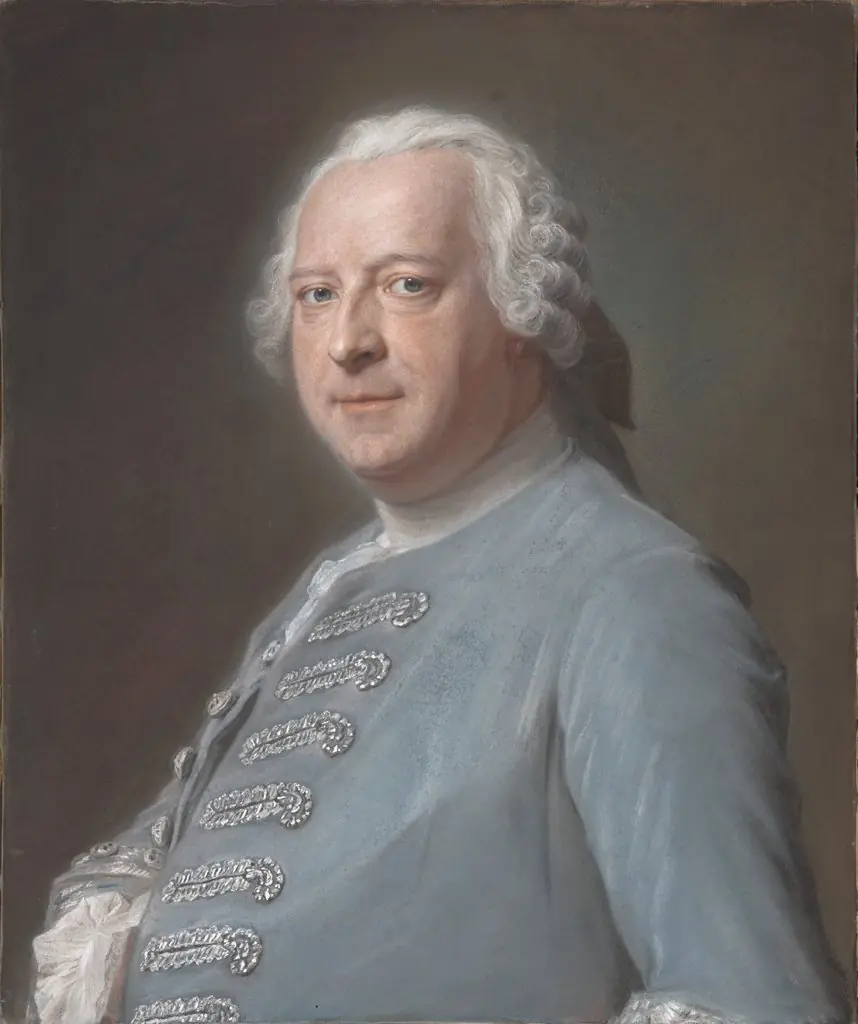 Jean Charles Garnier d'Isle (1697–1755)
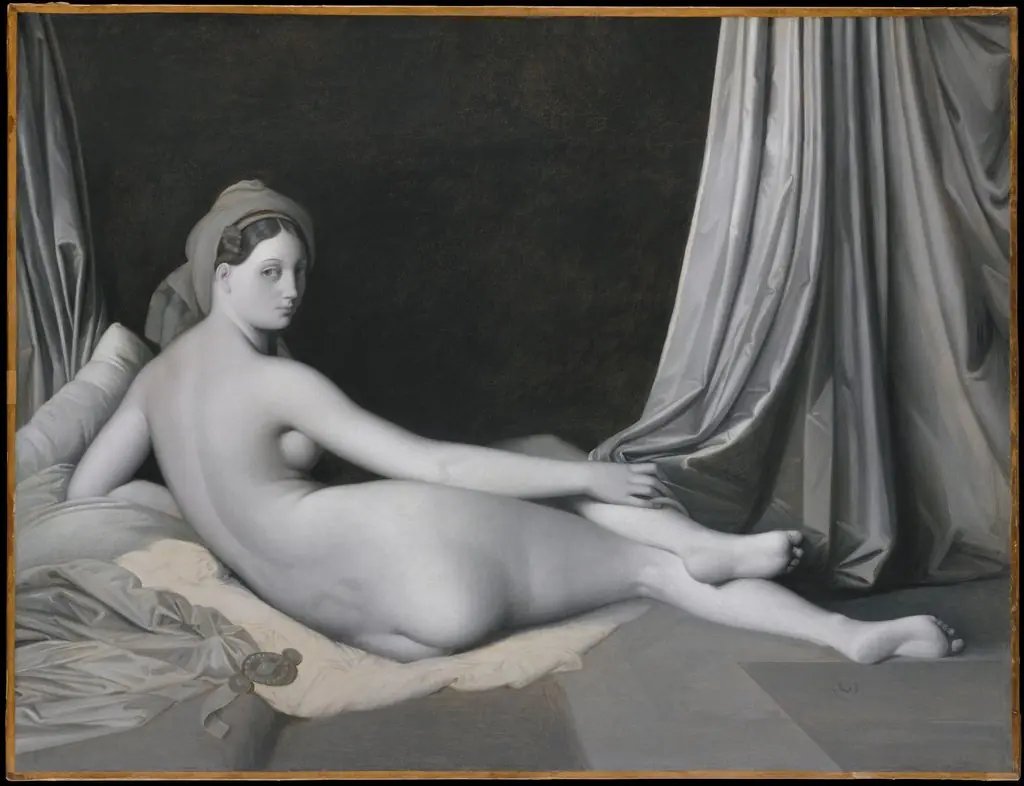 Odalisque in Grisaille
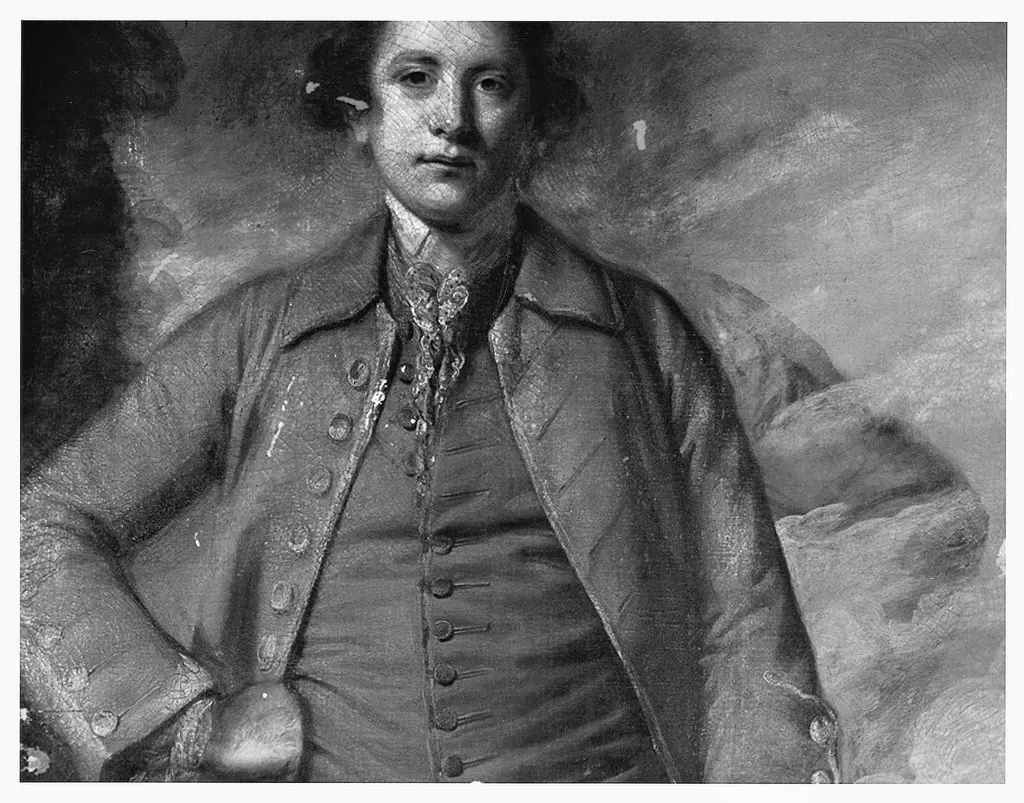 The Honorable Henry Fane (1739–1802) with Inigo Jones and Charles Blair
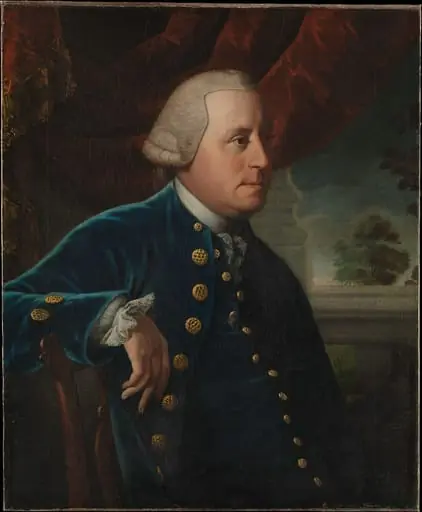 Reynold Keen
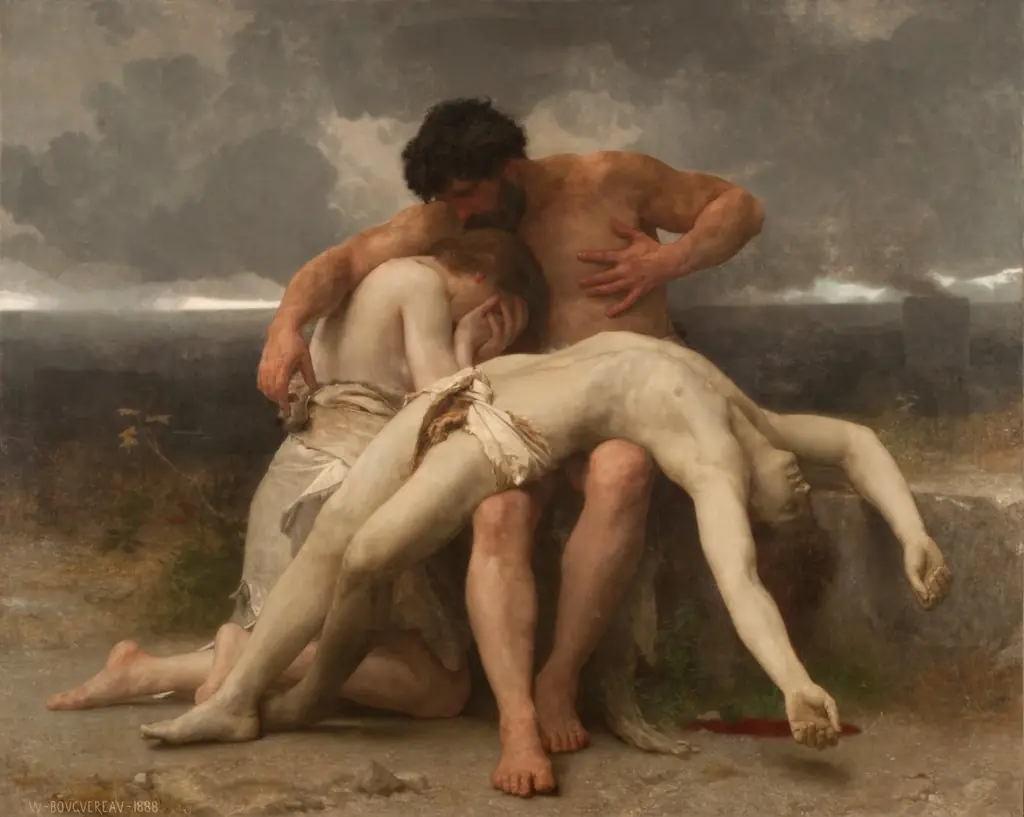 The First Mourning
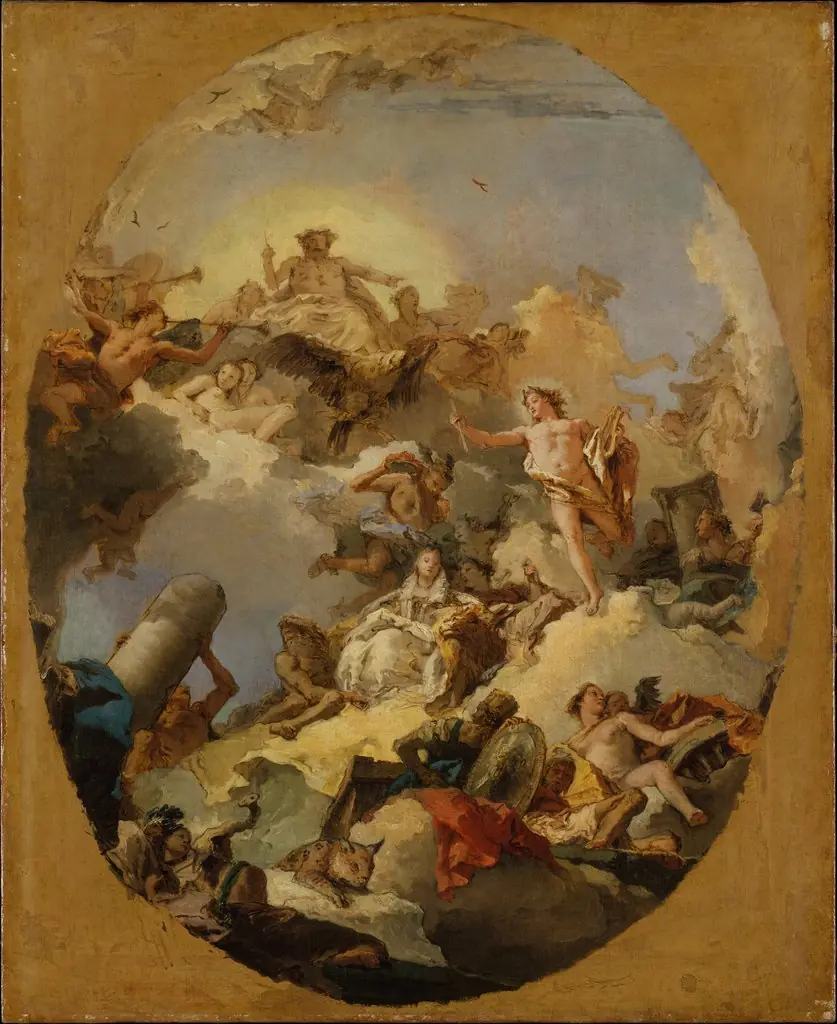 The Apotheosis of the Spanish Monarchy
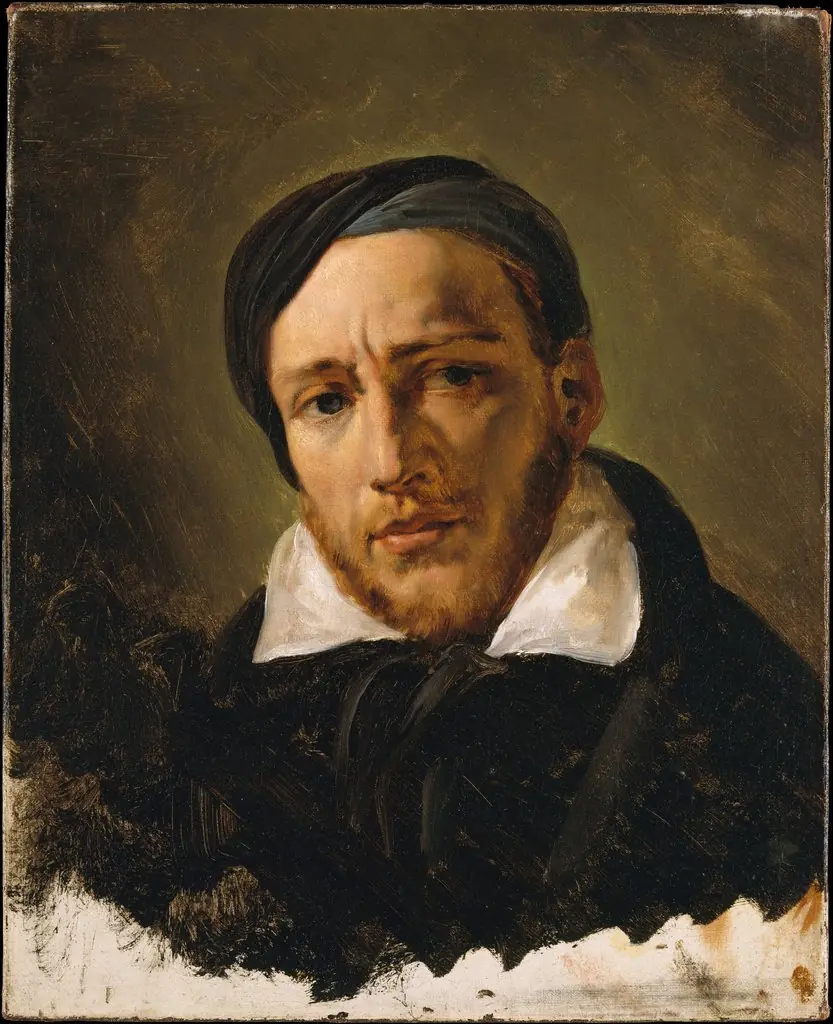 Jean-Louis-André-Théodore Gericault (1791–1824)
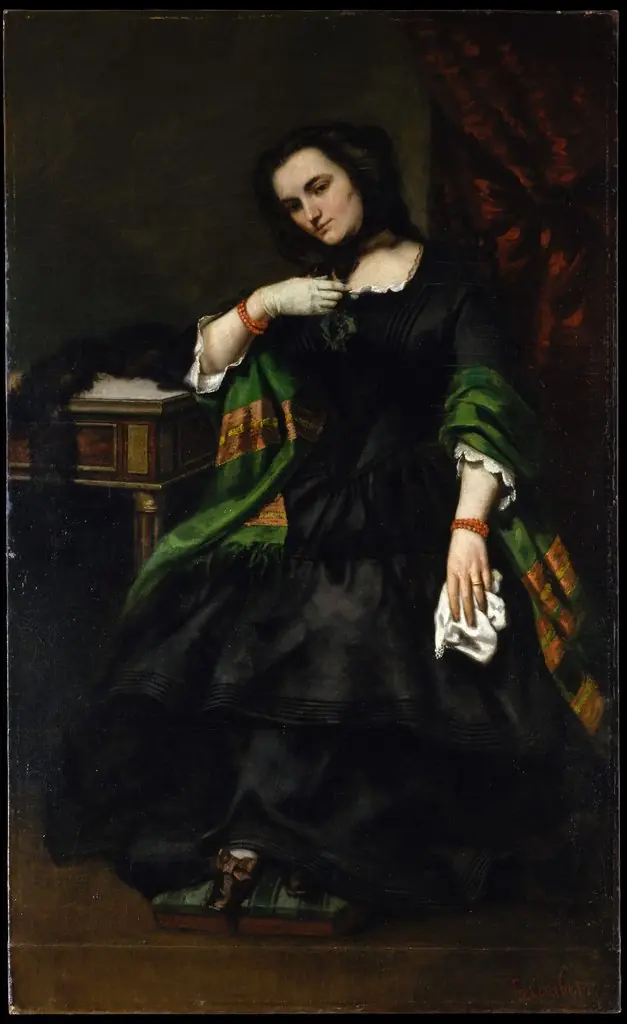 Madame Auguste Cuoq (Mathilde Desportes, 1827–1910)
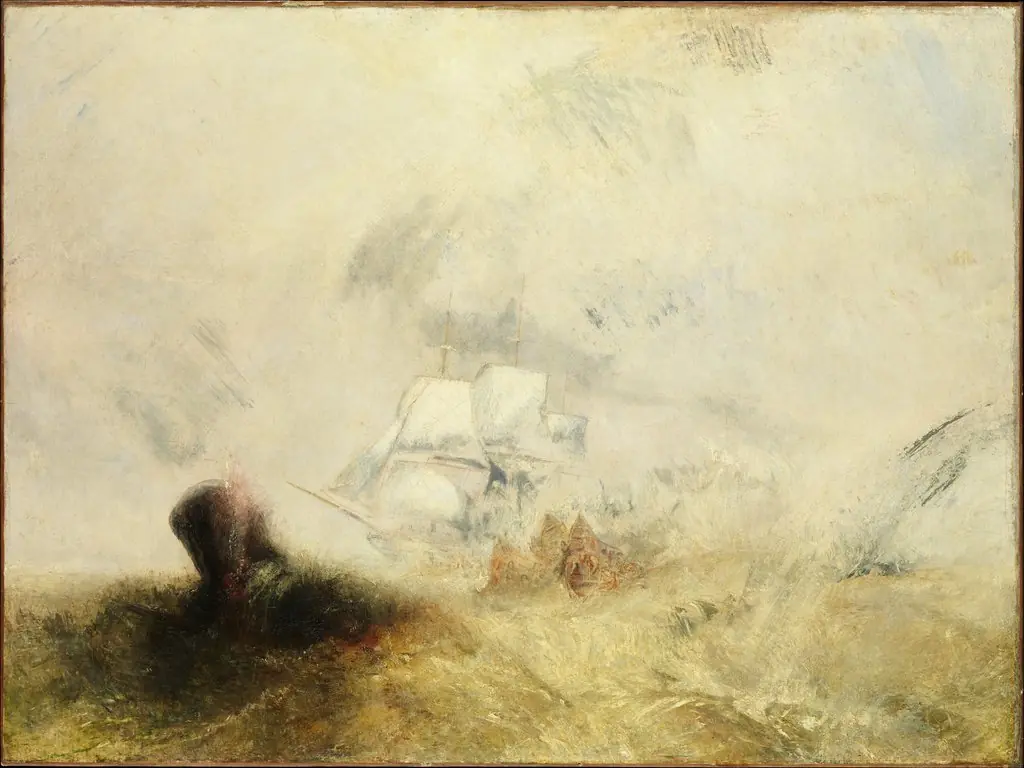 Whalers
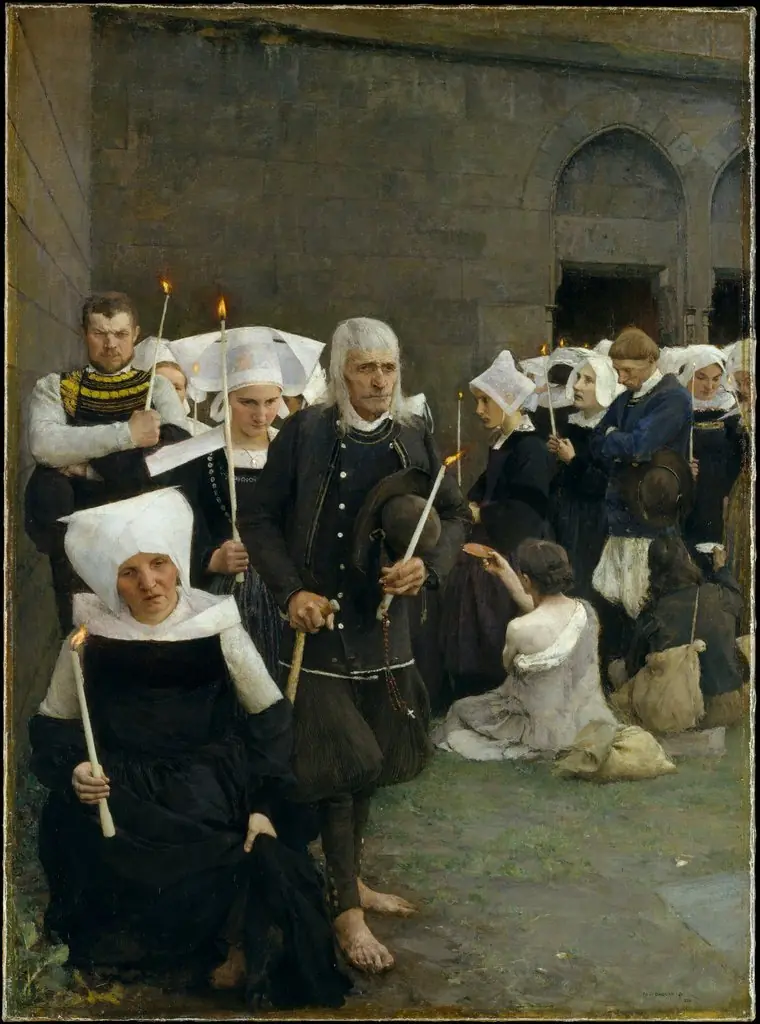 The Pardon in Brittany
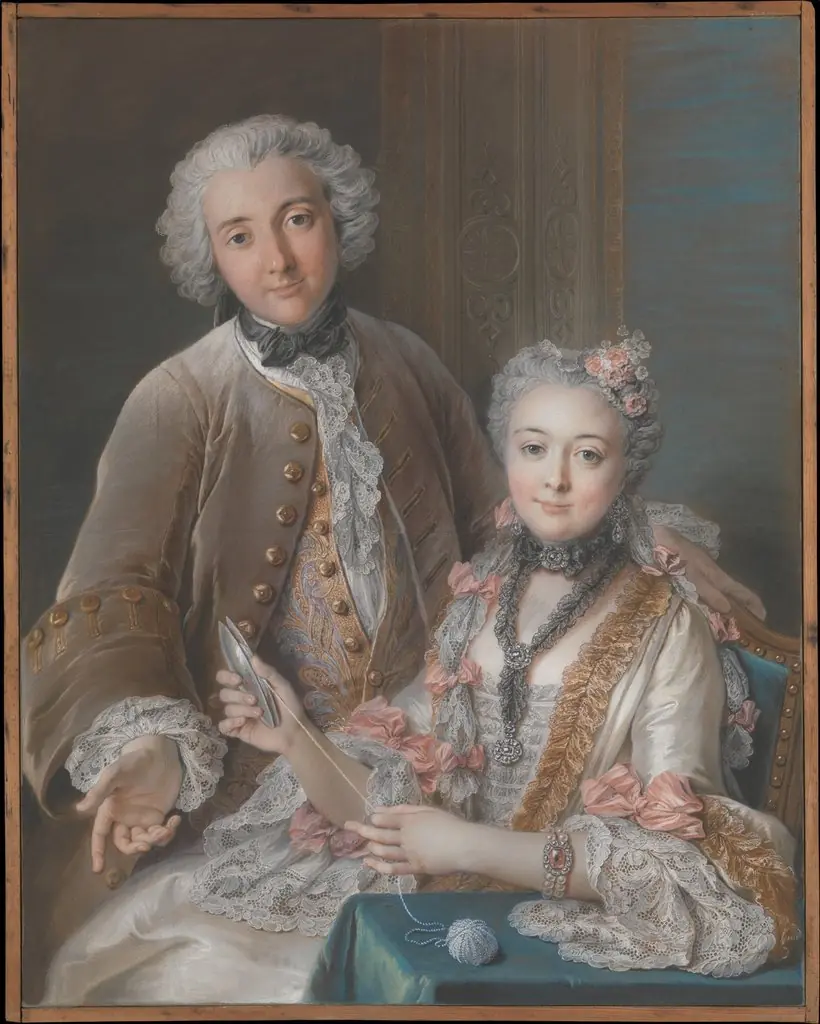 François de Jullienne (1722–1754) and Marie Elisabeth de Jullienne (Marie Elisabeth de Séré de Rieux, 1724–1795)
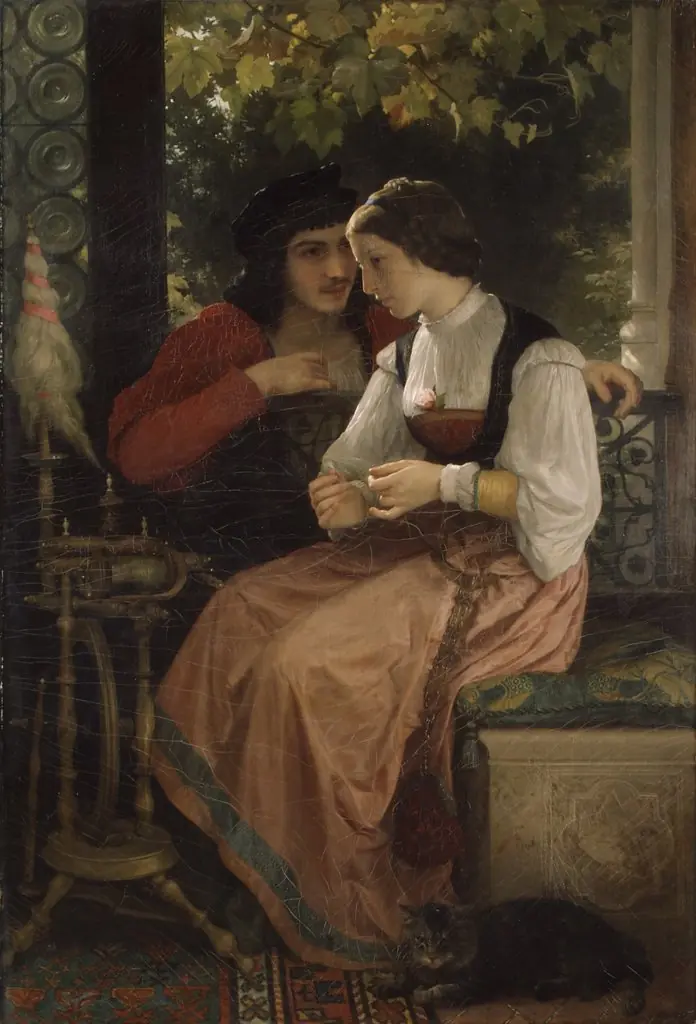 The Proposal
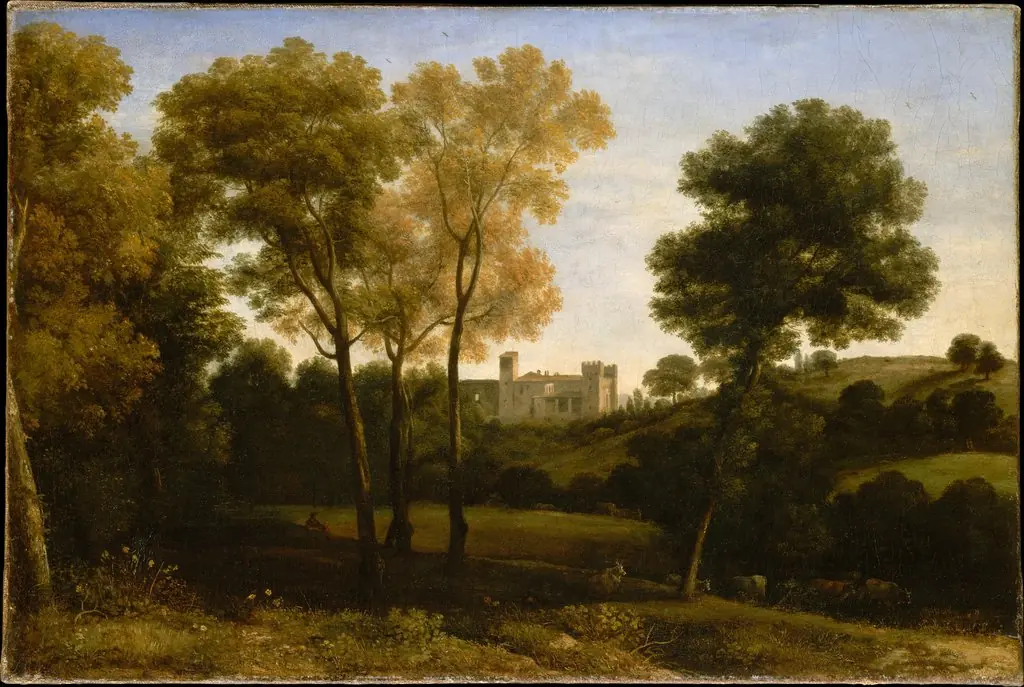 View of La Crescenza
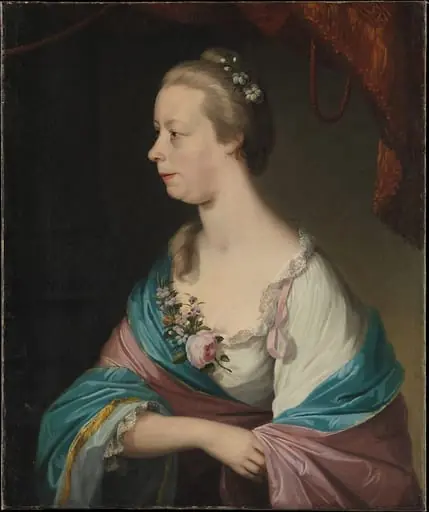 Christiana Stille Keen
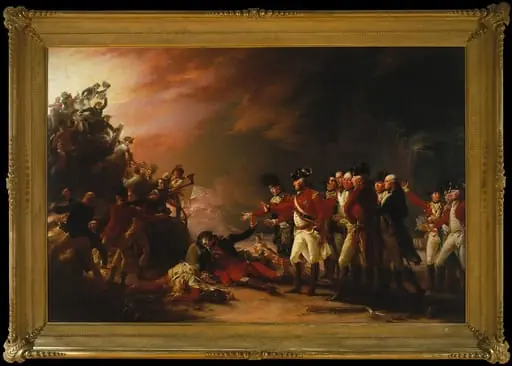 The Sortie Made by the Garrison of Gibraltar
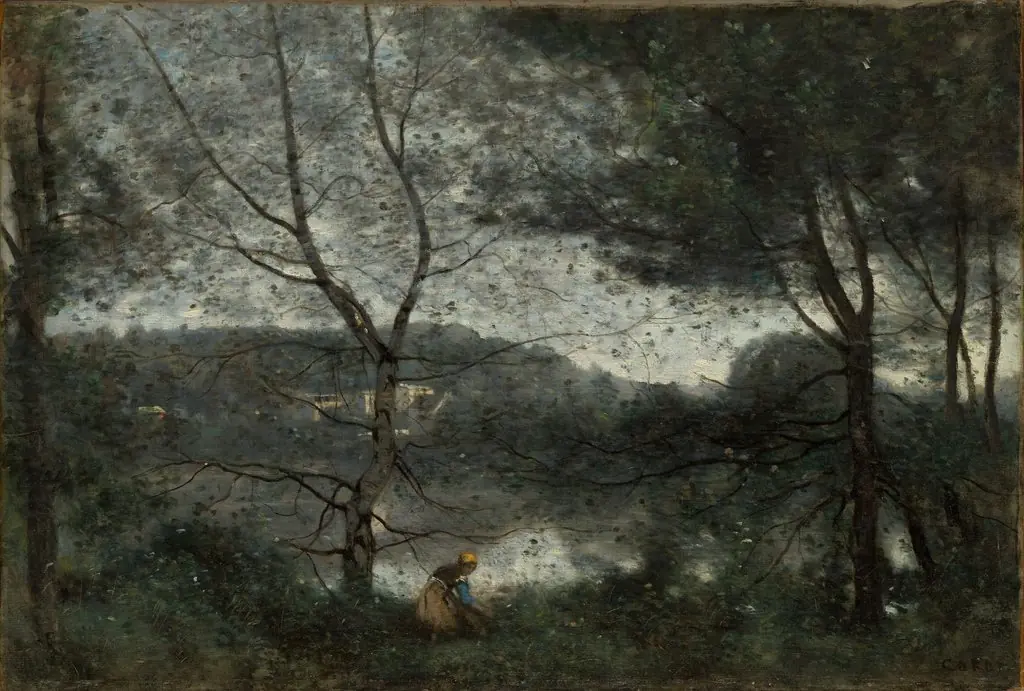 Ville-d'Avray
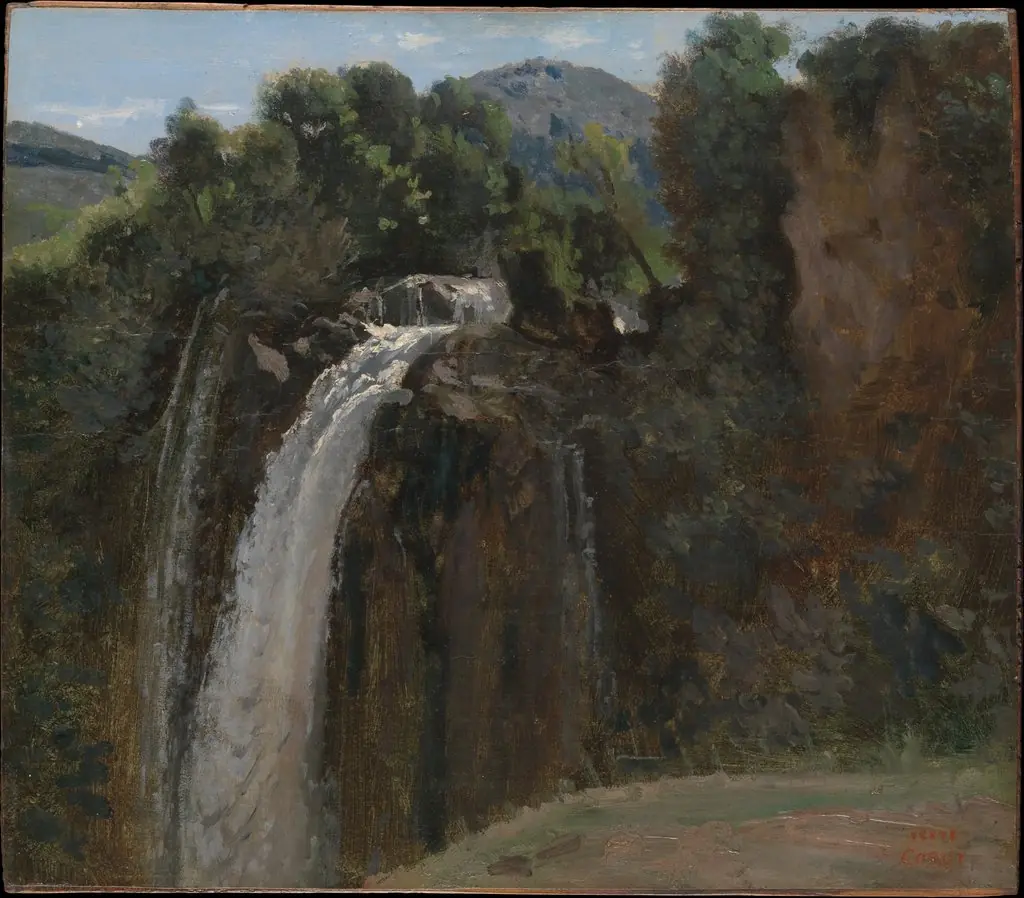 Waterfall at Terni
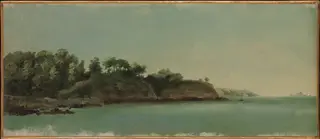 The Banks of the Rance, Brittany
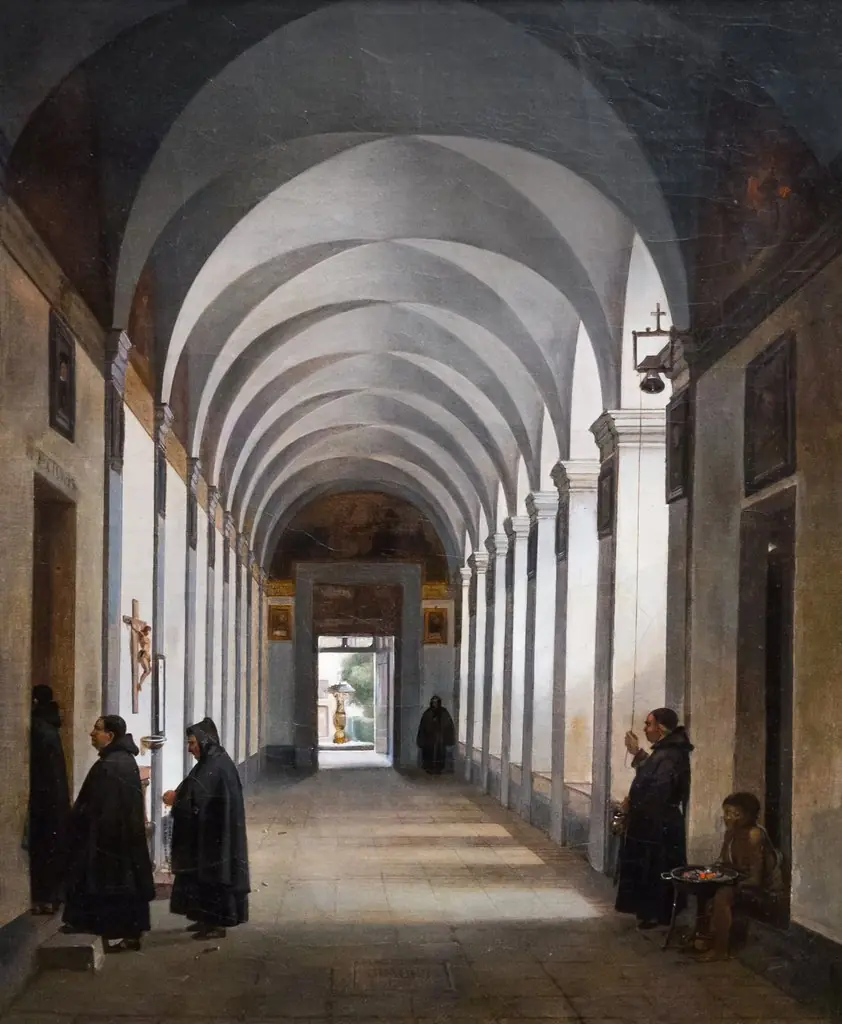 Monks in the Cloister of the Church of Gesù e Maria, Rome
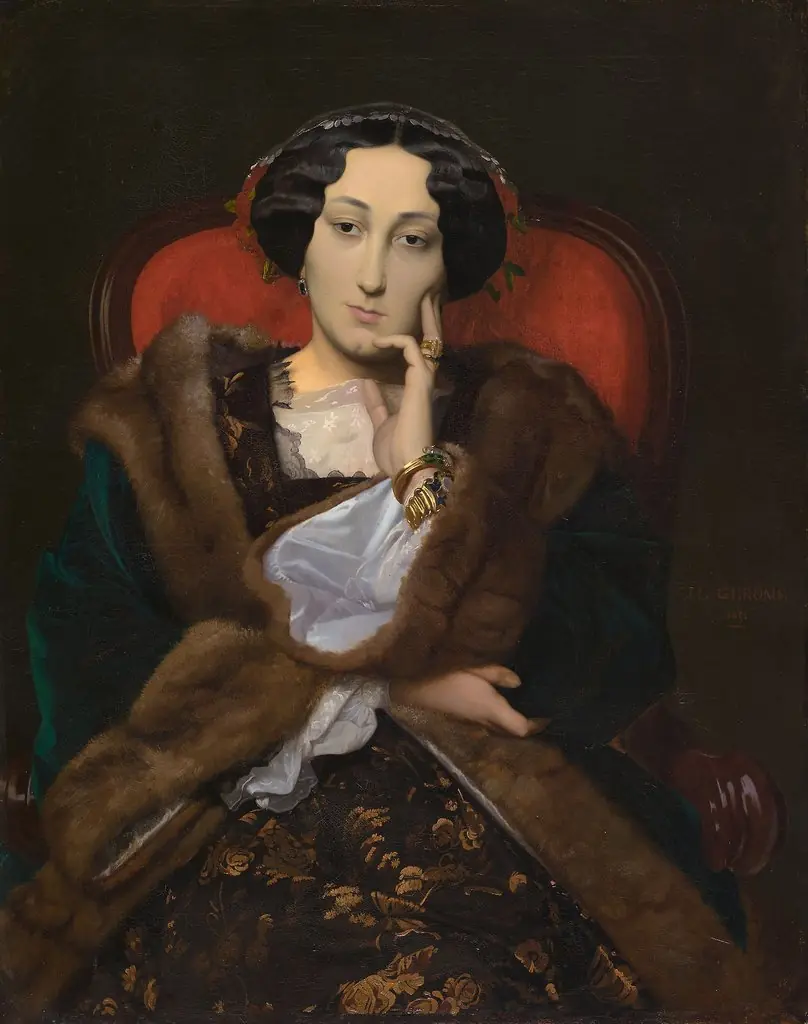 Portrait of a Woman
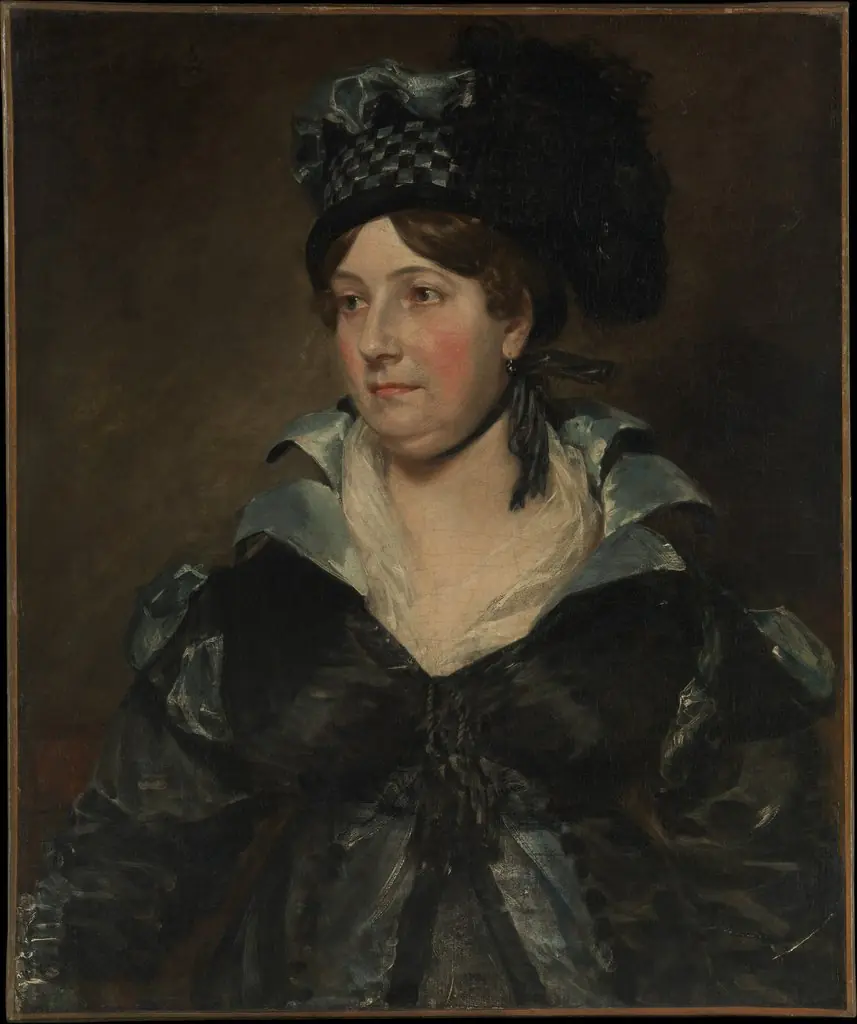 Mrs. James Pulham Sr. (Frances Amys, ca. 1766–1856)
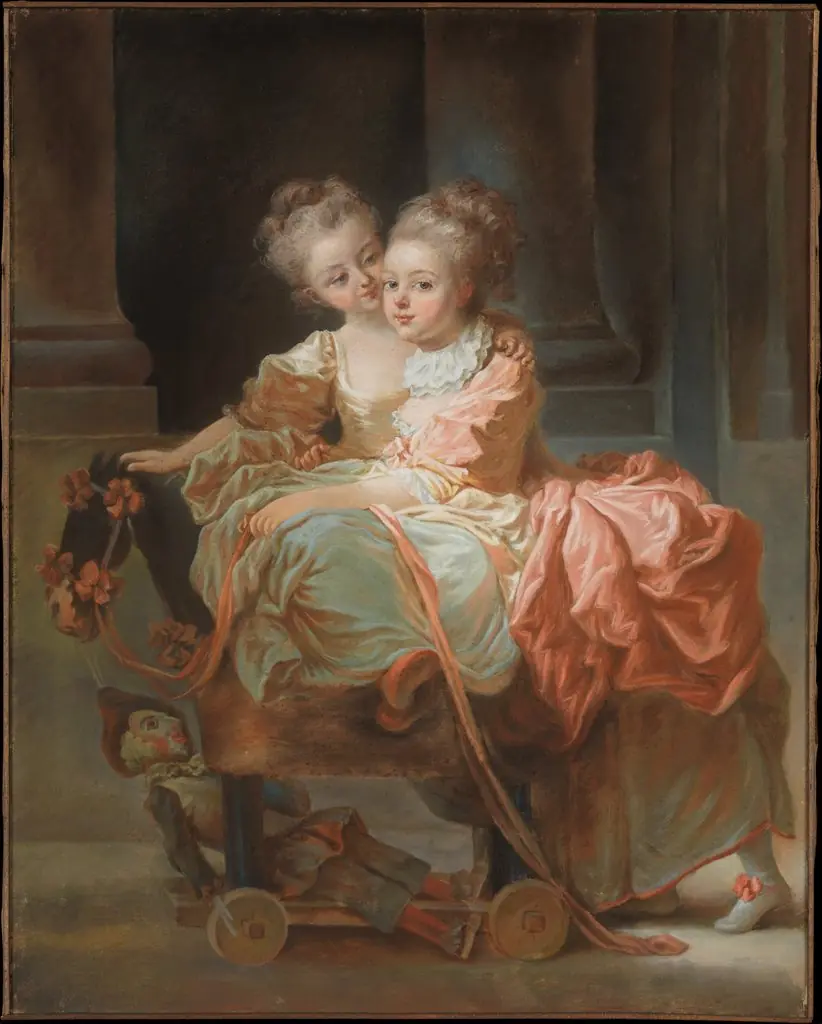 The Two Sisters
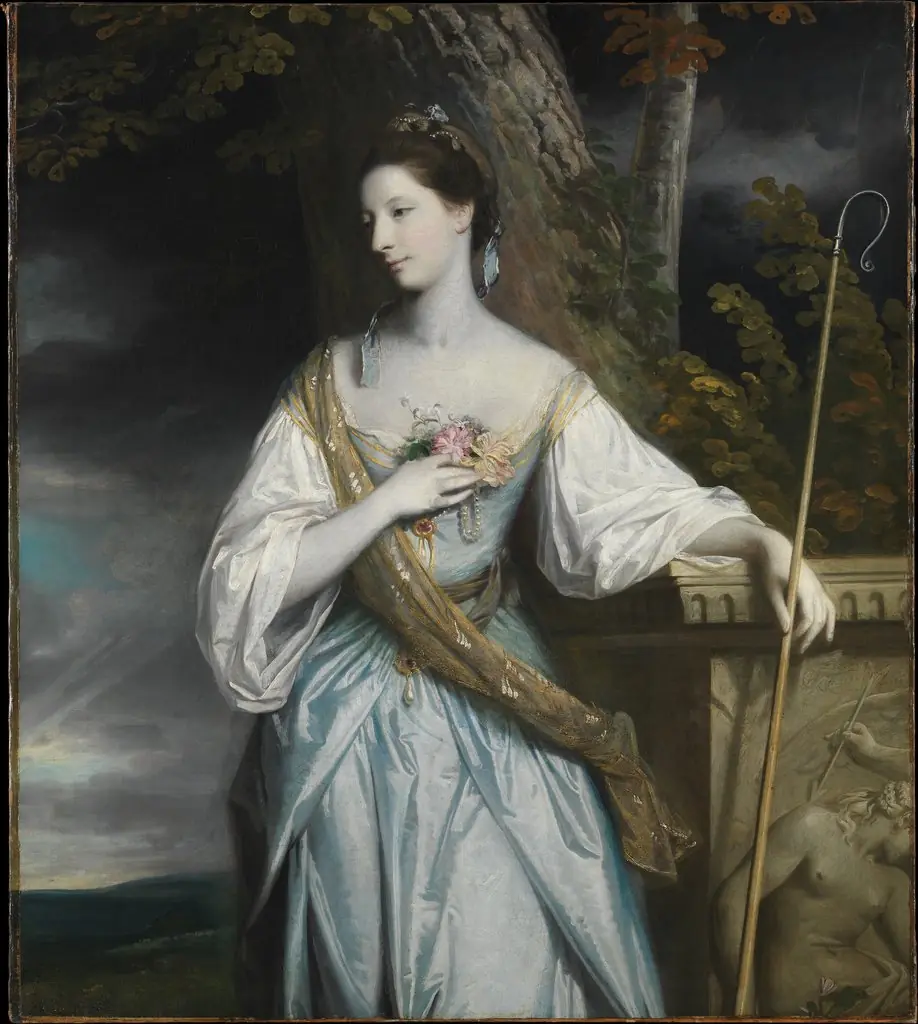 Anne Dashwood (1743–1830), Later Countess of Galloway
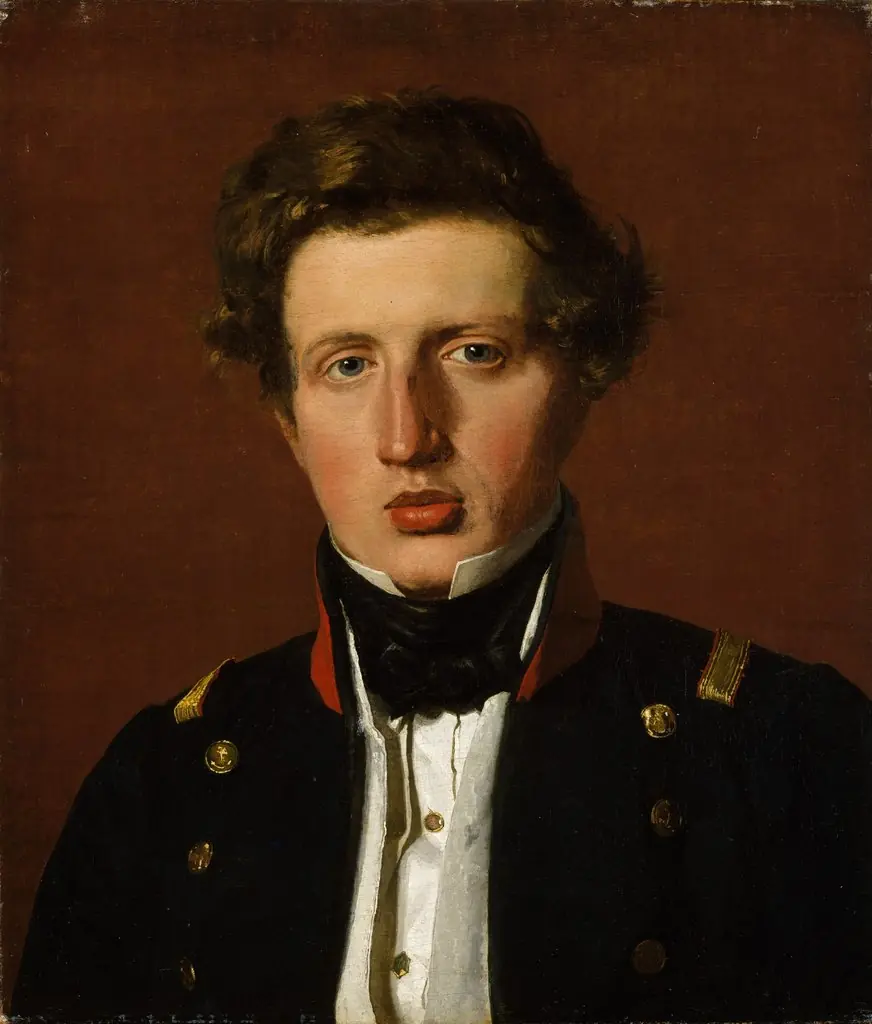 Valdemar Hjartvar Købke (1813–1893), the Artist's Brother
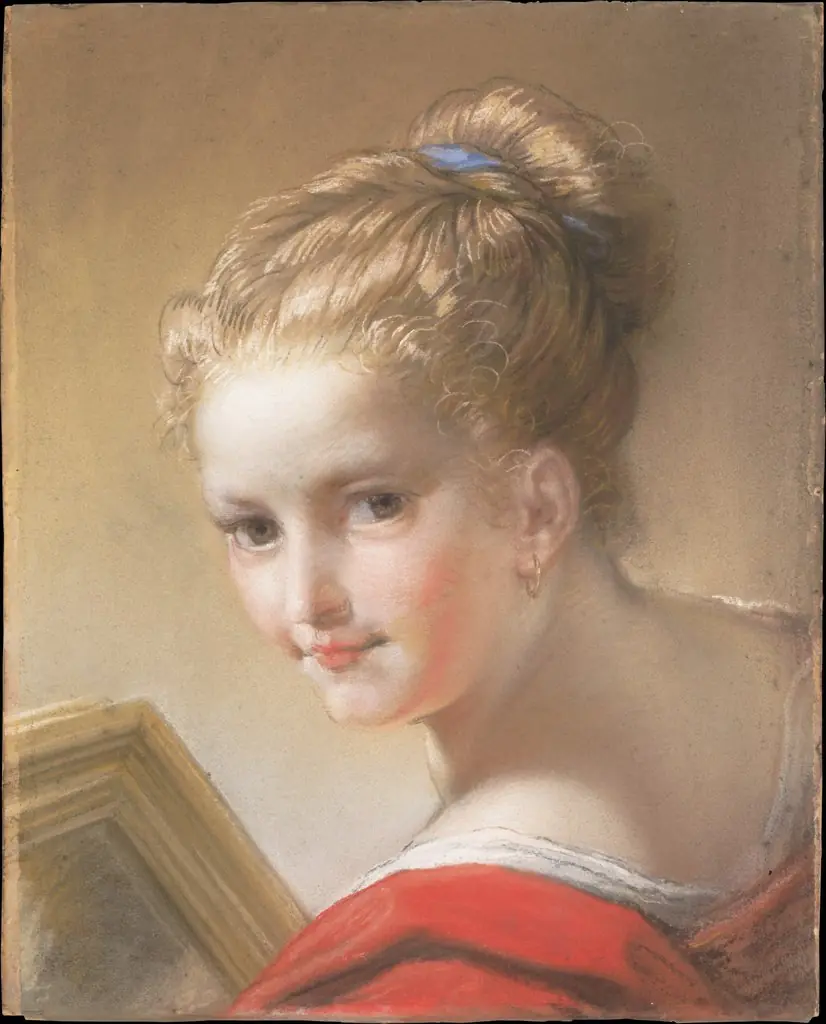 Study of a Girl in Red
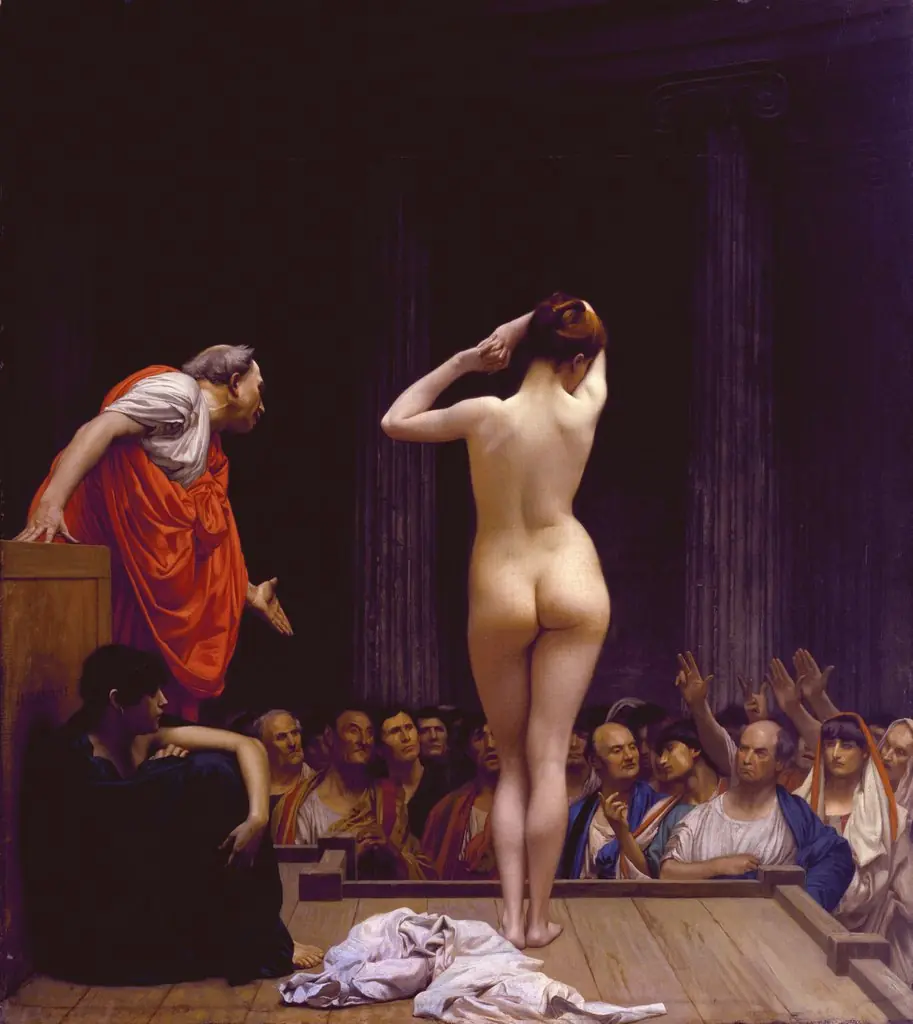 A Roman Slave Market
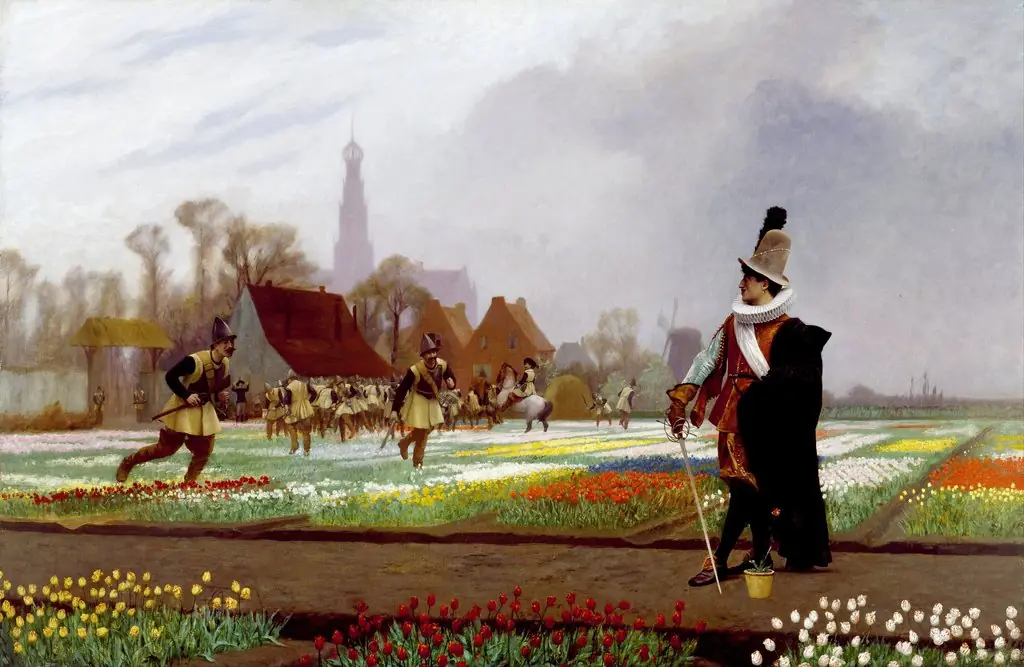 The Tulip Folly
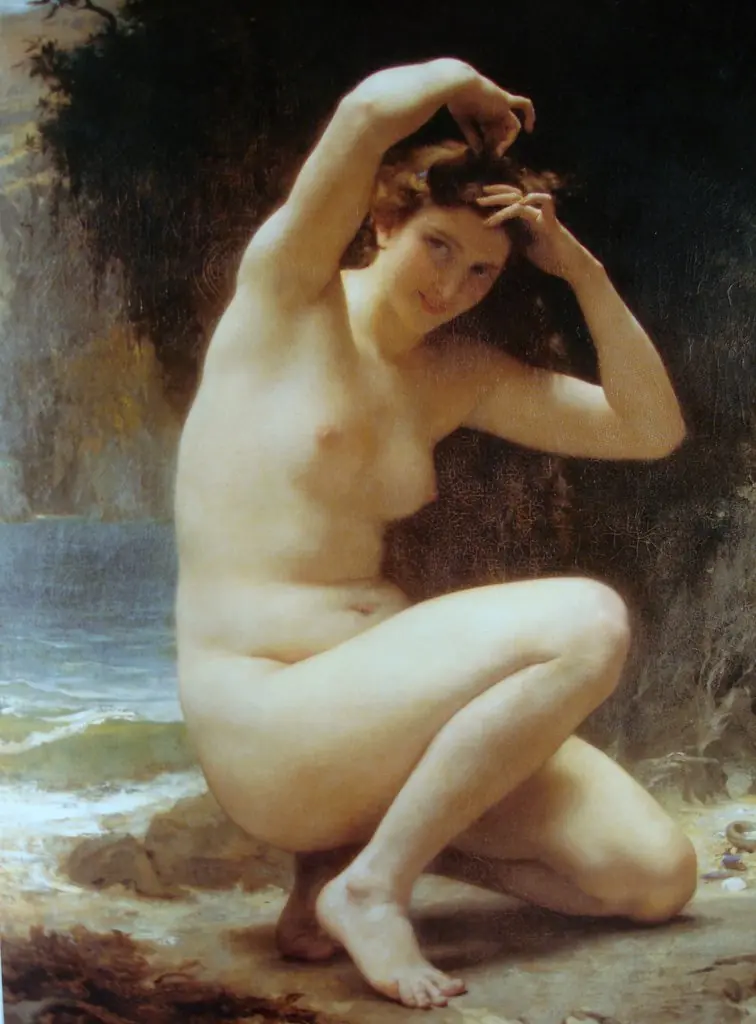 The toilette of Venus
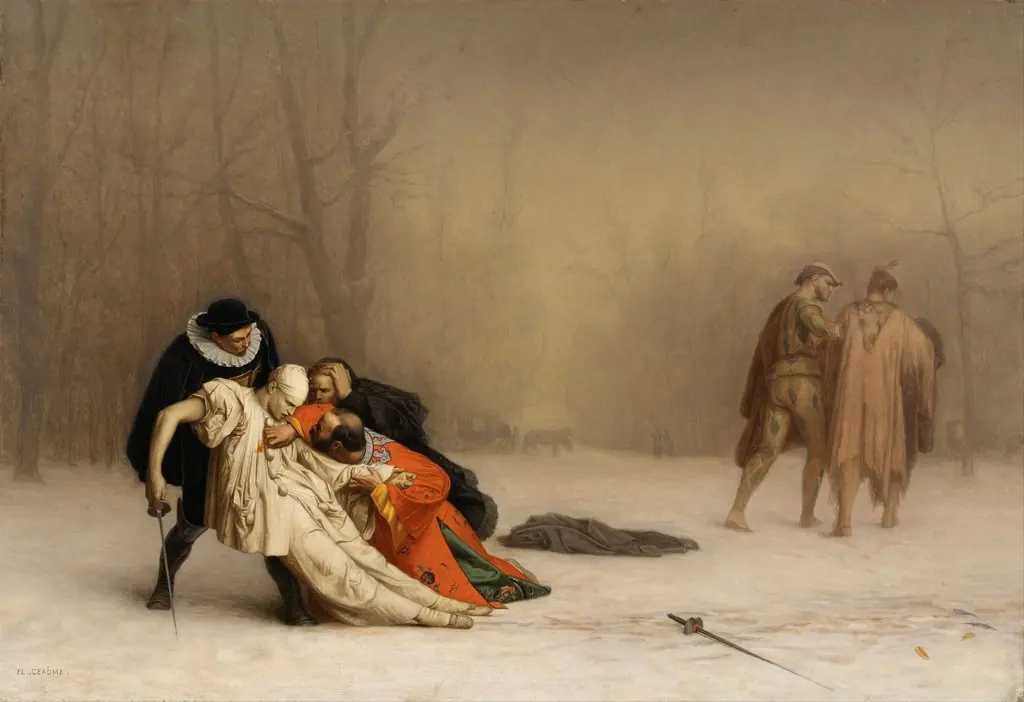 The Duel After the Masquerade
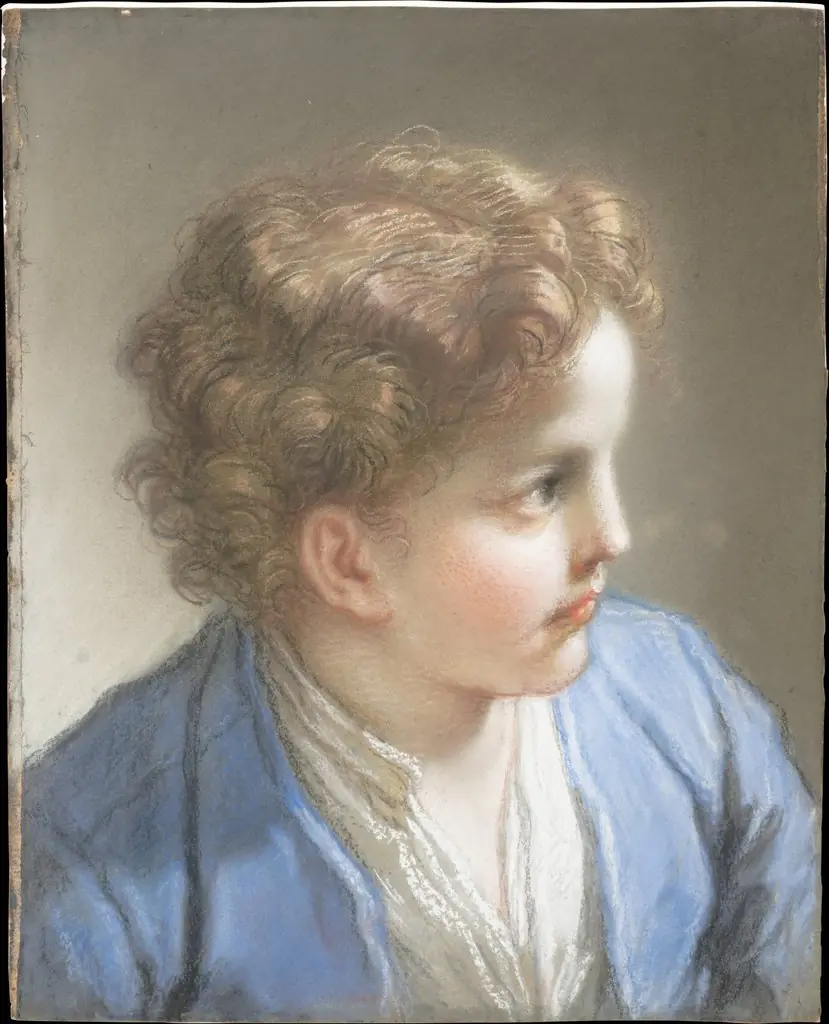 Study of a Boy in a Blue Jacket
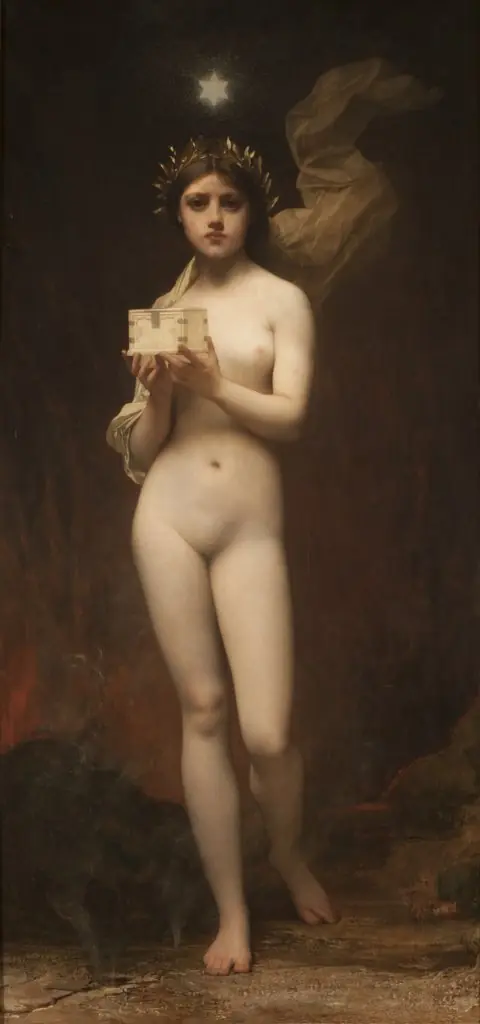 Pandora
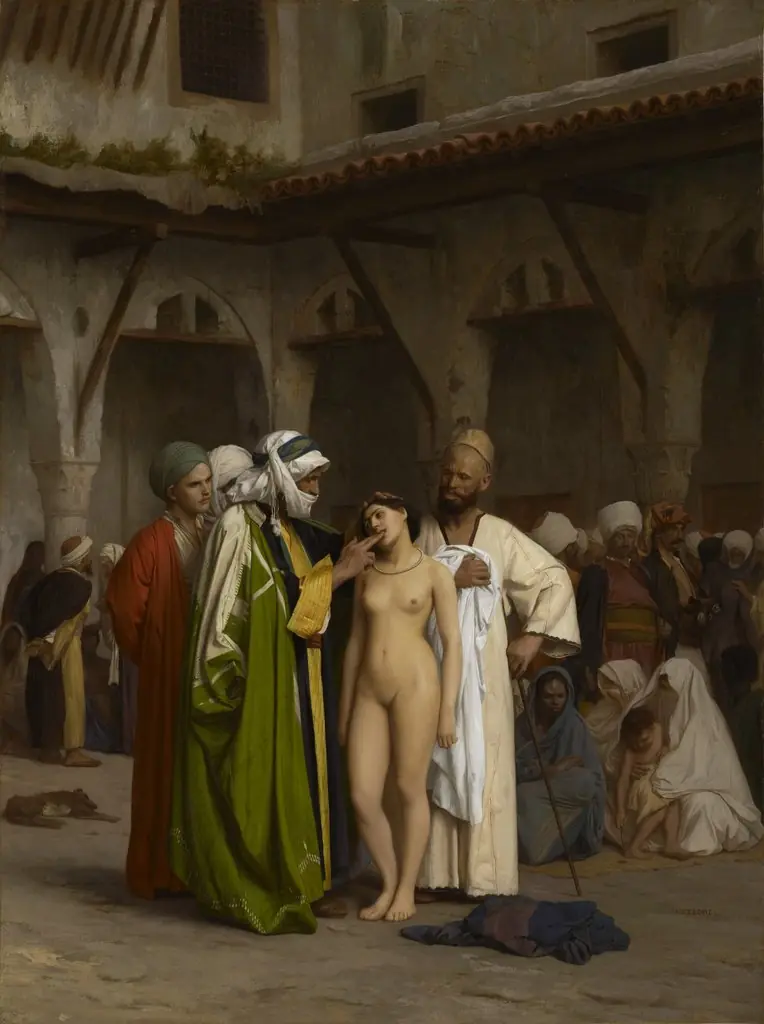 The Slave Market
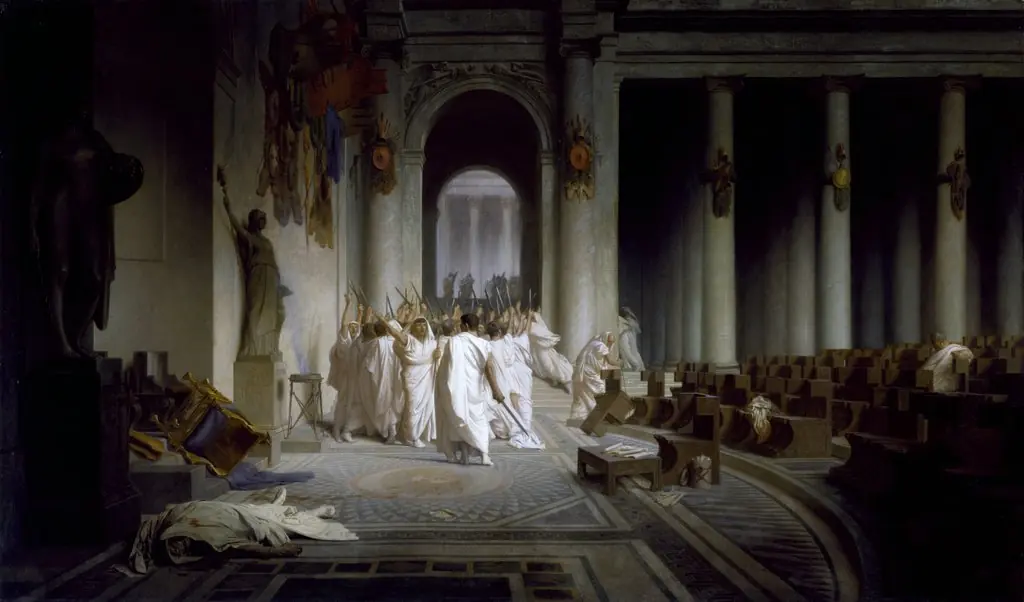 The Death of Caesar
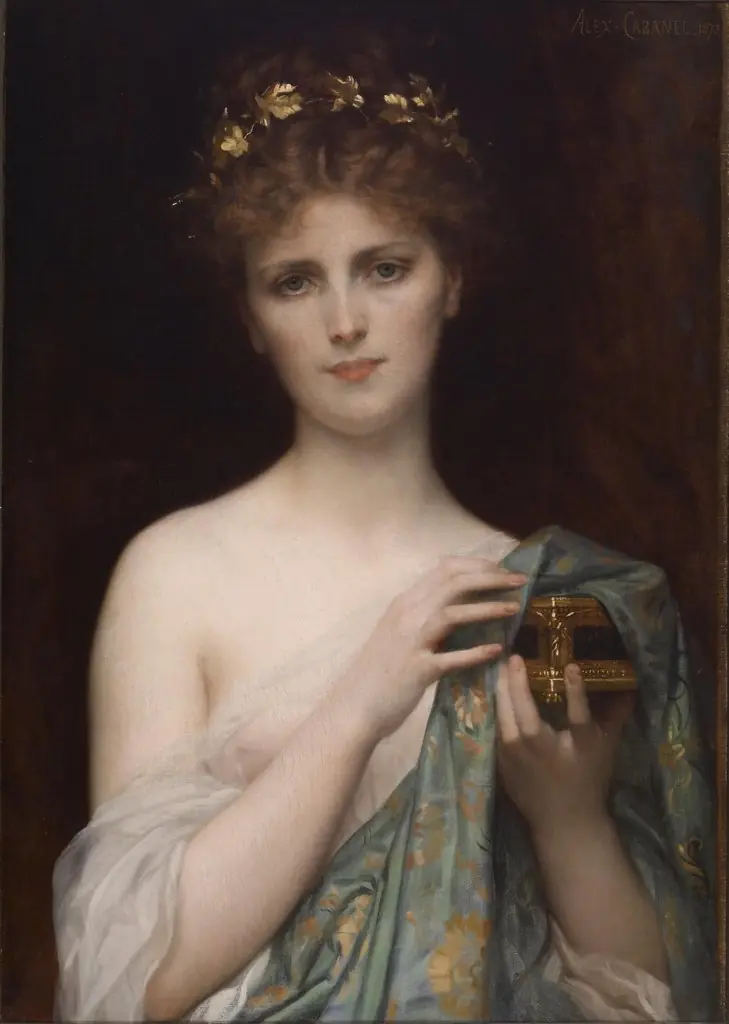 Pandora
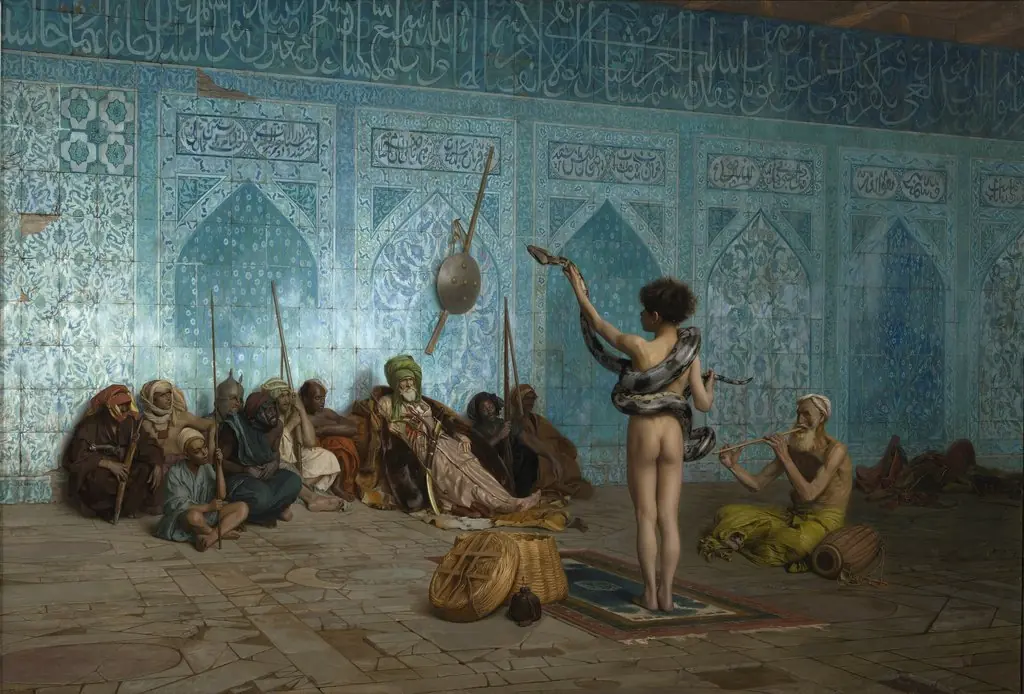 The Snake Charmer
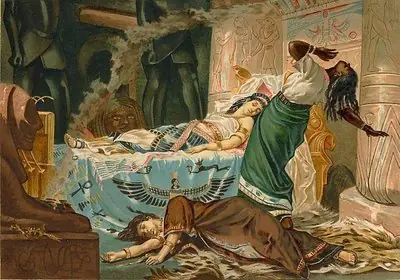 The Death of Cleopatra
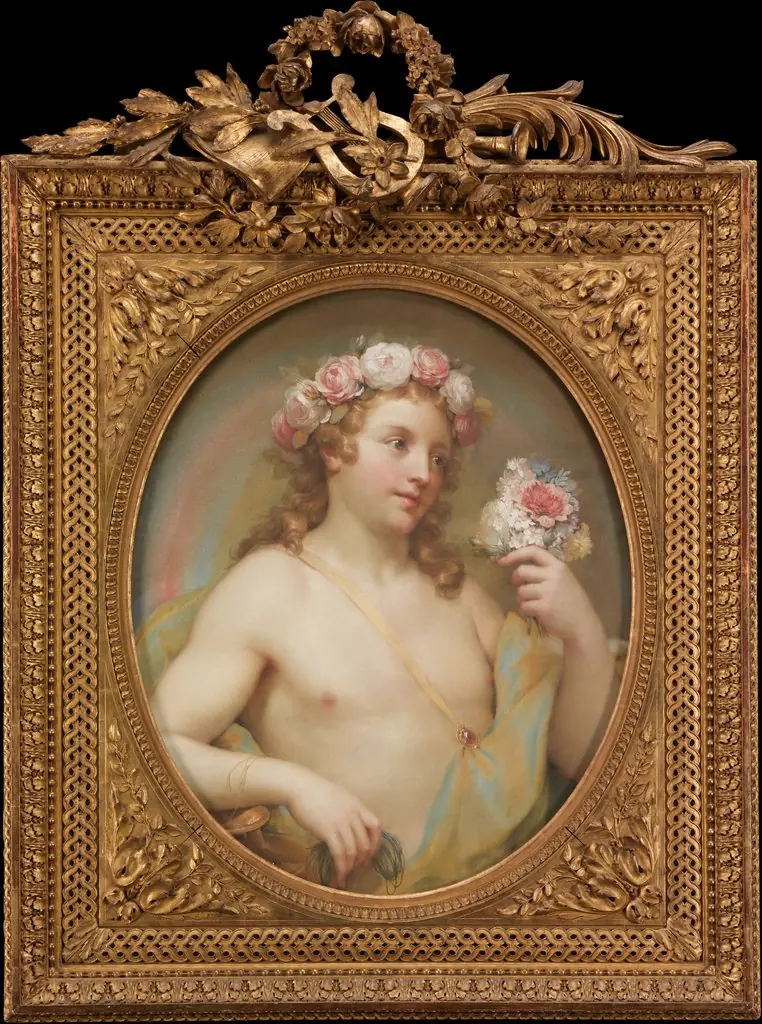 Pleasure
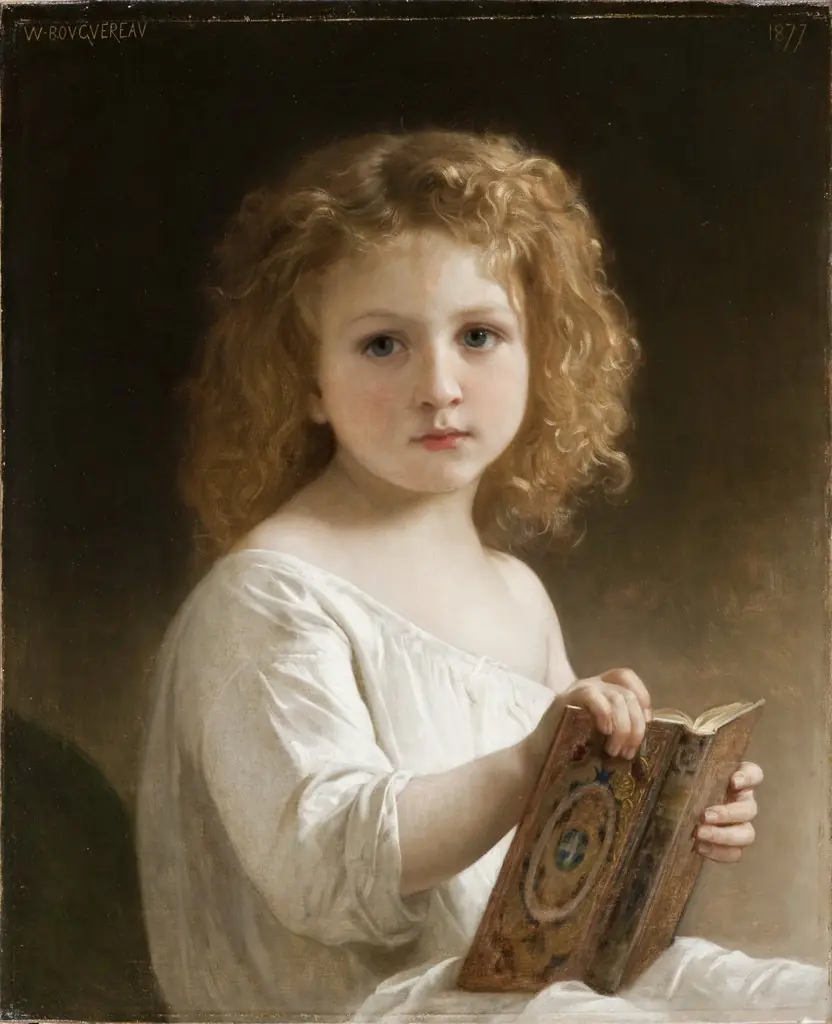 The Story Book
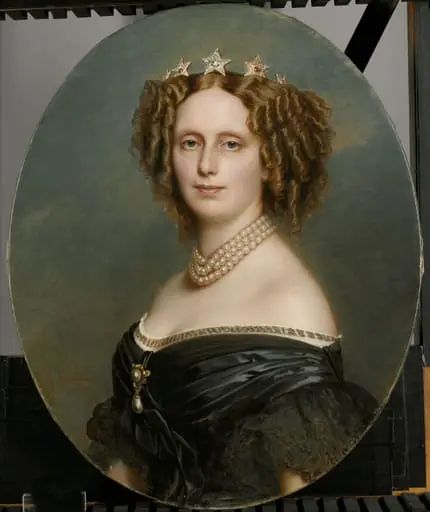 Portrait of Sophia Frederika Mathilda (1818-77), Princess of Württemberg
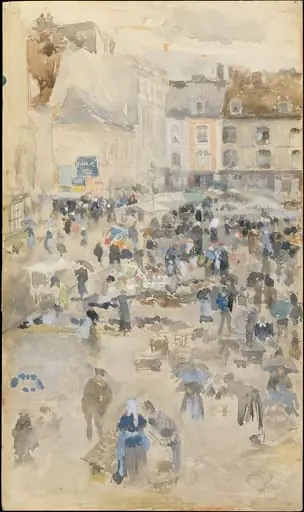 Variations in Violet and Grey—Market Place, Dieppe
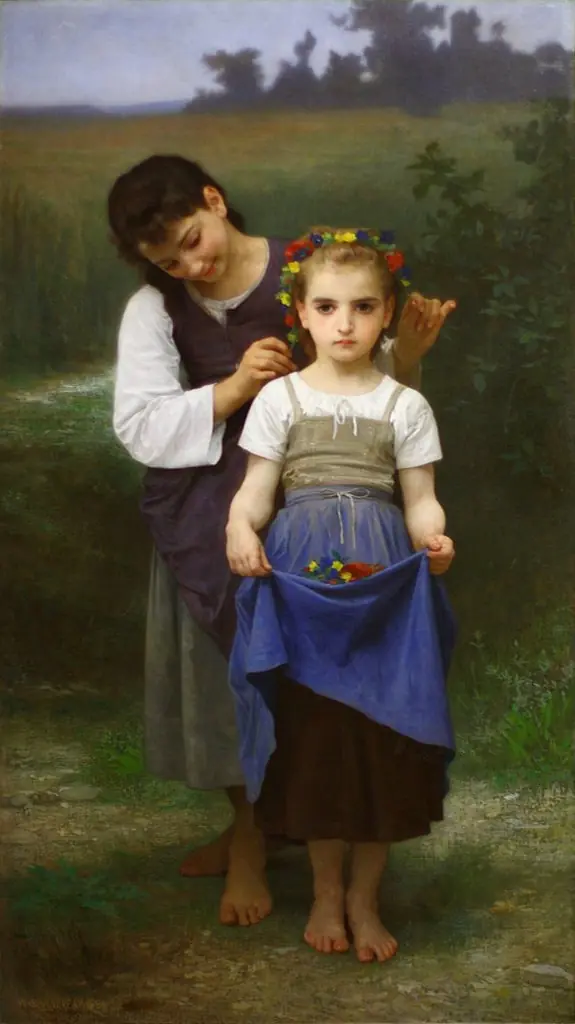 Crown of Flowers
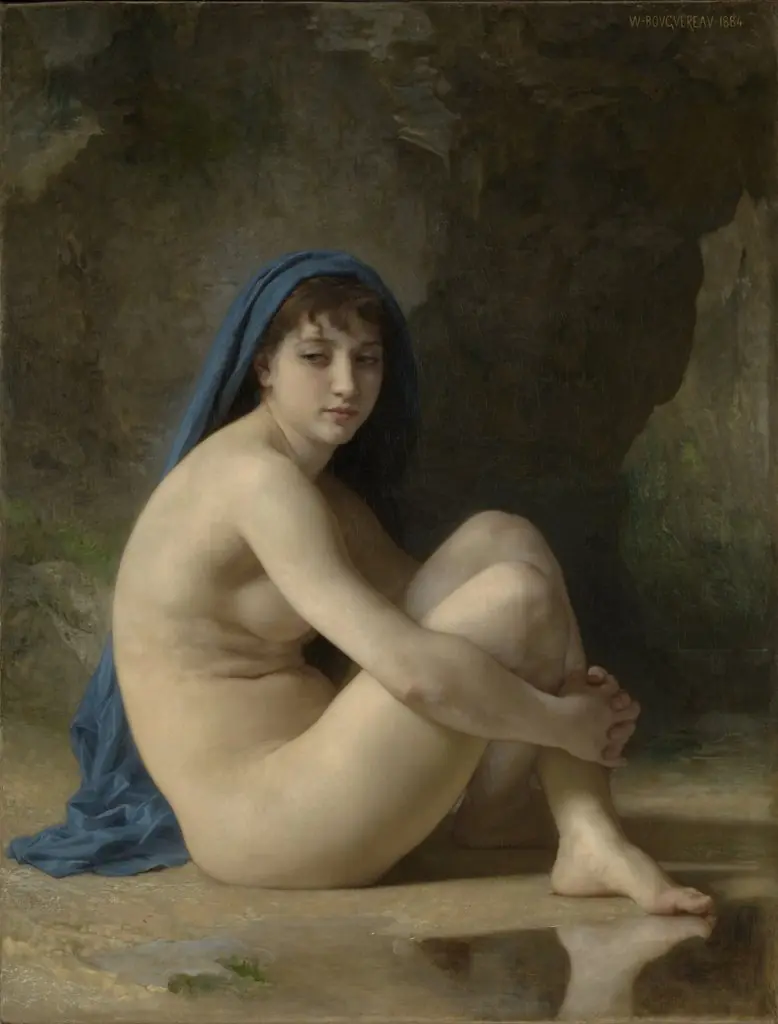 Seated Nude
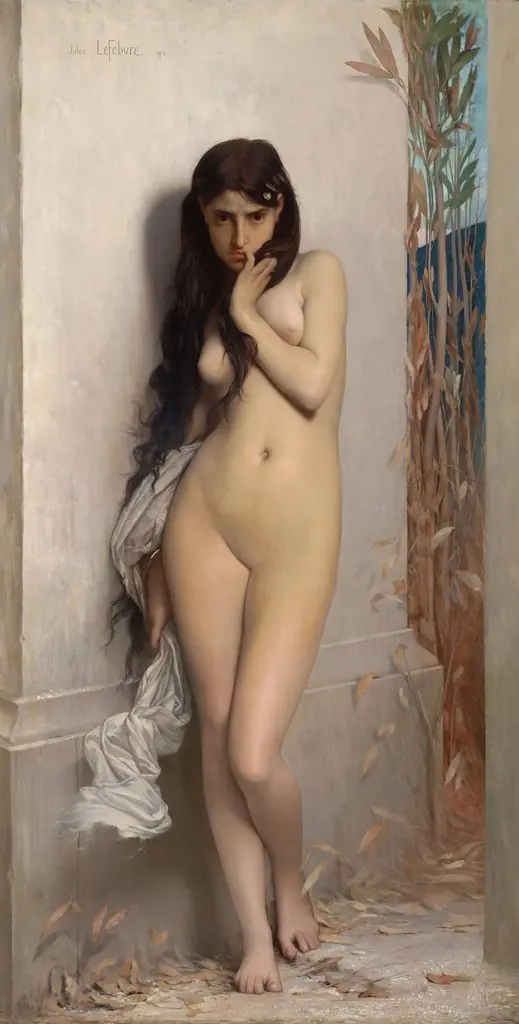 The Cicada
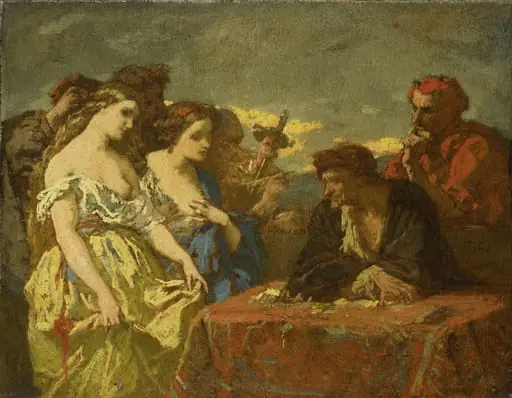 Lust for Gold
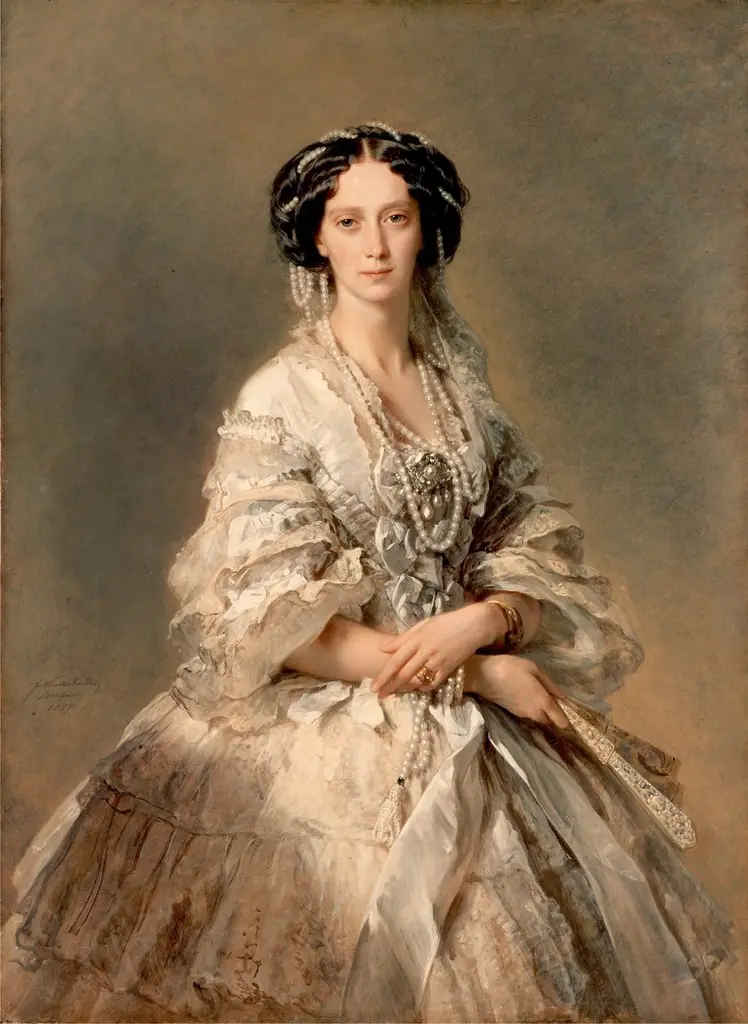 Portrait of Empress Maria Alexandrovna
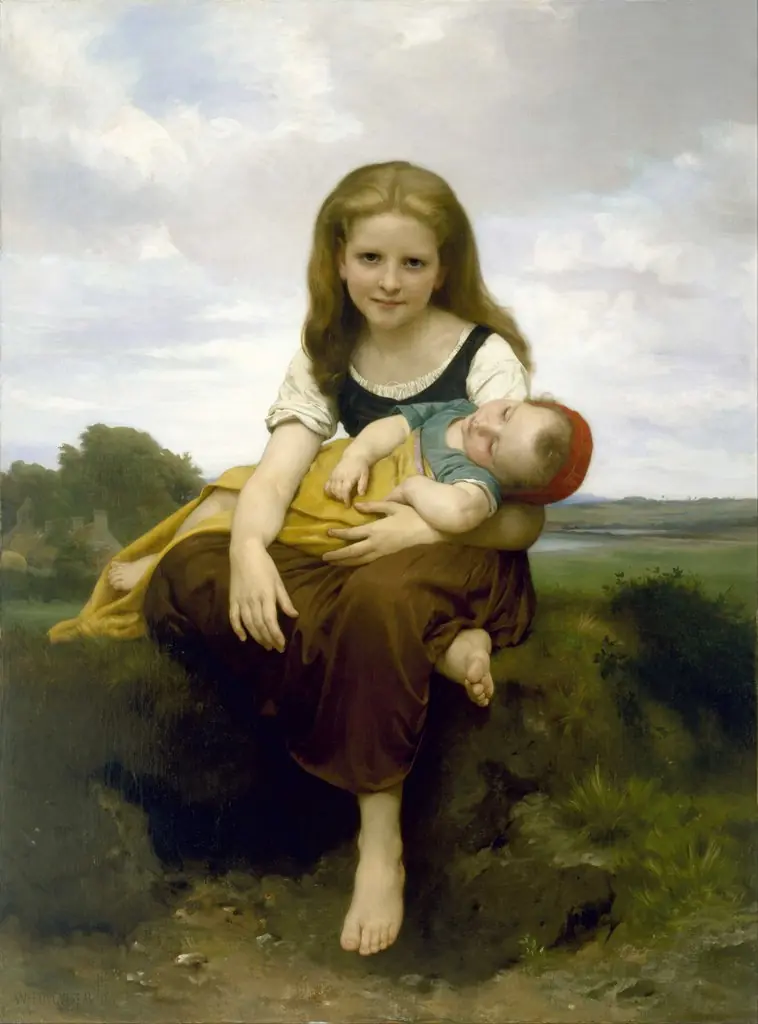 The Elder Sister
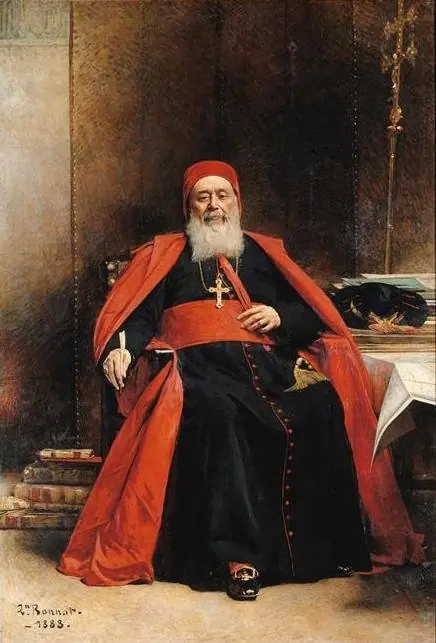 Portrait of the Cardinal Lavigerie
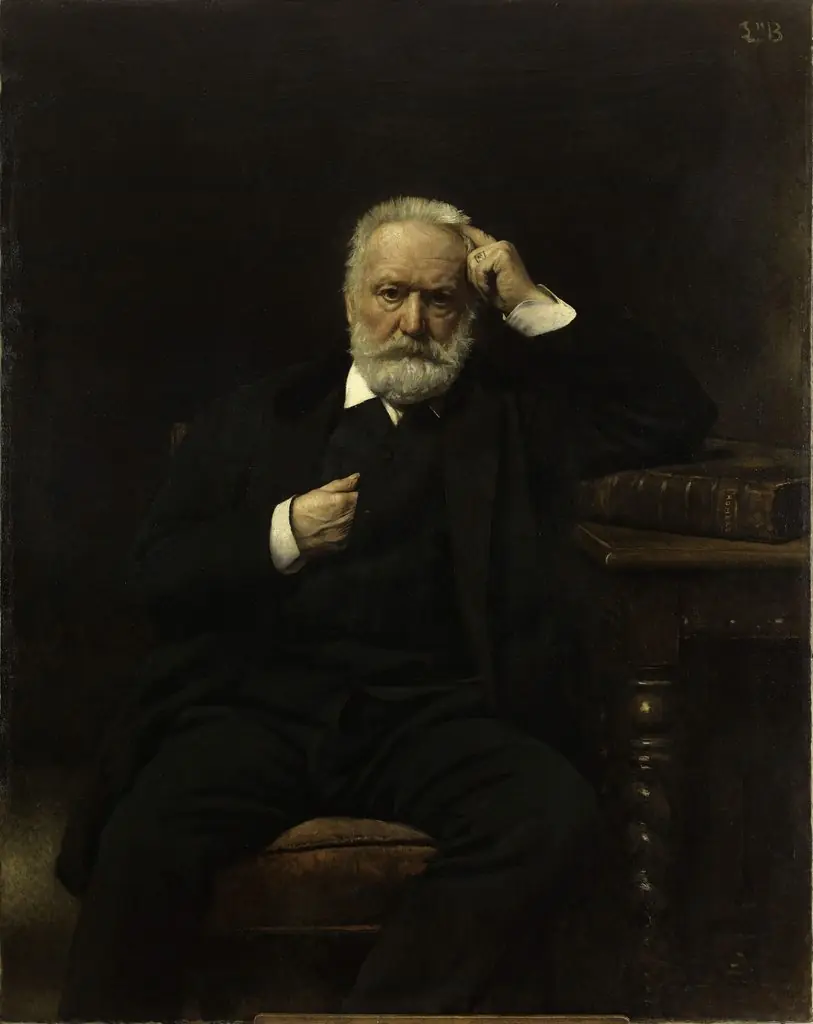 Victor Hugo
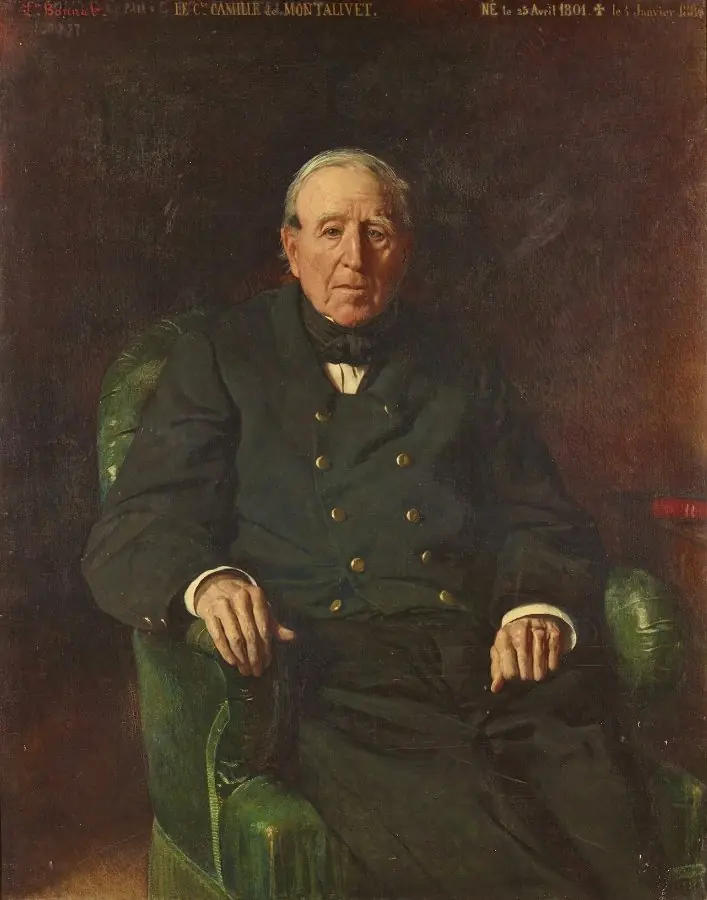 Portrait of the count of Montalivet
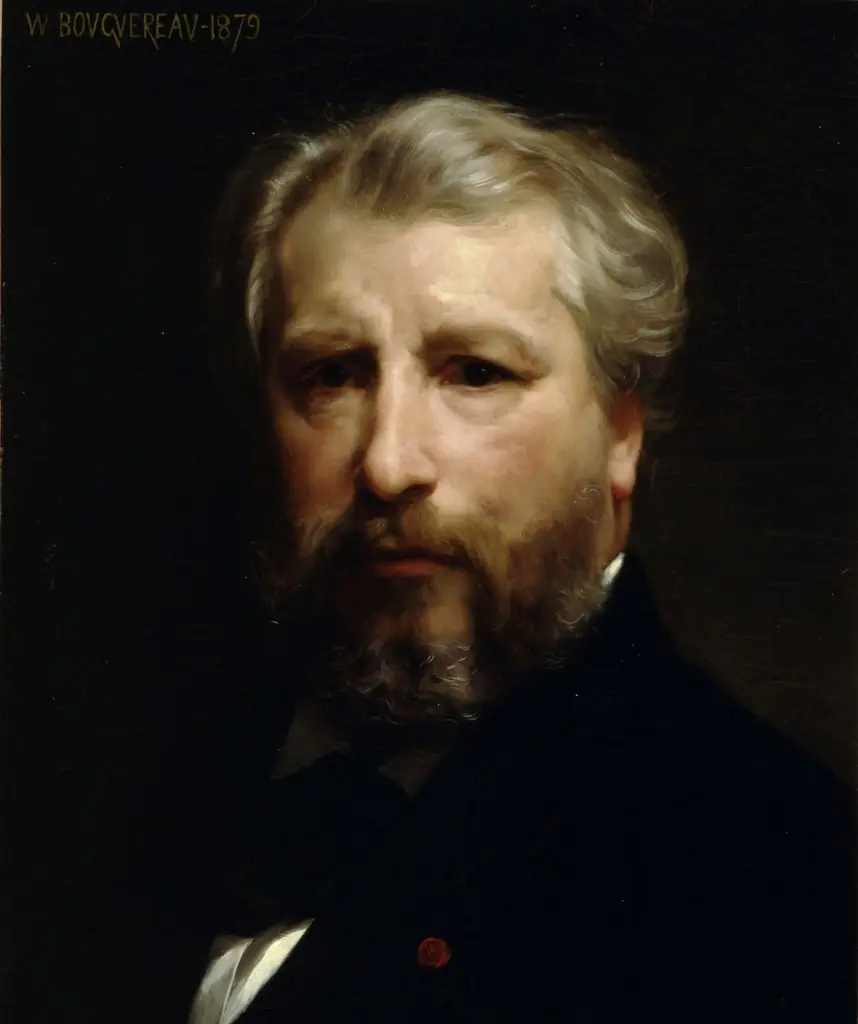 Portrait of the Artist
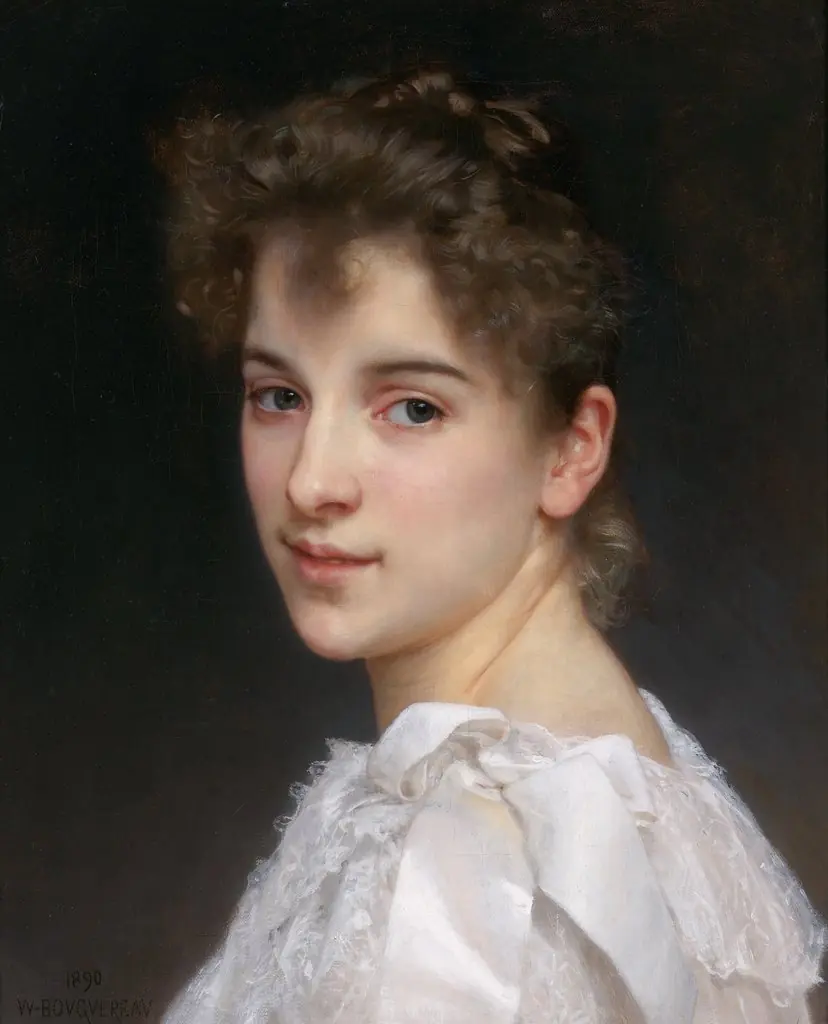 Gabrielle Cot
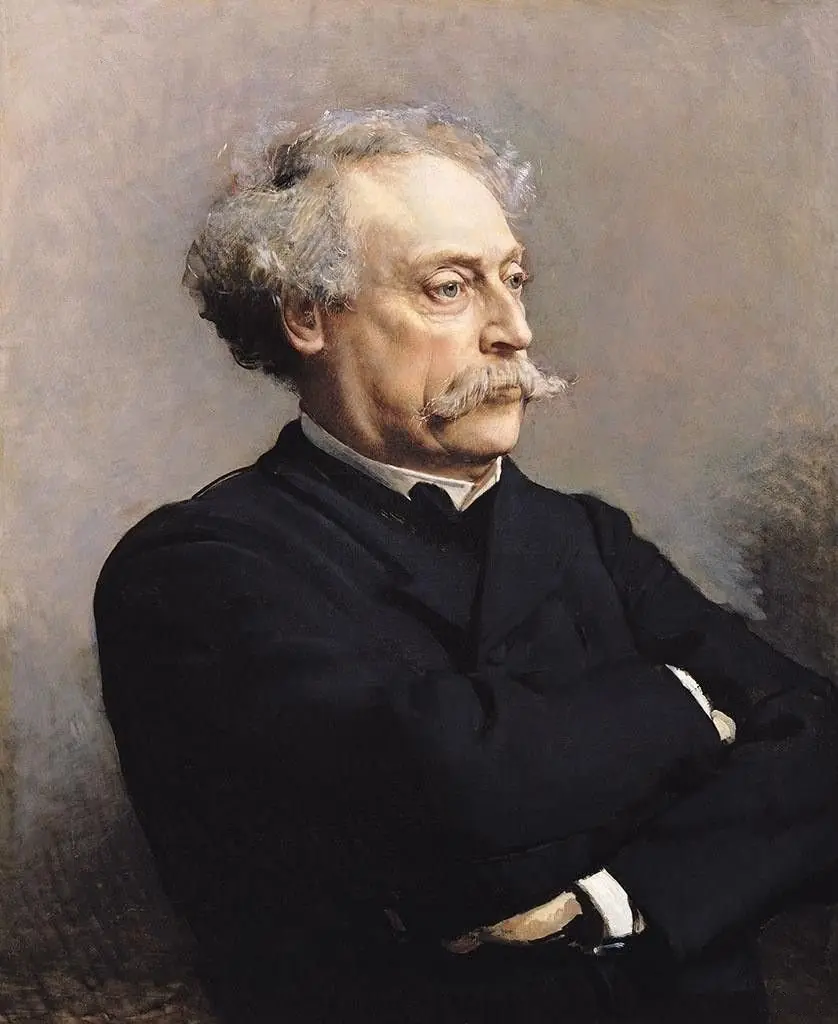 Portrait of Alexandre Dumas son
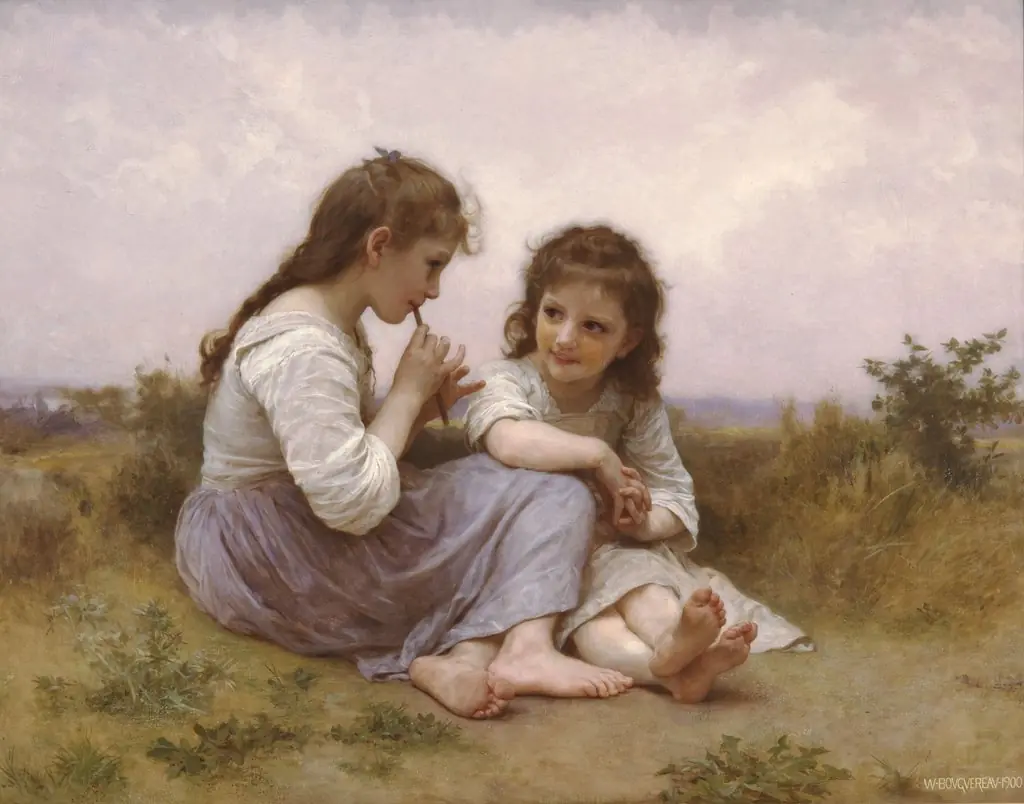 A Childhood Idyll
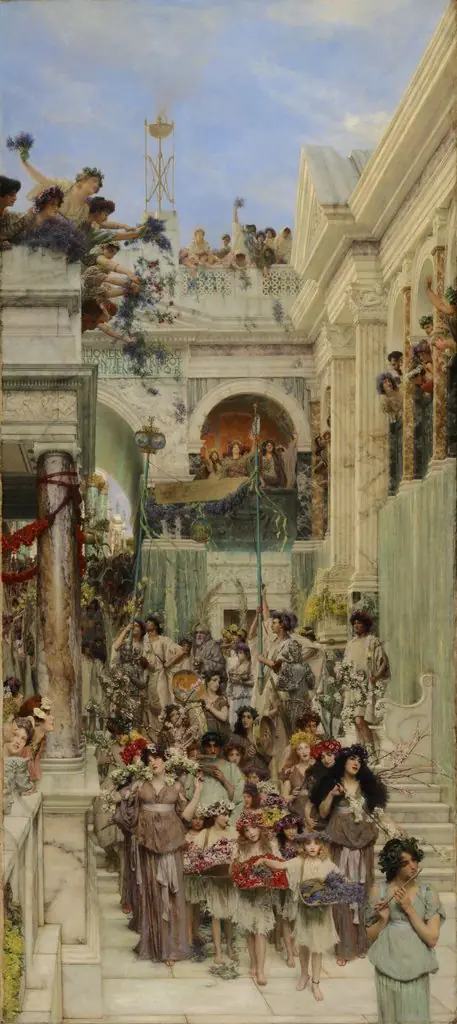 Spring
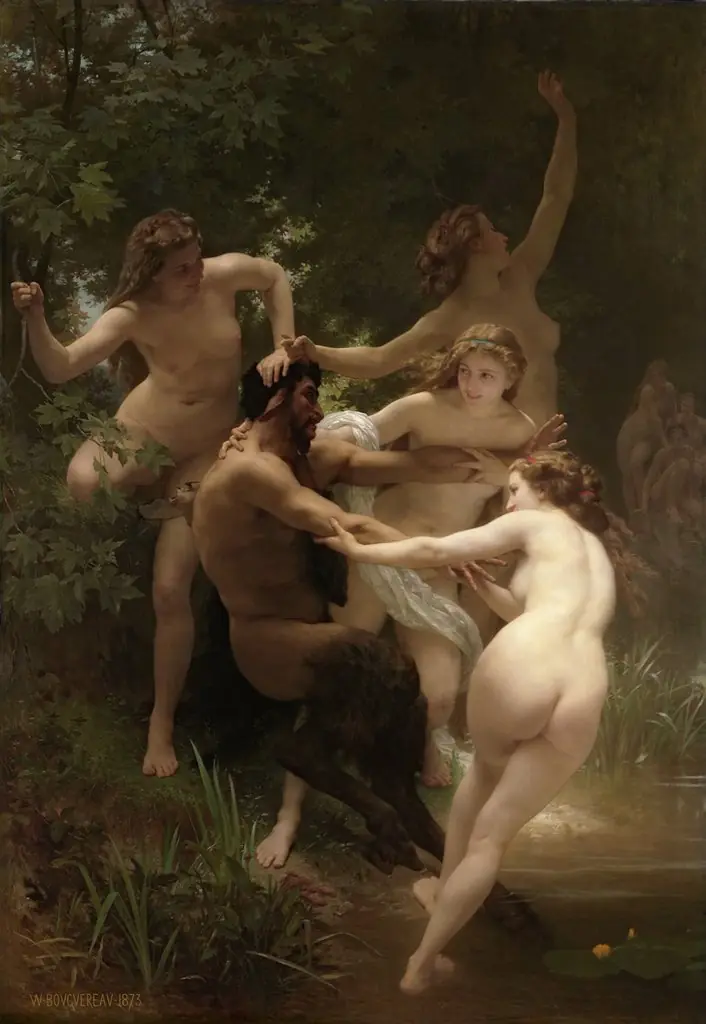 Nymphs and Satyr
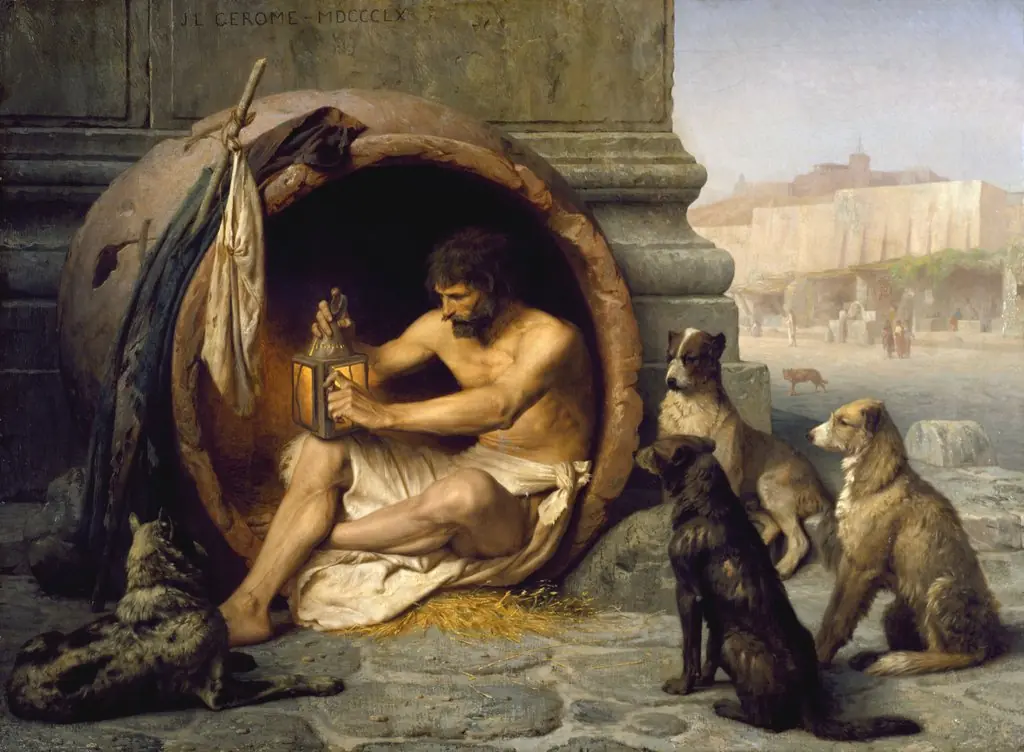 Diogenes
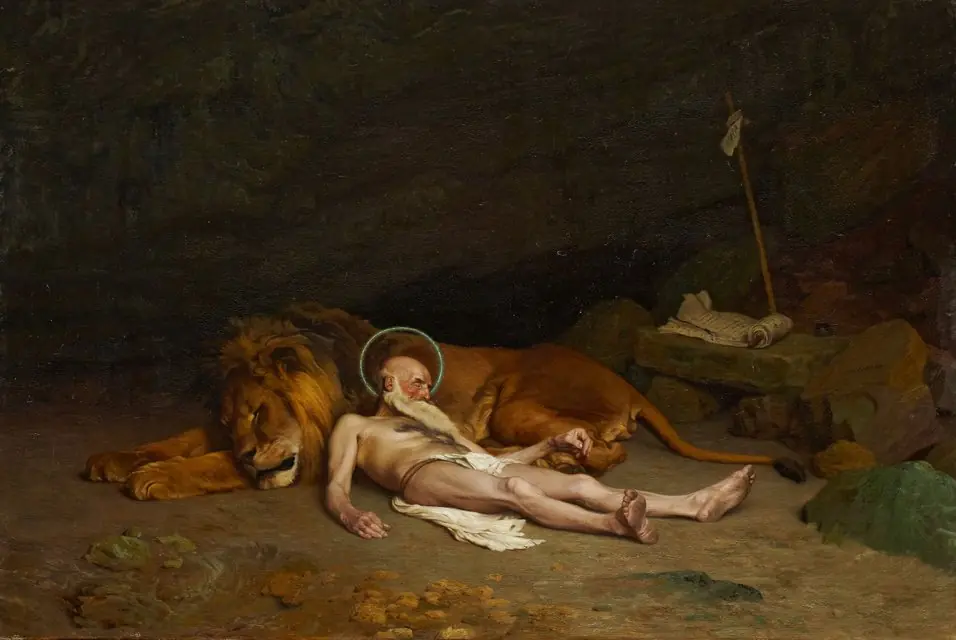 Saint Jerome
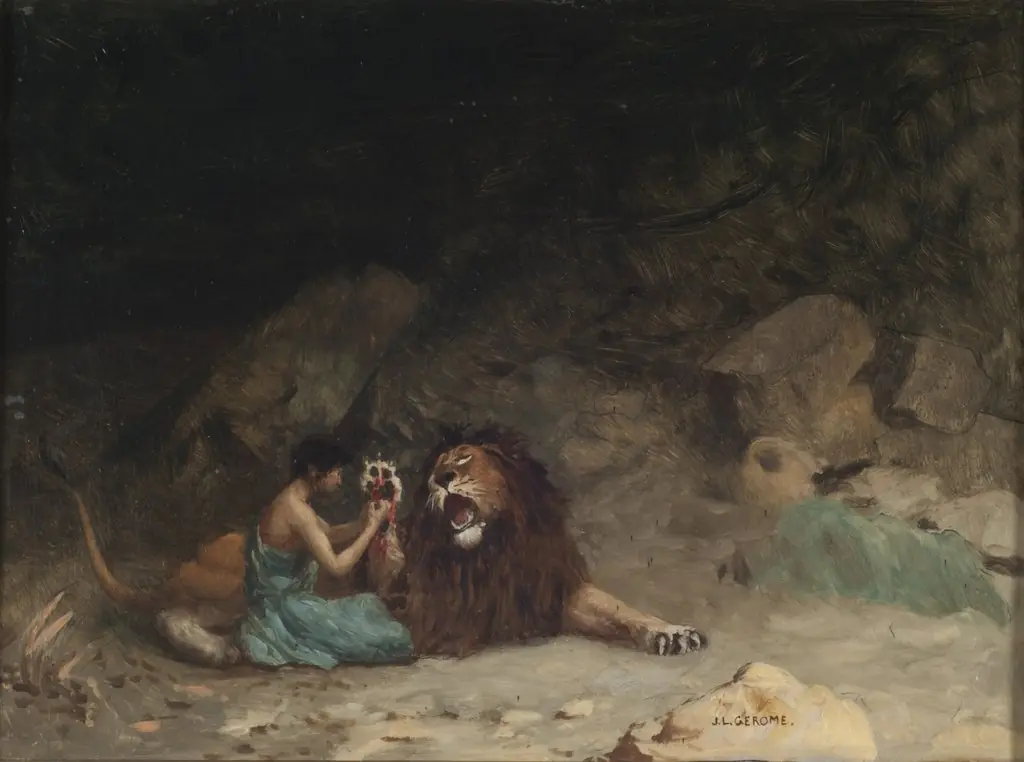 Androcles
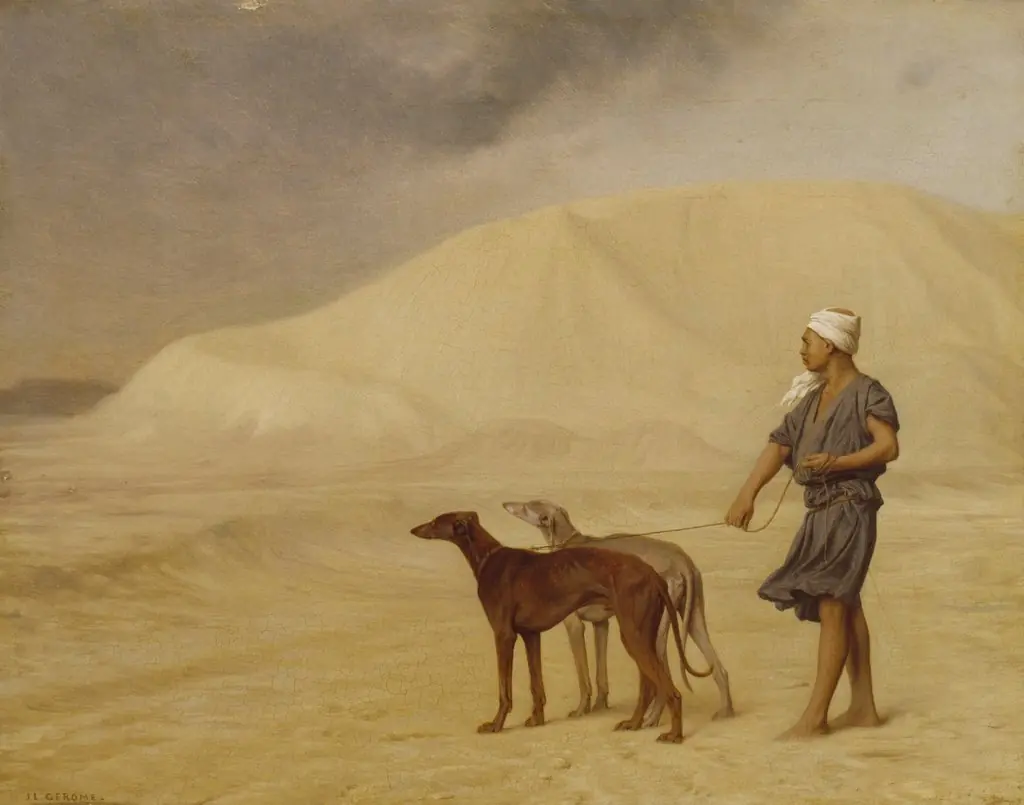 On the Desert
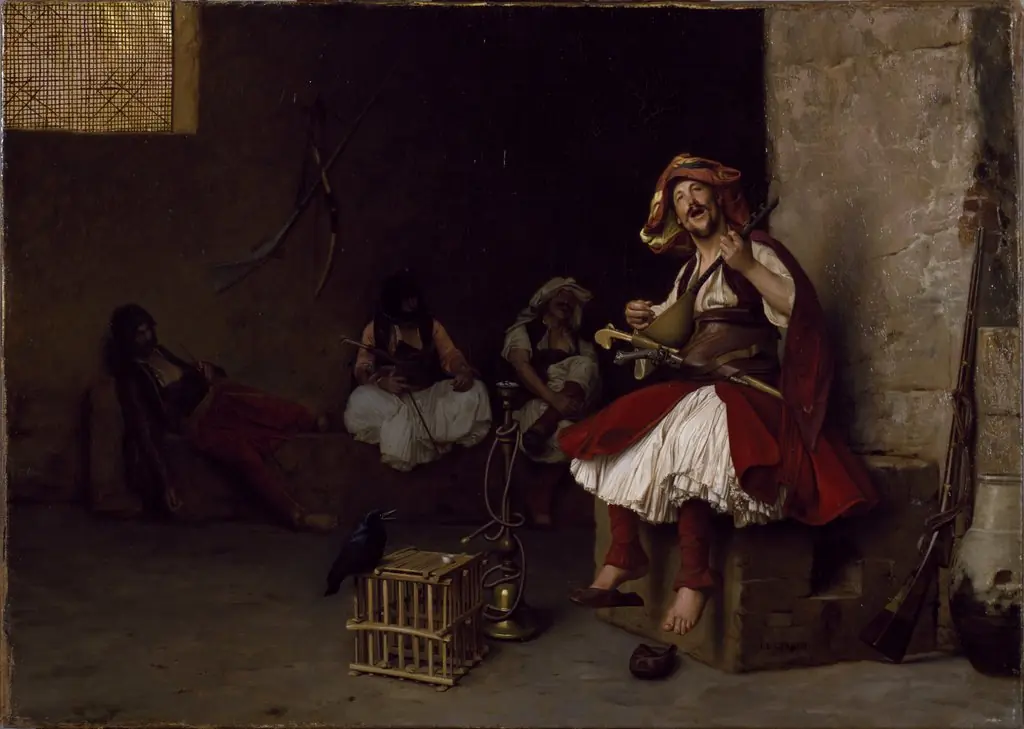 Bashi-Bazouk Singing
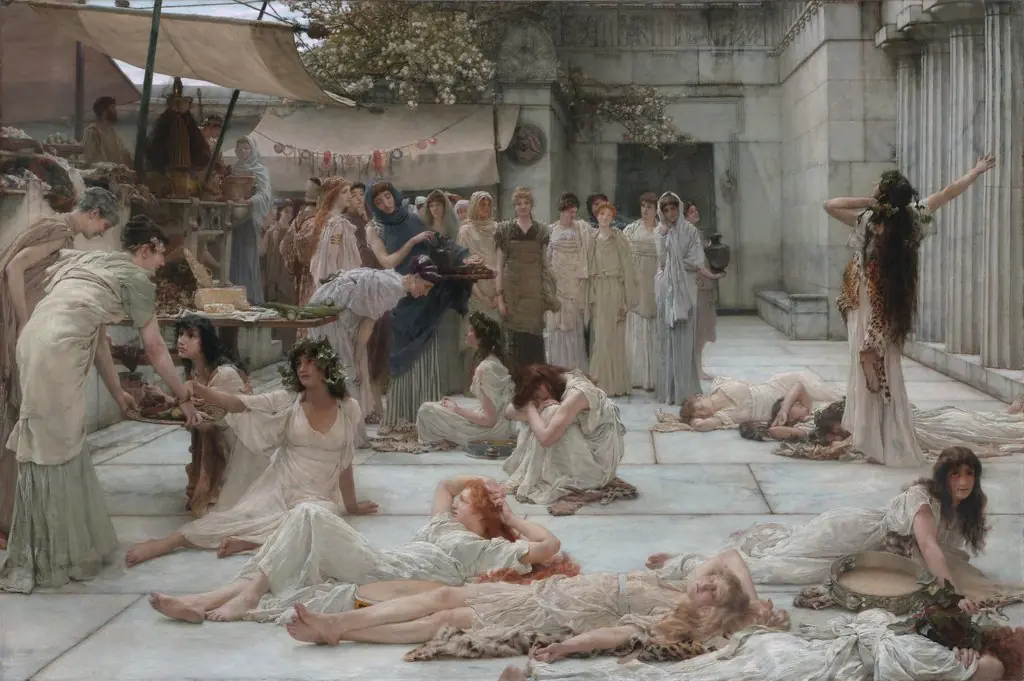 The women of Amphissa
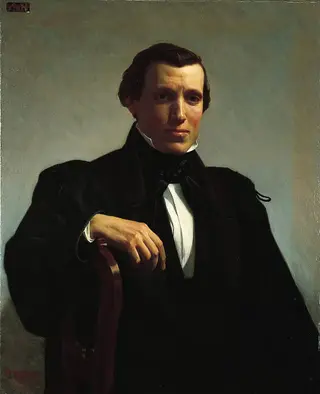 Portrait of Monsieur M.
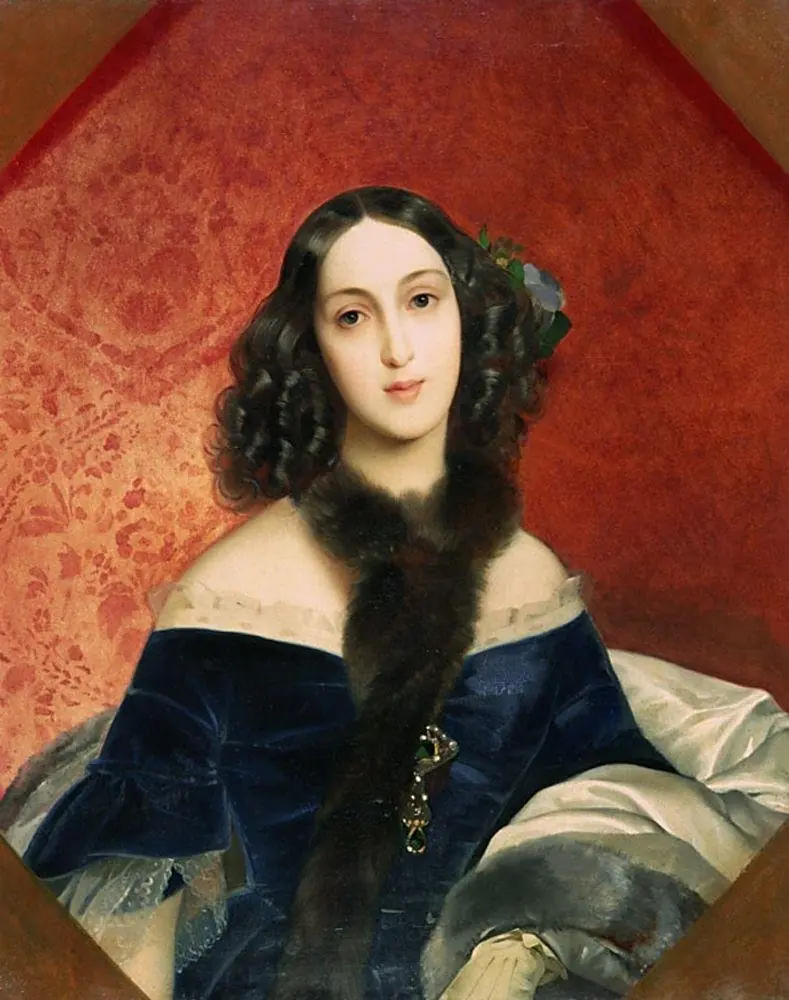 Maria Beck (née Stolypina, later Princess Vyazemskaya)
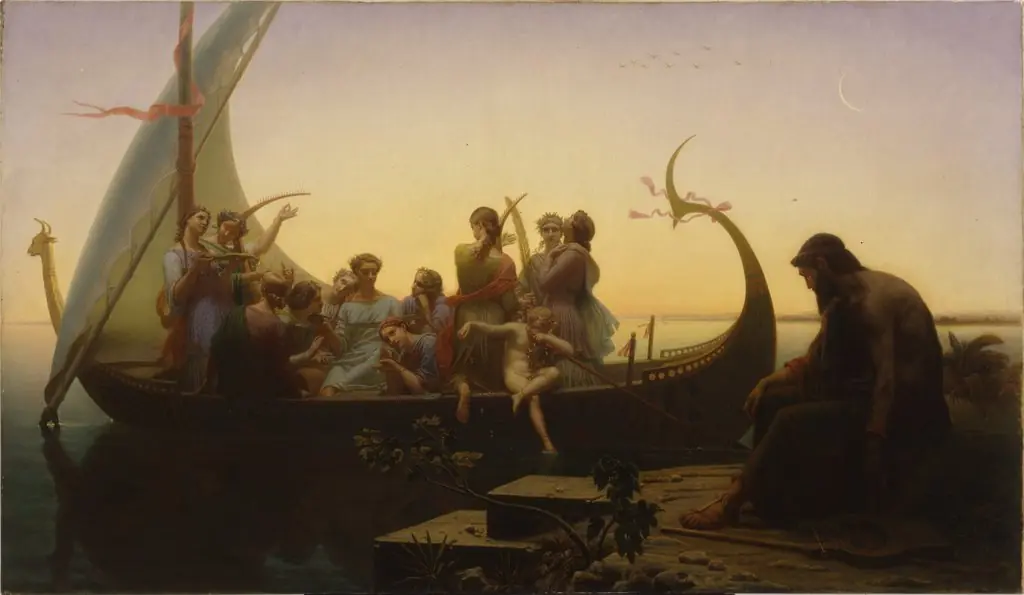 Lost Illusions
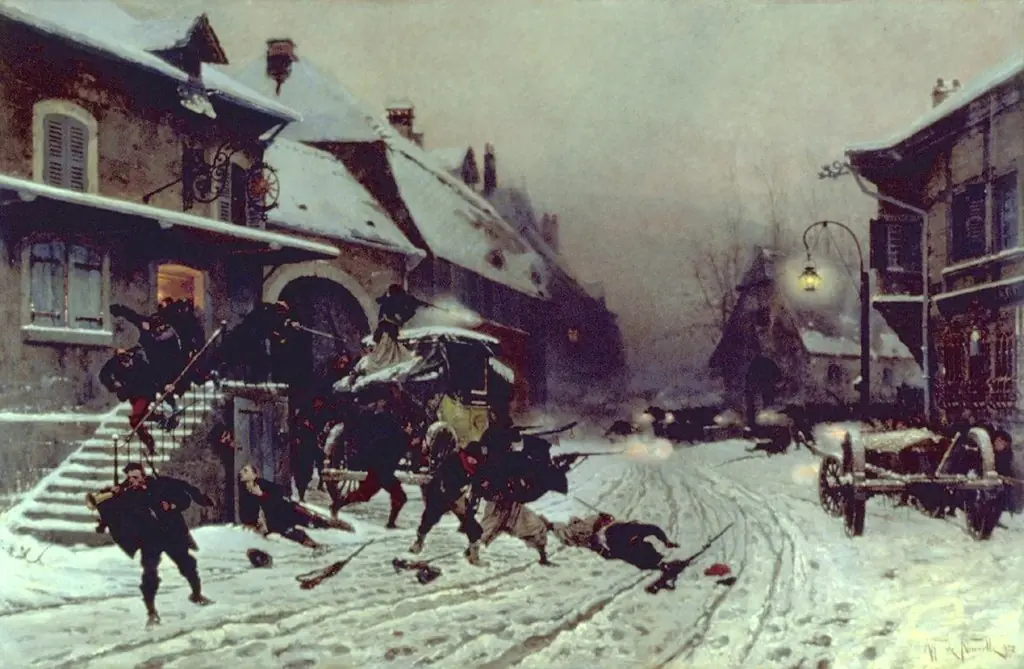 The Attack at Dawn
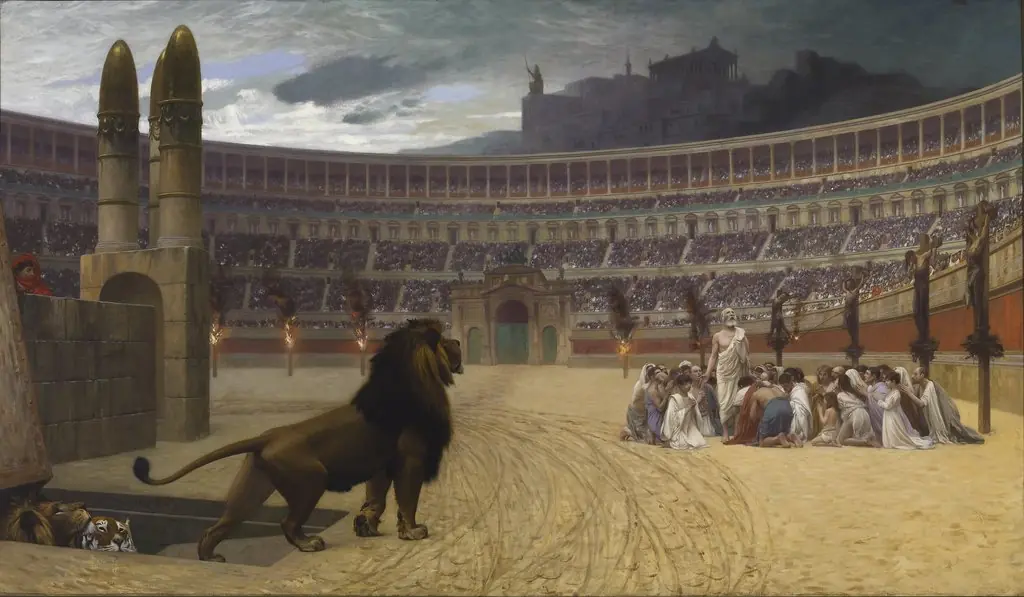 The Christian Martyrs' Last Prayer
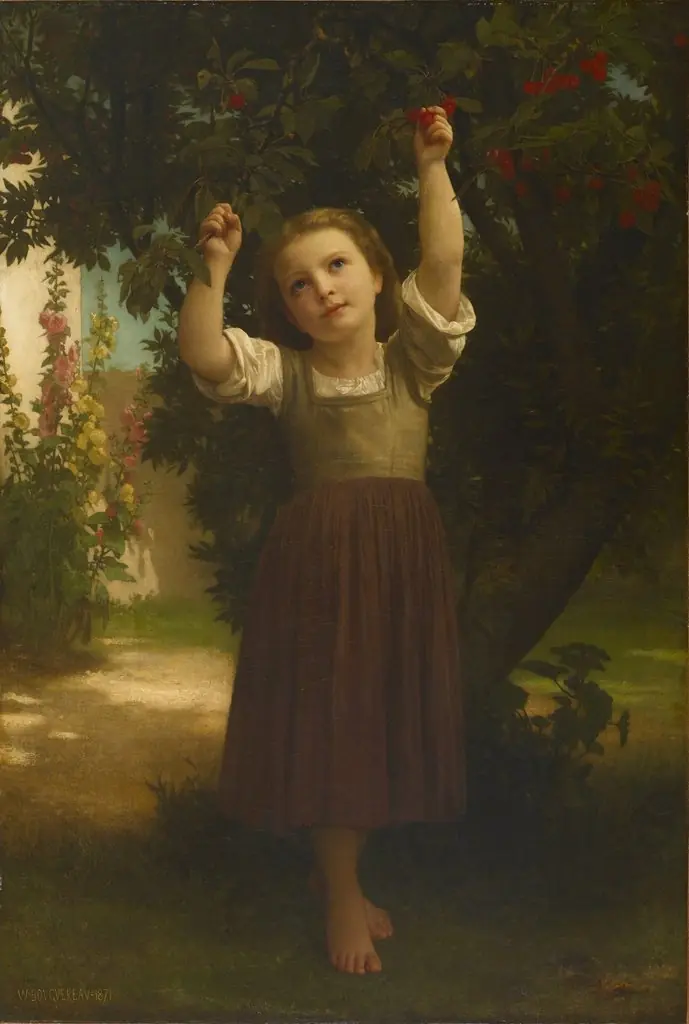 The Cherry Picker
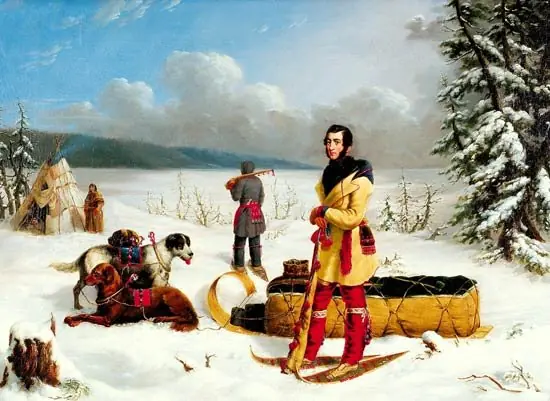 Scene in the Northwest: Portrait of John Henry Lefroy
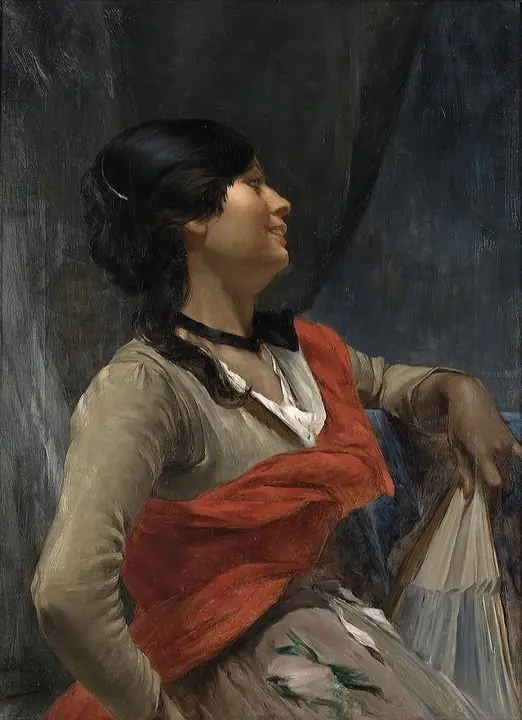 The woman from Seville
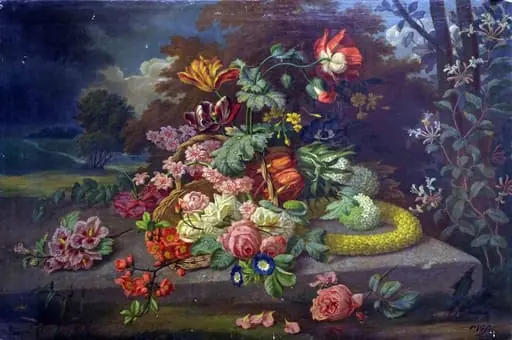 Buchet de flori
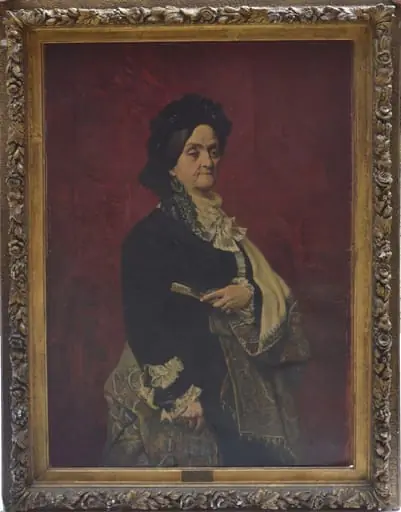 Portret (de) femeie
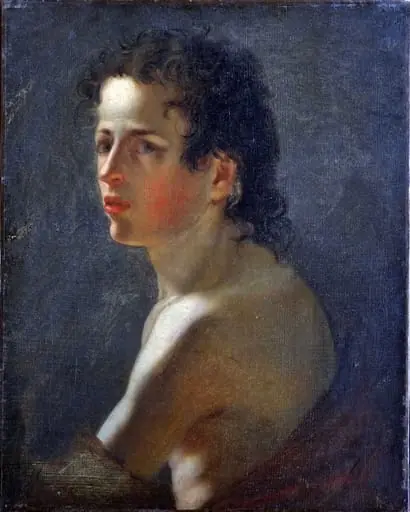 Portret de bărbat
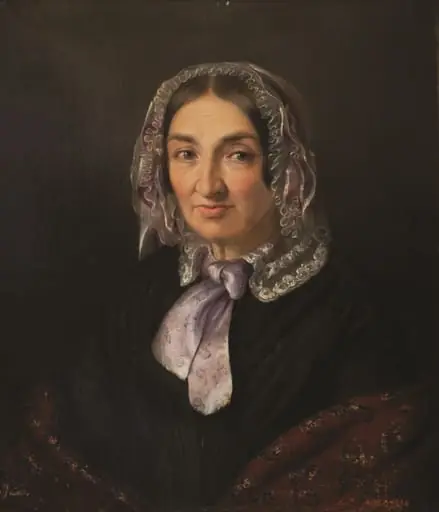 Portretul Elisabetei Steege
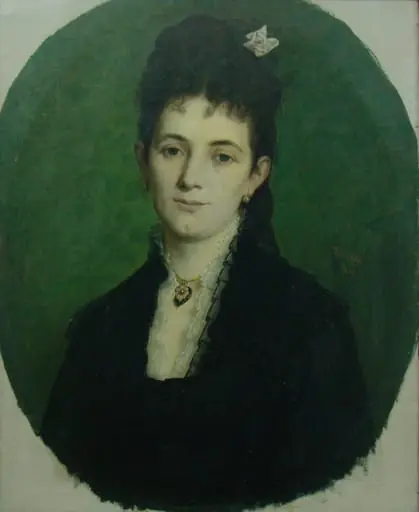 Portret de femeie
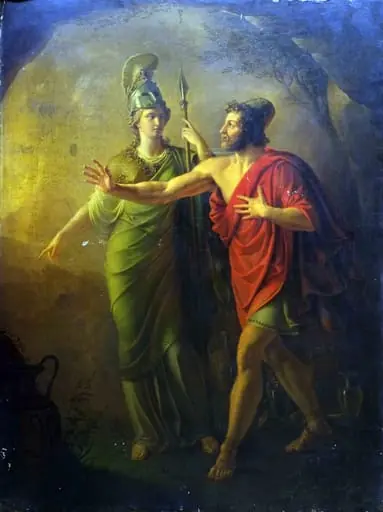 Minerva și Perseu
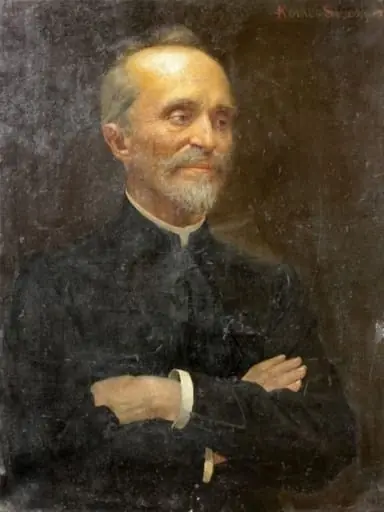 Portret de bărbat
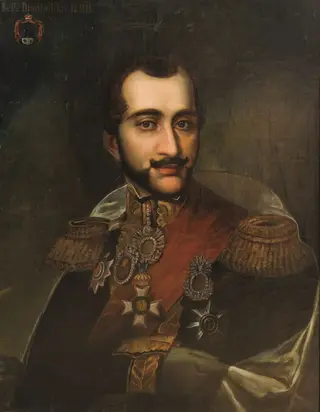 Portretul lui Alexandru Dimitrie Ghica
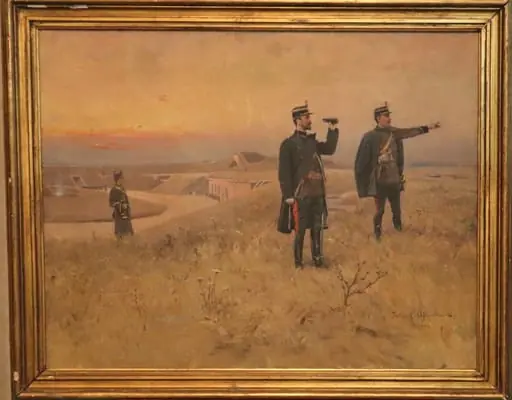 Doi ofițeri din Regimentului 1 Artilerie Cetate
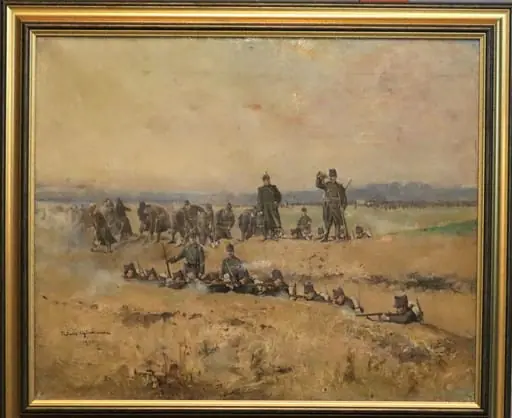 Soldați la instrucție
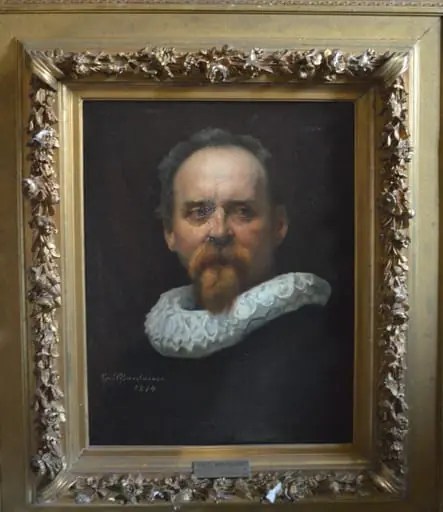 Cap de expresie
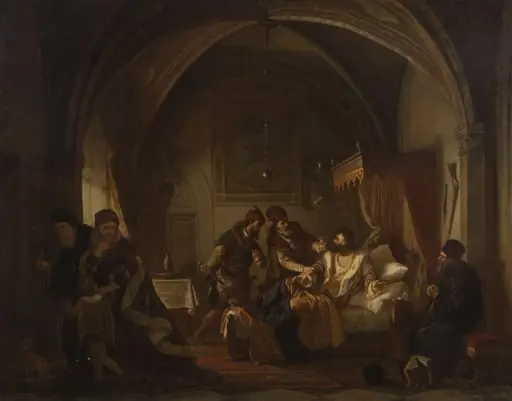 Moartea lui Alexandru Lăpușneanu
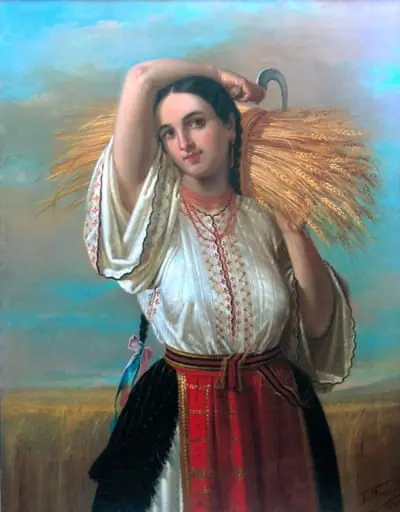 Țărancă din Vlașca
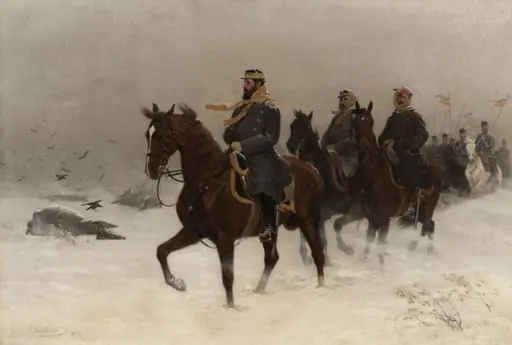 Carol I în timpul războiului
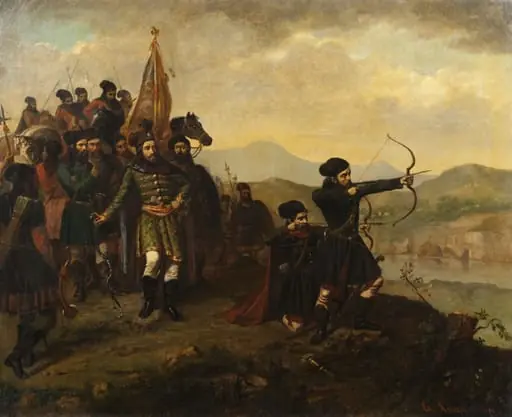 Arcașii lui Ștefan cel Mare
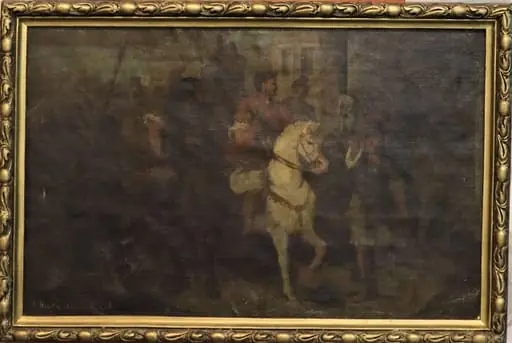 Intrarea lui Traian în Sarmizegetusa
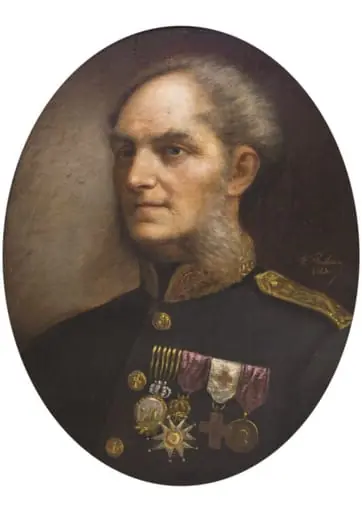 Portretul doctorului Carol Davila
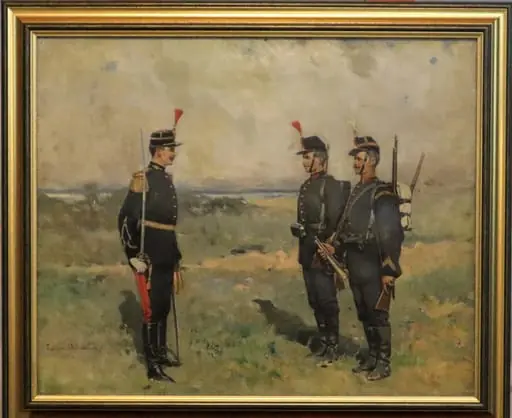 Un ofițer și doi soldați de geniu
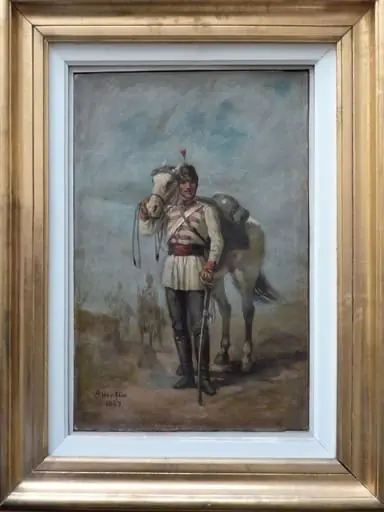 Călărași în ținută de vară
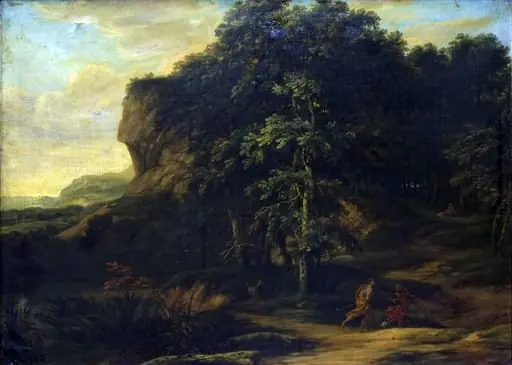 Peisaj cu personaje
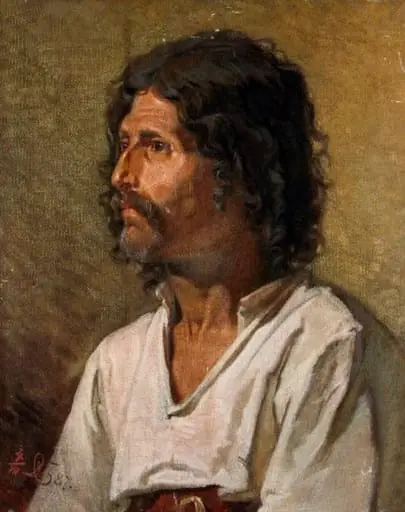 Țigan
Țigan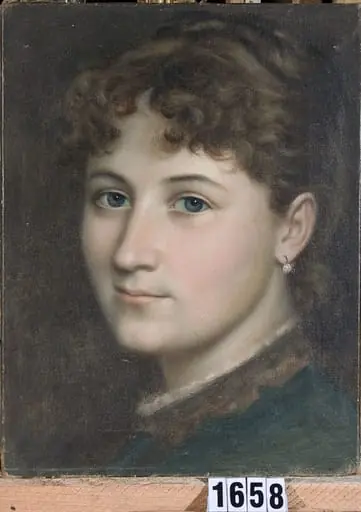 D-ra Brezeanu
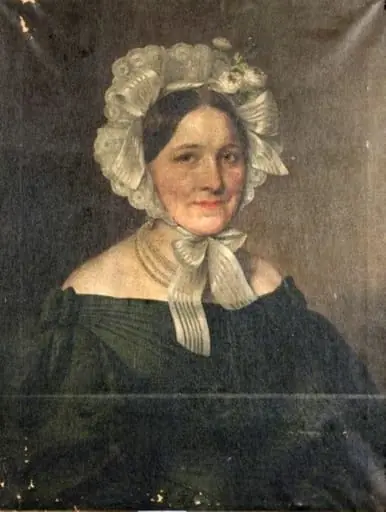 Soția preotului
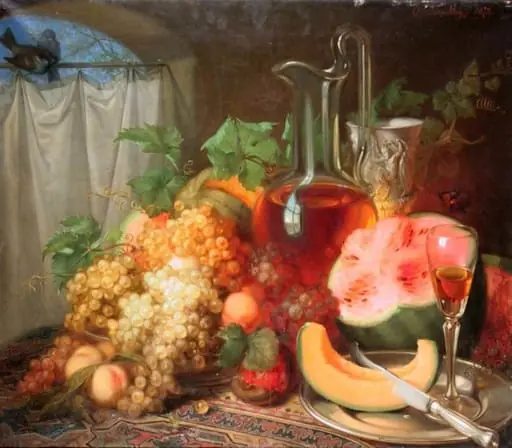 Natură moartă cu două păsări
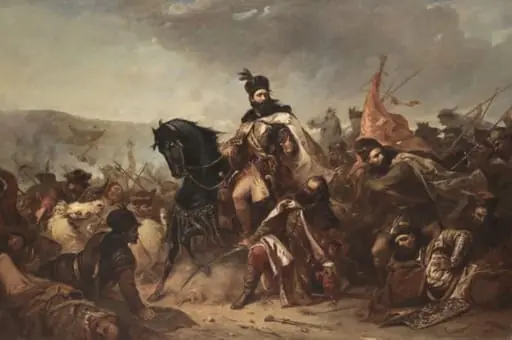 Ștefan cel Mare și Aprodul Purice
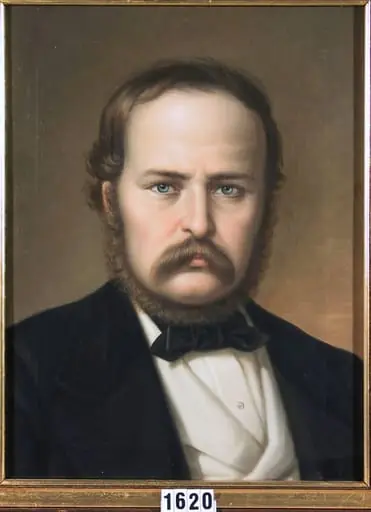 Andrei Mureșanu
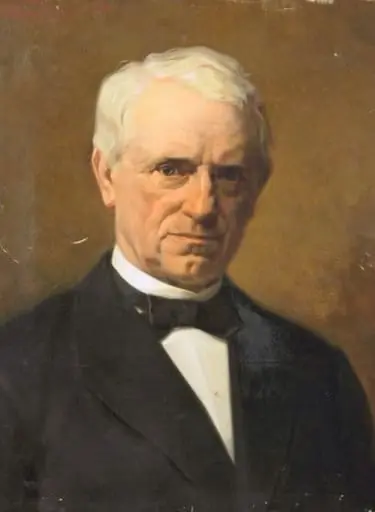 Episcopul sas, Dr. Georg Daniel Teutsch
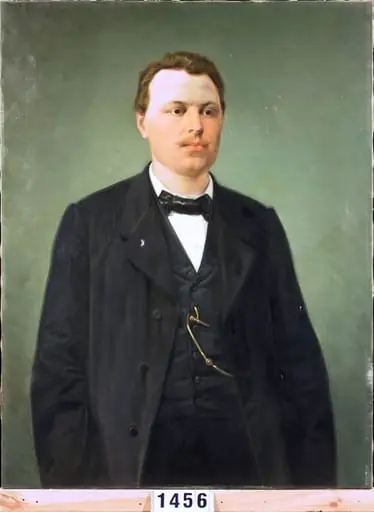 Johann Draser
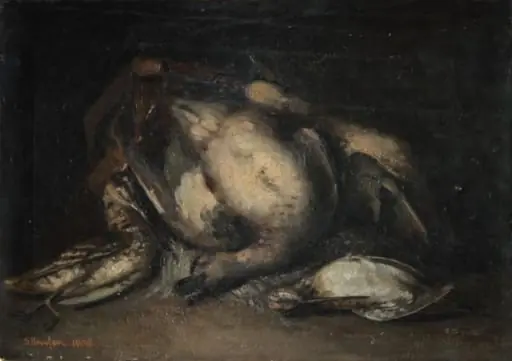 Natură moartă cu vânat
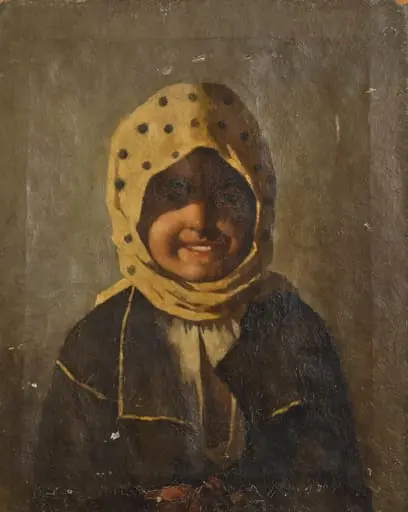 Țigancă
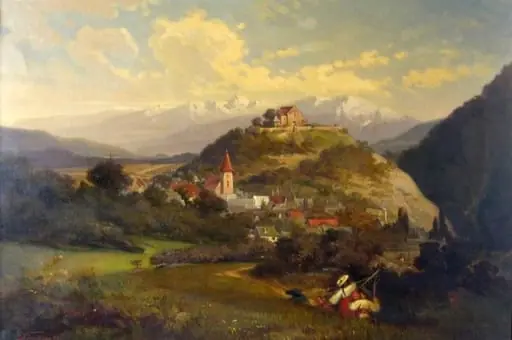 Cisnădioara
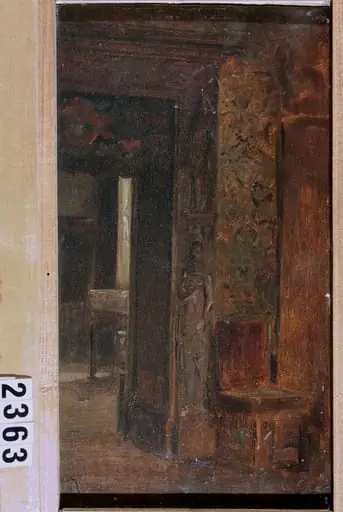 Interior din atelierul pictorului
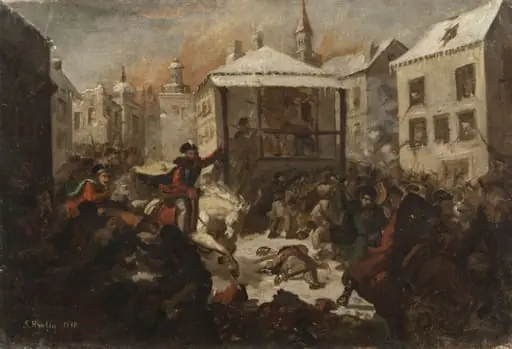 Mihai Viteazul izgonind turcii la Giurgiu
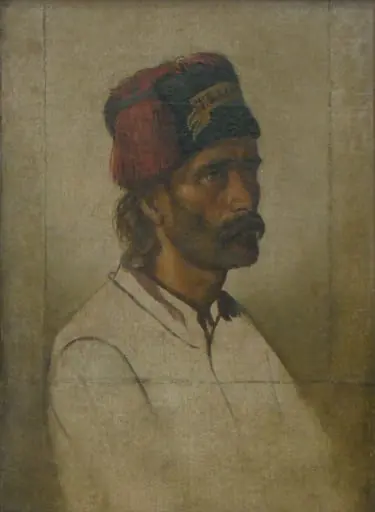 Dorobanț din Vlașca
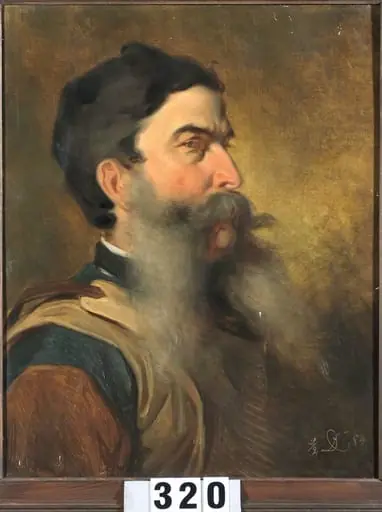 Cap de bărbat - studiu
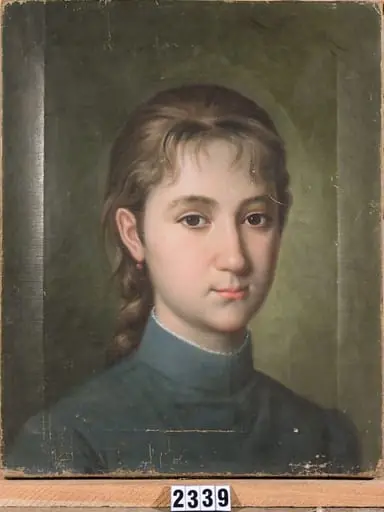 Portret de fată
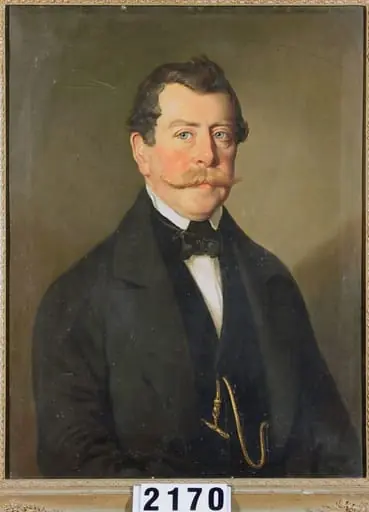 Portretul lui Drotleff
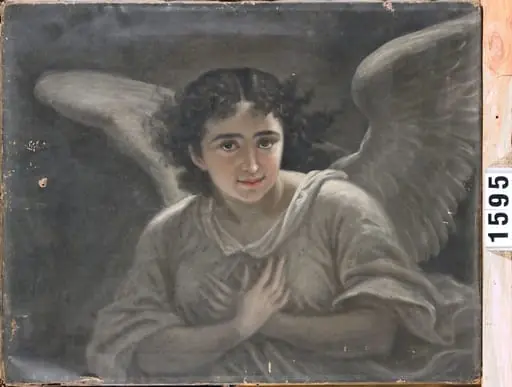 Un înger (Elisa Petrovici)
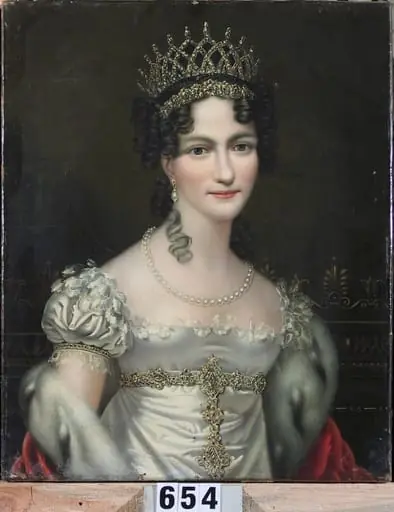 Carolina Augusta, soția împăratului austriac Franz I
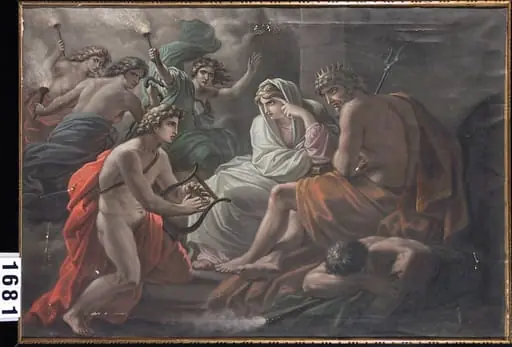 Orfeu în infern
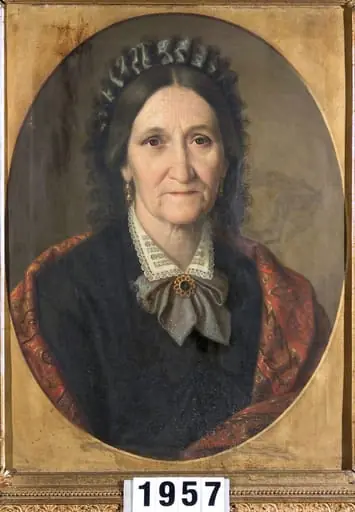 Anastasia Bozianu
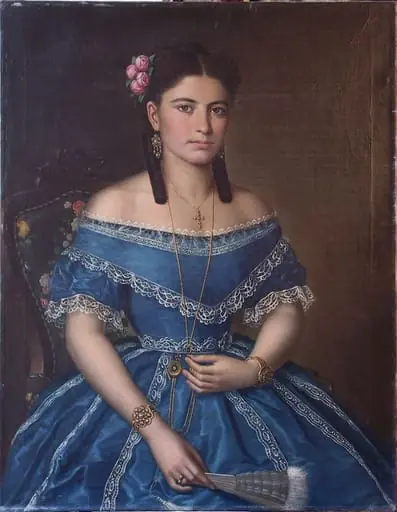 Portret de femeie
Groups & collectives
Frequently asked questions
What is Academic Art?
Academic Art is an art movement. Painting and sculpture produced under the standards of the European academies — above all the French Académie des Beaux-Arts — from the 17th through the 19th centuries.
How many Academic Art works does Artifact World Gallery have?
Artifact World Gallery holds 325 public-domain Academic Art works, all free to view and download.
Who are the key Academic Art artists?
Key Academic Art artists in the collection include Thomas Eakins, Jean Baptiste Camille Corot and Gustave Courbet.
Where can I see Academic Art works?
Academic Art works in the collection are held by Metropolitan Museum of Art, Brukenthal National Museum and Bucharest Municipality Museum.